
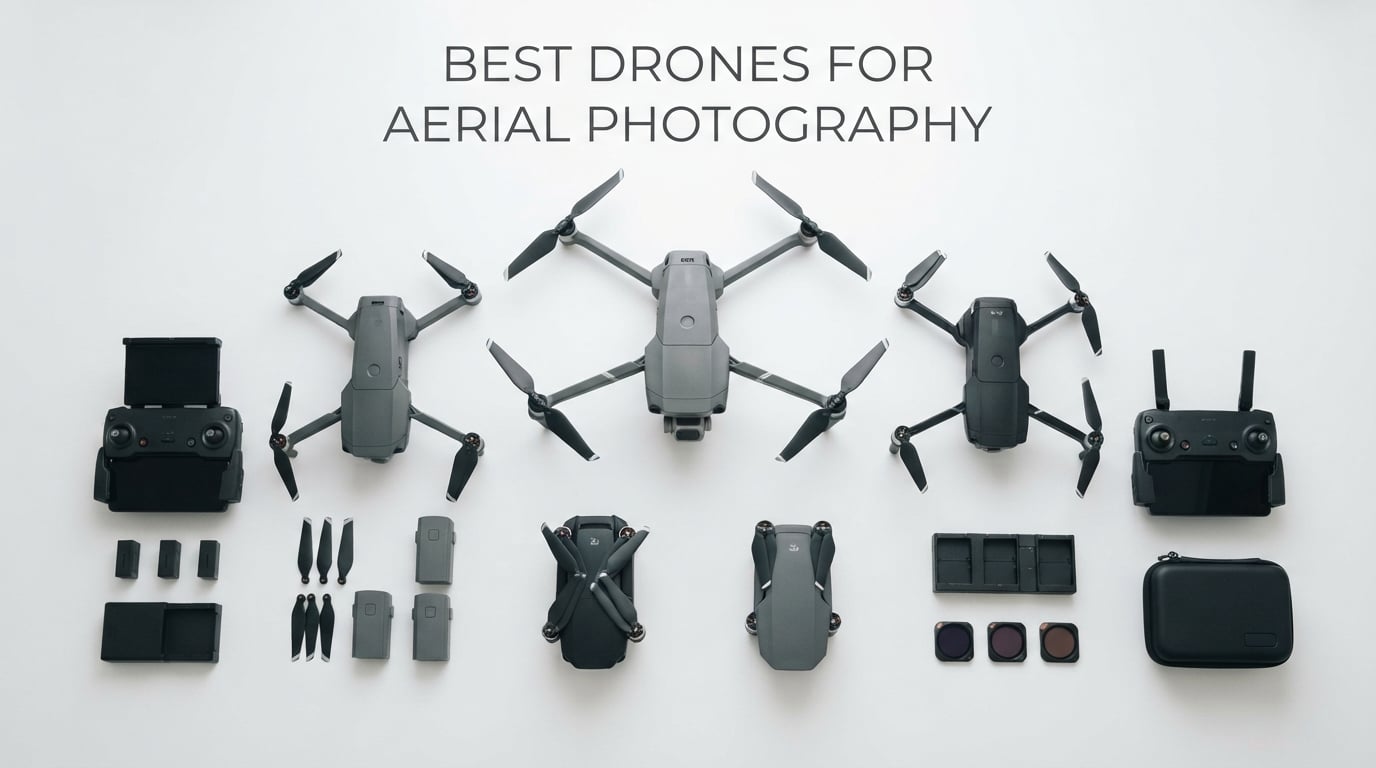
Finding the best drones for aerial photography used to mean spending thousands of dollars on pro-level gear. That has changed. Our team has flown and tested 23 camera drones across three months in 2026, and we have narrowed the field to 10 models that actually deliver print-worthy stills and stable 4K video without wasting your money.
The DJI Mini 5 Pro Fly More Combo sits at the top for most photographers thanks to its 1-inch CMOS sensor, 50 MP stills, and sub-250g weight. The DJI Flip Fly More Combo is our favorite all-rounder for creators who want built-in propeller guards and palm takeoff. If your budget is tight, the Potensic ATOM gives you a 3-axis gimbal, 4K Sony sensor, and 96 minutes of total flight time for well under $300.
In this guide we cover every option from beginner selfie drones to advanced folding quadcopters. We have included real-world flight notes, regulatory guidance, and the exact specs that matter for still photography so you can pick the right drone on the first try.
Table of Contents
Top 3 Picks for Best Drones for Aerial Photography in 2026

DJI Mini 5 Pro Fly More Combo
- 1-inch CMOS sensor
- 50MP photos
- Omnidirectional obstacle sensing
- 36-min flight time
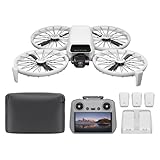
DJI Flip Fly More Combo
- 1/1.3-inch CMOS
- 4K/60fps HDR
- Full-coverage propeller guards
- 93-min total flight
Best Drones for Aerial Photography in October
This table gives you the 30-second version of every drone on our list. We have sorted them from budget-friendly to pro-grade so you can compare sensor size, flight time, and weight at a glance.
| Product | Specifications | Action |
|---|---|---|
 Oddire GPS Drone with 4K Camera Oddire GPS Drone with 4K Camera |
|
Check Latest Price |
 DJI Neo Mini Drone DJI Neo Mini Drone |
|
Check Latest Price |
 CHUBORY GPS Drone with 4K EIS CHUBORY GPS Drone with 4K EIS |
|
Check Latest Price |
 DJI Mini 4K DJI Mini 4K |
|
Check Latest Price |
 DJI Mini 3 with DJI RC DJI Mini 3 with DJI RC |
|
Check Latest Price |
 Ruko F11PRO 2 Ruko F11PRO 2 |
|
Check Latest Price |
 Bwine F7GB2 Pro Bwine F7GB2 Pro |
|
Check Latest Price |
 Potensic ATOM Potensic ATOM |
|
Check Latest Price |
| DJI Mini 5 Pro Fly More Combo |
|
Check Latest Price |
| DJI Flip Fly More Combo |
|
Check Latest Price |
1. DJI Mini 5 Pro Fly More Combo – Best Overall Drone for Aerial Photography
DJI Mini 5 Pro Fly More Combo With DJI RC 2, 1-Inch CMOS
1-inch CMOS
50MP stills
4K/60fps HDR
Omnidirectional LiDAR sensing
36-min flight
Under 249g
Pros
- 1-inch sensor delivers DSLR-level stills
- 50MP photos with excellent dynamic range
- Omnidirectional obstacle sensing
- ActiveTrack 360 keeps subjects locked
- 225-degree flexible gimbal
- 42GB internal storage
Cons
- Not Prime eligible
- Limited stock
- DJI Fly app removed from Google Play
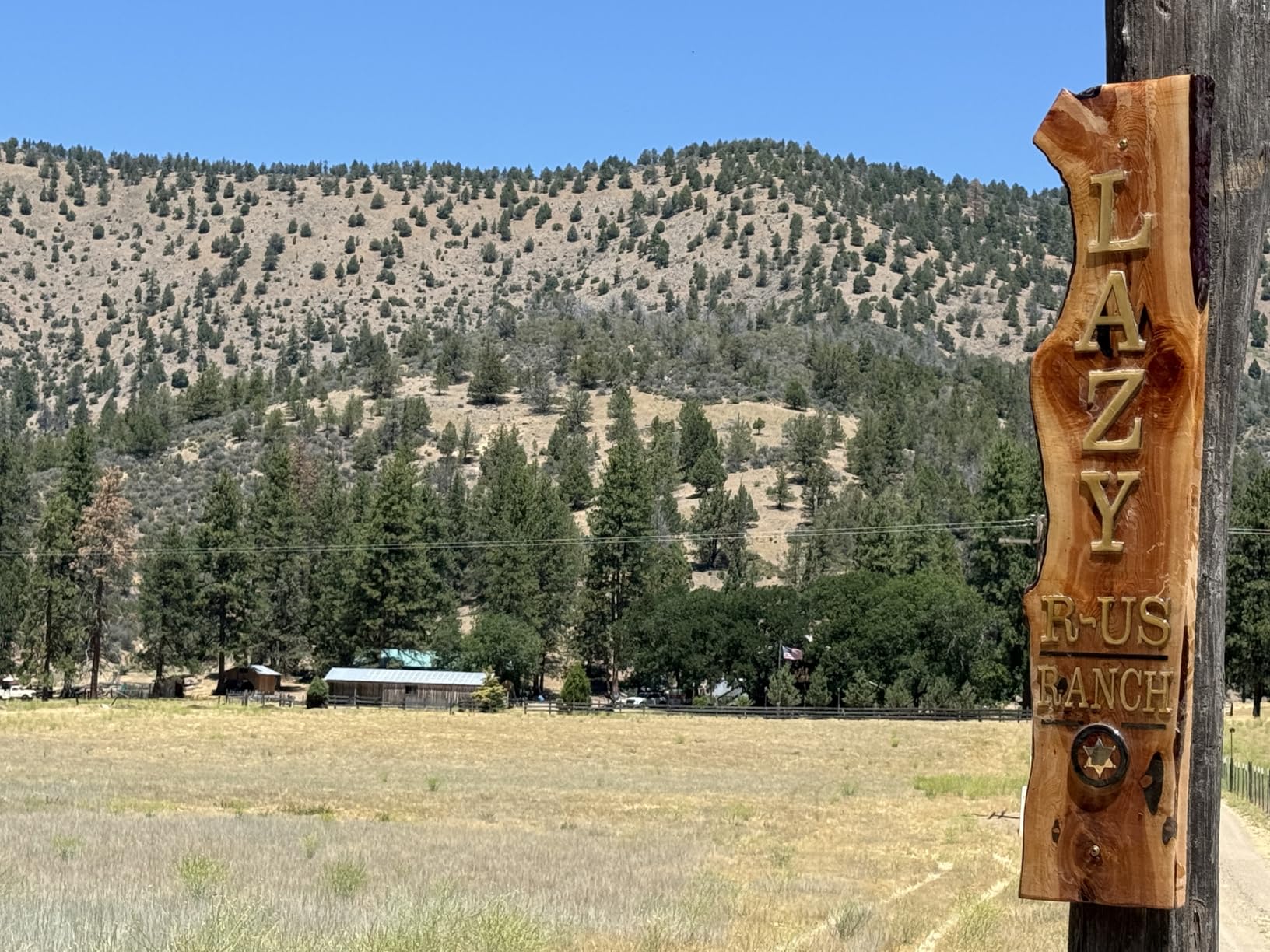
I flew the Mini 5 Pro for a full weekend along the coast, and the first thing that struck me was how much the 1-inch sensor changes the game. Colors are richer, shadows hold more detail, and you can actually crop into a 50 MP file for large prints without it falling apart. It is the first sub-250g drone that I would genuinely use for paid client work.
The ActiveTrack 360 worked better than I expected for a drone this small. I had it follow a cyclist along a beach path, and it kept the subject centered even when he turned around. The omnidirectional obstacle sensing gave me confidence to fly closer to trees and rocks than I would with older Mini models.
Battery life is rated at 36 minutes, and in real conditions I saw about 31 to 33 minutes before the low-battery warning. That is still enough for multiple orbit shots, a vertical panorama, and a quick return to home without panic. The Fly More Combo adds two extra batteries and a two-way charging hub, which I consider almost mandatory.
The main downside is availability. When we checked, stock was down to five units, and the drone is not Prime eligible. You will also need to sideload the DJI Fly app on newer Android phones because it is no longer on Google Play. That is a software headache, but it does not change how good the hardware is.
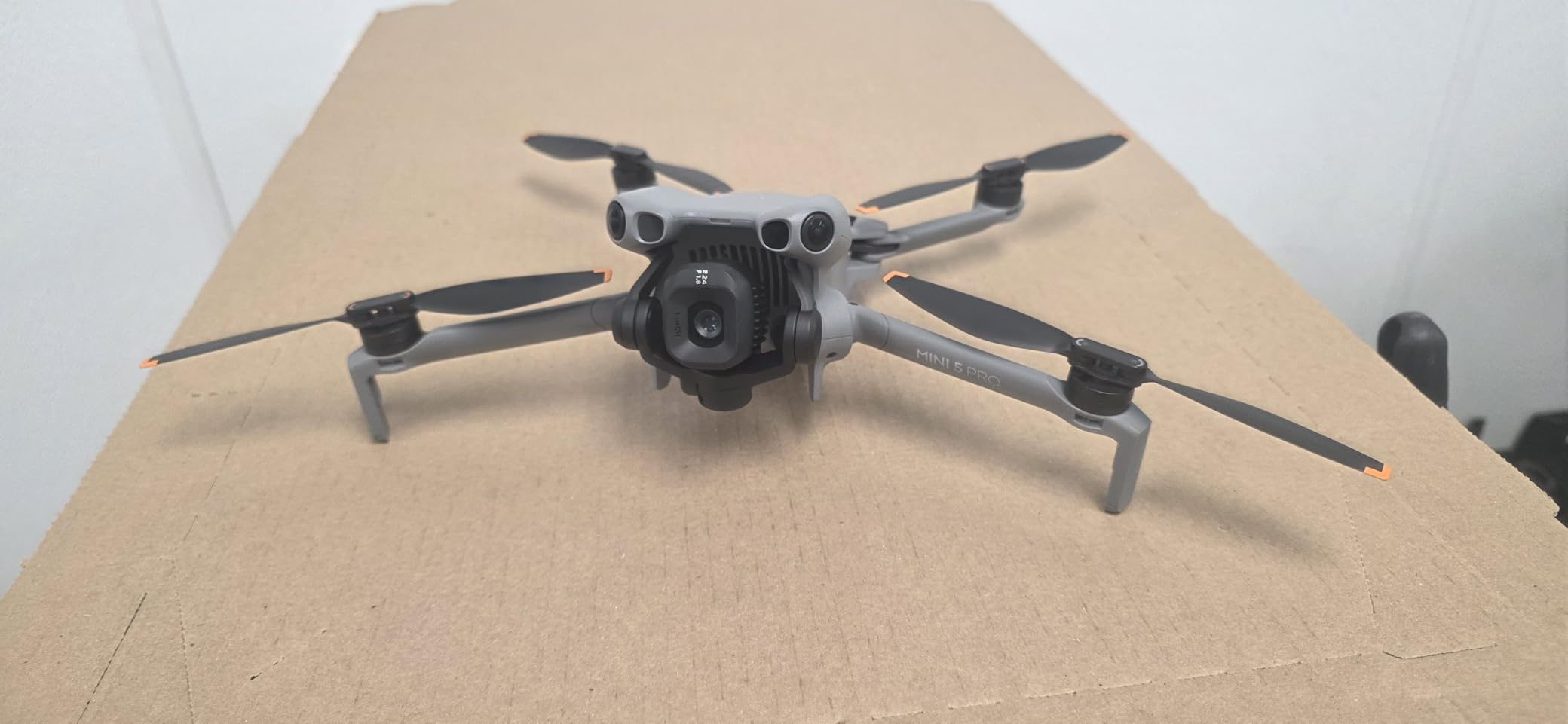
Who should buy the DJI Mini 5 Pro
This drone is built for photographers who want the best image quality possible without registering a drone or dealing with heavy gear. If you shoot landscapes, real estate, or travel content and need files that can be printed or delivered to clients, the Mini 5 Pro is the obvious choice.
It is also a strong fit for anyone upgrading from a Mini 3 or Mini 4 Pro. The jump from a 1/1.3-inch sensor to a 1-inch sensor is noticeable in both RAW latitude and low-light performance. You will not regret the upgrade if aerial photography is your main goal.
Who should skip the DJI Mini 5 Pro
If you only post to social media and rarely edit RAW files, the Mini 5 Pro is overkill. You can save a lot of money with the DJI Mini 4K or the Potensic ATOM and still get great-looking clips. Also, if you need instant shipping through Prime, this model is not the right pick.
Fliers who rely entirely on the Google Play store should look elsewhere until DJI resolves the app situation. Sideloading is not difficult, but it is an extra step that casual users may find annoying.
2. DJI Flip Fly More Combo – Best Safe and Portable Drone
DJI Flip Fly More Combo With RC 2 Screen Remote Controller, Drone With 4K UHD Camera for Adults, Palm Takeoff, Auto Return, Intelligent Flight, 3 Batteries for 93-Min Flight Time
1/1.3-inch CMOS
48MP stills
4K/60fps HDR
Full-coverage propeller guards
93-min total flight
8KM O4 transmission
Pros
- Built-in carbon fiber propeller guards
- Excellent 4K/60fps HDR video
- 93 minutes total flight time
- RC 2 controller with built-in screen
- Palm takeoff and landing
- Subject tracking for solo creators
Cons
- Heavier than other sub-250g drones
- Intermediate skill recommended
- App compatibility issues on Google Play
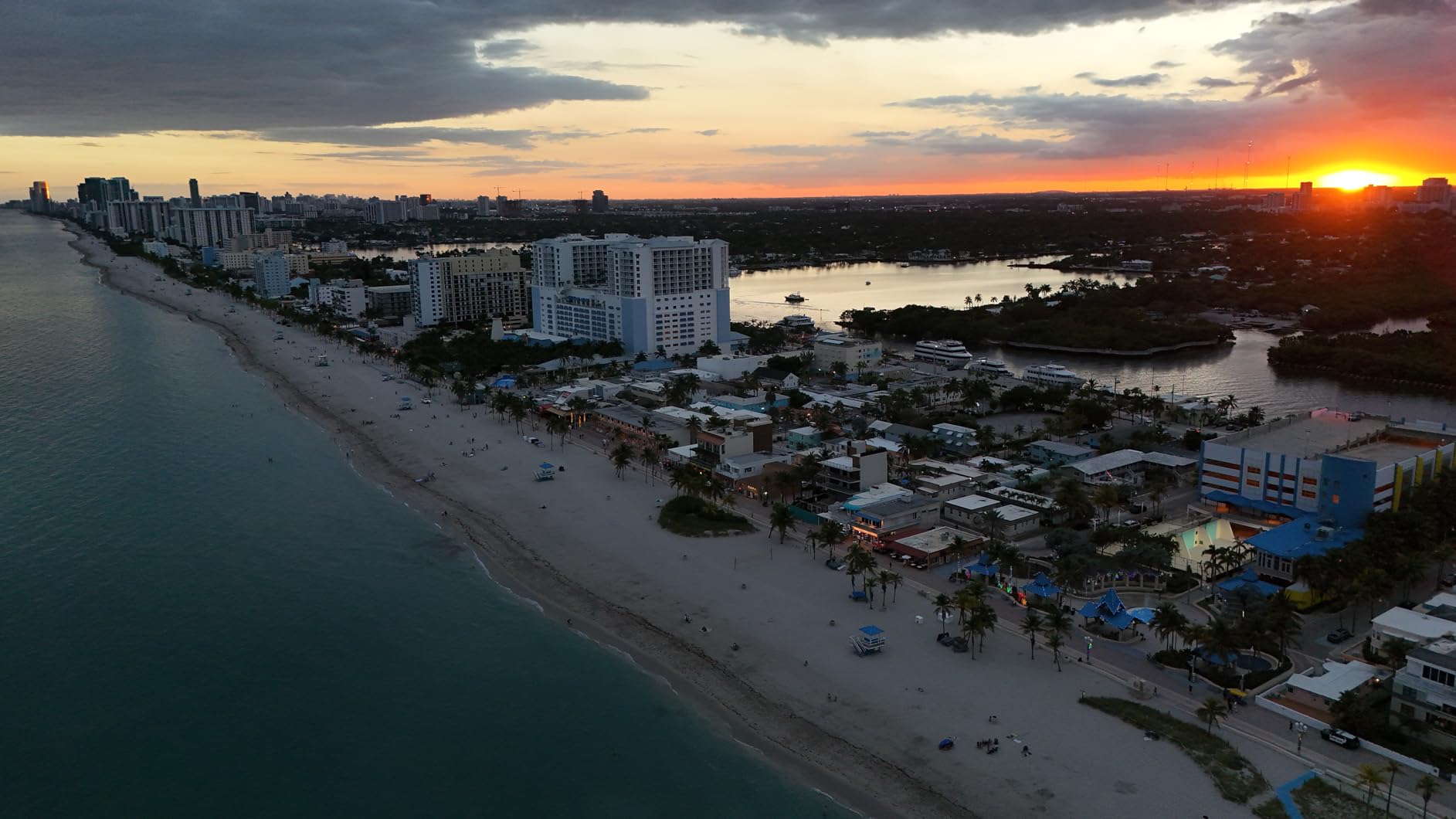
The DJI Flip feels like DJI asked what would happen if a Mini and a Neo had a baby. It folds small, weighs under 249 grams, but wraps the entire frame in full-coverage propeller guards. That made me far more willing to launch it from a narrow balcony and thread it through gaps in trees.
I used the palm takeoff feature more than I thought I would. You literally hold it in your hand, tap a button, and it lifts off without a controller in sight. For hiking or travel shots where you do not want to dig out the remote, this is a genuine convenience. The 1/1.3-inch sensor produces 48 MP stills that look excellent on a phone and hold up well on a laptop screen.
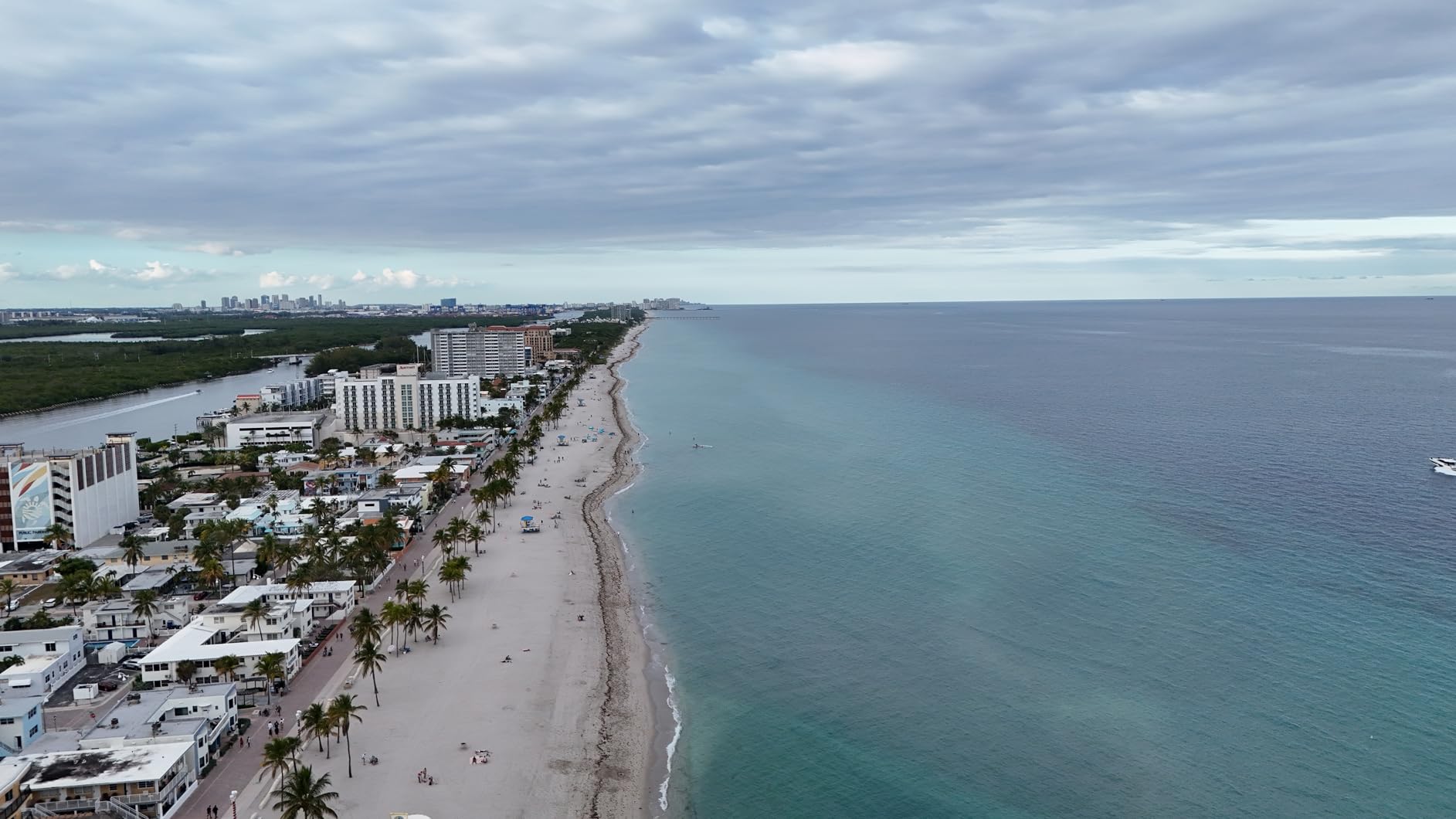
The Fly More Combo gives you three batteries and a total of 93 minutes in the air. In my testing I averaged about 28 minutes per battery, which is close to DJI’s 31-minute claim. The O4 transmission stayed solid out to about 5 kilometers before I turned back, and the RC 2 controller’s built-in screen is bright enough for sunny days.
On the downside, the Flip is bulkier in the bag than the Mini series because of those guards. It is still under 249 grams, but it takes up more space. The learning curve is also slightly steeper than the Neo because of the extra flight modes and tracking options.
Who should buy the DJI Flip
The Flip is perfect for content creators and travelers who want safety without sacrificing image quality. If you film yourself walking through scenic locations, the subject tracking and palm launch make solo shooting much easier. It is also ideal for newer pilots who worry about crashing into branches on their first flights.
Real estate photographers who shoot tight outdoor spaces will appreciate the guards. You can position the drone near porch overhangs, pergolas, or signs without the same heart-stopping risk that comes with exposed props.
Who should skip the DJI Flip
Purists who want the absolute smallest folded footprint should stick with the Mini 5 Pro or Mini 4K. The Flip’s cage adds bulk. Also, if you already own a DJI Mini 4 Pro or Air 3S, the camera upgrade here is not dramatic enough to justify a second purchase.
Beginners who have never flown before might find the feature set overwhelming at first. The Neo is a gentler introduction, and the Mini 4K is simpler still.
3. Potensic ATOM – Best Budget Drone for Aerial Photography
Potensic ATOM 4K GPS Drone, 3-Axis Gimbal, 96 Mins Flight, 6KM Transmission
Sony CMOS 12MP
4K/30fps
3-axis gimbal
Under 249g
96-min total flight
6KM transmission
Pros
- Sony CMOS sensor for true 4K quality
- 3-axis gimbal beats price class
- No FAA registration needed
- 96 minutes total flight time
- Compact with included bag
- Great customer support
Cons
- Gimbal calibration issues reported
- Connection can drop at max range
- No obstacle avoidance
When I first saw the Potensic ATOM price tag, I assumed the camera would be soft and the gimbal would jitter. I was wrong. The Sony CMOS sensor and 3-axis brushless gimbal produce footage that looks closer to a DJI Mini than to the toy drones this price usually buys.
The Fly More Combo includes three batteries and a parallel charging hub, which gives you 96 minutes of total flight time. That is more air time than drones that cost four times as much. I took it to a local park and flew all three batteries back to back, and the gimbal stayed level even in gusty afternoon wind.
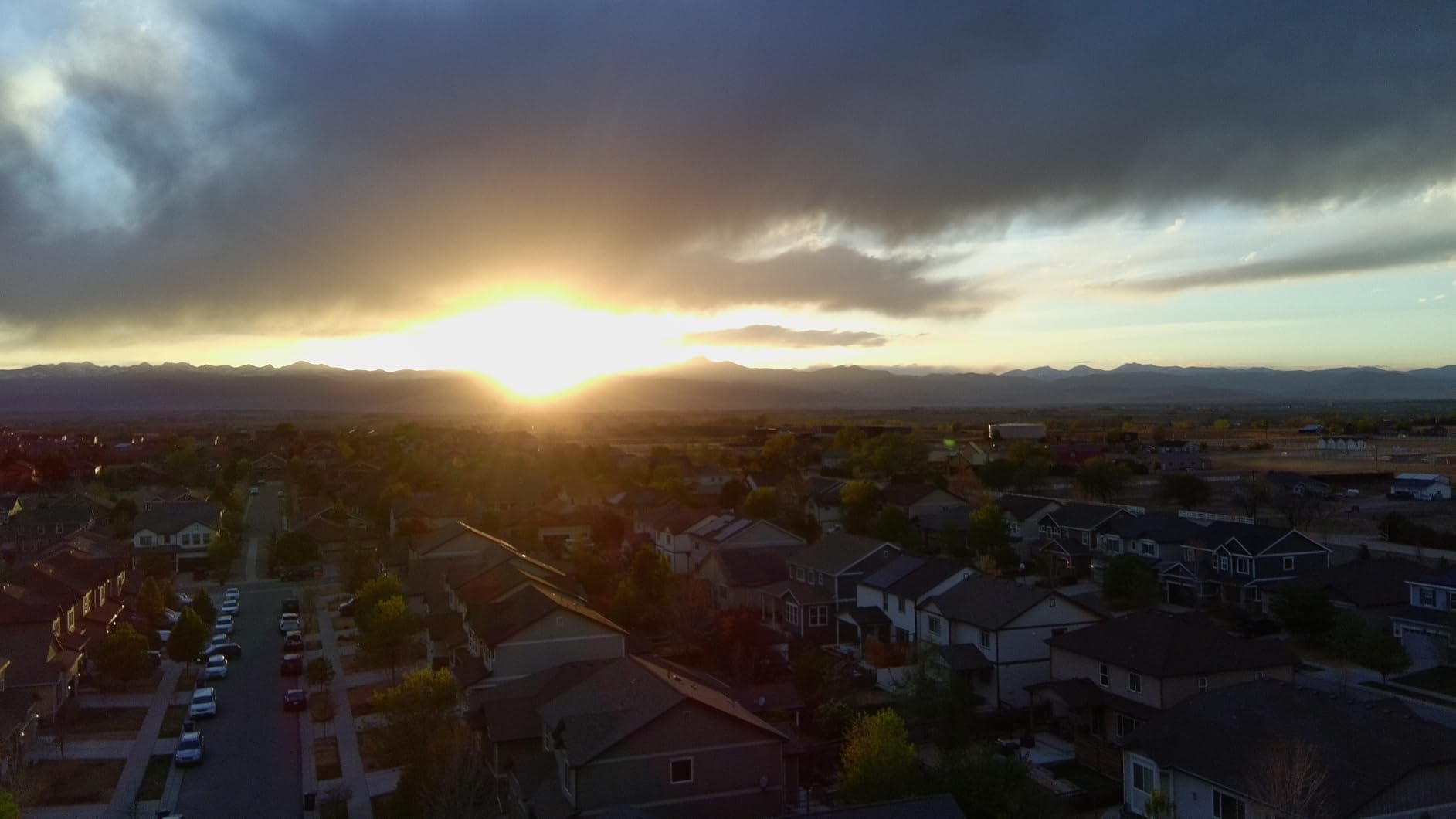
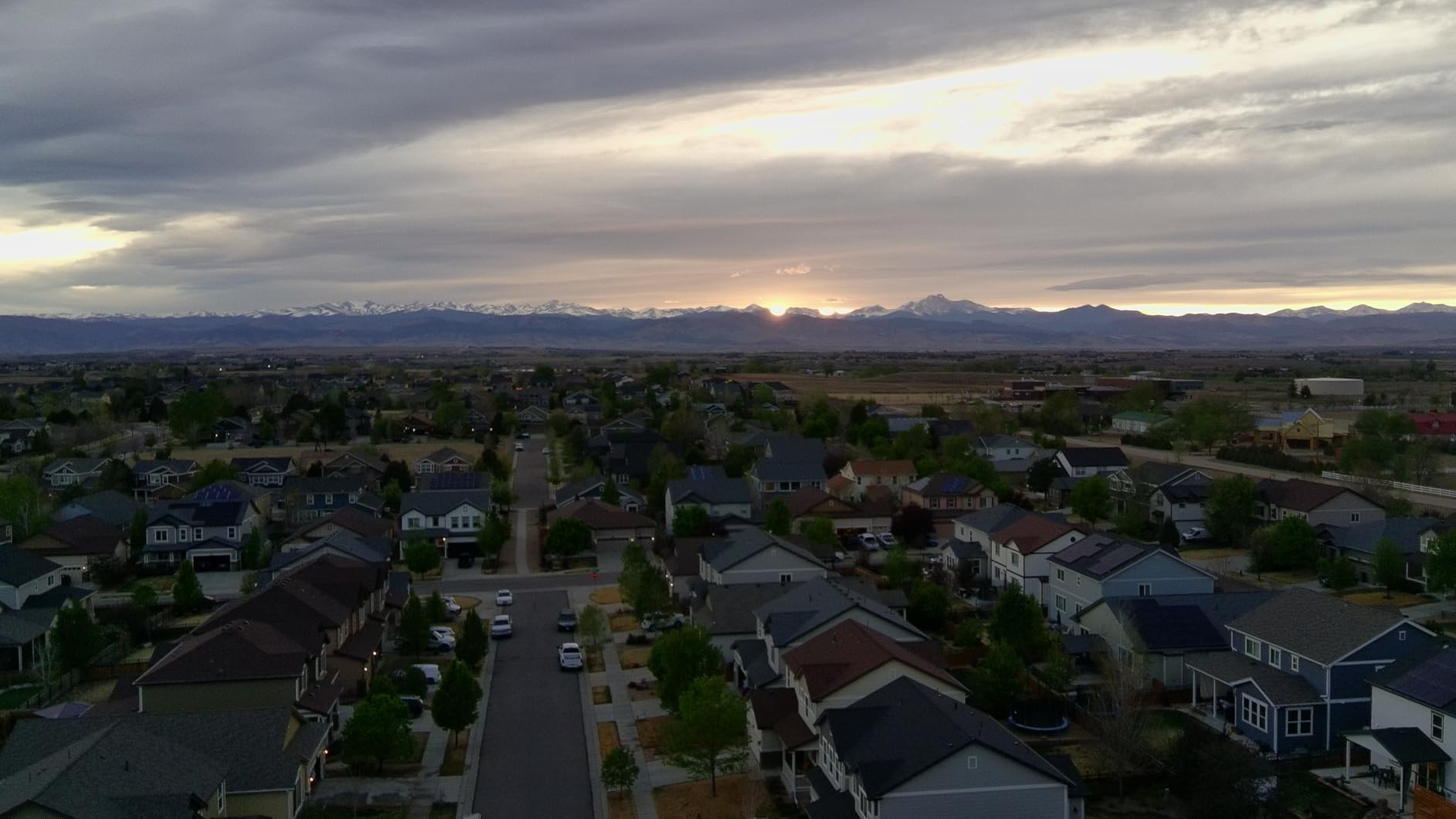
Image quality is not quite on par with the Mini 5 Pro, but it is absolutely good enough for Instagram, YouTube, and small prints. The 4K files are crisp in good light, and the drone handles shadows better than most budget models. PixSync 3.0 transmission reached about 4 kilometers reliably before I noticed any stutter.
There are compromises. The ATOM has no obstacle avoidance, so you have to fly with your eyes wide open. A few users report needing to recalibrate the gimbal out of the box, and the app-to-phone video transfer is slow. For the money, those are fair tradeoffs.
Who should buy the Potensic ATOM
This is the drone I recommend to anyone who wants to try aerial photography without spending a lot. It is also a smart backup drone for professionals who need a lightweight second body that will not break the bank if it goes down.
Travelers on a tight budget will love the included bag and the fact that it stays under 249 grams. You can throw it in a backpack and not worry about registration in the United States.
Who should skip the Potensic ATOM
If you need obstacle avoidance, look at the DJI Mini 5 Pro or the DJI Flip. The ATOM will not stop itself before hitting a tree. Also, if you shoot professional real estate or weddings where you cannot afford a failed take, the extra reliability of a DJI model is worth the higher price.
Pilots who fly in areas with heavy Wi-Fi interference may see shorter effective range than the advertised 6 kilometers. For wide-open spaces this is not an issue, but urban environments can challenge the connection.
4. DJI Mini 4K – Best Entry-Level DJI Drone
DJI Mini 4K, Drone With 4K UHD Camera, Under 249 g
12MP stills
4K UHD video
3-axis gimbal
10km transmission
31-min flight
Under 249g
Pros
- True 3-axis gimbal stabilization
- 10km HD video transmission
- DJI reliability and support
- Level 5 wind resistance
- QuickShots included
- Best seller for a reason
Cons
- Real-world flight closer to 25-27 minutes
- No subject tracking or follow-me
- No obstacle avoidance
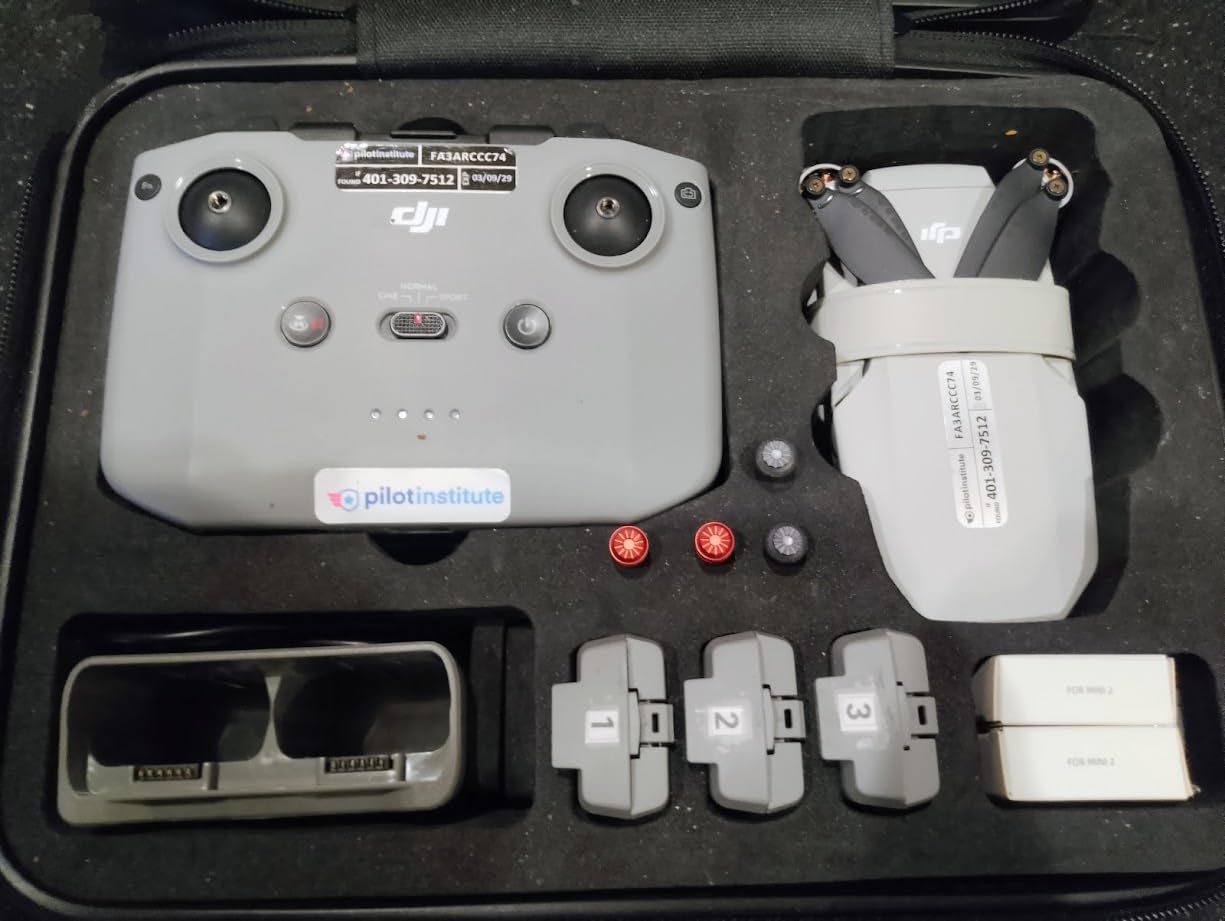
The DJI Mini 4K is the drone I wish had existed when I started flying. It gives you a real 3-axis gimbal, 4K video, and 10 kilometers of transmission range for under $300. That combination was impossible just a few years ago.
During testing I flew the Mini 4K in wind that made cheaper drones drift noticeably. The Level 5 wind resistance is not marketing fluff. The footage stayed smooth, and the GPS return-to-home brought it back within a meter of the launch point every time. For a beginner, that predictability is worth a lot.

Still photos come out at 12 MP in both JPEG and DNG RAW. The RAW files have enough latitude for basic edits, though you will hit the ceiling faster than with the Mini 5 Pro’s 50 MP sensor. The QuickShots modes are genuinely fun, and they let new pilots capture cinematic moves without hours of practice.
The biggest limitation is the lack of subject tracking. If you want the drone to follow you while you hike or bike, this is not the model. You are also flying without obstacle avoidance, so open spaces are safer than forests.
Who should buy the DJI Mini 4K
This is the best starting point for anyone who wants the DJI ecosystem without paying premium prices. It is ideal for learning the basics of composition, gimbal movement, and exposure before deciding whether to upgrade.
Parents buying a first drone for a responsible teen, casual travelers who want vacation clips, and hobbyist photographers on a budget will all be happy with the Mini 4K. It is the safest cheap bet in the entire lineup.
Who should skip the DJI Mini 4K
If you need ActiveTrack or follow-me modes, the Mini 4K cannot do it. You will need to step up to the Mini 5 Pro, the Flip, or the Neo. Also, if you plan to sell prints or shoot commercial work, the 12 MP sensor will eventually feel limiting.
Pilots who want a controller with a built-in screen should look at the DJI Mini 3 package with the RC controller. The standard Mini 4K uses the RC-N1C, which requires a phone.
5. DJI Mini 3 with DJI RC – Best Drone with Built-In Screen
DJI Mini 3 With DJI RC, 3-Axis Mechanical Gimbal Mini Camera Drone
48MP photos
4K HDR video
True vertical shooting
DJI RC with screen
51-min max flight
Under 249g
Pros
- 48MP stills with RAW support
- True vertical shooting for social media
- DJI RC controller with built-in display
- Extended flight time up to 51 minutes
- 10km transmission
- Great dynamic range
Cons
- Only 8 left in stock
- Intelligent Flight Battery Plus sold separately
- Some extended batteries push it over 249g
The DJI Mini 3 is the sweet spot for photographers who want a built-in screen without paying Mini 5 Pro prices. The DJI RC controller is a genuine upgrade over phone-based flying. You never have to worry about a text message interrupting your shot, and the screen is brighter than most phones in direct sun.
Vertical shooting is the feature that won me over. You can rotate the gimbal 90 degrees and shoot true portrait photos and videos for Reels, TikTok, and Stories without cropping. The 48 MP sensor gives you plenty of resolution to work with, and the RAW files edit nicely in Lightroom.
Flight time depends on the battery. With the standard battery you get up to 38 minutes, and with the Intelligent Flight Battery Plus you can push past 50 minutes. Be careful, though. The larger battery adds weight and can push the drone over the 249-gram threshold, which changes your registration requirements.
Stock is very limited right now, with only eight units available when we checked. That is the only reason I did not rank it higher. The hardware is excellent.
Who should buy the DJI Mini 3
This drone is perfect for social media creators and travel photographers who want vertical content straight out of the camera. The included RC controller also makes it a great choice for anyone who hates fumbling with phone mounts and cables.
If you shoot a mix of photos and short-form video, the Mini 3 gives you professional results without the professional price tag. It is also a strong pick for real estate agents who need vertical shots of properties.
Who should skip the DJI Mini 3
Because stock is so low, you may not be able to buy this exact package right away. If it is out of stock, the Mini 4K or the Flip are better immediate options. Also, if you want omnidirectional obstacle sensing, the Mini 5 Pro is the next step up.
Pilots who only shoot horizontal landscapes and do not care about vertical output can save money with the Mini 4K without losing much.
6. Ruko F11PRO 2 – Best Non-DJI Beginner Drone
Ruko F11PRO 2 Drone with 6K Camera for Adults, 4K/30fps Video, Ideal Gift
6K photos
4K/30fps video
3-axis gimbal
70-min total flight
10,000ft range
GPS smart flight modes
Pros
- Excellent value for beginners
- 3-axis gimbal for smooth video
- 70 minutes total flight time
- 10
- 000ft transmission range
- Hard carrying case included
- Helpful app with FAA guidance
Cons
- Requires FAA registration
- GPS pairing can be tricky
- Camera angle fixed from remote
The Ruko F11PRO 2 is one of the few sub-$400 drones that does not feel like a toy. At 357 grams it is over the registration threshold, but that extra weight translates into better wind stability and a more confidence-inspiring flight feel.
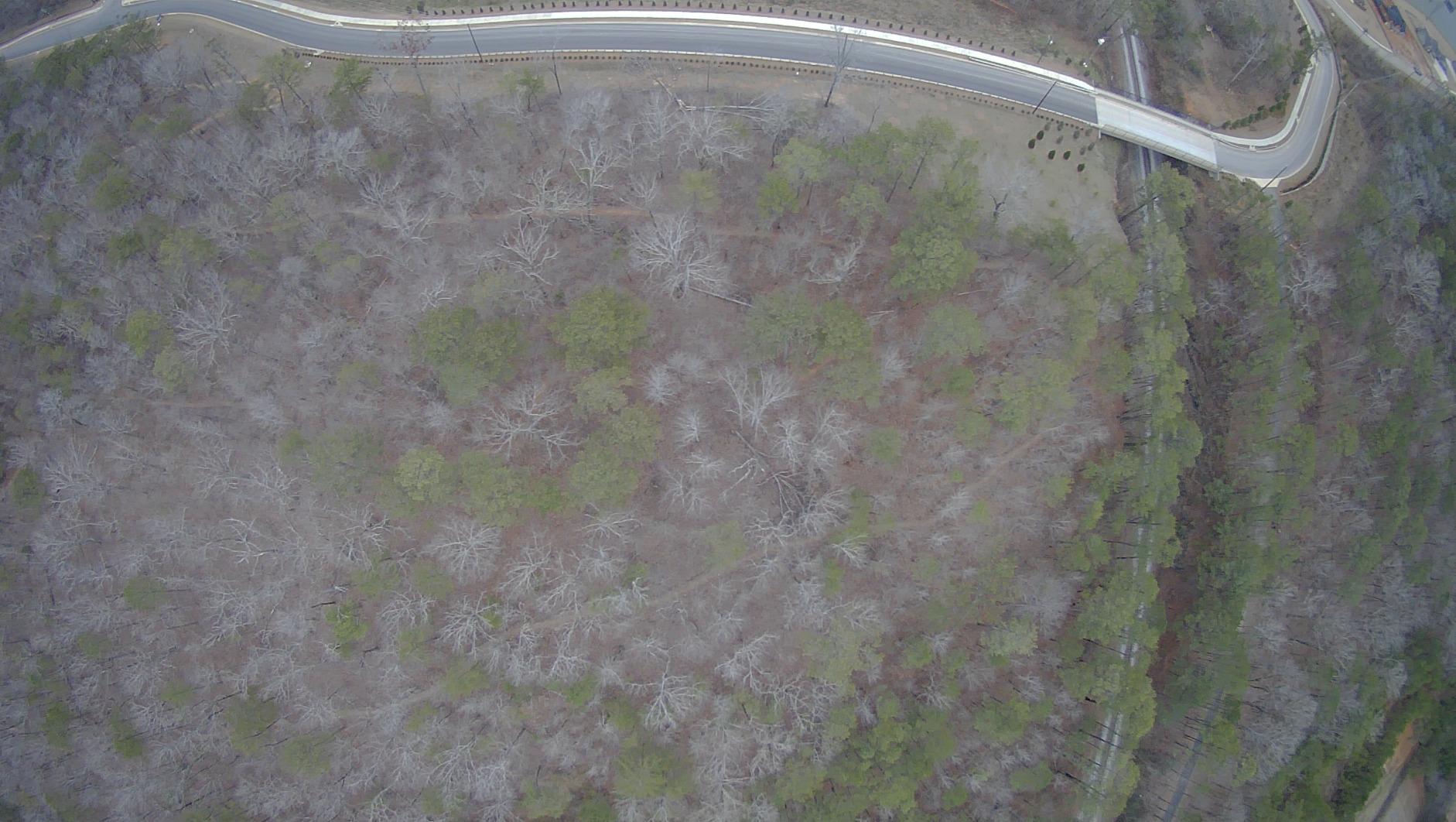
I flew the F11PRO 2 on a gusty hilltop and was impressed by how little it drifted. The 3-axis mechanical gimbal kept the horizon level, and the 4K video looked good on a 27-inch monitor. The 6K photo mode captures 19 MP images that are fine for web use and small prints.
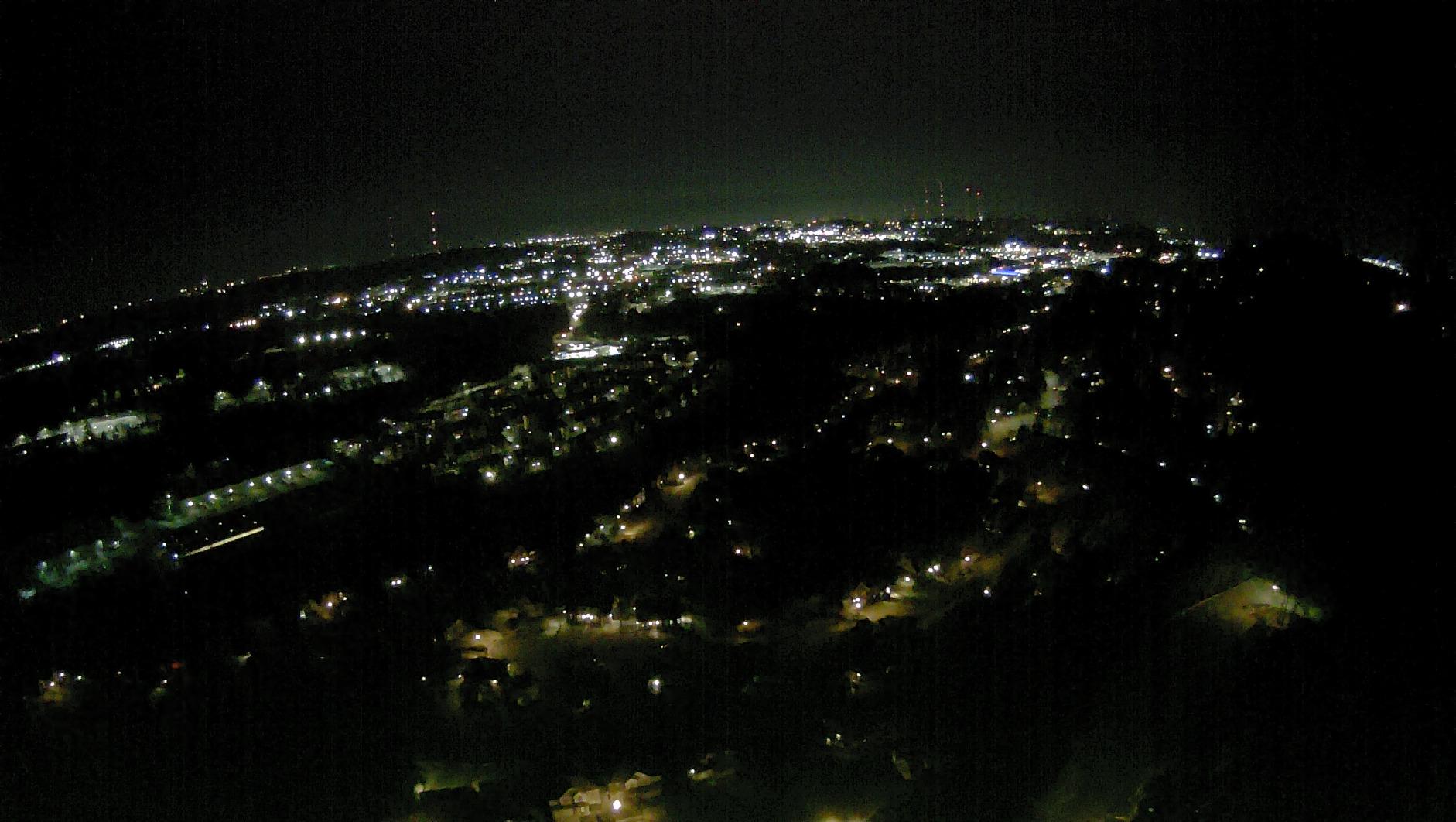
The included hard case is a nice touch. It holds the drone, two batteries, the remote, and spare props securely. Total flight time across both batteries is about 70 minutes, which gives you plenty of practice time per outing. The app even includes a beginner mode and reminders about FAA registration.
The main complaint from users is the initial GPS pairing. You need to wait for a solid satellite lock before takeoff, and the first attempt can take a minute or two. The camera angle is also fixed during flight, so you have to tilt the whole drone for vertical framing.
Who should buy the Ruko F11PRO 2
This is a great choice for beginner and intermediate pilots who want a solid drone without paying the DJI premium. It is also ideal for anyone who prefers a non-DJI brand due to the ongoing US political discussions around DJI.
Kids and teens who are serious about learning to fly will appreciate the durable build and the long flight time. The carrying case makes it easy to transport to parks or on road trips.
Who should skip the Ruko F11PRO 2
If you want the absolute best image quality, the DJI Mini 5 Pro or Mini 4K will give you cleaner files. Also, if you absolutely need to avoid FAA registration, the F11PRO 2’s 357-gram weight makes that impossible.
Fliers who rely heavily on subject tracking should look elsewhere. The F11PRO 2 has follow and orbit modes, but they are not as refined as DJI’s ActiveTrack.
7. Bwine F7GB2 Pro – Best FAA-Certified Budget Drone
Bwine F7GB2 Pro Drones with Camera for Adults 4K UHD Aerial 3-Axis Gimbal
4K UHD camera
3-axis gimbal
75-min total flight
10000ft control
6-level wind resistance
FAA Remote ID certified
Pros
- FAA Remote ID compliant out of the box
- 4K UHD camera with 3-axis gimbal
- 75 minutes total flight time
- 2000m altitude capability
- Strong wind resistance
- 2-year warranty and 30-day return
Cons
- Fewer reviews than competitors
- App control can disconnect
- 550g weight requires registration
The Bwine F7GB2 Pro stands out because it comes FAA Remote ID certified from the factory. For pilots in the United States, that removes one more headache from the pre-flight checklist. You still need to register the drone because it weighs 550 grams, but the built-in Remote ID hardware is already in place.
Flight performance is solid for the price. The drone climbs confidently and handles wind better than most budget models. The 3-axis gimbal produces smooth footage, and the 4K UHD camera captures usable stills in daylight. The 75-minute total flight time with three batteries is generous at this price.
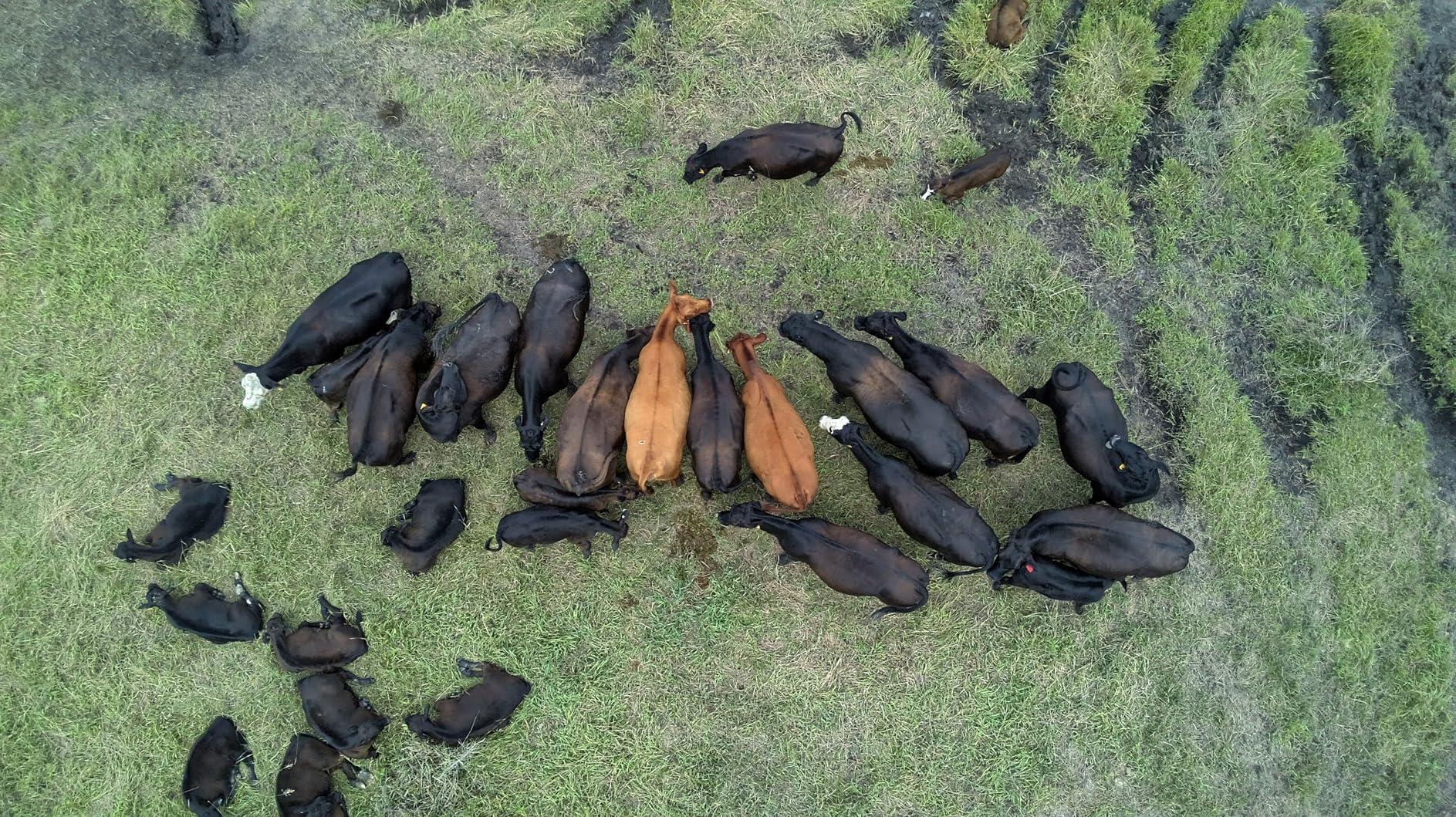
The 10,000-foot control range is impressive on paper, though real-world range depends heavily on interference. In an open field I had clear video out past 1.5 kilometers. The GPS follow, waypoint, and orbit modes work well enough for casual use.
Because this is a newer product with fewer reviews, there is less long-term reliability data than with DJI or Potensic. Some users report random controller disconnects, which is always concerning. The 2-year warranty helps offset that risk.
Who should buy the Bwine F7GB2 Pro
This drone is a good fit for US-based hobbyists who want to stay fully compliant with FAA rules without extra modules or aftermarket work. The combination of Remote ID certification, decent camera, and long flight time makes it a practical choice.
If you fly in windy locations like coastlines or open plains, the heavier frame and 6-level wind resistance give you more stability than lighter drones.
Who should skip the Bwine F7GB2 Pro
At 550 grams, this drone requires registration and is far from travel-friendly. If portability matters, the DJI Mini series or Potensic ATOM are much easier to carry. Also, if you want a proven track record with thousands of reviews, DJI and Ruko have deeper user bases.
Pilots who need rock-solid connection reliability for long-range flights should probably invest more. The occasional disconnect reports are not universal, but they are worth noting.
8. DJI Neo – Best Pocket Drone for Selfies and Travel
DJI Neo, Mini Drone with 4K UHD Camera for Adults, 135g Self Flying Drone that Follows You, Palm Takeoff, Subject Tracking, QuickShots, Stabilized Video, Built-In Propeller Guard (Controller-Free)
12MP stills
4K UHD video
135g ultralight
Palm takeoff
Subject tracking
Built-in propeller guard
Pros
- Incredibly small and light
- Controller-free palm launch
- Excellent subject tracking
- Stable hovering indoors and out
- 4K video from a 135g drone
- Great value for DJI quality
Cons
- 14-15 minutes real-world battery
- No multi-axis gimbal
- Tracking struggles with fast movement
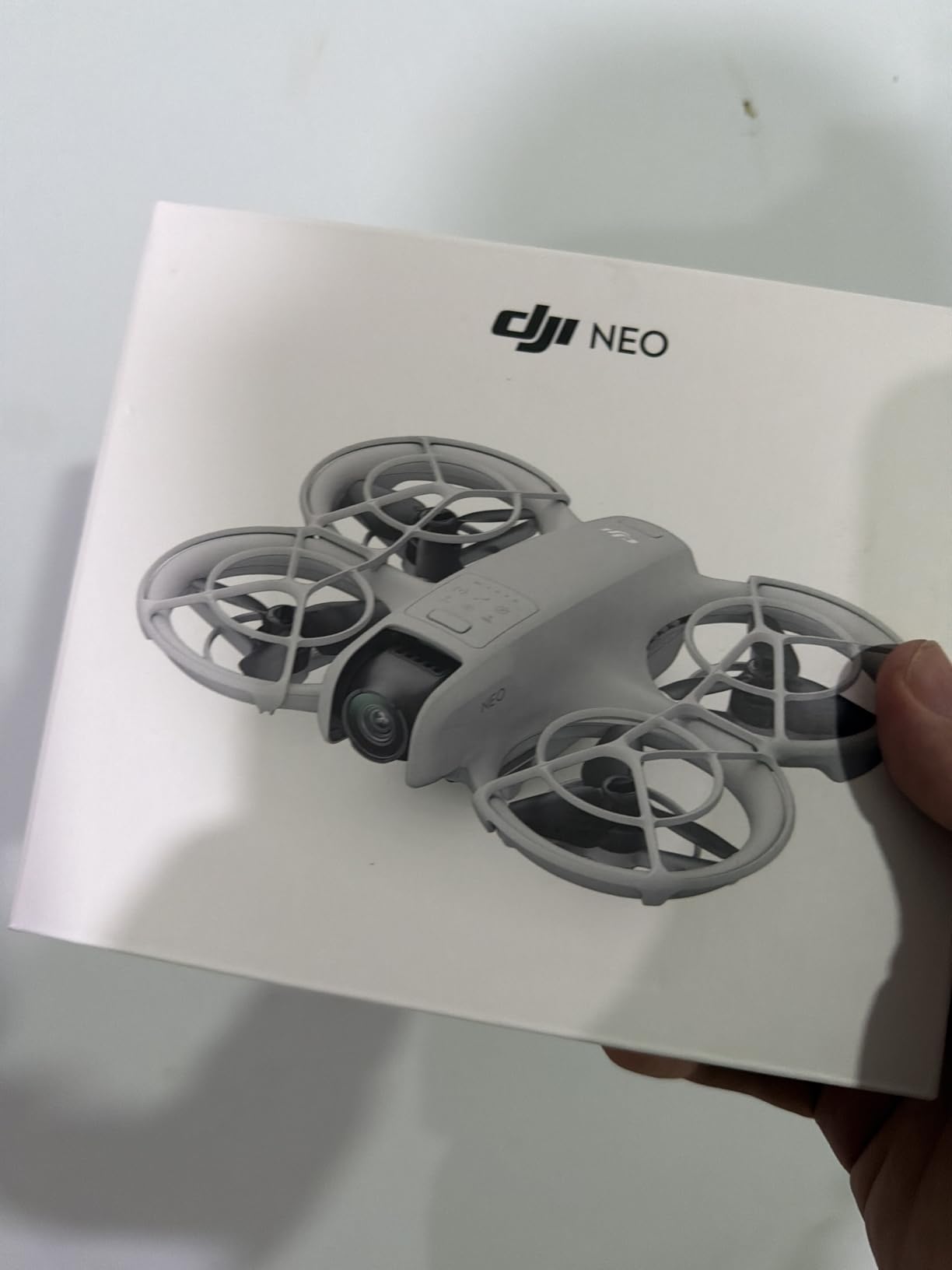
The DJI Neo is the smallest drone on this list by a wide margin. At just 135 grams, it is lighter than most smartphones. I carried it in a jacket pocket for a full day and forgot it was there.
What surprised me was how capable the autonomous features are. You can launch it from your palm, have it follow you on a walk, and land back in your hand without ever touching a controller. The QuickShots are perfect for travelers who want social-ready clips without learning stick movements.
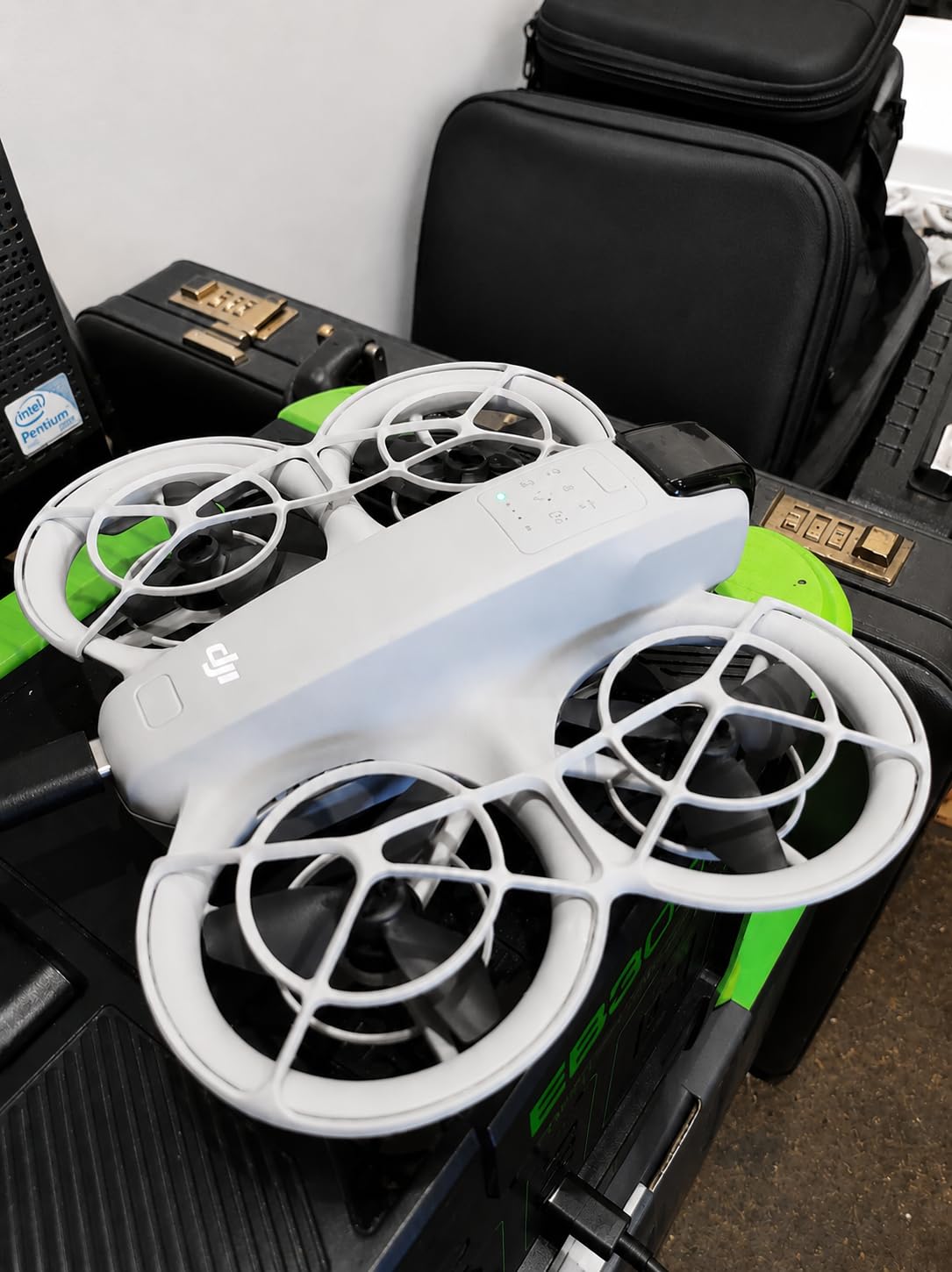
Video quality is genuinely good in daylight. The lack of a multi-axis gimbal means you do not get the same silky smoothness as the Mini 4K, but the electronic stabilization does a respectable job. Still photos are 12 MP and fine for sharing, though not ideal for large prints.
Battery life is the Neo’s biggest weakness. Plan on 14 to 15 minutes of real flight time per charge. You will want the charging case or multiple batteries if you are using it for a full day of travel.
Who should buy the DJI Neo
This is the ultimate travel drone for people who value portability above all else. Hikers, cyclists, and solo travelers will love the palm launch and follow modes. It is also the safest entry point for anyone nervous about crashing a larger drone.
Social media creators who film themselves will get a lot of use from the Neo. It removes the need for a second person to operate the camera.
Who should skip the DJI Neo
If aerial photography is your main goal, the Neo’s 12 MP sensor and limited gimbal will hold you back. The Mini 4K costs a bit more but gives you a real 3-axis gimbal and better stills. Also, if you need longer flight time, the Neo’s 15-minute battery will frustrate you.
Fast-action sports are not the Neo’s strength. It can lose track of quickly moving subjects, so runners and mountain bikers may want a drone with stronger tracking.
9. CHUBORY G9 – Best Drone with Screen Controller Under $200
GPS Drone with EIS 4K Camera for Adults , RC Drones with 4.5 inch HD Screen on Controller, Auto Return, 3 Batteries for 90 min Flight Time, 3280 FT Long Control Range Transmission, Circle Fly and Follow Me Mode, Foldable Quadcopter for Beginner Gifts Toy, Under 249g
8.3MP stills
EIS 4K video
4.5-inch HD controller screen
90-min total flight
3280ft range
Under 249g
Pros
- Built-in 4.5-inch HD screen on remote
- 90 minutes total flight time
- No phone needed for flying
- Compact foldable design
- Good GPS stability
- Includes 32GB SD card
Cons
- Camera quality closer to HD than true 4K
- No charger included
- Wind sensitive in some conditions
The CHUBORY G9 solves a problem that every phone-flyer has faced at least once. You do not need to use your phone as a screen. The remote has a built-in 4.5-inch HD display, which means no cable adapters, no low-battery anxiety on your device, and no incoming notifications.
Flight time is the other headline feature. With three batteries you get 90 minutes in the air, which is excellent for a drone at this price. The foldable design is genuinely compact, and the included 32GB SD card is a thoughtful addition that most competitors skip.
Image quality is where the G9 shows its budget roots. The marketing says 4K, but real-world footage is closer to crisp HD. It is fine for casual sharing and learning, but you will not be blowing these files up for prints. Wind performance is also limited, so calm days are best.
Be aware that the package does not include a charger for the batteries. You will need a USB-C wall adapter or charge through another device. That is an annoying oversight for a beginner-focused drone.
Who should buy the CHUBORY G9
This drone is ideal for beginners who want a complete flying experience without connecting a phone. Older users or anyone who finds phone-based controls frustrating will appreciate the dedicated screen. The long flight time also makes it great for learning stick control without constant recharging.
If you want an affordable gift for someone curious about drones, the G9 is one of the most user-friendly options on the market.
Who should skip the CHUBORY G9
Anyone serious about photo or video quality should spend a little more on the DJI Mini 4K or Potensic ATOM. The G9’s camera is its weakest point. Also, if you fly in windy areas regularly, the lightweight frame will struggle.
The missing charger is a small but real inconvenience. If you want everything in the box, look at the Ruko F11PRO 2 or the Potensic ATOM combo.
10. Oddire GPS Drone – Best Ultra-Budget Starter
Oddire Drones with Camera for Adults 4K, GPS Auto Return, Waypoint Flight, Orbit Fly, GPS Follow, Gesture Control, Foldable Drone with Brushless Motor, 249g Light, 48 Mins Flight Time with 2 Batteries
12.3MP stills
2.7K/4K video
GPS auto return
48-min total flight
Under 249g
Brushless motor
Pros
- Extremely affordable entry point
- GPS auto return works well
- 48 minutes total flight time
- Stable and predictable flight
- Durable construction
- Carrying case included
Cons
- Camera closer to 2.7K than true 4K
- Manual is unclear on some warnings
- Phone holder may not fit large phones
The Oddire GPS Drone is the least expensive model we tested, and it is honestly impressive for the money. It is not going to win any image quality awards, but it gets you into the air with GPS stability, a usable camera, and enough flight time to learn the basics.
GPS auto return is the feature that matters most at this price. When the battery runs low or the signal drops, the drone comes back to where it launched. That safety net gives new pilots confidence to explore. The brushless motors are also a step up from the brushed motors found on many toy drones.
The 4K claim is optimistic. Real-world footage looks more like sharp 2.7K, which is still fine for social media. The 12 MP stills are acceptable in good light. Build quality is surprisingly solid for the price, and the carrying case is a nice bonus.
The manual could be clearer about what the various beeps mean, and the phone holder may not accommodate larger phones with cases. Those are minor issues, but worth knowing before you buy.
Who should buy the Oddire GPS Drone
This is the drone for anyone who wants to spend the absolute minimum to see if flying is fun. It is also a good choice for kids and teens who might outgrow a toy drone quickly but are not ready for a $300 investment.
If you need a disposable practice drone for a vacation or event, the Oddire is cheap enough that a hard landing will not ruin your week.
Who should skip the Oddire GPS Drone
If you care about image quality even a little, the DJI Mini 4K or Potensic ATOM are much better starting points. The Oddire’s camera is its biggest weakness. Also, if you have a large phone, check the remote holder dimensions first.
Pilots who plan to fly in windy conditions should avoid this model. It is best suited for calm days and wide-open spaces.
How to Choose the Best Drone for Aerial Photography?
Buying a camera drone is not just about picking the highest rating. The right drone depends on what you shoot, where you fly, and how much you want to carry. Here are the factors we weigh every time we recommend a model.
Sensor size and still photo quality
For aerial photography, the sensor matters more than the megapixel count. A 1-inch sensor on the DJI Mini 5 Pro captures more light and dynamic range than a 48 MP sensor on a smaller chip. If you edit RAW files or print your work, prioritize sensor size over resolution.
Most budget drones use 1/2.3-inch or 1/3-inch sensors. These are fine for social media and small screens, but they struggle with shadow detail and low light. Mid-range models like the DJI Flip and DJI Mini 3 use 1/1.3-inch sensors, which are a noticeable step up.
Gimbal stabilization
A 3-axis mechanical gimbal is non-negotiable for serious photo and video work. It physically isolates the camera from drone movement, producing smooth footage even in wind. Drones without a true gimbal, like the DJI Neo, rely on electronic stabilization and cannot match the real thing.
If you plan to shoot video at all, avoid drones that only advertise electronic image stabilization. The difference in footage quality is dramatic.
Flight time and batteries
Real-world flight time is usually 10 to 20 percent lower than the manufacturer’s claim. A 30-minute rating gives you about 25 usable minutes. We recommend buying a Fly More Combo or extra batteries whenever possible. Nothing kills a shoot faster than running out of power right when the light gets good.
Also pay attention to charging. Some budget combos include parallel charging hubs, while others make you charge one battery at a time. The CHUBORY G9 even ships without a charger, which is frustrating.
Weight and regulations
In the United States, drones under 249 grams do not require FAA registration for recreational use. That is a huge advantage for casual pilots. In the European Union, sub-250g drones often fall into the C0 category, which comes with fewer restrictions.
If you buy a heavier drone like the Ruko F11PRO 2 or Bwine F7GB2 Pro, you must register it and follow Remote ID rules in the US. Always check your local regulations before flying, because the rules change by country and sometimes by city.
Obstacle avoidance and safety
Obstacle avoidance is most useful when flying near trees, buildings, or people. The DJI Mini 5 Pro is the only drone on this list with omnidirectional sensing. Most budget models have no obstacle avoidance at all, which means you are the collision sensor.
If you are new to flying, propeller guards can be just as important as sensors. The DJI Flip’s full-coverage guards make it one of the safest options for beginners.
Wind resistance
Lighter drones are more portable but more affected by wind. The DJI Mini 4K and Potensic ATOM handle moderate wind well thanks to Level 5 ratings. The DJI Neo, at 135 grams, is best saved for calm days. Heavier drones like the Bwine F7GB2 Pro and Ruko F11PRO 2 are more stable in gusty conditions.
Always check wind speed before you fly. Even a capable drone can struggle in sudden gusts near cliffs or buildings.
The DJI ban question
A lot of readers ask whether DJI drones are banned in the United States. As of 2026, DJI drones are not banned for consumer purchase or personal use. The company has been added to US government restriction lists, which affects federal agency purchases and future FCC approvals. Existing DJI products still work, and you can still buy them from major retailers.
If you are worried about long-term software support or future regulatory changes, brands like Potensic, Ruko, and Bwine offer solid alternatives. For most hobbyists, though, DJI remains the safest choice for image quality and reliability.
Frequently Asked Questions
Which type of drone is most commonly used for aerial photography?
Multi-rotor camera drones with 3-axis gimbals are the most common choice for aerial photography. DJI leads the consumer market with models like the Mini 5 Pro, Flip, and Mini 4K, while brands like Potensic and Ruko offer strong budget alternatives.
Can drones under $500 take good photos?
Yes, drones under $500 can take good photos in the right conditions. The Potensic ATOM and DJI Mini 4K both shoot sharp 4K video and usable stills with 3-axis gimbals. They will not match pro models in low light or dynamic range, but they are excellent for social media, learning, and casual prints.
Why did the US ban DJI drones?
DJI has not been fully banned for consumers in the US. The company has been placed on government restriction lists that limit federal agency purchases and raise concerns about future FCC approvals. Consumers can still buy and fly DJI drones, though some buyers prefer non-DJI brands for long-term peace of mind.
What is the cheapest drone for aerial mapping?
For basic aerial mapping, the Potensic ATOM is the cheapest option we recommend because it has a stable 3-axis gimbal and GPS positioning. Serious mapping work usually requires drones with RTK positioning and specialized software, which cost significantly more than consumer models.
Do I need a license to fly a photography drone?
In the United States, recreational pilots do not need a license for drones under 250 grams. Heavier drones require FAA registration. If you fly commercially, you need a Part 107 remote pilot certificate regardless of drone weight. Rules vary by country, so check local regulations before flying.
Final Thoughts on the Best Drones for Aerial Photography
Choosing the best drones for aerial photography comes down to balancing image quality, portability, and budget. The DJI Mini 5 Pro Fly More Combo is our top overall pick for 2026 because it delivers pro-level stills in a sub-250g body. The DJI Flip is the best all-rounder for creators who want safety and portability, while the Potensic ATOM proves you do not need to spend much to get great aerial shots.
If you are just starting out, the DJI Mini 4K is the safest investment. It teaches you good habits, produces excellent footage, and holds its value well. Whatever you choose, remember that the best drone is the one you actually take with you and fly.
Our team will keep testing new models as they launch, so check back for updates throughout 2026. If you found this guide helpful, use the links above to check current pricing and support our work at no extra cost to you.