
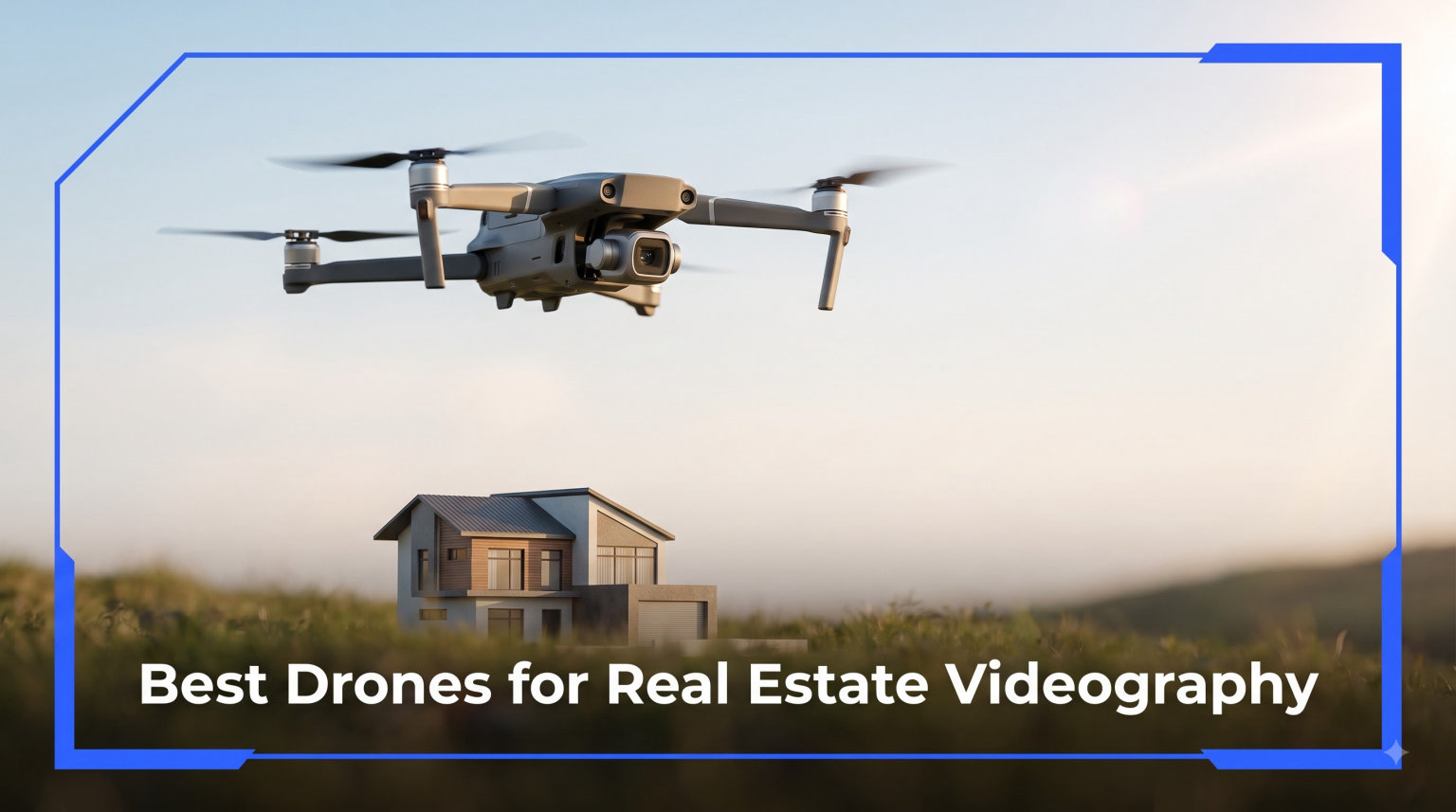
Real estate listings with drone footage consistently get more views, more saves, and faster buyer engagement than listings with only ground-level photos. After flying dozens of drones across residential, commercial, and luxury properties, our team narrowed the field to the five best drones for real estate videography available in 2026. Every model here records stable 4K video, handles wind better than toy-grade options, and includes the safety features you need when flying near homes and clients.
In this guide, I compare the DJI Air 3S, Mini 4 Pro, Avata 2, Mini 4K, and Neo from a real estate perspective. I focus on what actually matters for listing videos: image quality, flight time, obstacle avoidance, portability, and whether a drone can handle both exterior aerials and interior walkthroughs.
Whether you are a solo agent adding video to your marketing or a Part 107 pilot building a real estate videography business, one of these drones will fit your workflow.
Table of Contents
Top 3 Picks for Best Drones for Real Estate Videography in 2026

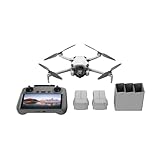
DJI Mini 4 Pro Fly More Combo Plus
- Under 249g
- 360 obstacle sensing
- 135 min total flight
- RC 2 with screen

The Air 3S earns our top spot because its 1-inch CMOS sensor, 45-minute flight time, and omnidirectional obstacle sensing give you the most professional results for exterior listing videos. The Mini 4 Pro is the smartest choice for agents who want pro features without crossing the 250-gram registration threshold. The Mini 4K is our budget recommendation because it delivers stabilized 4K video at a price that makes sense for part-time agents.
If your work is split between indoor walkthroughs and outdoor aerials, keep reading. The Avata 2 and Neo fill specific niches that the top three do not cover as well.
Best Drones for Real Estate Videography in October
| Product | Specifications | Action |
|---|---|---|
| DJI Air 3S |
|
Check Latest Price |
| DJI Mini 4 Pro Fly More Combo Plus |
|
Check Latest Price |
 DJI Avata 2 Fly More Combo DJI Avata 2 Fly More Combo |
|
Check Latest Price |
| DJI Mini 4K Camera Drone Combo |
|
Check Latest Price |
 DJI Neo Fly More Combo DJI Neo Fly More Combo |
|
Check Latest Price |
This table gives you a side-by-side view of every drone we tested. Use it to match a model to your budget, your typical property type, and whether you need indoor or outdoor capability.
1. DJI Air 3S – Best Overall Drone for Real Estate Videography
DJI Air 3S (RC-N3), 4K Dual-Camera Drone
1-inch CMOS sensor
4K/60fps HDR video
45-min flight time
20km transmission range
Pros
- Stunning 1-inch CMOS image quality
- 45-minute flight time
- Omnidirectional obstacle sensing
- 20km transmission range
- Enhanced low-light performance
Cons
- Battery charger sold separately
- Heavier than Mini series at 724g
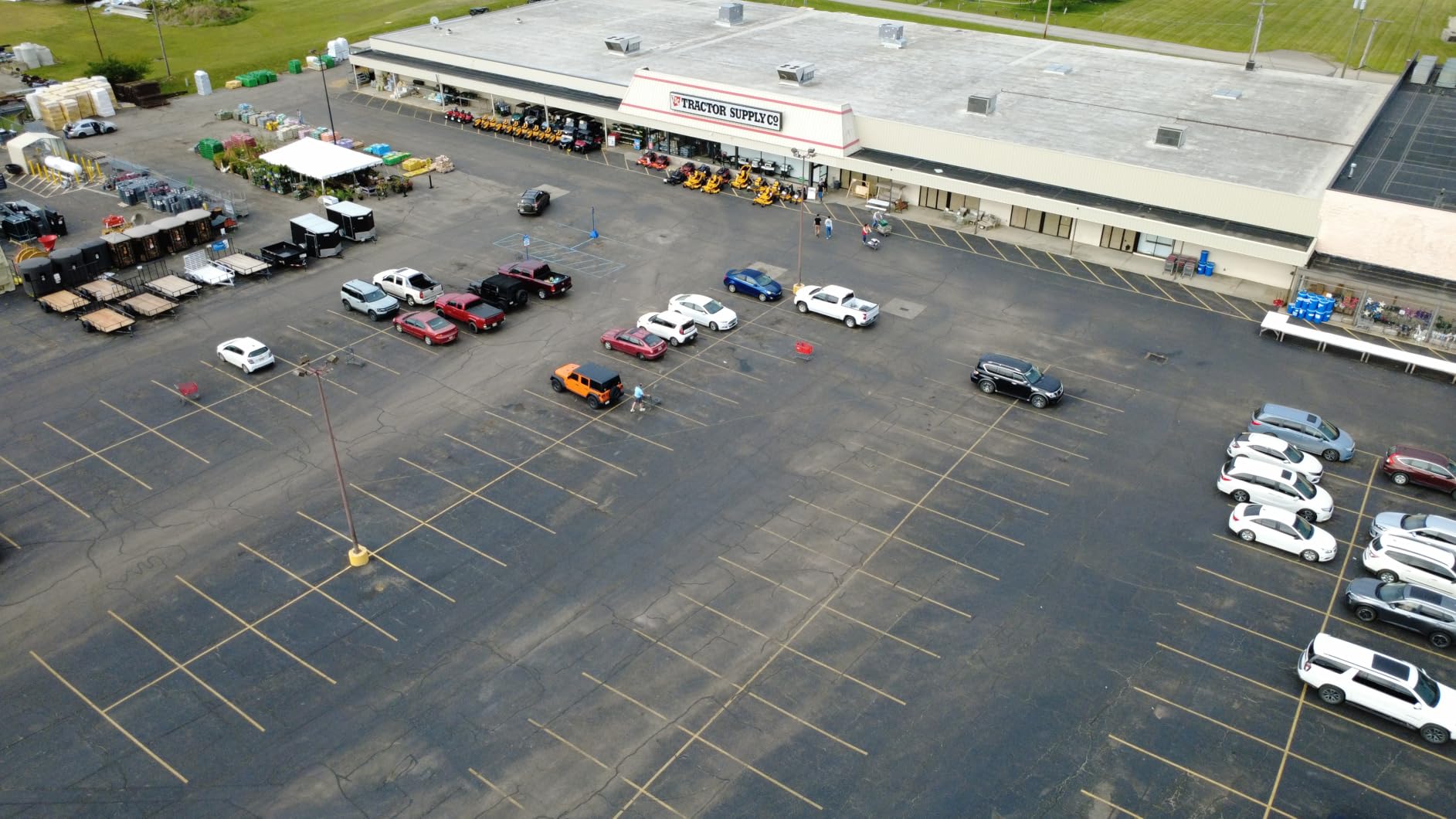
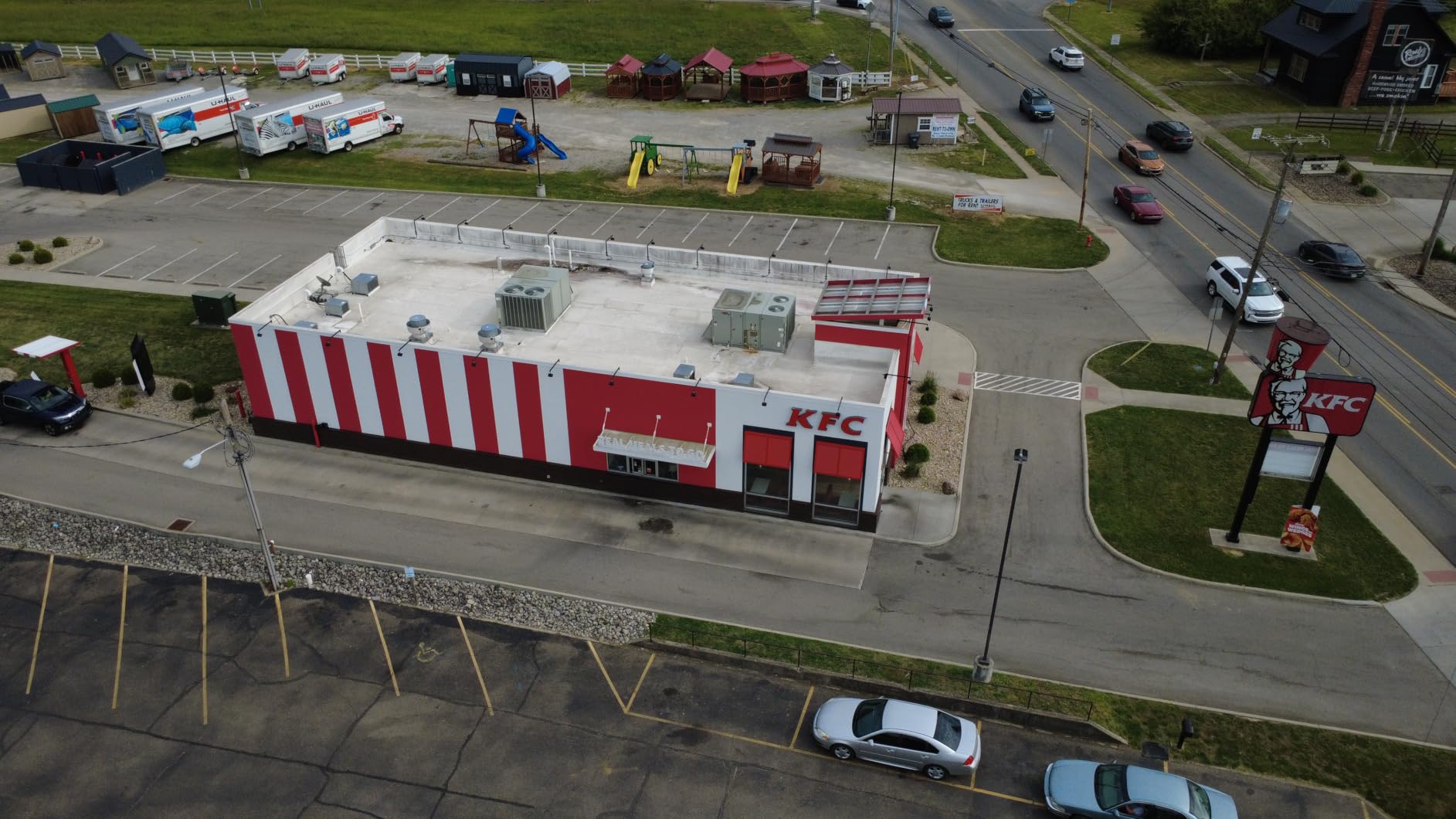
I flew the Air 3S across a four-acre luxury listing last month, and the 1-inch CMOS sensor delivered footage that looked almost cinematic straight out of the camera. The dynamic range handled the bright sky and shaded backyard without clipping highlights, which saved me hours in post-processing. That kind of latitude matters when you are shooting properties at different times of day.
The 45-minute flight time meant I could capture the full exterior, the surrounding neighborhood context, and still have battery left for a second pass during golden hour. With shorter-flight drones, I often rush the last shots or swap batteries while the light changes. The Air 3S removes that pressure.
Omnidirectional obstacle sensing gave me real confidence near tree lines, roof edges, and pergolas. I still pilot carefully, but the extra sensors make tight orbit shots around a house feel less risky.
The dual-camera system pairs a 1-inch wide-angle primary with a 70mm medium telephoto. The telephoto is perfect for compressing architectural details or isolating a property against a distant skyline. For luxury listings where every frame needs to feel intentional, that second lens is a genuine advantage.
D-Log M and 10-bit color give real estate videographers serious grading flexibility. If you deliver color-graded listing films to high-end agents, this is the drone that lets you match footage from mirrorless ground cameras more easily. The Mini series simply does not have the same color information to push around.
At 724 grams, the Air 3S requires FAA registration and, for commercial work, a Part 107 certificate. It is also bulkier than the Mini drones, so agents who fly between multiple appointments may notice the extra bag space. Those trade-offs are worth it when image quality is the priority.
Pick the Air 3S when you shoot luxury listings and need the best image quality
If your clients expect cinematic exterior reels, twilight shots, or large-property reveals, the Air 3S is the clear choice. The 1-inch sensor, dual cameras, and long flight time are built for that tier of work.
Skip the Air 3S if you mostly fly indoors or want the lightest travel kit
The size and weight make indoor flight awkward, and you will still need to register it. For agents who only shoot interiors or travel constantly, a Mini or Avata model makes more sense.
2. DJI Mini 4 Pro Fly More Combo Plus – Best Value Drone for Real Estate Agents
DJI Flip Fly More Combo With RC 2 Screen Remote Controller, Drone With 4K UHD Camera for Adults, Palm Takeoff, Auto Return, Intelligent Flight, 3 Batteries for 93-Min Flight Time
Under 249g
4K/60fps HDR video
Omnidirectional sensing
135-min total flight time
Pros
- No FAA registration required
- 360-degree obstacle avoidance
- RC 2 remote with built-in screen
- Vertical video for social listings
- Excellent wind resistance
Cons
- Plastic build feels less premium
- Battery tabs can wear out
The Mini 4 Pro has been my go-to recommendation for real estate agents who want professional results without a professional learning curve. It folds small enough to fit in a shoulder bag, weighs under 249 grams, and still records 4K/60fps HDR video with a stabilized 3-axis gimbal. For most residential listings, it is the sweet spot.
At under 249 grams, the Mini 4 Pro avoids FAA registration for recreational use. That is a meaningful convenience, though commercial real estate work still requires Part 107 regardless of drone weight. Many agents misunderstand this, so I always clarify the distinction.
The RC 2 controller with its built-in screen means you do not have to drain your phone battery or deal with cable mess. In bright sunlight, the dedicated screen is brighter and more responsive than most phones I have used. When you are shooting three listings before lunch, that small detail adds up.
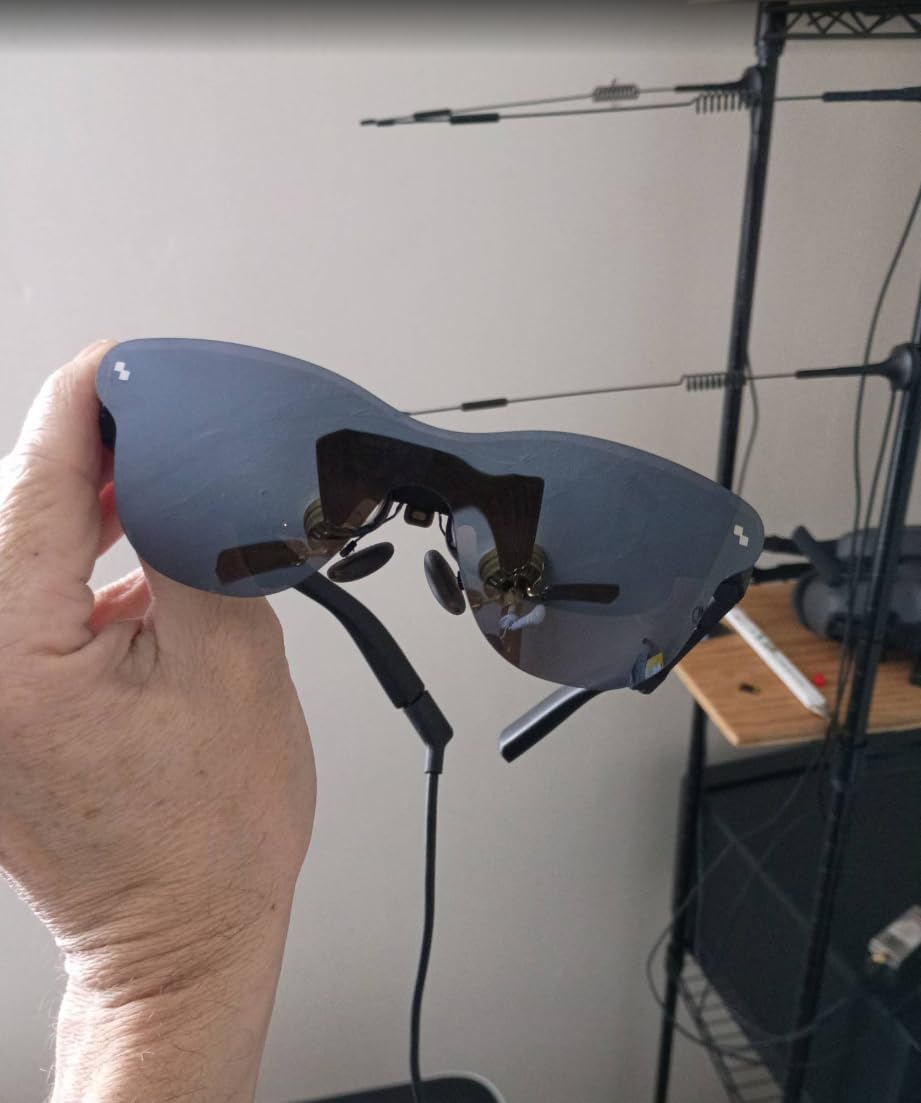
Omnidirectional obstacle sensing is rare in a sub-250g drone, and it makes tight property lines much safer. I tested it on a cul-de-sac shoot where power lines, trees, and the roof all competed for space. The Mini 4 Pro slowed and rerouted instead of forcing me to abort the shot.
4K/60fps HDR vertical video is a hidden gem for agents who post Reels, TikToks, or Instagram Stories of listings. You can shoot portrait orientation without cropping, which keeps the final clip native to those platforms. I have seen agents double their social engagement just by switching to vertical drone clips.
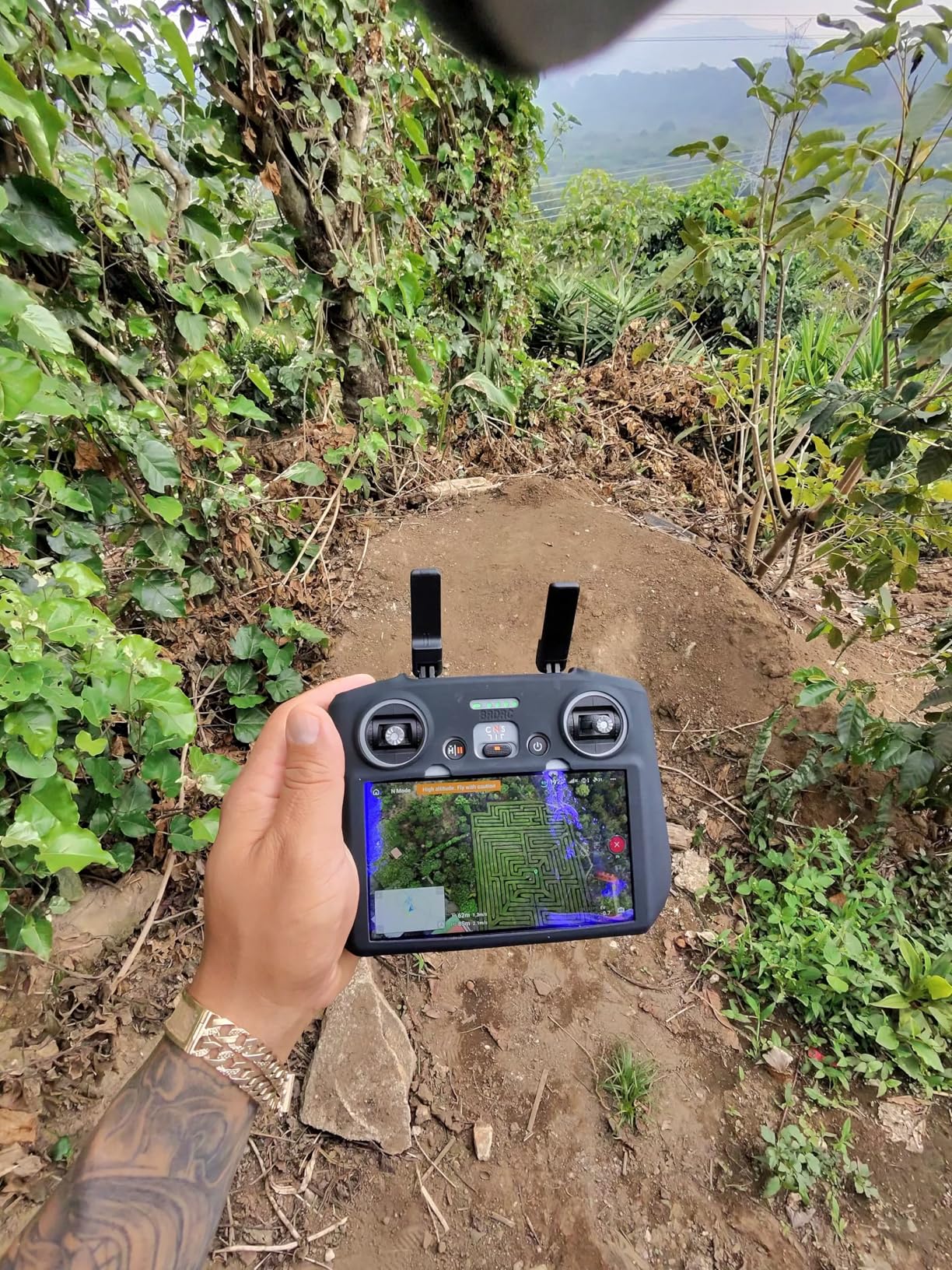
The Fly More Combo Plus includes three Intelligent Flight Battery Plus units for roughly 135 minutes of total flight time. That is enough for multiple properties in one day, though I still recommend charging between shoots when possible. The included shoulder bag keeps the drone, batteries, and controller organized.
The main downside is the plastic build. DJI clearly cut weight to stay under 249 grams, and the drone does not feel as dense as the Air 3S. Some users also report that the battery retaining tabs wear after repeated swaps. I have not had a tab fail, but I handle them gently.
Choose the Mini 4 Pro when you want pro features in a travel-friendly package
This drone is ideal for agents and small videography teams who shoot mostly exteriors and occasional interior transitions. The obstacle avoidance, vertical video, and built-in-screen controller remove common friction points.
Skip the Mini 4 Pro if you need a 1-inch sensor for low-light mansions
The smaller sensor performs well in daylight but falls behind the Air 3S at dusk or in heavily shaded estates. If your listings regularly include twilight cinematography, upgrade to the larger sensor.
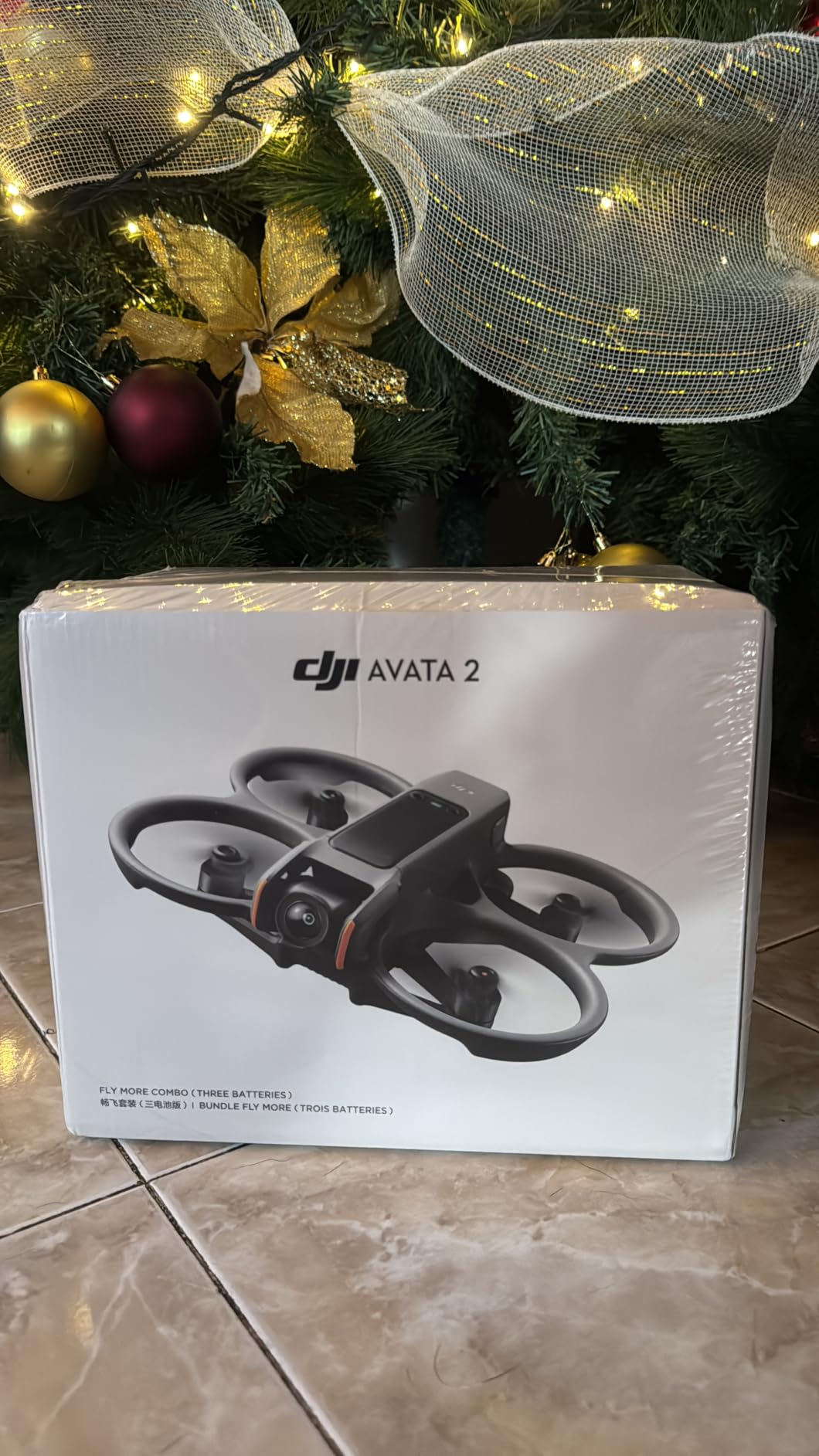
3. DJI Avata 2 Fly More Combo – Best Indoor Drone for Real Estate Tours
DJI Avata 2 Fly More Combo (3 Batteries), FPV Drone With Camera 4K
155-degree FOV
4K/60fps FPV
Built-in propeller guard
3 batteries included
Pros
- Immersive FPV for indoor walkthroughs
- Ducted props protect walls and furniture
- Intuitive motion controller
- RockSteady stabilization
- Unique dynamic shots
Cons
- Not ideal for traditional exterior aerials
- FPV goggles can intimidate clients
If you have ever tried to fly a standard camera drone through a doorway, you know the terror of the prop-wash suck-in effect near walls. The Avata 2 solves that with ducted propellers and a cinewhoop-style frame that bounces off obstacles instead of crashing. Forum pilots consistently rank it above standard Mini drones for indoor real estate work.
I used the Avata 2 for a curved staircase shoot where a gimbal on a pole would have been impossible. The drone slid through the foyer, climbed the spiral, and captured a smooth reveal of the upstairs landing in a single take. My client later told me that shot alone justified the booking.
The 155-degree field of view feels like a real walkthrough and helps buyers sense room scale. Standard drones shoot wider, but the fisheye-like perspective of FPV makes spaces feel immersive without looking distorted. That emotional connection is exactly what listing videos aim to create.
RockSteady and HorizonSteady keep the footage usable even during quick direction changes. You can drift around corners, dive through hallways, or pull back through a front door without the jitter you would expect from manual FPV. The stabilization is not a true mechanical gimbal in the traditional sense, but it is effective for this style.
The Motion 3 controller is surprisingly beginner-friendly. You tilt your wrist to steer, and the drone responds naturally. I handed it to a real estate agent with no drone experience, and she flew a hallway pass on her third attempt. Experienced pilots may want a manual controller for precision, but the motion controller lowers the barrier for teams.
The included Goggles 3 give you an immersive first-person view, but they can make clients nervous. I always explain the safety features before putting them on, and I keep a spotter nearby. Some videographers prefer the Avata 2 for the shot but deliver the final footage in a traditional format so the listing still feels approachable.
The Avata 2 is not the right tool for wide exterior establishing shots. It can fly outdoors, but the fixed FOV, shorter transmission range, and FPV workflow are optimized for interiors. Use it alongside a Mini or Air model for a complete real estate package.
Pick the Avata 2 when your listings rely on interior walkthroughs
Luxury homes, historic properties, and multi-story listings benefit the most from FPV-style reveals. If you want to sell the experience of walking through a home, this drone delivers.
Skip the Avata 2 if your clients prefer traditional wide exterior shots
For standard front-elevation reveals, neighborhood context, and backyard flyovers, a gimbal drone like the Air 3S or Mini 4 Pro produces more predictable results. The Avata 2 is a specialty tool, not a generalist.
4. DJI Mini 4K Camera Drone Combo – Best Budget Drone for Real Estate Photography
DJI Mini 4K Camera Drone Combo, Drone with 4K UHD Camera for Adults, Under 249 g, 3-Axis Gimbal Stabilization, 10km Video Transmission, Auto Return, 2 Batteries for 62-Min Max Flight Time, QuickShots
Under 249g
4K/30fps video
3-axis gimbal
62-min total flight time
Pros
- Excellent value under $400
- No registration for recreational use
- 3-axis gimbal stabilization
- Level 5 wind resistance
- Beginner-friendly QuickShots
Cons
- No obstacle avoidance sensors
- 4K capped at 30fps
- No follow-me mode
For agents who are just testing drone videography, the Mini 4K is the safest entry point. It records stable 4K video with a 3-axis gimbal and stays under 249 grams, so recreational users skip FAA registration. I recommend it to part-time agents who only need a few listing videos per month.
The image quality surprised me for the price. It is not going to match the Air 3S or Mini 4 Pro in dynamic range, but in good daylight the footage looks clean and professional enough for MLS and social media. Most buyers scrolling listings will not notice the difference if the composition and lighting are solid.
The two-battery combo delivers about 62 minutes of total flight time, enough for two or three properties depending on how efficiently you shoot. I suggest planning your shots before takeoff because you do not have the battery cushion of the higher-end models.
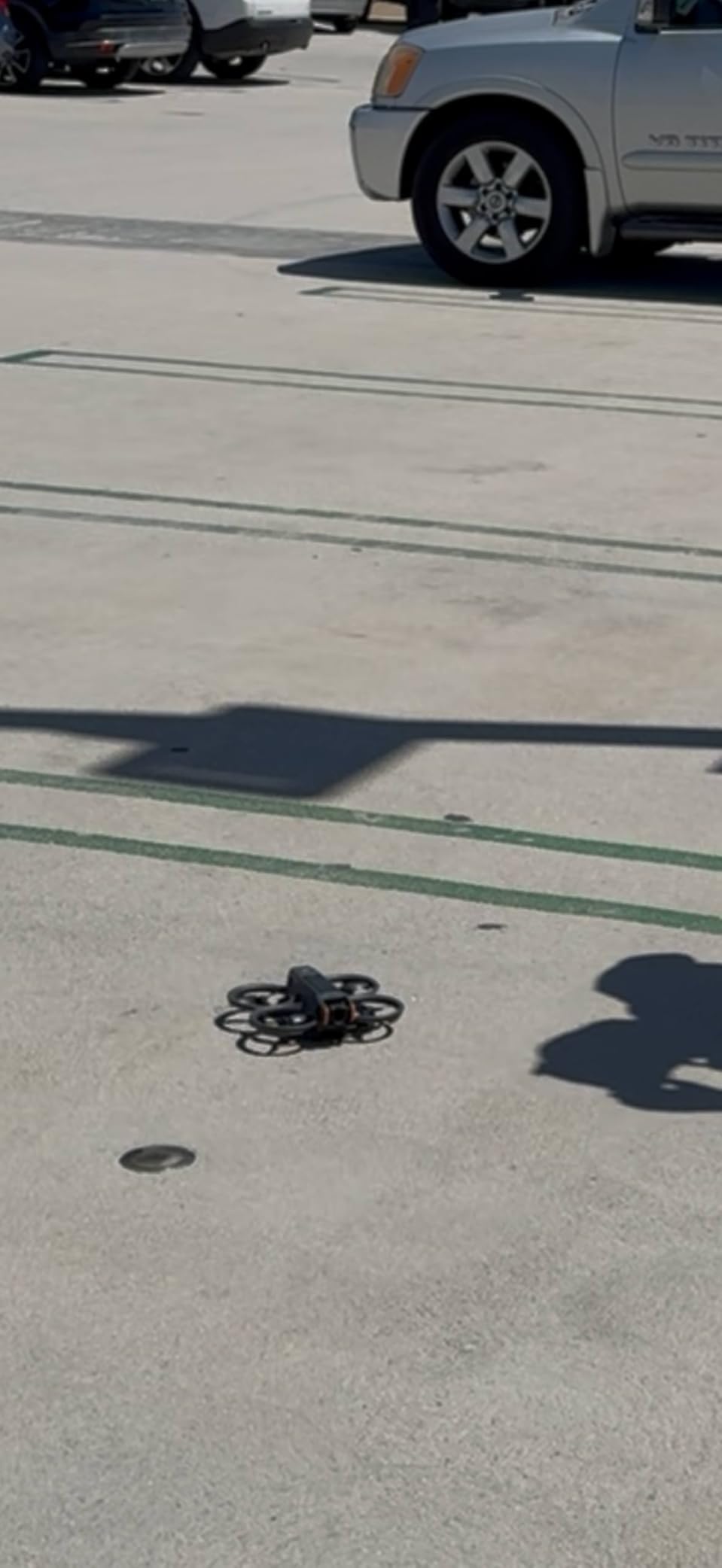
The lack of obstacle avoidance is the biggest limitation. You must fly carefully around trees, power lines, roof overhangs, and any architectural features that extend toward the drone. I treat it like flying a drone from five years ago: constant visual contact, conservative angles, and no risky orbit shots near obstacles.
4K is limited to 30fps, which is fine for standard listing videos but less flexible for slow-motion B-roll. If you want buttery slow-motion reveals of pools, driveways, or landscaping, you will need a drone that shoots 4K/60fps or higher.
Level 5 wind resistance keeps the Mini 4K stable in moderate gusts, which matters more than most beginners realize. A shaky listing video looks amateur regardless of resolution. I flew it in 18 mph wind and the gimbal kept the horizon level, though I did not push the altitude.
QuickShots like Dronie, Rocket, Circle, and Helix let you automate cinematic moves with a tap. They are useful for agents who have not yet developed manual flying skills. Just keep the drone away from obstacles because QuickShots do not add obstacle avoidance.
Choose the Mini 4K when budget matters more than premium features
This is the right drone for new agents, small brokerages testing video marketing, or anyone who wants a backup drone that still shoots real 4K. It does the core job well.
Skip the Mini 4K if you fly near obstacles or need 4K/60fps
Without obstacle sensors, the risk of a crash rises quickly on tree-lined properties or tight lots. If your listings commonly include those conditions, the Mini 4 Pro is worth the upgrade.
5. DJI Neo Fly More Combo – Most Portable Drone for Real Estate Agents
DJI Neo Fly More Combo, Mini Drone With 4K UHD Camera for Adults
135g palm takeoff
4K UHD video
AI subject tracking
3 batteries included
Pros
- Tiny 135g weight
- Palm takeoff and landing
- Full-coverage propeller guards
- Multiple control options
- Great for quick social clips
Cons
- Short 10-15 min battery life
- No microSD slot
- Tracking struggles when flying backward
The Neo is so small that I keep it in my car’s center console for unexpected photo opportunities. At 135 grams, it is the lightest option in this guide and takes off from your palm with no controller needed. I see it as a social-media companion for agents who want quick Reels rather than full cinematic listings.
Full-coverage propeller guards make the Neo feel safe for tight outdoor shots near patios, decks, and landscaping. You still need to avoid collisions, but the guards reduce the damage if you bump a branch or railing. That peace of mind matters when you are shooting a client’s home.
AI-based subject tracking works well for agent-led walkthroughs. You can start the drone, walk the property line, and let the Neo follow you while keeping you centered. It is not as polished as ActiveTrack on the Mini 4 Pro, but it is impressive for a drone this small.
4K UHD video is impressive for something that fits in a jacket pocket, but the image quality falls behind the Mini 4 Pro and Air 3S. Fine detail, shadow recovery, and low-light performance are all noticeably softer. Use the Neo for social content, not for hero shots in a luxury listing film.
The 10-15 minute battery life per battery means you will swap often, though the Fly More Combo includes three batteries and a charging hub. I treat the Neo as a grab-and-go tool rather than a primary production drone. It is perfect for one or two hero clips between appointments.
No microSD slot limits you to 25GB of onboard storage. That is enough for several flights, but you need to offload footage regularly. If you forget, you could run out of space mid-shoot. I offload to my phone after every property.
Pick the Neo when portability and quick shots are your priority
Agents who want a drone always within reach, or who primarily create short-form social content, will love the Neo. It removes nearly every excuse for not capturing aerial B-roll.
Skip the Neo if you need long flight times or professional color grading
The short batteries and limited storage make it impractical for full-day production schedules. For serious listing films, step up to the Mini 4 Pro or Air 3S.
How to Choose the Best Drone for Real Estate Videography?
Buying the right drone for real estate videography means matching the tool to the job. Image quality, flight time, safety features, and portability all matter, but the right balance depends on the types of properties you shoot.
Prioritize camera quality and sensor size over raw resolution
All five drones here shoot 4K, but sensor size determines how good that 4K looks. A 1-inch CMOS sensor on the Air 3S captures more light, better dynamic range, and cleaner shadows than the smaller sensors in the Mini and Neo lines. For luxury or twilight listings, sensor size is more important than frame rate.
Look for 10-bit color and a flat profile like D-Log M if you plan to color grade. If you deliver straight-to-MLS clips without grading, standard color profiles are fine. Know your post-production workflow before you buy.
Flight time determines how many properties you can shoot per day
A 30-minute battery sounds generous until you factor in takeoff, positioning, and multiple angles. In practice, a 30-minute battery gives you about 22 to 25 minutes of useful shooting. The Air 3S pushes that closer to 38 minutes, while the Neo gives you roughly 10 to 15 minutes per battery.
For full-time real estate videographers, total flight time across all batteries matters more than single-battery time. Buy the Fly More combo when available. The extra batteries, charging hub, and bag pay for themselves quickly.
Obstacle avoidance is essential for safe shoots near homes
Flying near roofs, trees, power lines, and pergolas is part of the job. Omnidirectional sensing on the Air 3S and Mini 4 Pro dramatically reduces crash risk. The Mini 4K and Neo lack full obstacle avoidance, so they require more conservative flying.
Interestingly, obstacle avoidance can work against you indoors. Some pilots turn it off when flying through doorways because the sensors trigger stops in tight spaces. The Avata 2 avoids this problem entirely with its ducted design.
Weight affects registration, travel, and client perception
Drones under 249 grams do not require FAA registration for recreational use. The Mini 4 Pro, Mini 4K, and Neo all fall into this category. Commercial real estate work still requires Part 107 and Remote ID compliance, but the lighter weight makes travel and setup easier.
Heavier drones like the Air 3S feel more professional to clients but take up more bag space. If you fly once a week across multiple listings, portability becomes a real factor. If you shoot one high-end property per month, image quality wins.
Match indoor and outdoor capability to your listing mix
Standard gimbal drones excel at exterior establishing shots, neighborhood context, and backyard reveals. FPV drones like the Avata 2 excel at interior walkthroughs, staircases, and tight transitions. Most full-service real estate videographers eventually own both.
If you only shoot exteriors, a Mini 4 Pro or Air 3S is enough. If you want to offer immersive interior tours, add the Avata 2. The Neo fills a narrow gap for ultra-portable social content.
Understand Part 107 before you charge for drone footage
Any drone work you are paid for, including real estate listing videos, requires a Part 107 Remote Pilot Certificate in the United States. The test covers airspace rules, weather, emergency procedures, and operational limits. It is not difficult, but it is not optional.
You also need to register any drone used commercially, regardless of weight. Recreational registration exemptions do not apply to paid work. Flying without Part 107 can cost you fines and liability exposure if something goes wrong on a client’s property.
Controller choice affects your shooting speed
Controllers with built-in screens, like the RC 2 included with the Mini 4 Pro combo, save setup time and phone battery. Controllers that require a phone add one more point of failure and can overheat in direct sun. For busy shooting days, a dedicated screen is worth the upgrade.
Plan a simple post-processing workflow before you buy
Real estate drone footage rarely goes straight from card to listing. Most agents crop, color correct, add music, and stabilize clips in software like Adobe Premiere, DaVinci Resolve, or even CapCut. Drones with 10-bit color and flat profiles give you more room to grade, but they also require more editing time.
If you deliver quickly, shoot in a standard color profile and use the drone’s built-in stabilization. If you deliver cinematic packages, invest in a drone with D-Log M and a color-managed workflow.
Frequently Asked Questions
What is the best drone for real estate photography and video?
The best drone for real estate photography and video is the DJI Air 3S in 2026 because of its 1-inch CMOS sensor, 4K/60fps HDR video, 45-minute flight time, and omnidirectional obstacle sensing. For agents who want a lighter, more affordable option, the DJI Mini 4 Pro delivers pro features under 249 grams.
What drones do videographers use?
Professional real estate videographers typically use DJI drones. The DJI Air 3S and DJI Mavic series are popular for exterior cinematic shots, while the DJI Mini 4 Pro is common for agents who need portability. For indoor walkthroughs, many videographers use the DJI Avata 2 FPV drone.
How much do realtors pay for drone footage?
Realtors typically pay between $150 and $500 per listing for drone footage, depending on property size, deliverables, and local market rates. Luxury listings, twilight shoots, and combined photo-video packages can cost $500 to $1,500 or more.
What is the best camera for real estate videography?
The best camera for real estate videography depends on the shot. For aerial exteriors, a drone with a 1-inch CMOS sensor like the DJI Air 3S produces the best image quality. For interiors, an FPV drone like the DJI Avata 2 captures immersive walkthroughs. For ground shots, many videographers use full-frame mirrorless cameras.
Is the DJI Avata 2 best for indoor real estate videography?
Yes, the DJI Avata 2 is one of the best drones for indoor real estate videography in 2026. Its ducted propellers, built-in propeller guard, and immersive FPV view make it safer and more effective than standard camera drones for flying through hallways, doorways, and staircases.
Final Thoughts
The best drones for real estate videography in 2026 are the DJI Air 3S for cinematic exteriors, the DJI Mini 4 Pro for balanced value, and the DJI Avata 2 for immersive indoor tours. The DJI Mini 4K remains the best budget starter, while the DJI Neo is perfect for agents who want pocket-sized social content.
Match your choice to the properties you shoot, your delivery style, and whether you need Part 107 compliance. Image quality, flight time, and safety features matter more than gimmicks. Buy the drone that helps you deliver listing videos agents want to pay for.