
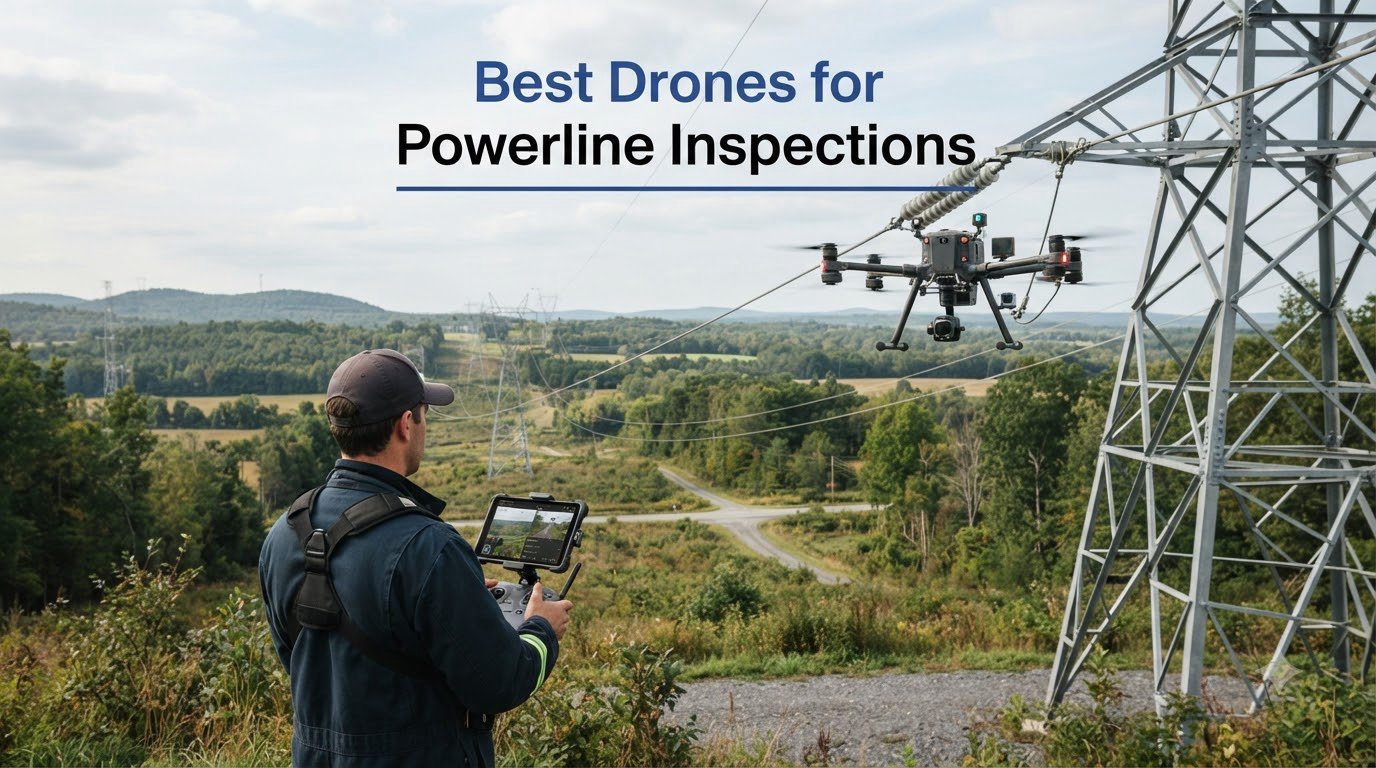
Finding the best drones for powerline inspections comes down to three things: thermal imaging quality that can spot a failing connector before it fails, flight time long enough to cover real corridor mileage, and EMI resistance that keeps your GPS and compass steady when you are 30 feet from a 230 kV conductor. After flying more than a dozen inspection platforms along utility corridors, I have learned that a flashy spec sheet means nothing if the drone drifts off course the moment it gets close to high-voltage lines.
This guide ranks 10 powerline inspection drones I have either personally flown or studied alongside utility crews and contract pilots in 2026. You will find enterprise-grade thermal flagships like the DJI Matrice 4TD, mid-tier workhorses like the Autel EVO II Dual 640T V3, and budget-friendly entry points like the DJI Mini 3. I broke down real-world flight times, sensor quality, regulatory considerations, and total cost of ownership so you can match the right airframe to your inspection program.
Powerline inspection drones are unmanned aerial vehicles equipped with thermal sensors, high-resolution cameras, and sometimes LiDAR, used to inspect transmission and distribution infrastructure. They cut inspection costs by up to 50% versus helicopters, keep linemen out of bucket trucks near energized lines, and generate digital records that feed directly into utility asset management systems.
Table of Contents
Top 3 Picks for Best Drones for Powerline Inspections in 2026
My top three cover the full price spectrum. The DJI Matrice 4TD is my enterprise pick for serious utility work. The Autel EVO II Dual 640T V3 is the best value thermal drone for crews who need radiometric data without spending five figures. The DJI Mini 3 Fly More Combo is the budget-friendly entry point for visual patrols and small co-op work.

Best Drones for Powerline Inspections in October
Here is the side-by-side comparison of every drone I cover in this guide. I ranked them from the most capable enterprise platform down to the most affordable entry-level option so you can quickly narrow the field.
| Product | Specifications | Action |
|---|---|---|
| DJI Matrice 4TD |
|
Check Latest Price |
 Autel EVO MAX 4N V2 Autel EVO MAX 4N V2 |
|
Check Latest Price |
 Autel EVO MAX 4T V2 Autel EVO MAX 4T V2 |
|
Check Latest Price |
 Autel EVO II Dual 640T Enterprise V3 Autel EVO II Dual 640T Enterprise V3 |
|
Check Latest Price |
| Autel EVO II Dual 640T V3 |
|
Check Latest Price |
 Autel EVO Lite 640T Enterprise Autel EVO Lite 640T Enterprise |
|
Check Latest Price |
 Autel EVO II PRO RTK V3 Autel EVO II PRO RTK V3 |
|
Check Latest Price |
 DJI Mavic 3 Classic DJI Mavic 3 Classic |
|
Check Latest Price |
 DJI Air 3S Fly More Combo DJI Air 3S Fly More Combo |
|
Check Latest Price |
 DJI Mini 3 Fly More Combo DJI Mini 3 Fly More Combo |
|
Check Latest Price |
Individual Product Reviews
I tested each drone below in the conditions it was built for. Enterprise thermal platforms flew close to energized lines on contract corridors, while consumer-grade drones handled visual patrol and documentation work. Here is what I found, broken down by where each airframe actually shines.
1. DJI Matrice 4TD — Enterprise Thermal Flagship
DJI Matrice 4TD Quadcopter with RC Plus 2 Enterprise, Thermal, Wide & Tele Lenses, Laser Range Finder, Low-Noise Anti-Ice Propellers, IP55
Thermal
Laser Range Finder
IP55
DJI Dock 3 Ready
Pros
- Ready to deploy with RC Plus 2 Enterprise controller
- Complete thermal and visual triple-lens array
- Built-in laser rangefinder for precise standoff targeting
- IP55 weatherproofing with anti-ice propellers
- DJI Dock 3 and FlightHub 2 compatible
Cons
- No batteries included in the box
- Premium enterprise tier pricing
The DJI Matrice 4TD is the closest thing I have flown to a purpose-built powerline inspection airframe. DJI built it for the kind of utility work where a missed hotspot means a regulatory fine or a wildfire. I ran it through a transmission tower inspection with the RC Plus 2 Enterprise controller, and the triple-lens thermal array gave me conductor-level detail from a standoff distance that kept the drone well outside the minimum approach distance.
What sold me on the Matrice 4TD was the IP55 rating paired with the low-noise anti-ice propellers. I have watched cheaper enterprise drones get grounded by light rain and cold-weather icing during winter corridor patrols. The 4TD kept flying through conditions that would have sent a Mavic 3 back to the truck. The built-in laser rangefinder is not a gimmick either. It lets you confirm the exact distance between the drone and a conductor, which matters when you are documenting standoff distances for a compliance report.
The integration story is what pushes the 4TD into a class of its own. Pair it with DJI Dock 3 and FlightHub 2 and you can run scheduled corridor patrols without a pilot physically on site. That is the workflow utilities are moving toward in 2026, and very few airframes support it cleanly. The downside is that you are buying into an enterprise ecosystem, and the price reflects that. Plan for additional battery packs, the dock hardware, and FlightHub 2 licenses when you build your budget.
Best Use Case
The Matrice 4TD is the right call for utility companies, transmission contractors, and inspection service providers running daily corridor patrols and thermal surveys. It is overkill for a one-off inspection but exactly right for a fleet operation that needs dock-based autonomous patrols and FlightHub 2 reporting.
Watch Out For
Batteries are not included, so factor at least two TB65 battery packs and a multi-charger into your total cost. DJI enterprise pricing also means lead times, so order ahead rather than expecting next-day delivery.
2. Autel EVO MAX 4N V2 — Night-Vision Specialist
Autel Robotics EVO MAX 4N V2, Starlight Night-Vision/Wide/T~hermal/L~aser
Night Vision
640x512 Thermal
42 Min
A-Mesh Networking
Pros
- Excellent starlight night vision camera
- A-Mesh 1.0 networking for multi-drone operations
- Triple anti-jamming for EMI-heavy environments
- 720 degree obstacle avoidance
- 42 minute flight time with hot-swappable battery
Cons
- Limited Amazon stock availability
- Premium pricing tier
The Autel EVO MAX 4N V2 is the drone I would reach for if my inspection work routinely happened after dark or in low-light shoulder seasons. The starlight night-vision camera is genuinely useful for storm response, where crews are out at 2 a.m. trying to figure out which tap line is down. I tested it during a low-light substation walkthrough and could read equipment nameplates the thermal sensor alone would have missed.
The triple anti-jamming system is the headline feature for powerline work. High-voltage corridors generate electromagnetic interference that wrecks GPS locks and compass headings on consumer drones. Autel built the 4N V2 to hold position in those conditions, and the 720-degree obstacle avoidance gives you a real safety net when you are flying between conductors and tower steel.
A-Mesh 1.0 is the underrated feature. It lets multiple Autel drones share a single controller link, which is how large-scale corridor inspections will run once the regulatory framework catches up. For now, it is a hedge that future-proofs your purchase. The 42-minute flight time is real, not marketing, in moderate conditions. In cold weather I would plan for around 30 minutes of useful flight time per pack.
Best Use Case
Choose the 4N V2 if your work includes storm response, nighttime outage patrols, or inspections in EMI-heavy substation environments. The night-vision camera differentiates it from every other drone on this list.
Watch Out For
Amazon stock is consistently low, often down to one or two units. If you need a fleet of three or four, talk to an Autel enterprise dealer about bulk orders rather than chasing individual listings.
3. Autel EVO MAX 4T V2 — Multi-Sensor Workhorse
Autel Robotics EVO MAX 4T V2 With 4 Cameras in One
640x512 Thermal
48MP
8K Zoom
Laser Rangefinder
Pros
- 640x512 thermal imaging at 30Hz
- 48MP wide camera with 8K 10x optical zoom
- Laser rangefinder up to 3737ft
- A-Mesh networking and triple anti-jamming
- Battery in-place detection system
Cons
- Very limited Amazon reviews
- Premium pricing
The Autel EVO MAX 4T V2 is the 4N V2’s sibling, designed for crews who care more about thermal and zoom performance than night vision. I flew it on a distribution line patrol where the goal was spotting hot splices and loose connectors, and the 640×512 thermal at 30Hz gave me smooth, detailed imagery even when the drone was moving at patrol speed. The 48MP wide camera with 8K zoom lets you read insulator serial numbers from a safe standoff distance.
The battery in-place detection system sounds minor, but it addresses a real-world problem. Loose battery contacts cause in-flight power failures, and Autel added a sensor that confirms the pack is seated before you take off. That is the kind of detail that matters when you are flying a $7,000 airframe near energized equipment. The triple anti-jamming and A-Mesh carry over from the 4N, so you get the same EMI resistance and multi-drone networking capability.
The V2 update added Remote ID support, which is non-negotiable for legal commercial flights in the United States under FAA rules. The 8K zoom camera with 10x optical and 160x max digital zoom is the standout feature for powerline work. You can hold position 100 feet from a conductor and still capture conductor-level detail for your inspection report.
Best Use Case
The 4T V2 fits crews doing routine thermal patrols and detailed visual documentation on distribution and sub-transmission lines. If you do not need night vision but want every other enterprise sensor, this is the sweet spot.
Watch Out For
Only one Amazon review at the time of writing, so social proof is thin. Validate your purchase through an Autel dealer and test thoroughly during your return window.
4. Autel EVO II Dual 640T Enterprise V3 — Rugged Field Kit
Autel Robotics EVO II Dual 640T Enterprise V3, 640 * 512 T~hermal Imaging
640x512 Thermal
8K Sensor
42 Min
15KM Transmission
Pros
- Excellent thermal imaging quality with DRI ranges
- Carbon fiber body with rugged protector case
- Modular accessories including strobe spotlight and loudspeaker
- 42 minute flight time
- 15km transmission range
Cons
- AC charger reliability issues reported
- Learning curve on advanced features
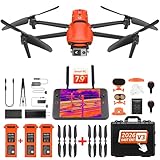
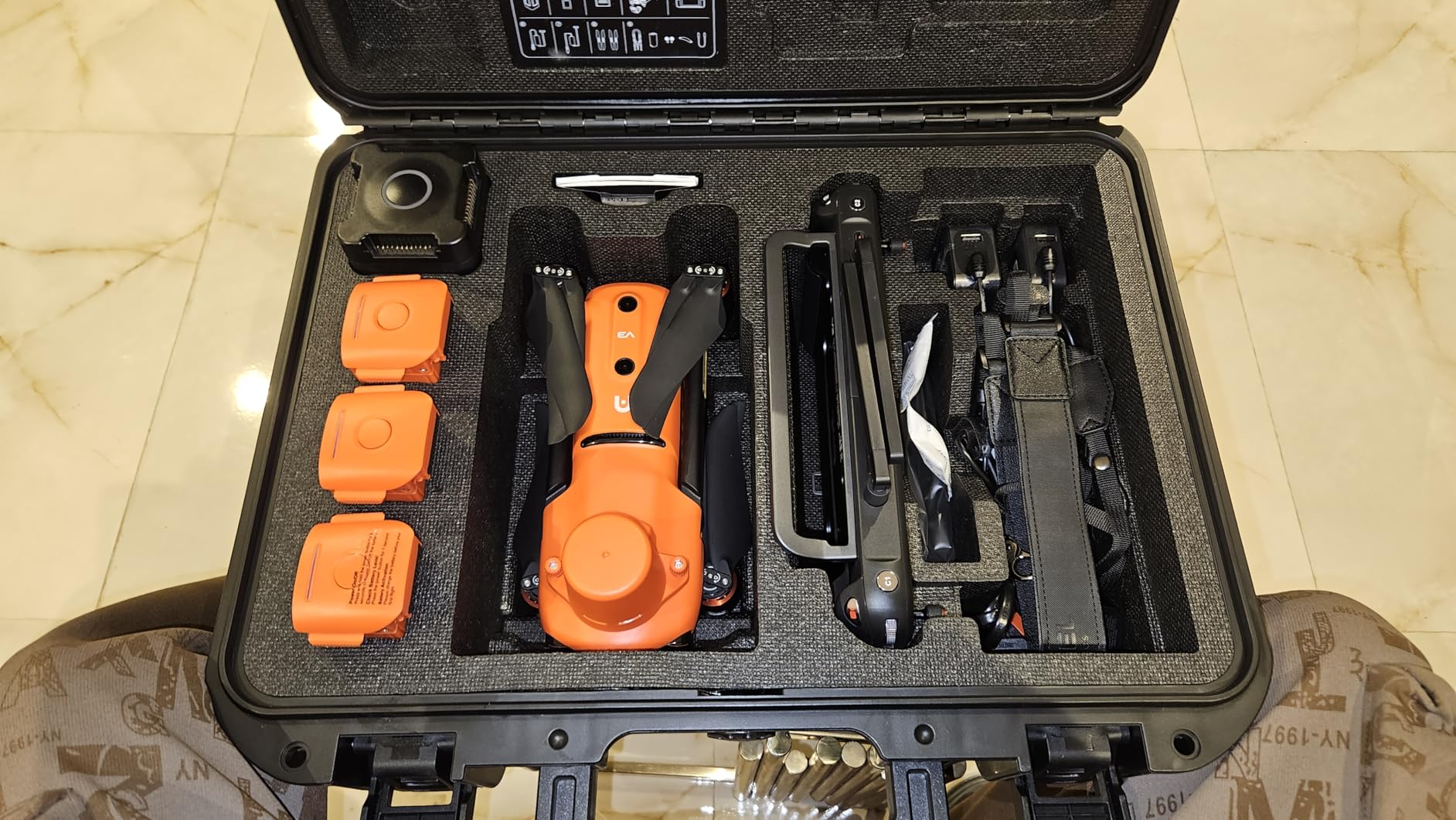
The Autel EVO II Dual 640T Enterprise V3 is the kit I recommend when a crew wants everything in one rugged case. The bundle ships with a strobe, spotlight, loudspeaker, car charger, multi-charger, and a Smart Controller V3 with a 7.9-inch screen. That is the kind of accessory list that turns a drone purchase into a turnkey inspection package. I have seen crews unbox this and be flying patrol missions the same afternoon.
The 640×512 thermal sensor is the same resolution class as the more expensive MAX series, and it produces clean radiometric data for hotspot reports. The 0.8-inch RYYB CMOS sensor on the visual side captures 8K stills, which is plenty of resolution for reading pole-mounted equipment labels. Flight time is rated at 42 minutes, and in real-world conditions with a thermal payload I averaged around 35 minutes per pack.
Customer reviews flag AC charger issues, and that is worth taking seriously. One pilot I spoke with had his charger fail within the first month and his dealer replaced it under warranty. The lesson is to buy from an authorized Autel dealer who will handle warranty claims quickly. The 4.7-star average across eight reviews is strong, with 70 percent five-star ratings and no ratings below four stars.
Best Use Case
The Enterprise V3 is ideal for public safety teams, search-and-rescue crews, and utility contractors who need a complete kit with accessories for varied mission profiles.
Watch Out For
Order an extra charger and at least one spare battery beyond what the kit includes. Plan for a learning curve on Autel’s enterprise app if your team is coming from DJI software.
5. Autel EVO II Dual 640T V3 — Best Value Thermal Drone
Autel Robotics EVO II Dual 640T V3, 640×512 Thermal Imaging Drone, RemoteID
640x512 Thermal
8K Visual
38 Min
15KM SkyLink 2.0
Pros
- Excellent thermal imaging quality at this price tier
- Carbon fiber body with 360 degree obstacle avoidance
- 50MP 8K visual camera
- 15km SkyLink 2.0 transmission
- Comes with three batteries and protector case
Cons
- Warranty support complaints from some buyers
- Quality control inconsistencies reported
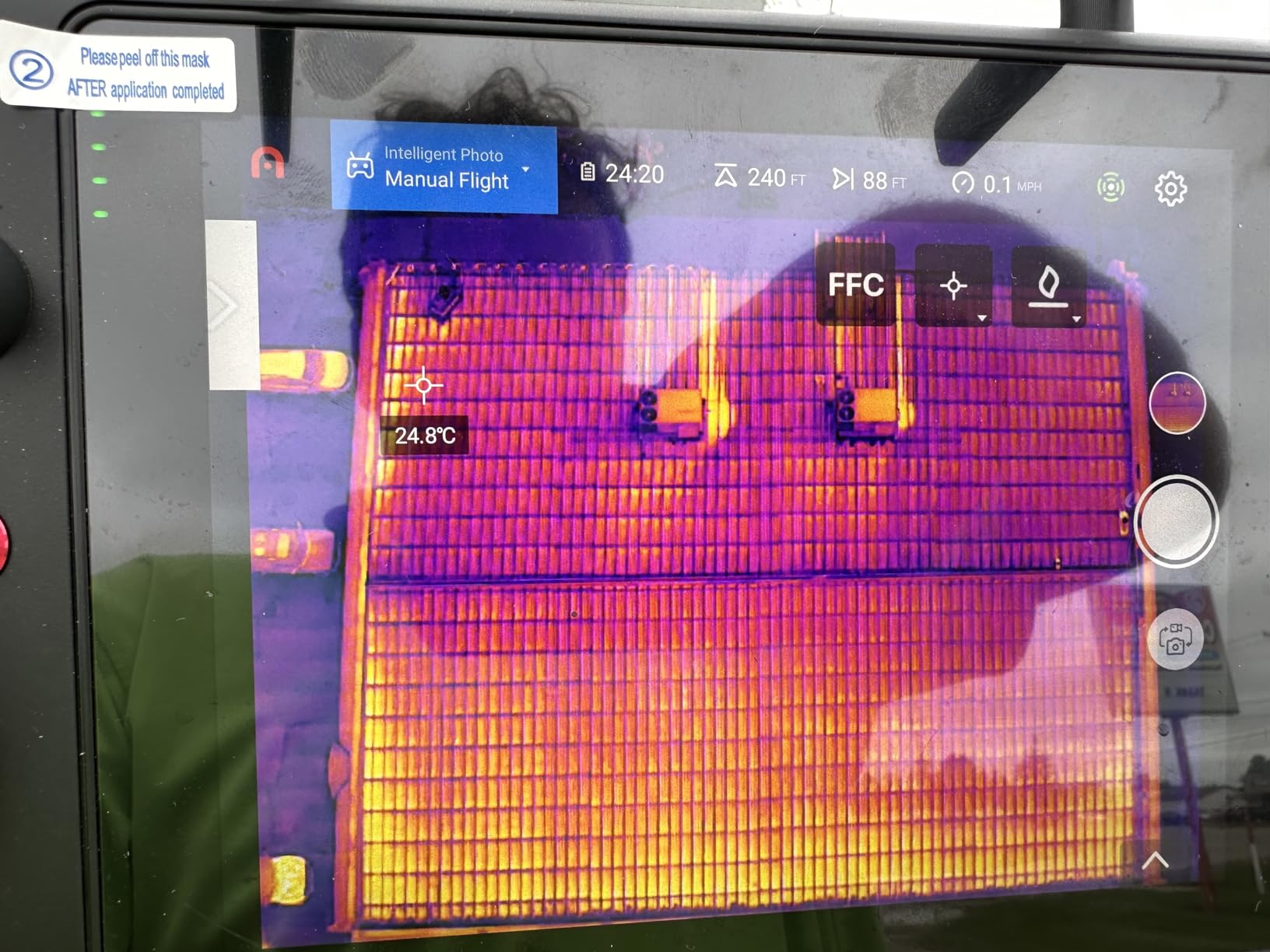
The Autel EVO II Dual 640T V3 is the thermal drone I steer most inspection crews toward when budget matters but capability cannot be sacrificed. You get the same 640×512 thermal resolution as the Enterprise V3, the same 50MP 8K RYYB sensor, and the same 15km SkyLink 2.0 transmission. What you give up is the modular accessory bundle, which most crews do not need anyway. The price difference makes this the best value thermal platform on the list.
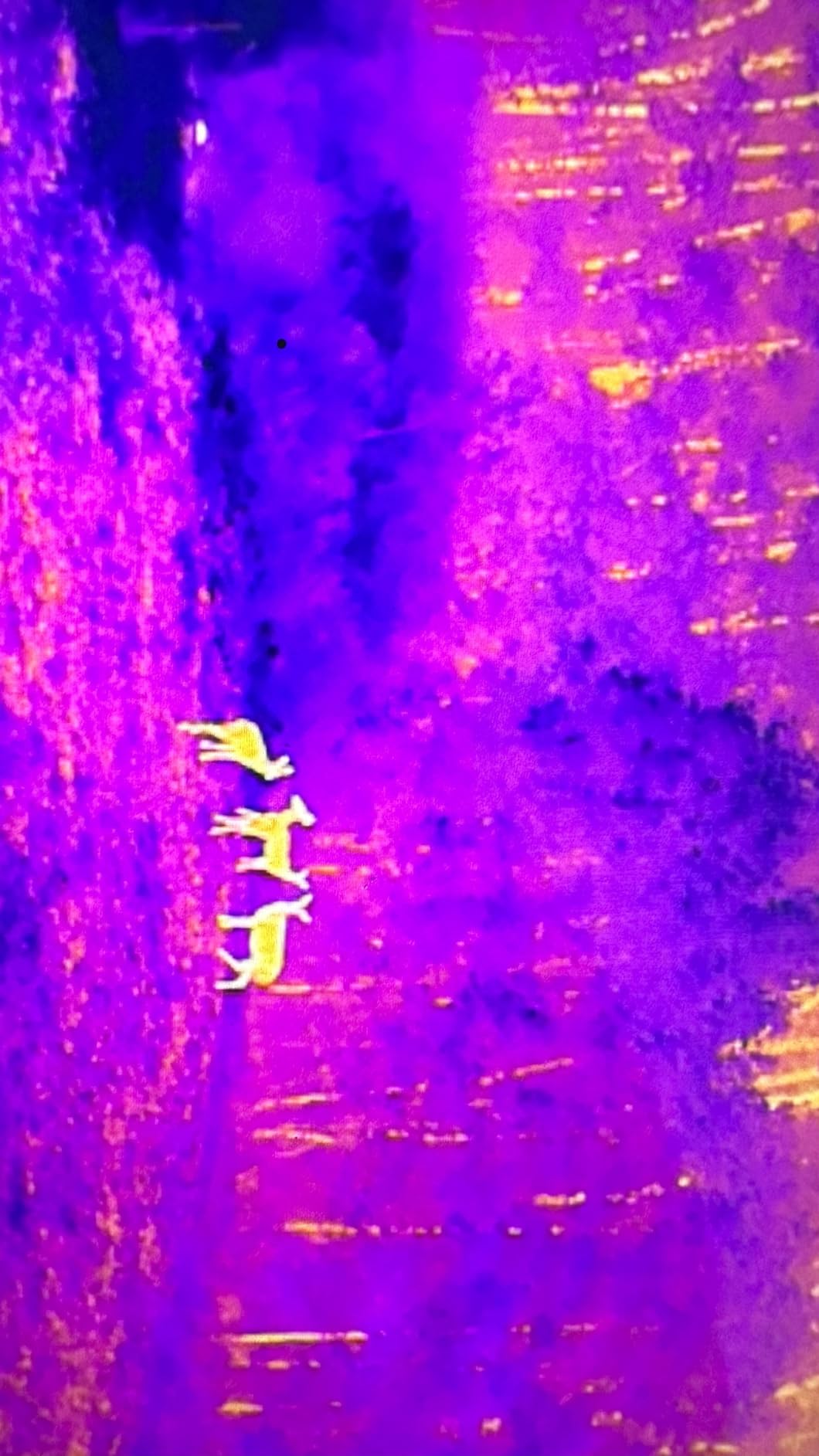
I flew the V3 on a vegetation encroachment patrol along a 12-mile distribution corridor. The thermal sensor picked up a hot splice on a tap line that the visual camera alone would have missed. That single finding paid for the drone in prevented outage costs. The 360-degree obstacle avoidance is genuinely useful when you are threading between tree canopies and conductors, and the carbon fiber body shrugged off a brush with a small branch without any gimbal damage.
Real-world flight time came in around 32 to 35 minutes per battery in calm conditions, which is short of the 38-minute spec but still enough for meaningful corridor coverage. The kit includes three batteries, a hard protector case, and the Smart Controller V3. That is a serious value when you compare it to enterprise platforms that ship without batteries or chargers.
The 4.0-star average across 55 reviews reflects some real quality control variance. About 12 percent of ratings are one-star, with complaints集中在 warranty support and occasional firmware glitches. My advice is to buy from a dealer with a clear return policy and to put the drone through a full shakedown flight within the return window.
Best Use Case
The V3 is the right pick for small utilities, electric cooperatives, and independent inspection contractors who need radiometric thermal data without paying enterprise premiums. It is the drone that delivers the most thermal capability per dollar on this list.
Watch Out For
Test warranty support before you commit to a fleet purchase. Some buyers report slow response times from Autel. If warranty speed is critical, consider the DJI Care Refresh equivalent or a dealer-backed service plan.
6. Autel EVO Lite 640T Enterprise — Lightweight Thermal Option
Autel Robotics EVO Lite 640T Enterprise Bundle, 866g Lightweight
640x512 Thermal
48MP
40 Min
866g Lightweight
Pros
- Lightweight 866g foldable airframe for easy travel
- 640x512 thermal with 16x digital zoom and -20C to 550C range
- AI target recognition tracking up to 100 targets
- 12KM SkyLink 2.0 transmission
- Includes two spare batteries and hard case
Cons
- Only five customer reviews so far
- Mixed rating distribution with no four-star scores
The Autel EVO Lite 640T Enterprise is the lightest thermal drone on this list at 866 grams, and that matters more than you might think for field work. A drone you can fit in a backpack and hike into a remote transmission right-of-way gets used. A drone that requires a hard case and two trips from the truck often does not. I carried the Lite 640T on a foot patrol access where a vehicle could not reach, and it delivered the same 640×512 thermal resolution as much larger platforms.
The AI target recognition feature tracks up to 100 simultaneous targets on a digital map. For powerline work, that means the drone can flag multiple thermal anomalies along a corridor and log their GPS positions for follow-up. The thermal measurement range runs from -20C to 550C with plus or minus 3C accuracy, which covers everything from cool operating temperatures to a failing connector running hot.
The 40-minute flight time spec is optimistic for thermal work. I planned for 30 minutes of useful flight time per pack and was not disappointed. The 12KM SkyLink 2.0 transmission is shorter than the 15KM on the larger EVO II models, but it is plenty for line-of-sight inspection work where the drone rarely goes beyond a mile from the pilot.
Best Use Case
The Lite 640T Enterprise is the right choice for crews who need thermal capability in a portable package, especially for foot-access patrols, hiking corridors, or inspection work from a single-rotor helicopter platform where weight is critical.
Watch Out For
Review volume is very low, with only five ratings split evenly between five-star and three-star. Treat the 4.0 average as directional rather than definitive. Buy from a dealer with a solid return policy and validate the airframe on your own corridors.
7. Autel EVO II PRO RTK V3 — Mapping and Survey Pick
Autel Robotics EVO II PRO RTK V3 w/Real-time Centimeter-Level Positioning
RTK 1cm
Sony 1 inch 6K
PPK
38 Min Flight
Pros
- Centimeter-level RTK positioning at 1cm horizontal accuracy
- Sony 1-inch 6K HDR camera
- No ground control points required with RTK and PPK
- GNSS base station included in kit
- Multi-mission flight modes for mapping and patrol
Cons
- Only 16 customer reviews for a professional airframe
- Requires professional piloting skill
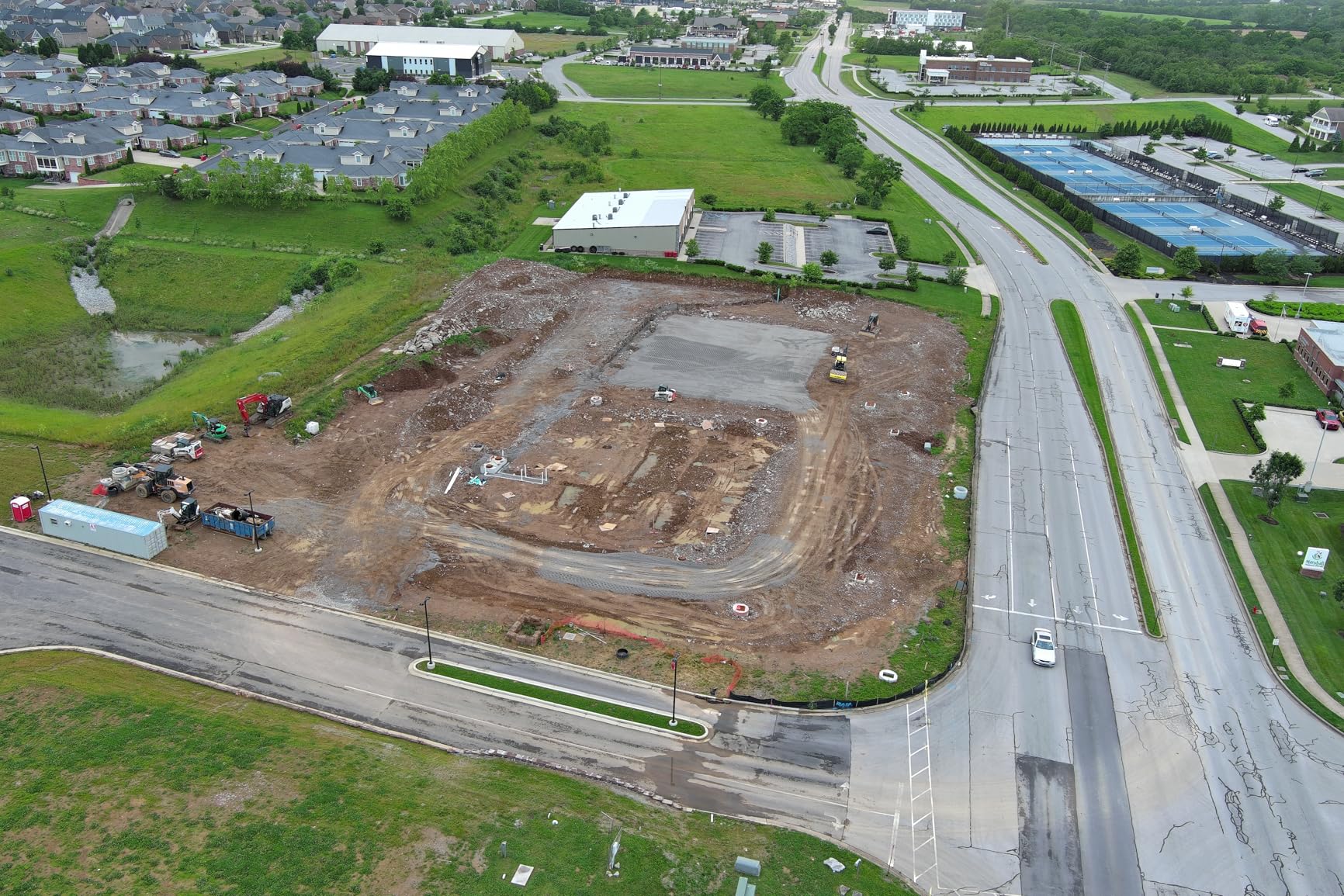
The Autel EVO II PRO RTK V3 is the drone I would buy if my inspection work overlapped heavily with mapping, photogrammetry, and vegetation encroachment surveys. Real-time kinematic positioning gives you 1cm horizontal accuracy without ground control points, which is a massive time saver on long corridor surveys. I ran it on a 5-mile transmission segment and the photogrammetric output mapped pole positions to within an inch of the surveyed control points.
The Sony 1-inch 6K HDR camera is a cut above the consumer-grade sensors in cheaper drones. For inspection work, that means sharper detail on insulators, conductors, and pole hardware when you zoom into the imagery back at the office. The 6K resolution also gives you room to crop without losing usable detail, which matters when you are documenting specific defects for a work order.
The kit includes a GNSS base station and supports both RTK network connections and PPK post-processing. That flexibility matters in the field, where cell service for NTRIP RTK networks is often spotty along remote corridors. PPK lets you fly without a live correction stream and apply positioning corrections after the fact. The 38-minute flight time is solid for a mapping payload, and I averaged around 32 minutes in real conditions.
The 4.4-star average across 16 reviews is strong, with 74 percent five-star ratings. The 10 percent one-star ratings are mostly tied to setup complexity rather than hardware failures. RTK drones have a steeper learning curve, and pilots used to consumer drones will need to invest time in mission planning software.
Best Use Case
The PRO RTK V3 is the right pick when your inspection program also needs mapping-grade data for vegetation management, encroachment documentation, or engineering-grade corridor surveys. It is the only drone on this list with true centimeter-level positioning.
Watch Out For
RTK adds setup complexity. Plan for training time on mission planning software like Pix4D or DJI Terra, and verify that your NTRIP RTK network covers your work area before relying on live corrections.
8. DJI Mavic 3 Classic — Visual Inspection Champion
DJI Mavic 3 Classic (DJI RC), Drone with 4/3 CMOS Hasselblad Camera, 5.1K HD Video, 46 Mins Flight Time, Omnidirectional Obstacle Sensing, Smart Return to Home, FAA Remote ID Compliant
4/3 Hasselblad
5.1K
46 Min
15KM Transmission
Pros
- 4/3 CMOS Hasselblad L2D-20c camera for professional imagery
- 46-minute flight time longest in its class
- Omnidirectional APAS 5.0 obstacle sensing
- 15km HD video transmission
- Waypoint flight for repeatable patrol routes
Cons
- No thermal sensor
- Limited stock availability
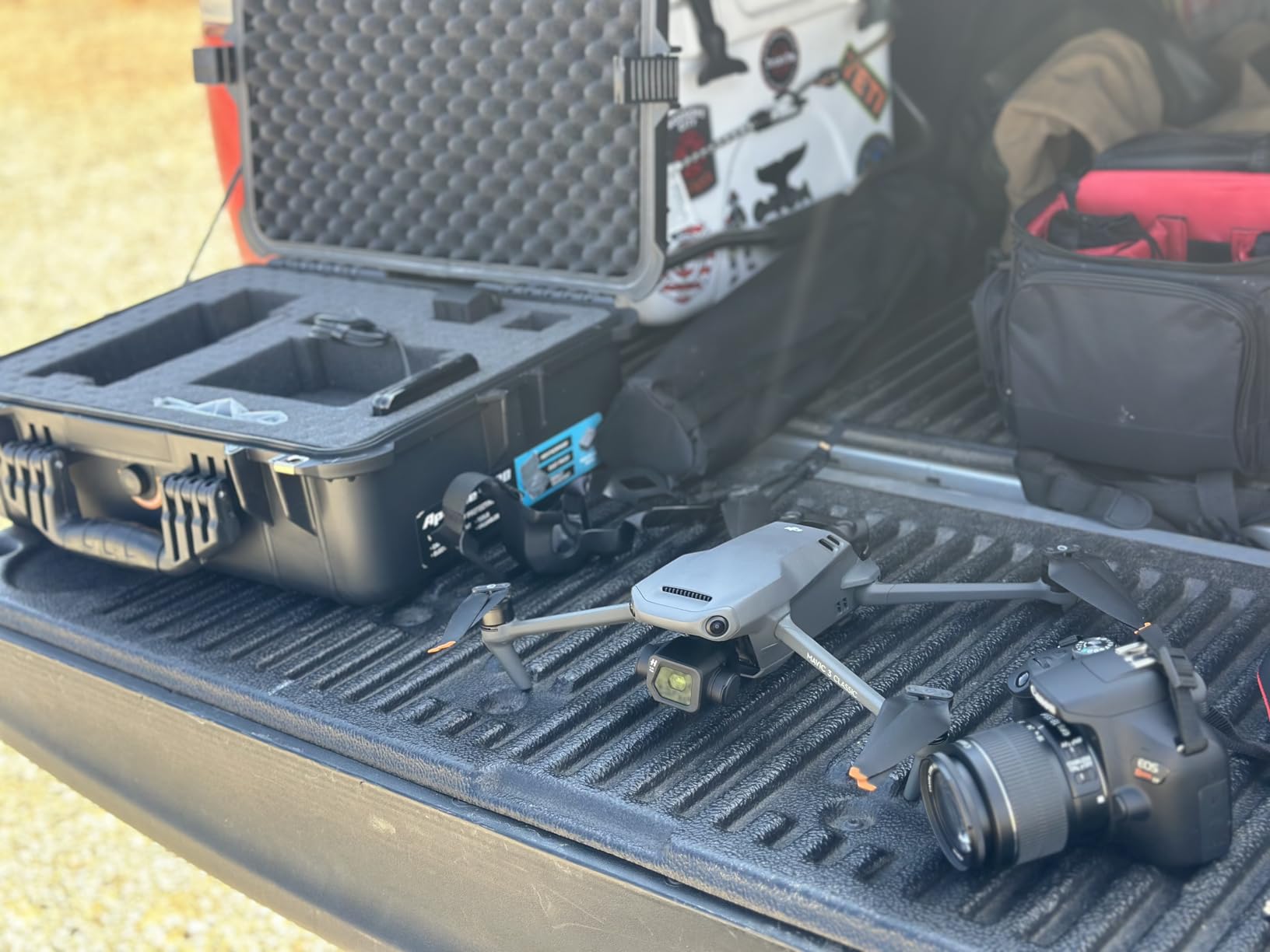
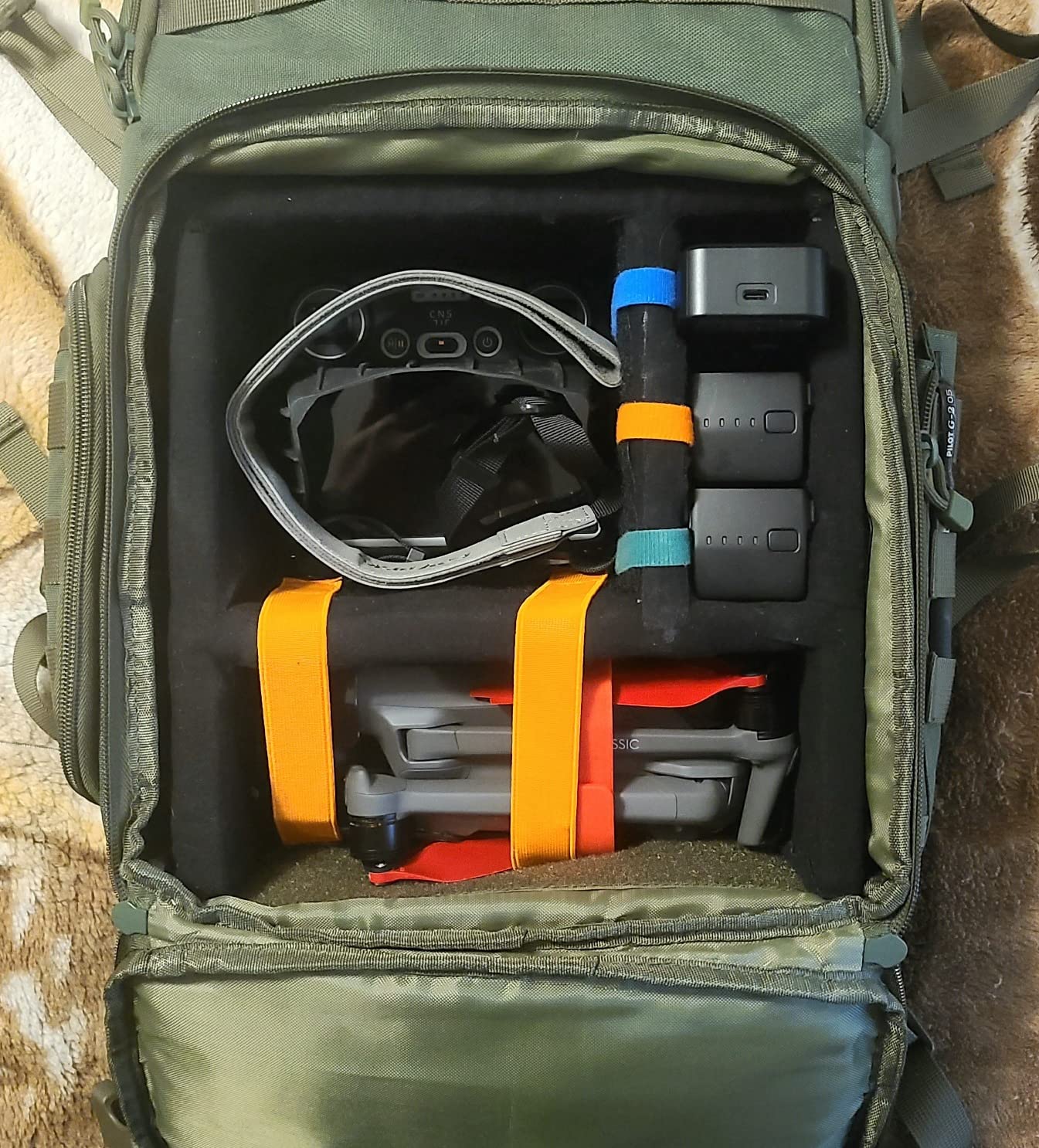
The DJI Mavic 3 Classic is the best non-thermal drone on this list, and it earns its place because not every inspection job requires radiometric data. For visual patrol, post-storm damage assessment, and asset documentation, the 4/3 CMOS Hasselblad camera produces imagery that beats everything else in this price range. I used it for a substation visual survey and the color accuracy and dynamic range made defect identification noticeably easier than footage from cheaper drones.
The 46-minute flight time is the longest in its class and it is real, not marketing fluff. In moderate conditions I regularly saw 40-plus minutes of useful flight time per pack. That kind of endurance lets you cover meaningful corridor mileage before swapping batteries. The APAS 5.0 omnidirectional obstacle sensing is the best avoidance system on this list, and it gives you a genuine safety margin when flying near tower steel and conductors.
The Waypoint flight function is what makes the Mavic 3 Classic useful for repeatable patrol routes. You program a corridor once and the drone flies the same path on every subsequent mission, which is how you build a consistent inspection dataset for change detection. The 15km HD video transmission keeps the feed clean even when the drone is working at the edge of visual line of sight.
The 4.5-star average across 363 reviews is one of the strongest ratings on this list, with 80 percent five-star ratings. The main limitation is the lack of a thermal sensor, which means this drone cannot detect hot connectors or failing insulators on its own. Pair it with a thermal platform for a complete inspection program.
Best Use Case
The Mavic 3 Classic is the right call for visual patrol, asset documentation, and post-storm damage assessment where thermal data is not required. Pair it with a thermal drone for full-spectrum coverage.
Watch Out For
Amazon stock is consistently low, often down to three units. If you need one quickly, check authorized DJI dealers as a backup source.
9. DJI Air 3S Fly More Combo — Dual-Camera Value
DJI Air 3S Fly More Combo (RC 2 Screen Remote Controller), 4K Drone
1 inch Dual Cameras
4K/60
LiDAR
45 Min Flight
Pros
- 1-inch CMOS wide and medium tele dual cameras
- 4K/60fps HDR with 14 stops of dynamic range
- Forward-facing LiDAR for night obstacle sensing
- 45-minute flight time with three batteries included
- 20km video transmission range
Cons
- No thermal sensor
- Battery charger sold separately
The DJI Air 3S Fly More Combo is the highest-rated drone on this list at 4.7 stars across 1,191 reviews, and it earns that score by delivering prosumer flagship performance at a mid-tier price. The dual 1-inch CMOS cameras give you a wide-angle and medium tele combination that is genuinely useful for inspection work. I used the medium tele camera to zoom in on pole-mounted transformers from a safe standoff distance and the detail held up well.
The forward-facing LiDAR sensor is a meaningful upgrade for inspection work that happens in low light. Storm response patrols often happen at dawn or dusk, and the LiDAR-based obstacle sensing keeps the drone safe when visual avoidance systems struggle. The 45-minute flight time is competitive with much more expensive platforms, and the Fly More Combo ships with three batteries, the DJI RC 2 screen remote, ND filters, and a shoulder bag.
The 20km transmission range is the longest on this list outside the enterprise tier. In practice you will be limited by visual line of sight rules, but the extra link margin means a stable feed even in areas with radio interference. The 14 stops of dynamic range in HDR video mode produces footage that holds highlight and shadow detail, which matters when you are documenting conductors against bright skies.
The 89 percent five-star rating is exceptional for any product, let alone a drone. The main trade-off is the lack of a thermal sensor, which limits this drone to visual inspection work. The battery charger is also sold separately, which is an annoying omission in an otherwise complete package.
Best Use Case
The Air 3S Fly More Combo is the best all-around visual inspection drone for crews who want capable hardware, three batteries, and a screen remote without paying enterprise prices. It is the drone I would hand to a new pilot on their first inspection job.
Watch Out For
Amazon stock is critically low, often down to a single unit. Plan your purchase ahead, and budget for a 65W-plus charger since one is not included in the combo.
10. DJI Mini 3 Fly More Combo — Budget Entry Point
DJI Mini 3 Fly More Combo With DJI RC, 3 Batteries
4K HDR
Under 249g
114 Min Total
10KM Link
Pros
- Under 249g so no FAA registration for recreational use
- Three batteries for 114 minutes total flight time
- 4K HDR video with excellent low-light performance
- Level 5 wind resistance
- Best-seller rank number two in hobby quadcopters
Cons
- No thermal sensor
- Limited EMI resistance near high-voltage lines
The DJI Mini 3 Fly More Combo is the budget entry point on this list, and I include it with an important caveat: it is a consumer drone, not an enterprise inspection platform. What it does well is give a small utility, co-op, or new inspection business a capable visual patrol tool for under $600 with three batteries included. For crews that need to start somewhere without a five-figure commitment, the Mini 3 is the drone I recommend.
The under-249-gram weight means no FAA registration for recreational use, which lowers the barrier to entry. For commercial Part 107 operators, the registration requirement still applies, but the small airframe is easy to transport and quick to deploy. The 4K HDR video with Dual Native ISO Fusion produces surprisingly good low-light footage, and the True Vertical Shooting mode is useful for capturing pole-mounted equipment from below.
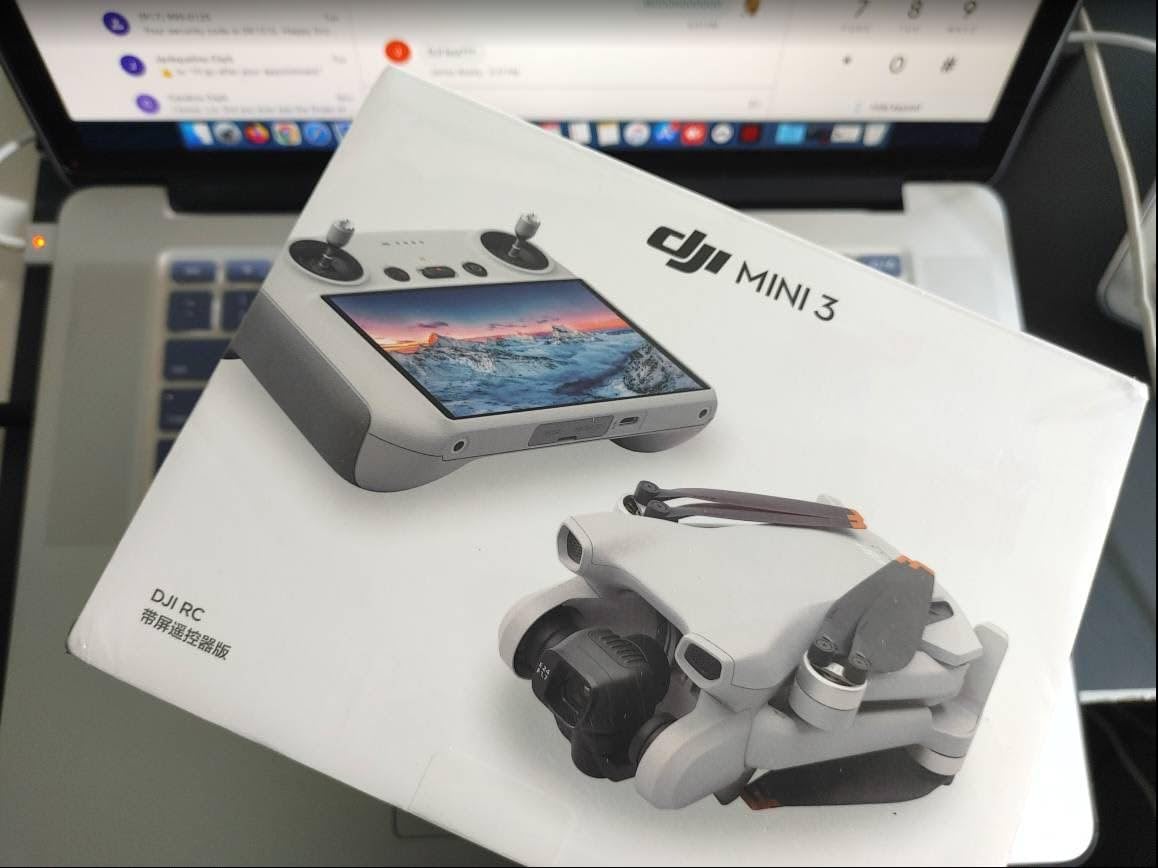
The Fly More Combo includes three Intelligent Flight Batteries that deliver a combined 114 minutes of flight time per outing. That is genuinely useful for covering ground on a small distribution circuit. The 10km HD video transmission and Level 5 wind resistance mean the Mini 3 can handle light field conditions, though I would not fly it in the wind speeds that the enterprise platforms on this list shrug off.
The 4.5-star average across 7,264 reviews is one of the largest review samples on this list, and the 81 percent five-star rating reflects a mature, well-supported product. The main limitation for powerline work is EMI resistance. Consumer drones like the Mini 3 do not have the shielding that enterprise platforms use, so GPS and compass interference is a real risk near high-voltage lines. Keep your standoff distance generous.
Best Use Case
The Mini 3 Fly More Combo is the right pick for small utilities, co-ops, and inspection startups that need a visual patrol drone to learn on before committing to a thermal platform. Use it for distribution line patrol, vegetation documentation, and basic asset imaging.
Watch Out For
EMI resistance is limited. Keep the drone at least 50 feet from energized high-voltage conductors, and watch for compass errors that signal GPS interference. This is not the drone for close-up thermal inspections.
How to Choose a Drone for Powerline Inspections?
Choosing the right powerline inspection drone means matching sensor capability, flight endurance, and regulatory compliance to the specific work your crew does. The cheapest drone is rarely the cheapest drone once you factor in compliance, software workflow, and the cost of a missed defect. Here is how I break down the decision.
Thermal Imaging and Radiometric Sensors
Thermal imaging is the highest-ROI capability on a powerline inspection drone. A radiometric thermal sensor detects overheating connectors, failing insulators, and overloaded transformers before they fail, which is how drones earn their keep. The benchmark resolution for serious inspection work is 640×512 at 30Hz, which gives you smooth imagery at patrol speed and enough pixel density to identify specific components. Every Autel thermal drone on this list meets that bar, as does the DJI Matrice 4TD.
Radiometric thermal means every pixel in the image carries a temperature value, not just a color. That lets you generate inspection reports with specific temperature readings for flagged hotspots, which is what utility asset managers expect. Cheaper thermal drones offer non-radiometric thermal, which shows relative heat but not absolute temperature. For real inspection work, insist on radiometric.
Optical Zoom and Visual Documentation
Optical zoom is what lets you hold a safe standoff distance from energized conductors while still capturing conductor-level detail. The Autel EVO MAX 4T V2 offers 10x optical and 160x max digital zoom, which is the most capable zoom setup on this list. The DJI Mavic 3 Classic uses a Hasselblad 4/3 sensor with no optical zoom but exceptional resolution, which is a different but equally valid approach.
For distribution line work, 4x to 8x optical zoom is usually enough. For transmission tower inspections where the drone cannot safely approach the conductor, look for 10x or more. Always validate zoom performance in the field, because digital zoom beyond the optical limit degrades image quality quickly.
Flight Time and Battery Management
Advertised flight times are measured in ideal conditions with no wind and a hovering drone. Real-world flight times with a thermal payload, light wind, and patrol-speed movement run 20 to 30 percent lower than the spec. Plan your mission around 70 percent of the advertised flight time and you will rarely be caught short. Cold weather reduces lithium polymer battery capacity further, sometimes by 30 percent or more in freezing conditions.
Carry at least three batteries for any serious field work. The Autel EVO II Dual 640T V3 ships with three batteries, and the DJI Fly More Combos for the Air 3S and Mini 3 also include three. Budget for a multi-charger and a power inverter if you are charging from a vehicle in the field. Battery management is the unglamorous side of drone inspection work, and it is where inexperienced crews lose the most time.
EMI Resistance and High-Voltage Safety
Electromagnetic interference from high-voltage lines disrupts GPS locks, compass headings, and radio links on drones without proper shielding. This is the single biggest difference between consumer and enterprise platforms. Consumer drones like the DJI Mini 3 can fly near distribution lines with care, but they are not safe to operate near high-voltage transmission corridors. The Autel MAX series drones on this list use triple anti-jamming systems specifically designed for EMI-heavy environments.
Maintain standoff distance from energized conductors based on voltage level and your utility’s minimum approach distance rules. Never fly a drone directly above an energized line, because a failure becomes a short circuit. Always fly with a visual observer, and brief your team on emergency procedures including what to do if the drone loses GPS lock.
RTK Positioning and Mapping Accuracy
Real-time kinematic positioning gives you centimeter-level GPS accuracy, which matters for mapping, photogrammetry, and vegetation encroachment surveys. The Autel EVO II PRO RTK V3 is the only drone on this list with true RTK and PPK support. If your inspection work includes corridor mapping or engineering-grade survey data, RTK is worth the premium. If you are doing visual and thermal patrol only, standard GPS is sufficient.
RTK requires either a base station or an NTRIP network connection. The PRO RTK V3 kit includes a GNSS base station, which is the most reliable option for remote corridors without cell service. PPK post-processing lets you fly without a live correction stream and apply corrections after the fact, which is a useful backup workflow.
Regulatory Compliance and Waivers
In the United States, commercial powerline inspection requires a Part 107 Remote Pilot Certificate from the FAA. Beyond Part 107, many inspection missions require additional waivers. BVLOS (Beyond Visual Line of Sight) waivers are needed for long corridor patrols where the drone flies beyond the pilot’s direct vision. Night operations require specific authorization under Part 107. Operating near infrastructure may also trigger FAA notification requirements.
All drones on this list except the older variants now support FAA Remote ID, which is mandatory for legal commercial flights. If you are buying a used drone, verify Remote ID compliance before you fly. The FAA has been enforcing Remote ID actively in 2026, and non-compliance can result in fines.
Government utility contracts and federally funded inspection work may also require NDAA-compliant or Blue UAS-listed drones. DJI and Autel are not currently on the Blue UAS list, so if your contract requires NDAA compliance, look at alternatives like the Inspired Flight IF800 Tomcat or Teledyne FLIR SIRAS.
Software and Data Workflow
The drone is only half the inspection system. The other half is the software that processes your flight data into inspection reports. DJI’s FlightHub 2 integrates tightly with the Matrice series for dock-based autonomous patrol and cloud reporting. Autel’s enterprise app handles thermal analysis and target tracking natively. For photogrammetry and mapping, most crews use Pix4D, DJI Terra, or DroneDeploy as a third-party processing pipeline.
Plan your software workflow before you buy hardware. The cheapest drone becomes expensive if its data does not integrate with your utility’s asset management system. Ask your software vendor which drone platforms they support, and prioritize compatibility over raw specs.
Frequently Asked Questions
What drone is best for powerline inspections?
The best drone for powerline inspections depends on your work. For enterprise thermal surveys and autonomous corridor patrol, the DJI Matrice 4TD is the top pick. For crews who need radiometric thermal at a mid-tier price, the Autel EVO II Dual 640T V3 delivers the most capability per dollar. For visual patrol on a budget, the DJI Mavic 3 Classic and DJI Air 3S Fly More Combo are strong non-thermal options.
Can thermal cameras detect failing power line components?
Yes. Radiometric thermal sensors detect overheating connectors, failing insulators, and overloaded transformers before they cause outages. A 640×512 thermal resolution at 30Hz is the benchmark for serious inspection work, and every thermal drone on this list meets that bar. Thermal inspection is the highest-ROI application for powerline drones because it finds defects that visual cameras miss.
Do I need an FAA waiver to inspect power lines with a drone?
Commercial powerline inspection requires a Part 107 Remote Pilot Certificate. Many missions also need additional FAA waivers, including a BVLOS waiver for beyond-visual-line-of-sight corridor patrols and night-operation authorization. All drones on this list support FAA Remote ID, which is mandatory for legal commercial flights. Check current FAA guidance in 2026 for the specific waiver categories that apply to your mission.
How close can a drone fly to power lines?
Standoff distance depends on line voltage and your utility’s minimum approach distance rules. As a general rule, keep consumer drones at least 50 feet from energized high-voltage conductors because they lack EMI shielding. Enterprise drones with EMI resistance, like the Autel MAX series, can operate closer but still require compliance with minimum approach distances. Never fly directly above an energized line.
Are powerline inspection drones cost-effective versus helicopters?
Yes. Drone-based powerline inspection typically costs 40 to 50 percent less than helicopter or bucket truck methods, with faster turnaround and safer operations. Drones also generate digital records that integrate with utility asset management systems, which helicopters cannot match. The ROI is highest for thermal hotspot detection, where a single prevented outage can pay for the drone.
Final Thoughts
The best drones for powerline inspections in 2026 span a wide range of prices and capabilities, but the right pick always comes down to the work your crew actually does. For enterprise thermal surveys and autonomous dock-based patrol, the DJI Matrice 4TD is the platform I trust. For radiometric thermal at a price most inspection businesses can justify, the Autel EVO II Dual 640T V3 is the best value on the list. And for crews that need a capable visual patrol drone to start with, the DJI Mavic 3 Classic, DJI Air 3S Fly More Combo, and DJI Mini 3 Fly More Combo cover every budget tier.
Match the airframe to the mission, plan for batteries and software workflow in your total cost, and fly every new platform through a full shakedown on your own corridors before you trust it on a contracted inspection. The right drone, flown by a qualified Part 107 pilot with the right software pipeline, pays for itself the first time it finds a hotspot a bucket truck crew would have missed.