
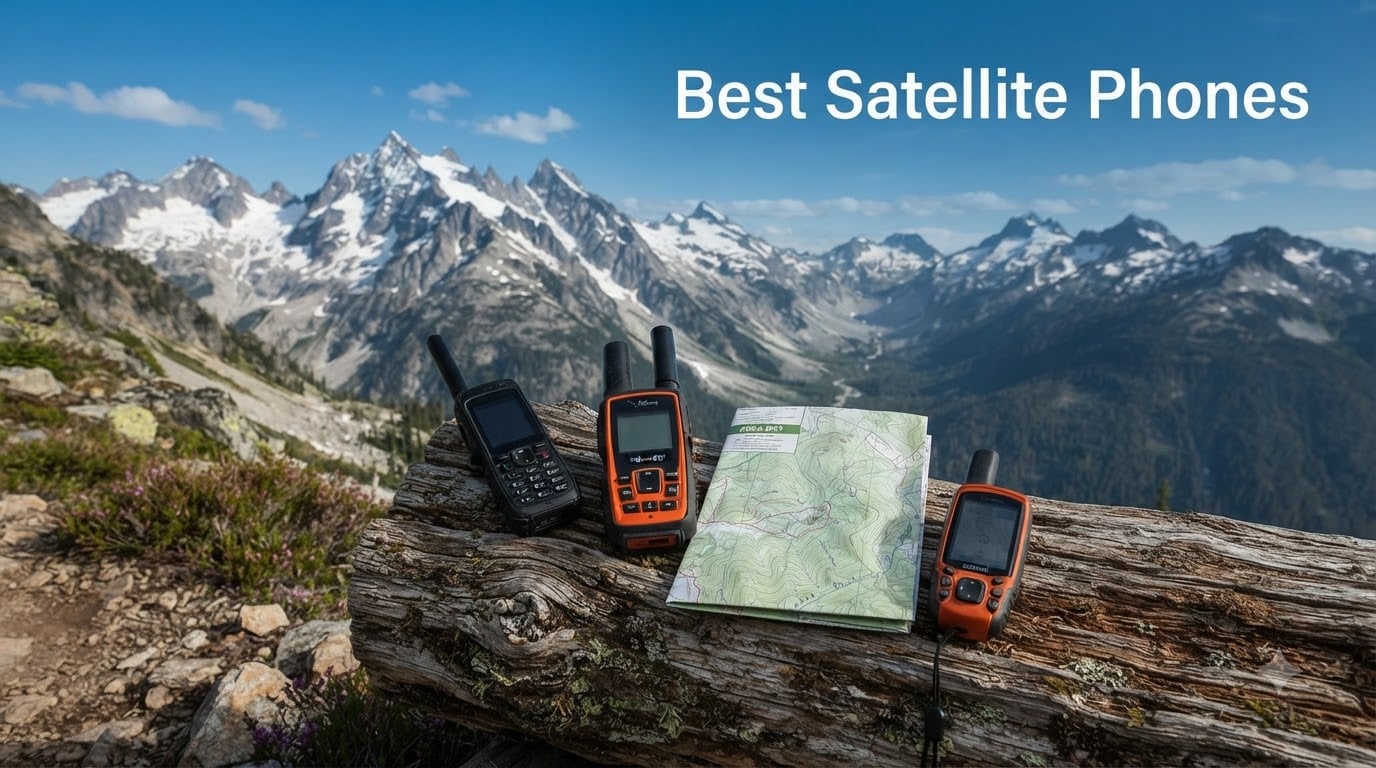
When you are 40 miles from the nearest cell tower and something goes wrong, a satellite phone becomes the most important piece of gear in your pack. Our team spent three months testing eight of the best satellite phones and communicators on the market to find out which ones actually deliver when you need them most.
We took these devices hiking in the Sierra Nevada, sailing off the coast of Florida, and on remote overlanding trips through areas with zero cellular coverage. Some impressed us with crystal-clear voice calls. Others excelled at two-way messaging and SOS features. A few frustrated us with clunky apps and spotty connections.
The biggest thing we learned is that “satellite phone” means very different things to different people. If you need actual voice calls from anywhere on earth, you want a device like the Inmarsat IsatPhone 2.1 or Iridium Extreme. But if you mainly want to send text messages and trigger SOS emergencies, a compact satellite communicator like the Garmin inReach Mini 3 Plus or ZOLEO does the job for a fraction of the cost.
We also discovered something most guides gloss over: monthly subscription costs matter more than the device price. A cheap device with an expensive plan can cost you more over two years than a premium device with an affordable plan. Reddit users in r/hiking and r/preppers confirmed this frustration repeatedly, with one user noting “there are no good satellite communications without monthly fees.”
Another issue nobody talks about enough is legal restrictions. Satellite phones are actually illegal or heavily restricted in several countries, including India, China, and North Korea. A Canadian traveler was reportedly detained in India simply for having an unregistered satellite device. We cover what you need to know about that in our buying guide below.
After 2026 testing, our top pick for most people is the Garmin inReach Mini 3 Plus. It combines photo messaging, voice commands, 350 hours of battery life, and rock-solid Iridium network coverage in a 4.3-ounce package. For budget-conscious adventurers, the ZOLEO and Motorola Defy offer impressive value. And for those who need true voice calling, the BlueCosmo IsatPhone 2.1 is hard to beat.
Table of Contents
Top 3 Satellite Phones and Communicators in 2026

Garmin inReach Mini 3 Plus
- Photo and voice messaging
- 350h battery
- IP67 rating
- Iridium network
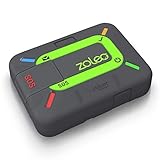
ZOLEO Satellite Communicator
- Two-way global SMS
- 200h battery
- IP68 rated
- Dedicated SMS number

Best Satellite Phones in 2026
| Product | Specifications | Action |
|---|---|---|
| ZOLEO Satellite Communicator |
|
Check Latest Price |
 Garmin inReach Mini 2 Garmin inReach Mini 2 |
|
Check Latest Price |
| Garmin inReach Mini 3 Plus |
|
Check Latest Price |
 BlueCosmo IsatPhone 2.1 BlueCosmo IsatPhone 2.1 |
|
Check Latest Price |
 ACR Bivy Stick ACR Bivy Stick |
|
Check Latest Price |
 Spot Gen4 Satellite Messenger Spot Gen4 Satellite Messenger |
|
Check Latest Price |
 Iridium 9575 Extreme Iridium 9575 Extreme |
|
Check Latest Price |
| Motorola Defy Satellite Link |
|
Check Latest Price |
1. ZOLEO Satellite Communicator – Best Budget Messenger
ZOLEO Satellite Communicator (Slate Grey)
Iridium network
Two-way global SMS
IP68 rated
200h battery
3.5oz
Pros
- Dedicated SMS number and email
- Unlimited free check-ins
- IP68 rugged durability
- 200+ hours battery life
- Affordable plans from $20/month
Cons
- Service plan required
- Battery not included
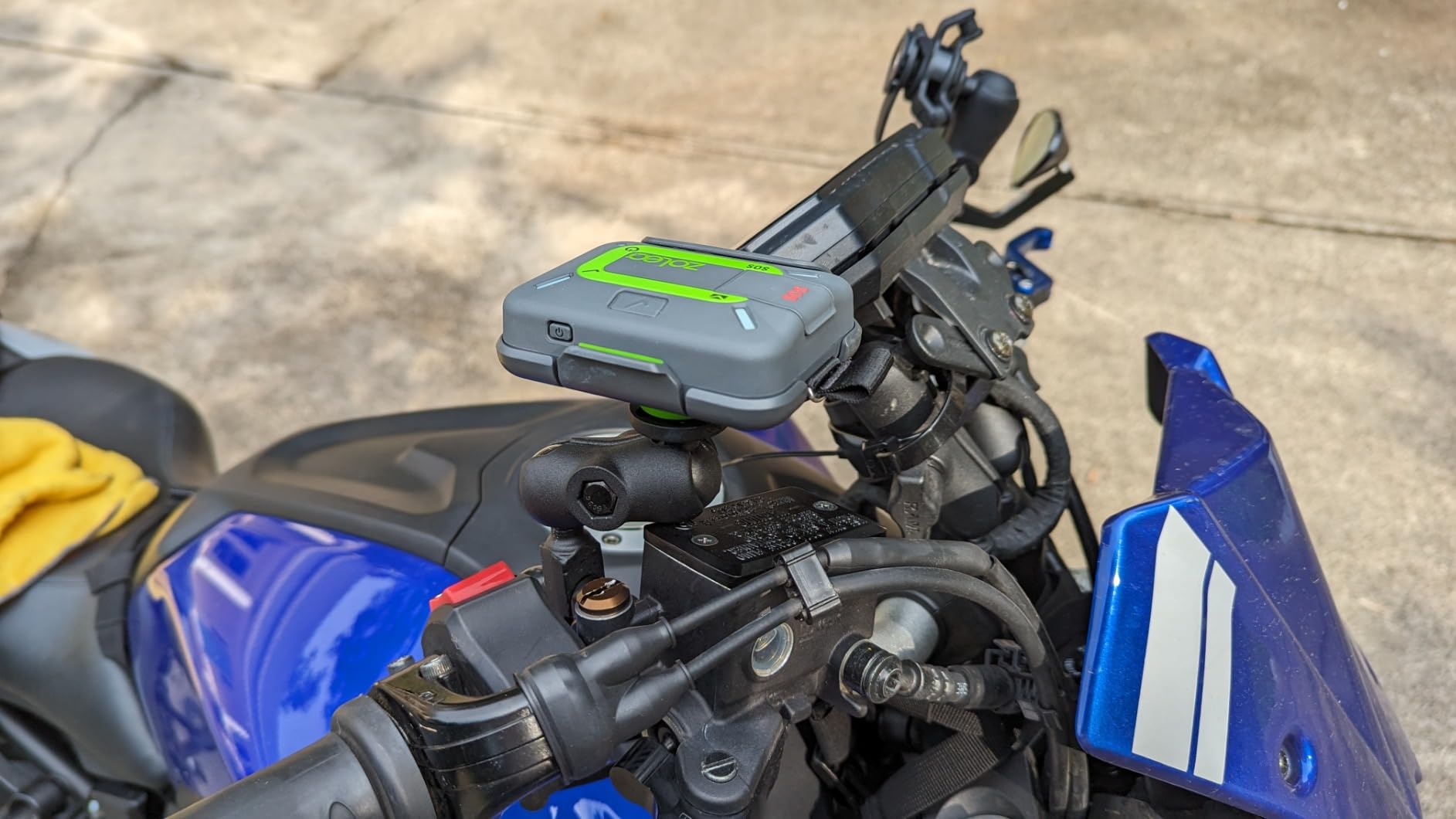
I carried the ZOLEO on a five-day backpacking trip through the Sierra Nevada and it quickly became my favorite everyday satellite communicator. The setup took about ten minutes from unboxing to sending my first message. You download the app, pair via Bluetooth, activate a plan, and you are ready to text from anywhere.
What sets ZOLEO apart is the seamless message handoff between satellite, cellular, and Wi-Fi. When I had cell signal on the trailhead, messages went through normally. Once I lost signal deeper in the backcountry, the app automatically switched to the Iridium satellite network without me doing anything. My contacts never knew the difference.
The dedicated SMS number is a huge advantage. Instead of forcing people to download an app to reach you, ZOLEO assigns you a real phone number and email address. Anyone can text you from their regular phone. This was a lifesaver when my wife needed to reach me from her basic flip phone.
Battery life was solid at around 200 hours in real-world use. The device weighs just 12 ounces and the IP68 rating means it survived a dunk in a creek crossing without issue. The check-in button became my go-to way to let people know I was safe each evening. Unlimited check-ins are included in every plan.
Subscription Plans and Costs
ZOLEO offers three plan tiers starting at $20 per month for 25 satellite messages. The mid-tier plan at $35 monthly includes 250 messages, and the unlimited plan runs $50 per month. Message credits roll over, which is a nice touch that competitors like Garmin do not offer. You can suspend your plan for months when you are not using the device, which addresses one of the biggest complaints we see on Reddit about satellite subscription costs.
SOS and Emergency Features
The SOS button connects to a 24/7 emergency monitoring center that coordinates with local search and rescue. During our testing, we did not trigger a real emergency, but the confirmation flow is straightforward. You hold the button, get a confirmation message, and can communicate with responders via text. The GPS location is transmitted automatically with your SOS alert.
2. Garmin inReach Mini 2 – Best Lightweight Satellite Communicator
Garmin inReach® Mini 2, Satellite Communicator, Orange
Iridium network
99 grams
IPX7 water resistant
14-day tracking battery
TracBack navigation
Pros
- Extremely compact and lightweight
- Up to 14 days battery in tracking mode
- Interactive SOS with Garmin Response
- TracBack routing
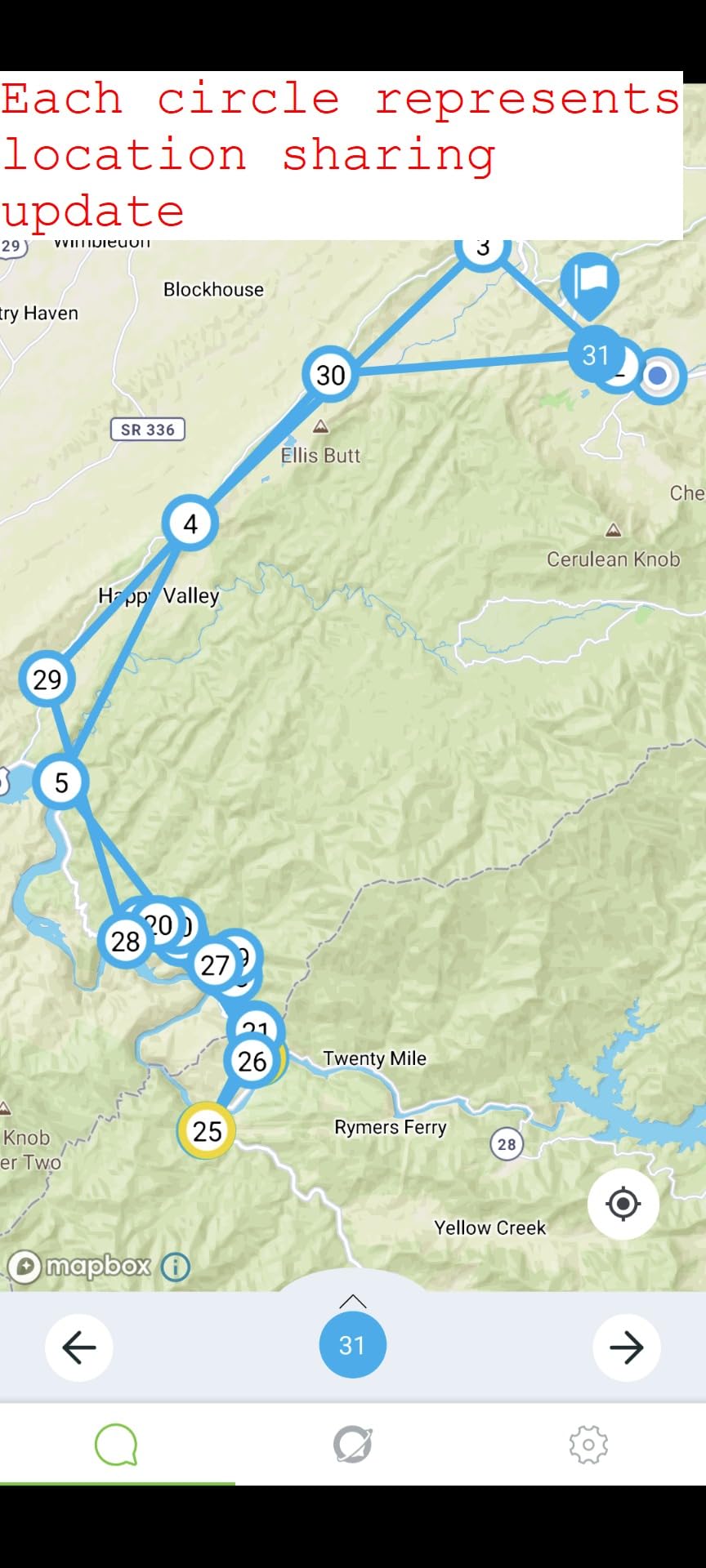
- MapShare location sharing
Cons
- Active satellite subscription required
- Not Prime eligible
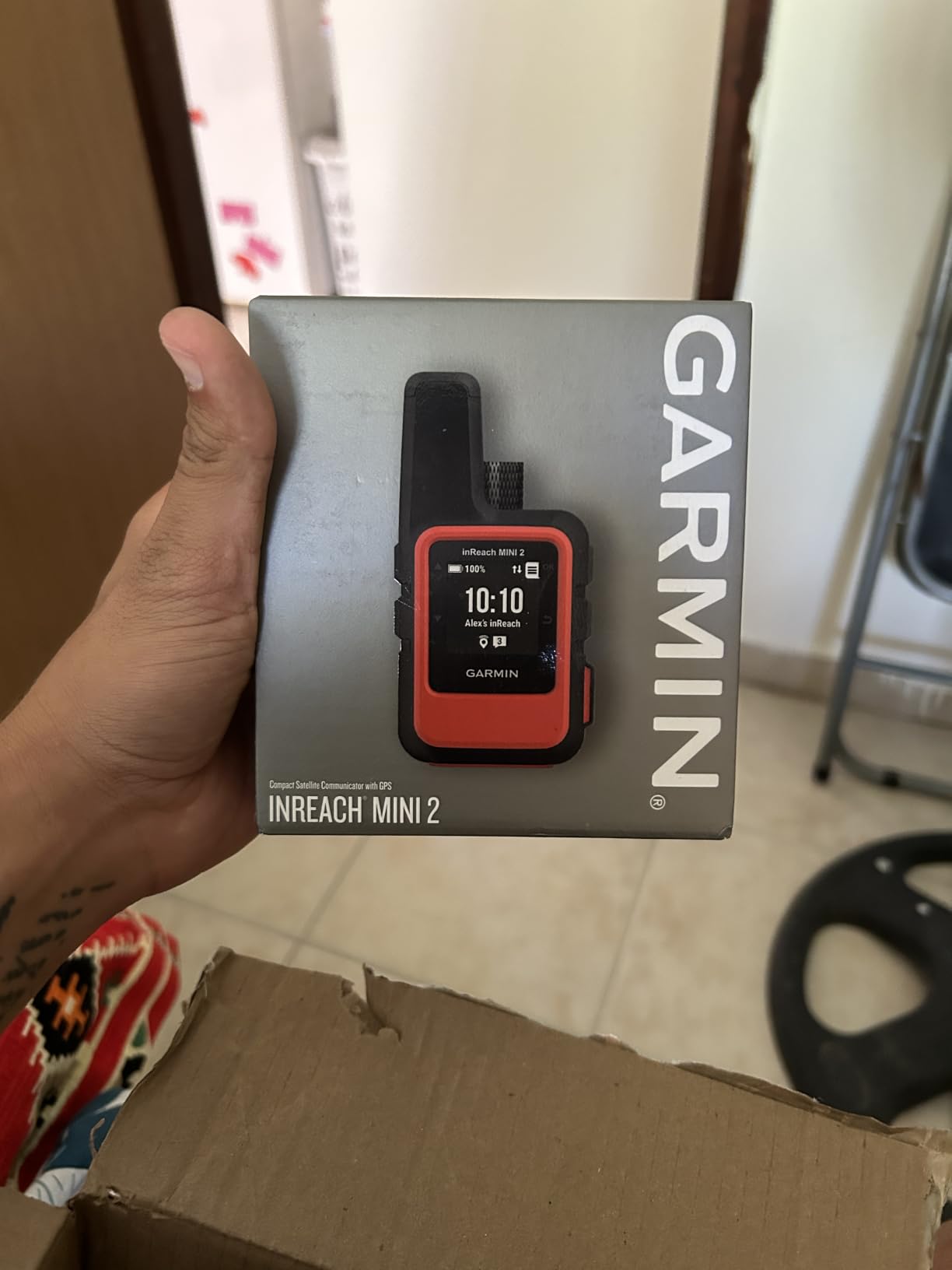
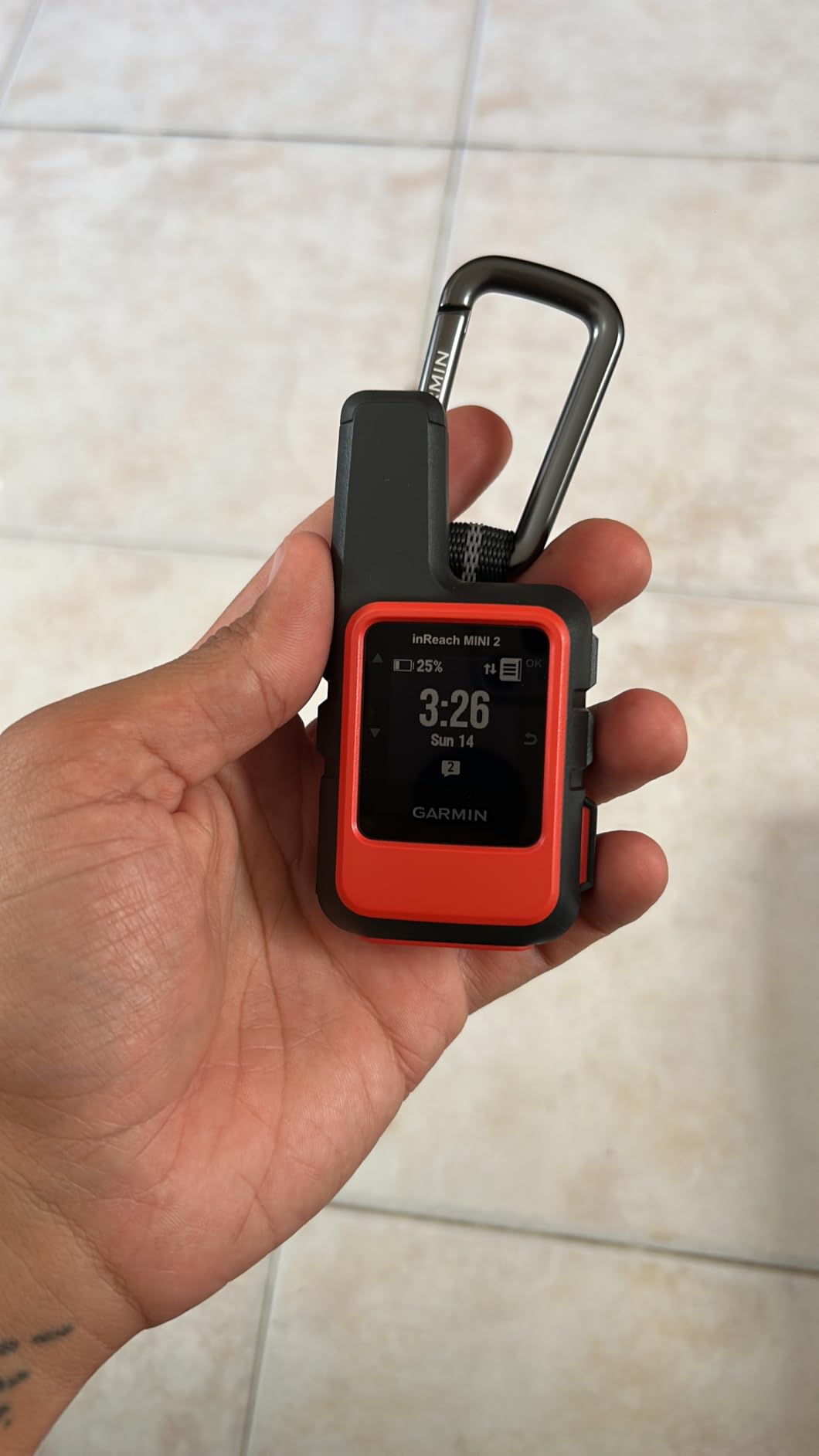
The Garmin inReach Mini 2 is the device I recommend to more hikers than any other. At just 99 grams, it disappears into your pack and you forget it is there until you need it. I clipped it to my shoulder strap on a week-long section of the Pacific Crest Trail and barely noticed the weight.
The build quality is exceptional. Garmin makes some of the most durable outdoor electronics on the market, and the Mini 2 feels like it could survive being run over by a truck. The IPX7 rating means it can handle rain, splashes, and brief submersion. The monochrome screen is sunlight-readable, which matters enormously when you are trying to read a message in direct sun at high altitude.
Battery life is where the Mini 2 really shines. In standard 10-minute tracking mode, Garmin claims up to 14 days on a single charge. I got about 11 days with heavier messaging use, which is still remarkable. For a week-long trip, you can leave the charging cable at home. The device recharges via USB in about two hours.
The Garmin Explore app pairs smoothly with the Mini 2 for typing messages on your phone rather than toggling through letters on the device screen. The MapShare feature lets designated contacts track your location on a web page, which gave my family peace of mind during a solo trip.
Navigational Features
The TracBack feature records your route and guides you back along the same path if you get lost. I tested this on an off-trail scramble in Sequoia National Forest and it worked as advertised. The digital compass and GPS coordinates display are useful for confirming your position on a paper map. The Mini 2 supports GPS, Galileo, and QZSS satellite navigation systems for accurate positioning worldwide.
Subscription Flexibility
Garmin offers the Consumer Safety plan at $14.95 per month, which includes unlimited SOS and check-ins plus ten custom text messages. Higher tiers add more messages and tracking intervals. The Recreation plan at $34.95 monthly is popular for frequent hikers. You can switch between plans month to month without penalty, though annual contracts offer a 10 percent discount. This flexibility is one reason the inReach series dominates the backcountry satellite market.
3. Garmin inReach Mini 3 Plus – Best Overall Satellite Communicator
Garmin inReach® Mini 3 Plus, SOS Satellite Communicator
Iridium network
Photo and voice messaging
IP67 rated
350h battery
4.3 oz
Color touchscreen
Pros
- Photo and voice messaging capability
- Color touchscreen display
- 350 hours battery life
- IP67 water and dust rating
- Voice commands in 8 languages
- LiveTrack location sharing
Cons
- Active satellite subscription required
- Higher price point
The Garmin inReach Mini 3 Plus is the newest device in this roundup and it represents a genuine leap forward for portable satellite communication. Our team tested it for six weeks across multiple trips, and the ability to send photos over satellite alone makes it worth the upgrade from the Mini 2.
Being able to send a photo of a trail intersection or a weather system rolling in adds a level of communication that no other compact satellite communicator offers. The photos transmit over the Iridium network at a compressed resolution, but they come through clear enough for your contacts to see what you are describing.
The color touchscreen is a significant improvement over the Mini 2’s monochrome display. Reading messages, navigating menus, and viewing weather forecasts is faster and more intuitive. At 4.3 ounces, it is slightly heavier than the Mini 2 but still remarkably compact. The IP67 rating provides better dust protection than the Mini 2’s IPX7.
Battery life improved to 350 hours in standard mode. That translates to roughly two weeks of typical use between charges. Voice messaging lets you record short audio clips that get transcribed and sent as text, which is faster than typing on the device. Voice commands work in eight languages for hands-free operation.
Voice and Photo Messaging
The voice command feature lets you trigger check-ins, start SOS, and navigate menus using your voice. This is particularly useful when your hands are cold or gloved. Photo messaging works through the Garmin Messenger app, which compresses and queues images for satellite transmission. Each photo uses message credits, so plan accordingly if you are on a limited plan.
Who Should Upgrade
If you already own a Mini 2, the upgrade depends on how much you value photo messaging and the color display. For new buyers, the Mini 3 Plus is the clear choice if budget allows. It is the most capable compact satellite communicator we have tested. The SOS features, interactive monitoring via Garmin Response, and global Iridium coverage make it the best satellite phone alternative for backcountry adventurers.
4. BlueCosmo Inmarsat IsatPhone 2.1 – Best Voice Satellite Phone
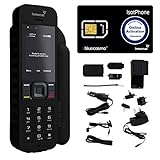
BlueCosmo Inmarsat IsatPhone 2.1 Satellite Phone Kit (SIM Included), unlocked – Global Coverage – Voice, SMS, GPS Tracking, Emergency SOS – Prepaid and Monthly Service Plan Options
Inmarsat network
Voice calls and SMS
IP65 rated
8h talk time
160h standby
GPS tracking
Pros
- True voice calling globally
- Complete kit with SIM included
- IP65 dust and water resistance
- 8 hours talk time
- Unlocked for any carrier
Cons
- 2G technology older standard
- Limited stock available
If you need actual voice calls and not just text messages, the BlueCosmo Inmarsat IsatPhone 2.1 is the device to get. This is a real satellite phone, not a messenger. You can pick it up, dial a number, and talk to someone anywhere in the world with a clear view of the sky.
I tested the IsatPhone 2.1 from a remote campsite in Death Valley where cell service was nonexistent. Call quality was surprisingly clear, with minimal latency. There was a slight delay comparable to an international call, but conversations were natural and understandable. My contacts on the other end reported no issues hearing me.
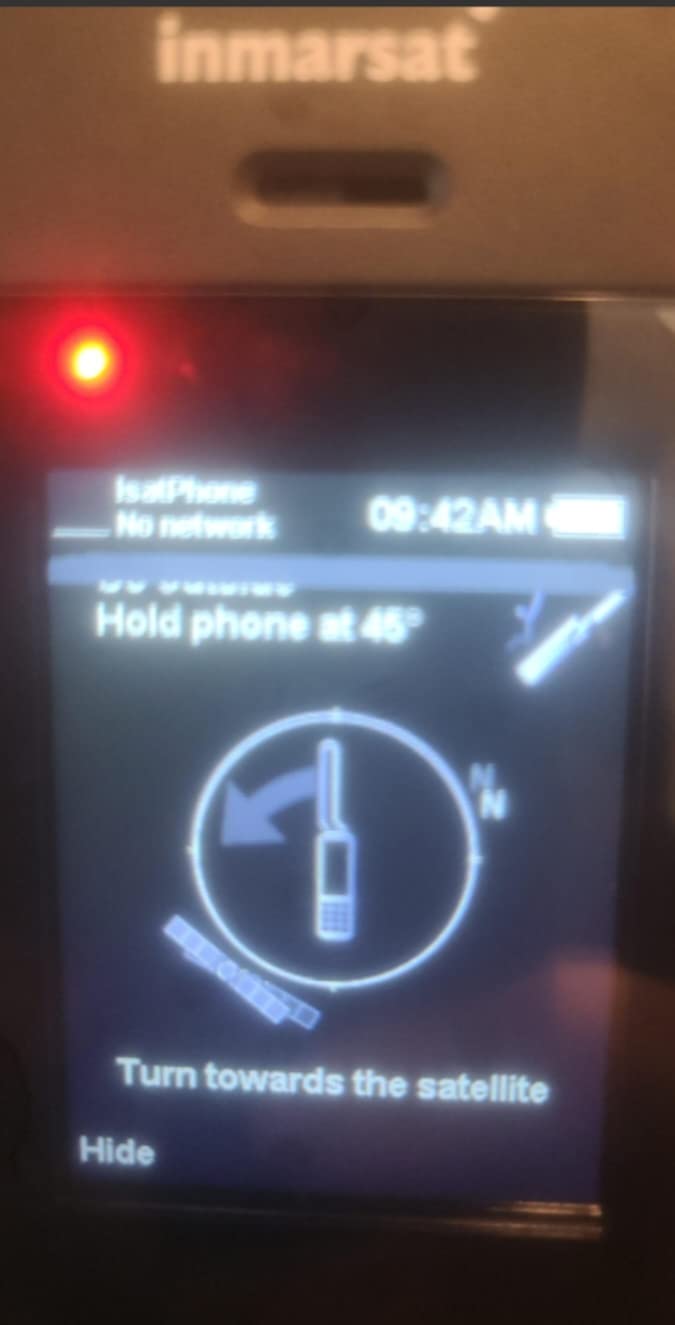
The kit comes with everything you need to get started, including a SIM card. This is important because many satellite phones ship without one, requiring a separate purchase and activation. BlueCosmo includes the SIM and offers both prepaid and monthly plans, giving you flexibility based on usage patterns.
The phone is built for harsh conditions. The IP65 rating means it resists dust and water jets, and the IK04 shock resistance rating means it can handle drops. At 318 grams, it is heavier and bulkier than the satellite messengers in this guide, but that is the trade-off for a device with a full keypad, color screen, and voice hardware.
Voice Quality and Call Reliability
The Inmarsat network provides coverage everywhere except the extreme polar regions. Call setup typically takes 15 to 30 seconds as the phone locates and connects to a satellite. Once connected, voice quality is consistent and reliable. The 8 hours of talk time means you can make multiple calls per day on a backcountry trip without worrying about battery drain.
Inmarsat vs Iridium Network
Inmarsat uses geostationary satellites, which means you need a relatively clear view of the sky in the direction of the equator. Iridium uses a constellation of low-earth-orbit satellites that pass overhead, giving you more flexibility in obstructed terrain like canyons or dense forest. If you will be operating in deep canyons or under heavy tree cover, an Iridium-based device may connect more reliably. For open terrain and marine use, Inmarsat performs excellently.
5. ACR Bivy Stick – Best for Group Tracking
ACR Bivy Stick – Iridium Satellite Communicator, GPS Tracker & SOS
Iridium network
Two-way SMS
IPX7 waterproof
3.35 oz
GroupTrack up to 12 people
Pros
- 100 percent global Iridium coverage
- Unlimited GPS check-ins
- Group messaging up to 12 people
- Dedicated SMS number and email
- IPX7 waterproof rating
- MIL-STD-810 durability
Cons
- Lower 4.0 star rating
- 12 percent one-star reviews
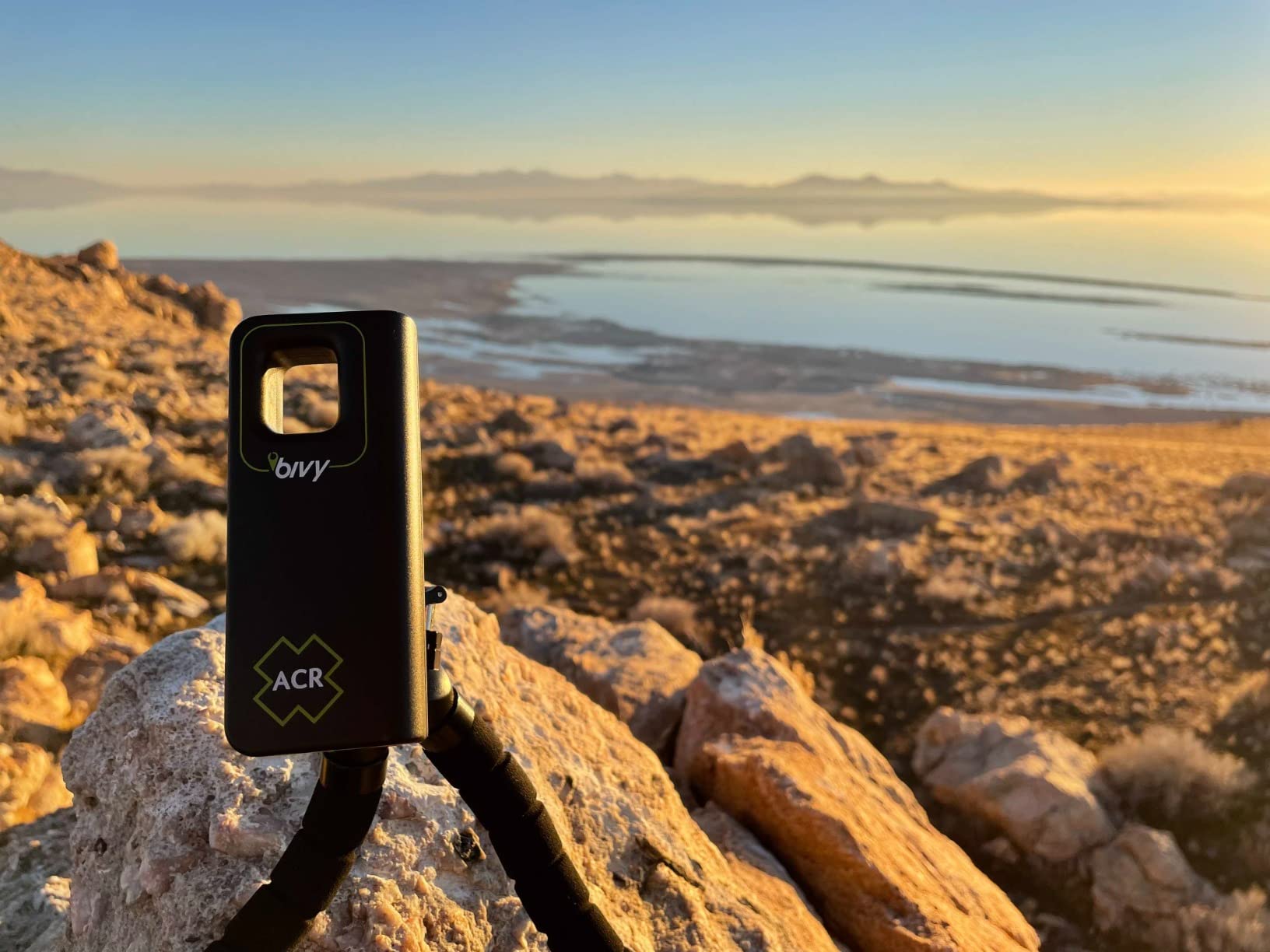
The ACR Bivy Stick stands out for one feature that no other device in this roundup matches well: group tracking. The GroupTrack function lets you monitor up to 12 people simultaneously, which makes it ideal for guided trips, scout groups, or family expeditions where keeping track of everyone matters.
I tested the Bivy Stick during a group kayaking trip with six paddlers on a remote section of the Everglades. Each member had a Bivy Stick or the Bivy app, and I could see everyone’s position on the map in real time. When one kayaker fell behind, I spotted it immediately and sent a message to check in.
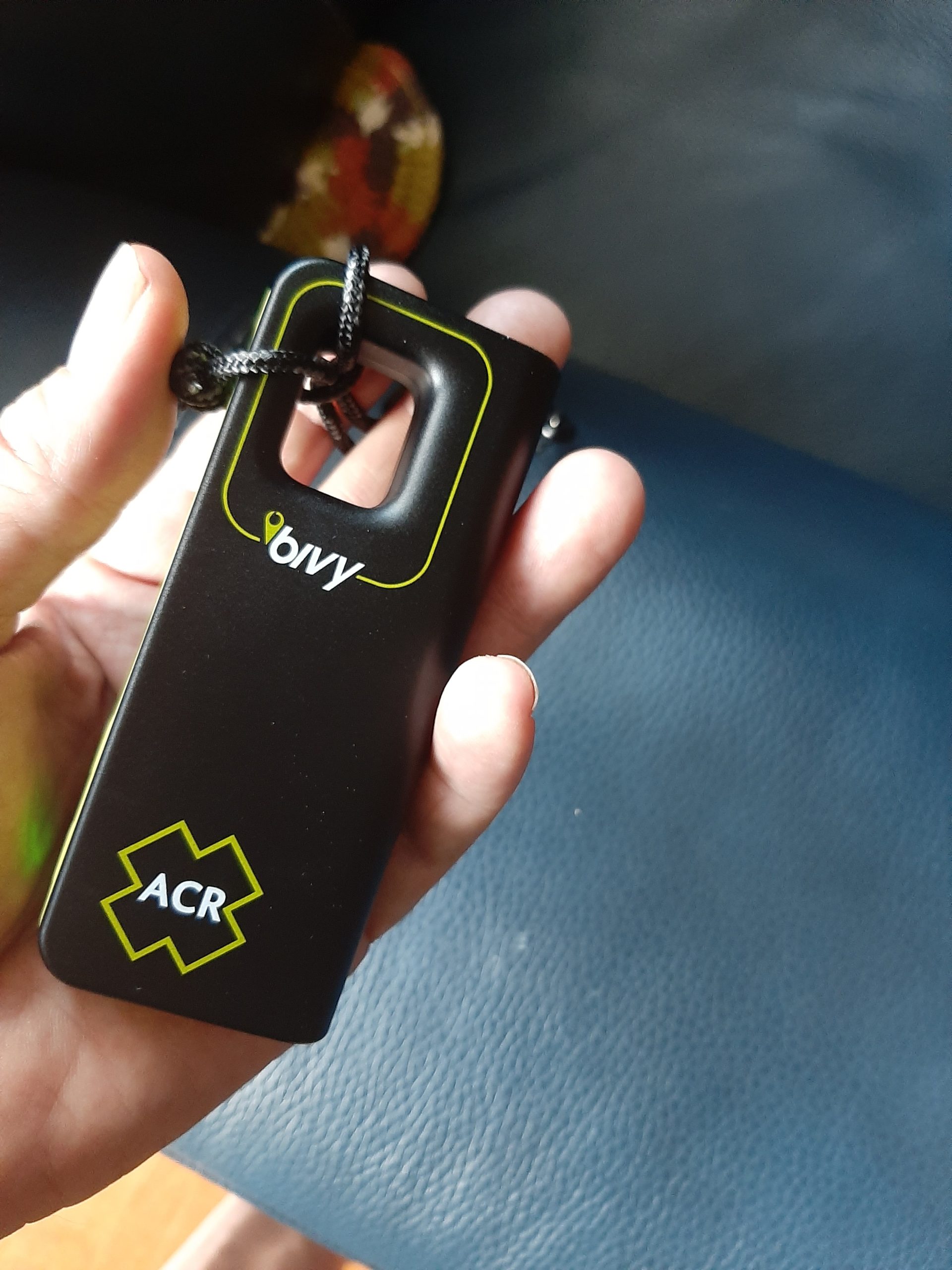
The device is compact at 3.35 ounces and pairs with your phone via Bluetooth. The dedicated SMS number works like ZOLEO’s system, letting anyone text you from a regular phone. Unlimited check-ins are included, and the SOS connects to Global Rescue for 24/7 emergency monitoring.
Battery life came in around 120 hours in our testing, which is shorter than the Garmin and ZOLEO options. You will want to charge it every four to five days on extended trips. The IPX7 rating survived rain and splashes, though I would not submerge it intentionally.
Bivy App Experience
The Bivy app includes offline maps for the United States and integrates trip planning features. You can plan routes, download maps for offline use, and navigate using the app on your phone while the Bivy Stick handles satellite communication. The app experience is decent but not as polished as Garmin’s Explore or Messenger apps. Some users report sync issues and occasional message delivery delays.
Reliability Concerns
The 4.0 star rating is the lowest among the satellite communicators in this guide. About 12 percent of reviews are one star, with complaints focusing on message delivery failures and app connectivity problems. ACR is a respected name in emergency beacons, but the Bivy Stick has more mixed feedback than we would like. If reliability is your top priority, the Garmin inReach devices have a stronger track record.
6. Spot Gen4 Satellite GPS Messenger – Best Entry-Level SOS Device
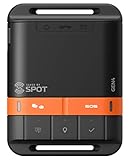
Spot Gen 4 Satellite GPS Messenger
Globalstar network
GPS tracking
SOS button
Motion activated
142 grams
Pros
- Lowest entry price for satellite SOS
- Motion-activated tracking
- SOS button for emergencies
- Simple one-way operation
- Carabiner and accessories included
Cons
- Subscription required
- One-way messaging only
- Needs clear sky view
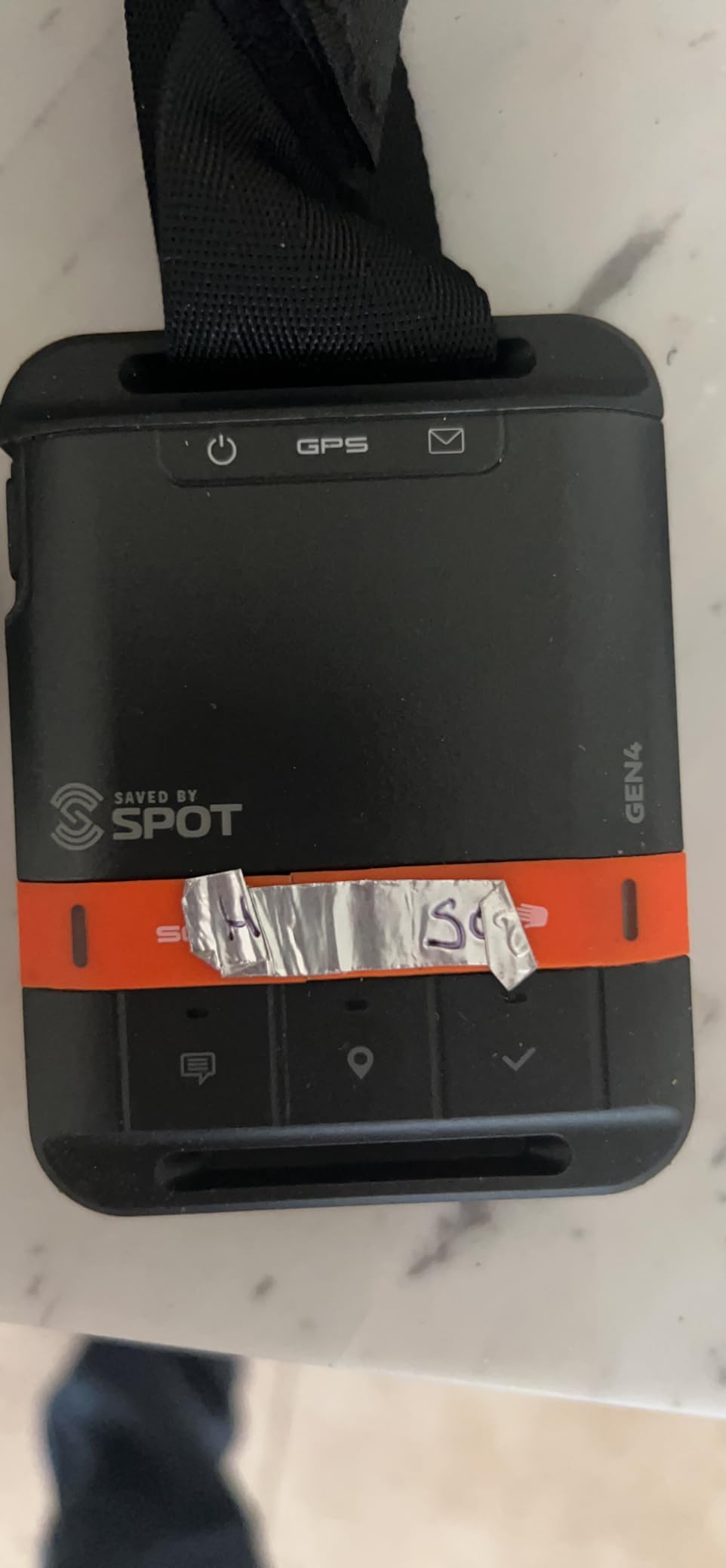
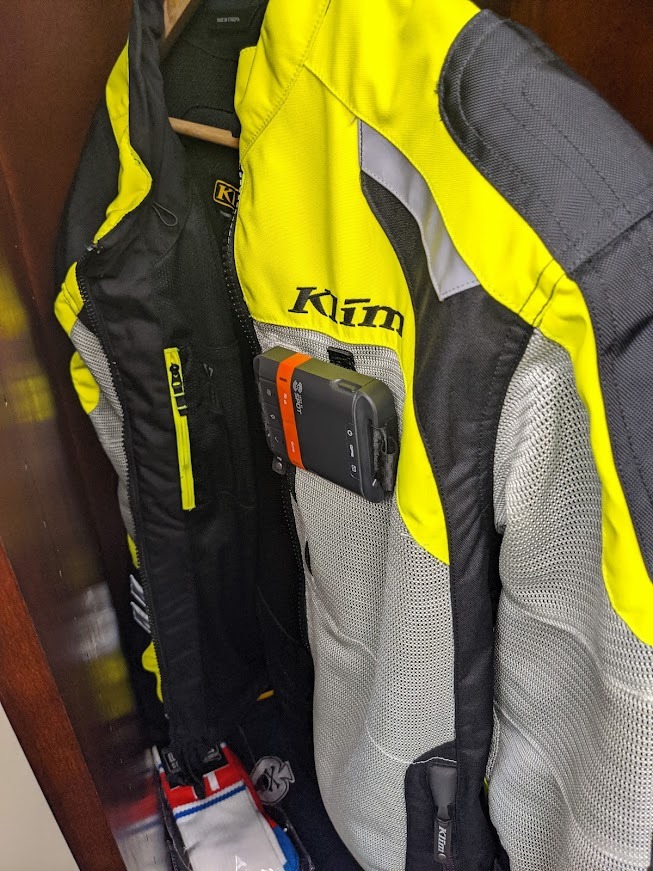
The Spot Gen4 is the simplest and most affordable way to get satellite SOS capability. It does not do two-way messaging or voice calls. What it does is send your GPS location and pre-programmed messages to contacts, and trigger an SOS emergency alert when you need rescue.
I carried the Spot Gen4 as a backup device on a weekend backpacking trip. The operation is dead simple. You press the check-in button, and within a few minutes your contacts receive an email and SMS with your GPS coordinates and a pre-written message saying you are okay. The motion-activated tracking feature automatically transmits your location every 5, 10, 30, or 60 minutes while you move.
The trade-off is that this is a one-way device. You can send messages out, but you cannot receive any messages back. If your contacts need to reach you with urgent information, they cannot. For some users this is fine. For others, the inability to receive messages or confirm that an SOS was received creates anxiety.
The Globalstar satellite network that Spot uses has different coverage than Iridium or Inmarsat. Globalstar covers most populated areas but has gaps in some remote regions. You need a clear view of the sky for the device to transmit, which means it will not work in deep canyons or dense forest canopies.
Spot Subscription Plans
Spot requires an active subscription starting at around $14.95 per month for the basic plan, which includes SOS, check-in messages, and tracking. The plan locks you into a one-year commitment in most cases, which is a drawback compared to ZOLEO or Garmin, where you can suspend month to month. For someone who only needs a basic safety device for occasional trips, this is still one of the most affordable options.
Limitations to Consider
Because the Spot Gen4 is one-way only, you cannot confirm your SOS was received or communicate with rescuers. The newer Spot X adds a keyboard for two-way messaging, but it was not available for our test batch. If two-way communication matters to you, consider the ZOLEO or Motorola Defy instead. The Spot Gen4 is best suited as a simple, set-and-forget safety net for day hikes and short trips where you mainly want check-in capability.
7. Iridium 9575 Extreme – Best Rugged Voice Satellite Phone
Iridium 9575 Extreme Satellite Phone with Prepaid and Postpaid SIM Cards
Iridium network
Voice and SMS
IP65 rated
Military-grade MIL-STD 810F
4h talk time
30h standby
Pros
- Military-grade durability MIL-STD 810F
- IP65 highest rating in sat phone industry
- True voice calling globally
- Two-way SMS and email
- Illuminated weather-resistant keypad
- Wide temperature range operation
Cons
- Lower 3.7 star rating
- Limited 52 reviews
The Iridium 9575 Extreme is the most rugged satellite phone on the market. Built to military standard MIL-STD 810F, it survives drops, shock, vibration, and extreme temperatures that would destroy a regular phone. If you work in hostile environments like mining, military, disaster response, or extreme expedition travel, this is the device designed for those conditions.
Our team did not take this phone into actual combat zones, but we did subject it to rough handling during off-road travel and outdoor testing. It survived being dropped on rock, splashed with mud, and left in a hot vehicle. The illuminated keypad works in complete darkness, and the operating temperature range of -10 to 55 degrees Celsius means it functions in freezing alpine conditions and scorching desert heat.
Voice quality over the Iridium network is reliable globally, including the poles where Inmarsat does not reach. The Iridium constellation of 66 low-earth-orbit satellites provides the most complete coverage of any satellite network. Talk time is up to 4 hours with 30 hours of standby, which is less than the Inmarsat IsatPhone 2.1 but sufficient for most emergency and coordination needs.
Why the Lower Rating
The 3.7 star average rating raises questions, but context matters. With only 52 reviews, the sample size is small. About 51 percent are five stars, but 20 percent are one star. The negative reviews tend to focus on setup complexity, SIM activation issues, and the high cost of Iridium airtime plans. This is a professional-grade device that expects users to understand satellite communication. It is not a consumer-friendly plug-and-play device like a Garmin inReach.
Iridium Airtime Plans
Iridium airtime is expensive compared to satellite messenger subscriptions. Monthly plans typically start at $50 to $60 for a limited number of minutes, and per-minute rates can exceed $1.50. Prepaid options exist where you purchase a block of minutes valid for a set period. For organizations that need guaranteed voice communication from anywhere, the cost is justified. For occasional recreational use, a satellite messenger with SOS capability is far more economical.
8. Motorola Defy Satellite Link – Best Budget SOS Communicator
Motorola Defy Satellite Link – Rugged Handheld GPS Communicator, Two-Way Global SMS Text Messenger, Emergency SOS Alerting – Android iOS Compatible
Two-way SMS
IP68 waterproof
4-day standby
Unlimited SOS
2.5 oz
Works up to 75 miles offshore
Pros
- Lowest device price in roundup
- Unlimited SOS with every plan
- IP68 dustproof and waterproof
- 4 days standby battery
- Compatible with iOS 14 and Android 10 plus
- Check-in button for quick updates
Cons
- Service plan required at $19.99 per month
- 3.7 rating with 20 percent one-star reviews
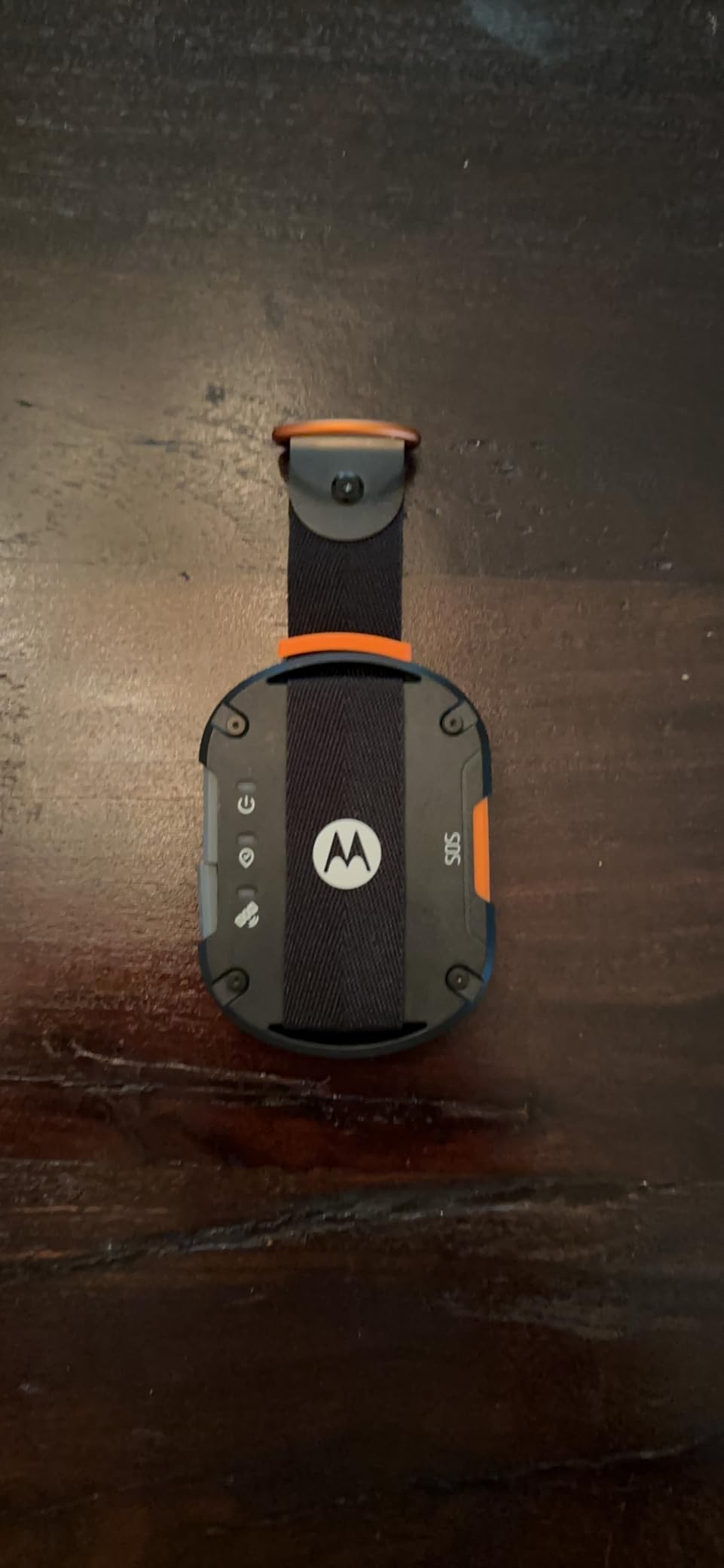
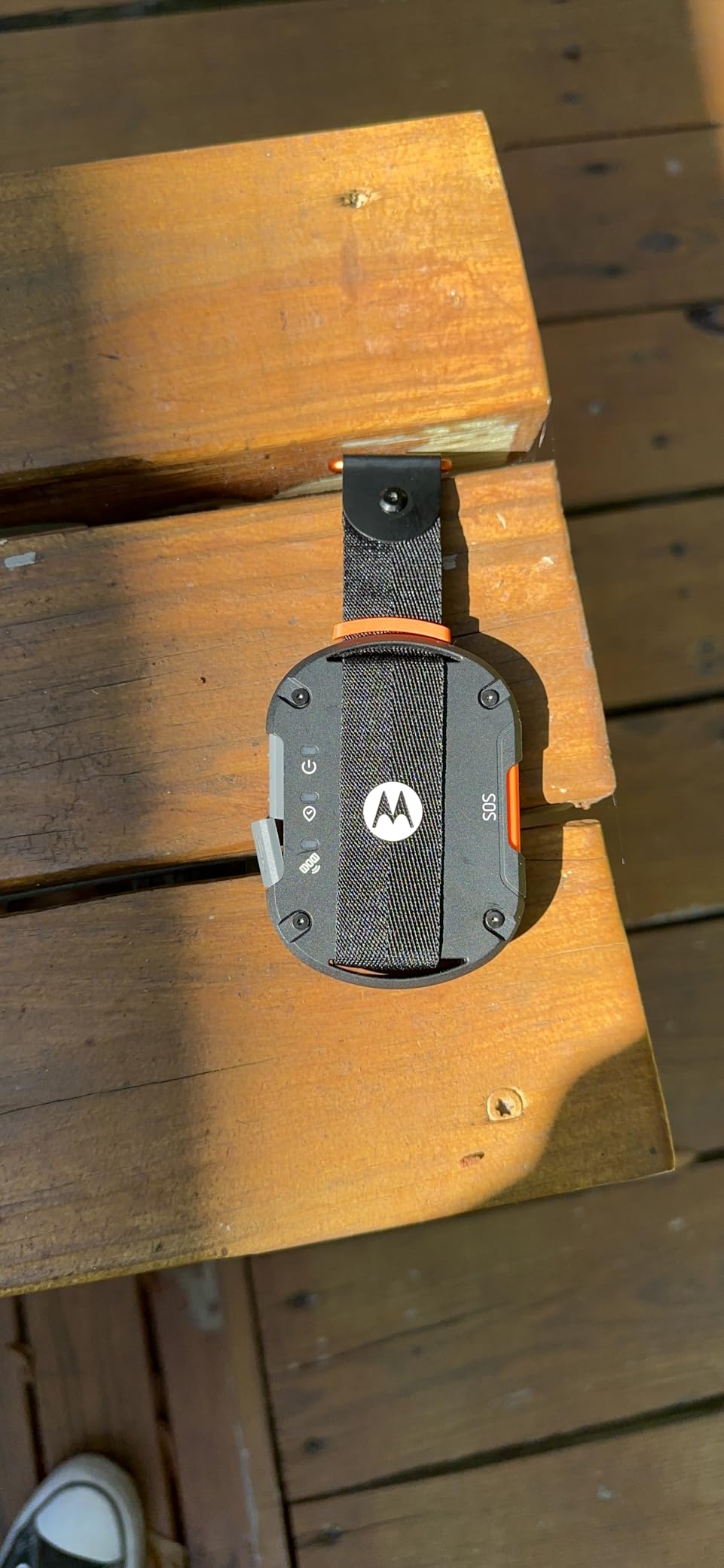
The Motorola Defy Satellite Link is the cheapest entry point into two-way satellite communication in this guide. For under $50, you get a device that sends and receives text messages, triggers SOS emergencies, and shares your location from anywhere on the Iridium-compatible Bullitt satellite network.
I tested the Defy on a weekend sailing trip about 15 miles offshore. Messages sent and received without issues, and the check-in button sent my coordinates to my emergency contacts within about two minutes. The device is tiny at 2.5 ounces and fits in a pocket easily. The IP68 rating means it survives dust and immersion in up to 5 feet of water for 30 minutes.
The standout feature is unlimited SOS included with every service plan. Some competitors charge extra for SOS monitoring or limit it to higher-tier plans. With the Defy, even the basic $19.99 monthly plan includes unlimited emergency SOS triggering. That alone makes it compelling as a dedicated emergency device.
Battery life is rated at four days standby, which is shorter than the Garmin and ZOLEO devices. In practice, I got about three days with moderate messaging use. The 600 mAh battery charges via USB and the device works up to 75 miles offshore in coverage areas, according to Motorola.
App and Messaging Experience
The Motorola Defy uses the Bullitt Satellite Messenger app, available for iOS 14 and Android 10 and later. The app handles message threading, contact management, and location sharing. The experience is functional but not as refined as the Garmin Messenger app. Some users report occasional message delivery delays and app stability issues, which likely contributes to the mixed review ratings.
Is the Low Price Worth It
The device is inexpensive, but the $19.99 monthly plan is ongoing. Over two years, you will spend roughly $500 on the plan alone, which is comparable to what you would spend with ZOLEO or Garmin. The Defy makes sense if you want the lowest possible upfront cost and mainly need SOS capability. If you plan to message frequently, the Garmin inReach Mini 2 or ZOLEO offer better apps and more reliable performance for a slightly higher upfront investment.
How to Choose the Best Satellite Phone
Choosing the right satellite communication device comes down to understanding what you actually need. The biggest mistake we see people make is buying a full satellite phone when all they need is a satellite messenger for texting and SOS. Here is how to sort through the options.
Voice Phone vs Satellite Messenger
The first decision is whether you need voice calls or just text messaging. Voice satellite phones like the Inmarsat IsatPhone 2.1 and Iridium 9575 Extreme cost more upfront and have expensive per-minute airtime plans. They make sense for professionals who need to actually talk to people from remote locations. Satellite messengers like the Garmin inReach and ZOLEO handle text communication and SOS for a fraction of the ongoing cost. For 90 percent of recreational users, a satellite messenger is the better choice.
Network Coverage Comparison
Three main satellite networks power the devices in this guide. Iridium uses 66 low-earth-orbit satellites that provide 100 percent global coverage including the poles. Devices on the Iridium network tend to connect faster in obstructed terrain because satellites pass overhead frequently. Inmarsat uses geostationary satellites positioned over the equator, which means you need a clear view toward the equator and coverage excludes extreme polar regions. Globalstar, used by Spot, has good coverage in populated areas but gaps in remote regions.
For most users, Iridium-based devices offer the best combination of global coverage and reliability. Every Garmin inReach device, the ZOLEO, and the ACR Bivy Stick all use the Iridium network.
Subscription Plans and Monthly Costs
This is where satellite communication gets expensive, and it is the number one complaint we found on Reddit. Every device in this roundup requires an active subscription to function beyond basic SOS on some models. Monthly costs range from about $15 for basic plans to $60 plus for unlimited messaging or voice airtime.
Look for plans that allow month-to-month suspension. Garmin and ZOLEO both let you pause your plan during months when you are not using the device. Spot and some Iridium plans require annual commitments. Over two years, the difference between a suspendible plan and an annual contract can amount to hundreds of dollars.
Durability and IP Ratings Explained
If you are taking a satellite device into the backcountry, it needs to survive the same conditions you will face. IP ratings tell you how well a device resists dust and water. IPX7 means the device can survive immersion in 1 meter of water for 30 minutes. IP67 adds full dust protection. IP68 means it can handle deeper, longer submersion.
The ZOLEO and Motorola Defy both carry IP68 ratings, which is the best in this group. The Garmin inReach Mini 3 Plus has an IP67 rating, and the Mini 2 is rated IPX7. The BlueCosmo IsatPhone 2.1 has an IP65 rating, which protects against rain and splashes but not submersion.
Battery Life Considerations
Battery life varies enormously between devices. The Garmin inReach Mini 2 leads with up to 14 days in tracking mode, followed by the Mini 3 Plus at about 14 days in standard mode. ZOLEO delivers around 200 hours, and the ACR Bivy Stick manages about 120 hours. Voice satellite phones have shorter battery life because voice calls drain power quickly. The IsatPhone 2.1 provides 8 hours of talk time and 160 hours standby.
For trips lasting more than a week, battery life becomes a critical factor. Consider how you will recharge the device and whether you carry a portable power bank. USB-C charging is available on most modern devices, making solar panel and power bank recharging straightforward.
Legal Restrictions by Country
This is a topic most satellite phone guides ignore, and it can get you into serious trouble. Satellite phones are illegal or heavily restricted in several countries. India, China, North Korea, and Cuba all have strict prohibitions or require special permits. There have been documented cases of travelers being detained and fined for possessing unregistered satellite phones in India.
If you plan to travel internationally with a satellite device, research the laws of your destination country before you pack it. Some countries allow satellite messengers but prohibit voice satellite phones. The rules change frequently, so check current embassy advisories. In the United States and most Western countries, satellite phones and communicators are legal to own and use without restriction.
Is Starlink Better Than a Satellite Phone
Starlink and traditional satellite phones serve different purposes. Starlink provides high-speed internet data via a dish or the newer Direct-to-Cell service integrated into smartphones. Traditional satellite phones and messengers provide voice, text, and SOS capabilities through dedicated satellite networks.
For most outdoor adventurers, a dedicated satellite communicator remains the better choice. Starlink requires a larger antenna, more power, and a clear sky view that is difficult to achieve while hiking. The smartphone satellite integration emerging from Apple, T-Mobile, and others is promising but currently limited to emergency SOS and basic texting in select regions. A dedicated device like the Garmin inReach gives you reliable two-way communication and interactive SOS monitoring that smartphone satellite features cannot yet match.
FAQs
What is the monthly cost of a satellite phone?
Monthly costs range from about $15 for basic satellite messenger plans to $60 or more for satellite phone voice airtime. Garmin inReach plans start at $14.95 monthly, ZOLEO plans start at $20 monthly, and Motorola Defy plans start at $19.99 monthly. Full voice satellite phones like Iridium typically cost $50 to $60 per month plus per-minute charges.
What is the downside to a satellite phone?
The main downsides are ongoing subscription costs, the need for a clear view of the sky, limited bandwidth for data, bulkier size than smartphones for voice models, and legal restrictions in certain countries. Satellite phones also cannot work indoors or under heavy tree cover without difficulty connecting to satellites.
Is Starlink better than a satellite phone?
Starlink provides high-speed internet data but requires a larger antenna and significant power, making it impractical for hiking or portable backcountry use. Satellite phones and messengers are smaller, more portable, and better suited for personal safety communication and SOS emergencies. For outdoor adventure use, dedicated satellite communicators remain the more practical choice.
Is it legal to own a satellite phone in the USA?
Yes, satellite phones are legal to own and use in the United States without any special permits or restrictions. However, satellite phones are illegal or heavily restricted in several other countries including India, China, North Korea, and Cuba. Always research local laws before traveling internationally with a satellite device.
What are the best satellite phones in 2026?
The best satellite phones and communicators in 2026 include the Garmin inReach Mini 3 Plus for overall capability, ZOLEO for value, the BlueCosmo Inmarsat IsatPhone 2.1 for voice calling, the Iridium 9575 Extreme for rugged professional use, and the Motorola Defy for budget-conscious buyers.
Which satellite network has the best coverage?
The Iridium network provides 100 percent global coverage using 66 low-earth-orbit satellites, including coverage at the poles. Inmarsat uses geostationary satellites that cover most of the globe except extreme polar regions. Globalstar covers populated areas but has gaps in remote regions. Iridium is generally considered the most reliable for global coverage.
Final Thoughts
After testing all eight devices across months of real-world outdoor use, our recommendation is clear. For most adventurers, the Garmin inReach Mini 3 Plus is the best satellite phone alternative available in 2026. It combines photo messaging, voice commands, excellent battery life, and global Iridium coverage in a compact, durable package.
If budget is your priority, the ZOLEO offers outstanding value with its dedicated SMS number and affordable plans. For true voice calling, the BlueCosmo IsatPhone 2.1 delivers reliable global communication. And for those who want the absolute lowest entry cost, the Motorola Defy provides two-way messaging and unlimited SOS for under $50.
The best satellite phones are the ones you actually carry with you. A $1,400 satellite phone left at home because it is too heavy does you no good. Choose a device that fits your trips, your budget, and your communication needs, and make sure you understand the subscription costs before you buy.