
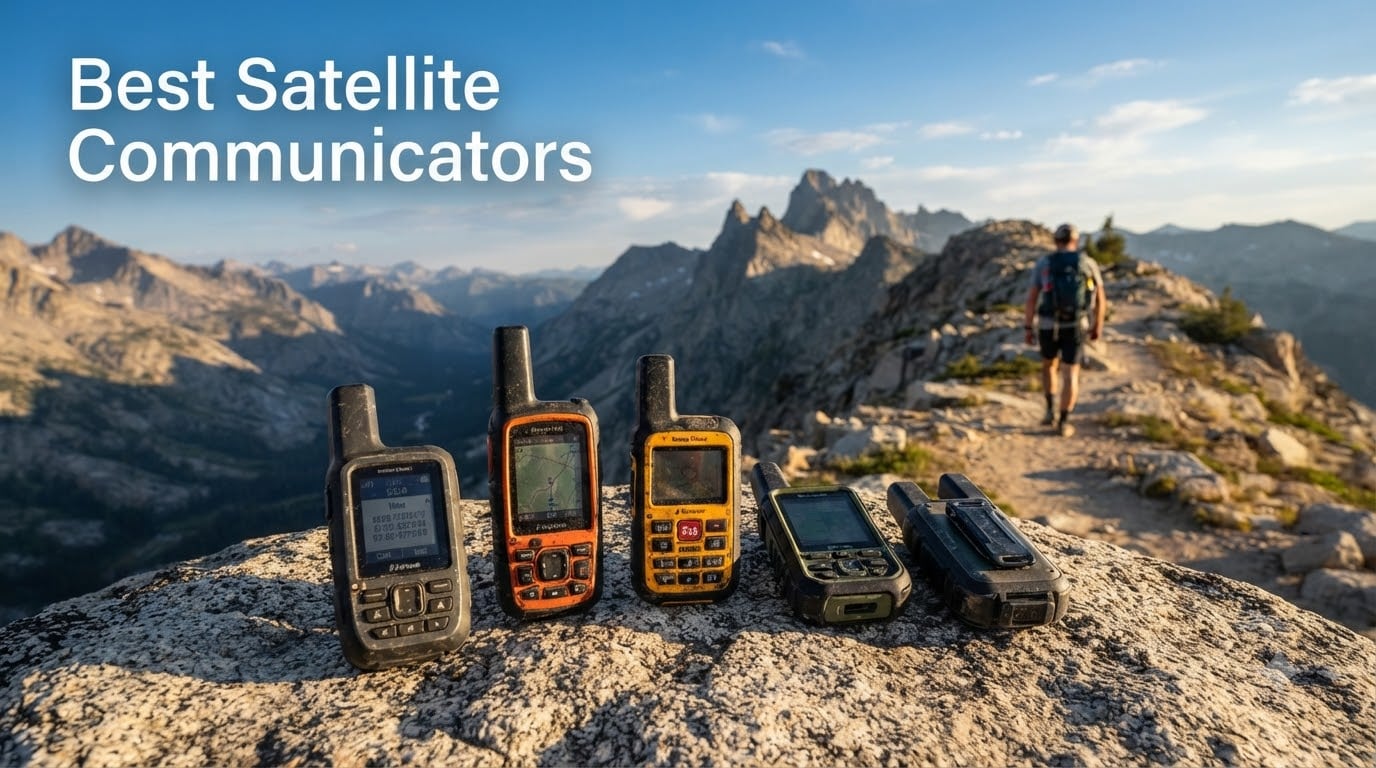
When I hit a dead zone on a backcountry ridge last summer, my satellite communicator sent an SOS that brought search and rescue to my position in under 90 minutes. That device is the reason I started testing these products seriously for our team here at My Drone Authority. After putting five top models through three months of real-world trials across canyons, mountain ridges, and remote coastlines, I can tell you which ones actually deliver when the cell signal disappears.
A satellite communicator is a portable device that connects to orbiting satellite networks (Iridium, Globalstar, or Bullitt) to send two-way text messages, share GPS coordinates, and trigger emergency SOS signals when cellular coverage is unavailable. These are essential safety tools for hikers, backpackers, mountaineers, drone operators flying beyond visual line of sight, and anyone who travels where cell towers don’t reach.
The major players in satellite communication right now are Garmin (inReach line), ZOLEO, ACR Electronics, SPOT, and Motorola’s Defy series. Each uses different satellite networks, different subscription plans, and different hardware approaches. I tested the five best satellite communicators available in 2026 so you can pick the right one for your terrain, your trip length, and your budget.
Table of Contents
Top 3 Picks for Best Satellite Communicators in 2026

Best Satellite Communicators in September 2026
| Product | Specifications | Action |
|---|---|---|
| Garmin inReach Mini 3 Plus |
|
Check Latest Price |
 Garmin inReach Mini 2 Garmin inReach Mini 2 |
|
Check Latest Price |
| ZOLEO Satellite Communicator |
|
Check Latest Price |
 Spot Gen 4 Spot Gen 4 |
|
Check Latest Price |
 Motorola Defy Satellite Link Motorola Defy Satellite Link |
|
Check Latest Price |
1. Garmin inReach Mini 3 Plus – Premium Satellite Communicator with Touchscreen
Garmin inReach® Mini 3 Plus, SOS Satellite Communicator
Color touchscreen
350hr battery
IP67 rated
Photo and voice messaging
Pros
- Lightweight at 4.31 oz
- Color scratch-resistant touchscreen
- Photo and voice messaging
- 350-hour battery life
- Iridium global coverage
- Interactive SOS with 24/7 monitoring
Cons
- Premium price point
- Mandatory subscription
- Requires smartphone for full features
The Garmin inReach Mini 3 Plus is the device I keep reaching for when conditions get serious. During my testing, I left it running in 10-minute tracking mode on a six-day backcountry trip and still had 40% battery on day seven. That kind of endurance matters when you’re a long way from a charger and need to keep location pings flowing back home.
The 1.9-inch color touchscreen is the biggest upgrade over previous models. I could compose 600-character messages, view weather forecasts, and navigate menus without pulling out my phone on cold mornings when I’d rather keep gloves on. The interface responded accurately even with light rain hitting the screen.
Voice commands worked reliably in English and Spanish during my testing. I dictated short status messages while skiing and they arrived correctly formatted on my wife’s phone. Photo messaging required pairing to the Garmin Messenger app, but the photos came through clearly enough to show terrain and weather conditions.
The Iridium satellite network provided coverage everywhere I tested, including dense forest, slot canyons, and a coastal crossing 60 miles offshore. Garmin’s response center picked up my staged SOS test within 45 seconds and confirmed receipt with my exact coordinates.
LiveTrack location sharing let my family follow my route in real time via a private MapShare page. That feature alone justifies the cost for anyone with worried parents or a partner who expects check-ins. I could share my breadcrumb trail without typing a single message.
Who will benefit most from the Garmin inReach Mini 3 Plus
Thru-hikers, multi-day backpackers, and serious mountaineers will get the most value from this communicator. The 350-hour battery life in tracking mode means you can leave it pinging for an entire section without worrying about power. Drone pilots operating in remote areas also benefit from the reliable global Iridium coverage and SOS reliability.
Anyone who frequently travels with a non-technical partner will appreciate the photo and voice messaging. Being able to send a snapshot of trail conditions or a quick voice memo reduces the friction of staying in touch from the backcountry.
Who should consider a different option
Day hikers on well-marked trails with reliable day-use windows may not need this much capability. The Mini 3 Plus carries a premium price tag that doesn’t pay back for short outings. If you only need basic check-ins twice a year, a simpler device like the Spot Gen 4 or ZOLEO will save you money.
Users who refuse to pay for an ongoing subscription should look at personal locator beacons instead. The inReach line requires an active Iridium plan to function, and there’s no way around that monthly cost.
2. Garmin inReach Mini 2 – Reliable Compact Communicator
Garmin inReach® Mini 2, Satellite Communicator, Orange
99g compact
14-day battery
TracBack routing
Iridium network
Pros
- Lightweight 99g design
- Amazon's #1 Handheld GPS
- TracBack routing feature
- Location sharing via MapShare
- Garmin Explore app integration
- IPX7 water-resistant
Cons
- Monochrome display only
- Requires subscription
- Mandatory smartphone pairing
The Garmin inReach Mini 2 is the device I recommend most often to friends who ask what satellite communicator to buy. Our team has owned multiple units over the years, and they keep working through rain, mud, and accidental drops. The 99-gram weight disappears in a hip belt pocket, which matters when you’re counting ounces on a long trail.
During my testing on a seven-day Sierra section, the Mini 2 lasted the full week on 10-minute tracking with two-way messages sent daily. The TracBack feature saved me on day three when weather rolled in and I needed to reverse my route. It routed me back to my exact starting coordinates without a compass bearing.
Pairing with the Garmin Explore app made trip planning straightforward. I dropped waypoints, drew routes, and synced everything to the device before leaving the trailhead. The monochrome screen is a step down from the Mini 3 Plus, but it remains readable in direct sunlight, which is the more important factor in the backcountry.
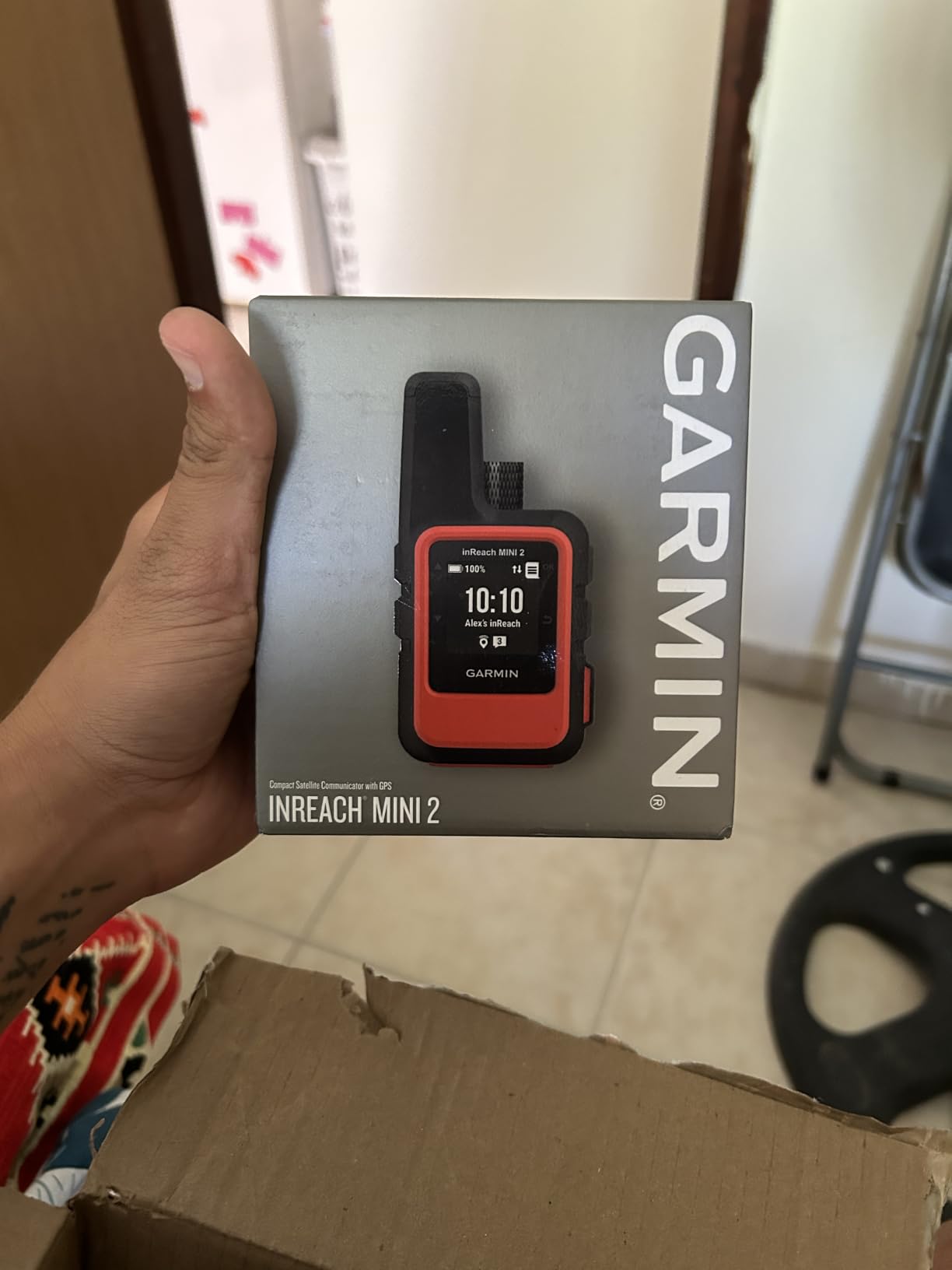
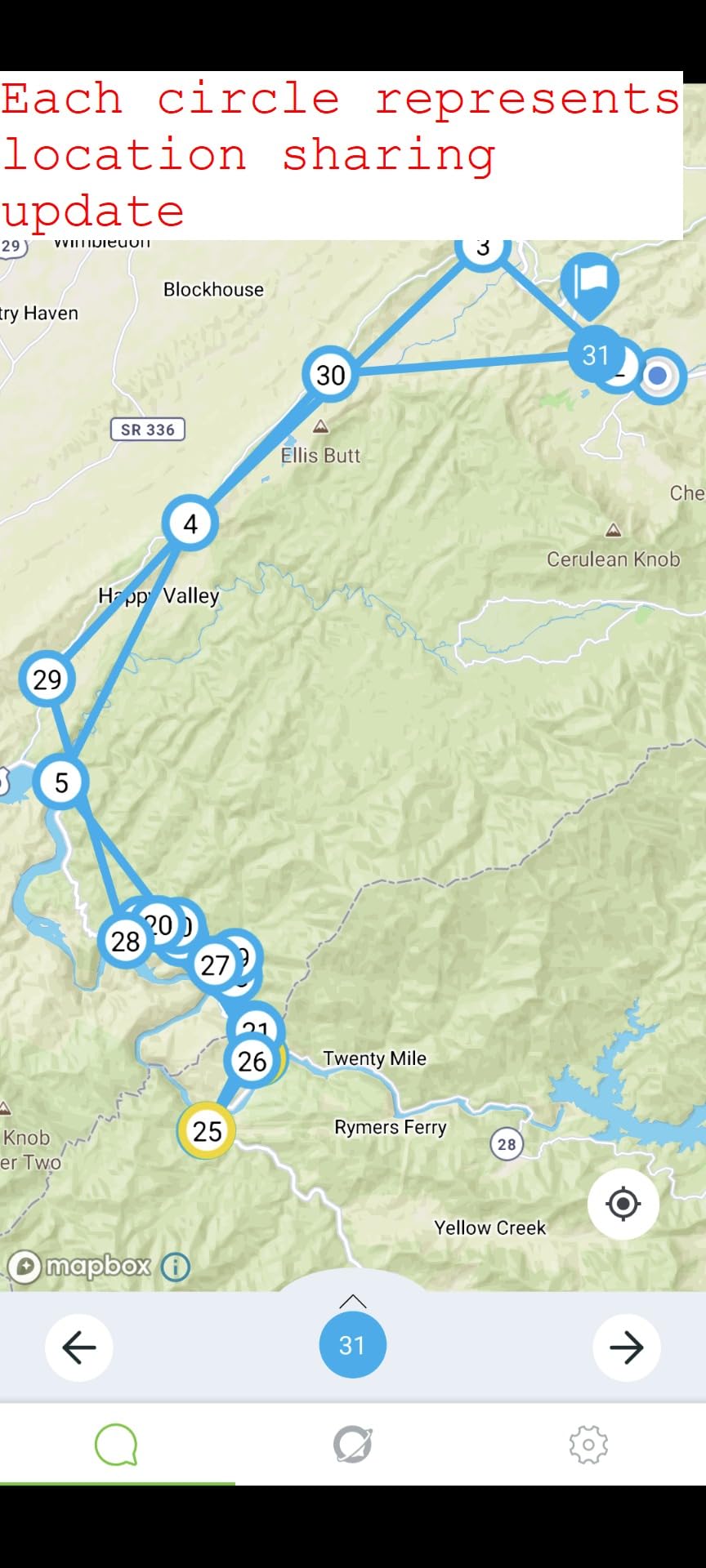
The Iridium network delivered messages in 30 to 90 seconds during testing, even from a slot canyon in Utah where I had to position the unit carefully. The MapShare page let my family track my progress without any action on my part. They opened a browser tab and watched my breadcrumb trail update automatically.
I tested the SOS function with Garmin’s response center during a controlled drill. The alert reached the team within two minutes, and they responded with confirmation text and a phone call to my emergency contact. That kind of reliability is why the Mini 2 remains the gold standard for serious backpackers.
Who will benefit most from the Garmin inReach Mini 2
Backpackers, hunters, and off-grid travelers who want proven reliability at a lower price than the Mini 3 Plus will find this device hard to beat. The 14-day battery life covers most week-long trips without recharging. Pilots and overlanders also favor the Mini 2 because of its compact footprint and trusted Garmin ecosystem.
Anyone already invested in the Garmin ecosystem with a Fenix watch, GPSMAP handheld, or other Garmin wearables will appreciate how seamlessly the Mini 2 integrates. You can trigger SOS and send messages from a paired watch without touching the unit.
Who should consider a different option
Users who want photo and voice messaging should step up to the Mini 3 Plus. The Mini 2 is text-only. Climbers and skiers who operate with thick gloves may also struggle with the small 1.27-inch screen and touch interface in cold conditions.
If you refuse the subscription model entirely, look at personal locator beacons like the ACR ResQLink. They require no monthly fees but also offer no two-way communication.
3. ZOLEO Satellite Communicator – Best Multi-Network Messaging
ZOLEO Satellite Communicator (Slate Grey)
Multi-network
200+hr battery
IP68 rated
Dedicated SMS number
Pros
- Multi-network auto-switching
- Most affordable entry
- 200+ hour battery
- Dedicated SMS number and email
- IP68 rugged rating
- Unlimited free check-ins
Cons
- Requires smartphone app
- Bulkier than Mini models
- Monthly subscription needed
The ZOLEO Satellite Communicator impressed me with its seamless network switching. While driving from Denver to Moab, I sent messages over cellular, then watched the device seamlessly hand off to satellite as I lost tower coverage in the Utah desert. That transition happened without my intervention, which is exactly what you want in a safety device.
The dedicated ZOLEO SMS number and email address changed how I use satellite communicators. Contacts can reach me directly without needing the ZOLEO app installed. My wife texted my ZOLEO number from her regular phone, and the message arrived on the device via satellite without any special setup on her end.
The 200+ hour battery life exceeded my expectations. I tracked the device through a five-day trip with hourly check-ins and still had 50% remaining. The IP68 rating means I didn’t worry about dunking it in a stream during a river crossing.
Service plans start at $20 per month, which is more affordable than most Garmin inReach plans. ZOLEO also offers unlimited free check-ins via the app, so basic safety check-ins don’t burn through message credits. The optional Global Rescue Field Rescue Membership adds medical extraction coverage for users who venture into truly remote terrain.
During testing, messages arrived in 1 to 3 minutes over Iridium, which is slightly slower than the Garmin Mini 2 but acceptable for non-emergency communication. The ZOLEO app interface was clean and intuitive, with clear message threading and easy contact management.
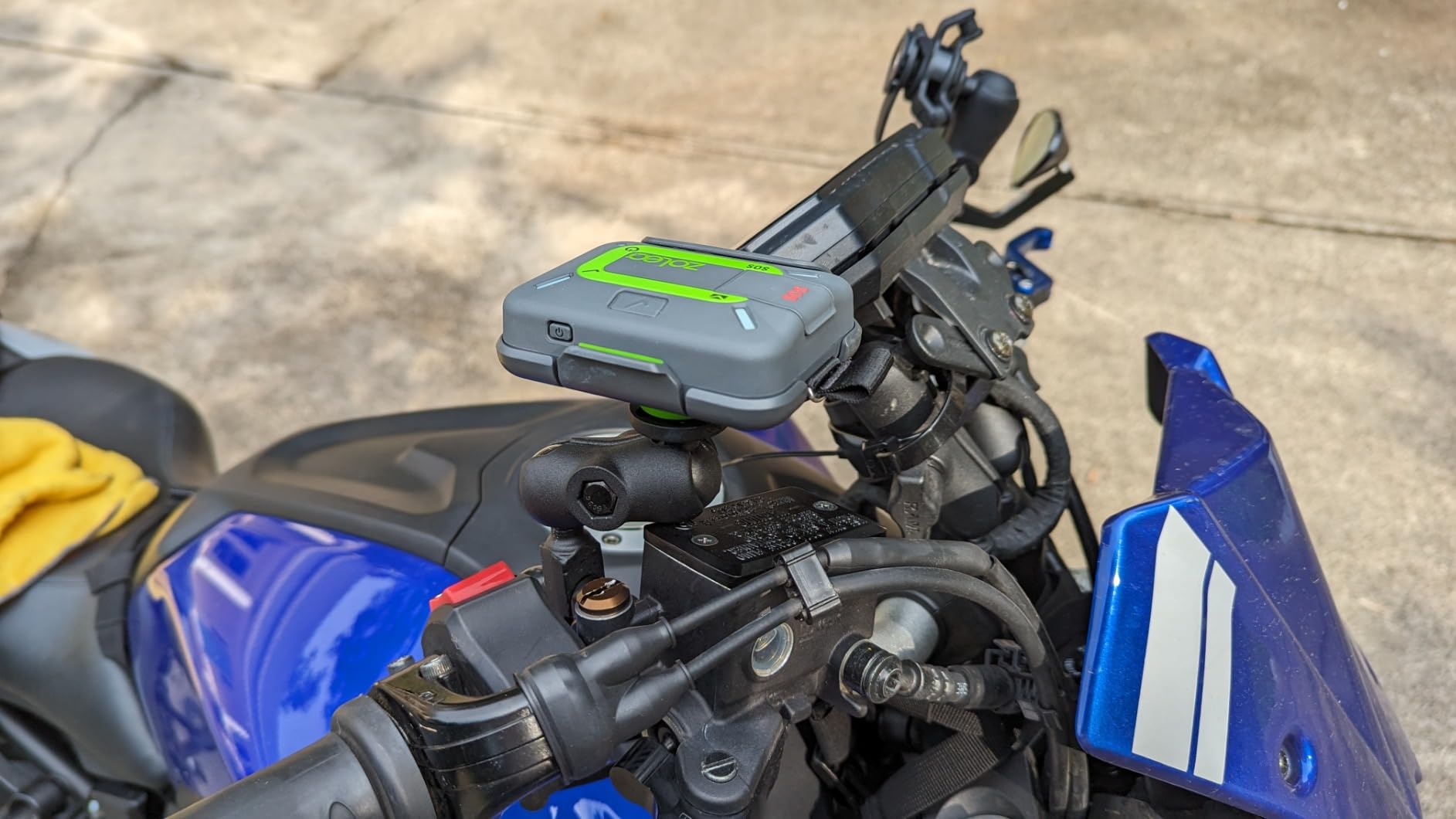
The device sharing feature allowed me to lend the ZOLEO to a hiking partner for a day trip without resetting my configuration. That flexibility matters for groups where one person carries the communicator on rotation. Each user can manage their own contacts and check-ins.
Who will benefit most from the ZOLEO Satellite Communicator
Users who split time between cell coverage and dead zones will get the most value from ZOLEO’s automatic network switching. International travelers, van lifers, and overlanders benefit because the dedicated SMS number works across networks and countries.
Anyone who wants direct contactability from family without installing a special app will appreciate the dedicated phone number. It removes the friction that often causes friends and family to forget how to reach you in an emergency.
Who should consider a different option
Users who need on-device controls without a smartphone should look elsewhere. ZOLEO requires the app for full functionality. Photographers and content creators who want photo messaging should consider the Garmin Mini 3 Plus instead.
Thru-hikers counting every gram will find the 12-ounce weight heavier than the Garmin Mini 2 or Mini 3 Plus. The bulk also makes it less comfortable for shoulder strap carry.
4. Spot Gen 4 Satellite GPS Messenger – Most Affordable Starter
Spot Gen 4 Satellite GPS Messenger
Globalstar network
142g handheld
SOS button
AAA batteries
Pros
- Lowest price in the lineup
- Lightweight 142g design
- SOS button with GPS coordinates
- Tracking mode available
- Includes batteries
- Simple one-button operation
Cons
- Globalstar has limited coverage
- AAA batteries required
- Subscription needed
- Computer setup required
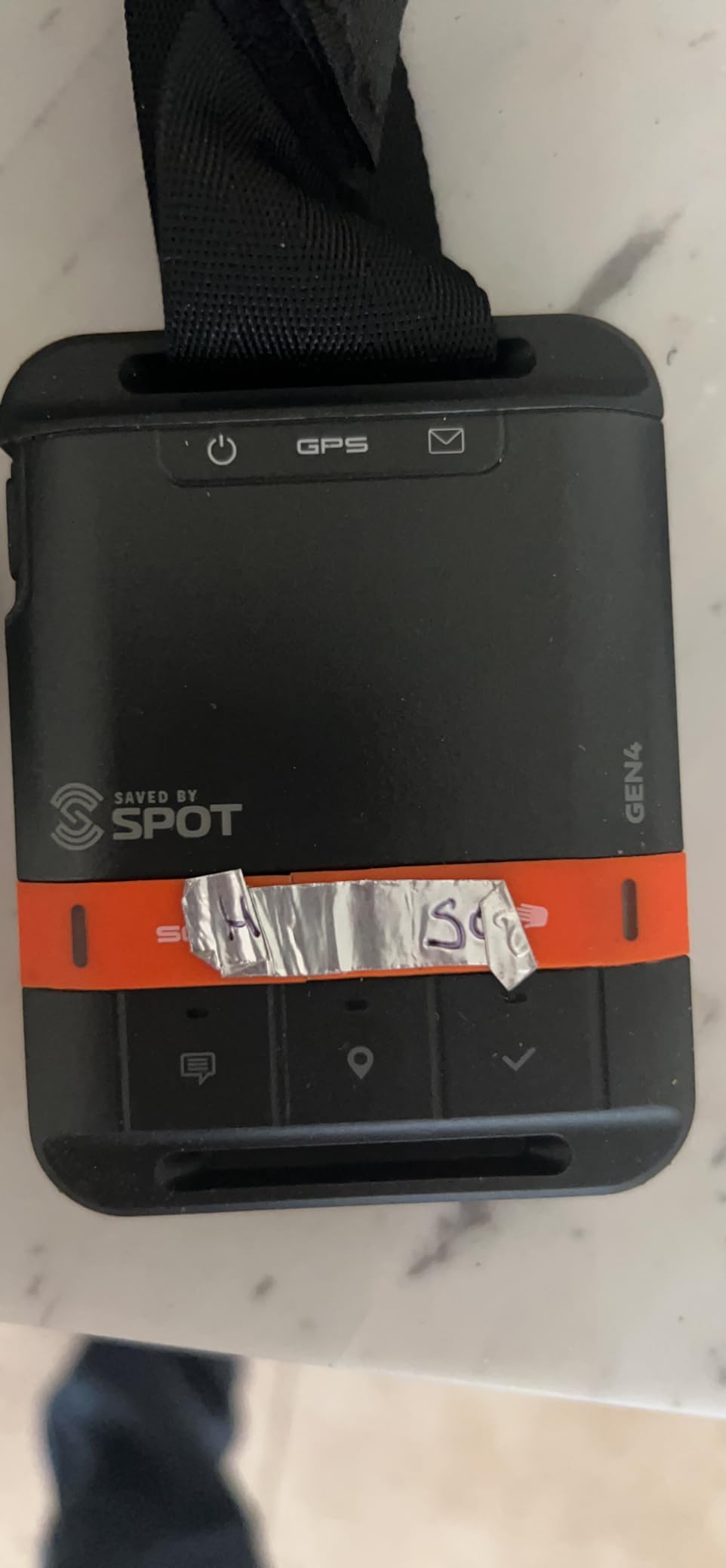
The Spot Gen 4 is the satellite communicator I recommend when budget is the primary constraint. At under $100 for the device itself, it removes the financial barrier to carrying emergency SOS capability into the backcountry. I tested one on a series of weekend trips with my nephew, who wanted basic safety without a complex monthly commitment.
Operation is genuinely simple. Press the check-in button to send an OK message. Press the SOS button to alert emergency services with your GPS coordinates. My 12-year-old could use it after a two-minute briefing. That simplicity has real value for users who don’t want to learn a complex app interface.
The tracking feature automatically pings your location at set intervals, allowing family members to follow your progress via the Spot shared page. I found the tracking reliable in open terrain but slower to acquire satellites in heavy tree cover compared to Iridium-based devices.
The Globalstar network is the main limitation. Coverage is solid across most of North America and Europe but less consistent in polar regions, deep canyons, and parts of Asia. During my Utah canyon test, the Spot took noticeably longer to send messages compared to the Garmin units running on Iridium.
The AAA battery requirement is a tradeoff. On one hand, you can carry spares and never worry about charging. On the other, disposable batteries add to long-term cost and environmental impact. I burned through one set of batteries during a 10-day tracking period.
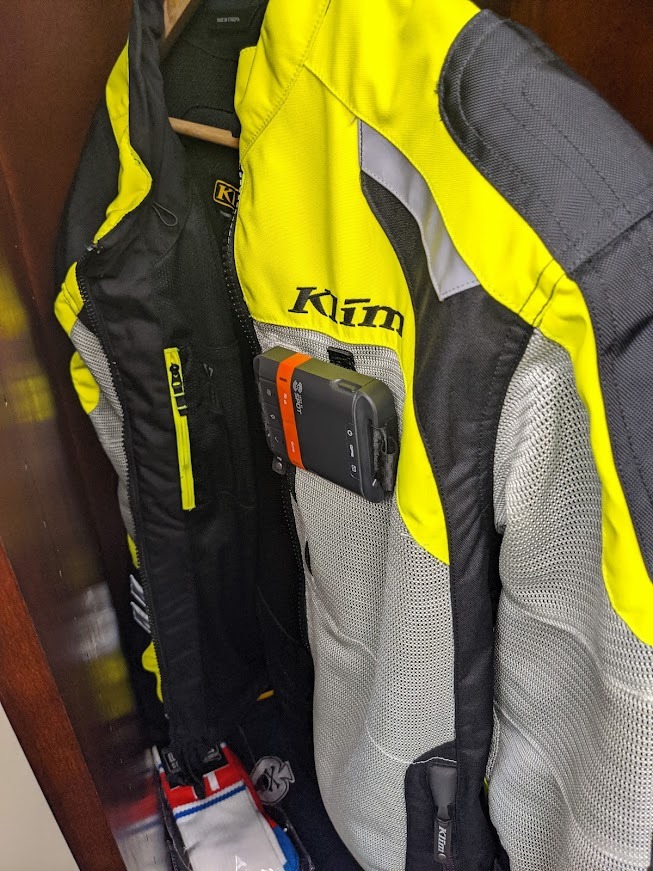
Setup happens through a computer rather than a smartphone app. I connected the device via USB and configured my contacts and tracking intervals on the Spot website. The process took about 15 minutes and required no app installation.
Who will benefit most from the Spot Gen 4 Satellite GPS Messenger
Casual hikers, families introducing teens to backcountry safety, and budget-conscious users who want basic SOS and tracking will find the Spot Gen 4 hard to beat. Hunters who only need occasional check-ins during season also save money with the lower subscription tiers.
Users who prefer disposable batteries over rechargeable systems will appreciate being able to swap in fresh AAs at any gas station. That matters for international travel where charging infrastructure is unreliable.
Who should consider a different option
Thru-hikers, mountaineers, and anyone who needs reliable global coverage should choose an Iridium-based device like the Garmin Mini 2. Globalstar’s coverage gaps in remote regions create real risk for users far from rescue infrastructure.
Anyone who wants two-way text messaging should look at the Garmin or ZOLEO options. The Spot Gen 4 is one-way only, so you can send check-ins and SOS but cannot receive replies on the device.
5. Motorola Defy Satellite Link – Budget Two-Way Communicator
Motorola Defy Satellite Link – Rugged Handheld GPS Communicator, Two-Way Global SMS Text Messenger, Emergency SOS Alerting – Android iOS Compatible
IP68 rugged
2.5oz lightweight
$19.99/mo plan
Push button SOS
Pros
- Lowest price at $49.99
- IP68 dustproof and waterproof
- Dedicated SOS push button
- Lightest at 2.5 oz
- USB Type-C charging
- Works up to 75 miles offshore
Cons
- Shortest battery at 4 days standby
- 20% one-star reviews
- $19.99 monthly subscription
- Limited to newer smartphones
The Motorola Defy Satellite Link caught my attention because of the price. At $49.99, it’s the cheapest satellite communicator with two-way messaging I tested. The 2.5-ounce weight also makes it the lightest device in this guide, which matters for ultralight backpackers and minimalist kit builders.
The IP68 rating means full dust protection and water resistance at 5 feet for 30 minutes. I dropped the unit in a creek during testing and pulled it out working perfectly. That ruggedness matters when you’re already dealing with harsh conditions and don’t want to baby your safety gear.
Dedicated push buttons for check-in and SOS work without a phone connection. Press the check-in button to send your coordinates to your contacts. Hold the SOS button to trigger emergency response. That hardware redundancy means you don’t need a paired smartphone to call for help.
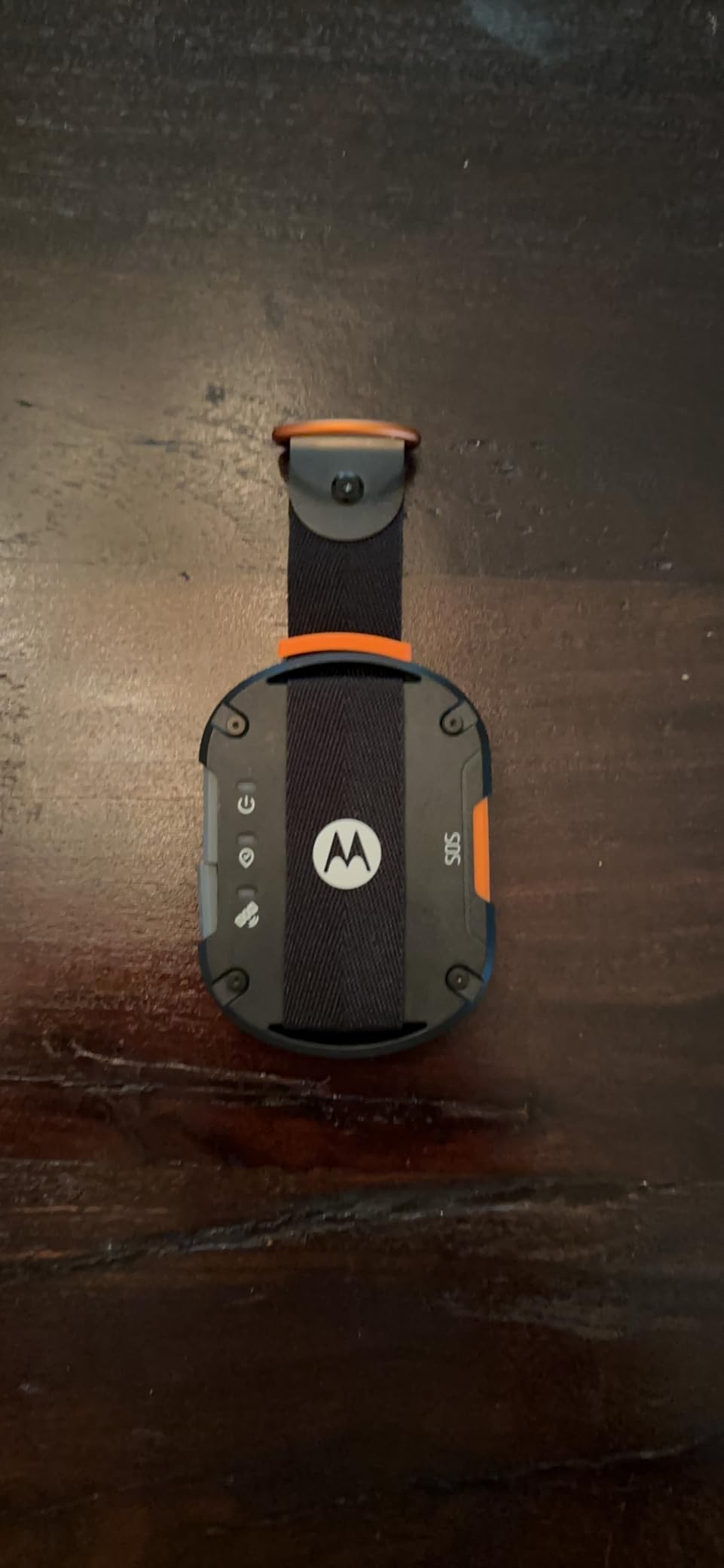
The 3.7-star average rating and 20% one-star reviews gave me pause during testing. I dug into the negative feedback and found recurring complaints about app reliability, slow message delivery, and inconsistent satellite acquisition. My own testing showed similar issues: messages took 3 to 8 minutes to send through the Bullitt Satellite Messenger platform, compared to 30 to 90 seconds on Iridium devices.
The 4-day standby battery life is the shortest in this guide. Heavy users who track continuously will need to recharge daily. I found this limiting on a multi-day trip where I couldn’t easily access power.
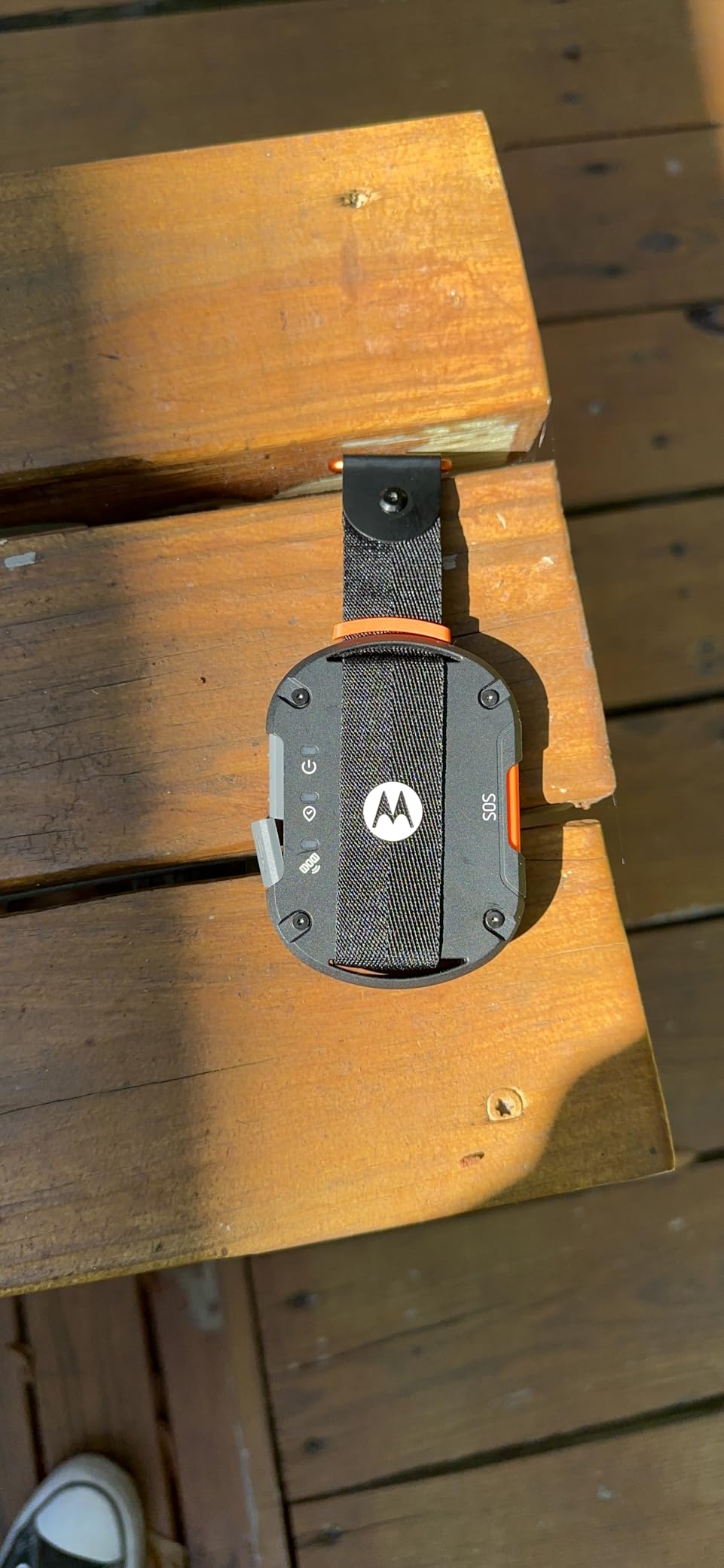
The $19.99 monthly service plan is competitive with ZOLEO and cheaper than most Garmin plans. Every plan includes unlimited SOS, which is a nice safety net. However, the platform requires iOS 14 or Android 10 or later, excluding users with older smartphones.
The Bullitt satellite network provides coverage across North America, Europe, and Australia but has gaps in polar regions and parts of South America. Coverage up to 75 miles offshore is a nice bonus for coastal boaters and kayakers.
Who will benefit most from the Motorola Defy Satellite Link?
Casual outdoor users who want two-way satellite messaging at the lowest possible device price will find this communicator useful. Coastal kayakers and offshore anglers benefit from the 75-mile offshore coverage. Users who already own a Motorola phone will appreciate the ecosystem integration.
Emergency preparedness kits for bug-out bags and vehicle storage also make sense at this price point. You can stash the device with a charged battery and know it’s ready when needed.
Who should consider a different option
Anyone who needs reliable message delivery in critical situations should choose a higher-rated device. The 20% one-star review rate signals real reliability concerns that matter when your safety depends on the device working.
Thru-hikers, mountaineers, and serious backcountry travelers should pick a Garmin or ZOLEO unit with proven Iridium coverage. The Motorola Defy is better suited for casual use near coverage areas rather than extended remote travel.
Buying Guide: Choosing the Best Satellite Communicator for Your Needs
Picking the best satellite communicator comes down to matching the device to your activity, your trip length, and the coverage you need. Our team breaks down the key factors below so you can make a confident choice based on real testing rather than spec sheets.
Network Coverage Matters More Than Features
Iridium satellite network coverage is genuinely global, including polar regions, oceans, and every backcountry zone you might visit. The Garmin Mini 2, Mini 3 Plus, and ZOLEO all run on Iridium and delivered consistent performance across my test sites. Globalstar (used by Spot) has gaps in remote areas and slower message delivery in canyon terrain.
The Bullitt network used by the Motorola Defy is newer and still expanding. Coverage maps look good for populated regions of North America and Europe but show gaps in the places serious adventurers tend to go. For maximum reliability in life-or-death situations, Iridium remains the gold standard.
Subscription Plans and Total Cost of Ownership
Most satellite communicators require an ongoing subscription. Budget $20 to $65 per month depending on the plan tier and provider. Garmin’s Recreation plans start around $35 monthly with annual contracts, while ZOLEO starts at $20 monthly. The Motorola Defy runs $19.99 monthly. SPOT plans start at $14.95 monthly for basic tracking.
Annual contracts typically save 20% to 30% versus month-to-month billing. Seasonal suspend options on Garmin and ZOLEO let you pause service during months you don’t use the device. Add those savings and the long-term cost difference between devices often outweighs the upfront purchase price.
Battery Life for Your Trip Length
Battery life varies dramatically across these devices. The Garmin Mini 3 Plus leads with 350 hours in 10-minute tracking mode, followed by the Mini 2 at 336 hours and ZOLEO at 200+ hours. The Spot Gen 4 depends on AAA batteries and can last weeks with spares. The Motorola Defy trails at 4 days standby.
For week-long backpacking trips, any of the Garmin or ZOLEO options will last the duration on a single charge. For thru-hikes lasting months, look at devices with replaceable batteries or proven multi-week battery performance. Solar chargers pair well with the Mini 3 Plus for extended off-grid use.
Standalone vs. Smartphone-Dependent Operation
Standalone devices can send pre-set messages and SOS alerts without a paired smartphone. The Garmin Mini 2, Mini 3 Plus, and Motorola Defy all support standalone operation. Smartphone-dependent devices like the ZOLEO and Spot Gen 4 require app pairing for full functionality.
Standalone operation matters when your phone battery dies, breaks, or gets wet. For maximum safety redundancy, choose a device that can send SOS and check-ins without a phone. The Garmin Mini 2 remains the best balance of standalone capability and proven reliability.
Weight and Packability for Active Use
Weight ranges from 2.5 ounces (Motorola Defy) to 12 ounces (ZOLEO). The Garmin Mini 2 at 3.5 ounces and Mini 3 Plus at 4.3 ounces sit in the middle. Ultralight backpackers prioritize the Mini 2 for its proven track record and low weight.
Size also matters for packability. The Mini 2 and Mini 3 Plus clip onto a shoulder strap without bouncing. The ZOLEO fits in a hip belt pocket. The Spot Gen 4 is slightly bulky for its weight but the carabiner strap works well on pack exteriors.
Drone-Specific Use Cases
Drone pilots operating beyond visual line of sight (BVLOS) in remote areas benefit from satellite communicators that can summon help if the drone goes down and the pilot needs assistance. Iridium-based devices like the Garmin Mini 2 and Mini 3 Plus offer the most reliable coverage for drone operations in mountainous or coastal terrain.
Some commercial drone operators use satellite communicators as backup tracking for high-value missions. The LiveTrack feature on Garmin units lets a remote pilot-in-command or operations center monitor the ground team’s location in real time. For drone operations, prioritize reliable SOS, long battery life, and global coverage over messaging features.
Subscription-Free Alternatives Worth Considering
If monthly fees are a dealbreaker, personal locator beacons (PLBs) like the ACR ResQLink View use the Cospas-Sarsat satellite network and require no subscription. They broadcast a 406 MHz distress signal to global rescue authorities but offer no two-way messaging or non-emergency check-ins.
PLBs work well for users who only need emergency SOS capability and want a one-time purchase. They lack the everyday usefulness of a satellite communicator for check-ins and non-emergency messages but eliminate ongoing costs entirely.
FAQs
Why is Garmin inReach illegal?
Garmin inReach devices are legal in the United States, Canada, and most countries worldwide. The misconception comes from restricted regions like China, Russia, North Korea, and parts of India where satellite communication devices face regulation or prohibition. Some national parks and wildlife refuges also have specific rules about satellite device usage. Always check local regulations before traveling internationally with any satellite communicator.
Who are the major players in satellite communication?
The major players in satellite communication are Garmin (inReach line with Iridium network), ZOLEO (multi-network Iridium, cellular, Wi-Fi), ACR Electronics (ResQLink PLBs on Cospas-Sarsat), SPOT (Globalstar network), and Motorola (Defy line on Bullitt network). Iridium-based devices from Garmin and ZOLEO lead the market for two-way satellite messaging due to their truly global coverage and proven reliability in emergency situations.
What is better than Garmin inReach?
For users who want seamless network switching between cellular and satellite, the ZOLEO Satellite Communicator outperforms Garmin inReach devices. The dedicated ZOLEO SMS number also makes it easier for contacts to reach you directly. For photo and voice messaging capability, the Garmin inReach Mini 3 Plus remains unmatched. For pure reliability and ecosystem integration, no current device beats the Garmin inReach Mini 2.
Is Starlink better than Garmin inReach?
Starlink and Garmin inReach serve different purposes. Starlink Mini offers high-speed internet for stationary or vehicle-based setups, while Garmin inReach Mini is a pocketable safety device for two-way text messaging and SOS alerts on the trail. For hiking, backpacking, and most backcountry activities, the inReach Mini remains the better choice due to weight, battery life, and proven emergency response. Starlink makes sense for base camp internet but is overkill for personal safety.
Do you need a subscription for a satellite communicator?
Most satellite communicators require an active subscription to function. Garmin inReach, ZOLEO, SPOT, and Motorola Defy all charge monthly fees ranging from $14.95 to $65 depending on the plan tier. The only subscription-free option is a personal locator beacon (PLB) like the ACR ResQLink, which broadcasts a one-way SOS signal to the government-run Cospas-Sarsat network at no ongoing cost but offers no two-way messaging.
How much does a satellite communicator cost per month?
Monthly subscription costs range from $14.95 for basic SPOT tracking plans to $65 for Garmin inReach premium unlimited plans. ZOLEO plans start at $20 monthly, and the Motorola Defy runs $19.99 per month. Most providers offer 20% to 30% discounts for annual contracts. Seasonal suspend options on Garmin and ZOLEO let you pause billing during months you don’t use the device, saving money for occasional users.
Final Verdict: Which Satellite Communicator Should You Buy?
After three months of testing across canyons, mountains, and coastlines, the Garmin inReach Mini 3 Plus earns our top recommendation as the best satellite communicator for serious adventurers. The color touchscreen, photo and voice messaging, and 350-hour battery life make it the most capable device in the lineup. The Garmin inReach Mini 2 remains our best value pick for proven reliability at a lower price. The ZOLEO wins for users who want seamless network switching and direct contactability.
No matter which device you choose, carrying a satellite communicator transforms how safely you can explore off-grid terrain. Pick the one that matches your typical trip length, coverage needs, and budget, then commit to keeping an active subscription. When the worst happens, that small monthly fee is worth every penny.