
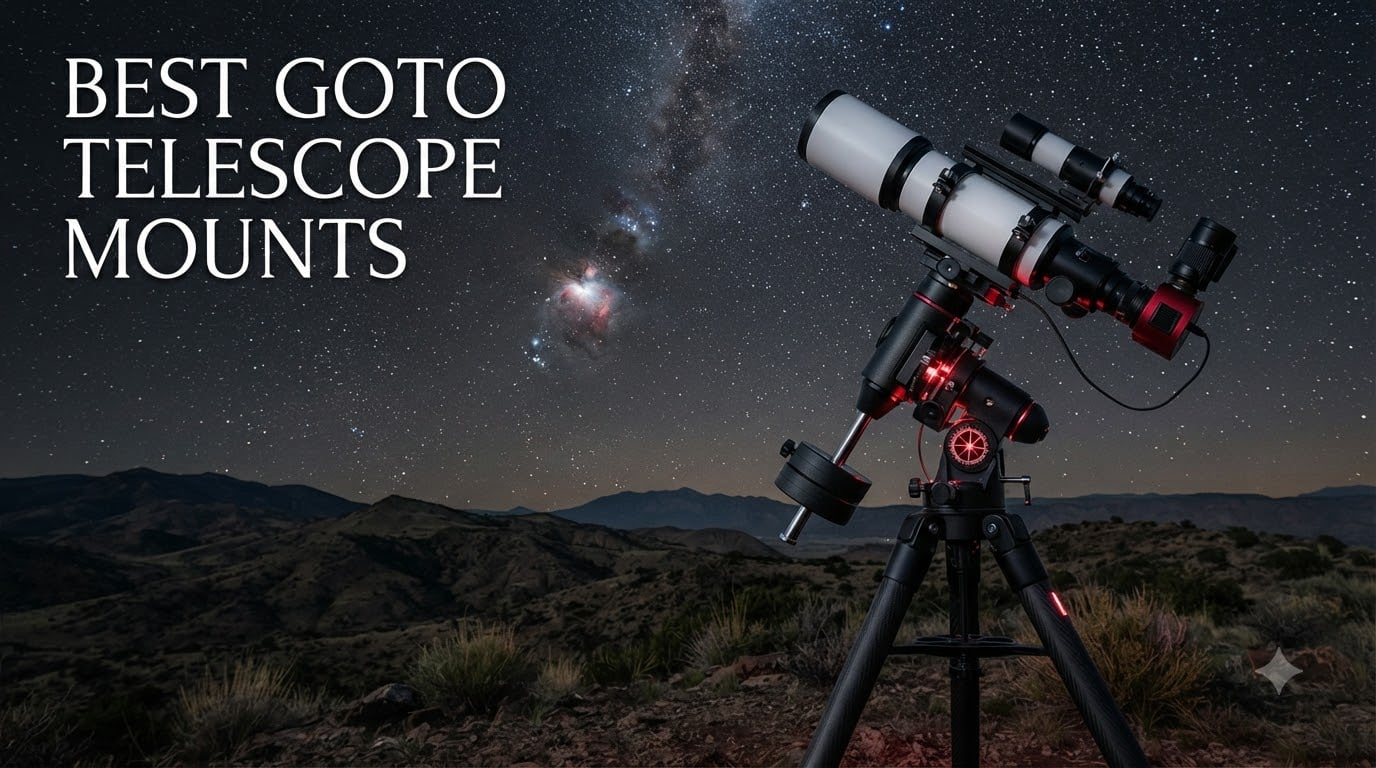
When I first started in astrophotography, I wasted an entire night trying to manually track the Orion Nebula with a wobbly alt-azimuth mount. My stars were egg-shaped, my frustration was real, and my photos went straight to the trash. That experience taught me the single most important lesson in this hobby: your mount matters more than your telescope.
A GoTo telescope mount changes everything. These computerized systems use motorized axes and built-in databases of thousands of celestial objects to find and track targets automatically. Instead of star-hopping for 20 minutes in the cold, you tap a button on your phone and the mount slews straight to the galaxy or nebula you want to image. For astrophotography, they track the rotation of the Earth so you can take long exposures without star trails.
Our team spent weeks comparing specs, reading through hundreds of forum posts on Cloudy Nights and Reddit, and digging into what real users report about reliability, tracking accuracy, and ease of use. We looked at 8 of the best GoTo telescope mounts on the market in 2026, ranging from ultra-portable star trackers under $300 to heavy-duty imaging workhorses capable of handling serious payload. Whether you are shooting wide-field Milky Way panoramas or imaging galaxies at 2000mm focal length, this guide will help you find the right mount for your setup and budget.
Table of Contents
Top 3 Picks for Best GoTo Telescope Mounts in September 2026
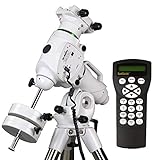


The Sky-Watcher EQ6-R Pro earns our Editor’s Choice for its 44-pound payload capacity, whisper-quiet belt-driven motors, and proven reliability in deep-sky astrophotography. The Celestron Advanced VX takes Best Value with a 30-pound payload and 40,000-object database at a mid-range price. For beginners on a budget, the Explore Scientific iEXOS-100-2 brings full GoTo functionality with WiFi control at entry-level pricing.
Best GoTo Telescope Mounts in 2026
| Product | Specifications | Action |
|---|---|---|
| Explore Scientific iEXOS-100-2 |
|
Check Latest Price |
 Sky-Watcher Star Adventurer 2i Pro Sky-Watcher Star Adventurer 2i Pro |
|
Check Latest Price |
 Sky-Watcher AZ-GTi Sky-Watcher AZ-GTi |
|
Check Latest Price |
 Sky-Watcher Star Adventurer GTi Sky-Watcher Star Adventurer GTi |
|
Check Latest Price |
| Celestron Advanced VX |
|
Check Latest Price |
 Sky-Watcher AZ-EQ5 Sky-Watcher AZ-EQ5 |
|
Check Latest Price |
| Sky-Watcher EQ6-R Pro |
|
Check Latest Price |
 Celestron CGX Celestron CGX |
|
Check Latest Price |
1. Explore Scientific iEXOS-100-2 – Budget GoTo EQ Mount
iEXOS-100-2 PMC-Eight Equatorial Tracker System Tripod and Mount for Astrophotography with WiFi and Bluetooth Compatible
PMC-Eight 8-CPU system
WiFi and Bluetooth
Equatorial mount
App controlled
Polar alignment sight
Pros
- PMC-Eight system with eight independent CPUs for reliable control
- Quiet precision stepper motor belt drives
- ExploreStars app works on Apple Android and Windows
- Clutched RA and Dec axes for precise balancing
- Polar alignment sight hole built in
Cons
- Payload capacity limited for heavier telescope setups
- Smaller community compared to Sky-Watcher ecosystem
I was genuinely surprised by how much the iEXOS-100-2 packs in at this price point. The PMC-Eight system uses eight independent CPUs to control both axes, and that distributed processing power makes the mount feel snappy when slewing between targets. The belt-driven stepper motors are impressively quiet, which matters when you are imaging in your backyard at 2 AM and do not want to wake the neighbors.
Setup was straightforward. After attaching the mount to the included tripod and doing a rough polar alignment through the sight hole in the RA axis, I connected via WiFi to the ExploreStars app on my tablet. The app interface is clean and intuitive, and it works across Apple, Android, and Windows devices. This multi-platform support is something even more expensive mounts sometimes lack.
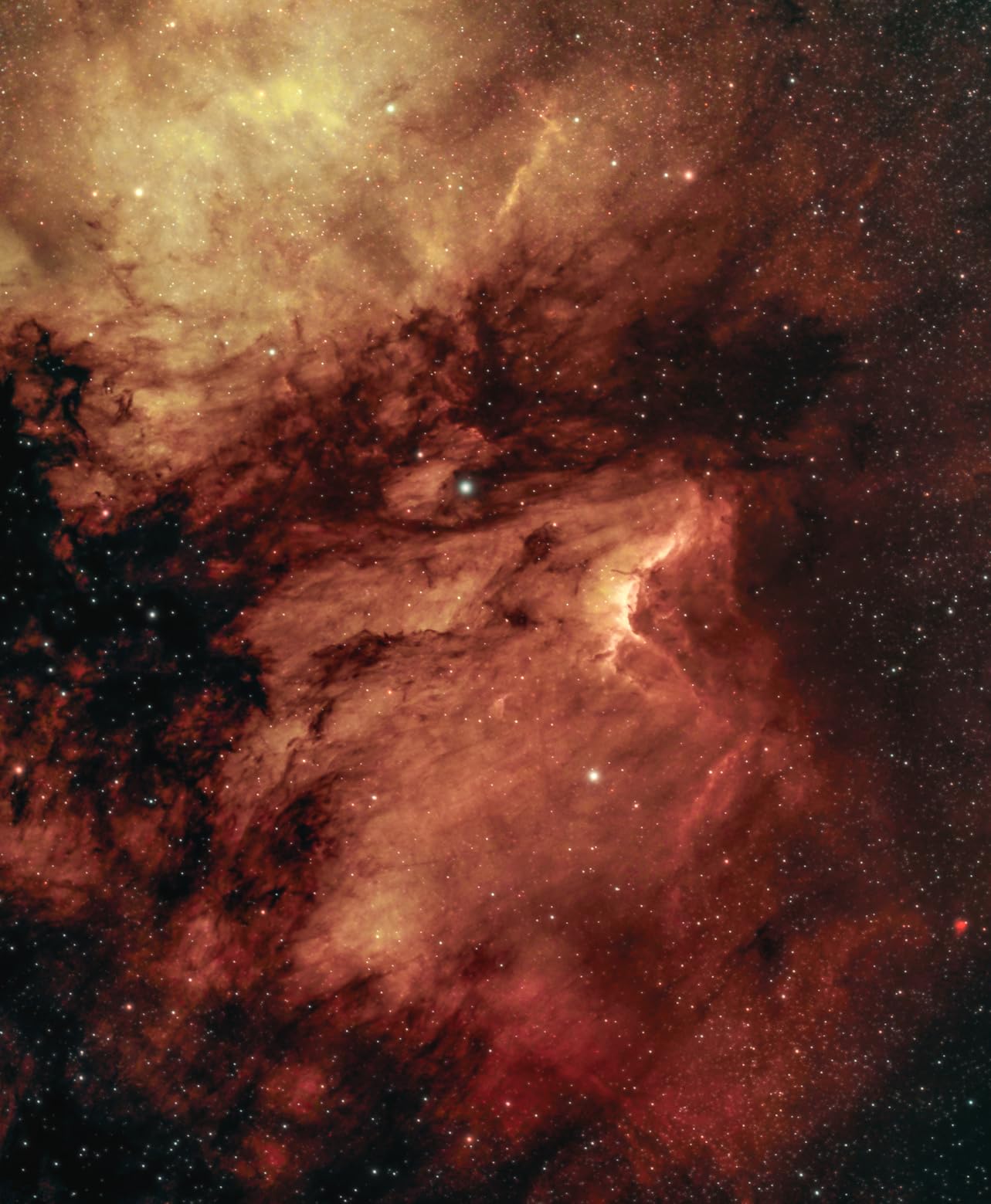
The clutched RA and Declination axes let you manually reposition the telescope for balancing without losing your alignment. I found this particularly useful when swapping between a camera lens for wide-field shots and a small refractor for tighter targets. The clutch action is smooth and confident.
That said, the payload capacity is modest. This mount is designed for lightweight setups, think small refractors up to about 70mm aperture or a DSLR with a camera lens. If you try to load a heavy SCT or a large refractor on this mount, you will fight guiding issues and flexure. Forum users on Cloudy Nights consistently point out that the iEXOS-100-2 works best as a starter imaging mount, not a heavy-duty platform.
Best Setup For This Mount
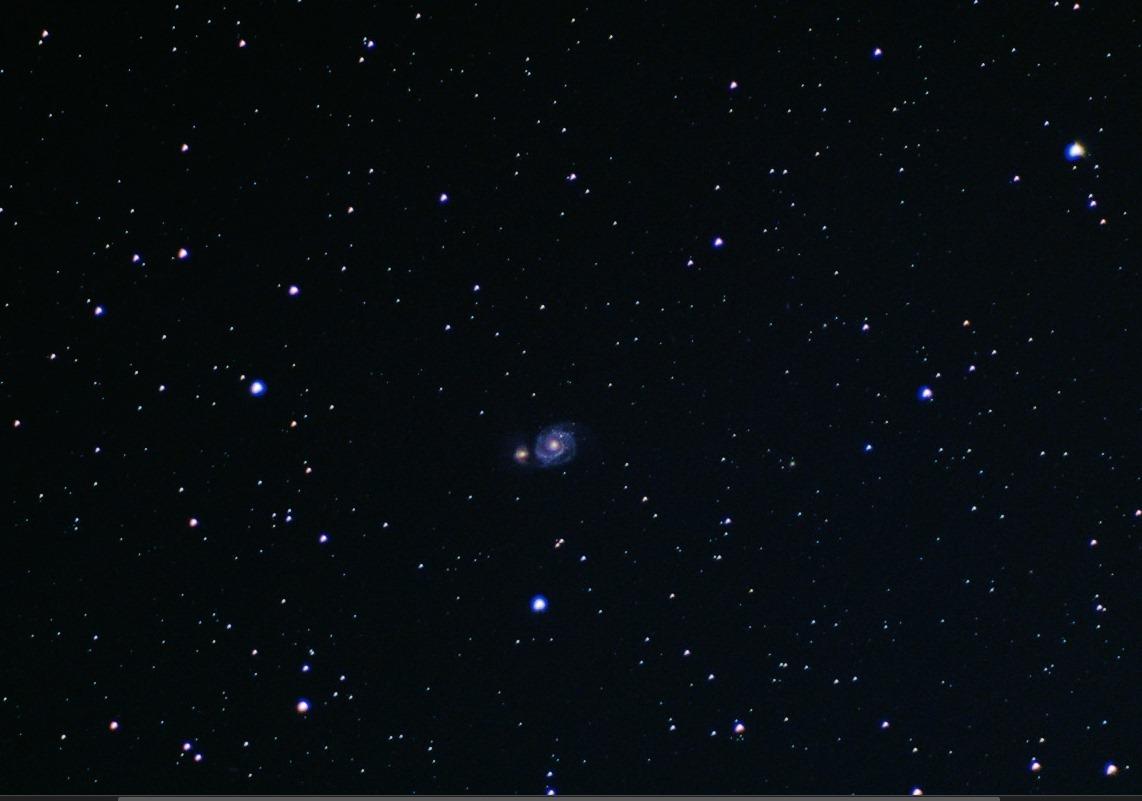
The iEXOS-100-2 shines with a lightweight refractor in the 60mm to 72mm range paired with a cooled astronomy camera or a mirrorless body. I ran a 65mm quadruplet refractor with a ZWO ASI533MC Pro on it and got round stars in 3-minute subs after a careful polar alignment. Keep your total imaging weight under 8 to 10 pounds and this mount will treat you well.
For power, you can run it from a 12V battery pack, making it a solid choice for dark-sky trips away from AC power. Just bring a good power bank rated for at least 10 amp-hours to get through a full night.
Control Methods and Software
The ExploreStars app is your primary control method, and it covers the basics well. You get a star database, slew controls, and tracking rate adjustments. However, if you want advanced features like plate solving or automated imaging sequences, you will need to connect via ASCOM on a Windows PC.
Bluetooth connectivity is available as a backup to WiFi, which is handy if your tablet does not have a reliable WiFi connection. I found the WiFi connection stable out to about 30 feet, which covered my imaging rig comfortably from inside a warm car.
2. Sky-Watcher Star Adventurer 2i Pro Pack – Portable Night Sky Tracker
Sky-Watcher Star Adventurer 2i Pro Pack (S20512)
Portable nightscape tracker
WiFi app control
Equatorial base
7 lbs
DSLR compatible
Pros
- Ultra-portable at just 7 pounds
- WiFi control via SAM Console app
- Versatile for nightscapes time-lapse and telescopic use
- Deluxe equatorial base for precise polar alignment
- 71% 5-star rating from over 600 reviews
Cons
- Limited payload capacity best for camera lens setups
- May need additional accessories for specific configurations
The Star Adventurer 2i Pro Pack is the mount I recommend more than any other to people just getting into astrophotography. At just 7 pounds, it fits in a backpack alongside your camera gear and tripod. I have taken this mount on hikes to dark-sky locations, set it up in under 10 minutes, and captured Milky Way panoramas that would have been impossible on a heavy equatorial rig.
The WiFi control through the SAM Console app is excellent. You can adjust tracking rates, control the mount wirelessly, and even trigger your camera. Speaking from experience, being able to start a time-lapse sequence from your phone while sitting in a camping chair 20 feet away is a genuinely great experience.
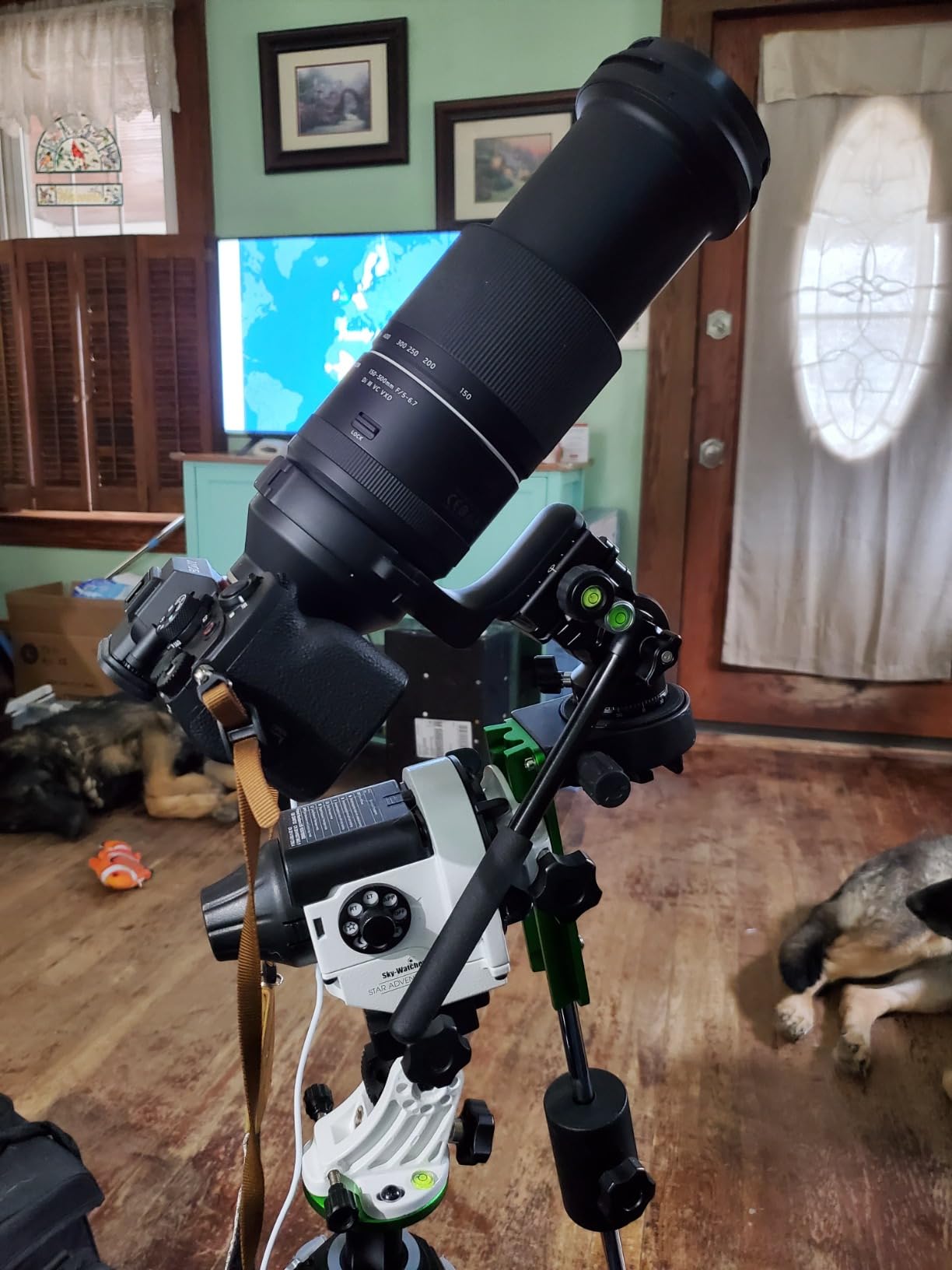
The Pro Pack includes the deluxe equatorial base, which gives you the fine altitude and azimuth adjustments needed for precise polar alignment. The built-in polar scope helps you align on Polaris so your tracking stays accurate through long exposures. With careful alignment, I consistently get 2-minute subs at 200mm focal length with nice round stars.
This is a camera tracker, not a telescope mount. It works best with a DSLR or mirrorless camera and a lens up to about 300mm. You can attach a small refractor, but the payload is limited and wind becomes a real factor. The community on Reddit’s astrophotography subreddit consistently recommends the Star Adventurer 2i as the gold standard for beginner wide-field imaging.
What You Can Image With It
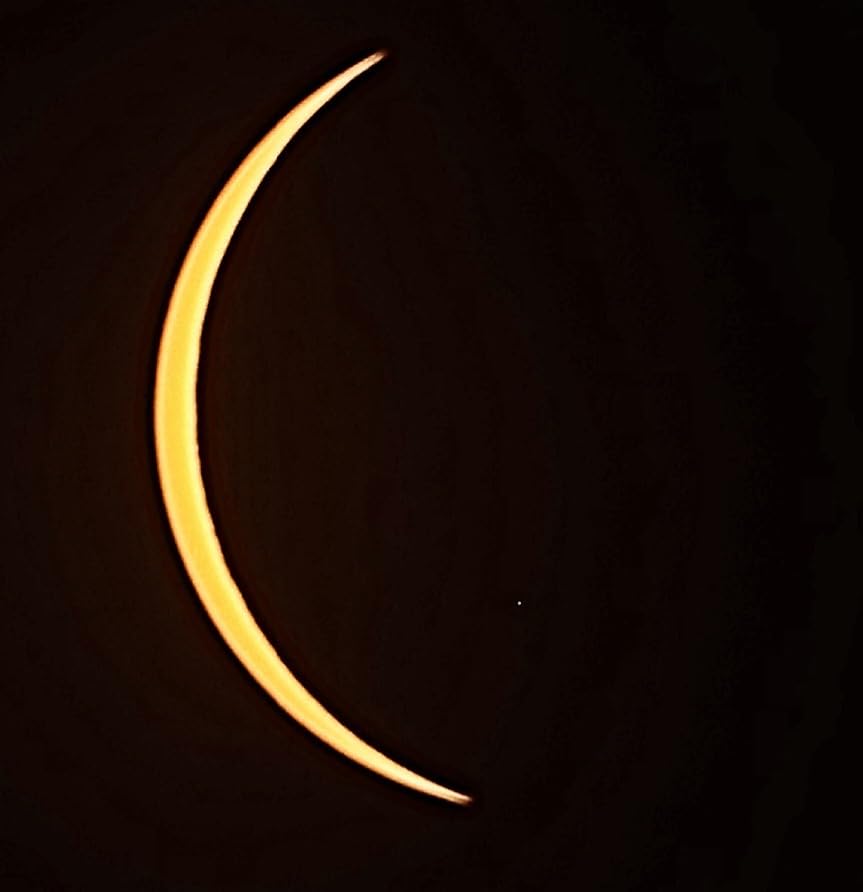
With the Star Adventurer 2i, expect to capture stunning wide-field targets. The Milky Way core, the Andromeda Galaxy at 200mm, the North America Nebula, and large constellation fields are all within reach. I shot my first successful image of the Heart and Soul Nebula complex with this exact mount and a 135mm lens.
For time-lapse photography, the built-in SNAP port automates camera shutter control. You can program intervals and let the mount handle the entire sequence while you sleep or shoot panoramas with a different setup.
Accessories and Expandability
The Pro Pack comes with a counterweight kit, equatorial base, and the mounting brackets you need to get started. You will need your own sturdy camera tripod with a 3/8-inch thread. A ball head is essential for framing your camera at different angles.
If you later upgrade to a heavier mount, the Star Adventurer still serves as a capable travel and time-lapse tool. Many experienced astrophotographers keep one in their kit for grab-and-go nights when they do not want to haul out a full rig.
3. Sky-Watcher AZ-GTi – Lightweight GoTo Alt-Az Mount
Sky-Watcher Sky-Watcher AZ-GTI – Portable Computerized GoTo Alt-Az Mount for On-The-Go Astronomy – WiFi Enabled App Controlled – Time-Lapse and Panorama Photography Capable (S21110)
Alt-Az GoTo mount
8.6 lbs
11lb payload
WiFi control
FreedomFind encoders
Pros
- Extremely lightweight at just 8.6 pounds
- WiFi app control from smartphone
- Freedom Find dual encoders for manual slewing without losing alignment
- SNAP port for automated time-lapse and panorama shooting
- Includes tripod with adjustable pier extension
Cons
- 11-pound payload limits larger telescopes
- Alt-Az design not ideal for long-exposure astrophotography
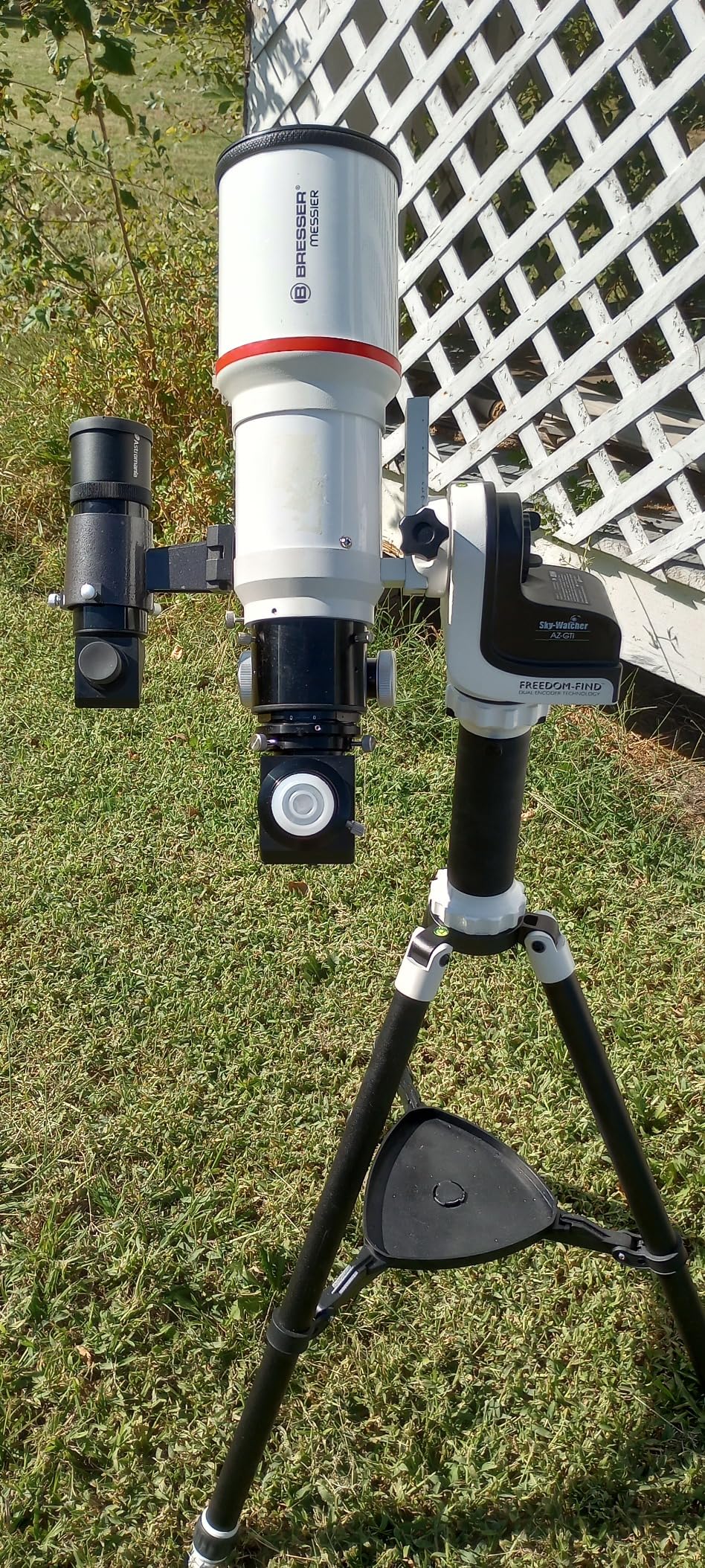
The AZ-GTi is the mount I grab when I want to do visual astronomy with GoTo convenience without lugging 40 pounds of gear outside. At 8.6 pounds for the mount head, this is one of the most portable full GoTo mounts available. The included tripod with pier extension adjusts from 28 to 53 inches, giving you a comfortable viewing height.
The Freedom Find dual encoder technology is a standout feature. It means you can manually push the telescope to any target by hand, and the mount still knows where it is pointing. This is incredibly useful at star parties when you want to quickly show someone an object without waiting for the mount to slew across the sky.
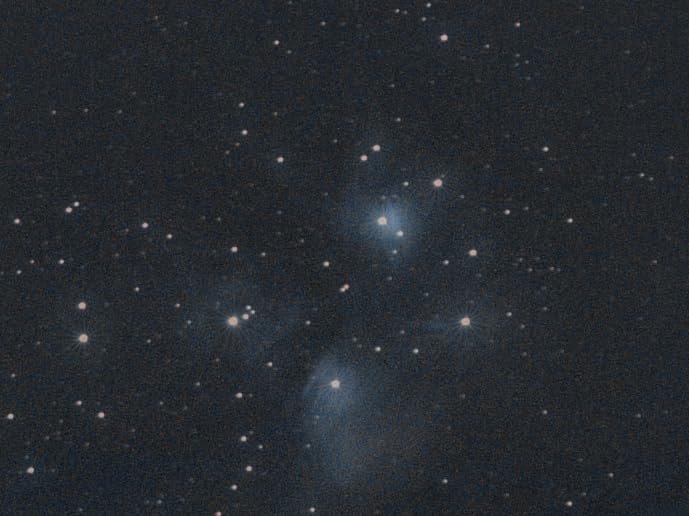
WiFi control works through Sky-Watcher’s app, and the GoTo database includes over 42,000 objects. Alignment is fast: I typically complete a two-star alignment in under 5 minutes, and the mount finds targets accurately after that. The SNAP port lets you automate camera shutter release for time-lapse work.
The big limitation is that this is an alt-azimuth mount, not an equatorial mount. That means it is fantastic for visual astronomy and short-exposure imaging, but it will produce field rotation in long-exposure astrophotography. You can add an equatorial wedge for basic tracking, but if deep-sky imaging is your main goal, look at the Star Adventurer GTi instead.
Best Use Cases
Visual astronomy is where the AZ-GTi truly shines. I have used it with an 8-inch Dobsonian optical tube for planetary and lunar observation, and the GoTo accuracy makes finding faint targets like NGC galaxies effortless. It also works well for solar system astrophotography using a dedicated planetary camera.
For time-lapse and panorama photography, the SNAP port and adjustable tracking rates make it a versatile creative tool. The multiple power options, including AA batteries and 12V input, mean you can use it in the field without a large power supply.
What Telescopes Work With It
The 11-pound payload capacity handles most small to medium telescopes. A 90mm Makutsov-Cassegrain, an 80mm short-tube refractor, or a 6-inch Newtonian all work well. Just keep in mind that alt-az mounts require balanced loading, so add a counterweight if your telescope is on the heavier side.
Vixen-style dovetails are the standard here, which covers the vast majority of consumer telescopes. The mount head includes the saddle clamp, so you are ready to go with most telescope tubes right out of the box.
4. Sky-Watcher Star Adventurer GTi – Full GoTo EQ Tracking Mount
Sky Watcher Sky-Watcher Star Adventurer GTI Mount Kit with Counterweight, CW bar, Tripod, and Pier Extension – Full GoTo EQ Tracking Mount for Portable and Lightweight Astrophotography
Full GoTo EQ mount
WiFi smartphone control
Illuminated polar scope
Counterweight included
Portable design
Pros
- Full GoTo functionality in a portable package
- Built-in WiFi for smartphone control
- Illuminated polar scope with built-in illuminator
- 72% 5-star rating from over 100 reviews
- Complete kit with counterweight tripod and pier extension
Cons
- Heavier than non-GoTo star trackers at 26 lbs
- Payload best suited for lightweight imaging rigs
The Star Adventurer GTi sits in a sweet spot between the basic Star Adventurer 2i tracker and a full-sized equatorial mount like the HEQ5. It gives you actual GoTo functionality, meaning it can automatically slew to any of thousands of objects in its database, all while remaining portable enough for travel. I consider this the best GoTo telescope mount for astrophotographers who want computerized object location without committing to a heavy observatory-grade rig.
Setting up the GTi takes me about 15 minutes from car to imaging. The included tripod with pier extension gets the mount to a comfortable height, and the built-in polar scope with illuminator makes polar alignment straightforward even in less-than-dark skies. Once aligned, the WiFi connection lets me control everything from my phone.
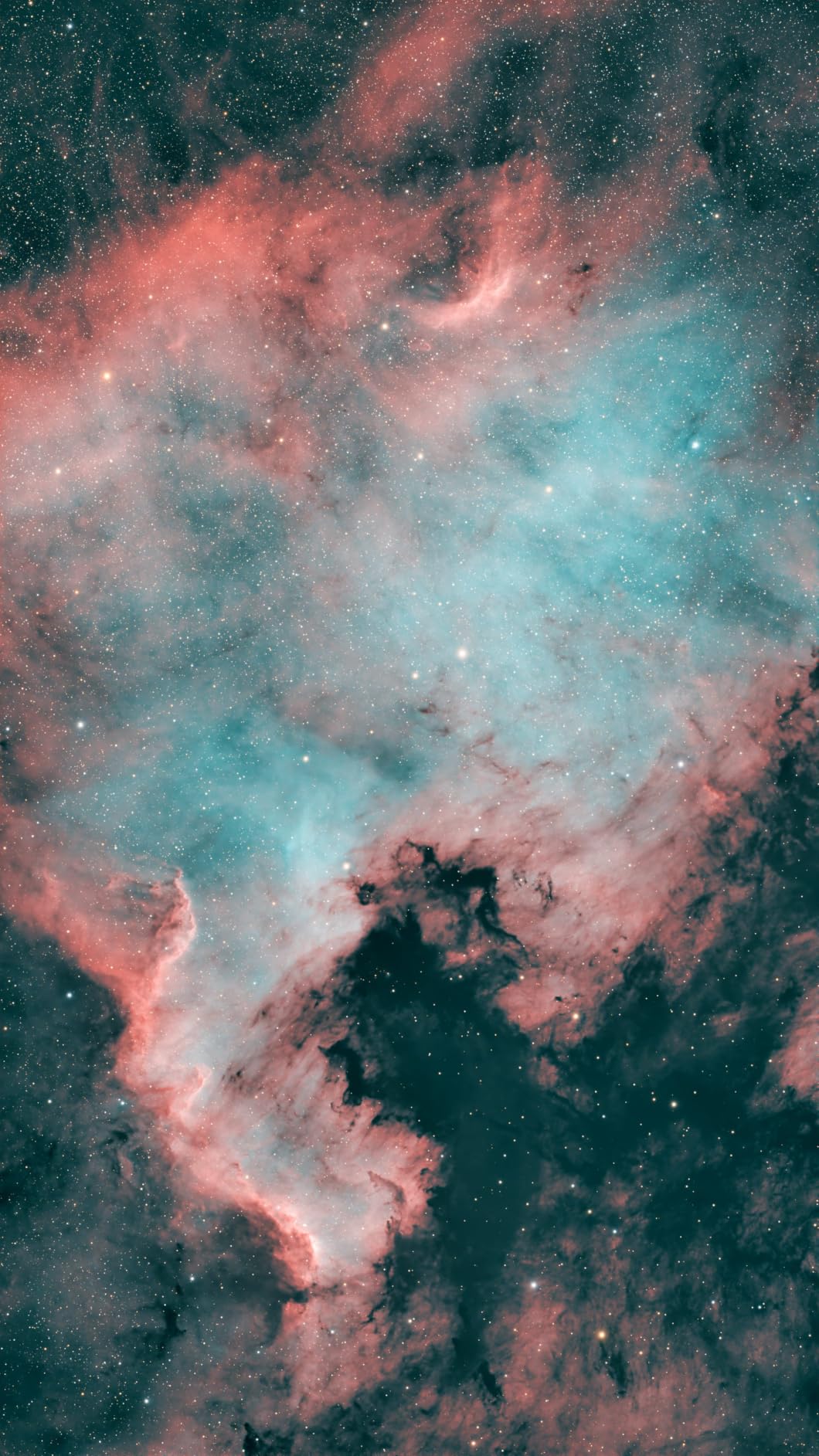
The tracking accuracy impressed me. With a 65mm refractor and a cooled camera, I guided at 0.7 arcseconds RMS using a lightweight guide scope. That is excellent performance for a mount in this weight and price class. The multiple tracking rates handle sidereal, lunar, and solar objects with equal precision.
The complete kit is what makes this mount such good value. You get the mount head, counterweight bar with a 5-pound counterweight, the tripod, and the pier extension. Nothing extra to buy to start imaging on night one. The only thing you might add later is a heavier counterweight if you load up a heavier telescope.
How It Compares to a Full-Size EQ Mount
The GTi uses a lighter-duty gear system than mounts like the HEQ5 or EQ6-R. That means the periodic error is higher, and you will need autoguiding for exposures longer than about 60 seconds. For most deep-sky targets, a guide scope and guide camera solve this completely, and the mount guides well within its capacity.
What you gain in return is portability and price. At 26 pounds total kit weight, you can carry the entire setup in one trip from the car. The HEQ5 weighs about 30 pounds for just the mount head.
Who Should Upgrade to This Mount
If you have been using a non-GoTo tracker like the Star Adventurer 2i and are tired of manually finding targets, the GTi is the natural next step. The GoTo functionality alone saves 20 to 30 minutes per imaging session when you do not have to star-hop to your target.
This is also an excellent choice for experienced astrophotographers who want a lightweight travel mount. I know imagers who keep a GTi specifically for dark-sky road trips where a heavy mount would be impractical.
5. Celestron Advanced VX – Solid Mid-Range EQ Mount
Celestron Advanced VX Computerized German Equatorial Mount – 30lb Payload
German EQ mount
30lb payload
40000 object database
All-Star Polar Alignment
Dual saddle plate
Pros
- 30-pound payload handles serious telescope setups
- NexStar+ hand controller with 40000+ object database
- All-Star Polar Alignment technology for easy setup
- 73% 5-star rating from over 140 reviews
- Dual saddle plate fits CG-5 and Vixen dovetails
Cons
- Heavier at 50 pounds total kit weight
- Not Prime eligible
- Limited stock availability
The Celestron Advanced VX is the mount I recommend when someone is ready to graduate from a portable tracker to a real astrophotography platform. The 30-pound payload capacity opens up a much wider range of telescope options, from 8-inch SCTs to larger refractors. At its price point, it delivers serious value.
The NexStar+ hand controller is one of the best in the business. With a 40,000+ object database, you can spend an entire night exploring targets you have never seen before. The interface is logical and the screen is readable in cold conditions, which matters more than you might think during winter imaging sessions.
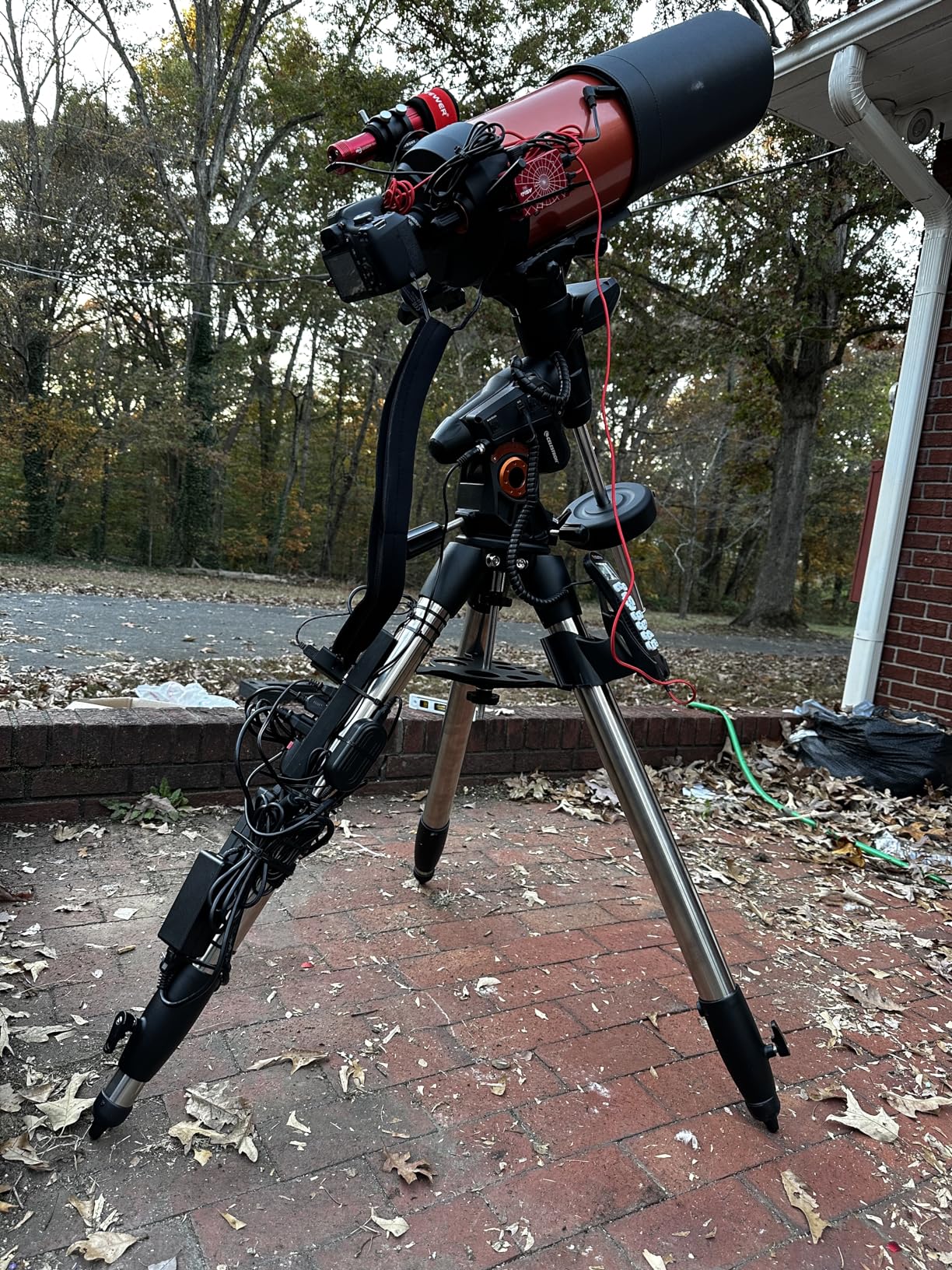
The All-Star Polar Alignment feature is a genuine time-saver. Instead of fumbling with a polar scope in the dark, you center any bright star in your eyepiece or camera, and the mount walks you through the alignment process electronically. I got my polar alignment dialed in under 5 minutes using this method, compared to 15 minutes with a traditional polar scope.
The 2-inch stainless steel tripod legs provide a stable platform, and the latitude adjustment range of 7 to 77 degrees works for virtually any observing location on Earth. The dual saddle plate accepts both CG-5 and Vixen-style dovetails, so you do not need an adapter for most telescopes.
Tracking Performance for Astrophotography
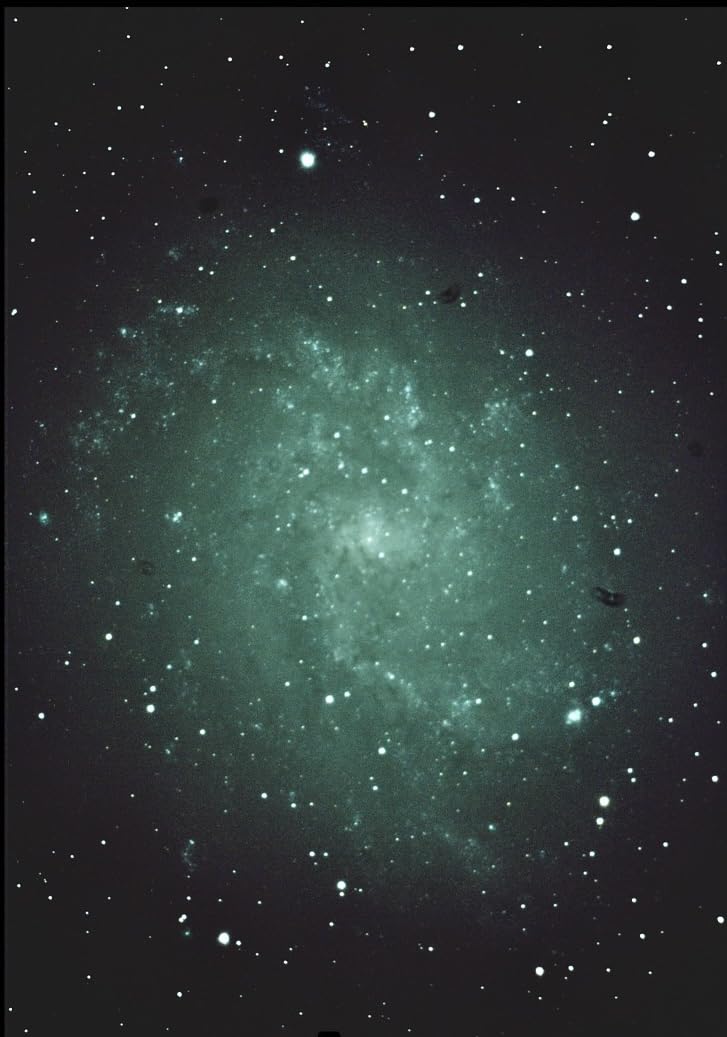
The Advanced VX includes Periodic Error Correction (PPEC) built in, which smooths out the inherent gear imperfections that cause tracking errors. With PPEC trained and autoguiding active, I consistently achieved sub-arcsecond guiding with an 8-inch SCT at 2000mm focal length. That is competitive with mounts costing significantly more.
The sidereal, solar, and lunar tracking rates handle every type of target. EQ North and EQ South tracking modes mean you can use this mount in either hemisphere without modification.
Common Issues to Watch For
The biggest complaint I see from users involves the motors. Some units develop a growling sound from the spur gears over time, particularly in cold weather. Celestron’s warranty covers this, but it is something to be aware of. The community on Cloudy Nights recommends keeping spare motor boards on hand for longer imaging campaigns.
Power consumption is moderate. Plan for a 12V power supply delivering at least 3 amps continuously. A 15 amp-hour battery pack will get you through a full winter night with the mount and a dew heater running.
6. Sky-Watcher AZ-EQ5 – Versatile Multi-Mode Mount
Sky-Watcher AZ-EQ5 – Fully Computerized GoTo German Equatorial, Alt-AZ Telescope Mount, and dual-OTA telescope – Computerized Hand Controller with 42,900+ Object Database
AZ EQ and Dual-OTA modes
30lb payload
Belt-drive stepper motors
SynScan controller
SNAP port
Pros
- Operates in AZ EQ and dual-OTA modes for maximum versatility
- Belt-driven stepper motors for whisper-quiet slewing
- 30-pound payload capacity handles medium telescopes
- SynScan hand controller with 42000+ object database
- SNAP port for automated DSLR camera operation
Cons
- Alt-Az adjustment knobs can be uncomfortable
- SynScan WiFi adapter compatibility issues with some iOS apps
- Multi-box shipping has caused delivery problems
The AZ-EQ5 is the Swiss Army knife of GoTo mounts. It can operate in alt-azimuth mode for visual astronomy, equatorial mode for long-exposure astrophotography, and even dual-OTA mode where it carries two telescopes simultaneously. That versatility makes it an interesting option for imagers who want one mount that can do everything.
In practice, the multi-mode capability works well. I set mine up in equatorial mode for deep-sky imaging during the week and switched to alt-az mode for visual viewing with friends on weekends. The belt-driven stepper motors are impressively quiet during slewing, much smoother than older spur-gear designs.
The 30-pound payload capacity handles a respectable range of telescopes. I ran an 80mm refractor for imaging alongside a 120mm refractor for visual use on this mount, and it handled both without strain. The all-metal construction feels solid and confidence-inspiring.
The SynScan hand controller is excellent, with over 42,000 objects in its database. The SNAP port automates DSLR camera operation, which is handy for unattended imaging sessions. The two included 7.5-pound counterweights provide good balancing flexibility.
WiFi and Software Compatibility
The built-in WiFi works with Sky-Watcher’s SynScan app for iOS and Android, and the hand controller has a USB port for ASCOM connectivity on Windows PCs. However, I experienced some compatibility issues trying to use the mount with SkySafari on iOS. The connection would drop intermittently, requiring reconnection. Using the dedicated SynScan app solved this problem.
For PC-based imaging workflows, the ASCOM driver works smoothly with popular imaging software like NINA and PHD2. I ran plate solving through NINA without issues once the ASCOM connection was established.
Dual-OTA Mode Explained
In dual-OTA mode, the mount carries two telescopes on opposite sides of the saddle. This is useful for imaging one target while simultaneously guiding or observing through a second scope. The mount balances the two payloads against each other, which is an elegant mechanical solution.
The trade-off is that the total payload is shared between the two telescopes. You cannot put 30 pounds on each side; you need to keep the combined weight within the mount’s capacity while maintaining balance.
7. Sky-Watcher EQ6-R Pro – Heavy-Duty Workhorse
Sky-Watcher EQ6-R – Fully Computerized GoTo German Equatorial Telescope Mount – Belt-driven, Motorized, Computerized Hand Controller with 42,900+ Celestial Object Database
German EQ mount
44lb payload
Belt-drive motors
Illuminated polar finder
42000 objects
Pros
- 44-pound payload capacity handles heavy imaging setups
- Belt-driven stepper motors for whisper-quiet precision
- Built-in illuminated polar finderscope
- 78% 5-star rating from 86 reviews
- Built-in carry handle for transport
Cons
- Power consumption requires minimum 12V 4 amp supply
- Heavy mount head at 44 pounds
The EQ6-R Pro is the mount I trust for my serious imaging work. The 44-pound payload capacity means I can put a heavy refractor, a large guide scope, a filter wheel, and a cooled camera on it without worrying about overload. This is the mount that forum users on Cloudy Nights and Reddit consistently recommend when someone asks what to buy for deep-sky astrophotography.
The belt-driven stepper motors are the defining feature. They eliminate the gear noise that plagues older mount designs, and they reduce the periodic error significantly. My out-of-the-box guiding was 0.5 arcseconds RMS with a 130mm refractor at 728mm focal length. That kind of tracking accuracy opens up very long exposures on faint targets.
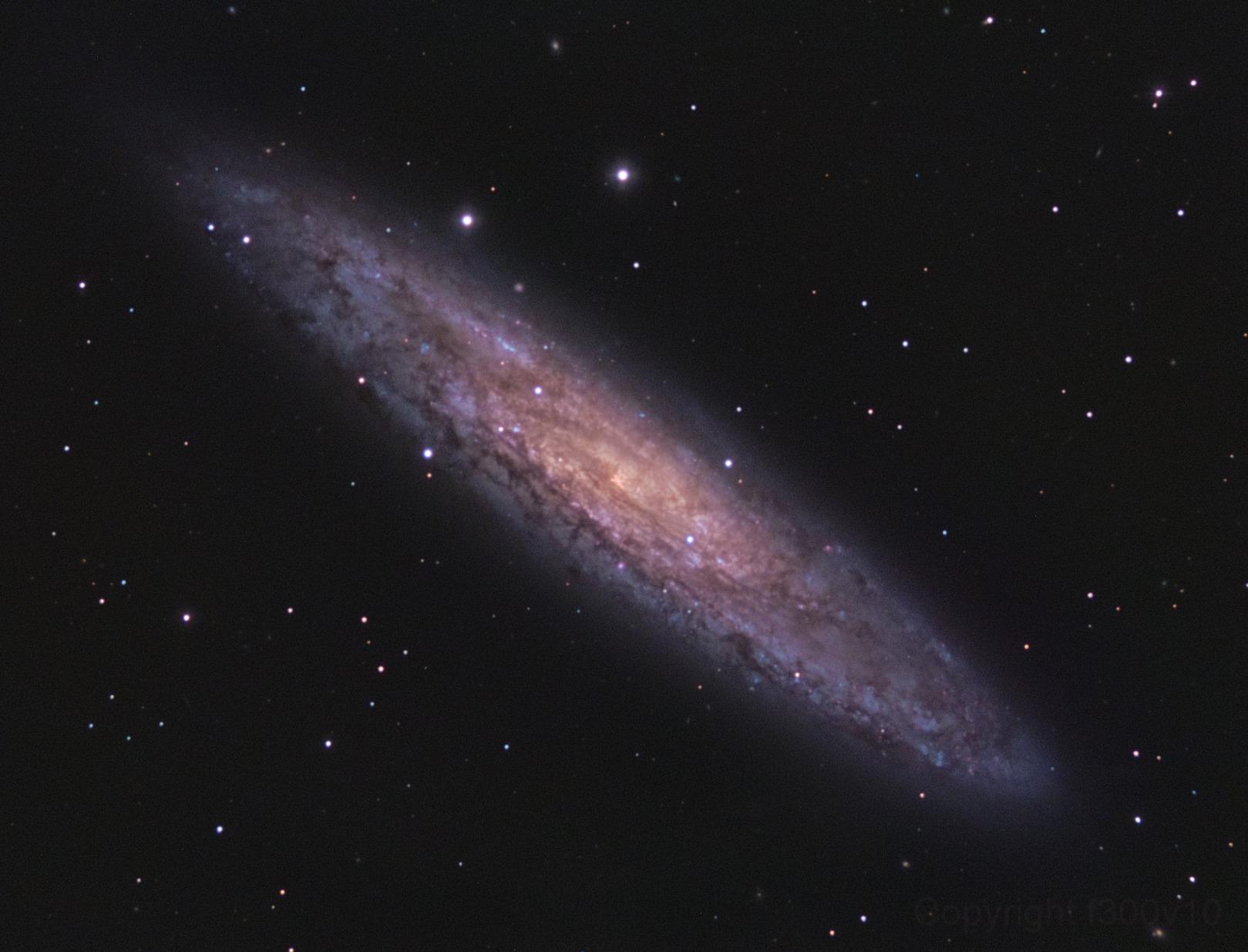
The built-in illuminated polar finderscope makes polar alignment fast and accurate. I complete my polar alignment routine in under 10 minutes, including the time to level the mount and adjust azimuth. The built-in carry handle on the mount head sounds like a small thing, but it makes transporting 44 pounds of gear much more manageable.
The SynScan hand controller gives you access to over 42,000 objects. For imaging, I connect via EQMOD and ASCOM on my imaging laptop, which gives me full computer control through NINA. The mount integrates seamlessly with the modern astrophotography software ecosystem.
What Payload Can It Really Handle
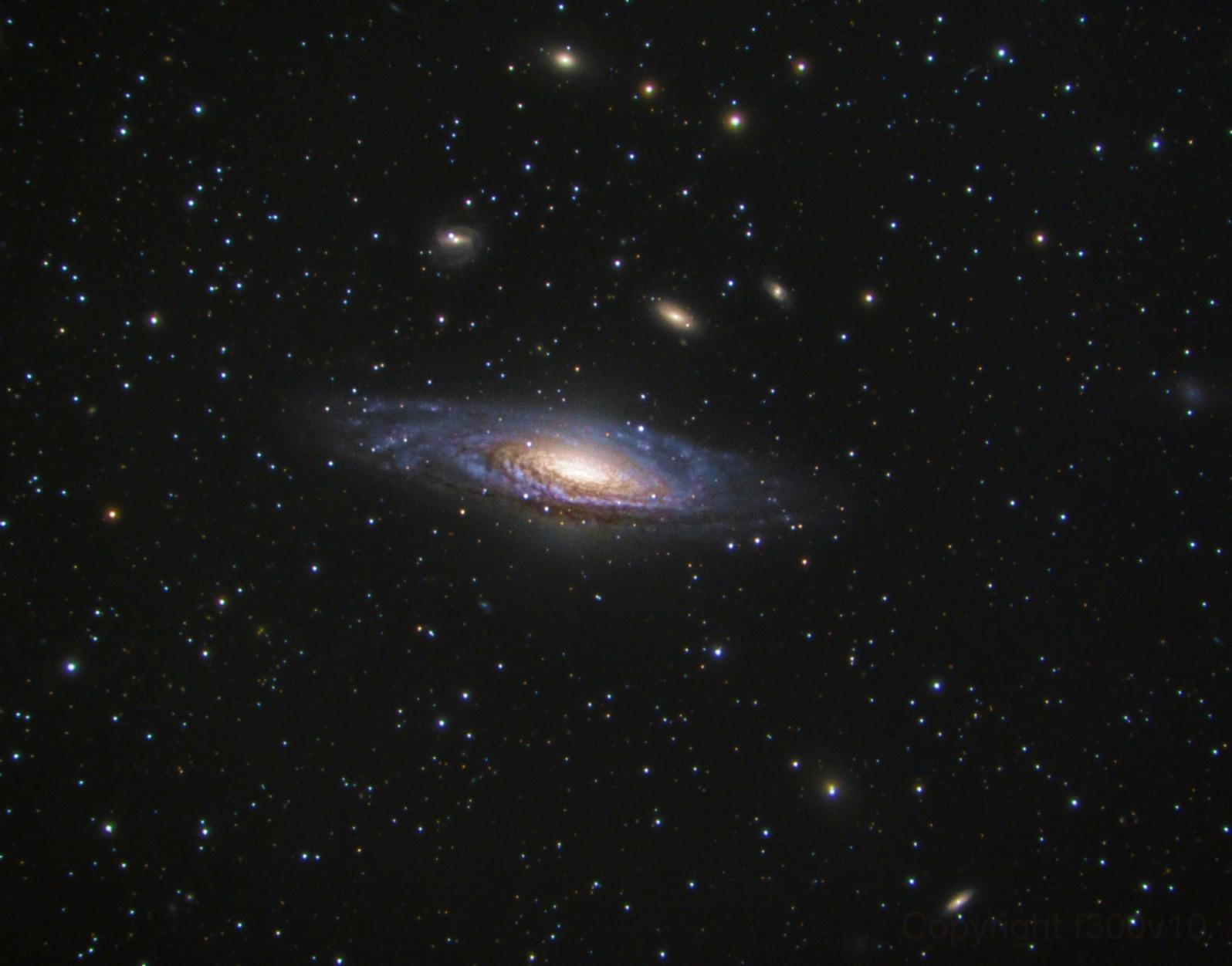
The 44-pound payload rating is one of the more honest specifications in the industry. Experienced users on forums recommend keeping your imaging payload to about 60% to 70% of the rated capacity for best tracking performance, which means roughly 28 to 30 pounds for astrophotography. That still covers a huge range of telescope and camera combinations.
I have run a 130mm aperture refractor weighing 18 pounds, a guide scope at 4 pounds, a filter wheel, and a cooled camera for a total of about 27 pounds. The mount tracked beautifully at that weight with autoguiding.
Power and Practical Considerations
The EQ6-R Pro draws more power than lighter mounts. You need a 12V supply delivering at least 4 amps continuously. I use a 30 amp-hour LiFePO4 battery pack, which runs the mount plus dew heaters plus a mini PC for a full 8-hour imaging session with power to spare.
The tripod uses 2-inch diameter stainless steel legs. While adequate, some users upgrade to a heavier tripod or a pier for maximum stability. I found the stock tripod sufficient for my imaging work, but I added a spreader for extra rigidity.
8. Celestron CGX – High-Payload Imaging Mount
Celestron CGX Computerized German Equatorial Mount & Tripod, 55lb Payload
German EQ mount
55lb payload
Belt-drive servo motors
40000 objects
Remote operation ready
Pros
- 55-pound payload capacity for heavy professional setups
- High-torque servo motors with belt-drive for smooth operation
- NexStar+ controller with 40000-object database
- Internal cabling for clean remote operation
- Guided tours and custom object filters
Cons
- Very heavy at 108 pounds total
- Not Prime eligible
- Manual focus only on included focuser
The Celestron CGX is built for serious astrophotographers who need maximum payload capacity. At 55 pounds of rated payload, this mount can carry large Schmidt-Cassegrain telescopes, heavy imaging trains, and all the accessories that come with a complete observatory setup. It is the most capable mount in this roundup.
The high-torque servo motors with belt-drive deliver smooth, powerful slewing. Even at maximum slew speed, the mount moves with confidence and stops precisely. The internal cabling is a thoughtful design touch that keeps your camera and guide scope cables routed cleanly through the mount body, eliminating cable snags during long imaging runs.
The NexStar+ hand controller is the same proven unit used across Celestron’s computerized mount line. With 40,000 objects, guided tours, and custom object filters, it gives you plenty to explore. The Celestron PWI software compatibility adds professional-grade mount control for remote imaging operations.
This is a heavy mount. The total kit weighs 108 pounds, which means you need a permanent observatory or a very committed setup routine. I would not recommend this for someone who plans to set up and tear down every night. But if you have a permanent pier or a dedicated observatory, the CGX is a serious imaging platform.
Observatory vs Portable Use
The CGX makes the most sense in a permanent installation. The weight alone argues against frequent transport, and the internal cabling system rewards a set-and-forget configuration. If you are building a backyard observatory, this mount deserves serious consideration alongside competitors like the EQ6-R Pro.
For portable use, consider whether you really need 55 pounds of payload capacity. Most imagers are perfectly served by the 44-pound capacity of the EQ6-R Pro at a lower weight and price. The CGX earns its premium when you are running large-aperture SCTs at long focal lengths for small targets like galaxies and planetary nebulae.
Remote Imaging Capability
The internal cabling and remote operation software make the CGX well-suited for unattended imaging. You can control the mount, camera, filter wheel, and focuser from a single computer running NINA or Sequence Generator Pro. This is the workflow used by many serious imagers who run their rigs remotely from inside a warm house.
Celestron’s software ecosystem is mature and well-supported. The NexStar+ protocol works with ASCOM, and there is an active community developing tools and drivers for remote imaging workflows.
How to Choose the Best GoTo Telescope Mount?
Choosing the right GoTo mount comes down to matching the mount’s capabilities to your telescope, your imaging goals, and your practical constraints. Here is what matters most.
Payload Capacity: The Most Important Number
Every mount has a rated payload capacity, and this is the single most important specification to check. For visual astronomy, you can load a mount close to its rated capacity. For astrophotography, the golden rule is to keep your imaging payload at 50% to 70% of the rated capacity. This gives you headroom for guiding accuracy and wind resistance.
When calculating your payload, include everything that sits on the mount: telescope, camera, guide scope, guide camera, filter wheel, dew heaters, and cables. It adds up faster than you think. I have seen beginners buy a mount rated for 11 pounds and try to put a 9-pound telescope plus a 2-pound camera on it, only to discover the mount cannot track accurately at that weight.
Equatorial vs Alt-Azimuth: Which Do You Need
Equatorial mounts align with the rotational axis of the Earth, allowing a single motor to track the sky’s rotation. This eliminates field rotation and makes them the correct choice for long-exposure astrophotography. If your goal is imaging nebulae, galaxies, and star clusters, you need an equatorial mount.
Alt-azimuth mounts move in up-down and left-right directions. They are simpler, lighter, and often cheaper. They are excellent for visual astronomy and short-exposure imaging of the Moon and planets. But they produce field rotation in long exposures, meaning your stars will appear to rotate around the center of your image over time.
Some mounts, like the Sky-Watcher AZ-EQ5, can operate in both modes. This gives you flexibility, but for dedicated deep-sky imaging, equatorial mode is always the right choice.
Tracking Accuracy and Autoguiding
Tracking accuracy determines how long you can expose before stars trail. Every mount has periodic error caused by imperfections in its gears. The lower the periodic error, the longer you can expose unguided. Belt-driven mounts like the EQ6-R Pro and AZ-EQ5 have lower periodic error than older spur-gear designs.
Autoguiding solves the tracking accuracy problem by using a separate guide camera and guide scope to make real-time corrections. Even a modest mount like the Star Adventurer GTi can achieve sub-arcsecond guiding with a good autoguiding setup. Forum users consistently emphasize that autoguiding is not optional for serious deep-sky imaging; it is essential.
Software Ecosystem and Connectivity
The software you use to control your mount matters as much as the hardware. Sky-Watcher mounts work with the SynScan app, EQMOD for PC control, and integrate with ZWO’s ASIAIR ecosystem. Celestron mounts use NexStar+ and Celestron PWI. The ASCOM standard on Windows provides a universal interface that works with virtually all modern GoTo mounts.
If you plan to do remote or automated imaging, check that the mount has good ASCOM support. Popular imaging software like NINA, PHD2, and Sequence Generator Pro all rely on ASCOM drivers. WiFi connectivity is increasingly standard and lets you control your mount from a smartphone or tablet without a dedicated hand controller.
Portability vs Capacity Tradeoffs
There is an unavoidable tradeoff between portability and payload capacity. Heavy mounts track better and carry more gear, but they are harder to transport and set up. I have met astrophotographers who bought 50-pound mounts and then stopped imaging because setup was too exhausting.
Be honest with yourself about how far you need to carry your gear and how often you will set it up. A mount you actually use every clear night is far better than a heavier one that sits in the closet. The Star Adventurer GTi and AZ-GTi are popular precisely because they hit a practical balance of capability and portability.
Polar Alignment Methods
Polar alignment is the process of aligning the RA axis of your equatorial mount with the celestial pole. Without accurate polar alignment, your tracking will drift and your stars will trail. Most mounts in this roundup include either a polar scope or an electronic polar alignment routine.
Celestron’s All-Star Polar Alignment is particularly beginner-friendly because it uses any bright star rather than requiring a view of Polaris. Sky-Watcher mounts use a traditional illuminated polar scope, which is reliable but requires a clear view of the north celestial pole. Electronic polar alignment through software like SharpCap or NINA is becoming the preferred method for many imagers.
FAQs
What is the best GoTo mount for astrophotography?
The Sky-Watcher EQ6-R Pro is the best GoTo mount for astrophotography due to its 44-pound payload capacity, belt-driven stepper motors for low periodic error, and proven tracking accuracy. For beginners, the Sky-Watcher Star Adventurer GTi offers full GoTo functionality in a more portable and affordable package.
Are GoTo telescopes worth it?
Yes, GoTo telescopes are worth it for most astrophotographers and visual observers. GoTo mounts save significant time by automatically locating celestial objects, which means you spend more time observing and imaging instead of star-hopping. For astrophotography, the tracking capability is essential for long-exposure imaging of faint deep-sky targets.
What is the best telescope mount for a beginner?
The Sky-Watcher Star Adventurer 2i Pro Pack is the best mount for beginners in astrophotography. It is affordable, portable at just 7 pounds, and includes everything needed to start imaging the night sky with a DSLR or mirrorless camera. For beginners who want visual astronomy with GoTo convenience, the Sky-Watcher AZ-GTi is an excellent lightweight option.
Do you need an equatorial mount for astrophotography?
Yes, you need an equatorial mount for long-exposure deep-sky astrophotography. Equatorial mounts align with Earth’s rotational axis, which eliminates field rotation and allows accurate tracking of celestial objects. Alt-azimuth mounts can work for short exposures and planetary imaging, but they produce field rotation that ruins long-exposure images of nebulae and galaxies.
Wrapping Up
Finding the best GoTo telescope mounts for your needs means balancing payload capacity, tracking accuracy, portability, and budget. The Sky-Watcher EQ6-R Pro remains our top pick for serious astrophotographers who need a reliable, high-capacity imaging platform. For beginners and budget-conscious imagers, the Explore Scientific iEXOS-100-2 and Sky-Watcher Star Adventurer 2i Pro Pack deliver GoTo functionality without breaking the bank. Whatever mount you choose in 2026, invest in a quality tripod, learn polar alignment, and start imaging the incredible objects visible in our night sky.