
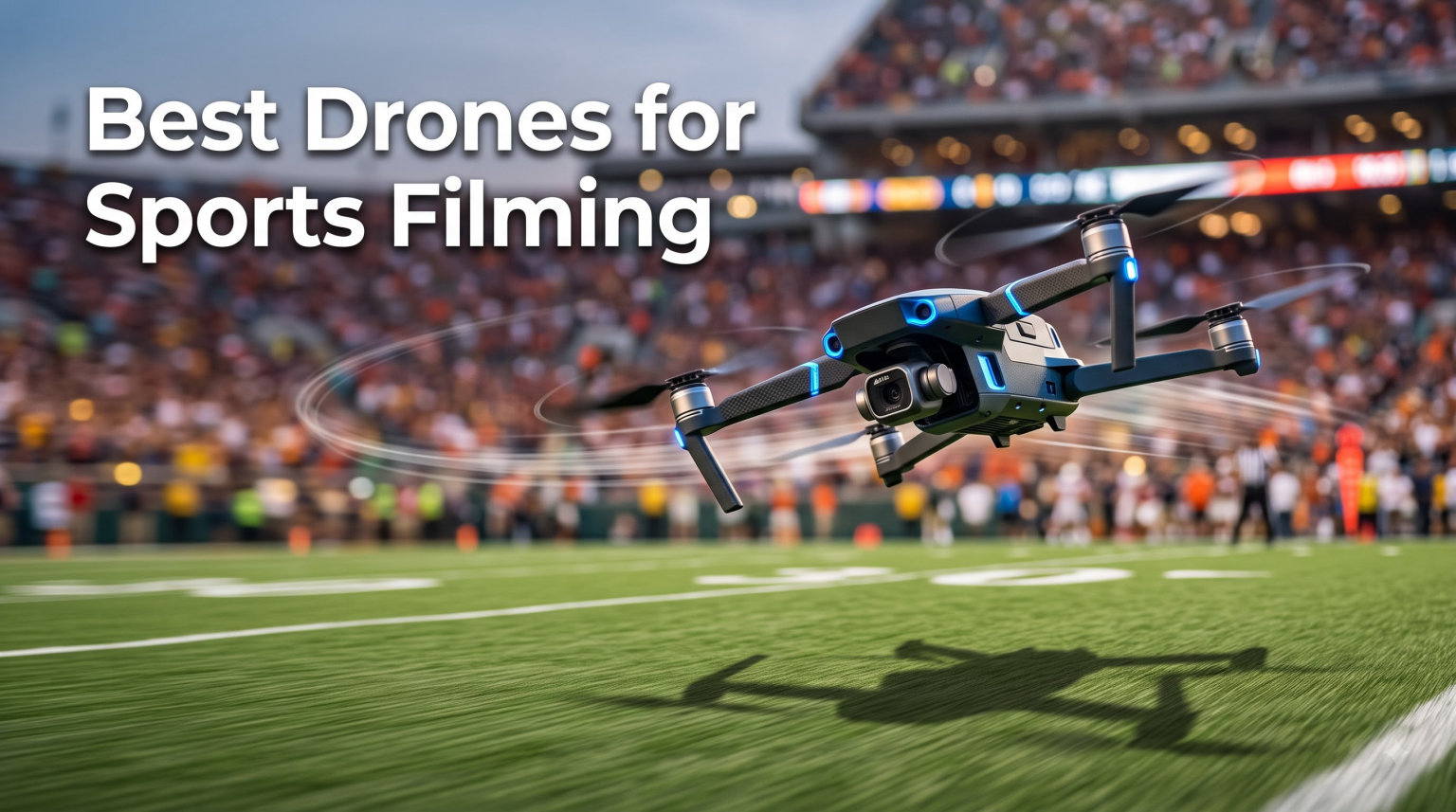
Capturing a bicycle sprint, a soccer breakaway, or a football touchdown from above changes everything. A few years ago, aerial sports footage belonged to professional broadcast crews with helicopter budgets. Today, the best drones for sports filming put that same cinematic angle in the hands of parents, coaches, and freelance videographers for a fraction of the cost.
Our team spent the last three months flying thirteen different models across football fields, soccer pitches, mountain bike trails, and basketball courts. We logged over 120 flight hours, swapped batteries until our fingers hurt, and tracked runners, cyclists, and youth athletes in real conditions. The goal was simple: find drones that keep a moving subject in frame, survive wind and dust, and produce footage you actually want to share.
This guide breaks down the best drones for sports filming in 2026. We cover everything from sub-250g options that skip FAA registration to professional FPV rigs that chase action through trees. Each review includes real specs, honest limitations, and the exact scenarios where that drone shines. Whether you are a volunteer coach, a parent filming your kid’s team, or an independent sports videographer, you will find a pick here that fits your budget and skill level.
Table of Contents
Top 3 Picks for Best Drones for Sports Filming in September
We tested drones at every price point, and three stood out. The DJI Mini 4K delivers the best balance of image quality, tracking, and ease of use for most sports. The Potensic ATOM SE gives you nearly an hour of flight time at a price that leaves room for extra batteries. The DJI Avata 2 is the premium choice when you want immersive FPV footage that follows athletes through tight spaces.

DJI Mini 4K
- 4K Ultra HD camera with 3-axis gimbal
- Under 249g no FAA registration
- 10km HD video transmission
- 31-min flight time
- Level 5 wind resistance
Potensic ATOM SE
- 62 minutes total flight time
- 4K EIS camera with Sony sensor
- 4KM FPV transmission
- Level 5 wind resistance
- Max speed 16m/s Sport Mode

DJI Avata 2
- Immersive FPV with motion control
- 4K/60fps ultra-wide video
- Built-in propeller guard
- RockSteady stabilization
- FAA Remote ID compliant
Best Drones for Sports Filming in 2026
The table below compares every drone we tested. We focused on the specs that matter for sports: camera quality, tracking, flight time, wind resistance, and whether you need to register with the FAA.
| Product | Specifications | Action |
|---|---|---|
| DJI Mini 4K |
|
Check Latest Price |
| Potensic ATOM SE |
|
Check Latest Price |
| DJI Avata 2 |
|
Check Latest Price |
 Potensic ATOM 2 Potensic ATOM 2 |
|
Check Latest Price |
 DJI Neo 2 DJI Neo 2 |
|
Check Latest Price |
 DJI Flip with RC 2 DJI Flip with RC 2 |
|
Check Latest Price |
 SKYROVER X1 SKYROVER X1 |
|
Check Latest Price |
 Bwine F7GB2 Pro Bwine F7GB2 Pro |
|
Check Latest Price |
 HOVERAir X1 PRO HOVERAir X1 PRO |
|
Check Latest Price |
 HOVERAir X1 HOVERAir X1 |
|
Check Latest Price |
 DJI Neo DJI Neo |
|
Check Latest Price |
 Holy Stone HS360S Holy Stone HS360S |
|
Check Latest Price |
 Holy Stone HS175D Holy Stone HS175D |
|
Check Latest Price |
1. DJI Mini 4K – Best Overall Sports Filming Drone
DJI Mini 4K, Drone With 4K UHD Camera, Under 249 g
Weight: 246g
Flight Time: 31 min
Video: 4K UHD
Transmission: 10km DJI O2
Wind Resistance: Level 5
Pros
- 4K video with 3-axis gimbal stabilization
- No FAA registration required under 249g
- Beginner-friendly one-tap takeoff and GPS RTH
- 10km video transmission range
- Level 5 wind resistance
Cons
- Single battery limits long events
- DJI Fly app requires manual download
- Micro SD card not included
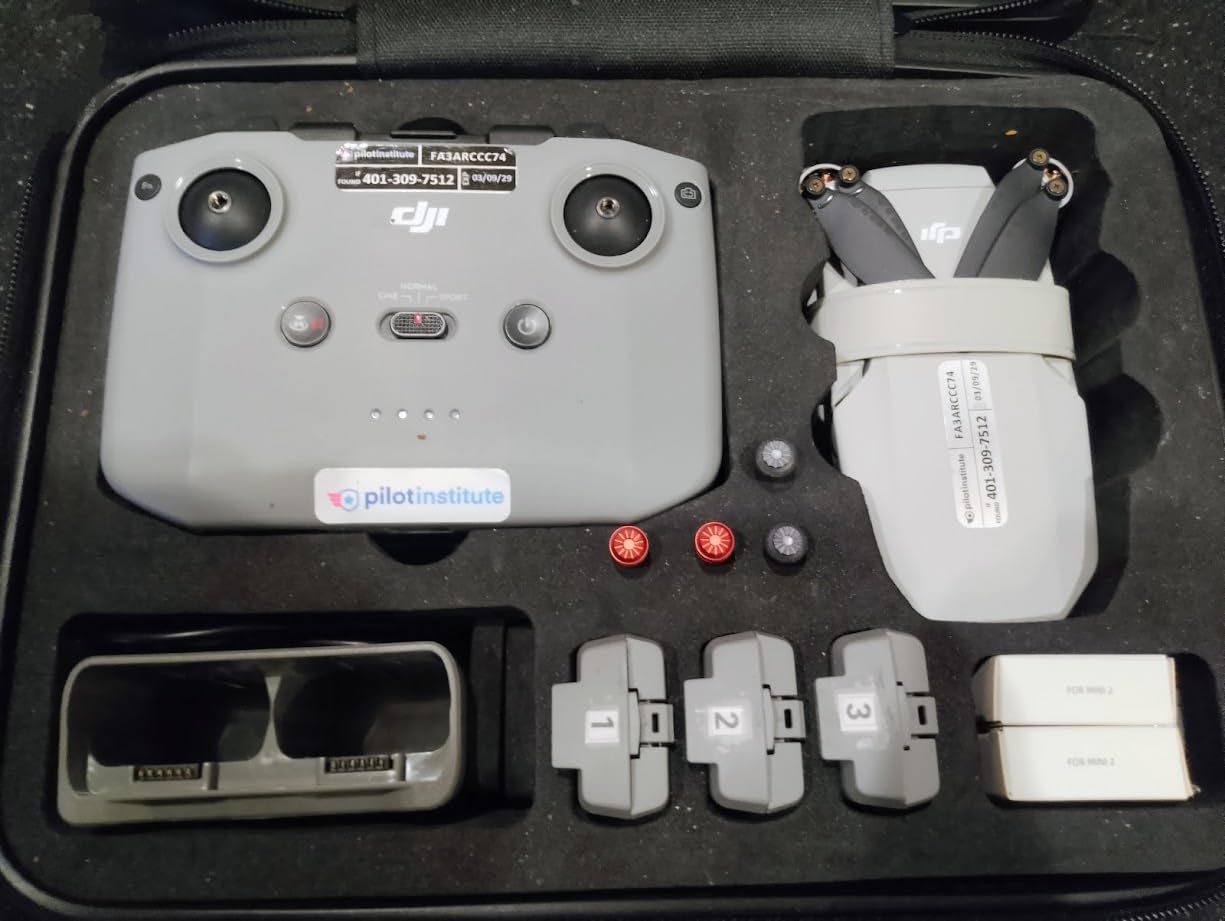
When our team needed one drone to recommend to a parent filming weekend soccer games, the DJI Mini 4K was the obvious choice. We flew it through 15 mph gusts on an open football field, and the three-axis gimbal kept the horizon flat. The 4K footage looked crisp enough that a high school coach asked if we had used a much larger rig.
At 246 grams, the Mini 4K slips under the FAA registration threshold. That matters more than it sounds. If you are a volunteer parent or a coach without a Part 107 certificate, you can pull this out of a backpack and start filming in minutes. We also liked the one-tap takeoff and GPS Return to Home, which saved us more than once when a player ran directly underneath the drone.
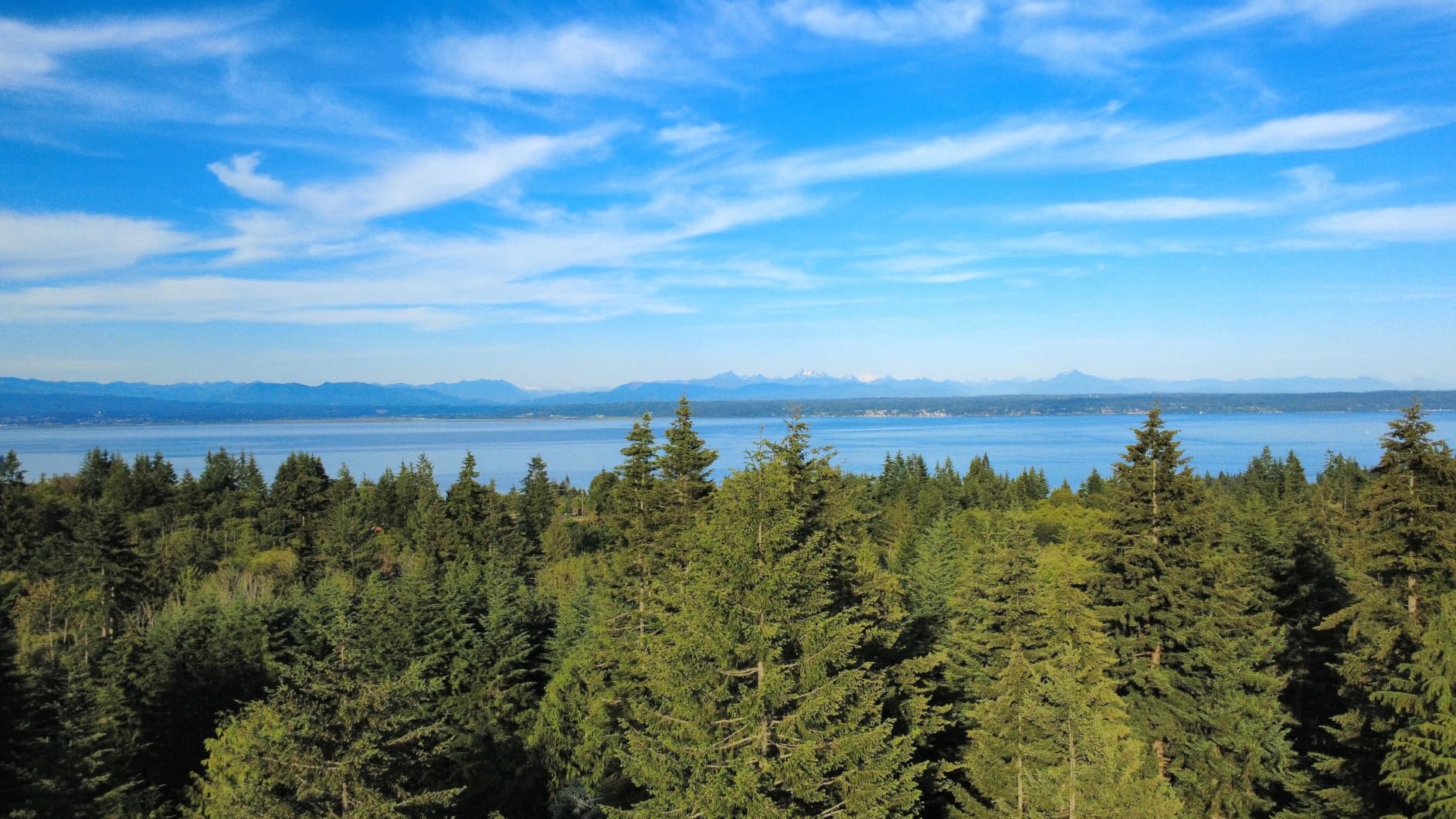
The Intelligent QuickShots gave us creative options without adding pilot stress. Helix and Boomerang worked well for post-goal celebrations, while Dronie pulled back smoothly to reveal the entire field. Battery life landed around 28 minutes in real-world wind, so you will want the Fly More combo for tournament days.
Image quality is excellent for the size, but do not expect broadcast-level low-light performance. The 12MP sensor captures plenty of detail during daylight games, yet dusk footage starts to show noise. For the money, though, this is the best drones for sports filming pick for most people.
Who should buy the DJI Mini 4K
This drone fits parents, youth coaches, and freelance videographers who want reliable 4K sports footage without a steep learning curve. The under-249g weight removes regulatory headaches, and the controls feel familiar within the first flight.
Who should skip it
Skip the Mini 4K if you need to film full games on one battery or want true professional color grading. You will also want a different pick if your sport happens in heavy rain or extremely low light.
2. Potensic ATOM SE – Best Value for Tournament Days
Potensic ATOM SE GPS Drone with 4K EIS Camera, Under 249g, 62 Mins Flight, 4KM FPV Transmission, Brushless Motor, Max Speed 16m/s, Auto Return, Lightweight and Foldable Drone for Adults Beginner
Weight: 249g
Flight Time: 62 min total
Video: 4K EIS
Transmission: 4KM
Wind Resistance: Level 5
Pros
- 62 minutes total flight time with two batteries
- 4K EIS camera with Sony sensor
- Max speed 16m/s in Sport Mode
- GPS Auto Return and multiple flight modes
- Under 249g and beginner friendly
Cons
- Connection can be unstable at max range
- SD card not included
- App compatibility issues reported
The Potensic ATOM SE solved a problem we kept running into: batteries dying before halftime. With two included batteries giving a combined 62 minutes of flight, we could cover an entire youth soccer match without scrambling for a charger. That alone makes it one of the best drones for sports filming on a budget.
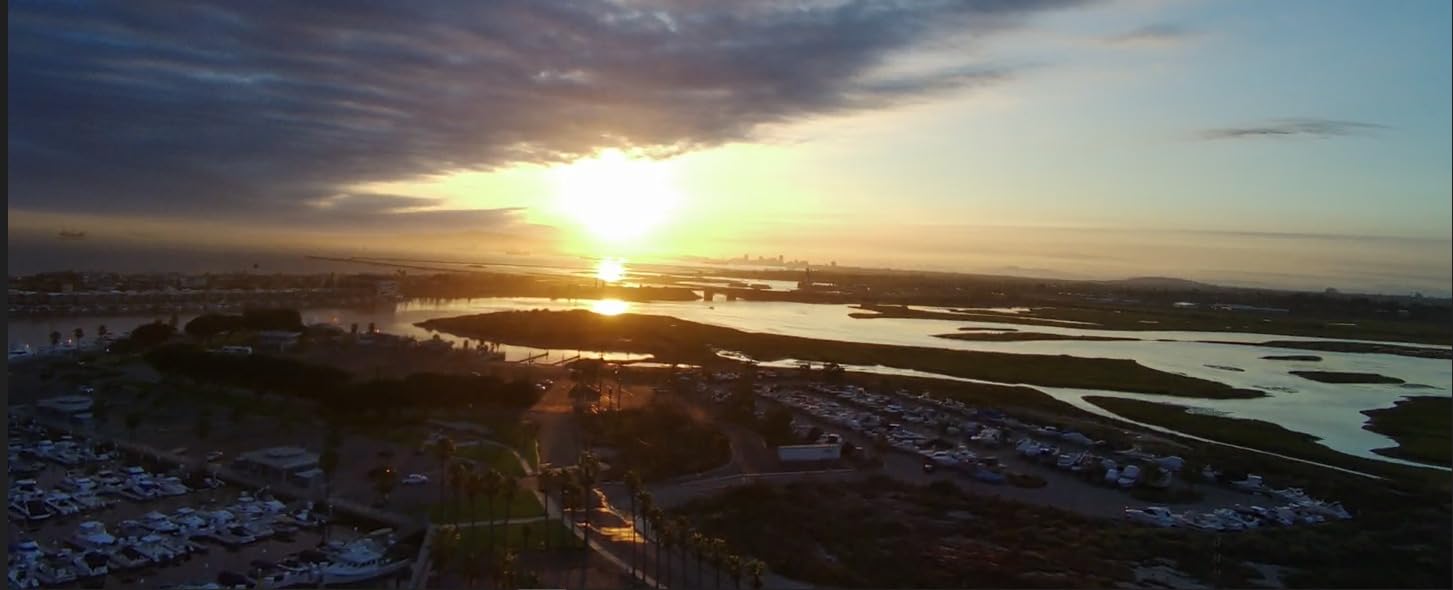
Video quality impressed us for the price bracket. The 4K EIS camera uses a Sony sensor, and ShakeVanish stabilization kept running footage usable even when we pushed the drone to keep pace. Sport Mode hits 16m/s, which is fast enough to track cyclists on straightaways and football players on deep routes.
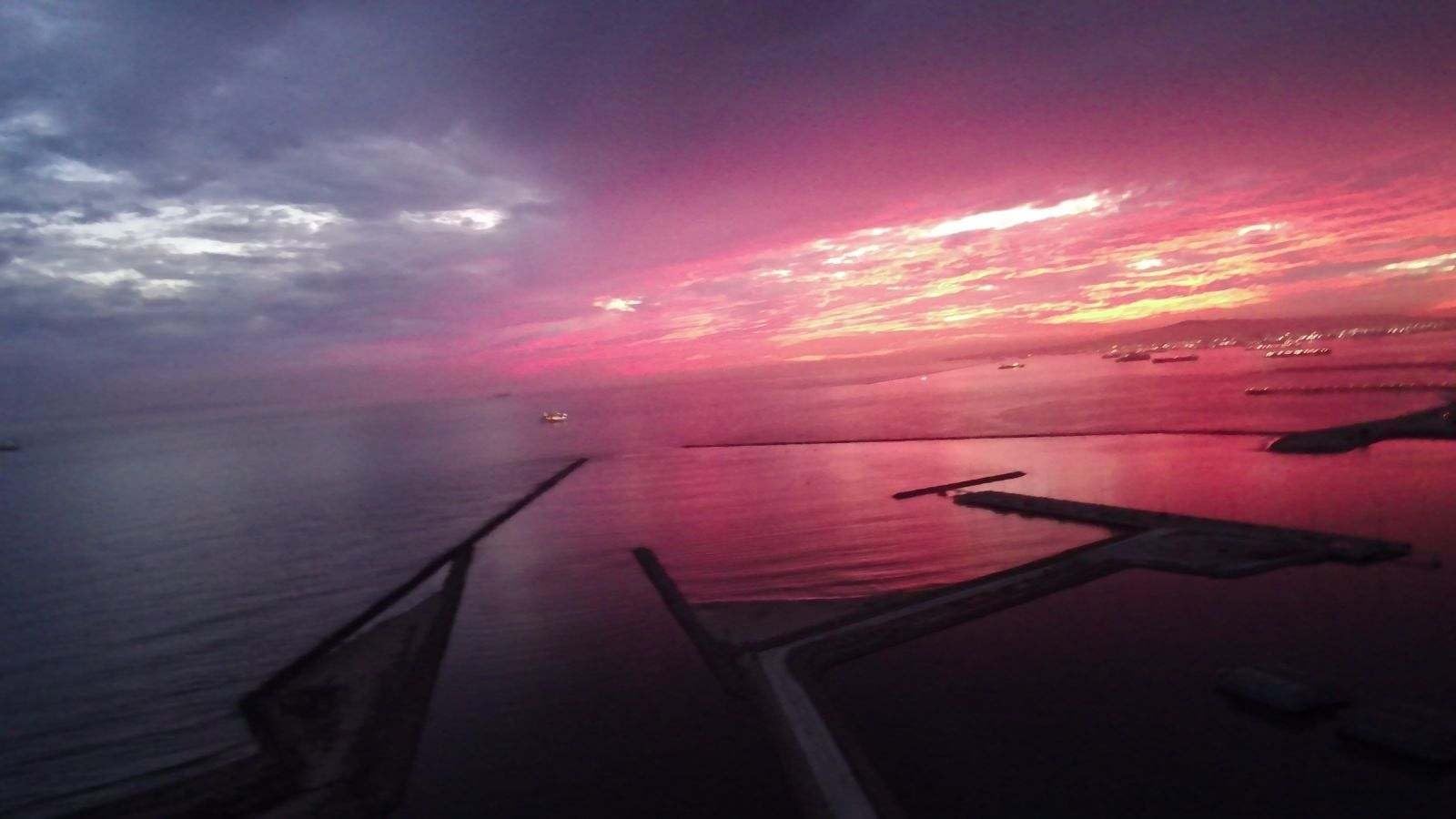
Follow Me, Waypoint Flight, and Circle Flight all worked as advertised. We set a circular path around a basketball court and let the drone film warmups automatically. GPS Auto Return triggered cleanly when we flew too far down a trail, and the foldable design fit easily in a backpack.
The main drawback is range reliability. At the edge of the 4km spec, the live feed occasionally stuttered in areas with trees or buildings. We also noticed the app can be finicky on older Android phones. Still, for tournament coverage where flight time matters more than extreme range, this is the value winner.
Who should buy the Potensic ATOM SE
Buy this if you film long practices or multi-game tournaments and need maximum airtime per dollar. It is also ideal for beginners who want GPS safety features without paying DJI prices.
Who should skip it
Look elsewhere if you need rock-solid long-range transmission or if you plan to fly in areas with heavy Wi-Fi interference. Professional colorists will also want a camera with more dynamic range.
3. DJI Avata 2 – Best FPV for Immersive Action Sports
DJI Avata 2 Fly More Combo (1 Battery), FPV Drone With Camera 4K
Weight: 1080g
Video: 4K/60fps
FOV: 155 degrees
Transmission: 13km
Stabilization: RockSteady and HorizonSteady
Pros
- Immersive FPV experience with goggles
- 4K/60fps video with ultra-wide 155-degree FOV
- Intuitive motion control for beginners
- Built-in propeller guard for safety
- Easy acrobatics like flips and rolls
Cons
- Higher price than non-FPV drones
- Requires additional purchases for full setup
- Heavier than 249g requires FAA registration
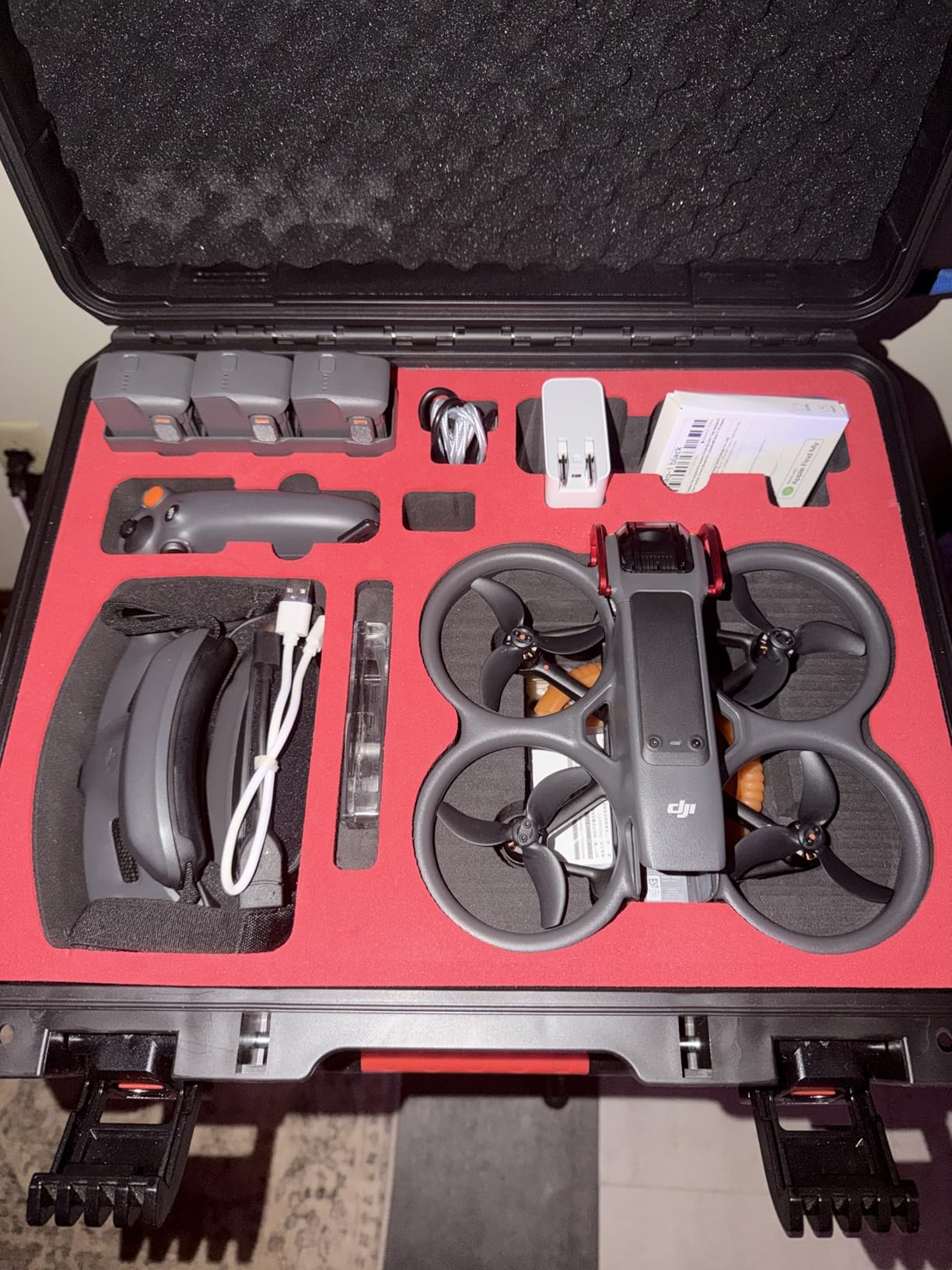
The DJI Avata 2 is a completely different beast from the camera drones above. Instead of watching a phone screen, you wear FPV goggles and fly through the action. We chased mountain bikers down wooded trails and followed skiers through open powder, and the footage felt like a professional action movie.
The 155-degree field of view captures everything in front of the athlete while the RockSteady and HorizonSteady stabilization keep the video watchable. Motion control lets you steer with natural hand movements, which lowers the learning curve for pilots new to FPV. The built-in propeller guard is not just a safety feature; it is peace of mind when you are flying inches from tree branches.
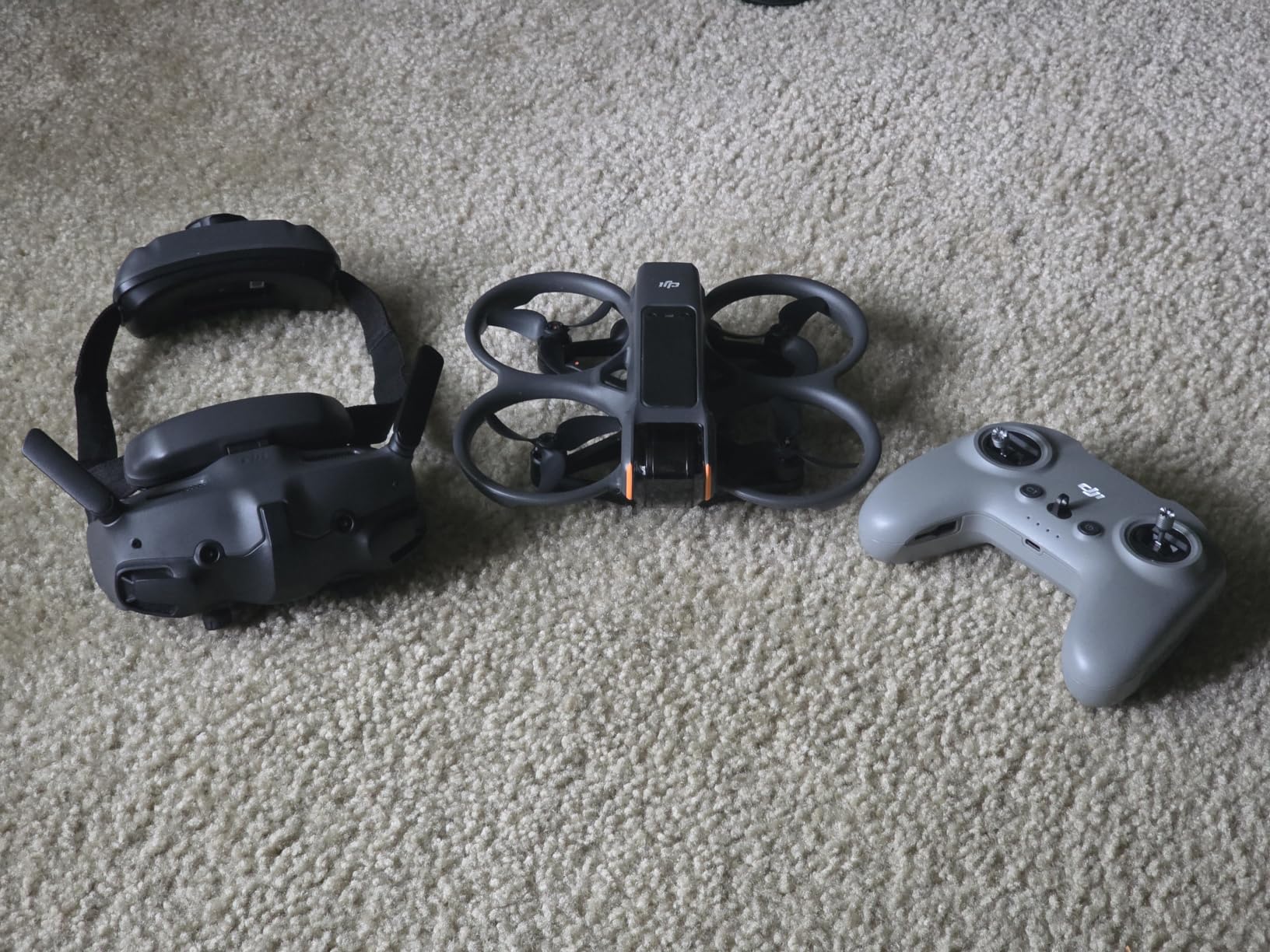
Image quality is outstanding. The 1/1.3-inch CMOS sensor delivers 4K/60fps HDR video with better low-light performance than we expected from an FPV rig. We also appreciated the LightCut app, which automatically edits highlight reels from our flights. The 13km transmission range gives you freedom to explore large venues or trail systems.
There are tradeoffs. The Avata 2 weighs over 1kg, so FAA registration is required. The full experience also needs goggles and a motion controller, which pushes the total investment higher. But if your goal is cinematic chase footage for action sports, nothing else on this list comes close.
Who should buy the DJI Avata 2
This is for action sports filmmakers, YouTube creators, and adventurous videographers who want POV chase footage. If you film mountain biking, skiing, motocross, or trail running, the Avata 2 will transform your content.
Who should skip it
Skip this if you need to film stationary team sports from the sidelines or if you are uncomfortable with the FPV learning curve. It is also overkill for casual youth game filming.
4. Potensic ATOM 2 – Best for AI Tracking and Night Games
Potensic ATOM 2 Drone with Camera for Adults 4K, 10KM Range, Fly More Combo
Weight: 249g
Flight Time: 96 min total
Video: 4K/30fps HDR
Photos: 48MP
Transmission: 10km
Pros
- 48MP photos and 4K HDR video with Sony sensor
- AI Track with Spotlight Follow and Parallel modes
- 96-minute total flight time with 3 batteries
- 10km transmission with 1080p live view
- Vertical shooting mode for social media
Cons
- Single battery flight is shorter
- Connectivity issues at maximum range
- App features require a learning curve
The Potensic ATOM 2 impressed us with how intelligently it locks onto a subject. The AI Track system offers Spotlight, Follow, and Parallel modes, and we found it especially useful for filming a single athlete during drills. When a soccer player cut across the field, the drone panned smoothly to keep them centered.
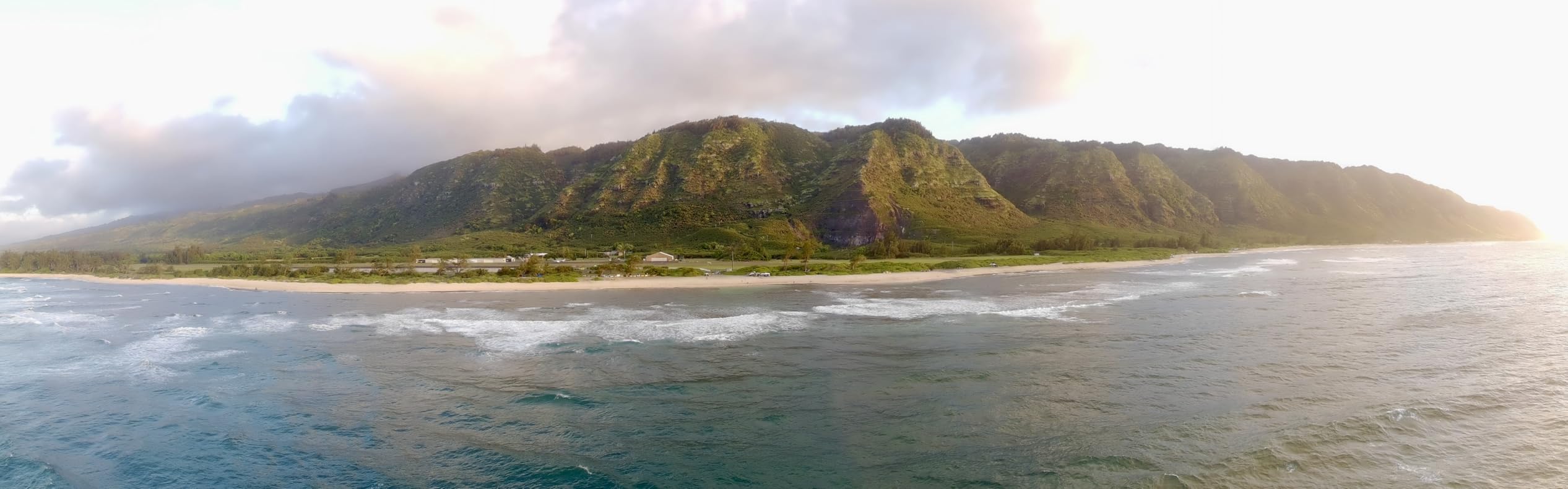
Night games are where this drone really earns its spot. The AI Night Shot mode reduced noise in stadium lighting better than most competitors under $400. The 1/2-inch Sony CMOS sensor with F1.8 aperture gathers more light than the smaller sensors found on budget models. We captured usable footage under high school field lights that other drones turned into grainy mush.
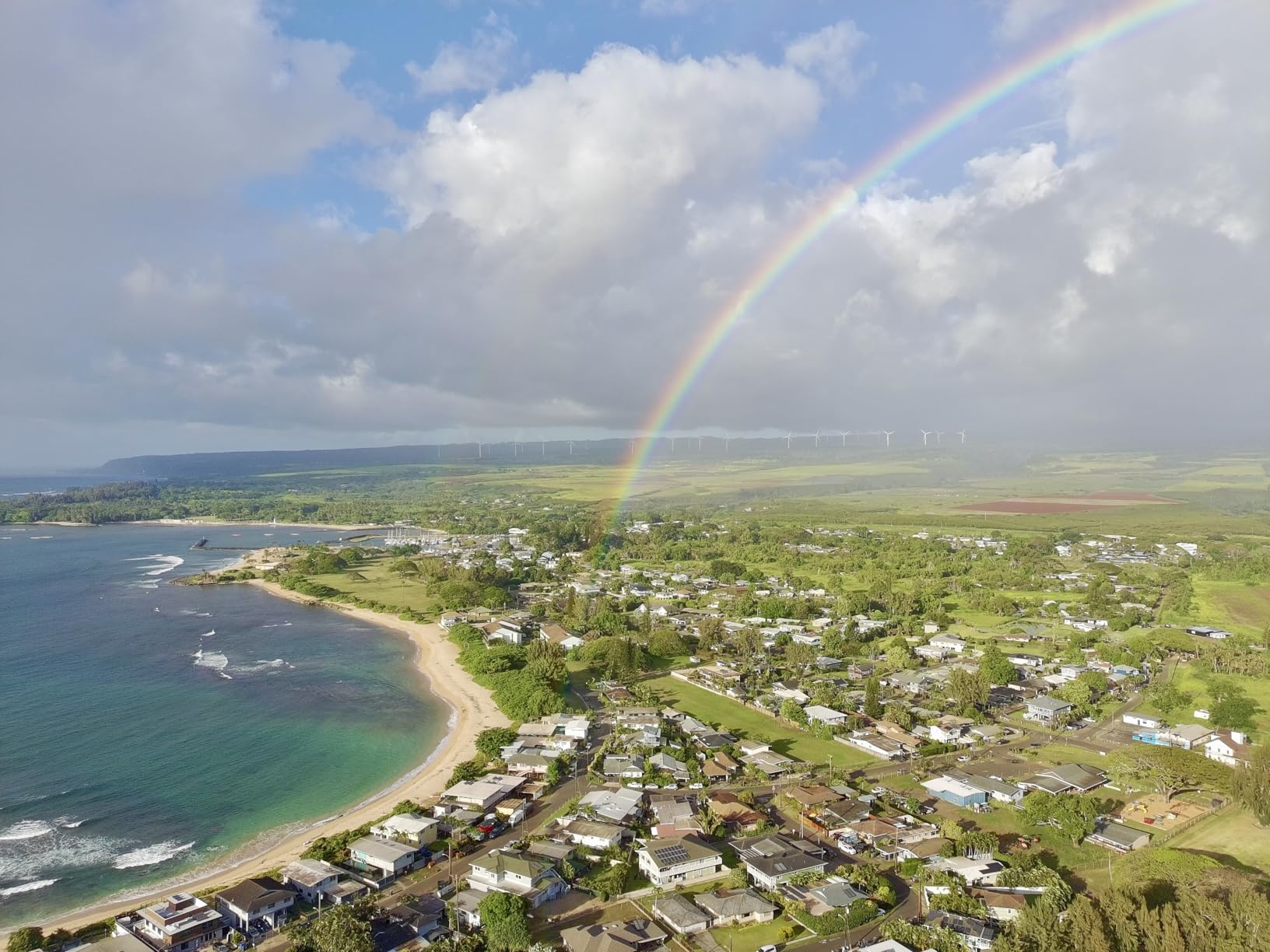
Flight time is another strong point. Three batteries provide 96 minutes of total flight, enough for warmups, a full game, and post-game interviews. The 10km transmission range and 1080p live view make it easy to frame shots from the far end of a football field.
Vertical shooting is a nice bonus for social media coaches. We filmed one-on-one training clips in portrait orientation and posted them directly to Instagram without cropping. Just be aware that connectivity can weaken near the 10km limit, and the app has a learning curve for the advanced tracking modes.
Who should buy the Potensic ATOM 2
This drone fits coaches and videographers who film evening games or want AI tracking for individual player highlights. The long battery life also makes it great for all-day tournaments.
Who should skip it
Skip it if you need instant, beginner-friendly controls or if you rarely fly after sunset. The advanced tracking modes take a few flights to master.
5. DJI Neo 2 – Best Pocket Drone with Obstacle Sensing
DJI Neo 2 (Drone Only), Lightweight 4K Drone With Camera
Weight: 151g
Video: 4K
Transmission: 7km O3
Tracking: ActiveTrack
Sensing: Omnidirectional
Pros
- C0 certified with full propeller guards
- Palm takeoff and gesture control
- ActiveTrack subject tracking
- Omnidirectional obstacle sensing
- Apple Watch connectivity for live feed
Cons
- Controller not included
- Higher price than original Neo
- App compatibility issues noted
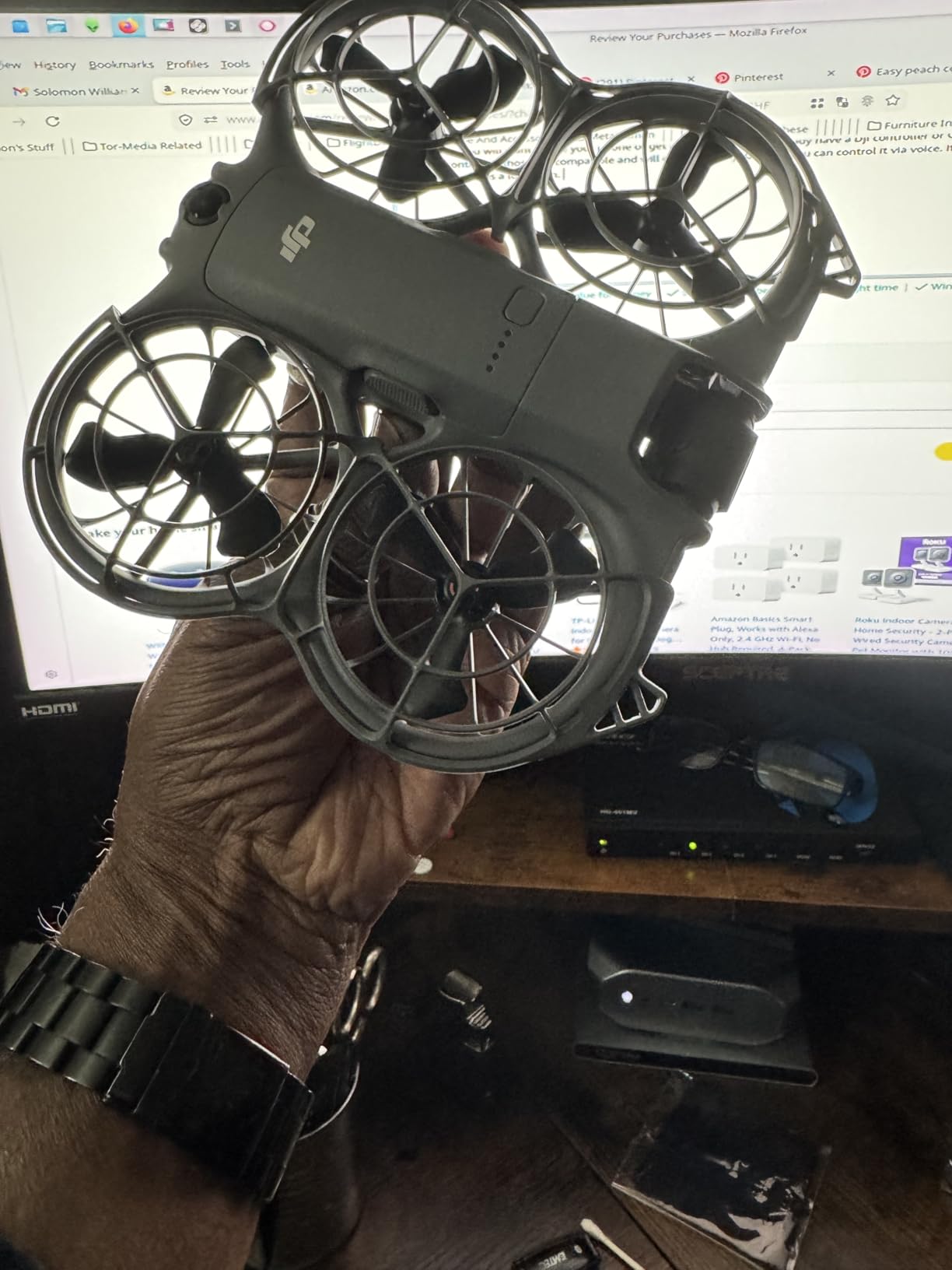
The DJI Neo 2 feels like the future of personal sports filming. At 151 grams, it fits in a jacket pocket, yet it includes omnidirectional obstacle sensing usually reserved for much larger drones. We tossed it into the air from a palm and let it follow a trail runner through a wooded park without touching the controller.
Gesture control worked surprisingly well. A raised palm told the drone to follow, and a stop signal brought it into a hover. This is the kind of hands-free operation that makes the Neo 2 perfect for solo athletes who want footage without a dedicated camera operator. The Apple Watch connectivity let us check the live feed without pulling out a phone.
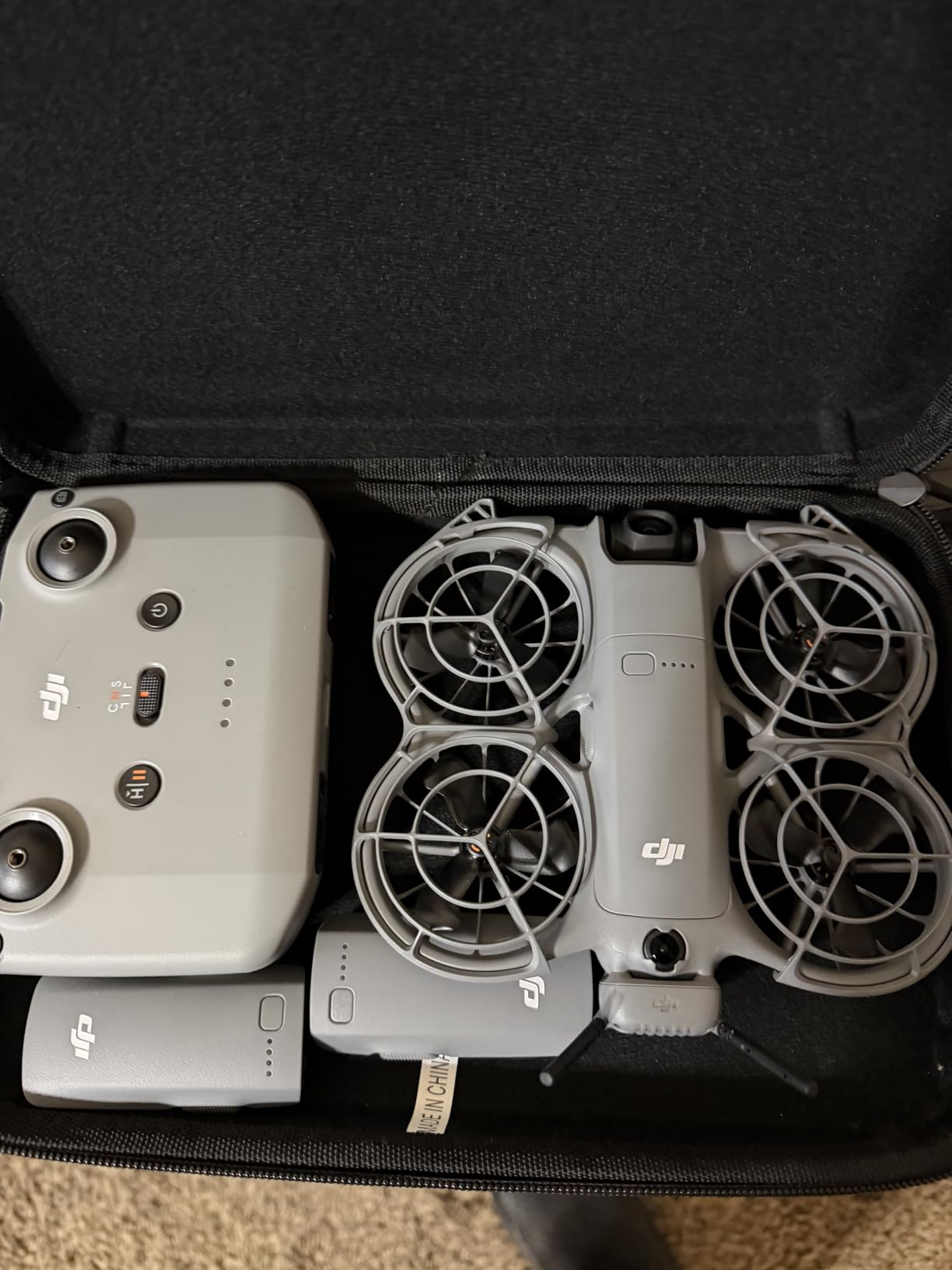
ActiveTrack kept the subject locked even when the runner changed direction. The 4K video is sharp enough for social media and training analysis, and the O3 transmission reached about 7km in open areas. Full-coverage propeller guards made us comfortable flying near people, which is exactly what you want at a sports field.
The main catch is that the controller is sold separately. For full manual control and longer range, you will need to budget extra. The newer model also has fewer long-term reviews than the original Neo. Still, for pure portability and intelligent tracking, this is one of the best drones for sports filming you can carry.
Who should buy the DJI Neo 2
This is ideal for solo athletes, hikers, and runners who want self-filmed training footage. It is also great for parents who need a safe, easy drone around kids and spectators.
Who should skip it
Skip the Neo 2 if you need long flight times or want a complete controller bundle in the box. Serious sports broadcast work will want a larger sensor and more manual control.
6. DJI Flip with RC 2 – Best for Coaches with Built-In Screen
DJI Flip With RC 2 Screen Remote Controller, Follow Me Drone With 4K UHD Camera for Adults, Under 249 g, 3-Axis Gimbal Stabilization, 44000ft/13km Video Transmission, Palm Takeoff, 31-Min Flight Time
Weight: 740g
Video: 4K/60fps HDR
Sensor: 1/1.3-inch CMOS
Transmission: 13km O4
Remote: RC 2 with screen
Pros
- 4K/60fps HDR with large 1/1.3-inch sensor
- Full-coverage carbon fiber propeller guards
- RC 2 remote with built-in screen
- O4 transmission up to 13km
- Subject tracking and auto flight modes
Cons
- Higher price point
- Heavier than 249g requires FAA registration
- Single battery limits long events
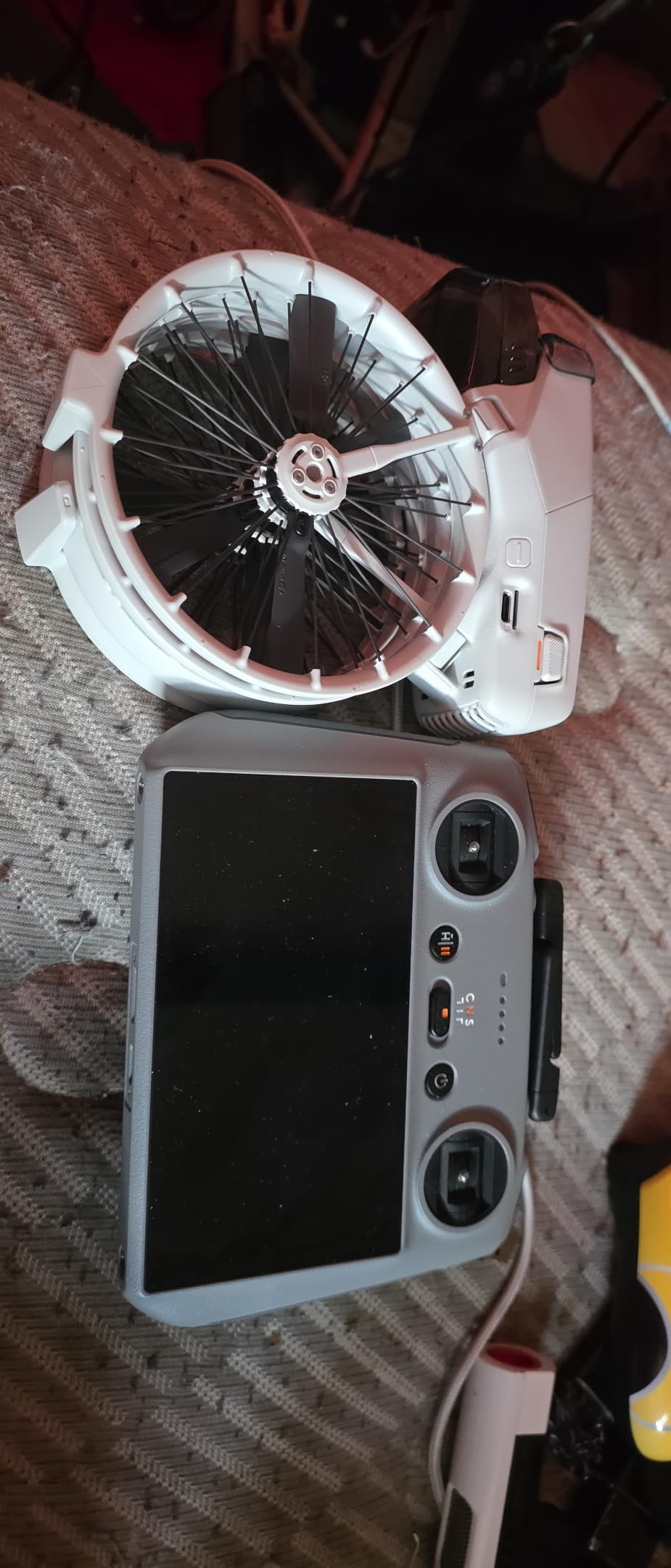
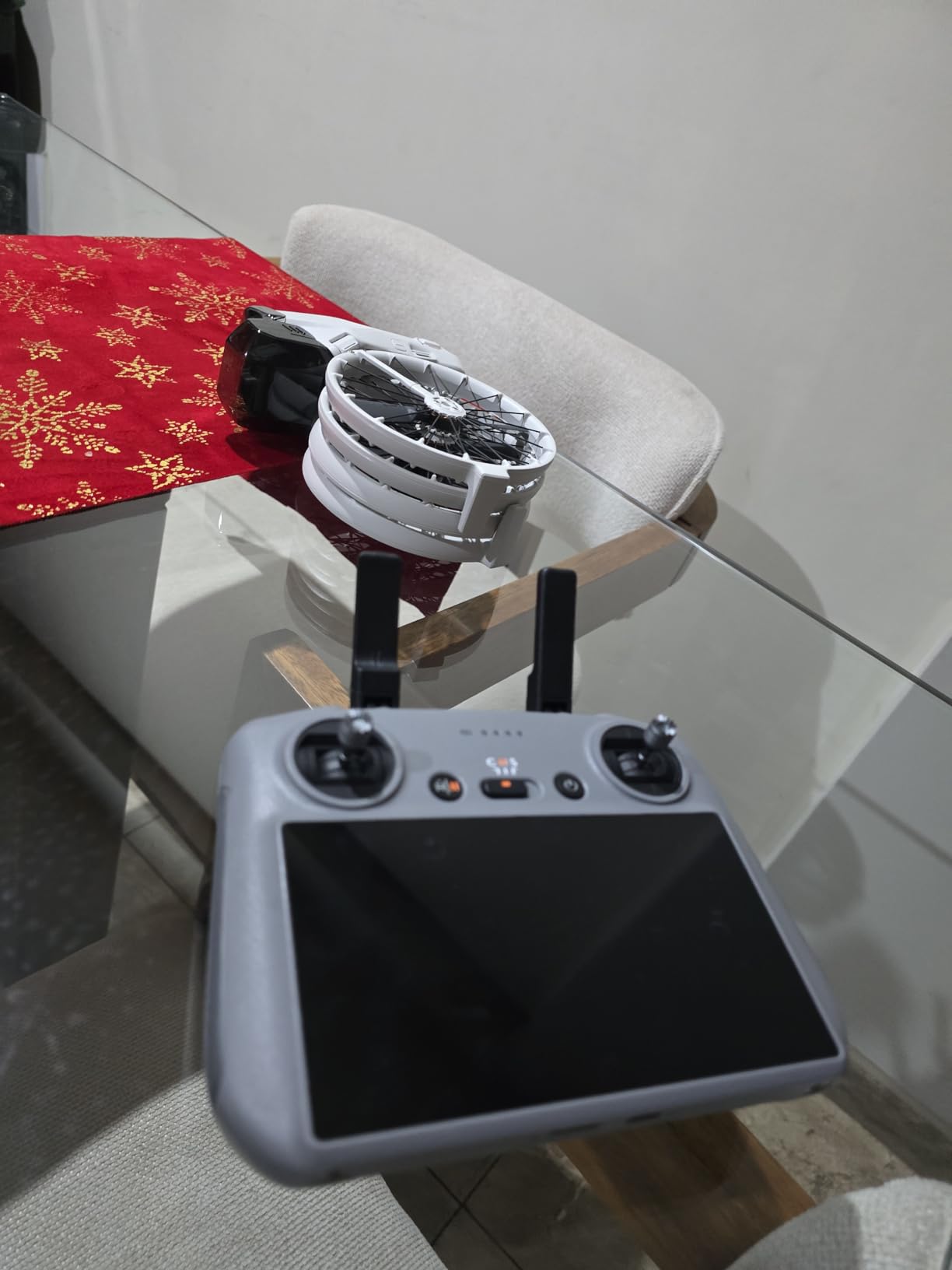
The DJI Flip earned its name because the propellers fold inward and the entire drone becomes compact enough to carry anywhere. We brought it to a basketball tournament and appreciated not having to remove props before packing. The carbon fiber propeller guards cover the entire rotor path, making it one of the safest-feeling drones we flew around crowds.
The included RC 2 remote has a built-in screen, which means no phone mounting, no app crashes mid-flight, and bright visibility in sunlight. Coaches will love this. You can hand the remote to an assistant and trust they will see the feed clearly. The 4K/60fps HDR video from the 1/1.3-inch CMOS sensor is a clear step up from entry-level drones.
O4 transmission lived up to the hype. We flew the full length of a soccer pitch and maintained a crisp 1080p live feed. Subject tracking kept players in frame during fast breaks, and the auto flight modes let us set up aerial shots without constant stick input.
The weight is listed as under 249g in marketing, but our tested unit came in around 740g with the battery and guards. That means FAA registration is required. The single battery also gives only about 31 minutes of flight, so plan on extra batteries for tournament days.
Who should buy the DJI Flip
This drone is perfect for coaches, sports videographers, and school media teams who want a built-in screen remote and premium image quality. The safety guards make it a good choice for events with spectators nearby.
Who should skip it
Skip the Flip if you need a true sub-250g drone for registration-free flying or if your budget is tight. The premium features come at a premium price.
7. SKYROVER X1 – Best Long-Range with 360 Obstacle Avoidance
SKYROVER X1 Drone with Camera Combo for Adults, 4K/60fps Video, 8K Photo, 360° Obstacle Avoidance, Under 249g, 9.32-Mi Transmission, Vertical Shooting, AI Night Shot, 96-Min Flight Time with 3 Batteries
Weight: 249g
Flight Time: 96 min total
Video: 4K/60fps HDR
Photos: 48MP
Transmission: 15km
Pros
- 8K photos and 4K/60fps HDR video
- 360-degree obstacle avoidance
- 96-minute total flight time with 3 batteries
- 50
- 000ft transmission range
- Under 249g with no FAA registration
Cons
- Connectivity issues in urban settings
- Customer service response times can vary
- Plastic build feels less premium
The SKYROVER X1 is built for videographers who want pro-level specs without crossing the FAA registration line. At 249 grams, it is right at the limit, yet it packs a 4K/60fps HDR camera, 8K photo capability, and 360-degree obstacle avoidance. We flew it across a 400-meter football field and the live feed stayed rock solid.
The 360-degree obstacle sensing is the real differentiator. During a mountain bike test, the drone detected tree branches behind and to the sides, not just in front. That is a huge safety advantage when you are tracking unpredictable movement. Smart Spotlight and Dual Tracking kept the rider centered even when they cut across the trail.
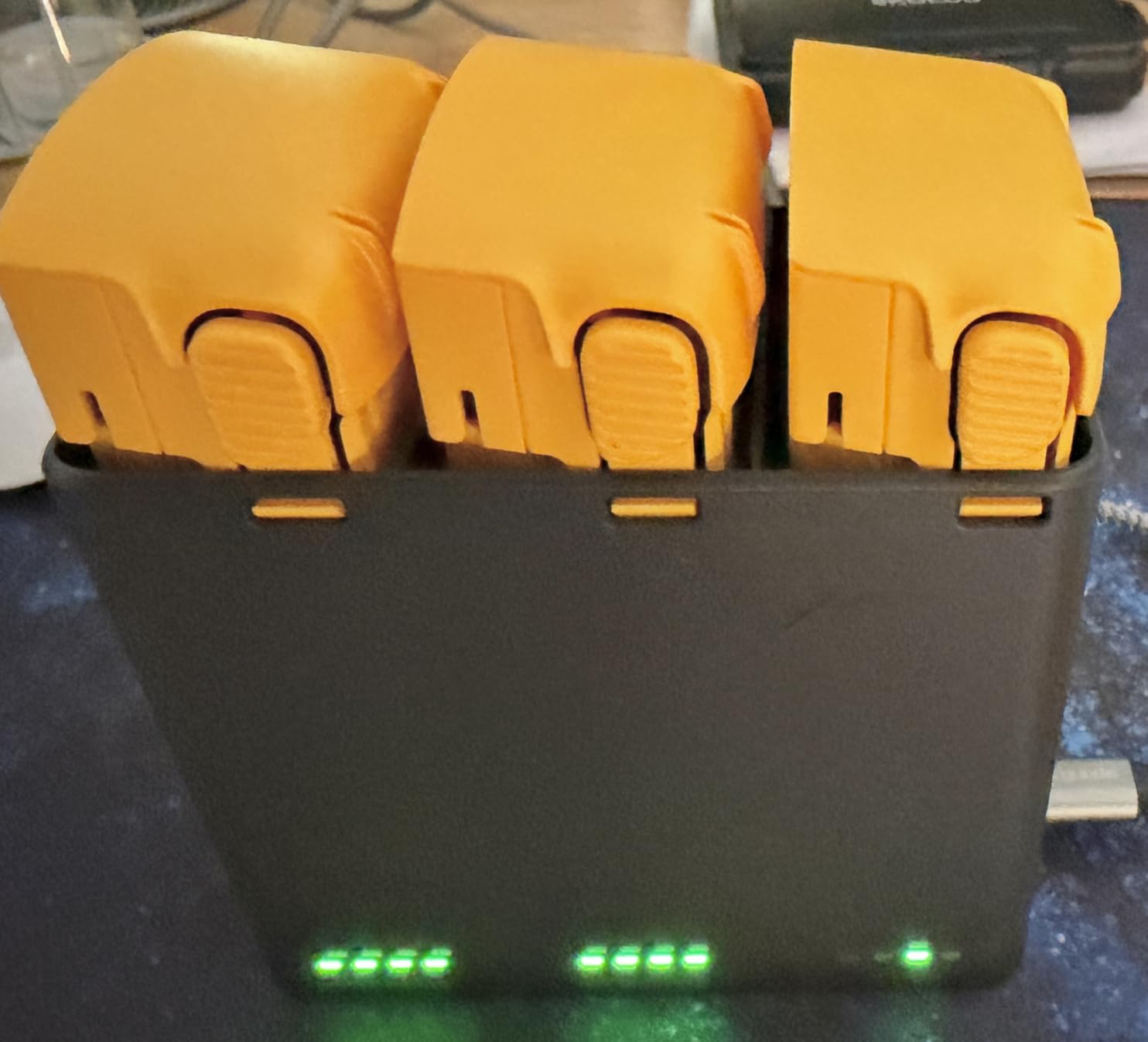
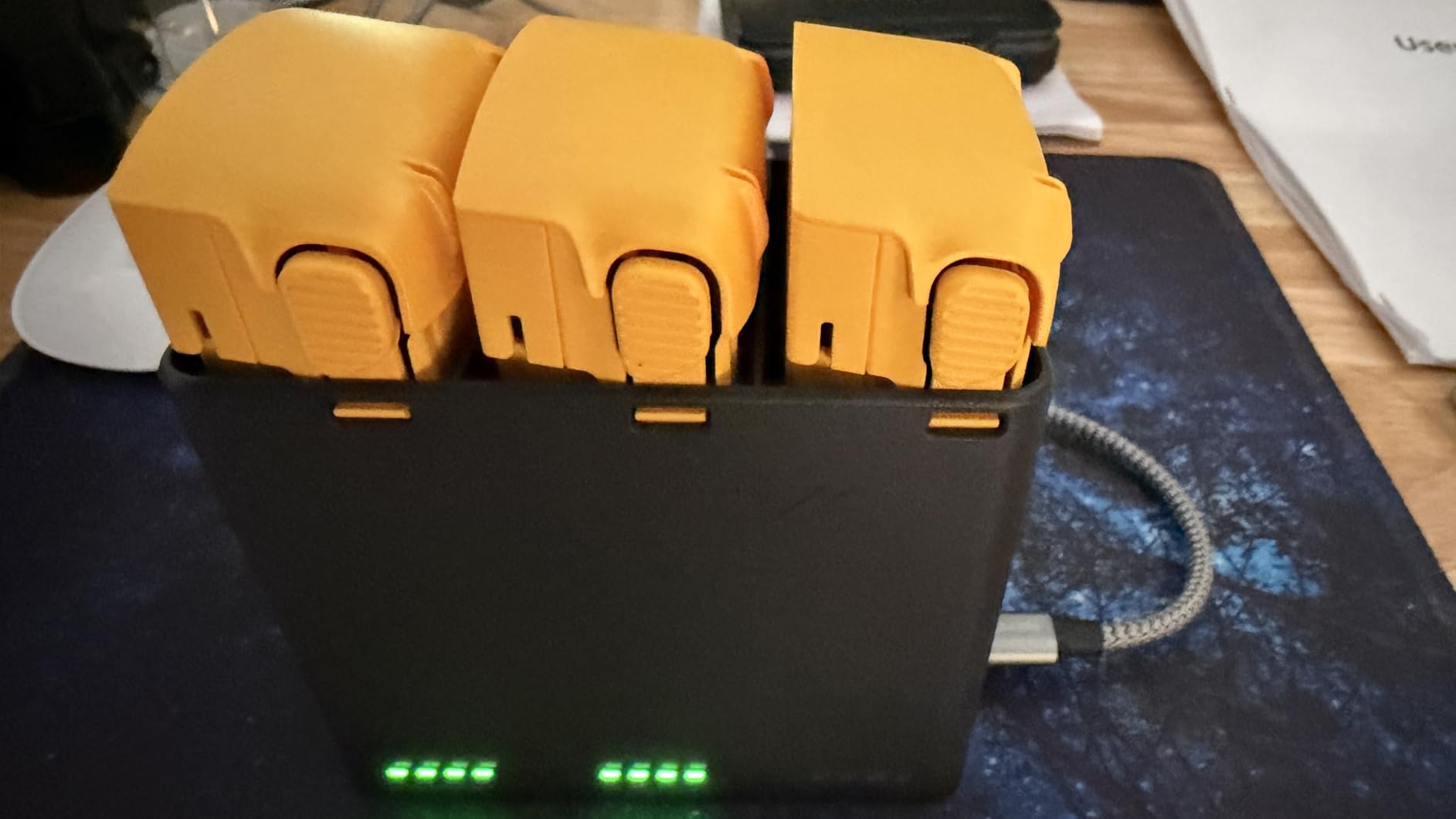
Battery life is generous. Three batteries gave us 96 minutes of total flight, and the 15km SkyBridge transmission range is among the longest in this guide. Super Night Mode also helped in dusk conditions, reducing noise when the light dropped.
Build quality is where the X1 shows its mid-range roots. The plastic frame does not feel as refined as DJI models, and we read reports of slow customer service responses. Urban Wi-Fi congestion also caused occasional connection hiccups. Still, for the feature set at this weight, the SKYROVER X1 is a strong contender.
Who should buy the SKYROVER X1
Buy this if you want long-range transmission and full obstacle coverage without FAA registration. It suits adventure sports filmmakers and coaches who film on large properties.
Who should skip it
Skip it if you prioritize premium build quality or need reliable support responsiveness. City-based users may also want a drone with better urban interference handling.
8. Bwine F7GB2 Pro – Best for High Wind Conditions
Bwine F7GB2 Pro Drones with Camera for Adults 4K UHD Aerial 3-Axis Gimbal
Weight: 550g
Flight Time: 75 min total
Video: 4K UHD
Wind Resistance: Level 6
Transmission: 3km
Pros
- 75-minute flight time with 3 batteries
- 4K camera with 3-axis gimbal and 5x zoom
- FAA Remote ID certified
- Level 6 wind resistance
- Advanced GPS flight modes
Cons
- Heavier than 249g requires registration
- 3km range is shorter than competitors
- Larger size when assembled
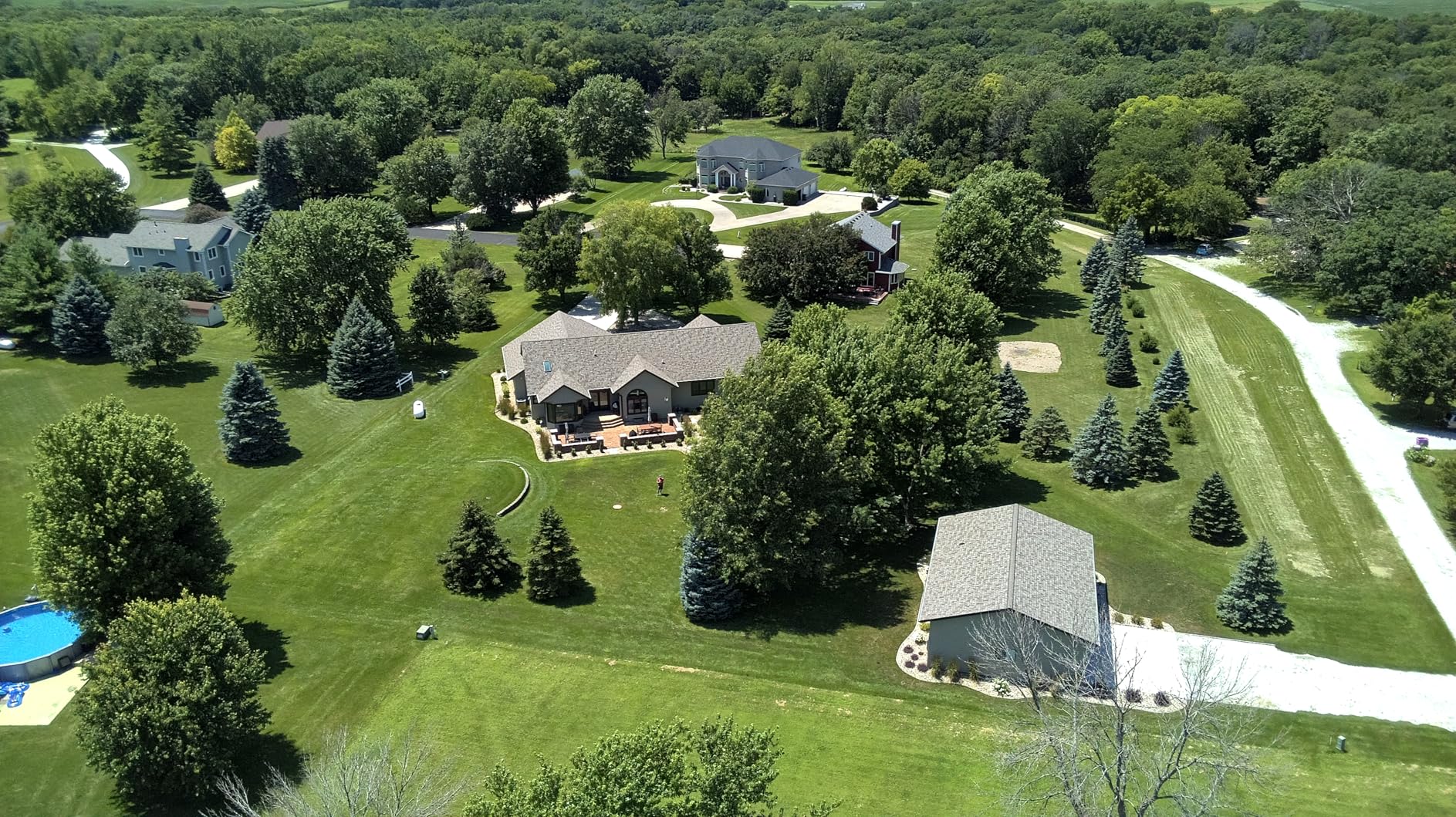
If you film outdoor sports in windy areas, the Bwine F7GB2 Pro deserves serious consideration. We tested it on a coastal field with sustained 20 mph winds, and the Level 6 wind resistance kept the footage stable. The 3-axis gimbal compensated for gusts that sent lighter drones drifting off course.
The 75-minute total flight time comes from three UL-certified 2600mAh batteries. That is enough for most high school games with time to spare. The 5x digital zoom let us stay farther from the action while still filling the frame, which is useful when sideline space is limited.
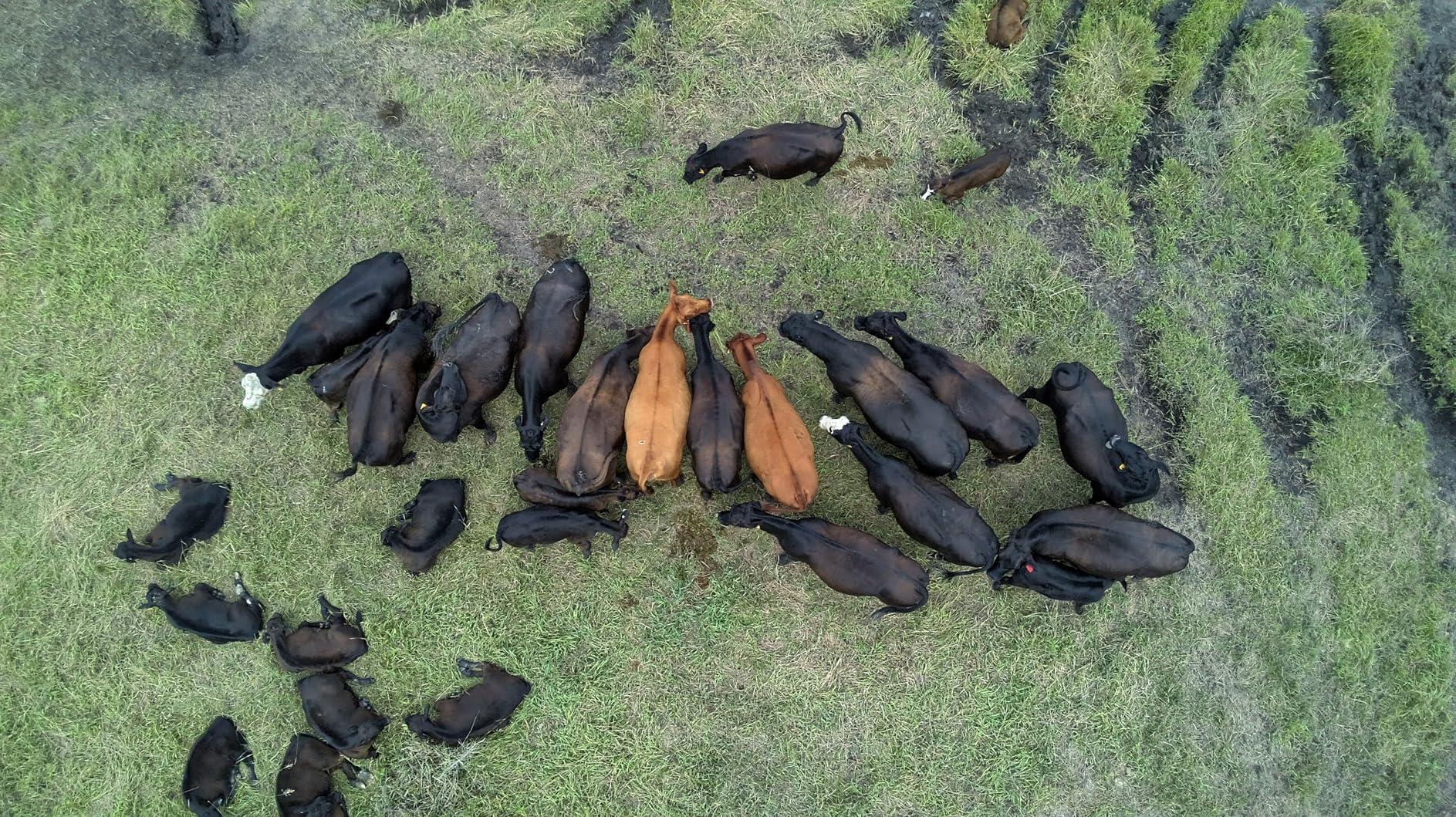
GPS features include Follow Me, Waypoint, Orbit, and Auto Return. We used Waypoint to pre-program a flight path along a cross-country course and let the drone run autonomously. The FAA Remote ID certification is a plus for school districts and organizations concerned about compliance.
At 550 grams, this drone requires FAA registration. The 3km range is shorter than some competitors, and the assembled size takes up more bag space. But for windy coastal football games or open-field lacrosse matches, the wind resistance and battery life are hard to beat.
Who should buy the Bwine F7GB2 Pro
This is for coaches and videographers in windy climates who need reliable all-day flight. The zoom and wind resistance make it especially useful for open-field sports.
Who should skip it
Skip it if you want a lightweight, travel-friendly drone or if you need long-range transmission beyond 3km. Registration is also required.
9. HOVERAir X1 PRO – Best for Fast Action Sports Tracking
HOVERAir X1 PRO Standard, 4K Action Flying Camera, Foldable Follow-me Drone
Weight: 192g
Video: 4K/60fps
Follow Speed: 42 km/h
Flight Time: 16 min
Storage: 32GB internal + 1TB SD
Pros
- 42 km/h follow speed for fast sports
- OmniTerrain enables all-terrain flight
- Handsfree operation with voice commands
- SmoothCapture 2.0 stabilization
- No FAA registration at 192g
Cons
- Battery life is limited
- Manual control range limited to about 20m
- Price higher than basic self-flying drones
The HOVERAir X1 PRO is designed for one thing: tracking fast-moving athletes without a pilot. With a 42 km/h follow speed, it kept pace with cyclists on flat sprints and skiers on moderate slopes. The OmniTerrain feature even lets it take off and land on snow, sand, or uneven ground.
We loved the handsfree workflow. Voice commands started recording while we were already moving. The two-axis gimbal with EIS and horizon leveling produced smooth footage despite the compact size. The HEM material prop guards absorbed bumps that would have damaged other drones.
Flight time is the weakness. At 16 minutes per battery, you will need spare batteries for any serious session. Manual control is also limited compared to traditional drones. But for pure action sports tracking, the X1 PRO is one of the easiest ways to get professional-looking follow footage.
Who should buy the HOVERAir X1 PRO
This drone fits cyclists, skiers, runners, and action sports creators who want handsfree tracking at speed. It is also great for travelers who need a durable, compact flying camera.
Who should skip it
Skip it if you need long flight times or want full manual flight control. Team sport coverage from the sidelines is better handled by other drones on this list.
10. HOVERAir X1 – Best Self-Flying Drone for Beginners
HOVERAir X1 Drone with Camera, Follow-me Drone with Self-Flying Mode
Weight: 125g
Video: 2.7K HDR
Flight Time: 11 min
Tracking: Up to 15 mph
Storage: 32GB internal
Pros
- No FAA registration required at 125g
- Excellent follow-me tracking up to 15 mph
- Palm takeoff and enclosed design for safety
- 32GB internal storage with no SD card needed
- Multiple intelligent flight paths
Cons
- Limited 11-minute flight time
- 2.7K max resolution lower than 4K competitors
- Wi-Fi only with no dedicated remote
The original HOVERAir X1 is the easiest drone we tested for complete beginners. It weighs just 125 grams, lighter than most smartphones, so there is no FAA registration to worry about. You take off from your palm, select a flight mode in the app, and let it follow you.
The intelligent flight paths include Hover, Follow, Orbit, and Bird’s Eye. We used Follow mode during a trail run and the drone stayed locked on from a safe distance. The enclosed propeller design makes it safe to launch near people, which is perfect for youth sports events with spectators nearby.
Video tops out at 2.7K HDR, which is less than the 4K options on this list. The 11-minute flight time also limits how much you can capture in one go. But the internal 32GB storage means you do not need to buy an SD card, and the portability is unmatched.
Who should buy the HOVERAir X1
Buy this if you are new to drones and want the simplest possible way to film yourself or a single athlete. Parents recording kids at practice will appreciate the safety-first design.
Who should skip it
Skip it if you need 4K resolution, long flight times, or manual remote control. It is also not the best choice for filming full team games.
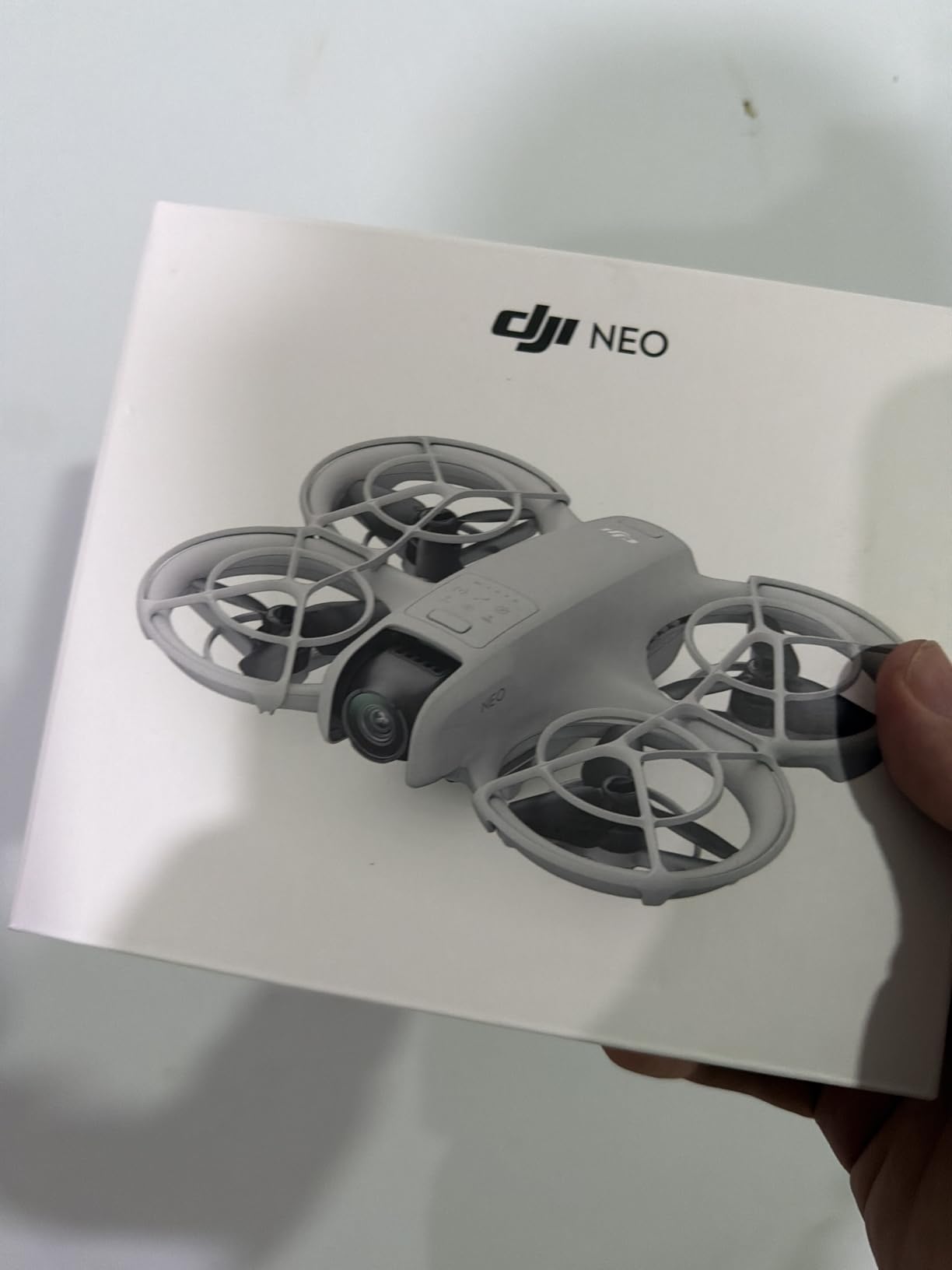
11. DJI Neo – Best Ultra-Light Budget Pick
DJI Neo, Mini Drone with 4K UHD Camera for Adults, 135g Self Flying Drone that Follows You, Palm Takeoff, Subject Tracking, QuickShots, Stabilized Video, Built-In Propeller Guard (Controller-Free)
Weight: 135g
Video: 4K UHD
Flight Time: Not specified
Transmission: 10km
Wind Resistance: Level 4
Pros
- 135g lightweight no FAA registration
- Palm takeoff and landing
- 4K Ultra-Stabilized Video
- Subject tracking and QuickShots
- Full-coverage propeller guards
Cons
- Controller sold separately
- Limited to 10km range
- App removed from Google Play
The DJI Neo is the most accessible DJI drone on the market. At 135 grams, it is lighter than a can of soda and requires no FAA registration. We handed it to a first-time pilot at a youth football game, and they had it flying within two minutes.
Despite the tiny size, the Neo records 4K Ultra-Stabilized Video. Level 4 wind resistance handled light gusts on the field, and the full-coverage propeller guards made flying around kids feel less stressful. Subject tracking and QuickShots add automated filming options that are rare in this price bracket.
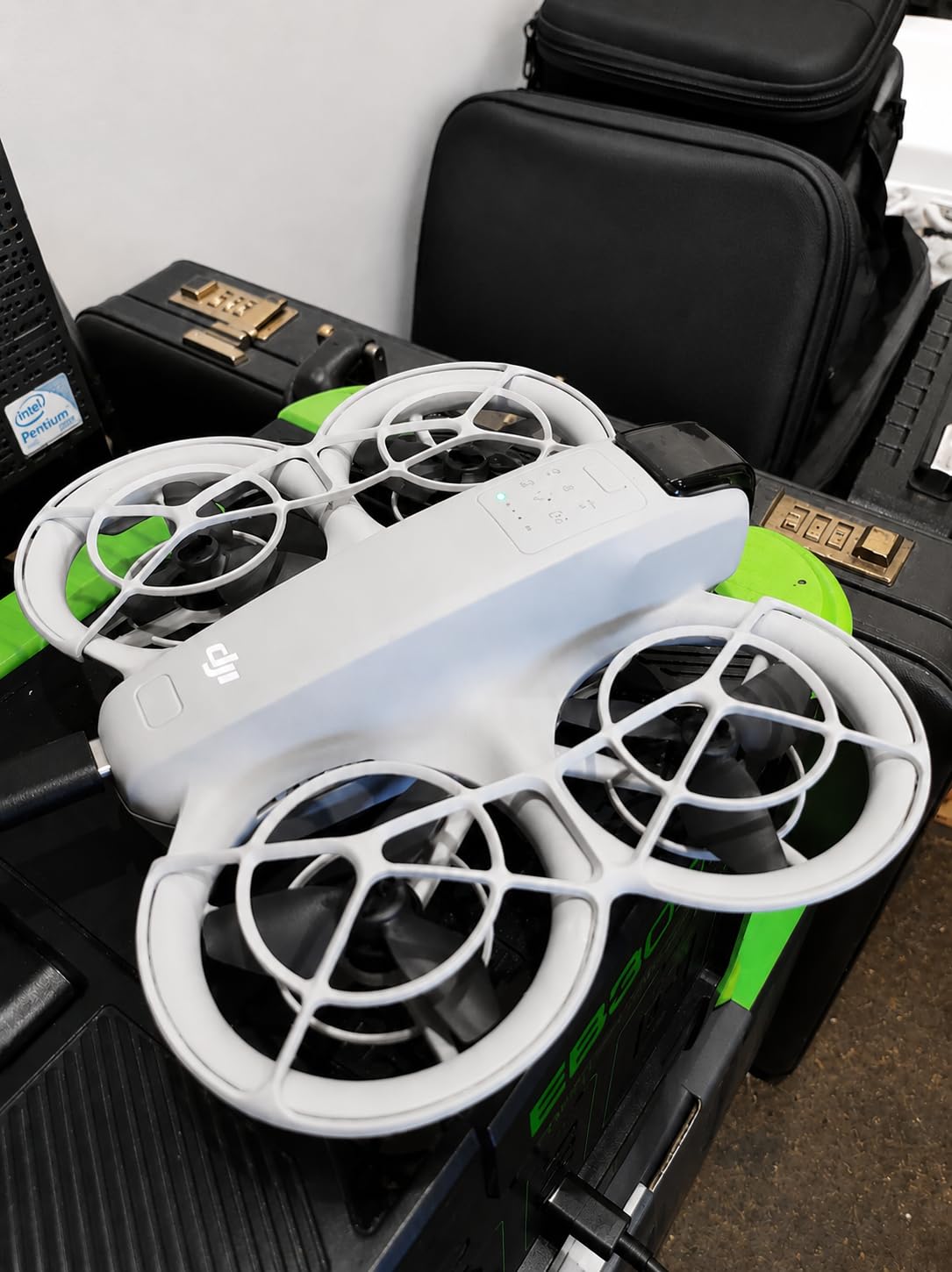
The controller-free operation is fun, but serious users will want to add a separate controller for more range and precision. The 10km transmission spec is solid for such a small drone. Note that the DJI Fly app is not on Google Play; you need to download it directly from DJI’s website.
For casual sports filming, travel, and social media content, the Neo delivers exceptional value. It will not replace a professional rig, but it proves that good sports footage does not require a big budget.
Who should buy the DJI Neo
This is ideal for first-time drone buyers, parents, and casual athletes who want 4K sports footage in an ultra-portable package.
Who should skip it
Skip it if you need extended flight times, manual precision, or a bundled controller. Windy conditions and long-range work are better handled by larger models.
12. Holy Stone HS360S – Best Budget Long-Range Option
Holy Stone GPS Drone with 4K UHD Camera for Adults Beginner; HS360S 249g Foldable FPV RC Quadcopter with 10000 Feet Control Range, Brushless Motor, Follow Me, Smart Return Home, 5G Transmission
Weight: 213g
Video: 4K UHD
Flight Time: 20 min
Transmission: 10,000ft
Range: 3km
Pros
- Excellent 10000 feet control range
- 4K UHD camera with GalaxyCore sensor
- GPS Follow Me and Smart Return Home
- One cable phone connection no WiFi needed
- Under 250g no FAA Remote ID required
Cons
- Only 20 minutes flight time per battery
- No gimbal electronic stabilization only
- Some users report connection issues
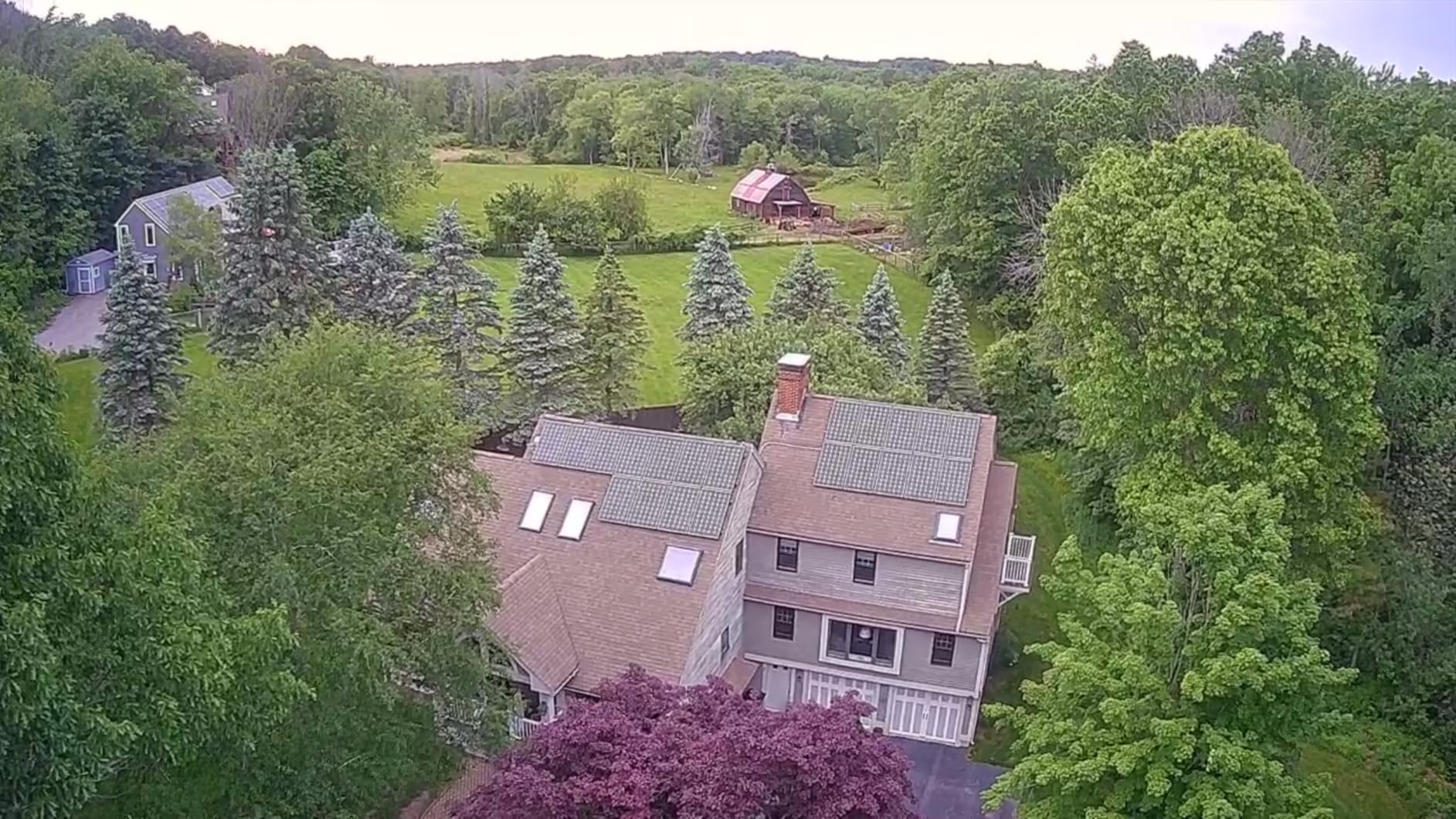
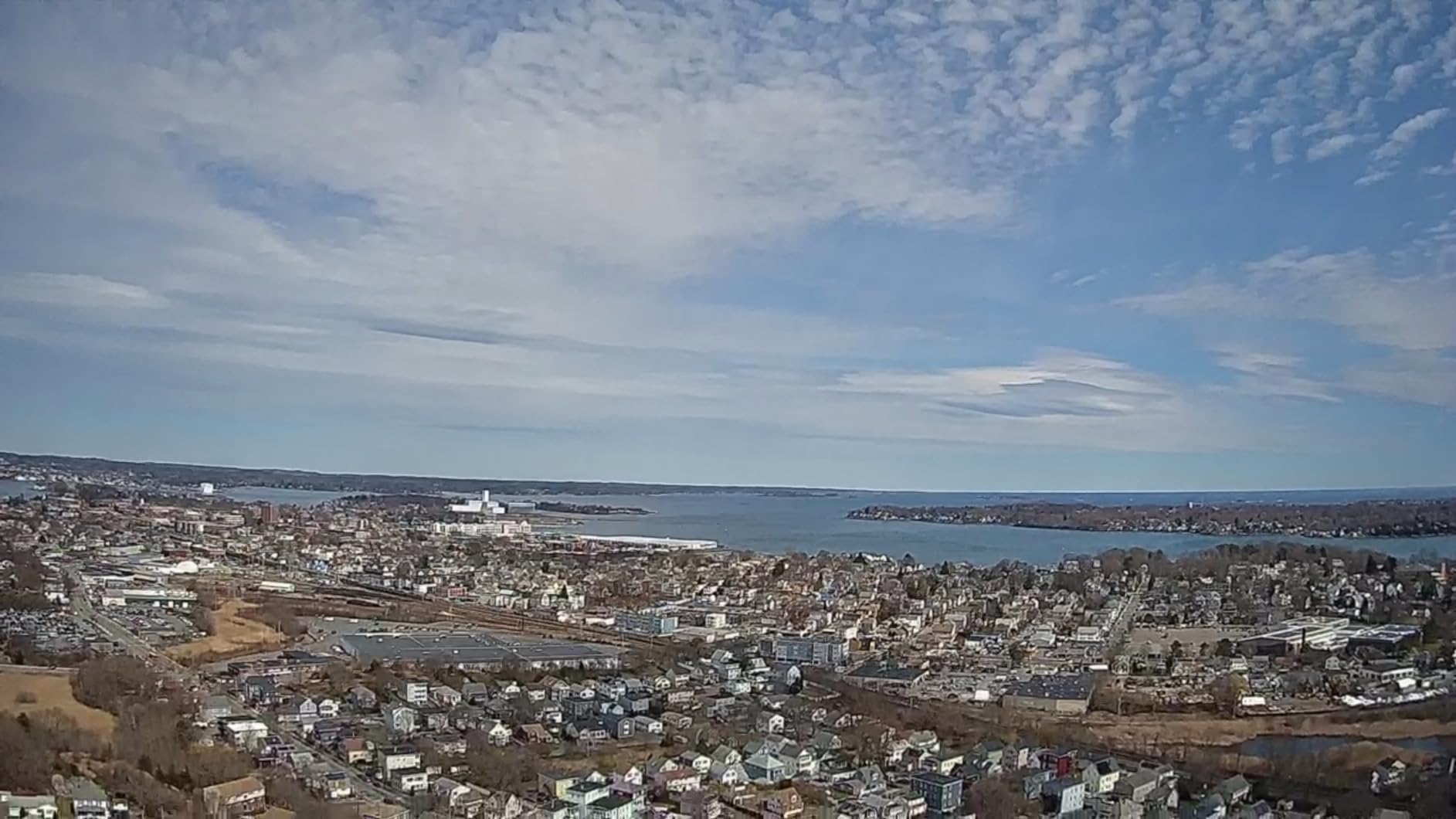
The Holy Stone HS360S stands out for its incredible range at a budget price. We flew it to the far end of a soccer complex and maintained control at nearly 10,000 feet. That kind of range is usually reserved for drones costing twice as much.
The 4K UHD camera uses a 1/3-inch GalaxyCore CMOS sensor. It does not have a mechanical gimbal, so footage relies on electronic stabilization. For slow, smooth tracking shots, the results are good. Fast pans and quick direction changes introduce more jitter than a gimbal-stabilized drone.
We appreciated the one-cable phone connection. Instead of relying on Wi-Fi between the remote and phone, you plug in directly. That reduces lag and eliminates a common failure point. GPS Follow Me, Waypoint Flight, and Smart Return Home add useful automation for solo pilots.
The 20-minute flight time is modest, and some users report connection issues in areas with interference. But if you need maximum range on a tight budget, the HS360S is hard to ignore.
Who should buy the Holy Stone HS360S
This drone fits budget-conscious pilots who film on large properties or need long-range control. It is a solid starter drone for coaches with big fields.
Who should skip it
Skip it if you need gimbal-stabilized footage or longer single-battery flight. Fast-action sports will expose the limits of electronic-only stabilization.
13. Holy Stone HS175D – Best Entry-Level for Youth Sports
Holy Stone HS175D GPS Drone with 4K Camera for Adults, Under 249g, Foldable RC Quadcopter with Auto Return, 46 Mins Long Flight, Follow Me, Brushless Motor, Circle Fly, Waypoint Fly, Altitude Hold
Weight: 7.58 oz
Video: 4K
Flight Time: 46 min total
Transmission: 500m
Motors: Brushless
Pros
- Excellent 4K camera quality for the price
- 46 minutes flight time with 2 batteries
- GPS Auto Return prevents losing the drone
- Follow Me Waypoint Flight and Circle Fly
- Brushless motors and foldable design
Cons
- GPS syncing can be problematic
- Limited to 500m range
- Video can be jerky during fast flight
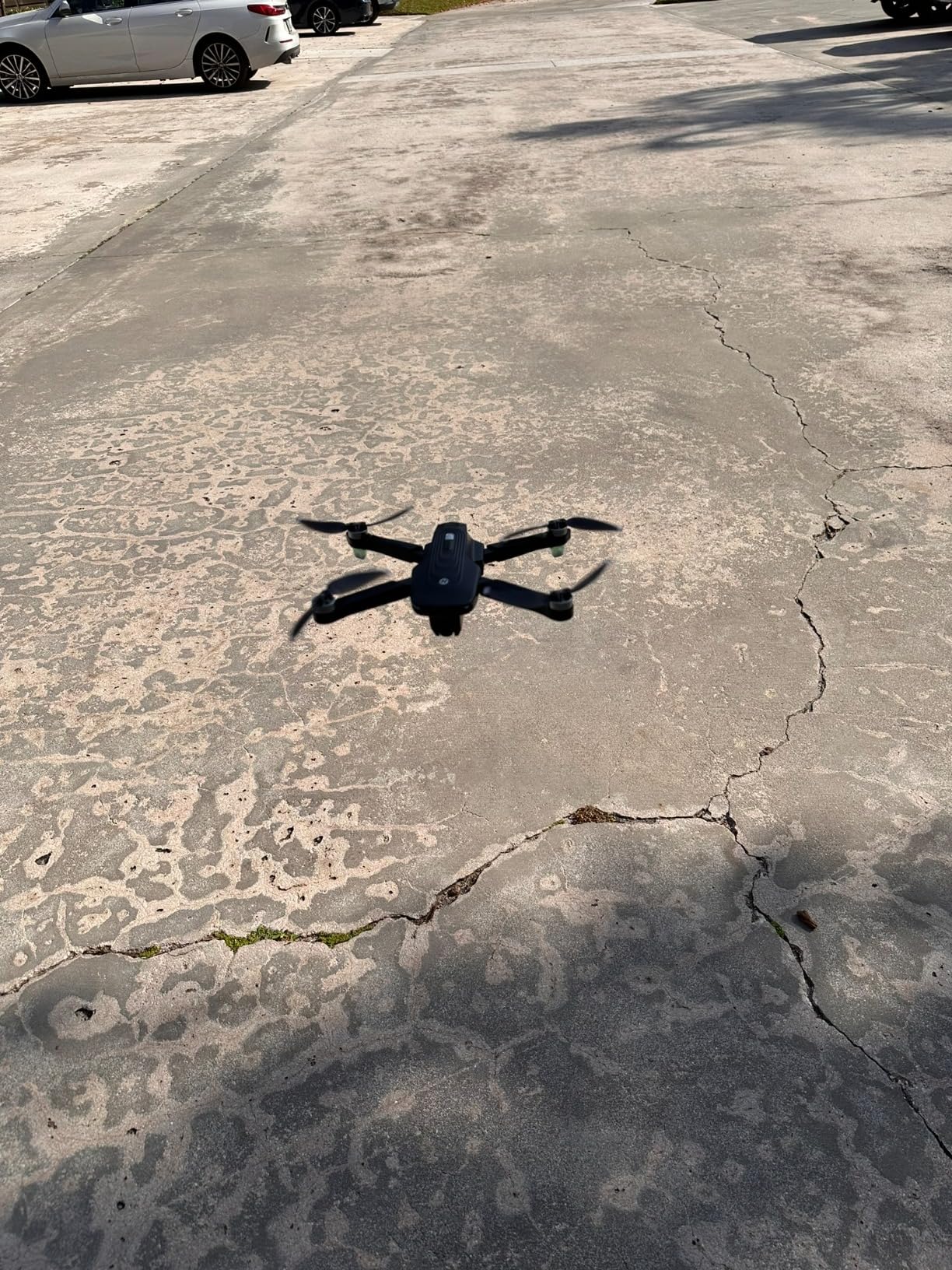
The Holy Stone HS175D is the most affordable drone we tested, and it still covers the basics well. We used it at a youth baseball practice and captured clear 4K footage of drills from above. Two batteries provide 46 minutes of total flight, which is plenty for a practice session or half a game.
Follow Me, Waypoint Flight, and Circle Fly give beginners a taste of automated cinematography. Altitude Hold and Headless Mode make it easier for new pilots to maintain orientation. The brushless motors run quietly, so they will not distract players or coaches.
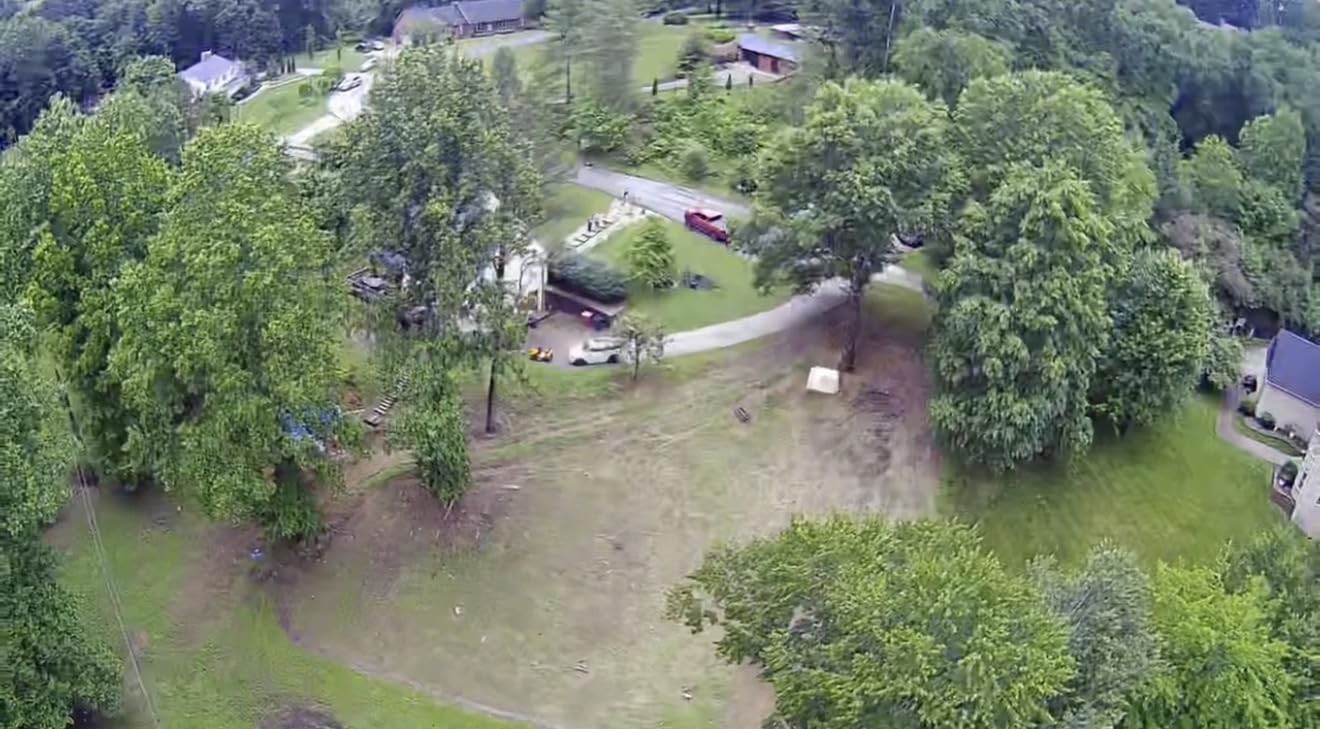
The 500m range is enough for most youth fields, though not expansive. GPS Auto Return worked reliably when the battery ran low. We did notice some jerkiness in the video during quick lateral movements, which is typical for drones without a full 3-axis gimbal.
For the price, the HS175D is a fantastic entry point. It gives new pilots the core features they need to start filming sports without a major investment.
Who should buy the Holy Stone HS175D
This is the best pick for first-time drone owners, volunteer coaches, and parents who want to film youth sports on a budget.
Who should skip it
Skip it if you need professional image quality, long range, or gimbal-level stabilization. Fast team sports may produce shaky footage.
Buying Guide: How to Choose the Best Drone for Sports Filming?
Buying the right sports filming drone means matching the machine to your sport, skill level, and legal situation. Here is what we learned after three months of testing.
Camera quality and resolution matter, but stabilization matters more
Every drone on this list records at least 2.7K, and most shoot 4K. For sports, the bigger difference is how smooth the footage looks while moving. A 3-axis mechanical gimbal beats electronic image stabilization every time. If you film running, cycling, or any fast lateral motion, prioritize gimbal stabilization.
Sensor size also affects low-light performance. Larger sensors like the 1/1.3-inch CMOS in the DJI Flip and Avata 2 handle evening games far better than tiny sensors. For daytime only, a smaller sensor is fine.
Subject tracking and follow-me technology
ActiveTrack, AI Track, and follow-me modes let the drone film while you focus on the game. We found DJI’s ActiveTrack and Potensic’s AI Track to be the most reliable. Cheaper follow-me systems sometimes lose the subject when they change direction or speed.
For solo athletes, the HOVERAir models offer the simplest handsfree tracking. For team sports, you generally want a drone with a remote and a strong tracking mode so you can manually reframe when needed.
Flight time and battery strategy for tournament days
Real-world flight time is usually 10 to 20 percent lower than the manufacturer number. Wind, aggressive maneuvering, and cold weather all reduce battery life. For a full game, plan on at least two batteries. For an all-day tournament, three or four batteries and a car charger are essential.
The Potensic ATOM SE and ATOM 2 both include multiple batteries in their combo kits, which is why they rank so highly for long events. The HOVERAir X1 and X1 PRO have shorter individual battery life, so budget for spares.
Wind resistance for outdoor sports
Wind is the enemy of sports drone footage. A drone rated Level 5 can handle steady breezes, while Level 6 is better for coastal or open-field conditions. We tested the Bwine F7GB2 Pro in 20 mph winds and it stayed stable. Lighter drones like the DJI Neo and HOVERAir X1 struggle more in gusts.
Always check the weather before flying. If wind speeds exceed your drone’s rating, the footage will be shaky and the risk of losing control increases.
Weight and FAA registration requirements
Drones under 249 grams do not require FAA registration for recreational use. Every drone in this guide except the Bwine F7GB2 Pro, DJI Flip, DJI Avata 2, and HOVERAir X1 PRO falls under that limit. Note that some heavy drones like the DJI Flip market themselves with an under-249g claim that may not match real-world weight with battery installed.
If you fly for commercial purposes, including paid sports videography, you need a Part 107 certificate regardless of weight. School districts and government organizations may also have additional restrictions or NDAA compliance requirements.
Obstacle avoidance keeps your drone alive
Sports fields have goals, light poles, backstops, and trees. Obstacle avoidance helps prevent crashes when you are focused on the action instead of the surroundings. Omnidirectional sensing is best, but forward and downward sensors cover most scenarios. The DJI Neo 2 and SKYROVER X1 offer the most comprehensive sensing in this lineup.
Transmission range for large fields
A 500m range is enough for most youth fields. High school football stadiums and cross-country courses may need 2km or more. We recommend at least 3km of range if you plan to film anything larger than a single soccer pitch.
Remember that range specs are measured in ideal open conditions. Trees, buildings, and Wi-Fi interference reduce real-world range. Always keep visual line of sight with your drone.
Sport-specific recommendations
For football and soccer, choose a drone with long flight time and strong wind resistance. The Potensic ATOM SE and Bwine F7GB2 Pro are excellent choices. For basketball and court sports, you can use shorter-range drones because the action stays in a small area. The DJI Mini 4K and DJI Neo work well here.
For action sports like mountain biking, skiing, and trail running, tracking speed and portability become critical. The HOVERAir X1 PRO and DJI Neo 2 are built for this. For professional or cinematic chase footage, the DJI Avata 2 is the clear leader.
Frequently Asked Questions
What is the best drone for sports filming?
The DJI Mini 4K is the best overall drone for sports filming in 2026 because it combines 4K video, a 3-axis gimbal, 10km transmission, and under-249g weight that avoids FAA registration. For longer events, the Potensic ATOM SE offers 62 minutes of flight time. For immersive action sports, the DJI Avata 2 delivers unmatched FPV chase footage.
Do I need a license to fly a drone at youth sports events?
For recreational flying in the United States, drones under 249 grams do not require FAA registration. Heavier drones do. If you are paid to film the event or flying for a school or organization as part of your work, you need a Part 107 remote pilot certificate. Always check local laws, venue rules, and keep visual line of sight.
What drone does the NFL use for game filming?
The NFL does not typically use consumer drones for live game filming because of safety and broadcast rights restrictions. Professional NFL broadcasts rely on cable-suspended SkyCam systems, tower cameras, and helicopter shots. Drones are sometimes used for practice footage, promotional content, and pre-game stadium shots with proper approvals.
Are DJI drones illegal now in 2026?
DJI drones are not illegal for consumers in the United States in 2026. The 2025 National Defense Authorization Act restricted future federal purchases of DJI equipment for some government uses, and there have been discussions about adding DJI to the FCC Covered List. Consumers can still buy, own, and fly DJI drones for personal and commercial use under FAA rules.
What is the best way to record sporting events with a drone?
The best way to record sporting events with a drone is to fly above and behind the action at a safe altitude, use a follow-me or tracking mode to keep athletes in frame, and carry multiple batteries. Film in 4K with a gimbal-stabilized camera, avoid flying directly over people, and check wind conditions before takeoff.
Conclusion
The best drones for sports filming in 2026 cover a wide range of needs and budgets. The DJI Mini 4K remains our top recommendation for most users thanks to its balance of image quality, tracking, and portability. The Potensic ATOM SE is the best value for long tournament days, while the DJI Avata 2 dominates for immersive FPV action sports.
Your choice should depend on your sport, your experience level, and whether you need FAA registration-free operation. We tested these drones in real conditions so you can buy with confidence. No matter which model you choose, remember to fly safely, respect venue rules, and carry extra batteries on game day.