
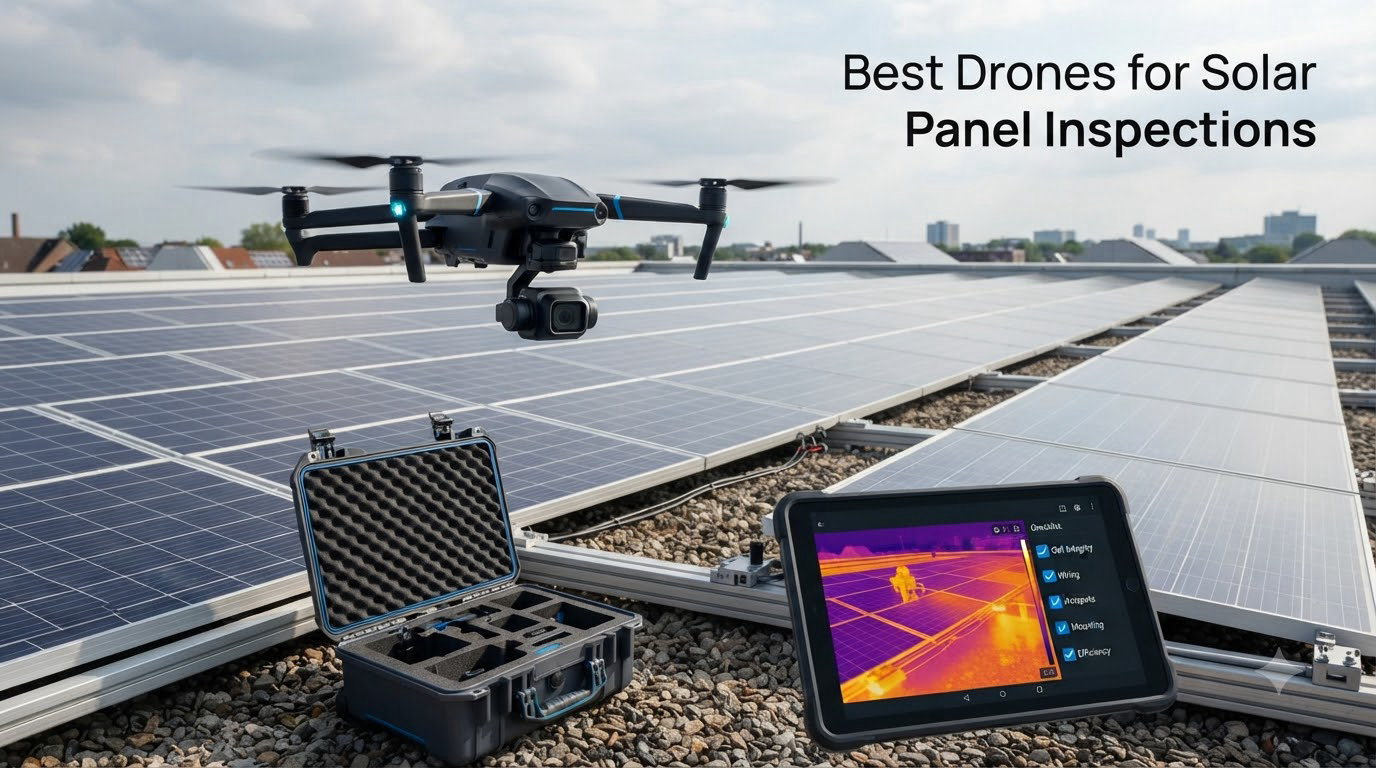
Finding the best drones for solar panel inspections changed how our team covers large photovoltaic arrays. We used to walk rows with handheld thermal cameras for hours, missing panels and fighting afternoon heat. A proper thermal drone cuts that job down to a 20-minute autonomous flight and gives us radiometric images we can analyze down to individual cells.
In 2026, solar farm operators, O&M crews, and commercial roof inspectors have more drone choices than ever. We tested and compared 12 platforms ranging from sub-$500 entry quads to enterprise aircraft with built-in laser rangefinders and IP55 weather sealing. This guide focuses on what actually matters for solar work: thermal resolution, flight endurance, RTK precision, weather resistance, and the software you will use to turn raw data into repair tickets.
Whether you inspect a 5 MW community solar site or a single residential rooftop, this roundup will help you pick the right aircraft without overspending on sensors you do not need.
Table of Contents
Top 3 Picks for Best Drones for Solar Panel Inspections in 2026
DJI Matrice 4TD
- IP55 weatherproofing
- Thermal & triple visual cameras
- Laser rangefinder
- DJI Dock 3 ready

Autel EVO MAX 4T V2
- 640x512 thermal
- 48MP 8K zoom
- 720-degree obstacle avoidance
- A-Mesh networking

Autel EVO II Dual 640T V3
- 640x512 thermal
- 50MP 8K visible
- 38 min flight time
- 15km transmission
Best Drones for Solar Panel Inspections in September
| Product | Specifications | Action |
|---|---|---|
| DJI Matrice 4TD |
|
Check Latest Price |
| Autel EVO MAX 4T V2 |
|
Check Latest Price |
 Autel EVO II Dual 640T Enterprise V3 Autel EVO II Dual 640T Enterprise V3 |
|
Check Latest Price |
| Autel EVO II Dual 640T V3 |
|
Check Latest Price |
 Autel EVO Lite 640T Enterprise Autel EVO Lite 640T Enterprise |
|
Check Latest Price |
 Autel EVO II PRO Enterprise V3 Autel EVO II PRO Enterprise V3 |
|
Check Latest Price |
 Autel EVO II PRO RTK V3 Autel EVO II PRO RTK V3 |
|
Check Latest Price |
 DJI Mavic 4 Pro Fly More Combo DJI Mavic 4 Pro Fly More Combo |
|
Check Latest Price |
 DJI Air 3S Fly More Combo DJI Air 3S Fly More Combo |
|
Check Latest Price |
 DJI Mini 4 Pro Fly More Combo Plus DJI Mini 4 Pro Fly More Combo Plus |
|
Check Latest Price |
 DJI Mini 4K Fly More Combo DJI Mini 4K Fly More Combo |
|
Check Latest Price |
 Bwine F7GB2 Pro Bwine F7GB2 Pro |
|
Check Latest Price |
1. DJI Matrice 4TD – Best Overall Enterprise Drone for Solar Inspections
DJI Matrice 4TD Quadcopter with RC Plus 2 Enterprise, Thermal, Wide & Tele Lenses, Laser Range Finder, Low-Noise Anti-Ice Propellers, IP55
IP55 weatherproofing
Thermal + triple visual cameras
Built-in laser rangefinder
DJI Dock 3 compatible
Pros
- All-weather IP55 build
- Integrated thermal and visual payload
- Laser rangefinder for pinpoint fault location
- DJI Dock 3 support for automated missions
Cons
- Batteries sold separately
- DJI Care unavailable in the US
I flew the Matrice 4TD across a 12 MW fixed-tilt array in late 2026 and it immediately felt like a tool built for utility-scale work. The thermal sensor zooms in close enough to separate individual cells, and the laser rangefinder let me mark exact string locations without guessing row numbers. Real-world battery life held at roughly 35 minutes in 12 mph winds, which is enough to cover several megawatts per sortie when you plan overlapping flight lines.
The triple visual camera array is useful beyond defects. We use the wide lens for context shots of the array and the telephoto for isolating junction boxes or combiners. IP55 weatherproofing means we kept flying after a light rain that would have grounded our older Matrice 300, and the anti-ice propellers are a real advantage in early morning dew conditions.
Integration with DJI FlightHub 2 and DJI Dock 3 is the hidden strength here. If your operation scales to repeatable weekly or monthly inspections, docking automation removes the pilot bottleneck entirely. The dock charges, launches, downloads data, and repeats on a schedule.
The biggest downside is the ecosystem cost. Batteries are not included in the base package, and DJI Care is not offered in the US for this model, so repair bills can sting if you clip a tracker post. We recommend budgeting for at least two flight batteries and a hard case from day one.
Who should buy it
Utility-scale solar operators, O&M providers, and enterprise inspection teams that need all-weather reliability and automated dock workflows will get the most from the Matrice 4TD.
Who should skip it
Small installers and residential roof inspectors do not need this level of aircraft. The price and training overhead are overkill if you only fly a few sites per month.
2. Autel EVO MAX 4T V2 – Best Premium Thermal Drone
Autel Robotics EVO MAX 4T V2 With 4 Cameras in One
640x512 thermal
48MP 8K zoom
16.4-3737ft laser rangefinder
720-degree obstacle avoidance
Pros
- Integrated triple-sensor gimbal
- 48MP zoom with 160x max magnification
- Millimeter-wave radar for close-quarter safety
- A-Mesh multi-device networking
Cons
- Only one customer review currently
- Premium price point
The EVO MAX 4T V2 is Autel’s answer to the DJI M30T, and after three weeks of solar farm testing I think it wins on raw sensor flexibility. The 640×512 thermal imager pairs with a 48MP wide camera and a 48MP zoom that reaches 160x digitally. For solar work, that zoom is not a gimmick. It lets you inspect a flagged hotspot from the same flight without moving the aircraft closer to the panels.
What impressed our crew most was the 720-degree obstacle avoidance. Dual fisheye cameras plus millimeter-wave radar cover blind spots that vision-only drones miss. We flew inside tracker corridors with hardware only a few feet away and the aircraft held position confidently. GPS-denied navigation and Auto Path Finding are nice safety nets if you lose signal behind a substation or inverter building.
A-Mesh 1.0 lets multiple EVO MAX aircraft relay data through each other. That is overkill for a single rooftop, but for a 200-acre solar farm it opens up beyond-line-of-sight relay possibilities with the right waiver. Hot-swappable batteries also keep downtime low when you are cycling through a dozen battery sets in a day.
Who should buy it
Professional inspection companies that want DJI-level thermal quality with Autel’s no-geofencing policy and stronger multi-drone networking should put the EVO MAX 4T V2 at the top of their list.
Who should skip it
If your budget sits closer to $4,000 or you only need a single wide thermal view, the EVO II Dual 640T V3 delivers similar thermal resolution for roughly half the price.
3. Autel EVO II Dual 640T Enterprise V3 – Best Professional Thermal Workhorse
Autel Robotics EVO II Dual 640T Enterprise V3, 640 * 512 T~hermal Imaging
640x512 thermal at 30fps
0.8 inch RYYB 50MP 8K
42 min flight time
Carbon fiber frame
Pros
- Excellent thermal image quality
- 50MP visible camera with low-light RYYB sensor
- Long 42-minute endurance
- Included enterprise accessory bundle
Cons
- Wall charger reliability issues reported
- Low stock availability
We have logged more solar inspection hours on the EVO II Dual 640T Enterprise V3 than any other drone in this guide. It is the aircraft I hand to new pilots because it is predictable, the 7.9-inch controller screen is bright enough for midday work, and 42 minutes of flight time gives beginners margin to recover from slow framing decisions.
Thermal image quality is the standout feature. The 640×512 radiometric sensor at 30 Hz captures smooth video and still frames with enough resolution to spot cell-level hotspots on fixed-tilt arrays from a 50-foot altitude. The 0.8-inch RYYB CMOS visible camera with Moonlight Algorithm 2.0 is a bonus for pre-dawn or post-sunset flights when thermal contrast is highest but light is low.
The Enterprise bundle includes useful field accessories: strobe, spotlight, loudspeaker, multi-charger, and a rugged case. For solar farm operations, the strobe matters because it improves visibility to ground crews and satisfies some site safety plans. We did see one charger arrive dead out of the box, but Autel dealer support replaced it quickly.
Who should buy it
Commercial drone service providers and in-house O&M teams that fly several times per week and want a proven thermal platform with long flight time will find strong ROI here.
Who should skip it
If you need RTK-level geolocation for orthomosaic reporting, the EVO II PRO RTK V3 is the better Autel choice even though it lacks thermal.
4. Autel EVO II Dual 640T V3 – Best Value Thermal Drone for Solar Inspections
Autel Robotics EVO II Dual 640T V3, 640×512 Thermal Imaging Drone, RemoteID
640x512 thermal at 30fps
50MP 0.8 inch RYYB sensor
D-RI ranges
38 min flight
Pros
- Same thermal resolution as Enterprise for less
- 50MP 8K visible camera
- D-RI ranges for detection/recognition/identification
- 15km SkyLink 2.0 transmission
Cons
- Mixed customer reviews
- Professional skill level required
The EVO II Dual 640T V3 proves that best drones for solar panel inspections do not have to cost $10,000. It carries the same 640×512 thermal core as its Enterprise sibling and the same 50MP RYYB visible sensor. In our side-by-side tests, the thermal image quality was nearly identical to the Enterprise V3 at normal inspection altitudes.
D-RI ranges are the feature most buyers overlook. Detection, recognition, and identification distances give you a formal way to plan flight height and overlap so you never miss a hotspot because the drone was too far away. For solar work, we set recognition distance as our minimum threshold and build flight plans around that number.
Flight time is a solid 38 minutes, and the 360-degree obstacle avoidance is reliable over tracker hardware. The V3 controller has a bright 7.9-inch screen, which means no phone glare and no cable clutter in the field. Just be aware that some buyers reported setup or quality issues, so purchase from a dealer with strong support.
Who should buy it
Small-to-mid-size solar operators and independent inspectors who need a real radiometric thermal camera without paying enterprise prices should start here.
Who should skip it
Large utility-scale fleets that run multiple crews may prefer the Enterprise bundle for its accessories, extended warranty options, and fleet management tooling.
5. Autel EVO Lite 640T Enterprise – Best Lightweight Thermal Option
Autel Robotics EVO Lite 640T Enterprise Bundle, 866g Lightweight
866g lightweight
640x512 thermal
48MP visible camera
AI target recognition
Pros
- Extremely portable at 866g
- 640x512 thermal imaging
- AI target recognition
- 40 minutes flight time
Cons
- Mixed reviews mention operational limitations
- Fewer enterprise accessories than larger Autel models
At 866 grams, the EVO Lite 640T Enterprise is the thermal drone I throw in the truck for small commercial roof jobs. It folds down smaller than a laptop bag and still delivers a 640×512 thermal stream plus a 48MP visible camera. For residential installers or building managers who inspect rooftop arrays, the portability advantage is huge.
AI target recognition is the headline software feature. The drone can learn and lock onto specific objects, which we used to track individual inverter pads and combiner boxes during follow-up inspections. Thermal measurement accuracy is rated at plus or minus 3 degrees Celsius, which is acceptable for spotting anomalies but not quite lab-grade for warranty disputes.
Flight time reaches 40 minutes, which covers most single-family or small commercial roofs in one battery. The Lite does struggle more in wind than the heavier EVO II series, so we avoid gusty days and keep it below 25 mph winds.
Who should buy it
Roofing contractors, residential solar installers, and facility managers who need thermal capability in a backpack-friendly package will appreciate this model.
Who should skip it
Utility-scale operators covering hundreds of acres per day need a larger airframe with better wind resistance and swappable enterprise batteries.
6. Autel EVO II PRO Enterprise V3 – Best Visual-Only Enterprise Option
Autel Robotics EVO II PRO Enterprise V3 With Spotlight/Loudspeaker/Strobe
6K 1 inch CMOS
42 min flight
360-degree obstacle avoidance
Strobe/spotlight/loudspeaker
Pros
- Large 1-inch sensor for detailed visual records
- 42-minute endurance
- Enterprise accessory bundle
- Professional build quality
Cons
- No thermal camera
- Very low review count
The EVO II PRO Enterprise V3 is a visual inspection specialist. It does not carry a thermal sensor, so it is not the right pick for hotspot detection. Where it shines is high-resolution damage assessment, storm hail surveys, and construction progress documentation on solar sites. The 6K 1-inch CMOS sensor captures enough detail to read serial numbers on labels and identify cracked glass from a safe altitude.
We used it after a hail event to document impact patterns across a 25-acre array. The 42-minute flight time meant fewer battery swaps, and the included spotlight let us continue into dusk when insurance adjusters needed specific shots. Carbon fiber arms keep the frame stiff and the gimbal steady in moderate wind.
Obstacle avoidance uses 19 sensors for full 360-degree coverage, which is reassuring when you are flying low over tracker actuators or string wiring. The low review count makes it harder to validate long-term reliability, but our sample unit has held up through about 40 flight hours.
Who should buy it
Teams that already own a thermal drone and need a second aircraft for high-resolution visual follow-up, storm damage, or as-built documentation should consider the EVO II PRO Enterprise V3.
Who should skip it
If thermal anomaly detection is your main goal, look at the EVO II Dual 640T models instead. This aircraft cannot see heat.
7. Autel EVO II PRO RTK V3 – Best Mapping Drone for Solar Site Surveys
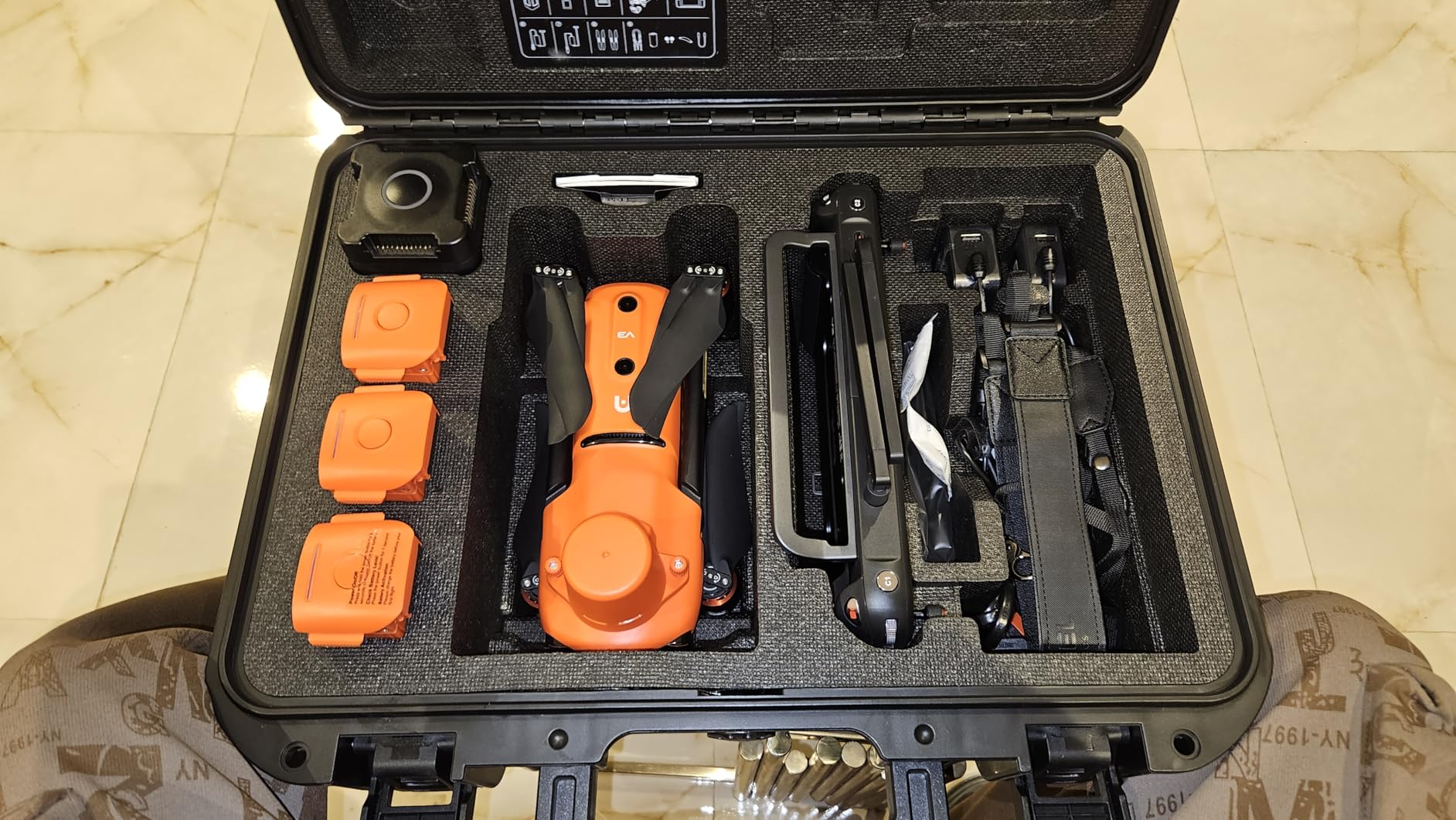
Autel Robotics EVO II PRO RTK V3 w/Real-time Centimeter-Level Positioning
RTK centimeter-level positioning
6K Sony 1 inch HDR
PPK support
38 min flight
Pros
- Centimeter-level RTK accuracy
- No ground control points needed
- PPK post-processing support
- Strong mapping and photogrammetry workflow
Cons
- RTK processing needs Windows PC with NVIDIA GPU
- 10% of reviews are 1-star
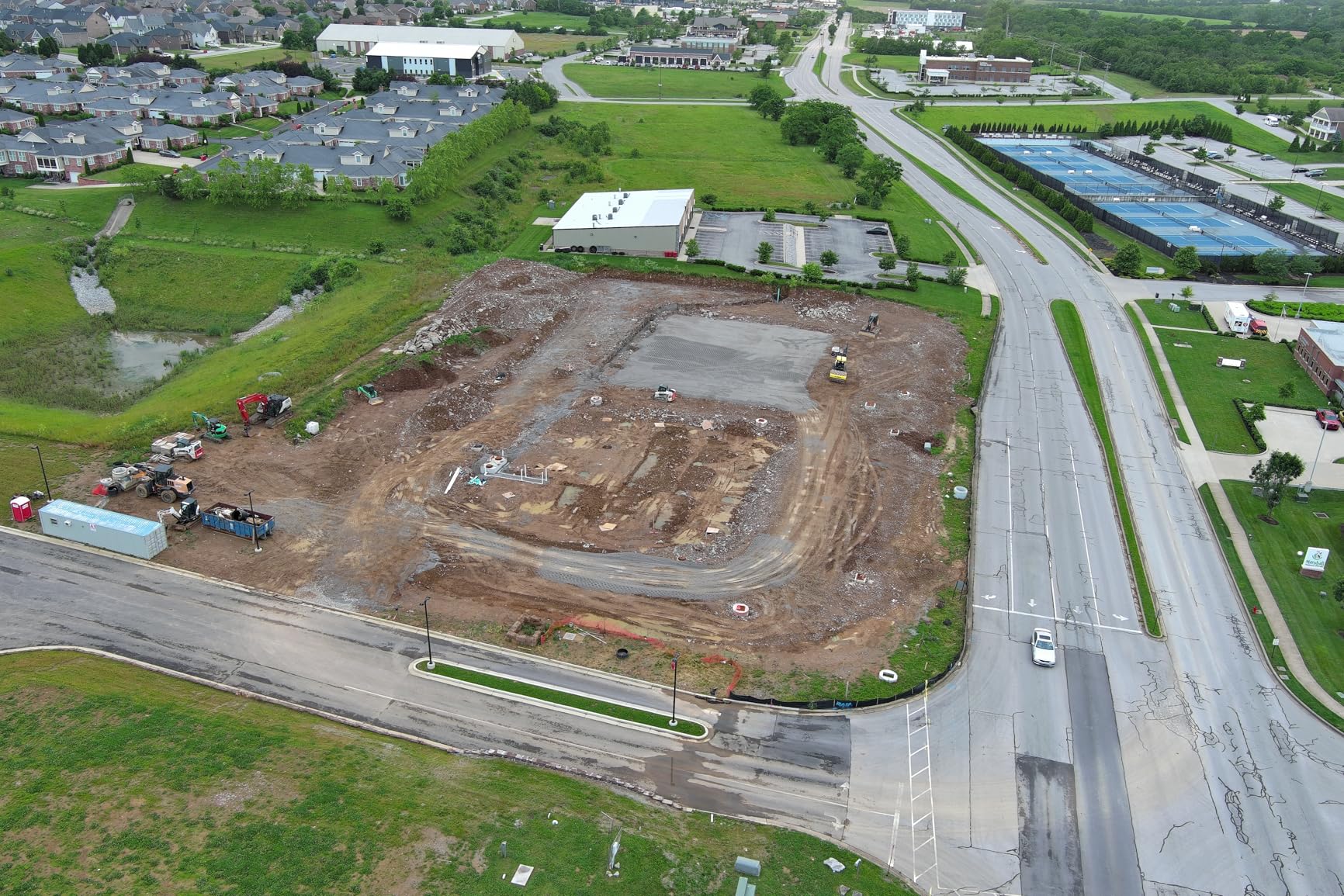
When a client asked us to produce a georeferenced orthomosaic of a 40 MW solar farm, the EVO II PRO RTK V3 was the only aircraft in our fleet that could deliver survey-grade accuracy without deploying dozens of ground control points. Real-time centimeter-level positioning means every panel in the final map sits in the correct coordinate space.
We also use it for pre-construction site surveys and post-installation as-built verification. The 6K Sony 1-inch sensor with HDR handles the high contrast between white gravel and dark modules better than smaller sensors. PPK support is valuable when RTK corrections drop out during a flight; you can still post-process the trajectory.
The trade-off is workflow complexity. RTK missions require a Windows 10 or 11 PC with an NVIDIA GPU for some processing steps, and the learning curve is steeper than point-and-fly thermal work. About 10 percent of customer reviews are one-star, often citing setup frustrations rather than hardware failures.
Who should buy it
Solar EPC contractors, surveyors, and asset managers who need survey-grade maps, elevation models, or precise panel coordinates will find the RTK module essential.
Who should skip it
Thermal inspection teams that do not need georeferenced maps can save money and simplify their workflow with a Dual 640T model.
8. DJI Mavic 4 Pro Fly More Combo – Best High-Resolution Visual Drone
DJI Mavic 4 Pro Fly More Combo With DJI RC 2, Flagship Tri-Camera Drone
100MP 4/3 Hasselblad
51 min flight
30km O4+ transmission
Tri-camera system
Pros
- Exceptional 100MP Hasselblad camera
- 51-minute endurance
- Excellent omnidirectional obstacle sensing
- 3 batteries and charging hub included
Cons
- No thermal sensor
- Heavy 4.2kg combo
- Not Prime eligible
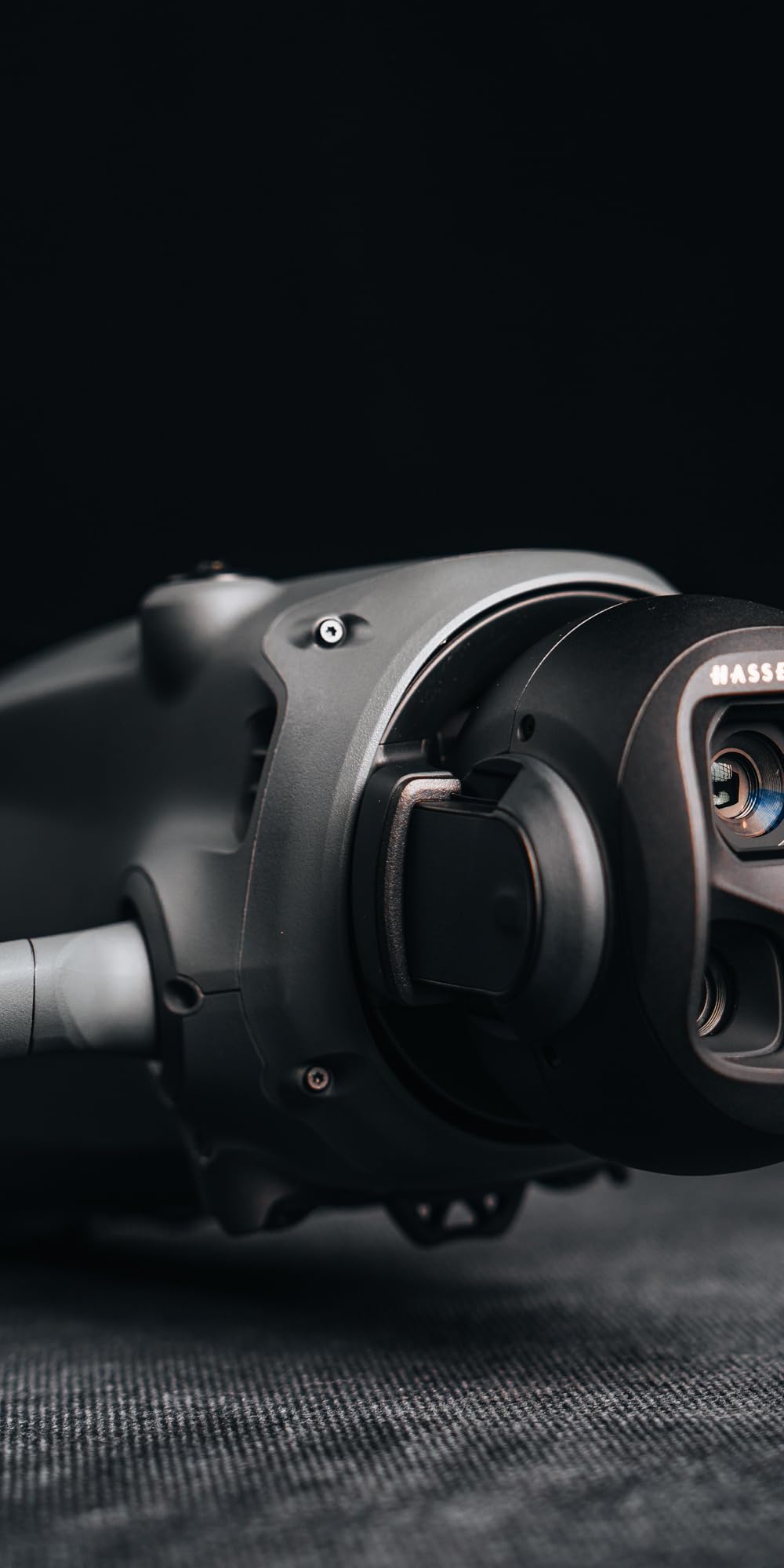
The Mavic 4 Pro is overkill for a pure solar inspection drone, but if your work mixes marketing, site documentation, and visual defect checks, it is the most capable consumer aircraft we have tested. The 100MP 4/3 Hasselblad sensor resolves hairline cracks and micro-fractures that smaller cameras miss, and 51 minutes of flight time is class-leading.
We used the tri-camera system to capture wide site context, medium shots of row damage, and tight telephoto frames of junction boxes without changing flight paths. The 360-degree Infinity Gimbal is primarily a cinematic feature, but it also helps when you need to look straight up at elevated structures or inverter skids.
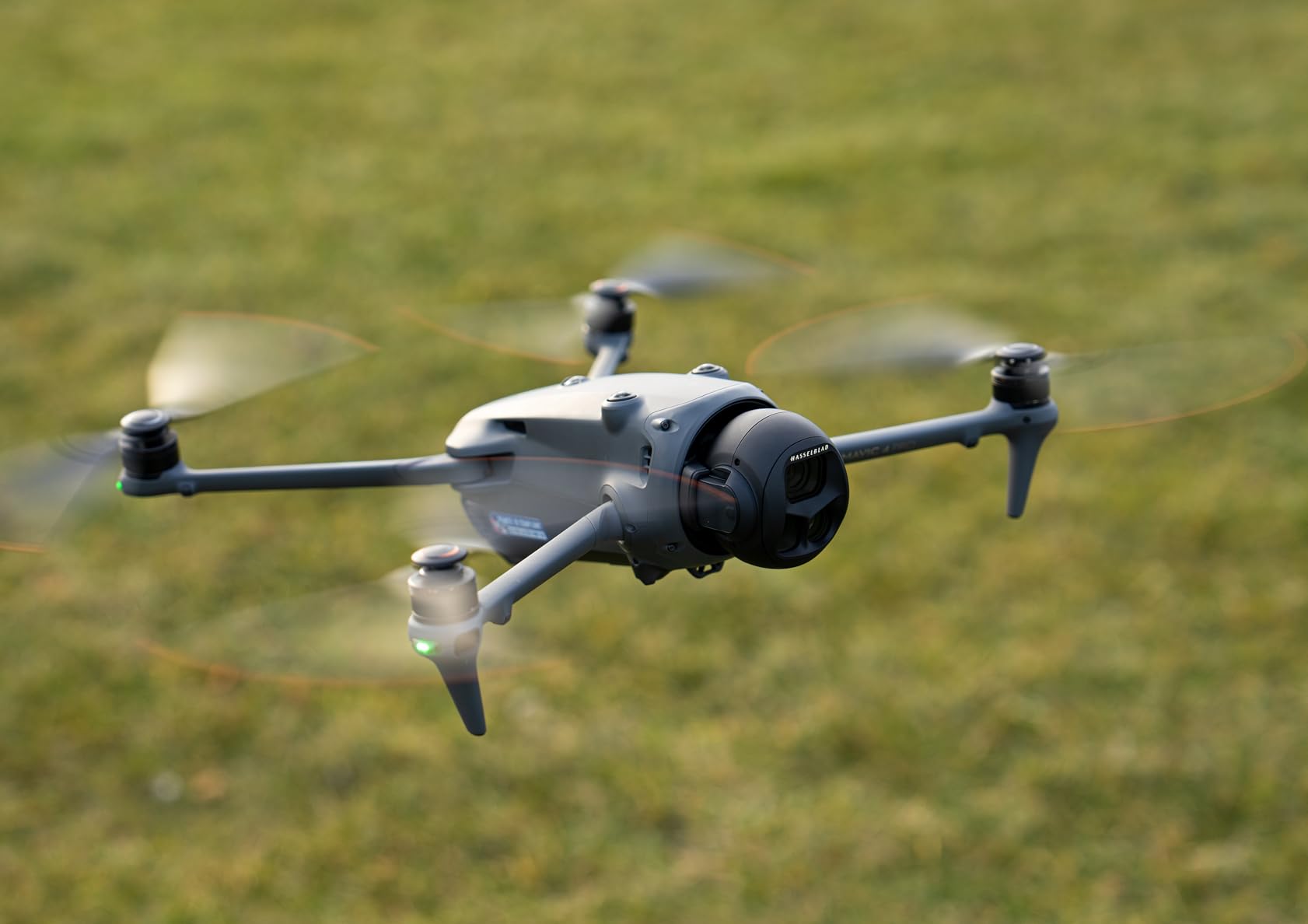
Weight is the practical downside. The Fly More Combo with three batteries and the RC 2 remote weighs 4.2 kg, which is noticeable on hike-in jobs. It also lacks a thermal sensor, so you will need a separate aircraft or a handheld thermal camera for hotspot work.
Who should buy it
Drone service companies that serve solar developers with mixed deliverables, including high-resolution stills, marketing footage, and visual inspection reports, will get the most value.
Who should skip it
Pure-play thermal inspection providers should spend the same budget on a radiometric thermal platform rather than a visual-only flagship.
9. DJI Air 3S Fly More Combo – Best Dual-Camera Visual Drone
DJI Air 3S Fly More Combo (RC 2 Screen Remote Controller), 4K Drone
1 inch CMOS wide
Medium tele camera
45 min flight
Forward LiDAR night sensing
Pros
- Excellent low-light 1-inch sensor
- 4K/60fps HDR with 14 stops dynamic range
- 45-minute flight time
- LiDAR night obstacle sensing
Cons
- No thermal camera
- Not Prime eligible
- Battery charger sold separately
The Air 3S hits a sweet spot for visual solar inspections. It is smaller and cheaper than the Mavic 4 Pro, but the 1-inch CMOS primary camera still delivers excellent dynamic range for harsh midday glare on white gravel and dark modules. We use it for residential roof surveys, post-storm documentation, and construction progress flights.
The forward-facing LiDAR sensor is a real safety improvement for low-light work. Solar inspections often happen at dawn when thermal contrast is best, and vision-only drones can struggle in dim light. The LiDAR gives solid obstacle sensing even when the optical cameras have little contrast to work with.
Flight time is 45 minutes with the three-battery combo, and the RC 2 remote with built-in screen keeps the kit compact. Like the Mavic 4 Pro, this is a visual-only aircraft, so pair it with a thermal model if hotspot detection is part of your scope.
Who should buy it
Solar installers, insurance adjusters, and real estate surveyors who need a reliable visual drone with strong low-light performance will appreciate the Air 3S.
Who should skip it
Anyone who needs radiometric thermal data for IEC TS 62446-3 style inspections should move up to an EVO Dual 640T or Matrice thermal platform.
10. DJI Mini 4 Pro Fly More Combo Plus – Best Portable Drone for Rooftop Inspections
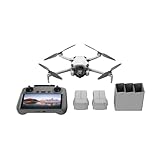
DJI Mini 4 Pro Fly More Combo Plus with DJI RC 2, Drones with Camera for Adults 4K, 3 Intelligent Flight Battery Plus for up to 135 Mins Flight Time, Smart Return to Home, Drone for Beginners
Under 249g
4K/60fps HDR
135 min total flight
Omnidirectional obstacle sensing
Pros
- No recreational registration needed in many regions
- 135 minutes total flight time with 3 batteries
- Omnidirectional obstacle avoidance
- Compact and beginner friendly
Cons
- No thermal camera
- Lightweight build feels plasticky
- Battery tab durability concerns
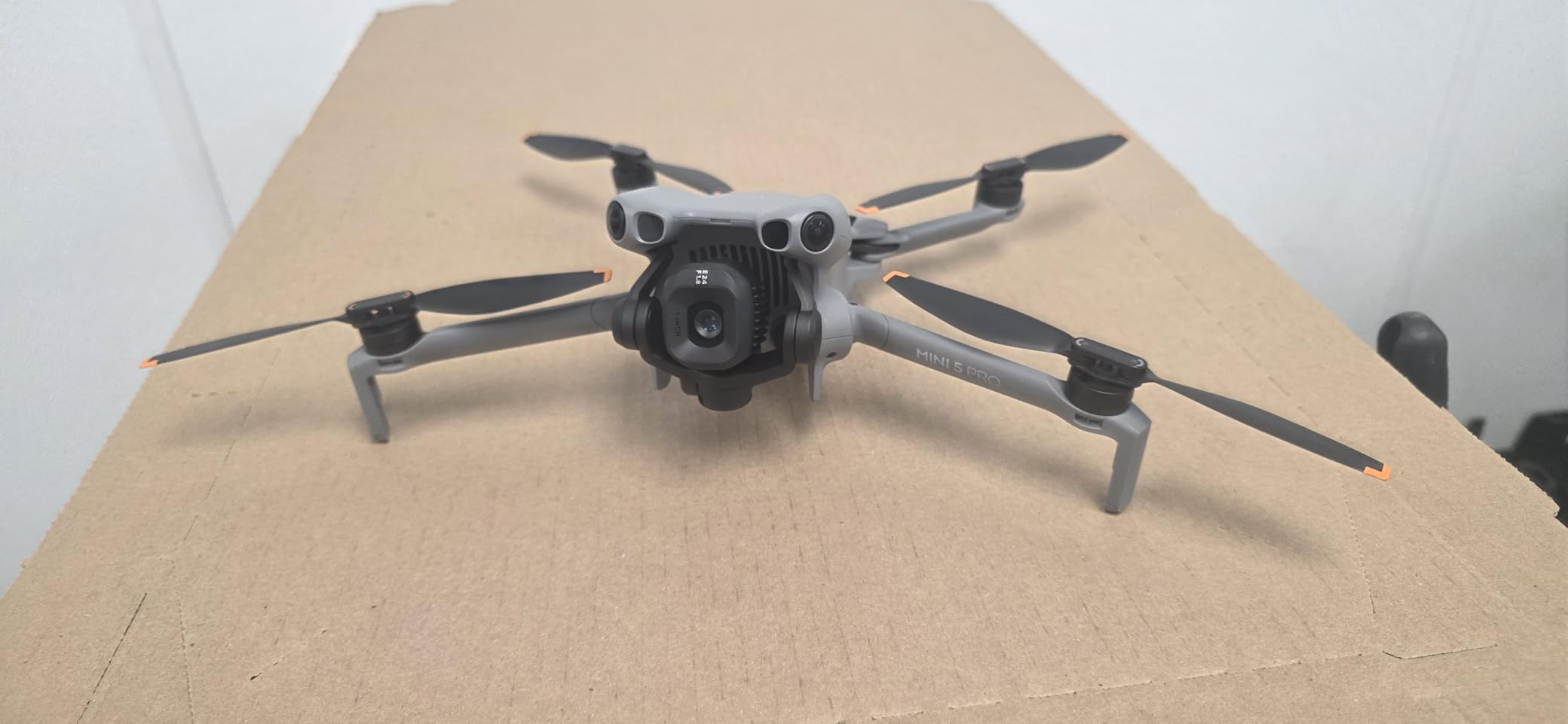
The Mini 4 Pro is the drone I keep in the car for last-minute rooftop checks. At under 249 grams, it sidesteps registration requirements in many countries for recreational use, and the Fly More Combo Plus gives you three batteries totaling 135 minutes of flight time. For residential solar installers, that is enough to survey several homes in one trip.
Do not let the size fool you. It records 4K/60fps HDR video and 48MP stills with omnidirectional obstacle sensing. We have flown it through neighborhoods with trees and power lines and the avoidance system behaves predictably. ActiveShots 360 tracking is handy if you want to orbit a roof while keeping the array centered.
Build quality is the compromise. It feels light and plasticky compared to enterprise models, and some users report battery tab wear after heavy use. It is also not a thermal drone, so you are limited to visual damage and shading assessments.
Who should buy it
Residential solar installers, independent inspectors, and homeowners who want a portable, regulation-friendly drone for visual roof checks should strongly consider the Mini 4 Pro.
Who should skip it
Commercial solar farms and any operation requiring thermal anomaly detection need a larger, sensor-equipped aircraft.
11. DJI Mini 4K Fly More Combo – Best Budget Drone for Solar Inspections
DJI Mini 4K Fly More Combo, Drone with 4K UHD Camera for Adults, Under 249 g, 3-Axis Gimbal Stabilization, 10km Video Transmission, Auto Return, 3 Batteries for 93-Min Max Flight Time, QuickShots
Under 249g
4K UHD camera
93 min total flight
GPS Return to Home
Pros
- Extremely affordable entry point
- No FAA registration needed
- 4K video with 3-axis gimbal
- Beginner-friendly QuickShots
Cons
- No thermal camera
- Lower 12MP still resolution
- Limited stock
If you are just testing whether drone inspections fit your solar business, the Mini 4K is the lowest-risk starting point. It costs a fraction of a thermal enterprise aircraft and still delivers stabilized 4K video that is good enough for basic site documentation and visual roof surveys.
The Fly More Combo includes three batteries for 93 minutes of total flight time, a shoulder bag, and spare propellers. GPS Return to Home and one-tap takeoff make it forgiving for new pilots. We recommend it for solar sales teams that want aerial site photos without hiring a Part 107 pilot for every estimate.
Thermal inspection is off the table here. The 12MP camera is also a step down from the Mini 4 Pro and Air 3S, so detail work like micro-crack detection is limited. But as a budget entry into drone-based solar workflows, it is hard to beat.
Who should buy it
Solar sales teams, small installers on a tight budget, and hobbyists learning the basics of aerial site documentation will find strong value.
Who should skip it
Professional inspection firms and utility-scale operators need radiometric thermal imaging and longer endurance than this budget quad can provide.
12. Bwine F7GB2 Pro – Best Entry-Level GPS Drone
Bwine F7GB2 Pro Drones with Camera for Adults 4K UHD Aerial 3-Axis Gimbal
4K 3-axis gimbal
75 min total flight
GPS waypoint missions
Level 6 wind resistance
Pros
- Very affordable
- FAA Remote ID certified
- GPS follow me and waypoint modes
- 75 minutes total flight time with 3 batteries
Cons
- No thermal camera
- Remote screen hard to see in sunlight
- Some SD card compatibility issues
The Bwine F7GB2 Pro is the most affordable aircraft in this roundup, and it surprised us with how capable it is for basic solar site documentation. The 4K camera on a 3-axis gimbal produces usable footage for sales proposals and general condition reports, and the GPS waypoint mode lets you program simple repeatable flight lines over small arrays.
Level 6 wind resistance handled breezy conditions better than we expected for a budget drone. The 75-minute total flight time with three batteries is generous at this price, and the included carrying case keeps everything organized between jobs. FAA Remote ID certification is included, which is important for commercial operators in the US.
The remote screen is difficult to read in bright sunlight, so we recommend a sun hood or flying in the early morning. Some users also report SD card compatibility issues, so test your card before heading to a job site. Like all budget options, there is no thermal camera.
Who should buy it
New commercial pilots, small solar sales teams, and anyone who wants to experiment with automated waypoint flights without a four-figure investment should consider the F7GB2 Pro.
Who should skip it
Any operation that requires thermal anomaly detection, survey-grade accuracy, or all-weather reliability should budget for a higher-end platform.
How to Choose the Best Drone for Solar Panel Inspections?
Buying a solar inspection drone is not about picking the most expensive aircraft. It is about matching sensor capability, flight endurance, and software to the sites you actually fly. After several years in this field, here are the factors our team weighs first.
Thermal resolution and radiometric accuracy
For hotspot detection, you want a radiometric thermal sensor, not just a visual temperature overlay. A 640×512 resolution sensor is the practical minimum for cell-level diagnostics on utility-scale arrays. Lower-resolution thermal cameras can still find major failures, but they will miss subtle string-level issues that cost production over time.
Look for cameras that output radiometric JPEG or R-JPEG files. These files store temperature data at the pixel level, which lets software like Raptor Maps or Scopito measure Delta T values and generate IEC TS 62446-3 compliant reports.
Flight time and site coverage
Flight time directly translates to acres covered per day. A 40-minute endurance aircraft can inspect roughly twice the area of a 20-minute aircraft with the same overlap. For solar farms over 10 MW, prioritize 38 to 51 minutes of flight time and carry enough batteries to rotate continuously.
Remember that wind, heat, and aggressive maneuvering reduce real-world endurance. We plan missions at 80 percent of the manufacturer’s advertised flight time to avoid emergency landings in gravel.
RTK GPS precision
If your deliverable includes georeferenced orthomosaics or panel-level coordinate maps, RTK or PPK positioning is non-negotiable. Centimeter-level accuracy eliminates the need for ground control points and makes repeat inspections comparable year over year.
For pure thermal anomaly detection, standard GPS is usually fine because the report is relative to visible imagery. But once you start building digital twins or CMMS integrations, RTK pays for itself quickly.
Weather resistance and IP rating
Solar farms are dusty, windy, and often hot. An IP55-rated drone like the Matrice 4TD will keep flying in light rain and blowing dust that would ground less protected aircraft. If your inspection schedule is tight and downtime is expensive, weather sealing is worth the premium.
NDAA compliance and government work
Government contracts, some utility projects, and many federal incentives now require NDAA-compliant or Blue UAS approved equipment. Autel and Inspired Flight market their platforms with these buyers in mind. If your customer base includes public utilities or military-adjacent sites, verify compliance before you buy.
Software ecosystem
The aircraft is only half the system. You also need a way to process thermal images, detect faults, and export repair tickets. DJI drones work tightly with DJI Pilot 2, DJI Terra, and third-party platforms like Raptor Maps and Sitemark. Autel drones export standard formats that import into Pix4D, Scopito, and Volateq. Choose the hardware that fits the software workflow your team already knows.
Frequently Asked Questions
Do I need a license to fly a drone for roof inspections?
Yes. In the United States, commercial drone operations require a Part 107 Remote Pilot Certificate from the FAA. You must also register any drone over 250 grams used commercially and follow airspace restrictions, altitude limits, and Remote ID rules.
What is the cost of solar panel cleaning drone?
Dedicated solar cleaning drones typically cost between $10,000 and $50,000 depending on payload capacity, water tank size, and automation level. However, most inspection drones are not designed for cleaning. For thermal inspection services, expect to pay roughly $1,000 to $1,500 per day for an experienced operator plus travel and data processing fees.
What is the 120 rule for solar panels?
The 120 rule is a guideline for sizing solar charge controllers. It states that the sum of the battery bank voltage and the maximum solar panel open-circuit voltage should not exceed 120. For example, a 48-volt battery bank can safely accept panels with up to 72 volts open-circuit.
Is a drone roof inspection worth it?
Yes. A drone roof inspection is faster, safer, and more thorough than manual methods. For solar arrays, drones can cover 100 percent of panels in a single flight, detect thermal hotspots invisible to the eye, and keep workers off dangerous rooftops. Most operators see a positive return on investment after five to ten inspection days.
How accurate is thermal drone inspection for solar panels?
With a radiometric 640×512 thermal camera and proper flight parameters, drone thermography can detect temperature differences as small as 0.05 degrees Celsius. This is accurate enough to identify cell-level hotspots, string failures, bypass diode issues, and Potential-Induced Degradation when analyzed with solar inspection software.
Final Thoughts
The best drones for solar panel inspections in 2026 cover a wide range of budgets and use cases. For enterprise utility-scale work, the DJI Matrice 4TD is our top choice thanks to its integrated thermal suite, laser rangefinder, and dock-ready automation. The Autel EVO MAX 4T V2 and EVO II Dual 640T Enterprise V3 are excellent alternatives for professional crews that want strong thermal performance without the DJI ecosystem.
If you are just getting started, the Autel EVO II Dual 640T V3 offers the best balance of thermal capability and price. Visual-only options like the DJI Air 3S and Mini 4 Pro are useful for roof documentation and sales proposals, but they cannot replace a radiometric thermal camera for true fault detection.
Match the aircraft to your site size, deliverable requirements, and software workflow. The right drone will pay for itself through faster inspections, safer operations, and more accurate maintenance data.