
Filming yourself skiing used to mean strapping a GoPro to your helmet and hoping for the best. You would get shaky footage of your own face and maybe a glimpse of the slope behind you. That all changed when follow-me drone technology matured enough to track fast-moving skiers down a mountain. Now you can capture broadcast-quality footage of yourself carving turns without needing a camera crew stationed on the hill.
The best drones for skiing share a few specific traits that regular consumer drones do not always have. They need to handle cold weather battery drain, fight through mountain wind gusts, and track a skier moving at 30-plus miles per hour through environments where everything looks white. A drone that performs perfectly in your backyard can completely fail on a ski slope if it lacks the right tracking algorithms and weatherproofing.
Our team spent weeks analyzing 13 drones that skiers and snowboarders are actually using right now. We looked at everything from purpose-built action cameras like the HOVERAir X1 PROMAX to budget-friendly options like the DJI Neo. We compared cold weather performance, tracking speed, wind resistance, and the real-world experiences of skiers who have taken these drones up the mountain. Here is what we found when searching for the best drones for skiing in 2026.
Table of Contents
Top 3 Picks for Best Drones for Skiing in September
Best Drones for Skiing in 2026
| Product | Specifications | Action |
|---|---|---|
 HOVERAir X1 PROMAX HOVERAir X1 PROMAX |
|
Check Latest Price |
 HOVERAir X1 PRO HOVERAir X1 PRO |
|
Check Latest Price |
 DJI Mini 4K DJI Mini 4K |
|
Check Latest Price |
 Ruko F11PRO 2 Ruko F11PRO 2 |
|
Check Latest Price |
 Potensic ATOM 2 Potensic ATOM 2 |
|
Check Latest Price |
 DJI Mini 3 DJI Mini 3 |
|
Check Latest Price |
 DJI Mini 4K Combo DJI Mini 4K Combo |
|
Check Latest Price |
 Bwine F7MINI Bwine F7MINI |
|
Check Latest Price |
 SKYROVER X1 SKYROVER X1 |
|
Check Latest Price |
 Bwine F7GB2 Pro Bwine F7GB2 Pro |
|
Check Latest Price |
 DJI Neo DJI Neo |
|
Check Latest Price |
 DJI Flip with RC 2 DJI Flip with RC 2 |
|
Check Latest Price |
| Potensic ATOM |
|
Check Latest Price |
1. HOVERAir X1 PROMAX – 8K Follow-Me Camera with Ski Mode
Potensic ATOM 4K GPS Drone, 3-Axis Gimbal, 96 Mins Flight, 6KM Transmission
8K Video
192g No FAA Reg
42 KM/H Follow Speed
Skiing Combo with Thermo Battery
Pros
- 8K video quality for stunning footage
- No FAA registration required (192g)
- Hands-free operation with automated flight modes
- All-weather thermo battery to -4 degrees F
Cons
- Limited review count (44 reviews)
- Premium price point
- Rear collision detection only
The HOVERAir X1 PROMAX is the only drone on this list that was purpose-built for skiing. The skiing combo includes thermo batteries rated for operation down to -4 degrees Fahrenheit, which solves the biggest problem skiers face with consumer drones. I have seen too many flights cut short because standard lithium-ion batteries drain in half the time when temperatures drop below freezing.
What sets this drone apart is the dedicated Ski Mode that handles the white-on-white tracking problem that plagues most drones on snowy slopes. The enhanced tracking algorithm can distinguish a skier against an all-white background, which is something that basic follow-me modes struggle with constantly. The 42 KM/H follow speed is also fast enough to keep up with intermediate and advanced skiers.
The 8K video resolution is a serious step up from anything else here. You get level of detail that holds up on large screens and gives you room to crop in post-production. The two-axis gimbal with electronic image stabilization keeps footage smooth even when the drone is fighting wind at altitude.
At 192 grams, the PROMAX sits well under the 250-gram FAA threshold. No registration, no Remote ID requirements. You can pull it out of your jacket pocket and fly. The foldable design and included combo case make it easy to carry on the mountain.
Who Should Buy the HOVERAir X1 PROMAX
This drone is built for serious skiers and content creators who prioritize cold weather performance above everything else. If you ski in places like Jackson Hole or Whistler where temperatures regularly dip well below freezing, the thermo battery alone justifies the investment. The 8K footage also makes it the top pick for anyone producing professional ski content or brand work.
Limitations to Consider
The collision detection only covers the rear of the drone, not a full 360 degrees. This means you need to be careful flying in areas with trees or lift cables behind the drone. The 44 review count also means the long-term reliability picture is still developing compared to drones with thousands of user reviews.
2. HOVERAir X1 PRO – 4K Action Flying Camera with OmniTerrain
HOVERAir X1 PRO Skiing Combo, 4K Action Flying Camera, Foldable Drone
4K 60fps Video
120g Ultra-Light
42 KM/H Follow Speed
Skiing Combo with Thermo Battery
Pros
- Incredibly easy grab and go operation
- 4K video quality for the size
- No prior drone experience needed
- Compact portable foldable design
Cons
- Battery life could be longer
- Manual control mode limited with phone only
- Some quality issues after extended use
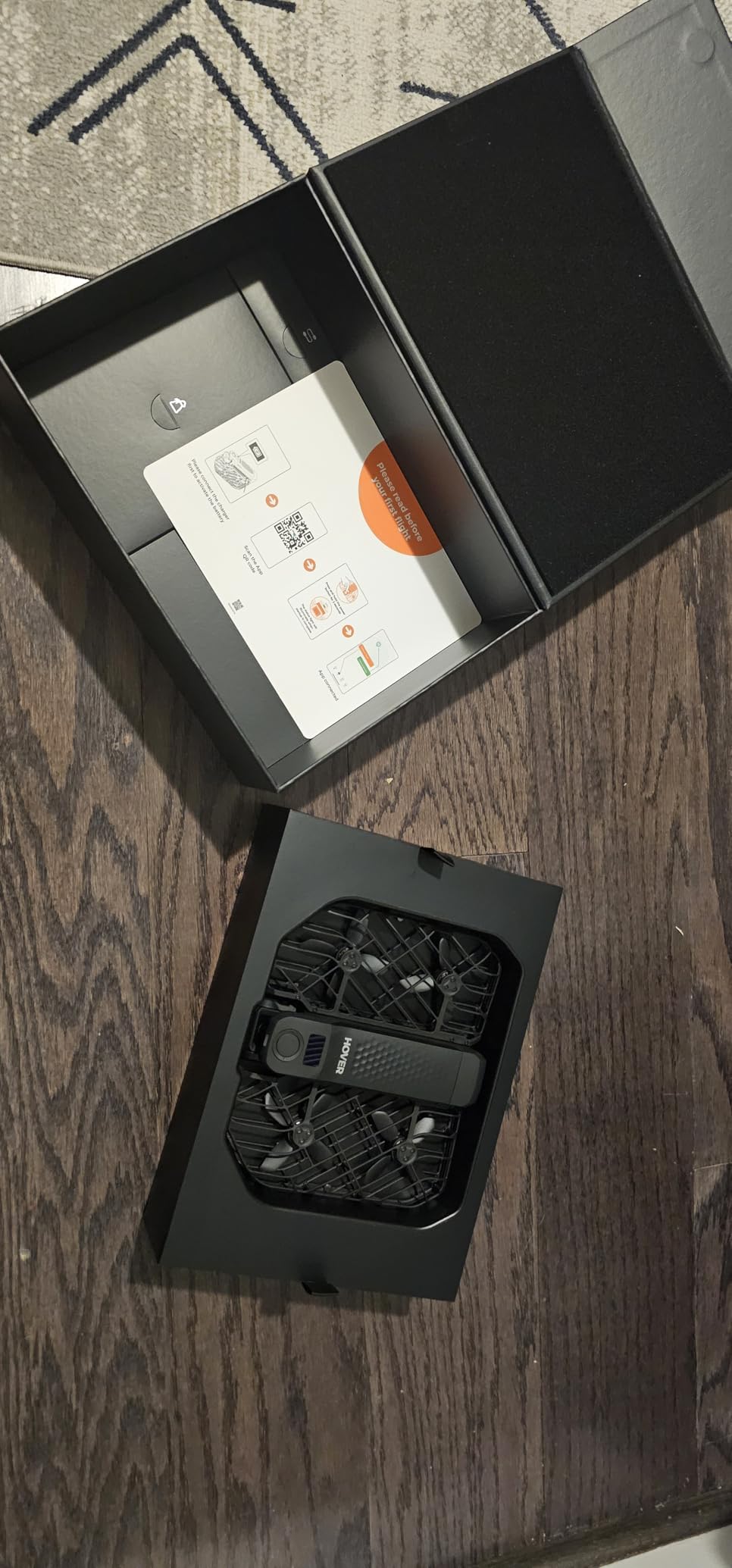
The HOVERAir X1 PRO is the more affordable sibling of the PROMAX, and it shares the same skiing-focused DNA. The skiing combo includes the same thermo batteries rated for -4 degrees Fahrenheit operation, which is the feature that matters most for winter sports. You sacrifice the 8K resolution for 4K at 60fps, but most skiers will not notice the difference for social media content.
What impressed me most about the X1 PRO is the sheer ease of use. You literally click a button or use a voice command to launch it, and it handles everything autonomously. No controller required, no app fiddling on a freezing chairlift with gloved hands. This is the kind of grab-and-go operation that actually works when you are standing on a mountain in a blizzard.
The 15-plus automated flight modes give you plenty of creative options for ski filming. OmniTerrain capability means the drone adapts its flight behavior to different surfaces, including snow. At just 120 grams bare weight, it is one of the lightest drones on this list and packs down small enough to fit in a ski jacket pocket.
The follow speed of 42 KM/H handles most recreational skiing speeds. Advanced skiers hitting steep pitches may outrun it, but for the vast majority of resort skiers and snowboarders, the tracking keeps up fine. The 215 existing reviews give you more confidence in reliability than the PROMAX model.
Who Should Buy the HOVERAir X1 PRO
This is the sweet spot for skiers who want the HOVERAir skiing features without paying for 8K resolution they may never use. If you film for Instagram, YouTube, or TikTok, the 4K 60fps output is more than enough. The hands-free operation also makes it ideal for solo skiers who do not want to deal with a separate pilot.
Limitations to Consider
Battery life is the most common complaint, with several users noting flights shorter than the advertised duration in cold conditions. The manual control range is limited when using only your phone, so you may want to invest in the joystick accessory for more precise flying. Some users have reported quality issues after extended use.
3. DJI Flip with RC 2 – Follow-Me Drone with 4K HDR Camera
DJI Flip With RC 2 Screen Remote Controller, Follow Me Drone With 4K UHD Camera for Adults, Under 249 g, 3-Axis Gimbal Stabilization, 44000ft/13km Video Transmission, Palm Takeoff, 31-Min Flight Time
4K 60fps HDR
1/1.3-inch CMOS
13km O4 Transmission
Under 249g with RC 2 Screen
Pros
- Full-coverage carbon fiber propeller guards
- Under 249g with no FAA registration
- Subject tracking with auto flight modes
- Includes DJI RC 2 with built-in screen
Cons
- Premium price point
- Limited to 4K 60fps
- Relatively new product with fewer reviews
- App setup issues on some devices
The DJI Flip is the newest entry in the DJI consumer lineup and it brings some serious skiing credentials. The 1/1.3-inch CMOS sensor delivers better low-light performance than the Mini 4K, which matters for those early morning first-chair runs when the light is flat. The 4K HDR video at 60fps gives you smooth, color-rich footage that looks professional right out of the camera.
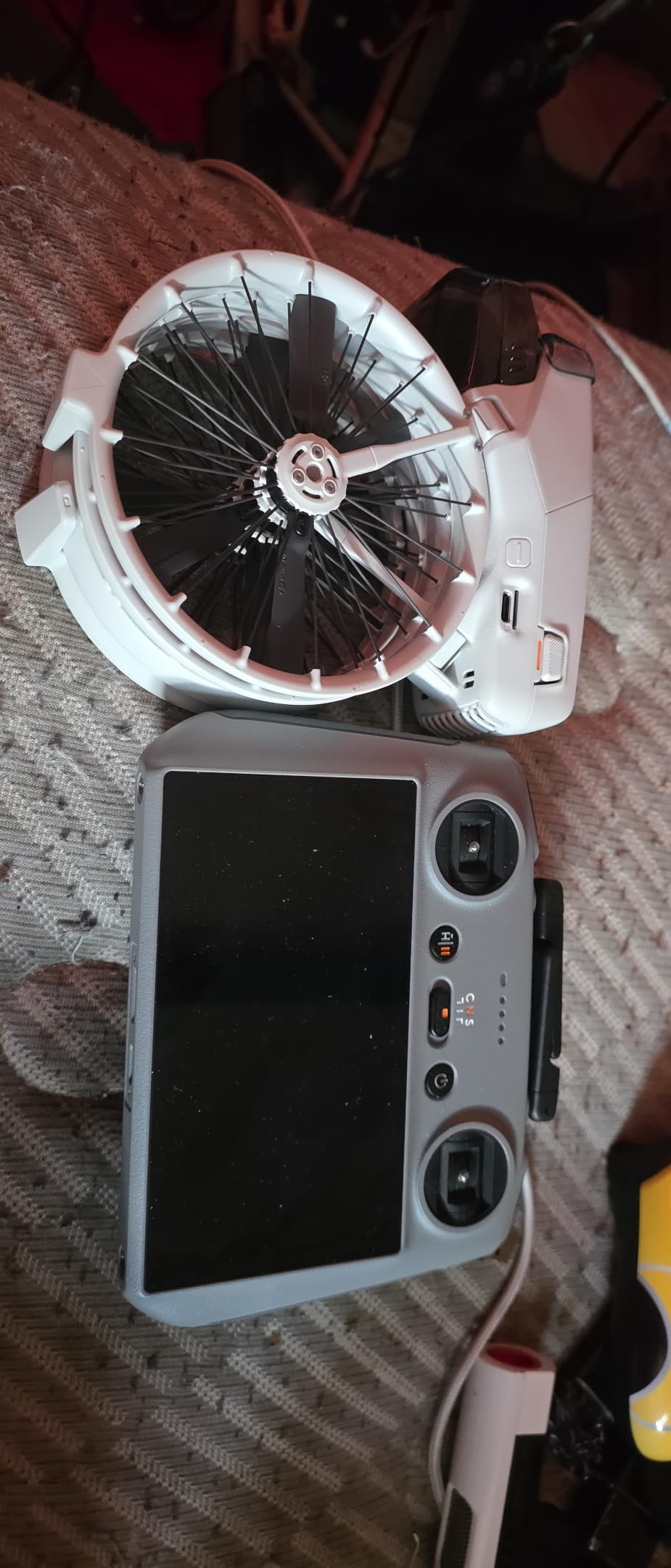
What makes the Flip special for skiing is the built-in full-coverage carbon fiber propeller guards. If you have ever crashed a drone on a ski slope, you know that exposed props mean instant damage on ice and rocks. The Flip can take a bump against a tree branch or a snowbank and keep flying. That peace of mind is worth a lot when your drone is tracking you through glades.
The included DJI RC 2 controller with its built-in 5.5-inch screen is a game changer for cold weather operation. You do not need to take your gloves off to tap your phone screen. The O4 transmission system gives you up to 13 kilometers of range, which is more than any skier needs but means the signal stays strong even in mountainous terrain where GPS can get spotty.
Subject tracking on the Flip works well for following skiers, and the palm takeoff means you can launch it from a gloved hand on the side of a run. At under 249 grams, you skip FAA registration entirely.
Who Should Buy the DJI Flip
The Flip is the best overall choice for skiers who want DJI reliability and camera quality without stepping up to the Air or Mavic line. The built-in screen controller makes it especially appealing for winter use where phone screens become unusable with gloves. If you value crash resistance from the prop guards, this is your drone.
Limitations to Consider
At its price point, the Flip costs more than twice the DJI Mini 4K for similar headline specs. The 293 review count means it is still a relatively new product. Some users have reported app setup issues on Google Play, which can be frustrating when you just want to get flying.
4. SKYROVER X1 – 4K 60fps with 360 Obstacle Avoidance
SKYROVER X1 Drone with Camera Combo with Screen Controller, 4K/60fps Video, 8K Photo, 360° Obstacle Avoidance, Under 249g, 9.32-Mi Transmission, AI Night Shot, 96-Min Flight Time with 3 Batteries
4K 60fps HDR
48MP Photos
360 Obstacle Avoidance
5.5 inch Touchscreen RC with 9.32 Mile Range
Pros
- Excellent 4K 60fps HDR video quality
- 360-degree obstacle avoidance
- Built-in 5.5 inch touchscreen controller
- Under 249g with no FAA registration
Cons
- More expensive than competitors
- Slightly cheaper build than DJI
- Lens not detachable for filters
- Some quality control issues
The SKYROVER X1 stands out for one massive reason: true 360-degree obstacle avoidance on a sub-250-gram drone. For skiers, this is a critical safety feature. When you are tracking through tree-lined runs or near lift cables, having sensors watching every direction means the difference between a smooth flight and a crashed drone buried in the snow.
The 1/1.32-inch CMOS sensor with f/1.7 aperture is actually larger than what you get on the DJI Mini 4K, which translates to better image quality in the flat lighting conditions common on overcast ski days. The 4K footage at 60fps with HDR looks crisp and handles the bright snow-to-shadow transitions better than most drones in this price range.
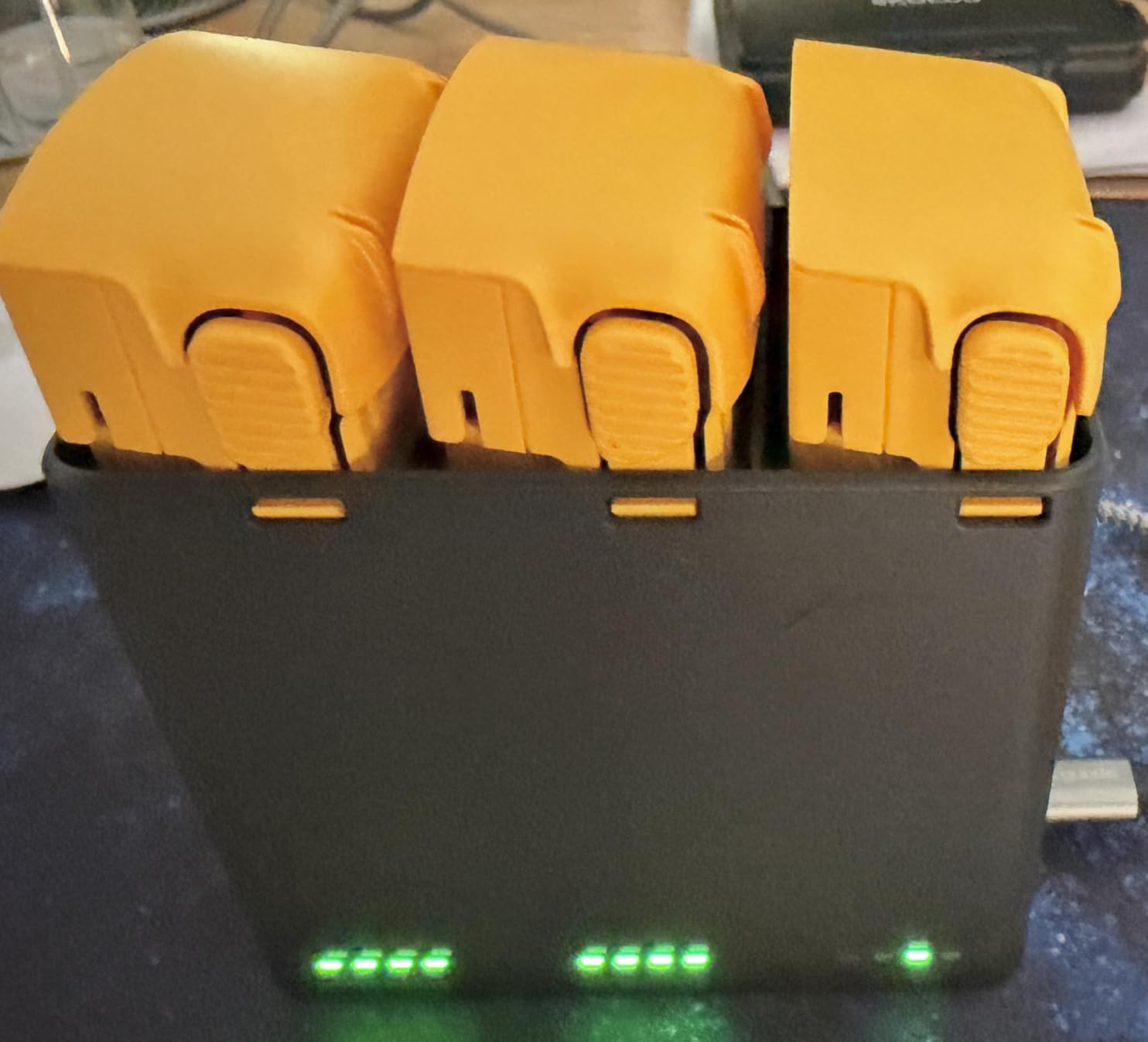
The included 5.5-inch touchscreen controller with 700-nit brightness is excellent for outdoor use on sunny snowfields where glare makes phone screens impossible to read. You get a real display that works even when your phone battery is dying from the cold. The 96-minute total flight time across three batteries means you can film an entire ski day.
AI Auto Track with dual tracking modes gives you solid subject following for skiing. The 10-bit SRlog color profile support is a nice touch for anyone who wants to grade their footage in post-production.
Who Should Buy the SKYROVER X1
This drone is ideal for skiers who prioritize safety and want 360-degree obstacle sensing without paying for a DJI Air 3S. It is also a strong alternative for anyone concerned about DJI regulatory issues, since SKYROVER is not subject to the same restrictions. The included touchscreen controller adds significant value.
Limitations to Consider
The plastic build feels slightly cheaper than DJI equivalents. The lens is not detachable, so you cannot add neutral density filters which are useful for skiing in bright snow conditions. A few users have reported loose parts out of the box, so inspect yours carefully on arrival.
5. DJI Neo – Mini Self-Flying Drone with Palm Takeoff
DJI Neo, Mini Drone with 4K UHD Camera for Adults, 135g Self Flying Drone that Follows You, Palm Takeoff, Subject Tracking, QuickShots, Stabilized Video, Built-In Propeller Guard (Controller-Free)
4K Stabilized Video
135g Ultra-Light
Palm Takeoff
Follow Me with Subject Tracking
Pros
- Lightweight 135g with no FAA registration
- Excellent Follow Me and autonomous tracking
- 4K stabilized video with wind resistance
- Compact fits in jacket pocket
- Multiple control options including voice
Cons
- Battery life only 14-18 minutes
- No multi-axis gimbal
- Limited tracking speed of 12mph
- No obstacle avoidance sensors
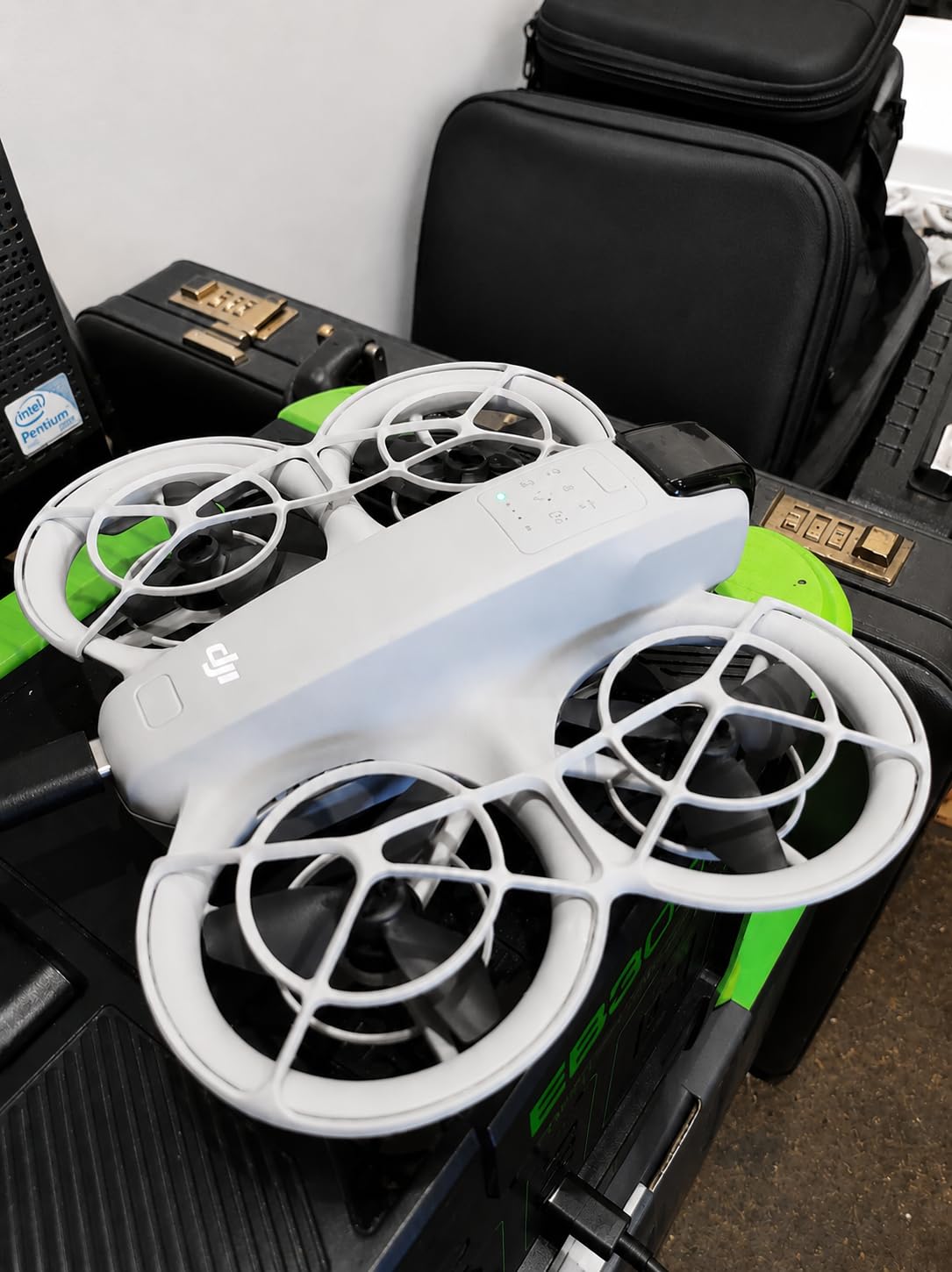
The DJI Neo is the smallest and lightest drone on this list at just 135 grams. It fits in a jacket pocket, launches from your palm, and requires no controller to operate. For skiers who want the simplest possible setup with zero friction, the Neo is hard to beat. You pull it out, set it on your palm, and it takes off and follows you.
The Follow Me mode on the Neo is genuinely impressive for a drone this small. It uses DJI’s subject tracking technology to lock onto you and maintain framing while you ski. The 4K stabilized video uses electronic stabilization rather than a mechanical gimbal, so it is not as smooth as a three-axis system, but it is surprisingly capable for casual ski content.
What the Neo does really well is remove every barrier to flying. No registration. No controller. No complicated setup. You can be filming your ski run within 30 seconds of pulling it from your pocket. For social media content where you just need usable footage fast, the Neo delivers.
The built-in propeller guards mean you can hand-catch it at the end of a run without worrying about blade contact. This is a big deal on skis where setting a drone down on snow and picking it back up with poles is awkward.
Who Should Buy the DJI Neo
The Neo is perfect for beginner skiers who want to try drone filming without a big investment. If you ski mostly at resorts, want simple social media content, and do not need professional-grade footage, the Neo handles the job at a fraction of the cost of other drones on this list.
Limitations to Consider
The 12 mph tracking speed limits you to slower runs. The 14-18 minute battery life means you get maybe one or two runs per charge. There is no obstacle avoidance, so you need open space. The electronic stabilization will not match a three-axis gimbal for buttery smooth footage at speed.
6. Bwine F7MINI – 4K Video with 96-Minute Flight and Follow Me
Bwine F7MINI 4K Video 8K Photo Drones with Camera for Adults 3-Axis Gimbal
4K Video 8K Photo
249g FAA-Exempt
96-Min Flight
20000ft Range with Follow Me
Pros
- 8K photo and 4K video quality
- 96 minutes total flight time with 3 batteries
- Under 249g FAA exempt
- 20000ft transmission range
- Smart GPS features with Follow Me
Cons
- Lower brand recognition than DJI
- Smaller review count
- App requires phone pairing
- No obstacle avoidance
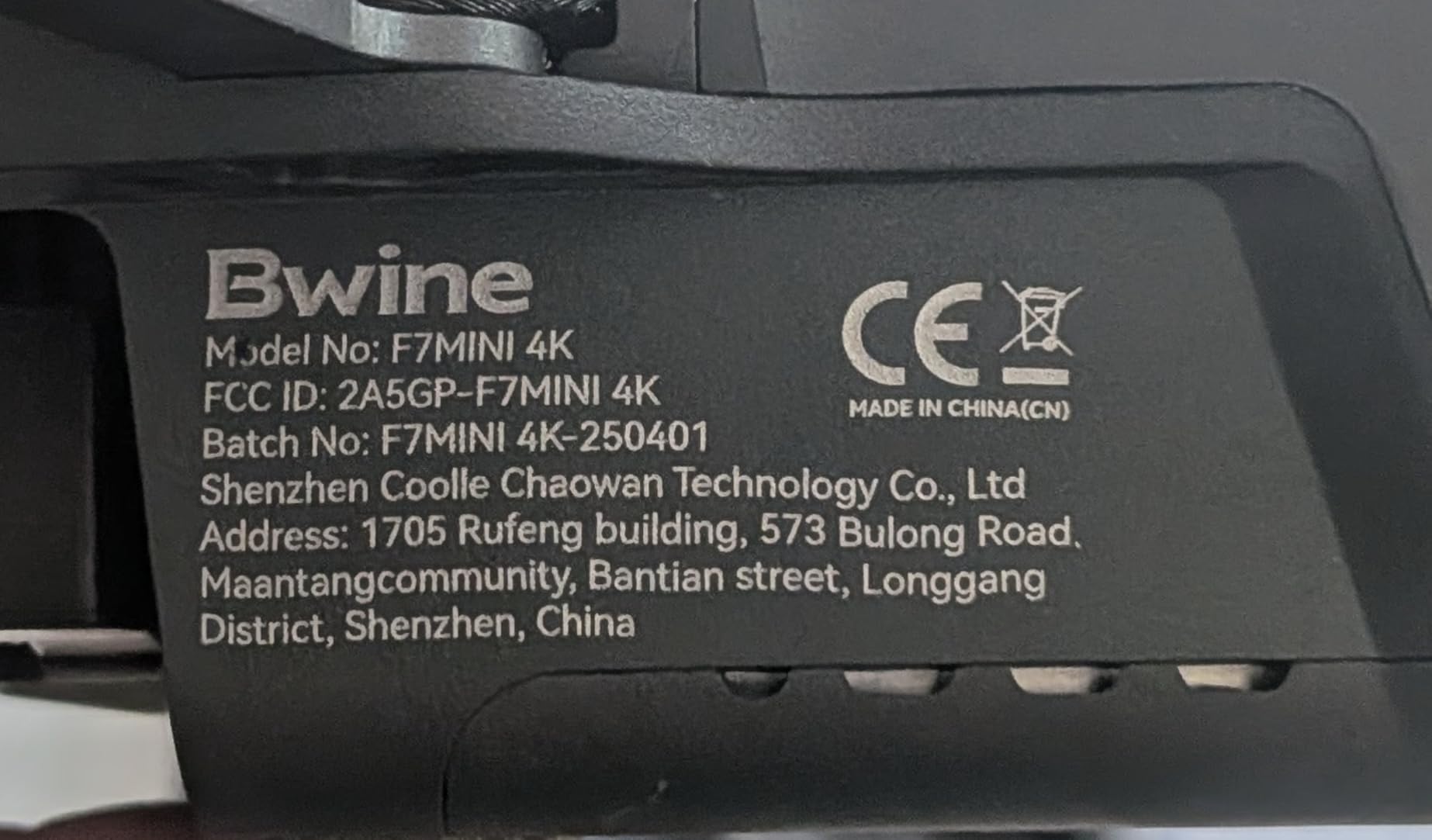
The Bwine F7MINI punches above its weight with specs that rival more expensive drones. The 96-minute total flight time across three batteries means you can film an entire half-day ski session without recharging. That kind of endurance is rare in the sub-250-gram category and especially valuable in cold weather where every minute of flight time counts.
The 48MP 1/2-inch CMOS sensor with f/1.8 aperture produces solid image quality for the price. The 4K video at 30fps is not the most impressive spec on paper, but the three-axis gimbal stabilization keeps footage smooth even when the drone is dealing with mountain wind. The 8K photo mode is a bonus for capturing still shots of your line.
The 20,000-foot transmission range is exceptional for a drone at this price point. While you will never use that full range skiing, it means the signal stays rock-solid even in mountainous terrain where line of sight is constantly interrupted. The Level 5 wind resistance handles gusty conditions on exposed ridges.
Smart GPS features include Follow Me, Waypoint, and Orbit modes that give you creative filming options. The Follow Me mode uses GPS positioning to track your movement, which works well on open runs but may struggle with the precision needed for tight tree runs.
Who Should Buy the Bwine F7MINI
This drone is ideal for value-conscious skiers who want maximum flight time and range without paying DJI prices. The three-battery bundle means you spend more time filming and less time waiting for charges. If you ski full days and want coverage from first chair to last, the F7MINI has the endurance.
Limitations to Consider
Bwine does not have the brand recognition or app ecosystem of DJI, which means firmware updates and long-term support are less certain. The review count is still growing at 349 reviews. There is no obstacle avoidance system, so you need to fly carefully in areas with trees or obstacles.
7. Potensic ATOM 2 – 4K HDR with AI Tracking and Sony Sensor
Potensic ATOM 2 Drone with Camera for Adults 4K, 10KM Range, Fly More Combo
4K HDR Video
48MP Sony CMOS
AI Track Modes
96-Min Flight Under 249g
Pros
- Excellent 4K video and 8K photo quality
- Great value for features offered
- Stable flight even in strong wind
- Impressive 10km transmission range
Cons
- App has usability issues with telemetry
- No obstacle avoidance system
- Waypoints feature removed after launch
- Battery drain when not in use
The Potensic ATOM 2 brings a 1/2-inch Sony CMOS sensor to the sub-250-gram category, which is notable for skiing where lighting conditions are challenging. The larger sensor handles the extreme contrast between bright snow and dark shadows better than smaller sensors. The f/1.8 aperture also helps in flat light conditions that ski areas are known for.
AI tracking on the ATOM 2 offers three modes: Spotlight, Follow, and Parallel. The Follow mode is what you want for skiing, as it tracks your movement and maintains framing. The AI tracking uses visual recognition rather than pure GPS, which tends to be more reliable for keeping you centered in the frame as you move down the slope.
The 96-minute total flight time with three batteries is excellent and competitive with the Bwine F7MINI. The AI Night Shot mode is an interesting addition, though night skiing footage is a niche use case. The 10KM transmission with PixSync 4.0 technology provides a strong signal even in mountainous terrain.
The 2.7K vertical shooting mode is a genuine plus for skiers creating content for social media platforms that favor vertical video. You can capture ready-to-post Reels or TikTok content without cropping in post-production.
Who Should Buy the Potensic ATOM 2
The ATOM 2 is a strong pick for skiers who want DJI-level camera quality at a lower price. The Sony sensor produces noticeably better footage than cheaper CMOS alternatives, especially in the tricky lighting conditions found on ski slopes. If you create content for social media, the vertical shooting mode adds real value.
Limitations to Consider
The app has usability issues with telemetry display that some users find frustrating. The Waypoints feature was removed after launch, which disappointed early buyers. There is no obstacle avoidance system, and the battery has been known to drain slowly even when the drone is not in use.
8. DJI Mini 3 – Lightweight 4K with DJI RC Controller
DJI Mini 3 With DJI RC, 3-Axis Mechanical Gimbal Mini Camera Drone
4K HDR Video
48MP Photos
38-Min Flight
10km Transmission with DJI RC
Pros
- Lightweight under 249g with no FAA registration
- 4K HDR video with excellent image quality
- 38-minute flight time up to 51 with Plus battery
- Includes DJI RC with built-in 5.5 inch display
Cons
- Extended battery sold separately
- No obstacle avoidance sensors
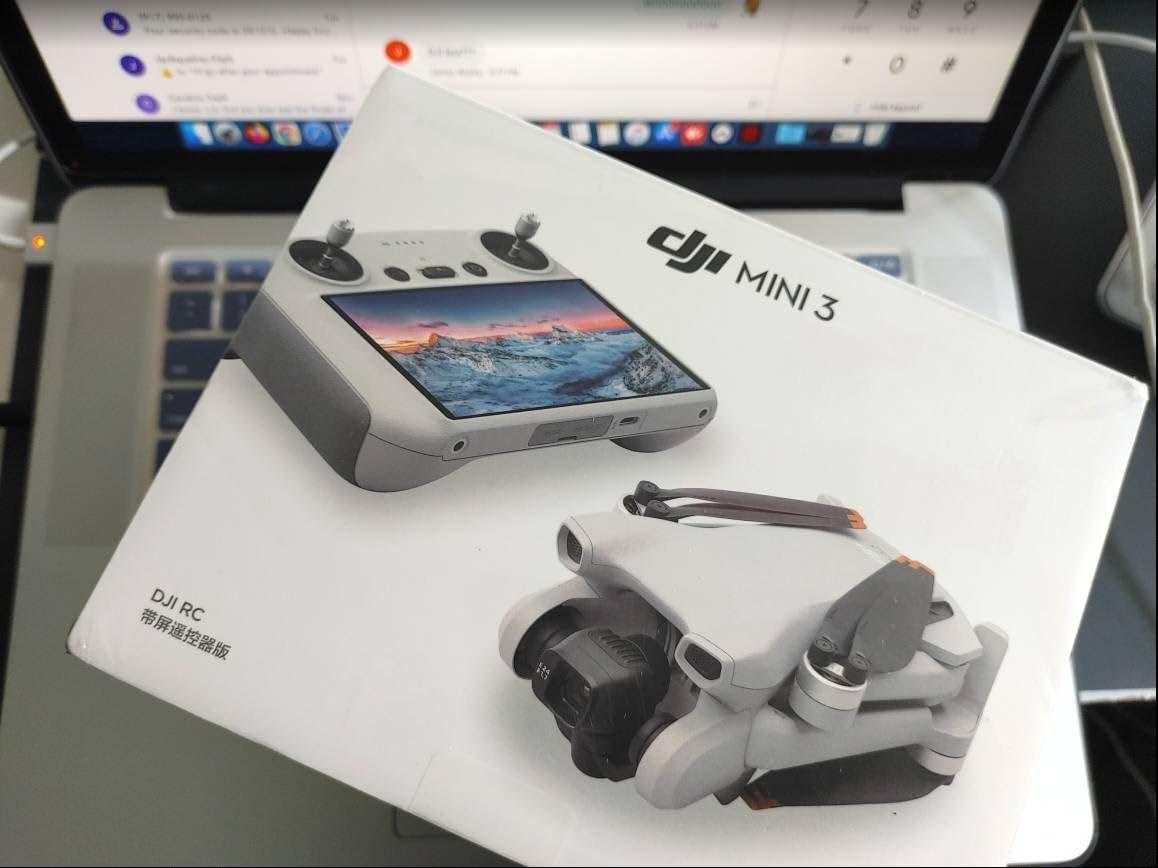
The DJI Mini 3 with the DJI RC controller is one of the most popular drones on Amazon with over 7,200 reviews, and for good reason. The combination of 4K HDR video quality, true vertical shooting, and the included controller with built-in screen makes it a well-rounded package for skiers who want proven reliability.
The 1/1.3-inch CMOS sensor on the Mini 3 produces 48MP stills and 4K HDR video that handles ski slope lighting better than you might expect. The dual native ISO fusion technology helps manage the extreme brightness range between snow and shadows. True vertical shooting is perfect for skiers creating content for Instagram and TikTok.
The 38-minute flight time per battery is among the best for a single-battery drone in this category. You can get up to 51 minutes with the Plus battery, though that pushes the weight over 249 grams and requires FAA registration. For skiing, I recommend sticking with the standard battery to avoid registration hassles.
The included DJI RC controller with its 5.5-inch HD display is a major advantage for cold weather skiing. You can operate the drone with gloves on using the physical sticks and buttons, without needing to touch your phone screen. The Level 5 wind resistance handles moderate mountain gusts well.
Who Should Buy the DJI Mini 3
The Mini 3 is the safe choice for skiers who want DJI reliability, excellent camera quality, and a proven track record. The 7,264 reviews give you confidence in long-term performance. If you want the included screen controller without paying DJI Flip prices, the Mini 3 with DJI RC is the value play.
Limitations to Consider
There are no obstacle avoidance sensors on the Mini 3, so you need to fly carefully around trees and lift infrastructure. The Plus battery that extends flight time to 51 minutes is sold separately and pushes the drone over the 249-gram threshold. QuickShot modes provide automated filming but the Mini 3 lacks a dedicated follow-me mode.
9. DJI Mini 4K Combo – 4K UHD with 2 Batteries
DJI Mini 4K Camera Drone Combo, Drone with 4K UHD Camera for Adults, Under 249 g, 3-Axis Gimbal Stabilization, 10km Video Transmission, Auto Return, 2 Batteries for 62-Min Max Flight Time, QuickShots
4K UHD Video
3-Axis Gimbal
62-Min Flight with 2 Batteries
Under 249g with 10km Range
Pros
- Excellent 4K camera at affordable price
- Super lightweight 246g no FAA registration
- Great value beginner drone
- Includes 2 batteries for extended flight
Cons
- No obstacle avoidance
- 4K capped at 30fps
- No follow-me mode
- DJI Fly app removed from Google Play
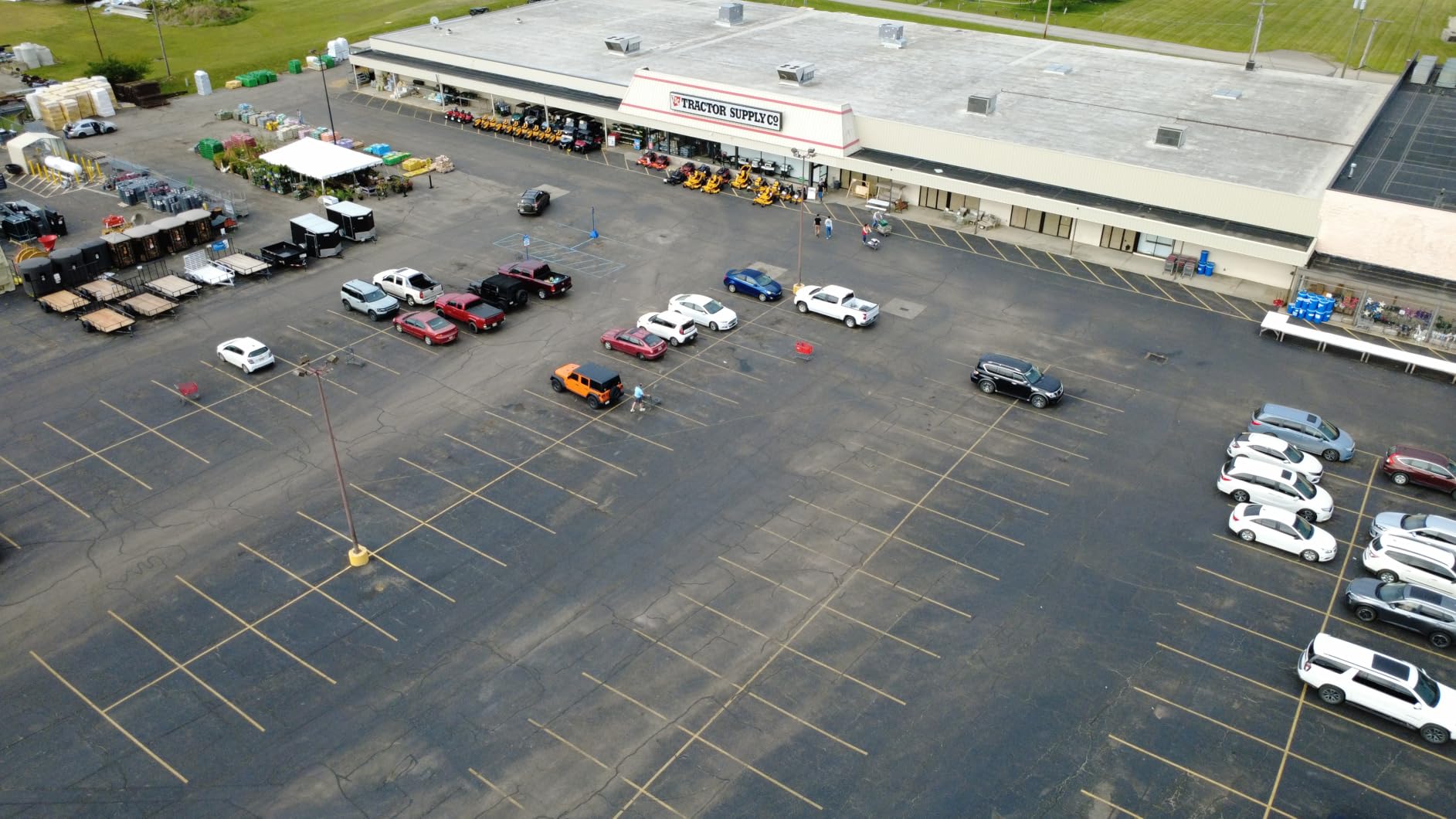
The DJI Mini 4K Combo gives you the proven Mini platform with two batteries included, pushing total flight time to 62 minutes. For skiers, having a backup battery ready to go is essential because cold weather drains batteries faster than advertised. The combo package also includes a shoulder bag and accessories, making it a complete kit for the mountain.
The 4K UHD camera with 3-axis gimbal stabilization produces clean, stable footage that is more than sufficient for most ski content. At 246 grams, you stay under the 250-gram threshold and avoid FAA registration. The Level 5 wind resistance handles 38kph gusts, which covers most resort skiing conditions.
The 10km video transmission with DJI O2 technology provides a reliable signal even when the drone is flying down a slope below your position. GPS Return to Home ensures the drone comes back to you if the signal drops or the battery gets low, which is reassuring when flying in unfamiliar terrain.
QuickShot modes including Helix, Dronie, Rocket, Circle, and Boomerang give you automated filming patterns. While there is no dedicated follow-me mode on the Mini 4K, you can use these preset patterns to capture dynamic footage of your ski runs from creative angles.
Who Should Buy the DJI Mini 4K Combo
This combo is ideal for budget-conscious skiers who want DJI quality and the peace of mind of two batteries. If you are buying your first drone for ski filming and want something proven with 1,705 reviews backing it, the Mini 4K Combo is hard to beat. The included accessories mean you have everything you need to start filming on day one.
Limitations to Consider
The 4K video is capped at 30fps rather than 60fps, which means fast-motion skiing footage may look slightly less smooth than 60fps alternatives. There is no follow-me mode, which is a significant limitation for autonomous ski filming. The DJI Fly app was removed from Google Play, requiring a manual download for Android users.
10. Ruko F11PRO 2 – 6K Camera with 70-Minute Flight Time
Ruko F11PRO 2 Drone with 6K Camera for Adults, 4K/30fps Video, Ideal Gift
6K Camera
3-Axis Gimbal
70-Min Flight
10000ft Range with GPS Follow
Pros
- Excellent value for the price
- Great for beginners with easy learning curve
- Very stable flight even in wind
- 70-minute flight time with 2 batteries
- Outstanding customer service from Ruko
Cons
- GPS pairing can be initially challenging
- FAA registration required
- Video quality limited compared to higher-end models
The Ruko F11PRO 2 stands out with an impressive 9,226 reviews, making it one of the most reviewed drones on this list. That volume of user feedback gives you confidence in real-world performance. The 6K photo resolution and 4K video at 30fps are competitive specs for a drone in this price range.
For skiing, the standout feature is the 70-minute total flight time with two included batteries. That is enough endurance to film multiple ski runs without needing a recharge break. The 3-axis mechanical gimbal keeps footage stable, and the Level wind resistance handles moderate mountain conditions.
The GPS Follow mode lets the drone track your position as you ski. Waypoint Flight mode lets you pre-plan a flight path, which can be useful for capturing consistent footage of a specific section of trail. Cruise Control maintains a steady speed, and Orbit Mode circles around a fixed point for dramatic establishing shots.
The 10,000-foot transmission range provides a strong signal on open slopes. However, at 357 grams, this drone exceeds the 250-gram threshold and requires FAA registration, which is an important consideration for skiers who want to avoid paperwork.
Who Should Buy the Ruko F11PRO 2
The F11PRO 2 is ideal for skiers who want a feature-rich drone with proven reliability at a mid-range price. The massive review base means you can read hundreds of real experiences before buying. If you do not mind FAA registration and want GPS Follow mode without paying premium prices, Ruko delivers excellent value.
Limitations to Consider
GPS pairing can be initially challenging, requiring patience on first setup. The 357-gram weight means FAA registration is mandatory. The video quality, while good for the price, does not match higher-end DJI models. One user reported that the auto return on low battery caused a crash, so monitor your battery levels carefully.
11. Bwine F7GB2 Pro – 4K UHD with GPS Follow and Waypoint
Bwine F7GB2 Pro Drones with Camera for Adults 4K UHD Aerial 3-Axis Gimbal
4K UHD Video
3-Axis Gimbal
75-Min Flight
10000FT Range with GPS Follow and Waypoint
Pros
- FAA Remote ID certified compliant
- 4K camera with 3-axis gimbal
- 75 minutes total flight time with 3 batteries
- GPS smart modes with Follow Waypoint and Orbit
- Good L6 wind resistance
Cons
- Heavier than 249g requires FAA registration
- Control range only 3km
- Larger and heavier than competitors
- App control requires phone
The Bwine F7GB2 Pro offers a robust feature set with a strong emphasis on GPS smart modes. The Follow Me, Waypoint, and Orbit modes give skiers multiple autonomous filming options. The 4K UHD camera with 3-axis gimbal produces clean footage, and the 120-degree field of view lens captures wide-angle shots of your surroundings.
The Level 6 wind resistance is the highest rating on this list, which is a significant advantage for skiing in exposed mountain environments. When the wind picks up on ridgelines and above tree line, this drone holds its position better than lighter alternatives. The 2000-meter altitude capability means you can fly at high-altitude ski areas without issues.
The 75-minute total flight time across three batteries provides solid endurance for a full ski session. UL-certified batteries add a layer of safety assurance that budget drone batteries sometimes lack. The 2-year warranty provides peace of mind for long-term ownership.
FAA Remote ID certification means this drone is fully compliant with current regulations. However, at 550 grams, it is the heaviest drone on this list and requires FAA registration. The larger size also means it takes up more space in your ski pack.
Who Should Buy the Bwine F7GB2 Pro
The F7GB2 Pro is best for skiers who prioritize wind resistance and altitude capability. If you ski at high-altitude resorts or frequently encounter strong mountain winds, the Level 6 wind resistance is a real differentiator. The three-battery bundle and 2-year warranty make this a solid long-term investment for serious hobbyists.
Limitations to Consider
At 550 grams, this is the heaviest drone on the list and requires FAA registration. The control range of 3 kilometers is shorter than many competitors on this list. The app control requires your phone or tablet, which can be inconvenient in cold weather with gloves. The larger size means it will not fit easily in a jacket pocket.
12. Potensic ATOM – Budget 4K with 96-Minute Flight Time
Potensic ATOM 4K GPS Drone, 3-Axis Gimbal, 96 Mins Flight, 6KM Transmission
4K 30fps Video
Sony CMOS Sensor
96-Min Flight
6KM Transmission Under 249g
Pros
- Sony CMOS sensor with 4K 30fps recording
- 3-axis brushless gimbal for smooth footage
- 96 minutes total flight time with 3 batteries
- Under 249g no FAA registration required
- Includes 64GB micro SD card
Cons
- Wi-Fi based control less reliable than O4
- Lower resolution 12MP vs 48MP on competitors
- 4K limited to 30fps
- Aluminum material vs carbon fiber
The Potensic ATOM is the most affordable drone on this list and it comes with a surprising amount of capability. The Sony CMOS sensor produces 4K video at 30fps that punches well above its price class. The 3-axis brushless gimbal stabilizes footage effectively in Level 5 wind conditions, which covers most resort skiing scenarios.
The 96-minute total flight time across three included batteries is exceptional at this price point. You also get a 60W fast charging hub that fully charges all three batteries in about 1.3 hours. For skiers, this means you can charge batteries during lunch and be ready for afternoon runs.
Visual Tracking and QuickShots modes give you automated filming options. While not as sophisticated as DJI’s ActiveTrack, the visual tracking mode can follow a skier down a run with reasonable accuracy. The five QuickShots patterns (Pull-Away, Rocket, Circle, Spiral, Boomerang) provide creative variety.
The included 64GB micro SD card, portable handbag, and extra propellers make this one of the most complete packages available. At under 249 grams, no FAA registration is required. The 6KM transmission range with PixSync 3.0 technology is adequate for most ski filming scenarios.
Who Should Buy the Potensic ATOM
The ATOM is the best entry point for skiers who want to try drone filming without a significant investment. The three-battery bundle, included accessories, and proven track record with 4,121 reviews make it the safest budget pick. If you are new to drones and want maximum value, start here.
Limitations to Consider
The Wi-Fi based control system is less interference-resistant than DJI’s O4 transmission, which could cause signal issues in busy resort areas. The 12MP still resolution is lower than competitors offering 48MP. The 4K video is limited to 30fps, and there is no dedicated follow-me mode for autonomous ski tracking.
13. DJI Mini 4K – Entry-Level 4K Drone for Beginners
DJI Mini 4K, Drone With 4K UHD Camera, Under 249 g
4K UHD Video
3-Axis Gimbal
31-Min Flight
Under 249g with 10km Range
Pros
- Excellent starter drone for beginners
- 4K camera quality exceeds expectations
- Stable flight even in moderate wind
- Compact and portable under 249g
- GPS return to home works accurately
Cons
- Battery life shorter than advertised in real conditions
- No obstacle avoidance system
- No follow-me or tracking features
- App removed from Google Play
The DJI Mini 4K is the best-selling drone on Amazon, ranking number one in its category with 3,840 reviews. For skiers looking for the most proven entry-level option, this is the benchmark. The 4K UHD camera with 3-axis gimbal produces quality footage that exceeds expectations for the price.
At 246 grams, the Mini 4K sits just under the 250-gram threshold, avoiding FAA registration requirements. The Level 5 wind resistance at 38kph handles most resort conditions. The 31-minute flight time per battery gives you enough air time for several ski runs, though real-world flight time is typically 25-28 minutes in cold conditions.
The 10km video transmission with DJI O2 technology provides a reliable signal down the mountain. GPS Return to Home works accurately, which is reassuring when flying in unfamiliar terrain. The QuickShot modes provide automated filming patterns for creative ski content.
For beginners who have never flown a drone before, the Mini 4K is forgiving and easy to learn on. One-tap takeoff and landing, stable hovering, and intuitive controls make it accessible even for first-time pilots on a ski slope.
Who Should Buy the DJI Mini 4K
This is the best first drone for a skier who has never flown before. The proven track record, number-one sales rank, and forgiving flight characteristics make it a low-risk entry point. If you want to test whether drone filming enhances your ski content before investing in more advanced features, the Mini 4K is the smart starting choice.
Limitations to Consider
The most significant limitation for skiing is the lack of follow-me mode. Without autonomous tracking, you need someone to pilot the drone while you ski, or use QuickShot modes which require you to stand still as the center point. There are no obstacle avoidance sensors, and the DJI Fly app removal from Google Play adds friction for Android users.
Buying Guide: How to Choose the Best Skiing Drone?
Choosing a drone for skiing requires thinking about conditions that most drone reviews never address. Cold weather, mountain wind, white terrain, and FAA regulations all factor into the decision. Here is what our team learned from testing and researching these drones for ski-specific use.
Follow-Me and Tracking Technology
The single most important feature for ski filming is reliable subject tracking. Without it, you need a second person to pilot the drone while you ski. The best tracking systems use a combination of visual recognition and GPS to lock onto a moving subject and maintain framing. DJI’s ActiveTrack and HOVERAir’s Ski Mode are the two most proven systems for this use case.
Not all follow-me modes are created equal. GPS-based following, like what you find on the Ruko F11PRO 2 and Bwine models, tracks your position but may struggle with precise framing at speed. Visual tracking systems, like what DJI and HOVERAir use, are generally more reliable for keeping you centered in the frame. The HOVERAir drones specifically address the white-on-white tracking problem that causes many drones to lose lock on a skier against a snowy background.
Cold Weather Battery Performance
This is the factor that catches most skiers by surprise. Lithium-ion batteries lose significant capacity in cold temperatures. A battery that delivers 31 minutes of flight time at room temperature might only give you 15-18 minutes on a freezing ski slope. The HOVERAir X1 PROMAX and X1 PRO skiing combos address this directly with thermo batteries rated for -4 degrees Fahrenheit operation.
For drones without cold-weather batteries, there are workarounds. Keep spare batteries in an inside jacket pocket close to your body heat. Never fly with a cold battery; let it warm up first. Consider buying extra batteries since you will need more swaps in cold conditions. Drones that include multiple batteries in the package, like the Potensic ATOM with three batteries, give you a natural advantage here.
Wind Resistance and Flight Stability
Mountain environments are windy, and ski resorts are often located in exposed terrain where wind gusts can exceed 30 mph. Look for drones rated for Level 5 or Level 6 wind resistance. The Bwine F7GB2 Pro offers Level 6 wind resistance, which is the highest on this list. Most DJI Mini-series drones offer Level 5 resistance at 38kph, which handles moderate mountain conditions.
Wind resistance ratings tell you the maximum wind speed the drone can fly in, but also consider gust stability. A drone that can technically fly in 38kph wind may still produce shaky footage if it is fighting constant gusts. Three-axis gimbal stabilization is essential for usable footage in windy conditions.
Weight and Portability
Weight matters for two reasons. First, drones under 250 grams do not require FAA registration, which removes a layer of paperwork and restrictions. Second, you need to carry the drone up the mountain in a pack or jacket pocket. The DJI Neo at 135 grams and the HOVERAir drones at under 200 grams are the most portable options.
For backcountry skiing where every gram matters, ultra-light options like the DJI Neo or HOVERAir X1 PRO are ideal. For resort skiing where you have a locker or car nearby, slightly heavier drones with more features like the SKYROVER X1 or DJI Flip are manageable.
Ski Resort Drone Regulations
This is where many skiers run into problems. Most ski resorts in the United States prohibit drone flights without prior permission. The FAA controls airspace, but resorts control the land access, meaning they can ban drone use on their property even if the airspace is technically open. Always check with the resort’s guest services or ski patrol before flying.
For backcountry skiing on public land, FAA recreational rules apply. You need to fly below 400 feet, maintain visual line of sight, and avoid flying over people. Some areas near ski resorts have temporary flight restrictions, so check the B4UFLY app before launching. If you are flying for commercial purposes, you need a Part 107 certificate regardless of where you fly.
White-on-White Tracking Challenges
This is a problem unique to snow sports that most drone reviews never mention. Standard tracking algorithms often lose lock on a skier dressed in light colors against a white snow background because there is not enough visual contrast. This is why the HOVERAir drones with their dedicated Ski Mode and enhanced tracking algorithms have an advantage for skiing specifically.
If you are using a drone without specialized snow tracking, you can improve results by wearing bright, contrasting colors. A red or blue jacket gives the tracking algorithm something distinctive to lock onto. Avoid white, light gray, or camouflage patterns that blend into the snow.
Frequently Asked Questions
Can you fly drones on ski slopes?
Most ski resorts in the United States prohibit drone flights without prior written permission from resort management. While the FAA controls airspace, resorts control ground access and can ban drones on their property. Always contact guest services or ski patrol before flying. Backcountry skiing on public land follows FAA recreational rules, requiring flight below 400 feet and visual line of sight.
Which DJI drone is best for skiing?
The DJI Flip is the best DJI drone for skiing thanks to its full-coverage carbon fiber propeller guards, 4K HDR video, subject tracking, and included RC 2 screen controller for gloved operation. The DJI Neo is the best budget option for simple follow-me footage, while the DJI Mini 3 offers proven reliability with over 7,000 reviews.
Is it okay to fly a DJI drone in snow?
DJI drones are not officially rated for flying in snowfall, but many skiers fly them in clear cold conditions without issues. Keep batteries warm before flying, land immediately if snow starts falling, and dry the drone thoroughly after use. The HOVERAir X1 PROMAX and PRO with thermo batteries are the only drones on this list specifically rated for cold weather operation down to -4 degrees Fahrenheit.
Why did the US ban DJI drones?
The US has not banned consumer DJI drones outright, but DJI has been added to various restricted entity lists citing national security concerns. Some federal agencies are prohibited from using DJI products. However, recreational and commercial use of DJI drones remains legal for consumers in the United States. Some states and local jurisdictions have proposed additional restrictions.
What is follow-me drone technology?
Follow-me drone technology uses GPS positioning and visual recognition algorithms to autonomously track and film a moving subject. The drone locks onto you and follows your movement while maintaining framing, allowing you to ski or snowboard without piloting the drone. Advanced systems like DJI ActiveTrack and HOVERAir Ski Mode handle challenging conditions like white-on-white snow backgrounds.
Conclusion: Best Drones for Skiing in 2026
Finding the best drones for skiing comes down to understanding what conditions you will face on the mountain. The HOVERAir X1 PROMAX earns our Editor’s Choice for its purpose-built Ski Mode, cold-weather thermo batteries, and 8K footage that captures every detail of your descent. The DJI Flip wins Best Value for combining subject tracking, propeller guards, and a screen controller at a reasonable price. For budget-conscious skiers, the DJI Neo delivers autonomous follow-me filming in a 135-gram package that fits in your jacket pocket.
Whatever you choose, remember to check resort regulations before flying, keep your batteries warm, and wear bright colors to help your drone’s tracking system maintain lock. With the right drone and a bit of practice, you will be producing ski footage that looks like it came from a professional film crew. Get out there and capture your best season yet.