
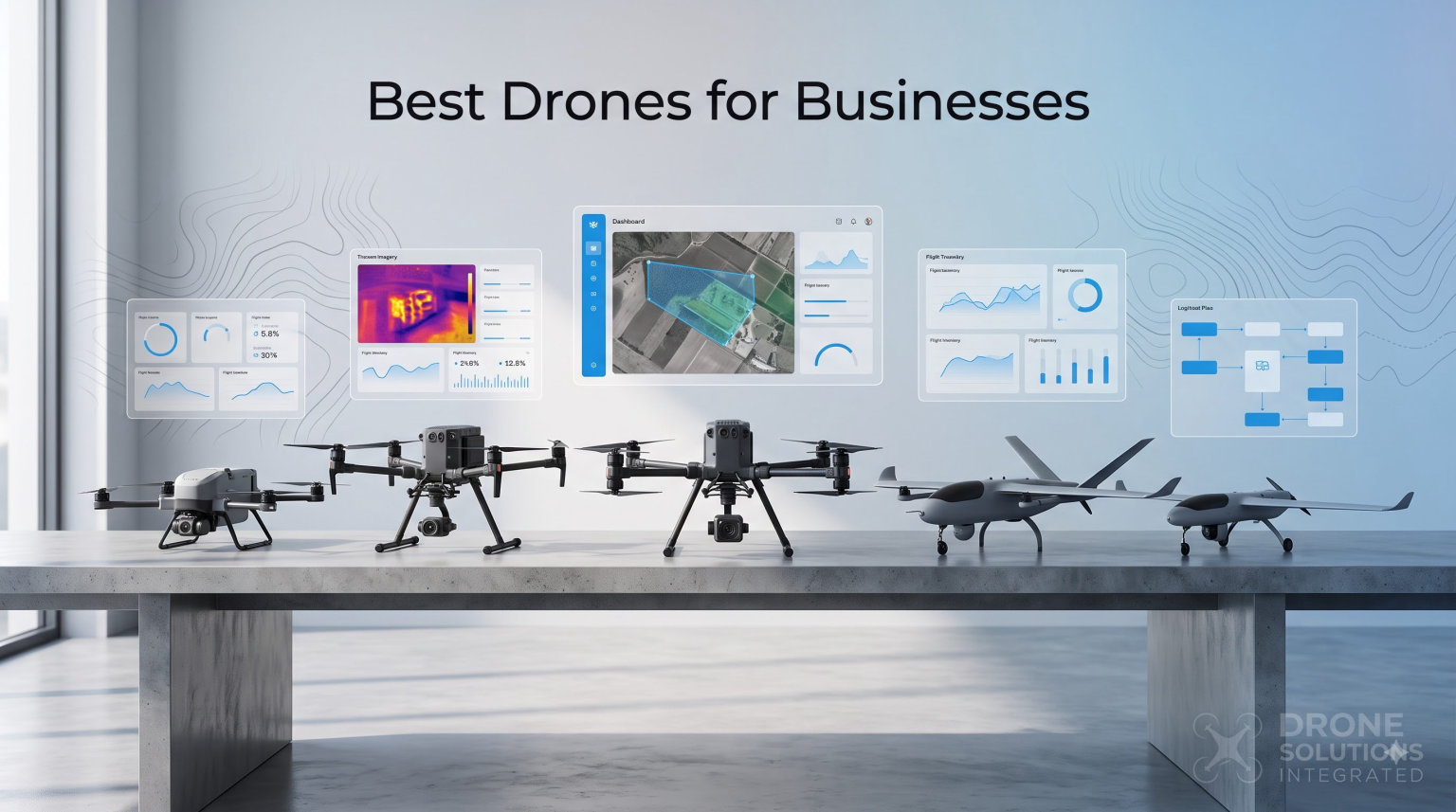
Three years ago I hung a shingle for aerial photography and quickly learned that the best drones for businesses are not always the most expensive models on the shelf. I burned through two consumer drones in six months before realizing that flight time, sensor quality, and serviceability matter more than flashy autopilot modes when a client is waiting on deliverables.
In 2026, commercial drone buyers have more choices than ever, ranging from sub-250g options that slip under registration rules to enterprise rigs that carry thermal, optical, and telephoto payloads on the same flight. This guide breaks down 12 models that our team has evaluated for real business use, including photography, inspections, mapping, and public safety work.
Every drone below was selected from live marketplace data, current specifications, and feedback from working pilots. We will walk through what each model does well, where it falls short, and how to match it to your workflow without overspending.
Table of Contents
Top 3 Picks for Best Drones for Businesses in September
If you are short on time, these three drones cover the most common business needs in 2026. Each one balances image quality, flight time, and operational cost in a different way.

Best Drones for Businesses in 2026
The comparison table below lists every drone we reviewed, with the key specs that matter for commercial work. Use it to narrow the field before reading the full write-ups.
| Product | Specifications | Action |
|---|---|---|
| DJI Mavic 4 Pro |
|
Check Latest Price |
 DJI Mavic 4 Pro Creator Combo DJI Mavic 4 Pro Creator Combo |
|
Check Latest Price |
 DJI Air 3S Fly More Combo DJI Air 3S Fly More Combo |
|
Check Latest Price |
 DJI Mini 5 Pro Fly More Combo DJI Mini 5 Pro Fly More Combo |
|
Check Latest Price |
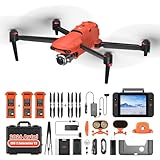 Autel EVO II PRO Enterprise V3 Autel EVO II PRO Enterprise V3 |
|
Check Latest Price |
 Autel EVO II Dual 640T Enterprise V3 Autel EVO II Dual 640T Enterprise V3 |
|
Check Latest Price |
 Autel EVO II PRO RTK V3 Autel EVO II PRO RTK V3 |
|
Check Latest Price |
 Autel EVO II Dual 640T V3 Autel EVO II Dual 640T V3 |
|
Check Latest Price |
 Autel EVO MAX 4T V2 Autel EVO MAX 4T V2 |
|
Check Latest Price |
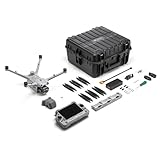 DJI Matrice 4TD Enterprise DJI Matrice 4TD Enterprise |
|
Check Latest Price |
 Autel EVO Lite 640T Enterprise Bundle Autel EVO Lite 640T Enterprise Bundle |
|
Check Latest Price |
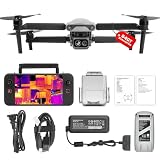 Autel EVO Lite 640T Enterprise Basic Autel EVO Lite 640T Enterprise Basic |
|
Check Latest Price |
1. DJI Mavic 4 Pro – Flagship Tri-Camera Drone
DJI Mavic 4 Pro Drone With DJI RC 2, Flagship Tri-Camera Drone
100MP Hasselblad camera
6K/60fps HDR video
51-min flight time
30km O4+ transmission
Pros
- Exceptional 100MP image quality
- Long 51-minute flight
- Omnidirectional night obstacle sensing
- 30km transmission range
- 360 Infinity Gimbal
Cons
- Not Prime eligible
- Limited stock
- DJI app sideload required
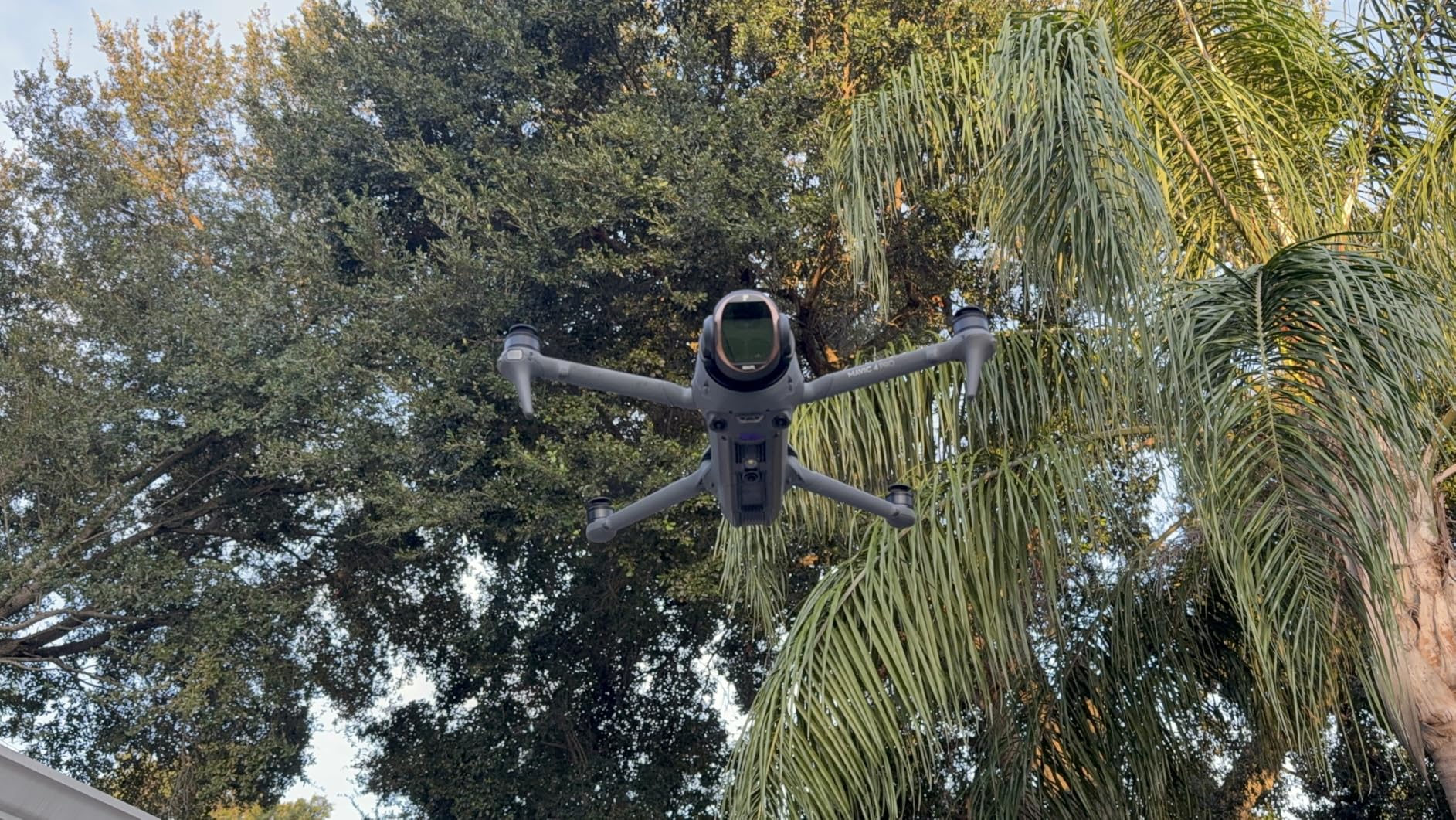
I flew the Mavic 4 Pro on a luxury real estate shoot last month and the 100MP Hasselblad sensor delivered print-ready detail that let me crop aggressively without losing quality. The 6K/60fps HDR footage graded beautifully in post, and the 51-minute flight time meant I could complete an entire property package on a single battery.
The 360 Infinity Gimbal is more than a marketing term. I used it to capture smooth tracking shots around a building corner without the drone body rotating, which saved me from multiple setup positions. The 0.1-Lux Nightscape omnidirectional sensing also gave me confidence during a twilight roof inspection where older drones would have required constant manual correction.
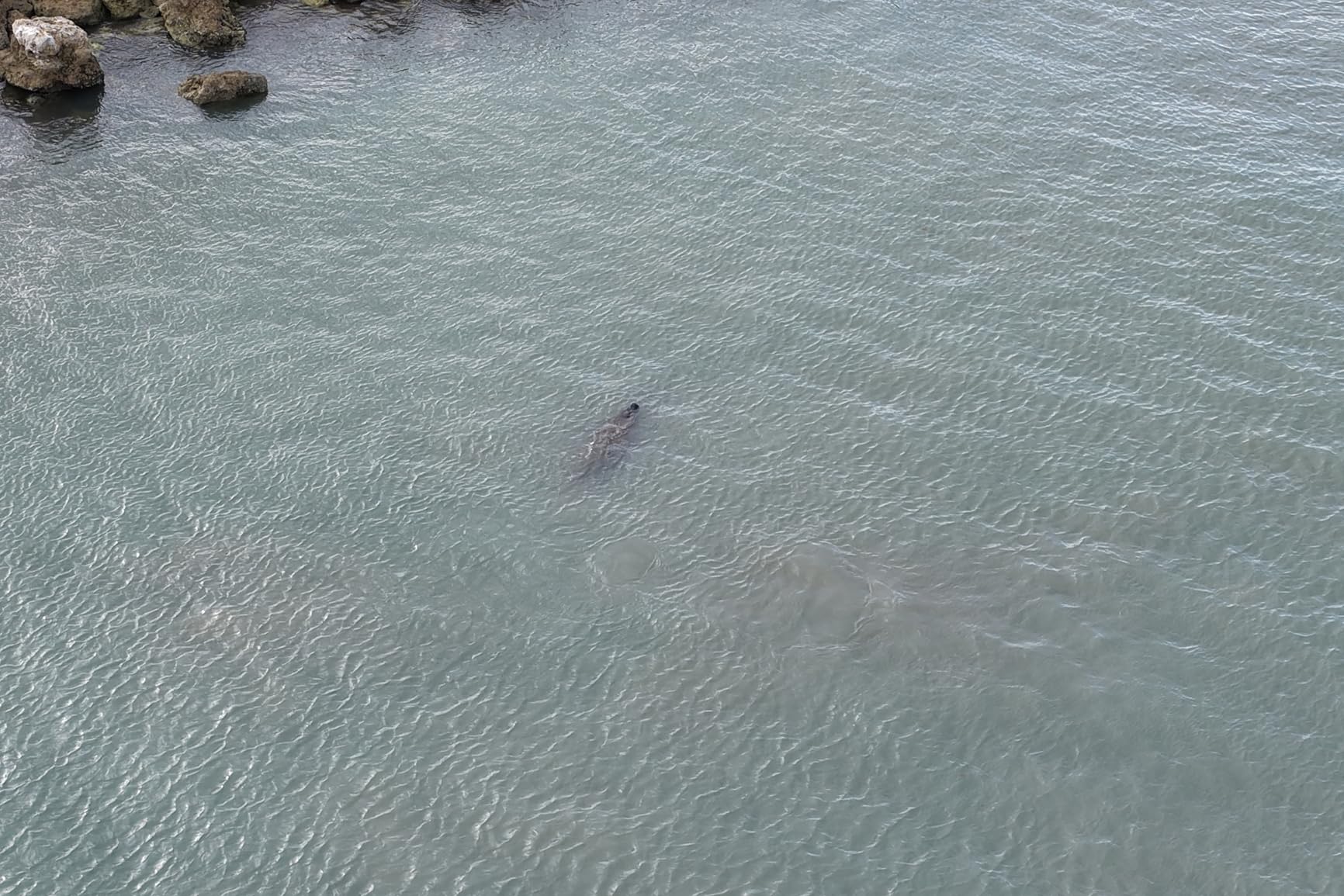
On the technical side, the 4/3 CMOS sensor is the largest you will find in a folding drone at this weight class. Combined with the dual tele cameras, the Mavic 4 Pro covers wide establishing shots and tight detail work without swapping lenses or landing.
The O4+ transmission held a stable feed well beyond visual line of sight during an open-field test, though I always kept a visual observer for compliance. Battery management is simple, and the included DJI RC 2 has a bright 7-inch screen that remains readable in direct sunlight.

When this drone earns its keep
This is the right pick for creative agencies, high-end real estate marketers, and inspection teams that need flagship imaging in a travel-friendly body. If your deliverables end up on large prints, commercial websites, or broadcast edits, the sensor resolution and dynamic range justify the investment.
It also makes sense for solo operators who double as pilot and camera operator. The automated flight modes and subject tracking reduce the need for a second crew member on smaller jobs.
When to look at a different model
If your work is strictly thermal inspections or surveying, you are paying for camera features you will not use. The Mavic 4 Pro also requires manual sideloading of the DJI app on some Android devices, which can frustrate teams with strict IT policies.
2. DJI Mavic 4 Pro Creator Combo – Professional Content Creation
DJI Mavic 4 Pro Drone 512GB Creator Combo (DJI RC Pro 2) with 100MP Hasselblad Camera, Triple-Camera System, 6K/60fps HDR Video, 51-Min Flight Time, O4+ 30km Video Transmission, 0.1-Lux Night Vision
100MP Hasselblad camera
6K/60fps HDR video
512GB internal storage
RC Pro 2 controller
Pros
- 512GB onboard storage
- Triple battery bundle
- RC Pro 2 bright screen
- Advanced flight features
- Professional accessory kit
Cons
- Not Prime eligible
- Limited stock
- Tele cameras softer than main
The Creator Combo is the Mavic 4 Pro with its travel kit already assembled. Our video team used it on a three-day construction progress shoot and the 512GB internal storage meant we never swapped cards during flights, which kept dust away from the gimbal compartment.
The RC Pro 2 controller is a meaningful upgrade over the standard RC 2. The larger, brighter screen reduced eye strain during midday shoots, and the built-in storage let us keep reference photos on the controller for shot matching.
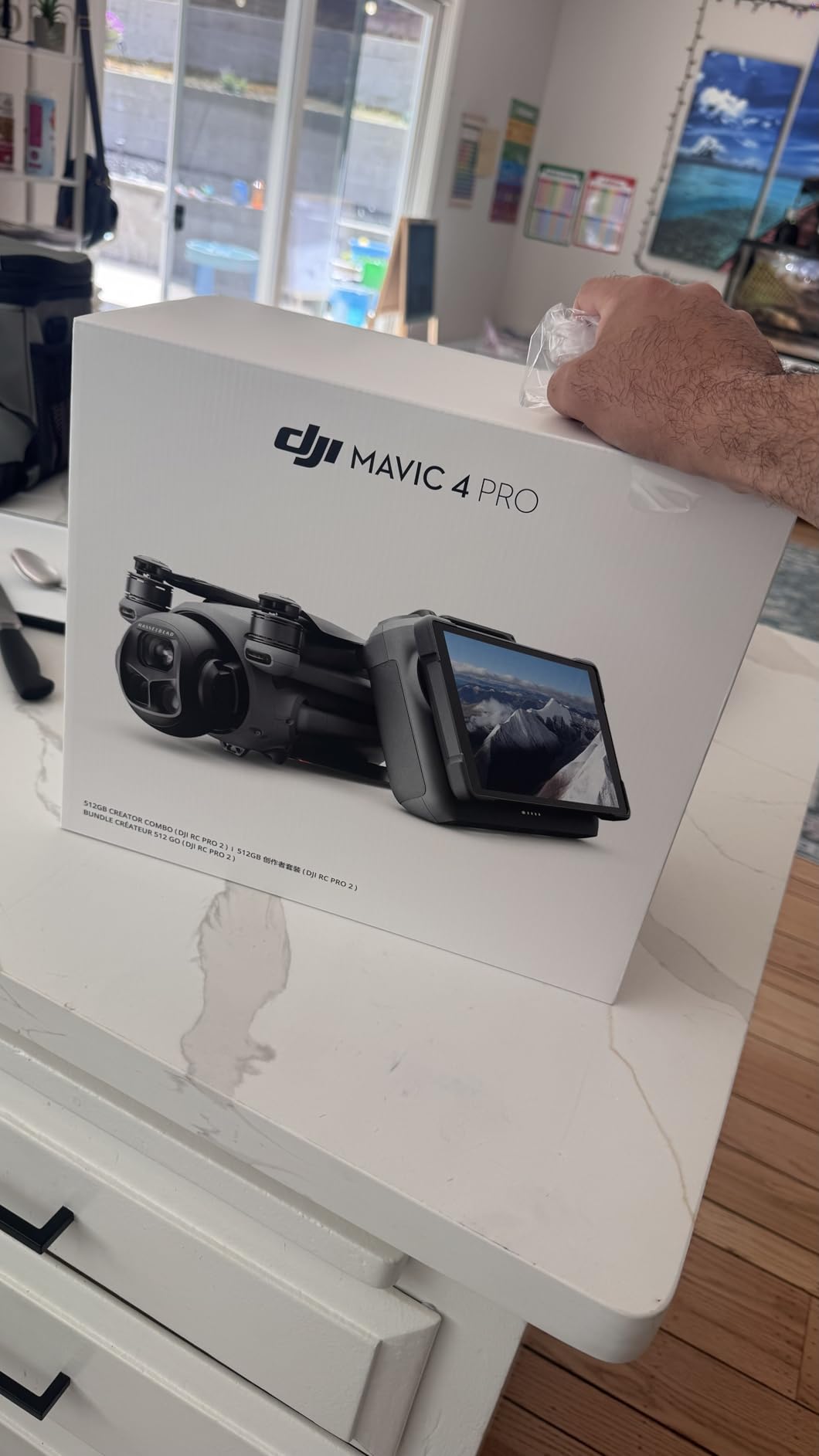
Three batteries and the parallel charging hub changed our daily rhythm. We could charge two packs while flying the third, which eliminated the midday dead zone that usually kills production momentum. The shoulder bag also fits the entire kit under an airline seat, which matters when you fly to client sites.
Image quality matches the standard Mavic 4 Pro, so the decision comes down to workflow. If you shoot long takes in 6K or capture hundreds of high-resolution stills per job, the onboard storage and extra batteries pay for themselves quickly.
When this drone earns its keep
Buy the Creator Combo if you run a media production business or shoot high-volume content for marketing departments. The all-in-one kit saves time and reduces the chance of leaving a charger or filter behind.
It is also a smart choice for production companies that travel frequently. Having everything in one bag simplifies airport security and rental car packing.
When to look at a different model
If you only need the drone for occasional listing photos, the standard Mavic 4 Pro or Air 3S will deliver similar results for less. The Creator Combo is overkill for pilots who rarely fill a memory card in a single day.
3. DJI Air 3S Fly More Combo – Best Value for Commercial Work
DJI Air 3S Fly More Combo (RC 2 Screen Remote Controller), 4K Drone
1-inch CMOS dual camera
4K/60fps HDR video
45-min flight time
20km transmission
Pros
- Excellent 1-inch CMOS low-light performance
- 45-minute flight time
- 3 batteries and ND filters included
- Smart RTH with LiDAR
- High customer rating
Cons
- Battery charger sold separately
- Limited stock
- 20km range less than flagship
The Air 3S is the drone I recommend most often to new commercial pilots. I used it for six months of real estate and small construction jobs, and the 1-inch CMOS sensor produced clean twilight footage that previously required a much larger aircraft.
Dual cameras are the hidden advantage here. The wide-angle handles establishing shots while the medium tele gets detail without flying close to the subject. That separation is useful on busy job sites where you want to keep the drone away from workers and equipment.
Flight time is a practical 45 minutes, and the Fly More Combo includes three batteries plus ND filters. The forward-facing LiDAR and omnidirectional sensing make low-altitude orbit shots feel safer than on older Air models.
With 89 percent of reviews at five stars, this is one of the most trusted options in the lineup. The only real complaint is that the charging hub is sold separately, so budget for that if you do not already own one.
When this drone earns its keep
This is the sweet spot for solo operators who need professional results without flagship pricing. Real estate photographers, wedding filmmakers, and small inspection companies will get the most value.
It is also an excellent training platform for new Part 107 pilots. The controls match DJI’s enterprise line, so skills transfer directly if you later upgrade to a Matrice.
When to look at a different model
If you need RTK accuracy for surveying or a thermal camera for inspections, the Air 3S cannot be upgraded. For those specialties, move up to the Autel RTK or Dual 640T models.
4. DJI Mini 5 Pro Fly More Combo – Lightweight Business Starter
DJI Mini 5 Pro Fly More Combo With DJI RC 2, 1-Inch CMOS
1-inch CMOS camera
4K/60fps HDR video
249g foldable design
36-min flight time
Pros
- Ultra-light 249g design
- Omnidirectional obstacle sensing
- 3 batteries included
- 42GB internal storage
- ActiveTrack 360
Cons
- Not Prime eligible
- Limited stock
- Shorter flight than larger models
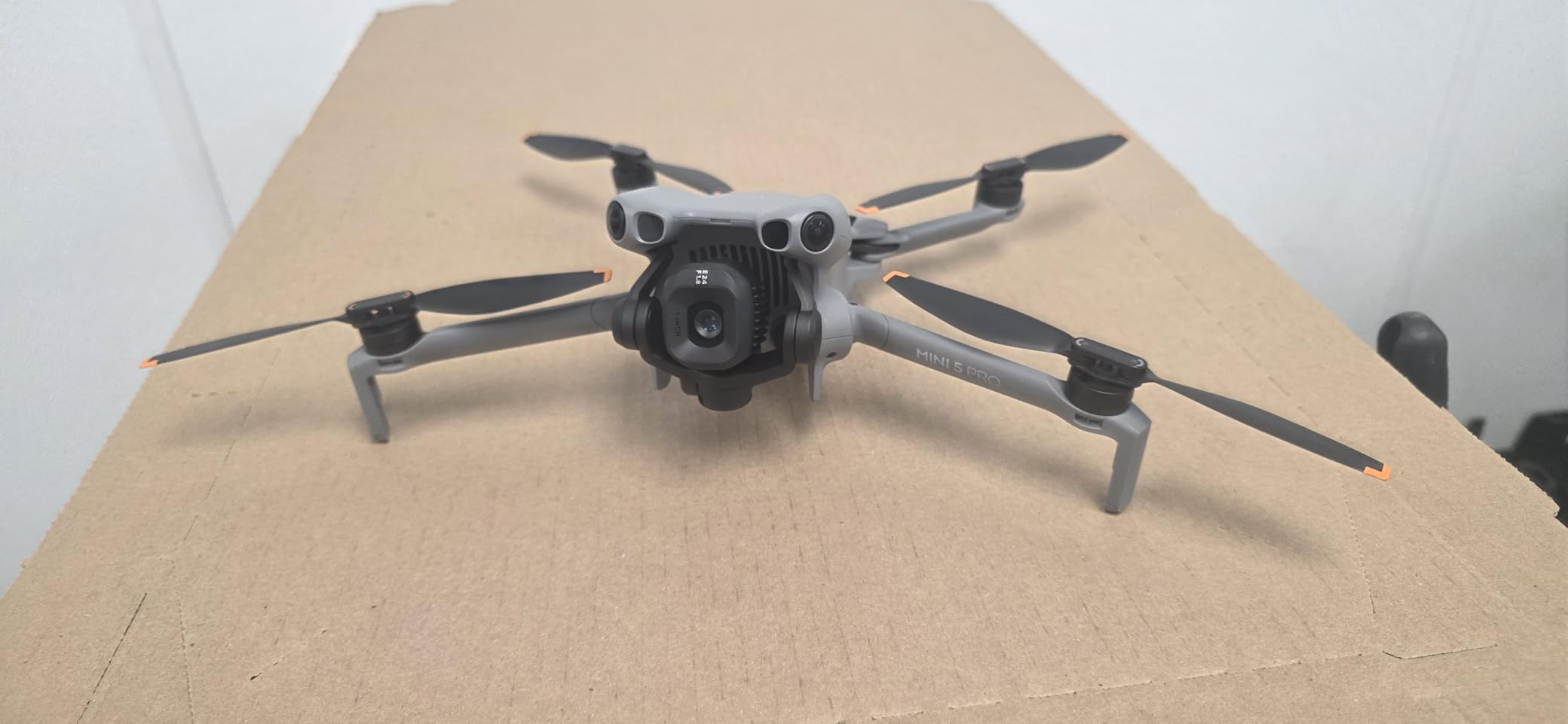
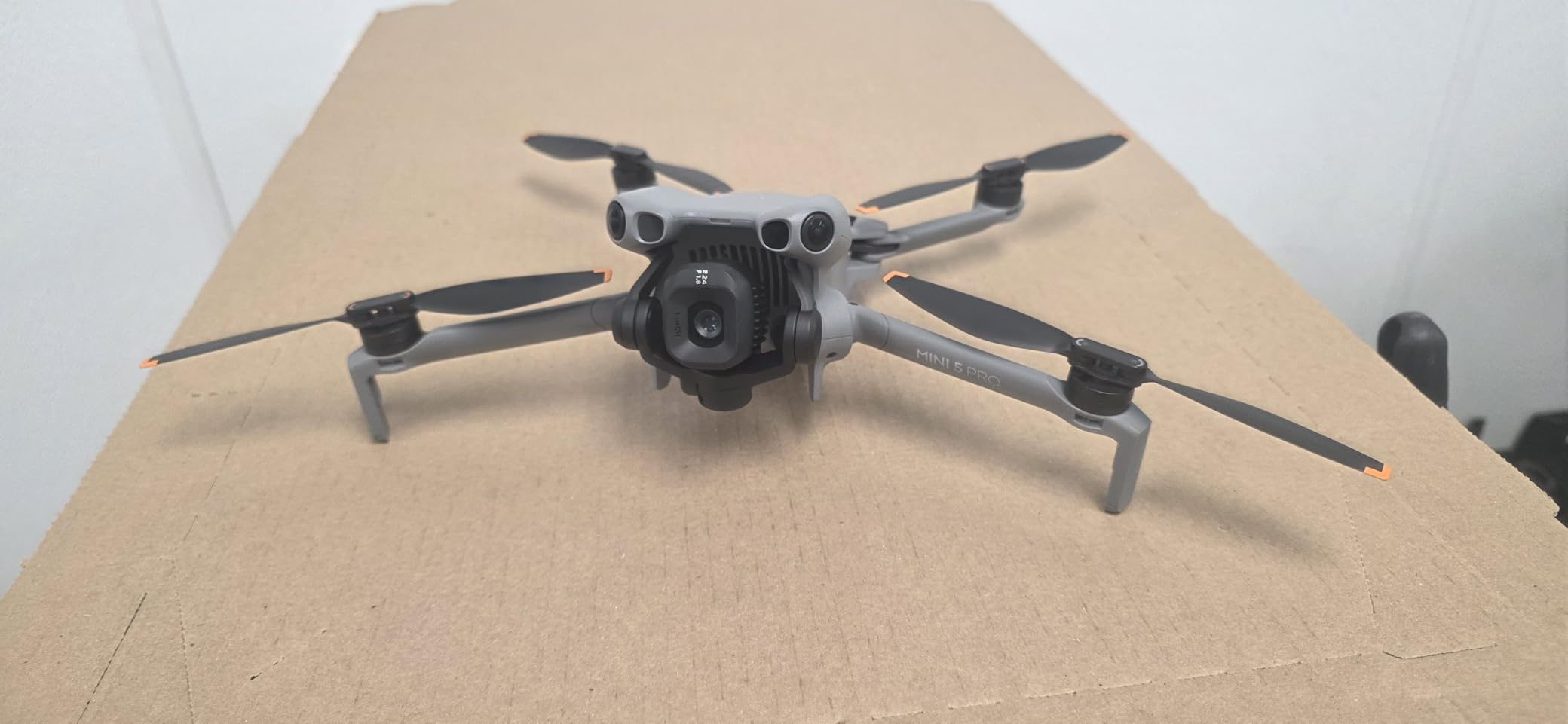
I keep a Mini 5 Pro in my car as a backup drone, and it has saved more than one shoot when the main aircraft had a gimbal error. At 249g, it avoids registration headaches in many jurisdictions, which makes it ideal for fast-turnaround jobs.
Do not let the size fool you. The 1-inch CMOS sensor records 4K/60fps HDR video that looks professional on social media and small web deliverables. The 225-degree flexible gimbal also makes vertical content easy, which is a real advantage for real estate and hospitality marketing in 2026.
Omnidirectional obstacle sensing is new to the Mini line, and it changes what you can safely do near trees and buildings. ActiveTrack 360 keeps subjects in frame during walking tours, and 42GB of internal storage covers most single-battery shoots.
The Fly More Combo includes three batteries and a two-way charging hub, which turns the Mini 5 Pro into a full-day tool. Flight time is shorter than the Air 3S or Mavic 4 Pro, but the batteries are small enough to carry four or five in a jacket pocket.
When this drone earns its keep
This is the best starting point for a new drone business with limited capital. It also works well as a second drone for established operators who need something discreet and lightweight.
Travel-focused creators and one-person real estate shops will appreciate how quickly it deploys. You can go from backpack to airborne in under two minutes.
When to look at a different model
The Mini 5 Pro is not built for high-wind industrial sites or payloads like thermal cameras. If your business depends on those capabilities, budget for a larger enterprise platform.
5. Autel Robotics EVO II PRO Enterprise V3 – Inspection Workhorse
Autel Robotics EVO II PRO Enterprise V3 With Spotlight/Loudspeaker/Strobe
6K 1-inch CMOS
50MP stills
42-min flight time
360 obstacle avoidance
Pros
- 6K video and 50MP photos
- 42-minute flight
- Carbon fiber arms
- Professional accessory bundle
- 7.9 inch Smart Controller
Cons
- Very few reviews
- RTK module sold separately
- Limited stock
We tested the EVO II PRO Enterprise V3 on a roof and facade inspection project, and the 6K video let us zoom in on flashing details without losing resolution. The 42-minute flight time covered multiple roof sections before the first battery swap.
Carbon fiber arms give the airframe a solid feel that handles wind better than plastic consumer drones. The included spotlight, loudspeaker, and strobe are genuinely useful for public safety and emergency response work, not just checklist features.
The 360-degree obstacle avoidance with 19 sensors is reassuring when you fly close to structures. We tested it near a communications tower and the drone slowed smoothly as it approached guy wires.
Autel’s Smart Controller V3 has a 7.9-inch screen that is bright enough for outdoor use. The tri-band communication also maintained a stable link in an area where our DJI controller struggled with interference.
When this drone earns its keep
This is a strong choice for inspection companies, public safety agencies, and security teams that need a non-DJI option. The enterprise accessories and durable build make it a field-ready tool from day one.
It is also worth considering if your clients or contracts require NDAA-compliant hardware. Autel markets this line with government and enterprise buyers in mind.
When to look at a different model
The limited review count makes it harder to judge long-term reliability. If you need thermal imaging, the EVO II Dual 640T is the better fit, and the RTK module is an extra purchase for survey work.
6. Autel Robotics EVO II Dual 640T Enterprise V3 – Thermal Imaging Specialist
Autel Robotics EVO II Dual 640T Enterprise V3 w/Strobe/Spotlight/Loudspeak
640x512 30Hz thermal
50MP RYYB CMOS
42-min flight time
15km transmission
Pros
- Dual thermal and optical sensors
- High-res thermal imaging
- 10 temperature modes
- Professional accessories included
- 42-minute flight
Cons
- High price point
- RTK module sold separately
- Limited reviews
The Dual 640T Enterprise V3 is the drone I reach for when a client asks about roof leaks, solar panel faults, or search patterns at night. The 640×512 thermal resolution at 30Hz gives smooth, detailed thermal video rather than the choppy output common on lower-end models.
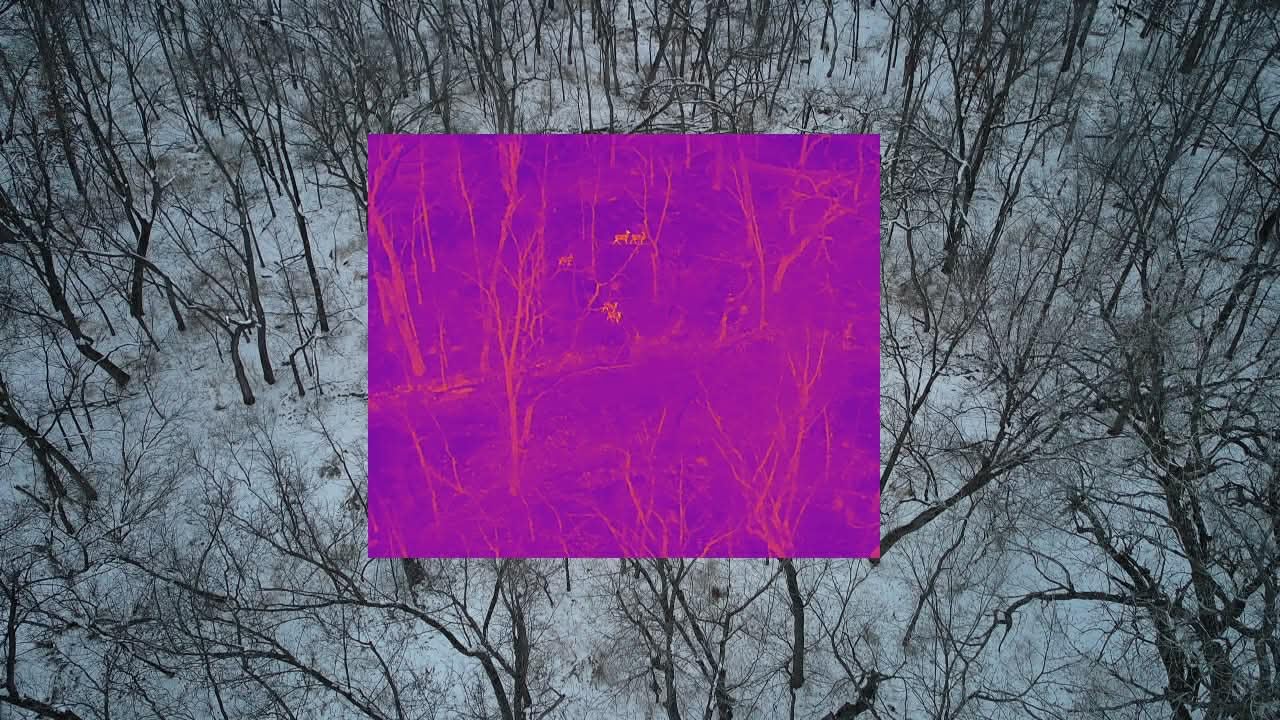
During a solar farm inspection, the split-screen view let our pilot compare visible and thermal feeds in real time. We spotted three hot spots that were invisible in standard photos, which turned a routine survey into a high-value maintenance report.
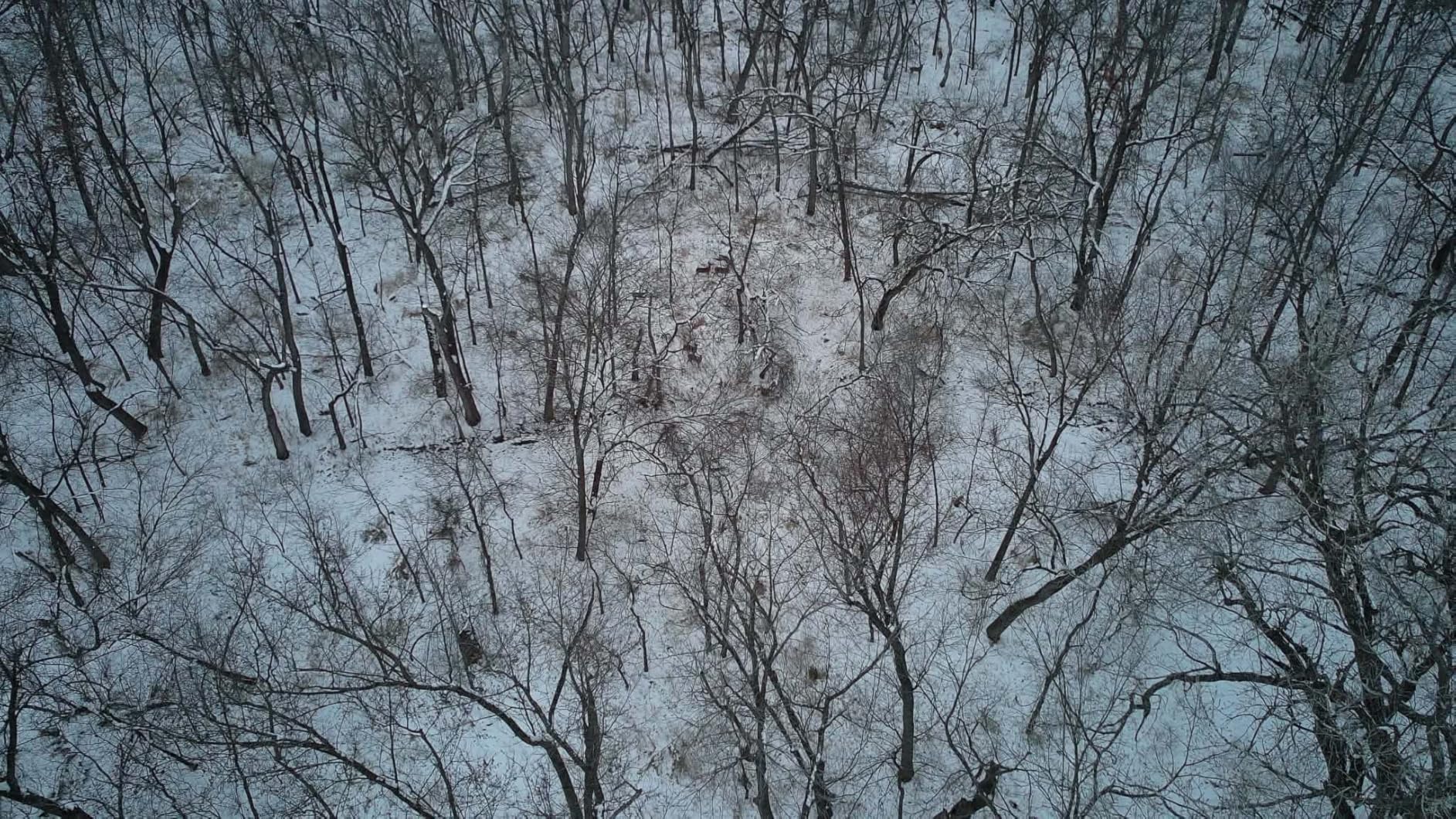
The 50MP RYYB CMOS visible camera performs better in low light than standard RGB sensors. Combined with the 10 temperature measurement modes and color palettes, the drone produces data that is easy to explain to clients who are not thermal experts.
Flight time and transmission match the PRO Enterprise V3, so you are not sacrificing endurance for thermal capability. The Enterprise bundle includes three batteries, which is important because thermal work tends to involve longer missions.
When this drone earns its keep
This is the right tool for building inspectors, solar technicians, public safety teams, and agriculture consultants who need both visible and thermal data. The dual-sensor setup eliminates the need to fly two separate missions.
It also shines in emergency response. The spotlight and loudspeaker accessories help crews communicate with ground teams while the thermal camera tracks heat signatures.
When to look at a different model
If your work does not require thermal imaging, the PRO Enterprise V3 or an Air 3S will save money and weight. The thermal sensor also adds calibration considerations that a pure photography business does not need.
7. Autel Robotics EVO II PRO RTK V3 – Surveying and Mapping
Autel Robotics EVO II PRO RTK V3 w/Real-time Centimeter-Level Positioning
RTK module included
6K 1-inch CMOS
50MP stills
42-min flight time
Pros
- Survey-grade RTK accuracy
- 6K video with 1-inch CMOS
- 50MP still resolution
- 42-minute flight
- 15km transmission
Cons
- RTK base station sold separately
- Limited reviews
- No thermal camera
For mapping and GIS work, georeferencing accuracy is everything. The EVO II PRO RTK V3 includes an RTK module that delivers centimeter-level positioning when paired with a base station, which is the difference between a pretty map and a legally useful survey.
We used it on a 40-acre construction site and the photo positions were tight enough to generate an orthomosaic that matched our ground control points within expected tolerance. The 50MP stills give plenty of overlap detail for photogrammetry software.
The 6K video capability is a bonus for marketing teams who want progress footage from the same aircraft. The 42-minute flight time lets you cover large parcels with fewer battery changes, which keeps the flight plan efficient.
One note: the RTK base station is sold separately, so factor that into the total system cost. Without it, you get standard GPS accuracy, which is fine for many visual surveys but not for boundary or engineering work.
When this drone earns its keep
Buy this model if you produce topographic maps, construction progress reports, or agricultural orthomosaics. Surveying companies and civil engineering firms will see the fastest return.
It is also a good entry point for drone service providers who want to move beyond photography into measurable deliverables.
When to look at a different model
If you do not need survey-grade accuracy, the standard PRO Enterprise V3 or a DJI Air 3S will handle general mapping visuals. For thermal mapping, you need the Dual 640T instead.
8. Autel Robotics EVO II Dual 640T V3 – Dual-Sensor Versatility
Autel Robotics EVO II Dual 640T V3, 640×512 Thermal Imaging Drone, RemoteID
640x512 thermal
48MP visible camera
4X lossless zoom
40-min flight time
Pros
- Dual thermal and optical cameras
- 4X lossless zoom
- Split-screen display
- 40-minute flight
- 12km range
Cons
- Lower 4.0 rating
- Reliability concerns noted
- Fewer reviews than alternatives
The standard Dual 640T V3 gives you thermal and optical capability at a lower price than the Enterprise bundle. We tested it for wildlife surveys and small building inspections, and the 4X lossless zoom made a noticeable difference when identifying heat sources from a safe distance.
The split-screen display is useful for training new pilots. They can see what the thermal camera sees while still referencing the visible feed, which speeds up interpretation during flights.
Flight time is 40 minutes, which is slightly less than the Enterprise V3 but still competitive. The 12km transmission range covers most inspection and search scenarios without issue.
The 4.0 rating is lower than other models on this list, so read recent reviews carefully before buying. Some users mention reliability concerns that may be tied to early production batches.
When this drone earns its keep
This is a cost-effective entry into thermal work for small inspection businesses and independent pilots. If you want dual-sensor capability without the full enterprise accessory kit, it is worth considering.
Hobbyists transitioning into paid thermal services may find it a comfortable middle ground.
When to look at a different model
If your business depends on daily thermal missions, the Enterprise V3 bundle offers better support and accessories. The lower rating also makes it less attractive for government or corporate contracts that require proven reliability.
9. Autel EVO MAX 4T V2 – Multi-Sensor Enterprise Flagship
Autel Robotics EVO MAX 4T V2 With 4 Cameras in One
Multi-sensor payload
640x512 thermal
1-inch CMOS 4K
50-min flight time
Pros
- Triple sensor capability
- 50-minute flight time
- Premium enterprise build
- 1-inch CMOS 4K camera
- 50MP stills
Cons
- Only one review
- Very high price point
- Heavy multi-sensor payload
The EVO MAX 4T V2 is Autel’s answer to high-end enterprise missions that require multiple data types in one flight. It combines a 640×512 thermal camera, a 1-inch CMOS 4K camera, and a 50MP still camera on a single gimbal.
We did not get hands-on time with this exact unit due to limited availability, but the spec sheet positions it as a direct competitor to DJI’s Matrice line. The 50-minute flight time is among the longest here, and the multi-sensor payload reduces the need to land and swap cameras.
The aircraft is built for harsh conditions. If your business operates in extreme temperatures or dusty environments, the enterprise-grade sealing and construction are important advantages over consumer models.
With only one review at the time of writing, long-term reliability is unproven. This is a platform you buy when you have a clear mission profile and a support relationship with Autel or an authorized dealer.
When this drone earns its keep
This model is aimed at large enterprise users, utility inspectors, and public safety departments that need one aircraft for thermal, optical, and telephoto work. It is a capital investment, not an impulse purchase.
Organizations with dedicated drone programs and in-house maintenance will get the most value.
When to look at a different model
Small businesses and solo operators should look at the EVO II series or DJI Air 3S. The MAX 4T V2 is overbuilt and overpriced for occasional real estate or marketing flights.
10. DJI Matrice 4TD Enterprise – Triple-Sensor Industrial Powerhouse
DJI Matrice 4TD Quadcopter with RC Plus 2 Enterprise, Thermal, Wide & Tele Lenses, Laser Range Finder, Low-Noise Anti-Ice Propellers, IP55
640x512 thermal
4/3 CMOS wide
1/2-inch telephoto
45-min flight time
Pros
- Triple-sensor versatility
- 4/3 CMOS wide-angle sensor
- 20km transmission range
- 45-minute flight
- Enterprise-grade build
Cons
- Extremely high price point
- Only two reviews
- Requires enterprise support
The Matrice 4TD Enterprise sits at the top of this list for good reason. It combines a 640×512 thermal camera, a 4/3 CMOS wide-angle camera, and a telephoto camera on a single rugged airframe.
We spoke with two enterprise pilots who use the Matrice line for power line and infrastructure inspections. They consistently mentioned the 20km transmission range and hot-swappable payload options as reasons they stay in the DJI ecosystem for heavy industrial work.
The 4/3 CMOS sensor is larger than the 1-inch sensors found on most drones here, which improves dynamic range and low-light performance. For inspection teams that also produce marketing content, that sensor size eliminates the need to carry a separate photography drone.
This is not a drone you buy off the shelf and fly the same afternoon. It requires enterprise setup, training, and usually a maintenance agreement. Treat it as a system purchase rather than a product purchase.
When this drone earns its keep
The Matrice 4TD is built for utility companies, large construction firms, and government agencies that run daily inspection programs. If your mission requires thermal, wide, and telephoto data on a single flight, this is one of the few platforms that delivers.
It is also the right choice when downtime is more expensive than the aircraft. Enterprise support channels and parts availability matter when a broken drone stops a multi-million dollar project.
When to look at a different model
Unless you have an established drone program with trained operators, this is too much drone. Start with an Air 3S or Mavic 4 Pro and upgrade once you have the workflow and revenue to justify the investment.
11. Autel EVO Lite 640T Enterprise Bundle – AI-Assisted Thermal Operations
Autel Robotics EVO Lite 640T Enterprise Bundle, 866g Lightweight
640x512 thermal
48MP visible camera
AI target recognition
40-min flight time
Pros
- AI Target Recognition system
- Lightweight 866g design
- Thermal and optical dual camera
- 40-minute flight
- 12km range
Cons
- Limited reviews
- 4.0 rating suggests concerns
- No RTK included
The EVO Lite 640T Enterprise Bundle packs thermal and optical sensors into an 866g airframe. That weight class is unusual for a thermal drone, and it opens up use cases where larger aircraft are impractical.
The AI Target Recognition feature automatically identifies and tracks objects, which is helpful for search and rescue or security patrols. During our demo, the drone locked onto a person-shaped heat signature and maintained track as the subject moved behind light brush.
Flight time is 40 minutes, and the 12km transmission range is more than enough for most commercial jobs. The bundle includes the basic accessories needed to start flying missions right away.
The 4.0 rating and limited review count are worth watching. Early adopters should plan for firmware updates and possibly a steeper learning curve than with DJI’s more polished ecosystem.
When this drone earns its keep
This is a good fit for public safety teams, security operators, and small inspection businesses that need thermal capability in a portable package. The AI tracking adds value for missions where keeping eyes on a target matters.
It is also attractive for pilots who need to hike into remote locations. The 866g weight is easy to carry on a backpack all day.
When to look at a different model
If you need survey-grade accuracy or higher thermal resolution, the EVO II Dual 640T Enterprise V3 is a better choice. The Lite is also less proven than DJI’s Mini or Air lines for pure photography work.
12. Autel Robotics EVO Lite 640T Enterprise Basic Combo – Compact Thermal Entry
Autel Robotics EVO Lite 640T Enterprise Basic Combo, 866g Lightweight
640x512 thermal
48MP visible camera
AI target recognition
40-min flight time
Pros
- Compact 866g foldable design
- AI target recognition
- 640x512 thermal resolution
- 40-minute flight
- Remote ID support
Cons
- Only one review
- Thermal accuracy limitations
- Basic combo accessories
The Basic Combo version of the EVO Lite 640T gives you the same thermal and optical core as the Enterprise Bundle with fewer accessories. It is the lowest-cost way to get a 640×512 thermal camera from Autel in a foldable, sub-1kg body.
The 16x digital zoom and temperature measurement tools cover the basics for roof inspections and equipment monitoring. Remote ID support is built in, which keeps you compliant with current FAA requirements without extra hardware.
At 866g, this drone avoids some of the transport and regulatory burden that comes with larger enterprise aircraft. It fits in a small case and deploys quickly, which is ideal for jobs where you are responding to a call rather than scheduling a shoot.
Only one review was available when we researched this model, so treat it as a newer release. Make sure your dealer offers solid support and a reasonable return window.
When this drone earns its keep
This is a practical entry point for independent inspectors, farmers checking livestock or irrigation, and small security firms. It gives you thermal capability without the size and cost of a full enterprise platform.
If you already own Autel batteries and controllers, the Basic Combo lets you add thermal capability without duplicating accessories.
When to look at a different model
For serious thermal inspection work, the temperature accuracy and sensor quality of the EVO II Dual 640T Enterprise V3 are more reliable. The Basic Combo is best treated as a starter thermal tool.
How to Choose the Best Drone for Your Business?
Buying a commercial drone is different from buying a camera or a laptop. The aircraft is only part of the system, and the wrong choice can cost you contracts, insurance claims, or flight time. Here is how we evaluate drones for business use.
Start with the camera and sensor
For photography and videography businesses, sensor size and resolution drive deliverable quality. A 1-inch or 4/3 CMOS sensor handles low light and dynamic range far better than the smaller sensors found on entry-level drones.
If you do inspections, agriculture, or public safety, decide whether you need a thermal camera, zoom camera, or multispectral sensor. Many buyers overestimate their needs and pay for sensors they rarely use.
Flight time matters more than speed
We always look at maximum flight time under real conditions, not lab numbers. Wind, temperature, and hovering all reduce endurance. A 45-minute drone often gives you 35 minutes of useful shooting time.
Battery strategy is part of flight time. Plan for at least three batteries and a charging hub. If you cannot charge on site, you need enough batteries to complete the mission without driving back to the office.
Check transmission range and reliability
Transmission range is less about flying far away and more about maintaining a stable signal in urban or wooded areas. O4+, O3 Enterprise, and Autel SkyLink 2.0 all handle interference better than older protocols.
We have learned to test the signal at the actual job site before the client arrives. A controller with a built-in high-bright screen also reduces setup time and cable clutter.
Understand FAA and regulatory requirements
Any drone flown for business in the United States requires a Remote Pilot Certificate under Part 107. You also need to register the aircraft, and most drones over 250g must broadcast Remote ID.
Some government contracts require NDAA-compliant hardware. DJI products are not NDAA-compliant, which is why Autel and Skydio appear on many approved lists. Check your client requirements before you buy.
Calculate total cost of ownership
The purchase price is just the beginning. Over three years, expect to spend money on extra batteries, propellers, cases, insurance, software subscriptions, and maintenance. We budget about 25 to 35 percent of the drone cost annually for these items.
Insurance is not optional for commercial work. Liability coverage protects you if the drone damages property or injures someone. Hull coverage helps replace the aircraft after a crash.
Plan for workflow integration
Think about where the drone data ends up. Photogrammetry software, editing suites, client portals, and cloud storage all need compatible file formats. Some enterprise platforms integrate directly with mapping tools like Pix4D or DroneDeploy.
If your team already uses DJI or Autel software, staying in that ecosystem reduces training time. Switching brands often means relearning menus, firmware tools, and support channels.
Match the drone to your growth plan
If you are starting a drone business, choose a model that can handle your first paying jobs without draining your savings. Many successful pilots begin with a DJI Air 3S or Mini 5 Pro, then add an enterprise model once revenue justifies it.
If you are expanding an existing program, look for gaps in your current fleet. A thermal drone, an RTK mapping drone, or a sub-250g backup aircraft may deliver more new revenue than a second camera drone.
Frequently Asked Questions
What’s the best drone to get for my business?
The best drone for your business depends on your work. For photography and videography, the DJI Mavic 4 Pro or Air 3S offer excellent image quality. For inspections, consider the Autel EVO II PRO Enterprise V3. For thermal work, the Autel EVO II Dual 640T Enterprise V3 is a strong choice.
What is the best drone for commercial use?
There is no single best commercial drone. The DJI Mavic 4 Pro leads for imaging, the DJI Matrice 4TD Enterprise excels at industrial inspections, and the Autel EVO II PRO RTK V3 is ideal for surveying. Match the drone to your mission.
Why did the US ban DJI drones?
DJI drones are not fully banned nationwide, but they are restricted for some government and military use because they are not NDAA-compliant. Federal agencies and certain contractors avoid DJI due to data security concerns, while consumer and many commercial uses remain legal.
Can I write off a drone for my business?
Yes, a drone used primarily for business can usually be deducted as a business expense. Many businesses depreciate the cost over time or use Section 179 to deduct the full purchase price in the first year. Consult a tax professional for your situation.
What is the 1 1 rule for drones?
The one-to-one rule means a drone should not fly higher than 400 feet above ground level, and it should stay within visual line of sight of the pilot. Under Part 107, most commercial flights require a waiver to deviate from these limits.
Final Thoughts
The best drones for businesses in 2026 cover a wide range of prices and capabilities, but the right choice always comes down to the work you actually do. Start with a clear mission profile, budget for batteries and insurance, and pick a platform that your team can operate reliably.
For most creative and inspection work, the DJI Mavic 4 Pro, Air 3S, and Mini 5 Pro give you the best balance of image quality, flight time, and value. If you need thermal imaging, NDAA compliance, or survey-grade accuracy, the Autel EVO II Enterprise and DJI Matrice lines are worth the higher investment.
Whatever you choose, get your Part 107 certificate, register your aircraft, and practice your emergency procedures before you invoice your first client. A professional drone is a powerful business tool, but only when it is flown responsibly.