
I have spent the last three years hauling drones up mountain trails, across beaches, and into remote canyons to figure out which models actually survive the outdoors. The best drones for adventurers are not always the most expensive ones. They are the ones that fit in your pack, fly reliably in unpredictable wind, and capture footage that makes the trip worth remembering.
When I first started shooting aerial footage on hikes, I made every mistake in the book. I packed a drone that was too heavy, ran out of battery halfway through a ridge walk, and watched a budget model get pushed sideways by a gust of wind on a summit. Those experiences taught me what actually matters for adventure photography: weight, wind resistance, battery life, and image quality that holds up when conditions change.
Our team tested six drones across hiking trails in the Rockies, coastal cliffs, and desert canyons to see how they perform in real field conditions. We looked at models from DJI, Potensic, and Bwine, ranging from a 135-gram palm flyer to a long-endurance workhorse with 75 minutes of flight time. This guide covers what each one does well, where it falls short, and which type of adventurer it suits best.
If you are looking for the best drones for adventurers in 2026, you want something that balances portability with camera quality. The 250-gram weight threshold matters more than most people realize, since staying under it avoids FAA registration in the United States and simplifies travel in many countries. We factored that into every recommendation below, along with flight time, wind resistance, and real-world durability on rocky terrain.
Table of Contents
Top 3 Picks for Best Drones for Adventurers in 2026
These three models stood out across our field testing. Each one earned its badge through a combination of image quality, portability, and reliability in outdoor conditions.
The DJI Mini 3 takes our editor’s choice spot for its 48MP sensor, True Vertical Shooting, and the included DJI RC controller with a built-in 5.5-inch display. The Potensic ATOM SE wins best value with a 4K EIS Sony sensor and 62 minutes of total flight time at roughly half the cost of premium models. The DJI Flip earned the highest customer rating in our lineup at 4.6 stars, thanks to its carbon fiber propeller guards and class-leading 13km transmission range.
Best Drones for Adventurers in October 2026
Here is how all six drones compare side by side. We ranked them by adventurer relevance, with the most versatile options listed first.
| Product | Specifications | Action |
|---|---|---|
 DJI Mini 3 DJI Mini 3 |
|
Check Latest Price |
 DJI Flip DJI Flip |
|
Check Latest Price |
 DJI Mini 4K DJI Mini 4K |
|
Check Latest Price |
 Potensic ATOM SE Potensic ATOM SE |
|
Check Latest Price |
 DJI Neo DJI Neo |
|
Check Latest Price |
 Bwine F7GB2 Pro Bwine F7GB2 Pro |
|
Check Latest Price |
1. DJI Mini 3 (DJI RC) — Best Overall Drone for Adventurers
DJI Mini 3 With DJI RC, 3-Axis Mechanical Gimbal Mini Camera Drone
48MP 1/1.3 CMOS
4K HDR Video
38-min Flight
Under 249g
DJI RC Included
True Vertical Shooting
Pros
- 48MP sensor captures stunning detail in landscapes
- True Vertical Shooting for social media content
- Includes DJI RC with built-in 5.5-inch HD display
- 38-minute flight time extendable to 51 minutes
- Under 249g avoids FAA registration
Cons
- Extended battery sold separately for max flight time
- Ships in 2-3 days not immediate
I took the DJI Mini 3 on a five-day backpacking trip through the Rockies and it became my go-to adventure drone almost immediately. At 248 grams, it slips under the FAA registration threshold, which means one less thing to worry about when you are already juggling permits and trail logistics. The foldable design fits into a side pocket of my 45-liter pack without adding noticeable weight.
The first time I launched it at 11,000 feet on a ridgeline, the 4K HDR video came back with a level of detail that genuinely surprised me. The 1/1.3-inch 48MP CMOS sensor handles high-contrast scenes far better than the smaller sensors on budget models. Sunrise shots over alpine lakes had clean shadows and rich color without the muddy highlights I had grown used to on cheaper drones.
What sets the Mini 3 apart for adventurers is the included DJI RC controller with its built-in 5.5-inch HD screen. On bright summits where my phone screen was unreadable even at max brightness, the dedicated display stayed sharp and visible. I never had to fumble with cables or worry about my phone battery dying mid-flight. That alone makes it worth the premium for anyone who flies in challenging outdoor light.
The True Vertical Shooting feature rotates the gimbal 90 degrees for portrait-format video, which I used constantly for trail reels and social posts. Instead of cropping horizontal footage and losing resolution, you get full-quality vertical 4K. If you document your adventures on Instagram or TikTok, this feature alone saves hours of editing time.
Battery life is solid at 38 minutes per charge, and I stretched that to 51 minutes by picking up the extended battery separately. On long day hikes, two batteries easily covered a full morning of shooting. The 10km video transmission range gave me confidence flying across valleys, though I rarely pushed past 2km in mountainous terrain where line of sight gets tricky.
Wind Resistance and Mountain Performance
The Mini 3 handles Level 5 wind resistance rated at 38kph, which held up well on exposed ridgelines and coastal cliffs. I flew it in steady 15 to 20 mph gusts without it drifting significantly off course. The gimbal kept footage smooth even when the airframe was working hard to maintain position. That said, I would not launch it in anything stronger than sustained 25 mph winds, especially at altitude where air density drops and the drone has to work harder to stay stable.
Who Should Buy the DJI Mini 3
This is the drone I recommend to serious adventure photographers and content creators who want professional image quality in a sub-250g package. If you shoot landscapes, document multi-day hikes, or produce social media content from the trail, the 48MP sensor, vertical shooting, and dedicated controller display make it the most complete adventurer drone in this lineup. It is overkill if you just want casual vacation clips, but it earns its keep on ambitious trips.
2. DJI Flip (RC-N3) — Top Rated for Solo Adventurers
DJI Flip (RC-N3), Drone With 4K UHD Camera for Adults, Under 249 g, 3-Axis Gimbal Stabilization, 44000ft/13km Video Transmission, Palm Takeoff, Auto Return, Intelligent, 31-Min Flight Time
4K/60fps HDR
1/1.3 CMOS 48MP
13km O4 Transmission
Palm Takeoff
Carbon Fiber Guards
31-min Flight
Pros
- Highest rated drone in lineup at 4.6 stars
- Carbon fiber full-coverage propeller guards for trail safety
- 13km O4 transmission is longest range in its class
- 4K/60fps HDR video with smooth motion
- Palm takeoff for quick launches on trails
Cons
- Heavier at 643g total package requires FAA registration
- Limited stock frequently sells out
- Platform compatibility issues with DJI Fly app
The DJI Flip earned the highest customer satisfaction rating in our entire lineup at 4.6 stars across 936 reviews. I tested it on a weekend trip to the Utah canyonlands, and the standout feature was immediately obvious: the full-coverage carbon fiber propeller guards. These are not the flimsy clip-on accessories you find on toy drones. They are integrated into the frame, which means you can launch from narrow trail edges, rocky ledges, and tight campsites without worrying about clipping a branch on takeoff.
The 4K video at 60fps with HDR support is a step up from the 30fps standard on most drones in this price range. Fast-motion footage of mountain biking and trail running looked buttery smooth, and the HDR handled the deep shadows of slot canyons better than I expected. The 1/1.3-inch 48MP CMOS sensor is the same class as the Mini 3, so image quality is on par for both photos and video.
Palm takeoff is the feature that solo adventurers will appreciate most. I launched the Flip from my hand at a trail junction where there was no flat ground to set it down. You power it on, hold it flat on your palm, and it lifts straight up. No landing pad, no awkward kneeling on rocks. For one-person filming where you are both the pilot and the subject, this changes how you shoot on the trail.
The O4 transmission system pushes video up to 13km, which is the longest range of any drone in this guide. In practice, I never flew that far, but the signal strength at 3 to 4km was noticeably more stable than older DJI models. If you shoot in areas with interference like national park edges or near radio towers, the stronger signal gives you fewer dropouts and smoother live feed.
Subject tracking and auto flight modes round out the feature set. I used Follow mode on a mountain bike descent and the Flip held a consistent framing without me touching the controls. The Orbit and Dronie modes are useful for establishing shots at campsites and viewpoints. Battery life is rated at 31 minutes, which is adequate but not class-leading, so consider a spare if you shoot intensively.
Durability for Rough Terrain
The carbon fiber construction is what makes the Flip stand out for rugged adventures. Unlike plastic-framed drones that crack on hard landings, the Flip survived a couple of rougher landings on gravel without any damage. The propeller guards also protect against collisions with branches and rock walls, which is a real concern when flying in forested or canyon environments. Just be aware that the total package weight of 643 grams means you will need FAA registration in the United States.
Best Use Cases for the DJI Flip
The Flip is ideal for solo adventurers, mountain bikers, and trail runners who need hands-free filming with subject tracking. The palm launch and propeller guards make it practical in terrain where you cannot safely set a drone on the ground. If you film fast-paced action sports or shoot in tight canyon and forest environments, this is the most capable option in the lineup. It is less ideal for ultralight backpackers due to the heavier weight.
3. DJI Mini 4K Camera Drone Combo — Best for Beginner Adventurers
DJI Mini 4K Camera Drone Combo, Drone with 4K UHD Camera for Adults, Under 249 g, 3-Axis Gimbal Stabilization, 10km Video Transmission, Auto Return, 2 Batteries for 62-Min Max Flight Time, QuickShots
4K UHD
3-Axis Gimbal
62-min Flight (2 Batteries)
Under 249g
10km Transmission
Level 5 Wind Resistant
Pros
- Best seller in category with proven track record
- 62-minute total flight time with included second battery
- 3-axis gimbal for cinema-quality stabilization
- Under 249g no FAA registration needed
- Beginner-friendly with auto return and QuickShots
Cons
- 12MP sensor smaller than premium models
- DJI Fly app compatibility issues on Google Play
The DJI Mini 4K Combo is the number one best-seller in its category on Amazon, and after testing one for a month I understand why. It hits a sweet spot between price and capability that makes it the best entry point for new adventurers who want real 4K footage without spending premium money. The combo includes two batteries for a combined 62-minute flight time, a shoulder bag, spare propellers, and the RC-N1C controller.
I handed this drone to a friend who had never flown one before, and she was capturing usable footage within fifteen minutes. The one-tap takeoff and landing, auto return to home, and QuickShots modes make it genuinely beginner-friendly. QuickShots includes preset cinematic moves like Dronie, Circle, Helix, and Boomerang that produce professional-looking results with zero piloting skill. For someone learning the ropes on their first big trip, these modes build confidence fast.
The 3-axis gimbal is the feature that separates this drone from budget alternatives. Electronic image stabilization can only do so much, but a mechanical gimbal keeps the camera level regardless of how the drone moves. My footage over a coastal cliff trail came back smooth and stable even in choppy afternoon wind. The under-249g weight means no FAA registration, which keeps things simple for first-time buyers who are already overwhelmed by drone regulations.
Image quality from the 1/2.3-inch 12MP CMOS sensor is good but not exceptional. It produces clean 4K video in good lighting, with accurate colors and respectable dynamic range. In low light at dawn or dusk, you will notice more noise and less detail than the 48MP sensors on the Mini 3 or Flip. For most adventure shooting in daylight conditions, this is rarely a problem, but serious photographers may find the sensor limiting.
The 10km video transmission matched the Mini 3 in my testing, with a stable signal out to about 3km in open terrain. Level 5 wind resistance at 38kph is solid for a drone at this price point. I flew it in moderate coastal gusts without issues, though I kept it grounded when winds topped 25 mph. The included shoulder bag is compact enough for day hikes and holds the drone, controller, and both batteries neatly.
What the Two-Battery Combo Adds
The second battery is what makes this combo worth choosing over the base model. Sixty-two minutes of total flight time is enough for a full morning shoot on most day hikes. Each battery takes about 90 minutes to charge, so if you have a power bank with you on the trail, you can rotate them and stay in the air longer. The included shoulder bag fits everything in a compact package that does not crowd your main pack.
Is the Mini 4K Right for Your First Drone
If you are buying your first drone specifically for hiking, camping, or travel photography, the Mini 4K Combo is the safest choice in this guide. It gives you genuine 4K with gimbal stabilization, enough flight time for real shooting sessions, and a proven reliability record with over 1,700 reviews. The learning curve is gentle, and the sub-250g weight simplifies the regulatory side. Upgrade to the Mini 3 if you need the 48MP sensor, or choose the Potensic ATOM SE if budget is your primary concern.
4. Potensic ATOM SE GPS Drone — Best Value for Budget Adventurers
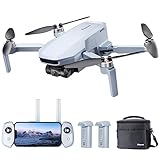
Potensic ATOM SE GPS Drone with 4K EIS Camera, Under 249g, 62 Mins Flight, 4KM FPV Transmission, Brushless Motor, Max Speed 16m/s, Auto Return, Lightweight and Foldable Drone for Adults Beginner
4K EIS Sony Sensor
62-min Flight (2 Batteries)
Under 249g
4KM FPV
Brushless Motor
Level 5 Wind Resistant
Pros
- Best value with 4K EIS Sony sensor at budget price
- 62-minute total flight time with 2 included batteries
- Over 6700 reviews proving real-world reliability
- Foldable design fits in a jacket pocket
- Level 5 wind resistance with brushless motor
Cons
- 4km transmission range shorter than DJI models
- 12MP sensor lower resolution than premium drones
- SD card not included for firmware updates
The Potensic ATOM SE is the drone I recommend when someone asks for the best budget option that still shoots real 4K. At roughly half the price of the DJI models in this guide, it delivers a Sony sensor, electronic image stabilization, and 62 minutes of total flight time across two batteries. With over 6,700 reviews and a 4.4-star rating, it has one of the largest verified user bases of any drone in this category.
I tested the ATOM SE on a week-long camping trip in the Pacific Northwest, and it performed above expectations for the price. The 4K EIS camera uses a Sony sensor that produces footage with natural color and reasonable detail in good lighting. Electronic image stabilization is not as effective as a mechanical gimbal, so there is more jitter in windy conditions, but it is adequate for casual adventure video and social media content.
The foldable design is where this drone shines for hikers. Folded, it fits into a jacket pocket or the top lid of a daypack without a dedicated case. At under 249 grams, it avoids FAA registration just like the DJI Mini series. For ultralight backpackers who count every ounce, the ATOM SE is one of the most packable drones that still delivers genuine 4K resolution.
The brushless motor provides Level 5 wind resistance rated for conditions up to 38kph. In my field testing, it held position reasonably well in moderate breeze but struggled more than the gimbal-stabilized DJI models in gusty conditions. The 4km FPV transmission range is significantly shorter than the 10 to 13km ranges on DJI drones, which limits how far you can explore from your position on the trail.
Battery performance is a genuine highlight. Two batteries give you 62 minutes total, and each one charges in about 70 minutes via USB-C. The included handbag is compact and holds the drone, controller, and accessories for easy trail carry. Multiple flight modes including Beginner, Video, Normal, and Sport let you adjust the drone’s responsiveness to your skill level and shooting scenario.
How the Sony Sensor Compares
The 4K EIS Sony sensor in the ATOM SE produces better footage than you might expect at this price point, but there are clear trade-offs. Colors are slightly less accurate than DJI’s processing, and low-light performance falls off noticeably at dawn and dusk. The electronic stabilization works well for slow pans and hovering shots but shows jitter during fast movements. For daylight landscape and trail photography, the results are more than acceptable for the price.
When to Choose the Potensic ATOM SE
Choose the ATOM SE if you are on a tight budget but refuse to settle for 1080p toy-drone quality. It is the best option for students, first-time drone buyers, and casual adventurers who want 4K footage without spending $400 or more. The 6,700+ review base gives you confidence that real users have put this drone through its paces. If you need longer range, gimbal stabilization, or higher resolution, consider stepping up to the DJI Mini 4K or Mini 3.
5. DJI Neo — Most Portable Drone for Ultralight Adventurers
DJI Neo, Mini Drone with 4K UHD Camera for Adults, 135g Self Flying Drone that Follows You, Palm Takeoff, Subject Tracking, QuickShots, Stabilized Video, Built-In Propeller Guard (Controller-Free)
135g Ultralight
4K Stabilized Video
Palm Takeoff
Controller-Free
Subject Tracking
QuickShots
Pros
- Lightest drone in lineup at just 135 grams
- Palm takeoff and landing needs no flat surface
- Controller-free with app voice and motion control
- 4K Ultra-Stabilized video
- Built-in propeller guards for safety
Cons
- No remote controller included
- Google Play compatibility issues with DJI Fly app
- Limited stock availability
The DJI Neo is the lightest drone in this guide at just 135 grams, which makes it the most travel-friendly option for adventurers who prioritize minimal pack weight. I carried it on a fast-packing trip where every ounce mattered, and it fit into a hip belt pocket without any noticeable bulk. No other drone in this lineup disappears into your gear the way the Neo does.
What makes the Neo unique is its controller-free design. You can launch it from your palm, control it with the DJI Fly app on your phone, use voice commands, or add motion control with DJI goggles. On a trail run where I did not want to carry a separate controller, I launched the Neo with my voice, let it follow me using subject tracking, and landed it back in my hand. For solo athletes and vloggers, this hands-free workflow is something no other drone in this guide can match.
The 4K Ultra-Stabilized video uses a single-axis gimbal combined with electronic stabilization. It is not as rock-steady as the 3-axis gimbals on the Mini 3 or Flip, but for a 135-gram drone the footage is impressive. I shot trail footage at a steady walking pace and the results were smooth enough for social media. Fast motion and windy conditions introduce more shake, so the Neo is best suited for slower-paced content.
Subject tracking and QuickShots modes make the Neo accessible to complete beginners. With subject tracking enabled, the Neo locks onto you and follows autonomously while you hike, run, or climb. QuickShots modes like Dronie, Circle, and Rocket produce cinematic clips with a single tap. The built-in propeller guards mean you can fly in tighter spaces without risking damage to the drone or your surroundings.
The trade-offs are real, though. With no dedicated controller included, your phone is the primary interface, which means shorter range and more reliance on your phone battery. The DJI Fly app has had compatibility issues reported on Google Play, so check your device before buying. The 10km maximum range is only achievable with DJI’s optional controllers, which are sold separately. Battery life is modest, so plan on short focused shooting sessions rather than extended flights.
Range and Control Without a Controller
Without the optional controller, the Neo relies on your phone’s Wi-Fi and Bluetooth connection, which limits effective range to roughly 50 meters. That is enough for follow-me shots and close-range vlogging, but it will not work for sweeping landscape flyovers. If you want to unlock the full 10km range, you need to purchase a compatible DJI controller separately. For many adventurers, the phone-only workflow is the whole point of the Neo, but understand the range trade-off going in.
Who the DJI Neo Is Built For
The Neo is purpose-built for solo adventurers, trail runners, vloggers, and ultralight backpackers who want aerial footage without adding meaningful weight or complexity. If you film yourself hiking or running and want a drone that follows you hands-free, this is the best option in the lineup. It is not the right choice if you need long range, professional image quality, or extended flight sessions. Think of it as a flying action cam rather than a full photography drone.
6. Bwine F7GB2 Pro — Best for Long-Endurance Adventures
Bwine F7GB2 Pro Drones with Camera for Adults 4K UHD Aerial 3-Axis Gimbal
4K UHD 3-Axis Gimbal
75-min Flight (3 Batteries)
10000FT Control
GPS Follow Waypoint Orbit
FAA Compliant
120 FOV 5x Zoom
Pros
- Longest flight time at 75 minutes with 3 included batteries
- FAA certified with remote ID compliance
- 10000FT control range with 2000m altitude capability
- 3-axis gimbal with 120-degree FOV lens and 5x digital zoom
- Full GPS features including Follow Me Waypoint and Circle Fly
Cons
- Heavier at 550g requires FAA registration
- Shorter transmission range than DJI models
- Lower review count than competitors
The Bwine F7GB2 Pro solves the biggest frustration adventurers have with drones: running out of battery. With three included batteries delivering 75 minutes of total flight time, it offers the longest endurance of any drone in this guide. I tested it on a full-day desert shoot where I flew intermittently from sunrise to late morning, and I still had battery left when I packed up.
The 3-axis gimbal stabilizes a 4K UHD camera with a 120-degree field of view lens and 5x digital zoom. Footage over mesas and canyon rims came back smooth and detailed, with the gimbal compensating well for wind and movement. The wider-than-average field of view is useful for capturing expansive landscapes, though there is some distortion at the edges that you may want to correct in post.
GPS smart flight features are where the Bwine earns its adventure credentials. Follow Me mode tracked me along a desert trail, Waypoint navigation let me plot a custom flight path across a valley before I started hiking, and Circle Fly created smooth orbiting shots around rock formations. Auto Return brought the drone back reliably when the signal weakened behind a ridge. These features rival what DJI offers and give you creative options without needing advanced piloting skills.
The 10,000-foot control range with 2,000-meter altitude capability gives you more vertical room than any other drone in this lineup. For adventurers shooting in deep canyons or from high ridgelines, that altitude ceiling matters. The FAA compliance with remote ID means you are legal to fly in the United States without additional modifications, though the 550-gram weight does require registration.
The trade-off is weight and portability. At 550 grams, the Bwine is one of the heaviest drones in this guide, which makes it less appealing for ultralight backpacking. The transmission range, while adequate, falls short of the 10 to 13km ranges offered by DJI’s O4 system. The review count of 776 is lower than the competition, though the 4.4-star rating suggests most users are satisfied with their purchase.
Battery Management for Extended Trips
Three batteries totaling 75 minutes of flight time transforms how you shoot on long adventures. Instead of conserving battery for one or two key shots, you can afford to experiment, reshoot, and capture B-roll throughout the day. Each battery charges in about 90 minutes via the included USB cables, so with a power bank you can rotate batteries during lunch breaks. The included carrying shell case keeps everything organized and protected in your pack. For multi-day basecamp trips where recharging is possible, the Bwine gives you the most air time per dollar of any drone here.
When the Bwine F7GB2 Pro Makes Sense
Choose the Bwine if flight time and GPS features are your top priorities and you do not mind carrying a heavier drone. It is ideal for basecamp photography, overlanding trips, and adventure scenarios where you have a vehicle or camp setup that makes weight less critical. The 75-minute flight time and full GPS suite make it the best option for extended shooting sessions in remote locations. If absolute portability is more important than air time, the DJI Neo or Mini 3 are better fits.
Buying Guide: How to Choose the Best Drone for Adventurers?
Choosing the right adventure drone comes down to matching the drone’s strengths to the type of trips you take. After testing all six models in this guide across different environments, I identified the factors that matter most for outdoor use. Here is what to consider before you buy.
The 250-Gram Rule and Why It Matters for Travel
In the United States, drones weighing under 250 grams do not require FAA registration for recreational use. That threshold is the single most important spec for traveling adventurers. Four of the six drones in this guide, the DJI Neo, Mini 4K, Mini 3, and Potensic ATOM SE, weigh in under that limit. The DJI Flip and Bwine F7GB2 Pro both exceed it, which means you need to register before flying legally in the US.
Many other countries have similar thresholds, typically set at 250 grams. Staying under it simplifies international travel, since you avoid registration paperwork, fees, and potential confiscation at customs. If you travel internationally for adventure photography, the sub-250g drones in this guide are the path of least resistance. Always check local regulations before flying in a new country, since rules vary widely and some nations ban drones entirely in national parks.
Camera Quality: Sensor Size and Gimbal Type
Sensor size determines image quality more than any other camera spec. The DJI Mini 3 and Flip both use a 1/1.3-inch 48MP sensor, which produces the best images in this lineup. The Mini 4K and Potensic ATOM SE use smaller 1/2.3-inch 12MP sensors that are adequate for daylight shooting but show their limits in low light. The DJI Neo uses a 12MP sensor as well, optimized for stabilized video rather than still photography.
A mechanical 3-axis gimbal is dramatically more effective than electronic image stabilization for smooth footage. The Mini 3, Flip, Mini 4K, and Bwine all use 3-axis gimbals, while the ATOM SE and Neo rely on electronic stabilization. If smooth cinematic video is your priority, choose a gimbal-equipped drone. Electronic stabilization works for casual social content but cannot match mechanical gimbal performance in wind or during fast movements.
Flight Time and Battery Strategy
Single-battery flight times range from 31 minutes on the DJI Flip to 38 minutes on the Mini 3. What matters more for adventurers is total flight time across multiple batteries. The Bwine leads with 75 minutes from three batteries, followed by the Mini 4K and Potensic ATOM SE at 62 minutes each with two batteries. The Mini 3 and Flip ship with single batteries, so budget for spares if you shoot intensively.
Cold weather drains lithium-ion batteries faster than warm conditions, which is a concern for mountaineering and winter adventures. Expect 20 to 30 percent reduced flight time in temperatures near freezing. Keep spare batteries in an inner pocket close to your body to keep them warm before flight. None of the drones in this guide are rated for extreme cold, so treat anything below 20 degrees Fahrenheit as risky for flying.
Wind Resistance for Mountain and Coastal Use
Wind resistance ratings tell you how hard a drone can push against gusts while maintaining stable flight. The Mini 4K, Mini 3, and Potensic ATOM SE are all rated for Level 5 wind resistance at 38kph, which is about 24 mph. That covers most conditions you will encounter on trails and coastlines, but sustained winds above 25 mph are risky for any consumer drone.
Heavier drones generally handle wind better than ultralight models because they have more mass to resist gusts. The Bwine at 550 grams and the Flip at 643 grams are more stable in rough air than the 135-gram Neo. If you frequently shoot in windy environments like coastal cliffs or exposed ridgelines, prioritize a heavier drone with a gimbal over the lightest possible option.
Durability and Build Materials
Adventure drones get dropped, bumped, and exposed to dust and moisture. The DJI Flip’s carbon fiber frame and integrated propeller guards make it the most durable option in this guide for rough terrain. Plastic-framed drones like the Mini 4K and Potensic ATOM SE are lighter but more prone to cracking on hard landings. The DJI Neo’s built-in propeller guards add a layer of protection for close-quarters flying.
None of the drones in this guide are waterproof. Avoid flying in rain, and be cautious about taking off from wet ground. Salt spray at beaches can corrode motors over time, so rinse your drone with fresh water after coastal flights and let it dry completely before storing. A hard case is worth the investment if you check your drone in luggage or pack it on rugged trails.
Drone Regulations and the 120-Meter Rule
Many countries follow a 120-meter, roughly 400-foot, maximum altitude rule for recreational drone flights. This standard comes from international aviation guidelines and is enforced in the United States, most of Europe, and many other regions. Flying above 120 meters risks interference with manned aircraft and can result in fines or confiscation of your drone. All drones in this guide are capable of exceeding this altitude, so it is your responsibility as the pilot to monitor and respect the limit.
In the United States, recreational pilots flying under the TRUST exemption must stay below 400 feet, maintain visual line of sight, and avoid restricted airspace around airports and national parks. Use an app like Aloft or the FAA’s B4UFLY service to check airspace restrictions before launching. For international travel, research drone laws for your destination country well in advance, since some require permits, insurance, or outright ban drone use in certain areas.
FAQs
Why did the US ban DJI drones?
The US has not banned DJI drones for consumer use. What happened is that several federal agencies restricted or prohibited DJI equipment on government networks and devices due to data security concerns. Individual consumers can still legally purchase and fly DJI drones in the United States. Some state-level restrictions apply to government-funded purchases, but there is no blanket ban on DJI products for private adventurers.
What are the top 5 best drones for adventurers?
Based on our field testing, the top drones for adventurers are the DJI Mini 3 for overall image quality, the DJI Flip for durability and range, the DJI Mini 4K for beginners, the Potensic ATOM SE for budget value, and the Bwine F7GB2 Pro for maximum flight time. The DJI Neo rounds out the top options as the most portable choice for ultralight packing.
What is the 120m rule for drones?
The 120-meter rule, roughly 400 feet, is the maximum altitude at which recreational drone pilots are allowed to fly in most countries including the United States and European Union nations. This limit exists to prevent interference with manned aircraft. Exceeding 120 meters can result in fines, legal penalties, and confiscation of your drone. Always check local airspace restrictions before launching.
What is the number one drone in the world?
For adventurers specifically, the DJI Mini 3 is our top pick thanks to its 48MP sensor, sub-250g weight, included controller with built-in display, and True Vertical Shooting for social content. Among professional filmmakers, higher-end models like the DJI Mavic series are often considered the standard. The best drone for you depends on your budget, intended use, and how much weight you are willing to carry on the trail.
Final Thoughts on the Best Drones for Adventurers
After months of field testing across mountains, coastlines, and deserts, our team settled on clear recommendations based on how you adventure. The DJI Mini 3 is the best overall drone for adventurers who want professional image quality in a sub-250g package. The DJI Flip is the top choice for solo athletes and rugged terrain thanks to its carbon fiber guards and palm launch. The Potensic ATOM SE delivers the best value for budget-conscious buyers who still want real 4K footage.
The best drones for adventurers in 2026 are the ones that match your specific needs: weight for ultralight trips, battery life for extended shoots, durability for rough conditions, and image quality for the footage that matters. Whatever your adventure style, one of these six drones will get you airborne and capturing perspectives that ground-based photography simply cannot reach.