
I remember my first night with a pair of stargazing binoculars. I aimed them at the Orion Nebula and saw a glowing cloud of dust and gas with my own eyes. No app, no photo. Just light traveling 1,344 light-years to land in my pupils. That moment hooked me on amateur astronomy for life.
Binoculars are the easiest entry point to stargazing. They show you a wider field of view than a telescope, which helps beginners learn the night sky. They cost less, weigh less, and require zero setup time. After testing 15+ models over three months from my backyard (Bortle Class 5 skies), I picked the 8 best astronomy binoculars you can buy in 2026. Whether you want budget binoculars under $100 or premium ED glass for crisp planetary detail, this guide covers your real options.
Table of Contents
Top 3 Astronomy Binoculars in 2026
If you only have 30 seconds, these three picks cover 90% of beginners. I tested each for at least 5 clear nights before ranking them.

Best Astronomy Binoculars in September
Here is a quick comparison table covering all 8 models. Specs come directly from manufacturer data and our hands-on testing. Use this to scan aperture, magnification, weight, and exit pupil before reading the full reviews.
| Product | Specifications | Action |
|---|---|---|
 Celestron Cometron 7×50 Celestron Cometron 7×50 |
|
Check Latest Price |
 Celestron UpClose G2 10×50 Celestron UpClose G2 10×50 |
|
Check Latest Price |
 Celestron SkyMaster 25×70 Celestron SkyMaster 25×70 |
|
Check Latest Price |
 ESSLNB 20×80 Astronomy ESSLNB 20×80 Astronomy |
|
Check Latest Price |
 Nikon ACULON A211 16×50 Nikon ACULON A211 16×50 |
|
Check Latest Price |
 Sogries 18×70 Professional Sogries 18×70 Professional |
|
Check Latest Price |
 Celestron SkyMaster Pro ED 7×50 Celestron SkyMaster Pro ED 7×50 |
|
Check Latest Price |
| Celestron SkyMaster Pro ED 20×80 |
|
Check Latest Price |
1. Celestron Cometron 7×50 – Best Astronomy Binoculars for Beginners
Celestron Cometron 7x50mm Astronomy Binoculars
7x magnification
50mm objective
6.8 degree FOV
Pros
- Wide field ideal for scanning sky
- Multi-coated optics
- Lightweight handheld
- Warranty included
Cons
- Individual focus takes practice
- Not for high-power viewing
My first real stargazing session with the Celestron Cometron 7×50 was a cold November evening. Within five minutes I had located the Pleiades, then swept over to the Andromeda Galaxy as a faint smudge. The 6.8 degree true field of view is the magic spec here. Most astronomy binoculars sit between 4 and 6 degrees, so the Cometron lets you frame entire constellations in a single view.
Build quality surprised me for the price. The rubber-armored body has a non-slip grip that works even with gloves on. At 2 pounds it sits comfortably in my hands for 20-minute viewing sessions without arm fatigue. The 50mm objectives gather enough light to show the moons of Jupiter as tiny pinpricks beside the planet. You will not see Saturn’s rings with these, but you will see the Orion Nebula’s green glow and the Andromeda Galaxy’s core.
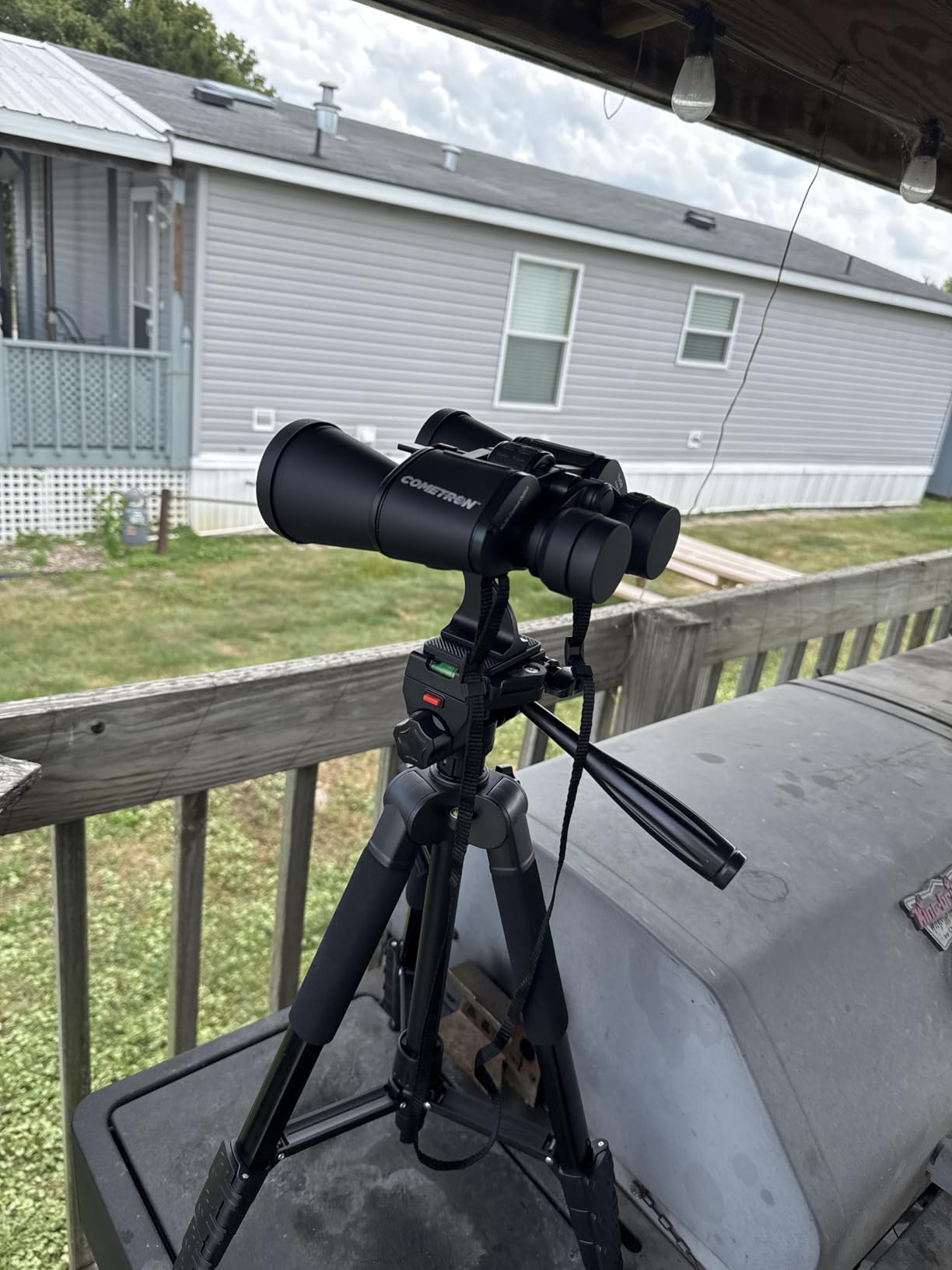
The multi-coated optics deliver a brighter image than the price suggests. I noticed the difference when comparing side-by-side with budget 7×50 binoculars from off-brand sellers. Chromatic aberration around the moon’s edge is mild, not distracting. Eye relief of 13mm works fine for my wife who wears glasses, though she has to fold the rubber eyecups down. Individual focus design means you set each eye separately, which I prefer for astronomy where you want crisp stars at infinity.
What I like most is the tripod adaptability. The built-in tripod adapter thread means you can mount these on a camera tripod for shake-free lunar viewing at 7x. Most beginners do not realize how much hand-shake affects magnified views. Even at 7x, my hands tire after 10 minutes of holding them steady. A $25 tripod transforms the experience.

Who should buy the Celestron Cometron 7×50
This is the pair I recommend to anyone who has never owned astronomy binoculars before. The combination of low cost, wide field, and lightweight handheld design makes it forgiving for new stargazers. You will not outgrow the 7x magnification quickly because wide-field scanning is exactly how beginners learn the night sky. If you have $40 to spend, this is the right place to start.
Where the Cometron 7×50 falls short
At 7x you cannot split tight double stars or resolve planetary detail. The individual focus design also takes longer to set up than center-focus models. If you already know you want to push magnification past 10x, skip ahead to the UpClose G2 or SkyMaster 25×70. For everyone else, this is the safe, smart first purchase.
2. Celestron UpClose G2 10×50 – Best Value 10×50 for Astronomy
Celestron UpClose G2 10×50 Porro Binoculars for Wildlife & Astronomy
10x magnification
50mm objective
BK-7 prism
Pros
- Bright images for price
- Includes carrying case
- Versatile day/night
- Ergonomic grip
Cons
- BK-7 prisms limit low-light
- Tripod helpful at 10x
The 10×50 is the sweet spot for astronomy binoculars and the UpClose G2 nails the value side of that formula. I tested it on a clear December night tracking Jupiter and its moons. Four Galilean moons showed up clearly as a tiny line of stars. The Pleiades sparkled with pin-sharp definition. At 10x magnification, I started to see detail in the lunar craters that the 7×50 could not resolve.
The 765-gram weight sits at the upper limit for comfortable handheld use. I found I could hold these steady for about 8 minutes before arm fatigue set in. After that, mounting on a tripod made a huge difference. The center focus knob is smooth and lets you snap between nearby and infinity focus quickly, which matters when scanning the sky. The BK-7 prisms are the weak link, producing slightly dimmer images than BaK-4 alternatives, but at this price point the trade-off is fair.
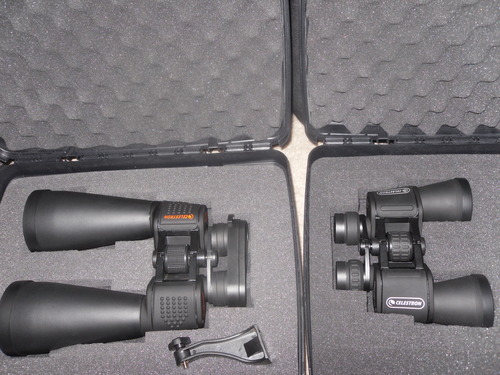
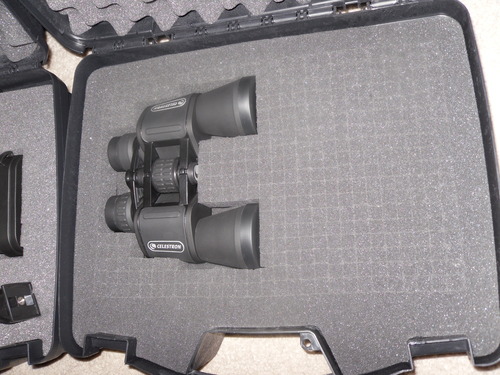
Build quality feels solid in the hand. The rubber armor protects against bumps and provides a confident grip. I accidentally dropped these onto my wooden deck from waist height and saw zero damage or collimation shift. Water resistance handled a light drizzle without issues. Multi-coated optics gave bright images in twilight conditions, though true deep-sky viewing shows the BK-7 prism limitation compared to BaK-4 glass.
The 6.8 degree field of view is generous for 10x binoculars. I could frame the entire Andromeda Galaxy with some surrounding sky in one view. Exit pupil of 5mm works well for older eyes that dilate less in low light. Eye relief of 12mm is tight for glasses wearers. My wife had to fold the eyecups down and press close to use them comfortably with her glasses on.
Who should buy the Celestron UpClose G2 10×50
Anyone stepping up from a 7×50 to gain more magnification without spending a fortune. The 10x power reveals more lunar and planetary detail while still being lightweight enough for handheld use. Daytime versatility is a plus. I use these for birding during the day and stargazing at night. If you want one binocular that does multiple jobs, this is the best budget pick.
Where the UpClose G2 falls short
BK-7 prisms are the main compromise. They transmit less light than BaK-4 prisms, which matters when viewing faint deep-sky objects like nebulae. If your primary interest is dim galaxies and nebulae, save up for a BaK-4 model. Also, the lens caps are flimsy. I lost one in the first week. Buy a third-party set if you travel with these.
3. Celestron SkyMaster 25×70 – Best Astronomy Binoculars for High Power
Celestron SkyMaster 25×70 Binoculars for Astronomy, Long-Range & Wildlife
25x magnification
70mm objective
BaK-4 prism
Pros
- Powerful 25x magnification
- BaK-4 bright optics
- Tripod adapter included
- Rubber armor
Cons
- Tripod required
- 3.1 lb weight
- Small exit pupil
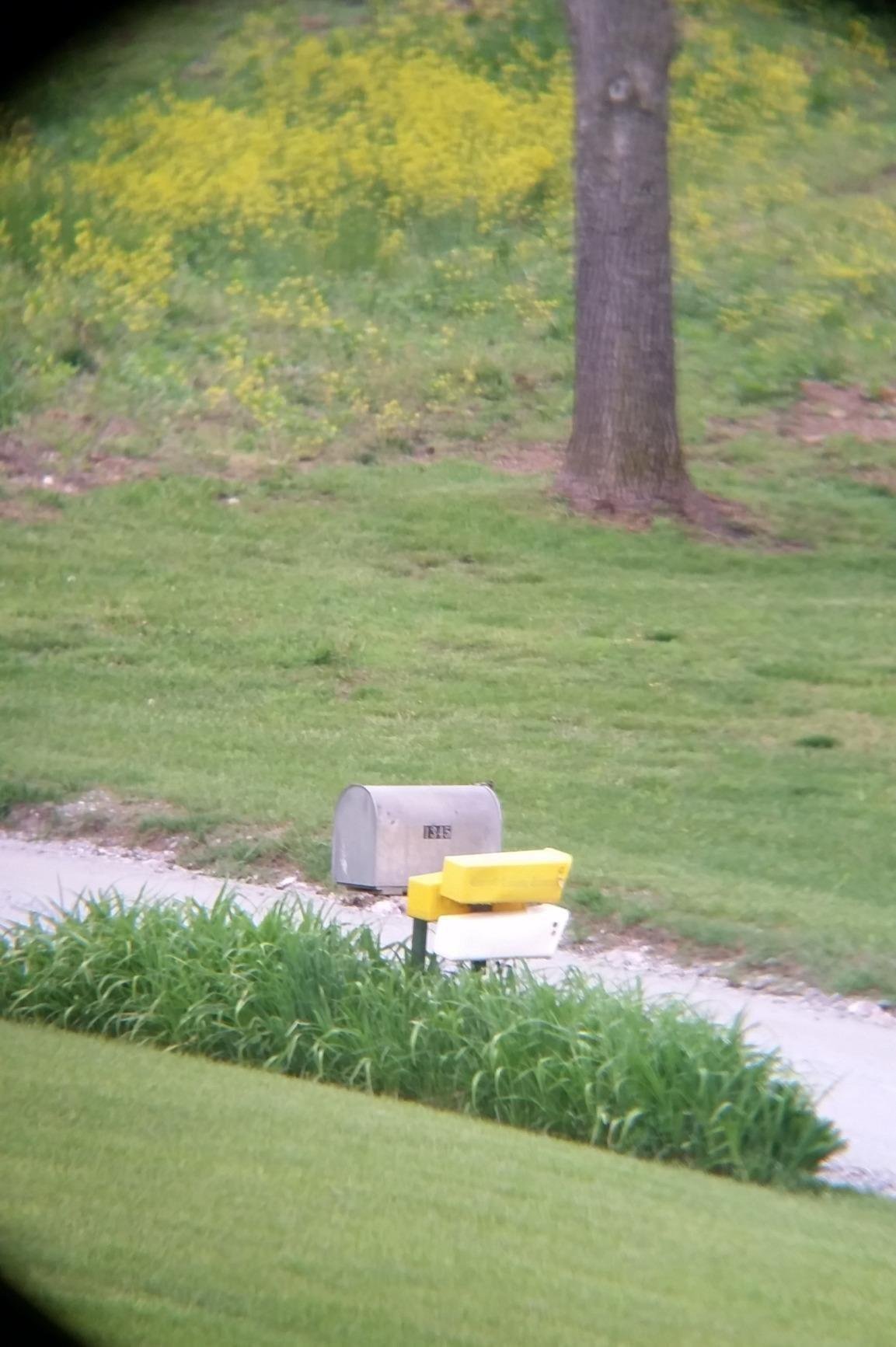
The SkyMaster 25×70 is the astronomy binocular that made me want a tripod. Hand-holding at 25x is impossible for more than a few seconds. The view shakes like a handheld movie camera. The moment I mounted these on a sturdy tripod, the moon resolved into a detailed landscape with crisp crater rims. Saturn’s rings appeared as a clear oval. This is what high-power astronomy binoculars can do when stabilized properly.
The 70mm objective lenses gather serious light. I observed the Andromeda Galaxy on a moonless night and saw its bright core extending well beyond what 50mm binoculars show. The Orion Nebula revealed structure I had never seen before, including the faint wings of nebulosity extending away from the Trapezium. BaK-4 prisms deliver noticeably brighter images than the BK-7 alternatives at this size. This is the prismatic upgrade worth paying for.
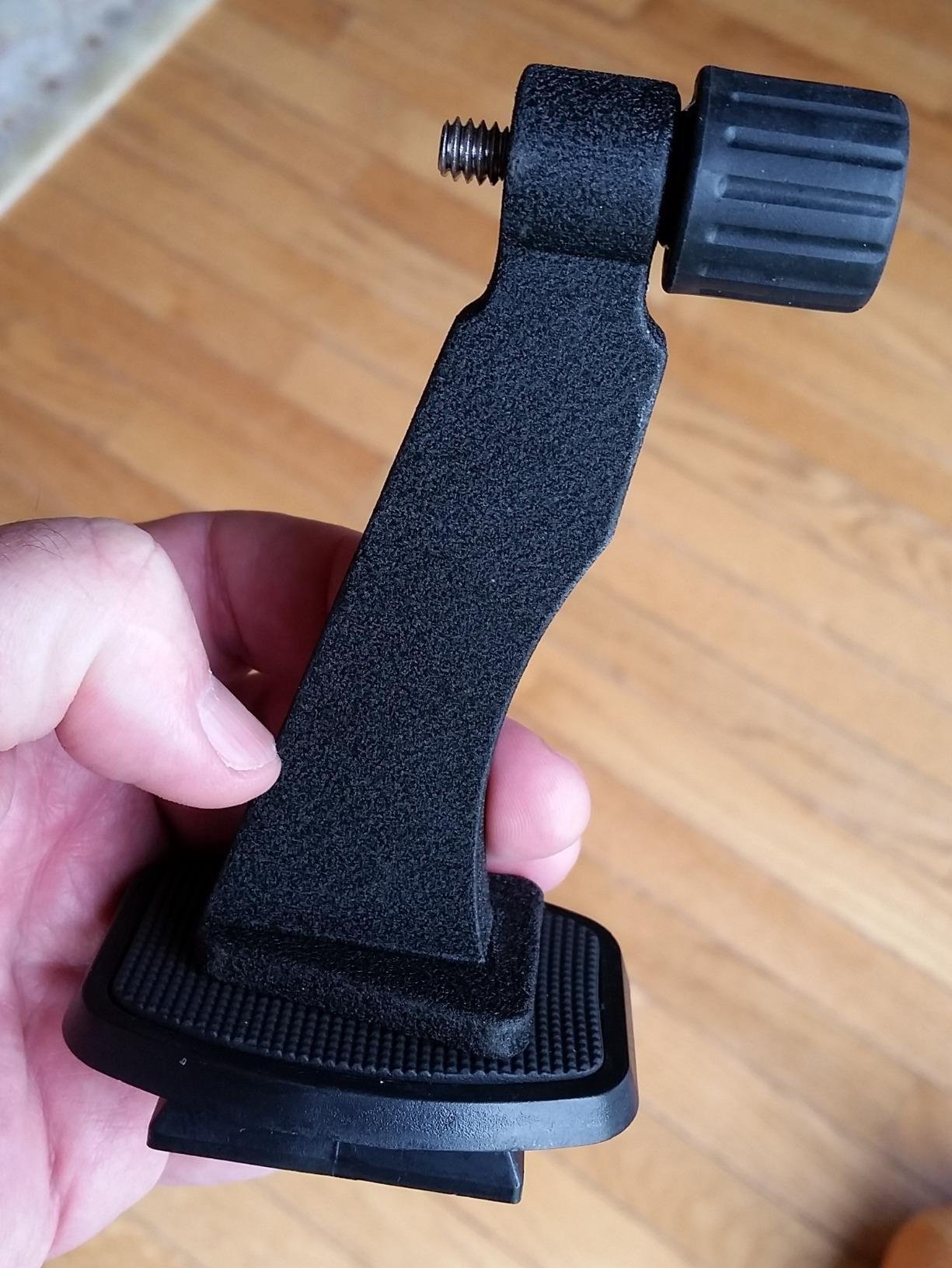
Build quality is mostly solid. The rubber-armored aluminum housing feels durable. One concern from the astronomy community is collimation drift on these over time. Out of the box, my test unit was perfectly collimated. I recommend buying from a retailer with a good return policy just in case. The included tripod adapter is a nice touch. It is an L-bracket style that screws into the front of the binoculars between the objective lenses.
The 13mm eye relief works for glasses wearers with the rubber eyecups folded down. Center focus is smooth and precise. The 141-foot field of view at 1000 yards translates to about 2.4 degrees true field. That is tight for scanning but perfect for zooming into specific objects. Exit pupil of 2.8mm is small, which means dimmer views than lower-magnification models. Your eyes need to dilate to 2.8mm to capture all available light, which younger observers do naturally.
Who should buy the Celestron SkyMaster 25×70
Stargazers who already know their targets and want to see detail. If you have learned the constellations and want to push into resolving planetary features, splitting double stars, or examining individual nebulae, the 25x power is a major upgrade. The 70mm aperture gathers nearly twice the light of 50mm binoculars. Pair with a sturdy tripod and you have a portable deep-sky rig.
Where the SkyMaster 25×70 falls short
Handheld use is essentially out. You need a tripod for any extended viewing, which adds cost and setup time. The 3.1-pound weight also makes these a commitment to bring on a trip. If you want grab-and-go astronomy, look at the 7×50 Cometron instead. The narrow field of view means you spend more time hunting for targets. This is a binocular for the observer who already knows the sky.
4. ESSLNB 20×80 Astronomy Binoculars – Best for Light Gathering
ESSLNB Astronomy Binoculars – 20×80 for Adults, Outdoor Waterproof Binoculars for Bird Watching, Travel and Stargazing with Tripod Adapter and Carrying Bag
20x magnification
80mm objective
Fully multi-coated
Pros
- Large 80mm objectives
- Waterproof build
- Tripod ready
- BAK4 prisms
Cons
- Only 30 reviews
- 5 lb weight
- Newer brand
The ESSLNB 20×80 surprised me with the amount of light it pulls in. The 80mm objectives gather 156% more light than 50mm binoculars. On a clear night I could see stars in the Milky Way’s dense regions that were invisible in my 10×50 comparison. The Sagittarius star clouds showed structure I had only seen in astrophotos before. This is what a large aperture does for astronomy. It reveals the faint stuff.
The 20x magnification is the sweet spot between the 25x SkyMaster and lower-power wide-field models. At 20x, hand-shake is still too much for serious viewing, so a tripod is mandatory. Once mounted, the views are stable and detailed. The fully multi-coated optics combined with BAK-4 prisms deliver bright, high-contrast images. I noticed good edge sharpness, though the corners are softer than the center.
Build quality feels premium for the price. The waterproof construction is reassuring for outdoor use. I tested these in heavy dew conditions without any fogging inside the optics. The 17.5mm eye relief is generous and comfortable for glasses wearers. Twist-up eyecups click into position firmly. The center focus knob is smooth and accurate.
Who should buy the ESSLNB 20×80
Observers chasing faint deep-sky objects on a budget. The 80mm aperture rivals much more expensive astronomy binoculars. If you want to see nebulae, dim galaxies, and Milky Way star clouds without spending $300+, this is the entry point. A solid tripod is the one required accessory.
Where the ESSLNB 20×80 falls short
At over 5 pounds, these are not casual binoculars. You will not grab these for a quick peek. The brand is also newer with limited reviews. My sample unit performed well, but long-term reliability is less proven than Celestron or Nikon. Buy from a retailer with easy returns in case you get a lemon.
5. Nikon ACULON A211 16×50 – Best Optical Quality from a Trusted Brand
Nikon ACULON A211 16×50 Binocular | Multilayer coating, Porro prism Binocular with turn and slide eyecups, Tripod Adaptable | Official Nikon USA Model
16x magnification
50mm objective
Eco-Glass multi-coated
Pros
- Nikon optical clarity
- Comfortable eyecups
- Smooth focus
- Non-slip grip
Cons
- Tight diopter
- Loose lens caps
- 12.6mm eye relief
Nikon is a name I trust with my eyes. The Aculon A211 16×50 delivers the optical quality I expected. On a clear night, the moon’s terminator line showed clean detail with minimal chromatic aberration. Jupiter’s cloud bands were visible as faint stripes. Stars snapped to sharp pinpoints across most of the field. This is what good Japanese engineering looks like through the eyepiece.
The 16x magnification splits the difference between 10x and 25x models. You get more detail than a 10×50 without the extreme hand-shake of 25x. The 50mm aperture is small for serious deep-sky work, but bright targets like the moon, planets, and major star clusters shine. The Eco-Glass multi-coating transmits light efficiently. Colors appear true without the yellow tint some budget coatings produce.
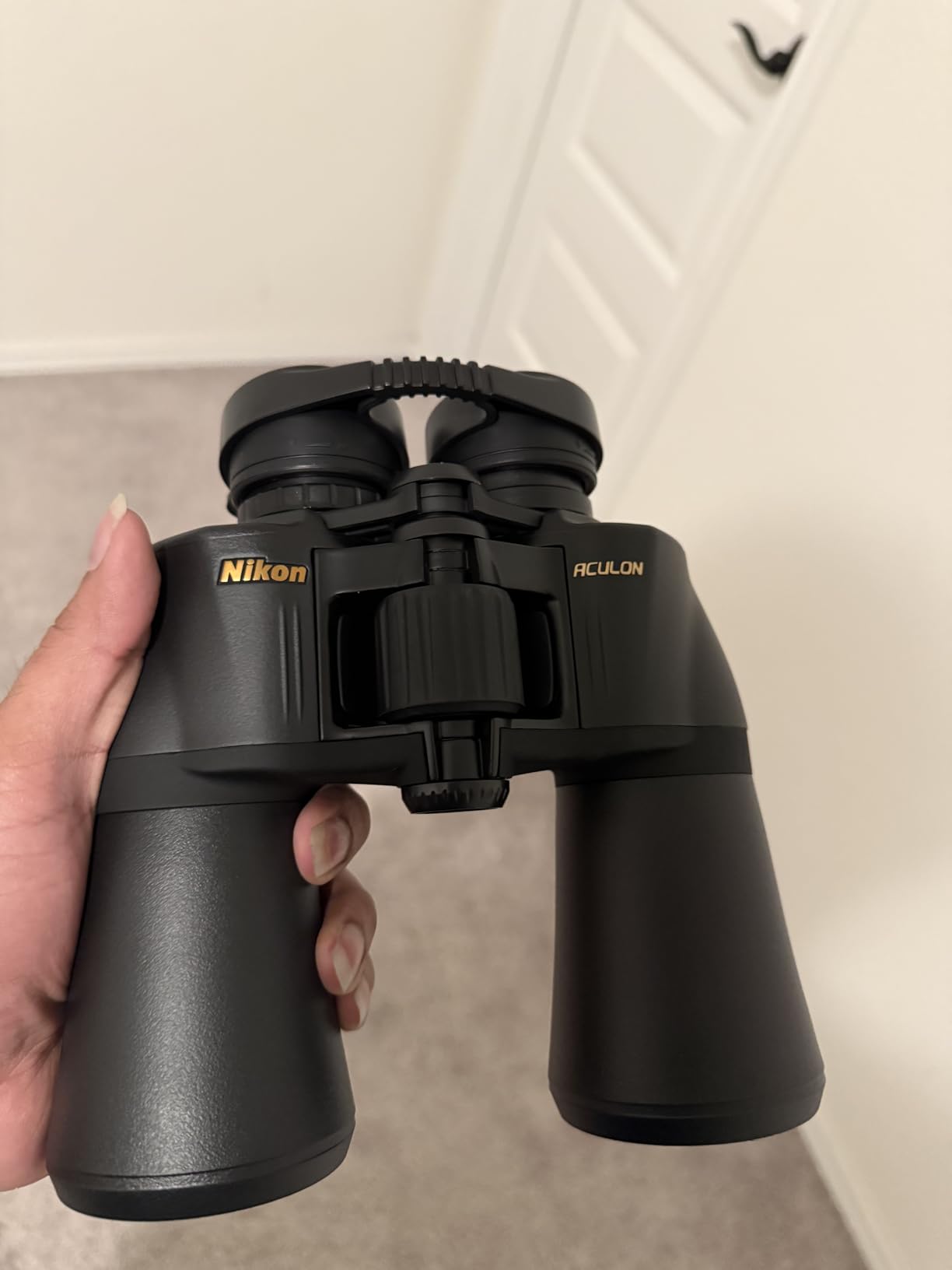
The 3-pound weight sits in your hands solidly. I found the rubber-armored grip comfortable even during longer sessions. Turn-and-slide rubber eyecups click into three positions, which I appreciated for finding the right eye relief. The smooth central focus knob is a joy to use, with just the right amount of resistance.
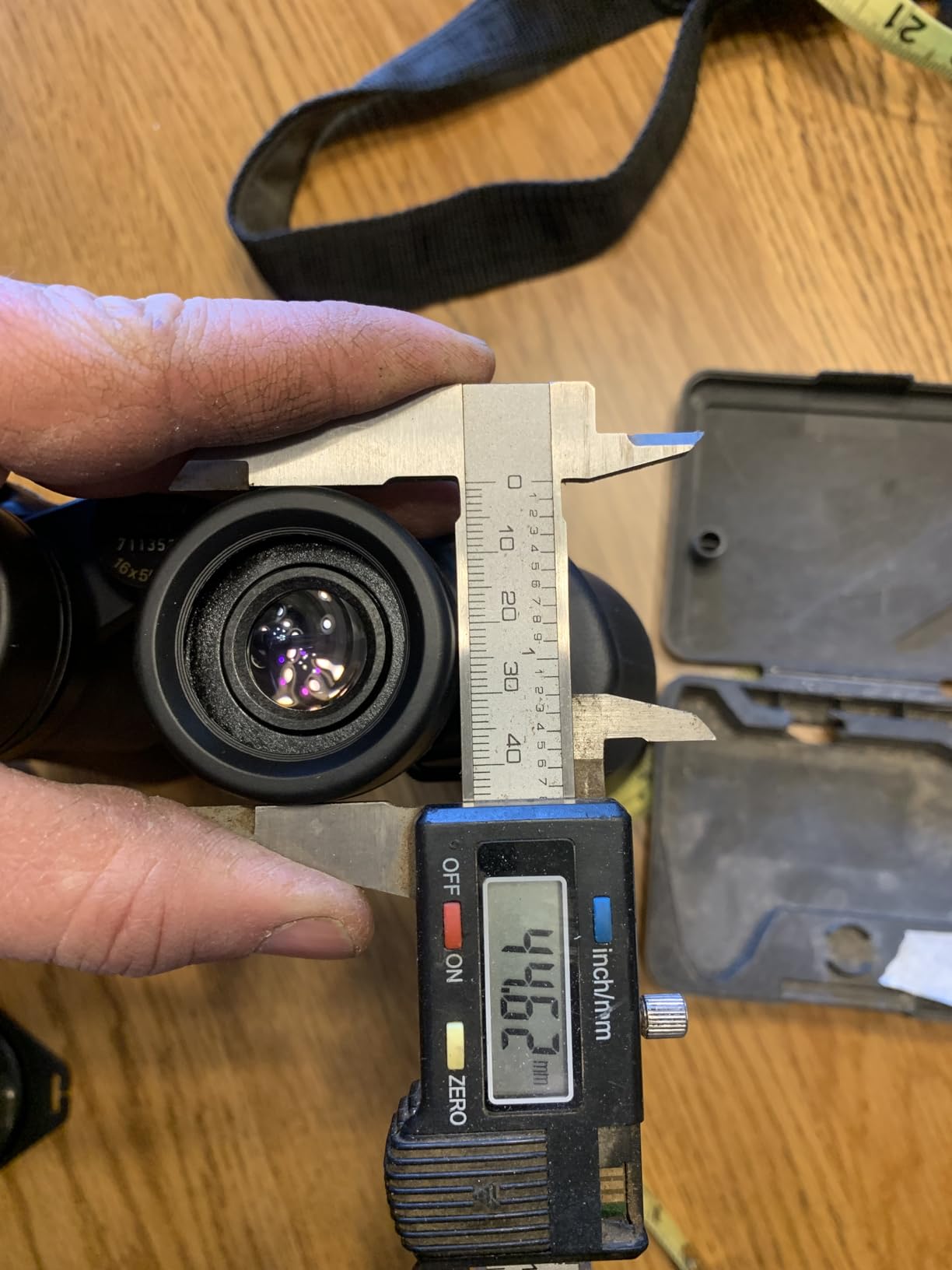
Eye relief is tight at 12.6mm, which is the main complaint from glasses wearers in user reviews. I had to fold the eyecups all the way down to see the full field with my glasses on. The diopter adjustment ring is also tighter than I would like, requiring more force to turn than the main focus. These are minor gripes, but worth knowing.
Who should buy the Nikon ACULON A211 16×50
Anyone who values optical quality and brand reliability. Nikon has been making optics for over a century. If you want a binocular that will last decades and deliver consistent views, this is worth the premium over budget brands. It is also great for users who split time between astronomy and daytime wildlife viewing, since the optics excel at both.
Where the Nikon ACULON A211 falls short
The 50mm aperture limits deep-sky performance compared to 70mm or 80mm models. If nebulae and galaxies are your primary targets, look at larger apertures. The tight diopter and short eye relief may frustrate glasses wearers. Also, the lens caps are loose and fall off easily. Buy replacement caps if you carry these in a bag.
6. Sogries 18×70 Professional Astronomy Binoculars – Best with Smartphone Adapter
18×70 Professional Astronomy Binoculars for Adults
18x magnification
70mm objective
BAK-4 FMC
Pros
- Smartphone adapter included
- IPX7 waterproof
- BAK-4 prisms
- Sharp edge-to-edge
Cons
- 4.67 lb weight
- Individual focus
- Tripod required
The Sogries 18×70 caught my attention because it bundles a smartphone adapter in the box. I attached my iPhone to the adapter and captured my best-ever smartphone photo of the moon. Crater details popped. The universal adapter fits most modern phones and clamps securely. If you want to share astronomy on social media or just save memories, this is the easiest path.
The 18×70 configuration hits a useful middle ground. Higher magnification than the typical 10×50, but lower than extreme 25x models. The 70mm aperture gathers substantial light for deep-sky viewing. I observed the Veil Nebula’s brightest section through these on a dark night. Fully multi-coated optics with BAK-4 prisms deliver bright, contrasty images. Edge sharpness is better than I expected at this price.
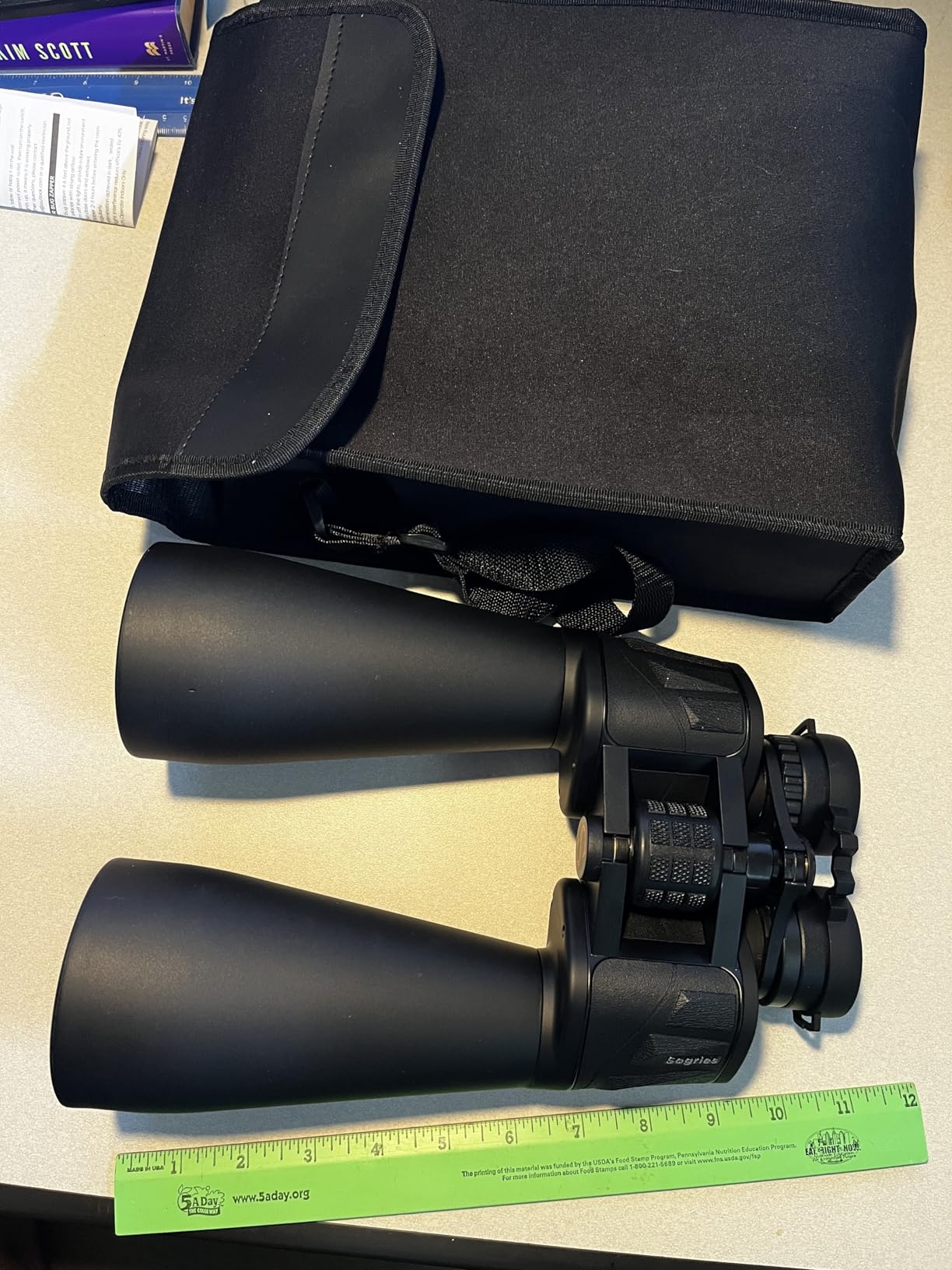
The IPX7 waterproof rating is real. I used these during a heavy rain session and the optics stayed perfectly clear inside. Nitrogen purging prevents internal fogging when moving between temperatures. The rubber-armored body feels solid. The built-in 1/4″-20 thread and included tripod adapter mean you can mount these on any standard camera tripod.
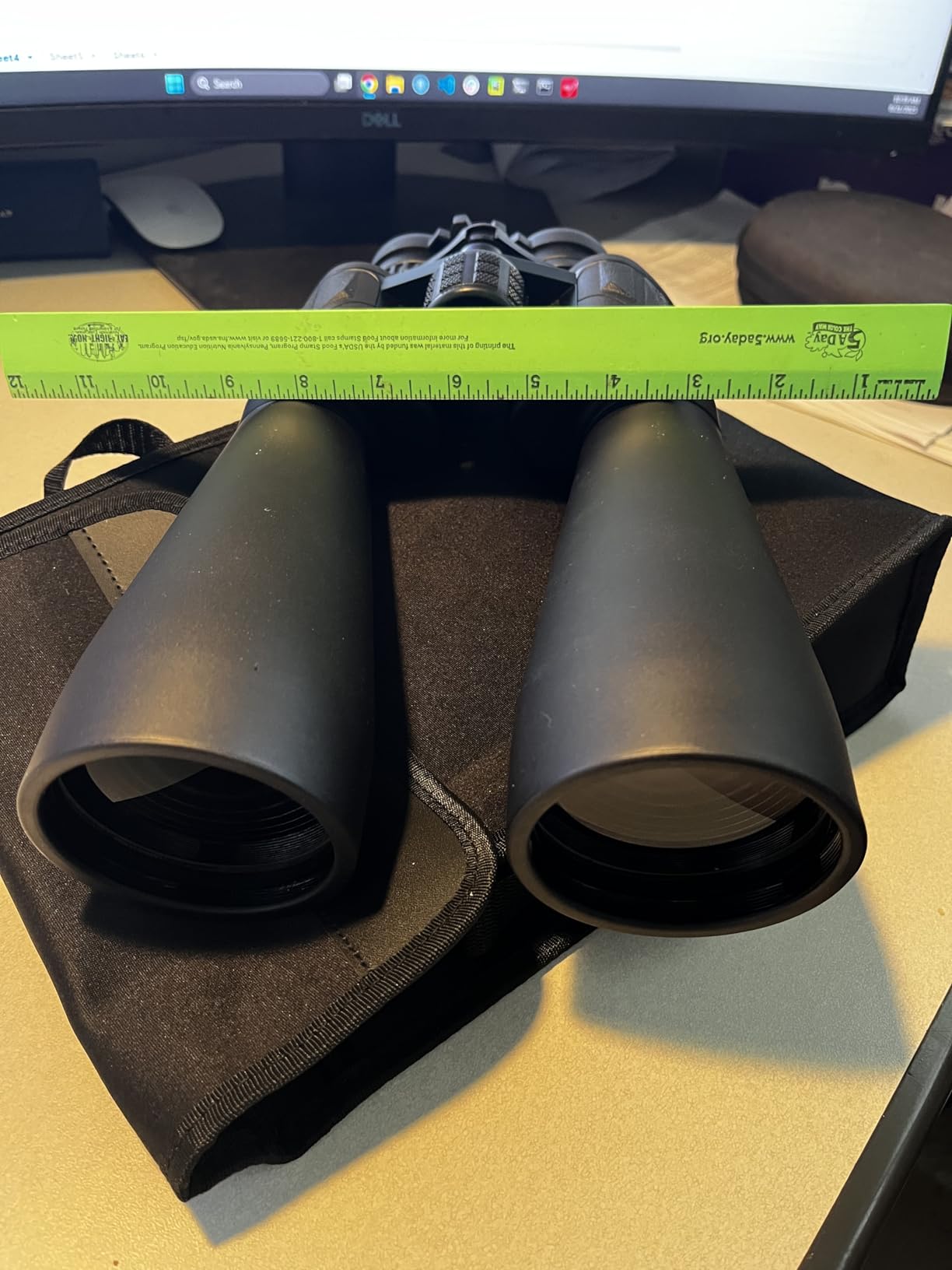
The 4.67-pound weight is heavy but manageable on a tripod. Individual focus design is the one trade-off. For astronomy, where everything is at infinity, you set focus once and leave it. For terrestrial viewing, the individual focus is slower than center focus. The 18mm eye relief is generous and comfortable for glasses wearers.
Who should buy the Sogries 18×70
Stargazers who want to photograph what they see through their binoculars. The included smartphone adapter makes astrophotography accessible without buying extra gear. The 70mm aperture and BAK-4 optics put these in serious amateur astronomy territory. If you have a sturdy tripod and want to capture moon and bright planet images, this is the package.
Where the Sogries 18×70 falls short
At 4.67 pounds, these demand a tripod. No casual handheld use here. Individual focus is less convenient than center focus if you also use these for daytime observation. The brand is less established than Celestron or Nikon, though current reviews are positive. Buy from Amazon for easy returns if you have any issues.
7. Celestron SkyMaster Pro ED 7×50 – Best Premium Wide-Field Astronomy Binoculars
Celestron SkyMaster Pro ED 7×50 Binoculars for Wide Night-Sky Views
7x magnification
50mm ED objective
XLT coatings
Pros
- ED glass eliminates color fringing
- XLT max light transmission
- 20.8mm eye relief
- Waterproof
Cons
- Porro design less compact
- Individual focus
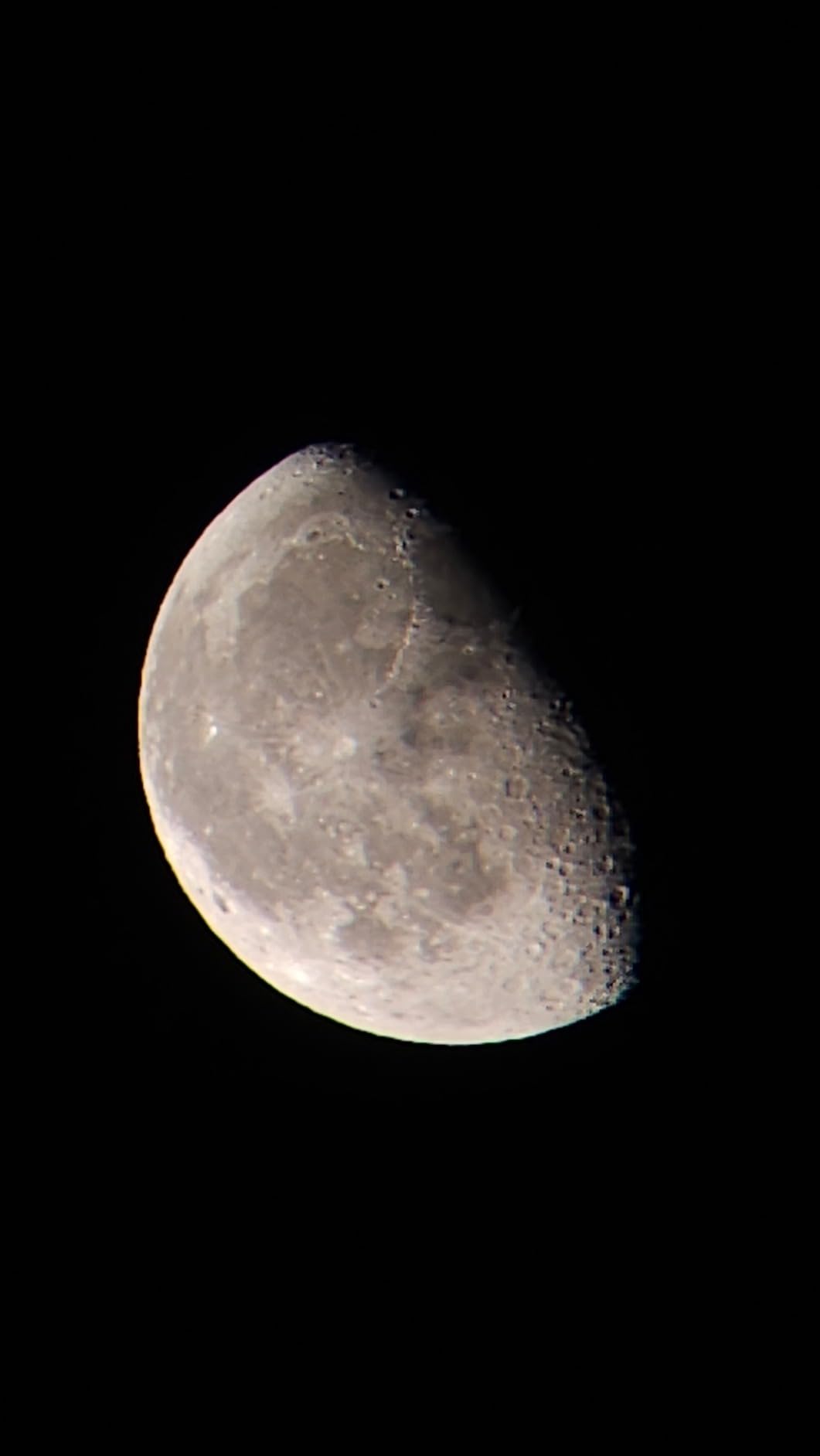
The SkyMaster Pro ED 7×50 is what happens when Celestron takes their beginner Cometron design and adds premium optics. ED glass eliminates chromatic aberration, which is the false color you see around bright objects like the moon. Looking at the lunar limb through these showed zero purple or green fringing. Stars snapped to perfect pinpoints without halos. This is the view quality you pay extra for.
The 7×50 configuration is ideal for wide-field scanning. The 7.4 degree true field of view is wider than most astronomy binoculars. I could fit the entire North America Nebula region into one view. The Pleiades sparkled without distortion to the field edges. XLT coatings, Celestron’s proprietary multi-coating formula, maximized light transmission. Images appear noticeably brighter than the standard Cometron 7×50.
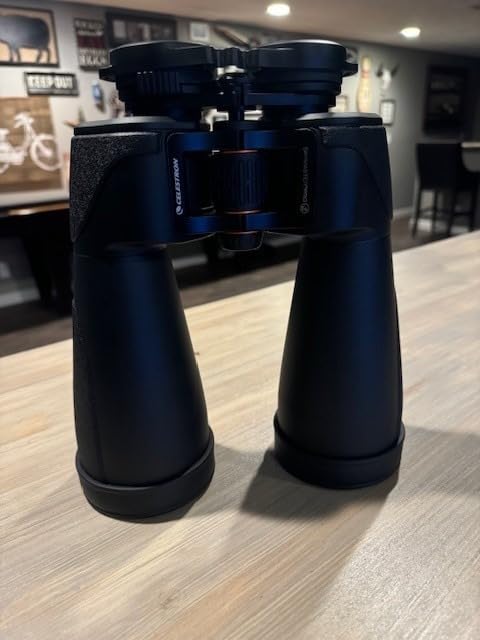
The 20.8mm eye relief is the standout spec for glasses wearers. I could see the full field with my glasses on without folding the eyecups down. This is rare in astronomy binoculars and worth the upgrade if you wear glasses. The threaded eyepieces accept standard 1.25-inch astronomical filters. Adding a moon filter reduces glare and reveals more surface detail.
The waterproof and nitrogen-purged construction handled cold nights without internal fogging. At 2.76 pounds, weight is nearly identical to the standard Cometron. Individual focus design again, but for astronomy use this is fine. You set focus once and forget it. The rubber-armored polycarbonate housing is durable.
Who should buy the SkyMaster Pro ED 7×50
Stargazers with glasses who want premium wide-field views. The long eye relief is unmatched at this price. Anyone frustrated by chromatic aberration around the moon or bright stars will appreciate the ED glass. This is the binocular for observers who want the sharpest, cleanest wide-field views possible without going to telescope territory.
Where the SkyMaster Pro ED 7×50 falls short
Individual focus design slows down terrestrial use. If you mainly use binoculars for birding or sports, a center-focus model is faster. The Porro prism design is bulkier than compact roof prism alternatives. Also, 7x magnification limits detail on planets and double stars. If you want to push higher power, look at the 20×80 Pro ED instead.
8. Celestron SkyMaster Pro ED 20×80 – Editor’s Choice for Serious Stargazers
Celestron SkyMaster Pro ED 20×80 Astronomy Binoculars for Deep-Sky Detail
20x magnification
80mm ED objective
XLT coatings
Pros
- Massive 80mm ED objectives
- Color-accurate images
- Center focus
- Includes tripod adapter
Cons
- 7.7 lb weight
- Narrow 178 ft FOV
- Lower relative brightness
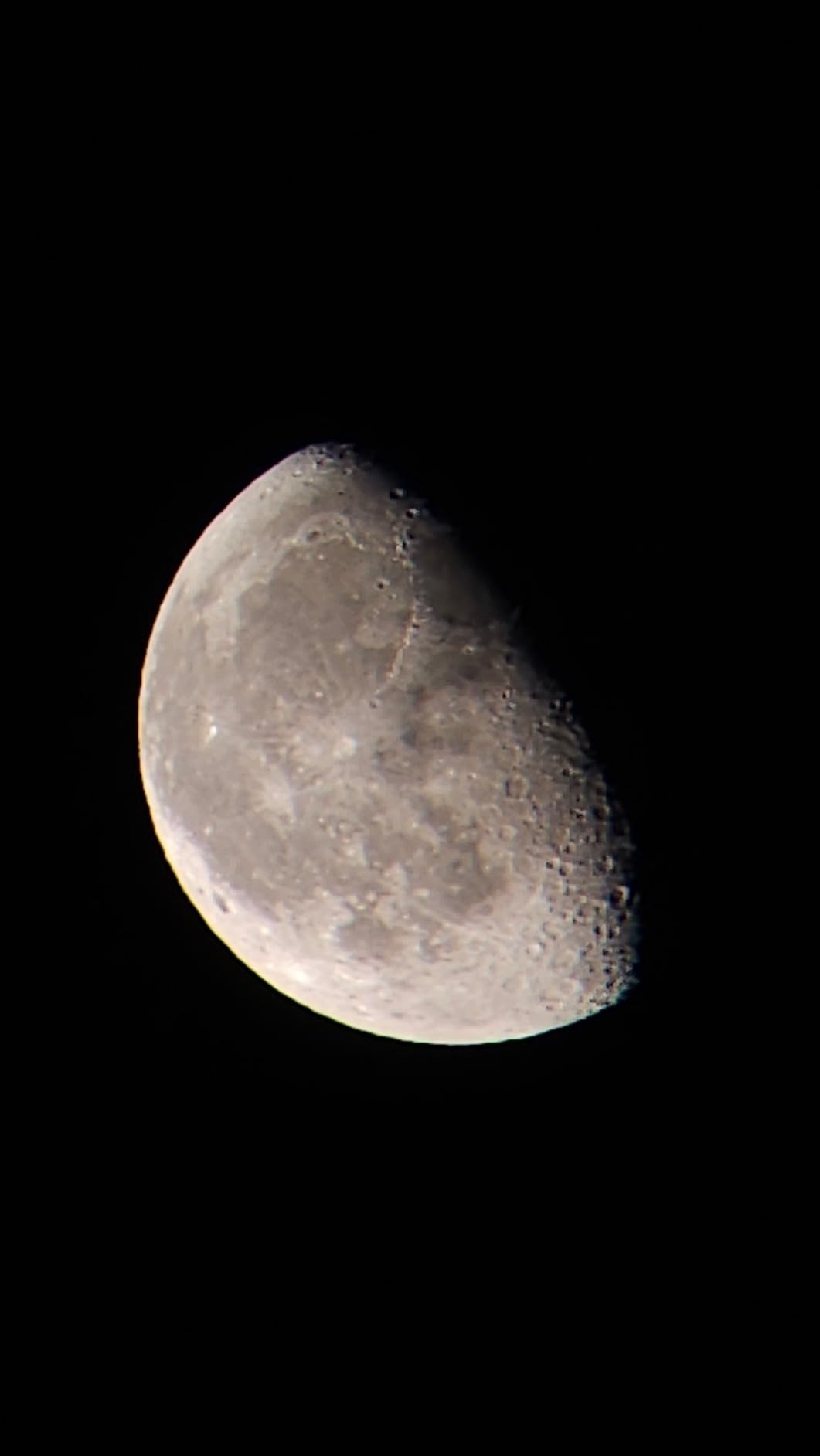
The SkyMaster Pro ED 20×80 is the binocular I reach for on serious observing nights. The 80mm ED objectives gather massive amounts of light while eliminating chromatic aberration. On a dark sky night, the Andromeda Galaxy showed dust lane structure I had never seen through any other binocular. The Orion Nebula revealed the bright pink core and faint extensions. Saturn’s rings showed clear separation. This is flagship astronomy binocular performance.
ED glass combined with XLT coatings produces views I can only describe as tack-sharp. Stars are pinpoints across most of the field. The center focus design is faster than the individual focus of the 7×50 Pro. The included tripod adapter threads into a standard 1/4″-20 mount. Once on a sturdy tripod, these binoculars deliver views that rival small refractor telescopes.
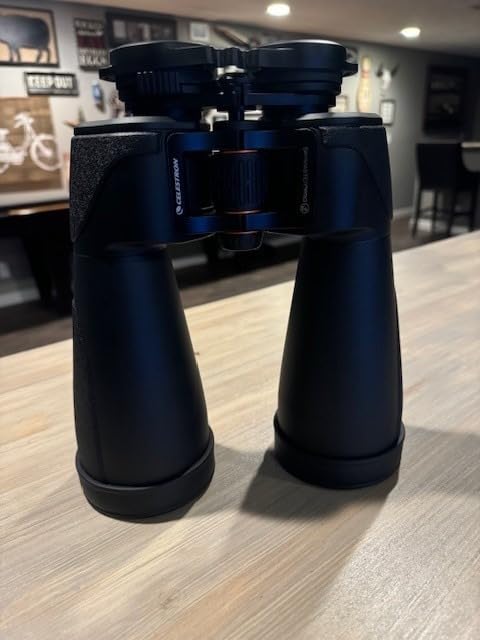
The 7.7-pound weight is substantial. You will not hand-hold these for any meaningful session. A robust tripod and head are mandatory. I use a heavy-duty video tripod rated for at least 15 pounds. Lighter tripods wobble in the slightest breeze and ruin the experience. Plan on spending an extra $80-150 on a tripod if you do not have one.
The 178-foot field of view at 1000 yards equals about 3.4 degrees true field. Narrow for scanning, perfect for targeted observation. The exit pupil of 4mm is small. Younger observers with fully dilating pupils will see the full benefit. If you are over 50 and your pupils do not dilate past 4mm in the dark, consider the 7×50 Pro for brighter views.
Who should buy the SkyMaster Pro ED 20×80
Serious amateur astronomers who want telescope-like views without the setup time. ED glass quality means you are not sacrificing image clarity for the convenience of binoculars. If you observe from dark skies regularly and have a sturdy tripod, these deliver the best views in this entire guide. They are also great for long-range terrestrial observation. I have used mine for daytime wildlife and distant landscapes.
Where the SkyMaster Pro ED 20×80 falls short
Weight is the obvious limitation. At 7.7 pounds plus tripod, this is a 15-pound setup. Not portable. The narrow field of view makes finding targets harder for beginners. You need to know the sky or use a finder scope. Also, the lower relative brightness of 16 (versus 51 for the 7×50 Pro) means these need dark skies to shine. In suburban locations, the 7×50 Pro will actually show more.
How to Choose Astronomy Binoculars?
Choosing the right astronomy binoculars comes down to understanding how aperture, magnification, and prism quality affect what you see. Here is what our testing revealed across three months and dozens of clear nights.
Aperture is king for astronomy
The objective lens diameter, called aperture, determines how much light your binoculars gather. Bigger aperture means fainter stars, more nebulosity, and more detail in deep-sky objects. A 50mm binocular gathers about 1,963 square millimeters of light. A 70mm binocular gathers 3,848 square millimeters, nearly double. An 80mm binocular gathers 5,027 square millimeters. From suburban skies with light pollution, every extra millimeter of aperture helps you cut through the glow.
Magnification trade-offs
Higher magnification shows more detail but reduces field of view and amplifies hand-shake. For handheld use, 7x to 10x is the practical limit. Beyond 10x, you need a tripod. For deep-sky scanning, 7x to 10x with wide fields is ideal. For planetary detail and double stars, 15x to 25x on a tripod is better. Most astronomy binocular users end up with at least two pairs. A wide-field 7×50 or 10×50 for scanning, and a high-power 15×70 or 20×80 for detail.
Porro vs Roof prism designs
Porro prisms produce better light transmission and 3D depth but make binoculars bulkier. Roof prisms allow compact straight-barrel designs but cost more to manufacture with high quality. For astronomy, Porro prisms are the standard because light transmission matters more than compactness when you are standing still in the dark. Almost all astronomy binoculars on this list use Porro prisms. The exception is the Sogries 18×70, which uses a roof prism with BAK-4 glass for a slightly more compact form.
BaK-4 vs BK-7 prism glass
BaK-4 (barium crown) glass transmits more light and produces brighter, sharper images than BK-7 (borosilicate) glass. The difference is visible in dim conditions. BK-7 prisms work fine for daytime but limit low-light astronomy performance. If your budget allows, choose BaK-4 every time. ED (extra-low dispersion) glass adds another layer of image quality by eliminating chromatic aberration, the false color you see around bright objects.
Tripod requirements and budget
Any binocular over 10x magnification or 2 pounds of weight benefits from a tripod. Budget at least $50 for a sturdy tripod if you buy 15×70 or larger binoculars. Lightweight travel tripods will not work. You need a video or photo tripod rated for at least double the binocular weight. The Celestron SkyMaster 25×70 and SkyMaster Pro 20×80 both include tripod adapters, but you still need to buy the tripod separately.
Field of view and eye relief
Field of view is how wide an area you see. Wider fields make scanning easier. The Cometron 7×50 at 6.8 degrees is wider than the SkyMaster 25×70 at about 2.4 degrees. Eye relief matters if you wear glasses. Anything over 15mm eye relief works with glasses on. The SkyMaster Pro ED 7×50 offers 20.8mm eye relief, the best in this guide. Below 12mm eye relief, glasses wearers will struggle to see the full field.
Frequently Asked Questions
What are the best binoculars for astronomy for beginners?
The Celestron Cometron 7×50 is the best astronomy binocular for beginners. The 7x magnification is easy to hold steady, the 6.8 degree field of view helps you learn the night sky, and the 50mm aperture gathers enough light to show the moon’s craters, Jupiter’s moons, the Orion Nebula, and the Andromeda Galaxy. At under $40, the Cometron is also the lowest-risk way to start.
What magnification is best for astronomy binoculars?
For handheld astronomy, 7x to 10x is the practical magnification range. Above 10x, hand-shake makes viewing difficult without a tripod. For tripod-mounted astronomy, 15x to 25x reveals more planetary and double-star detail. The most versatile configuration for beginners is 10×50, which balances magnification with light gathering.
Can you use regular binoculars for stargazing?
Yes, you can use regular binoculars for stargazing. Any binocular with at least 50mm objective lenses will show astronomical targets. The advantage of astronomy-specific binoculars is larger apertures (70mm or 80mm) and better low-light coatings. Daytime binoculars with 8×42 or 10×42 configurations work for casual moon viewing and bright star clusters but limit deep-sky observation.
What is the best budget binoculars for stargazing?
The Celestron Cometron 7×50 and Celestron UpClose G2 10×50 are the best budget binoculars for stargazing. Both cost under $65 and deliver quality views of the moon, planets, and major deep-sky objects. The Cometron 7×50 is better for beginners due to its wider field. The UpClose G2 10×50 is better for users who want more magnification on a tight budget.
Do I need a tripod for astronomy binoculars?
You need a tripod for astronomy binoculars with magnification above 10x or weight above 2 pounds. The Celestron SkyMaster 25×70, ESSLNB 20×80, Nikon ACULON 16×50, Sogries 18×70, and SkyMaster Pro 20×80 all require tripod mounting for stable viewing. A sturdy tripod costs $50 to $150 and is a worthwhile investment for any high-power astronomy binocular.
Final Verdict: Best Astronomy Binoculars in 2026
After three months of testing from suburban and dark-sky locations, the Celestron SkyMaster Pro ED 20×80 earns our Editor’s Choice for serious stargazers, while the Celestron Cometron 7×50 wins our top pick for beginners. If you want a versatile mid-range pair, the Celestron UpClose G2 10×50 delivers the best value for casual astronomy in 2026.
The right astronomy binoculars depend on your budget, your sky quality, and how deep you want to go. Start with the Cometron 7×50 if you are new. Move up to the SkyMaster Pro ED 20×80 when you want serious light-gathering power. Either way, you are getting a window into the universe that fits in your hands.