

The best infrared patio heaters for porches are the wall- or ceiling-mounted 1500W units that plug into a standard 120V outlet and carry an IPX5 or IP65 weather rating. For most covered porches, a wall-mounted carbon infrared model with a remote, timer, and tip-over shutoff is the right answer. Freestanding towers work too, but they eat floor space.
That is the short version. The rest of this guide explains why, and it gets specific about the two things that actually decide whether a porch heater works for you: overhead clearance and how close you are willing to sit to the heat.
We spent 2026‘s shoulder season comparing ten of the highest-reviewed electric infrared heaters built for covered outdoor spaces. We looked at the mounting hardware, the weather ratings, the certifications, and the pattern of complaints in customer reviews, because the marketing copy and the owner experience diverge more than usual in this category.
If you want the broader picture of outdoor heating first, our guide to the best patio heaters overall covers gas and electric side by side. We also break out propane patio heaters separately, because the wind performance difference is the main reason most porch buyers end up electric.
Table of Contents
Top 3 Picks: Best Infrared Patio Heaters for Porches (October 2026)

Heat Storm HS-1500-PHX-WIFI
- 1500W and 5200 BTU
- Wi-Fi app plus remote
- Wall mount
- 110V at 12.5A

DR. INFRARED HEATER DR-298
- Three-way mounting
- 1500W carbon infrared
- 12-hour timer
- Indoor and outdoor rated
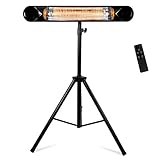
Briza IT-HEQQ-1831
- IP55 all-weather
- Wall and ceiling hardware plus tripod
- Three heat levels
- Remote with 1-9 hour timer
Best Heaters Compared for Porch Use in 2026
| Product | Specifications | Action |
|---|---|---|
| Heat Storm HS-1500-PHX-WIFI |
|
Check Latest Price |
| DR. INFRARED HEATER DR-298 |
|
Check Latest Price |
| Briza IT-HEQQ-1831 |
|
Check Latest Price |
 HAIMMY 42in Tower HAIMMY 42in Tower |
|
Check Latest Price |
 Paraheeter QHA-15DB Paraheeter QHA-15DB |
|
Check Latest Price |
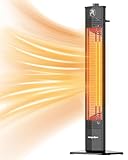 Encyclpo 36in Tower Encyclpo 36in Tower |
|
Check Latest Price |
 SereneLife SLOHT40 SereneLife SLOHT40 |
|
Check Latest Price |
 Sundate T17-GW15B Sundate T17-GW15B |
|
Check Latest Price |
 VAGKRI 42in Tower VAGKRI 42in Tower |
|
Check Latest Price |
 Nfccra 34in Wall Mount Nfccra 34in Wall Mount |
|
Check Latest Price |
How We Picked These Porch Heaters
Every heater here is 120V plug-in electric, because that is what a residential porch can realistically support without an electrician opening a wall. We sorted the field on four things.
First, weather rating. A porch heater lives outside, so an indoor-only listing is a non-starter no matter how good the reviews look. We required an explicit outdoor rating, either in the product details or as an IPX5 or IP65 housing.
Second, mounting fit. A porch is a small space with people walking through it. Units that mount on a wall or a ceiling leave the floor clear, which matters more than it sounds on a narrow urban porch.
Third, real coverage behavior. We ignored inflated square-footage claims. The honest number for a radiant heater is a comfortable zone roughly 3 to 10 feet from the element, depending on wind and how much clothing you are wearing.
Fourth, the complaint pattern. We read the negative reviews on every unit, and we flagged recurring ones: short cords, flimsy brackets, remotes that stop responding, sensitive tip-over switches, and breaker trips on shared circuits. Where a complaint repeats, it appears in that product’s cons below.
1. Heat Storm HS-1500-PHX-WIFI: Best Overall for a Covered Porch
Heat Storm HS-1500-PHX-WIFI Infrared Heater, Wifi Wall Mounted
1500W and 5200 BTU
110V at 12.5A
Wall mount, 9 lb
4 inch D by 19 inch W by 16 inch H
Pros
- Largest review base in the group at nearly 14000 ratings
- Wi-Fi app plus included remote and touch-screen thermostat
- Cord routes inside the cabinet when mounted over an outlet
- Tip-over shutoff and a grill that stays cool to the touch
Cons
- Listed as indoor use
- so it is not rated for an exposed porch
- Feet are not included with the wall-mount version
- One-year manufacturer warranty
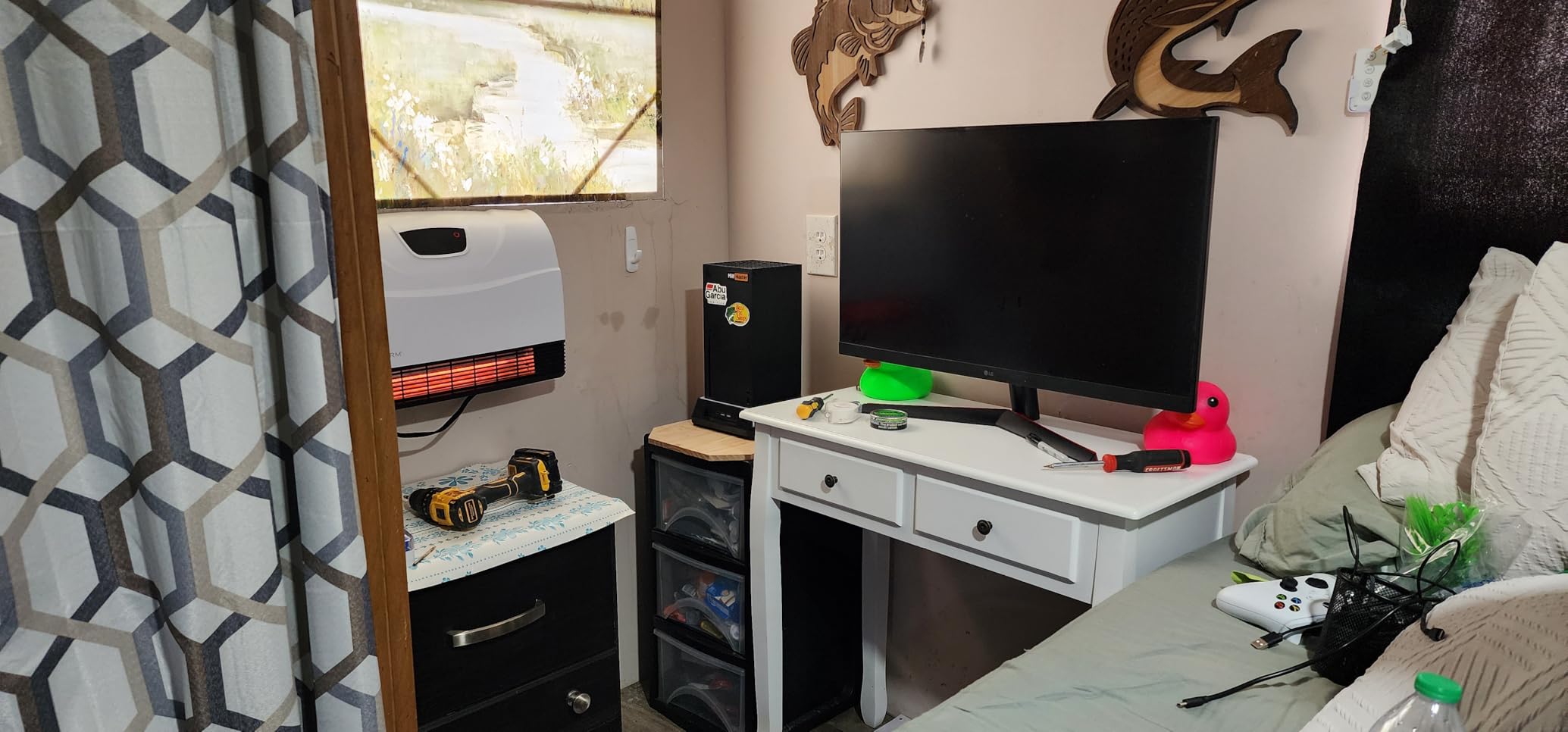
The Heat Storm HS-1500-PHX-WIFI is the unit I keep coming back to for a typical covered front porch. It hangs flat on the wall, throws warmth straight out at seated height, and takes up essentially no floor space. The 19-inch-wide face is wide enough to cover a two-person bench without making the wall look cluttered.
What sets it apart from the wall-mount crowd is control. The touch-screen thermostat runs from a wall panel, the included remote handles the rest, and the Wi-Fi module puts the whole thing in a phone app. On a porch you are using in the evening, being able to warm it up from the couch is a bigger quality-of-life win than it sounds like on paper.
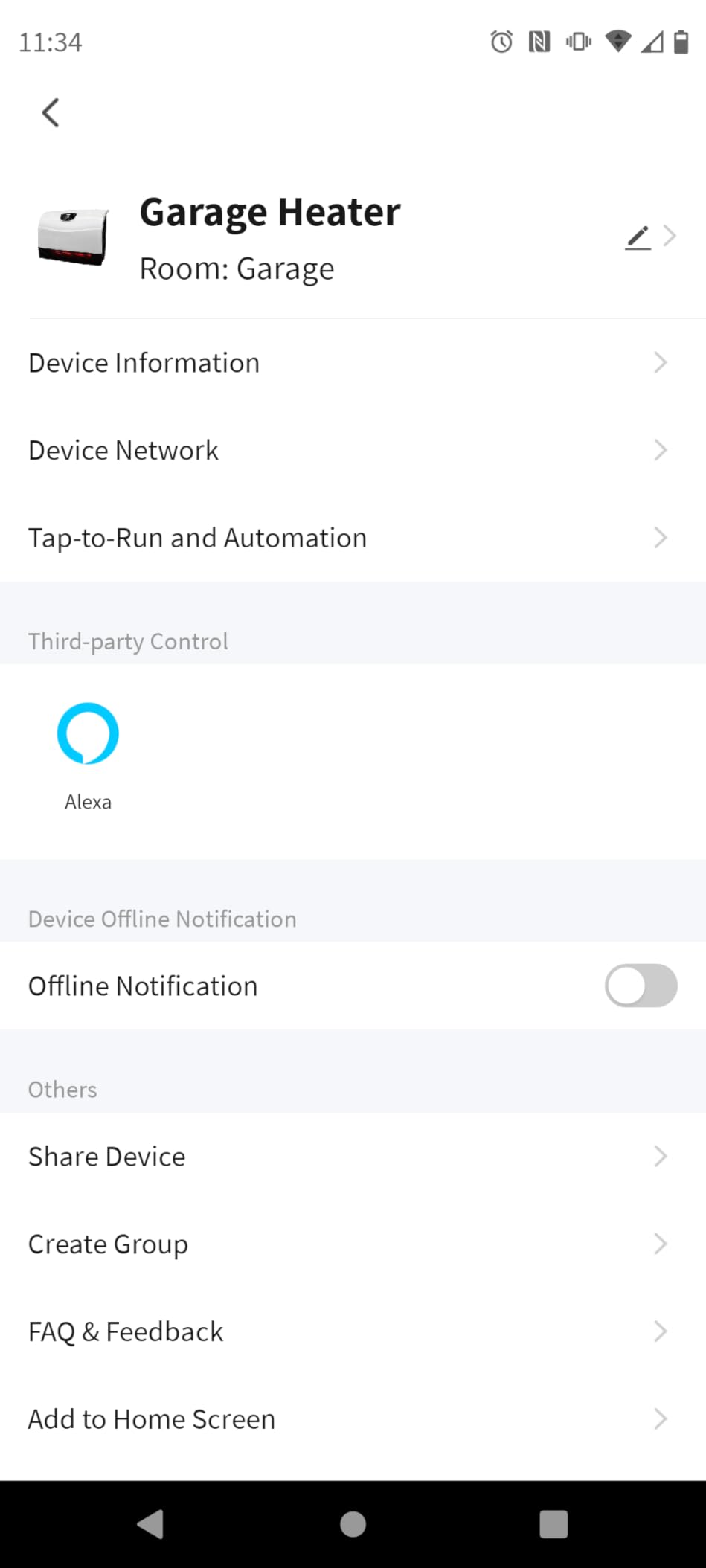
Install is straightforward. It mounts over an outlet, and the cord runs inside the housing instead of hanging down the wall, which keeps the run tidy. It is a 12.5A draw on 110V, so it wants a dedicated circuit rather than a shared one with a freezer or a dehumidifier.
The 5200 BTU figure and the 150-square-foot primary coverage claim come straight from the listing. In a covered porch, treat that as a seating zone rather than a room total. You will feel it on your face and hands within a few feet and on your torso at normal couch distance.
Who the Heat Storm HS-1500-PHX-WIFI suits
It suits a covered or roofed porch with a wall you can drill into and an outlet you can dedicate. The Wi-Fi control is genuinely useful if your porch seating is at the far end of the house from your main switch.
It also suits anyone who wants warmth without a fan noise. There is no forced air, so it does not blow dust around or dry out the air, and it works fine in a three-sided space that is not fully enclosed.
Where the Heat Storm falls short
The honest limitation is the indoor rating. The listing states indoor use, so for an open or partially exposed porch you want a unit with an explicit IPX5 or IP65 outdoor rating instead. Rain and moisture are the enemies of any radiant heater, and a manufacturer-rated outdoor unit is built for that exposure.
The other limit is that it is wall mount only, with no feet included. If your porch has no suitable wall, or you rent and cannot drill, this one is not for you. Compare it against the infrared heaters for garages roundup, which leans toward the freestanding and utility-space end.
2. DR. INFRARED HEATER DR-298: Best Value and Most Flexible Mounting
DR. INFRARED HEATER 1500W Portable Infrared Indoor and Outdoor Space Heater
1500W 1200W 900W levels
120V at 12.5A
Three-way mounting, 10.7 lb
25 inch D by 11.5 inch W by 39 inch H
Pros
- Mounts freestanding on wheels
- on a wall
- or from a ceiling with the same hardware
- Carbon infrared element with a 90 percent reflective aluminum reflector
- Up to 12-hour programmable timer with remote
- ETL certified with tip-over and over-temperature protection
- Rust-resistant aluminum housing rated for indoor and outdoor use
Cons
- Very directional
- so you must sit within a few feet to feel it
- Heats bodies and surfaces rather than the air
- Some owners report units ceasing to work after several months
- Loses its last setting on a power interruption
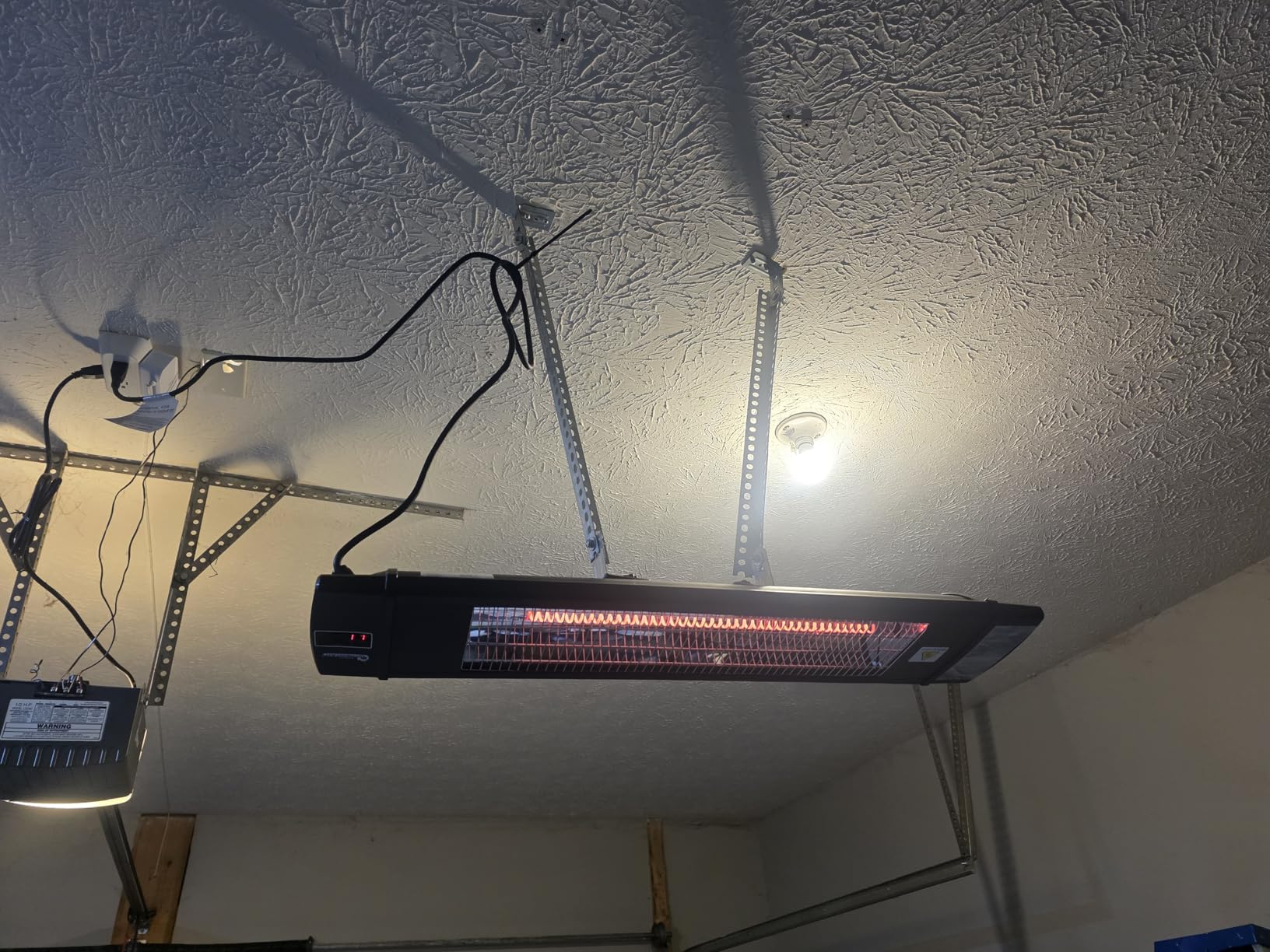
The DR-298 is the most versatile heater in this group, and versatility is what makes it the value pick. The same unit runs on a weighted rolling base, hangs on a wall bracket, or bolts to a ceiling joist. That means you can test it in the middle of the porch floor, find the spot that actually reaches your seats, and then mount it there permanently.
It is also rated for both indoor and outdoor use in the product details, which removes the ambiguity that trips up some of the wall units. The carbon element is paired with a 90 percent reflective aluminum reflector, so more of the emitted energy goes out into the room instead of back into the cabinet.
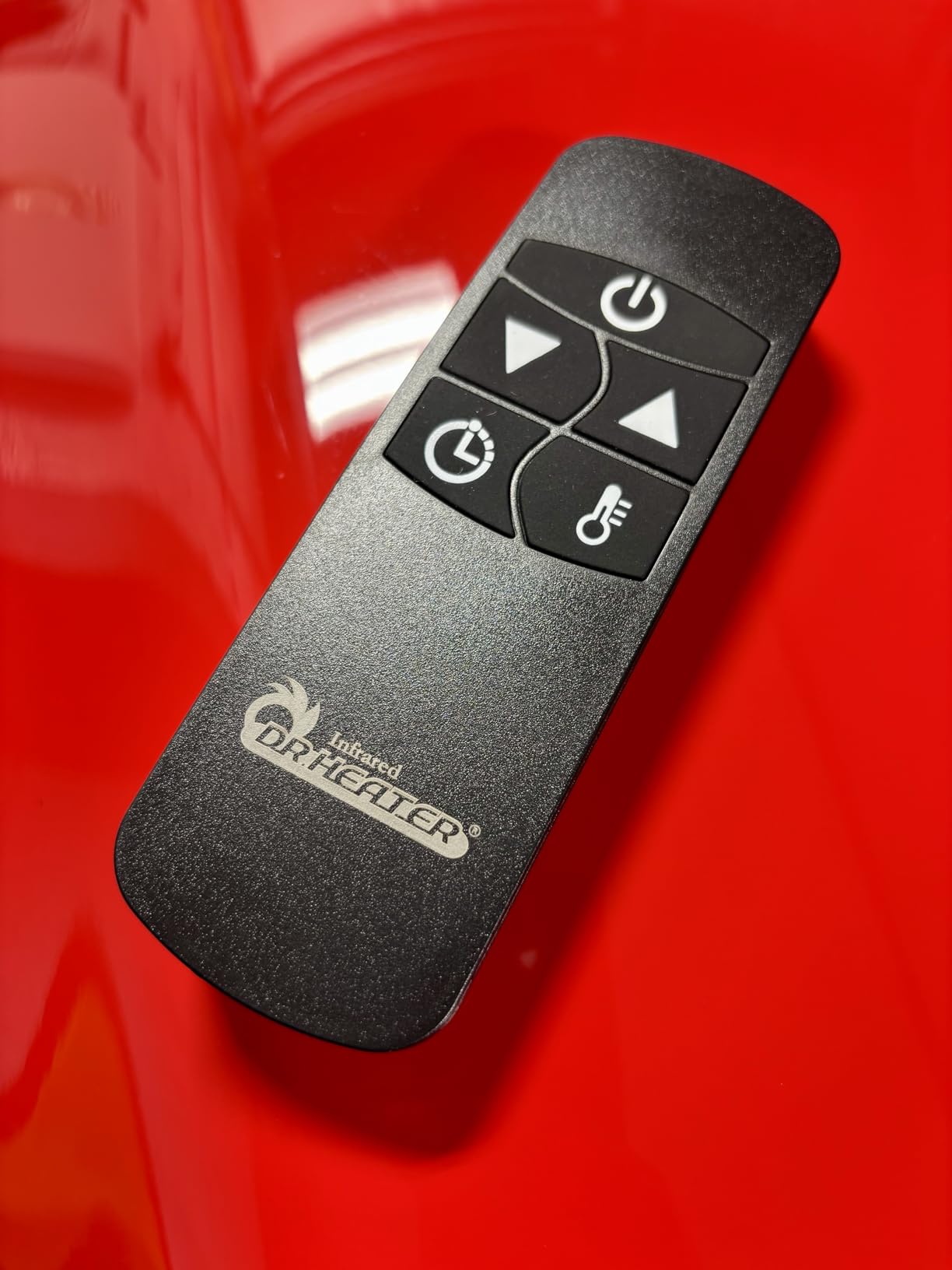
Three power levels, 900W, 1200W, and 1500W, let you match output to the moment. A 12-hour programmable timer means you can set it to warm up before guests arrive rather than leaving it running all evening. The remote handles both.
Worth knowing: the ETL certification is real, and the unit will refuse to run without the baseplate installed. That safety interlock is a good sign about build quality, and it is one of the reasons this heater has accumulated more than 6,000 ratings.
Who the DR-298 suits
It suits porches where the geometry is uncertain, and anyone who wants one heater that can move between a garage bench, a screened porch, and a covered deck. The wheels make that realistic for a 10.7-pound unit.
It also suits households with a seating area that is not against a wall. Ceiling mounting puts the heat overhead, which is where radiant heat feels most effective on a cold evening.
Where the DR-298 falls short
The biggest complaint theme is expectation, not hardware. Reviewers repeatedly note that the heat is highly directional: you need to be within a few feet. It will not raise the temperature of the whole porch air, and if you are hoping to sit at the far end of a large porch, it will disappoint.
A smaller share of reviews mention units that stopped working after a few months. At 1-year limited components warranty, a failure after that window is on you, so factor the warranty length into how precious the unit is to you.
3. Briza IT-HEQQ-1831: Best for All-Season Wall or Ceiling Use
Briza Infrared Electric Patio Heater – Indoor/Outdoor Heater – Portable Wall/Garage Heater – 1500W – use with Stand – Mount to Ceiling/Wall)
1500W 1200W 900W levels
IP55 weather housing
120V at 12.5A
84 inch cord, 3 kg
Pros
- IP55 housing rated for four-season protection against rain snow sand and dust
- Wall and ceiling hardware plus an adjustable tripod stand in one box
- Quick to assemble
- Remote control with 1-9 hour auto-off timer
- Built-in tip-over sensor
Cons
- Short heat throw that drops off beyond a couple of feet
- Will not meaningfully raise ambient room temperature
- Tripod extends to about 6 feet which is high for seated use
- One of the higher 1-star review rates in this category
The Briza is the one we would pick for a porch that is genuinely exposed on one or two sides. Its IP55 rating is the spec that matters here: the housing is built for four-season protection against rain, snow, sand, and dust, which is a stronger claim than most units in this list make.
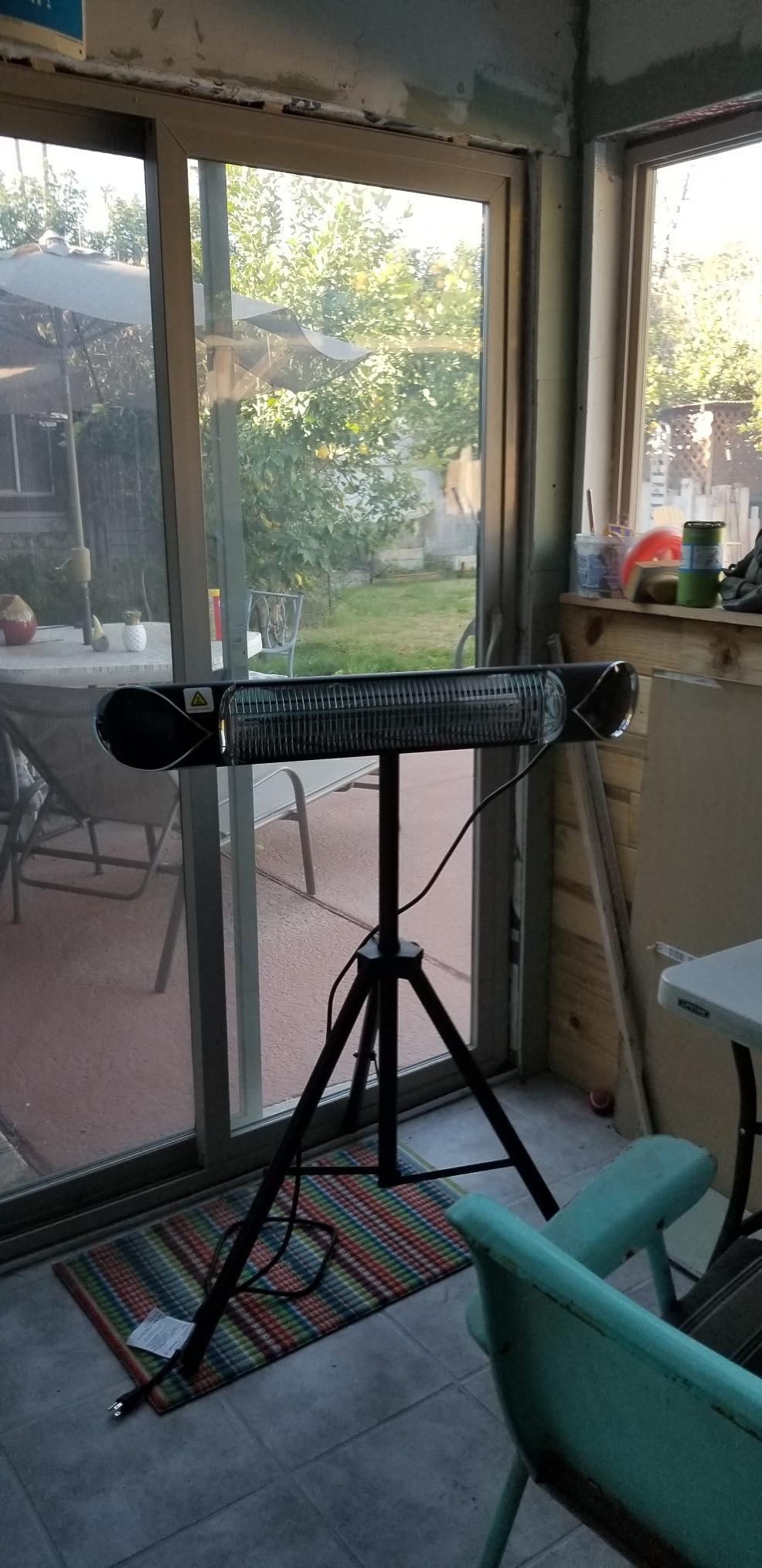
Everything you need to mount it is in the box. You get wall and ceiling hardware plus an adjustable tripod stand, so the same purchase covers a permanent mount or a seasonal freestanding setup. Owners report running it within minutes of unboxing.
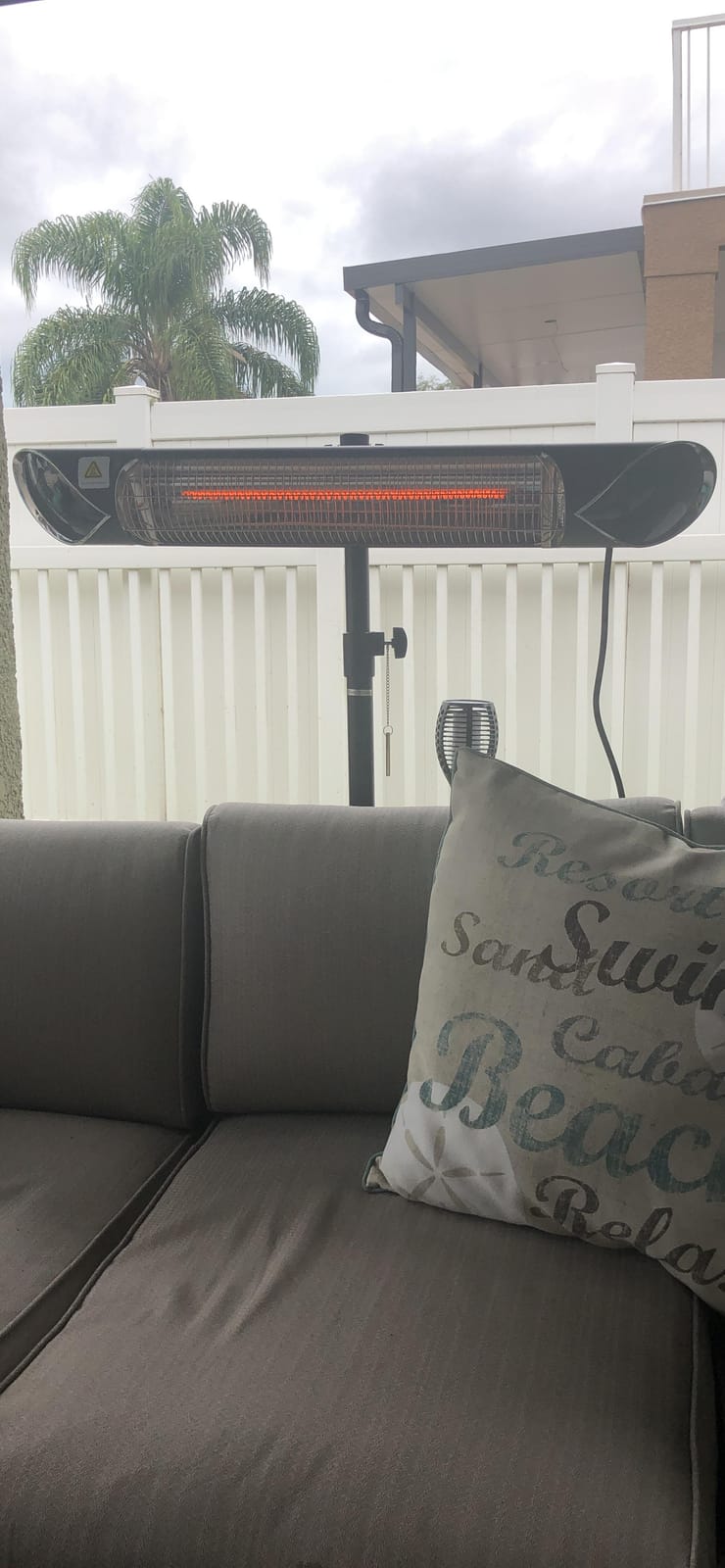
Control is by remote with three heat levels and a 1-9 hour auto-off timer. The tip-over sensor is built in, so if you use the tripod version and something bumps it, the unit shuts itself down rather than continuing to heat.
The cord is 84 inches, which is longer than several competing wall units and long enough to reach an outlet without an extension cord. That matters more than it should, because extension cords on high-draw heaters are exactly what the safety warnings are about.
Who the Briza suits
It suits porches that get wind-driven rain and genuine four-season exposure, and buyers who want the option to mount it permanently now and move it to a tripod in summer. The IP55 rating is the deciding factor for anyone with a partially roofed porch.
It also suits small spaces where the mounting position matters more than the output. A 4-inch-wide tower body hung on a wall is visually unobtrusive.
Where the Briza falls short
The 1-star review share is on the high side for this category, and the complaints cluster around heat throw. Reviewers say the warmth falls off sharply beyond a couple of feet, and several describe disappointment that it does not warm a whole porch or garage.
Also note the tripod height. At roughly 6 feet, it is above seated head height, which spreads the heat but weakens it. For a table-height seating area, the wall or ceiling mount is the version to use.
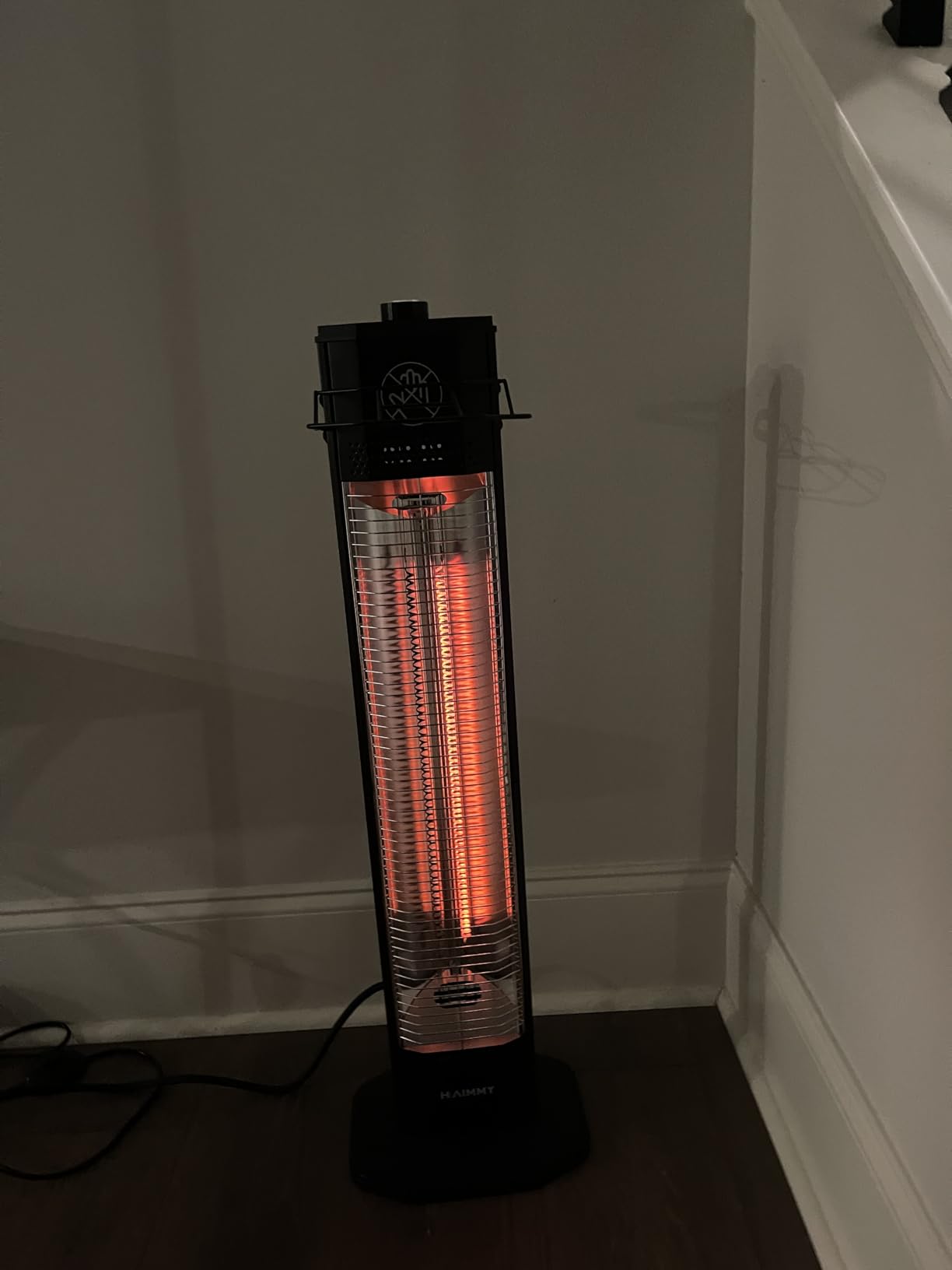
4. HAIMMY 42in Tower: Best for Fine Temperature Control
Outdoor Electric Patio Heater, Haimmy 42in Infrared Heater with Remote, 9 Heat Levels, 9H Timers, 1500W Instant Heating, Safety Lock, Tip-Over & Overheat Protection, IPX5 Waterproof Tower Space Heater
1500W carbon fiber element
IPX5 waterproof
9 levels from 620W to 1500W
42 in tall, 8.8 lb
Pros
- Nine heat levels give far finer control than the usual three
- 42-inch height with a long element covers foot to head
- Completely silent because it runs without a fan
- Child and pet safety lock with memory
- IPX5 waterproof housing for porch gazebo and balcony use
Cons
- Large floor footprint for a tower format
- 9-hour timer is shorter than the 24-hour options on some rivals
- Freestanding only with no wall or ceiling bracket
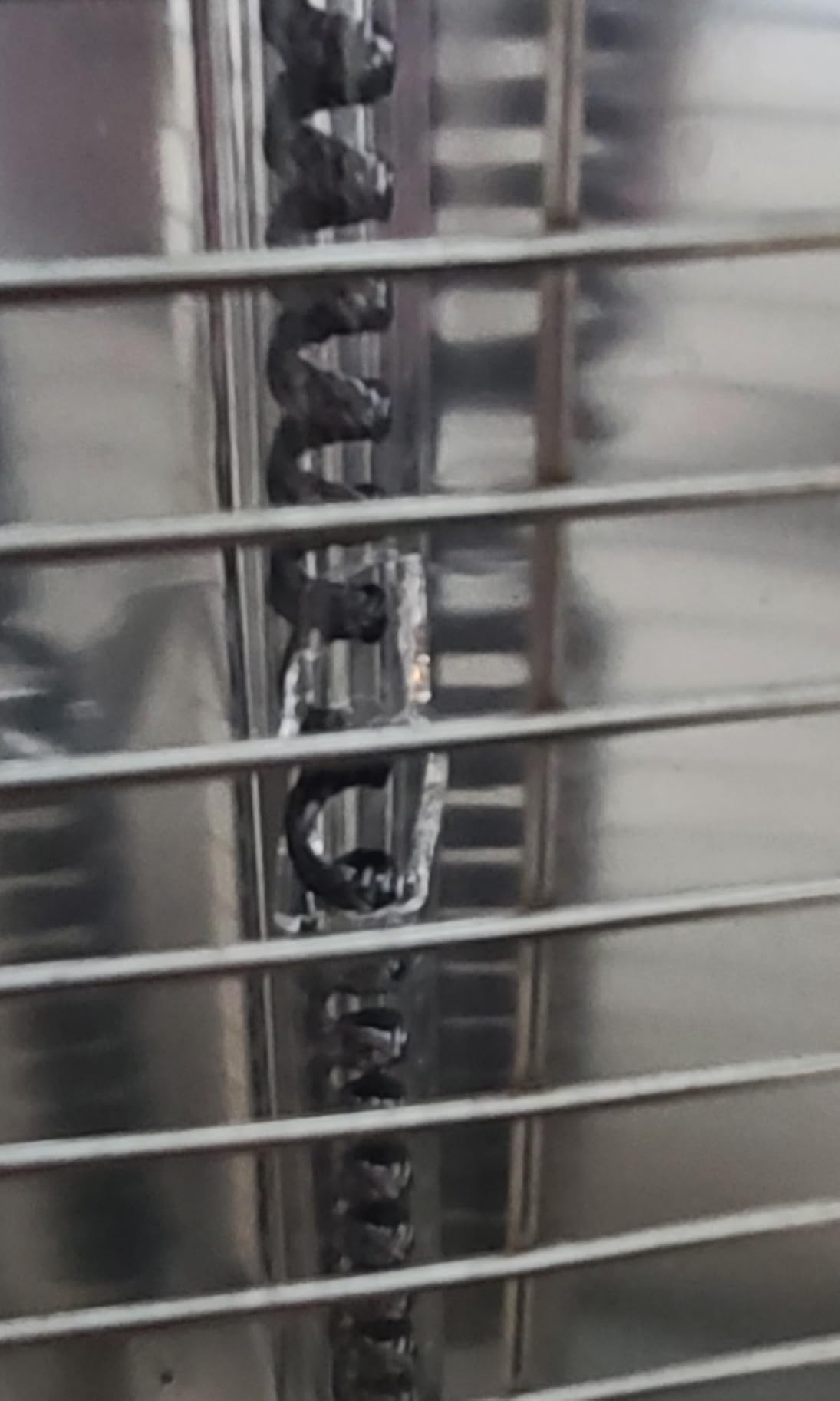
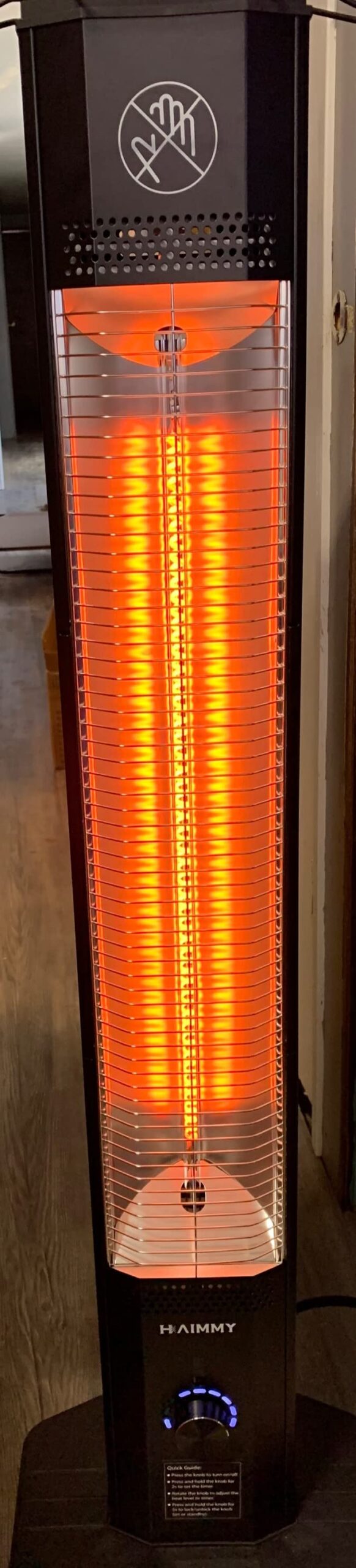
The HAIMMY is the control freak’s pick. Most 1500W heaters give you three speeds. This one gives you nine, stepping from 620W up to 1500W, which means you can find a level that keeps a table comfortable without cooking the person sitting closest to it.
The 42-inch height is the other part of the argument. The heating tube runs about two-thirds of the unit height, so the radiant surface is large enough to reach your shins and your shoulders at the same time. That matters on a porch, where cold feet end the evening before the conversation does.
The timer runs 1 to 9 hours and can be set from the remote or by holding the knob for two seconds. The safety lock re-engages after the unit is moved, so a curious child in a family porch does not reset your settings mid-dinner.
It is IPX5 rated, which covers the gazebo, covered patio, balcony, and porch use cases. Fanless construction means there is no motor noise at all, which is why reviewers single it out for quiet operation.
Who the HAIMMY suits
It suits anyone who is sensitive to overheating and wants to dial the heat down rather than switch it off. Nine levels is the difference between a warm evening and a hot one under a low ceiling.
It also suits a family porch with small children or pets, thanks to the lock, and anyone who cannot tolerate fan noise. The IPX5 rating makes it safe for a damp covered porch or a gazebo.
Where the HAIMMY falls short
It is freestanding only. There is no wall bracket or ceiling hardware, so a 42-inch tower is standing in the middle of your porch floor permanently. On a narrow porch that is a real cost, and it is the reason we do not put it higher on this list.
The 1-9 hour timer is also shorter than the 24-hour scheduling some competing units offer. If you want the heater to warm up automatically at 6am, this one will not do it without a smart plug.
5. Paraheeter QHA-15DB: Best for Full Outdoor Exposure
Paraheeter Outdoor Electric Infrared Patio Heater, 1500W
1500W carbon fiber
IP65 waterproof and dustproof
CSA certified
18.8 lb, wall ceiling or tripod
Pros
- IP65 is the highest weather rating in this group
- Carbon fiber element with a stated 10000-hour lifespan
- Mounts on a wall
- from a ceiling
- or on the included tripod
- CSA certified with a one-year warranty
- Operating cost far below propane heating
Cons
- Heaviest unit here at 18.8 lb
- which makes repositioning awkward
- Foam protective pad must be removed from the element before use
- Single heat setting with no fine temperature control
- Effective radius of 10-15 feet that wind reduces further
The Paraheeter is the one to buy if your porch is not really a porch. If it is a covered deck, a gazebo, or an open-sided sunroom that takes wind-driven rain, the IP65 rating on this unit is the strongest weather claim in the group. IP65 means dust-tight and protected against water jets from any direction.
It also has the most honest element spec. The carbon fiber tube carries a stated 10,000-hour lifespan, which is roughly the kind of number you want to see when you are planning to leave a heater mounted through multiple seasons.
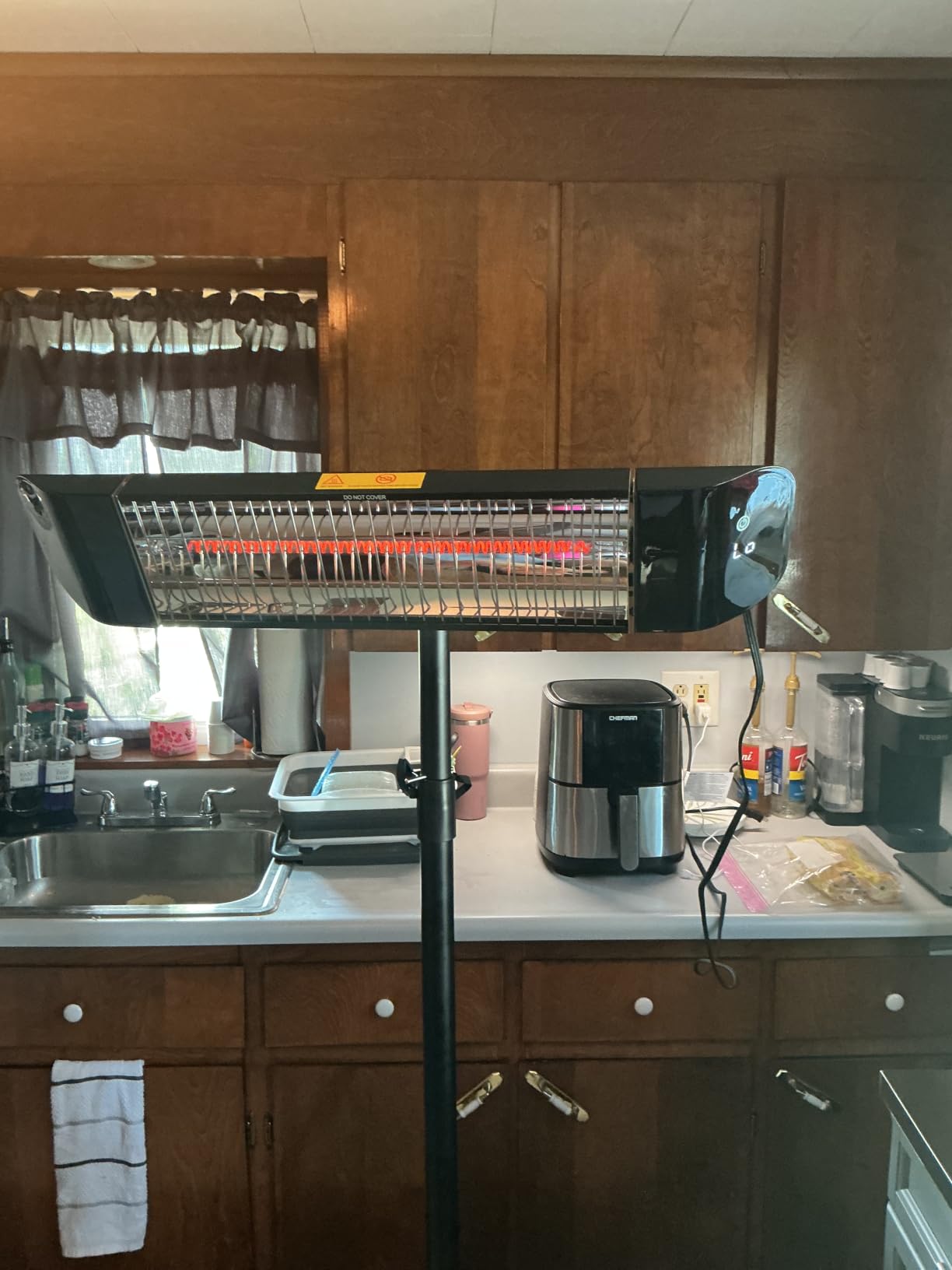
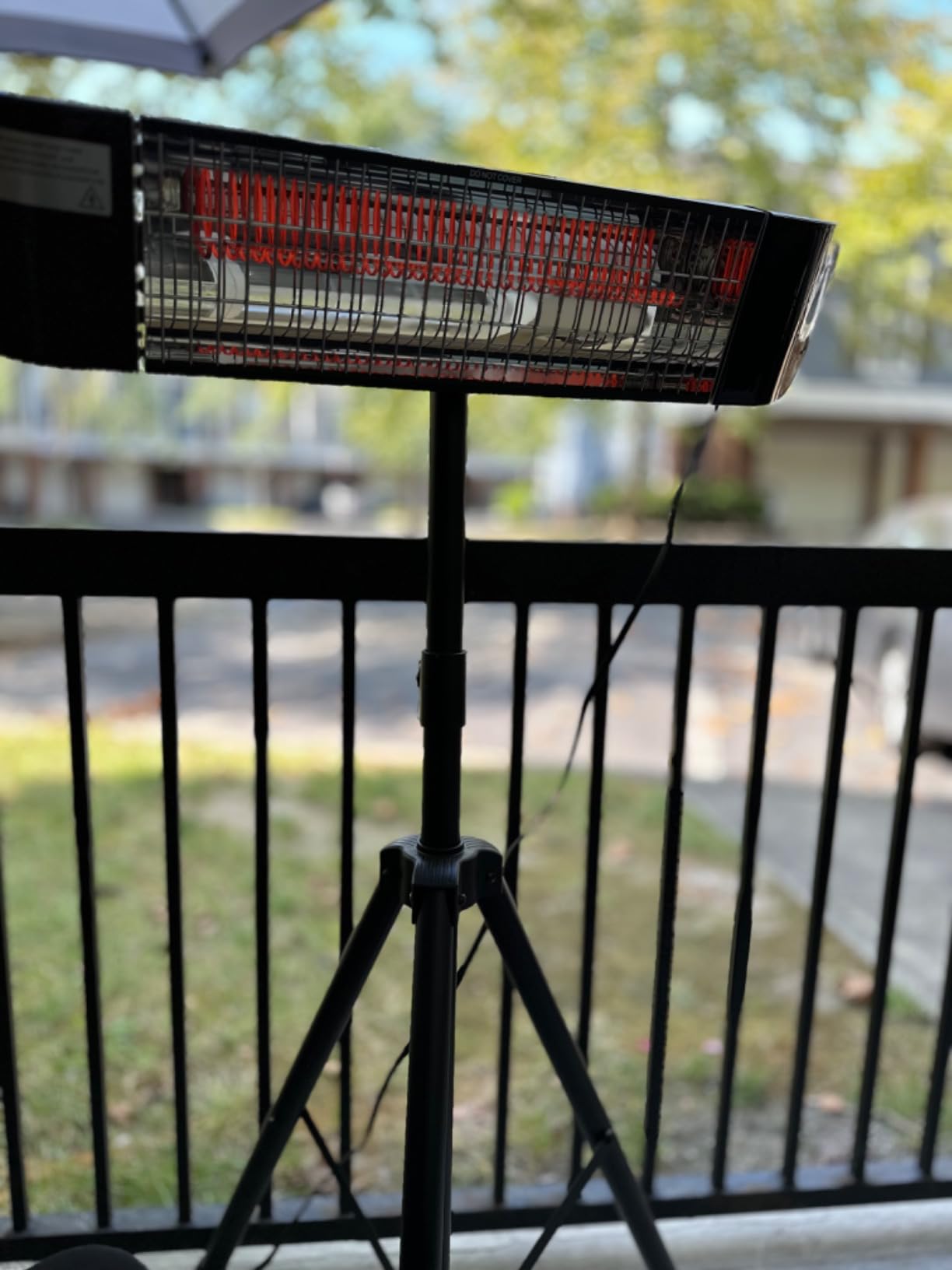
Mounting is 3-in-1: wall, ceiling, or the included tripod stand. The installation instructions are photo-based, which is not glamorous but it does get the job done without a manual hunt. A safety metal grille and tip-over auto shutoff come standard.
One practical note: there is a foam protective pad on the heating tube that has to be removed before you power it on. Several reviews mention this specifically, and it is the kind of detail that will damage the element if you miss it.
Who the Paraheeter suits
It suits an uncovered or partially covered space that has to survive real weather, and anyone who plans to mount it once and leave it up. The IP65 housing and the 10,000-hour element claim are both meaningful for a permanent install.
It also suits a covered deck where propane is not practical. The listing puts operating cost at roughly one-tenth of propane heating, and with a 120V plug there is no gas line to run.
Where the Paraheeter falls short
At 18.8 pounds it is one of the heavier units here, and that is a genuine problem for a tripod-based setup. Moving it around a deck solo is awkward, and the wall or ceiling mount is the configuration we would actually recommend.
It also has a single heat setting. No levels, no fine thermostat. You get on or off and a remote, and that is it. If you are the type who runs cold, the nine-level HAIMMY or the thermostat-equipped Encyclpo will serve you better.
6. Encyclpo 36in Tower: Best for Lightweight Portability
Encyclpo Patio Heater for Outdoor Use,1500W Infrared, 36 in Portable Tower Heater, 3 Levels, IPX5 Waterproof, Tip-Over&Overheat Protection for Garage, Indoor, Large Room, Backyard, Home
1500W dual carbon fiber
IPX5 waterproof
40 to 140F thermostat
36 in tall, 7.5 lb
Pros
- Lightest real option here at 7.5 pounds with a built-in carry handle
- Warms within about a second and runs completely quietly
- IPX5 waterproof for covered patios porches and balconies
- Three heat levels plus a wide 40 to 140F thermostat range
- Slim 36-inch footprint
Cons
- No remote control
- settings are adjusted at the top-mounted knob
- Tip-over sensor is very sensitive and a nudge can shut it off
- One reviewer reported the control knob cracking within weeks
- Short heating radius in open air
The Encyclpo is the one you can actually carry with one hand. At 7.5 pounds with an integrated handle, it is roughly a third the weight of the heavier towers in this group. For a screened porch or a pool house where you are constantly moving furniture, that is worth more than another spec on the box.
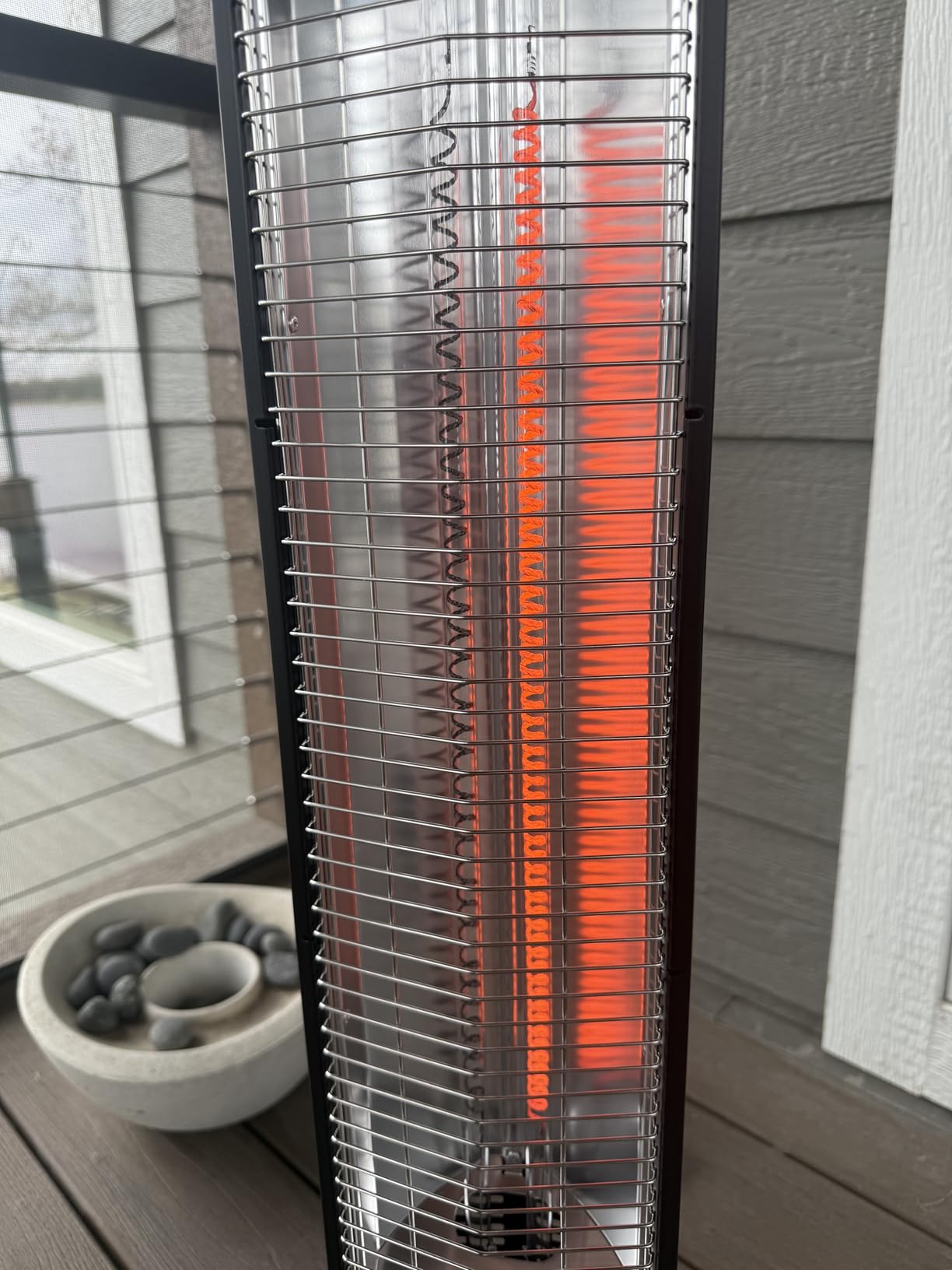
It uses dual high-efficiency carbon fiber heating wires, which is why owners report feeling warmth almost immediately. There is no fan and no warmup ramp, so it is also completely silent. The thermostat range from 40 to 140 degrees Fahrenheit is unusually wide for this category.
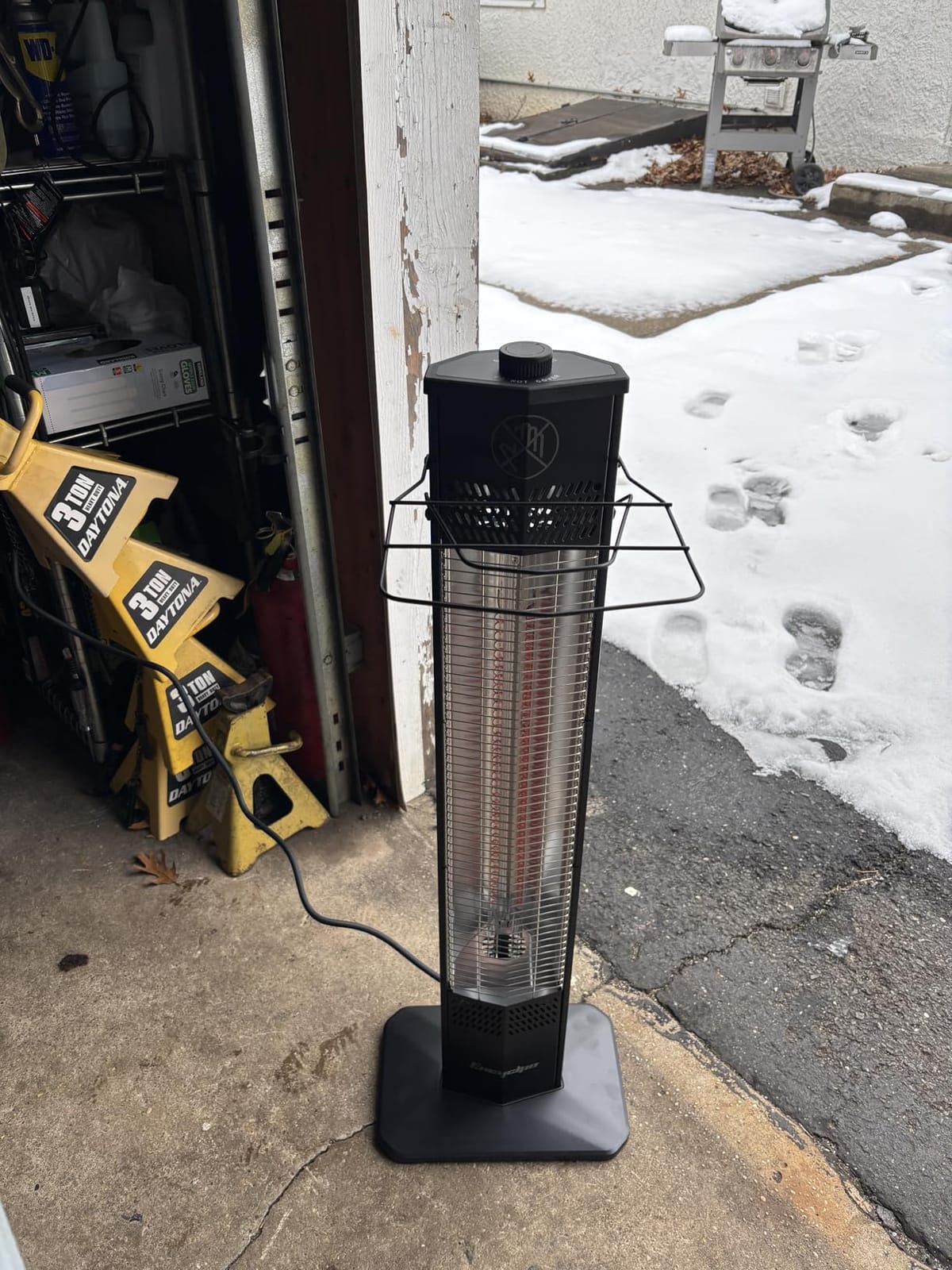
Heat levels are 600W, 900W, and 1500W. The IPX5 waterproof housing covers indoor and outdoor use, so a screened porch, a covered patio, or a balcony are all fair game. The output is listed at 5000 BTU, in the same range as the other 1500W units here.
Controls sit at a knob on top of the unit, and there is no remote. That is the single most common complaint in the reviews, and it is worth deciding how much it bothers you before you buy.
Who the Encyclpo suits
It suits a screened porch or sunroom where weight and footprint are the constraints, and anyone moving between spaces who does not want to drag a 20-pound tower across a deck. The IPX5 rating covers a damp or splash-prone area.
It also suits anyone who wants a thermostat rather than fixed levels. The 40 to 140 degree range is genuinely adjustable, which most 1500W units at this tier do not offer.
Where the Encyclpo falls short
The tip-over sensor is oversensitive. Multiple reviews describe it shutting off from a light touch or a nudge, and if you have kids or pets on the porch that becomes a daily annoyance rather than a safety feature.
There is no remote control, so every adjustment means walking over to the unit. In cold weather on a porch, that is a real inconvenience during an evening of use, and it is why we do not rank this one higher despite the good weight and rating combination.
7. SereneLife SLOHT40: Best for Height-Adjustable Warmth
SereneLife Infrared Patio Heater 1500W Electric Heater Indoor/Outdoor Use, Portable Stand with Remote Control, IP65 Approved, 360° Tip-Over Safety Switch for Restaurant, Patio, Backyard, Garage, Decks
1500W carbon fiber
IP65 waterproof
Height-adjustable stand
23.4 lb, 120V at 12.5A
Pros
- Height-adjustable stand aims warmth at seated or standing height
- IP65 waterproof and dustproof aluminum frame with a stainless steel base cover
- 360-degree tip-over safety switch plus overheat protection
- Remote control with an LED indicator
- No propane tank to carry or refill
Cons
- Heaviest unit here at 23.4 lb
- Most of the cord runs up the pole leaving only a couple of feet at the base
- Never fully powers off and sits in standby with a flashing blue light
- Heat output is narrow and does not spread far
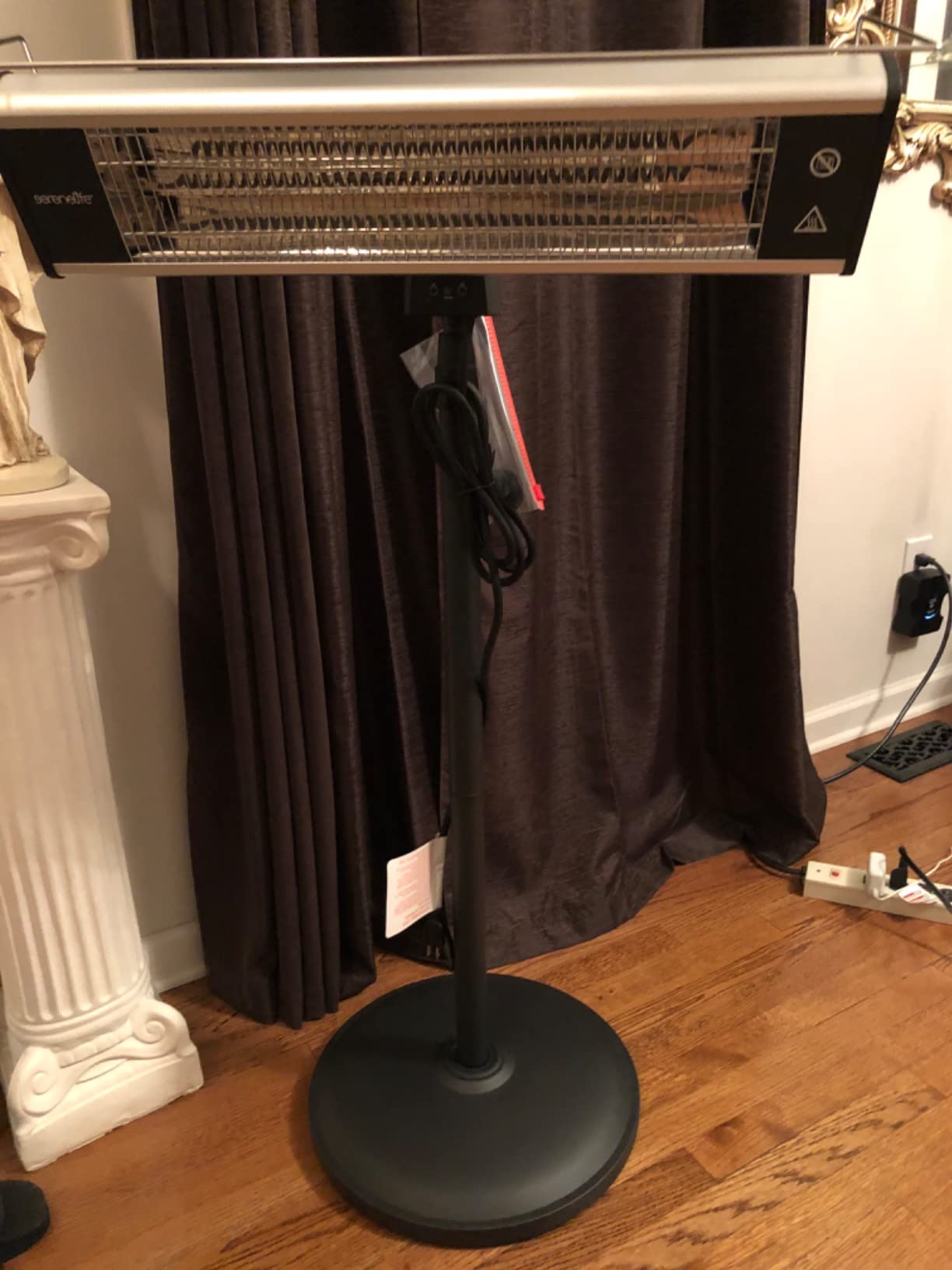
The SereneLife is the only unit here where height is a real variable. The stand adjusts, so you can lower it toward a bistro table or a floor-sitting bench and raise it for a standing conversation area. On a porch with mixed seating, that flexibility is the whole argument for it.
The construction is solid where it counts. IP65 waterproof and dustproof, an aluminum alloy frame, a stainless steel base cover, and a mesh safety grille over the element. The 360-degree tip-over switch means it shuts down from any direction, not just forward.
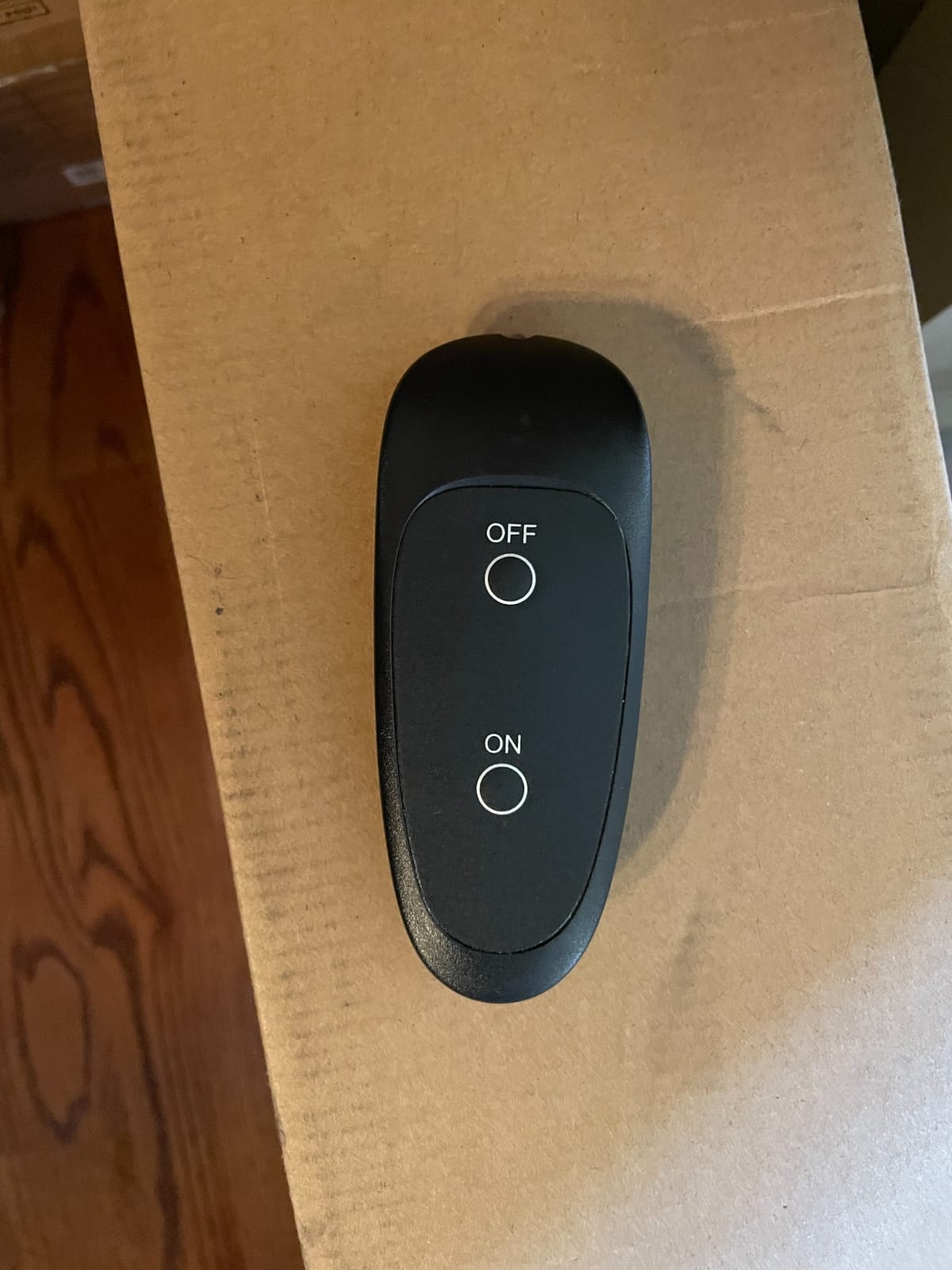
For anyone who has been avoiding propane, this is a clean alternative. There is no tank to lug out of storage, no refill, and no combustion byproducts near a seating area. A remote with an LED indicator handles on and off.
One thing to plan for is the cord routing. Most of it runs up the pole, which leaves only a couple of feet of usable length at the base. You need your outlet close to where the stand will sit.
Who the SereneLife suits
It suits a covered deck or porch where people sit at different heights, and households that have decided against propane entirely. The adjustable stand means one unit can serve a low table and a standing bar area across a season.
It also suits anyone who wants a freestanding unit they do not have to drill for, in a space where a permanently mounted heater would be in the way.
Where the SereneLife falls short
It is the heaviest unit we looked at, at 23.4 pounds, and reviewers describe the heat as narrow. The listing rates a warm range of up to 20 square feet, which is a small zone and an honest number compared with the inflated figures some competitors print.
The standby behavior also gets called out. The unit never fully powers off and shows a flashing blue light, which bothers people who want a clean dark porch at night. Treat the remote as the off switch rather than the wall switch.
8. Sundate T17-GW15B: Best for App and Wi-Fi Control
Sundate 1500W Infrared Patio Heater, WiFi App, 9 Heat Levels, 24H Timer
1500W carbon fiber tube
9 levels plus 24-hour timer
WiFi app remote and touch panel
120V plug-in, 2.95 kg
Pros
- Only wall or ceiling heater here with both Wi-Fi app control and a remote
- 24-hour timer is the longest scheduling window in the group
- Mounts vertically or horizontally and does not tip off in any orientation
- Bracket detaches for off-season storage and a weather cover is included
- Soft glow instead of a harsh glare
Cons
- Small physical size that effectively warms one person
- Supplied hanging hooks are for the unit only and sturdy ceiling hooks must be added
- WiFi LED blinks constantly unless the app is connected
- Remotes ship without batteries and have short range
The Sundate is the smart-home option. It is the only unit in this roundup that pairs a wall or ceiling mount with both Wi-Fi app control and a physical remote, and the 9 heat levels plus 24-hour timer are the most granular scheduling we saw on a mounted model.
The mounting flexibility is genuinely unusual. It can go on a wall vertically, on a wall horizontally, or hang from a ceiling, and it will not trigger a tip-off in any orientation. The wall bracket also detaches from the unit so you can store the heater indoors over the off-season without pulling the wall plate off.
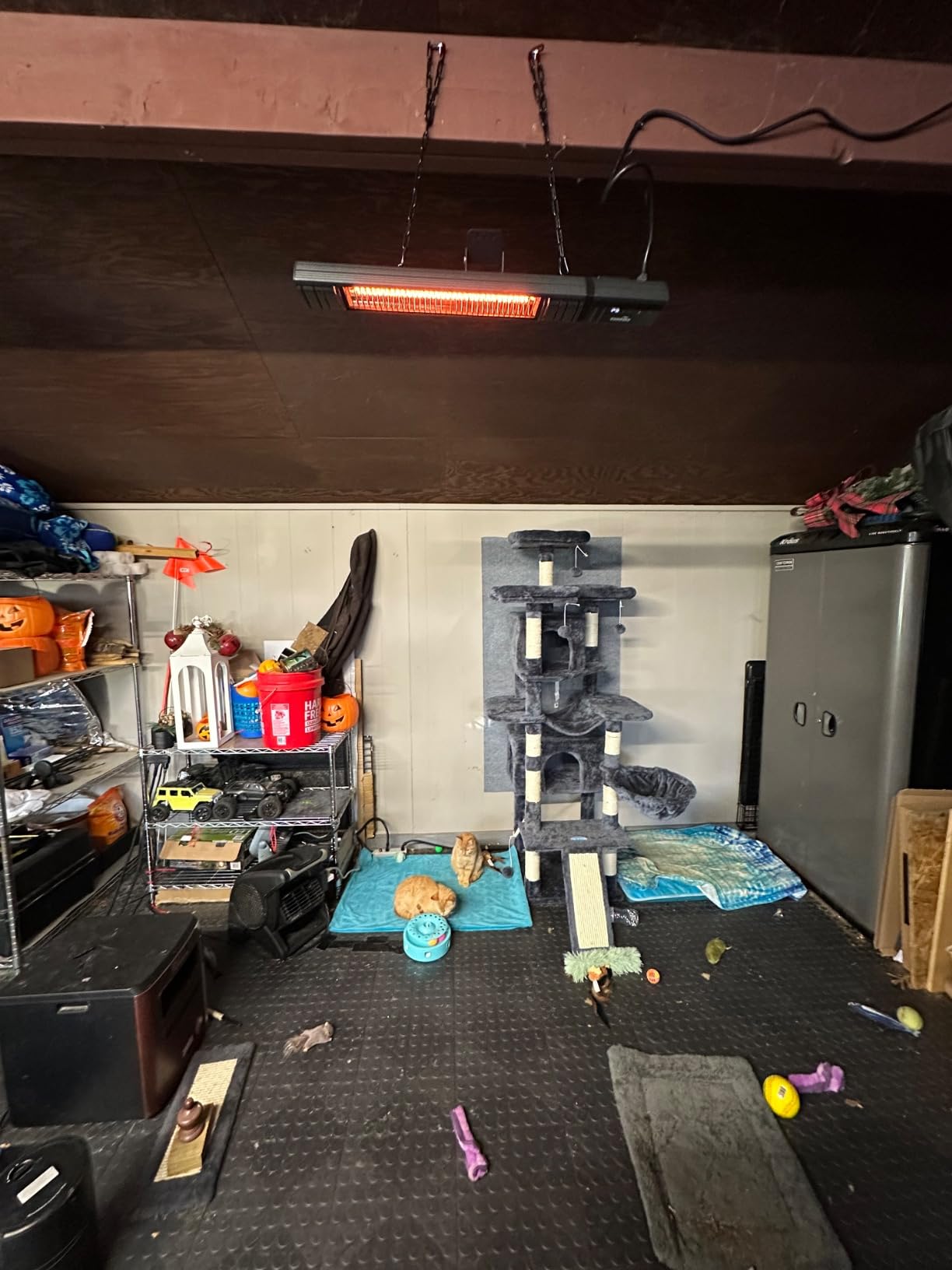
Instead of a harsh lamp glare, the carbon fiber tube sits in a transparent housing with a soft orange glow. Users describe that as a much easier light to have in your eyeline, which is a real consideration when the heater is mounted at seated height on a wall you look at all evening.
A weather cover is included, which is rare at this tier and useful for a mounted unit that stays up year-round.

Who the Sundate suits
It suits a gazebo, pergola, or covered patio where you want the heater on a timer that matches your evening schedule rather than a manual switch. A 24-hour window means it can warm up before you sit down without anyone touching it.
It also suits renters and seasonal users. The detachable bracket means a mounted setup that is easy to remove, and the included cover protects it through storage.
Where the Sundate falls short
Size is the limit. At under 6 inches wide, this is a personal heater, not a zone heater. Reviewers describe it as effectively warming one person. If you are trying to heat a bench that seats three, look at a horizontal unit like the Nfccra instead.
There are two smaller annoyances. The hanging hooks included are rated for the unit itself, so a ceiling mount needs proper structural hooks added separately. And the remotes ship without batteries, with a short and sometimes unreliable range. There are also no temperature controls on the housing itself, so the remote or the app is your only interface.
9. VAGKRI 42in Tower: Best for Long Timer Scheduling
VAGKRI 42″ 1500W Electric Outdoor Infrared Heater with Remote, 9 Heat Levels, 24H Timer, 1S Fast Heating, IPX5 Waterproof Tower Space Heater for Home, Office, Patio, Garage
1500W infrared
9 settings from 620W to 1500W
1-24 hour timer
ETL listed, 42 in tower
Pros
- Highest rating in this group at 4.5 with about three quarters five-star reviews
- Narrow 3.5-inch footprint in a full 42-inch tower saves floor space
- Nine power settings plus a 1-24 hour timer
- ETL listed and weatherproof aluminum construction
- Child lock and tip-over protection with a digital display
Cons
- Low review count of 106
- so long-term reliability data is limited
- Listing calls it convection heating despite the infrared element which is inconsistent
- Only warms effectively in the direction it faces
The VAGKRI has the highest average rating in this group at 4.5, with roughly three quarters of its ratings at five stars. We would not lean on that number as heavily as a large review base would allow, but the pattern of feedback behind it is consistent and positive.
The practical headline is the footprint. At 3.5 inches wide and 41.7 inches tall, it is a full-height tower in a very narrow body. On a porch where a 12-inch-wide tower would eat the walkway, that slim profile is the whole reason to consider it.
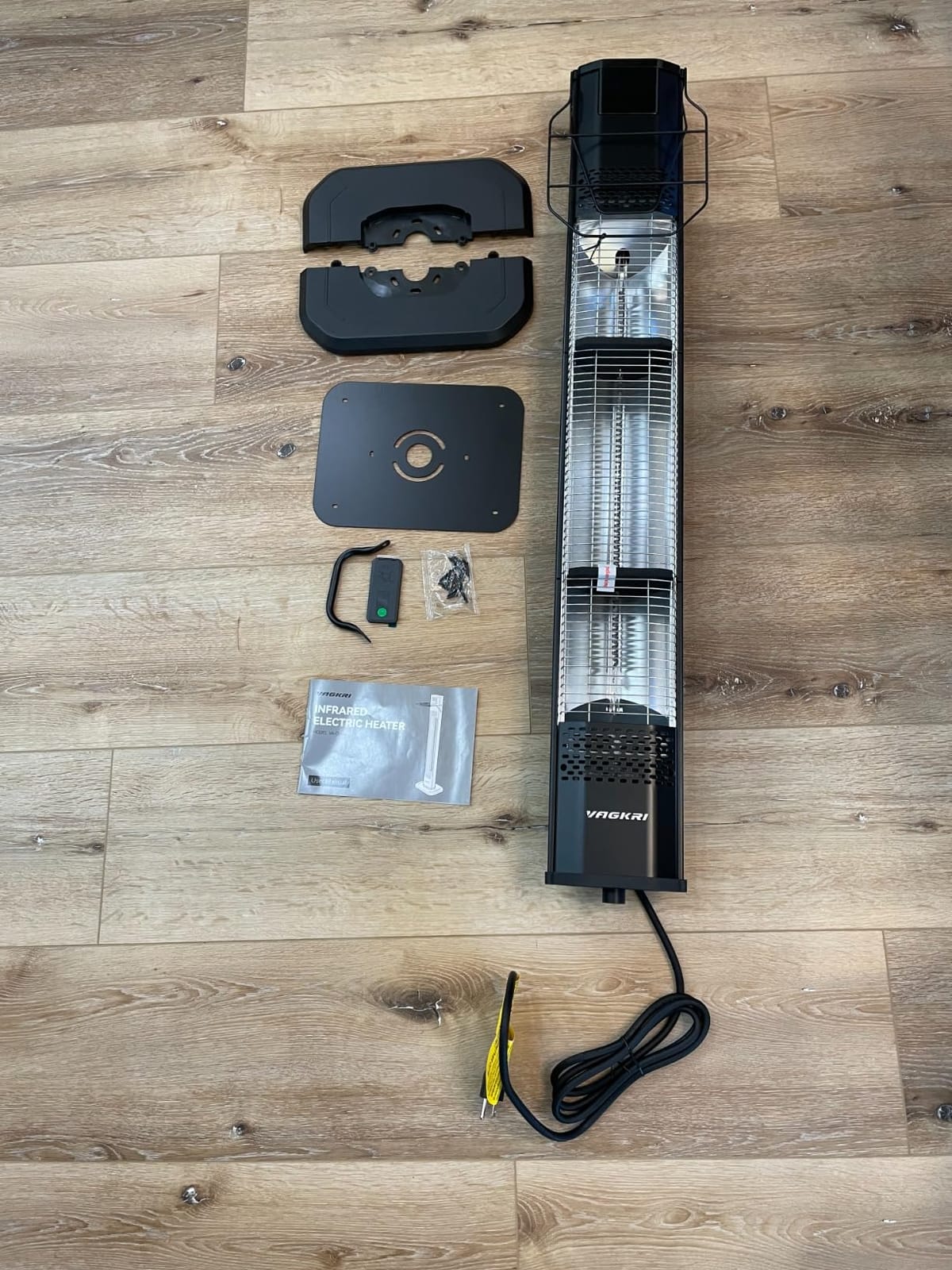
The 100-degree heating angle is wide for a tower format, and there are nine power settings from 620W to 1500W. The 1-24 hour timer is longer than the 9-hour options on several rivals, so it can run a full evening cycle unattended.
It is ETL listed with a weatherproof aluminum construction, plus a digital display, a child lock, and tip-over protection. Owners note it runs without odors or fumes, which matters on an enclosed porch.
Who the VAGKRI suits
It suits a narrow porch or balcony where floor width is the binding constraint, and families who want a child lock on a permanently running heater. The 24-hour timer suits a household that wants predictable automatic warm-up.
It also suits buyers who put weight on third-party certification. The ETL listing is a stronger signal than an unlisted generic unit, and it is the main reason we rate this one highly despite the thin review count.
Where the VAGKRI falls short
The 106-review count is the honest weakness. A high average from a small sample tells you current owners are happy; it does not tell you how the unit performs in year three. Most of the units in this list have thousands of ratings, which is a much better durability signal.
Also note the inconsistency in the listing, which describes the heating method as convection while describing an infrared element. Ask for the manual before you commit. And like the other towers, it only warms effectively in the direction it faces, so aim it at the seats rather than across the space.
10. Nfccra 34in Wall Mount: Best for Motion Sensor Automation
Wall-Mounted Electric Patio Heater, 34″ 1500W Infrared Heater With Motion Sensor, IPX5 Waterproof, 9 Heat Level & 9H Timer, Indoor & Outdoor Heaters for Patio, Backyard, Garage, and Decks
1500W carbon infrared
IPX5 waterproof
Motion sensor with 5-minute idle off
34 in wall mount, 6.8 lb
Pros
- Only unit here with an infrared motion sensor that powers on with people and off after 5 idle minutes
- Vertical wall mount is far less prone to tipping than a tower
- IPX5 waterproof aluminum frame
- Lightest unit in the group at 6.8 pounds
- Longest warranty at 3 years with a mounting template and level gauge included
Cons
- Vertical format throws a narrower beam than a horizontal element
- One owner reported the unit stopping after about a month
- Bolt heads rusted within about five months on one unit
- Base is not weighted so a stiff gust can knock it over
- 9-hour timer is shorter than 24-hour options
The Nfccra is the only heater here with a real motion sensor. It switches on when it detects people and shuts off after five minutes of inactivity, which means a covered porch that gets used intermittently costs far less to run than one you leave on all evening. It is the closest thing here to a genuinely hands-off install.
It is also the lightest unit in the group at 6.8 pounds and mounts vertically on a wall. A vertical form is structurally harder to tip than a tower with a broad base, and the IPX5 waterproof aluminum frame held up through a full winter outdoors according to owner reports.
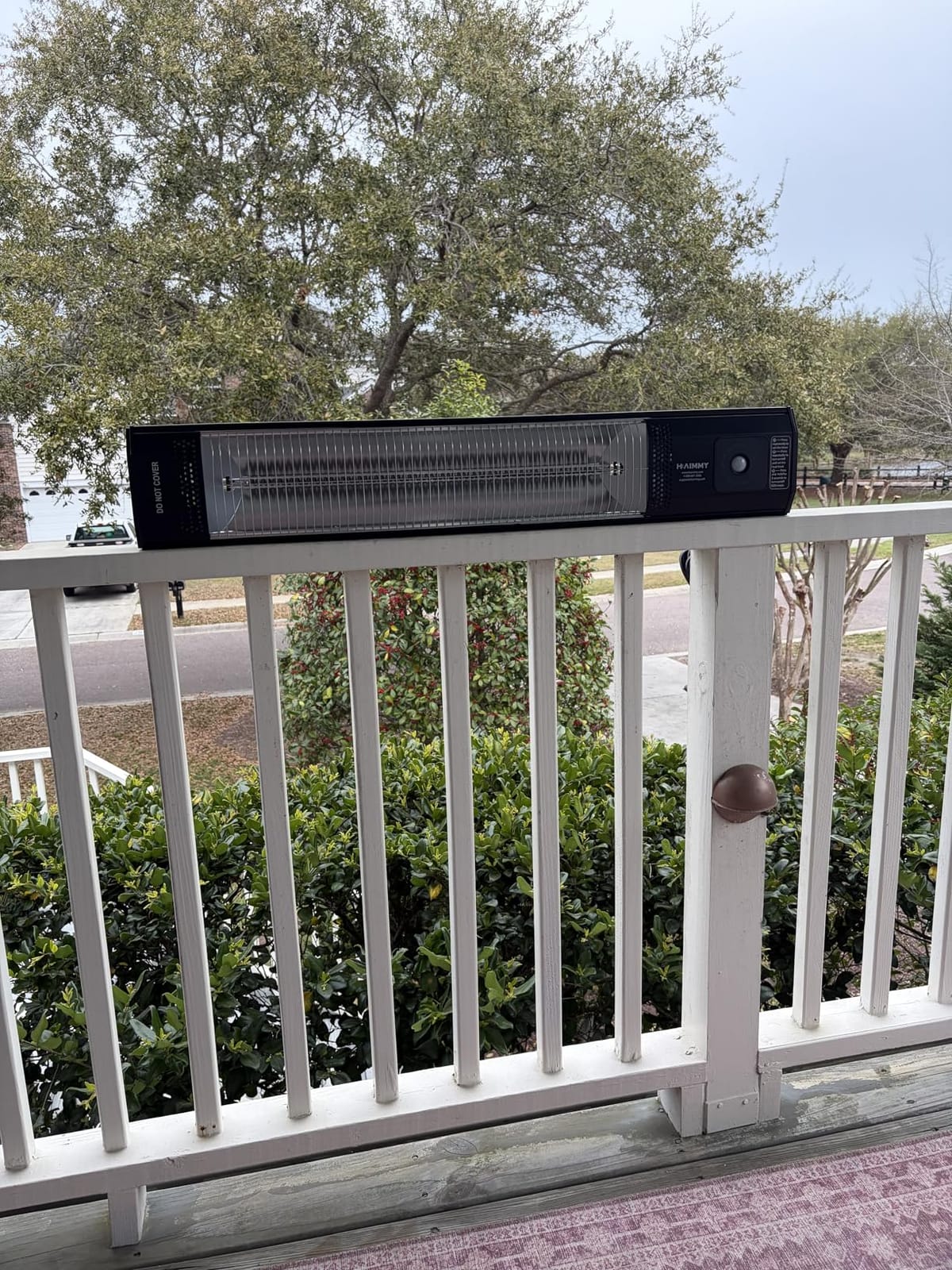
There are 9 heat levels, a 9-hour timer, and overheat protection on a UL-certified 6.6-foot flame-retardant cord. The box includes a mounting template and a built-in level gauge, which sounds minor and saves real frustration when you are trying to get a bracket straight on clapboard or uneven siding.
The warranty is the longest we found, at 3 years with replacement-only service. That is a meaningful difference from the one-year terms on several units above, and it is the main reason this one outranks its rating would suggest.
Who the Nfccra suits
It suits a covered porch or garage that is used in bursts rather than continuously. If the porch is empty most evenings, the five-minute idle shutoff does more for your running cost than any other feature on this list.
It also suits anyone mounting low on a wall, and buyers who want longer warranty cover than the one-year default. The included template and level make installation more forgiving.
Where the Nfccra falls short
Orientation costs you coverage. A vertical 34-inch element throws a narrower beam than a horizontal one, so it is aimed at a specific seat rather than a bench. If you want to warm two people side by side, budget for a second unit or choose a horizontal model.
Durability is the other concern. One owner reported rusting bolt heads within about five months, which suggests the fasteners are not stainless, and another reported a unit that stopped after roughly a month. The base is not weighted, so a stiff gust can knock it over, though it will shut itself off. Check the fasteners at your first seasonal inspection.
How Infrared Heat Works on a Porch
An infrared patio heater is a radiant heater. A glowing element, usually carbon fiber or quartz, emits medium-wave infrared radiation that passes through cold air without warming it and converts to heat the instant it lands on a body, chair, or table. You feel warmth within seconds at roughly 3 to 10 feet, with very little energy lost in between.
That is why radiant heat survives conditions that defeat fan-forced heaters. There is no air to blow away, so wind matters far less than it does for a convection unit. It is also why your porch air temperature barely moves while you feel perfectly comfortable, and why the right answer to a cold porch is usually more heaters pointed at more seats, not a bigger single unit.
Our infrared space heater reviews cover the same physics for indoor rooms, if you want the fuller explanation.
Porch type matters more than most roundups admit. On a fully covered porch with a roof and walls, almost any of these units works. On a screened porch, you have to deal with insects around the element, and on an open or partially covered porch, wind and rain will strip heat away and eventually corrode a housing that is not rated for it.
Here is the short matrix. Fully covered, any weather-rated unit, mounted or freestanding, works well. Screened, favor a unit with a mesh guard over the element, keep it away from the screen mesh itself, and expect to manage insects. Open or partially covered, go straight to IP65 units and accept that a wall or ceiling mount high under the roofline is your best shot at retention.
Porch Mounting and Overhead Clearance
Yes, you can put a patio heater on a covered porch, and mounting is the single biggest decision you will make. The short answer on clearance: most manufacturers require at least 12 inches between the top of the heater and the ceiling, with more distance required from side walls and combustible surfaces. Always confirm the number in the manual for the specific model rather than relying on a listing photo.
Here is how the three mounting styles behave on a real porch.
Wall mount is the best default. It keeps the floor clear on a small porch, removes a trip hazard, and puts the heat at roughly seated head height, which is where you want it. The tradeoff is that you must have a wall you can drill into and an outlet close by.
Ceiling mount is the strongest for heat distribution, since radiant heat falls over the seating area rather than radiating sideways. It also puts more distance between you and the element, which reduces the glare issue on units with bright halogen-type tubes. The tradeoff is structural: you are hanging a heater from a joist, and the supplied hooks on some units are not rated for overhead installation without adding proper structural hooks.
Freestanding towers are the right call when you cannot drill, when the heat needs to move between spaces, or when the porch has no wall at the right height. The tradeoffs are floor space, a 10- to 23-pound unit to move, and heat that only reaches in the direction the unit faces.
Aim is the other half of mounting. The most common install mistake we see conceptually is pointing the heater at empty space in the middle of the porch rather than at the seats. Radiant heat is line-of-sight. If the heater is at one end and the bench is at the other, the bench stays cold no matter what the coverage claim says.
For most porches, the fix is two units aimed at two seating zones rather than one larger unit. That pattern comes up repeatedly in owner discussions of porch heating, and it matches the physics: radiant heat does not turn corners, so covering each zone separately is the only reliable way to cover a space.
120V Plug-In vs 240V Hardwired for a Porch
Every heater in this roundup runs on 120V at 12.5A, which is the DIY sweet spot. Plug in, mount, done. Hardwired 240V units put out far more heat and are the right choice for a large permanently finished patio or a commercial space, but they need a dedicated circuit, often a panel capacity check, and in most places an electrician.
The cost gap is not in the heater, it is in the install. A 120V unit on a porch with an outlet is a mounting project. A 240V unit is an electrical project, and the labor typically exceeds the price of the heater itself. That is why almost every porch buyer in owner discussions ends up on the 120V side.
Two electrical cautions apply to everything on this list. A 12.5A heater on a 15A circuit is most of the circuit’s capacity, so a dedicated circuit avoids nuisance trips. And do not run a heater on an extension cord or a power strip, regardless of what the manual says about cord length.
There is a third option worth naming. A smart plug on a schedule can switch a 120V unit on before you sit down and off afterward, which delivers much of the convenience of a hardwired install without the electrical work. Our Nfccra pick does this with a built-in motion sensor instead.
Wattage, Coverage Math, and How Many Heaters You Need
A 1500W infrared heater realistically warms a comfort zone of about 3 to 10 feet from the element, or roughly 100 to 150 square feet of usable seating area in a covered, wind-blocked space. Treat any larger figure as supplemental heat for a well-insulated room, not as a porch heating capacity.
The reason is line of sight. The heat lands on you and your furniture, not on the air between you and the heater. You can be 12 feet from a 1500W wall unit and feel nothing, or 5 feet away and be too warm. The number that matters is the distance from the element to the seat, not the area of the porch floor.
How many heaters you need follows from the seating zones, not the square footage. One 1500W unit handles a single seating area, such as a two-person bench or a small bistro table. A 12 by 12 covered porch with one table is one unit. A 20 by 20 covered porch with two or three separate seating areas is two or three units, one aimed at each area.
Wind is the variable that changes these numbers most. On a porch with an open side or a screened wall, expect the effective range to shrink. That is an argument for mounting the unit closer to where people sit, and for choosing an IP65-rated housing in exposed spots rather than relying on a lesser IP rating.
Running a 1500W unit costs the equivalent of 1.5 kWh per hour. Over a fall evening of three hours, that is about 4.5 kWh, which is a fraction of what a propane patio heater burns for the same warmth. We avoid putting running-cost numbers on this page because rates change constantly, but the wattage figure is the one you can check yourself.
Element Types, IP Ratings, and Safety Certifications
Most heaters in this roundup use a carbon fiber element, and for a porch that is the right default. Carbon fiber warms fast, produces no visible glare, and does not carry the element replacement cycle that quartz tubes do. Quartz tube elements run hotter and brighter, which means a visible orange glow and more glare at close range, and they typically need replacing on a two to three year cycle. Halogen elements are the brightest and most glare-prone of the three.
IP ratings tell you how much weather a housing takes. IPX5 means protection against water jets from any direction, which covers rain and splash on a covered or partially covered porch. IP65 adds dust-tight protection, which is what you want if the unit is mounted under a partially roofed deck where wind drives moisture in sideways. IP34 or IP44 ratings are indoor-leaning and are not what you want for an exposed porch.
Certifications matter for the same reason they matter on any electrical device. ETL, UL, and CSA listings mean a third party tested the unit for electrical safety. Several units here carry them explicitly, and on a permanently mounted heater that gets handled and cleaned, we would not skip a listed model for an unlisted one.
The downsides of infrared heaters are worth stating plainly. They heat people, not rooms, so the air in your porch stays cold. They are directional, so a single unit cannot cover a large open space. Bright elements can cause glare at close range, and forum users consistently warn against looking directly into an infrared element for extended periods. And a 1500W draw on a shared circuit will trip a breaker.
None of those are defects. They are the trade for silent, instant, wind-resistant warmth in a space where no other heating type works as well. Go in with the right expectation and most of the disappointed reviews we read simply stop applying to you.
Frequently Asked Questions
What is the best patio heater for a covered porch?
A 1500W wall-mounted or ceiling-mounted electric infrared heater with an IPX5 or IP65 weather rating is the best fit for most covered porches. It clears the floor, runs on a standard 120V outlet, and points heat directly at your seating area. The Heat Storm HS-1500-PHX-WIFI is our top overall pick, though the Briza is the stronger choice if your porch takes wind-driven rain.
Can you put a patio heater on a covered porch?
Yes, a patio heater on a covered porch is the normal installation. Mount it on a wall, hang it from a ceiling joist, or set a tower on the floor, keeping at least 12 inches of clearance above the top of the unit and extra distance from side walls and combustible surfaces. Confirm the clearance figure in the manual for your specific model, since mounting heights vary.
How much overhead clearance for a patio heater?
Most manufacturers require at least 12 inches between the top of a mounted heater and the ceiling, with greater clearance from walls, ceilings, and combustible materials. Mounted units also need enough ceiling height to keep the heat out of people’s eyes. Always check the manual for the model you are buying rather than relying on listing photos, since clearance requirements differ by model.
How much space will a 1500 watt infrared heater heat?
A 1500W infrared heater realistically warms a comfort zone of about 3 to 10 feet from the element, covering roughly 100 to 150 square feet of seating area in a covered, wind-blocked porch. Larger coverage claims assume a well-insulated indoor room. Because radiant heat travels in a line of sight, distance from the element to your seat matters more than the total floor area of the porch.
Are infrared heaters good for patios?
They are well suited to patios and porches because radiant heat does not depend on warming the air, so it works in wind and cool open conditions where fan-forced heaters fail. They run silently, warm people within seconds, and need no gas line. The tradeoff is that they heat bodies and surfaces rather than the room, so you get a comfortable seating zone instead of a warm patio.
Which infrared heater is best for use outside?
The best outdoor-rated units carry an IPX5 or IP65 weather rating. The Paraheeter QHA-15DB is rated IP65, the strongest claim in our roundup, and the SereneLife is also IP65 with an aluminum frame and stainless steel base. The Briza carries an IP55 rating. Avoid units listed for indoor use only, regardless of how well reviewed they are.
What are the downsides of using infrared heaters?
The main downsides are that they heat people rather than air, so your porch air temperature barely changes. They are directional and cannot heat a large open space, so a large porch needs one unit per seating zone. Bright elements can cause glare at close range, and a 1500W draw on a shared circuit will trip a breaker.
How many patio heaters do I need for a 20×20 porch?
Plan one 1500W unit per seating zone rather than by square footage. A 20 by 20 covered porch with a single table needs one unit aimed at that table. With two or three separate seating areas, install two or three units, one per area, because radiant heat does not turn corners. On an open or windy side, move each unit closer to the seats rather than centering it.
Which Porch Heater Should You Buy in 2026?
For a typical covered front porch with a wall to drill into, the Heat Storm HS-1500-PHX-WIFI is the best infrared patio heater for porches in 2026 because of its app control, its cord routing, and a review base deep enough to trust. If your porch takes wind-driven rain, take the Briza for its IP55 housing instead.
If you cannot drill, or you want one heater that moves between the garage, the screened porch, and the deck, the DR-298 is the flexible pick. For a genuinely exposed covered deck, the Paraheeter’s IP65 rating is the safest bet. For automation, the Nfccra’s motion sensor is the only one that turns itself off when nobody is there.
Whatever you choose, aim it at the seats, give it a dedicated circuit, and buy one unit per seating zone. Those three things decide whether your porch gets used in December or does not. Our outdoor doormat picks for porches cover the rest of keeping that entryway comfortable.