
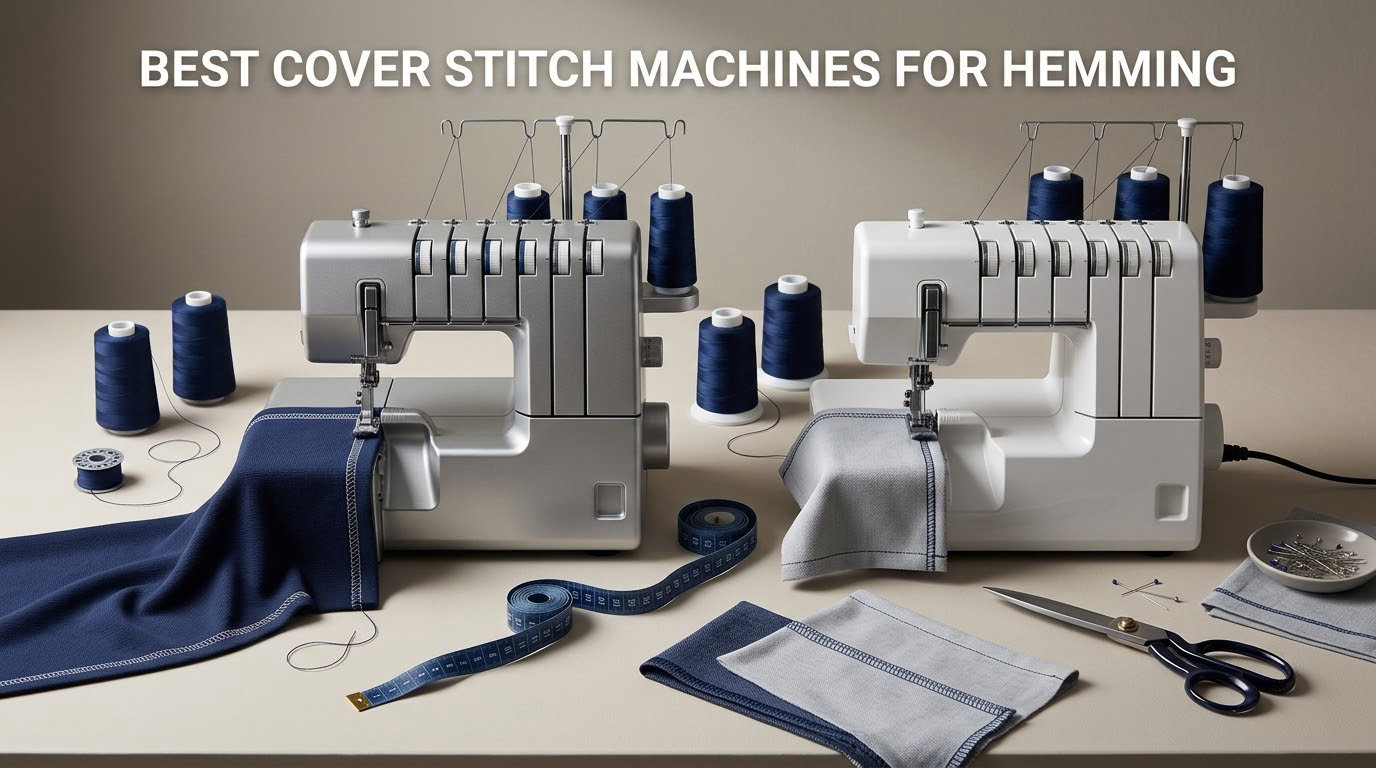
A coverstitch machine makes the hem you see on the inside of every store-bought t-shirt, legging and swimsuit: two or three parallel rows of straight stitching on the face, with a looper thread forming a stretchy chain underneath. That chain is the whole point. A single-needle lockstitch has no give in it, so when a knit stretches, the hem either tunnels into a ridge, ripples or snaps. A coverstitch moves with the fabric.
We spent weeks going through owner feedback on every current coverstitch machine we could find, then scored them on the only four things that matter when the task is hemming: how consistent the stitch stays across knit weights, how much friction there is in threading and tension, how much room you get around the needle, and whether the machine earns its counter space. Eight machines made the cut, from the Brother 2340CV at one end to the Bernette B48 Funlock at the other, and we weighted proven owner history heavily in the same way we do in our pitching machine roundup.
If you are still deciding whether this is a machine you need at all, skip to the honest section further down. Plenty of sewists get a perfectly good hem from a twin needle, and a serger comes first for a lot of people. If you have already decided, the picks start below. Prices move around, so use the buttons to see current listings.
Table of Contents
Top 3 Picks for the Best Coverstitch Machines for Hemming (October 2026)

Best Coverstitch Machines for Hemming at a Glance
All eight machines below sew the same core stitch. The differences are needle count, how the stitch is delivered, and how much room you have around the fabric.
| Product | Specifications | Action |
|---|---|---|
| Brother 2340CV Coverstitch |
|
Check Latest Price |
 JUKI MCS-1500 Cover Stitch JUKI MCS-1500 Cover Stitch |
|
Check Latest Price |
 Janome CoverPro 1000CPX Janome CoverPro 1000CPX |
|
Check Latest Price |
 Bernette b42 Funlock Bernette b42 Funlock |
|
Check Latest Price |
 Janome CoverPro 900CPX Janome CoverPro 900CPX |
|
Check Latest Price |
 Juki MCS-1600 Cover Stitch Juki MCS-1600 Cover Stitch |
|
Check Latest Price |
 Juki MCS-1700QVP Juki MCS-1700QVP |
|
Check Latest Price |
 Bernette B48 Funlock Bernette B48 Funlock |
|
Check Latest Price |
Do You Actually Need a Coverstitch Machine?
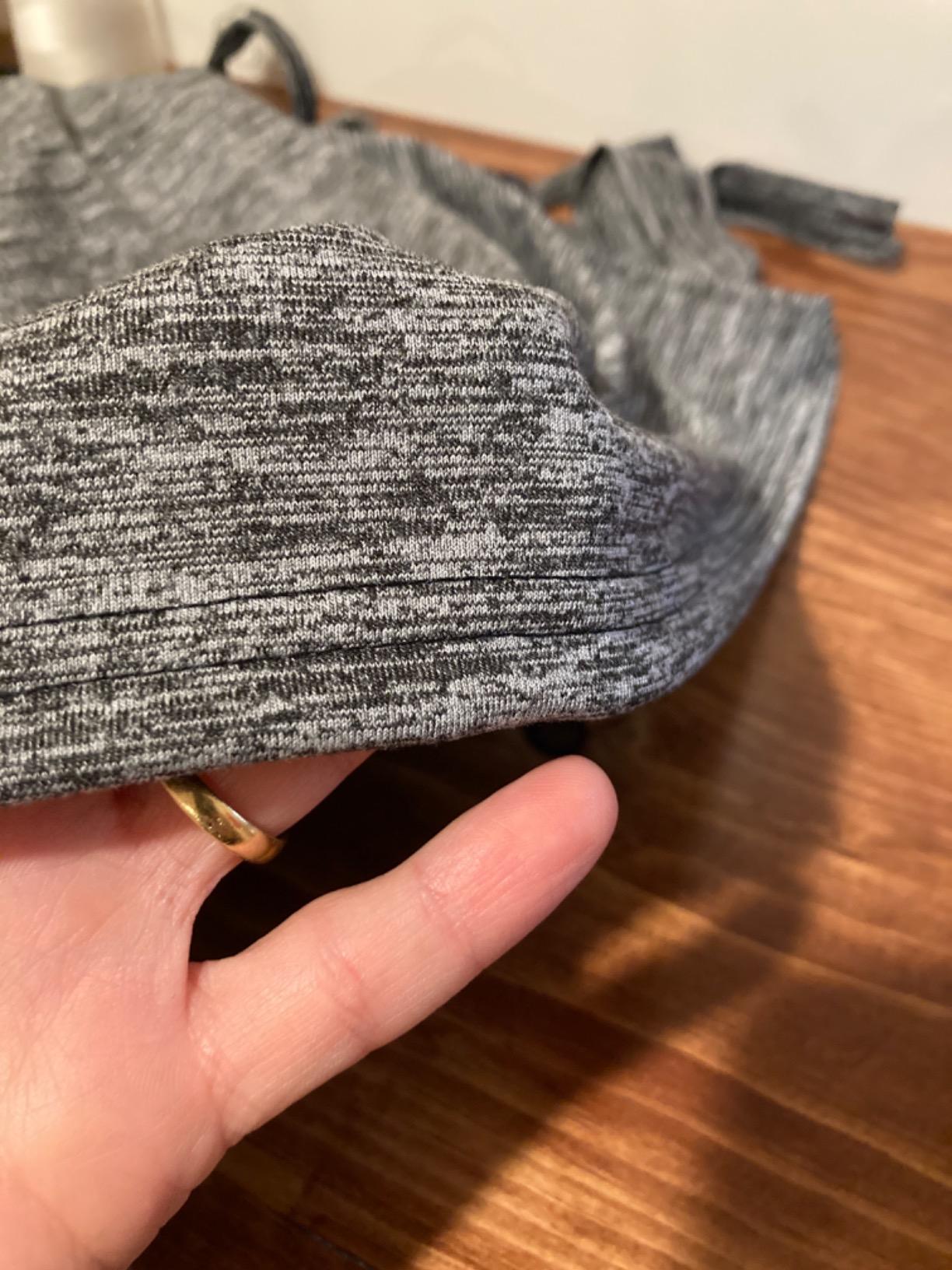
Honest answer: most sewists do not, until one specific problem shows up. That problem is tunneling, the raised ridge that forms between two twin-needle rows when a knit hem is sewn on a regular machine and then washed a few times. Once you have seen tunneling on your own leggings, no other hem looks acceptable again.
The alternatives, ranked honestly:
Twin needle on your regular machine. Fast, free with what you own, and it produces a decent topstitch on light jersey. It has no chain underneath, so the rows still sit in tension, and the bobbin thread can break on lightweight knits. Fine for occasional tee hems, not fine for swimwear or activewear.
Blind hem stitch. Excellent on wovens, wrong tool for knits. There is no stretch in it at all, which is the exact reason you are looking at a coverstitch in the first place.
Serger rolled hem. If you own a serger, a rolled hem on knit is a legitimate professional result. It does not look like the inside of a t-shirt, and it takes practice, but it is closer than most alternatives.
Hand catch stitch. Slow. Nobody recommends this as a weekly workflow.
Buy one if you sew knits weekly, sell garments, make leggings and activewear, or rehem store-bought clothing regularly. Skip it if you mostly sew wovens and knit a couple of t-shirts a year. If you own neither machine and sew any knit at all, buy a serger first. Our [guide to tempering machines](https://mydroneauthority.com/best-chocolate-tempering-machines/) covers the same principle from another corner of the workshop: match the tool to the volume and repeat of the job.
1. Brother 2340CV – the most proven hemming machine here
Brother 2340CV Coverstitch Serger Sewing Machine
2-needle cover stitch
1100 spm
3mm-6mm width
Metal frame
25-year limited warranty
Pros
- Largest verified owner base in this group at 1202 ratings
- Color-coded lay-in threading is genuinely easy to learn
- 1100 spm with no table creep on knit
- 25-year limited warranty and metal frame
- Standard foot plus a hem sewing presser foot included
Cons
- No automatic thread or tension release
- 3-thread cover hem can occasionally skip a chain loop
- Bundled needles are denim needles that can shred knits
The Brother 2340CV is the machine most owners in our research circle already own, and that shows in the numbers: 1,202 ratings at 4.3 out of 5, more verified feedback than every other machine on this list combined. When a product accumulates that many owners, its quirks are known rather than feared.
It runs two needles and gives you 2, 3 and 4-thread cover stitch functions across a 3mm to 6mm width range, at up to 1,100 stitches per minute. The metal frame is a 13-pound machine that stays put on the table instead of walking across it during a long hem, which matters more than it sounds when you are guiding a slippery jersey panel.
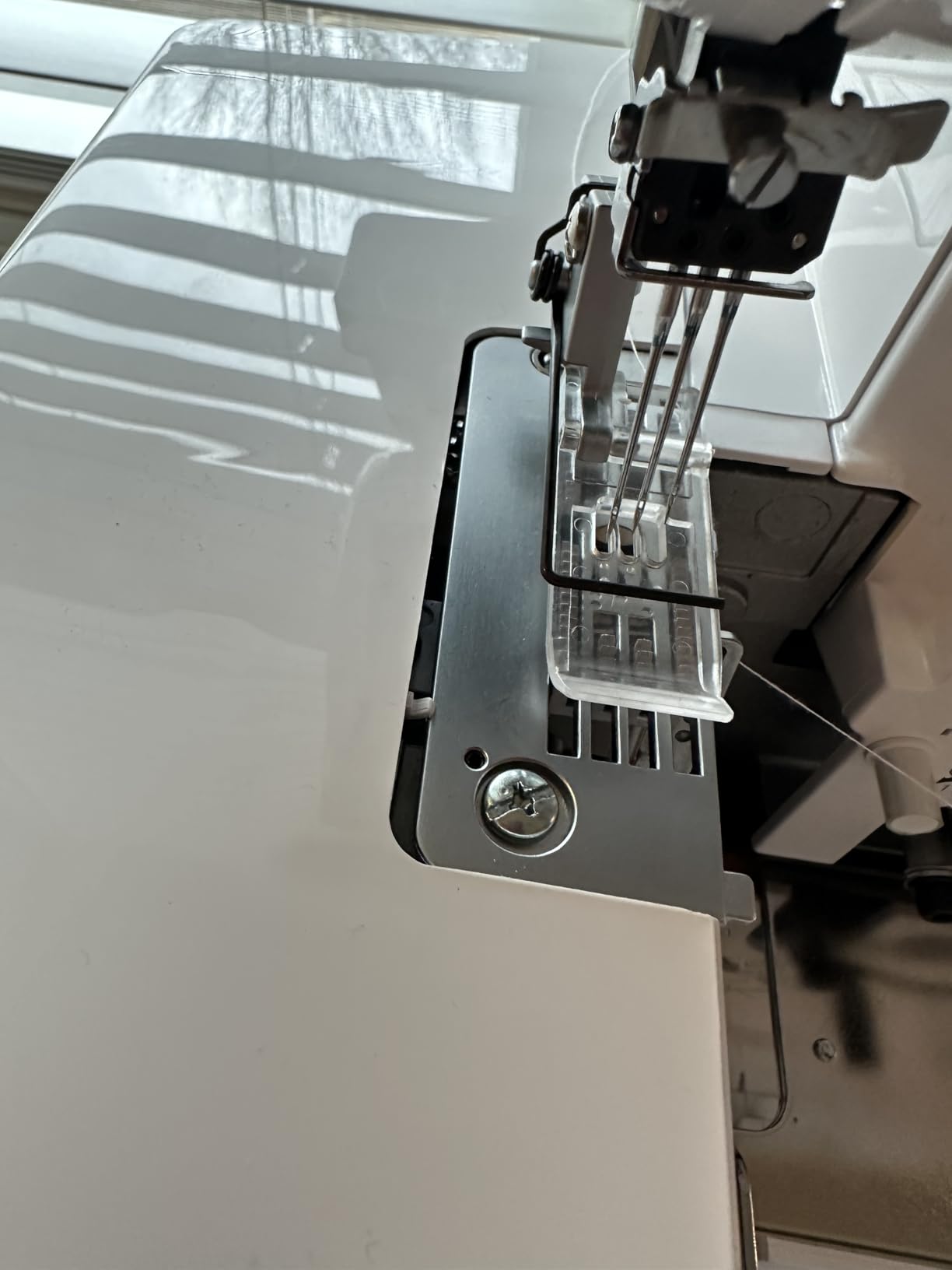
Threading is where this machine wins its reputation. Lay-in needles plus a fast thread looper system and color-coded guides mean a fresh setup takes minutes, not the half hour some owners report on competing machines. The included hem presser foot is genuinely useful for holding a folded knit hem at a consistent width.
What you give up is automation. There is no automatic thread or tension release, so you release the fabric by hand before pulling it out, and there is no LED work light. Owners upgrading from a machine with air threading notice that immediately.
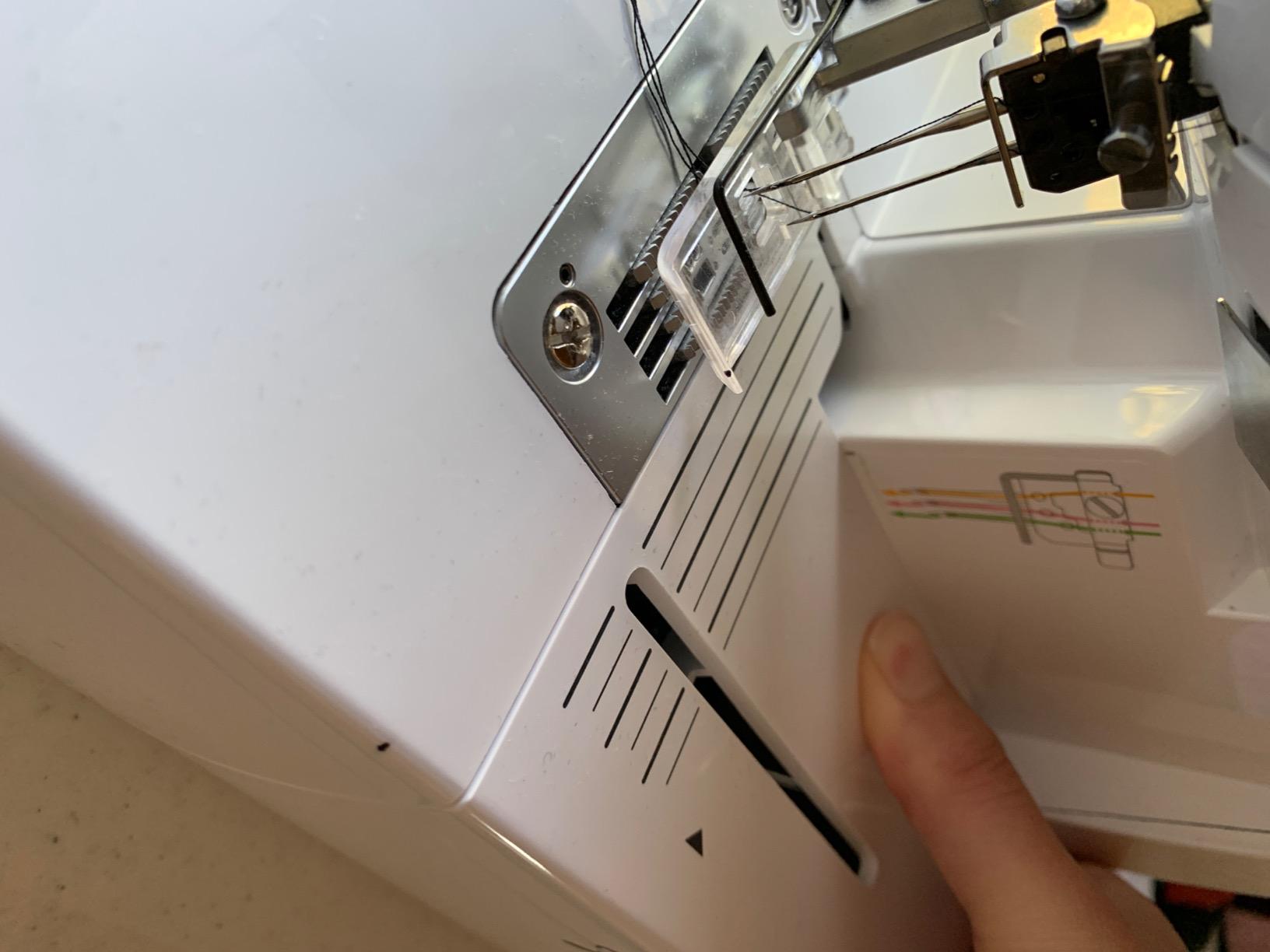
What owners agree about after a year
The long-term reports are unusually consistent: clean, stretchy, professional hems on jersey and fleece, and a manual thread-release procedure that feels slow for a week and then becomes automatic. That learning curve is real but short.
The one recurring complaint worth planning for is a skipped chain loop on the 3-thread cover hem. On a few fabrics a single skipped loop can start unraveling the hem, so test on scraps and treat the chain like any chain stitch that needs anchoring.
Where it falls short for hemming
It is single-purpose by design. If you also want overlocked seam finishes in the same session, this is not the machine, and the throat space is tighter than the Janome models for bulky layers beside the needle.
The needles in the box are denim needles. Swap to jersey or stretch needles before you touch a knit, or you will find shredding holes rather than clean penetration.
2. JUKI MCS-1500 – three needles and a chain stitch
Juki MCS-1500 Cover Stitch and Chain Stitch Machine
3 needles
3-thread cover and 4-thread chain
1350 spm
Color-coded guides
5-year mechanical warranty
Pros
- Three needles for triple cover topstitching
- 4-thread chain stitch for basting and strong seams
- 1350 spm keeps long hems short
- Solid metal construction
- Color-coded guides for needles and loopers
Cons
- Side-mounted looper is described by some owners as tricky and fussy to set
- Tension needs repeated adjustment to behave consistently
- Fewer reviews than the Brother and Janome models
The MCS-1500 does something the other dedicated coverstitch machines here cannot: it takes three needles. That gives you a triple cover stitch on the face, which is a genuine topstitch look on hoodie plackets, pockets and jacket fronts, not just a hem. It also does a 4-thread chain stitch, which is a strong seam on wovens and a decent basing stitch.
Speed is the other headline. At 1,350 stitches per minute this is one of the quickest machines we looked at, which matters when you are batching a pile of leggings and tee hems in one sitting.
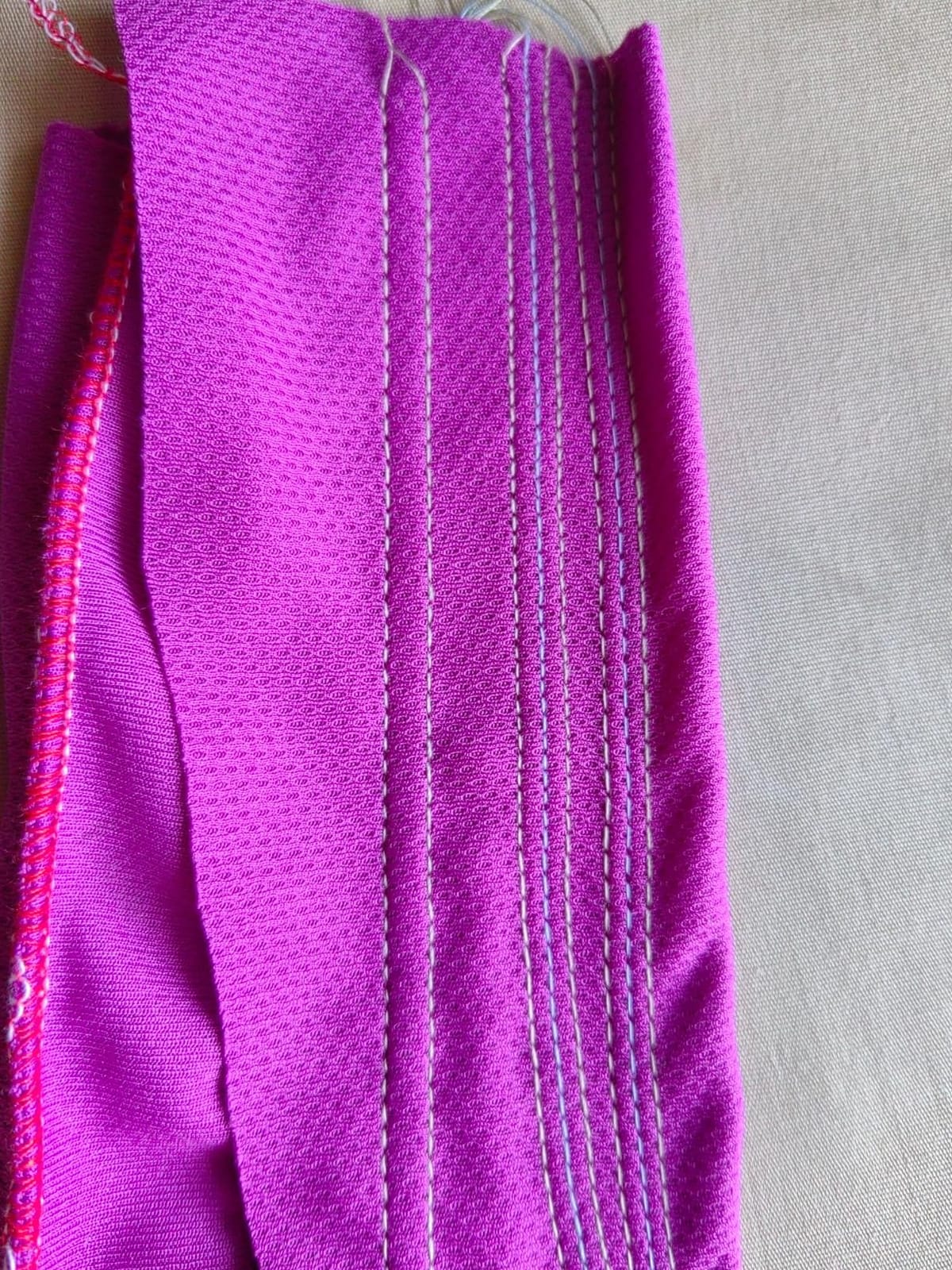
Owners rate it 4.5 out of 5 across 230 ratings, and the sentiment is about versatility rather than outright thrill. People switching from the Brother tell us it feels easier once the threading is mastered, because color-coded guides run through both the needles and the loopers.
The honest friction is the side-mounted looper, which several owners describe as tricky to load, plus tension that takes repeated adjustment before it settles into the same stitch on jersey, interlock and fleece. There is no automatic thread tension release here either.
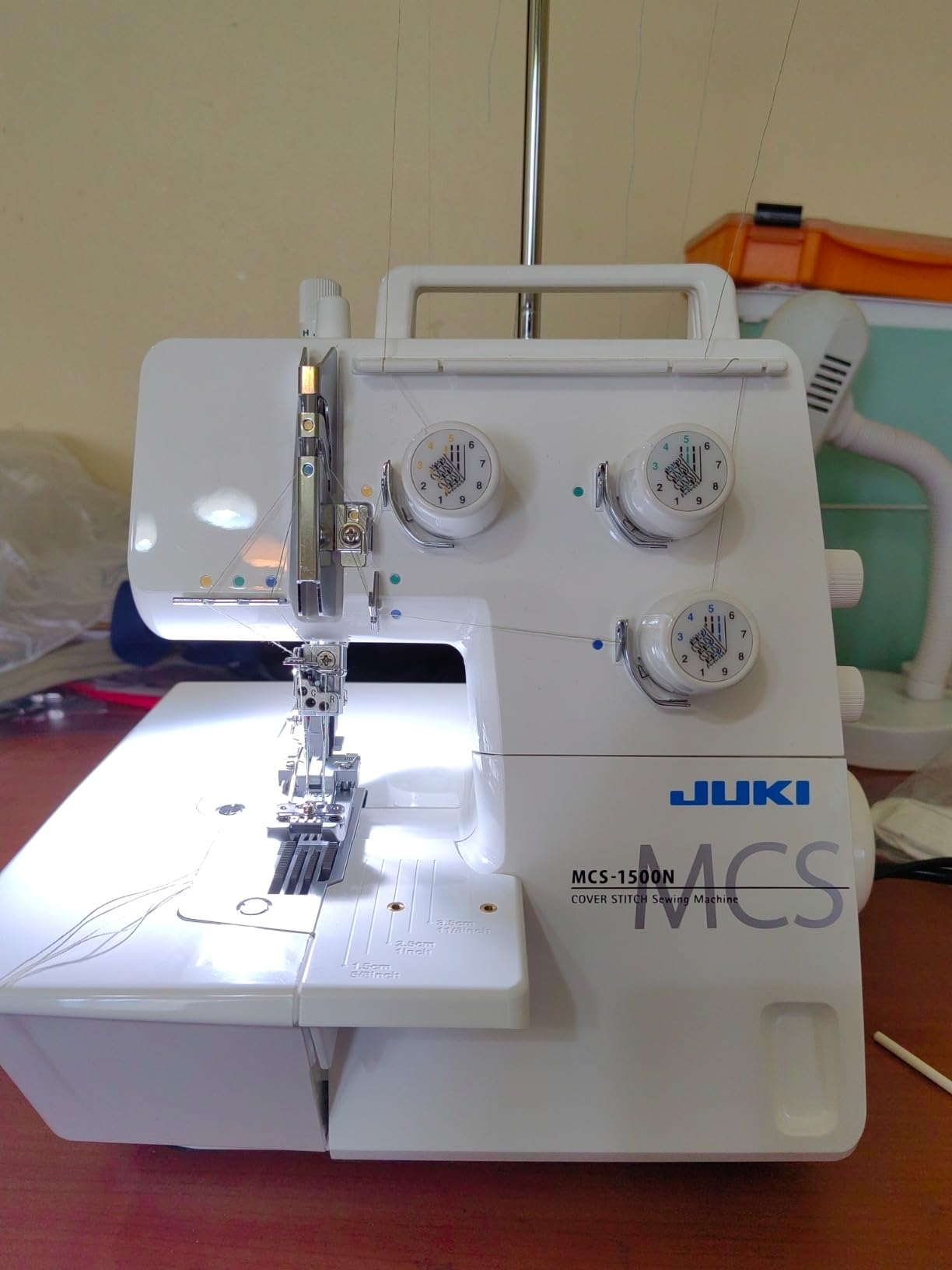
Why three needles change the hemming workflow
A two-needle hem is functionally finished at that point. A three-needle machine gives you a decorative topstitch option on the same fabric in the same setup, which is the difference between owning a hemming tool and owning a finishing tool.
The chain stitch widens the job list further. Basting a waistband before attaching it, or topstitching a knit neckline for a flat-looking finish, both come off this machine without a second device on the table.
Where it falls short for hemming
If your only goal is flat knit hems, two needles are enough and this machine is more to learn than you need. The tension-adjustment patience is real, and impatient first-time owners tend to give up on it early.
Its 230 ratings are solid but far from the Brother’s volume, so long-term durability evidence is thinner. It is also one of the larger bodies here at 15.5 inches wide, which affects where it can live in a small sewing room.
3. Janome CoverPro 1000CPX – top rated with room to maneuver
Janome Cover Pro 1000CPX Coverstitch Machine with Exclusive Bonus Bundle
Chain stitch plus 1 and 2-needle cover stitch
15 lb metal body
Free-arm-friendly neck
Extra needle packs included
Pros
- Highest average rating here at 4.6 out of 5
- Free arm and wider neck space than the Brother 2340CV
- Feeds heavy and fast and handles many knit weights
- Ready to sew with no tension adjustment or needle install needed
- Bonus bundle adds ELx705 needles
- a seam guide and a threader
Cons
- No back stitch to lock the chain
- Very lightweight knits can tunnel until tension is dialed in
- Presser foot has to be bought separately
The 1000CPX carries the highest average rating in this group at 4.6 out of 5 across 218 ratings, with 83 percent of owners giving it five stars. It is also the model owners most often name when they explain why they upgraded from a Brother, and the answer is consistent: room beside the needle.
At 16.5 inches deep and 19.5 inches wide on a 15-pound metal body, this is the biggest machine on the list, and that is the feature rather than a flaw. Reviewers specifically chose it over the 2340CV for the free-arm-friendly neck space and extra bed area, which makes topstitching and bulky seam work far less of a fight.
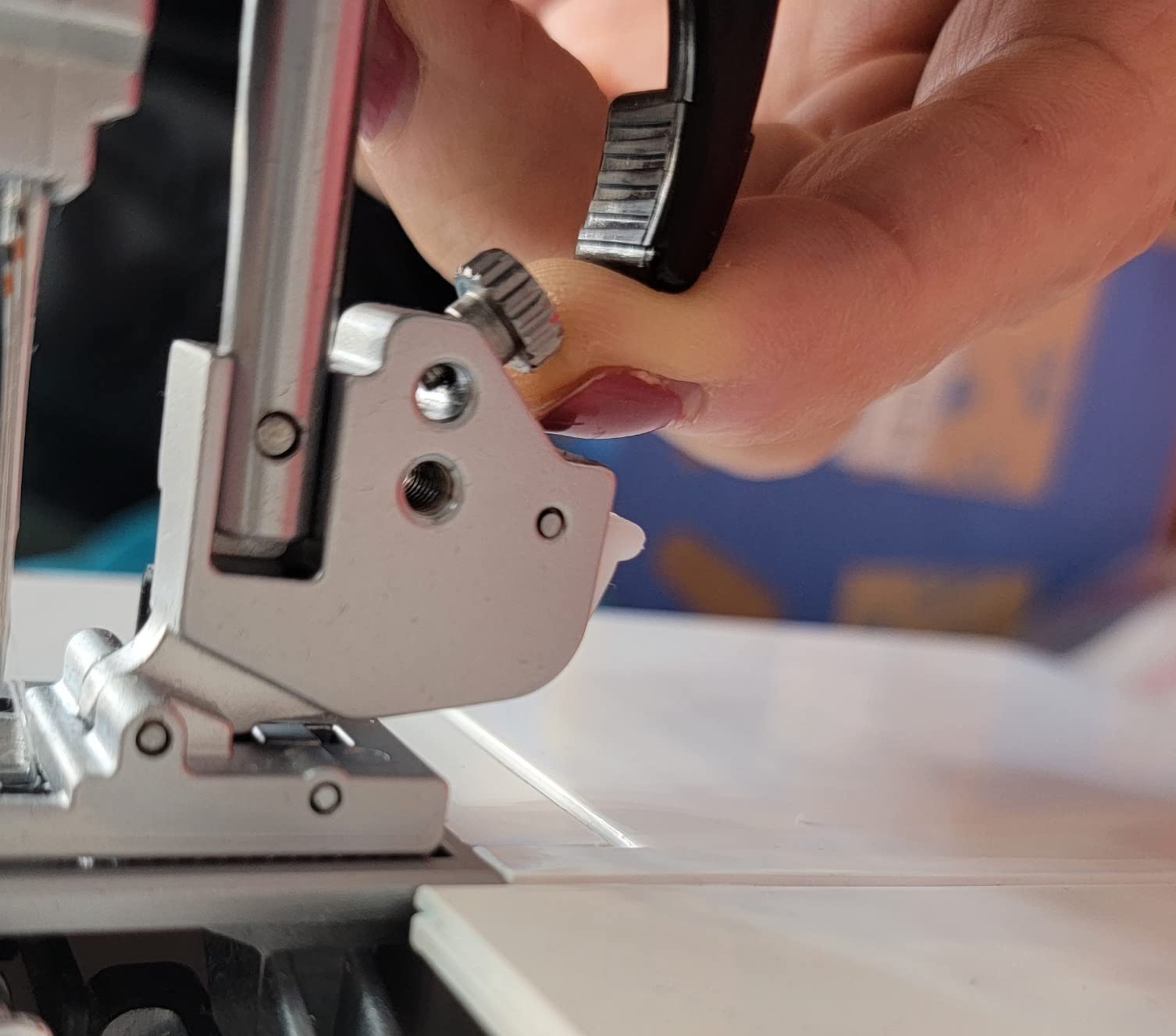
It stitches a chain stitch plus 1-needle and 2-needle cover stitches, which covers hemming, neckbands and decorative topstitching. It arrives ready to sew, threaded and set, with no tension adjustment or needle installation needed before the first seam.
The bundle adds two packs of Schmetz ELx705 needles, an adjustable seam guide and a needle threader. That needle stock matters more than it sounds for a coverstitch, because the wrong point is the fastest route to a torn knit.
Best for people who sew more than hems
If your knit work runs past hems into neckbands, cuffs, waistband attaching and visible topstitching, the extra bed space pays for itself quickly. It is also the machine to pick if you often hem a wide skirt or a sweater rather than a narrow sleeve.
The 3-needle look people mention in reviews comes from the chain stitch used decoratively, and it is the reason the 1000CPX keeps showing up in side-by-side comparisons against other brands.
Where it falls short for hemming
There is no back stitch, so chain stitches have to be anchored by hand or with a securing method. Pulling the fabric back to disconnect also takes effort because the thread feels tight, which is a minor irritation that recurs on every hem.
Very lightweight knits can still tunnel until you dial in tension and get practice, and a clear presser foot is not included. The footprint is the real trade-off: this is not a machine for a small sewing nook.
4. Bernette b42 Funlock – LCD, light and a small footprint
Bernette b42 Funlock Coverstitch Machine
Cover stitch at 2.8mm and 5.6mm plus chain stitch
LCD display
LED work light
Extension table included
Pros
- Compact footprint suits a small sewing space
- Separate needle threader plus looper threading speeds setup
- LCD makes stitch adjustments quick and clear
- LED light and extension table help with bulky work
- Handles thin knits through heavy materials
Cons
- Lowest average rating here at 4.0 out of 5
- Smallest listed dimensions limit large-project workspace
- 13 percent of reviews are 1-star
- Adjustable spool winder takes practice
The b42 Funlock is the odd one out in this list in the best way: at 10 inches deep by 10 inches wide, it is roughly a third of the footprint of the Janome 1000CPX. If your hemming happens in a small room or on a shared table, that dimension matters more than any feature on the spec list.
It offers three stitch widths, at 2.8mm and 5.6mm coverstitch options plus a chain stitch, with a separate needle threader and looper threading mechanism. The LCD display is the only screen among the dedicated coverstitch machines here, and owners like being able to change a setting without guessing from a pattern dial.
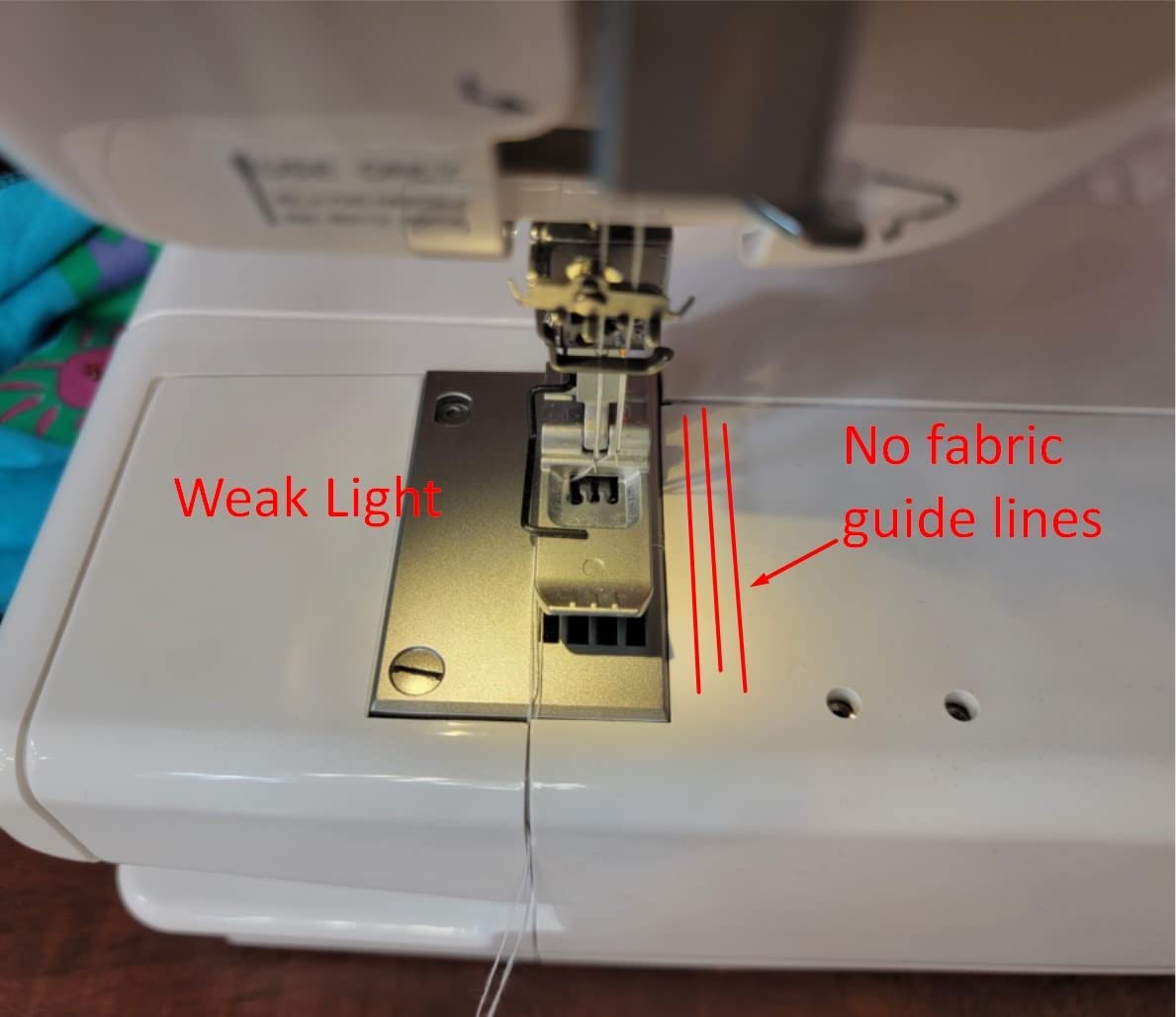
The bright LED work light and the included extension table are practical details that get more use than expected. You are guiding fabric under the needles by feel at this machine’s class, and good light makes tension problems much easier to diagnose.
Owner satisfaction is the most polarized in the group, though. It holds a 4.0 average across 94 ratings, with 62 percent five-star but 13 percent one-star, which is the widest spread we saw. Buyers who get it running describe a capable, well-lit machine; buyers who struggle describe something else.
Best for a small sewing room
If counter space is the constraint, this is the pick. The extension table gives you support for bulky layers without the machine needing to live on a dedicated table, and the screen removes most of the guesswork from setup for a new owner.
Two coverstitch widths plus a chain stitch cover essentially all the hemming and finishing work most home sewists do, and the presser foot is adjustable for fabric weight changes.
Where it falls short for hemming
The workspace is the smallest here, so very wide hems and large quilt-adjacent pieces get awkward fast. For knit hems on clothing it is fine; for oversized work it is tight.
The adjustable spool winder takes practice to get an even wind, and with the thinnest review base of the four mid-priced machines here, there is less long-term evidence about how it ages.
5. Janome CoverPro 900CPX – the free-arm workhorse
Janome CoverPro 900CPX Coverstitch Machine – Free Arm Coverstitch Sewing Machine with Chain Stitch and Cover Stitch Functionality, Differential Feed, Extra Large Bed Space, Seam Tightening System
Free arm for cuffs and necklines
Seam Tightening System
1000 spm
Differential feed 0.5 to 2.25
Pros
- Free arm sews directly onto finished cuffs and necklines
- Extra-large bed to the right of the needle
- Seam Tightening System holds tension on jersey
- ponte and french terry
- Color-coded guides and pattern dials keep it intuitive
- Most complete accessory kit in the group
Cons
- Slowest speed here at 1000 stitches per minute
- Smallest review base of the mid-priced machines at 66 ratings
- Looper threading is manual with no air threader
The 900CPX is the value entry into the Janome CoverPro line, and it is defined by the free arm. You can slide a finished sleeve cuff or a neckline onto the arm and stitch it in place without opening the seam or fighting a flat bed, which is the single most useful feature when hemming real garments rather than flat panels.
It switches between a 2-thread chain stitch and a 3-thread cover stitch with one or two needles, so it covers hems, decorative stitching and seaming. The extra-large bed to the right of the needle gives you somewhere to put your hands on a wide knit skirt.
The Seam Tightening System is the feature experienced owners defend hardest. It holds consistent tension across jersey, ponte, spandex and french terry, which are the four fabrics that make coverstitch hems tunnel or pucker on lesser setups. Differential feed runs from 0.5 to 2.25, giving real control over knit distortion.
Owners rate it 4.5 out of 5 across 66 ratings, with only 3 percent one-star, which is the healthiest star spread of the mid-priced machines here even though the sample is small.
Color-coded thread guides, pattern selection dials and a printed stitch reference guide sit on the machine itself, which matters when you are learning a new stitch in a dim corner rather than at a dedicated machine. At 1,000 stitches per minute it is the slowest of the eight, and at 17 pounds it is heavy enough to stay planted while you guide knit fabric.
Best for cuffs, necklines and pant legs
For rehemming store-bought garments, the free arm is the reason to pick this. Sleeve hems on a knit tee or a pair of leggings go on the arm, get caught and finished without distorting the cuff.
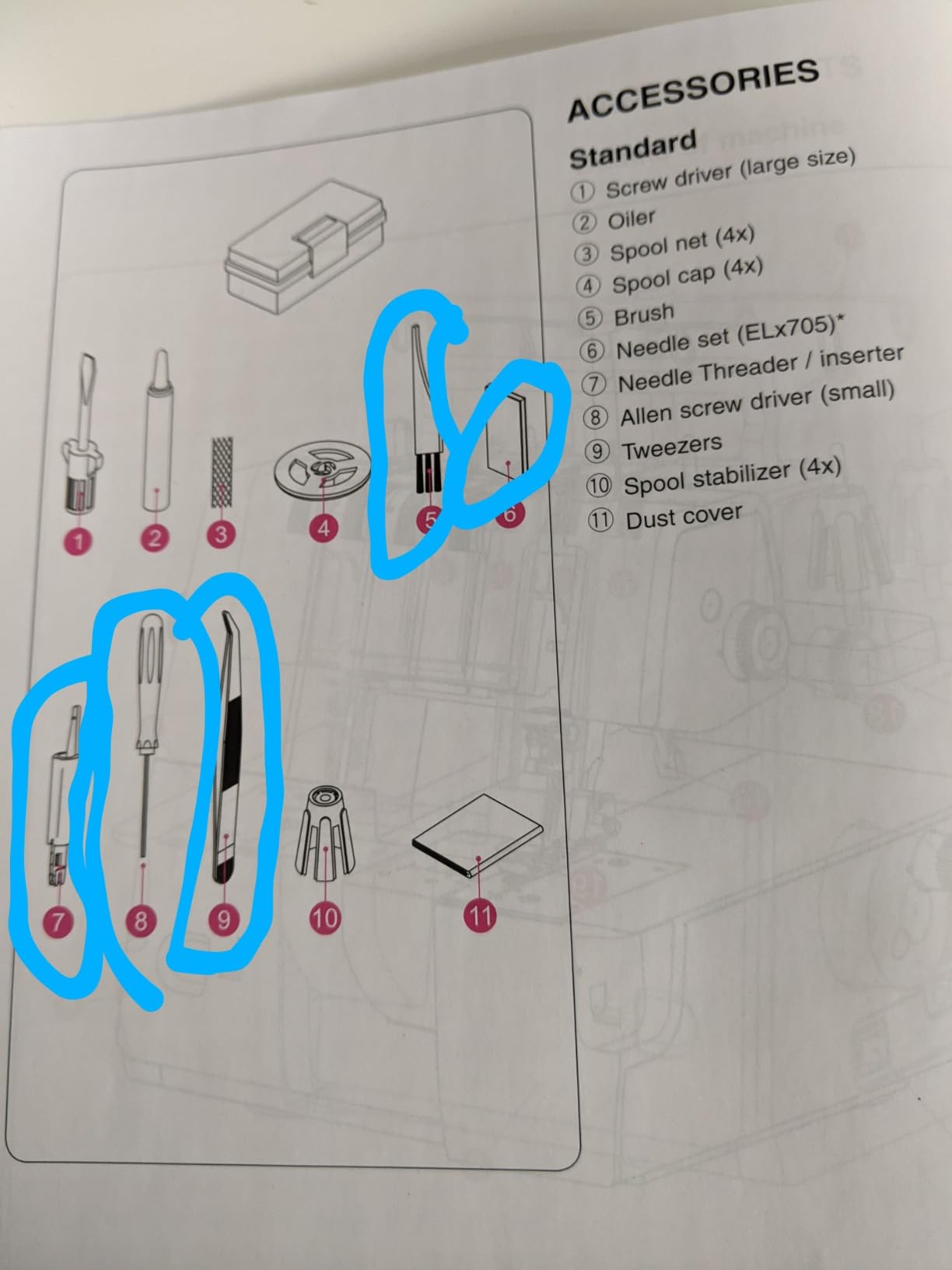
The included accessories are unusually complete: a set of needles, large and small screwdrivers, tweezers, nets, spool holder caps, a lint brush, a needle threader, oil, an accessory box, the manual and the foot control.
Where it falls short for hemming
At 1,000 stitches per minute it is the slowest machine here. For a quick single hem that is irrelevant; for batch work across twenty garments it adds up, and owners upgrading from a Brother or Juki notice.
There is no air threading, so every thread break means re-threading the looper by hand, which is the most common new-owner frustration in this whole category. The 66-rating base is also the smallest of the mid-priced group, so long-term evidence is limited.
6. Juki MCS-1600 – fastest dedicated coverstitch here
Juki MCS-1600 Cover Stitch and Chain Stitch Sewing Machine with Super Easy Looper Threading, 1,350 Stitches Per Minute, and Differential Feed Adjustment (White)
3 needles
1350 spm
3-thread cover and 4-thread chain
Alloy steel
19.9 lb
Pros
- 1350 spm
- among the fastest machines in this group
- Alloy steel body gives a stable
- quiet feel
- Super easy looper threading with color-coded guides
- Differential feed adjustment included
- Owners report far fewer skipped stitches than an older machine
Cons
- Sensitive to thread and needle choice
- Skipped stitches and grinding noises reported mid-project
- Tension tuning is demanding
- Not recommended for beginners or impatient users
The MCS-1600 is a 19.9-pound alloy steel machine that runs three needles, a 3-thread cover stitch and a 4-thread chain stitch at 1,350 stitches per minute. The weight is a feature for hemming: a heavy machine does not creep while you feed a wide jersey panel across the bed.
Owners coming up from an older budget coverstitch report far fewer skipped stitches, and once configured they describe it as quiet and powerful. The differential feed adjustment helps with knit distortion that would otherwise ripple a hem.
Best for batch hemming sessions
If your plan is to clear a stack of rehemmed garments in one sitting, speed and stability are the metrics that matter. This machine delivers both, and the chain stitch adds basting and seaming options beyond the hem itself.
It carries a 5-year mechanical, 2-year electrical warranty in the US, with 90 days on adjustments, which is the same coverage structure across the Juki range.
Where it falls short for hemming
This is the pick most likely to frustrate a beginner. Reviews repeatedly describe it as sensitive to thread and needle choice, finicky before it is dialed in, and moody when a tension, needle or thread change upsets it. Several owners report skipped stitches and grinding noises mid-project.
With 48 ratings, the owner base is thin, and the ones who love it are experienced sewists. If you have never threaded a coverstitch before, this is a hard machine to start on.
7. Juki MCS-1700QVP – built for thick layers
Juki MCS-1700QVP Cover Stitch Machine
Cover stitch for hems, cuffs and necklines
Chain stitch option
2mm presser foot lifter
Pros
- Presser foot lifter adds 2mm clearance for thick layers
- Chain stitch suits pant waistbands and side seams
- JUKI build quality and reliability
- Compact dedicated coverstitch footprint
Cons
- Smallest review base here with 18 ratings
- Polarized ratings with no 4-star reviews at all
- Less verified long-term evidence than other Juki models
The MCS-1700QVP does one small thing that nothing else on this list does properly: the presser foot lifter raises the foot an extra 2mm. On a lined sweatshirt hem, a fleece hoodie cuff or a two-layer neckband, that extra clearance is the difference between feeding the layers and stalling on them.
It also runs a chain stitch alongside the cover stitch, which owners use for pant waistbands and side seams, and for decorative neckline stitching when you want a visible finish on a knit top.
Best for fleece and layered knits
If your hemming is mostly sweatshirts, fleece and lined knits, the foot lifter earns its place every session. It is also a clean dedicated machine, so there is no mode switching to think about when you only want hems.
For basic jersey and legging hems this is more machine than you need, which is the honest case against it.
Where it falls short for hemming
Evidence is thin: 18 ratings, with 70 percent five-star, 10 percent one-star and no four-star reviews at all. That distribution suggests owners who get it running love it, and others do not, but it does not tell us which is more common.
Fewer ratings means fewer known failure points and less long-term wear data, so if you want a machine you can read five years of experience on, this is the weakest evidence base in the roundup.
8. Bernette B48 Funlock – coverstitch inside a serger body
Bernette B48 Funlock Serger Coverstitch Overlock Machine | Heavy Duty Sewing Quilting Performance for Beginners and Professionals | 23 Stitches LED Light 1300 SPM Easy Threading Knife Control
23 built-in stitches
Overlock, coverstitch and chain
1300 spm
LED work light
21 lb
Pros
- Overlock
- coverstitch and chain stitch in one machine
- 1300 spm with a strong motor
- LED light reduces eye strain
- Manual threader and presser foot adjustment for thick fabrics
- Bundles bobbins
- spools
- needles
- a winder and a rotary cutter
Cons
- Heaviest machine here at 21 pounds
- Plastic construction feels lighter than the metal machines
- Highest price point in the roundup
- No LCD screen unlike the bernette b42
The B48 Funlock answers the question sewists ask most often about combo machines: do you have to choose between overlocking seams and hemming knits? It runs 23 built-in stitches including overlock, coverstitch and chain, with adjustable stitch widths at up to 1,300 stitches per minute.
That makes it a genuinely two-in-one answer for someone who does not own a serger yet and does not want to buy two dedicated machines. Reviewers highlight strong heavy-fabric performance and good lighting, and the bundle includes bobbins, spools, needles, a winder and even a rotary cutter.
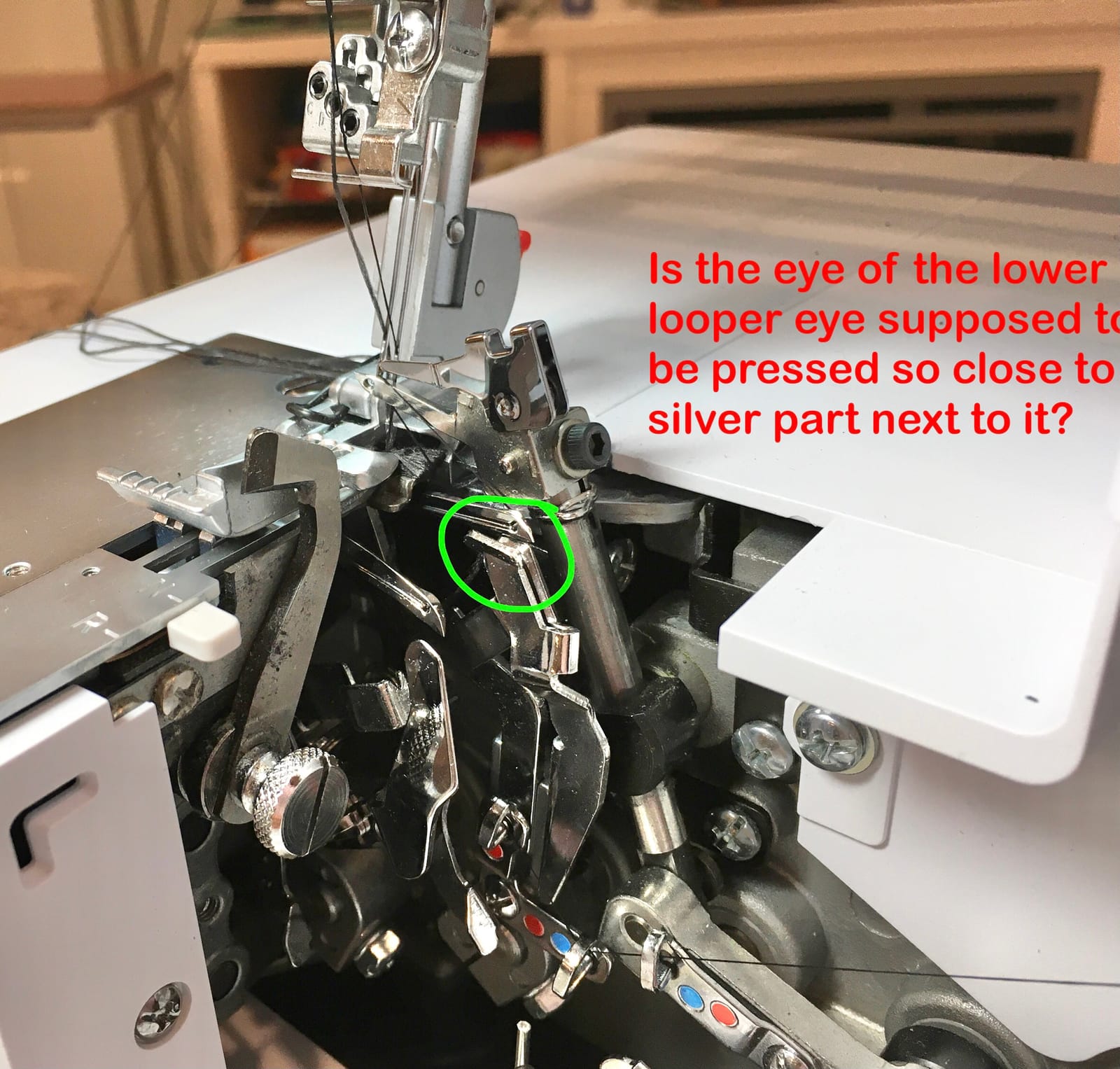
The manual threader and adjustable presser foot are built for piercing thick fabrics, which suits quilting-adjacent work and heavy cotton alongside knits. Extension table compatibility helps with bulky pieces.
Owners rate it 4.3 out of 5 across 43 ratings, with 71 percent five-star. The hesitation is about value: it costs more than several dedicated coverstitch machines and gives up a metal body for plastic, which is a hard trade to justify if hemming is genuinely all you do.
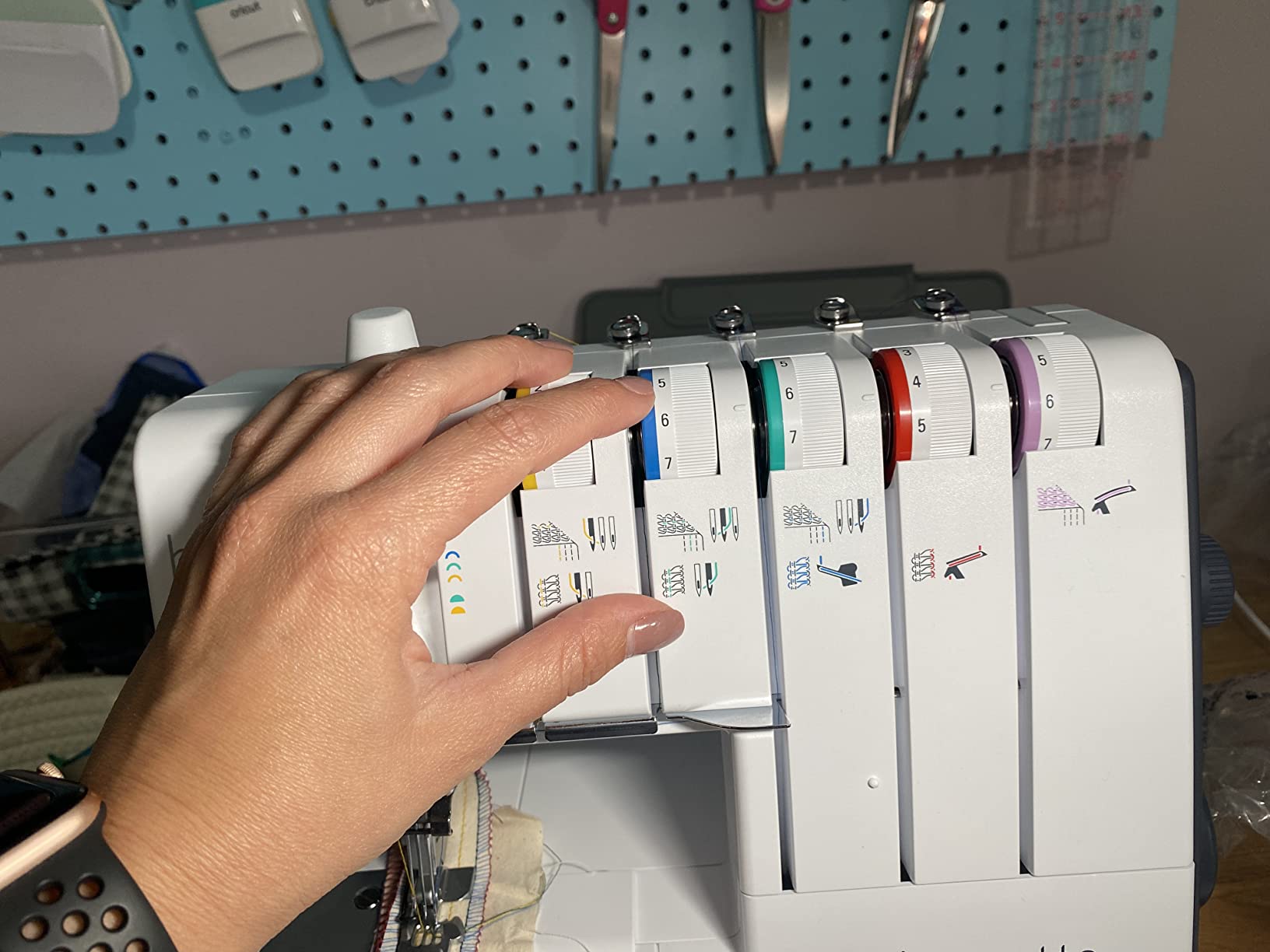
Best if you want one machine to do everything
For a sewist who needs overlocked seams on wovens and coverstitched hems on knits, and who has limited space for two machines, the B48 covers both in one body with no mode conversion.
It also handles quilting and thick fabric work better than any dedicated coverstitch here, which widens what the machine can earn its space doing.
Where it falls short for hemming
At 21 pounds it is the heaviest machine in the roundup, and the plastic shell feels less solid than the metal frames it competes with on price. It is also the largest listed footprint at 16 inches square, which partly defeats the two-in-one space argument.
There is no LCD screen, so settings are dial-based rather than displayed, and with 43 ratings the long-term record is still short.
How to Choose a Coverstitch Machine for Hemming
1. Needle count: two is enough, three is a bonus. Two needles give you a clean double-row cover hem, which is what you want on leggings, tees and swimsuits. Three needles add a decorative triple topstitch on the face, useful for hoodies and jacket fronts. Only the Juki MCS-1500 and MCS-1600 here take three needles.
2. Free arm versus flat bed for real garments. A free arm lets you hem a finished cuff, neckline or pant leg in place. The Janome 900CPX and 1000CPX have one. If your hemming list is mostly flat panels such as skirts and T-shirt hems, a flat bed with a larger bed area is more useful, which is why the 1000CPX wins on overall room.
3. Threading friction, honestly. This is the top new-owner complaint across forums, and it is worth more than any feature list. Machines with a fast looper system, lay-in needles and color-coded guides get set up in minutes. Machines that require manual looper threading mean a full re-thread after every break. There is no air threading on any of the eight machines in this roundup, so factor manual looper work into your expectations whichever one you buy.
4. Looper tension control across knit weights. Looper tension is what produces loops and pucks that change as fabric weight changes. The Janome 900CPX has a dedicated Seam Tightening System, and all of these machines offer differential feed, which ranges from 0.5 to 2.25 on the 900CPX. Wide differential feed range gives you more control over knits that ripple.
5. Speed, if you batch your hemming. Anything above 1,000 stitches per minute keeps a batch session short. The Brother runs 1,100, the Bernette B48 1,300, and both Juki machines 1,350. The Janome 900CPX sits at 1,000.
6. Needle and thread for knits. Use a ballpoint or stretch needle, not the denim needles that ship in some boxes. A 75/11 stretch needle suits jersey and interlock; an 80/12 works for heavier fleece and ponte. Thread matters just as much: textured or woolly nylon looper thread grips the chain so it does not unravel when the hem is stretched.
7. Warranty, parts and footprint. The Brother 2340CV carries a 25-year limited warranty on a metal frame, and the Juki machines carry 5 years mechanical and 2 years electrical. Those numbers reflect expected service life and are worth weighing against footprint: the Janome 1000CPX needs real table space, while the Bernette b42 needs very little.
Coverstitch vs Serger vs Twin Needle vs Blind Hem
Coverstitch machine: two or three top needles plus a looper underneath. It makes the industry-standard knit hem, does not cut or finish raw edges, and cannot overlock a seam. This is the machine for hems.
Serger: cuts the raw edge and overlocks it with loopers. It is the machine for seams and edge finishes. It does not make a coverstitch hem unless you convert it, and the community consensus in sewing forums is that converting back and forth costs more patience than owners have.
Coverlock combo: does both on one body, with a rethreading penalty of roughly 10 to 20 minutes every time you switch modes. If you only ever hem, that penalty never pays for itself. If you seam and hem in the same session, the B48 Funlock answers it in one machine.
Twin needle: two rows on the face, nothing underneath. Free with the machine you own and fine for occasional light jersey, but it tunnels on knits and its bobbin thread can break.
Blind hem: invisible on wovens, no stretch at all. Not a knit solution.
On brands, Janome, Baby Lock and Brother are the three most recognised coverstitch names for home use, and Janome is repeatedly praised in owner forums for cheap parts and ease of repair. Brother tends to win on threading simplicity and warranty length. There is no single right answer between them, only a better fit for how you sew.
How to Rehem Your Own Store-Bought Knits
This is the most common reason people in owner communities end up buying one, and it is the easiest win once the machine is set up. Wash or press the garment first so the fabric has relaxed before you cut anything.
Press the original hem up to the inside, or trim it and fold a fresh one to the same width, about 2cm to 2.5cm for jersey. Thread with a stretch needle and woolly nylon in the looper. Set the stitch length around 2 for stretch fabric and longer for a cleaner topstitch, then sew on the right side and trim the chain from the underside with small snips.
Do one test hem on a scrap of the same knit first. If loops appear on the underside, the looper tension needs loosening a fraction at a time rather than a large turn.
Frequently Asked Questions
What is the best coverstitch machine?
The Brother 2340CV is our best overall pick, with 1,202 verified ratings at 4.3 out of 5, color-coded lay-in threading, two needles and a 25-year limited warranty. The Juki MCS-1500 is better for three-needle decorative topstitching, and the Janome CoverPro 1000CPX has the highest average rating at 4.6 with the most room around the needle.
What is the best coverstitch machine to buy for home use?
For home use, the Janome CoverPro 900CPX gives you a free arm for cuffs and necklines, a Seam Tightening System that holds tension on jersey and ponte, and a full accessory kit in the box. If you have more table space, the 1000CPX adds noticeably more bed space and top rated highest in our group at 4.6.
Is it worth buying a coverstitch machine?
It is worth it if you sew knits weekly, make leggings, activewear or swimwear, sell garments, or regularly rehem store-bought clothing. Skip it if you mostly sew wovens, because a twin needle handles occasional tee hems for free. If you own neither a serger nor a coverstitch machine, buy the serger first.
Can a regular sewing machine do a coverstitch?
No. A standard sewing machine cannot make a true coverstitch because it has no looper underneath to form the stretchy chain. You can fake the top with a twin needle, but the hem will still sit in tension, tunnel between the rows and risk breaking bobbin thread on lightweight jersey.
Can you use a serger as a coverstitch machine?
A serger makes a great rolled hem on knits but not a coverstitch. Owners in sewing forums consistently report that converting a serger between overlock and coverstitch modes and back takes more time than they have patience for, which is why many sewists who hem regularly own two separate machines instead of converting.
Is Janome better than Baby Lock or Brother?
There is no clear winner. Janome is repeatedly praised in owner forums for cheap parts, ease of repair and durability, and the 1000CPX rated highest here at 4.6. Brother wins on threading simplicity and a 25-year limited warranty, and Baby Lock is a recognised alternative. Pick on needle count, free arm and thread handling rather than brand loyalty.
How hard is it to thread a coverstitch machine?
Expect ten to fifteen practice sessions before it feels routine. The main task is the looper thread, and there is no air threading on any of the eight machines we reviewed, so a thread break means a manual re-thread. Machines with lay-in needles, a fast looper system and color-coded guides, such as the Brother 2340CV, are noticeably easier to learn.
Which Coverstitch Machine Should You Buy in 2026?
The Brother 2340CV is our pick for the best cover stitch machines for hemming in 2026, because it has the deepest owner base, the gentlest threading and the longest warranty at this class. Buy the Janome CoverPro 1000CPX if room around the needle matters more to you, and the Bernette b42 Funlock if counter space is the constraint.
Whatever you choose, give it ten practice sessions on scraps before you touch a garment you care about, and keep woolly nylon in the looper. Check the current listing for pricing before you decide.