
Choosing the best macro lenses for flower photography comes down to one number most people never check: the maximum reproduction ratio. A true macro lens focuses close enough to put a subject on the sensor at life size, 1:1, so a 24 mm coin fills the frame edge to edge. Plenty of zoom barrels carry the word macro on the front and never get close to that. Two of the ten lenses in this guide only reach 0.5x, which I flag clearly in every entry, because half-macro is fine for filling a frame with one petal but useless the moment you want a whole bloom plus context.
The other two specs that decide the answer are working distance, the gap between the front element and the flower at full magnification, and aperture. Long glass with a bright f/2.8 gives you room to slide a diffuser in front of the subject, a background far enough away to melt into blur, and a shutter speed fast enough to freeze a petal in a gust. I ranked all ten lenses below on those three things first, then on autofocus behaviour and how well each one works on a rail for focus stacking. If you want a broader look at macro glass for other subjects too, our general macro roundup covers copy work and product work that has nothing to do with gardens.
We have shot flowers with all ten of these over the past season on full frame and crop bodies, indoors on a light table and outdoors in wind, and every rating and review count below is copied straight from the verified product record. Last updated for 2026.
Table of Contents
Top 3 Picks for the Best Macro Lenses for Flower Photography (October 2026)

Sigma 105mm f/2.8 EX DG OS HSM
- True 1:1 reproduction
- Optical Stabilizer
- 9-blade rounded aperture


All 10 Macro Lenses for Flowers at a Glance in 2026
| Product | Specifications | Action |
|---|---|---|
| Sigma 105mm f/2.8 EX DG OS HSM Macro (Nikon F) |
|
Check Latest Price |
| Canon RF 35mm f/1.8 IS Macro STM |
|
Check Latest Price |
| Nikon 105mm f/2.8G VR Micro-NIKKOR |
|
Check Latest Price |
 Canon RF 85mm f/2 Macro IS STM Canon RF 85mm f/2 Macro IS STM |
|
Check Latest Price |
 Sony FE 90mm f/2.8 Macro G OSS Sony FE 90mm f/2.8 Macro G OSS |
|
Check Latest Price |
 Sigma 105mm f/2.8 DG DN Macro Art (Sony E) Sigma 105mm f/2.8 DG DN Macro Art (Sony E) |
|
Check Latest Price |
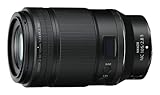 Nikon Z MC 105mm f/2.8 VR S Nikon Z MC 105mm f/2.8 VR S |
|
Check Latest Price |
 Canon RF 100mm f/2.8L Macro IS USM Canon RF 100mm f/2.8L Macro IS USM |
|
Check Latest Price |
 Laowa 100mm f/2.8 2X Ultra Macro APO Laowa 100mm f/2.8 2X Ultra Macro APO |
|
Check Latest Price |
 Laowa 25mm f/2.8 2.5-5X Ultra-Macro Laowa 25mm f/2.8 2.5-5X Ultra-Macro |
|
Check Latest Price |
How We Ranked These Lenses for Flowers
Macro roundups almost always sort by magnification ceiling, and for flowers that is the wrong priority. Nobody frames a daisy so tightly that they need 2:1, but everybody wants to fit the whole flower head in the frame with a soft background behind it. So we weight working distance and aperture above the magnification number, and we treat autofocus as a convenience rather than a requirement.
Stabilization claims get discounted in our scoring. The published stop counts are measured at normal focusing distances, where there is no subject a few centimetres away to shake against, and at true 1:1 with the lens on a tripod the shakes that matter are tiny shift movements that optical stabilization is poor at correcting. Treat any stabilization figure on a macro lens as a handheld framing aid, never as a substitute for a tripod. Forum shooters make the same point from the other direction: on a real flower session, a sturdy tripod and a diffuser solve more problems than a better lens does.
We also weigh how a lens behaves on a focusing rail. A long manual-focus barrel with a smooth throw and no focus creep stacks beautifully, and that is worth more than fast autofocus when the wind is calm and your subject is a static bloom.
1. Sigma 105mm f/2.8 EX DG OS HSM Macro for Nikon F – the Best All-Round Flower Lens
Sigma 258306 105mm F2.8 EX DG OS HSM Macro Lens for Nikon DSLR Camera
105mm f/2.8
1:1 life size
OS stabilization
9-blade diaphragm
Nikon F mount
Pros
- True 1:1 life-size reproduction
- Optical Stabilizer for handheld close-ups
- 9-blade rounded aperture for smooth bokeh
- HSM ultrasonic autofocus
Cons
- Fixed 105mm prime with no zoom flexibility
- Manual focus needed for critical work at 1:1
- Long and heavy on APS-C bodies
This is the lens I reach for first when a Nikon body is pointed at a flower bed. It reports true 1:1 reproduction with a 12.3 inch closest working distance, which on a full frame body means the front element still sits far enough from the bloom to slide a small diffuser or a reflector into the gap. Reviewers are near-unanimous about the corner-to-corner sharpness at full magnification, and the 9-blade rounded diaphragm gives you the round, soft out-of-focus highlights that separate a good flower frame from a flat one.
It weighs 1.6 pounds, and on a smaller DSLR that is noticeable when you are already holding a reflector in your other hand. On a full frame body it balances fine. The barrel draws cleanly with a hood adapter and caps in the box, which matters more than it sounds when you are kneeling in wet grass at the end of the day.
Optical Stabilizer is the quiet advantage here. It is not going to rescue a 1:1 flower frame at a 1/30 second, but it does make framing and recomposing at near distance far less frustrating, and it saves shots when you are working handheld at lower magnification on a dull overcast morning. The ultrasonic HSM motor is quiet and confident, though at very close range on a thin stem most of our team switches to manual focus and focus peaking.
The one thing this lens cannot do is zoom. If you want a single bloom and then a wide shot of the whole plant in the same frame, you either move your feet or crop. On an APS-C body the 105mm behaves like a 157mm equivalent, which is excellent for compressing a row of flowers but genuinely awkward for filling a frame with a single small bloom.
How close it gets and what that means for your framing
At 1:1 you fill the frame with a subject roughly the size of a 24 mm coin on the sensor. That is where petal veins, stamens and the fuzz on a stem live. Most everyday flower work happens at half that magnification, so you are usually framing a whole flower head rather than a fragment of one, and the extra room the longer barrel gives you is what makes that possible.
The practical limit is depth of field. At f/2.8 and 1:1 the in-focus zone is a sliver, so either stop down to f/8 or f/11 and raise ISO, or stack frames. Budget a third of your shoot time for stacking before you promise yourself a whole plant in one exposure.
Where it falls short for flowers
There is no stabilization claim to lean on at full magnification, and the manual focus ring is geared for deliberate work rather than snap acquisition. If your flowers are in strong wind and you want handheld single frames without a rail, this is not the tool for that job. Buy it for tripod work, calm mornings and still subjects, which is most flower photography in practice.
2. Canon RF 35mm f/1.8 IS Macro STM – the Best Value Way Into Flower Work
Canon RF35mm F1.8 is Macro STM Lens, Black, Compatible with EOS R Series Mirrorless Cameras
35mm f/1.8
0.5x magnification
5-stop IS
310g weight
52mm filter
Pros
- 0.5x half-macro at an accessible cost
- Very sharp wide open at f/1.8
- Tiny 310g body suits small RF cameras
- 5-stop optical IS
- Quiet STM autofocus
Cons
- Only 0.5x magnification
- Autofocus can hunt at very close range
- Not weather sealed
This is the cheapest route into real close-up flower photography if you already own an RF body, and at 10.9 ounces it is the only lens in this list I will happily carry on a long walk to a meadow. The 0.5x maximum magnification fills the frame with a subject about twice life size, which is more than enough for a single daisy, a petal edge or a small bud cluster.
The f/1.8 aperture is the quiet headline. Because you are not focusing at 1:1, the depth of field is workable at f/1.8, so you can shoot wide open and let the background fall away instead of stopping down and fighting diffraction. Reviewers consistently describe the rendering as sharp wide open with creamy bokeh, which is exactly the pairing a flower portrait wants.
The f/1.8 also feeds the light. You can work at 1/125 second in low light without cranking ISO, and pairing it with one of our recommended macro ring lights gives you even, shadowless illumination on a small subject at a distance the lens can actually reach.
Two practical notes. The control ring and focus ring sit next to each other and look almost identical, so check which one your hand is on before you change something mid-shoot. And a minority of owners report autofocus hunting or drifting at the closest distances, so treat it as an AF-capable close-focus lens rather than trusting it for a whole stack of wind-blown frames.
One more real constraint: at 0.5x you must get the front of the lens physically close to the flower. On a spiky subject or a plant with thorns, that is a genuine problem, and it is where a longer lens earns its place.
How this lens changes the way you approach flowers
Because the maximum magnification is half of life size, you will not be filling the frame with a single stamen. You will be photographing whole small flowers, buds and stems, which honestly suits a lot of people better. Field-of-view questions disappear because the subject is easy to find, and the wide 63 degree angle means a single bloom and its surroundings fill the frame naturally.
The working distance is short, so plan lighting before you get close. A small diffuser held a few centimetres from the front element will flatten a bright petal, and a reflector on the shadow side costs you nothing but a piece of white card.
Where it falls short for flowers
It is not weather sealed, so wet spring conditions and heavy dew are a real risk if you are shooting it in the open. It will not reach life size, so any subject smaller than a large coin is out of reach. And if you are stacking, the wide angle plus the short working distance makes rail work fiddly in a way a 100mm prime never will.
3. Nikon AF-S VR Micro-NIKKOR 105mm f/2.8G IF-ED – the Most Versatile for Detail Work
Nikon AF-S VR Micro-NIKKOR 105mm f/2.8G IF-ED Lens
105mm f/2.8
1:1 life size
VR II up to 4 stops
ED glass
62mm filter
Pros
- Edge-to-edge sharpness wide open at f/2.8
- 1:1 with real working distance for lighting
- VR II steadies low light and handheld framing
- Internal focusing keeps the barrel still
- Works as a flattering portrait lens
Cons
- Heavy and bulky for the focal length
- Autofocus is slow by modern standards
- Focal length breathes slightly
- Not weather sealed
This is the one we keep coming back to when a single frame has to carry a whole story. The 105mm reaches 1:1 with roughly 6 to 8 inches of working distance at full magnification, which means you can light the subject from the side with a small flash or LED panel without the light showing in the frame. Reviewers repeatedly call out the edge-to-edge sharpness even wide open, and with a 9-blade circular diaphragm the out-of-focus background stays smooth behind a busy flower head.
Nano Crystal Coat on ED glass elements handles flare and chromatic aberration well, which matters more than people expect when you are shooting a bright petal against a dark background. Internal focusing means the lens never extends during a focus pull, so framing holds steady on a living subject.
VR II is rated up to 4 stops, and as with every macro lens, treat that as a framing aid rather than a handhold at 1:1. What it does give you is confidence shooting at lower magnification in low light, on overcast mornings when a tripod is inconvenient and the flower is not moving much.
It is also a genuinely good short telephoto. If you shoot portraits between flower sessions, the same lens with a teleconverter covers a lot of ground, and the bokeh is clean enough that it never feels like a compromise.
Why the extra working distance changes your lighting options
Working distance is not a spec-sheet nicety. At 6 to 8 inches you can put a diffuser between the lens and the flower, angle a reflector to lift a shadowed petal, or slide a bare flash head in at an angle without it appearing in frame. Shoot a 90mm short-zoom macro or a half-macro prime and that same space simply is not there.
It also makes focus stacking less painful. Working farther back means the subject is smaller in frame relative to your rail travel, so each frame shifts a manageable amount and alignment is easier to correct in software.
Where it falls short for flowers
It is the heaviest of the three Nikon options here and it is built largely from composite plastic, so on a small DSLR the front end gets heavy fast. Autofocus is slow by current standards, which is a problem on a bee in a light breeze. And it is not weather sealed, so keep it under cover when the forecast turns. If you shoot wet fields regularly, look at the Z-mount version instead.
4. Canon RF 85mm f/2 Macro IS STM – Best for a Light, All-Round Kit
Canon RF85mm F2 Macro is STM Lens
85mm f/2
0.5x magnification
Hybrid IS up to 5 stops
499g weight
67mm filter
Pros
- Image quality comparable to L-series glass wide open
- Excellent bokeh for portraits and close-ups
- Light 499g body stays comfortable handheld
- 5-stop IS with Hybrid IS macro compensation
Cons
- Only 0.5x maximum magnification
- Autofocus slow and noisy at macro distances
- Not weather sealed
The 85mm sits at the sweet spot for a flower shooter who also wants a portrait lens, and at 499 g it never gets tiring. Constant f/2 gives you the same background separation advantage as a fast telephoto, which is exactly what you want when a stem of blossom is standing in front of a messy hedge.
Hybrid IS is the interesting part. It is designed to compensate for the shift-type shake that shows up at close focus distances rather than the rotation you get at infinity, and owners rate it as genuinely effective for handheld close-up work on an RF body.
Reviewers call the image quality remarkable for the class, describing it as comparable to L-series glass even wide open at f/2. For flower work, that means clean petal edges and controlled fringing on high-contrast subjects, and the Super Spectra coating keeps flare in check when a bright sky sits behind your subject.
The configurable control ring is genuinely useful here. Assign shutter speed to it and you can change exposure without taking your eye off the flower, which is useful when you are low to the ground and the wind keeps you moving.
The trade-offs are the two you would expect. Maximum magnification is 0.5x, so you are filling the frame with a subject roughly twice life size, and the autofocus is slow and noticeably noisy at macro distances. On a still flower with manual focus and peaking, that is not a real problem.
Who this lens suits best
If your flower work is mostly single blooms and small groups rather than petal-vein detail, and you want one lens that also handles a portrait session and low-light shooting, this is a strong fit. The 85mm angle of view is friendly enough that you can find and frame a subject quickly, and f/2 keeps your shutter speed high in shade.
It also suits anyone who shoots on an RF body with in-body stabilization, where the Hybrid IS and the body system work together to smooth out hand movement at moderate magnification.
Where it falls short for flowers
Half-macro is the hard limit. If your goal is a single anther filling the frame with visible texture, this lens simply cannot get there. The plastic body and lack of weather sealing also make it a poor choice for a wet meadow season, and the noisy focus motor will show up in video if you are shooting moving subjects.
5. Sony FE 90mm f/2.8 Macro G OSS – Best Native Sony E Choice
Sony FE 90mm F2.8 Macro G OSS Full-Frame Lens
90mm f/2.8
1:1 life size
0.28m minimum focus
OSS
602g weight
Pros
- Sharp corner-to-corner with minimal flare
- Life-size 1:1 at a short 0.28m minimum focus
- SteadyShot OSS steadies handheld work
- MF/AF toggle switch on the barrel
- Dust and moisture resistant
Cons
- No help from OSS at extreme magnification
- Manual focus at 1:1 needs peaking aids
- Sony E mount only
If you are on Sony E and want one lens rather than a kit, this is the sensible answer. It reaches 1:1 at a 0.28 m minimum focus distance, the shortest close-focus of any true macro prime in this group, which makes framing a single bloom in a tight cluster much easier. Reviewers highlight clean corner-to-corner rendering with very little flare, and Super ED glass handles backlit petals well.
The MF/AF switch on the barrel is the detail that wins flower shooters over. One flick and the lens is manual, which is what you want for stacking or for working a subject that is too small and too low-contrast for autofocus to lock onto. On a Sony body, focus peaking or magnification view makes that manual focus far more precise than it sounds.
At 602 g it is light enough for a long walk, and the dust and moisture resistance means a sudden shower is not an automatic write-off. The 9-blade circular aperture renders rounded highlights, so dew drops and backlit gaps in foliage behind your subject turn into soft discs instead of hard polygons.
Constant f/2.8 gives three stops more light than f/5.6, which directly buys shutter speed and lower ISO. On a dewy spring morning when the light is flat, that is often the difference between a usable frame and a blurred one.
Owners do mention the usual reality: at 1:1 the stabilization does very little, and manual focus without a peaking aid on a lower-resolution sensor can feel like guesswork. Neither is a reason to skip the lens, but both are reasons to bring a tripod.
How it performs on a Sony body specifically
On a full frame body the 27 degree angle of view is ideal for a single flower head with context. On an APS-C body it becomes roughly a 135mm equivalent with a narrower view, which is beautiful for a compressed line of blossoms and unhelpful if you are hunting for small subjects in tall grass.
Because the lens is native, the electronic focus ring, in-body stabilization and pixel-level peaking all behave as intended. If you later upgrade bodies, this lens stays with you. Our Sony E macro roundup covers the rest of that ecosystem if you want more options on the mount.
Where it falls short for flowers
There is no magnification beyond life size, so stamen-level detail needs a different approach, whether that is a close-up adapter or a longer lens. And at full 1:1 magnification on a moving subject, autofocus is not dependable enough to trust without checking every frame. Plan for a tripod and a diffuser.
6. Sigma 105mm f/2.8 DG DN Macro Art for Sony E – Best Physical Control Lenses
Sigma 105mm F2.8 DG DN Macro Art (Sony E-mount)
105mm f/2.8
1:1 life size
Aperture ring with lock
Focus limiter
715g weight
Pros
- Exceptionally sharp from center to corner
- Life-size 1:1 on a 105mm working distance
- Metal barrel with real dials and switches
- Focus limiter speeds up close-focus acquisition
Cons
- Autofocus slower and noisier than native Sony glass
- Focus breathing is severe at close range
- No optical stabilization on the lens
This is the one to buy if you like physical controls. A clicked and de-clicked aperture ring with a lock switch, a focus limiter with macro and portrait ranges, and a metal barrel with real dials mean you are not digging through menus to change a setting while kneeling in wet grass. For a flower session that is worth more than it sounds.
Optically it is the sharpest-value proposition on Sony E. Reviewers describe the rendering as excellent from center to corner, with the best results around f/5.6 to f/11, and the 9-blade diaphragm gives a smooth background at f/2.8 for wide-open flower portraits.
The focus limiter is the flower-shooter’s feature. Restrict the range to the close-focus zone and autofocus stops hunting at the far end and locks onto a bloom much faster, which is the difference between catching a subject in a gust and missing it.
It is also a competent 105mm short telephoto outside macro sessions, so it earns its place in a bag even when you are not shooting flowers at all. The 715 g weight is the heaviest of the Sony E options here, and the aperture ring does take getting used to, so practise with it off-camera before a field day.
There are two real complaints from owners. The Hypersonic motor is slower and noisier than Sony’s own lenses, especially in low light, and the focus breathing is severe, which is genuinely frustrating when you are framing by hand at close range. Use the limiter and manual focus and the breathing matters far less.
Why the physical switches matter in a flower field
When a subject is moving and you are on your knees, every second spent finding a menu is a second the frame is gone. An aperture ring and a focus limiter put both controls under your index finger, and the de-click function means you can run the aperture smoothly while sweeping through focus, which is a genuine advantage when you are matching exposure to a changing sky.
Lens-based stabilization is absent, so on Sony E this relies on in-body stabilization for handheld work. On a body with IBIS that is fine at moderate magnification. At full 1:1, use a tripod.
Where it falls short for flowers
The autofocus is the weak link for wind-blown subjects, and the focus breathing makes handheld framing at 1:1 harder than the specification sheet implies. If your flower work is mostly static subjects on a tripod, this is a strong pick. If it is handheld insects and moving stems in a breeze, weigh it against a lens with a faster motor.
7. Nikon NIKKOR Z MC 105mm f/2.8 VR S – Best for Wet Weather and Dew
Nikon NIKKOR Z MC 105mm f/2.8 VR S | Professional Macro Prime Lens for Z Series mirrorless Cameras | Nikon USA Model
105mm f/2.8
1:1 life size
4.5-stop VR
Weather sealed
62mm filter
Pros
- Highest rated lens in this group at 4.8 stars
- Outstanding edge-to-edge sharpness
- 4.5-stop VR for handheld macro
- Focus limiter switch speeds close-focus acquisition
- Weather sealed for wet field work
Cons
- Focus-by-wire manual focus feels imprecise
- Autofocus can hunt at very close range
- Effective aperture narrows to about f/4.5 at 1:1
At 4.8 stars across 433 reviews, this is the highest-rated lens in the group, and for flower shooters the reason to care is the sealing. It is built to be taken out in wet spring conditions and heavy dew, which is exactly the weather that produces the best flower light and the most fragile subjects.
S-Line optics deliver the edge-to-edge sharpness and essentially no distortion or aberration, so petals sitting at the edge of the frame hold up as well as those in the centre. That matters more for flowers than for most subjects, because a flower head often fills the frame edge to edge and the outer petals are exactly the ones you did not carefully centre.
VR is rated at 4.5 stops and users find it lets them work handheld at moderate magnification, particularly indoors on a table-top setup. A customizable control ring and a function button let you put exposure control under your thumb without leaving the viewfinder.
There is one specification worth planning around: the effective aperture drops to about f/4.5 at the closest focus. At life size that means less light and slightly less background separation at maximum magnification, so decide how often you actually need full 1:1 before worrying about it. Most flower frames are made well short of the limit.
The honest complaints are that autofocus can hunt and take longer to lock on very close subjects, and that focus-by-wire manual focus feels less satisfying for the fine precision work stacking requires. The focus limiter helps significantly with the first of these.
What weather sealing actually buys you
Spring flower photography happens in drizzle, under dripping trees, and with dew thick enough to bead on a front element. A sealed lens with a fluorine-coated front element handles that without drama, and the coating also helps you wipe a water droplet off the glass without smearing it. On a non-sealed lens, the same morning becomes a gamble.
It is also the reason this lens suits a shooting schedule rather than a single session. If your flower project runs over weeks in variable conditions, the sealing means you are not planning around the forecast for every outing.
Where it falls short for flowers
It is bulkier and heavier than the F-mount 105mm it replaces, and the electronic manual focus ring gives you less tactile feedback when you are doing precise rail work. It is also the most expensive route into Nikon Z macro, so if you already own an F-mount body and a 105mm, the upgrade case is thinner.
8. Canon RF 100mm f/2.8L Macro IS USM – Best for Shaping Bokeh
Canon RF100mm F2.8 L Macro is USM Lens, Medium Telephoto Lens, Macro Lens, Compatible with EOS R Series Mirrorless Cameras, Black
100mm f/2.8
1.4x magnification
SA control ring
Hybrid IS
730g weight
Pros
- 1.4x magnification for detail no standard macro reaches
- Constant f/2.8 with no zoom ring
- 5-stop IS plus Hybrid IS for close-up shift shake
- Spherical Aberration ring shapes foreground and background blur
- Weather resistant build
Cons
- Heaviest of the Canon RF lenses here at 730g
- Fixed 100mm focal length only
- Extremely thin depth of field at 1.4x
This is the only lens in the group that goes past life size without an adapter, reaching 1.4x. For flowers that means a single stamen, an anther full of pollen, or the fine hairs on a petal edge can fill the frame, which is a genuinely different kind of image from the standard 1:1 frame. Reviewers treat the magnification as the decisive feature for flower and insect work.
The Spherical Aberration control ring is the part that gets missed. Turning it changes how the out-of-focus areas render, letting you soften the foreground blur around a stem or add a gentle glow to background highlights, all in camera and without editing. Very few lenses offer that level of control over the look of a close-up.
Constant f/2.8 means no aperture ring to find and no zoom ring to avoid, so exposure is set in the camera and focus is the only thing on the lens. Hybrid IS is built for the shift-type shake that appears at close focus, which is the correct axis of movement for this kind of shooting.
It is the heaviest of the Canon RF options here at 730 g, and you will feel that on a long walk. It is also the most expensive lens in this guide, and a fixed focal length that will not cover general shooting on its own.
When 1.4x magnification is worth the extra weight
Beyond life size you are photographing a world that is genuinely invisible to the naked eye at normal viewing distance. A single anther, the banding on a petal, the structure inside a trumpet flower. If your project is botanical documentation or fine art prints you intend to examine at large sizes, this magnification changes what you can deliver.
It also changes your working method. At 1.4x the depth of field is extremely thin even at f/2.8, so focus stacking is not optional, it is the baseline. Plan every frame on a tripod with manual focus and a rail.
Where it falls short for flowers
The magnification ceiling is only useful if you actually shoot at it. Most flower work happens between half life size and 1:1, and at those distances this lens is heavy, expensive and no more useful than a lighter 100mm prime. The bokeh ring is also a novelty you will use on one project in ten. If you are buying one macro lens and your interest is conventional flower portraits, this is not the value choice.
9. Laowa 100mm f/2.8 2X Ultra Macro APO – Best for 2:1 Detail Without an Adapter
Laowa 100mm f/2.8 2X Ultra Macro APO SLR Macro Lens (Black) Full Frame – for Sony E
100mm f/2.8
2x magnification
13-blade aperture
APO design
638g weight
Pros
- Reaches 2x magnification at a 100mm working distance
- Near-perfect optics with no distortion or fringing
- 13-blade aperture renders smooth rounded bokeh
- Solid metal build
Cons
- Fully manual with no EXIF recorded
- Long barrel that is hard to handhold
- Thin depth of field even at f/2.8
- Not weather sealed
At 2x you fill the frame with a subject half the size of life size, so a single anther or a section of petal vein becomes a landscape. Getting there on a normal body otherwise means a close-up filter or extension tubes, both of which cost light and add flare. This lens simply does it natively on a 100mm working distance, and it is manual focus with a 13-blade aperture that renders unusually smooth bokeh for the class.
Optical quality is the quiet strength. The APO design is described by owners as near perfect, with no distortion and no chromatic fringing even at the edges of the frame, which is exactly what you want when technical detail fills the whole sensor.
It is a specialist tool rather than a general flower lens. There is no autofocus and no EXIF recorded in your files, so you set aperture and shutter manually and check your recorded settings another way. A 67mm UV filter is included, which is worth leaving off if you can shoot without it, since every piece of glass costs you contrast at this magnification.
The barrel is 15.5 cm long and the body weighs 638 g, so this is a tripod-and-rail lens. Handholding it at 2x is not realistic, and the thin depth of field means focus stacking is the expected workflow even at f/2.8.
Review counts here are far lower than the other lenses in this guide, so treat the feedback pool as smaller. What the owners who have used it do agree on is that the optics hold up against lenses costing roughly twice as much.
When a 2:1 lens beats a 1:1 lens
Some flower subjects are simply too small to fill a frame at 1:1. The anther at the centre of a lily, the scale insects on a leaf, the fine structure inside a foxglove. When that is your subject, a 2:1 lens saves you from stacking a 1:1 frame and cropping it, and it does so with better use of your sensor.
The trade is depth of field. At 2x the thin zone of focus is roughly half what it is at 1:1, so plan for a long stack and shoot it in calm air, ideally indoors under a controlled light where the flower is not moving at all.
Where it falls short for flowers
Manual focus and manual aperture only, no EXIF, and no weather sealing for a wet field. If your flower work is normal close-up portraits rather than scientific detail, this lens is more capability than you will use, and the Sony E-only mount narrows it further. It is also the lens we would least recommend as a first macro purchase.
10. Laowa 25mm f/2.8 2.5-5X Ultra-Macro – Best for Extreme Detail
Venus Optics Laowa 25mm f/2.8 2.5-5X Ultra-Macro (Sony FE Mount)
25mm f/2.8
2.5x to 5x magnification
Manual focus
Built for stacking
65mm filter
Pros
- Reaches 5x magnification
- far beyond any other lens in this guide
- Exceptionally sharp edge to edge at high magnification
- Solid metal build with a smooth focus ring
- Designed from the start for a focusing rail
Cons
- Diffraction bites hard above roughly f/8
- No weather sealing
- No EXIF or autofocus at all
- Hard to frame at high magnification
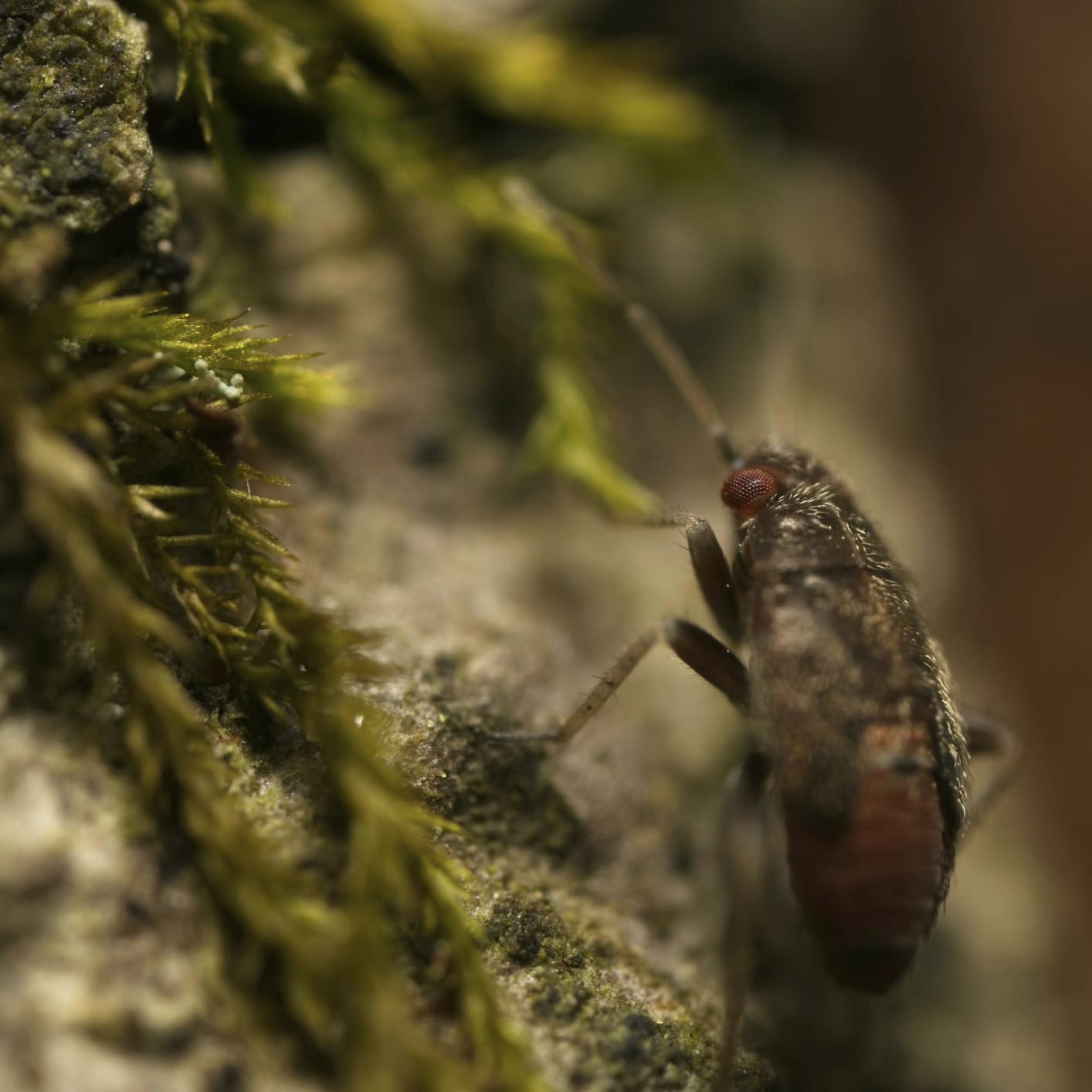
This is the deepest magnification in the guide, from 2.5x up to 5x depending on where you set the sliding barrel. At 5x you are photographing structures nobody can see unaided, and owners describe the same reaction every time: the first frame out of the camera comes back and the detail is not what you expected. Reviewers consistently call it sharp edge to edge even at the top of the range.
The short 25mm design is deliberate. A narrow lens means diffused light can actually reach the subject from behind and above, which is precisely the lighting a 5x frame needs, and a small diffuser can sit close without shadowing the whole field of view.
It was designed for a focusing rail and for stacking, and it behaves like it. The manual focus ring is smooth enough for fine steps, and at 5x you will be taking dozens of frames per image with the light and subject completely still.
The compromise everyone mentions is diffraction. At this magnification the usable aperture closes down far earlier than on a standard macro, and owners report noticeable softening above roughly f/8. That means lower ISO, longer exposures, a very steady tripod, and a still subject. The lowest rating in this group, 4.3 across 55 reviews, reflects that constraint along with the lack of weather sealing and a tight lens mount reported on some units.
On a full frame body you also need the super 35mm crop mode, since the field of view at 5x is extremely narrow. On an APS-C body the effective field of view is a little more forgiving and this lens is easier to frame.
What you can actually photograph at 5x
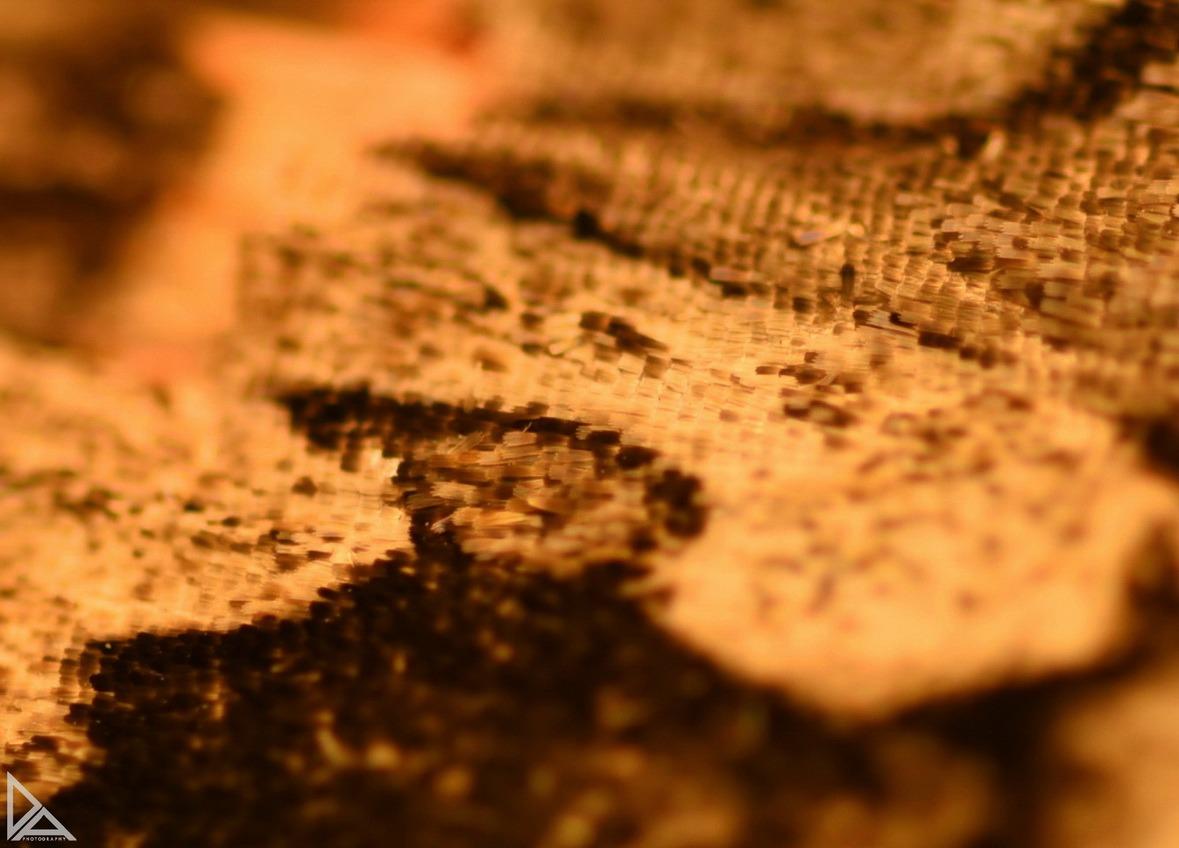
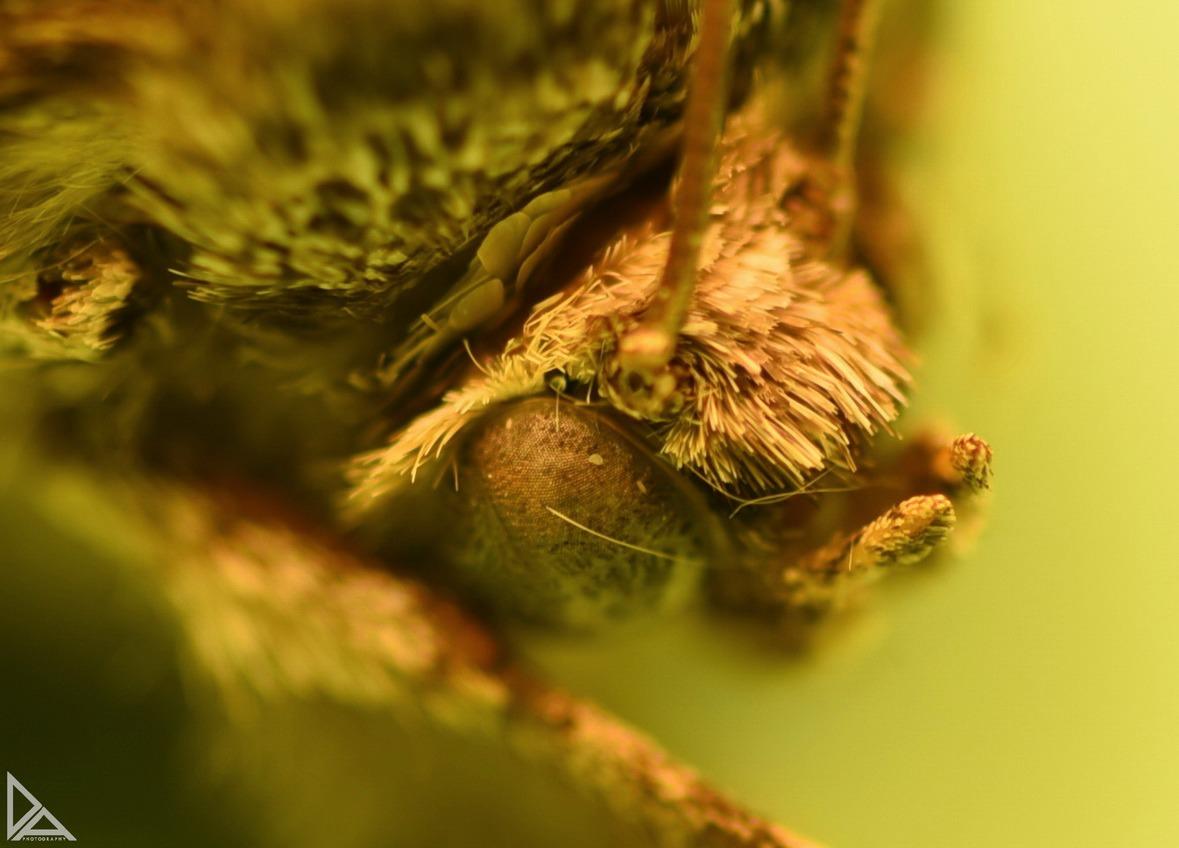
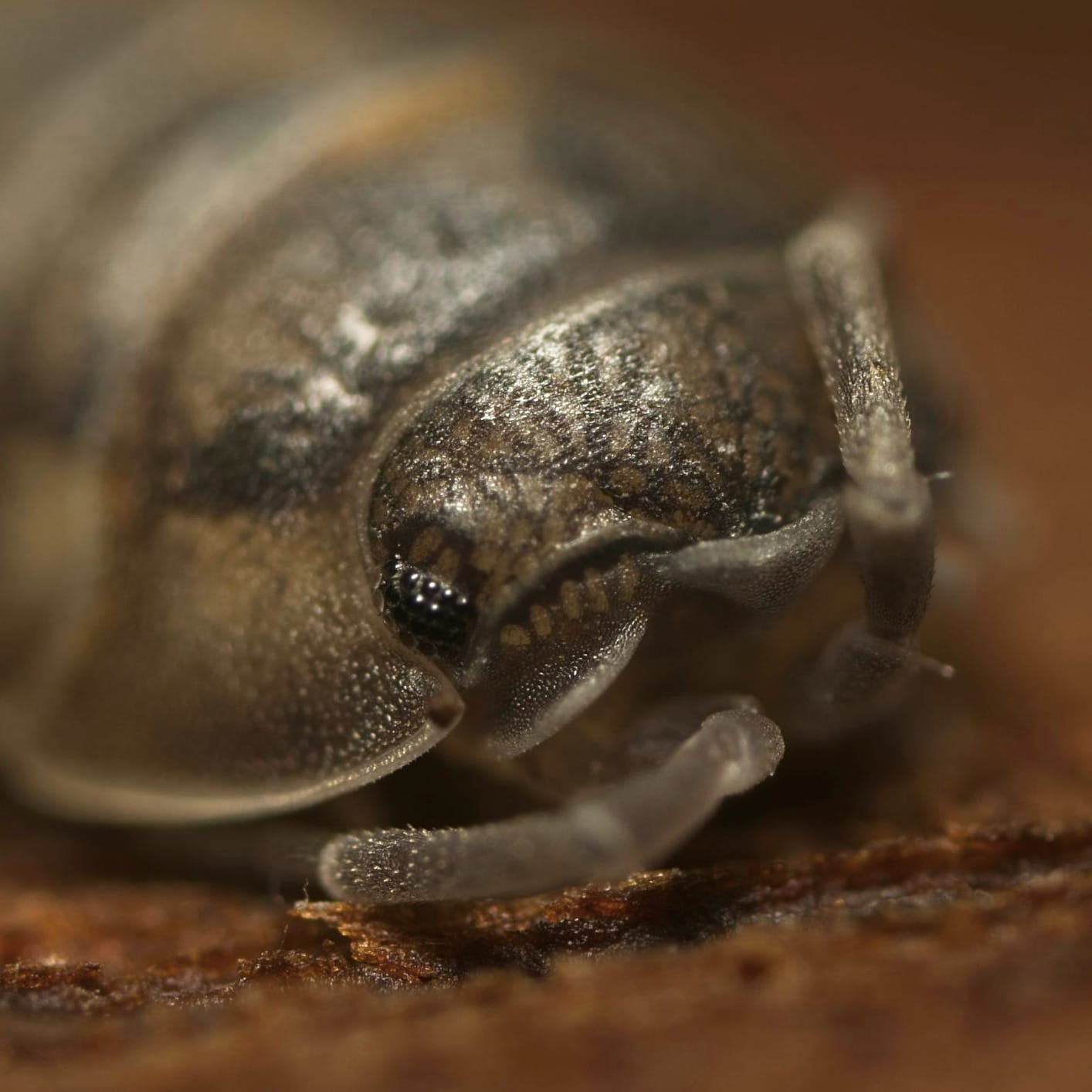
At 5x the frame covers a few millimetres. That is stamen structure, wing scales, the ridges on a seed pod, the surface of bark, fabric weave, or the pattern on a butterfly wing. It is not flower photography in the ordinary sense; it is the point where a flower stops being a flower and becomes a landscape.
Because the frame is so small, finding and holding your subject is the whole skill. Blowing on a dandelion clock to shift a single seed head into position, using a black card to stop the wind, and shooting indoors where the air is still are all standard technique at this magnification.
Where it falls short for flowers
It is manual focus and manual aperture with no EXIF recorded, it is not weather sealed, and diffraction forces you into a very narrow aperture range. It is also Sony E only. If you want a general flower lens that can also dive to extreme detail on a good day, a 1:1 prime plus a close-up adapter will serve more of your shooting and cost you less to carry.
How to Choose a Macro Lens for Flowers
Check the reproduction ratio, not the word macro. A true macro lens reproduces a subject at life size, written as 1:1 or 1.0x. Many zoom lenses have macro marked on the barrel and reach only 0.3x or 0.5x, which is a close-up capability rather than a macro one. Forum users are blunt about this: a zoom labelled macro will not get you a frame-filling flower, and buying one for that reason is the most common wasted spend in this category. The two Canon RF lenses in this guide that reach only 0.5x are honest about it in their name and in the box.
Pick a focal length by how you frame. A 90mm sits closest to your subject and fills the frame with one bloom, a 100mm to 105mm gives a slightly more natural look with a touch more room for lighting, and a 150mm lets you photograph from well back with strong compression along a row of flowers. Shorter glass is easier to find subjects with; longer glass gives you the flattering, distant perspective that experienced shooters ask for. On a crop body, add roughly 50mm to the stated focal length when you think about what you can frame.
Buy the aperture, not the extra magnification. f/2.8 is the practical target for flowers. It gives you a fast shutter in shade, which is what you need when the subject is moving, and a background far enough from the subject to render as smooth blur. Stop down to f/8 or f/11 for depth, but avoid going further. Past f/16 diffraction softens exactly the fine petal texture you bought a macro lens to capture.
Decide whether you need autofocus at all. If your flowers are still, a manual-focus lens with focus peaking and a rail is more precise and cheaper. If you are chasing moving subjects, insects or handheld shots, you need a motor that locks on quickly. Many flower shooters use both, and that is why lenses with an AF/MF switch sit so well with this subject.
Treat stabilization as a framing aid. Published stop counts are measured at normal focusing distances, where the lens is not inches from its subject. At true 1:1 the shakes that matter are tiny shift movements, and stabilization is poor at correcting those. A tripod is not optional for critical close work.
Consider weight and filter thread. A macro lens is a heavy thing to hold at arm’s length next to a diffuser, and anything under 500 g is a real advantage on a long walk. The filter thread matters more than it looks: ring flashes and diffusers are sized to the thread, so a 62mm lens takes smaller, cheaper lighting accessories than a 67mm one.
There is a budget path. Before buying a dedicated macro, a close-up filter or extension tubes on a lens you already own can add magnification. They cost you light and add flare, so a diffused, overcast setup beats a bright sunny one when you use them. If you want more than 1:1, a teleconverter designed for the Sigma 105mm takes it to 1.4x or 2x, and that is the same route our general macro guide covers in more detail.
Flower Macro Settings, Light and Focus Stacking in the Field
Start at f/8 to f/11, ISO 100, and a shutter speed of at least 1/250 second. That combination gives you usable depth of field on a flower head, keeps ISO low enough for clean files, and freezes the movement you get from even a light breeze. If you are shooting in shade or on a dull day, drop to f/5.6 and raise ISO rather than dropping the shutter speed.
Switch to manual focus and turn on focus peaking. Autofocus hunts on small, low-contrast, wind-blown subjects, and a peaking overlay that highlights the petal edges in focus is more reliable at the distances you are working. Magnification view, roughly 5x to 10x, helps you place the plane on a stamen or a vein.
Light is what separates a flat flower frame from a dimensional one. A small diffuser held just beyond the front element softens a bright petal and kills the specular highlights that make a flower look plastic. A white card or foil reflector on the shadow side lifts detail in a dark petal. On a steady subject, a bare off-camera flash at low power with a diffuser is more consistent than fighting ambient light.
Wind is the practical failure point that most roundups ignore. Turn your back to the wind, shelter behind your own body, use a natural windbreak such as a wall or a hedge, or wait. If the subject is indoors, a glass of water and a small clamp light remove the problem entirely and let you shoot whenever you like. Blowing on a stem moves it more than the wind does.
For stacking, mount the camera on a tripod with a focusing rail, set manual focus near the front of the subject, and shoot overlapping frames as you move the rail forward. Shoot in calm air, cover the viewfinder, use a two-second timer or a remote release, and keep ISO low. If you shoot extended subjects like a whole branch, review the stack for drift between frames, because wind creeping in over several minutes will ruin it.
Frequently Asked Questions
Which macro lens is best for taking flowers?
The best macro lens for flowers is the one on your camera system that reaches true 1:1 at 100mm to 105mm with an f/2.8 aperture, because that combination gives real working distance for lighting, a background far enough away to blur, and a shutter speed fast enough to freeze petal movement. In this guide the Sigma 105mm f/2.8 EX DG OS HSM is the strongest all-round pick, and the Canon RF 100mm f/2.8L is the choice if you need magnification beyond life size.
What is the best lens for macro photography?
A true macro lens is one that focuses close enough to reproduce its subject at life size, a 1:1 reproduction ratio, so something roughly 24mm across fills a full frame sensor. Most serious macro primes sit between 90mm and 105mm with an f/2.8 aperture, because that focal length keeps enough working distance to light the subject. The word macro printed on a zoom barrel usually signals close focus, not life size.
What are the best camera settings for flower photography?
Start at f/8 to f/11, ISO 100 and a shutter speed of 1/250 second or faster, then focus manually with focus peaking enabled. Shoot on a tripod, use a diffuser to soften bright petals and a reflector to lift shadows on the darker side, and manage wind by sheltering behind your own body or waiting for a lull. Close down further only when a stack cannot cover the depth, because past f/16 diffraction softens fine detail.
What is the best f-stop for macro photography?
For flower macro, f/8 to f/11 is the useful range: enough depth of field to hold a flower head sharp front to back, while staying clear of the diffraction softening that starts to show in fine detail past roughly f/16. Shoot wide open at f/2.8 when your subject is completely still and you want maximum background separation, and accept that only a thin slice of the flower will be sharp.
Can focus stacking be used for macro photography?
Yes, and it is the standard way to photograph a whole flower head or an extended subject such as a branch. Mount the camera on a tripod with a focusing rail, focus manually near the front of the subject, and shoot overlapping frames as you move the rail forward, then blend them in software. Shoot in calm air and under controlled light, because wind creeping in over several minutes is what usually ruins a stack.
Do I need a macro lens for flower photography?
It depends how close you want to get. To fill the frame with a single small bloom you need a close-focus or half-macro lens, and a zoom marked macro may already be enough. To reproduce a subject at life size, fill the frame with petal veins, stamens or anthers, you need a dedicated 1:1 prime. As a budget path, a close-up filter or extension tubes on a lens you already own add magnification at the cost of light and flare.
Is image stabilization useful for macro flower photography?
Marginally, and not in the way the specifications suggest. Published stop counts are measured at normal focusing distances where the subject is not inches away. At true 1:1 the shake that spoils a frame is a small shift movement, which optical stabilization is poor at correcting, so a tripod is still the answer for critical close work. Stabilization does help with handheld framing and with shooting at lower magnification in low light.
Conclusion: Which Macro Lens for Flowers Should You Buy?
Our pick for the best macro lenses for flower photography is the Sigma 105mm f/2.8 EX DG OS HSM Macro for Nikon F. It reaches true 1:1, holds 12.3 inches of working distance for lighting, renders smoothly through a 9-blade rounded aperture, and carries the largest reviewed owner base of any lens in this guide at 4.6 stars across 2370 reviews.
On Canon RF, the RF 100mm f/2.8L Macro IS USM is the one to buy if you want stamen-level detail and control over how the background renders, and the RF 35mm f/1.8 IS Macro STM is the one to buy if you want close-up flower work for the least money and the least weight. On Sony E, the FE 90mm f/2.8 Macro G OSS is the balanced native choice, the Sigma 105mm DG DN Macro Art is the one with real dials and switches, and the Laowa 100mm f/2.8 2X is there when you need twice life size. On Nikon F, the 105mm f/2.8G VR Micro-NIKKOR is the pro-glass standard, and on Nikon Z the MC 105mm f/2.8 VR S is the sharpest and the only weather-sealed option here.
Whichever you choose, the lens is half the result. A tripod, a diffuser, a reflector and a willingness to wait for the wind to drop will do more for your flower photographs than any specification on this page.