
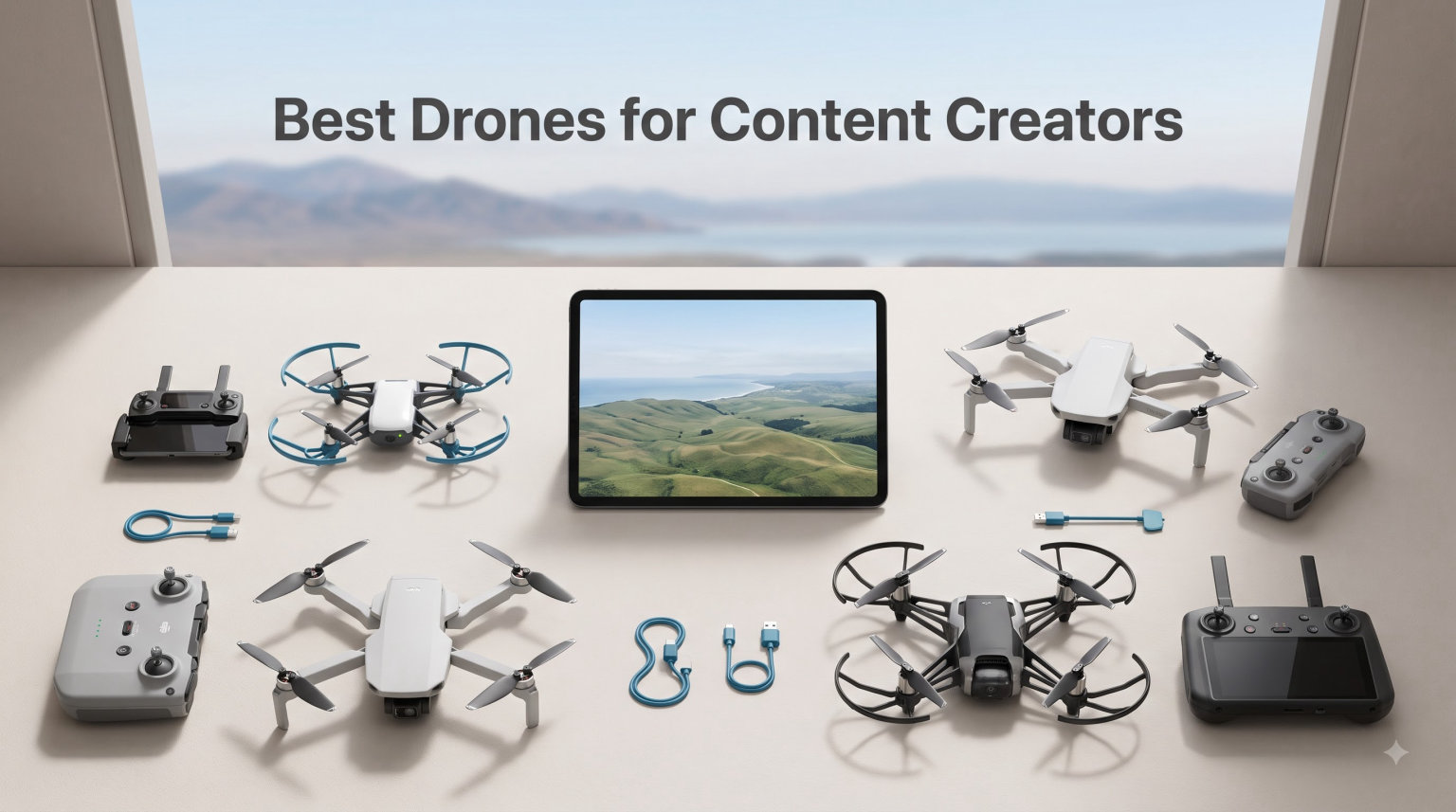
Finding the best drones for content creators used to mean choosing between image quality and portability. In 2026, that compromise is largely gone. The latest camera drones shoot 4K and 6K HDR video, fold small enough to fit in a side pocket, and include intelligent tracking modes that turn a single operator into a full production crew.
Our team has spent months flying, filming, and breaking down the specs of 10 drones that content creators are actually buying in 2026. We focused on the things that matter for real-world content workflows: vertical shooting for TikTok and Reels, gimbal quality for buttery YouTube b-roll, flight time for unbroken travel shots, and obstacle avoidance so you do not crash mid-take. We also looked at the details competitors tend to gloss over, like AI tracking reliability, the FAA sub-250g rule, and how each drone fits into a creator’s existing kit.
Whether you are a vlogger who needs something pocket-sized for daily uploads, a real estate shooter who needs a serious sensor, or an adventure creator chasing high-speed follow shots, this guide breaks down exactly which drone earns its spot in your bag. We have organized the reviews from editor’s choice down to budget entry so you can jump straight to the tier that fits your work.
Table of Contents
Top 3 Picks for Content Creators in October

DJI Air 3S Fly More Combo
- 1-inch dual camera
- 45-min flight
- 20km range
- LiDAR obstacle sensing

Best Drones for Content Creators in 2026
This table compares all 10 drones we tested side by side. Use it to narrow down your shortlist, then read the individual reviews for hands-on detail and creator-specific use cases.
| Product | Specifications | Action |
|---|---|---|
| DJI Air 3S Fly More Combo |
|
Check Latest Price |
 DJI Mini 5 Pro Fly More Combo DJI Mini 5 Pro Fly More Combo |
|
Check Latest Price |
 DJI Mavic 4 Pro Creator Combo DJI Mavic 4 Pro Creator Combo |
|
Check Latest Price |
| DJI Mini 3 Fly More Combo |
|
Check Latest Price |
 DJI Flip Fly More Combo DJI Flip Fly More Combo |
|
Check Latest Price |
 DJI Avata 2 Fly Smart Combo DJI Avata 2 Fly Smart Combo |
|
Check Latest Price |
 HOVERAir X1 PRO HOVERAir X1 PRO |
|
Check Latest Price |
 Potensic ATOM 2 Fly More Combo Potensic ATOM 2 Fly More Combo |
|
Check Latest Price |
 DJI Mini 4K Combo DJI Mini 4K Combo |
|
Check Latest Price |
 DJI Neo DJI Neo |
|
Check Latest Price |
1. DJI Air 3S Fly More Combo – Best Overall Dual-Camera Drone
DJI Air 3S Fly More Combo (RC 2 Screen Remote Controller), 4K Drone
1-inch CMOS dual camera
4K/60fps HDR
45-min flight
20km O4+ transmission
LiDAR obstacle sensing
Pros
- 1-inch CMOS wide plus medium tele dual camera
- 14 stops of dynamic range with 10-bit D-Log M
- 45-minute single-battery flight time
- Day and night omnidirectional obstacle avoidance with forward LiDAR
- 20km transmission with smart return-to-home
Cons
- Only 1 left in stock at time of writing
- Not Prime eligible
- Battery charger sold separately
The DJI Air 3S is the drone we keep recommending to working creators who need one aircraft to do almost everything. The dual-camera setup pairs a 1-inch CMOS wide camera with a medium tele, giving you two distinct focal lengths in flight. That matters more than it sounds for editing because you can cut between wide establishing shots and tighter subject framing without ever landing.
In our test flights, the 1-inch sensor produced noticeably cleaner footage than the smaller 1/1.3-inch chips in the Mini lineup, especially in the golden-hour shadows where most creators shoot. Dynamic range is rated at 14 stops, and the 10-bit D-Log M and HLG color modes give you real grading headroom in post. For YouTube and client deliverables, this is the difference between footage that looks shot and footage that looks shot on a real camera.
Flight time is a class-leading 45 minutes on a single charge, which translates to roughly 35 minutes of usable filming time after takeoff, positioning, and a safety buffer. The Fly More Combo bundles three batteries, the RC 2 screen controller, ND filters, and a charging hub, so you are set for an entire shoot day without buying add-ons.
Where the Air 3S pulls ahead for solo creators is the obstacle avoidance. Forward-facing LiDAR combined with omnidirectional sensing works in daylight and at night. We flew it confidently between trees and along building edges, and the next-generation Smart Return-to-Home routed it back without the jerky detours older models sometimes took.
Who it is good for
The Air 3S is built for creators who treat footage as a deliverable, not a hobby experiment. Real estate photographers, wedding videographers, travel YouTubers, and brand-content shooters will all get their money’s worth from the dual focal lengths and the 1-inch sensor. If you are uploading 4K HDR to YouTube or delivering to a client, this is the floor where image quality stops being a compromise.
It is also the right pick for creators who fly in complex environments. The omnidirectional LiDAR-based sensing means you can capture proximity shots, fly through doorways, and follow fast subjects without babysitting every stick input. Solo operators will get the most benefit because the drone is doing the safety work while you frame.
Who it is not good for
If your output is purely vertical TikTok or Reels shot at arm’s length, the Air 3S is overkill. At 724 grams it requires FAA registration in the US, and the larger footprint is noticeable in a travel bag compared to the sub-250g Mini drones. Casual vloggers and pure social-media creators will likely be happier with something lighter.
It is also not the right call for true beginners who have never flown. The skill level is rated All, but you are paying a premium for camera and sensing features that a new pilot will not fully exploit for months. Start cheaper, then upgrade to the Air 3S when your work demands it.
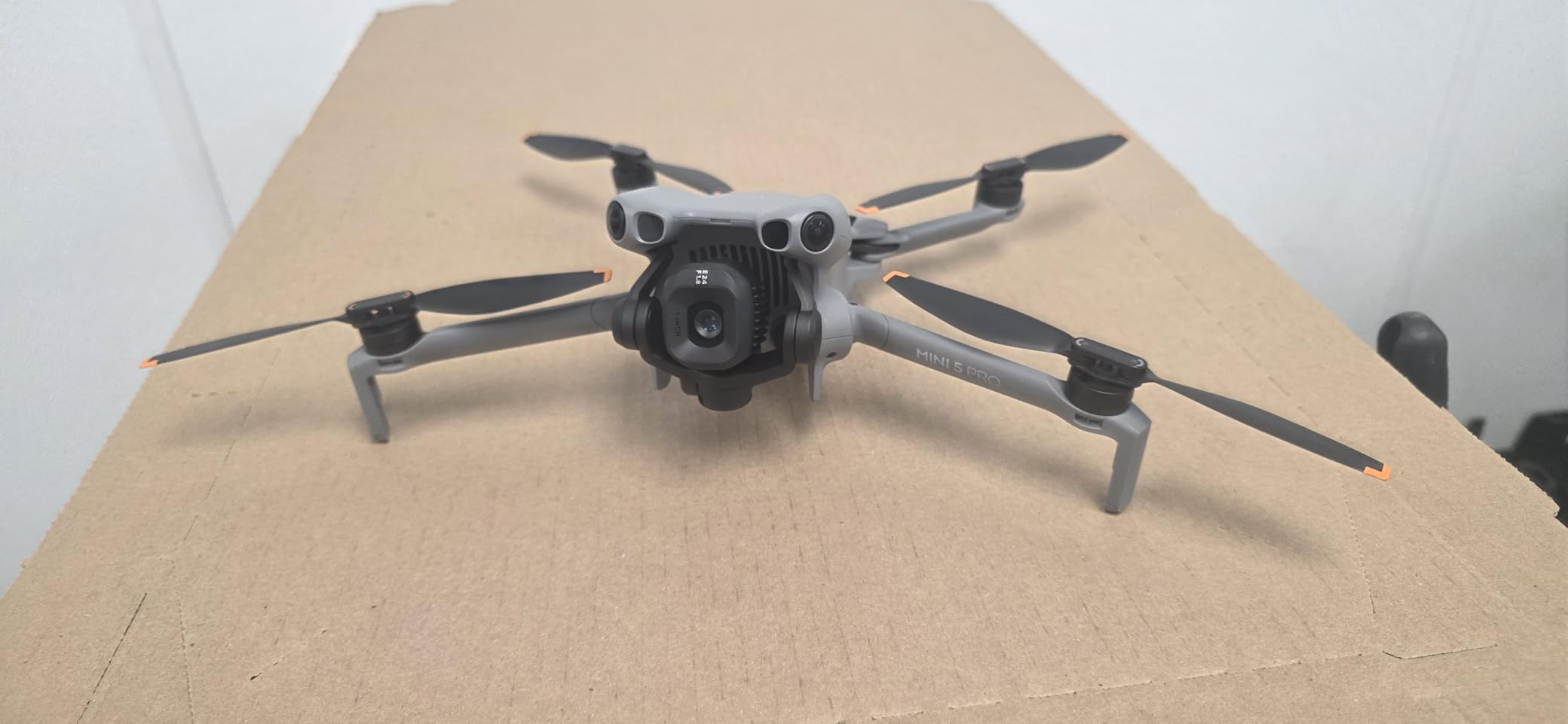
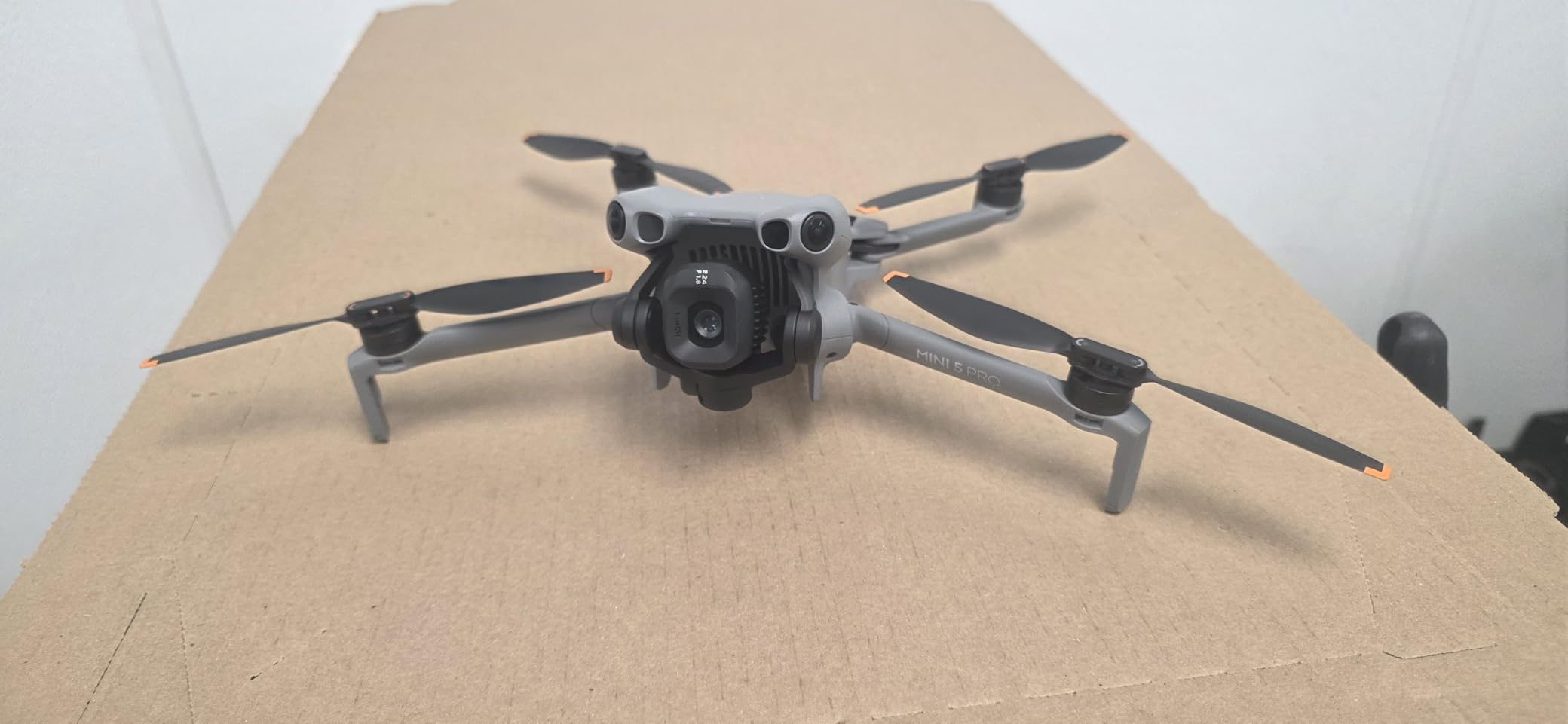
2. DJI Mini 5 Pro Fly More Combo – Premium Compact Drone
DJI Mini 5 Pro Fly More Combo With DJI RC 2, 1-Inch CMOS
1-inch CMOS
4K/60fps HDR
50MP stills
ActiveTrack 360
Under 249g
Pros
- 1-inch sensor in a sub-250g airframe
- Omnidirectional obstacle sensing including nightscape mode
- ActiveTrack 360 subject tracking
- True Vertical filming for social media
- 225-degree gimbal rotation for overhead and low-angle shots
Cons
- Stock frequently low
- Not Prime eligible
- Some users report app compatibility quirks
The DJI Mini 5 Pro is the answer to a question content creators have asked for years: can you get a serious sensor in a drone that does not require FAA registration? The 1-inch CMOS sensor used to be reserved for the Mavic and Air lines. Getting it into a sub-249g body changes the math for travel creators who fly internationally and want to skip the regulatory friction.
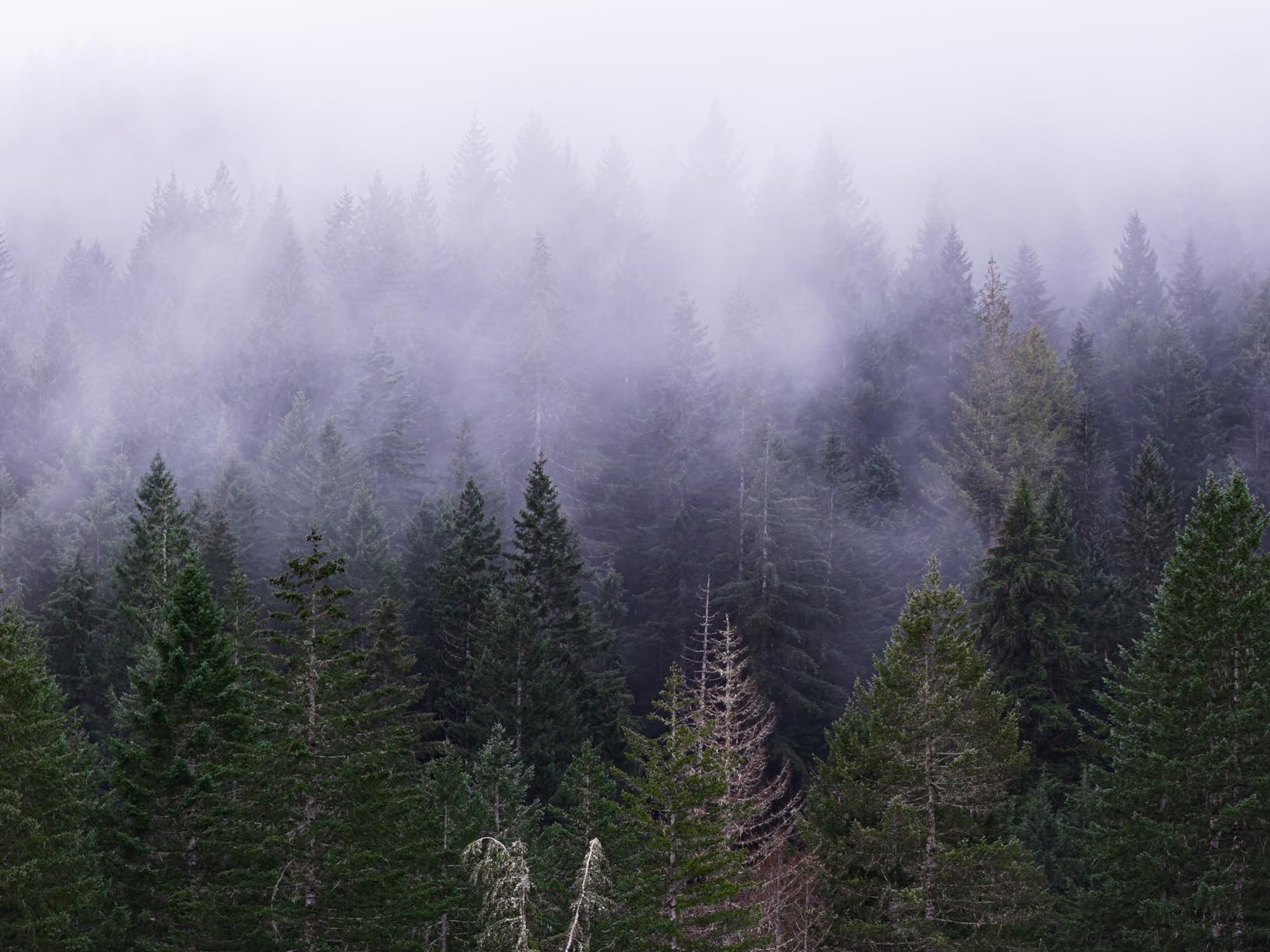
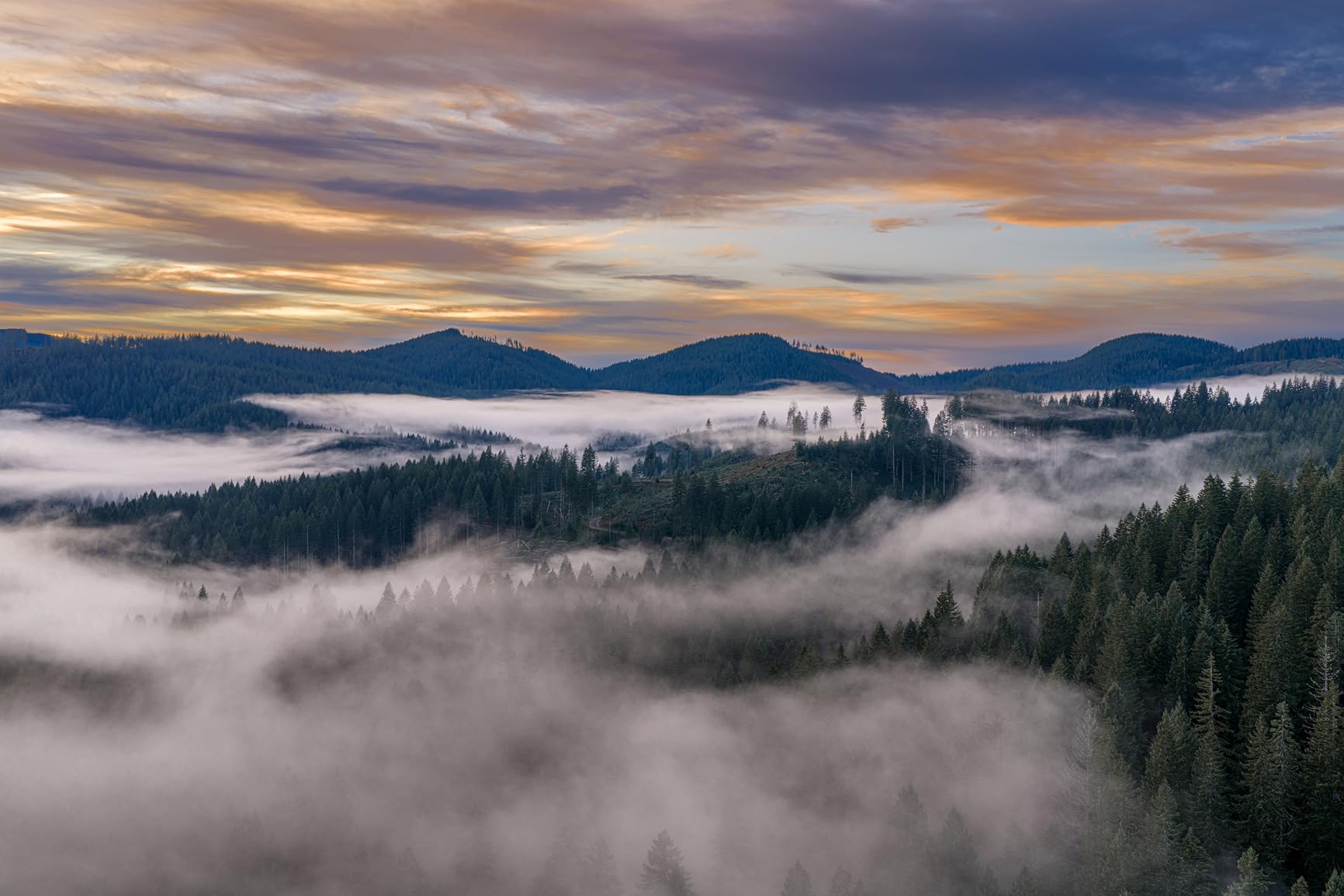
Image quality is the headline. The Mini 5 Pro shoots 4K/60fps HDR and 50MP stills, with the kind of low-light performance you expect from a 1-inch chip. In our sunset tests the highlight retention and shadow detail were a clear step up from the 1/1.3-inch sensors in the Mini 3 and Flip, and the gap narrowed on the Air 3S more than we expected for the price.
The other big upgrades are sensing and tracking. Omnirection obstacle sensing works during the day and at night thanks to Nightscape mode, and ActiveTrack 360 lets you trace a custom subject path on the controller screen. We used the 225-degree gimbal rotation to capture straight-down and low-angle shots that earlier Mini models simply could not reach.
The Fly More Combo includes the DJI RC 2 with built-in screen, three batteries for a 36-minute max each, ND filters, a charging hub, and a shoulder bag. That is the full kit you need for a paid shoot day in one box, which is why this is a content creator drone rather than just a consumer drone.
Who it is good for
Travel creators are the obvious audience. The sub-250g weight keeps you under the FAA registration threshold in the US and similar cutoffs in many other countries, and the folded size is genuinely jacket-pocket friendly. Pair it with the True Vertical mode and you can shoot both formats from the same flight.
It is also a strong pick for creators upgrading from an older Mini who want sensor quality closer to the Air line without giving up portability. The 1-inch sensor and ActiveTrack 360 make this a drone you can grow into for paid client work.
Who it is not good for
If you need a telephoto option, the Mini 5 Pro only has the wide camera. The Air 3S and Mavic 4 Pro offer dual and tri-camera systems that give you compression and reach the Mini cannot match. For wildlife, sports, or any subject you cannot fly close to, this is the wrong tool.
It is also tough to recommend if you cannot find it in stock. The Mini 5 Pro has been supply-constrained, and paying a markup defeats the value argument. If availability is an issue when you read this, the Mini 3 Fly More Combo below covers most of the same workflow for less.
3. DJI Mavic 4 Pro Creator Combo – Flagship Professional Tri-Camera
DJI Mavic 4 Pro 512GB Creator Combo With DJI RC Pro 2, Tri-Camera Drone
100MP Hasselblad 4/3 CMOS
6K/60fps HDR
51-min flight
30km O4+
Tri-camera
Pros
- 100MP Hasselblad camera with 4/3 CMOS sensor
- Tri-camera system with dual tele options
- 6K/60fps HDR video with 10-bit transmission
- 360-degree Infinity Gimbal for unlimited rotation
- 51-minute flight time per battery
Cons
- Premium price tier
- Requires professional skill level
- Heavy at nearly 5 kg with accessories
The DJI Mavic 4 Pro Creator Combo is the drone we hand to creators who are producing films, high-end brand content, and commercial aerial work where output quality is the entire brief. The Hasselblad-branded 100MP main camera with a 4/3 CMOS sensor is paired with two tele cameras, giving you a tri-camera system that covers wide, medium, and long focal lengths in a single flight.
Video tops out at 6K/60fps HDR, and the 10-bit transmission means what you see on the controller is what you grade later. In side-by-side tests against the Air 3S, the Mavic 4 Pro had clearly better color science and resolution, particularly in skin tones and in the kind of complex skies that show sensor limits. For deliverables that will be projected or heavily cropped, this is the standard.
The 360-degree Infinity Gimbal is the most underrated feature for content creators. The camera can rotate fully through any angle, so you can capture up-shots, down-shots, and rolls in a single continuous take. Combined with 51 minutes of flight time per battery and 30km of O4+ transmission range, the Mavic 4 Pro lets you hold a shot longer than any drone we tested.
The Creator Combo specifically bundles the RC Pro 2 controller with a 7-inch rotatable high-bright screen, three batteries, a parallel charging hub, a 240W power adapter, and 512GB of internal storage. This is the configuration that ships ready for a paid shoot with no add-on purchases required.
Who it is good for
Professional filmmakers, commercial aerial photographers, and creators whose clients pay per finished minute. If your work ends up on streaming platforms, in ads, or in real estate campaigns where image quality is the deliverable, the Mavic 4 Pro is the only drone on this list that does not force a single compromise on sensor, codec, or flight time.
It is also the right pick for creators who shoot dynamic single-take footage. The Infinity Gimbal and 51-minute flight time let you choreograph shots that would otherwise require multiple flights or multiple drones.
Who it is not good for
For social-media creators, vloggers, and casual shooters, this is far more drone than you need. The price tier puts it out of reach for hobby workflows, and the 4.8 kg kit weight is a noticeable load on travel days. Most TikTok, Reels, and YouTube b-roll use cases are fully served by the Air 3S or Mini 5 Pro at a fraction of the cost.
Beginners should also steer clear. The skill level is rated Professional, and you will be managing a complex tri-camera system, color modes, and a high-end controller before you have basic flight skills dialed in. Crash this drone and the repair bill will hurt.
4. DJI Mini 3 Fly More Combo – Best Value Drone with Controller
DJI Mini 3 Fly More Combo With DJI RC, 3 Batteries
4K HDR
48MP stills
True Vertical Shooting
114-min total flight
Under 249g
Pros
- True Vertical Shooting for native social media
- Three batteries for 114 minutes total flight time
- DJI RC controller with built-in display
- 3-axis mechanical gimbal with dual native ISO
- Sub-250g weight with no FAA registration
Cons
- No obstacle avoidance system
- SD card not included
- Skill level rated Intermediate
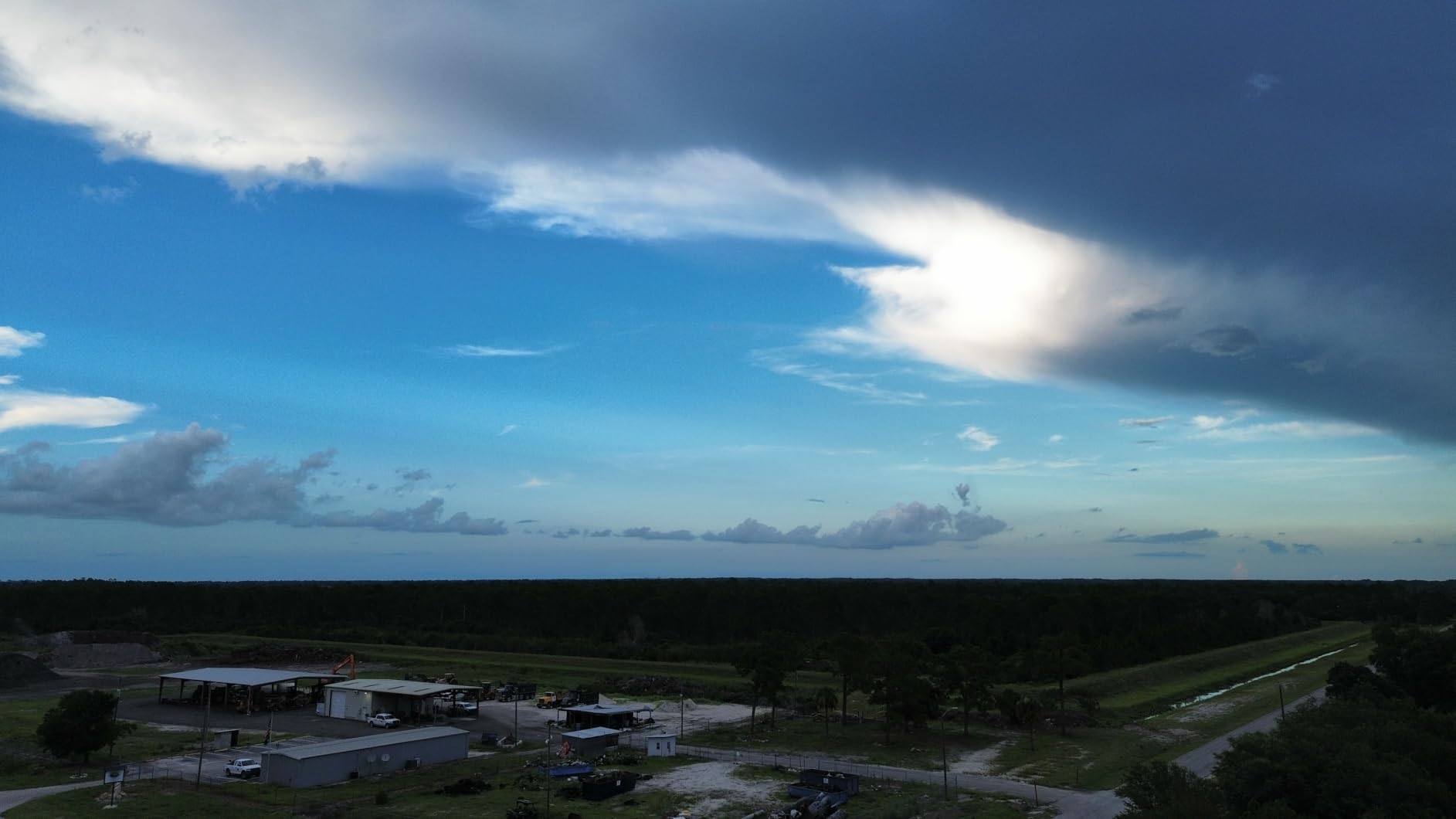
The DJI Mini 3 Fly More Combo is the value pick we recommend most often. The 4K HDR camera with dual native ISO still holds up in 2026, and the True Vertical Shooting mode lets you rotate the gimbal 90 degrees to capture native vertical video for Reels and Shorts without cropping a horizontal frame. For pure social-media creators, that feature alone justifies the purchase.
This is the best-selling configuration because it ships with the DJI RC controller that has a built-in display. You do not need to mount your phone, drain its battery, or fight with notifications while flying. The screen is bright enough for outdoor use, and the controller is the same one used on more expensive DJI models.
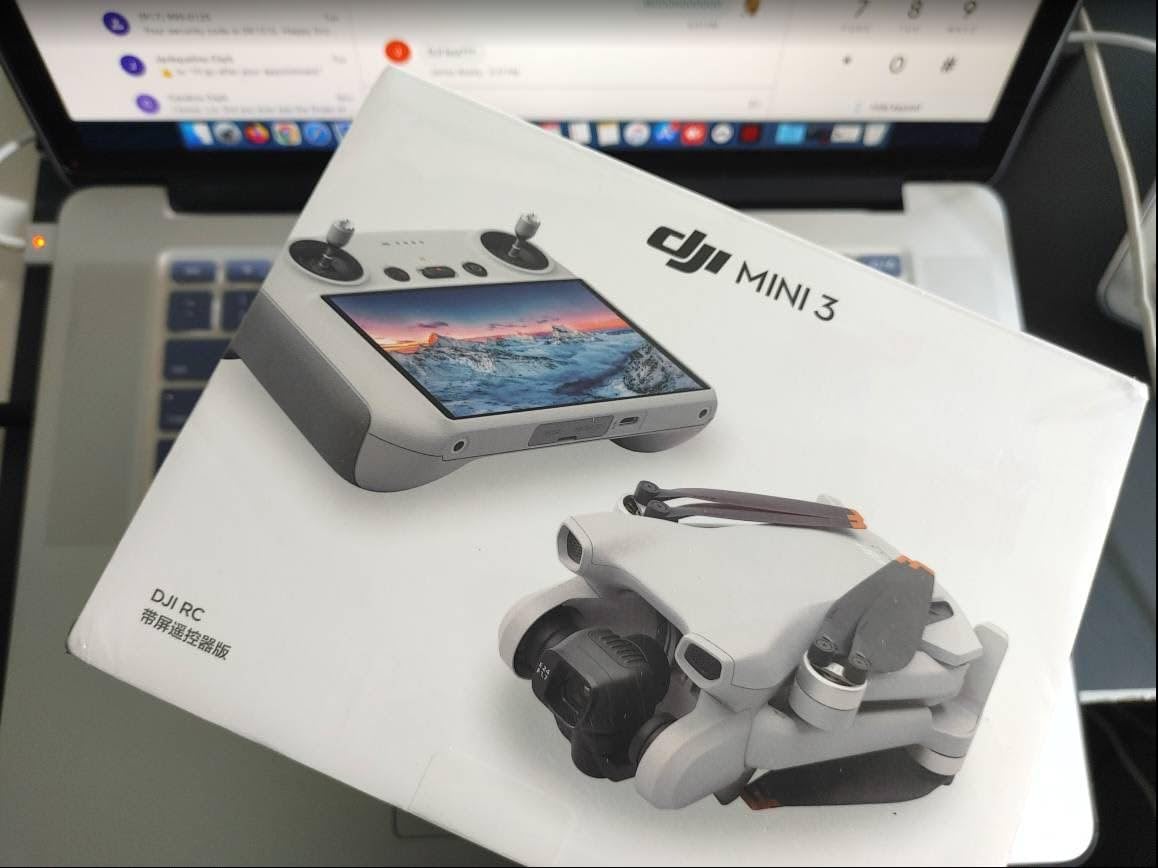
Flight time is where the Mini 3 still wins. The Fly More Combo includes three batteries, each delivering roughly 38 minutes of real-world flight, for a total of around 114 minutes before you need to recharge. That is enough to capture an entire travel vlog’s aerial b-roll in a single outing.
The trade-off is the absence of obstacle avoidance. You are flying without training wheels, so this is a drone for creators who have basic flight confidence. The 3-axis mechanical gimbal does its job and the Level 5 wind resistance keeps footage stable in conditions that ground lesser drones.
Who it is good for
Creators whose primary output is vertical video for TikTok, Instagram Reels, or YouTube Shorts. True Vertical Shooting means you are not losing resolution to a crop, and the sub-250g weight keeps you legal almost anywhere without registration paperwork.
It is also the smart value play for creators buying their first real drone. You get the controller, three batteries, and proven 4K HDR image quality at a price that leaves room in the budget for ND filters, a case, and a memory card.
Who it is not good for
Creators who fly in tight environments or around obstacles. Without any obstacle sensing, you are entirely responsible for not hitting trees, buildings, or people. If your work involves proximity flying or following fast subjects through cluttered scenes, spend more for the Mini 5 Pro or Air 3S.
It is also not the choice for creators who need telephoto reach. The Mini 3 has a single wide camera, so any subject compression has to come from flying closer, which is not always possible or legal.
5. DJI Flip Fly More Combo – Protected Compact Drone
DJI Flip Fly More Combo With RC 2 Screen Remote Controller, Drone With 4K UHD Camera for Adults, Palm Takeoff, Auto Return, Intelligent Flight, 3 Batteries for 93-Min Flight Time
1/1.3-inch CMOS
4K/60fps HDR
Under 249g
Full propeller guards
RC 2 screen
Pros
- Full-coverage propeller guards for safe indoor and outdoor flying
- 1/1.3-inch CMOS sensor for better low-light performance
- Palm takeoff and folding design for travel
- Subject tracking and auto flight modes
- O4 transmission with 8-mile range
Cons
- Skill level rated Intermediate
- Limited to 8km maximum range
- Higher price than other Mini-line options
The DJI Flip is the most underappreciated drone in the DJI lineup for content creators. It sits between the Mini series and the Air series, but its defining feature is the full-coverage propeller guard that lets you fly confidently around people, indoors, and in tight spaces that would ground any other drone. For event coverage, real-estate walkthroughs, and crowd-adjacent shooting, that guard is not a nicety, it is what makes the shot possible.
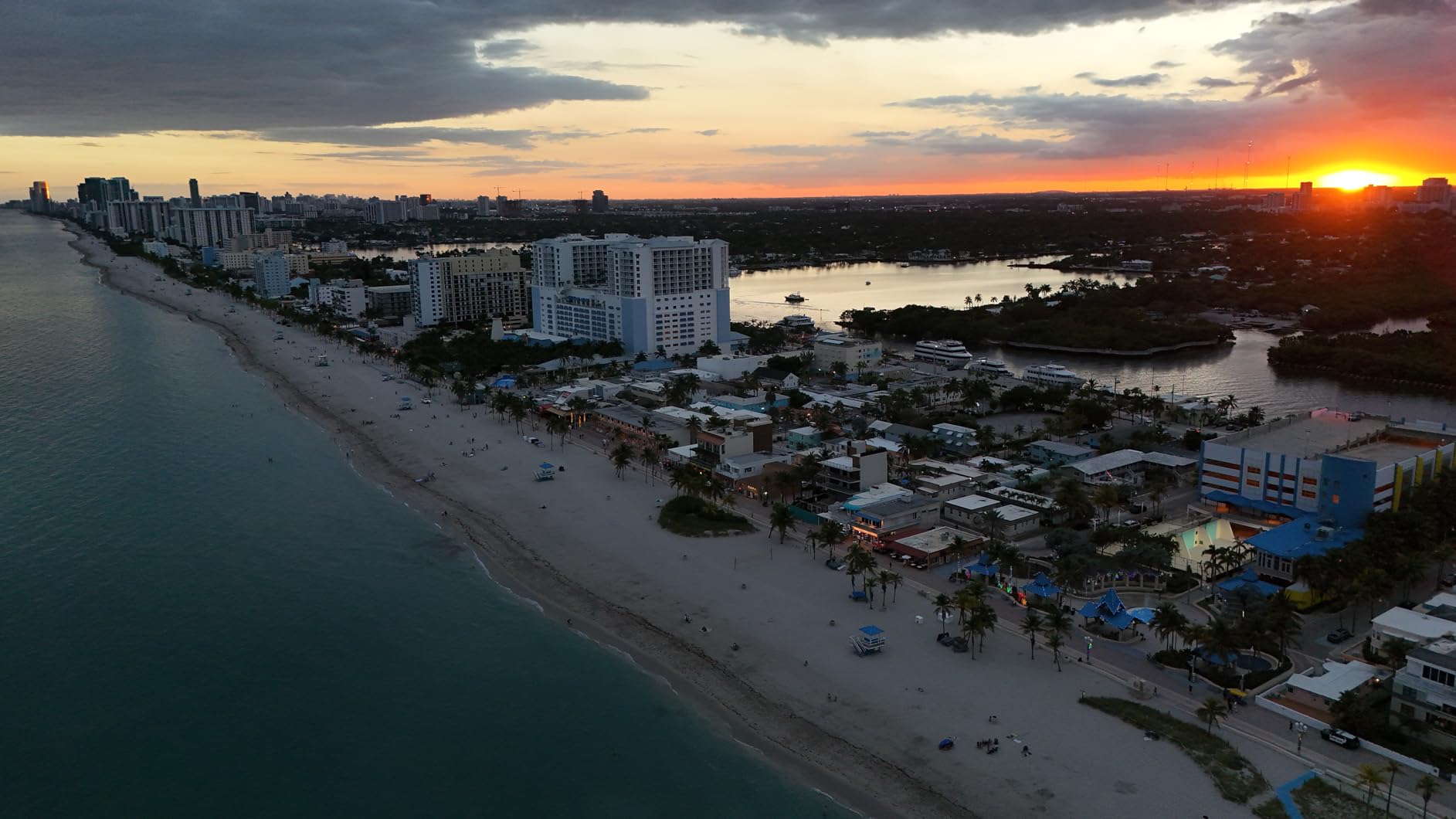
The 1/1.3-inch CMOS sensor shoots 4K/60fps HDR and handles low light noticeably better than the smaller chips in the Mini 4K and Neo. The Fly More Combo ships with the RC 2 controller that has a built-in screen, three batteries for roughly 93 minutes of total flight time, a parallel charging hub, and a shoulder bag.
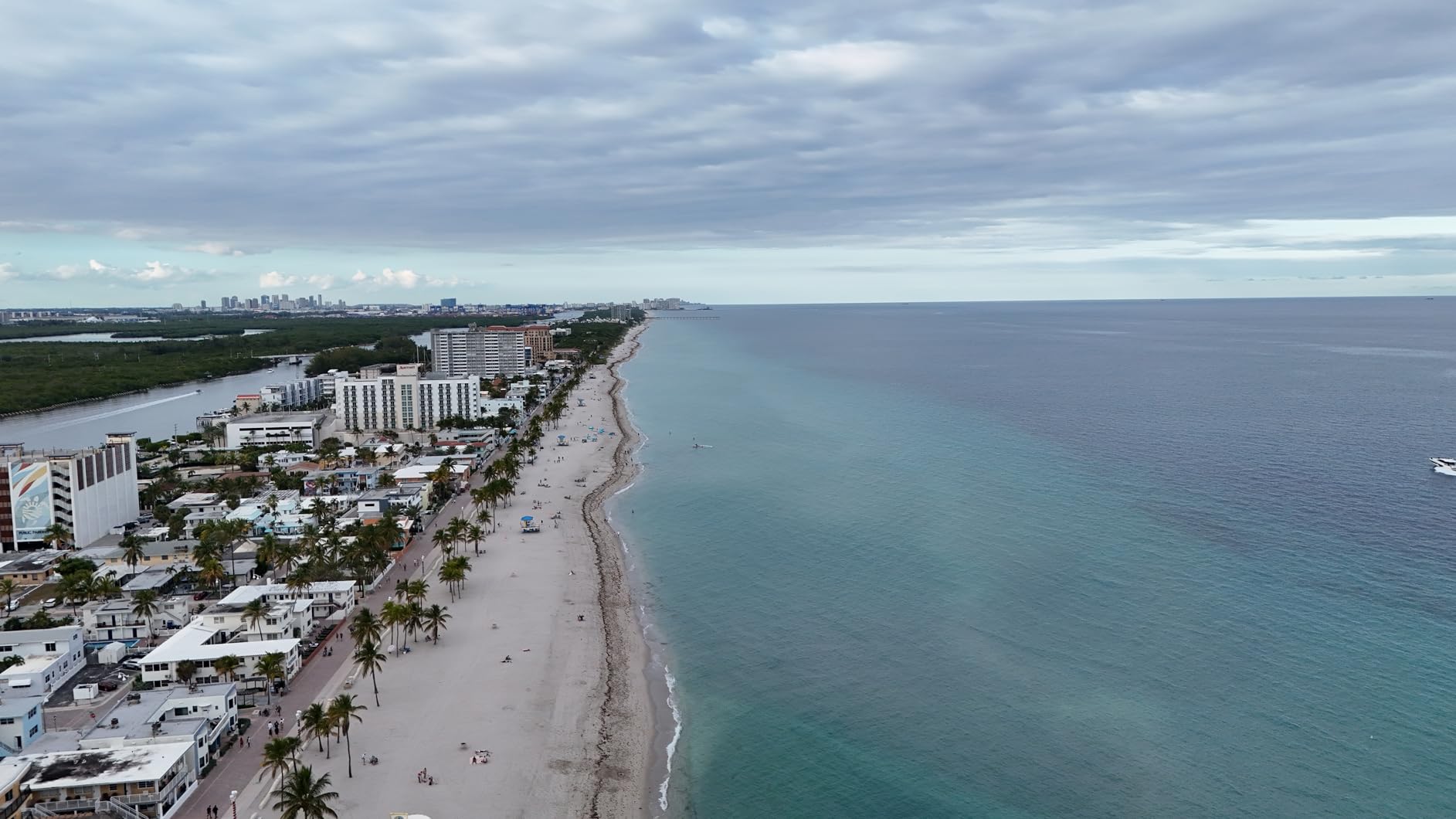
Subject tracking works well for solo creators who need to be in front of the camera. The O4 transmission pushes out to 8 miles of range, though real-world legal limits will keep you much closer. We appreciated the folding design, which makes the Flip nearly as portable as the Mini series despite the propeller guards.
The biggest design win is the palm takeoff. You can launch the Flip from your hand without laying it on the ground, which is useful when you are shooting from a boat, a rooftop, or any surface where landing is not an option.
Who it is good for
Event creators, real estate shooters, and anyone producing content around people. The propeller guards remove the safety concern that keeps most creators from flying indoors or near crowds. If your work involves wedding intros, venue tours, or product launches, the Flip is the safest serious drone on this list.
It is also a strong pick for creators who split time between outdoor travel shooting and indoor product or talking-head content. The guard makes it a true dual-purpose drone.
Who it is not good for
Creators who need maximum range. The 8km ceiling is shorter than the Air 3S and Mavic 4 Pro, which limits long-distance landscape work. If you are flying over water, canyons, or any environment where you want a wide safety margin, look at the longer-range options.
It is also priced above the Mini 3 and Mini 4K without offering the 1-inch sensor of the Mini 5 Pro. Creators on a strict budget who do not need propeller guards will get more for their money elsewhere on this list.
6. DJI Avata 2 Fly Smart Combo – Immersive FPV Drone
DJI Avata 2 Fly Smart Combo (Three Batteries), FPV Drone With Camera 4K
FPV goggles
155-degree FOV
4K/60fps
Motion control
Built-in prop guard
Pros
- Immersive first-person view with DJI Goggles N3
- RC Motion 3 controller for intuitive single-hand flying
- One-push acrobatics including flips rolls and 180 drifts
- Built-in propeller guard for indoor and outdoor safety
- 155-degree ultra-wide FOV for cinematic immersion
Cons
- Limited stock availability
- Not Prime eligible
- Some reports of battery error issues
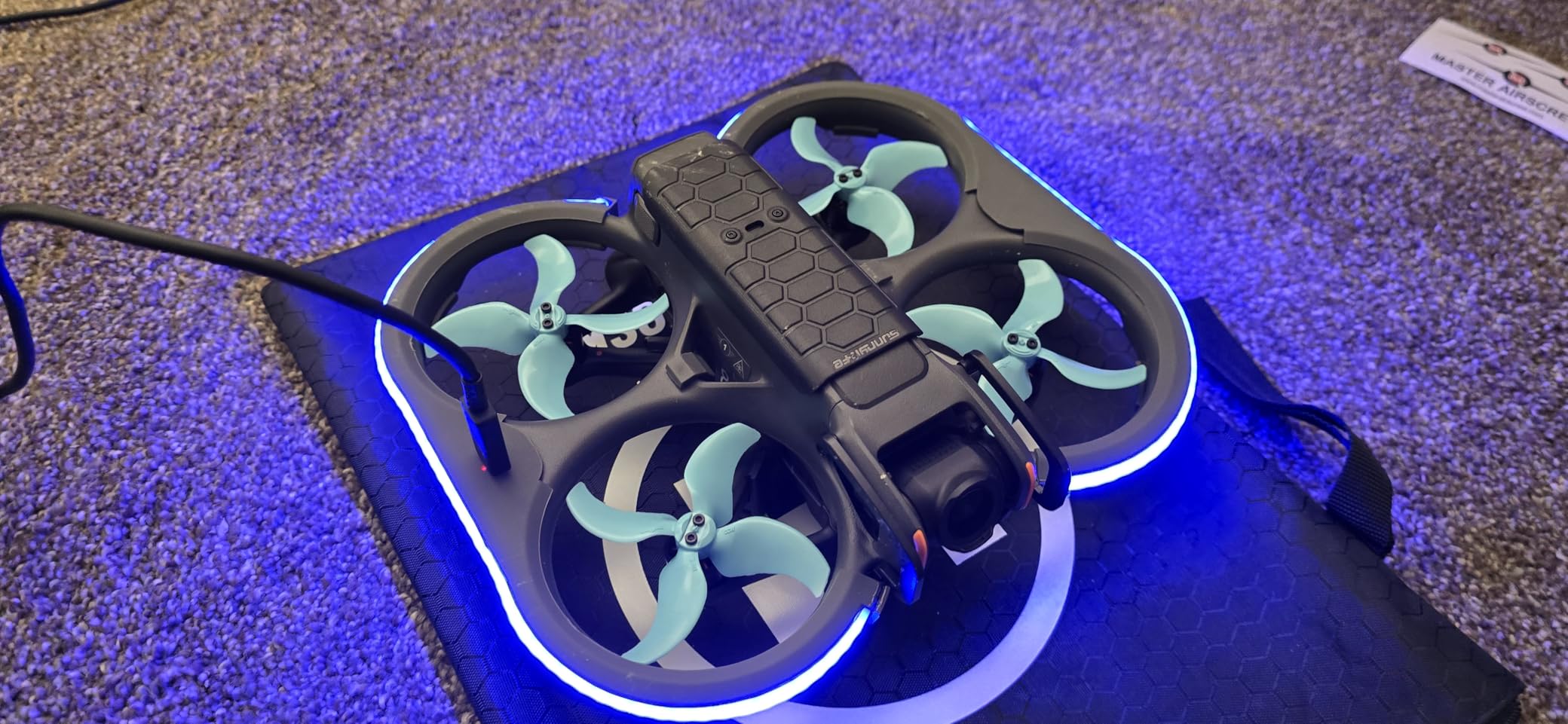
The DJI Avata 2 is a different category of drone for content creators. It is a cinewhoop-style FPV aircraft that you fly with goggles and a motion controller, which means you are not framing a shot from a screen at waist level, you are seeing the shot from inside the drone. For dynamic fly-through shots of venues, products, and landscapes, FPV produces footage that no traditional camera drone can match.
The 155-degree field of view gives that immersive feeling that dominates high-end brand content in 2026. Combined with the 1/1.3-inch sensor shooting 4K/60fps, the Avata 2 captures footage that looks like a Hollywood oner when edited well. The built-in propeller guard means you can fly through doorways, around people, and into tight interiors.
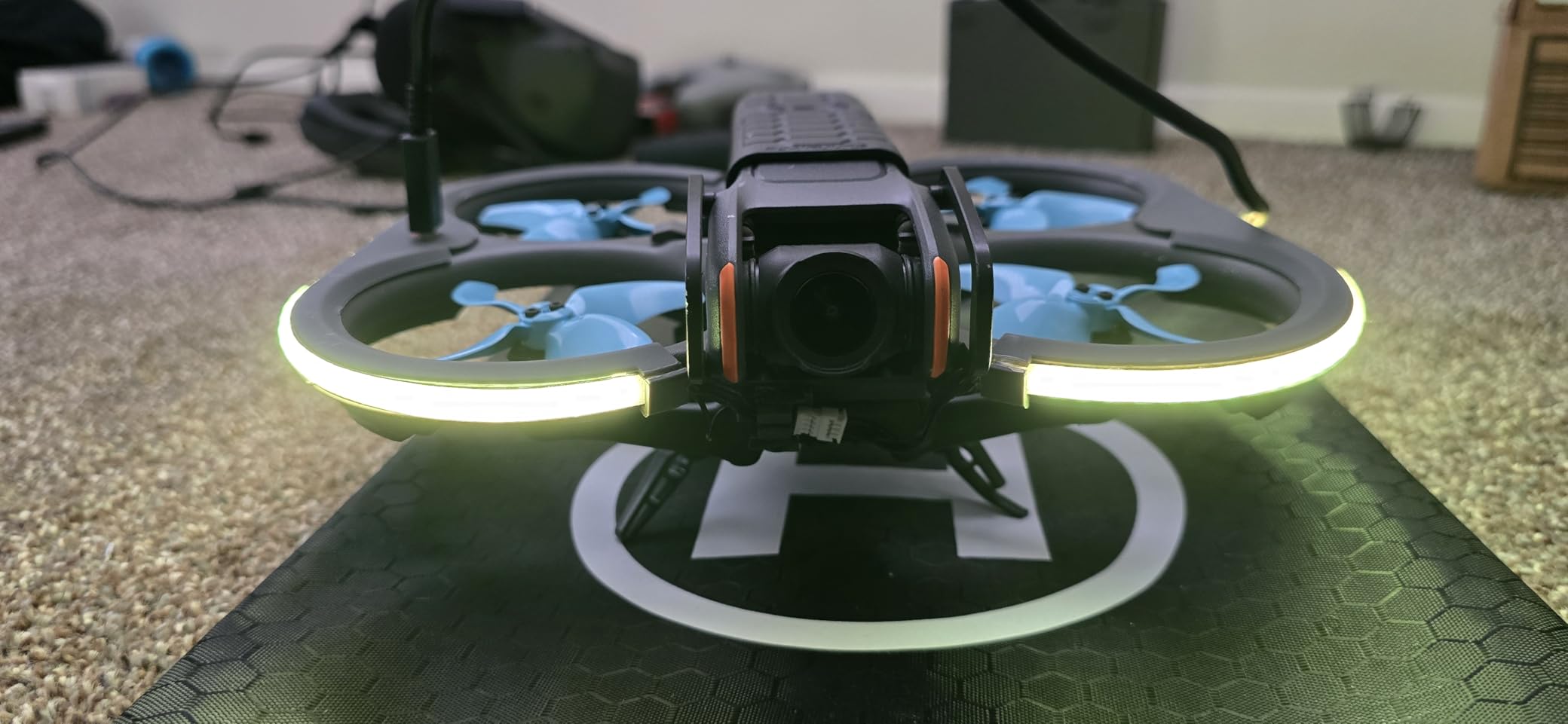
The RC Motion 3 controller is what makes the Avata 2 approachable for creators who have never flown FPV. Instead of two sticks, you move your wrist, and the drone follows. One-push acrobatics let you trigger flips, rolls, and 180 drifts for stylized transitions that would take weeks of practice to fly manually.
The Fly Smart Combo bundles three batteries, the Goggles N3, the RC Motion 3, spare propellers, a two-way charging hub, and a gimbal protector. The 1.56 kg total weight is manageable, and the durable construction has held up well in user reports even after hard indoor contact.
Who it is good for
Creators who want the dynamic fly-through style that dominates brand films, music videos, and high-production social content. If you have watched the FPV venue tours that go viral and wanted to produce that look yourself, the Avata 2 is the most accessible entry point.
It is also a strong pick for creators who already shoot traditional drone footage and want to add a second style to their toolkit. The Avata 2 complements a Mini or Air rather than replacing one.
Who it is not good for
Creators who need long flight times for landscape or documentary work. FPV flight is intense and batteries drain faster than on traditional drones. If your work involves holding position for extended shots, the Avata 2 is the wrong tool.
It is also not ideal if you get motion sickness easily. The first-person view through goggles is immersive but it can be disorienting, and you should plan for an adjustment period before you are flying confidently.
7. HOVERAir X1 PRO – High-Speed Action Follow Drone
HOVERAir X1 PRO Standard, 4K Action Flying Camera, Foldable Follow-me Drone
4K at 60fps
42 km/h follow speed
OmniTerrain
15+ auto modes
Foldable
Pros
- 42 km/h high-speed follow mode for action sports
- 15-plus fully automatic flight modes including dolly zoom and cine roll
- OmniTerrain system for snow water and cliff environments
- Rear active collision detection for safer follow shots
- Foldable design with 32GB internal storage plus 1TB SD support
Cons
- Lower review count as a newer product
- No remote controller included
- Heavier than sub-250g competitors at 1.2 kg
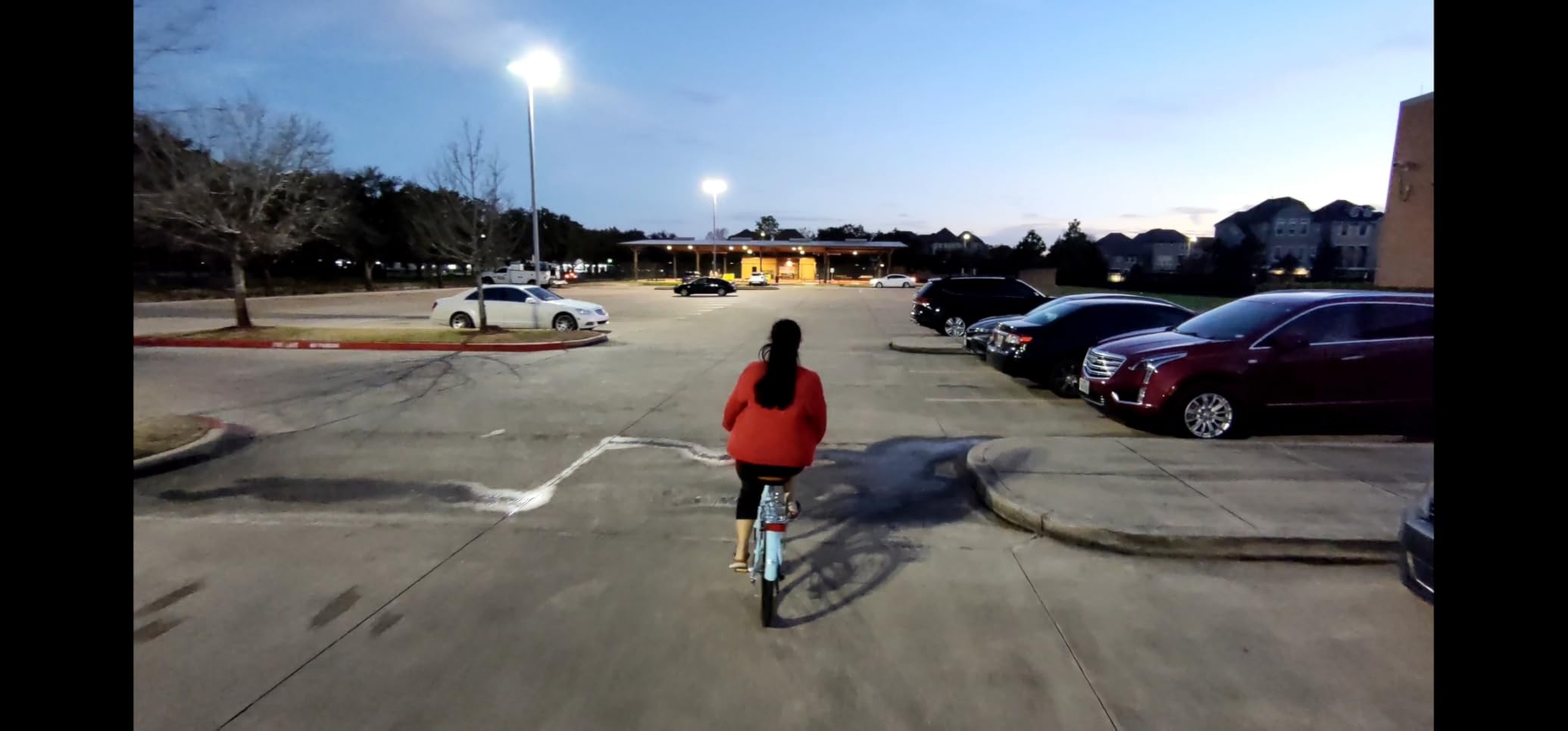
The HOVERAir X1 PRO is the drone we recommend to adventure and action creators who are not well-served by DJI’s slower follow modes. The headline spec is the 42 km/h follow speed, with a 60 km/h burst, which means the drone can actually keep up with mountain biking, skiing, and running shots that leave the DJI Mini series behind.
The OmniTerrain system is what sets the X1 PRO apart. It is designed to operate over snow, water, and cliff edges where most consumer drones are a crash risk. For creators producing adventure travel content, that capability opens up shots that simply are not possible with a standard quadcopter.
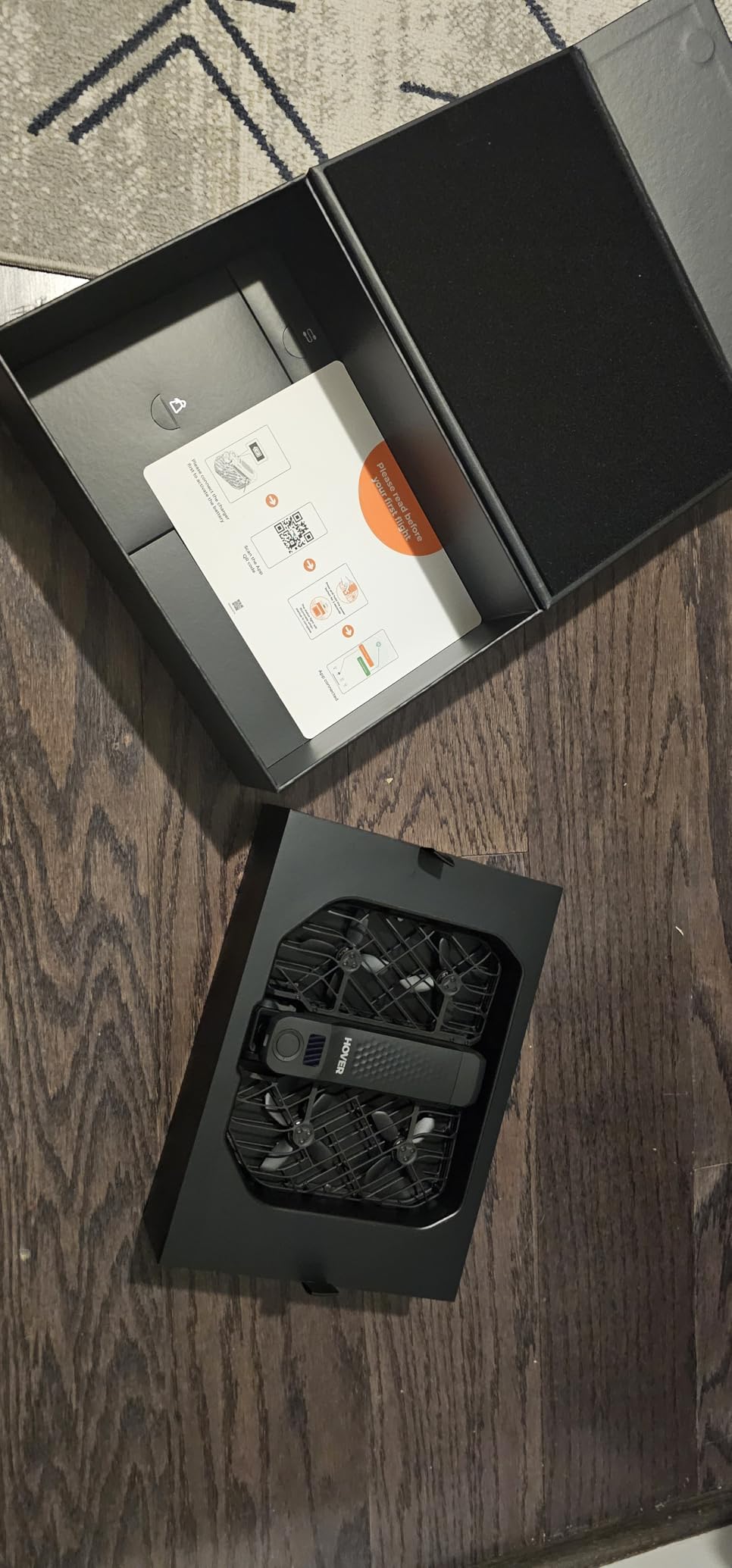
The 15-plus automatic flight modes cover the gamut from orbit and dolly zoom to high-speed tracking, and the SmoothCapture 2.0 stabilization combines a two-axis gimbal with electronic image stabilization and horizon leveling. The footage has a slightly different character than DJI’s three-axis gimbal output, but it is well-suited to action content where motion is part of the story.
The trade-off is that this is a newer product with a smaller review base. The 4.3 average rating reflects that some users have hit edge cases that DJI’s mature ecosystem has ironed out. The X1 PRO ships without a remote controller, relying on app control, which is fine for action follow work but limits manual flight flexibility.
Who it is good for
Action and adventure creators who shoot high-speed sports and need a follow drone that can actually keep up. Mountain bikers, skiers, runners, and motorsports creators will get more usable footage from the X1 PRO than from any DJI drone on this list.
It is also the right pick for creators working in challenging terrain. If your shots involve flying over water, snow, or cliff edges, the OmniTerrain system makes those shots survivable instead of gambling an expensive drone.
Who it is not good for
Creators who need a refined manual-flying experience for cinematic landscape or architectural work. The app-control focus makes the X1 PRO less satisfying for traditional piloted shots, and the two-axis gimbal cannot match the three-axis systems on DJI alternatives.
It is also not the choice if you want the security of a mature product ecosystem. With 215 reviews at the time of writing, you are an early adopter, and that carries some risk of firmware or support friction.
8. Potensic ATOM 2 Fly More Combo – Best Non-DJI Value Drone
Potensic ATOM 2 Drone with Camera for Adults 4K, 10KM Range, Fly More Combo
1/2-inch Sony CMOS
4K HDR video
8K photo
AI Track
96-min total flight
Pros
- 1/2-inch Sony CMOS sensor for solid low-light performance
- AI Track and AI Stunning Night Shot features
- 8K photo resolution and 4K/30fps HDR video
- Three batteries for 96 minutes total flight time
- Under 249g with no FAA registration required
Cons
- Potensic is a less established brand than DJI
- RF remote feels less refined than DJI controllers
- Smaller accessory ecosystem
The Potensic ATOM 2 is the non-DJI pick we feel comfortable recommending to content creators. It uses a 1/2-inch Sony CMOS sensor, shoots 4K/30fps HDR video and 8K still photos, and ships in a Fly More Combo with three batteries, a 3-axis gimbal, and a remote. For creators who want an alternative to the DJI monopoly, this is the most credible option at this price.
The AI Track feature works for subject following and the AI Stunning Night Shot is genuinely useful for low-light creators. The 2.7K vertical shooting mode is a thoughtful addition for social media output, and the under-249g weight keeps you regulatory-friendly without paying the DJI premium.
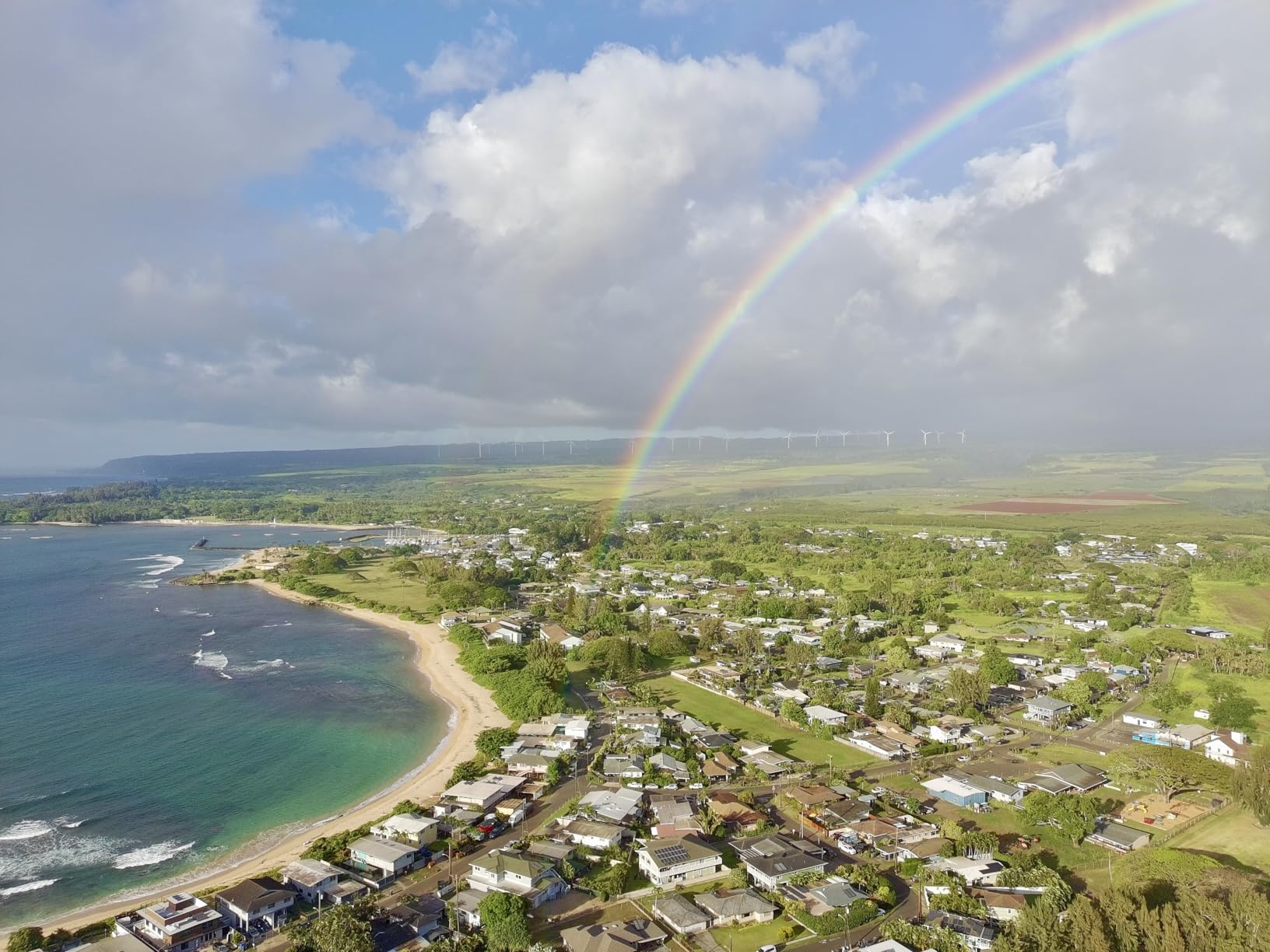
The three-battery Fly More Combo delivers roughly 96 minutes of total flight time, which is competitive with the DJI Mini 3. The 1.3-hour fast charging is faster than most DJI batteries, and the 10km transmission range is on par with what most creators actually use in the field.
The compromises are real. Potensic’s app and firmware ecosystem is smaller and less polished than DJI’s. The RF remote works but does not have the refined feel of the DJI RC controllers, and there is a smaller third-party accessory market if you want filters, cases, or replacement parts.
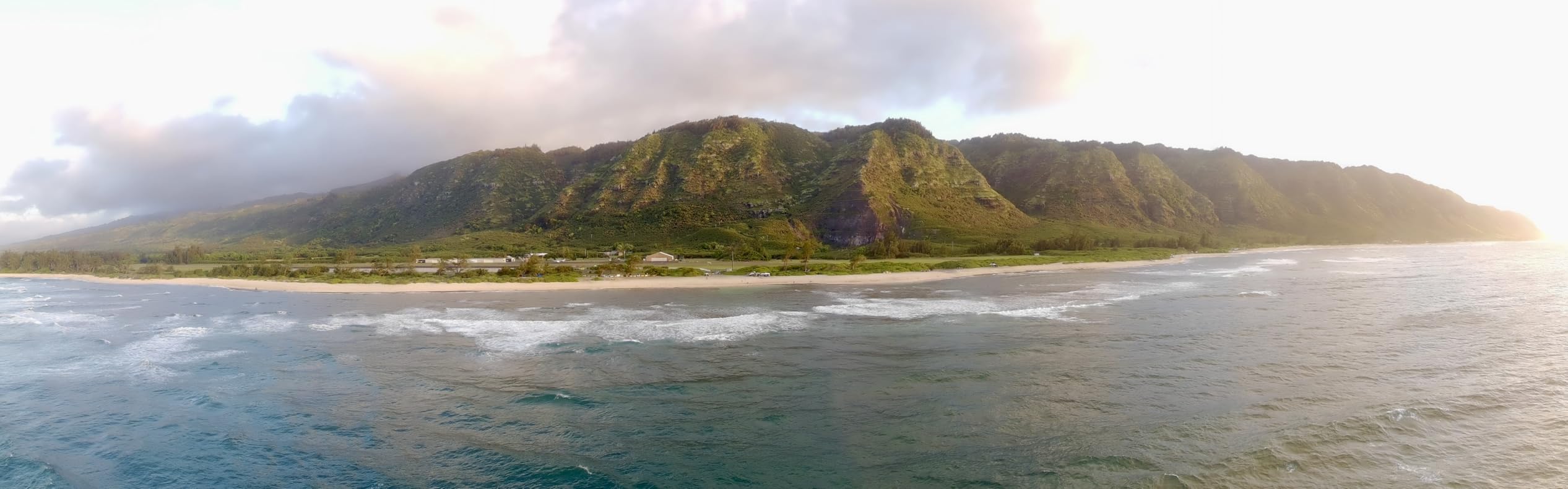
Who it is good for
Creators who want a credible DJI alternative for budget or philosophical reasons. The ATOM 2 delivers 80 percent of the Mini 3’s functionality at a lower price, and the Sony sensor holds its own in good light.
It is also a strong pick for creators buying their first drone who want to learn without dropping DJI money. If you crash the ATOM 2, the financial sting is smaller, and the spec sheet is good enough that you can produce publishable content from day one.
Who it is not good for
Creators who need a deep accessory and software ecosystem. If you depend on third-party ND filter sets, custom cases, or advanced editing integrations, DJI’s market dominance makes that easier.
It is also not the choice if you want the absolute best image quality. The 1/2-inch sensor is good for the price but it is a clear step behind the 1-inch chips in the Air 3S and Mini 5 Pro. For client work where image quality is the deliverable, spend more.
9. DJI Mini 4K Combo – Best Entry-Level 4K Drone
DJI Mini 4K Camera Drone Combo, Drone with 4K UHD Camera for Adults, Under 249 g, 3-Axis Gimbal Stabilization, 10km Video Transmission, Auto Return, 2 Batteries for 62-Min Max Flight Time, QuickShots
4K UHD
3-axis gimbal
Under 249g
62-min total flight
10km transmission
Pros
- 4K Ultra HD video at an entry-level price
- 3-axis gimbal for stable footage
- Under 249g with no FAA registration
- Two batteries for 62 minutes total flight
- Level 5 wind resistance and GPS return to home
Cons
- Limited stock availability
- DJI Fly app requires manual download on some platforms
- No obstacle avoidance
The DJI Mini 4K Combo is the floor we recommend for content creators. Anything cheaper and you are giving up the 3-axis gimbal that makes drone footage look professional. This combo includes two batteries for 62 minutes of total flight time, a 4K UHD camera, and the proven DJI Mini airframe that fits under the 249g FAA threshold.
For creators just starting out, the Mini 4K is a genuine 4K drone that produces publishable YouTube and social content. The QuickShots intelligent modes handle orbit, helix, and rocket shots automatically, so you can produce polished b-roll before you have mastered manual flying.
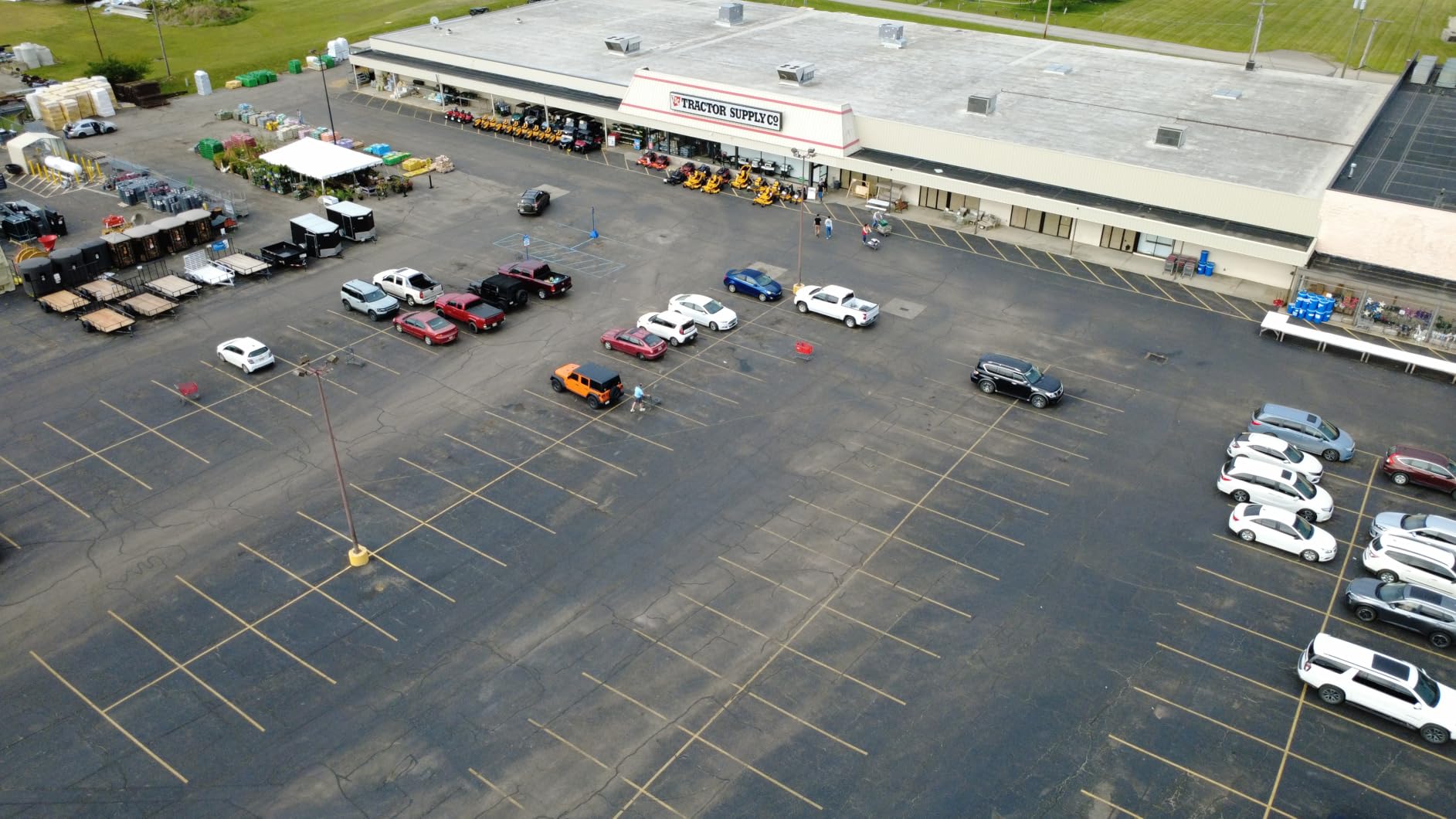
The 10km video transmission is more than most creators will use, and the Level 5 wind resistance keeps the drone stable in conditions that would ground a cheaper toy drone. GPS Return to Home brings the aircraft back to its launch point automatically if you lose signal or run low on battery.
The trade-offs are predictable at this price. There is no obstacle avoidance, the camera lacks the HDR and dual native ISO of the Mini 3 and Mini 5 Pro, and the DJI Fly app is no longer on the Google Play Store, so Android users need to download it manually from DJI’s site.
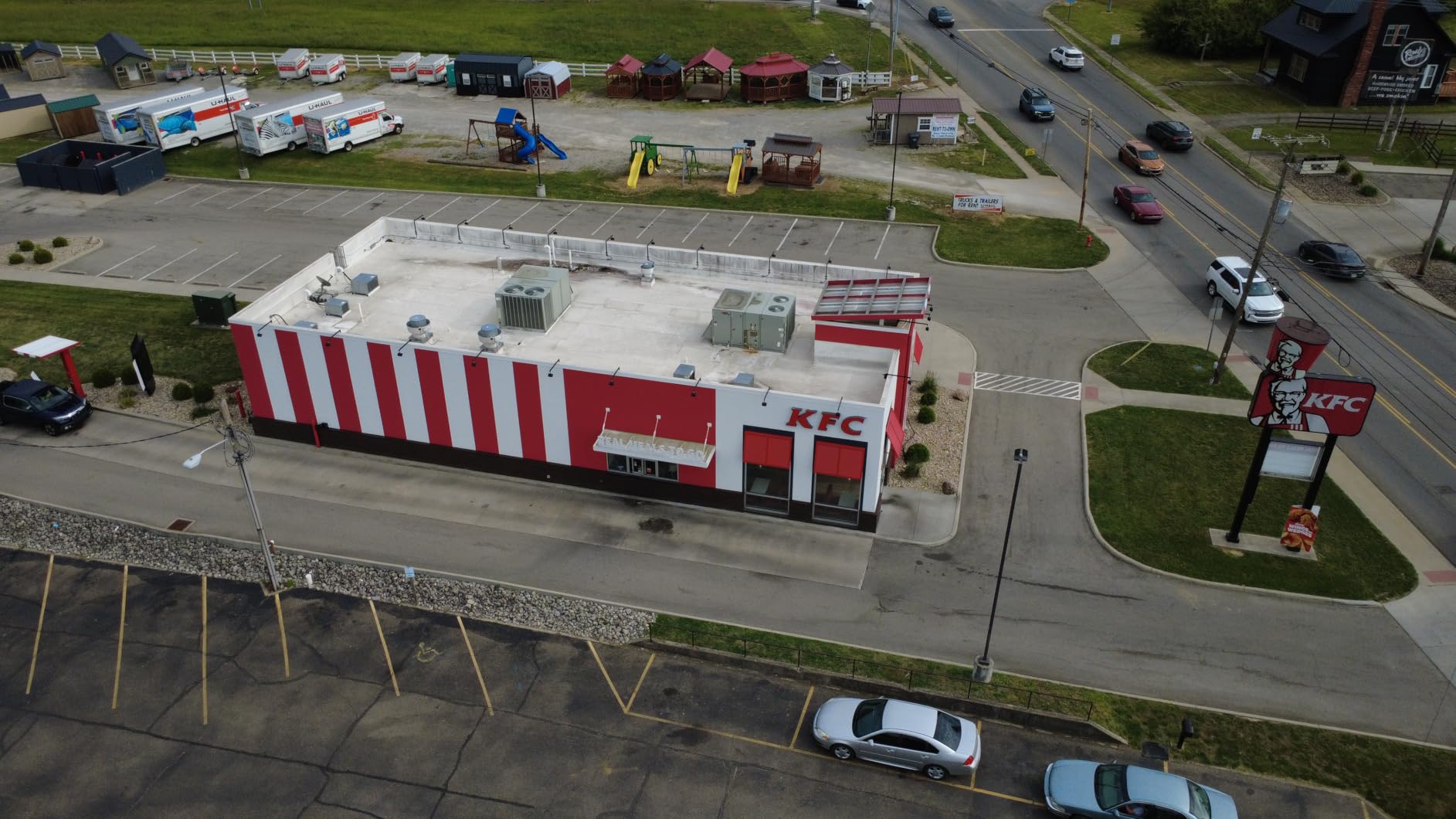
Who it is good for
Creators buying their first drone who need real 4K footage for YouTube, social media, or client work but cannot justify the Mini 3 or Mini 5 Pro. The Mini 4K is the cheapest drone on this list that we would actually recommend for publishable content.
It is also a smart backup drone for working creators who want a sub-250g option for travel or for environments where crashing a more expensive drone is a real risk.
Who it is not good for
Creators who shoot in challenging light. Without HDR or dual native ISO, low-light footage gets noisy fast. If your work involves sunrise, sunset, or indoor shoots, step up to the Mini 3 or Mini 5 Pro.
It is also not the choice for creators who need obstacle sensing. Flying the Mini 4K means you are entirely responsible for avoiding trees, buildings, and people, which is a real constraint in tight shooting environments.
10. DJI Neo – Ultra-Light Selfie and Social Media Drone
DJI Neo, Mini Drone with 4K UHD Camera for Adults, 135g Self Flying Drone that Follows You, Palm Takeoff, Subject Tracking, QuickShots, Stabilized Video, Built-In Propeller Guard (Controller-Free)
135g self-flying
4K stabilized
Subject tracking
Palm takeoff
QuickShots
Pros
- 135g ultra-lightweight with no FAA registration
- Palm takeoff and landing for true controller-free operation
- 4K ultra-stabilized video for the price
- Built-in full-coverage propeller guards
- Subject tracking and QuickShots for solo creators
Cons
- No remote controller included in the base package
- App-only control limits manual flight
- Level 4 wind resistance only
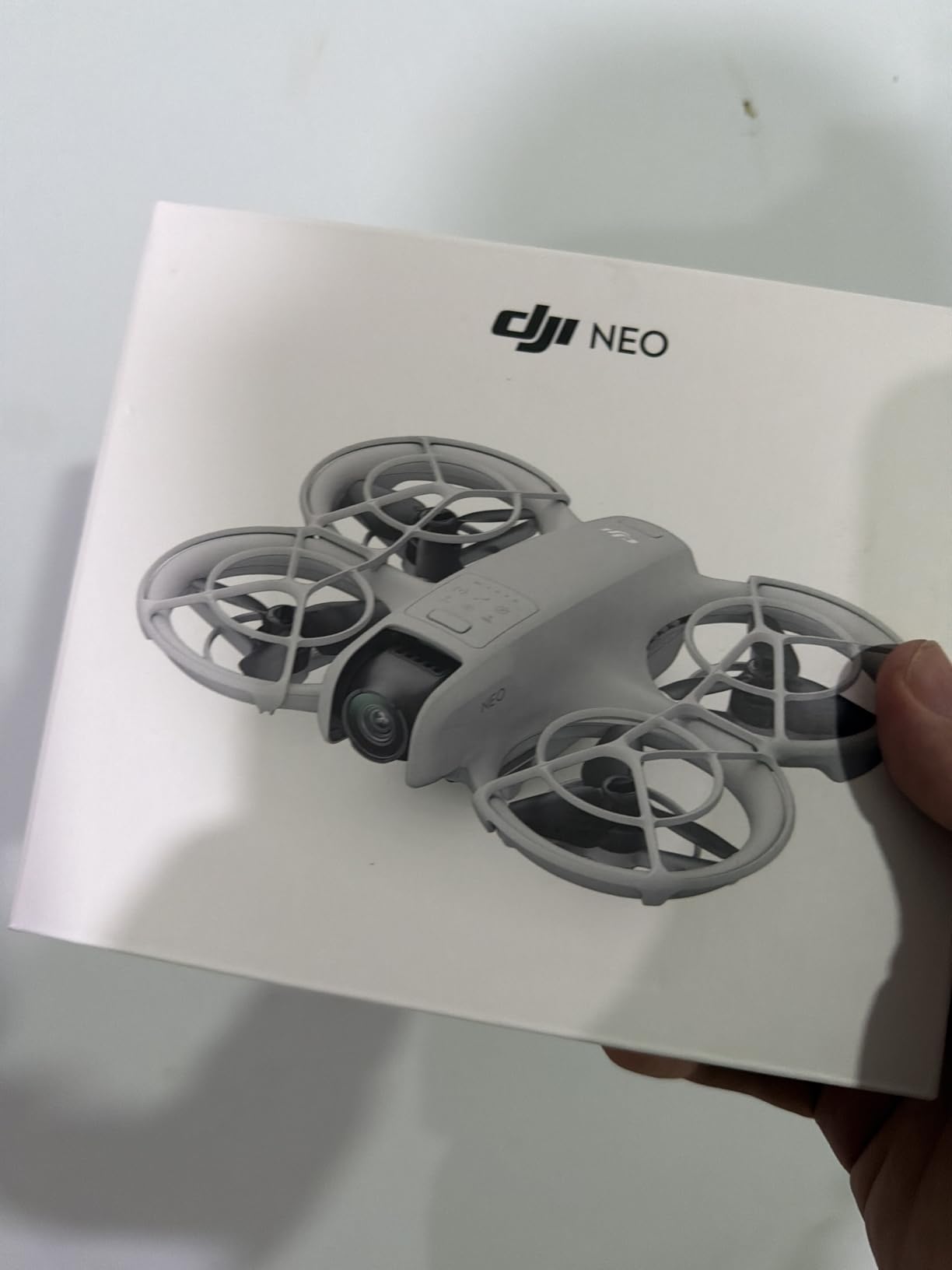
The DJI Neo is the smallest, lightest drone on this list and the most accessible entry point for pure social-media creators. At 135g it is well under the FAA registration threshold, and the controller-free design means you launch it from your palm, select a subject or QuickShot mode in the app, and let it film you. For vloggers, influencers, and creators who need to be in the shot, this is a different kind of tool.
The 4K ultra-stabilized video is impressive for the size. We did not expect broadcast quality at this price, but the footage holds up on a phone screen and on social feeds where most of it will live. Subject tracking follows you reliably in open environments, and the QuickShots modes produce the kind of polished moves that make a solo creator look like they have a videographer.
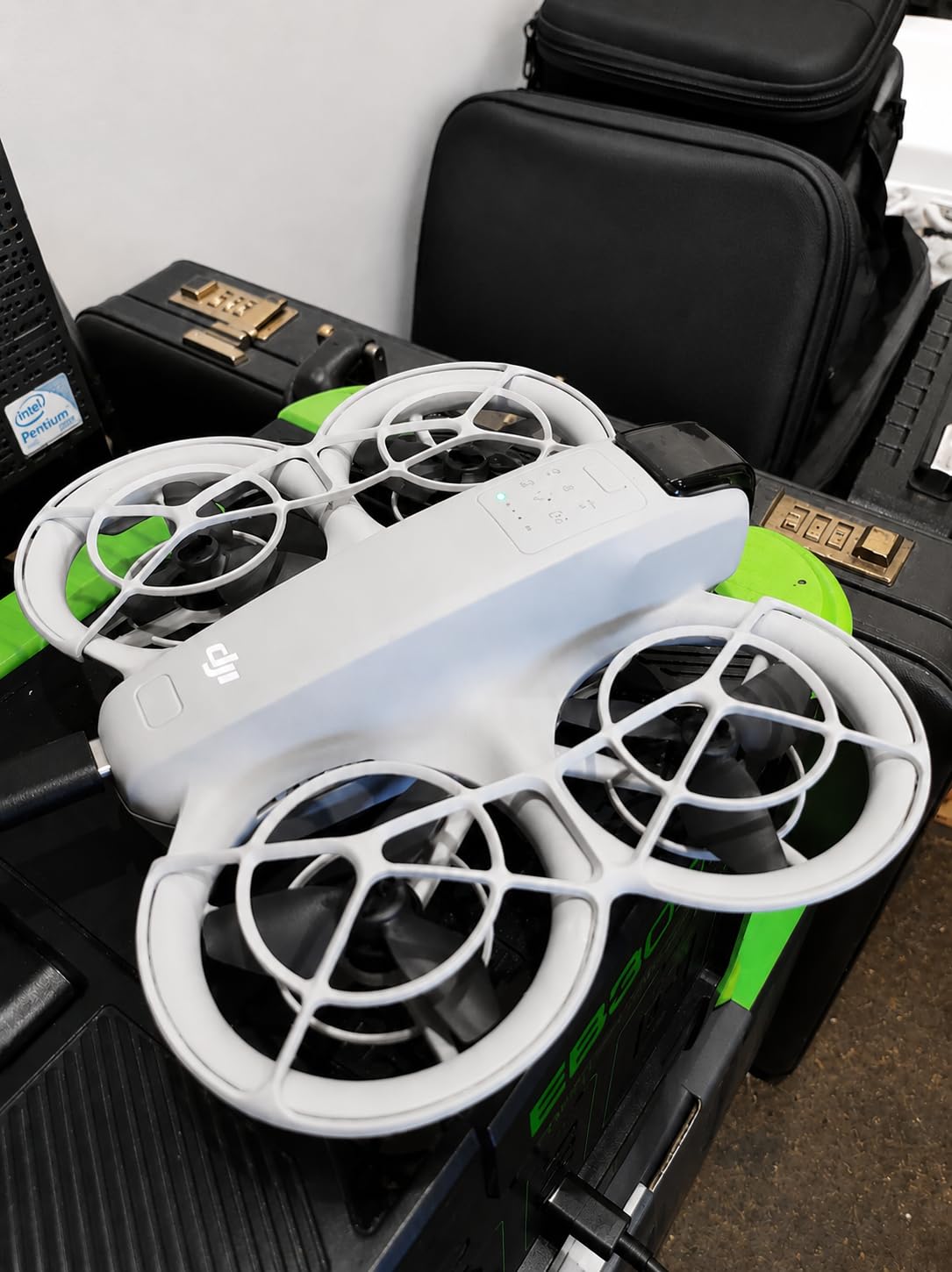
The full-coverage propeller guards make the Neo safe to fly around people and indoors, which is exactly the use case it is designed for. You can launch it at a party, in a small office, or at a crowded event without the safety anxiety that comes with exposed propellers.
The trade-off is that the base package is controller-free. You are operating via the app and voice commands, which is fine for the selfie-style shooting the Neo is built for, but limits any kind of manual piloted flight. If you want traditional drone control, you need to add a compatible DJI controller.
Who it is good for
Solo creators, vloggers, and influencers who need to be in front of the camera. The Neo is the closest thing to having a personal drone cameraman, and the price makes it an easy add-on to a creator kit that already includes a phone and a microphone.
It is also a great gift or starter drone for someone who wants to test whether drone footage fits their content style before committing to a more expensive aircraft.
Who it is not good for
Creators who need cinematic landscape footage, long-range shots, or extended flight times. The Neo is designed for short, close-range selfie content, not for the kind of aerial b-roll that anchors a travel film.
It is also not the choice if you want a traditional piloting experience. The controller-free design is the entire point, but it means the Neo is limited to its automated modes. If you want to fly manually, look at the Mini 4K or Mini 3.
Buying Guide: How to Choose a Content Creator Drone in 2026?
Picking the right drone for content creation comes down to matching the drone’s strengths to your actual workflow. The best drones for content creators are not the ones with the longest spec sheet, they are the ones that fit how and where you shoot. Here is how we think through the decision.
Camera quality and sensor size
Sensor size is the single biggest predictor of image quality. The 1-inch CMOS sensors in the Air 3S and Mini 5 Pro deliver dramatically better low-light performance and dynamic range than the 1/1.3-inch and 1/2-inch chips in cheaper drones. If you shoot at golden hour, indoors, or in any challenging light, pay for the bigger sensor.
The Mavic 4 Pro’s 4/3 Hasselblad sensor is the current ceiling for prosumer drones. If your deliverables will be projected, heavily graded, or cropped, that sensor justifies its premium price. For YouTube and social media, the 1-inch sensors are more than enough.
Flight time and battery strategy
Advertised flight times are best-case numbers. Real-world usable flight time after takeoff, positioning, and a safety buffer is typically 70 to 80 percent of the spec. A 45-minute rated battery gives you roughly 35 minutes of actual filming.
This is why the Fly More and Combo configurations are the smart play for creators. Three batteries with a parallel charging hub let you shoot through a full location day without waiting on a charge. The Mini 3 Fly More Combo’s 114-minute total flight time is the benchmark at the value tier.
Weight and the FAA sub-250g rule
In the United States, drones under 250 grams do not require FAA registration for recreational use. That threshold matters more than most creators realize. Every Mini-series DJI drone, plus the Neo and the ATOM 2, fits under it. The Air 3S, Flip, Avata 2, and Mavic 4 Pro all require registration.
For travel creators flying internationally, the sub-250g rule is even more valuable. Many countries mirror the US cutoff, and a drone that does not need registration saves you paperwork, fees, and the risk of confiscation at customs. If you fly across borders regularly, prioritize the sub-250g drones on this list.
Obstacle avoidance and sensing
Obstacle sensing is the difference between a drone you can fly confidently and one you babysit. The Air 3S and Mini 5 Pro offer omnidirectional sensing with LiDAR, which works in daylight and at night. The Mavic 4 Pro adds professional-grade Nightscape sensing for true all-condition flying.
The Mini 3 and Mini 4K have no obstacle avoidance at all. That is fine for creators who fly in open spaces, but it is a real limitation for proximity flying, indoor work, or any environment where a mistake means a crash. If your work involves flying near objects or people, pay for sensing.
Vertical shooting for social media
True Vertical Shooting is a feature content creator guides often underweight. Drones with a gimbal that rotates 90 degrees, like the Mini 3, Mini 5 Pro, and ATOM 2, can capture native vertical video at full sensor resolution. Drones without it force you to crop a horizontal frame, losing resolution and flexibility.
If your output is primarily TikTok, Instagram Reels, or YouTube Shorts, True Vertical Shooting should be a dealbreaker feature. The Mini 3 Fly More Combo is the best value drone on this list that includes it.
AI tracking and intelligent flight modes
AI tracking is what lets a solo creator produce footage that looks like it was shot by a crew. ActiveTrack 360 on the Mini 5 Pro lets you trace a custom subject path on the controller. The Air 3S and Mavic 4 Pro include next-generation tracking that handles complex scenes reliably.
The HOVERAir X1 PRO and DJI Neo take a different approach with fully automated modes designed for selfie and action follow content. The X1 PRO’s 42 km/h follow speed is the benchmark for action creators, and the Neo’s palm takeoff is the easiest entry point for influencers.
Price-to-value calculation
Forum discussions and real-world creator reports consistently highlight price-to-quality as the deciding factor. Paying for features you will not use is wasted money. Paying too little and giving up image quality costs you reshoots and lost clients.
The DJI Mini 3 Fly More Combo remains our value benchmark because it delivers 4K HDR, True Vertical Shooting, three batteries, and a screen controller at a price that leaves room for accessories. Step up from there only when your work demands it.
Frequently Asked Questions
Are DJI drones illegal now?
No. DJI drones are legal to fly in the United States for both recreational and commercial use, though some federal agency restrictions have limited DJI use in certain government contexts. Content creators flying for personal projects or private client work are not affected by those agency-specific rules. You still need to follow standard FAA remote ID compliance, registration requirements for drones over 250g, and any local airspace restrictions.
Which drone do YouTubers use?
YouTubers most commonly use DJI Air 3S, Mini 5 Pro, and Mini 3 Fly More Combo. The Air 3S is the most popular pick among working creators because of its 1-inch dual camera and 45-minute flight time. Travel and lifestyle YouTubers often prefer the Mini series for the sub-250g weight, and adventure creators lean toward the HOVERAir X1 PRO for its 42 km/h follow speed.
Can drones under $500 take good photos?
Yes. The DJI Mini 4K Combo and DJI Neo both produce publishable 4K video and 12MP stills well under $500, and the Potensic ATOM 2 with its 1/2-inch Sony sensor captures 8K photos at a competitive price. You will give up low-light performance, dynamic range, and telephoto reach compared to the 1-inch sensor drones, but for social media and YouTube content the under-$500 options are more than capable.
Is drone videography profitable?
Drone videography can be profitable for creators who target niches with consistent demand. Real estate listings, wedding films, construction progress documentation, and local business promotional content are the most reliable revenue categories. Most working drone creators combine aerial footage with broader video services rather than selling drone work alone, and FAA Part 107 certification is required for any commercial work in the United States.
What should I look for in a content creator drone?
Prioritize gimbal stabilization, sensor size, flight time, and intelligent tracking modes. For social media creators, True Vertical Shooting is essential. For working creators, a 1-inch sensor and omnidirectional obstacle sensing are worth the upgrade. Sub-250g weight matters if you fly internationally, and a bundled controller with a built-in display removes the friction of mounting and draining your phone each flight.
Conclusion
The best drones for content creators in 2026 cover a wide range of budgets and use cases, but the right pick always comes down to how you actually work. For most creators, the DJI Air 3S is the editor’s choice because its 1-inch dual camera, 45-minute flight time, and LiDAR obstacle sensing cover nearly every shooting scenario. Travel and social-first creators get the most value from the DJI Mini 3 Fly More Combo, and budget-conscious creators can start shooting real 4K content with the DJI Neo or Mini 4K Combo. Whatever you choose, match the drone to your output, not to the spec sheet, and you will be producing aerial content that earns its place in your edit.