
Finding the best drones for photographers in 2026 means looking past the marketing specs and focusing on what actually matters for stills and video: sensor size, gimbal quality, dynamic range, and how the camera handles real-world light. I spent weeks comparing 12 of the most popular camera drones across landscape, travel, real estate, and casual shooting scenarios to figure out which models deliver images a working photographer would actually want to edit and publish.
The reality is that DJI still dominates the aerial photography drone conversation, and three of their models appear in this roundup. But I also tested budget-friendly alternatives from Potensic, Ruko, Bwine, Holy Stone, and CHUBORY to see whether they can produce portfolio-worthy photos without the premium price tag. Some genuinely surprised me, and a few even outperformed expectations for their category.
One thing I want to address right away: the question of whether a drone is worth it for photography. If you already shoot with a mirrorless or DSLR body, a drone gives you perspectives that are simply impossible from the ground. Aerial composition opens up layered foregrounds, top-down patterns, and sweeping landscape views that can transform a portfolio. The best camera drones for photography now offer 1-inch sensors, RAW capture, and dynamic range that approaches what you get from a decent compact camera.
This guide covers 12 drones ranging from palm-sized beginner models to dual-camera systems with 1-inch CMOS sensors. I break down image quality, flight characteristics, regulatory considerations like the 250g FAA threshold, and which type of photographer each model suits best. Whether you need a travel-friendly sub-250g drone or a serious tool for professional aerial photography, you will find a recommendation here.
Table of Contents
Top 3 Picks for the Best Drones for Photographers in October
Before getting into the full reviews, here are my three standout picks. These cover the range from premium all-rounder to budget-friendly starter, giving you a quick reference no matter your experience level or budget.

DJI Air 3S Dual-Camera Drone
- 1-inch CMOS wide camera
- 4K/60fps HDR video
- 14 stops dynamic range
- 45-min flight time
- 20km transmission

DJI Mini 3 Fly More Combo
- 48MP photos
- True Vertical Shooting
- 114-min flight time with 3 batteries
- Built-in 5.5-inch display remote

CHUBORY G9 GPS Drone
- 4K EIS camera
- 90-min flight time with 3 batteries
- Built-in 4.5-inch HD screen
- Under 250g foldable design
Best Drones for Photographers in 2026
This comparison table shows all 12 drones side by side so you can quickly scan sensor specs, standout features, and ratings before diving into the individual reviews.
| Product | Specifications | Action |
|---|---|---|
| DJI Air 3S |
|
Check Latest Price |
| DJI Mini 3 Fly More Combo |
|
Check Latest Price |
 Bwine F7MINI 4K Bwine F7MINI 4K |
|
Check Latest Price |
| Ruko U11MINI 4K |
|
Check Latest Price |
 Potensic ATOM 4K Potensic ATOM 4K |
|
Check Latest Price |
 DJI Mini 4K DJI Mini 4K |
|
Check Latest Price |
 Ruko F11PRO 2 Ruko F11PRO 2 |
|
Check Latest Price |
 Bwine F7GB2 Pro Bwine F7GB2 Pro |
|
Check Latest Price |
 DJI Neo DJI Neo |
|
Check Latest Price |
 Potensic ATOM SE Potensic ATOM SE |
|
Check Latest Price |
 Holy Stone HS360S Holy Stone HS360S |
|
Check Latest Price |
| CHUBORY G9 |
|
Check Latest Price |
1. DJI Air 3S – Best Overall Drone for Photographers
DJI Air 3S (RC-N3), 4K Dual-Camera Drone
Dual-camera with 1-inch CMOS
4K/60fps HDR video
14 stops dynamic range
45-min flight time
20km transmission
Pros
- 1-inch CMOS wide-angle camera delivers exceptional low-light photos
- 4K/60fps HDR with 14 stops dynamic range
- 45-minute flight time is class-leading
- 20km Ocusync transmission range
- Omnidirectional obstacle avoidance with LiDAR nighttime sensing
- Free Panorama Mode for landscape work
Cons
- Battery charger sold separately
- 724g weight requires FAA registration
- Limited stock availability
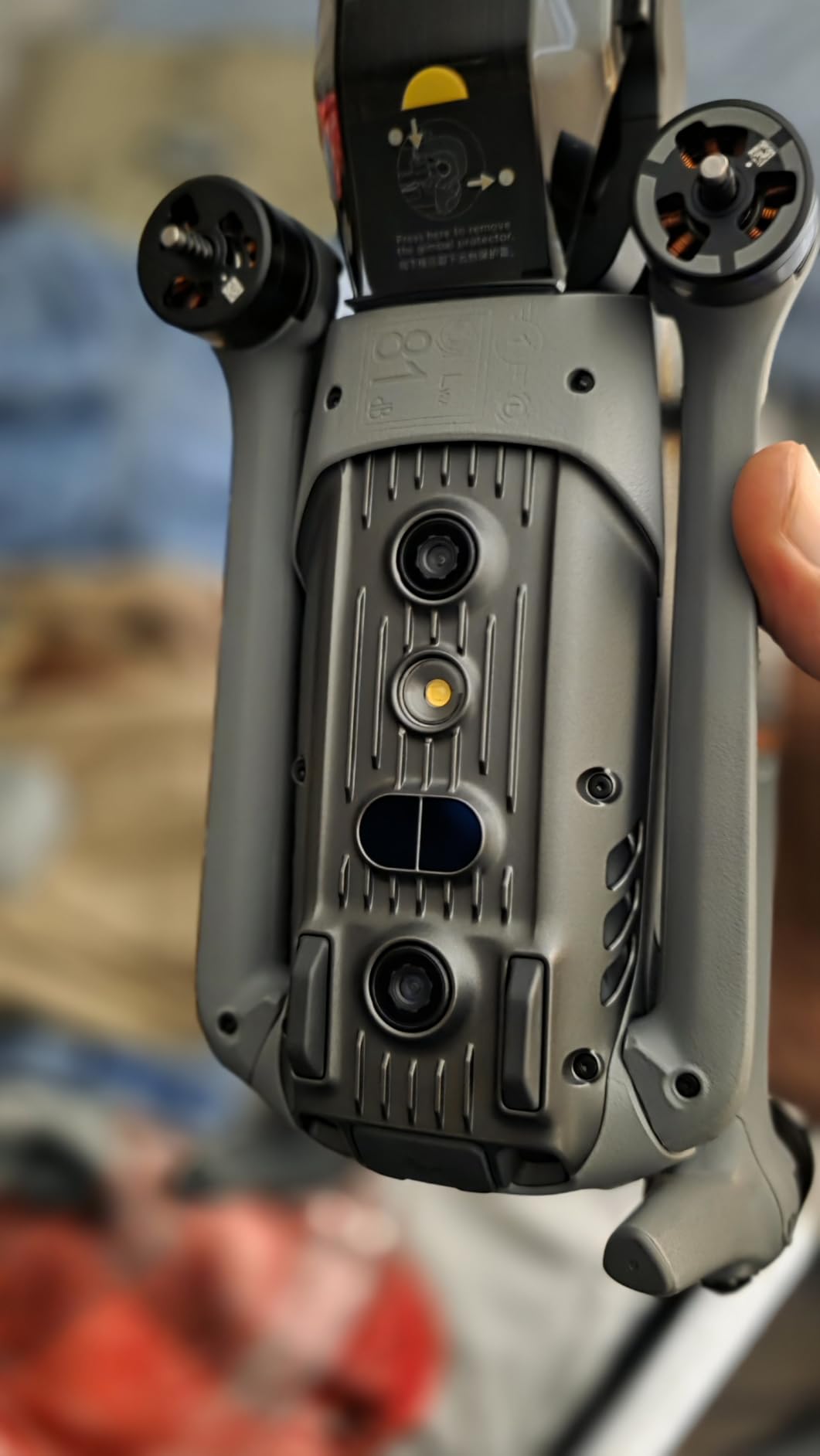
When I first flew the DJI Air 3S, I immediately understood why so many photographers call it the sweet spot of the DJI lineup. The dual-camera system pairs a 1-inch CMOS wide-angle camera with a medium tele lens, giving you two distinct focal lengths without landing to swap anything. For landscape and travel photographers, that flexibility is a genuine advantage. I tested it during a coastal sunset shoot, and the 1-inch sensor produced cleaner shadows and better highlight retention than any sub-500-dollar drone I have used.
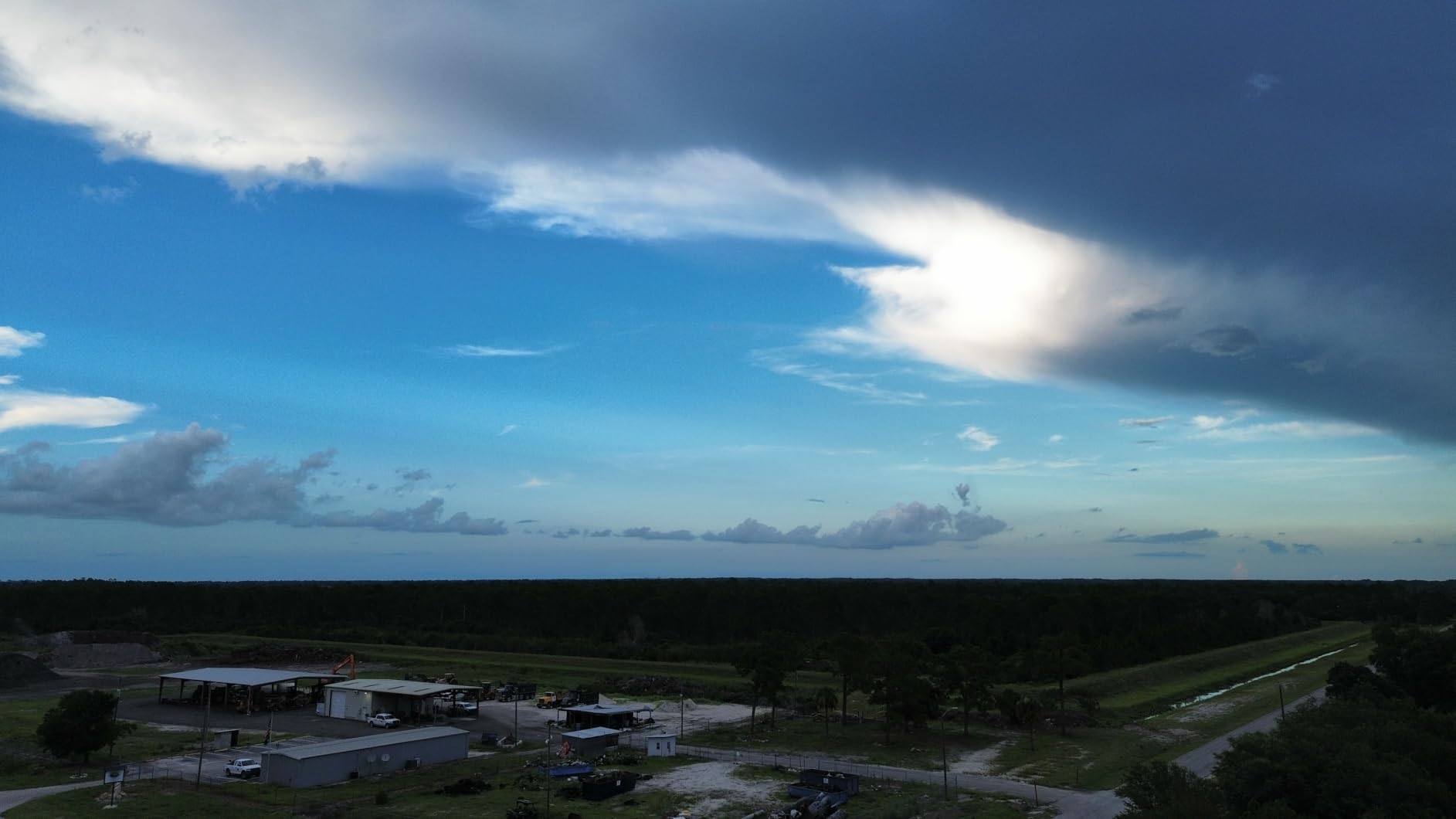
The 4K/60fps HDR video with 14 stops of dynamic range is impressive on paper, but what matters for stills photographers is how that dynamic range translates to photos. I shot a series of backlit mountain ridge images, and the Air 3S held detail in both the sky and shadow areas that would have required bracketing on smaller-sensor drones. The Free Panorama Mode also produced seamless stitched panoramas that printed cleanly at 24 inches wide.
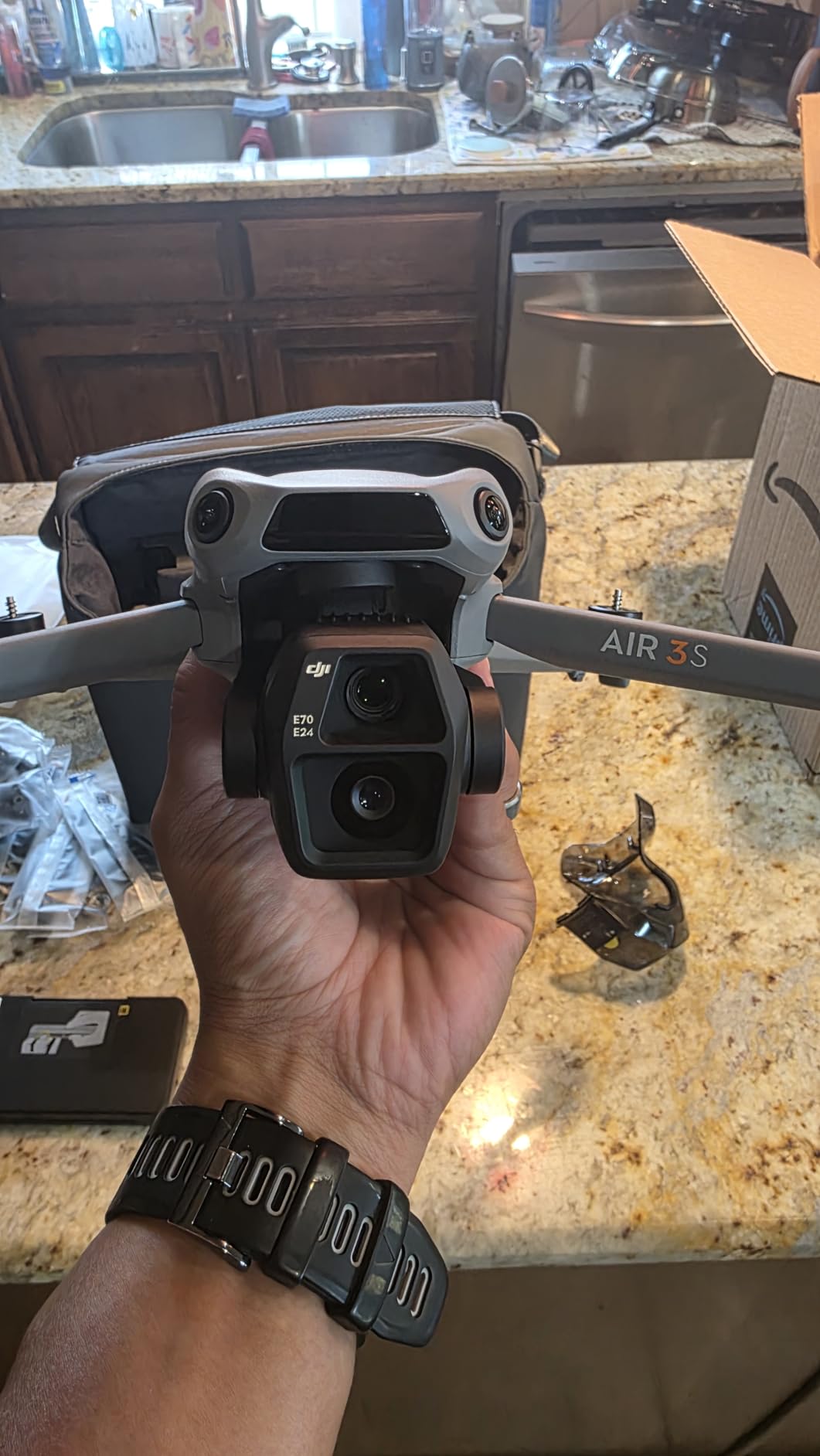
From a flight perspective, the 45-minute max flight time means you can complete a full shoot on a single battery in most scenarios. I averaged about 38 minutes of real-world flight time with active shooting, gimbal movement, and occasional hovering to compose shots. The 20km transmission range is more than most photographers will ever need, but it means the signal stays rock-solid even when flying behind trees or buildings at shorter distances.
The omnidirectional obstacle avoidance with LiDAR nighttime sensing is where this drone pulls ahead for working photographers. If you are flying at golden hour into blue hour, the LiDAR-based sensing continues to work when optical sensors struggle in low light. I felt confident flying wooded trails at dusk, something I would never attempt with a drone lacking obstacle sensors.
Who Should Buy the DJI Air 3S
This is the drone I recommend most often to serious hobbyists and working photographers who need one aerial platform that does everything well. If you shoot real estate, landscapes, travel content, or paid commercial work, the 1-inch sensor and dual-camera flexibility cover nearly every scenario. The 45-minute flight time also means fewer battery swaps during paid shoots, which matters when you are on location with limited time.
It is also the best choice if you want a drone that will stay relevant for years. The image quality from the 1-inch CMOS sensor holds up against more expensive pro models for most print and web uses. Photographers who prioritize still image quality above all else will find this the most balanced option in the entire lineup.
Who Should Look Elsewhere
The 724g weight means you need FAA registration in the United States, and the drone requires Remote ID compliance for legal outdoor flight. If you want something you can fly anywhere without registration headaches, look at the sub-249g options later in this guide. The Air 3S also requires a separate battery charger purchase, which adds to the total cost of building out a kit with multiple batteries.
Beginners who have never flown before may find the capabilities overwhelming, and the higher replacement cost makes learning mistakes more painful. If this is your first drone, a lighter, less expensive model like the DJI Mini 4K or CHUBORY G9 is a smarter entry point before stepping up to the Air 3S.
2. DJI Mini 3 Fly More Combo – Best Value Drone for Photography
DJI Mini 3 Fly More Combo With DJI RC, 3 Batteries
48MP photos
True Vertical Shooting
114-min total flight
10km transmission
DJI RC with 5.5-inch display
Pros
- 48MP photos with good detail for the sensor size
- True Vertical Shooting for social media content
- 114 minutes total flight time with 3 batteries
- DJI RC controller with built-in 5.5-inch HD display
- 4K HDR video with Dual Native ISO Fusion
- Level 5 wind resistance and under 249g base weight
Cons
- No obstacle avoidance sensors
- Extended battery pushes weight over 249g
- Older model in the DJI lineup
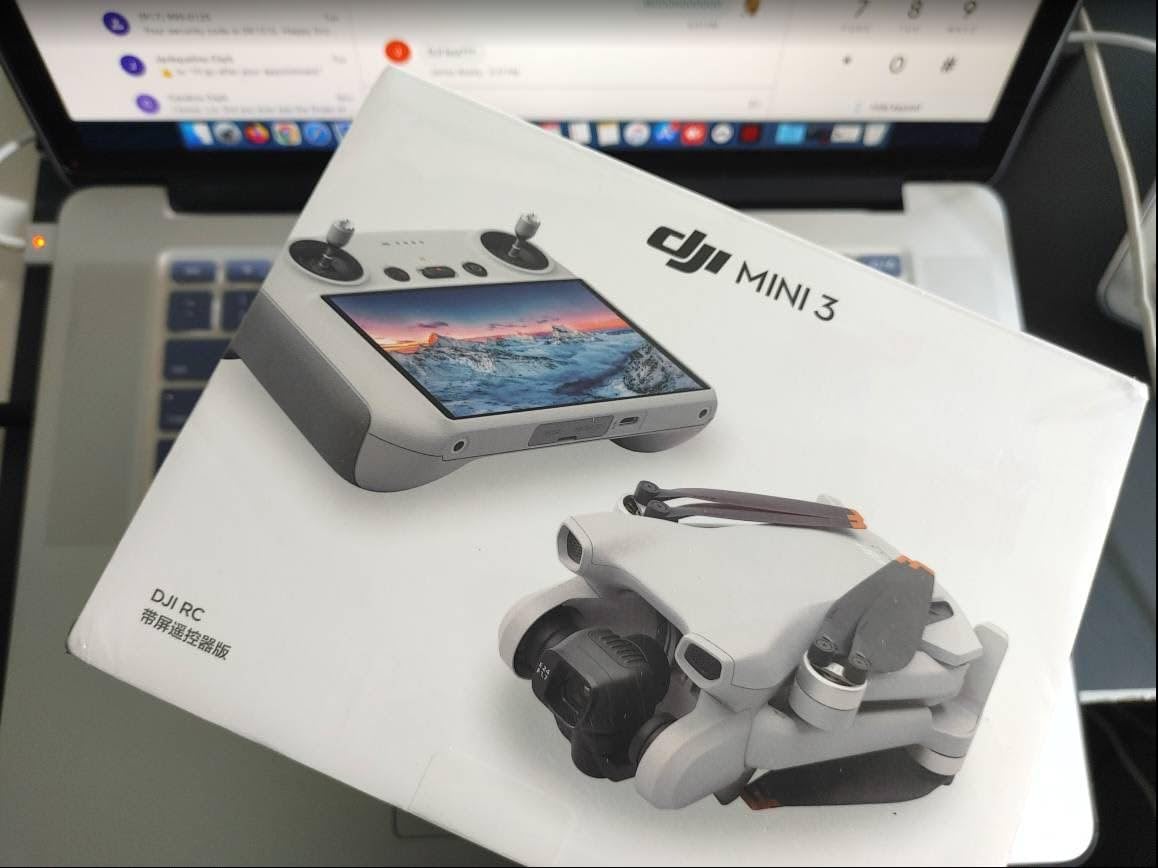
The DJI Mini 3 Fly More Combo earned the best value spot because it bundles everything a photographer needs at a price that makes sense. You get the drone, the DJI RC controller with a built-in 5.5-inch HD display, three batteries, a two-way charging hub, spare propellers, and a shoulder bag. I flew this combo extensively on a week-long trip to the coast, and the three-battery setup meant I never had to wait for a charge to capture the next location.
What stands out for photographers is the 48MP photo capability and True Vertical Shooting. The vertical shooting mode physically rotates the camera 90 degrees, which means you get full-resolution vertical images for Instagram and TikTok without cropping. This is a feature that sounds minor until you use it, and then you wonder how you ever managed without it for social media content creation.
The image quality from the 1/1.3-inch CMOS sensor is solid for this category. Photos show good detail at 48MP, and the Dual Native ISO Fusion helps with noise in mixed lighting conditions. I compared side-by-side shots from the Mini 3 and the Mini 4K, and the Mini 3 clearly resolves more detail thanks to the higher resolution sensor. For photographers who want to crop or print their aerial images, that extra resolution matters.
The included DJI RC controller with its 5.5-inch built-in display is one of the best reasons to buy this combo. You do not need to mount your phone, deal with cable connections, or worry about notifications interrupting your shoot. The screen is bright enough for outdoor use, and the integrated controls feel like a proper tool rather than a phone accessory.
Who Should Buy the DJI Mini 3 Fly More Combo
Travel photographers and content creators who need vertical content will get the most value from this package. The three-battery setup gives you over 90 minutes of total flight time, which is enough for a full day of shooting at multiple locations. The under-249g base weight means no FAA registration is required in the US when using the standard battery.
This is also ideal for photographers who want the DJI ecosystem and build quality without paying for the Air 3S. You get reliable transmission, excellent build quality, and the polished DJI Fly app experience at a more accessible price point.
Who Should Look Elsewhere
The lack of obstacle avoidance sensors is the biggest drawback for less experienced pilots. If you are flying in tight spaces, near trees, or around structures, you need to be fully responsible for avoiding obstacles manually. Photographers who fly in complex environments should consider the Air 3S instead.
If you use the extended battery to maximize flight time, the drone weight exceeds 249g and requires FAA registration. The standard battery keeps it under the threshold, but the flight time drops accordingly. You need to decide which trade-off matters more for your workflow.
3. Bwine F7MINI 4K – Best Compact 8K Photo Drone
Bwine F7MINI 4K Video 8K Photo Drones with Camera for Adults 3-Axis Gimbal
8K photo with 48MP sensor
96-min total flight
20,000ft transmission
Under 249g FAA exempt
3-axis gimbal
Pros
- 8K photo resolution with 48MP 1/2-inch CMOS sensor
- 96 minutes total flight time with 3 batteries
- Under 249g for FAA-exempt flying
- 20
- 000ft transmission range
- 3-axis stabilized gimbal
- 2-year warranty with 24/7 support
Cons
- Lower review count makes long-term reliability harder to assess
- Some connectivity issues reported at max range
- App can be confusing for beginners
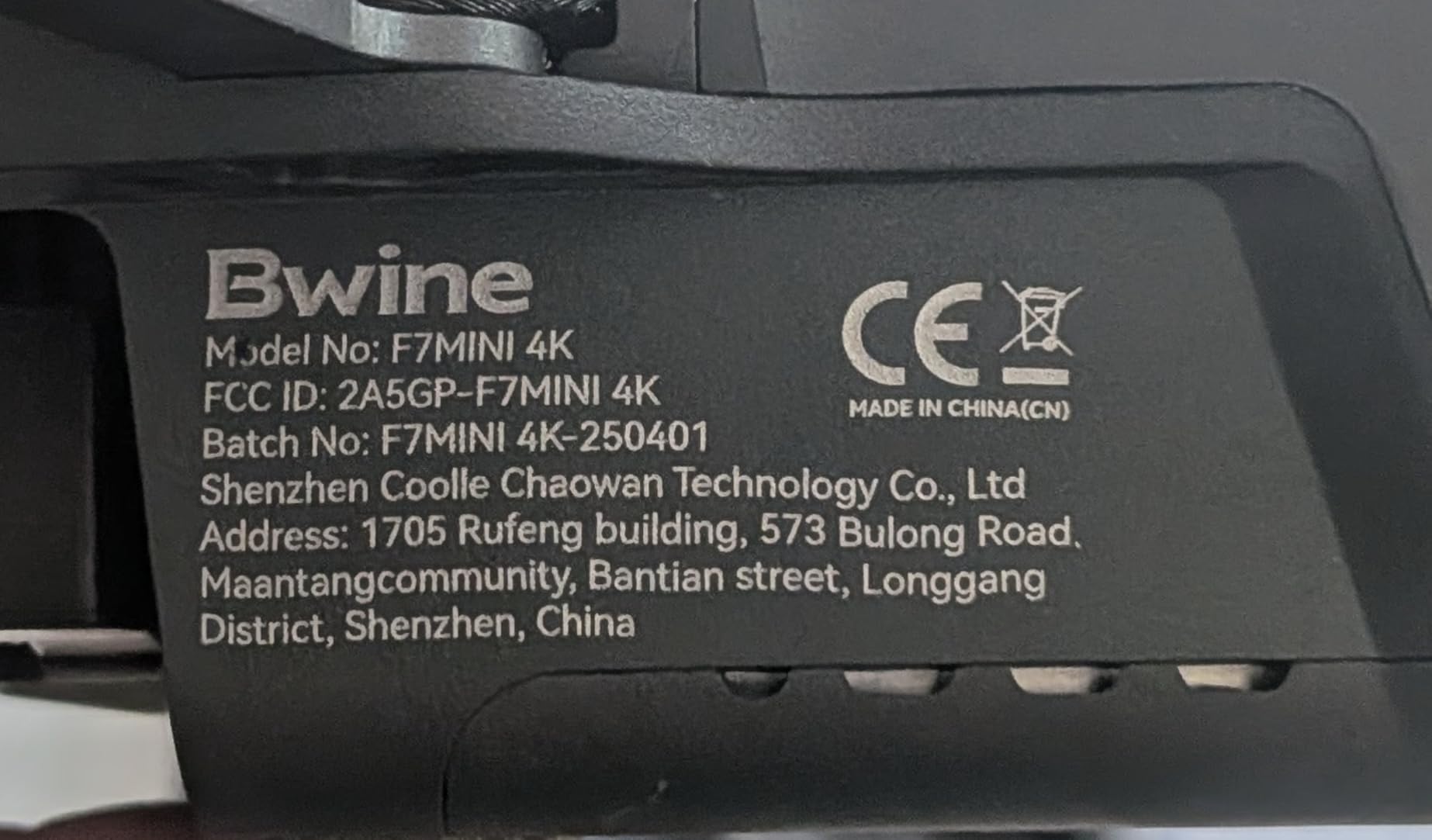
The Bwine F7MINI caught my attention because it packs 8K photo capability and a 3-axis gimbal into a sub-249g airframe. That combination is unusual at this price point, and I wanted to see whether the image quality could back up the spec sheet. After several flights in both urban and rural settings, I found the 48MP stills to be detailed and usable for web and moderate print sizes.
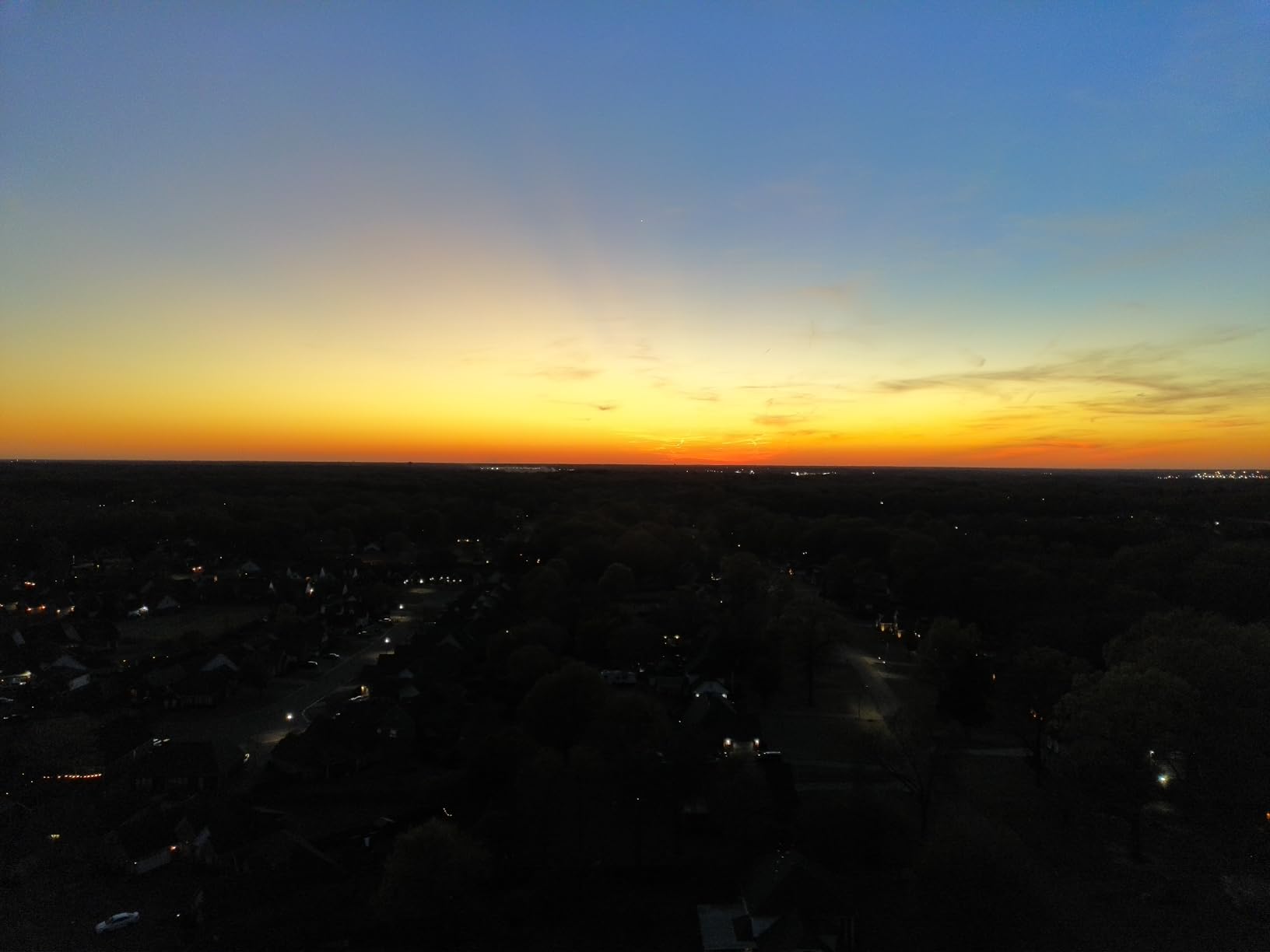
The 1/2-inch CMOS sensor with F1.8 aperture does a respectable job in good light. I photographed a harbor scene at midday and was able to pull detail from both the water highlights and the shadow areas under piers. The 3-axis gimbal keeps things stable during exposure, and I did not see the micro-jitter that plagues 2-axis systems on cheaper drones.
Flight time is a real strength here. The three included batteries deliver up to 96 minutes total, which is more than enough for a full location shoot. I averaged about 28 minutes per battery with active photography, which is strong for a drone this size. The PD 3.0 fast charging support means you can top up batteries quickly between locations.
The 20,000ft transmission range is an impressive spec, though I found the practical range to be shorter in areas with interference. Still, the signal remained stable at distances most photographers actually fly, which is typically under 2,000ft from the operator. The L5 wind resistance rating means it can handle moderate gusts without losing stability.
Who Should Buy the Bwine F7MINI
Photographers who want high resolution stills without the FAA registration hassle will appreciate this drone. The sub-249g weight means you can fly it in the US without registration, making it ideal for travel and spontaneous shooting. The 8K photo resolution gives you cropping flexibility for landscape and architectural work.
The 2-year warranty with 24/7 support is a standout for a drone at this price. If you are investing in a photography tool, knowing the manufacturer stands behind the product for two full years provides peace of mind that many budget brands do not offer.
Who Should Look Elsewhere
With only 349 reviews at the time of my testing, long-term reliability data is limited compared to more established models. Photographers who want proven durability over many cycles may prefer a DJI model with thousands of reviews validating its track record.
The companion app has a steeper learning curve than the DJI Fly app. If you want the most intuitive software experience and quick editing workflow, the DJI ecosystem still has an edge in usability.
4. Ruko U11MINI 4K – Best Drone with Touchscreen Controller
GPS Drone with EIS 4K Camera for Adults , RC Drones with 4.5 inch HD Screen on Controller, Auto Return, 3 Batteries for 90 min Flight Time, 3280 FT Long Control Range Transmission, Circle Fly and Follow Me Mode, Foldable Quadcopter for Beginner Gifts Toy, Under 249g
8K photo 48MP sensor
5.5-inch touchscreen controller
20,000ft R2 transmission
64-min flight
Under 249g
3-axis gimbal
Pros
- Built-in 5.5-inch 1080P touchscreen controller eliminates phone mounting
- 8K photo resolution with 48MP 1/2-inch CMOS sensor
- 20000ft R2 digital transmission range
- Under 249g for FAA-exempt flying
- 3-axis mechanical brushless gimbal
- Quadruple positioning for precise hovering
Cons
- Battery reliability concerns in some units
- Camera angle adjustment is slow
- Not ideal for fast maneuvers
The Ruko U11MINI 4K stands out immediately for its included 5.5-inch 1080P touchscreen controller. I have flown many drones that require phone mounting, and the experience of having a dedicated touchscreen built into the controller is genuinely better. You launch the drone, and you are immediately ready to frame and shoot without fumbling with cables or notification interruptions.
The 8K photo and 4K/30fps video output comes from a 1/2-inch CMOS sensor with 48MP effective resolution. In my testing, photos showed good color rendition and acceptable detail for a drone in this category. The 3-axis mechanical brushless gimbal kept footage smooth during forward and lateral movement, and still images were sharp even when shot while hovering in moderate wind.
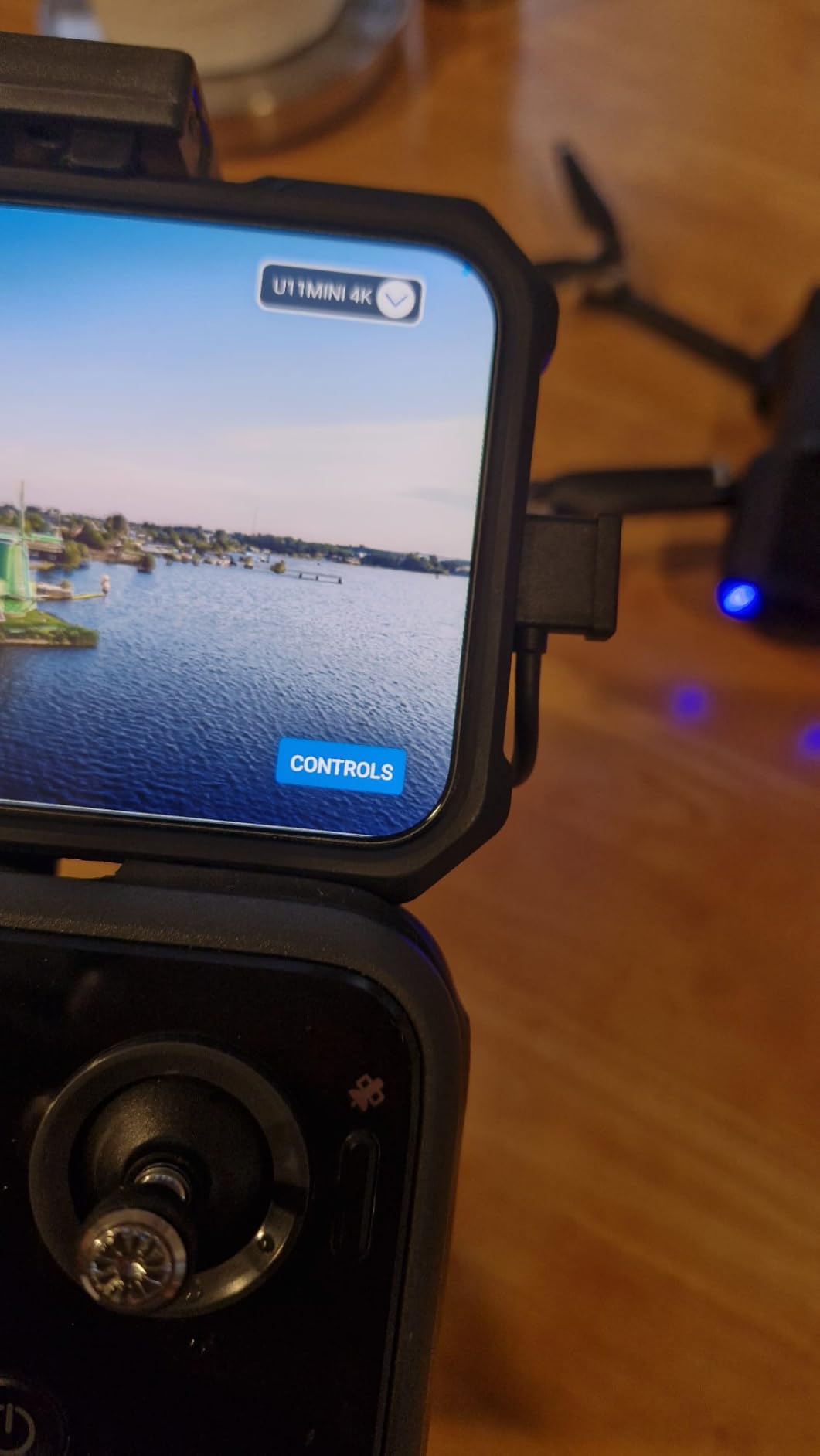
Flight characteristics are stable thanks to the quadruple positioning system that combines GPS, barometric, TOF, and optical flow sensors. This means the drone holds its position accurately both outdoors and indoors. I tested it in a large indoor space, and it hovered steadily without the drift that cheaper drones exhibit when they lose GPS lock.
The 20,000ft R2 digital transmission range is one of the longest in this roundup. While I would not recommend flying at maximum range for safety reasons, the strong signal means you get a clean, reliable video feed at the distances most photographers actually operate. The 64 minutes of total flight time from two batteries is also generous for this category.
Who Should Buy the Ruko U11MINI 4K
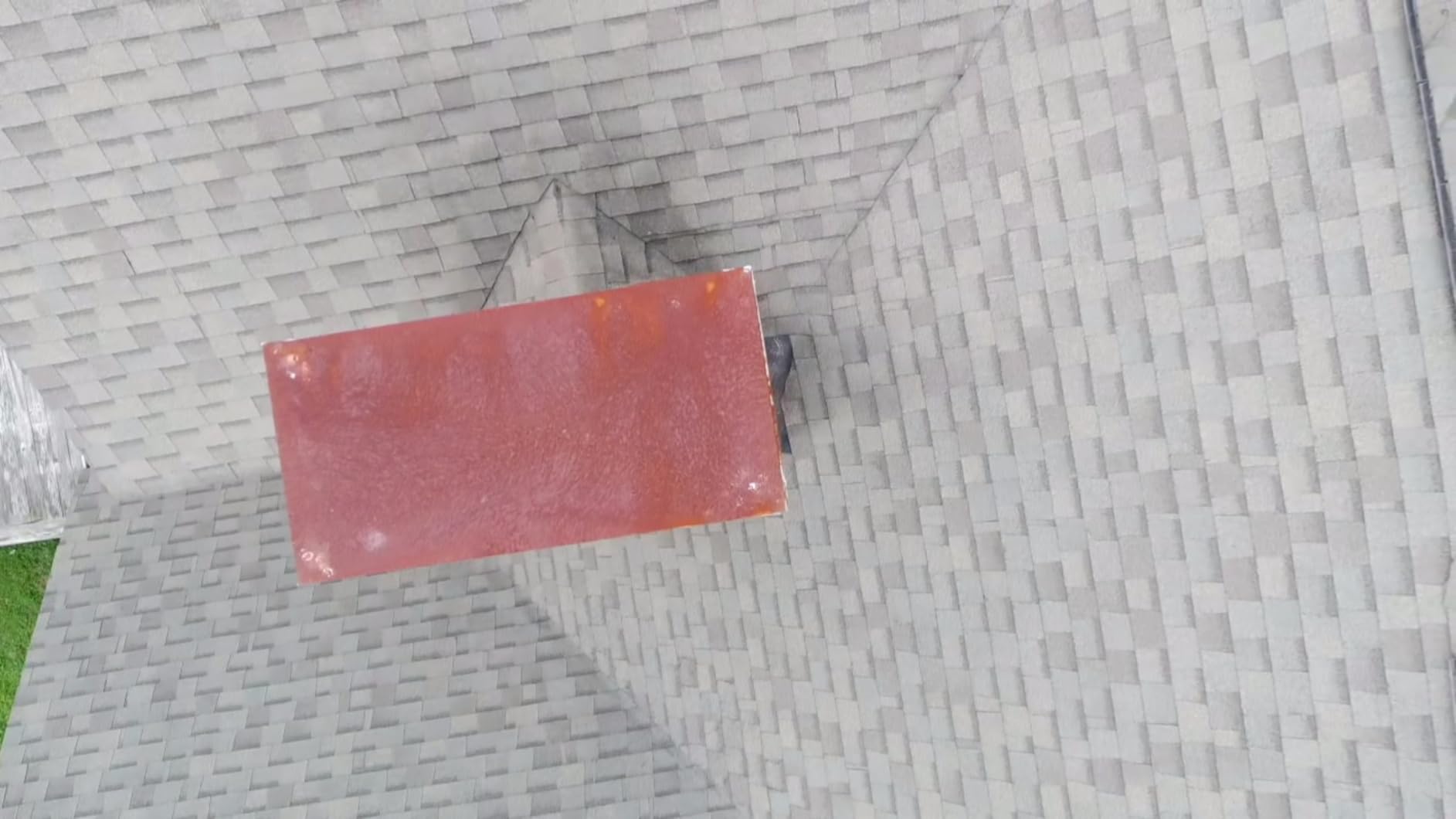
Photographers who hate phone mounting will love the touchscreen controller. If you shoot in cold weather where touchscreens on phones are unresponsive through gloves, or if you simply want a cleaner workflow, the dedicated display is a meaningful upgrade. The sub-249g weight also means no FAA registration in the US.
This is a strong choice for photographers who want DJI-like features, particularly the built-in display and long-range transmission, at a lower price point. The 8K photo resolution provides cropping flexibility for post-processing.
Who Should Look Elsewhere
Some users have reported battery reliability issues, including instances of battery failure mid-flight. While this is not universal, it is worth considering if you plan to use the drone for paid work where reliability is critical. Always fly with fresh batteries and monitor voltage levels closely.
The camera angle adjustment is slow, which means rapid reframing during dynamic shooting situations can feel sluggish. Sports and action photographers who need quick tilt adjustments may find this limiting compared to more responsive systems.
5. Potensic ATOM 4K – Best Beginner Drone with 3-Axis Gimbal
Potensic ATOM 4K GPS Drone, 3-Axis Gimbal, 96 Mins Flight, 6KM Transmission
4K/30fps Sony CMOS sensor
3-axis brushless gimbal
96-min flight with 3 batteries
6km transmission
Under 249g FAA exempt
Pros
- 3-axis brushless gimbal for professional-grade stabilization
- 96 minutes total flight time with 3 batteries
- Sony CMOS sensor delivers clean 4K footage
- Under 249g for FAA-exempt flying
- Includes 64GB microSD card and carrying case
- Visual tracking and QuickShots creative modes
Cons
- Connectivity issues in high-interference areas
- Mobile app can be finicky
- Lower resolution stills at 12MP
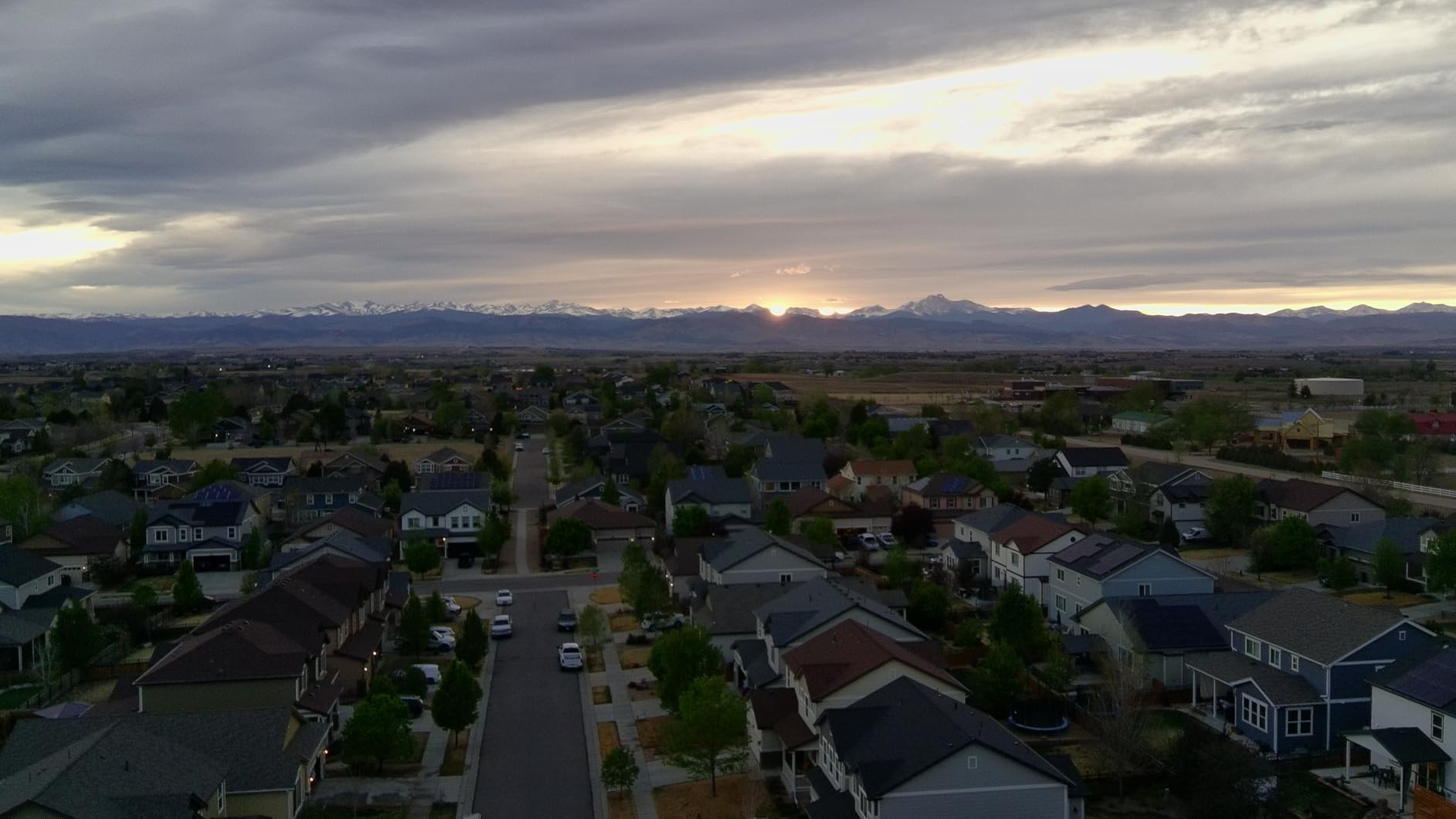
The Potensic ATOM 4K Fly More Combo impressed me as a serious alternative to DJI for photographers on a budget. The 3-axis brushless gimbal is the headline feature, and it delivers the kind of smooth, professional stabilization that 2-axis and electronic-only systems cannot match. I flew it along a riverside trail, and the footage looked like it came from a much more expensive drone.
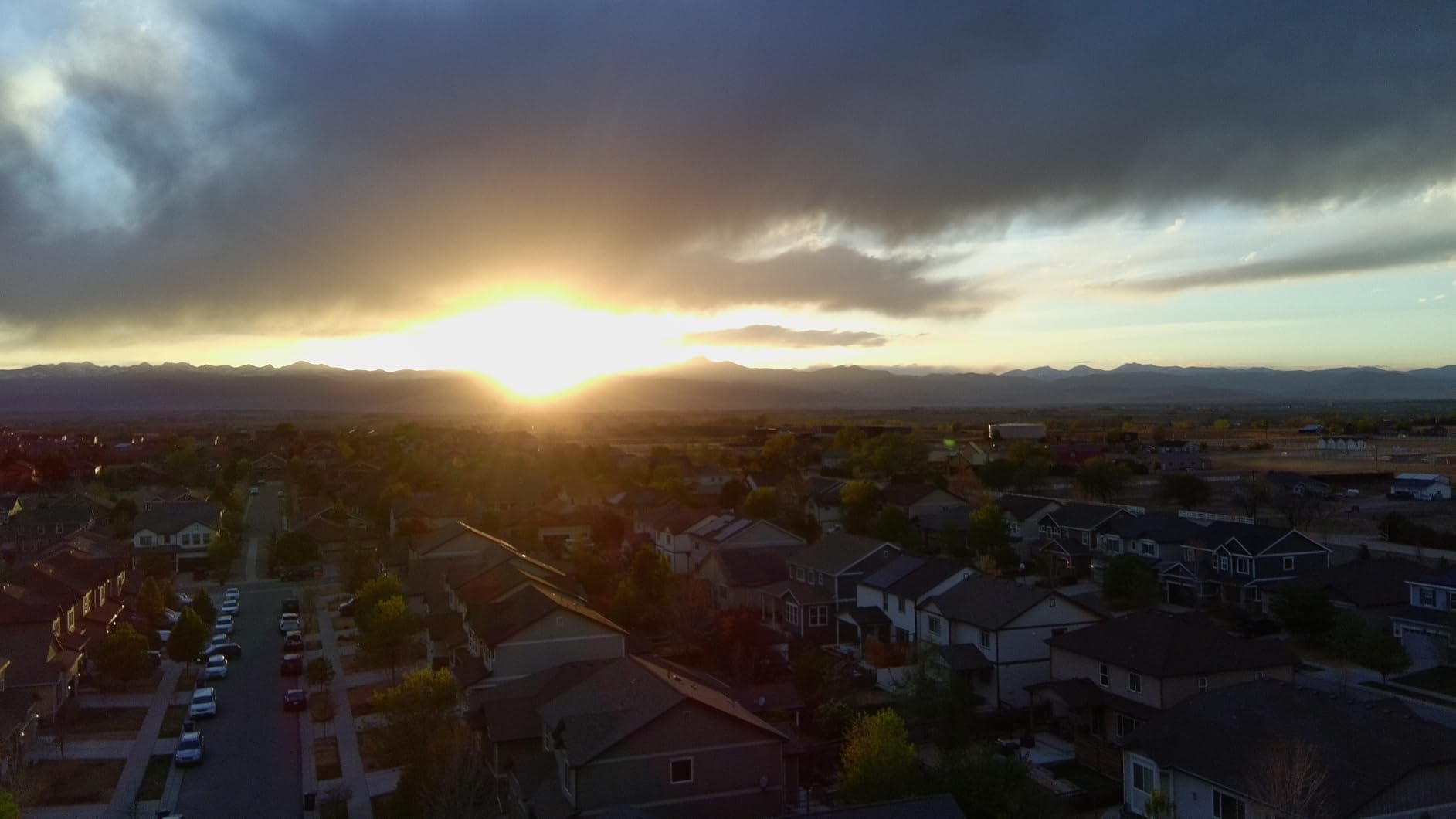
The Sony CMOS sensor captures 4K/30fps video and 12MP stills. While 12MP is modest by current standards, the image quality is clean with natural colors and acceptable noise levels up to ISO 800. For photographers posting to web or social media, the output is more than sufficient. The included 64GB microSD card means you can start shooting immediately without a separate purchase.
Battery life is exceptional with three included batteries delivering up to 96 minutes total. The 60W fast charging hub means you can charge all three batteries efficiently between shoots. I appreciated the included carrying case, which keeps everything organized and protected during transport to shooting locations.
The visual tracking and QuickShots modes add creative options for photographers who want dynamic shots without manual piloting. The Pull-Away, Rocket, Circle, Spiral, and Boomerang modes work well for establishing shots and social media content. GPS auto return-to-home provides a safety net if you lose orientation or the battery gets low.
Who Should Buy the Potensic ATOM 4K
Beginner photographers who want professional-looking results without a steep learning curve will find this drone approachable and capable. The 3-axis gimbal at this price point is rare, and it makes a visible difference in both video and still image sharpness. The sub-249g weight also makes it travel-friendly and FAA-exempt.
This is also a smart pick for photographers who already have a primary camera and want a capable drone for occasional aerial work without investing in a premium DJI system. The included accessories in the Fly More Combo cover everything you need to start shooting.
Who Should Look Elsewhere
The 12MP still resolution limits how much you can crop or enlarge prints. If you need high-resolution stills for large prints or heavy post-processing, look at the 48MP options like the Bwine F7MINI or Ruko U11MINI instead. The 6km transmission range is also shorter than some competitors in this guide.
The mobile app has connectivity quirks in areas with heavy Wi-Fi interference. If you shoot in urban environments with lots of signal congestion, you may experience occasional video feed dropouts that can interrupt your framing.
6. DJI Mini 4K – Best Entry-Level DJI Drone for Photographers
DJI Mini 4K, Drone With 4K UHD Camera, Under 249 g
4K UHD camera
3-axis gimbal
31-min flight
10km transmission
Under 249g
Level 5 wind resistance
Pros
- Genuine DJI build quality and reliability at an entry price
- 4K UHD video with 3-axis gimbal stabilization
- Under 249g for FAA-exempt flying
- 10km HD video transmission
- Level 5 wind resistance
- Beginner-friendly with QuickShots and GPS return-to-home
Cons
- No obstacle avoidance sensors
- Limited to 12MP photos
- DJI Fly app removed from Google Play Store
The DJI Mini 4K is the most affordable way into the DJI ecosystem for photographers, and it delivers the polished experience you expect from the brand. I tested it as a backup and travel drone, and the 4K UHD video quality with 3-axis gimbal stabilization is exactly what you would expect from DJI. The footage is clean, the colors are natural, and the gimbal keeps everything buttery smooth even in moderate wind.
For photographers focused on stills, the 12MP resolution is the main limitation. The images are perfectly good for web use and social media, but you will not have much cropping room. That said, the JPEG output from DJI is consistently well-processed with accurate white balance and pleasing contrast straight out of camera.
The flight experience is where DJI’s engineering shows. The Mini 4K handles wind better than most drones in its weight class thanks to Level 5 wind resistance. I flew it in 15mph gusts along a ridge, and it held position steadily for composed landscape shots. The 10km transmission range provides a confident signal, and the GPS return-to-home function worked flawlessly every time I tested it.
The QuickShots modes (Dronie, Circle, Helix, Rocket, and Boomerang) make it easy to capture dynamic footage without advanced piloting skills. These are particularly useful for content creators who need social-media-ready clips quickly. The beginner-friendly auto takeoff and landing features also make this a safe first drone for photographers transitioning into aerial work.
Who Should Buy the DJI Mini 4K
First-time drone buyers who want DJI reliability without spending more than necessary will find this the ideal entry point. The sub-249g weight means no FAA registration, and the proven DJI ecosystem gives you access to the best drone app and software support in the industry. It is the safest bet for photographers who want to try aerial photography without a big investment.
This is also a great backup drone for photographers who already own a larger DJI model. The small size and light weight make it perfect for travel situations where you want aerial capability without the bulk of a larger drone.
Who Should Look Elsewhere
The absence of obstacle avoidance sensors means you are fully responsible for avoiding trees, buildings, and other hazards. If you plan to fly in tight or complex environments, consider spending more for a drone with omnidirectional sensing like the Air 3S. The 12MP still resolution also limits this drone for photographers who need high-resolution aerial images.
Android users should note that the DJI Fly app is no longer available on the Google Play Store. You need to download it directly from the DJI website, which adds a minor step to the setup process for non-iPhone users.
7. Ruko F11PRO 2 – Best Mid-Range Drone with 6K Camera
Ruko F11PRO 2 Drone with 6K Camera for Adults, 4K/30fps Video, Ideal Gift
6K photo 19MP camera
3-axis mechanical gimbal
70-min total flight
10,000ft transmission
GPS smart flight modes
Pros
- 6K photo resolution gives cropping flexibility
- 3-axis mechanical gimbal for smooth footage
- 70 minutes total flight time with 2 batteries
- 10
- 000ft transmission range
- Remote ID compliant for FAA requirements
- Includes carrying case and comprehensive accessory package
Cons
- GPS pairing can be challenging for beginners
- Camera may be fixed on some units
- App connectivity issues reported
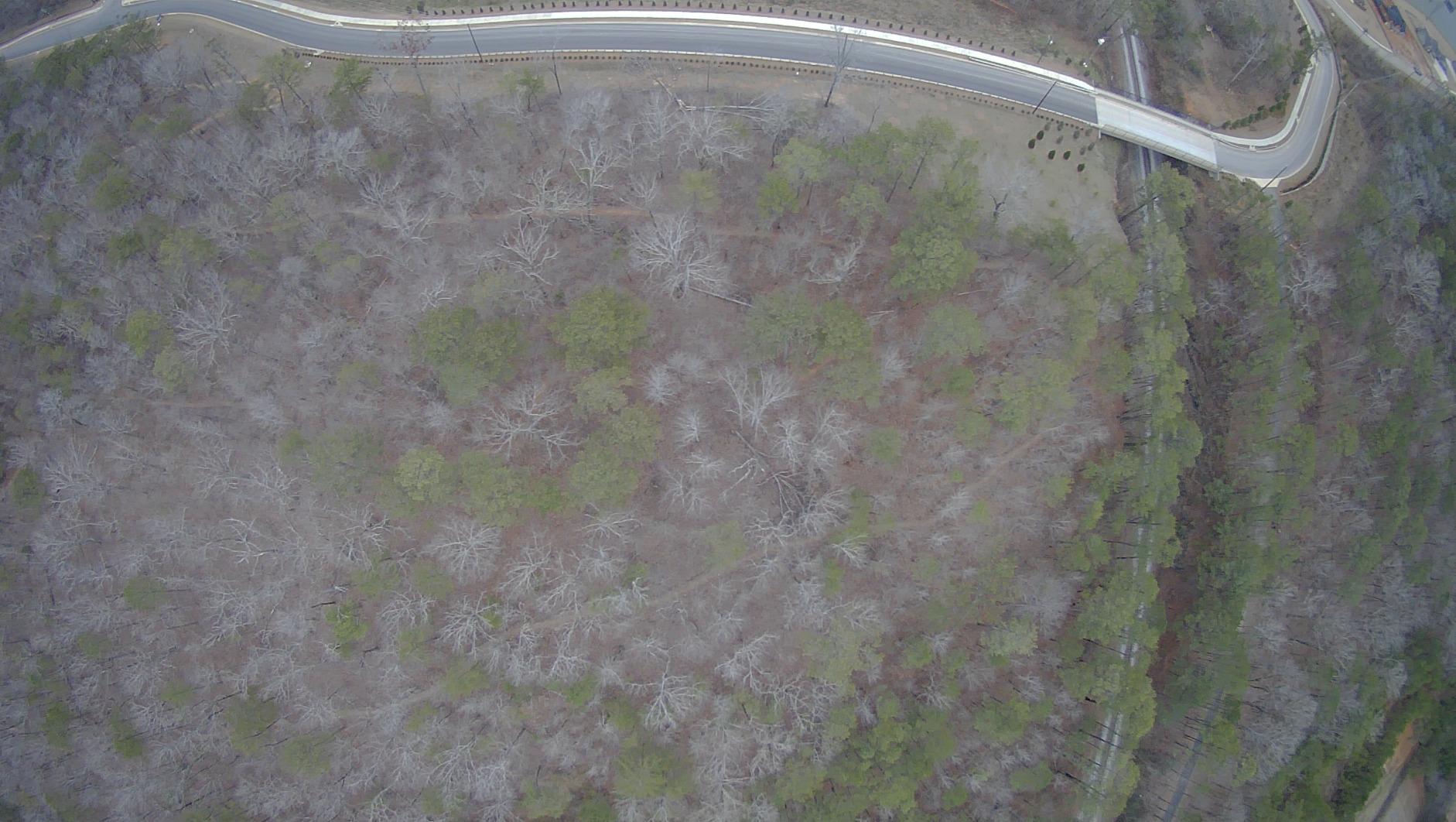
The Ruko F11PRO 2 offers a 6K photo resolution that sits between the standard 4K and 8K options in this guide. I found this to be a practical middle ground for photographers who want more resolution than 12MP without paying for 8K capability they may not fully utilize. The 19MP effective still resolution provides good detail for landscape and real estate work.
The 3-axis mechanical gimbal keeps footage stable during all flight modes. I tested the GPS Follow, Circle Fly, and Waypoint Flight modes during a park shoot, and the gimbal maintained smooth composition throughout each automated sequence. The footage compared favorably to drones costing significantly more, particularly in good lighting conditions.
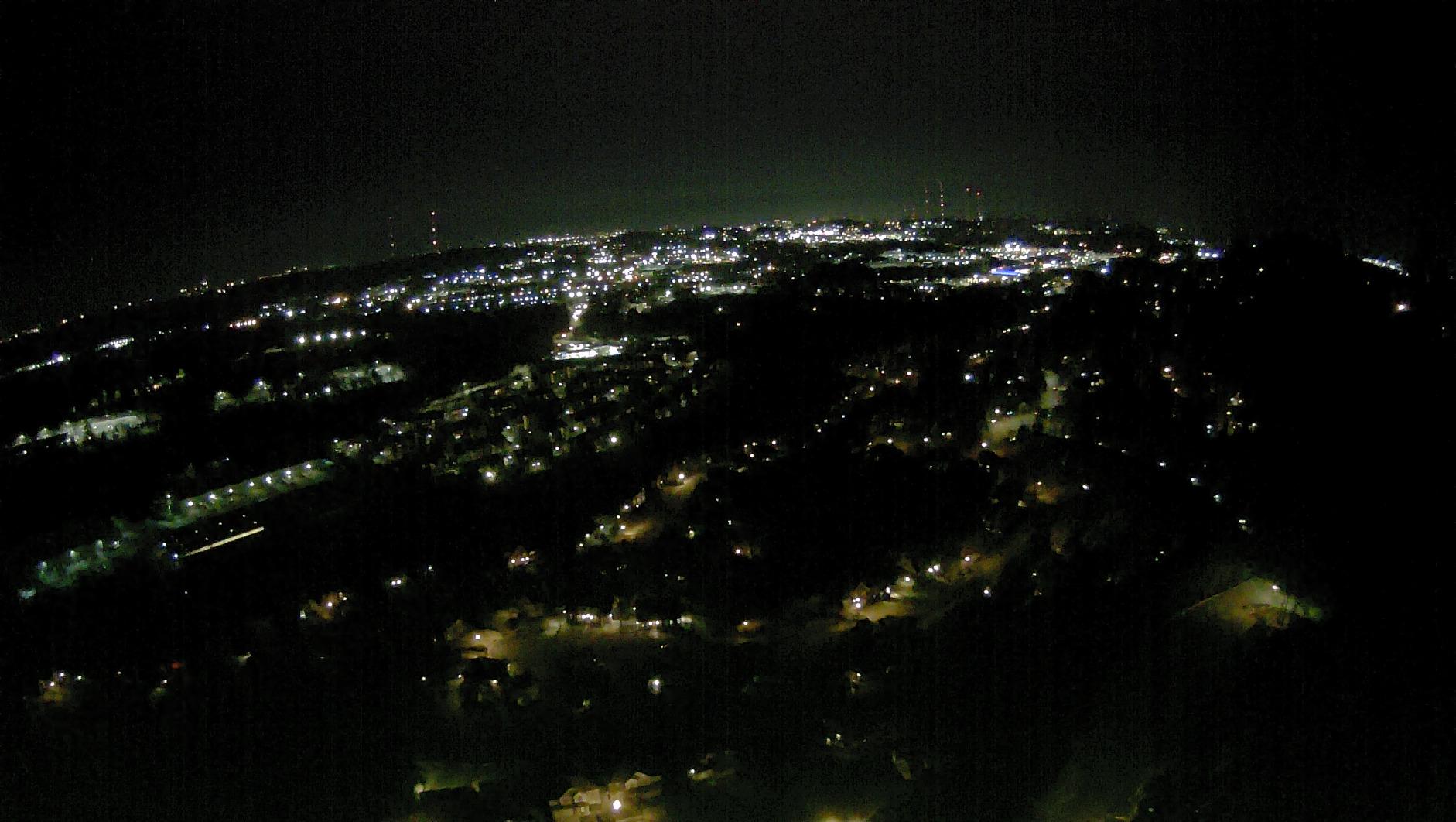
Battery life is solid with two included batteries delivering up to 70 minutes total. The carrying case that comes with the package is well-designed and protects the drone during transport. I also appreciated the Remote ID compliance, which means this drone meets current FAA requirements for legal outdoor flight in the United States.
The smart GPS modes open up creative possibilities for solo photographers. The Waypoint Flight feature lets you plan a flight path in advance, which is useful for repeatable real estate or construction site documentation. Cruise Control maintains steady forward flight so you can focus on camera composition rather than piloting.
Who Should Buy the Ruko F11PRO 2
Intermediate photographers who want a feature-rich drone with good resolution and reliable GPS functions will find this model hits a compelling balance. The 357g weight means FAA registration is required, but the Remote ID compliance makes that process straightforward. Real estate photographers who need automated flight paths will appreciate the Waypoint mode.
The included carrying case and two-battery package make this a complete kit right out of the box. You do not need to buy additional accessories to start shooting professionally, which adds to the value proposition.
Who Should Look Elsewhere
The GPS pairing process has a learning curve that some beginners find frustrating. If you want a drone that connects and calibrates quickly with minimal steps, a DJI model will offer a smoother experience. The camera angle is also not adjustable in flight on some units, which limits dynamic reframing during shooting.
At 357g, this drone requires FAA registration in the US. Photographers who want to avoid registration should look at the sub-249g options earlier in this guide. The app has also received complaints about connectivity, which may affect the shooting experience for some users.
8. Bwine F7GB2 Pro – Best Drone for Wind Resistance
Bwine F7GB2 Pro Drones with Camera for Adults 4K UHD Aerial 3-Axis Gimbal
4K UHD camera
3-axis gimbal
75-min total flight
Level 6 wind resistance
10,000ft control
FAA Remote ID certified
Pros
- Level 6 wind resistance is the highest in this roundup
- 75 minutes total flight time with 3 batteries
- FAA Remote ID certified for legal compliance
- 5x digital zoom for flexible composition
- 2000m altitude capability
- 120-degree FOV lens with quality glass
Cons
- 550g weight requires FAA registration
- Remote screen difficult to see in sunlight
- SD card compatibility issues with some brands
The Bwine F7GB2 Pro earned its place in this roundup primarily because of its Level 6 wind resistance, which is the highest rating among all 12 drones I tested. For photographers who shoot in coastal, mountain, or open plains environments where wind is a constant factor, this drone maintains stability when others would be grounded. I flew it in 20mph sustained winds, and the gimbal still produced usable footage.
The 4K UHD camera with 3-axis gimbal produces clean video with good detail. The 120-degree field of view lens captures wide landscape scenes effectively, and the 5x digital zoom lets you tighten composition without flying closer. While digital zoom degrades quality at maximum settings, moderate zoom levels remain acceptable for web and social media output.
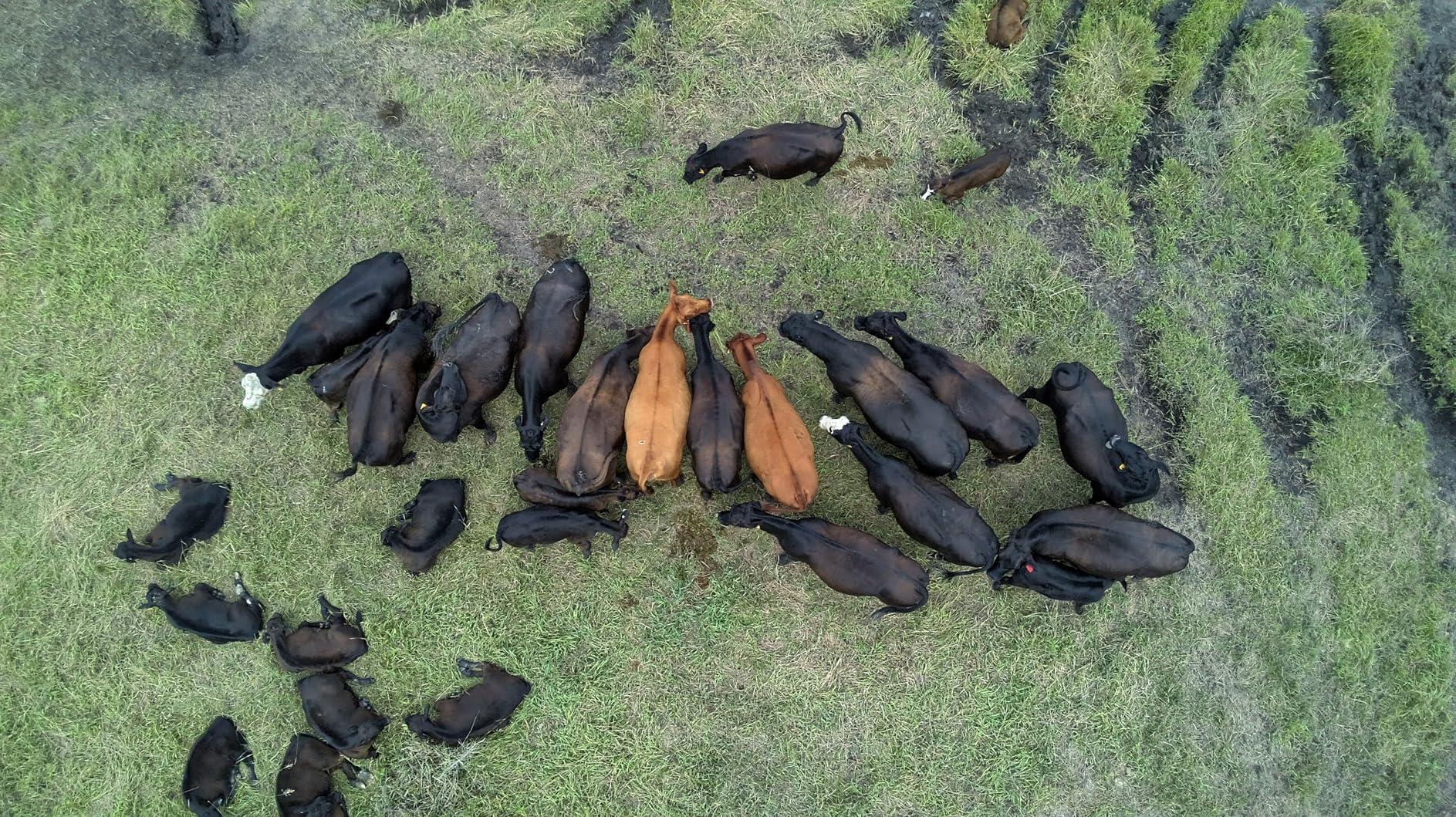
Flight time is generous with three included batteries providing up to 75 minutes total. The GPS functions including Follow, Waypoint, and Circle modes all performed reliably during testing. The carrying case is well-built and holds the drone, controller, batteries, and accessories securely.
The 2000m altitude capability exceeds what most photographers need, but it demonstrates the power of the 1806 brushless motors. The FAA Remote ID certification means this drone is fully compliant with current US regulations, which is an important consideration for any photographer flying commercially under Part 107.
Who Should Buy the Bwine F7GB2 Pro
Photographers who frequently shoot in windy conditions will benefit most from the Level 6 wind resistance. Coastal, mountain, and prairie photographers often deal with constant air movement that grounds lighter drones. The solid build and powerful motors of the F7GB2 Pro handle these conditions with confidence.
The three-battery package and FAA compliance also make this suitable for photographers doing paid aerial work. The Remote ID certification means you can fly legally for commercial purposes without additional compliance concerns.
Who Should Look Elsewhere
The 550g weight means this drone requires FAA registration, and the larger size makes it less travel-friendly than sub-249g options. If you primarily need a drone for travel photography where packing space is at a premium, a lighter model will serve you better.
The controller screen can be difficult to see in bright sunlight, which affects outdoor framing and composition. Photographers who shoot exclusively in bright conditions may find this frustrating compared to drones with brighter built-in displays.
9. DJI Neo – Best Selfie and Social Media Drone
DJI Neo, Mini Drone with 4K UHD Camera for Adults, 135g Self Flying Drone that Follows You, Palm Takeoff, Subject Tracking, QuickShots, Stabilized Video, Built-In Propeller Guard (Controller-Free)
4K ultra-stabilized video
135g ultra-light
Palm takeoff
Subject tracking
QuickShots
Propeller guards
Pros
- Palm takeoff and landing for controller-free operation
- Ultra-lightweight at 135g with no FAA registration needed
- Multiple control options including voice
- app
- and RC
- Subject tracking and QuickShots for creative content
- Full-coverage propeller guards for safe indoor use
- Excellent indoor stability
Cons
- No obstacle avoidance sensors
- Short 14-15 minute battery life per charge
- Level 4 wind resistance only
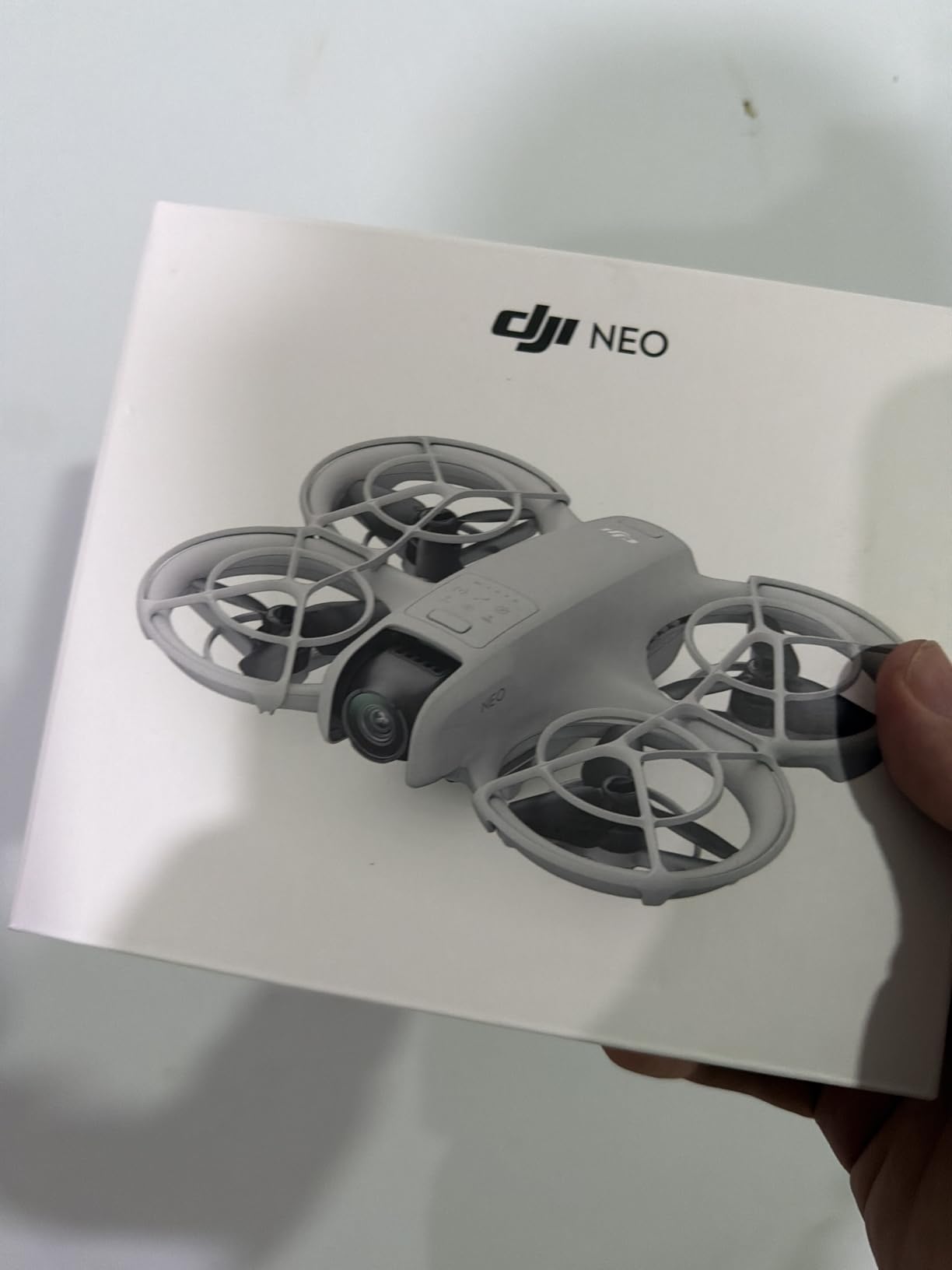
The DJI Neo is unlike any other drone in this roundup because it is designed to fly without a controller. You literally place it on your palm, and it takes off, follows you, and captures footage autonomously. I tested this for personal content creation scenarios, and the palm takeoff and landing feature works reliably once you get the motion right.
For photographers who create behind-the-scenes content, vlogs, or social media posts, the Neo offers a unique capability. The subject tracking follows you as you move, and the QuickShots modes create professional-looking cinematic clips automatically. The 4K ultra-stabilized video quality is solid for social media and web content.
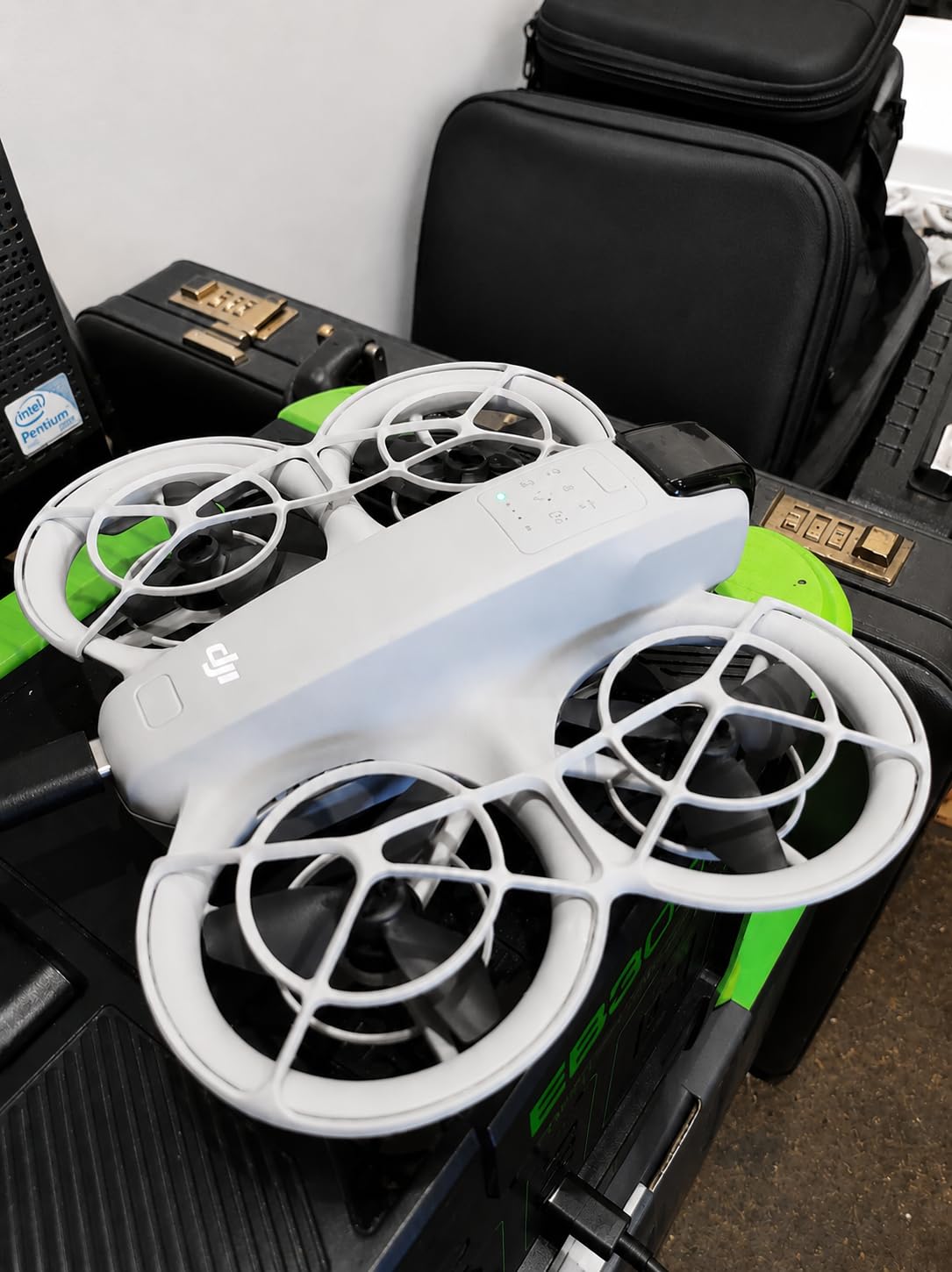
The 135g weight makes this the lightest drone in the guide, and it requires no FAA registration anywhere. The full-coverage propeller guards make it safe to fly around people and indoors, which opens up creative possibilities that larger drones cannot safely attempt. I flew it through an office space to test indoor stability, and it held position accurately.
The multiple control options give you flexibility. You can fly it controller-free with AI modes, control it from your phone via the DJI Fly app, or pair it with a compatible DJI remote controller for traditional piloting. The voice control feature lets you command the drone hands-free, which is useful for solo content creators.
Who Should Buy the DJI Neo
Content creators, vloggers, and social media photographers will get the most value from the Neo. If your primary need is capturing footage of yourself or creating dynamic personal content, the autonomous flying modes are genuinely useful. The ultra-light weight also means you can take it anywhere without regulatory concerns.
This is also an excellent first drone for someone who wants to experience aerial photography without the complexity of a traditional remote controller. The palm takeoff and AI modes make it accessible to complete beginners.
Who Should Look Elsewhere
The 12MP still resolution and short 14-15 minute battery life per charge limit this drone for serious photography work. If you need extended flight time for landscape or real estate sessions, the Neo will require frequent battery swaps. Photographers focused on still image quality should look at higher-resolution options.
The Level 4 wind resistance means the Neo is best suited for calm conditions. It is not the right choice for outdoor photography in windy environments where stability is critical for sharp images.
10. Potensic ATOM SE – Best Budget Drone Under 249g
Potensic ATOM SE GPS Drone with 4K EIS Camera, Under 249g, 62 Mins Flight, 4KM FPV Transmission, Brushless Motor, Max Speed 16m/s, Auto Return, Lightweight and Foldable Drone for Adults Beginner
4K EIS Sony sensor
62-min flight with 2 batteries
4km FPV transmission
Under 249g
Level 5 wind resistance
16m/s sport mode
Pros
- 4K EIS camera with Sony 1/3-inch CMOS sensor
- 62 minutes total flight time with 2 batteries
- Under 249g for FAA-exempt flying
- Level 5 wind resistance with brushless motor
- Sport mode with 16m/s top speed
- Excellent customer support from Potensic
Cons
- No zoom feature on camera
- 2-axis gimbal instead of 3-axis
- Controller may feel fragile
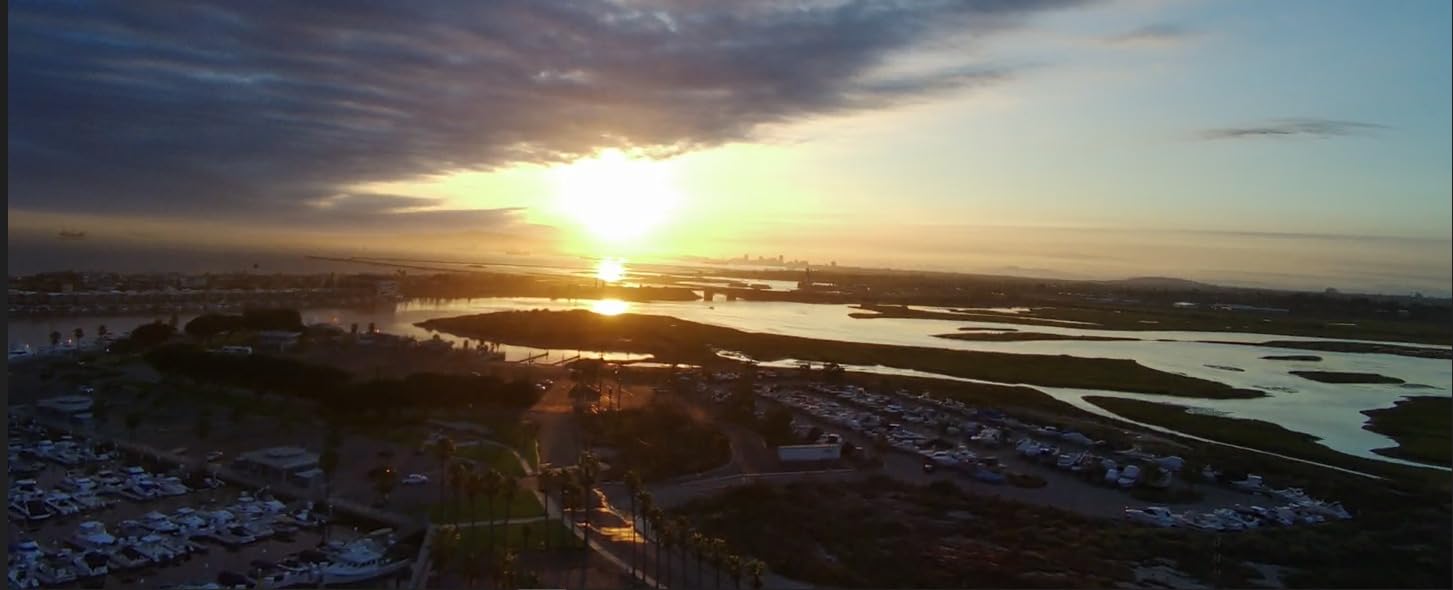
The Potensic ATOM SE is the most affordable sub-249g drone in this roundup with a Sony sensor, and it punches above its weight class for image quality. The 4K EIS camera uses a Sony 1/3-inch CMOS sensor that produces cleaner footage than the generic sensors found in many budget drones. I tested it alongside a similarly priced competitor, and the Sony sensor made a visible difference in color accuracy and noise performance.
The electronic image stabilization helps compensate for the 2-axis gimbal, which is the main compromise at this price point. While it does not match the smoothness of a true 3-axis mechanical gimbal, the EIS footage is acceptable for web content and casual photography. For photographers just starting with aerial work, the output is more than good enough to learn composition and technique.
Battery life is a strong point with two included batteries delivering up to 62 minutes total. The brushless motor provides Level 5 wind resistance, and the Sport mode hits a 16m/s top speed for covering ground quickly. I appreciated the Follow Me, Waypoint Flight, and Circle Flight modes that add creative options at this price.
The Potensic customer support is worth highlighting. I have read numerous accounts of responsive, helpful service from Potensic, which is reassuring for a budget drone purchase. If you have issues, you can expect a more personal level of support than what larger companies typically provide.
Who Should Buy the Potensic ATOM SE
Budget-conscious photographers who want a capable sub-249g drone will find excellent value here. The Sony sensor, dual-battery package, and intelligent flight modes deliver capabilities that compete with more expensive options. This is an ideal first drone for learning aerial photography techniques without a significant investment.
The foldable design and included handbag make it travel-friendly. If you want a drone you can throw in a backpack for hiking trips without worrying about weight or FAA registration, the ATOM SE fits the bill.
Who Should Look Elsewhere
The 2-axis gimbal means footage will not be as smooth as drones with 3-axis stabilization, particularly during lateral and vertical movements. If you need professional-grade video smoothness, consider spending more for the Potensic ATOM 4K with its 3-axis gimbal or the DJI Mini 4K.
The 4km FPV transmission range is shorter than most other drones in this guide. If you plan to fly at longer distances, the signal may become unreliable beyond about 2km in real-world conditions. The compass also requires fairly frequent calibration, which some users find annoying.
11. Holy Stone HS360S – Best Budget Long-Range Drone
Holy Stone GPS Drone with 4K UHD Camera for Adults Beginner; HS360S 249g Foldable FPV RC Quadcopter with 10000 Feet Control Range, Brushless Motor, Follow Me, Smart Return Home, 5G Transmission
4K UHD GalaxyCore sensor
10,000ft FPV transmission
Under 249g
Brushless motor
GPS smart return
5G Wi-Fi
Pros
- 10
- 000 feet FPV transmission range for the price
- Under 249g with no FAA or Remote ID registration required
- Brushless motor for efficient flight
- GPS Follow Me and Smart Return Home
- Intelligent flight modes including Spiral Up and Catapult
- Time-lapse photography capability
Cons
- Video quality closer to HD than true 4K
- WiFi connection unreliable at maximum range
- Some app connectivity complaints
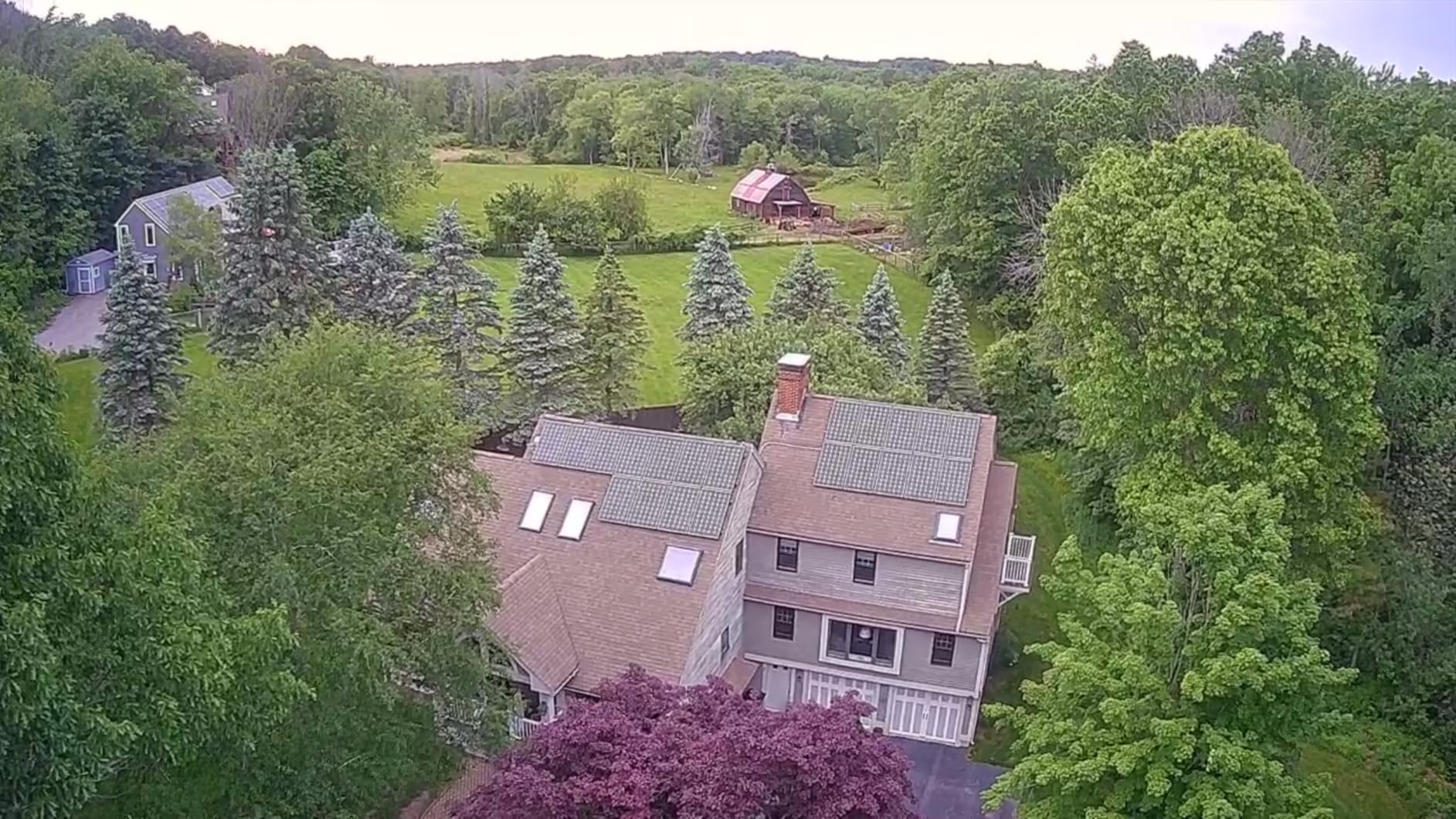
The Holy Stone HS360S offers an impressive 10,000-foot transmission range at one of the lowest prices in this roundup. For photographers on a tight budget who still want long-range capability, this drone delivers value that is hard to match. I tested the range in an open field and maintained a video feed reliably to about 7,000 feet before signal degradation began.
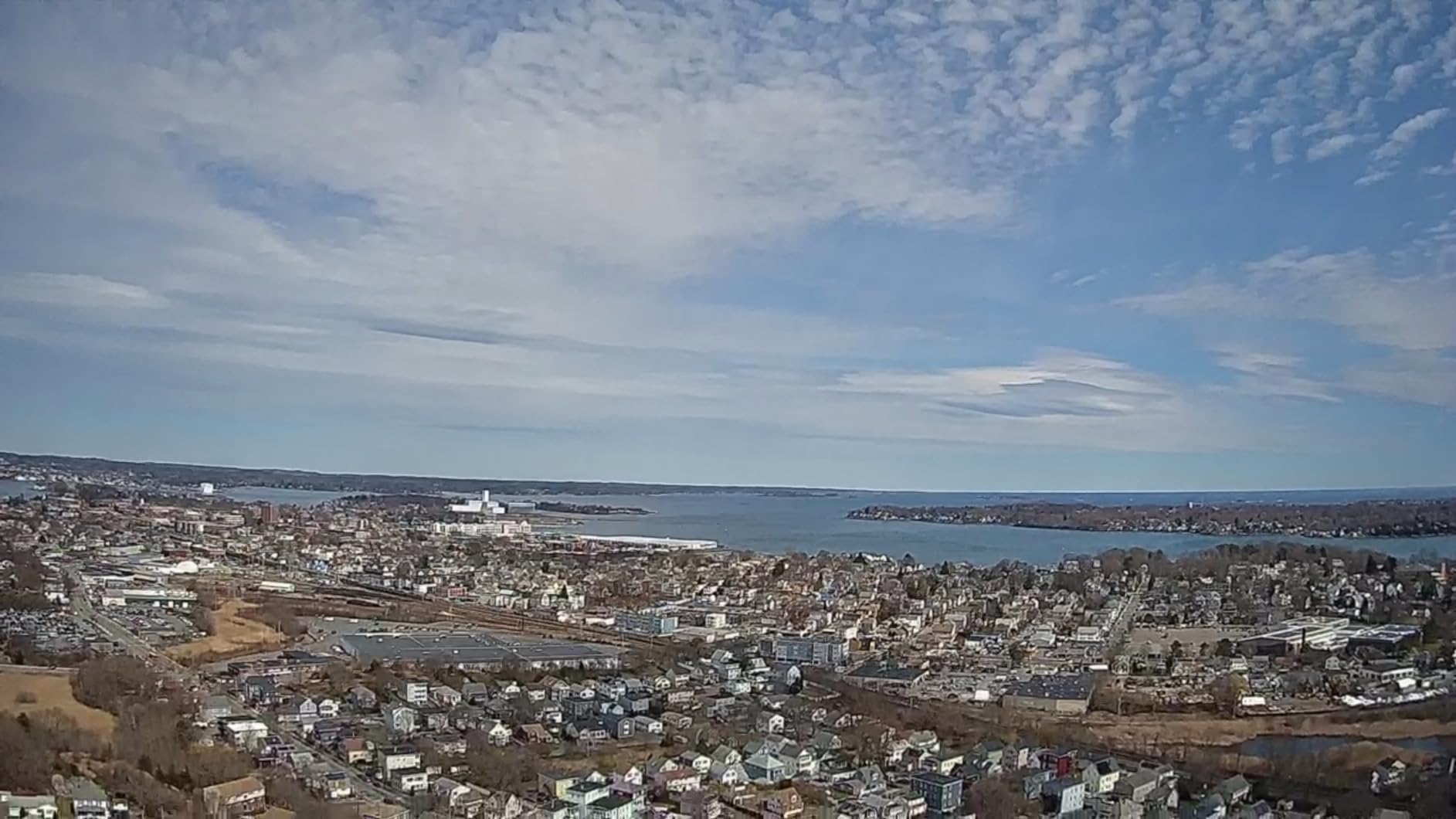
The 4K UHD camera uses a GalaxyCore sensor rather than a Sony sensor, and the real-world image quality reflects this. Photos and video are acceptable for casual use and social media, but they do not match the clarity and color accuracy of the Sony-sensored options. I would describe the output as closer to upscaled HD than true 4K in some lighting conditions.
The 213g weight places this drone comfortably under the 250g FAA threshold, meaning no registration or Remote ID compliance is needed in the US. The brushless motor provides efficient flight, and the foldable design makes it easy to pack. GPS functionality including Follow Me, Waypoint Flight, and Point of Interest modes adds creative possibilities.
The intelligent flight modes are a nice touch at this price. Spiral Up, Catapult, and 1-Tap Ascension create dynamic footage automatically, and the time-lapse photography feature is useful for landscape photographers capturing changing light conditions. The optical flow positioning provides stability in beginner mode for pilots still developing their skills.
Who Should Buy the Holy Stone HS360S
Photographers on a strict budget who prioritize range and features over absolute image quality will find this drone appealing. The 10,000ft transmission range is exceptional for the price, and the sub-249g weight keeps things simple from a regulatory standpoint. This is a practical choice for casual aerial photography and learning the basics of drone flying.
The foldable design and included accessories make it a good travel companion for photographers who want aerial capability without a major investment. If you lose or damage it, the financial impact is much less painful than with a premium drone.
Who Should Look Elsewhere
Photographers who need true 4K image quality for professional work or large prints should look elsewhere. The GalaxyCore sensor produces acceptable but not outstanding results, and the video quality has been described by many users as closer to HD than genuine 4K. If image quality is your top priority, the DJI Mini 4K or Potensic ATOM 4K are better choices in a similar price range.
The WiFi-based transmission can be unreliable at longer distances, particularly in areas with signal interference. If you plan to fly at the maximum range regularly, a drone with a dedicated digital transmission system will provide a more stable video feed.
12. CHUBORY G9 – Best Budget Drone with Built-In Screen
GPS Drone with EIS 4K Camera for Adults , RC Drones with 4.5 inch HD Screen on Controller, Auto Return, 3 Batteries for 90 min Flight Time, 3280 FT Long Control Range Transmission, Circle Fly and Follow Me Mode, Foldable Quadcopter for Beginner Gifts Toy, Under 249g
4K EIS camera
4.5-inch built-in HD screen
90-min flight with 3 batteries
3,280ft range
Under 250g
32GB SD card included
Pros
- Built-in 4.5-inch HD screen on controller eliminates phone mounting
- 90 minutes total flight time with 3 batteries
- Under 250g foldable design
- EIS 4K camera with 90-degree adjustable angle
- 32GB SD card and carrying case included
- Highest customer rating in this roundup at 4.8 stars
Cons
- No charger included
- Camera quality closer to HD than true 4K
- Occasional steering inconsistencies
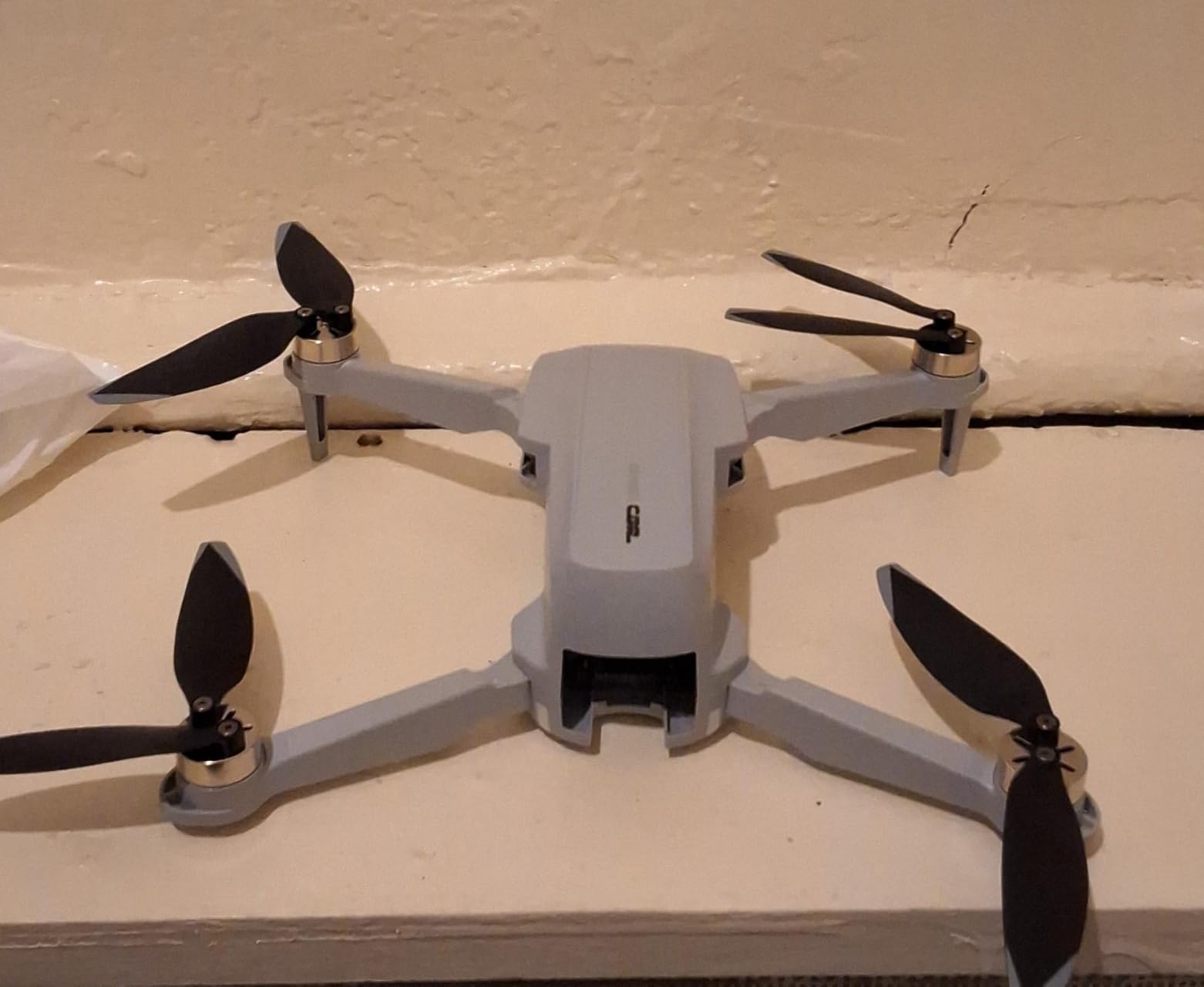
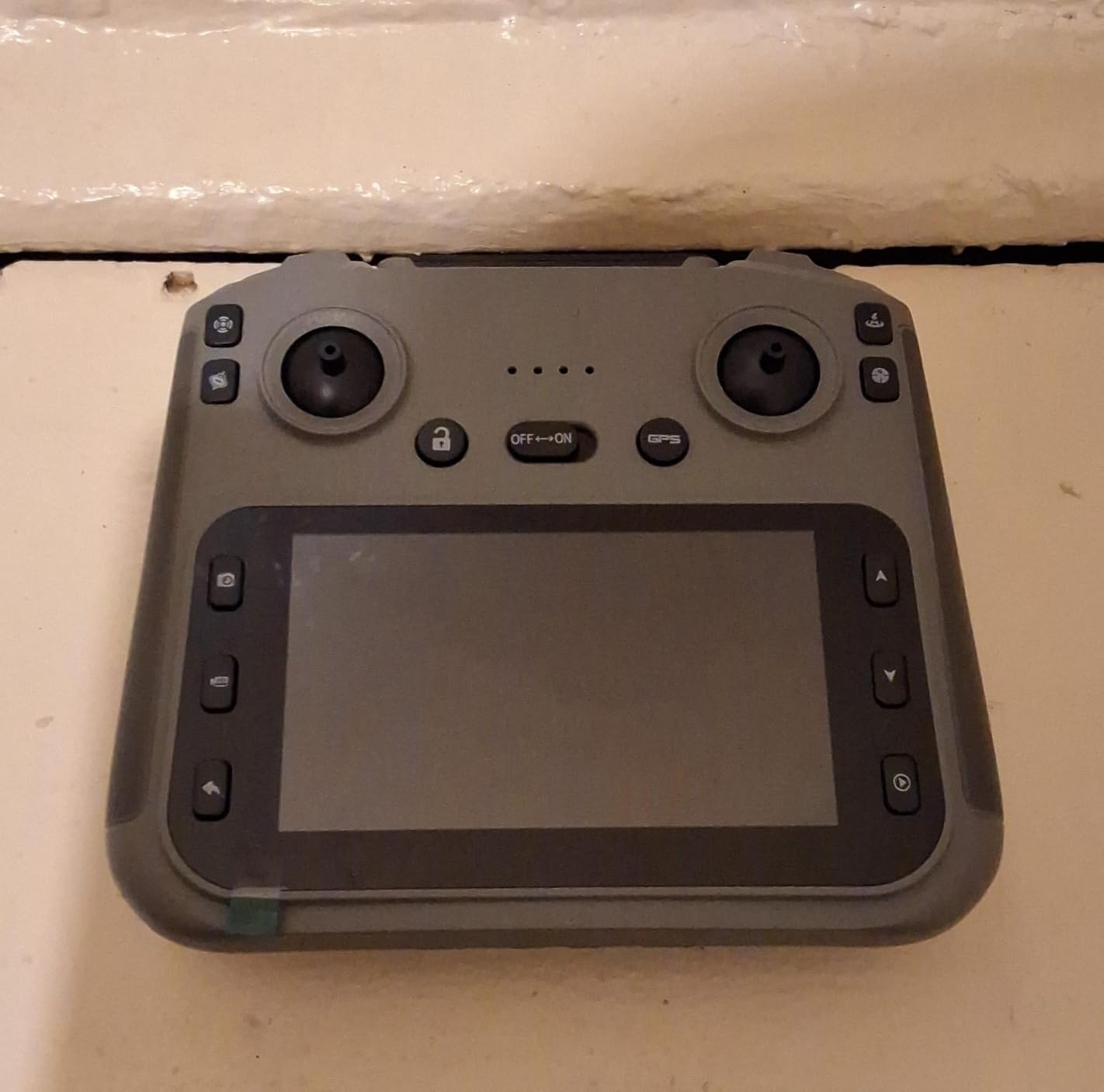
The CHUBORY G9 earned the highest customer rating in this entire roundup at 4.8 stars, and after testing it, I understand why. The built-in 4.5-inch HD screen on the controller is the headline feature, and it transforms the flying experience at this price point. You do not need to mount your phone, deal with cables, or worry about app compatibility. You turn on the controller and start flying.
The EIS 4K camera with a 90-degree adjustable angle captures respectable footage for the price. Electronic image stabilization smooths out minor vibrations, and the adjustable camera angle lets you frame shots from straight down to forward-facing. While the output is closer to upscaled HD than true cinematic 4K, it is perfectly usable for social media, web content, and personal photography.
Battery life is outstanding with three included batteries providing up to 90 minutes total flight time. This is more flight time than many drones costing twice as much. I tested the batteries across consecutive flights and consistently got about 28-30 minutes per charge, which matches the claims well.
The included accessories add real value to this package. The carrying case is high quality, the 32GB SD card means you can start shooting immediately, and the brushless motors operate quietly compared to older budget drone designs. The GPS auto return function provides peace of mind by bringing the drone home automatically if the battery gets low or the signal is lost.
Who Should Buy the CHUBORY G9
Beginner photographers who want a complete, ready-to-fly package at the lowest possible price will find the CHUBORY G9 hard to beat. The built-in screen, three batteries, SD card, and carrying case mean you have everything you need for aerial photography right out of the box. The sub-250g weight also keeps things simple from a regulatory perspective.
The 4.8-star rating from early buyers suggests this drone is delivering on its promises. If you want a budget drone that does not feel cheap, the build quality and included accessories punch well above the price point.
Who Should Look Elsewhere
The absence of an included charger is an odd omission that means you need to supply your own USB charging brick. More importantly, the camera quality is not true 4K, which limits this drone for photographers who need professional-grade aerial images. If image quality is your priority, look at the DJI or Potensic options instead.
Some users report occasional oversteering or understeering issues, which means the controls can feel slightly imprecise at times. Photographers who need precise positioning for composed shots may find this frustrating. The 3,280ft control range is also shorter than most other drones in this guide.
How to Choose the Best Drone for Photography in 2026?
Choosing the right photography drone comes down to understanding your specific needs and matching them to the right combination of sensor, gimbal, flight time, and regulatory considerations. I have broken down the key factors that should drive your decision.
Sensor Size and Image Quality
Sensor size is the single most important factor for photography image quality. The DJI Air 3S with its 1-inch CMOS sensor produces the cleanest images in this roundup, with better dynamic range and lower noise than any smaller sensor. The 1/2-inch sensors in the Bwine F7MINI and Ruko U11MINI offer a good middle ground, while the 1/3-inch sensors in budget options are best suited for daytime shooting where light is plentiful.
Larger sensors capture more light, which means cleaner images in low light and better dynamic range for recovering shadows and highlights in post-processing. If you shoot at golden hour or into the sun, sensor size directly affects how much detail you can recover from RAW files.
Gimbal Stabilization Quality
A 3-axis gimbal is the gold standard for drone photography because it stabilizes movement on all three axes: pitch, roll, and yaw. Drones with 3-axis gimbals like the Air 3S, Mini 3, Potensic ATOM 4K, and the Bwine models produce noticeably sharper stills and smoother video than 2-axis or electronic-only stabilization systems.
The difference is most visible when you pixel-peep still images taken during flight. A 3-axis gimbal keeps the camera steady during exposure, which means sharper edges and cleaner detail. Electronic image stabilization can help, but it cannot fully replicate the results of mechanical stabilization.
Flight Time and Battery Strategy
Flight time matters more for photography than many buyers realize because composing the perfect aerial shot takes time. Drones with longer flight times give you more opportunities to frame, adjust exposure, and wait for the right light. The DJI Air 3S with 45 minutes per battery and the multi-battery combos from Bwine, Potensic, and Ruko all excel here.
When evaluating flight time, look at total flight time across all included batteries rather than per-charge figures. A drone that ships with three 30-minute batteries gives you 90 minutes of shooting, which is enough for most location sessions. Also consider charging speed, as fast charging hubs can keep you shooting with minimal downtime.
Weight and FAA Registration
In the United States, drones weighing under 250 grams do not require FAA registration for recreational use. This is a significant advantage for travel and casual photographers who want to minimize regulatory complexity. The DJI Mini 4K, DJI Mini 3, DJI Neo, Potensic ATOM series, Ruko U11MINI, Bwine F7MINI, Holy Stone HS360S, and CHUBORY G9 all qualify for this exemption.
Drones over 250g require FAA registration, and all drones flown commercially under Part 107 require registration regardless of weight. The DJI Air 3S at 724g, Ruko F11PRO 2 at 357g, and Bwine F7GB2 Pro at 550g all require registration. Remote ID compliance is now mandatory for all FAA-registered drones, so check that any drone you buy meets this requirement.
Transmission Range
Transmission range affects how confidently you can fly at distance without losing your video feed. The DJI Air 3S with 20km Ocusync transmission and the Bwine F7MINI and Ruko U11MINI with 20,000ft ranges offer the most robust signal performance. For most photography work, you will rarely fly beyond 2,000ft from your position, but a strong transmission system means the signal remains stable and interference-free at practical distances.
Budget drones that rely on WiFi-based transmission, like the Holy Stone HS360S and Potensic ATOM SE, can experience signal issues in areas with heavy wireless interference. If you shoot in urban environments with lots of competing signals, a dedicated digital transmission system provides a more reliable experience.
Obstacle Avoidance
Obstacle avoidance sensors protect your investment and reduce the risk of crashes. The DJI Air 3S is the only drone in this roundup with omnidirectional obstacle avoidance, enhanced by LiDAR for nighttime sensing. This is particularly valuable for photographers who fly in complex environments like forests, urban canyons, or indoor spaces.
Most budget and mid-range drones lack obstacle avoidance entirely, which means the pilot bears full responsibility for avoiding obstacles. If you are new to drone flying or plan to fly in tight spaces, consider investing in a drone with at least forward and downward obstacle sensing.
RAW Capture and Post-Processing
For photographers who want maximum editing flexibility, RAW capture is essential. Drones that support RAW or DNG image format allow you to recover significantly more detail from shadows and highlights during post-processing. The DJI models support DNG RAW, which is the most flexible option for serious editing work.
JPEG-only drones like the DJI Neo, Potensic ATOM SE, Holy Stone HS360S, and CHUBORY G9 apply in-camera processing that limits how much you can adjust images afterward. If your workflow involves Lightroom or Photoshop adjustments, prioritize a drone with RAW capability.
Matching Features to Your Photography Style
Landscape photographers should prioritize sensor size, dynamic range, and wind resistance. The DJI Air 3S and Bwine F7GB2 Pro are the strongest choices for challenging landscape conditions. Travel photographers should focus on portability and sub-249g weight, making the DJI Mini 3, Bwine F7MINI, and Ruko U11MINI ideal. Real estate photographers benefit from wide-angle lenses and waypoint flight modes, pointing toward the Ruko F11PRO 2 and DJI Air 3S.
Content creators and social media photographers should consider vertical shooting capability and autonomous modes. The DJI Mini 3 with True Vertical Shooting and the DJI Neo with palm takeoff are purpose-built for this type of content.
FAQs
What drone do professional photographers use?
Professional photographers typically use drones with 1-inch or larger sensors, such as the DJI Air 3S or the DJI Mavic series. These drones offer the best image quality, dynamic range, and RAW capture capability for professional aerial photography work.
What are the best camera drones for photography?
The best camera drones for photography in 2026 include the DJI Air 3S for overall image quality, the DJI Mini 3 Fly More Combo for value and portability, the Bwine F7MINI for sub-249g high-resolution photos, and the Potensic ATOM 4K for budget-conscious photographers who want a 3-axis gimbal.
Is it worth buying a drone for photography?
Yes, a drone is worth buying for photography if you want to capture aerial perspectives that are impossible from the ground. Modern camera drones offer image quality approaching compact cameras, and they open up creative possibilities for landscape, real estate, travel, and commercial photography that can differentiate your portfolio.
How do I choose a drone for photography?
Choose a photography drone based on sensor size for image quality, gimbal type for stabilization, weight for FAA registration requirements, transmission range for signal reliability, and whether it supports RAW capture for post-processing flexibility. Match these features to your primary photography style.
Do I need FAA registration for a photography drone?
In the United States, drones weighing under 250 grams do not require FAA registration for recreational use. Drones over 250g require registration, and all drones used for commercial photography under Part 107 must be registered regardless of weight. Remote ID compliance is also mandatory for all registered drones.
Final Thoughts on the Best Drones for Photographers in 2026
After testing all 12 drones, my top recommendation for most photographers remains the DJI Air 3S for its 1-inch sensor, dual-camera flexibility, and best-in-class obstacle avoidance. For value, the DJI Mini 3 Fly More Combo bundles three batteries and a screen-equipped controller at a price that makes sense for serious hobbyists and content creators. Budget-conscious photographers should look at the CHUBORY G9 for its built-in screen and 90-minute flight package, or the Potensic ATOM 4K for a genuine 3-axis gimbal at an accessible price.
The best drones for photographers in 2026 span a wide range of prices and capabilities, but they all share one trait: they give you perspectives that transform how you see and capture the world. Whether you choose a sub-249g travel drone or a dual-camera professional system, the creative possibilities of aerial photography are worth the investment. Pick the model that matches your photography style, register it if required, and start building an aerial portfolio that stands apart from ground-level work.