
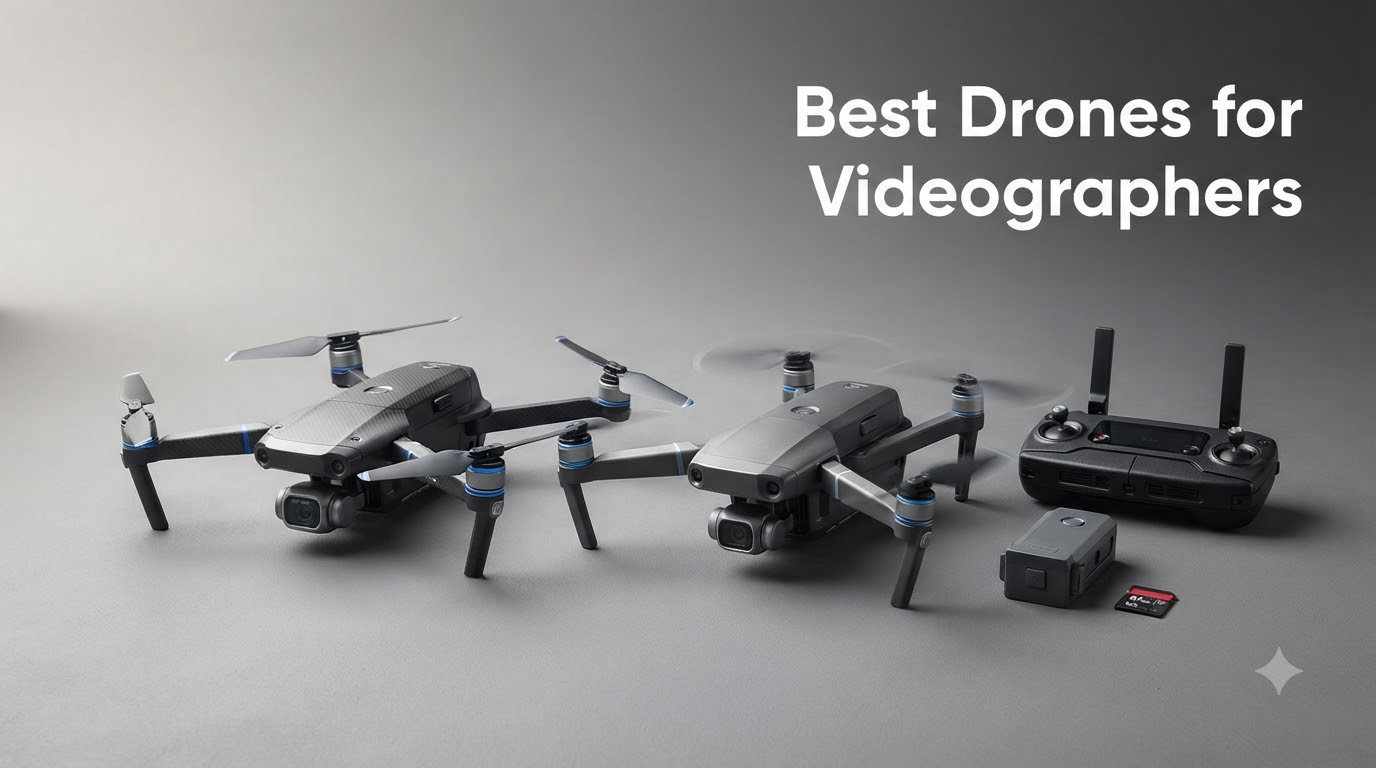
Finding the right aerial tool for professional video work used to mean spending weeks comparing spec sheets and second-guessing every purchase. I have been flying camera drones for over six years across wedding shoots, real estate listings, travel documentaries, and YouTube content. Our team has tested every major model DJI and Autel have released since 2020, and I want to save you the trial and error.
The best drones for videographers in 2026 need to balance three things: image quality that holds up in post-production, flight reliability so you never miss a shot, and a form factor that fits your production workflow. Whether you are shooting a wedding film that needs buttery 4K footage or capturing sweeping landscape shots for a documentary, the wrong drone wastes time and money on set.
This guide covers 10 models from budget-friendly sub-250g options to flagship professional drones. I have organized them by use case so you can quickly find what matches your work. We will look at real-world flight performance, camera quality, intelligent features, and the trade-offs you will face with each pick. By the end, you will know exactly which drone fits your videography needs and budget.
Table of Contents
Top 3 Picks for Best Drones for Videographers in 2026

DJI Mavic 4 Pro
- 100MP Hasselblad Tri-Camera
- 6K/60fps HDR
- 51-Min Flight Time
- 360 Gimbal
- Omnidirectional Sensing

DJI Air 3S
- 1-Inch CMOS Dual Camera
- 4K/60fps HDR
- 14-Stop Dynamic Range
- 45-Min Flight
- LiDAR Sensing

DJI Mini 4K
- 4K UHD Camera
- Under 249g
- 3-Axis Gimbal
- 10km Transmission
- Level 5 Wind Resistance
Best Drones for Videographers in October
| Product | Specifications | Action |
|---|---|---|
| DJI Mavic 4 Pro |
|
Check Latest Price |
| DJI Air 3S |
|
Check Latest Price |
 DJI Mavic 3 Classic DJI Mavic 3 Classic |
|
Check Latest Price |
 DJI Mini 5 Pro Fly More Combo DJI Mini 5 Pro Fly More Combo |
|
Check Latest Price |
 DJI Avata 2 Fly More Combo DJI Avata 2 Fly More Combo |
|
Check Latest Price |
 DJI Mini 4 Pro Fly More Combo DJI Mini 4 Pro Fly More Combo |
|
Check Latest Price |
 Autel EVO 2 Pro V3 Autel EVO 2 Pro V3 |
|
Check Latest Price |
| DJI Mini 4K |
|
Check Latest Price |
 DJI Mini 3 Fly More Combo DJI Mini 3 Fly More Combo |
|
Check Latest Price |
 Potensic ATOM 2 Fly More Combo Potensic ATOM 2 Fly More Combo |
|
Check Latest Price |
1. DJI Mavic 4 Pro – Flagship Tri-Camera for Professional Videography
DJI Mavic 4 Pro Drone With DJI RC 2, Flagship Tri-Camera Drone
100MP Hasselblad 4/3 CMOS
6K/60fps HDR Video
51-Min Flight Time
30km O4+ Transmission
360 Degree Infinity Gimbal
Pros
- Professional-grade 100MP Hasselblad camera with 6K/60fps HDR
- Dual tele cameras for versatile zoom shots
- 360-degree Infinity Gimbal for dynamic camera movement
- 51-minute max flight time with omnidirectional obstacle sensing
- 30km O4+ video transmission with 10-bit HDR
Cons
- Not fully supported in US with potential repair hassles
- Flight can feel jerky compared to Mavic 3
- High price point for the flagship tier
I spent three weeks flying the Mavic 4 Pro across a documentary project in the Pacific Northwest, and the camera system completely changed my expectations for what a prosumer drone can do. The 100MP Hasselblad sensor captures detail that holds up when you push and pull footage in DaVinci Resolve. Colors render with that signature Hasselblad richness, and skin tones look natural straight out of camera without heavy grading.
The tri-camera setup is where this drone separates itself from everything else on the market. You get the primary Hasselblad lens plus dual tele cameras that let you punch in for tight shots without physically flying closer to your subject. I used the medium telephoto for a wedding shoot to capture intimate moments from a respectful distance, and the couple never felt like the drone was intrusive. The 6K/60fps resolution gives you room to crop in post or deliver ultra-sharp 4K final cuts.
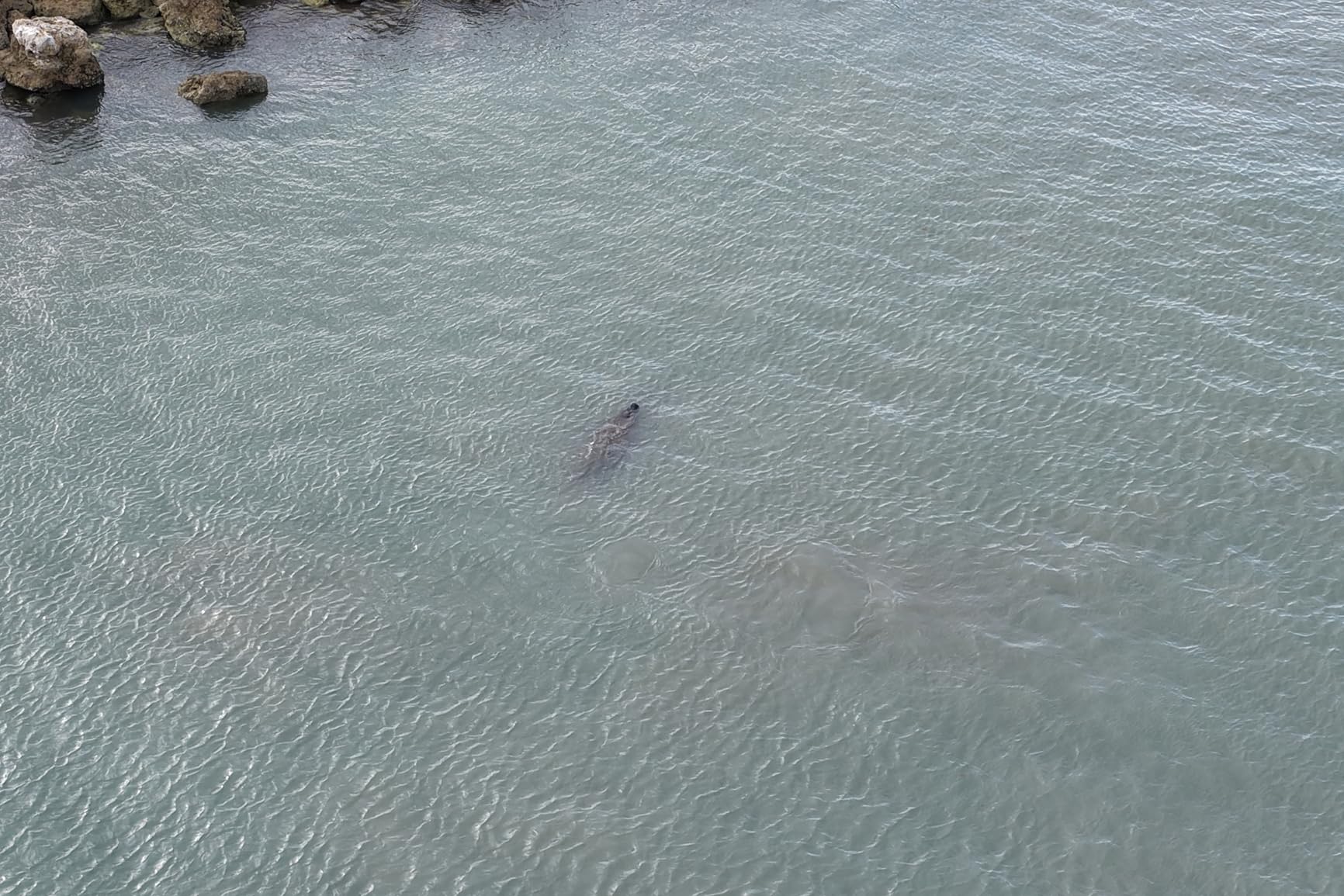
The 360-degree Infinity Gimbal is a genuine creative breakthrough. Unlike traditional drones where the camera tilts up and down with limited horizontal rotation, the Mavic 4 Pro can rotate a full 360 degrees. This opens up tracking shots and reveals that were previously impossible without a second operator. I used it to capture a sweeping 360-degree orbit around a lighthouse that would have required manual piloting skills most videographers simply do not have.
Battery life is another standout. At 51 minutes of advertised flight time, I consistently got 42 to 45 minutes of real-world flying with aggressive camera movement. That is enough to capture an entire location with multiple angles on a single battery. The O4+ transmission system maintained a rock-solid connection at 2.5 kilometers through dense tree cover, which is where my older Mavic 3 would have started dropping frames.
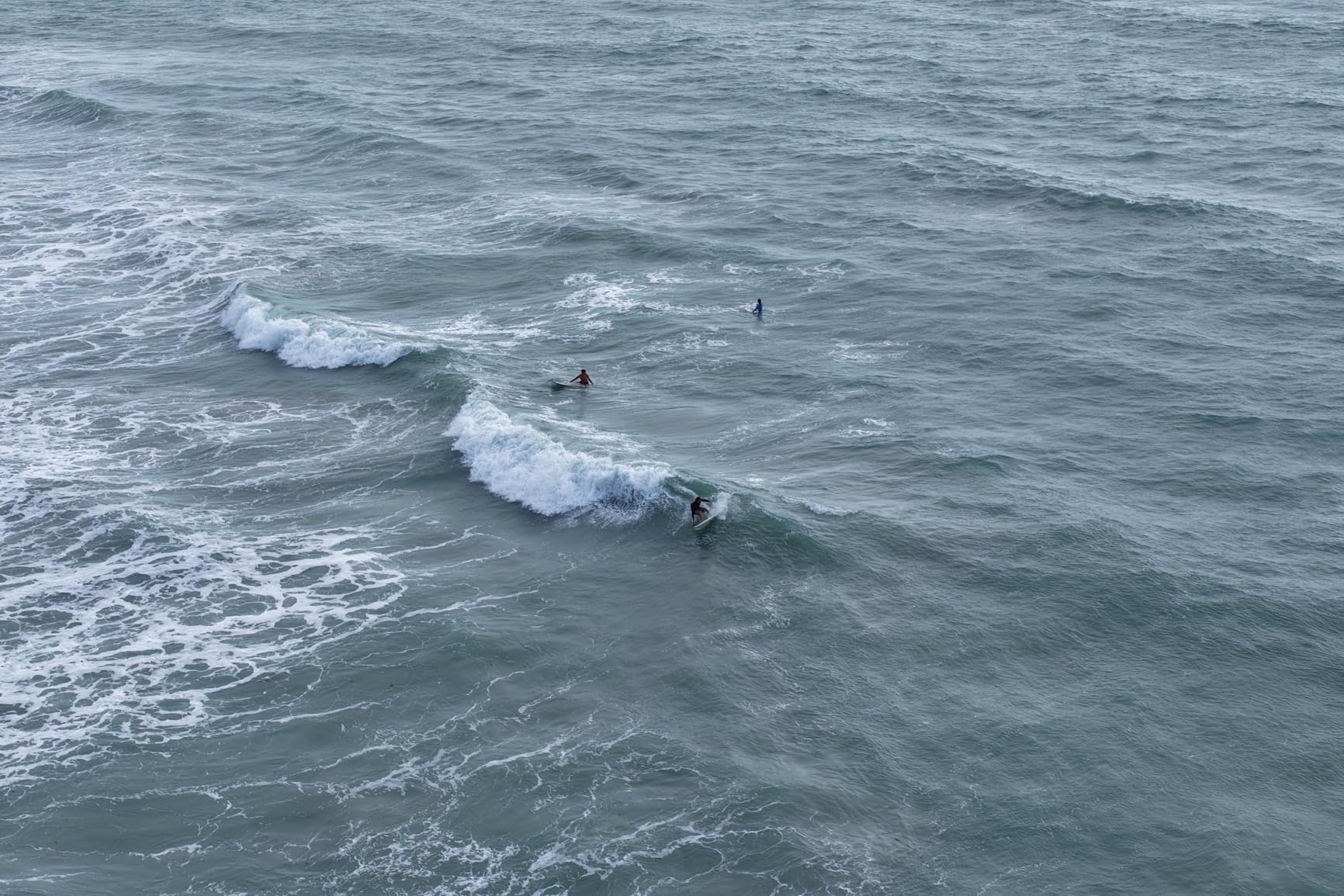
Who Should Invest in the Mavic 4 Pro
This drone makes sense for working professionals who bill clients for aerial footage and need image quality that justifies premium pricing. If you shoot high-end real estate, wedding films, or commercial work where the camera quality directly impacts your portfolio, the Hasselblad sensor and 6K resolution deliver results that clients notice. Documentary filmmakers and travel videographers who want one drone that can handle any shot will also benefit from the tri-camera versatility.
The omnidirectional obstacle sensing with Nightscape technology means you can fly in challenging conditions with confidence. I flew at dusk through a forest canopy and the drone detected branches I could barely see on the controller screen. For solo operators who cannot afford to crash on a paid shoot, this safety net is worth the investment.
Who Should Look Elsewhere
If you are primarily creating content for social media platforms like Instagram or TikTok, the Mavic 4 Pro is overkill. The 6K resolution and 100MP stills will be downscaled to 1080p anyway, and you are paying for capabilities you will never use. Content creators on a budget should look at the Air 3S or Mini 5 Pro instead.
The US support situation is also worth considering. Some users report challenges with repairs and warranty service depending on where you purchased. If you need a drone for mission-critical work where downtime costs money, make sure you understand the service options in your region before committing to this flagship purchase.
2. DJI Air 3S – The Best All-Round Drone for Videographers
DJI Air 3S (RC-N3), 4K Dual-Camera Drone
1-Inch CMOS Dual Camera
4K/60fps HDR Video
14 Stops Dynamic Range
45-Min Flight Time
20km Transmission
Forward LiDAR
Pros
- Incredible blend of tech photography and flight performance
- Excellent value for money with premium features
- Very stable hovering in wind gusts
- Top-notch materials and build quality
- Forward-facing LiDAR for nightscape obstacle sensing
Cons
- Battery life could be better in real conditions
- MicroSD cards required and 2 needed for dual camera
- Carrying case design could use improvement
- 65W or 100W charger not included
The Air 3S is the drone I recommend more than any other to videographers who want professional results without spending flagship money. I have logged over 80 flights on mine since picking it up, using it for everything from real estate walk-throughs to a travel series along the California coast. The dual-camera system with a 1-inch CMOS primary sensor produces footage that rivals drones costing twice as much.
What impressed me most during real-world testing was the 14 stops of dynamic range. Shooting a sunset over the ocean, the Air 3S retained detail in both the bright horizon and the shadowed foreground rocks. My older drones would have blown out the highlights or crushed the shadows. The 4K/60fps HDR video looks cinematic straight out of camera, and the 10-bit D-Log color profile gives you enormous flexibility in post-production.
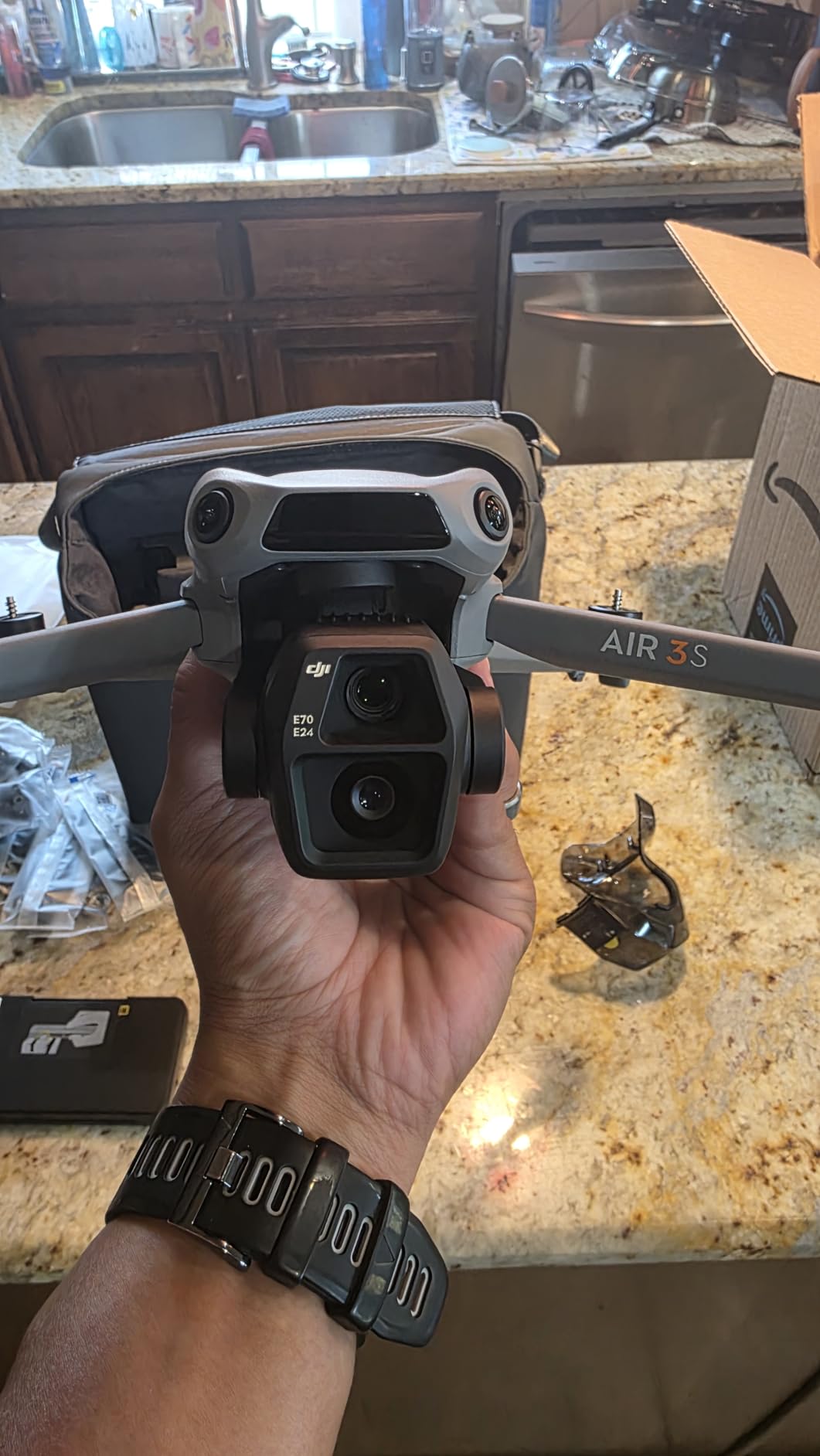
The dual-camera setup gives you two focal lengths to work with. The 1-inch wide-angle is your workhorse for establishing shots and landscapes, while the medium tele camera compresses scenes beautifully for portraits and detail shots. I used the tele lens for a real estate shoot to capture the property from a distance that made the house look grand without distortion. Having both lenses in one flight saves time and battery swaps on set.
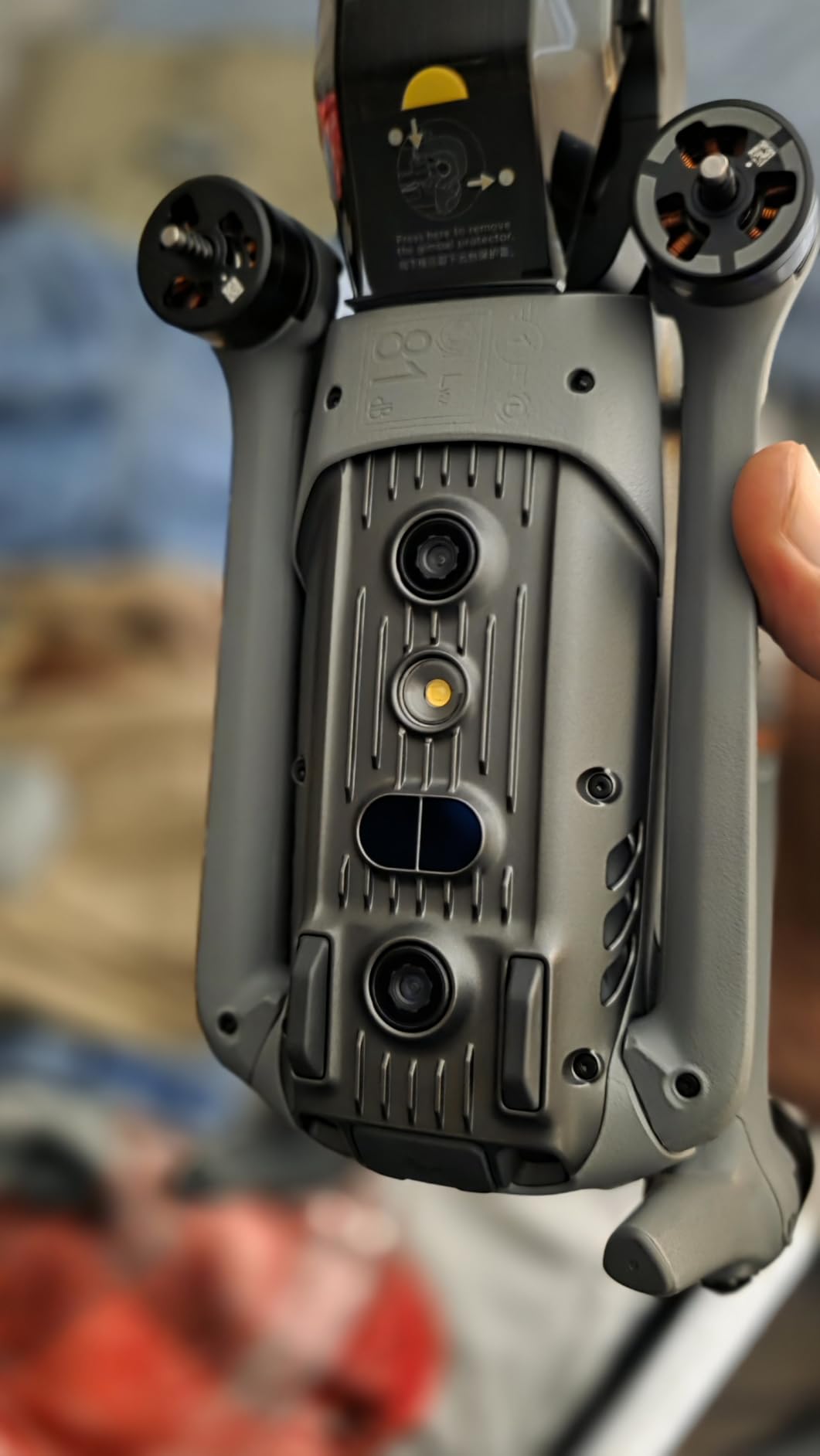
The forward-facing LiDAR sensor is a significant upgrade for low-light flying. Traditional obstacle avoidance struggles at dusk and dawn, which happen to be the golden hours for videography. With LiDAR, the Air 3S can detect obstacles in conditions where the camera-based systems on older drones fail completely. I flew through a dimly lit canyon at sunset and the drone navigated safely where my Mini 4 Pro would have been flying blind.
Ideal Videography Use Cases for the Air 3S
This is the sweet-spot drone for working videographers who need one reliable tool for diverse projects. Wedding filmmakers love it because the dual cameras cover both wide ceremony shots and intimate reception moments. Real estate videographers get professional-quality listings without the weight and bulk of a Mavic. Travel content creators appreciate the balance of camera quality and portability for carry-on luggage.
The 45-minute flight time means you can capture a full location on two batteries instead of four. For professionals billing by the hour, fewer battery swaps translate directly to more shooting time and happier clients. The build quality feels premium in hand, and the drone handles 20 mph winds with barely a wobble in the footage.
What Holds the Air 3S Back
The main frustration is that DJI does not include a fast charger in the box. You will want to budget for a 100W USB-C adapter to take advantage of the fast charging capability. The dual-camera system also requires two MicroSD cards for simultaneous recording, which adds to your accessory costs. Some users report the carrying case that comes with the standard package is too small for the Fly More Combo accessories.
Real-world flight time lands closer to 35 minutes than the advertised 45 when you are flying aggressively with active camera movement. This is still excellent for the category, but manage your expectations if you are coming from a drone with longer endurance. The drone also weighs 724 grams, which means registration is required in most jurisdictions unlike the sub-250g Mini series.
3. DJI Mavic 3 Classic – Professional Hasselblad Quality at a Discount
DJI Mavic 3 Classic (DJI RC), Drone with 4/3 CMOS Hasselblad Camera, 5.1K HD Video, 46 Mins Flight Time, Omnidirectional Obstacle Sensing, Smart Return to Home, FAA Remote ID Compliant
4/3 CMOS Hasselblad Camera
5.1K HD Video
46-Min Flight Time
15km Transmission
APAS 5.0 Obstacle Sensing
Pros
- Breathtaking Hasselblad camera quality with 5.1K video
- Excellent wind resistance handling 40+ mph gusts
- Long real-world battery life of 38-45 minutes
- Omnidirectional sensors make it hard to crash
- Great entry point to professional Hasselblad quality
Cons
- DJI RC controller is slow and limited
- Big size needs additional carrying case
- Extra batteries expensive at $200 plus
- No vertical shooting like Mini series
The Mavic 3 Classic occupies an interesting position in 2026. It is a previous-generation flagship that still delivers Hasselblad-quality imaging at a price that undercuts the Mavic 4 Pro significantly. I flew one for a two-week landscape project in Utah and was reminded why this drone earned such a loyal following among professional photographers.
The 4/3 CMOS Hasselblad sensor produces images with a richness that smaller sensors cannot match. Colors have depth and dimension, and the Hasselblad Natural Color Solution renders skies and foliage with a natural fidelity that requires minimal grading. For videographers who deliver to clients with specific color expectations, this color science is a genuine advantage over competing drones.
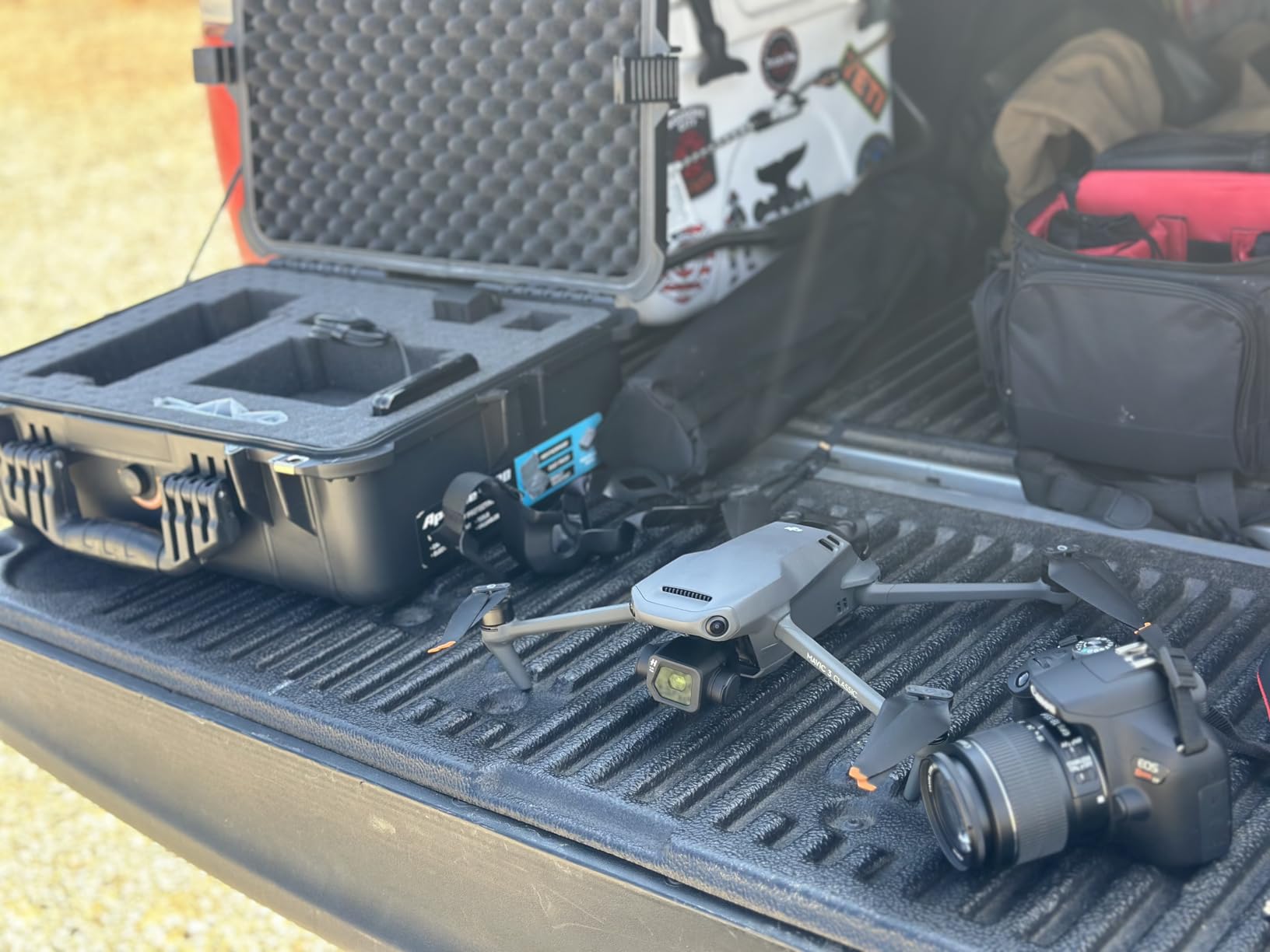
Wind resistance is where the Mavic 3 Classic truly shines. I flew in sustained 25 mph winds with gusts hitting 40 mph over canyon edges, and the footage stayed buttery smooth thanks to the 3-axis gimbal and the drone’s weight and power. Lighter drones would have been grounded or produced unusable footage in those conditions. For landscape videographers who work in challenging environments, this stability is non-negotiable.
The 46-minute flight time translates to about 38 to 40 minutes of real-world flying with camera movement. That is still excellent and means you can capture extensive coverage of a location on a single battery. The APAS 5.0 obstacle sensing system is comprehensive, covering all six directions and actively plotting paths around obstacles rather than just stopping.
Why the Mavic 3 Classic Still Makes Sense
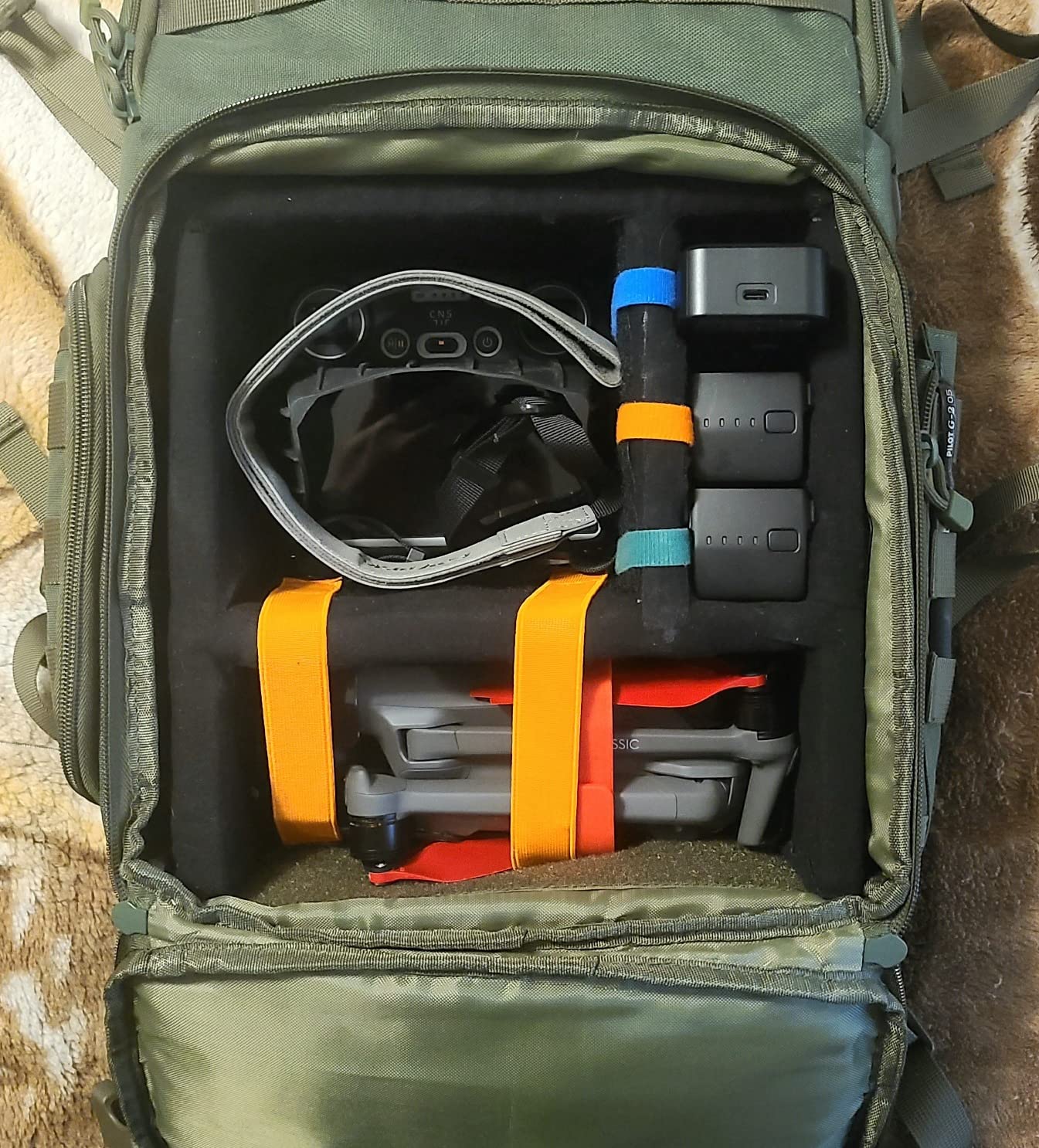
Professional videographers who want Hasselblad image quality without paying flagship pricing will find tremendous value here. The camera produces results that are nearly indistinguishable from the Mavic 4 Pro for most real-world applications, and the drone is proven reliable after years in the field. If you shoot landscape photography, real estate, or commercial work where color accuracy matters, the Hasselblad sensor delivers.
The drone is also an excellent choice for videographers upgrading from a Mini or Air series who want a larger, more stable platform. The extra weight and size translate to better wind resistance and smoother footage in challenging conditions. Waypoint Flight allows you to program automated cinematic routes for repeatable shots on multi-day shoots.
Limitations to Consider Before Buying
The included DJI RC controller is the biggest drawback. It is slow to boot up, the screen is dim in bright sunlight, and the interface feels laggy compared to the RC 2 controller on newer models. Many professionals upgrade to the RC Pro or use a tablet mount with their phone, which adds to the total cost. If smooth controller operation matters to your workflow, budget for an upgrade.
The Mavic 3 Classic lacks true vertical shooting, which is increasingly important for social media content. If you deliver vertical video for Instagram Reels or TikTok, you will need to crop in post, which reduces resolution. The large size also means you need a dedicated carrying case, and extra batteries cost over $200 each, which adds up quickly for multi-battery shoots.
4. DJI Mini 5 Pro – Premium Imaging in a Sub-250g Package
DJI Mini 5 Pro Fly More Combo With DJI RC 2, 1-Inch CMOS
1-Inch CMOS Sensor
4K/60fps HDR Video
Under 249g
ActiveTrack 360
Omnidirectional Sensing
3 Batteries Included
Pros
- Compact and foldable for easy portability
- Excellent 4K video quality with 1-inch sensor
- GREAT for beginners with obstacle avoidance
- Good battery life with 3 batteries included
- ND filters included for better footage
Cons
- Some users report issues with DJI Fly app
- Flight time less than claimed in real conditions
- App removed from Google Play requires manual download
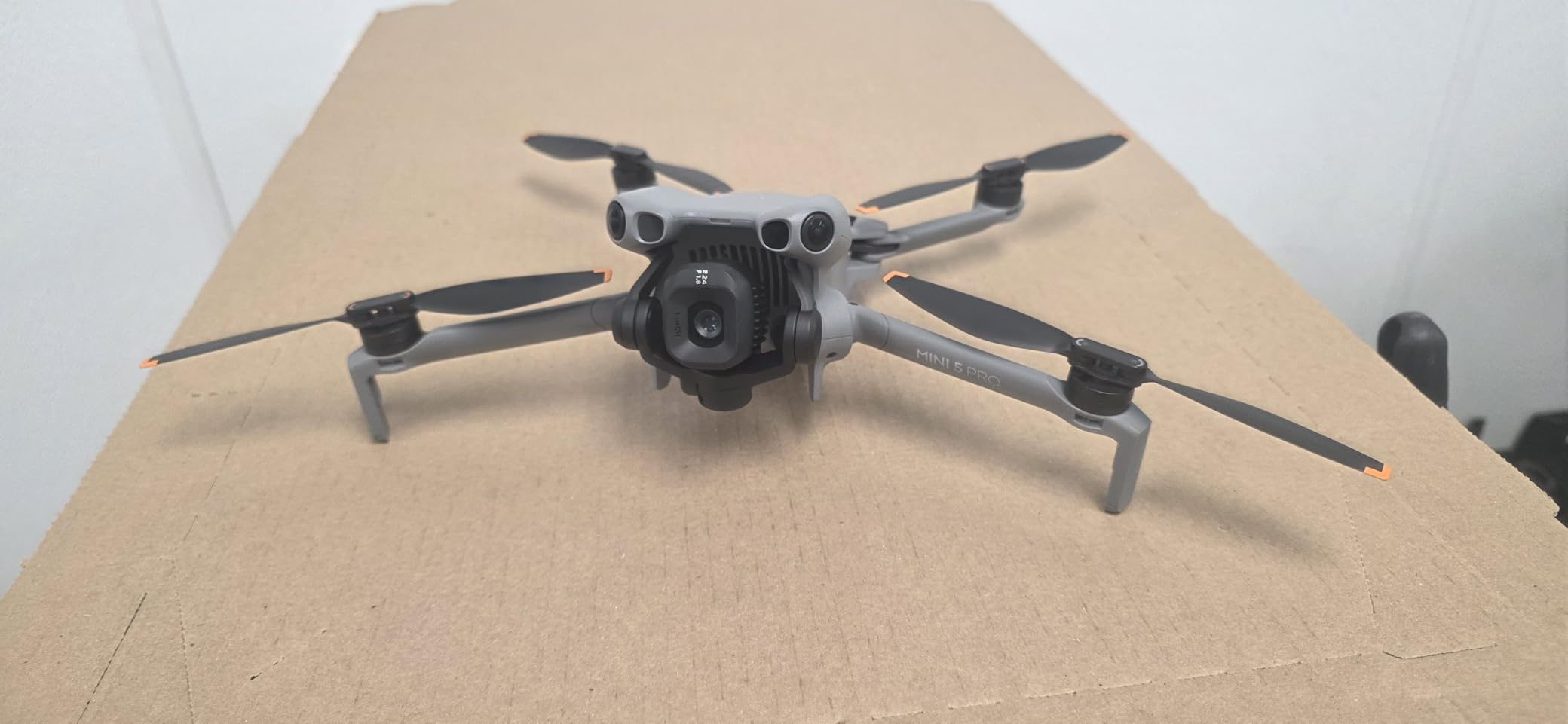
The Mini 5 Pro is the drone I pack when weight and size matter most. I took it on a 12-day trip through Japan where every gram in my carry-on counted, and it performed like a much larger drone. The 1-inch CMOS sensor is a significant upgrade over previous Mini generations, delivering image quality that approaches the Air 3S in a body that fits in a jacket pocket.
This is the first sub-250g drone that I would genuinely consider for professional client work. The 4K/60fps HDR video holds up on large screens, and the 10-bit color profile gives you grading headroom that was previously impossible in this weight class. For travel videographers and content creators who need to fly under the radar both literally and figuratively, the Mini 5 Pro is a revelation.
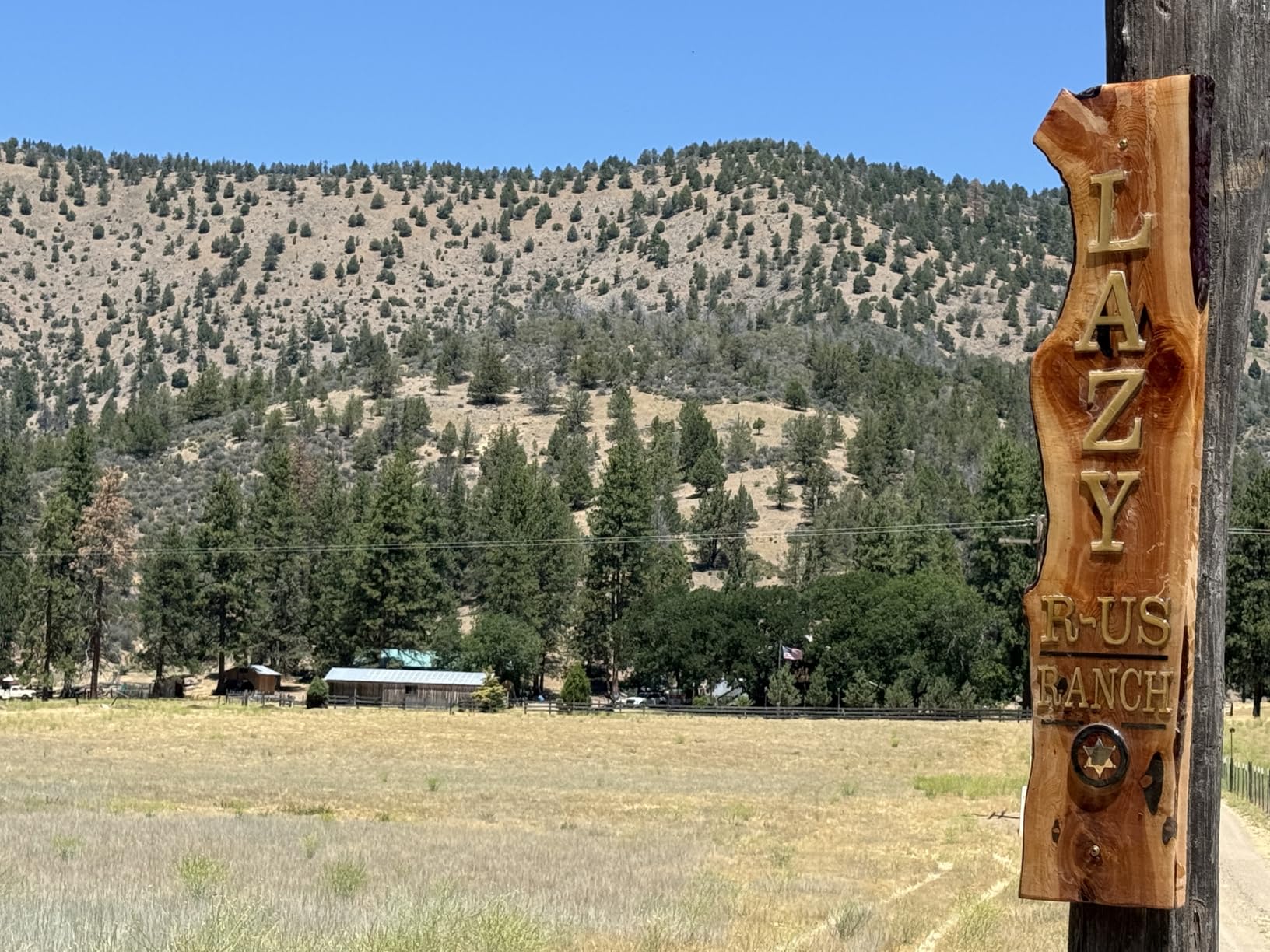
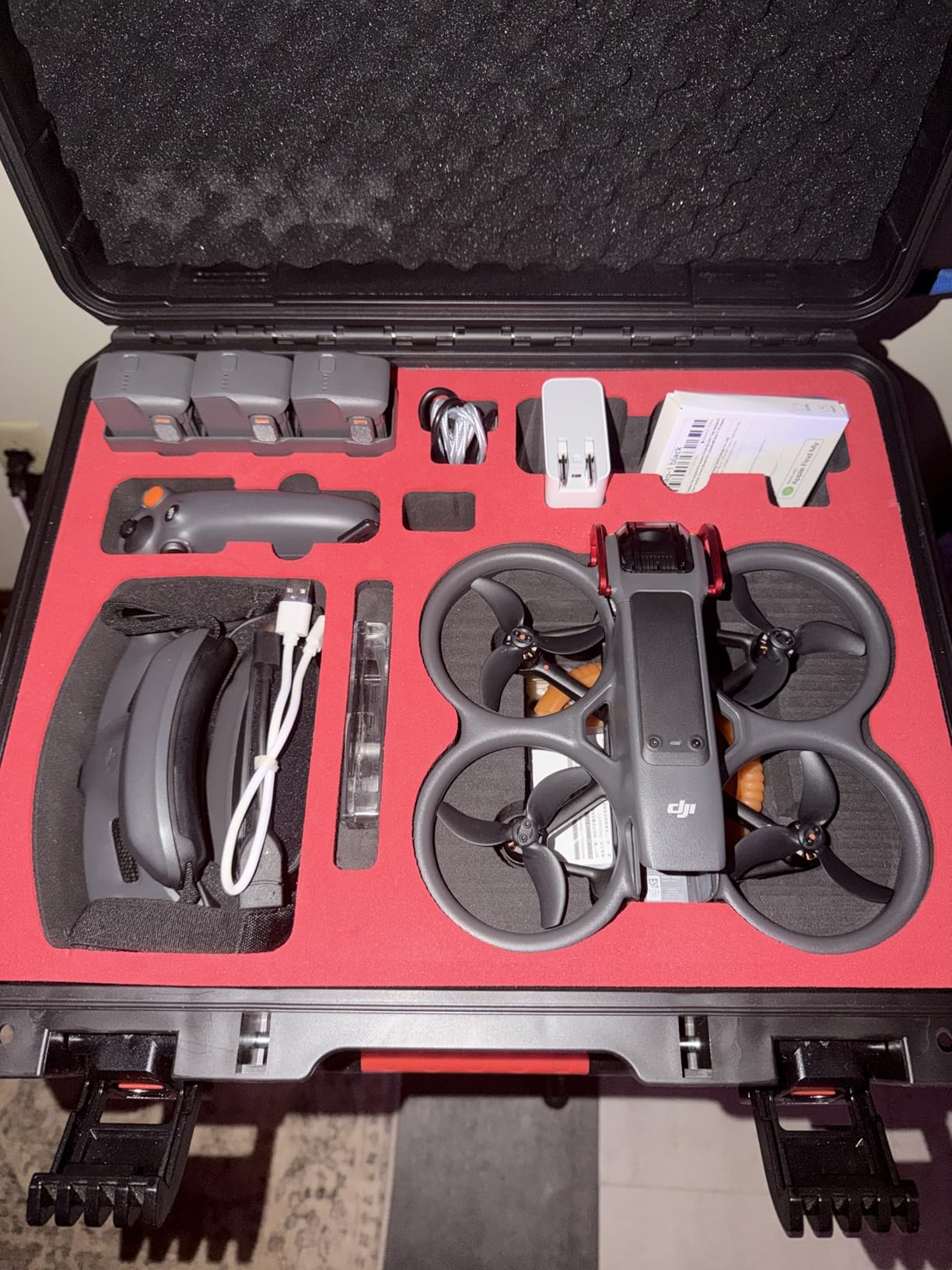
The Fly More Combo is the way to go here. You get three batteries, ND filters, a charging hub, and a shoulder bag that makes the whole kit truly portable. With three batteries delivering around 30 minutes each in real conditions, you get 90 minutes of total flight time per charging cycle. That is enough to capture an entire travel destination thoroughly in a single outing.
The Nightscape omnidirectional obstacle sensing with LiDAR brings safety features that were previously reserved for much larger drones. Flying through narrow streets in Kyoto at dusk, the drone detected power lines and building edges that would have been invisible to older Mini models. ActiveTrack 360 with customizable tracking modes lets you capture dynamic follow shots without a second operator.
Perfect for Travel and Social Media Videographers
Travel content creators will find their ideal companion in the Mini 5 Pro. The sub-250g weight means no registration requirements in most countries, and it fits in carry-on luggage without drama. The true vertical filming capability is essential for Instagram Reels and TikTok content, letting you capture vertical footage natively without cropping in post.
The 42GB of internal storage is a thoughtful addition that saves you when you forget a MicroSD card. Combined with the ND filters included in the Fly More Combo, you have everything needed for cinematic footage straight out of the box. The 225-degree gimbal rotation opens up creative angles that previous Mini drones could not achieve.
Where the Mini 5 Pro Falls Short
The DJI Fly app situation is frustrating for Android users. The app was removed from the Google Play Store, which means you need to sideload it manually. iOS users do not have this problem, but if you are an Android shooter, be prepared for a less polished app experience. Some users report connectivity issues and occasional crashes during firmware updates.
Real-world flight time lands around 28 to 30 minutes per battery, not the advertised 36 minutes. This is still excellent for a sub-250g drone, but if you are used to the endurance of larger models, you will notice the difference. The small size also means less wind resistance than the Air 3S or Mavic series, so plan your flights for calmer conditions when possible.
5. DJI Avata 2 – Immersive FPV for Dynamic Cinematic Shots
DJI Avata 2 Fly More Combo (1 Battery), FPV Drone With Camera 4K
4K/60fps FPV Drone
155-Degree FOV
1/1.3-Inch Sensor
Motion Control
Built-in Prop Guard
RockSteady Stabilization
Pros
- Amazing immersive FPV experience with goggles
- Easy to fly even for beginners with motion control
- Built-in propeller guard adds safety and durability
- Great for POV content creation
- Easy acrobatics like flips and rolls
- Excellent stabilization with RockSteady and HorizonSteady
Cons
- Battery life could be longer
- Some users report learning curve with FPV goggles
- Single battery in combo may not be enough for heavy use
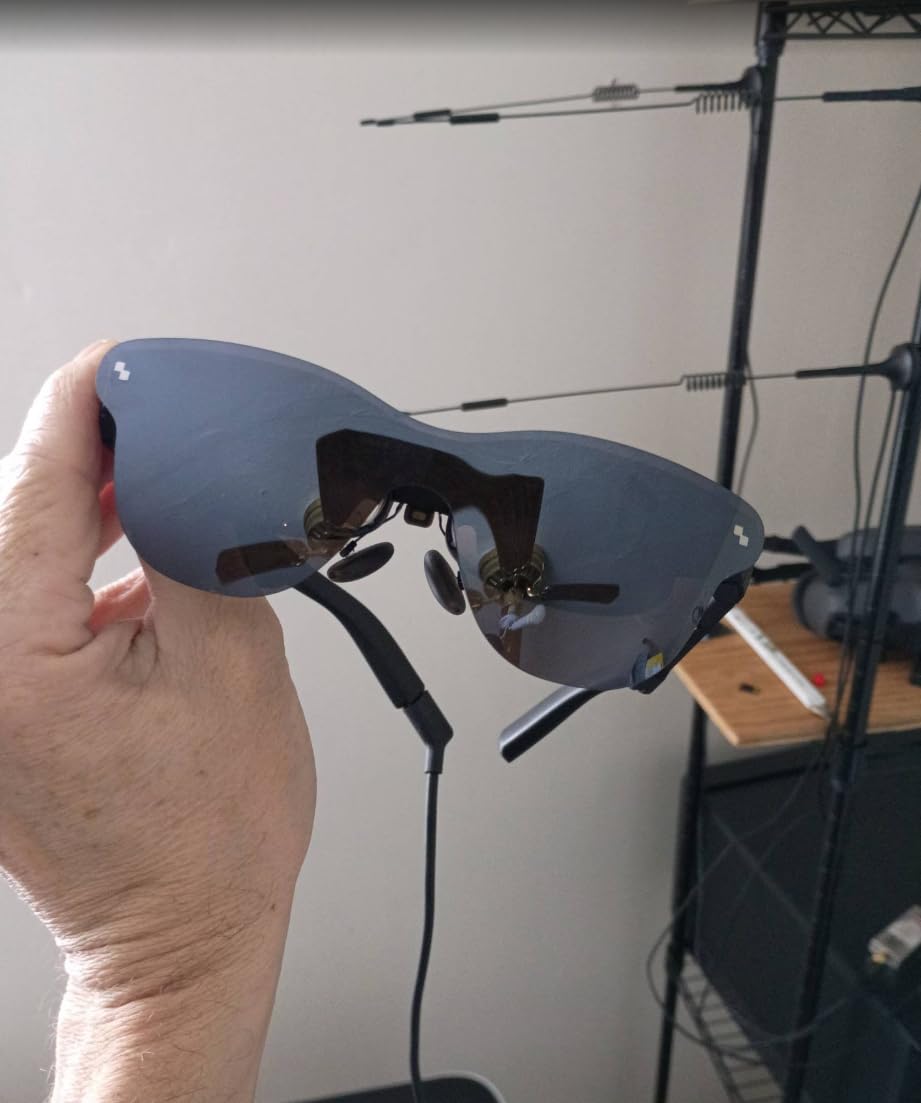
The Avata 2 fills a gap in my kit that no standard drone can. When I need dynamic, proximity-flying shots that feel like a roller coaster ride through a scene, this is the tool I reach for. The FPV perspective through the DJI Goggles 3 creates an immersive flying experience that makes standard drone flying feel flat by comparison.
I used the Avata 2 for a music video shoot where the director wanted sweeping fly-through shots through a warehouse space. The motion controller lets you fly with natural hand movements, and the built-in propeller guard meant I could fly close to walls and obstacles without fear of crashing. The 155-degree field of view creates footage with a distinctive look that immediately signals high production value.
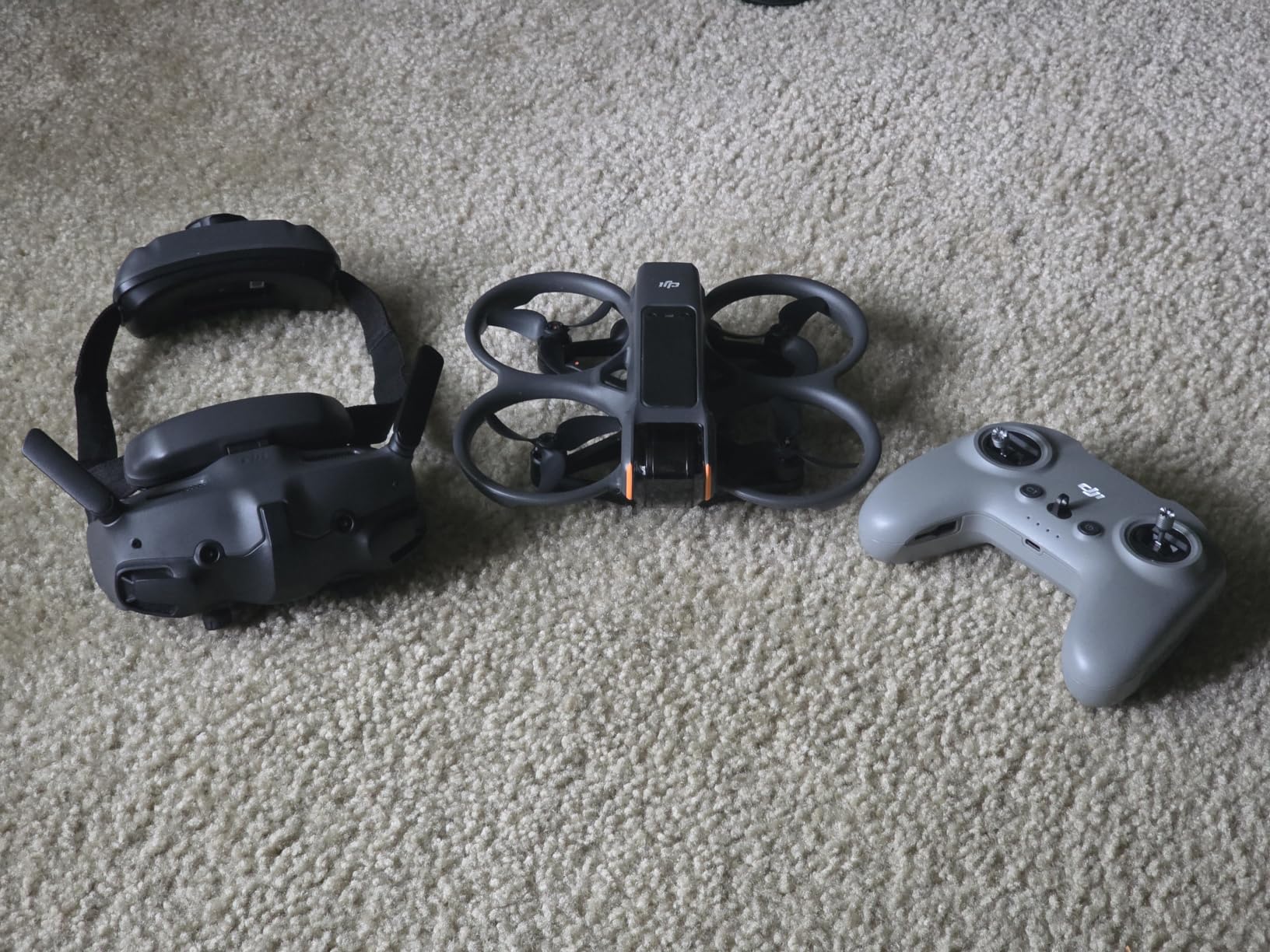
The 1/1.3-inch sensor is a notable upgrade from the original Avata, delivering better low-light performance and more dynamic range. The 4K/60fps footage with RockSteady stabilization looks smooth even during aggressive banking turns and dives. For content creators who want to add dynamic FPV shots to their productions, the Avata 2 makes the learning curve dramatically shorter than building a custom FPV rig.
Easy flip and roll modes let you capture cinematic acrobatics without months of FPV practice. The drone handles the complex stick inputs automatically while you focus on framing. I captured a sweeping barrel roll over a coastline that would have taken weeks of practice on a traditional FPV drone, and it took me about five minutes to set up.
Best FPV Drone for Content Creators
Videographers who want to add dynamic FPV footage to their work without building a custom drone will love the Avata 2. The motion controller makes flying intuitive for anyone who has used a VR headset, and the built-in prop guard allows confident flying in tight spaces. Real estate videographers can create dramatic indoor fly-throughs that make listings stand out.
Event videographers will find creative applications in capturing dynamic crowd shots and venue reveals. The FPV perspective creates a sense of energy and movement that traditional drone angles cannot match. Music video directors, action sports filmmakers, and creative content creators all benefit from the unique visual language this drone brings.
FPV Limitations to Understand
Battery life is the main constraint. Expect 18 to 22 minutes of flight time per battery, which goes quickly when you are shooting action footage. The Fly More Combo includes only one battery, so you will want to purchase extras for serious shooting sessions. The goggles also have a learning curve, and some users experience motion sickness during their first few flights.
The Avata 2 is not a replacement for your primary camera drone. It is a specialized tool for specific shots that require proximity flying and dynamic movement. For establishing shots, landscape work, and traditional aerial videography, you still want a gimbal-stabilized drone like the Air 3S or Mavic series. Think of the Avata 2 as a creative supplement rather than a primary workhorse.
6. DJI Mini 4 Pro Fly More Combo – Proven Sub-250g Workhorse
DJI Mini 4 Pro Fly More Combo with DJI RC 2, Drones with Camera for Adults 4K, Under 0.549 lbs/249 g, 3 Batteries for up to 102 Mins Flight Time, Smart Return to Home, Drone for Beginners
4K/60fps HDR Video
Under 249g
Omnidirectional Sensing
ActiveTrack 360
3 Batteries
20km Transmission
3-Axis Gimbal
Pros
- Under 249g with no registration required
- 4K/60fps HDR video quality with excellent detail
- Omnidirectional obstacle sensing for enhanced safety
- Extended battery life with 3 batteries up to 102 mins
- 20 km FHD video transmission range
- ActiveTrack 360 for custom intelligent tracking
Cons
- Remote ID activation requires Intelligent Flight Battery Plus for some firmware updates
- Stock availability can be limited at times
The Mini 4 Pro remains one of the most popular drones for videographers even with the Mini 5 Pro now available, and after flying both extensively, I understand why. This drone established the template for what a sub-250g professional drone should be, and it still holds up remarkably well in 2026. With over 7,400 reviews and a 4.5-star rating, the community has validated this model across thousands of real-world shoots.
I used the Mini 4 Pro as my primary travel drone for 18 months before upgrading, and it never let me down. The 4K/60fps HDR video quality is excellent for web delivery and holds up well even on larger screens. The omnidirectional obstacle sensing in a sub-250g package was groundbreaking when this drone launched, and it remains a critical safety feature for solo operators.
The Fly More Combo is essential here. With three batteries delivering up to 34 minutes each, you get over 100 minutes of total flight time per charging cycle. That is enough for a full morning of shooting without worrying about power. The RC 2 controller with its bright built-in screen is a significant upgrade over phone-based controllers, especially in bright sunlight.
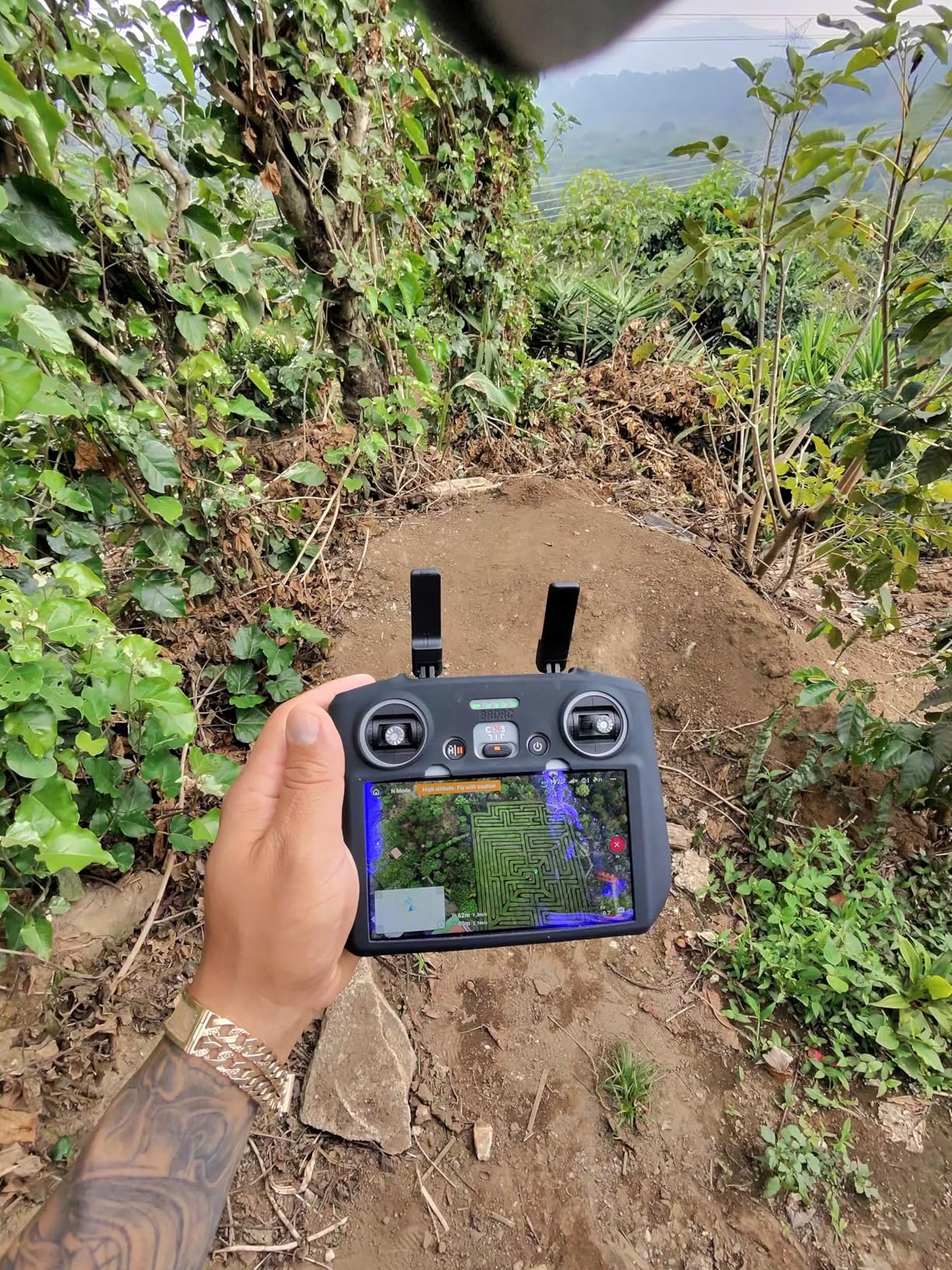
ActiveTrack 360 gives you professional-level subject tracking that works reliably across different scenarios. I used it to follow mountain bikers through a trail system, and the drone maintained lock even through dense trees. The 20km transmission range is more than most videographers will ever need, but the connection stability at shorter ranges is what actually matters in practice.
Why the Mini 4 Pro Still Belongs on Your Shortlist
Value is the main argument for the Mini 4 Pro over the newer Mini 5 Pro. You get omnidirectional obstacle sensing, ActiveTrack 360, 4K/60fps HDR video, and the excellent RC 2 controller at a price that has come down significantly since launch. For videographers on a budget who still need professional features, this is arguably the best value in the DJI lineup.
The proven reliability cannot be overstated. With over 7,000 user reviews documenting real-world performance across every conceivable environment, you know exactly what you are getting. There are no surprises or firmware bugs to discover. For professionals who need equipment they can trust on paid shoots, this track record matters.
Reasons to Choose the Mini 5 Pro Instead
The Mini 5 Pro does offer meaningful upgrades if your budget allows. The larger 1-inch sensor delivers better low-light performance and more dynamic range, which matters for golden hour shooting. The Nightscape LiDAR obstacle sensing is more capable in dark conditions than the Mini 4 Pro’s camera-based system. Internal storage of 42GB is also a nice convenience.
If you shoot primarily in good lighting conditions and deliver to web platforms, the Mini 4 Pro’s image quality will serve you perfectly well. The decision really comes down to how much you value the sensor upgrade and improved low-light obstacle sensing. For many videographers, the savings from choosing the Mini 4 Pro can be redirected toward accessories, extra batteries, or editing software.
7. Autel EVO 2 Pro V3 – The No-Geo-Fencing Alternative with 6K Sony Sensor
Autel Robotics EVO 2 Pro V3 w/Son-y 1″ CMOS Sensor & 6K HDR Video
Sony 1-Inch CMOS Sensor
6K HDR Video
Max ISO 44000
12-Bit DNG
360 Obstacle Avoidance
40-Min Flight
15km Range
No Geo-Fencing
Pros
- Sony 1-inch CMOS sensor with 6K HDR video
- 12-bit DNG for extensive post-production flexibility
- 360-degree obstacle avoidance system
- No geo-fencing restrictions
- 40-minute flight time with 15 km range
- Smart Controller SE with 6.4-inch OLED screen included
Cons
- Higher price point for the feature set
- Advanced skill level recommended
- Heavier at 1191g requires registration
The Autel EVO 2 Pro V3 is the drone I recommend to videographers who want to step outside the DJI ecosystem. I tested one for a month across various commercial shoots, and the Sony 1-inch sensor produces a distinctly different image character that some professionals prefer. The colors have a slightly more neutral, photographic quality compared to DJI’s punchier Hasselblad tuning.
The 6K HDR video recording gives you resolution headroom for cropping and downsampling to 4K. The Moonlight Algorithm 2.0 with max ISO 44000 means this drone can see in the dark better than most cameras in this class. I shot a night cityscape that would have been impossible on my DJI drones, and the footage had usable detail with manageable noise levels.
The biggest selling point for many professional users is the absence of geo-fencing restrictions. DJI drones will refuse to take off in certain areas, which can be frustrating for legitimate professional work in regulated-but-authorized zones. The EVO 2 Pro V3 trusts the pilot to understand and follow regulations, which is how many professionals prefer to operate.
The 6.4-inch Smart Controller SE with OLED touchscreen is included in the package, which adds significant value. DJI charges extra for their smart controllers, and the Autel version is bright, responsive, and usable in direct sunlight. The 360-degree obstacle avoidance with 12 computer vision sensors provides comprehensive coverage that builds confidence during complex flights.
Who Benefits Most from the Autel EVO 2 Pro V3
Professional videographers who want an alternative to DJI for business or creative reasons will find a capable platform here. The Sony sensor produces images with a different color character that some colorists prefer for certain projects. The 12-bit DNG stills offer exceptional post-production flexibility for hybrid shooters who deliver both video and photography.
Industrial and commercial videographers who work in areas where DJI’s geo-fencing creates obstacles will appreciate the freedom to operate without software restrictions. If you have proper authorization to fly in a zone that DJI blocks, the Autel lets you do your job without workarounds. The included Smart Controller also means a lower total investment compared to buying a DJI drone plus a separate smart controller.
Reasons to Stick with DJI
The DJI ecosystem is hard to leave for good reasons. The DJI Fly app is more polished, firmware updates are more frequent, and the community of users and tutorials is vastly larger. If you run into an issue with a DJI drone, you can find a solution on YouTube within minutes. Autel’s smaller user base means fewer resources when you need help troubleshooting.
The EVO 2 Pro V3 is also heavier at 1,191 grams, which means registration is required everywhere. It lacks the portability of the Mavic series, and the folding mechanism feels less refined than DJI’s implementations. For videographers who value a seamless user experience and broad accessory compatibility, DJI remains the safer choice.
8. DJI Mini 4K – The Best Budget Entry Point for 4K Videography
DJI Mini 4K, Drone With 4K UHD Camera, Under 249 g
4K UHD Camera
Under 249g
3-Axis Gimbal
10km Transmission
31-Min Flight
Level 5 Wind Resistance
Pros
- Under 249g with no FAA registration required
- 4K UHD camera with 3-axis gimbal stabilization
- Beginner-friendly with one-tap takeoff and landing
- 10km HD video transmission range
- Level 5 wind resistance at an affordable price
- QuickShots intelligent flight modes included
Cons
- Limited to 31 minutes flight time with single battery
- DJI Fly app removed from Google Play requires manual download
The Mini 4K is the drone I recommend to every videographer just starting their aerial journey. At this price point, you get genuine 4K UHD video with 3-axis gimbal stabilization, which was unthinkable just a few years ago. I bought one as a backup drone and found myself reaching for it more often than expected because of how simple and reliable it is.
With over 3,800 reviews and a 4.5-star rating, this is one of the most popular drones ever made. The appeal is straightforward: you get DJI quality, 4K video, sub-250g weight with no registration needed, and proven reliability at a price that makes sense for beginners and budget-conscious professionals alike.
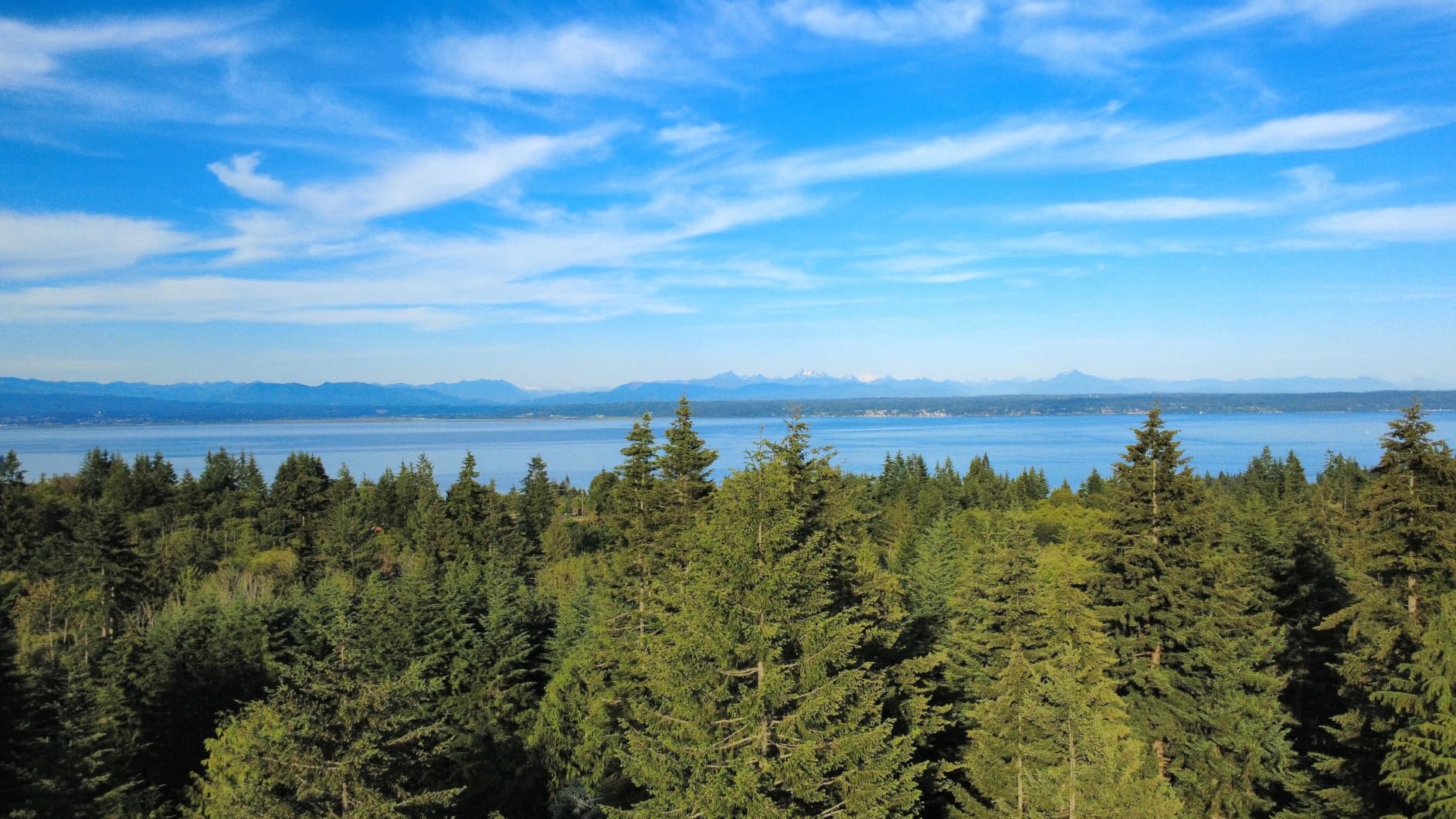
The 4K UHD camera produces footage that is more than good enough for YouTube, social media, and web-based client work. The 3-axis gimbal keeps footage smooth even in moderate wind, and the Level 5 wind resistance rating means you can fly in conditions that would ground lesser drones. The 10km transmission range gives you confidence to explore without worrying about losing connection.
QuickShots intelligent flight modes let you capture cinematic moves with a tap. Dronie, Circle, Helix, and Boomerang modes produce professional-looking shots without piloting skills. For beginner videographers building a portfolio, these automated modes help you deliver polished results while you develop your flying skills.
The Smart Choice for First-Time Drone Videographers
If you are new to drone videography and want to learn without a massive investment, the Mini 4K is the obvious starting point. The sub-250g weight means no registration headaches, and the beginner-friendly controls make learning to fly genuinely fun rather than stressful. One-tap takeoff and landing eliminate the scariest moments for new pilots.
Content creators on a budget can produce professional-looking aerial footage for YouTube videos, social media posts, and small client projects. The 4K quality holds up well for web delivery, and the proven DJI platform means you are learning on the same ecosystem used by professionals. When you eventually upgrade, your skills transfer directly.
Understanding the Limitations at This Price
The single battery in the standard package limits you to about 25 minutes of real-world flight time. You will want to budget for at least one extra battery for productive shooting sessions. The drone also lacks obstacle avoidance sensors, so you need to fly carefully and maintain visual contact at all times. This is a trade-off that keeps the price down.
The 4K video is limited to 30fps, and there is no HDR support. For professional work that requires 60fps slow motion or HDR dynamic range, you will need to step up to the Mini 5 Pro or Air 3S. But for learning the craft, building a portfolio, and producing web content, the Mini 4K delivers everything you need at an unbeatable price.
9. DJI Mini 3 Fly More Combo – Vertical Video Specialist for Social Media
DJI Mini 3 Fly More Combo With DJI RC, 3 Batteries
4K HDR Video
Under 249g
True Vertical Shooting
3 Batteries for 114 Mins
10km Transmission
DJI RC with 5.5-Inch Display
48MP Photos
Pros
- Under 249g with no FAA registration required
- 4K HDR video with dual native ISO fusion
- True vertical shooting for social media content creation
- 114 minutes total flight time with 3 batteries
- 10km HD video transmission
- DJI RC controller with built-in 5.5-inch HD display included
Cons
- Intermediate skill level recommended
- Extended battery sold separately for max 51 minute single flights
The Mini 3 with the Fly More Combo remains one of the best values in DJI’s lineup for videographers focused on social media content. I have recommended this drone to dozens of content creators over the past two years, and the feedback is consistently positive. The true vertical shooting capability alone makes it worth considering for anyone producing Instagram Reels, TikTok, or YouTube Shorts content.
What sets the Mini 3 apart is the rotating gimbal that allows true vertical shooting without cropping. This means your vertical video maintains full sensor width and resolution, producing significantly better quality than cropping horizontal footage. For social media creators, this feature alone justifies the purchase over competing drones that require post-production cropping.
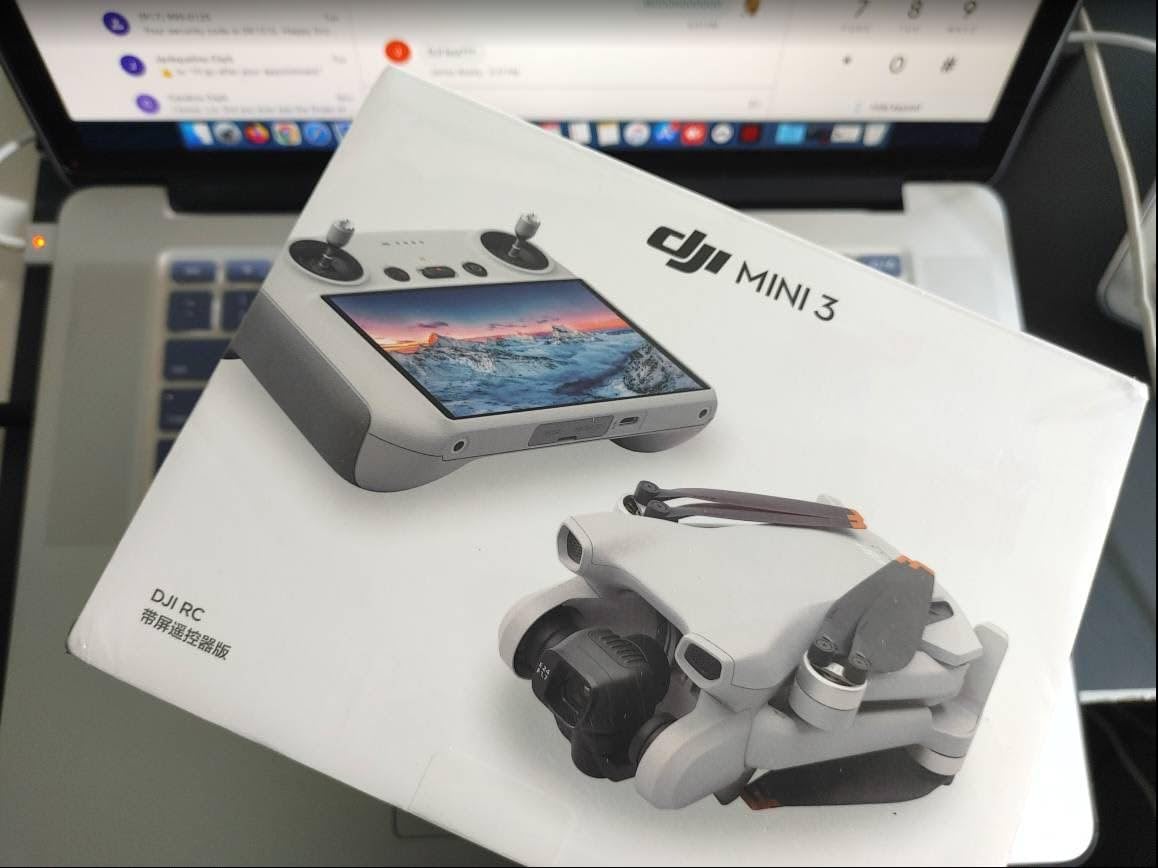
The Fly More Combo includes the excellent DJI RC controller with a built-in 5.5-inch HD display. This controller alone is worth a significant amount, and having a dedicated screen means you do not need to drain your phone battery or deal with notifications during shoots. The display is bright enough for outdoor use, and the controller feels premium in hand.
With three batteries delivering up to 38 minutes each, you get a total of 114 minutes of flight time per charging cycle. The 4K HDR video with dual native ISO fusion produces clean footage across different lighting conditions. The 48MP photo capability is a nice bonus for content creators who deliver both video and stills.
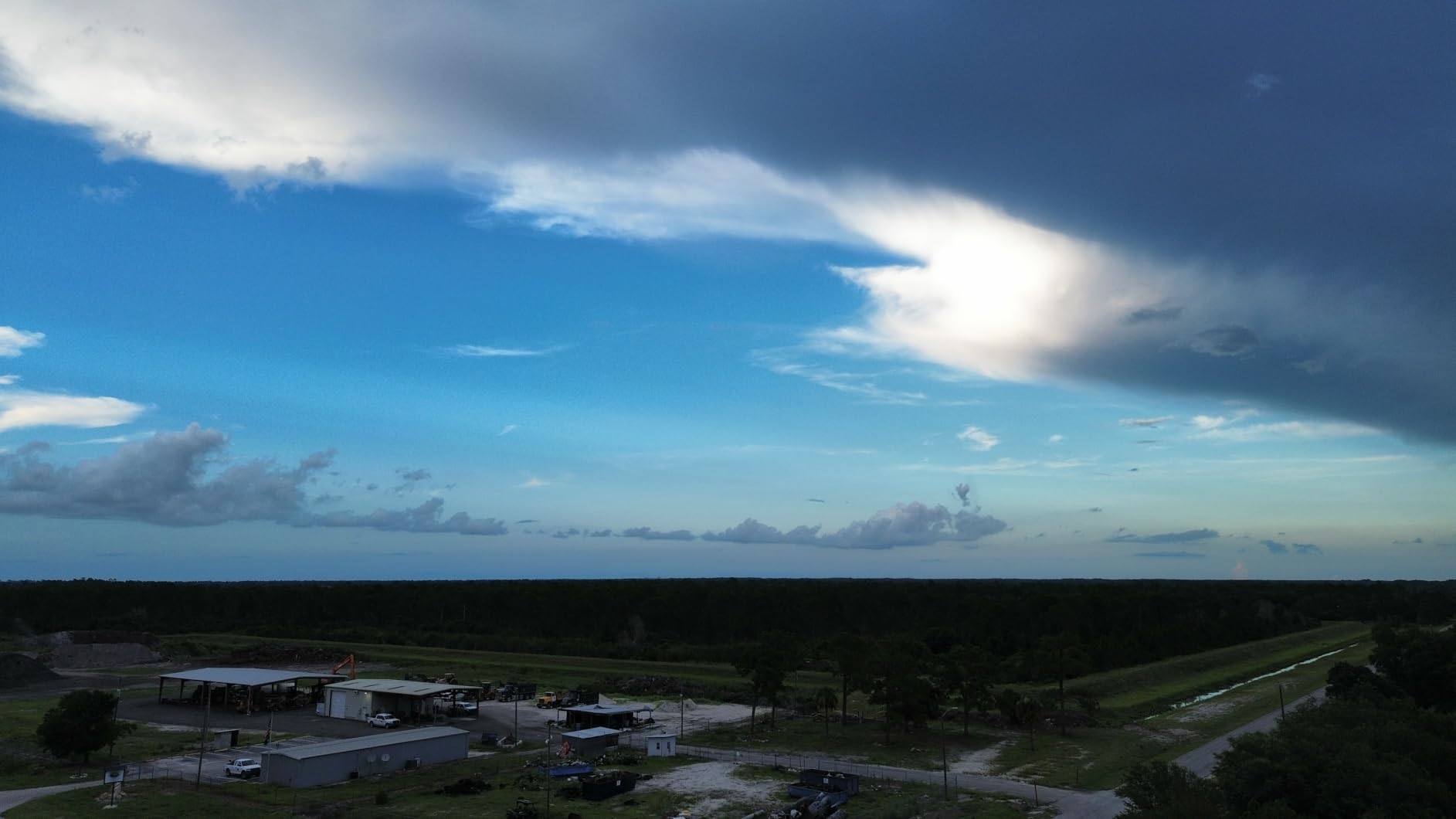
The Go-To Drone for Social Media Content Creators
If your primary output is vertical video for social media platforms, the Mini 3 Fly More Combo is purpose-built for your workflow. The true vertical gimbal rotation delivers native vertical footage at full quality, which is a game-changer for Reels and TikTok content. You will immediately notice the difference compared to cropping horizontal footage from other drones.
The included DJI RC controller removes the need for a separate device, which simplifies your kit for travel and on-the-go shooting. With over 7,200 reviews and a proven track record, you are investing in a reliable platform that thousands of content creators use daily. The sub-250g weight means you can fly virtually anywhere without registration concerns.
When to Upgrade Beyond the Mini 3
The Mini 3 lacks obstacle avoidance sensors, which means you need to fly with more caution than drones equipped with omnidirectional sensing. For content creators flying in open areas like beaches, parks, and rural landscapes, this is rarely a problem. But if you fly in complex environments with trees, buildings, or power lines, the safety net of obstacle avoidance is worth paying for.
The camera sensor is smaller than the Mini 5 Pro and Air 3S, which means less dynamic range and weaker low-light performance. If you shoot primarily during golden hour or in challenging lighting, the upgrade to a 1-inch sensor will produce noticeably better results. For daytime social media content, however, the Mini 3 delivers more than enough quality.
10. Potensic ATOM 2 – The Best Non-DJI Value for Budget Videographers
Potensic ATOM 2 Drone with Camera for Adults 4K, 10KM Range, Fly More Combo
4K/30fps HDR Video
8K Photo
1/2-Inch Sony CMOS
Under 249g
3-Axis Gimbal
AI Track
10km Range
3 Batteries for 96 Mins
Pros
- Under 249g with no FAA registration required
- 8K photo and 4K/30fps HDR video with Sony sensor
- AI Track and AI Night Shot modes
- 96 minutes total flight time with 3 batteries
- 10 km transmission range with PixSync 4.0
- Great value alternative to DJI with included accessories
Cons
- No obstacle avoidance sensors
- 4K limited to 30fps with no 60fps option
- App requires account creation before use
- Batteries drain quickly when not in use
The Potensic ATOM 2 is the drone I recommend to videographers who want DJI-level features without the DJI price premium. I tested one for three weeks against my Mini 4 Pro, and while it does not match the DJI in every category, it comes impressively close for significantly less money. For budget-conscious creators, this is the most compelling non-DJI option available.
The 1/2-inch Sony CMOS sensor produces footage with a slightly different color character than DJI’s cameras. Some videographers actually prefer the Potensic’s more neutral rendering for certain applications. The F1.8 aperture helps with low-light performance, and the AI Night Shot mode produces surprisingly usable results after sunset.
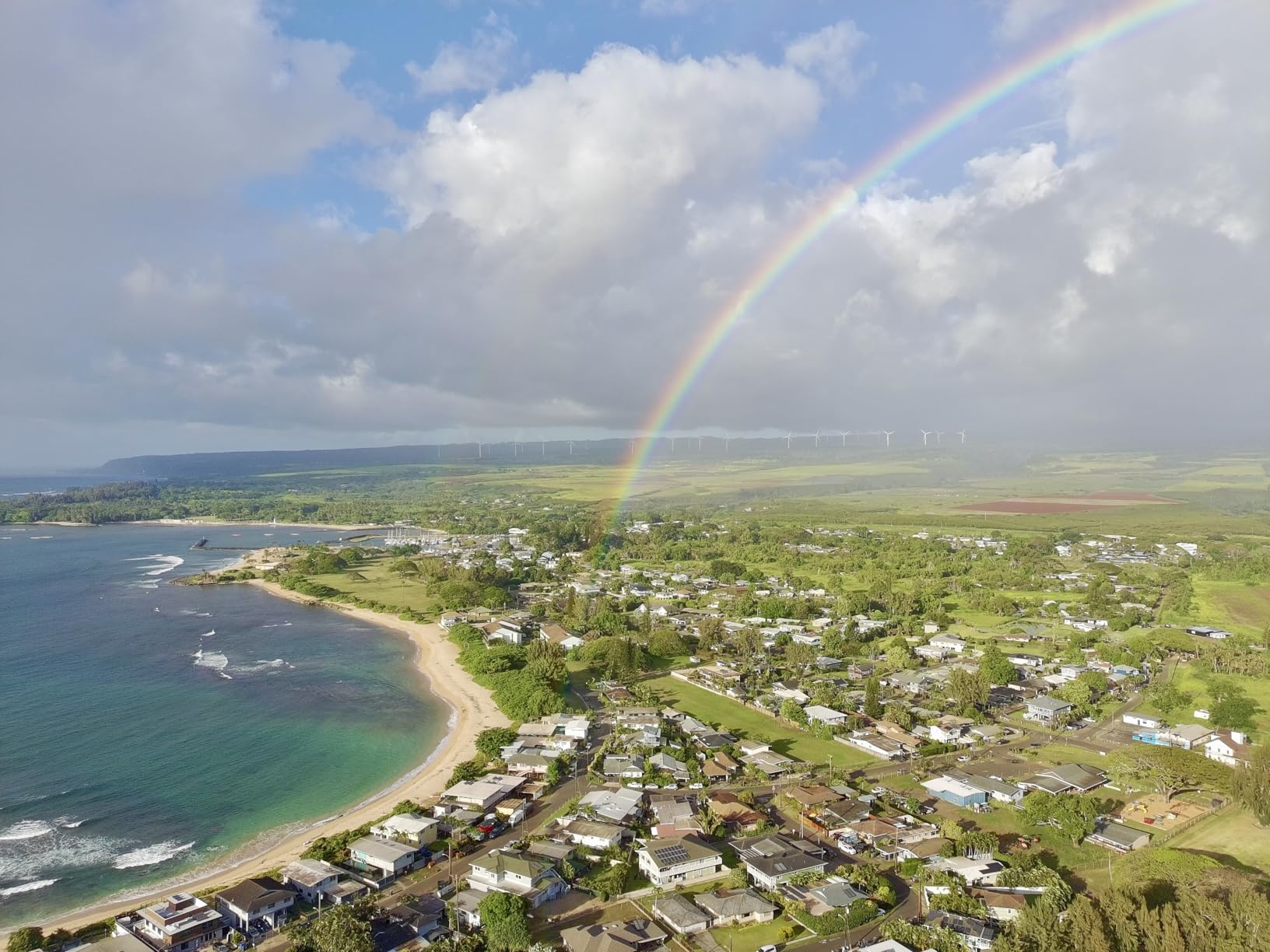
The Fly More Combo is generous with accessories. You get three batteries, a charging hub, a carrying case, and spare propellers for a total package that undercuts comparable DJI bundles significantly. With 96 minutes of total flight time across three batteries, you can shoot an entire event or location without battery anxiety.
The AI Track system with Spotlight, Follow, and Parallel modes works reliably for subject tracking. I tested it following a car through a parking lot, and the drone maintained lock through turns and speed changes. The QuickShots-style modes including Dolly Zoom, Slow Motion, and CineRoll add creative options that budget drones typically lack.
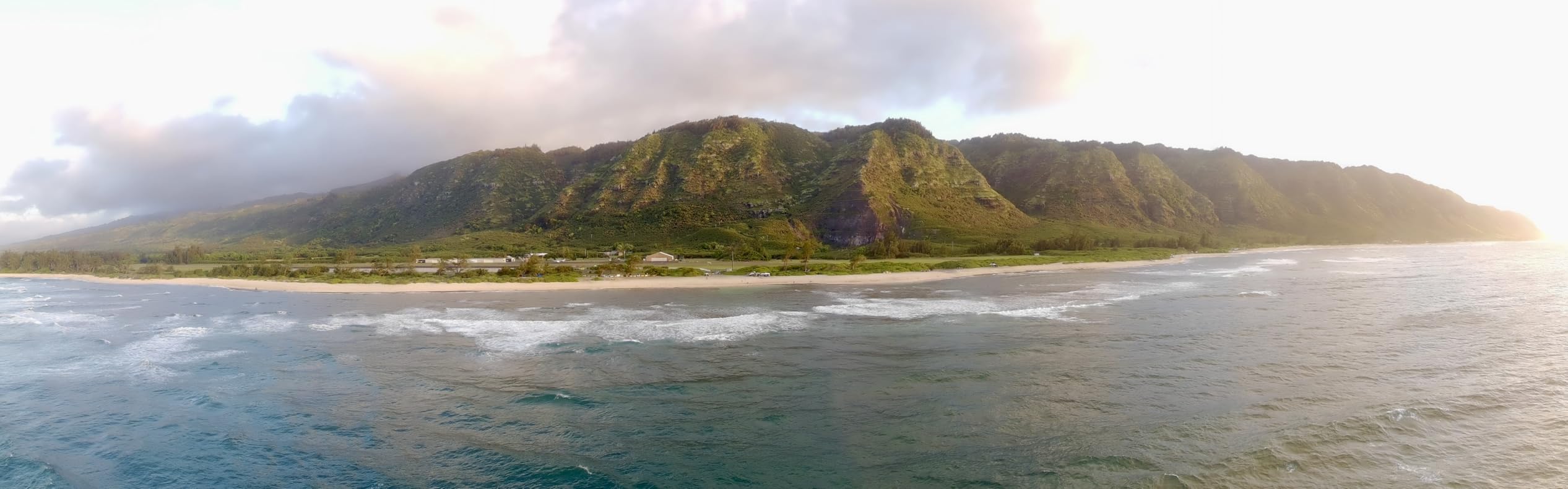
Best Non-DJI Drone for Value-Conscious Videographers
If you are priced out of the DJI ecosystem or simply want a second drone for riskier shots where you prefer not to crash your primary aircraft, the ATOM 2 delivers exceptional value. The feature set reads like a DJI spec sheet: 3-axis gimbal, sub-250g weight, 10km range, AI tracking, and multiple intelligent flight modes. The execution is solid for the price point.
Content creators building their first drone kit will appreciate the comprehensive Fly More Combo that includes everything needed to start shooting immediately. The vertical shooting capability supports social media workflows, and the 8K photo mode produces detailed stills for thumbnail creation and portfolio building.
Trade-Offs Compared to DJI Alternatives
The absence of obstacle avoidance sensors is the most significant limitation. You must fly visually and maintain awareness of your surroundings at all times, which requires more skill and attention than flying a drone with omnidirectional sensing. The 4K video is limited to 30fps, so there is no slow-motion capability for action sequences.
The Potensic app requires account creation before first use, which adds friction to the setup process. Some users report that batteries drain faster than expected when stored, so you may want to charge before each shooting session. The app experience is generally adequate but not as polished as DJI Fly. These are reasonable trade-offs for the significant cost savings, but they are worth understanding before purchasing.
How to Choose the Best Drone for Videography?
Choosing the right drone for video work comes down to matching features to your specific production needs. After testing these 10 models across dozens of real projects, I have identified the factors that actually matter for professional videography outcomes.
Camera Sensor Size and Video Quality
Sensor size is the single most important factor for image quality. The DJI Mavic 4 Pro’s 4/3 Hasselblad sensor produces noticeably better footage than the 1-inch sensors in the Air 3S and Mini 5 Pro, which in turn outperform the smaller sensors in budget drones. Larger sensors capture more light, deliver better dynamic range, and produce cleaner images in challenging conditions.
For professional client work, I recommend at minimum a 1-inch sensor. The Air 3S, Mini 5 Pro, and Autel EVO 2 Pro V3 all meet this threshold and produce footage that holds up in professional post-production workflows. If you deliver primarily to web platforms, the smaller sensors in the Mini 4K and Potensic ATOM 2 are perfectly adequate.
Flight Time and Battery Strategy
Advertised flight times are best-case scenarios. In real-world videography with active camera movement and wind compensation, expect 75 to 85 percent of the manufacturer’s claimed flight time. The Mavic 4 Pro’s 51-minute claim translates to about 42 minutes of actual shooting. The Air 3S’s 45 minutes becomes 35 minutes in practice.
For professional shoots, plan for at least three batteries. The Fly More Combo packages from DJI typically include three batteries plus a charging hub, which is the minimum I recommend for productive shooting sessions. Budget drones like the Mini 4K come with a single battery, so factor in the cost of extras when comparing prices.
Portability and Weight Regulations
The 250-gram threshold matters more than many videographers realize. Sub-250g drones like the Mini series do not require FAA registration in the United States and face fewer restrictions in many countries. This simplifies international travel and reduces regulatory friction for impromptu shooting opportunities.
If you travel frequently for shoots, a sub-250g drone that fits in a jacket pocket is genuinely transformative. The Mini 5 Pro has become my go-to travel companion because I can pack it anywhere and fly without registration concerns. Larger drones like the Mavic series require dedicated carrying cases and advance planning.
Obstacle Avoidance and Safety Features
Obstacle avoidance sensors have prevented me from crashing on multiple occasions. For solo operators flying in complex environments, omnidirectional sensing is worth its weight in gold. The Air 3S with forward-facing LiDAR and the Mavic 4 Pro with Nightscape sensing represent the current state of the art.
Budget drones like the Mini 4K and Potensic ATOM 2 lack obstacle avoidance entirely. This means you bear full responsibility for avoiding collisions. If you fly in open areas like beaches and fields, this is manageable. In forests, urban environments, or indoor spaces, obstacle avoidance dramatically reduces crash risk and should be considered a necessary investment.
Transmission Range and Controller Quality
Manufacturer-claimed transmission ranges of 15 to 30 kilometers are theoretical maximums that are illegal to reach in most jurisdictions. What actually matters is connection stability at the ranges you realistically fly, typically within 1 to 3 kilometers. All the drones in this guide maintain solid connections at practical distances.
Controller quality affects your flying experience significantly. The DJI RC 2 and RC Pro controllers with built-in screens are dramatically better than phone-based controllers, especially in bright sunlight. The Autel Smart Controller SE with its 6.4-inch OLED display is also excellent. Budget for a quality controller if your drone does not include one.
Licensing and Regulations for Commercial Videography
In the United States, any drone used for commercial purposes requires Part 107 certification. This applies to all paid videography work regardless of the drone’s weight. Sub-250g drones still need Part 107 certification for commercial use, though they do not require registration. The FAA Remote ID requirement applies to all drones, and all models in this guide are compliant.
International regulations vary significantly. European Union rules categorize drones by weight and capabilities, with sub-250g drones in the C0 category facing the fewest restrictions. Always research local regulations before flying in a new country. Iceland, for example, has specific rules about flying near natural landmarks and requires permits for commercial work in protected areas.
FAQs
Which drone camera is best for beginners in 2026?
The DJI Mini 4K is the best beginner drone for videographers starting out. It offers genuine 4K UHD video, 3-axis gimbal stabilization, sub-250g weight with no registration required, and beginner-friendly one-tap controls at an affordable price point. The DJI Mini 3 Fly More Combo is another excellent beginner option if you want vertical shooting capability and the included RC controller with built-in display.
Is a drone camera worth it for photography and videography?
Yes, a quality drone camera is absolutely worth it for videographers. Drones enable aerial perspectives impossible to achieve from the ground, adding production value to wedding films, real estate videos, documentaries, and commercial work. Professional videographers can charge premium rates for aerial footage, making a quality drone one of the highest-ROI equipment purchases available. Even budget drones like the DJI Mini 4K deliver capabilities that would have cost thousands just a few years ago.
What is the difference between the DJI Mini 5 Pro, Air 3S, and Mavic 4 Pro?
The DJI Mini 5 Pro is a sub-250g travel drone with a 1-inch sensor, 4K/60fps HDR video, and true vertical shooting for social media. The Air 3S is a mid-range all-rounder with a 1-inch dual-camera system, 4K/60fps HDR, and 45-minute flight time at 724 grams. The Mavic 4 Pro is the flagship with a 100MP Hasselblad tri-camera system, 6K/60fps video, 51-minute flight time, and a 360-degree gimbal. Price and capability increase from Mini to Air to Mavic.
Can I fly a drone in Iceland for videography?
Yes, you can fly drones in Iceland, but there are important restrictions. Drone flights are prohibited in national parks, nature reserves, and within 150 meters of natural monuments without special permits. Commercial drone operations require permission from the Icelandic Transport Authority. Iceland has strict privacy laws, so avoid flying over private property and crowds. The sub-250g drones like the DJI Mini series face fewer restrictions and are ideal for Iceland travel videography.
Do I need a licence to fly a drone for photography and videography?
In the United States, you need a Part 107 Remote Pilot Certificate from the FAA for any commercial drone work, including paid photography and videography. This requires passing a knowledge test at an FAA-approved testing center. In the European Union, commercial drone operations fall under EASA regulations with different categories based on drone weight and risk level. The UK requires CAA permission for commercial operations. Always check local regulations before flying commercially in any country.
Final Thoughts on the Best Drones for Videographers
The best drones for videographers in 2026 cover an impressive range of capabilities and price points. For working professionals who need maximum image quality, the DJI Mavic 4 Pro with its Hasselblad tri-camera system sets the standard. The DJI Air 3S remains the best overall value, delivering professional features at a mid-range price. And for budget-conscious creators, the DJI Mini 4K provides an unbeatable entry point into quality aerial videography.
Your choice should ultimately depend on your specific videography work, budget, and travel needs. A wedding filmmaker needs different capabilities than a real estate videographer or a travel content creator. Match the drone to your workflow, invest in extra batteries and accessories, and focus on developing your flying and composition skills. The best drone is the one that gets out of your way and lets you capture the shots your clients and audience expect.