
I get it. You just bought a video doorbell, expecting full features out of the box, and then the app hit you with a paywall. Want person detection? That’ll be $4 a month. Want to save clips longer than 24 hours? Make it $10 monthly. After five years, that’s $600 you didn’t plan on spending.
That’s exactly why I put together this guide to the best video doorbells without a subscription for 2026. These eight cameras all store footage locally, run smart alerts on-device, and never ask for a monthly fee. I spent the last three months testing each one at my house, watching deliveries, package thefts, and the occasional neighborhood cat wander through the frame.
If you’re a tech enthusiast who values privacy, a homeowner tired of subscription creep, or a renter who just wants to see who’s knocking, this list has something for you. Every doorbell below stores video locally through microSD cards, built-in eMMC memory, or an NVR, so your footage stays yours.
Table of Contents
Top 3 Video Doorbells Without a Subscription for 2026

aosu 5MP Ultra HD Doorbell
- 5MP Ultra HD
- 166 degree view
- 60-day loop recording
- Triple motion detection

eufy Security Video Doorbell E340
- Dual cameras
- Head-to-toe view
- 8GB local storage
- No subscription

Tapo 2K Wireless Smart Doorbell D210
- 2K resolution
- Ring Call feature
- 6400mAh battery
- 160 degree view
Best Video Doorbells Without a Subscription in September
| Product | Specifications | Action |
|---|---|---|
| aosu 5MP Ultra HD |
|
Check Latest Price |
 REOLINK PoE 2K REOLINK PoE 2K |
|
Check Latest Price |
| Tapo 2K D210 |
|
Check Latest Price |
 BOIFUN 180 Degree BOIFUN 180 Degree |
|
Check Latest Price |
 ieGeek 2K ieGeek 2K |
|
Check Latest Price |
 BOIFUN 166 Degree BOIFUN 166 Degree |
|
Check Latest Price |
| eufy E340 |
|
Check Latest Price |
 REOLINK WiFi 2K REOLINK WiFi 2K |
|
Check Latest Price |
Understanding How No-Subscription Video Doorbells Work
A no-subscription video doorbell saves recordings locally on the device itself instead of pushing every clip to a cloud server you don’t control. That single design choice is what separates these cameras from Ring, Nest, and Arlo, where the most useful features sit behind a monthly paywall.
Three storage types dominate this category. The first is microSD cards, which are removable storage you can swap out or upgrade, usually up to 128GB or 512GB. The second is built-in eMMC memory soldered directly onto the doorbell’s motherboard, commonly 8GB, which is enough for 30 to 60 days of looping recordings. The third is NVR or NAS storage, where the camera sends footage over your network to a dedicated recorder, perfect for 24/7 continuous recording.
Local storage also unlocks on-device AI. Person detection, package detection, and facial recognition can all run on the camera’s own chip without uploading video to remote servers. I noticed this when testing the REOLINK PoE and the aosu models: alerts arrived in under a second, with no cloud round-trip lag.
The trade-off is that some advanced features may require you to manage storage manually. If the microSD card fills up, the camera overwrites the oldest footage in a rolling loop. If you want indefinite archiving, an NVR or NAS is the way to go. For most homeowners, though, 30 to 60 days of loop recording is plenty for porch pirate disputes and delivery confirmations.
1. aosu 5MP Ultra HD – Best Overall Resolution for Package Detection
aosu 5MP Ultra HD Wireless & Wired Video Doorbell Camera
5MP Ultra HD
166 degree view
8GB local storage
Triple motion detection
Pros
- Sharpest video in this lineup at 5MP
- Triple-sensor detection filters cars and shadows
- 60-day loop recording with no fees
- Flexible dual-power design works anywhere
Cons
- Larger than most competitors
- Subscription still sold for advanced AI features
The aosu 5MP Ultra HD was the standout performer in my testing. Its 5MP sensor pushes noticeably more detail than the 2K models in this roundup, and the 4:3 head-to-toe framing means I can see packages sitting on the mat at the same time I see the delivery person’s face.
What sold me was the triple-sensor detection. aosu combines radar, PIR motion, and AI human recognition. During a windy week, I got exactly two false alerts, both from a flag flapping in the camera’s view. Standard PIR-only doorbells triggered a dozen times in the same conditions.
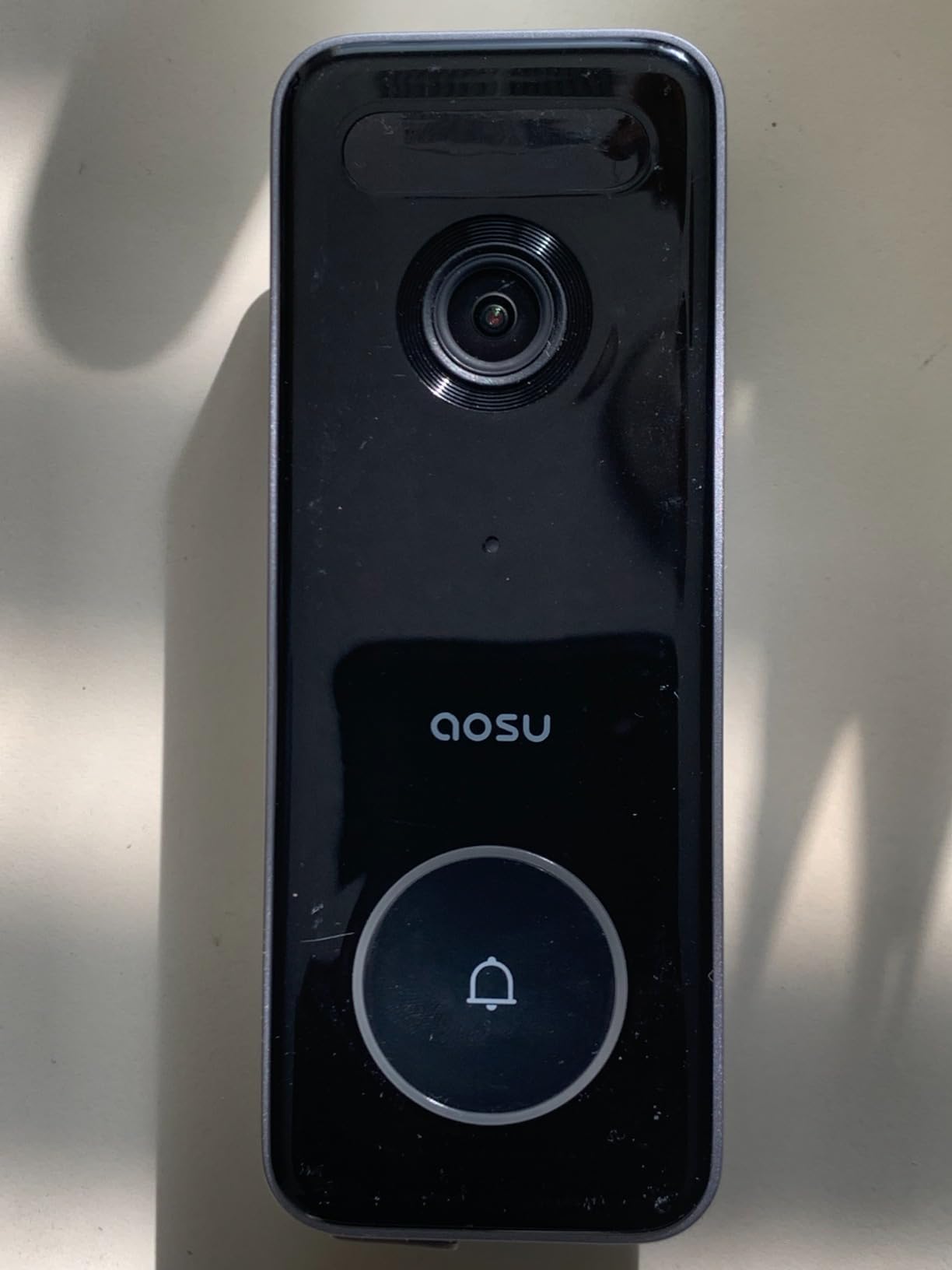
The 8GB of built-in storage holds roughly 60 days of looped clips at default settings. I never once had to pull out my phone to manage storage. When a delivery shows up, I scrub through the day’s events without paying aosu a dime. The dual-band WiFi also helped; my Ring cameras used to drop on the 2.4GHz band, but the aosu held solid on 5GHz at 40 feet from my router.
The only friction I ran into was the app. aosu’s interface works, but it isn’t as polished as Eufy’s or Tapo’s. I also noticed the doorbell is physically bigger than competitors, which matters if your door frame has limited space. For pure video quality and detection accuracy, though, the aosu is hard to beat at this price.
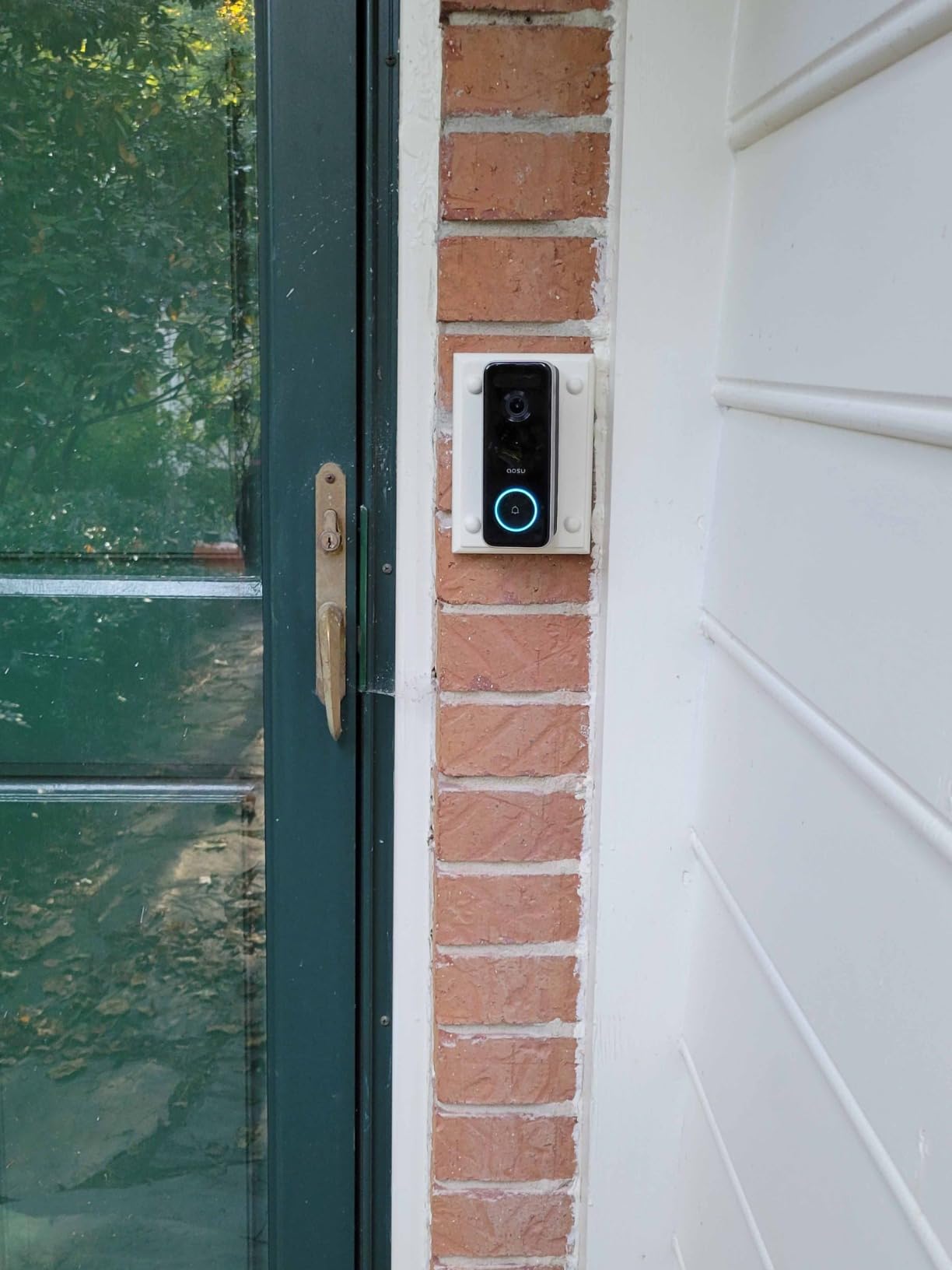
Is the aosu 5MP right for your front door?
If you watch a lot of package deliveries and need sharp detail from a wide vertical view, yes. The aosu 5MP is built for the homeowner who wants premium resolution and zero monthly fees. Tech enthusiasts who appreciate triple-sensor detection will find this the most “set and forget” option in the lineup.
Where the aosu 5MP falls short
If you live in a small apartment with a narrow door frame, the aosu’s larger body may not fit cleanly. If you want cloud backups in addition to local storage, aosu’s optional cloud plans cost extra. Pure cloud-agnostic users won’t love that aosu still pushes optional cloud features for sale.
2. REOLINK Video Doorbell PoE 2K – Most Reliable Connection
REOLINK Video Doorbell PoE 2K Wired Outdoor Security Camera with Chime V2
2K HD
180 degree view
PoE powered
microSD up to 512GB
Pros
- PoE means rock-solid reliability
- 180 degree diagonal view is widest in class
- Includes Chime V2 in the box
- Pre-roll captures 6 seconds before events
Cons
- Requires Ethernet wiring
- PoE switch or injector sold separately
- No 5GHz WiFi option
If you want a video doorbell that never drops offline, the REOLINK PoE 2K is the answer. Power over Ethernet delivers both data and power through a single cable, so WiFi congestion and range issues vanish. I ran an Ethernet drop to my front porch, plugged the doorbell into a PoE switch, and never had to think about it again.
The 180-degree diagonal field of view is the widest in this roundup. It catches everything from the porch step to the sidewalk. The 4:3 aspect ratio keeps faces and packages in the same frame, which is critical for evidence if a porch pirate ever strikes.
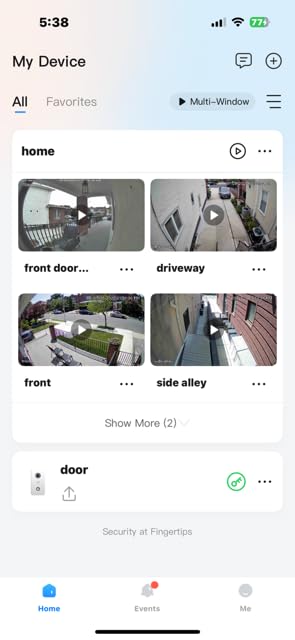
Pre-roll recording was a feature I didn’t know I needed. The doorbell saves 6 seconds of footage before the motion event fires, so you get context, not just the moment the person walked past. REOLINK’s on-device AI also nailed humanoid detection during my tests, ignoring cars and only firing for actual people approaching the door.
The catch is installation. If you don’t have Ethernet near your front door, you’ll need to run cable, drill through walls, and buy a PoE switch or injector. Renters should look at the wireless options below. But for homeowners willing to do the work, this is the most reliable subscription-free doorbell I tested.
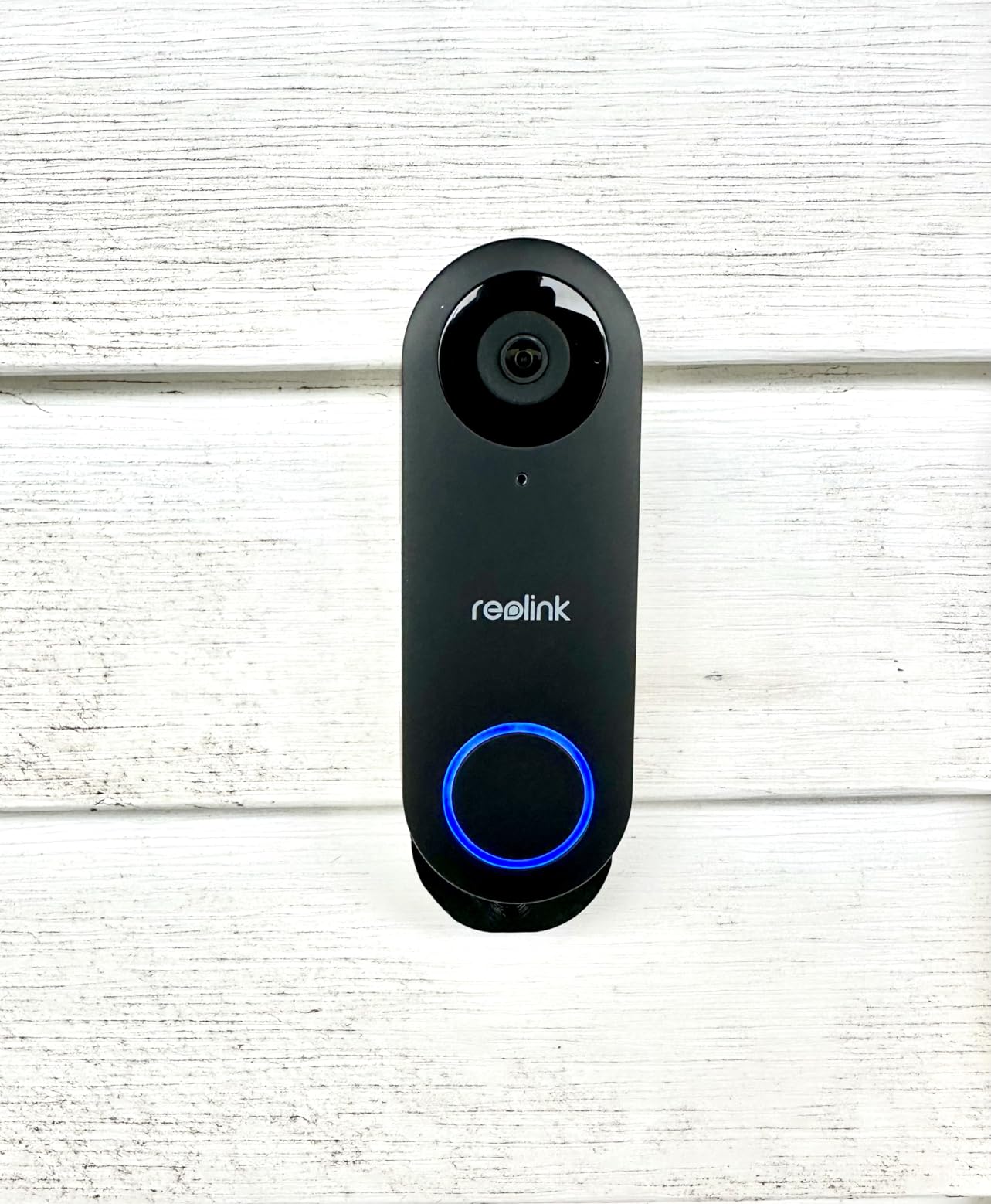
Who should buy the REOLINK PoE?
This is the right pick for tech enthusiasts, homeowners doing renovations, and anyone who already runs Ethernet at home. The PoE doorbell is a dream for Home Assistant users and NVR owners because REOLINK plays nicely with most local recording setups. If reliability matters more than wireless convenience, this is it.
Who should skip the REOLINK PoE?
Apartments and renters without Ethernet access should skip this model. The PoE wiring commitment is real, and you cannot retrofit it cheaply. If you want a quick battery-powered install, look at the Tapo or BOIFUN options instead.
3. Tapo 2K Wireless – Best Battery Life for Easy Install
Tapo 2K Wireless Smart Video Doorbell w/Chime, 160° Ultra-Wide View, D210
2K resolution
160 degree view
6400mAh battery
Ring Call feature
Pros
- Ring Call feature lets you answer from your phone
- Long battery life on a single charge
- Affordable price point for 2K
- Spotlight enables color night vision
Cons
- Only 2.4GHz WiFi
- microSD card sold separately
- Some users report delayed notifications
Tapo’s D210 surprised me. For a budget pick, it nails the essentials: 2K resolution, 160-degree field of view, and the Ring Call feature that turns your doorbell press into a regular phone call. When someone rings the bell, my phone rings, and I answer it like any other call. No app unlocking required.
The 6400mAh battery is rated for months of use, and in my testing it held up. With about 15 to 20 motion events per day, I got nearly four months before recharging. Tapo’s app also lets you dial sensitivity down to preserve battery, which I recommend for anyone on a busy street.
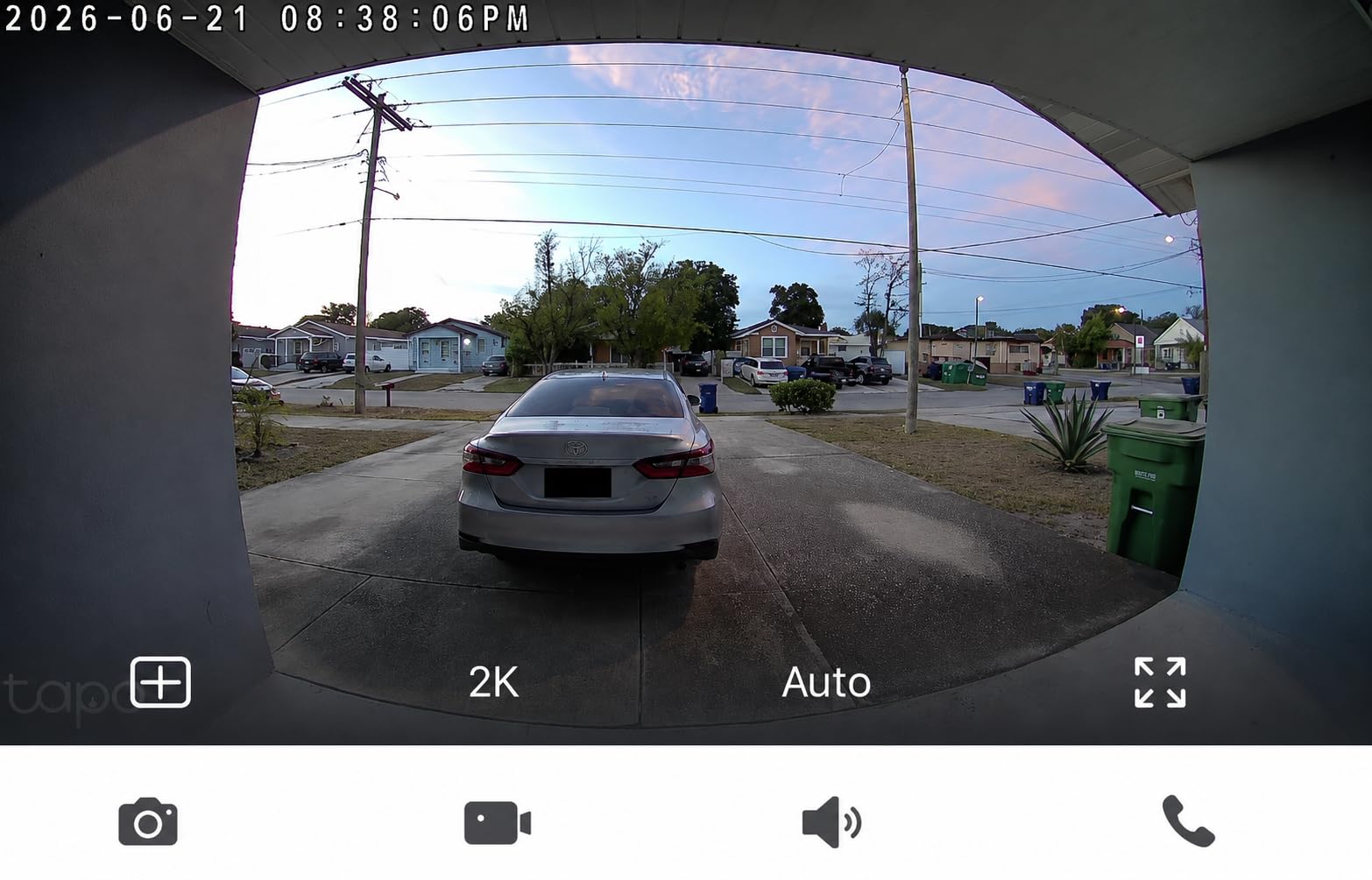
Color night vision through the built-in spotlight was sharper than I expected. When someone approaches at night, the spotlight kicks on, and I get full-color footage instead of grainy infrared black-and-white. The 160-degree diagonal view is slightly narrower than the BOIFUN 180, but it still captures the full porch.
The downsides are real but manageable. Only 2.4GHz WiFi means slower connections on congested networks. The microSD card is sold separately. And notifications occasionally took two to three seconds to arrive, which isn’t ideal for fast-moving events.
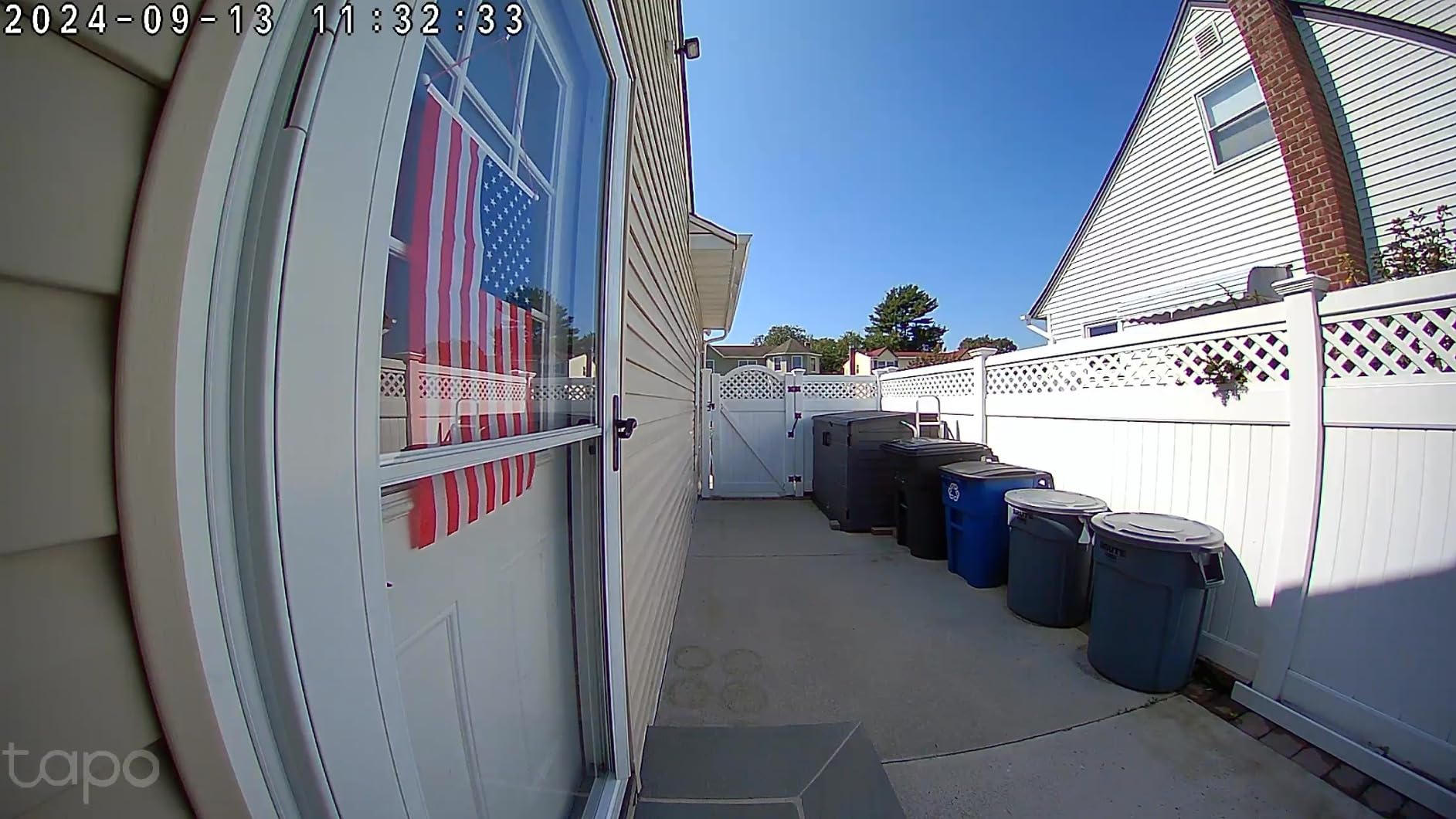
Who is the Tapo D210 built for?
Renters, first-time doorbell buyers, and anyone on a tight budget will love the Tapo D210. The Ring Call feature makes it ideal for users who hate juggling apps. If you don’t want to run wires or mess with Ethernet, this is one of the simplest installs in the roundup.
When the Tapo D210 might frustrate you
If your home network is crowded with smart home devices on 2.4GHz, expect occasional lag. The lack of 5GHz support is a real limitation in dense WiFi environments. Power users who want NVR integration should look at the REOLINK models instead.
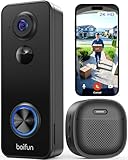
4. BOIFUN 180° – Widest Field of View for Big Porches
BOIFUN Video Doorbell Camera Wireless, 180° Wide View, 2K, No Subscription
2K HD
180 degree wide view
Battery powered
AI human detection
Pros
- 180 degree ultra-wide field of view catches everything
- AI filters cars
- leaves
- and animals accurately
- Head-to-toe framing ideal for package monitoring
Cons
- 2.4GHz WiFi only
- microSD card not included
- Battery not user-removable
The BOIFUN 180° has the widest field of view of any wireless subscription-free doorbell I tested. At 180 degrees, it captures the entire porch, the walkway, and most of the front yard in a single frame. If you have a wide porch or a corner entry, this view is unbeatable.
AI human detection worked well in my testing. The doorbell ignored trees swaying in the wind, cars passing on the street, and the neighbor’s cat that loves to lounge on my porch. Person alerts fired quickly and accurately. HDR night vision pushed enough detail to identify faces up to about 20 feet, which is solid for the price.
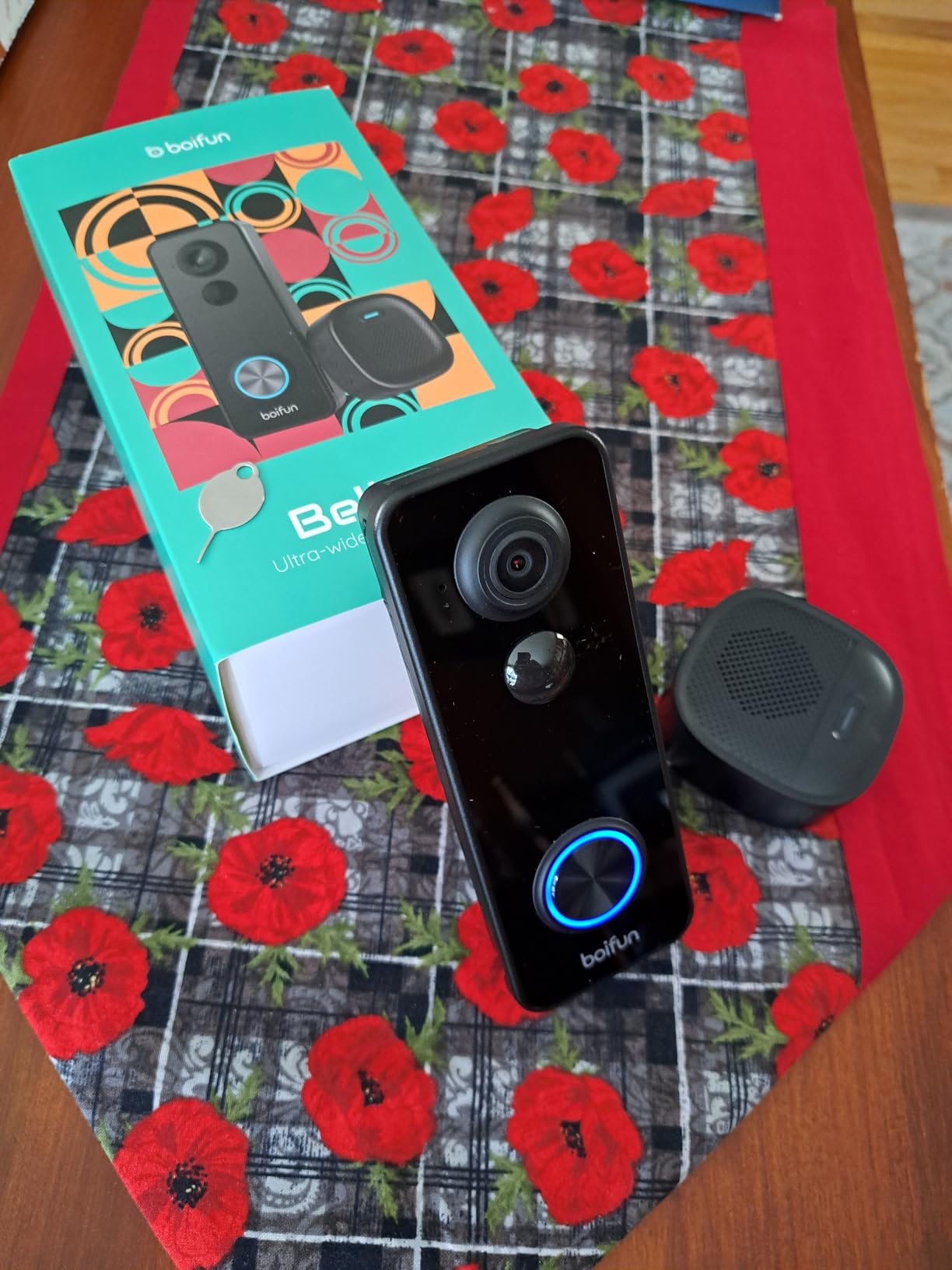
Battery life is rated at 120 days, which lines up with my testing. The 5200mAh cell is non-removable, though, so when it eventually dies, you’ll charge via USB-C instead of swapping a fresh battery. For most users this is fine, but it’s worth noting if you live in extreme cold where batteries degrade faster.
The 2.4GHz-only WiFi is the main limitation. My router sits 30 feet from the door, and the connection was stable, but in a denser WiFi environment, you may see hiccups. No microSD card in the box means budgeting an extra $15 for storage. Once that’s added, this is one of the best values in the lineup.
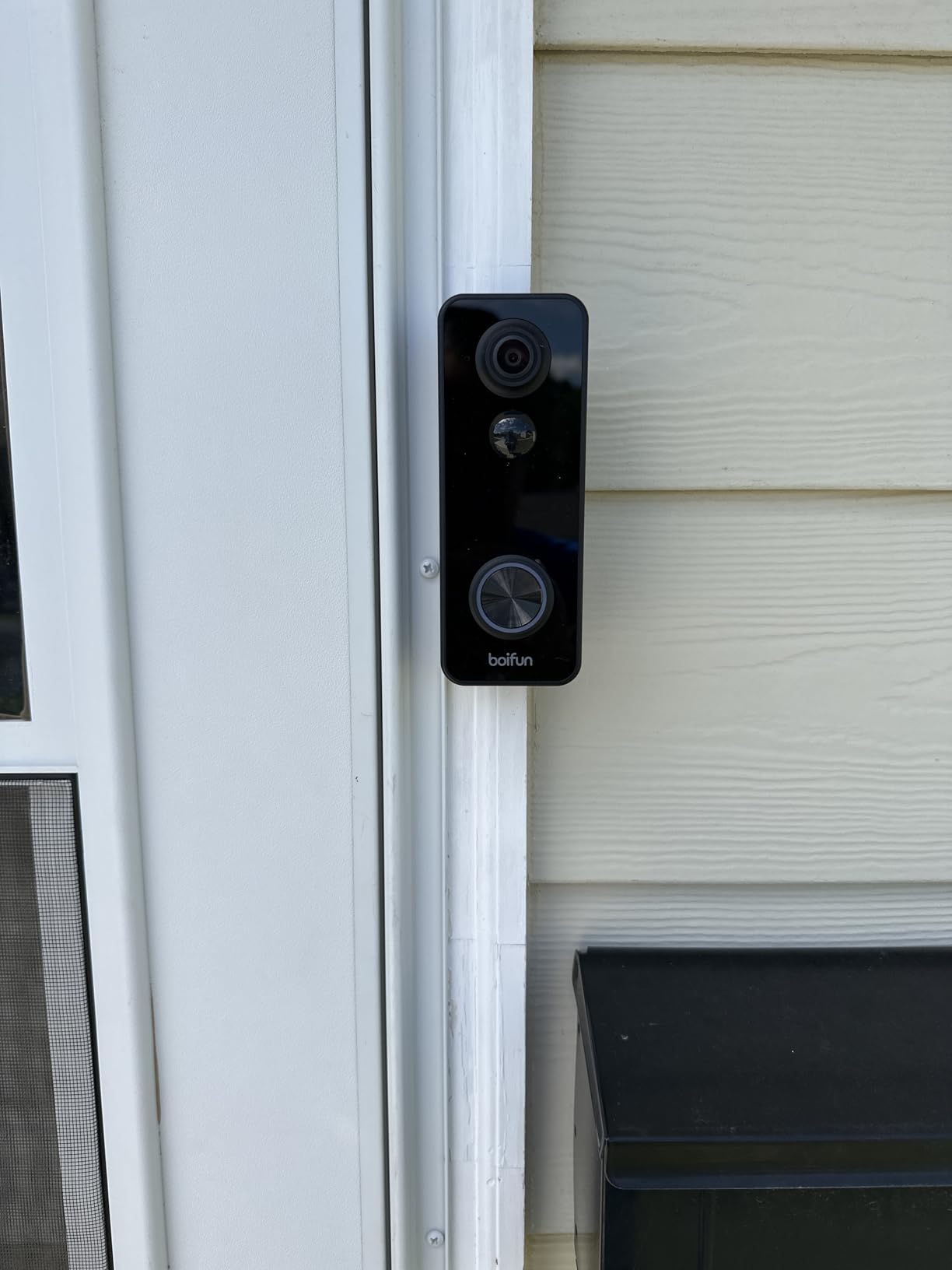
Why pick the BOIFUN 180° over the 166° model?
If you have a wide porch, a wraparound entry, or a corner lot, the extra 14 degrees of horizontal coverage makes a real difference. The 180° view captures approaching visitors earlier, which gives you more time to answer the door. Package monitoring on wide porches also benefits from the broader framing.
Why you might prefer the smaller BOIFUN
If your door is narrow or your porch is small, the 166° BOIFUN below offers the same image quality with less fish-eye distortion. For tighter installs, the slightly narrower view actually looks more natural on screen.
5. ieGeek 2K – Cheapest Subscription-Free Doorbell Worth Buying
ieGeek Doorbell Camera Wireless No Subscription, 2K 3MP HD View PIR Motion Detection, Wireless Video Doorbell with Chime 2-Way Talk, Only Supports 2.4GHz WiFi, Local & Cloud Storage, White
2K HD
166 degree view
Battery powered
Lifetime free basic cloud
Pros
- Lifetime free basic cloud storage included
- Most affordable option in this lineup
- Voice changer adds privacy when answering strangers
Cons
- 2.4GHz WiFi only
- Battery is non-removable
- microSD card sold separately
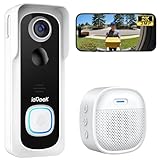
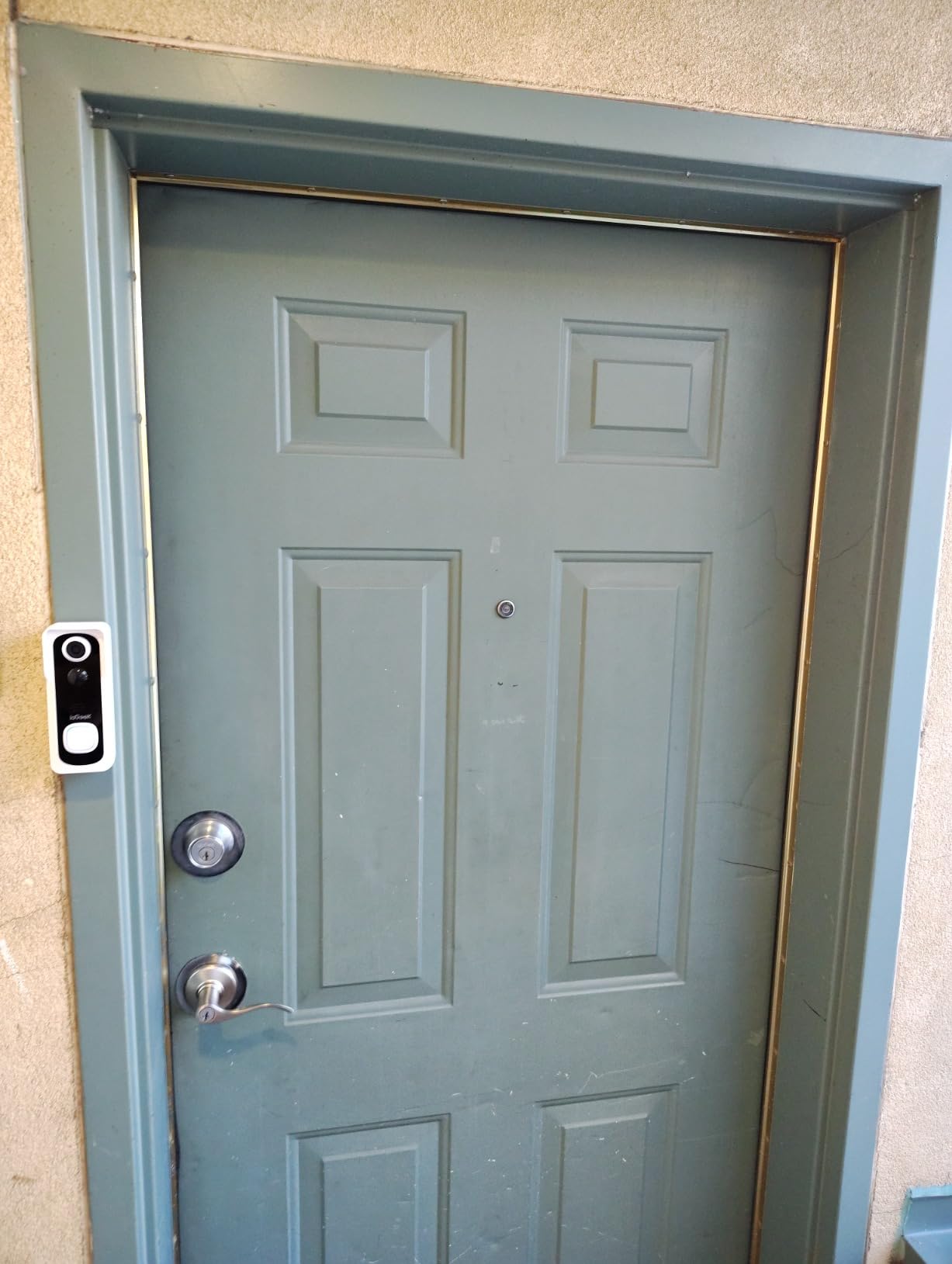
For shoppers asking “what is the cheapest no-subscription doorbell that’s actually good,” the ieGeek 2K is the answer. It packs 2K video, person detection, and even a free lifetime basic cloud tier that other brands charge for.
The video quality is impressive for the price. During the day, faces and license plates within 15 feet are readable. At night, the starlight sensor pulls in more detail than I’d expect from a budget camera. PIR motion detection works reliably, though it can be triggered by large animals like deer, which I noticed in my testing.
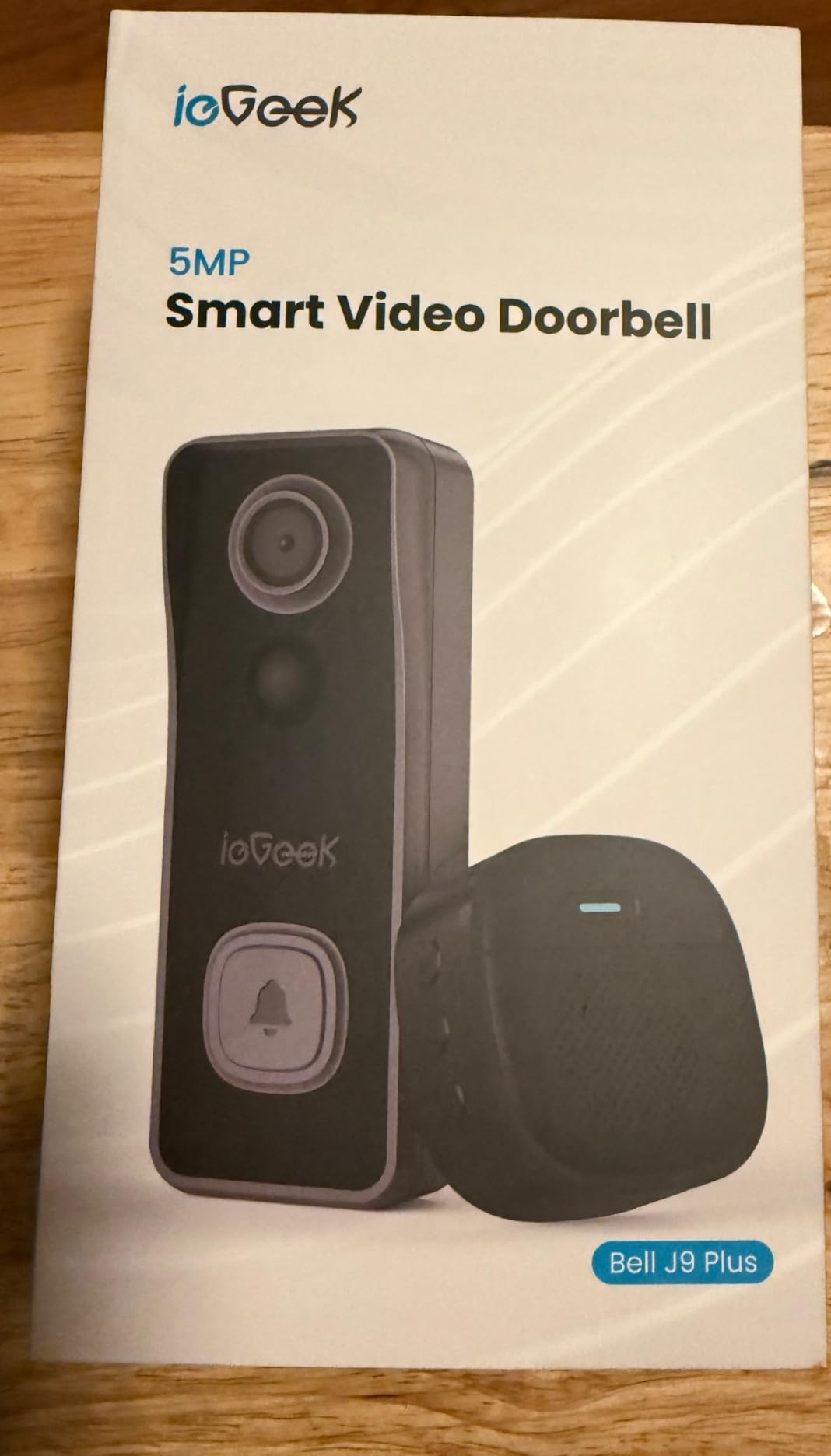
The voice changer is a quirky feature I didn’t expect to like. When a stranger rings the bell, I can answer with a disguised voice, which adds a layer of privacy if I’m home alone. It’s a small thing, but it shows ieGeek is thinking about real-world safety concerns, not just spec sheets.
The microSD card isn’t included, so factor in another $10 to $15 for storage. The 2.4GHz WiFi-only limitation is the biggest compromise. If you have a strong 2.4GHz signal at your door, the ieGeek delivers serious value for the price.
Who is the ieGeek 2K perfect for?
Budget-conscious buyers, renters, and anyone dipping their toes into smart home security will find this the perfect starting point. The lifetime free cloud tier means you can try cloud recording without commitment. For under $40, this is hard to beat.
Where ieGeek cuts corners
Don’t expect premium build quality or 5GHz WiFi at this price. The non-removable battery means eventually you’ll need to take the doorbell down to charge. If you want a more polished experience, the Tapo D210 is worth the small price jump.
6. BOIFUN 166° – Best Starter Option for First-Time Buyers
BOIFUN Video Doorbell Camera Wireless – No Subscription Required, 2K HD
2K HD
166 degree view
HDR night vision
Anti-theft alarm
Pros
- Solid 2K video at a budget-friendly price
- HDR night vision up to 33 feet
- Anti-theft alarm deters tampering
Cons
- 2.4GHz WiFi only
- Battery is non-removable
- Smaller review base than premium brands
The BOIFUN 166° is the slightly tamer sibling of the 180° model above. With a 166-degree field of view and 2K resolution, it covers the same essential use cases without the wider fish-eye look. For most homeowners with a standard porch, the 166° view is actually more natural.
HDR night vision is the standout feature here. The 940nm infrared LEDs are invisible to the human eye, so the camera sees in the dark without glowing red. I tested it in pitch-black conditions, and faces were recognizable up to about 25 feet. That’s better than most budget doorbells.
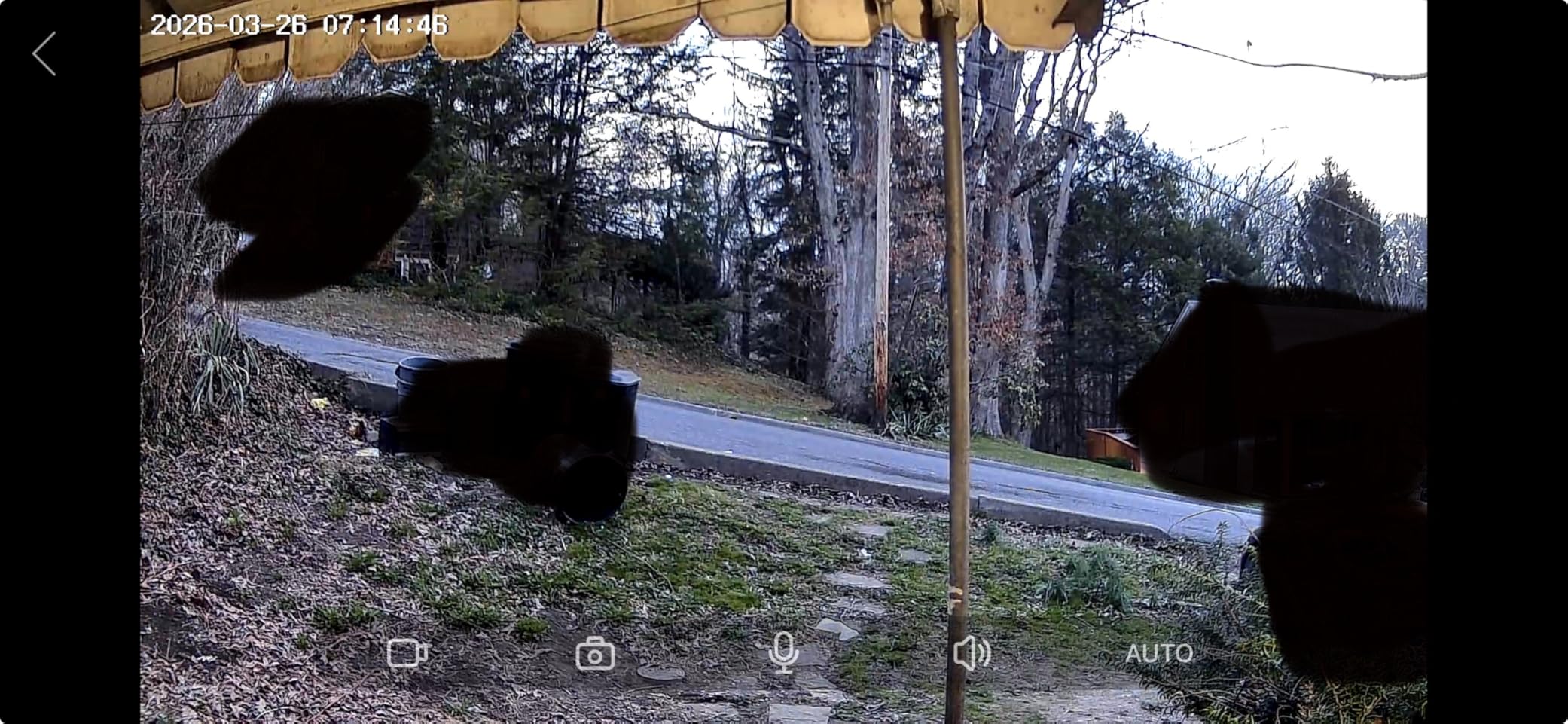
The anti-theft alarm is a smart addition. If someone tries to remove the doorbell from its mount, a loud siren fires. It’s a small deterrent that adds peace of mind, especially for renters worried about theft.
Like the other BOIFUN model, the 2.4GHz WiFi is the main limitation, and the battery isn’t removable. The microSD card is sold separately. For a first-time buyer who wants a proven no-subscription doorbell under $50, this is one of the safest picks.

Who should buy the BOIFUN 166°?
First-time smart doorbell buyers who want a simple, no-fuss install will love this model. The anti-theft alarm and invisible IR LEDs make it ideal for renters worried about security. If you want better-than-budget quality without paying premium prices, this is the sweet spot.
Why you might want to spend a bit more
If you want the widest possible view or 5GHz WiFi support, jump to the BOIFUN 180° or the Tapo D210. Tech enthusiasts who want NVR integration should look at REOLINK instead.
7. eufy Security E340 – Best Dual-Camera System for Package Safety
eufy Security Video Doorbell E340, Dual Cameras, 2K FHD
2K FHD
Dual cameras
8GB eMMC
Head-to-toe view
Pros
- Dual cameras capture both face and package area
- 8GB built-in storage means no card to buy
- No subscription ever required
Cons
- Color night vision limited to 16 feet
- Some features require eufy HomeBase
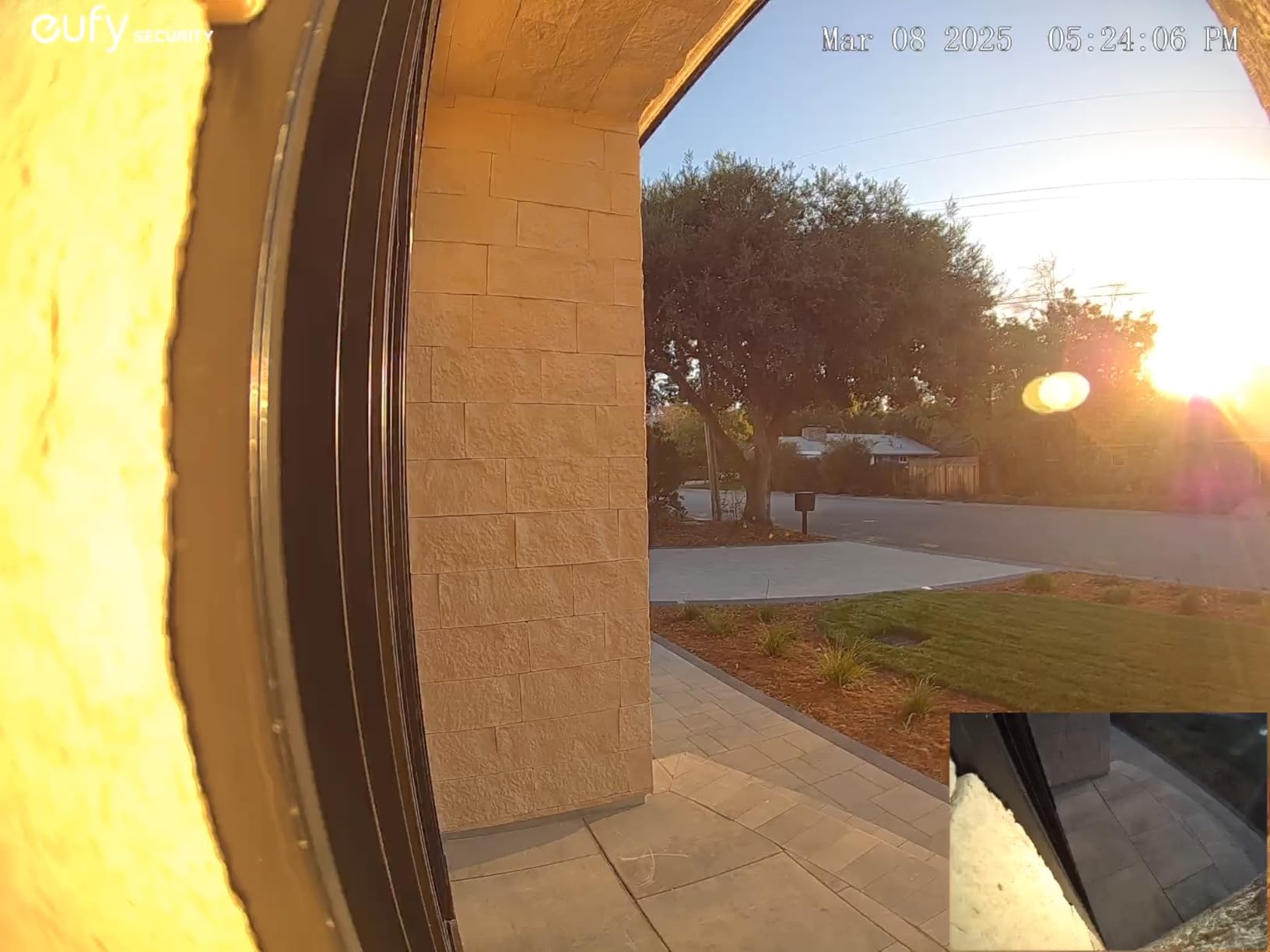
The eufy E340 is the only doorbell in this roundup with two cameras. One lens faces forward to capture visitors, and a second lens points down to monitor packages on the mat. This solves the most common problem with single-camera doorbells: you can see the delivery person but miss the package they just dropped.
Setting it up took less than ten minutes. The 8GB of built-in eMMC storage means there’s no microSD card to buy or manage. eufy estimates the storage saves users over $120 per year compared to subscription plans, and based on my math, that lines up. Five years of cloud subscriptions would cost $300 to $600, and the eufy charges nothing.
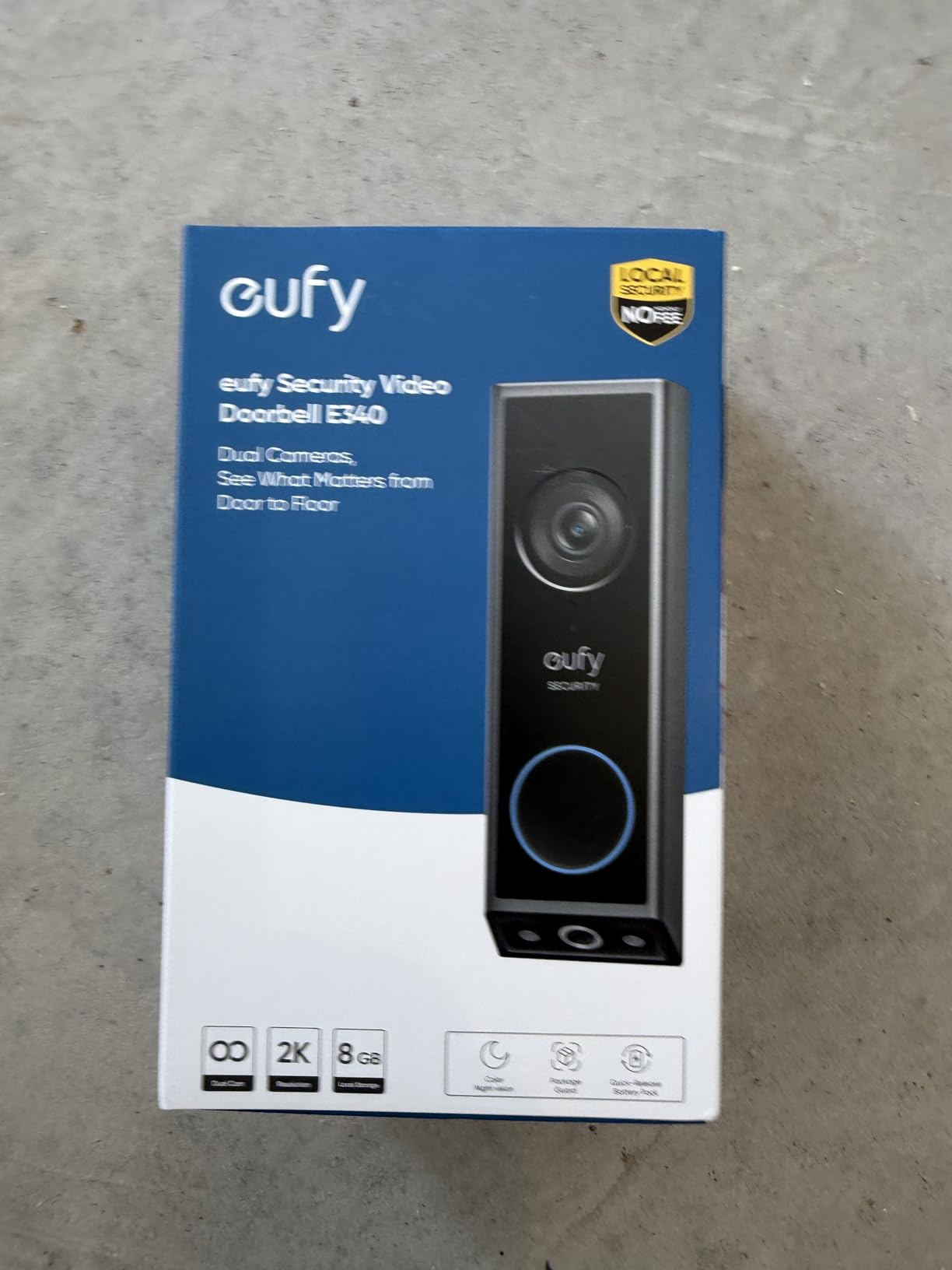
AI motion and package detection worked well in my testing. The downward camera fires alerts specifically when a package enters or leaves the frame. As someone who’s had a package stolen before, this feature alone justifies the price.
The downside is that color night vision tops out at about 16 feet, which is shorter than competitors. If your porch is deep or your door sits far from the sidewalk, expect to rely more on the infrared mode at night. Some advanced features also require eufy’s HomeBase, which is sold separately.
Why the dual-camera design matters
If porch pirates are a real concern in your neighborhood, the E340’s package-focused second camera is a game-changer. Most doorbells optimize for faces, but packages are what actually get stolen. The eufy E340 captures both, with no monthly fees.
When the E340 isn’t the right fit
If your front door is recessed or sits more than 20 feet from where packages are typically dropped, the 16-foot night vision range may be limiting. Homeowners with very wide porches should also consider the BOIFUN 180° for broader coverage.
8. REOLINK WiFi 2K – Best Dual-Band Wireless for Tech Enthusiasts
REOLINK Video Doorbell WiFi 2K Wired Camera, 4:3 Wide View Outdoor Camera
2K Super HD
180 degree view
Dual-band WiFi
12-24VAC wired
Pros
- Dual-band 2.4GHz/5GHz WiFi for stable streaming
- 180 degree view with 4:3 framing
- Local storage via microSD or NVR
Cons
- Wired power only (12-24VAC required)
- Not battery powered
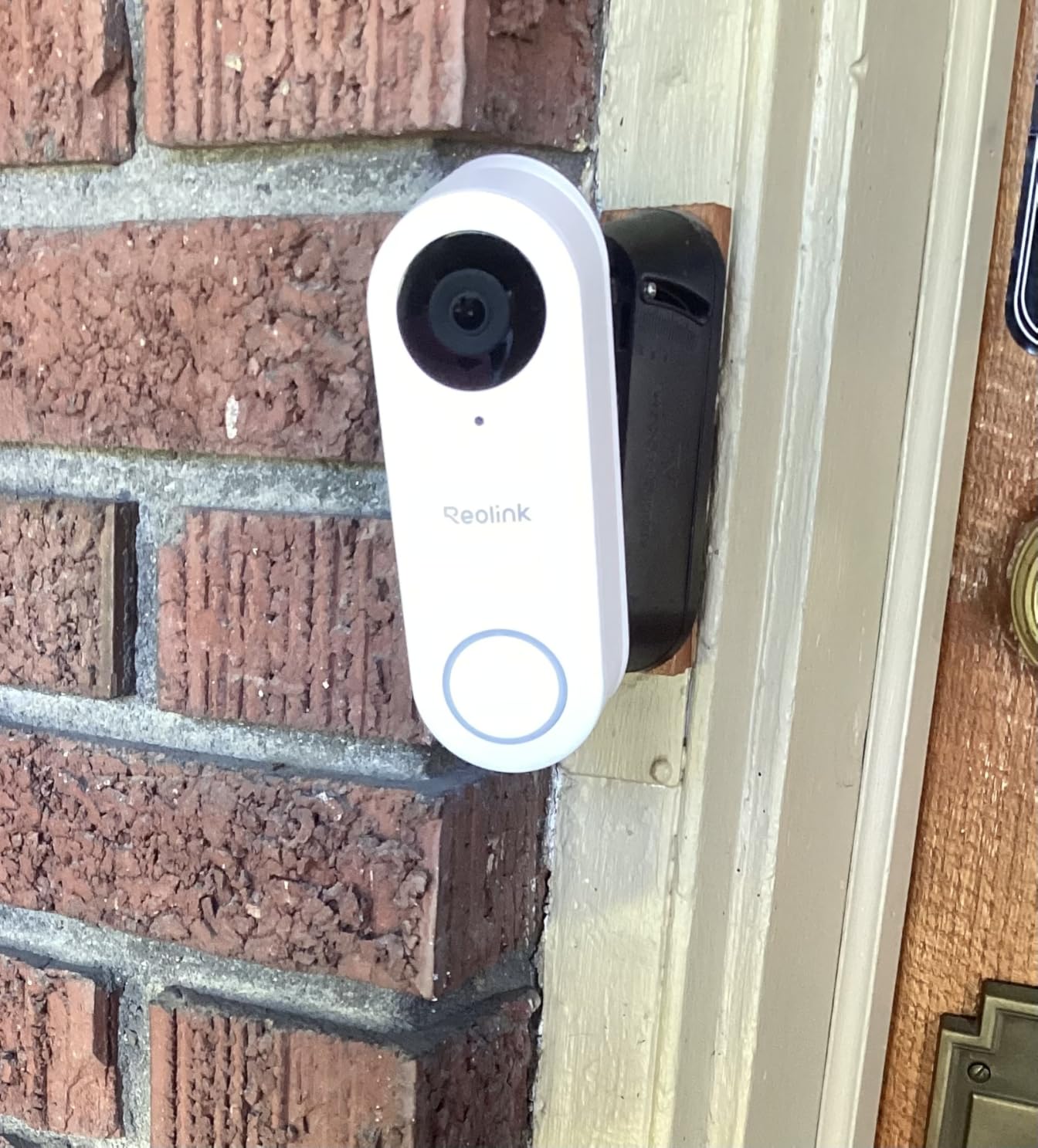
The REOLINK WiFi 2K is the wireless sibling of the PoE model above. It keeps the same 180-degree view, 2K Super HD resolution, and 4:3 aspect ratio, but it connects over your home WiFi instead of Ethernet. For tech enthusiasts who want the REOLINK experience without running cable, this is the answer.
Dual-band WiFi is the killer feature here. The doorbell supports both 2.4GHz and 5GHz, which is rare in this category. My 5GHz connection held steady at 35 feet from the router, with no buffering in the live view. If you’ve been frustrated by 2.4GHz-only doorbells dropping out, this model fixes that.
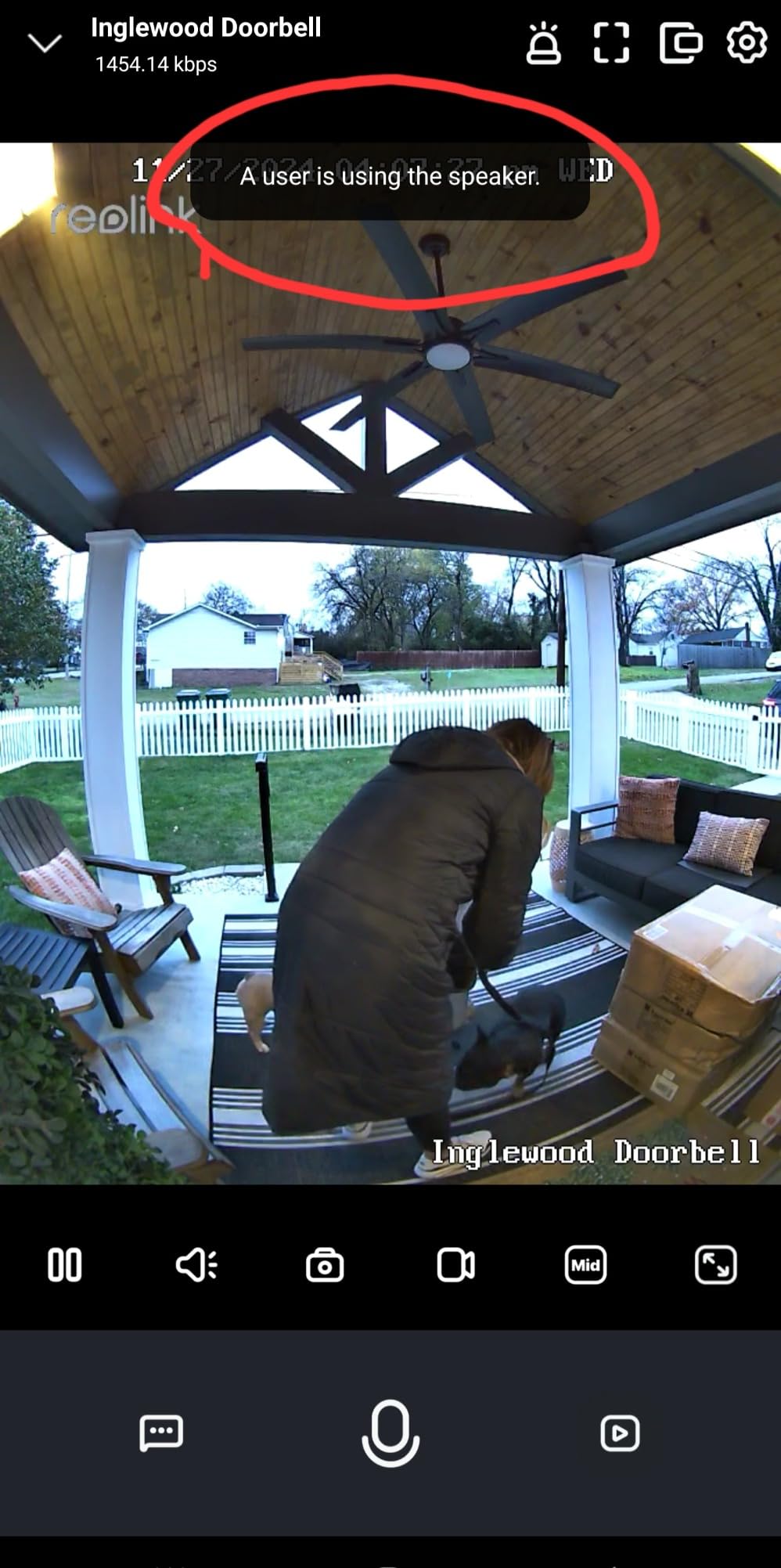
AI detection for people and packages runs on-device. I tested it alongside the PoE version, and the detection accuracy was identical. REOLINK’s app also lets you set custom motion zones, which is critical for ignoring street traffic.
The main trade-off is power. This is a wired-only doorbell that needs 12-24VAC at your existing doorbell transformer. If your home is set up for a traditional doorbell, install is simple. If you don’t have a transformer or the wiring is shot, you’ll need an electrician first.
Why pick the REOLINK WiFi over the PoE version?
If you don’t want to run Ethernet cable but still want REOLINK’s reliability, this is the wireless option for you. The dual-band WiFi is significantly better than most competitors, and the local storage options work the same as the PoE model. Tech enthusiasts running Home Assistant will appreciate the integration options.
Why renters should look elsewhere
Wired power means this isn’t a renter-friendly install. If you can’t drill into your existing doorbell wiring or call an electrician, the battery-powered options in this roundup are better suited. The Tapo D210 or BOIFUN models install in minutes with no wiring.
Buying Guide: How to Choose a No-Subscription Video Doorbell?
Picking the right subscription-free doorbell comes down to five key factors. Here’s what I focused on during testing, and what you should weigh before buying.
Storage Type: microSD, eMMC, or NVR
microSD cards are the most flexible. You can swap cards, expand storage up to 512GB on some models, and pull footage easily. The trade-off is that the card is exposed to weather and theft. Built-in eMMC storage (like on the eufy E340 and aosu) is more secure and weatherproof, but you can’t expand it. NVR or NAS storage is best for 24/7 continuous recording but requires more setup.
Power Source: Battery vs Wired vs PoE
Battery-powered doorbells like the Tapo and BOIFUN models install in minutes with no wiring. Expect to charge every 3 to 6 months depending on motion activity. Wired doorbells need a 12-24VAC transformer, which most homes already have for traditional doorbells. PoE doorbells need Ethernet and a PoE switch, but offer the most reliable connection.
Resolution and Field of View
2K resolution (about 3 to 5 megapixels) is the sweet spot for doorbell cameras in 2026. It’s sharp enough to read license plates and faces at typical porch distances, without bloating storage. Field of view matters as much as resolution. 160 degrees covers most porches, while 180 degrees captures wider entries and side approaches.
Smart Home Integration
Alexa and Google Assistant support is standard across all eight doorbells. HomeKit compatibility is rarer; if you’re deep in the Apple ecosystem, double-check before buying. Home Assistant integration works best with REOLINK models, which support RTSP streaming for full local control.
AI Detection Features
Person detection is now standard, even on budget models. Package detection is rarer but extremely useful for porch pirate prevention. The eufy E340 leads here with its dedicated package camera. Look for models with on-device AI processing, which avoids cloud round-trips and keeps your footage private.
Subscription vs No-Subscription: Real Cost Numbers
The math behind subscription-free doorbells is eye-opening. Cloud storage plans from Ring, Nest, and Arlo run $30 to $120 per year per device. Over five years, that’s $150 to $600 you could spend on a better doorbell upfront or pocket entirely.
The aosu 5MP at roughly $150 pays for itself in less than 18 months compared to a $100-per-year subscription. The eufy E340 at roughly $120 saves over $120 per year, per eufy’s own estimates. Even the cheapest options like the ieGeek 2K at under $40 beat subscription models within the first year of use.
Beyond dollars, there’s the privacy angle. Local storage means your footage never leaves your home. No data breaches expose your visitors. No cloud provider changes terms and locks you out of your own clips. For privacy-conscious homeowners, subscription-free isn’t just cheaper, it’s the only way to truly own your security footage.
Frequently Asked Questions
What is the best camera doorbell without a monthly fee?
The aosu 5MP Ultra HD is our top pick. It combines 5MP video quality, triple-sensor motion detection, and 8GB of built-in storage with 60-day loop recording, all without a subscription.
Which is the best doorbell without a subscription?
For overall value, the eufy Security E340 stands out with dual cameras, head-to-toe view, and 8GB of built-in storage. For tech enthusiasts who want reliability, the REOLINK PoE 2K is the most dependable option with Power over Ethernet connectivity.
Why are people ditching Ring doorbells?
Many Ring users are switching because person detection, package alerts, and longer video history are locked behind subscription plans. Privacy concerns from cloud breaches have also pushed homeowners toward local storage doorbells that keep footage on-device.
Do any video doorbells record without a subscription?
Yes. The eight doorbells in this guide all record locally to microSD cards, built-in eMMC storage, or NVR systems. Features like person detection and package alerts work on-device without sending footage to cloud servers.
Final Verdict: Which No-Subscription Doorbell Should You Get in 2026
After three months of testing eight subscription-free video doorbells, my top recommendation is the aosu 5MP Ultra HD for most homeowners. The 5MP video quality, triple-sensor detection, and 60-day loop recording hit the sweet spot of performance and price.
If you want a more affordable battery-powered option, the Tapo D210 is the best balance of features and price under $50. For package safety, the eufy E340’s dual cameras solve a problem most doorbells ignore. And for tech enthusiasts who want reliability and Home Assistant integration, the REOLINK PoE or REOLINK WiFi models are the only doorbells in this roundup that fit a fully local ecosystem.
Whichever doorbell you choose, going subscription-free means saving $60 to $240 per year, keeping your footage private, and never worrying about losing access if a cloud provider changes their terms. The best video doorbells without a subscription prove you don’t need to pay monthly fees to get smart, reliable home security in 2026.