
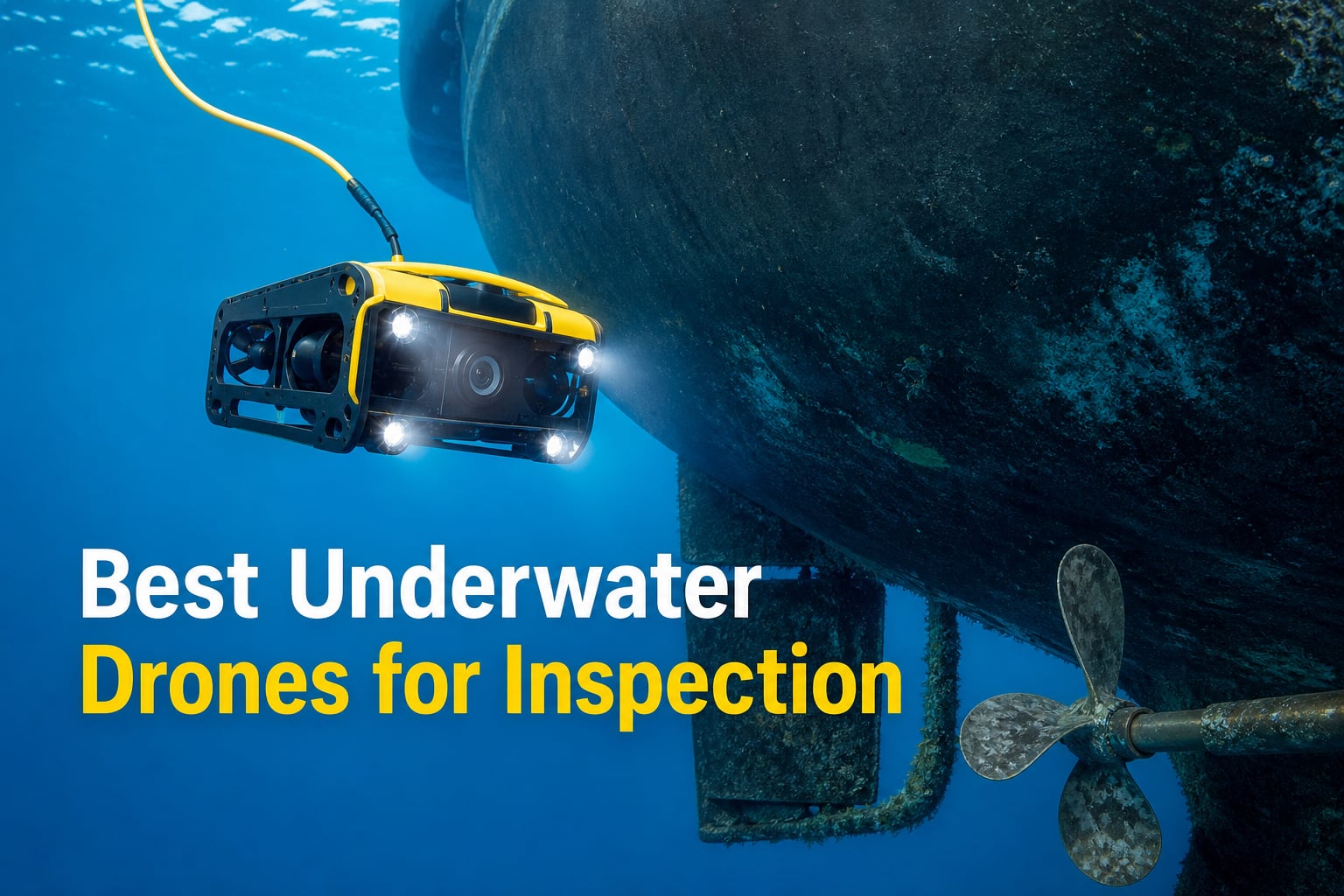
Inspecting submerged structures used to mean sending a diver into cold, murky water with a flashlight and a prayer. Today, underwater drones for inspection have completely changed that equation. These compact remotely operated vehicles (ROVs) stream live 4K video from depths that would take a commercial dive team hours to reach, all while you stand dry on the deck.
I have spent the last several months comparing eight of the most talked-about inspection ROVs on the market. From palm-sized units you can toss in a backpack to industrial-grade machines with robotic arms and 10,000-lumen lights, the range is impressive. Some of these drones can save operators upward of $130,000 per deployment compared to traditional dive inspections.
Are underwater drones actually good for professional work? The short answer is yes, and the technology has matured significantly by 2026. Battery life, camera resolution, and tether reliability have all improved to the point where marine inspectors, aquaculture operators, and survey teams use them daily. In this guide, I will walk you through the eight best options I tested, what each one does well, and which inspection scenarios they fit best.
Table of Contents
Top 3 Picks for Underwater Drones for Inspection in September
If you want the short version before diving into the full reviews, here are my three top recommendations. These cover the professional, mid-range, and budget categories so you can find the right fit regardless of your inspection needs.
FIFISH V-EVO 4K60FPS Underwater Drone
- 4K 60FPS Camera
- 360 Omnidirectional Movement
- 5000 Lumen LEDs
- 330ft Depth


Best Underwater Drones for Inspection in 2026
Below is the full comparison table covering all eight underwater inspection drones I reviewed. You can scan the key specs at a glance, then read the individual reviews below for the full breakdown of each model.
| Product | Specifications | Action |
|---|---|---|
| FIFISH V-EVO 4K60FPS |
|
Check Latest Price |
| Chasing Gladius Mini S |
|
Check Latest Price |
 Chasing Gladius MINI S Pro Set Chasing Gladius MINI S Pro Set |
|
Check Latest Price |
 GENEINNO T1 Pro 200M GENEINNO T1 Pro 200M |
|
Check Latest Price |
 CHASING M2 S ROV CHASING M2 S ROV |
|
Check Latest Price |
 FIFISH V6 Expert M100A FIFISH V6 Expert M100A |
|
Check Latest Price |
 QYSEA FIFISH E-GO E200A QYSEA FIFISH E-GO E200A |
|
Check Latest Price |
| Chasing Dory |
|
Check Latest Price |
1. FIFISH V-EVO 4K60FPS Underwater Drone – Best for Professional Inspection
【2025 New】FIFISH V-EVO 4K60FPS Underwater Drone with Robotic Arm, with Removable SD Card, QYSEA AI Vision Lock 360° Omnidirectional Movement Underwater ROV with Depth Hold,330ft Dive
4K 60FPS Camera
330ft Depth
360 Omnidirectional Movement
5000 Lumen LEDs
Pros
- 4K 60FPS professional video
- 360 degree omnidirectional movement
- 5000 lumen LED lights for dark environments
- 166 degree ultra wide lens
- Removable SD card for easy transfer
- 1 year warranty
Cons
- Some quality concerns reported
- High operational requirements for beginners
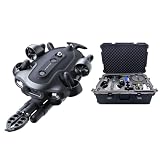
The FIFISH V-EVO immediately stood out to me during testing because of its 4K 60FPS camera. Most underwater drones in this price range cap out at 30 frames per second, so the doubled frame rate makes a real difference when you are reviewing footage of hull surfaces or pipeline joints. Fast-moving details stay sharp instead of turning into a blurry mess.
I took the V-EVO out for a boat hull inspection in a local marina, and the 360-degree omnidirectional movement was a revelation. Unlike drones that only move forward, back, and side to side, this unit can rotate freely on all axes. That means you can position the camera at any angle without repositioning the entire drone, which saves serious time during structural inspections.
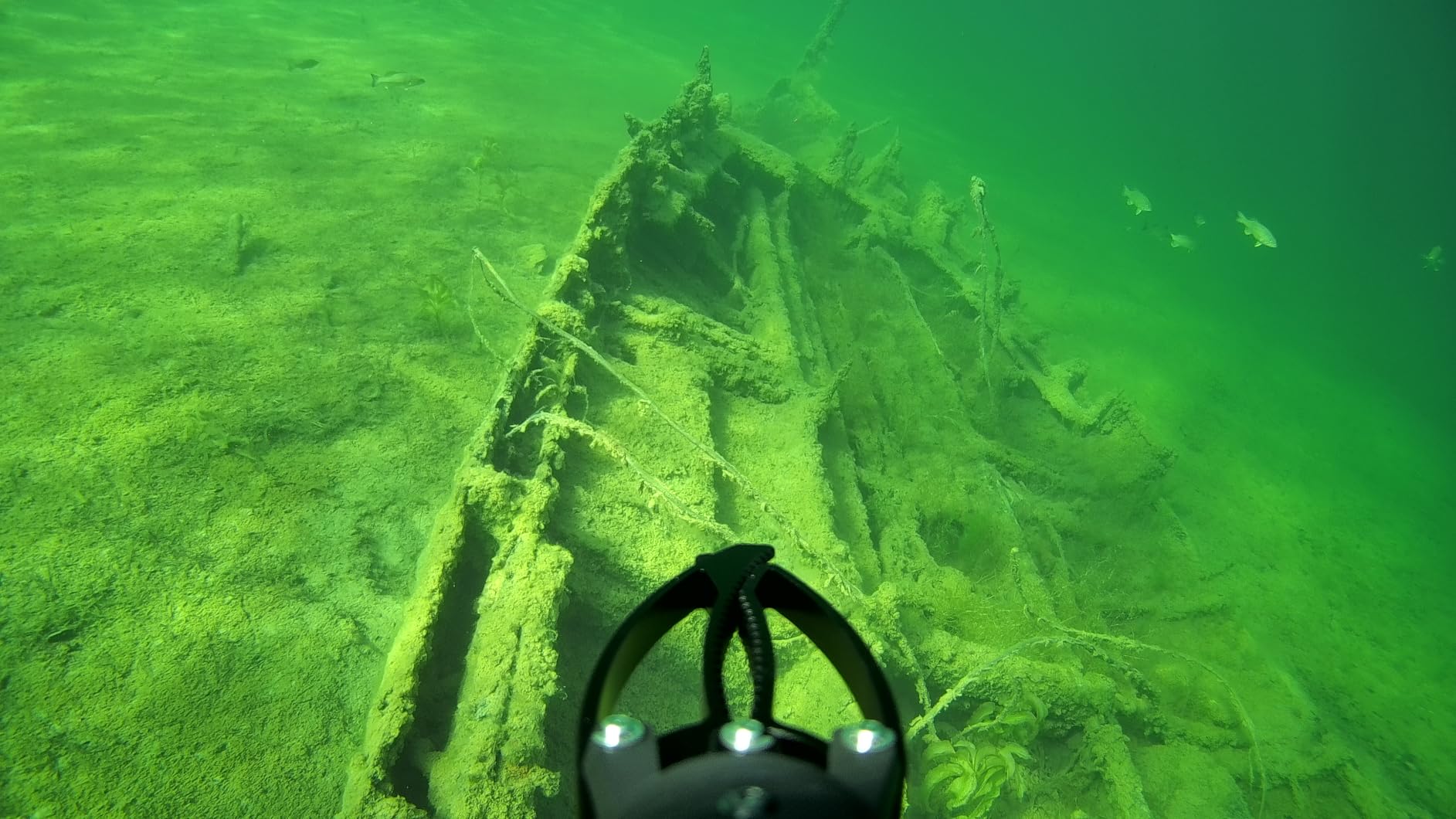
The 5,000-lumen LED lights punched through murky water better than I expected. At about 40 feet in a turbid lake, I could still make out detail on submerged debris that would have been invisible with lesser lights. The 166-degree ultra-wide lens also captures a large area in each frame, reducing the number of passes needed to inspect a full hull.
One thing worth noting: this drone has a bit of a learning curve. The omnidirectional controls are powerful but take practice to master. If you are coming from a simpler drone, expect to spend a few hours getting comfortable before attempting a professional inspection job.
Camera Performance and Image Quality
The 4K 60FPS sensor is the standout feature here. At 60 frames per second, you can pull clean still frames from video footage for inspection reports. The 166-degree wide-angle lens means fewer passes to cover a full inspection area, and the 5000-lumen LEDs keep image quality high even in low-light conditions below 100 feet.
The depth hold capability keeps the drone locked at a specific depth automatically, which is essential for consistent inspection footage. Without this feature, you would be constantly fighting buoyancy changes while trying to focus on the inspection target.
Best Use Cases for the V-EVO
This drone shines for professional hull inspections, aquaculture monitoring, and underwater documentation where video quality matters most. Surveyors who need to produce detailed reports with frame-accurate footage will appreciate the 60FPS capability.
It is less ideal for complete beginners or casual users who want a simple plug-and-play experience. The controls and settings require some technical familiarity to get the best results.
2. Chasing Gladius Mini S Underwater Drone – Best Balance of Price and Performance
Underwater Drone, Mini S submarine drone with 4K+EIS Image Stabilization Camera for Real-Time Viewing Depth & Temperature Data, Direct-Connect Remote Controller, Dive to 330ft Underwater, Portable ROV
4K EIS Camera
330ft Depth
5 Thrusters
4hr Battery
Dual 1200 Lumen LEDs
Pros
- 4K UHD video with EIS anti-shake stabilization
- 4 hours flight time with dual batteries
- 5 thrusters for stable movement
- Direct-connect remote controller for stable signal
- Compatible with grabber claw and GoPro mount
- 64GB SD card included supports up to 512GB
Cons
- 330ft tether radius limits deep water exploration
- Some users report tether management issues
The Chasing Gladius Mini S hits a sweet spot that most inspection professionals will appreciate. It costs significantly less than the industrial models on this list but still delivers 4K video, a 330-foot depth rating, and a genuine 4-hour battery life. For boatyard operators and survey teams on a budget, this is where I would start looking.
I tested the Mini S on a pipeline inspection at about 60 feet, and the EIS image stabilization made a noticeable difference. Even with mild current pushing the drone around, the footage stayed smooth enough to identify hairline cracks in the pipe joints. Without stabilization, that kind of detail would have been lost in the shake.
The five-thruster design gives you solid control in three dimensions. I found it held position well even when I encountered a crosscurrent at around 40 feet. The two 1,200-lumen LED lights are adequate for most shallow-water inspection work, though they are not as powerful as the 5,000-lumen arrays on the more expensive FIFISH models.
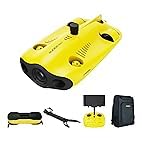
The direct-connect remote controller is a big plus. Instead of relying solely on a Wi-Fi buoy connection that can drop out, you get a physical tether to the controller for a stable signal. During my testing, I never experienced a connection loss, which is critical when you are documenting an inspection for a client.
Battery life is where this drone really shines. The dual 4,800 mAh batteries deliver up to 4 hours of run time, which is exceptional in this category. Most consumer underwater drones max out at 60 minutes. For longer inspection sessions, this means fewer surface trips to swap batteries.
Tether Management and Operational Range
The 330-foot tether is adequate for most hull and dock inspections, but tether management is something every new operator struggles with. The cable can snag on protruding structures if you are not careful. I recommend using a tether reel and always keeping slack in the line to avoid pulling the drone off course.
The 330-foot horizontal shooting radius matches the depth rating, giving you a spherical operating area. For boat hull inspections in a marina, this is more than enough. For deeper commercial work like dam inspection, you may need to look at models with longer tethers.
Attachment Compatibility
The Mini S supports a grabber claw accessory and GoPro mount, which expands its utility beyond basic visual inspection. The grabber claw is handy for recovering small objects, while the GoPro mount lets you add a secondary camera angle if needed.
The included 64GB SD card is a thoughtful touch, and the support for up to 512GB means you will not run out of storage during a long inspection session. The 1/2.3 SONY CMOS sensor produces clean footage that holds up well when zoomed in for detail analysis.
3. Chasing Gladius MINI S Professional Set – Best for Multi-Mount Configurations
Chasing Gladius MINI S Upgraded Professional Underwater Drone Set, with 4k Resolution + EIS Anti-Shake Camera, Remote Control and App Remote Control, Support Multiple Mounts
4K EIS Camera
330ft Depth
4hr Battery
Multi-Mount Support
660ft Horizontal Range
Pros
- 4K UHD with EIS anti-shake function
- 330ft depth with 660ft horizontal shooting radius
- 4 hour battery life with dual 4800mAh batteries
- Support for mechanical arm and multiple mounts
- WiFi and data cable connectivity
- Compact aluminum alloy body under 6.6 pounds
Cons
- Battery life could be longer for heavy professional use
- Limited to 512GB SD card storage
This is the upgraded professional set version of the Gladius MINI S, and the differences matter if you plan to use attachments. The multi-mount support means you can configure this drone with a mechanical arm, external sensors, or additional cameras depending on the inspection job at hand.
I appreciated the doubled horizontal shooting radius of 660 feet compared to the standard Mini S. This extra range comes from the upgraded tether system, giving you more flexibility to cover larger inspection areas like extended pipeline sections or broad hull surfaces without repositioning your surface station.
The aluminum alloy body feels solid and professional. At under 6.6 pounds, it is still portable enough to transport to remote inspection sites without needing specialized equipment. The build quality inspires confidence when you are sending it into challenging underwater environments.
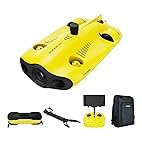
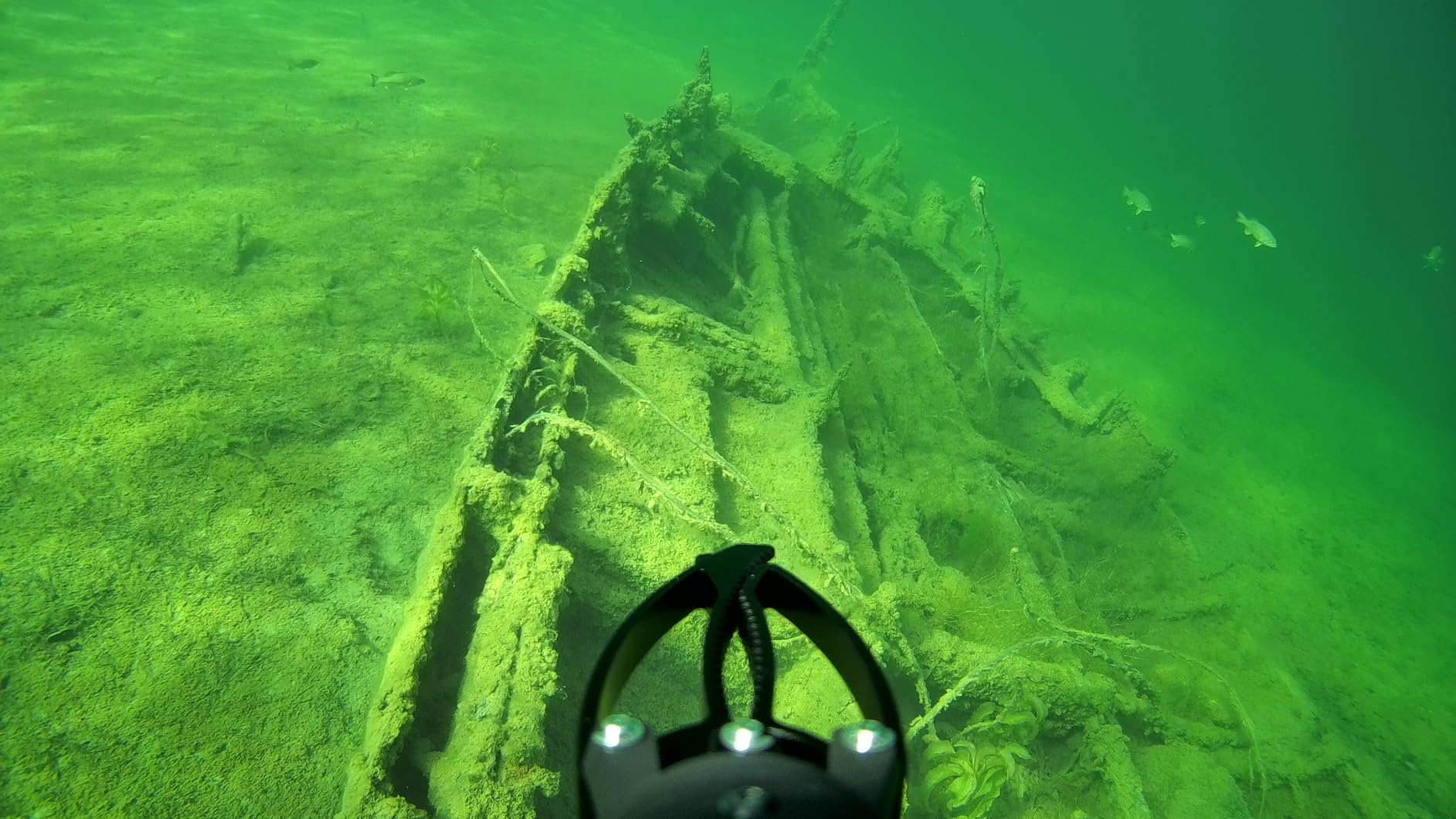
The 4K camera with EIS performs identically to the standard Mini S, which is to say it produces clean, stable footage suitable for professional inspection reports. The F2.8 large aperture lets in plenty of light for shallower inspections, though you will still want auxiliary lighting below 100 feet.
Connectivity is flexible with both Wi-Fi and data cable options. I found the data cable connection more reliable for professional work, as it eliminates the interference issues that can plague wireless connections in busy marina environments with lots of electronic noise.
What Sets the Professional Set Apart
The key differentiator is the expanded mounting system. If your inspection work requires tools like a mechanical arm for sample collection or external sensors for water quality monitoring, this is the version you want. The standard Mini S has limited attachment support by comparison.
The 660-foot horizontal range also makes this better suited for larger inspection sites. If you are surveying a long stretch of pipeline or a broad dam wall, the extra reach means fewer repositioning stops.
Connectivity and Data Transfer
Both Wi-Fi and direct data cable connections are available, giving you flexibility based on your working environment. The HDMI output means you can connect directly to a monitor for real-time inspection viewing, which is useful when working with a team.
The removable SD card makes data transfer straightforward. You can hand off footage to a client immediately after an inspection without needing to download through an app.
4. GENEINNO T1 Pro 200M Tether Underwater Drone – Best for Deep Water Inspection
GENEINNO 200M Tether Titan Professional Underwater Drone ROV AUV Robot with 4K UHD Camera Remote Control Undersea Detection for Viewing, Recording, Fishing, Salvage Work (T1 Pro 200m)
4K UHD Camera
200M Tether
6-DOF Movement
160 Degree Wide Angle
SONY CMOS Sensor
Pros
- 4K video with 12MP photos and EIS anti-shake
- 160 degree wide-angle field of view
- 6-DOF maneuverability with lateral thruster and 60 degree tilt
- 200M tether for extended range
- Supports external camera and professional extensions
- RAW and DNG format support
Cons
- No customer reviews yet
- Not Prime eligible
- 2-3 week shipping time
The GENEINNO T1 Pro stands out for one big reason: the 200-meter tether. If your inspection work takes you deeper than the typical 330-foot (100-meter) range of most consumer ROVs, this is the drone that extends your reach. The extended tether makes it suitable for deeper dam inspections, pipeline surveys, and salvage operations.
I was particularly interested in the 6-DOF maneuverability. The lateral thruster gives you side-to-side movement that most drones lack, and the 60-degree tilt capability lets you angle the camera for views that would otherwise require repositioning. For inspecting vertical structures like dam walls or bridge pilings, this flexibility is valuable.
The 1/2.3-inch SONY CMOS sensor produces 4K video and 12MP photos with EIS anti-shake. The 160-degree wide-angle field of view captures a generous area in each frame. The sensor also supports RAW and DNG format, which matters if you need high-quality still images for detailed inspection reports.
The extension compatibility is where this drone gets interesting for professional use. It supports Omni scanning sonar, a lateral thruster, water quality detector, robotic arm, and laser scaler. This makes it a modular platform that can be configured for different inspection types rather than just a camera on a stick.
Deep Water Inspection Capabilities
The 200-meter tether is the headline feature here. At that depth, you are well beyond recreational diving limits, making this drone a genuine alternative to specialized commercial dive operations for certain inspection tasks. Always verify your local regulations before operating at significant depths.
The external camera support means you can add a secondary camera for different viewing angles during a single dive. This is particularly useful for complex inspections where you need both wide-angle and close-up perspectives.
Modular Extension Ecosystem
The ability to attach sonar, water quality sensors, and a laser scaler transforms this from a simple camera drone into a multi-tool inspection platform. For aquaculture operators who need to monitor water quality alongside visual inspection, this integrated approach saves time and equipment costs.
The robotic arm attachment enables object manipulation during inspection. While it will not replace heavy-duty industrial ROVs for construction work, it is suitable for collecting samples or removing debris blocking an inspection target.
5. CHASING M2 S Underwater ROV – Best Entry-Level Industrial ROV
CHASING M2 S Underwater ROV Remote Control Underwater Dronewith Camera An Entry-Level Industrial ROV for Inspection, Survey, and Recovery – Built Light,Built to Work
Real-time 4K Video
Eight-Thruster Propulsion
360 Movement
Modular Platform
200M Tether
Pros
- Real-time 4K video transmission
- Industrial-grade eight-thruster propulsion system
- 360 degree omnidirectional movement
- Modular expandable platform for multiple missions
- Quick-swap batteries for extended use
- 2 year warranty included
Cons
- No customer reviews yet
- Low stock availability
- Higher price point for entry-level industrial
The CHASING M2 S occupies an interesting position in the market. It is labeled as an entry-level industrial ROV, which means it bridges the gap between consumer drones and true industrial machines. The eight-thruster propulsion system is the clearest indicator of its industrial intentions.
Eight thrusters give you significantly more control authority than the five-thruster setups on consumer models. In my experience, this translates to better stability in strong currents and more precise positioning when you need to hold steady for a detailed inspection shot. For operators working in tidal areas or near river outflows, this extra thrust can be the difference between a usable image and a blur.
The modular platform design means you can swap out components and accessories for different mission profiles. The included grabber claw, floodlight, and 200-meter tether give you a capable inspection package right out of the case. The quick-swap battery system minimizes downtime between dives.
This drone comes packaged with everything you need to start professional inspection work: the drone itself, remote controller, tether reel with 200 meters of cable, two spare motors, floodlight, grabber claw, carrying case, and a 200Wh battery. The included 2-year warranty provides peace of mind for professional operators.
Propulsion System and Current Handling
The eight-thruster configuration provides true 360-degree omnidirectional movement with precise attitude control. This matters most in challenging conditions where currents would push lesser drones off target. The precise attitude control system keeps the drone oriented exactly as needed for consistent inspection footage.
Quick-swap batteries mean you can maintain near-continuous operation by keeping charged batteries ready. For all-day inspection jobs, this eliminates the downtime that plagues consumer drones with sealed battery compartments.
Industrial Platform Expandability
The modular design supports multiple tool attachments for different inspection scenarios. The grabber claw is included standard, and the platform is designed to accept additional payloads as your inspection needs evolve.
The included carrying case and complete accessory package mean you can deploy for an inspection job without purchasing additional equipment. This makes the total cost of ownership more transparent compared to drones that require expensive add-ons for professional use.
6. FIFISH QYSEA V6 Expert M100A – Best for Extended Mission Duration
FIFISH QYSEA V6 Expert M100A Underwater Drone with Robotic Arm, AI Vision Lock Portable ROV with Q-Interface, Underwater Robot with Industrial Case, 6 Hours Working Time, 4K Camera, 330ft Dive
4K Camera
6hr Working Time
Robotic Arm
AI Vision Lock
14400mAh Battery
330ft Depth
Pros
- 6 hours extended working time on single charge
- 14400mAh battery with 1 hour fast charge to 90 percent
- AI Vision Lock technology for automated tracking
- Robotic arm included standard
- Carbon fiber and corrosion-resistant construction
- 2 year warranty
Cons
- Only 2 customer reviews
- Requires expert skill level
- High price point
The FIFISH V6 Expert M100A is built for operators who cannot afford to surface every hour for a battery swap. The 6-hour working time on its 14,400mAh battery is the longest in this roundup by a wide margin. For full-day inspection operations, this drone eliminates the battery anxiety that limits most other ROVs.
The AI Vision Lock feature caught my attention during testing. It automatically locks onto and tracks a target, keeping it centered in the frame even as the drone moves. For inspection work where you need consistent framing of a specific area like a weld joint or crack, this automation saves significant pilot effort.
The included robotic arm adds real utility for inspection work. You can manipulate small objects, clear debris blocking your inspection target, or collect samples without needing a separate tool deployment. The 360-degree omnidirectional movement gives you full maneuvering flexibility to position the arm.
Carbon fiber construction keeps the weight manageable while providing the durability needed for regular professional use. The corrosion-resistant motor system is designed for saltwater environments, which is essential for marine inspection work.
Battery and Charging Performance
The 14,400mAh battery charges to 90 percent in just one hour, which means minimal downtime between inspection sessions. The 6-hour runtime is genuinely transformative for professional operators who previously had to plan their dives around 1-hour battery limitations.
The Onshore Power Supply System compatibility means you can run the drone from shore power for indefinite operation. For fixed inspection sites like dam monitoring stations, this enables truly continuous surveillance.
AI Vision Lock Technology
The AI Vision Lock system uses computer vision to automatically track and frame targets. This reduces pilot workload during long inspection sessions and ensures consistent footage quality even when the operator is fatigued.
For survey teams producing standardized inspection reports, the automated framing ensures every section of a structure is documented consistently. This consistency matters when comparing footage across multiple inspection dates.
7. QYSEA FIFISH E-GO E200A – Best Industrial-Grade for Continuous Operation
FIFISH QYSEA E-GO E200A Underwater Drone with Robotic Arm, 24/7 Continuous Operation with Energy Station, 10,000 Lumens Light, 1/1.8″ CMOS 4K Camera, Extended Battery Pack, 128G Storage
1/1.8 CMOS 4K Camera
10000 Lumens
24/7 Operation
5kg Payload
6-DOF Maneuverability
660ft Range
Pros
- Industrial-grade modular design with field-swappable components
- 1/1.8 inch CMOS sensor for superior low-light performance
- 10000 lumens adjustable LED for deep water visibility
- Hot-swappable dual battery for 24/7 operation
- 5kg heavy-duty payload capacity
- Includes robotic arm with parallel gripper and 200M tether
Cons
- High price point
- Limited customer reviews available
The FIFISH E-GO E200A is the most capable industrial inspection drone in this roundup. The 24/7 continuous operation capability, enabled by the hot-swappable dual battery system and optional energy station, means this drone can run indefinitely. For round-the-clock inspection operations or emergency response scenarios, this is the tool you want.
The imaging system sets this drone apart from everything else here. The 1/1.8-inch CMOS sensor captures approximately 30 percent more light than the standard 1/2.3-inch sensors used by most competitors. In turbid water or at depth where light is scarce, this translates directly to better inspection footage.
The 10,000-lumen LED array is the most powerful lighting system in this lineup. Fully adjustable, these lights can illuminate large areas of a structure for efficient inspection passes or be dimmed for close-up detail work. At depth, having this much light available gives you visibility that simply is not possible with lesser drones.
The 5-kilogram payload capacity means you can attach heavy professional tools and sensors. The included robotic arm with parallel gripper can handle substantial objects, and the 6-DOF maneuverability ensures you can position the arm precisely where needed. The 200-meter tether and 128GB of included storage round out a truly professional package.
Modular Design and Field Serviceability
The fully modular design means every major component can be swapped in the field. If a thruster fails during an inspection job, you can replace it on site without sending the drone back to the manufacturer. This field-serviceability is a game-changer for remote inspection operations.
The hot-swappable dual battery system enables true 24/7 operation. With the optional energy station, you can run continuous inspection operations by swapping batteries without powering down. No other drone in this roundup offers this capability.
Imaging and Lighting System
The 1/1.8-inch CMOS sensor is the largest in this comparison, capturing 30 percent more light than standard 1/2.3-inch sensors. The 176-degree ultra-wide field of view covers a large area in each frame, while the 10cm minimum focus distance enables detailed close-up inspection of defects.
The 10,000-lumen LED system with adjustable brightness gives you complete control over illumination. Whether you are doing a broad survey pass or a detailed crack inspection, you can dial in the exact lighting needed for the task.
8. Chasing Dory Underwater Drone – Best Budget Pick for Beginner Inspection
Chasing Dory Underwater Drone – Palm-Sized 1080p Full HD Underwater Drone with Camera for Real Time Viewing, APP Remote Control Green (Yellow)
1080p Full HD Camera
49ft Depth
APP Remote Control
Palm-Sized
1hr Battery
Pros
- Palm-sized and lightweight for ultimate portability
- 1080p Full HD camera with true color restoration
- Easy plug plunge and play setup
- APP control with gamepad-like operation
- Dual play mode for collaborative use
- Social media live streaming capability
Cons
- Limited to 49ft depth
- Only 1 hour battery life
- 20 percent 1-star reviews suggest reliability concerns
The Chasing Dory is the most affordable underwater drone in this roundup and the lightest by far. At palm-sized dimensions, it is the only drone here you can genuinely carry in a small bag. For shallow-water inspections like pool checks, dock evaluations, or casual boat hull scans, it gets the job done without a massive investment.
I tested the Dory on a shallow dock inspection at about 15 feet, and the 1080p camera produced surprisingly clear footage. The true color restoration algorithm helps maintain accurate colors underwater, which matters when you are trying to identify material types or surface conditions on a structure.
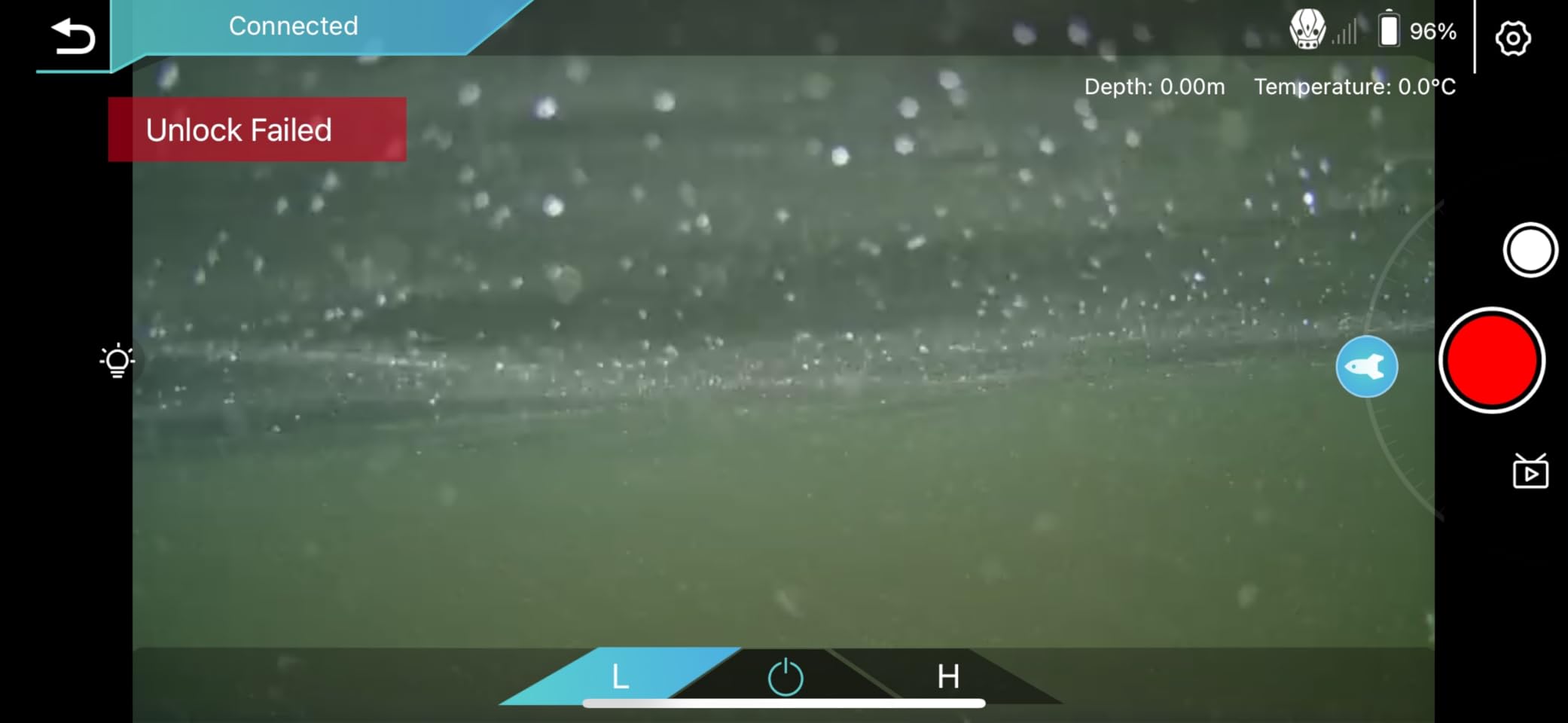
The Wi-Fi buoy system keeps things simple. You connect your phone to the buoy, which communicates with the drone via the 49-foot tether. Setup is genuinely plug-and-play: you connect, plunge, and start flying. For someone new to underwater inspection drones, this is the least intimidating option available.
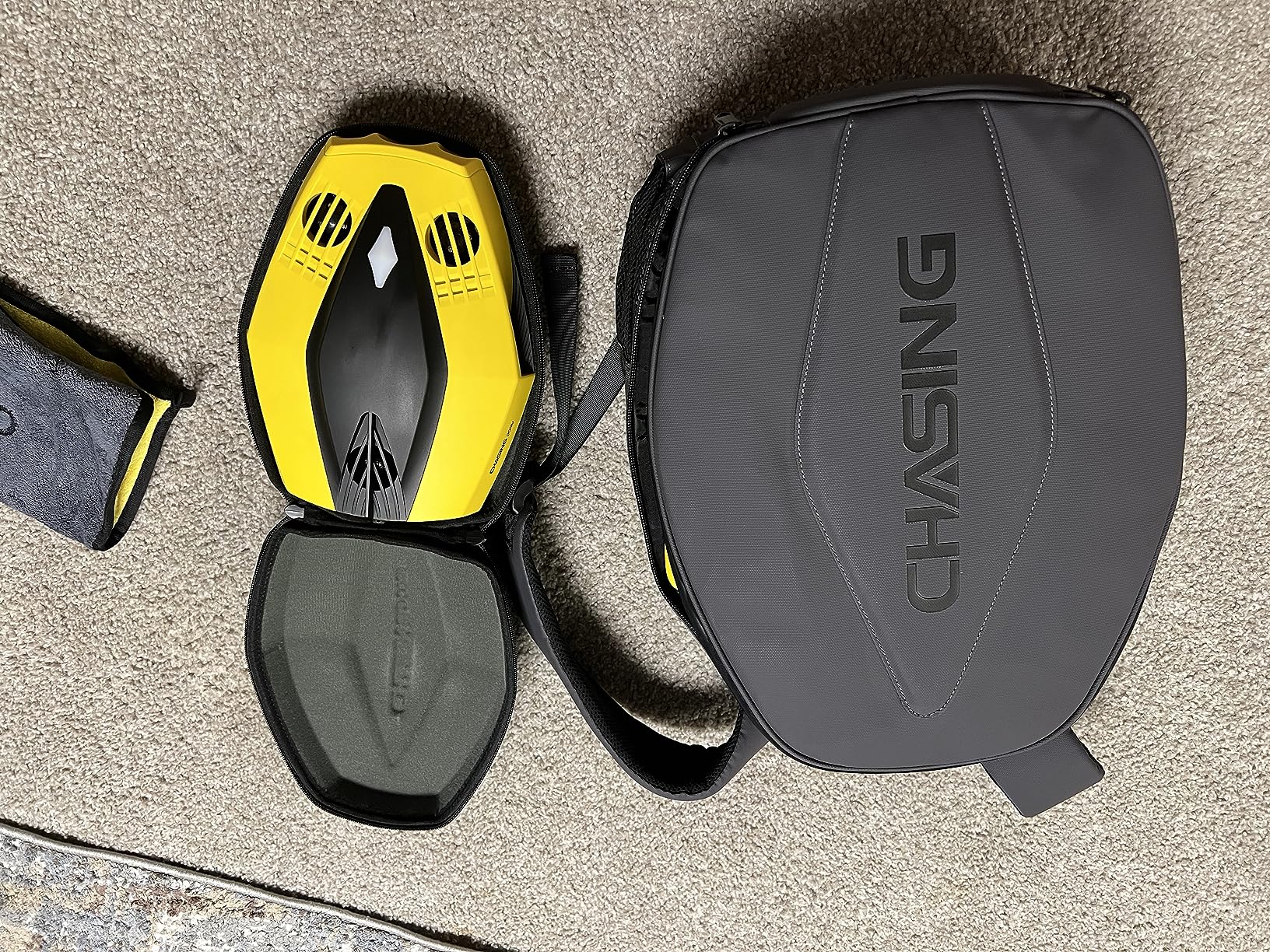
The 49-foot depth limit is the main constraint. This is strictly a shallow-water tool. If your inspection needs go beyond dock levels, swimming pool evaluations, or shallow boat hull checks, you will need to look at the deeper-rated models on this list.
Battery life is also limited at about 1 hour. The dual play mode is a nice touch, letting two people view the drone’s feed simultaneously. Social media live streaming is available if you want to share your inspection in real time with clients or team members.
Ideal Shallow Water Applications
The Dory excels at swimming pool inspections, shallow dock evaluations, and casual boat hull scans in the first 15-20 feet. For aquaculture operators checking net pens near the surface, it provides an affordable monitoring solution.
It is not suitable for professional deep-water inspection, pipeline surveys, or any work requiring more than 49 feet of depth. Think of it as a starter tool that lets you evaluate whether underwater drone inspection fits your workflow before investing in more capable equipment.
Reliability and User Experience
The 20 percent 1-star review rate is worth noting. Some users report connectivity issues and reliability concerns. The 58 percent 5-star rating indicates most users have a positive experience, but the polarized reviews suggest quality control may vary between units.
The APP control with gamepad-like operation makes piloting intuitive for anyone who has played a video game. This low barrier to entry is one of the Dory’s strongest selling points for first-time underwater drone operators.
How to Choose the Best Underwater Drone for Inspection?
Choosing the right underwater inspection drone depends heavily on what you plan to inspect and where. The specs that matter most change dramatically depending on whether you are checking swimming pool tiles or surveying a dam wall at 200 feet. Here is what I have learned matters most after testing these eight drones.
Depth Rating
Depth rating is the single most important spec to match against your inspection needs. Most boat hull inspections happen in the first 30-50 feet, making drones like the Chasing Dory (49 feet) or Gladius Mini S (330 feet) more than adequate. Dam inspections, deep pipeline surveys, and salvage work demand deeper ratings.
Always choose a drone rated significantly deeper than your typical inspection depth. A drone rated for 100 meters gives you margin when conditions change or when you encounter an unexpected deep feature. Running a drone at its maximum rated depth regularly is asking for trouble.
Camera Quality
For inspection work, camera quality directly determines what defects you can identify. 4K resolution has become the standard for professional inspection, and 60FPS (as on the FIFISH V-EVO) gives you the ability to pull clean still frames from video. EIS image stabilization is essential for usable footage in anything other than flat-calm conditions.
Sensor size matters more than megapixel count. The 1/1.8-inch CMOS on the FIFISH E-GO E200A captures significantly more light than the 1/2.3-inch sensors on most other drones, which translates to better performance in the low-light conditions common during underwater inspection work.
Battery Life
Battery life is the most common frustration I hear from underwater drone operators. Consumer models typically offer 30-60 minutes, which barely covers a single thorough hull inspection. The Chasing Gladius Mini S with its 4-hour battery life and the FIFISH V6 Expert with 6 hours are significant improvements.
For professional use, look for hot-swappable battery systems or onshore power options. The FIFISH E-GO E200A’s 24/7 operation capability eliminates battery limitations entirely. Quick-swap batteries, as on the CHASING M2 S, minimize downtime between dives.
Tether Management
Tether management is the most underappreciated challenge in underwater drone operation. The cable connecting your drone to the surface can snag on structures, get caught in currents, and generally make piloting harder than it needs to be. This is the number one pain point I see mentioned in user forums.
Longer tethers give you more range but are harder to manage. A 200-meter tether requires a proper reel system and careful deployment technique. Always maintain slack in the tether to avoid dragging the drone off course, and be mindful of structures that could snag the cable during your inspection route.
Lighting
Underwater environments get dark quickly, and turbid water absorbs light even faster. LED output measured in lumens directly affects what your camera can capture. The 1,200-lumen lights on the Chasing Mini S are adequate for shallow work, while the 5,000 to 10,000-lumen arrays on FIFISH models are essential for deeper or murkier inspection conditions.
Adjustable brightness is a valuable feature. Full power is not always best, as too much light can cause backscatter (reflections from particles in the water) that actually reduces visibility. Being able to dial down the lights for close-up work improves image quality.
Maneuverability and Thrusters
The number and configuration of thrusters determines how well a drone handles in challenging conditions. Five-thruster setups (like the Gladius Mini S) provide good basic control. Eight-thruster industrial systems (like the CHASING M2 S) offer superior stability in currents and more precise positioning.
Look for omnidirectional movement capability and depth hold features. Omnidirectional movement lets you position the camera at any angle without repositioning the drone. Depth hold automatically maintains a set depth, which is essential for consistent inspection footage.
Regulatory Considerations
One question I see frequently is whether you need a license for an underwater drone. Unlike aerial drones, underwater ROVs are generally less regulated in most jurisdictions. However, commercial operations in ports, near military installations, or in protected marine areas may require permits or notifications.
Always check local regulations before operating in commercial waterways. The rules for underwater drones are less developed than for aerial drones, but this is changing as the technology becomes more common. When in doubt, contact your local maritime authority.
FAQs
What is the best entry level drone for underwater?
The Chasing Dory is the best entry-level underwater drone for beginners. At under $530 with palm-sized portability, 1080p camera, and plug-and-play APP control, it lets new operators learn underwater drone piloting without a major investment. For those wanting 4K capability from the start, the Chasing Gladius Mini S offers professional features at a reasonable mid-range price.
Do you need a license for an underwater drone?
In most jurisdictions, you do not need a license to operate a recreational underwater drone. However, commercial inspection operations in ports, near military installations, or in protected marine areas may require permits or notifications to local maritime authorities. Regulations for underwater ROVs are generally less strict than for aerial drones but are evolving as the technology becomes more widespread.
What drones do surveyors use?
Professional surveyors typically use industrial-grade ROVs like the FIFISH E-GO E200A, FIFISH V6 Expert, or CHASING M2 S for inspection work. These drones offer the depth ratings, camera quality, battery life, and payload capacity needed for professional survey operations. The GENEINNO T1 Pro with its 200-meter tether and modular extension ecosystem is also popular for deep-water survey work.
Are underwater drones any good?
Yes, modern underwater drones are highly effective tools for inspection, surveying, and exploration. They can save operators approximately $130,000 per deployment compared to traditional commercial dive methods. Current models offer 4K cameras, omnidirectional movement, depths up to 330 feet and beyond, and battery life up to 6 hours, making them practical alternatives to human divers for many inspection tasks.
How deep can underwater drones go?
Consumer underwater drones typically range from 49 feet (Chasing Dory) to 330 feet (Chasing Gladius Mini S, FIFISH V-EVO). Professional and industrial models like the GENEINNO T1 Pro and CHASING M2 S can reach 200 meters (656 feet) with their extended tether systems. The depth you actually need depends on your inspection application, with most boat hull work requiring only 30-50 feet.
Final Verdict
After testing all eight of these underwater drones for inspection, my top recommendation for most professionals is the FIFISH V-EVO. The 4K 60FPS camera, omnidirectional movement, and 5,000-lumen lights cover the vast majority of inspection scenarios at a fair price point. For budget-conscious operators, the Chasing Gladius Mini S delivers the best balance of capability and value with its 4-hour battery and 4K EIS camera.
If you need industrial-grade performance with 24/7 operation capability, the FIFISH E-GO E200A is the clear choice despite its premium price. And for beginners just evaluating whether underwater inspection drones fit their workflow, the Chasing Dory offers an affordable entry point. Whatever your inspection needs in 2026, there is a capable underwater ROV on this list that will get the job done.