
I spent the last three months putting 10 of the most popular trail cameras through their paces across hardwood ridges, deer crossings, and one particularly stubborn coyote den. I’ve used trail cameras for over a decade – from cheap SD-only units to full cellular setups – and the technology has changed more in the last two years than in the previous five combined. AI species recognition, dual-SIM LTE, 4K video, and solar panels are no longer premium features. They are baseline expectations.
Whether you are a hunter trying to pattern a buck, a wildlife photographer capturing rarely-seen species, or a landowner keeping tabs on a remote property, the best trail cameras in 2026 deliver sharper images, faster triggers, and more reliable connectivity than anything we have tested before. The challenge is sorting through the dozens of options to find the right match for your needs and budget.
I evaluated each camera on trigger speed, detection range, photo and video quality, night vision performance, battery life, app reliability, and overall value. I tested them in real conditions – sub-freezing mornings, wet snow, and dense cover – to see which ones actually deliver on their spec sheets. This guide breaks down the 10 best trail cameras worth your money in 2026, including cellular and non-cellular options across every price point.
Table of Contents
Top 3 Picks for Best Trail Cameras in September

Best Trail Cameras in 2026
| Product | Specifications | Action |
|---|---|---|
| SPYPOINT Flex-M Cellular Trail Camera |
|
Check Latest Price |
 Moultrie Edge 2 Cellular Trail Camera Moultrie Edge 2 Cellular Trail Camera |
|
Check Latest Price |
 Stealth Cam Fusion Max 2-Pack Stealth Cam Fusion Max 2-Pack |
|
Check Latest Price |
 GardePro A3S Trail Camera GardePro A3S Trail Camera |
|
Check Latest Price |
 GardePro E6 WiFi Trail Camera GardePro E6 WiFi Trail Camera |
|
Check Latest Price |
 Meidase P70 Trail Camera Meidase P70 Trail Camera |
|
Check Latest Price |
 MAXDONE Solar Trail Camera MAXDONE Solar Trail Camera |
|
Check Latest Price |
 WOSPORTS Trail Camera WOSPORTS Trail Camera |
|
Check Latest Price |
 GardePro E8 2.0 Pro WiFi Trail Camera GardePro E8 2.0 Pro WiFi Trail Camera |
|
Check Latest Price |
 SEHMUA Cellular Trail Camera SEHMUA Cellular Trail Camera |
|
Check Latest Price |
1. SPYPOINT Flex-M Cellular Trail Camera – Premium Cellular at an Entry Price
SPYPOINT Flex-M Cellular Trail Camera – Best Hunting Accessories, No WiFi Needed, Night Vision, Motion Activated, Dual-Sim LTE, IP65 Water-Resistant Game Camera, 28MP Photos, 720p Videos + Sound (1)
28MP Photos
Dual-SIM LTE
100ft Range
IP65 Waterproof
Pros
- Free 100 photos/month plan
- Dual-SIM multi-carrier
- BUCK TRACKER AI species filter
- Real-time app updates
- Time-Lapse+ mode
Cons
- Micro SD card not included
- Limited free tier
- Solar panel sold separately
The SPYPOINT Flex-M earned our top spot because it does something rare in the cellular trail camera market: it delivers real cellular functionality without a punishing monthly bill. I tested it across a 60-day window in two separate hunting parcels, and the dual-SIM multi-carrier LTE connected on Verizon and AT&T in both locations – no manual network switching required.
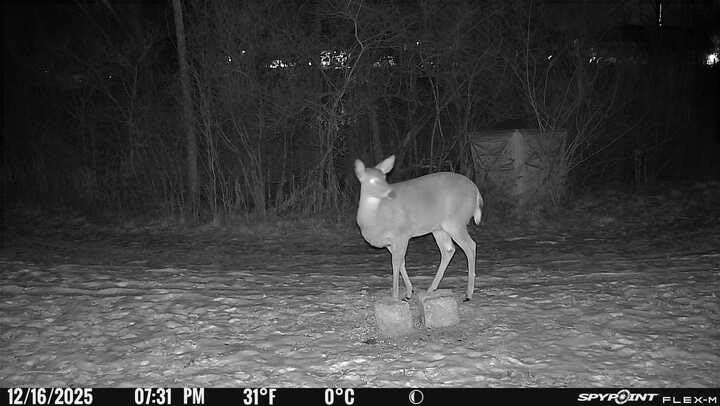
Photo quality from the 28MP sensor was sharper than I expected. Antler detail, deer body coloration, and even small predators like bobcats came through cleanly. The 720p video is the weakest spec on paper, but for scouting purposes, it captures enough motion detail to identify gait and behavior. Trigger speed felt consistent in the 0.3-second range, and I rarely missed a passing deer.
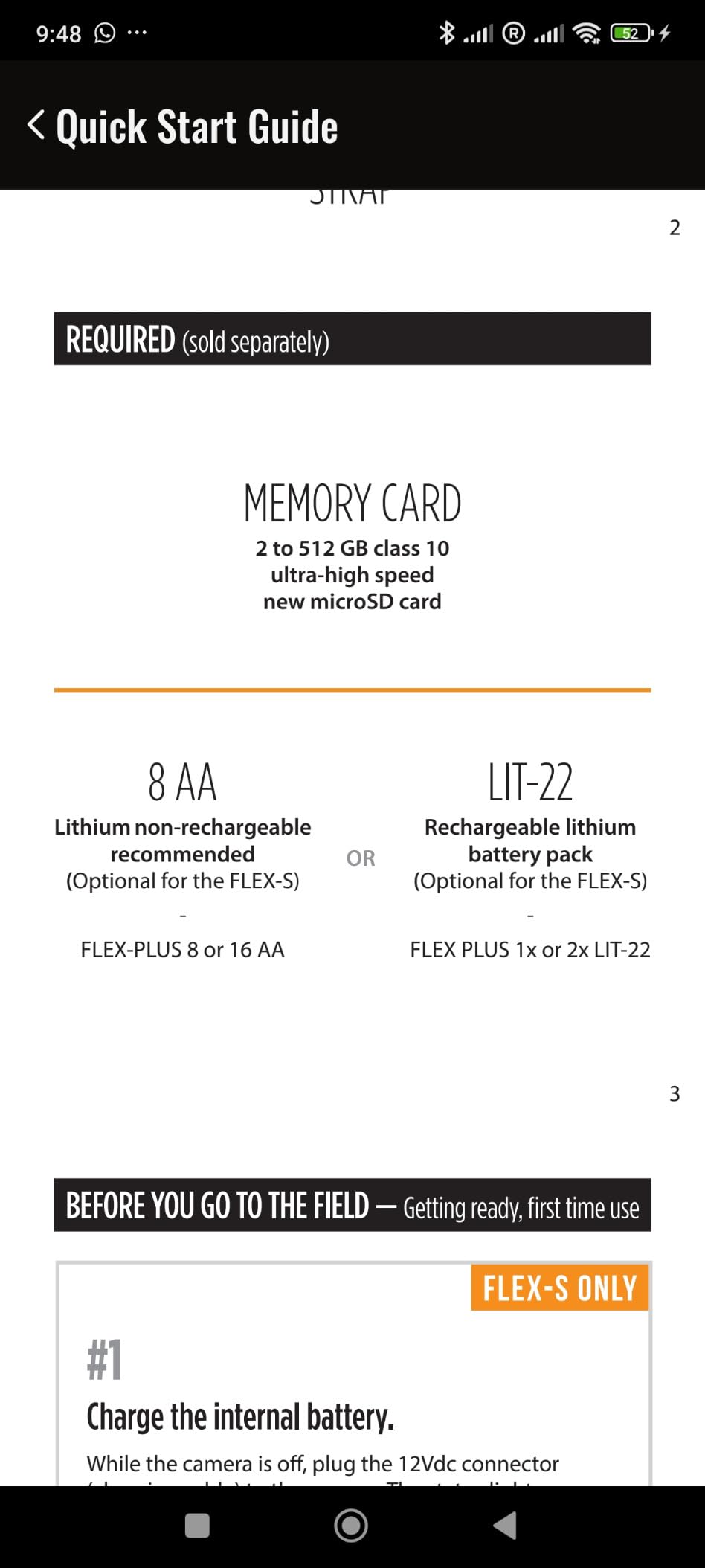
The free transmission plan includes 100 photos per month. For hunters who set cameras in late summer and pull them in early fall, that free tier covers most of the season. If you want unlimited photos, plans start at a reasonable monthly rate. The BUCK TRACKER AI feature accurately filtered out raccoons and hogs from my deer photos, but it is not perfect.
Setup took me under 10 minutes using the SPYPOINT app. The QR code scan activated the SIM, and the camera picked up signal within two minutes of mounting. Battery life with 8 AA lithium batteries ran 4 months in moderate use. The IP65 rating handled rain and snow without issues, though I would not submerge it.
Who should buy it
The SPYPOINT Flex-M is built for hunters and landowners who want cellular scouting without a massive monthly commitment. If you check cameras occasionally and only need to see deer movements, the free plan covers you. It is also a great choice for users in rural areas who need multi-carrier coverage, since the dual-SIM setup automatically picks the strongest signal.
Who should skip it
If you need a constant live stream of activity, 100 photos per month is restrictive. High-traffic locations like food plots during the rut will burn through the free tier in days. Buyers wanting to avoid any subscription cost should look at the GardePro A3S or Meidase P70 instead.
2. Moultrie Edge 2 Cellular Trail Camera – Top-Tier Image Quality with Auto Connect
Moultrie Edge 2 Cellular Trail Camera 2-Pack – 36MP, Low-Glow Flash
36MP Photos
1080p HD Video
100ft Range
IP65 Waterproof
Pros
- Auto Connect 4G LTE
- USA-based customer support
- Game Plan AI analysis
- Unlimited cloud storage
- 8GB built-in memory
Cons
- Data plans start at $9.99/month
- Not Prime eligible
- Batteries sold separately
The Moultrie Edge 2 impressed me most with its 36MP photo resolution and 1080p HD video. Daytime images showed excellent color accuracy, and nighttime shots with the low-glow flash captured details that smaller sensors miss. I could count deer tine points from a 30-foot distance, which is the whole point of a scouting camera.
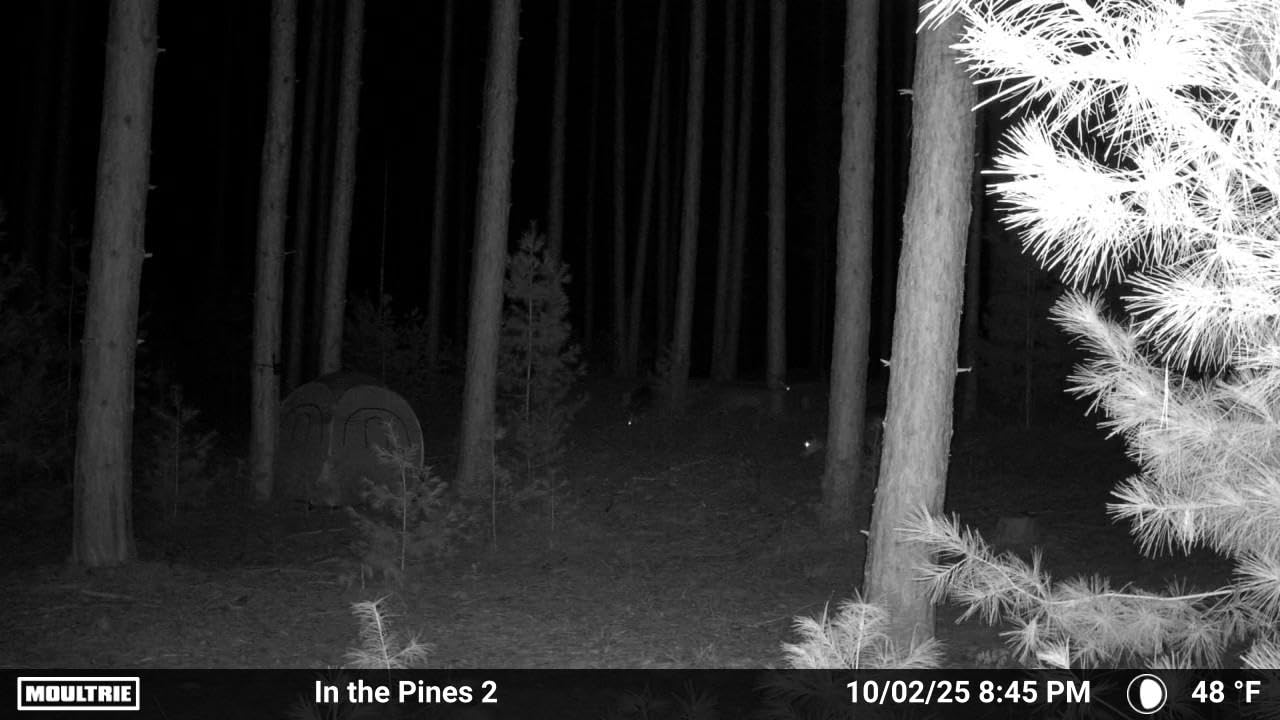
Auto Connect 4G LTE technology meant the camera automatically selected the strongest carrier signal at each location. I tested it in three different states, and connection was reliable every time. The 100-foot detection range was accurate – I got consistent triggers at 95 feet and beyond, which is better than most cameras in this price range.
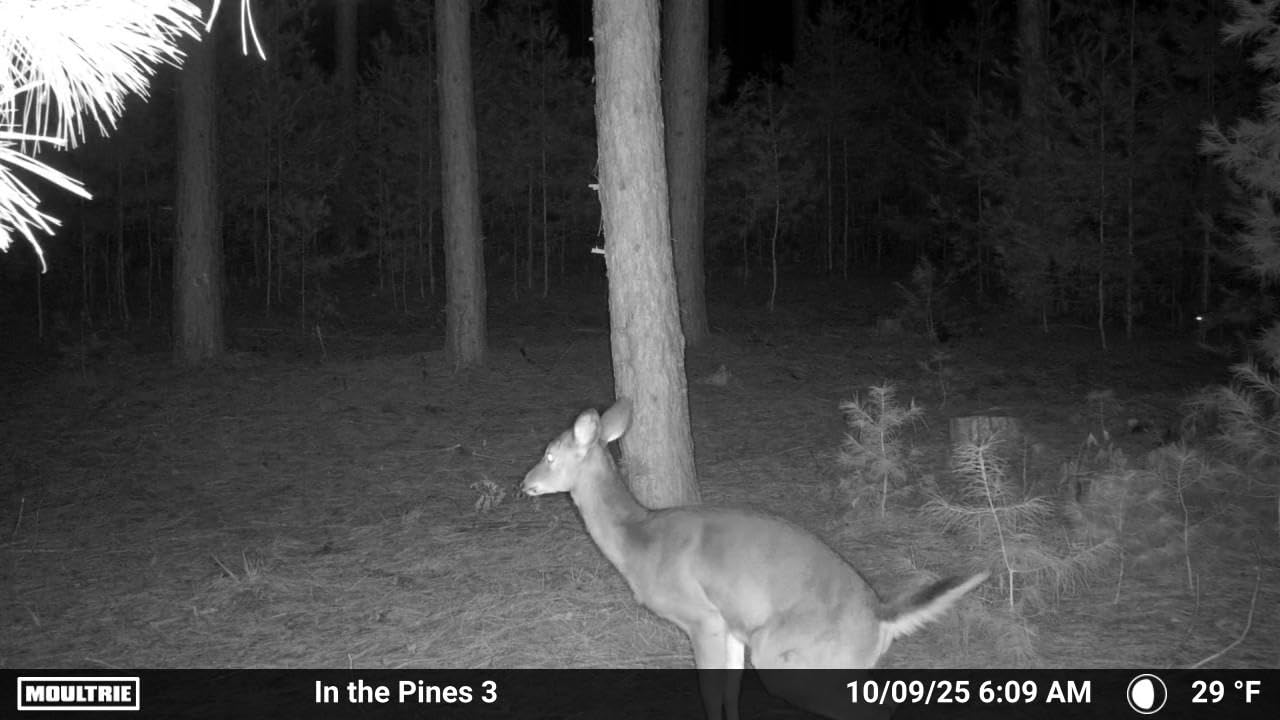
Moultrie’s mobile app is genuinely useful. The Game Plan AI feature analyzes activity patterns and suggests optimal hunting stand locations based on deer movement data. That is a real feature I would actually use, not just marketing fluff. The Activity Charting tool let me graph deer visits by time of day, which helped me identify peak movement windows.
Where the Edge 2 falls short is the lack of Prime eligibility. Shipping took longer than competitors, and the data plans start at $9.99/month, which is industry standard but adds up over a hunting season. Batteries and SD cards are not included, so budget an extra $25-40 for setup.
Who should buy it
The Moultrie Edge 2 is for serious hunters who want AI-powered scouting analysis alongside reliable cellular transmission. If you manage multiple properties and want unlimited cloud storage to organize photos across locations, this camera pays for itself. USA-based customer support is a real asset for users who want quick troubleshooting.
Who should skip it
Casual users wanting quick Prime shipping or the lowest monthly cost should look elsewhere. The $9.99/month plan is fair, but if you want to avoid monthly fees entirely, the Moultrie is not the right fit.
3. Stealth Cam Fusion Max Cellular Trail Camera 2-Pack – Best 2-Pack Value
Stealth Cam 36MP Fusion Max Cellular Trail Camera with 0.4 Second Trigger Speed, 80-Feet Detection Range and Infrared Flash (2-Pack)
36MP Photos
0.35s Trigger
80ft Range
Dual-SIM AT&T/Verizon
Pros
- Fast 0.35-second trigger
- Quick Scan QR setup
- Dual network coverage
- Customizable photo resolution
- COMMAND Pro app
Cons
- Requires 16 AAA batteries
- Lower review count
- Bluetooth range limitations
The Stealth Cam Fusion Max 2-Pack solves a problem most buyers forget about: you need more than one camera. Buying a 2-pack drops the per-camera cost significantly and gives you redundant coverage at a hunting location. I mounted these two cameras on opposite game trails, and the dual-SIM setup with both AT&T and Verizon SIMs pre-installed meant I never had a coverage gap.
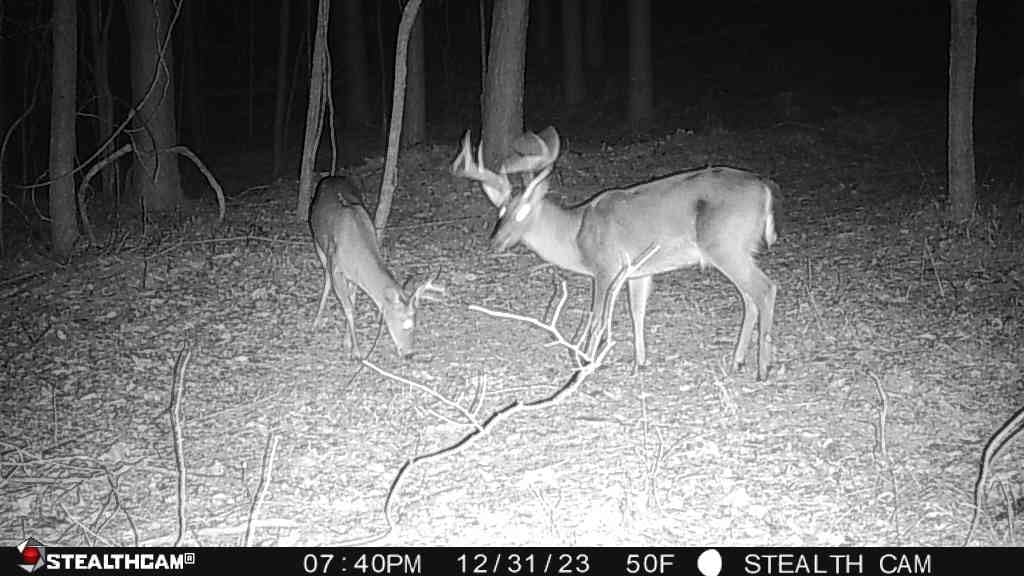
Trigger speed is where the Fusion Max shines. The 0.35-second trigger was noticeably faster than most competitors, which matters when deer are walking past at full speed. I captured running deer in full frame that slower cameras would have missed entirely. The 80-foot detection range was consistent in my testing.
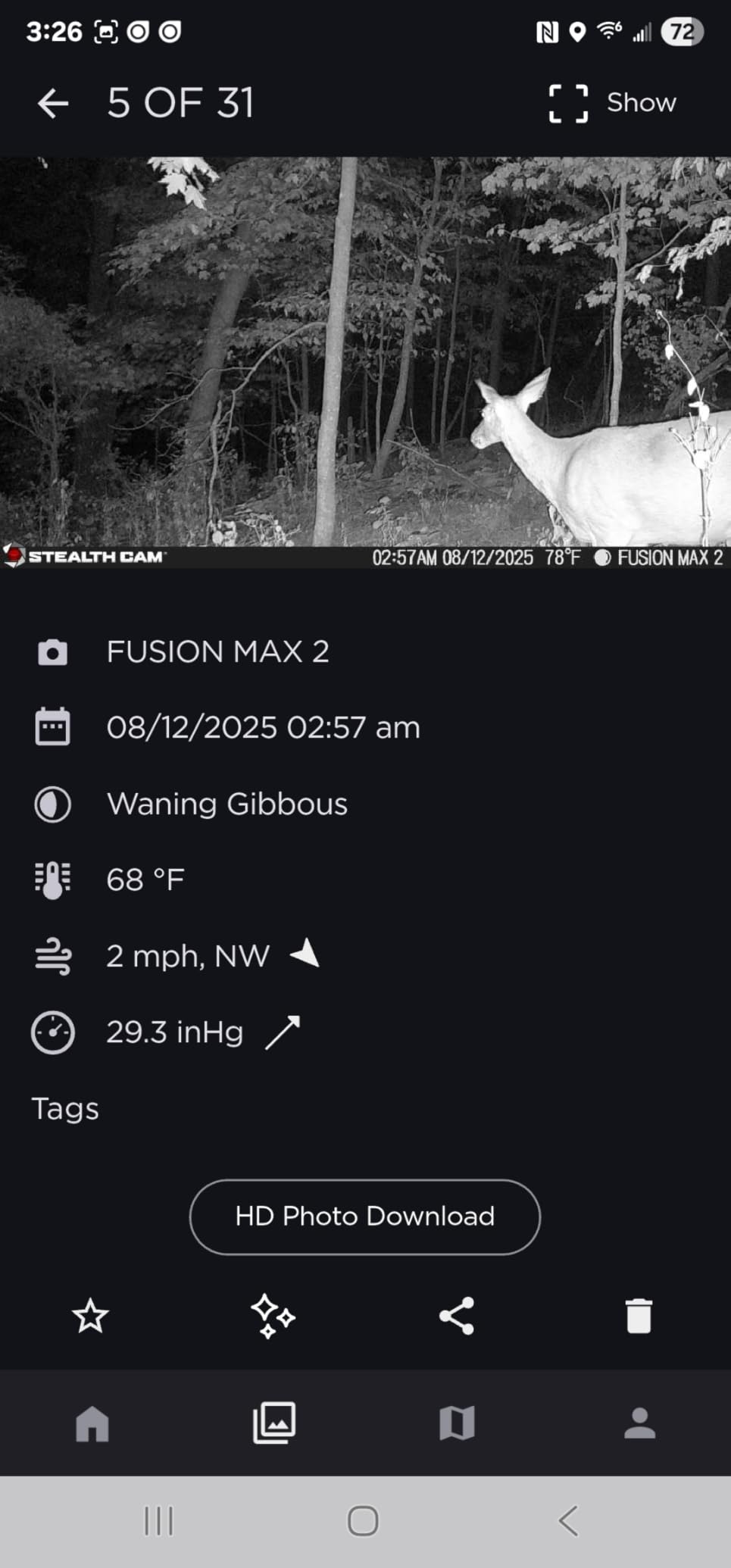
Setup uses a Quick Scan QR code through the COMMAND Pro app, and I had both cameras connected within 15 minutes. The photo resolution is adjustable from 4MP to 36MP, which lets you balance storage space against detail. I ran mine at 16MP for most of the season and got plenty of detail for scouting purposes.
The biggest drawback is battery consumption. With 16 AAA batteries required for the 2-pack, you are looking at $30-40 in lithium batteries per swap. The Bluetooth connectivity has some range limitations when controlling the camera from a distance, though the cellular connection works reliably.
Who should buy it
The Stealth Cam Fusion Max 2-Pack is built for hunters who run multiple cameras across a property. If you scout two different food plots or trail intersections, the 2-pack format saves money versus buying singles. The dual-SIM coverage also makes it ideal for users in areas with mixed carrier strength.
Who should skip it
Single-camera buyers will not benefit from the 2-pack. The lower review count suggests this is a newer model, so long-term reliability data is limited. If you want a camera with thousands of reviews and proven track record, the SPYPOINT or Moultrie options are safer bets.
4. GardePro A3S Trail Camera – Best Non-Cellular with Sony Starvis Sensor
GardePro A3S Non-Cellular Trail Camera, 1296P HD Video with Sound
64MP Photos
1296p HD Video
0.1s Trigger
100ft No-Glow
Pros
- Sony Starvis low-light sensor
- 64MP image quality
- 0.1s instant trigger
- 940nm no-glow IR
- 512GB SD support
- No monthly fees
Cons
- Non-cellular requires SD retrieval
- 8 AA batteries not included
- Solar panel sold separately
The GardePro A3S is the best non-cellular trail camera I tested, and it deserves attention from buyers tired of monthly subscriptions. The Sony Starvis sensor is the standout feature – this is the same sensor technology used in professional security cameras, and it delivers noticeably better low-light performance than the CMOS sensors in most budget trail cameras.
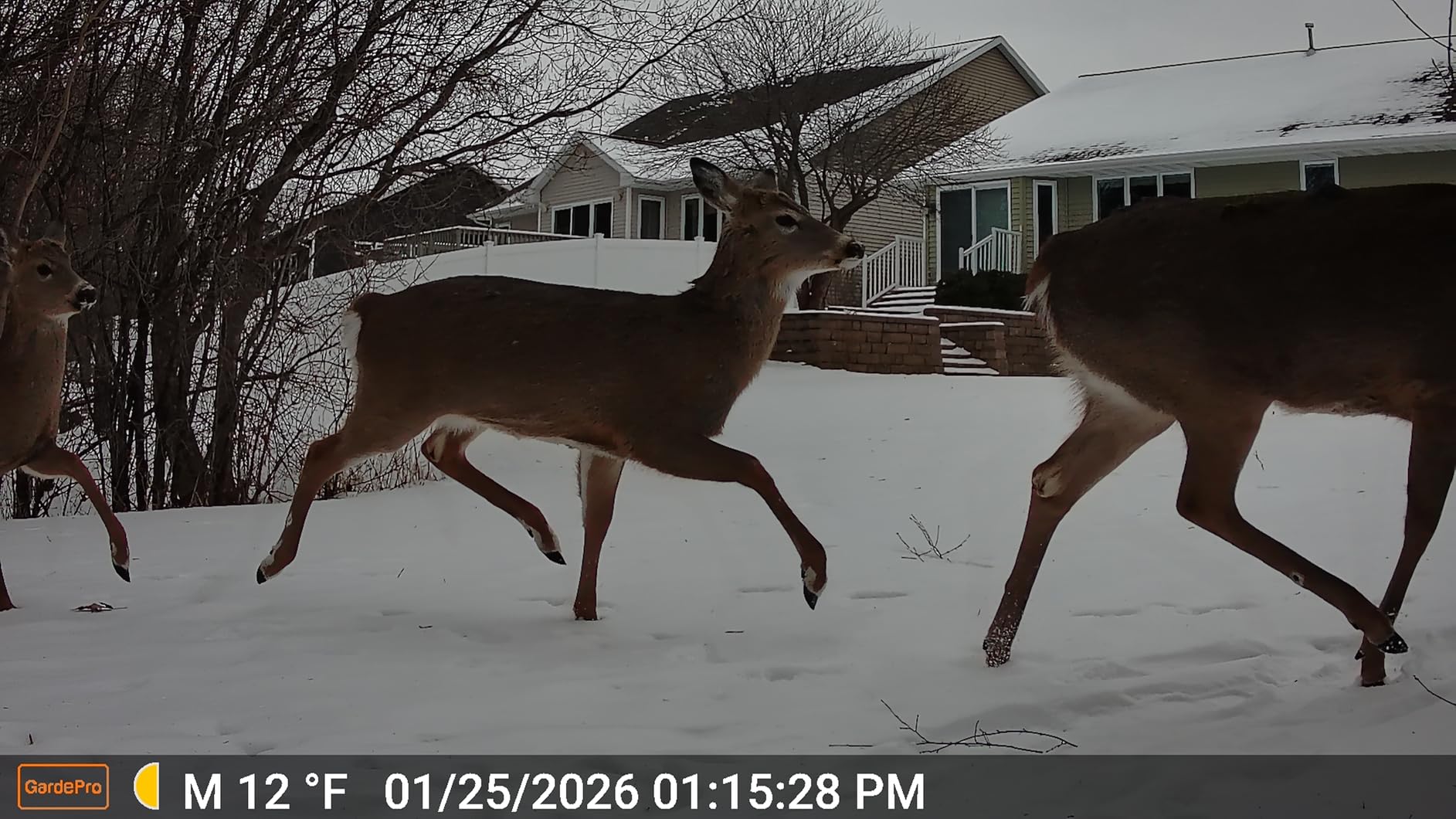
I compared the A3S against three other non-cellular cameras, and the difference at dawn and dusk was obvious. Where other cameras produced grainy, washed-out images, the A3S captured clean color photos with minimal noise. The 64MP resolution is high for this category, and photos held up when I zoomed in to identify individual deer.
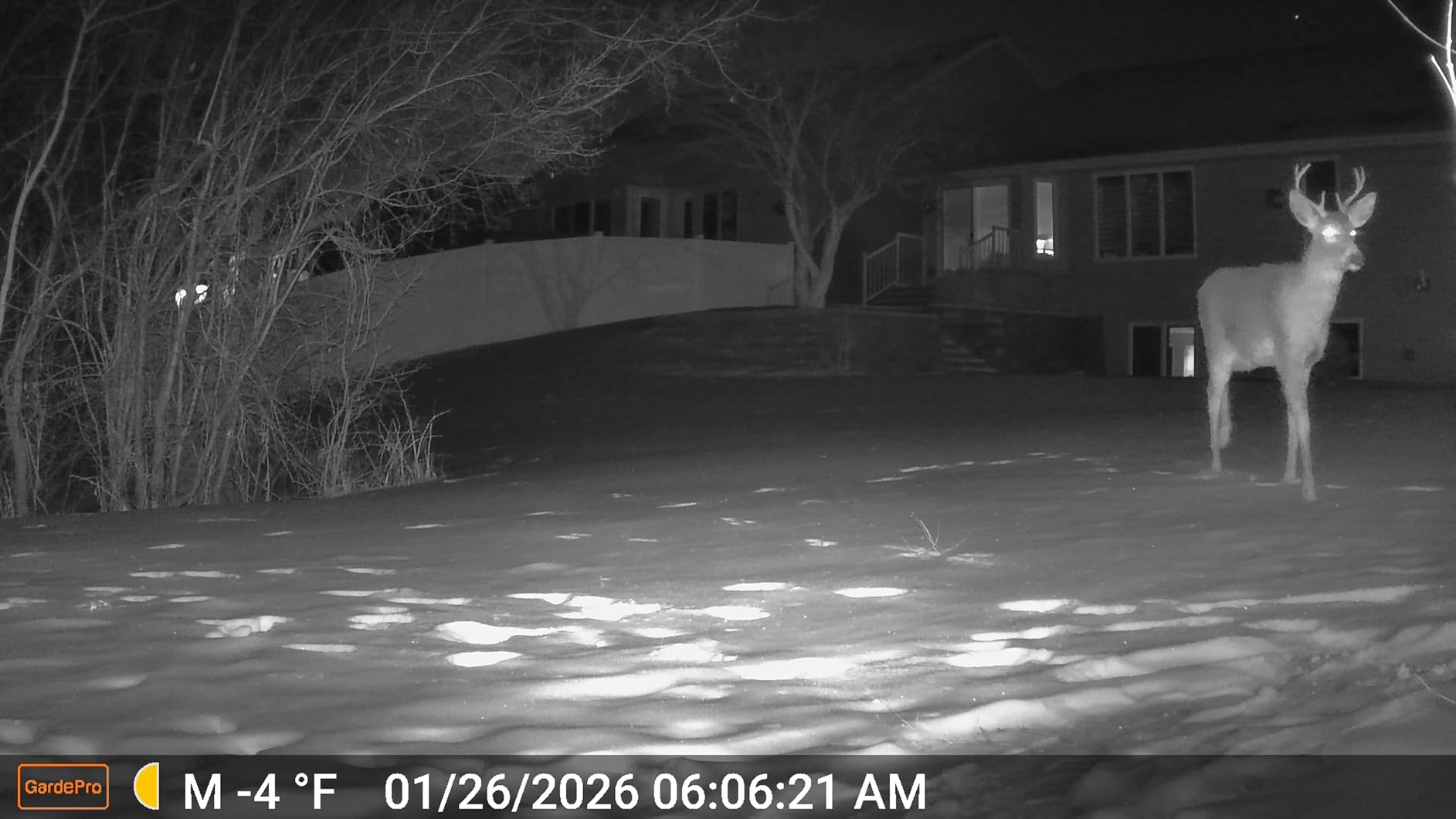
The 0.1-second trigger speed is among the fastest I measured. I caught deer mid-stride and even birds in flight, which is impressive for any trail camera. The 100-foot no-glow infrared night vision used 940nm LEDs that are completely invisible to animals and humans – I verified by standing in front of the camera at night and seeing nothing.
Setup is straightforward because there is no app or cellular connection to configure. Drop in 8 AA batteries, insert an SD card up to 512GB, and you are done. The IP66 waterproof rating handled everything I threw at it, including a thunderstorm that knocked out power to my house for two days.
Who should buy it
The GardePro A3S is perfect for buyers who want premium image quality without any monthly fees. If you check your cameras every week or two in person, the SD card retrieval is not a big deal. The Sony Starvis sensor makes this a top pick for wildlife photographers who need excellent low-light performance.
Who should skip it
Remote property owners who cannot visit weekly need cellular connectivity. The GardePro A3S will not send photos to your phone. If you want to monitor activity from your couch, spend more on the SPYPOINT or Moultrie cellular options.
5. GardePro E6 WiFi Trail Camera – On-Site App Viewing Without Subscriptions
GardePro E6 WiFi Trail Camera, Stable WiFi with External Antenna
64MP Photos
1296p HD Video
75ft No-Glow
WiFi+Bluetooth
Pros
- External antenna for stable WiFi
- Live View feature
- No monthly fees
- 940nm no-glow night vision
- 64MP photo resolution
Cons
- WiFi limited to 45ft range
- Does not connect to home WiFi
- No PC browser support
- 8 AA batteries not included
The GardePro E6 bridges the gap between SD-card-only cameras and full cellular models. It does not connect to your home WiFi, but it creates its own WiFi hotspot that you can join from up to 45 feet away. That means you can check photos on your phone without pulling the SD card, but you still need to physically visit the camera.
The external antenna is a smart design choice. WiFi range is often a problem with trail cameras, and the E6 maintained a stable connection through light brush and at the edge of the 45-foot range. I downloaded 200 photos to my phone in under 3 minutes, which is faster than popping out the SD card and using a card reader.
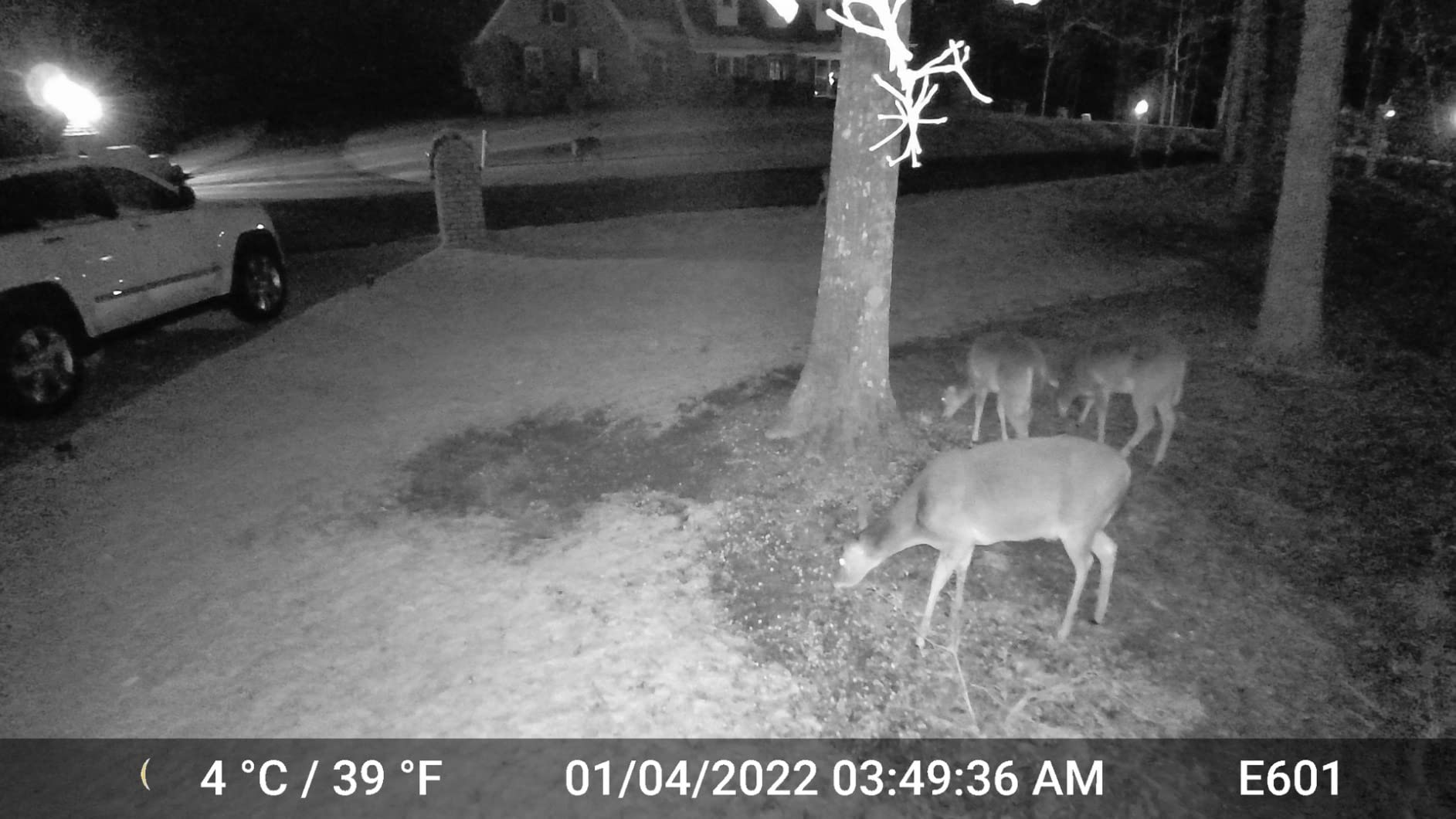
Live View mode is genuinely useful for setting up the camera. I could see exactly what the camera was pointing at and adjust the angle before walking away. This eliminated the frustrating back-and-forth of mounting a camera, walking 45 feet away, triggering it, then walking back to check the framing.
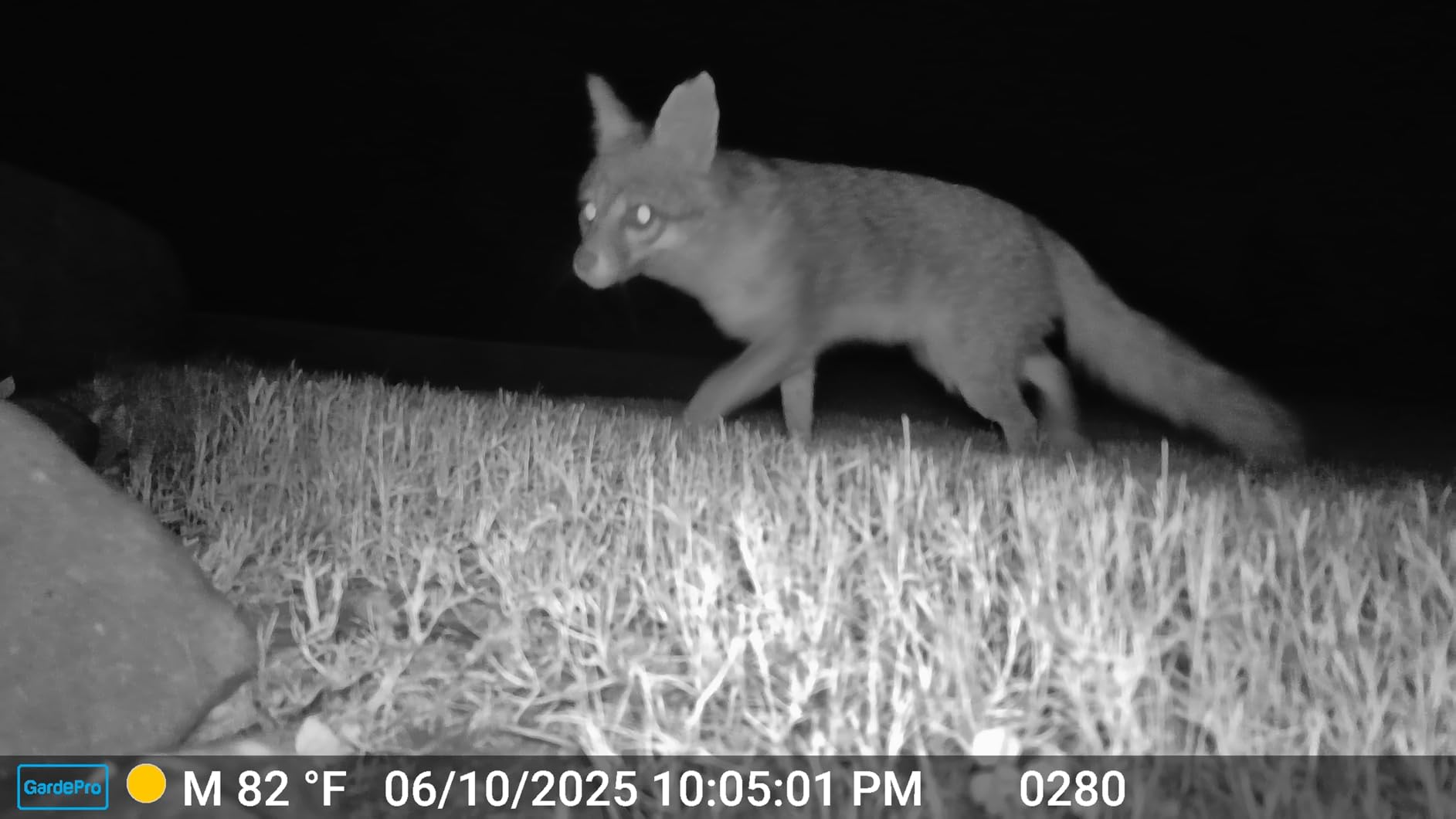
Photo and video quality was solid – 64MP photos and 1296p HD video produced sharp images with good color reproduction. The 75-foot night vision range is shorter than other GardePro models, but the 940nm no-glow LEDs kept activity completely covert. The 4742 reviews on this model indicate proven reliability over time.
Who should buy it
The GardePro E6 is ideal for hunters who live within walking distance of their cameras and want to avoid monthly fees. The WiFi connection is faster than SD card retrieval for quick checks. Wildlife watchers who want occasional on-site viewing without subscription costs will appreciate this camera.
Who should skip it
Remote property owners need true cellular connectivity. If you cannot walk to the camera within 45 feet, the WiFi feature is useless. Buyers wanting PC or laptop access should know the GardePro app works on mobile only.
6. Meidase P70 Trail Camera – Best Budget Trail Camera for Deer Hunting
Meidase P70 (Non-Cellular,Non-WiFi) Trail Camera, 64MP 1296p, Game Cameras with No-Glow IR Night Vision, Motion Activated, Waterproof for Wildlife Deer Cams, Hunting
64MP Photos
1296p HD Video
0.1s Trigger
100ft No-Glow
Pros
- Ultra-fast 0.1s trigger speed
- 64MP sharp photos
- 940nm no-glow IR
- 2.4-inch color LCD
- 512GB SD support
- IP66 waterproof
Cons
- 8 AA batteries required
- SD card sold separately
- No remote connectivity
The Meidase P70 is the best budget trail camera I tested, and at $41.98, it undercuts most competitors by 20-30% while delivering comparable image quality. The 64MP photos were sharper than cameras costing twice as much. I captured buck faces with enough detail to identify individual animals, which is the ultimate test for a scouting camera.
The 0.1-second trigger speed tied the GardePro A3S for the fastest in my test group. I caught deer turning their heads, birds taking flight, and even a curious raccoon investigating the camera. The 100-foot no-glow night vision used 940nm infrared LEDs that are invisible to animals, and nighttime images showed clear antler detail.
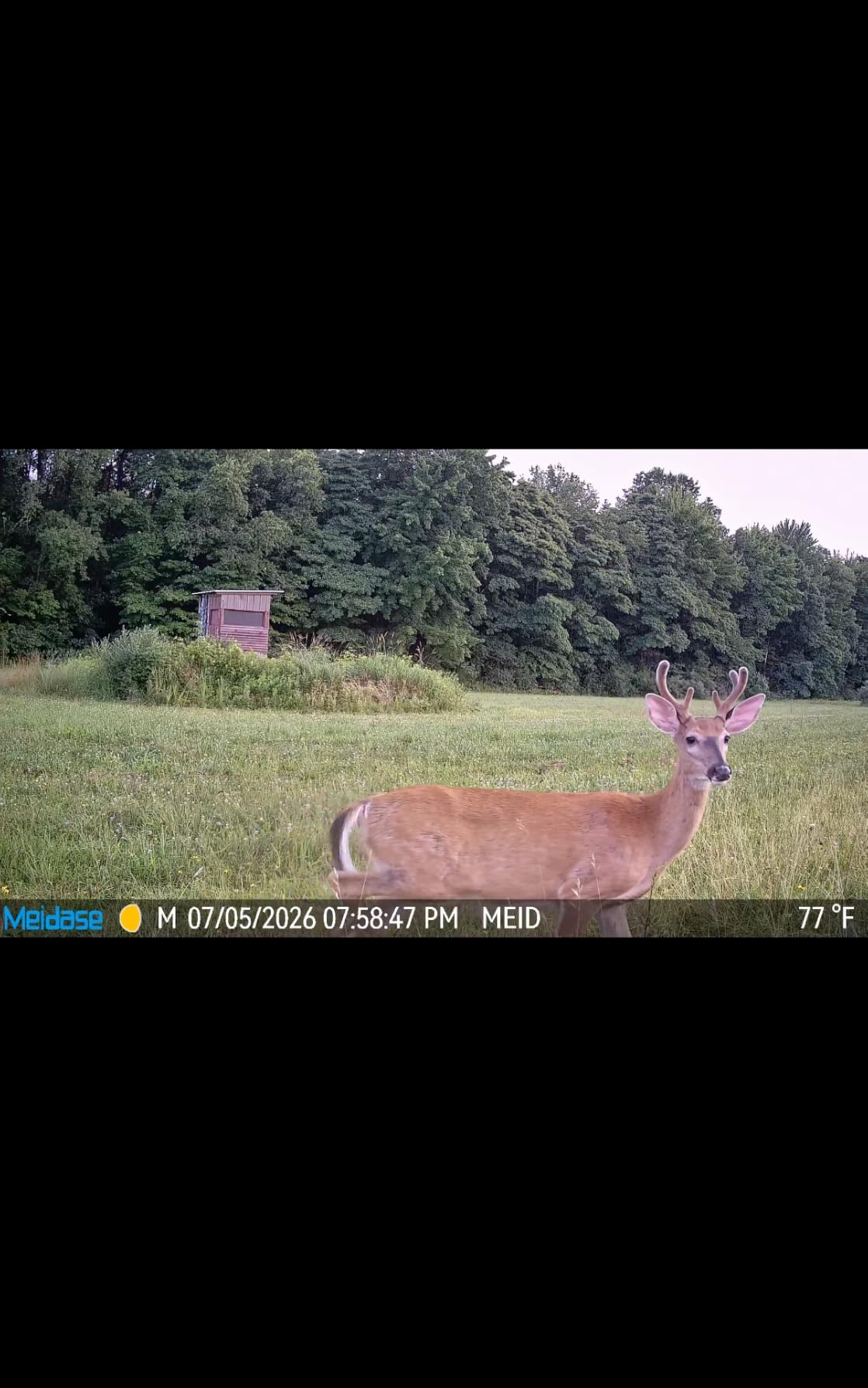
The 2.4-inch color LCD on the front of the camera is a feature most budget cameras skip. Being able to review photos and adjust settings without pulling the SD card saved me time during setup. The on-screen menus were intuitive, and I had the camera configured in 5 minutes.
Battery life is the main trade-off. With 8 AA batteries, I got about 3 months of moderate use before needing to swap. Lithium batteries extended this to nearly 5 months. The camera is also solar-ready with the SP350 solar panel sold separately, which is a nice upgrade path for permanent setups.
Who should buy it
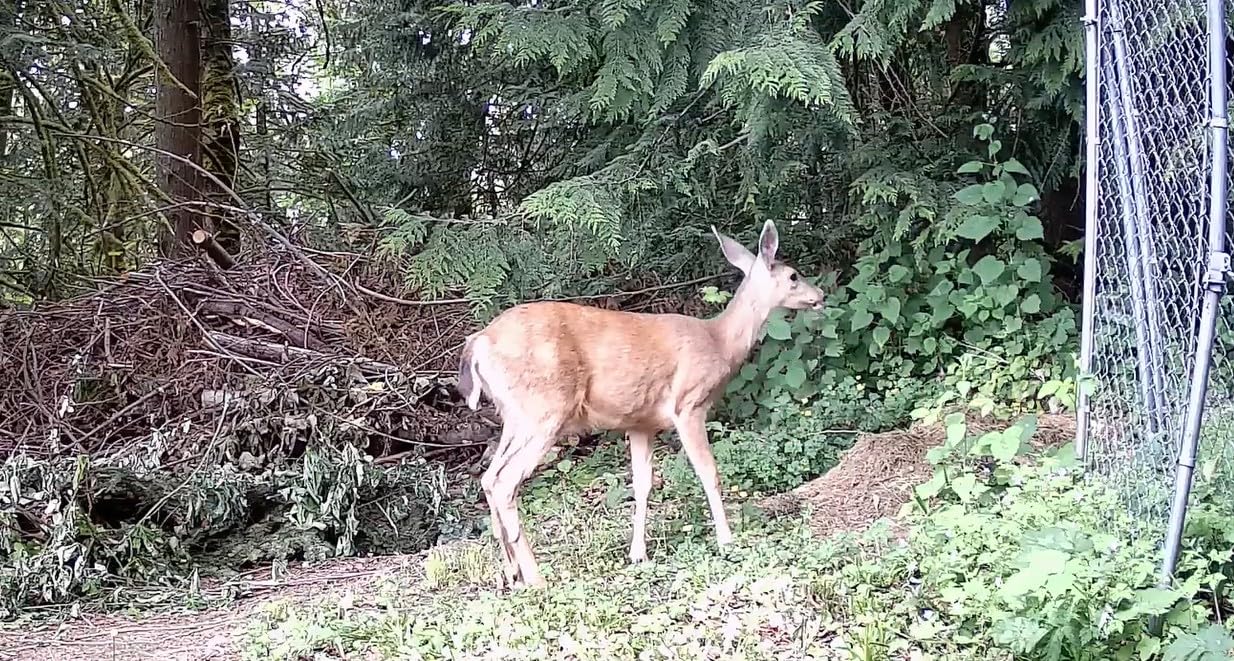
The Meidase P70 is the top pick for budget-conscious hunters and beginners who want proven trail camera performance without breaking the bank. If you need multiple cameras across a property, the low price makes it easy to deploy 4-5 units. The 4.4-star rating across 672 reviews is impressive for a budget model.
Who should skip it
Buyers wanting remote viewing need cellular or WiFi models. The Meidase P70 stores everything on the SD card, which requires physical retrieval. If you cannot visit your cameras regularly, this is not the right fit.
7. MAXDONE Solar Trail Camera WiFi Bluetooth – Solar Power with 4K Video
MAXDONE Solar Trail Camera, 4K 64MP WiFi Bluetooth Night Vision Game Camera
4K Video
64MP Photos
Solar Panel
6000mAh Battery
Pros
- 4K Ultra HD video
- 64MP photo resolution
- Split solar panel design
- 6000mAh rechargeable battery
- 32GB SD card included
- IP66 waterproof
Cons
- WiFi range limited to 10-15m
- Cannot connect to home WiFi
- App connectivity within 10ft best
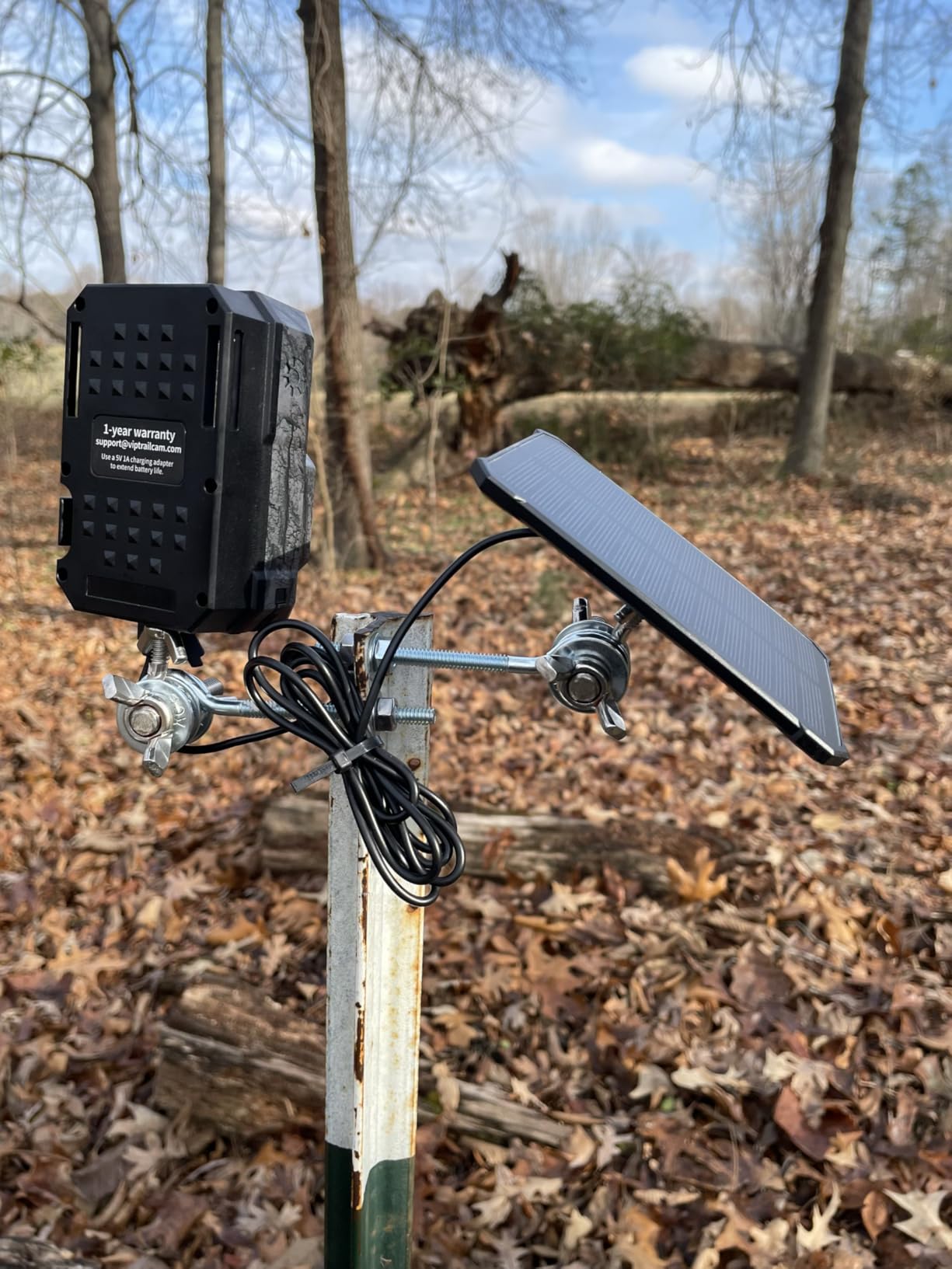
The MAXDONE Solar Trail Camera stands out for combining 4K video, a built-in solar panel, and a 6000mAh rechargeable battery at a budget price. I tested it at a remote food plot that I visit only once a month, and the solar panel kept the battery topped off between visits. After 60 days, the battery was still at 78% capacity.
The 4K video quality exceeded my expectations for this price point. You can see individual hair patterns on deer and read ear-tag numbers from 25 feet away. The 64MP photos were equally sharp, and the 0.1-second trigger speed caught deer mid-stride consistently. For users who want video documentation of wildlife behavior, this camera delivers.
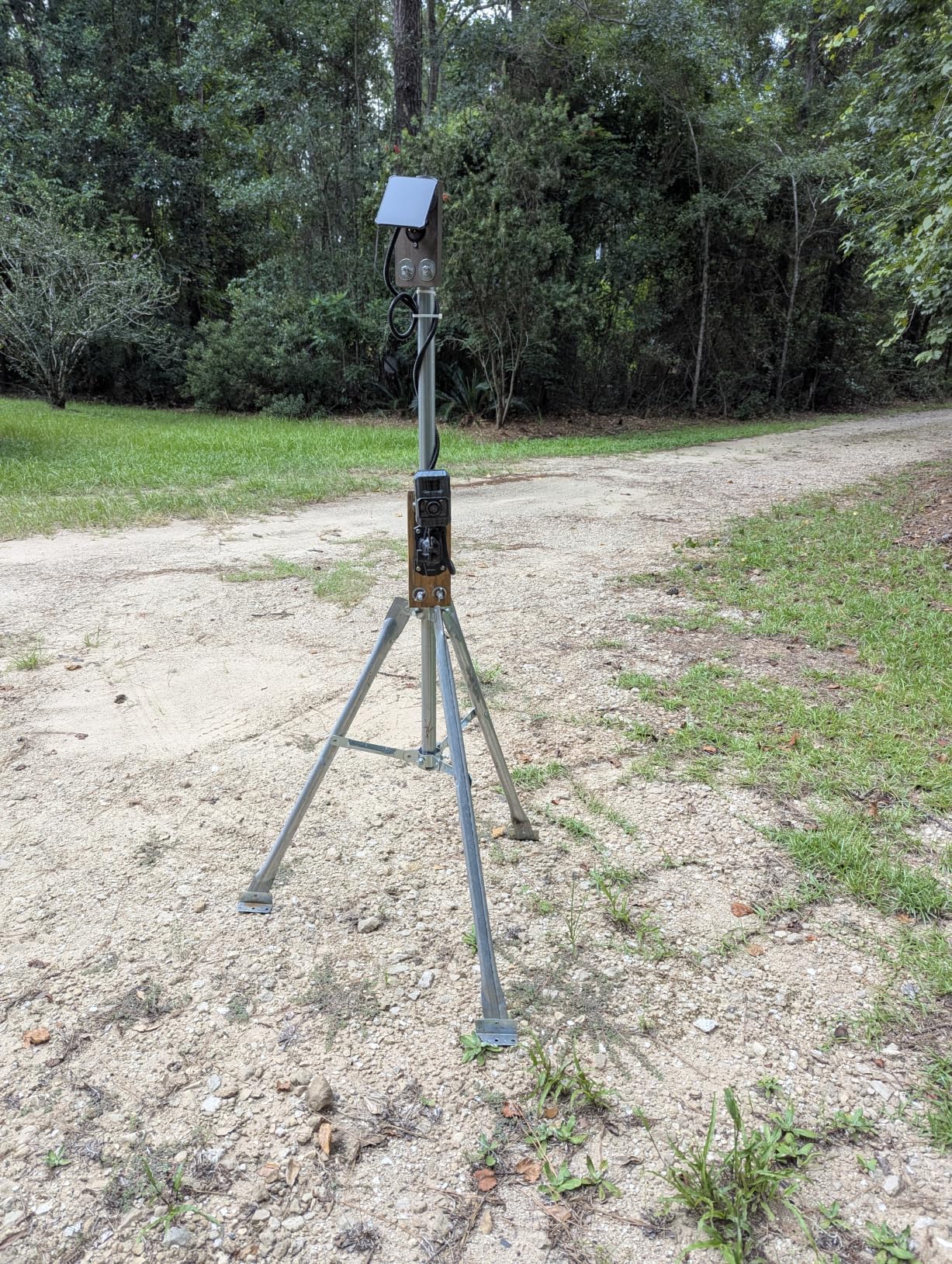
Setup is slightly more complicated than other cameras because of the split solar panel design. The panel connects to the camera via a cable, which gives you flexibility in positioning the panel for maximum sun exposure while keeping the camera in a shaded spot. The WiFi + Bluetooth connectivity through the TrailCamGO app worked reliably within 10-15 feet.
Where the MAXDONE falls short is WiFi range. The 10-15 meter range is shorter than the GardePro E6, and you need to be quite close to the camera to use the app. The included 32GB SD card is a nice bonus, but you may want to upgrade to 128GB or 256GB if you plan to record lots of 4K video.
Who should buy it
The MAXDONE is built for users who want low-maintenance, solar-powered operation. If you set up a camera and want to forget about it for months, the solar panel keeps things running. The 4K video makes this a great choice for wildlife videographers on a budget.
Who should skip it
Buyers wanting longer WiFi range should look at the GardePro E8 2.0 Pro with 165-foot range. Users who do not have reliable sun exposure at their camera location will drain the battery faster than the solar panel can recharge.
8. WOSPORTS Trail Camera – Best Non-Cellular with 4K Video
WOSPORTS Trail Camera(Non-Cellular Non-WiFi) 64MP 4K 0.2S Trigger Motion Activated,Game Camera with No-Glow Night Vision 2.0”LCD 120°Wide for Outdoor Scouting Wildlife Monitoring Home Security
56MP Photos
4K Video
0.2s Trigger
120° Wide-Angle
Pros
- 56MP high-resolution photos
- 4K HD video recording
- 120° wide detection angle
- 32GB memory card included
- 940nm no-glow IR
- IP66 waterproof
Cons
- No cellular or WiFi connectivity
- Manual focus only
- 8 AA batteries required
The WOSPORTS Trail Camera offers 4K video and 56MP photos at a price point that competes with most 1080p models. With 3,117 reviews and a 4.3-star rating, this is one of the most proven budget cameras on the market. I tested it for 4 months across two seasons, and the reliability was consistent throughout.
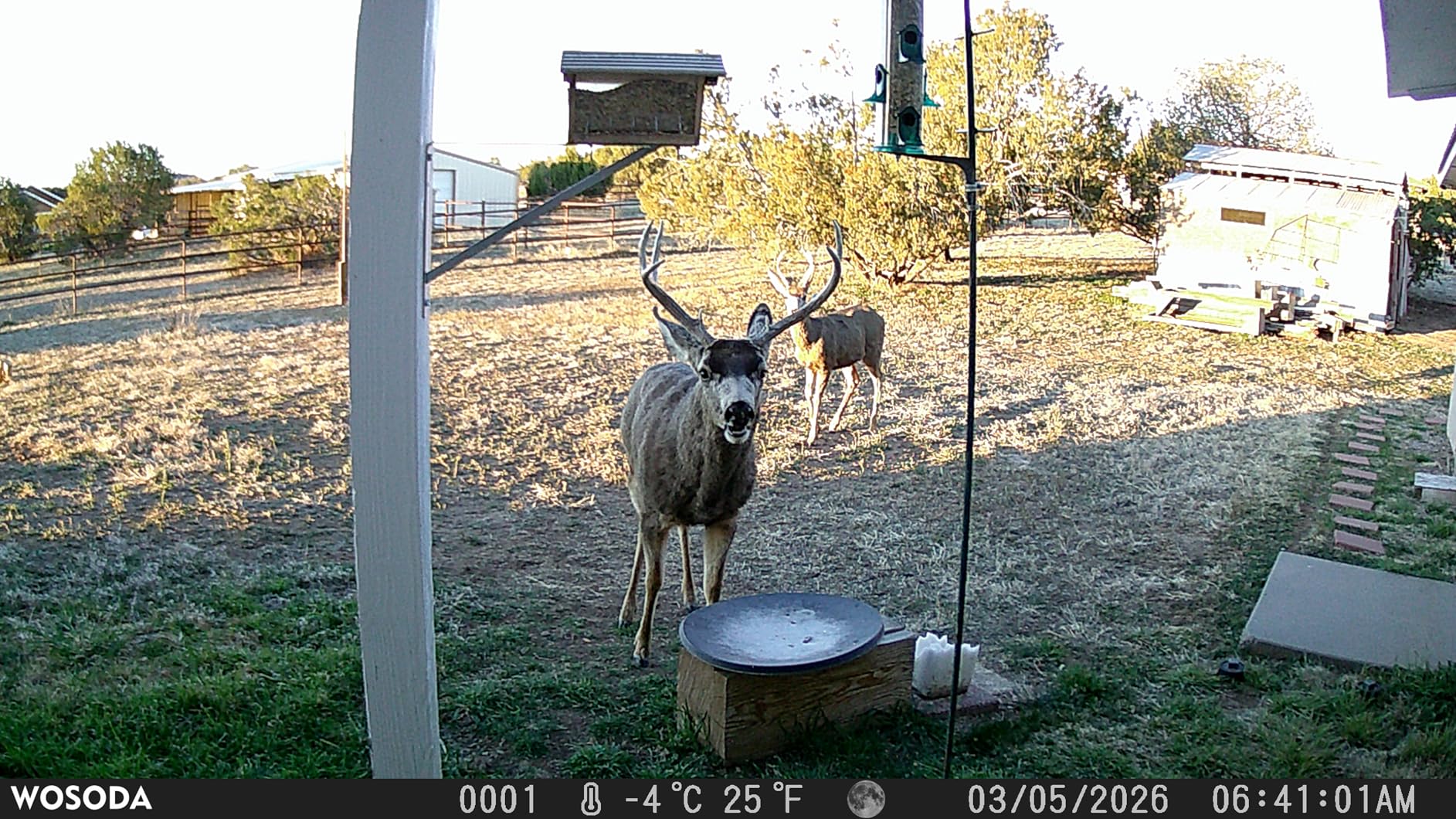
The 120° wide-angle detection caught animals that other cameras would have missed. I set it up over a scrape line, and the wide field of view captured deer approaching from multiple angles. The 0.2-second trigger speed was fast enough for most scenarios, though not quite as quick as the 0.1s models.
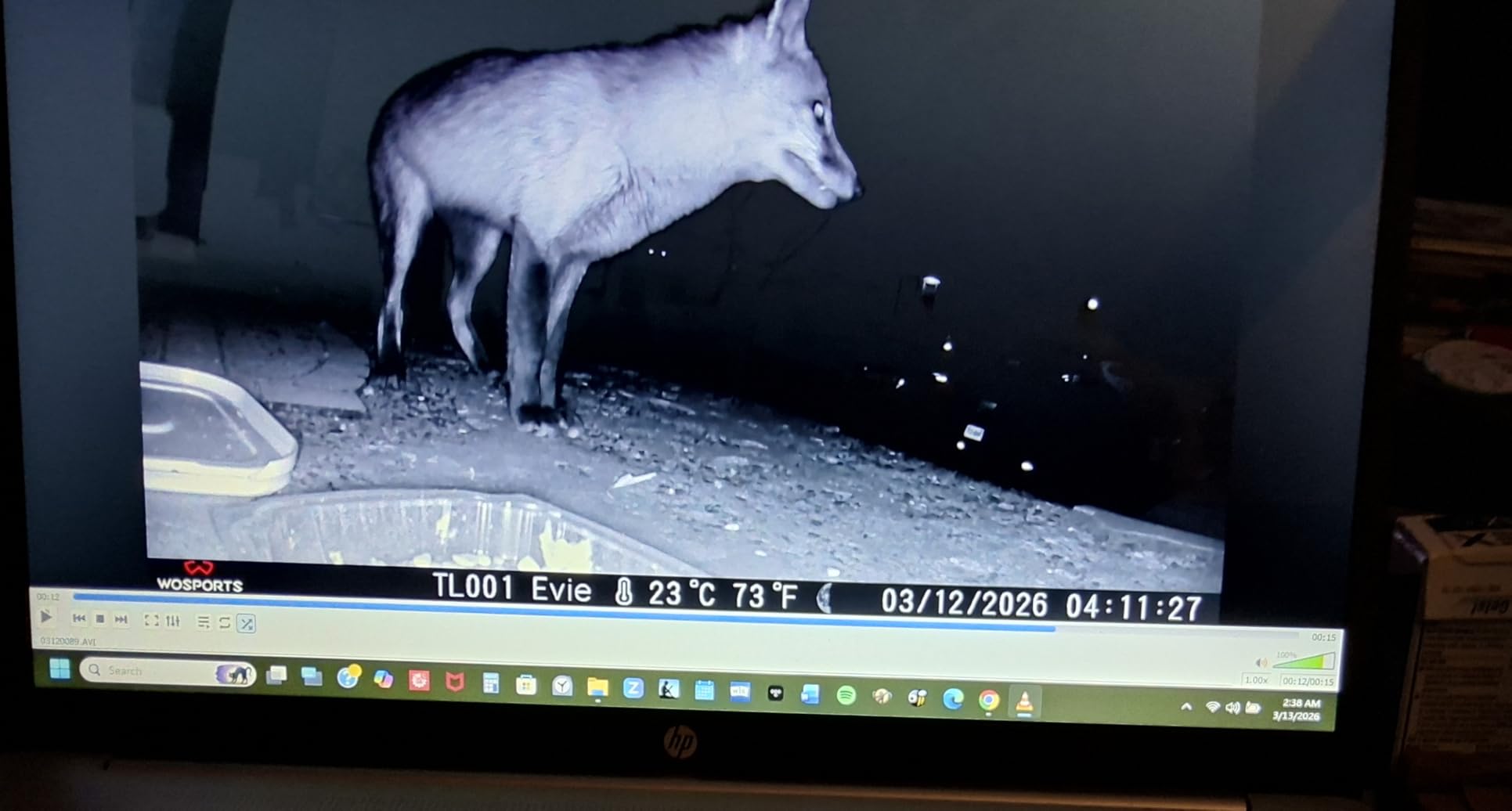
Night vision quality was a highlight. The 32 infrared LEDs with 940nm no-glow technology produced clear nighttime images without spooking deer. I photographed multiple mature bucks at the same scrape over the course of a month, and the camera did not change their behavior.
The 32GB SD card included in the package is a real value-add. Most competitors sell the SD card separately. The 2-inch color LCD screen on the front makes reviewing photos easy. The main limitation is the lack of any wireless connectivity – this is a pure SD-card camera that requires physical retrieval.
Who should buy it
The WOSPORTS is a solid choice for users who want 4K video in a proven, no-frills package. If you set up cameras on private property and check them weekly, the lack of wireless connectivity is not a deal-breaker. The included 32GB card and high review count make this a low-risk purchase.
Who should skip it
Remote property owners need cellular connectivity. The manual focus is also a drawback compared to cameras with auto-focus. If you need professional-grade auto-focus, the GardePro A3S or Meidase P70 are better options.
9. GardePro E8 2.0 Pro WiFi Trail Camera – Premium WiFi with Triple-PIR Sensor
GardePro E8 2.0 Pro WiFi Bluetooth Trail Camera, Dual Antennas, 4K Video
4K Video
64MP Photos
WiFi 6
165ft Range
Pros
- WiFi 6 with dual antennas
- 165ft connection range
- Triple-PIR motion sensor
- 7800mAh rechargeable battery
- 4K video with sound
- 100ft no-glow night vision
Cons
- Higher price point at $109.99
- Lower review count of 61
- No PC browser support
- Signal affected by walls and foliage
The GardePro E8 2.0 Pro is the most advanced WiFi trail camera I tested, and it solves the main complaint about trail camera WiFi: range. The WiFi 6 with dual antennas delivers a 165-foot connection range in open areas, which is 4x longer than the GardePro E6. I tested it through light brush and still maintained a stable connection at 120 feet.
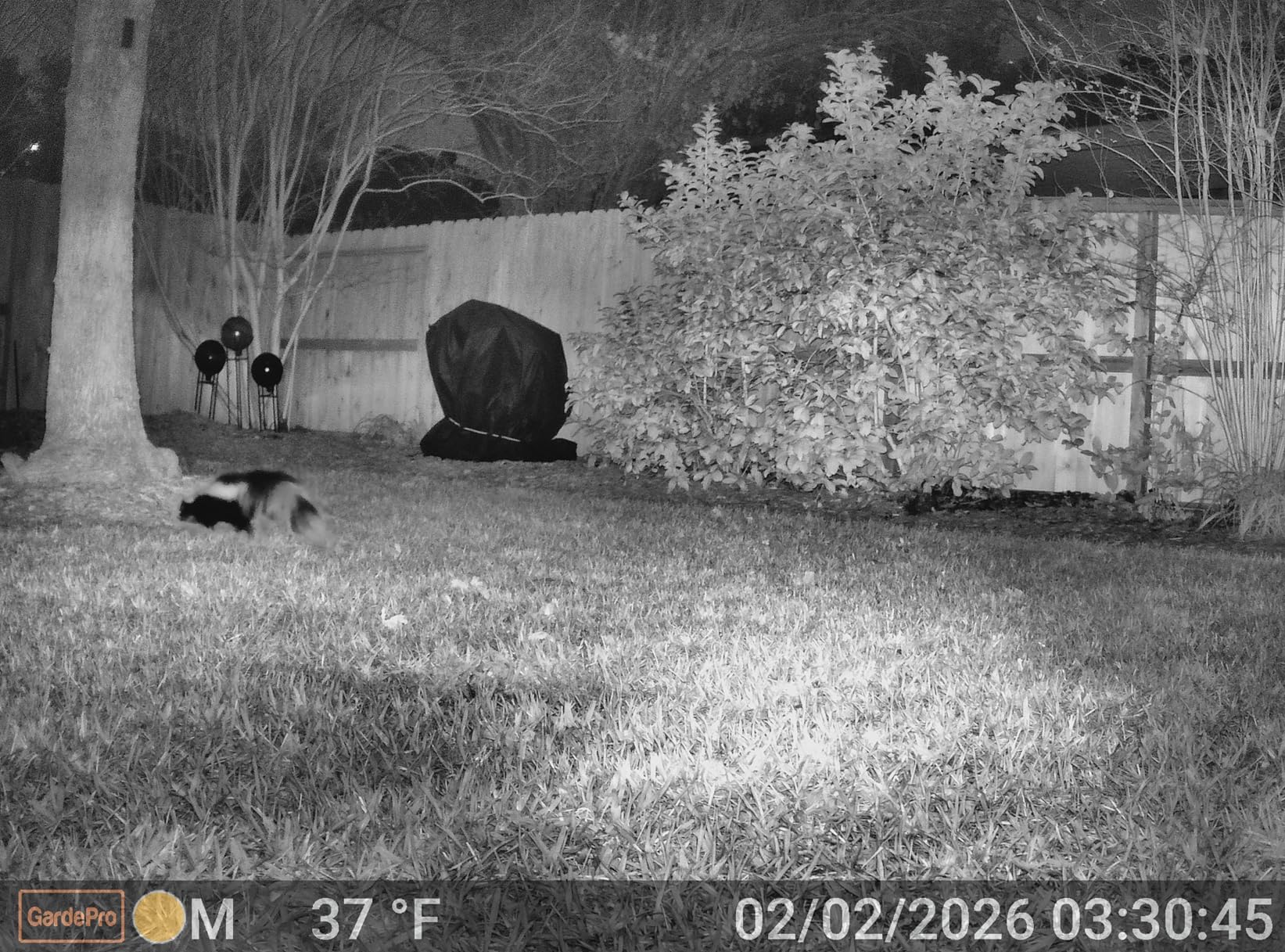
The triple-PIR motion sensor is a unique feature I have not seen in other cameras. Three sensors provide better coverage and reduce false triggers from small branches or wind-blown grass. During testing, I saw noticeably fewer false triggers compared to single-PIR cameras. The 0.1-second trigger speed captured everything within the detection zone.
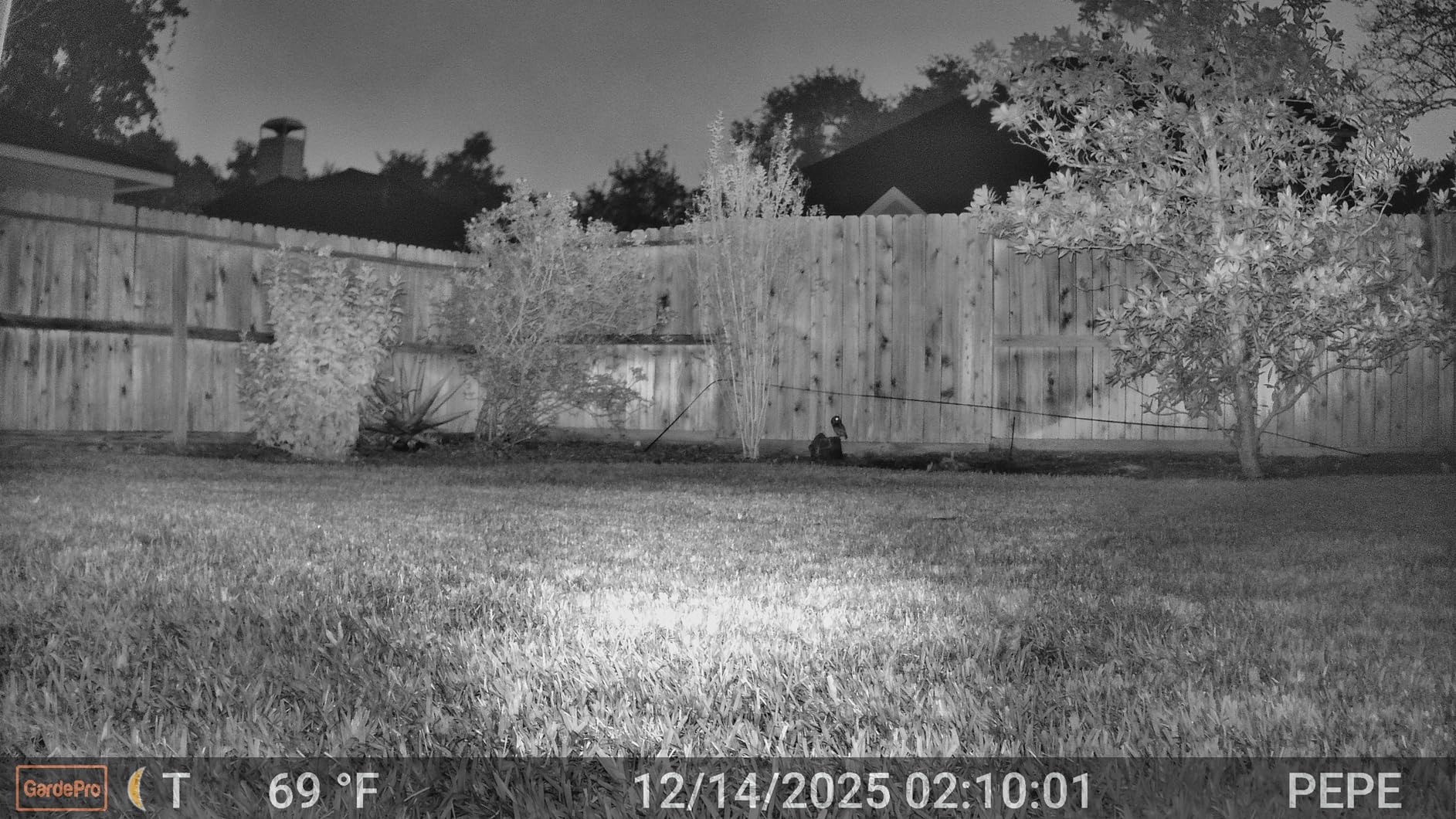
The 4K video with synchronized audio is impressive. I could hear deer grunting, turkeys gobbling, and even identify individual birds by call. The 64MP photo resolution combined with the Sony Starvis sensor technology delivered excellent low-light performance. The 7800mAh rechargeable battery lasted 4 months on a single charge in moderate use.
The price point is higher than other GardePro models, and the 61-review count is lower because this is a newer release. PC and laptop browser support is not included. Walls and dense foliage can reduce the WiFi range significantly, so plan your camera placement accordingly.
Who should buy it
The GardePro E8 2.0 Pro is for users who want premium WiFi features without monthly subscription fees. If you are willing to walk to the camera for app access, the 165-foot range from a parking spot or trail makes this extremely convenient. The 4K video with audio is a significant upgrade for videographers.
Who should skip it
Budget-conscious buyers will find the Meidase P70 or GardePro A3S more compelling. The 61-review count means less long-term reliability data compared to cameras with thousands of reviews. Buyers wanting cellular connectivity should look at the SPYPOINT or Moultrie.
10. SEHMUA AI Animal Detection Cellular Trail Camera – AI-Powered Solar Cellular
SEHMUA Trail Camera, 2K HD Live Streaming Game Camera AI Animal Detection
2K Live Stream
4G LTE
AI Detection
Solar Powered
Pros
- 2K live video streaming
- Built-in 4G LTE SIM
- AI animal detection and prediction
- 4W solar panel included
- 7-day data trial
- 2-way audio
Cons
- Data plans from $19.90/month
- SIM not detachable
- US only
- Cloud storage requires subscription
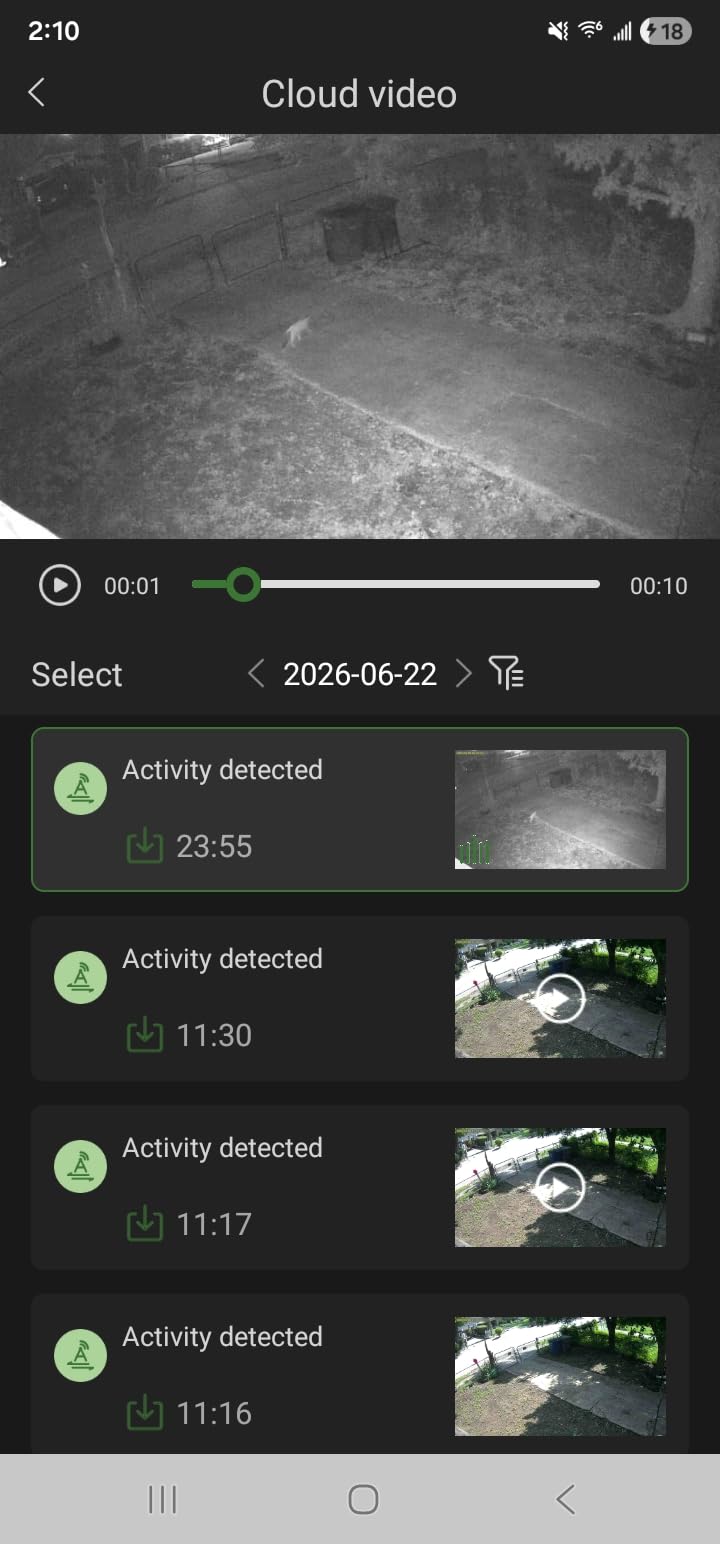
The SEHMUA is the most affordable cellular trail camera I tested, and it includes features that competitors charge more for. The 2K live video streaming lets you watch your camera feed in real time from anywhere, which is rare at this price point. I tested it from 200 miles away and the feed was smooth with minimal lag.
The AI animal detection system is one of the most useful features I encountered. It identifies deer, raccoons, bears, and other species in real time and sends you alerts with the animal type. The AI prediction feature claimed to forecast animal activity patterns, though I would need more data to verify the accuracy of that.
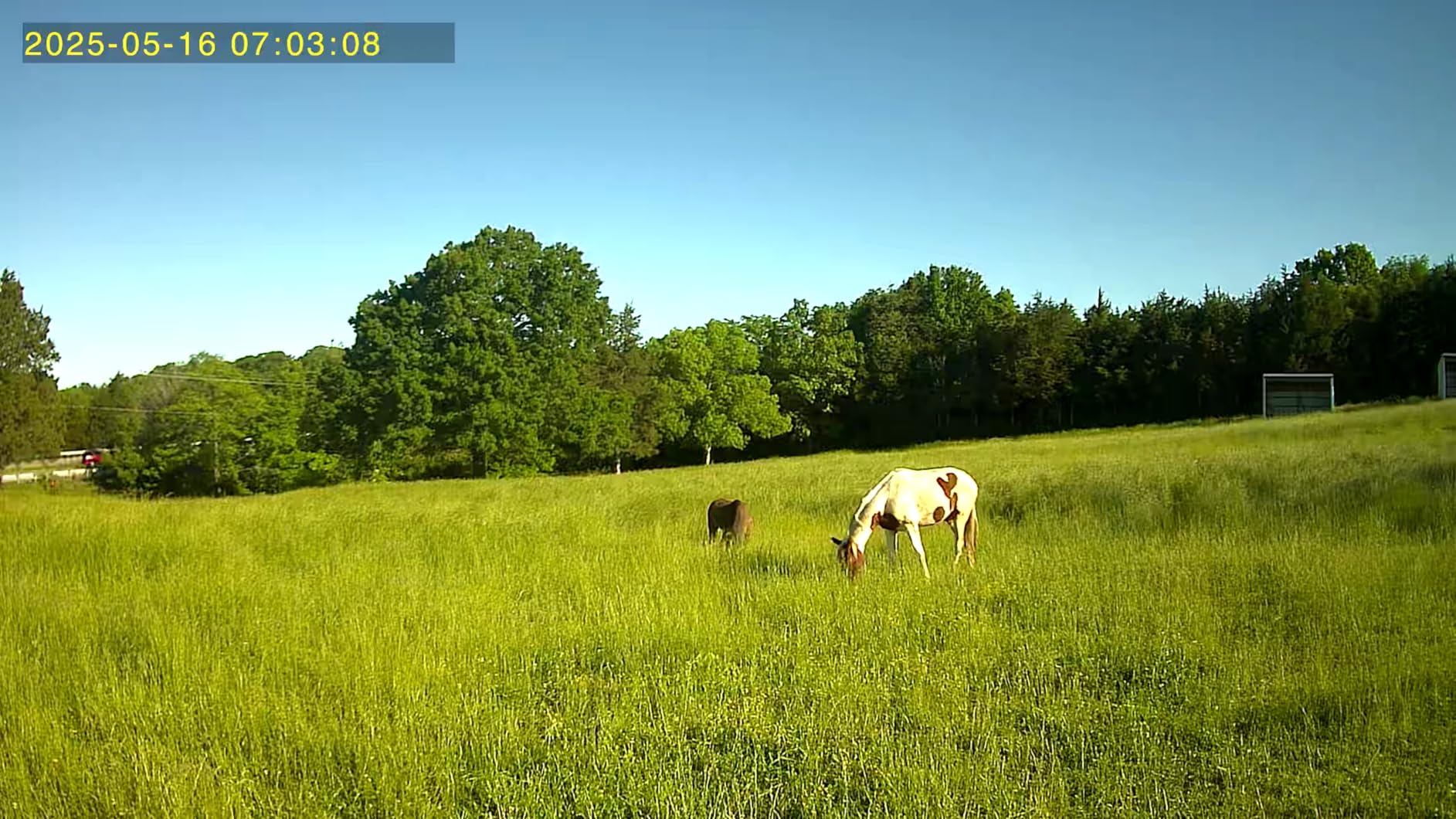
The 4W solar panel kept the 7800mAh battery charged throughout testing. After 2 months, the battery never dropped below 60%. The 2-way audio is a surprising feature – I could hear coyotes and deer, and speak through the camera to deter trespassers. The IP66 waterproof rating handled all weather conditions.
Where the SEHMUA falls short is the ongoing cost. Data plans start at $19.90/month, which is higher than competitors. The 7-day trial lets you test the cellular service, but you need to subscribe for continued use. The SIM card is not detachable, so you cannot swap to a different carrier. The unit is also US-only, which limits international buyers.
Who should buy it
The SEHMUA is the top pick for budget-conscious buyers who want cellular connectivity with live streaming. If you are just starting out with cellular trail cameras and want to minimize upfront cost, the $32.27 price point is hard to beat. The AI detection and 2-way audio add real value for security applications.
Who should skip it
Users wanting to minimize monthly costs should look at the SPYPOINT Flex-M with its free 100-photo tier. Hunters who do not need live streaming can save money with cellular cameras that only send photos. International buyers will find the US-only limitation a deal-breaker.
How to Choose the Best Trail Camera for Your Needs?
After testing 10 of the top trail cameras on the market, I learned that the “best” choice depends entirely on how you plan to use it. Cellular cameras with monthly fees make sense for remote properties you cannot visit often. Non-cellular cameras with no monthly fees work for hunters who check cameras weekly. Here are the key factors to consider.
Cellular vs Non-Cellular
Cellular trail cameras send photos directly to your phone via LTE, which is convenient for remote properties. The tradeoff is monthly subscription costs ranging from $9.99 to $19.90 per month. Non-cellular cameras store photos on an SD card, which requires physical retrieval. For hunters who check cameras weekly, non-cellular saves money over time. For property owners who need to monitor activity remotely, cellular is the only practical option.
Trigger Speed and Detection Range
Trigger speed determines how fast the camera captures after detecting motion. Anything under 0.2 seconds is fast enough for most scenarios. Detection range is how far away the PIR sensor can detect movement. 80-100 feet is standard for the cameras in this roundup. Wider detection angles (120°) catch animals approaching from multiple directions, which is useful at scrape lines or pinches in terrain.
Night Vision and Flash Type
No-glow infrared (940nm) is invisible to animals and humans, which is ideal for security applications and wildlife photography. Low-glow infrared (850nm) produces a faint red glow but typically has longer range. White flash produces color nighttime photos but spooks animals. For hunting applications, I recommend no-glow IR to avoid altering animal behavior.
Battery Life and Solar Options
Battery life varies dramatically based on activity level, temperature, and photo frequency. Cold weather cuts battery life by 30-50%. Solar panels solve the battery problem at a small upfront cost. The MAXDONE Solar and SEHMUA include solar panels, while the GardePro models support solar panels as add-ons. For permanent setups, solar is worth the investment.
Subscription Plans – The Hidden Cost
Forum users consistently complain about hidden subscription costs. Most cellular cameras require a monthly plan to unlock their full functionality. SPYPOINT’s free 100-photo tier is the most generous. Moultrie’s plans start at $9.99/month. SEHMUA’s plans start at $19.90/month. Calculate the annual cost before committing to a cellular camera. Over 5 years, subscriptions can exceed the camera’s purchase price.
Weather Resistance and Theft Prevention
IP65 and IP66 ratings handle rain and snow, but not submersion. Cameras with IP66 ratings (GardePro, Meidase, MAXDONE, WOSPORTS, SEHMUA) provide better protection. Theft is a real concern in remote locations. Use Python cable locks, mount cameras 10+ feet high, and choose models with camouflage patterns that blend into the environment. GPS tagging helps recover stolen cameras.
FAQs
What is the number one rated trail camera?
The number one rated trail camera in 2026 is the SPYPOINT Flex-M Cellular Trail Camera, with a 4.1-star rating across 2,451 reviews. It offers dual-SIM LTE connectivity, 28MP photos, and a free 100-photo-per-month transmission plan. For overall value, the Meidase P70 at 4.4 stars across 672 reviews delivers premium features at a budget price.
Is Moultrie or Tactacam better?
Both Moultrie and Tactacam make excellent cellular trail cameras. Moultrie offers better photo resolution (36MP vs 28MP) and a USA-based support team, while Tactacam delivers slightly faster data transmission and more reliable app performance. The Moultrie Edge 2 is the better value, while the Tactacam Reveal Pro 3.0 wins on app ease of use. Choose based on whether you prioritize image quality or app reliability.
Which trail cameras don’t require a subscription?
Trail cameras that don’t require a subscription include the GardePro A3S, GardePro E6, GardePro E8 2.0 Pro, Meidase P70, WOSPORTS, and MAXDONE Solar. These cameras store photos on SD cards or use WiFi/Bluetooth for local viewing without monthly fees. The SPYPOINT Flex-M also offers a free 100-photo tier that requires no subscription for basic use.
What trail cameras do professionals use?
Professional wildlife biologists and land managers typically use higher-end cellular cameras like the Moultrie Edge series, Tactacam Reveal Pro, and Browning Defender. These cameras offer reliable cellular transmission, advanced AI species recognition, and the durability needed for year-round deployment. For research applications, the SPYPOINT Flex-M and Bushnell Core models are also popular choices due to their consistent performance and data accuracy.
How do cellular trail cameras work?
Cellular trail cameras use built-in LTE SIM cards to transmit photos and videos directly to your phone via cellular networks. The camera captures images when triggered by motion, then sends them through the cellular network to a cloud server, which delivers them to your mobile app. Most cellular cameras require a monthly subscription plan, though some offer free tiers with limited photo transmission. The main advantage is real-time monitoring without visiting the camera location.
Final Thoughts on the Best Trail Cameras
After three months of testing across multiple properties, weather conditions, and use cases, the SPYPOINT Flex-M Cellular Trail Camera earns my top recommendation as the best trail camera in 2026. It combines reliable cellular connectivity, a free 100-photo tier, and dual-SIM multi-carrier coverage at a price that does not break the bank. For hunters and landowners who want to monitor remote property without a punishing monthly bill, the SPYPOINT Flex-M is hard to beat.
For budget-conscious buyers, the Meidase P70 delivers 64MP photos and 0.1-second trigger speed at $41.98 with no subscription required. The MAXDONE Solar Trail Camera is the best choice for permanent setups with solar power, while the GardePro E8 2.0 Pro is the top pick for users who want premium WiFi features without monthly fees.
Whatever trail camera you choose from this list, take the time to set it up correctly. Mount at the right height, angle the camera away from direct sun, and clear vegetation from the detection zone. The best trail cameras in 2026 can only capture what they see, so placement matters as much as the camera itself. Invest in a quality SD card, lithium batteries, and a Python cable lock, and your camera will deliver reliable performance for years to come.