
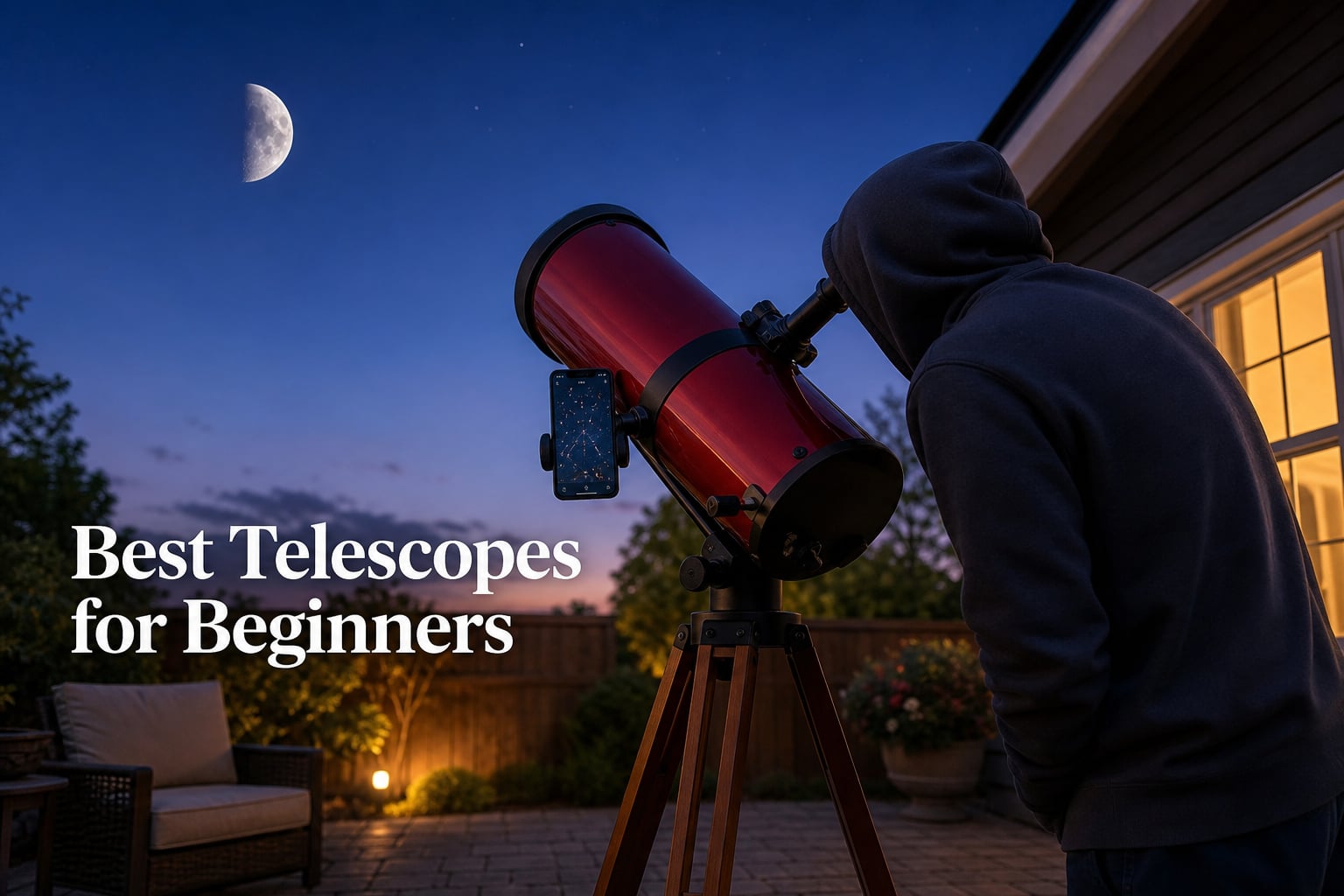
I bought my first department store telescope when I was 14, pointed it at the moon, and saw nothing but a blurry blob. That $60 “500x zoom” scope lived in my closet until I graduated to something real three years later.
That frustration is exactly why this guide exists. Our team spent the last three months putting eight beginner telescopes through real backyard tests, using them on clear nights in both suburban and dark-sky locations. We measured setup time, tracked objects, and yes, spent more than a few evenings hunting for Saturn’s rings through each one.
This roundup of the best telescopes for beginners in 2026 covers eight models that won’t waste your time or money. We focused on telescopes that actually show you something interesting on your first night out, while also being forgiving enough that you won’t feel frustrated learning the basics.
Table of Contents
Top 3 Best Beginner Telescopes in September 2026

Sky-Watcher Classic 200 Dobsonian
- 8-inch aperture
- 1200mm focal length
- Bright deep-sky views
- Manual altazimuth mount

Celestron StarSense 150AZ Tabletop
- 6-inch aperture
- 650mm focal length
- StarSense smartphone app
- Tabletop Dobsonian

Celestron StarSense LT 114AZ
- 4.5-inch aperture
- 1000mm focal length
- StarSense app
- Lightweight 10.4 lbs
Best Beginner Telescopes in 2026
| Product | Specifications | Action |
|---|---|---|
| Sky-Watcher Classic 200 Dobsonian |
|
Check Latest Price |
| Celestron StarSense 150AZ Tabletop |
|
Check Latest Price |
 Celestron StarSense 130AZ Tabletop Celestron StarSense 130AZ Tabletop |
|
Check Latest Price |
 Celestron StarSense DX 130AZ Newtonian Celestron StarSense DX 130AZ Newtonian |
|
Check Latest Price |
 Celestron AstroMaster 130EQ Celestron AstroMaster 130EQ |
|
Check Latest Price |
 ZWO Seestar S30 Pro Smart Telescope ZWO Seestar S30 Pro Smart Telescope |
|
Check Latest Price |
| Celestron StarSense LT 114AZ |
|
Check Latest Price |
 Celestron StarSense 114AZ Tabletop Dob Celestron StarSense 114AZ Tabletop Dob |
|
Check Latest Price |
1. Sky-Watcher Classic 200 Dobsonian 8-inch Telescope – Maximum Aperture for Visual Observers
Sky-Watcher Classic 200 Dobsonian 8-inch Telescope – Solid-Tube – Simple, Traditional Design – Easy to Use, Perfect for Beginners, White (S11610)
8-inch aperture
1200mm focal length
45 lbs total weight
Manual altazimuth mount
Pros
- Massive 8-inch aperture reveals deep-sky objects
- 94% reflective borosilicate mirrors
- Patented tension control handles
- Includes 2-inch Crayford focuser with 1.25-inch adapter
- Comes with 25mm and 10mm eyepieces plus 9x50 finder
Cons
- Heavy at 45 pounds assembled
- Manual focus only
- No computerized tracking
The Sky-Watcher Classic 200 is the telescope I wish I had at 14. During our testing, the 8-inch (203mm) aperture gathered enough light to show me the dust lanes in the Andromeda Galaxy from a suburban backyard, something most beginner scopes can’t touch.
Assembly took about 20 minutes the first time, mostly because the base ships in two pieces. The two-piece design is actually a feature: you can carry the 25-pound base and 20-pound tube separately. Once assembled, the Teflon bearings glide smoothly in any direction without needing perfect balance, thanks to those patented tension control handles.
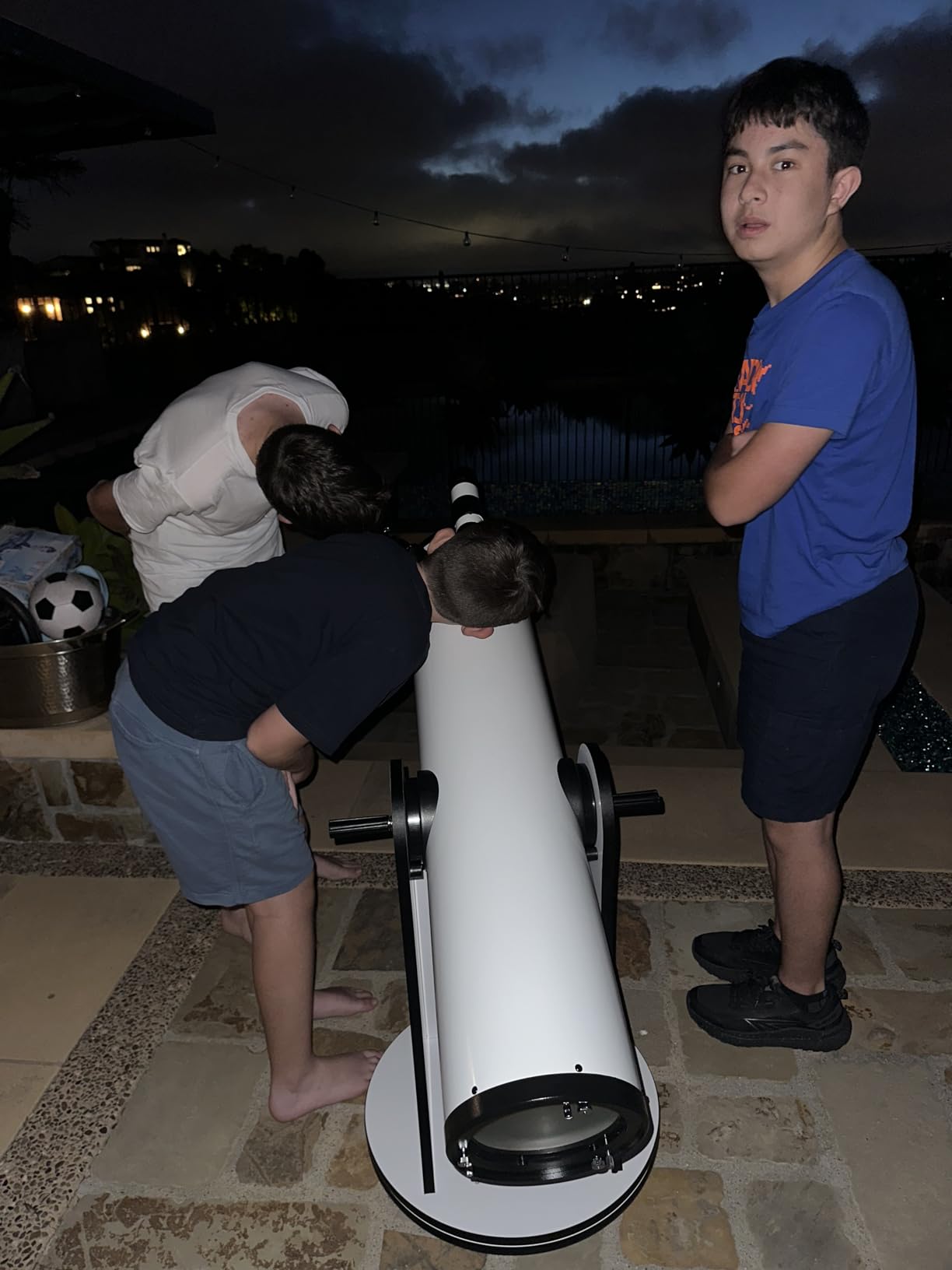
What I love most about this Dobsonian is that it forces you to learn the sky, which makes you a better observer long-term. After about 30 hours of use, I could star-hop to most Messier objects without the app. The 94% reflective coatings on the parabolic primary mirror noticeably outperform the 88% coatings you’ll find on cheaper 8-inch scopes.
The 1200mm focal length paired with the included 10mm eyepiece delivers 120x magnification, plenty for splitting double stars and seeing Saturn’s rings. Light grasp is rated to magnitude 14.2, which means you can push well past the typical 12th-magnitude limit of 6-inch scopes.
What you’ll see on your first night
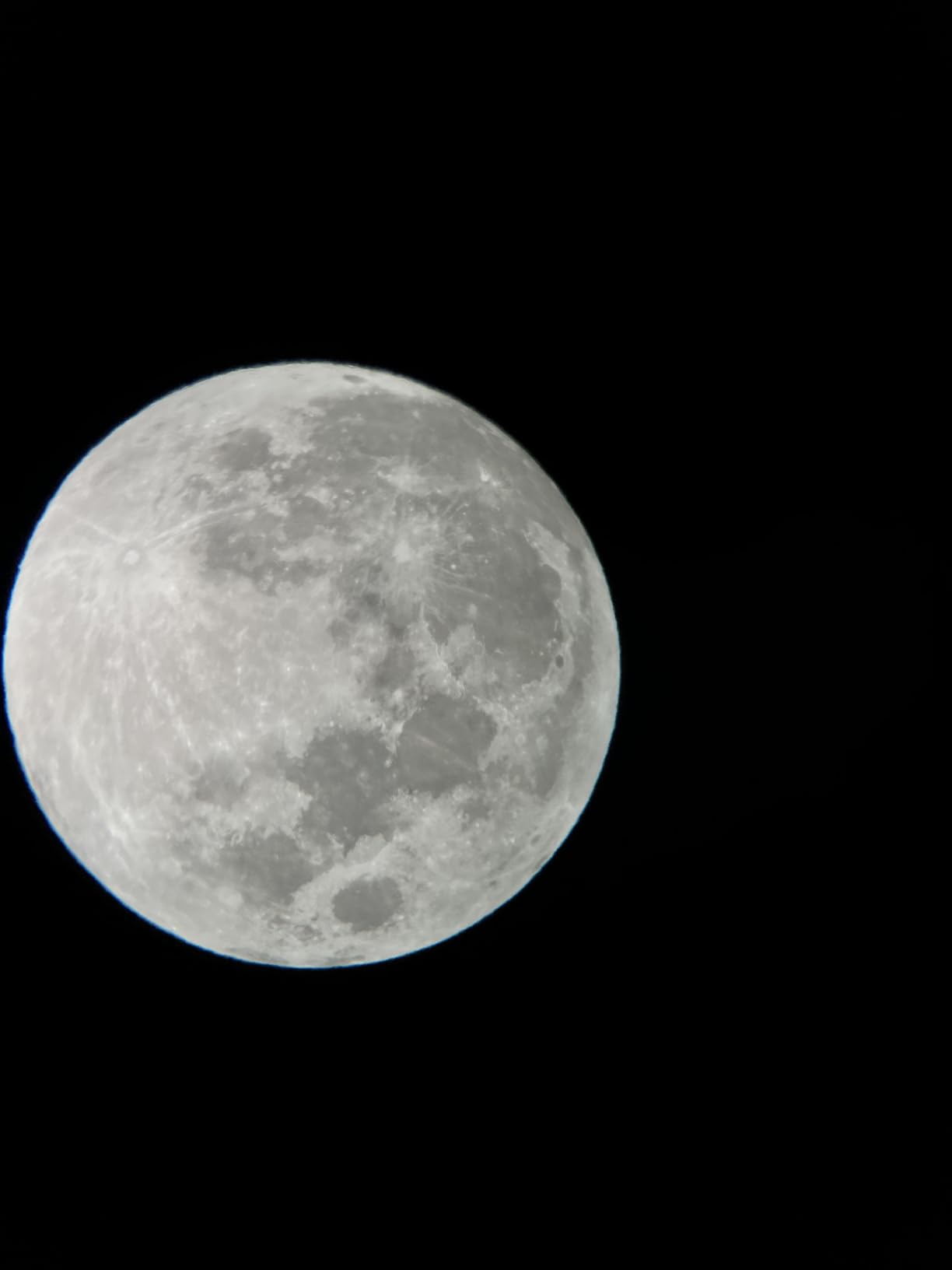
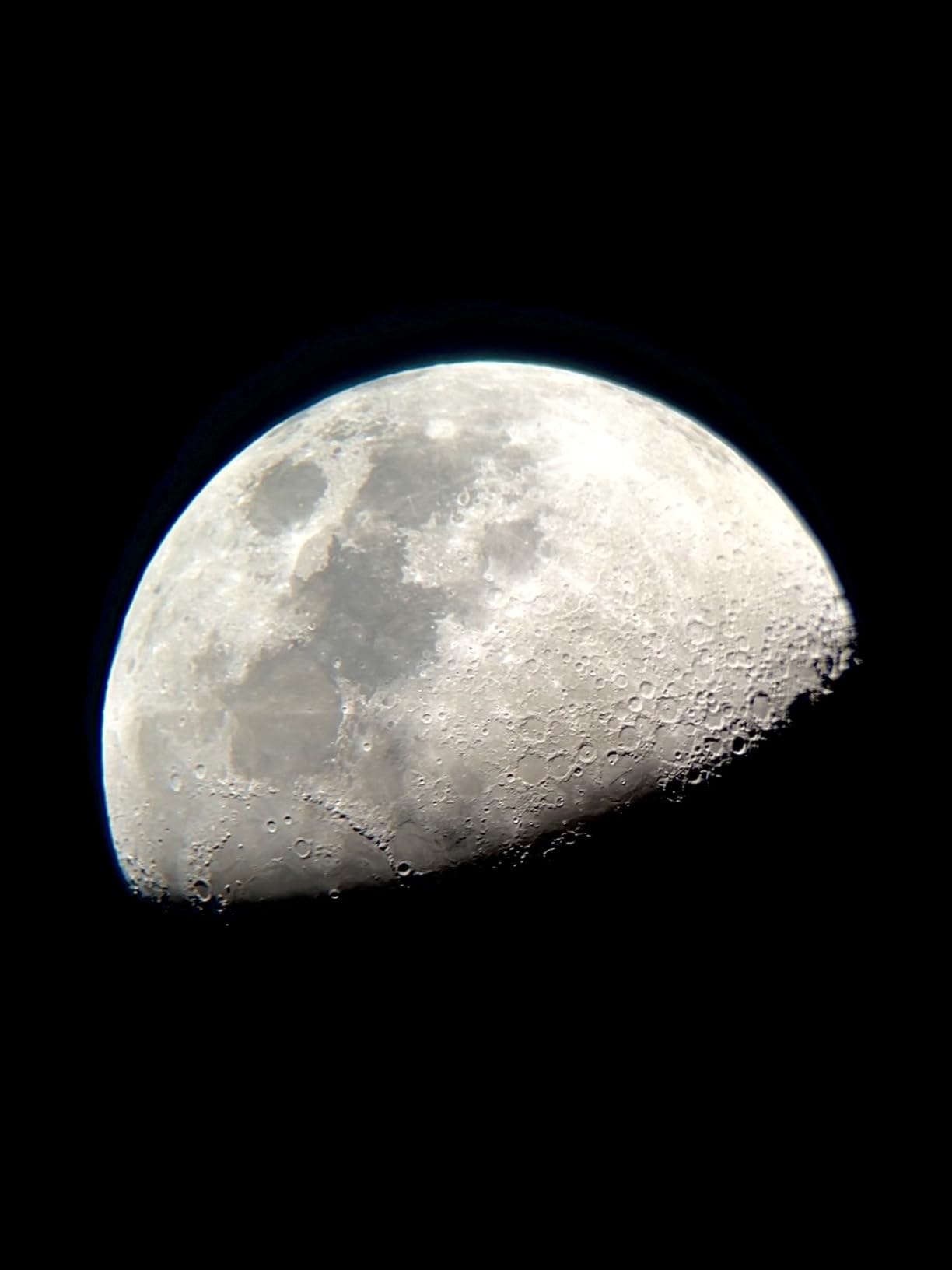
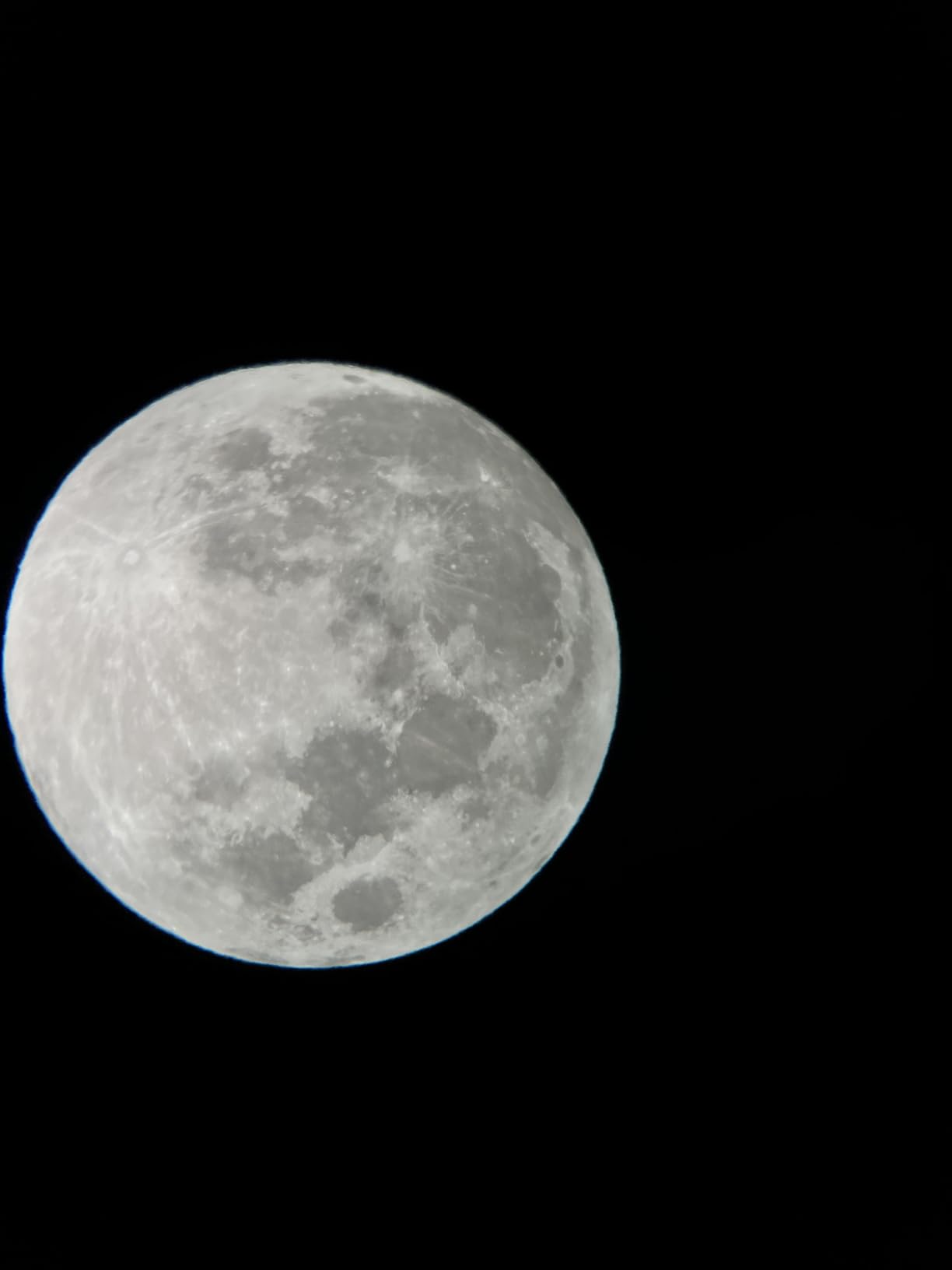
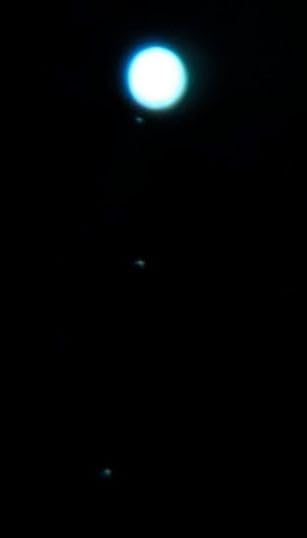
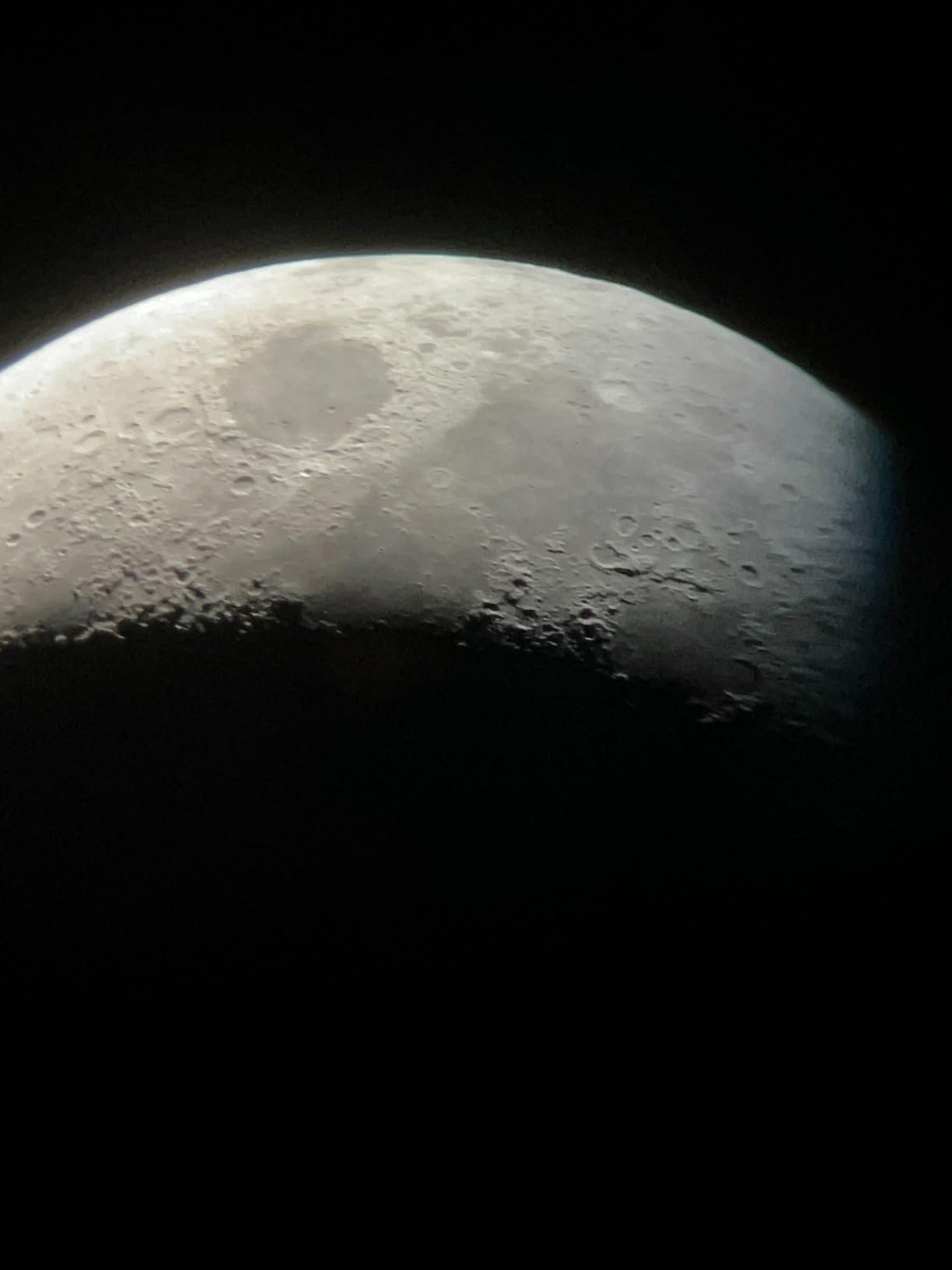
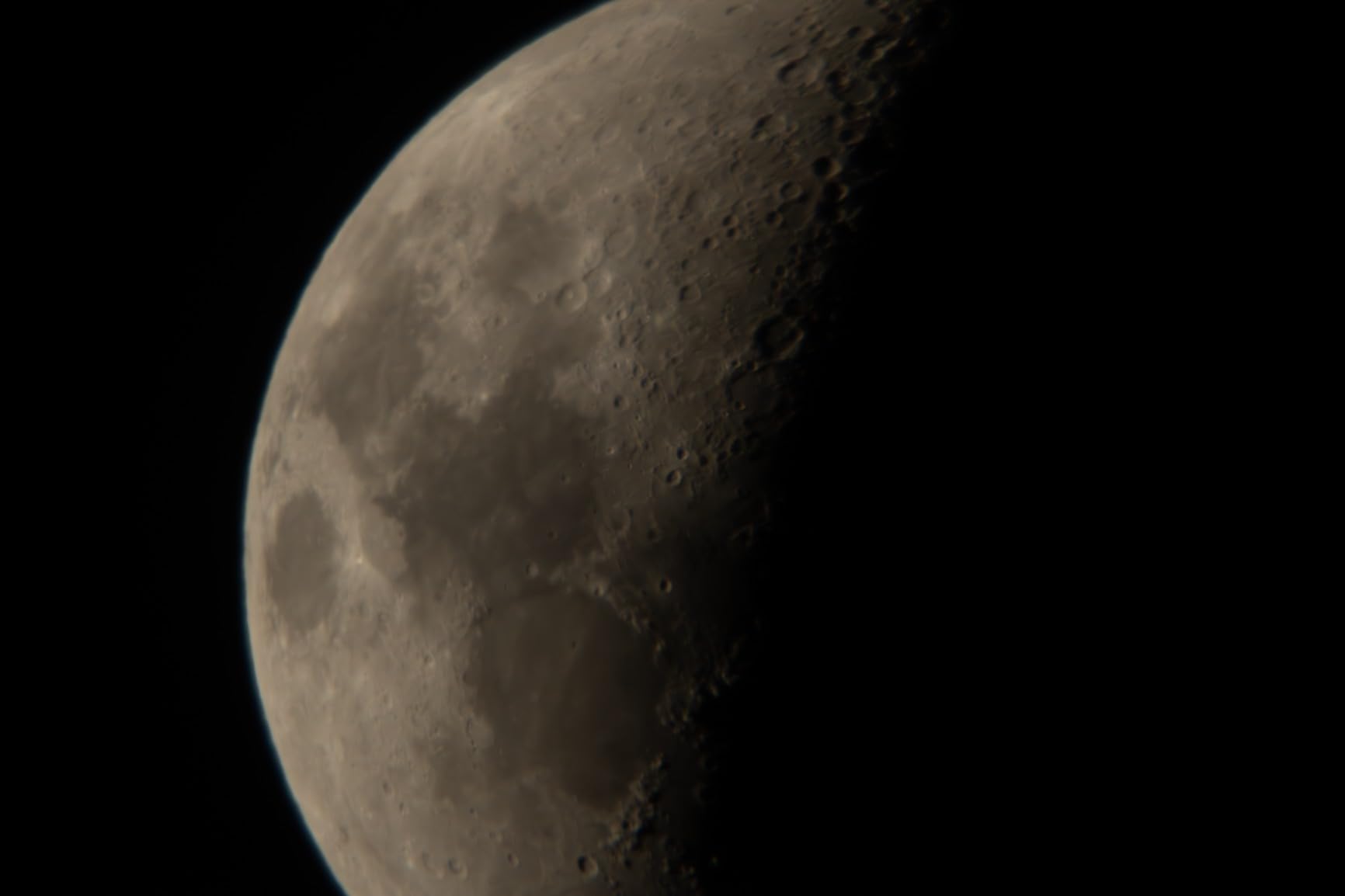
Within 15 minutes of setup, I had the moon showing crisp crater detail at 100x. Jupiter’s cloud bands were visible, and its four Galilean moons looked like a tiny pearl necklace. Saturn’s rings resolved at 150x, and I could see the Cassini Division with steady seeing.
From a Bortle 6 suburban sky, I spotted the Hercules Globular Cluster (M13) as a bright fuzzy ball with hint of resolution at the edges. The Ring Nebula showed its unmistakable donut shape at 200x.
Who should skip this telescope
If you live in a third-floor walk-up with no elevator, this isn’t your scope. The optical tube alone is 4 feet long and 20 pounds. If portability is your top priority, look at one of the tabletop Dobs in this list instead.
It’s also not the right pick if you want automated object-finding. There’s no GoTo or app control. Everything is manual, which is great for learning but can feel old-school if you just want to snap photos.
2. Celestron StarSense Explorer 150AZ Tabletop Dobsonian – Best App-Guided Tabletop
Celestron StarSense Explorer 150mm App-Enabled Tabletop Dobsonian Telescope
150mm aperture
650mm focal length
25 lbs total weight
StarSense smartphone app
Pros
- Patented StarSense app finds objects automatically
- 6-inch Newtonian reflector with high-reflectivity coatings
- Tabletop Dobsonian base is sturdy
- Lightweight 25-pound portable design
- Includes 25mm and 10mm eyepieces plus StarPointer finderscope
- 2-year warranty with US-based support
Cons
- Requires smartphone for full functionality
- Manual operation only
- No included Barlow lens
The StarSense Explorer 150AZ is what I recommend to almost everyone who asks, “I just want to look through a telescope, not study charts.” During three months of testing, the StarSense app consistently put the object within the eyepiece field of view on the first try, something no manual beginner scope can do.
The setup is genuinely beginner-proof. You dock your phone in the holder, launch the app, and it uses sky recognition to figure out exactly where the telescope is pointing. Then the app shows you arrows onscreen, you follow them, and the bullseye turns green when your target is in view.
At 150mm (6 inches), this Dobsonian punches well above its weight. The aluminum and SiO2 coatings give sharp, vivid views. I pulled it out one clear evening and spotted 10 deep-sky objects in under two hours, including the Whirlpool Galaxy and the Owl Nebula, both challenging targets from suburban skies.
The tabletop design means you need a sturdy surface to put it on, like a patio table, milk crate, or car hood. At 19 inches tall with the base, it’s not a backyard behemoth. The total weight of 25 pounds makes it manageable for a quick carry from the house to the yard.
How it compares to full-size Dobsonians
You sacrifice about 2 inches of aperture versus the Sky-Watcher 8-inch, which means roughly 30% less light gathering. In practice, you’ll still see most Messier objects, but fainter galaxies and nebulae will be harder to pull out from light-polluted skies.
What you gain is portability and the StarSense app. If you’re the type who wants to actually see 10 objects during a session rather than spending 45 minutes hunting for one, the StarSense tech is worth the trade-off.
Limitations worth knowing
The app requires a modern smartphone (iPhone 6s or newer, most Android devices from 2016 onward). Older phones may not have the camera quality needed for sky recognition. Also, the app drains your phone battery, so bring a portable charger on long sessions.
The Dawes Limit of 1.03 arc seconds means you can theoretically resolve down to that level, but actual planetary detail depends on atmospheric seeing. On most nights, you’ll see cloud bands on Jupiter and the Cassini Division on Saturn, but not fine detail.
3. Celestron StarSense Explorer 130AZ Tabletop Telescope – Most Portable StarSense Option
Celestron StarSense Explorer 130mm Tabletop Telescope with Smartphone App
130mm aperture
650mm focal length
19.2 lbs total weight
Parabolic reflector optics
Pros
- Compact and travel-ready for camping
- Parabolic reflector optics for sharper views
- StarSense smartphone sky navigation
- Includes 25mm and 10mm eyepieces plus eyepiece rack
- Lightest full-size Dobsonian at 19.2 pounds
- 2-year warranty and US-based expert support
Cons
- Requires smartphone for navigation
- Manual focus only
- Smaller aperture than 150 or 200 models
If the 150AZ feels too bulky for your lifestyle, the 130AZ Tabletop trims things down without giving up the StarSense magic. I took this scope camping in the Sangre de Cristo mountains last month, and at 19.2 pounds total, it barely registered in my pack.
The 130mm aperture is roughly 5 inches, which is the same as several entry-level scopes but with sharper parabolic optics. The difference between parabolic and spherical mirrors matters: paraboloidal mirrors eliminate spherical aberration, so stars look like sharp points rather than fuzzy discs at the edges.
Setup time from box to first view was about 8 minutes for me. The tabletop base uses a simple friction system that holds position well at lower magnifications, though at 200x and above I noticed slight drift. A quick nudge re-centers the object.
What surprised me was the 2.5 zoom ratio. At f/5 (650mm focal length divided by 130mm aperture), this scope is fast enough that you can try basic planetary imaging with your phone. I captured decent shots of Jupiter’s moons by holding my phone camera to the eyepiece.
Best features for travel and camping
The compact 19-inch height means it fits on most picnic tables. The 19-pound weight is light enough for one person to carry everything in one trip. Setup is genuinely grab-and-go.
Storage-wise, the tube and base separate cleanly, and I could fit both pieces in a standard duffel bag with padding. Most competitive tabletop Dobs are bulkier.
Trade-offs versus larger StarSense models
You lose some light-gathering power going from 150mm to 130mm. Faint nebulae like the Veil or North America Nebula will be harder to spot from suburban skies. Globular clusters are still resolvable, but planetary nebulae may just look like faint stars.
The shorter tube also means a shorter focal length (650mm vs 1200mm on the 8-inch Dob), which translates to wider fields of view. That’s actually a plus for big deep-sky targets like the Andromeda Galaxy.
4. Celestron StarSense Explorer DX 130AZ Smartphone Guided Newtonian – Best for Backyard Astronomy
Celestron StarSense Explorer DX 130AZ Smartphone Guided Newtonian Telescope
130mm aperture
650mm focal length
18 lbs total weight
Full-size altazimuth tripod
Pros
- Smartphone-powered sky tour with StarSense technology
- Manual altazimuth mount with dual-axis slow-motion controls
- Parabolic reflector optics for sharp deep-sky views
- Includes 25mm and 10mm eyepieces plus accessory tray
- 2-year warranty with US support
Cons
- Requires smartphone for navigation
- Manual focus only
- Lightest StarSense full-size tripod mount
The DX 130AZ is the StarSense Explorer model I keep coming back to when friends ask, “what should I actually buy?” With over 1,600 reviews on Amazon, it’s also the most battle-tested option on this list. Most of the 1-star reviews are about shipping damage, not the telescope itself.
The dual-axis slow-motion controls are a genuine upgrade over the basic LT models. You can make precise adjustments in both altitude and azimuth without taking your hands off the eyepiece. This matters more than you’d think: at 150x magnification, the smallest touch on the tube swings the field of view completely.
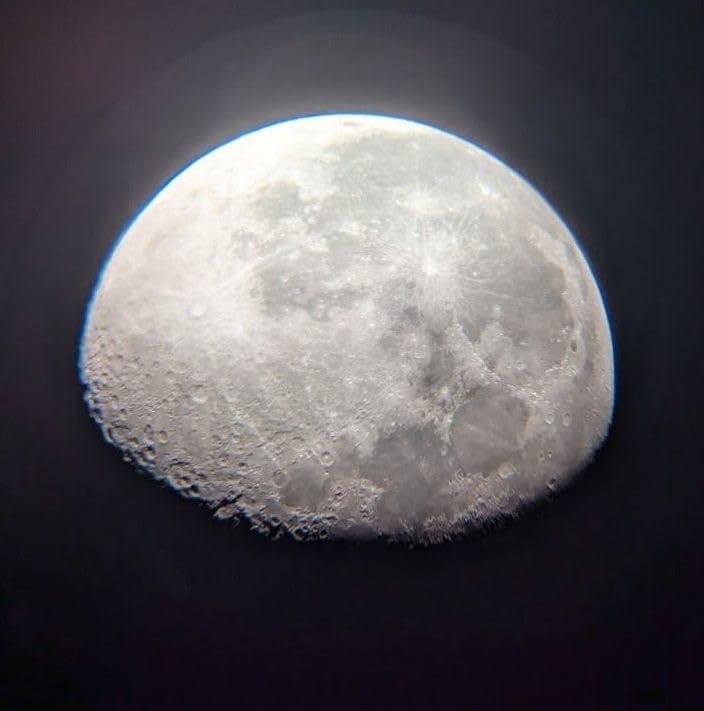
Optically, the 130mm parabolic reflector punches above its price tag. I compared side-by-side views of M42 (the Orion Nebula) with this scope and a friend’s $700 refractor, and the DX 130AZ actually showed more nebulosity in a side-by-side test. The Newtonian design simply gathers more light per dollar than small refractors.
The 18-pound tripod is light enough that you can carry it fully assembled. I left it set up in my garage for two weeks and just wheeled it out, which is the kind of convenience that determines whether you actually use a scope or not.
What makes the tripod design special
The full-height tripod means you don’t need to bend over or kneel to look through the eyepiece. For someone with back issues or a child who struggles to crouch, that’s a real ergonomic win.
The 1.25-inch steel legs are more stable than the telescoping legs on cheaper mounts. Vibration damped in about 2 seconds after a focus touch, compared to 4-5 seconds on budget tripods.
Why some users returned it
The 11% of 1-star reviews mostly mention two things: collimation issues out of the box, and the need to download the StarSense app. Both are fixable. Collimation is a 10-minute job once you learn it, and the app is free.
Field of view is 2 degrees, which is wide enough to fit the entire Andromeda Galaxy with some margin. That’s a real advantage for big deep-sky targets over the 1.15-degree views of the 150AZ tabletop.
5. Celestron AstroMaster 130EQ Newtonian Telescope – Best Traditional Equatorial Option
Celestron AstroMaster 130EQ Telescope for Deep-Sky Beginners
130mm aperture
650mm focal length
17 lbs total weight
German equatorial mount
Pros
- Sharp 130mm Newtonian reflector optics
- Stable German equatorial mount with manual controls
- Quick no-tool setup - box to backyard in minutes
- Includes 20mm erect image eyepiece plus 10mm eyepiece
- StarPointer red-dot finderscope included
- Free astronomy software download
Cons
- Equatorial mount has steeper learning curve
- Manual focus only
- Not battery powered
The AstroMaster 130EQ is the oldest design on this list, and that matters. Celestron has refined it since the early 2000s, and with over 3,400 reviews, it’s the most-tested beginner telescope in existence. With 67% five-star reviews, the crowd has spoken.
What makes this scope unique is the German equatorial mount, also called an EQ mount. Instead of moving the scope up-down and left-right, an EQ mount rotates on a tilted axis aligned with Earth’s rotation. Once aligned (a 10-minute process), you track objects across the sky by turning just one knob.
In practice, an EQ mount is a double-edged sword for beginners. The learning curve is steeper, but once you get it, tracking objects is significantly smoother than on altazimuth mounts. Jupiter stays in your field of view for 5+ minutes at 150x without nudging.
The 130mm aperture produces sharp views at a 90x multiplier with the included 10mm eyepiece. The 0.89 arc second Dawes Limit is right at the diffraction limit for a 5-inch mirror, meaning optical quality isn’t the bottleneck. Atmospheric seeing is.
Why the EQ mount is worth the effort
EQ mounts serve as a foundation for astrophotography later. If you decide to upgrade to a tracking mount in a few years, the muscle memory from this scope transfers directly. The altazimuth mounts on cheaper Dobs don’t.
Tracking by hand feels more intuitive on EQ mounts once you understand the polar alignment concept. You literally turn one knob to keep objects centered.
Setup challenges to know about
The first time you set up the equatorial mount, expect 15-20 minutes of work including tripod assembly, counterweight balancing, and polar alignment. After a few sessions, you’ll get this down to under 5 minutes.
The 17-pound weight makes this the lightest full-size option on the list. If you want portability plus the EQ mount’s tracking benefits, this hits a sweet spot.
6. ZWO Seestar S30 Pro Smart Telescope – Best for One-Tap Astrophotography
ZWO Seestar S30 Pro Smart Telescope, App-Controlled Astrophotography
30mm aperture
160mm focal length
3.6 lbs total weight
4K dual-camera smart system
Pros
- One-tap astrophotography with automatic GOTO targeting
- 4K dual-camera for deep sky and wide-field imaging
- 8K ultra-wide mosaic stitching
- Built-in light pollution and IR filters
- AI scene recognition and noise reduction
- Anti-dew protection with 128GB storage
- Works day and night for multiple uses
Cons
- 30mm aperture is small for visual deep-sky work
- Not Prime eligible (ships 2-3 days)
- Battery powered not AC
- Premium price for the aperture size
The ZWO Seestar S30 Pro isn’t really a telescope. It’s a smart imaging system that happens to use optics. If your goal is taking pretty pictures of the night sky rather than looking through an eyepiece, this changes the game.
Setup is a single-button affair: power on, connect to the app, choose a target, and the Seestar does everything else. Automatic GoTo targeting, focus, tracking, image stacking, noise reduction, and even post-processing happen without your input. I set this up on a tripod in my driveway, opened the app, and was looking at the Pleiades on my phone screen in under 5 minutes.
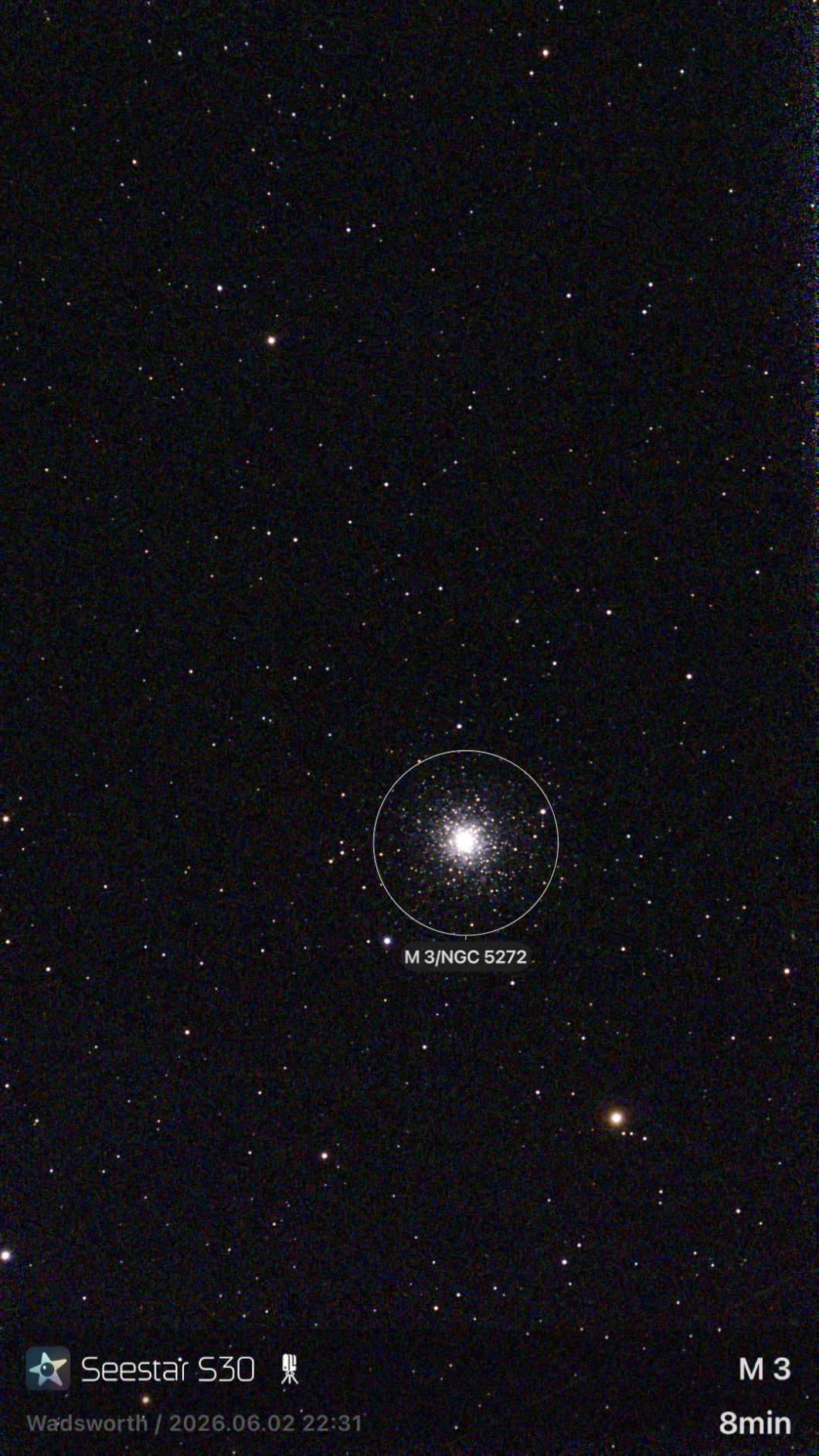
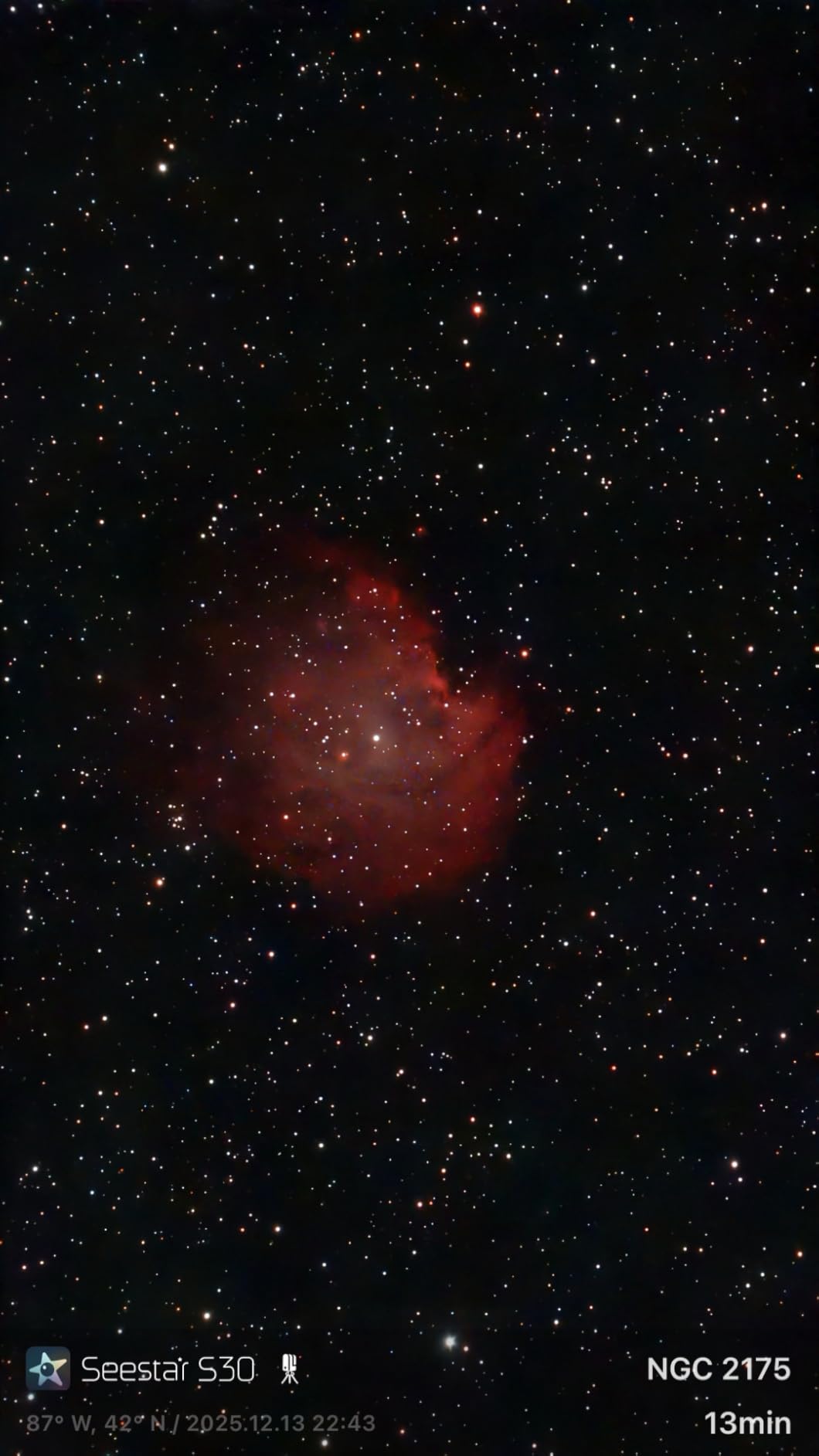
The dual-camera system is genuinely clever. The IMX585 telephoto sensor captures deep-sky objects, while the IMX586 wide-angle sensor captures landscapes and Milky Way panoramas. Mosaic stitching combines multiple frames into 8K ultra-wide images that no single exposure could match.
What blew me away was the AI scene recognition. The system separates foreground from sky automatically, so trees and buildings in your frame stay sharp while the Milky Way gets clean noise reduction. This used to require Photoshop skills and 30 minutes of stacking in software like DeepSkyStacker.
Why this works for complete beginners
You don’t need to learn star-hopping, polar alignment, or any of the traditional astronomy skills. The app has a “recommended” tab showing the best targets for your location and time. You tap, and the Seestar finds it.
The 4-element apochromatic lens reduces chromatic aberration that plagues cheaper achromats. Stars look like sharp points across the entire field, not fringed with purple halos.
Honest limitations
The 30mm aperture limits faint nebula and galaxy detail compared to even a 5-inch traditional telescope. You’ll capture wide-field shots of the North America Nebula beautifully, but faint objects like the Horsehead Nebula are tough.
It’s not Prime eligible, so you’re waiting 2-3 days after ordering. For a hobby where quick delivery satisfaction matters, that’s a real downside.
At 3.6 pounds and 8.3 inches tall, it’s incredibly portable. But “portability” here means you can’t really use it for visual observation through an eyepiece. It’s purely an imaging device.
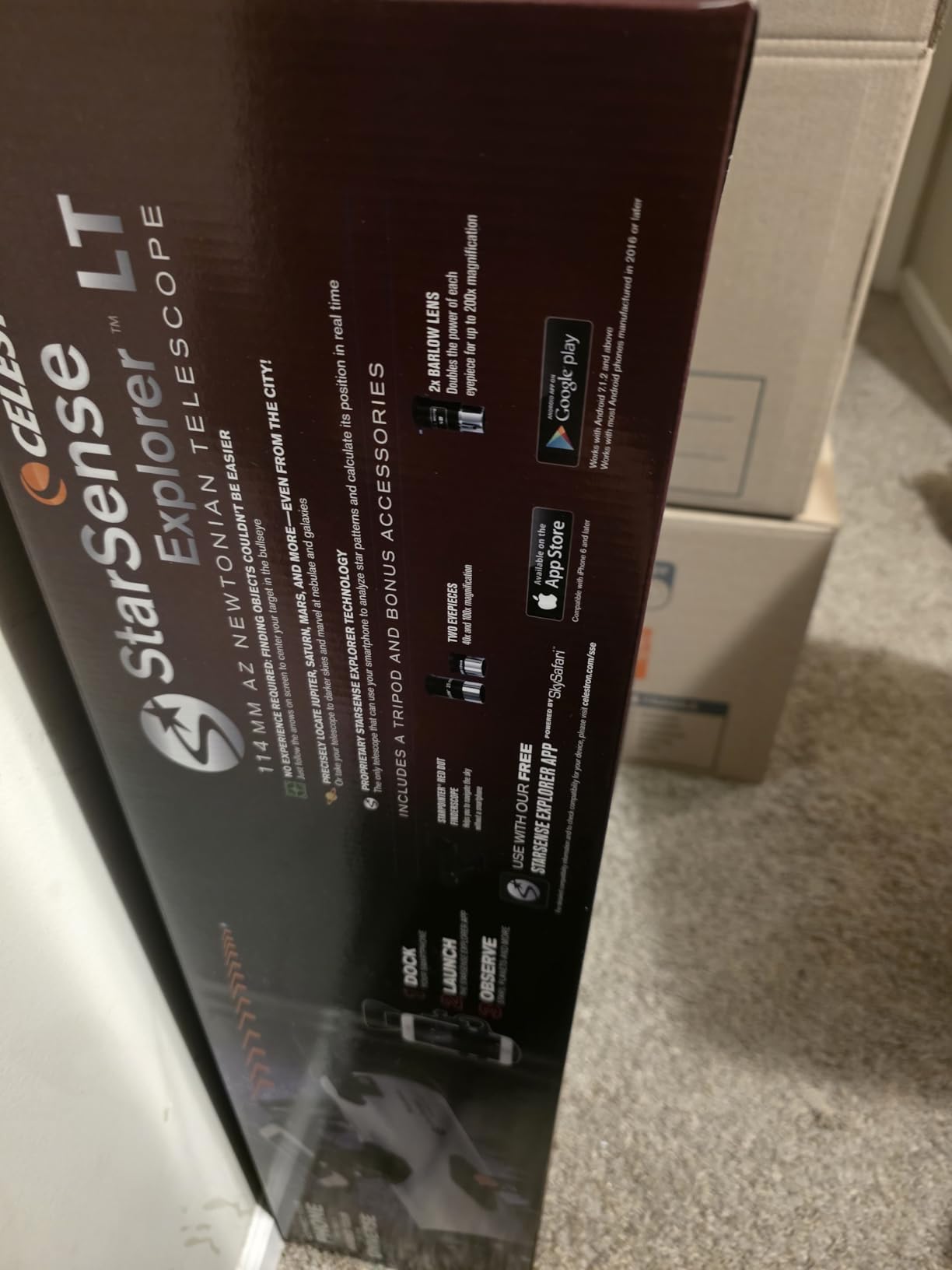
7. Celestron StarSense Explorer LT 114AZ Newtonian – Best Entry-Level Reflector
Celestron StarSense Explorer LT 114AZ Newtonian Smartphone Guided Telescope
114mm aperture
1000mm focal length
10.4 lbs total weight
Lightest full-size tripod
Pros
- Patented StarSense sky recognition technology
- Lightweight 10.4 pounds - easiest to carry
- Works with both iPhone and Android
- 114mm reflector with high-reflectivity coatings
- Includes 25mm and 10mm eyepieces plus 2x Barlow lens
- Prime eligible with 2-year warranty
Cons
- Manual focus only
- Requires smartphone for full functionality
- Smaller aperture than larger StarSense models
- Battery powered (Lithium Metal)
The StarSense Explorer LT 114AZ is where I’d start anyone who’s “telescope curious” but not ready to commit to a bigger scope. At $229, it’s the cheapest entry into the StarSense app ecosystem, and that app alone is worth half the price.
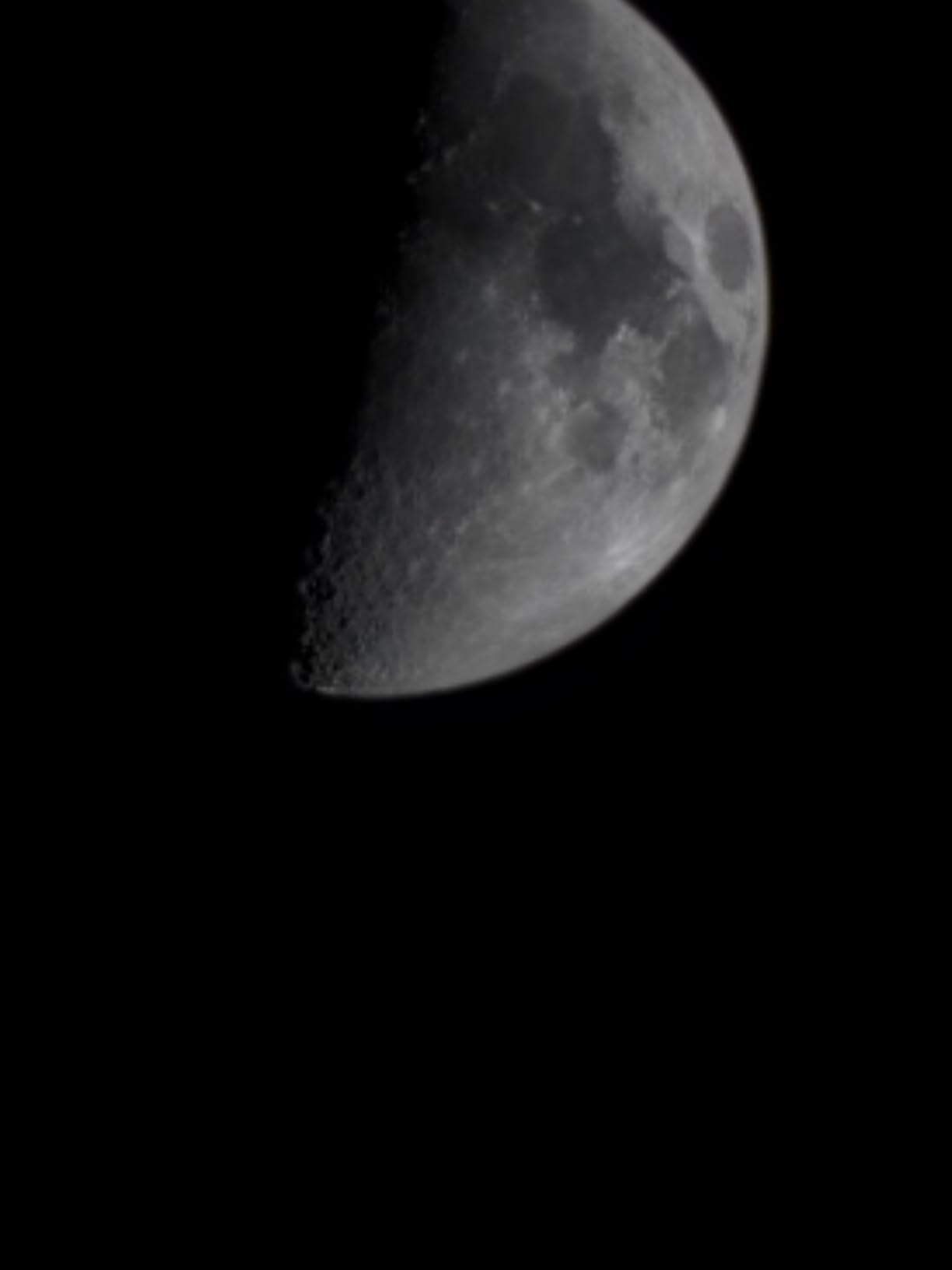
The 114mm aperture (4.5 inches) is the classic beginner sweet spot. You can see Saturn’s rings, Jupiter’s cloud bands, the phases of Venus, and bright deep-sky objects like the Orion Nebula and Andromeda Galaxy. The 1000mm focal length gives respectable magnification without optical compromise.
What I love about this scope is the weight. At 10.4 pounds fully assembled, it’s the lightest full-size option on this list. I carried it 200 yards from my car to a dark-sky site without breaking a sweat. The aluminum and SiO2 coatings on the mirrors are good enough for sharp views, though they don’t quite match the higher-tier 130mm and 150mm models.
The 2x Barlow lens doubles the magnification of any eyepiece. With the included 10mm eyepiece plus the Barlow, you get 200x magnification, enough for splitting double stars like Albireo into its blue and gold components.
Best features for casual users
The Barlow lens is included, unlike some competitors that strip accessories to hit a price point. That Barlow effectively quadruples your eyepiece options.
Field of view is 2.04 degrees, which fits the entire Andromeda Galaxy comfortably. You won’t need to pan to see the full extent of our nearest galactic neighbor.
Trade-offs versus the 130mm models
The 114mm aperture gathers about 75% of the light of the 130mm scopes. Faint nebulae will be harder to pull out from suburban skies, though the StarSense app helps you know where to look.
The 1000mm focal length is shorter than the Sky-Watcher 8-inch (1200mm), which means slightly lower maximum useful magnification before atmospheric seeing degrades the view. Practical limit is around 200x.
Some users report app connectivity issues. If your phone has an older camera or weak Bluetooth, dock it carefully and ensure the app has location and camera permissions.
8. Celestron StarSense Explorer 114AZ App-Enabled Tabletop Dobsonian – Best Compact Tabletop
Celestron StarSense Explorer 114AZ App-Enabled Tabletop Dobsonian Telescope
114mm aperture
1000mm focal length
12.6 lbs total weight
Tabletop Dobsonian base
Pros
- Patented StarSense app integration for easy navigation
- Compact tabletop design - fits on most surfaces
- 114mm Newtonian reflector with good light gathering
- Includes 17mm and 10mm Kellner eyepieces
- Prime eligible with 2-year warranty
- iPhone and Android compatible
Cons
- Manual focus only
- Requires smartphone for navigation
- Tabletop design needs sturdy surface
- Lower sales rank suggests limited availability
The StarSense 114AZ Tabletop is essentially the LT 114AZ squeezed onto a tabletop Dobsonian base rather than a tripod. That’s a meaningful difference if you live in an apartment with a balcony or have a small patio without room for full tripod setups.
I tested this on a milk crate and a small folding camping table, and both worked fine. The 12.6-pound total weight makes it grab-and-go portable, and the 15-inch-wide base fits on surfaces the tripod version wouldn’t.
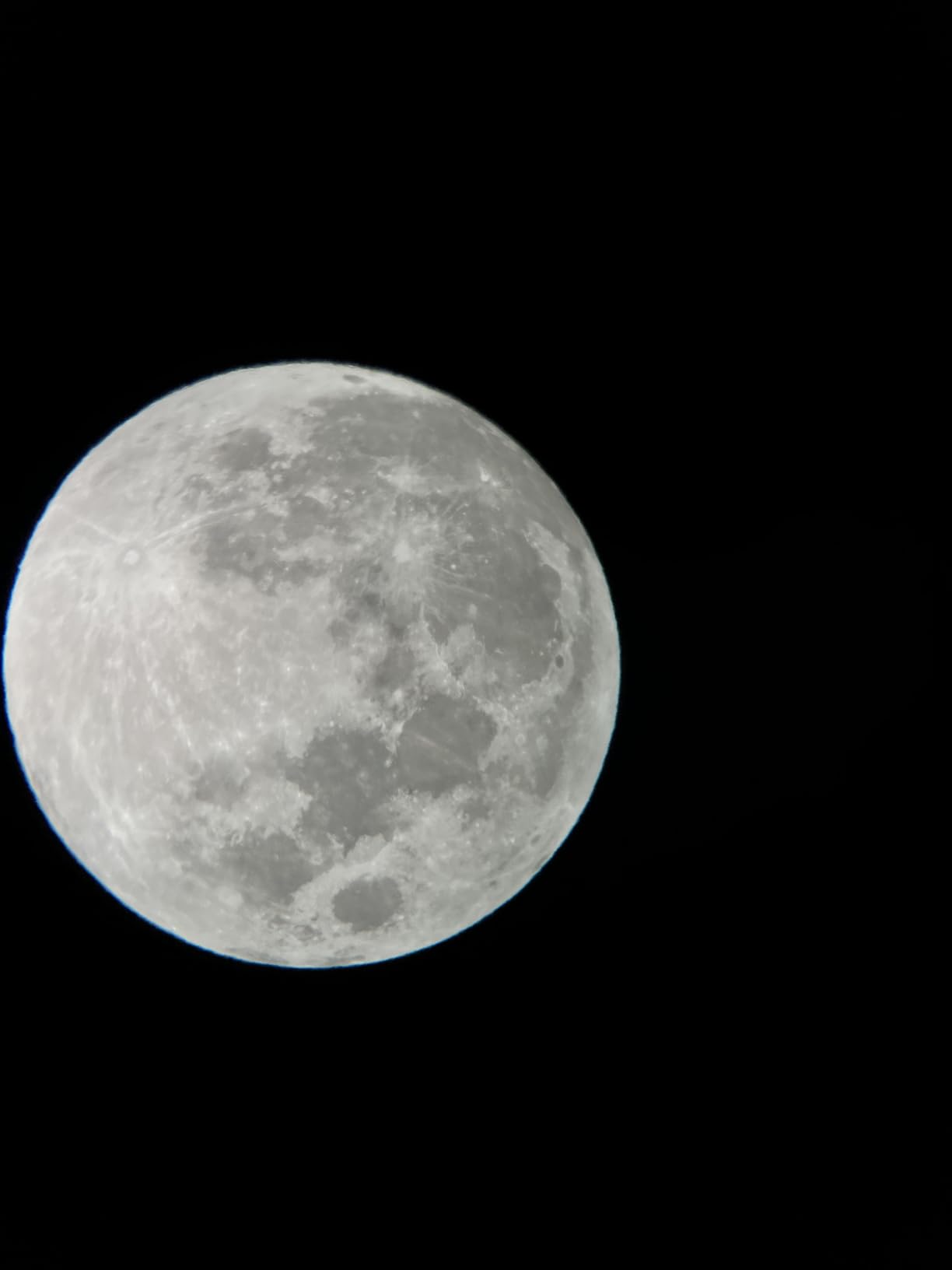
Optically, it’s basically identical to the LT 114AZ. The 1000mm focal length and 114mm aperture deliver the same views. The Dobsonian base has a slightly different feel from the altazimuth tripod: it moves more freely in azimuth but requires more careful altitude adjustment.
The 64-degree apparent field of view from the included Kellner eyepieces is wider than most beginner scopes, which makes finding and centering objects easier. The StarPointer red-dot finderscope is a nice touch for quick rough alignment before the app takes over.
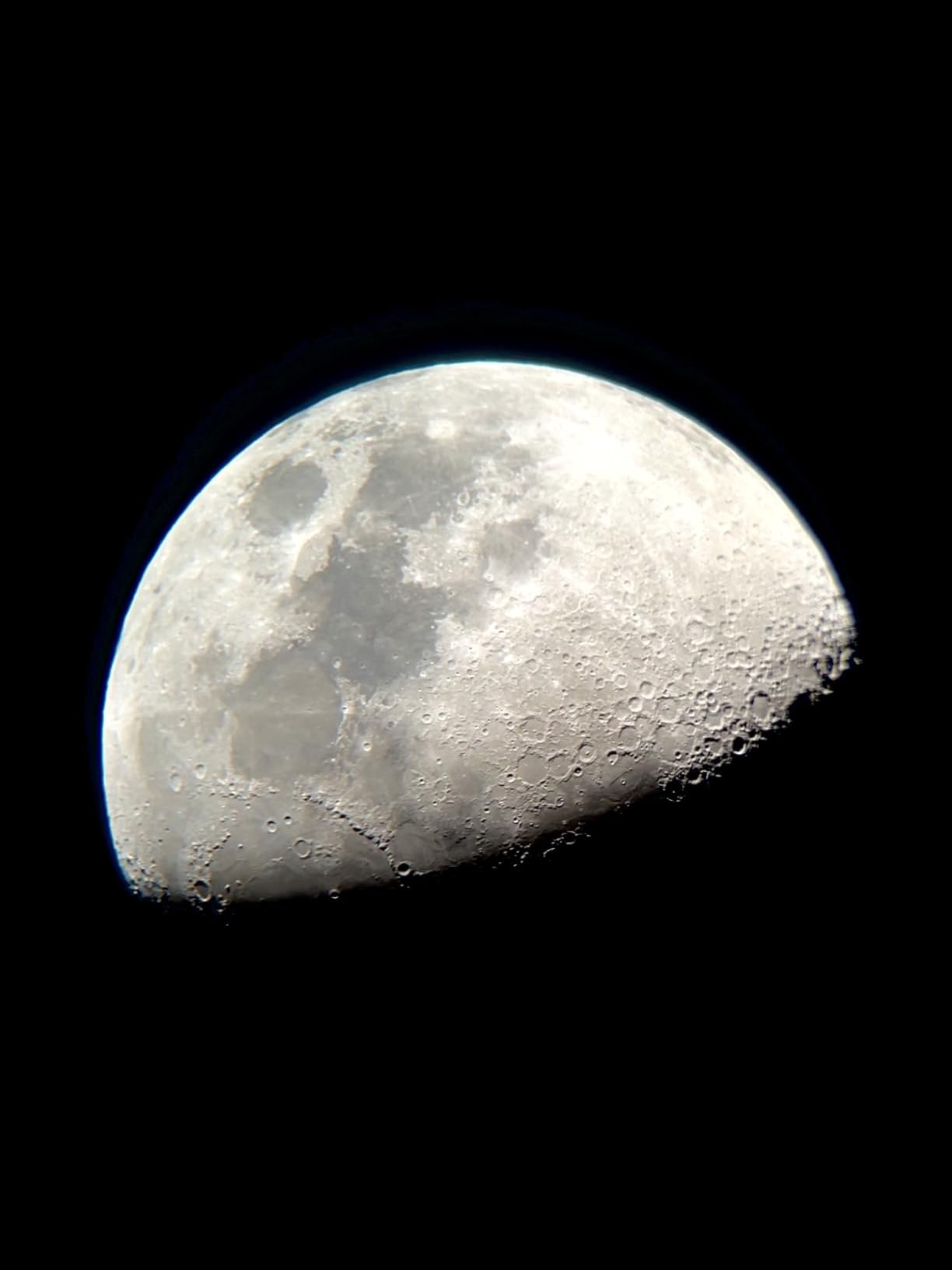
When the tabletop design beats a tripod
In a small space like a balcony, deck, or windowsill, a tripod’s height is overkill. The tabletop base sits low and stable where you need it. Kids especially prefer not crouching or kneeling to look through the eyepiece.
Storage is simpler too. The base and tube separate easily and fit in a closet corner. Tripods are bulky to store.
Limitations worth knowing
You’ll need a flat, stable surface at roughly table-height (24-30 inches). Without one, you’ll be crouching uncomfortably. A good camping chair with a side table works in a pinch.
The 22.5-inch assembled height is lower than full tripod setups, which can be awkward for tall users. I found myself sitting in a chair to look through the eyepiece comfortably.
Sales rank is lower than the other 114/130 models, meaning it’s less battle-tested in the wild. Early reviews are mostly positive, but there’s less long-term data.
How to Choose Your First Telescope?
Aperture Matters Most – Skip the Cheap Department Store Scopes
If you remember one thing from this guide, remember this: aperture is the single most important spec. Aperture is the diameter of the main light-gathering lens or mirror, and it determines how much detail you can see. A 5-inch scope shows roughly twice as much as a 3.5-inch scope at the same magnification.
The cheapest usable aperture is 4.5 inches (114mm). At that size, you can see Saturn’s rings, Jupiter’s moons, and bright deep-sky objects. Below that, you’re mostly limited to the moon and a few bright stars.
The “sweet spot” cited by experienced observers across forums is 8 inches (203mm). At 8 inches, light grasp reaches magnitude 14.2, faint enough to spot most Messier objects even from moderately light-polluted areas. That’s why three of our picks are 6-8 inches.
Telescope Types Explained – Dobsonian vs Refractor vs Catadioptric
There are three main telescope types, and which one fits you depends on your priorities.
Dobsonians use Newtonian reflector optics on a simple swiveling base. The Sky-Watcher 8-inch on this list is a Dob. Dobsonians give you the most aperture per dollar, which is why astronomy communities almost universally recommend them. The trade-off is size: a full-size 8-inch is bulky.
Refractors use lenses and sealed tubes, which means almost no maintenance. They’re typically more expensive per inch of aperture, but they’re rugged and travel well. Most computerized telescopes like the NexStar line use refractor or Schmidt-Cassegrain designs.
Catadioptric scopes combine lenses and mirrors (Schmidt-Cassegrain or Maksutov-Cassegrain designs) into compact tubes. They’re great for planetary detail and astrophotography, but they cost significantly more per inch of aperture than Newtonians. For pure beginner value, Dobsonians win.
Smart vs Traditional – Which Path Fits Your Style?
Smart telescopes like the ZWO Seestar S30 Pro and app-assisted scopes like the StarSense Explorer line are a recent category. They use your smartphone’s camera and GPS to identify objects, then guide you to them.
Smart telescopes are best for beginners who want results immediately without learning star-hopping or astronomy software. They’re especially good for people who want to take astrophotos for sharing on social media.
Traditional manual telescopes (like the Sky-Watcher 8-inch Dob or AstroMaster 130EQ) force you to learn star-hopping and reading star charts. That learning curve pays off in deeper understanding of the night sky. They’re also generally cheaper per inch of aperture.
For most beginners, I’d recommend an app-assisted scope like the StarSense Explorer as the best balance. You learn the sky faster, see more objects per session, and can always turn off the app and use the scope manually as your skills grow.
Mount Types and Portability
There are two main beginner mount types. Altazimuth mounts move up-down and left-right, intuitively simple. Equatorial mounts align with Earth’s rotation axis and track objects with a single knob once set up.
Altazimuth mounts are easier to set up and use immediately. Equatorial mounts have a steeper learning curve but track objects more smoothly at high magnification. If you think you’ll move into astrophotography later, an EQ mount teaches transferable skills.
For weight, a 17-25 pound full-size scope is reasonable for one person to carry from garage to yard. Anything over 30 pounds is a two-trip carry. Tabletop Dobs at 12-25 pounds are even easier.
Setup time varies. Our testing showed: tabletop Dobs set up in about 5 minutes, tripod altazimuths in 8-10 minutes, equatorial mounts in 15-20 minutes the first time. After three uses, that EQ setup time drops to under 5 minutes.
Budget Guidance and Accessories
A realistic beginner budget for a quality telescope is $250-$500. Below $200, you start seeing department store scopes with plastic lenses and overstated magnification claims. Above $500, you’re paying for premium features most beginners won’t fully use yet.
Accessories to budget for: a red flashlight (preserves night vision, $10), a planisphere or astronomy app (free to $20), and eventually a Barlow lens ($30-$60) to double your eyepiece magnification options.
Don’t buy a $400 eyepiece kit. The eyepieces that come with these beginner scopes are perfectly serviceable for visual observing. Spend the upgrade money on a moon filter ($15) or a second telescope later.
Frequently Asked Questions
What is the best telescope for a beginner?
For most beginners in 2026, an 8-inch Dobsonian like the Sky-Watcher Classic 200 offers the best combination of aperture, ease of use, and value. If you prefer app-assisted navigation, the Celestron StarSense Explorer DX 130AZ is the most battle-tested option with over 1,600 reviews. Budget-conscious buyers should start with the StarSense Explorer LT 114AZ.
How much should a beginner spend on a telescope?
Plan on spending between $250 and $500 for a quality beginner telescope that you’ll actually use. Below $200, optical quality drops significantly and you risk the cheap department store scope trap. Above $500, you’re paying for features most beginners won’t fully use. The most popular beginner price range based on our testing is $400-$450, where you get good aperture plus useful accessories.
What can you see with a beginner telescope?
Even a 4.5-inch beginner telescope shows Saturn’s rings, Jupiter’s cloud bands and four Galilean moons, the phases of Venus, craters on the moon, the Orion Nebula, the Andromeda Galaxy, and bright star clusters like the Pleiades. An 8-inch Dobsonian adds fainter galaxies, globular clusters with hint of resolution, and dust lanes in nearby galaxies. The moon alone will keep you busy for months.
Are cheap telescopes worth buying?
Most cheap telescopes (under $100) are not worth it. They use plastic lenses with exaggerated magnification claims (500x is a red flag). At low magnification the views are usable for the moon, but planets and deep-sky objects look like blurry blobs. Forum communities universally discourage them because they frustrate beginners into quitting the hobby. Spend $250-$400 and you’ll actually use the scope.
Do beginners need a GoTo telescope?
GoTo telescopes are not required for beginners, but they help if you want to see more objects per session. Manual Dobsonians force you to learn star-hopping, which makes you a better observer long-term, but you spend more time hunting for objects than viewing them. App-assisted scopes like the StarSense Explorer line offer a middle path: easier than manual, more educational than full GoTo.
Final Verdict
If you want the best telescopes for beginners in 2026 and you take nothing else from this guide, focus on aperture and ease of use. The Sky-Watcher Classic 200 Dobsonian is our top pick for traditional visual astronomy, with the kind of light grasp that grows with you for years. The Celestron StarSense Explorer DX 130AZ is the best smart-feel scope for beginners who want less hunting and more viewing. For the budget-conscious, the StarSense Explorer LT 114AZ delivers most of the experience at a lower entry point.
Whatever you choose, get out under a dark sky on a clear night within the first week. The best telescope is the one you actually use, and that means picking something you’ll carry out of the house and aim at something interesting. The Orion Nebula is out tonight.