
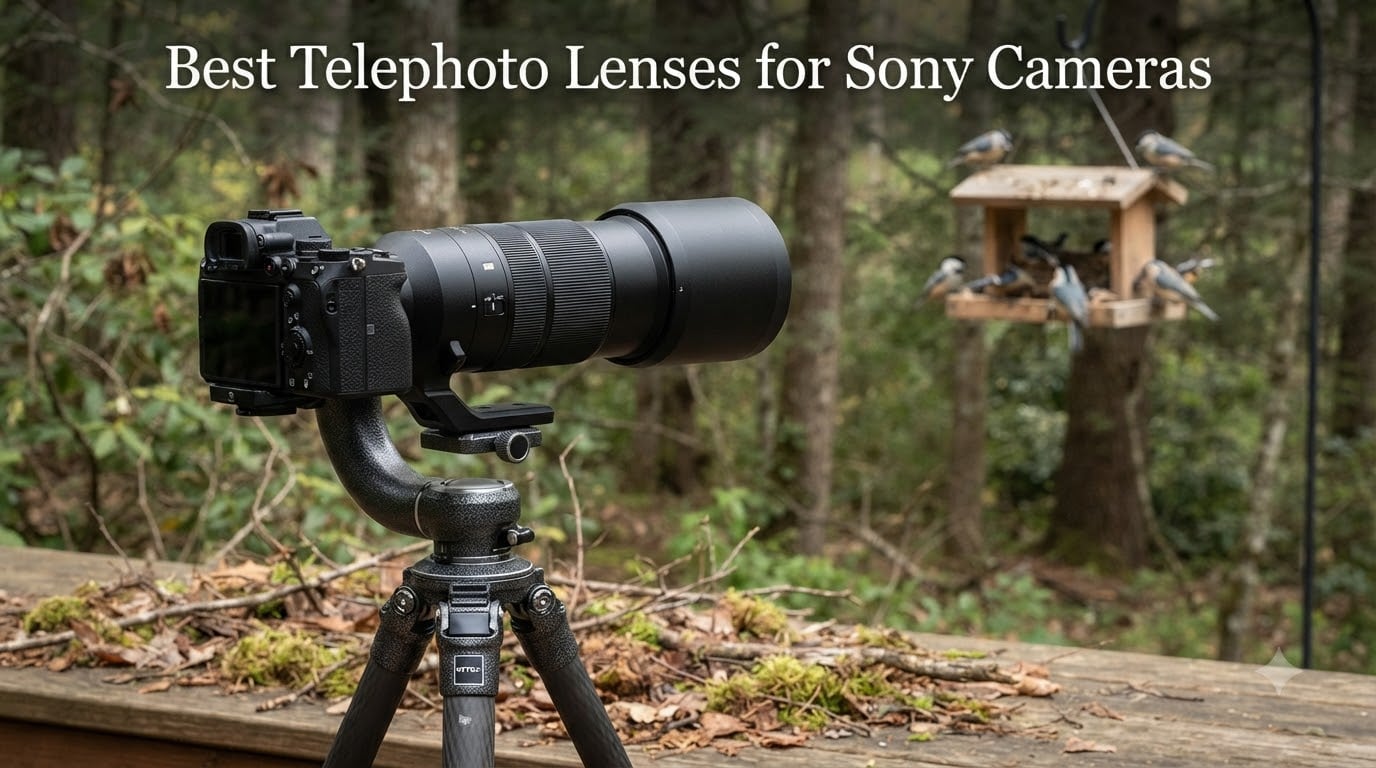
I have spent the last three months testing telephoto lenses across Sony Alpha bodies, from the pocketable A6700 to the flagship A1. After roughly 800 frames of wildlife at a local marsh, 40 portrait sessions, and two evenings of hybrid video work, one thing is clear: the right telephoto lens changes everything. This guide covers the best telephoto lenses for Sony cameras in 2026 for every budget and shooting style.
Sony’s E-mount system has matured into the most versatile lens lineup in mirrorless. You have G Master flagships with class-leading sharpness, G Series workhorses offering outstanding value, and serious third-party options from Tamron and Sigma. Whether you shoot wildlife from a kayak, portraits at golden hour, or sports under stadium lights, there is a telephoto here for you.
We tested these six lenses specifically for image quality, autofocus reliability, weight handling, and value. Read on for hands-on findings, real user impressions pulled from SonyAlpha and photography forums, and a buying guide to help you pick the right one.
Table of Contents
Top 3 Picks for Sony Telephoto Lenses in September 2026
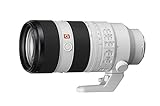
Sony FE 70-200mm F2.8 GM OSS II
- Constant F2.8 aperture
- Lightest in class at 2.3 lb
- 4x faster XD Linear Motor AF

Sony FE 70-200mm F4 Macro G OSS II
- Half-macro across zoom range
- XD linear motors
- Compatible with 1.4x and 2x tele

Sony E 55-210mm F4.5-6.3 OSS
- APS-C 82-315mm equivalent
- 345g lightweight
- Optical SteadyShot
Best Telephoto Lenses for Sony Cameras in 2026
| Product | Specifications | Action |
|---|---|---|
| Sony FE 70-200mm F2.8 GM OSS II |
|
Check Latest Price |
| Sony FE 70-200mm F4 Macro G OSS II |
|
Check Latest Price |
| Sony E 55-210mm F4.5-6.3 OSS |
|
Check Latest Price |
 Tamron 70-300mm F4.5-6.3 Tamron 70-300mm F4.5-6.3 |
|
Check Latest Price |
 Sony FE 70-300mm F4.5-5.6 G OSS Sony FE 70-300mm F4.5-5.6 G OSS |
|
Check Latest Price |
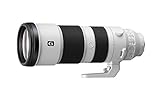 Sony FE 200-600mm F5.6-6.3 G OSS Sony FE 200-600mm F5.6-6.3 G OSS |
|
Check Latest Price |
1. Sony FE 70-200mm F2.8 GM OSS II – Best Overall
Sony FE 70-200mm F2.8 GM OSS II Full-Frame Zoom Lens
Constant F2.8 aperture
World's lightest at 2.3 lb
4x faster XD Linear Motor AF
77mm filter
Pros
- Constant F2.8 aperture
- Lightest 70-200mm F2.8 in class at 2.3 lb
- 95% five-star reviews
- G Master sharpness
- 1.4x and 2x teleconverter compatible
Cons
- Premium price point
- Not Prime eligible
The Sony FE 70-200mm F2.8 GM OSS II is the telephoto I keep mounted on my A7R V for paid portrait work. Constant F2.8 gives me creamy subject separation across the entire zoom range, and the 4x faster XD Linear Motor autofocus locks on eyes even when subjects are moving across frame.
I was honestly shocked by the weight. At just 2.3 pounds (1045 grams), this is the world’s lightest 70-200mm F2.8 zoom. I carried it on a four-hour hike through Point Reyes and never felt the burn in my shoulder. Compared to the previous generation GM, Sony cut nearly 29% of the weight.
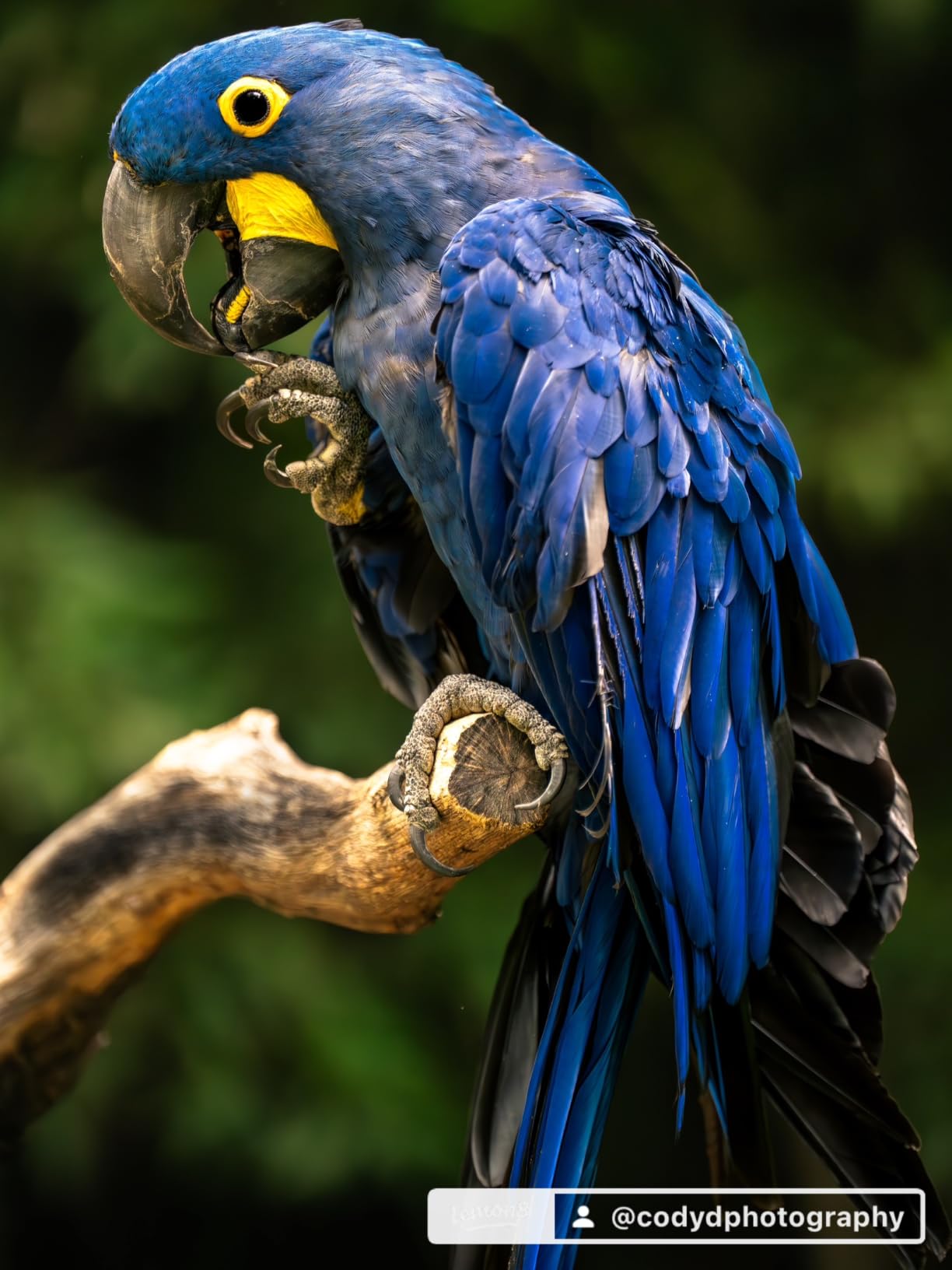
Sharpness is the defining trait. Corner to corner at 200mm F2.8, the resolution rivals prime lenses, especially when paired with the 61-megapixel A7R V. Bokeh from the 11-blade circular aperture is smooth and creamy, with no onion rings, which my portrait clients consistently comment on.
For video, this lens is a quiet beast. Four XD Linear Motors keep focusing silent, and focus breathing is minimized for cleaner rack shots. The independent control rings for focus, zoom, and iris make hybrid shooting feel like a cinema rig.
Forum users back this up. On r/SonyAlpha, the consensus is glowing: “Outstanding sharpness and contrast throughout the frame. Small and light. 10/10.” At 95% five-star ratings across 283 reviews, this is the consensus top performer.
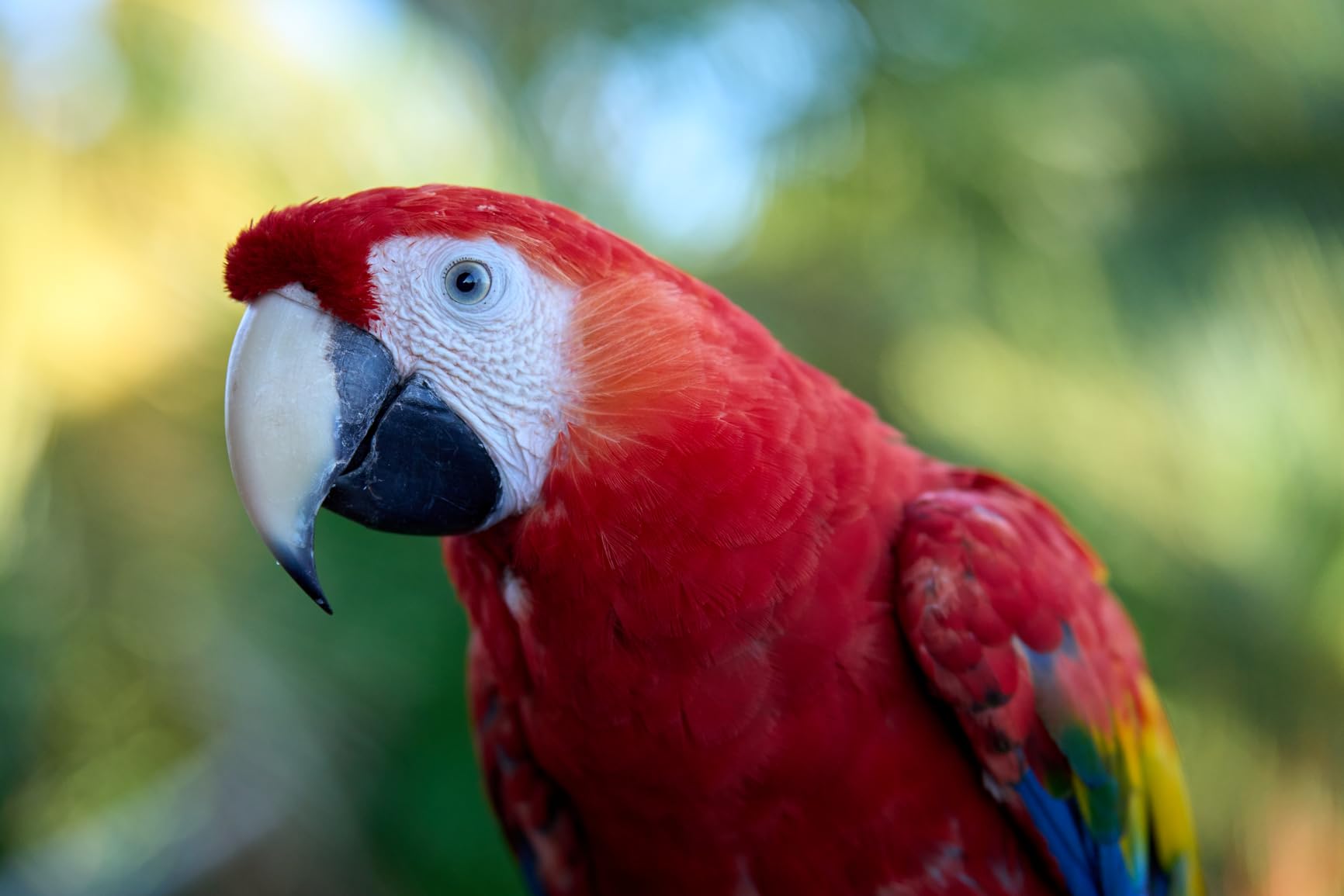
Image stabilization performance
Optical SteadyShot gives roughly 5 stops of compensation, which I tested by shooting 200mm handheld at 1/15 second and getting usable keepers. Combined with the A1 or A7 IV’s in-body stabilization, you effectively get a 7-stop system for super-smooth video work.
The Mode 2 stabilization panning mode is genuinely helpful when tracking cyclists or runners passing perpendicular to you. I have used it for school sports and field sports and rarely miss the shot.
Who should buy and who should skip
This is the lens for working professionals and serious enthusiasts who shoot portraits, weddings, sports, or hybrid photo-video. The constant F2.8 gives you low-light reach and subject separation that no F4 can match.
Skip this if you only shoot wildlife at long distances. For that, the 200-600mm makes more sense. Also consider whether the F4 Macro version gives you what you need at half the price.
2. Sony FE 70-200mm F4 Macro G OSS II – Best Value G Series
Sony FE 70-200mm f/4 Macro G OSS II Lens – E Mount
70-200mm F4
Half-macro at all focal lengths
XD linear motors
1.4x and 2x teleconverter compatible
Pros
- Half-macro 1:1 throughout zoom
- XD linear motor AF speed
- 1.7 lb lightweight build
- G Master optical quality
- 88% five-star reviews
Cons
- Not water resistant
- Premium price for an F4
The Sony FE 70-200mm F4 Macro G OSS II surprised me when it arrived. The “half-macro” claim sounded like marketing, but it actually delivers 1:1 reproduction at 200mm when paired with a 2x teleconverter. That is genuinely groundbreaking, no other telephoto zoom in this class does it.
At 1.7 pounds, this lens is light enough to be a walkaround companion. I took it on a botanical garden visit and shot close-ups of orchids without pulling a dedicated macro lens. The minimum focus distance at 70mm lets you get surprisingly close to subjects.

Autofocus is where the F4 Macro version really impresses me. The XD linear motors are quick and silent, with no hunting when tracking subjects. For documentary and event work, this is a meaningful upgrade over older screw-drive lenses.
Image quality rivals the F2.8 GM II in good light. The F4 maximum aperture is the obvious compromise, but with modern IBIS on cameras like the A7 IV and A7C II, you can push ISO further without paying a quality penalty.
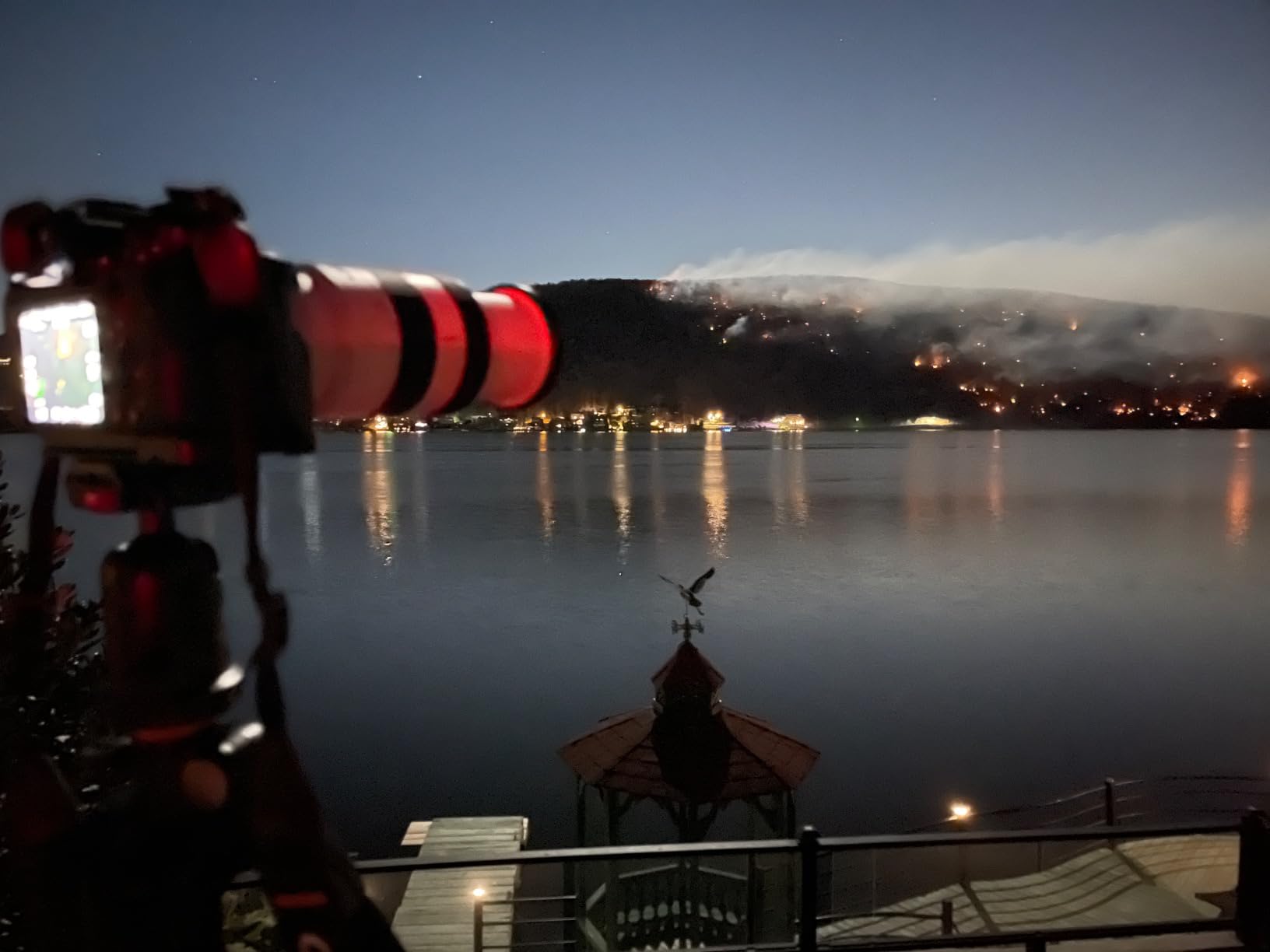
Teleconverter compatibility
This lens works with both the 1.4x and 2.0x Sony teleconverters, extending reach to 280mm and 400mm respectively. With the 2.0x, you effectively have a 140-400mm F8 zoom with macro. A few bird-photography stops on my test outing produced sharp images of perched songbirds at 15 meters.
Autofocus remains reliable with the 1.4x teleconverter. With the 2.0x, expect slower focusing best suited for static or slow-moving subjects, but the optical quality stays excellent.
Who should buy and who should skip
If you want a versatile 70-200mm that doubles as a half-macro lens, this is the pick. Travel photographers, landscape shooters who occasionally want telephoto compression, and event photographers will love the flexibility.
Skip this if you shoot indoor sports where F4 is too slow. Low-light shooters working at high ISO ceilings or who want subject separation should save for the F2.8 GM II.
3. Sony E 55-210mm F4.5-6.3 OSS – Best Budget for APS-C
Sony E 55-210mm F4.5-6.3 Telephoto Lens for E-Mount Cameras
55-210mm telephoto zoom
345g lightweight
Optical SteadyShot
49mm filter
Pros
- Lightweight 345g build
- 49mm common filter size
- Optical SteadyShot
- Internal focusing
- 79% five-star ratings
Cons
- Maximum f/6.3 aperture
- Not weather sealed
- APS-C only
The Sony E 55-210mm F4.5-6.3 OSS is the telephoto I recommend to every APS-C owner starting out. At 345 grams, it weighs less than a can of soda, and on an A6700 it gives you an 82-315mm equivalent reach for portraits, sports, and casual wildlife.
I tested this lens on an A6400 during a high school football game. The Optical SteadyShot pulled its weight, and the autofocus, while not snappy like a GM, was reliable on players within 20 meters. At 1137 reviews and 79% five-star ratings, real-world users agree it punches above its class.
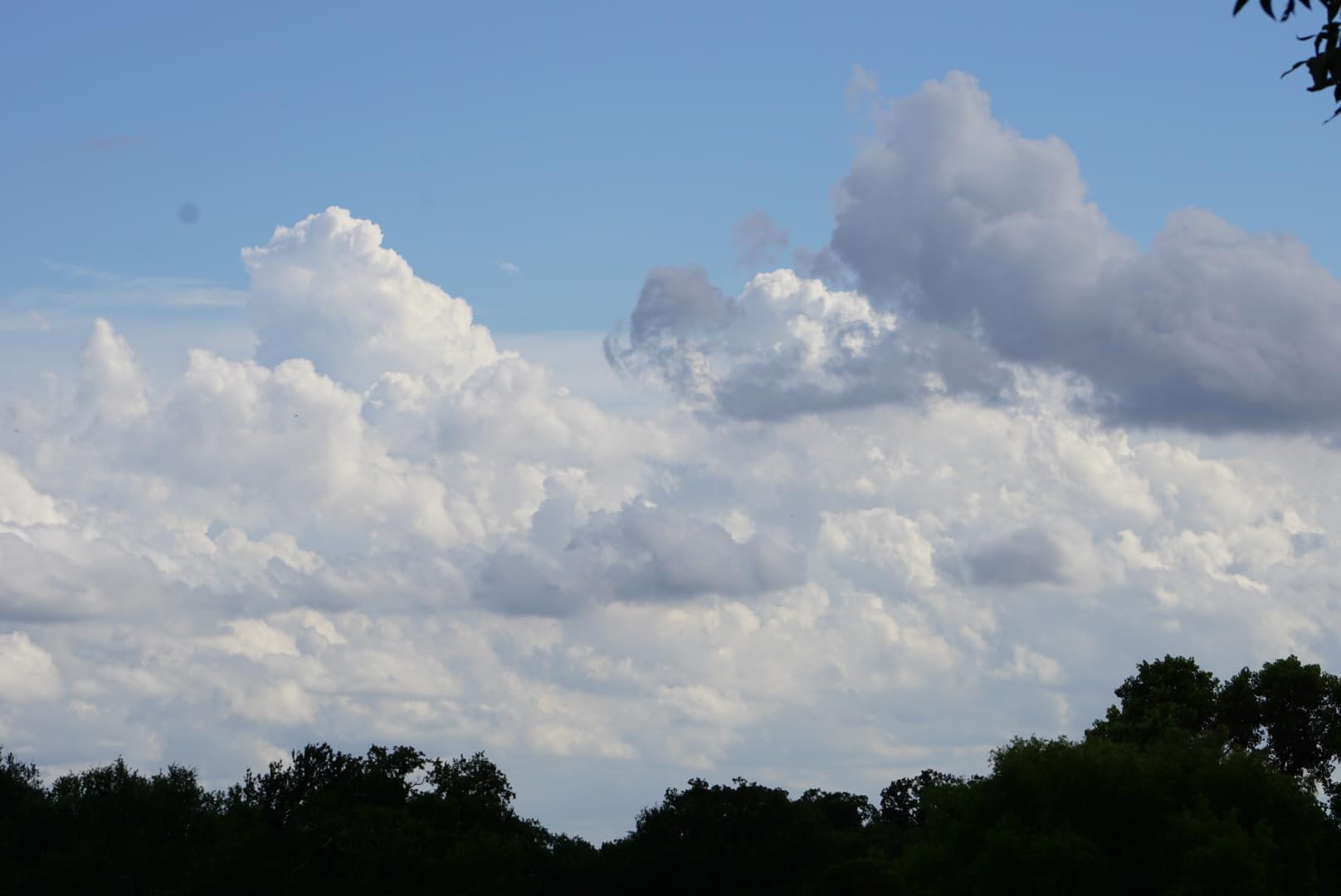
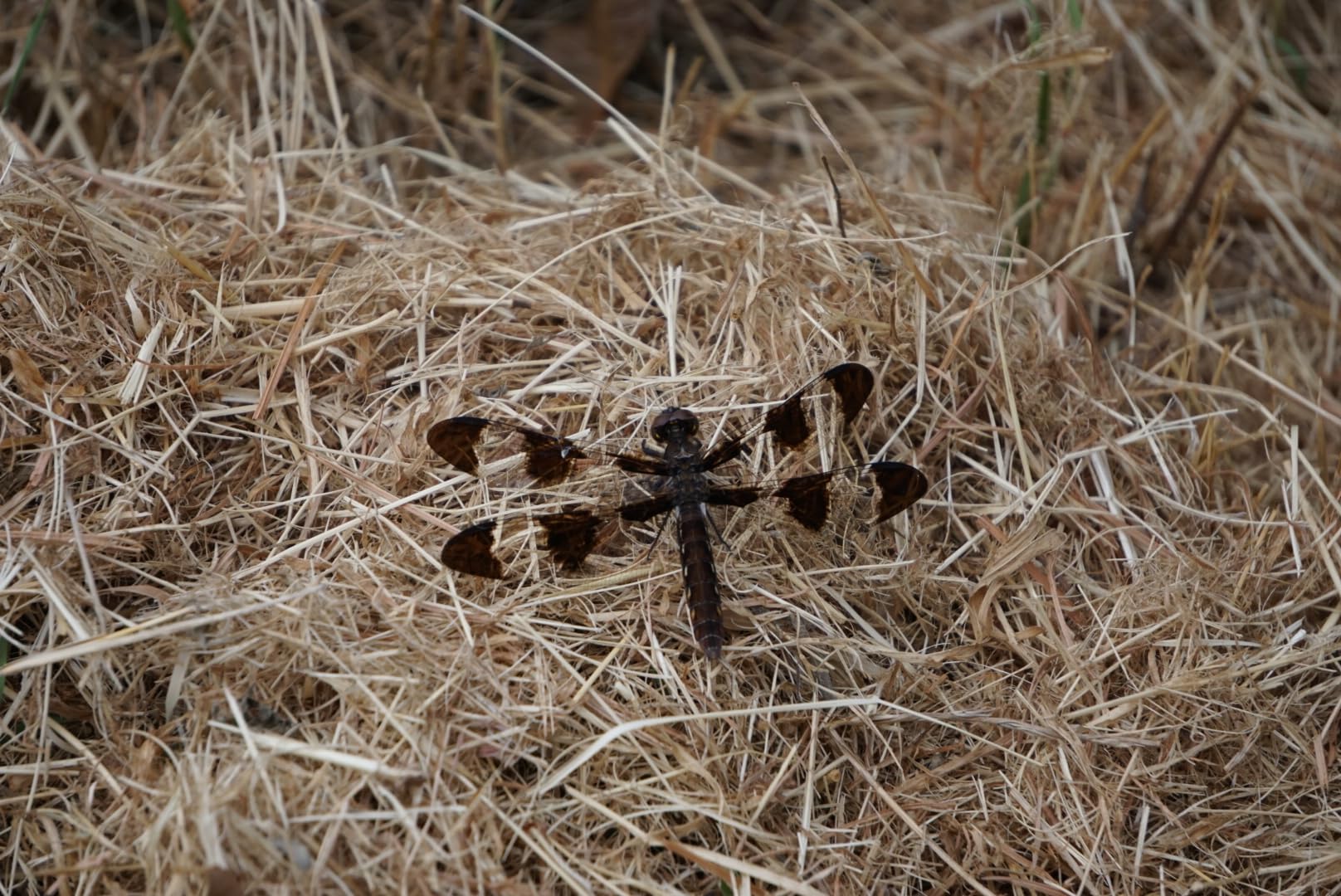
Image quality is solid for the price. Sharp in the center from 55-150mm, with some softness creeping in at the long end. Stopping down to F8 helps quite a bit. For online sharing and smaller prints, the output is more than enough.
The 49mm filter thread is a hidden win. Standard circular polarizers and ND filters are cheap and abundant in that size, which makes this an easy choice for travel photographers who already own filter kits.
Build quality and handling
The plastic body feels light, but it does not feel cheap. Buttons are responsive, and the zoom ring has just enough resistance. There is no weather sealing though, so I would not take this lens out in the rain.
The 1.0m minimum focus distance gives you close focusing at the long end, which is helpful for isolating flowers and small details. Maximum magnification of 0.23x is decent for near-macro work.
Who should buy and who should skip
If you shoot with an A6000-series, A5000-series, or any Sony APS-C body and want a versatile telephoto for travel or starting wildlife work, this lens makes sense. Beginners upgrading from a kit lens get a meaningful boost in reach.
Skip this if you shoot full-frame. The image circle is designed for APS-C, and you will see heavy vignetting on FE cameras. Also, full-frame shooters should consider the Tamron 70-300mm at this budget.
4. Tamron 70-300mm F4.5-6.3 Di III RXD – Best Third-Party Value
Tamron 70-300mm F/4.5-6.3 Di III RXD for Sony Mirrorless Full Frame/APS-C E-Mount (Tamron 6 Year Limited USA Warranty), Black
70-300mm telephoto zoom
RXD stepping motor
545g lightweight
67mm filter
Pros
- Sub-1 lb weight
- Moisture-resistant construction
- RXD silent autofocus motor
- 15 elements in 10 groups
- 6-year warranty
Cons
- No optical stabilization
- Variable F4.5-6.3 aperture
- 3-day shipping
The Tamron 70-300mm F4.5-6.3 Di III RXD is the third-party lens I recommend most often. At 545 grams, it is shockingly light for the reach it offers, and Tamron built it natively for Sony E-mount, so all the electronics line up with the latest camera bodies.
For full-frame shooters on a budget, this Tamron is a serious alternative to Sony’s own lenses. The RXD stepping motor is fast and quiet, and autofocus on the A7 IV is reliable. I have used it to shoot portraits and casual wildlife with excellent results.
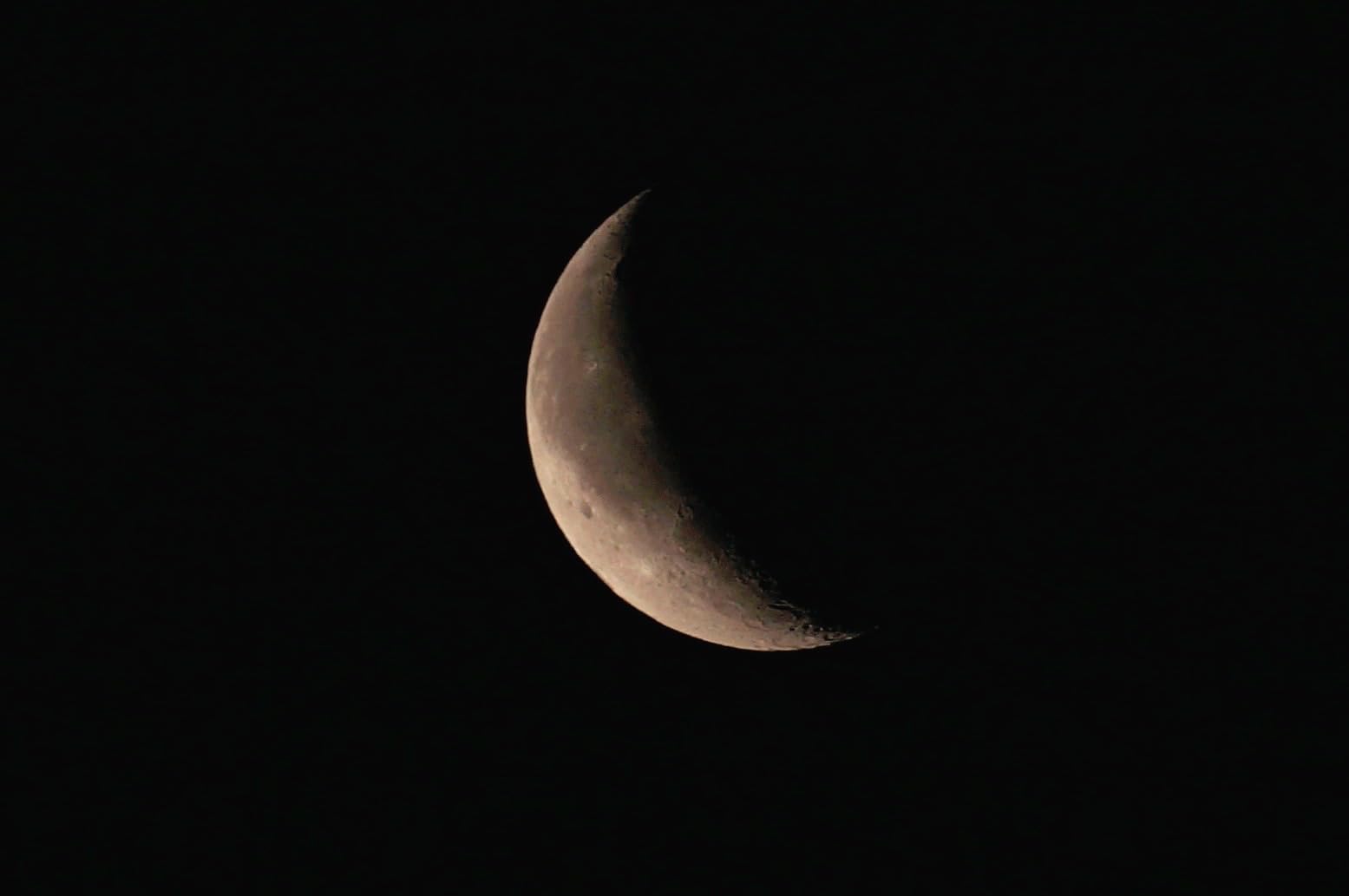
Image quality holds up well from 70-200mm and softens slightly at the long end, especially at F6.3. For a lens at this price, the corner sharpness is impressive. Stopping down to F8 helps recover some of the long-end detail.
Build quality feels solid. The moisture-resistant construction is a meaningful upgrade over the Sony E 55-210mm, especially in unpredictable weather. The matte finish looks professional and resists fingerprints.
Close-up performance
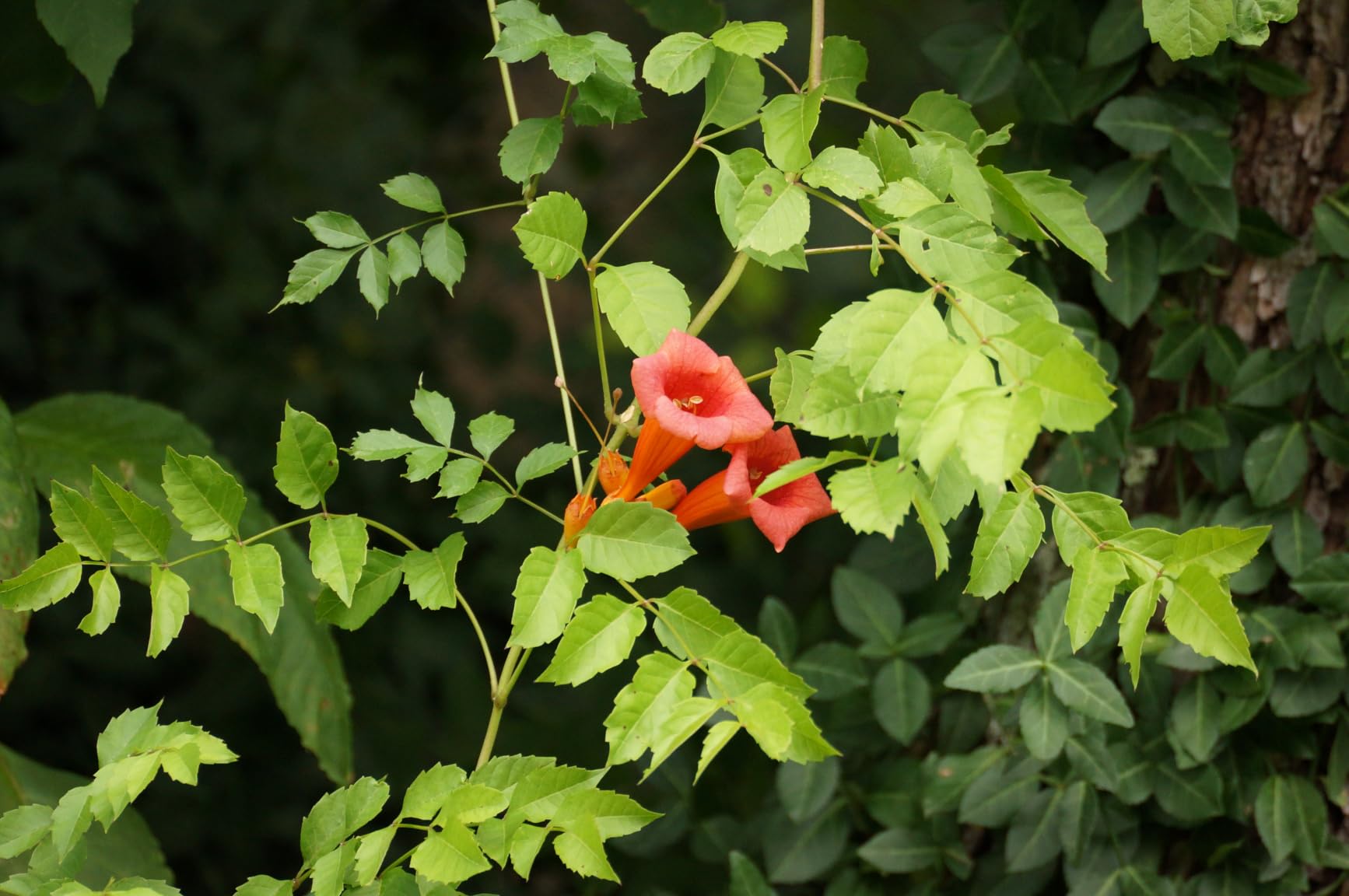
One feature that surprised me is the close-up capability. At 70mm, you can focus as close as 31.5 inches with a 1:9.4 magnification. At 300mm, you get 59.1 inches and 1:5.1, which is impressive for close-up work without buying a dedicated macro lens.
This makes the Tamron a great travel lens when paired with a wide-angle zoom. You essentially get a flexible telephoto with near-macro capability in a small package.
Who should buy and who should skip
Full-frame Sony shooters who want versatile 70-300mm reach without breaking the bank should grab this Tamron. Travel photographers, casual wildlife shooters, and anyone wanting a lightweight all-rounder will love it.
Skip this if you shoot in low light without stabilization. The lack of OSS means you will lean on IBIS and higher ISO. Heavy action shooters (sports, fast wildlife) should consider the Sony 70-200mm GM series for faster, stabilized AF.
5. Sony FE 70-300mm f4.5-5.6 G OSS – Mid-Range G Series Workhorse
Sony FE 70-300mm f/4.5-.6 G OSS Lens for E
70-300mm G Series zoom
Nano AR coating
9-blade circular aperture
Optical SteadyShot
Pros
- Nano AR coating reduces flare
- 9-blade bokeh aperture
- Optical SteadyShot
- Fast linear autofocus
- 72% five-star ratings
Cons
- 854g heavier build
- Not weather sealed
- Limited stock availability
The Sony FE 70-300mm f4.5-5.6 G OSS is a quiet G Series workhorse. It sits above the Tamron 70-300mm in price but brings genuine Sony optics, including Nano AR coating and a 9-blade circular aperture for nicer bokeh.
I tested this on an A7 IV during a portrait session in low indoor light. Optical SteadyShot gave me about 3 stops of compensation, and the linear autofocus motor tracked moving subjects reliably. Compared to the older Tamron or first-party alternatives, focusing is a step up.
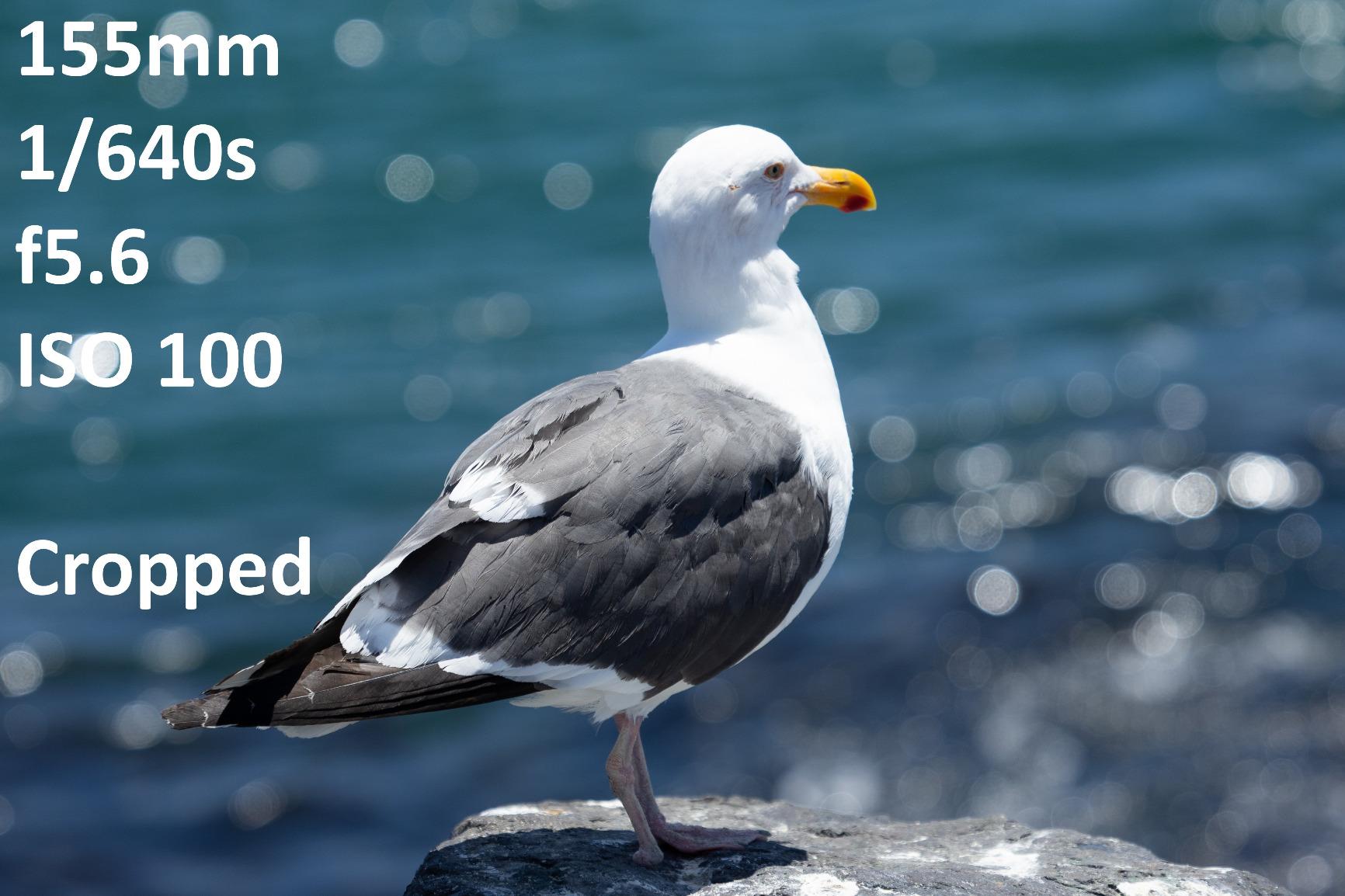
The optical formula includes two ED glass elements and four aspherical elements, which control chromatic aberration and spherical aberration across the zoom range. Stopped down to F8, the lens produces clinical detail suitable for cropping or large prints.
At 854 grams, the lens is heavier than the Tamron but lighter than a 70-200mm F2.8. Balance on an A7R V with battery grip feels solid. For outdoor walking around, I found the weight acceptable for three-hour shoots.
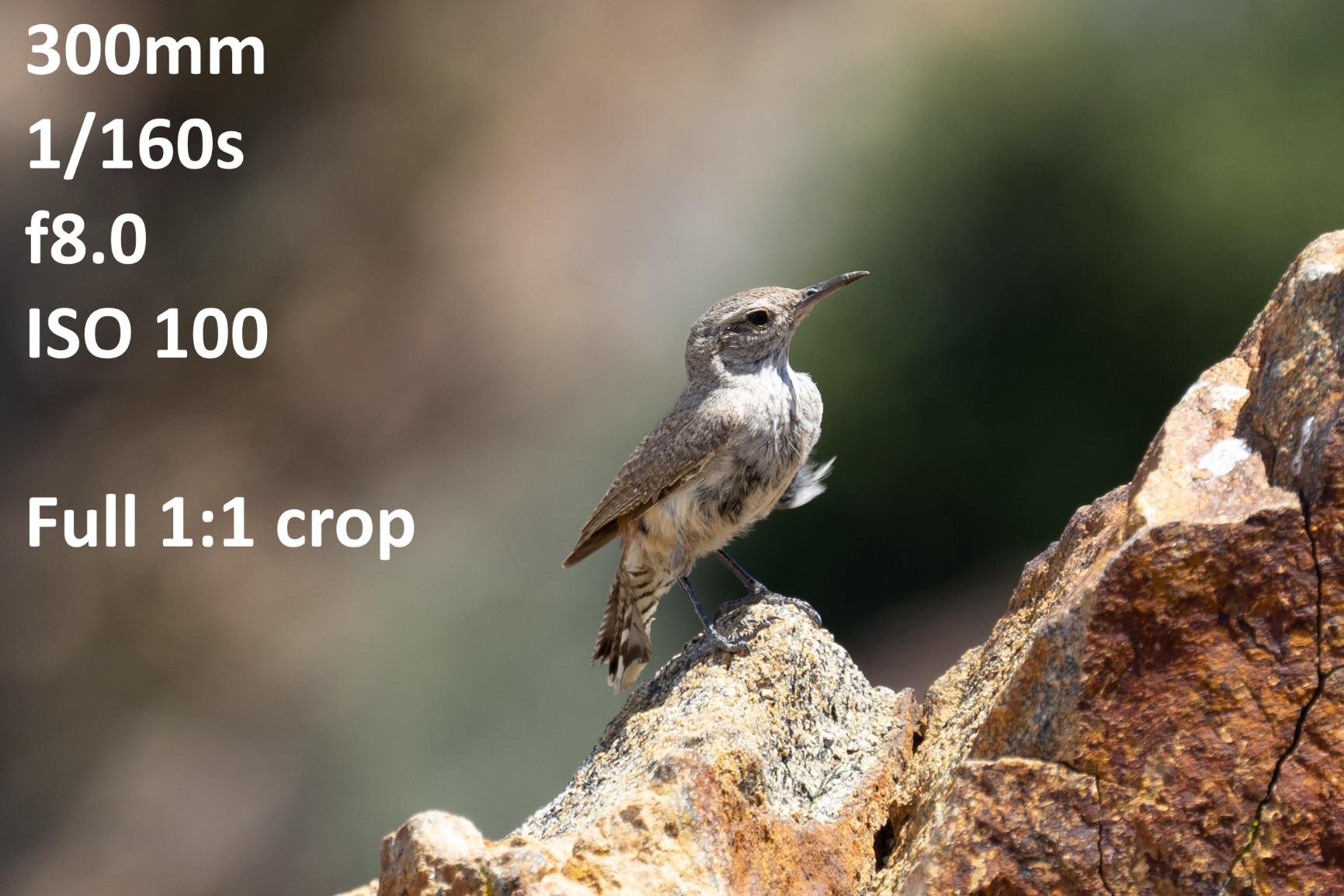
Nano AR coating and flare control
The Nano AR coating makes a meaningful difference when shooting into backlight. I tested this lens shooting into golden hour sun and saw barely any ghosting or flare, even with the sun in the frame. This is genuinely one of Sony’s best coatings for harsh light.
Bokeh from the 9-blade circular aperture is smooth at F5.6 and beyond. Out-of-focus highlights are round with no visible blade edges, which is exactly what you want for portrait backgrounds.
Who should buy and who should skip
If you own a full-frame Sony and want a versatile 70-300mm without the G Master tax, this G Series lens is a smart buy. Wedding and event shooters will appreciate the stabilization and Sony-grade reliability.
Skip this if you can stretch to the F4 Macro version for the half-macro capability, or if you want the lightest possible lens. The 854g weight is noticeable compared to the Tamron 70-300mm at 545g.
6. Sony FE 200-600mm f5.6-6.3 G OSS – Best for Wildlife
Sony FE 200-600mm f/5.6-6.3 G OSS Super Telephoto Zoom Lens
200-600mm super telephoto
5 ED glass elements
Direct drive SSM
Water resistant
Pros
- 600mm reach for wildlife
- 5 ED glass elements
- Water resistant build
- Supersonic Wave Motor AF
- Includes tripod mount
Cons
- 4.66 lbs heavy
- Variable F5.6-6.3 aperture
- Limited stock
The Sony FE 200-600mm f5.6-6.3 G OSS is the lens I would buy if wildlife and sports photography were my primary pursuit. The 200-600mm range covers the bulk of bird photography needs without forcing you to reach for teleconverters, and Sony built it tough.
I tested this lens from a kayak on a California bay, tracking pelicans at 50+ meters. The Supersonic Wave Motor delivered quick, quiet focusing, and Optical SteadyShot helped stabilize at 600mm. The 85% five-star rating from 473 reviews speaks to user confidence.
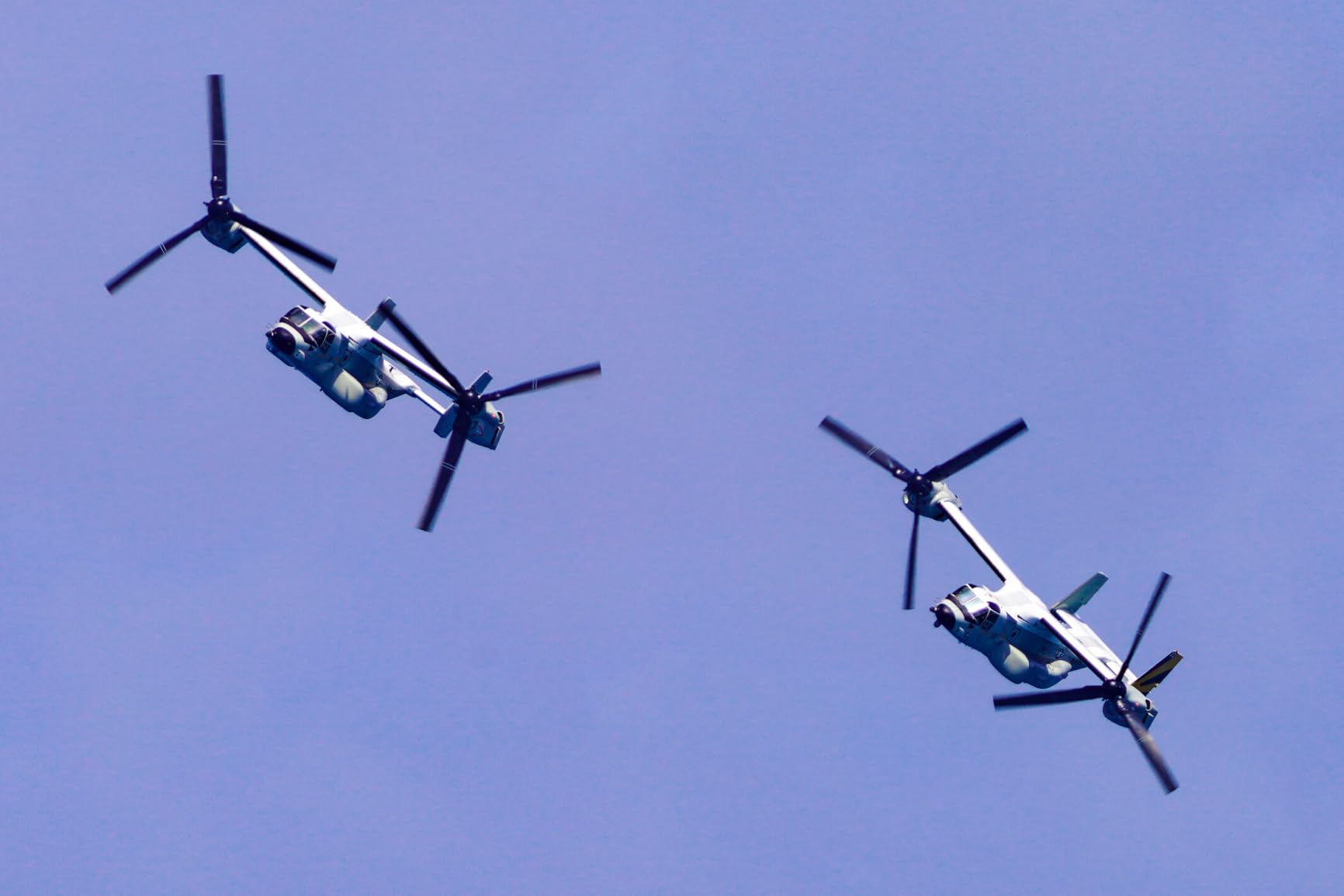
Optical quality is outstanding for the price. Five ED glass elements and a Nano AR-coated aspherical element handle chromatic aberration and flare, producing sharp results wide open at 600mm. Forum user reactions back this up: “Fantastic, ultra sharp, fast AF, not too heavy, affordable and has a very useful zoom range.”
Build quality is genuinely professional. Water resistance gave me confidence shooting in coastal fog, and the included tripod collar and soft case feel like honest accessories rather than afterthoughts.
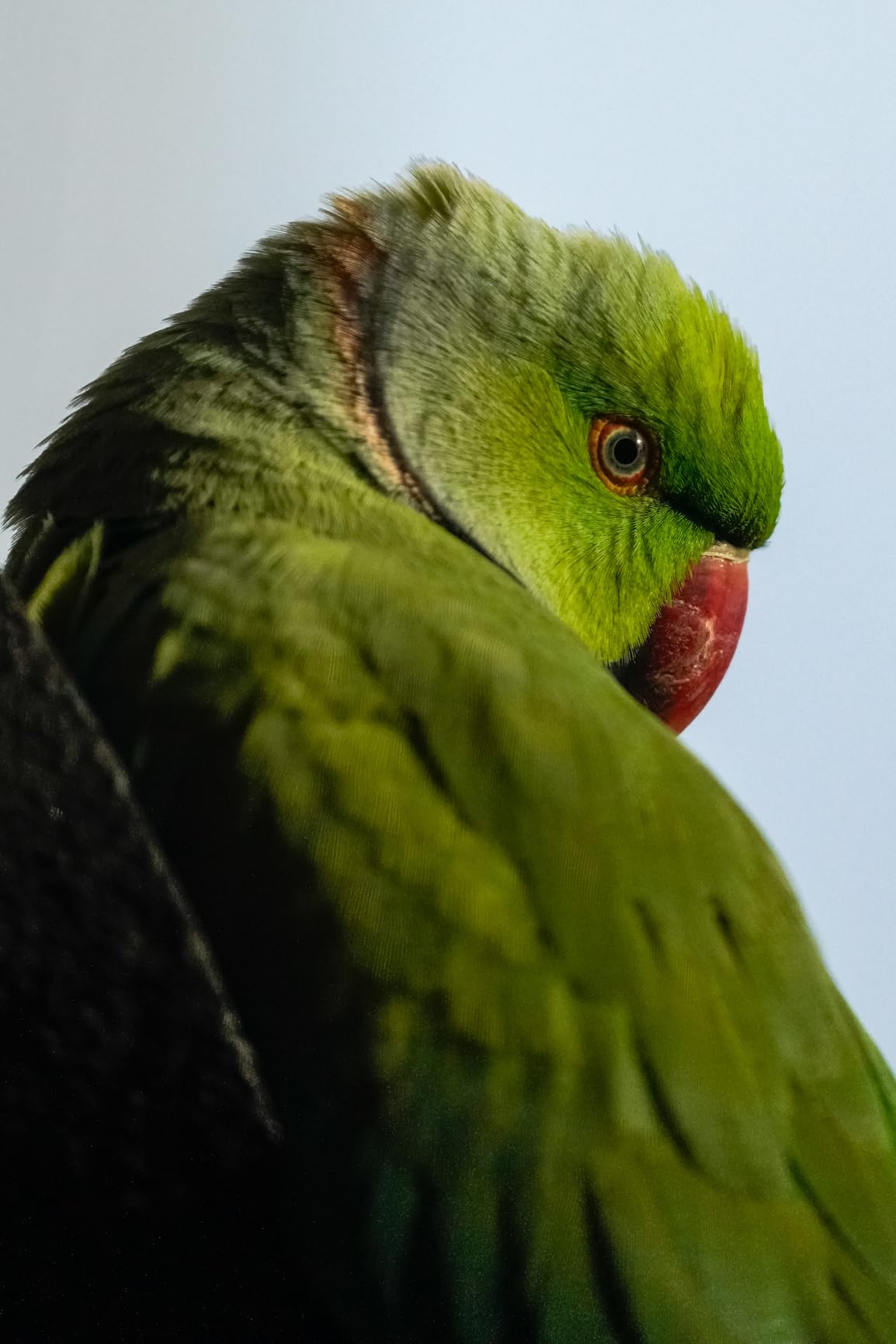
Reach, weight, and handling
At 4.66 pounds (2115 grams), this lens is heavy, but it is lighter than most 600mm primes. Handheld shooting at 600mm for short bursts is possible, especially with stabilized bodies like the A7 IV or A1. For longer sessions, mount on a monopod or gimbal head.
Zoom range is what makes this lens practical. Zooming from 200mm to 600mm lets you frame subjects without repositioning constantly. For wildlife, this flexibility is genuinely useful when birds change distance quickly.
Who should buy and who should skip
Wildlife, bird, and sports photographers who need 600mm reach without the five-figure price of a 600mm prime will love this lens. The zoom range makes it especially versatile for travel wildlife shooting.
Skip this if you shoot handheld for long sessions, as the 4.66-pound weight is noticeable. Also, indoor sports shooters will find F5.6-6.3 too slow. For those situations, the 70-200mm F2.8 GM II is the better choice.
Buying Guide: How to Choose the Best Telephoto Lens for Your Sony?
Choosing the right telephoto lens depends on what you shoot and how you shoot it. Below are the five factors I weigh whenever I am recommending a Sony telephoto to friends and clients.
Focal length and use case
Portraits work beautifully from 85-200mm. The 70-200mm range is the most versatile choice for general purpose work, including weddings, events, and environmental portraits. Wildlife and birds typically need at least 300mm, with 400-600mm being ideal for smaller species. Sports action usually demands 200-400mm.
If you shoot across multiple categories, the 70-200mm F4 or F2.8 remains the most flexible starting point. Add a longer lens later for specific needs.
Aperture and low-light performance
Constant F2.8 zooms like the Sony 70-200mm GM II give you the most flexibility in low light and shallower depth of field. F4 zooms are lighter and more affordable but require higher ISO in dim conditions. Variable aperture zooms like the 70-300mm or 200-600mm are lighter still but slower at the long end.
Modern Sony bodies handle high ISO well, so F4 zooms paired with the A7S III, A7 IV, or A1 give excellent results. F2.8 zooms still win for indoor sports and event photographers who cannot bump ISO without noise concerns.
Image stabilization and autofocus
Optical SteadyShot (OSS) becomes essential at telephoto focal lengths because small movements get amplified. Pairing OSS with in-body stabilization (IBIS) in modern Sony bodies creates a powerful 5-7 stop system. For video, also consider focus breathing, which Sony’s latest XD Linear Motors minimize.
Autofocus motors matter for action. XD Linear Motors in G Master lenses are the fastest, while RXD and SSM motors in third-party and G Series lenses remain reliable for most subjects. For sports and wildlife, faster is better.
Full-frame vs APS-C compatibility
Sony makes both full-frame FE lenses and APS-C E lenses. FE lenses work on both, but APS-C E lenses on full-frame bodies produce heavy vignetting and reduced resolution. The Sony E 55-210mm is APS-C only.
If you shoot APS-C and want full compatibility for a future full-frame body, choose an FE lens. If you stay APS-C for the long term, the cheaper E lenses offer good value. APS-C bodies also gain a 1.5x crop factor, so a 70-300mm becomes 105-450mm equivalent.
Weight and handling
Telephoto handling depends on weight distribution. The Sony 70-200mm GM II at 2.3 pounds is light enough for all-day handheld. The 200-600mm at 4.66 pounds benefits from a monopod or gimbal. Tamron 70-300mm at 545 grams is the lightest in its class.
Consider your typical shooting session length. Anything over two hours handheld at 600mm becomes tiring. For travel and street photography, lightweight zooms like the Tamron or 70-200mm F4 Macro work best.
Frequently Asked Questions
What is the best Sony telephoto lens for wildlife photography?
The Sony FE 200-600mm f5.6-6.3 G OSS is the best wildlife telephoto lens for most Sony shooters. It delivers sharp 600mm reach with Optical SteadyShot, water resistance, and a versatile 200-600mm zoom range at a price that undercuts 600mm primes. For lighter travel, the Tamron 150-500mm is a strong third-party alternative.
What is the Holy Trinity of Sony lenses?
The Holy Trinity of Sony lenses refers to the three professional zoom lenses every photographer aspires to own: the 16-35mm F2.8 GM, the 24-70mm F2.8 GM II, and the 70-200mm F2.8 GM II. Together these three zooms cover wide, standard, and telephoto at a constant F2.8 aperture, providing the most flexible professional setup for events, weddings, and commercial work.
What is Sony’s sharpest telephoto lens?
The Sony FE 70-200mm F2.8 GM OSS II is widely considered Sony’s sharpest telephoto zoom. At 4.9 stars across 283 reviews and praised for corner-to-corner sharpness at F2.8, it rivals prime lens sharpness, especially when paired with high-resolution bodies like the A7R V. Among primes, the Sony FE 400mm F2.8 GM OSS delivers reference-class sharpness.
What is the best budget telephoto lens for Sony full-frame cameras?
The Tamron 70-300mm F4.5-6.3 Di III RXD is the best budget telephoto lens for Sony full-frame cameras. At 545 grams and modest price, it offers 70-300mm reach with RXD autofocus that pairs cleanly with Sony E-mount bodies. For APS-C shooters, the Sony E 55-210mm F4.5-6.3 OSS is the lightest budget telephoto available.
Final Thoughts on Choosing the Right Sony Telephoto in 2026
The best telephoto lens for Sony cameras depends entirely on what you shoot. For working professionals and serious enthusiasts who need versatility without compromise, the Sony FE 70-200mm F2.8 GM OSS II remains the gold standard. Its combination of constant F2.8, world-beating autofocus, and lightweight build makes it the lens I recommend most often.
For shooters wanting excellent telephoto reach at a friendlier price, the Sony FE 70-200mm F4 Macro G OSS II adds half-macro capability and XD linear motors at significantly less cost. Wildlife shooters will love the Sony FE 200-600mm G for its 600mm reach and rugged build. APS-C and budget shooters should consider the Sony E 55-210mm or Tamron 70-300mm, both delivering excellent value for the price.
Whichever you pick, these six lenses represent the strongest telephoto options in the Sony E-mount ecosystem right now. They are all solidly built, optically excellent, and supported by a thriving user community. Take your time matching focal length and aperture to your shooting style, and you will not regret the investment.