
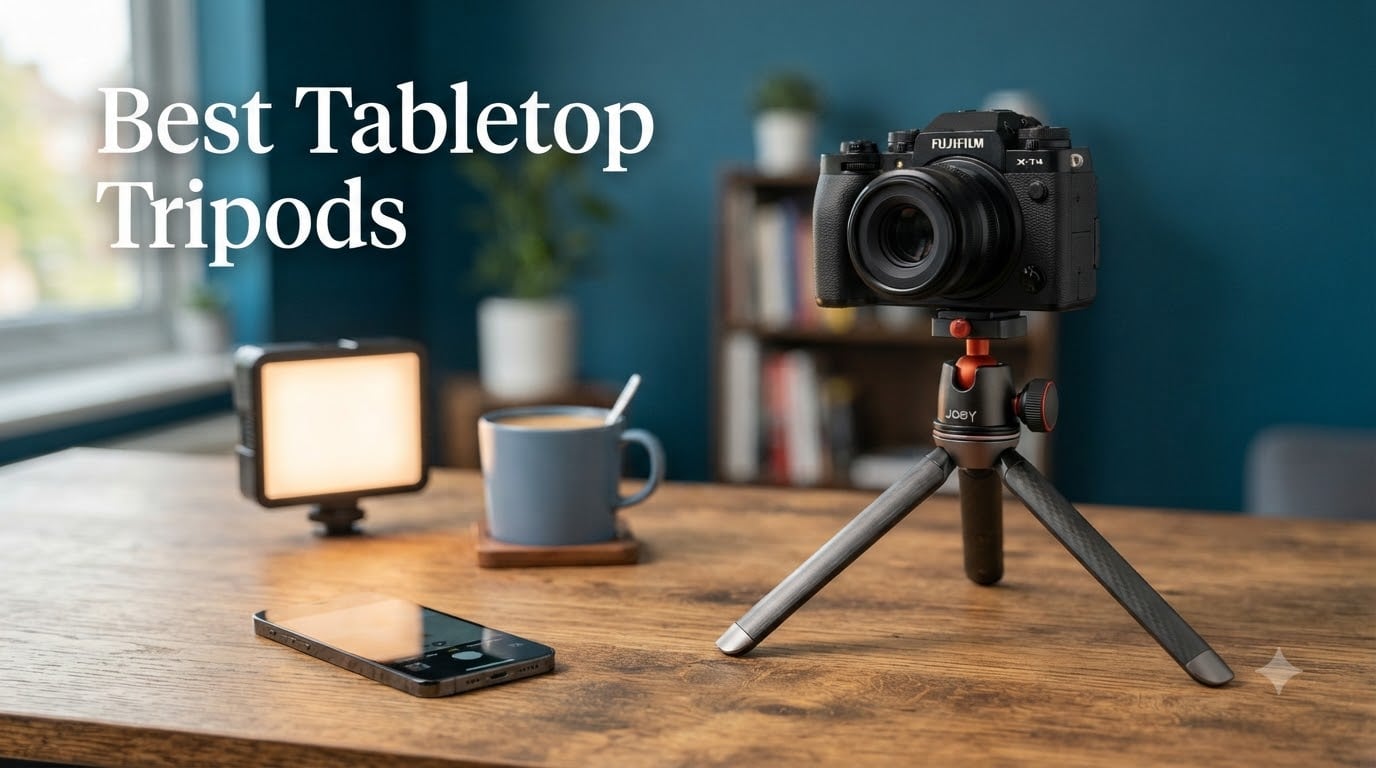
I have spent the better part of three years shooting product photography, vlogging on the road, and testing every mini tripod I could get my hands on. Full-size tripods are great until you are trying to fit gear into a carry-on bag or set up a shot on a restaurant table. That is where the best tabletop tripods earn their keep.
Our team tested 8 tabletop tripods across real shooting scenarios, including macro product shots, smartphone vlogging, live streaming setups, and travel photography. We looked at load capacity, ball head smoothness, build materials, portability, and that hard-to-define feeling of confidence when you mount your camera and let go.
Whether you need a budget mini tripod for your phone or a heavy duty tabletop tripod that can handle a DSLR with a telephoto lens, this guide covers the full range. I will walk you through what worked, what did not, and which tabletop tripod is the right pick for your specific setup in 2026.
Table of Contents
Top 3 Picks for Best Tabletop Tripods in 2026

SIRUI AM-TT50 Mini Desktop Tripod
- 17.64lb load capacity
- Precision CNC aluminum
- 360 degree ball head

These three cover the spectrum. The SIRUI AM-TT50 is the most capable tabletop tripod I tested, with a 17.64-pound load capacity and CNC-machined construction. The Manfrotto PIXI is the gold standard for compact camera support at an affordable price. And the ULANZI MT-16 is unbeatable if you need something light and versatile for vlogging.
Best Tabletop Tripods in October
| Product | Specifications | Action |
|---|---|---|
| SIRUI AM-TT50 Mini Desktop Tripod |
|
Check Latest Price |
| Manfrotto PIXI Mini Tripod |
|
Check Latest Price |
 Manfrotto PIXI Evo Mini Tripod Manfrotto PIXI Evo Mini Tripod |
|
Check Latest Price |
 NEEWER Portable Travel Mini Tripod NEEWER Portable Travel Mini Tripod |
|
Check Latest Price |
 K&F Concept 21.6 inch Mini Desk Tripod K&F Concept 21.6 inch Mini Desk Tripod |
|
Check Latest Price |
 ULANZI MT-16 Mini Camera Tripod ULANZI MT-16 Mini Camera Tripod |
|
Check Latest Price |
 SmallRig Carbon Fiber Mini Tripod SmallRig Carbon Fiber Mini Tripod |
|
Check Latest Price |
 SmallRig Camera Desk Mount Stand SmallRig Camera Desk Mount Stand |
|
Check Latest Price |
1. SIRUI AM-TT50 Compact Mini Desktop Tripod – Best Overall
SIRUI Aluminum Mini Desktop Tripod with 360° Ball Head
Load: 17.64 lbs
Height: 7-20 inches
Weight: 1.76 lbs
Material: CNC Aluminum
Pros
- Highest load capacity at 17.64 lbs
- Precision CNC machined construction
- Folds to just 7 inches for travel
- Includes phone holder and Arca plate
Cons
- Leg locks could feel more robust
- 1.76 lbs is heavier than ultra-mini options
The SIRUI AM-TT50 completely changed my expectations for what a tabletop tripod could handle. I mounted my Canon R6 with a 24-70mm lens on this thing, and it did not budge. At 17.64 pounds of load capacity, this is the strongest mini tripod in our test group by a wide margin.
The CNC-machined aluminum construction feels premium the moment you pick it up. Every joint moves with precision, and the surface oxidation paint gives it a professional look. I used this tripod for a full product shoot session, and the 360-degree ball head stayed locked exactly where I set it.
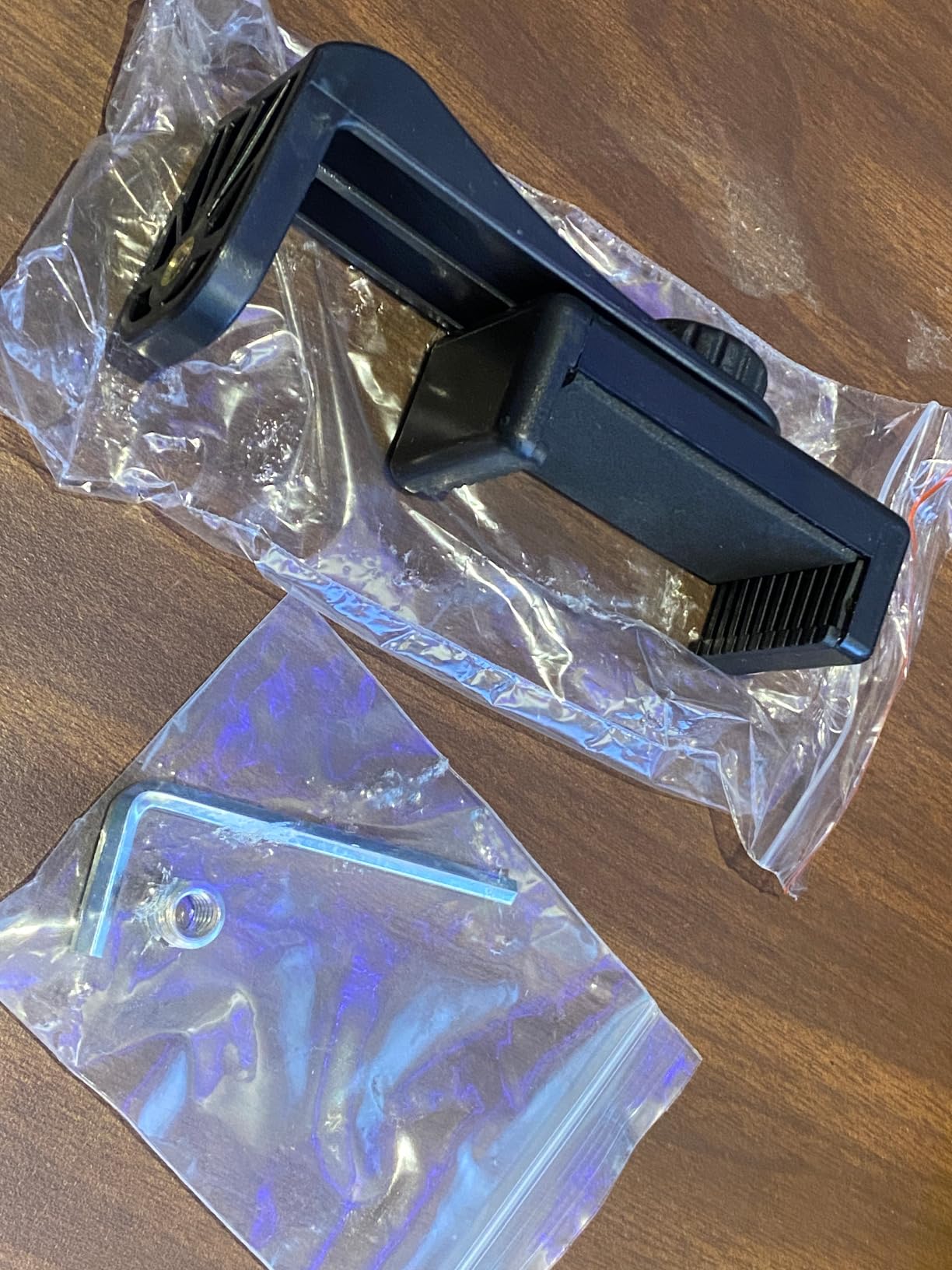
The 5-section legs give you a height range from 7 inches folded to 20 inches fully extended. That is enough height to get above most tabletop objects without being so tall that stability suffers. The three leg angle positions (10, 36, and 68 degrees) let you shoot low to the ground or set up on uneven surfaces.
I also appreciate the reversible center column. Flip it around and you can shoot almost at ground level for dramatic macro shots. The 1/4-inch and 3/8-inch threaded holes on the spider mean you can attach magic arms, microphones, or LED panels directly to the tripod.
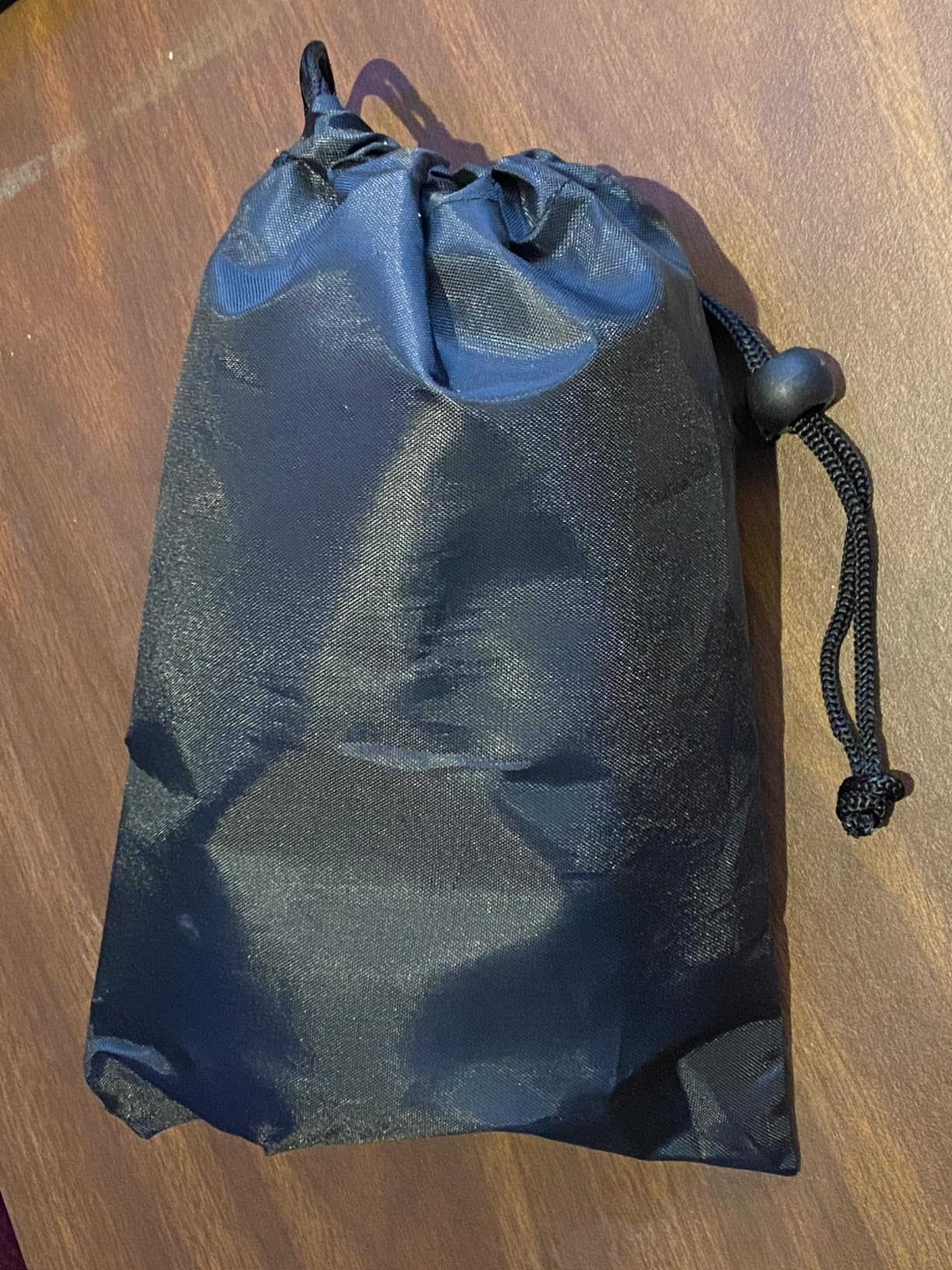
Load Capacity and Camera Compatibility
This is where the SIRUI stands apart. At 17.64 pounds, it handles full-frame DSLRs with telephoto lenses, cinema rigs, and heavier video setups that would make other mini tripods sag or tip. I tested it with a Sony A7IV and a 70-200mm lens with zero drift.
If you shoot with a mirrorless camera and a standard zoom or prime lens, this tripod will feel massively overbuilt in the best way. Even with heavier gear, the wide leg stance keeps everything planted.
Portability vs Capability Trade-off
The SIRUI folds down to 7 inches, which fits easily in a camera bag side pocket. At 1.76 pounds, it is heavier than ultra-compact options like the Manfrotto PIXI. But that extra weight translates directly to stability.
For travel photographers who need one tripod that works as both a tabletop support and a lightweight standing tripod, the SIRUI covers both roles better than anything else I tested.
2. Manfrotto PIXI Mini Tripod – Best Value
Manfrotto MTPIXIMII-B, PIXI Mini Tripod with Handgrip for Compact System Cameras, for DSLR, Mirrorless, Video, Made in Italy, Technopolymer and Aluminum, Black
Height: 135mm
Weight: 0.5 lbs
Material: Technopolymer and Aluminum
Made in Italy
Pros
- Push-button ball head lock is intuitive
- Doubles as a video handgrip
- Ultra-compact at 135mm
- Universal 1/4 inch screw
Cons
- Limited height at 135mm
- Not ideal for heavier full-frame setups
The Manfrotto PIXI is the tabletop tripod I recommend more than any other. It has been in my camera bag for two years, and it still works as well as the day I bought it. The push-button ball head is one of those design choices that seems obvious once you use it. Press the button, position your camera, release, and it locks solid.
I keep this in my bag for situations where I need quick stability. Setting it up takes about three seconds. Close the legs and it becomes a comfortable handgrip for video recording, which is a feature I use constantly when vlogging.
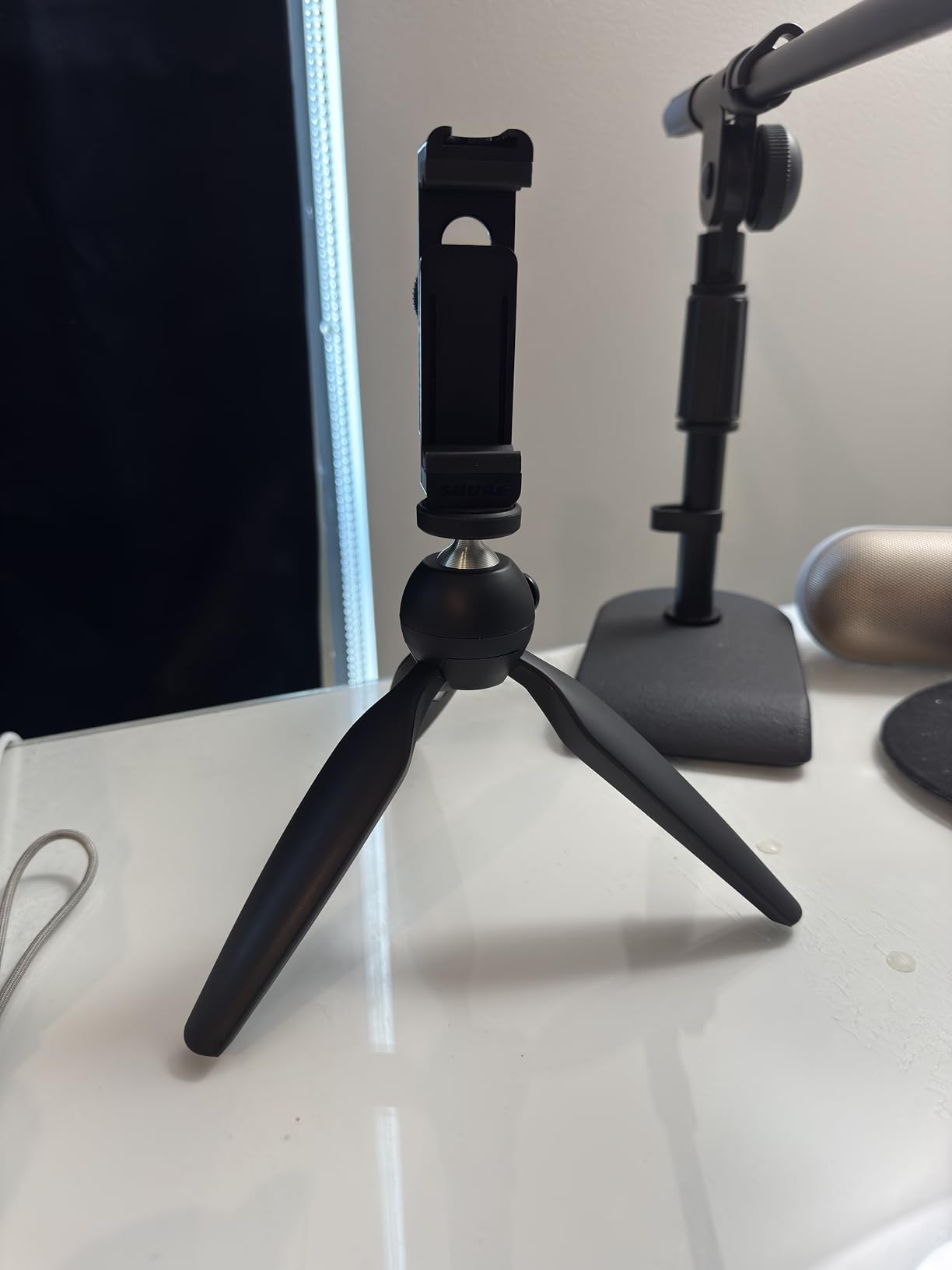
At just 135mm tall and half a pound, this is the most portable tabletop tripod in our lineup. It disappears in a jacket pocket or a small bag compartment. The technopolymer and aluminum construction has survived drops onto concrete without a crack.
The Italian manufacturing shows in the details. The ball head action is smooth, the finish is clean, and nothing rattles after extended use. With 2,458 reviews and an 82-percent five-star rating, I am clearly not the only one who trusts this tripod.
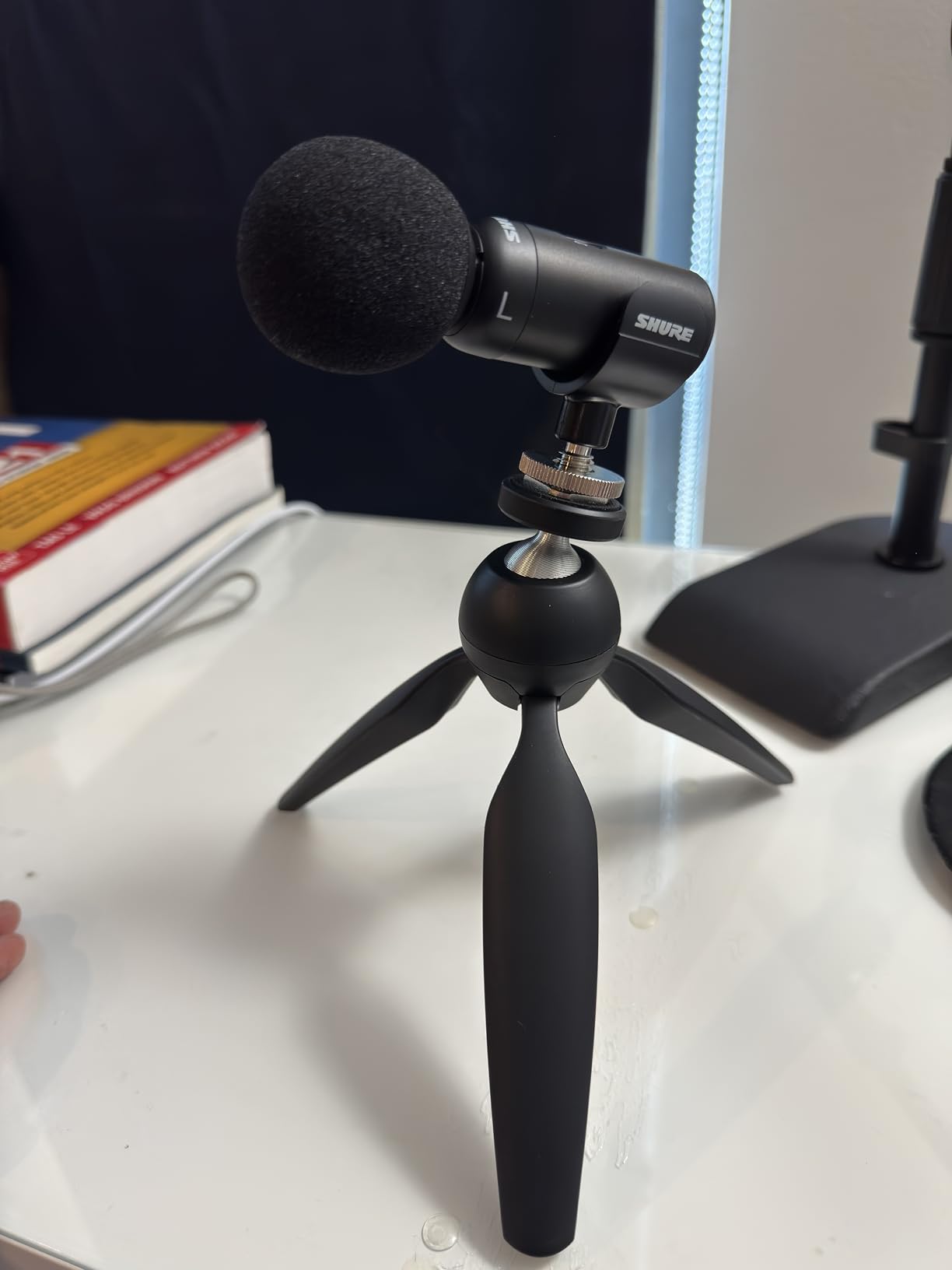
Ideal Camera Pairings
The PIXI works best with compact system cameras, mirrorless bodies with small lenses, and smartphones (with an adapter). I have used it with a Canon G7X, a Sony RX100, and my phone for time-lapse shots. All performed great.
It can technically hold a small DSLR like a Canon Rebel with a kit lens. But once you start adding heavier glass, the ball head struggles to stay locked at angles. For full-frame DSLRs with substantial lenses, look at the SIRUI or K&F Concept instead.
Long-Term Durability
After two years of regular use, my PIXI shows minor scuffs on the legs but functions perfectly. The ball head has not loosened, the push-button mechanism still clicks with authority, and the rubber feet still grip. This is a buy-it-for-years product.
The 2-year manufacturer warranty adds peace of mind. Manfrotto service is well-regarded in the photography community, and replacement parts are available if needed.
3. Manfrotto PIXI Evo 2-Section Mini Tripod – Best Adjustable Legs
Manfrotto MTPIXIEVO-BK, PIXI EVO 2-Section Mini Tripod for Mirrorless Cameras, Compact System Cameras, DSLR, Video, Compact Size, Aluminum, Black
Load: 5.5 lbs
Height: 4.1-7.7 inches
2-section legs
Material: Aluminum and Adapto
Pros
- Two-section adjustable legs
- Two leg angle positions
- Tilts 90 degrees for portrait mode
- Supports up to 5.5 lbs
Cons
- Mostly plastic construction
- Ball head can be finicky
- Not compatible with Manfrotto QR plates
The Manfrotto PIXI Evo takes the PIXI concept and adds adjustable legs. The two-section legs extend in five steps, giving you a height range from 4.1 to 7.7 inches. That extra height flexibility makes a real difference when you are trying to frame a shot around objects on a table.
I used the EVO for a month of product photography and found the sliding leg selector genuinely useful. You get two leg angles, which means you can set it up for low flat-surface shots or angle the legs wider for more stability on uneven ground.

The ball head tilts a full 90 degrees, which means portrait orientation shooting without any adapter. This alone makes it more versatile than the standard PIXI for photographers who shoot both orientations. The 5.5-pound load capacity handles most mirrorless cameras comfortably.
My main gripe is the construction. Manfrotto uses a combination of aluminum and their proprietary Adapto polymer. It works, but compared to the CNC-aluminum feel of the SIRUI, it feels less premium. The ball head also has a narrow sweet spot between too tight and too loose.
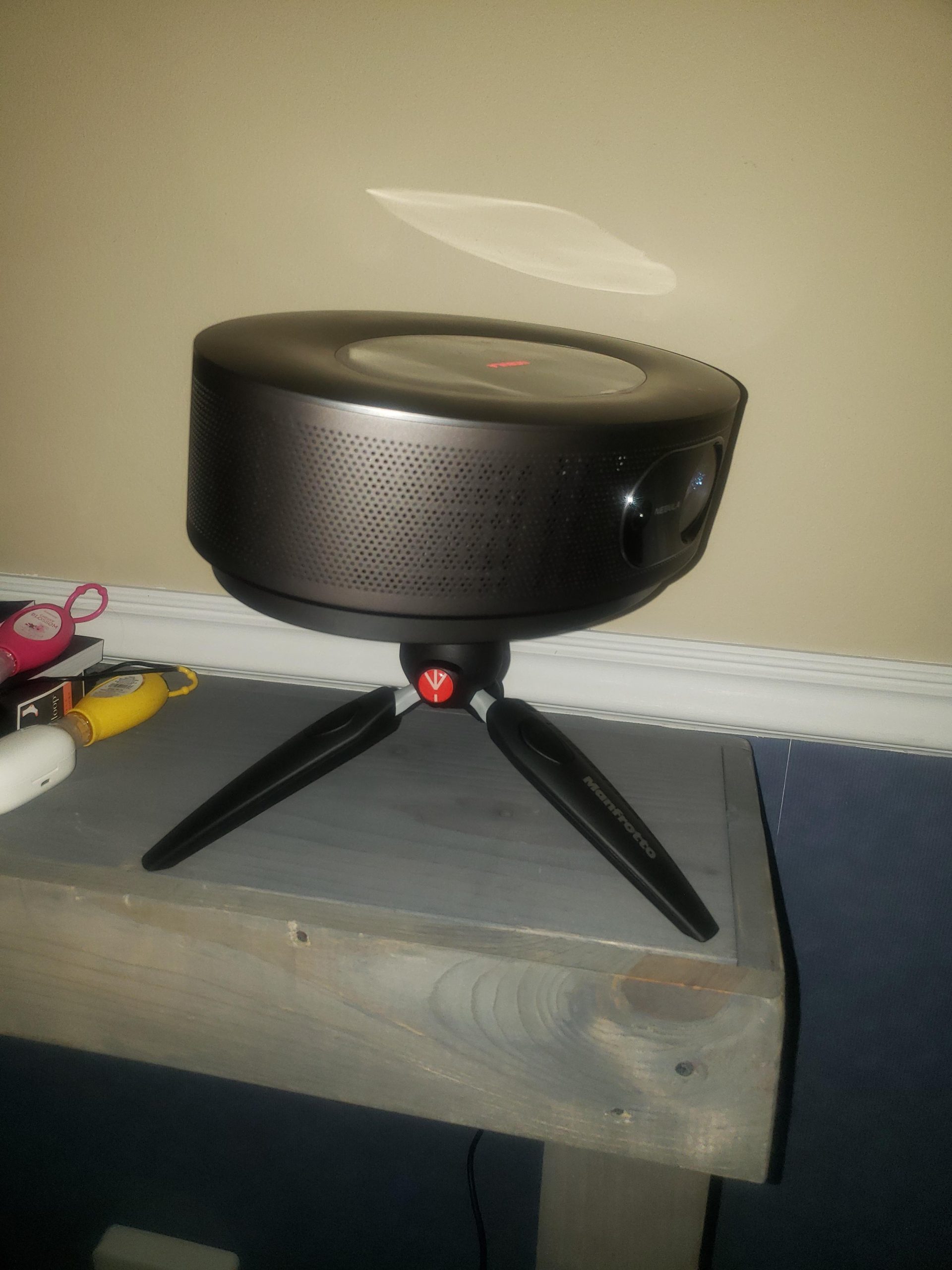
Adjustability Compared to Standard PIXI
If you are choosing between the PIXI and the PIXI EVO, the decision comes down to height. The EVO gives you nearly double the height range and adjustable legs. The standard PIXI is more portable and has the cleaner push-button ball head.
For product photography and macro work where you need precise height adjustments, the EVO is the better choice. For grab-and-go travel shooting, stick with the original PIXI.
Portrait Mode Performance
The 90-degree tilt notch is well-designed. Your camera locks into portrait orientation securely without sagging, assuming your setup is under about 3 pounds. I shot an entire product catalog in portrait orientation with the EVO and never had a framing drift issue.
Heavier lenses in portrait mode will test the ball head limits. Keep your total rig weight reasonable and this tripod handles vertical shooting beautifully.
4. NEEWER Portable Travel Mini Tabletop Tripod – Best Budget Height Range
NEEWER Portable Travel Mini Tabletop Tripod, Aluminum Alloy 20”/ 50cm
Load: 11 lbs
Height: 6.7-19.7 inches
5-section legs
Material: Aluminum Alloy
Pros
- Height range from 6.7 to 19.7 inches
- 360 degree ball head with bubble level
- Arca-type quick release plate
- 11 lb load capacity at budget price
Cons
- Bulkier than ultra-mini tripods
- Not water resistant
The NEEWER tabletop tripod is the surprise standout in this group. For the price, you get a 5-section aluminum tripod that extends from 6.7 to 19.7 inches, includes a 360-degree ball head with a bubble level, and supports up to 11 pounds. That is an absurd amount of capability for the cost.
I tested this tripod with a Canon 80D and a 50mm lens, and it handled the weight without complaint. The Arca-type quick release plate is a nice touch, making it compatible with standard Arca-Swiss style L-brackets and plates.
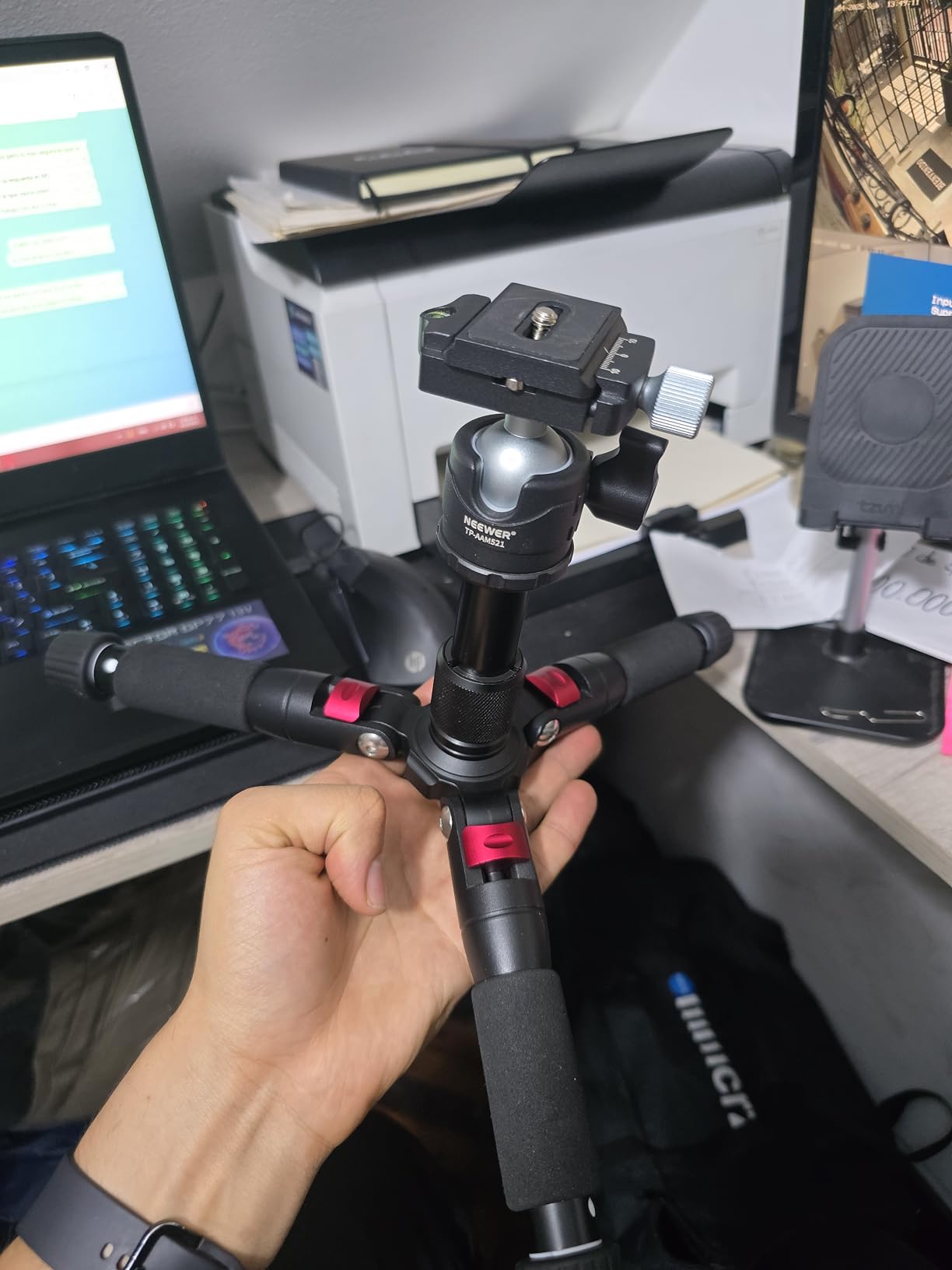
The 3-position leg angle adjustment gives you flexibility for different surfaces. The non-slip rubber feet grip well on tables, counters, and even slightly textured surfaces. At 27 ounces, it is heavier than the PIXI or ULANZI, but the height range justifies the weight.
With 2,689 reviews and an 82-percent five-star rating, the community feedback confirms what I found in testing. This is a workhorse tabletop tripod that punches well above its price point.
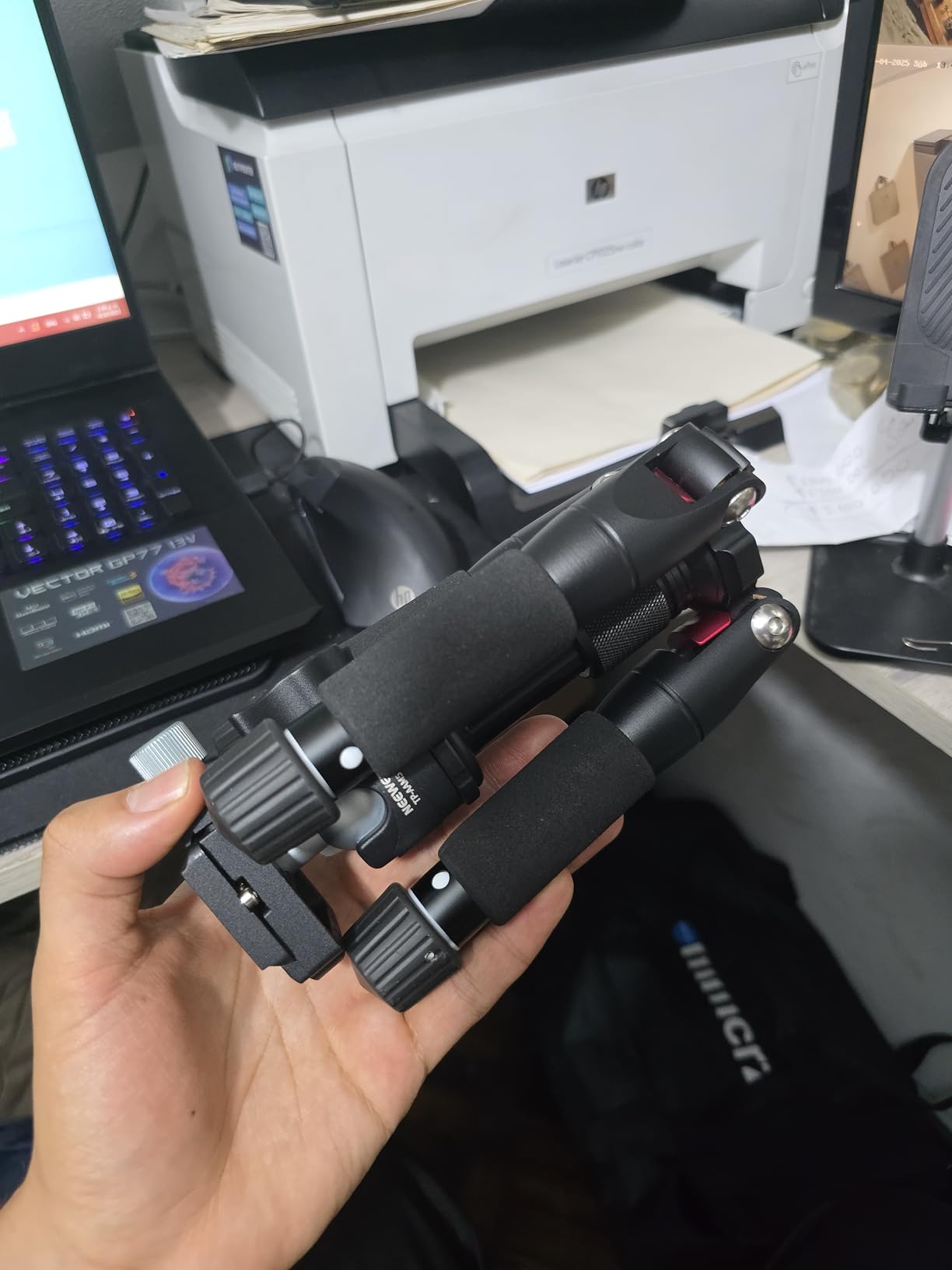
Ball Head Quality at This Price
The ball head on the NEEWER is not as refined as a Manfrotto or SIRUI head. There is slight play when you lock it down, and the friction is not adjustable. But for most tabletop and desktop applications, it holds position well enough.
The built-in bubble level helps you get a level horizon before you start shooting. This is especially useful for product photography where straight lines matter.
Best Use Cases
I recommend the NEEWER for photographers who need height flexibility without spending a lot. It works well as a desktop tripod for webcam setups, a tabletop support for product photography, and a lightweight travel tripod for hotel-room shoots.
It is less ideal for situations where ultra-compact size matters. The 5-section legs make it taller than mini tripods like the PIXI, but also bulkier to carry.
5. K&F Concept 21.6 inch Mini Desk Tripod – Best Heavy Duty
K&F CONCEPT 21.6” Mini Desk Tripod.
Load: 13.22 lbs
Height: 8.85-21.6 inches
Weight: 1.4 lbs
3-section legs
Pros
- 13.22 lb load capacity
- Includes phone holder and QR plate
- Reversible center column
- Built-in spirit level
Cons
- Friction-fit elevation rather than geared
- Only 3 leg sections
The K&F Concept 21.6-inch mini desk tripod is built for photographers who need serious load capacity in a compact form. At 13.22 pounds of supported weight, this tripod handles DSLRs with substantial lenses without breaking a sweat. I mounted a Canon R6 Mark II with a battery grip and a 24-105mm lens, and the tripod held steady.
The 5-section legs with quick locks extend from 8.85 inches to a full 21.6 inches. That is taller than most tabletop tripods, giving you real working height for tabletop video, product shots, and even seated-position portraits.
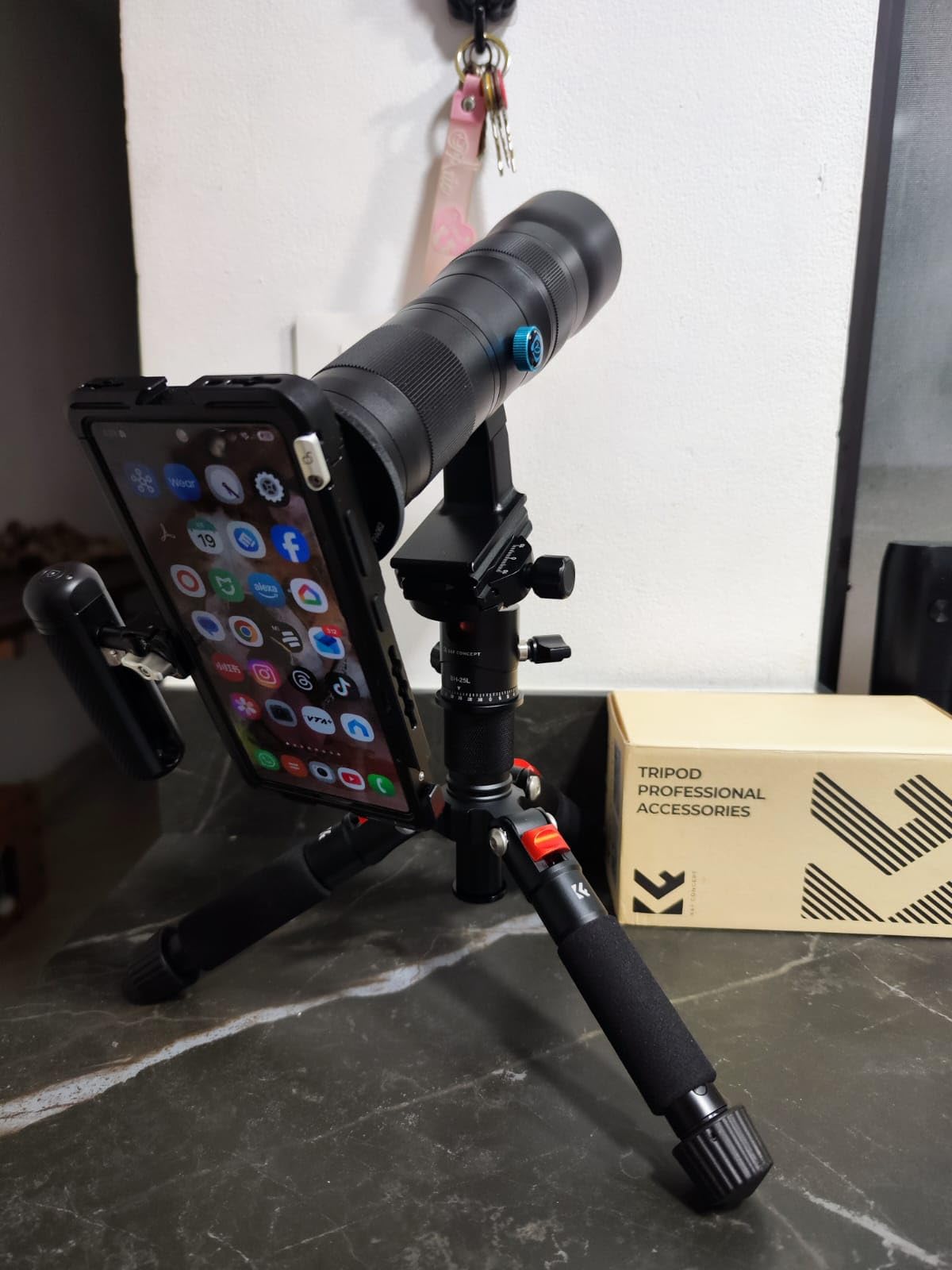
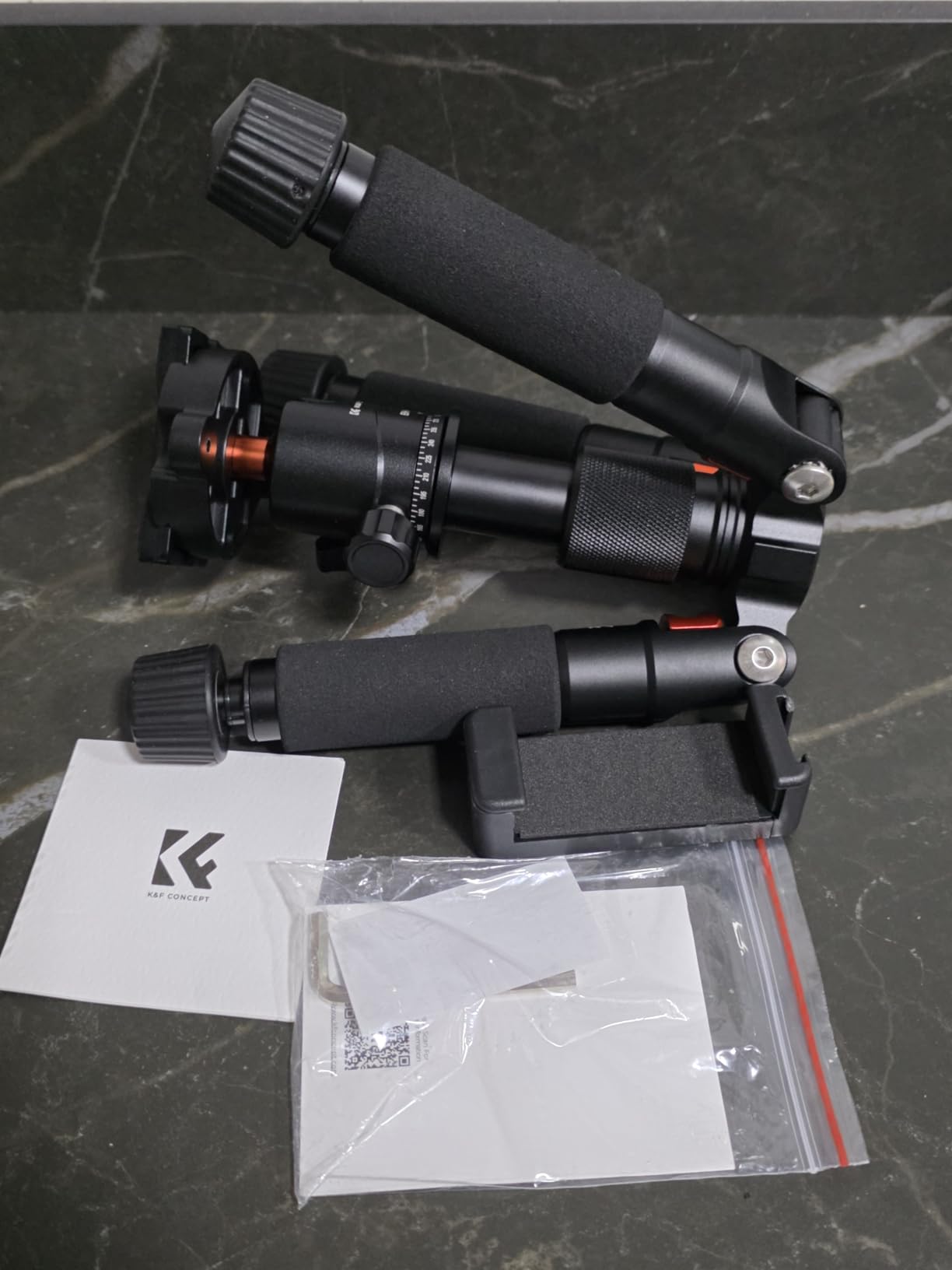
K&F includes both a phone holder and a quick-release plate in the box. The phone holder is surprisingly well-made and held my iPhone securely for a livestream session. The reversible center column lets you shoot at ground level for macro work.
The 360-degree ball head with 90-degree vertical tilt is smooth and locks with confidence. I found the non-slip rubber feet gripped well on every surface I tested, from glass tabletops to wooden desks.
Comparison to SIRUI AM-TT50
Both the K&F and the SIRUI are heavy-duty tabletop tripods. The SIRUI has a higher load capacity at 17.64 pounds and CNC construction. The K&F includes a phone holder, has a lower price, and offers a taller maximum height at 21.6 inches.
If you primarily shoot with a camera, the SIRUI is the better pick. If you alternate between phone and camera work, the K&F with its included phone holder offers better value.
Stability with Heavier Lenses
The three leg sections are thicker than the 5-section designs on lighter tripods. This translates to less vibration and better stability with heavier lenses. I did a 2-second exposure test with a 70-200mm lens and got sharp results.
The friction-fit center column is the one weakness. It works, but a geared column would offer more precise height control. For the price, this is a minor complaint on an otherwise excellent tripod.
6. ULANZI MT-16 Extendable Mini Camera Tripod – Best for Vlogging
ULANZI MT-16 Extendable Mini Camera Tripod, 4 Levels Adjustment 360° Ball Head Cold Shoe Lightweight Portable Vlog Travel Selfie Stick Handle Grip Desktop Webcam Tripod for DSLR Action Camera
Load: 500g vertical
Weight: 170g
4-level adjustment
Material: Rubber and Aluminum
Pros
- Only 170g - ultralight
- Cold shoe mount for mic or light
- Tripod grip and selfie stick in one
- 360 degree ball head
Cons
- Limited 500g load in vertical mode
- Phone holder not included
- Not for heavy DSLR setups
The ULANZI MT-16 is the best tabletop tripod for content creators and vloggers. At just 170 grams, it is the lightest tripod in this guide. But what makes it special is the cold shoe mount on top, which lets you attach a microphone or LED light directly to the tripod while your camera or phone sits on the ball head.
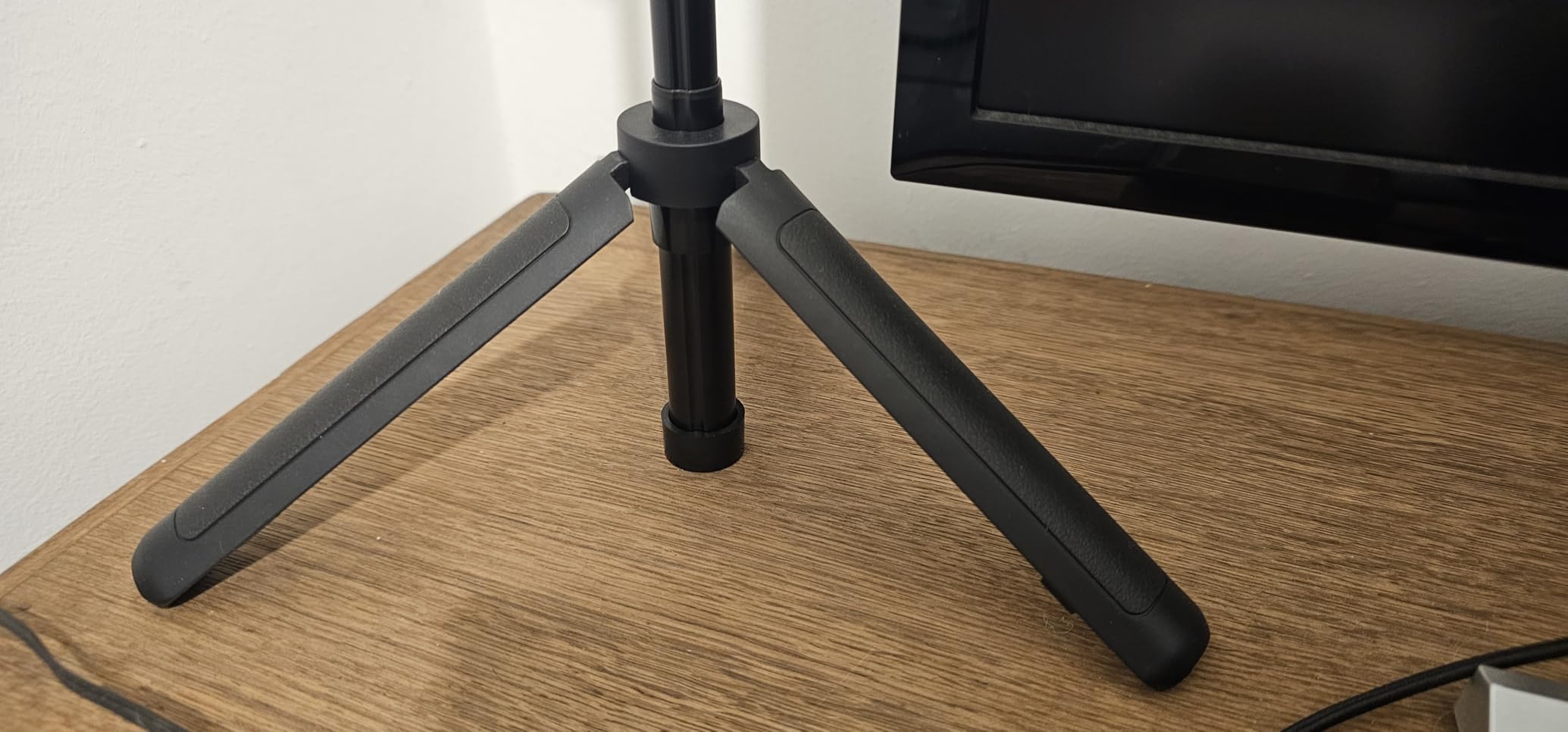
I used the MT-16 for two weeks of daily vlogging. The extendable legs give you 4 levels of height adjustment, and the ball head rotates a full 360 degrees. Fold the legs and it becomes a comfortable grip handle for handheld video.
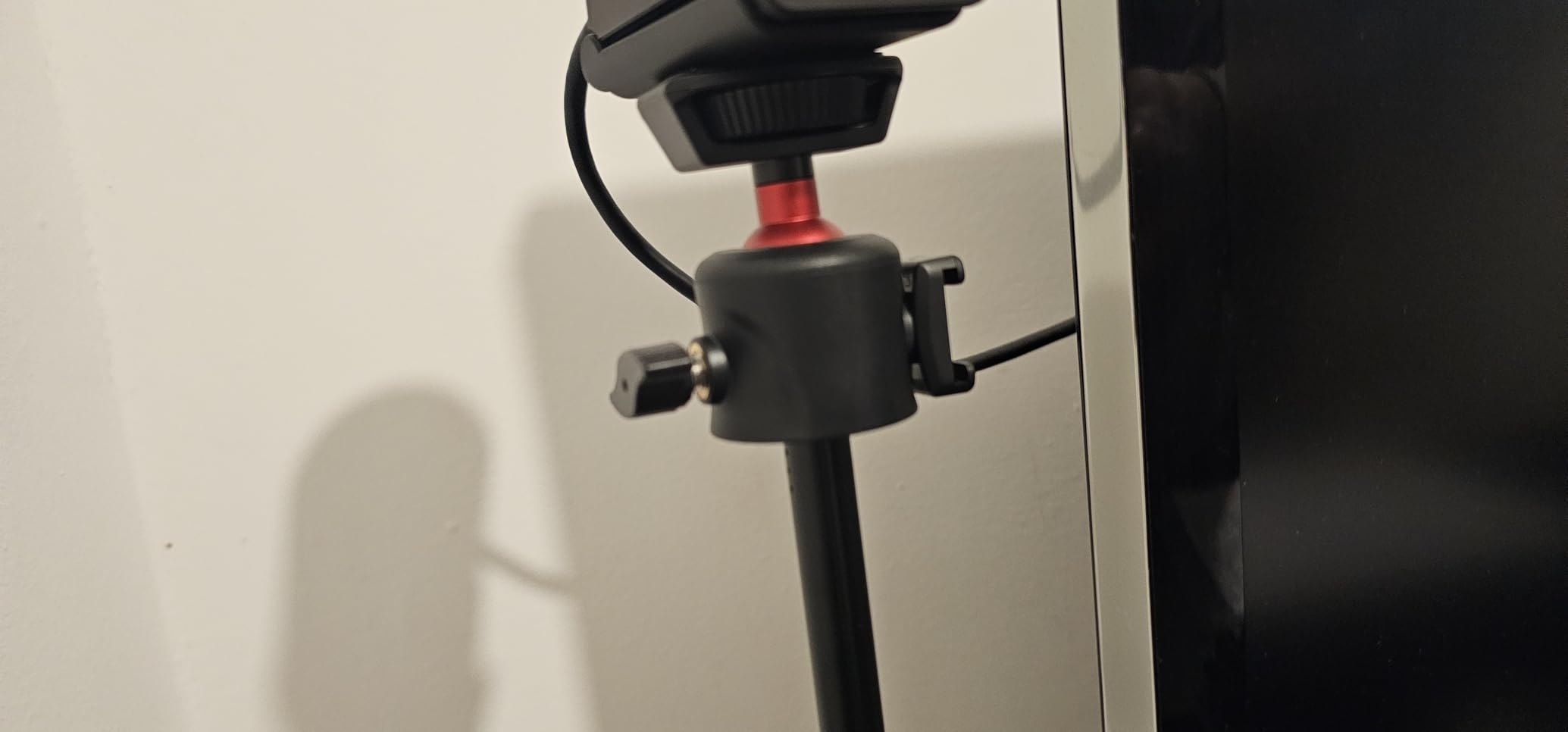
This tripod is a bestseller in the tabletop and travel category, and it is easy to see why. It does three jobs (tripod, grip, and selfie stick) in a package that weighs less than a smartphone. The rubberized construction feels durable and the anti-slip design works well.
The catch is load capacity. In vertical mode, the MT-16 supports about 500 grams. That is fine for phones, action cameras like GoPro, and compact point-and-shoots. It is not suitable for DSLRs or mirrorless cameras with substantial lenses.
Best Accessories to Pair With It
The cold shoe mount opens up a lot of possibilities. I paired the MT-16 with a Rode VideoMicro and a small LED panel for a complete vlogging rig. You can also attach a magic arm to hold a second device.
For phone users, you will want to add a phone mount with a 1/4-inch screw. ULANZI makes compatible phone holders, or any standard phone tripod adapter will work.
Who Should Buy This Tripod
If you shoot video with a phone, action camera, or compact camera, the MT-16 is hard to beat. It is the kind of tool you keep in your bag at all times because it weighs almost nothing and solves the stability problem instantly.
Photographers with heavier gear should look elsewhere. The 500-gram limit is a hard constraint, not a guideline. This is purpose-built for lightweight content creation.
7. SmallRig Carbon Fiber Mini Desktop Tripod – Best Premium Carbon Fiber
SmallRig Carbon Fiber Mini Desktop Tripod with 360° Ball Head
Load: 11 lbs tripod, 6.6 lb ball head
Height: 10.8-15.5 inches
Weight: 483g
Material: Carbon Fiber
Pros
- Genuine carbon fiber construction
- Built-in Arca-style QR plate
- Detachable metal foot nails
- Includes storage bag
Cons
- Ball head sags with heavier setups
- Leg angle adjustment is clunky
- QR plate needs a coin to attach
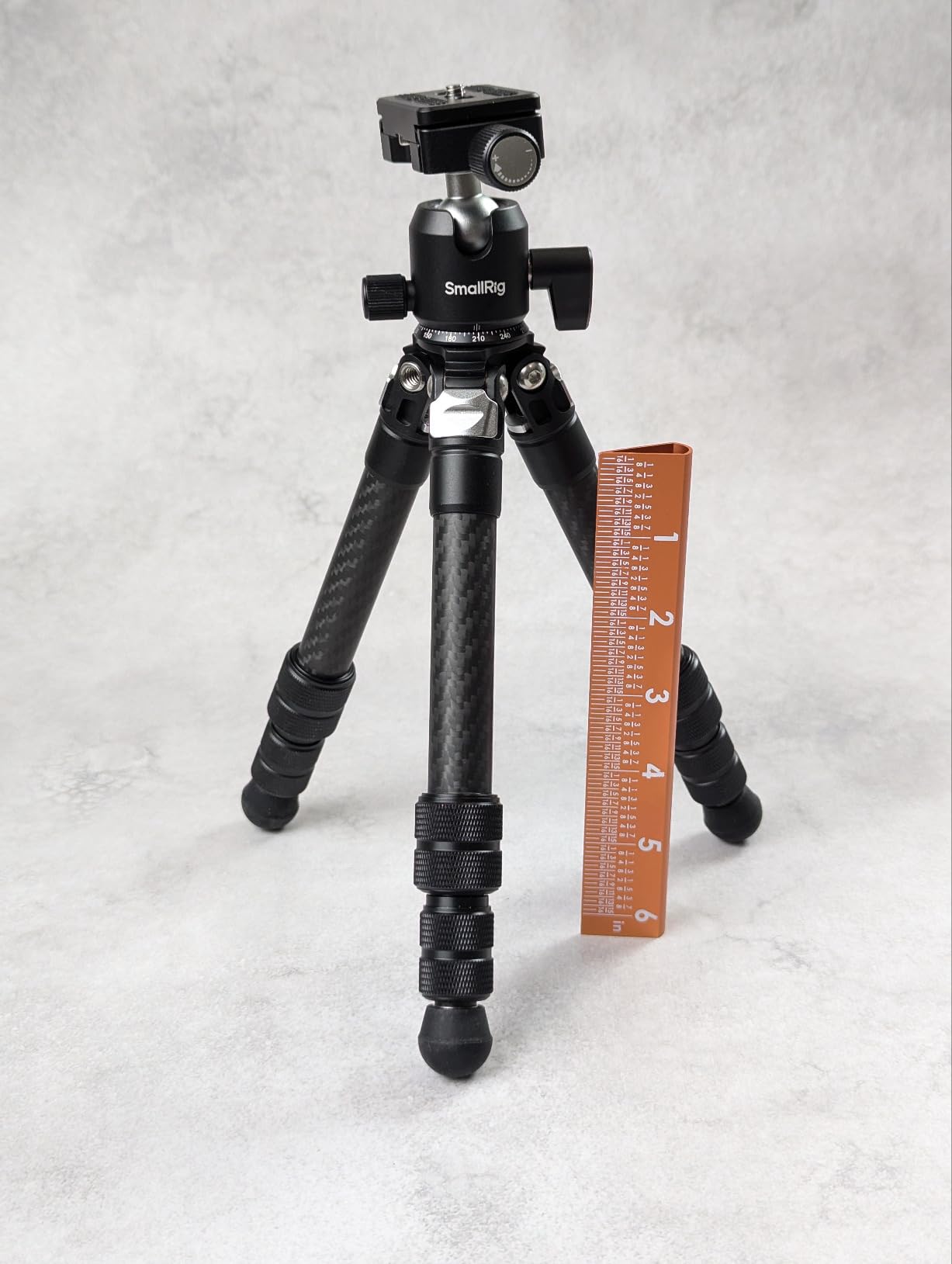
The SmallRig Carbon Fiber Mini Desktop Tripod is the premium pick for photographers who want carbon fiber construction without moving to a full-size tripod. At 483 grams, it is remarkably light for its height range of 10.8 to 15.5 inches. The carbon fiber legs dampen vibration better than aluminum, which matters for long exposures.
I tested this tripod with a Fujifilm X-T5 and a 23mm lens for a tabletop product shoot. The vibration dampening was noticeably better than the aluminum tripods in this guide. My long-exposure shots at 1-second shutter speeds came out tack-sharp.
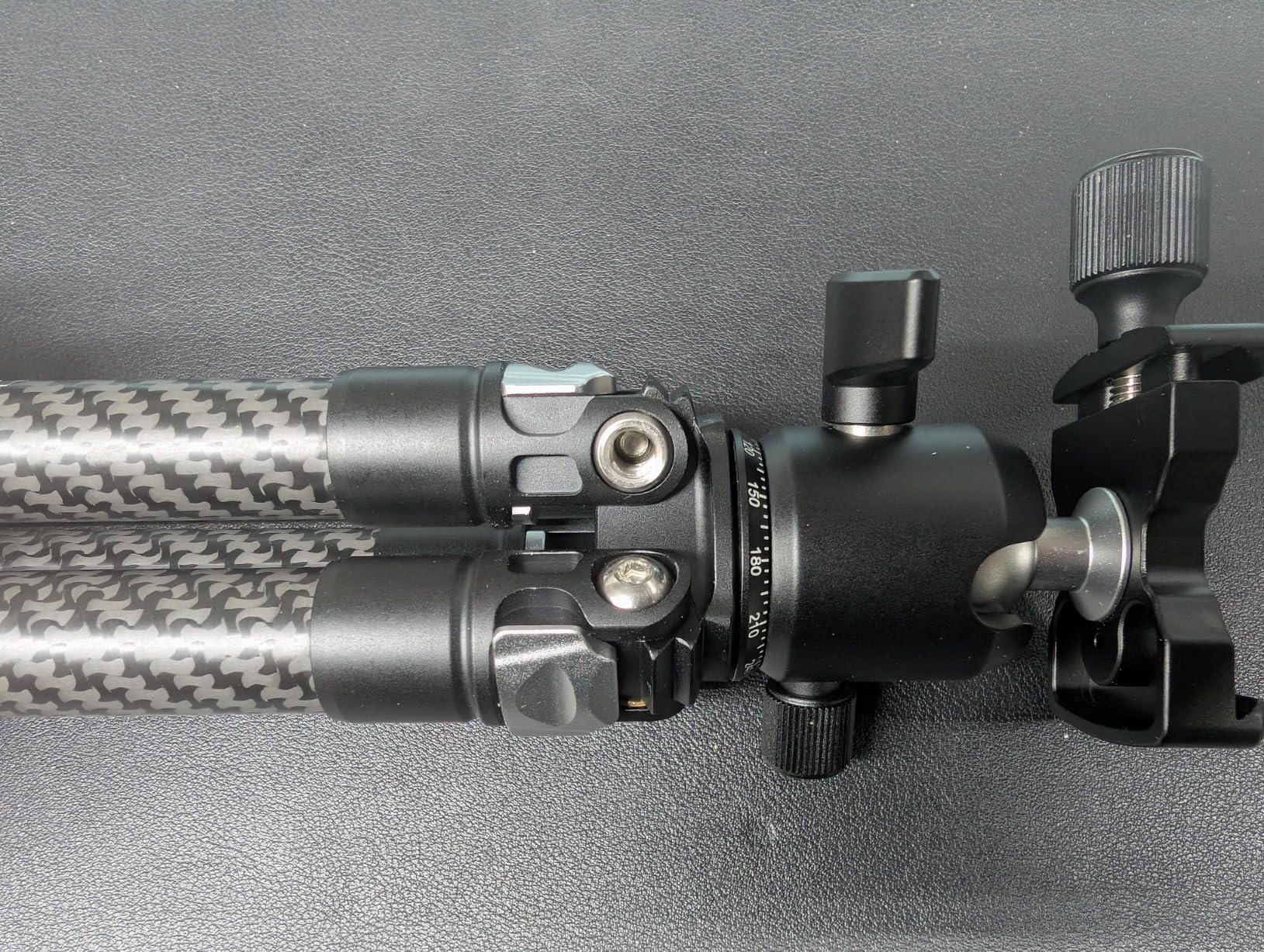
The built-in Arca-style quick release plate is a time-saver if you already use Arca-Swiss L-brackets. The 360-degree ball head tilts 90 degrees for portrait shooting. SmallRig also includes detachable metal foot nails for outdoor use on soft ground.
The issues are real, though. The ball head has a 6.6-pound capacity, which is lower than the tripod legs themselves. With a heavier camera and lens, the head sags slightly after locking. The push-pull leg angle lock is also less refined than competing mechanisms.
Carbon Fiber vs Aluminum for Tabletop Use
Carbon fiber absorbs vibrations better than aluminum. On a tabletop, this translates to sharper images at slower shutter speeds. The weight savings are less dramatic at this size compared to full-size tripods, but every gram counts when you are packing for travel.
The trade-off is cost. Carbon fiber tripods are more expensive, and at this size, the performance gap over aluminum is noticeable but not dramatic. If vibration dampening and weight are your top priorities, the SmallRig justifies its price.
Ball Head Limitations to Know
The ball head is the weakest link on this tripod. With lighter mirrorless setups (under 3 pounds total), it performs well. As you approach the 6.6-pound limit, expect some sag when locking at an angle. The QR plate also requires a coin or screwdriver to attach securely, which is inconvenient in the field.
For lighter camera setups and travel photography, these limitations are manageable. For heavier rigs, pair this tripod legs with a separate, stronger ball head.
8. SmallRig Camera Desk Mount Table Stand – Best Clamp Mount
SMALLRIG Camera Mount C Stand, 15″-35″ Adjustable Desk Clamp Table Tripod
Height: 19-39 inches
Load: 6.6 lbs
C-clamp mount
Material: Aviation Aluminum
Pros
- C-clamp frees up desk space
- Height range 19 to 39 inches
- 360 degree rotation with tilt
- Works for cameras lights and phones
Cons
- 6.6 lb load may limit larger setups
- Requires a table edge to clamp to
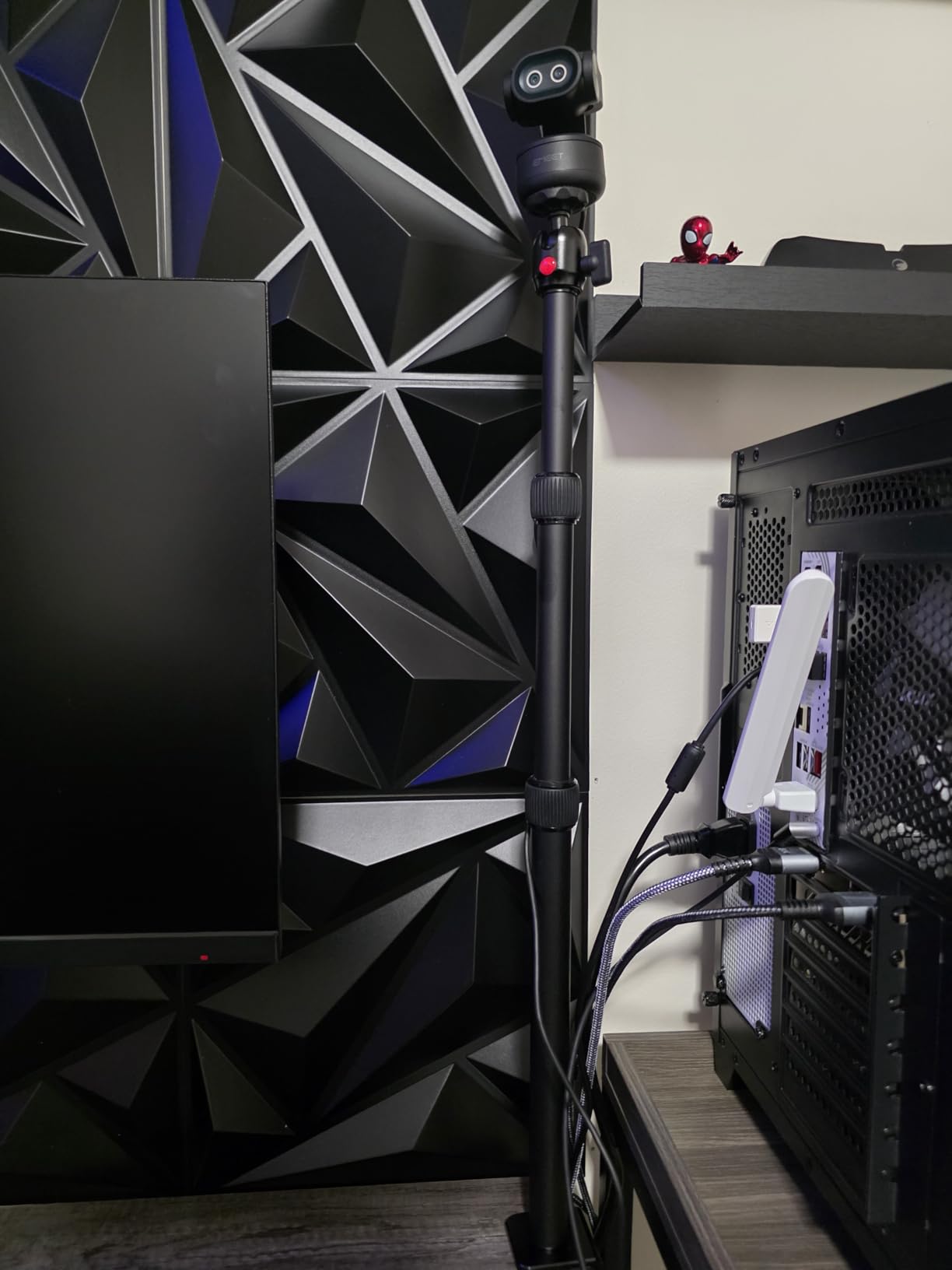
The SmallRig Camera Desk Mount is a different kind of tabletop tripod. Instead of standing on three legs, it uses a C-clamp to attach to the edge of a desk or table. This design frees up your entire work surface, which makes it the best tabletop tripod for live streaming, video calls, and desktop content creation.
I set this up on my desk for a month of Zoom calls and product demo recording. The 3-section extending poles give you a height range from 19 to 39 inches, which is significantly taller than any leg-based tabletop tripod. The C-clamp fits tables up to 1.85 inches thick and holds firm.
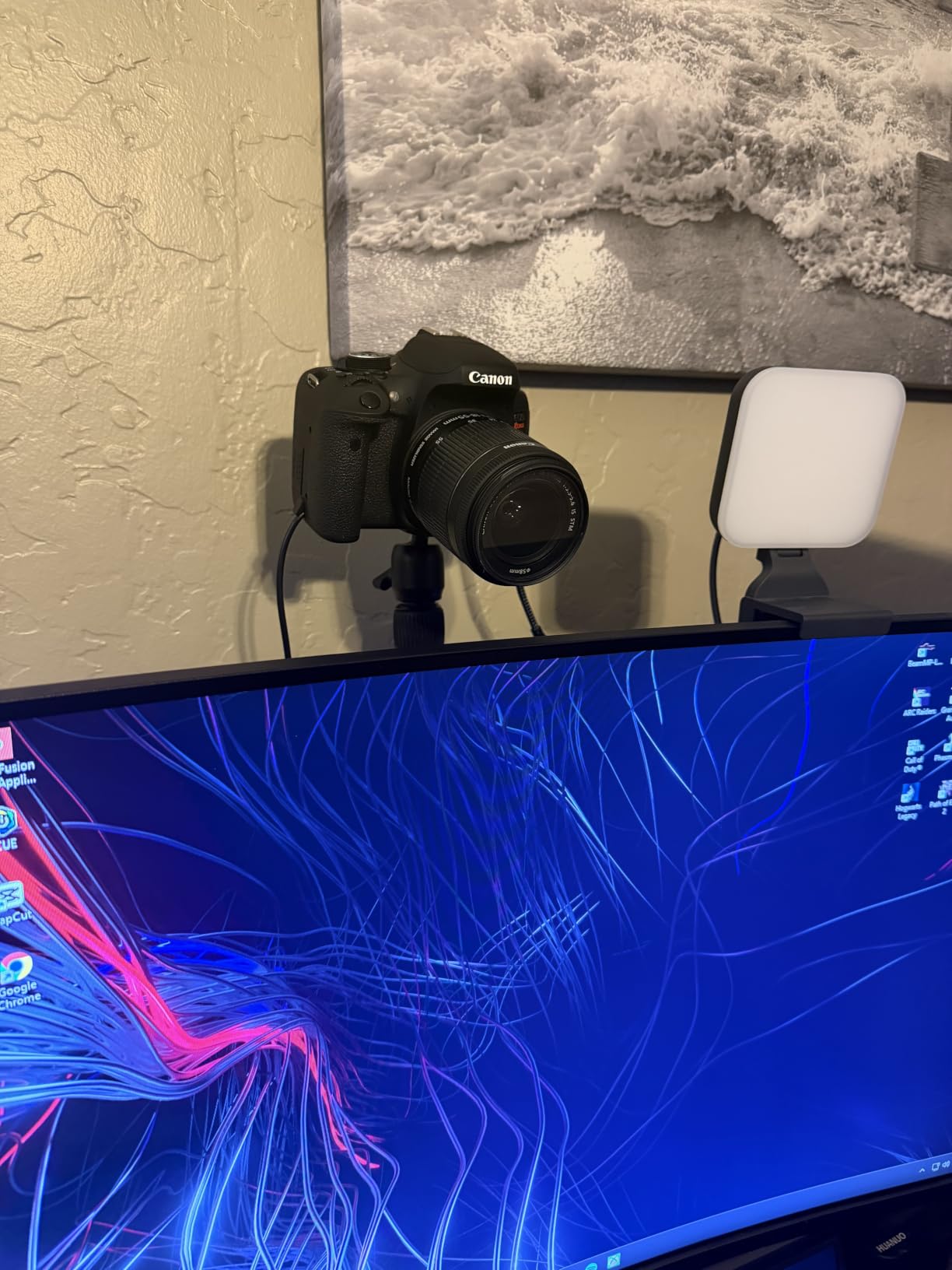
The detachable ball head offers 360-degree panoramic rotation and -90 to +45 degree tilt. I used it to mount a camera for overhead product shots and then quickly repositioned it for a face-level talking-head video. The flexibility is excellent.
At 15 ounces, the desk mount is light enough to move between locations. The aviation aluminum construction feels solid and the matte finish looks professional on camera. With 739 reviews and an 85-percent five-star rating, the community validation is strong.
Best Setup Configurations
For live streaming, clamp the mount to your desk and attach a ring light or LED panel at face height. For product photography, use it as an overhead boom by extending the pole and tilting the ball head downward. For video calls, mount your camera or phone at eye level.
The 1/4-inch ball head is compatible with most cameras, and SmallRig includes a ring light adapter. You can also attach a smartphone holder for phone-based content creation.
Load Capacity and Stability Notes
The 6.6-pound load capacity is adequate for most cameras and lighting setups. I tested it with a Sony ZV-1 and a small LED panel with no issues. Heavier cinema cameras or large ring lights may exceed the limit.
The C-clamp holds securely on desks from 0.5 to 1.85 inches thick. On glass desks, add a rubber pad between the clamp and the surface for extra grip and to prevent scratching.
How to Choose the Best Tabletop Tripod
Choosing the right tabletop tripod comes down to matching the tripod’s capabilities to your camera gear and shooting style. Here is what matters most, based on my testing and what photographers ask about most on forums.
Load Capacity and Camera Weight
This is the single most important spec. Always choose a tripod with a load capacity at least 50 percent higher than your heaviest camera and lens combination. If your rig weighs 4 pounds, get a tripod rated for at least 6 pounds.
The SIRUI AM-TT50 leads this group at 17.64 pounds. The K&F Concept handles 13.22 pounds. The NEEWER supports 11 pounds. These three are safe choices for DSLR and heavier mirrorless setups.
Material: Aluminum vs Carbon Fiber
Aluminum tripods are more affordable and plenty durable for most users. Carbon fiber absorbs vibrations better, making it superior for long-exposure photography. Carbon fiber is also lighter, though the weight difference at tabletop sizes is modest.
The SmallRig Carbon Fiber is the only carbon fiber option in this guide. For most photographers, the aluminum alternatives offer better value unless vibration dampening is critical for your work.
Ball Head Quality
A good ball head locks firmly without drift and offers smooth repositioning. The Manfrotto PIXI’s push-button ball head is the most intuitive design I have used. The SIRUI’s CNC ball head is the most precise. Budget options like the NEEWER work well but lack refinement.
Look for a ball head with an Arca-Swiss compatible plate if you use L-brackets. The SIRUI, SmallRig Carbon Fiber, and NEEWER all include Arca-type plates.
Height Range and Leg Adjustability
Taller tabletop tripods give you more framing options but sacrifice some stability. The NEEWER and K&F Concept both reach about 20 inches, which is enough for seated-level portraits. The Manfrotto PIXI at 5.3 inches is better for low-angle and macro work.
Multiple leg angle positions let you adapt to uneven surfaces. The SIRUI offers three positions, while the Manfrotto PIXI EVO gives you two. This matters for outdoor tabletop photography on rocks or railings.
Portability and Travel Weight
If you travel with your gear, every ounce matters. The ULANZI MT-16 at 170 grams and the Manfrotto PIXI at 200 grams are the lightest options. Both fit in a jacket pocket.
For photographers who want one tripod that serves as both a tabletop support and a travel tripod, the SIRUI and K&F Concept offer the best height-to-weight ratio.
Smartphone Compatibility
Many photographers use tabletop tripods for both cameras and phones. The K&F Concept and SIRUI both include phone holders. The ULANZI MT-16 has a cold shoe mount that works with phone rigs. For other tripods, you will need a separate phone adapter with a 1/4-inch screw.
FAQs
What is the best tabletop tripod?
The SIRUI AM-TT50 is the best tabletop tripod overall, with a 17.64-pound load capacity, precision CNC aluminum construction, and a height range of 7 to 20 inches. For budget buyers, the Manfrotto PIXI Mini offers excellent value at a lower price point with its intuitive push-button ball head.
Are mini tripods worth it?
Yes, mini tripods are absolutely worth it for travel photographers, vloggers, macro shooters, and content creators. They provide camera stability in situations where a full-size tripod is too bulky or impractical, such as tabletop product photography, live streaming, and on-the-go video recording. Most quality tabletop tripods cost between $25 and $85 and last for years.
What is the best tripod on the market?
For tabletop use, the SIRUI AM-TT50 and Ku0026amp;F Concept 21.6-inch Mini Desk Tripod are top performers with load capacities above 13 pounds. For ultra-portable use, the Manfrotto PIXI Mini is the industry standard. The best tripod depends on your camera weight, intended use case, and portability needs.
Which company is best for tripods?
Manfrotto, SIRUI, SmallRig, and Ku0026amp;F Concept are the most reliable tripod brands for tabletop and mini tripods. Manfrotto is known for Italian build quality and innovative designs. SIRUI offers precision CNC construction. SmallRig specializes in camera rig accessories. Ku0026amp;F Concept provides excellent value for the features.
What mini tripod can hold a DSLR?
For DSLR cameras, look for tabletop tripods with load capacities above 10 pounds. The SIRUI AM-TT50 (17.64 lbs), Ku0026amp;F Concept (13.22 lbs), and NEEWER Travel Tripod (11 lbs) all handle DSLR setups. Avoid ultra-light tripods like the ULANZI MT-16, which is rated for only 500 grams and designed for phones and action cameras.
Final Thoughts on Tabletop Tripods
After testing 8 tabletop tripods across months of real-world shooting, the SIRUI AM-TT50 stands out as the best overall pick for its unmatched load capacity and CNC build quality. The Manfrotto PIXI remains the best value mini tripod for compact camera shooters, and the ULANZI MT-16 is the top choice for vloggers and content creators on a budget.
The best tabletop tripods in 2026 are not just smaller versions of full-size tripods. They are purpose-built tools that solve specific problems, from quick table-level stability to overhead product shots to livestream setups. Match the load capacity to your gear, choose a material that fits your budget, and pick the height range that suits your shooting style.
Whatever you choose, a quality tabletop tripod will earn its place in your camera bag. These are the tools you reach for when the shot matters and a full-size tripod is not an option.