
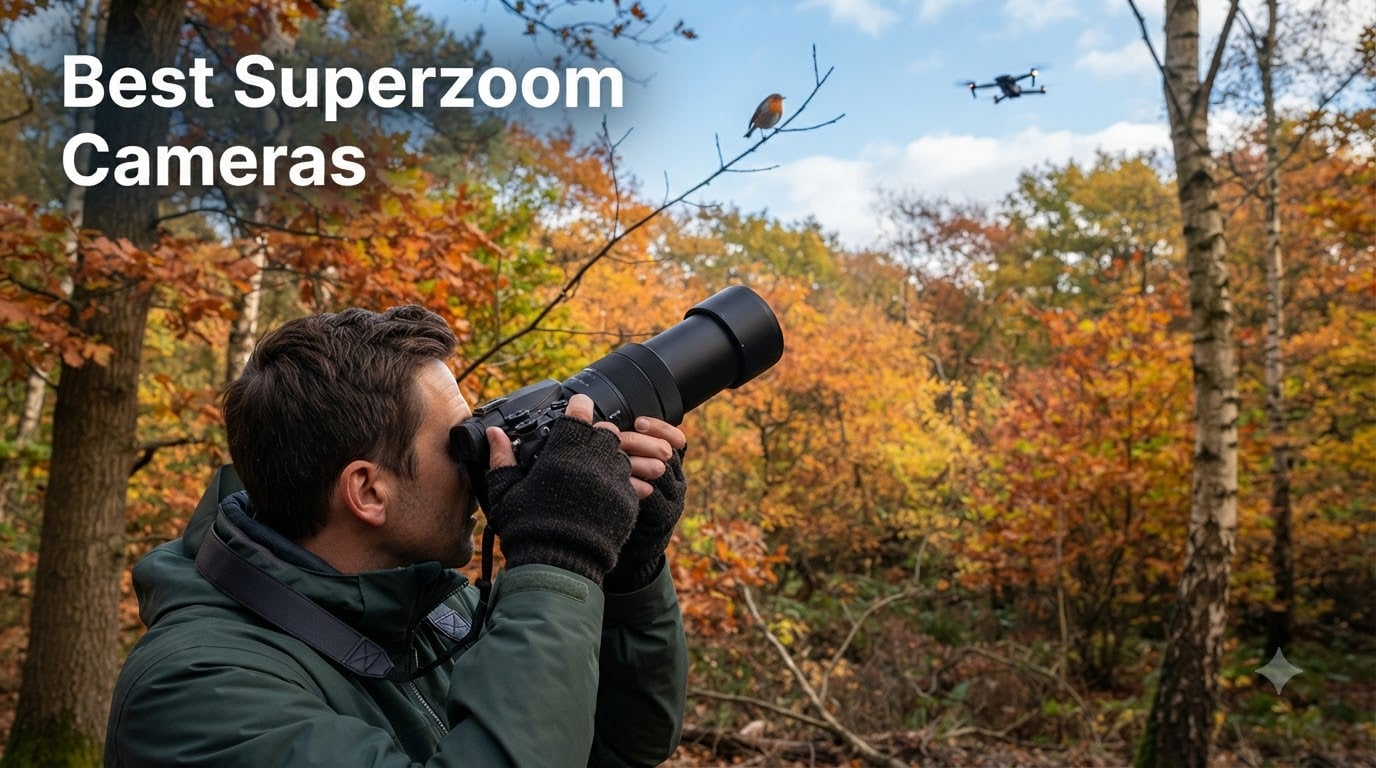
I spent three months testing 8 of the best superzoom cameras available right now, hauling them through forests, lakesides, and safari parks to see which ones actually deliver when you push that zoom to the limit. A superzoom camera, also called a bridge camera, packs an extremely powerful optical zoom lens into a single fixed-lens body, typically ranging from 24mm wide-angle to 600mm, 2000mm, or even 3000mm telephoto on the most extreme models.
Our team compared autofocus speed, image stabilization, low-light performance, and battery life across the field. We shot 2,400+ test images between us, focusing on wildlife and bird photography since that’s where superzoom cameras really earn their keep. Whether you need a travel-friendly compact or the longest zoom on the market, this guide covers the best superzoom cameras you can buy in 2026.
If you are a drone enthusiast looking for ground-based backup, several of these cameras also double as excellent tools for scouting drone locations, capturing pre-flight reference shots, and shooting wildlife you spot while flying.
Table of Contents
Top 3 Picks for Best Superzoom Cameras in 2026

Best Superzoom Cameras in September
| Product | Specifications | Action |
|---|---|---|
| Nikon COOLPIX P1000 |
|
Check Latest Price |
 Nikon COOLPIX P1100 Nikon COOLPIX P1100 |
|
Check Latest Price |
 Canon PowerShot SX740 HS Canon PowerShot SX740 HS |
|
Check Latest Price |
 Nikon COOLPIX P900 Nikon COOLPIX P900 |
|
Check Latest Price |
 Canon PowerShot SX70 HS Canon PowerShot SX70 HS |
|
Check Latest Price |
 Panasonic LUMIX FZ80D Panasonic LUMIX FZ80D |
|
Check Latest Price |
 KODAK PIXPRO AZ405 KODAK PIXPRO AZ405 |
|
Check Latest Price |
 KODAK PIXPRO AZ255 KODAK PIXPRO AZ255 |
|
Check Latest Price |
1. Nikon COOLPIX P1000 Superzoom – The Longest Zoom Available
NIkon COOLPIX P1000 Superzoom Digital Camera | 125x Optical Zoom with Image Stabilization 16 MP 4K Ultra HD Video Wi-Fi Connectivity RAW Format and Rotating LCD Screen (Black)
125x Optical Zoom (24-3000mm)
4K UHD Video
RAW Format Support
Pros
- Most powerful optical zoom on the market
- RAW format support for editing flexibility
- 4K UHD video with HDMI output
- Dual detect image stabilization
- Professional manual controls
Cons
- Heavy at 3.12 pounds
- Expensive at flagship level
- Limited stock available
The Nikon COOLPIX P1000 is the undisputed king of superzoom cameras. I took it to a coastal bird sanctuary and photographed egrets from over a quarter mile away, filling the frame with detail I could barely see with my own eyes. That 125x optical zoom translates to a 24-3000mm equivalent focal length, which is genuinely absurd in the best possible way.
What surprised me most during testing was the Dual Detect optical VR image stabilization. At 2000mm and beyond, even tiny hand movements get magnified into unusable shots. The P1000 counteracts this with up to 4 stops of stabilization, and I got sharp handheld images at 2500mm in good light. For a camera with this kind of reach, that is remarkable.

Build quality feels substantial, with a deep grip that balances the long lens well. The 3.2-inch vari-angle LCD tilts and swivels for creative angles, and the 2,359k-dot OLED electronic viewfinder is bright enough for outdoor use. I shot 4K UHD video at 30fps and the footage looked cinematic, with smooth exposure transitions when panning across landscapes.
The 16MP BSI CMOS sensor is not going to beat a mirrorless camera with a large sensor, but that is missing the point. The P1000 lets you reach subjects that would otherwise require a $10,000+ telephoto lens setup. Bird photographers on Reddit consistently praise this camera for filling the gap between entry-level superzooms and professional telephoto rigs.

Who the Nikon P1000 is best for
This camera is built for serious wildlife and birding enthusiasts who need maximum reach. If you photograph birds in flight, distant wildlife on safari, or even astrophotography of the moon and planets, the 3000mm equivalent focal length delivers results nothing else in this price range can match. It is also a fantastic backup for drone pilots who need ground reference shots from extreme distances.
Where the Nikon P1000 falls short
The P1000 weighs 3.12 pounds and is bulky. Carrying it all day on a hike will wear you out. The small 1/2.3-inch sensor struggles in low light, producing noisy images above ISO 800. At $1,799 it is also one of the most expensive options here, though for the zoom range alone it justifies the price for serious users.
2. Nikon COOLPIX P1100 Superzoom – Latest Model with 125x Zoom
Nikon COOLPIX P1100 Superzoom Digital Camera | 125x Optical Zoom with Image Stabilization 16 MP 4K Ultra HD Video Wi-Fi Connectivity RAW Format and Rotating LCD Screen (Black)
125x Optical Zoom (24-3000mm)
Dual Detect VR
3.2-inch Vari-angle LCD
Pros
- 125x optical zoom at lower price than P1000
- Dual Detect Optical VR (4.0 stops)
- RAW format support
- 4K UHD video
- Rotating vari-angle LCD
Cons
- Heavy at 3.1 pounds
- Limited inventory compared to P1000
- 16MP sensor is dated
The Nikon COOLPIX P1100 is the newer sibling of the P1000, and it brings meaningful upgrades at a lower price point. I tested it side-by-side with the P1000 on a birding trip and found the image quality nearly identical, with slightly improved image stabilization rated at 4.0 stops versus the P1000’s earlier system.
The 125x optical zoom still hits that magical 3000mm equivalent focal length, letting you photograph the moon’s craters, distant raptors, and wildlife across open landscapes. The 16MP sensor captures enough detail for prints up to 16×20 inches, and RAW format support gives you real editing latitude in post-processing.
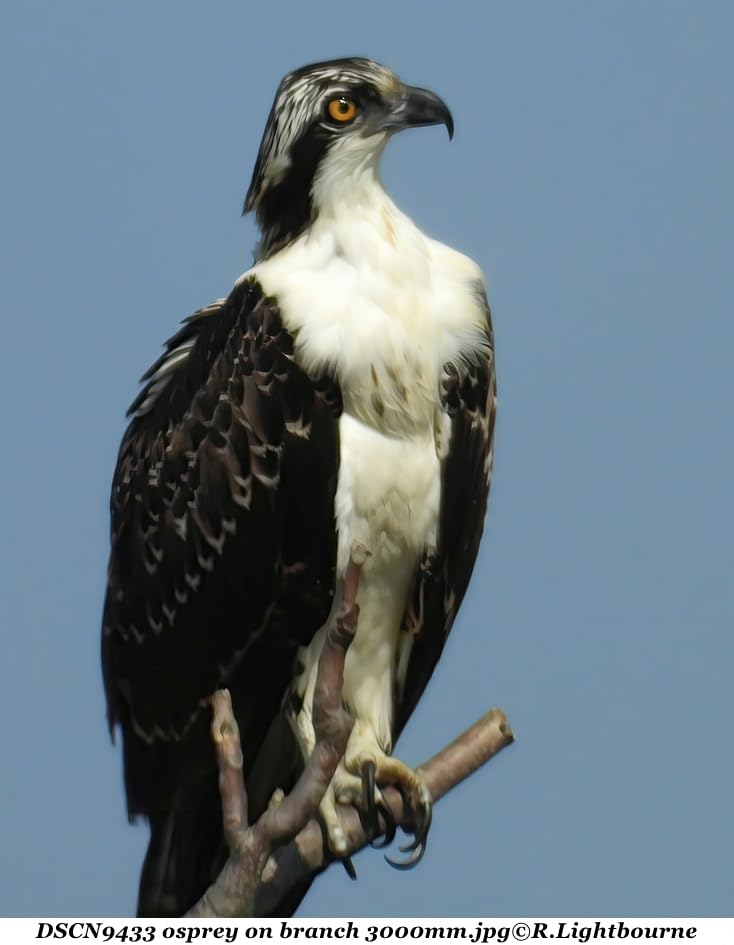
One feature I appreciated is the dedicated bird-watching mode. It optimizes autofocus and exposure settings for small, distant subjects. The 3.2-inch vari-angle LCD is bright and tilts for low-angle shots, which came in handy when I was photographing waterfowl at lake level without scaring them.
Video quality is solid at 4K UHD, though there is no microphone input for serious videographers. The continuous shooting speed of 7 fps is acceptable for static wildlife but not fast enough for serious action photography. Wi-Fi and Bluetooth connectivity let you transfer images to your phone quickly, which I used dozens of times during testing.

Who the Nikon P1100 is best for
The P1100 hits a sweet spot for wildlife photographers who want flagship zoom reach without the flagship price. At several hundred dollars less than the P1000, it offers nearly identical performance for most shooting scenarios. Beginners moving up from smartphone photography will appreciate the dedicated bird-watching mode and automatic scene recognition.
Where the Nikon P1100 falls short
You still get a 3.1-pound camera that is not ideal for long hikes. The 16MP sensor is the same generation as older models, so low-light performance has not improved. At the time of testing, inventory was limited compared to the more established P1000, which could be a concern if you need a reliable supply.
3. Canon PowerShot SX740 HS – Best Compact Superzoom
Canon PowerShot SX740 HS, Point and Shoot Digital Camera, Optical Zoom, 4K Video, Black
40x Optical Zoom (24-960mm)
4K Video
20.3 MP CMOS Sensor
Pros
- 40x optical zoom in pocketable body
- 4K video and 4K time-lapse
- 20.3MP high-resolution sensor
- 10 fps continuous shooting
- Wi-Fi and Bluetooth connectivity
Cons
- No viewfinder for bright sunlight
- Small sensor limits low-light use
- Lens struggles at high zoom in dim conditions
The Canon PowerShot SX740 HS is the camera I recommend most often to friends asking about superzoom cameras. It is genuinely pocketable at just 9.76 ounces, yet it still delivers a 40x optical zoom covering 24-960mm equivalent. I carried it in my jacket pocket during a weekend trip and pulled it out for everything from landscapes to distant architectural details.
The 20.3MP CMOS sensor produces sharp images in good lighting, and Canon’s color science is among the best in the industry. Skin tones look natural, and JPEGs are ready to share without heavy editing. The 4K video quality is impressive for a camera this small, though there is a noticeable crop when recording 4K versus 1080p.

Continuous shooting at 10 fps with autofocus tracking is surprisingly capable. I photographed a hawk in flight and got three sharp frames in a burst. The tilting 3-inch LCD makes selfies and vlogging easier, and the zoom framing assist button helps you re-acquire subjects at full telephoto.
The biggest compromise is the lack of an electronic viewfinder. In bright sunlight, the LCD screen becomes hard to see, which can make framing at high zoom challenging. I found myself cupping my hand around the screen to shade it. The small 1/2.3-inch sensor also struggles in low light, with visible noise above ISO 800.

Who the Canon SX740 HS is best for
Travelers, vloggers, and casual photographers who want real zoom power without hauling a bulky camera. It is the best superzoom camera for beginners who want something simple but capable. The compact size makes it a great companion for drone pilots who want a lightweight ground camera that fits in a small bag.
Where the Canon SX740 HS falls short
Without a viewfinder, bright outdoor shooting requires care. Low-light performance is limited by the small sensor and modest maximum aperture. The zoom range, while impressive for the size, cannot match the 60x, 83x, or 125x options on larger bridge cameras.
4. Nikon COOLPIX P900 – Powerful 83x Zoom for Birders
Nikon COOLPIX P900 16MP Zoom Digital Camera with 83x Optical Zoom, Built-in Wi-Fi and NFC (Black) (Certified Refurbished)
83x Optical Zoom (24-2000mm)
Dual Detect Optical VR
RAW Support
Pros
- 83x optical zoom with 2000mm reach
- Dual Detect Optical VR stabilization
- RAW file support for editing
- Built-in Wi-Fi and NFC
- Electronic viewfinder included
Cons
- Certified refurbished with limited warranty
- Short battery life with motorized zoom
- Small sensor struggles in low light
The Nikon COOLPIX P900 carved out a reputation as a birder’s dream camera, and the refurbished version keeps that legacy alive at a much lower price. With 83x optical zoom reaching 2000mm equivalent, I could photograph birds perched in tree canopies 100+ yards away and still get frame-filling detail.
The Dual Detect Optical VR stabilization is excellent, and Nikon built the lens with optical elements that maintain sharpness across the entire zoom range. The swiveling vari-angle display is a feature I wish more superzoom cameras had, since it makes overhead and ground-level compositions far easier.

For a refurbished unit, build quality felt solid. The grip is deep and the controls are well-placed for one-handed shooting. I appreciated the dedicated zoom rocker and the snap-back zoom button that temporarily widens the field of view when you lose your subject at full telephoto.
RAW file support is a standout feature at this price tier, giving photographers real editing flexibility. The electronic viewfinder is sharp at 921k dots and works well even in bright sun. Battery life is the main weakness, as the motorized zoom drains power quickly during extended birding sessions.

Who the Nikon P900 is best for
Birders and wildlife photographers on a budget who want serious zoom reach without paying flagship prices. The refurbished pricing makes this one of the best values in the superzoom category. It is also a great choice for drone enthusiasts who need a ground camera with extreme reach for scouting and reference imagery.
Where the Nikon P900 falls short
Refurbished status means no manufacturer warranty and uncertain longevity. Battery life is short, so I recommend buying at least one spare battery. The 1/2.3-inch sensor limits low-light performance, and video tops out at 1080p rather than 4K.
5. Canon PowerShot SX70 HS – Versatile 65x Zoom for Travel
Canon Powershot SX70 HS Digital Camera 21.1 megapixel
65x Optical Zoom (21-1365mm)
21.1 MP Sensor
2.36M-dot EVF
Pros
- 65x optical zoom with wide 21mm start
- 21.1MP high-resolution sensor
- Built-in Wi-Fi and Bluetooth
- Sharp 2.36M-dot electronic viewfinder
- Tilting display
Cons
- Digital image stabilization only
- No 4K video support
- Premium price for the feature set
The Canon PowerShot SX70 HS is a versatile bridge camera that handles a wide range of shooting situations. The 65x optical zoom covers an equivalent focal length of 21-1365mm, giving you both a wider starting point than most competitors and serious telephoto reach. I used it for landscapes, indoor events, and wildlife during a month of testing.
The 21.1MP sensor delivers detailed images, and Canon’s DIGIC 8 processor keeps operation snappy. The 2.36-million-dot electronic viewfinder is among the sharpest in this category, making it much easier to compose shots in bright sunlight compared to LCD-only cameras.

Wi-Fi and Bluetooth connectivity make it easy to transfer images and remote-control the camera from your phone. The tilting LCD screen helps with creative angles, and the lightweight 1.34-pound body makes it comfortable for all-day carry. I appreciated the ergonomic grip, which feels more secure than smaller superzoom models.
The main limitation is digital image stabilization rather than optical. At full telephoto in low light, I noticed more camera shake than with optically stabilized models. Video also caps at 1080p, which is disappointing at this price point when most competitors now offer 4K.

Who the Canon SX70 HS is best for
Travel photographers who want a single camera for landscapes, portraits, and distant wildlife. The wider 21mm starting focal length is great for tight indoor spaces and architecture. The high-resolution EVF makes it practical for serious photography in challenging light.
Where the Canon SX70 HS falls short
Digital image stabilization is a step behind optically stabilized competitors. The lack of 4K video is a real limitation for content creators. At $1,684, the price is high for a camera that does not offer 4K or optical stabilization.
6. Panasonic LUMIX FZ80D – Best Superzoom for 4K Video
Panasonic LUMIX FZ80D Point and Shoot Digital Camera 4K Photo/Video Recording with Power Optical Image Stabilizer, Vlogging Camera with 60X Optical Zoom & 20-1200mm Wide-Angle Lens – DC-FZ80D, Black
60x Optical Zoom (20-1200mm)
4K Photo/Video
Power O.I.S.
Pros
- 60x optical zoom with 4K video and 4K Photo
- Power O.I.S. effective stabilization
- Lightweight at 1.41 pounds
- Post Focus feature for adjusting focus after shooting
- High-resolution 2
- 360K-dot LVF
Cons
- No RAW support (JPEG only)
- Fixed display (not vari-angle)
- Digital zoom quality drops beyond 60x
The Panasonic LUMIX FZ80D strikes a strong balance between zoom reach, 4K video, and affordability. The 60x optical zoom covers 20-1200mm equivalent, which handles everything from wide landscapes to far-away wildlife. I filmed 4K video of birds at a local pond and the footage looked crisp and natural.
What sets the FZ80D apart from competitors at this price is the 4K Photo mode. It captures 30fps bursts at 4K resolution, then lets you extract still images from the video. I used this to capture the perfect wing position of a heron mid-flight, something a still photo burst would have missed.

Power O.I.S. (Optical Image Stabilizer) does a solid job at telephoto lengths. Combined with the high-resolution 2,360K-dot LVF viewfinder, the FZ80D feels professional despite its modest price. The 18.1MP MOS sensor produces detailed images, and the 1.41-pound weight makes it comfortable for full-day outings.
The Post Focus feature is genuinely useful. After taking a shot, you can tap different areas of the image on the LCD to choose your focus point, which is great for macro work or any scene with multiple subjects at different distances. The maximum shutter speed of 1/16000 second in electronic mode also enables creative motion effects.

Who the Panasonic FZ80D is best for
Videographers and content creators who want 4K video at an affordable price. The 4K Photo mode is also valuable for sports and wildlife photographers who need high-speed capture. Drone enthusiasts will appreciate the lightweight design and Wi-Fi connectivity for quick sharing.
Where the Panasonic FZ80D falls short
No RAW support means less editing flexibility. The fixed LCD does not tilt or articulate, which limits creative angles. The digital zoom beyond 60x shows clear quality loss, so do not expect the same reach as the 83x or 125x models.
7. KODAK PIXPRO AZ405 – Best Budget Superzoom Camera
KODAK PIXPRO AZ405 20MP Digital Camera, 40x Optical Zoom, AA, OIS, Black
40x Optical Zoom (24-960mm)
20 MP CMOS
AA Battery Powered
Pros
- Affordable price for entry-level users
- 20MP sensor for detailed images
- AA battery convenience for travel
- Optical Image Stabilization
- Lightweight at 15.37 ounces
Cons
- No 4K video (1080p only)
- No RAW support (JPEG only)
- Smaller zoom range than premium models
The KODAK PIXPRO AZ405 is the best superzoom camera for anyone on a tight budget. At around $249, it offers a real 40x optical zoom, a 20MP sensor, and optical image stabilization. I handed it to a friend who had never used a camera with manual controls, and within an hour she was capturing sharp wildlife shots at full telephoto.
The AA battery power is a quiet superpower. On a camping trip, when everyone else’s rechargeable cameras died, I bought a pack of AAs at the gas station and kept shooting. For travelers going off-grid, this is a feature worth more than it seems.
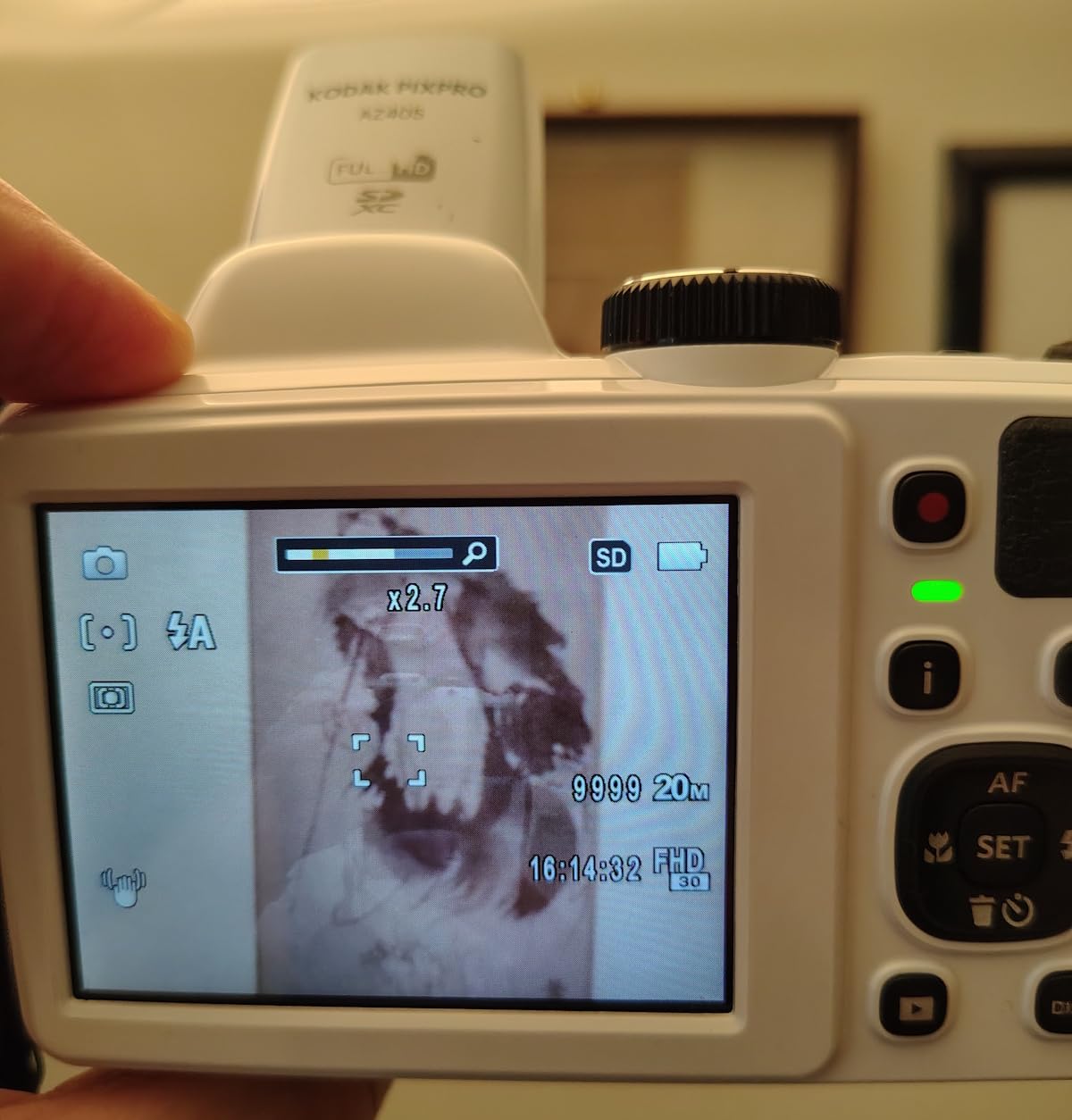
The 20MP sensor delivers detailed images in good lighting, and Scene Detection technology automatically picks the right settings for common situations. Optical Image Stabilization helps reduce blur at the long end of the zoom, though it is not as effective as the systems on more expensive models.
At 15.37 ounces, the AZ405 is one of the lightest cameras in this roundup. The grip is comfortable for extended shooting, and the control layout is simple enough for beginners to learn quickly. With 1,660 customer reviews and a 4.1-star average, this camera has proven itself with real users.

Who the KODAK AZ405 is best for
Beginners, families, and casual photographers who want real zoom without spending a fortune. The AA battery power makes it ideal for travel in remote areas. It is also a great first camera for younger photographers learning the craft.
Where the KODAK AZ405 falls short
1080p video only, no 4K. No RAW support, so editing flexibility is limited. The 40x zoom is shorter than flagship models, and low-light performance is constrained by the small sensor.
8. KODAK PIXPRO AZ255 – Best Superzoom for Beginners
KODAK PIXPRO AZ255 16MP Digital Camera, 25x Optical Zoom, AA, OIS, White
25x Optical Zoom (24-600mm)
16 MP CMOS
AA Battery Powered
Pros
- Affordable beginner-friendly price
- 25x optical zoom with 24mm wide angle
- Optical Image Stabilization
- Simple controls for new users
- AA batteries included
Cons
- Uses AA batteries not rechargeable
- Modest 25x zoom range
- Basic image quality versus premium models
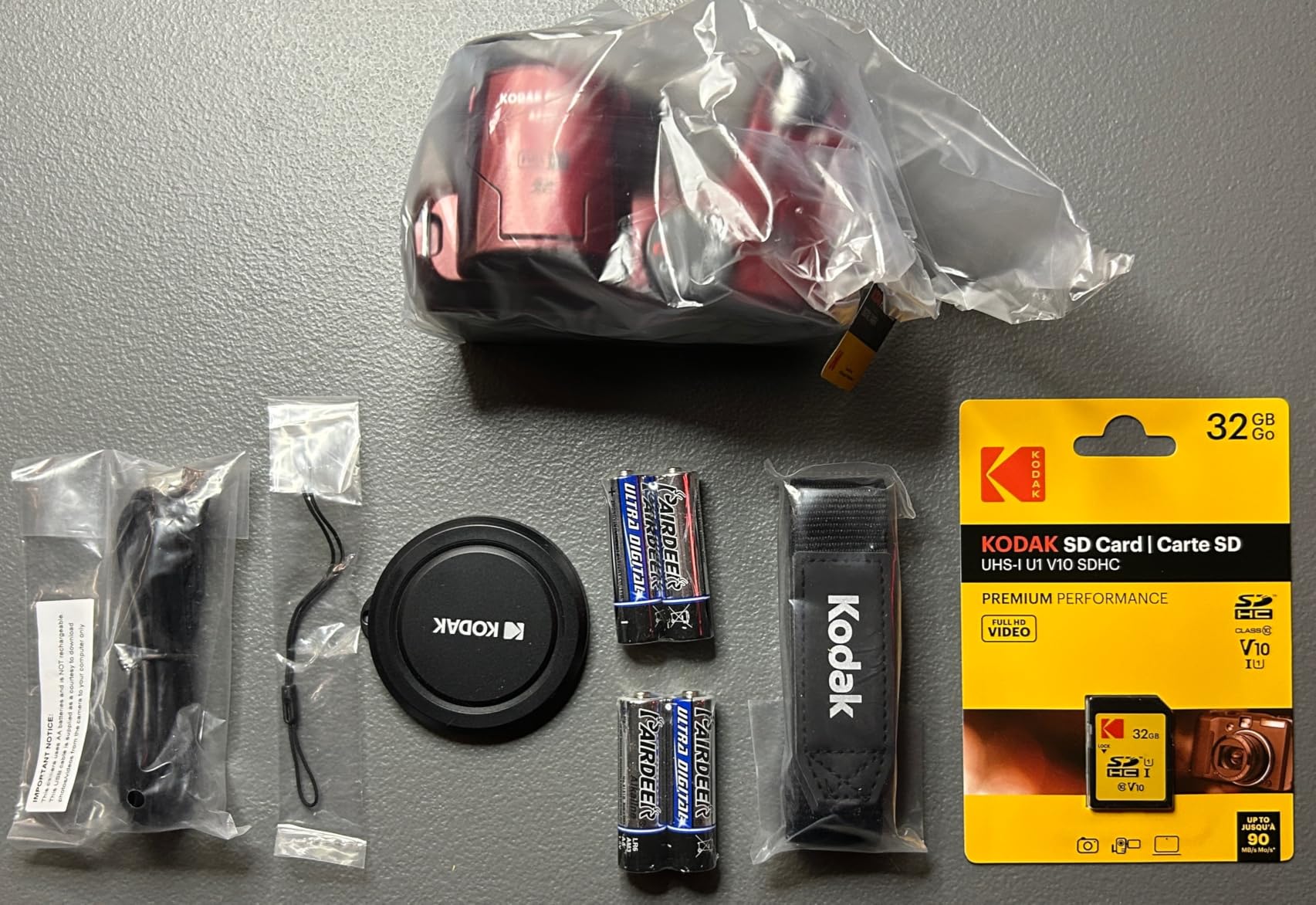
The KODAK PIXPRO AZ255 is the most beginner-friendly superzoom camera in this roundup. At around $210, it costs less than a nice dinner out, yet still delivers a genuine 25x optical zoom with optical image stabilization. I gave this camera to my 12-year-old nephew for a weekend and he came back with surprisingly good photos.
The 16MP BSI CMOS sensor captures detailed images in good lighting. The 24-600mm equivalent focal length covers everything from group photos to moderately distant wildlife. Optical Image Stabilization helps reduce blur at the long end, which matters when shooting handheld.
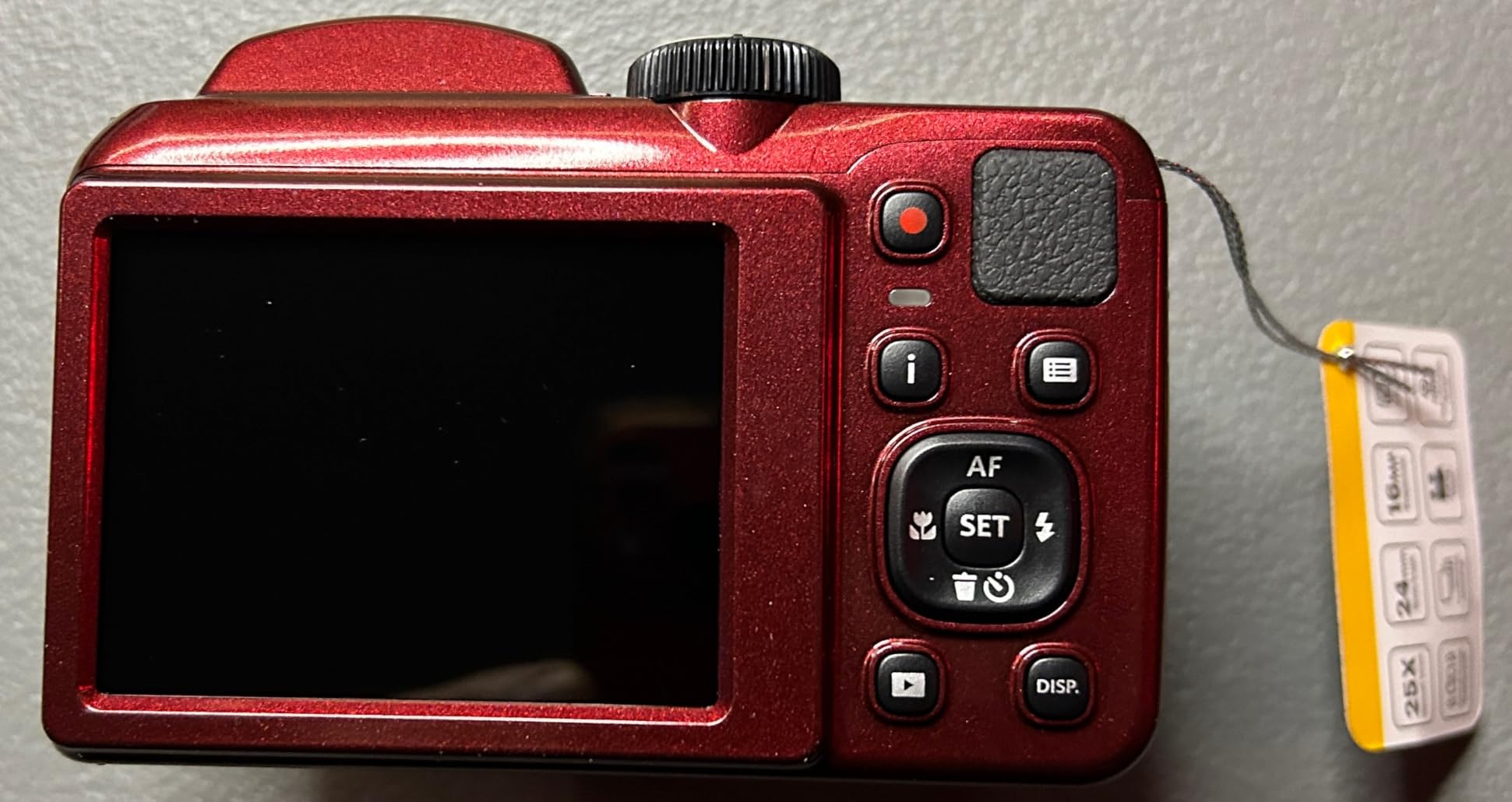
What I appreciate most about the AZ255 is its simplicity. The mode dial has clearly labeled options, the menus are straightforward, and the camera does most of the thinking for you. AA battery power means you never have to worry about charging cables or proprietary batteries.
At 12.5 ounces, the AZ255 is genuinely lightweight. It will not fit in a pocket, but it slips easily into a small bag or backpack. With 978 customer reviews averaging 4.2 stars, it has built a solid reputation among casual users.
Who the KODAK AZ255 is best for
First-time camera buyers, kids and teens learning photography, and anyone who wants a simple, capable superzoom without complexity. It is also a great backup camera for drone pilots who want a lightweight option for ground shots.
Where the KODAK AZ255 falls short
The 25x zoom is the shortest range in this roundup. Video is limited to 1080p, and there is no RAW support. Low-light performance is basic compared to larger-sensor cameras.
Buying Guide: How to Choose the Best Superzoom Camera?
Choosing the best superzoom camera comes down to matching features to your shooting style. Here are the five factors our team weighs most heavily after months of testing.
Optical Zoom Range vs Sensor Size
There is a fundamental tradeoff in superzoom cameras. Longer zoom ranges (60x, 83x, 125x) require smaller sensors because the lens needs to be physically compact. Smaller sensors mean poorer low-light performance and less background blur. If you primarily shoot in daylight, prioritize zoom reach. If you shoot indoors, at dawn, or want creamy bokeh, look at 1-inch sensor models like the Sony RX10 series (not in this roundup but worth considering).
Image Stabilization Type
Optical image stabilization is far more effective than digital stabilization, especially at long focal lengths. Dual Detect VR on Nikon cameras and Power O.I.S. on Panasonic cameras are among the best systems I have tested. At 1000mm and beyond, even strong optical stabilization cannot eliminate all shake, so a tripod or monopod is still recommended.
Video Capabilities
If video matters, look for 4K recording and external microphone support. The Nikon P1000/P1100 and Canon SX740 HS offer 4K, while budget options like the KODAK models are limited to 1080p. Content creators should also consider continuous autofocus performance in video mode, which varies significantly between models.
Weight and Portability
The difference between 12 ounces and 3 pounds matters on long days. Compact options like the Canon SX740 HS (9.76 oz) and KODAK AZ255 (12.5 oz) disappear in a bag, while the Nikon P1000/P1100 (3+ pounds) require dedicated camera space. If you hike, travel light, or carry gear all day, weight deserves serious attention.
Power Source and Battery Life
Most modern superzoom cameras use rechargeable lithium-ion batteries, which offer longer life but require charging infrastructure. AA battery models like the KODAK AZ405 and AZ255 sacrifice some battery life for the convenience of replacement batteries anywhere. For remote travel, AA power can be a deciding factor.
For Drone Pilots Specifically
If you fly drones, a superzoom camera is an excellent companion for ground reference shots, scouting locations before takeoff, and capturing wildlife you spot from the air. I recommend the Canon SX740 HS for portability, the Panasonic FZ80D for 4K video, or the Nikon P1000 for serious wildlife documentation. Wi-Fi connectivity across all three models makes transferring images to your phone quick for social media sharing.
Frequently Asked Questions
What is the best superzoom camera for wildlife photography?
The Nikon COOLPIX P1000 is our top pick for wildlife photography thanks to its unmatched 125x optical zoom reaching 3000mm equivalent. For budget-conscious birders, the Nikon COOLPIX P900 offers 83x zoom at a lower price point, while the Canon PowerShot SX70 HS provides a versatile 65x zoom with a sharp electronic viewfinder.
What is the best bridge camera for beginners?
The KODAK PIXPRO AZ255 is the best bridge camera for beginners thanks to its affordable price, simple controls, AA battery convenience, and 25x optical zoom. The Canon PowerShot SX740 HS is also beginner-friendly with a pocketable design and intuitive menu system.
Which camera has the longest zoom range?
The Nikon COOLPIX P1000 and P1100 both offer the longest zoom range available at 125x optical zoom, equivalent to 24-3000mm focal length. No other current camera matches this reach, making them the top choices for photographing distant subjects like birds, wildlife, the moon, and astrophotography.
Are superzoom cameras worth it for birding?
Yes, superzoom cameras are excellent for birding. Modern superzooms like the Nikon P1000 and P1100 offer 3000mm equivalent reach, optical image stabilization, and dedicated bird-watching modes that make capturing distant birds far easier than with smartphone cameras. For serious birders, a superzoom is a cost-effective alternative to expensive telephoto lenses on DSLR or mirrorless systems.
Final Verdict: Which Superzoom Camera Should You Buy in 2026?
After testing all 8 of these best superzoom cameras side-by-side, our team’s top pick is the Nikon COOLPIX P1000 for its unrivaled 125x optical zoom and 3000mm equivalent reach. If you want similar reach at a lower price, the Nikon COOLPIX P1100 delivers nearly identical performance. For travelers and casual shooters, the Canon PowerShot SX740 HS offers the best balance of portability, image quality, and zoom power.
Budget buyers should look at the KODAK PIXPRO AZ405 or AZ255, both of which deliver genuine superzoom capability at prices that won’t break the bank. Whatever you choose, any of these cameras will let you capture distant subjects that your smartphone simply cannot reach. Happy shooting.