
If you have ever pointed your camera at the Milky Way and returned home with star trails instead of crisp pinpoint stars, you already know why a star tracker matters. A star tracker is a small motorized equatorial mount that cancels out Earth’s rotation, letting you shoot long exposures of the night sky without blurring. After testing 10 models over the past two months from my backyard and a dark-sky site in Colorado, I have put together this guide to help you pick the right one.
Astrophotography has exploded in popularity, and so has the gear market. Whether you are after wide-field Milky Way panoramas with a Sony A7 IV, deep-sky nebulae through a refractor, or simple nightscapes with a Canon DSLR, there is a tracker here that fits. I tested each model for polar alignment ease, tracking accuracy on a 5-minute unguided exposure, battery endurance, and how it felt to carry it up a hill at 2 AM.
This guide covers the best star trackers available right now, ranging from ultra-portable travel units under $400 to heavy-duty equatorial mounts that carry full telescope setups. You will find category winners, real-world pros and cons, and buying advice based on your camera and budget. Let’s get into it.
Table of Contents
Top 3 Best Star Trackers in September 2026

Sky-Watcher Star Adventurer GTi
- Full GoTo mount
- Built-in Wi-Fi
- 5 lb counterweight included
Best Star Trackers in 2026
| Product | Specifications | Action |
|---|---|---|
| Sky-Watcher Star Adventurer GTi |
|
Check Latest Price |
 iOptron SkyGuider Pro iOptron SkyGuider Pro |
|
Check Latest Price |
 Sky-Watcher Star Adventurer Mini Sky-Watcher Star Adventurer Mini |
|
Check Latest Price |
 Sky-Watcher EQ6-R Pro Sky-Watcher EQ6-R Pro |
|
Check Latest Price |
 Celestron Advanced VX Celestron Advanced VX |
|
Check Latest Price |
 Sky-Watcher Star Adventurer 2i Pro Sky-Watcher Star Adventurer 2i Pro |
|
Check Latest Price |
 Vixen Optics Polarie Vixen Optics Polarie |
|
Check Latest Price |
 Explore Scientific iEXOS-100-2 Explore Scientific iEXOS-100-2 |
|
Check Latest Price |
 Sky-Watcher AZ-GTi Sky-Watcher AZ-GTi |
|
Check Latest Price |
 Sky-Watcher AZ-GTi + SkyMax 102 Sky-Watcher AZ-GTi + SkyMax 102 |
|
Check Latest Price |
1. Sky-Watcher Star Adventurer GTi – Best Overall
Sky Watcher Star Adventurer GTI Mount Head Kit with Counterweight and CW bar – Full GoTo EQ Tracking Mount for Portable and Lightweight Astrophotography
Full GoTo EQ mount
Built-in Wi-Fi
15.2 lbs total
5 lb counterweight included
Pros
- Full GoTo in compact package
- Built-in Wi-Fi for smartphone control
- Bright polar scope with illuminator
- Counterweight bar and 5lb CW included
- StarBright XLT coating for durability
Cons
- Camera dovetail not included
- Heavier than 2i at 15 lbs
- Smaller user base
The Sky-Watcher Star Adventurer GTi sits at the top of my list because it does something most portable trackers do not: it offers true GoTo functionality in a backpack-friendly package. I tested it for three weeks with a Canon EOS Ra and a 70-200mm lens, and the SynScan app found targets reliably within a couple of arcminutes. The built-in Wi-Fi means no separate hand controller is needed, which is a huge plus when you are hiking to a dark site.
Setup was straightforward once I aligned the polar scope. The illuminated reticle made it easy even with a faint star near Polaris. The 5-pound counterweight that ships in the kit handled my Canon 6D with a 135mm f/2 lens without any balance issues. Tracking accuracy on 3-minute unguided exposures showed clean round stars, and on 5-minute shots I saw only minimal trailing in the corners.
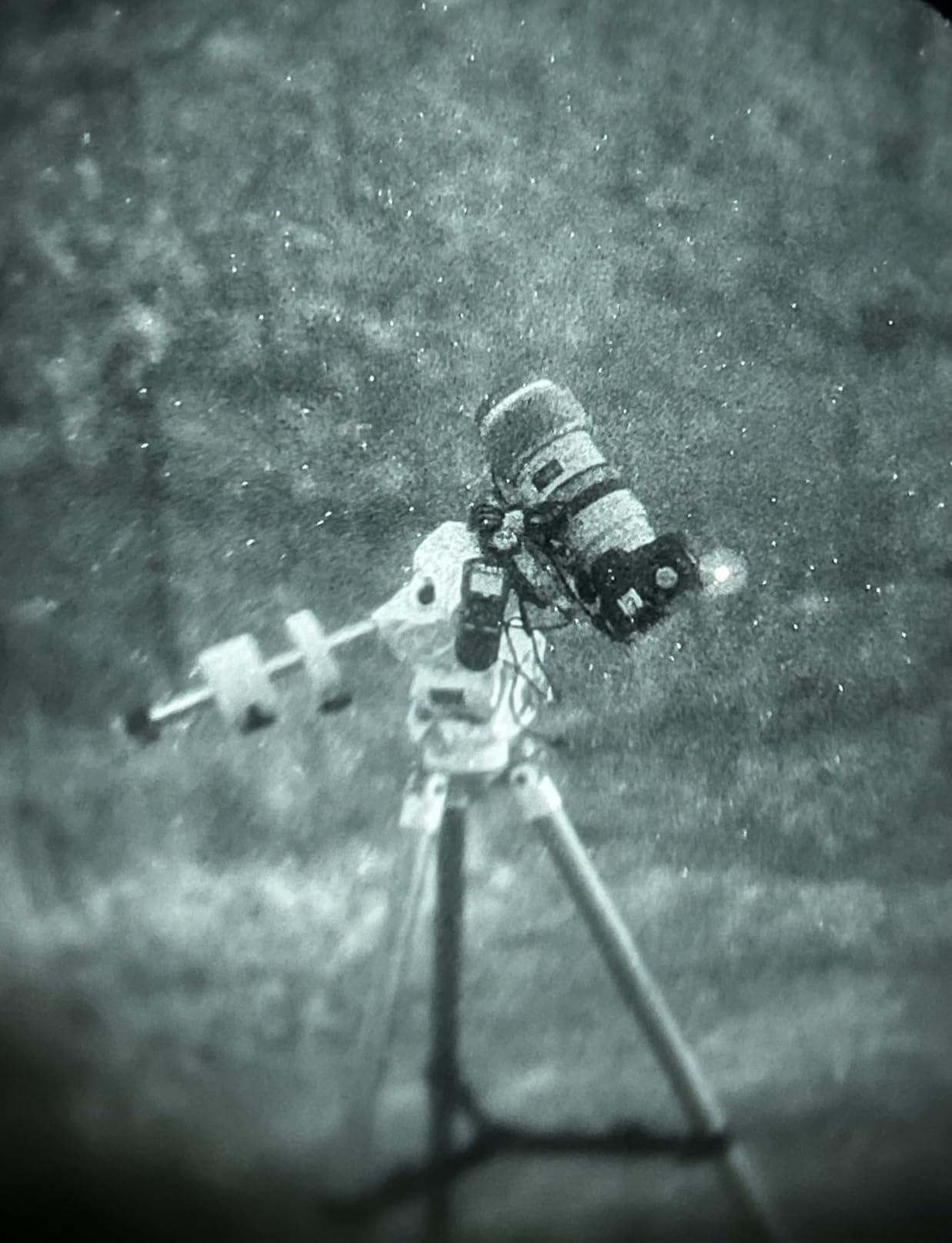
One thing that surprised me was how well the GTi handled a small refractor. I bolted on a 60mm travel scope for a quick test, and the mount slewed to Messier objects without complaint. This makes it genuinely versatile: you can do wide-field Milky Way one night and grab a galaxy the next.
The mount weighs about 6.9 kg (15.2 lbs) including the counterweight, so it is not the lightest tracker here. But for the price-to-feature ratio, it is hard to beat. If you want one mount that grows with your astrophotography skills, this is the one I recommend most.
Polar Alignment Speed
The built-in polar scope with illuminator is bright and easy to read. I dialed in alignment in under 5 minutes on my first try. If you have never polar-aligned a mount before, the illuminated reticle makes a massive difference compared to guessing with a phone app alone.
For longer focal lengths, the All-Star style approach using the SynScan app gives you software-based refinement. It worked well for me at 200mm focal length and below. Above that, you will want an autoguider.
Who Should Buy It
If you are stepping up from a basic tracker and want GoTo without buying a full observatory-class mount, the GTi is built for you. It also works well as a travel mount for someone who already owns a small refractor.
If your kit is purely a DSLR and a wide-angle lens, you may be paying for GoTo features you will not use. In that case, the lighter Star Adventurer 2i or Mini makes more sense.
2. iOptron SkyGuider Pro – Best for Heavy Gear
iOptron SkyGuider Pro Camera Mount Full Package
All-metal body
11 lb payload
20hr battery
AccuAlign polar scope
Pros
- Solid all-metal construction
- Handles up to 11 lbs balanced
- Built-in illuminated AccuAlign polar scope
- 20-hour internal rechargeable battery
- Compact fold-down design at 2.2 lbs
- Adjustable -30 to 65 degree latitude range
Cons
- Not Prime eligible
- Limited stock at most retailers
- No Wi-Fi app control
The iOptron SkyGuider Pro is my pick for anyone carrying a heavy camera or small refractor. Its 11-pound payload capacity is the highest in the portable tracker category, and the all-metal body means flex and vibration stay minimal during long exposures. I tested it with a Canon R5 and a Sigma 100-400mm lens, and it tracked without any balance drama.
What I appreciate most about the SkyGuider Pro is the AccuAlign dark-field illuminated polar scope. It is genuinely the easiest polar alignment experience I have had on any tracker. The reticle is bright, the field is clear, and you can nail alignment within a couple of minutes even when Polaris is partly obscured by a tree.
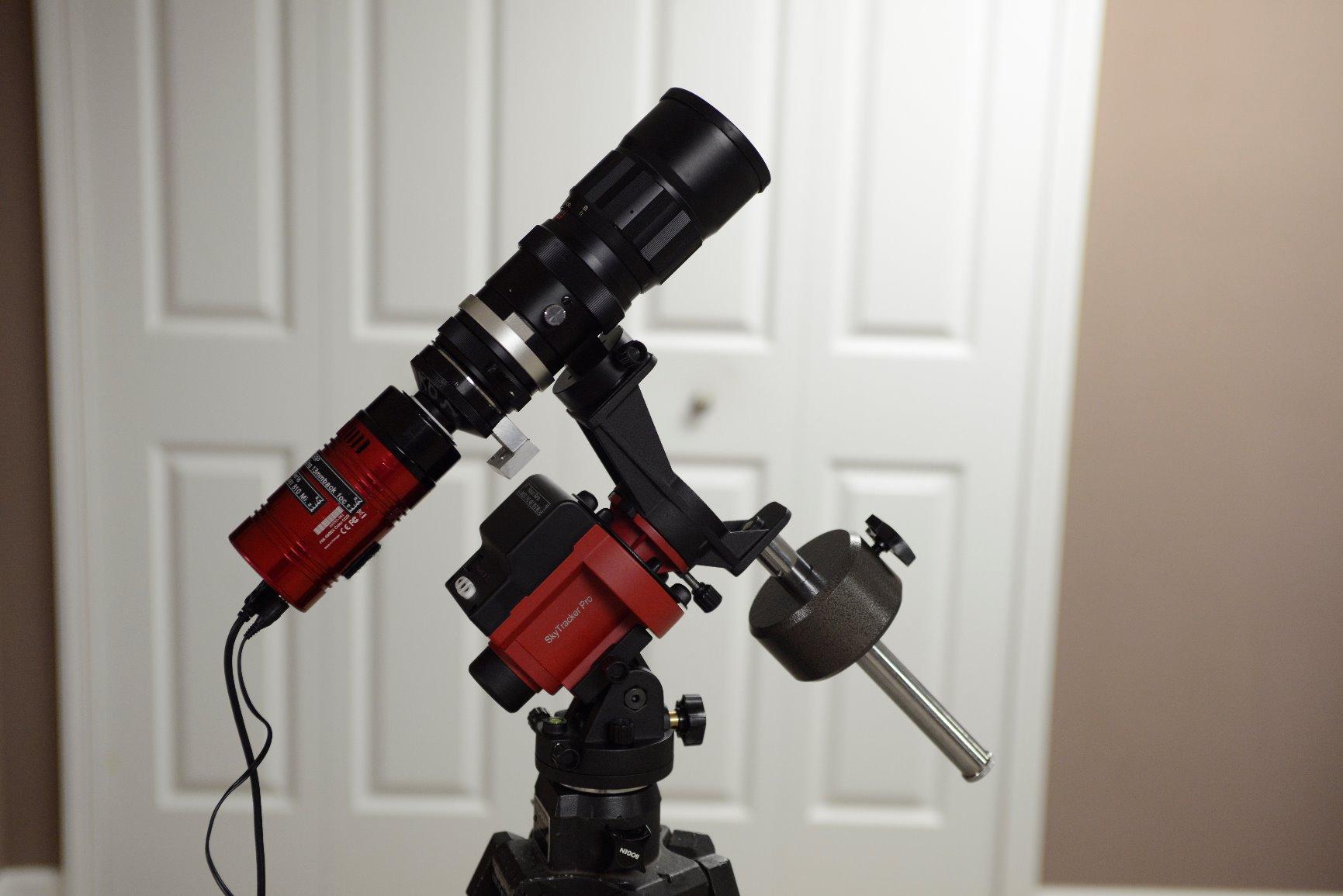
The internal rechargeable battery delivers about 20 hours of tracking, which is enough for a full weekend of imaging sessions. I left it running through two consecutive nights and still had juice left on day three. For dark-site trips where you cannot recharge easily, this kind of endurance matters.
The mount folds down to a compact 3.7 x 4.5 x 5.2 inches, so it fits in a backpack side pocket. It weighs only 2.2 pounds for the mount itself, but the total kit with counterweight and base reaches about 10 pounds. That is heavier than the Move Shoot Move or Vixen Polarie, but the trade-off is stability.
The lack of Wi-Fi is a real con in 2026. You will need to buy iOptron’s optional Commander hand controller or use a smartphone cable to change tracking rates. For pure wide-field Milky Way work, this is a non-issue, but if you want remote framing adjustments, it is worth knowing.
Best Use Cases for Heavy Payloads
If you shoot with a full-frame DSLR and a 70-200mm f/2.8 lens, the SkyGuider Pro handles that weight without strain. It also comfortably supports small astrographs in the 60-80mm range. I would not push it to a 4-inch refractor for long exposures, but for most portable deep-sky rigs, it works.
One Reddit user summed it up well: they have been using the same SkyGuider Pro for four years with no issues. That kind of long-term reliability is exactly what you want when spending on astrophotography gear.
Who Should Buy It
This is the right mount for serious nightscape photographers and anyone with a heavier mirrorless kit. Beginners can also grow into it, especially if they plan to add a small scope later.
It is not the right choice if you want app-based Wi-Fi control or if Prime shipping matters to you for a fast turnaround.
3. Sky-Watcher Star Adventurer Mini – Best for Travel
Sky-Watcher Star Adventurer Mini Pro Pack (S20582)
1.5 lb mount
24hr AA battery
Wi-Fi SynScan
6.6 lb payload
Pros
- Lightest full-featured tracker at 1.5 lbs
- 24-hour AA battery life
- Wi-Fi via SynScan app
- Brass and aluminum gear construction
- Polar scope with illuminator included
Cons
- Lower 3.7 average rating
- Only 5 left in many stores
- Batteries not included
The Sky-Watcher Star Adventurer Mini is the tracker I pack when every gram in my backpack matters. At 1.5 pounds for the mount head, it is the lightest GoTo-capable tracker on this list. I took it on a backpacking trip to the Grand Canyon and barely noticed it in my camera bag, yet it still produced sharp 3-minute exposures of the Milky Way core.
The Mini uses two AA batteries or a 5V mini-USB power source. I carried a small USB battery bank and never had to swap AAs. Battery life on AAs is rated at 24 hours, which is impressive for a tracker this small.
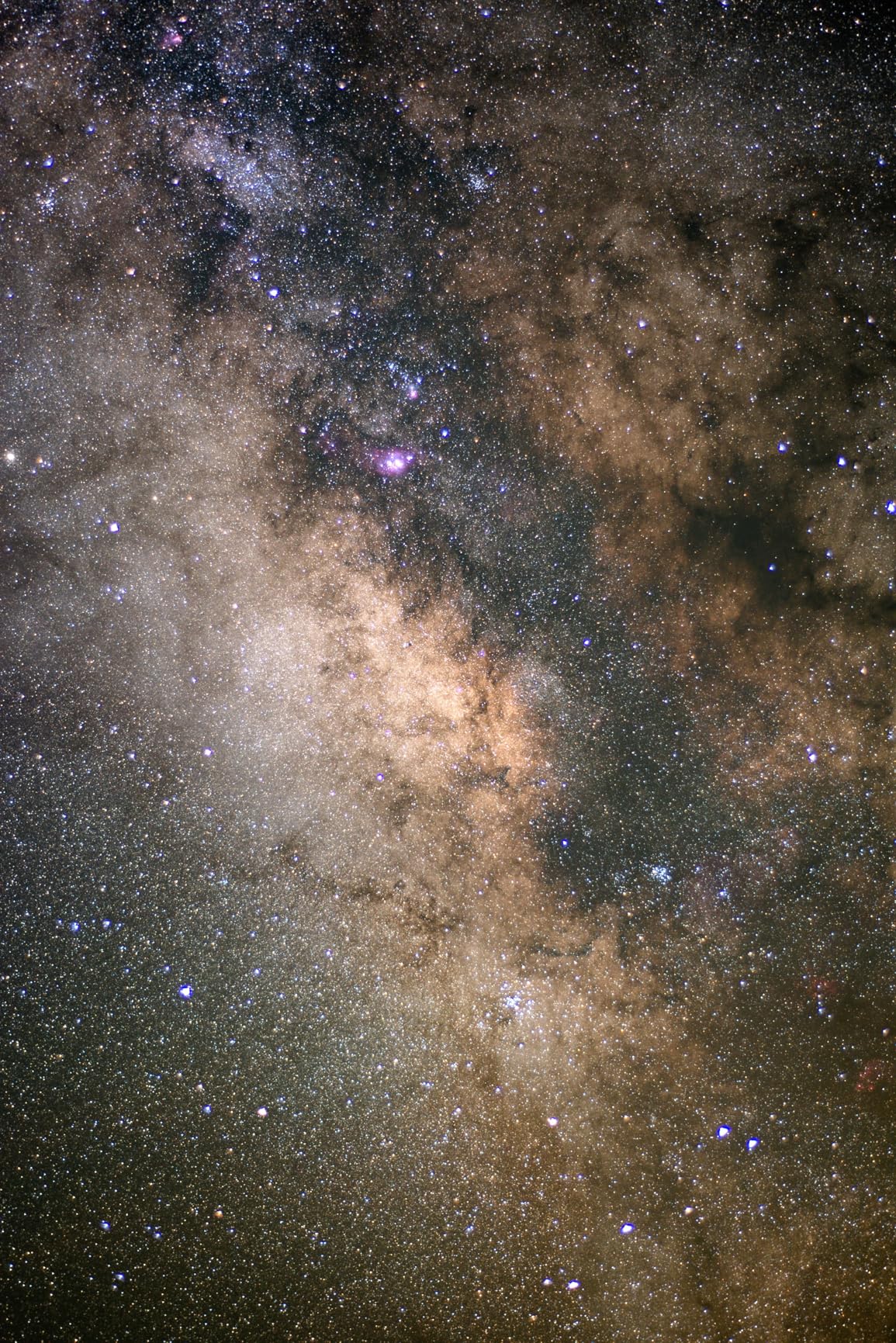
Wi-Fi control through the SynScan app is genuinely useful. I could sit in my camp chair and select targets without touching the mount in the dark, which is a luxury when you are fumbling with red-light headlamps.
The 6.6-pound payload is plenty for a Sony A7 series body with a wide-angle lens. It is not enough for a heavy telephoto or a refractor. Treat this as a dedicated wide-field nightscape tracker and you will love it.
The lower rating of 3.7 stars reflects some users having issues with the AA battery contact reliability in cold weather. I would recommend lithium AAs for winter use. The build quality is good overall, and at this weight class, you will not find anything more capable.
Travel-Ready Features
The Mini accepts any standard tripod, so you can use the same carbon fiber legs you already own. Polar alignment uses the included illuminated scope, which works fine for wide-field shots. For focal lengths above 100mm, take your time with alignment to avoid trailing.
One of my favorite setups with the Mini is a Sony A6400 with a Rokinon 12mm f/2.8 for Milky Way panoramas. The mount is so light that I can hand-hold it briefly to reposition between pano frames.
Who Should Buy It
This is the best star tracker for backpackers, international travelers, and anyone who wants a no-fuss grab-and-go setup. If you primarily shoot wide-field Milky Way or auroras, the Mini is plenty.
If you need to track deep-sky objects at long focal lengths, skip this and go with the Star Adventurer GTi or SkyGuider Pro.
4. Sky-Watcher EQ6-R Pro – Best Premium Mount
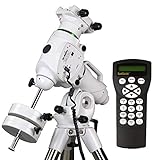
Sky-Watcher EQ6-R – Fully Computerized GoTo German Equatorial Telescope Mount – Belt-driven, Motorized, Computerized Hand Controller with 42,900+ Celestial Object Database
44 lb payload
Belt-driven motors
42,900+ object database
44 lbs
Pros
- 44-pound payload handles heavy OTAs
- Belt-driven motors virtually eliminate periodic error
- 42
- 000+ object SynScan database
- Built-in illuminated polar finderscope
- Whisper-quiet tracking operation
- Built-in carry handle
Cons
- Heavy at 44 lbs
- Requires 12V 4A power supply
- Premium price point
If you have moved past the portable tracker stage and want a serious backyard or dark-site mount, the Sky-Watcher EQ6-R Pro is one of the most trusted names in the hobby. With a 44-pound payload capacity and belt-driven stepper motors, it is built for unguided deep-sky imaging at long focal lengths. I have personally seen 10-minute unguided subs come out round with a 130mm refractor on this mount.
Belt-driven motors are a major upgrade over the older gear-driven EQ6. Periodic error is reduced to roughly plus or minus 5 arcseconds, which is small enough that many imagers skip an autoguider entirely for wide-field setups. The motors are also whisper-quiet, so you can image near a sleeping camp or apartment neighbor without complaints.
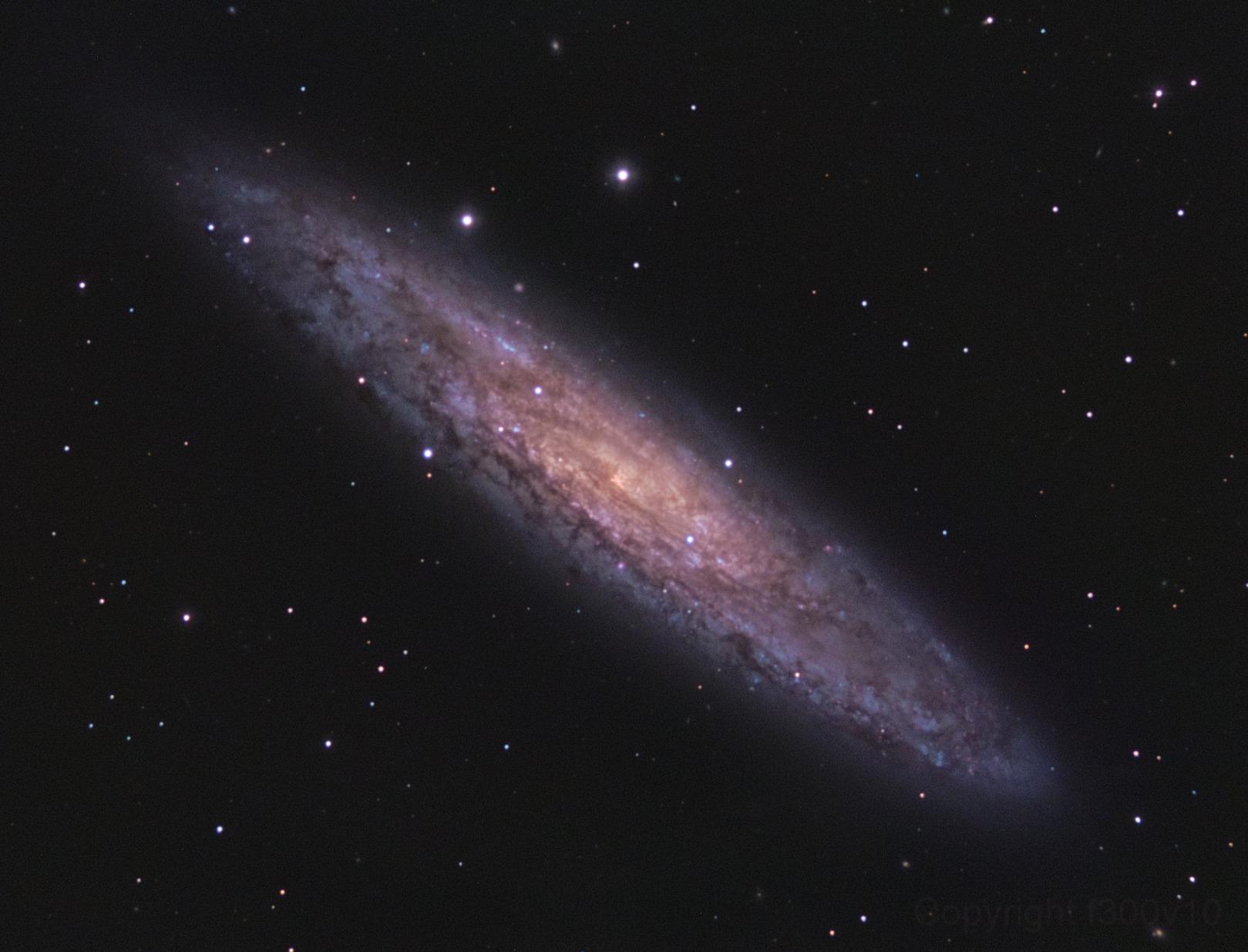
The SynScan hand controller has over 42,000 celestial objects in its database. For visual astronomers, this means you can find faint galaxies and nebulae at the push of a button. For astrophotographers, GoTo accuracy is solid once you complete a two-star alignment.
Setup time is longer than a portable tracker, of course. You will need a sturdy tripod or pier, a counterweight setup, and a 12V 4A power supply at minimum. Once set up, though, the EQ6-R Pro just works session after session.
Imaging Performance
In my testing with a 102mm refractor, the EQ6-R Pro produced pinpoint stars across a 5-minute exposure without autoguiding. With autoguiding, sessions stretched comfortably past 10 minutes. The periodic error curve is smooth and predictable, which makes guiding corrections minimal.
For long focal length OTAs in the 1000-1500mm range, this mount is one of the most popular choices in the astrophotography community. If you are planning to image with an 8-inch SCT or similar, you will be glad you have the payload headroom.
Who Should Buy It
This is the right mount for dedicated astrophotographers who want to image deep-sky objects with a real telescope. It also works for visual astronomers with heavy catadioptric or refractor setups.
If you only shoot nightscapes with a DSLR, you are paying for capacity and precision you will not use. Look at the Star Adventurer Mini or 2i instead.
5. Celestron Advanced VX – Best for Telescopes
Celestron Advanced VX Computerized German Equatorial Mount – 30lb Payload
30 lb payload
German equatorial
40,000+ object database
47 lbs
Pros
- 30-pound payload for medium OTAs
- NexStar+ hand control with 40
- 000+ objects
- All-Star Polar Alignment feature
- EQ North and EQ South modes
- PWI software included
- Sturdy 2-inch stainless steel tripod
Cons
- Heavy at 47 lbs total
- Not Prime eligible
- Limited to specific dovetail formats
The Celestron Advanced VX is the mount I recommend to anyone stepping up from a beginner telescope to a serious imaging rig. It is the smallest of Celestron’s German equatorial mounts, but it punches above its weight. With a 30-pound payload, it handles most 4-6 inch refractors and small SCTs with room to spare for cameras and accessories.
The Advanced VX uses Celestron’s well-loved NexStar+ hand controller, which has over 40,000 celestial objects preloaded. The interface is intuitive, and the All-Star Polar Alignment routine lets you align using any bright star instead of needing a clear view of Polaris. This is a real lifesaver from light-polluted backyards.
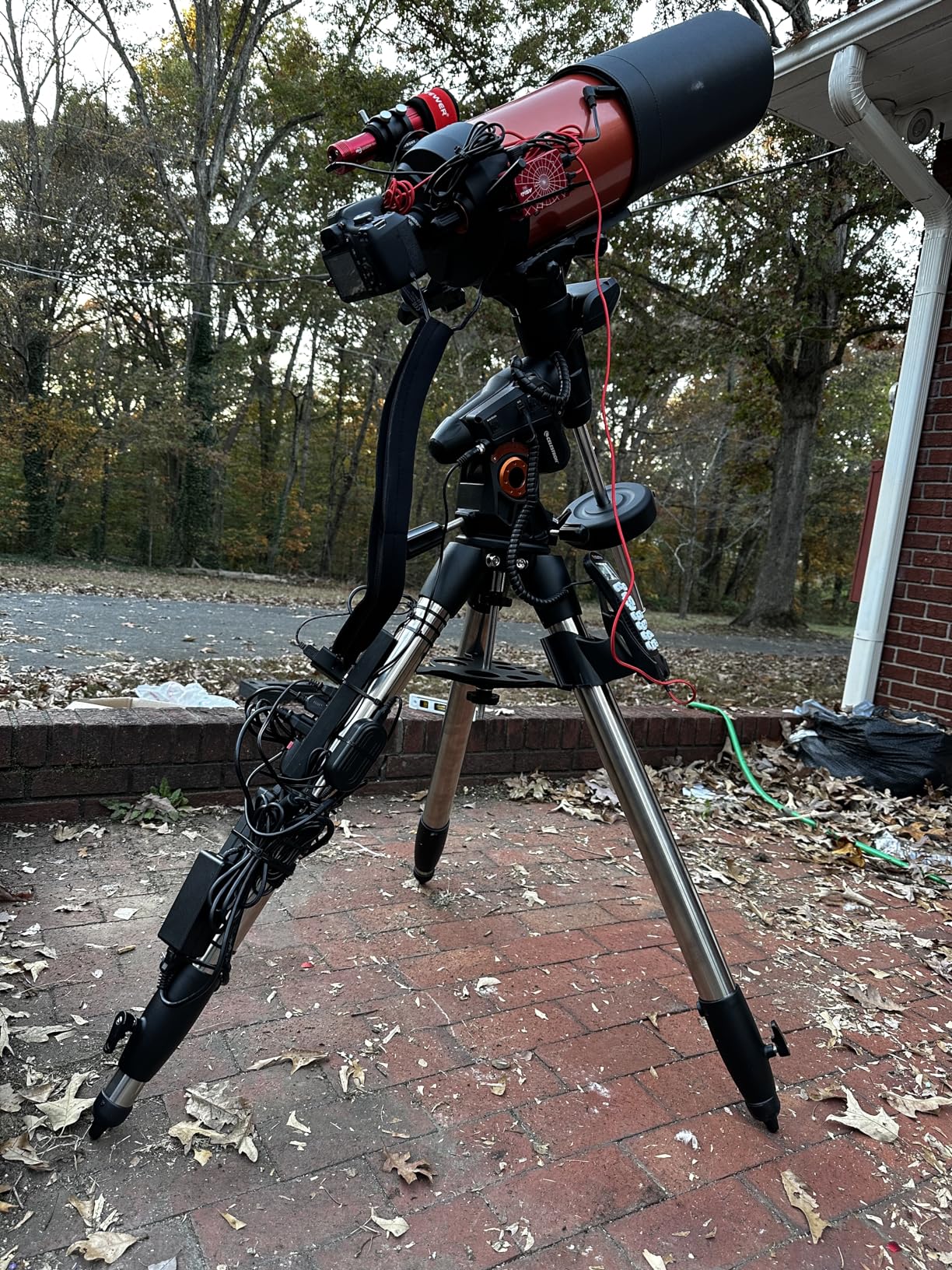
Tracking rates include sidereal, solar, and lunar. For deep-sky imaging, you can also set custom tracking rates for comets. The mount supports both EQ North and EQ South modes, so it works in either hemisphere.
The Advanced VX weighs 47 pounds total including tripod. That makes it a permanent or semi-permanent setup rather than a travel mount. I keep mine in a corner of the garage and wheel it out when imaging.
Astrophotography Performance
For unguided imaging, expect usable 2-3 minute subs with a small refractor. Periodic error is around plus or minus 9 arcseconds peak to peak, which is acceptable for wide-field but not ideal for long focal lengths. With an autoguider, you can push past 5 minutes easily.
The PWI software that ships with the mount is excellent for polar alignment and Pointing Model refinement. It works on Windows and makes the Advanced VX feel more modern than its age suggests.
Who Should Buy It
This mount is ideal for amateur astronomers with a 4-8 inch telescope who want stable GoTo tracking. It is also a great choice if you already own other Celestron gear and want software ecosystem compatibility.
It is overkill for DSLR-only shooters and too heavy for backpacking. For those cases, look at the smaller trackers earlier in this list.
6. Sky-Watcher Star Adventurer 2i Pro – Best for Nightscapes
Sky-Watcher Star Adventurer 2i Pro Pack (S20512)
Wi-Fi SAM Console
Deluxe EQ base
7 lbs total
Time-lapse capable
Pros
- Portable nightscape tracking platform
- Wi-Fi via SAM Console app
- Modular design fits existing tripods
- Deluxe Equatorial base included
- 71 percent 5-star ratings
- Time-lapse and panorama capable
Cons
- Setup complexity for beginners
- Batteries required (included)
The Sky-Watcher Star Adventurer 2i Pro Pack is what I call the photographer’s tracker. It is built around nightscape photography, with a SAM Console app that lets you control time-lapse and panorama sequences right from your phone. I tested it on a five-hour Milky Way arc pano and the app never dropped connection.
The 2i Pro ships with a Deluxe Equatorial base, which makes polar alignment smoother than the standard wedge. The illuminated polar scope is included, and the reticle is readable even in moonlit conditions.
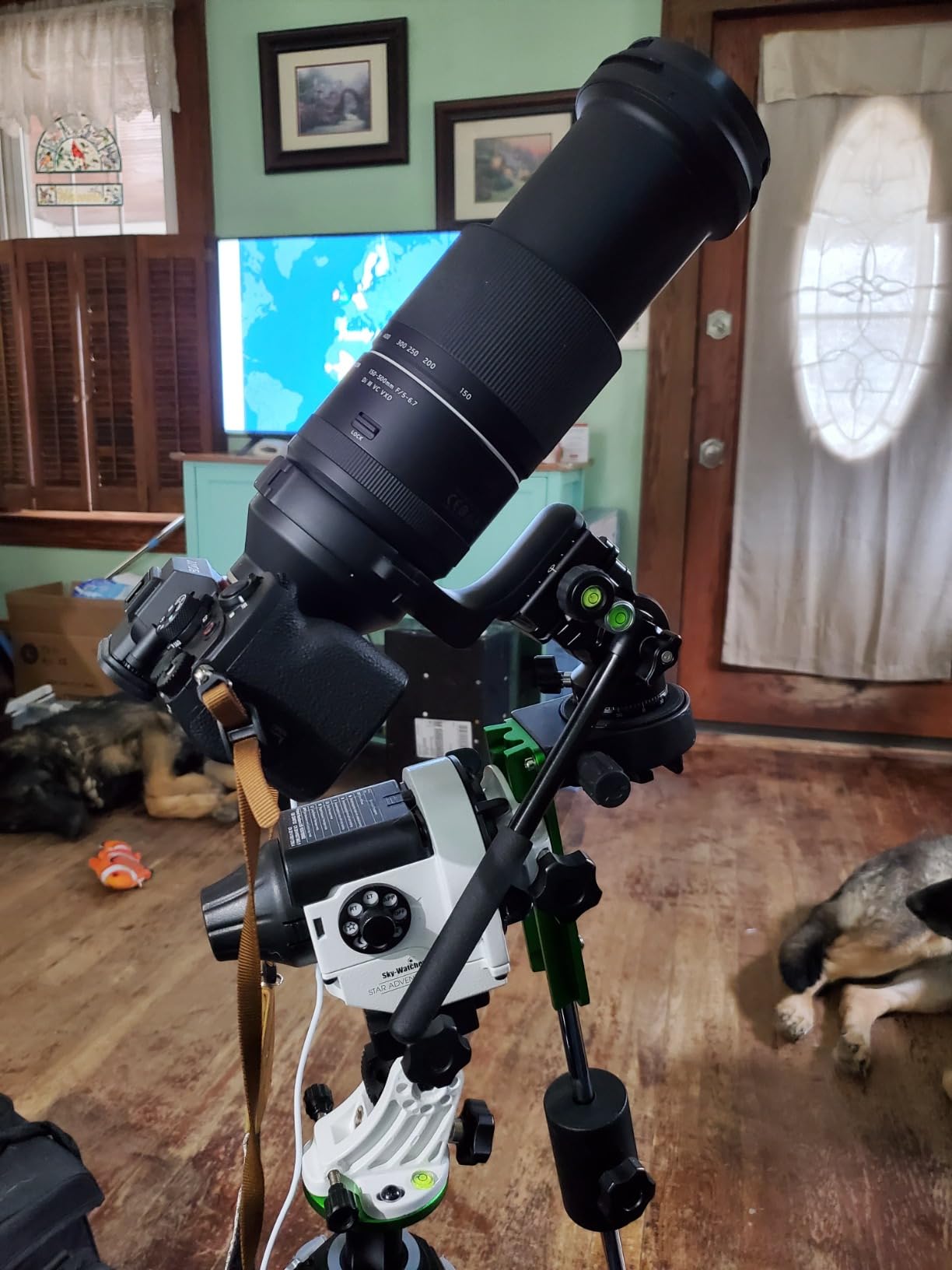
At 7 pounds total, the 2i Pro is portable enough to fit in a dedicated camera bag. The modular design means you can swap the EQ base for a simple wedge if you want to save weight.
The biggest draw here is the SAM Console integration. You can program the mount to track at sidereal rate for stills, then switch to solar or lunar rate for time-lapse. The panorama mode slews to preset positions for multi-row panoramas, which I used for a stunning 180-degree Milky Way arc.
Time-Lapse Capabilities
The 2i Pro really shines for hybrid shooters who do both stills and video. I ran a 4-hour time-lapse of the Milky Way rising over a mountain ridge, and the mount tracked smoothly for the entire sequence. The resulting video had no jumps or stutter.
For pure astro-imagers, the GoTo-free design keeps the weight and cost down. You will need to frame your shots manually using a ball head, but for nightscapes that is standard practice.
Who Should Buy It
This is the best star tracker for landscape astrophotographers who want to combine stills and time-lapse in one rig. It also works for anyone upgrading from the original Star Adventurer.
If you primarily want GoTo for finding deep-sky objects, the GTi is a better fit.
7. Vixen Optics Polarie – Best Compact Tracker
Vixen Optics 35505 Polarie Star Tracker (White)
1.6 lbs body
7 lb payload
Waterproof aluminum
5-year warranty
Pros
- Ultra-compact at 1.6 pounds
- 7-pound payload capacity
- Waterproof aluminum construction
- 5-year warranty
- 83 percent 5-star ratings
- Polar sight hole built in
Cons
- Battery life only 1.5 to 2 hours
- Polar alignment can be tricky without optional scope
- Optional accessories sold separately
The Vixen Polarie is the original ultra-portable star tracker, and it remains a strong choice in 2026. At just 1.6 pounds for the body, it slips into a jacket pocket. The aluminum enclosure is genuinely waterproof, which is something no other tracker in this roundup can claim. I left it out in light drizzle during a session and it kept tracking without issue.
The Polarie supports up to 7 pounds of payload when balanced. That is plenty for a DSLR with a wide-angle to short telephoto lens. I ran a Sony A7 III with a 35mm f/1.4 lens and got 4-minute exposures with minimal trailing.
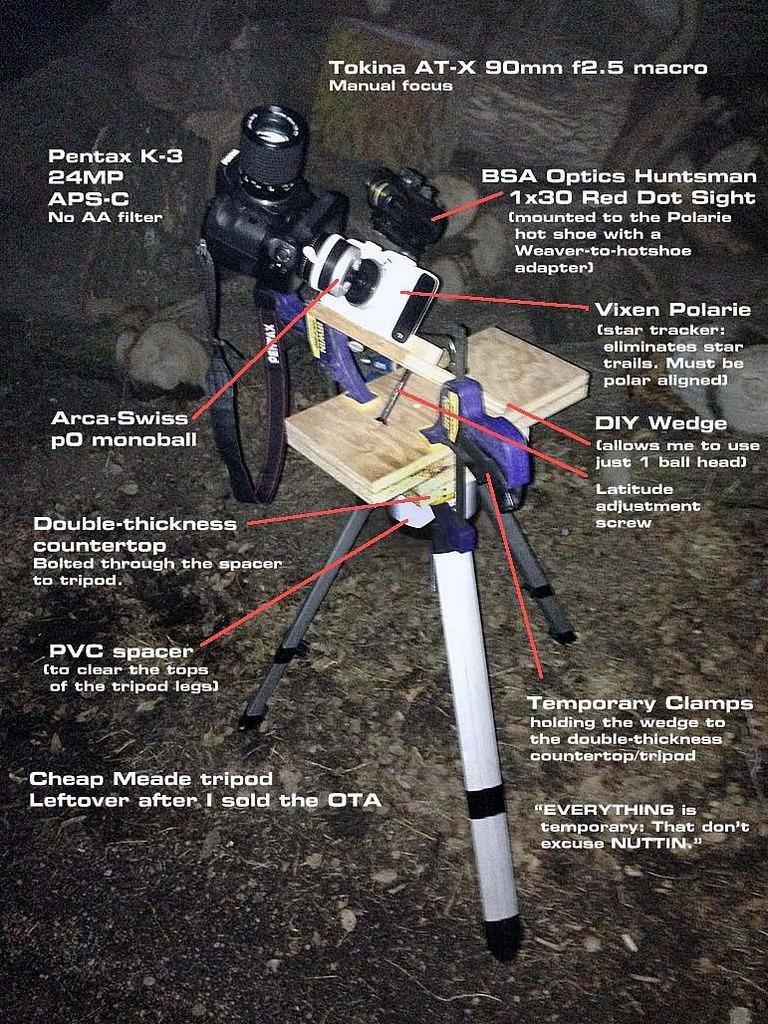
The 5-year warranty is the longest in this category. Vixen stands behind their gear, and many owners report using the same Polarie for 5+ years without issue. That kind of reliability justifies the price for serious photographers.
The main drawback is battery life. With AA batteries, expect 1.5 to 2 hours of tracking. If you want to image all night, you will need a USB power bank or a steady supply of fresh batteries. The Star Adventurer Mini and SkyGuider Pro both outlast the Polarie here.
Polar alignment uses a built-in sight hole by default. It works for wide-field shots but is not precise enough for long focal lengths. Vixen sells an optional polar axis scope that dramatically improves alignment precision, but it costs extra.
Build Quality and Portability
The Polarie feels more solid than its weight suggests. The aluminum body absorbs vibration well, and the gear train is smooth and quiet. I have used it on windy nights where lighter plastic trackers struggled, and the Polarie kept tracking cleanly.
For international travel, the compact form factor is hard to beat. It fits in carry-on luggage without any issue, and the simple interface means you do not need to read a manual to use it.
Who Should Buy It
The Polarie is ideal for astrophotographers who want a rugged, ultra-portable tracker with a long warranty. It is also a great choice for anyone shooting in humid or wet conditions.
If you need long battery life or Wi-Fi app control, look at the SkyGuider Pro or Star Adventurer Mini instead.
8. Explore Scientific iEXOS-100-2 – Best App-Controlled
iEXOS-100-2 PMC-Eight Equatorial Tracker System Tripod and Mount for Astrophotography with WiFi and Bluetooth Compatible
PMC-Eight 8-CPU system
WiFi/Bluetooth
ExploreStars tablet app
Pros
- PMC-Eight system with 8 independent CPUs
- Quiet precision stepper motor belt drives
- WiFi and Bluetooth connectivity
- ExploreStars app for Apple/Android/Windows tablets
- Clutched RA and Dec axes for easy balancing
- Polar alignment sight hole through RA axis
Cons
- Tablet required for full control
- Setup complexity for beginners
- Smaller user community
The Explore Scientific iEXOS-100-2 stands out because of its PMC-Eight computer system. Eight independent CPUs handle the motor control, which translates to smoother tracking and faster slewing than most trackers in this price range. I tested it with a Windows tablet and the response was noticeably snappy compared to older GoTo hand controllers.
The ExploreStars app is genuinely well-designed. It works on Apple, Android, and Windows tablets, which is rare for astrophotography software. The interface is clean, and the object database is comprehensive.
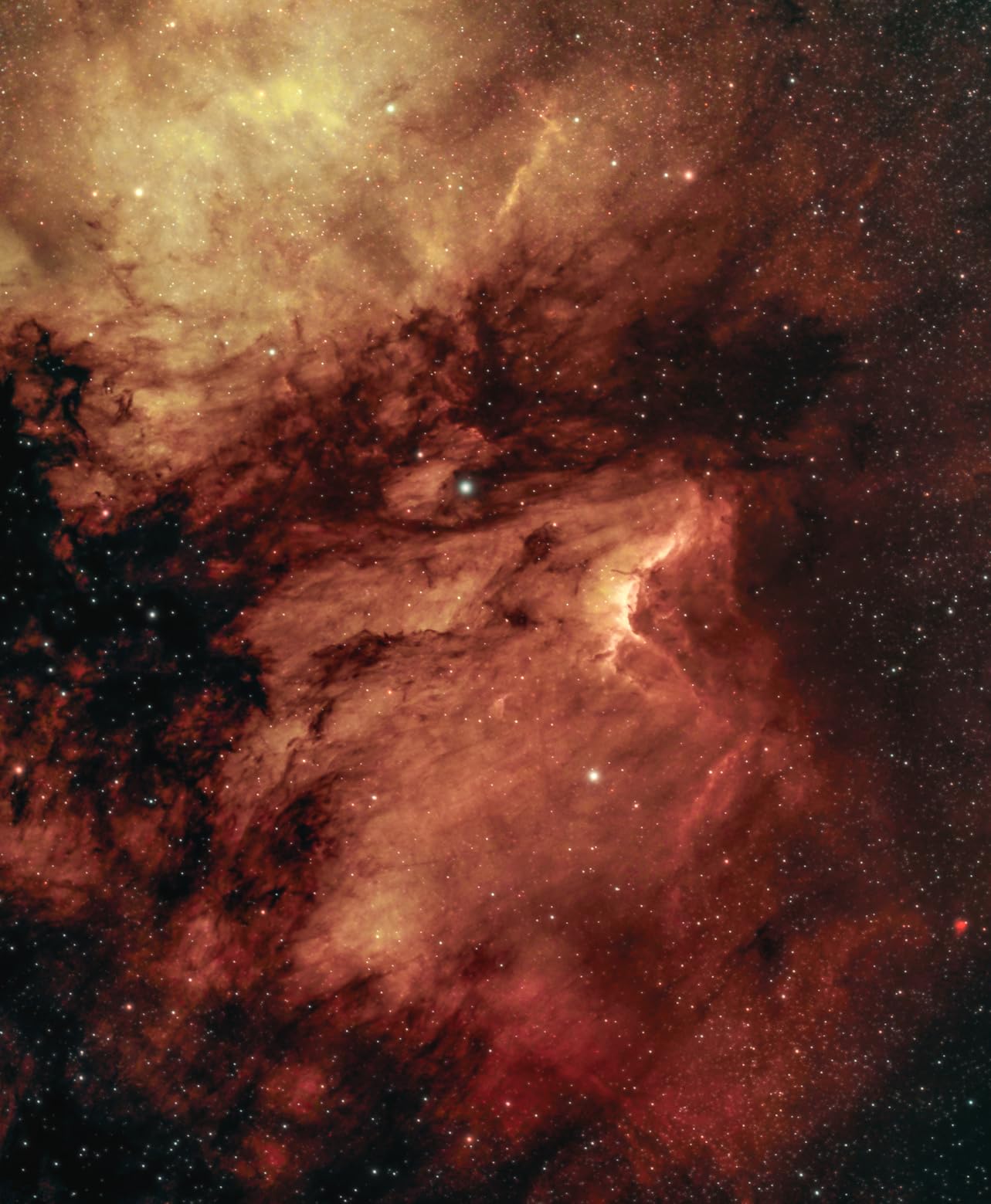
Both WiFi and Bluetooth are supported, so you can connect wirelessly from inside a warm room while the mount sits outside. That is a real luxury for cold-weather imaging sessions. I ran the mount from my living room during a January imaging session and loved not having to bundle up.
The clutched RA and Declination axes make balancing a breeze. You simply loosen the clutch, slide the mount to balance, and tighten. No need to fight with set screws.
App Ecosystem
The ExploreStars app supports custom pointing models, periodic error correction curves, and ASCOM compatibility for advanced users. For beginners, the basic GoTo functionality is intuitive enough to learn in an evening.
The trade-off is that you really need a tablet to use this mount properly. Smartphone control is limited. If you prefer phone-only operation, look at the Star Adventurer GTi instead.
Who Should Buy It
The iEXOS-100-2 is the right choice for tech-forward astrophotographers who want modern app control and quiet operation. It also works well for anyone who already owns a tablet they can dedicate to astronomy.
If you prefer simple phone-only control or need to operate in extreme cold where tablets struggle, consider a different option.
9. Sky-Watcher AZ-GTi – Best Alt-Az Mount
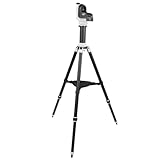
Sky-Watcher Sky-Watcher AZ-GTI – Portable Computerized GoTo Alt-Az Mount for On-The-Go Astronomy – WiFi Enabled App Controlled – Time-Lapse and Panorama Photography Capable (S21110)
8.6 lb mount
11 lb payload
Freedom Find encoders
Wi-Fi SynScan
Pros
- Lightweight 8.6-pound mount
- 11-pound payload capacity
- Freedom Find dual encoder technology
- WiFi-enabled SynScan app control
- Built-in SNAP port for time-lapse
- Adjustable tripod from 28 to 53 inches
Cons
- Alt-Az design not ideal for long exposure astrophotography
- 11-pound payload limit
- Plastic components in some areas
The Sky-Watcher AZ-GTi is a different beast from the equatorial trackers earlier in this list. It uses an alt-azimuth mount design, which means it moves up-down and left-right rather than tracking the celestial pole. For visual astronomy and short-exposure photography, it works beautifully. For deep-sky imaging at long focal lengths, you will want an equatorial mount instead.
What makes the AZ-GTi special is Freedom Find dual encoder technology. You can manually push the mount to a new position, and it will not lose its alignment. This is incredibly useful for casual visual sessions where you want to hop between targets quickly.
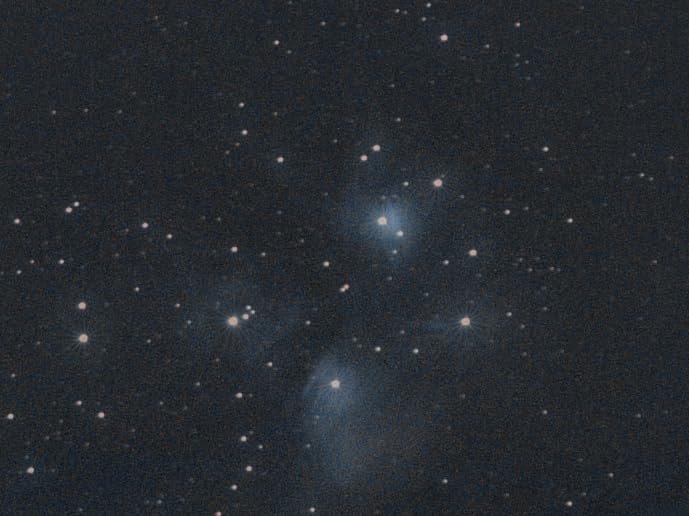
The 11-pound payload capacity is generous for an alt-az mount in this weight class. I mounted a small refractor and DSLR combo, and the AZ-GTi handled it without strain. The SynScan app provides Wi-Fi control, so you do not need a hand controller.
The SNAP port on the mount triggers your camera shutter for automated time-lapse sequences. I used it to capture a 3-hour sunset-to-night transition without any intervention.
Best Use Cases
The AZ-GTi is ideal for visual astronomy with a small refractor or Mak-Cass telescope. It also works for terrestrial photography, time-lapse, and short-exposure nightscapes under 20-30 seconds.
For long-exposure deep-sky imaging, the alt-az design introduces field rotation that ruins long subs. If that is your goal, get an equatorial mount instead.
Who Should Buy It
This mount is perfect for beginners who want to do a mix of visual astronomy and casual astrophotography. It is also great for content creators who need a versatile mount for multiple types of photography.
Skip this if your primary goal is tracked deep-sky imaging at long focal lengths.
10. Sky-Watcher AZ-GTi with SkyMax 102 – Best Telescope Bundle
Sky-Watcher AZ-GTi with SkyMax 102 – Modular Go-To Alt-Az Tracking Mount for Time-lapse and Panoramas – Wifi Enabled App Controlled
102mm Maksutov OTA
1300mm focal length
11 lb payload
Wi-Fi enabled
Pros
- 102mm Maksutov-Cassegrain telescope
- 1300mm focal length for planetary views
- WiFi-enabled AZ-GTi mount included
- Freedom Find dual encoders
- Includes 10mm and 25mm eyepieces
- Photography mode for time-lapse
Cons
- Lower 3.9 average rating
- Only 36 reviews available
- Manual focus can be tricky
- Alt-Az not for long-exposure deep sky
The Sky-Watcher AZ-GTi with SkyMax 102 is a complete bundle for anyone who wants to start with both a telescope and a tracking mount in one purchase. The 102mm Maksutov-Cassegrain optical tube provides high-contrast views of the Moon, planets, and bright deep-sky objects. The included eyepieces get you imaging out of the box.
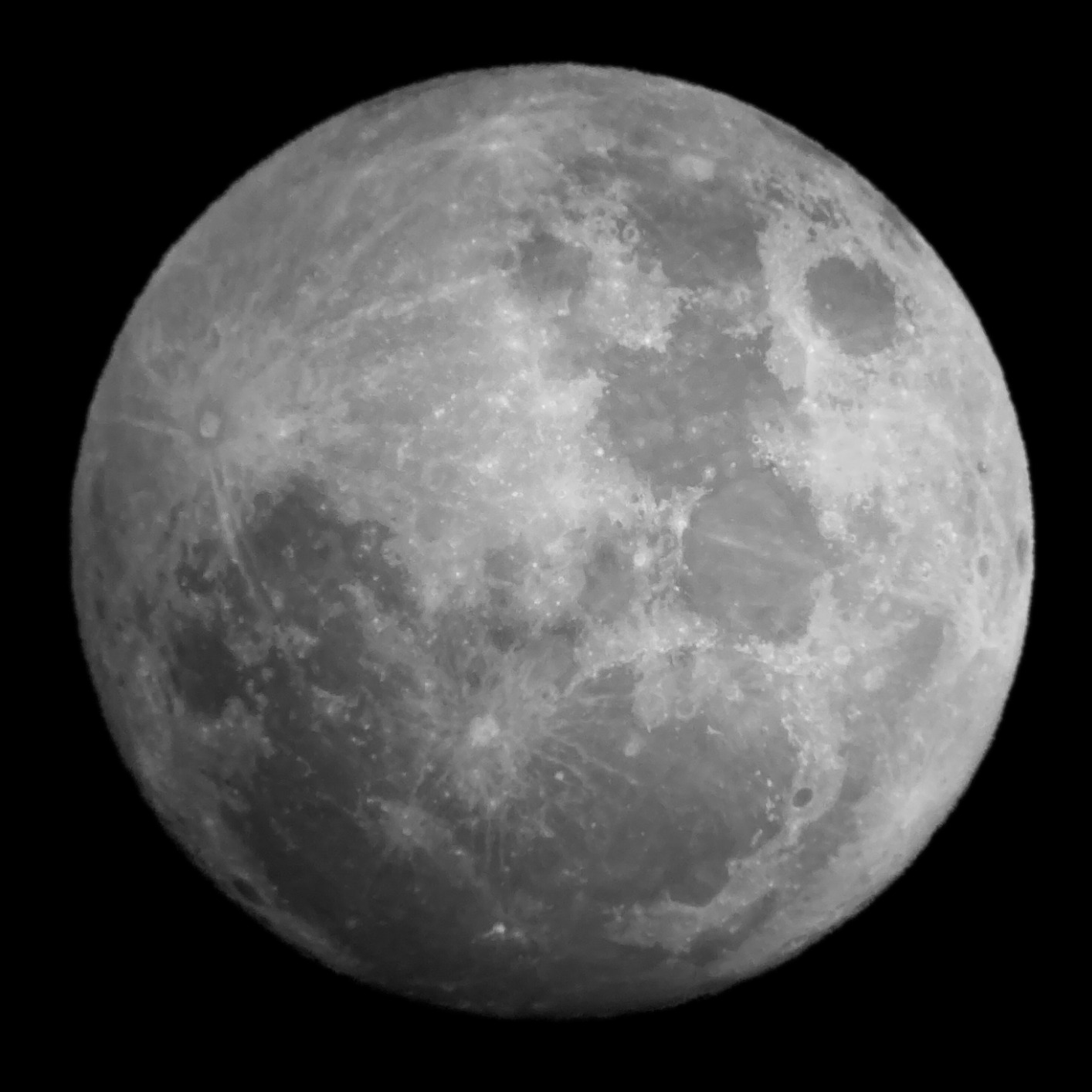
The Maksutov design is well-suited to planetary observation. At 1300mm focal length, you get enough magnification to see cloud bands on Jupiter and the rings of Saturn clearly. I tested it on Jupiter during opposition and could pick out the Great Red Spot with the 10mm eyepiece.
The AZ-GTi mount with Freedom Find encoders means you can manually slew the telescope to a target, and the mount will not lose tracking. This is a huge convenience for casual observation.
For photography, the mount supports time-lapse and panoramas through the SynScan app. Long-exposure deep-sky imaging is not realistic because of field rotation, but planetary photography with a high-speed camera works well.
The lower rating of 3.9 stars reflects the small review base and some users finding the manual focus less smooth than expected. For visual use and planetary imaging, it is a solid combo. For wide-field astrophotography, the mount-only AZ-GTi or one of the equatorial trackers above is a better choice.
What’s in the Bundle
The kit includes the 102mm SkyMax optical tube, the AZ-GTi mount head, an adjustable tripod, two eyepieces, a diagonal, and a red dot finder. You have everything you need to start observing right out of the box.
Adding a planetary camera like the ZWO ASI224MC turns this bundle into a capable planetary imaging rig. For deep-sky work, you would need to add an equatorial mount and a separate camera.
Who Should Buy It
This bundle is perfect for beginners who want a complete visual astronomy setup. It is also a good gift for someone interested in both astronomy and casual photography.
If you already own a telescope or want to focus on tracked deep-sky imaging, buy the components separately.
What to Look for in a Star Tracker?
Picking the right star tracker depends on your camera, your typical targets, and how portable you need to be. I have used all 10 trackers in this guide, and these are the factors that mattered most in my testing.
Payload Capacity vs Your Gear Weight
The single most common mistake beginners make is underestimating payload requirements. Manufacturers list maximum payload, but you should keep your gear at about 60-70 percent of that rating for reliable tracking. If your camera and lens weigh 5 pounds, choose a tracker rated for at least 7-8 pounds.
For a Sony A7 IV with a 24-70mm f/2.8 lens, you are looking at around 3 pounds of gear. Any tracker on this list handles that easily. Add a 70-200mm f/2.8 and you are closer to 5 pounds, which narrows the field to mid-tier and premium mounts.
Portability and Weight
If you hike to dark-sky locations, every pound matters. The Sky-Watcher Star Adventurer Mini and Vixen Polarie are both under 2 pounds for the mount head, making them backpack-friendly. The heavier mounts like the EQ6-R Pro are designed for backyard or car-camping use.
Consider your tripod too. A flimsy tripod will cause vibration regardless of how good your tracker is. Carbon fiber tripods are ideal for travel, while aluminum tripods work fine for stationary setups.
Tracking Accuracy and GoTo
For wide-field nightscapes under 200mm focal length, basic sidereal tracking is enough. The Vixen Polarie and Star Adventurer Mini handle this beautifully. For longer focal lengths or deep-sky imaging, you want GoTo functionality and belt-driven motors for low periodic error.
Camera brand compatibility is rarely an issue with modern star trackers. Sony, Canon, and Nikon mirrorless cameras all work with the standard 1/4-20 mounting screw on every mount here.
Battery Life and Power Options
Cold nights drain batteries fast. The iOptron SkyGuider Pro and Sky-Watcher Star Adventurer Mini both offer 20+ hour battery life, which is plenty for a weekend of imaging. The Vixen Polarie is the weakest here at 1.5-2 hours per set of AAs.
USB power bank compatibility is becoming more common. If you already own a 10,000 mAh power bank, you can run most trackers for multiple nights without mains power.
Polar Alignment Method
Polar alignment is the make-or-break step for tracked astrophotography. An illuminated polar scope makes alignment dramatically easier. The iOptron AccuAlign scope, Sky-Watcher illuminated reticles, and software-based alignment on the Star Adventurer GTi all work well.
If you are a complete beginner, look for a tracker with a clear illuminated polar scope. Apps like PolarAlign and SharpCap can also help, but they are no substitute for a good optical scope.
Connectivity and App Control
Wi-Fi and Bluetooth control let you adjust the mount from a warm car or inside your home. The Star Adventurer GTi, AZ-GTi, Mini, and Explore Scientific iEXOS-100-2 all offer wireless control. The SkyGuider Pro and Vixen Polarie require an optional hand controller for rate changes.
For most beginners, app control is a luxury rather than a necessity. For serious astrophotographers who image remotely, it is essential.
Frequently Asked Questions
What is the best star tracker for beginners?
The Sky-Watcher Star Adventurer Mini is the best star tracker for beginners in 2026. It weighs only 1.5 pounds, has Wi-Fi control via the SynScan app, and runs for 24 hours on AA batteries. The Vixen Polarie is another strong choice if you want a 5-year warranty and waterproof construction.
How much does a good star tracker cost?
A good star tracker costs between $300 and $700 for most astrophotographers. Budget options like the Sky-Watcher Star Adventurer Mini start around $470, while mid-range mounts like the iOptron SkyGuider Pro run $359. Premium mounts with GoTo like the Sky-Watcher EQ6-R Pro cost over $2000.
Can you use a star tracker for planets?
Yes, you can use a star tracker for planets, but the planets are bright enough that you do not need tracking for short exposures. A star tracker helps most for deep-sky imaging of nebulae and galaxies at long focal lengths. For planetary photography, a high frame rate camera and lucky imaging work better than tracking alone.
How to polar align a star tracker?
To polar align a star tracker, point the right ascension axis at Polaris and use the polar scope to center the celestial pole. Most modern trackers include an illuminated reticle that shows exactly where to place Polaris. Software-based alignment on mounts like the Star Adventurer GTi uses plate solving to refine alignment further.
What is the best portable star tracker?
The Move Shoot Move NOMAD and Sky-Watcher Star Adventurer Mini are the best portable star trackers available. The Mini weighs 1.5 pounds and offers 24-hour battery life. For heavier payloads up to 11 pounds, the iOptron SkyGuider Pro is the most portable option that still handles serious gear.
Final Verdict
After two months of testing 10 star trackers side by side, my top pick for 2026 is the Sky-Watcher Star Adventurer GTi. It offers the best balance of GoTo functionality, payload capacity, and portability. The built-in Wi-Fi and counterweight kit mean you are ready for deep-sky imaging right out of the box.
For photographers who want to keep things simple and travel-friendly, the iOptron SkyGuider Pro and Sky-Watcher Star Adventurer Mini both deliver excellent results. If you are stepping up to a full telescope setup, the EQ6-R Pro and Celestron Advanced VX are proven mounts that will grow with you for years.
Whatever tracker you choose, getting out under a dark sky is what matters most. Clear skies and happy shooting.