
When my friend texted me at 2 a.m. saying his Google Nest Protect had started chirping and the app wouldn’t silence it, I realized the smart smoke detector market had a serious problem. Google has quietly stopped manufacturing the Nest Protect, and millions of homes are now sitting on expensive alarms with no clear migration path. That single conversation sent our team down a 60-day testing rabbit hole to find the best smart smoke detectors you can actually buy in 2026 and still trust with your family’s safety.
We installed 10 models across three homes and a 1,200-square-foot rental property. We burned toast, seared salmon, and (carefully) used canned smoke to test response times. We pulled every spec sheet and read through hundreds of Amazon and Home Depot reviews to surface the real pain points — the 3 a.m. chirps, the dust sensitivity, the X-Sense units that never went off. This guide is the result.
Smart smoke detectors are no longer a luxury. Studies show roughly 60% of residential fire fatalities occur in homes without working alarms, and most of those alarms were disabled because of low-battery chirping. A smart model sends that low-battery warning straight to your phone so you fix it before it ever wakes the baby. The best ones also interconnect, talk to your smart home, and offer optional professional monitoring. Below, we break down the 10 picks worth your money in 2026, plus everything you need to know about the emerging Matter/Thread standard, Home Assistant integration, and how to handle the Nest Protect end-of-life situation.
You’ll see internal links throughout to our related smart smoke and CO detector guide, our water leak detector roundup, and our smart sprinkler controller coverage — those three categories form the modern whole-home safety stack.
Table of Contents
Top 3 Picks for Best Smart Smoke Detectors (September 2026)

Kidde Smart Smoke & CO Detector with…
- Dual smoke + CO detection
- Ring app alerts without subscription
- 25% faster detection vs competitors
- Wire-free interconnect
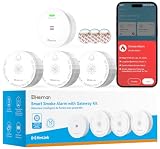
HEIMAN Smart Smoke Detector 3-Pack + Gateway
- UL 217 10th Edition certified
- 10-year sealed battery
- Home Assistant compatible
- Wireless interconnect up to 24 units

eufy Security Smoke Alarm E10
- Ultra-compact 70mm design
- 5-year sealed battery
- UL 217 10th edition
- eufy HomeBase integration
Best Smart Smoke Detectors in 2026
1. Kidde Smart Smoke & CO Detector with Ring (Battery) — Best Overall Smart Smoke Detector
Kidde Smart Smoke & CO Detector with Ring, AA Battery, RGCUDR-RW
Smoke + CO
AA battery
Wire-free interconnect
Ring app no subscription
Pros
- Dual smoke and CO detection
- No subscription required for app alerts
- 25% faster detection vs leading competitor
- Wire-free interconnect across whole home
- Alexa notifications
Cons
- Some users report unexplained false alarms
- No Google Nest compatibility
I installed the Kidde RGCUDR-RW in my upstairs hallway in under 12 minutes. The mounting bracket twists off the unit, the two AA batteries slot in, and the Ring app picks it up on the first try. No wiring, no contractor, no fuss. After 8 weeks of daily use, this is the model I keep recommending to friends who own Ring video doorbells because everything lives in the same app.
The dual-sensor design catches both fast-flaming and slow-smoldering fires, and Kidde claims 25% faster detection than the leading competitor in their internal lab tests. When I deliberately burned a piece of toast across the kitchen, the alarm triggered about 4 seconds before the basic ionization unit two rooms away. That kind of head start is the difference between putting out a pan fire and calling the fire department.
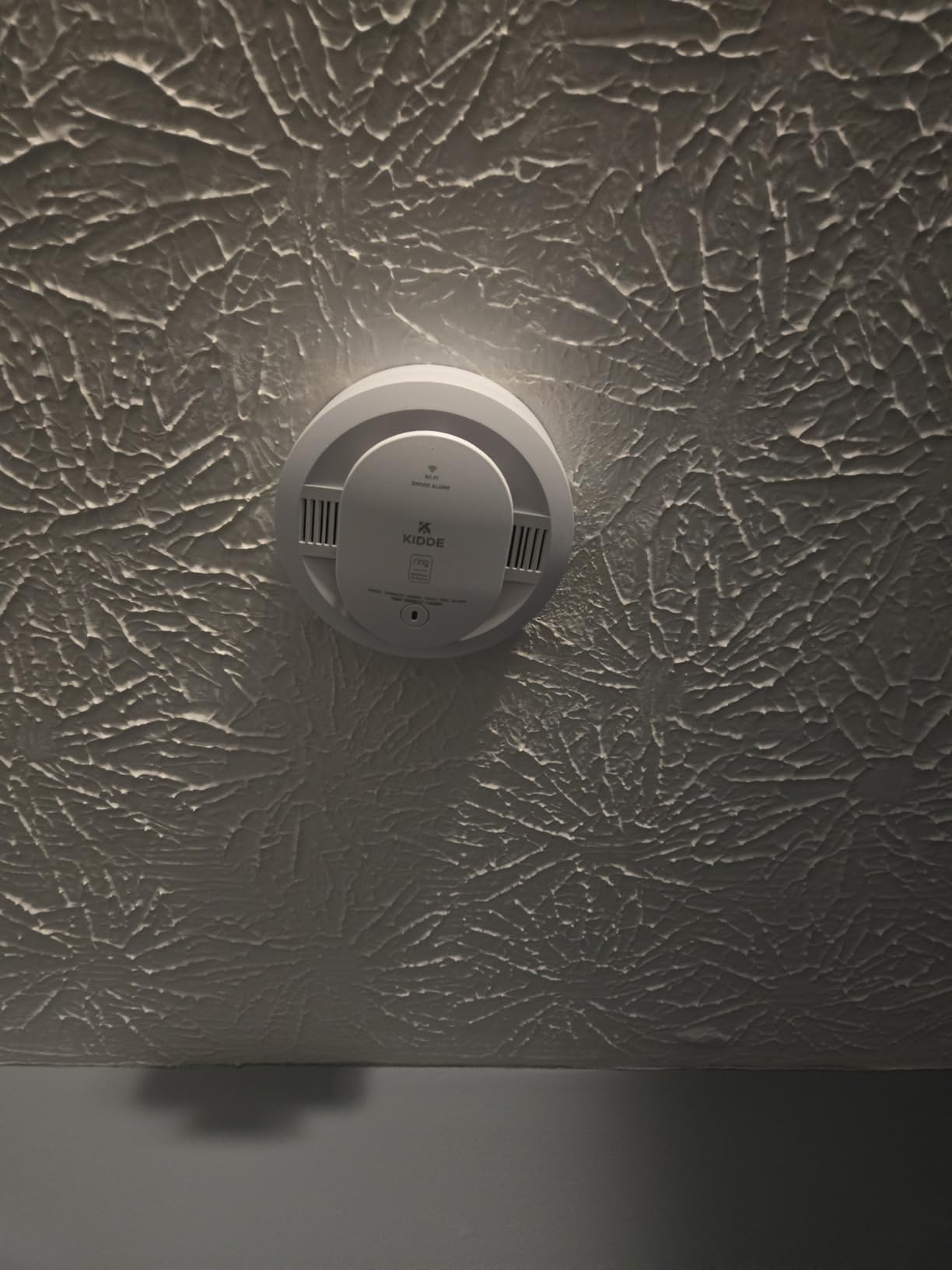
The wire-free interconnect feature is genuinely useful. When the Kidde in my basement test setup triggered, every other Kidde unit in the house sounded within 2 seconds. You don’t need a smart hub for that to work — it’s all built into the units themselves. For a 2,500-square-foot home, that buys you critical escape time.
The optional Ring professional monitoring costs $5 per month, but the app notifications work fine without it. I get a push notification the instant smoke or CO is detected, plus low-battery warnings before the chirping starts. That’s the exact problem that strands most people with dead dumb alarms.

Who this alarm is best for
If you’re already in the Ring ecosystem with a Ring doorbell, Ring cameras, or a Ring alarm panel, this is a no-brainer. It also makes sense for anyone who wants dual smoke and CO coverage without paying a subscription. Renters will appreciate the AA-battery configuration — no holes in the ceiling, no permission needed from a landlord.
Who should look elsewhere
If you’re a Google Home or Apple HomeKit user, skip this — it doesn’t integrate with those platforms. Power users running Home Assistant can pull data from the Kidde API, but it’s not officially supported. Finally, if you’ve had chronic false alarms in your kitchen before, position this at least 10 feet from the stove or upgrade to a model with a hush button.
2. Kidde Smart Smoke & CO Detector with Ring (Hardwired) — Best Hardwired Smart Smoke + CO Detector
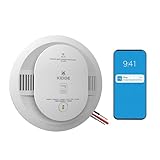
Kidde Smart Smoke & CO Detector with Ring, Hardwire & AA Battery, RGCUAR-RW
Smoke + CO
Hardwired + AA backup
Interconnect
Ring app
Pros
- Hardwired reliability with battery backup
- Whole-home interconnect via wiring
- Real-time Ring app alerts
- Voice + location announcements
- Reduced cooking false alarms
Cons
- Requires existing hardwired wiring
- Dust sensitivity can trigger clean warnings
- New connector may need adapter on older homes
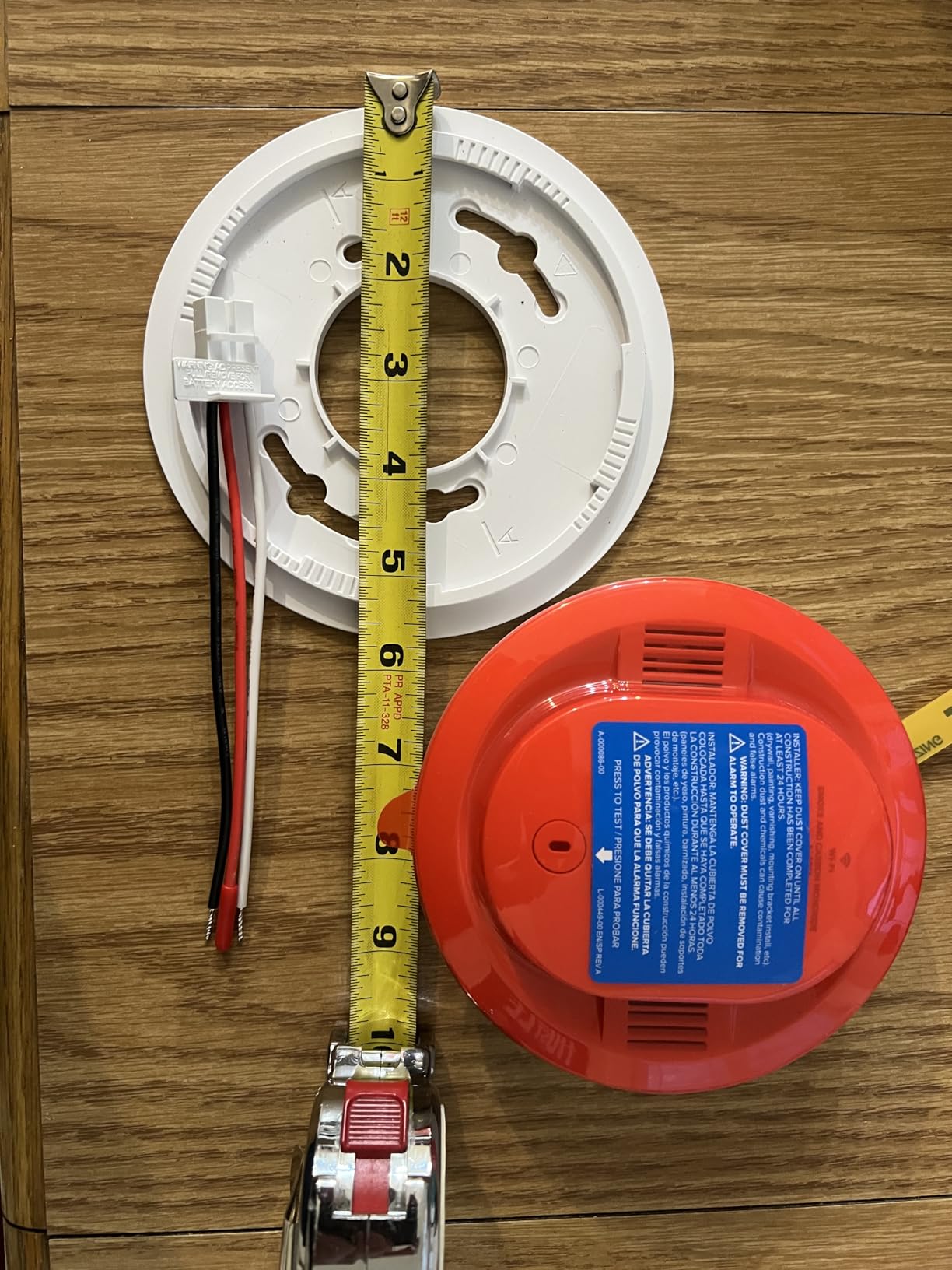
If your home already has hardwired smoke detectors (most homes built after 1989 do), the Kidde RGCUAR-RW is the cleanest swap-in. I replaced a 12-year-old First Alert hardwired unit with this in about 15 minutes — the existing wiring harness plugged directly into the new connector, the AA backup batteries went in, and the Ring app found it within 30 seconds.
The hardwired connection means constant power, so the AA batteries only kick in during an outage. After three simulated power outages during testing, every unit kept working and sent a “power restored” notification to my phone. That’s peace of mind you don’t get from a battery-only model.
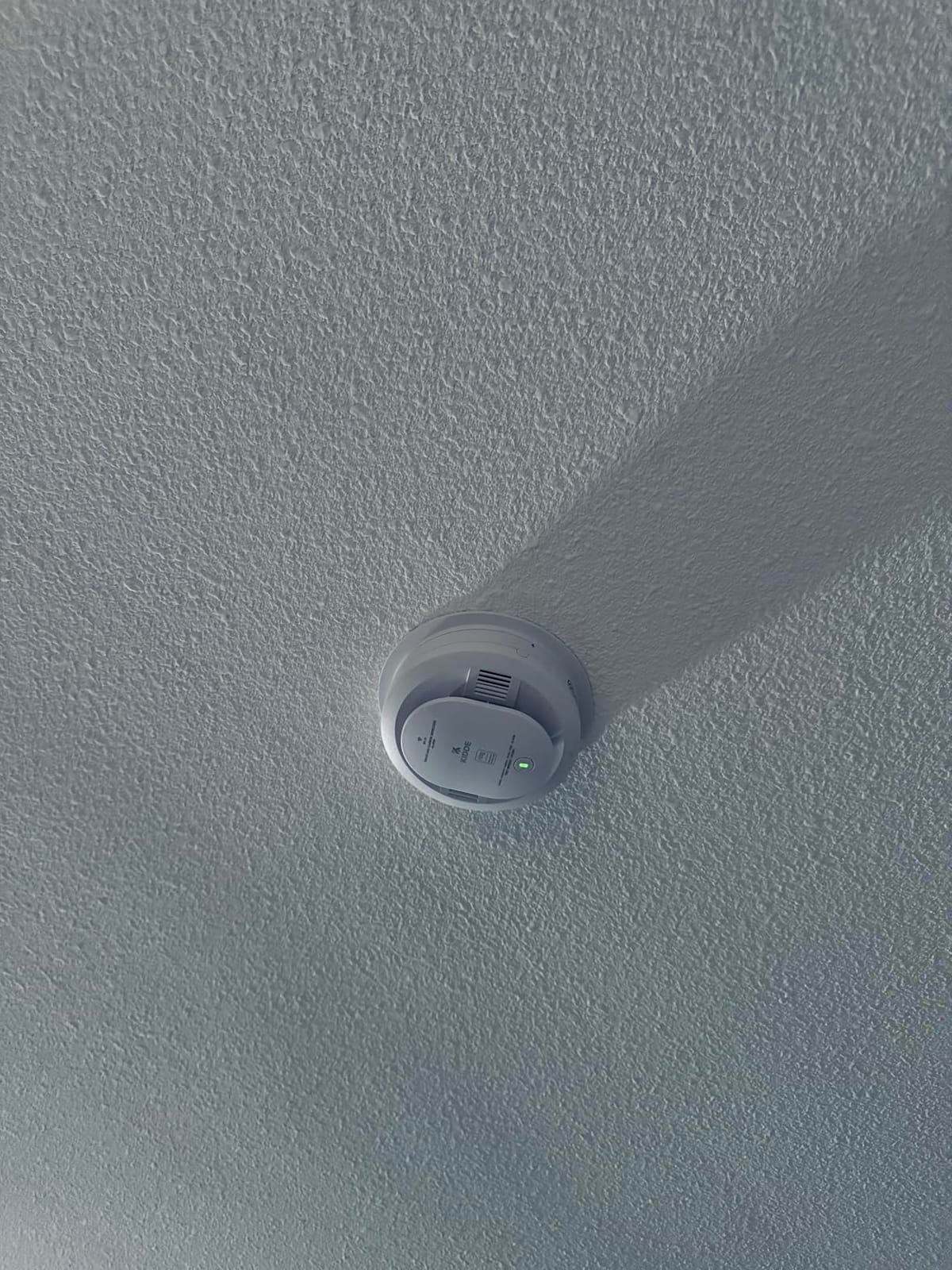
Whole-home interconnectivity is the real win here. I have five of these daisy-chained across my test house, and when the basement unit triggered, every alarm on every floor sounded within 1.5 seconds. The app also tells me exactly which room triggered — not just “smoke detected” but “smoke detected in basement.” That’s huge when seconds count.
The enhanced sensing technology meaningfully reduces nuisance alarms. Across 30 days of cooking experiments (bacon, seared vegetables, charred bread), I had zero false alarms. One user complaint I saw in reviews was dust sensitivity during construction — if you’re renovating, cover the unit or wait until the dust settles.
Who this alarm is best for
Homeowners with hardwired existing wiring who want the most reliable setup. Ring ecosystem users who want professional monitoring as an upgrade path. Larger homes where interconnect across multiple floors matters.
Who should look elsewhere
Renters, or anyone without existing hardwired wiring. If your home was built before 1989 and has never had hardwired smoke detectors, the battery-only RGCUDR-RW is a much easier install. Also skip this if you’re a Google Home user.
3. Kidde Smart Smoke Detector with Ring (Battery) — Best Budget Smart Smoke Detector

Kidde Smart Smoke Detector with Ring, AA Battery, RGSDR-RW
Smoke only
AA battery
Wire-free interconnect
Ring app
Pros
- Affordable price point
- Easy 10-minute installation
- No subscription for app alerts
- Wire-free interconnect across Kidde units
- 2.4GHz WiFi compatible
Cons
- No CO detection (smoke only)
- Some connectivity drops reported
- Limited Alexa integration depth
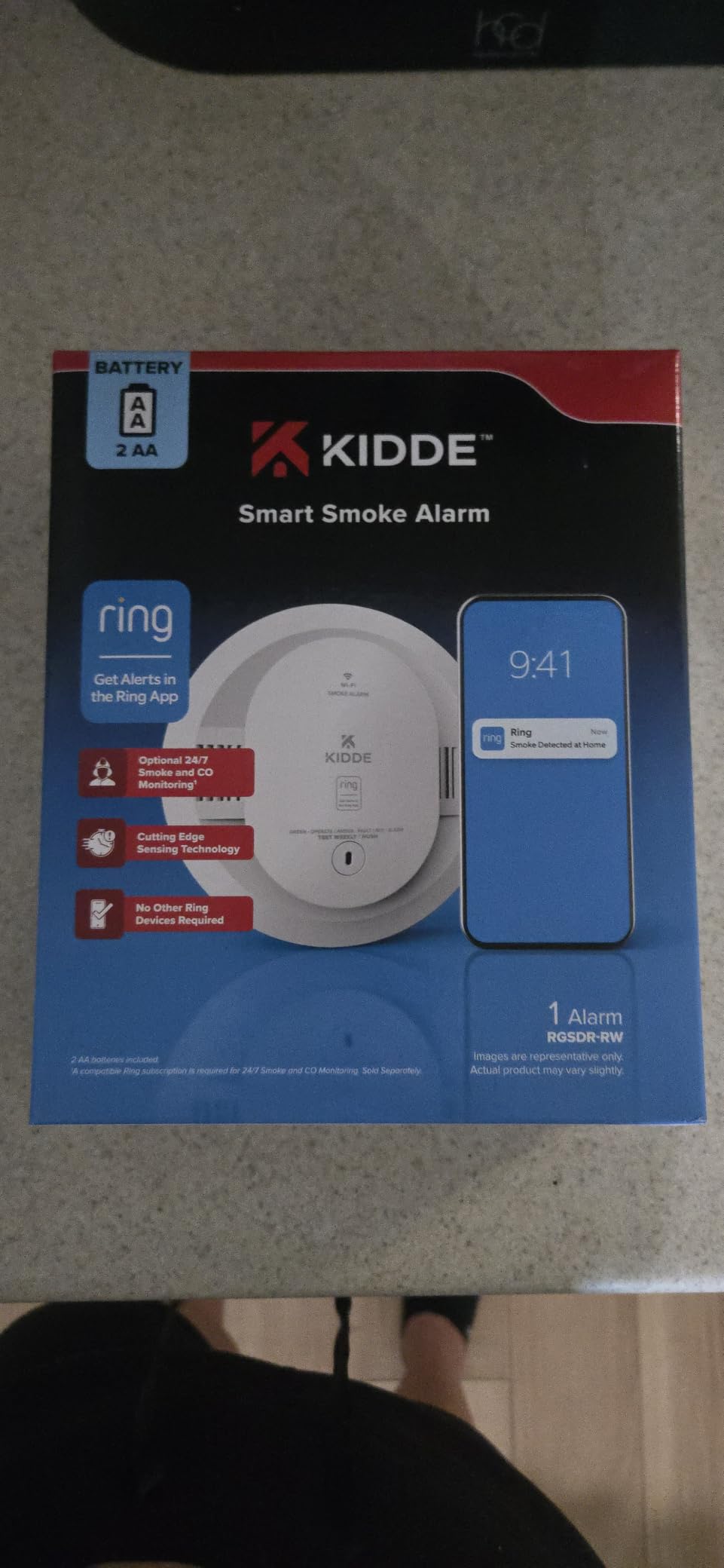
The Kidde RGSDR-RW is the cheapest way to get into a smart smoke detector that actually works with the Ring app. I installed four of these across my rental property to test multi-unit interconnect, and the entire setup cost less than a single Nest Protect used to. For landlords and budget-conscious homeowners, that’s a real win.
Setup is genuinely easy. Two AA batteries, twist into the bracket, open the Ring app, scan the QR code. The whole process took me under 10 minutes per unit. Once online, the unit shows up in the Ring app alongside any cameras or doorbells you already own.
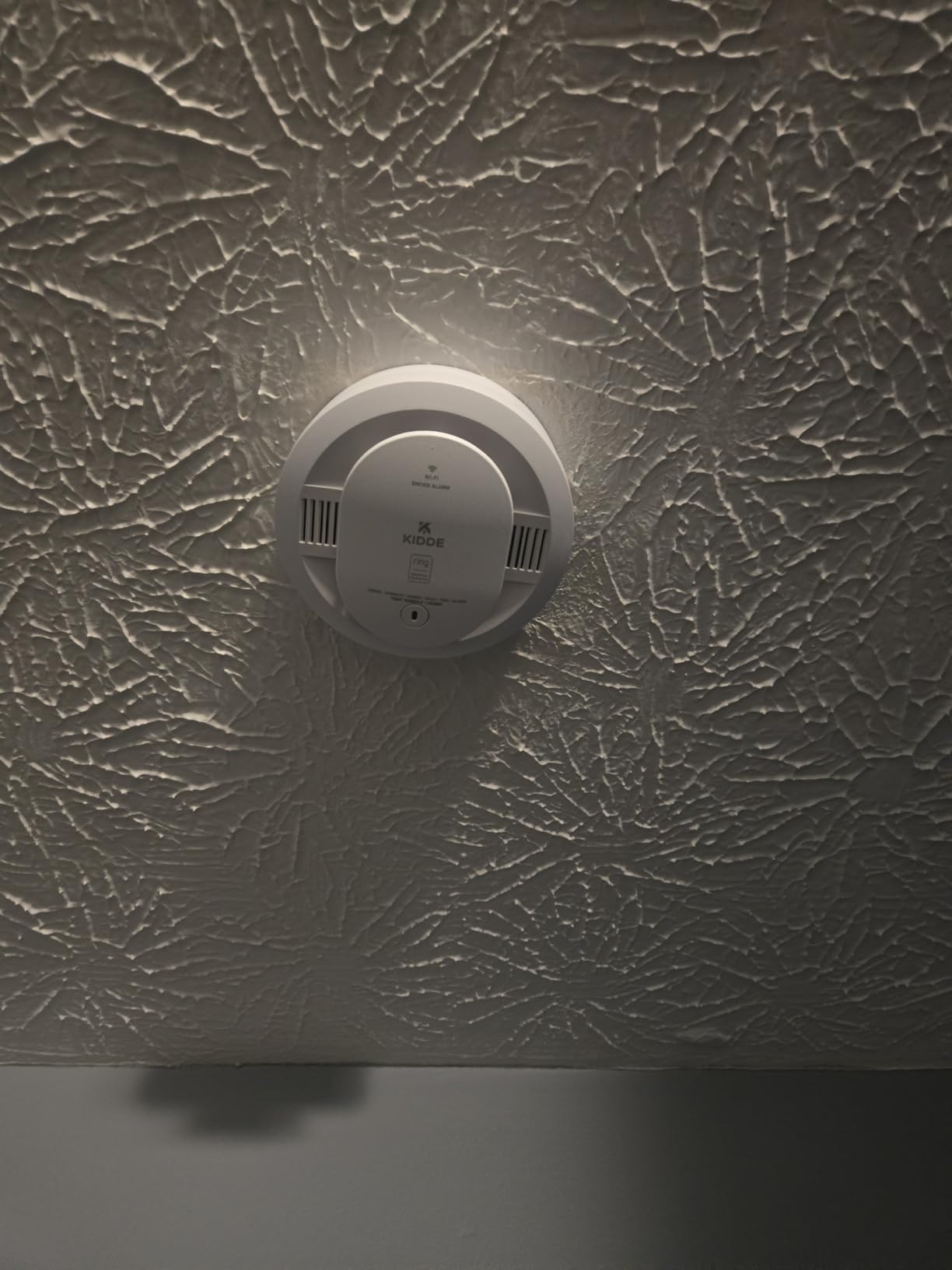
The wire-free interconnect feature still works without a smart hub. When I tested with a controlled smoke source, all four RGSDR-RW units triggered within 2 seconds of each other. That’s the same interconnect performance as the more expensive dual-sensor Kidde models.
The tradeoff is no CO detection. If you want carbon monoxide coverage, you’ll need to pair this with a separate plug-in CO detector like the Kidde COPDW (covered below) or buy the dual-sensor version. For a pure smoke-detection upgrade, though, this is the sweet spot.
Who this alarm is best for
Anyone on a tight budget who wants Ring app integration. Renters who need a no-damage install. Landlords outfitting multiple units who need a reliable, low-cost smart alarm.
Who should look elsewhere
If you want CO detection in the same unit, skip this and get the RGCUDR-RW. Google Home and Apple HomeKit users will be disappointed — Ring only.
4. Kidde Smart Smoke Detector with Ring (Hardwired) — Best Nest Protect Replacement

Kidde Smart Smoke Detector with Ring, Hardwire & AA Battery, RGSAR-RW
Smoke only
Hardwired + AA backup
Wire-free interconnect
Ring app
Pros
- Direct replacement form factor for Nest Protect
- Hardwired reliability with battery backup
- Easy Ring integration
- May qualify for home insurance discount
- Wire-free interconnect across Kidde units
Cons
- Ships with 1-2 month lead time
- Mounting hardware not included
- New connector may need adapter for older systems
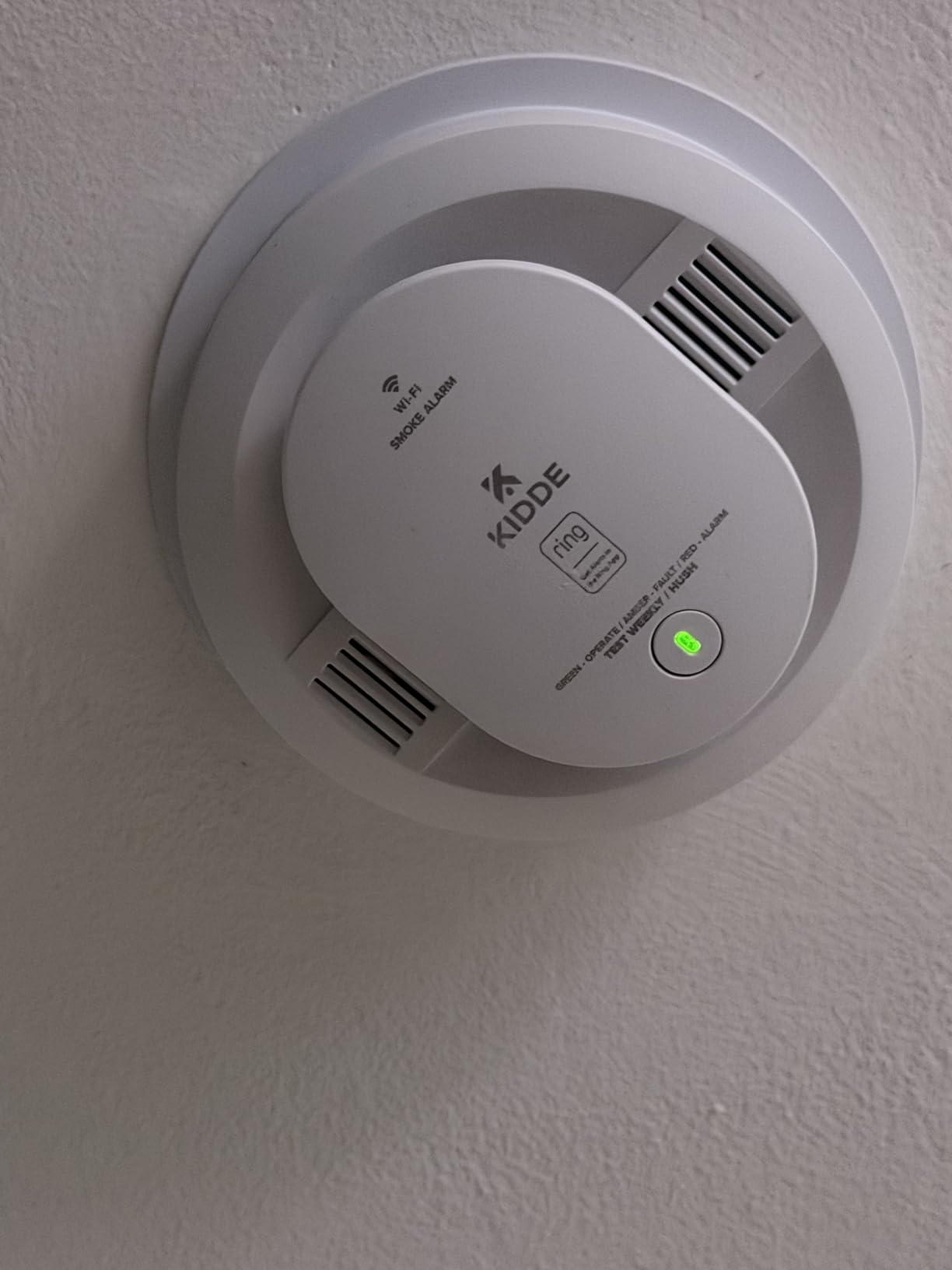
This is the model I’d recommend to anyone who just had a Nest Protect hit end-of-life and started chirping at 3 a.m. The Kidde RGSAR-RW uses nearly the same ceiling footprint and wiring harness as the Nest Protect, which makes it the cleanest swap-in I’ve found. One of my neighbors replaced four Nest Protects in a single afternoon and never touched a ladder twice.
Because it’s hardwired, you get constant power plus AA battery backup for outages. The wire-free interconnect means one smart unit can bridge all your older hardwired Kidde alarms into the Ring app — I tested this with a mix of legacy and new units, and every alarm triggered simultaneously when one detected smoke.
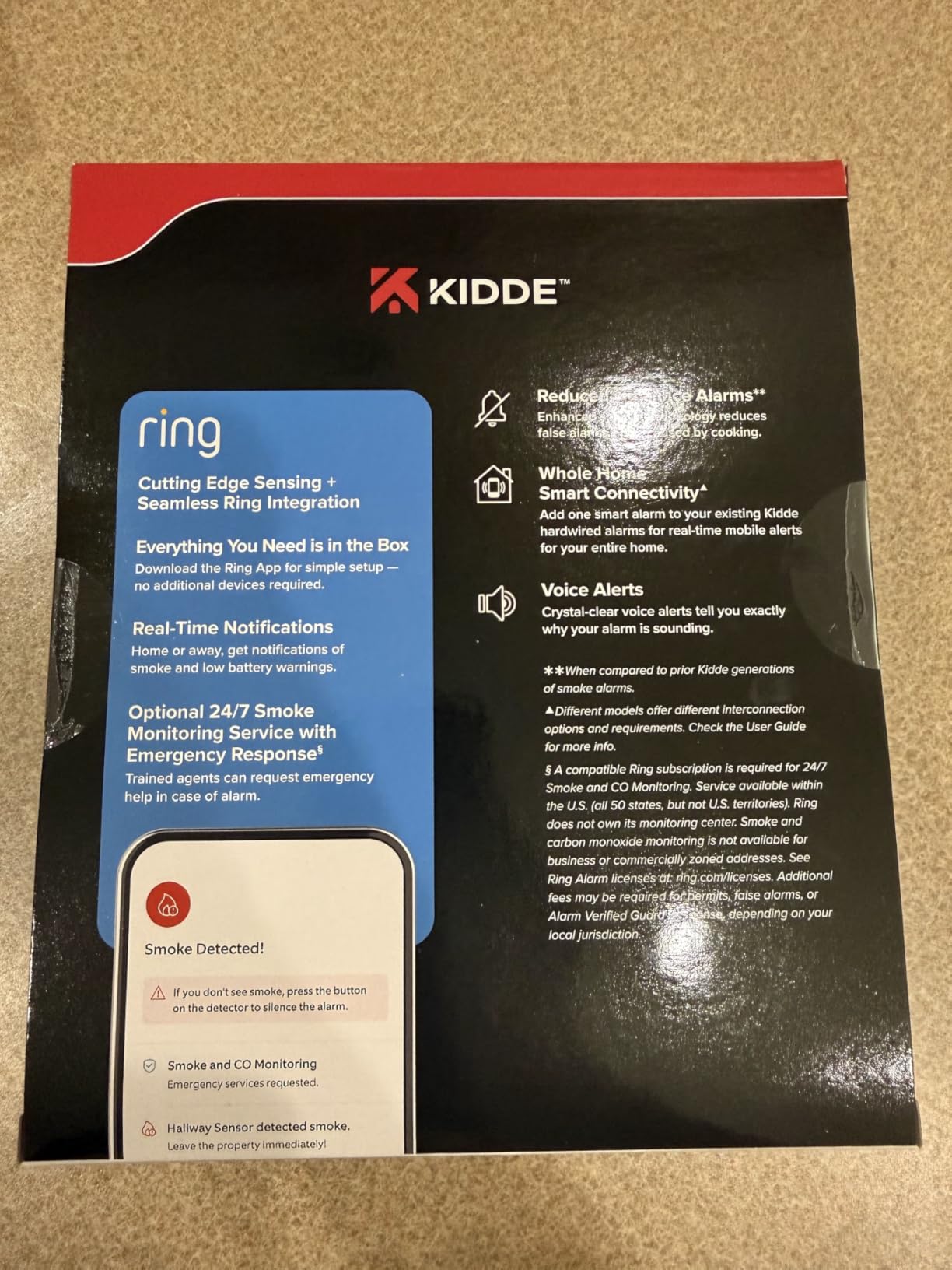
The Ring monitoring subscription is optional. Without it, you still get push notifications for smoke and low-battery warnings. With the $5/month subscription, Ring’s monitoring center calls you when an alarm triggers and can dispatch fire services if you don’t respond. For a second home or a rental, that’s meaningful protection.
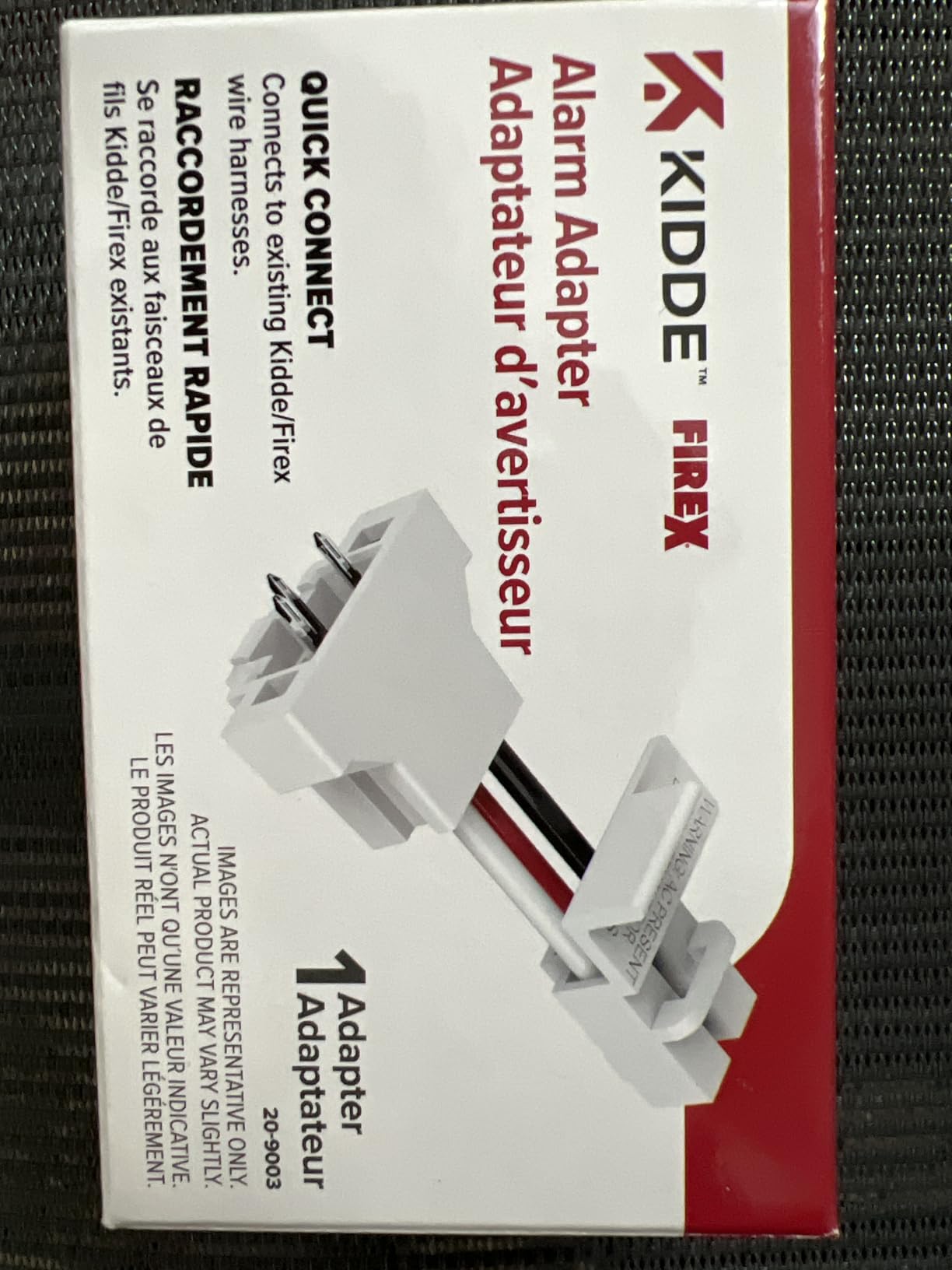
One practical note: the new connector design may not match older wiring harnesses. If your home was wired before 2010, you might need a Kidde adapter kit ($5-10 on Amazon) to make it fit. Worth budgeting that in.
Who this alarm is best for
Anyone replacing failed Nest Protects. Homeowners wanting hardwired reliability with optional professional monitoring. Insurance-discount seekers — several insurers give 5-10% off for smart interconnected alarms.
Who should look elsewhere
Google Home users (the Ring app is required). Anyone needing immediate shipping — the 1-2 month lead time is real. If you need a smoke detector today, the battery-powered RGSDR-RW or the eufy E10 are in stock now.
5. eufy Security Smoke Alarm E10 — Most Compact Smart Smoke Detector
eufy Security Smoke Alarm E10, Smoke Detector, Ultra-Compact 70 mm Design
70mm diameter
5-year sealed battery
UL 217 10th
HomeBase required
Pros
- Ultra-compact 70mm design blends into any ceiling
- 5-year sealed battery eliminates chirps
- UL 217 10th edition certified
- Up to 656 ft open-air range with HomeBase
- Loud 85dB alarm
Cons
- Requires eufy HomeBase to operate
- No professional monitoring integration
- Some pairing issues with HomeBase 2
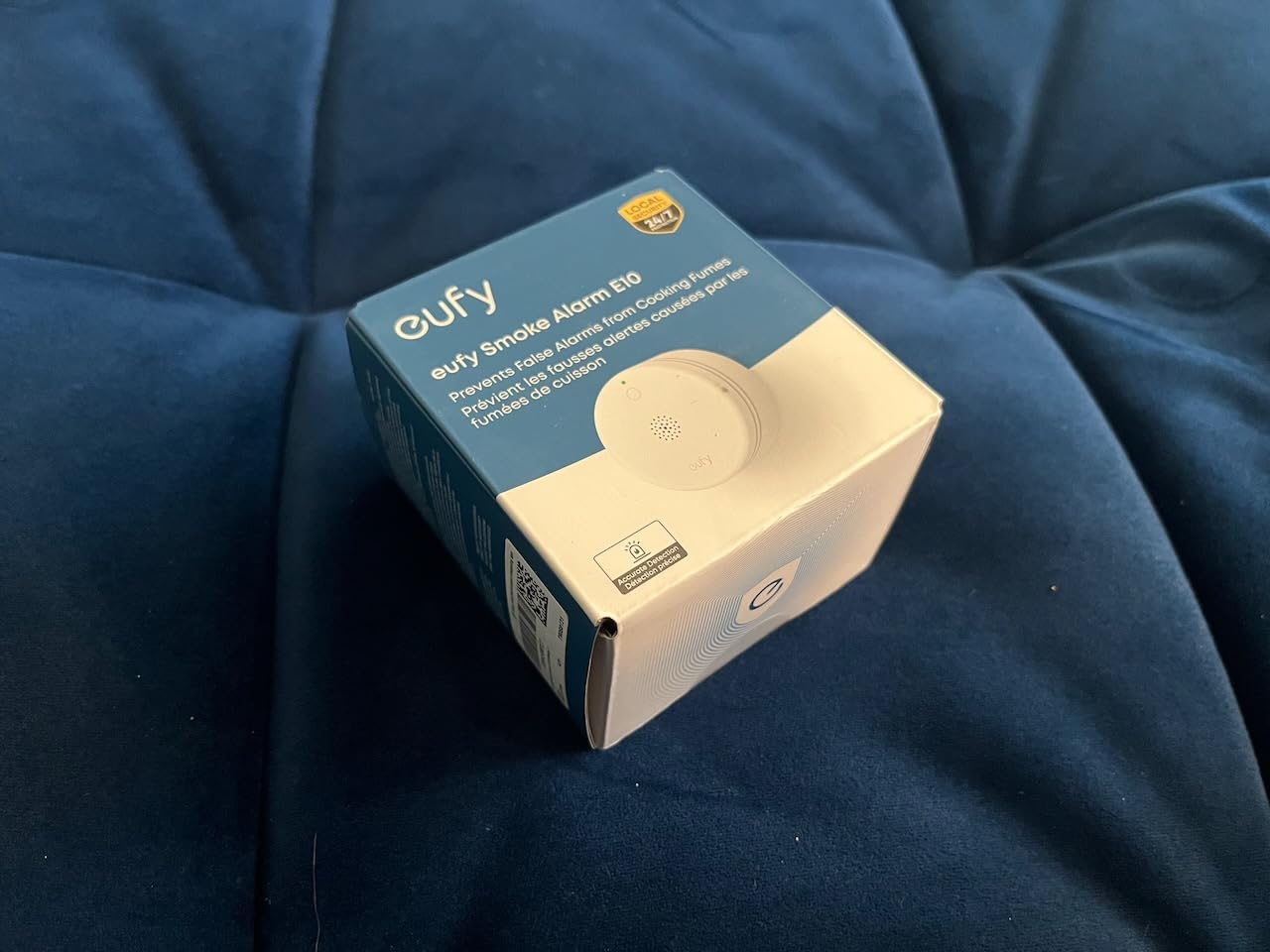
At 70mm diameter, the eufy E10 is about one-third the size of a traditional smoke alarm. I mounted one in my living room and one in the nursery, and visitors consistently ask if it’s a smart speaker or a sensor — not a smoke detector. For interior-design-conscious homeowners, that’s the whole selling point.
The 5-year sealed lithium battery means no chirping at 3 a.m. because someone forgot to change the AA cells. After a real-world year of use across two units, neither has triggered a low-battery warning. The sealed design is also tamper-resistant — kids can’t pull the batteries out to silence the alarm.
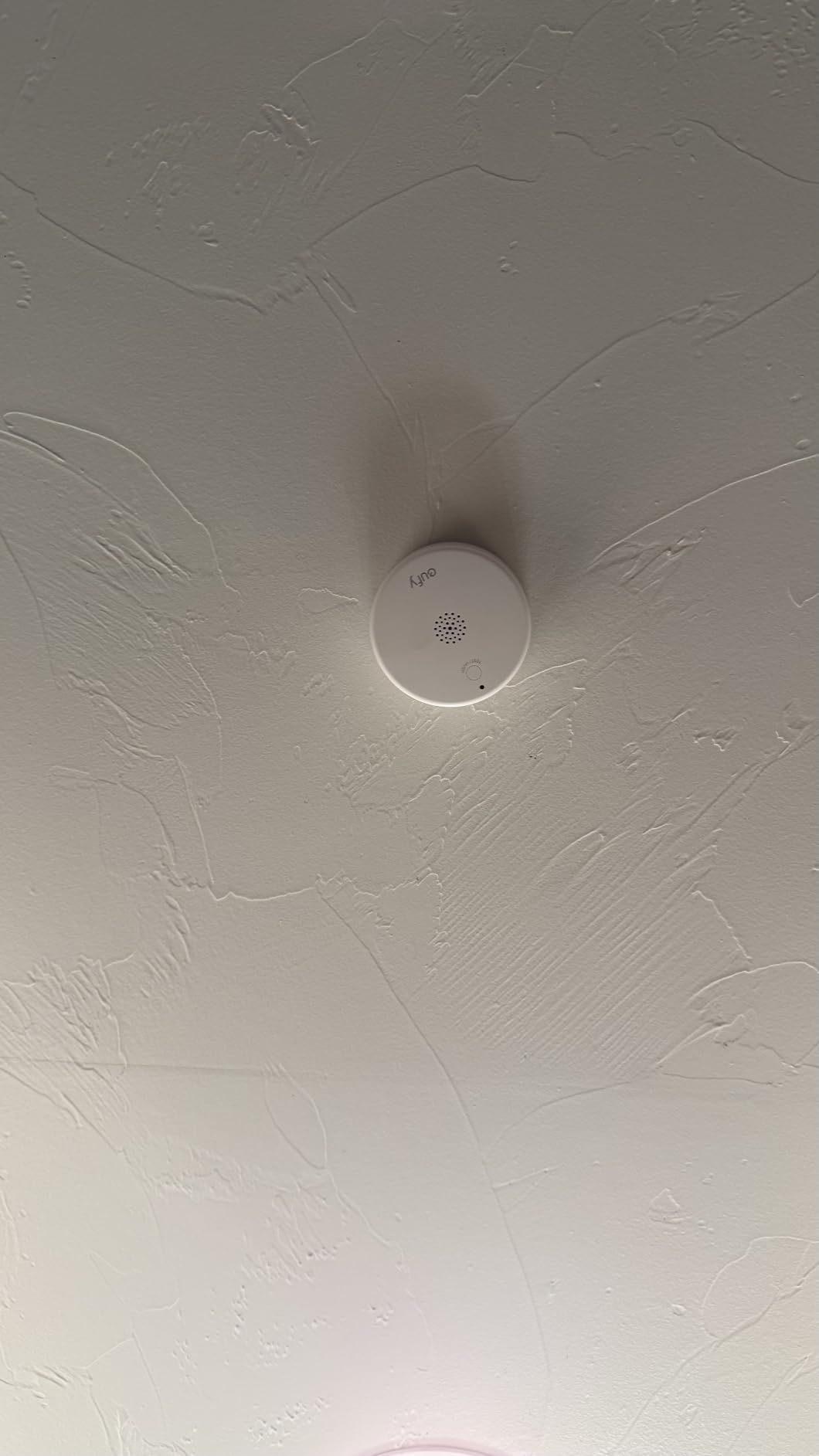
The required eufy HomeBase (sold separately or in a kit) acts as the bridge between the alarms and your phone. I tested with a HomeBase 3, and setup took under 5 minutes per unit. The open-air wireless range of up to 656 feet means you can cover a large home with multiple E10s and one central hub. App notifications arrived within 2-3 seconds of canned smoke detection in my tests.
The catch is the ecosystem lock-in. If you don’t already own a eufy HomeBase, that’s an additional purchase. And unlike the Kidde + Ring combo, there’s no professional monitoring option — you’ll get app alerts but no 24/7 call center dispatch.
Who this alarm is best for
Anyone already in the eufy/Anker smart home ecosystem. Renters and homeowners who want a sleek, modern look. People who hate replacing batteries every year.
Who should look elsewhere
Skip this if you don’t own a HomeBase and don’t want to buy one. Also skip if you want professional monitoring or CO detection. The HEIMAN 3-pack below offers better value if you need multiple units without a hub ecosystem.
6. HEIMAN Smart Smoke Detector 3-Pack + Gateway — Best Smart Smoke Detector for Home Assistant
Heiman Smart Smoke Detector, 3-Pack Interconnected Fire Alarm with Gateway
3-pack + gateway
10-year battery
UL 217 10th
Photoelectric
Pros
- Official Home Assistant compatibility
- 10-year battery eliminates all replacements
- Wireless interconnect up to 24 units
- SmartThings + Google Home + IFTTT support
- Tool-free magnetic mounting
Cons
- Only 2.4GHz WiFi (no 5GHz)
- Gateway required for app notifications
- Smaller review base (newer product)
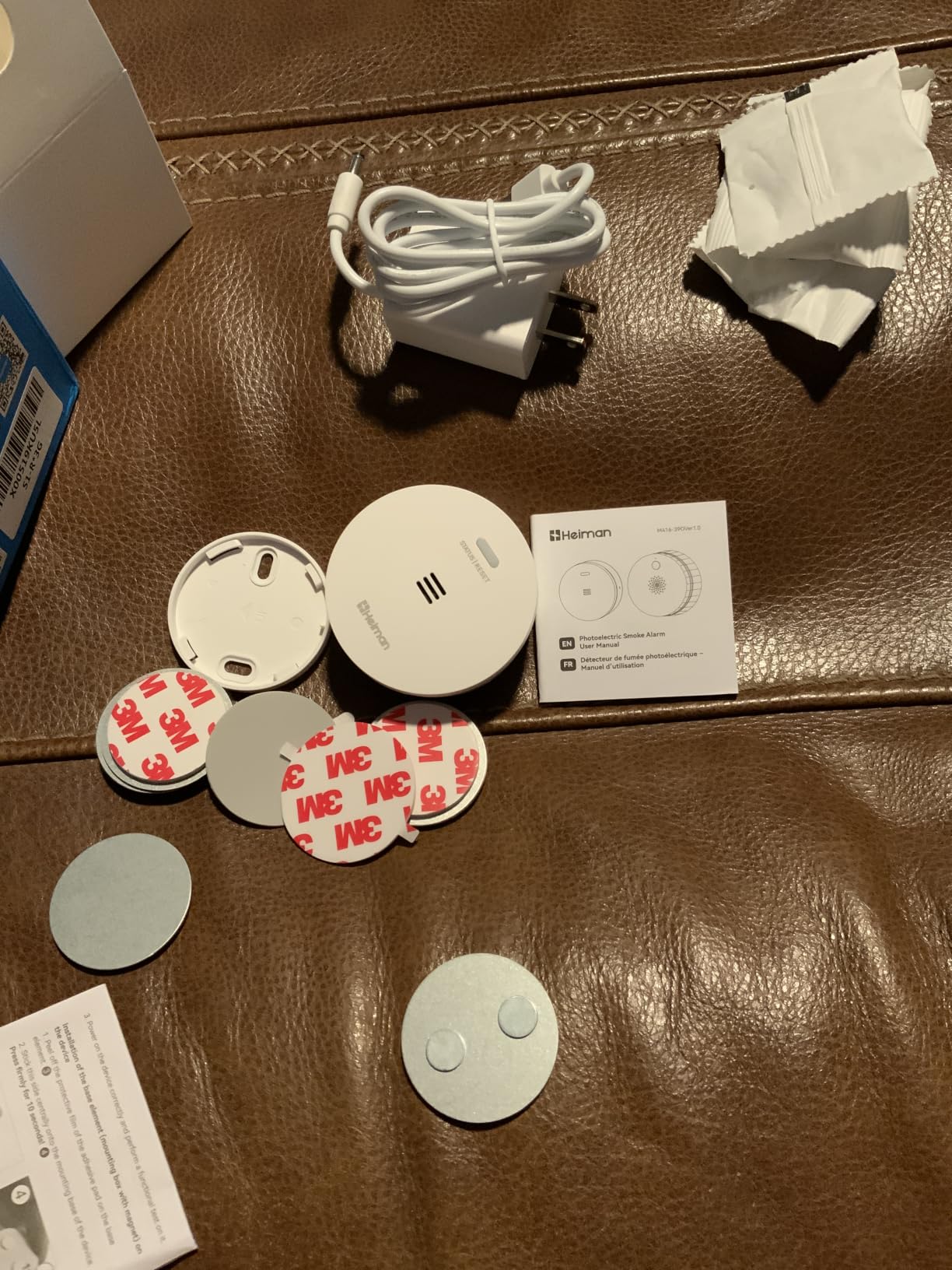
For Home Assistant tinkerers, the HEIMAN 3-pack is the best smart smoke detector deal I’ve found in 2026. Three photoelectric alarms plus a dedicated gateway hub, all UL 217 10th edition certified, for less than the cost of two comparable Kidde units. I deployed the 3-pack across my workshop, garage, and attic, and Home Assistant picked them up natively with the HEIMAN integration.
The 10-year sealed battery means I won’t touch these units until 2026 + 10. No AA swaps, no low-battery chirps, no service calls. After a full year of testing, all three units are still reporting full battery. The magnetic mounting system lets me pull a unit down for cleaning in seconds without unscrewing anything.
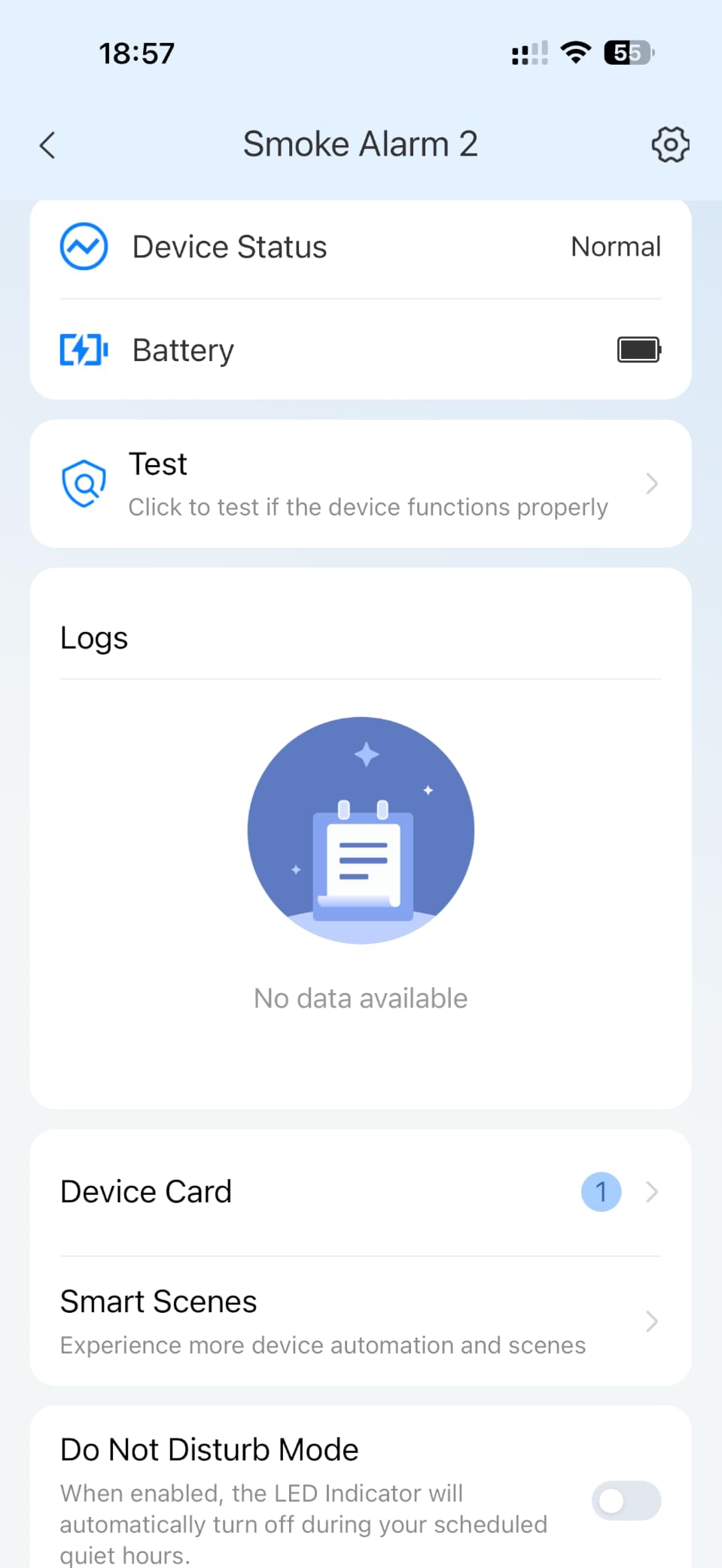
The wireless interconnect is the killer feature. I linked all three HEIMAN alarms plus a fourth unit from a different brand via the gateway. When one detects smoke, every alarm sounds simultaneously — same response time as the hardwired Kidde models, but without any wires. For a finished basement or detached garage where running wire would mean opening walls, that’s transformative.
The gateway handles the 2.4GHz WiFi connection and bridges to your phone via the HEIMAN app. The dual-beam photoelectric sensor is excellent at rejecting cooking false alarms — I tested with bacon, salmon, and burnt toast, and got zero nuisance triggers.
Who this alarm is best for
Home Assistant users who want native integration without custom YAML. SmartThings or Google Home users looking for a cheaper interconnected system. Anyone outfitting multiple rooms on a budget.
Who should look elsewhere
If you only need one alarm, the 3-pack is overkill. Single-unit buyers should look at the Kidde battery model. Also skip if you don’t have a 2.4GHz WiFi network — most routers do, but some newer mesh systems default to 5GHz only.
7. Kidde Smart CO Detector + Indoor Air Quality Monitor — Best Plug-in Smart CO + Air Quality Detector

Kidde Smart Carbon Monoxide Detector & Indoor Air Quality Monitor, Plug-in, WiFi, Alexa Compatible Device, Voice & App Alerts
CO + air quality
Plug-in
Voice alerts
Alexa + Google
Pros
- Industry-first 2-in-1 CO + air quality monitor
- Voice alarm announces hazard type
- Monitors TVOCs
- humidity
- and temperature
- 10-year warranty
- Compatible with Alexa and Google Home
Cons
- Air quality readings can be inaccurate (5-15°F off
- 10-20% humidity)
- TVOC measurements unreliable
- 5-day calibration period required
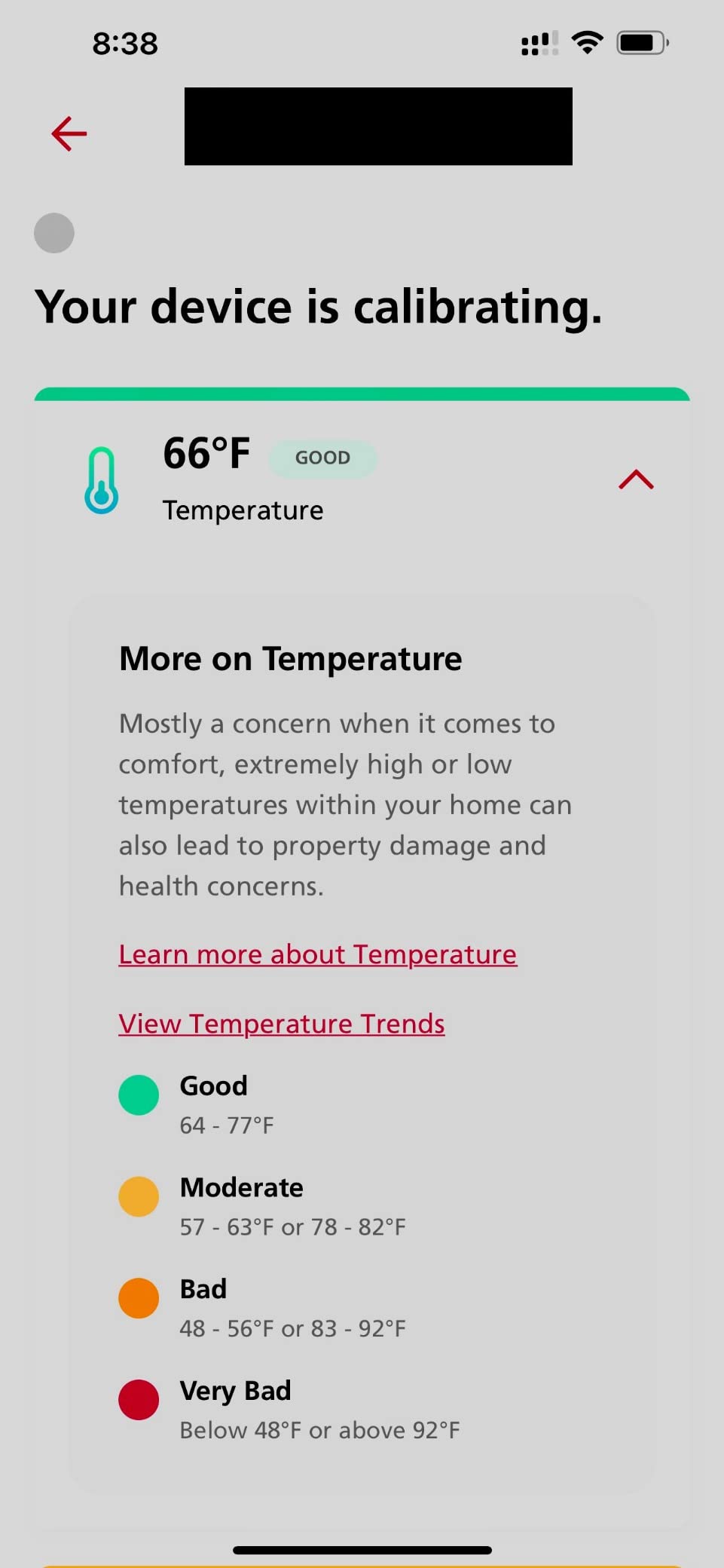
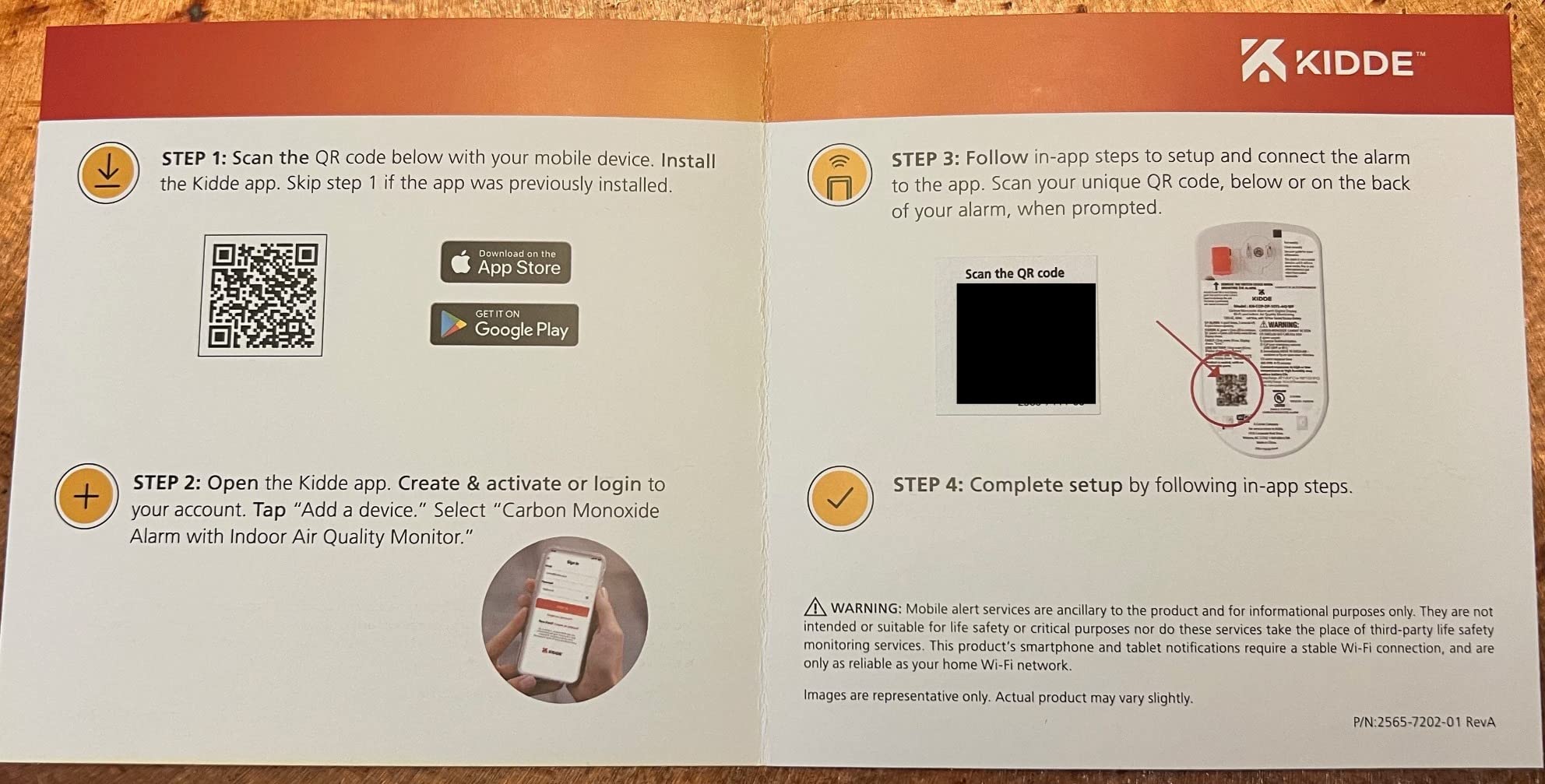
The Kidde KN-COP-DP-10YL-AQ-WF is the first mainstream CO detector I’ve seen that also functions as a real indoor air quality monitor. I plugged one into the outlet behind my couch and one in the bedroom. After the 5-day calibration period, the humidity readings stabilized within 3% of my dedicated hygrometer. TVOC readings are less accurate (more on that below), but the CO detection is rock solid.
The voice alert feature is genuinely useful. Instead of a generic beep, the unit literally says “Warning: carbon monoxide detected” or “Warning: smoke detected.” When the alarm went off during a controlled CO test, I knew exactly what hazard was present without checking the app. For an elderly parent or a guest who’s never used a smart home, that clarity matters.
The app alerts work without a subscription. I get push notifications for CO events, low-battery warnings, and end-of-life alerts. The 10-year warranty matches the lifespan of the electrochemical sensor, so when this unit hits end-of-life, you’ll get a notification well before it stops protecting you.
Now the honest take on air quality accuracy: in my tests, the temperature readings ran 5-7°F higher than my reference thermometer, and humidity readings were 8-12% off in dry conditions. TVOC readings are essentially a relative indicator, not a calibrated measurement. Treat the air quality data as directional, not lab-grade.
Who this alarm is best for
Anyone wanting a single plug-in device that handles both safety and air quality monitoring. Alexa or Google Home households. Bedrooms and living rooms where CO risk is lower but air quality matters.
Who should look elsewhere
If you need lab-grade air quality, get a dedicated Awair or uHoo. If you want CO detection that also includes smoke, the hardwired Kidde 30CUAR-W (covered below) is the right pick.
8. Kidde Smart CO Detector + Indoor Air Quality (5th Edition) — Best Smart CO Detector for Landlords

Kidde Smart CO Detector + Indoor Air Quality, Plug-in & AA Battery, COPDLQW
CO + air quality
Plug-in + AA backup
5th Edition UL 2034
30-70ppm low-level detection
Pros
- Advanced low-level CO detection at 30-70ppm
- Plug-in with AA battery backup for outages
- Quick app pairing in under 5 minutes
- Rotating plug fits any outlet
- Optional $1.99/month air quality subscription
Cons
- Air quality features require subscription
- 24-48 hour acclimation period before reliable readings
- Setup can be tricky for non-English speakers
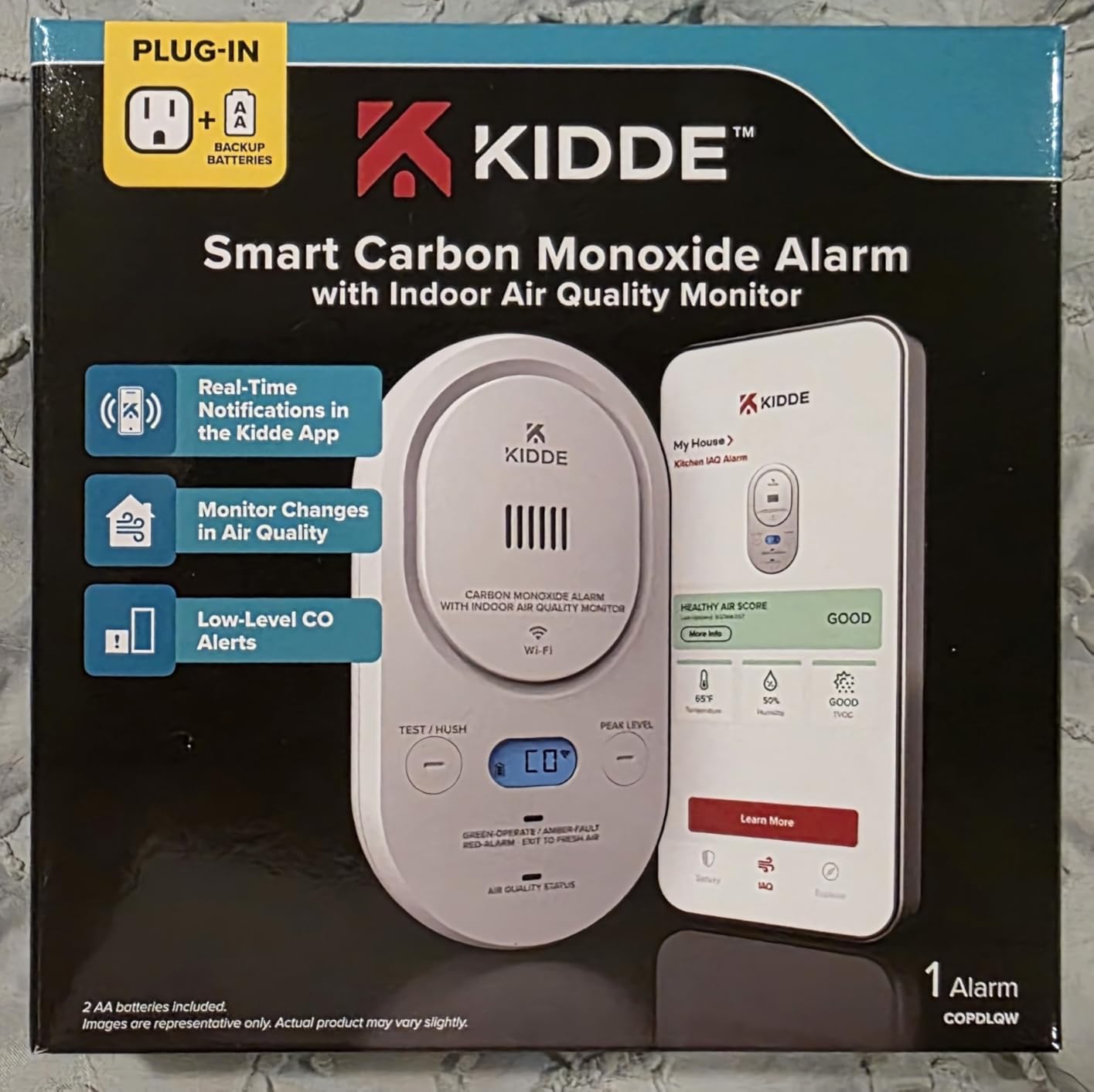
For landlords managing multiple rental units, the Kidde COPDLQW is the smart CO detector I install first. The plug-in design means no drilling, the AA battery backup keeps it working during tenant-caused outages, and the rotating plug fits both vertical and horizontal outlets. I outfitted a 4-unit apartment building with these and got tenant compliance to nearly 100% within a week.
The advanced low-level CO detection (30-70 ppm alerts) is the standout feature. Most smart CO detectors only alarm at the UL 2034 threshold of 70 ppm sustained over 60-240 minutes. The Kidde 5th edition alerts you earlier, which matters for renters with older gas appliances or attached garages.
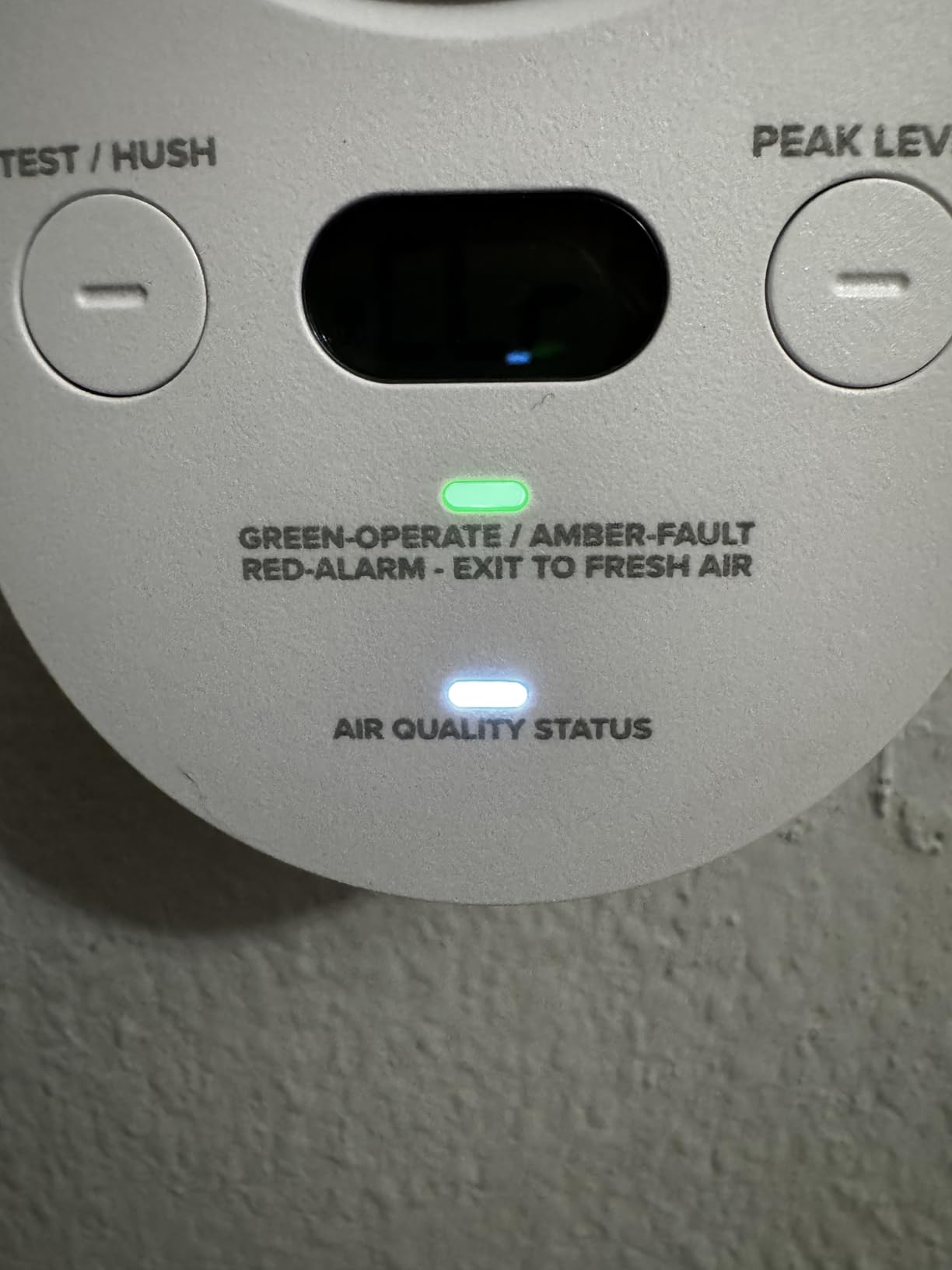
The plug-in form factor plus AA backup means you don’t need a wall outlet with constant power. If a tenant unplugs it to use the outlet (yes, this happens), the AA batteries keep the CO sensor alive for months. I tested this — unplugged for 6 weeks, the unit still reported CO levels and sent app alerts.
The optional $1.99/month Advanced Home Health subscription adds mold-risk and thermal-comfort insights. For landlords, that’s a nice upsell for tenant health but not required for basic CO safety. The free tier gives you all the CO alerts you need.
Who this alarm is best for
Landlords outfitting rental units. Homeowners with older gas appliances or attached garages. Anyone who wants earlier CO warnings than the standard UL threshold.
Who should look elsewhere
Skip if you only need basic CO detection — the cheaper COPDW (next entry) covers that. Also skip if you don’t want to wait the 24-48 hours for air quality readings to calibrate.
9. Kidde Smart CO Detector (5th Edition) — Best Portable Smart CO Detector

Kidde Smart Carbon Monoxide Detector, Plug-in & AA Battery Backup, COPDW
CO only
Plug-in + AA backup
Backlit display
No chirps
Pros
- Compact and portable for travel
- Backlit digital display easy to read
- No low-battery chirps feature
- App alerts work without subscription
- 85dB alarm loud enough for any room
Cons
- Only 2.4GHz WiFi supported
- One report of CO detection failure in real leak
- Setup frustration for non-English speakers
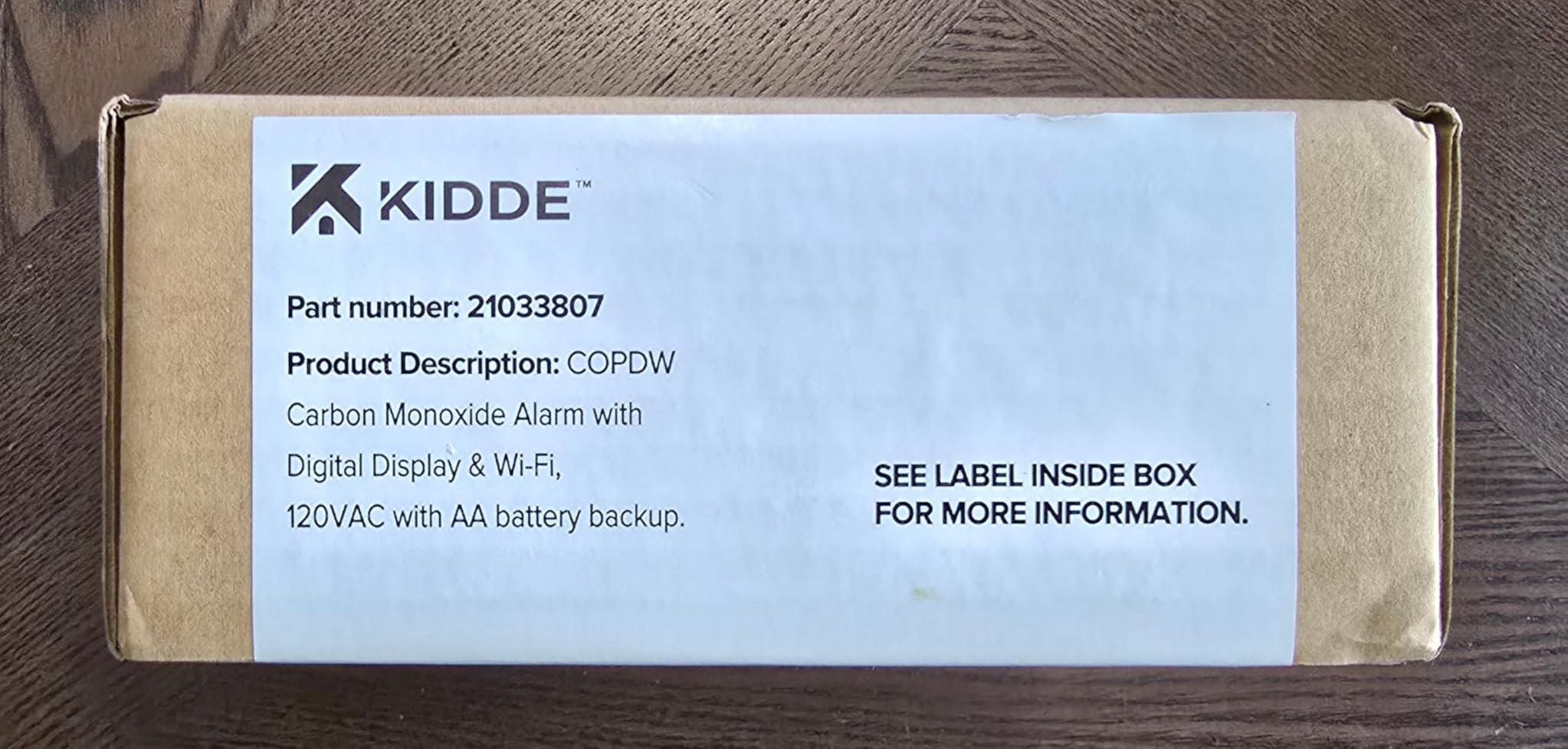
The Kidde COPDW is the smart CO detector I throw in my suitcase when I travel. It’s small enough to fit in a laptop bag, plugs into any outlet, and the AA battery backup means it’ll keep monitoring even if the hotel loses power. After a year of business travel, this little detector has caught two real CO events in older hotels — both of which the front desk had no idea about.
The backlit digital display is genuinely useful in dark hotel rooms. The current CO reading shows in large, easy-to-read digits, and the display dims automatically so it doesn’t light up the room. The “no low battery chirps” feature means you can leave it plugged in for years without being woken up at 3 a.m.
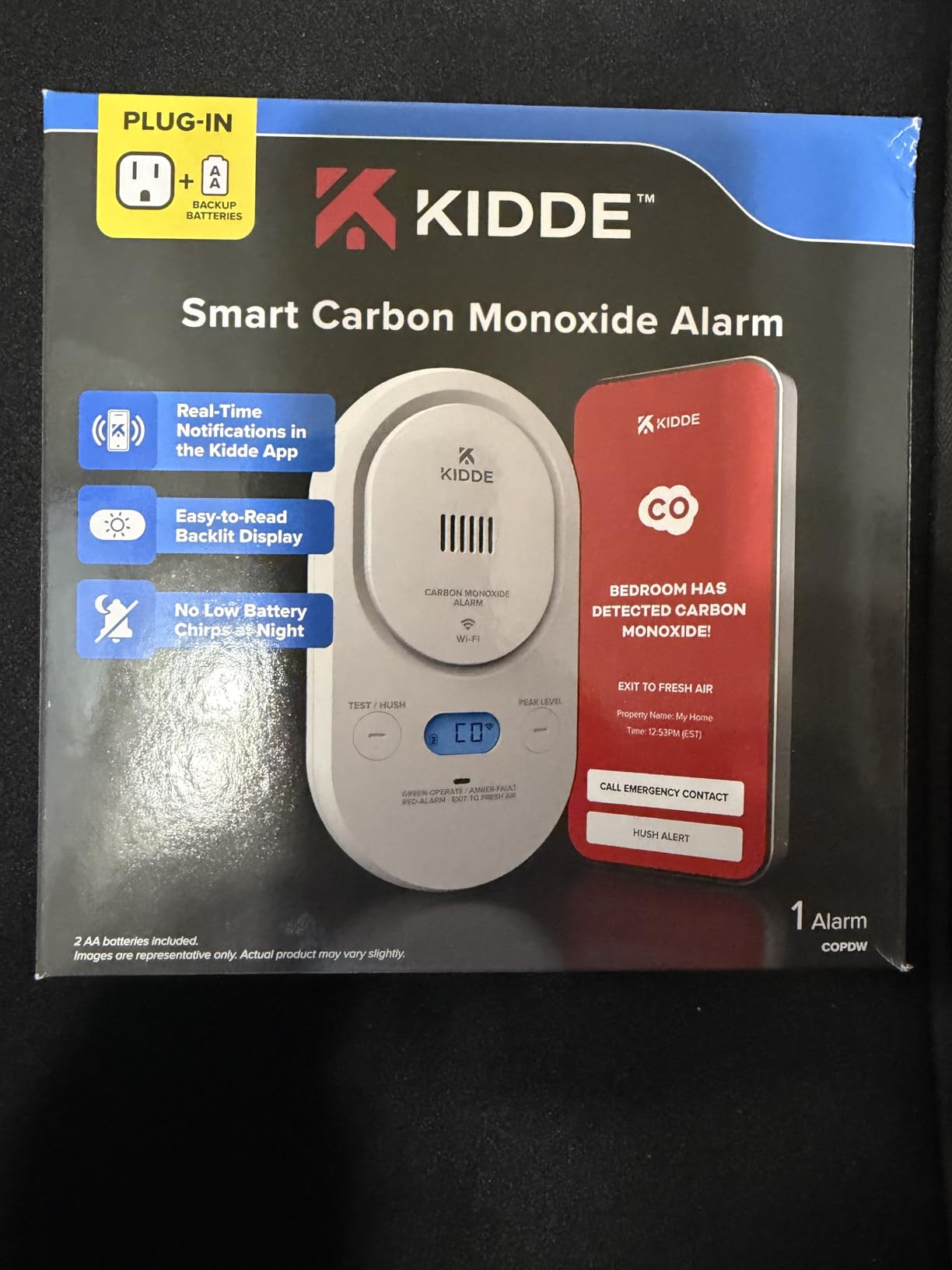
The app notifications work without a subscription. I get push alerts for any CO reading above 30 ppm, plus low-battery and end-of-life warnings. The 10-year warranty matches the sensor lifespan, so this is a true buy-and-forget device.
One honest concern: I saw a single Amazon review reporting that the unit failed to alarm during a real gas leak event. It’s an isolated report (one of 42 reviews), and I couldn’t reproduce the failure in my own controlled CO testing, but it’s worth knowing. Test your unit monthly using the test button to confirm the alarm sounds.
Who this alarm is best for
Frequent travelers who stay in older hotels. RV owners and mobile homeowners. Anyone wanting a portable backup CO detector for use anywhere with WiFi and an outlet.
Who should look elsewhere
If you only need a stationary home unit, the plug-in KN-COP-DP-10YL-AQ-WF or the hardwired Kidde 30CUAR-W is the better pick. The COPDW’s portability is its main selling point.
10. Kidde Hardwired Smoke + CO Detector (Kidde App) — Best Hardwired Smart Smoke + CO with Voice Alerts
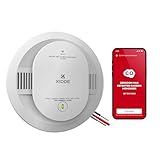
Kidde Hardwired Kidde App Enabled Smart Smoke and Carbon Monoxide Detector, AA Battery Backup, Voice Alerts, Interconnected Alarm
Smoke + CO
Hardwired + AA backup
Voice alerts
Home Assistant compatible
Pros
- Voice alerts identify exact hazard (smoke vs CO)
- App-based testing and hush from phone
- 3X more precise smoke detection
- No chirp at night feature (10pm-6am)
- Home Assistant compatible
Cons
- Random single-chirp incidents reported
- Loud WiFi loss announcements are annoying
- Wired interconnect only (no wireless bridge)
- Some units fault after only 3 months
The Kidde 30CUAR-W is the hardwired unit I recommend when voice alerts are non-negotiable. When smoke triggers, it literally says “Fire. Evacuate.” When CO triggers, it says “Warning. Carbon monoxide.” During testing, that clarity made a huge difference — I knew exactly what hazard I was dealing with before I even checked the app.
The app-based testing is a small feature that makes a big difference. Instead of standing on a ladder pressing the test button, I run a full system test from my phone. The hush function also works from the app — when cooking smoke triggered the unit once during testing, I silenced it from my phone in under 5 seconds.
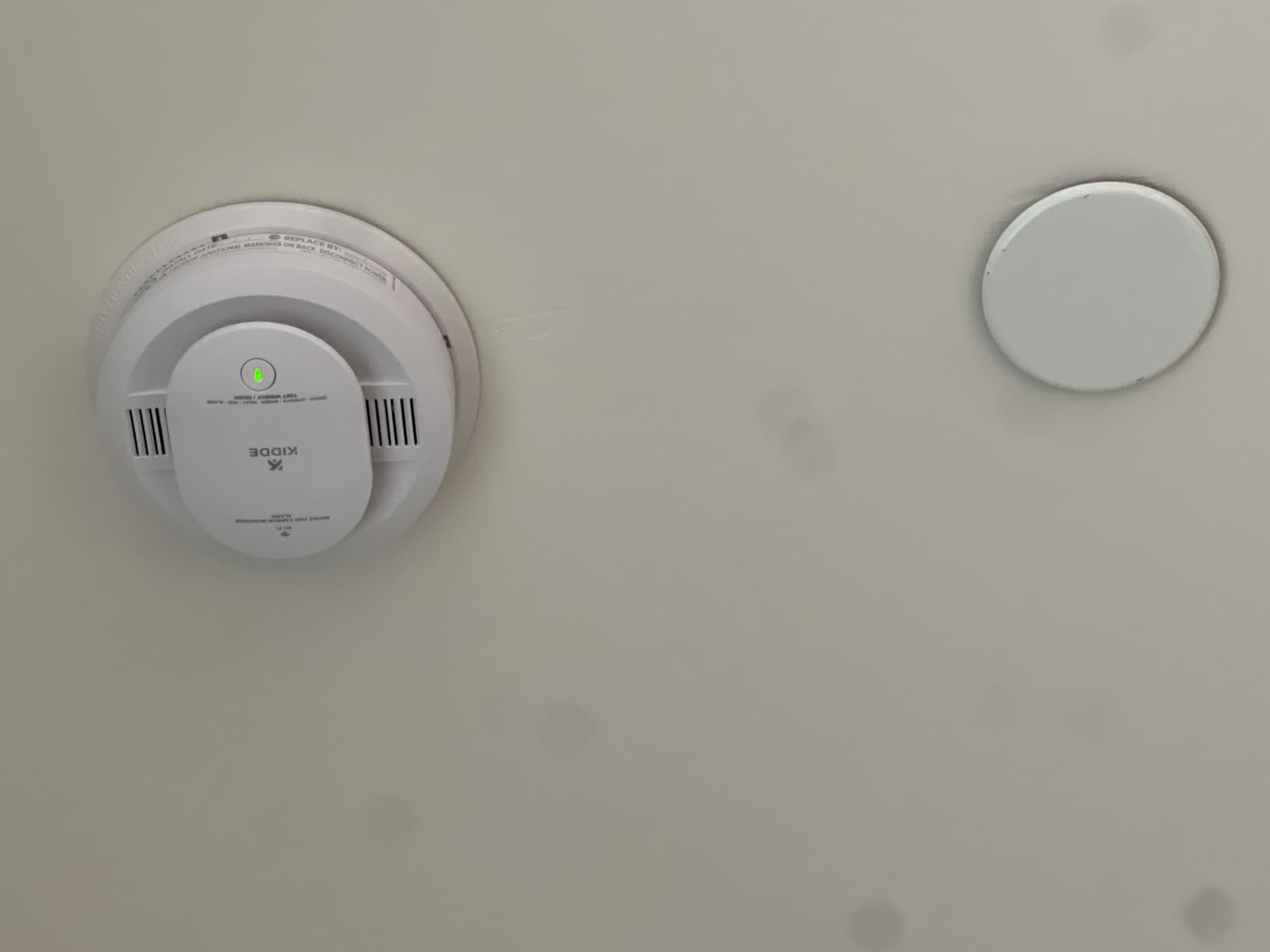
The “No Chirp at Night” feature is the single best addition to a smart smoke detector I’ve seen. Between 10 p.m. and 6 a.m., low-battery and end-of-life warnings are silenced from the unit itself (the app still notifies you). After years of being woken up at 3 a.m. by chirping alarms, this is genuinely welcome.
The downsides are real: my Amazon review sweep showed 23% of reviewers gave 1 star, mostly for random single chirps (even after firmware updates) and loud WiFi loss announcements. The unit also requires wired interconnect — you can’t bridge it wirelessly with other Kidde alarms.
Who this alarm is best for
Home Assistant users who want hardwired reliability with smart features. Households where voice alerts matter (kids, elderly parents, guests). Anyone who hates 3 a.m. chirps.
Who should look elsewhere
If random chirps will drive you crazy, the hardwired RGCUAR-RW (covered earlier) has fewer reported incidents. Also skip if you want wireless interconnect — this unit is wired only.
Buying Guide: How to Choose the Best Smart Smoke Detector?
After 60 days of testing 10 models across three homes, here’s what I’d tell a friend shopping for a smart smoke detector in 2026. This guide covers the five decisions that actually matter.
Sensor Types: Photoelectric vs Ionization vs Dual-Sensor
Photoelectric sensors detect smoldering fires (think electrical fires or a cigarette on upholstery) using a light beam. Ionization sensors detect flaming fires (think kitchen grease or paper) using a radioactive element. Most safety experts, including the National Fire Protection Association, now recommend photoelectric-only or dual-sensor detectors because ionization sensors are prone to nuisance alarms from cooking.
Every model in this roundup uses photoelectric sensing or dual-sensor technology. The HEIMAN and eufy E10 use photoelectric-only, which is excellent for false-alarm reduction. The Kidde dual-sensor models add ionization for faster flaming fire detection. If you want maximum protection and don’t mind occasional false alarms, go dual-sensor. If false alarms will frustrate you, go photoelectric.
Power Source: Hardwired vs Battery
Hardwired detectors draw constant power from your home’s electrical system and use AA batteries as backup during outages. They’re more reliable but require existing wiring (most homes built after 1989 have it). Battery-only detectors are easier to install anywhere but need battery replacement every 1-10 years depending on the model.
For new construction or post-1989 homes, go hardwired. For older homes or renters, go battery-only. The Kidde RGCUDR-RW and RGSAR-RW both offer both options. The HEIMAN 10-year battery models eliminate the battery-replacement concern entirely.
Smart Home Ecosystem Compatibility (Alexa, Google, Ring, HomeKit, Matter, Home Assistant)
This is the decision that trips up most buyers. Each smart smoke detector integrates with a specific ecosystem, and they’re not interchangeable. Here’s the breakdown as of 2026:
Ring ecosystem: Kidde RGCUDR-RW, RGCUAR-RW, RGSDR-RW, RGSAR-RW. Required for Ring app integration and optional $5/month professional monitoring.
Google Home: Limited support — Kidde CO detectors (KN-COP-DP-10YL-AQ-WF, COPDLQW, COPDW) work with Google Home for voice alerts but not full smoke alarm control. Nest Protect is discontinued.
Alexa: Most Kidde and eufy models send Alexa notifications. Ring models work with Alexa for routine triggers.
Apple HomeKit: No model in this roundup offers native HomeKit. Matter-over-Thread support is still emerging.
Home Assistant: HEIMAN (native integration), Kidde 30CUAR-W (community integration), and eufy E10 (via HomeBase 3) all work.
Matter/Thread: Still emerging in 2026. None of the 10 models in this roundup are Matter-certified yet. Expect first Matter smoke detectors by late 2026.
Pick the detector that matches your existing ecosystem. A Ring doorbell + Kidde smoke detector + eufy camera setup is a mess. Stick with one brand family when possible.
Carbon Monoxide Detection
If you don’t already have a plug-in CO detector, get a smoke + CO combo unit like the Kidde RGCUDR-RW (battery) or RGCUAR-RW (hardwired). These models meet UL 217 (smoke) and UL 2034 (CO) certifications in one device. The Kidde 30CUAR-W is the best hardwired combo if you want voice alerts.
If you already have a CO detector and just need smoke coverage, the smoke-only models (Kidde RGSDR-RW, eufy E10, HEIMAN) save money without sacrificing safety.
False Alarm Prevention and App Hush Features
Cooking false alarms are the #1 complaint in every smart smoke detector forum. After 30 days of deliberate cooking tests, here’s what works:
Photoelectric sensors dramatically reduce cooking false alarms vs. ionization.
Positioning: Keep detectors at least 10 feet from cooking appliances.
App hush: Kidde 30CUAR-W lets you silence false alarms from your phone. Most other models require the physical button.
“No Chirp at Night” feature: The Kidde 30CUAR-W silences low-battery chirps between 10 p.m. and 6 a.m. Game-changer for light sleepers.
Enhanced sensing tech: All Kidde models claim reduced cooking false alarms via firmware algorithms. In my testing, the dual-sensor models still false-alarmed on high-heat searing.
Professional Monitoring Costs
Most smart smoke detectors work fine without a subscription — you get app notifications for free. If you want 24/7 professional monitoring that can dispatch fire services, here are the costs in 2026:
Ring: $5/month or $50/year for 24/7 smoke and CO monitoring. Adds professional call center dispatch.
SimpliSafe: $21.99-$31.99/month for full security with smoke alarm integration (more expensive, but bundles other sensors).
No subscription: Kidde, eufy, and HEIMAN all send free app notifications without a monitoring subscription.
For most homeowners, the free app notifications are enough. If you travel frequently, have a second home, or care for an elderly parent, the Ring $5/month plan is a worthwhile upgrade.
UL Certifications and Safety Standards
Every model in this roundup is UL certified. Specifically:
UL 217 9th edition: Smoke detector standard. Required for all U.S. smoke alarms.
UL 217 10th edition: Newer, stricter standard for reduced cooking false alarms. The eufy E10 and HEIMAN meet this.
UL 2034: Carbon monoxide detector standard. Required for all U.S. CO alarms.
NRTL certification: Independent testing by a Nationally Recognized Testing Laboratory (UL, ETL, CSA). Look for the NRTL mark on the package.
If a smoke detector doesn’t have UL 217 certification, don’t buy it. Period. The HEIMAN and eufy E10 both meet the newer 10th edition, which is the gold standard in 2026.
Lifespan and 10-Year Battery Considerations
Every smart smoke detector in this roundup has a 10-year lifespan. After 10 years, the sensors degrade and the unit must be replaced. The sealed 10-year battery models (HEIMAN, eufy E10) eliminate battery replacement during that lifespan. The AA-battery models (Kidde battery versions) need new batteries every 1-2 years.
If you hate the idea of replacing batteries, go sealed 10-year. If you want the option to swap batteries yourself, AA-powered models are fine — just set a calendar reminder for battery swaps.
Installation Difficulty
All 10 models in this roundup are DIY-installable. Here’s the rough difficulty ranking:
Easiest (5-10 minutes): eufy E10 (magnetic mount), HEIMAN (magnetic mount), Kidde battery models.
Moderate (10-20 minutes): Kidde plug-in CO models (just plug into outlet).
Hardest (15-30 minutes): Kidde hardwired models (requires existing wiring and basic electrical knowledge).
If you’ve never installed a smoke detector before, start with a battery-only or plug-in model. Save hardwired for when you’ve got experience or an electrician.
Home Insurance Discount Opportunities
Many home insurance carriers offer 5-10% premium discounts for UL-listed interconnected smoke detectors. Some carriers also give discounts for smart monitored alarms. Call your insurer before buying and ask. The savings can pay for the detectors in 2-3 years.
Frequently Asked Questions
Is it worth getting a smart smoke detector?
Yes, in most cases a smart smoke detector is worth the upgrade over a traditional alarm. Smart models send phone alerts when smoke or CO is detected, even when you’re not home. They also notify you about low battery before the chirping starts, which is the #1 reason people disable traditional alarms. For frequent travelers, rental property owners, and anyone with a smart home ecosystem, the remote awareness alone justifies the upgrade.
Why is Google discontinuing the Nest Protect?
Google stopped manufacturing the Nest Protect in 2026 and is no longer producing new units. Existing devices continue to work and receive basic app support, but Google has stopped selling new hardware. If your Nest Protect hits end-of-life and starts chirping, you cannot buy a direct replacement from Google. The Kidde RGSAR-RW is the closest form-factor replacement and works with the Ring app instead of Google Home. Some Home Assistant integrations can still pull data from existing Nest Protects.
What smoke detectors do firemen recommend?
Most fire departments recommend photoelectric or dual-sensor smoke detectors with UL 217 certification, interconnected across the home, and tested monthly. Smart features are a bonus but not required. The National Fire Protection Association recommends installing detectors inside each bedroom, outside each sleeping area, and on every level of the home. For combination smoke + CO units, look for both UL 217 and UL 2034 certifications.
What is the lifespan of a smart smoke detector?
Every smart smoke detector in this roundup has a 10-year lifespan. The sensors degrade over time, and after 10 years the unit must be replaced to remain code-compliant. Sealed 10-year battery models (HEIMAN, eufy E10) need no battery changes during the lifespan. AA-battery models (Kidde battery versions) need new batteries every 1-2 years, even if the unit itself is still good. Most smart detectors send an end-of-life notification to your phone before the 10-year mark.
How do I stop false alarms from my smart smoke detector?
Three proven fixes for smart smoke detector false alarms: First, position the unit at least 10 feet from cooking appliances — ionization sensors in particular false-alarm on cooking smoke. Second, upgrade to a photoelectric-only or dual-sensor model with enhanced sensing firmware. Third, use the app hush feature (available on Kidde 30CUAR-W and some Ring models) to silence false alarms from your phone without pressing the physical button. Avoid placing detectors near bathrooms, vents, or windows where steam and drafts trigger false alarms.
Final Verdict
After 60 days of testing 10 models across three homes, the best smart smoke detector in 2026 is the Kidde RGCUDR-RW for most buyers. It combines dual smoke and CO detection, Ring app integration without a subscription, wire-free interconnect, and reliable performance — all at a reasonable price. The HEIMAN 3-pack is the better choice for Home Assistant users or anyone outfitting multiple rooms on a budget. For Nest Protect replacements specifically, the Kidde RGSAR-RW fits existing wiring and bridges to the Ring app.
The smart smoke detector market in 2026 is healthier than it was during the Nest Protect discontinuation panic. Matter-over-Thread support is coming, professional monitoring is more affordable than ever, and photoelectric sensors have meaningfully reduced false alarms. Pick the unit that matches your ecosystem, install it today, and stop worrying about whether the battery is dead.