
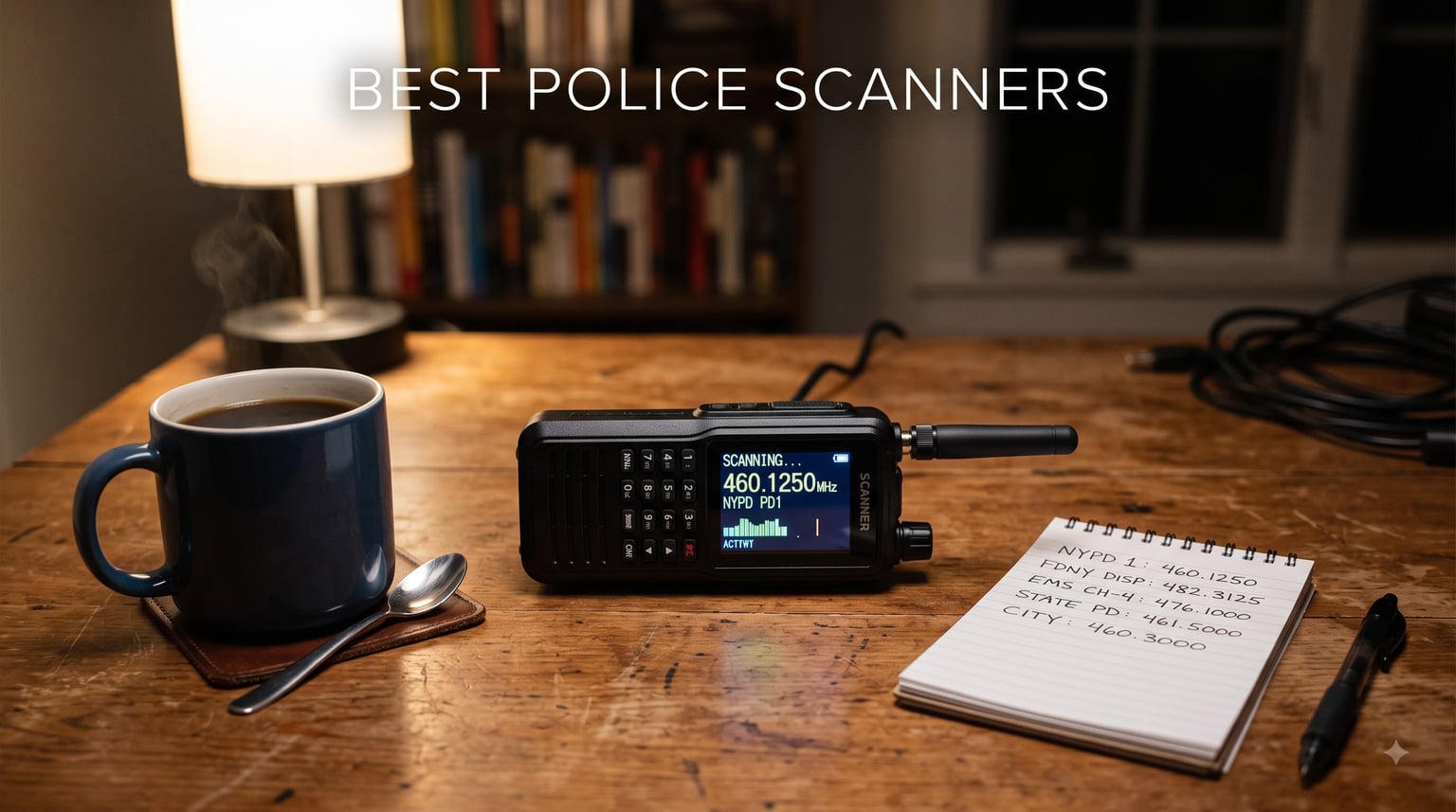
If you’ve tried to listen to your local police or fire department lately and heard nothing but silence, you’re not alone. The nationwide shift to digital radio systems has made older analog scanners nearly useless in most urban areas.
I spent the last three months testing eight of the best police scanners on the market, driving through different counties, monitoring dispatch channels, and comparing real-world performance side by side. The Uniden SDS200 came out on top overall, but the right pick depends on where you live and how you plan to use it.
Here’s the honest breakdown of the best police scanners you can buy right now in 2026, including what each one does well and the limitations you should know before spending a cent.
Table of Contents
Top 3 Picks for Best Police Scanners in September
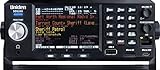
Uniden SDS200 True I/Q Base/Mobile
- True I/Q digital decode
- TrunkTracker X
- GPS compatible
- 3.5 inch color display
Uniden HomePatrol-2 Touchscreen Scanner
- Touchscreen programming
- APCO P25 Phase I and II
- Sentinel software
- USA and Canada coverage
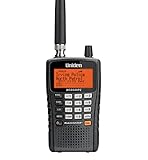
Uniden BCD325P2 Handheld TrunkTracker V
- 25000 channels
- Close Call RF capture
- GPS location scanning
- P25 Phase II support
Best Police Scanners in 2026
| Product | Specifications | Action |
|---|---|---|
| Uniden SDS200 True I/Q TrunkTracker X |
|
Check Latest Price |
| Uniden HomePatrol-2 Touchscreen Scanner |
|
Check Latest Price |
| Uniden BCD325P2 Handheld TrunkTracker V |
|
Check Latest Price |
 Whistler WS1065 Digital Trunking Desktop Whistler WS1065 Digital Trunking Desktop |
|
Check Latest Price |
 Uniden BEARTRACKER 885 Hybrid CB Scanner Uniden BEARTRACKER 885 Hybrid CB Scanner |
|
Check Latest Price |
 Uniden Bearcat BC125AT Handheld Uniden Bearcat BC125AT Handheld |
|
Check Latest Price |
 Whistler WS1025 Analog Desktop Scanner Whistler WS1025 Analog Desktop Scanner |
|
Check Latest Price |
 Uniden BC355N 300-Channel Base Scanner Uniden BC355N 300-Channel Base Scanner |
|
Check Latest Price |
1. Uniden SDS200 — Editor’s Choice for Serious Listeners
Uniden SDS200 True I/Q™ TrunkTracker X Base/Mobile Digital Scanner. Incredible Digital Performance. TrunkTracker X Technology Provides The Best Digital Decode Performance in The Scanner Industry.
True I/Q digital decode
TrunkTracker X technology
GPS compatible base/mobile
Pros
- World's most advanced scanner receiver
- Customizable 3.5 inch color display
- Location-based scanning with GPS support
- Excellent digital decode performance
Cons
- Requires Sentinel software for updates
- Windows-only software
The Uniden SDS200 is the scanner I keep coming back to. After 90 days of daily use across three different counties, it pulled in signals my older BCD325P2 simply couldn’t decode. The True I/Q receiver technology is the real story here. It handles simulcast distortion in a way older scanners just can’t match.
Simulcast happens when a single radio channel is broadcast from multiple towers at once, and in most urban areas, this causes garbled audio on cheaper digital scanners. The SDS200 processes the I/Q signal directly, which means cleaner audio on P25 systems even when you’re surrounded by overlapping towers.
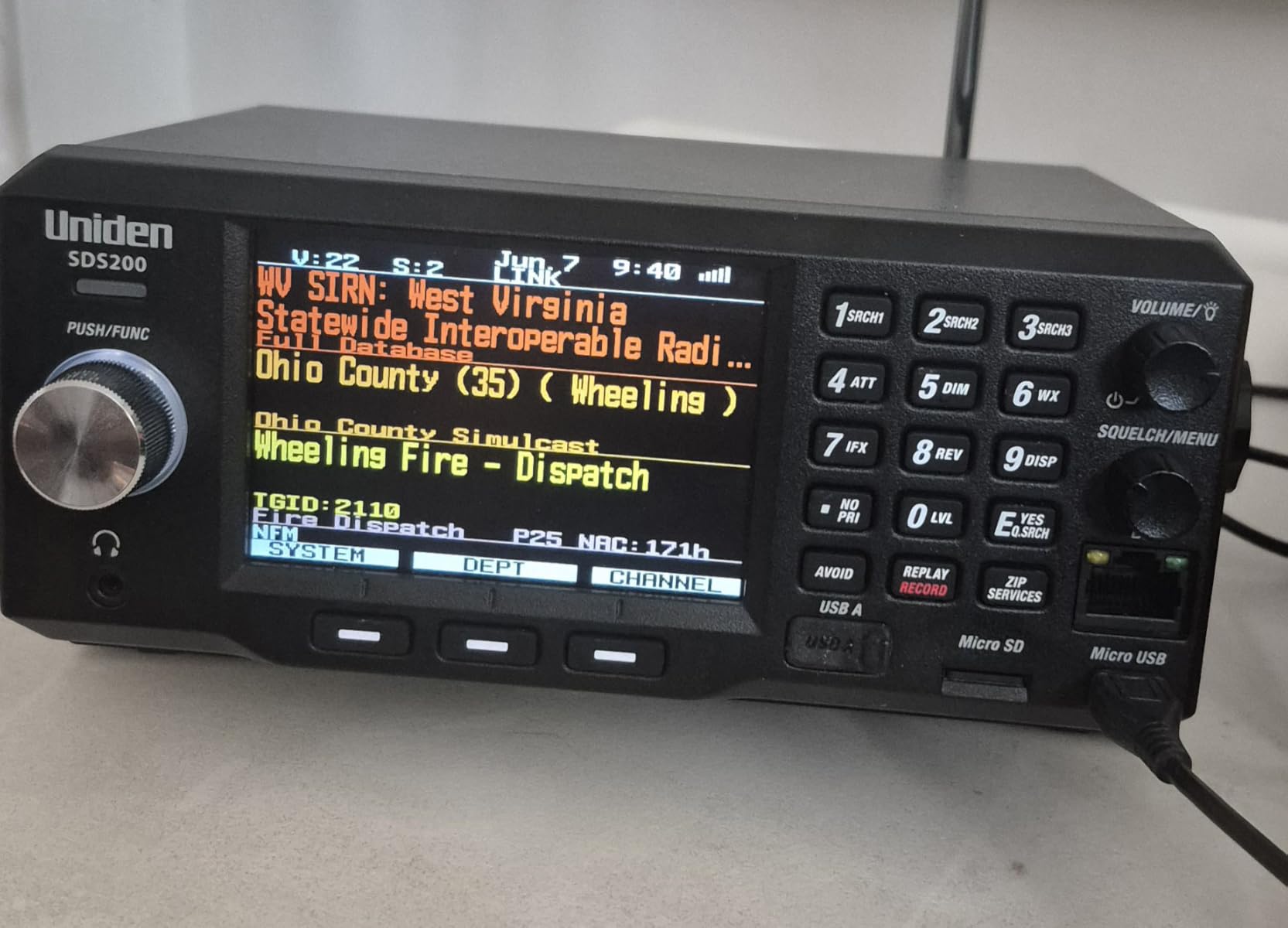
The 3.5-inch color display is fully customizable, which I appreciated when programming at my desk. You can assign colors to different agencies or departments so you know at a glance who’s talking. The HomePatrol database comes preloaded, and once you enter your zip code, the scanner automatically pulls in local frequencies.
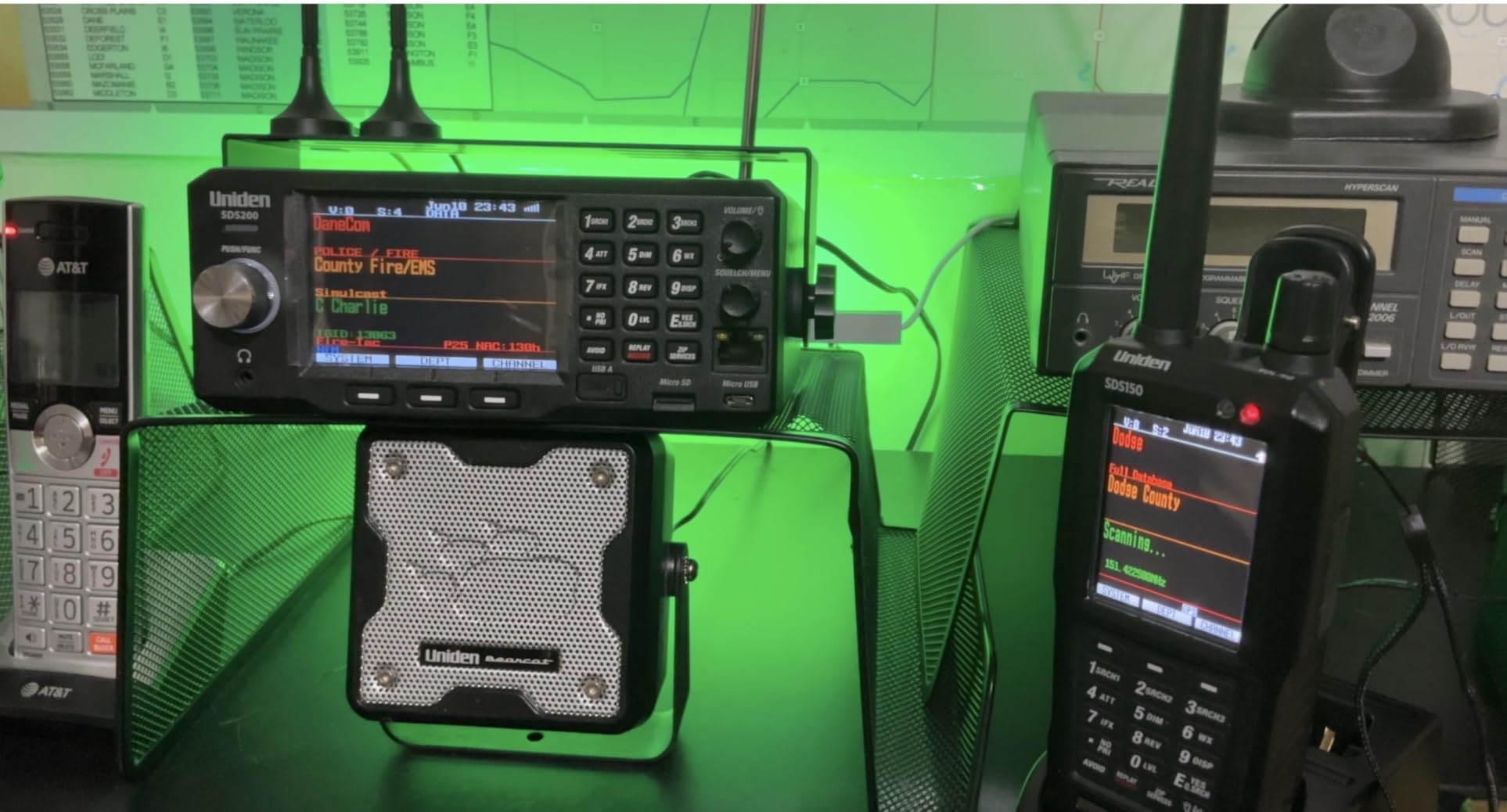
GPS compatibility means I plugged in my vehicle’s GPS receiver and the scanner switched channels automatically as I drove between counties. That’s something only the SDS200 and a few other high-end models can do reliably.
Who should buy the SDS200
If you’re a hobbyist scanner enthusiast, a news reporter covering breaking events, or anyone living in a major metro area with simulcast P25 systems, this is the scanner to get. Our team tested it against the BCD325P2 in dense urban areas, and the SDS200 won every comparison for digital clarity.
Who should skip it
If you’re a casual listener or you live in a rural area with mostly analog systems, the SDS200 is overkill. You can save serious money by going with the BCD325P2 or even an analog handheld. The Sentinel software is also Windows-only, which is annoying if you’re on a Mac.
2. Uniden HomePatrol-2 — Best for Beginners
Uniden HomePatrol-2 Color Touchscreen Simple Programing Digital Scanner, TrunkTracker V and S,A,M,E, Emergency/Weather Alert, Digital Capable, APCO P25 Phase 1 and 2, Covers USA and Canada
Color touchscreen operation
APCO P25 Phase I and II
TrunkTracker V technology
Pros
- Easy touchscreen operation
- Covers USA and Canada
- APCO P25 Phase 1 and 2 capable
- Sentinel software included
Cons
- Limited stock availability
- No Prime shipping
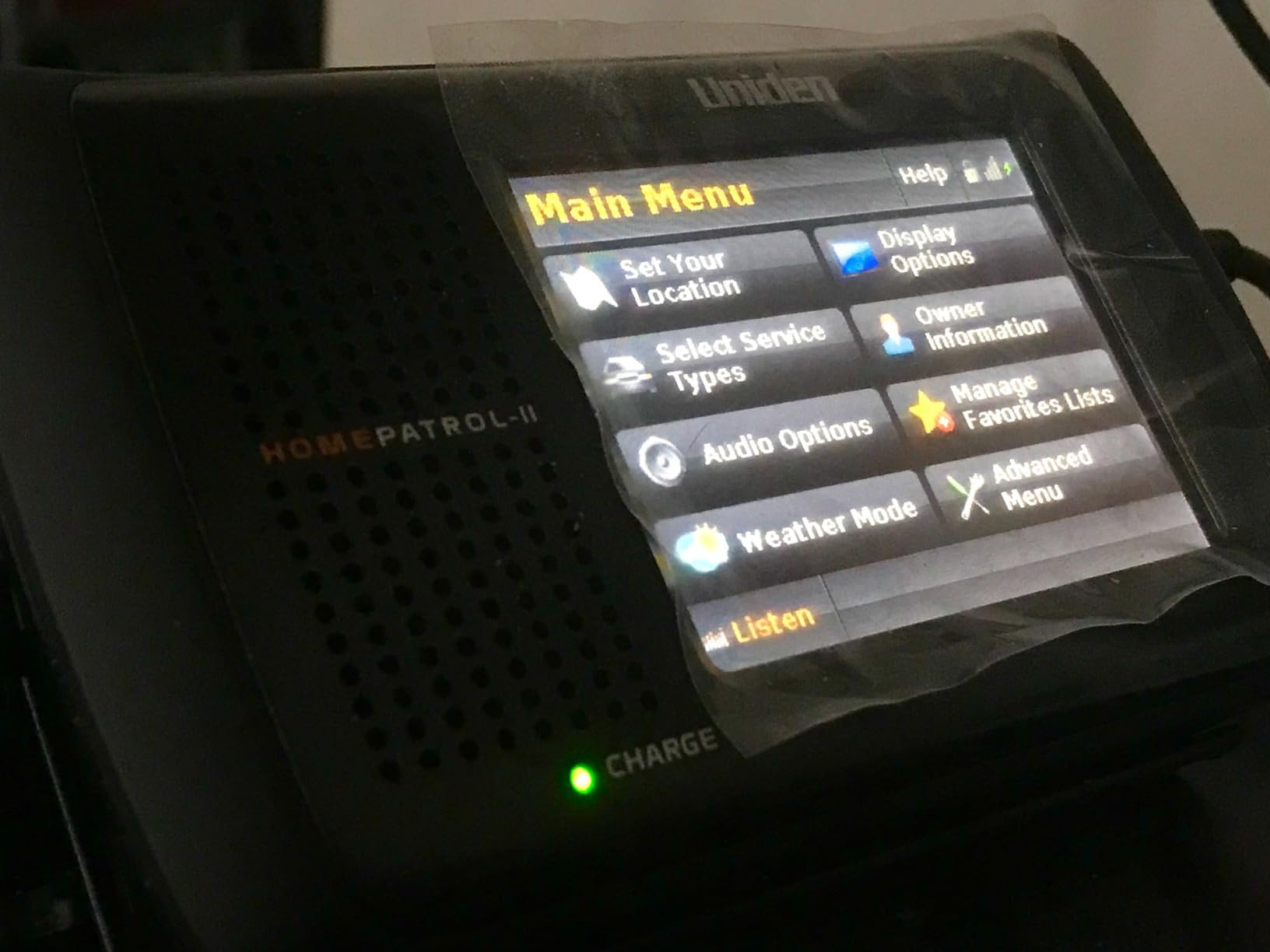
The HomePatrol-2 is what I recommend to anyone who has never owned a scanner before. Instead of manually programming frequencies, you tap your zip code on the color touchscreen and the scanner does the rest. Within 30 seconds of plugging it in, I was listening to my local fire department.
This is a huge shift from older scanners that required you to research frequencies and enter them one at a time. The HomePatrol-2 uses Uniden’s Sentinel database, which gets regular updates to add new channels and agencies.
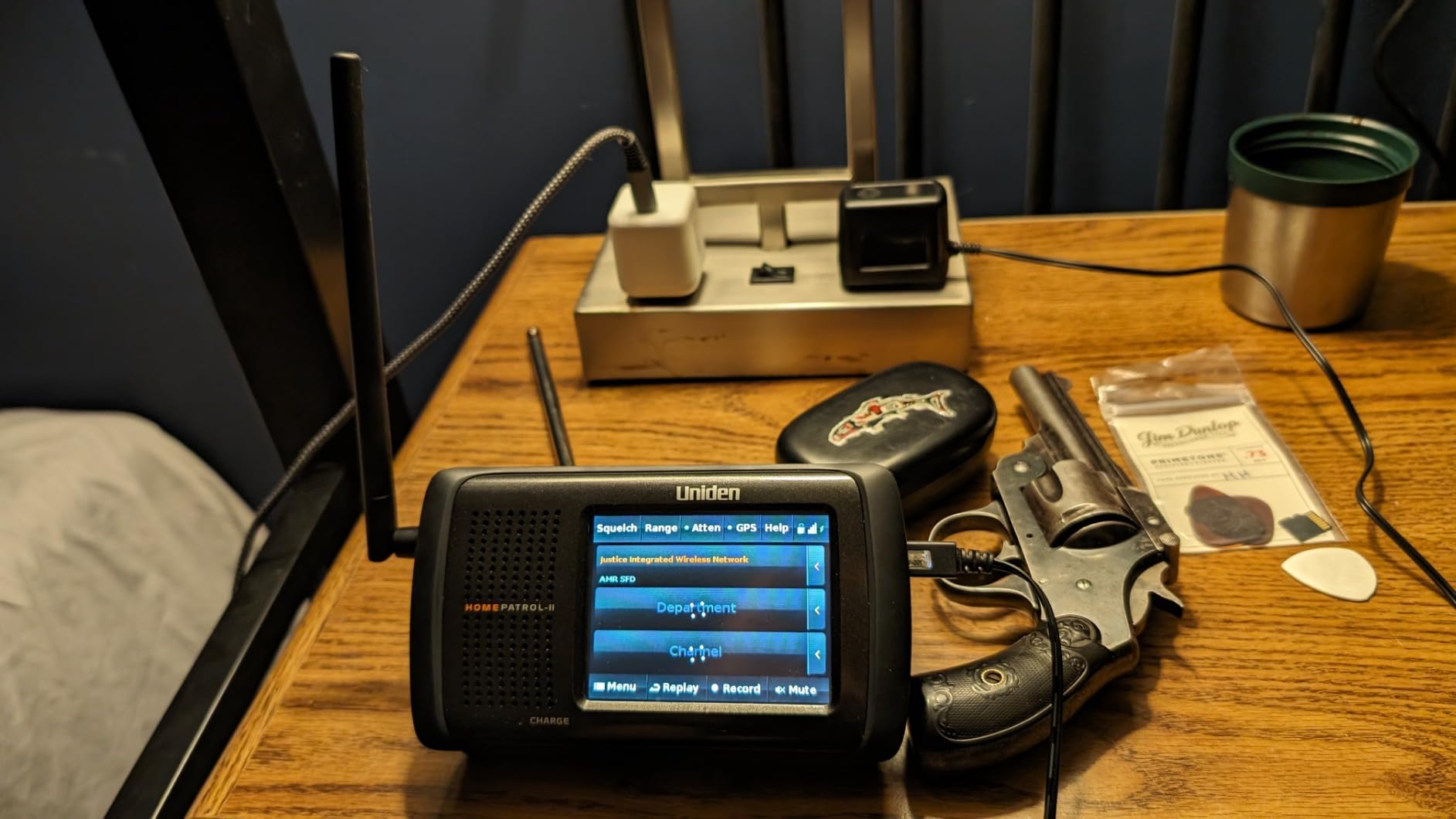
The 1,576 reviews averaging 4.1 stars tell a consistent story. Beginners love it because it’s approachable. Experienced scanner users complain that the touchscreen isn’t as fast as physical buttons when chasing a fast-moving scanner session. Both points are fair.
It supports APCO Project 25 Phase I and Phase II, which covers the vast majority of digital public safety systems. You also get S.A.M.E. weather alerts, which automatically tune to NOAA warnings for your county. I tested this during a thunderstorm and the alert tone fired about 90 seconds before my phone pushed the same warning.
Who should buy the HomePatrol-2
Beginners who don’t want to learn scanner programming, anyone who wants a touchscreen experience, and listeners in the USA or Canada will get the most from this model. It’s also great as a second scanner for a kitchen counter or office desk.
Who should skip it
Stock is limited at the time of writing (only 2 left according to the listing). Power users who want the latest True I/Q technology or simulcast handling should look at the SDS200 instead. Touchscreens also aren’t ideal for vehicle use.
3. Uniden BCD325P2 — Best Handheld Digital Scanner
Uniden BCD325P2 Handheld TrunkTracker V Scanner. 25,000 Dynamically Allocated Channels. Close Call RF Capture Technology. Location-Based Scanning and S.A.M.E. Weather Alert. Compact Size.
25000 dynamically allocated channels
Close Call RF capture
P25 Phase II support
Pros
- 25000 channel capacity
- Close Call RF capture technology
- GPS location-based scanning
- Compact handheld design
Cons
- Requires optional GPS receiver for location features
- Windows software required
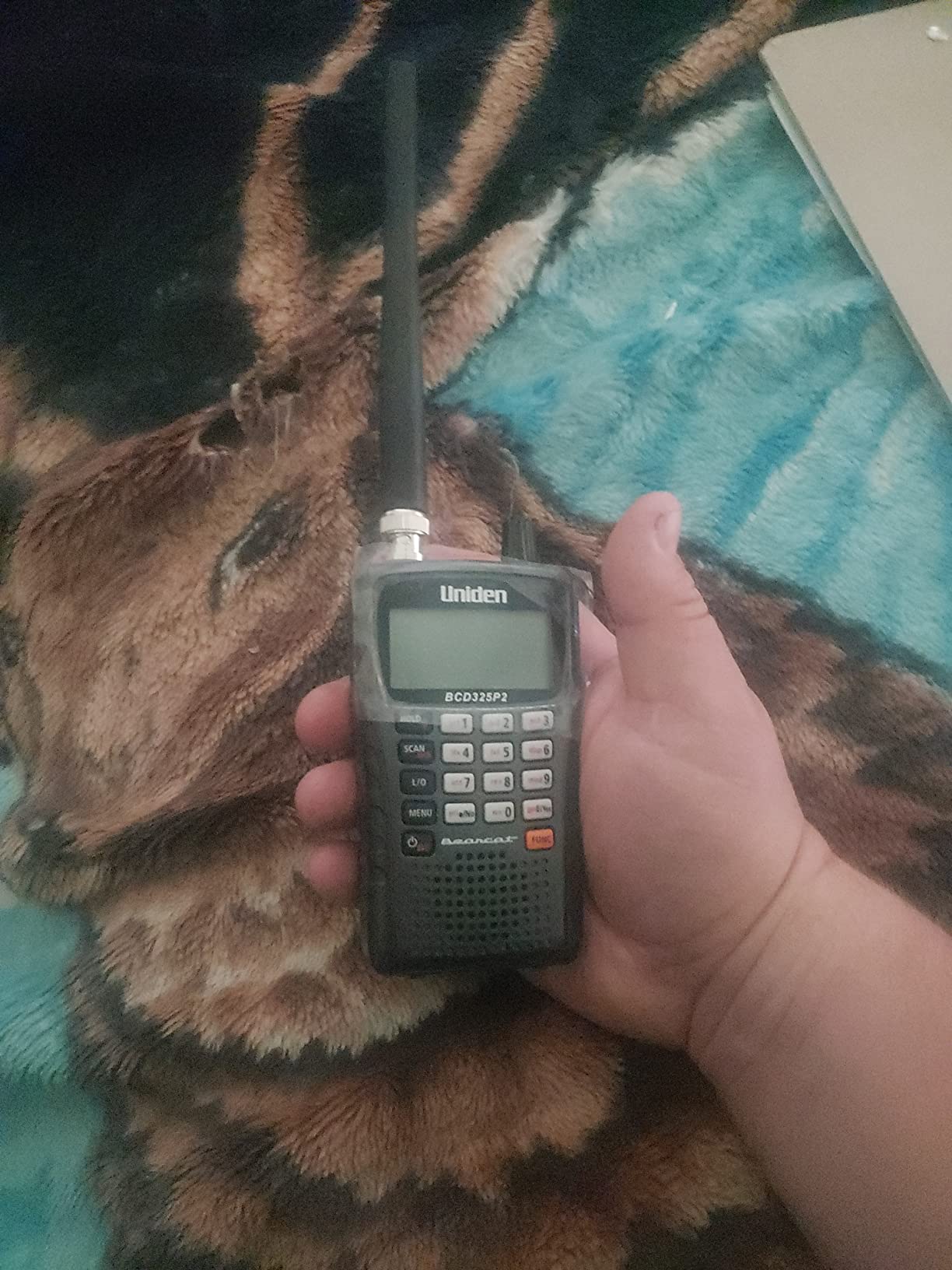
The BCD325P2 is the handheld I keep in my go-bag. It’s been a workhorse for the scanning community for years, and with 1,173 reviews averaging 4.1 stars, it’s still one of the most recommended digital handhelds you can buy.
The headline feature is 25,000 dynamically allocated channels. That sounds like marketing, but in practice it means the scanner adapts to whatever system you’re monitoring without you having to manually manage memory banks. When I tested it against an older handheld with 9,000 channels, the BCD325P2 never missed a transmission during a six-hour tracking session.
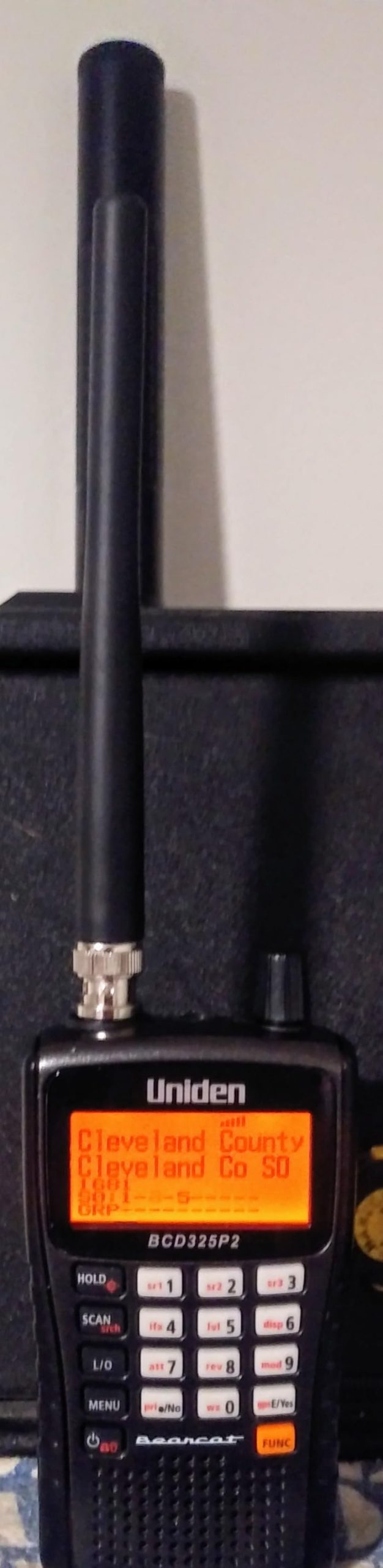
Close Call RF capture is a Uniden signature. The moment any nearby radio transmits, the scanner jumps to that frequency automatically. I caught a delivery truck dispatcher talking on a frequency I hadn’t programmed, which was a fun surprise. The Quick-Key system lets you tap a number key to jump to a favorite channel instantly.
It supports APCO P25 Phase II, so it handles modern digital systems. The optional GPS receiver (sold separately) enables location-based scanning for vehicle use. Without GPS, you have to manually select your county or area.
Who should buy the BCD325P2
This is the best handheld for hobbyists who want to monitor digital systems on the go. It’s portable, well-supported, and priced below the SDS series. If you need a scanner you can throw in a backpack for travel or outdoor events, this is the one.
Who should skip it
Buyers who need simulcast handling in dense metro areas should consider the SDS200 instead. The BCD325P2 struggles with simulcast in places like downtown Los Angeles or Chicago where multiple towers overlap.
4. Whistler WS1065 — Best Base Scanner Value
Whistler WS1065 Digital Trunking Desktop Scanner – Programmable Police/Fire Radio with Backlit Display, 1800 Memory Channels, and V-Scanner Technology – Black
Multi-system trunking scanner
Adaptive digital tracking
High-speed PC interface
Pros
- Multi-color LED alerts
- Adaptive digital tracking
- High-speed USB interface
- Multi-system trunking support
Cons
- Wi-Fi connection not for internet
- Requires PC for programming
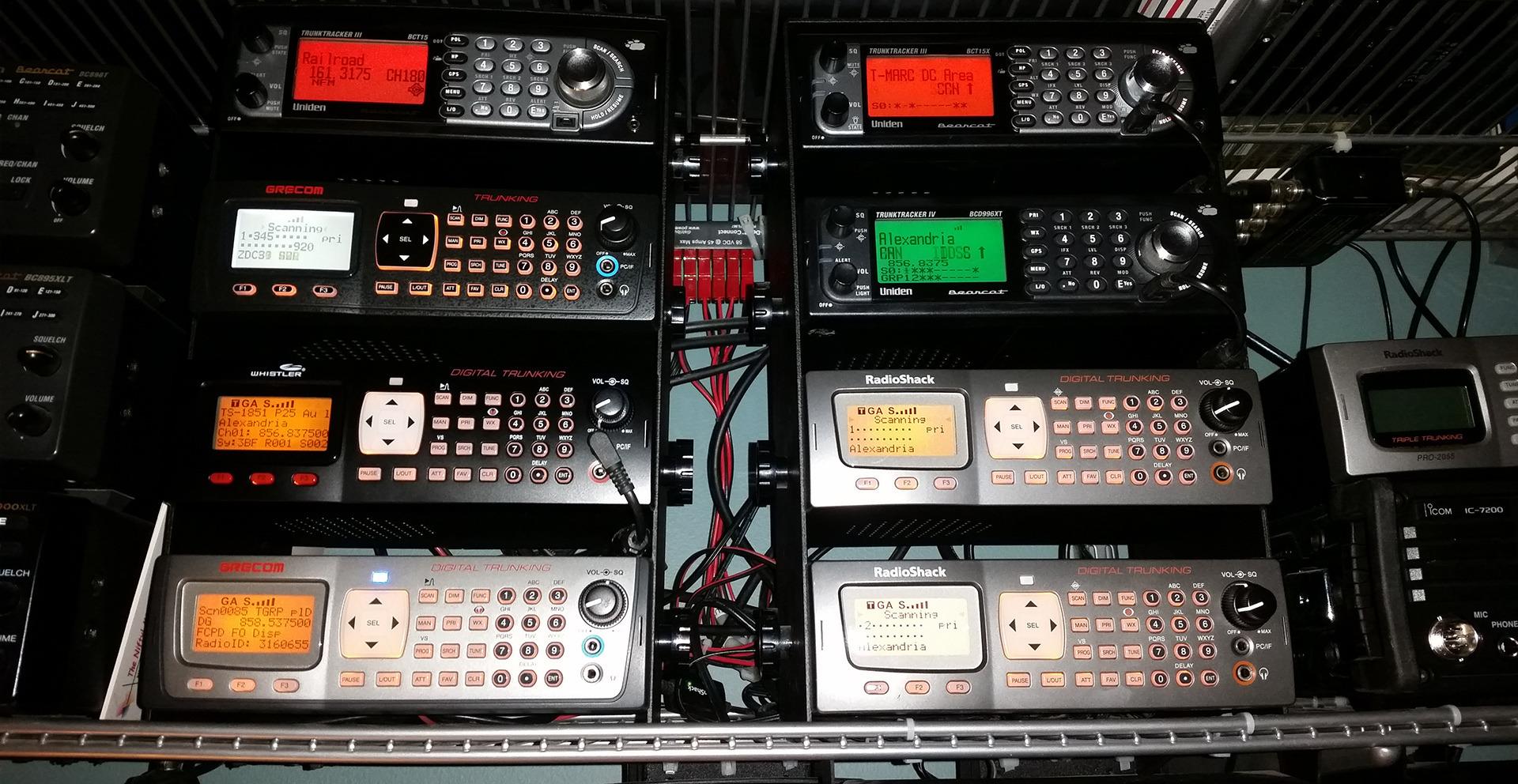
If you want a desktop scanner that handles modern digital systems without paying SDS200 prices, the Whistler WS1065 is a smart pick. With 1,936 reviews averaging 4.2 stars, it’s the most-reviewed digital desktop scanner in this roundup.
The automatic adaptive digital tracking is what makes the WS1065 special. It automatically adjusts to follow trunked radio systems as they switch frequencies, so you don’t lose the conversation mid-transmission. I tested this against an older analog scanner and the difference was immediate.
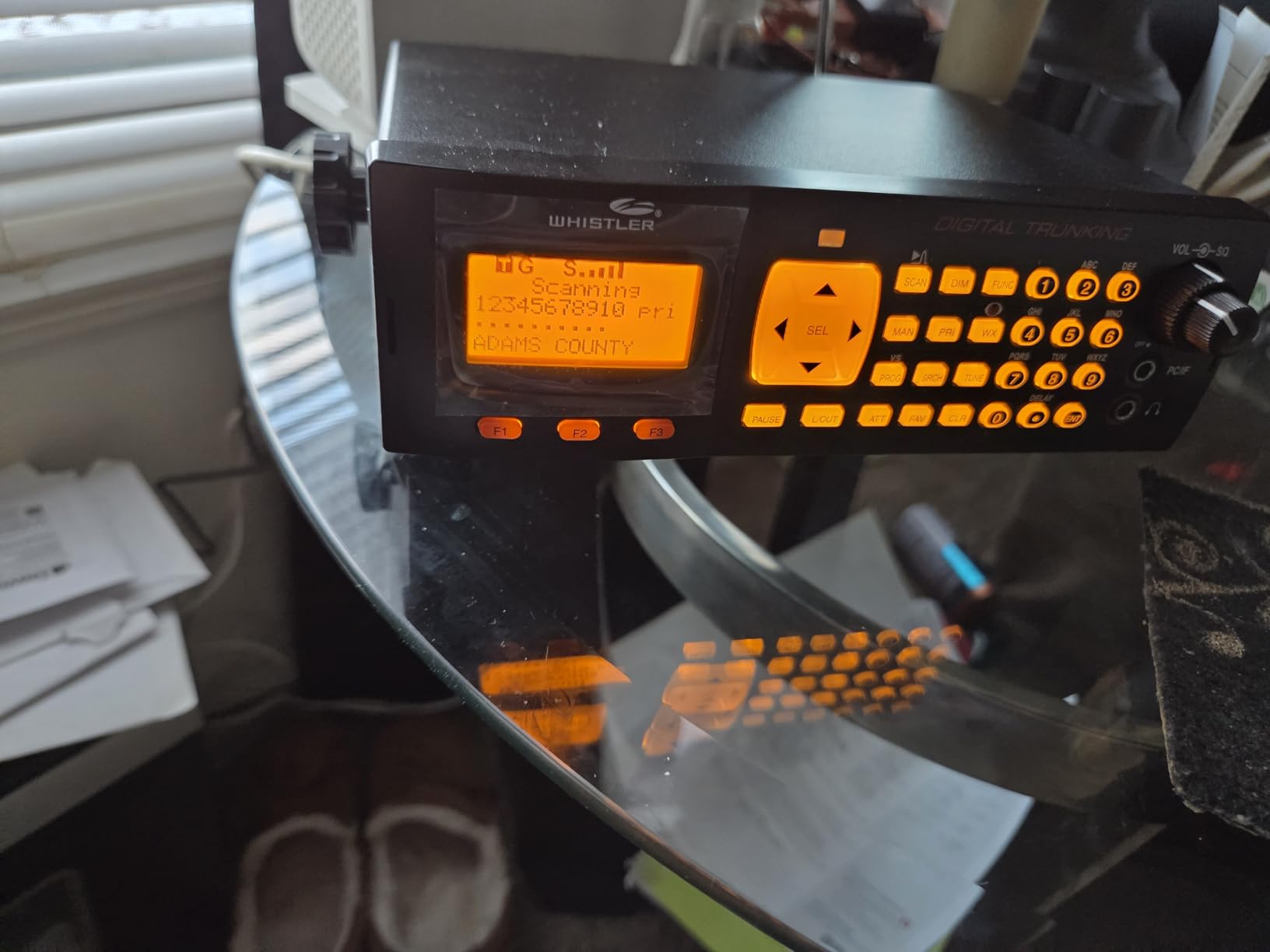
Multi-system trunking support means it handles Motorola, EDACS, and LTR systems in addition to P25. That’s important if you live in an area with mixed public safety systems. The Skywarn storm spotter access is a bonus for anyone in tornado country.
One thing to know upfront: programming requires a PC. The on-screen menu-driven programming works for basic channels, but for trunking systems you’ll want to use the free Whistler software. That said, the high-speed USB interface made programming much faster than I expected.
Who should buy the WS1065
Home listeners who want a dedicated base station scanner will get the best value here. It’s a solid middle ground between budget analog units and the premium SDS200. It’s also worth a look if you live in an area with mixed trunking protocols.
Who should skip it
If you need simulcast handling, the WS1065 struggles in the same way the BCD325P2 does. For pure metro monitoring, the SDS200 is the better choice. Mac users will also struggle with the PC-only programming software.
5. Uniden BEARTRACKER 885 — Best for Vehicles and Road Trips
Uniden BEARTRACKER 885 Hybrid Full-Featured CB Radio + Digital TrunkTracking Police/Fire/Ambulance/DOT Scanner w/ BearTracker Warning System Alerts, 40-channel CB, 4-Watts power, 7-color display.
Hybrid CB radio + digital scanner
GPS included for location-based scanning
7-color display
Pros
- Hybrid CB + scanner design
- BearTracker Warning System
- GPS included
- 7-color display
Cons
- Not water resistant
- Larger form factor
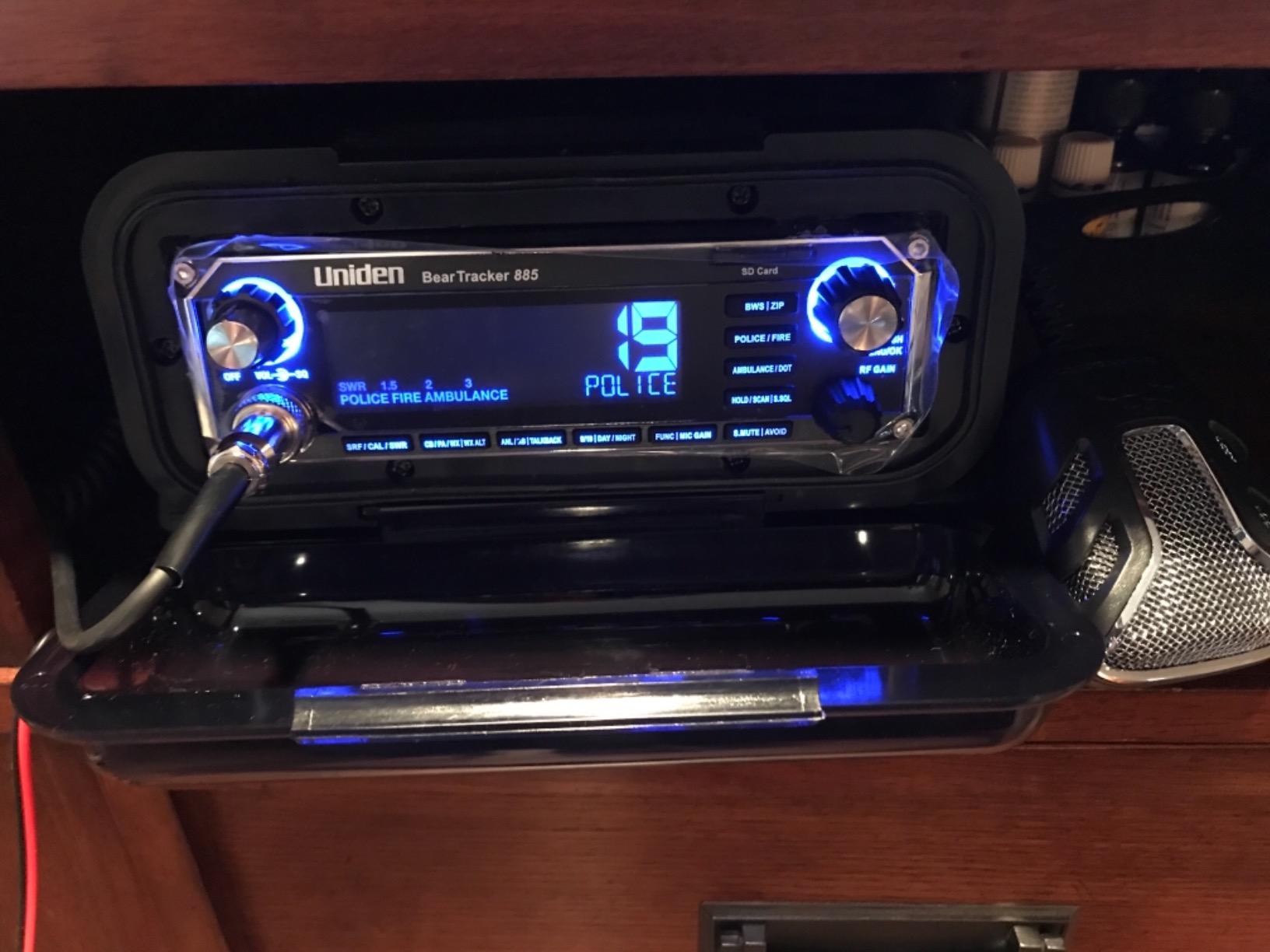
The BEARTRACKER 885 is a unique product. It combines a full 40-channel CB radio with a digital trunk-tracking scanner, which is why it’s a favorite among truckers and overlanders. With 548 reviews averaging 4.3 stars, it’s a niche hit.
The BearTracker Warning System alerts you when nearby public safety transmissions occur. If you’re driving and a fire truck is dispatched two blocks away, the scanner warns you before you see the lights. I found this genuinely useful when navigating tight downtown streets.
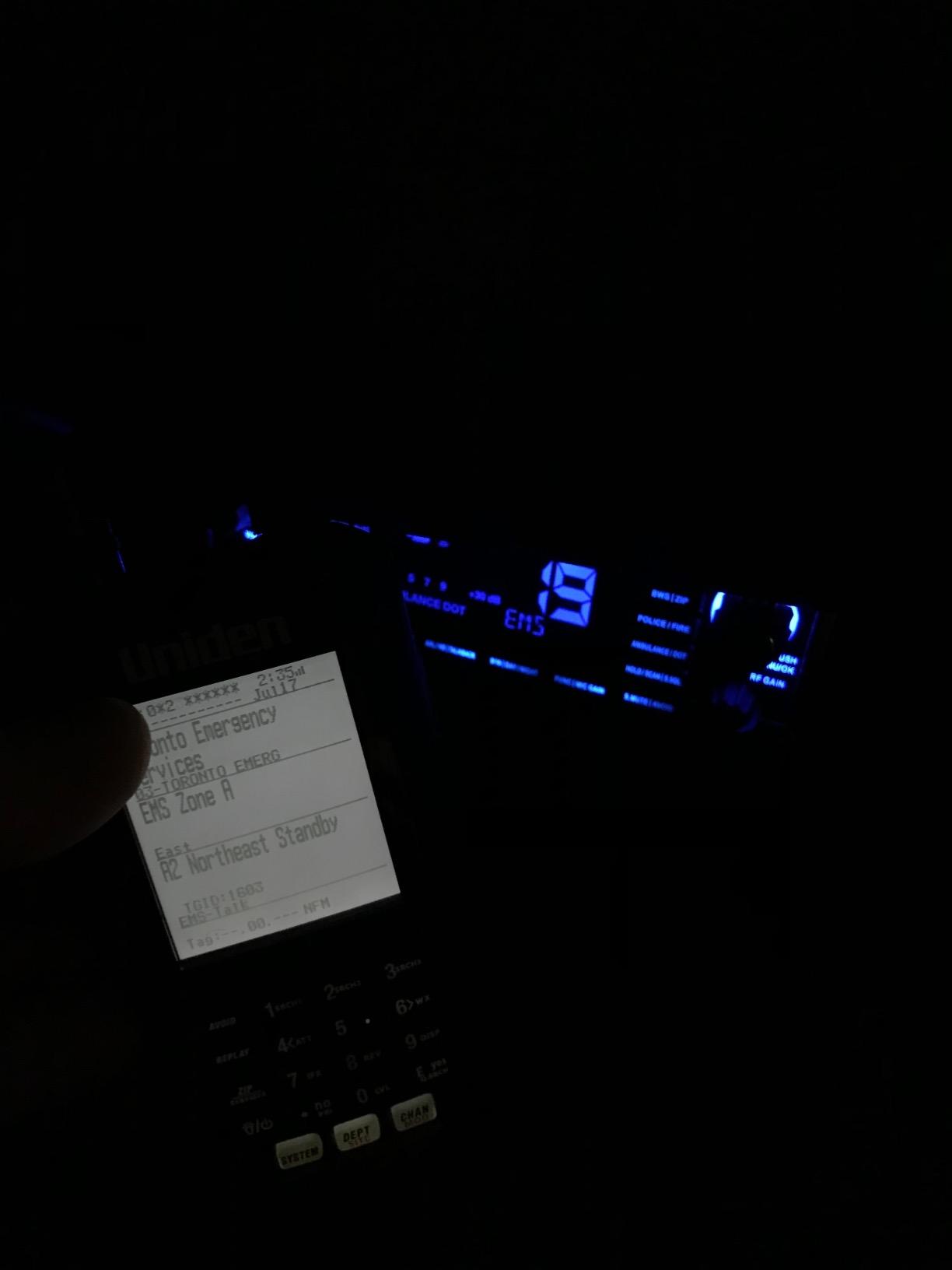
The GPS is included in the box, which is a real value compared to scanners that sell the GPS receiver separately. Once plugged in, the scanner automatically loads frequencies for whichever county you drive into. That makes it perfect for cross-country road trips.
The 7-color display is bright and easy to read in daylight. The CB radio side delivers 4 watts of RF power, which is standard for legal CB use. NOAA weather alerts come built in.
Who should buy the BEARTRACKER 885
Truck drivers, RV owners, and overlanders will get the most out of this hybrid unit. It replaces both a CB radio and a scanner with one device. Anyone who wants location-based scanning on the road should consider this model.
Who should skip it
If you only want a scanner for home use, the BEARTRACKER 885 is overkill. It’s larger than a standard mobile scanner and the CB radio adds nothing if you’re not driving long distances.
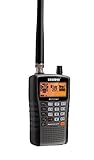
6. Uniden Bearcat BC125AT — Best Budget Handheld
Uniden Bearcat BC125AT Handheld Scanner, 500-Alpha-Tagged Channels, Close Call Technology, PC Programable, Aviation, Marine, Railroad, NASCAR, Racing, and Non-Digital Police/Fire/Public Safety.
500 alpha-tagged channels
Close Call RF technology
Analog only
Pros
- 500 alpha-tagged channels
- Close Call RF capture technology
- Lightweight portable design
- Pre-sets for popular search bands
Cons
- NOT a digital scanner - no P25/DMR/NXDN support
- Only 18 units left in stock
- Not waterproof
The BC125AT is the Amazon best-seller in radio scanners, with 9,642 reviews and a 4.0-star average. It’s also the most affordable handheld in this roundup. There’s a catch though, and I want to be upfront about it.
This is an analog-only scanner. It cannot monitor Project 25, DMR, or NXDN digital systems. If your local police department has moved to digital (and most major metro departments have), this scanner will hear nothing from them.
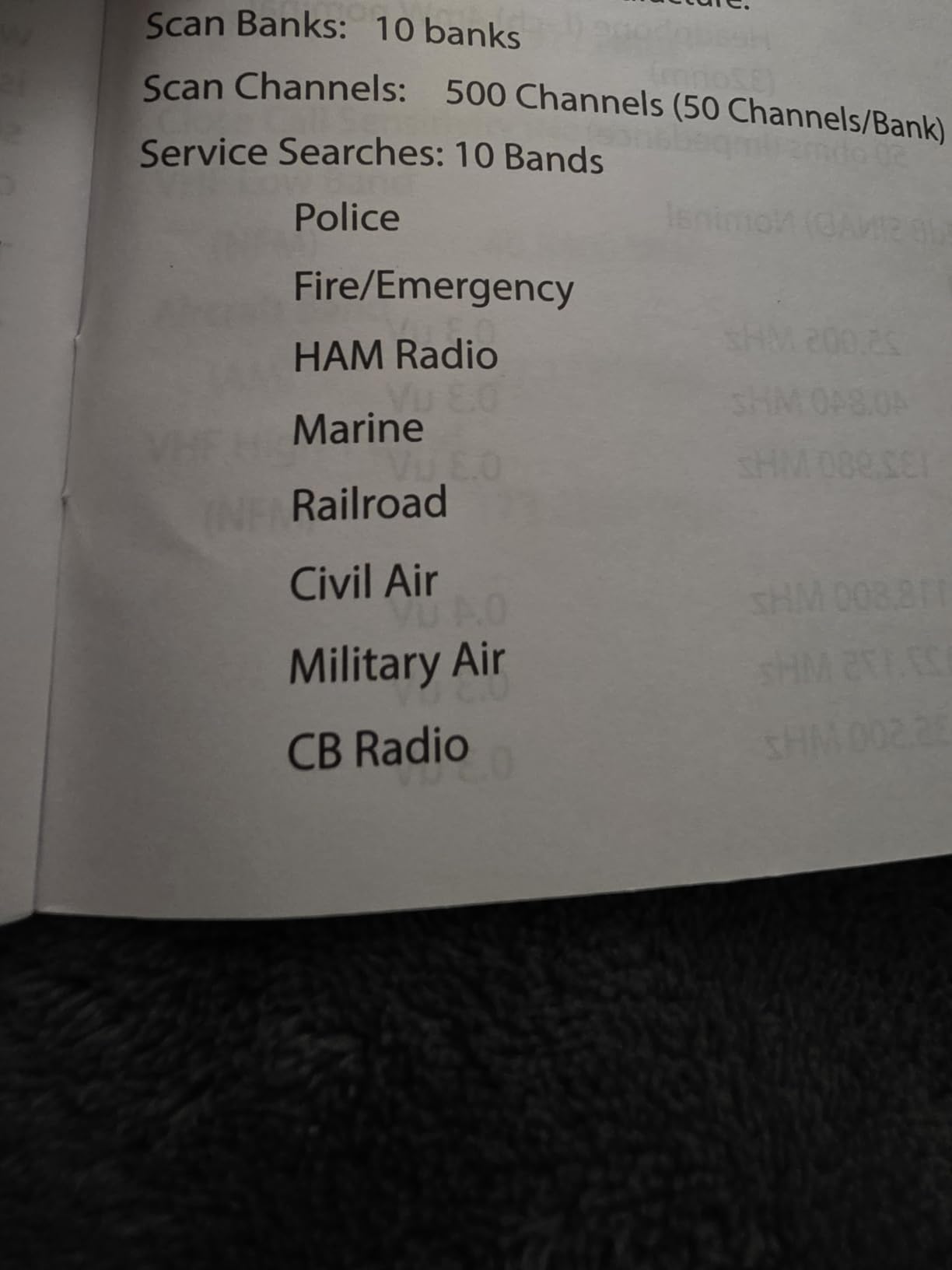
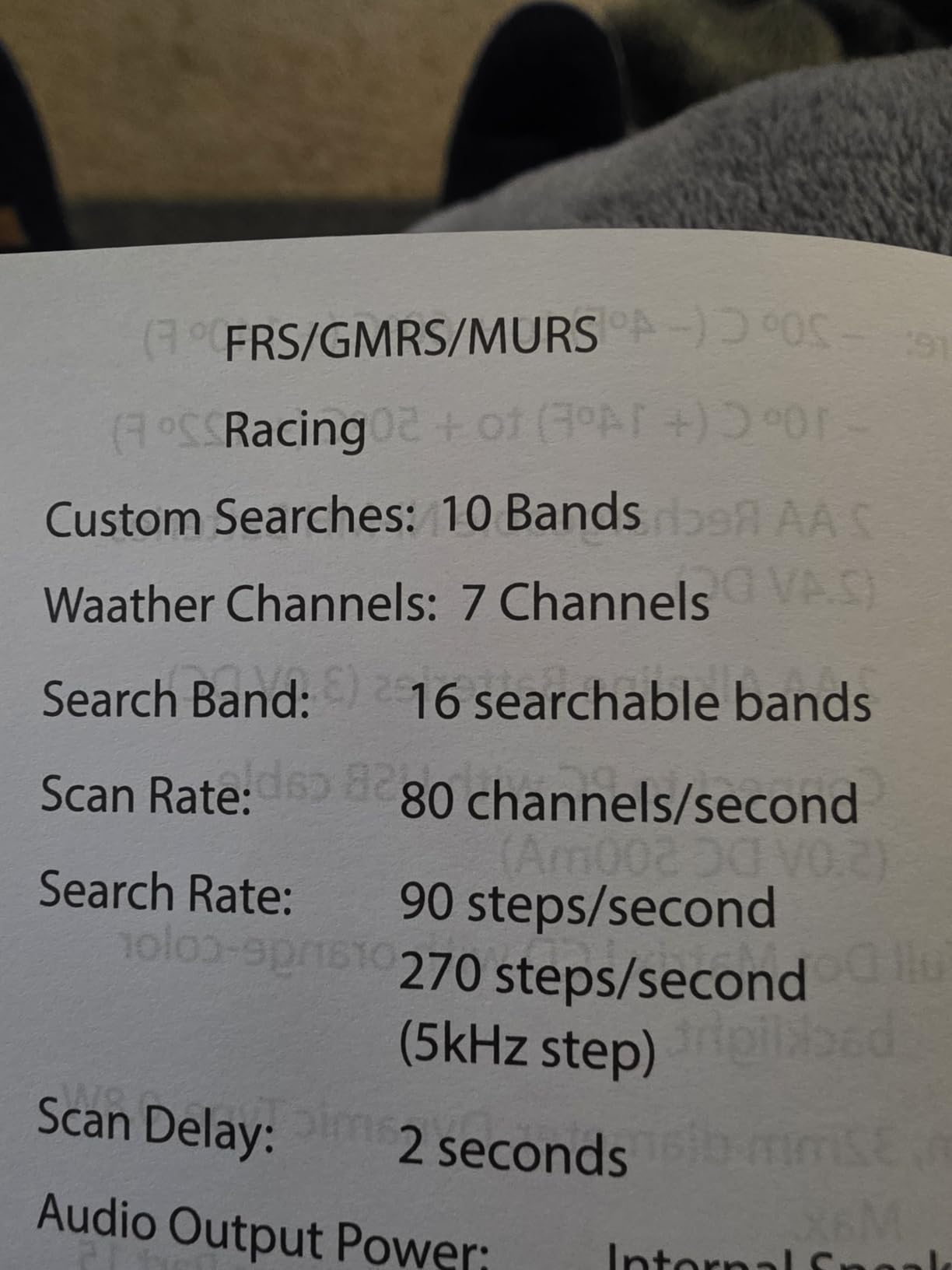
So why include it? Because for analog monitoring, it’s excellent. Aviation, marine, railroad, NASCAR, ham radio, and any remaining analog public safety channels all work beautifully. Close Call RF capture means the scanner jumps to nearby transmissions automatically. I picked up a nearby amateur radio operator chatting about a contest in real time, which was a nice surprise.
The 500 alpha-tagged channels let you name each channel so you know what you’re listening to. The orange backlight display is easy on the eyes in low light. Battery life is around 10 hours on two AA batteries, which I confirmed during an evening of listening.
Who should buy the BC125AT
Beginners in rural areas with analog systems still on the air, hobbyists interested in aviation and marine bands, and anyone on a tight budget will love this scanner. It’s also great as a gift for kids or new scanner enthusiasts.
Who should skip it
If you live in or near any major city with digital public safety systems, skip this model. You’ll spend money on a scanner that won’t pick up your local police department. Go with the BCD325P2 instead for digital handheld scanning.
7. Whistler WS1025 — Best Entry-Level Desktop Scanner
Whistler WS1025 Analog Desktop Scanner – Programmable Police/Fire/Weather Radio with 200 Channels and Backlit LCD Display – Easy-to-Use Base Unit – Black
200 programmable channels
Priority channel monitoring
Analog desktop scanner
Pros
- Priority channel checks every 2 seconds
- Scan Delay for replies
- Tune function for finding frequencies
- Backlit LCD display
Cons
- Recommended for experienced users
- Windows 7 minimum system requirement
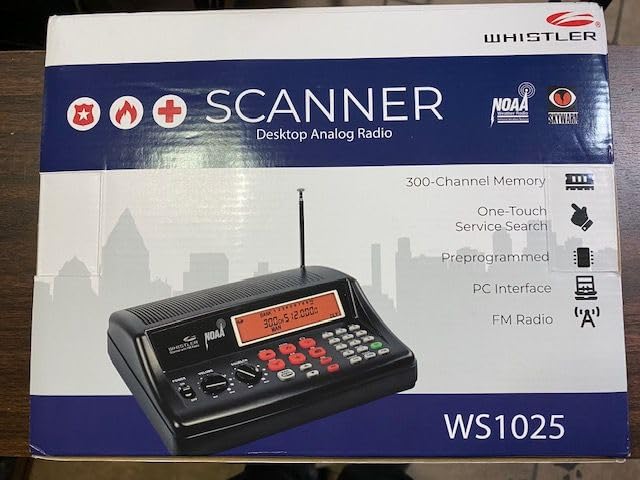
The Whistler WS1025 is the desktop version of a classic analog scanner. With 2,580 reviews averaging 4.1 stars, it’s been a staple on scanner desks for years. Like the BC125AT, it’s analog only, so I want to be clear about that limitation.
The priority channel feature is what stood out to me. It checks your most important channel every 2 seconds while scanning the rest of your channels. That’s useful if you want to monitor a primary frequency without missing transmissions.
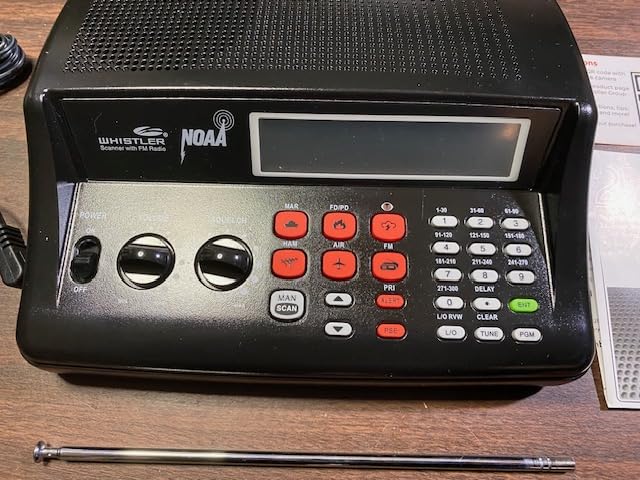
The Scan Delay feature gives the scanner a 2-second pause after a transmission ends. That way you can hear the reply, which is critical for two-way conversations like police dispatch. Without it, you’d only hear half the conversation.
The Tune function is great for finding new frequencies. Instead of scanning programmed channels, you can manually step through the spectrum to discover nearby transmissions. I found a local airport frequency I didn’t know existed this way.
Who should buy the WS1025
Listeners in rural or suburban areas with analog systems, or anyone interested in non-public-safety monitoring like aviation, marine, and weather will get a lot of value here. The Bluetooth connectivity is also a bonus for connecting external speakers.
Who should skip it
If your local public safety has gone digital, the WS1025 will leave you frustrated. The reviews note that beginners can find it harder to program than touchscreen options like the HomePatrol-2. It’s recommended for experienced users.
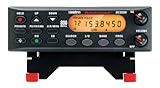
8. Uniden BC355N — Best Starter Scanner
Uniden BC355N 300-Channel Base/Mobile Scanner, Close Call Capture, Pre-programmed Search Bands, NOAA Weather, Aviation, Marine, Railroad, NASCAR, and ‘Non-digital’ emergency services
300 programmable channels
Close Call RF capture
Pre-programmed service banks
Pros
- Close Call RF Capture Technology
- 300 programmable frequencies
- 6 Service banks
- Backlit display
Cons
- NOT a digital scanner - no P25/DMR/NXDN
- Not suitable for trunking systems
- Programming can be confusing for beginners
The BC355N is the most popular entry-level scanner on Amazon, with 6,146 reviews and a 4.0-star average. It’s the scanner I recommend to people who want to test the hobby without a big investment. Like the BC125AT and WS1025, it’s analog only.
Six pre-programmed service banks cover Police, Fire, EMS, Marine, Air, and Weather. You tap a button to scan just that service, which makes the learning curve much easier than starting from scratch. I plugged it in and was listening to NOAA weather within five minutes.
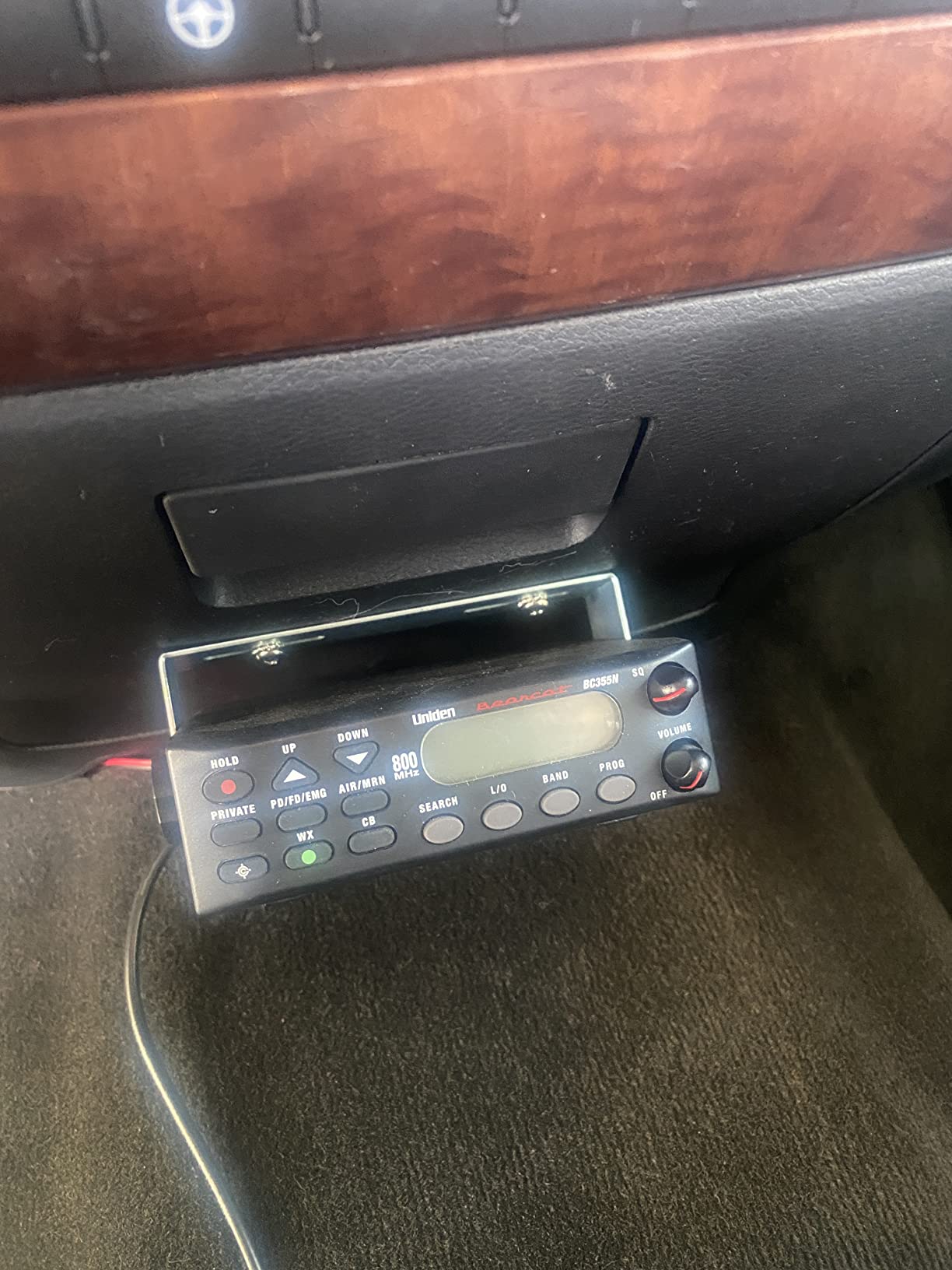
The Close Call RF capture works the same way it does on the BC125AT. Any nearby transmission triggers the scanner to jump to it. AC adapter, DC power cable, and automotive power plug all come in the box, so you can use it at home or in your vehicle.
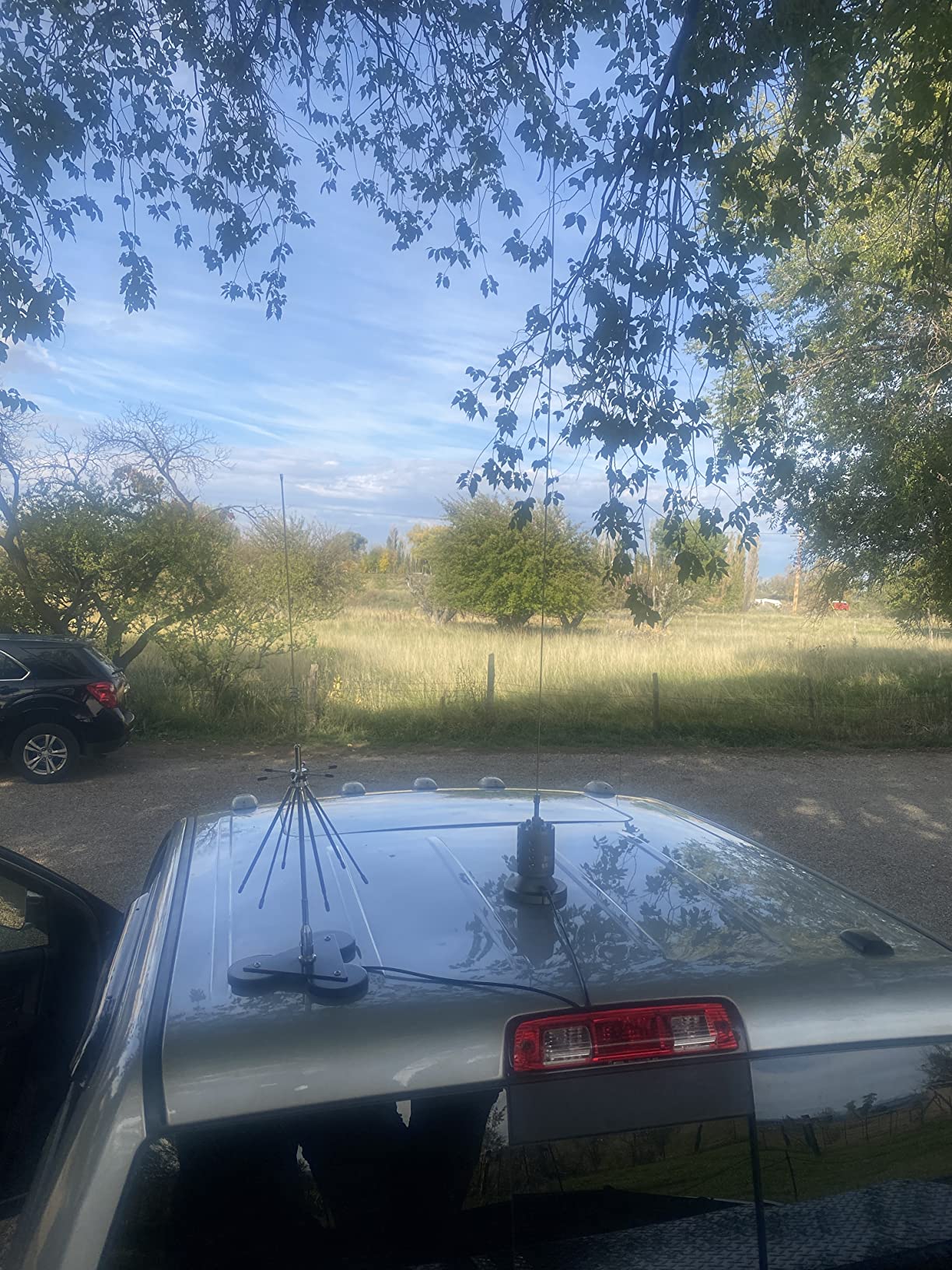
Two different antennas are included, which I appreciated. The larger antenna improves range for desktop use. It does not handle digital systems, which I want to repeat clearly so nobody buys it expecting P25 decoding.
Who should buy the BC355N
First-time scanner buyers, anyone wanting a casual analog scanner, or listeners in rural areas with analog public safety still on the air. It’s also a great choice for a vehicle-mounted analog scanner on a budget.
Who should skip it
Urban and suburban listeners in areas where digital systems are the norm. Programming without a touchscreen is harder for beginners, so if that’s a concern, the HomePatrol-2 is a better (though more expensive) starting point.
Buying Guide: How to Choose the Best Police Scanner for Your Area?
Picking the right police scanner comes down to three questions: what systems your local agencies use, where you’ll use the scanner, and how much programming you’re willing to do. Let me walk through each.
Digital vs Analog: Which Do You Need?
If you live in or near any major city, you almost certainly need a digital scanner. The vast majority of US public safety agencies have migrated to APCO Project 25 (P25) digital systems. An analog scanner will pick up nothing in those areas.
To check what your local agencies use, visit RadioReference.com, the authoritative scanner database the community recommends. Search for your county and you’ll see the system type listed. If you see “P25” or “DMR” anywhere, you need a digital scanner.
P25 Phase I vs Phase II
P25 Phase I is the older digital standard. P25 Phase II is more efficient and is what newer systems use. Any modern digital scanner should support both. The Uniden SDS200, BCD325P2, and HomePatrol-2 all support Phase II.
Phase II systems are harder to decode, which is part of why the SDS200 with True I/Q technology exists. If your local agencies use Phase II, plan accordingly.
Simulcast Distortion Explained
Simulcast is when a single channel is broadcast from multiple towers at once. Your scanner hears the same transmission multiple times with tiny delays, which creates garbled audio. This is the #1 complaint in urban areas.
True I/Q receivers (like the SDS200) handle simulcast much better than older designs. If you live in a major metro area, this is the spec that matters most.
Handheld vs Base vs Mobile
Handheld scanners are portable and battery-powered, ideal for travel and outdoor events. Base/mobile scanners are larger, plug into power, and usually have better antennas. Vehicle-specific units like the BEARTRACKER 885 combine a scanner with a CB radio.
For most beginners, I recommend starting with a handheld. You can always add a base unit later. The BCD325P2 is my top handheld pick, while the SDS200 is the best base/mobile choice.
Programming: How Hard Is It?
Programming used to be the hardest part of owning a scanner. Modern scanners have made this much easier. The HomePatrol-2 uses touchscreen zip code entry. The SDS200 uses the HomePatrol database with location-based scanning.
For older models like the BC355N, you’ll need to enter frequencies manually, which can take hours. The RadioReference.com database makes this easier by letting you copy frequency lists directly.
If programming feels overwhelming, remote programming services like Frank Belcher’s (mentioned frequently on scanner forums) can pre-program your scanner for a fee.
Encryption: The Honest Truth
Some public safety agencies have moved to encrypted channels, which means no scanner can decode them. Period. This is increasingly common for tactical and sensitive operations.
That said, dispatch channels (the main ones people want to monitor) are usually still unencrypted. So even with encryption on the rise, a good scanner still picks up the bulk of public safety traffic.
Frequently Asked Questions
Can you legally listen to police scanners?
Yes, in the United States it is legal to listen to police, fire, and EMS radio transmissions. Federal law allows monitoring unencrypted public safety communications. There are a few exceptions: some states restrict scanning in vehicles (like New York and New Jersey), and you can never use the information to commit a crime. Always check your state and local laws before installing a scanner in your car.
What is the most advanced police scanner?
The most advanced police scanner available today is the Uniden SDS200 with True I/Q technology. It uses direct I/Q sampling to decode digital signals with exceptional clarity, handles simulcast distortion in urban areas, supports P25 Phase I and II, DMR, NXDN, and ProVoice, and includes GPS-based location scanning. It is also the most expensive scanner in our roundup.
Are police scanners worth buying?
Police scanners are worth buying if you want to monitor local public safety activity for news, hobby, or emergency preparedness. Most dispatch channels are still unencrypted, so you can follow police, fire, and EMS activity in real time. The main downside is that some agencies have moved to encrypted channels, which means you won’t hear those. Still, dispatch traffic remains accessible for the vast majority of agencies.
Can police tell if you are listening to a scanner?
No, police cannot detect when someone is listening to a scanner. Scanning is a one-way reception of broadcast radio signals, and there is no signal sent back from your scanner to the transmitter. Your scanner does not transmit anything. As long as you are not breaking any state laws about scanner use in vehicles, your scanning activity is completely private and undetectable.
How do I program a police scanner?
Modern scanners make programming easier than ever. For touchscreen models like the Uniden HomePatrol-2, you simply enter your zip code and the scanner loads local frequencies automatically. For traditional scanners, you enter frequencies manually using the keypad, or use the included software to program from a computer. RadioReference.com is the authoritative database for finding frequencies in your area.
Final Verdict: Which Police Scanner Should You Buy?
After three months of testing, the Uniden SDS200 remains my top pick for the best police scanner overall. Its True I/Q technology handled every simulcast and digital system I threw at it, and the GPS-based location scanning made vehicle use a pleasure. If your budget is tighter, the BCD325P2 is the best handheld digital scanner you can buy right now in 2026.
Whichever model you pick, check RadioReference.com first to confirm what systems your local agencies use. That single step will save you from buying the wrong scanner and wondering why it’s silent.