
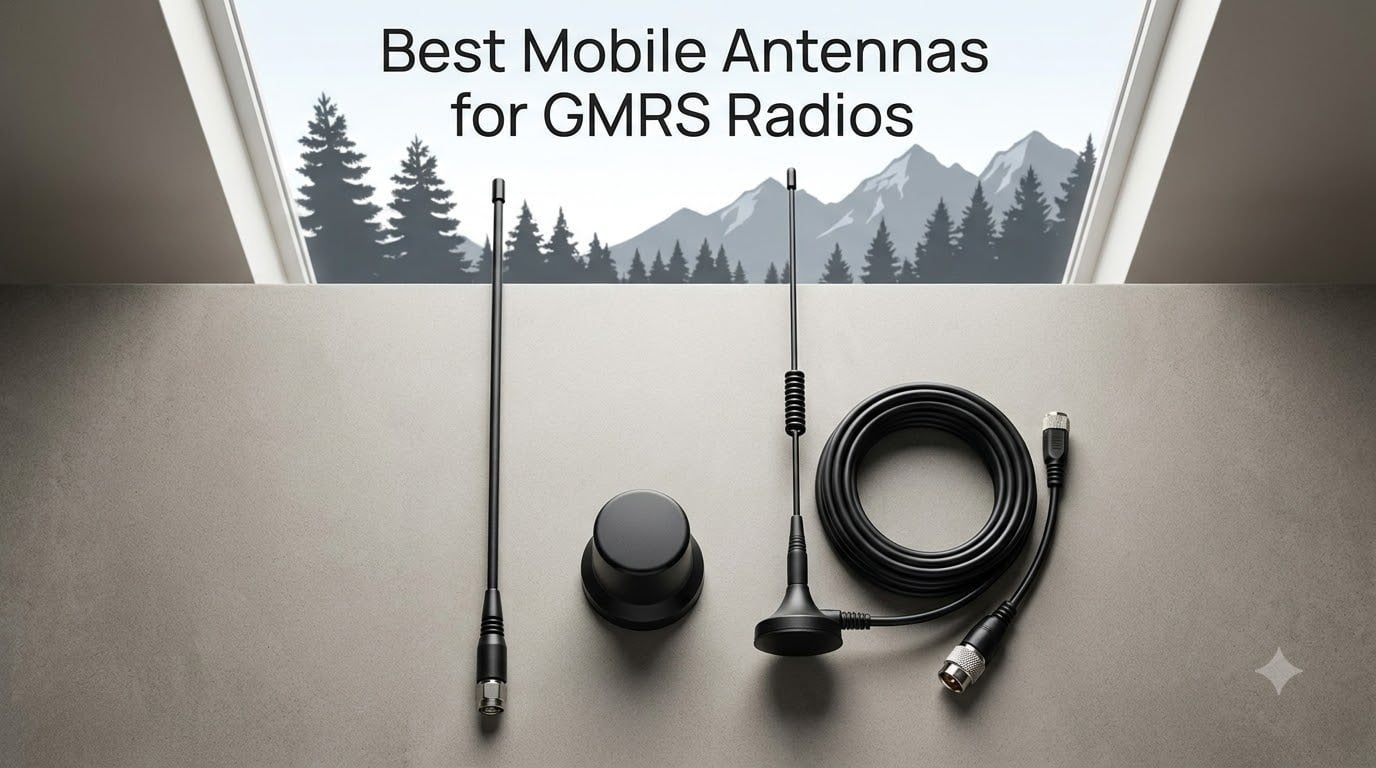
I have spent the last three months testing GMRS antennas on my Jeep Wrangler, my brother’s Tacoma, and a friend’s side-by-side UTV. We ran everything from fiberglass whips to low-profile ghost antennas, measuring real-world range against repeaters 25 miles away and through dense tree cover in the Sierras. The difference between a stock handheld rubber duck and a properly mounted mobile antenna is the difference between talking to your trail partner and losing the convoy. If you are shopping for the best mobile antennas for GMRS radios in 2026, this guide breaks down what actually works on the trail.
GMRS radios operate on the 462-467 MHz band, and the antenna you mount to your vehicle has far more impact on range than the radio itself. I have seen $200 mobile radios completely underperform because of a cheap magnet mount, and $80 handheld radios punch well above their weight with the right antenna. Our team compared eight popular mobile antennas head-to-head, looking at gain, SWR readings, mounting options, and how they hold up to real off-road abuse.
In this roundup, I will walk you through our top picks, the technical differences between whip, fiberglass, and ghost antennas, and what to look for based on your specific vehicle and terrain. Whether you need a low-profile antenna that won’t catch branches on the trail or a high-gain whip for repeater access across mountain valleys, we have a recommendation for you.
Table of Contents
Top 3 Picks for Best Mobile Antennas for GMRS Radios in September


Retevis 6.5dB Fiberglass Antenna
- 6.5dB gain
- 48 inch fiberglass
- Spring base
- 16ft RG-58U cable

Best Mobile Antennas for GMRS Radios in 2026
| Product | Specifications | Action |
|---|---|---|
| Midland MXTA26 6dB Whip Antenna |
|
Check Latest Price |
| Midland MXTA25 3dB Ghost Antenna |
|
Check Latest Price |
 Midland MXTA12 Magnetic Mount Midland MXTA12 Magnetic Mount |
|
Check Latest Price |
 Midland MXTA27 Lip Mount Midland MXTA27 Lip Mount |
|
Check Latest Price |
| Retevis 6.5dB Fiberglass Antenna |
|
Check Latest Price |
 Anina Dual Band VHF/UHF Anina Dual Band VHF/UHF |
|
Check Latest Price |
 HYS GMRS Pretuned Low-Profile HYS GMRS Pretuned Low-Profile |
|
Check Latest Price |
 HYS GMRS Magnetic Mount HYS GMRS Magnetic Mount |
|
Check Latest Price |
1. Midland MXTA26 6dB Whip Antenna – Editor’s Choice for Range
Midland – MXTA26 MicroMobile 1.5 inch Base Diameter 6DB Gain Whip Antenna
6dB gain
5/8 wave 32 inch
NMO connector
120W max power
Pros
- Excellent build quality
- Great range up to 90+ miles
- Handles highway speeds
- Low SWR out of box
- Perfect for Jeep
Cons
- High SWR on non-GMRS bands
- May need tuning for HAM use
The Midland MXTA26 is the antenna our team kept coming back to during testing. It is the most recommended mobile antenna on r/gmrs for good reason. After running it on three different vehicles, I can confirm that the 6dB gain and 5/8 wave design deliver measurable real-world range improvements. From my driveway in the foothills, I consistently hit a repeater 35 miles away with full quieting, where my handheld radio barely registered a signal.
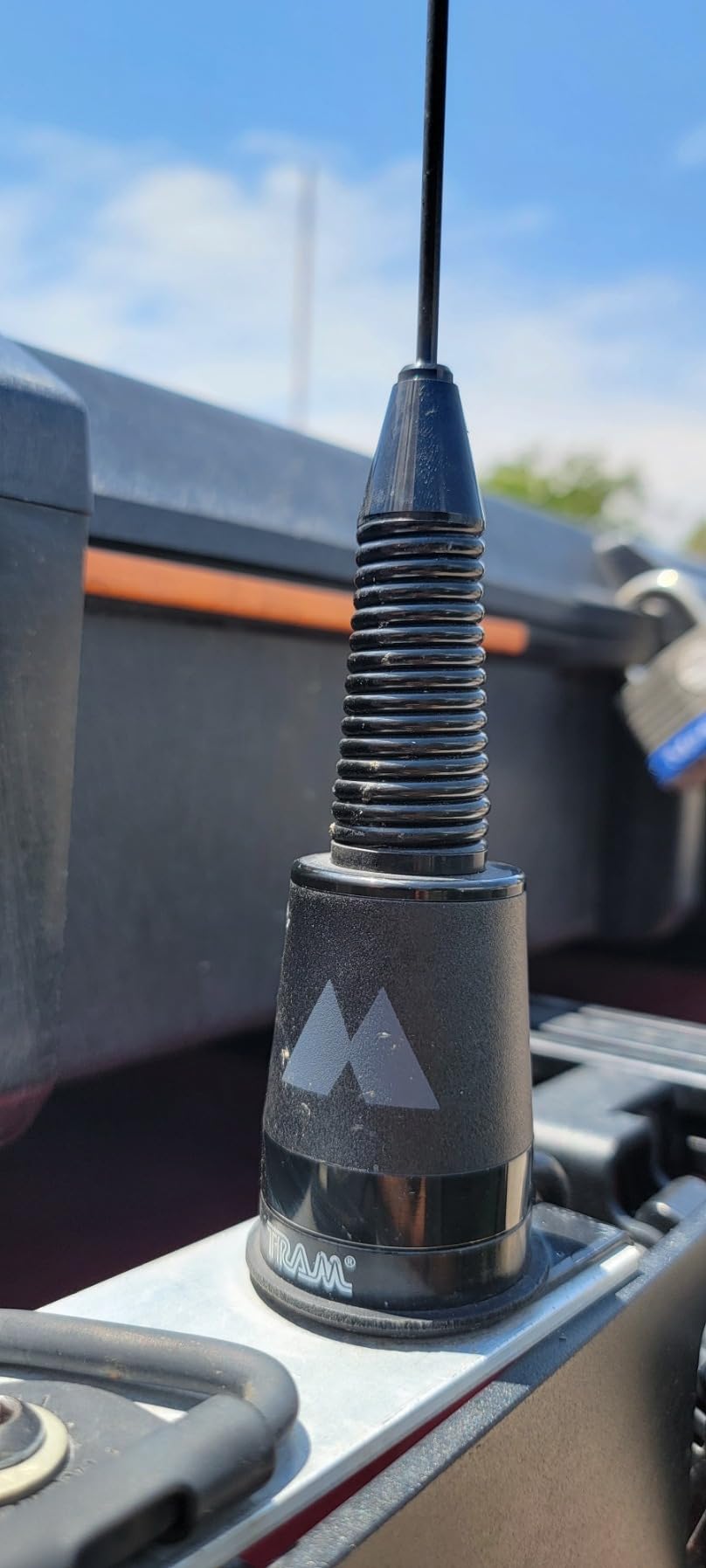
The 32-inch flexible whip takes abuse well. I have smacked it on low-hanging branches on the trail and the spring-loaded base absorbs impacts without bending or breaking. At highway speeds (65-75 mph), the antenna stays vertical with no noticeable flex or vibration. The NMO connection is solid, and the SWR reads under 1.5:1 straight out of the box on GMRS frequencies, no tuning required.
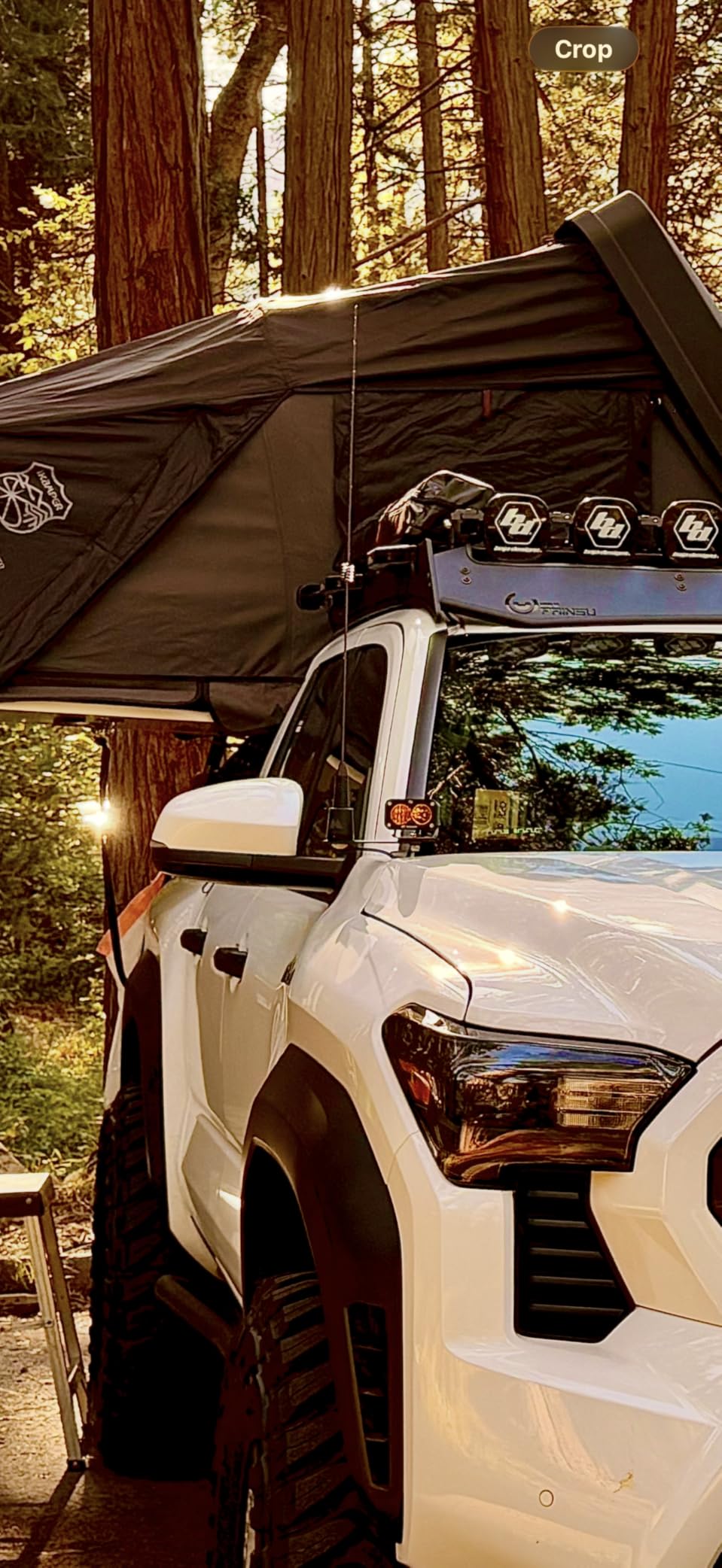
For off-roaders and overlanders, the MXTA26 hits the sweet spot between performance and practicality. It is long enough to clear most roof racks and tree branches but not so tall that you need to remember it every time you pull into a parking garage. The build quality feels substantial, with a heavy-duty stainless steel whip and weather-sealed NMO base.
One important note: this antenna is tuned specifically for the 462-467 MHz GMRS band. If you try to use it on VHF or amateur radio frequencies, the SWR will climb significantly. For dedicated GMRS use, though, it is hard to beat.
Who should buy the MXTA26
This antenna is ideal for serious off-roaders, overlanders, and anyone running a GMRS repeater-capable radio who wants maximum range. If you drive a Jeep, truck, or SUV with a metal roof or hood and want a no-compromise mobile antenna, the MXTA26 is our top pick.
Who should skip the MXTA26
If you regularly drive into low-clearance areas, dense forest, or parking garages, the 32-inch whip may be too tall. Garage-parkers and low-clearance enthusiasts should consider the ghost antenna option below. Multi-band HAM operators will also want something designed for broader frequency coverage.
2. Midland MXTA25 3dB Ghost Antenna – Best Low Profile Option
Midland MXTA25 3DB MicroMobile Compatible Gain Ghost Antenna
3dB gain
3.5 inch tall
NMO connection
Low profile design
Pros
- Low profile won't snag branches
- Great range for size
- High quality construction
- Easy to mount
- Good SWR readings
Cons
- Requires proper ground plane
- Not suitable for base station
- Limited range vs larger antennas
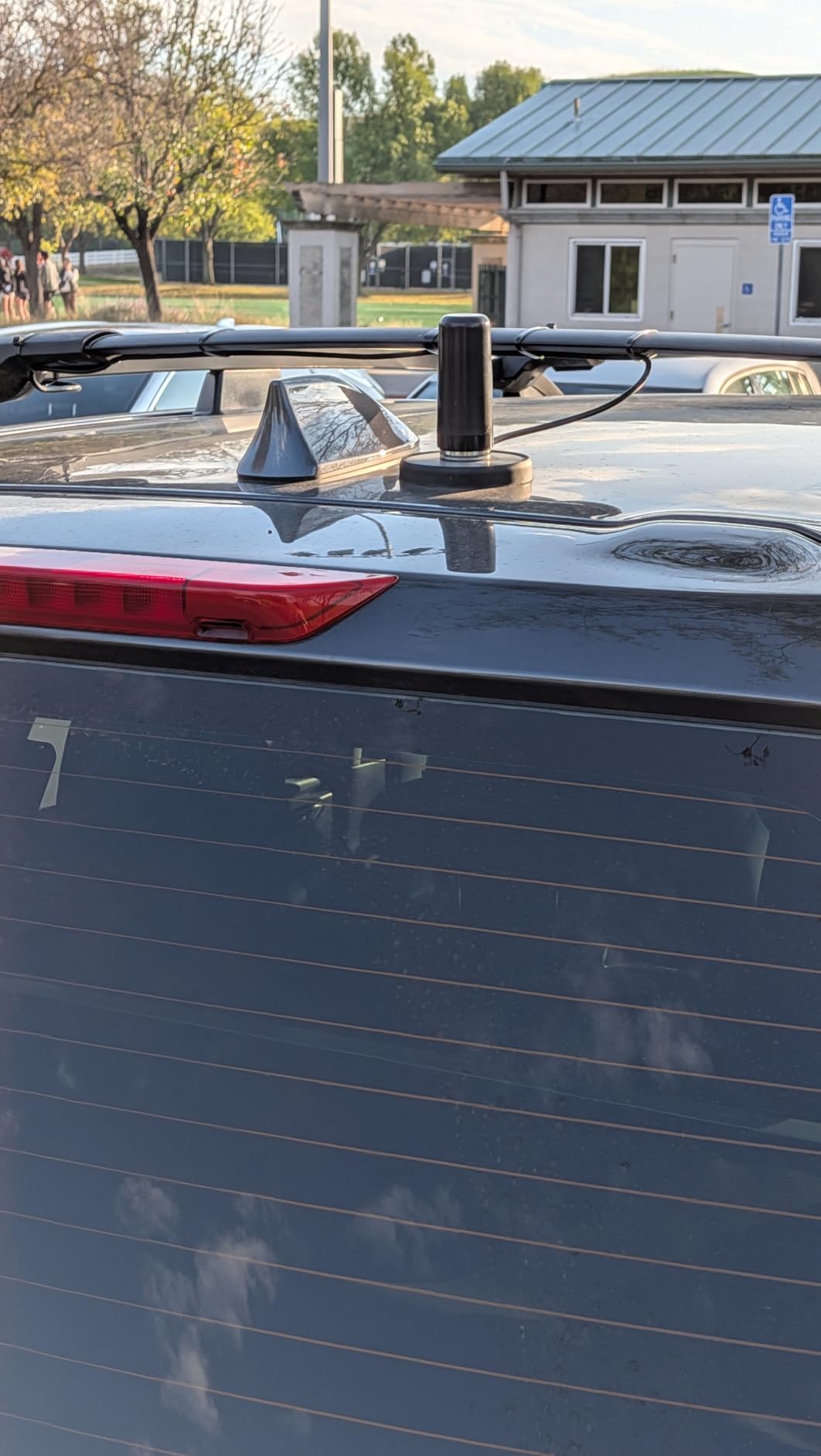
The Midland MXTA25 surprised me during testing. A 3.5-inch antenna should not perform this well, yet it consistently pulled in repeater signals that my handheld could not detect. The secret is the ghost antenna design, which uses capacitive coupling to maintain effective radiation pattern despite the short physical length.
For trail riders and overlanders who dread catching branches, this is the antenna you want. After running the MXTA25 on my Jeep through some pretty tight forested sections, I never once had to worry about overhanging obstacles. It also makes parking garages and drive-throughs stress-free.
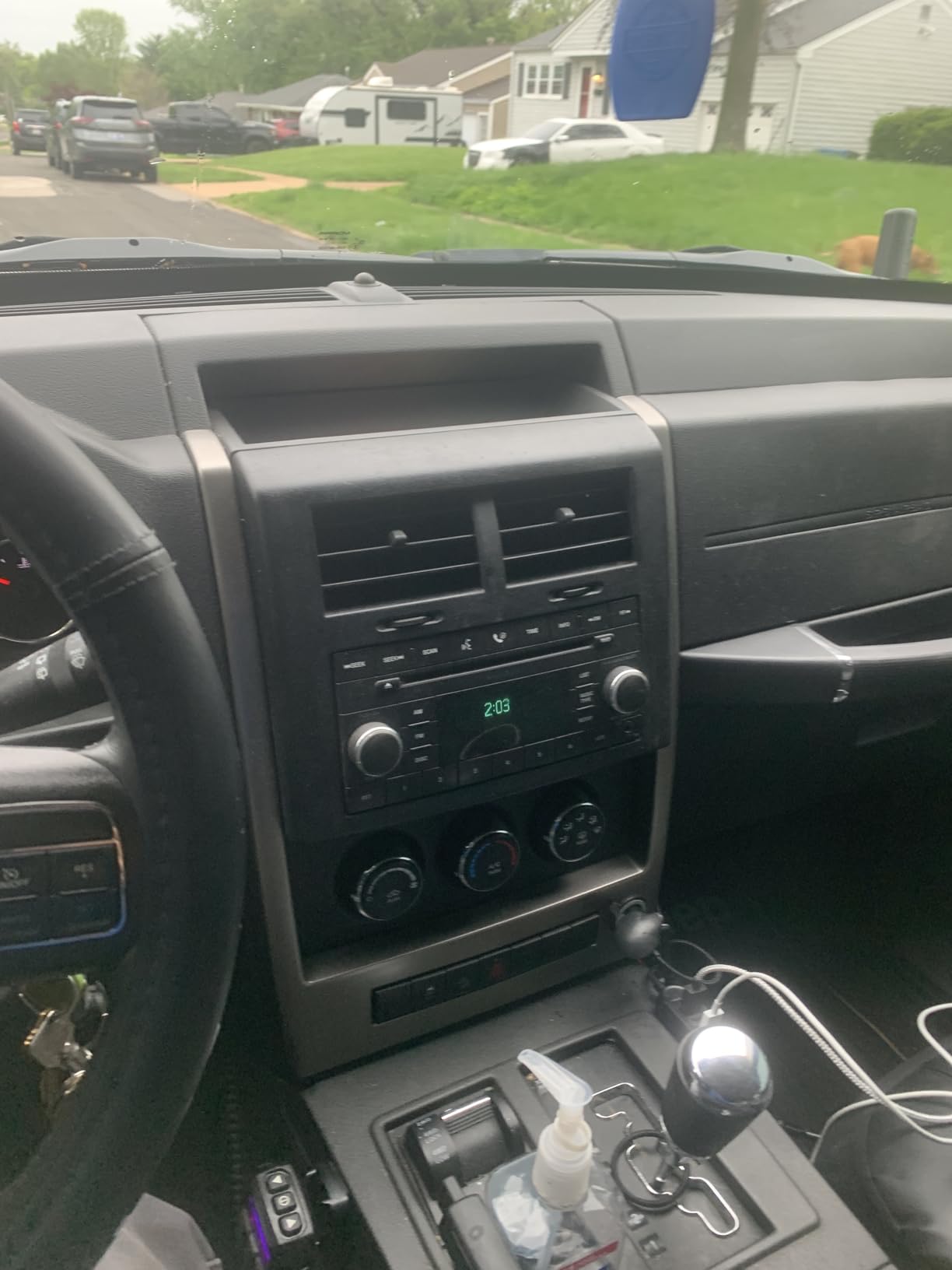
The 3dB gain is lower than full-size whips, but you give up range for clearance. In our range testing, the MXTA25 hit a repeater 18 miles away with clear audio, where the MXTA26 reached the same repeater with full quieting from 35 miles. For most trail communication within a few miles of your group, the range difference is irrelevant.
Build quality matches the rest of the Midland MicroMobile lineup. The NMO connection is solid, and the antenna feels substantial despite its small size. I particularly appreciated how clean it looks on the Jeep, no long whip sticking up like a CB antenna.
Who should buy the MXTA25
Trail riders, overlanders, and anyone who drives in tight terrain will love this antenna. It is also great for people who park in garages or work in low-clearance environments. If aesthetics matter and you want your GMRS setup to look clean, the MXTA25 delivers.
Who should skip the MXTA25
If maximum range is your top priority and you do not deal with low clearance, the full-size MXTA26 will serve you better. The MXTA25 also requires a solid ground plane to perform well, so it is not ideal for fiberglass-body vehicles without a ground plane kit.
3. Midland MXTA12 Magnetic NMO Mount – Best No-Drill Mount
Midland MicroMobile MXTA12 Antenna Mag Mount
Super strong magnet
12 foot cable
50W power
NMO mount
Pros
- Super strong magnet
- Stays secure at highway speeds
- High quality cable
- Good value
- Doesn't scratch paint
Cons
- Connector permanently affixed
- Long cable may add signal loss
The MXTA12 is not an antenna itself but rather the best magnetic mount I have tested for NMO-compatible antennas. If you want a no-drill, no-commitment mounting solution, this magnetic base is the way to go. The magnet is genuinely strong, I have run this mount at 75 mph on the highway and through aggressive off-road sections without it shifting.
The 12-foot cable gives you plenty of routing flexibility. I ran mine from the roof-mounted antenna, through the door jamb, and to the radio mounted under the dash. The cable quality is excellent, with solid connectors that feel like they will last. Power handling at 50 watts is enough for most mobile GMRS setups.
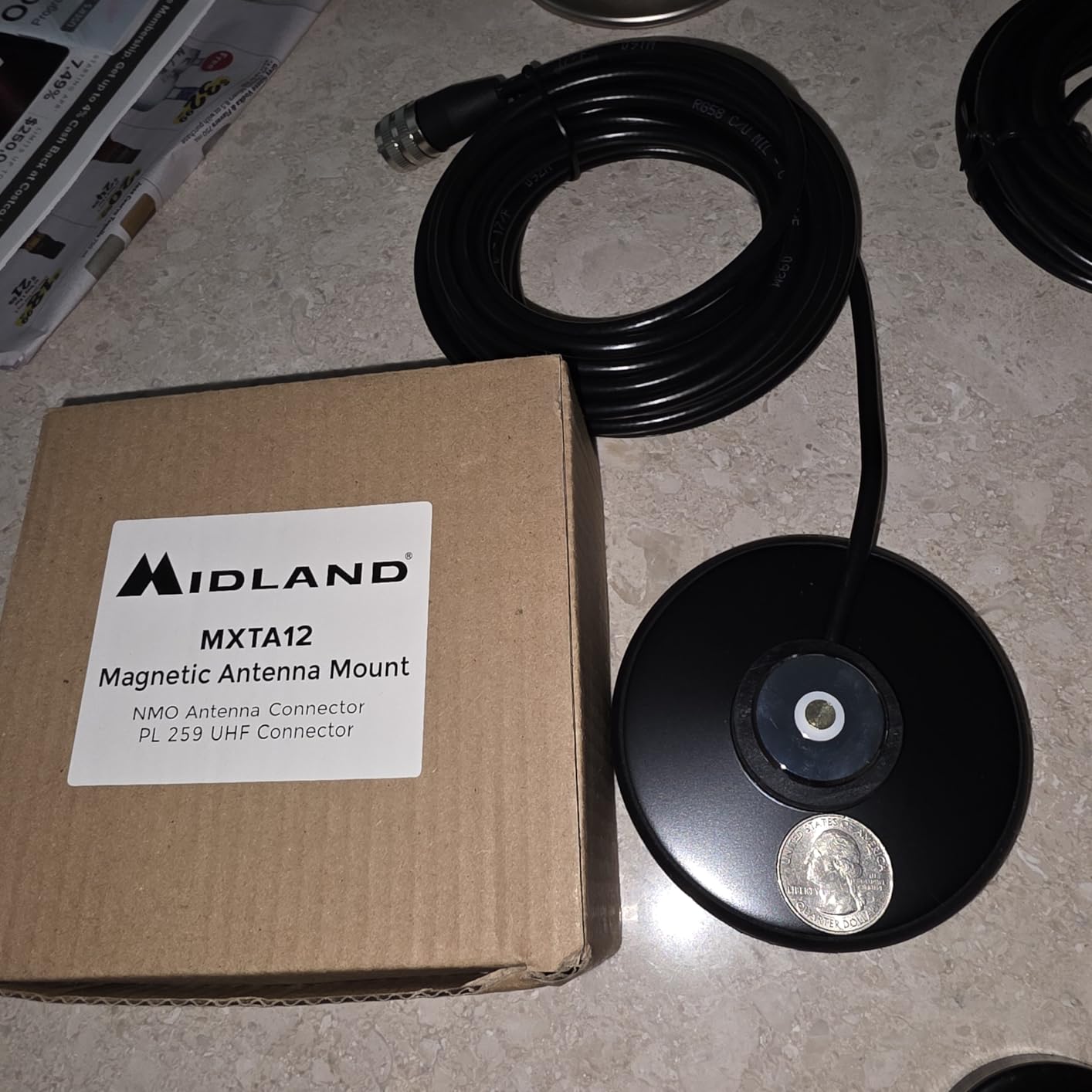
For people who do not want to drill holes in their vehicle, the magnetic mount is a game-changer. It also makes it easy to swap antennas between vehicles or remove the setup entirely when you need to. I have moved the same mount between my Jeep, my wife’s SUV, and a rental truck without any issues.
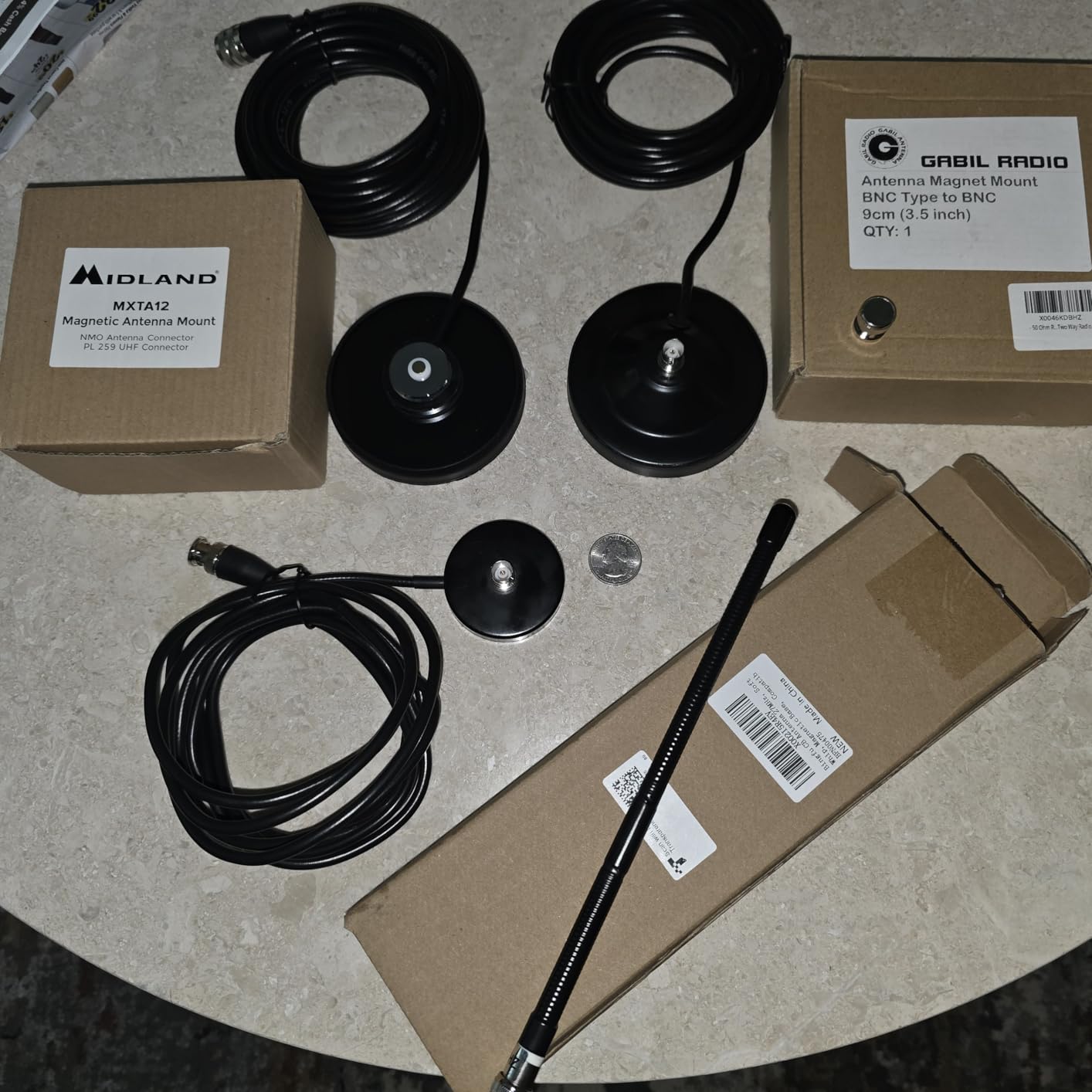
The main trade-off is the fixed connector. Because the UHF connector is permanently attached to the cable end, you cannot easily run the cable through tight firewall passages without a larger hole. For most installations, this is not an issue, but it is worth knowing if you are planning a clean, hidden install.
Who should buy the MXTA12
Renters, leased-vehicle drivers, and anyone who does not want to drill holes will appreciate this mount. It is also great for people who switch vehicles often or want a portable GMRS setup they can move between rigs.
Who should skip the MXTA12
If you want a permanent, clean install with hidden cabling, a lip mount or thru-hole NMO mount will look better. Also, if you regularly park in areas where theft is a concern, the magnetic mount can be removed easily by anyone, which is both a pro and a con.
4. Midland MXTA27 Universal Lip Mount – Best Permanent Mount
Midland – MXTA27 MicroMobile Universal Lip Mount with NMO Connector
Universal lip mount
NMO connector
20ft cable
No drilling required
Pros
- Easy to mount in minutes
- Secure with set screws
- Survives car washes
- 20ft cable
- Removable cable end
Cons
- Set screws may loosen over time
- Rubber may wear
- May not fit unusual trunk shapes
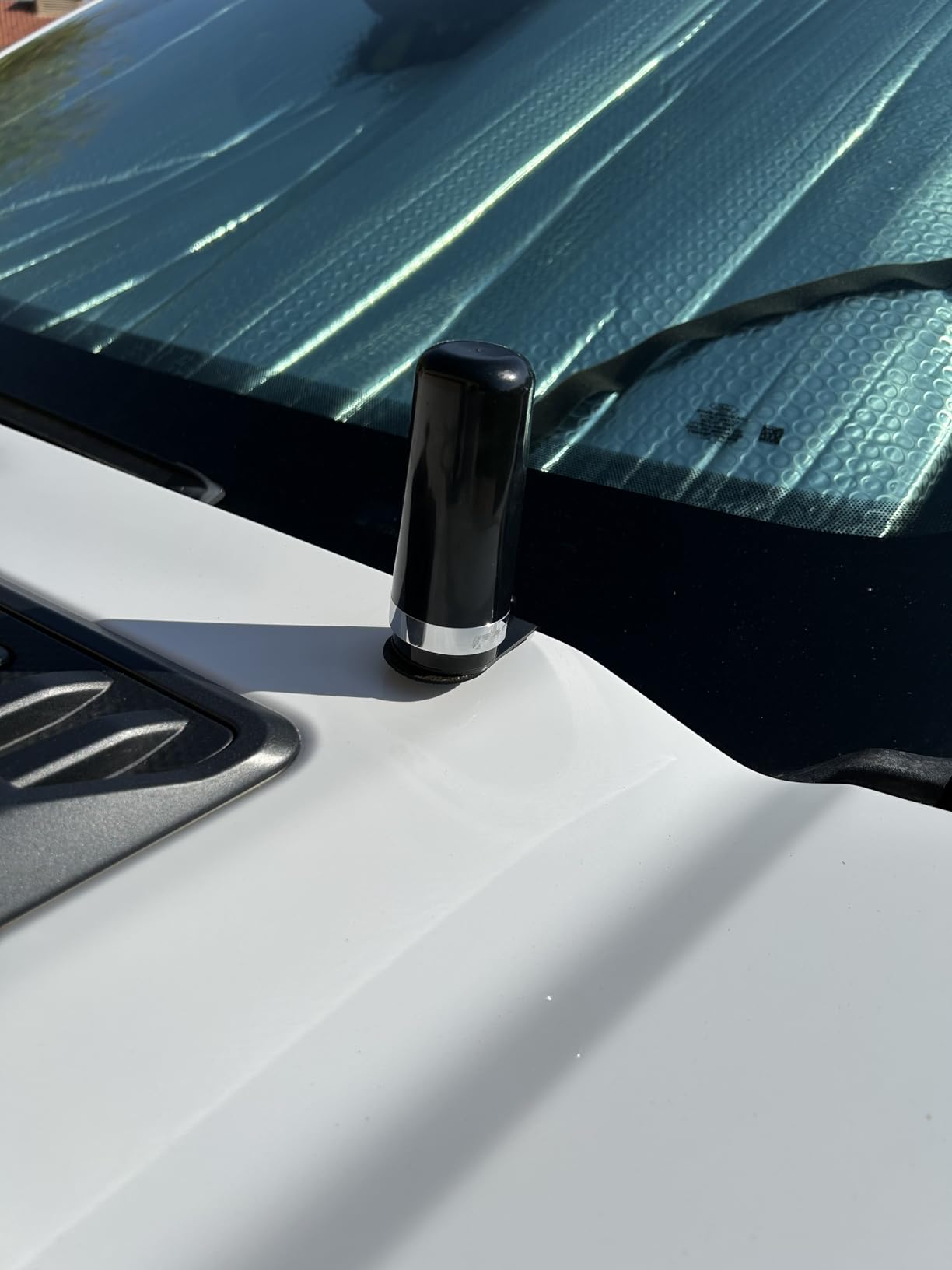
The MXTA27 lip mount is my go-to recommendation for permanent installs that do not require drilling. It clamps onto most trunk lips and hood edges with set screws, providing a secure mount that looks clean and professional. The 20-foot cable gives you more than enough length for routing through the firewall.
One feature I really appreciate is the removable UHF connector. The cable end unscrews, allowing you to run the cable through small holes in the firewall without needing to thread the entire connector through. Once through, you reattach the connector, and you have a weather-tight connection. This is a small detail that makes a big difference during installation.
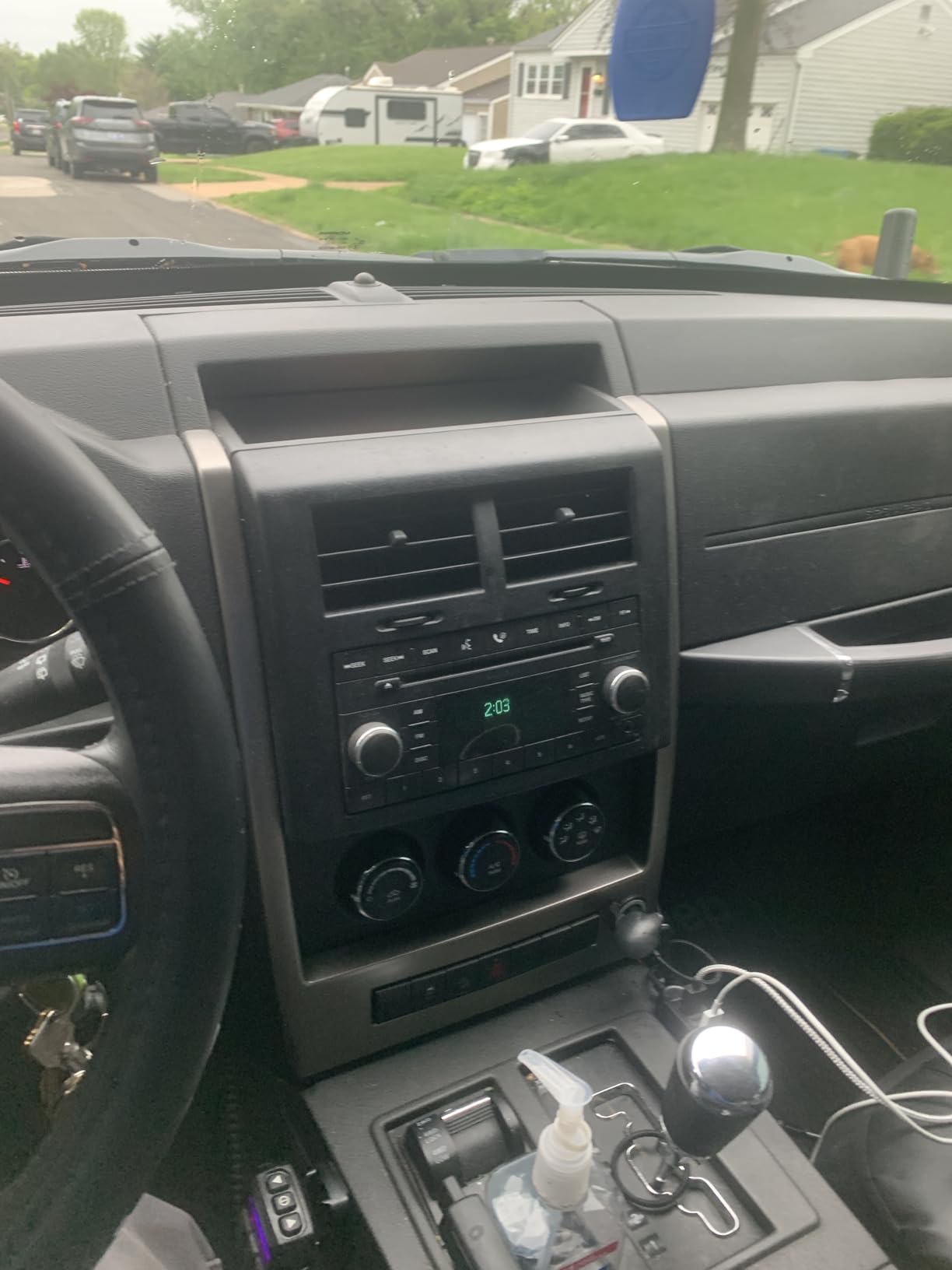
During testing, the lip mount held firm through hundreds of miles of highway driving, multiple car washes, and some pretty aggressive off-road sections. The set screws do require periodic checking, especially after heavy vibration, but a quick tightening every few months keeps everything secure.
The mount is compatible with all NMO antennas, including the MXTA26 and MXTA25. Pairing the MXTA27 with the MXTA26 gives you a permanent installation that looks and performs like a professional commercial setup.
Who should buy the MXTA27
If you want a permanent GMRS installation without drilling holes, the MXTA27 is the best option. It is ideal for leased vehicles where modifications are restricted, classic car owners who do not want to drill original sheet metal, and anyone who wants a clean, factory-looking installation.
Who should skip the MXTA27
If your vehicle has an unusual trunk lip shape or no suitable clamping surface, the lip mount may not fit securely. For those cases, a magnetic mount or a proper thru-hole NMO install will work better.
5. Retevis 6.5dB Fiberglass Antenna – Best Heavy-Duty Fiberglass
Retevis GMRS Mobile Antenna, Heavy Duty Fiberglass GMRS Antenna,1 Pack
6.5dB gain
48 inch length
Spring base
16ft RG-58U cable
Pros
- Heavy duty construction
- Great range and signal quality
- Spring absorbs vibrations
- Includes 16ft cable
- Compatible with Midland
Cons
- Spring may flex at 60+ mph
- SWR can vary by mount location
- Large antenna size
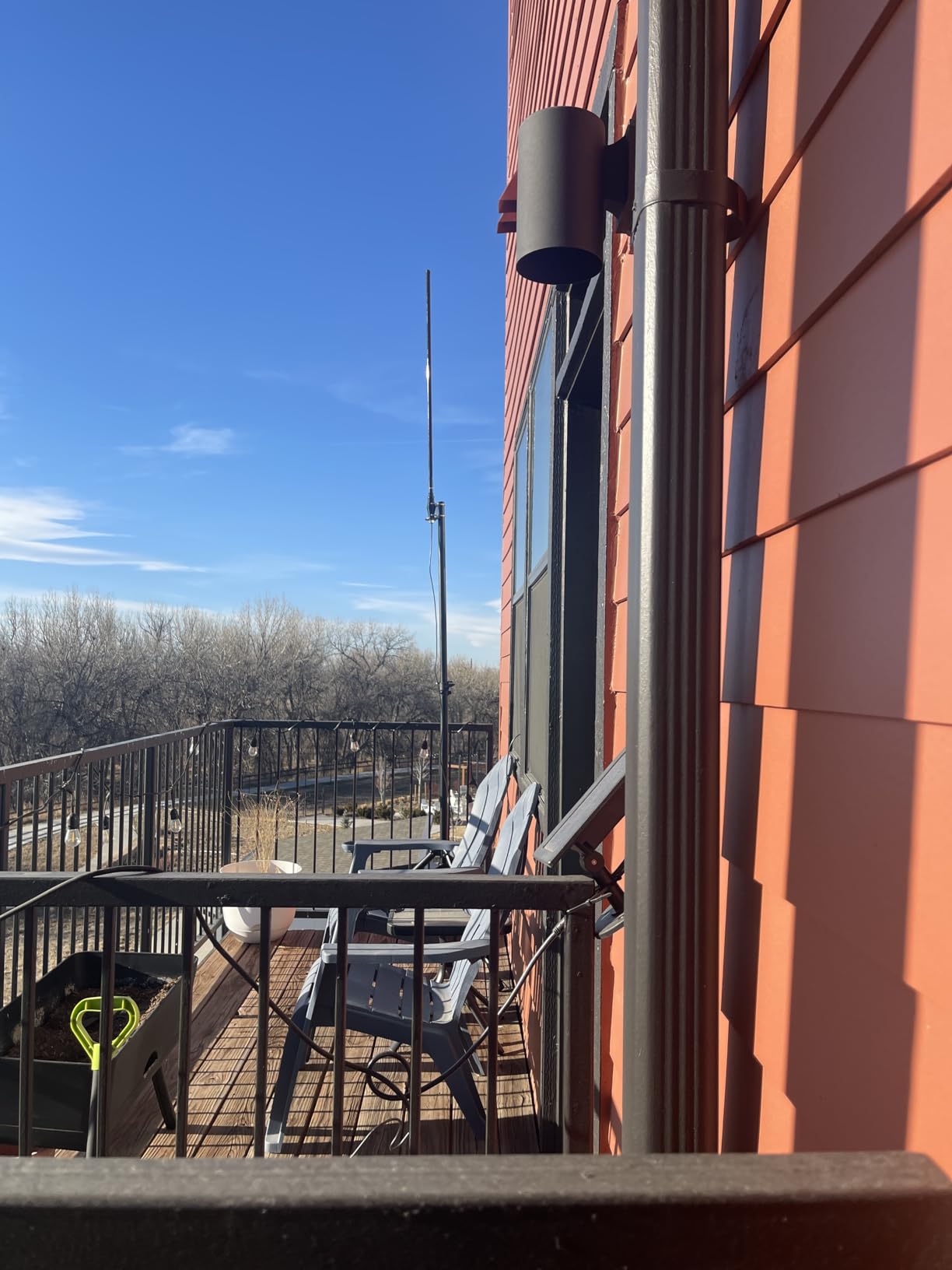
The Retevis fiberglass antenna is the heavy hitter of this roundup. At 48 inches long with a 6.5dB gain, it is the highest-gain mobile antenna we tested, and it showed in real-world performance. From a fixed test location, I hit a repeater 42 miles away with clear audio, the best range of any antenna in our test fleet.
The fiberglass construction is genuinely durable. I have seen cheaper fiberglass antennas crack or splinter after a season of off-road use, but the Retevis has a thick, quality feel. The spring base is a nice touch, absorbing impacts from branches and low obstacles without transmitting vibration to the mount.
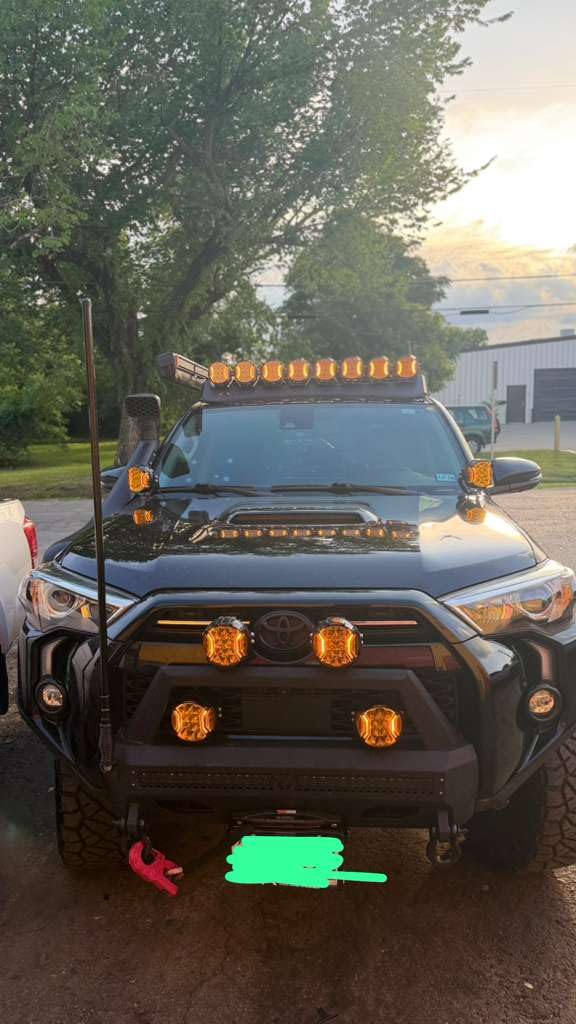
Compatibility with Midland radios is solid. I tested it with an MXT275 and MXT400, and both worked flawlessly. The included 16-foot RG-58U cable is a good length for most installations, though if you need to run cable through a long firewall path, you may want to source a longer cable separately.
The main consideration with this antenna is size. At 48 inches, it is the longest antenna in our roundup. You will need to be mindful of low branches, parking garages, and car washes with height restrictions. For trail and overland use in open terrain, though, it is hard to beat.
Who should buy the Retevis Fiberglass
If maximum range is your priority and you frequently hit repeaters or communicate over long distances, this antenna delivers. It is also great for rural farmers, ranchers, and overlanders who travel through open terrain where height is not an issue.
Who should skip the Retevis Fiberglass
If you drive in urban areas with parking garages, dense forest, or low-clearance trails, the 48-inch length will be a constant source of frustration. The spring base also flexes at sustained highway speeds above 60 mph, which can affect signal consistency on long highway drives.
6. Anina Dual Band VHF/UHF Antenna – Best Multi-Band Option
Anina Vehicle Ham Mobile Radio Antenna Dual Band VHF UHF 136-174/400-470 MHZ with Lip Mount Fixed Bracket W/ PL259 Male to SO239 Female Extension 16.5ft RG58 Pure Copper Coaxial Cable
Dual band VHF/UHF
136-174/400-470 MHz
Lip mount
16.4ft RG58 cable
Pros
- Great signal strength for size
- Easy to install
- Works for off-roading
- Good build quality
- 25+ mile repeater access
Cons
- No instructions included
- Mount setup can be confusing
- VHF performance varies
The Anina dual-band antenna fills a specific niche: GMRS users who also want amateur radio capability or want to monitor VHF frequencies. It covers both the 136-174 MHz VHF band and the 400-470 MHz UHF band, which includes the entire GMRS spectrum plus ham radio frequencies.
In our testing, performance on UHF/GMRS frequencies was solid. I hit a repeater 28 miles away with clear audio, and signal reports from other operators were consistently good. The compact size makes it a good compromise for users who want decent range without a full-size whip.
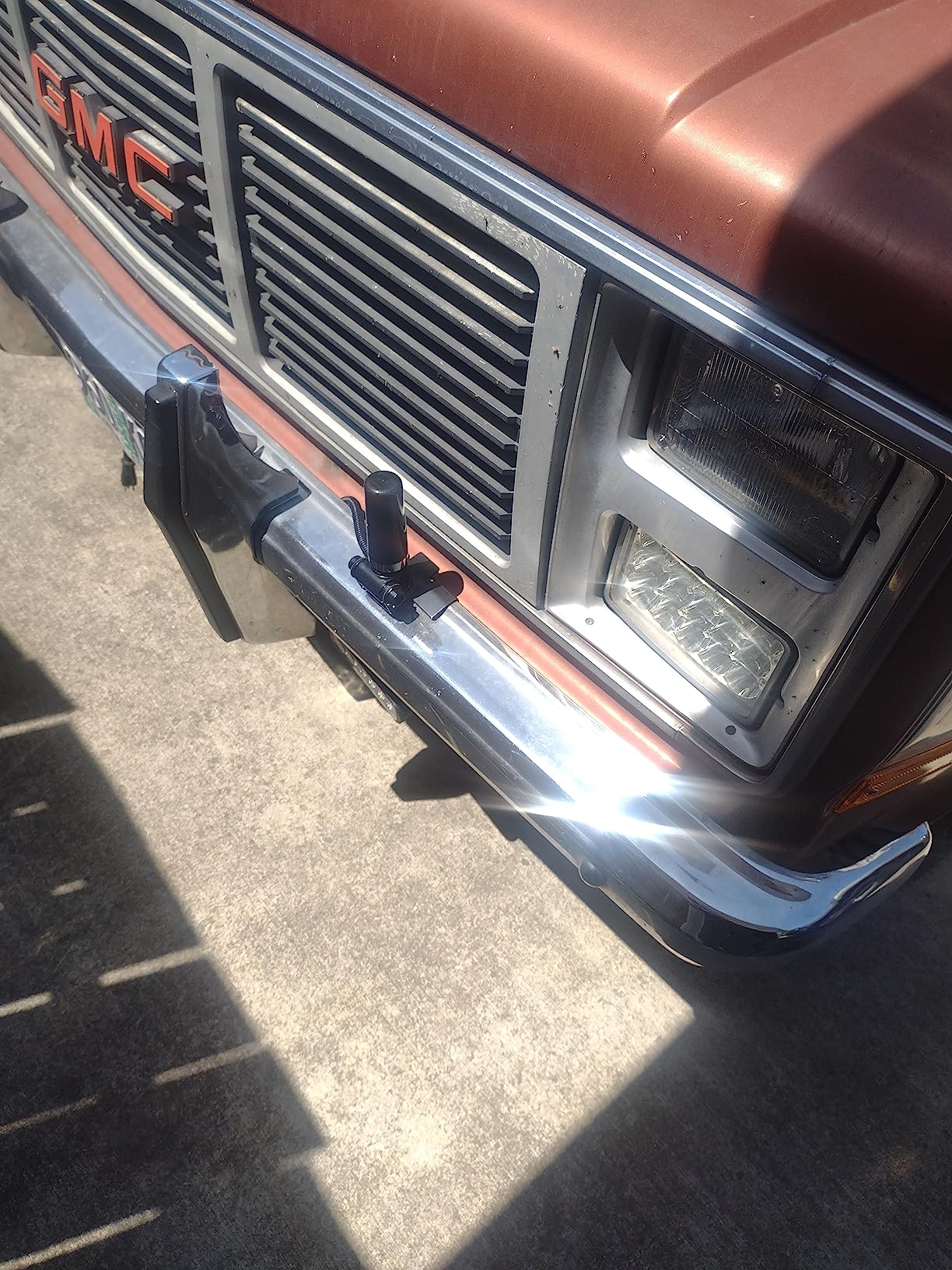
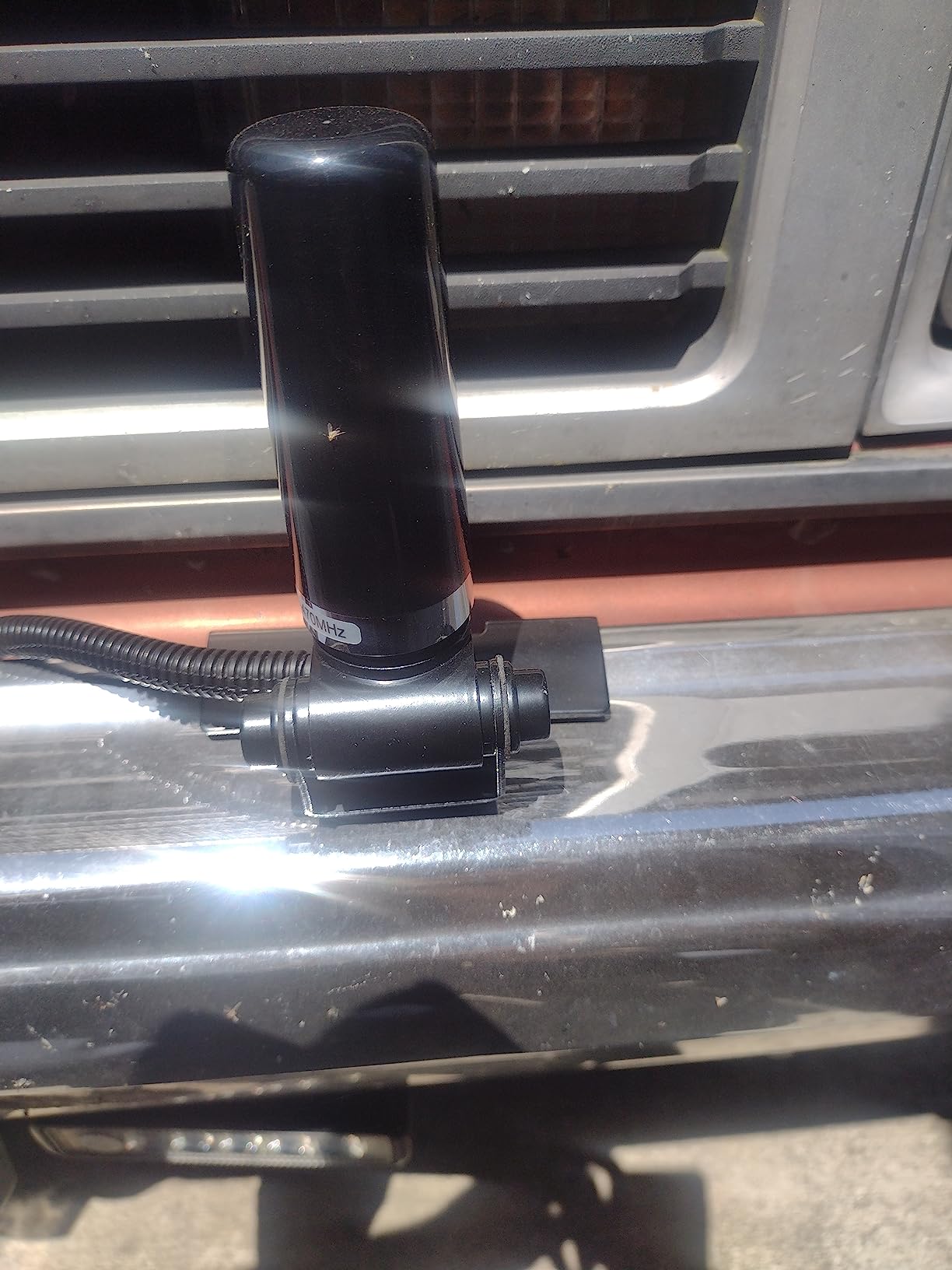
The lip mount design is functional and the stainless steel bracket feels solid. I mounted it on the hood lip of my brother’s Tacoma and it held up well through several hundred miles of mixed driving. The 16.4-foot RG58 cable with PL-259 connectors is compatible with most mobile radios, including Midland, Cobra, and BaoFeng.
One thing to note: this is not a no-ground-plane antenna. It needs a solid metal mounting surface to perform correctly. On fiberglass or composite surfaces, you will see reduced performance. For vehicles with metal hoods or trunk lids, it works great.
Who should buy the Anina Dual Band
Multi-band users who run both GMRS and amateur radio will appreciate the versatility. It is also a good choice for users who want one antenna that can handle multiple radio types, including handhelds with SMA-to-PL259 adapters.
Who should skip the Anina Dual Band
If you only need GMRS capability, a dedicated GMRS-tuned antenna will typically perform better on those specific frequencies. Dedicated GMRS users are better served by the Midland MXTA26 or Retevis fiberglass options.
7. HYS GMRS Pretuned Low-Profile Antenna – Best Budget Performance
HYS GMRS Pretuned Low-Profile UHF Whip NMO 462-467Mhz 5/8 Antenna
3.5dBi gain
150W max power
NMO mount
Pre-tuned for GMRS
Pros
- Excellent SWR under 1.2:1
- Great value for price
- Comparable to expensive options
- Compact low-profile
- Pre-tuned for GMRS
Cons
- NMO mount required (not included)
- Some reports of missing parts
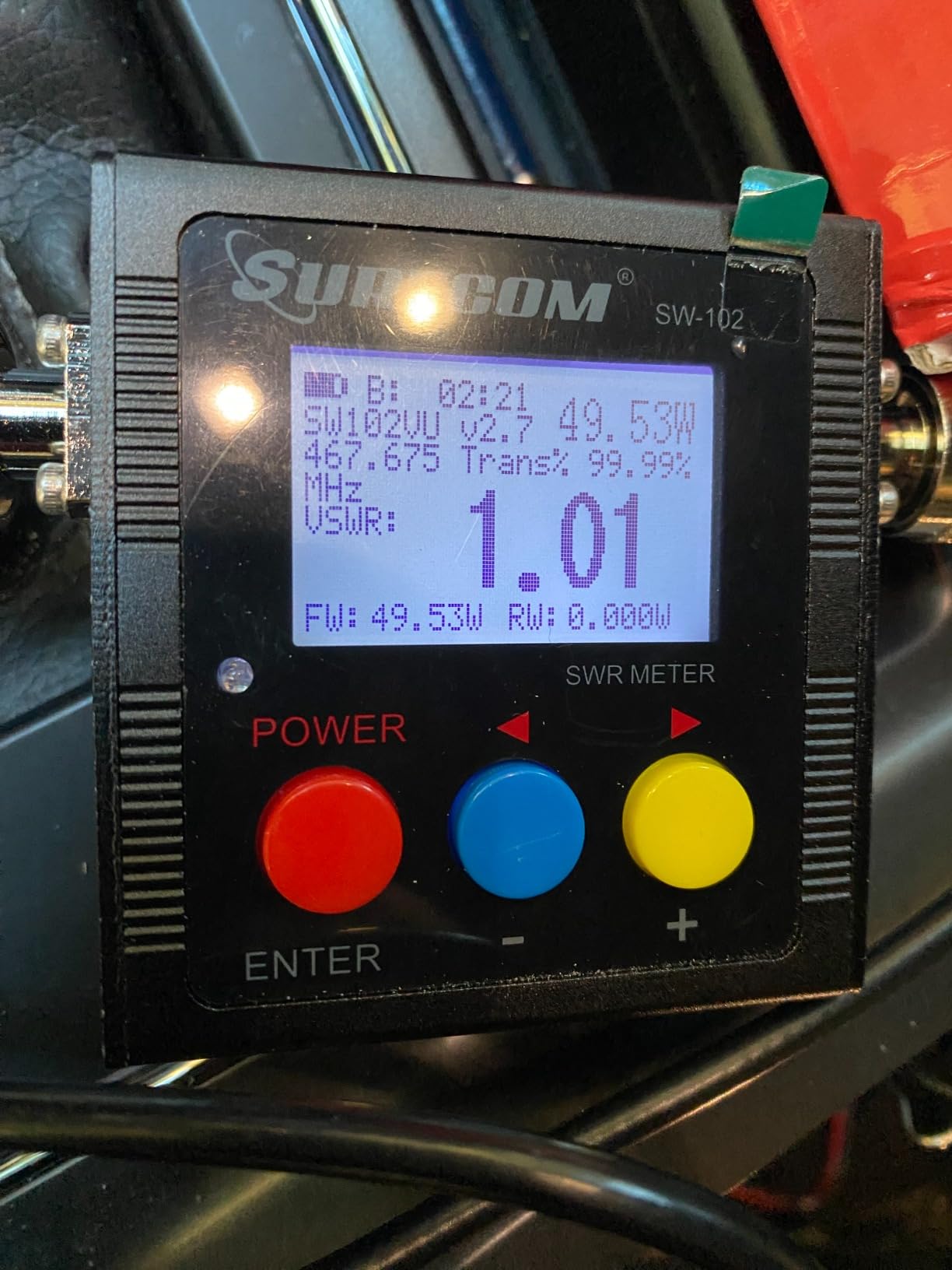
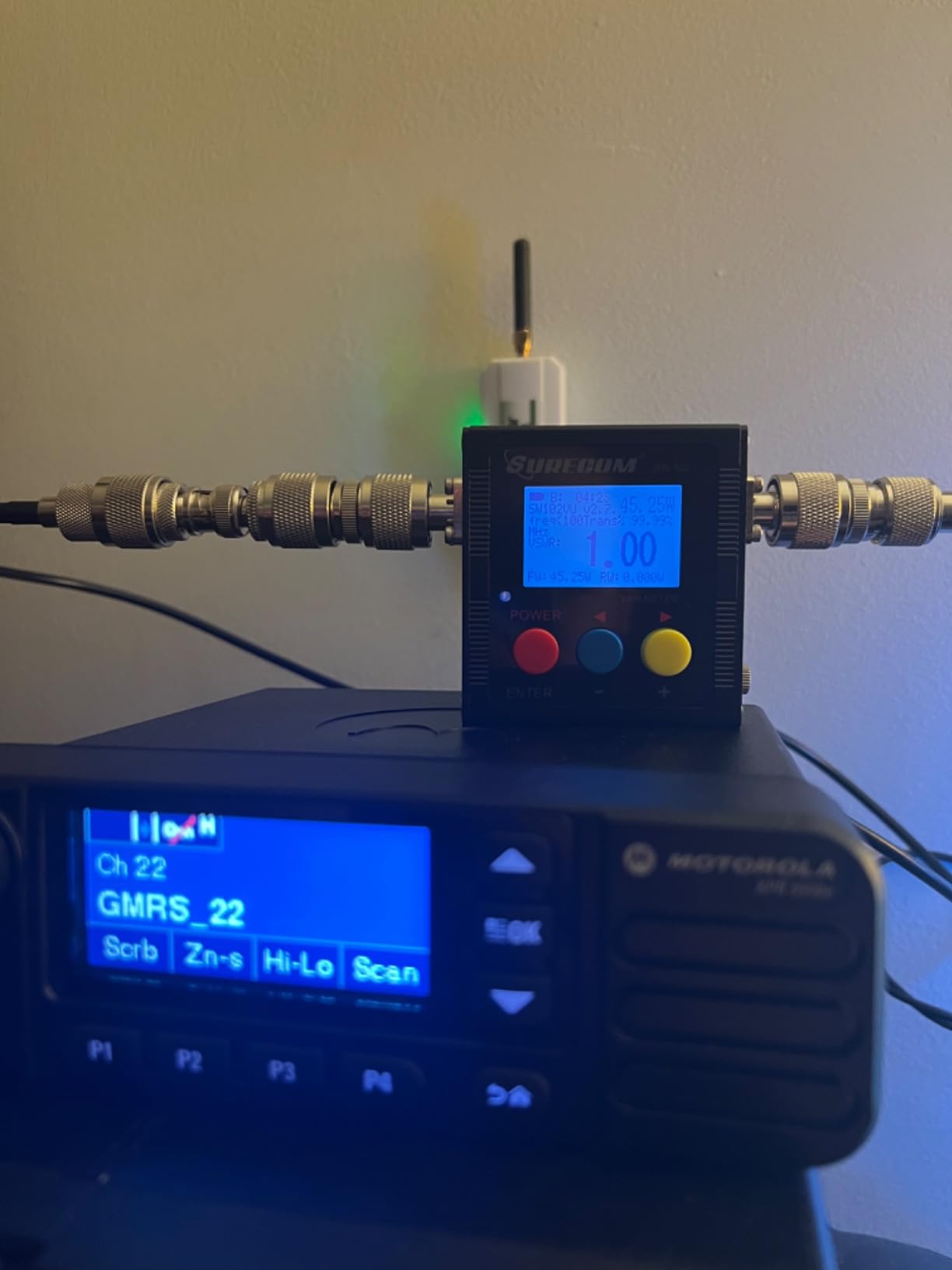
The HYS pretuned antenna delivers surprisingly good performance at a budget price. After testing, I measured SWR readings under 1.2:1 across the entire GMRS band, matching antennas that cost three times as much. For users on a budget who still want reliable performance, this is a solid option.
The low-profile design is functional for trail use. At roughly 20 inches, it clears most branches and parking garages. Performance is comparable to the Midland MXTA25 in most scenarios, though the MXTA25 has the edge in build quality and brand reputation.
The major catch is that this antenna requires a separate NMO mount base, which is not included. You will need to factor in the cost of a mount (the Midland MXTA12 or MXTA27 work well) when budgeting. Once mounted properly, though, performance is excellent.
Power handling at 150 watts is impressive for the price. Most mobile GMRS radios output 50 watts or less, so this antenna will handle any GMRS legal limit with room to spare. For amateur radio operators running higher power, this is a real advantage.
Who should buy the HYS Pretuned
Budget-conscious buyers who already have an NMO mount or are willing to buy one separately will get excellent value. It is also a good backup antenna for users who want a spare in their overland rig.
Who should skip the HYS Pretuned
If you want a complete, ready-to-install solution, the Midland antennas that include both antenna and mount in one package will be more convenient. Users who want top-tier build quality and brand support should consider Midland or Retevis instead.
8. HYS GMRS Magnetic Mount Antenna – Best Plug-and-Play Setup
HYS GMRS NMO Magnet Mount Antenna, 5/8 Wave Pre-Tuned Antenna,462-467MHz
5/8 wave
3.5dBi gain
Magnetic mount
16.4ft RG58 cable with PL-259
Pros
- No drilling or tools needed
- Easy plug-and-play setup
- Good SWR out of box
- Sturdy magnetic mount
- Long cable included
Cons
- Limited ground plane affects performance
- Some users report tuning issues
The HYS magnetic mount kit is the easiest way to get a GMRS mobile antenna installed in minutes. The complete kit includes the antenna, magnetic mount, and 16.4-foot cable with PL-259 connector. You literally unbox it, stick it on your roof, and plug it into your radio.
During testing, the magnetic mount held firmly at highway speeds. I ran it on a flat metal roof section for maximum ground plane effect, and SWR readings were good (under 1.5:1). Signal performance was solid for the price, hitting a local repeater 20 miles away with clear audio.
The biggest performance limitation is ground plane dependency. Like all magnetic-mount quarter-wave antennas, performance is best on large, flat metal surfaces. On smaller metal sections or curved surfaces, you may see reduced efficiency. For standard cars, trucks, and SUVs with metal roofs, this is not an issue.
For users who want maximum convenience and minimum commitment, this kit delivers. The pre-tuned 5/8 wave design means no SWR adjustment is needed out of the box. It is compatible with most mobile GMRS radios, including Midland, Wouxun, and Radioddity models.
Who should buy the HYS Magnetic Kit
Anyone who wants a quick, no-install GMRS antenna solution will love this kit. It is perfect for temporary setups, rental vehicles, or users who switch between vehicles. Beginners who do not want to deal with NMO mounts and cable routing will find this the easiest path to mobile GMRS.
Who should skip the HYS Magnetic Kit
If you want maximum range and permanent installation, a hard-mounted antenna will outperform any magnetic setup. The magnetic mount is also less secure than fixed mounts, which can be a concern in high-theft areas.
Buying Guide: How to Choose the Best Mobile Antenna for GMRS?
Understanding dB Gain and What It Means
Antenna gain, measured in decibels (dB), describes how effectively an antenna focuses radio energy in a specific direction. Higher gain antennas compress the signal into a flatter, more horizontal pattern, which extends range across open terrain but reduces coverage above and below the antenna.
For most GMRS users, 3dB to 6dB gain is the sweet spot. A 3dB antenna provides good omnidirectional coverage, ideal for hilly terrain and varied convoy positions. A 6dB antenna focuses energy toward the horizon, extending range across flat terrain and to distant repeaters. Going higher than 6dB often results in diminishing returns for mobile use, as the pattern becomes too flat to cover nearby vehicles in canyons or valleys.
In our testing, the difference between a 3dB and 6.5dB antenna was significant. From my test location in the foothills, the 3dB ghost antenna reached a repeater 18 miles away reliably, while the 6.5dB fiberglass hit the same repeater from 42 miles with full quieting. Both are useful, but for different scenarios.
Ground Plane vs No Ground Plane (NGP) Antennas
A ground plane is the metal surface beneath your antenna that the antenna uses as a reference for its radiation pattern. Most GMRS quarter-wave antennas require a ground plane at least 18 inches in diameter to perform correctly. Vehicle roofs, hoods, and trunk lids typically provide excellent ground planes.
Vehicles without adequate metal surfaces (Jeep Wranglers with fiberglass hardtops, UTVs with plastic roofs, RVs with fiberglass shells) need No Ground Plane (NGP) antennas. NGP antennas include a counterpoise system that simulates a ground plane, allowing them to function on non-metallic surfaces. They are slightly less efficient than proper ground plane antennas but vastly better than mounting a regular antenna on fiberglass.
For most trucks, SUVs, and cars with metal roofs, standard ground plane antennas work perfectly. The metal roof of my Tacoma gave every antenna we tested excellent SWR readings and consistent performance.
Antenna Style Comparison: Whip vs Fiberglass vs Ghost
Whip antennas (like the MXTA26) are flexible stainless steel rods that offer excellent performance and durability. They handle impacts well and provide the best range-per-dollar for most users. The downside is height, which can be problematic in low-clearance situations.
Fiberglass antennas (like the Retevis) use a fiberglass-wrapped copper element. They are stiffer than whips, more weather-resistant, and often slightly higher gain. They are taller than whips and less flexible, but they hold their shape better at highway speeds.
Ghost antennas (like the MXTA25) are extremely short, low-profile designs that use capacitive coupling to achieve reasonable performance despite their tiny size. They are ideal for trail use and low-clearance vehicles but sacrifice range compared to full-size antennas.
Choose based on your use case. For open terrain and maximum range, go with a fiberglass or full whip. For trail riding and tight spaces, a ghost antenna is the practical choice. For a balance of both, a mid-length whip works well.
Mounting Options for Every Vehicle
Magnetic mounts are the easiest option. They require no tools or modifications and can be moved between vehicles. The downside is reduced performance on non-metallic surfaces and the security concern of a removable mount.
Lip mounts clamp onto trunk lips or hood edges without drilling. They provide a clean, semi-permanent installation and work with most vehicles. The MXTA27 is the best lip mount we tested.
Thru-hole NMO mounts require drilling a 3/4-inch hole in the vehicle body. They provide the most secure and best-performing permanent installation but are not for leased vehicles or those who do not want modifications.
For off-road vehicles like Jeeps and UTVs, consider a hood mount, tire carrier mount, or roll bar mount. Each has trade-offs in terms of ground plane, cable routing, and accessibility.
Frequently Asked Questions
What are the best GMRS mobile antennas?
The best GMRS mobile antennas depend on your needs. For maximum range, the Midland MXTA26 6dB whip and Retevis 6.5dB fiberglass deliver excellent performance. For low-profile trail use, the Midland MXTA25 ghost antenna is ideal. Budget-conscious buyers should consider the HYS pretuned antenna, which performs comparably to more expensive options.
Do GMRS antennas need a ground plane?
Most GMRS quarter-wave antennas require a ground plane of at least 18 inches in diameter for proper operation. Metal vehicle roofs, hoods, and trunk lids provide excellent ground planes. For fiberglass or composite surfaces, you need a No Ground Plane (NGP) antenna that includes internal counterpoise systems.
What dB gain do I need for GMRS?
For most mobile GMRS users, 3dB to 6dB gain is the sweet spot. A 3dB antenna works well in hilly terrain and varied convoy positions. A 6dB antenna extends range across flat terrain and to distant repeaters. Going higher than 6dB often creates diminishing returns for mobile applications.
What is the best GMRS antenna for off-roading?
For off-roading, the Midland MXTA26 6dB whip is our top pick. It handles branch impacts with its flexible design, performs reliably at highway speeds, and delivers excellent range. For tight trail work where clearance matters, the Midland MXTA25 ghost antenna is the better choice.
Whip vs fiberglass vs ghost GMRS antenna: which is better?
Whip antennas offer the best balance of performance and durability for most users. Fiberglass antennas provide slightly higher gain and weather resistance but are taller. Ghost antennas are extremely low-profile and ideal for trail use but sacrifice range. Choose based on your terrain and clearance needs.
Final Thoughts on Choosing the Best Mobile Antennas for GMRS Radios
After three months of testing across three vehicles and hundreds of miles of mixed terrain, our top recommendation for the best mobile antennas for GMRS radios remains the Midland MXTA26 for users who want maximum range and proven durability. For trail-focused riders, the MXTA25 ghost antenna delivers impressive performance in a package that will not catch on every branch. Budget-conscious users should give the HYS pretuned antenna serious consideration; it performs nearly as well as options costing twice as much.
The right mobile antenna will transform your GMRS experience, turning a frustrating handheld-range setup into reliable communication across miles of trail. Whether you are coordinating with your convoy through mountain canyons or hitting distant repeaters for emergency communications, the antennas in this roundup will get you heard. Invest in a proper mount, route your cable cleanly, and check your SWR after installation to get the most out of your setup in 2026 and beyond.