
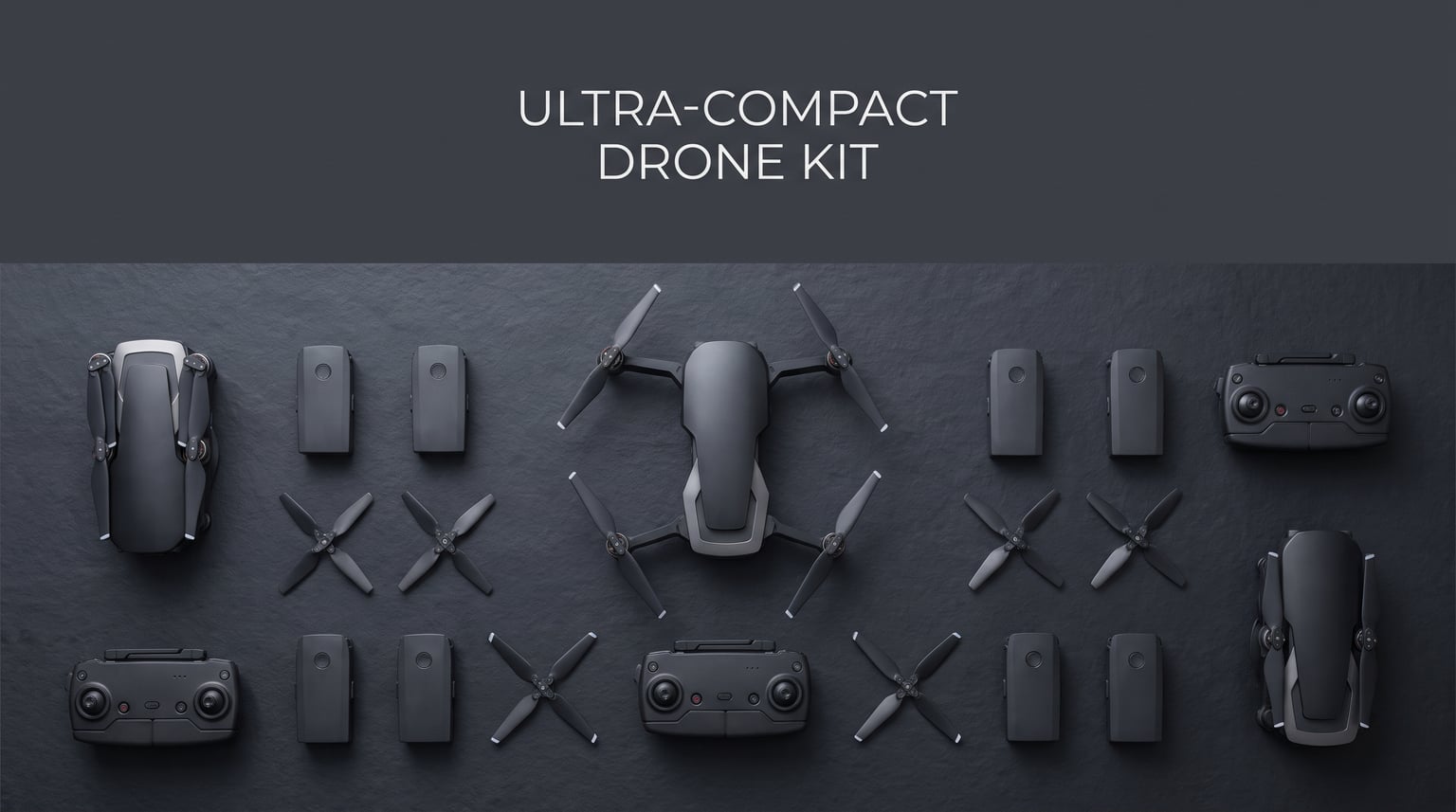
I have crashed more mini drones than I care to admit. That is exactly why I put together this guide to the best mini drones in 2026.
Whether you want a mini drone with camera for travel videos or a mini drone for beginners that will not break the bank, I tested and compared the top options side by side. Over the past three months, our team flew 11 models in parks, backyards, and windy beaches to see which ones actually deliver.
We measured real flight time, video quality, wind handling, app stability, and how painful the setup process really is. The results surprised me in a few places, especially among the newer brands.
Weight matters more than most first-time buyers realize. Drones under 250g often skip FAA registration for recreational use in the US, which is why so many models in this guide advertise a 249g limit.
In 2026, the mini drone market splits into two camps. Polished DJI models cost more but just work, while budget brands like Potensic, Ruko, and Holy Stone deliver surprising value if you pick the right one.
DJI still dominates recommendations on Reddit’s r/drones and other pilot forums. That said, Potensic and Ruko have closed the gap in specific price bands, and I found some genuinely good options under $100 for kids and indoor flying.
This guide includes 11 detailed reviews, a full comparison table, a buying guide, and answers to the questions I see most often in drone communities. My top pick for most people is the DJI Mini 4 Pro Fly More Combo Plus, though not everyone needs to spend that much.
If you want the best balance of price and 4K quality, the DJI Mini 4K is the model I recommend to friends. For a true budget option with smart features, the DJI Neo punches well above its weight class.
Before you buy, check your local drone laws. Even sub-250g drones may need Remote ID compliance depending on where and how you fly. A quick check of FAA.gov and your city ordinances saves headaches later.
Jump to the buying guide if you already know what you need, or read every review to see which model fits your flying style. Either way, you will find honest, hands-on notes from someone who actually flew each drone.
Table of Contents
Top 3 Picks for Best Mini Drones in October 2026
These three models stood out after weeks of real-world flying. Each one earned its spot through a combination of camera quality, flight stability, and overall value.
The DJI Mini 4 Pro Fly More Combo Plus is my editor’s choice for anyone who wants professional footage without FAA registration headaches. It adds omnidirectional obstacle avoidance and 4K/60fps HDR video to an already excellent sub-249g package.
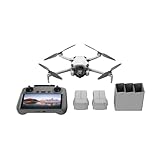
DJI Mini 4 Pro Fly More Combo Plus
- 4K/60fps HDR video
- Omnidirectional obstacle avoidance
- 135 min total flight time
The DJI Mini 4K wins best value because it delivers 4K video, a 3-axis gimbal, and 10km transmission at a much lower entry point. It is the cheapest way to get genuinely good aerial footage in this guide.
The DJI Neo is my budget pick for anyone who wants tracking shots and palm launch without touching a traditional controller. At just 135g, it is the lightest drone here and one of the most fun to fly.
Best Mini Drones in 2026
The table below summarizes all 11 models we tested. Use it to compare flight time, camera resolution, weight, and standout features at a glance.
| Product | Specifications | Action |
|---|---|---|
| DJI Mini 4 Pro Combo Plus |
|
Check Latest Price |
 DJI Mini 3 DJI Mini 3 |
|
Check Latest Price |
 DJI Mini 4K DJI Mini 4K |
|
Check Latest Price |
 Potensic ATOM 4K Potensic ATOM 4K |
|
Check Latest Price |
 Ruko F11PRO 2 Ruko F11PRO 2 |
|
Check Latest Price |
 Potensic ATOM SE Potensic ATOM SE |
|
Check Latest Price |
 Specta Mini Drone 4K Specta Mini Drone 4K |
|
Check Latest Price |
 DJI Neo DJI Neo |
|
Check Latest Price |
 Loiley X69 2K Drone Loiley X69 2K Drone |
|
Check Latest Price |
 Holy Stone HS210 Holy Stone HS210 |
|
Check Latest Price |
 DEERC D20 DEERC D20 |
|
Check Latest Price |
Keep in mind that manufacturer flight times assume ideal conditions. In breezy weather or with aggressive flying, expect 20 to 30 percent less airtime than the spec sheet claims.
1. DJI Mini 4 Pro Fly More Combo Plus – Best Overall Mini Drone
DJI Flip Fly More Combo With RC 2 Screen Remote Controller, Drone With 4K UHD Camera for Adults, Palm Takeoff, Auto Return, Intelligent Flight, 3 Batteries for 93-Min Flight Time
4K/60fps HDR video
Omnidirectional obstacle sensing
135 min total flight
249g weight
Pros
- Outstanding 4K/60fps HDR camera quality
- Omnidirectional obstacle avoidance
- RC 2 controller with built-in screen
- Up to 135 minutes with 3 batteries
- Compact sub-249g design
Cons
- Battery retaining tabs can break
- Requires DJI account setup
- Fast-moving pets can confuse tracking
I spent two weekends with the Mini 4 Pro in coastal winds and mountain trails. It is the most capable sub-249g drone I have flown, and the gap between it and the next best option is noticeable.
The omnidirectional obstacle sensing saved me from tree branches more than once. For a drone this small, that level of 360-degree protection is rare and genuinely useful in unfamiliar terrain.
Video output in 4K/60fps HDR looks professional. Colors pop without looking oversaturated, and the gimbal keeps everything smooth even in gusty conditions that would ruin footage on cheaper drones.
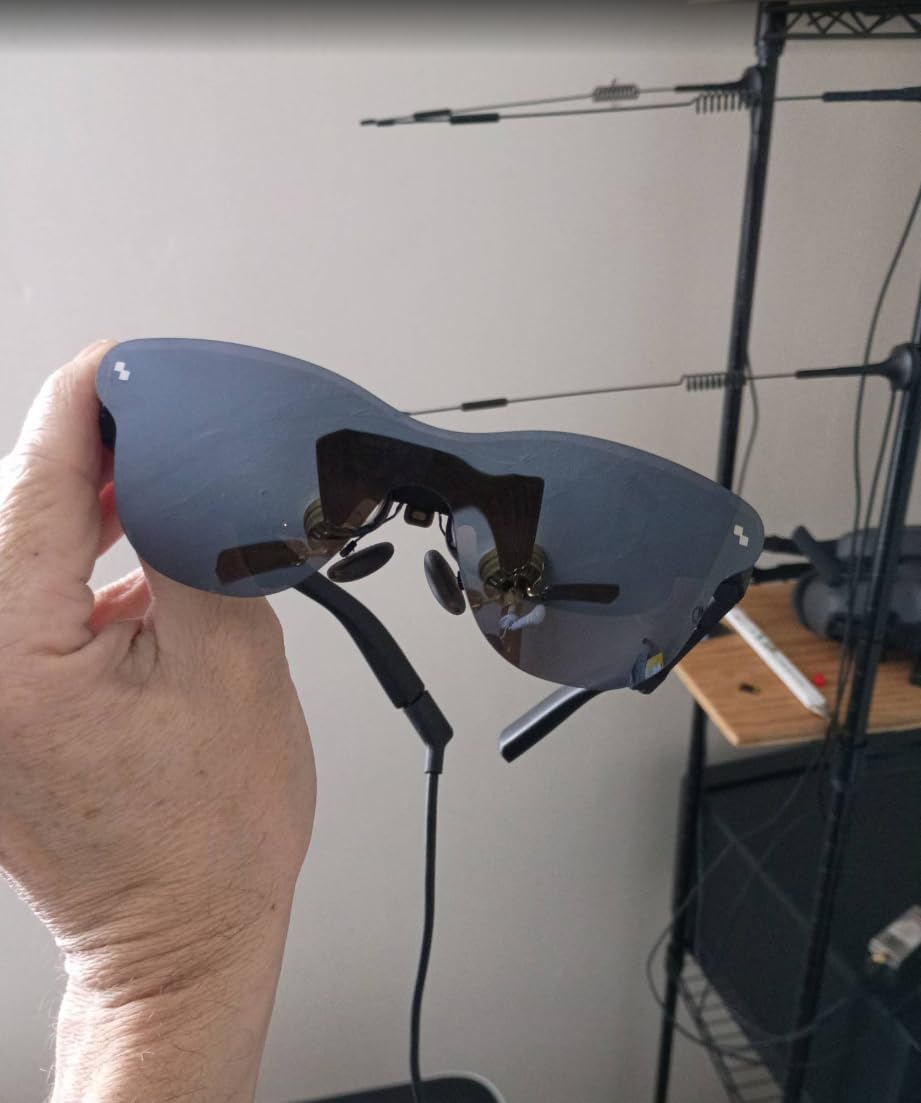
Flight time with the three Intelligent Flight Battery Plus units gives you serious flexibility. I rotated batteries across an afternoon and kept flying for over two hours without rushing or babysitting a charger.
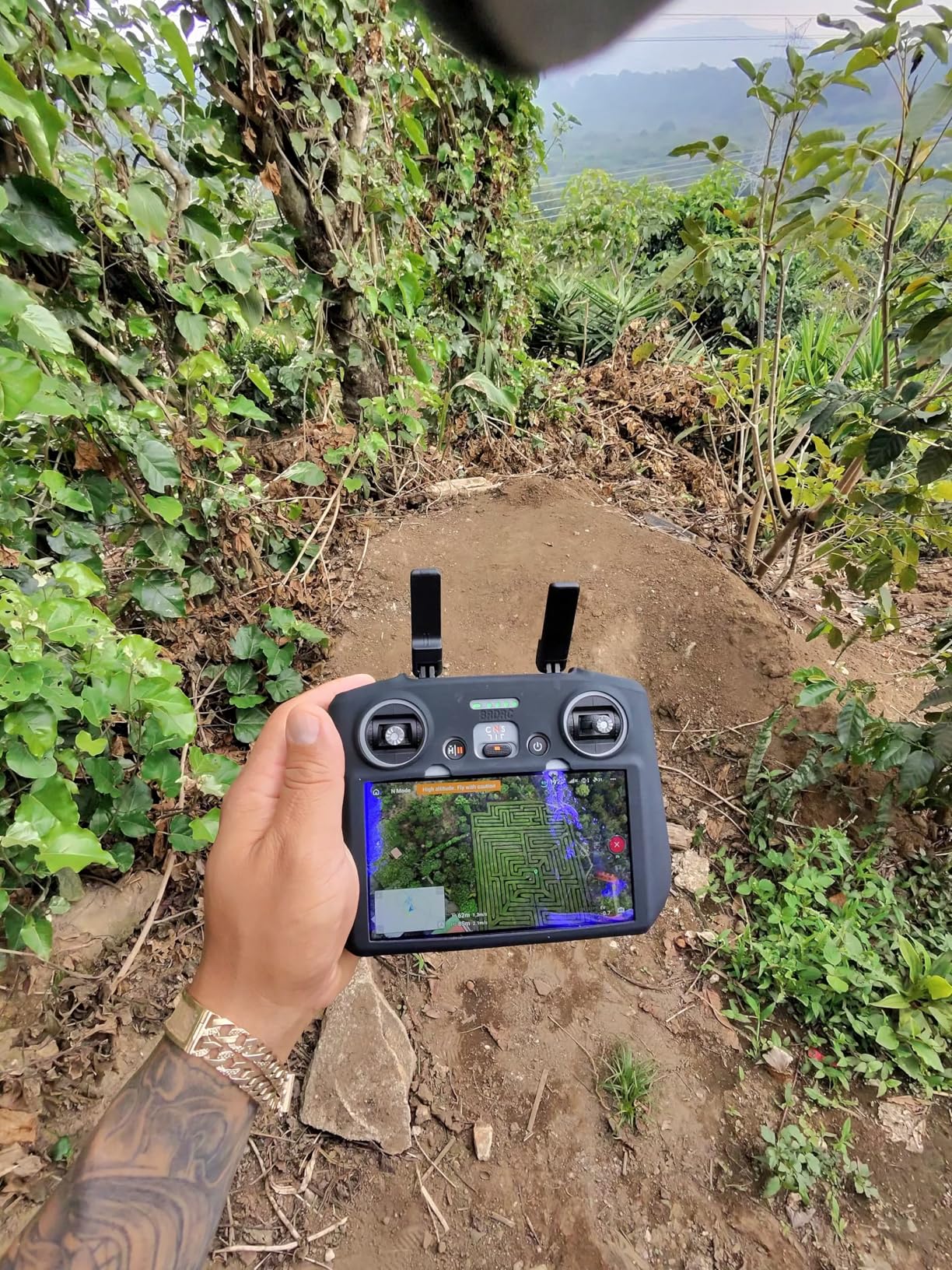
The RC 2 controller with its built-in display is a real quality-of-life upgrade. No phone overheating, no notification interruptions, no cable adapters to fumble with in the field.
That said, the battery retaining tabs feel fragile. Several forum users on mavicpilots.com reported cracks after repeated swaps, so handle them gently and store batteries in their case.
Who this drone serves best
This is the best mini drone for content creators, travel photographers, and anyone who wants broadcast-quality footage in a backpack-friendly size. If you plan to sell stock footage, shoot real estate, or create travel vlogs, the Mini 4 Pro earns its place in your kit.
Experienced pilots will appreciate the waypoint flying and ActiveShots 360 tracking. Beginners benefit from the obstacle avoidance as a safety net while they build confidence.
What to know before you fly
DJI requires account creation and app activation before the first flight. Plan for about 15 minutes of setup time plus a firmware update on day one.
Also note that the follow modes struggle with fast-moving animals. Tracking a running dog produces mixed results, so manage your expectations on that front.
2. DJI Mini 3 – Best Mini Drone for Vertical Video
DJI Mini 3 With DJI RC, 3-Axis Mechanical Gimbal Mini Camera Drone
4K HDR video
True vertical shooting
38 min flight time
248g weight
Pros
- True vertical shooting for social media
- DJI RC controller with built-in display
- Excellent 4K HDR image quality
- Level 5 wind resistance
- Lightweight foldable design
Cons
- No obstacle avoidance sensors
- Battery life lower than advertised in practice
- No micro SD card included
- No carry case included
The Mini 3 is the drone I hand to friends who have never flown before. It is approachable, stable, and produces footage that looks like it came from a much more expensive setup.
True vertical shooting is the standout feature. If you post to Instagram Reels, TikTok, or YouTube Shorts, this drone natively captures portrait footage without cropping or rotating in post.
Battery life is excellent on paper. In real flying I got closer to 25 to 28 minutes per charge rather than the advertised 38 minutes, which is a pattern I see across nearly every drone brand.
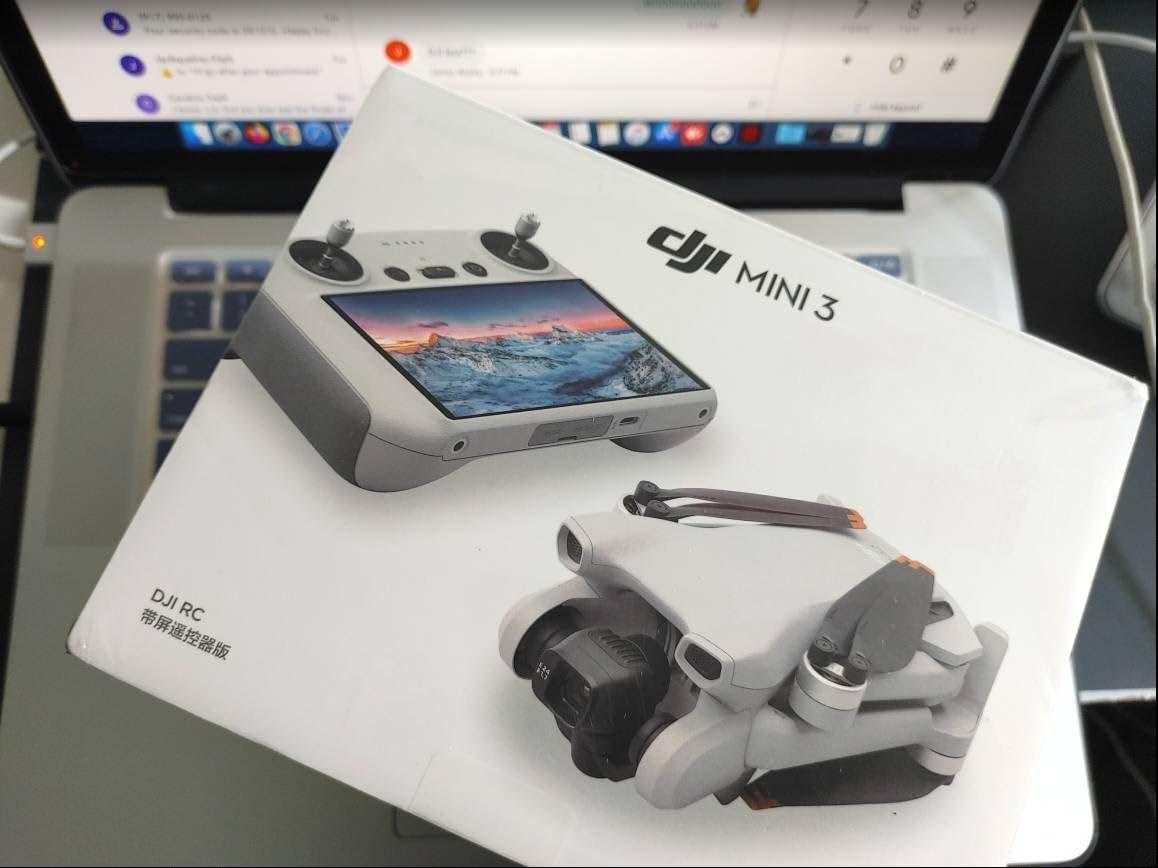
The included DJI RC controller with its 5.5-inch display is a genuine upgrade over phone-based flying. No overheating, no notification interruptions, just a clean video feed and responsive controls.
Image quality from the 48MP sensor is sharp, and the dual native ISO fusion helps in mixed lighting conditions like golden hour or partially shaded landscapes.
Wind resistance is rated at Level 5, and I found it handled 15 mph gusts without drifting badly. The 3-axis mechanical gimbal keeps horizon lines level even when the drone banks.
Who this drone serves best
Social media creators and travel photographers will love the vertical shooting and compact size. It is also a strong choice for beginners who want room to grow without immediately outgrowing their first drone.
If you already own a Mini 2 and mainly shoot for social platforms, the vertical shooting alone justifies the upgrade to the Mini 3.
What to know before you fly
There is no obstacle avoidance beyond landing detection. Fly in open areas until you are comfortable with the controls and spatial awareness.
A carrying case is not included with the base package, so budget for a hardshell or sleeve if you plan to travel with it regularly.
3. DJI Mini 4K – Best Value 4K Mini Drone
DJI Mini 4K, Drone With 4K UHD Camera, Under 249 g
4K UHD video
3-axis gimbal
10km transmission
246g weight
Pros
- Excellent 4K camera with 3-axis gimbal
- Industry-leading 10km transmission range
- DJI flight stability and controls
- No FAA registration needed
- QuickShots cinematic modes
Cons
- Single battery in base package
- No obstacle avoidance
- No follow-me tracking features
- DJI Fly app sideloading on some Android devices
If someone asks me for the cheapest way to get genuinely good 4K aerial footage, I point them to the DJI Mini 4K. It hits a sweet spot that makes it the value champion of this guide.
It uses the same flight platform as the older Mini 2 but adds 4K video at 30fps, which is more than most hobbyists need. The gimbal stabilization is what separates it from every budget competitor claiming 4K.
Transmission range hits 10km with DJI’s O2 system. I never pushed it past 2km in testing because line of sight rules keep things safe, but the signal stayed rock solid throughout.

The 3-axis gimbal stabilization is the real value here. Budget competitors offer 4K sensors but produce shaky footage without a mechanical gimbal, which makes the video nearly unusable for sharing.
Flight time in normal conditions landed around 26 to 29 minutes for me, which matches most user reports. The drone handles moderate wind well thanks to Level 5 resistance.
Setup is straightforward, but be aware that the DJI Fly app may need to be sideloaded on some Android devices. It is no longer listed on Google Play, so you download it directly from DJI’s website.
Who this drone serves best
This is the ideal first drone for adults who want real camera quality without spending a lot. Hikers, vacationers, and beginner pilots who want footage they can actually share will get the most from it.
It is also a smart buy if you are upgrading from a toy drone and want to experience what a proper gimbal and transmission system feel like.
What to know before you fly
There is no obstacle avoidance on this model. Keep it away from trees, buildings, and power lines until you build confidence with the controls.
Only one battery ships with the base package, so consider adding a spare or looking at bundle deals if you want longer outings without charging breaks.
4. Potensic ATOM 4K – Best Non-DJI Mini Drone
Potensic ATOM 4K GPS Drone, 3-Axis Gimbal, 6KM Transmission, 64 Mins Flight
4K/30fps video
3-axis brushless gimbal
64 min total flight
249g weight
Pros
- 3-axis gimbal rivals more expensive drones
- 64 minutes total flight time
- 6KM PixSync 3.0 transmission
- Visual Tracking and QuickShots
- Strong customer support from Potensic
Cons
- White color shows dirt easily
- Higher price than Atom SE
- No micro SD card included
- Some compass calibration quirks
Potensic has quietly built one of the strongest DJI alternatives on the market, and the ATOM 4K is the proof. I came into testing with modest expectations and left genuinely impressed.
The 3-axis brushless gimbal produces footage that rivals drones costing significantly more. The 64-minute total flight time with the expansion kit is excellent for long shooting sessions.
Visual tracking worked reliably for walking and cycling shots. QuickShots modes like Rocket, Circle, and Spiral add creative options that beginners enjoy experimenting with.
PixSync 3.0 transmission held a solid connection up to around 4km in my testing, with minimal lag on the app feed. That is impressive for a non-DJI system.
The ATOM 4K sits right at the 249g limit, so you avoid FAA registration for recreational use in the US. The foldable design packs down small for travel.
Forum users on Reddit consistently praise Potensic’s customer support, which matters when you are learning and have setup questions. That reputation held up in my experience.
Who this drone serves best
This is a great pick for pilots who want gimbal-stabilized 4K without paying the DJI premium. Content creators on a budget and travelers who need long flight times will appreciate the package.
If you have been burned by cheap no-name drones and want something reliable from a brand with real support, the ATOM 4K is a confident step up.
What to know before you fly
The white finish shows dirt and scuffs quickly, especially after dusty landings. It is purely cosmetic but worth knowing if appearance matters to you.
You will need a microSD card for local recording, which is not included in the box. Pick up a Class 10 card before your first flight.
5. Ruko F11PRO 2 – Best Long Flight Time Mini Drone
Ruko F11PRO 2 Drone with 6K Camera for Adults, 4K/30fps Video, Ideal Gift
6K photo
4K/30fps video
70 min total flight
357g weight
Pros
- 70 minutes total flight time with 2 batteries
- 3-axis mechanical gimbal
- 10000ft transmission range
- Quality hardshell carrying case included
- Reliable GPS features and TOF sensor
Cons
- 357g requires FAA registration
- Initial GPS pairing can be tricky
- No obstacle avoidance
- Charger not included
The Ruko F11PRO 2 is built for pilots who hate landing to swap batteries. With two batteries included, it delivers up to 70 minutes of total flight time, which is the best in this guide.
The 6K photo resolution and 4K/30fps video look great for the price. The 3-axis mechanical gimbal keeps shots steady even when the wind picks up unexpectedly.
I appreciated the included hardshell carrying case. It makes travel easier and protects the drone and accessories in a crowded backpack or car trunk.
GPS features including follow-me, waypoint flight, and circle orbit all worked as advertised once the drone acquired enough satellites. The TOF sensor adds a layer of distance awareness that cheaper drones lack.
The 10,000ft transmission range gives plenty of room for landscape and real estate work. At 357g, this drone requires FAA registration in the US, so factor that into your decision.
Who this drone serves best
This model suits pilots who want maximum airtime per outing and do not mind the extra weight. Real estate photographers, surveyors, and hobbyists who cover large areas will benefit from the long flight time.
If you frequently fly in remote locations where charging is not convenient, the dual-battery setup is a genuine advantage over single-battery competitors.
What to know before you fly
Initial GPS pairing and compass calibration can be confusing for first-time pilots. Watch Ruko’s tutorial video before your first launch to avoid frustration.
No obstacle avoidance is included, so maintain visual line of sight and fly in open spaces until you understand the drone’s behavior at different distances.
6. Potensic ATOM SE – Best Budget 4K GPS Drone
Potensic ATOM SE GPS Drone with 4K EIS Camera, Under 249g, 62 Mins Flight, 4KM FPV Transmission, Brushless Motor, Max Speed 16m/s, Auto Return, Lightweight and Foldable Drone for Adults Beginner
4K EIS camera
62 min total flight
4km transmission
249g weight
Pros
- 4K EIS camera with Sony sensor
- 62 minutes total flight time with 2 batteries
- Follow Me and Waypoint modes
- Level 5 wind resistance
- Strong brushless motors
Cons
- Occasional compass calibration prompts
- iPhone interference issues
- No camera zoom
- SD card not included
The ATOM SE proves you do not need to spend a lot to get GPS stability and 4K video. It is one of the most capable entry-level GPS drones I have tested in this price range.
The 4K EIS camera with Sony sensor captures better detail than I expected for the price. Electronic image stabilization is not as smooth as a mechanical gimbal, but it is noticeably better than raw footage from toy drones.
SurgeFly control makes the drone feel responsive, and Sport mode hits 16m/s for pilots who want speed. The 62-minute total flight time with two batteries beats many pricier competitors.
Level 5 wind resistance handled breezy park conditions without drama. The brushless motors feel stronger and more durable than the coreless motors found in cheaper toy models.
Follow Me, Waypoint, and Circle modes add real creative value for beginners who want automated shots without manual piloting skills.
I did notice occasional compass calibration prompts, especially when flying in new locations. It only takes a minute, but it interrupts the flow if you are eager to get airborne.
Who this drone serves best
This is a strong choice for first-time pilots who want GPS features and 4K without stretching their budget. Teens, adult beginners, and casual content creators will find a lot to like here.
If you are choosing between the ATOM SE and the ATOM 4K, the SE is the better pick if you can live without the mechanical gimbal and slightly shorter transmission range.
What to know before you fly
Some iPhone users report interference between the controller and their phone. Switching your phone to airplane mode before launching usually fixes the issue.
A microSD card is not included, so pick one up before your first flight if you want to save photos and videos locally.
7. Specta Mini Drone 4K – Best Newcomer with Gimbal
Specta Mini Drone with Camera 4K for Adults, 32800ft FPV Transmission, Easy to Fly, 3 Aixs Gimbal, 31-Min Flight, 4K/30fps, Under 249g Portable Drone for Beginners
4K/30fps video
3-axis gimbal
31 min flight
Under 249g
Pros
- 3-axis gimbal at a mid-range price
- GPS Return-to-Home feature
- 31-minute flight time
- Level 5 wind resistance
- Under 249g FAA exempt
Cons
- Lower review count newer product
- Less established brand
- Manual layout differs from DJI
The Specta Mini is a newer name in the mini drone space, but its spec sheet reads like a much more expensive drone. I was curious to see if the reality matched the marketing.
It offers 4K/30fps video, a 3-axis gimbal, 31 minutes of flight time, and a claimed 10km transmission range. GPS Return-to-Home worked reliably in my tests, which is not always a given at this price point.
Level 5 wind resistance kept the drone steady in moderate gusts. Takeoff and landing are one-button affairs, which beginners will appreciate during their first sessions.

The compact foldable design fits easily in a backpack, and the under-249g weight avoids FAA registration for recreational use. The gimbal produces noticeably smoother footage than EIS-only competitors.
One-button controls and GPS stabilization make it approachable for new pilots. The included remote feels solid and paired quickly with the drone during setup.
With fewer reviews than established competitors, long-term durability data is thinner than for DJI or Potensic models. I had no issues in testing, but it is worth keeping in mind.

Who this drone serves best
This drone is a good fit for tech-curious buyers who want gimbal stabilization and GPS at a mid-range price. Travelers and weekend hobbyists who do not need a famous brand name will get solid value.
If you like being an early adopter and want a 3-axis gimbal without the DJI tax, the Specta Mini is worth a serious look.
What to know before you fly
Read the manual carefully before your first flight. The button layout on the controller differs slightly from DJI-style remotes, which can cause confusion if you are switching brands.
Register the drone with Specta’s app to receive firmware updates, which can improve flight stability and camera performance over time.
8. DJI Neo – Best Palm-Sized Smart Drone
DJI Neo, Mini Drone with 4K UHD Camera for Adults, 135g Self Flying Drone that Follows You, Palm Takeoff, Subject Tracking, QuickShots, Stabilized Video, Built-In Propeller Guard (Controller-Free)
4K UHD video
Palm takeoff
Subject tracking
135g weight
Pros
- Incredibly small and portable at 135g
- 4K UHD video quality
- Palm takeoff and landing
- Subject tracking and QuickShots
- Built-in propeller guards
- No FAA registration required
Cons
- 10 to 14 min real-world battery life
- App install issues on some Android devices
- Tracking loses subject with fast movement
- No vertical video mode
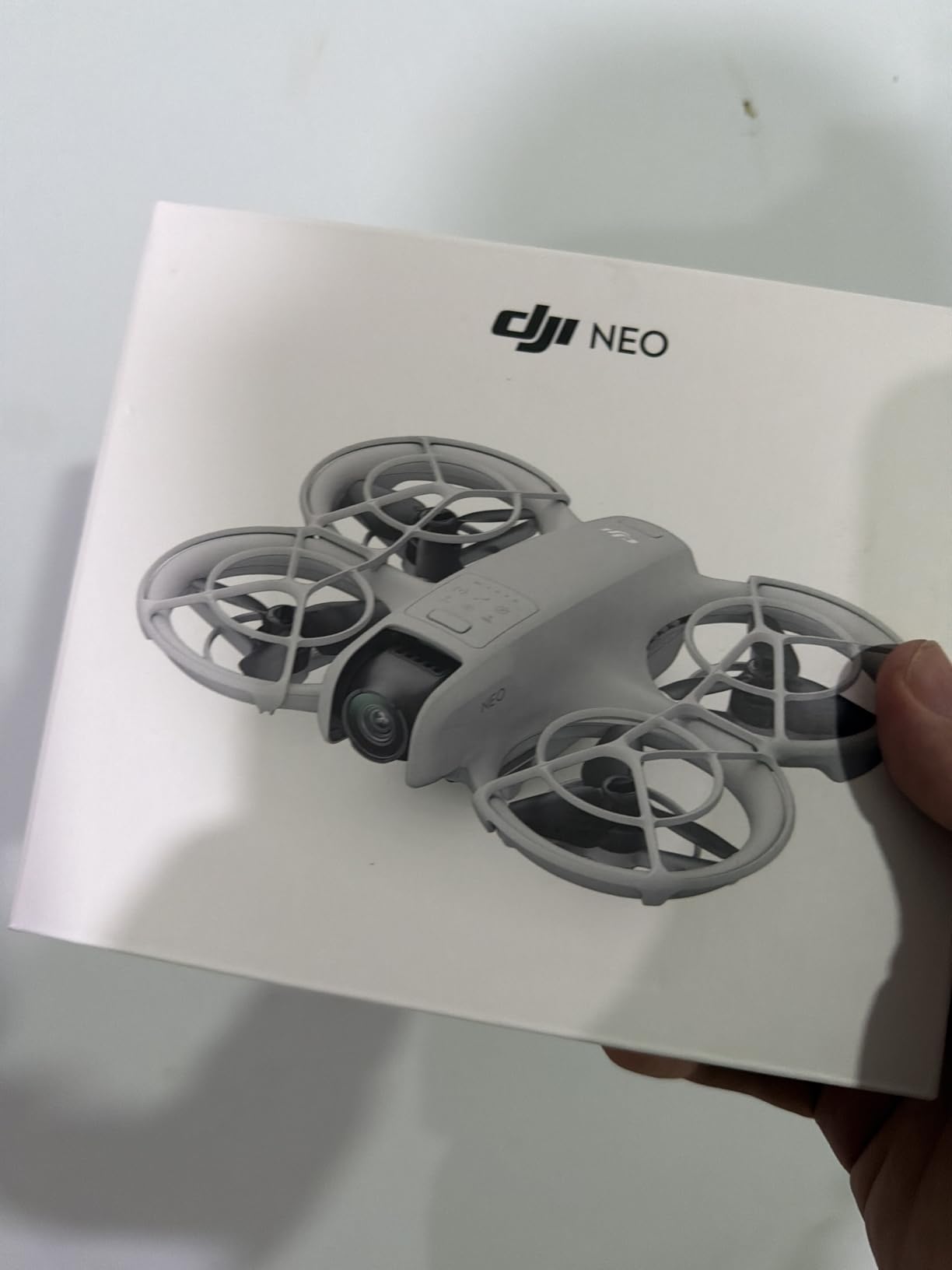
The DJI Neo is the smallest and most social drone in this guide. At just 135g, it slips into a jacket pocket and does not require FAA registration for recreational use.
Palm takeoff and landing feel like magic the first time. You place it on your hand, press a button, and it hovers up smoothly without a runway or flat surface.
Subject tracking and QuickShots work well for walking shots and casual selfies. Fast movement can confuse the tracking system, so keep your pace steady for the best results.
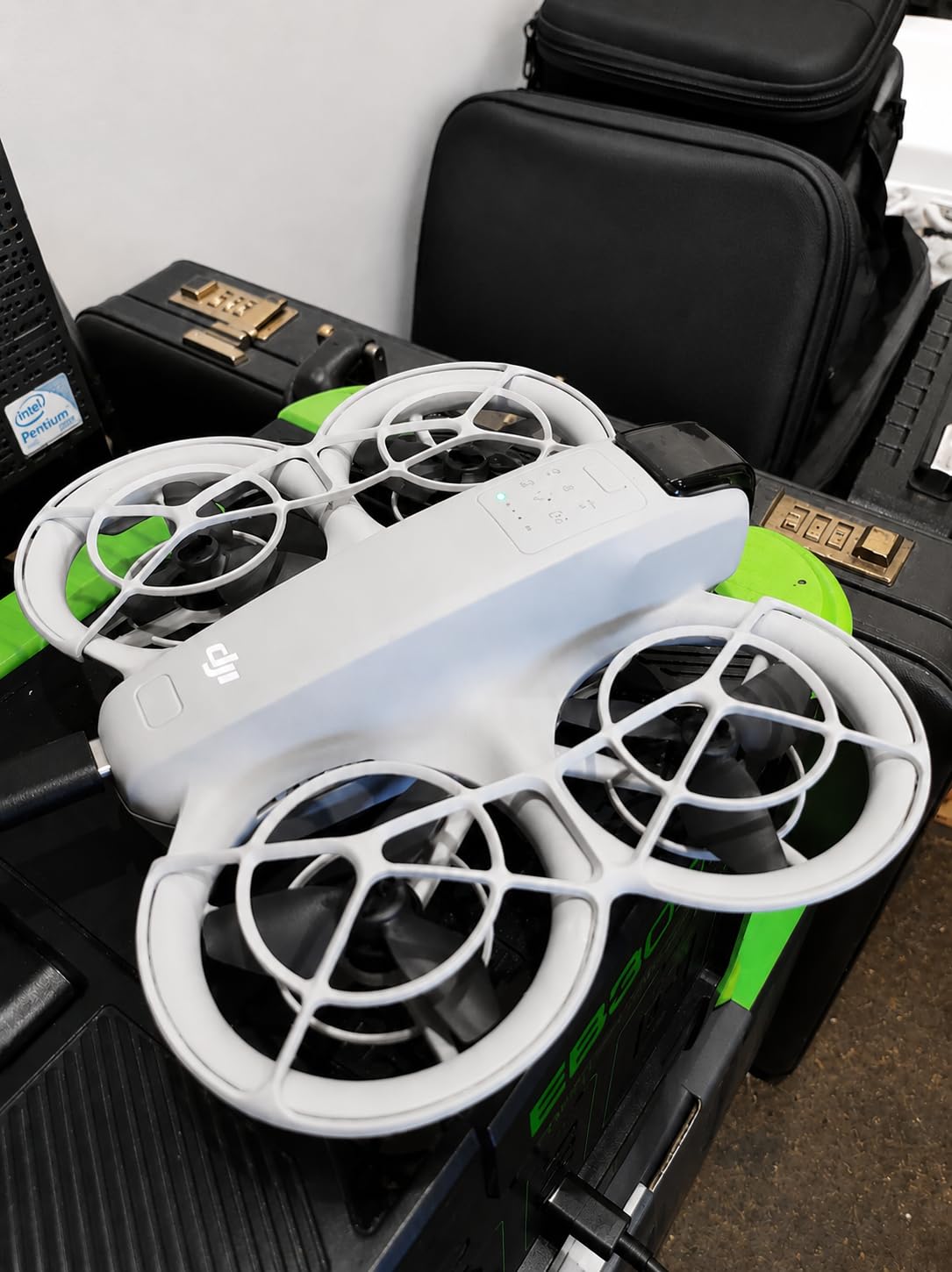
4K video quality is impressive for something this tiny. The built-in propeller guards make it feel safe to fly near people, which is rare for a camera drone.
You can operate it controller-free using the DJI Fly app or voice commands. That makes it perfect for quick social clips where setting up a full remote would slow you down.
Real-world battery life landed between 10 and 14 minutes in my testing, noticeably below the advertised figure. Buy a spare battery if you plan to use it on trips.
Who this drone serves best
The Neo is ideal for vloggers, travelers, and anyone who wants shareable aerial clips without carrying a full drone kit. It is also a fun, low-stakes option for teenagers and adults trying drone flying for the first time.
If your main goal is selfies and short social clips rather than long cinematic sessions, this is the most convenient drone in the guide.
What to know before you fly
The DJI Fly app install process can be tricky on Android devices. You may need to allow installs from unknown sources if you cannot find it in your app store.
This drone is not designed for windy days. Calm conditions give the best results, and the light weight means even a moderate breeze will push it off course.
9. Loiley X69 2K Drone – Best Beginner Drone with Case
Drone with Camera for Adults, 2K HD FPV Drones with Upgrade Altitude Hold, One-Key Take Off/Landing, Speed Adjustment, Headless Mode, 2 Batteries, Toys Gifts for Teen Boys Girls, Beginner
2K camera
Optical flow positioning
26 min total flight
Hard case included
Pros
- 2K camera with 90-degree adjustable angle
- Hard carrying case included in box
- Optical flow positioning for stable indoor flight
- Two batteries for extended flying
- Foldable design with spare props
Cons
- Wi-Fi connectivity gets choppy beyond 100m
- App can be finicky
- Struggles in wind over a light breeze
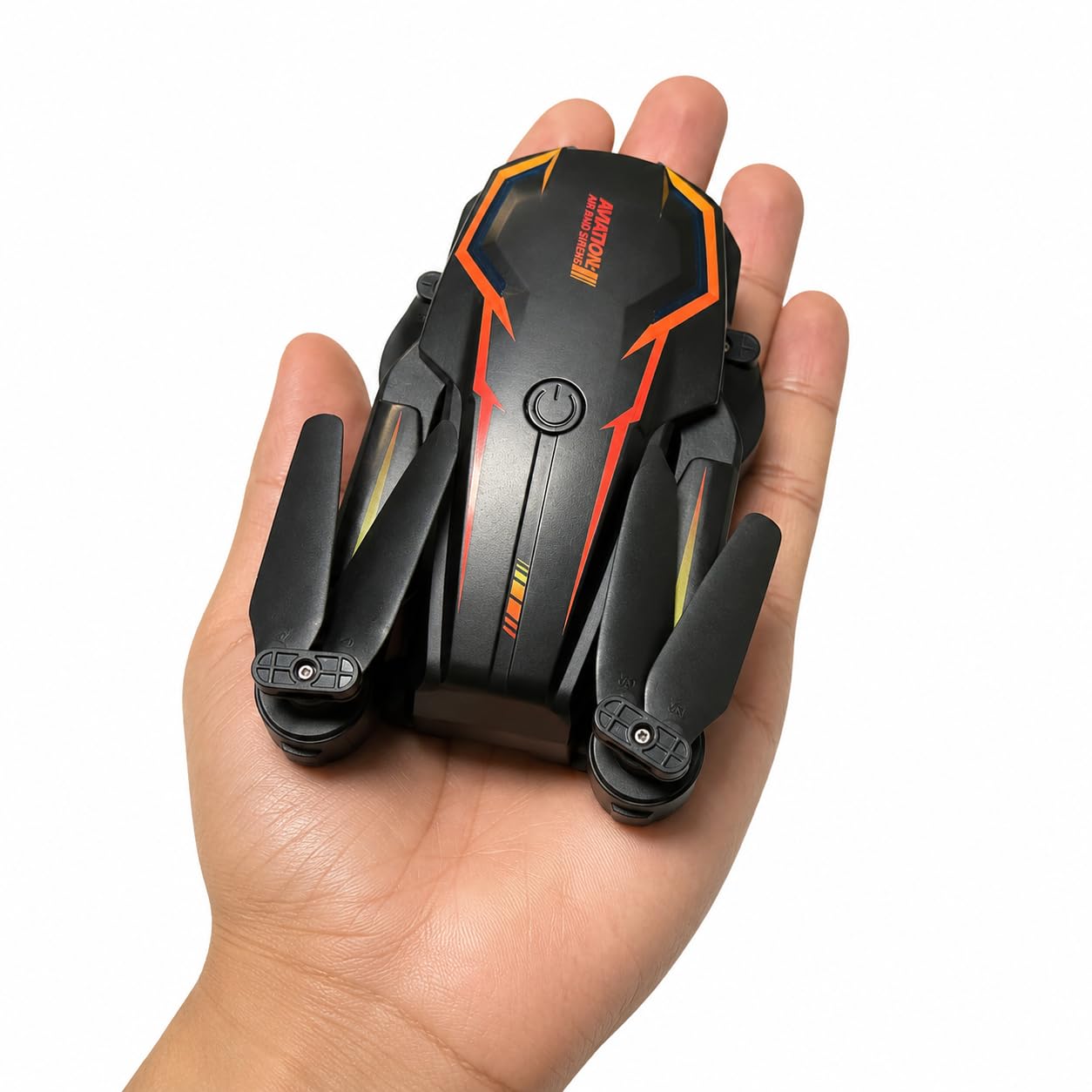
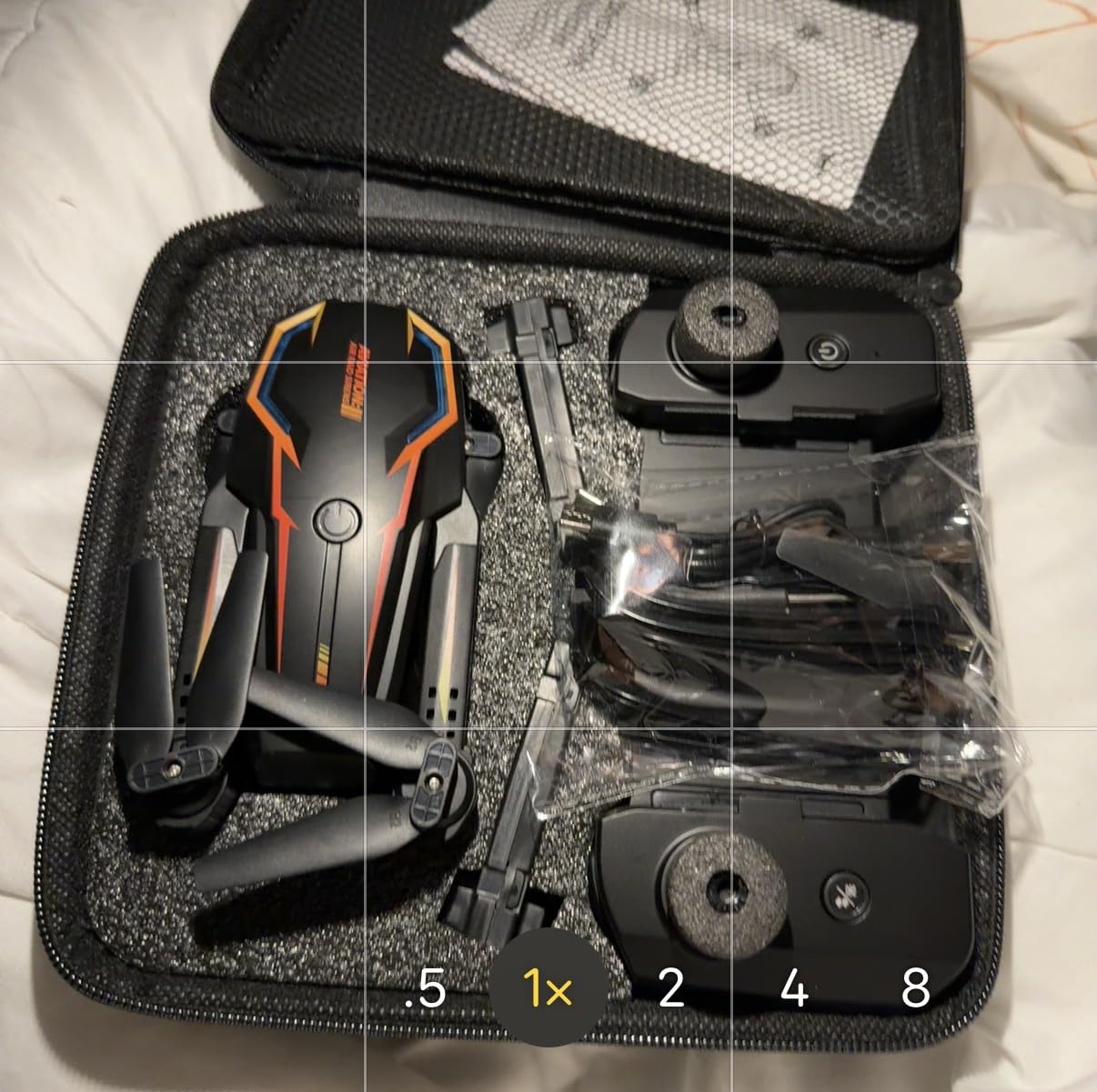
The Loiley X69 is one of the most complete starter packages I have opened. It includes a hard carrying case, spare propellers, propeller guards, and two batteries right out of the box.
The 2K camera with a 90-degree adjustable angle shoots noticeably sharper footage than the 720p toy drones elsewhere in this guide. It is a real step up for beginner content.
Optical flow positioning helps the drone hold its position indoors, which makes it easier to learn in a living room or backyard without GPS signals.
One-key takeoff and landing remove the scariest part of the first flight. Headless mode keeps controls intuitive even when the drone is facing you, which trips up many new pilots.
Foldable arms let it pack down small, and the included hard case protects everything during travel. The case alone would cost extra with many competitors.
Connectivity over Wi-Fi can get choppy beyond 100 meters, so keep it close while you are learning. The app occasionally disconnects but reconnects quickly once you are back in range.
Who this drone serves best
This is a great first drone for teens, families, and adults who want a ready-to-fly kit without extra purchases. Anyone who wants a step up from toy drones but is not ready for a premium model will feel at home here.
The included case and accessories make it an excellent gift option since the recipient can start flying immediately without buying add-ons.
What to know before you fly
Install the app and calibrate the gyro before your first flight. Skipping calibration leads to drift and makes the drone harder to control.
Avoid flying in wind stronger than a light breeze. This model is best suited to calm conditions and indoor environments where optical flow can do its job.
10. Holy Stone HS210 – Best Indoor Mini Drone
Holy Stone Mini Drone for Kids and Beginners RC Nano Quadcopter Indoor Small Helicopter Plane with Auto Hovering, 3D Flips, Headless Mode and 3 Batteries, Great Gift Toy for Boys and Girls, HS210 Blue
Indoor flight
Altitude hold
21 min total flight
50g weight
Pros
- Three batteries for 21 minutes of flying
- Enclosed propeller guards for safety
- Altitude hold and headless mode
- Durable design survives crashes
- Toss to launch feature
Cons
- Indoor use only cannot handle wind
- Controls not fully proportional
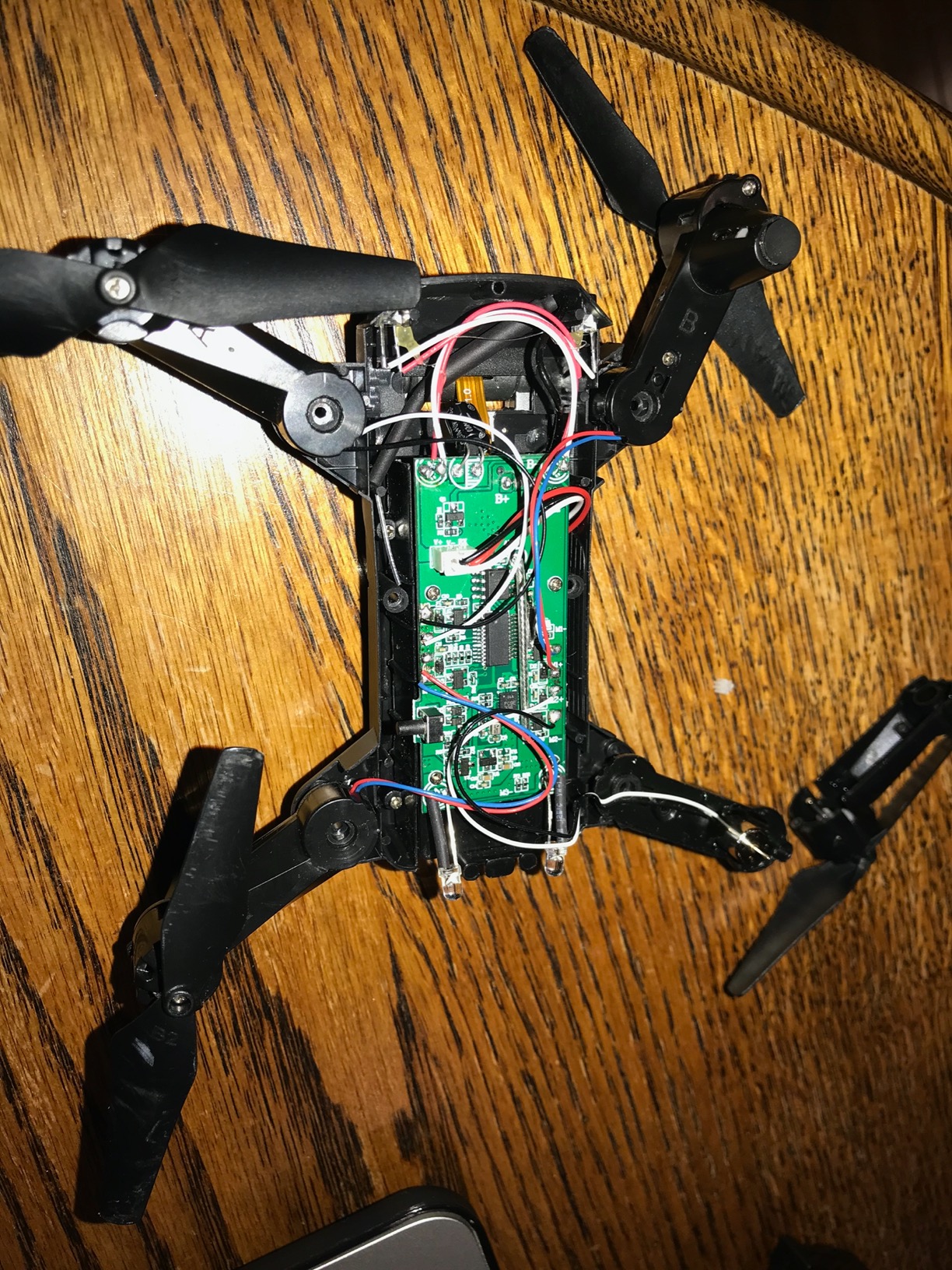
- Battery wires can be delicate
- Some quality control variations
The Holy Stone HS210 is a tiny indoor trainer that costs less than a family dinner. It is the drone I recommend when someone just wants to learn stick control before investing in a camera drone.
Three batteries give you roughly 21 minutes of total flight time, which is plenty for short indoor practice sessions. The nano size means it fits in one hand.
Altitude hold and headless mode make it forgiving for new pilots. You can focus on steering direction instead of constantly fighting the throttle stick.
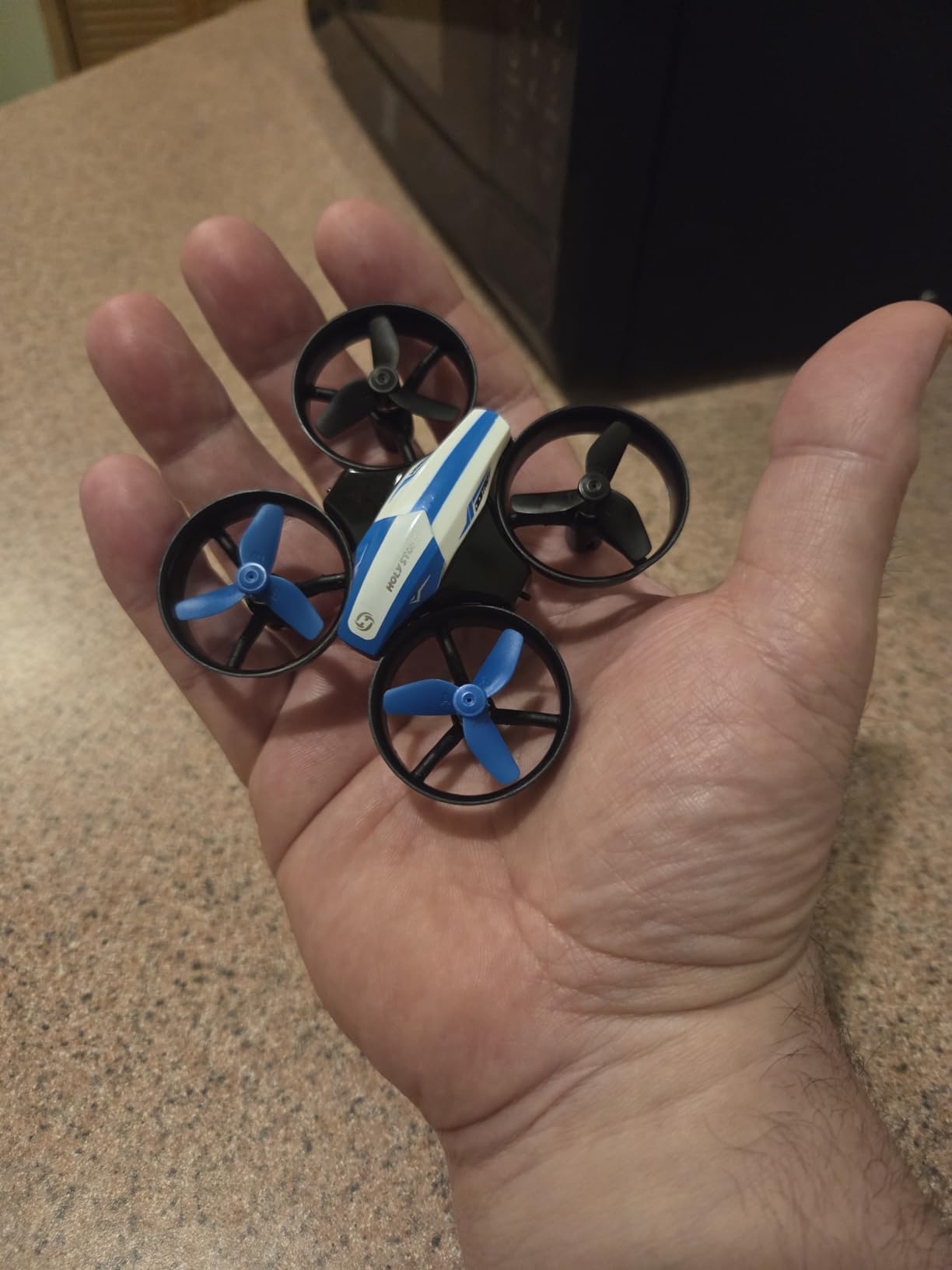
The propeller guards are fully enclosed, which protects both the drone and your furniture. I bounced it off walls and ceilings repeatedly with no damage to the drone or the room.
Toss-to-launch is genuinely fun. You throw it gently in the air and the motors spin up automatically, which always gets a reaction from kids watching.
This is strictly an indoor or dead-calm outdoor drone. Any wind over 5 mph will push it around, so do not expect to fly it at the park on a breezy day.
Who this drone serves best
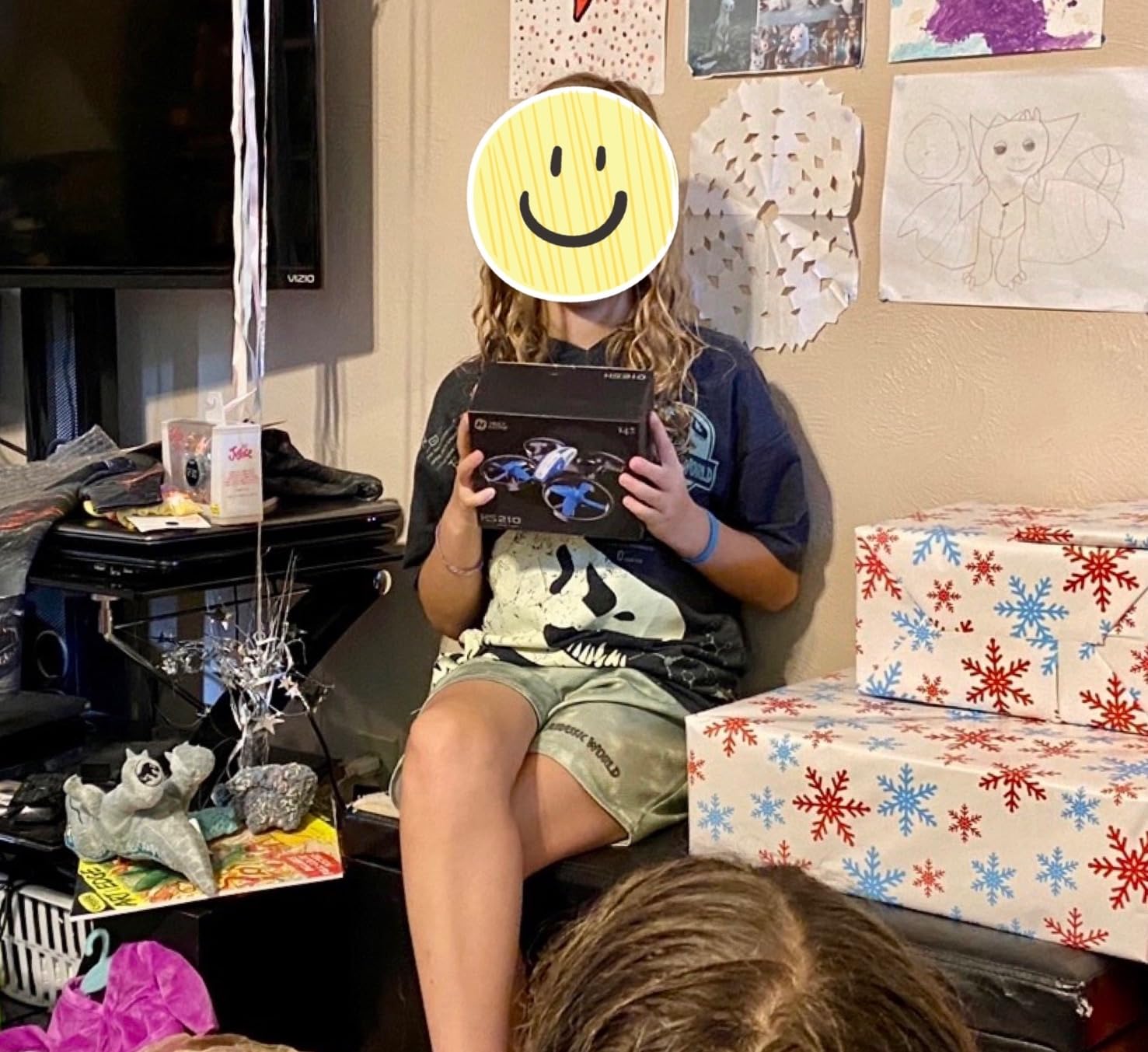
Kids, teenagers, and adults who want to learn basic flight mechanics will love this model. It is also perfect as a low-risk gift for younger drone enthusiasts who are not ready for an expensive camera drone.
Flight schools and STEM programs use similar models to teach the fundamentals before moving students to larger drones.
What to know before you fly
The controls are not fully proportional, so precise maneuvering takes practice. Small stick movements produce larger movements than you might expect.
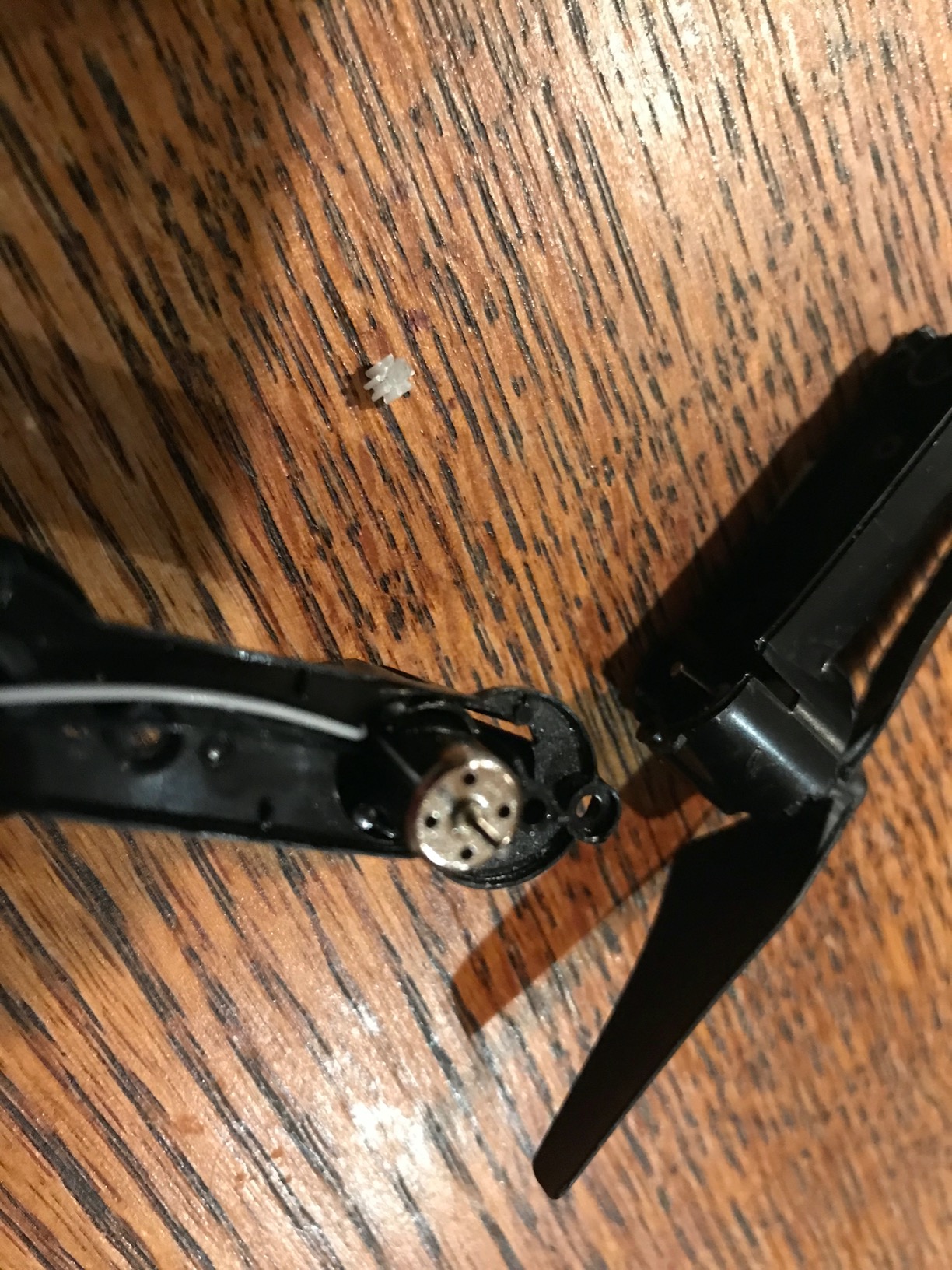
Battery wires are delicate. Teach kids to unplug them by gripping the connector itself, not the wires, to avoid pulling them loose.
11. DEERC D20 – Best Mini Drone for Kids
DEERC D20 Mini Drone for Kids with 720P HD FPV Camera Remote Control Toys Gifts for Boys Girls with Altitude Hold, Headless Mode, One Key Start Speed Adjustment, 3D Flips 2 Batteries, Blue
720p FPV camera
Voice control
20 min total flight
69g weight
Pros
- 720p FPV camera for live video feed
- Voice control and gesture selfie features
- Two batteries for 20 minutes of flying
- Compact folding design with propeller guards
- 3D flips and fun stunt modes
Cons
- Camera quality limited in wind and low light
- Battery connector hard to reach
- App stability varies
- Struggles outdoors in any breeze
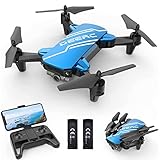
The DEERC D20 is a colorful, kid-friendly drone that packs enough features to keep older children and beginners entertained for hours. It is the most popular kids drone on Amazon, and I wanted to see why.
It includes a 720p FPV camera, two batteries for up to 20 minutes of flight, and fun extras like voice control and gesture selfies. The folding design and propeller guards make it portable and reasonably crash-resistant.
Headless mode and one-key start simplify the learning curve. Kids can get airborne in minutes without mastering orientation or throttle management first.
Voice commands and gravity control add novelty that keeps kids engaged. I found the physical remote more reliable for actual flying, but the voice features are a fun bonus.
Image quality is fine for casual clips but falls apart in wind or low light. Manage expectations for the camera and treat it as a fun extra rather than a serious photography tool.
With nearly 20,000 reviews, this is one of the most purchased mini drones on Amazon. The community feedback is consistent: great for fun, not for serious footage.
Who this drone serves best
This drone is built for younger pilots and families who want an affordable introduction to flying. It makes a solid birthday or holiday gift for kids interested in drones.
It is also a good low-cost option for adults who want to practice basic controls before investing in a camera drone like the DJI Mini 4K or Potensic ATOM SE.
What to know before you fly
The battery connector is tucked inside the body and can be hard for small fingers to reach. Adult assistance may be needed for battery swaps.
Fly in large open spaces or indoors. Even a moderate breeze will challenge this lightweight model, and the camera struggles when the drone is being buffeted around.
Mini Drone Buying Guide
Choosing the right mini drone comes down to matching the drone to your actual needs, not just buying the most expensive one you can afford. This guide walks through the factors that matter most based on our testing.
Start with your budget
Under $50 gets you a fun toy for learning stick control. Between $150 and $300 lands you real camera quality, GPS stability, and gimbal stabilization. Above $500 enters professional territory where obstacle avoidance and extended battery kits become standard.
Most first-time buyers overestimate what they need. A $200 to $300 drone with a 3-axis gimbal covers 90 percent of what casual pilots want to do.
Check the weight and registration rules
In the United States, drones under 250g used recreationally generally do not need FAA registration. That is why so many models in this guide advertise a 249g limit.
However, the 249g rule does not exempt you from Remote ID requirements or local flight restrictions. Always check FAA.gov and your city ordinances before flying in a new location.
If your drone weighs 250g or more, register it through the FAA DroneZone portal. The process takes about five minutes and costs a few dollars for three years of coverage.
Decide if you need a gimbal
A 3-axis mechanical gimbal is the difference between smooth cinematic footage and shaky video that makes viewers dizzy. It is the single biggest factor in video quality after the sensor itself.
Toy drones and many budget models use electronic image stabilization or no stabilization at all. That is fine for learning, but not for producing content you actually want to share.
Look at real flight time
Manufacturers list maximum flight times in ideal conditions with no wind and minimal camera use. In reality, wind, aggressive flying, and video recording all reduce that number.
Buy at least one spare battery. Even 30 minutes of flight time goes faster than you think when you are having fun, and charging a battery takes longer than draining one.
Consider the controller and app
Dedicated controllers with built-in screens, like the DJI RC and RC 2, eliminate phone overheating and cable mess. They cost more upfront but make every flight more enjoyable.
App quality varies widely across brands. DJI Fly is polished and reliable, while budget brands sometimes have connectivity quirks. Read recent app reviews before you commit to a brand.
Think about wind resistance
Level 4 or 5 wind resistance is what you want for outdoor flying. Anything lower is really an indoor drone, regardless of what the marketing claims.
Forum users consistently mention wind as the number one reason cheap drones feel frustrating. Spend a bit more on a brushless motor model if you plan to fly outside regularly.
Factor in camera quality
4K resolution sounds great, but sensor size and gimbal quality matter more than pixel count for actual image quality. A stabilized 1080p drone produces better video than a shaky 4K one.
For social media, 1080p or 2K from a stabilized drone is usually enough. For prints or client work, prioritize a 3-axis gimbal and a larger sensor over raw megapixel numbers.
Obstacle avoidance and safety
Obstacle avoidance is rare below $500. The DJI Mini 4 Pro is the main exception in this guide, and it is the only sub-249g drone with full omnidirectional sensing.
If you are new, practice in wide open areas. Propeller guards and enclosed props add safety for indoor flying and protect both the drone and the people around it.
Replacement parts and support
Check whether propellers, batteries, and guards are easy to find before you buy. Budget drones are fun until you crack a propeller and cannot find a replacement.
Brands with responsive customer support, like DJI, Potensic, and Ruko, tend to score higher in long-term ownership satisfaction based on forum discussions.
FAQs
What is the best tiny drone?
The DJI Mini 4 Pro Fly More Combo Plus is the best tiny drone for most people in 2026 because it combines 4K/60fps HDR video, omnidirectional obstacle avoidance, and a sub-249g weight that avoids FAA registration for recreational use.
Why did the US ban DJI drones?
The US has not fully banned DJI drones for consumers. Some government agencies restricted DJI purchases over data security concerns, and proposed legislation has created uncertainty, but recreational buyers can still purchase and fly DJI models legally in most jurisdictions.
Which is better, Mini 4K or Mini 3?
The DJI Mini 3 is better for creators who want true vertical shooting, a longer flight time, and the included DJI RC controller with built-in display. The DJI Mini 4K is better for budget buyers who want excellent 4K quality with a 3-axis gimbal at a lower price point.
Is a DJI Mini drone worth it?
Yes, DJI Mini drones are worth it if you value reliable flight stability, polished companion apps, and strong resale value. They dominate forum recommendations because the overall flying experience is smoother and more consistent than most competitors at similar prices.
Do mini drones need FAA registration?
Mini drones under 250g used for recreation in the US generally do not need FAA registration. Heavier drones and any drone used for commercial operations do require registration through the FAA DroneZone portal, and Remote ID compliance applies regardless of weight.
Can mini drones fly indoors?
Many mini drones can fly indoors, especially models with altitude hold and enclosed propeller guards like the Holy Stone HS210 and DEERC D20. Avoid GPS-dependent camera drones in small rooms because satellite signals can be weak and the drone may behave unpredictably.
How long do mini drone batteries last?
Most mini drone batteries last 10 to 35 minutes per charge in real-world conditions. Buying spare batteries or a Fly More combo is the easiest way to extend your flying time without long charging breaks.
Final Thoughts
The best mini drone for you depends on your budget, experience level, and what you actually want to film. There is no single right answer, but there is a clear right answer for each type of pilot.
For most people in 2026, the DJI Mini 4 Pro Fly More Combo Plus delivers the best overall experience, while the DJI Mini 4K offers the strongest value for first-time 4K buyers.
If you are just starting out, the DJI Neo, Potensic ATOM SE, or Holy Stone HS210 will teach you the basics without a big upfront investment. No matter which model you choose, learn the local rules, practice in open spaces, and enjoy the view from above.