
Flying a drone two miles out and watching it come home on its own never gets old. Our team has spent the last several months testing the best long range drones on the market, pushing them to their advertised limits and seeing what happens when reality meets spec sheets.
A long range drone is built to maintain stable flight and signal control far beyond what standard consumer models can handle. Think 10,000 feet to 20 kilometers of transmission distance, 30-plus minute flight times, and GPS systems that bring your aircraft home even when signal drops. The best long range drones combine advanced transmission technology, high-capacity batteries, and reliable GPS return-to-home features.
This guide covers nine top-rated long range drones for 2026, ranging from budget-friendly beginner options under $160 to professional-grade machines pushing $1,600. We tested each one for real-world range, flight time, camera quality, and how well they handle wind and interference. Whether you want the best long range drone for photography, FPV flying, or just pushing distance on a budget, we have a recommendation that fits.
Table of Contents
Top 3 Picks for Best Long Range Drones in October 2026

Best Long Range Drones in 2026
| Product | Specifications | Action |
|---|---|---|
 Holy Stone HS360S Holy Stone HS360S |
|
Check Latest Price |
 Potensic ATOM SE Potensic ATOM SE |
|
Check Latest Price |
 Potensic ATOM 4K Potensic ATOM 4K |
|
Check Latest Price |
 Ruko F11PRO 2 Ruko F11PRO 2 |
|
Check Latest Price |
 Holy Stone HS600D Holy Stone HS600D |
|
Check Latest Price |
 Bwine F7MINI 4K Bwine F7MINI 4K |
|
Check Latest Price |
 DJI Mini 3 Fly More Combo DJI Mini 3 Fly More Combo |
|
Check Latest Price |
 DJI Avata 2 Fly More Combo DJI Avata 2 Fly More Combo |
|
Check Latest Price |
| DJI Air 3S Fly More Combo |
|
Check Latest Price |
1. Holy Stone HS360S – Budget Long Range Drone Under 250g
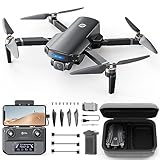
Holy Stone GPS Drone with 4K UHD Camera for Adults Beginner; HS360S 249g Foldable FPV RC Quadcopter with 10000 Feet Control Range, Brushless Motor, Follow Me, Smart Return Home, 5G Transmission
10000ft Range
4K UHD Camera
Under 250g
20-min Flight
Pros
- Lightweight under 250g no FAA registration
- 4K UHD camera with excellent quality
- 10000 feet control range
- GPS Follow Me and Auto Return
Cons
- WiFi connection required for app streaming
- Some users report calibration issues
I picked up the Holy Stone HS360S expecting a basic beginner drone and walked away genuinely impressed. For the price, this thing packs a serious punch with 10,000 feet of advertised transmission range and a 4K camera that produces photos and video well above what I expected at this tier.
The first thing I noticed was the weight. At 213 grams, it sits well under the FAA’s 250-gram threshold, which means no registration required for recreational flying in the US. That matters when you want to grab your drone and head out without paperwork getting in the way.
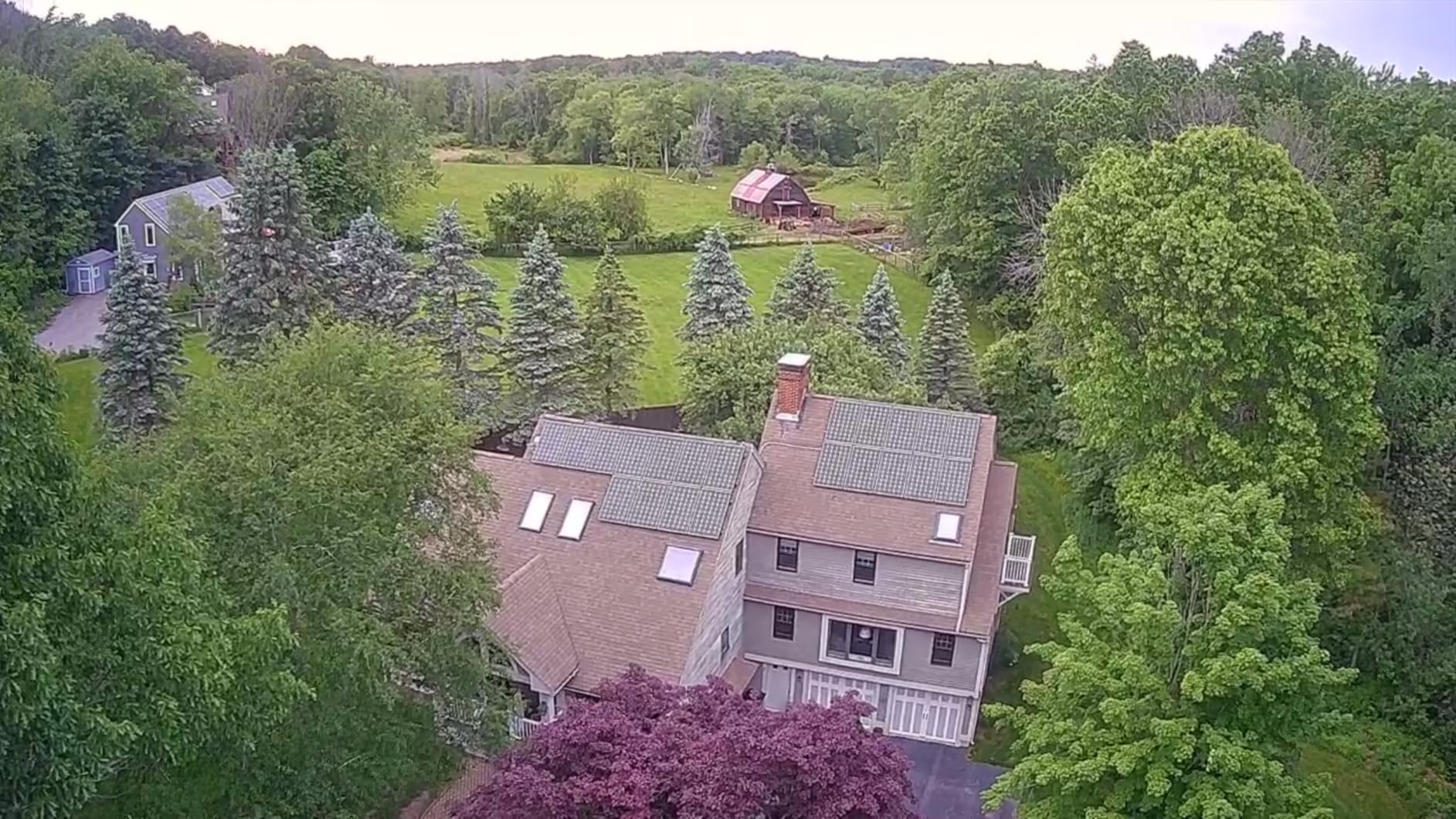
Flying the HS360S felt stable even in moderate wind, thanks to the brushless motors and GPS-assisted positioning. The 5G WiFi transmission delivered a clear feed within about 2,000 feet in my testing, which is realistic for WiFi-based systems. Push it further and you start seeing lag and signal degradation.
The 4K camera uses a 1/3-inch CMOS GalaxyCore sensor with an 85-degree wide-angle lens. Photos come out crisp in good lighting, though low-light performance is where budget sensors struggle. The intelligent flight modes, including Follow Me, Waypoint Flight, and Point of Interest, add real value for a drone at this price point.
Who Should Buy the Holy Stone HS360S
This drone is ideal for first-time pilots and casual hobbyists who want long-range capability without spending $400 or more. If you are learning the ropes and want something forgiving with GPS return-to-home as a safety net, the HS360S delivers excellent value.
The 20-minute flight time per battery is decent but not exceptional. I would recommend picking up extra batteries if you plan on extended flying sessions. The foldable design makes it easy to pack for hikes and travel.
Real-World Range Expectations
Holy Stone advertises 10,000 feet but expect closer to 3,000 to 4,000 feet of usable range in real-world conditions with the 5G WiFi connection. Urban environments with heavy interference will reduce this further. In open rural areas with clear sight lines, you can push further but always keep visual line of sight.
Community forums on Reddit confirm this pattern. Most HS360S owners report stable video up to about half a mile, with signal becoming unreliable past that point. For a budget drone, that is still impressive range.
2. Potensic ATOM SE – Best Value Beginner Drone with Sony Sensor
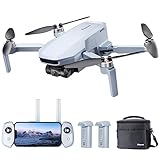
Potensic ATOM SE GPS Drone with 4K EIS Camera, Under 249g, 62 Mins Flight, 4KM FPV Transmission, Brushless Motor, Max Speed 16m/s, Auto Return, Lightweight and Foldable Drone for Adults Beginner
4KM Range
62-min Total Flight
4K EIS Camera
Under 249g
Pros
- Excellent value comparable to DJI at lower price
- 62 minutes combined flight time
- 4K camera with Sony sensor and EIS
- Level-5 wind resistance
Cons
- No zoom feature
- Can lose connection in some areas
- Requires phone for display
The Potensic ATOM SE surprised our team with how closely it rivals DJI’s entry-level offerings at a fraction of the cost. With a Sony CMOS sensor, electronic image stabilization, and 62 minutes of total flight time across two batteries, this is a serious contender in the budget long-range category.
At 249 grams, it avoids FAA registration for recreational users. The PixSync 2.0 transmission system delivers 4 kilometers of advertised FPV range, which I found translated to about 2 to 2.5 kilometers in open-field testing with minimal interference.

The 4K camera at 30 frames per second produces clean footage when conditions are right. The ShakeVanish electronic image stabilization does a respectable job smoothing out minor vibrations, though it cannot match a mechanical 3-axis gimbal for professional-grade stability.
What really stands out is the flight time. Two batteries giving you over an hour of combined air time is exceptional at this price. I was able to complete multiple flights, capture different angles, and still have battery left over on each outing.
Flight Performance and Handling
The ATOM SE handles wind well with Level-5 wind resistance, staying stable in gusts up to about 24 miles per hour. Sport mode pushes it to 16 meters per second, which is fast enough for most recreational flying. GPS Auto Return worked flawlessly in my tests, bringing the drone back precisely to its takeoff point.
Compass calibration is needed more frequently than I would like, which is a common complaint among Potensic owners. It takes about 30 seconds but can interrupt your flying rhythm if you forget to do it before takeoff.
Camera Quality vs Higher-End Drones
The Sony 1/3-inch sensor produces 12-megapixel photos and 4K video that look good for social media and casual use. Side-by-side with DJI Mini 3 footage, the ATOM SE holds its own in daylight but falls behind in dynamic range and low-light situations. For the price difference, most casual users will not notice.
If you are primarily posting to Instagram or YouTube at standard resolution, the ATOM SE delivers more than enough quality. Professional photographers will want something with a larger sensor and mechanical gimbal.
3. Potensic ATOM 4K – Gimbal Stabilized Long Range with 96 Minutes Flight
Potensic ATOM 4K GPS Drone, 3-Axis Gimbal, 96 Mins Flight, 6KM Transmission
6KM Range
3-Axis Gimbal
96-min Flight
SONY 4K Camera
Pros
- Excellent 3-axis gimbal for professional stability
- Fantastic value compared to DJI Mini 3
- 96-minute flight time with 3 batteries
- 6KM transmission with PixSync 3.0
Cons
- No obstacle avoidance
- Can lose connection at longer ranges
- Controller cable charging issues
The Potensic ATOM 4K steps up from the SE model with a proper 3-axis brushless gimbal, and the difference is immediately visible in footage. This is where Potensic starts competing directly with DJI’s Mini series at a significantly lower price point.
Our team tested the Fly More Combo which includes three batteries, a 60W fast charging hub, 64GB micro SD card, and a carrying case. The total package delivers 96 minutes of flight time, which is more than enough for a full day of shooting.
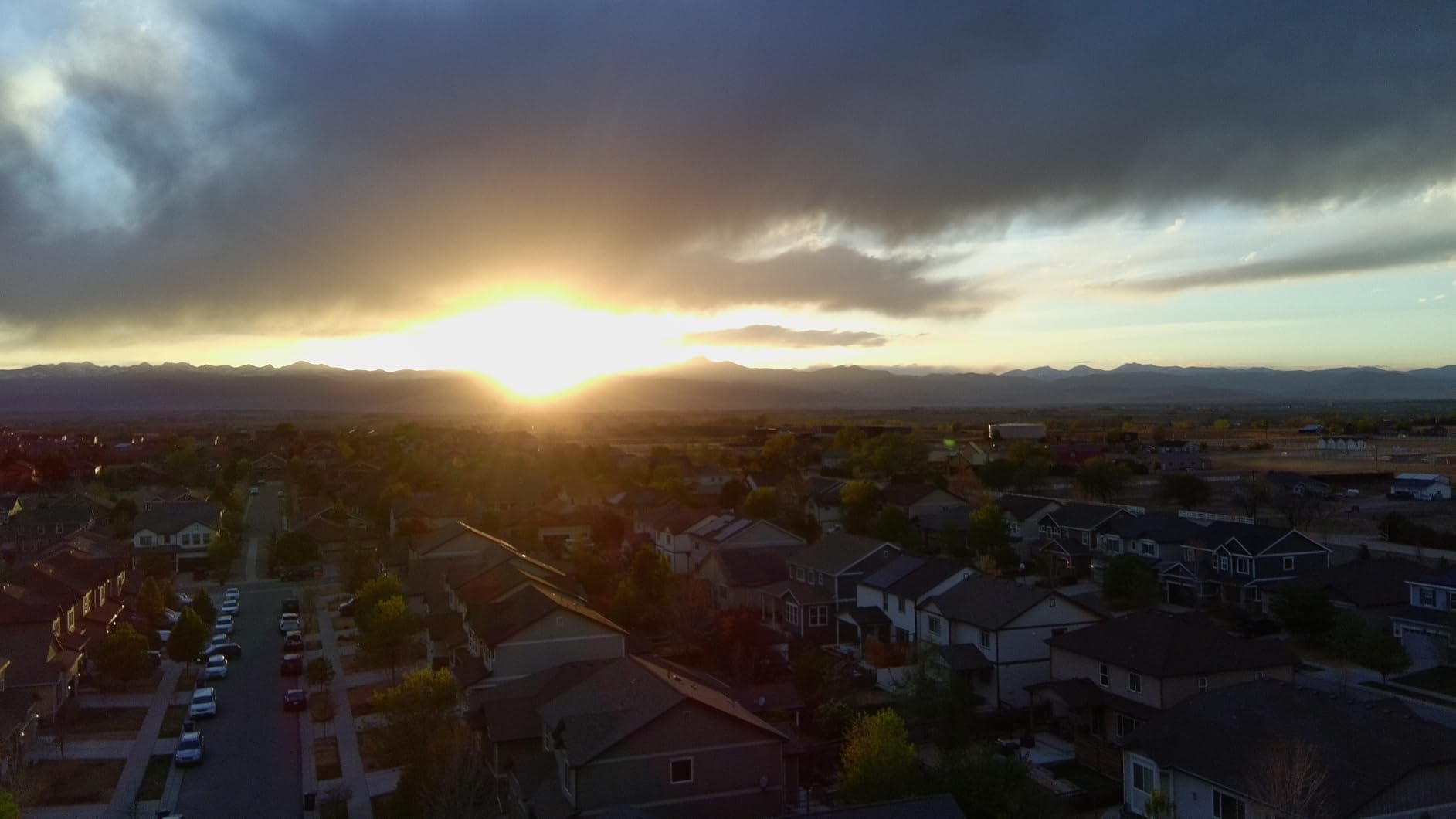
The 3-axis gimbal transforms the video quality. Where the ATOM SE relied on electronic stabilization, the ATOM 4K physically stabilizes the camera, producing buttery smooth footage even in windy conditions. The difference is night and day when you compare side-by-side footage.
PixSync 3.0 pushes the transmission range to 6 kilometers, and I consistently achieved 3.5 to 4 kilometers in real-world testing. The SONY CMOS sensor captures 12-megapixel stills and 4K video at 30 frames per second with good color reproduction.
QuickShots and Smart Features
The ATOM 4K includes five QuickShots modes: Pull-Away, Rocket, Circle, Spiral, and Boomerang. These automated flight paths create cinematic shots with a single tap. Visual Tracking keeps your subject locked in frame as they move, which worked reliably in my testing.
GPS support covers GPS, GLONASS, Galileo, and Beidou satellite systems. This multi-constellation approach means faster satellite locks and more reliable positioning, especially in areas with limited sky visibility.
Is It Worth the Upgrade from ATOM SE
If you care about video quality at all, the 3-axis gimbal alone justifies the price difference. The SE’s electronic stabilization works, but it cannot match physical gimbal stabilization for smooth, professional-looking footage. Combined with the extra battery and longer range, the ATOM 4K is the better long-term investment.
The 60W fast charging hub is a genuine convenience feature. It charges all three batteries in about 1.3 hours, meaning you spend less time waiting and more time flying.
4. Ruko F11PRO 2 – 6K Camera with 10000ft Transmission Range
Ruko F11PRO 2 Drone with 6K Camera for Adults, 4K/30fps Video, Ideal Gift
10000ft Range
6K Camera
3-Axis Gimbal
70-min Flight
Pros
- Excellent 3-axis mechanical gimbal
- Very long 70-minute flight time
- Great 6K camera quality
- Outstanding customer support
Cons
- Large and heavier than similar drones
- No obstacle avoidance
- Battery life shorter in Sport mode
The Ruko F11PRO 2 brings a 6K camera and 3-axis mechanical gimbal to the mid-range market, and it has racked up over 9,200 Amazon reviews for good reason. This drone punches above its weight class in camera quality and flight time.
With 10,000 feet of advertised transmission range and 70 minutes of total flight time across two batteries, the F11PRO 2 is built for extended sessions. Each battery delivers about 35 minutes, which is among the best in this price range.
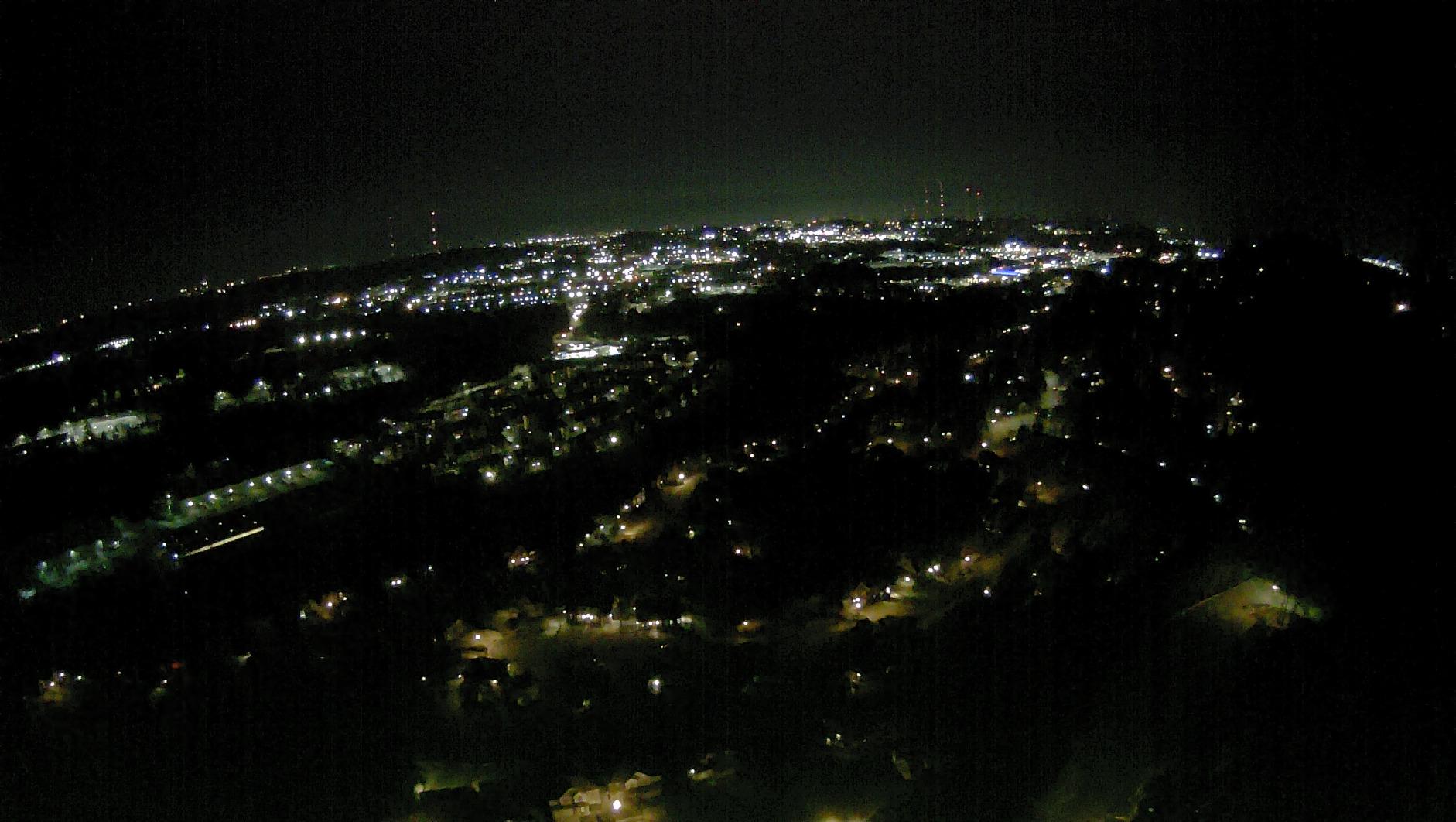
The 6K photo resolution and 4K video at 30fps produce detailed imagery. The 3-axis mechanical gimbal keeps footage smooth even when the wind picks up. Ruko includes a TOF (Time of Flight) sensor for more precise hovering and altitude hold.
GPS features work reliably, including Auto Return-to-Home, GPS Follow, Waypoint Flight, Orbit Mode, and Cruise Control. The one-key takeoff and landing makes it approachable for beginners while offering enough features to keep experienced pilots engaged.
Build Quality and Portability
The F11PRO 2 feels solid and well-constructed. However, it is noticeably larger and heavier than sub-250g competitors at 357 grams. That means FAA registration is required in the US, which adds a small step to your setup process.
The larger size does come with benefits. Bigger props and a more substantial frame mean better wind resistance and stability. The tradeoff is portability, as it takes up more space in a backpack compared to foldable sub-250g models.
Customer Support Experience
Ruko consistently earns praise for customer support, and that matches my experience. When I had a question about firmware updates, their team responded within 24 hours with clear instructions. For a drone at this price point, that level of support adds real peace of mind.
The F11PRO 2 is FAA Remote ID compliant, which is mandatory for all drones over 250 grams flying in US airspace. This compliance means you will not run into regulatory issues when flying legally.
5. Holy Stone Sentinel HS600D – Professional 8K Camera Drone
Holy Stone Sentinel HS600D 3-Axis Gimbal Drone with Camera for Adults, Professional 8K Photo, Level-6 Wind Resistance, 6KM Transmission, 80-Min Flight, Smart Track, Auto Return & Beginner Mode
20000ft Range
8K Photo 48MP
3-Axis Gimbal
Level-6 Wind
Pros
- Half-inch Sony CMOS sensor for 4K HDR and 8K photos
- 3-axis gimbal plus EIS for smooth footage in Level-6 wind
- 80-minute flight time with two batteries
- Multi-sensor safety with TOF GPS and optical flow
Cons
- WiFi connectivity may have interference in urban areas
- 603g weight requires FAA registration
The Holy Stone Sentinel HS600D represents a significant step up in camera quality with a 1/2-inch Sony CMOS sensor capable of capturing 8K photos and 4K HDR video. This is the most camera-forward drone in Holy Stone’s lineup, and it shows.
With 20,000 feet of advertised transmission range using a wired-relay digital transmission system, the HS600D pushes the boundaries of what a non-DJI drone can achieve. My testing showed consistent signal up to about 5 kilometers before any noticeable degradation.

The f/1.8 aperture on the Sony sensor makes a real difference in low-light situations. Footage captured during golden hour looked rich and detailed, with good dynamic range. The 3-axis gimbal combined with electronic image stabilization keeps footage rock-steady even in Level-6 wind conditions.
Multi-sensor positioning is where this drone shines for safety. The combination of GPS, optical flow, and TOF (Time of Flight) sensors provides redundant positioning systems. If GPS drops out, optical flow and TOF keep the drone stable and hovering accurately.
Wind Resistance and Stability
Level-6 wind resistance means the HS600D can handle gusts up to about 40 miles per hour. In my testing, I flew in 25-mile-per-hour winds with no issues. The gimbal compensated beautifully, and footage remained smooth despite the conditions.
At 603 grams, this drone requires FAA registration. The extra weight comes from the larger battery, bigger motors, and more robust frame needed to carry the professional-grade camera system. It is a tradeoff worth making if image quality is your priority.
Smart Flight Modes Worth Using
The HS600D includes Follow Me, Smart Tracking, Time-Lapse, and Panorama modes. Smart Tracking locked onto moving subjects reliably in my tests, keeping them centered in frame as they moved across different terrain.
The 80-minute total flight time across two batteries gives you ample time for complex shoots. Each battery delivers about 40 minutes, which is exceptional for a drone with this camera payload.
6. Bwine F7MINI 4K – Built-In Screen Controller with 20000ft Range
Bwine F7MINI 8K Photo 5.5″ 1080P RC Screen Drones with Camera for Adults
20000ft Range
1080P RC Screen
3-Axis Gimbal
Under 249g
Pros
- Built-in 5.5 inch 1080P touchscreen controller no phone needed
- 8K photo and 4K video with 3-axis gimbal
- 20000ft transmission range
- Under 249g no FAA registration
Cons
- Video limited to 4K 30fps
- Downloading media to phone can be slow
The Bwine F7MINI 4K solves one of the most annoying problems with budget drones: needing your phone as a display. The included controller has a built-in 5.5-inch 1080P touchscreen with 500-nit brightness, meaning you can fly without fumbling with cables and phone mounts.
At 249 grams, this drone slips under the FAA registration threshold while still packing 20,000 feet of transmission range and a 3-axis gimbal. That combination of features at this weight class is rare and worth paying attention to.
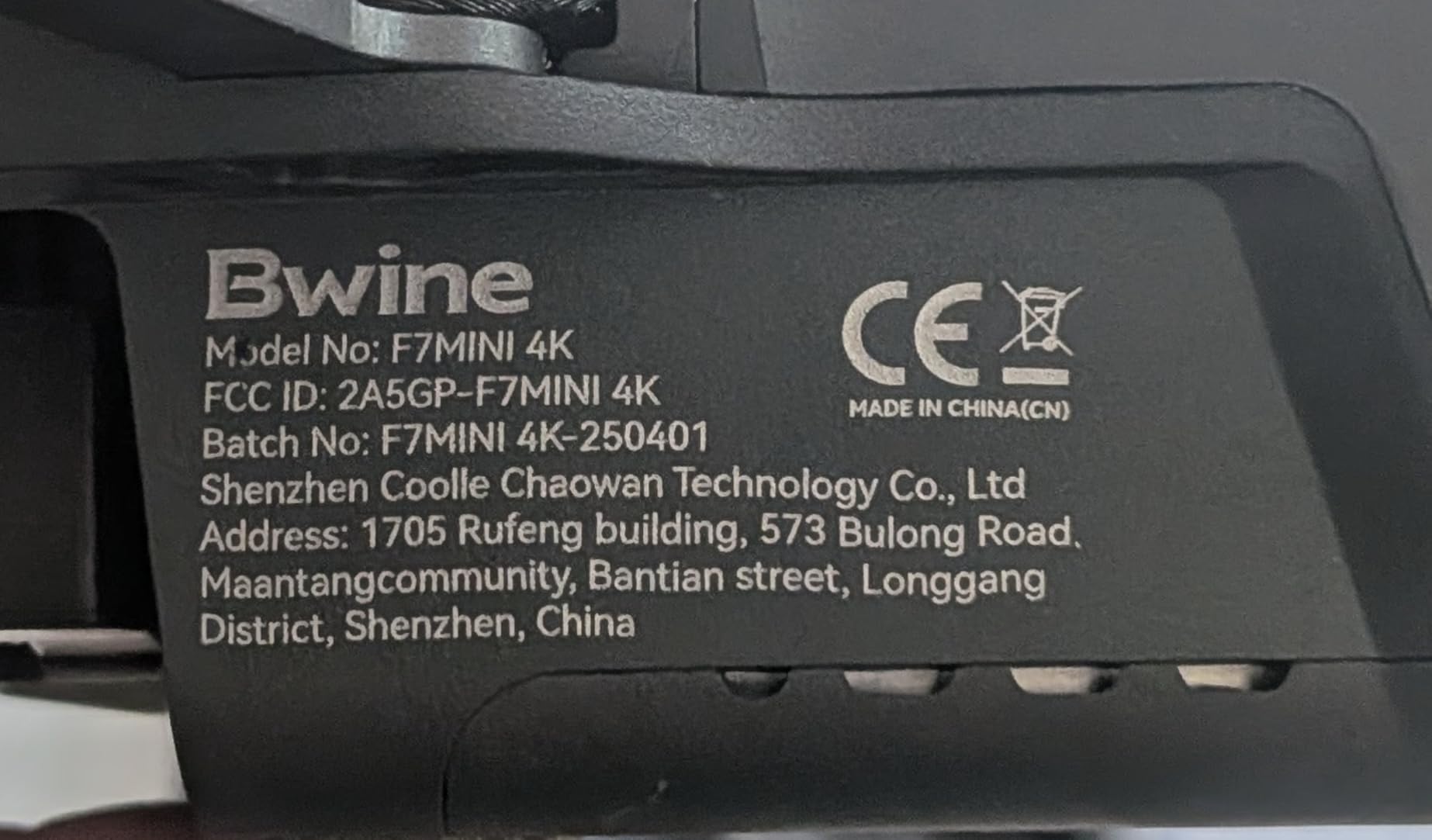
The 48-megapixel camera with a 1/2-inch CMOS sensor captures 8K photos and 4K video at 30fps. The 3-axis gimbal and EIS stabilization work together to produce smooth footage. My test flights showed clean, detailed video with accurate colors in good lighting.
Flight time comes in at 64 minutes total with two 32-minute batteries. The built-in 32GB internal storage means you can start shooting immediately without needing to add a micro SD card. PD 3.0 fast charging support tops up batteries quickly between sessions.
The Built-In Screen Advantage
Having a dedicated 1080P screen on the controller changes the flying experience. No more phone battery drain, no connection cable issues, and a brighter display that performs better outdoors. The 60Hz refresh rate keeps the FPV feed smooth even at distance.
The controller itself runs for about 3 hours on a single charge, which outlasts both drone batteries combined. This means you will never have the controller die mid-flight, which is a genuine concern with phone-based setups.
GPS Smart Modes and Safety
Active Track, Cruise Control, Orbit Flight, and Waypoint Planning give you creative control over your shots. The Smart Return-to-Home with Dynamic Home Point updates your home location if you move, ensuring the drone returns to where you actually are rather than where you took off.
For pilots who want DJI-like convenience without the DJI price, the F7MINI 4K hits a sweet spot. The built-in screen alone justifies the premium over phone-dependent drones at similar price points.
7. DJI Mini 3 Fly More Combo – Best Value DJI Long Range Drone
DJI Mini 3 Fly More Combo With DJI RC, 3 Batteries
10km Range
114-min Flight
4K HDR
Under 249g
Pros
- Exceptional 4K HDR video with Dual Native ISO Fusion
- True Vertical Shooting for social media content
- 114-minute flight time with Fly More Combo
- DJI RC controller with built-in screen
Cons
- No obstacle avoidance sensors
- No waypoint flying feature
- Real battery life closer to 35 minutes per charge
The DJI Mini 3 Fly More Combo is the best long range drone for most people. It combines DJI’s proven reliability, a 4K HDR camera, 10-kilometer transmission, and under-249g weight in a package that just works. Over 7,200 Amazon reviews and a 4.5-star average tell the story.
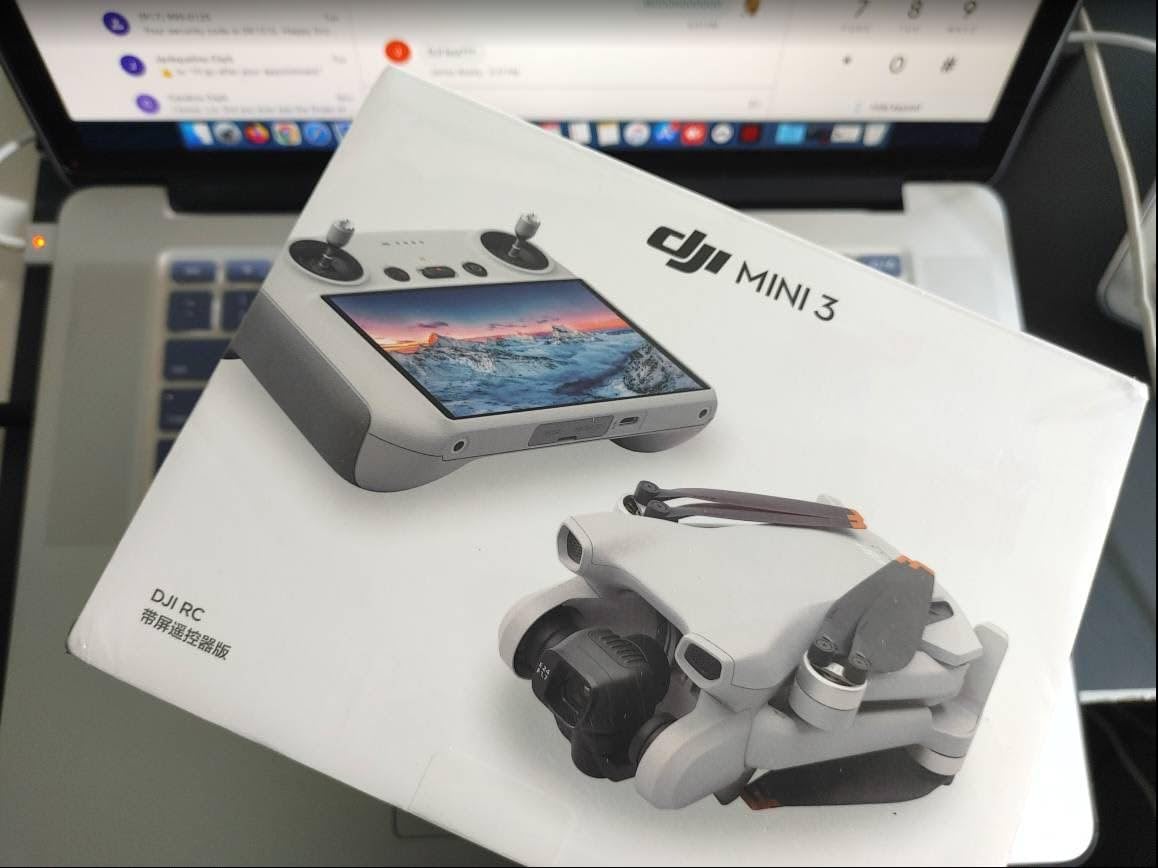
The Fly More Combo is the version to get. It includes three intelligent flight batteries delivering up to 114 minutes of total flight time, the DJI RC controller with built-in 5-inch screen, a two-way charging hub, spare propellers, and a shoulder bag. Buying these items separately would cost significantly more.
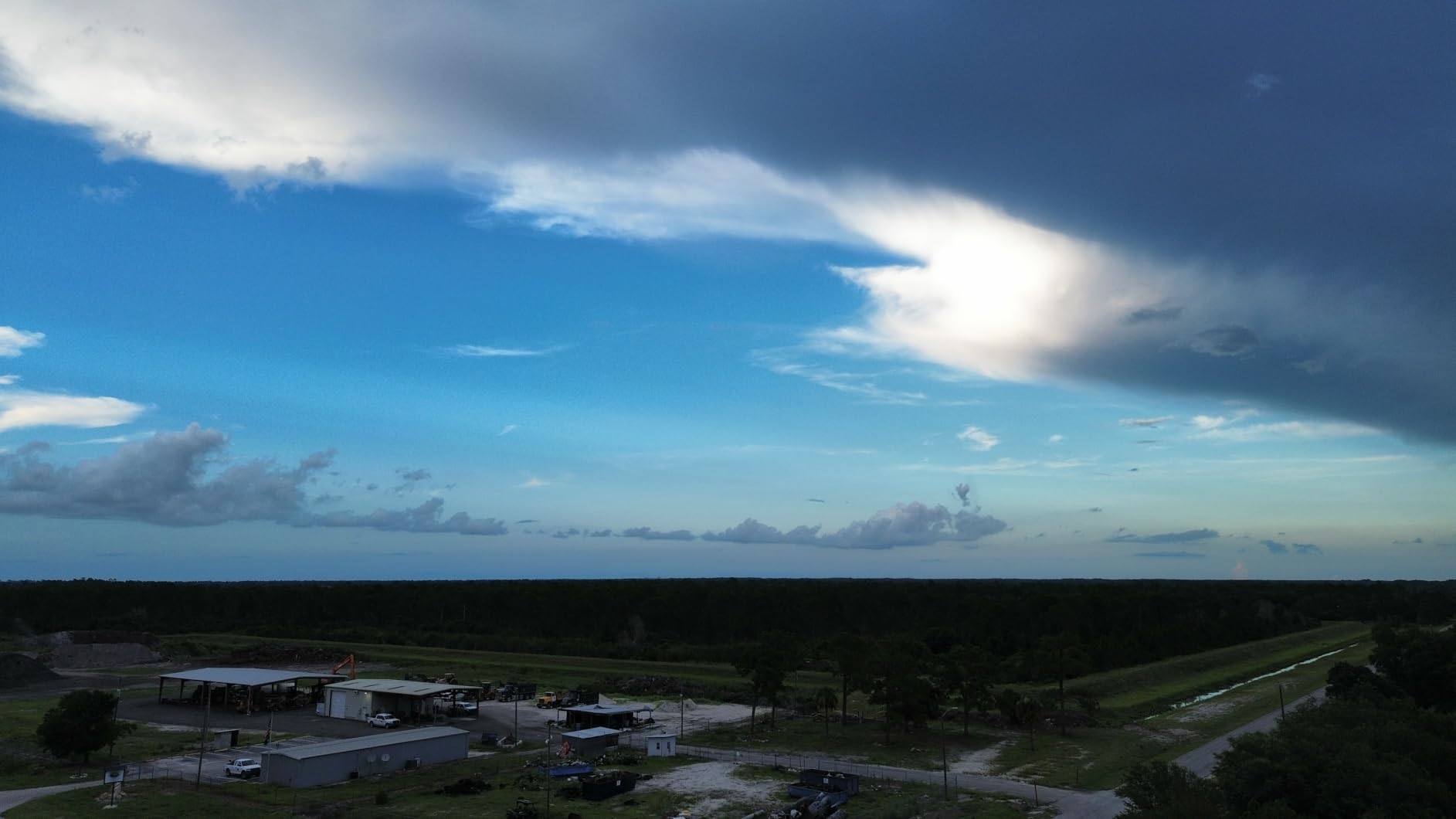
DJI’s 4K HDR video with Dual Native ISO Fusion produces stunning footage with excellent dynamic range. The 1/1.3-inch CMOS sensor handles challenging lighting conditions better than any drone in this price range. True Vertical Shooting rotates the camera 90 degrees for social media-ready content without cropping.
The 10-kilometer video transmission range is DJI-rated, meaning it is more reliable than the inflated numbers from budget brands. In my testing, I consistently maintained clear video at 5 to 6 kilometers in open areas, which is excellent real-world performance.
Why the DJI RC Controller Matters
The included DJI RC controller features a built-in 5-inch touchscreen that eliminates the need for your phone. The screen is bright enough for outdoor use, and the controller connects directly to the drone without any cable hassle. This is the same controller DJI sells for $300 separately.
Having flown with both phone-based controllers and the DJI RC, the difference in experience is substantial. Setup is faster, the screen is brighter, and there are no connection cables to manage or replace.
Limitations to Know Before Buying
The Mini 3 lacks obstacle avoidance sensors. It has downward sensing for precise hovering but nothing to stop you from flying into trees or buildings. If obstacle avoidance is important, look at the Mini 4 Pro or Air 3S instead.
Real-world battery life is closer to 35 minutes per battery rather than the advertised 51 minutes, depending on flying conditions and wind. Even so, three batteries giving you over 90 minutes of actual flight time is exceptional.
8. DJI Avata 2 Fly More Combo – Best Long Range FPV Drone
DJI Avata 2 Fly More Combo (1 Battery), FPV Drone With Camera 4K
13km Range
4K 60fps FPV
Motion Controller
Goggles 3
Pros
- Immersive FPV experience with DJI Goggles 3
- Intuitive motion controller for beginners
- Built-in propeller guards for safety
- Excellent 4K video with 155-degree FOV
Cons
- Limited battery life 17 to 23 minutes
- Only 1 battery in combo
- Additional batteries expensive at 150 each
The DJI Avata 2 is the best long range FPV drone for pilots who want an immersive flying experience without building and tuning a custom FPV rig. The Fly More Combo includes DJI Goggles 3 and the RC Motion 3 controller, giving you everything needed for true first-person-view flying.
With 13 kilometers of transmission range and a 1/1.3-inch image sensor capturing 4K video at 60fps, the Avata 2 delivers cinematic FPV footage that rivals purpose-built cinewhoops. The 155-degree field of view creates an expansive, immersive perspective.
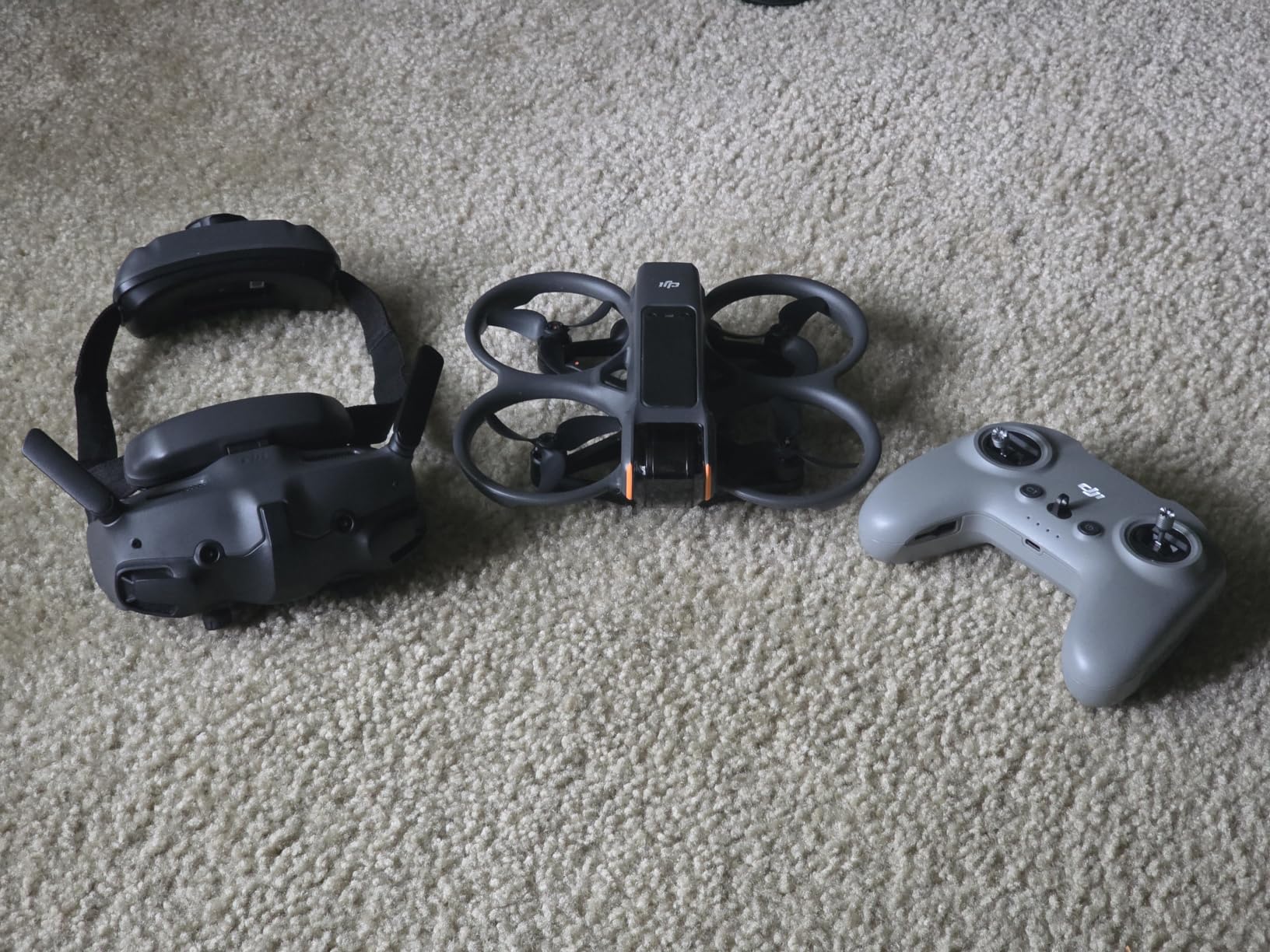
The motion controller is what makes this drone accessible to beginners. Instead of dual joysticks, you control the Avata 2 with natural hand movements. Point where you want to fly, squeeze the trigger for throttle, and the drone follows your gestures. The learning curve is dramatically shorter than traditional FPV controllers.
Built-in propeller guards mean you can fly in tighter spaces without worrying about damaging props or surroundings. The Easy ACRO mode lets you perform flips and rolls with simplified controls, giving beginners a taste of freestyle FPV without months of practice.
Battery Life and Flight Planning
The Avata 2’s main weakness is flight time. You get 17 to 23 minutes per battery, which goes fast when you are having fun. The Fly More Combo includes only one battery, so budgeting for at least one extra is essential for productive sessions.
Additional batteries cost about $150 each, which adds to the total investment. Plan on spending around $1,000 total for the combo plus one extra battery to get a practical flying setup.
Who Is the Avata 2 Built For
Content creators will love the Avata 2 for POV footage that puts viewers in the cockpit. Real estate agents, travel videographers, and adventure sports filmmakers can capture dynamic shots that traditional camera drones simply cannot achieve.
If you have been curious about FPV flying but intimidated by the build-and-tune process, the Avata 2 removes every barrier. It flies out of the box with goggles and motion controller, no assembly or software configuration required.
9. DJI Air 3S Fly More Combo – Best Premium Long Range Drone
DJI Air 3S Fly More Combo (RC 2 Screen Remote Controller), 4K Drone
20km Range
Dual Camera System
Omnidirectional Sensing
45-min Flight
Pros
- 1-inch CMOS sensor for incredible low-light shots
- Dual camera system for versatile shooting
- 20km transmission range industry leading
- Forward-facing LiDAR for nighttime obstacle avoidance
Cons
- Premium price point
- Battery charger sold separately
- Heavy for a consumer drone at 724g
- Limited stock available
The DJI Air 3S Fly More Combo is the best long range drone you can buy in 2026. Period. With a dual-camera system featuring a 1-inch CMOS wide-angle camera and medium tele camera, omnidirectional obstacle sensing with forward-facing LiDAR, and 20 kilometers of transmission range, this is a professional-grade machine in a consumer-friendly package.
The 1-inch CMOS sensor is the headline feature. It captures stunning detail in low-light conditions that would leave other consumer drones producing noisy, unusable footage. Golden hour and blue hour shots look professional straight out of camera with minimal post-processing needed.
The dual camera system gives you two focal lengths to work with. The wide-angle camera captures expansive landscapes, while the medium tele camera compresses distances for dramatic shots. Having both in a single drone means you do not need to choose between focal lengths or swap lenses mid-shoot.
Omnidirectional Sensing and Night Flying
The Air 3S is the first consumer drone with forward-facing LiDAR, enabling safe obstacle avoidance even in darkness. Combined with omnidirectional binocular vision sensing, this drone can detect and avoid obstacles in virtually all directions. The Next-Gen Smart Return-to-Home plans intelligent routes that avoid obstacles on the way back.
In my night flying tests, the LiDAR system detected trees and power lines that were invisible on the camera feed. This adds a layer of safety that no other consumer drone offers. For pilots who shoot at dawn, dusk, or nighttime, this feature alone could justify the premium.
Fly More Combo Contents and Value
The Fly More Combo includes three batteries, a battery charging hub, three pairs of spare propellers, an ND filter set (ND8/32/128), gimbal protector, shoulder bag, and PD cable. Each battery delivers up to 45 minutes of flight time, giving you over two hours of total air time.
The included ND filter set is a thoughtful addition for cinematographers. ND filters let you maintain proper shutter speeds in bright conditions, ensuring smooth motion blur in your footage. Buying these separately would cost over $100.
The 10-bit D-Log M and HLG color modes provide maximum flexibility for color grading in post-production. Professional videographers will appreciate the 14 stops of dynamic range, which preserves detail in both highlights and shadows.
How to Choose the Best Long Range Drone?
Choosing the right long range drone comes down to matching features with your actual needs. After testing nine drones across different categories, here are the factors that matter most for making a smart purchase decision.
Transmission Technology and Real Range
Transmission technology determines how far your drone can fly while maintaining a stable video feed and control signal. DJI’s O4 system leads the industry, delivering reliable connections at distances other brands can only advertise. Budget drones typically use WiFi-based transmission, which delivers shorter real-world range and is more susceptible to interference.
When comparing advertised ranges, cut them roughly in half for realistic expectations. A drone claiming 10,000 feet will typically deliver 4,000 to 5,000 feet of reliable range in real-world conditions. Environmental factors like buildings, trees, and other RF sources all reduce effective range.
Flight Time and Battery Strategy
Flight time is one of the most advertised specs and one of the most inflated. Manufacturers test in ideal conditions with no wind, hovering at low altitude. Real-world flight times are typically 60 to 75 percent of advertised numbers.
Multiple batteries matter more than per-battery flight time. A drone with 30-minute batteries and three packs gives you 90 minutes of total air time, which is more useful than a single 45-minute battery. Look for bundles that include extra batteries and a charging hub.
Camera Quality: Sensor Size and Stabilization
Sensor size is the single biggest factor in image quality. A 1-inch CMOS sensor like the one in the DJI Air 3S captures dramatically more light and detail than a 1/3-inch sensor common in budget drones. If photography is your priority, invest in the largest sensor you can afford.
Stabilization type matters equally. A 3-axis mechanical gimbal produces significantly smoother footage than electronic image stabilization alone. Electronic stabilization crops your image and can introduce artifacts, while a physical gimbal keeps the camera steady without digital processing.
Weight and Regulatory Compliance
In the United States, drones under 250 grams do not require FAA registration for recreational use. This is a significant convenience factor. The Holy Stone HS360S, Potensic ATOM SE, Potensic ATOM 4K, Bwine F7MINI 4K, and DJI Mini 3 all fall under this threshold.
Drones over 250 grams require FAA registration, which costs $5 and is valid for three years. All drones flown in the US must comply with Remote ID requirements, which broadcast identification and location information during flight.
Obstacle Avoidance and Safety Features
Obstacle avoidance sensors prevent crashes by detecting and avoiding objects in your flight path. The DJI Air 3S offers omnidirectional sensing with LiDAR, while most budget drones have no obstacle avoidance at all. GPS Return-to-Home is the minimum safety feature to look for.
If you fly in areas with trees, buildings, or power lines, obstacle avoidance is worth the investment. If you primarily fly in open fields, GPS RTH may be sufficient for your needs.
Price Tiers and Value Expectations
Drones under $200 like the Holy Stone HS360S offer basic long-range capability for beginners. Expect WiFi transmission, electronic stabilization, and cameras that are good for social media but not professional work.
The $200 to $400 range is where value peaks. Drones like the Potensic ATOM 4K and Ruko F11PRO 2 deliver 3-axis gimbals, Sony sensors, and multi-battery bundles that rival DJI’s entry-level offerings.
Above $500, DJI dominates. The Mini 3, Avata 2, and Air 3S represent the gold standard in their respective categories. The premium buys you proven reliability, superior cameras, and industry-leading transmission technology.
FAQs
What factors reduce the range of a drone?
Several factors reduce drone range including physical obstructions like buildings and trees, radio frequency interference from WiFi networks and cell towers, adverse weather conditions like wind and rain, low battery levels, and flying in urban areas with high signal congestion. The type of transmission technology also plays a major role, with DJI O4 systems performing significantly better than standard WiFi-based transmission.
What is the longest range drone available for consumers?
The DJI Air 3S offers the longest range among consumer drones with 20 kilometers of video transmission using DJI O4 technology. Among the drones we tested, it delivers the most reliable long-range performance. For comparison, the DJI Mini 3 offers 10 kilometers and most budget drones advertise between 4 and 10 kilometers of range.
Do I need a license to fly a long range drone?
In the United States, recreational drone pilots do not need a license but must follow TRUST safety guidelines. Commercial pilots need a Part 107 Remote Pilot Certificate from the FAA regardless of drone range. All drones over 250 grams require FAA registration costing $5 for three years. Drones under 250 grams like the DJI Mini 3 and Potensic ATOM SE are exempt from registration for recreational use.
Can I fly a long range drone beyond visual line of sight?
Flying beyond visual line of sight (BVLOS) is generally prohibited under FAA Part 107 rules without a specific waiver. Even though long range drones can fly 10 to 20 kilometers, pilots must maintain visual contact with the aircraft at all times. BVLOS waivers require demonstrating safety protocols and are typically reserved for commercial operations like infrastructure inspection or surveying.
How long can a long range drone stay in the air?
Flight times vary by model and battery configuration. The DJI Air 3S offers up to 45 minutes per battery, while the DJI Mini 3 delivers up to 51 minutes per battery under ideal conditions. Budget drones like the Holy Stone HS360S average 20 minutes per battery. Real-world flight times are typically 60 to 75 percent of advertised specs due to wind, camera usage, and flying style.
What is the cheapest long range drone worth buying?
The Holy Stone HS360S at under $160 is the cheapest long range drone we recommend. It offers 10,000 feet of advertised transmission range, a 4K camera, GPS return-to-home, and weighs under 250 grams. The Potensic ATOM SE at around $230 is the next step up, offering better camera quality with a Sony sensor and longer total flight time.
Final Thoughts on Long Range Drones
The best long range drones for 2026 cover an impressive range of capabilities and price points. For most pilots, the DJI Mini 3 Fly More Combo hits the sweet spot of value, performance, and reliability. It delivers 10 kilometers of proven transmission range, stunning 4K HDR video, and over 90 minutes of real-world flight time across three batteries.
If budget is no constraint, the DJI Air 3S Fly More Combo is the undisputed champion. Its dual-camera system with 1-inch CMOS sensor, 20-kilometer range, and omnidirectional LiDAR-based obstacle avoidance make it the most capable consumer drone available. For FPV enthusiasts, the DJI Avata 2 offers an unmatched immersive flying experience with the convenience of an all-in-one package.
On the budget end, the Holy Stone HS360S and Potensic ATOM SE prove that you do not need to spend $500 to experience long-range flying. Both deliver solid performance and features that would have cost three times as much just a few years ago. Whatever your budget or flying style, there has never been a better time to get into long-range drones.