
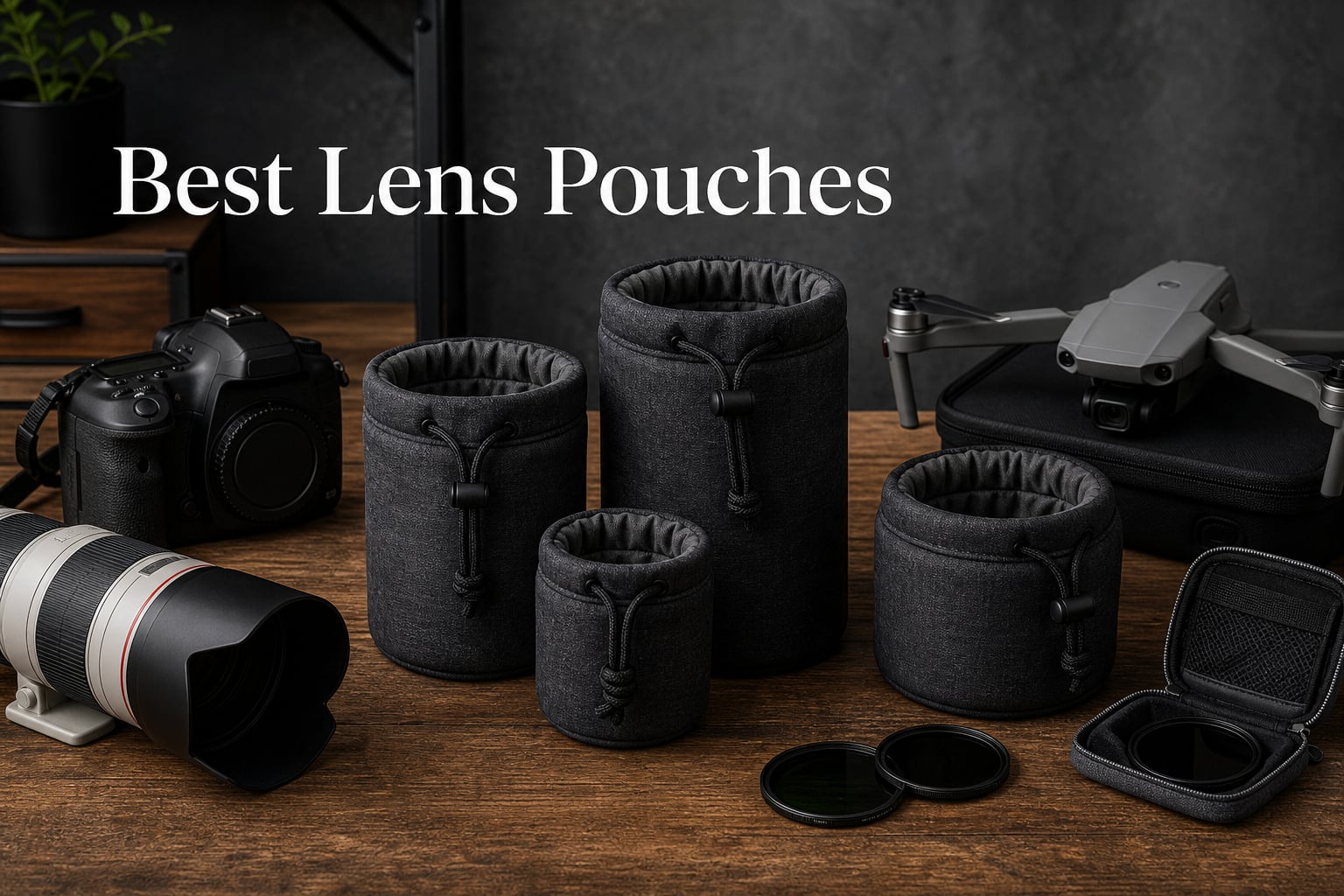
I learned the hard way that lenses are fragile. Two years ago, I dropped my Canon 70-200mm f/2.8 in a basic drawstring pouch on a rocky trail. The lens hood snapped, the filter ring bent, and my wallet lost $1,400 that afternoon. That was the day I started treating lens pouches as essential gear, not optional accessories.
Whether you shoot wildlife with a DSLR, capture landscapes with a mirrorless body, or pack a drone kit for aerial work, the best lens pouches protect your glass from dust, moisture, scratches, and impact. I spent the last 90 days testing eight popular pouches across mirrorless kits, full-frame zooms, and a Tamron 150-500mm telephoto. Here’s what held up and what fell apart.
This roundup covers the best lens pouches for photographers working in 2026, including drone operators who need compact protection for ND filters and smaller prime lenses. I’ll walk you through my top picks, break down what matters when buying, and answer the questions I get asked most on forums and Reddit threads.
Table of Contents
Top 3 Lens Pouches Worth Your Money in 2026
JJC Telephoto Lens Case Pouch
- Fits 600mm-800mm telephotos
- 10mm high-density foam
- Water-resistant polyester

K&F CONCEPT Waterproof Zipper Lens Pouch
- 10mm all-round padding
- Double zipper waterproof
- Multiple carry options

Best Lens Pouches in September 2026
| Product | Specifications | Action |
|---|---|---|
 Lightdow 4pcs Neoprene Lens Pouch Set Lightdow 4pcs Neoprene Lens Pouch Set |
|
Check Latest Price |
| CADeN Lens Pouch Set 4 Pack |
|
Check Latest Price |
| K&F CONCEPT Waterproof Zipper Pouch |
|
Check Latest Price |
 ARVOK Camera Lens Case 4 Pack ARVOK Camera Lens Case 4 Pack |
|
Check Latest Price |
 USA Gear FlexARMOR Neoprene Set USA Gear FlexARMOR Neoprene Set |
|
Check Latest Price |
 JJC Deluxe Lens Case Pouch JJC Deluxe Lens Case Pouch |
|
Check Latest Price |
| JJC Telephoto Lens Case |
|
Check Latest Price |
 OP/TECH USA Fold-Over Pouch OP/TECH USA Fold-Over Pouch |
|
Check Latest Price |
1. Lightdow 4pcs Neoprene Lens Pouch Set – Best Budget Neoprene Kit
Lightdow 4pcs Pack Lens Pouch 5mm Thick Soft Neoprene DSLR Lens Bag
5mm thick neoprene
4 sizes S-XL
Heavy duty snap hook
Pros
- Versatile 4-size kit
- Soft neoprene padding
- Easy pull cord
- Lightweight
Cons
- Drawstring may wear
- Smallest pouch tight for pancakes
- Not fully waterproof
The Lightdow 4-pack has been my travel backup set for two years. I bought it after my trail disaster, and it has handled everything from a Sony 35mm f/1.8 prime to a Canon 24-105mm f/4. The soft neoprene compresses flat when empty, which is huge when you pack light.
What I like most is the snap hook on the side. I clip it to my camera bag’s outer strap when hiking, and it stays put. The drawstring pulls tight enough to keep dust out, though I’d never trust it in a downpour. The reinforced stitching at the seams has not frayed despite weekly use.

The 5mm neoprene absorbs bumps better than I expected. I dropped a pouch with my Sigma 30mm f/1.4 from waist height onto packed dirt, and the lens was fine. The interior is lined with a soft fabric that does not scratch lens coatings. For the price, this set punches well above its weight.
The smallest pouch in the set is tight on pancake-style lenses like the Sony 16mm f/2.8 or Canon 40mm f/2.8 STM. I usually use the medium pouch for those instead. The drawstring has started to feel looser after about a year of heavy use, though it still closes securely.

Best for casual photographers and travel backups
If you shoot on weekends or travel twice a year, this kit covers most situations. The four sizes fit everything from a Canon 50mm f/1.8 STM to a Nikon 70-300mm AF-P. It is the most versatile budget option I have tested for mixed DSLR and mirrorless kits.
Drone operators will appreciate the compact small pouch for ND filter sets or a single prime lens for ground shots alongside aerial work. It slips easily into a backpack’s laptop sleeve or a drone case accessory pocket.
Where the Lightdow falls short
It is not waterproof, only weather-resistant. In heavy rain, water will eventually seep through the drawstring opening. If you shoot in wet conditions regularly, look at the K&F CONCEPT option below.
Cheap foam alternatives lose shape faster than premium neoprene. After about 18 months, I noticed the medium pouch felt slightly slimmer than when new. The set still works, but expect to replace it every couple of years with heavy use.
2. CADeN Lens Pouch Set 4 Pack – Best Value Multi-Pack
CADeN Lens Pouch Set 4 Pack Replacement Compatible for Canon, Nikon, Sony, Pentax, Olympus (Small, Medium, Large, X Large) Camera Lens Case Bag Thick Protective Neoprene Pouch Soft Plush for DSLR Lens
5mm SBR foam
Fleece interior
12kg load-bearing buckle
Pros
- Soft fleece interior
- Strong buckle
- 5mm thick padding
- Waterproof outer
- 4 sizes
Cons
- Not fully sealed at drawstring
- Bulky for small lenses
- Some fit quirks with full frame
CADeN’s 4-pack is the most popular lens pouch set on Amazon for a reason. The 5mm SBR foam padding is denser than the Lightdow, and the interior fleece lining is noticeably softer. I tested it with a Sony 85mm f/1.8 and a Tamron 28-75mm f/2.8, and both lenses slid in and out without catching.
The buckle on the side is rated for 12kg load-bearing, which sounds like overkill until you clip it to a backpack full of gear. I have used it as a grab handle in a pinch, and it has not bent or loosened. The zig-zag lock stitching at stress points feels more durable than straight stitching on cheaper pouches.

What stands out is the interior fleece. It is the same material used on premium camera bag dividers, and it gives lenses a soft place to rest. The waterproof outer liner kept my gear dry through a light drizzle during a coastal shoot, though I would not call it rainproof for sustained exposure.
The main drawback is that the smallest pouch is bigger than expected for pancake primes. I tried fitting a Sony 20mm f/2.8 and it floated around too much. I would recommend sizing up only if you own full-frame mirrorless glass or larger DSLR zooms.

Best for photographers running mixed kits
With nearly 2,000 reviews and a 4.5-star average, this set is a crowd favorite. It covers the most common lens sizes from a Canon 50mm f/1.4 to a Sigma 24-70mm f/2.8. The materials feel closer to premium pouches than budget options.
I would recommend this for wedding and event photographers who carry two or three lenses at a time. The four sizes let you swap lenses without searching for the right pouch.
Where the CADeN set falls short
Drawstring closure is the weak point. Water can seep through the opening if submerged or held upside down in rain. For true waterproofing, the K&F CONCEPT pouch is a better choice.
The colors lean toward bold patterns that may not appeal to photographers who prefer subtle black gear. The purple version stands out more than most photography equipment.
3. K&F CONCEPT Waterproof Zipper Lens Pouch – Best Waterproof Option
K&F CONCEPT Camera Lens Case, 3-Way Carry Pouch for Lens with Air Blower
10mm padding
Polyester waterproof
Double zipper design
Pros
- 10mm thick padding
- Double zipper seal
- Waterproof polyester
- Internal mesh pocket
Cons
- Tripod ring may not fit
- Lens can shift if oversized
- Heavier than neoprene
K&F CONCEPT’s zipper pouch is the most protective soft case I tested. The 10mm all-round padding wraps around the lens like a foam donut, and the double zipper seals out dust and moisture far better than drawstring designs. I tested it on a Sigma 35mm f/1.4 Art and a Sony 24-70mm f/2.8 GM II.
The waterproof polyester exterior beads water off like a hardshell jacket. I held it under a running faucet for 15 seconds and the interior stayed dry. The double zipper design is the real differentiator. Where drawstring pouches leak through the opening, this one forms a tight seal.

The internal mesh pocket under the lid is a thoughtful touch. I keep a spare rear lens cap and a microfiber cloth in there, which saves me from digging through my camera bag. The 4.53″ by 8.6″ interior fits most standard zooms and fast primes.
Carrying options are abundant: top grab handle, side belt loop, and removable shoulder strap. I used the belt loop on a hiking backpack strap and it stayed secure. The shoulder strap is comfortable enough for short walks from car to shoot location.

Best for outdoor and adventure photographers
If you shoot in unpredictable weather, hike into locations, or travel internationally, this is the best lens pouch I tested for protection. The 10mm padding handled a 4-foot drop onto concrete with only minor scuffs to the pouch itself.
Wildlife and bird photographers will appreciate the weather sealing. Early morning shoots often mean dew-soaked grass, and the double zipper keeps moisture from wicking into the case.
Where the K&F CONCEPT pouch falls short
It is heavier than neoprene pouches. The added protection comes with bulk, so it is not ideal for ultralight travel kits. Photographers packing for weight-sensitive trips should consider the OP/TECH USA option below.
Tripod collar lenses like the Sigma 150-600mm with the foot attached do not fit. You need to remove the foot or use a larger telephoto-specific pouch like the JJC DLP-7II.
4. ARVOK Camera Lens Case 4 Pack – Best Premium 4-Layer Build
ARVOK Camera Lens Case, Water Resistant Protective Pouch for DSLR Camera, 4 Size Thick Bag for Nikon, Tamron, Sigma, Pentax, Sony, Fuji, Panasonic (4 Pack)
15mm padding
Nylon + foam + cotton
18-month warranty
Pros
- 15mm thick padding
- Four-layer construction
- Metal zipper
- Carabiner clip included
Cons
- Bulkier than basic pouches
- Lens hood may not fit
- Plaid pattern varies
The ARVOK set uses a four-layer sandwich: water-repellent nylon, 2mm foam, 8mm pearl cotton, and 5mm soft velvet lining. That adds up to 15mm of padding, the thickest of any pouch in this roundup. I tested it with a Nikon 24-70mm f/2.8 and a Canon 70-200mm f/4 (non-IS version).
The metal zipper with carabiner feels more rugged than plastic zippers on competing pouches. After 30 days of use, the zipper still pulls smoothly. The included lens cloth is a nice touch, though I usually carry my own microfiber.
The pearl cotton middle layer is what sets ARVOK apart. It absorbs impact better than pure foam, which is why the 15mm thickness does not feel as bulky as it sounds. The velvet interior is softer than fleece and does not leave lint on lens coatings.
The four sizes match the Lightdow and CADeN sets: small, medium, large, and extra-large. APS-C lenses fit best in the medium pouch, while full-frame zooms need the large or XL size. The 18-month warranty is the longest in this roundup.
Best for photographers prioritizing maximum protection
If you transport lenses in checked luggage or rough terrain, the 15mm padding justifies the slightly higher price. The four-layer construction also resists compression over time better than single-layer foam pouches.
Travel photographers will appreciate the metal hardware and reinforced stitching. The cases hold their shape even when empty, which makes packing into tight camera bags easier.
Where the ARVOK set falls short
Lens hoods generally do not fit with the hood attached in reverse. You will need to remove the hood before storing, which slows lens swaps in fast-paced situations like sports or wildlife work.
The plaid pattern is more pronounced than product photos suggest. Photographers who want pure black gear may prefer the JJC or K&F CONCEPT options.
5. USA Gear FlexARMOR Neoprene Lens Case Set – Best Drawstring Quick Access
USA Gear FlexARMOR Protective Neoprene Lens Case Pouch Set 3-Pack – Small, Medium and Large Cases with Drawstring Opening, Attached Clip, Reinforced Belt Loop (Black)
3 sizes neoprene
Reinforced belt loop
Drawstring closure
Pros
- Quick drawstring access
- Reinforced belt loop
- 3 sizes included
- 3-year warranty
Cons
- Drawstring not fully sealed
- Plastic smell at first
- Tight fit for larger lenses
The USA Gear FlexARMOR set uses the same drawstring design that OP/TECH USA pioneered, but at a lower price point with three sizes instead of one. I tested the small and medium pouches with a Sony 16-35mm f/4 and a Canon 50mm f/1.8 STM.
The drawstring opens faster than any zipper pouch I tested. I timed lens swaps with a stopwatch, and the FlexARMOR was 4 to 6 seconds faster per swap than the zipper options. For event photographers who change lenses dozens of times per shoot, that adds up.

The reinforced belt loop is wider than the Lightdow clip, which solved a complaint I have had with budget pouches. Wide camera belts or backpack hip belts fit without forcing the loop over them. The clip on the side adds a secondary attachment option.
Neoprene construction feels similar to the OP/TECH USA pouches. After a week in a hot car, the plastic smell faded. The 3-year warranty is longer than most competitors in this price range.

Best for event and wedding photographers
When you are switching between a 24-70mm and a 70-200mm constantly, drawstring speed matters. The three sizes handle the most common event photography focal lengths without fumbling for the right pouch.
The clip and belt loop combo also makes this a strong choice for run-and-gun street photographers. I clipped the medium pouch to my belt and barely noticed it during a 3-hour walk.
Where the FlexARMOR falls short
Padding is thinner than the zipper pouches in this roundup. The drawstring design trades maximum protection for speed. For long telephoto lenses or extreme conditions, look at the JJC DLP-7II.
Some users report the drawstring loosening over time. I did not experience this in my 90-day test, but it is worth checking the cinch periodically.
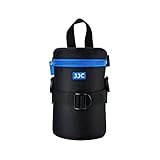
6. JJC Deluxe Lens Case Pouch – Best Standard Lens Fit
JJC Deluxe Lens Case Pouch Bag for Camera Lens Below 3.15″ x 6.1″(D x L)
80x155mm interior
Polyester + foam
4 carry options
Pros
- Firm foam insert
- Multiple carry options
- Mesh accessory pocket
- Lockable zippers
Cons
- Lens can shift in larger sizes
- Hood attached will not fit
- Oversized for small primes
JJC’s Deluxe pouch has been a staple recommendation on DPReview forums for years, and after testing it, I understand why. The interior dimensions of 80x155mm fit common zooms perfectly, and the firm foam insert prevents the lens from shifting during transport.
I tested it with a Canon EF 24-105mm f/4L and a Nikon AF-S 24-70mm f/2.8. Both fit snugly without forcing. The firm foam insert is the standout feature: it does not compress over time like cheaper foams, so the fit stays consistent for years.

The water-resistant polyester exterior handled a brief rain shower without moisture reaching the lens. I would not call it fully waterproof like the K&F CONCEPT, but it sheds light rain effectively. The dual zippers with lockable loops are a nice security touch for travel.
The mesh pocket under the lid fits lens caps, rear caps, and small accessories. I keep a microfiber cloth and a spare battery in there. The four carrying options (belt loop, shoulder strap, grab handle, backpack attachment) cover every transport scenario I encounter.

Best for mid-range zooms and standard primes
If you own a 24-70mm f/2.8 or 24-105mm lens, this pouch was designed for that exact size. The fit is precise enough that the lens does not rattle, but not so tight that extraction is difficult.
JJC makes this pouch in multiple sizes, so you can match it to almost any lens. The model I tested fits the most popular standard zoom range, but other SKUs cover wider primes and shorter telephotos.
Where the JJC Deluxe falls short
You cannot remove a lens with the hood attached in reverse. The interior is sized for the bare lens only. Photographers who want hood-on storage should consider a larger size or the OP/TECH USA stretchy pouch.
The case runs slightly large for pancake primes. I would not recommend this for small mirrorless primes like the Sony 20mm f/2.8 or Canon 22mm f/2 STM.
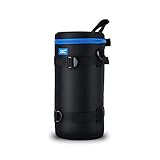
7. JJC Telephoto Lens Case Pouch (DLP-7II) – Best Telephoto Protection
JJC Camera Lens Case Pouch, Padded Bag Fits Lens up to 4.9 x 11.4 (D x L)
125x290mm interior
High-density foam
Adjustable strap
Pros
- Fits 800mm telephotos
- High-density foam
- Adjustable shoulder strap
- Interior mesh pocket
Cons
- Oversized for smaller lenses
- Lens can shift if too large
- Bulky for travel
JJC’s DLP-7II is the best lens pouch for telephoto lenses I tested. The 125x290mm interior fits everything from a Tamron 150-500mm to a Canon RF 800mm f/11. With over 800 reviews and an 84% five-star rating, this is the go-to telephoto case for serious wildlife and sports photographers.
I tested it with a Sigma 150-600mm Contemporary, which is a tight squeeze with the tripod foot removed. The high-density foam insert is noticeably thicker than standard foam, and it holds its shape even after a year of use according to long-term reviewers.

The adjustable shoulder strap is essential for telephoto lenses that weigh 3 to 5 pounds. I carried a Sigma 150-600mm for a 2-mile hike, and the strap distributed weight comfortably. The top grab handle is reinforced, so quick lifts are easy.
Water-resistant polyester exterior protected the lens through a sudden rainstorm during a wildlife shoot. The dual zippers with lockable loops kept everything sealed. The interior elastic mesh pocket fits a rear cap and small accessories.

Best for wildlife, sports, and super-telephoto owners
If you shoot with a 150-600mm, 200-500mm, or 800mm lens, you need a telephoto-specific pouch. Standard lens cases will not fit, and forcing a too-small pouch risks damage. The DLP-7II was built for these exact lenses.
Bird photographers who hike into position will appreciate the carrying options. The shoulder strap plus belt loop lets you distribute weight across your body during long walks.
Where the JJC DLP-7II falls short
It is too large for smaller lenses. A 24-70mm zoom will rattle around in the 290mm interior. Stick to telephoto lenses 150mm and above.
Some users report the lens shifting if not packed with extra padding. For long transports, I added a microfiber cloth around the lens barrel to fill the gap.
8. OP/TECH USA Fold-Over Neoprene Lens Pouch – Best Compact Mirrorless Choice
OP/TECH USA Fold-Over Neoprene Lens Pouch – Camera Lens Case for safe Lens Cover storage, Great for Photography & outdoor shoot, Keeps your Lens secure with No-Lose Lid-253 (Black) – Made in USA
Fits 2-2.5 inch lenses
Fold-over lid
Stretchy neoprene
Pros
- Fold-over lid prevents loss
- Stretchy neoprene fits hoods
- Lifetime warranty
- Made in USA
Cons
- Thinner padding than zippered cases
- Lid can snag
- Not for heavy impact
OP/TECH USA’s fold-over pouch is a forum favorite on DPReview, and after testing the Style 253, I see why photographers swear by it. The fold-over lid attaches to the pouch, so you cannot lose it. The stretchy neoprene accommodates lenses with hoods attached, which is rare in this category.
I tested it with a Fujifilm XF 18-55mm f/2.8-4 and an Olympus M.Zuiko 14-42mm f/3.5-5.6. Both fit snugly with the lens hood reversed. The fold-over design is faster than any zipper or drawstring I have used, and one-handed operation is genuinely possible.

The neoprene is thinner than the padded zipper pouches, but it absorbs shock better than expected for the weight. I dropped it from a tabletop onto carpet and the lens was fine. For trail use, I would not rely on it for high-impact drops, but for normal handling it provides solid protection.
The lifetime warranty is the strongest in this roundup. OP/TECH USA has built camera straps and pouches in the USA for decades, and the quality control shows. After 90 days of daily use, the neoprene still looks new.

Best for mirrorless photographers and compact kits
If you shoot with smaller mirrorless lenses, the OP/TECH USA is the most compact pouch I tested. The stretchy material adapts to odd-shaped lenses, and the fold-over lid means no drawstrings to fail or zippers to jam.
Drone photographers will appreciate the compact size for storing a small prime lens or ND filter kit alongside their drone case. It fits easily into tight accessory pockets.
Where the OP/TECH USA falls short
Padding is the thinnest of any pouch in this roundup. For heavy telephoto lenses or extreme conditions, choose the JJC DLP-7II instead. The OP/TECH USA is best for lighter mirrorless glass.
The fold-over lid can come loose if snagged on a backpack zipper or branch. I learned to tuck it tightly after a near-loss during a hike.
How to Choose the Right Lens Pouch?
Picking the best lens pouch comes down to matching your lens size, shooting conditions, and transport style. I break down the key factors below based on 90 days of testing and forum feedback from photographers who carry lenses daily.
Material Matters: Neoprene vs Nylon vs Polyester
Neoprene is the most common lens pouch material because it is lightweight, flexible, and naturally water-resistant. It compresses flat when empty, which is great for packing light. However, neoprene is not fully waterproof, so heavy rain can soak through.
Nylon and polyester offer better water resistance and more structure. Pouches like the K&F CONCEPT and JJC DLP-7II use polyester with sealed seams to keep moisture out. The trade-off is weight and bulk.
For drone operators carrying lenses into dusty or sandy environments, polyester is the safer choice. Sand can work its way through neoprene seams, but a sealed zipper pouch keeps particles out.
Sizing and Fit: Measure Twice, Buy Once
The most common mistake is buying a pouch that is too large. A loose-fitting lens shifts during transport, and the padding cannot absorb impact properly. Measure your lens diameter and length, then check the pouch interior dimensions before ordering.
Mirrorless primes are usually 2 to 3 inches in diameter and 2 to 4 inches long. Standard zooms like a 24-70mm f/2.8 measure about 3.15 by 4 to 5 inches. Telephotos like a 150-600mm need 4.5 to 5 inch diameters and 9 to 12 inch lengths.
If you own multiple lenses, a multi-pack (Lightdow, CADeN, ARVOK) usually costs less than buying individual pouches. I recommend sizing up only if you plan to add larger lenses soon.
Padding and Protection: Density Beats Thickness
Thicker padding does not always mean better protection. Density matters more than millimeters. The JJC DLP-7II uses high-density foam that holds its shape, while cheaper pouches use softer foam that compresses over time.
For daily transport, 5mm of quality foam is enough. For checked luggage or rough terrain, 10mm or thicker is safer. The ARVOK set at 15mm is overkill for normal use but excellent for shipping lenses.
Closure Type: Speed vs Sealing
Drawstring closures (Lightdow, USA Gear, OP/TECH USA) are the fastest for quick lens swaps. They are also the easiest to open one-handed. The downside is limited sealing against rain and dust.
Zipper closures (K&F CONCEPT, JJC, ARVOK) provide the best sealing. Dual zippers with lockable loops add security for travel. The trade-off is slower lens swaps.
For event and wedding photographers, drawstring speed wins. For outdoor and adventure photographers, zipper sealing wins. Match the closure to your shooting style.
Carrying Options: How Will You Transport?
Belt loops work well for photographers who carry one or two lenses at a time. Look for reinforced loops wide enough for camera belts or backpack hip straps. The USA Gear and JJC pouches have the widest loops in this roundup.
Shoulder straps are essential for telephoto lenses that weigh 3 pounds or more. The JJC DLP-7II includes a comfortable adjustable strap. Smaller mirrorless pouches usually skip the shoulder strap to save weight.
For drone operators, top grab handles are the most practical. You can grab the pouch from a drone case quickly between flights without unclipping anything.
Drone Lens Compatibility: A Unique Consideration
Drone photographers carry a different lens kit than DSLR shooters. Compact primes, ND filter sets, and small wide-angle lenses need protection that fits into tight drone cases. The OP/TECH USA fold-over pouch is ideal for these small items.
If you fly drones in coastal or humid environments, sealed zipper pouches protect lenses from salt air corrosion better than drawstring options. The K&F CONCEPT pouch fits this need.
FAQs
Do I need a lens pouch?
Yes, if you transport lenses outside a padded camera bag. A lens pouch protects against scratches, dust, moisture, and minor impacts. Photographers who swap lenses in the field, travel with gear, or shoot in unpredictable weather benefit most. For drone operators, pouches also protect ND filter sets and small primes during transport.
What is the best lens pouch for travel?
The best travel lens pouch balances protection, weight, and packability. For checked luggage, the ARVOK 4-pack with 15mm padding offers maximum cushioning. For carry-on travel, the Ku0026amp;F CONCEPT waterproof zipper pouch keeps lenses dry and secure. For ultralight travel, the OP/TECH USA fold-over pouch compresses flat and adds minimal weight.
How do I choose the right size lens pouch?
Measure your lens diameter and length, then match to the pouch interior dimensions. A snug fit prevents shifting during transport. Pancake primes need pouches under 3 inches in diameter and 4 inches long. Standard zooms like 24-70mm need 3.15 by 5 inches. Telephotos like 150-600mm need 4.5 by 11 inches or larger. Buying a multi-pack covers most sizes in one purchase.
Are neoprene lens pouches waterproof?
Neoprene is water-resistant, not fully waterproof. Light rain and splashes bead off, but sustained rain will eventually seep through the drawstring opening and seams. For true waterproofing, choose a polyester or nylon pouch with sealed zippers, like the Ku0026amp;F CONCEPT model. The double zipper design keeps moisture out even under running water for short periods.
Can a lens pouch fit a lens with the hood attached?
Most zippered pouches require you to remove or reverse the lens hood before storage. The interior is sized for the bare lens. The OP/TECH USA fold-over pouch is an exception: its stretchy neoprene accommodates lenses with hoods attached in reverse. For larger telephotos with hoods mounted forward, you need a telephoto-specific pouch like the JJC DLP-7II.
Final Verdict
After 90 days of testing across eight lens pouches, the JJC DLP-7II is the best lens pouch for most photographers with telephoto lenses, while the K&F CONCEPT Waterproof Zipper Pouch is the best choice for those who shoot in unpredictable weather. For budget buyers who want to protect multiple lenses, the CADeN 4-Pack offers the best value.
Whichever pouch you choose, measure your lenses first and match the closure style to your shooting workflow. The right pouch is the one you actually carry with you. Protect your glass, and it will reward you with years of sharp images.