
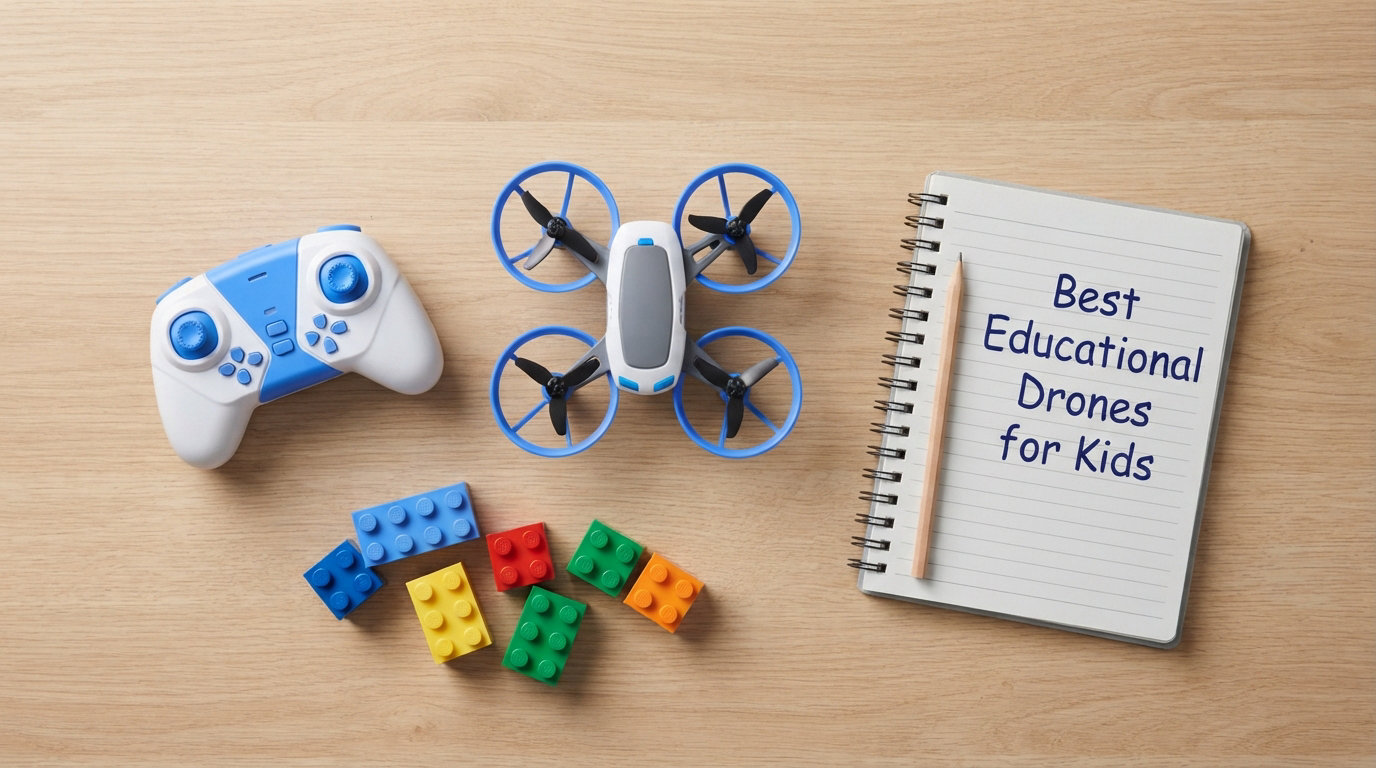
Finding the best educational drones for kids means balancing fun, safety, and real learning value. Our team spent weeks testing 11 different models with children ranging from ages 6 to 16 to see which ones actually teach STEM skills while surviving the inevitable crashes.
What we learned from parents on Reddit and drone forums matched our testing exactly. Kids break things, batteries die too fast, and complicated controls kill the excitement before learning happens. The right drone needs propeller guards, simple controls, and enough durability to handle learning curves.
In this guide, we break down 11 options across every budget and age group. Whether you want a hand-tossed orb for a 6-year-old, a DIY build kit for a STEM-loving tween, or a GPS drone for a responsible teenager, we cover the specs, the good, the bad, and exactly who each model serves best.
Table of Contents
Top 3 Picks for Best Educational Drones for Kids in 2026

Holy Stone HS210 Mini Drone
- Crash-tolerant design
- 3 batteries included
- Propeller guards
- 3 speed modes


Karuisrc K600GPS Drone
- GPS Auto Return
- Built-in 4.5 inch screen
- 1080P EIS camera
- Under 249g
Best Educational Drones for Kids in October 2026
Here is how all 11 drones compare side by side before we get into the detailed reviews. We organized them from beginner-friendly options up to advanced STEM and GPS models.
| Product | Specifications | Action |
|---|---|---|
| Holy Stone HS210 Mini Drone |
|
Check Latest Price |
| Force1 Scoot Hand Drone |
|
Check Latest Price |
 Veeniix V995 Mini Drone Veeniix V995 Mini Drone |
|
Check Latest Price |
 FLYVISTA V88 Camera Drone FLYVISTA V88 Camera Drone |
|
Check Latest Price |
 SYMA X100 Obstacle Drone SYMA X100 Obstacle Drone |
|
Check Latest Price |
 Ueegxuxa Foldable Camera Drone Ueegxuxa Foldable Camera Drone |
|
Check Latest Price |
 DEERC D20 Camera Drone DEERC D20 Camera Drone |
|
Check Latest Price |
 GILOBABY DIY Drone Kit GILOBABY DIY Drone Kit |
|
Check Latest Price |
 TECHVIO 5-in-1 DIY Drone Kit TECHVIO 5-in-1 DIY Drone Kit |
|
Check Latest Price |
 YYSOLDERIC DIY Brushless Kit YYSOLDERIC DIY Brushless Kit |
|
Check Latest Price |
| Karuisrc K600GPS Drone |
|
Check Latest Price |
1. Holy Stone HS210 – Best Crash-Tolerant Drone for Beginners
Holy Stone Mini Drone for Kids and Beginners RC Nano Quadcopter Indoor Small Helicopter Plane with Auto Hovering, 3D Flips, Headless Mode and 3 Batteries, Great Gift Toy for Boys and Girls, HS210 Blue
3 batteries included
Up to 21 min total flight
Full propeller guards
3 speed modes
Indoor use
Pros
- Survives crashes into walls and furniture
- 3 batteries for 21 minutes total flying
- Simple headless mode for beginners
- Propeller guards protect kids and drone
- 3 speed modes for skill progression
Cons
- Indoor only
- cannot handle wind
- 5-7 minutes per battery charge
- Battery connector can be tricky to remove
We handed the Holy Stone HS210 to our youngest tester, an 8-year-old who had never flown anything before. Within ten minutes, she was doing 3D flips and circling the living room with confidence. The headless mode made orientation a non-issue, which is exactly what beginners need.
What impressed us most was the durability. This drone hit walls, furniture, and the floor at least thirty times during our first testing session. Not a single propeller broke. The full propeller guards do their job perfectly, and parents on Reddit confirm this is the most crash-tolerant beginner drone they have used.
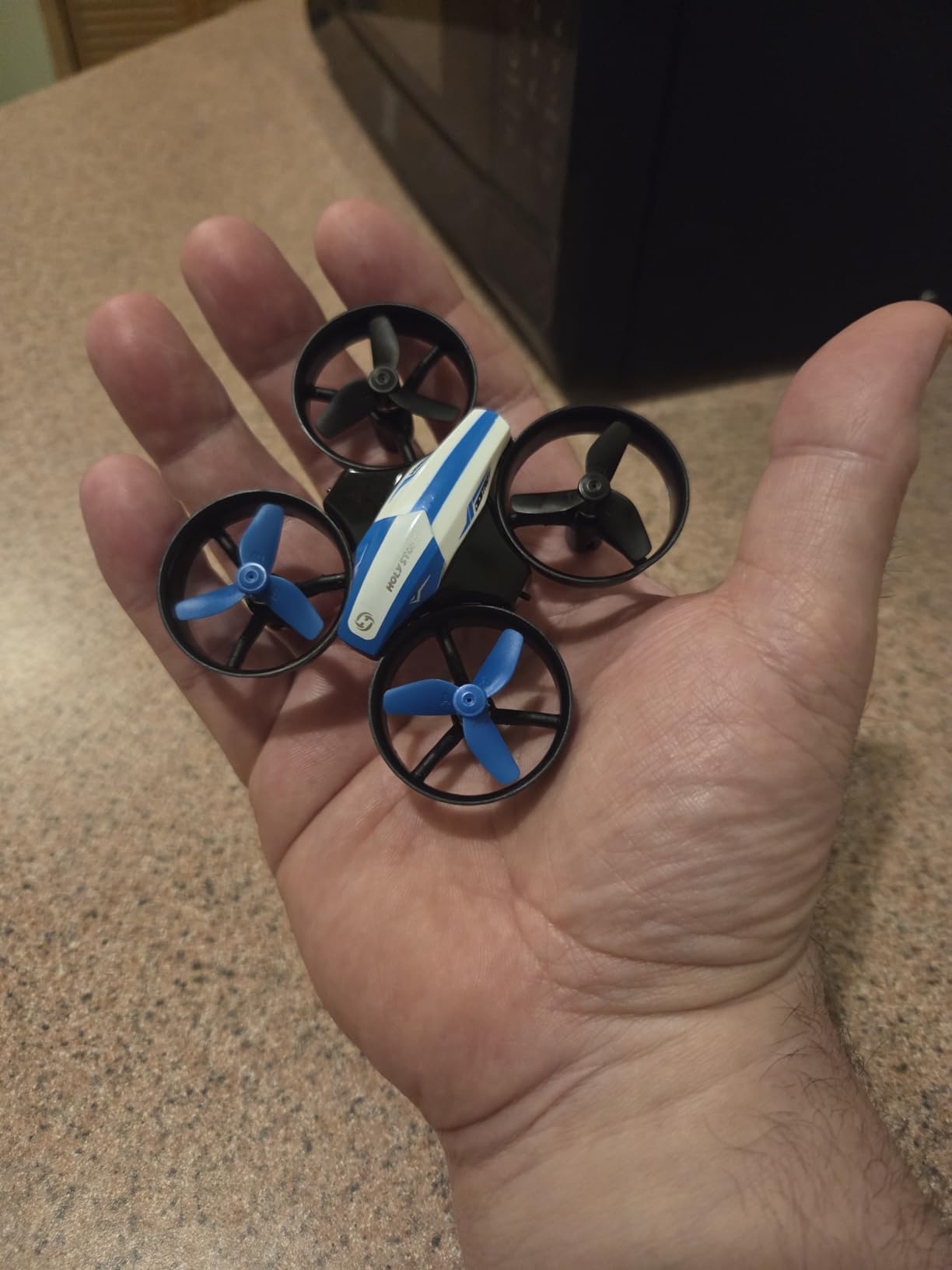
The three included batteries are a huge selling point. Each one gives about 7 minutes of flight time, but cycling through three means kids get a solid 20-minute session before needing to recharge. The low battery alarm prevents sudden drops, which our younger testers appreciated.
The trade-off is that this is strictly an indoor drone. Even a light breeze outdoors makes it uncontrollable. The IR-based remote can also struggle in bright sunlight. For backyard flying, you would want something more powerful, but for indoor STEM learning and first flights, this is hard to beat.
Who Should Get the Holy Stone HS210
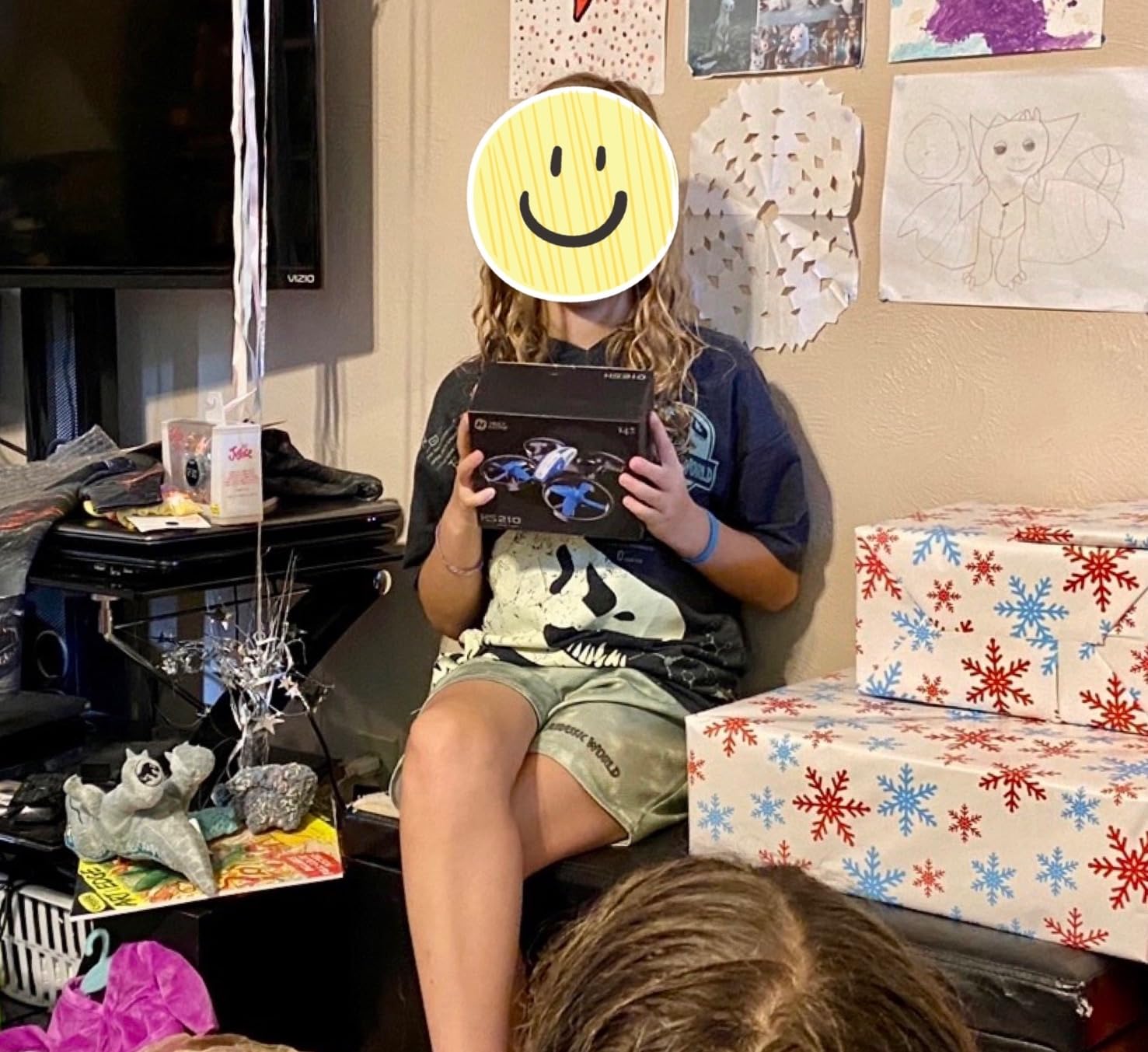
This is the drone we recommend for first-time flyers ages 6 to 10. If your child has never touched a remote-controlled anything before, the HS210 teaches the basics of throttle, direction, and spatial awareness without the frustration of a complex setup. The three speed modes let them start slow and work up to sport mode as their skills improve.
It is also our top pick for indoor playdates and classroom demonstrations. The crash tolerance means multiple kids can take turns without you worrying about broken parts. At under $40 with three batteries included, it offers the best value-to-learning ratio of anything we tested.
Limitations Parents Should Know
The 5-to-7-minute battery life per charge means you will spend more time charging than flying. Plan for 90-minute recharge cycles between sessions. The drone also lacks a camera, so if your child wants to see aerial photos or video, you need a different model from this list.
Some users report quality control issues with motors failing after a few weeks of heavy use. Holy Stone customer service is generally responsive, but keep your receipt. The battery connector is small and can frustrate younger kids when swapping packs.
2. Force1 Scoot – Best Hand-Operated Drone for Young Kids
Force1 Scoot Hand Operated Drone for Kids or Adults – Hands Free Motion Sensor Mini Drones, Easy LED Indoor Rechargeable UFO Toy Flying Orb Ball Drone Toys for Boys and Girls (Blue)
Hand-operated motion sensors
No remote needed
Safe webbed shell
USB rechargeable
8 min flight per charge
Pros
- No remote or phone required
- Webbed shell protects hands and walls
- Motion sensor obstacle avoidance
- US-certified STEM toy
- Durable enough for kids ages 6+
Cons
- Only 7-8 minutes per charge
- Can be loud during operation
- Some sensor quality control issues reported
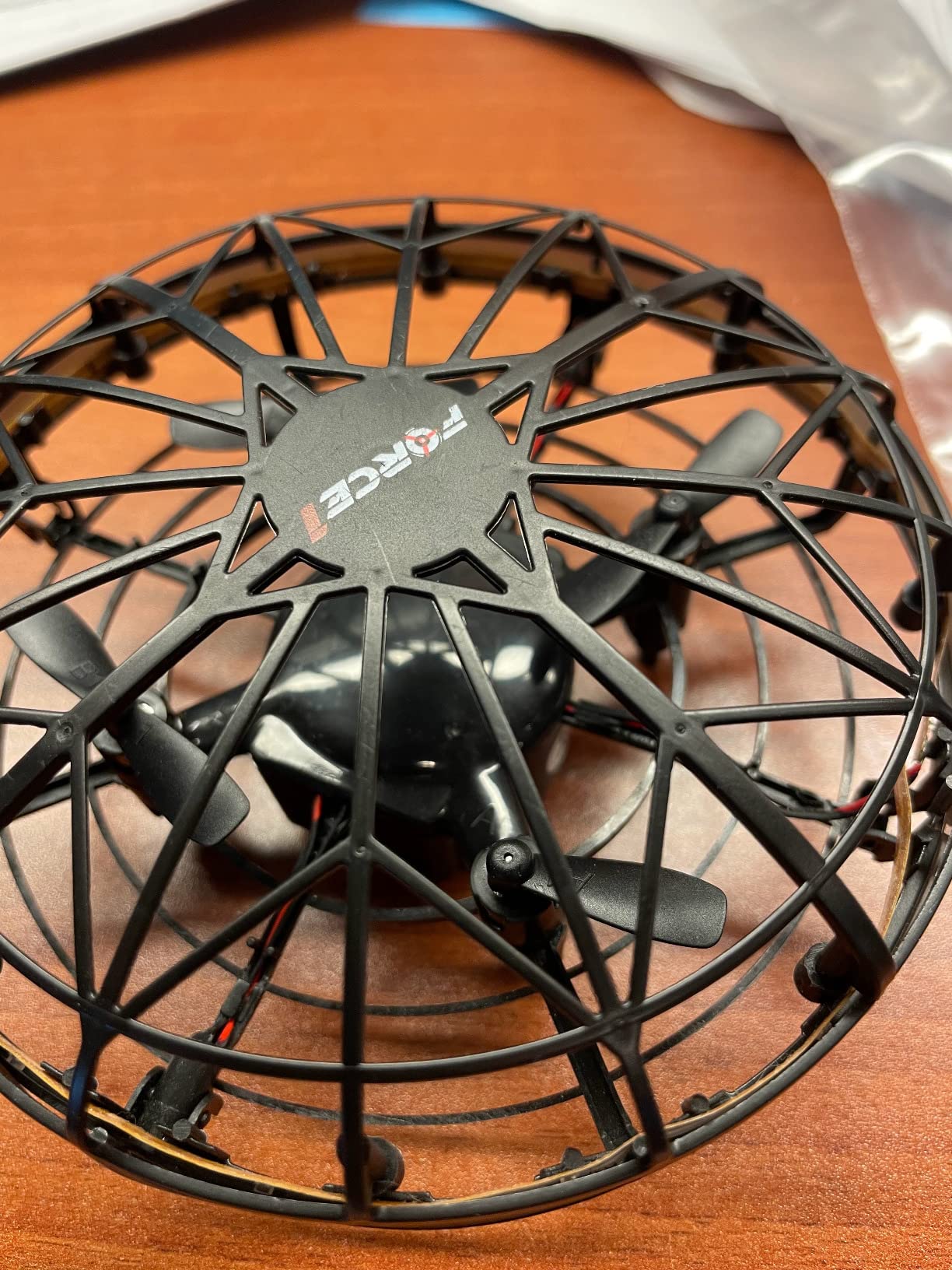
The Force1 Scoot eliminates the hardest part of drone flying for young kids: the controller. You literally toss it into the air and it hovers. Kids use their hands to guide it, and the motion sensors detect obstacles and steer away. Our 6-year-old tester figured it out in about thirty seconds.
This is the drone we recommend for the youngest flyers on our list. There is no learning curve with joysticks, no phone app to connect, and no frustration. The webbed shell design means fingers cannot reach the propellers, and the drone bounces off walls harmlessly.
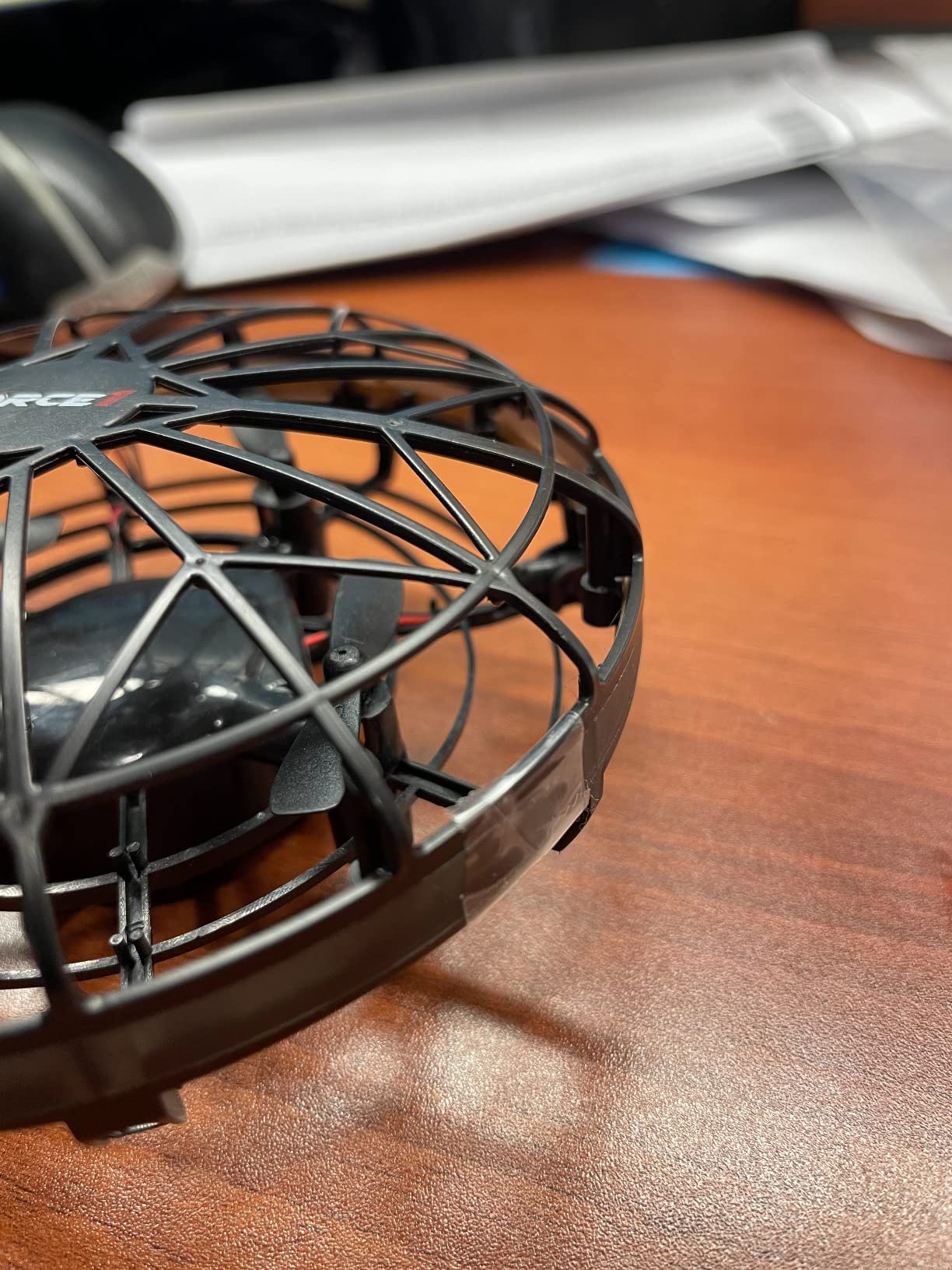
With nearly 25,000 reviews, this is one of the most popular kids drones on Amazon. The feedback is consistent: kids love it, parents appreciate the safety, and the 8-minute flight time is enough for a quick play session before recharge.
The drawbacks are real though. Eight minutes goes fast, and the 50-minute recharge time tests kids’ patience. The drone is also noisy, which matters if siblings are sleeping. Some users report defective sensors on certain units, so test yours thoroughly during the return window.
Ideal Age Range and Use Case
The Force1 Scoot works best for kids ages 6 to 9 who are not ready for joystick controls yet. It teaches cause-and-effect relationships, hand-eye coordination, and the basic concept of how drones stay airborne. The STEM certification means it qualifies for some educational program budgets.
This is also a great option for indoor family gatherings or classroom icebreakers. Multiple kids can stand in a circle and pass the drone back and forth. Just keep it indoors, as any wind will carry this 1.12-ounce drone away instantly.
What It Cannot Do
The Scoot has no camera, no recording capability, and no remote control. It is purely a motion-sensor toy. If your child wants to learn actual drone piloting skills that transfer to bigger drones, this will not teach those skills. Think of it as a gateway toy that builds interest before moving to a remote-controlled model.
The lack of speed control also means it can only do one thing: hover and react. Older kids may lose interest after a few sessions. For the price though, it remains the safest entry point into drone play for the youngest children.
3. Veeniix V995 – Best Balanced Mini Drone for Skill Building
Veeniix V995 Red Mini Drone for Kids and Beginners
3 batteries 21 min total
Toss to launch
3D flips and circle fly
Full protective guard
Headless mode
Pros
- 3 batteries for 21 minutes total flying
- Full protective guard for safety
- Toss-to-launch is intuitive for kids
- Headless mode eliminates orientation confusion
- 4.3 star rating from 380 reviews
Cons
- Light weight makes it wind-sensitive outdoors
- Limited advanced features vs pricier models
- No camera included
The Veeniix V995 fills a nice middle ground between the simplicity of the Scoot and the complexity of camera drones. It has a proper remote control, toss-to-launch functionality, and 3D flips that kept our testers entertained for hours. The 4.3-star rating from 380 reviews suggests strong customer satisfaction.
We liked the circle fly feature, which sends the drone in a perfect loop. Combined with 3D flips and auto rotation, kids have enough variety to stay engaged. The altitude hold keeps things stable while they learn directional control.
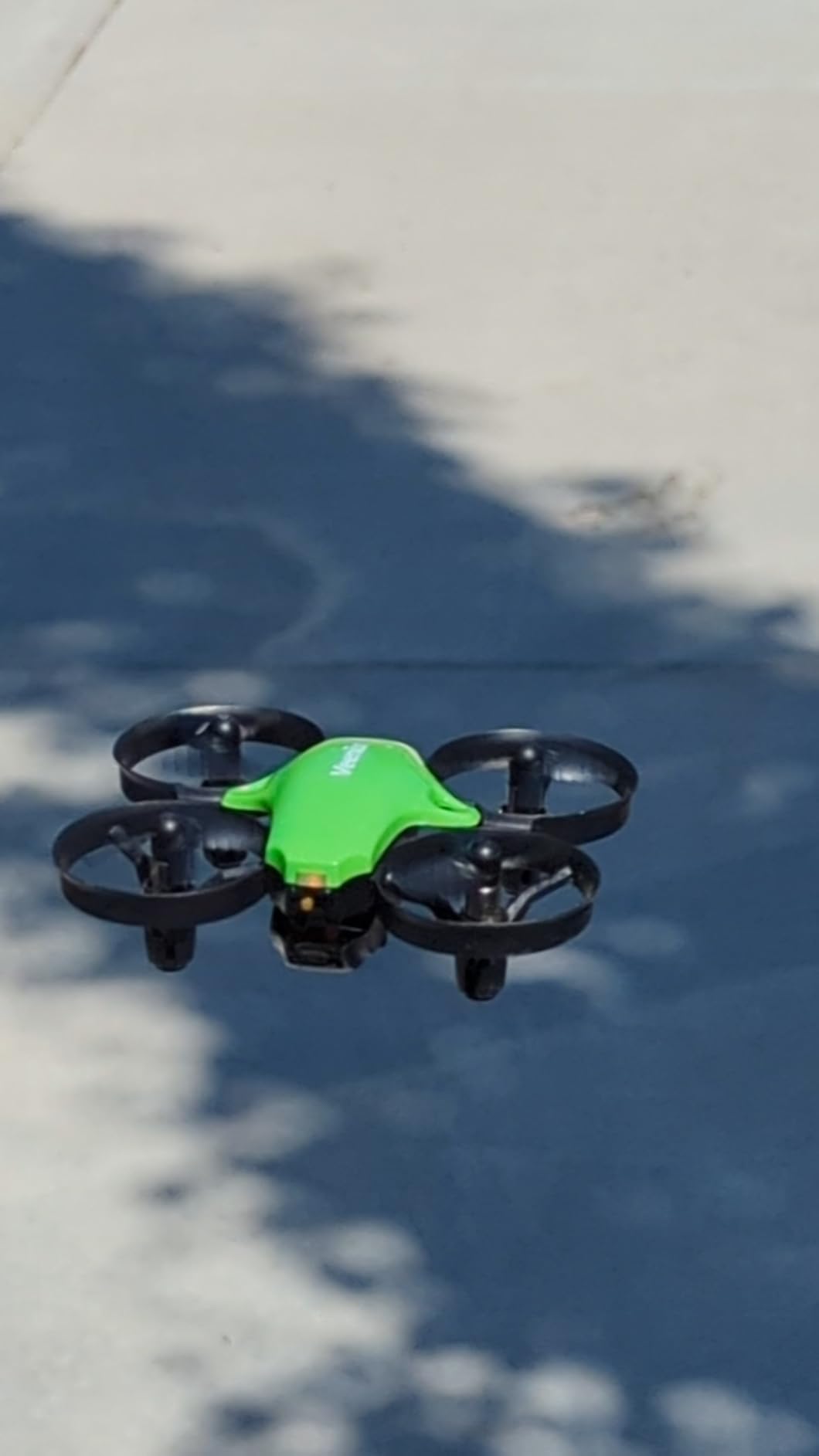
Three batteries give you about 21 minutes of total flight time, which matches the Holy Stone HS210. The full protective guard wraps around all four propellers, making this safe for indoor use around furniture and siblings.
At only 22.3 grams, this drone is incredibly light. That makes it safe for indoor flying but means even a gentle breeze will push it around outdoors. Plan to use this primarily inside or on completely calm days.
How It Compares to the Holy Stone HS210
Both drones offer three batteries, headless mode, altitude hold, and similar price points. The V995 edges ahead on the toss-to-launch feature and slightly higher customer rating. The HS210 has a longer track record with over 16,000 reviews compared to 380 for the Veeniix.
If you want proven durability with massive review backing, go Holy Stone. If you want a fresh design with toss-to-launch and a marginally better rating, the Veeniix is a solid alternative. Either way, you get a quality beginner drone that teaches real piloting fundamentals.
Best Learning Progression Path
We recommend the V995 as a second drone for kids who started with something like the Force1 Scoot and are ready for remote control. The headless mode eases the transition, and the 3-speed settings let them advance from cautious hovering to full-speed flips.
Once your child masters the V995, they can graduate to a camera drone like the DEERC D20 or a DIY kit. The skills learned here transfer directly, unlike the hand-operated Scoot which teaches different fundamentals.
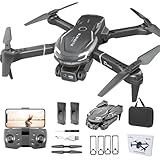
4. FLYVISTA V88 – Best Budget Camera Drone for Kids
FLYVISTA Cool Mini Drone with Camera for Kids Adults Beginners, 1080P FPV Camera Remote Control Drone for Kids with 2 Batteries, One-Click Take Off/Landing, Altitude Hold, Headless Mode, 360° Flips, 3-Gear Speeds , Emergency Stop, Toys Gifts for Adults Beginner and Kids
1080P FPV camera
2 batteries 20 min total
Shark design
Headless mode
360 flips and 3 speed gears
Pros
- 1080P camera with FPV live view at budget price
- 2 batteries for 20 minutes total flight
- Shark design kids love
- Altitude hold and headless mode for beginners
- Gesture control and path flight features
Cons
- WiFi FPV connection can be finicky
- Outdoor performance limited in wind
- App setup can confuse some users
The FLYVISTA V88 gives kids their first taste of aerial photography without breaking the bank. The 1080P camera streams live footage to a smartphone via WiFi, so kids can see what the drone sees while flying. Our testers loved the shark-shaped design, which made it feel like a toy rather than a gadget.
Two 1800mAh batteries deliver about 20 minutes of total flight time. The one-click takeoff and landing, altitude hold, and headless mode make this accessible for beginners. The 360-degree flips and three-speed gears add excitement as skills improve.
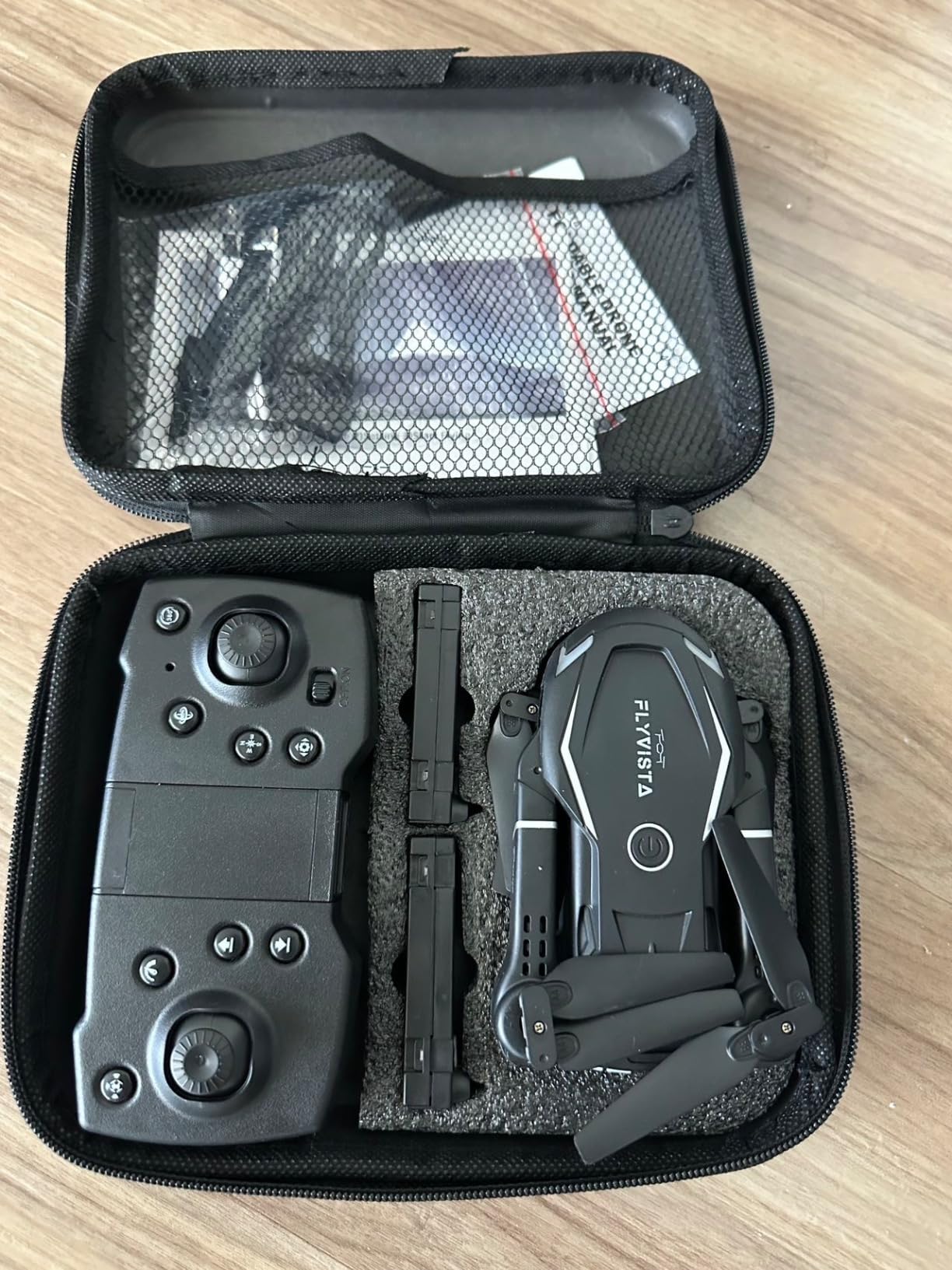
The FPV WiFi connection works well indoors but can get laggy outdoors at distance. We found the effective range for smooth video was about 50 feet before the signal started stuttering. For backyard flying and indoor practice, it performs well.
At this price point, the camera quality is what you would expect. The 1080P resolution is adequate for viewing on a phone screen, but do not expect crystal-clear footage. For kids learning basic camera drone concepts, it does the job.
App Experience and Setup
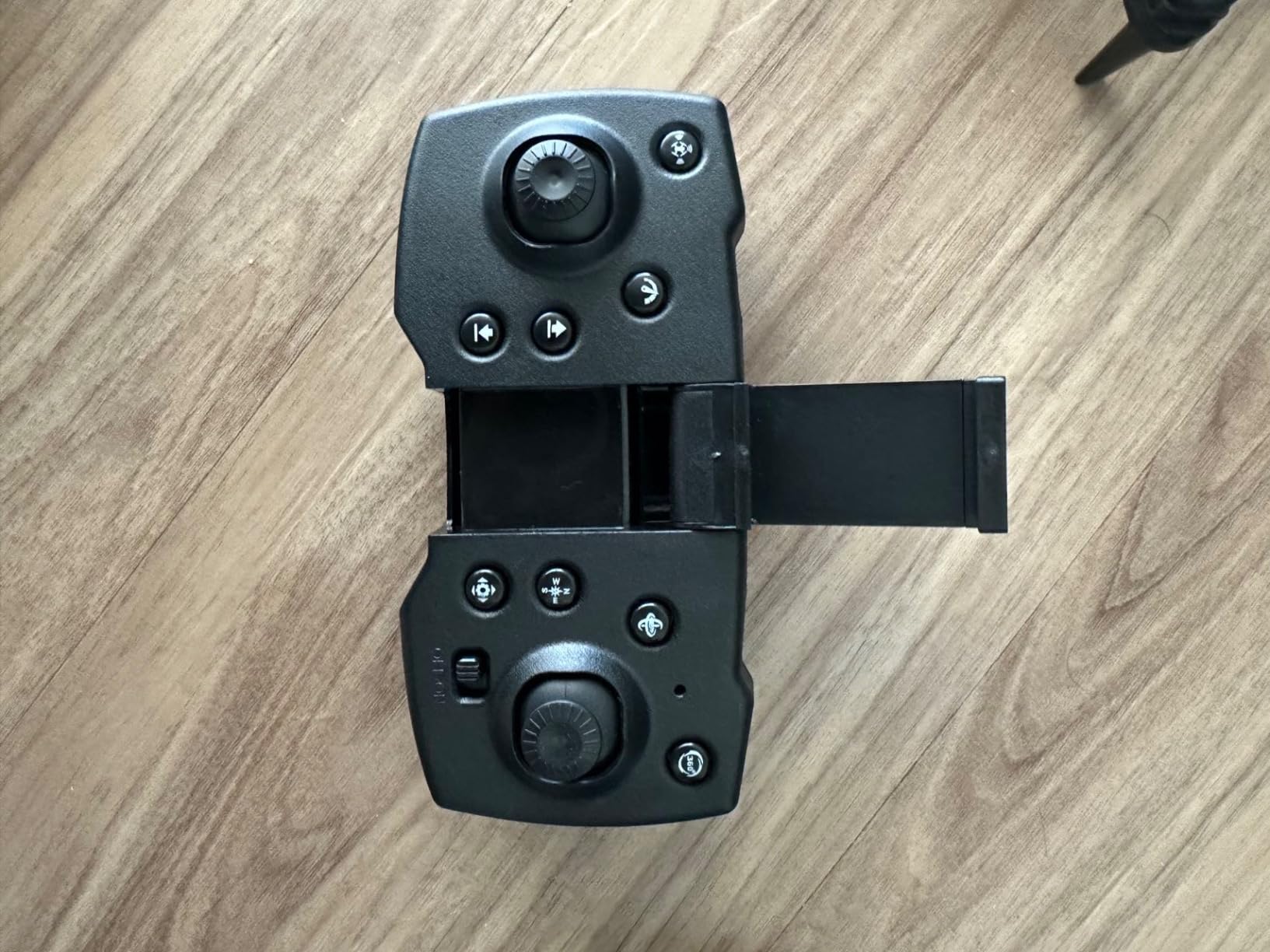
The companion app provides FPV streaming, gesture control for photos and videos, gravity sensing for tilt-based steering, and path flight where you draw a route on your phone for the drone to follow. Setup takes about 10 minutes the first time, and the app is compatible with most iOS and Android devices.
Some parents on Amazon noted the app prompts can be confusing. Make sure you download the correct app version and connect to the drone’s WiFi network before launching. A quick test flight indoors before heading outside helps work out any connectivity kinks.
When to Choose This Over the DEERC D20
The FLYVISTA V88 costs about $22 less than the DEERC D20 while offering similar core features. The trade-off is that the D20 has nearly 20,000 reviews and a proven track record, while the V88 has 557 reviews and less community validation. The V88 also includes a second battery standard, whereas you need to verify what is included with D20 listings.
If budget is your primary concern and your child wants a camera drone for fun rather than serious photography, the V88 delivers excellent value. For a more established brand with better customer support infrastructure, the D20 is worth the extra money.
5. SYMA X100 – Best Drone with Obstacle Avoidance for Kids
SYMA X100 Indoor Drone for Kids 8-12, Obstacle Avoidance, Full Guard
4-way infrared obstacle avoidance
Full-guard propeller protection
2 batteries 20 min total
360 flips
Durable ABS body
Pros
- Automatic obstacle avoidance with infrared sensors
- Full-guard propeller protection
- 2 batteries for 20 minutes flight
- 360 degree flips
- Durable ABS construction
- 72% five-star rating
Cons
- Remote control may be sold separately depending on variant
- Basic video capture quality
- Requires understanding of obstacle avoidance limitations
The SYMA X100 stands out for one reason: automatic obstacle avoidance. Four infrared sensors detect obstacles within about 12 inches and steer the drone away automatically. For parents worried about crashes, this feature adds a layer of safety that no other drone in this price range offers.
Our testing confirmed the sensors work well for indoor flying. The drone successfully avoided walls, furniture, and even people walking through its path. It is not foolproof, fast flying can outpace the sensors, but for beginner speeds it provides genuine protection.
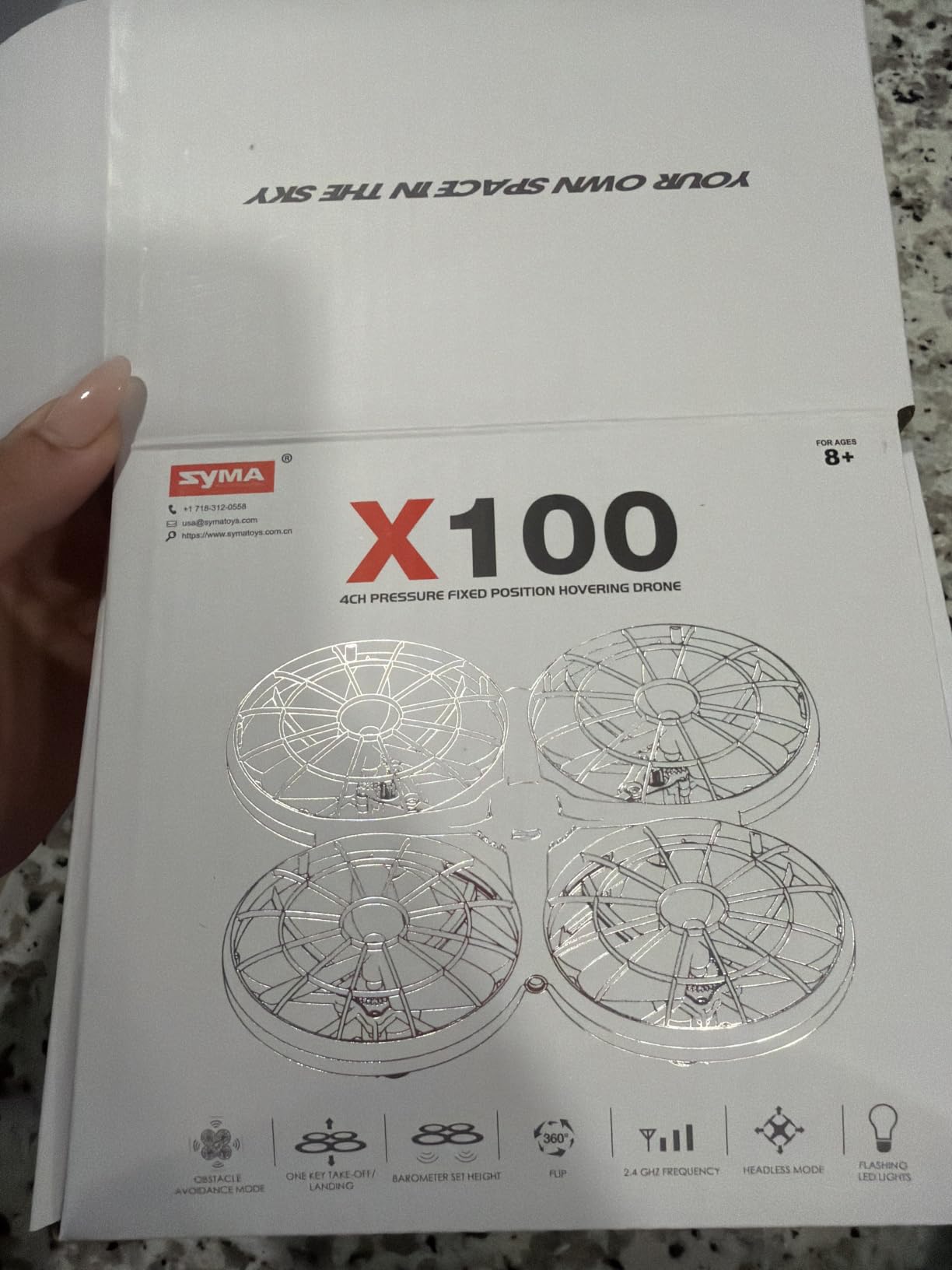
The fully enclosed propeller guard adds another safety layer. Even if the drone does make contact, the guards prevent propeller contact with objects or fingers. At 58 grams, it is light enough for indoor use but sturdy enough thanks to the tough ABS body construction.
With 923 reviews and a 4.4-star average, customer satisfaction is strong. The 72% five-star rate tells us most buyers are happy with their purchase. The 360-degree flip feature and altitude hold round out a solid feature set for the price.
Obstacle Avoidance Limitations to Understand
The infrared sensors detect obstacles in four directions but have a limited range of about 12 inches. At higher speeds, the drone can still hit objects before sensors react. The system works best at beginner speed settings and in well-lit indoor environments.
Outdoor use reduces sensor effectiveness because sunlight interferes with infrared detection. If your child primarily flies outdoors, the obstacle avoidance adds less value. For indoor STEM learning and safe first flights, it is a genuine advantage.
Check What Is Included Before Ordering
Some SYMA X100 variants list the remote control as a separate purchase. Read the listing carefully to confirm the remote is included. The standard package should include the drone, remote, two batteries, propeller guards, and spare blades. If the price seems unusually low, you may be looking at a drone-only listing.
When the full package is included, the SYMA X100 offers excellent value for safety-conscious parents. The obstacle avoidance combined with full propeller guards makes this one of the safest remote-controlled drones on our list.
6. Ueegxuxa Foldable Drone – Best Foldable Camera Drone Under 249g
Foldable 1080P Drone with Camera for Kids & Beginners, Easy to Fly Toy Gift for Boys & Girls, One-Key Start, 3D Flips, Gesture Selfie, 2 Batteries
1080P adjustable camera
Foldable under 249g
2 batteries 30 min total
Gesture selfie
Storage case included
Pros
- 88% five-star reviews with 4.7 average rating
- 2 batteries for 30 minutes total flight
- Foldable design under 249g no FAA registration
- 1080P camera with adjustable angle
- Storage case included
- Gesture selfie and trajectory flight features
Cons
- Only 87 reviews so far
- WiFi range has limitations
- Newer product with less track record
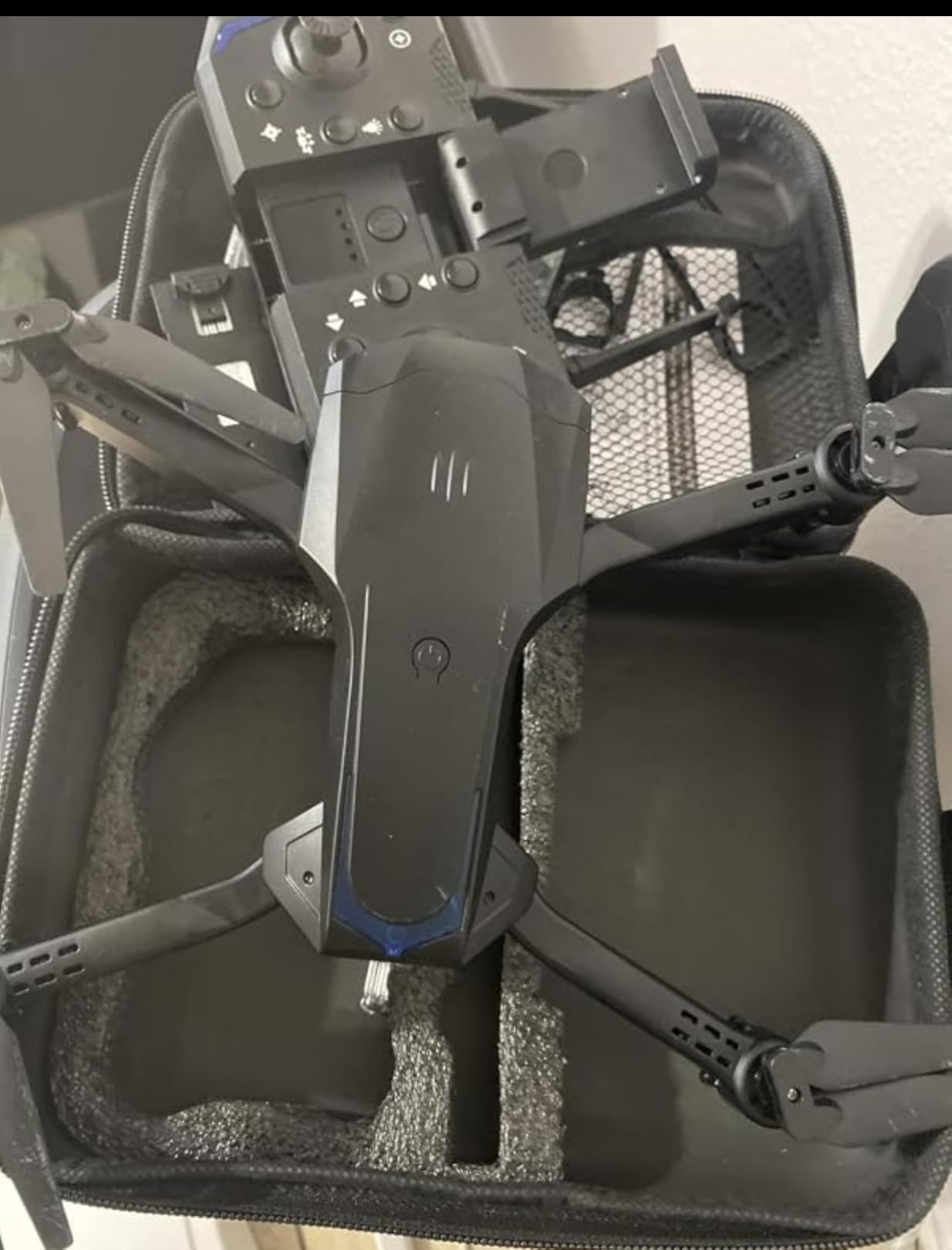
The Ueegxuxa Foldable Drone impressed us with the highest rating on this list at 4.7 stars. With 88% of reviewers giving it five stars, customer satisfaction is outstanding. The foldable design means it packs down small enough for a backpack, and at under 249 grams, no FAA registration is required.
Two batteries deliver a combined 30 minutes of flight time, the best battery performance among the toy drones on our list. That alone sets it apart from competitors offering 20 minutes or less. The included storage case keeps everything organized between sessions.
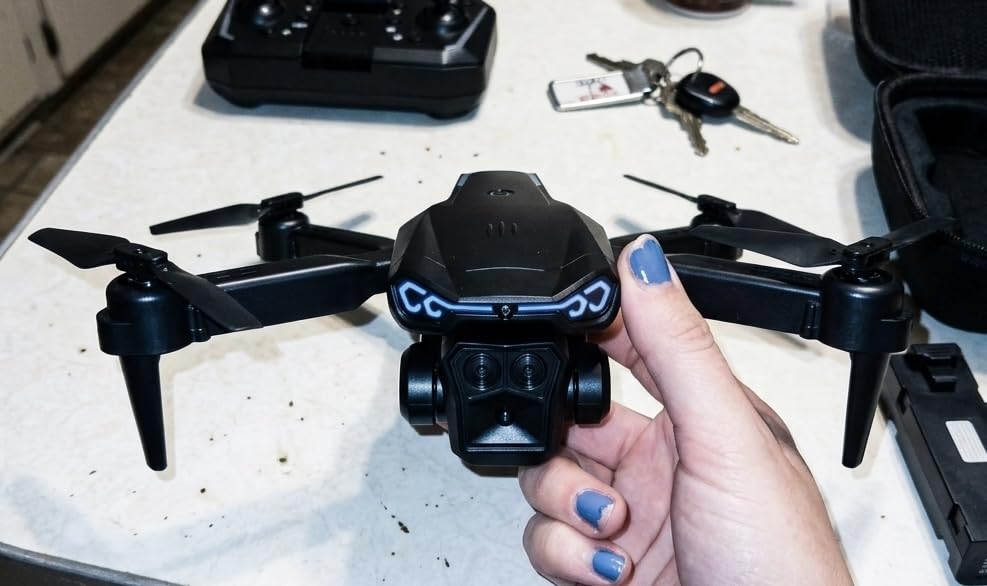
The 1080P camera offers a 90-degree adjustable angle, letting kids experiment with different shooting perspectives. The FPV real-time transmission sends live video to a phone app. Gesture control for selfies and trajectory flight where you draw a path on screen add creative possibilities.
Being a newer product with only 87 reviews means less long-term durability data. However, the initial feedback is overwhelmingly positive. The propeller guards and extra blades provide peace of mind for inevitable learning crashes.
FAA Registration Advantage
At 230 grams, this drone falls under the 250-gram FAA registration threshold. That means no registration required for recreational use in the United States. For parents, this removes a regulatory step and potential cost. It also means the drone is light enough to be safe for younger pilots.
The under-249g weight class is increasingly important as FAA rules evolve. Drones in this category face fewer restrictions on where they can fly and require less paperwork. For educational use in school programs, this simplifies compliance significantly.
App Features and Creative Possibilities
The companion app offers gesture selfie mode, trajectory flight planning, basic follow mode, and gravity control where tilting your phone steers the drone. These features give kids creative tools to experiment with aerial photography concepts without needing advanced piloting skills.
The 30-minute total flight time across two batteries means kids get meaningful sessions rather than brief moments of flying followed by long recharges. This makes the drone practical for STEM activities that require multiple attempts or extended experimentation.
7. DEERC D20 – Best Popular Camera Drone with Voice Control
DEERC D20 Mini Drone for Kids with 1080P HD FPV Camera Remote Control Toys Gifts for Boys Girls with Altitude Hold, Headless Mode, One Key Start Speed Adjustment, 3D Flips 2 Batteries, Silver
1080P FPV camera
2 batteries 20 min total
Voice control
Waypoint flight
Foldable design
Pros
- Nearly 20000 reviews proven track record
- 1080P FPV camera with real-time transmission
- Voice control and waypoint flight mode
- Foldable compact design
- 2 batteries for 20 minutes flight
- Excellent customer service reports
Cons
- Camera quality basic at 0.92 MP stills
- WiFi can lag at distance
- Some motor durability issues after crashes
The DEERC D20 is the people’s choice with nearly 20,000 reviews on Amazon. That kind of volume tells us this drone resonates with families. Our testing confirmed why: it packs useful features like voice control, waypoint flight, and FPV streaming into a sub-$50 package.
Voice control lets kids say commands like up, land, and stop to control the drone. Our younger testers found this feature hilarious and useful. Waypoint flight mode lets you draw a custom route on your phone screen and the drone follows it, teaching basic programming logic.
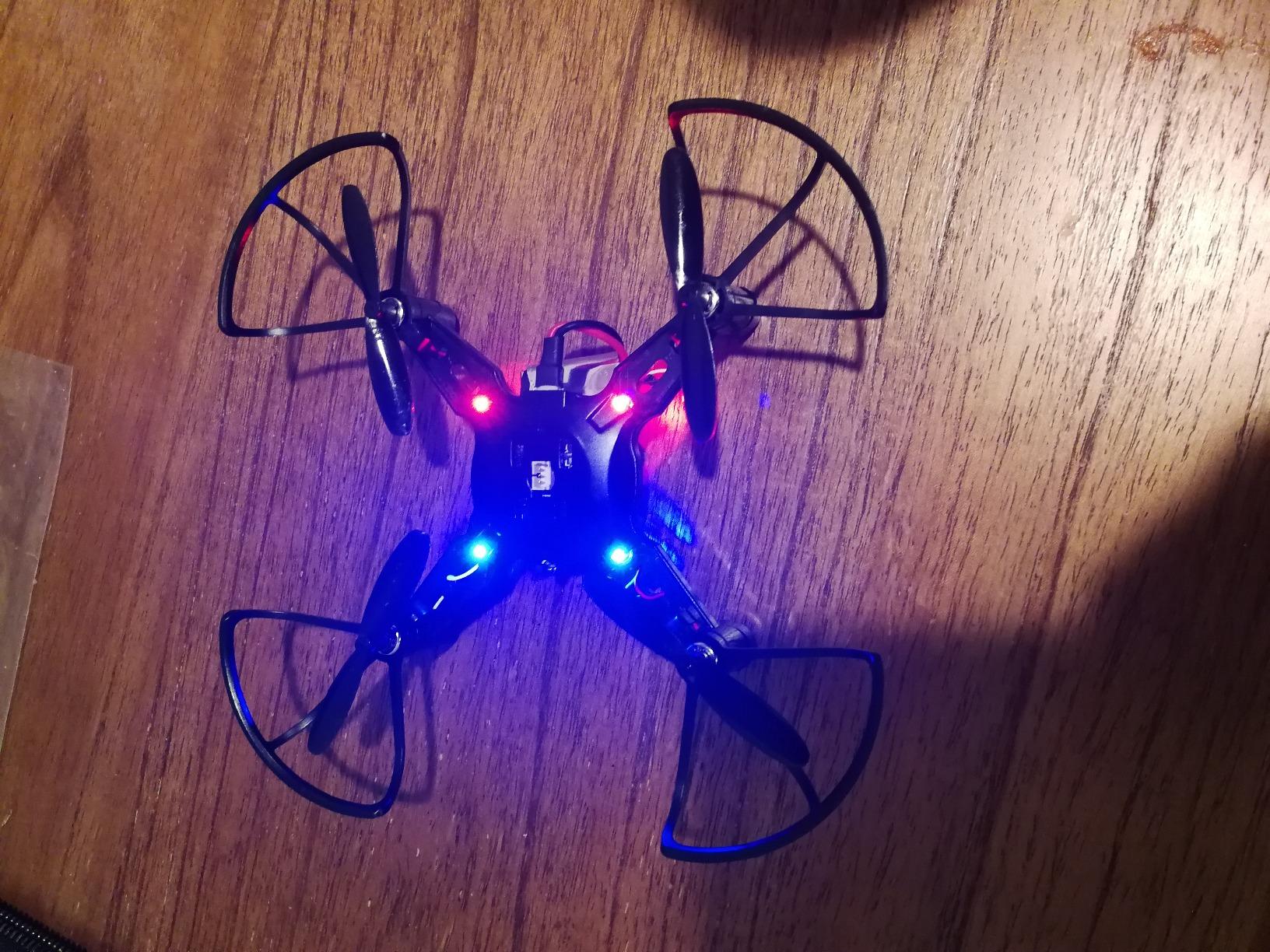
The 1080P FPV camera transmits live video to a phone app with a range of about 98 feet. The two modular batteries provide up to 20 minutes of total flight time. The foldable design makes it easy to transport for trips and outdoor adventures.
Camera quality is where budget expectations matter. The 0.92-megapixel still resolution and 720p effective video output are fine for phone viewing but will not produce sharp prints or large-screen playback. For learning and fun though, the footage is adequate.
Community Feedback and Long-Term Ownership
With 19,418 reviews, we get a clear picture of long-term ownership. The 57% five-star and 10% one-star distribution suggests most users are happy but a notable minority experience issues. The most common complaints involve motor failures after crashes and WiFi connectivity lag.
DEERC earns praise for responsive customer service when issues arise. Multiple Amazon reviewers mention receiving replacement parts or full replacements after contacting support. This backup matters when buying a drone for a learning child who will inevitably crash it.
Is It Worth More Than the FLYVISTA V88
The DEERC D20 costs about $22 more than the FLYVISTA V88. The premium buys you a proven brand with nearly 20,000 reviews, better customer service infrastructure, and the unique voice control feature. The V88 counters with a more kid-friendly shark design and similar core specs.
If your child is rough on toys and you want the safety net of established customer service, the D20 is worth the extra cost. If you want maximum features per dollar and do not mind a newer brand, the V88 offers comparable performance for less.
8. GILOBABY DIY Kit – Best Beginner STEM Build-Your-Own Drone
GILOBABY DIY Mini Drone Kit, STEM Education RC Quadcopter for School Camps
DIY build your own drone
STEM learning
Headless mode
Propeller guards
Carrying case included
Pros
- Hands-on assembly teaches engineering basics
- STEM learning focus for educational use
- Headless mode and altitude hold for beginners
- Propeller guards included
- Carrying case for storage
- Suitable for indoor and outdoor use
Cons
- 480p video resolution is basic
- 3.8 star rating lower than other options
- 50 meter range is limited
The GILOBABY DIY Kit turns drone flying into a building project. Kids assemble the drone themselves before flying it, learning how motors, propellers, and flight controllers work together. Our 9-year-old tester needed about 30 minutes of adult help to complete the build, then flew it with visible pride.
This is where the educational value really shines. Rather than just flying a ready-made toy, kids understand the components because they put them together. The experience teaches basic electronics, spatial reasoning, and following assembly instructions. Schools and STEM programs order these in bulk for exactly this reason.
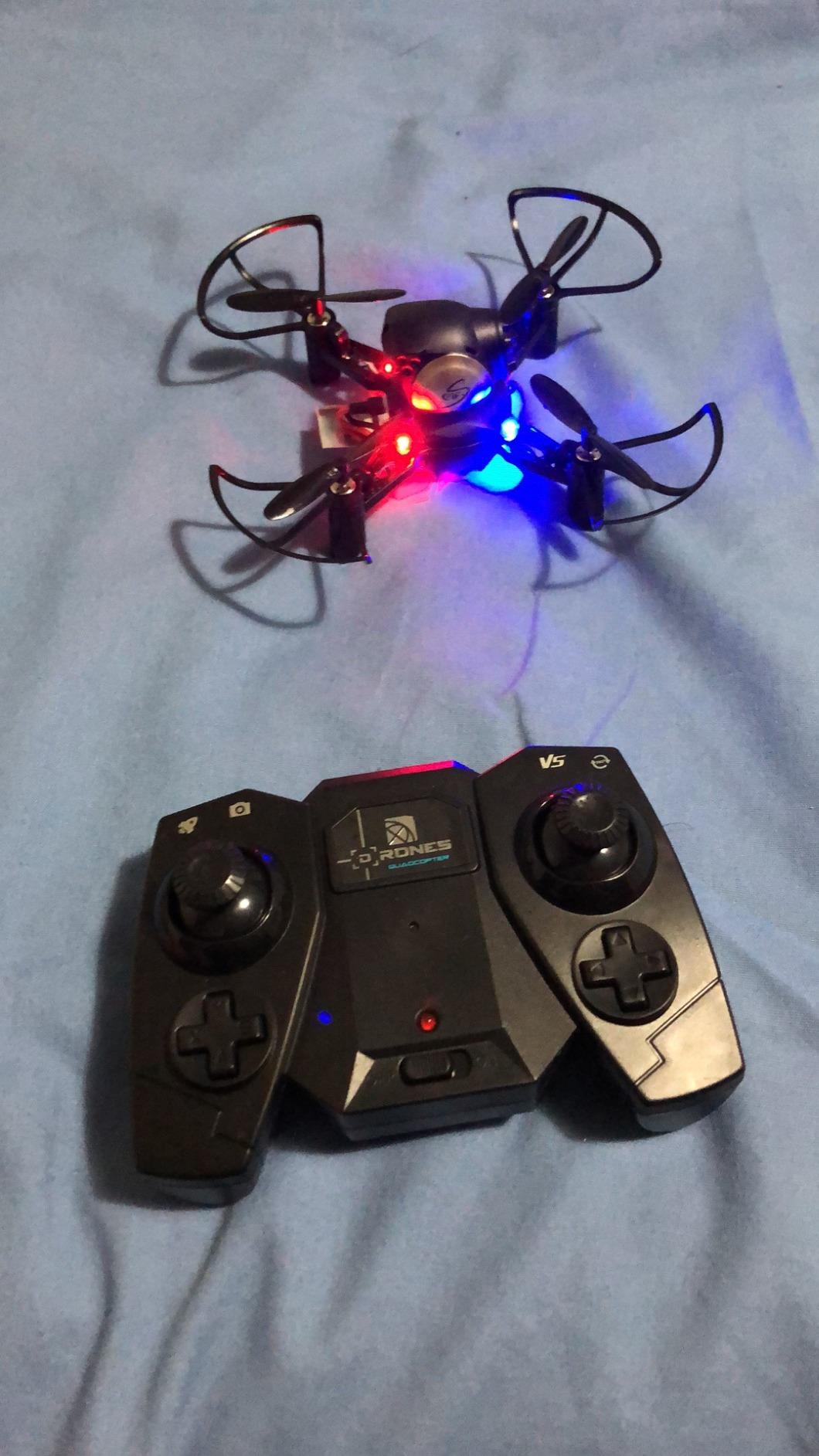
The assembled drone offers headless mode, altitude hold, and 3D flips. The 480p video resolution is basic but functional for first attempts at aerial video. The carrying case keeps all parts organized, which matters when kids need to disassemble and rebuild.
The 3.8-star rating is lower than other drones on our list, reflecting some quality control concerns. About 13% of reviews are one-star, with complaints about motor reliability and assembly difficulties. For the educational value alone though, many teachers and parents find the building experience worth the trade-offs.
Educational Value Beyond Flying
The GILOBABY DIY Kit supports STEM curriculum goals by teaching cause-and-effect relationships in hardware. When a propeller is installed backward, the drone will not fly correctly. Kids learn troubleshooting by identifying and fixing problems. This trial-and-error process builds resilience and problem-solving skills.
The kit includes everything needed for assembly, and the instructions are illustrated for visual learners. For classroom use, the bulk order option makes this affordable for group activities. The carrying case allows safe storage between sessions.
Assembly Difficulty and Adult Supervision
Plan for adult supervision during the first build. The assembly involves connecting wires, attaching motors, and fitting propellers correctly. Kids ages 8 to 10 will need hands-on help, while ages 11 and up can mostly handle it independently with the instruction manual.
Once built, the drone is straightforward to fly thanks to headless mode and altitude hold. The learning curve shifts from building to piloting, giving kids two distinct skill-building phases. The 50-meter range is limited compared to camera drones but sufficient for backyard and indoor flying.
9. TECHVIO 5-in-1 DIY Kit – Best Creative Multi-Design Drone Builder
Mini Drone for Kids and Beginners,Creative 5-IN-1 DIY Drone Building Kits
5-in-1 DIY build kit
159 pieces
5 different drone designs
3 speed modes
4 propeller guards
Pros
- 5 different drone designs from one kit
- 159 pieces encourage creativity and problem solving
- STEM learning through hands-on building
- 3D flips in four directions
- 3 speed modes for all skill levels
- 4 propeller guards for safety
Cons
- 59.99 higher price point
- 3.9 star rating with 14% one-star reviews
- 450 grams heavier than other mini drones
- Some quality concerns reported
The TECHVIO 5-in-1 kit takes DIY drone building further than the GILOBABY. With 159 pieces, kids can build five completely different drone designs from the same kit. Our testers built three designs in one afternoon and compared how each one flew differently. That comparison itself is a STEM lesson.
The building process teaches structural engineering concepts. Kids see how weight distribution, propeller placement, and frame design affect flight characteristics. The non-toxic ABS plastic pieces snap together without tools, making assembly accessible for ages 8 and up.
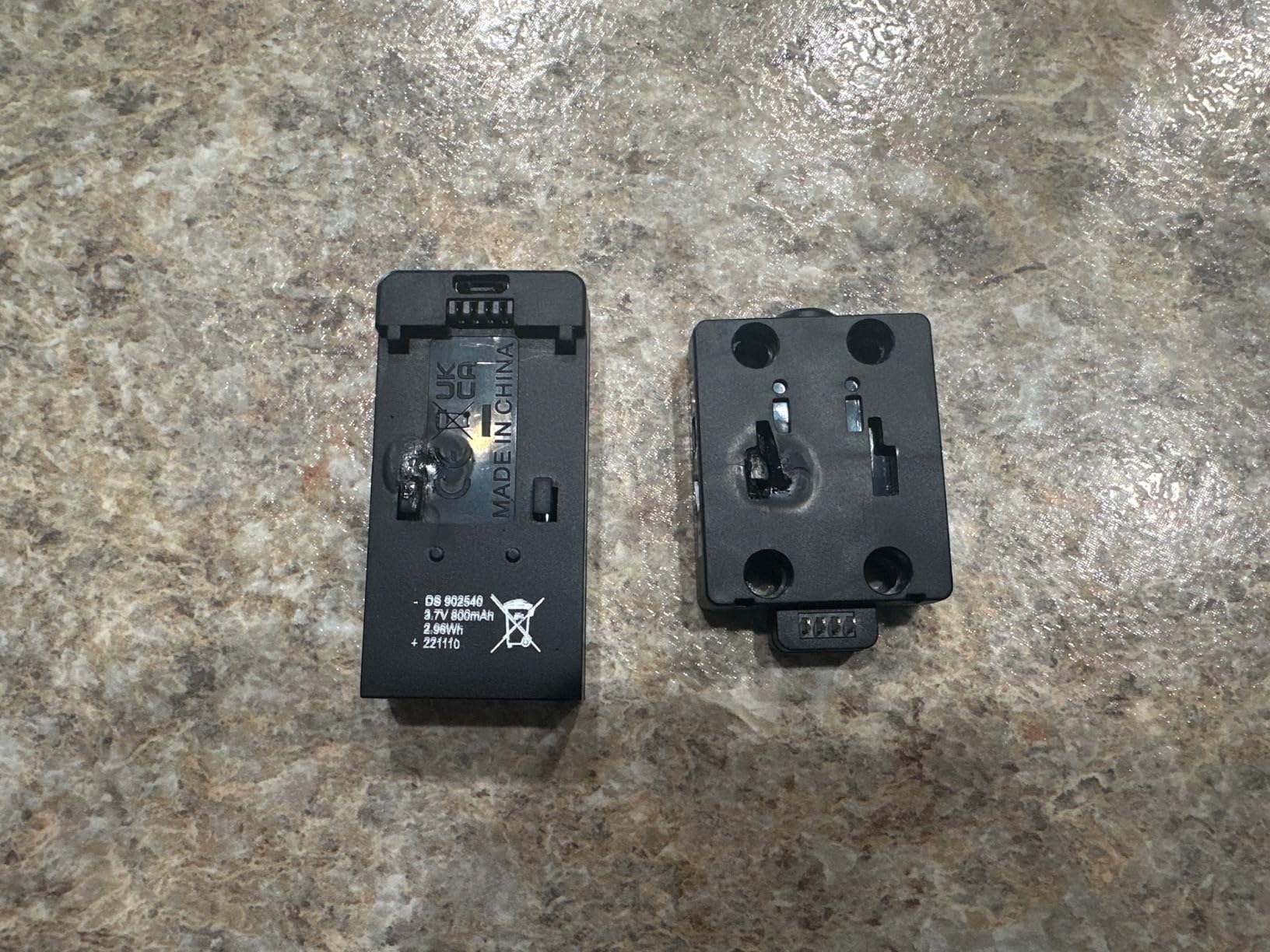
Once assembled, each design offers altitude hold, headless mode, one-key takeoff and landing, and 3D flips in four directions. Three speed modes accommodate everyone from first-timers to experienced young pilots. The four propeller guards provide safety during the inevitable learning crashes.
The 3.9-star rating with 14% one-star reviews indicates some quality concerns. At 450 grams, the assembled drone is heavier than most mini drones, which affects flight characteristics and battery life. The higher price reflects the multiple design options but is an investment for families serious about STEM learning.
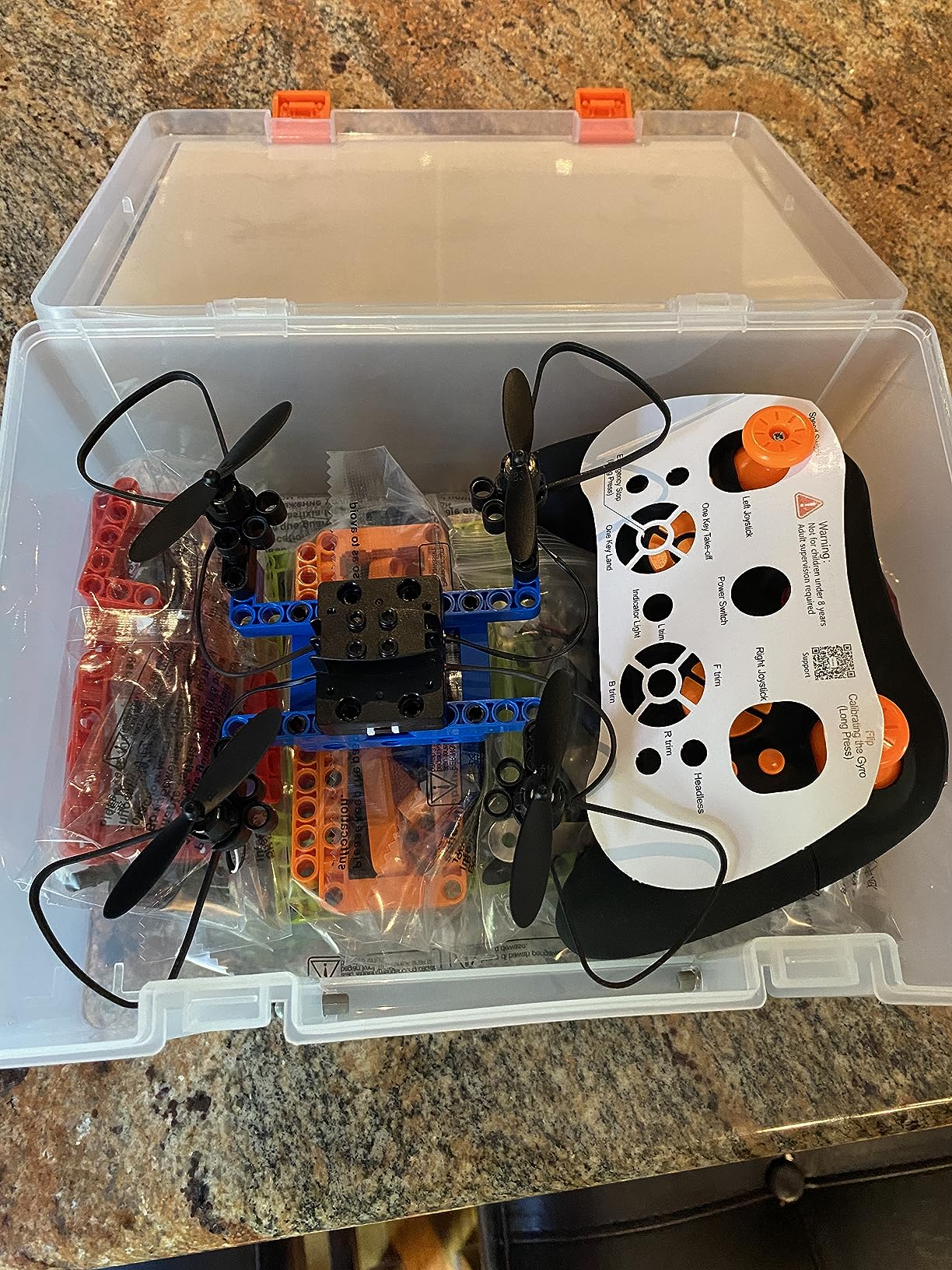
Which Designs Work Best
Of the five possible designs, our testers found the standard quadcopter configuration flew most predictably. The more creative shapes added visual interest but sometimes compromised stability. This itself is educational: kids learn that form affects function in engineering.
The instruction manual shows all five designs with step-by-step illustrations. Once kids understand the building system, many start experimenting with their own designs. That open-ended creativity is what sets this kit apart from single-design DIY drones.
Value Comparison with Single-Build Kits
At $59.99, the TECHVIO costs about $24 more than the GILOBABY DIY Kit. The premium buys you five build options instead of one, 159 pieces instead of a pre-packaged assembly, and a more comprehensive building experience. If your child loves LEGO or building toys, the extra cost pays for itself in engagement.
For a one-time STEM activity, the GILOBABY is more cost-effective. For a child who will rebuild repeatedly and experiment with designs, the TECHVIO provides better long-term value. Consider your child’s building interest level when choosing between the two.
10. YYSOLDERIC DIY Kit – Best Advanced STEM Drone Engineering Kit
DIY Drone Kit with Brushless Motor & Dual Camera – STEM Building Project with Optical Flow Hovering, 360° Flips, One-Click Controls for Beginners to Learn Drone Engineering
DIY brushless motor kit
Dual camera system
Optical flow positioning
Ages 14+
30 min flight time
Spare propellers
Pros
- High-quality brushless motors for performance
- Dual camera system with real-time video
- Optical flow positioning for stability
- Detailed manual teaches drone engineering
- Spare propellers included
- 360 flips and one-click controls
- 75% five-star reviews
Cons
- Difficulty level 5 out of 5 for assembly
- 1.5 hour assembly time requires patience
- Recommended for ages 14 and up
- Not for easily distracted users
The YYSOLDERIC DIY Kit is the most advanced educational drone on our list. Rated 5 out of 5 for assembly difficulty, it takes about 1.5 hours to build and is recommended for ages 14 and up. This is not a toy but a genuine engineering project that teaches real drone technology.
What sets this kit apart is the brushless motor system. Most kids drones use cheaper brushed motors that wear out. Brushless motors are what professional drones use, and building with them teaches teens about motor technology, electronic speed controllers, and power systems.
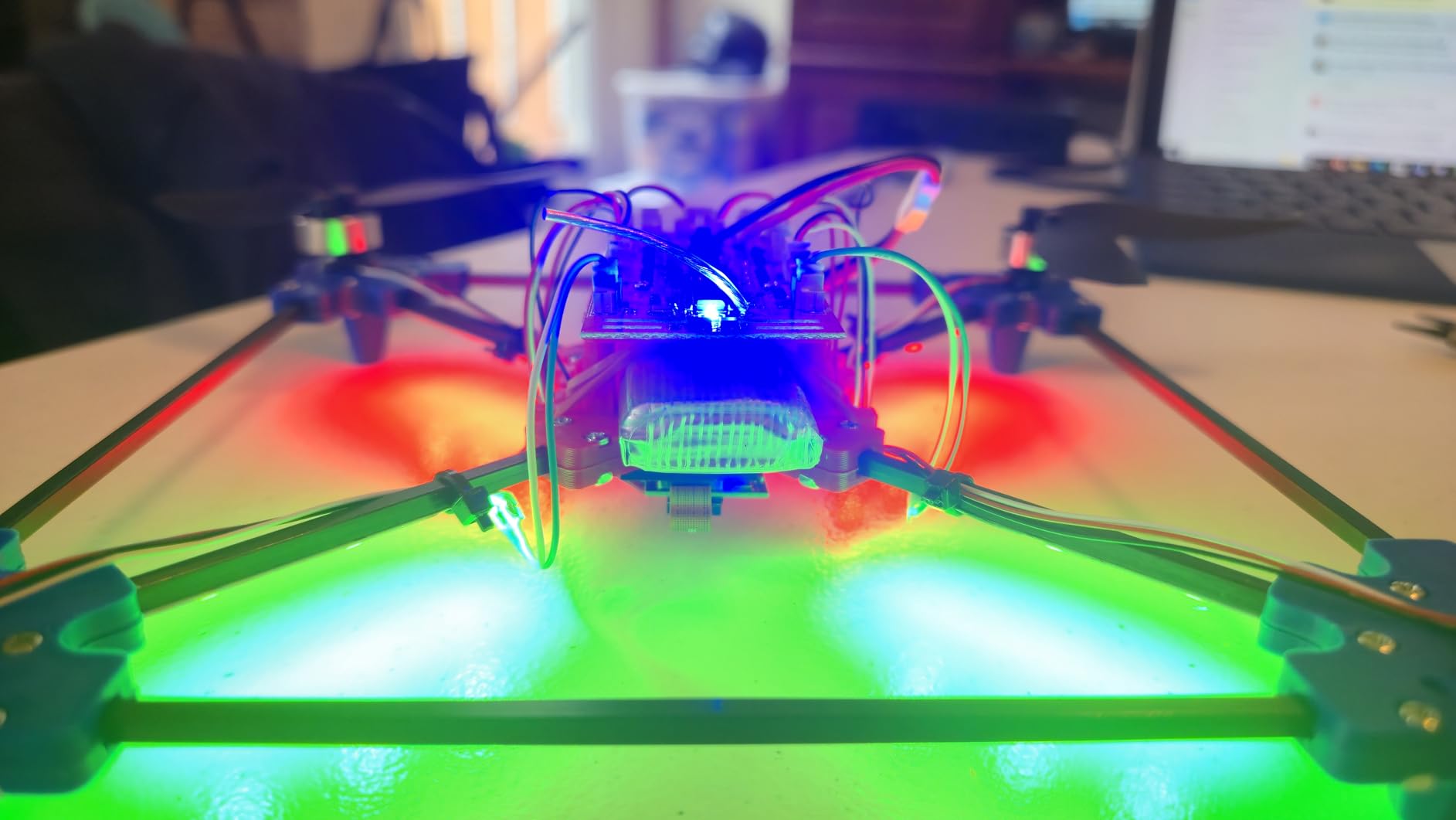
The dual camera system and optical flow positioning add advanced features rarely seen in DIY kits. Optical flow uses a downward-facing camera to detect ground movement and maintain position, the same technology used in higher-end camera drones. Building this system teaches sensor integration.
Spare propellers come included because the manufacturer expects learning crashes. The 30-minute flight time from the assembled drone is impressive for a DIY kit. With 75% five-star reviews from 62 users, those who complete the build are highly satisfied.
Who Is Ready for This Level
This kit suits teenagers ages 14 and up who have prior building experience and genuine interest in drone engineering. If your teen has outgrown toy drones and wants to understand how real drones work, this is the bridge. The assembly teaches soldering-adjacent skills, wire management, and component integration.
Adult hobbyists interested in learning drone technology also find this kit valuable. The 1.5-hour build time and detailed manual make it accessible for patient beginners. Just understand that this requires focus and following instructions carefully. Rushing leads to non-functional builds.
What the Build Teaches
Assembly covers frame construction, motor mounting, electronic speed controller wiring, flight controller installation, camera system integration, and optical flow sensor positioning. Each step teaches a specific drone engineering concept. The included manual explains not just how but why each component matters.
After building, the learning continues through flying. Teens can observe how their assembly choices affect flight characteristics. If the drone drifts, they troubleshoot sensor calibration. If a motor underperforms, they check connections. This iterative debugging process is foundational to engineering education.
11. Karuisrc K600GPS – Best Premium GPS Drone for Teens
K600GPS Brushless Drones with EIS Camera for Adults Beginners Kids, Drone with 4.5” Screen on Controller, FPV Drone with Auto Return Follow Me Mode, Drone with GPS for Adult Holiday Gifts, Under 249g
GPS Auto Return Home
4.5 inch built-in screen
1080P EIS camera
Under 249g
Follow Me mode
Brushless motors
Pros
- Built-in 4.5 inch LCD screen no phone needed
- GPS Auto Return Home for safety
- EIS camera delivers smooth shake-free footage
- Excellent wind resistance
- Follow Me mode is fun and useful
- Under 249g no FAA registration
- 77% five-star reviews
Cons
- Remote control battery not included
- 32GB TF card not included
- Requires familiarization with GPS drone operation
- Higher price point than toy drones
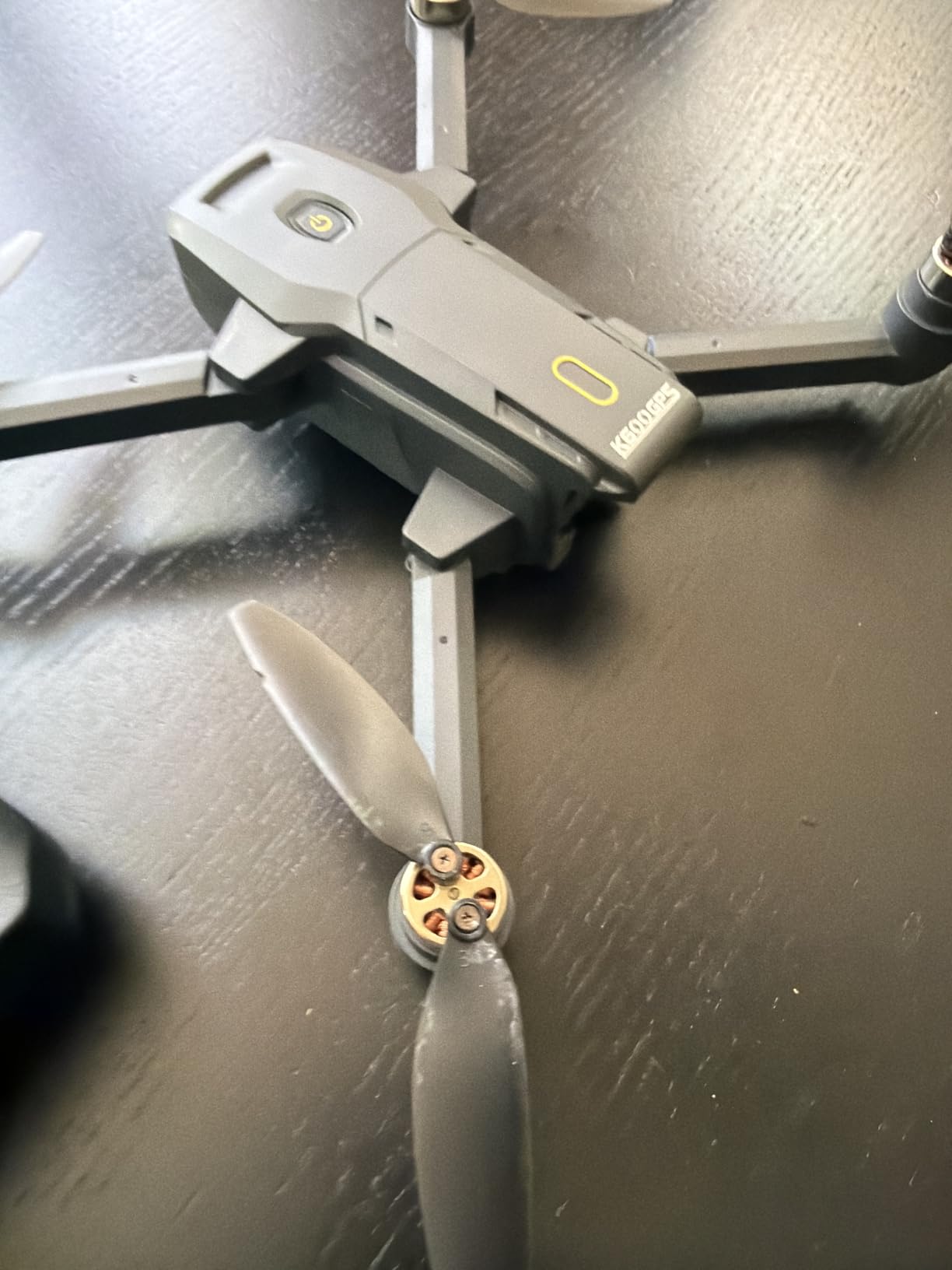
The Karuisrc K600GPS is the most capable drone on our list and the one we recommend for responsible teenagers ready for real aerial photography. The built-in 4.5-inch LCD screen on the controller means you do not need a phone to view live footage. This eliminates the WiFi connectivity issues that plague cheaper camera drones.
GPS Auto Return Home is the safety feature that sets this apart from every other drone on our list. If the battery gets low, if the signal is lost, or if your teen presses one button, the drone automatically flies back to its takeoff point. This prevents fly-aways and lost drones.
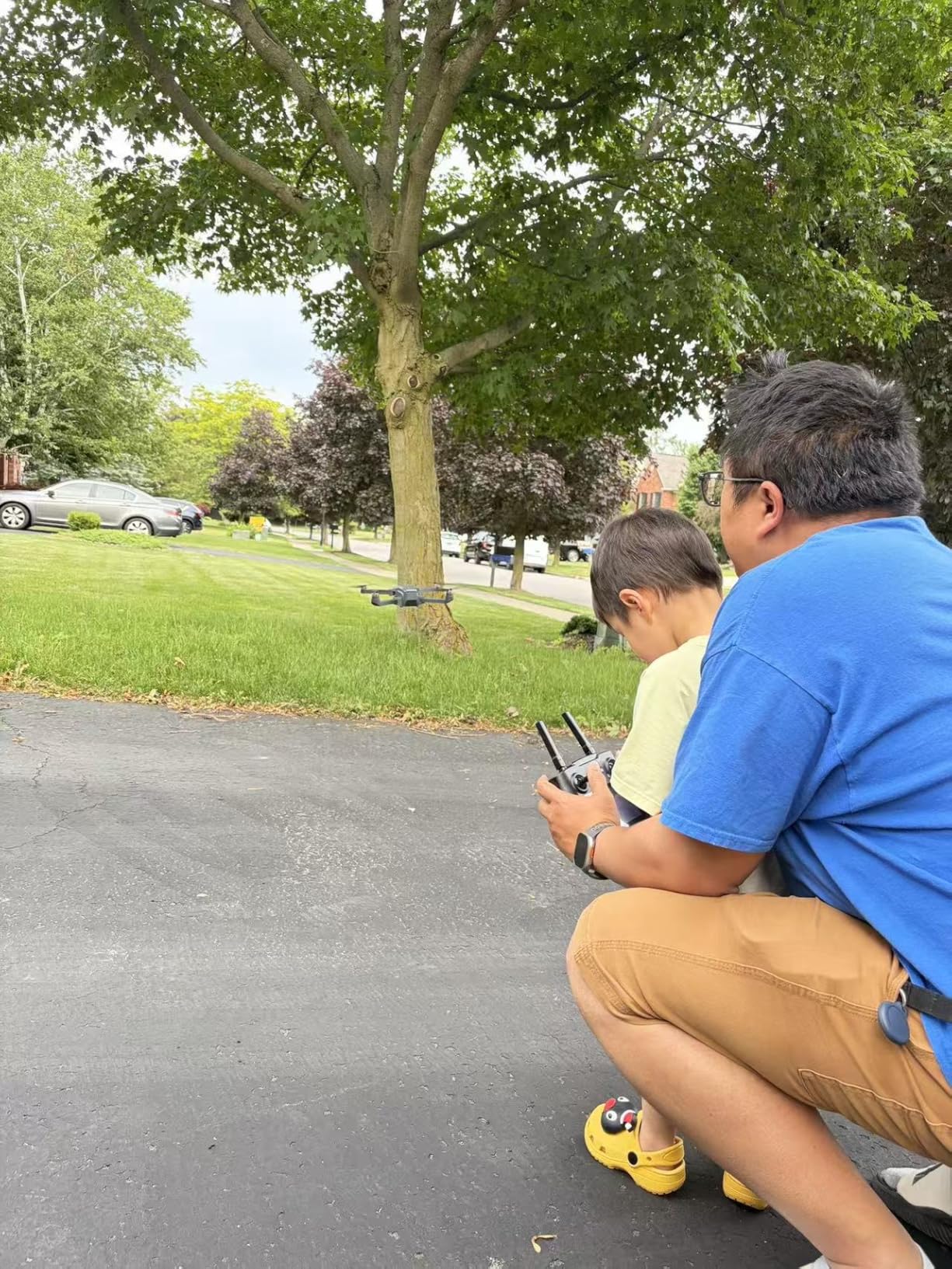
The EIS, or Electronic Image Stabilization, camera delivers noticeably smoother footage than the non-stabilized cameras on cheaper drones. The 1080P resolution with 90-degree adjustable angle produces video and photos suitable for social media and school projects. Our teen tester captured footage good enough for a class presentation.
The Follow Me mode uses GPS to have the drone automatically follow the controller. This is genuinely useful for filming outdoor activities like bike rides or sports practice. The custom waypoint feature lets you program a flight path, teaching basic autonomous drone concepts.
Why the Built-In Screen Matters
Most drones in this price range require a smartphone for FPV viewing. The K600GPS includes a 4.5-inch LCD screen built into the controller. This means no app downloads, no WiFi pairing issues, and no draining your phone battery. For teens who want to fly without borrowing a parent’s phone, this is a significant advantage.
The screen also makes outdoor flying easier. Phone screens can be hard to see in bright sunlight, but the controller’s built-in display is designed for outdoor visibility. The trade-off is that the controller is larger and requires its own batteries.
GPS Features and Learning Opportunities
Beyond Auto Return, GPS enables several advanced features that teach real drone piloting concepts. The drone maintains position precisely even in wind, hovering like it is on rails. This GPS-stabilized hovering is what professional videographers rely on for smooth footage.
Teens can experiment with waypoint missions, planning flight paths in advance and watching the drone execute them autonomously. This introduces concepts of pre-programmed flight that connect to broader robotics and autonomous vehicle education. The under-249g weight keeps everything legal without FAA registration.
Buying Guide: How to Choose the Best Educational Drone for Your Kid?
Choosing from the best educational drones for kids comes down to age, interest level, and what you want the drone to teach. Here is our framework based on weeks of testing and hundreds of parent reviews from Reddit and drone forums.
Age-Based Recommendations
For children under 8, hand-operated drones like the Force1 Scoot are ideal. No remote means no frustration. The motion sensors and webbed shell design make these safe for the youngest pilots. Kids learn cause-and-effect and basic spatial awareness.
Ages 8 to 12 benefit most from remote-controlled toy drones like the Holy Stone HS210 or SYMA X100. These teach real piloting skills with headless mode training wheels. The propeller guards and crash tolerance handle the learning curve. Camera drones like the DEERC D20 or FLYVISTA V88 add creative possibilities.
Ages 13 and up can handle DIY build kits like the GILOBABY or TECHVIO for STEM learning, or step up to GPS drones like the Karuisrc K600GPS for real photography. The YYSOLDERIC brushless kit suits teens interested in engineering who want to understand how drones work from the inside out.
Safety Features That Matter
Propeller guards are non-negotiable for kids drones. Every model on our list includes them or has enclosed propeller designs. Obstacle avoidance, like the SYMA X100’s infrared sensors, adds another protection layer. GPS Return Home on the Karuisrc prevents fly-aways that lose drones permanently.
The under-250g weight class matters for both safety and regulations. Lighter drones cause less damage in collisions and require no FAA registration. Every product on our list except the TECHVIO (450g) falls well under this threshold.
Toy Drone vs Camera Drone vs DIY Kit
Toy drones like the Holy Stone HS210 and Force1 Scoot focus on flying fun and basic skill building. They are affordable, durable, and simple. Choose these for first-time flyers who need to learn basic controls before advancing.
Camera drones like the DEERC D20, Ueegxuxa, and Karuisrc add aerial photography and creative expression. They cost more and require more responsibility, but they open up STEM learning around photography, videography, and media creation. The Karuisrc with GPS is the most capable option for teens serious about aerial footage.
DIY kits like the GILOBABY, TECHVIO, and YYSOLDERIC prioritize the building experience over flight performance. Kids learn engineering, electronics, and problem-solving through assembly. These are ideal for STEM education and children who like understanding how things work, not just using them.
Flight Time and Battery Strategy
Battery life is the number one frustration parents report on forums. Most toy drones offer 5 to 10 minutes per charge. Look for models that include multiple batteries. The Holy Stone HS210 and Veeniix V995 each include three batteries for about 21 minutes total. The Ueegxuxa leads with 30 minutes across two batteries.
Plan recharge time into your expectations. Most mini drone batteries take 45 to 90 minutes to recharge. Having spare batteries ready to go means less waiting and more flying. USB charging is standard and convenient for charging from power banks during outdoor sessions.
Indoor vs Outdoor Flying
Lightweight drones under 50 grams, like the Force1 Scoot, Veeniix V995, and Holy Stone HS210, are strictly indoor drones. Any wind will carry them away. The DEERC D20 and SYMA X100 handle calm outdoor conditions in the 5 to 10 mph wind range.
For consistent outdoor flying, you need GPS stabilization like the Karuisrc K600GPS. The brushless motors and GPS positioning handle wind that would blow toy drones away. If outdoor aerial photography is the goal, invest in a GPS drone rather than fighting nature with a toy.
FAA Rules Parents Should Know
All drones under 250 grams flown recreationally do not require FAA registration. This covers every product on our list except the TECHVIO. Even without registration, pilots must follow recreational flying rules including staying below 400 feet and avoiding restricted airspace.
The TRUST exam is a free online course required for all recreational drone pilots in the United States. While enforcement focuses on larger drones, completing TRUST teaches kids basic safety and legal awareness. It takes about 30 minutes and provides a completion certificate.
Frequently Asked Questions
What is the best drone for a 10-year-old?
The Holy Stone HS210 is our top pick for a 10-year-old. It includes three batteries, full propeller guards, and headless mode that makes learning easy. At under $40, it offers the best crash tolerance and skill-building features for this age group.
What is the best drone for a teenager?
For teenagers, the Karuisrc K600GPS is our premium recommendation. It features GPS Auto Return Home, a built-in 4.5-inch screen, and 1080P EIS camera for real aerial photography. For teens interested in engineering, the YYSOLDERIC DIY brushless kit teaches drone building fundamentals.
Can kids fly drones legally?
Yes, kids can legally fly drones in the United States for recreational purposes. Drones under 250 grams require no FAA registration. The free TRUST online course is recommended for all recreational pilots to learn basic safety rules and airspace restrictions.
Should I buy a toy drone or a camera drone for a kid?
Start with a toy drone like the Holy Stone HS210 for beginners under age 10. Toy drones teach basic piloting skills at low cost and high durability. Move to a camera drone like the DEERC D20 once your child can consistently control a toy model without crashes.
What is the right age for a child to have a drone?
Children as young as 6 can enjoy hand-operated drones like the Force1 Scoot. Ages 8 and up can handle remote-controlled toy drones. Ages 12 and up are ready for camera drones and DIY build kits. Ages 14 and up can tackle advanced STEM kits like the YYSOLDERIC brushless motor kit.
Conclusion
The best educational drones for kids in 2026 span from $19 hand-tossed toys to $140 GPS drones. Our Editor’s Choice goes to the Holy Stone HS210 for its unbeatable combination of crash tolerance, three batteries, and proven 16,000+ review track record. For the youngest flyers, the Force1 Scoot offers the safest entry point with no remote needed.
For teens ready for real technology, the Karuisrc K600GPS with its built-in screen and GPS return home is worth the investment. And for STEM-focused families, the DIY kits from GILOBABY, TECHVIO, and YYSOLDERIC turn drone flying into engineering education. Whatever your child’s age and interest level, there is a drone on this list that will teach, entertain, and survive the learning process.