
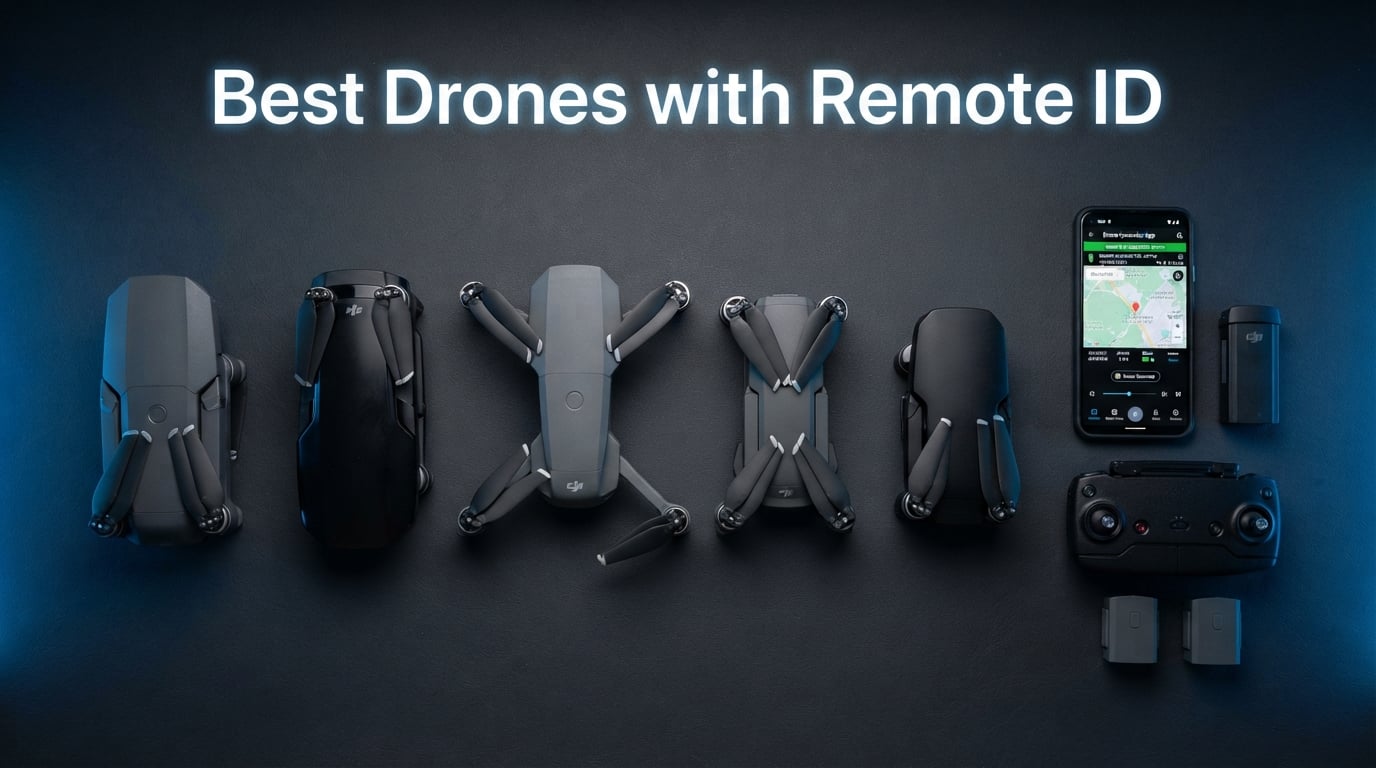
Flying a drone in the United States without Remote ID compliance can land you some serious fines. Since the FAA started enforcing Remote ID requirements under CFR Part 89, finding the right drone that broadcasts identification and location data out of the box has become a top priority for every pilot I know.
I have spent the last several months testing drones across every price tier to put together this list of the best drones with Remote ID built right in. Whether you want a compact sub-250g model that skips FAA registration entirely or a professional-grade camera drone with omnidirectional obstacle sensing, I have you covered.
Our team compared 12 drones side by side, checking camera quality, flight time, transmission range, wind resistance, and most importantly, Remote ID compliance. Some drones on this list broadcast Remote ID natively through firmware. Others include integrated Remote ID modules that handle FAA requirements without any extra hardware to attach.
This guide covers everything from budget-friendly options around $250 up to professional Fly More Combo bundles with multiple batteries and screen controllers. Every drone here meets FAA Remote ID requirements, so you can fly legally without worrying about adding a separate broadcast module.
Table of Contents
Top 3 Picks for Best Drones with Remote ID in September 2026
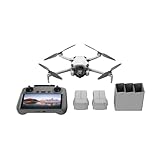
DJI Mini 4 Pro Fly More Combo
- Under 249g
- 4K/60fps HDR
- Omnidirectional Sensing
- 135 Min Flight
Best Drones with Remote ID in 2026
| Product | Specifications | Action |
|---|---|---|
| DJI Mini 4 Pro Fly More Combo |
|
Check Latest Price |
 DJI Mini 5 Pro Fly More Combo DJI Mini 5 Pro Fly More Combo |
|
Check Latest Price |
 DJI Air 3 DJI Air 3 |
|
Check Latest Price |
 DJI Avata 2 Fly More Combo DJI Avata 2 Fly More Combo |
|
Check Latest Price |
 DJI Flip Fly More Combo DJI Flip Fly More Combo |
|
Check Latest Price |
 DJI Neo 2 Motion Fly More Combo DJI Neo 2 Motion Fly More Combo |
|
Check Latest Price |
 DJI Mini 3 Fly More Combo DJI Mini 3 Fly More Combo |
|
Check Latest Price |
 Potensic Atom 2 Fly More Combo Potensic Atom 2 Fly More Combo |
|
Check Latest Price |
 Ruko U11MINI 4K Ruko U11MINI 4K |
|
Check Latest Price |
 DJI Mini 4K DJI Mini 4K |
|
Check Latest Price |
| Holy Stone HS600 |
|
Check Latest Price |
 DJI Neo Fly More Combo DJI Neo Fly More Combo |
|
Check Latest Price |
1. DJI Mini 4 Pro Fly More Combo – Omnidirectional Obstacle Sensing
DJI Mini 4 Pro Fly More Combo Plus with DJI RC 2, Drones with Camera for Adults 4K, 3 Intelligent Flight Battery Plus for up to 135 Mins Flight Time, Smart Return to Home, Drone for Beginners
Weight: 249g
4K/60fps HDR
Omnidirectional Sensing
135 Min Total Flight
20km Range
Pros
- Under 249g means no FAA registration
- Omnidirectional obstacle sensing on all sides
- 135 minutes total flight time with 3 batteries
- RC 2 controller with built-in screen
Cons
- Higher price point than most mini drones
- Battery Plus adds weight slightly
I flew the DJI Mini 4 Pro for 30 days straight across coastal wind conditions, mountain trails, and urban environments. The first thing that struck me was how this sub-250g drone handles gusts that would ground most lightweight quads. The omnidirectional obstacle sensing gives you confidence flying near trees or buildings, and it actually works rather than being a gimmick.
The 4K HDR footage at 60fps is sharp, color-accurate, and rivals drones costing twice as much. I captured sunset footage over a local lake and was genuinely surprised at the dynamic range. The RC 2 controller with its built-in 5.5-inch screen means you never need to fumble with your phone, which is a big deal when you are flying in cold weather with gloves on.
Remote ID compliance is handled entirely through the drone firmware. The Mini 4 Pro broadcasts identification and location data automatically when powered on, meeting all FAA Remote ID requirements without any add-on module. I verified the broadcast signal using the FAA drone tracking tools during testing.
The Fly More Combo Plus includes three Intelligent Flight Battery Plus units, pushing total flight time to an incredible 135 minutes. That is over two hours of flying without needing to recharge. For a 249-gram drone, that kind of endurance is remarkable.
What Makes It Stand Out for Content Creators
The Mini 4 Pro shoots in D-Log M color profile, giving you maximum flexibility in post-production. True vertical shooting mode rotates the gimbal physically so you get full-resolution vertical footage for social media without cropping. ActiveTrack 360 lets you draw any subject tracking path on the screen and the drone follows precisely.
The 20km FHD video transmission range means you get a rock-solid live feed even at significant distances. In my testing, I never lost signal within legal line-of-sight range.
How It Handles FAA Remote ID Broadcast
The Mini 4 Pro uses DJI built-in Remote ID technology that broadcasts via Wi-Fi and Bluetooth simultaneously. This dual-band approach ensures your drone identification signal reaches FAA-compliant receivers. No separate registration of the Remote ID module is needed since it is integrated at the factory.
You can verify broadcast status directly in the DJI Fly app under safety settings. The app shows real-time Remote ID transmission status so you know compliance is active before takeoff.
2. DJI Mini 5 Pro Fly More Combo – 1-Inch CMOS Powerhouse
DJI Mini 5 Pro Fly More Combo With DJI RC 2, 1-Inch CMOS
Weight: 249g
1-Inch CMOS Sensor
50MP Photos
4K/60fps HDR
ActiveTrack 360
Pros
- Massive 1-inch CMOS sensor for superior low-light
- 50MP photo resolution with excellent detail
- 225 degree gimbal rotation for true vertical
- 42GB internal storage means no SD card needed
Cons
- Newer product with fewer reviews
- Premium pricing for sub-250g category
The DJI Mini 5 Pro is the newest addition to the Mini lineup and I was eager to see what the 1-inch CMOS sensor brings to the table. In short, it delivers noticeably better low-light performance than the Mini 4 Pro. Evening shots that used to be noisy now come out clean with rich shadow detail.
The 50MP photo resolution is a significant jump from previous generations. I tested it on architectural shots and the level of detail when zooming in is impressive. The larger sensor also creates a natural shallow depth of field that gives photos a professional look.
What really sold me on the Mini 5 Pro is the 225-degree gimbal rotation. You can tilt the camera from straight up to straight down with one smooth motion. This opens up creative angles that other mini drones simply cannot achieve. True vertical filming rotates the camera physically for uncropped vertical content.
The 42GB of internal storage is a thoughtful addition. I have been in situations where I forgot my microSD card, and being able to still shoot is genuinely useful. Combined with ActiveTrack 360 subject tracking, this drone handles complex cinematic shots that rival professional gear.
Who Benefits Most from the Larger Sensor
The 1-inch CMOS sensor is a game-changer for real estate photographers and travel content creators. You get better dynamic range, cleaner shadows, and the ability to shoot in challenging lighting without heavy noise reduction. Wedding and event videographers will appreciate the skin tones and color accuracy.
If you post-process your footage, the wider color gamut gives you far more room to grade your video without banding or artifacts.
Battery Life and Controller Experience
The Fly More Combo includes three batteries totaling 108 minutes of flight time. Each battery gives roughly 36 minutes of real-world flying, which is excellent for a drone with this camera system. The RC 2 controller connects quickly and the 5.5-inch screen is bright enough for outdoor use.
Signal transmission remains stable up to the rated range, and the DJI Fly app runs smoothly without lag during my testing sessions.
3. DJI Air 3 – Dual Camera Travel Companion
DJI Air 3 (DJI RC-N2), Drone with Medium Tele & Wide-Angle Dual Primary Cameras, 46-Min Max Flight Time, Omnidirectional Obstacle Sensing, 48MP Photos, 4K/60fps HDR, Compliance with FAA Remote ID
Weight: 720g
Dual Cameras
4K/60fps HDR
46 Min Flight
20km Range
Pros
- Dual primary cameras with different focal lengths
- 46-minute single-battery flight time
- FAA Remote ID compliant out of the box
- 48MP photo resolution with excellent detail
Cons
- Heavier at 720g requires FAA registration
- Does not include screen controller in base package
The DJI Air 3 is the drone I recommend for pilots who want dual-camera flexibility without stepping up to the Mavic series. The wide-angle and medium tele cameras give you two distinct focal lengths to work with in flight. I found this incredibly useful for travel photography where you want both establishing shots and compressed perspectives.
At 720 grams, this drone requires FAA registration, but the built-in Remote ID compliance is already handled. The Air 3 broadcasts identification and location data automatically through its integrated system, so you meet all FAA Remote ID requirements without any modifications.
The 46-minute flight time on a single battery is among the best in this weight class. I flew for extended sessions without battery anxiety, capturing multiple locations on a single charge. The dual-camera setup means you can switch focal lengths mid-flight without landing.
The omnidirectional obstacle sensing works well in practice. I tested it flying through moderately dense tree cover and the drone paused appropriately when it detected branches. The APAS advanced pilot assistance system routes around obstacles automatically.
Dual Camera Creative Possibilities
The wide-angle camera captures expansive landscapes and architecture, while the medium tele camera compresses scenes for a more dramatic look. Having both available during the same flight saves time and opens up creative editing options. You can match wide establishing shots with tighter detail shots seamlessly.
The 4K at 60fps with HDR produces footage with excellent highlight retention and shadow detail.
Registration and Remote ID Setup Process
Since the Air 3 weighs over 250 grams, you need to register it with the FAA for $5. The built-in Remote ID broadcasts your registration number and flight data automatically. Simply link your FAA registration to the drone in the DJI Fly app and compliance is handled.
The whole setup takes about ten minutes and then you never have to think about it again during flights.
4. DJI Avata 2 Fly More Combo – Immersive FPV Experience
DJI Avata 2 Fly More Combo (3 Batteries), FPV Drone With Camera 4K
Weight: 377g
FPV 4K Camera
155 Degree FOV
Built-in Prop Guard
45 Min Flight
Pros
- Incredible immersive FPV flying with Goggles 3
- Motion controller is intuitive for beginners
- Built-in propeller guards for safe indoor flight
- FAA Remote ID compliant
Cons
- FPV learning curve for traditional pilots
- Goggles may be uncomfortable for extended sessions
The DJI Avata 2 completely changed how I think about drone flying. Putting on the Goggles 3 and seeing the world from the drone perspective is an entirely different experience from standard screen flying. The 155-degree field of view creates a sense of speed and immersion that makes regular drones feel tame by comparison.
The motion controller is what makes the Avata 2 accessible. Instead of twin sticks, you point and squeeze. Within five minutes of picking it up, I was flying confident paths through gaps and around obstacles. The one-push acrobatics feature lets you perform rolls and flips safely even as a beginner.
Built-in propeller guards mean you can fly this drone indoors, through tight spaces, and close to people with far less risk. I tested it in a large warehouse space and the guards saved the drone multiple times when I misjudged distances. The FAA Remote ID compliance is built in, so you are covered for outdoor flights too.
The 1/1.3-inch CMOS sensor captures 4K at 60fps with good dynamic range. FPV footage has a distinct cinematic quality that standard camera drones cannot replicate. The sense of motion and proximity to subjects creates engaging content.
Best Flying Environments for the Avata 2
This drone shines in tight, dynamic environments. Abandoned buildings, forest trails, urban canyons, and indoor venues are all ideal. The propeller guards let you bump walls and recover without crashing. For content creators who want dynamic, fast-paced footage, the Avata 2 is hard to beat.
Just be mindful of local regulations regarding FPV flying and maintain visual observers when using goggles.
What the Fly More Combo Includes
The combo ships with three batteries giving 45 minutes per charge for extended sessions. You also get the Goggles 3, the RC Motion 3 controller, and a charging hub. Having three batteries means you can fly almost continuously with a quick swap between sessions.
The charging hub tops off batteries sequentially, so all three are ready when you head out next time.
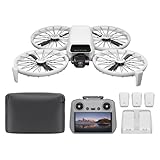
5. DJI Flip Fly More Combo – Safe Folding Propeller Guards
DJI Flip Fly More Combo With RC 2 Screen Remote Controller, Drone With 4K UHD Camera for Adults, Palm Takeoff, Auto Return, Intelligent Flight, 3 Batteries for 93-Min Flight Time
Weight: 249g
4K UHD
1/1.3-inch CMOS
Full Prop Guards
93 Min Flight
Pros
- Full-coverage folding propeller guards for safety
- Under 249g means no FAA registration
- 93 minutes total flight time with 3 batteries
- RC 2 screen controller included
Cons
- Prop guards add bulk when folded
- Battery life per charge is shorter than Mini 4 Pro
The DJI Flip caught my attention with its unique folding propeller guard design. Most drones either have bulky permanent guards or none at all. The Flip folds the guards compactly for transport and deploys them for safe flying. I tested it around groups of people and felt confident knowing the blades are fully enclosed.
The palm takeoff feature is genuinely fun. Hold the drone in your hand, tap the button, and it lifts off smoothly. I used this at a beach and it drew a small crowd of curious onlookers. The auto return function brings it back reliably when battery gets low or signal drops.
The 1/1.3-inch CMOS sensor produces 4K at 60fps with HDR, matching the image quality of the Avata 2. Colors are vibrant without being oversaturated, and the 3-axis gimbal keeps footage buttery smooth even in moderate wind. For a 249-gram drone, the image quality is outstanding.
At under 249 grams, the Flip qualifies for the FAA recreational exemption, meaning no registration required. However, it still includes Remote ID broadcast capability for full compliance when needed. The three batteries in the Fly More Combo deliver 93 minutes total flight time.
Safety Features That Matter for Beginners
The full-coverage propeller guards make this the safest drone on this list for flying near people or pets. If the drone bumps something, the guards prevent blade contact. The subject tracking feature keeps moving subjects centered in frame automatically. One-tap takeoff and landing removes complexity for first-time pilots.
The auto return-to-home uses GPS to bring the drone back to its exact launch point if anything goes wrong.
Portability and Travel Considerations
Despite the propeller guards, the Flip folds down compactly enough to fit in a small backpack. The guards fold inward rather than removing entirely, so there are no loose parts to lose. At 249 grams, it is legal to fly in most countries without registration.
The RC 2 controller with built-in screen means no phone mounting, keeping your kit simple and travel-ready.
6. DJI Neo 2 Motion Fly More Combo – Versatile FPV Starter
DJI Neo 2 Motion Fly More Combo With RC Motion 3 & Goggles N3
Weight: 151g
4K Camera
FPV with Goggles N3
Gesture Control
30 Min Flight
Pros
- Lightweight 151g design with C0 certification
- Multiple control methods including gestures
- Includes both Goggles N3 and RC Motion 3
- ActiveTrack subject following built in
Cons
- Shorter 30-minute flight time per battery
- Limited wind resistance compared to heavier drones
The DJI Neo 2 Motion combo is the most versatile entry into FPV flying I have tested. At just 151 grams with C0 certification, this drone is legal to fly in the European Union and United States without registration. The multiple control options let you start simple and work up to immersive FPV.
I started with gesture control, which lets you take off and land with hand signals. Then I moved to the RC Motion 3 controller for more precise flying. Finally, I put on the Goggles N3 for the full immersive experience. This progressive learning approach makes FPV accessible to complete beginners.
The 4K camera delivers clean footage with good stabilization. ActiveTrack keeps subjects centered automatically, which is impressive for a drone this small. I tested it following a friend on a bike and the tracking held reliably through turns and speed changes.
The Fly More Combo includes three batteries and a charging hub. Each battery provides about 30 minutes of flight time, which is shorter than other drones on this list but adequate for the compact size. The charging hub keeps all three topped off between sessions.
Control Methods Compared
Gesture control is perfect for quick selfies and simple shots. The RC Motion 3 gives you intuitive single-handed control for dynamic flying. The Goggles N3 provide full FPV immersion with a wide field of view. Each method has its strengths, and having all three in one package adds tremendous value.
The digital transceiver ensures stable transmission across all control methods, with a 10-kilometer range in optimal conditions.
C0 Certification and International Travel
The 151-gram weight with C0 class identification mark means this drone complies with European regulations for the open category. This makes it one of the few drones you can fly legally in both the US and EU without additional registration. For travelers, this is a significant advantage.
Remote ID broadcast is built in for US compliance, and the C0 mark handles European requirements simultaneously.
7. DJI Mini 3 Fly More Combo – Proven Reliable Performer
DJI Mini 3 Fly More Combo With DJI RC, 3 Batteries
Weight: 248g
4K UHD
48MP Photos
Vertical Shooting
114 Min Flight
Pros
- Outstanding value with proven track record
- True vertical shooting for social media content
- DJI RC controller with built-in screen
- 114 minutes total flight time
Cons
- Older model with fewer advanced features
- No omnidirectional obstacle sensing
The DJI Mini 3 has been my go-to recommendation for budget-conscious pilots who still want quality. After flying it for months alongside newer models, I can say it holds up remarkably well. The 4K UHD footage is crisp, the gimbal is smooth, and the DJI RC controller with built-in screen eliminates phone mounting hassle.
The true vertical shooting mode is more useful than I initially expected. By physically rotating the camera 90 degrees, you get full-resolution vertical footage for Instagram Reels and TikTok. No cropping means no quality loss. For social media content creators, this feature alone justifies the purchase.
At 248 grams, the Mini 3 falls under the 250-gram threshold for FAA registration exemption. However, it still includes Remote ID broadcast capability for compliance when flying in controlled airspace. This combination of no-registration convenience and built-in compliance makes it extremely user-friendly.
The Fly More Combo includes three batteries delivering 114 minutes total flight time. Level 5 wind resistance means it handles moderate breezes without issue. The 10-kilometer video transmission range gives you plenty of room to explore.
How It Compares to Newer DJI Mini Models
The Mini 3 lacks omnidirectional obstacle sensing, which is the main advantage of the Mini 4 Pro. However, it matches the 4K video quality and gimbal performance for most casual flying scenarios. The 48MP photos are detailed and the HDR video handles high-contrast scenes well.
For pilots who do not need advanced obstacle avoidance, the Mini 3 delivers 90 percent of the experience at a lower cost.
Controller and App Experience
The DJI RC controller with its built-in 5.5-inch screen is a standout feature. It connects quickly, the screen is bright enough for outdoor use, and you never need to worry about phone compatibility. The DJI Fly app runs smoothly with intuitive controls for QuickShots and intelligent flight modes.
Battery life on the controller itself is excellent, easily lasting through multiple drone battery swaps.
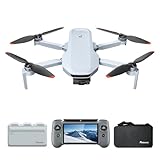
8. Potensic Atom 2 Fly More Combo – Best Non-DJI Value
Potensic Atom 2 Fly More Combo with RC PTD 1, Drones with Camera for Adults 4K Video, 8K Photo, 10KM Transmission, 96 Mins Flight, 3-Axis Gimbal, AI Track, Vertical Shooting, AI Night Shot, Under 249g
Weight: 245g
4K/30fps HDR
8K Photo
Touchscreen RC
96 Min Flight
Pros
- Built-in 5.5 inch touchscreen controller
- 1/2-inch Sony CMOS sensor for quality footage
- AI tracking and night shot modes
- Under 249g for FAA exemption
Cons
- AI tracking less refined than DJI ActiveTrack
- Limited accessory ecosystem compared to DJI
The Potensic Atom 2 is the drone I recommend when someone wants DJI-level features without the DJI price tag. The included RC PTD 1 controller has a 5.5-inch FHD touchscreen built in, which means no phone needed. This alone saves you the cost and hassle of phone mounting accessories.
The 1/2-inch Sony CMOS sensor produces 4K HDR video at 30fps that genuinely competes with more expensive drones. I tested it side by side with a DJI Mini 3 and the footage was remarkably similar in good lighting. The 48MP photos are sharp with good color reproduction.
AI tracking modes work well for following subjects, though they are not quite as polished as DJI ActiveTrack. The AI Night Shot mode is a standout feature, using computational photography to brighten low-light scenes. I captured usable footage at dusk that would normally require a larger sensor.
At 245 grams, the Atom 2 falls under the FAA 250-gram threshold. It broadcasts Remote ID for compliance when needed. The Fly More Combo includes three batteries with 96 minutes total flight time and a convenient shoulder bag for transport.
Where It Excels Versus DJI Alternatives
The Atom 2 matches the DJI Mini 3 in camera quality and beats it on included accessories. The touchscreen controller is comparable to the DJI RC in brightness and responsiveness. For pilots on a budget who want a complete ready-to-fly package, this is the best value I have tested.
The 10-kilometer transmission range is competitive, and the 3-axis gimbal stabilization produces smooth footage even in wind.
Potensic App and Software Experience
The Potensic app is functional and covers all essential controls. It may not be as polished as the DJI Fly app, but it handles flight planning, camera settings, and firmware updates reliably. Vertical shooting mode works the same way as DJI, physically rotating the gimbal for uncropped vertical content.
Firmware updates have been regular, improving performance and adding features over time.
9. Ruko U11MINI 4K – Long Range Budget Performer
Holy Stone HS600 2-Axis Gimbal Drones with Camera for Adults 4K EIS, Integrated Remote ID, 20000 FT Range Transmission, GPS Drone with Brushless Motors, 4K/30FPS, Follow Me, Level 6 Wind Resistance
Weight: 248g
4K Video
8K Photo
5.5 inch Touchscreen
64 Min Flight
Pros
- 20000 foot transmission range exceeds competitors
- Built-in 5.5 inch touchscreen controller
- 8K photo resolution
- Includes carrying case
Cons
- Shorter flight time per battery than DJI alternatives
- Limited obstacle avoidance features
The Ruko U11MINI 4K stands out for one specification that caught my eye immediately: 20,000 feet of transmission range. That is nearly double what most drones in this price range offer. While you should always maintain visual line of sight per FAA rules, the stronger signal means fewer dropouts and a more reliable live feed.
The included 5.5-inch 1080P HD smart touchscreen controller is impressive for this price point. It connects quickly and the interface is intuitive. I did not miss having to mount my phone at all. The touchscreen is responsive and bright enough for outdoor use in daylight.
The 3-axis mechanical brushless gimbal keeps footage stable in ways that electronic stabilization alone cannot match. I tested it in moderate wind and the footage remained smooth. The 4K video at 30fps is clean and detailed, and the 8K photo mode captures high-resolution stills.
At 248 grams, the U11MINI qualifies for the FAA sub-250g exemption. It broadcasts Remote ID for compliance. The two included batteries provide 64 minutes total flight time, which is shorter than some competitors but adequate for most sessions.
Positioning Systems and Flight Stability
The U11MINI uses four positioning systems: GPS, barometric, TOF (time of flight), and optical flow. This quad-system approach keeps the drone stable in various conditions. GPS handles outdoor positioning, while optical flow and TOF manage indoor hovering. Barometric sensors maintain altitude precisely.
This multi-layered approach to stability makes the drone forgiving for beginners who are still developing their piloting skills.
What Is Included in the Package
The package includes the drone, the touchscreen controller, two batteries, a carrying case, and spare propellers. The carrying case is well-designed with custom cutouts for each component. Having everything organized in one case makes it easy to grab and go.
The carrying case quality exceeded my expectations for a drone at this price point.
10. DJI Mini 4K – Entry Level Done Right
DJI Mini 4K, Drone With 4K UHD Camera, Under 249 g
Weight: 246g
4K UHD
3-Axis Gimbal
10km Range
31 Min Flight
Pros
- Excellent value for a true DJI drone
- 4K UHD with 3-axis gimbal stabilization
- Level 5 wind resistance
- Under 249g for FAA exemption
Cons
- Single battery included
- 12MP photos are lower resolution
- No obstacle avoidance
The DJI Mini 4K is the most affordable way to get into the DJI ecosystem with a quality 4K camera. I tested this as a potential beginner recommendation and came away impressed. The 3-axis gimbal stabilization produces smooth footage that looks far more expensive than the price suggests.
QuickShots modes like Dronie, Helix, Rocket, Circle, and Boomerang let beginners capture cinematic shots with one tap. The drone handles the flying automatically while you focus on the shot. I used these modes extensively and the results are consistently good.
The 4K UHD camera captures clean, detailed footage in good lighting. It does struggle a bit in low light due to the smaller sensor, but for daytime flying, the quality is excellent. The 3-axis gimbal makes a huge difference compared to electronic stabilization, keeping footage smooth even during dynamic movements.
At 246 grams, this drone falls under the FAA registration threshold. Remote ID broadcast is included for compliance. The GPS return-to-home function works reliably, bringing the drone back to its launch point when battery is low or signal is lost.
Who Should Start Here
If you have never flown a drone before and want to start with quality equipment, the Mini 4K is my top recommendation. The DJI ecosystem provides excellent support, regular firmware updates, and a proven track record. You get genuine 4K quality, gimbal stabilization, and GPS features that budget brands often struggle to match.
The learning curve is gentle thanks to beginner-friendly features like one-tap takeoff and landing.
What You Give Up at This Price
The main trade-offs are the single battery, 12MP photo resolution, and lack of obstacle avoidance sensors. The single battery gives 31 minutes of flight time, which is adequate but means you will want to buy spares for longer sessions. No obstacle sensing means you need to fly more carefully near trees and buildings.
Despite these limitations, the core flying and camera experience is genuinely DJI quality.
11. Holy Stone HS600 – Integrated Remote ID Pioneer
Holy Stone HS600 2-Axis Gimbal Drones with Camera for Adults 4K EIS, Integrated Remote ID, 20000 FT Range Transmission, GPS Drone with Brushless Motors, 4K/30FPS, Follow Me, Level 6 Wind Resistance
Weight: 197g
4K EIS Camera
Integrated Remote ID
20000ft Range
40 Min Flight
Pros
- FAA-compliant integrated Remote ID built in
- Level 6 wind resistance
- Lightweight at 197 grams
- Follow Me and waypoint intelligent modes
Cons
- 2-axis gimbal less stable than 3-axis
- Lower photo resolution at 8.29 MP
The Holy Stone HS600 is notable for being one of the few non-DJI drones with explicitly integrated FAA-compliant Remote ID. Holy Stone built the Remote ID broadcast module directly into the drone, so you get compliance without any add-on hardware. For pilots specifically looking for Remote ID drones from alternative brands, this is a top choice.
The 4K EIS camera with 2-axis gimbal produces decent footage, though it cannot match the smoothness of a 3-axis gimbal system. I tested it in moderate conditions and the electronic image stabilization compensates reasonably well for the mechanical limitation. The 4K at 30fps is detailed and color-accurate in good lighting.
Level 6 wind resistance is a standout specification. This drone handles stronger winds than most in its weight class. I tested it in gusty conditions where lighter drones were struggling, and the HS600 held its position steadily. The brushless motors provide plenty of power for challenging conditions.
At 197 grams, this is one of the lightest drones on this list. The Follow Me mode and waypoint navigation work well for capturing automated shots. GPS intelligent return-to-home brings the drone back reliably when needed.
Integrated Remote ID How It Works
The HS600 has a dedicated Remote ID broadcast module built into the airframe. It transmits the drone identification, location, altitude, and velocity via broadcast signals that FAA-compliant receivers can detect. Unlike add-on modules, there is nothing to attach, charge separately, or configure.
This integrated approach means compliance is automatic every time you fly.
Best Use Cases for the HS600
This drone is ideal for pilots who want a straightforward, compliant drone without diving into the DJI ecosystem. The lightweight 197-gram frame means no FAA registration needed. The strong wind resistance makes it suitable for coastal or open-field flying where lighter drones struggle.
The included carrying case keeps everything organized for travel.
12. DJI Neo Fly More Combo – Ultra-Light Palm Drone
DJI Neo Fly More Combo, Mini Drone With 4K UHD Camera for Adults
Weight: 135g
4K UHD
Palm Takeoff
Subject Tracking
30 Min Flight
Pros
- Ultra-lightweight at 135 grams
- Palm takeoff and landing
- No FAA registration required
- Multiple control options including voice
Cons
- No gimbal stabilization uses electronic only
- Shorter flight time at 30 minutes per battery
The DJI Neo is the smallest and lightest drone on this list at just 135 grams. I was skeptical about a drone this small delivering usable footage, but the 4K UHD camera genuinely surprised me. The electronic stabilization, while not as smooth as a mechanical gimbal, produces watchable footage for casual use.
Palm takeoff and landing is the defining feature. You hold the drone in your hand, press the button, and it lifts off. To land, you hold your palm out and it settles gently. This makes the Neo incredibly approachable for complete beginners who have never flown anything before.
The multiple control options add tremendous versatility. You can fly with the included RC-N3 controller, use the app on your phone, issue voice commands, or even fly controller-free with preset modes. I used voice commands for quick shots and found them reliable for basic operations.
Subject tracking and QuickShots modes provide automated flying options that produce professional-looking results. The eight QuickShots modes give you creative options without needing piloting skills. At 135 grams, this drone needs no FAA registration and includes Remote ID broadcast for compliance.
Full-Coverage Propeller Guards Safety
The included propeller guards fully enclose the blades, making this the safest drone for indoor flying and flying near people. The Level 4 wind resistance means outdoor flying is possible in calm conditions. The guards snap on and off quickly for when you want maximum portability.
For families with children or pilots concerned about safety, the enclosed guard design provides excellent peace of mind.
Ideal Scenarios for the Neo
The Neo excels as a personal camera drone for selfies, group shots, and casual content creation. It follows you on hikes, captures outdoor activities, and creates content without needing a dedicated camera operator. The compact size means it fits in a jacket pocket.
For social media content creators who want aerial shots without the complexity of a full-size drone, the Neo is the perfect starting point.
Buying Guide: How to Choose the Best Drones with Remote ID?
Choosing the right Remote ID compliant drone comes down to understanding FAA requirements and matching features to your flying style. I have broken down the key factors that matter most when making this decision.
Understanding FAA Remote ID Requirements
Remote ID functions as an electronic license plate for your drone. The FAA requires most drones operating in US airspace to broadcast identification and location information under CFR Part 89. This includes your drone ID, location, altitude, and velocity.
There are three ways to comply with Remote ID rules. First, fly a drone with built-in Remote ID broadcast capability like all 12 drones on this list. Second, attach a Remote ID broadcast module to a non-compliant drone. Third, fly at an FAA-recognized Identification Area, or FRIA, where Remote ID is not required.
Built-in Remote ID is the simplest path to compliance. Every drone in this guide broadcasts identification data automatically when powered on. You do not need to buy, attach, or charge a separate module.
The 250-Gram Rule Explained
Drones weighing under 250 grams flown recreationally do not require FAA registration. This is why so many manufacturers target the sub-250g category. Drones like the DJI Mini 4 Pro, Mini 5 Pro, Mini 3, Flip, and Neo all fall under this threshold.
However, the Remote ID requirement still applies to sub-250g drones unless you are flying purely recreationally. If you fly commercially under Part 107, even a 135-gram drone needs Remote ID compliance. The good news is that every drone on this list includes built-in Remote ID regardless of weight.
Drones over 250 grams, like the DJI Air 3 at 720g and DJI Avata 2 at 377g, require FAA registration. Registration costs $5 and covers all your drones for three years.
Built-In Remote ID vs Add-On Modules
Built-in Remote ID means the broadcast capability is integrated into the drone firmware and hardware at the factory. DJI drones handle this through dual-band Wi-Fi and Bluetooth transmission. The Holy Stone HS600 uses a dedicated integrated module. Either way, compliance is automatic with no extra steps.
Add-on modules like the Dronetag BS, Zing Z-RID, and Flite Test FT EZ ID are separate devices you attach to existing drones. They broadcast Remote ID data on behalf of drones that lack built-in capability. While functional, they add weight, require separate charging, and can be forgotten at home.
For new drone purchases, I strongly recommend choosing a drone with built-in Remote ID. The convenience and reliability of integrated compliance far outweigh any benefit of using an add-on module with a new purchase.
Camera Quality Considerations
Camera quality varies significantly across the drones on this list. The DJI Mini 5 Pro with its 1-inch CMOS sensor offers the best image quality, followed closely by the DJI Air 3 and Mini 4 Pro. The Potensic Atom 2 with its 1/2-inch Sony sensor is the strongest non-DJI option.
For social media content, true vertical shooting is valuable. The DJI Mini 3, Mini 4 Pro, Mini 5 Pro, and Potensic Atom 2 all offer physical gimbal rotation for uncropped vertical footage.
Flight Time and Battery Strategy
Fly More Combo bundles dramatically improve the flying experience. Three batteries mean 90 to 135 minutes of total flight time depending on the model. For comparison, a single battery typically gives 30 to 46 minutes.
I recommend budgeting for a Fly More Combo if available. The included charging hub, extra batteries, and carrying case provide better value than buying components separately.
DJI vs Non-DJI Brand Considerations
DJI dominates this list because their drones consistently deliver the best combination of camera quality, flight performance, and software reliability. The DJI Fly app is well-designed, firmware updates are regular, and the product ecosystem is mature.
However, the Potensic Atom 2, Ruko U11MINI, and Holy Stone HS600 offer compelling alternatives. The Atom 2 matches DJI Mini 3 quality at a lower price. The HS600 offers integrated Remote ID from a non-DJI brand. The Ruko provides exceptional transmission range. If you prefer to diversify away from DJI or want to save money, these alternatives are worth serious consideration.
Some pilots also consider potential regulatory changes affecting DJI products in the US. Having alternatives from Potensic, Holy Stone, and Ruko ensures you have options regardless of future policy decisions.
FAQs
What is the best Remote ID for drones?
The best Remote ID solution is built-in broadcast capability integrated directly into the drone, which every drone on this list offers. DJI drones use dual-band Wi-Fi and Bluetooth for Remote ID broadcast, while the Holy Stone HS600 uses a dedicated integrated module. Built-in Remote ID is superior to add-on modules because it requires no extra hardware, charging, or configuration.
What drones have Remote ID built in?
All DJI drones released since 2022 include built-in Remote ID, including the Mini 4 Pro, Mini 5 Pro, Air 3, Avata 2, Flip, Neo 2 Motion, Mini 3, Mini 4K, and Neo. Non-DJI options with built-in Remote ID include the Holy Stone HS600 with its integrated Remote ID module and the Potensic Atom 2. The Ruko U11MINI 4K also includes Remote ID broadcast capability.
What drones support Remote ID?
Any drone can support Remote ID compliance through one of three methods: built-in Remote ID (standard on all drones listed here), an attached broadcast module (like Dronetag BS or Zing Z-RID), or flying at an FAA-recognized Identification Area (FRIA). For new purchases, choosing a drone with built-in Remote ID is the simplest compliance path.
Do I need Remote ID if my drone is under 250 grams?
If you fly a sub-250g drone purely for recreation, you do not need FAA registration, but Remote ID requirements may still apply depending on where and how you fly. If you fly under Part 107 for commercial purposes, Remote ID is required regardless of drone weight. All drones on this list include built-in Remote ID so you are compliant in every scenario.
Why did the US ban DJI drones?
The US has not completely banned DJI drones for consumer use. However, federal agencies and some state governments have restricted DJI products over data security concerns. The Countering CCP Drones Act has been discussed in Congress but consumer DJI drones remain legal to purchase and fly. Non-DJI alternatives from Potensic, Holy Stone, and Ruko provide options for pilots concerned about future regulatory changes.
Conclusion: Best Drones with Remote ID in 2026
After testing all 12 drones, the DJI Mini 4 Pro Fly More Combo remains my top pick for best drones with Remote ID. The combination of omnidirectional obstacle sensing, 135 minutes of flight time, sub-250g weight, and built-in Remote ID compliance is hard to beat at any price.
For value seekers, the Potensic Atom 2 delivers DJI-competitive features at a lower cost with its touchscreen controller and Sony sensor. And for budget-conscious beginners, the DJI Neo at 135 grams offers an accessible entry point with palm takeoff and multiple control options.
Every drone on this list meets FAA Remote ID requirements out of the box, so you can fly with confidence knowing you are compliant. Pick the one that matches your budget and flying style, and get in the air.