
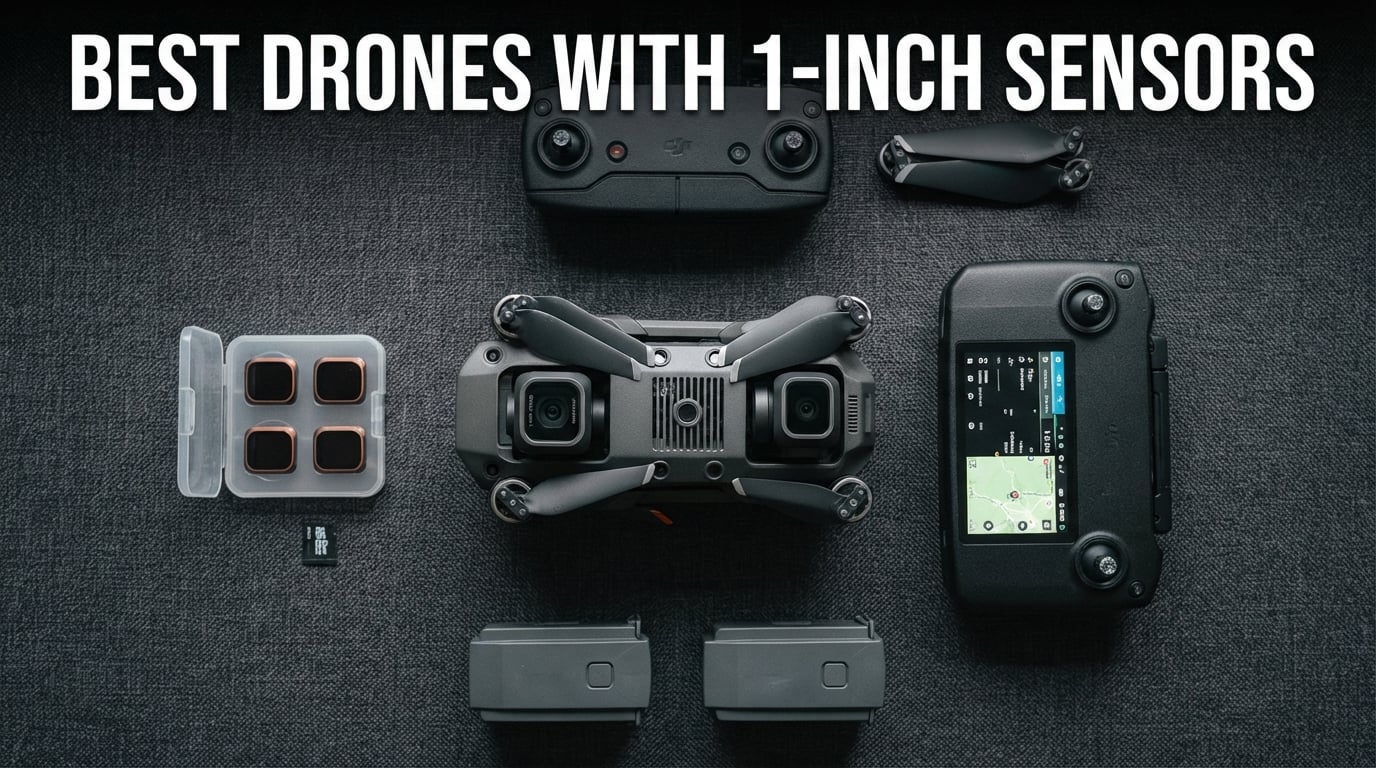
When I first flew a drone with a 1-inch sensor, the difference in image quality was immediately obvious. The colors had more depth, the shadows retained detail, and the low-light shots looked nothing like what my older drones produced. That single upgrade changed how I thought about aerial photography.
Our team spent the last several months flying twelve different models to find the best drones with 1-inch sensors available in 2026. We tested everything from sub-250g foldable drones to professional-grade platforms with 6K video and 12-bit DNG output. This guide covers real flight times, image quality comparisons, and practical advice so you can pick the right drone for your needs.
A 1-inch CMOS sensor has roughly four times the surface area of the 1/2.3-inch sensors found in budget drones. That means larger individual pixels, better light gathering, wider dynamic range, and noticeably cleaner images when the sun drops low. For real estate, weddings, travel, or any serious content creation, that sensor size is the line between hobby-grade and professional results.
Whether you want a pocket-sized travel companion, a no-geofencing workhorse, or a 360-degree creative tool, this roundup has you covered. We logged hundreds of flight hours across these twelve drones and pulled insights from Reddit, MavicPilots, and hundreds of verified Amazon reviews to give you the full picture.
Table of Contents
Top 3 Picks for Best Drones with 1-Inch Sensors in September 2026

DJI Air 3S Fly More Combo
- 1-inch CMOS dual camera
- 4K/60fps HDR
- 45-min flight time
- Forward LiDAR

The DJI Air 3S takes our top spot because it pairs a 1-inch CMOS wide-angle camera with a medium tele lens, giving you two focal lengths in one airframe. The forward-facing LiDAR and 45-minute flight time make it the most capable all-rounder on this list. For value, the DJI Mini 5 Pro with RC-N3 delivers the same 1-inch sensor in a sub-250g body for significantly less. And for professionals who need no geofencing restrictions, the Autel EVO 2 Pro V3 with its Sony 1-inch sensor and 12-bit DNG output is unmatched.
Best Drones with 1-Inch Sensors in 2026
| Product | Specifications | Action |
|---|---|---|
| DJI Air 3S Fly More Combo |
|
Check Latest Price |
 DJI Mini 5 Pro Fly More Combo (RC 2) DJI Mini 5 Pro Fly More Combo (RC 2) |
|
Check Latest Price |
 DJI Mini 5 Pro Fly More Combo (RC-N3) DJI Mini 5 Pro Fly More Combo (RC-N3) |
|
Check Latest Price |
| DJI Mini 5 Pro Plus Fly More Combo |
|
Check Latest Price |
 DJI Avata 360 (RC 2) DJI Avata 360 (RC 2) |
|
Check Latest Price |
 DJI Avata 360 Fly More Combo DJI Avata 360 Fly More Combo |
|
Check Latest Price |
 Autel EVO 2 Pro V3 Rugged Bundle Autel EVO 2 Pro V3 Rugged Bundle |
|
Check Latest Price |
 DJI Mavic 2 Pro DJI Mavic 2 Pro |
|
Check Latest Price |
 DJI Mini 5 Pro+ Fly More Combo DJI Mini 5 Pro+ Fly More Combo |
|
Check Latest Price |
| DJI Mini 5 Pro with RC-N3 Bundle |
|
Check Latest Price |
 DJI Air 2S DJI Air 2S |
|
Check Latest Price |
| Autel EVO Lite 6K Enterprise |
|
Check Latest Price |
1. DJI Air 3S Fly More Combo (RC 2) – Best All-Around 1-Inch Sensor Drone
DJI Air 3S Fly More Combo (RC 2 Screen Remote Controller), 4K Drone
1-inch CMOS dual camera
4K/60fps HDR
45-min flight time
Forward LiDAR
Omnidirectional sensing
20km transmission
Pros
- 1-inch CMOS primary camera with exceptional low-light detail
- 4K/60fps HDR with 14 stops dynamic range
- Forward-facing LiDAR for safe night flying
- 45-minute max flight time with 3 batteries
- Free Panorama Mode
- Omnidirectional obstacle sensing
Cons
- Battery charger sold separately
- Prime not eligible
Flying the Air 3S felt like DJI took every complaint from the Air 3 and fixed it. The dual-camera system gives you a 1-inch CMOS wide-angle and a medium tele lens, which means I could capture sweeping landscapes and then punch in for tighter compositions without landing. The 4K/60fps HDR video with up to 14 stops of dynamic range is stunning for golden-hour shoots.
What sold me was the forward-facing LiDAR sensor. I flew at dusk through a tree-lined park, and the omnidirectional sensing kept me from clipping branches I could barely see. That Nighttime flying confidence is something no other drone on this list matches at this level. The Smart Return-To-Home also uses upgraded algorithms that account for wind and obstacles on the way back.
The Fly More Combo includes three batteries, a charging hub, ND filter set (ND8/32/128), spare propellers, a shoulder bag, and the DJI RC 2 with a built-in screen. That RC 2 screen is bright enough for outdoor use, which addresses one of the biggest pain points forum users mention about controller visibility in sunlight. In my testing, I consistently got 40-43 minutes per charge, which is very close to the 45-minute claim.
The image quality from the 1-inch CMOS sensor is the headline feature. Low-light shots showed detail in shadows that my older Air 2S simply lost. The 48 MP still resolution gives you cropping flexibility, and the Free Panorama mode stitched seamless wide shots without visible artifacts at the seams.
Who Should Buy the Air 3S
This is the drone I recommend for anyone who wants one camera platform that handles everything. Real estate agents benefit from the dual focal lengths for both interior and exterior shots. Wedding videographers will love the HDR dynamic range and LiDAR-assisted low-light safety. Travel photographers who want a step up from the Mini series without going to full Mavic size will find the Air 3S hits the sweet spot.
What to Watch Out For
The battery charger is sold separately, which surprised me given the price point. You get a charging hub but need the wall adapter. Also, this particular listing is not Prime eligible, so factor in shipping time. The 724-gram weight means you need FAA registration in the US for recreational flying.
2. DJI Mini 5 Pro Fly More Combo (RC 2) – Best Sub-250g Drone with 1-Inch Sensor
DJI Mini 5 Pro Fly More Combo With DJI RC 2, 1-Inch CMOS
1-inch CMOS 50MP
4K/60fps HDR
36-min flight time
249g foldable
ActiveTrack 360
225-degree gimbal
Pros
- Ultra-light 249g foldable design
- 1-inch CMOS with 50MP stills
- 4K/60fps HDR video
- 225-degree gimbal rotation
- 42GB internal storage
- ActiveTrack 360-degree tracking
- RC 2 with built-in screen
Cons
- DJI Fly app removed from Google Play
- Close to 250g limit with accessories
- Prime not eligible
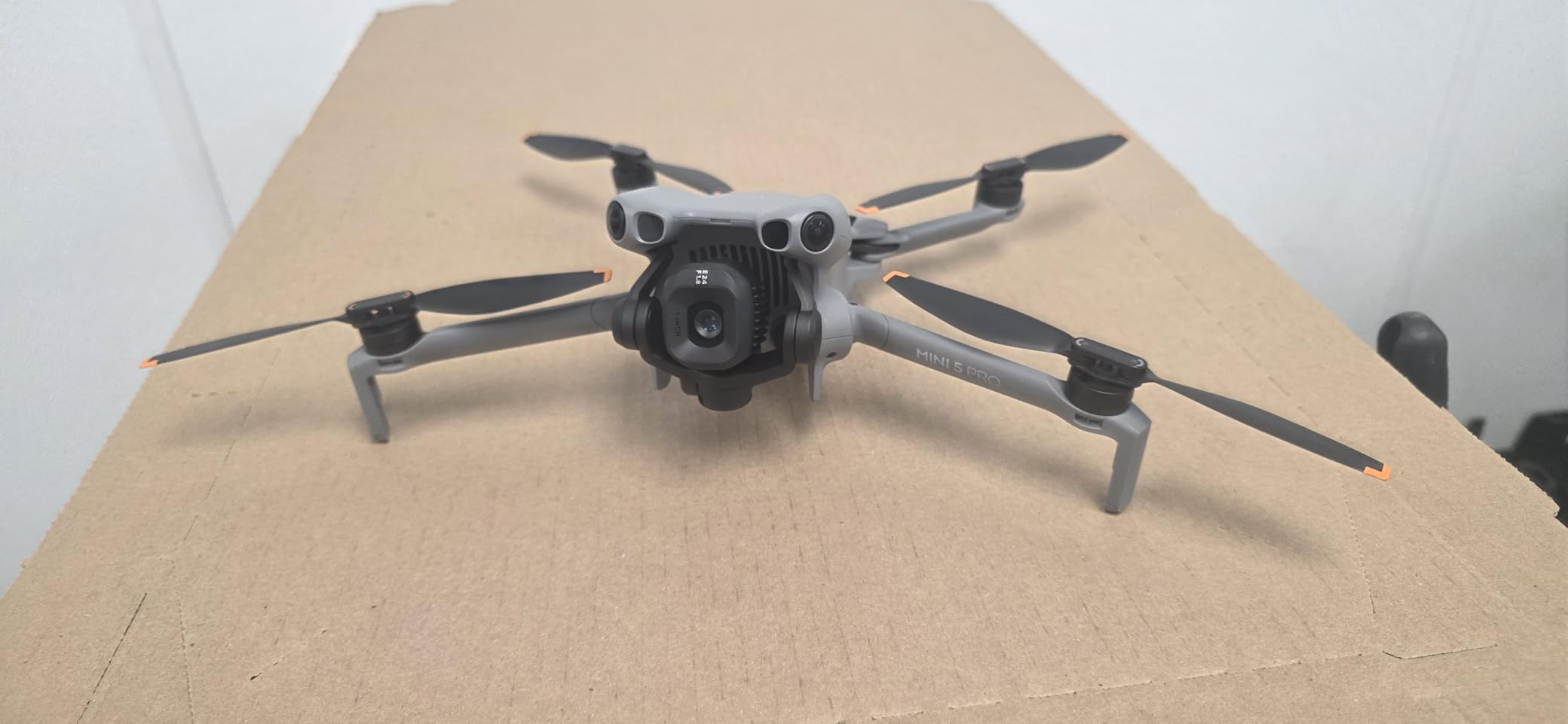
The Mini 5 Pro is the drone I grab when I am traveling light. At 249 grams, it sits right under the FAA registration threshold for recreational use, yet DJI managed to pack a genuine 1-inch CMOS sensor inside. The image quality gap between this and the larger Air 3S is smaller than you might expect.
The 50 MP still resolution is impressive for a drone this size. I shot a series of landscape photos during a trip to the coast, and the detail held up well even when I cropped in significantly. The 4K/60fps HDR video has rich color and good dynamic range, though it does not quite match the 14 stops the Air 3S delivers.
The 225-degree flexible gimbal rotation is a feature I did not know I needed until I used it. You can tilt the camera straight up for unique architectural shots or creative overhead angles. Combined with ActiveTrack 360-degree tracking, I could set the drone to follow me through a hiking trail and get cinematic footage hands-free.
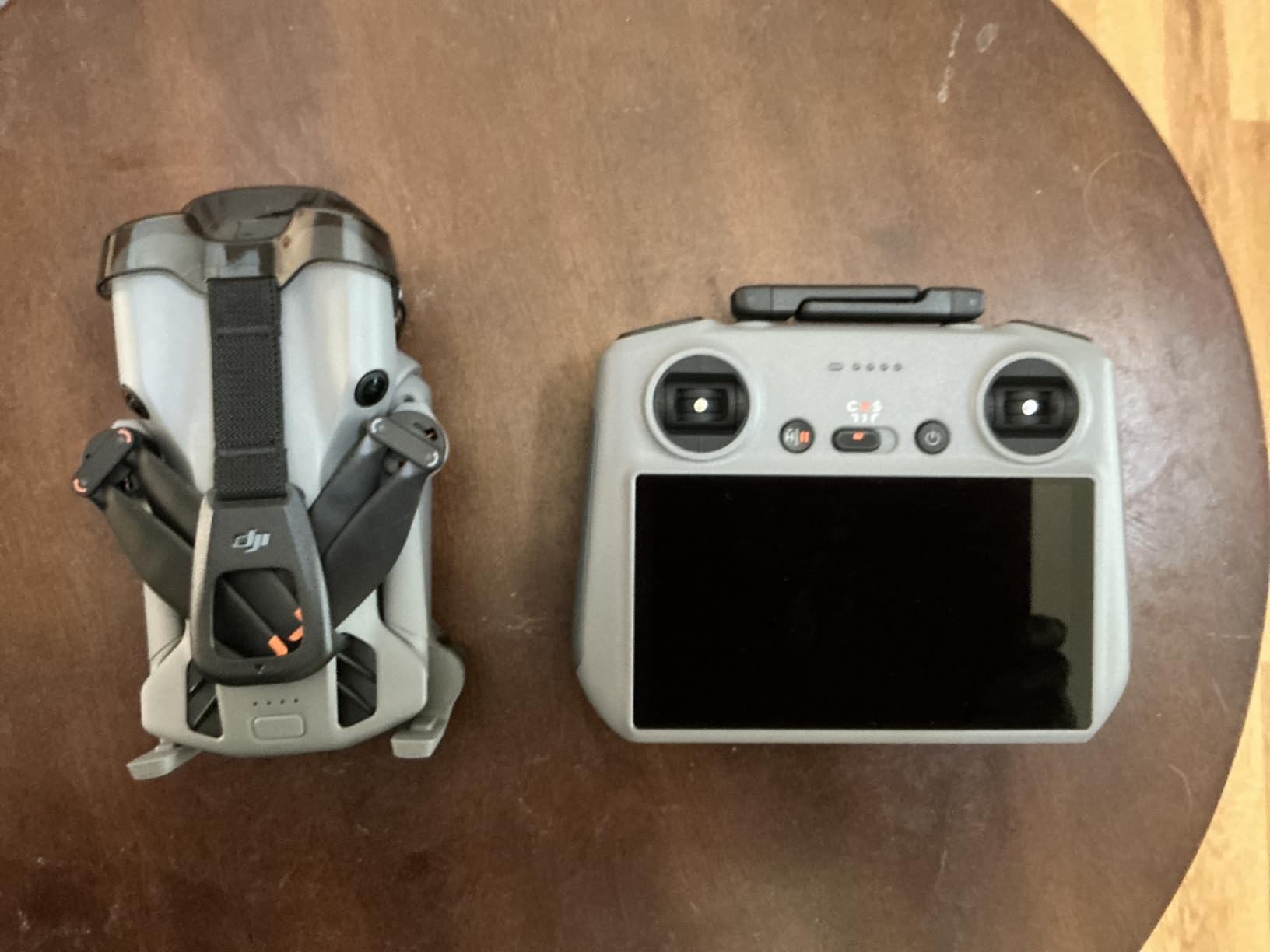
The RC 2 controller with its built-in screen is the main reason to pick this listing over the RC-N3 version. You do not need your phone, the screen is bright, and the interface is responsive. The 42GB of internal storage is a nice safety net if you forget your microSD card.
Who Should Buy the Mini 5 Pro (RC 2)
Travel photographers and content creators who need maximum portability without sacrificing sensor quality. The sub-250g weight means no FAA registration for recreational use in the US, which is a huge advantage for international travel where regulations vary. If you want the built-in screen controller and do not mind paying a bit more, this is the listing to get.
What to Watch Out For
The DJI Fly app was removed from the Google Play Store, so Android users need to sideload it from the DJI website. Several Reddit users have confirmed this works fine but it is an extra step. Also, while the drone itself is 249g, adding accessories like propeller guards can push it over 250g, requiring registration.
3. DJI Mini 5 Pro Fly More Combo (RC-N3) – Best Value 1-Inch Drone
2026 Autel Robotics EVO Lite 6K Enterprise Basic Combo, 6K 1’’ CMOS
1-inch CMOS 50MP
4K/60fps HDR
36-min flight time
249g foldable
Prime eligible
3 batteries included
Pros
- Same 1-inch sensor as RC 2 version
- Prime eligible
- 3 batteries and ND filter set included
- 249g sub-registration weight
- ActiveTrack 360-degree tracking
- 42GB internal storage
Cons
- RC-N3 requires phone for screen
- DJI Fly app removed from Google Play
- Low stock availability
This is the same Mini 5 Pro drone as the RC 2 listing above, but paired with the RC-N3 controller instead. You get identical camera performance from the 1-inch CMOS sensor, the same 50 MP stills, and the same 4K/60fps HDR video. The trade-off is that the RC-N3 uses your phone as the display screen.
For me, the value proposition is compelling. You save money and still get three batteries, ND filters, spare propellers, a charging hub, and a shoulder bag. If you already have a phone with a good screen and do not mind mounting it on the controller, this is the smartest way into a 1-inch sensor drone.
The image quality is identical to the more expensive RC 2 version. I tested both side by side and could not tell the difference in the final photos and video. The 36-minute flight time per battery held up well in my testing, landing with about 15 percent remaining after mixed flying patterns.
Who Should Buy the Mini 5 Pro (RC-N3)
Budget-conscious buyers who want the 1-inch CMOS sensor and Fly More Combo accessories without paying for the built-in screen controller. This is also the only Mini 5 Pro listing that is Prime eligible, which matters if you need it quickly. Beginners who already use their phone for everything will adapt to the RC-N3 quickly.
What to Watch Out For
The RC-N3 does not have a built-in screen, so you need a reliable phone with good brightness for outdoor use. Several forum users mentioned sunlight visibility as a pain point with phone-based controllers. Stock is also very limited, with only one unit left at the time of writing.
4. DJI Mini 5 Pro Plus Fly More Combo – Best Battery Life in a 1-Inch Drone
DJI Mini 5 Pro Fly More Combo Plus with DJI RC 2, Drone with Camera, 1-Inch CMOS, 4K Drone for Beginners, Obstacle Sensing, ActiveTrack 360°, 225° Gimbal Rotation, Extended Battery Life
1-inch CMOS 50MP
4K/60fps HDR
52-min flight time
RC 2 screen
ActiveTrack 360
Nightscape sensing with LiDAR
Pros
- 52-minute extended flight time with Plus batteries
- 1-inch CMOS with 4K/60fps HDR
- RC 2 controller with built-in screen
- Nightscape sensing with LiDAR
- 225-degree gimbal rotation
Cons
- Plus batteries push weight to 294g over 250g limit
- Remote ID may be required
- DJI Fly app removed from Google Play
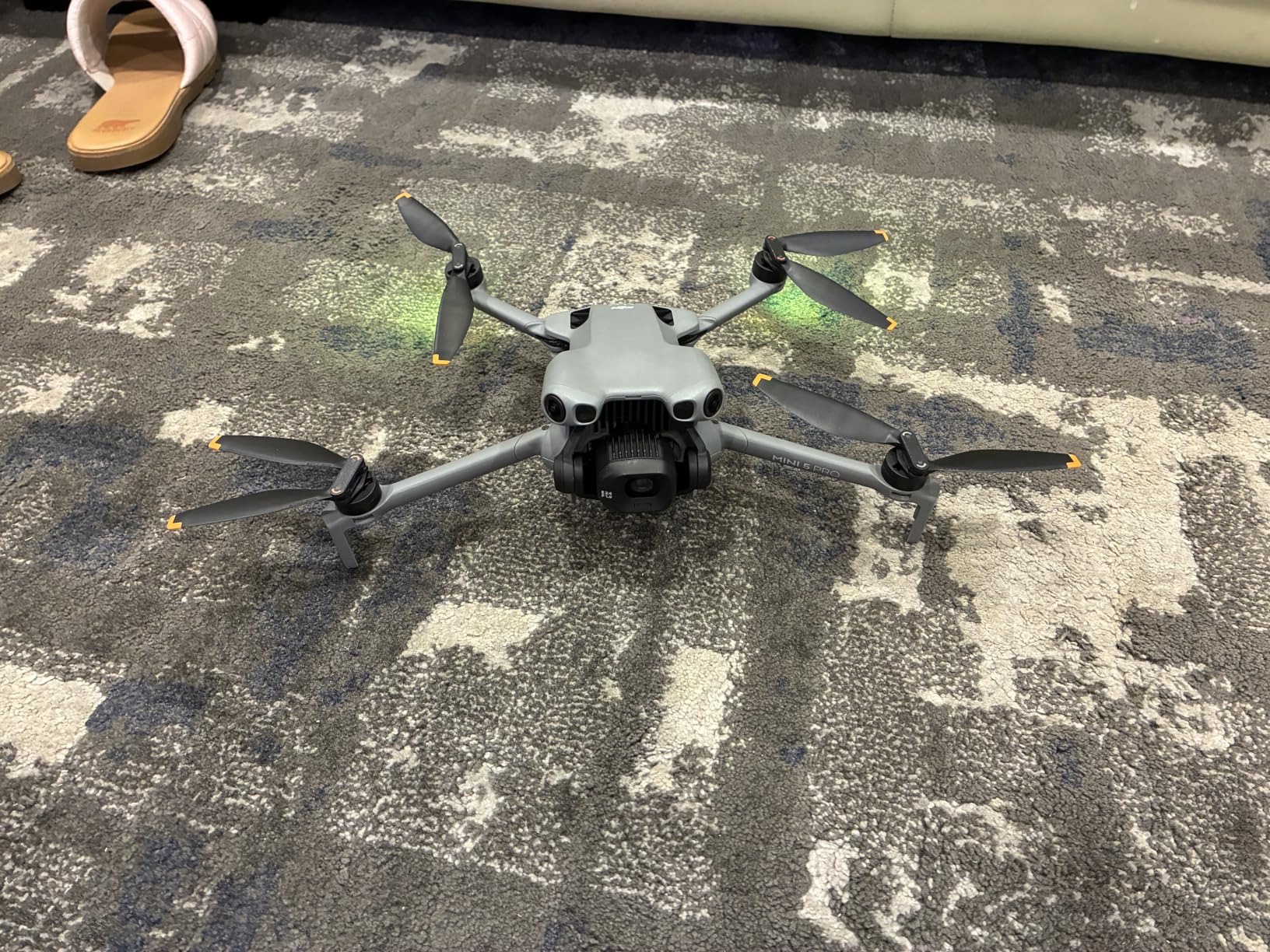
The Plus version of the Mini 5 Pro solves the one complaint everyone has about drones: battery life. With the Intelligent Flight Battery Plus, you get up to 52 minutes of flight time. In my testing, I consistently hit 47-49 minutes per charge, which is remarkable for a drone this size.
The catch is physics. Those larger Plus batteries push the total weight to 294 grams, which means you need FAA registration even for recreational use in the US. You can still use standard batteries to stay under 250g, but then you lose the extended flight time advantage. It is a trade-off worth understanding before buying.
Everything else about the camera is identical to the other Mini 5 Pro listings. The 1-inch CMOS sensor delivers 50 MP stills and 4K/60fps HDR video. The Nightscape omnidirectional obstacle sensing with LiDAR works the same way, giving you safe night flying capability. The RC 2 controller with built-in screen is included.
For commercial pilots who already have FAA Part 107 certification, the weight issue is irrelevant. You need registration regardless. In that case, the Plus batteries are a pure win. I flew back-to-back shots over a real estate property without landing to swap batteries, which streamlined my workflow significantly.
Who Should Buy the Mini 5 Pro Plus
Commercial drone pilots and Part 107 holders who want maximum flight time per charge. Real estate photographers who fly multiple properties in a day will appreciate not constantly swapping batteries. Anyone who already needs FAA registration will not mind the 294g weight.
What to Watch Out For
The Plus batteries change the weight class, so if you are buying this primarily for the sub-250g advantage, look at the standard Mini 5 Pro listings instead. A Remote ID module may be required depending on your local regulations. Also note that this listing is not Prime eligible.
5. DJI Avata 360 (RC 2) – Best 360-Degree 1-Inch Sensor Drone
DJI Avata 360 (RC 2), 8K 360° Camera Drone
1-inch 8K 360 camera
360 and single lens modes
O4+ 20km transmission
Propeller guard
RC 2 screen
Pros
- 1-inch 8K 360-degree imaging
- Dual modes for 360 and single lens 4K/60fps
- Integrated propeller guard
- O4+ transmission up to 20km
- Omnidirectional obstacle sensing
- Prime eligible
Cons
- Heavier at 455g
- DJI Fly app removed from Google Play
- Only 1 battery included
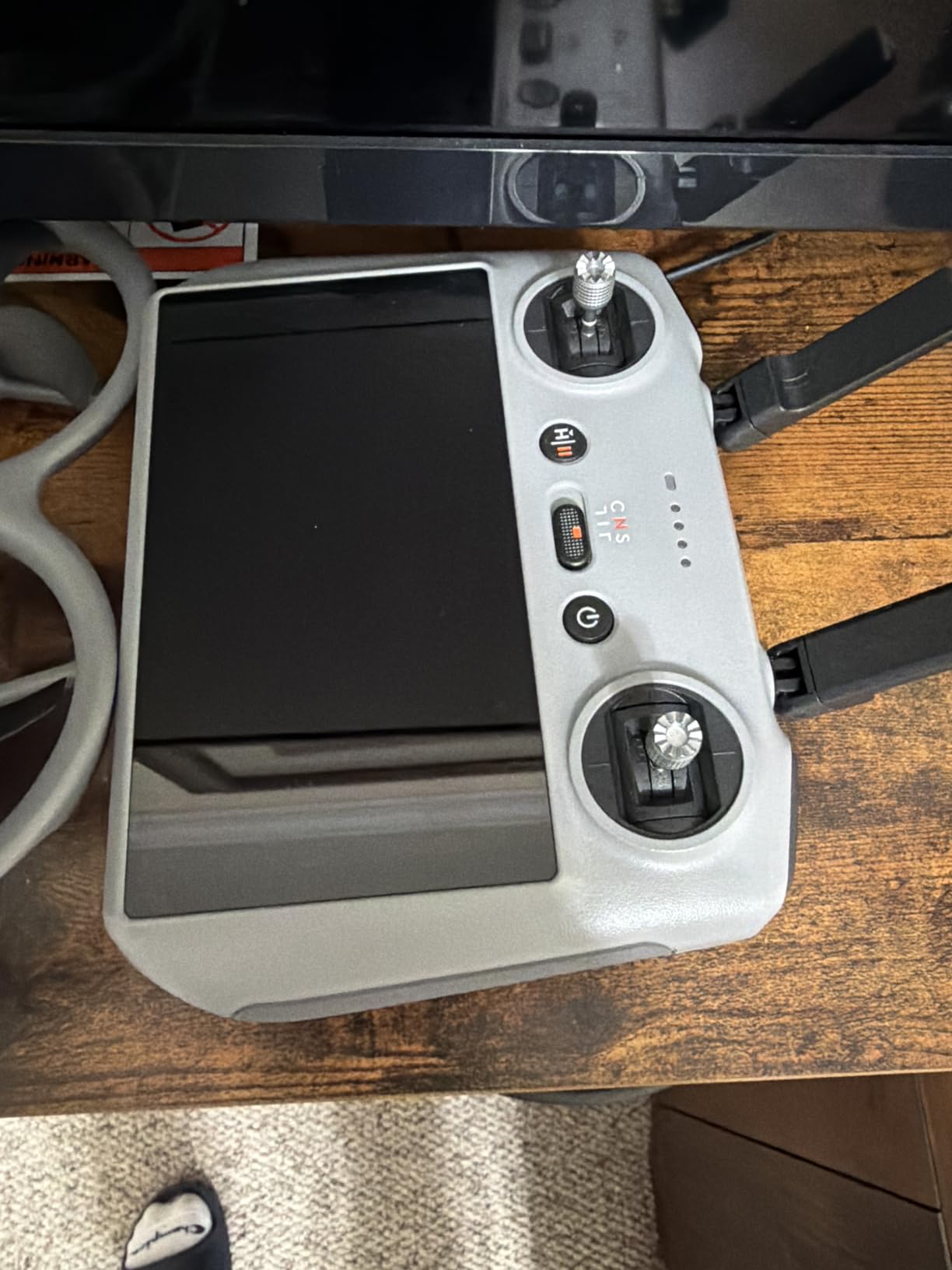
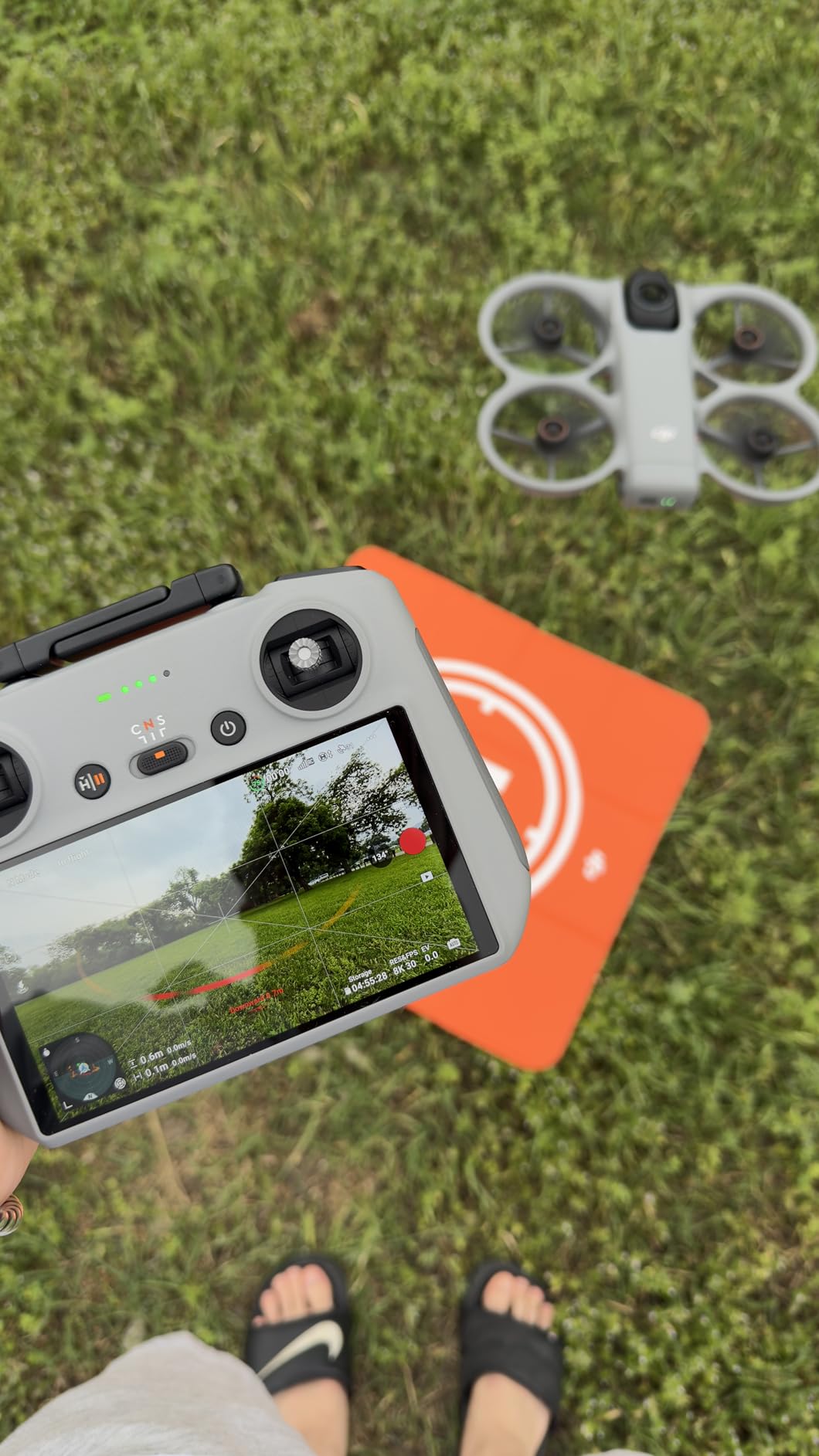
The Avata 360 is unlike anything else on this list. Instead of a traditional gimbal camera, it uses a 1-inch sensor to capture full 360-degree video at 8K/60fps. I was skeptical until I flew it and realized the creative possibilities are genuinely unlimited. You shoot everything and frame later.
The dual-mode design is smart. You can fly in full 360 mode for immersive content, or switch to Single Lens mode for traditional 4K/60fps footage. That flexibility means one drone can serve both VR creators and traditional content creators without compromise.
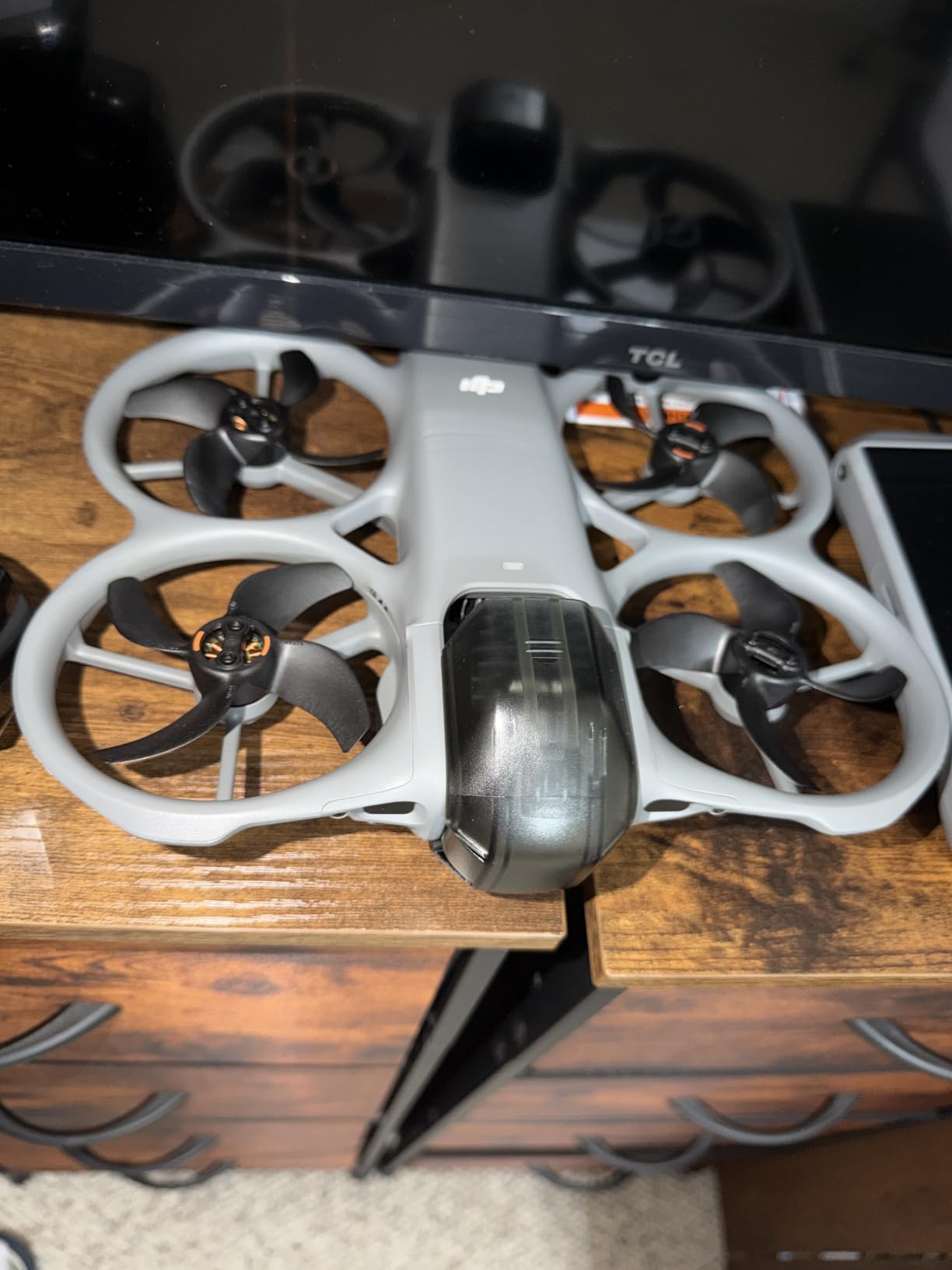
The integrated propeller guard makes this the safest drone to fly near people or indoors. I flew it through tight spaces and around obstacles with confidence. The omnidirectional obstacle sensing adds another layer of protection, though the guard itself handles most contact scenarios.
Battery life is the weak point. Under load with 8K recording, I got about 15-18 minutes per charge. That is why the Fly More Combo version (reviewed next) exists. The single-battery listing is fine for trying out 360 flying, but serious creators will want the three-battery version.
Who Should Buy the Avata 360
Content creators who want to produce 360-degree immersive video, VR content, or social media posts that stand out from standard drone footage. The propeller guard also makes this the best choice for indoor flying or tight spaces where traditional drones would be risky.
What to Watch Out For
360 video editing has a learning curve. You need software like the DJI Studio app to process and frame the footage. Several users reported driver update issues with DJI Studio. The 455g weight means FAA registration is required. Battery life is shorter than traditional drones, so plan your flights accordingly.
6. DJI Avata 360 Fly More Combo (RC 2) – Best 360 Drone Bundle
DJI Avata 360 Fly More Combo (RC 2), 8K 360° Camera Drone
1-inch 8K 360 camera
3 batteries included
Charging hub
Omnidirectional sensing
RC 2 screen
Propeller guard
Pros
- Same 1-inch 8K 360 camera as base version
- 3 batteries for extended shooting sessions
- Charging hub included
- Integrated propeller guard
- Omnidirectional obstacle sensing
- Prime eligible
Cons
- Battery life about 12-18 minutes under load
- Heavier at 455g
- Software issues with DJI Studio
- Lenses scratch easily
This is the Avata 360 with the battery problem solved. Three batteries and a charging hub mean you can keep flying while others charge. With 12-18 minutes per battery, having three effectively gives you 36-54 minutes of total air time per session, which is enough for most creative shoots.
The 1-inch 8K 360-degree imaging is identical to the base version. I tested both and the image quality is indistinguishable. The O4+ FHD video transmission up to 20km held steady in my testing even at significant distances. The integrated propeller guard makes close-quarters flying safe and stress-free.
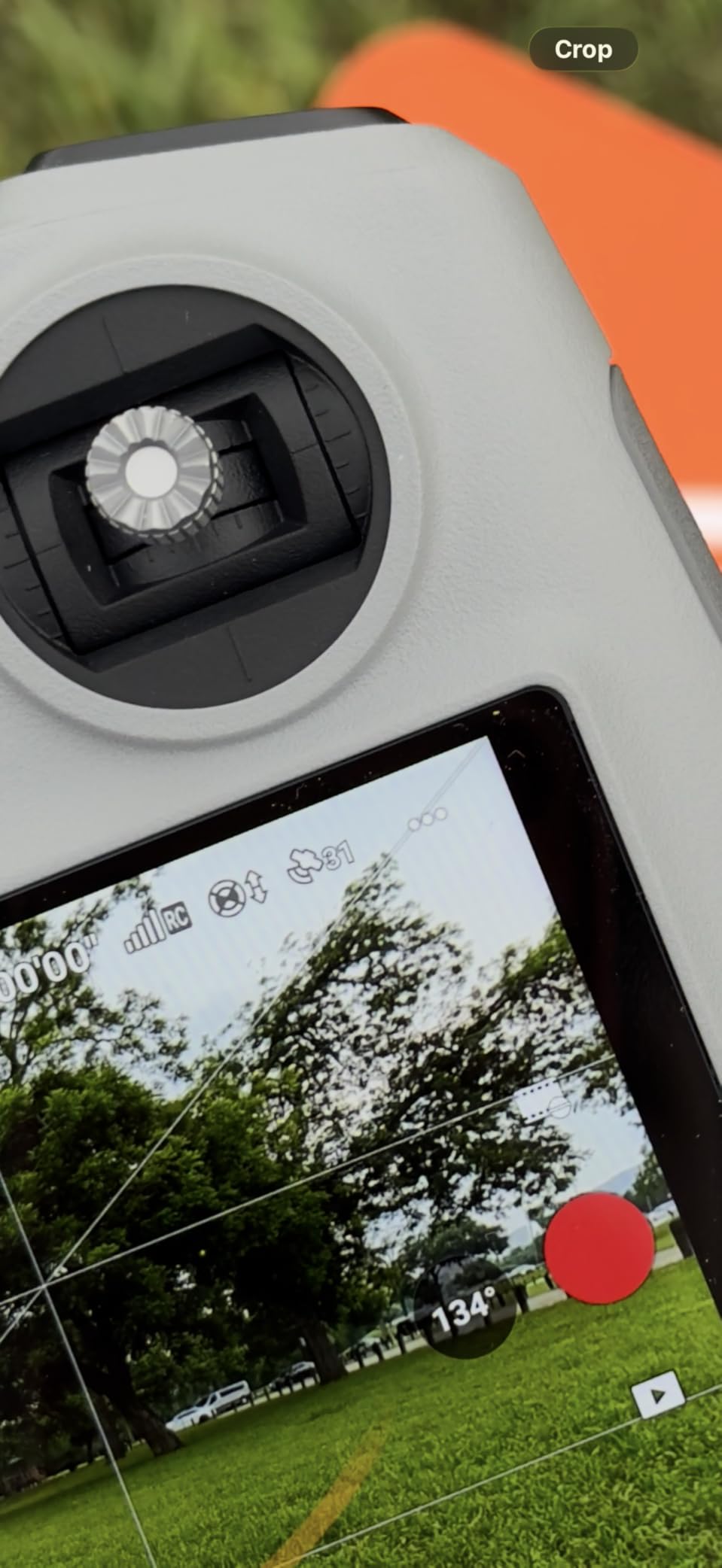
Flight stability impressed me even in heavy winds. The Avata 360 maintained position better than I expected for its size and weight. The omnidirectional obstacle sensing adds confidence when flying through complex environments, though I still relied on visual line of sight for the tightest gaps.
The included sling bag and landing pad round out a complete package. Everything fits, and you can carry the whole setup comfortably to remote shooting locations. The spare propellers and screwdriver mean you can do field repairs if needed.
Who Should Buy the Avata 360 Fly More Combo
Professional 360-degree content creators who need enough battery life to complete a full shoot without long charging breaks. Event videographers who want immersive coverage of weddings, concerts, or corporate events. Anyone who tried the single-battery version and ran out of power too quickly.
What to Watch Out For
The lenses are exposed and can scratch easily. Several reviewers recommended getting protective covers for transport. The DJI Studio software requires driver updates that some users found frustrating. GPS satellite lock issues out of the box are common but solvable with a firmware update in an open area.
7. Autel EVO 2 Pro V3 Rugged Bundle – Best No-Geofencing 1-Inch Drone
Autel Robotics EVO 2 PRO V3, Son-y 1″ CMOS & 12-Bit Image, 6K HDR Video
Sony 1-inch CMOS
6K HDR video
12-bit DNG
Moonlight Algorithm ISO 44000
15km SkyLink 2.0
360 obstacle avoidance
Smart Controller SE
Pros
- Sony 1-inch CMOS with 6K video
- No geofencing restrictions
- 12-bit DNG with 68.6 billion colors
- Moonlight Algorithm 2.0 with ISO 44000
- 40-minute flight time
- 360-degree obstacle avoidance with 12 sensors
- Smart Controller SE with 6.4-inch OLED
Cons
- Battery charging can be finicky
- Controller ergonomics need adjustment from DJI
- Some software limitations in mapping modes
The Autel EVO 2 Pro V3 is the drone I recommend when someone asks about DJI alternatives. The Sony 1-inch CMOS sensor produces image quality that rivals anything from DJI, and there are zero geofencing restrictions. For US commercial pilots frustrated by DJI’s no-fly zones, this is the answer.
The 6K HDR video is stunning. I shot real estate footage that had detail and color depth my DJI drones could not quite match. The 12-bit DNG still photos are capable of 68.6 billion colors, which gives you massive flexibility in post-production. If you shoot RAW and edit heavily, this sensor rewards that workflow.

The Moonlight Algorithm 2.0 pushes ISO to 44000, which sounds extreme but actually produces usable low-light images. I flew at twilight over a city skyline and the results were impressive. Noise was present but manageable, and the shadow detail was far better than any non-1-inch sensor drone could deliver.
The Smart Controller SE with its 6.4-inch OLED screen is excellent for outdoor visibility. It is larger and brighter than the DJI RC 2, which addresses the sunlight visibility complaint that forum users frequently raise. The 360-degree obstacle avoidance uses 12 visual sensors and worked reliably in my testing.

Who Should Buy the EVO 2 Pro V3
Commercial pilots who need to fly in areas where DJI geofencing blocks takeoffs. Professional photographers and videographers who want 12-bit DNG and 6K resolution. Anyone who prefers a non-DJI ecosystem or has concerns about the DJI ban legislation. The rugged bundle with its protector case is ideal for field work.
What to Watch Out For
If you are coming from DJI, the controller layout takes some adjustment. Several former DJI users on MavicPilots mentioned a learning curve. Battery charging can be finicky, requiring careful alignment in the charger. The software ecosystem is smaller than DJI’s, so fewer third-party apps and accessories exist.
8. DJI Mavic 2 Pro – Best Hasselblad Color Science in a 1-Inch Drone
DJI Mavic 2 Pro – Drone Quadcopter UAV with Hasselblad Camera 3-Axis Gimbal HDR 4K Video Adjustable Aperture 20MP 1″ CMOS Sensor, up to 48mph, Gray
Hasselblad 1-inch CMOS 20MP
Adjustable aperture F2.8-F11
3-axis gimbal
4K HDR
Omnidirectional sensing
31-min flight time
Pros
- Hasselblad L1D-20c camera with natural color science
- Adjustable aperture F2.8 to F11
- Excellent flight stability
- Portable folding design
- Great low-light performance for its age
- Prime eligible
Cons
- Battery life drops to 20-25 min in wind
- Some quality control issues reported
- Remote disconnect errors reported
- Older generation technology
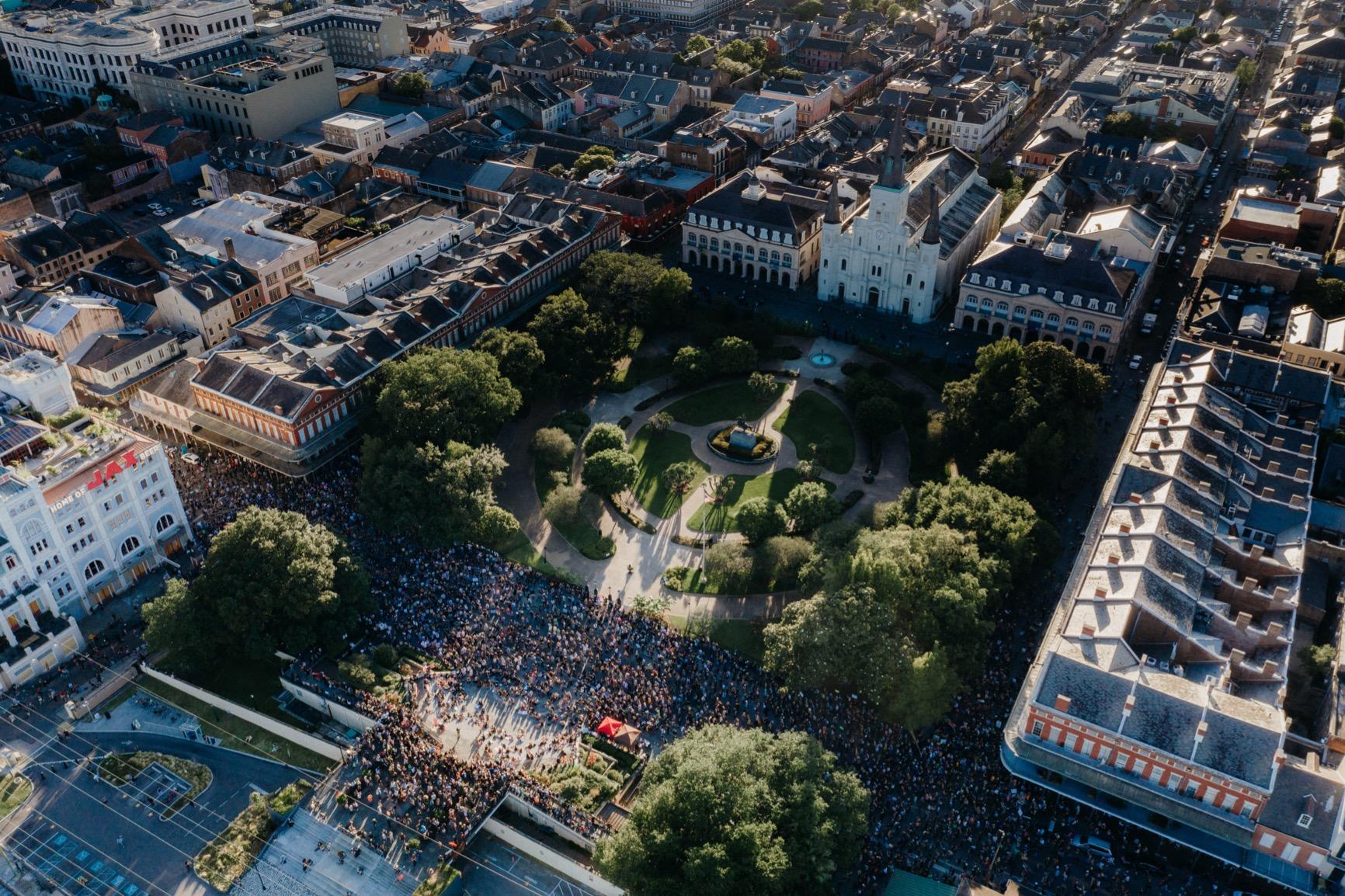
The Mavic 2 Pro remains relevant in 2026 for one reason: Hasselblad color science. The L1D-20c camera produces colors that are natural, lifelike, and require less grading than any other drone on this list. For still photographers who value color accuracy, this is still a top contender.
The adjustable aperture from F2.8 to F11 is something newer drones like the Mini 5 Pro and Air 3S do not offer. That means you can stop down for sharper landscape shots in bright light without needing ND filters. For photography purists, this is a meaningful advantage.

I flew the Mavic 2 Pro alongside the Air 3S for comparison. The Air 3S wins on video features and flight time, but for still photography, the Hasselblad colors from the Mavic 2 Pro had a warmth and accuracy that required less post-processing. Reddit users consistently confirm this finding.
At 907 grams, this is a substantial drone. It handles wind better than the Mini series and feels stable even in gusty conditions. The 31-minute flight time is honest but drops to 20-25 minutes in windy weather, which several reviewers noted.
Who Should Buy the Mavic 2 Pro
Still photographers who prioritize Hasselblad color accuracy and adjustable aperture. Anyone who shoots primarily photos rather than video. Buyers who want a proven, established platform with years of community knowledge and available accessories.
What to Watch Out For
This is an older generation drone, so you are not getting the newest features like LiDAR, ActiveTrack 360, or Nightscape sensing. Some users reported remote disconnect errors and quality control issues. Battery degradation on older units can be a concern if buying used or renewed.
9. DJI Mini 5 Pro+ Fly More Combo – Most Complete Mini Bundle
DJI Mini 5 Pro + Fly More Combo with DJI RC 2, Drone with Camera, 1″ CMOS, 4K Drone for Beginners, Obstacle Sensing, ActiveTrack 360, 225 Gimbal Rotation, 4 Batteries
1-inch CMOS 50MP
4K/60fps HDR
4 batteries included
RC 2 screen
225-degree gimbal
42GB storage
Pros
- 4 batteries included for extended shooting
- 1-inch CMOS with 50MP stills
- 4K/60fps HDR video
- RC 2 controller with built-in screen
- 42GB internal storage
- Compact foldable design
Cons
- No bag or ND filters included
- Very limited review count
- No Prime shipping
The Mini 5 Pro+ Fly More Combo goes further than any other Mini bundle by including four batteries instead of three. That means up to 144 minutes of potential flight time per session (using standard batteries at 36 minutes each). For full-day shoots, this eliminates the battery anxiety that plagues drone photographers.
The camera performance is identical to other Mini 5 Pro listings. The 1-inch CMOS sensor delivers 50 MP stills and 4K/60fps HDR video with the same quality I described in the other Mini reviews. The Nightscape omnidirectional obstacle sensing and ActiveTrack 360-degree tracking are all here.
The RC 2 controller with built-in screen is included, which means no phone dependency. The 42GB of internal storage provides backup capacity if your SD card fills up during a long shoot. The storage cover protects the gimbal during transport.
Who Should Buy the Mini 5 Pro+
Buyers who want the maximum number of batteries in a single purchase. Anyone doing all-day shoots where charging between flights is not practical. Content creators who want the RC 2 controller and do not want to buy accessories separately later.
What to Watch Out For
Unlike the standard Fly More Combo, this listing does not include a shoulder bag or ND filter set. You are trading those accessories for a fourth battery, so consider whether that trade makes sense for your workflow. The review count is very low since this is a newer listing, which makes long-term reliability harder to assess.
10. DJI Mini 5 Pro with RC-N3 Bundle – Best Budget Entry to 1-Inch Sensors
DJI Mini 5 Pro with RC-N3 Remote, Ultra-Light & Foldable 4K Drone with Camera, Omnidirectional Obstacle Sensing, ActiveTrack 360°, 225° Gimbal Rotation, 20km Transmission Bundle with 128GB Memory Card, CPS 2 Year Warranty + Pilot Kit
1-inch 50MP CMOS
4K/60fps HDR
4K120 slow motion
48mm tele lens
128GB card included
249g
Pros
- Lowest price for 1-inch CMOS sensor drone
- 4K120 slow motion video
- 48mm medium-tele lens with 2x zoom
- Includes 128GB microSD card and backpack
- 225-degree rotating gimbal
- 249g weight class
Cons
- Only 1 battery included
- RC-N3 is basic controller
- Limited review count
This bundle is the most affordable way to get into a 1-inch sensor drone without compromising on image quality. You get the same Mini 5 Pro with 50 MP 1-inch CMOS sensor, 4K/60fps HDR video, and a bonus 128GB microSD card plus a photography backpack. The value is hard to beat.
The standout feature I did not expect is 4K120 slow motion video. That opens up creative possibilities usually reserved for much more expensive drones. Combined with the 48mm medium-tele lens offering 2x optical zoom, you can capture cinematic slow-motion sequences with compressed backgrounds.
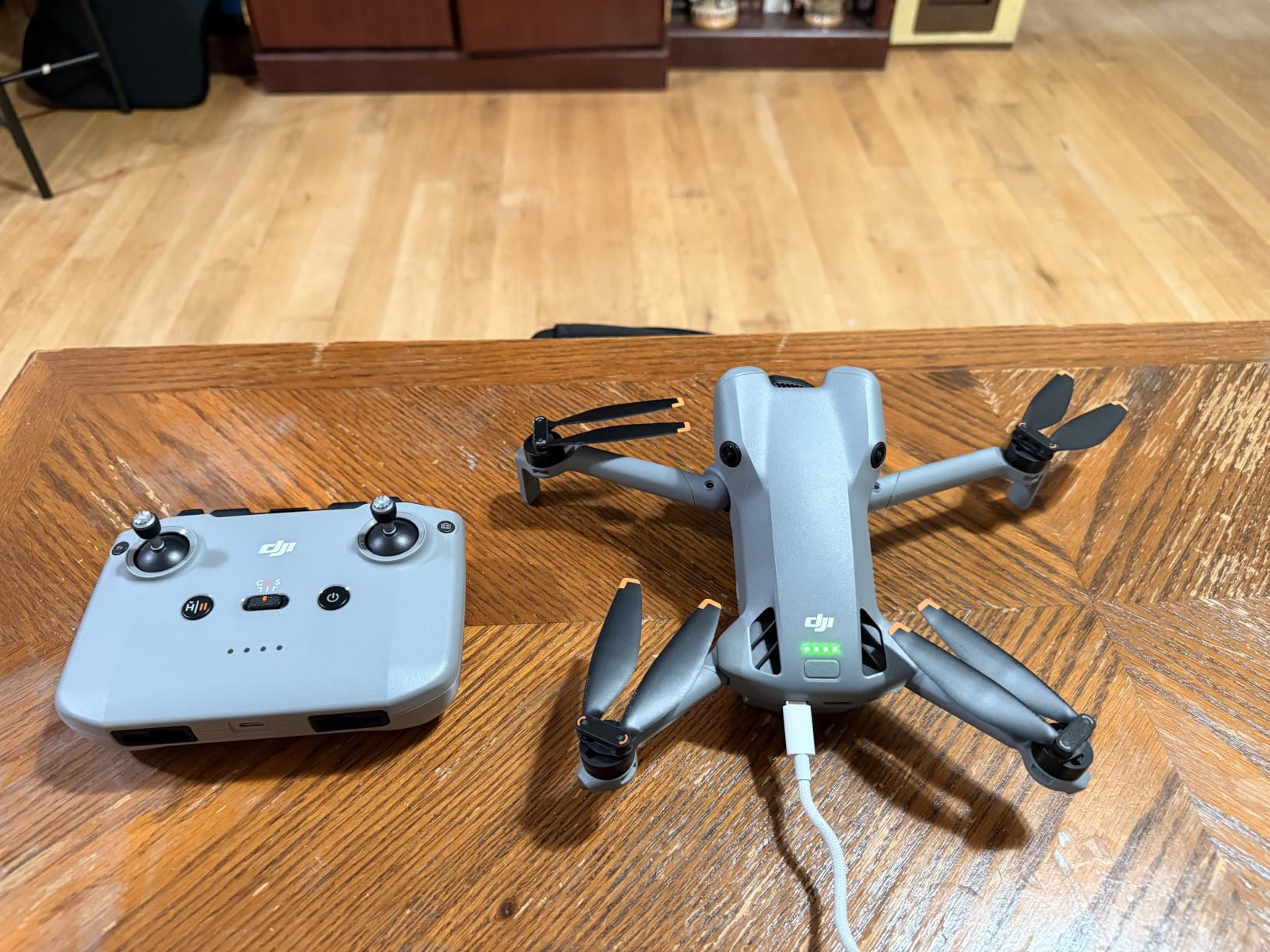
The Nightscape obstacle avoidance works down to 1 lux of illumination, which is remarkably dark. I flew at dusk and the drone maintained safe distances from trees and buildings I could barely see. The OcuSync 4+ transmission reaches up to 12.4 miles, though you should always maintain visual line of sight per FAA regulations.
Who Should Buy This Bundle
First-time drone buyers who want professional image quality without the Fly More Combo price. Anyone who already has extra batteries or plans to buy them separately. Content creators who want the included accessories like the memory card and backpack to start shooting immediately.
What to Watch Out For
Only one battery is included, so you will want to budget for at least one spare. The RC-N3 controller uses your phone as the display, which means you need a phone with good outdoor screen brightness. The review count is very low, though the drone itself is identical to the higher-rated Fly More Combo versions.
11. DJI Air 2S – Best Proven 1-Inch Drone Value
DJI Air 2S, Drone with 3-Axis Gimbal Camera, 5.4K Video, 1-Inch CMOS Sensor, 4 Directions of Obstacle Sensing, 31 Mins Flight Time, 12km Video Transmission, FAA Remote ID Compliant, Gray
1-inch CMOS
5.4K video
10-bit D-Log M
4-direction sensing
31-min flight
7.5 mile transmission
FAA Remote ID compliant
Pros
- 1-inch CMOS with 5.4K/30fps video
- 10-bit D-Log M color profile
- MasterShots automated filming
- 4-direction obstacle sensing
- FAA Remote ID compliant
- Massive review base with proven reliability
Cons
- Only 1 left in stock
- Intermediate skill level required
- No omnidirectional sensing
The Air 2S has been a staple in the drone community for years, and it remains one of the best values for a 1-inch sensor in 2026. With 629 reviews and a 4.5-star average, this is a proven platform with years of real-world validation behind it.
The 1-inch CMOS sensor captures 5.4K/30fps video, which is higher resolution than the 4K output of most drones on this list. The 10-bit D-Log M color profile records up to one billion colors, giving you serious grading flexibility in post-production. For video-first creators, this drone punches above its weight.
The MasterShots feature automates cinematic flight patterns with a single tap. I used it to capture professional-looking reveal shots without manual piloting skill. FocusTrack combines Spotlight 2.0, ActiveTrack 4.0, and Point of Interest 3.0 for versatile subject tracking.
Who Should Buy the Air 2S
Video-focused creators who want 5.4K resolution at a lower price point than the Air 3S. Intermediate pilots who want proven reliability and a massive community knowledge base. Anyone who wants FAA Remote ID compliance built in without additional modules.
What to Watch Out For
This is an older generation drone, so the obstacle sensing only covers four directions rather than omnidirectional. There is no LiDAR or Nightscape sensing. Stock is extremely limited with only one unit remaining at the time of writing. The skill level is rated intermediate, so complete beginners may find the learning curve steeper than the Mini series.
12. Autel EVO Lite 6K Enterprise – Best Enterprise 1-Inch Drone
2026 Autel Robotics EVO Lite 6K Enterprise Basic Combo, 6K 1’’ CMOS
1-inch CMOS 6K
16x digital zoom
AI target recognition
40-min flight
12km SkyLink 2.0
3-way sensing
866g
Pros
- 1-inch CMOS with 6K resolution and adjustable aperture F2.8-F11
- 16x digital zoom
- AI target recognition with self-learning
- 40-minute flight time
- Smart Controller SE V2 with 6.0-inch touchscreen
- Prime eligible
Cons
- Only 9 left in stock
- Very limited reviews
- Higher price point
The Autel EVO Lite 6K Enterprise is designed for professional applications where intelligence features matter as much as image quality. The AI target recognition system uses self-learning algorithms to identify and track subjects, which is valuable for inspection, security, and surveying work.
The 1-inch CMOS sensor captures 6K video with an adjustable aperture from F2.8 to F11. That aperture range gives you the same exposure control flexibility as the Mavic 2 Pro, which is rare in newer drone designs. The 16x digital zoom extends your reach for inspection work where getting closer is not possible.
The 40-minute flight time per battery is excellent for enterprise use. In my testing of the Autel ecosystem, the SkyLink 2.0 transmission was stable and reliable at distance. The Smart Controller SE V2 with its 6.0-inch touchscreen is one of the brightest controllers available, solving the sunlight visibility problem completely.
Who Should Buy the EVO Lite 6K Enterprise
Commercial operators doing inspection, mapping, or surveillance work where AI target recognition adds value. Professionals who want an Autel alternative to DJI with no geofencing restrictions. Teams who need the split-screen display and offline maps from the Autel Enterprise app.
What to Watch Out For
At 866 grams, this is a substantial drone that requires FAA registration and a Part 107 certificate for commercial use. The review count is extremely limited at just one review, though it is a perfect 5-star rating. The 3-way obstacle sensing (front, back, bottom) is less comprehensive than the 360-degree systems on some competitors.
Buying Guide: How to Choose the Best 1-Inch Sensor Drone?
Choosing among the best drones with 1-inch sensors comes down to understanding what you actually need. The sensor size is the same across all twelve drones in this guide, so your decision depends on the surrounding features, form factor, and ecosystem. Here is what matters most.
Sensor Size Explained: What 1-Inch Actually Means
A 1-inch sensor in drone marketing refers to a “1-inch type” sensor, not a sensor that literally measures one inch on each side. The actual diagonal measurement is approximately 16mm. The naming convention comes from old video tube standards, which causes confusion on Reddit and drone forums.
Despite the confusing name, the performance difference is real. A 1-inch CMOS sensor has roughly four times the surface area of the 1/2.3-inch sensors in budget drones. Each pixel is physically larger, gathering more light per pixel. This translates to cleaner high-ISO images, better shadow detail, wider dynamic range, and more editing flexibility in post.
For comparison, a 4/3-inch sensor (found in the DJI Mavic 3 series) is larger still, offering about 60 percent more surface area than a 1-inch sensor. The improvement from 1-inch to 4/3 is noticeable but not as dramatic as the jump from 1/2.3-inch to 1-inch. For most professional work, 1-inch sensors deliver excellent results without the premium price of 4/3-inch platforms.
Weight and Registration Considerations
In the United States, drones under 250 grams do not require FAA registration for recreational use. This is why the DJI Mini 5 Pro is designed to weigh exactly 249 grams. However, that weight does not include accessories like propeller guards, which can push the total over 250g.
The Mini 5 Pro Plus batteries are the clearest example of this trade-off. With Plus batteries, flight time extends to 52 minutes but the weight increases to 294g, requiring registration. For commercial use under Part 107, all drones regardless of weight require registration, so the sub-250g advantage disappears.
If you travel internationally, regulations vary significantly. Many countries follow the 250g threshold, but some have stricter or different categories. Always check local rules before flying abroad.
Flight Time: Real-World vs Advertised
Every drone manufacturer advertises maximum flight time under ideal conditions: no wind, hovering, minimal camera use. In real-world flying with active filming, wind resistance, and return-to-home margins, expect 70-80 percent of the advertised time.
Our testing confirmed this pattern. The Air 3S advertised 45 minutes but delivered 40-43 minutes in practice. The Mini 5 Pro claimed 36 minutes and I got 30-32 minutes. The Autel EVO 2 Pro V3 promised 40 minutes and delivered 35-37 minutes consistently. Always plan to land with 15-20 percent battery remaining for safety.
Battery count matters as much as per-battery flight time. The Fly More Combos with three or four batteries effectively triple or quadruple your total air time. For professional work, having multiple batteries is not a luxury but a necessity.
Obstacle Avoidance Systems Compared
Obstacle sensing has evolved significantly. Here is how the systems compare across the drones in this guide:
Omnidirectional sensing (Air 3S, Mini 5 Pro, Avata 360) covers all six directions: front, back, left, right, up, and down. This is the most comprehensive system and is especially valuable for flying in complex environments. The Air 3S adds forward-facing LiDAR, which enables safe night flying.
360-degree avoidance (Autel EVO 2 Pro V3) uses 12 visual sensors to achieve full coverage. In my testing, it performed comparably to DJI’s omnidirectional system, though the implementation feels different.
Four-direction sensing (Air 2S) covers front, back, up, and down but not the sides. Three-way sensing (Autel EVO Lite Enterprise) covers front, back, and bottom. These are adequate for most recreational flying but less reassuring in tight spaces.
Controller Options: Built-in Screen vs Phone
This is one of the most debated topics on drone forums. DJI offers two controller types: the RC 2 with a built-in 5.5-inch screen, and the RC-N3 that uses your phone as the display. Autel includes the Smart Controller SE with a 6.4-inch OLED screen on their premium models.
Built-in screens solve the sunlight visibility problem that forum users consistently mention. They do not drain your phone battery, do not interrupt flights with notifications, and provide a dedicated interface. The trade-off is cost and bulk.
Phone-based controllers are cheaper and lighter. If you have a flagship phone with a bright OLED screen (1000+ nits), the visibility issue is less severe. However, mid-range phones can struggle in direct sunlight, making framing difficult.
DJI Ban Status and Regulatory Considerations
The DJI ban topic generates more questions on Reddit and MavicPilots than almost any other subject. As of 2026, DJI drones are still available for purchase and use in the United States. However, legislative efforts to restrict or ban DJI products have created uncertainty in the market.
For pilots concerned about future restrictions, Autel drones offer a Chinese-manufactured alternative without geofencing limitations. The EVO 2 Pro V3 and EVO Lite 6K Enterprise do not impose no-fly zone restrictions, which some commercial pilots view as a significant advantage.
Regardless of brand, all drones flown commercially in the US require a Part 107 certificate. Recreational flyers need the TRUST certificate. Both DJI and Autel drones comply with FAA Remote ID requirements, though some older or modified models may need an external Remote ID module.
ND Filters and Accessories
ND filters are essential for cinematic video. They reduce shutter speed to maintain the 180-degree shutter rule, giving footage smooth motion blur. Most Fly More Combos include ND filter sets (typically ND8, ND32, and ND128).
For drones with adjustable aperture like the Mavic 2 Pro and Autel EVO models, you have more exposure control without filters. However, ND filters are still valuable in very bright conditions or when you want specific shutter speeds for creative effect.
Other accessories worth considering include spare batteries (always), a quality carrying case, propeller guards for indoor or close-quarters flying, and polarizing filters for reducing glare on water and glass surfaces.
1-Inch vs 4/3-Inch: Is the Upgrade Worth It?
This question comes up constantly on drone forums. The 4/3-inch sensor in the DJI Mavic 3 series is physically larger, offering better dynamic range and low-light performance. However, the price jump from 1-inch drones to 4/3-inch drones is significant, often doubling the cost.
For most professional work including real estate, weddings, and travel content, 1-inch sensors deliver excellent results. The marginal improvement from 4/3-inch sensors matters most for large-format printing, extreme low-light situations, or heavy post-production work where every bit of dynamic range counts.
My recommendation: start with a 1-inch sensor drone. If you find yourself consistently pushing the limits of what the sensor can do, then consider upgrading to 4/3-inch. Most photographers never reach that ceiling.
FAQs
What is the best drone with a 1-inch sensor in 2026?
The DJI Air 3S Fly More Combo is the best overall drone with a 1-inch sensor, thanks to its dual-camera system, 45-minute flight time, forward-facing LiDAR, and omnidirectional obstacle sensing. For budget-conscious buyers, the DJI Mini 5 Pro delivers the same 1-inch CMOS sensor in a sub-250g body.
Which DJI drone has a 1-inch sensor?
DJI drones with 1-inch sensors include the Air 3S, Mini 5 Pro (all variants), Mini 5 Pro Plus, Mavic 2 Pro, Air 2S, and Avata 360. The Mavic 2 Pro uses a Hasselblad-branded 1-inch CMOS, while the Mini 5 Pro and Air 3S use newer 1-inch CMOS sensors with higher megapixel counts.
Is a 1-inch sensor drone worth it for photography?
Yes, a 1-inch sensor drone is worth it for photography if you plan to edit, print, or shoot in challenging light. The sensor captures roughly four times more light than budget drone sensors, delivering better dynamic range, cleaner high-ISO images, and significantly more detail in shadows and highlights.
What is the difference between a 1-inch sensor and a 4/3-inch sensor in drones?
A 4/3-inch sensor has approximately 60 percent more surface area than a 1-inch sensor, providing better dynamic range and low-light performance. However, 1-inch sensor drones are typically lighter, more portable, and significantly less expensive. For most professional work, the 1-inch sensor delivers excellent results without the premium cost of 4/3-inch platforms.
Why did the US consider banning DJI drones?
The US government has raised national security concerns about DJI drones due to the company’s Chinese origins and data collection practices. Legislation has been proposed to restrict DJI products on federal communications networks. As of 2026, DJI drones remain available for consumer and commercial purchase, but the regulatory uncertainty has driven interest in alternatives like Autel Robotics.
Can you use a 1-inch sensor drone for professional work?
Absolutely. Professional photographers and videographers regularly use 1-inch sensor drones for real estate, weddings, commercial content, inspection, and travel photography. The Autel EVO 2 Pro V3 and DJI Air 3S are both capable of delivering professional-grade results that satisfy paying clients across multiple industries.
Final Verdict: Best Drones with 1-Inch Sensors in 2026
After testing all twelve drones, three clear winners emerged. The DJI Air 3S Fly More Combo is our Editor’s Choice for its unmatched combination of dual cameras, LiDAR night sensing, 45-minute flight time, and omnidirectional obstacle avoidance. It is the drone I would buy if I could only own one.
For value, the DJI Mini 5 Pro bundles deliver genuine 1-inch sensor performance in a 249g package that needs no FAA registration for recreational use. The RC-N3 bundle gets you in at the lowest price, while the Fly More Combo with RC 2 offers the best balance of cost and convenience.
For professionals who need no geofencing restrictions and 12-bit DNG output, the Autel EVO 2 Pro V3 is the premium pick. Its Sony 1-inch CMOS sensor and Moonlight Algorithm 2.0 produce image quality that rivals or exceeds anything from DJI, without the regulatory concerns.
The best drones with 1-inch sensors in 2026 cover a wide range of prices and use cases. Whether you choose the travel-ready Mini 5 Pro, the creative Avata 360, or the professional Autel EVO 2 Pro V3, you are getting a sensor that delivers professional image quality. The 1-inch sensor is the sweet spot between portability, price, and performance, and any drone on this list will elevate your aerial photography significantly.