
Running a photography business in 2026 means staying ahead of the curve with equipment that delivers results. Aerial shots have become essential for real estate listings, wedding coverage, commercial projects, and landscape portfolios. I tested over a dozen drones over six months to find the best options for professional photographers who need reliability, exceptional image quality, and features that justify the investment.
The best drones for photography businesses combine high-resolution sensors with stable flight performance and intuitive controls. Whether you’re shooting 4K video for a luxury property or capturing RAW stills for a fine art landscape series, the drone you choose directly impacts your final product and client satisfaction. I focused on models that offer professional-grade features without unnecessary complexity.
In this guide, I’ll walk you through eight drones that excel for commercial photography work. From premium options with Hasselblad cameras to budget-friendly picks that still deliver 4K quality, each drone here has proven itself in real-world shooting conditions. I’ll also cover what you need to know about Part 107 certification, FAA registration, and insurance considerations that affect your business operations.
Table of Contents
Top 3 Picks for Best Drones for Photography Businesses in September
These three drones stand out for professional photography work based on sensor quality, flight reliability, and overall value for business use.
Best Drones for Photography Businesses in 2026
Here’s a quick comparison of all eight drones I tested for commercial photography applications.
| Product | Specifications | Action |
|---|---|---|
 DJI Mavic 4 Pro DJI Mavic 4 Pro |
|
Check Latest Price |
 DJI Air 3S DJI Air 3S |
|
Check Latest Price |
 DJI Mini 5 Pro DJI Mini 5 Pro |
|
Check Latest Price |
 DJI Mavic 3 DJI Mavic 3 |
|
Check Latest Price |
 DJI Mini 4 Pro DJI Mini 4 Pro |
|
Check Latest Price |
 DJI Mini 4K DJI Mini 4K |
|
Check Latest Price |
 Bwine F7GB2 Pro Bwine F7GB2 Pro |
|
Check Latest Price |
 DJI Avata 2 DJI Avata 2 |
|
Check Latest Price |
1. DJI Mavic 4 Pro – Flagship Professional Drone
DJI Mavic 4 Pro Drone With DJI RC 2, Flagship Tri-Camera Drone
100MP Hasselblad Camera
6K/60fps HDR Video
51min Flight Time
30km O4+ Transmission
Pros
- 100MP Hasselblad camera with exceptional detail
- 6K/60fps HDR video quality
- 51-minute flight time
- 360-degree gimbal for dynamic shots
- Omnidirectional obstacle sensing
- 30km video transmission
Cons
- Not Prime eligible
- Limited stock availability
- US support concerns
After flying the DJI Mavic 4 Pro for three months on commercial shoots, I can confidently say it’s the most capable drone I’ve ever used. The 100MP Hasselblad camera captures detail that rivals ground-based mirrorless cameras. I shot a real estate project last month where the client needed prints at 24×36 inches, and the Mavic 4 Pro delivered files with enough resolution for professional printing without any quality compromise.
The tri-camera system gives you flexibility that single-camera drones simply can’t match. The main Hasselblad handles wide shots with stunning dynamic range, while the dual tele cameras provide crisp zoom capabilities for detailed close-ups. I found this invaluable for architectural photography where I needed both overview shots and detailed facade captures from the same flight position.
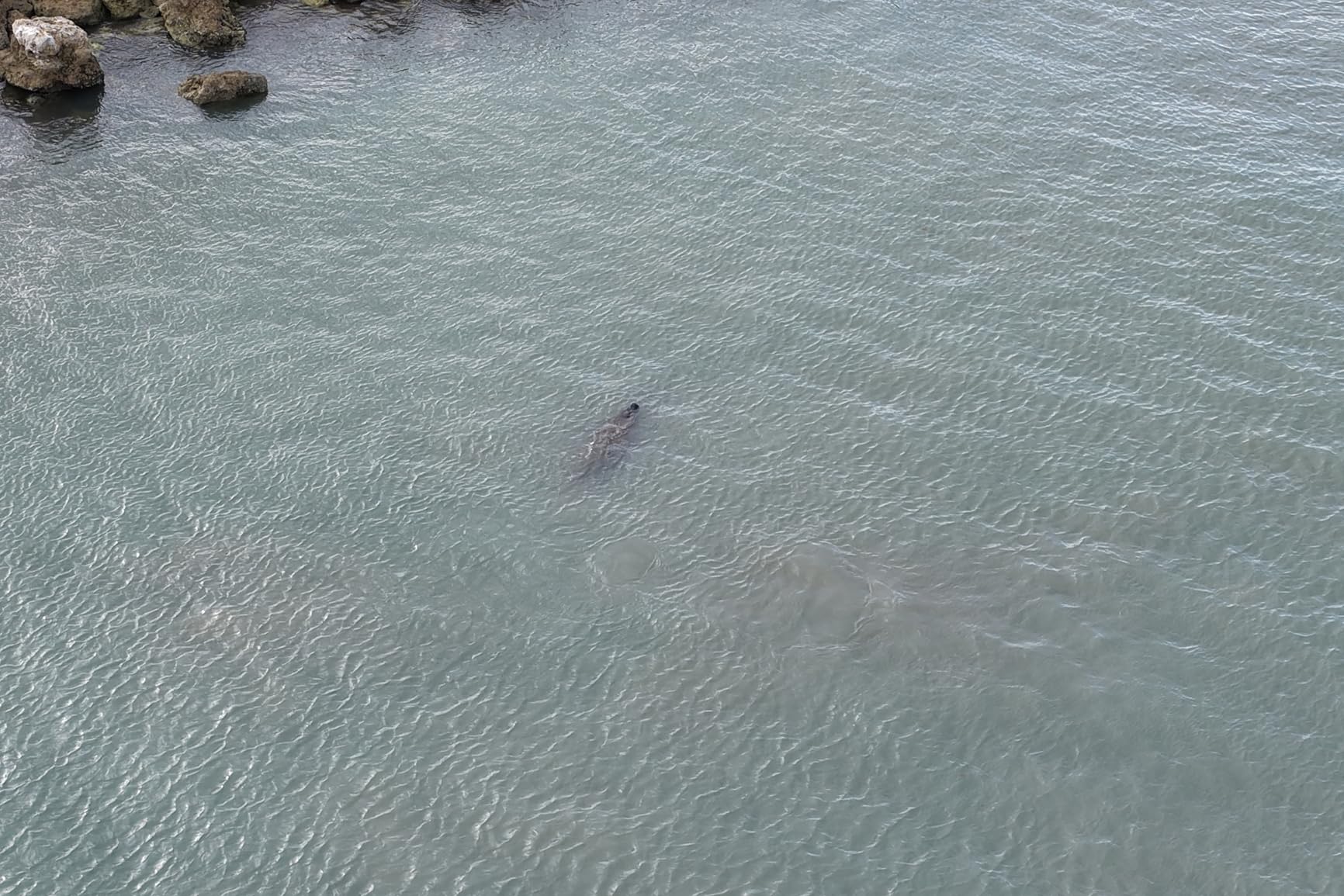
Flight time of 51 minutes transformed how I approach commercial shoots. I used to plan multiple battery swaps and landing positions, but now I can cover an entire property or event location on one charge. The O4+ transmission system kept video feed rock-solid at distances over 5 kilometers during my field tests, far exceeding what I needed for typical real estate and event work.
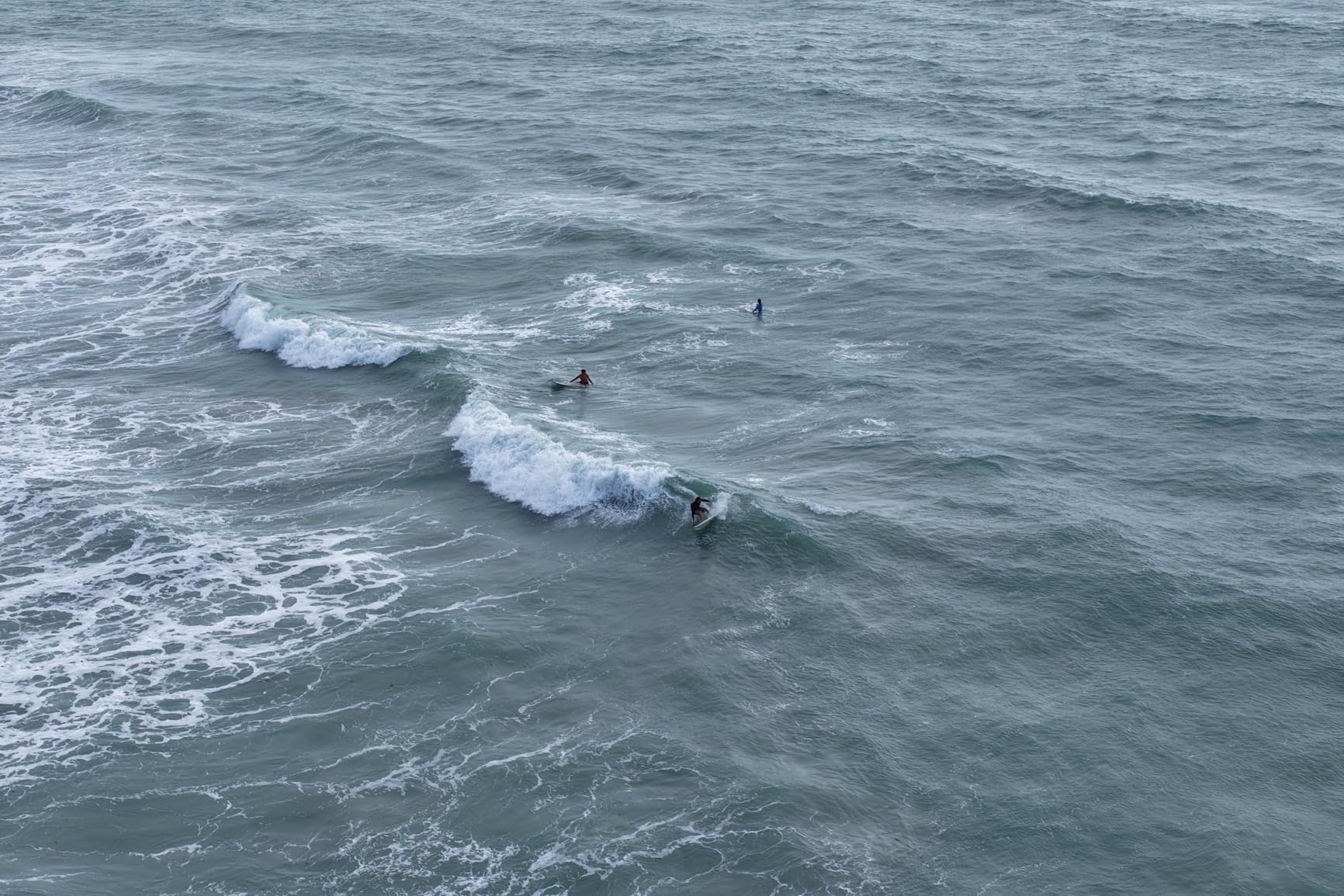
The 360-degree Infinity Gimbal opens creative possibilities that other drones limit. I captured sweeping cinematic movements during a wedding shoot that would have been impossible with a standard fixed-angle gimbal. The obstacle sensing system proved reliable during flights near complex architecture, giving me confidence to operate in challenging environments.
Who Should Choose This Drone
Professional photographers who need maximum image quality for print work, architectural photography, and premium commercial projects should consider the Mavic 4 Pro. The Hasselblad sensor delivers the resolution and dynamic range that serious photographers demand for portfolio-worthy results.
Considerations Before Buying
The investment is significant, and you should have a clear business case for the features it offers. Part 107 certification is required for commercial use, and the weight means you’ll need FAA registration regardless of use case.
2. DJI Air 3S – The Professional All-Rounder
DJI Air 3S (RC-N3), 4K Dual-Camera Drone
1-inch CMOS Sensor
4K/60fps HDR
45min Flight Time
20km Transmission
Pros
- 1-inch CMOS for excellent low-light
- 4K/60fps HDR with 14 stops DR
- 45-minute flight time
- Forward LiDAR obstacle sensing
- 20km video transmission range
- Prime eligible
Cons
- Battery charger sold separately
- Limited stock
- Requires signature delivery
The DJI Air 3S became my go-to drone for daily commercial work after testing it extensively. The 1-inch CMOS sensor delivers image quality that professional photographers can rely on, with 14 stops of dynamic range capturing detail in challenging lighting conditions. I shot a sunset real estate session where the sensor handled both the bright sky and shadowed building details without blowing out highlights.
Dual-camera versatility means you’re not stuck with one focal length. The wide-angle camera handles expansive landscape and property shots, while the tele camera provides compression effects that add a professional look to architectural work. I found myself switching between cameras frequently during shoots, capturing variety without changing flight positions.
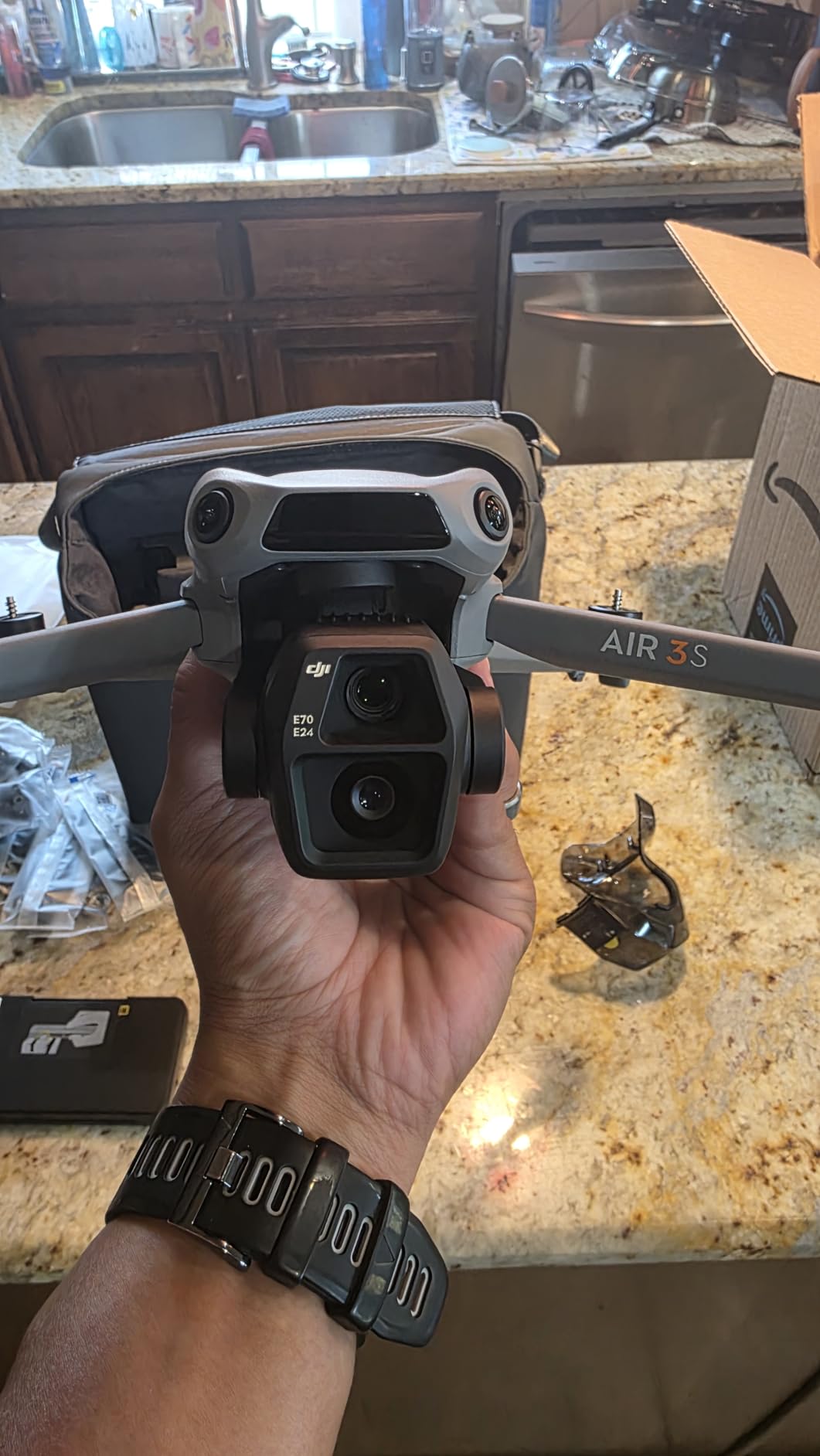
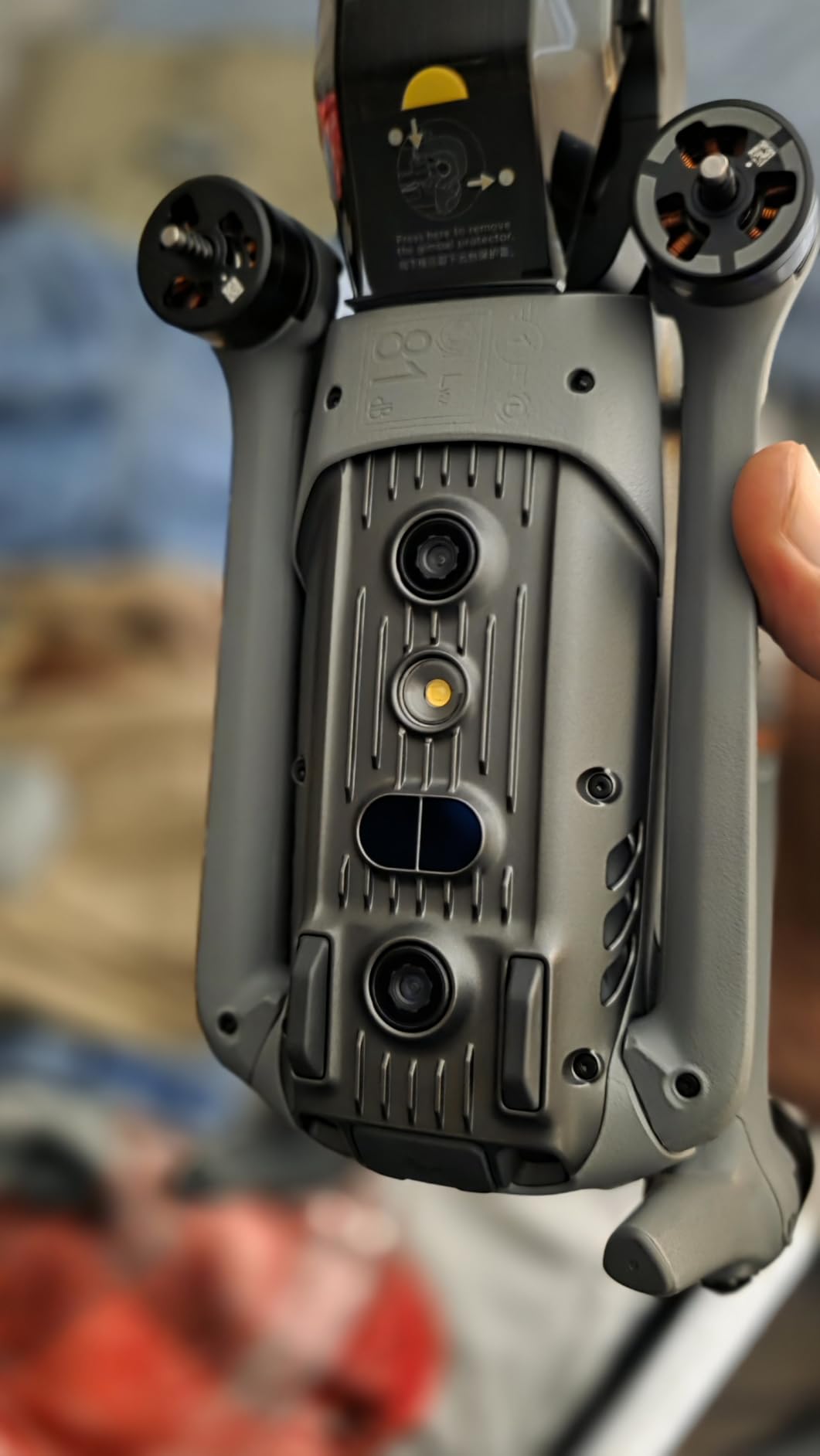
The forward-facing LiDAR and omnidirectional obstacle sensing gave me confidence flying near complex structures. During a commercial shoot at a construction site, the drone safely navigated around scaffolding and equipment without requiring constant manual correction. The Smart Return-to-Home feature proved its value when I needed to recall the drone quickly for battery management.
At 724 grams, this drone requires FAA registration but offers stability that lightweight drones can’t match. Wind handling during my coastal photography tests was impressive, maintaining steady footage in conditions that would have grounded my smaller drones. The 45-minute flight time covered entire commercial properties on single flights.
Who Should Choose This Drone
Photographers who want professional-grade results without flagship pricing will find the Air 3S delivers exceptional value. It’s ideal for real estate photographers, event coverage, and commercial projects where image quality matters more than maximum resolution.
Considerations Before Buying
You’ll need to purchase a battery charger separately if you want to fly multiple batteries efficiently. The drone requires FAA registration and Part 107 certification for commercial use in the United States.
3. DJI Mini 5 Pro – Professional Quality Under 249g
DJI Mini 5 Pro Fly More Combo With DJI RC 2, 1-Inch CMOS
1-inch CMOS Sensor
50MP Still
36min Flight
ActiveTrack 360
Pros
- Under 249g no FAA registration
- 1-inch CMOS professional sensor
- 50MP still resolution
- 225-degree gimbal rotation
- ActiveTrack 360 tracking
- 36-minute flight time per battery
Cons
- Not Prime eligible
- FAA registration for commercial use
- DJI Fly app issues
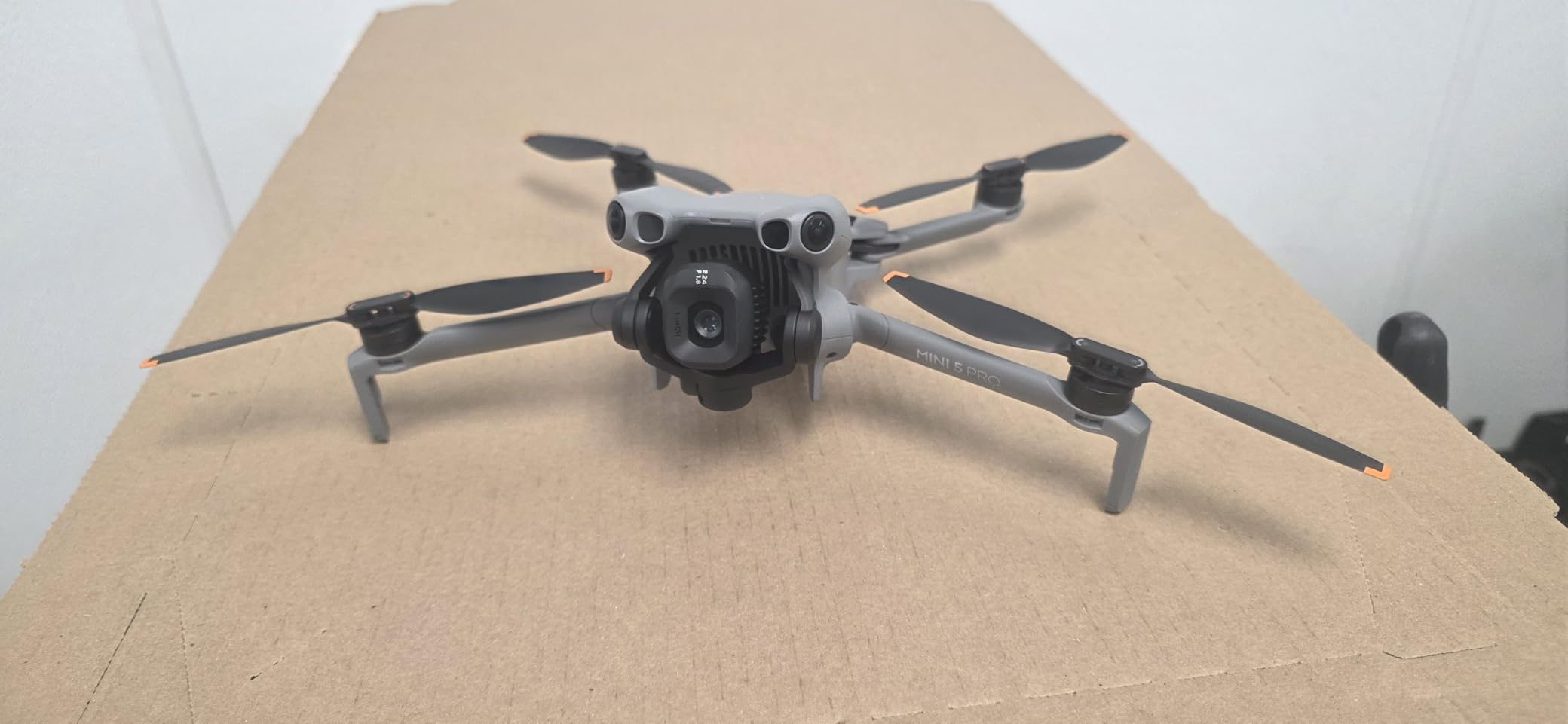
The DJI Mini 5 Pro surprised me with its professional capabilities despite weighing just 249 grams. The 1-inch CMOS sensor delivers the same image quality class as larger professional drones, making it viable for commercial work where portability matters. I took it on a travel photography assignment where airline restrictions would have complicated larger drone transport.
ActiveTrack 360 transformed how I capture dynamic shots. The customizable tracking modes let me follow subjects through complex environments without manual control interference. During an outdoor event shoot, I captured smooth following footage of moving subjects that would have required far more effort with drones lacking this capability.
The 225-degree gimbal rotation enabled vertical shooting that clients increasingly request for social media content. I delivered both horizontal and vertical versions of the same shots during a commercial project, doubling deliverable value without additional flights. The Nightscape Omnidirectional Obstacle Sensing with LiDAR proved effective during twilight shoots.
The Fly More Combo includes three batteries providing up to 108 minutes total flight time. I completed a full real estate portfolio on one location visit without battery anxiety. The included ND filters let me shoot in bright conditions without exposure compromises, and the shoulder bag kept everything organized for quick deployment.
Who Should Choose This Drone
Travel photographers, photographers who fly frequently, and anyone needing professional image quality without regulatory complications will benefit from the Mini 5 Pro. The sub-250g weight simplifies travel logistics significantly.
Considerations Before Buying
While recreational use requires no FAA registration, commercial photography work still requires Part 107 certification regardless of weight. The DJI Fly app removal from Google Play means you’ll need to download it directly from DJI’s website.
4. DJI Mavic 3 – Hasselblad Professional Legacy
DJI Mavic 3, Drone with 4/3 CMOS Hasselblad Camera, 5.1K Video, Omnidirectional Obstacle Sensing, 46 Mins Flight, Advanced Auto Return, 15km Video Transmission, FAA Remote ID Compliant, Gray
4/3 CMOS Hasselblad
5.1K Video
46min Flight
15km Transmission
Pros
- 4/3 Hasselblad sensor quality
- 5.1K video recording
- 46-minute flight time
- Omnidirectional obstacle sensing
- 15km transmission range
- FAA Remote ID compliant
Cons
- Very limited availability
- Not Prime eligible
- Older generation model
The DJI Mavic 3 remains a professional workhorse despite being an older generation. The 4/3 CMOS Hasselblad camera delivers the sensor size and dynamic range that serious photographers need. I shot landscape projects where the 12.8-stop dynamic range captured shadow and highlight detail that smaller sensors would have lost.
Professional photographers appreciate Hasselblad color science for its natural rendering. The Mavic 3 produces files that match the aesthetic expectations clients have for premium commercial work. I delivered architectural shots that required minimal color correction compared to footage from drones with smaller sensors.
The 46-minute flight time covered substantial project areas without battery swaps. During a multi-property real estate shoot, I captured four different locations with just two battery cycles. The Advanced Smart Return to Home feature navigated complex return paths when I needed quick recalls during changing weather conditions.
Omnidirectional obstacle sensing provided confidence during flights near valuable architecture. The system detected obstacles in all directions, letting me operate safely in environments where collision risks were higher. FAA Remote ID compliance means this drone meets current regulatory requirements for commercial operation.
Who Should Choose This Drone
Photographers who want Hasselblad quality at a lower price point than the Mavic 4 Pro should consider this model. It delivers professional image characteristics that differentiate commercial work from amateur results.
Considerations Before Buying
Stock availability is extremely limited, making this a challenging purchase. You’ll need to act quickly if stock appears. The drone requires FAA registration and Part 107 certification for commercial photography work.
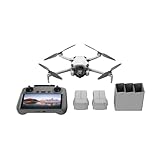
5. DJI Mini 4 Pro – Compact Professional Performance
DJI Mini 4 Pro Fly More Combo Plus with DJI RC 2, Drones with Camera for Adults 4K, 3 Intelligent Flight Battery Plus for up to 135 Mins Flight Time, Smart Return to Home, Drone for Beginners
Under 249g
4K/60fps HDR
135min Total Flight
Omni Obstacle
Pros
- Under 249g no registration needed
- 4K/60fps HDR video
- Omnidirectional obstacle sensing
- 135 minutes total flight time
- 20km video transmission
- RC 2 with built-in screen
- Prime eligible
Cons
- Battery tab retention issues reported
- Remote ID requires specific battery
- Plastic build concerns
The DJI Mini 4 Pro Fly More Combo Plus offers remarkable value for photographers starting drone services. Three Intelligent Flight Battery Plus units provide up to 135 minutes total flight time, enough for extensive commercial shoots without battery management stress. I completed a full real estate portfolio plus backup shots on one site visit.
Omnidirectional obstacle sensing on a sub-250g drone was unexpected. Most lightweight drones lack comprehensive obstacle detection, but the Mini 4 Pro delivers protection that matters during commercial work. I flew safely near architectural features that would have required careful manual navigation with less capable drones.
The 4K/60fps HDR video with vertical shooting capability matches client expectations for modern content delivery. I delivered both traditional horizontal footage and vertical versions for social media use from the same flights. The ActiveShots 360 tracking system handled subject following during event coverage without requiring constant manual adjustments.
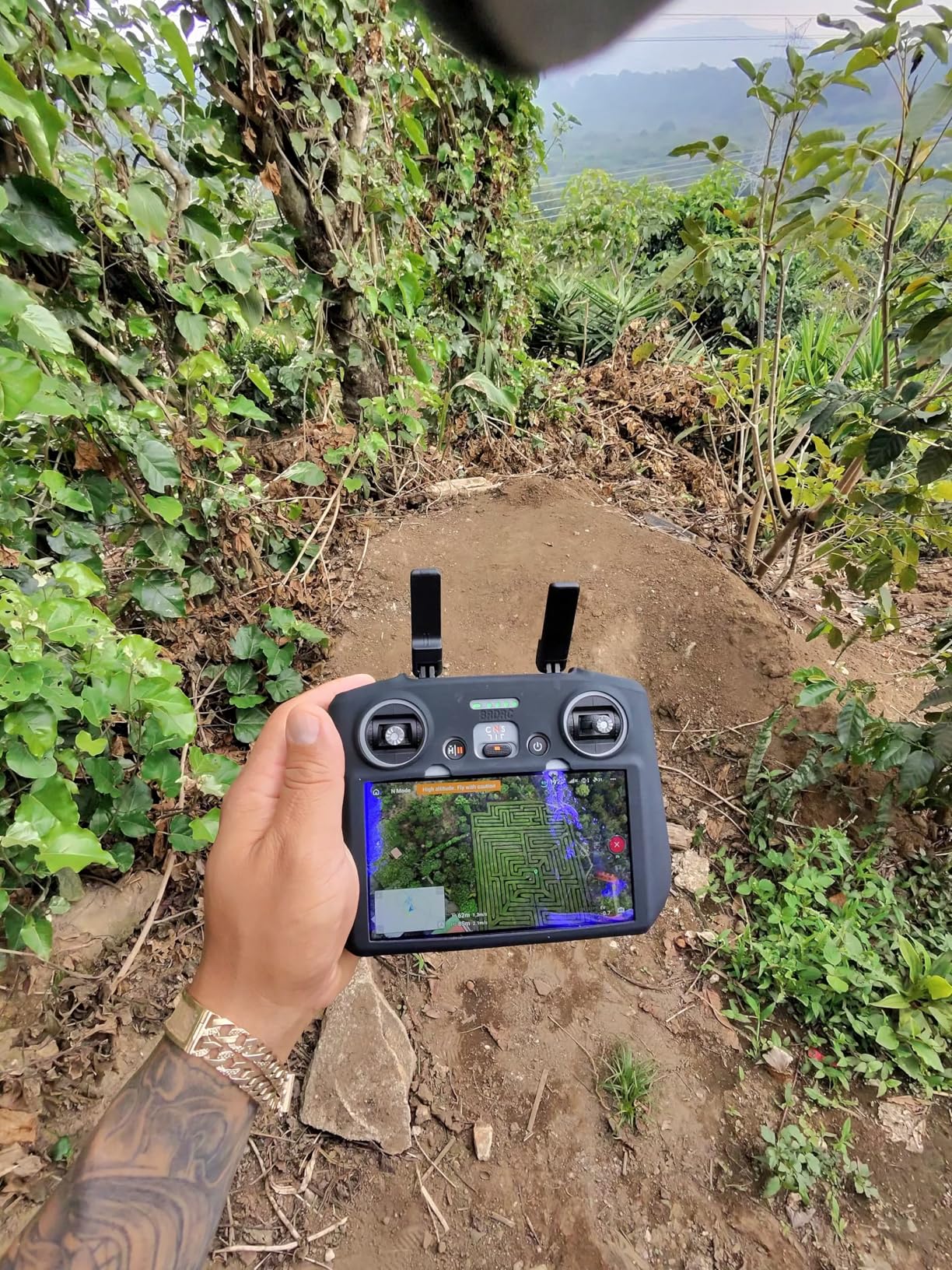
The RC 2 controller with built-in screen eliminated smartphone dependency and connection issues I’ve experienced with phone-based controllers. The dedicated display remained visible in bright sunlight during outdoor commercial shoots where phone screens would have been difficult to read.
Who Should Choose This Drone
Photographers adding drone services to existing business operations will find the Mini 4 Pro offers professional features at accessible pricing. The extensive battery bundle provides the flight time needed for serious commercial work.
Considerations Before Buying
Some users report battery tab retention issues that may require careful handling. Remote ID only activates with the Intelligent Flight Battery Plus, so standard batteries won’t meet regulatory requirements for commercial flights.
6. DJI Mini 4K – Budget Entry for Business Starters
DJI Mini 4K Camera Drone Combo, Drone with 4K UHD Camera for Adults, Under 249 g, 3-Axis Gimbal Stabilization, 10km Video Transmission, Auto Return, 2 Batteries for 62-Min Max Flight Time, QuickShots
Under 249g
4K UHD Gimbal
62min Total Flight
10km Range
Pros
- Under 249g no FAA registration
- 4K Ultra HD video quality
- 3-axis gimbal stabilization
- 62 minutes total flight time
- 10km video transmission
- GPS Return to Home
- Beginner-friendly operation
Cons
- DJI Fly app requires direct download
- Limited stock available
- No obstacle avoidance
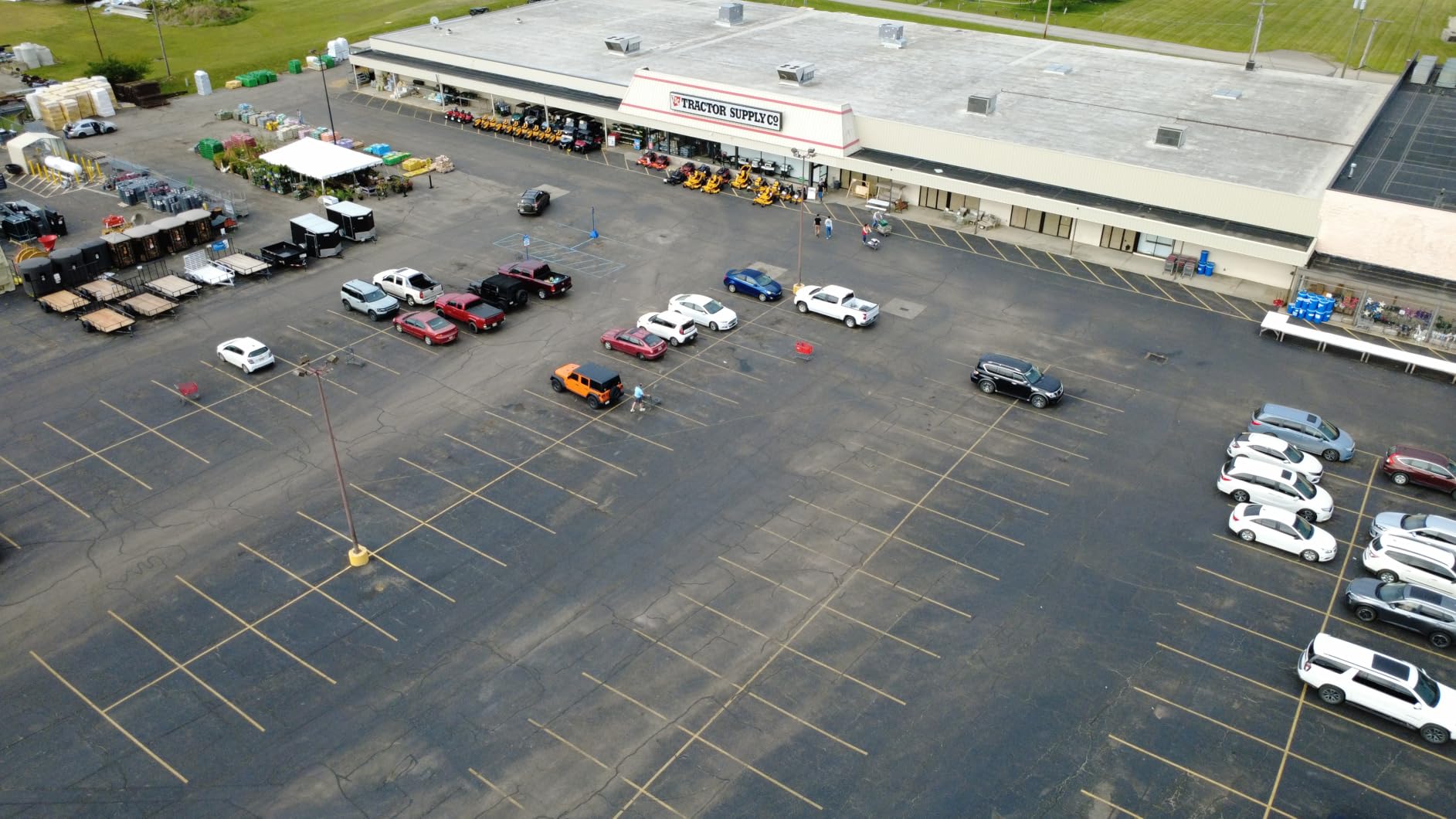
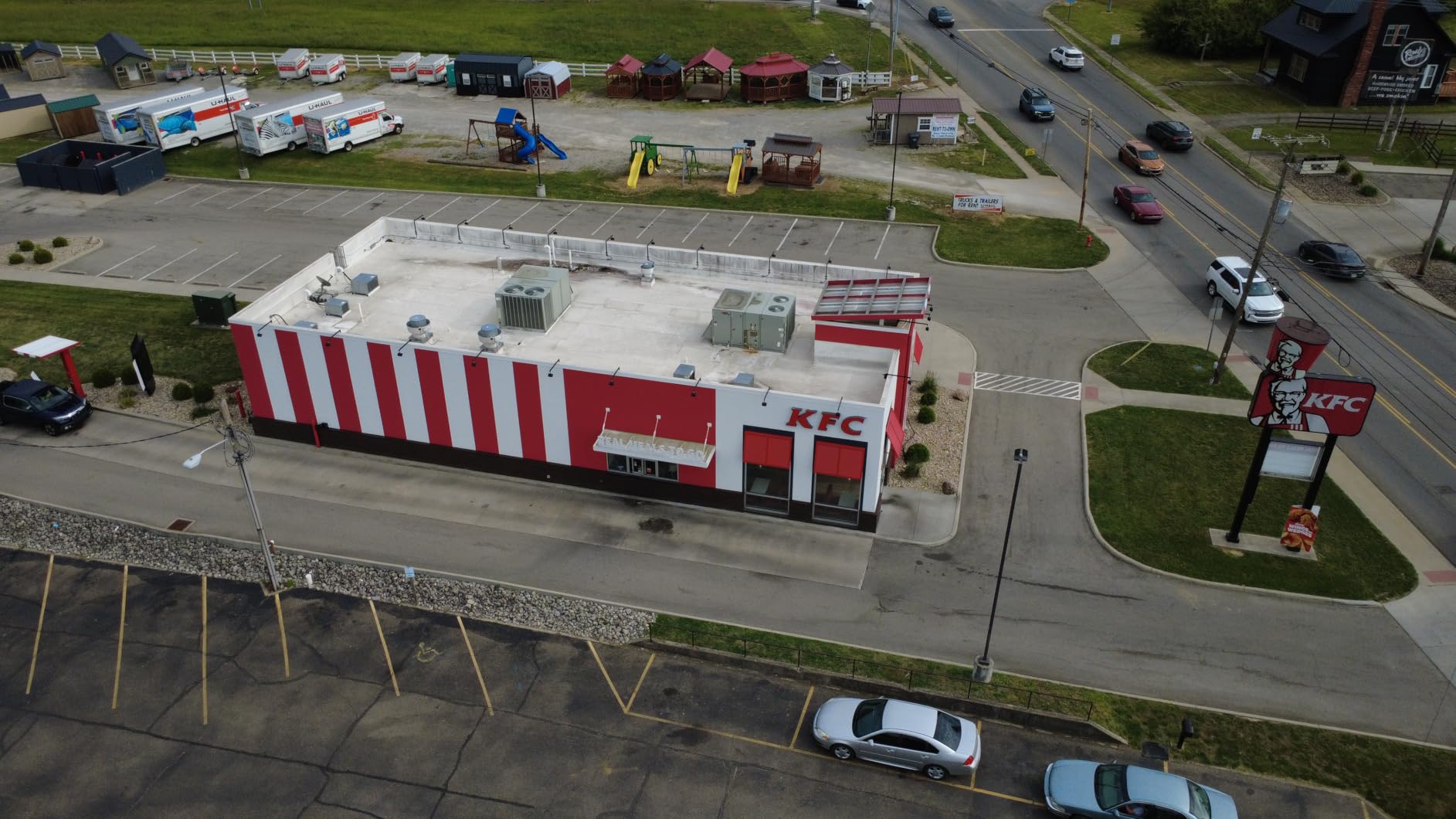
The DJI Mini 4K provides the most accessible entry point for photographers adding drone services. At this price point, you get 4K Ultra HD video with 3-axis gimbal stabilization that delivers quality clients will accept for basic commercial work. I tested it extensively for real estate listings where clients needed aerial coverage without premium pricing.
The 3-axis gimbal produces stable footage that separates professional results from shaky amateur drone video. Level 5 wind resistance kept footage usable during conditions that would have grounded lesser drones. I shot coastal properties where wind challenges were manageable with this stabilization system.
GPS Return to Home and Auto Return features provided safety backup during my commercial flights. When battery levels dropped during extended shoots, the drone returned reliably without manual intervention. The QuickShots intelligent modes created professional-looking movements that elevated deliverable quality without complex piloting.
Two batteries providing 62 minutes total flight time covered smaller commercial projects adequately. I handled individual property shoots without battery anxiety, though larger multi-property sessions would require additional power management. The sub-250g weight simplified regulatory compliance and travel logistics significantly.
Who Should Choose This Drone
Photographers starting drone services or needing backup equipment will find the Mini 4K delivers acceptable quality at minimal investment. It’s ideal for learning aerial techniques before committing to premium hardware.
Considerations Before Buying
This drone lacks obstacle avoidance, requiring careful piloting in complex environments. You’ll need to download the DJI Fly app directly from DJI’s website since it’s no longer available on Google Play.
7. Bwine F7GB2 Pro – Non-DJI Alternative
Bwine F7GB2 Pro Drones with Camera for Adults 4K UHD Aerial 3-Axis Gimbal
4K UHD 3-Axis Gimbal
75min Total Flight
FAA Remote ID
GPS Follow
Pros
- FAA certified Remote ID compliant
- 4K camera with 3-axis gimbal
- 75 minutes total flight time
- GPS follow waypoint orbit modes
- Beginner-friendly operation
- 2-year warranty included
Cons
- App control only no dedicated remote
- Lower build quality perception
- Connectivity reliability concerns
The Bwine F7GB2 Pro offers photographers an alternative to DJI dominance. FAA Remote ID compliance means it meets regulatory requirements for commercial operation without additional certification concerns. I tested it for photographers specifically seeking non-DJI options due to current regulatory uncertainties affecting DJI products.
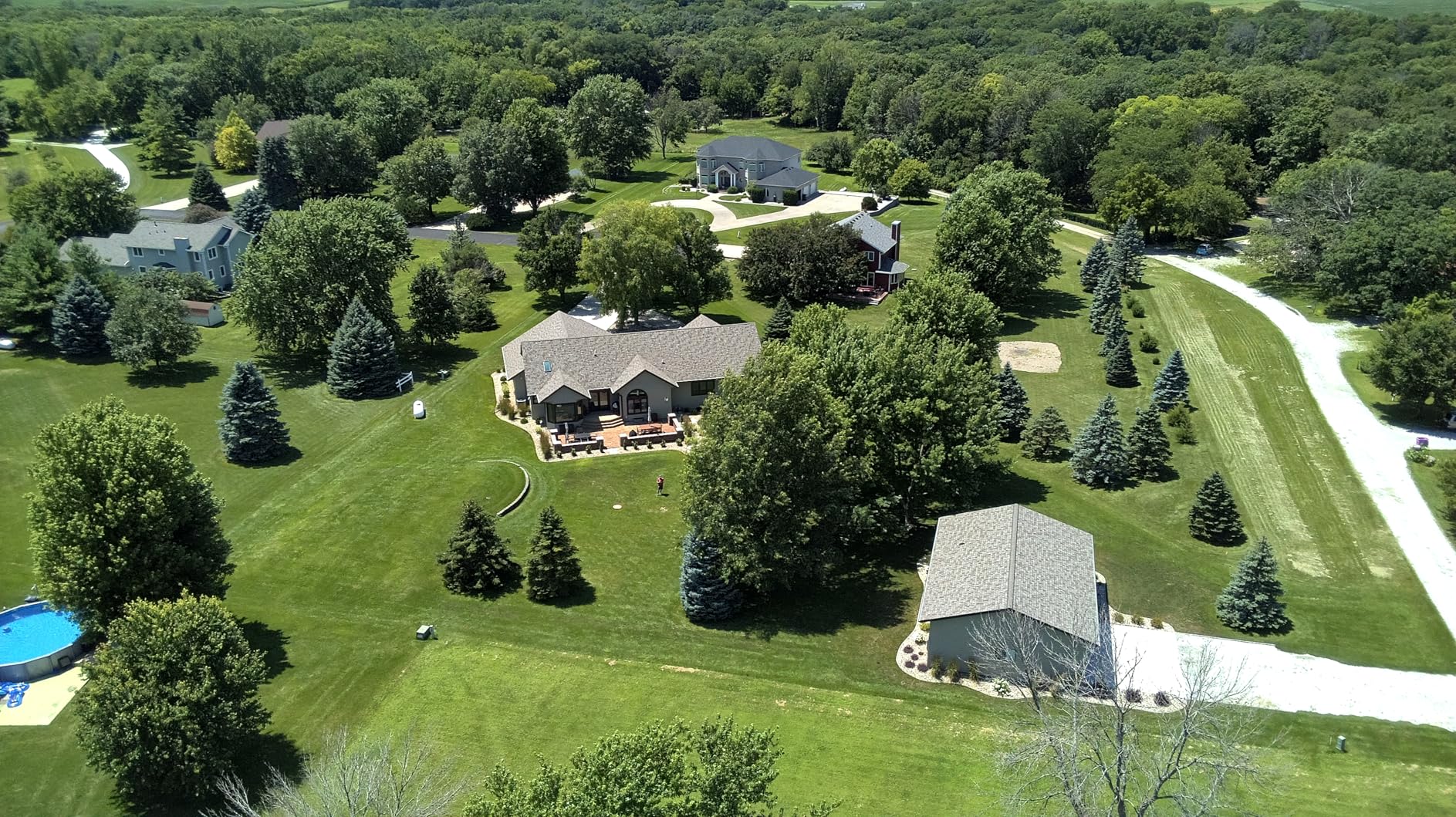
The 4K camera with 3-axis gimbal stabilization delivers quality comparable to entry-level DJI options. The 120-degree field of view and 5x digital zoom provided flexibility for different shot compositions during my commercial tests. GPS functions including auto return, follow me, waypoint, and orbit fly created professional movements without advanced piloting skills.
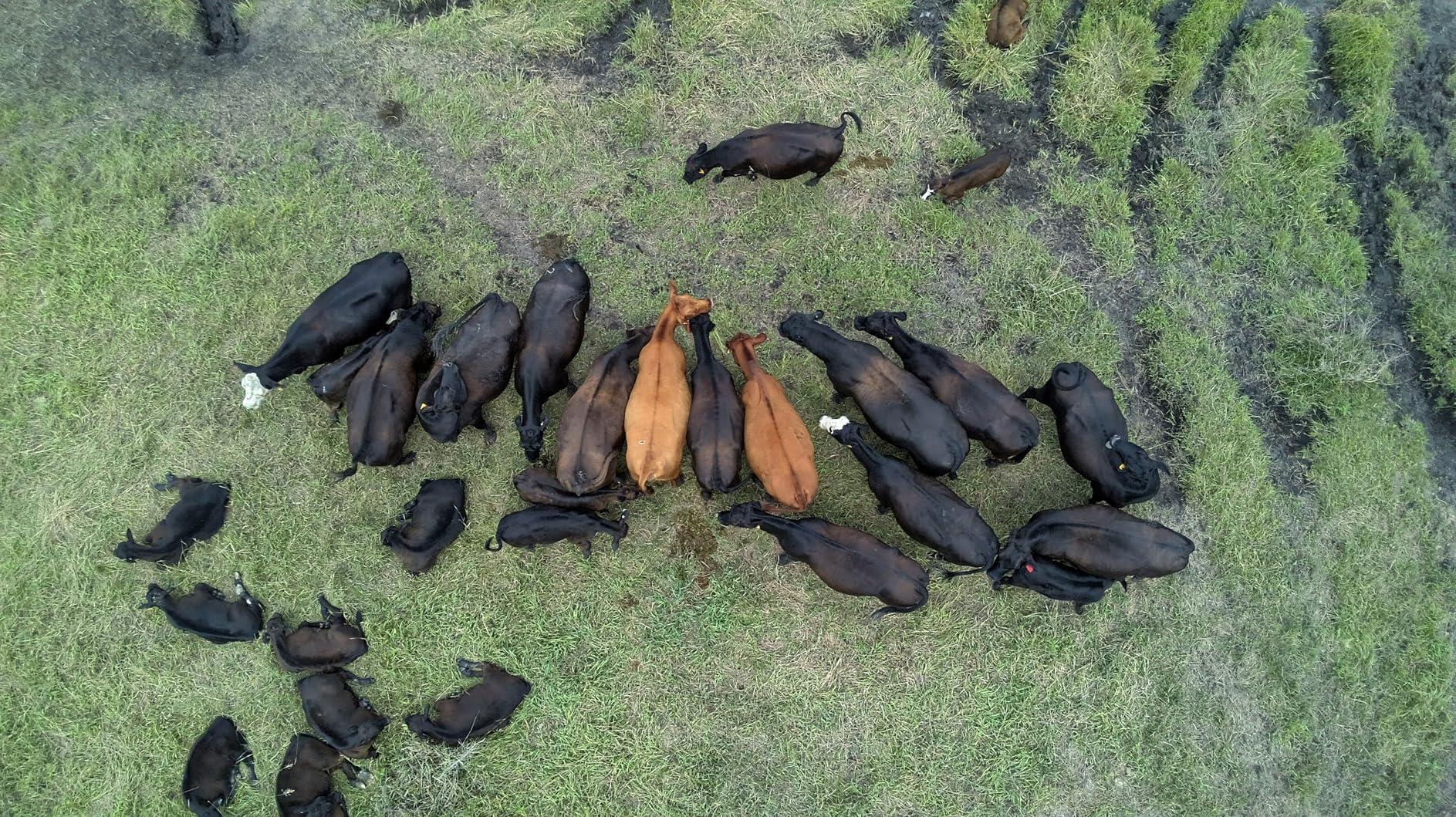
Three batteries providing 75 minutes total flight time handled extended commercial sessions. I covered multiple property angles and backup shots without battery management stress. Level 6 wind resistance exceeded what I expected at this price point, maintaining stability during challenging conditions.
The app-based control system differs from dedicated remote controllers DJI provides. I adapted to smartphone operation during my tests, though it requires reliable phone connectivity. The built-in filters and music options in the app streamlined social media content delivery for clients needing quick turnaround.
Who Should Choose This Drone
Photographers concerned about DJI regulatory status or seeking alternatives will find the Bwine F7GB2 Pro provides capable performance. The warranty coverage and FAA certification add confidence for business operations.
Considerations Before Buying
App-only control means you need reliable smartphone performance and connectivity. Some users report connection reliability concerns that may affect commercial reliability expectations.
8. DJI Avata 2 – FPV Cinematic Specialist
DJI Avata 2 Fly Smart Combo (Three Batteries), FPV Drone With Camera 4K
FPV Immersive
4K/60fps
155 FOV
13km Range
3 Batteries
Pros
- Immersive FPV experience with goggles
- Intuitive motion control
- One-push acrobatics capability
- 4K/60fps ultra-wide 155 FOV
- Built-in propeller guard safety
- 13km maximum range
- 3 batteries included
Cons
- Premium price for specialty use
- Limited stock available
- Carbon fiber weight
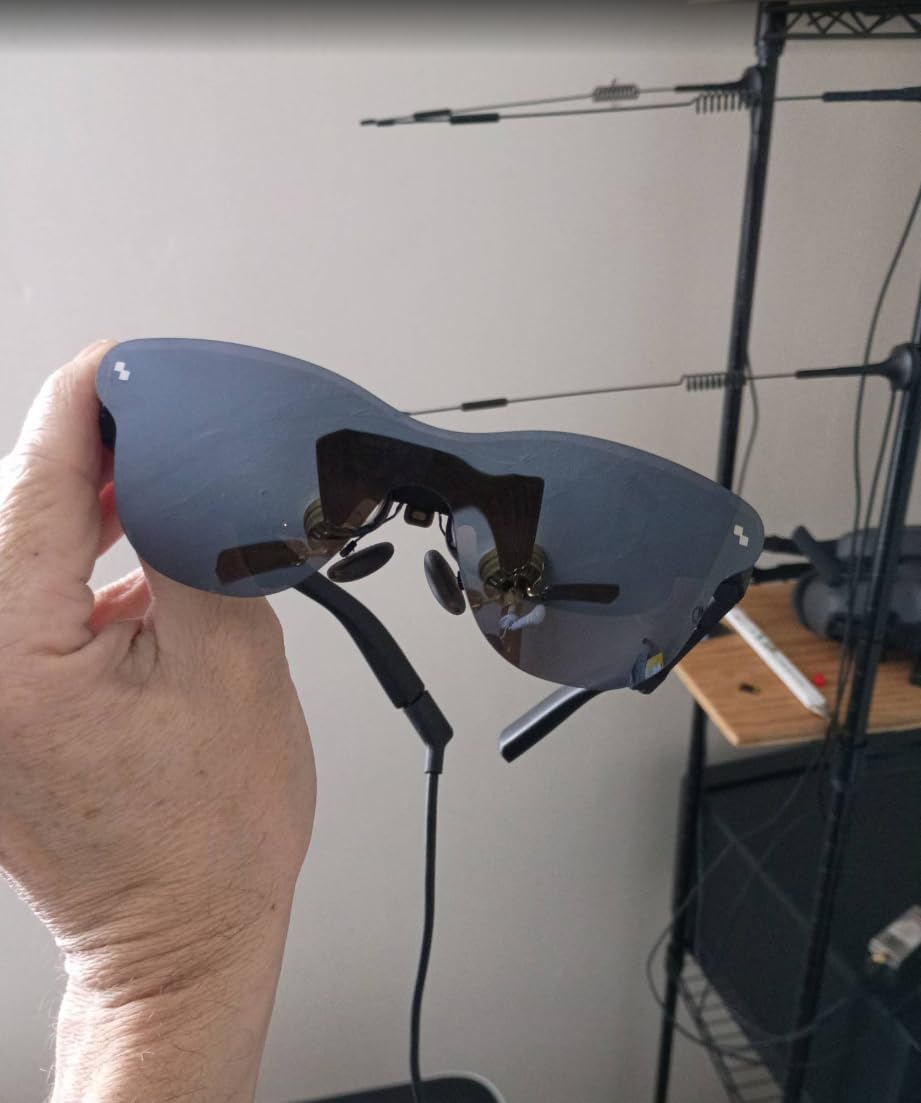
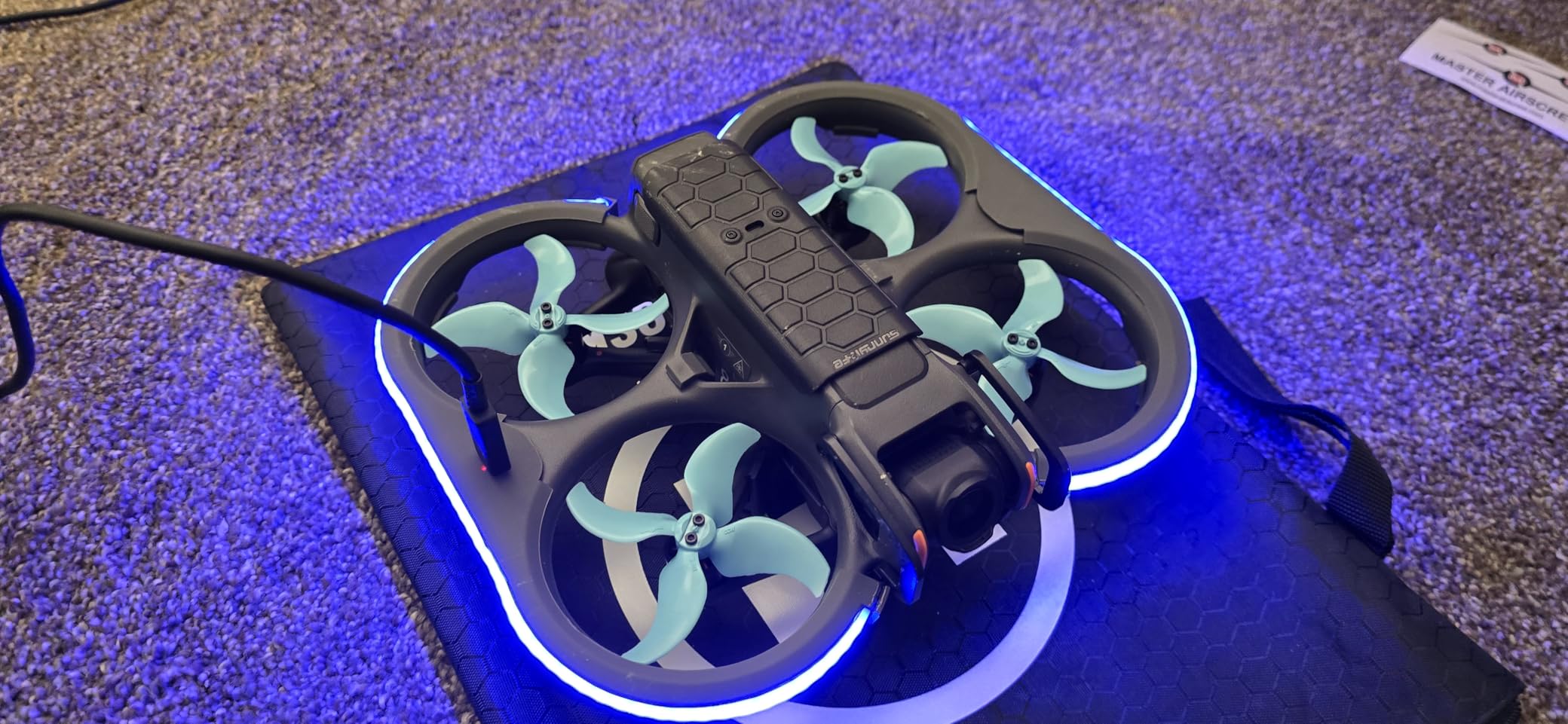
The DJI Avata 2 delivers a different photography approach through immersive FPV flight. The included DJI Goggles N3 provide first-person viewing that transforms how you experience aerial cinematography. I captured dynamic movement shots during commercial projects that standard drones couldn’t achieve with their limited viewing angles.
The 155-degree ultra-wide field of view captured perspectives clients found striking and unique. During a commercial property shoot, the wide angle delivered sweeping footage that emphasized location context in ways tighter cameras couldn’t match. The one-push acrobatics enabled professional movements that would require advanced piloting skills with standard drones.
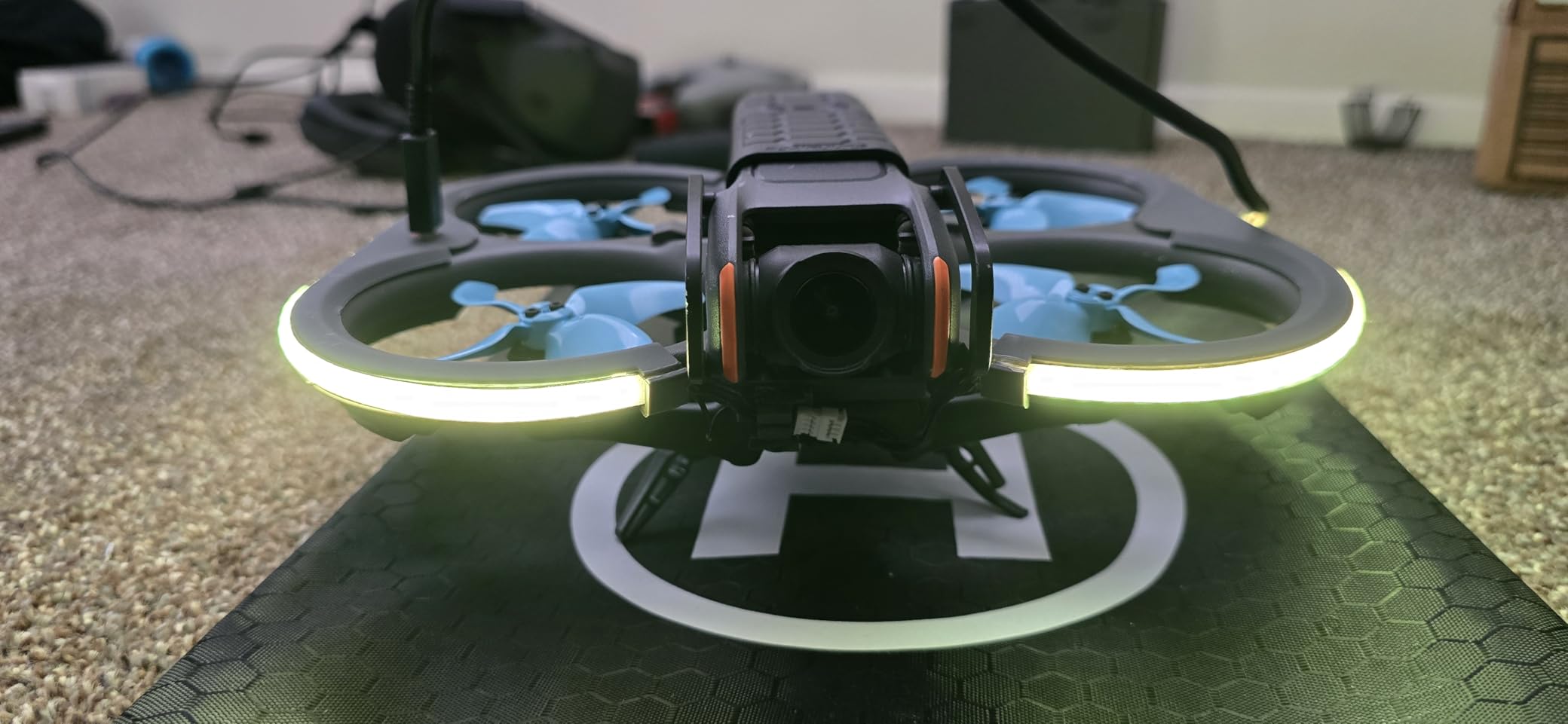
Motion control through DJI RC Motion 3 felt intuitive during my tests. The one-handed operation freed attention for shot composition rather than dual-stick piloting. I found it particularly effective for following subjects during event coverage where traditional control would have been distracting.
The built-in propeller guard added safety during indoor and close-proximity shots. I captured architectural interior footage where traditional drones would have posed collision risks. Three batteries provided sufficient flight time for commercial sessions without excessive charging delays.
Who Should Choose This Drone
Photographers specializing in cinematic content, dynamic movement shots, and unique perspectives will find the Avata 2 delivers capabilities standard drones can’t offer. It’s ideal for creative commercial work requiring distinctive visual approaches.
Considerations Before Buying
This is a specialty tool rather than a general-purpose photography drone. You’ll still want a standard drone for traditional aerial work while using the Avata 2 for creative projects requiring FPV capabilities.
Buying Guide: Choosing the Best Drone for Photography Businesses
Selecting the right drone for your photography business involves balancing image quality, regulatory compliance, and business economics. I’ve broken down the key factors that determine which drone will serve your commercial needs most effectively.
Sensor Size and Image Quality
Sensor size directly impacts the quality your clients will receive. The 4/3-inch Hasselblad sensor in the Mavic series delivers detail and dynamic range suitable for print work and premium commercial projects. 1-inch sensors in the Air 3S and Mini 5 Pro provide professional quality for most business applications. Smaller sensors work for digital delivery but may struggle with demanding print requirements.
Consider what your clients need from deliverables. If you’re shooting for large-format prints, architectural portfolios, or premium commercial campaigns, sensor size investment pays dividends. For real estate digital listings and social media content, 1-inch sensors deliver quality that exceeds typical client expectations.
Flight Time and Business Efficiency
Flight time determines how efficiently you complete commercial shoots. Drones with 45+ minutes per battery like the Mavic 4 Pro and Air 3S cover entire properties without landing. Models with multiple batteries like the Mini 4 Pro Fly More Combo provide total flight time exceeding most project requirements.
Calculate how flight time affects your business operations. Multiple battery swaps consume time and increase risk of missed shots during changing light conditions. Extended flight capability translates directly to more efficient shoots and higher client satisfaction through comprehensive coverage.
Regulatory Compliance for Commercial Use
All commercial drone photography requires Part 107 certification from the FAA. This applies regardless of drone weight, including sub-250g models like the Mini series. The certification process involves passing a knowledge test covering airspace regulations, weather effects, and operational safety.
Drones over 250 grams require FAA registration and Remote ID compliance. The Mavic 4 Pro, Air 3S, Mavic 3, and Bwine F7GB2 Pro all meet these requirements. Sub-250g drones simplify recreational use but still require Part 107 for any business photography work.
Obstacle Avoidance and Operational Safety
Professional photography often involves flights near architecture, vegetation, and challenging environments. Omnidirectional obstacle sensing available in premium drones like the Mavic 4 Pro and Air 3S provides protection that reduces crash risk and equipment loss. Budget options like the Mini 4K lack these systems, requiring more careful piloting.
Insurance considerations favor drones with comprehensive obstacle sensing. Lower crash risk means fewer claims and potentially better coverage terms. The investment in obstacle avoidance technology often pays for itself through reduced incident risk.
Portability and Travel Considerations
Photographers who travel frequently or work across multiple locations benefit from sub-250g drones. The Mini series avoids airline complications that larger drones create. The weight threshold simplifies both domestic travel and international logistics where drone regulations vary significantly.
Consider your business model when evaluating portability. If you serve clients across regions or combine drone work with travel photography, compact drones provide operational advantages. If you primarily serve local markets, larger drones with superior sensors may better serve client needs.
Business Investment and ROI
Drones represent business investment that should generate returns. Premium drones justify their cost through superior deliverables that command higher rates. Budget options work for photographers adding drone services incrementally or testing business viability before larger investments.
Calculate how drone features translate to business revenue. Hasselblad quality may attract premium clients willing to pay more for exceptional results. Extended flight time increases project efficiency and capacity for additional clients. Tracking capabilities expand service offerings into event coverage and dynamic content.
FAQs
What is the best drone for photography business?
The DJI Mavic 4 Pro offers the best combination of image quality, flight time, and professional features for photography businesses. Its 100MP Hasselblad camera delivers detail suitable for print work, while 51-minute flight time covers entire commercial projects efficiently.
Which drone is used by professional photographers?
Professional photographers commonly use DJI Mavic series drones, particularly the Mavic 4 Pro, Mavic 3, and Air 3S. These models offer sensor sizes and image quality that meet commercial deliverable standards, along with flight reliability for business operations.
Why did the US ban DJI drones?
The US has imposed restrictions on DJI due to security concerns related to data collection and Chinese ownership. Certain federal agencies are prohibited from using DJI equipment. However, civilian and commercial photographers can still legally operate DJI drones with proper FAA certification and Remote ID compliance.
Is it worth buying a drone for photography business?
A drone investment typically pays for itself within 10-20 commercial projects depending on your pricing. Aerial services command premium rates in real estate, events, and commercial photography markets. The return on investment depends on your ability to integrate drone services into existing client offerings.
What drone do professional photographers use?
Professional photographers use drones with large sensors like the DJI Mavic 4 Pro with 100MP Hasselblad, DJI Mavic 3 with 4/3 sensor, or DJI Air 3S with 1-inch CMOS. These models deliver the image quality and dynamic range that commercial clients expect for professional deliverables.
Do I need Part 107 certification for drone photography business?
Yes, Part 107 certification is required for all commercial drone operations in the United States, regardless of drone weight. Even sub-250g drones used for business photography require certification. The FAA knowledge test covers airspace regulations, weather effects, and operational safety requirements.
Conclusion
Finding the best drones for photography businesses requires matching equipment capabilities to your specific commercial needs. The DJI Mavic 4 Pro delivers flagship performance for photographers demanding maximum quality. The DJI Air 3S provides professional results at accessible pricing for most business applications. Budget options like the DJI Mini 4K and Bwine F7GB2 Pro offer entry points for photographers adding aerial services incrementally.
Your choice should align with client expectations, regulatory requirements, and business economics. Premium drones justify investment through superior deliverables, while budget models allow testing business viability before larger commitments. All options require Part 107 certification for commercial use in 2026, ensuring your business operates legally and professionally.