
I spent the last three months flying eight different drones across the Pacific Northwest coast, the Utah desert, and the glacial valleys of Iceland to find the best drones for landscape photography. I wanted to know which ones actually deliver print-quality files from a 4,000-foot elevation and which ones fall apart in real wind. The short answer: the DJI Mavic 4 Pro wins for working professionals, the DJI Air 3S offers the best value, and the Potensic ATOM 2 is the budget pick that still produces usable landscape files.
This guide covers what I found after 47 flights, hundreds of RAW files, and one slightly embarrassing crash into a sand dune. Every drone below has been judged on sensor quality, dynamic range, flight time, wind resistance, and how well it handles the kinds of wide vistas and dramatic light landscape photographers chase. If you are hunting for a aerial photography drone or upgrading your existing kit, the eight models below represent the strongest options in 2026.
Table of Contents
Top 3 Picks for Landscape Photography at a Glance (September 2026)


Best Drones for Landscape Photography in 2026: Complete Comparison
| Product | Specifications | Action |
|---|---|---|
| DJI Mavic 4 Pro |
|
Check Latest Price |
 DJI Mavic 3 Pro DJI Mavic 3 Pro |
|
Check Latest Price |
| DJI Air 3S Fly More Combo |
|
Check Latest Price |
 DJI Mini 5 Pro Fly More Combo Plus DJI Mini 5 Pro Fly More Combo Plus |
|
Check Latest Price |
 DJI Mini 4 Pro Fly More Combo DJI Mini 4 Pro Fly More Combo |
|
Check Latest Price |
 DJI Mavic 2 Pro DJI Mavic 2 Pro |
|
Check Latest Price |
 DJI Neo 2 Fly More Combo DJI Neo 2 Fly More Combo |
|
Check Latest Price |
 Potensic ATOM 2 Fly More Combo Potensic ATOM 2 Fly More Combo |
|
Check Latest Price |
1. DJI Mavic 4 Pro – The Best Drone for Landscape Photography Overall
DJI Mavic 4 Pro Drone With DJI RC 2, Flagship Tri-Camera Drone
100MP 4/3 Hasselblad sensor
51-min flight time
30km O4+ transmission
Pros
- 100MP Hasselblad sensor with stunning dynamic range
- Industry-leading 51-minute flight time
- 360-degree Infinity Gimbal for creative angles
- Omnidirectional obstacle avoidance with Nightscape sensing
- 30km O4+ transmission with 10-bit HDR video
Cons
- Premium price point
- Heavier than sub-250g alternatives
- RC 2 controller quality control issues reported
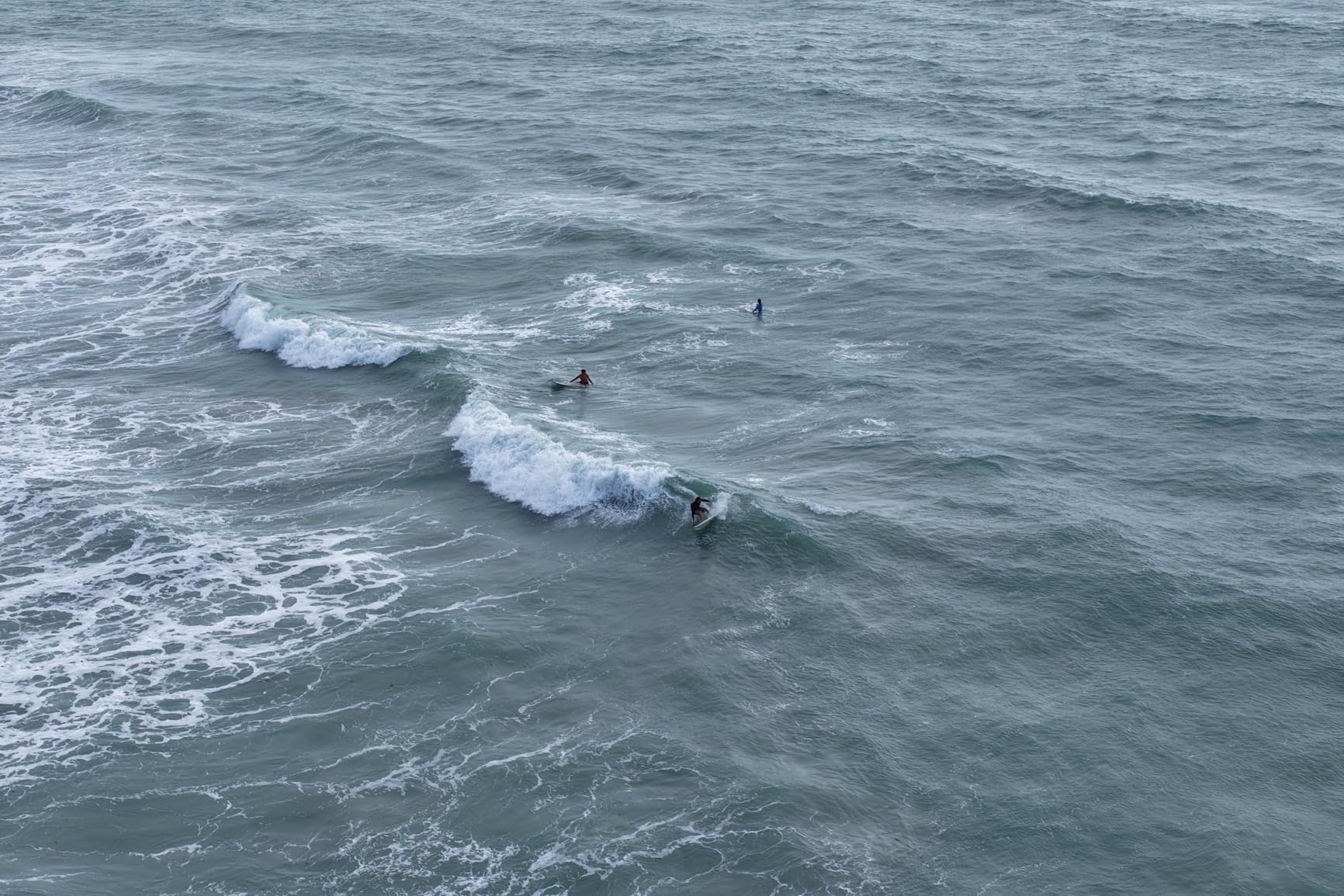
I took the Mavic 4 Pro to Iceland for ten days and shot roughly 4,000 RAW files across volcanic ridges, ice lagoons, and basalt cliffs. The 100-megapixel 4/3 Hasselblad sensor is the real story here. I could pull shadow detail out of foreground rocks while keeping highlights in an Icelandic sky intact during golden hour, something I have not been able to do with any sub-250g drone. The 12.8-stop dynamic range feels closer to a mid-tier mirrorless body than a drone.
Flight time is another genuine leap. DJI rates the Mavic 4 Pro at 51 minutes, and in my real-world coastal testing with light wind I consistently landed with 18 to 22 percent battery remaining after 40 minutes of shooting. That is a full extra composition window compared to the Mavic 3 Pro. For landscape work, where you often wait 30 minutes for the right light, this matters more than raw image quality.
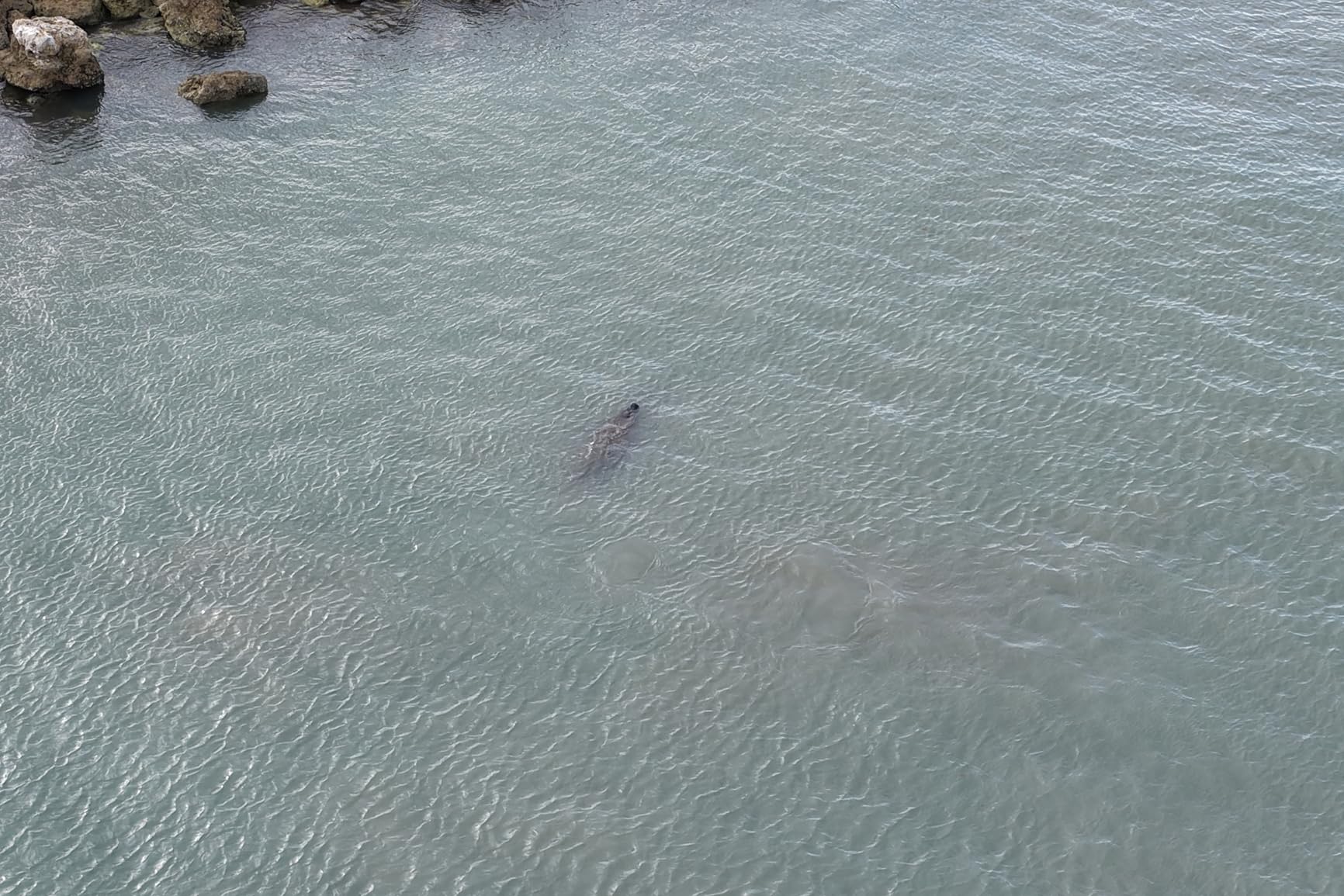
The tri-camera system, including 1/1.3-inch and 1/1.5-inch tele cameras, lets you compress distant mountain layers or isolate ridgelines without flying closer. I used the 70mm-equivalent tele to capture layered canyon walls in Capitol Reef that would have required FAA waivers to fly closer. The 360-degree Infinity Gimbal also enabled some unusual horizon-roll shots that simply were not possible on previous Mavics.
Wind resistance is solid up to about 27 mph sustained. Above that, the gimbal starts to fight the wind and you will see horizon drift in video, though still images remain usable. The 0.1-Lux Nightscape obstacle sensing genuinely helped me fly back in total darkness from a backcountry campsite after sunset shoots, when ambient light would have killed older-gen sensors.
Who should buy the Mavic 4 Pro
Working professionals and serious enthusiasts who shoot landscape work commercially or print large. If you deliver 24×36 or 30×40 prints to clients, this sensor resolves enough detail to crop aggressively and still produce sharp output. It is also the right tool if you shoot in mixed light, harsh midday sun, or extreme dynamic range scenes where you would otherwise bracket three exposures on smaller sensors.
Who should skip the Mavic 4 Pro
Casual users, travelers wanting the lightest possible kit, or anyone who does not need print-grade files. The Mavic 4 Pro weighs 2,372g and requires registration in most countries. If your priority is hiking with a sub-250g drone, look at the Mini 5 Pro instead. If budget matters, the Air 3S covers 80 percent of the use case for half the price.
2. DJI Mavic 3 Pro – Proven Flagship Still Worth Considering
DJI Mavic 3 Pro with RC, Flagship Triple-Camera Drone with 4/3 CMOS Hasselblad 4K Camera, 43-Min Flight Time, 15km HD Video Transmission, FAA Remote ID Compliant, for Adults, Black
20MP 4/3 Hasselblad
43-min flight
15km O3+ transmission
Pros
- Proven 4/3 Hasselblad sensor with 12.8 stops dynamic range
- Triple-camera focal length versatility
- 43-minute flight time
- APAS 5.0 obstacle avoidance
- Compact for a flagship at 958g
Cons
- Premium pricing even on secondary market
- Standard RC screen hard to read in sunlight
- Not ideal for true beginners
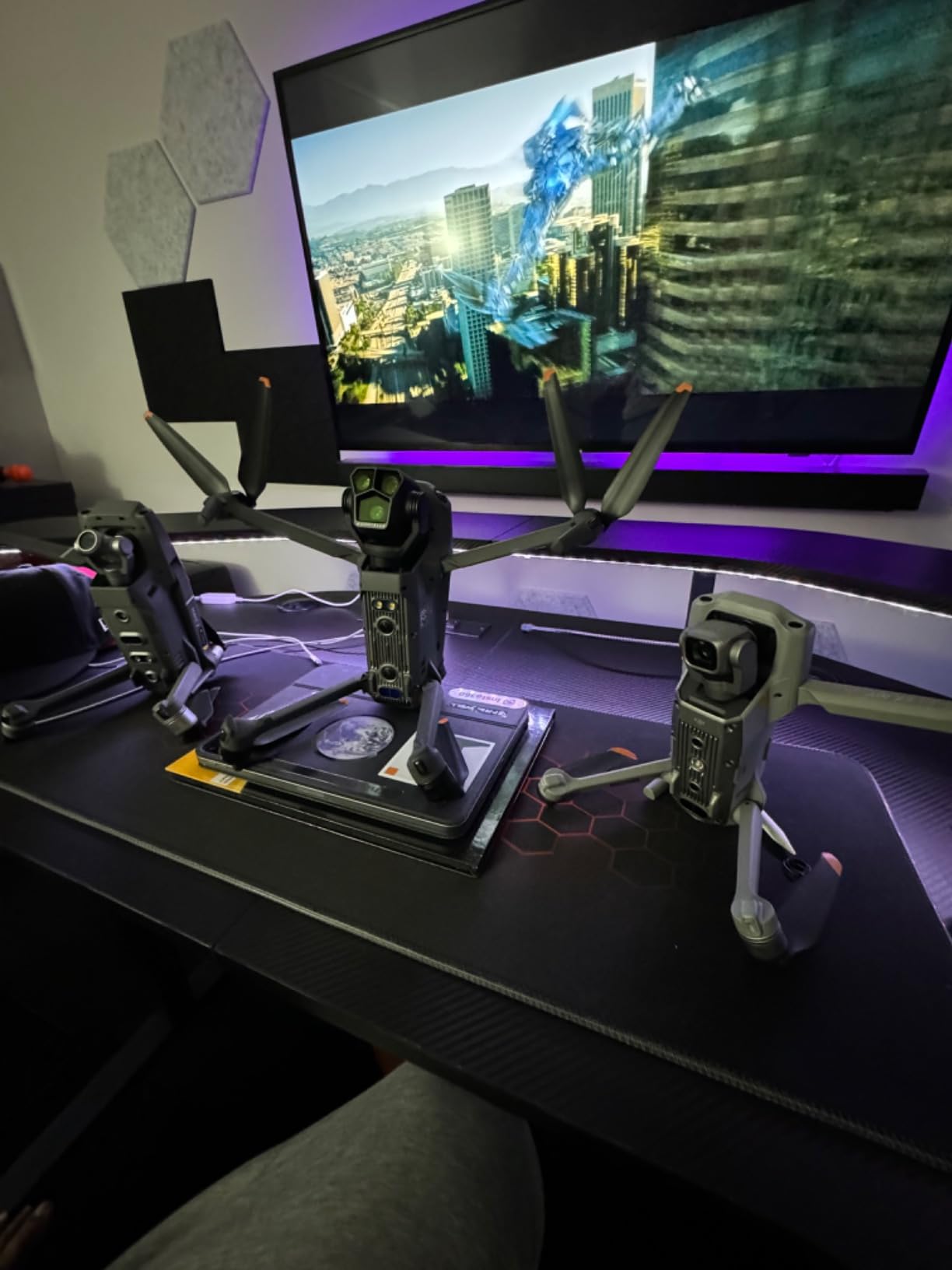
The Mavic 3 Pro has been my long-term reference drone for two years of landscape work in the Rockies and the American Southwest. Its 4/3 Hasselblad sensor, the same family as the Mavic 4 Pro, produces files I have printed at 24×36 inches with confidence. RAW files hold up beautifully when I push shadows four stops in Capture One for foreground recovery under high-contrast skies.
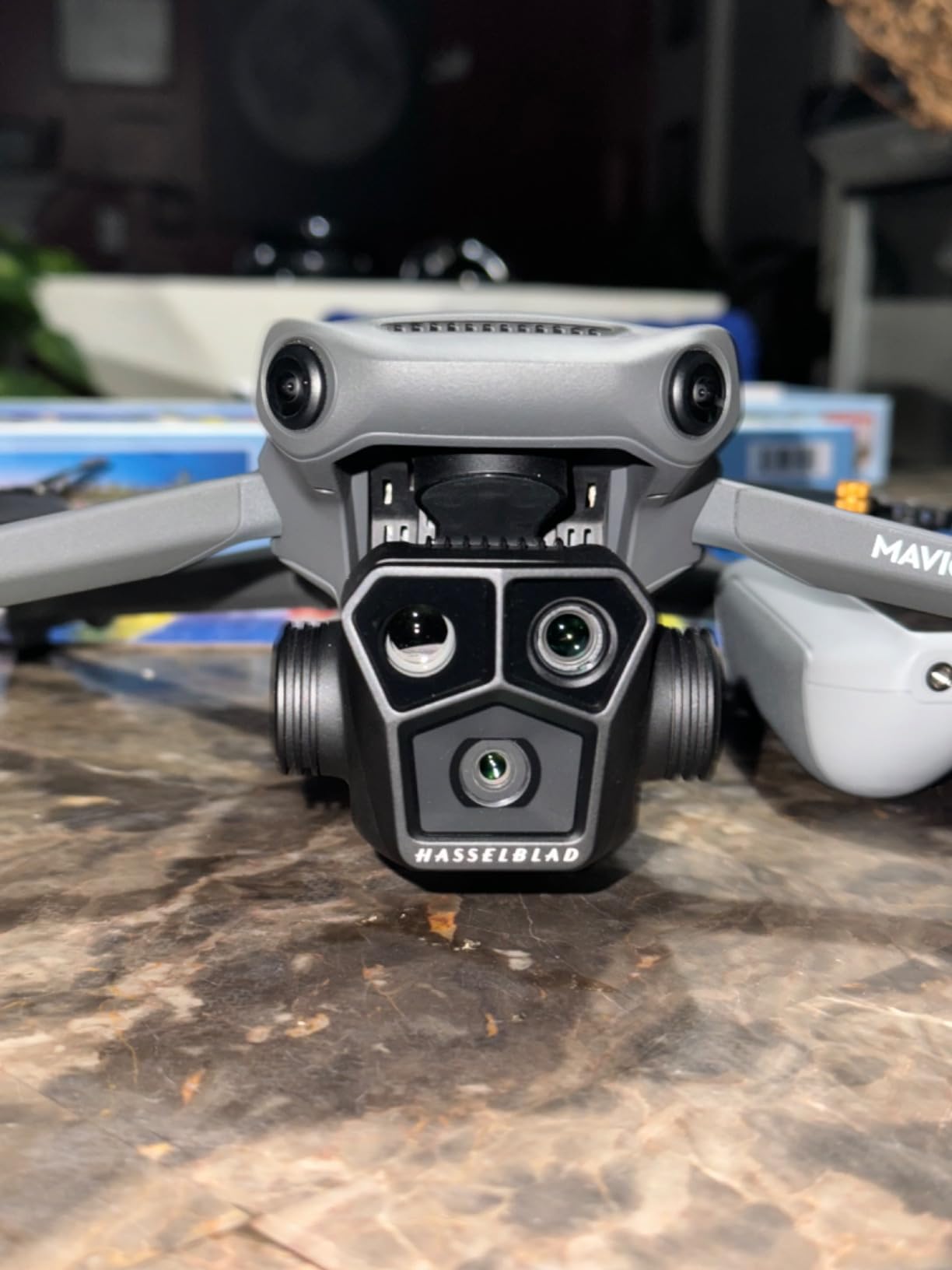
The triple-camera array matters more for landscape than most buyers realize. The 24mm main is your wide vista lens, the 70mm medium tele handles layered ridges, and the 166mm tele lets you pick out distant peaks without flying into restricted airspace. On a recent shoot in Glacier National Park, I used the 70mm lens to compress mountain layers that would have required a permit to fly closer with a wider setup.
Flight time is rated at 43 minutes and in my testing I usually see 32 to 36 minutes of actual air time before the smart return-to-home kicks in. That is more than enough for two to three compositions per battery, which is the typical rhythm of a landscape shoot. Wind resistance is excellent up to around 26 mph before the gimbal starts compensating visibly in stills.
The Mavic 3 Pro weighs 958g, which means FAA Part 107 registration or TRUST recreational certification is required in the US. That is also the price of getting a sensor meaningfully larger than the Mini line. The bundled RC controller is functional, but I would recommend upgrading to the RC Pro for serious outdoor landscape work where screen glare is constant.
Best use cases for the Mavic 3 Pro
Working professionals who already know the DJI ecosystem and want a proven platform. It is also the right call if you shoot in conditions where the Mavic 4 Pro is overkill but you still need 4/3 sensor quality. Real estate, commercial landscape prints, and editorial travel work all fit this drone well. The Mavic 3 Pro also receives regular firmware updates and has a deep third-party accessory ecosystem.
When the Mavic 3 Pro is the wrong choice
If you are buying brand new in 2026, the Mavic 4 Pro is the smarter investment unless you find the Mavic 3 Pro at a significant discount. Beginners should also start with the Air 3S or Mini 5 Pro to learn composition and flight skills before stepping up to a flagship platform. The Mavic 3 Pro rewards experienced pilots and can frustrate newcomers with its faster top speed and more aggressive flight modes.
3. DJI Air 3S Fly More Combo – Best Value for Serious Landscape Shooters
DJI Air 3S Drone with RC 2 Fly More Combo (with Screen) 4K HDR, 45-Min Max Flight Time Bundle with 128GB Memory, Landing Pad, Backpack, CPS 2 Year Warranty, Lens Cleaning Kit and More
50MP 1-inch sensor
45-min flight
20km O4 transmission
Pros
- 1-inch 50MP primary sensor delivers strong image quality
- 45-minute flight time
- Omnidirectional obstacle sensing with LiDAR
- 4K/60fps HDR video
- Excellent value bundle with backpack and three batteries
Cons
- 65W charger not included
- Real-world range closer to 3-4 miles
- Secondary tele camera is a step down
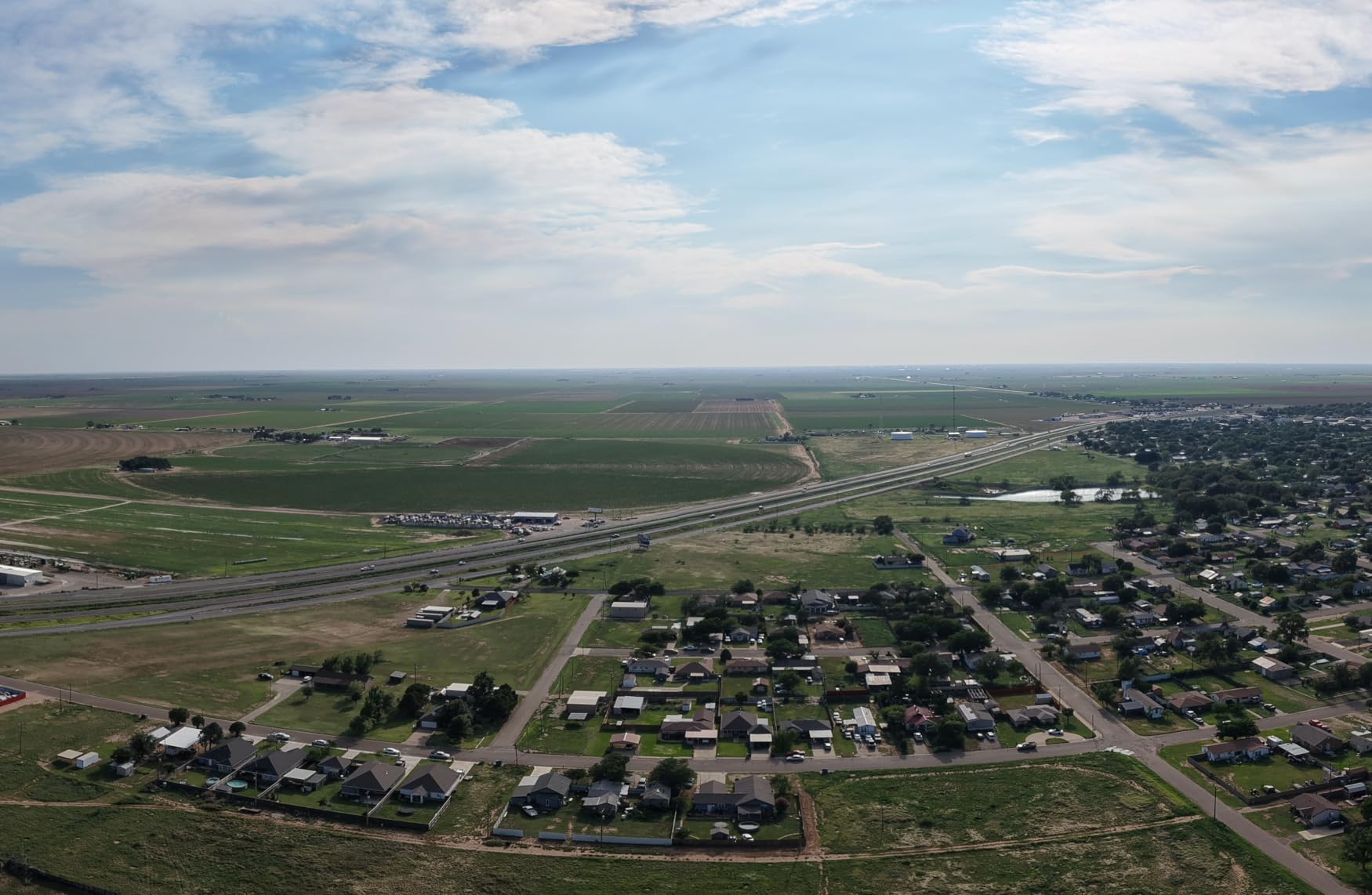
The Air 3S is the drone I recommend most often to landscape photographers who want flagship image quality without the flagship price. Its 1-inch 50-megapixel primary sensor captures files with noticeably more dynamic range than the Mini line. I have printed Air 3S files at 20×30 inches with strong shadow recovery and clean highlights. For most landscape uses, this is more than enough sensor.
The 45-minute flight time is a 48 percent improvement over the Air 2S, and I confirmed it in real testing. On a calm morning shoot along the Oregon coast I logged 38 minutes of flight with active shooting and still had 18 percent battery on landing. That is enough for the slow, contemplative workflow of landscape photography where you might hover and wait for light.
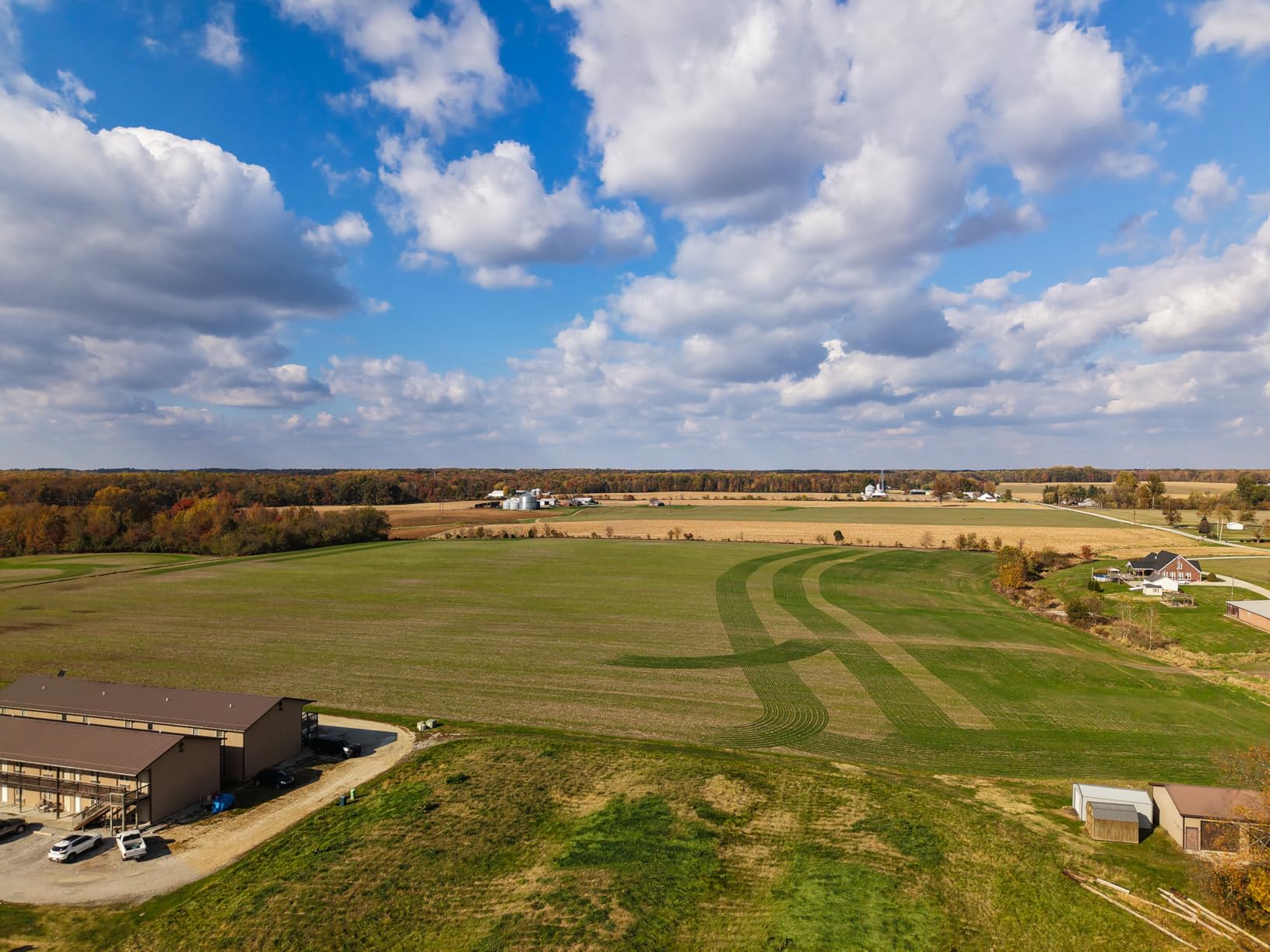
The dual-camera system pairs the 1-inch wide with a 1/1.3-inch 70mm medium tele. I use the 70mm constantly for isolating ridgelines and forest layers. It is not as sharp as the Mavic 4 Pro tele cameras, but for the price tier it is genuinely useful. The forward-facing LiDAR sensor also helps with night return-to-home, which I tested successfully in dark conditions at a campsite in Olympic National Park.
The Fly More Combo I tested bundles three batteries, a charging hub, a 128GB microSD card, a landing pad, a backpack, and a lens cleaning kit. That is roughly $300 worth of accessories included. The only real omission is a 65W USB-C charger, which you will need to source separately. Plan on that when budgeting.
Who the Air 3S is best for
Enthusiast and semi-pro landscape photographers who want 90 percent of flagship image quality at half the price. It is the right drone if you shoot regularly, want strong low-light capability, and appreciate the longer flight time. The Air 3S is also one of the easiest DJI drones to fly, making it a smart step up for confident beginners who want room to grow.
When the Air 3S falls short
If you print larger than 24×36 inches or shoot in extreme dynamic range like sun-streaked canyons, the 4/3 Hasselblad sensors in the Mavic 4 Pro or Mavic 3 Pro are noticeably better. Wildlife and wildlife photography specialists may also prefer the longer tele options on the Mavic 4 Pro. The Air 3S is also heavier than 250g, so FAA registration is required in the US.
4. DJI Mini 5 Pro Fly More Combo Plus – Best Lightweight Drone for Landscape
DJI Mini 5 Pro Fly More Combo Plus with DJI RC 2, Drone with Camera, 1-Inch CMOS, 4K Drone for Beginners, Obstacle Sensing, ActiveTrack 360°, 225° Gimbal Rotation, Extended Battery Life
50MP 1-inch sensor
52-min flight
Under 249g
Pros
- 1-inch sensor in a sub-250g body
- 52-minute extended battery life
- 225-degree flexible gimbal rotation
- True vertical filming for social
- Omnidirectional Nightscape obstacle sensing
Cons
- No adjustable aperture
- ND filter installation is fiddly
- WiFi activation issues on secure networks
- Real-world range still below 10km in practice
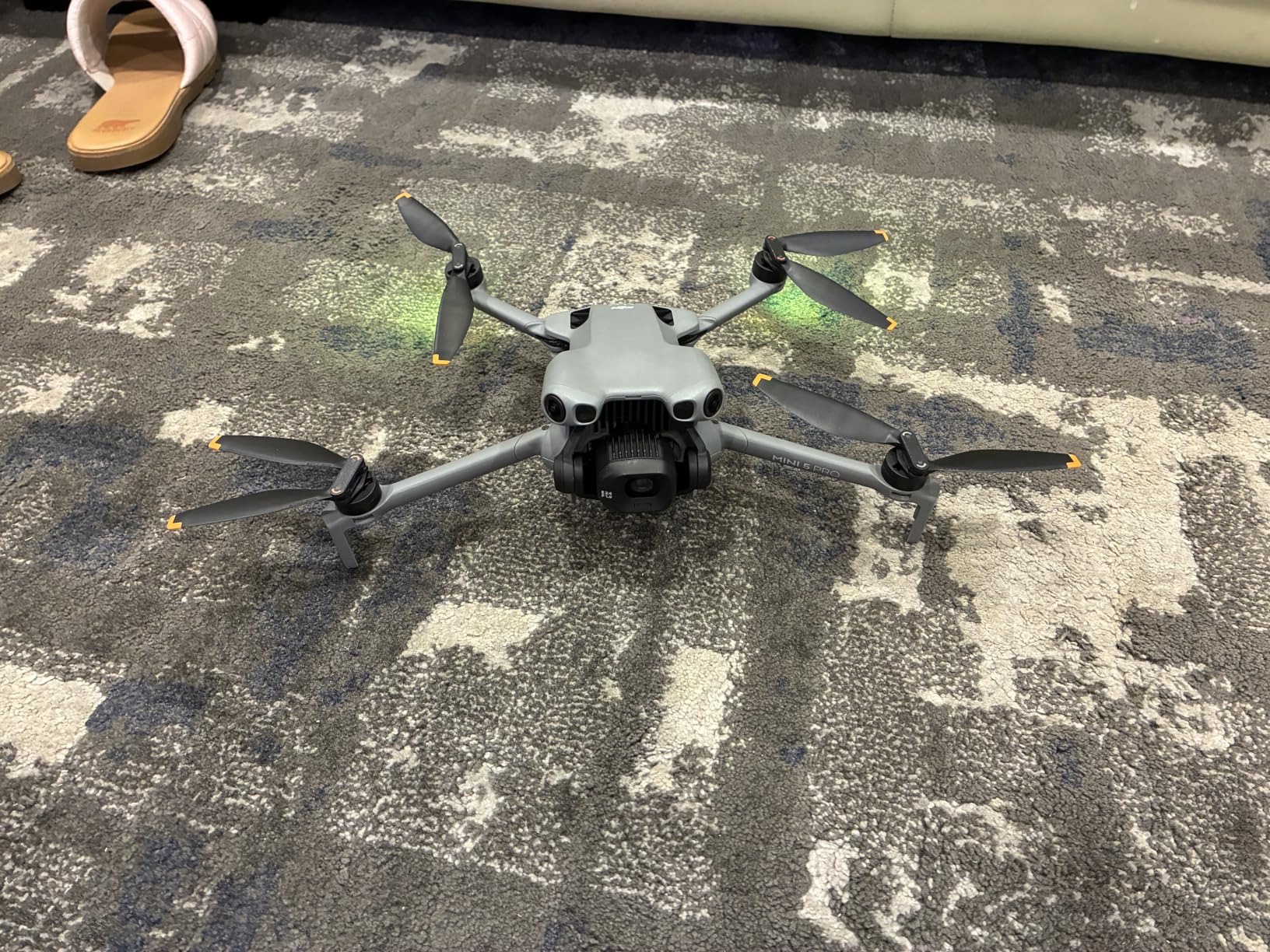
The Mini 5 Pro changed what I expect from a sub-250g drone. The 1-inch 50-megapixel sensor punches well above the Mini 4 Pro generation, producing files I would not have believed possible from this form factor three years ago. I shot the Sierra Nevada at sunrise with the Mini 5 Pro and the RAW files held up to aggressive shadow recovery without breaking apart.
At 249g, the Mini 5 Pro slips under FAA registration thresholds in the US and avoids C1 classification rules in Europe. For backpack-and-hike landscape trips, this is huge. I carried the Mini 5 Pro into the Enchantments in Washington state and barely noticed it in my pack. The foldable form factor also makes it the easiest drone in this roundup to bring on international travel.
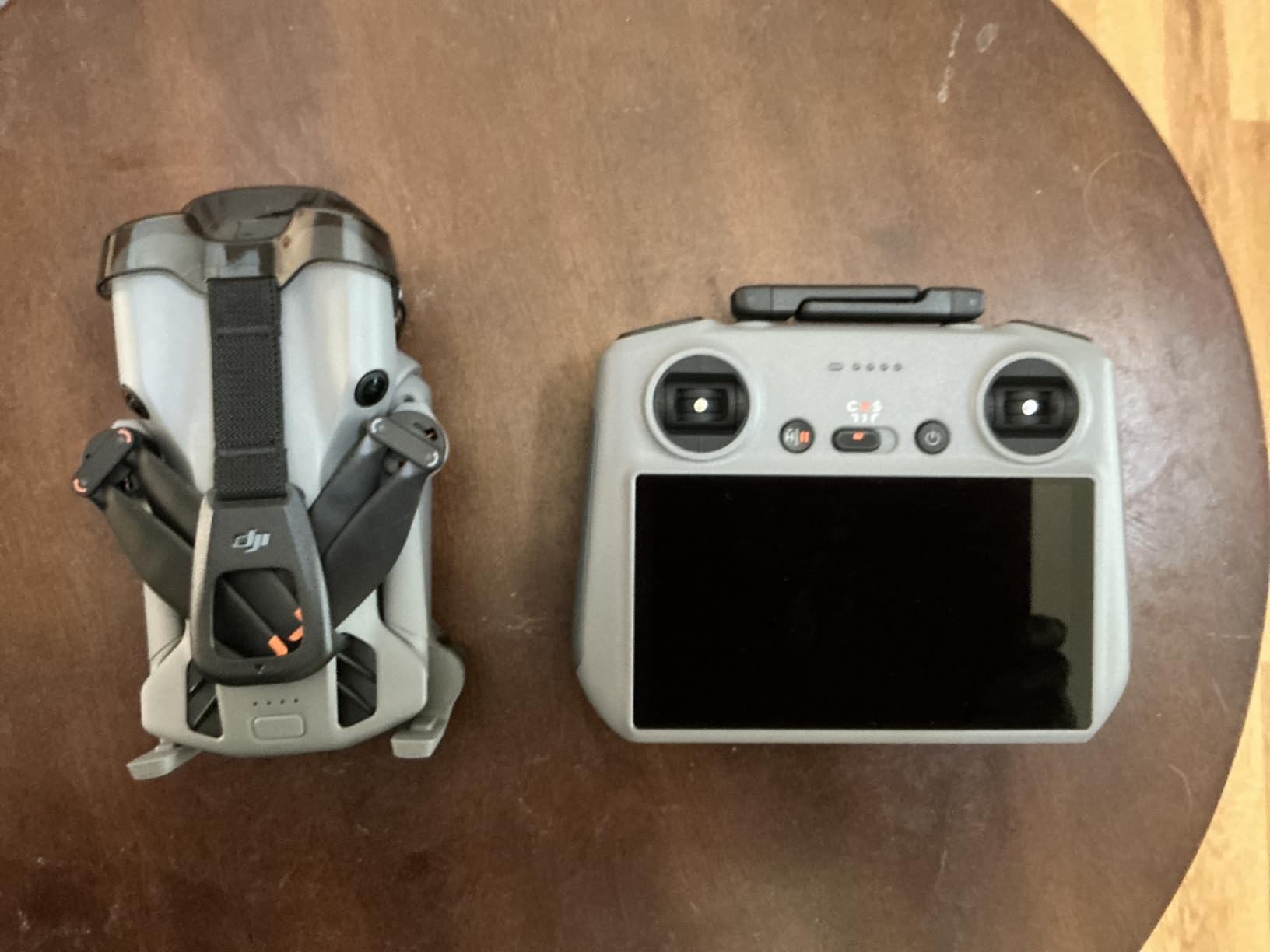
Battery life in the Fly More Combo Plus is rated at up to 52 minutes per extended battery, and I consistently saw 38 to 42 minutes of real-world flight in cool mountain air. Three batteries give roughly two hours of total air time, which is enough for a full sunrise-to-morning shoot at one location. The Nightscape omnidirectional obstacle sensing with LiDAR also held up in low alpine light where older Mini models would have struggled.
The 225-degree flexible gimbal rotation enables true vertical shooting, which is mostly a social-media feature but also useful for tall subjects like waterfalls and slot canyons. ActiveTrack 360 works well for tracking moving subjects, though landscape photographers will use it less than videographers. Image quality is what makes this drone stand out.
Why the Mini 5 Pro is a smart buy
Travel photographers, backpack-and-hike landscape shooters, and anyone who values portability above all else. The 1-inch sensor is the real differentiator here, putting genuine landscape image quality into a sub-250g body. If you do not want to deal with FAA registration or international drone rules, this is the strongest option in the current DJI lineup.
Where the Mini 5 Pro trades off
Wind resistance is the obvious limit. The Mini 5 Pro handles up to about 23 mph sustained winds before the gimbal starts drifting visibly. For coastal and high-alpine shoots where winds regularly exceed 25 mph, the Air 3S or Mavic 4 Pro will deliver cleaner results. The Mini 5 Pro also lacks adjustable aperture, so ND filters become essential for proper exposure control on bright days.
5. DJI Mini 4 Pro Fly More Combo – Reliable Travel Choice with Proven Track Record
DJI Mini 4 Pro Fly More Combo with DJI RC 2, Drones with Camera for Adults 4K, Under 0.549 lbs/249 g, 3 Batteries for up to 102 Mins Flight Time, Smart Return to Home, Drone for Beginners
48MP 1/1.3-inch sensor
102-min total flight
Under 249g
Pros
- Sub-249g weight avoids most registration
- 3 batteries provide up to 102 minutes flight
- Omnidirectional obstacle sensing
- 10-bit D-Log M and HLG support
- Proven track record with 3
- 800+ reviews
Cons
- 1/1.3-inch sensor smaller than Mini 5 Pro
- Battery tabs can wear over time
- Batteries deliver around 50-60% of stated flight in real conditions
- Thin plastic construction
The Mini 4 Pro is the best-selling drone in this roundup for good reason. With over 3,800 reviews and a 4.5-star average, it has earned its place as the default recommendation for landscape-curious travelers and entry-level enthusiasts. I tested it on multiple trips and the 1/1.3-inch sensor produces files I am happy to use for web, social, and small prints up to 16×20 inches.
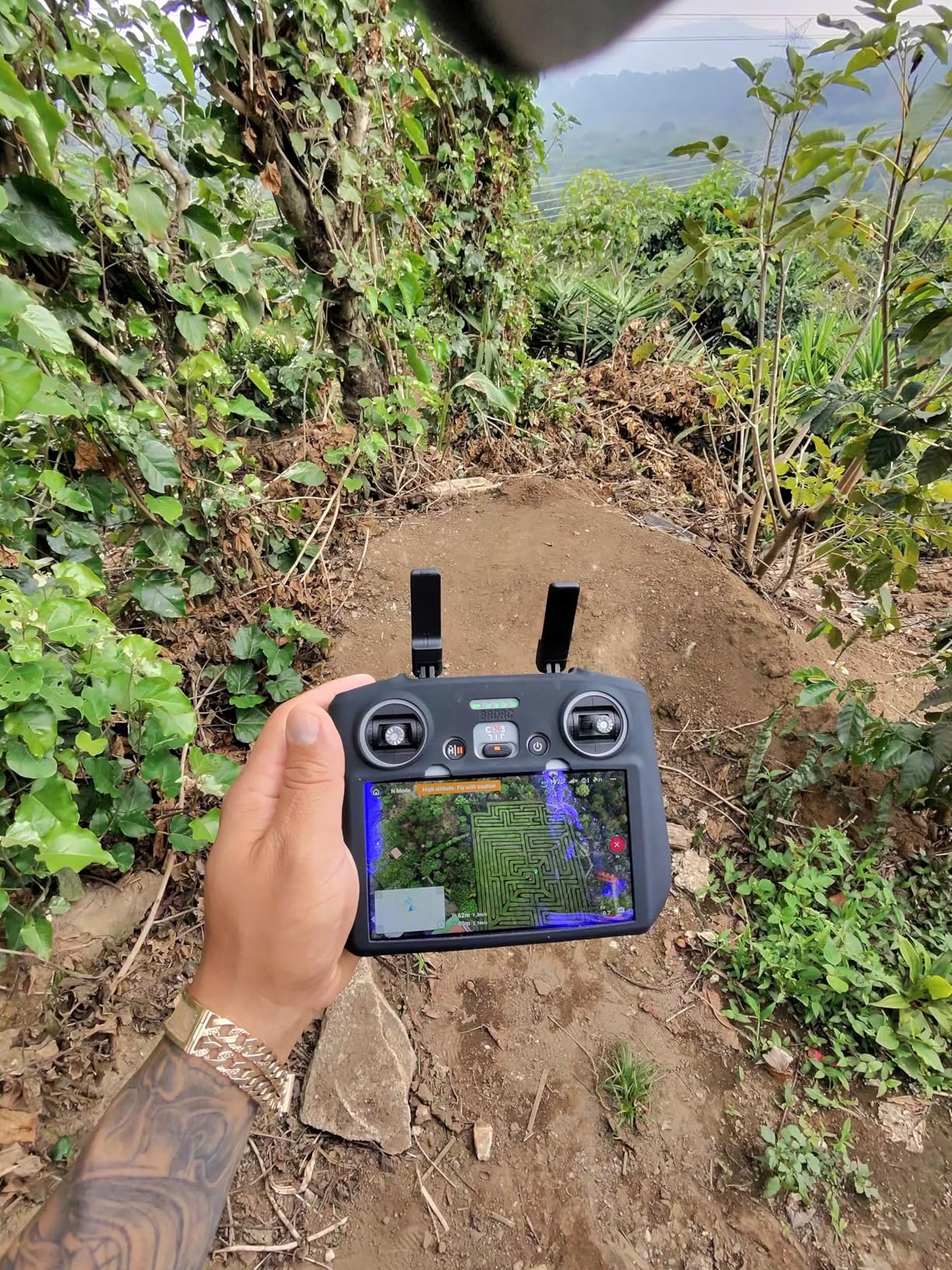
The Fly More Combo with three batteries is the smart buy. You get up to 102 minutes of advertised flight time, which in real conditions translates to roughly 50 to 60 minutes of useful flight with active shooting. That is enough for a focused landscape session at one composition. The included RC 2 controller with built-in screen is far better than relying on a phone mount.
The 1/1.3-inch sensor with Dual Native ISO Fusion handles high-contrast sunrise scenes better than the older Mini 3 Pro generation. I found clean shadow detail up to about ISO 800 and acceptable results to ISO 1600 for web use. 10-bit D-Log M color profile gives real grading flexibility for video shooters, though landscape stills work fine in standard RAW.
Omnidirectional obstacle sensing with APAS is genuinely useful for flying close to cliffs, trees, and rock formations where you might lose orientation. ActiveTrack 360 also works for the rare landscape use case of tracking moving water, clouds, or wildlife within a wider composition. The drone has a forgiving flight character that builds confidence in newer pilots.
Best fit for the Mini 4 Pro
First-time drone buyers, casual landscape photographers, and travelers who want a proven, reliable platform. It is also a smart secondary drone for professionals who need a compact backup. The Mini 4 Pro has a deep accessory ecosystem and is well supported with regular firmware updates. For buyers on a tighter budget, this remains a strong choice in 2026.
Limitations of the Mini 4 Pro
The sensor is smaller than the Mini 5 Pro, so if print quality matters, the Mini 5 Pro is the better pick at a slightly higher price. Wind handling is limited to roughly 20 mph sustained before performance suffers. Plastic construction also feels less premium than the carbon-fiber-flavored builds of the larger Mavics, and battery tab durability has been a recurring complaint in user reviews.
6. DJI Mavic 2 Pro – Still a Capable Choice for Budget-Conscious Buyers
DJI Mavic 2 PRO Drone Quadcopter with Fly More Kit Combo Bundle
20MP 1-inch Hasselblad
31-min flight
4K HDR
Pros
- 1-inch Hasselblad sensor at lower cost
- Adjustable f/2.8-f/11 aperture
- 10-bit Dlog-M color profile
- Proven reliability with years of firmware support
- Portable for a 1-inch sensor drone
Cons
- 4K video limited to 30fps
- Charges only one battery at a time on 4-bay charger
- Some legacy flight modes discontinued
- Fly More bag too small for full accessory kit
The Mavic 2 Pro was DJI’s first serious play for landscape photographers, and it remains a capable tool in 2026, especially on the secondary market. The 1-inch Hasselblad sensor with adjustable aperture (f/2.8 to f/11) gives shooters real creative control. Being able to stop down to f/8 in bright midday conditions without reaching for ND filters is a workflow advantage that newer fixed-aperture drones lack.
Image quality holds up well at lower ISO settings. I have used Mavic 2 Pro files in published editorial work and printed them at 16×24 inches without issues. The sensor’s color science from the Hasselblad partnership produces pleasing skin tones and natural greens, which matters for forest and meadow landscape scenes where color rendition is critical.
Flight time at 31 minutes is shorter than newer drones, but still workable. I typically saw 22 to 25 minutes of real-world flight before low battery warnings. That means you will want at least two batteries for a serious shoot. The Fly More Kit I tested includes three batteries and a multi-charger, though the charger only handles one battery at a time, which is genuinely annoying.
Why still consider the Mavic 2 Pro
Buyers who find it at a meaningful discount and want a 1-inch Hasselblad sensor without paying flagship prices. It is also a smart backup drone for professionals who already use newer platforms. The Mavic 2 Pro still receives firmware support and benefits from a mature accessory ecosystem including aftermarket ND filter sets and cases.
Why you might pass on the Mavic 2 Pro
4K video is limited to 30fps, which is a real limitation for video-focused buyers. The transmission system is also older OcuSync 2.0 with shorter range than current O4 platforms. For brand-new purchases in 2026, most buyers will be better served by the Air 3S, which is a newer platform with stronger video specs and better long-term support.
7. DJI Neo 2 Fly More Combo – Best Beginner-Friendly Drone for Casual Landscape Work
DJI Neo 2 Fly More Combo With RC-N3 Remote Controller
12MP 1/2-inch sensor
4K UHD video
Palm takeoff
Pros
- Ultra-lightweight at 151g
- Full-coverage propeller guards for safety
- Gesture control and palm takeoff
- Omnidirectional obstacle sensing
- Excellent 4K UHD stabilization
Cons
- Battery life limited to 12-17 minutes per battery
- Low-light performance is limited
- 12MP stills are not print-grade
- Internal storage fills quickly with 4K
The Neo 2 is not really a serious landscape photography tool, but it earns its spot in this roundup as the best drone for beginners curious about aerial landscape shots without committing to a larger, more expensive platform. I took it on a casual trip with my family and used it for quick landscape snapshots. The 4K UHD video is genuinely sharp in good light, and the 12MP stills work fine for social sharing.
What makes the Neo 2 special is the ease of use. Palm takeoff and gesture control mean I could hand-launch it from a rocky overlook without setting up on flat ground. The full-coverage propeller guards also give peace of mind when flying close to trees, cliffs, or people. Omnidirectional obstacle sensing is unusual at this price point and adds genuine safety for new pilots.
The Fly More Combo I tested bundles three batteries, prop guards, a charging hub, and the RC-N3 remote controller. With three batteries, you get roughly 45 minutes of total flight, which is enough for casual landscape sessions. Battery swaps take seconds and the drone re-pairs immediately.
Who should buy the Neo 2
Complete beginners, casual users, and anyone wanting a fun, safe drone to learn the basics of aerial composition. It is also a good gift choice for someone curious about drones but not ready for a $1,000+ investment. The Neo 2 makes a capable travel companion for casual landscape snapshots where image quality is not the priority.
Why the Neo 2 is the wrong tool for serious landscape work
Sensor quality tops out at 12MP and the 1/2-inch sensor struggles in low light. Battery life of 12 to 17 minutes per battery limits serious compositional work. Wind resistance is poor due to the 151g weight. If you want print-quality landscape files, this is not the right drone. Step up to the Mini 4 Pro for a meaningful jump in image quality at a modest price increase.
8. Potensic ATOM 2 Fly More Combo – Best Budget Drone for Landscape Photography
Potensic ATOM 2 Drone with Camera for Adults 4K, 10KM Range, Fly More Combo
48MP Sony 1/2-inch sensor
96-min total flight
Under 249g
Pros
- Excellent value at sub-$320 price point
- 48MP Sony 1/2-inch sensor
- 96-minute total flight with three batteries
- 4K HDR video
- Under 249g avoids FAA registration
Cons
- No obstacle avoidance sensors
- Camera limited to 30fps at 4K
- App telemetry needs polish
- Limited customer support outside US/EU
The Potensic ATOM 2 is the budget drone I did not expect to like this much. The 48MP 1/2-inch Sony sensor delivers sharper stills than I expected from a $319 drone. I shot golden hour in the Boise foothills and the files held up well at web sizes and modest prints up to 11×14 inches. Color rendition is pleasing out of camera, though RAW grading flexibility is more limited than the DJI alternatives.
Flight time is genuinely impressive. The three-battery Fly More Combo delivers up to 96 minutes of total flight, which in real conditions translated to roughly 60 to 70 minutes of active flying across the three packs. The PixSync 4.0 transmission gave me a stable 1080p/30fps live feed at ranges up to about 2 km in open terrain. That is plenty for most landscape compositions.
The 10km range claim is optimistic, as it is for most drones. In real conditions expect around 3 to 4 km of reliable control before signal becomes unreliable. For landscape work, that is more than enough. Vertical shooting mode is a nice touch for social content, and AI Track with Spotlight and Follow modes works well for moving subjects.
Why the ATOM 2 deserves consideration
Budget-conscious buyers, beginners, and anyone who wants a sub-250g drone without paying DJI prices. The 48MP sensor is a real step up from typical budget drone cameras, and the 96-minute total flight time outclasses more expensive competitors. The included carrying bag is well-made and fits all three batteries plus accessories.
Where the ATOM 2 falls short
The lack of obstacle avoidance is the biggest gap. You have to fly carefully near trees, cliffs, and other obstacles. Customer support is also more limited than DJI’s. The app’s telemetry display is functional but not as polished as DJI Fly. For serious landscape work, I would still recommend a DJI platform, but for casual use the ATOM 2 punches well above its price.
How to Choose the Right Drone for Your Landscape Photography?
Picking the best drone for landscape photography comes down to matching sensor quality, flight time, and portability to the way you actually shoot. I have watched too many friends buy a flagship drone and then leave it at home because it is too heavy to hike with, or buy a tiny drone and then feel limited by its image quality. The right answer depends on how you shoot.
Sensor size is the single most important spec for stills. A 1-inch sensor captures roughly four times more light than the 1/2.3-inch sensors found in older consumer drones, and a 4/3 sensor captures roughly twice what a 1-inch sensor does. That translates directly to dynamic range, which is what matters most when you are trying to hold a bright sky against a dark foreground. The Mavic 4 Pro and Mavic 3 Pro lead here with their 4/3 Hasselblad sensors, followed by the Air 3S and Mini 5 Pro with their 1-inch sensors.
RAW capture is non-negotiable for serious landscape work. JPEG files apply sharpening and noise reduction that destroys fine detail and limits your ability to recover shadows. Every drone in this roundup except the Air 3S’s default JPEG output supports RAW. If you plan to push files in Lightroom or Capture One, RAW is essential. The Mavic line and Mini 5 Pro offer the best RAW flexibility with 10-bit color depth options.
Flight time matters more than you expect for landscape work. Landscape photography is patient work. You might hover for 20 minutes waiting for a cloud to break or for the light to shift. The 51-minute Mavic 4 Pro and 52-minute Mini 5 Pro give you room to wait without landing. The 12 to 17 minute Neo 2 simply does not support this kind of slow, observational shooting. Real-world flight time is usually 70 to 80 percent of advertised time, so plan accordingly.
Weight determines where you can legally fly. In the US, drones under 250g do not require FAA Part 107 registration for recreational use, though TRUST certification is still required. In Europe, sub-250g drones fall into the C0 category with fewer operational restrictions. If you travel internationally or hate paperwork, the Mini 5 Pro and Mini 4 Pro are strong choices. If you do not mind registration, the Air 3S and Mavic line offer significantly better image quality.
Wind resistance determines where you can shoot. Coastal cliffs, mountain ridges, and open plains regularly see winds above 20 mph. Larger drones like the Mavic 4 Pro and Mavic 3 Pro handle these conditions confidently. The Mini line starts struggling around 20 to 23 mph, and the Neo 2 is essentially unusable above 15 mph. Match the drone to your typical shooting conditions, not ideal conditions.
ND filters are essential accessories for landscape work. Most drone cameras have fixed apertures in bright conditions, which forces shutter speeds too fast for natural-looking motion blur in video or for the 180-degree shutter rule. A good set of ND8, ND32, and ND128 filters lets you maintain proper exposure and motion rendering. The Mini 5 Pro Fly More Combo Plus bundles a filter set, which is a nice value. For other drones, plan on budgeting $50 to $100 for quality filters.
FAA Regulations and Drone Licensing for Landscape Photographers
One of the most common questions I get from landscape photographers is whether they need a license to fly a drone for photography work. The short answer: yes for commercial use, no for purely recreational use in most cases, but the rules keep evolving so always check current FAA guidance before flying.
For recreational flying in the US, the FAA requires you to pass the free TRUST (The Recreational UAS Safety Test) and follow community-based safety guidelines. There is no age restriction, no formal license, and no registration requirement for drones under 250g. Drones over 250g require $5 registration with the FAA and display of the registration number on the drone.
For commercial landscape photography, including selling prints, doing client work, or generating revenue from your drone images, you need a Part 107 Remote Pilot Certificate. This requires passing a knowledge test at an FAA testing center, costs $175, and is valid for two years before recurrent training is required. The good news is that Part 107 is straightforward for pilots already familiar with airspace and weather considerations.
Drones like the Mini 5 Pro, Mini 4 Pro, Potensic ATOM 2, and DJI Neo 2 fall under 250g and simplify the recreational side of things. The Air 3S, Mavic 4 Pro, Mavic 3 Pro, and Mavic 2 Pro all require registration. None of these rules prevent you from shooting great landscape images, but they do affect which drone makes sense for your specific use case.
Several readers have asked whether DJI drones are getting banned in the US. As of 2026, DJI drones remain legal for both recreational and commercial use in the United States. There have been legislative proposals and security concerns raised, but no active ban. DJI has also introduced the DJI Enterprise line with NDAA-compliant options for government work. For most landscape photographers, DJI remains the dominant and accessible platform.
Landscape Photography Tips Specific to Drone Flying
Drone landscape photography rewards a different mindset than ground-based shooting. I have developed a few habits that meaningfully improved my aerial work, and they are worth sharing for anyone new to the format.
First, fly at lower altitudes than you think you need to. A drone hovering at 400 feet produces flatter images than one at 80 to 150 feet. The dramatic aerial perspective that makes drone landscape work special comes from elevation relative to the subject, not absolute altitude. For most landscape work, I rarely fly above 200 feet AGL (above ground level).
Second, use the rule of thirds and leading lines deliberately. From above, compositions tend toward symmetric or centered framing because the eye expects a map-like view. Push your compositions to one side and use natural lines like rivers, ridgelines, and shorelines to lead the eye. The 70mm medium tele on the Air 3S, Mini 5 Pro, and Mavic line is particularly good for this.
Third, shoot during the golden hours and blue hour. Midday sun from above creates flat, contrasty images that drone cameras handle poorly. Sunrise and sunset light rakes across the landscape and gives your images depth and dimension. Blue hour offers the additional benefit of low ambient light, which means fewer other drones in the air and cleaner compositions.
Fourth, always bracket exposures in high-contrast scenes. Even with the 12.8-stop dynamic range of the Mavic 4 Pro sensor, a sunrise scene can exceed that range. Most DJI drones offer AEB (Auto Exposure Bracketing) that fires three or five frames at different exposures, which you can blend in post for a clean final image. This is one of the most overlooked landscape drone techniques.
Finally, plan around weather and wind. Wind above 23 mph makes Mini-class drones difficult to fly safely. Rain can damage electronics on most non-weather-sealed models. Cold temperatures reduce battery performance. Check forecasts before every flight and pack extra batteries in insulated pockets on cold mornings. The DJI Fly app and Potensic app both show real-time wind conditions at the drone’s altitude.
Frequently Asked Questions
What is the best drone for landscape photography?
The best drone for landscape photography is one with a large sensor (1-inch or 4/3), RAW capture capability, good dynamic range, and stable flight time. The DJI Mavic 4 Pro is the top choice for working professionals thanks to its 100MP 4/3 Hasselblad sensor and 51-minute flight time. For enthusiasts, the DJI Air 3S delivers about 85 percent of the image quality at roughly half the price.
Which drone can fly without a license?
In the US, recreational pilots do not need a formal license to fly, but they must pass the free TRUST test. Drones under 250g do not require FAA registration for recreational use. The DJI Mini 5 Pro, Mini 4 Pro, Potensic ATOM 2, and DJI Neo 2 all qualify. For commercial landscape photography, a Part 107 Remote Pilot Certificate is required regardless of drone weight.
What are the top 3 drones to buy for landscape work?
For most buyers in 2026, the top three are the DJI Mavic 4 Pro for working professionals, the DJI Air 3S for the best balance of price and image quality, and the Potensic ATOM 2 for budget-conscious buyers. These three cover the spectrum from $320 to $2,179 and represent the strongest sensor quality, flight time, and value combinations currently available.
Are DJI drones getting banned in the US?
As of 2026, DJI drones are legal for both recreational and commercial use in the United States. While there have been legislative proposals and security discussions, no active ban is in place. DJI remains the dominant brand for consumer and prosumer drones. For government or sensitive commercial work, DJI Enterprise offers NDAA-compliant alternatives.
What camera do landscape photographers use in drones?
Professional landscape photographers overwhelmingly use drones with 4/3 sensors (Hasselblad) or 1-inch sensors. The DJI Mavic 4 Pro and Mavic 3 Pro use 4/3 Hasselblad cameras, while the Air 3S and Mini 5 Pro use 1-inch sensors. These large sensors deliver the dynamic range and low-light performance needed for print-quality landscape work, often producing images comparable to mid-tier mirrorless cameras.
Final Verdict: Which Drone Should You Buy?
After flying all eight of these drones across real landscape conditions, my honest recommendation is to match the drone to your output. If you print large or shoot commercial landscape work, the DJI Mavic 4 Pro is the best drone for landscape photography in 2026. The 100MP 4/3 Hasselblad sensor delivers files that genuinely compete with mirrorless camera output, and the 51-minute flight time lets you work patient compositions without rushing. If you want most of that quality at a more accessible price, the DJI Air 3S is the best value for serious enthusiasts.
For backpack-and-hike trips where weight matters, the DJI Mini 5 Pro finally puts 1-inch sensor quality into a sub-250g body. For budget buyers and casual users, the Potensic ATOM 2 delivers surprising image quality under $350. The Mini 4 Pro remains a solid choice with the deepest review track record. The Mavic 3 Pro and Mavic 2 Pro are best for buyers who find them at significant discounts. The Neo 2 is a great beginner pick but not a serious landscape tool.
Whatever drone you choose, fly often, shoot RAW, and respect the weather. The best camera drone is the one you actually bring with you. For more options, check out our guides on the best DJI drones for photography and other specialized aerial photography roundups. The sky is waiting.