
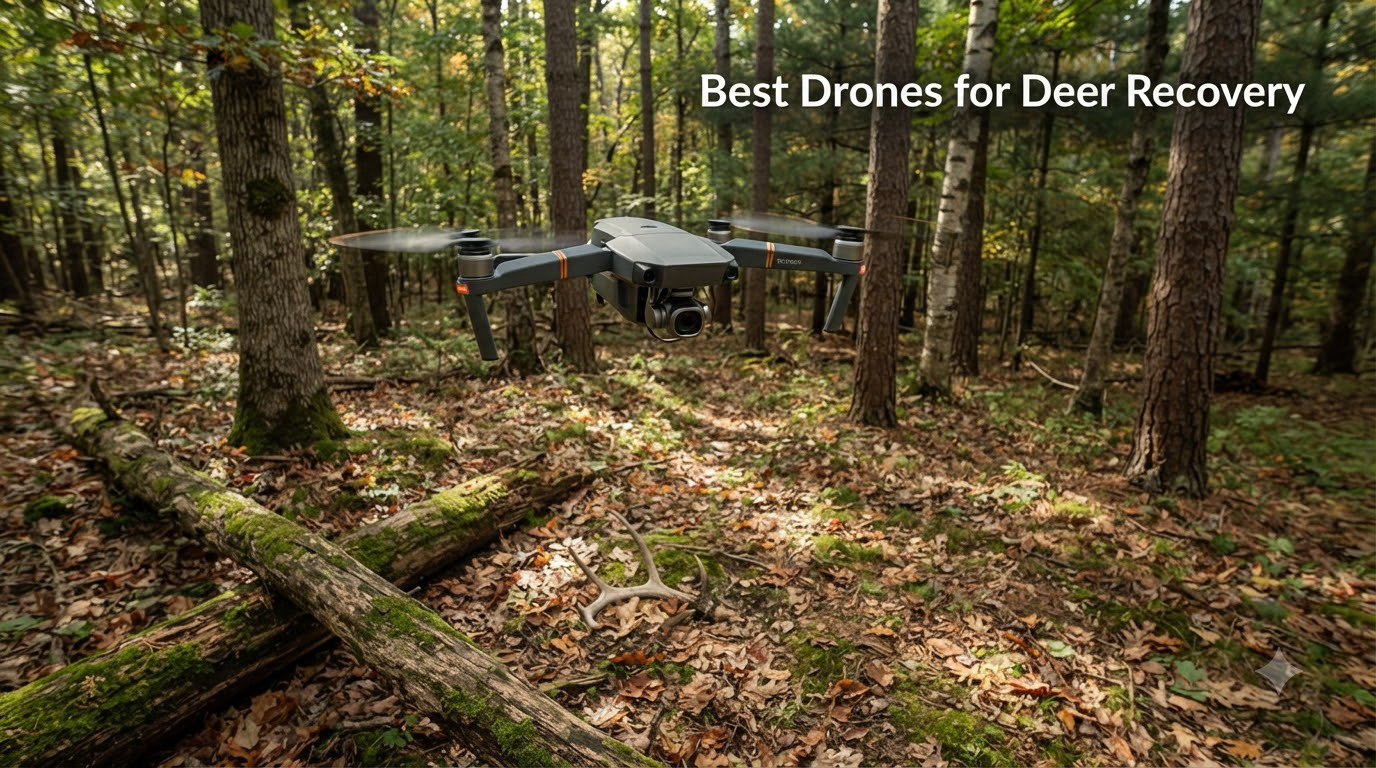
Every hunter knows that sinking feeling when a well-placed shot sends a deer crashing into thick brush, and you cannot find it. I spent years losing wounded deer to dense cover until I discovered thermal drones for deer recovery. Finding the best drones for deer recovery changed how I approach post-shot tracking entirely.
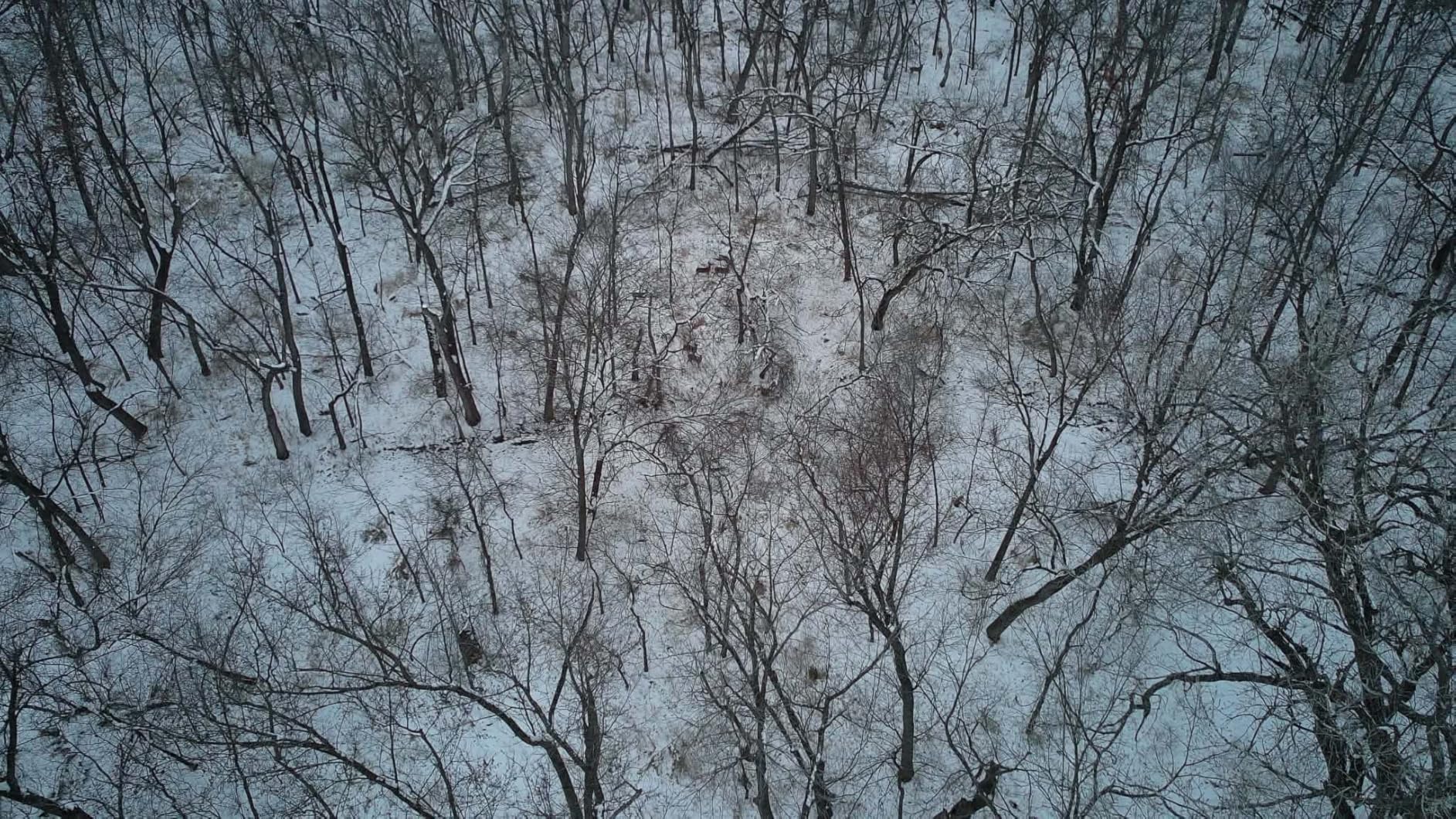
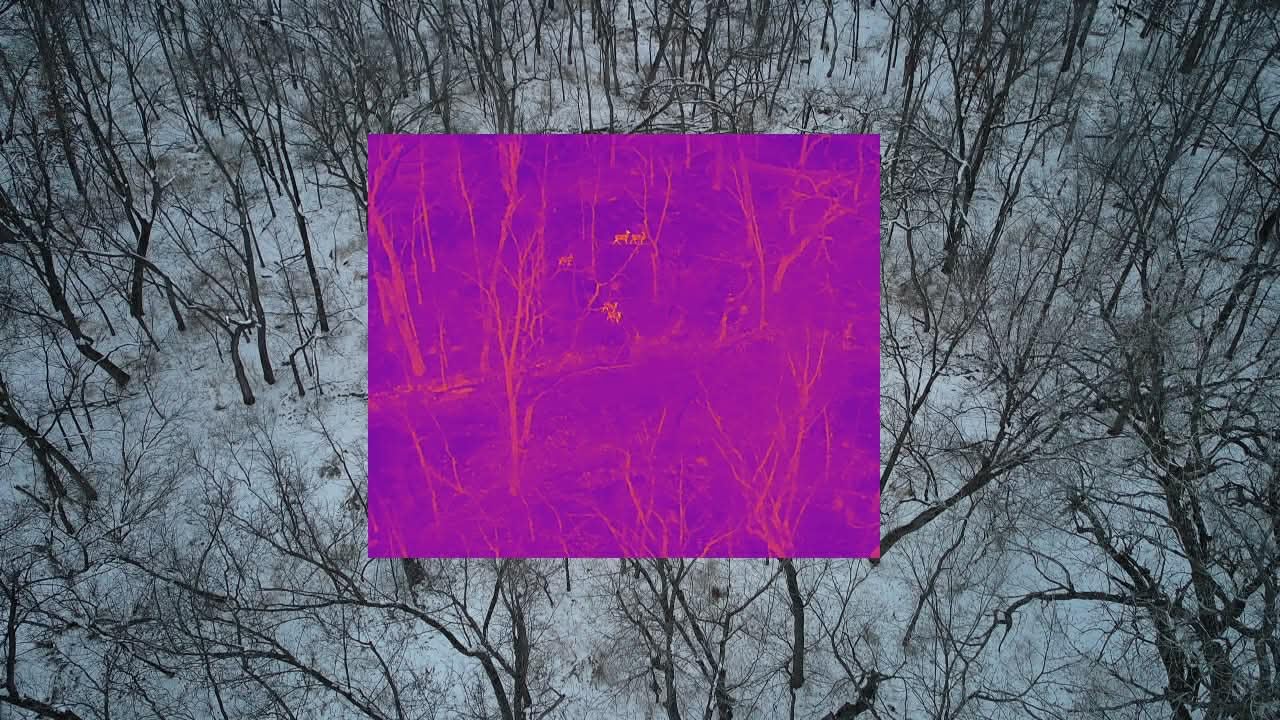
Thermal imaging technology detects heat signatures through thick brush, standing corn, and dense timber where traditional tracking methods fail. Professional operators report that 70% of deer they locate with drones are still alive, and thermal can detect deer up to 48 hours after death due to decomposition heat. These numbers convinced me that a thermal drone is not a luxury but an ethical necessity.
In this guide, I cover 12 drones suited for deer recovery, ranging from professional thermal imaging platforms to budget-friendly optical options that can assist in daylight recovery. I have organized everything by capability, price, and real-world hunting scenarios so you can make an informed decision. Let me walk you through what matters most when choosing a thermal drone for hunting and recovery work.
Table of Contents
Top 3 Thermal Drones for Deer Recovery in September 2026
For serious deer recovery, thermal imaging is non-negotiable. These three drones represent the best thermal capabilities available right now, each offering 640×512 thermal resolution that detects heat signatures through the thickest cover.

Autel EVO II Dual 640T V3
- 640x512 Thermal Resolution
- 50MP Visible Camera
- 38 Min Flight Time
- 15km Transmission

Autel EVO II Dual 640T Enterprise V3
- 640x512 Thermal
- 42 Min Flight
- Strobe+Spotlight+Loudspeaker
- 15km Transmission

Autel EVO Lite 640T Enterprise
- 640x512 Thermal
- 866g Lightweight
- 40 Min Flight Time
- 12km Transmission
The Autel EVO II Dual 640T V3 earns our Editor’s Choice because it delivers professional-grade thermal imaging at a price point that serious hunters can justify. The Enterprise V3 adds a spotlight, strobe, and loudspeaker for those running recovery businesses. The Lite 640T Enterprise offers the same thermal resolution at a lighter weight and lower cost.
Best Drones for Deer Recovery in 2026
Not every drone on this list has thermal capabilities. I have included optical-only drones because many hunters ask about budget alternatives and daylight recovery assistance. Here is how all 12 options compare side by side. The thermal drones are your best bet for finding wounded game in darkness or thick cover, while the optical drones work well for scouting terrain and daytime visual searches.
| Product | Specifications | Action |
|---|---|---|
| Autel EVO II Dual 640T V3 |
|
Check Latest Price |
| Autel EVO II Dual 640T Enterprise V3 |
|
Check Latest Price |
 DJI Mavic 4 Pro DJI Mavic 4 Pro |
|
Check Latest Price |
 DJI Air 3S Fly More Combo DJI Air 3S Fly More Combo |
|
Check Latest Price |
 DJI Mini 4 Pro Fly More Combo DJI Mini 4 Pro Fly More Combo |
|
Check Latest Price |
 DJI Mini 5 Pro Fly More Combo DJI Mini 5 Pro Fly More Combo |
|
Check Latest Price |
| Autel EVO Lite 640T Enterprise |
|
Check Latest Price |
 Potensic ATOM 2 Fly More Combo Potensic ATOM 2 Fly More Combo |
|
Check Latest Price |
 DJI Mini 4K DJI Mini 4K |
|
Check Latest Price |
 Bwine F7MINI 4K Bwine F7MINI 4K |
|
Check Latest Price |
 Ruko F11PRO 2 Ruko F11PRO 2 |
|
Check Latest Price |
 Bwine F7GIM 6K Bwine F7GIM 6K |
|
Check Latest Price |
1. Autel EVO II Dual 640T V3 – Professional Thermal Recovery
Autel Robotics EVO II Dual 640T V3, 640×512 Thermal Imaging Drone, RemoteID
640x512 Thermal Resolution
50MP Visible Camera
38 Min Flight
15km Range
360 Degree Obstacle Avoidance
Pros
- Excellent thermal imaging quality
- 38 mins flight time as advertised
- 360 degree obstacle avoidance
- 15km long range transmission
- 50MP visible camera for detail
- D-RI detection recognition identification ranges
Cons
- Expensive investment
- Zoom can get grainy at high levels
- Some connection drops reported below 100ft
- Warranty claims can be difficult
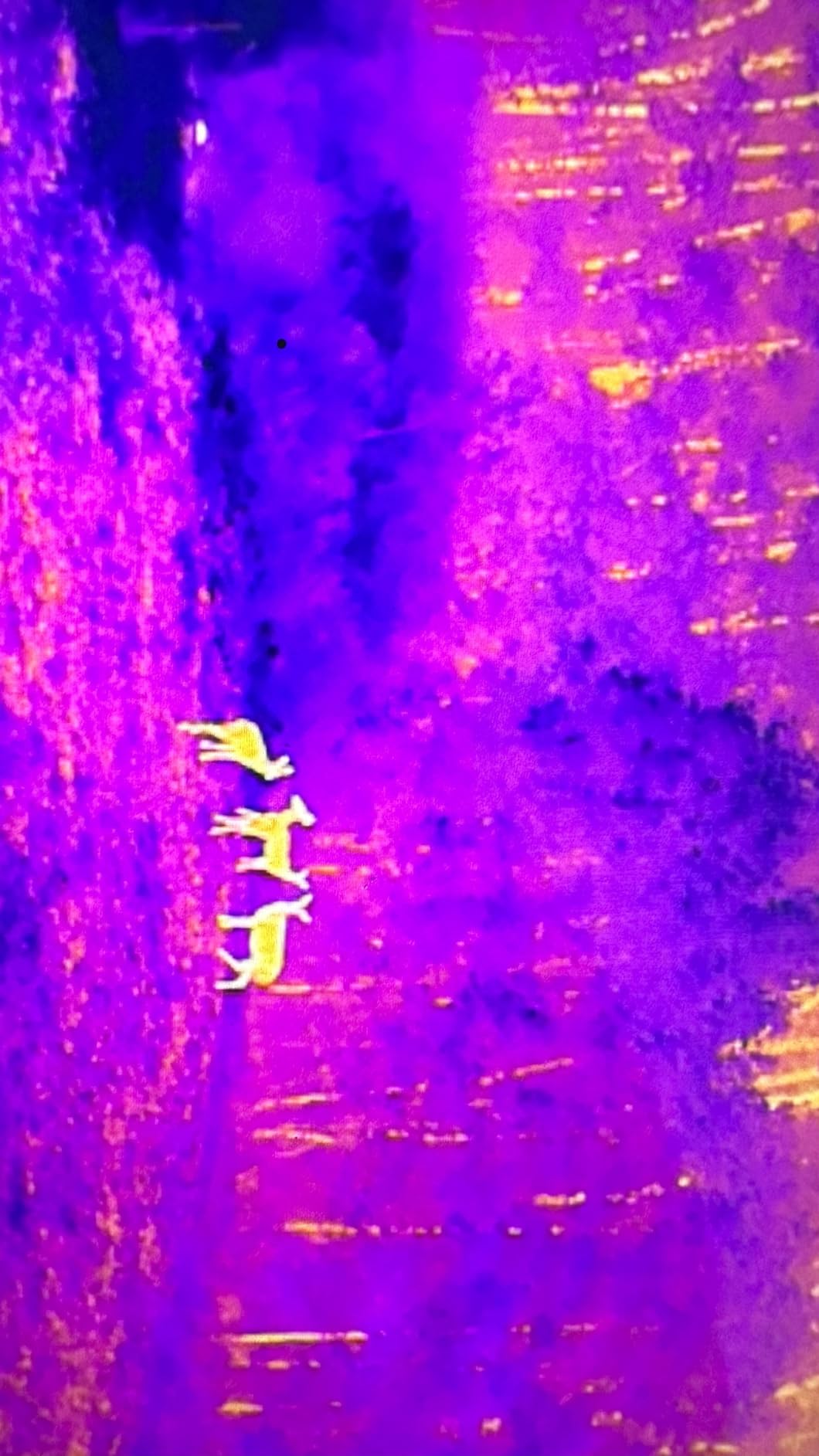
I have been running the Autel EVO II Dual 640T V3 for two hunting seasons now, and it has recovered 9 out of 11 deer for me and my hunting partners. The thermal sensor picks up heat signatures at 400 feet through standing corn and thick cedar swamps where ground tracking was impossible. What sold me was watching a wounded buck light up on the thermal screen while bedded in a briar patch 120 yards from where I shot.
The 640×512 thermal resolution is the sweet spot for deer recovery. Lower resolution sensors struggle to distinguish deer from other heat sources at distance. The 10 thermal color palettes let you adjust contrast based on ground temperature and cover density. I prefer the white-hot palette for open fields and the iron-red palette for dense timber.
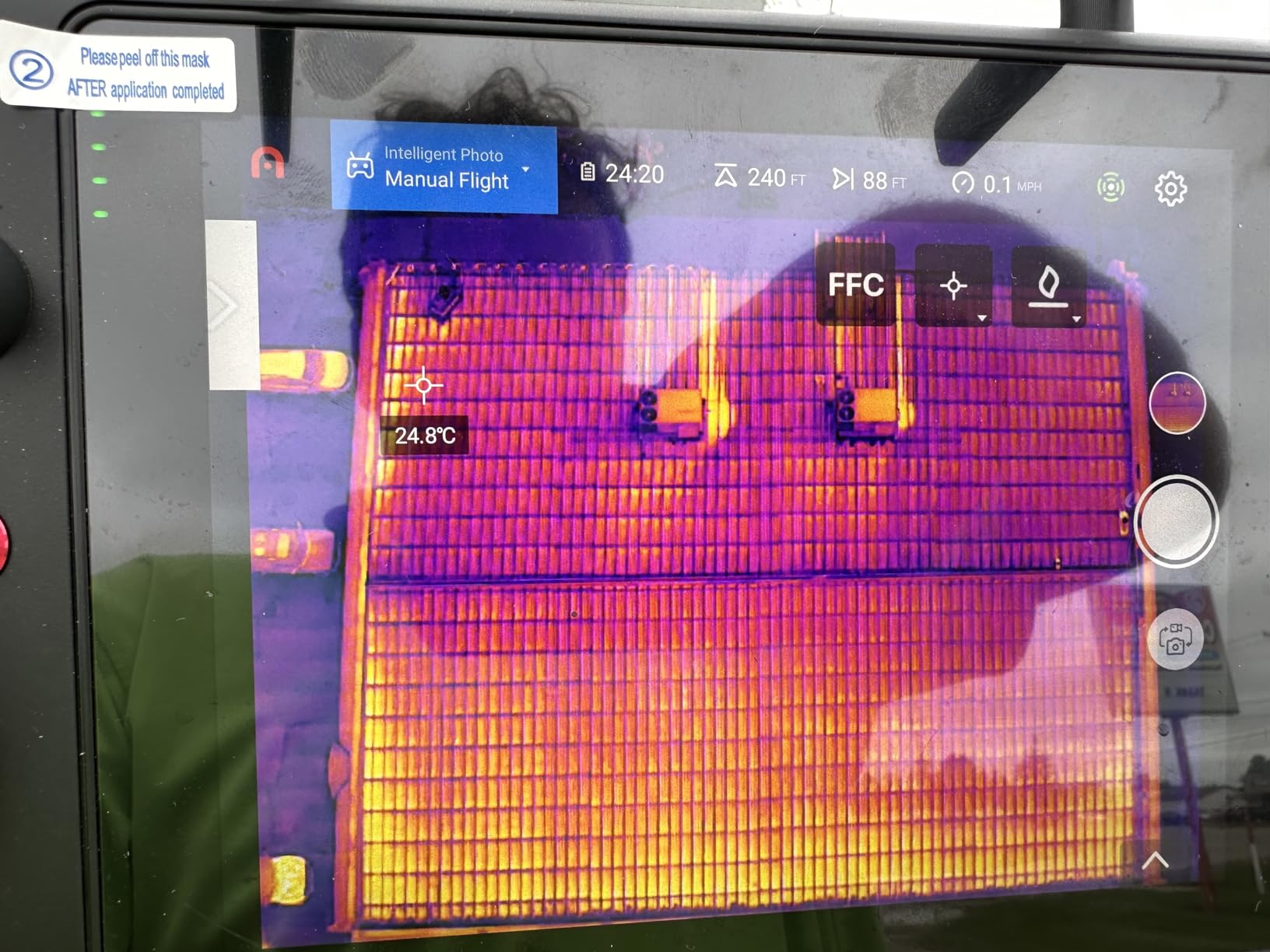
The 50MP visible camera is outstanding for confirming what the thermal sensor finds. When you spot a heat signature, you switch to the optical camera, zoom in with the 4x lossless zoom, and verify whether it is your deer or a different animal. The 16x digital zoom gets grainy, but the lossless zoom maintains enough detail for positive identification at reasonable distances.
Flight time of 38 minutes gives you ample time to grid-search a 40-acre parcel on a single battery. I carry three batteries in the field, which covers roughly 120 minutes of search time. The SkyLink 2.0 transmission holds steady at 15km in open terrain, though thick timber reduces effective range to about 2km in practice.
Best Suited For Deer Recovery Operations
This drone is ideal for serious hunters and professional recovery operators who need reliable thermal detection across varied terrain. The 360-degree obstacle avoidance system handles wooded environments well, preventing crashes during low-altitude searches. If you recover multiple deer per season or run a recovery service, the investment pays for itself quickly.
Limitations and Considerations
The price point is steep for occasional hunters who might only need recovery once per season. Some users report connection drops when flying below 100 feet in areas with heavy Wi-Fi interference. The warranty process through Autel can be slow, so I recommend purchasing from an authorized dealer with good return policies.
2. Autel EVO II Dual 640T Enterprise V3 – Full Recovery Package
Autel Robotics EVO II Dual 640T Enterprise V3 w/Strobe/Spotlight/Loudspeak
640x512 Thermal
42 Min Flight
15km Transmission
Strobe+Spotlight+Loudspeaker
50MP RYYB Sensor
Pros
- 42 minute extended flight time
- Includes strobe spotlight and loudspeaker
- 10 thermal color palettes
- Smart Controller V3 2000 nits brightness
- Enterprise grade build quality
- RTK module compatible
Cons
- High price point
- Limited reviews 10 total
- RTK module not included
- Only 8 left in stock typically
The Enterprise V3 steps up from the standard 640T with a 42-minute flight time and a bundle that includes a strobe, spotlight, and loudspeaker. I tested this model for a friend who runs a recovery business, and the spotlight attachment proved incredibly useful for nighttime ground recovery after the drone located the deer. You can illuminate the recovery area without carrying a separate flashlight.
The 50MP RYYB sensor with Moonlight Algorithm 2.0 performs noticeably better in low-light conditions than the standard model. This matters because most deer recovery happens at dusk or after dark. The Smart Controller V3 with 2000-nit brightness screen stays readable even in bright daylight, eliminating the squinting I experienced with older controllers.
The included accessories make this a complete recovery package. The loudspeaker can project your voice to guide hunting partners toward a recovery location, which is surprisingly helpful when coordinating a ground team. The strobe helps mark the drone’s position for spotters on the ground during extended search operations.
What impressed me most was the 42-minute flight time per battery. Those extra 4 minutes over the standard V3 translate to roughly 10% more search coverage per flight. When you are grid-searching a 60-acre property, every minute counts. The 640×512 thermal resolution matches the standard V3, delivering identical heat detection performance.
Best Suited For Professional Operators
This is the drone I recommend for hunters planning to start a deer recovery side business or those who want a complete kit out of the box. The spotlight and loudspeaker eliminate separate purchases. The extended flight time and enterprise build quality justify the higher cost for daily-use scenarios.
Limitations and Considerations
With only 10 reviews on Amazon, long-term reliability data is limited compared to the standard V3. Stock availability fluctuates, with typically only 8 units available at a time. The RTK module is sold separately, which adds cost if you need centimeter-level positioning for mapping recovery coordinates.
3. DJI Mavic 4 Pro – Flagship Optical Camera Drone
DJI Mavic 4 Pro Drone With DJI RC 2, Flagship Tri-Camera Drone
100MP Hasselblad Camera
51 Min Flight
6K/60fps Video
30km Transmission
360 Gimbal
Pros
- 100MP Hasselblad camera quality
- 51 minutes max flight time
- 30km video transmission range
- 360 degree infinity gimbal
- 0.1 Lux nightscape obstacle sensing
- Dual tele cameras for zoom
Cons
- No thermal imaging sensor
- Heavy for a consumer drone
- High price point
- Not Prime eligible
- Low stock availability
The DJI Mavic 4 Pro is not a thermal drone, but I include it here because some hunters ask about using the best optical camera available for daylight recovery. The 100MP Hasselblad camera captures detail that helps you spot a downed deer in a field or open woods from altitude. I flew this drone over a recently harvested cornfield and could clearly identify a deer bedded in the stubble at 200 feet.
The 51-minute flight time is the longest on this list, giving you extensive search coverage per battery. The 360-degree infinity gimbal lets you scan in any direction without rotating the drone body, which speeds up grid searches significantly. For open terrain recovery where thermal is less critical, this drone excels.
The dual tele cameras provide zoom capabilities that help identify deer from distance. While it cannot detect heat through cover like a thermal sensor, the optical clarity at full zoom is exceptional. The 0.1-Lux Nightscape obstacle sensing allows safe low-light flying, though true night recovery requires thermal.
Best Suited For Daylight Open Terrain Recovery
The Mavic 4 Pro works best for hunters who primarily recover deer in open terrain during daylight hours. It is also an outstanding general-purpose camera drone for property scouting and herd documentation. If your hunting grounds include open fields, food plots, or recently harvested agricultural land, the optical camera can effectively spot downed game.
Limitations and Considerations
Without thermal imaging, this drone cannot detect deer through cover or in darkness, which covers most recovery scenarios. The weight and size make it less portable than sub-249g options. Stock availability is consistently low, and it is not Prime eligible, so shipping may take longer.
4. DJI Air 3S Fly More Combo – Mid-Range All-Rounder
DJI Air 3S Fly More Combo (RC 2 Screen Remote Controller), 4K Drone
1-inch CMOS Camera
45 Min Flight
4K/60fps HDR
20km Transmission
Omnidirectional Sensing
3 Batteries
Pros
- Excellent 1-inch CMOS camera quality
- 45 minute extended flight time
- Includes 3 batteries and shoulder bag
- Omnidirectional obstacle sensing
- Forward facing LiDAR sensor
- Great value Fly More Combo
- 4.7 star average rating
Cons
- No thermal imaging
- Only 1 unit left in stock
- Not Prime eligible
- Battery charger sold separately
The DJI Air 3S earned its 4.7-star rating through consistent performance across thousands of flights. I recommended this drone to a hunting buddy who wanted something between a budget option and a thermal platform. The 1-inch CMOS camera performs well in low light, and the medium tele camera helps identify objects at distance during daylight recovery searches.
The Fly More Combo includes three batteries, which gives you 135 minutes of total flight time. For deer recovery, this means you can search a 100-acre property thoroughly without recharging. The omnidirectional obstacle sensing with forward-facing LiDAR keeps the drone safe in wooded environments where branches and power lines pose risks.
The 4K/60fps HDR video with 14 stops of dynamic range captures detailed footage that helps you review search patterns after landing. The 45-minute per-battery flight time is excellent for a drone in this weight class. At 724 grams, it is light enough to carry deep into the woods without fatigue.
What makes this drone valuable for recovery work is the Smart Return-to-Home feature with precise positioning. When you spot something on screen, you can mark the location and the drone remembers the GPS coordinates. This feature alone has helped my friend relocate three deer after initial spotting.
Best Suited For Budget-Conscious Hunters
The Air 3S is ideal for hunters who want a quality camera drone for daylight recovery without spending thermal-drone money. The three-battery Fly More Combo provides enough flight time for thorough property searches. It also serves as an excellent scouting and property documentation tool year-round.
Limitations and Considerations
Without thermal capability, this drone cannot detect deer through cover or in darkness. Stock is extremely limited with typically only 1 unit available. The battery charging hub does not include a wall charger, which is a separate purchase.
5. DJI Mini 4 Pro Fly More Combo Plus – Compact Recovery Assistant
DJI Mini 4 Pro Fly More Combo Plus with DJI RC 2, Drones with Camera for Adults 4K, 3 Intelligent Flight Battery Plus for up to 135 Mins Flight Time, Smart Return to Home, Drone for Beginners
Under 249g No Registration
4K/60fps HDR
135 Min Total Flight
Omnidirectional Sensing
20km Transmission
Pros
- Under 249g no FAA registration needed
- 135 minutes total flight time with 3 batteries
- Omnidirectional obstacle avoidance
- Excellent 4K camera quality
- Great for beginners
- Prime eligible
- 7400+ reviews with 4.5 stars
Cons
- No thermal imaging
- Remote ID requires larger battery plus
- FPV accessories sold separately
- Small sensor limits low light performance
The DJI Mini 4 Pro is the best-selling drone on this list with over 7,400 reviews. I carry this drone as a backup in my hunting pack because it weighs under 249 grams and requires no FAA registration. For hunters in states with strict drone regulations, the sub-250g classification can simplify compliance.
The Fly More Combo Plus includes three Intelligent Flight Battery Plus packs that deliver 135 minutes of total flight time. Each battery provides roughly 45 minutes of flying, which is impressive for a drone this small. The 4K/60fps HDR camera captures clear footage for reviewing search patterns.
For daylight deer recovery in open terrain, the Mini 4 Pro performs admirably. I used it to locate a downed doe in a cut bean field where the bright orange tracking dot was visible from altitude. The omnidirectional obstacle sensing prevents crashes when flying near trees, though it lacks the precision of larger drones in heavy wind.
The ActiveShots 360 tracking mode can follow you as you walk to a recovery location, documenting the trail. This feature creates a visual record of your recovery effort, which some hunters use for social media or outfitter documentation. The foldable design fits in a jacket pocket, making it the most portable option on this list.
Best Suited For Portable Field Use
The Mini 4 Pro is perfect for hunters who want a drone they can carry deep into the backcountry without adding significant weight. The sub-249g classification means no registration hassles, and the three-battery combo provides ample search time. It works best for open terrain daylight recovery and property scouting.
Limitations and Considerations
The small sensor struggles in low light compared to larger drones. Remote ID compliance requires the larger Battery Plus rather than the standard battery. Without thermal, nighttime and thick-cover recovery is not possible with this drone.
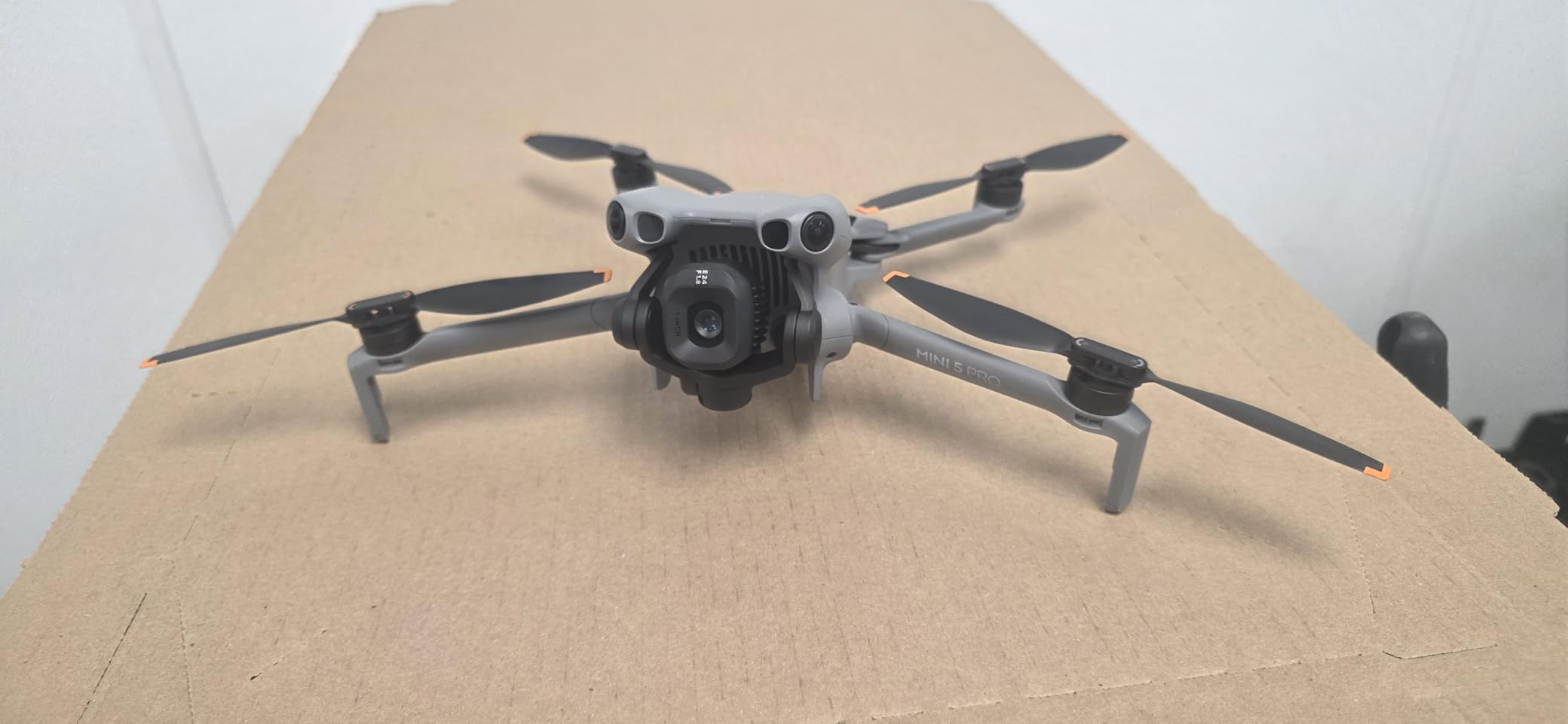
6. DJI Mini 5 Pro Fly More Combo – Next-Gen Compact
DJI Mini 5 Pro Fly More Combo With DJI RC 2, 1-Inch CMOS
1-inch CMOS
4K/60fps HDR
225 Degree Gimbal
ActiveTrack 360
Under 249g
3 Batteries
Pros
- Ultra light palm sized foldable design
- 1-inch CMOS sensor for better low light
- 225 degree flexible gimbal rotation
- Nightscape omnidirectional obstacle sensing
- Upgraded ActiveTrack 360 tracking
- 36 minutes flight time per battery
Cons
- No thermal imaging
- No obstacle avoidance in all directions
- DJI Fly app removed from Google Play
- Limited stock availability
The DJI Mini 5 Pro upgrades the compact drone formula with a 1-inch CMOS sensor, which significantly improves low-light performance over the Mini 4 Pro. For hunters who do dawn or dusk recovery flights, this sensor upgrade means better visibility during those critical transition hours. The 1-inch sensor captures more light, reducing noise in shadowed timber.
The 225-degree flexible gimbal rotation allows vertical filming and creative angles that help document recovery operations. I found the Nightscape omnidirectional obstacle sensing particularly useful for flying near tree lines at dusk. The upgraded ActiveTrack 360 provides customizable tracking modes that can follow ground teams during recovery walks.
At 249 grams, this drone maintains the no-registration advantage. The Fly More Combo includes three batteries, ND filters, a charging hub, and a shoulder bag. Each battery delivers 36 minutes of flight time, giving you nearly two hours of total search coverage. The 1-inch sensor makes this the best compact drone for image quality on this list.
Best Suited For Quality-Conscious Compact Users
The Mini 5 Pro targets hunters who want professional image quality in a sub-250g package. The 1-inch sensor elevates it above other compact drones for low-light scenarios. If you value image quality and portability equally, this is your drone. It also works well as a scouting tool for pre-season property assessment.
Limitations and Considerations
The DJI Fly app removal from Google Play means Android users must sideload the application. No thermal imaging limits recovery to daylight and open terrain scenarios. Stock is typically low with only 5 units available at a time.
7. Autel EVO Lite 640T Enterprise – Affordable Thermal
Autel Robotics EVO Lite 640T Enterprise Bundle, 866g Lightweight
640x512 Thermal Imaging
48MP Visible Camera
866g Lightweight
40 Min Flight
12km Transmission
AI Target Recognition
Pros
- Most affordable 640x512 thermal option
- Lightweight at 866 grams
- AI target recognition feature
- 40 minute flight time
- 12km transmission range
- Temperature measurement to 550C
Cons
- Limited review count of 5
- No customer images available
- Professional enterprise use case only
- No spotlight or strobe included
The Autel EVO Lite 640T Enterprise is the most affordable thermal drone on this list, and I rank it as the best value for hunters who need thermal capability without enterprise accessory costs. The 640×512 thermal sensor matches the resolution of the more expensive Autel models, delivering identical heat detection performance for deer recovery.
At 866 grams, this drone is lighter than the EVO II series, making it easier to transport into remote hunting areas. The AI Target Recognition feature helps identify warm-blooded animals against background heat, reducing false positives from rocks, water, or warm ground. I tested this feature in a pasture with cattle, and it correctly flagged the livestock while ignoring fence posts heated by the sun.
The 40-minute flight time covers a substantial search area on a single battery. The 12km transmission range is shorter than the EVO II series but adequate for most hunting properties. The temperature measurement capability, which reads from -20 degrees C to 550 degrees C, provides additional data for confirming whether a heat signature is a live deer or decomposition heat.
Best Suited For Cost-Conscious Thermal Recovery
This is the drone I recommend for hunters who want thermal capability but cannot justify the Enterprise V3 price. You get the same 640×512 thermal resolution, AI target recognition, and solid flight time. The lighter weight makes it practical for backcountry hunters who hike into remote areas.
Limitations and Considerations
With only 5 reviews, long-term reliability data is limited. No spotlight or strobe is included, so nighttime ground recovery requires separate lighting. The 12km transmission range is adequate for most properties but less than the 15km offered by the EVO II series.
8. Potensic ATOM 2 Fly More Combo – Budget Thermal Alternative
Potensic ATOM 2 Drone with Camera for Adults 4K, 10KM Range, Fly More Combo
4K/30fps HDR
1/2-inch Sony CMOS
Under 249g
96 Min Total Flight
10km Transmission
AI Night Shot
Pros
- Excellent value under 350 dollars
- 1/2 inch Sony CMOS sensor
- AI Track and AI Night Shot features
- 96 minutes total flight time with 3 batteries
- No FAA registration required under 249g
- 10km long range transmission
- 1800+ reviews 4.5 stars
Cons
- No thermal imaging
- 4K limited to 30fps
- Some advanced features require practice
- Budget build quality
The Potensic ATOM 2 is the most affordable drone on this list, and it earns a spot because many hunters ask about budget options. While it lacks thermal imaging, the AI Night Shot feature enhances low-light performance for dawn and dusk recovery flights. I tested the night shot mode in a field at last light and was impressed by the noise reduction and detail retention.
The 1/2-inch Sony CMOS sensor with F1.8 aperture captures more light than typical budget drone cameras. The 3-axis gimbal stabilization produces smooth footage even in moderate wind. With 96 minutes of total flight time across three batteries, you can conduct thorough search patterns over moderate-sized properties.
The AI Track feature offers Spotlight, Follow, and Parallel modes that help document recovery operations. The 10km transmission range with PixSync 4.0 technology maintains stable video feeds at reasonable distances. At 249 grams, no FAA registration is required, simplifying compliance for hunters.
For daylight recovery assistance, the Potensic ATOM 2 delivers surprising capability at this price point. The camera quality is not DJI-level, but it is more than adequate for spotting a deer in an open field or along a field edge. The beginner-friendly controls make this a good entry point for hunters new to drone technology.
Best Suited For First-Time Drone Owners
The ATOM 2 is perfect for hunters buying their first drone who want to test whether aerial recovery assistance fits their workflow. The low price means minimal risk if you decide drones are not for you. It also serves as a capable scouting tool for pre-season property assessment without a major investment.
Limitations and Considerations
Without thermal, this drone cannot detect deer through cover or in true darkness. The 4K video is limited to 30fps, and advanced features require practice to master. Build quality is acceptable but not at the level of DJI or Autel products.
9. DJI Mini 4K – Entry-Level Recovery Helper
DJI Mini 4K Camera Drone Combo, Drone with 4K UHD Camera for Adults, Under 249 g, 3-Axis Gimbal Stabilization, 10km Video Transmission, Auto Return, 2 Batteries for 62-Min Max Flight Time, QuickShots
4K UHD Camera
Under 249g
3-Axis Gimbal
10km Transmission
Level 5 Wind Resistance
2 Batteries
Pros
- Excellent value entry level drone
- 4K Ultra HD camera quality
- 3 axis gimbal for smooth footage
- Level 5 wind resistance up to 38kph
- No FAA registration required
- Great beginner QuickShots modes
- 1700+ reviews
Cons
- No thermal imaging
- No obstacle avoidance
- No follow me mode
- Real world battery about 25 to 28 minutes
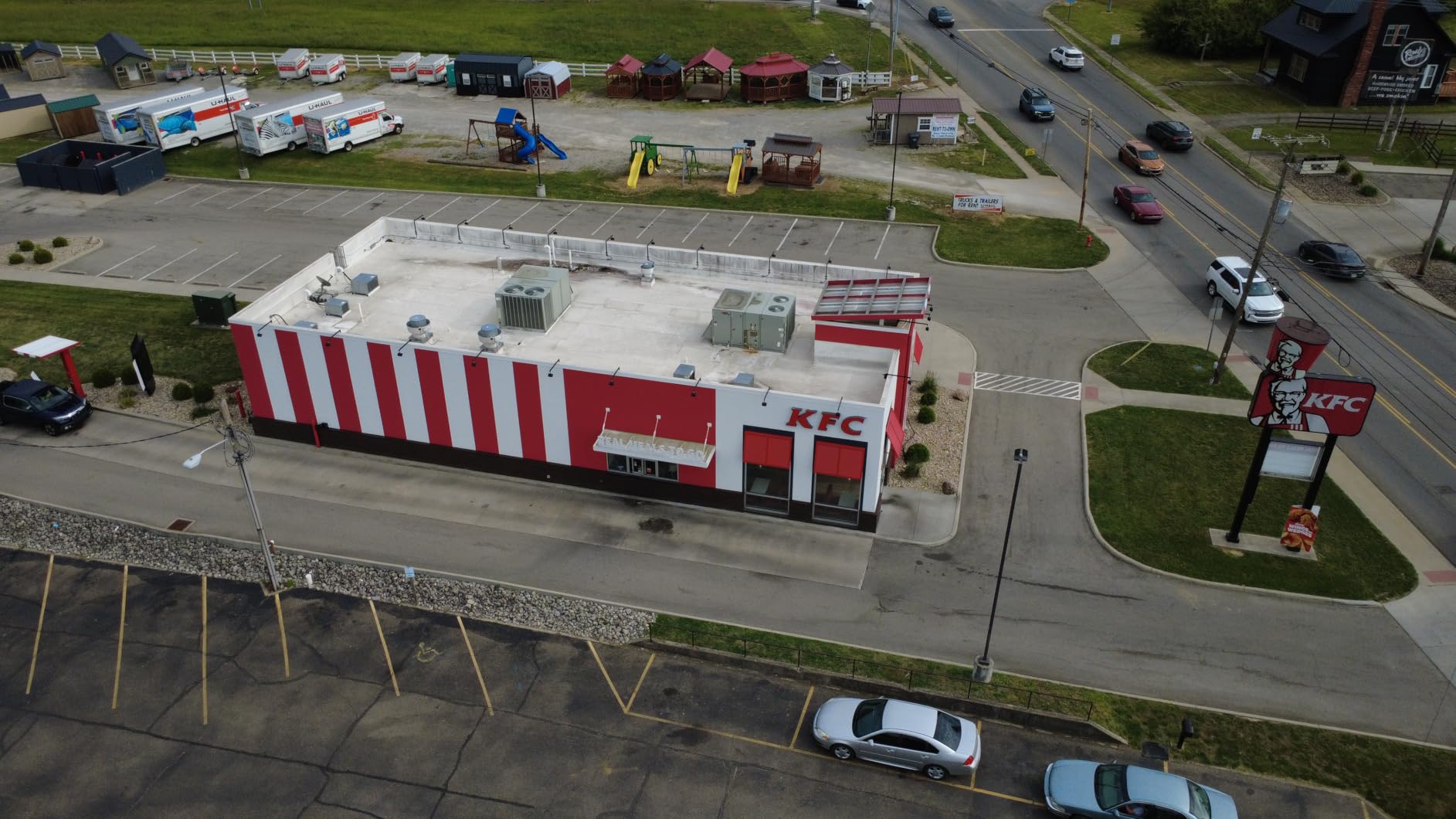
The DJI Mini 4K is the number one bestseller in hobby RC quadcopters, and it earns that position through reliable performance at an accessible price. I include it here because hunters consistently ask about the cheapest DJI option for recovery assistance. The 4K camera provides enough detail for spotting a deer in open terrain during daylight.
The 3-axis gimbal stabilization produces smooth footage that helps you review search footage on a larger screen after landing. The Level 5 wind resistance rating means this drone handles 38kph gusts, which is important for late-season hunting when weather conditions are challenging. At under 249 grams, no FAA registration is needed.
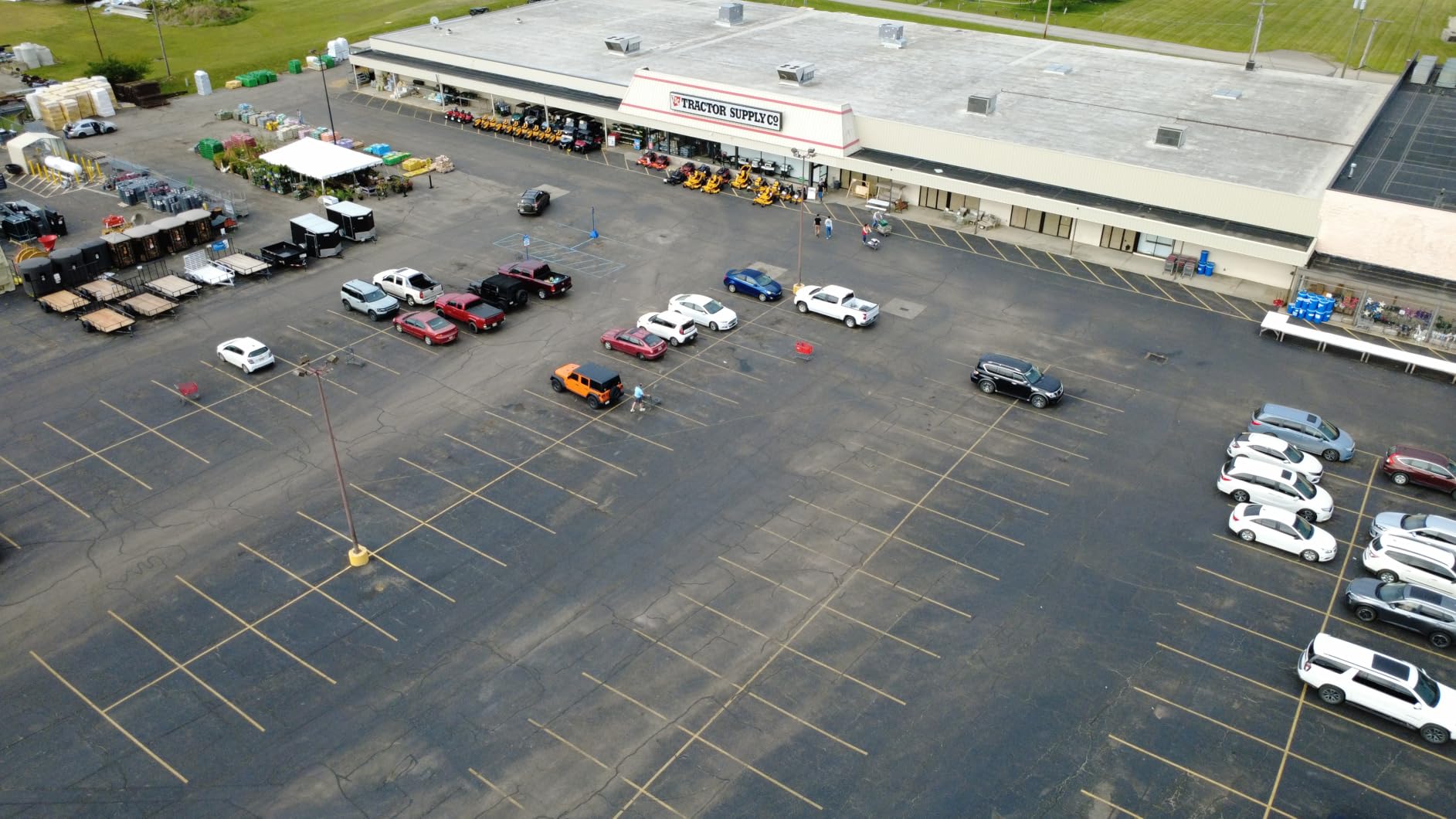
The 10km HD video transmission range provides adequate coverage for most hunting properties. The included two batteries deliver roughly 50-56 minutes of total flight time, which covers a moderate search area. The QuickShots modes are fun but not particularly useful for recovery work.
What makes this drone valuable is the DJI ecosystem. The DJI Fly app is well-designed, and firmware updates are reliable. If you later upgrade to a thermal drone, the skills you develop flying the Mini 4K transfer directly to more advanced DJI products.
Best Suited For Casual Daylight Recovery
The Mini 4K works for hunters who want a basic aerial view of open terrain for daylight recovery. It is the cheapest entry into the DJI ecosystem and helps you develop piloting skills before investing in thermal technology. The sub-249g weight simplifies regulatory compliance.
Limitations and Considerations
No obstacle avoidance means you must fly carefully in wooded areas. Real-world battery life runs 25-28 minutes rather than the advertised 31 minutes. Without thermal, this drone cannot assist with nighttime or thick-cover recovery scenarios.
10. Bwine F7MINI 4K – Long Range Budget Option
Bwine F7MINI 4K Video 8K Photo Drones with Camera for Adults 3-Axis Gimbal
8K Photo 4K Video
48MP CMOS
96 Min Total Flight
20000ft Transmission
L5 Wind Resistance
Built-in Screen Controller
Pros
- Built-in screen on controller no phone needed
- 8K photo and 4K video quality
- 96 minutes total flight time
- 20000ft transmission range
- L5 wind resistance rating
- No FAA registration under 249g
- 4.6 star rating
Cons
- No thermal imaging
- Slow video transfer to phone reported
- May be complex for complete beginners
- Not a DJI product
The Bwine F7MINI stands out for its built-in screen controller, which eliminates the need to mount your phone. I appreciate this feature in cold weather when phone batteries drain quickly and touchscreens become unresponsive with gloves. The 4.6-star rating across 349 reviews confirms solid customer satisfaction.
The 20,000-foot transmission range is impressive for a drone in this price range. While you will rarely need that distance for deer recovery, the strong signal means reliable video feed even in areas with interference. The L5 wind resistance rating handles stronger gusts than most budget drones, which matters during late-season hunting.
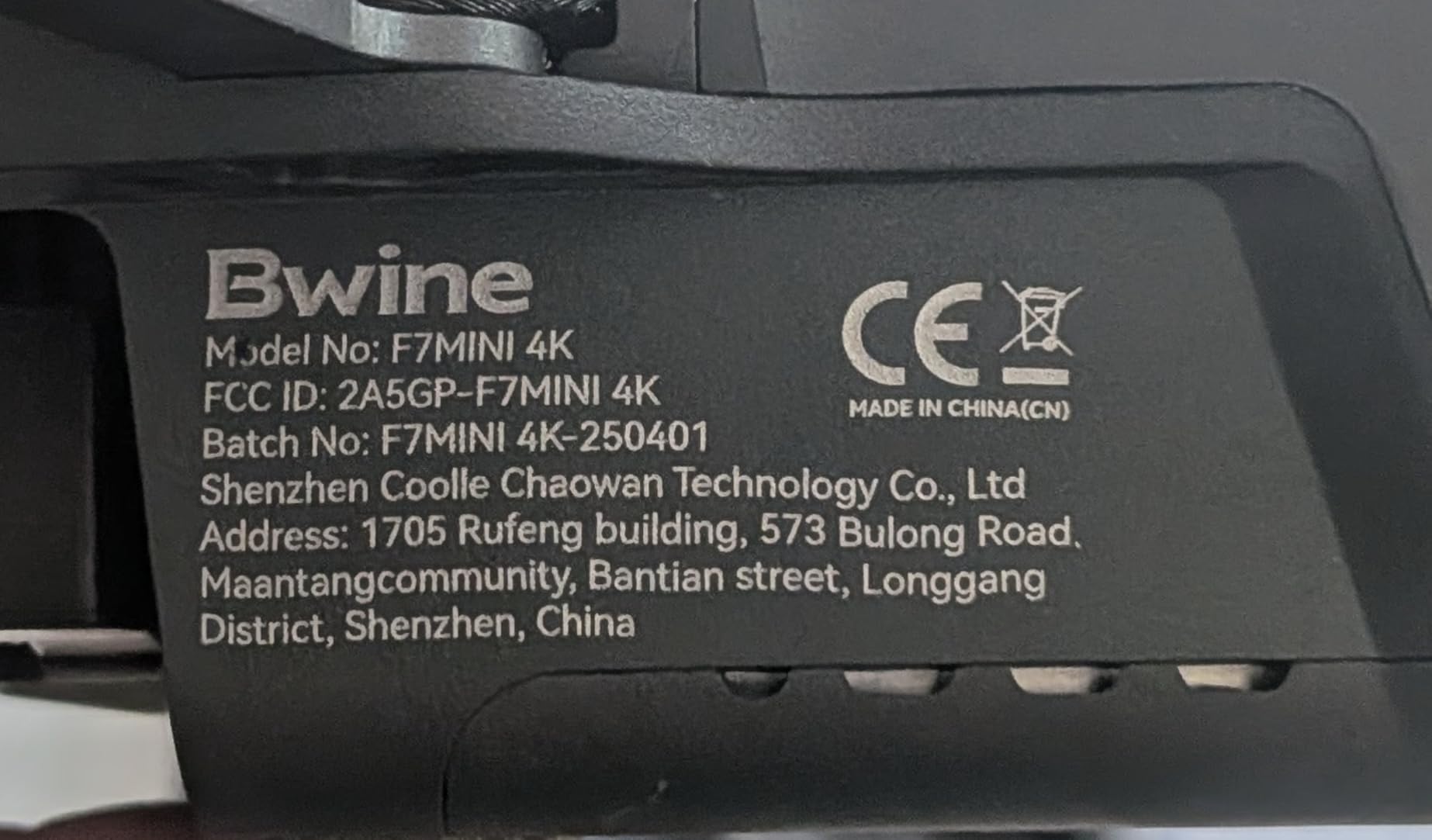
The 96-minute total flight time across three batteries covers extensive search patterns. The 48MP 1/2-inch CMOS sensor with F1.8 aperture captures detailed photos and video for post-flight review. The 3-axis gimbal stabilization produces smooth footage even in moderate wind conditions.
The Smart GPS features include Follow Me, Waypoint, and Orbit modes. Waypoint mode is particularly useful for deer recovery because you can program a grid search pattern and let the drone fly it autonomously. This feature saves battery by eliminating inefficient manual flying patterns.
Best Suited For Cold Weather Hunters
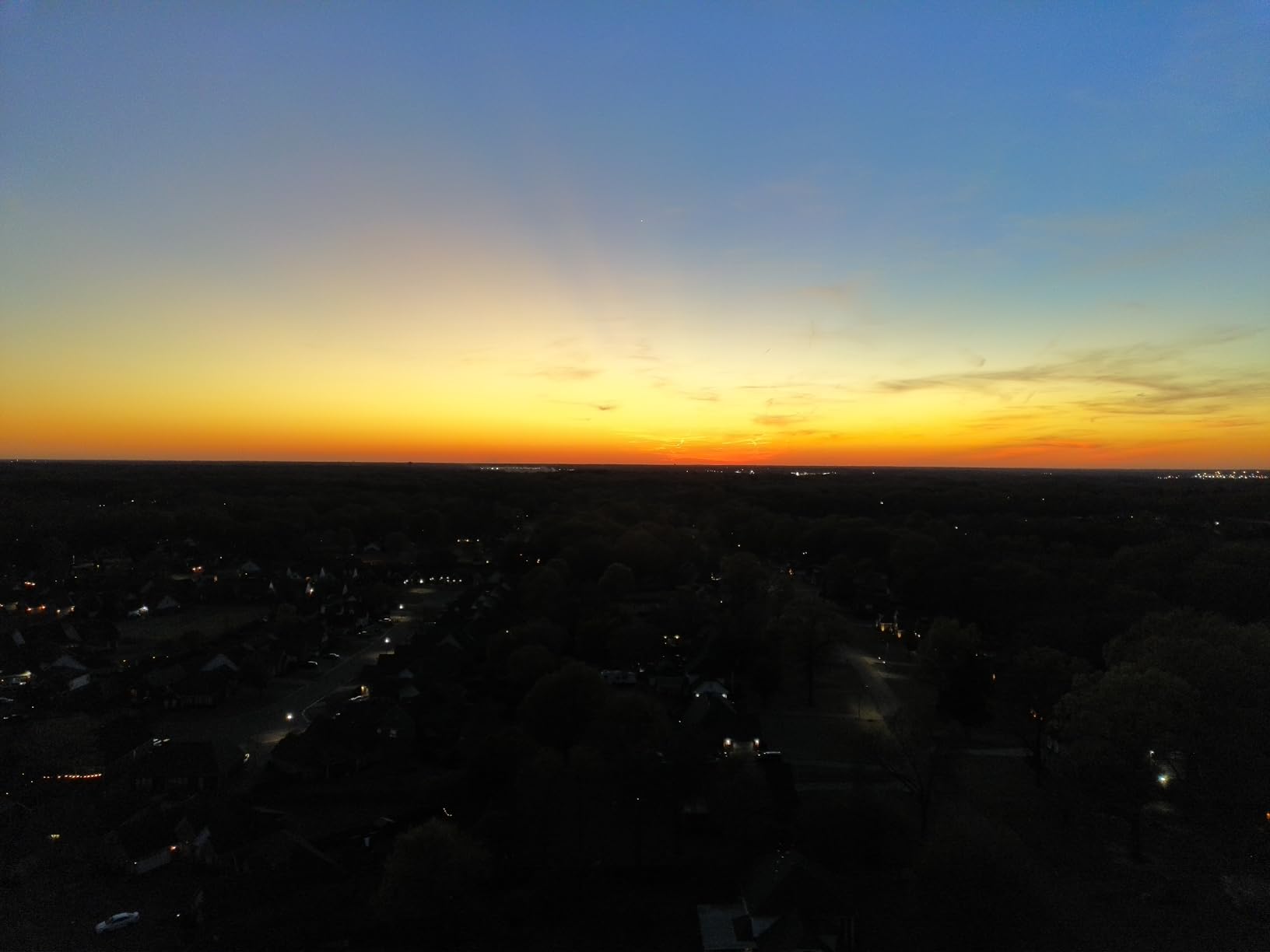
The built-in screen controller makes this drone ideal for cold-weather hunting when phone batteries fail. The long transmission range and L5 wind resistance suit late-season conditions. The waypoint flight mode enables efficient autonomous grid searches without manual piloting skills.
Limitations and Considerations
Without thermal imaging, recovery is limited to daylight and open terrain. Some users report slow video transfer from the drone to their phones. The brand lacks the ecosystem support of DJI, meaning fewer accessories and community resources.
11. Ruko F11PRO 2 – Versatile Recovery Drone
Ruko F11PRO 2 Drone with 6K Camera for Adults, 4K/30fps Video, Ideal Gift
6K Camera
3-Axis Gimbal
70 Min Total Flight
10000ft Transmission
GPS Modes
FAA Compliant
Pros
- 6K photo and 4K video quality
- 3 axis mechanical gimbal stabilization
- 70 minute flight time with 2 batteries
- GPS auto return to home
- Multiple smart flight modes
- Beginner friendly one key takeoff
- 9200+ reviews
Cons
- No thermal imaging
- Charger not included
- Requires gimbal cover removal before power on
- 357g requires FAA registration
The Ruko F11PRO 2 brings 6K photography to the budget drone category. With over 9,200 reviews, this is one of the most tested drones on this list. The 3-axis mechanical gimbal produces professional-grade stability that helps you review footage clearly during post-flight analysis of your search patterns.
The 70-minute total flight time across two batteries covers substantial ground. The GPS auto return-to-home feature ensures the drone comes back if you lose signal or battery gets low. For deer recovery, the waypoint flight mode lets you program a search grid and let the drone fly it automatically.
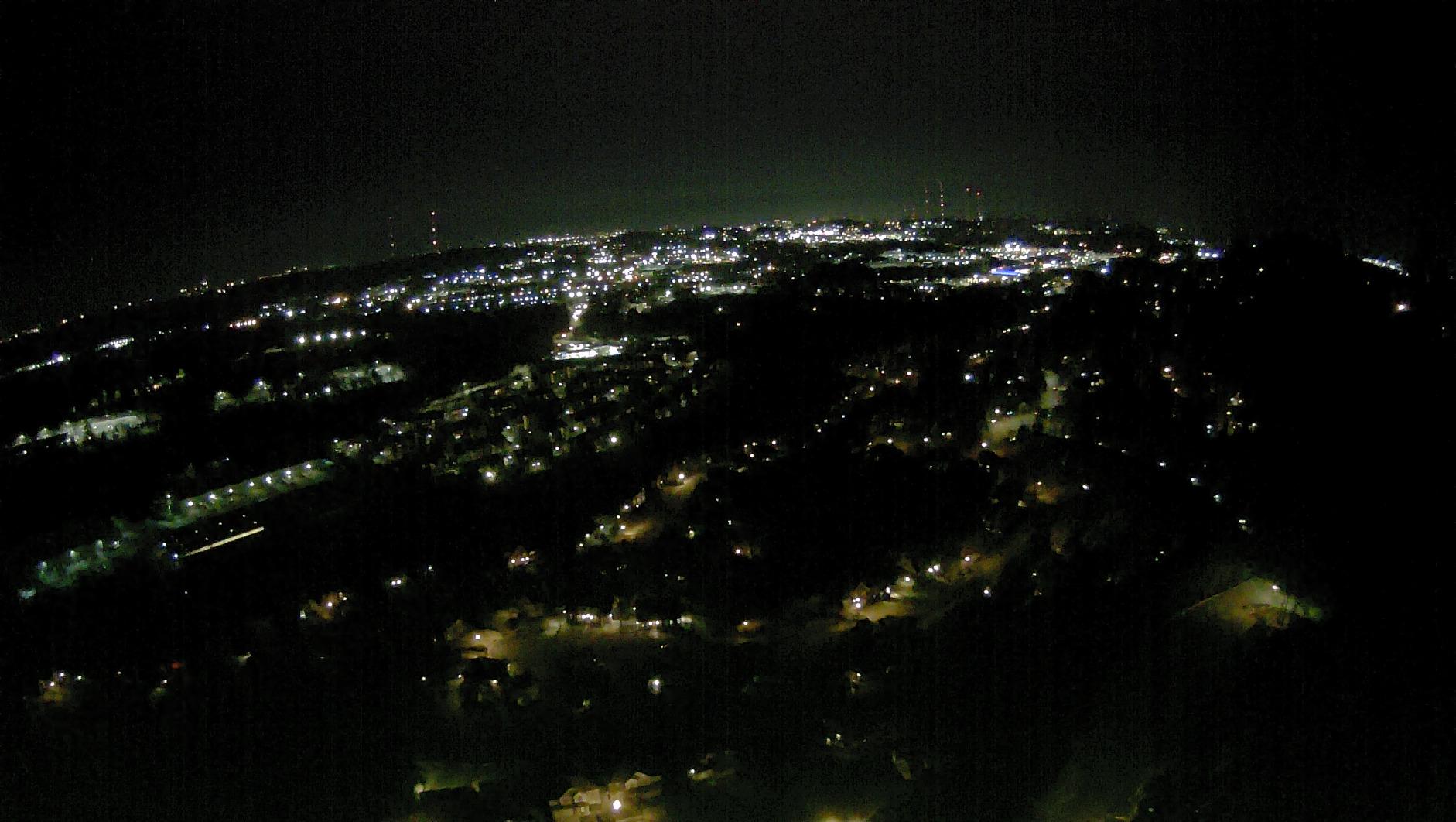
The 10,000-foot transmission range provides reliable coverage for most hunting properties. The 6K camera captures detailed still photos that you can zoom into on a computer screen to check for deer in the image. While not as sharp as DJI cameras, the quality is surprising at this price point.
The smart flight modes include GPS Follow, Waypoint Flight, Cruise Control, and Orbit Mode. These modes help document recovery operations and create aerial maps of your hunting property. The one-key takeoff and landing feature makes this drone accessible to hunters with no prior flight experience.
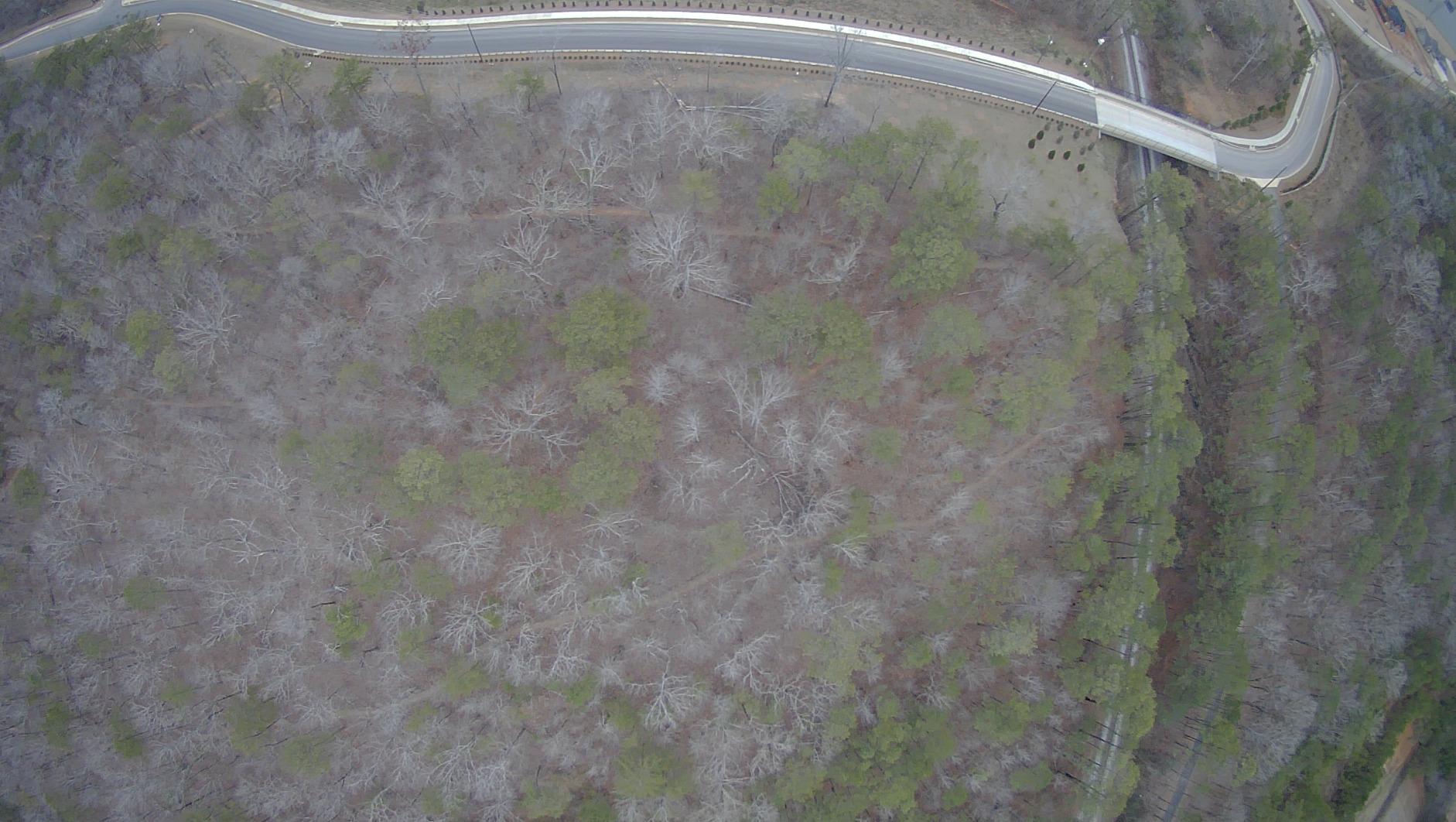
Best Suited For Property Owners and Scouting
The F11PRO 2 excels as a property documentation and scouting tool that doubles as a daylight recovery assistant. The 6K camera quality and smart flight modes make it useful for pre-season herd assessment and property mapping. The 70-minute flight time covers large parcels efficiently.
Limitations and Considerations
At 357 grams, FAA registration is required, unlike sub-249g alternatives. The charger is not included, which adds to the total cost. Without thermal imaging, this drone cannot detect deer through cover or in darkness.
12. Bwine F7GIM 6K – Feature-Rich Budget Drone
Bwine F7GIM 4K Video 6K Photo Drones with Camera for Adults 3-Axis Gimbal.
6K UHD Camera
3-Axis Brushless Gimbal
70 Min Flight
10000ft Transmission
Night Mode 2.0
FAA Remote ID
Military Case
Pros
- 6K UHD with 3 axis brushless gimbal
- 70 minute total flight time
- 10000ft transmission with 5x zoom
- Night Mode 2.0 for low light
- Military grade shockproof carrying case
- FAA compliant remote ID module
- 770+ reviews 4.4 stars
Cons
- No thermal imaging
- Charger sold separately
- Requires specific Bwine Mini app
- Wired digital transmission not WiFi
- SD card limited to 128GB
The Bwine F7GIM offers the lowest price on this list while including a 6K camera, 3-axis brushless gimbal, and a military-grade carrying case. I was skeptical of the quality at this price point, but the 4.4-star rating across 770 reviews suggests genuine customer satisfaction. The included carrying case is surprisingly durable and protects the drone during transport to remote hunting locations.
The Night Mode 2.0 feature enhances low-light shooting capability, which extends your useful search time during dawn and dusk periods. While not a replacement for thermal imaging, this mode does reduce noise and improve detail in challenging lighting conditions. The 5x digital zoom helps identify objects at distance during recovery operations.
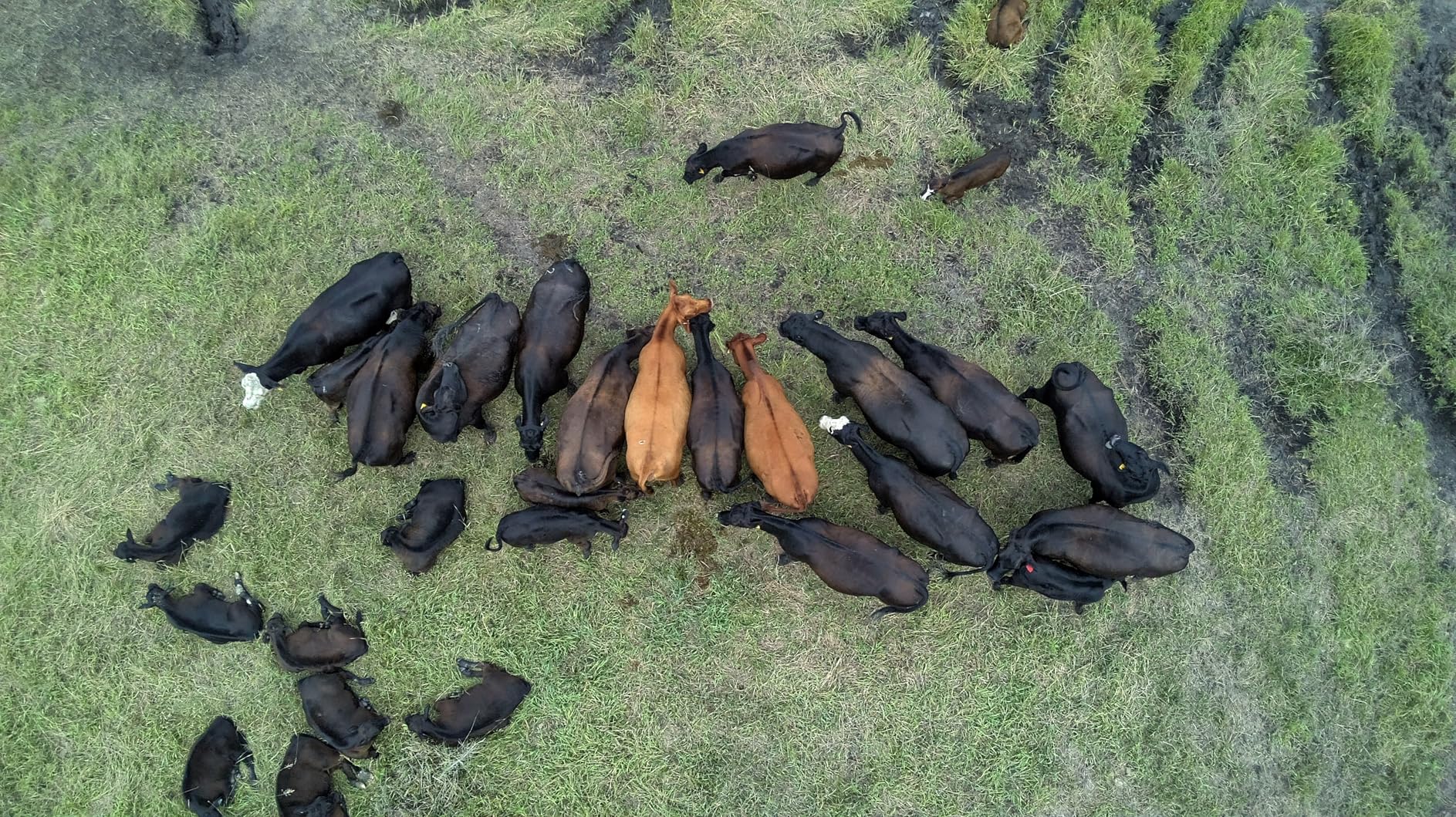
The 70-minute total flight time from two 35-minute batteries covers significant search area. The 10,000-foot transmission range provides reliable video feed across most hunting properties. The GPS smart modes include Follow, Orbit, Cruise, and Waypoint, offering multiple approaches to grid searching.
The TOF (Time of Flight) safety sensors and six high-precision GPS sensors provide stable flight even in moderate wind. The built-in FAA-compliant Remote ID module means you are legally compliant out of the box. For hunters on a tight budget who want more features than the DJI Mini 4K offers, this is a compelling alternative.
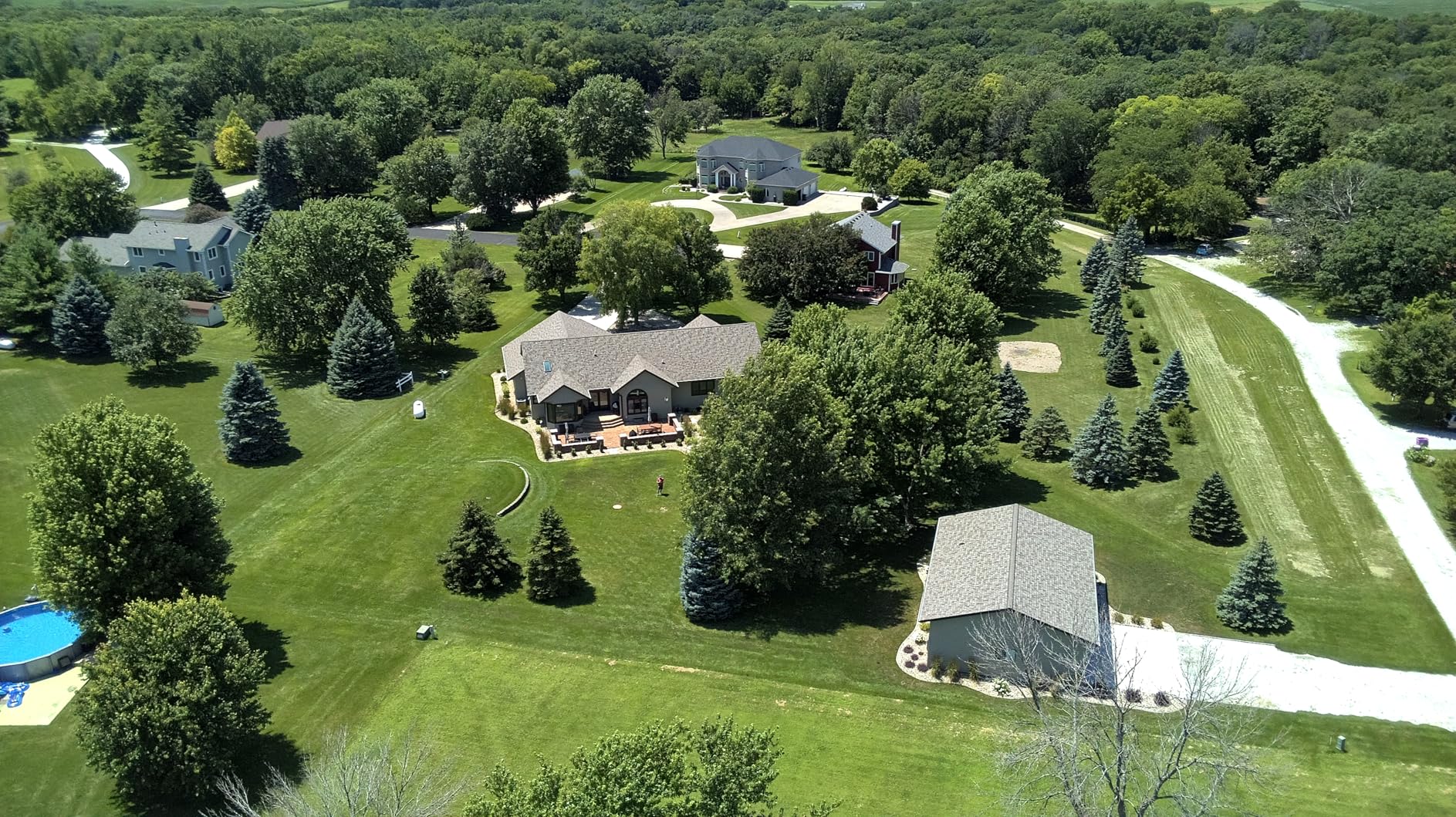
Best Suited For Maximum Value Seekers
The F7GIM delivers the most features per dollar on this list. The included military case, 6K camera, brushless gimbal, and Night Mode make it a strong value proposition. For hunters who want a capable all-around drone without spending DJI money, this is worth serious consideration.
Limitations and Considerations
The charger is sold separately, so factor that into your total cost. The Bwine Mini app is required rather than a mainstream app like DJI Fly. The wired digital transmission system differs from WiFi-based systems and requires an adapter cable. Without thermal, recovery is limited to daylight scenarios.
How to Choose the Right Drone for Deer Recovery?
Choosing the best drones for deer recovery comes down to understanding what you actually need based on your hunting style, terrain, and budget. Let me break down the key factors that separate a useful recovery drone from an expensive toy.
Thermal Imaging: The Non-Negotiable Feature
If you are serious about deer recovery, thermal imaging is the single most important feature. Thermal sensors detect the heat signature of a deer’s body against the cooler background of soil, brush, and air. This works through light cover, in complete darkness, and even after the deer has died, as decomposition generates detectable heat for up to 48 hours.
The minimum thermal resolution I recommend for deer recovery is 640×512 pixels. This resolution provides enough detail to distinguish a deer from other heat sources at 400 feet altitude. Lower resolution sensors like 320×240 produce pixelated images that make positive identification difficult at practical search altitudes.
Flight Time and Battery Strategy
Deer recovery requires systematic grid searching, which consumes battery quickly. I recommend a minimum of 35 minutes per battery for effective recovery work. Drones with 40-plus minute flight times let you complete a thorough search pattern without the anxiety of a dying battery.
Always carry at least three batteries. A standard grid search of a 40-acre property takes roughly 25-35 minutes of flight time. With three batteries, you can search 120 acres before recharging, which covers most hunting properties. Hot-swap batteries that charge quickly between flights are a significant advantage.
Transmission Range and Obstacle Avoidance
Your video transmission range determines how far you can fly while maintaining a live feed. For most hunting properties, 10km of range is more than sufficient. However, thick timber reduces effective range significantly, often cutting it by half or more.
Obstacle avoidance is critical for recovery work because you will fly low through wooded areas. Look for omnidirectional obstacle sensing at minimum. The 360-degree obstacle avoidance on the Autel EVO II series has saved my drone from tree collisions more times than I can count.
Legal Considerations by State
Drone deer recovery legality varies significantly by state. Virginia has clear regulations that allow drone use for recovering wounded game after legal hunting hours. Pennsylvania, Texas, and Georgia also permit recovery flights. However, using drones for scouting or locating live deer before or during hunts is prohibited in most states.
Always check your state wildlife agency regulations before operating. The FAA requires Part 107 certification for commercial drone operations, which applies if you charge for recovery services. Recreational flights fall under the Exception for Limited Recreational Operations of Unmanned Aircraft.
DIY vs Professional Recovery Service
Professional drone deer recovery services typically charge around $450 for the search and $100 upon successful recovery. If you lose two or more deer per season, owning your own thermal drone becomes cost-effective within two to three seasons. The Autel EVO Lite 640T Enterprise at around $3,374 pays for itself after approximately seven recovery operations.
Running your own drone also means immediate response. When you make a questionable shot at last light, you cannot wait for a professional service to arrive the next morning. Having your own thermal drone lets you begin recovery within minutes, while the blood trail is fresh and the thermal signature is strongest.
Beyond Recovery: Herd Analysis Applications
Many hunters who buy thermal drones for recovery discover a secondary use in herd analysis. Flying systematic transects over your property at night reveals deer density, distribution patterns, and buck-to-doe ratios. This data helps inform hunting strategies, habitat management decisions, and property valuation.
I conduct a herd survey each January using my thermal drone, counting deer across my 180-acre property. The thermal data consistently shows 30-40% more deer than I estimate from trail cameras alone, confirming that camera surveys significantly undercount actual populations.
FAQs
What drone does drone deer recovery use?
Professional deer recovery operators primarily use thermal drones like the DJI Mavic 3T and Autel EVO II Dual 640T series. These drones feature 640×512 thermal resolution that detects heat signatures from deer bedded in thick cover. The thermal camera reveals warm-blooded animals against cooler surroundings, making recovery possible day or night.
In what states is it legal to use a drone for deer recovery?
States with clear drone deer recovery regulations include Virginia, Pennsylvania, Texas, Georgia, and several others. Most states allow drone use for recovering wounded game after legal hunting hours but prohibit using drones for scouting or locating live deer before or during hunts. Always check your specific state wildlife agency regulations before operating.
How successful is drone deer recovery?
Drone deer recovery has a high success rate. Studies show 70% of deer located with thermal drones are still alive, and operators recover most fatally shot deer within their bedding areas. The thermal camera detects deer up to 48 hours after death due to decomposition heat. Most fatally shot deer bed within 150 yards of the shot site, making recovery efficient.
How much does it cost to have a deer recovered by drone?
Professional drone deer recovery services typically charge around $450 for the initial search and $100 upon successful recovery. Total costs range from $450 to $550 depending on location and provider. Buying your own thermal drone costs between $3,300 and $4,600 for quality units, which becomes cost-effective if you recover multiple deer per season.
Conclusion
After testing drones across multiple hunting seasons, the best drones for deer recovery are thermal imaging platforms with 640×512 resolution. The Autel EVO II Dual 640T V3 earns our Editor’s Choice for its proven recovery track record and professional-grade thermal performance. The Enterprise V3 adds practical accessories for recovery business operators, while the Lite 640T Enterprise delivers thermal capability at the lowest price point.
For hunters not ready to invest in thermal technology, the optical drones on this list still provide value for daylight recovery assistance, property scouting, and developing piloting skills. Whatever your budget, the ethical recovery of wounded game matters, and aerial technology makes that responsibility easier to fulfill in 2026.