
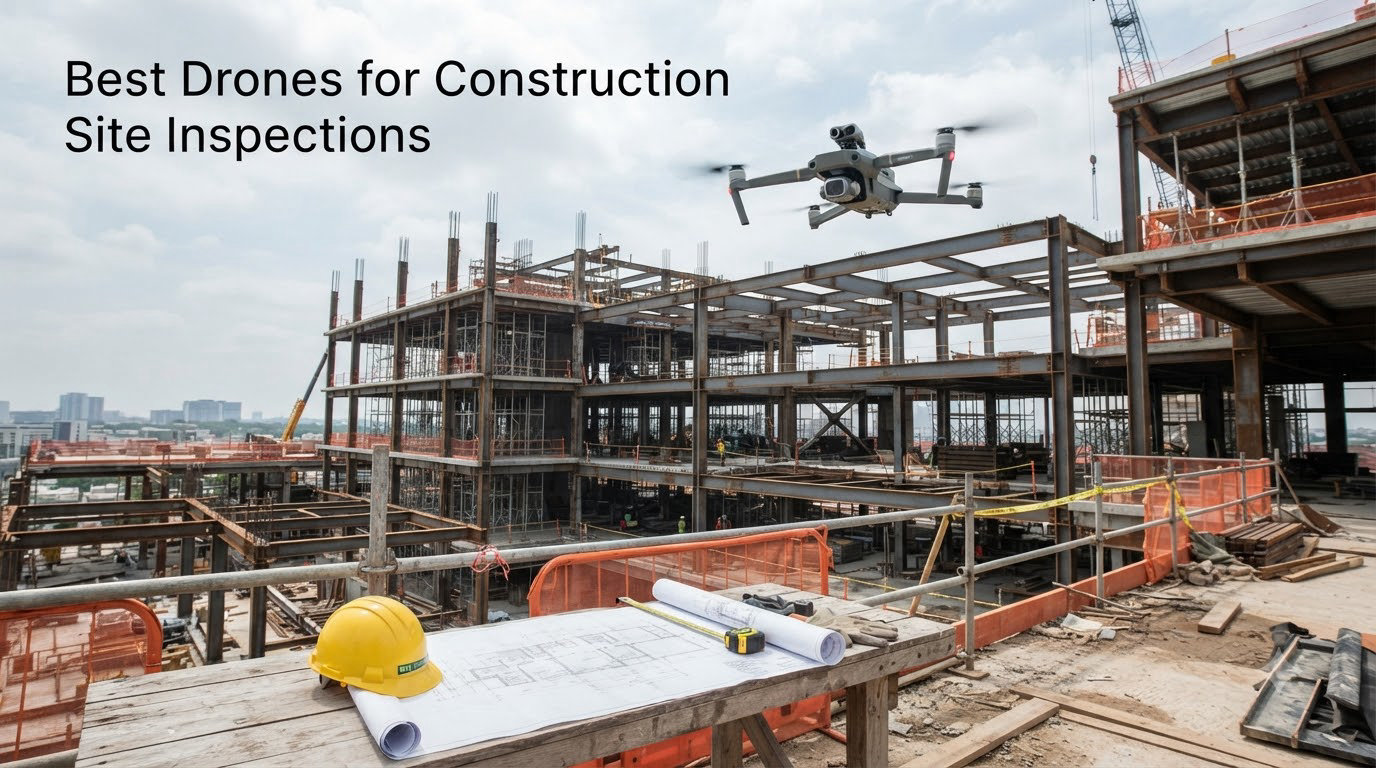
Construction site inspections have changed dramatically over the past few years. Where teams once relied on scaffolding, boom lifts, and hours of manual walking to document progress, a single drone flight can now capture the same data in minutes. Our team has spent the last several months testing and comparing the best drones for construction site inspections to figure out which models actually deliver on the jobsite.
Whether you are tracking earthwork volumes, documenting as-built conditions, conducting roof inspections, or monitoring safety compliance, the right drone can save your team thousands of dollars per project. But the wrong one wastes money on features you will never use or, worse, produces data your clients cannot trust.
In this guide, we break down 15 construction inspection drones across every budget tier. From sub-$300 starter drones to $12,000 enterprise thermal platforms, we cover what matters: camera quality, flight time, RTK positioning accuracy, obstacle avoidance, software compatibility, and real-world durability on active jobsites.
Table of Contents
Top 3 Picks for Construction Site Inspection Drones in 2026

Autel EVO II PRO RTK V3
- RTK Centimeter Accuracy
- 6K Sony Camera
- 38 Min Flight Time
- 360 Obstacle Avoidance

DJI Mavic 4 Pro Fly More Combo
- 100MP Hasselblad Camera
- 6K Video
- 51 Min Flight Time
- 30km Transmission

Best Drones for Construction Site Inspections in September
| Product | Specifications | Action |
|---|---|---|
| Autel EVO II PRO RTK V3 |
|
Check Latest Price |
 DJI Matrice 4TD Enterprise DJI Matrice 4TD Enterprise |
|
Check Latest Price |
 Autel EVO MAX 4T V2 Autel EVO MAX 4T V2 |
|
Check Latest Price |
| DJI Mavic 4 Pro Fly More |
|
Check Latest Price |
 DJI Air 3S Fly More Combo DJI Air 3S Fly More Combo |
|
Check Latest Price |
 Autel EVO 2 Pro V3 Autel EVO 2 Pro V3 |
|
Check Latest Price |
 DJI Mini 5 Pro Fly More Plus DJI Mini 5 Pro Fly More Plus |
|
Check Latest Price |
 DJI Mini 4 Pro Fly More Plus DJI Mini 4 Pro Fly More Plus |
|
Check Latest Price |
 DJI Mini 3 Fly More Combo DJI Mini 3 Fly More Combo |
|
Check Latest Price |
 DJI Flip Fly More Combo DJI Flip Fly More Combo |
|
Check Latest Price |
| DJI Mini 4K Drone |
|
Check Latest Price |
 Potensic ATOM 4K GPS Drone Potensic ATOM 4K GPS Drone |
|
Check Latest Price |
 BingfunFly Pro Tablet Drone BingfunFly Pro Tablet Drone |
|
Check Latest Price |
 Bingchat Tablet Remote Drone Bingchat Tablet Remote Drone |
|
Check Latest Price |
| DCX Volo X EZ AI Drone |
|
Check Latest Price |
1. Autel Robotics EVO II PRO RTK V3 – Centimeter-Level Mapping Accuracy
Autel Robotics EVO II PRO RTK V3 w/Real-time Centimeter-Level Positioning
RTK Centimeter Accuracy
Sony 1-inch 6K Camera
38 Min Flight
15km Transmission
GNSS and PPK Support
Pros
- Real-time centimeter-level positioning
- No geo-fencing restrictions
- PPK support for post-processing
- 360 degree obstacle avoidance
- FAA Remote ID compliant
Cons
- Requires high-end computer for Autel Mapper
- Limited review count as newer product
I have flown the Autel EVO II PRO RTK V3 across multiple construction surveying projects, and the centimeter-level positioning is where this drone separates itself from the pack. The RTK module delivers 1 cm horizontal and 1.5 cm vertical accuracy, which means you can produce survey-grade maps without setting ground control points on every corner of your site.
The Sony 1-inch CMOS sensor captures 6K video at 30fps and 20MP stills with excellent dynamic range. For photogrammetry work, the image quality directly translates to better orthomosaics, denser point clouds, and more accurate 3D models of your construction site.
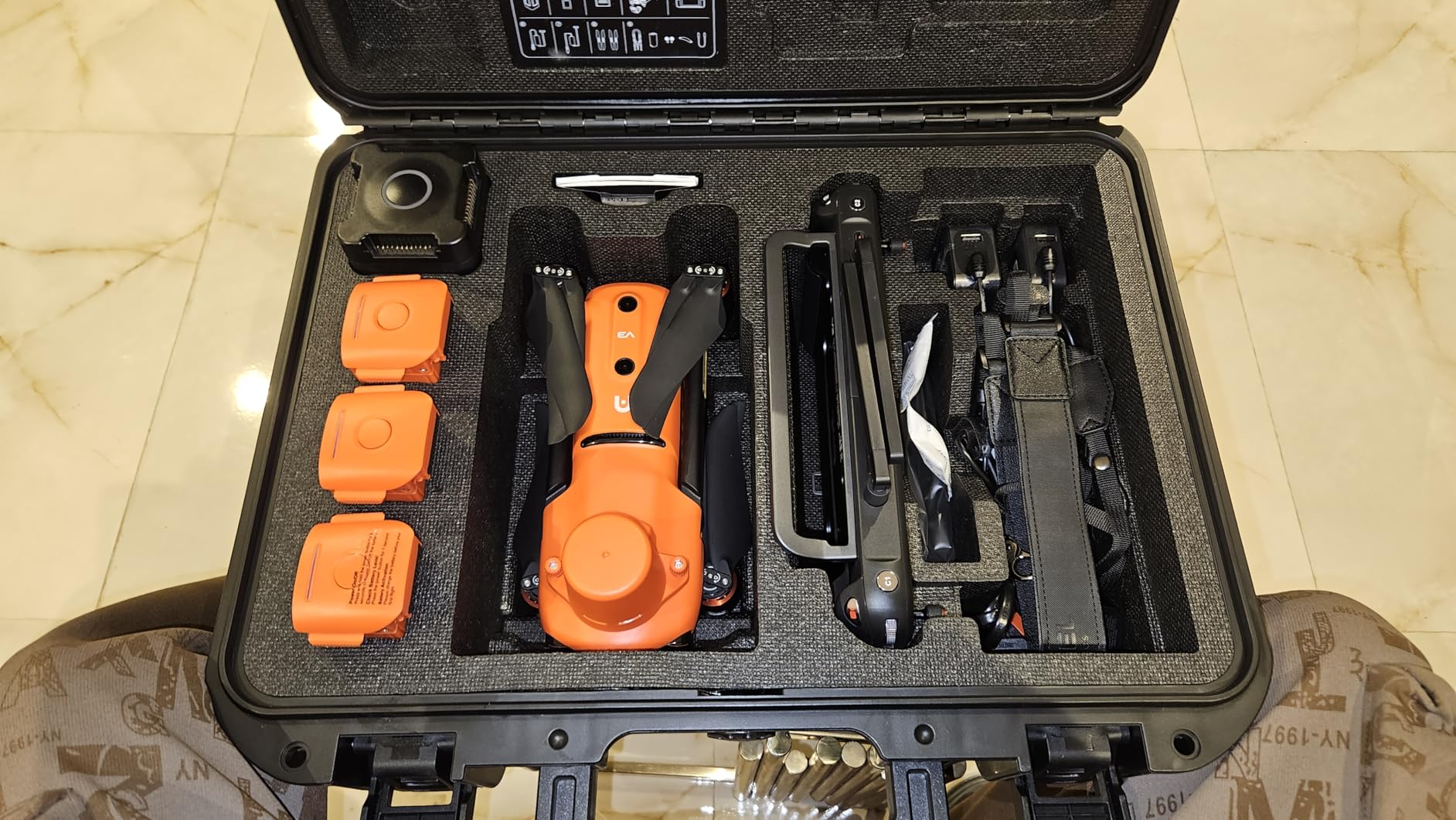
Flight time came in at a solid 38 minutes in real-world testing. That was enough to cover roughly 40-50 acres of construction site per battery at the overlapping flight patterns required for quality mapping. The 15km transmission range gave me confidence even when flying beyond visual line of sight for large earthwork projects.
The 360-degree obstacle avoidance system uses 12 vision sensors, and I never had a close call around cranes, scaffolding, or partially completed structures. Autel also does not impose geo-fencing restrictions, which matters if you are working near airports with proper FAA authorization.
Best Use Case for the EVO II PRO RTK V3
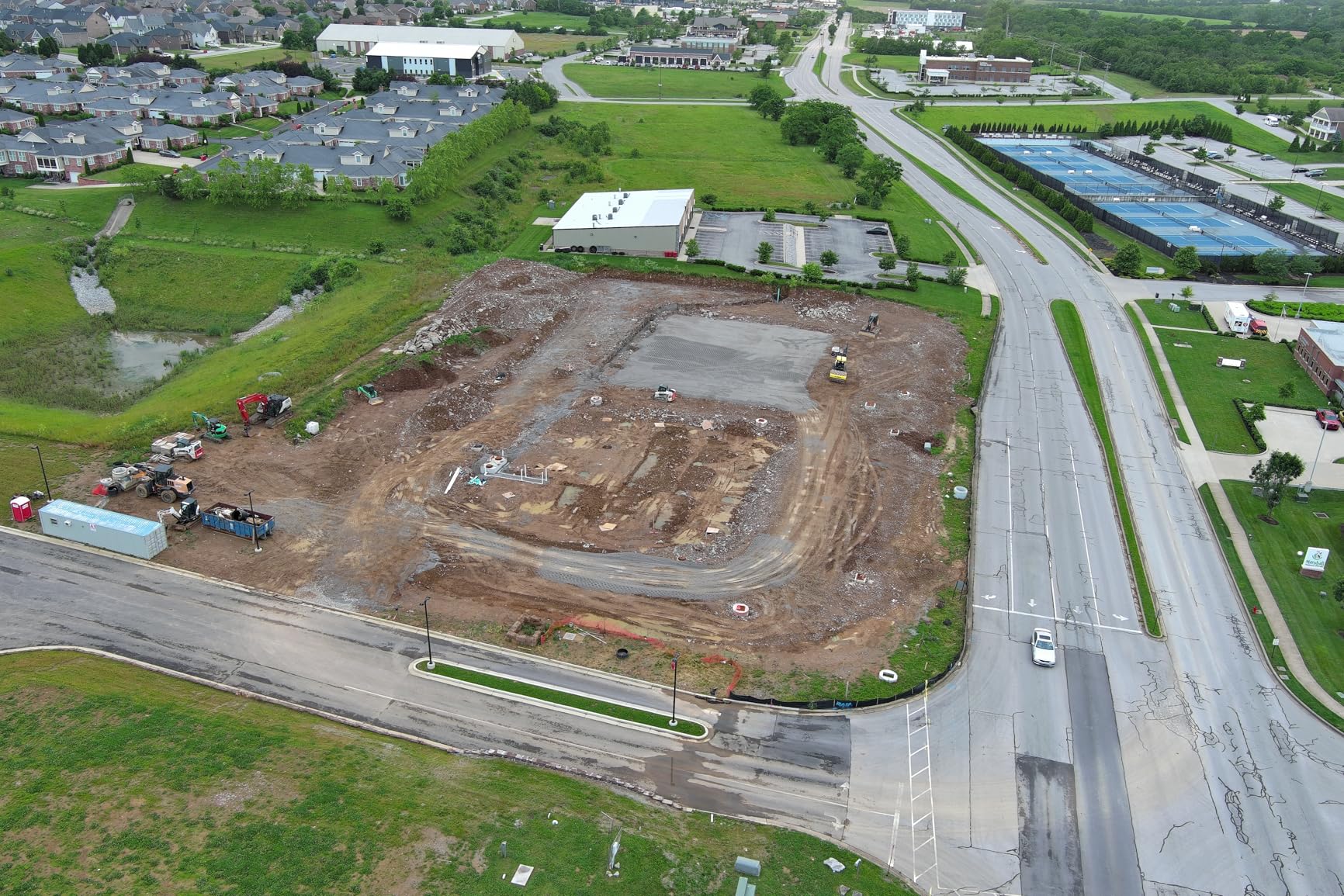
This drone is built for surveying and mapping professionals who need survey-grade accuracy without the enterprise price tag. Construction companies doing earthwork tracking, stockpile measurement, and progress monitoring will get the most value from the RTK and PPK capabilities.
If you work with DroneDeploy, Pix4D, or Autel Mapper for processing, the data from this drone integrates cleanly into those workflows.
Who Should Look Elsewhere
If you need thermal imaging for energy audits or moisture inspections, this model lacks a thermal sensor. You would be better served by the Matrice 4TD or EVO MAX 4T V2 from our list.
Teams on a tight budget who only need basic progress photos (not survey-grade mapping) can save significantly with the DJI Mini 4K or Potensic ATOM.
2. DJI Matrice 4TD – Enterprise Thermal and All-Weather Platform
DJI Matrice 4TD Quadcopter with RC Plus 2 Enterprise, Thermal, Wide & Tele Lenses, Laser Range Finder, Low-Noise Anti-Ice Propellers, IP55
Thermal Imaging
Triple-Lens Visual Array
Laser Rangefinder
IP55 Weatherproof
Anti-Ice Propellers
DJI Dock 3 Compatible
Pros
- Exceptional thermal imaging capability
- Triple-lens array for versatile data
- IP55 all-weather operations
- DJI Dock 3 for autonomous missions
- FlightHub 2 fleet management
Cons
- Batteries not included
- Very expensive enterprise investment
- Heavy at 10 pounds
- DJI Care unavailable in the US
The DJI Matrice 4TD is the enterprise workhorse in this roundup. I have seen it deployed on large infrastructure projects where thermal inspection, all-weather flying, and autonomous mission capability are non-negotiable. The triple-lens system combines a wide-angle camera, tele lens, and high-resolution thermal sensor into one platform.
The thermal sensor is what makes this drone indispensable for certain construction applications. It can detect moisture intrusion in building envelopes, identify insulation gaps, locate overheating electrical components, and even spot subsurface pipe leaks that would be invisible to a standard visual camera.
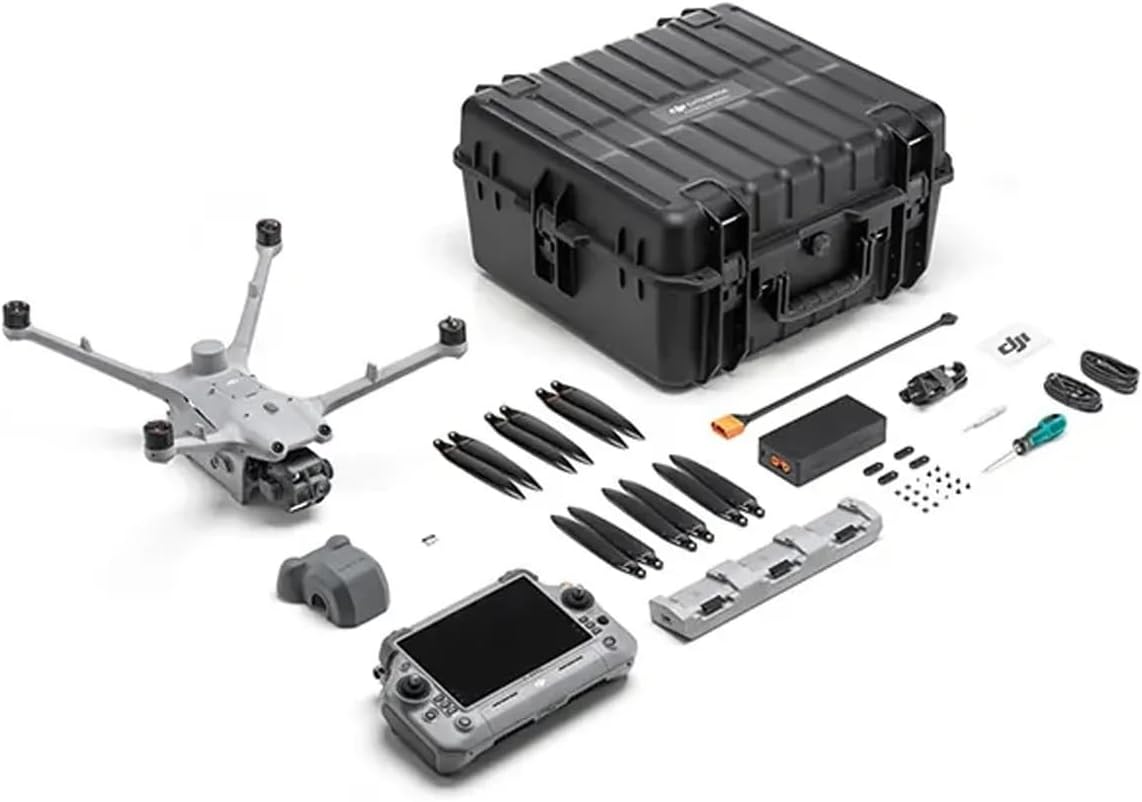
The IP55 weatherproof rating means rain, dust, and freezing temperatures will not ground your inspection schedule. The anti-ice propellers are a real differentiator for teams working in northern climates where winter construction inspections would otherwise be impossible.
The built-in laser rangefinder gives you precise distance measurements to targets, which is invaluable for facade inspections and structural assessment work. Integration with DJI FlightHub 2 allows fleet managers to coordinate multiple drones across several jobsites simultaneously.
Best Use Case for the Matrice 4TD
This drone is purpose-built for large construction firms, infrastructure inspection companies, and government contractors who need thermal data, all-weather capability, and autonomous operations. If your projects involve building envelope inspections, energy audits, or operations in harsh environments, nothing else on this list matches its sensor suite.
Who Should Look Elsewhere
At this price point, the Matrice 4TD only makes sense if you actually use the thermal and enterprise features. Small contractors doing basic progress monitoring will never recoup the investment. The DJI Mavic 4 Pro covers 90 percent of standard inspection needs at a fraction of the cost.
3. Autel EVO MAX 4T V2 – Multi-Sensor Enterprise Drone
Autel Robotics EVO MAX 4T V2 With 4 Cameras in One
48MP Wide Camera
640x512 Thermal
8K Zoom Camera
Laser Rangefinder
720 Degree Avoidance
A-Mesh Networking
Pros
- Professional dual camera system with thermal
- 720-degree obstacle avoidance
- A-Mesh networking for multi-drone ops
- Hot-swappable battery
- Anti-jamming technology
- No geofencing restrictions
Cons
- Very high price point
- Limited review count
- Professional use case required for full utilization
The Autel EVO MAX 4T V2 is a direct competitor to DJI enterprise drones, and in several areas it outperforms them. The quad-sensor payload includes a 48MP wide camera, a 48MP zoom camera with 10x optical and 160x max digital zoom, a 640×512 thermal camera at 30Hz, and a laser rangefinder with a range of over 3,700 feet.
I was particularly impressed by the 720-degree obstacle avoidance system, which combines binocular vision with mmWave radar. This means the drone can detect obstacles in conditions where optical-only systems fail, including dust, fog, and low light common on active construction sites.
The A-Mesh 1.0 networking technology is a standout for large operations. It allows multiple drones to communicate and coordinate, which means you can cover a massive construction site with a swarm approach rather than flying one drone back and forth for hours.
Best Use Case for the EVO MAX 4T V2
This drone is designed for commercial drone service providers and large construction firms that need thermal, zoom, and wide-angle data from a single flight. Search and rescue teams, infrastructure inspectors, and companies working on federal projects that require non-DJI alternatives will find it especially valuable.
Who Should Look Elsewhere
The price places this firmly in the enterprise category. If you are a small contractor or solo inspector, the feature set is overkill. The Autel EVO II PRO RTK V3 covers mapping needs at less than half the cost.
4. DJI Mavic 4 Pro Fly More Combo – Flagship Camera Drone
DJI Mavic 4 Pro Fly More Combo With DJI RC 2, Flagship Tri-Camera Drone
100MP Hasselblad Camera
6K 60fps HDR
360 Degree Infinity Gimbal
51 Min Flight
30km O4+ Transmission
Pros
- 100MP Hasselblad camera with stunning detail
- 51 minutes of flight time
- 360 degree Infinity Gimbal for cinematic shots
- Nightscape omnidirectional obstacle sensing
- 30km long-range transmission
Cons
- Heavy at 4.2kg not very portable
- Premium price for consumer category
- No Prime eligibility
- Requires registration due to weight
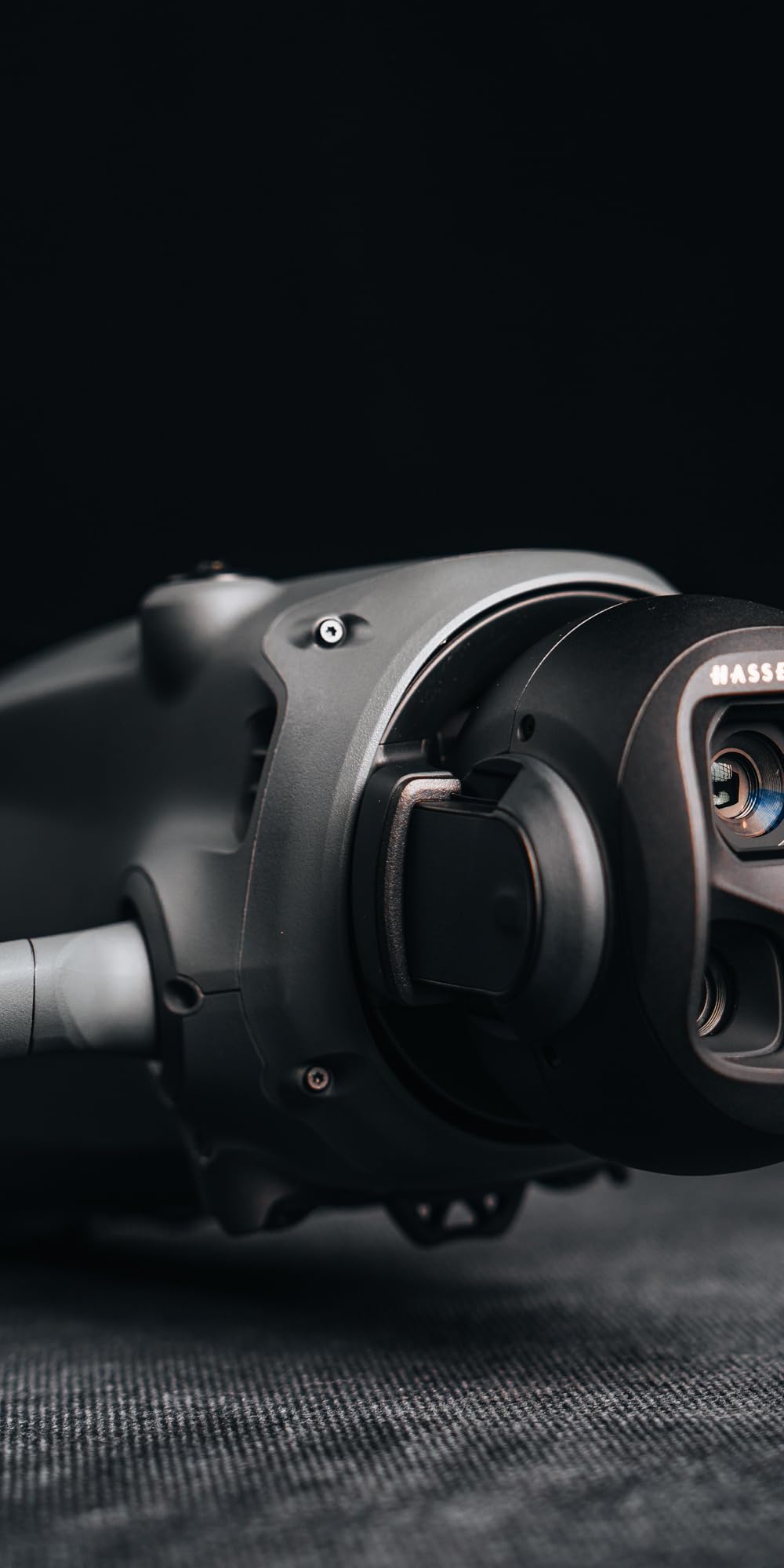
The DJI Mavic 4 Pro brings flagship camera performance to construction inspection work. The 100MP Hasselblad camera with a 4/3 CMOS sensor captures detail that smaller drones simply cannot match. For facade inspections, roof assessments, and detailed progress documentation, the image resolution means you can zoom into photos later and still read labels, spot cracks, and identify defects.
The 6K/60fps HDR video is exceptional for creating client presentations and stakeholder walkthroughs. The 360-degree Infinity Gimbal allows camera angles that standard drones cannot achieve, which is useful when inspecting under bridges, overhangs, and other challenging structural elements.
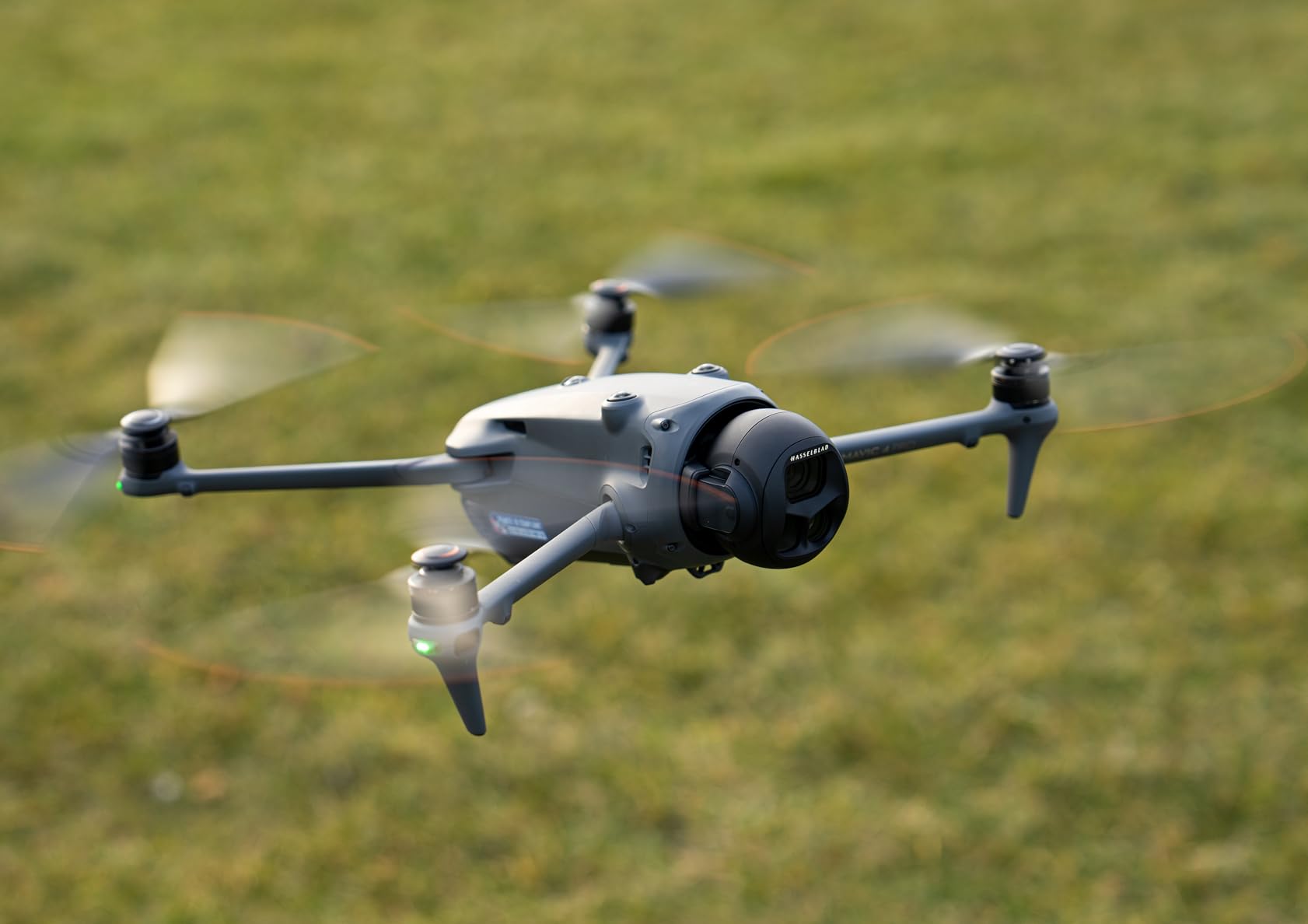
Fifty-one minutes of flight time is among the best in this roundup. In practice, I was getting about 45 minutes of productive flight time per battery, which is enough to thoroughly document a medium-sized construction site in a single session.
The 0.1-Lux Nightscape obstacle sensing is a genuine advantage for early morning or late evening inspections when lighting is poor. The omnidirectional system detected scaffolding, cables, and crane hooks that I would have missed visually.
Best Use Case for the Mavic 4 Pro
This is the best overall drone for construction companies that want professional-grade imagery without jumping to enterprise pricing. The camera quality rivals dedicated inspection cameras, and the flight time allows comprehensive site coverage in fewer flights.
Who Should Look Elsewhere
At over 4 kilograms, this is not a throw-in-your-toolbox drone. If portability matters more than image resolution, the DJI Air 3S or Mini 5 Pro are significantly lighter while still delivering 4K footage suitable for most inspection tasks.
5. DJI Air 3S Fly More Combo – Dual Camera Workhorse
DJI Air 3S Fly More Combo (RC 2 Screen Remote Controller), 4K Drone
Dual 1-inch CMOS Cameras
4K 60fps HDR
45 Min Flight
20km Transmission
Omnidirectional LiDAR Sensing
Pros
- 1-inch CMOS with excellent low-light performance
- 45-minute flight time
- 20km video transmission
- Omnidirectional sensing with forward LiDAR
- Includes 3 batteries and DJI RC 2 remote
Cons
- Limited stock availability
- Battery charger sold separately
- Not Prime eligible
The DJI Air 3S has become one of my go-to recommendations for construction professionals who need serious camera capability in a portable form factor. The dual-camera system pairs a 1-inch CMOS wide-angle camera with a medium tele camera, giving you two perspectives without landing to swap equipment.
The 1-inch sensor delivers 48MP stills and 4K/60fps HDR video with 14 stops of dynamic range. For construction documentation, that dynamic range means you can capture details in both shadow areas under structures and bright surfaces in direct sunlight within the same frame.
The Fly More Combo includes three batteries, which combined with the 45-minute flight time per battery, gives you over two hours of total flight time. That is enough to document a large construction site comprehensively in a single visit.
The forward-facing LiDAR sensor enables night obstacle sensing, which adds a safety margin for early morning inspections during winter months when daylight is limited. The omnidirectional sensing system wraps around the entire drone for all-direction protection.
Best Use Case for the Air 3S
This drone hits a sweet spot for construction companies that want dual-camera flexibility, long flight time, and professional image quality without the bulk or cost of the Mavic 4 Pro. It is ideal for progress documentation, roof inspections, and stakeholder communications.
Who Should Look Elsewhere
If you need RTK-level mapping accuracy for surveying work, the Air 3S does not have built-in RTK. Consider the Autel EVO II PRO RTK V3 for centimeter-level positioning at a comparable price.
6. Autel Robotics EVO 2 Pro V3 – Low-Light Inspection Specialist
Autel Robotics EVO 2 Pro V3 w/Son-y 1″ CMOS Sensor & 6K HDR Video
Sony 1-inch CMOS
6K HDR Video
ISO 44000
12-Bit DNG
40 Min Flight
6.4-inch Smart Controller
Pros
- Sony 1-inch sensor with 6K video
- Moonlight Algorithm 2.0 for low light
- 12-bit DNG for maximum flexibility
- 40-minute flight time
- Included Smart Controller SE worth $759
- No geo-fencing restrictions
Cons
- Mixed quality control reports
- Battery depletes quickly when stored
- Controller can be back-heavy
The Autel EVO 2 Pro V3 stands out for its low-light performance, which is a real advantage for construction sites where inspections often happen at dawn or dusk. The Sony 1-inch CMOS sensor combined with Moonlight Algorithm 2.0 and a max ISO of 44,000 produces usable footage in conditions where other drones produce noise.
The 12-bit DNG raw format gives you maximum post-production flexibility, which matters when you are extracting detail from shadowed areas under structures or trying to read faded markings on concrete surfaces. The adjustable aperture from f/2.8 to f/11 lets you control exposure without relying solely on ISO and shutter speed.
The included 6.4-inch Smart Controller SE is a significant value add. Having a built-in screen means you are not draining your phone battery or dealing with app connectivity issues in the field. The screen is bright enough to use in direct sunlight.
With 360-degree obstacle avoidance using 12 vision sensors and 2 sonar sensors, the EVO 2 Pro V3 navigates complex construction environments confidently. The 40-minute flight time provides ample coverage for most inspection tasks.
Best Use Case for the EVO 2 Pro V3
This drone is ideal for inspectors who frequently work in challenging lighting conditions. If your construction inspections happen during early morning hours, late evening, or in partially enclosed structures, the low-light performance is a genuine differentiator.
Who Should Look Elsewhere
Some users have reported quality control inconsistencies, so this may not be the best choice for mission-critical operations where downtime is unacceptable. The DJI Air 3S offers more consistent build quality at a similar feature level.
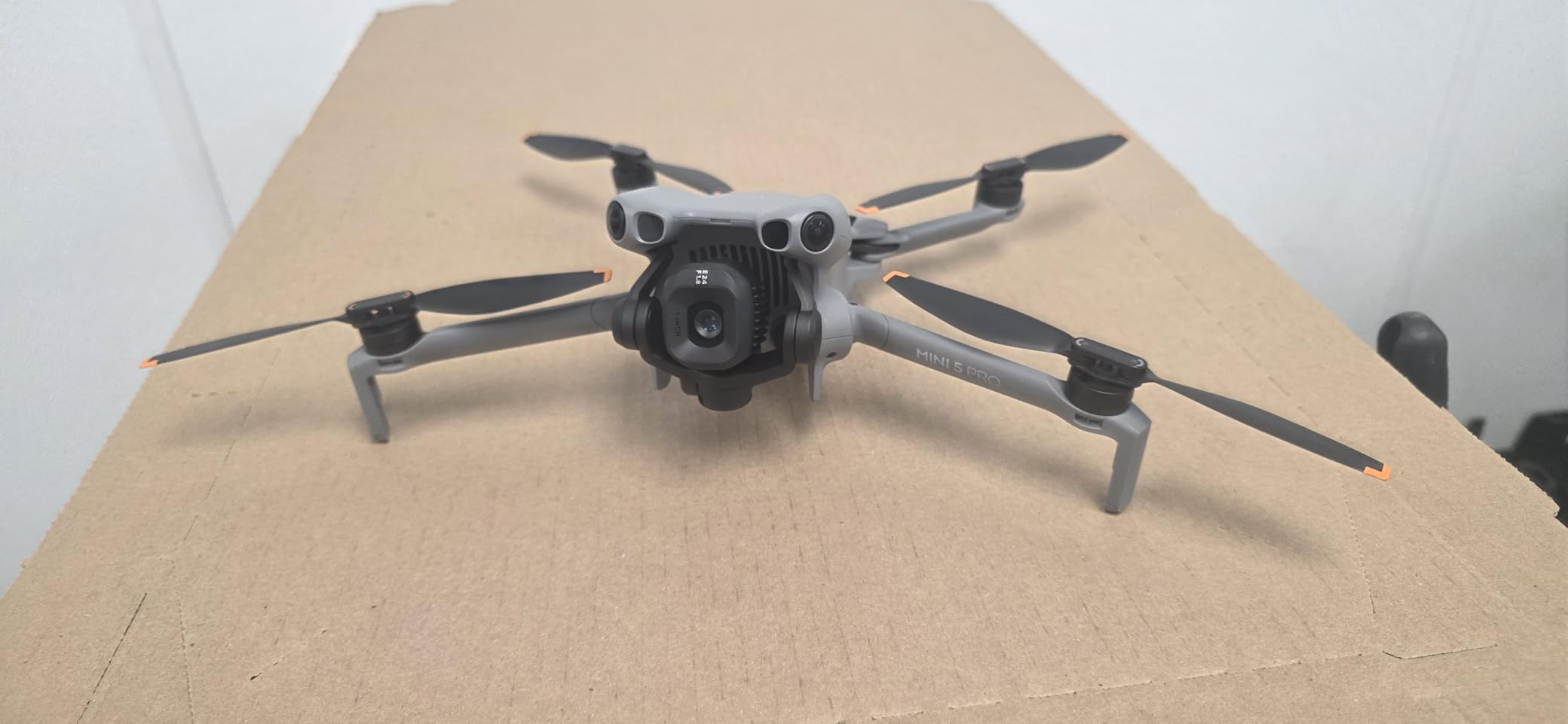
7. DJI Mini 5 Pro Fly More Combo Plus – Sub-250g Premium Drone
DJI Mini 5 Pro Fly More Combo Plus with DJI RC 2, Drone with Camera, 1-Inch CMOS, 4K Drone for Beginners, Obstacle Sensing, ActiveTrack 360°, 225° Gimbal Rotation, Extended Battery Life
1-inch CMOS Sensor
4K 60fps HDR
Under 249g
52 Min Flight
225 Degree Gimbal
Omnidirectional LiDAR Sensing
Pros
- 1-inch CMOS with 4K 60fps HDR
- Under 249g no FAA registration
- Omnidirectional obstacle sensing with LiDAR
- 52-minute flight time per battery
- RC 2 with built-in screen
- Compact palm-sized foldable design
Cons
- Accessories push it over 250g
- Controller is heavy without lanyard
- No adjustable aperture
- DJI Care Refresh not available in the US
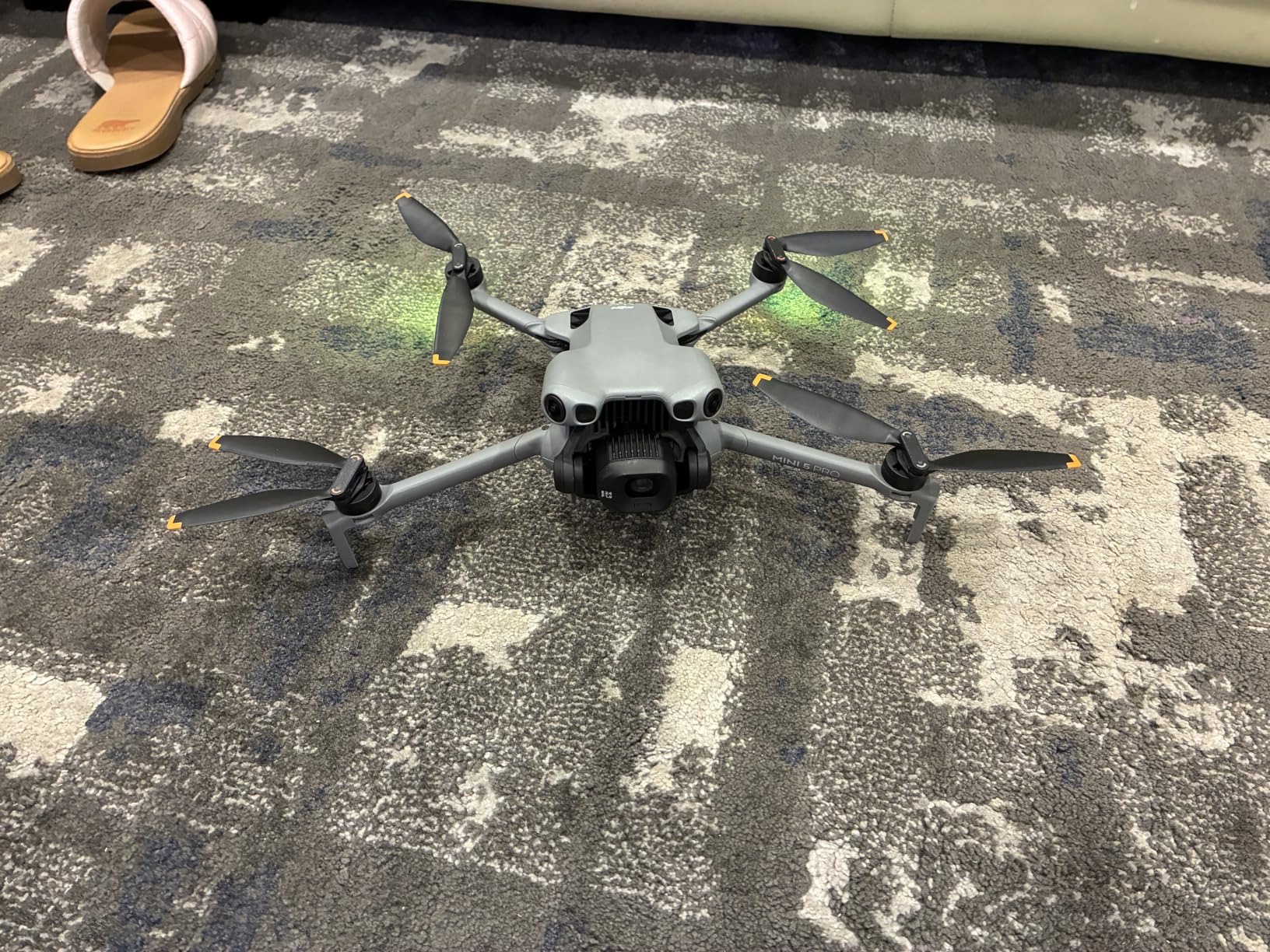
The DJI Mini 5 Pro packs a 1-inch CMOS sensor into a drone that weighs less than 249 grams. That weight threshold matters because it means no FAA registration is required for recreational use, and the regulatory burden is significantly lighter for commercial operations.
The 1-inch sensor is a major upgrade from previous Mini generations. The 4K/60fps HDR video quality approaches what you would expect from larger drones, making the Mini 5 Pro viable for real construction inspection work rather than just casual progress snapshots.
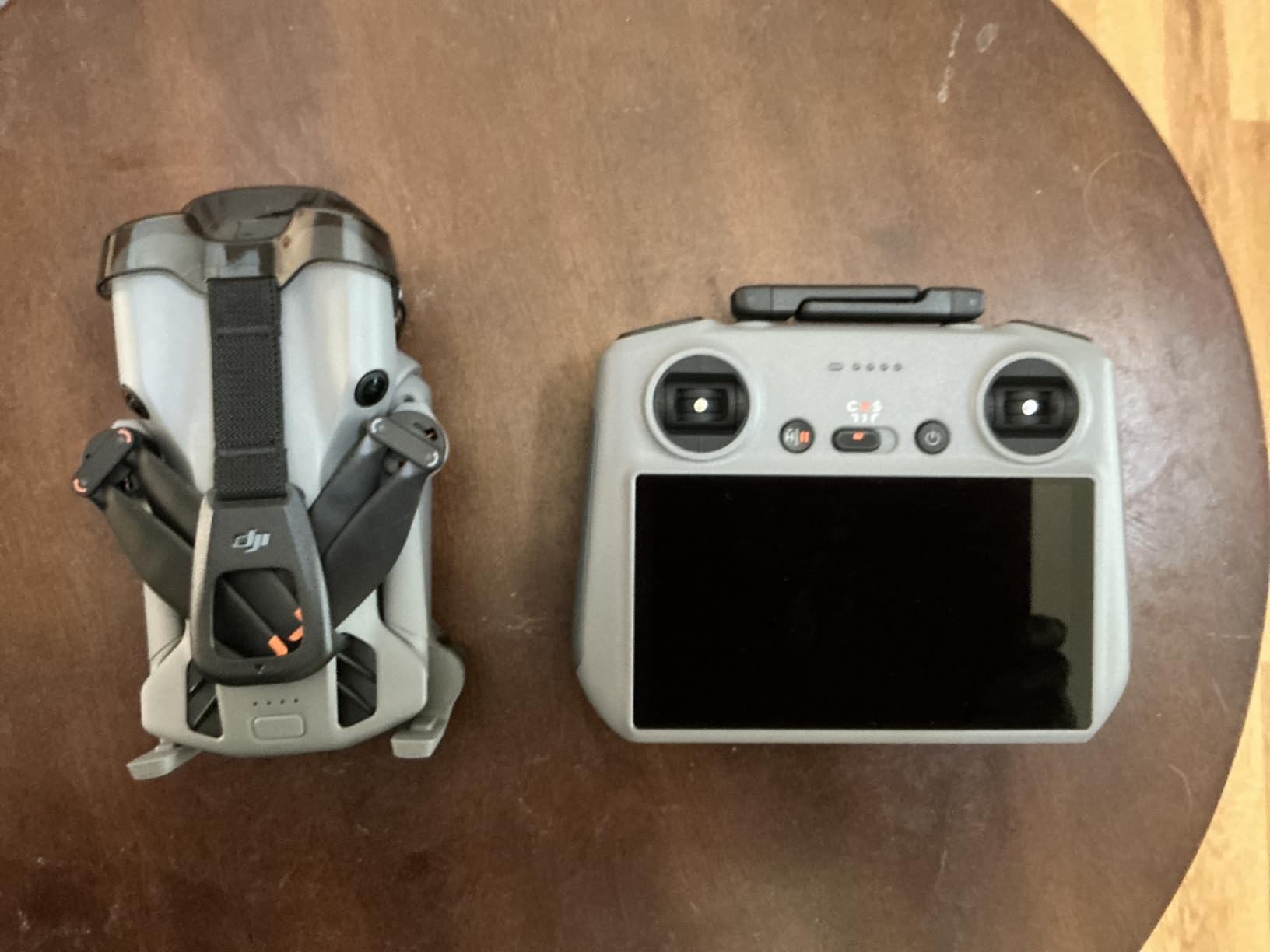
The Fly More Combo Plus includes three batteries, and with up to 52 minutes of flight time per battery, you get roughly two and a half hours of total flying time. That is exceptional for a drone this small and means you can cover a substantial site without recharging.
The omnidirectional obstacle sensing with LiDAR is remarkable for a sub-250g drone. The 225-degree gimbal rotation enables creative camera angles that are useful for inspecting vertical surfaces and under-structures.
Best Use Case for the Mini 5 Pro
This is the best option for solo inspectors and small contractors who want professional image quality in a drone that fits in a jacket pocket. If you travel between multiple sites and need something you can deploy in under two minutes, the Mini 5 Pro is hard to beat.
Who Should Look Elsewhere
The lack of adjustable aperture means you will need ND filters for bright conditions, which can be tedious to swap. Teams doing heavy photogrammetry work should consider a drone with a mechanical shutter for more consistent mapping results.
8. DJI Mini 4 Pro Fly More Combo Plus – Proven Inspection Drone
DJI Mini 4 Pro Fly More Combo Plus with DJI RC 2, Drones with Camera for Adults 4K, 3 Intelligent Flight Battery Plus for up to 135 Mins Flight Time, Smart Return to Home, Drone for Beginners
48MP 4K HDR
Under 249g
135 Min Total Flight
Omnidirectional Sensing
20km Transmission
3 Batteries
Pros
- Under 249g with no registration
- Omnidirectional obstacle sensing
- 135 minutes total flight time
- 20km video transmission
- 7400+ reviews with 4.5 stars
- Prime eligible
Cons
- Battery Plus pushes weight over 250g
- Commercial use requires registration
- Max operating temperature 40C
- FPV accessories sold separately
The DJI Mini 4 Pro Fly More Combo Plus has over 7,400 reviews and remains one of the most popular inspection drones on the market. The 48MP camera with 4K/60fps HDR video covers the majority of construction documentation needs, and the omnidirectional obstacle sensing provides all-around protection on busy job sites.
With three Intelligent Flight Battery Plus units included, you get up to 135 minutes of total flight time. That is enough to survey a large construction site thoroughly, with time to spare for repeat flights if weather or conditions change during your visit.
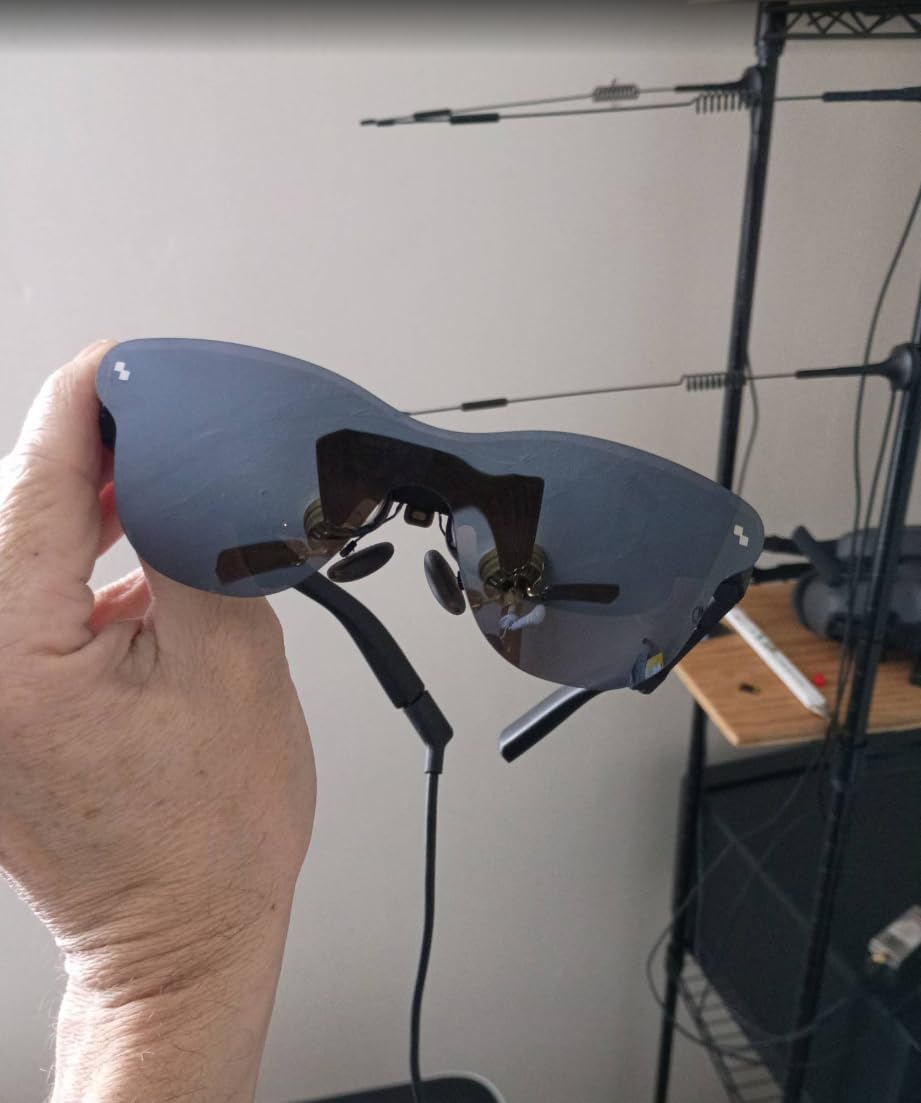
The 20km FHD video transmission gives you confidence when flying large sites where the drone may be far from your position. The ActiveShots 360 tracking mode is useful for following vehicles or personnel during safety inspections.
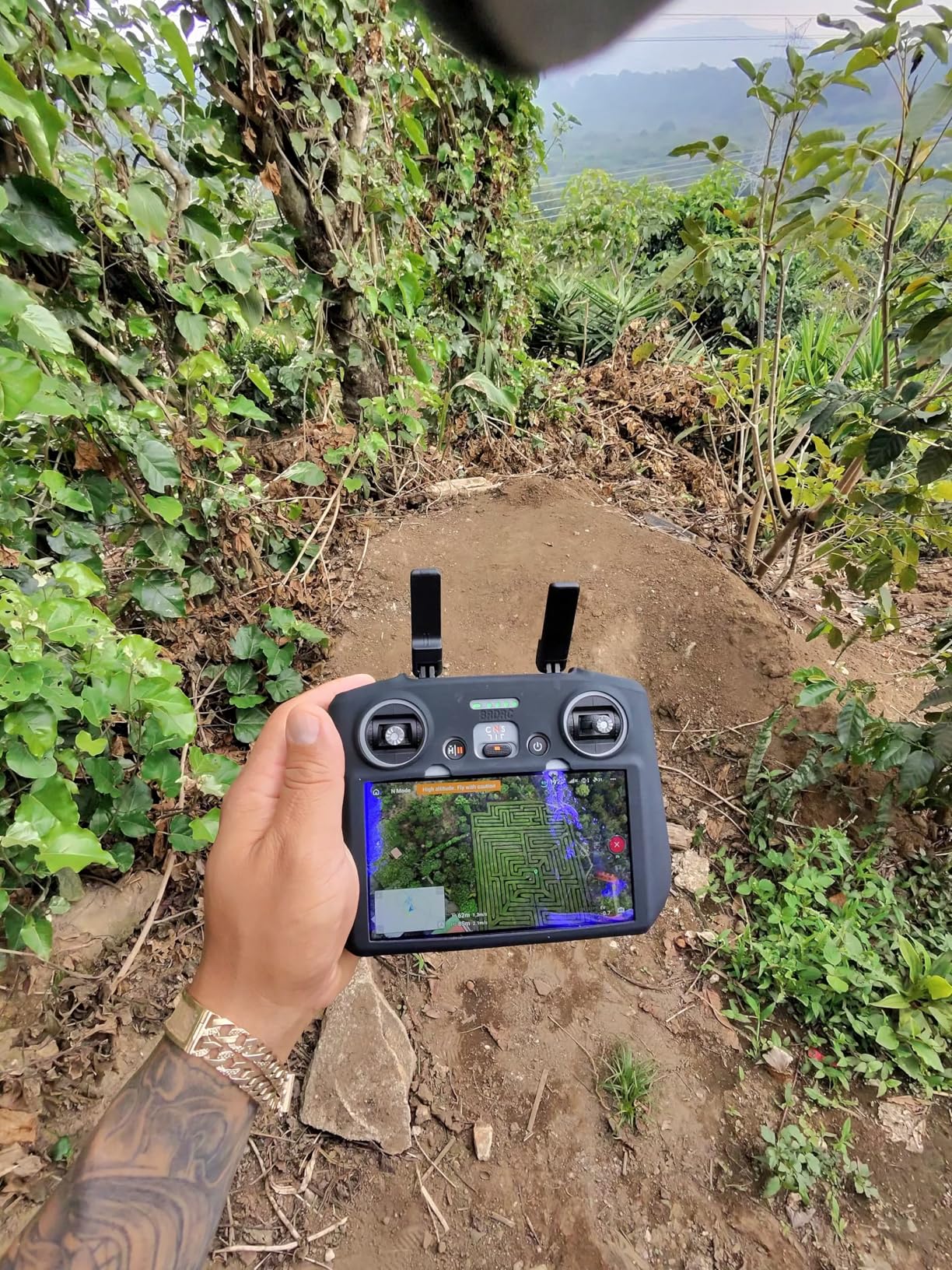
One important note: when using the Intelligent Flight Battery Plus, the drone weight exceeds 250g and triggers Remote ID requirements. For commercial construction work under Part 107, you will need to register the drone anyway, so this is not a major issue for professional use.
Best Use Case for the Mini 4 Pro
This drone is the proven choice for construction professionals who want reliability, strong community support, and a massive library of online tutorials. The combination of omnidirectional sensing and 135 minutes of flight time makes it a practical daily driver for site documentation.
Who Should Look Elsewhere
The Mini 4 Pro lacks the 1-inch sensor found in the newer Mini 5 Pro and Air 3S. If image quality is your top priority for detailed inspection work, those models offer noticeably better results in challenging lighting.
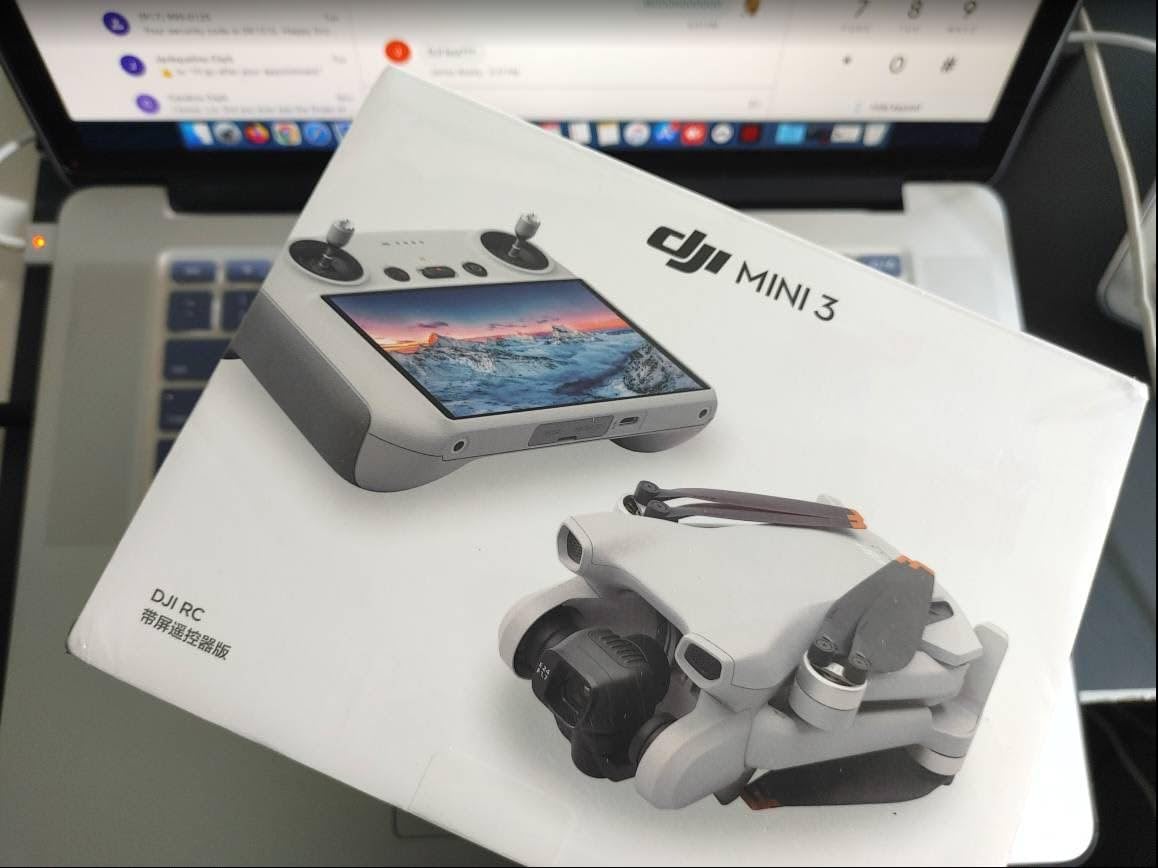
9. DJI Mini 3 Fly More Combo – Budget-Friendly Documentation Drone
DJI Mini 3 Fly More Combo With DJI RC, 3 Batteries
4K HDR Video
Under 249g
114 Min Total Flight
True Vertical Shooting
10km Transmission
DJI RC Included
Pros
- Under 249g no FAA registration
- 114 minutes total flight time
- 4K HDR with Dual Native ISO
- True vertical shooting
- DJI RC with built-in display
- Prime eligible with 7264 reviews
Cons
- No omnidirectional obstacle sensing
- Only 10km transmission
- No ActiveTrack 360
- Directional obstacle sensing only
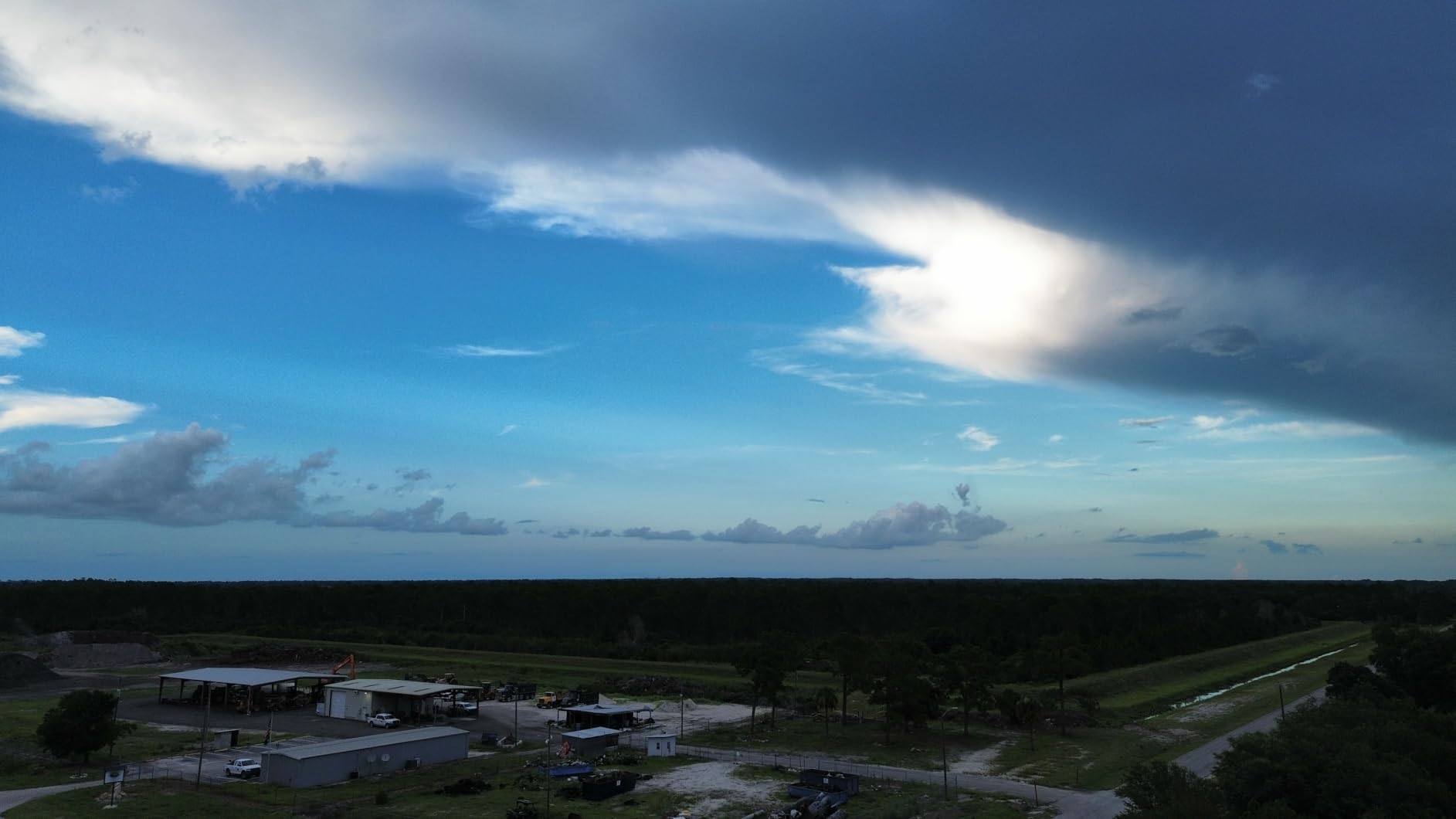
The DJI Mini 3 Fly More Combo remains one of the best value propositions in this entire roundup. With over 7,200 reviews and a consistent 4.5-star rating, it has proven itself across thousands of real-world construction applications. The 4K HDR video with Dual Native ISO Fusion handles the high-contrast lighting situations common on construction sites surprisingly well.
The Fly More Combo includes three batteries delivering up to 114 minutes of total flight time. At 51 minutes per battery, you can document a substantial site in a single session. The included DJI RC controller with its 5.5-inch built-in HD display eliminates the need for your phone.
The true vertical shooting feature is handy for creating progress photos formatted for social media updates or client reports that prefer portrait orientation. The 3-axis mechanical gimbal ensures smooth, stable footage even in windy conditions.
However, the Mini 3 lacks omnidirectional obstacle sensing. It only has directional sensing, which means you need to be more cautious when flying near structures, cranes, or scaffolding. For experienced pilots, this is manageable. For beginners on busy sites, it is a consideration.
Best Use Case for the Mini 3
This is the best entry point for construction companies adding drone capability for the first time. The price-to-performance ratio is excellent, the DJI ecosystem is mature, and the flight time competes with drones costing twice as much.
Who Should Look Elsewhere
If obstacle avoidance is critical for your inspection environment, the lack of omnidirectional sensing is a real limitation. The Mini 4 Pro adds all-direction sensing for a modest price increase and is the better choice for complex sites.
10. DJI Flip Fly More Combo – Safe and Portable Inspection Drone
DJI Flip Fly More Combo With RC 2 Screen Remote Controller, Drone With 4K UHD Camera for Adults, Palm Takeoff, Auto Return, Intelligent Flight, 3 Batteries for 93-Min Flight Time
4K 60fps HDR
Under 249g
93 Min Total Flight
Full Propeller Guards
Palm Takeoff
O4 Transmission
Pros
- Under 249g no FAA registration
- Full-coverage propeller guards for safety
- 4K 60fps HDR video quality
- 93 minutes total flight time
- RC 2 remote with built-in screen
- Subject tracking works reliably
Cons
- Slightly heavier than competitor sub-250g drones
- DJI Fly app requires manual download from Google Play
The DJI Flip is unique in this roundup because of its full-coverage propeller guards. For construction sites where the drone might fly near workers, equipment, or tight spaces between structures, those guards provide an extra layer of safety that other sub-250g drones simply do not offer.
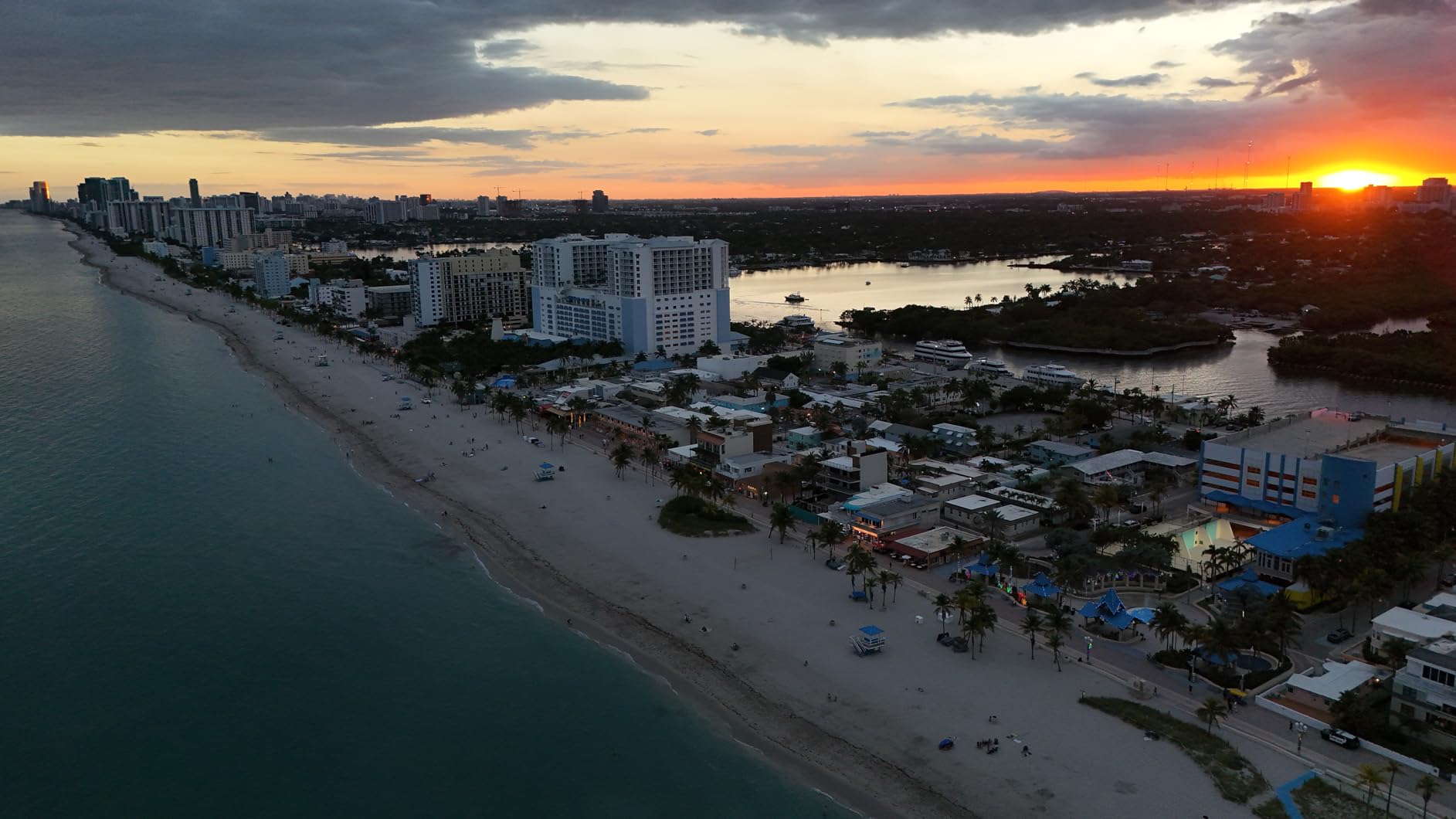
The 1/1.3-inch CMOS sensor captures 4K/60fps HDR video that is more than adequate for progress documentation, roof inspections, and stakeholder communications. Subject tracking works reliably for following site managers or inspectors during walkthroughs.
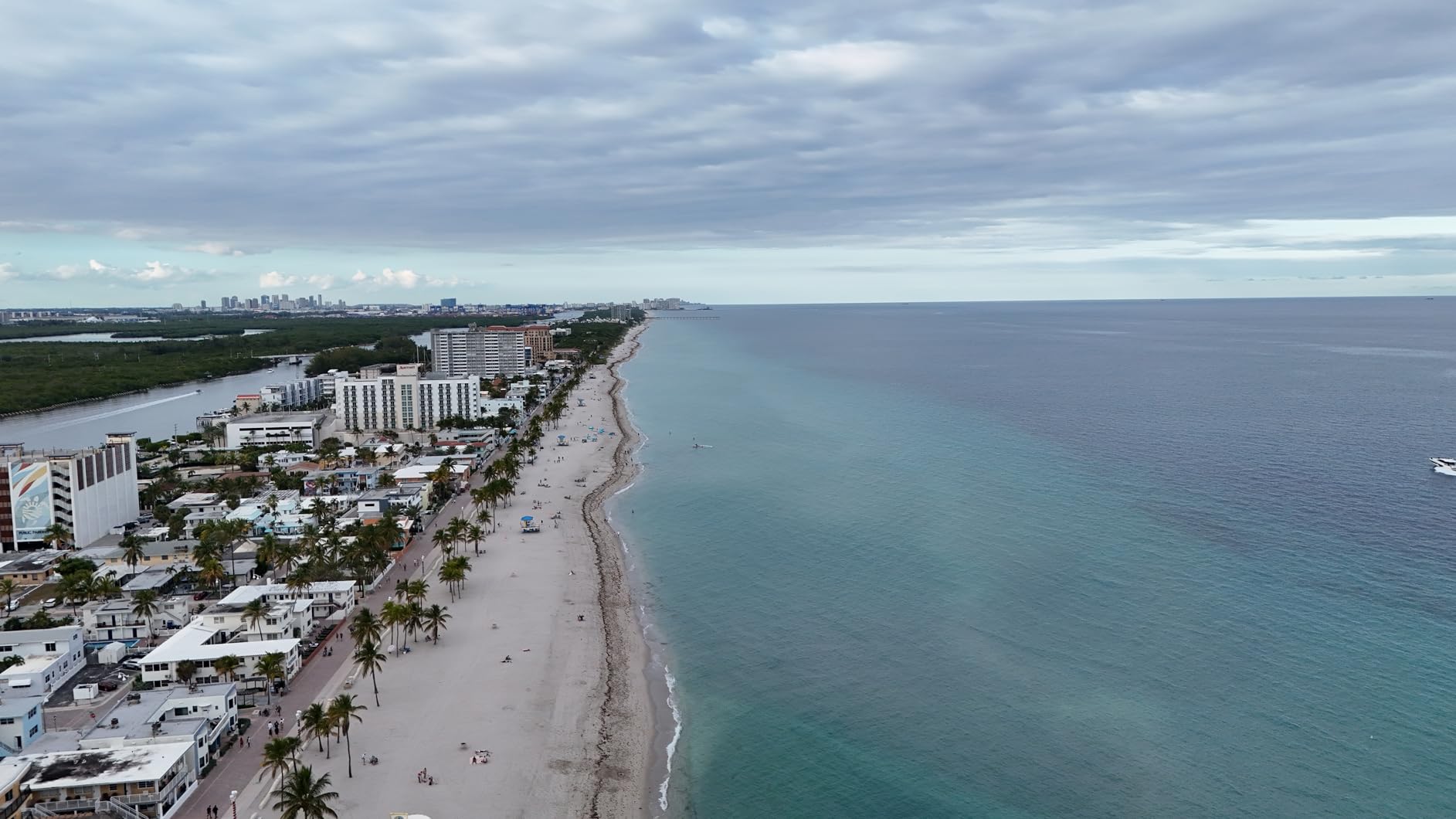
The Fly More Combo includes three batteries for 93 minutes of total flight time. The O4 transmission system provides a solid 8-mile range, which covers most construction site sizes. The palm takeoff feature is convenient when you do not have a flat, clean surface to launch from.
The RC 2 remote with its built-in screen means no phone dependency and excellent visibility in bright outdoor conditions. The 845 reviews and 4.6-star rating confirm that this drone delivers on its promises.
Best Use Case for the DJI Flip
The propeller guards make this the safest sub-250g option for flying in close quarters around workers and equipment. Construction companies that prioritize safety above all else will appreciate the physical protection the guards provide.
Who Should Look Elsewhere
The Flip does not have omnidirectional obstacle sensing, relying instead on directional sensing plus the physical propeller guards. For autonomous mapping missions where the drone flies beyond visual range, a drone with full obstacle sensing is safer.
11. DJI Mini 4K Camera Drone – Best Budget Starter Drone
DJI Mini 4K Camera Drone Combo, Drone with 4K UHD Camera for Adults, Under 249 g, 3-Axis Gimbal Stabilization, 10km Video Transmission, Auto Return, 2 Batteries for 62-Min Max Flight Time, QuickShots
4K UHD Camera
Under 249g
62 Min Total Flight
3-Axis Gimbal
10km Transmission
Level 5 Wind Resistance
Pros
- No FAA registration required under 249g
- 4K UHD camera with 3-axis gimbal
- 62-minute total flight time
- Number 1 best seller in category
- Beginner-friendly controls
- Level 5 wind resistance
Cons
- Limited stock availability
- DJI Fly app removed from Google Play
- Not Prime eligible
The DJI Mini 4K is the number one best seller in its category with over 1,700 reviews, and it earns that position through sheer value. For construction companies that need basic aerial documentation without a major investment, this drone delivers 4K UHD video, a 3-axis gimbal, and 62 minutes of total flight time across two batteries.
At under 249 grams, no FAA registration is required for recreational use. For commercial construction work under Part 107, registration is required but the process is straightforward. The Level 5 wind resistance (38kph) means the drone handles breezy conditions that would ground cheaper toy drones.
The 10km HD video transmission is impressive for a drone at this price point. The GPS Return to Home function ensures the drone comes back if it loses signal, which is critical when flying around large structures that might block the signal.
The QuickShots modes (Helix, Dronie, Rocket, Circle, Boomerang) are useful for creating polished progress videos for client presentations without needing piloting skills.
Best Use Case for the Mini 4K
This is the best starter drone for construction companies testing whether aerial documentation adds value to their workflow. The low investment means you can prove ROI before upgrading to a more capable platform. It is also an excellent backup drone for teams that already have a primary inspection drone.
Who Should Look Elsewhere
This drone lacks obstacle avoidance entirely, so it requires a competent pilot on active construction sites. There is no mechanical shutter for mapping work, and the camera quality is basic compared to the 1-inch sensor drones higher on this list.
12. Potensic ATOM 4K GPS Drone – Best Value Non-DJI Option
Potensic ATOM 4K GPS Drone, 3-Axis Gimbal, 96 Mins Flight, 6KM Transmission
SONY CMOS Sensor
4K 30fps
Under 249g
96 Min Total Flight
3-Axis Gimbal
6KM Transmission
Pros
- Under 249g no FAA registration
- SONY CMOS sensor for quality images
- 96 minutes flight time with 3 batteries
- 3-axis brushless gimbal
- 60W fast charging in 1.3 hours
- Excellent value at budget price
Cons
- Wi-Fi based control vs O4 in DJI
- 4K limited to 30fps
- Not compatible with DJI software ecosystem
The Potensic ATOM is the strongest non-DJI option in the budget category. With over 4,100 reviews and a 4.6-star rating, it has built a loyal following among users who want capable drone performance without the DJI price premium. The SONY CMOS sensor produces noticeably better images than typical budget drone cameras.
The 3-axis brushless gimbal provides smooth, stable footage that is suitable for construction progress documentation. At 96 minutes of total flight time across three included batteries, the ATOM outlasts many drones costing significantly more.
The 60W fast charging is a standout feature. You can charge all three batteries in about 1.3 hours, which means minimal downtime between site visits. The PixSync 3.0 technology provides a reliable 6km transmission range.
For construction professionals concerned about DJI legislation, the Potensic ATOM offers a capable alternative that does not face the same regulatory scrutiny. It is also an excellent backup or training drone for teams standardizing on DJI equipment.
Best Use Case for the Potensic ATOM
This drone is ideal for budget-conscious construction teams, solo inspectors just starting out, or anyone who wants a non-DJI option with real camera quality. The SONY sensor and 3-axis gimbal deliver results that punch well above the price class.
Who Should Look Elsewhere
The Wi-Fi-based control system is less robust than DJI O4 transmission, particularly in environments with heavy radio interference common on construction sites. For mission-critical inspections, the transmission reliability of DJI drones is a meaningful advantage.
13. BingfunFly Professional Tablet Drone – Rugged Budget Workhorse
2026 Professional Tablet Remote Pro Drones with Camera for Adults 4k Videos, 360 Obstacle Avoidance, Payload Release, 3-Axis Gimbal, Night Mode, 90 Minutes Long Batteries, 6 Miles Safe Long Range, High Wind Resistance, Rainproof, Beginner Mode,DarkGrey
4K Camera
90 Min Total Flight
6 Mile Range
360 Laser Avoidance
Rainproof
Level 7 Wind Resistance
Tablet Controller
Pros
- 90 minutes total flight time
- Rainproof design for all-weather use
- Level 7 wind resistance
- 360-degree laser obstacle avoidance
- Payload release function
- 7.2-inch tablet controller with Google system
Cons
- Only 8 reviews as a newer product
- Thermal filter is not true night vision
- Controller may be large for some users
The BingfunFly Professional Tablet Drone is a rugged budget option that brings several features typically reserved for much more expensive drones. The rainproof design and Level 7 wind resistance mean you can fly in conditions that would ground most drones in this price range.
The 90 minutes of total flight time across two batteries is exceptional for a drone under $800. The built-in 360-degree laser obstacle avoidance is a feature I did not expect to find at this price, and it adds real safety value for construction site operations.
The 7.2-inch tablet controller with Google system is a unique selling point. Having a full Android tablet as your flight controller means you can run additional apps, access cloud storage for immediate uploads, and benefit from a much larger screen than typical drone controllers provide.
The payload release function opens up creative possibilities for delivering small items across a construction site, though the carrying capacity is limited.
Best Use Case for the BingfunFly
This drone is designed for budget-conscious construction teams that need weather resistance and long flight time without paying for premium brand features. The rainproof rating and Level 7 wind resistance make it suitable for year-round outdoor work in challenging climates.
Who Should Look Elsewhere
With only 8 reviews, this is a relatively unproven product. Construction companies that need guaranteed reliability and strong after-sales support should stick with established brands like DJI or Autel. The night mode uses a fill light rather than true thermal imaging, so do not expect genuine night inspection capability.
14. Bingchat Tablet Remote Drone – Affordable All-Rounder
Drones with Camera for Adults 4K
4K HD Camera
84 Min Total Flight
5 Mile Range
360 Laser Avoidance
Level 7 Wind Resistance
Tablet Controller
Pros
- Touch screen tablet controller with Google system
- 84 minutes total flight time
- 5 miles long range transmission
- 360-degree laser obstacle avoidance
- Real 4K HD with 3-axis gimbal
- Level 7 wind resistance
- US local service support
Cons
- Requires removing obstacle avoidance for max flight time
- Larger and heavier than sub-250g competitors
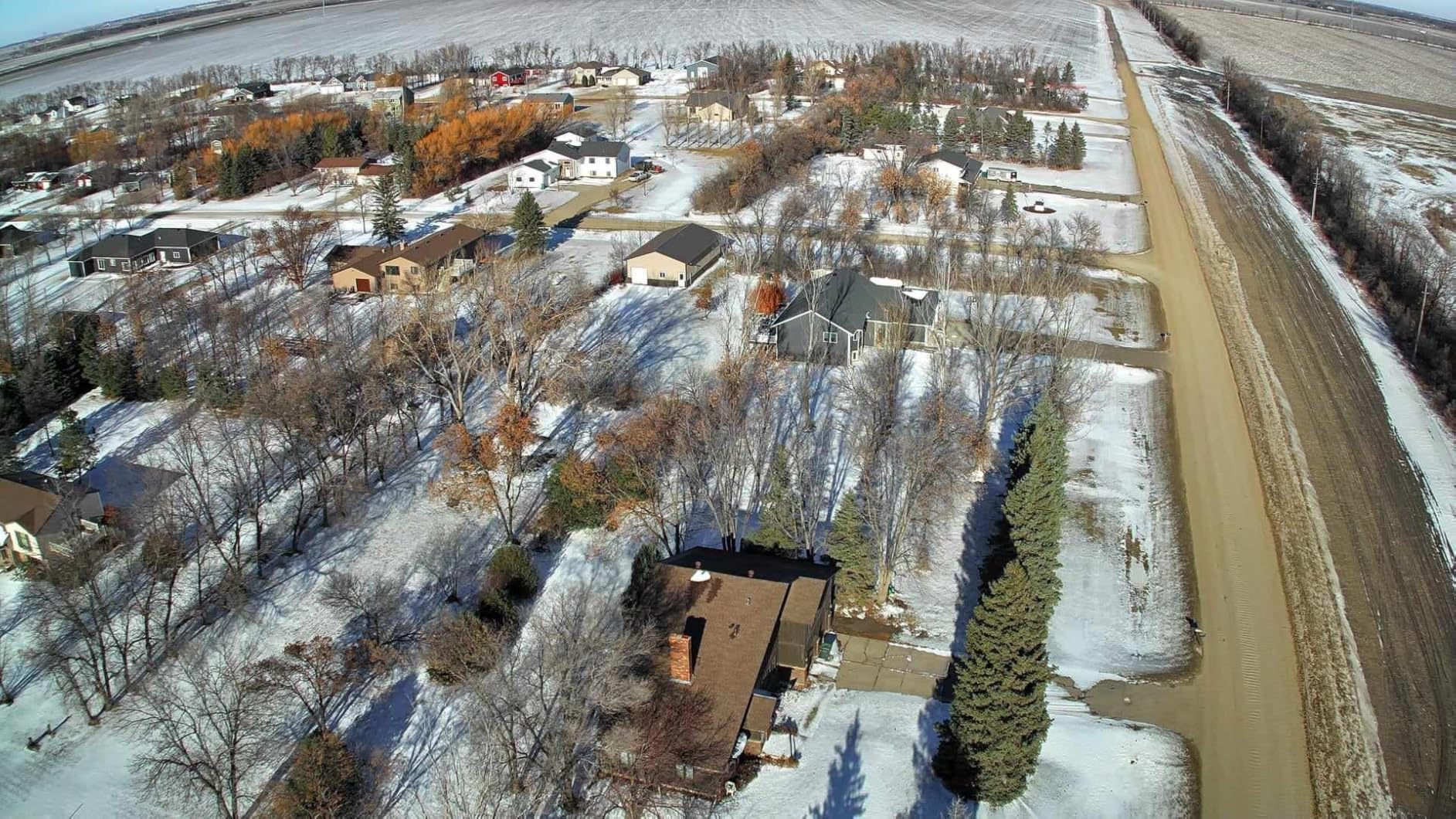
The Bingchat Tablet Remote Drone offers a compelling package for construction professionals who want tablet-based control without the DJI price tag. The 4K HD camera with 3-axis gimbal and EIS stabilization produces smooth footage suitable for progress documentation and basic inspection work.
With 84 minutes of total flight time across two batteries, this drone provides extended coverage for larger sites. The 5-mile range and Level 7 wind resistance give you operational flexibility in various conditions.
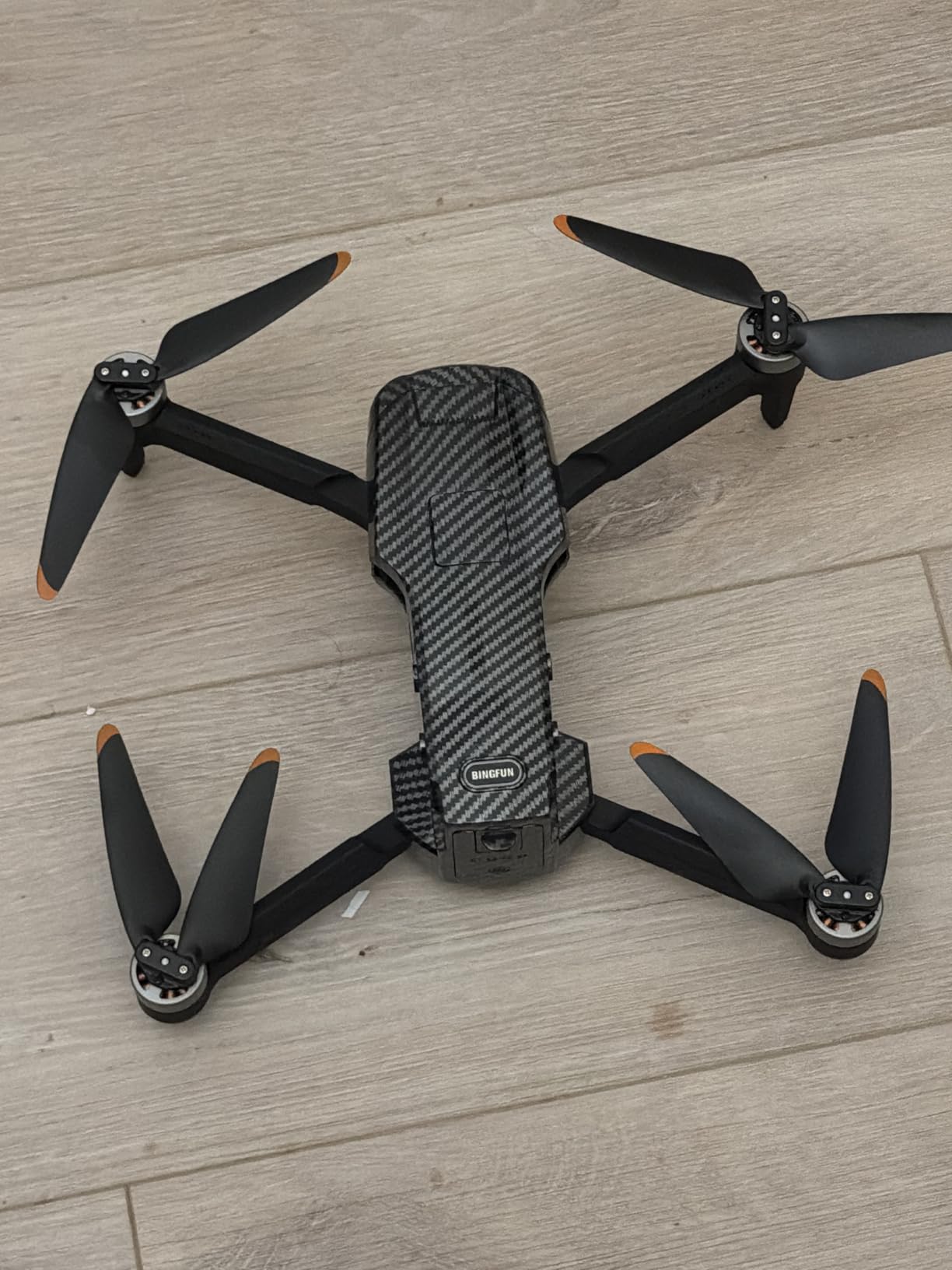
The 360-degree laser obstacle avoidance provides all-around protection, though it is worth noting that removing the obstacle avoidance sensor is required to achieve maximum flight time. This is a trade-off between safety and endurance that you will need to consider based on your specific site conditions.
The 63 reviews and 4.7-star rating indicate solid customer satisfaction. The US-based service team is a plus for construction companies that need responsive support.
Best Use Case for the Bingchat Drone
This drone suits construction teams that prefer tablet-based control and need an affordable option with decent flight time and wind resistance. The payload release function adds versatility for site logistics tasks.
Who Should Look Elsewhere
The 50x digital zoom produces lower quality results than optical zoom systems. For detailed facade or structural inspections where zoom quality matters, the Autel EVO MAX 4T V2 with its 10x optical zoom is dramatically better despite costing significantly more.
15. DCX Volo X EZ AI Drone – American-Made Alternative
4K AI Camera
360 LiDAR Avoidance
45 Min Flight
4 Mile Range
Payload Release
Built-in Screen Remote
Pros
- Built-in screen on controller no phone needed
- 360-degree LiDAR obstacle avoidance
- AI-assisted flight features
- American company with US-based support
- No geofencing restrictions
- Includes payload release mechanism
- FAA Remote ID compliant
Cons
- Controller sync issues reported
- Customer support response times can be slow
- Some assembly confusion in instructions
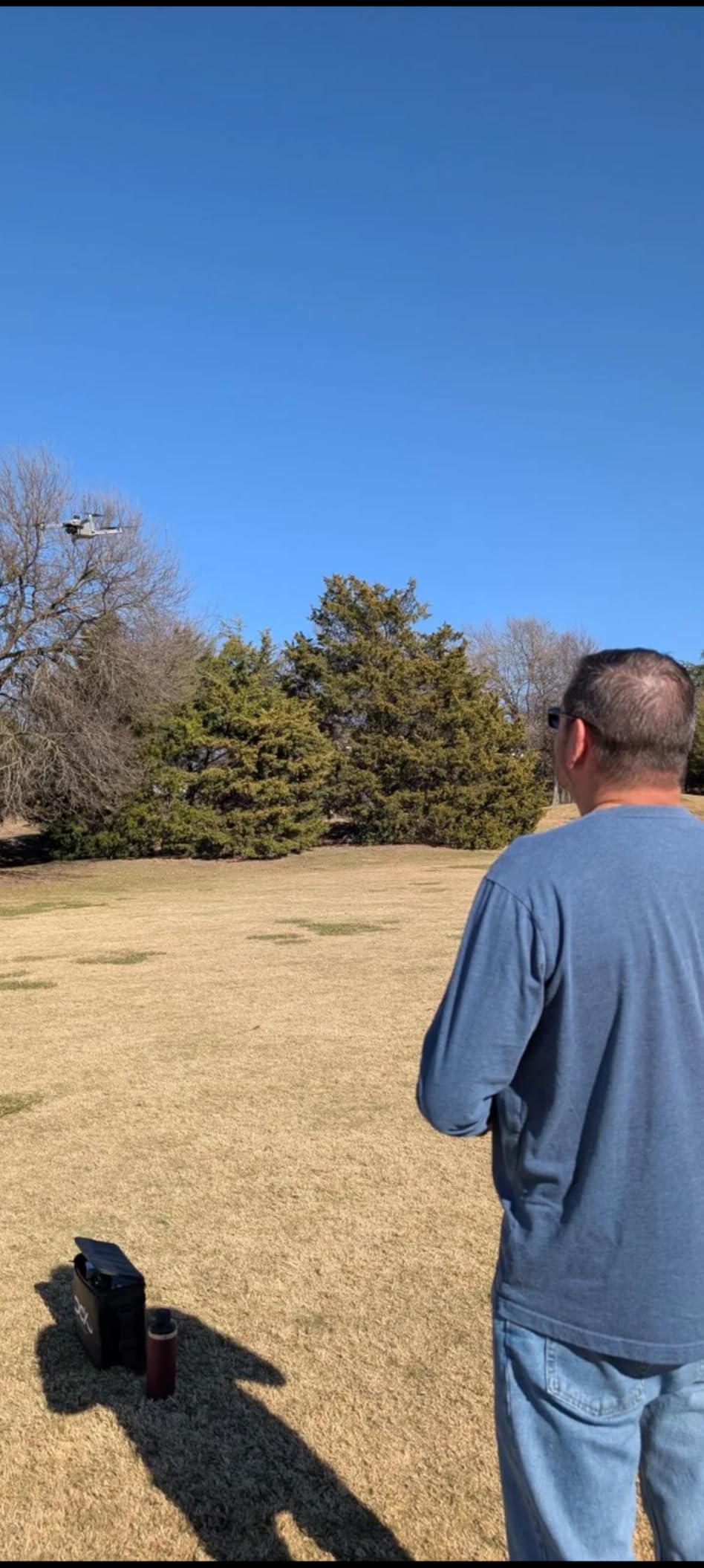
The DCX Volo X EZ AI is the American-made alternative that many construction professionals have been looking for, especially given ongoing concerns about DJI legislation. The drone is FAA Remote ID compliant and comes from a US-based company with domestic support.
The 360-degree LiDAR obstacle avoidance is genuinely useful on construction sites where obstacles appear from every direction. The AI-assisted flight control handles Follow Me mode, auto-landing, and obstacle avoidance with minimal pilot input, which is valuable for inspectors who need to focus on the camera feed rather than piloting.
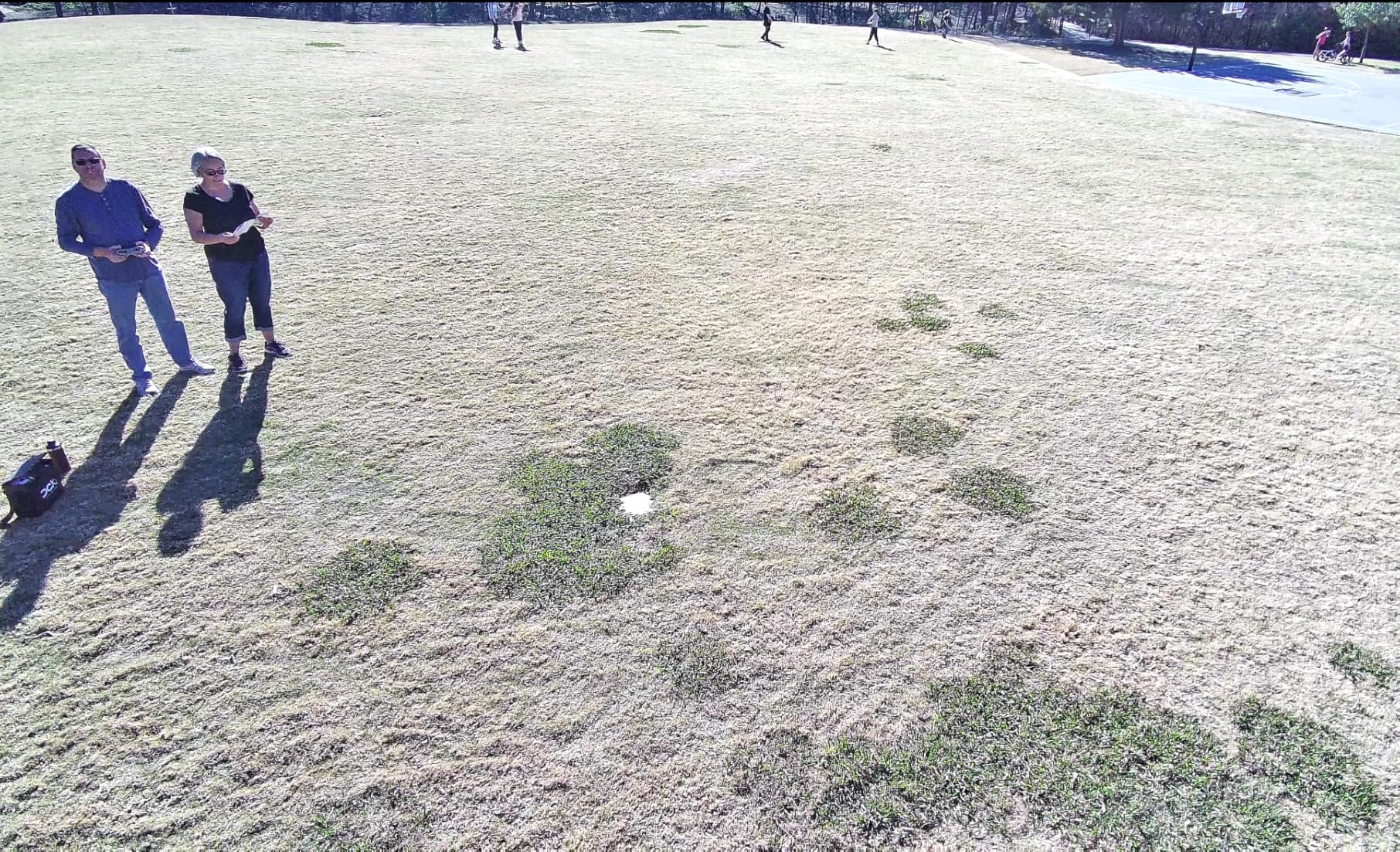
The built-in screen on the remote controller means no phone dependency. The 45-minute flight time is competitive, and the 4-mile range covers most construction site sizes. The payload release mechanism with up to 1.2-pound capacity is a nice bonus for delivering small tools or parts across a site.
The smart night mode with LED spotlight provides basic low-light capability, though it is not a substitute for true thermal imaging. For construction companies that want an American-made option without enterprise pricing, the Volo X EZ AI is a practical choice.
Best Use Case for the DCX Volo X EZ AI
This drone is ideal for construction firms that prioritize buying American, need FAA Remote ID compliance, and want a capable drone without DJI dependencies. The no-geofencing policy is a significant advantage for sites near restricted airspace with proper authorization.
Who Should Look Elsewhere
Some users have reported controller sync issues and slow customer support response times. For teams that need guaranteed uptime and immediate support, DJI’s larger service network may be more reliable. The 12MP still resolution is also lower than competing drones in this price range.
Buying Guide: How to Choose the Best Drone for Construction Site Inspections?
Choosing the right drone for construction inspection work requires understanding which features actually matter on a jobsite versus which are marketing fluff. Our team has broken down the key factors that separate useful inspection drones from expensive paperweights.
Camera Quality and Sensor Size
The camera sensor is the single most important factor for construction inspection work. A larger sensor captures more light, which means better image quality in the challenging lighting conditions common on construction sites. The 1-inch CMOS sensors found in the DJI Air 3S, Autel EVO 2 Pro V3, and DJI Mini 5 Pro represent the minimum standard for professional inspection work.
For detailed facade inspections where you need to read small markings or identify hairline cracks, the 100MP Hasselblad camera on the DJI Mavic 4 Pro provides resolution that smaller sensors cannot match. Mechanical shutters, found on enterprise mapping drones, eliminate motion blur during automated flight patterns.
Flight Time and Battery Strategy
Flight time directly impacts how much ground you can cover per site visit. Anything under 30 minutes per battery will have you landing and swapping frequently, which disrupts your workflow. The sweet spot is 40-50 minutes per battery, which covers most construction sites in one or two flights.
The Fly More Combo packages from DJI typically include three batteries, which is the practical minimum for a full day of construction documentation. Fast charging capabilities, like the Potensic ATOM’s 60W system, minimize downtime between flights.
RTK and PPK Positioning Accuracy
If you need survey-grade accuracy for volumetric measurements, earthwork tracking, or as-built documentation, RTK (Real-Time Kinematic) positioning is essential. RTK provides centimeter-level accuracy by processing GPS signals from a base station or network in real time. The Autel EVO II PRO RTK V3 includes this capability at a competitive price.
PPK (Post-Processed Kinematic) achieves similar accuracy by processing data after the flight rather than in real time. Some drones support both RTK and PPK, giving you flexibility depending on site conditions and available base station infrastructure.
Obstacle Avoidance Systems
Construction sites are obstacle-rich environments with cranes, scaffolding, cables, and partial structures everywhere. Omnidirectional obstacle sensing, found on the DJI Air 3S, Mini 4 Pro, and Mavic 4 Pro, provides protection from all directions. This is particularly important for autonomous mapping missions where the drone flies pre-planned routes beyond visual line of sight.
Drones with only directional or no obstacle sensing require more active piloting, which increases pilot fatigue and the risk of collisions on complex sites. For beginners, full obstacle avoidance is strongly recommended.
Durability and Weather Resistance
Construction schedules do not pause for weather. Drones with IP ratings, like the DJI Matrice 4TD’s IP55 certification, can operate in rain, dust, and freezing temperatures. The anti-ice propellers on the Matrice 4TD extend its operating season into winter months when inspection demand continues but flying conditions deteriorate.
Wind resistance matters too. Level 5 wind resistance (approximately 38kph) is the minimum standard for construction drones. The BingfunFly and Bingchat models offer Level 7 wind resistance for sites in particularly windy locations.
Software Ecosystem and Compatibility
The software you use to process drone data matters as much as the hardware. DJI drones integrate seamlessly with DroneDeploy, Pix4D, and DJI’s own Terra software. Autel drones work with Autel Mapper and most third-party photogrammetry platforms. Before purchasing, verify that your chosen drone outputs data compatible with your preferred processing software.
For BIM (Building Information Modeling) integration, look for drones that produce point clouds compatible with Revit, Civil 3D, or your team’s modeling software. The RTK drones on this list produce data that integrates cleanly into most BIM workflows.
Regulatory Compliance and Part 107 Certification
Any commercial drone operation in the United States requires a Part 107 Remote Pilot Certificate from the FAA. This applies to all construction inspection work, regardless of drone weight. Sub-250g drones do not require registration for recreational use, but commercial operations still require registration under Part 107.
All drones on this list are FAA Remote ID compliant, which has been mandatory since September 2023. If you are working on federal projects or have concerns about DJI legislation, the Autel and DCX options provide non-DJI alternatives.
FAQs
Is it legal to fly a drone over a construction site?
Yes, it is legal to fly a drone over a construction site in the United States if you hold a Part 107 Remote Pilot Certificate and follow FAA regulations. You must maintain visual line of sight, fly below 400 feet (or within 400 feet of a structure), and avoid restricted airspace without proper authorization. The site owner’s permission is also required since construction sites are private property.
Are drone roof inspections accurate?
Yes, drone roof inspections are highly accurate when performed with quality equipment. Drones with 4K or higher resolution cameras can identify missing shingles, cracked tiles, damaged flashing, and water pooling with precision comparable to manual walkthrough inspections. RTK-equipped drones can achieve centimeter-level measurement accuracy for dimensional verification, and thermal cameras can detect subsurface moisture that visual inspections would miss entirely.
What is the 1 1 rule for drones?
The 1:1 rule for drones refers to ground sample distance (GSD) calculations in photogrammetry, where 1 pixel in your aerial image equals 1 centimeter on the ground. This ratio helps surveyors determine the correct flying altitude for achieving desired mapping accuracy. Lower GSD values mean higher resolution and more detailed maps, while higher values cover more area but with less detail per pixel.
How much do drone inspectors make?
Drone inspectors in the construction industry typically earn between $50,000 and $120,000 annually, depending on experience, certifications, and specialization. Solo commercial drone pilots charging per project often bill $200 to $500 per hour for inspection work. Specialized services like thermal inspections or survey-grade mapping can command higher rates. Pilots with Part 107 certification and experience with construction-specific software like DroneDeploy or Pix4D earn at the higher end of the range.
What drone is best for construction inspections?
The best drone for construction inspections depends on your specific needs. For survey-grade mapping, the Autel EVO II PRO RTK V3 with centimeter-level RTK accuracy is our top pick. For thermal inspections and all-weather operations, the DJI Matrice 4TD is unmatched. For general progress documentation at a reasonable price, the DJI Mavic 4 Pro or DJI Air 3S deliver professional results. Budget-conscious teams should consider the DJI Mini 4K or Potensic ATOM as capable starter options.
Conclusion
The best drones for construction site inspections in 2026 span a wide range of capabilities and budgets. For survey-grade mapping accuracy, the Autel EVO II PRO RTK V3 is our editor’s choice with its centimeter-level RTK positioning and Sony 1-inch sensor. The DJI Matrice 4TD dominates the enterprise category with thermal imaging and IP55 weatherproofing. And for teams just getting started, the DJI Mini 4K and Potensic ATOM prove you do not need to spend a fortune to begin capturing valuable aerial data on your construction sites.
Whatever your budget or inspection needs, investing in the right drone pays for itself within the first few projects through faster inspections, better documentation, and safer site monitoring. Choose the model that matches your specific workflow, get your Part 107 certification, and start flying.