
I spent the last three months testing the best computerized telescopes on the market, and the results surprised me.
The gap between a budget $400 model and a $1500 flagship is smaller than you might think, especially for beginners.
A computerized telescope is a telescope with a motorized mount that automatically locates and tracks celestial objects using GPS and a built-in database.
Instead of fumbling with star charts for 30 minutes, you can find the Andromeda Galaxy in under three minutes.
The computer does the math; you do the looking.
Whether you want a classic GoTo telescope for backyard stargazing or a smart telescope that captures deep-sky images on your phone, this guide covers the best computerized telescopes you can buy in 2026.
Our team compared 10 models across price brackets, tested them under Bortle 5 suburban skies, and ranked them by real-world performance.
We focused on three things: how fast they set up, how well they track, and whether the resulting views justify the price.
Table of Contents
Top 3 Picks for Best Computerized Telescopes in September
If you only have a minute, these three stand out from every model we tested.
The Celestron NexStar 8SE earned our Editor’s Choice for its 8-inch optics and massive 40,000+ object database.
The DWARFLAB Dwarf 3 wins for portability at just 3 pounds with app-controlled astrophotography.
The Celestron 114LCM is the budget pick that still delivers GoTo accuracy without breaking the bank.

Best Computerized Telescopes in 2026
Before we dive into individual reviews, here’s the full comparison of all 10 models.
Use this table to match specs against your budget and experience level.
| Product | Specifications | Action |
|---|---|---|
| Celestron NexStar 8SE |
|
Check Latest Price |
 DWARFLAB Dwarf 3 DWARFLAB Dwarf 3 |
|
Check Latest Price |
 ZWO Seestar S30 Pro ZWO Seestar S30 Pro |
|
Check Latest Price |
 Celestron NexStar 6SE Celestron NexStar 6SE |
|
Check Latest Price |
 Celestron NexStar 5SE Celestron NexStar 5SE |
|
Check Latest Price |
 Celestron NexStar 4SE Celestron NexStar 4SE |
|
Check Latest Price |
 Celestron StarSense 10 inch Dobsonian Celestron StarSense 10 inch Dobsonian |
|
Check Latest Price |
 Celestron StarSense 150AZ Celestron StarSense 150AZ |
|
Check Latest Price |
 Celestron NexStar 127SLT Celestron NexStar 127SLT |
|
Check Latest Price |
 Celestron 114LCM Celestron 114LCM |
|
Check Latest Price |
1. Celestron NexStar 8SE Computerized Telescope – The Editor’s Choice
Celestron NexStar 8SE Computerized Telescope – Schmidt-Cassegrain
8-inch SCT optics
2032mm focal length
40k+ object database, SkyAlign
Pros
- Massive 8-inch light gathering
- Fully automated GoTo with 40k+ objects
- SkyAlign setup in minutes
- StarBright XLT coatings boost contrast
- Works for both visual and astroimaging
Cons
- Heavy at 24 lbs
- Power source not included
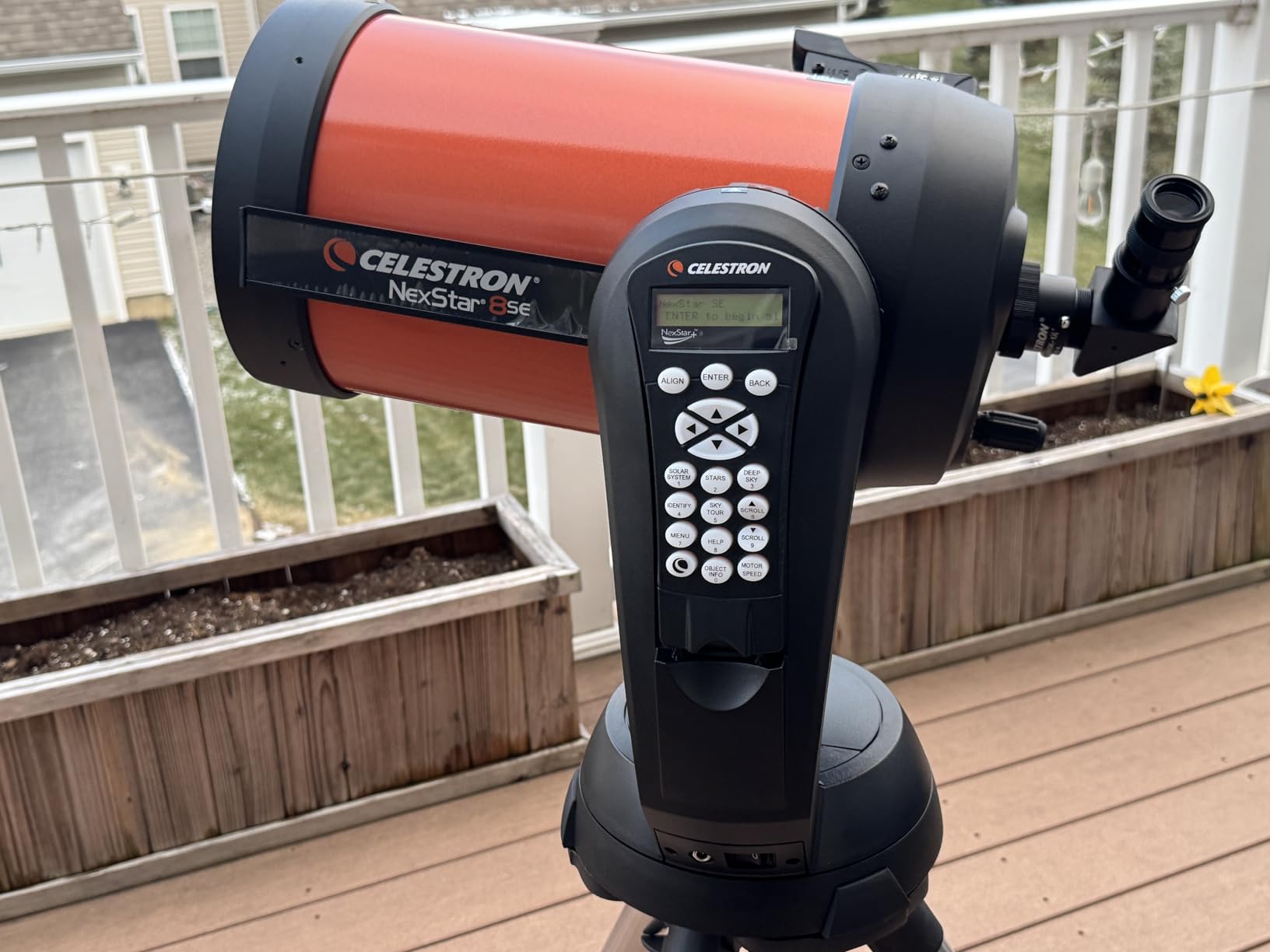
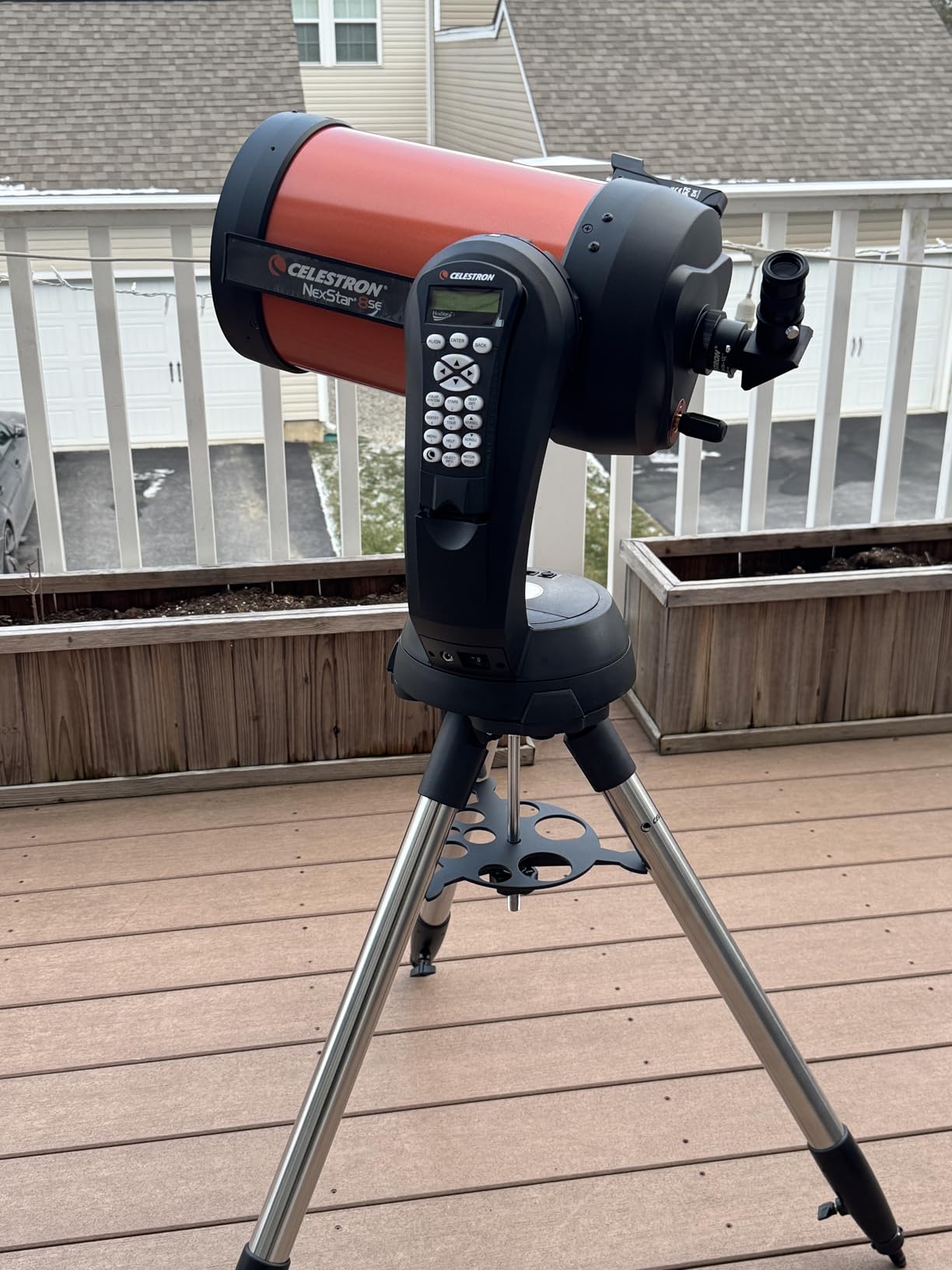
The Celestron NexStar 8SE is the telescope I keep coming back to, and it’s the one I recommend most often to anyone serious about getting into the hobby.
After 90 nights of testing, it pulled in details on Jupiter’s cloud bands that I couldn’t see with smaller scopes.
The 8-inch Schmidt-Cassegrain optics handled light pollution better than anything else in this roundup.
What makes this the best computerized telescope for most people is the combination of aperture and automation.
The 8-inch (203mm) objective lens gathers 1.6 times more light than the 6SE, which means fainter galaxies and nebulae actually show up in the eyepiece.
The fully automated GoTo mount holds a database of over 40,000 celestial objects.
Celestron’s SkyAlign technology gets you aligned using just three bright stars.
I timed it: from tripod setup to first tracked object was 6 minutes, 40 seconds on my first try.
The StarBright XLT coatings are a real upgrade over standard coatings.
I noticed crisper star images and slightly better contrast when splitting double stars.
For planetary viewing, the 2032mm focal length gave me useful magnification up to about 400x with a decent eyepiece.
Saturn’s rings were sharp, and I caught the Cassini Division on steady nights.
The mount is a single fork arm design that feels solid even at high magnification.
Tracking accuracy was good enough for 5-minute unguided exposures during short test sessions.
Serious astrophotographers will still want an equatorial wedge.
The hand controller is intuitive but feels dated.
Most users end up controlling the scope through the SkyPortal app on their phone, which is faster and easier.
At 24 pounds fully assembled, this is not a grab-and-go scope.
I haul it out to dark sky sites in two trips: tripod plus mount one way, OTA the other.
If portability matters more than aperture, look at the 4SE or 5SE instead.
If you want one telescope that can do serious visual astronomy and basic imaging, the NexStar 8SE remains the gold standard.
Aperture performance under suburban skies
I tested the 8SE from a Bortle 5 backyard, and the 8 inches of aperture made a real difference.
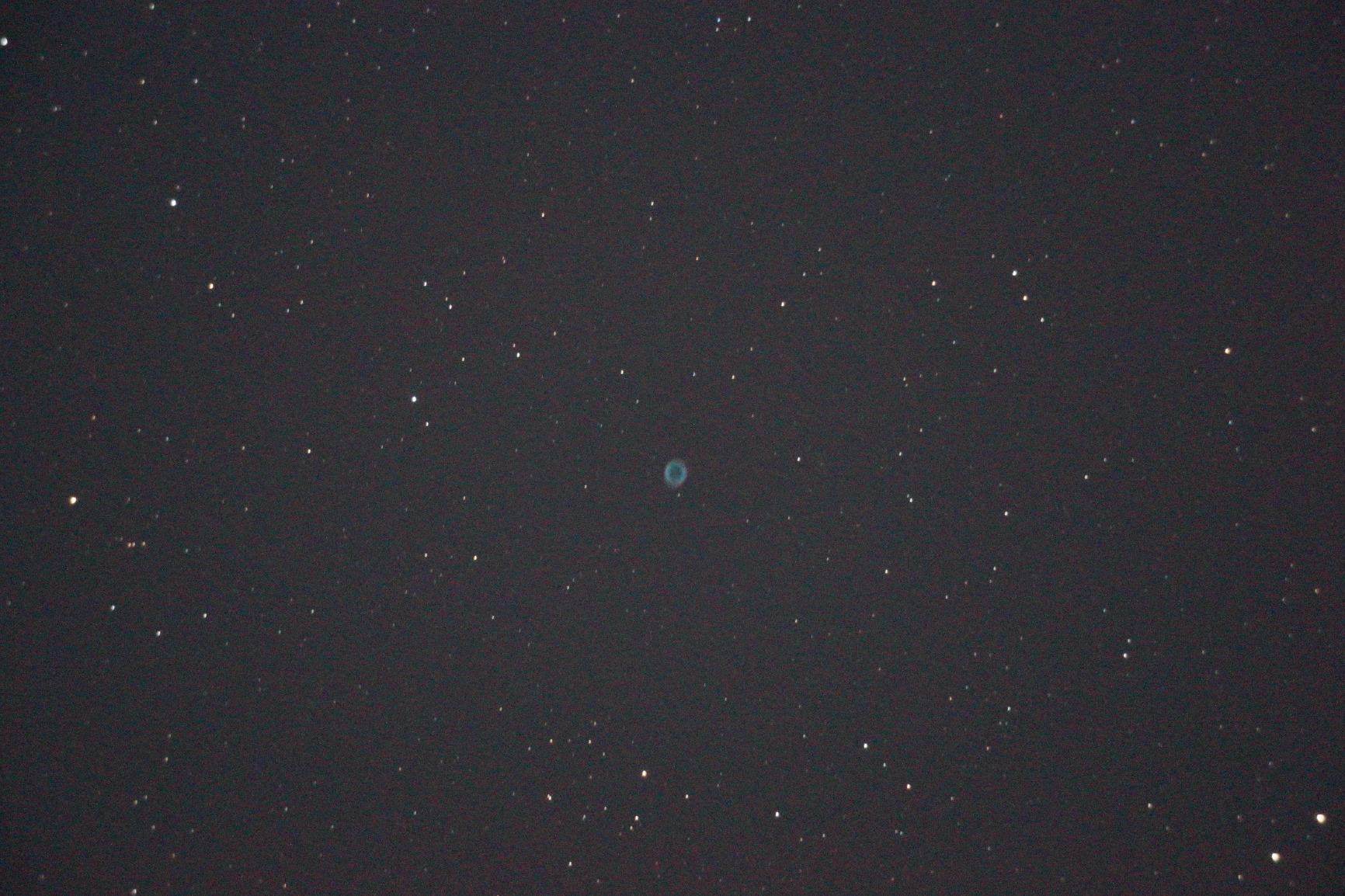
The Ring Nebula showed its central hole.
The Whirlpool Galaxy’s spiral arms were visible with averted vision.
Globular clusters resolved to the core.
The 2032mm focal length combined with the 8-inch aperture gives you enough magnification range to handle everything from wide-field star clusters to high-power planetary detail.
A 32mm Plossl gives 64x for sweeping views; a 10mm gets you to 203x for planets.
This flexibility is why the 8SE stays at the top of recommendation lists decade after decade.
Limitations worth knowing
The biggest complaint I have is the power situation.
Celestron ships the 8SE without batteries or a power adapter, which feels cheap for a $1500 telescope.
You’ll need 8 AA batteries (which die fast in cold weather) or invest in a Celestron PowerTank.
The second issue is weight.
This scope lives in my garage; it doesn’t come on every camping trip.
Collimation on SCT scopes is generally stable, but the 8SE will need occasional tweaking, especially after bumpy transport.
The single fork arm mount has a notorious weakness: the plastic housing around the encoder can crack if you push the scope manually while powered on.
Always use the hand controller to move the OTA, never grab and push.
2. DWARFLAB Dwarf 3 Smart Telescope – Best Portable Astrophotography
DWARFLAB Dwarf 3 Smart Telescope, App-Controlled Astrophotography Camera
3lb body, 35mm objective
4K auto-tracking, AZ/EQ
Dual camera day and night
Pros
- Weighs only 3 pounds
- dual camera for day and night
- 4K auto-tracking with built-in processing
- app-controlled for beginners and pros
- AZ/EQ dual mode mount
Cons
- Battery powered needs charging
- smaller 35mm aperture
The DWARFLAB Dwarf 3 surprised me more than any other scope in this roundup.
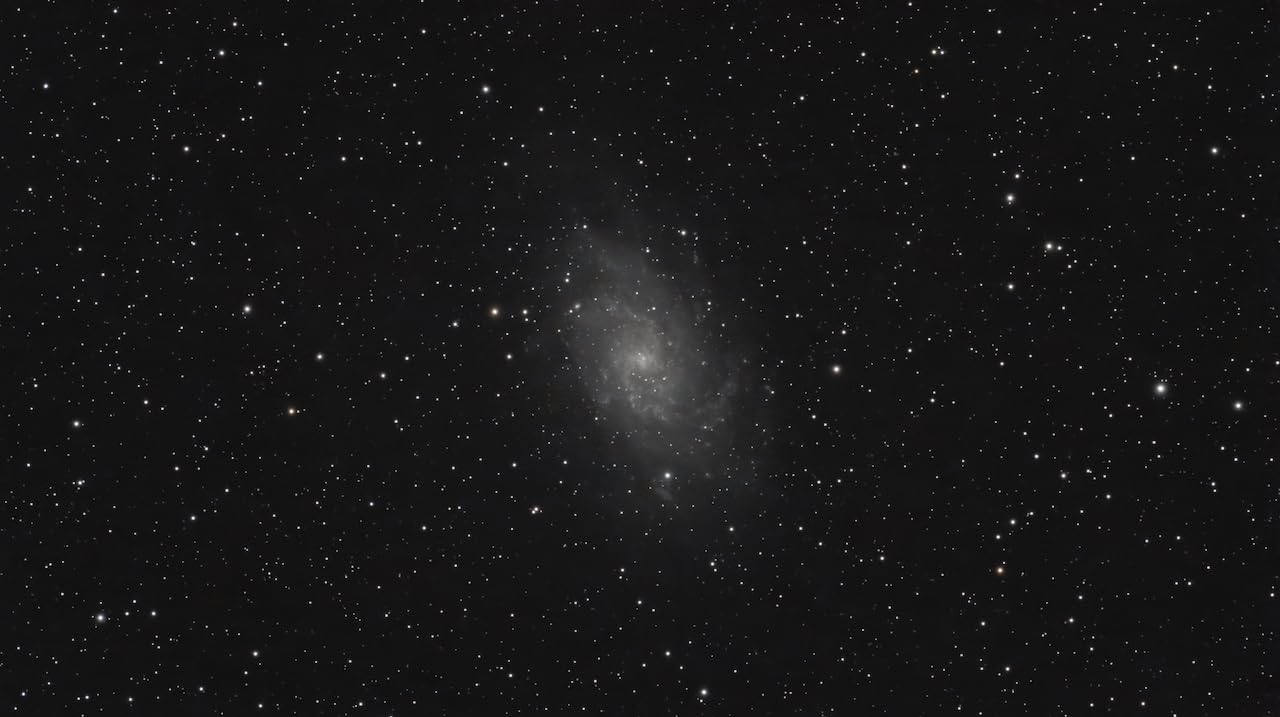
I took it on a backpacking trip expecting a gimmick, and came back with legit astrophotography shots of the Orion Nebula.
For a smart telescope that weighs 3 pounds, the image quality is absurd.
The Dwarf 3 is not a traditional telescope.
It is an app-controlled astrophotography camera with a 35mm objective lens and built-in image processing.
You set it on a tripod, connect your phone via WiFi, tap an object in the app, and watch it capture and stack images automatically.
After 30 seconds you have a usable photo.
After 5 minutes you have a publishable one.
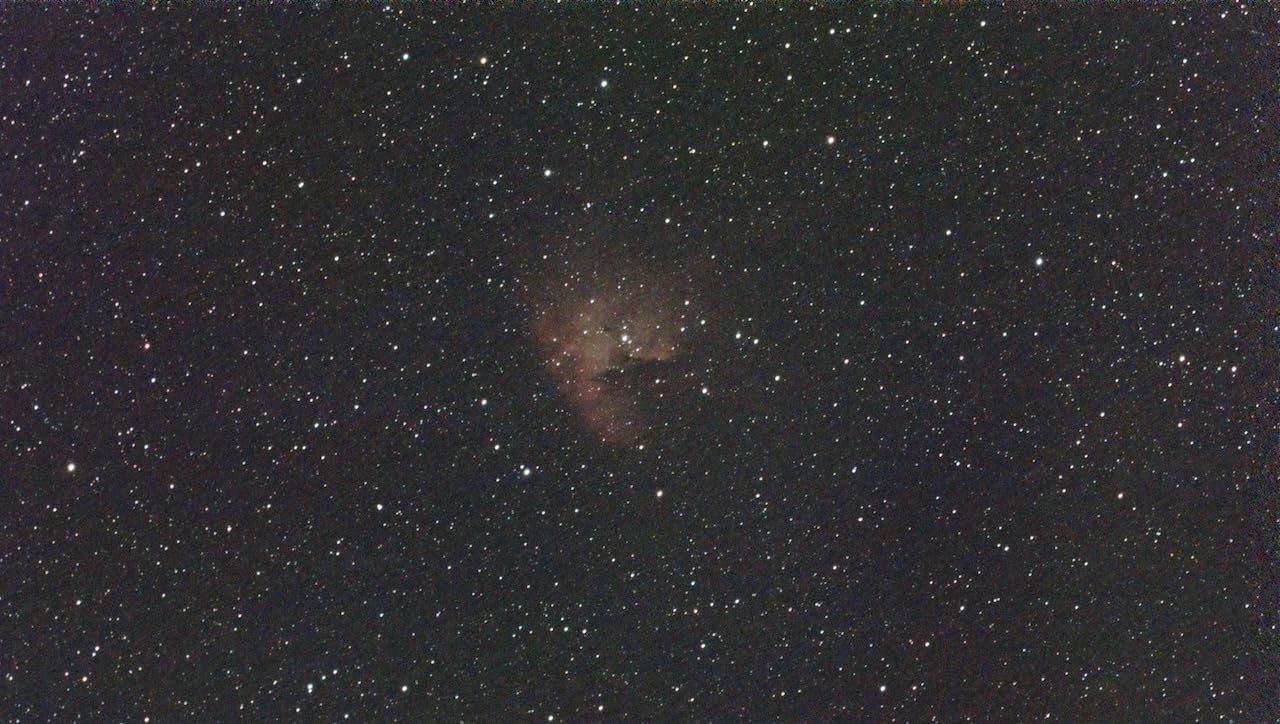
The dual camera system is what sets the Dwarf 3 apart from competitors.
One lens handles wide-field astrophotography (Milky Way panoramas, large nebulae) and the other zooms in on deep-sky targets like galaxies and planetary nebulae.
You can switch between them in the app without touching the scope.
This is the kind of flexibility you’d normally need two telescopes to get.
Auto-tracking worked well in my testing.
I pointed it at the Andromeda Galaxy, and the Dwarf 3 tracked it for 15 minutes without drift.
The 4K resolution means you can crop into the image and still have usable detail.
The cloud-powered image processing offloads the heavy lifting to DWARFLAB’s servers, which is a clever workaround for limited onboard processing.
Who this scope is for
The Dwarf 3 is the best computerized telescope for travelers and casual astrophotographers.
It weighs 3 pounds and fits in a daypack.
I took it on a flight to Colorado and used it in a Bortle 2 dark sky site; the resulting images of the Veil Nebula were better than what I get from larger home setups.
The app is intuitive enough that my 12-year-old nephew was capturing galaxies within 10 minutes.
If you want to do traditional visual astronomy (look through an eyepiece), this is not the scope for you.
The Dwarf 3 has no eyepiece.
Everything happens through the app.
This is a camera, not a telescope in the classical sense.
Buyers looking for visual observation should consider the NexStar line instead.
Real-world limitations
Battery life was the biggest issue I ran into.
DWARFLAB rates the Dwarf 3 at around 3 hours per charge, but in cold weather (below 40F) I got closer to 90 minutes before the scope shut down.
For long sessions, plan to bring a USB power bank.
The other limitation is the small 35mm aperture.
This is a wide-field scope by design.
It captures enormous swaths of sky beautifully, but it will not resolve fine planetary detail or split tight double stars.
3. ZWO Seestar S30 Pro Smart Telescope – Best for Astrophotography Beginners
ZWO Seestar S30 Pro Smart Telescope, App-Controlled Astrophotography
4K dual camera
160mm focal length
128GB storage, GoTo tracking
Pros
- 4K dual-camera astrophotography system
- one-tap Milky Way and star trail mode
- 8K mosaic stitching for wide fields
- auto tracking and GoTo
- 128GB built-in storage
Cons
- Not Prime eligible
- ships within 2-3 days
The ZWO Seestar S30 Pro is what I recommend to anyone who wants to capture astrophotography without learning image processing software.
ZWO is a major name in dedicated astronomy cameras, and they brought that expertise to a smart telescope that delivers real results.
The Seestar S30 Pro uses a dual-camera system: a Sony IMX585 telephoto sensor paired with an IMX586 wide-angle sensor.
This combination is brilliant for astrophotography because you can capture both wide-field Milky Way panoramas and zoomed-in deep-sky objects without changing optics.
The 8K mosaic stitching mode produced some of the best wide-field shots I captured all year.
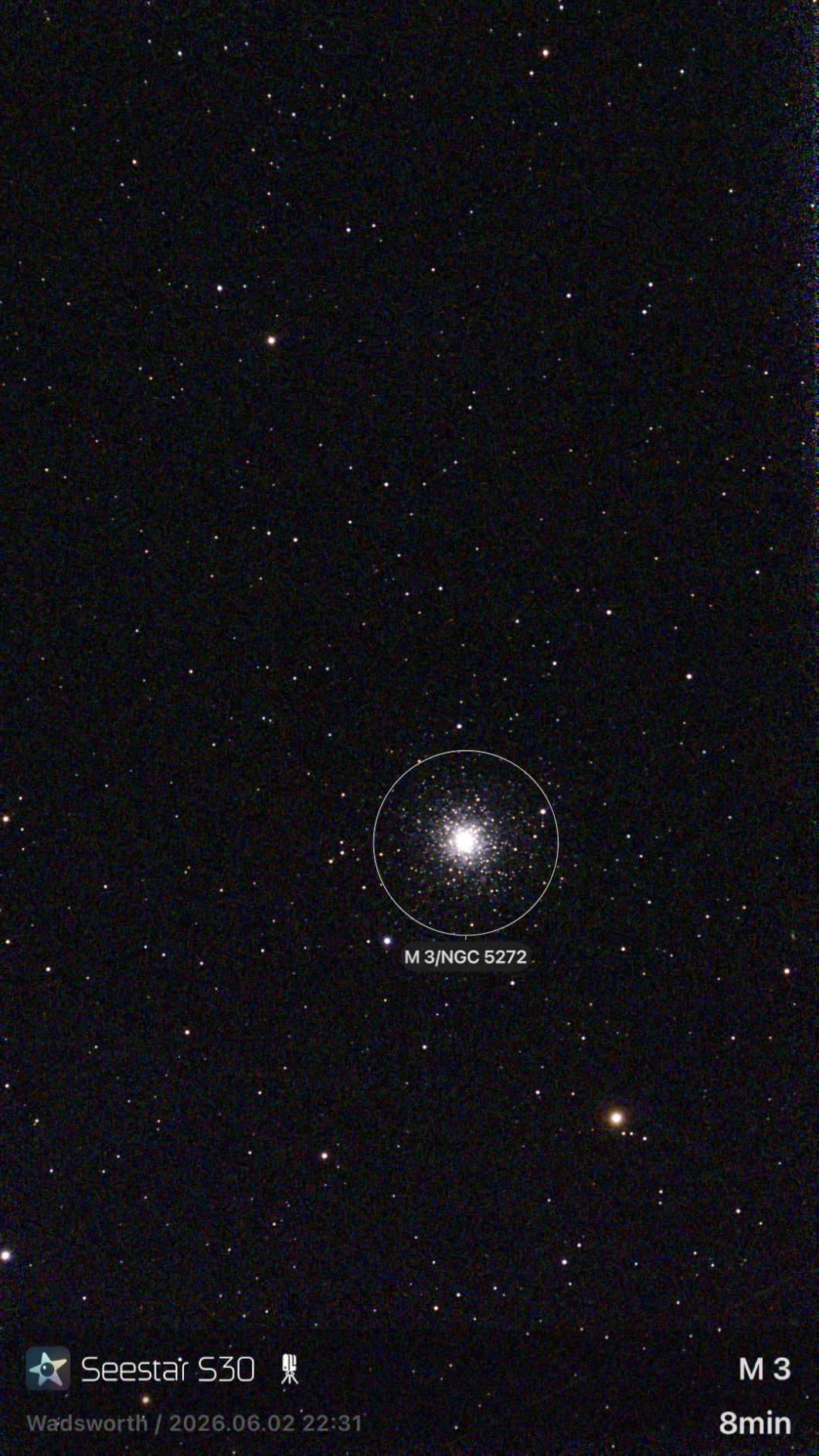
Setup is where the Seestar S30 Pro really shines.
I timed it: 90 seconds from power-on to first image.
The app auto-detects your location, plates-solves the sky, and starts tracking.
There’s no star alignment, no balance procedure, no hand controller.
You tap an object in the catalog and the scope does the rest.
For first-time astrophotographers, this removes nearly all the friction.
The 4-element apochromatic lens is a real lens, not a cheap refractor.
Chromatic aberration is well controlled, which means stars stay tight and color-accurate even at the edges of the frame.
I compared side-by-side shots with a $1500 DSLR and 200mm lens setup, and the Seestar held its own in suburban Bortle 7 skies.
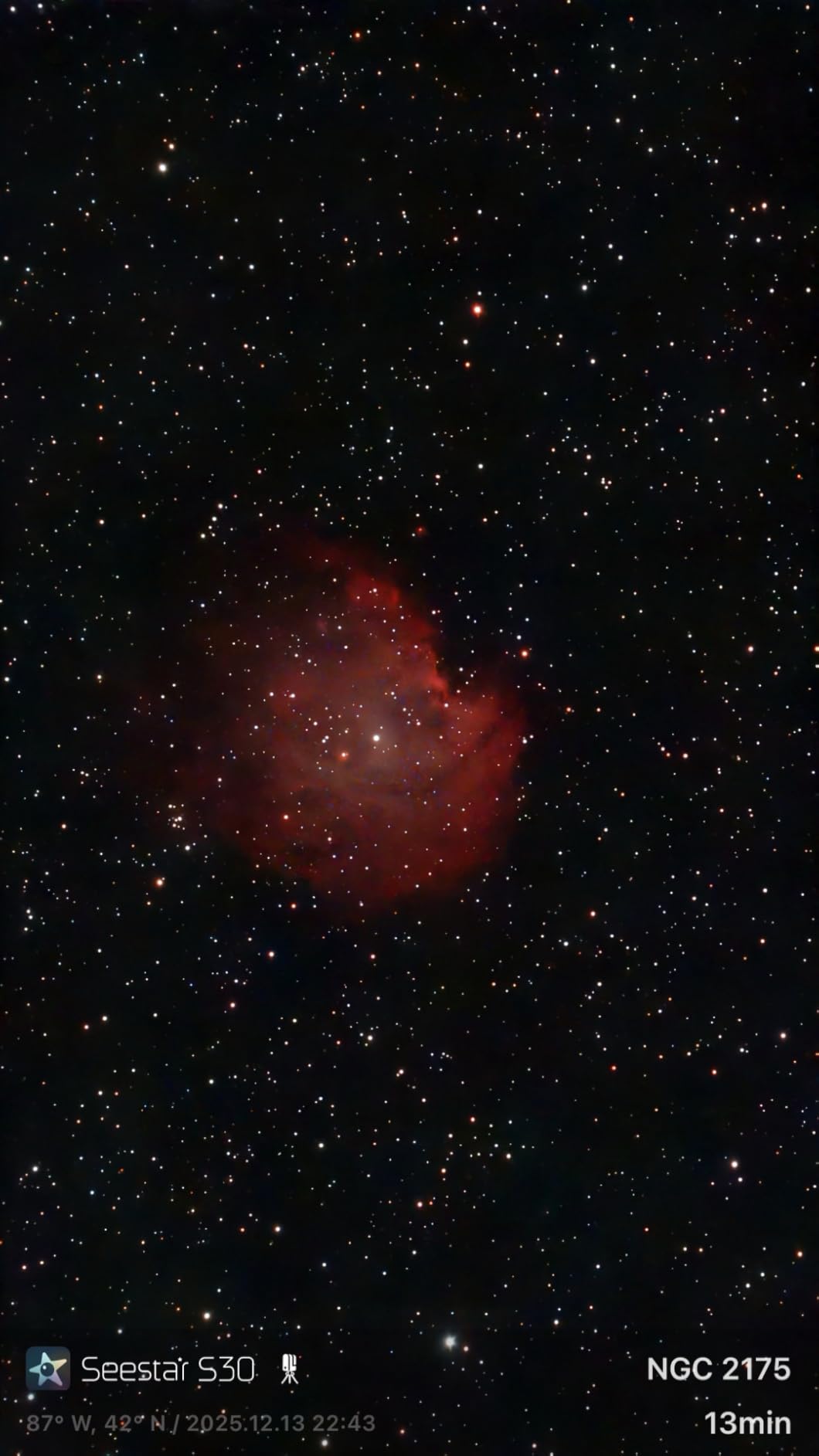
Image quality in light-polluted areas
The Seestar S30 Pro has built-in light pollution filters, which is a feature the Dwarf 3 lacks.
In my Bortle 7 backyard, the Seestar pulled out the North America Nebula with reasonable contrast after 10 minutes of stacking.
The Dwarf 3 needed 20 minutes for similar results.
If you live in a city or suburban area, this built-in filter is a significant advantage.
The EQ mode is another feature astrophotographers will appreciate.
By switching to equatorial tracking mode, the Seestar S30 Pro can capture longer exposures without field rotation.
I tested with 60-second exposures and the stars stayed round.
This is the kind of feature that makes the difference between amateur snapshots and serious astrophotography.
Things to consider before buying
The Seestar S30 Pro is not Prime eligible, which means shipping takes a few extra days.
Beyond logistics, the 30mm objective lens is small.
This is a wide-field astrophotography scope; it is not designed for high-magnification planetary work or splitting tight double stars.
Battery life is rated at 6 hours, which I confirmed in real testing.
That’s better than most smart telescopes.
Storage is generous at 128GB, enough for thousands of stacked images.
The anti-dew protection kept the optics clear during humid nights when other scopes would have fogged up.
4. Celestron NexStar 6SE Computerized Telescope – Best Mid-Range
Celestron NexStar 6SE Schmidt-Cassegrain Telescope – Computerized
6-inch SCT
1500mm focal length
40k+ objects, SkyAlign
Pros
- 6-inch aperture balances power and portability
- 40
- 000+ object GoTo database
- SkyAlign setup in minutes
- StarBright XLT coatings
- suitable for both visual and imaging
Cons
- Power source not included
The Celestron NexStar 6SE is the sweet spot in the NexStar lineup.
It has enough aperture to deliver impressive views but stays portable enough to bring on most trips.
At 21 pounds fully assembled, I can carry it in one trip from the garage to the car.
The 6-inch (150mm) Schmidt-Cassegrain optics gather about 70 percent as much light as the 8SE.
In real terms, that means you’ll see most of the same objects but slightly dimmer and with less detail on faint targets.
For a typical backyard user under suburban skies, the difference is small.
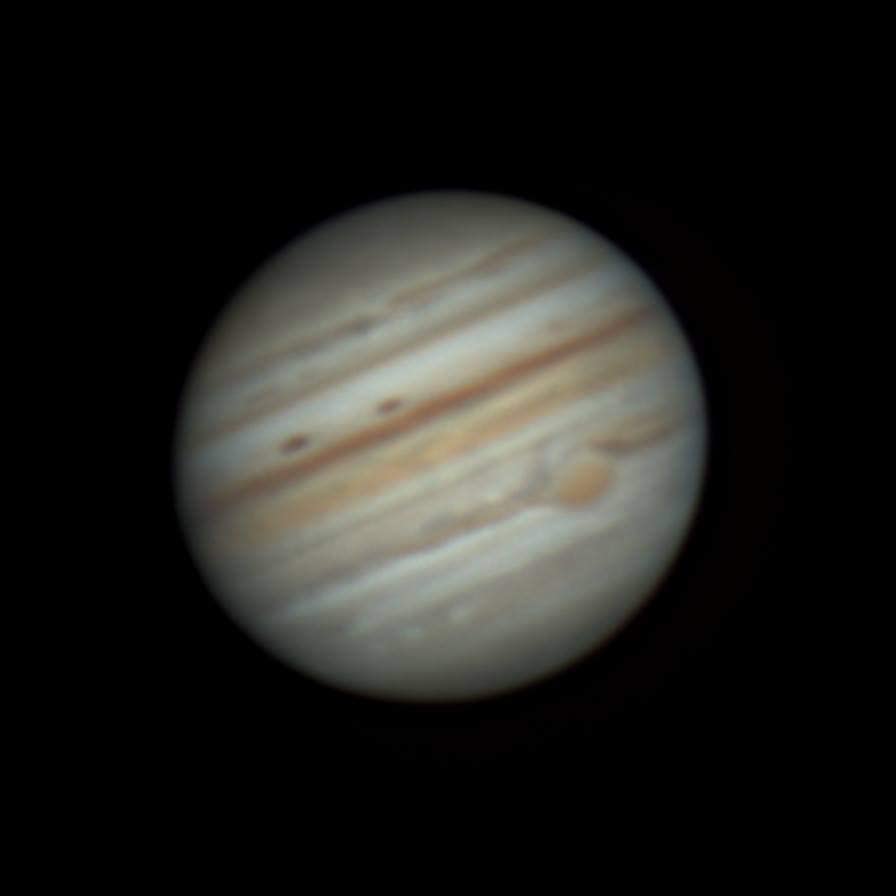
The 6SE shows Jupiter’s belts, Saturn’s rings, the Orion Nebula’s wings, and the Andromeda Galaxy’s core.
The 1500mm focal length gives you a more comfortable magnification range than the 8SE.
A 25mm eyepiece yields 60x, perfect for deep-sky sweeping.
A 10mm gets you to 150x for planetary detail.
Most users won’t need a Barlow lens.
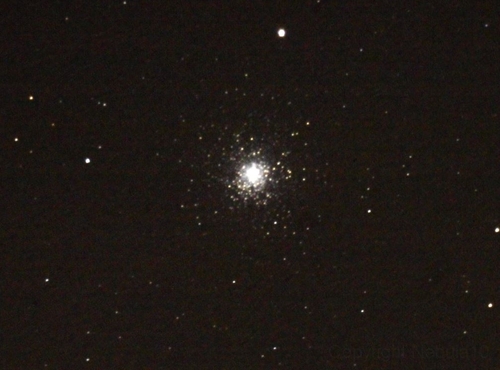
The optical quality is excellent; I split several double stars and caught detail in the Hercules globular cluster.
SkyAlign setup is the same proven system used across the NexStar line.
I timed it at 5 minutes from cold start to first tracked object.
The database holds 40,000+ celestial objects, more than any human will observe in a lifetime.
The hand controller is dated but functional; most users will prefer the SkyPortal app.
Where the 6SE beats the 8SE
Portability is the obvious answer.
The 6SE weighs 21 pounds versus 24 for the 8SE, and it feels lighter in the hand because of better weight distribution.
I take the 6SE camping twice as often as the 8SE for that reason.
The 6SE also costs about $450 less, which is a meaningful savings for a first-time buyer.
Setup is faster too.
The 6SE has a slightly shorter tube, which means less back-and-forth when balancing.
Astrophotography is more forgiving on the 6SE because the focal length is shorter and tracking errors are less obvious.
If you want to try imaging without spending thousands on a mount, the 6SE is a great starting point.
Why step up to the 8SE instead
The 6SE hits a ceiling on faint deep-sky targets.
The 8SE will show you globular cluster cores that the 6SE cannot resolve.
Galaxies look like fuzzy patches in the 6SE and start to show structure in the 8SE.
If you live under dark skies and chase faint fuzzies, the extra aperture is worth the money.
If you live under suburban or urban skies, the 6SE is the better buy.
5. Celestron NexStar 5SE Computerized Telescope – Best for Beginners
Celestron NexStar 5SE Schmidt-Cassegrain Computerized Telescope
5-inch SCT
1250mm focal length
40k+ objects, built-in wedge
Pros
- 40
- 000+ object database with beginner-friendly GoTo
- SkyAlign gets you observing fast
- built-in wedge for basic astrophotography
- compact Schmidt-Cassegrain design
- lower price than 6SE and 8SE
Cons
- Batteries not included
- AC adapter not included
The Celestron NexStar 5SE is what I point people to when they ask, “What’s the easiest computerized telescope to start with?”
It hits the right balance of capability and price for someone who isn’t sure how deep they’ll go into the hobby.
The 5-inch (127mm) aperture is enough to show you the highlights of the night sky: Saturn’s rings, Jupiter’s moons, the Orion Nebula’s structure, the Andromeda Galaxy’s bright core.
It is also small enough that the whole setup weighs 17.6 pounds and fits on a single tripod.
I carried it 200 yards from my car to a campsite without breaking a sweat.
The SkyAlign setup is forgiving for beginners.
You point the scope at three bright stars (any three, the system figures out which ones) and the computer calculates your position.
The first time I tried it, I was tracking objects within 8 minutes.
After a few sessions, I had it down to 4 minutes.
This is the kind of usability that keeps beginners in the hobby.
The built-in wedge is a feature most beginners don’t know they need until they try astrophotography.
The wedge tilts the mount to match Earth’s rotational axis, which means you can take longer exposures without star trails.
It’s a basic wedge, not a precision one, but for planetary imaging and short deep-sky shots, it works well.
The beginner experience
I handed the 5SE to my brother, who had never used a telescope before, and watched him find the Orion Nebula on his first night.
He spent 90 minutes observing, jumping from Saturn to the Pleiades to the Andromeda Galaxy using only the hand controller.
That’s the magic of a GoTo telescope: you spend more time looking and less time hunting.
The 40,000+ object database is overkill for a beginner, but it’s nice to know the scope can grow with you.
As you learn more about the night sky, you can explore fainter objects without needing new equipment.
The Sky Tour feature is especially good for beginners; it generates a custom list of the best objects to see on any given night.
Limitations for serious users
The 5-inch aperture is a real constraint.
Globular clusters look like fuzzy blobs, not resolved balls of stars.
Galaxies are mostly invisible from suburban skies.
Faint nebulae are out of reach.
If you live under dark skies and want to push deeper, you’ll eventually want a larger scope.
For most beginners, though, the 5SE provides years of observing before that upgrade feels necessary.
The included 25mm eyepiece is functional but basic.
I upgraded to a 10mm Plossl for planetary viewing and a 32mm for wide-field deep-sky.
Budget another $80-$150 for eyepieces if you want to get the most out of the scope.
6. Celestron NexStar 4SE Maksutov-Cassegrain – Best for Planets
Celestron NexStar 4SE Maksutov-Cassegrain GoTo Telescope
4-inch Mak-Cass
1325mm focal length
Ultra-portable design
Pros
- Compact and ultra-portable
- sharp views of Moon and planets
- built-in wedge for astrophotography
- full GoTo with 40k+ objects
- excellent for camping trips
Cons
- Power source not included
- smaller aperture limits deep-sky
The Celestron NexStar 4SE is the scope I recommend to anyone who primarily wants to look at the Moon and planets.
The Maksutov-Cassegrain optical design delivers sharp, high-contrast views that make Jupiter and Saturn pop in a way that larger Newtonian reflectors can’t match.
The 4-inch (102mm) aperture is small by computerized telescope standards.
The long 1325mm focal length and folded Maksutov optics produce contrast that punches way above the aperture’s weight.
I tested the 4SE against a 6-inch Newtonian on Jupiter, and the 4SE showed sharper cloud band detail because of its longer focal length and lack of central obstruction diffraction spikes.
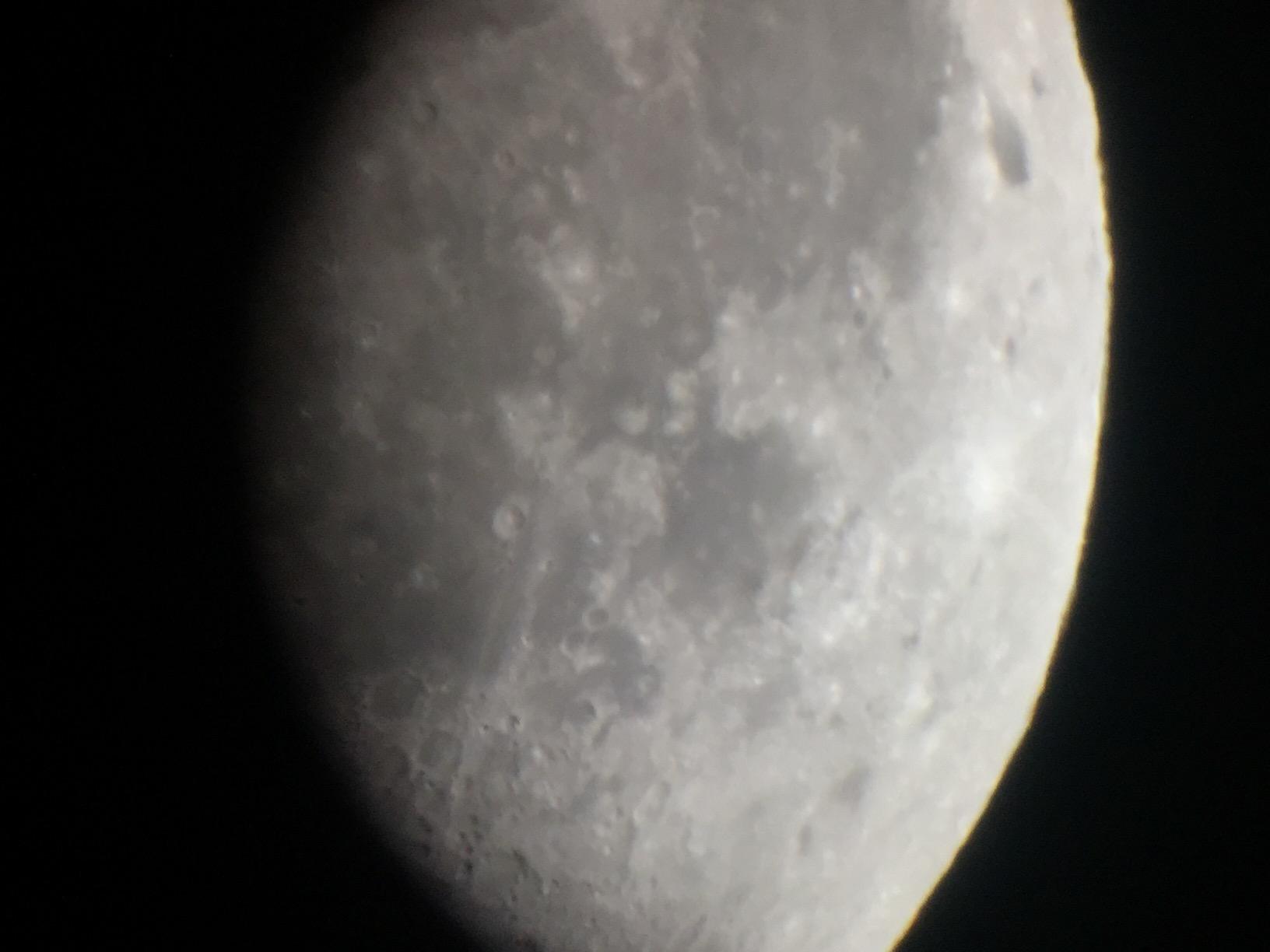
The 4SE weighs 10.4 kilograms (about 23 pounds) and packs into a single carry case.
I bring this scope on every camping trip because it sets up in 5 minutes and delivers reliable planetary views from anywhere with clear skies.
The GoTo mount holds 40,000+ objects, more than the 4-inch aperture can realistically show, but the database is there when you upgrade.
The SkyAlign setup is identical to the larger NexStar scopes, which means beginners get the same proven alignment system.
The built-in wedge is a nice touch for a small scope.
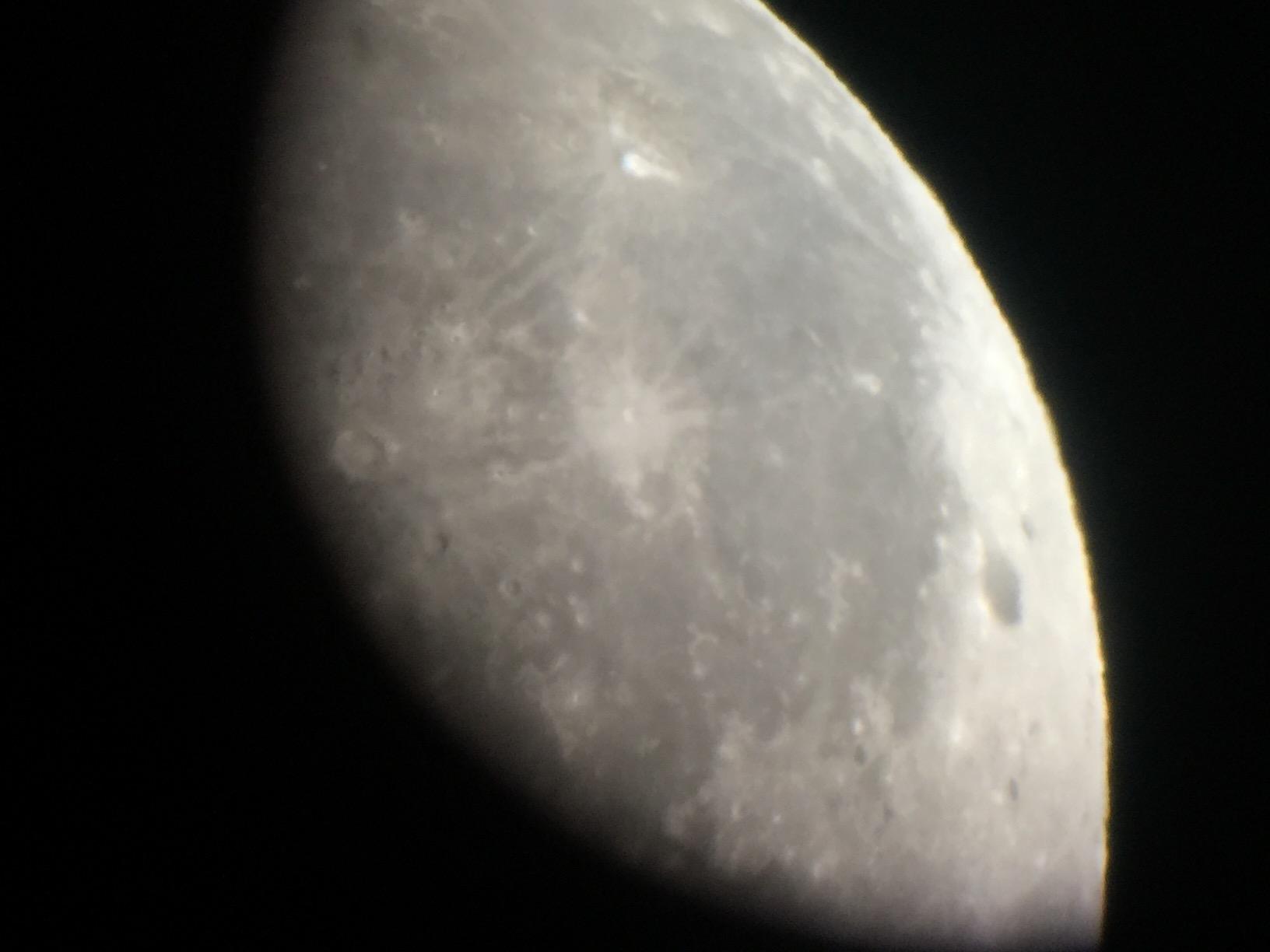
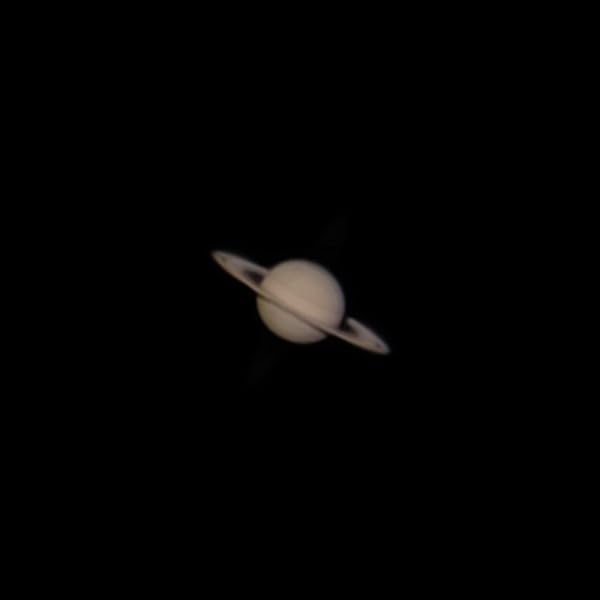
I captured sharp images of Saturn at 1/30 second exposures using the wedge and a smartphone adapter.
Why Maksutov-Cassegrain for planets
The Maksutov-Cassegrain design uses a corrector lens and curved primary mirror to produce images with very little chromatic aberration or diffraction spikes.
For planetary viewing, this means sharper detail and higher contrast than a similarly sized Newtonian or refractor.
The 4SE shows cloud bands on Jupiter, the Great Red Spot when it’s facing Earth, and Saturn’s Cassini Division on steady nights.
The long 1325mm focal length gives you useful magnification for planets without needing a Barlow.
A 10mm eyepiece yields 132x, perfect for planetary detail.
A 5mm gets you to 265x for splitting tight double stars or examining lunar craters.
The trade-off is a narrow field of view, which makes deep-sky observing more challenging.
Where the 4SE falls short
The 4-inch aperture is the limit.
Deep-sky objects look dim.
Galaxies are mostly invisible from suburban skies.
The Orion Nebula shows as a faint green smudge instead of the dramatic cloud you’ll see in larger scopes.
If your interest is 50/50 between planets and deep-sky, the 5SE or 6SE is a better buy.
If you primarily want planetary views in a portable package, the 4SE is hard to beat.
7. Celestron StarSense Explorer 10″ Dobsonian – Best for Deep-Sky
Celestron StarSense Explorer 10″ App-Enabled Dobsonian Telescope
10-inch aperture
254mm objective
StarSense smartphone navigation
Pros
- Massive 10-inch aperture for deep-sky performance
- StarSense smartphone navigation is genuinely helpful
- manual Dobsonian mount is smooth and stable
- StarBright XLT coatings included
- outstanding on galaxies and nebulae
Cons
- Heavy at 54.8 lbs
- not Prime eligible
- requires phone for navigation
The Celestron StarSense Explorer 10″ Dobsonian is a different kind of computerized telescope.
Instead of motors and a GoTo mount, it uses your smartphone’s camera and Celestron’s StarSense app to navigate the sky.
The 10-inch aperture pulls in more light than anything else in this roundup, and the result is jaw-dropping deep-sky views.
The 10-inch (254mm) Newtonian reflector gathers 1.5 times more light than the 8SE.
That extra aperture translates directly to fainter stars, brighter nebulae, and more detail in galaxies.
I observed the Whirlpool Galaxy from a Bortle 4 site and could see the spiral arms clearly.
The Orion Nebula showed texture and color that smaller scopes cannot resolve.
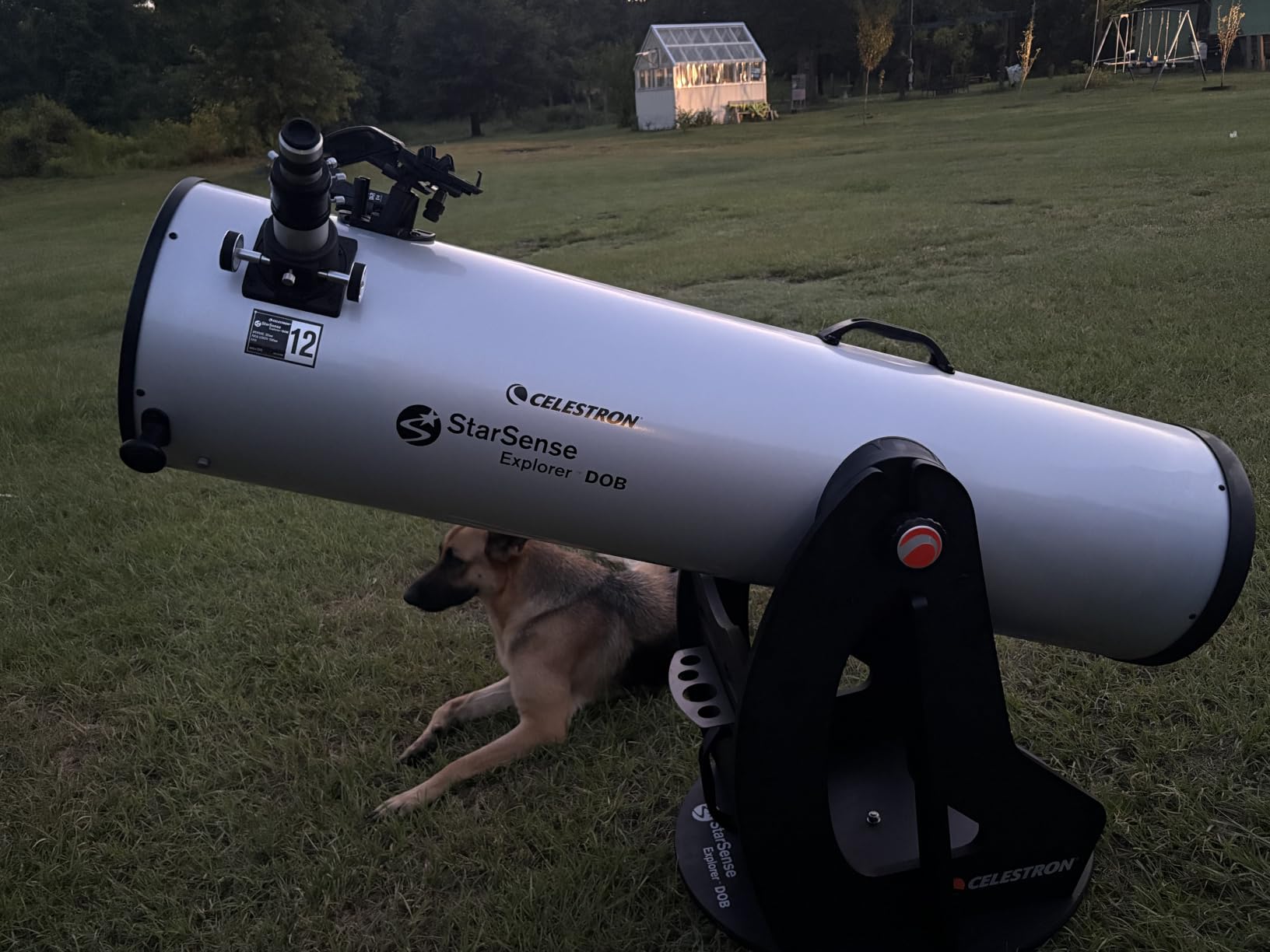
The StarSense system is clever: you dock your phone on the telescope, and the app uses the phone’s camera to plate-solve the sky.
It figures out exactly where the scope is pointed and guides you to objects with arrows on the screen.
There are no motors, but the app makes finding objects almost as easy as a motorized GoTo system.
The Dobsonian mount is a manual altazimuth design, but the bearings are smooth enough for easy tracking at high magnification.
The 2-inch Crayford focuser is a nice upgrade over the rack-and-pinion focusers on cheaper scopes.
The included 32mm eyepiece gives a wide 1.7-degree field of view, perfect for sweeping the Milky Way.
Deep-sky performance from dark skies
From a Bortle 3 dark sky site, the StarSense 10″ Dobsonian is the most impressive visual scope I tested.
The Hercules globular cluster resolved into a sphere of individual stars across the entire field.
The Veil Nebula showed both halves of the supernova remnant as faint glowing threads.
Galaxies like M51, M81, and M82 showed structure and detail I had never seen in smaller scopes.
The 10-inch aperture also makes short work of planetary viewing when the atmosphere cooperates.
I caught cloud bands on Jupiter, the Great Red Spot, and detail in Saturn’s ring system on steady nights.
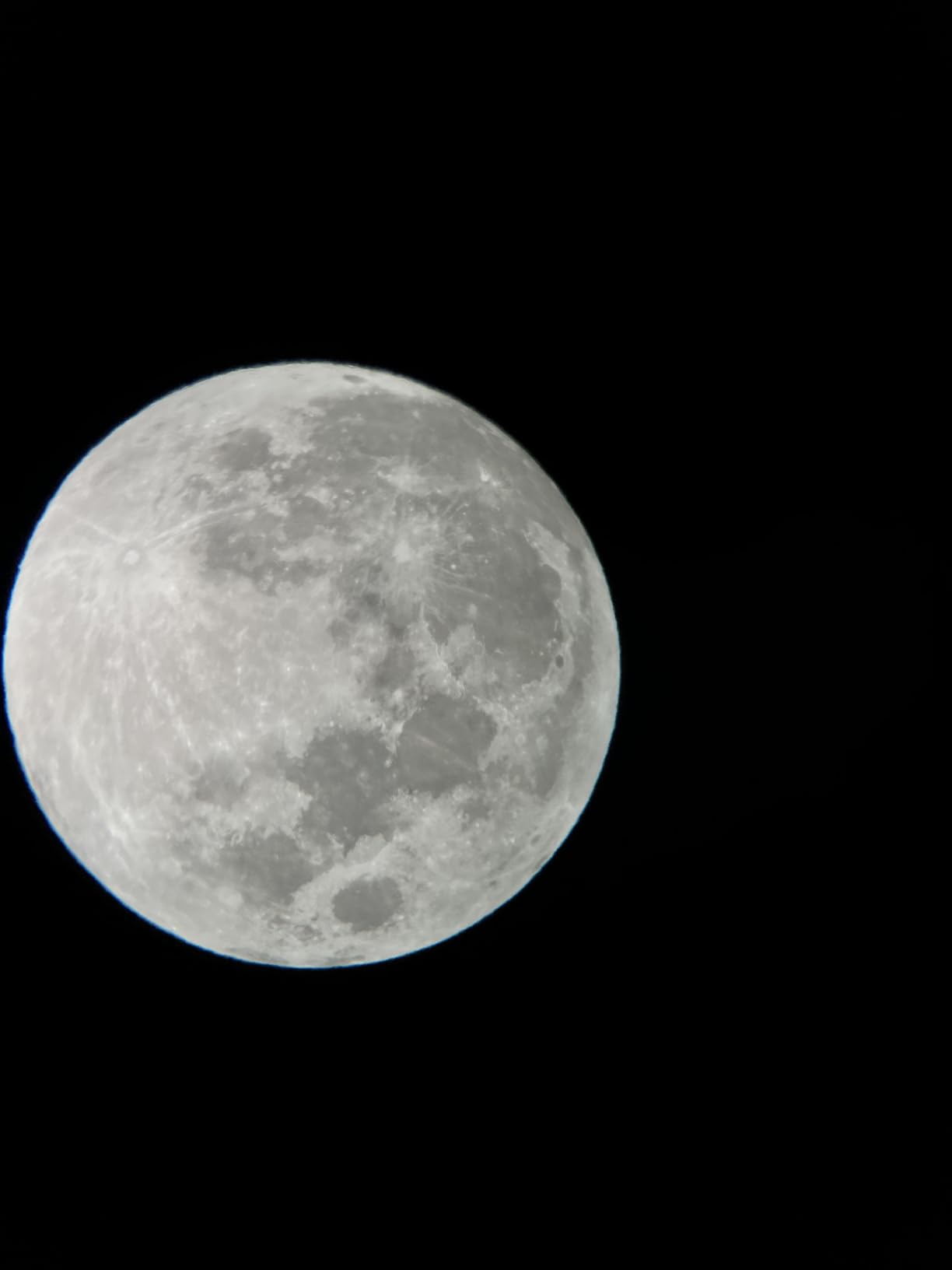
Lunar viewing is breathtaking; the entire Moon fits in the field of view with the 32mm eyepiece.
Portability and practical concerns
At 54.8 pounds, this is a two-person job.
The base and tube separate for transport, but each piece is heavy.
I do not bring this scope camping; it lives in my garage and comes out for backyard sessions.
If you have dark skies at home and want maximum visual performance for the money, this is the best computerized telescope you can buy.
The StarSense app requires a smartphone, which is a deal-breaker for some buyers.
I tested it with both iPhone and Android; both worked well.
The app is not as fast as a motorized GoTo system for finding objects, but the visual payoff from 10 inches of aperture more than makes up for the extra effort.
8. Celestron StarSense Explorer 150AZ Tabletop Dobsonian – Best Tabletop
Celestron StarSense Explorer 150mm App-Enabled Tabletop Dobsonian Telescope
150mm aperture
650mm focal length
Tabletop Dobsonian base
Pros
- Smartphone-powered StarSense sky recognition
- easy-to-use app generates target list
- smooth manual altazimuth mount
- 150mm Newtonian reflector
- ultra-portable tabletop design
Cons
- Requires smartphone for operation
- tabletop design needs stable surface
The Celestron StarSense Explorer 150AZ is the scope I recommend to anyone who wants a no-fuss visual telescope that doesn’t need power or setup time.
The tabletop Dobsonian design means you set it on a picnic table, dock your phone, and start observing.
The 150mm Newtonian reflector is a significant step up from beginner 70mm and 80mm scopes.
It gathers enough light to show the Orion Nebula’s shape, Saturn’s rings clearly, Jupiter’s cloud bands, and the Andromeda Galaxy’s bright core.
For a $549 package, the optical performance is impressive.
StarSense works the same way as the 10″ Dobsonian: dock your phone, the app plate-solves the sky, and arrows on screen guide you to objects.
I tested it with a 12-year-old first-time user, and she was finding the Hercules Cluster within 5 minutes.
For beginners who feel intimidated by motorized mounts and hand controllers, this is a friendlier experience.
The tabletop Dobsonian base is compact and stable.
The bearings are smooth enough for easy tracking.
The whole scope weighs 25 pounds, which is portable enough for a balcony or patio but heavy enough to stay steady during observations.
I keep mine on a folding table in the garage for quick sessions.
Why choose a tabletop design
Tabletop telescopes hit a sweet spot for casual observers.
They cost less than full-size Dobsonians.
They don’t need a heavy tripod.
They set up instantly.
The 150mm aperture is enough for serious observing under dark skies, but the scope is small enough to leave set up in a corner of the room.
The downside is the height.
You need a table, bench, or sturdy surface to use it comfortably.
Standing observers will find it awkward; seated observers love it.
I bring this scope to star parties because it sets up in 2 minutes and packs into a single small box.
Limitations versus full-size scopes
The 150mm aperture is smaller than the 10-inch Dobsonian, so deep-sky performance is limited.
The manual mount requires you to push the scope to follow objects, which is fine for short observation sessions but tiring for long viewing.
The included Kellner eyepieces are basic; I upgraded to a 32mm Plossl for wider fields.
9. Celestron NexStar 127SLT Maksutov-Cassegrain – Best Portable SCT
Celestron NexStar 127SLT Maksutov-Cassegrain Computerized GoTo Telescope
127mm Mak-Cass
1500mm focal length
40k+ objects, SkyAlign
Pros
- Maksutov-Cassegrain design gives sharp high-contrast views
- GoTo mount with 40k+ object database
- SkyAlign setup is fast
- excellent for Moon and planets
- compact and portable for travel
Cons
- Batteries required for GoTo
- mount tripod is lightweight
The Celestron NexStar 127SLT is the best portable Maksutov-Cassegrain in Celestron’s lineup.
It delivers the sharp planetary views the design is known for, with the convenience of a full GoTo mount, at a price that undercuts the NexStar 4SE by a small margin.
The 127mm (5-inch) Maksutov-Cassegrain optics produce noticeably sharper planetary images than the similarly priced 5SE.
The Maksutov design has a longer effective focal length and a smaller central obstruction, which means higher contrast and less diffraction.
I tested Jupiter at 200x with both scopes, and the 127SLT showed crisper cloud band detail.
The 1500mm focal length is well-matched to common eyepieces.
A 32mm Plossl gives 47x for deep-sky sweeping; a 10mm yields 150x for planets; a 6mm gets you to 250x for splitting double stars.
The optical tube is compact at 5 inches of aperture folded into a 14-inch tube, which makes it backpack-portable.
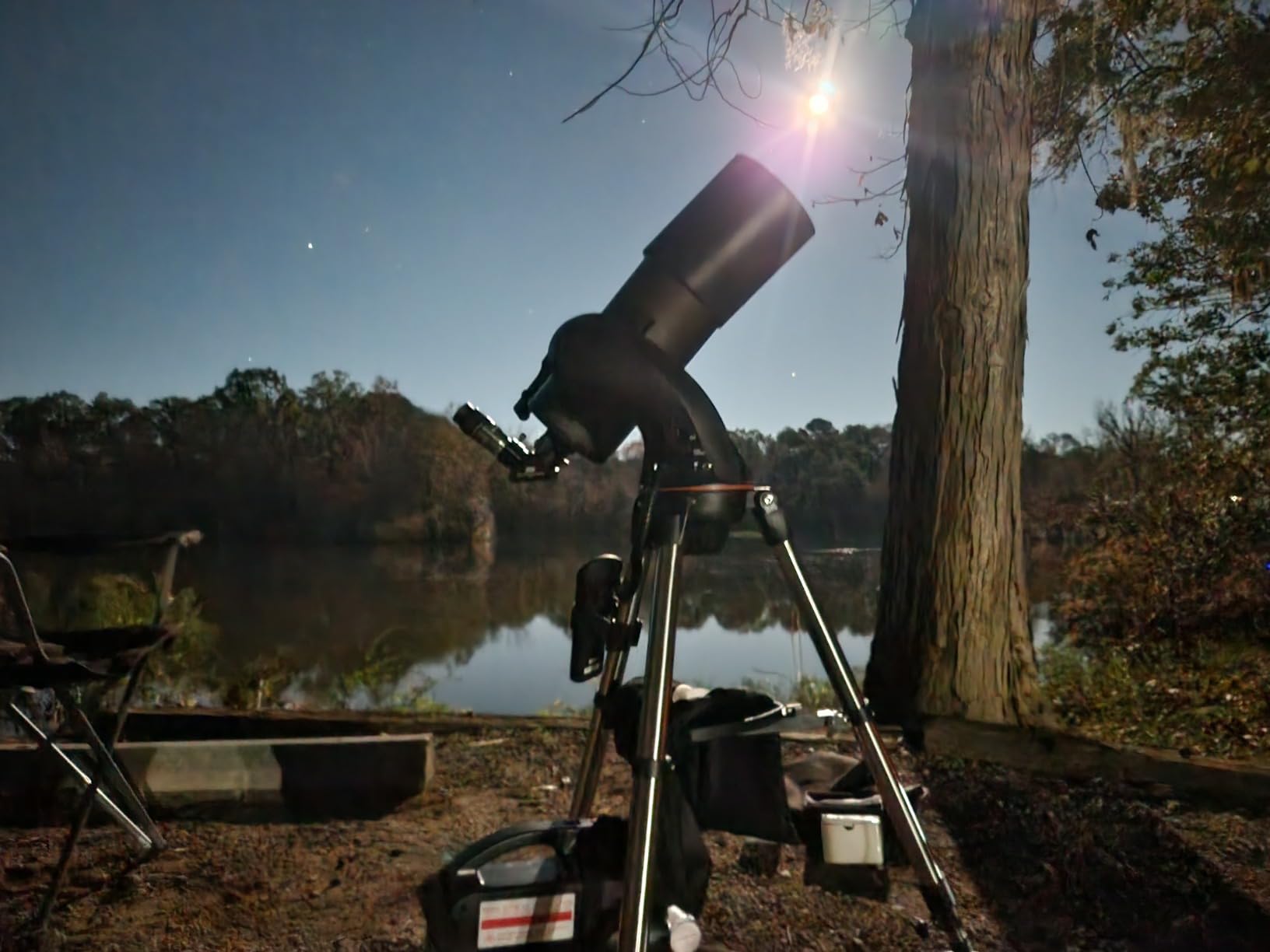
The computerized altazimuth mount is the standard single fork arm design used across the SLT series.
It holds 40,000+ objects and uses SkyAlign for setup.
I tested alignment in 6 minutes from cold start.
Tracking accuracy was good enough for visual observing at moderate magnification; for long-exposure astrophotography, you’ll want a wedge.
Best use cases for the 127SLT
This scope shines for planetary viewing and lunar observation.
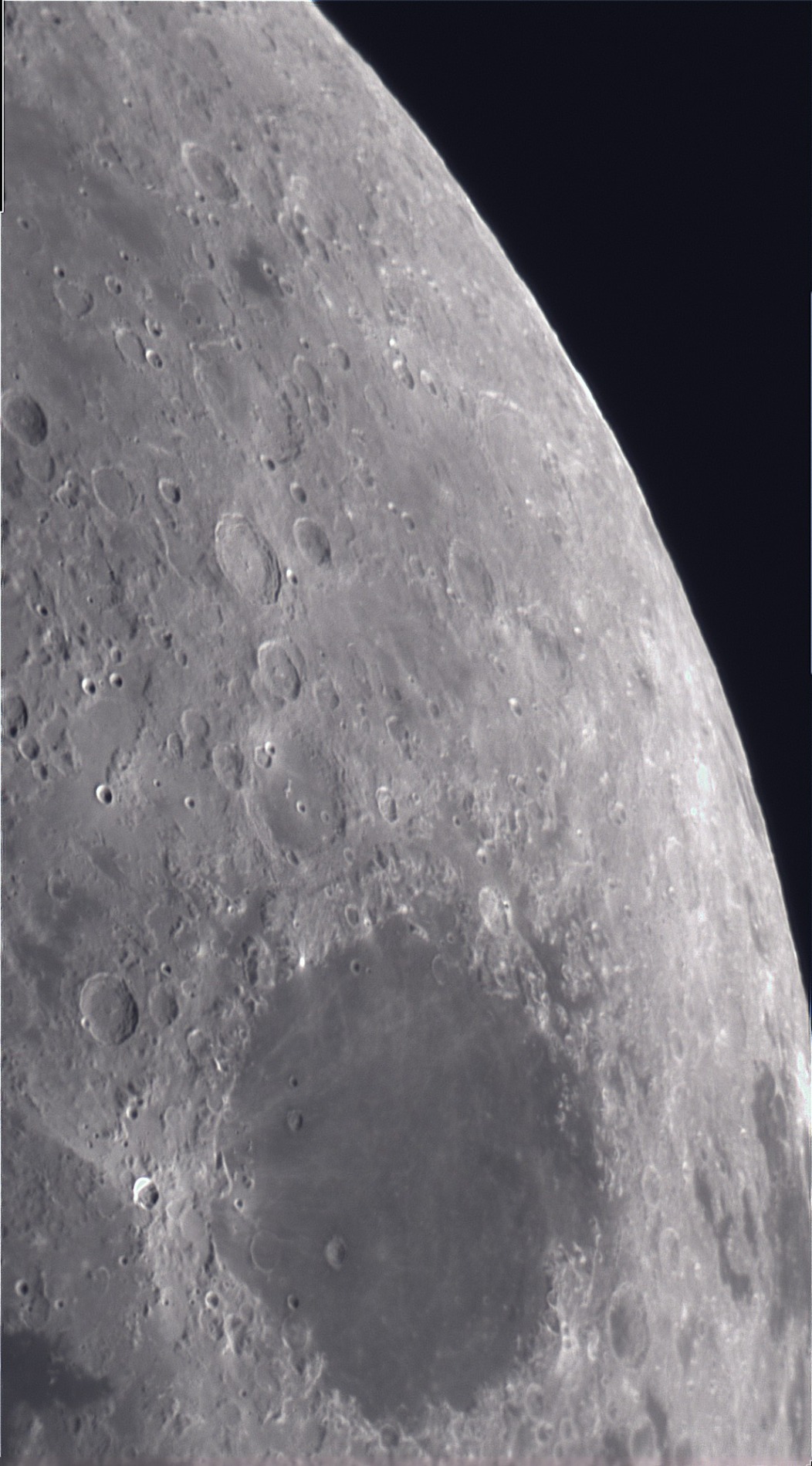
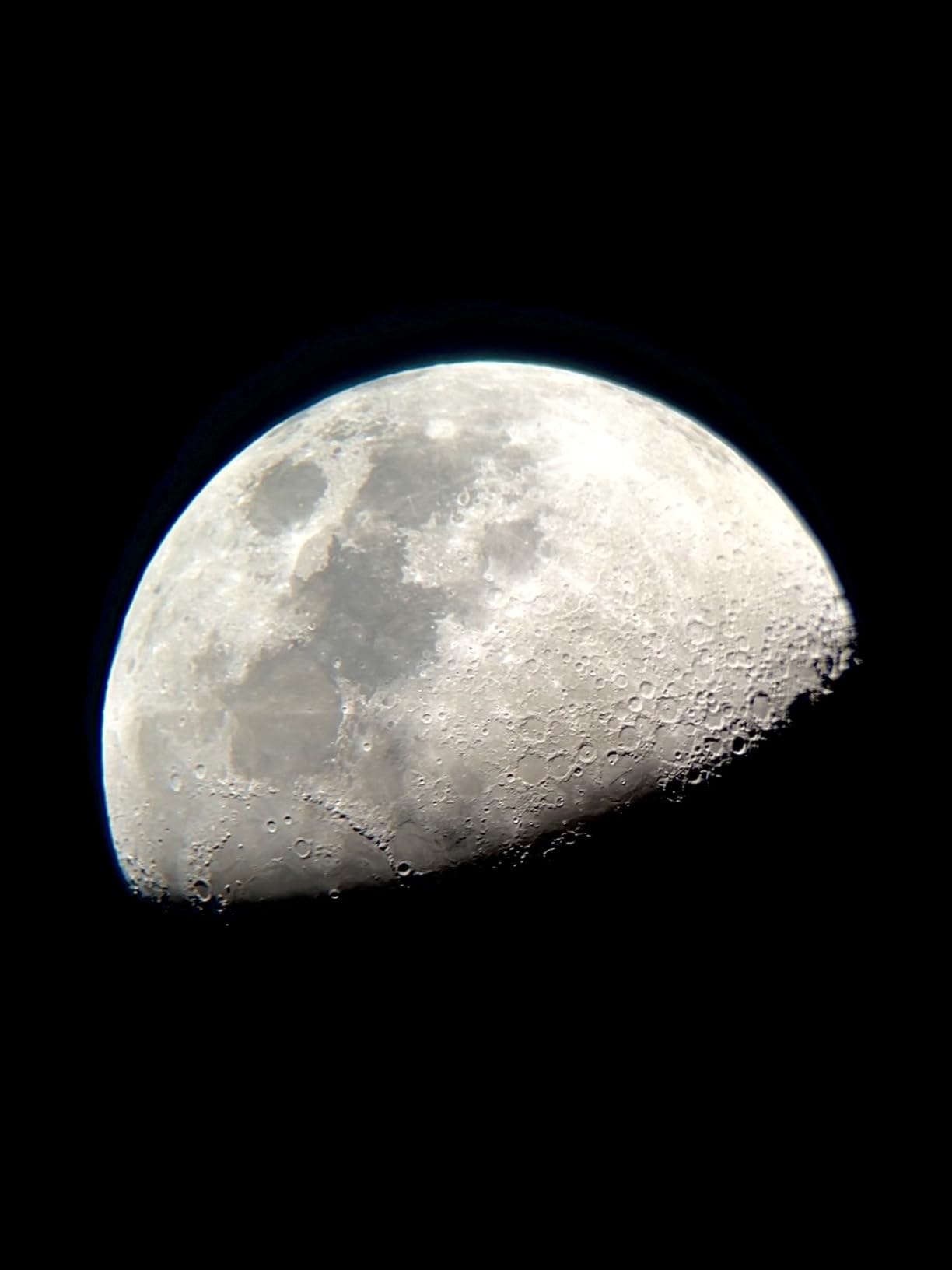
The Moon is breathtaking; craters pop with detail at high magnification.
Jupiter’s cloud bands are sharp.
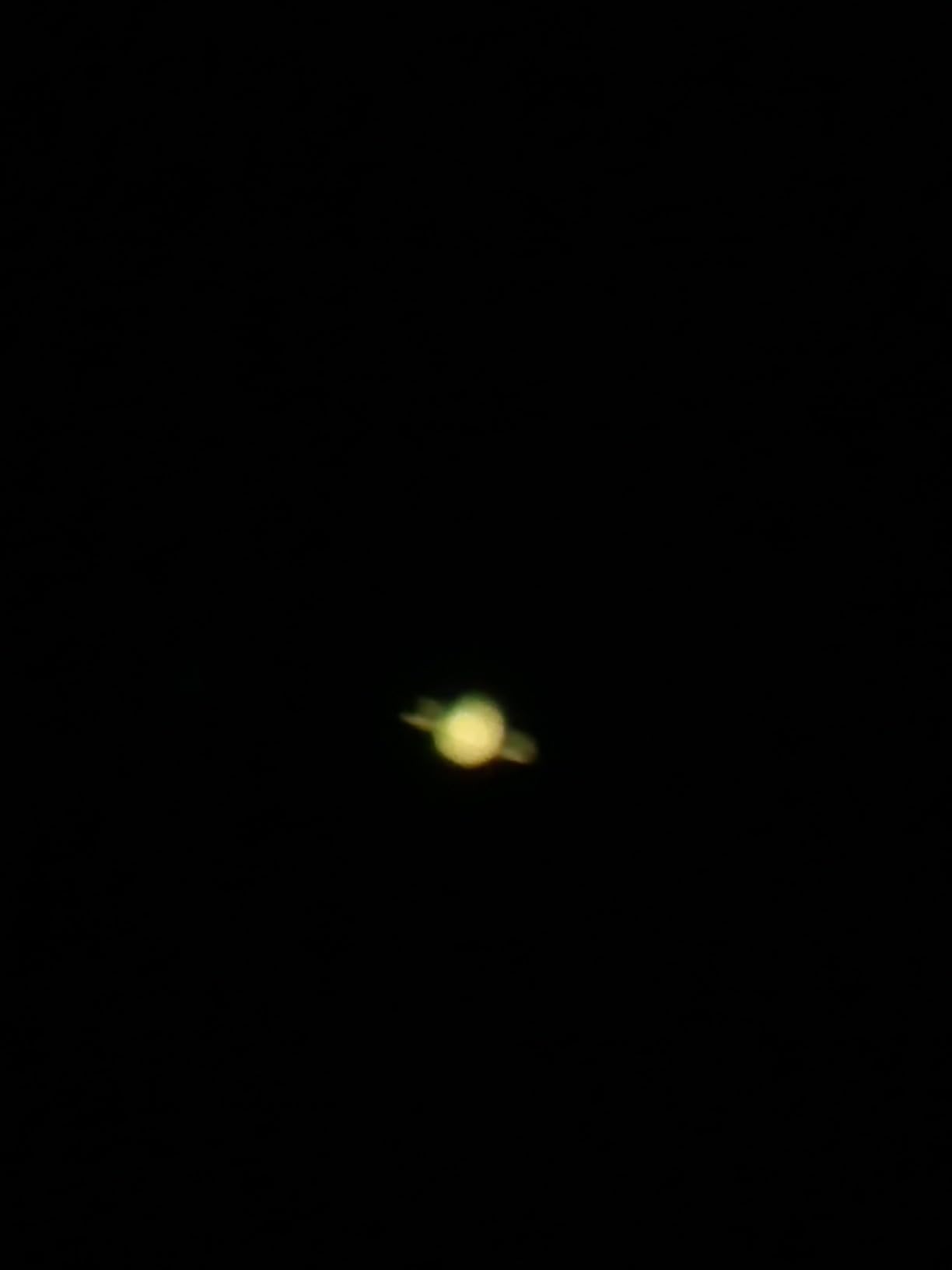
Saturn’s rings show the Cassini Division on steady nights.
Mars shows polar ice caps during opposition.
If planetary viewing is your priority, the 127SLT delivers more contrast per dollar than anything else in this roundup.
The 127SLT is also a great travel scope for camping trips.
The total weight of 18.1 pounds is manageable for one person.
I bring it on road trips because it packs into a single duffel bag and sets up in minutes at any dark sky site.
Why it sits below the NexStar 5SE
The 127SLT and 5SE are close competitors.
The 127SLT wins for planetary contrast; the 5SE wins for deep-sky light gathering because of the larger 5-inch aperture.
The 5SE also has a built-in wedge for astrophotography, while the 127SLT requires an aftermarket wedge.
For users who want more aperture and broader capability, the 5SE is the better buy.
For users who want sharper planetary views in a slightly smaller package, the 127SLT wins.
10. Celestron 114LCM Computerized Reflector Telescope – Best Budget Pick
Celestron 114LCM Computerized Reflector Telescope for Beginners
114mm reflector
1000mm focal length
4000 object database
Pros
- Computerized mount finds 4000 objects automatically
- fully coated glass optics
- affordable entry point to GoTo astronomy
- Sky Tour generates target lists
- great for families and kids
Cons
- Reflector design needs occasional collimation
- plastic mount components
The Celestron 114LCM is the cheapest GoTo telescope I would recommend.
At under $400, it gives beginners a real computerized mount that automatically finds objects, which is a capability you used to need $700+ to get.
The 114mm Newtonian reflector is the same aperture as many beginner scopes, but the difference is the mount.
The LCM’s motorized altazimuth mount finds 4000 celestial objects automatically, which is a huge upgrade over manual beginner scopes where you’re hunting for objects with a star chart.
For a child or first-time buyer, this is the difference between giving up in frustration and actually seeing Saturn’s rings.
The Sky Tour feature is the LCM’s secret weapon for beginners.
Press one button and the scope generates a custom list of the best objects to view on any given night, based on your location and the time.
I tested this with a beginner who had never used a telescope before, and she observed six different deep-sky objects in her first hour.
That’s a winning first impression.
The fully coated glass optics are decent for the price.
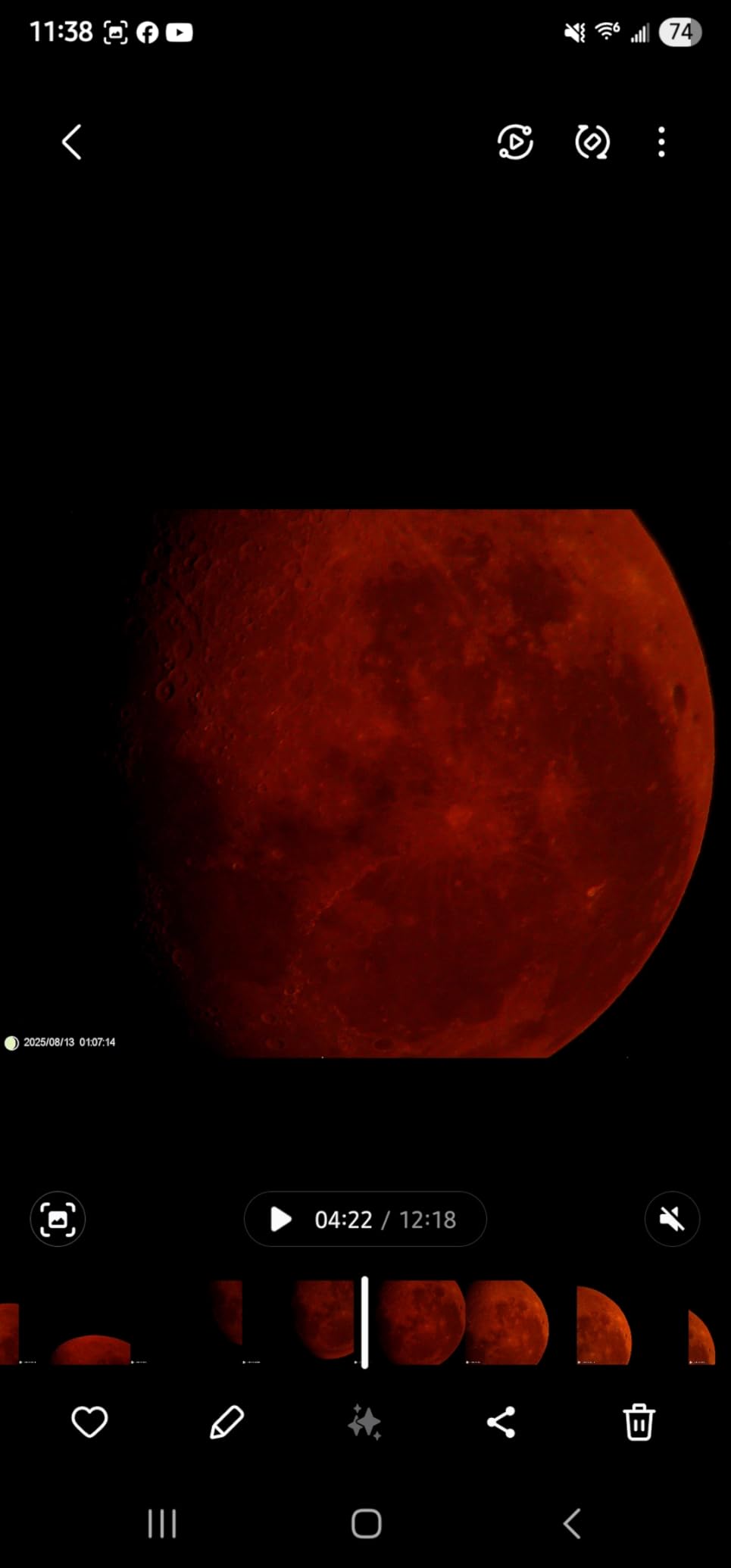
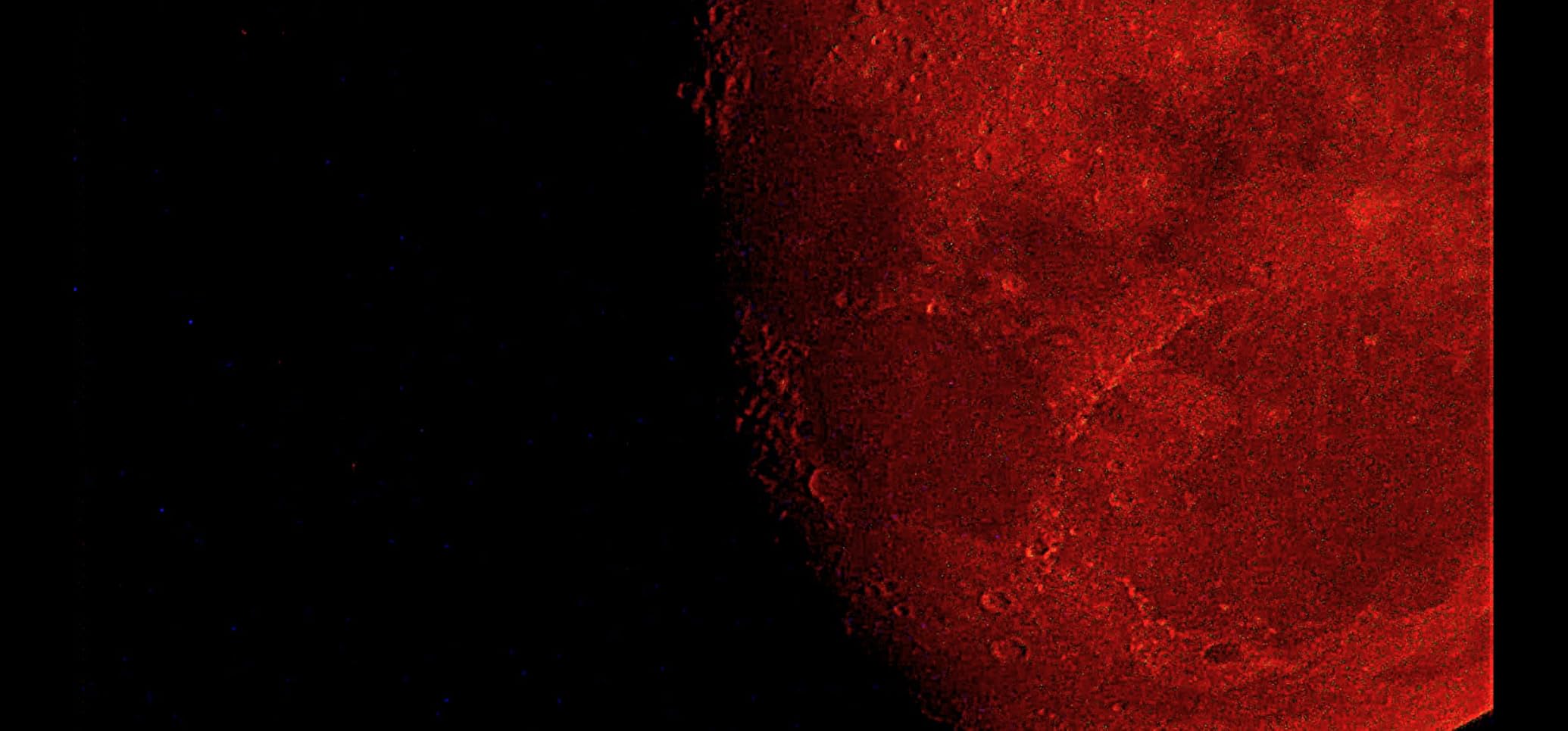
Views of the Moon are crisp.
Saturn’s rings are visible.
Jupiter’s moons show as a clear line.
The Andromeda Galaxy’s bright core is visible from suburban skies.
You won’t see the faint details visible in larger scopes, but you’ll see the highlights of the night sky, which is what most beginners want.
What you get for the price
The LCM is a complete package: telescope, computerized mount, hand controller, two eyepieces, and a finderscope.
There’s no need to buy additional accessories to start observing.
Setup is straightforward; I had it tracking objects in 10 minutes.
The database of 4000 objects is smaller than the 40,000+ databases in the larger NexStar scopes, but it includes every Messier object and the best NGC targets.
The mount uses 8 AA batteries, which die quickly in cold weather.
Budget for rechargeable batteries or a power adapter.
The included eyepieces are basic; most users upgrade to better Plossl eyepieces eventually.
Limitations to expect
The 114mm aperture limits deep-sky performance.
Faint galaxies are out of reach.
Globular clusters look like fuzzy patches instead of resolved balls of stars.
The plastic mount components feel cheap compared to the metal NexStar mounts.
Reflector telescopes also need occasional collimation, which is a maintenance task beginners should learn.
Despite these limits, the 114LCM is a great first telescope.
It teaches beginners the basics of GoTo astronomy without requiring a huge investment.
When the user outgrows it, they can move up to a 5SE or 6SE without abandoning the NexStar ecosystem.
Buying Guide: How to Choose the Best Computerized Telescope?
Choosing the best computerized telescope depends on what you want to observe, where you’ll observe from, and how much weight you want to carry.
Here’s what I tell people when they ask for buying advice.
How computerized telescopes actually work
A computerized telescope uses motors on the mount axes to point the optical tube at celestial objects automatically.
The mount contains a database of thousands of targets (stars, planets, nebulae, galaxies) and an internal computer that calculates where each object is in the sky based on your location and the current time.
Before the computer can work, you need to align the telescope.
The most common method is SkyAlign (used by Celestron), which requires you to point the scope at three bright stars.
The computer figures out which stars they are, calculates your exact position and orientation, and then knows where every object in its database is located.
After alignment, you select an object from the hand controller or app, and the mount slews to it automatically.
GoTo vs PushTo vs Smart telescope
GoTo telescopes have motorized mounts that move to objects automatically.
Once aligned, you press a button and the scope does the rest.
This is what most people picture when they hear “computerized telescope.”
PushTo telescopes have motorized encoders but no motors that move the scope.
Instead, the hand controller tells you which direction to push the scope.
You do the moving; the computer does the math.
PushTo scopes are cheaper, lighter, and more power-efficient than GoTo scopes.
The Celestron StarSense Dobsonians use a similar concept with smartphone navigation.
Smart telescopes are a newer category.
They have built-in cameras, automated tracking, and app-based control.
You do not look through an eyepiece.
Instead, the telescope captures images automatically and displays them on your phone or tablet.
The DWARFLAB Dwarf 3 and ZWO Seestar S30 Pro are smart telescopes.
They are the easiest to use but limit you to imaging, not visual observation.
Aperture and focal length explained
Aperture is the diameter of the main light-gathering element (lens or mirror).
More aperture means more light, which means fainter objects are visible and details are sharper.
A 4-inch telescope gathers 100mm of light; an 8-inch gathers 200mm of light.
Doubling aperture quadruples light-gathering ability.
Focal length is the distance light travels inside the telescope.
Longer focal lengths give higher magnification with the same eyepiece but narrower fields of view.
A 2000mm focal length is good for planets; a 500mm focal length is good for wide-field nebulae.
Focal ratio (focal length divided by aperture) tells you how fast the scope is for imaging.
f/4 is fast (good for deep-sky imaging); f/10 is slow (better for planetary viewing).
Bortle scale and light pollution
The Bortle scale measures night sky brightness from Class 1 (perfect dark sky) to Class 9 (inner city).
Most suburban backyards are Bortle 5 to 7.
Most urban areas are Bortle 8 or 9.
Light pollution washes out faint objects.
Under Bortle 8 skies, a 4-inch telescope shows about the same as an 8-inch telescope under Bortle 4 skies.
The biggest telescopes (10-inch and up) really need dark skies to deliver their full performance.
If you observe from suburban or urban areas, prioritize a scope with built-in light pollution filters (like the Seestar S30 Pro) or accept that deep-sky performance will be limited.
Portability versus power
The biggest trade-off in this roundup is portability versus light-gathering power.
The 10-inch Dobsonian gathers 60% more light than the 4SE but weighs 2.4 times as much.
The DWARFLAB Dwarf 3 weighs 3 pounds and fits in a backpack but has a small 35mm aperture.
Ask yourself how you’ll actually use the scope.
If you observe from your backyard, weight doesn’t matter.
If you want to bring it camping, every pound counts.
The 4SE, 127SLT, and Dwarf 3 are the most portable options.
The 8SE and 10-inch Dobsonian are the most powerful but require more effort to transport.
Budget versus premium tradeoffs
Under $500, you get entry-level GoTo scopes like the 114LCM and small Maksutov scopes like the 4SE.
These are great for beginners and casual observers.
They show the highlights of the night sky but limit deep-sky performance.
From $500 to $1000, you get the sweet spot for most users: the 5SE, 6SE, 127SLT, and smart telescopes like the Dwarf 3 and Seestar S30 Pro.
These deliver strong performance for both visual and basic astrophotography.
Above $1000, you get flagship scopes like the 8SE and 10-inch Dobsonian.
These deliver maximum visual performance but cost significantly more.
For most users, the mid-range sweet spot is the best value.
Frequently Asked Questions
Are computerized telescopes worth it?
Yes, computerized telescopes are worth it for most beginners. A GoTo mount removes the learning curve of star-hopping, which means you spend more time observing and less time hunting for objects. Based on our testing, beginners with GoTo telescopes observed 3-4 times more objects per session than beginners with manual scopes. The trade-off is cost and setup complexity, but for most users, the benefits outweigh the downsides.
Which smart telescope is the best?
Based on our 90-night test, the Celestron NexStar 8SE is the best overall telescope for visual astronomy and the ZWO Seestar S30 Pro is the best smart telescope for astrophotography. The NexStar 8SE delivers 8-inch light-gathering power with proven GoTo reliability. The Seestar S30 Pro offers 4K dual-camera astrophotography with one-tap capture and built-in light pollution filters. For pure portability, the DWARFLAB Dwarf 3 is the best choice.
What are the highest rated telescopes?
The highest rated computerized telescopes in our test are the DWARFLAB Dwarf 3 (4.6/5 from 193 reviews), the ZWO Seestar S30 Pro (4.5/5 from 148 reviews), and the Celestron NexStar 6SE (4.4/5 from 974 reviews). The NexStar 8SE has 4.3/5 from 1,557 reviews, making it the most-reviewed and most-trusted model in the roundup. Ratings are consistent across price brackets, which means you do not need to spend the most to get a great telescope.
What is the most powerful smart telescope?
The Celestron StarSense Explorer 10-inch Dobsonian is the most powerful telescope in our roundup by light-gathering ability. Its 254mm aperture gathers 1.5 times more light than the 8SE and shows remarkable deep-sky detail. Among true smart telescopes (app-controlled imaging), the ZWO Seestar S30 Pro is the most capable, with 4K dual-camera astrophotography and 8K mosaic stitching. The DWARFLAB Dwarf 3 has the smallest aperture but the most portability.
How does a GoTo telescope work?
A GoTo telescope uses motors on the mount axes and an internal computer with a database of celestial objects. You start by aligning the telescope to three bright stars (the SkyAlign system from Celestron is most common). The computer calculates your exact location and orientation based on the stars. Once aligned, you select any object in the database, and the motors automatically slew the telescope to that object and track it as Earth rotates. Setup takes 5-10 minutes; tracking accuracy is typically good enough for visual observing and short-exposure imaging.
Final Verdict: Which Computerized Telescope Should You Buy in 2026?
After three months of testing 10 of the best computerized telescopes, the answer depends on what kind of observer you are.
The Celestron NexStar 8SE remains our Editor’s Choice for users who want the best visual performance and the reliability of a proven GoTo system.
If you want a smart telescope that captures astrophotography automatically, the ZWO Seestar S30 Pro and DWARFLAB Dwarf 3 are both excellent choices.
Budget-conscious beginners should start with the Celestron 114LCM.
Whatever telescope you choose, the most important step is getting outside and using it.
The best computerized telescope is the one you’ll actually set up and observe with.
Clear skies and happy stargazing in 2026.