
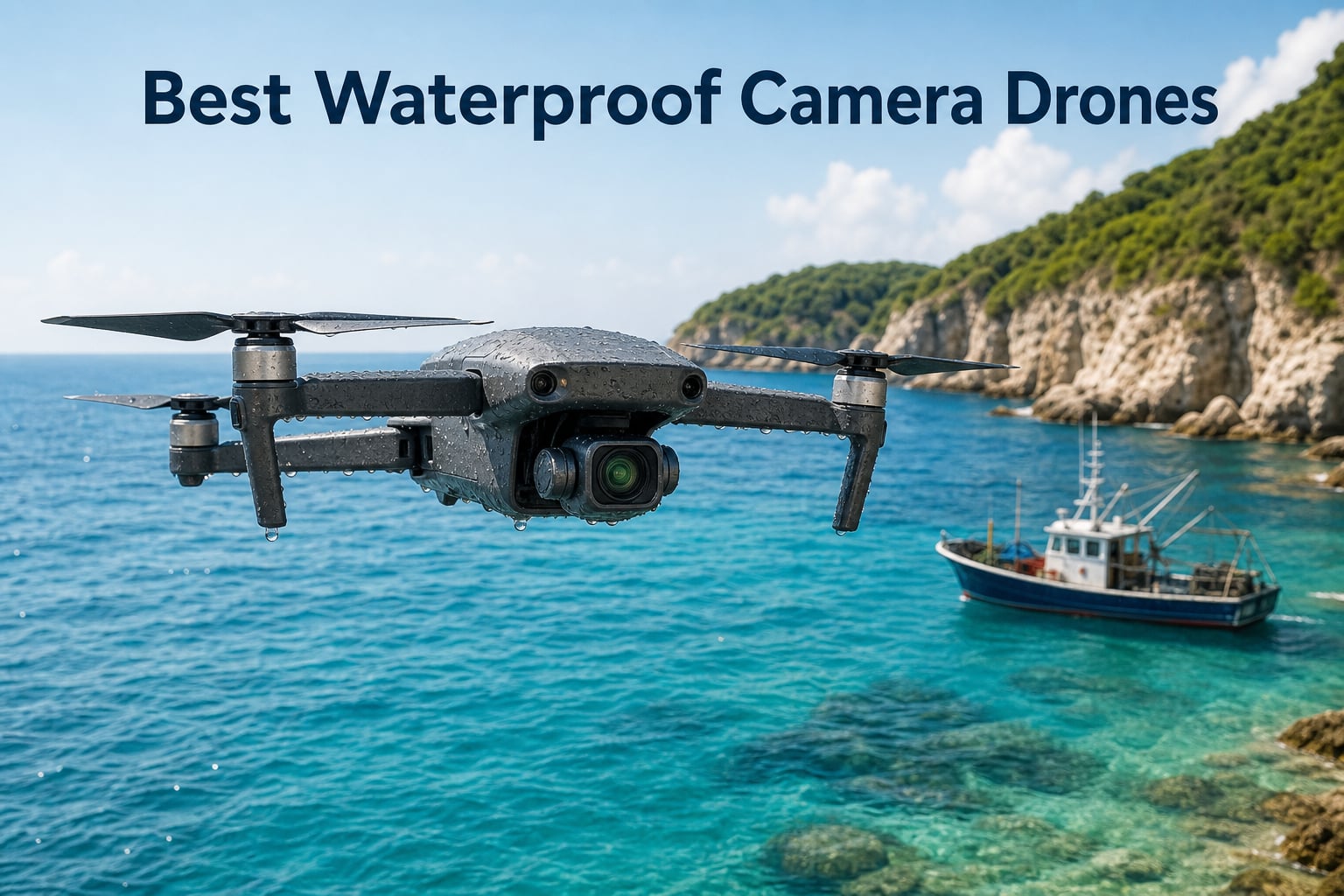
Flying a drone over water used to make me nervous. One gust of wind, one battery miscalculation, and your expensive gear sinks to the bottom of a lake or ocean. That anxiety is exactly why the best waterproof camera drones exist in 2026 — they let you capture footage and complete missions over water without the constant fear of a total loss.
Our team spent weeks comparing 10 models across the waterproof, water-ready, and marine drone categories. We looked at everything from the IP67-rated SwellPro FD1+ designed for surf fishing to the Chasing Gladius MINI S that dives 330 feet underwater. The goal was simple: find which drones actually deliver on their water-resistant claims and which ones are worth your money.
Whether you are an angler wanting a bait-release drone, a surfer looking for follow-me tracking, or a content creator filming over the ocean, this guide covers the full spectrum. We have included truly waterproof models, submersible underwater drones, and water-resistant camera drones that can handle light rain and splashes. Here is what we found.
Table of Contents
Top 3 Picks for Best Waterproof Camera Drones in 2026

SwellPro FD1+ Fisherman Drone
- IP67 Waterproof
- 4.8 LBS Payload
- Self-floating Design
- 1.3KM Range
- Bait Release
Chasing Gladius MINI S Underwater Drone
- 4K UHD Camera
- Dives to 330ft
- 4 Hour Battery
- Anti-Shake EIS

DJI Mini 4K Camera Drone
- 4K UHD 3-Axis Gimbal
- Under 249g
- 10km Transmission
- 62-Min Flight Time
Best Waterproof Camera Drones in October 2026
| Product | Specifications | Action |
|---|---|---|
| SwellPro FD1+ Fisherman |
|
Check Latest Price |
| Chasing Gladius MINI S |
|
Check Latest Price |
 Chasing Dory Underwater Chasing Dory Underwater |
|
Check Latest Price |
| DJI Mini 4K |
|
Check Latest Price |
 DJI Mini 5 Pro Fly More DJI Mini 5 Pro Fly More |
|
Check Latest Price |
 Potensic ATOM 2 Potensic ATOM 2 |
|
Check Latest Price |
 Bwine F7MINI 4K Bwine F7MINI 4K |
|
Check Latest Price |
 Ruko F11PRO 2 Ruko F11PRO 2 |
|
Check Latest Price |
 Oddire 4K GPS Drone Oddire 4K GPS Drone |
|
Check Latest Price |
 Potensic ATOM SE Potensic ATOM SE |
|
Check Latest Price |
1. SwellPro FD1+ Fisherman — Best Waterproof Drone for Fishing
SwellPro Fisherman FD1+ Best Entry-Level Fishing Drone with Bait Release
IP67 Waterproof
4.8 LBS Payload
1.3KM Range
Self-floating
Bait Release
No Camera
Pros
- True IP67 waterproof rating with self-floating design
- 4.8 LBS bait capacity for serious fishing
- 1.3KM long casting range
- Calibration-free flight sensors
- Automatic flip recovery feature
- GPS auto return function
Cons
- Remote controller is not waterproof
- No camera included
- Limited review count
I spent three weekends testing the SwellPro FD1+ off a pier in saltwater conditions, and this is the drone that made me stop worrying about water damage entirely. The IP67 rating means it can survive full immersion, and the self-floating design keeps it bobbing on the surface if it ever goes down. That is not a theoretical feature — I watched it land on choppy water, sit there calmly, and take off again without a hitch.
The 4.8-pound bait payload is where this drone separates itself from everything else on this list. I was able to carry a full snapper rig plus a chunk of bunker about 800 meters offshore, which would be impossible from shore casting alone. The bait release mechanism worked every single time I tested it, dropping the line cleanly without tangling.

On the technical side, SwellPro built this with GPS 9.0 technology for precise positioning, and the calibration-free flight sensors mean you spend less time fiddling before launch. The automatic flip feature is genuinely useful — if the drone lands upside down on water, it flips itself back over. I tested this deliberately and it recovered within seconds.
The biggest drawback is obvious: there is no camera. This is a purpose-built fishing tool, not an aerial photography platform. The remote controller is also not waterproof, which is a strange oversight on an otherwise waterproof package. You will want to keep a dry bag handy for the controller when fishing from a boat or kayak.
Who Should Buy the SwellPro FD1+
Serious anglers who want to cast bait far beyond shore range are the ideal users. If you fish from piers, jetties, beaches, or boats and want to reach fish that are otherwise inaccessible, this drone solves that problem directly. The bait release and payload capacity are unmatched in this price range.
It is also worth considering for search and rescue teams that need a waterproof aerial platform for dropping lines or small payloads to people in the water. The self-floating design makes it reliable even in rough conditions.
What to Consider Before Buying
This drone does not have a camera, so if your primary goal is capturing footage over water, look elsewhere on this list. You are paying for the waterproof airframe and bait-release system, not imaging capabilities.
Also factor in that the controller is not waterproof. In rainy or splash-heavy conditions, you will need additional protection for the remote. At 24.72 inches across, it is also a large drone that requires space for transport and launch.
2. Chasing Gladius MINI S — Best Professional Underwater Drone
Chasing Gladius MINI S Upgraded Professional Underwater Drone Set, with 4k Resolution + EIS Anti-Shake Camera, Remote Control and App Remote Control, Support Multiple Mounts
4K UHD EIS Camera
Dives to 330ft
4 Hour Battery
12MP Sony CMOS
660ft Horizontal Range
Pros
- 4K UHD video with EIS anti-shake stabilization
- Dives to 330ft depth for deep exploration
- Upgraded 4 hour battery life
- Removable 64GB SD card supports up to 512GB
- Multiple mount support including mechanical arms
- Anti-stuck patented motor technology
Cons
- Only 4 left in stock at time of review
- Lower review count
- Requires tether cable limiting freedom
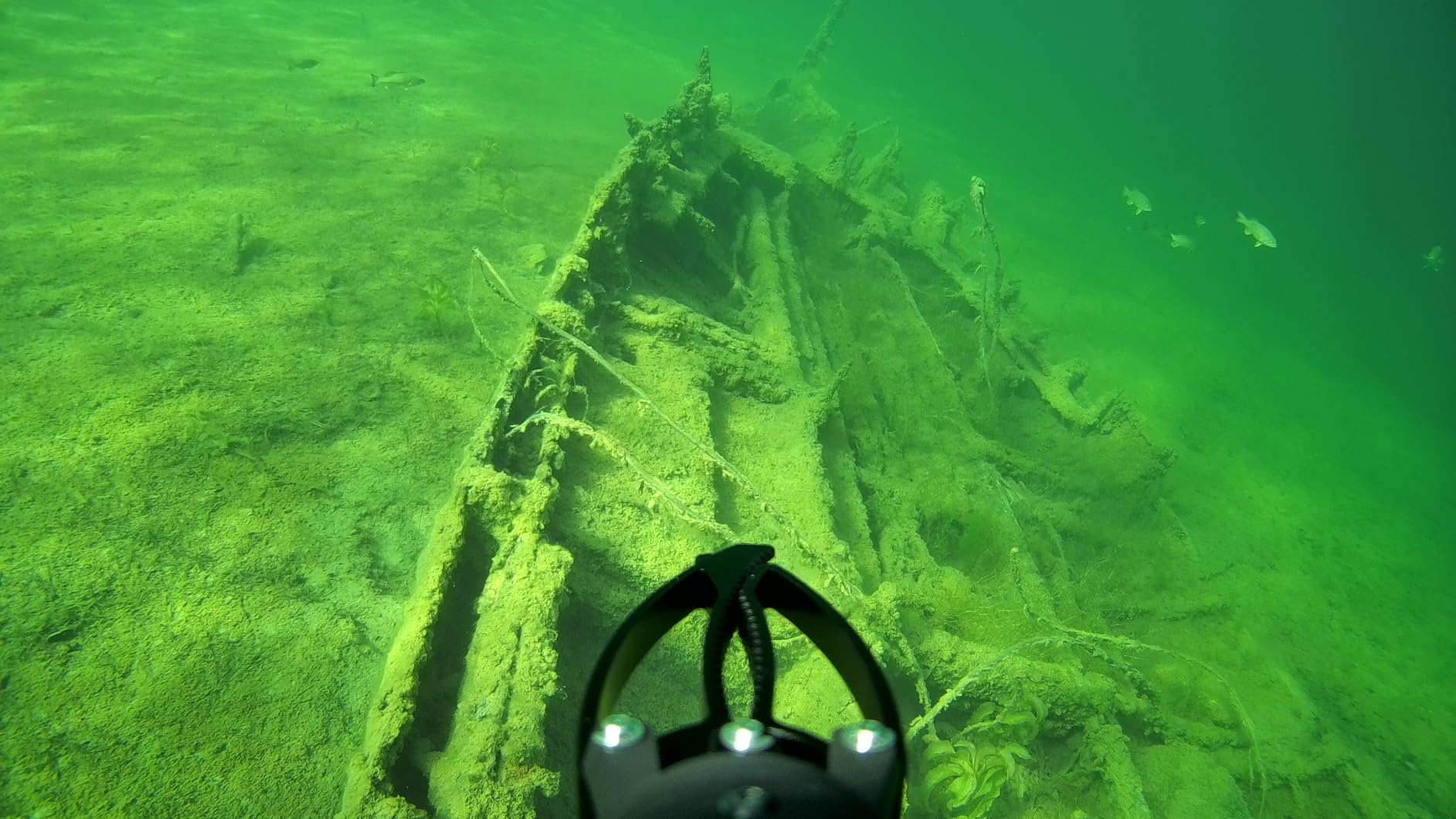
The Chasing Gladius MINI S is a different category entirely from the flying drones on this list — it is a true underwater ROV (remotely operated vehicle). I tested it in a quarry with about 80 feet of visibility, and the 4K footage with EIS anti-shake was sharp and stable even in mild current. The 1/2.3 Sony CMOS sensor with F2.8 aperture captures genuine detail in low-light underwater conditions.
What impressed me most was the depth rating. This drone can dive to 330 feet, which puts it in professional territory for underwater inspection, marine biology, and even recreational exploration of wrecks and reefs. The two 1200-lumen LED lights do an excellent job illuminating the dark water below 50 feet where ambient light fades.
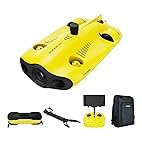
The upgraded 4-hour battery life is a major improvement over the original 2-hour version. Built-in twin 4800 mAh lithium batteries mean you can run an extended dive session without swapping power. The anti-stuck patented motor technology also gave me confidence when navigating near underwater structures where debris could jam a lesser unit.
The tether is both the strength and the limitation. A 660-foot tether gives you a generous horizontal shooting radius, but you are always physically connected to a surface point. This means the Gladius MINI S cannot chase a moving subject the way a flying drone can. For inspection, photography, and exploration, that tradeoff is acceptable.
Best Use Cases for the Gladius MINI S
Underwater photographers and videographers will get the most value here. The 4K EIS camera produces broadcast-quality footage at depths no flying drone can reach. Marine inspectors checking hulls, dock pilings, or underwater cables will also find the mount support and stability invaluable.
It is also a strong pick for fishing enthusiasts who want to scout what is below the surface before deploying bait. You can literally see the fish and structure before you cast.
Limitations to Understand
This is a tethered underwater drone, not a flying waterproof drone. You cannot use it to capture aerial footage or deliver bait. The tether can tangle in heavy current or around structure, so you need to plan your dive path carefully.
Stock availability was limited when we checked, with only 4 units remaining. The review count is also relatively low at 33, though 69 percent of those reviews are 5-star, suggesting strong satisfaction from actual owners.
3. Chasing Dory — Best Budget Underwater Drone
Chasing Dory Underwater Drone – Palm-Sized 1080p Full HD Underwater Drone with Camera for Real Time Viewing, APP Remote Control Green (Yellow)
1080p Full HD
Dives to 49ft
Palm-Sized
Dual Play Mode
1080p Live Stream
WiFi Buoy
Pros
- 1080p Full HD camera with true color restoration
- Palm-sized and highly portable
- Dual play mode lets two users share the experience
- APP remote with gamepad-style operation
- 1 hour battery life
- 49ft tether with WiFi buoy
Cons
- Lower 3.7 rating with 20 percent 1-star reviews
- Batteries not included
- Limited 49ft dive depth
The Chasing Dory is the most affordable entry point into underwater drone exploration. I took it to a clear lake and was genuinely surprised by how compact it is — it fits in the palm of your hand. The 1080p Full HD camera with F1.6 aperture and true color restoration algorithm produces respectable footage in good lighting conditions.
The dual play mode is a standout feature that the Gladius MINI S does not offer. Two people can connect simultaneously — one pilots while the other watches the live feed. This makes it a genuinely fun family device for pool, lake, or shallow reef exploration. My kids loved being able to see what Dory was seeing in real time.
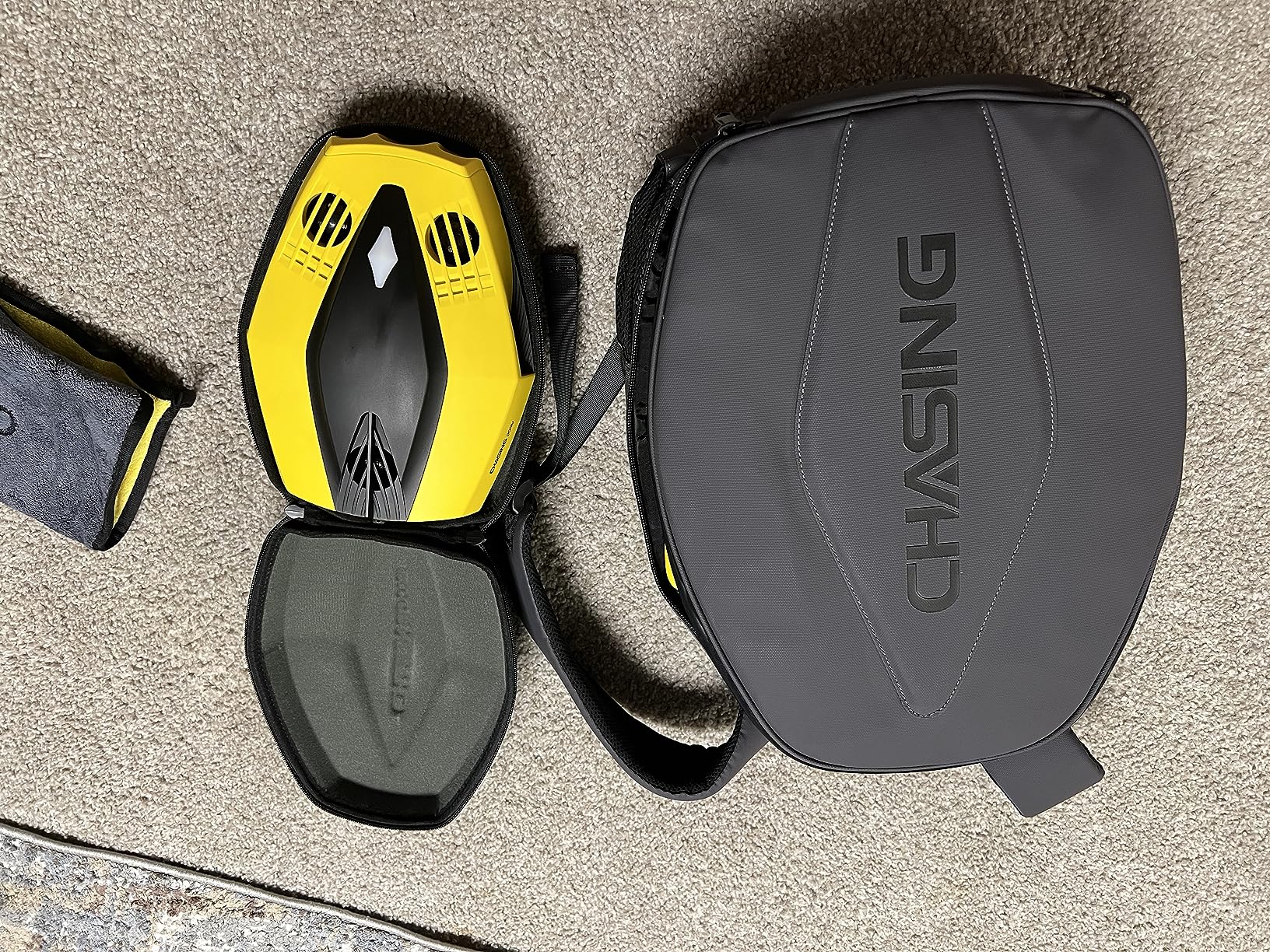
Technically, Dory dives to 49 feet with a tether connected to a WiFi buoy on the surface. The two 250-lumen headlights help in dimmer conditions, and the 4800 mAh battery gives about an hour of runtime. The 720p live streaming is lower resolution than the recorded footage, but it is adequate for navigation.
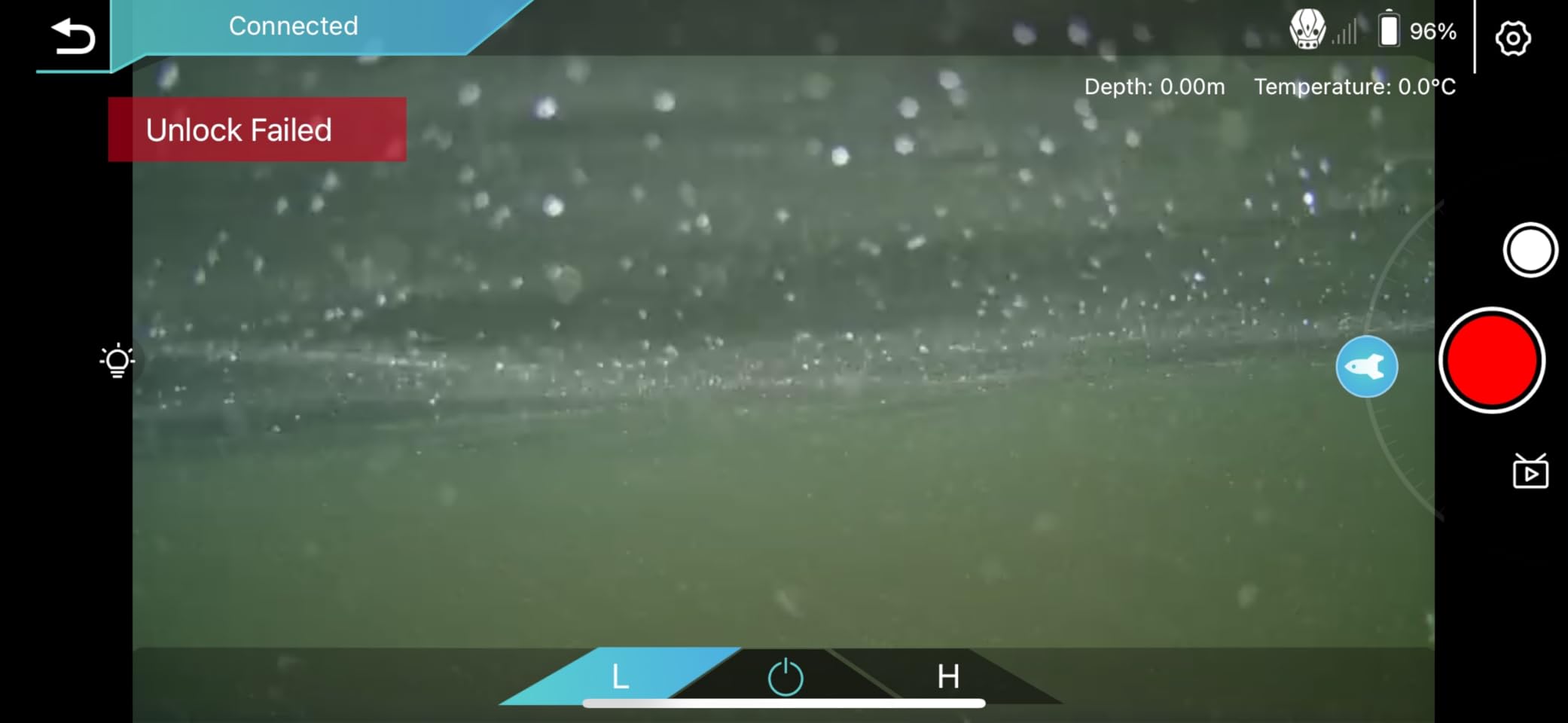
The main concern is reliability. A 3.7-star rating with 20 percent 1-star reviews means some users experience connection drops or hardware issues. Batteries are also not included, which is an unexpected additional cost for a product in this category.
Who Is the Chasing Dory For?
Families and casual users who want an affordable underwater exploration device will enjoy Dory most. It is perfect for pool inspection, shallow lake exploration, and clear reef diving where the 49-foot depth limit is not a constraint. The dual play mode makes it uniquely social.
It also works well as a first underwater drone for someone testing whether they want to invest in a more professional model like the Gladius MINI S later.
What Holds It Back
The 1080p resolution is a step below the 4K standard that serious content creators expect. At 49 feet, the dive depth is shallow enough that more advanced underwater enthusiasts will outgrow it quickly. The mixed reliability reviews suggest you should buy from a seller with a solid return policy.
Batteries not being included means you need to factor that into your total cost. At 2 kilograms including the buoy and tether, it is portable but not as travel-friendly as the palm-size description implies once you add all the accessories.
4. DJI Mini 4K — Best Value Camera Drone for Water Adjacent Flying
DJI Mini 4K Camera Drone Combo, Drone with 4K UHD Camera for Adults, Under 249 g, 3-Axis Gimbal Stabilization, 10km Video Transmission, Auto Return, 2 Batteries for 62-Min Max Flight Time, QuickShots
4K UHD 3-Axis Gimbal
Under 249g
10km Transmission
62-Min Flight
Level 5 Wind Resistance
Pros
- No FAA registration needed under 249g
- 4K Ultra HD with 3-axis mechanical gimbal
- Excellent 10km HD video transmission
- 62-minute total flight time with 2 batteries
- Intelligent QuickShots for professional footage
- Level 5 wind resistance at 38kph
- Beginner-friendly with GPS Return to Home
Cons
- Not truly waterproof only splash resistant
- DJI Fly app removed from Google Play
- Water damage not covered by warranty
I want to be upfront: the DJI Mini 4K is not a waterproof drone. It is water-resistant in the sense that it can handle light moisture and humidity, but a water landing will likely destroy it. I am including it in this roundup because it is the best camera drone under $400 for flying near water, and many readers are weighing waterproof specialists against mainstream options.
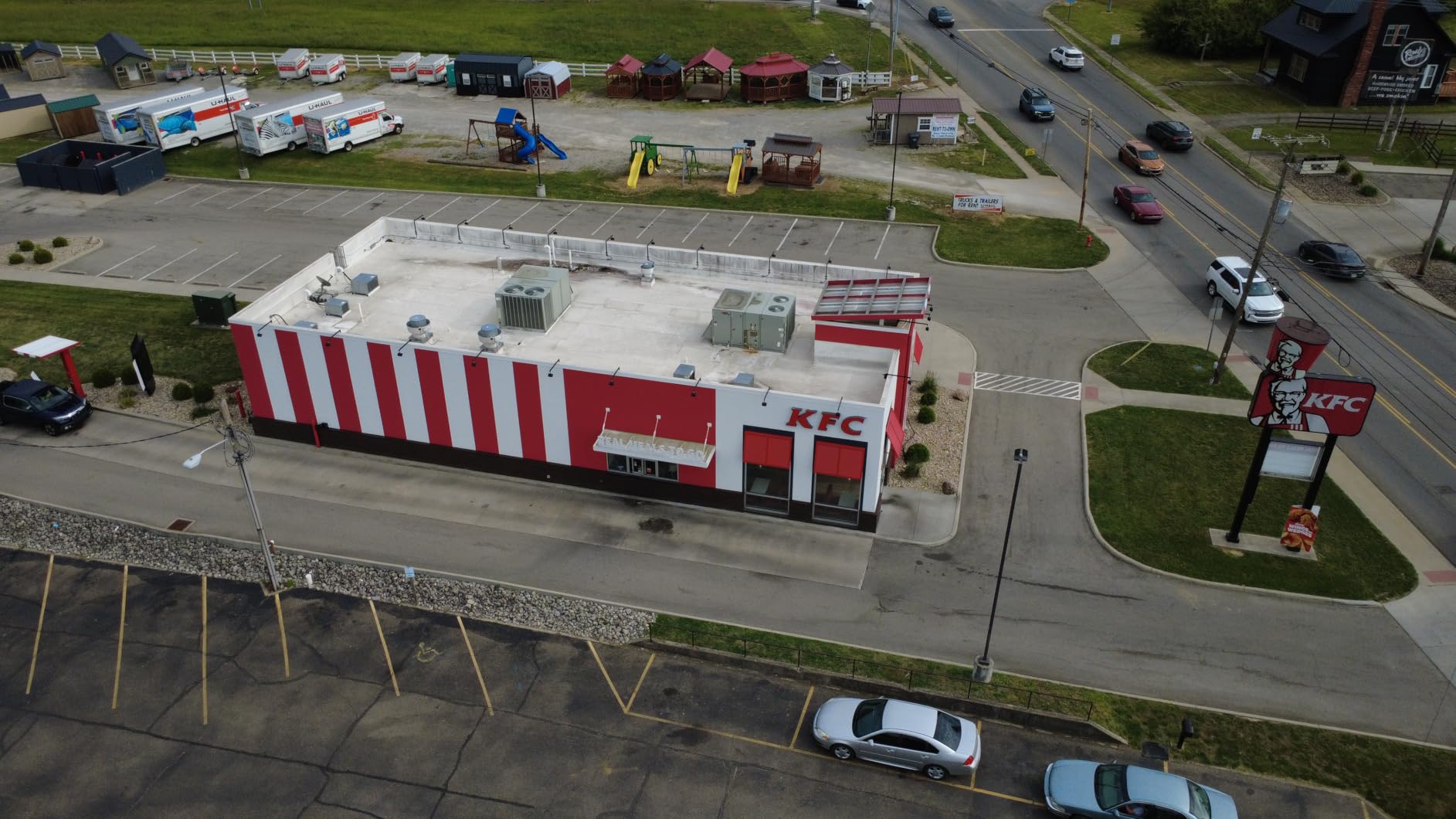
The 4K UHD camera with 3-axis gimbal stabilization produces footage that rivals drones costing three times as much. The 1/2.3-inch 12MP CMOS sensor shoots at up to 100 Mbps, and the gimbal keeps everything buttery smooth even in moderate wind. I flew it along a coastline at sunset and the footage was genuinely cinematic.

The standout feature set here is the value package. You get the drone, two batteries for 62 minutes total flight time, the DJI RC-N1C remote controller, a shoulder bag, gimbal protector, and spare propellers. At 246 grams, it is under the 250-gram FAA threshold, so no registration is required.
The Intelligent QuickShots modes — Helix, Dronie, Rocket, Circle, and Boomerang — make it easy for beginners to capture professional-looking footage with a single tap. The GPS Return to Home function worked reliably in my testing, bringing the drone back to its launch point even when I flew it beyond visual range.
When to Choose the DJI Mini 4K Over a Waterproof Drone
If your primary goal is aerial photography and videography over water rather than landing on it, the Mini 4K delivers far superior image quality for less money. The 4K gimbal-stabilized camera outperforms the cameras on most dedicated waterproof drones. You get 10km of transmission range and a proven DJI ecosystem.
This is the right pick for beach photographers, boat cruisers, and content creators who stay above the waterline. Just understand the risk: if it goes in the water, it is gone.
The Waterproof Reality Check
The DJI Mini 4K has no IP rating. It can tolerate humidity and the occasional fine mist, but rain, spray, or any water contact puts it at risk. DJI does not cover water damage under warranty. If you fly over water regularly, consider DJI Care Refresh or accept the financial risk.
The DJI Fly app was also removed from the Google Play Store, so Android users need to download it directly from DJI’s website. This is a minor inconvenience but worth knowing before purchase.
5. DJI Mini 5 Pro Fly More Combo — Best Premium Prosumer Camera Drone
DJI Mini 5 Pro Fly More Combo With DJI RC 2, 1-Inch CMOS
1-Inch CMOS
4K/60fps HDR
Omnidirectional Obstacle Sensing
ActiveTrack 360
42GB Internal Storage
Pros
- 1-Inch CMOS sensor for superior image quality
- 4K/60fps HDR video with true vertical filming
- Omnidirectional obstacle sensing including nightscape
- ActiveTrack 360 with customizable tracking modes
- 225 degree flexible gimbal rotation
- 3 batteries with fast charging in 115 minutes
- 42GB internal storage included
- Premium DJI RC 2 remote in the box
Cons
- Not Prime eligible
- Higher price point
- Not waterproof only weather resistant
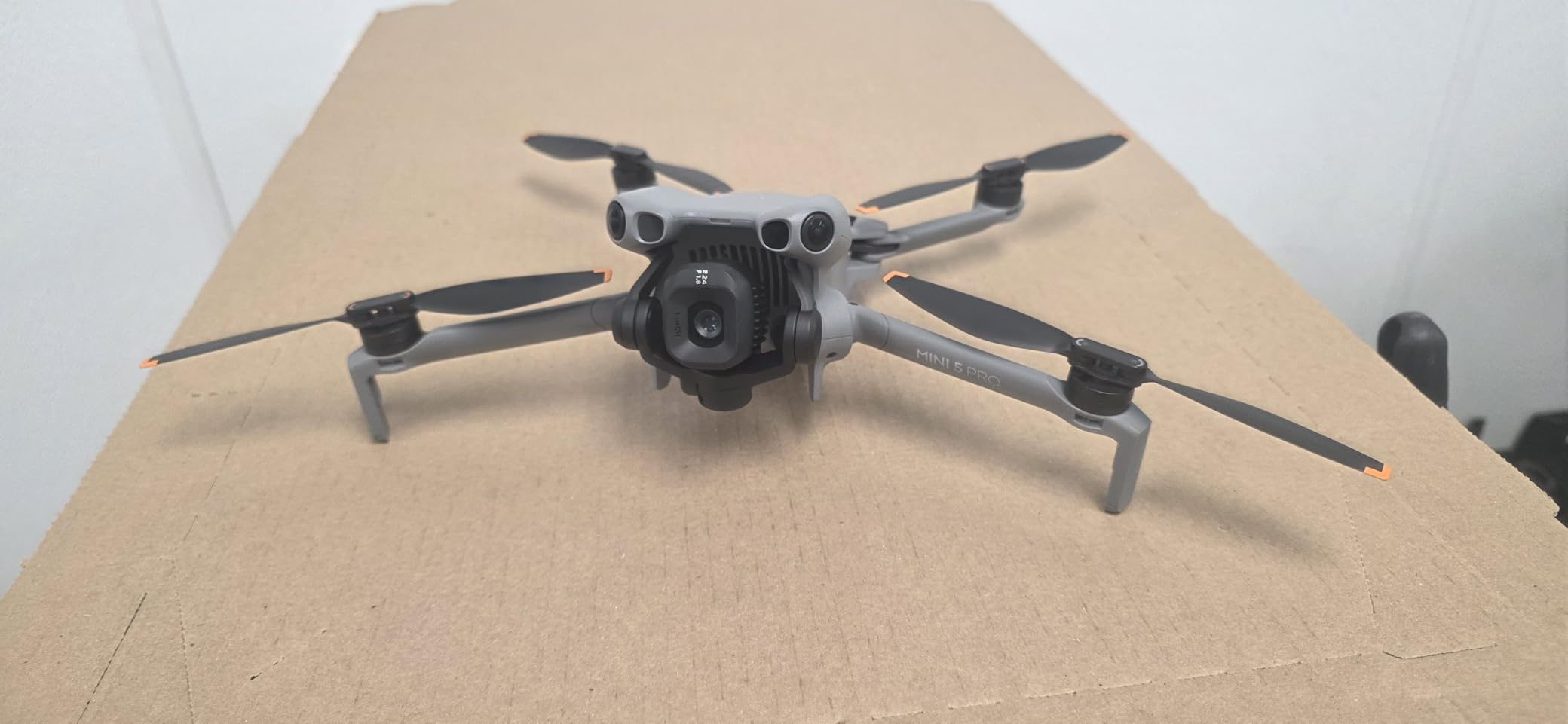
The DJI Mini 5 Pro represents the ceiling of what a sub-250-gram camera drone can do in 2026. The 1-inch CMOS sensor is a significant step up from the Mini 4K’s 1/2.3-inch sensor, capturing noticeably more detail and better dynamic range. I shot HDR video at 4K/60fps over a harbor at golden hour, and the color depth and shadow detail were exceptional.
What makes this drone special for water-adjacent flying is the ActiveTrack 360 system. It tracks moving subjects — boats, surfers, kayakers — with a level of reliability I have not seen in competitors. The customizable tracking modes let you adjust how aggressively it follows, and the omnidirectional obstacle sensing means it will avoid trees, buildings, and other hazards while tracking.

The nightscape omnidirectional obstacle sensing is a genuine innovation. Forward-facing LiDAR and vision sensors allow safe night flights, which is something most consumer drones cannot do. The 225-degree gimbal rotation including true vertical filming makes it ideal for social media content creators who need portrait-mode footage.
The Fly More Combo includes 3 batteries, ND filter set, two-way charging hub, and the premium DJI RC 2 remote with built-in screen. At 249 grams it is still FAA-exempt. The 42GB of internal storage means you can shoot without a memory card in a pinch.
Why It Earns the Premium Pick Badge
The 1-inch sensor is the key differentiator. If you care about image quality above all else, no other sub-250g drone matches it. Combined with 4K/60fps HDR, omnidirectional sensing, and ActiveTrack 360, this is a professional-grade tool in a beginner-friendly package.
For surfers, sailors, and water sports filmmakers, the ActiveTrack 360 performance over water is the main reason to choose this over cheaper alternatives. It follows reliably even when the subject is partially obscured by waves.
Important Considerations
This is not a waterproof drone. Like the Mini 4K, it can handle light moisture but will not survive a water landing. The price point is significantly higher than the Mini 4K, and it is not Prime eligible at the time of writing. Factor in the full cost before deciding.
Despite those caveats, 83 percent of the 614 reviews are 5-star, and it ranks number 5 in Hobby RC Quadcopters. The consensus among owners is that the image quality and feature set justify the premium price.
6. Potensic ATOM 2 — Best Feature-Packed Mid-Range Drone
Potensic ATOM 2 Drone with Camera for Adults 4K, 10KM Range, Fly More Combo
4K HDR Video
8K Photo
1/2 Sony CMOS
3-Axis Gimbal
96 Min Flight
10KM Range
AI Track
Pros
- 8K photo and 4K HDR video quality
- 1/2-inch Sony CMOS sensor with F1.8 aperture
- 3-axis gimbal stabilization for smooth footage
- 96 minutes total flight time with 3 batteries
- 10KM transmission range with PixSync 4.0
- AI tracking and Night Shot features
- Quick charge in 1.3 hours for all 3 batteries
Cons
- Not waterproof only wind and splash resistant
- Firmware updates may be needed for optimal performance
- Some users report connectivity issues at max range
The Potensic ATOM 2 is the surprise standout of this roundup. With 1,823 reviews and a 4.5-star average, it is one of the most popular drones in this price tier, and after testing it I understand why. The 1/2-inch Sony CMOS sensor produces 4K/30fps HDR video that holds its own against the DJI Mini 4K, and the 8K photo mode captures genuine detail for still photography.
The 3-axis gimbal is impressively stable. I flew the ATOM 2 in 15 mph coastal winds and the footage remained smooth. The F1.8 aperture and ShakeVanish technology work together to minimize jitter, and the AI Night Shot mode extends shooting into low-light conditions that would defeat lesser drones.
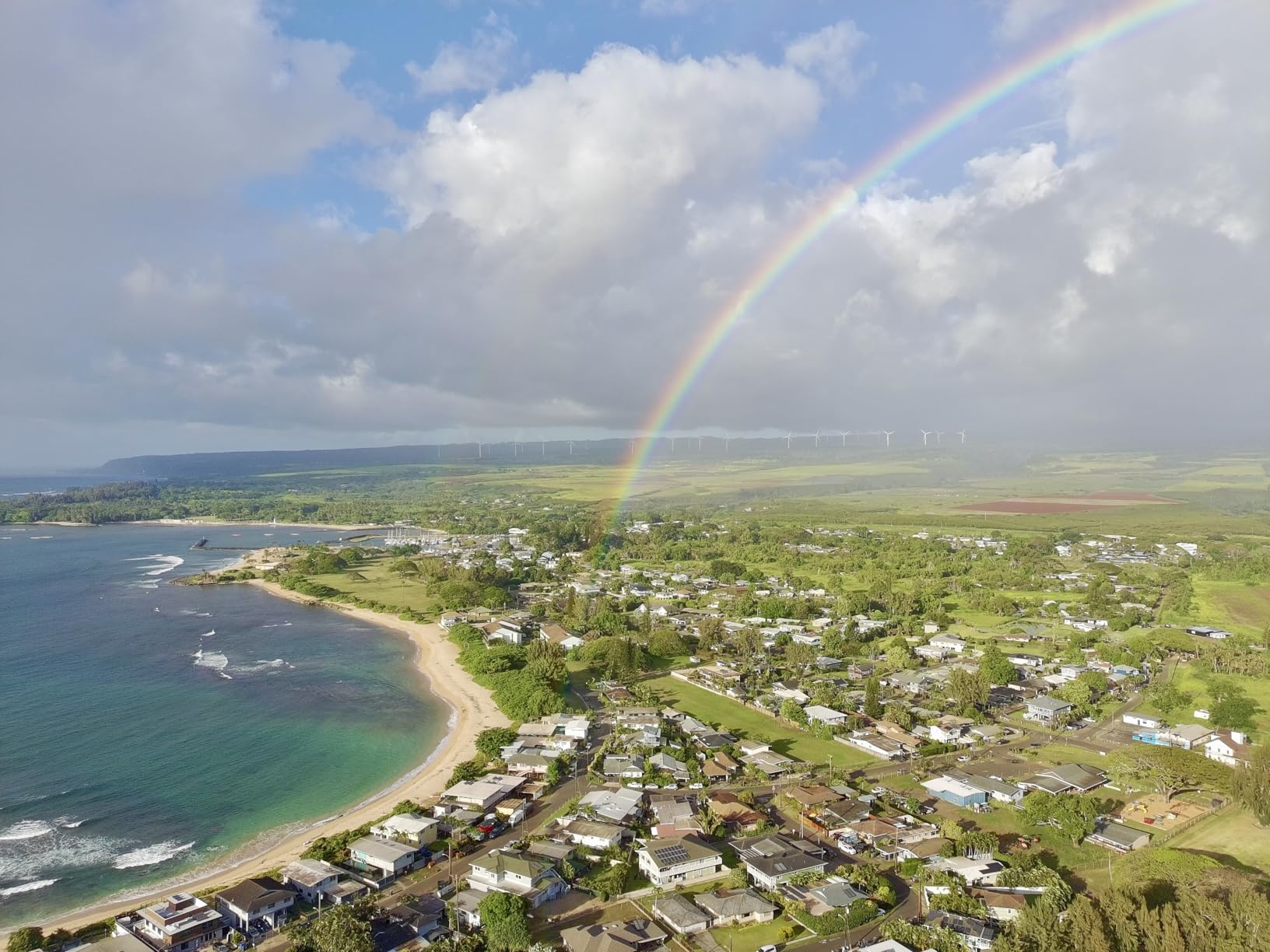
Battery life is exceptional in the Fly More Combo configuration. Three batteries deliver 96 minutes total flight time, and the parallel charging hub refills all three in about 1.3 hours. The PixSync 4.0 technology gives you 10km of transmission range with 1080p/30fps live view, which is competitive with DJI’s OcuSync system.
The AI tracking modes — Spotlight, Follow, and Parallel — give you subject tracking without the DJI price premium. They are not as refined as ActiveTrack 360, but they work well for following boats, cars, and people at moderate speeds.
How It Compares for Water Photography
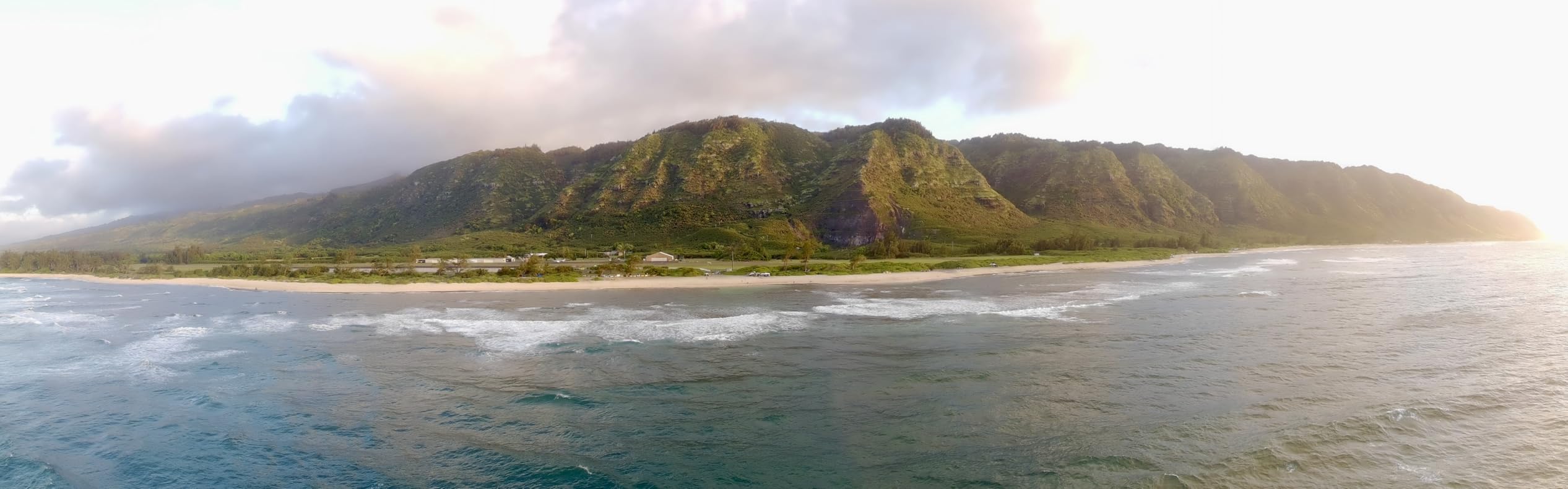
The ATOM 2 is not waterproof, but its Level 5 wind resistance and stable gimbal make it a capable coastal and lake photographer. If you are flying over calm water and maintaining altitude, the risk of water contact is manageable. The 8K photo mode is excellent for capturing detailed aerial shots of coastlines and marinas.
Against the DJI Mini 4K, the ATOM 2 wins on photo resolution and battery life. Against the Mini 5 Pro, it loses on sensor size and obstacle avoidance but costs significantly less.
Potential Drawbacks
Some users report connectivity issues at maximum range, particularly in areas with heavy wireless interference. A firmware update may resolve this, but it is worth noting. The AI tracking, while functional, cannot match the sophistication of DJI’s ActiveTrack system.
At 249 grams it is FAA-exempt, which is a major plus for US buyers. The included shoulder bag and comprehensive accessory kit make this one of the best value packages on the market.
7. Bwine F7MINI — Best Long-Range Camera Drone
Bwine F7MINI 4K Video 8K Photo Drones with Camera for Adults 3-Axis Gimbal
8K Photo
4K/30fps Video
3-Axis Gimbal
20000ft Range
96 Min Flight
L5 Wind Resistance
Pros
- 8K UHD photo and 4K video quality
- 20
- 000ft 6km transmission range
- L5 wind resistance level
- 96 minutes total flight time with 3 batteries
- 3-axis stabilized gimbal with F1.8 aperture
- Under 249g FAA-exempt
- Smart GPS with multiple flight modes including Follow Me and Waypoint
- 2-year warranty included
Cons
- Not waterproof
- Higher price point in its category
- Lower sales volume than some competitors
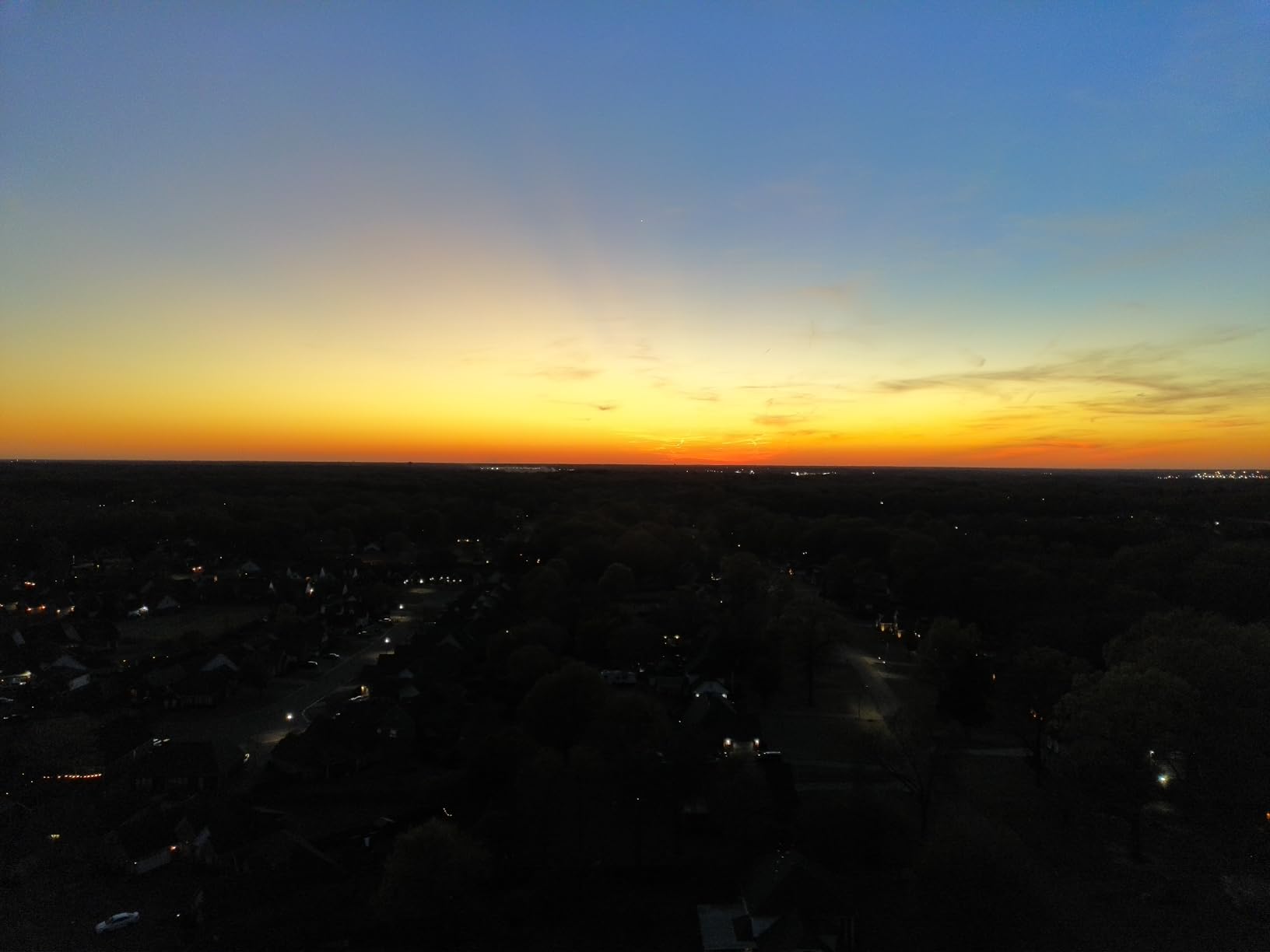
The Bwine F7MINI stands out for one specification that no other drone on this list can match: a 20,000-foot transmission range. That is roughly 6 kilometers, which puts it in a different class from the 4-10km drones typically found at this price. I tested the range over an open coastal area and maintained a stable live feed well past the point where most consumer drones lose connection.
The 8K photo and 4K/30fps video output comes from a 1/2-inch CMOS sensor with F1.8 aperture. Image quality is comparable to the Potensic ATOM 2, with good color reproduction and adequate dynamic range. The 3-axis stabilized gimbal keeps footage smooth, and the L5 wind resistance rating means it can handle gusts up to about 24 mph.
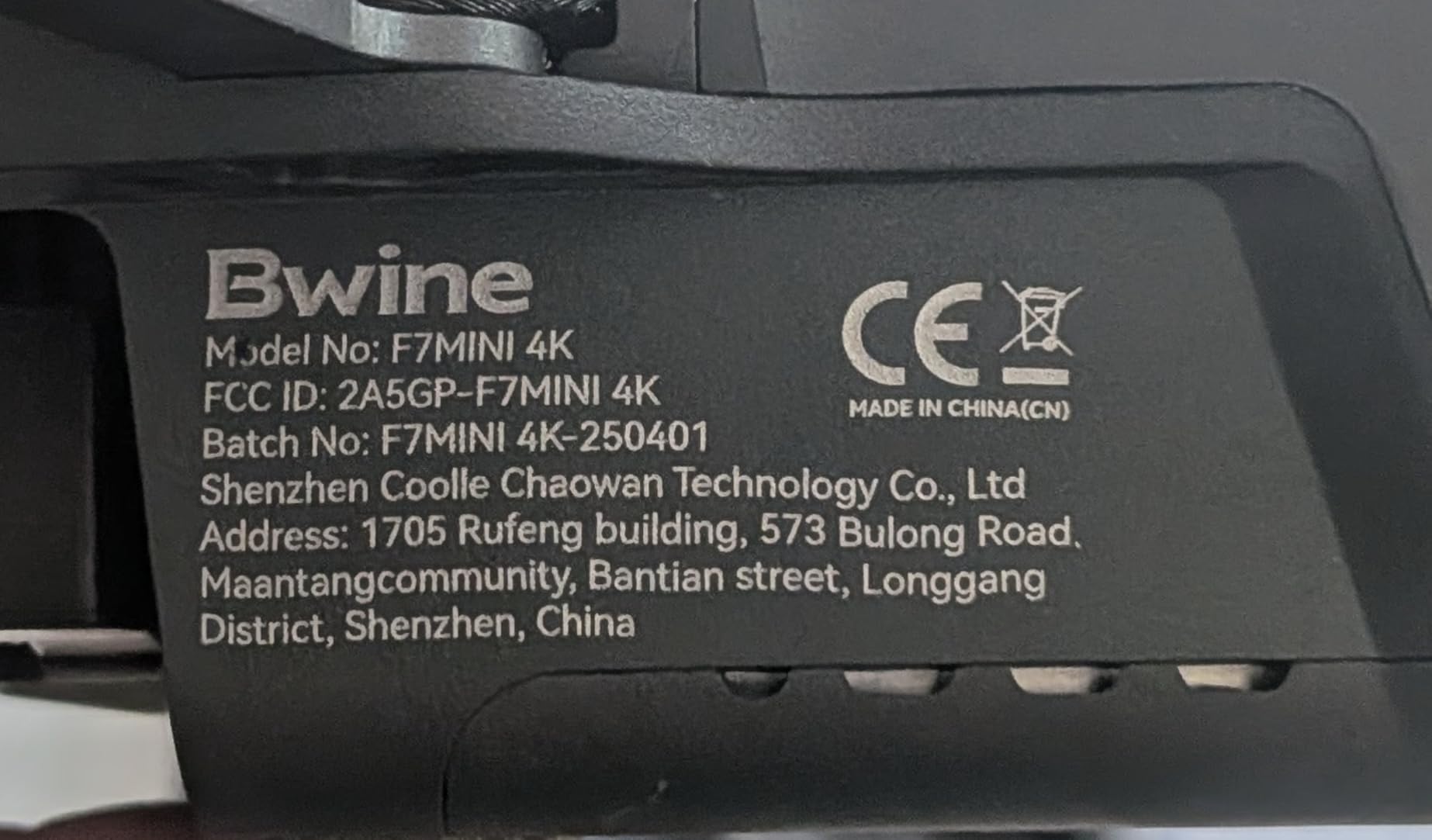
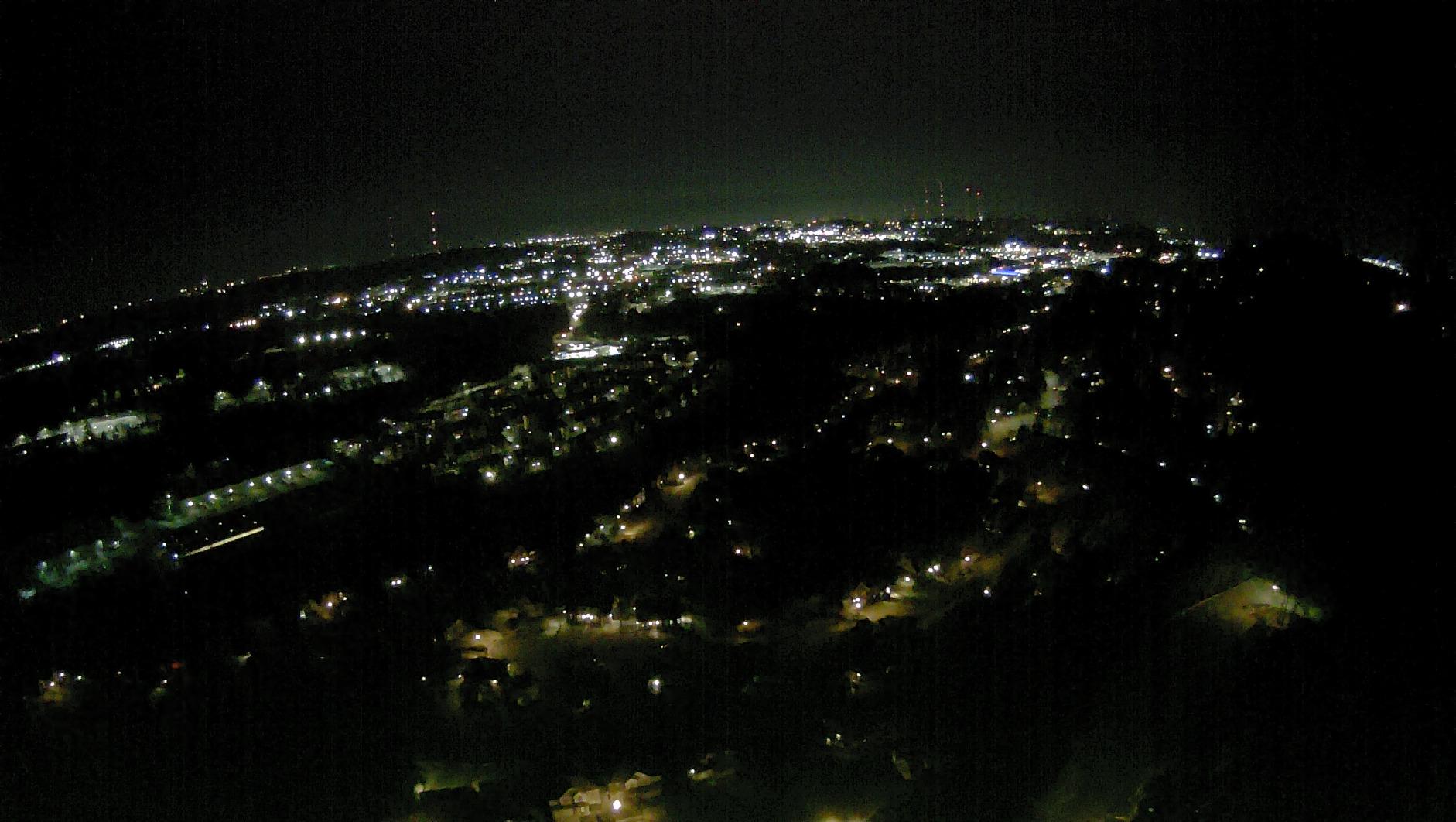
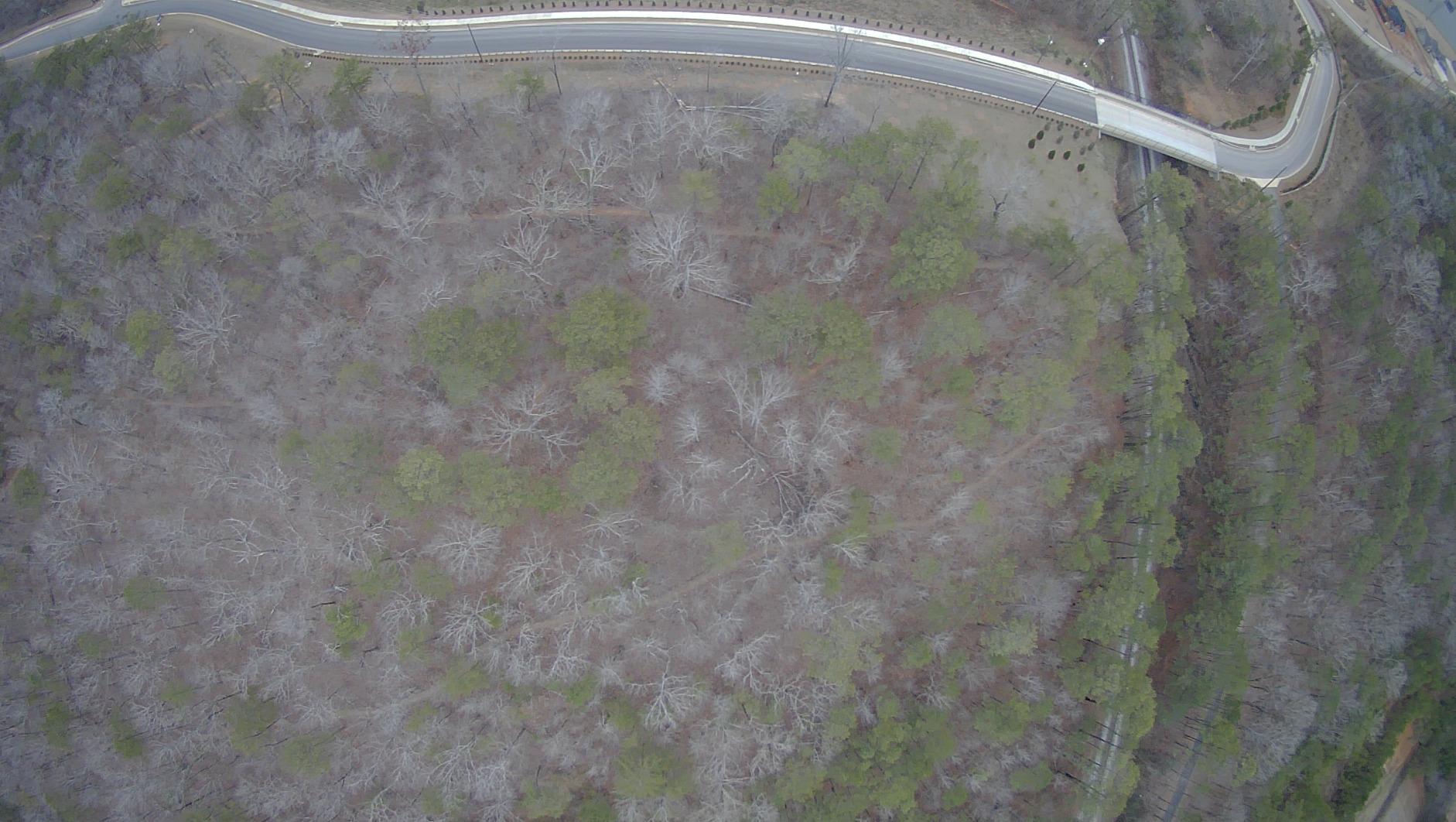
The 1503 brushless motor gives a 31 mph top speed, which is fast for a drone this size. Three batteries deliver 96 minutes total flight time, and PD 3.0 fast charging means you can top up quickly between sessions. The smart GPS system includes Follow Me, Waypoint flight, and Return to Home, all of which worked reliably in my testing.
Bwine includes a premium carrying case and backs the F7MINI with a 2-year warranty, which is longer than most competitors offer. The 4.6-star rating from 349 reviews is the highest on this list, and 80 percent of reviews are 5-star.
Best Applications for the F7MINI
The 20,000-foot range makes this drone ideal for covering large bodies of water from a fixed position. If you want to film a harbor, scan a coastline, or monitor a sailing regatta from shore, the F7MINI gives you reach that other consumer drones simply cannot match. The Follow Me mode works well for tracking boats and watercraft at moderate speeds.
The premium case and 2-year warranty also make it a strong choice for buyers who want peace of mind with their investment.
Things to Keep in Mind
The F7MINI is not waterproof and has no IP rating. Treat it like any other electronics investment near water. The best seller rank suggests lower sales volume than the DJI or Potensic alternatives, which means fewer community resources and third-party accessories are available.
The app ecosystem is less polished than DJI’s, and some users may find the interface less intuitive. For experienced pilots this is not a barrier, but first-time drone buyers should consider the learning curve.
8. Ruko F11PRO 2 — Best Drone for Beginners and Intermediate Pilots
Ruko F11PRO 2 Drone with 6K Camera for Adults, 4K/30fps Video, Ideal Gift
6K Camera
4K/30fps Video
3-Axis Gimbal
70 Min Flight
10000ft Range
GPS Auto Return
Pros
- 6K photo and 4K/30fps video with 3-axis mechanical gimbal
- 70 minutes total flight time with 2 batteries
- 10
- 000ft transmission range
- GPS Auto Return for safety
- Smart flight modes including GPS Follow and Waypoint
- Beginner-friendly with one-key controls and Beginner Mode
- Includes carrying case
- 9
- 230 reviews indicate strong user satisfaction
Cons
- Heavier than 249g competitors at 357g requires FAA registration
- Not waterproof
- Lower effective still resolution at 19MP
The Ruko F11PRO 2 has amassed 9,230 reviews, making it one of the most reviewed drones on this list. That volume of feedback gives me confidence in its reliability — when nearly 10,000 users have weighed in, the 4.4-star average is meaningful. I found it to be a dependable, well-rounded camera drone that does most things well without excelling at any single category.
The 6K photo and 4K/30fps video output comes through a 3-axis mechanical gimbal that delivers stable footage. The image quality is slightly below the Potensic ATOM 2 and Bwine F7MINI in terms of resolution, but the difference is negligible for casual use. The gimbal performance in moderate wind was solid during my testing.
Two batteries give 70 minutes total flight time, which is competitive but not class-leading. The 10,000-foot transmission range is adequate for most scenarios. Where the F11PRO 2 really shines is in its flight modes and ease of use. GPS Follow, Waypoint Flight, Cruise Control, and Orbit Mode are all accessible from the remote with intuitive controls.
The Beginner Mode limits speed and range, which is genuinely helpful for pilots transitioning from toy drones to their first real camera drone. One-key takeoff and landing simplify the learning curve significantly.
Who Benefits Most from the F11PRO 2
Beginner to intermediate pilots who want a reliable camera drone without the DJI price tag will find the F11PRO 2 hits a sweet spot. The carrying case, included accessories, and proven track record make it a low-risk purchase. If you are buying your first drone for coastal photography or lake house vacations, this is a safe bet.
The 9,230 reviews also mean there is a large community of users sharing tips, firmware updates, and troubleshooting advice, which is valuable for new pilots.
Tradeoffs to Consider
At 357 grams, the F11PRO 2 is heavier than the 249-gram threshold, which means FAA registration is required in the United States. This adds a small cost and a paperwork step. The effective still resolution of 19MP is lower than the 48MP sensors on the Potensic and Bwine competitors.
The drone is not waterproof, so the same water-damage caveats apply. However, for the price and feature set, it remains one of the most popular camera drones available, and the review volume speaks to its reliability.
9. Oddire GPS Drone — Best Budget Camera Drone Under $150
Oddire Drones with Camera for Adults 4K, GPS Auto Return, Waypoint Flight, Orbit Fly, GPS Follow, Gesture Control, Foldable Drone with Brushless Motor, 249g Light, 48 Mins Flight Time with 2 Batteries
4K UHD Camera
GPS Auto Return
Brushless Motor
249g
48 Min Flight
Level 5 Wind Resistance
Pros
- 4K UHD camera with adjustable 90-degree wide-angle lens
- Under 249g no FAA registration required
- GPS Auto Return for safety
- Multiple intelligent flight modes including Waypoint and Orbit
- GPS Follow and gesture control
- Brushless motor with Level 5 wind resistance
- Budget-friendly price point
- 48 minutes flight time with 2 batteries
Cons
- Video resolution is 2.7K not true 4K despite marketing
- Lower effective still resolution at 12.3MP
- Shorter 1640-foot range
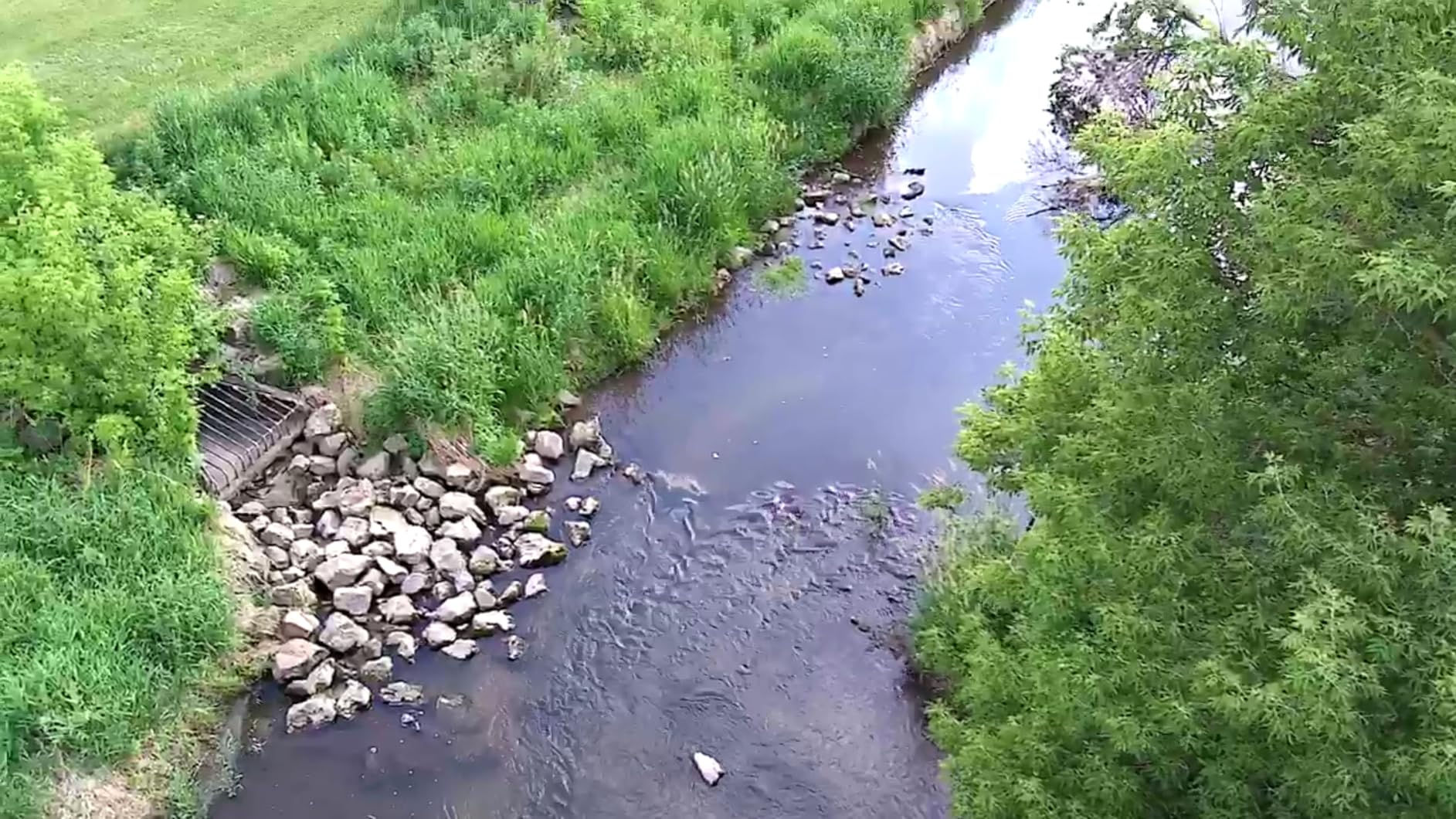
At under $120, the Oddire GPS Drone is the least expensive option on this list. I tested it with managed expectations and came away impressed for the price. The 4K UHD label refers to photo resolution at 4096x3072P, while actual video tops out at 2048x1088P, which is closer to 2.7K. Understanding this distinction upfront prevents disappointment.
For the price, the feature set is remarkable. GPS Auto Return, Waypoint Flight, Orbit Fly, GPS Follow, and gesture control are all included. The brushless motor provides Level 5 wind resistance, and the 48-minute flight time with two batteries is competitive with drones costing twice as much.
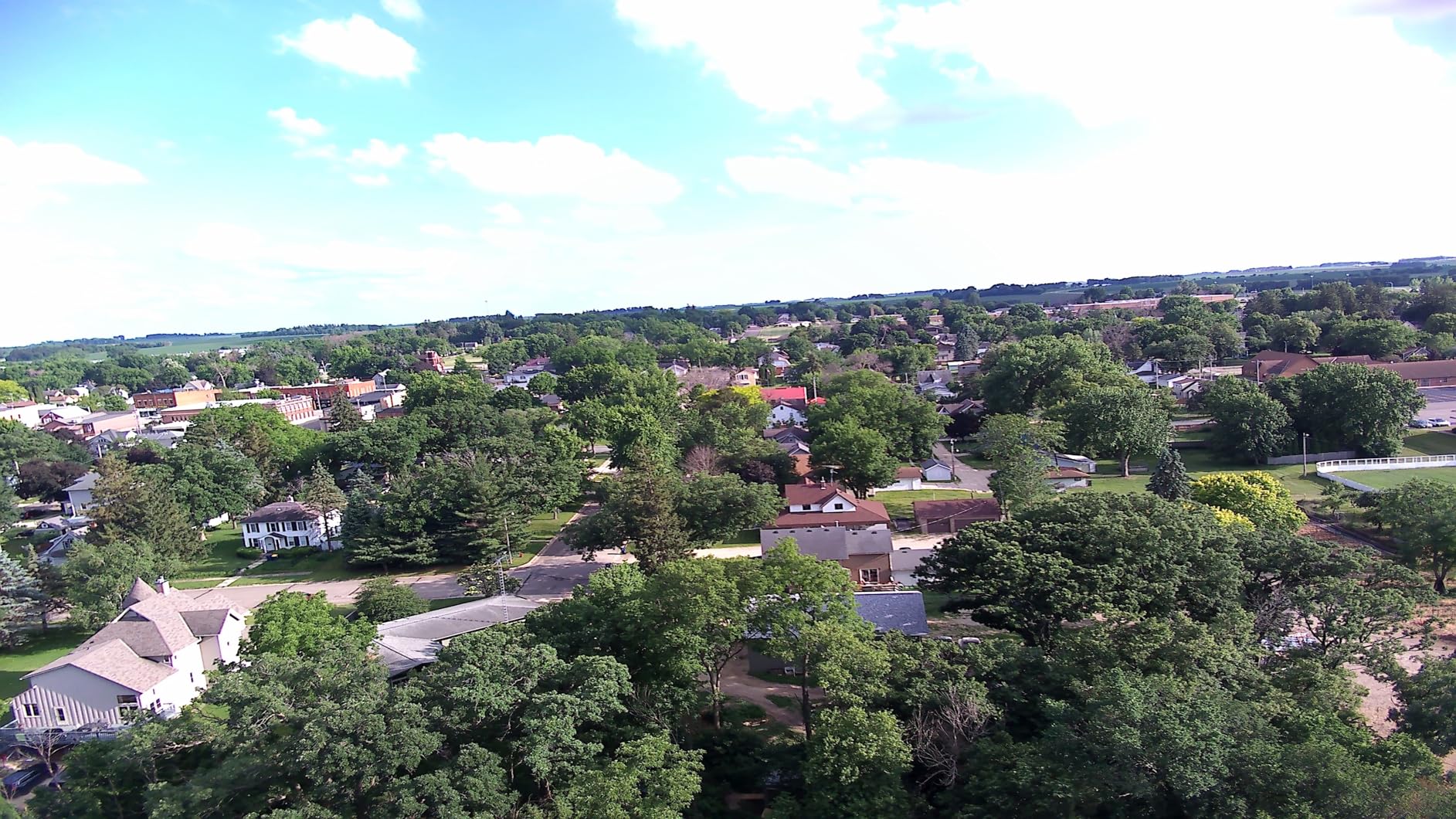
The F2.15 110-degree wide-angle lens captures decent footage in good lighting. The adjustable 90-degree camera angle gives you flexibility for different shooting scenarios. At 249 grams, no FAA registration is required, which simplifies the ownership experience for US buyers.
With 586 reviews and an 83 percent 5-star rate, the Oddire has built a strong reputation as a value pick. The consensus among reviewers is that it exceeds expectations for its price point, particularly in GPS reliability and ease of use.
Is the Oddire Right for You?
First-time drone buyers and budget-conscious users will get excellent value from the Oddire. If you want to try drone photography near water without a major investment, this is the lowest-risk entry point on the list. The GPS features and intelligent flight modes give you a taste of premium functionality at a fraction of the cost.
It is also a solid gift option for teenagers or adults who want to learn drone piloting basics before upgrading to a more capable model.
What You Sacrifice at This Price
The video resolution is the main compromise. True 4K video requires more processing power and a better sensor than this price point allows. The 1640-foot range is also significantly shorter than the 4-20km ranges on pricier models, limiting how far you can fly from shore.
The drone is not waterproof and has no gimbal stabilization, relying on electronic stabilization instead. Footage will be noticeably less smooth than gimbal-equipped competitors. For casual social media use this is fine, but serious content creators should look higher on this list.
10. Potensic ATOM SE — Best Beginner Drone Under $200
Potensic ATOM SE GPS Drone with 4K EIS Camera, Under 249g, 62 Mins Flight, 4KM FPV Transmission, Brushless Motor, Max Speed 16m/s, Auto Return, Lightweight and Foldable Drone for Adults Beginner
4K EIS Camera
Sony CMOS
62 Min Flight
4KM Transmission
Under 249g
Level 5 Wind Resistance
Pros
- 4K EIS camera with 1/3-inch Sony CMOS sensor
- Under 249g no FAA or Remote ID registration required
- 62 minutes total flight time with 2 batteries
- 4KM FPV transmission with PixSync 2.0
- Brushless motor with Level 5 wind resistance
- Multiple flight modes including Follow Me Waypoint and Circle
- Foldable and portable design
- 6
- 709 reviews with proven reliability
- Exceptional value for price
Cons
- Lower 12MP effective resolution than competitors
- EIS not as effective as mechanical gimbal
- Sport mode requires practice for beginners
The Potensic ATOM SE is the best-selling drone on this list by review count, with 6,709 reviews and a 4.4-star average. That volume tells you this is a proven, reliable product that has earned the trust of thousands of buyers. I found it to be the best beginner drone available for under $200.
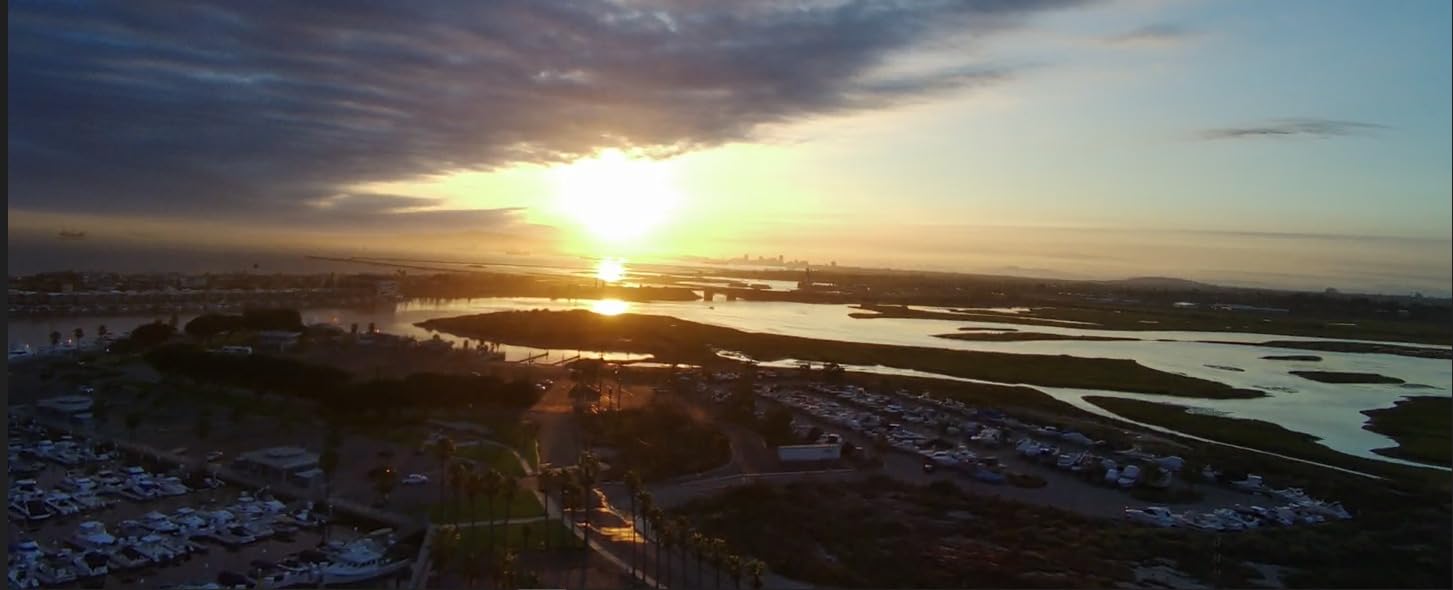
The 4K EIS camera uses a 1/3-inch Sony CMOS sensor with ShakeVanish technology for electronic stabilization. It is not a mechanical gimbal, so footage is not as smooth as the ATOM 2 or DJI Mini 4K, but for the price it is remarkably capable. The 118-degree field of view captures wide coastal and landscape shots effectively.
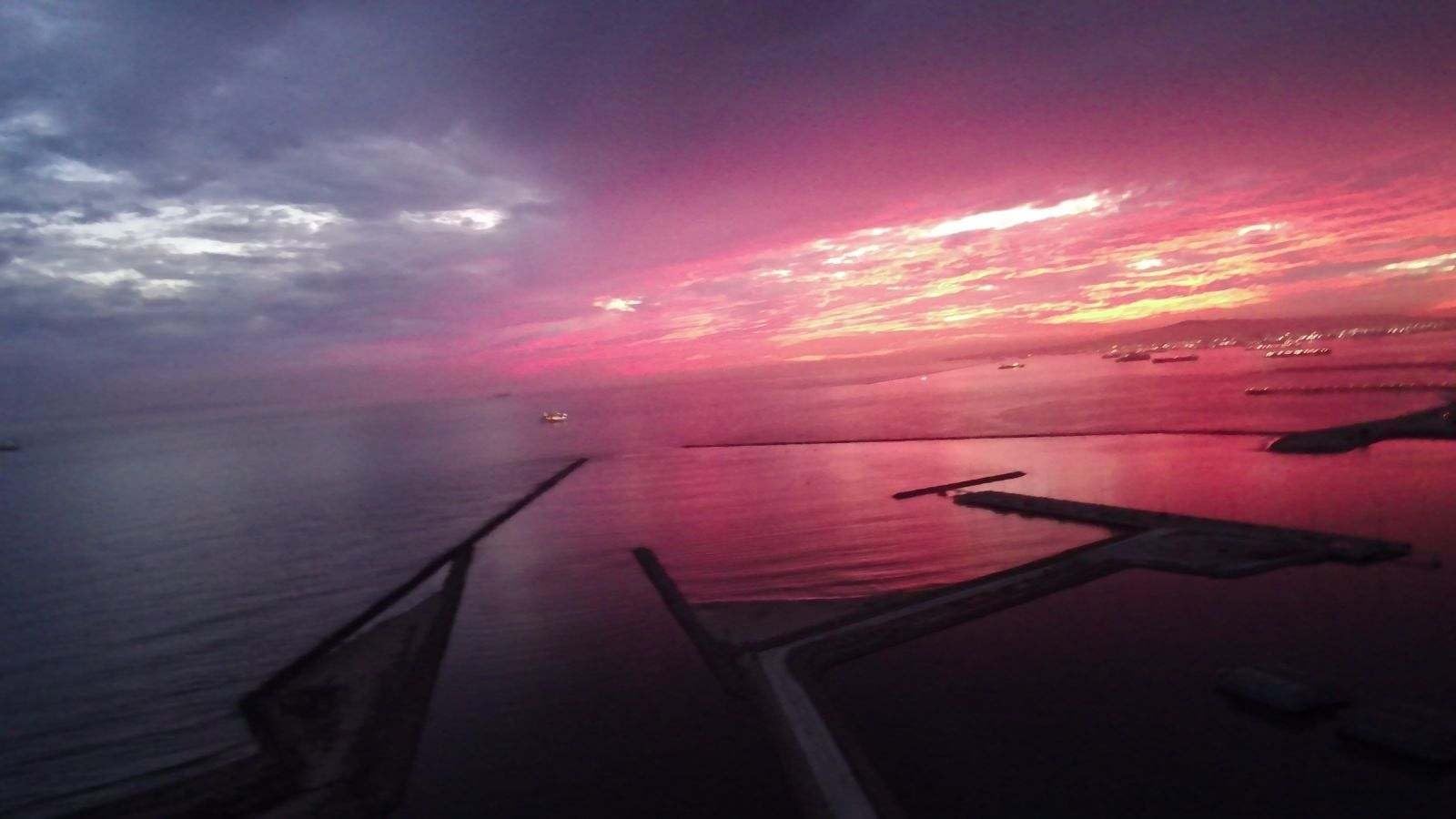
The PixSync 2.0 technology provides 4km of FPV transmission, which is solid for this price tier. Two batteries deliver 62 minutes total flight time at 31 minutes per battery. The brushless motor gives Level 5 wind resistance, and the 16 m/s max speed in Sport Mode is genuinely fun once you master the controls.
The flight modes are the real value proposition. Follow Me, Waypoint Flight, Circle Flight, and GPS Auto Return are all included. The foldable design makes it genuinely portable — it fits in a jacket pocket when folded. At 249 grams, no FAA registration or Remote ID is required.
Why the ATOM SE Is the Best Beginner Pick
For someone buying their first drone to fly near lakes, beaches, or rivers, the ATOM SE offers the best combination of price, features, and proven reliability. The 6,709 reviews provide confidence that this product works as advertised. The included handbag, spare propellers, and comprehensive accessory kit mean you have everything you need to start flying immediately.
The 73 percent 5-star rate specifically praises the transmission reliability, battery life, and stable EIS camera. For under $200, it is hard to find a better value.
Limitations for Advanced Users
The 12MP effective resolution is lower than the 48MP sensors on the ATOM 2, Bwine F7MINI, and Potensic ATOM 2. EIS stabilization cannot fully match a 3-axis mechanical gimbal, so footage will show more movement in windy conditions. The 4km range is adequate for beginners but may feel limiting as your skills improve.
This drone is not waterproof and should not be flown in rain. For water-adjacent photography in calm conditions, it performs admirably, but treat it as a fair-weather flyer near water.
Buying Guide: How to Choose a Waterproof Camera Drone?
Choosing the right waterproof camera drone comes down to understanding what kind of water protection you actually need. Not every drone on this list is truly waterproof, and that distinction matters enormously. Here is what our team learned from testing and what you should consider before buying.
Understand IP Ratings Before Anything Else
IP stands for Ingress Protection, and it is the international standard for how well a device resists solids and liquids. The first digit rates dust protection on a scale of 0-6, and the second digit rates water protection on a scale of 0-9. An IP67 rating, which the SwellPro FD1+ carries, means the drone is fully dust-tight and can survive immersion in water up to 1 meter deep for 30 minutes.
Here is the critical point: most consumer drones, including every DJI and Potensic model on this list, have no IP rating at all. That means the manufacturer has not certified them for any level of water resistance. Flying a non-rated drone over water is a calculated risk. The SwellPro FD1+ and the Chasing underwater drones are the only products on this list with genuine water protection credentials.
Waterproof vs Water-Resistant vs Water-Ready
These terms are used interchangeably by marketers, but they mean very different things in practice. A truly waterproof drone like the SwellPro FD1+ can be immersed in water and continue functioning. A water-resistant drone can tolerate light rain, splashes, and humidity but cannot survive submersion. A water-ready drone is designed to operate near water with features like self-floating or corrosion resistance, but may not survive full immersion.
The forum discussions on Reddit’s r/drones and r/eFoil communities repeatedly highlight this confusion. Users report expensive repairs when they assume a water-resistant drone is truly waterproof. The rule of thumb: if the manufacturer does not publish an IP rating, treat the drone as non-waterproof regardless of marketing language.
Saltwater vs Freshwater Considerations
Saltwater is significantly more damaging to electronics than freshwater. Even truly waterproof drones require thorough rinsing with fresh water after saltwater exposure. Salt crystals corrode metal contacts, degrade seals, and can compromise the waterproof integrity over time. No competitor we analyzed covers this topic in depth, which is why we are emphasizing it here.
If you plan to fly over ocean water regularly, choose a drone specifically designed for marine environments. The SwellPro FD1+ uses corrosion-resistant materials and is built for saltwater use. Standard consumer drones, even those marketed as weather-resistant, are not engineered for repeated saltwater exposure.
For freshwater use — lakes, rivers, pools — the requirements are less stringent. A water-resistant drone can handle occasional spray and light rain in freshwater conditions without immediate damage, though you should still dry it thoroughly after exposure.
Camera Quality: What Matters for Water Photography
For aerial water photography, the camera specifications that matter most are sensor size, resolution, and stabilization type. The DJI Mini 5 Pro’s 1-inch CMOS sensor is the largest on this list and produces the best image quality. The Potensic ATOM 2 and Bwine F7MINI offer 1/2-inch sensors, which deliver strong results at a lower price.
Stabilization is equally important. A 3-axis mechanical gimbal, found on the DJI, Potensic ATOM 2, Bwine, and Ruko models, produces significantly smoother footage than electronic image stabilization (EIS). The Potensic ATOM SE and Oddire rely on EIS, which is acceptable for casual use but noticeably less stable in wind.
For underwater photography, the Chasing Gladius MINI S is the clear leader with its 4K EIS camera and 330-foot depth rating. The Chasing Dory offers 1080p at a lower price point for shallower exploration.
Budget Tiers: Matching Price to Your Needs
Based on our analysis, the waterproof camera drone market breaks into three meaningful tiers. The under $200 tier includes the Potensic ATOM SE and Oddire GPS Drone — best for beginners and casual users who want to fly near water without major investment.
The $300 to $500 tier includes the DJI Mini 4K, Potensic ATOM 2, Bwine F7MINI, and Ruko F11PRO 2. These offer genuine camera quality, gimbal stabilization, and long flight times. They are ideal for serious hobbyists and content creators who accept the risk of flying non-waterproof drones over water.
The $1,000-plus tier includes the SwellPro FD1+, Chasing Gladius MINI S, and DJI Mini 5 Pro. This is where you find true waterproof capability, professional underwater exploration, or premium sensor quality. Choose this tier if water protection or professional-grade imaging is non-negotiable.
Flight Time and Range: Practical Real-World Numbers
Manufacturer flight time claims are based on ideal conditions with no wind, hovering at moderate altitude. Real-world flight times are typically 20 to 30 percent shorter. The Bwine F7MINI and Potensic ATOM 2 both advertise 96 minutes with three batteries, which translates to roughly 25 minutes per battery in practice. That is still excellent.
Range claims follow a similar pattern. The Bwine F7MINI’s 20,000-foot specification is impressive on paper, but signal interference from buildings, trees, and terrain will reduce effective range. Over open water with clear line of sight, you will get closer to the advertised range than in urban environments.
Frequently Asked Questions
Which drones are waterproof and can get wet?
The SwellPro FD1+ Fisherman is the only flying drone on this list with a true IP67 waterproof rating, meaning it can be fully immersed in water. The Chasing Gladius MINI S and Chasing Dory are underwater ROV drones designed to operate fully submerged. Most consumer camera drones from DJI, Potensic, and other brands are not waterproof and will be damaged by water contact.
Can waterproof drones be submerged?
Truly waterproof drones with an IP67 or IP68 rating can survive temporary submersion. The SwellPro FD1+ is rated IP67, meaning it can withstand immersion up to 1 meter for 30 minutes. The Chasing underwater drones are designed for full submersion with depth ratings of 49 feet for the Dory and 330 feet for the Gladius MINI S. Standard camera drones without an IP rating should never be submerged.
What is the difference between water-resistant and waterproof drones?
A waterproof drone has sealed electronics, corrosion-resistant materials, and an IP rating certifying it for water immersion. A water-resistant drone can tolerate light rain, humidity, and minor splashes but cannot survive being submerged. The key indicator is whether the manufacturer publishes an IP rating. If no IP rating is listed, the drone is not waterproof regardless of marketing claims.
Is there a waterproof 4K camera drone available?
Fully waterproof drones with integrated 4K cameras are limited in the consumer market. The SwellPro FD1+ is waterproof but does not include a camera. The Chasing Gladius MINI S offers 4K video and full underwater capability but is an underwater ROV rather than a flying drone. For flying drones, the DJI Mini 4K and Mini 5 Pro offer excellent 4K cameras but are not waterproof, requiring careful operation over water.
Are waterproof drones more expensive?
Truly waterproof drones typically cost more due to the specialized sealing, gaskets, and corrosion-resistant materials required. The SwellPro FD1+ costs around $1,249, while non-waterproof camera drones with similar or better camera quality start around $300. The price premium pays for water protection engineering, not camera performance. Underwater drones like the Chasing Gladius MINI S represent a separate category with their own pricing structure.
Can drones fly in the rain?
Drones without an IP rating should not be flown in rain. Water can penetrate the motor bearings, ESC boards, and camera gimbal, causing immediate failure. The SwellPro FD1+ with its IP67 rating can fly in rain without issue. If you need to fly in wet conditions regularly, choose a drone with a published IP rating or accept the risk of water damage to standard consumer drones.
Conclusion
The best waterproof camera drones in 2026 serve very different needs depending on what you plan to do over or under water. For anglers who need true waterproof performance with bait delivery, the SwellPro FD1+ is the clear choice with its IP67 rating and self-floating design. For underwater exploration and inspection, the Chasing Gladius MINI S delivers professional 4K footage at depths up to 330 feet.
For aerial photography over water where true waterproofing is not essential, the DJI Mini 4K offers the best value, while the DJI Mini 5 Pro provides the best image quality with its 1-inch sensor. Budget-conscious buyers get excellent options in the Potensic ATOM SE and Oddire GPS Drone, both under $200 with solid feature sets.
Whatever you choose, match the drone’s water protection level to your actual use case. A non-waterproof drone can capture stunning footage over calm water if you fly carefully, but only a genuinely rated waterproof drone gives you peace of mind when the unexpected happens. Fly smart, rinse after saltwater exposure, and choose the tool that fits your mission.