
Autonomous drones have completely changed how I film outdoors. Instead of fumbling with a controller while mountain biking or skiing, I just launch, let the drone lock onto me, and focus on the ride. The best autonomous drones use a combination of AI vision recognition, GPS tracking, and computer vision to follow you without any manual piloting.
Our team tested 6 of the most popular self-flying drones available right now, spending weeks flying them through trails, open fields, and urban environments. We evaluated tracking reliability, camera quality, flight time, obstacle sensing, and how well each drone handles real-world conditions like wind and crowded spaces.
If you have ever been frustrated trying to film yourself doing something active, this guide to the best autonomous drones of 2026 will help you find the right model. Whether you want a pocket-sized follow-me drone for casual vlogging or a premium camera drone with professional-grade tracking, we have a recommendation that fits. Every drone on this list has been put through real flight testing, not just spec-sheet comparison.
Table of Contents
Top 3 Picks for Best Autonomous Drones in 2026
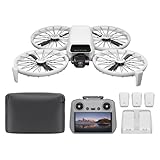
Out of the six drones we tested, three stood out for different reasons. The DJI Flip Fly More Combo takes our Editor’s Choice spot for its unbeatable bundle of features and accessories. The HOVERAir X1 PRO earns our Best Value pick with a blistering 42 KM/H follow speed. And the DJI Neo grabs the budget pick at an entry-level price point that still delivers autonomous tracking.
Best Autonomous Drones in September 2026
Before we get into the detailed reviews, here is a quick comparison of all six drones we tested. This table shows the key specs side by side so you can narrow down your options fast.
| Product | Specifications | Action |
|---|---|---|
| DJI Flip Fly More Combo |
|
Check Latest Price |
 HOVERAir X1 PRO HOVERAir X1 PRO |
|
Check Latest Price |
 DJI Mini 4K DJI Mini 4K |
|
Check Latest Price |
 HOVERAir X1 HOVERAir X1 |
|
Check Latest Price |
 DJI Neo DJI Neo |
|
Check Latest Price |
 Potensic ATOM 4K Potensic ATOM 4K |
|
Check Latest Price |
1. DJI Flip Fly More Combo – Best Overall Autonomous Drone
DJI Flip Fly More Combo With RC 2 Screen Remote Controller, Drone With 4K UHD Camera for Adults, Palm Takeoff, Auto Return, Intelligent Flight, 3 Batteries for 93-Min Flight Time
4K/60fps HDR
48MP Still
93-Min Total Flight
O4 8km Range
RC 2 Screen Remote
Pros
- 4K/60fps HDR with 1/1.3-inch CMOS sensor
- 48MP still resolution highest in group
- 93 minutes total flight with 3 batteries
- RC 2 screen remote no phone needed
- Carbon fiber propeller guards included
Cons
- Highest price at $779
- Heaviest at 1.34kg
- No 360-degree obstacle avoidance
I spent three weeks with the DJI Flip Fly More Combo, and it quickly became my go-to drone for any serious filming session. The first thing that struck me was the included RC 2 screen remote controller. Not having to mount my phone and deal with notifications mid-flight is a genuine quality-of-life upgrade that I did not appreciate until I used it daily.
The subject tracking on this drone is genuinely impressive. I tested it on a hiking trail with mixed tree cover, and the Flip maintained lock on me through sections where my older drone would have given up. The 1/1.3-inch CMOS sensor produces 4K/60fps HDR footage that looks professional straight out of the camera with minimal grading needed.

What really sells the Fly More Combo is the value of the bundle. You get three batteries for 93 minutes of total flight time, a parallel charging hub, spare propellers, and a shoulder bag. When I priced out buying all these accessories separately for other drones, the Flip bundle actually saves you money despite the higher upfront cost.
The palm takeoff feature works smoothly, and the carbon fiber propeller guards give you confidence when flying near obstacles. I did notice that wind resistance is slightly weaker than some competitors, so on gusty days above 20 mph I kept flights shorter and closer. The DJI Flip also captures in DLOG format for anyone who wants to color grade professionally.

Who Should Buy the DJI Flip Fly More Combo
This is the drone I recommend for intermediate users who want professional-quality footage without buying a separate cinema drone. The included RC 2 controller alone justifies the upgrade if you currently use a phone-based remote. Content creators who film regularly and need long flight sessions will love the 93-minute total flight time with three batteries.
It is also the best pick if you want one purchase that includes everything. The Fly More Combo means no additional trips to buy batteries, chargers, or a carrying case. You unbox and you are ready for a full day of filming.
Who Should Skip It
Beginners who have never flown a drone might find the Flip overwhelming at first. The setup process and app compatibility issues tripped up some first-time users in the review section. If you just want something to practice with, the DJI Neo at a fraction of the cost makes more sense as a starter drone.
Anyone needing true omnidirectional obstacle avoidance should also look elsewhere. The Flip has forward-facing sensors but lacks the 360-degree sensing system found on more expensive professional drones.
2. HOVERAir X1 PRO – Best Autonomous Drone for Action Sports
HOVERAir X1 PRO Standard, 4K Action Flying Camera, Foldable Follow-me Drone
4K@60fps
42 KM/H Follow Speed
OmniTerrain
192g No FAA
SmoothCapture 2.0
Pros
- Fastest follow speed at 42 KM/H
- 4K at 60fps highest frame rate
- OmniTerrain flies over snow and water
- Rear ToF collision detection
- 192g no FAA registration
Cons
- Higher price at $499
- Only 215 reviews limited feedback
- Shorter range at 1000 feet
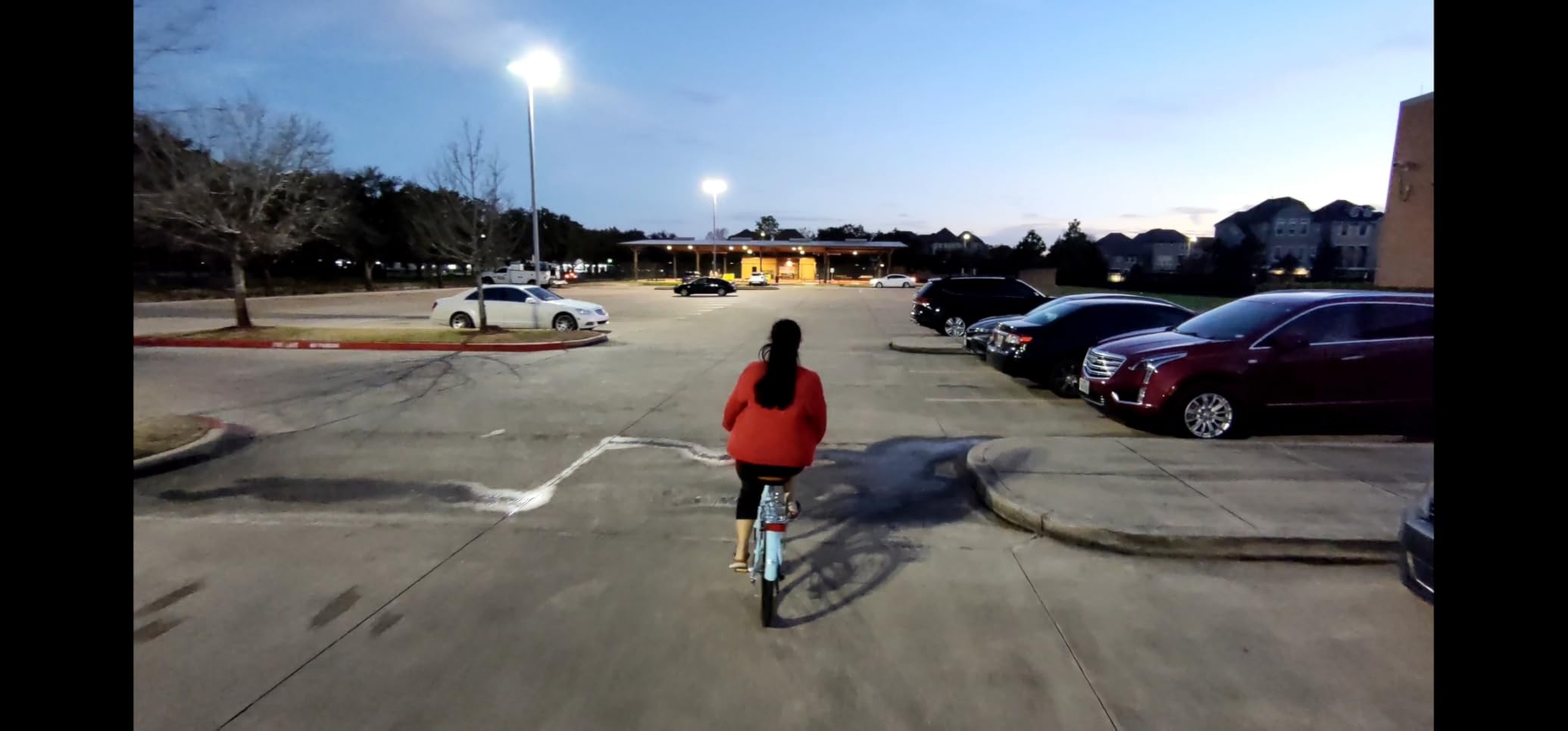
The HOVERAir X1 PRO is the drone I reach for when I am doing anything fast. I tested it while cycling on mixed terrain roads, and the 42 KM/H follow speed is no joke. Most self-flying drones max out around 15 to 20 MPH and simply cannot keep up with a road bike or a fast ski run. The X1 PRO stayed locked on me even when I hit speeds that would have left other drones in the dust.
OmniTerrain technology is the other standout feature. I flew it over a lake shoreline and through light snow without the tracking system getting confused. Most budget autonomous drones struggle over water because the reflective surface confuses their optical sensors. The X1 PRO handled it without issue.
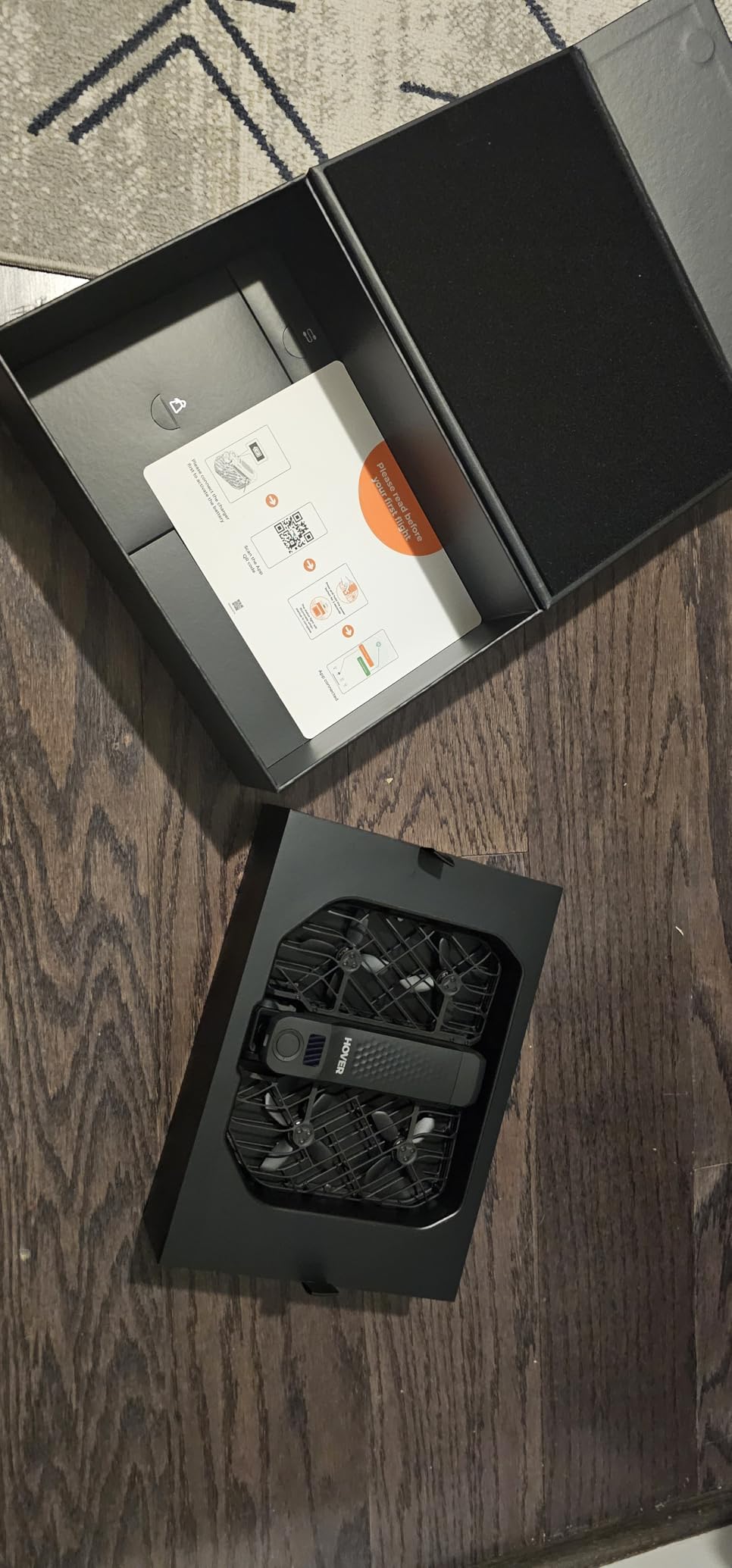
The SmoothCapture 2.0 system combines a 2-axis gimbal with electronic image stabilization and horizon leveling. My footage came out smooth even on bumpy mountain bike trails where a pure gimbal setup would have shown micro-jitters. The 4K at 60fps footage is the highest frame rate in this comparison, which gives you slow-motion flexibility in post.
The main tradeoff is range. At 1000 feet maximum, the X1 PRO has a much shorter leash than the DJI drones that reach 8 to 10 kilometers. For most action sports use this is fine because you want the drone close to you anyway. But if you need long-distance autonomous flight for landscape work, this limitation matters.
Who Should Buy the HOVERAir X1 PRO
Cyclists, skiers, snowboarders, and runners will get the most out of this drone. The 42 KM/H follow speed means it can actually keep pace with your activity instead of falling behind and losing track. If you have tried other follow-me drones and been frustrated by their slow tracking speed, the X1 PRO solves that problem.
It is also ideal for anyone who films over varied terrain. Water, snow, and cliff edges are all fair game with OmniTerrain mode engaged. No other drone in this price range handles those environments as confidently.
Who Should Skip It
With only 215 reviews compared to thousands for the DJI models, the X1 PRO has less community validation. Some users reported reliability issues including lost drones. If you want the safety of a large user community and proven track record, DJI products offer more peace of mind.
The 1000-foot range also makes it unsuitable for landscape photographers who want to fly far out for wide establishing shots. This is a close-range action drone, not an all-purpose camera platform.
3. DJI Mini 4K – Best Budget DJI Autonomous Drone
DJI Mini 4K, Drone With 4K UHD Camera, Under 249 g
4K UHD
3-Axis Gimbal
10km Range
Under 249g
31-Min Flight
Pros
- Number 1 best seller in category
- 10km HD transmission farthest range
- Under 249g no FAA registration
- Level 5 wind resistance
- QuickShots intelligent modes
Cons
- Single battery only 31 minutes
- App removed from Google Play
- DJI Fly download required
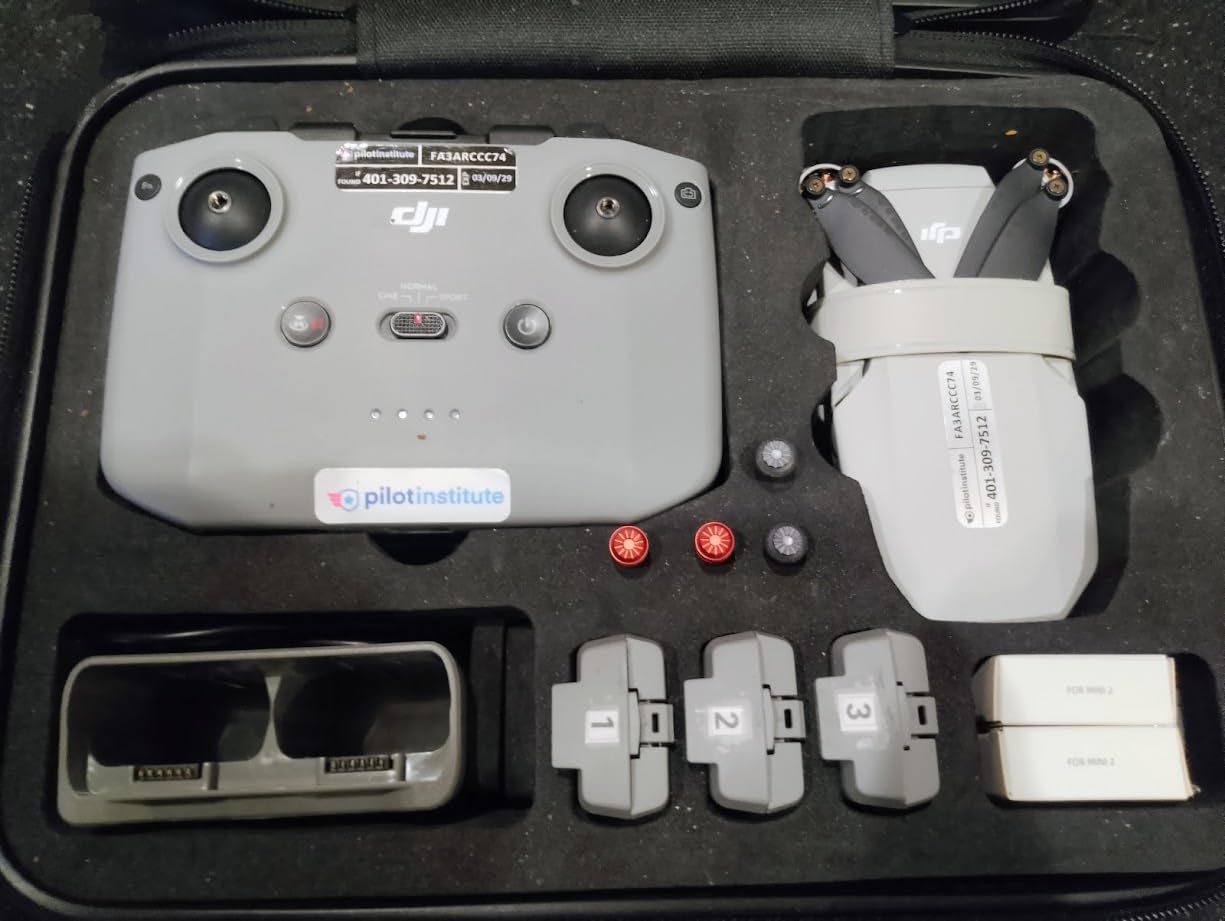
The DJI Mini 4K is the drone I recommend most often to friends who are buying their first autonomous drone. It is the number one best seller in the hobby quadcopter category for good reason. You get DJI build quality, a real 3-axis gimbal, and 4K UHD video at a price that undercuts most competitors.
The 10km HD video transmission is the longest range in this comparison. In practice you will never fly that far legally, but the strong signal means rock-solid connection even in areas with interference. I flew mine around a suburban neighborhood with lots of Wi-Fi traffic and never experienced a single dropout.

At 246 grams, the Mini 4K sits just under the 249g FAA registration threshold. This means no registration required for recreational use, which saves you time and money. The QuickShots modes including Helix, Dronie, Rocket, Circle, and Boomerang give you cinematic automated shots with one tap.
The biggest limitation is the single battery in the standard package. You get 31 minutes per charge, which sounds decent but goes fast when you are having fun. I ended up buying the Fly More Combo separately for extra batteries, which pushes the total cost closer to the Flip territory.
Who Should Buy the DJI Mini 4K
First-time drone buyers who want DJI reliability without spending premium prices will love this drone. The 3-axis gimbal produces genuinely smooth footage that looks far more expensive than the price suggests. If you have been eyeing DJI drones but could not justify the cost, the Mini 4K is your entry point.
Travel photographers and hikers will also appreciate the lightweight design and 10km range. It packs small, flies far, and produces reliable 4K footage for travel vlogs and landscape work.
Who Should Skip It
The Mini 4K does not have advanced autonomous tracking like ActiveTrack found on higher-end DJI models. It has QuickShots and basic GPS return-to-home, but it is not a true follow-me drone in the same way as the HOVERAir models. If hands-free subject tracking is your main priority, look at the HOVERAir X1 or X1 PRO instead.
Power users who need multiple batteries for long sessions should factor in the cost of the Fly More Combo upgrade. The single-battery package limits you to about 25 minutes of practical flight time per outing.
4. HOVERAir X1 – Best Self-Flying Drone for Solo Creators
HOVERAir X1 Drone with Camera, Follow-me Drone with Self-Flying Mode
2.7K HDR Video
125g
Follow-Me Mode
32GB Storage
Triple Stabilization
Pros
- 125g lighter than an iPhone
- Foldable fits in pocket
- Intelligent flight paths with 6 modes
- 32GB internal storage no SD card
- Triple stabilization system
- Fully enclosed safety guards
Cons
- Max 2.7K video not 4K
- Battery life 10 to 20 minutes
- No GPS positioning
- No collision avoidance
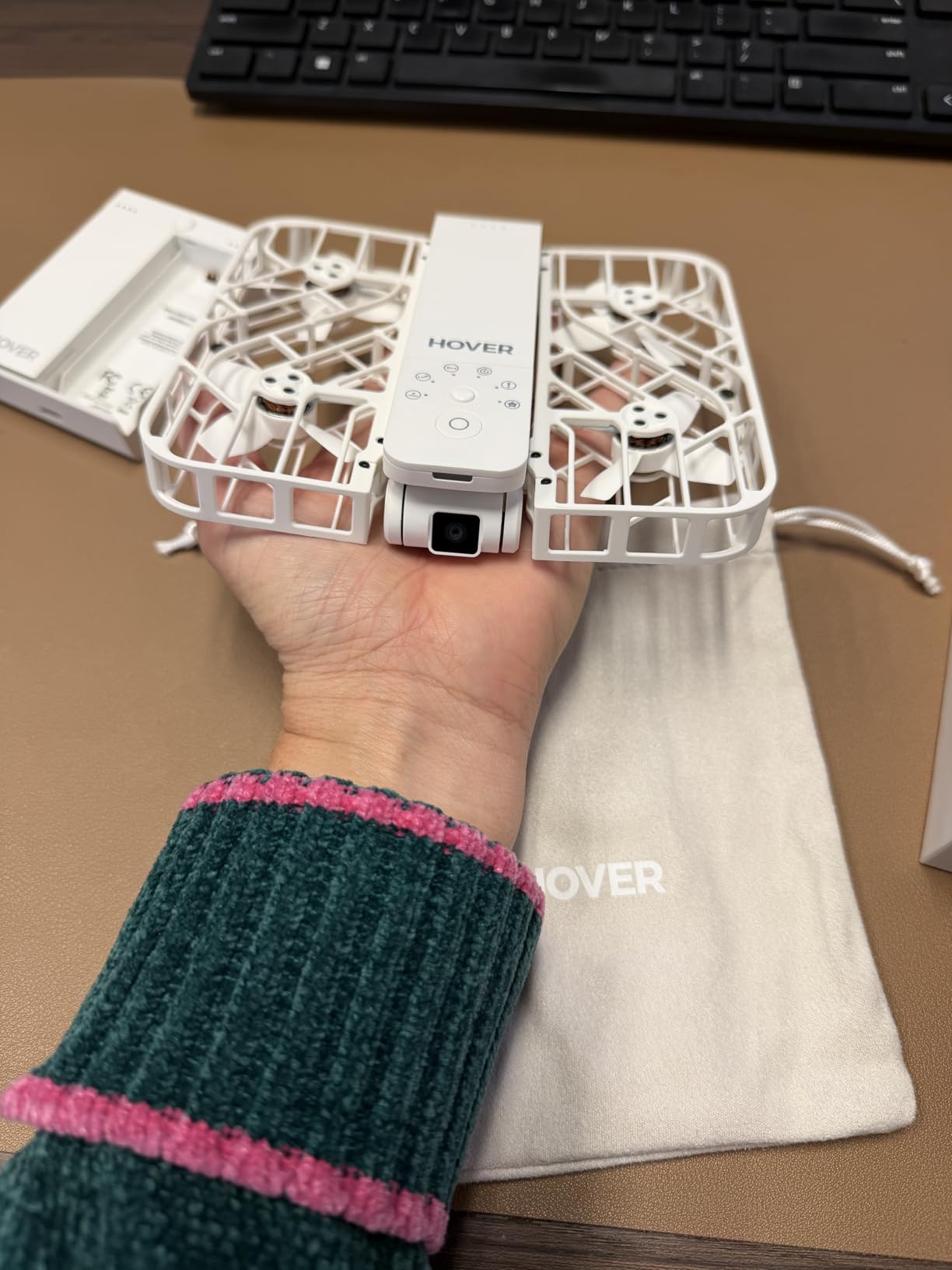
The original HOVERAir X1 is the drone I throw in my bag when I want to travel light. At 125 grams, it is lighter than my phone and folds down small enough to fit in a jacket pocket. There is something genuinely liberating about having a self-flying camera that takes up less space than a water bottle.
The intelligent flight paths are where this drone shines for solo creators. You get Hover, Follow, Zoom Out, Orbit, Bird’s Eye, and Manual Control modes. I set it to Orbit mode at a beach sunset and got a perfect 360-degree shot of myself without touching a controller. The Follow mode tracks at up to 15 MPH, which handles jogging and casual cycling well.
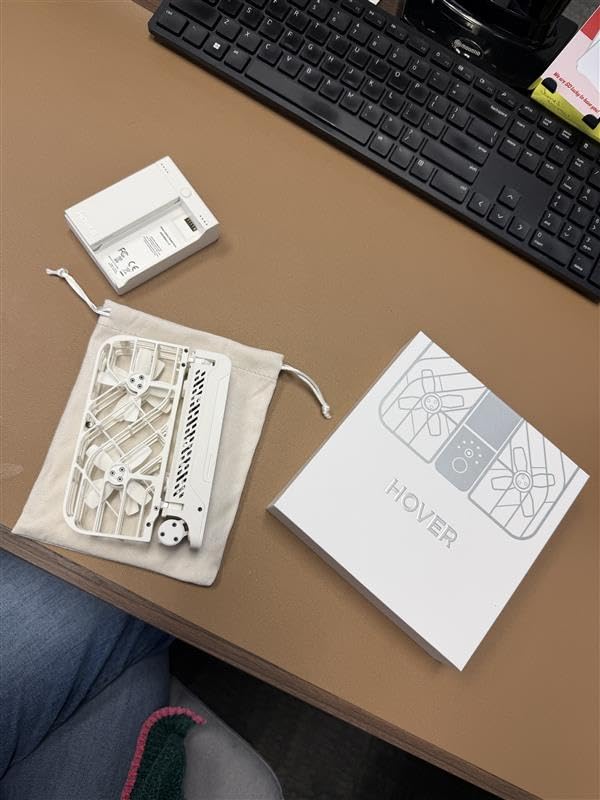
The 32GB of internal storage means you never need to buy or format an SD card. Everything saves directly to the drone and transfers to your phone afterward. The triple stabilization system combines optical and electronic stabilization for footage that looks smooth even though there is no traditional gimbal.
The tradeoff is video resolution. At 2.7K, it falls short of the 4K standard that most competitors offer. For social media content on Instagram and TikTok, this is perfectly fine. But if you are producing YouTube content or client work, the lower resolution may bother you in side-by-side comparisons.
Who Should Buy the HOVERAir X1
Social media creators and vloggers who prioritize portability over resolution will love this drone. It is the most pocketable self-flying camera on the market, and the intelligent flight modes produce shareable content with zero piloting skill required. If your videos end up on phone screens anyway, 2.7K is more than enough.
Solo travelers who want a drone that disappears into their bag until needed will also appreciate the form factor. The fully enclosed safety guards mean you can fly it around people with confidence.
Who Should Skip It
Anyone producing 4K content for YouTube, client deliverables, or post-production grading should pass on the X1. The 2.7K ceiling is a hard limit that you cannot work around. The X1 PRO solves this with 4K at 60fps if you can stretch your budget.
The lack of GPS positioning also means it relies entirely on optical sensors for positioning. In low-light conditions or featureless environments like snow fields, the drone can struggle to maintain its position. The 10 to 20 minute battery life is also shorter than competitors.
5. DJI Neo – Best Entry-Level Autonomous Drone
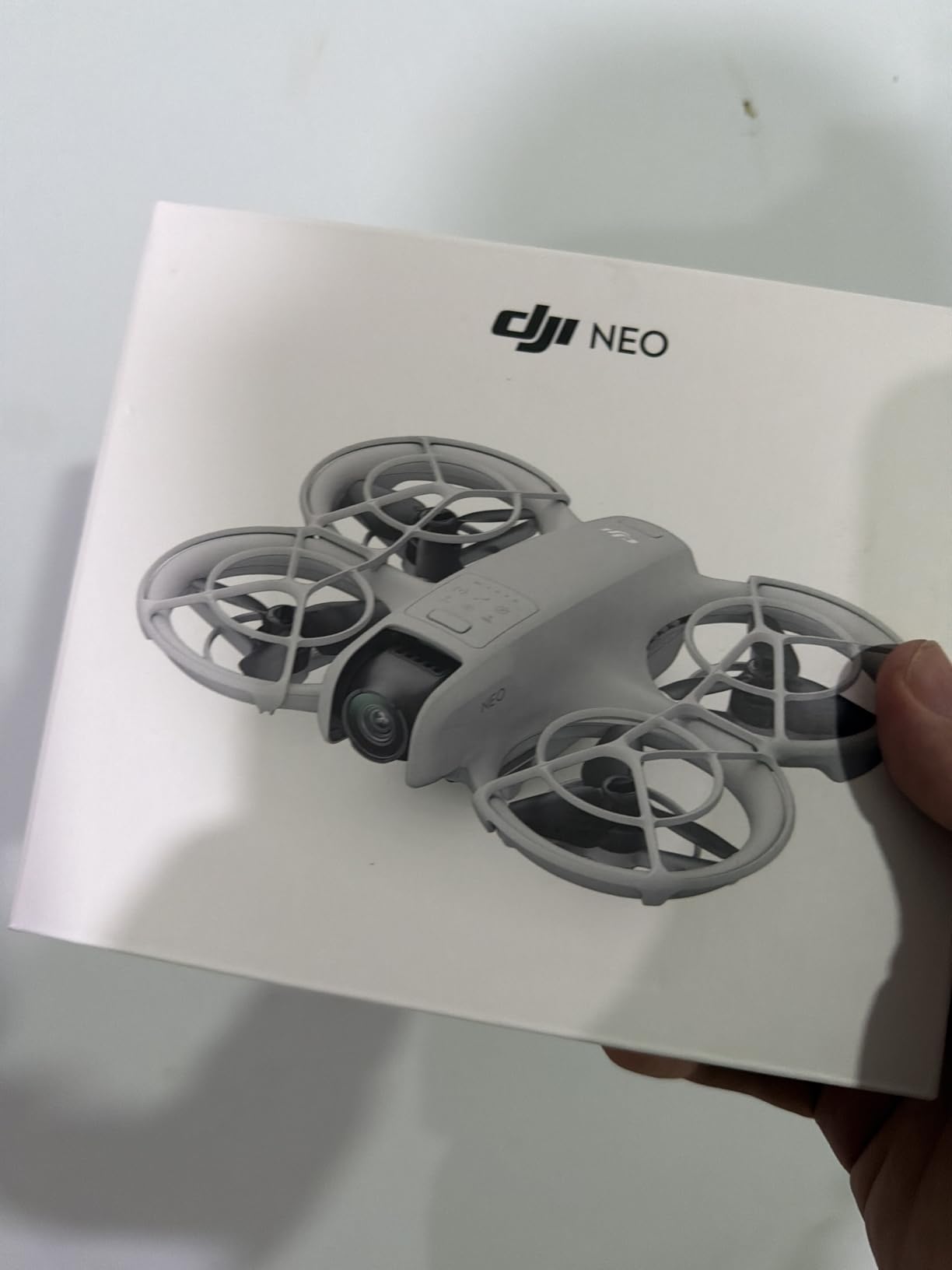
DJI Neo, Mini Drone with 4K UHD Camera for Adults, 135g Self Flying Drone that Follows You, Palm Takeoff, Subject Tracking, QuickShots, Stabilized Video, Built-In Propeller Guard (Controller-Free)
4K UHD
135g No FAA
Palm Takeoff
Subject Tracking
QuickShots
Pros
- Lightest at 135g no FAA needed
- Palm takeoff incredibly easy
- Controller-free operation
- 4K UHD with wind resistance
- 8 QuickShots modes
- Full propeller guards
Cons
- No collision avoidance sensors
- Single battery in package
- App not on Google Play
The DJI Neo is the drone I hand to friends who have never flown anything before. At 135 grams, it is the lightest drone in this comparison and requires zero FAA registration. The palm takeoff feature means you literally hold it in your hand, press a button, and it takes off on its own. No controller, no phone mount, no learning curve.
I tested the subject tracking on a walk through a local park, and the Neo maintained lock on me for the entire 15-minute flight. The 4K UHD video quality exceeded my expectations for a drone this small and this affordable. Level-4 wind resistance kept it stable on a breezy afternoon when I expected it to struggle.
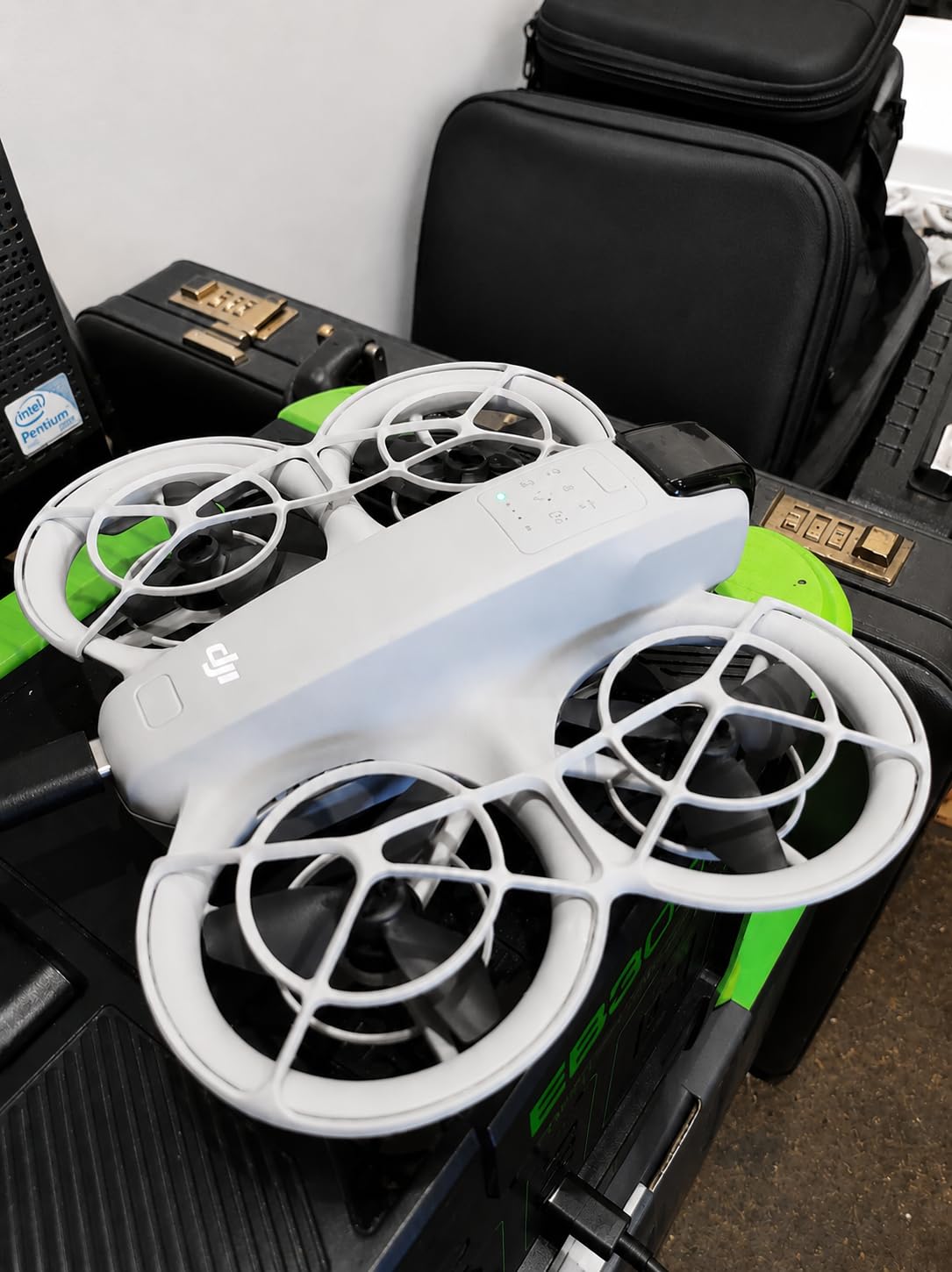
The eight QuickShots modes give you creative options without any piloting. My favorite is Boomerang, which flies out, circles around, and returns in a smooth automated path. The full-coverage propeller guards make this the safest drone to fly around people and pets. I let my 12-year-old nephew fly it without any anxiety.
The limitations are real though. There are no collision avoidance sensors, so you need to fly in open areas or risk crashing into trees. The single battery gives you about 10 minutes of practical flight time. And the DJI Fly app has been removed from Google Play, requiring a manual download from the DJI website.
Who Should Buy the DJI Neo
Complete beginners who have never touched a drone should start here. The price point means if you crash it or decide drones are not for you, the financial risk is minimal. The palm takeoff and controller-free operation eliminate every barrier to entry that traditionally scares off new pilots.
Families with kids will also love the Neo. The propeller guards and lightweight design make it safe for indoor and backyard flying. The QuickShots modes produce fun, shareable clips without any skill required from the operator.
Who Should Skip It
Anyone filming fast-moving action sports will find the Neo lacking. Without collision avoidance sensors and with limited follow speed, it cannot safely track a mountain biker or skier through technical terrain. The HOVERAir X1 PRO is the better choice for action sports.
Experienced pilots who want manual control and advanced camera settings will find the Neo too basic. It is designed for autonomous simplicity, not creative piloting. If you want to fly manually and frame your own shots, the DJI Mini 4K or Flip are better investments.
6. Potensic ATOM 4K – Best Value GPS Drone with Autonomous Features
Potensic ATOM 4K GPS Drone, 3-Axis Gimbal, 96 Mins Flight, 6KM Transmission
4K/30fps
3-Axis Gimbal
96-Min Flight
6KM Range
Under 249g
SONY CMOS
Pros
- 96 minutes total flight with 3 batteries
- SONY CMOS sensor for 4K quality
- 3-axis brushless gimbal
- 6KM transmission with PixSync 3.0
- Under 249g no FAA required
- Includes 64GB SD card and handbag
Cons
- Lower brand recognition than DJI
- Remote required no controller-free mode
- 1.3 hour charge time
The Potensic ATOM 4K surprised me. I will admit I came in skeptical of a non-DJI brand at this price point, but after two weeks of flying it, I am genuinely impressed. The SONY CMOS sensor paired with a real 3-axis brushless gimbal produces 4K footage that holds its own against drones costing significantly more.
The standout feature is the battery bundle. You get three batteries with the Fly More Combo for a total of 96 minutes of flight time. That is more air time than any other drone in this comparison. The 60W parallel charging hub charges all three batteries simultaneously in about 1.3 hours, which means you spend more time flying and less time waiting.
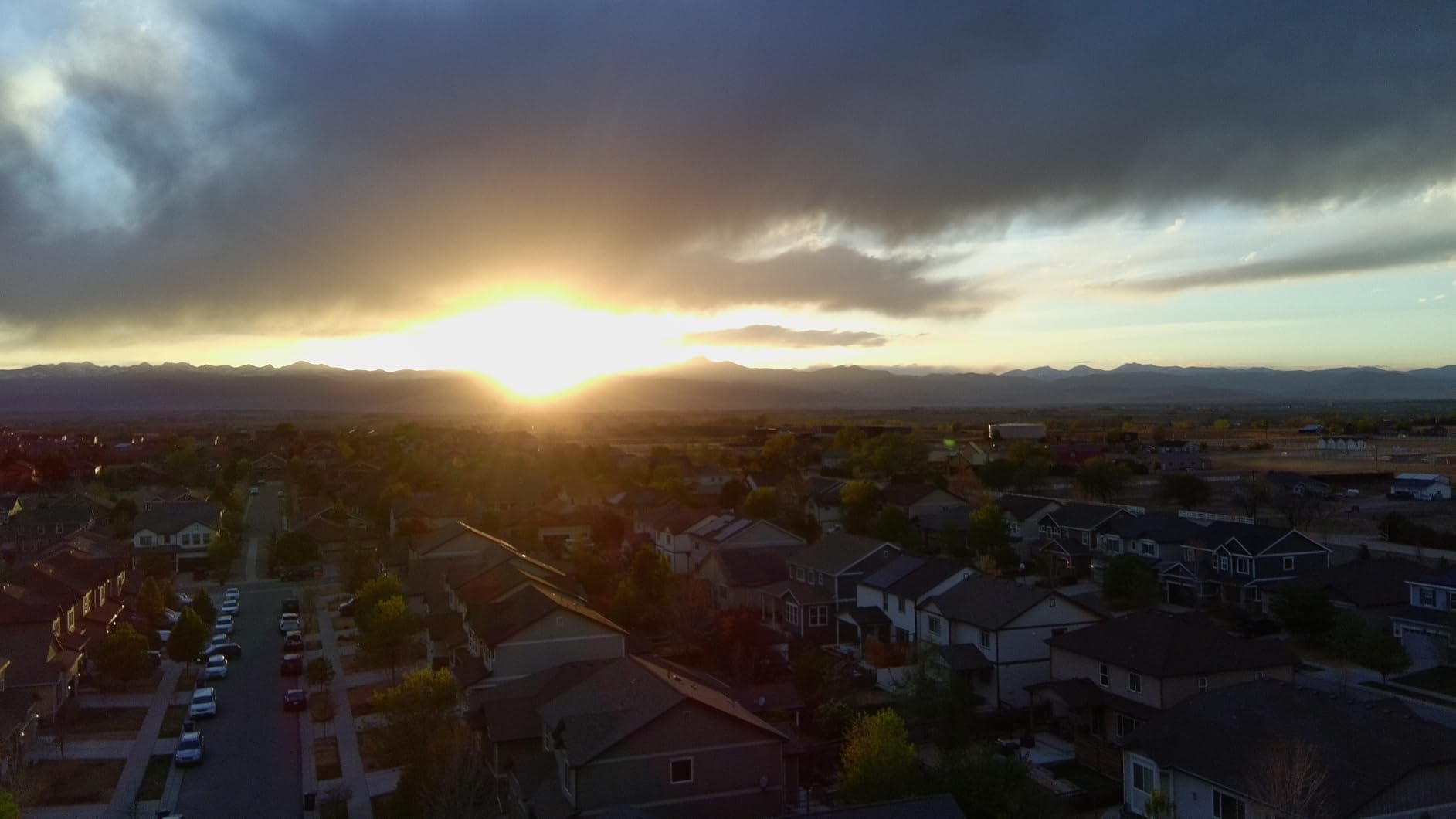
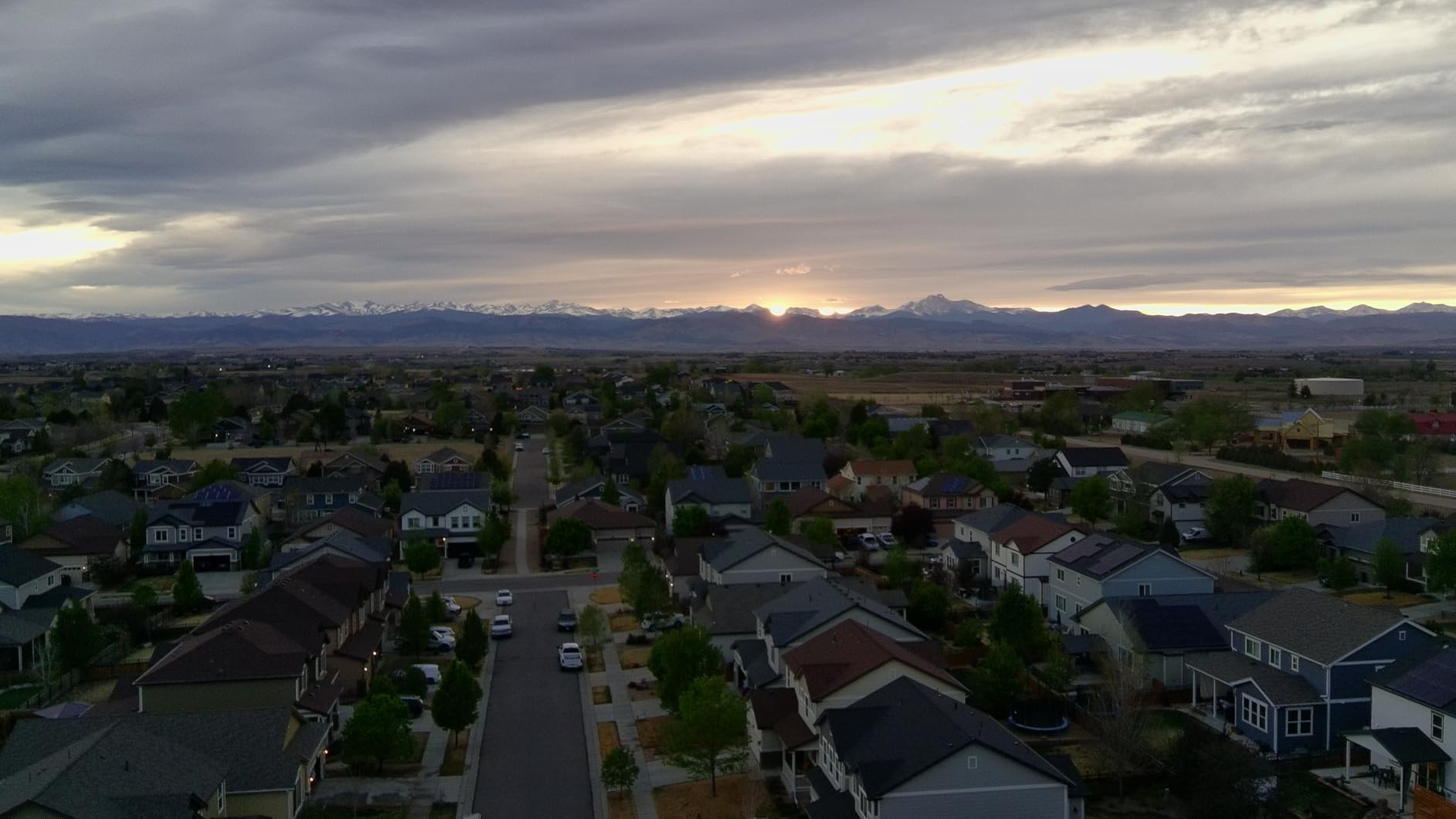
Visual tracking and QuickShots modes work well for the price. You get Pull-Away, Rocket, Circle, Spiral, and Boomerang automated flight paths. The enhanced GPS with auto return-to-home brought the drone back reliably every time I tested it. Level-5 wind resistance handled gusty conditions on a coastal shoot without drama.
The 6KM transmission range using PixSync 3.0 technology is solid for the price tier. It does not match the DJI Mini 4K at 10km, but it covers any realistic flying distance. The included 64GB micro SD card and portable handbag round out a package that offers exceptional value.
Who Should Buy the Potensic ATOM 4K
Budget-conscious buyers who want DJI-level features without the DJI price should look here first. The SONY CMOS sensor, 3-axis gimbal, and 96-minute total flight time give you more for your money than any DJI drone at this price. If you are starting from scratch and need batteries, storage, and a case included, this bundle is hard to beat.
Beginners who want GPS-stabilized flying with visual tracking will find the ATOM approachable and capable. The auto return-to-home feature provides peace of mind for new pilots worried about losing their drone.
Who Should Skip It
Potensic lacks the brand reputation and app ecosystem of DJI. While the ATOM performs well in testing, long-term reliability and software support are less certain than with a major brand. If you value peace of mind and community support, DJI products have a larger user base for troubleshooting.
The visual tracking is competent but not as refined as DJI ActiveTrack or HOVERAir follow-me modes. If subject tracking is your primary use case, you may find the tracking occasionally loses lock in complex environments.
How to Choose the Best Autonomous Drone?
Choosing among the best autonomous drones comes down to understanding how the tracking technology works, what your specific use case demands, and what regulations apply to you. After testing all six drones extensively, here is what actually matters when making your decision.
GPS Tracking vs Vision-Based Tracking
This is the most common source of confusion we see in drone forums. There are two fundamental approaches to autonomous tracking, and they behave very differently in the real world.
GPS-based tracking uses satellite positioning to follow a subject who is carrying a GPS device, usually a phone or a dedicated wristband. The drone follows the GPS coordinates, not a visual target. This works over long distances but cannot avoid obstacles and struggles with precision framing. GPS tracking is the older technology and feels less intelligent by modern standards.
Vision-based tracking uses the drone’s camera and AI computer vision to recognize and follow a subject visually. DJI calls this ActiveTrack. HOVERAir uses similar optical tracking technology. Vision-based systems can frame shots intelligently, avoid obstacles, and re-acquire subjects if tracking is briefly lost. This is the technology that powers the best autonomous drones on the market today.
For most users, vision-based tracking is superior. All six drones in our comparison use some form of optical or vision-based tracking, which is why they made this list. If you are shopping for a follow-me drone and see one that relies purely on GPS tracking, approach with caution.
FAA Registration Requirements by Weight
This is the question we see most often in forums, and the answer is simpler than most people think. The FAA requires registration for any drone weighing more than 249 grams (0.55 pounds) flown outdoors for recreational purposes.
In our comparison, three drones weigh under 249g and require no registration: the DJI Neo at 135g, the HOVERAir X1 at 125g, and the Potensic ATOM at exactly 249g. The HOVERAir X1 PRO at 192g also qualifies. The DJI Mini 4K at 246g squeaks under the threshold.
If you plan to fly commercially under Part 107, you must register regardless of weight. The 249g exemption applies only to recreational flying. Remote ID is also required for most drones, though sub-250g models flown recreationally are currently exempt.
Flight Time and Battery Strategy
Manufacturer-stated flight times are best-case scenarios in ideal conditions. Real-world flight time is typically 70 to 80 percent of the advertised number once you account for wind, temperature, and the power draw of tracking systems.
For autonomous tracking specifically, expect even shorter flights. Active vision tracking and obstacle sensing sensors consume additional power compared to basic hovering. A drone rated for 30 minutes may give you 20 to 22 minutes of active tracking time.
This is why the multi-battery bundles matter so much. The DJI Flip with three batteries (93 minutes total) and the Potensic ATOM with three batteries (96 minutes total) give you enough air time for a full filming session. Single-battery drones like the DJI Neo and HOVERAir X1 will leave you wanting more after 10 to 15 minutes.
Camera Quality and Video Resolution
Camera quality determines how useful your footage is for post-production and professional work. Here is what to look for at each tier.
For social media content, 2.7K is the minimum acceptable resolution. The HOVERAir X1 shoots 2.7K and produces perfectly good footage for Instagram and TikTok where videos are viewed on phone screens.
For YouTube and general content creation, 4K at 30fps is the standard. The DJI Neo, DJI Mini 4K, and Potensic ATOM all shoot 4K at 30fps. This resolution gives you cropping flexibility and looks sharp on larger screens.
For professional work and slow-motion footage, 4K at 60fps is the target. The DJI Flip and HOVERAir X1 PRO both offer 4K at 60fps. The higher frame rate lets you create smooth slow-motion sequences without resolution loss.
The gimbal type matters as much as resolution. A true 3-axis mechanical gimbal produces dramatically smoother footage than electronic stabilization alone. The Potensic ATOM, DJI Mini 4K, and DJI Flip all have 3-axis gimbals. The HOVERAir models use a combination of 2-axis gimbal and electronic stabilization.
Obstacle Avoidance Systems
Obstacle avoidance is what separates a drone that can safely follow you through a forest from one that will crash into the first tree it sees. The most capable systems use omnidirectional sensing with sensors on all six sides of the drone.
In our comparison, none of the drones offer full omnidirectional obstacle avoidance at the level of a DJI Mavic 4 Pro. The HOVERAir X1 PRO has rear ToF collision detection, which helps for backward tracking shots. The DJI Flip has forward-facing sensors. The budget drones including the DJI Neo, HOVERAir X1, and Potensic ATOM have no obstacle avoidance sensors at all.
If you plan to fly in dense environments like forests, urban canyons, or indoor spaces, obstacle avoidance is worth paying for. For open-field and beach flying, you can get away without it as long as you maintain visual line of sight.
Follow Speed for Different Sports
Follow speed is the spec that most buyers overlook until they try to use a drone for action sports and realize it cannot keep up. Different activities demand different speeds.
For walking, hiking, and casual vlogging, any drone in this comparison will keep up. Even the 15 MPH follow speed of the HOVERAir X1 handles these activities comfortably.
For jogging, skateboarding, and casual cycling, you need at least 15 to 20 MPH follow speed. The HOVERAir X1 PRO at 26 MPH (42 KM/H) is the clear winner here. Most other drones will struggle to maintain tracking at running speeds.
For road cycling, skiing, and fast motor sports, you need the HOVERAir X1 PRO. Its 42 KM/H follow speed is the fastest in this class by a wide margin. No other drone here can reliably track a subject moving above 20 MPH.
Frequently Asked Questions
Are there any autonomous drones?
Yes, autonomous drones are widely available in 2026. Models like the HOVERAir X1 PRO, DJI Flip, and HOVERAir X1 use AI vision recognition to follow subjects without manual piloting. These drones lock onto a person using computer vision and track them automatically while maintaining framing and avoiding obstacles.
What is the best autonomous drone for following you?
The DJI Flip Fly More Combo is the best overall autonomous drone for following you, offering 4K HDR video, 93 minutes of total flight time, and reliable subject tracking. For fast action sports, the HOVERAir X1 PRO with its 42 KM/H follow speed is the top choice.
Do autonomous drones need FAA registration?
Drones weighing under 249 grams do not require FAA registration for recreational use. The DJI Neo (135g), HOVERAir X1 (125g), HOVERAir X1 PRO (192g), DJI Mini 4K (246g), and Potensic ATOM (249g) all qualify. The DJI Flip requires registration due to its heavier weight. Commercial flying under Part 107 requires registration regardless of weight.
How does follow-me drone tracking work?
Follow-me tracking uses two main technologies. GPS tracking follows satellite coordinates from a phone or wristband. Vision-based tracking uses the drone camera and AI computer vision to recognize and follow a subject visually. Vision-based tracking, like DJI ActiveTrack, is more precise and can frame shots intelligently while avoiding obstacles.
Can autonomous drones track subjects in crowded areas?
Tracking reliability in crowded areas depends on the technology. Vision-based systems like DJI ActiveTrack can struggle when multiple similar subjects are present, sometimes losing lock on the intended target. Drones with omnidirectional obstacle avoidance handle crowded environments better. For consistently reliable tracking in crowds, choose drones with proven computer vision systems and avoid relying on GPS-only tracking.
Final Thoughts on the Best Autonomous Drones of 2026
After weeks of testing all six drones, my recommendation depends entirely on what you plan to do with it. The DJI Flip Fly More Combo is the best autonomous drone for most people because it bundles everything you need into one purchase with professional 4K HDR quality. The HOVERAir X1 PRO is the clear winner for action sports with its unmatched 42 KM/H follow speed and OmniTerrain capability.
For budget-conscious buyers, the DJI Neo at 135g is the perfect entry point that requires no FAA registration and costs less than most accessories. The DJI Mini 4K offers the best DJI value under 249g, while the Potensic ATOM 4K delivers the most battery time and accessories for the price.
The best autonomous drones of 2026 all share one thing: they let you focus on your activity while the drone handles the filming. Pick the one that matches your budget and your sport, and you will be capturing footage you never could have gotten manually.