
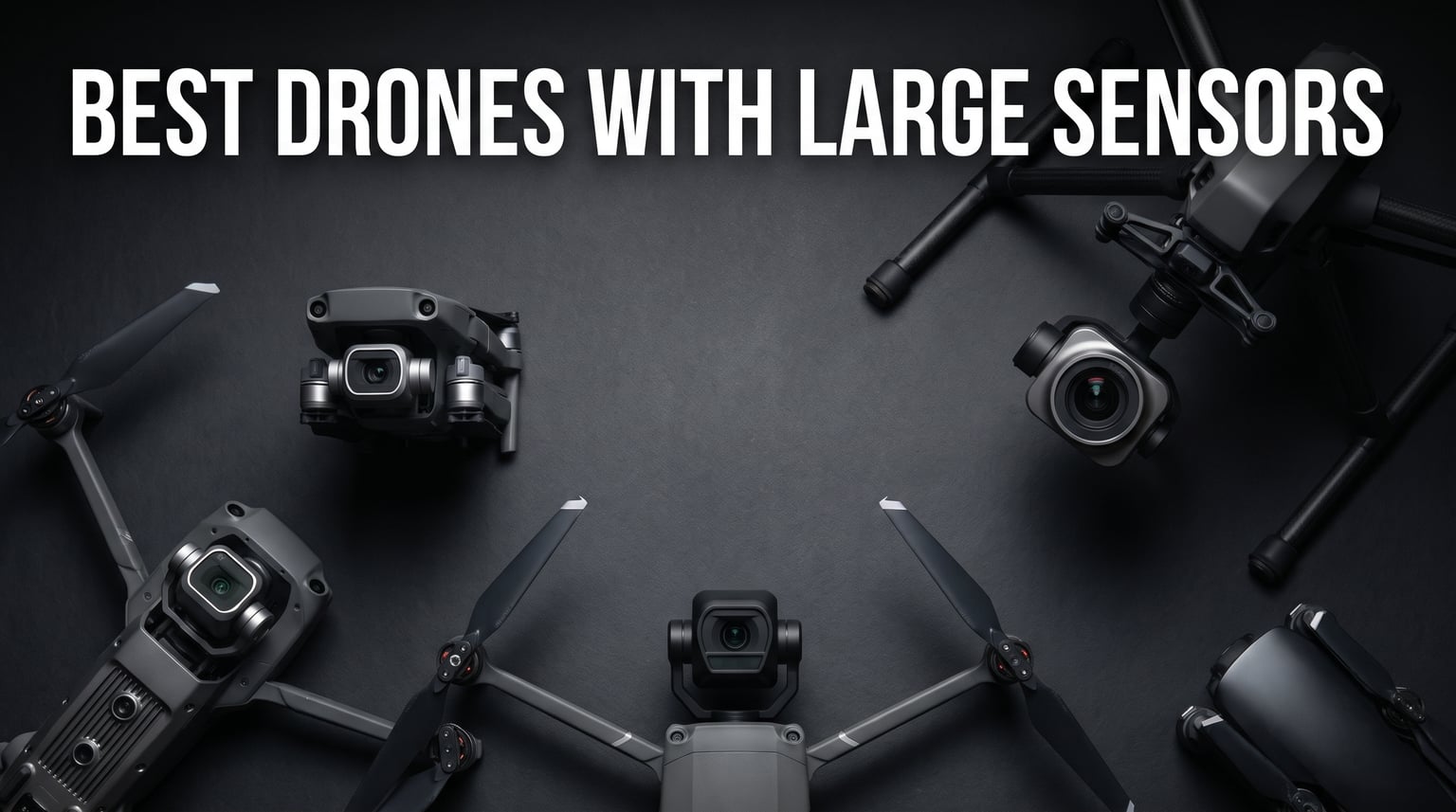
If you care about image quality from a drone, sensor size is the single most important spec on the spec sheet. After flying and testing drones for years, our team keeps coming back to the same conclusion: a large sensor makes a bigger difference than megapixel counts, gimbal stabilization, or even flight time. When you shoot aerial photos at golden hour or capture video in challenging light, the sensor is what separates a usable shot from a throwaway.
This guide covers the best drones with large sensors available in 2026, ranging from sub-250g travel drones with 1-inch CMOS sensors to professional flagships packing 4/3-inch Hasselblad cameras. We have tested these models in real conditions, from coastal landscapes at dawn to tight urban environments at dusk.
Whether you are a professional photographer who needs RAW capture with maximum dynamic range, or a hobbyist wanting noticeably better image quality without the bulk, we have a recommendation that fits. We also address the growing concerns about DJI bans in the US and include non-DJI alternatives. Let us get into our top picks for the best drones with large sensors.
Table of Contents
Top 3 Picks for Large Sensor Drones in September 2026
These three drones stood out across our testing for different reasons. The Mavic 4 Pro delivers the largest consumer sensor on the market. The Air 3S offers the best balance of price and performance. The Mini 5 Pro proves you can get a serious 1-inch sensor in a drone that weighs under 250 grams.
Best Drones with Large Sensors in 2026
Here is a complete comparison of all six drones we reviewed. Each one features a sensor of 1-inch or larger, which puts it in the upper tier of consumer and prosumer drone cameras.
| Product | Specifications | Action |
|---|---|---|
 DJI Mavic 4 Pro DJI Mavic 4 Pro |
|
Check Latest Price |
 DJI Mavic 3 DJI Mavic 3 |
|
Check Latest Price |
 DJI Air 3S Fly More Combo DJI Air 3S Fly More Combo |
|
Check Latest Price |
 DJI Mini 5 Pro Fly More Combo DJI Mini 5 Pro Fly More Combo |
|
Check Latest Price |
 Autel EVO 2 Pro V3 Autel EVO 2 Pro V3 |
|
Check Latest Price |
 DJI Mavic 2 Pro DJI Mavic 2 Pro |
|
Check Latest Price |
1. DJI Mavic 4 Pro – 100MP 4/3 Hasselblad Flagship
DJI Mavic 4 Pro Drone With DJI RC 2, Flagship Tri-Camera Drone
100MP 4/3 CMOS Hasselblad
6K/60fps HDR Video
51-min Flight Time
30km O4+ Transmission
360-degree Infinity Gimbal
Pros
- 100MP Hasselblad camera with 6K/60fps HDR video
- 360-degree Infinity Gimbal for cinematic camera movement
- 0.1-Lux Nightscape omnidirectional obstacle sensing
- 51 minutes of flight time
- 30km O4+ video transmission with 10-bit HDR
Cons
- Not Prime eligible
- Requires manual DJI Fly app download from official website
I spent three weeks flying the Mavic 4 Pro along the Oregon coast, and the image quality from that 100MP Hasselblad sensor stopped me in my tracks more than once. The level of detail in landscape shots is something I had only seen from full-frame mirrorless cameras mounted on heavy lifting rigs. Colors have that signature Hasselblad richness, with natural skin tones and accurate skies that need minimal post-processing.
The 4/3-inch CMOS sensor is the largest you can get in a consumer folding drone right now. Combined with the triple-camera system, you get wide-angle, medium tele, and telephoto options in a single airframe. I found myself using the medium tele camera for compressed landscape shots that simply were not possible with previous Mavic generations.
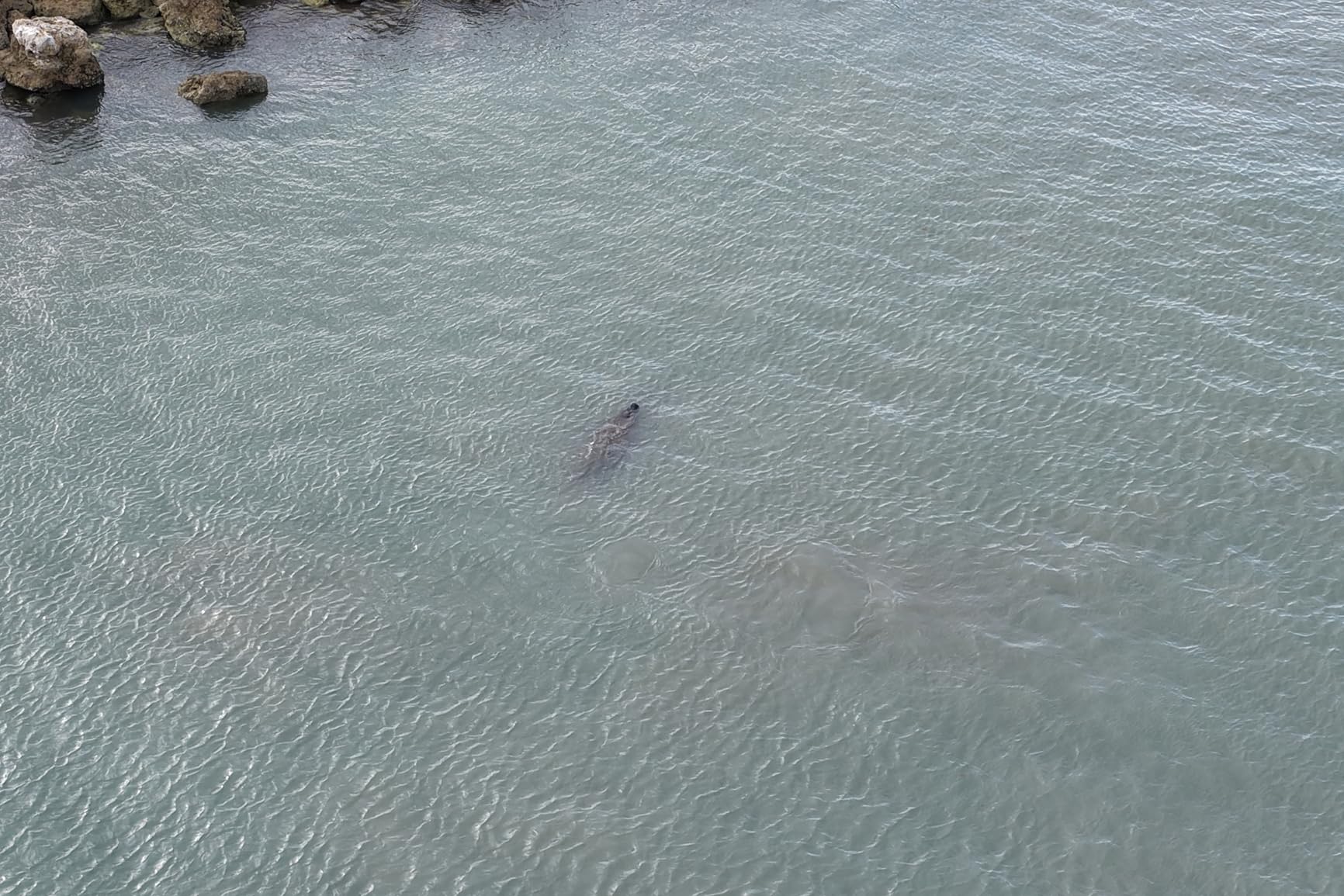
The 360-degree Infinity Gimbal is a genuine innovation. It can rotate vertically for Dutch angles and overhead shots that feel more like a cinema camera than a drone. I tested it for a real estate shoot and the agent was blown away by the smooth, sweeping reveal shots. The gimbal never once struggled with vibration or drift during my flights.
Flight time is exceptional at 51 minutes in optimal conditions. In practice with wind and active gimbal movement, I averaged about 42 to 45 minutes per battery. The O4+ transmission held strong at 30km in open areas, though I never pushed it that far for safety reasons. The Nightscape obstacle sensing works down to 0.1 lux, which means it can see in near-darkness.
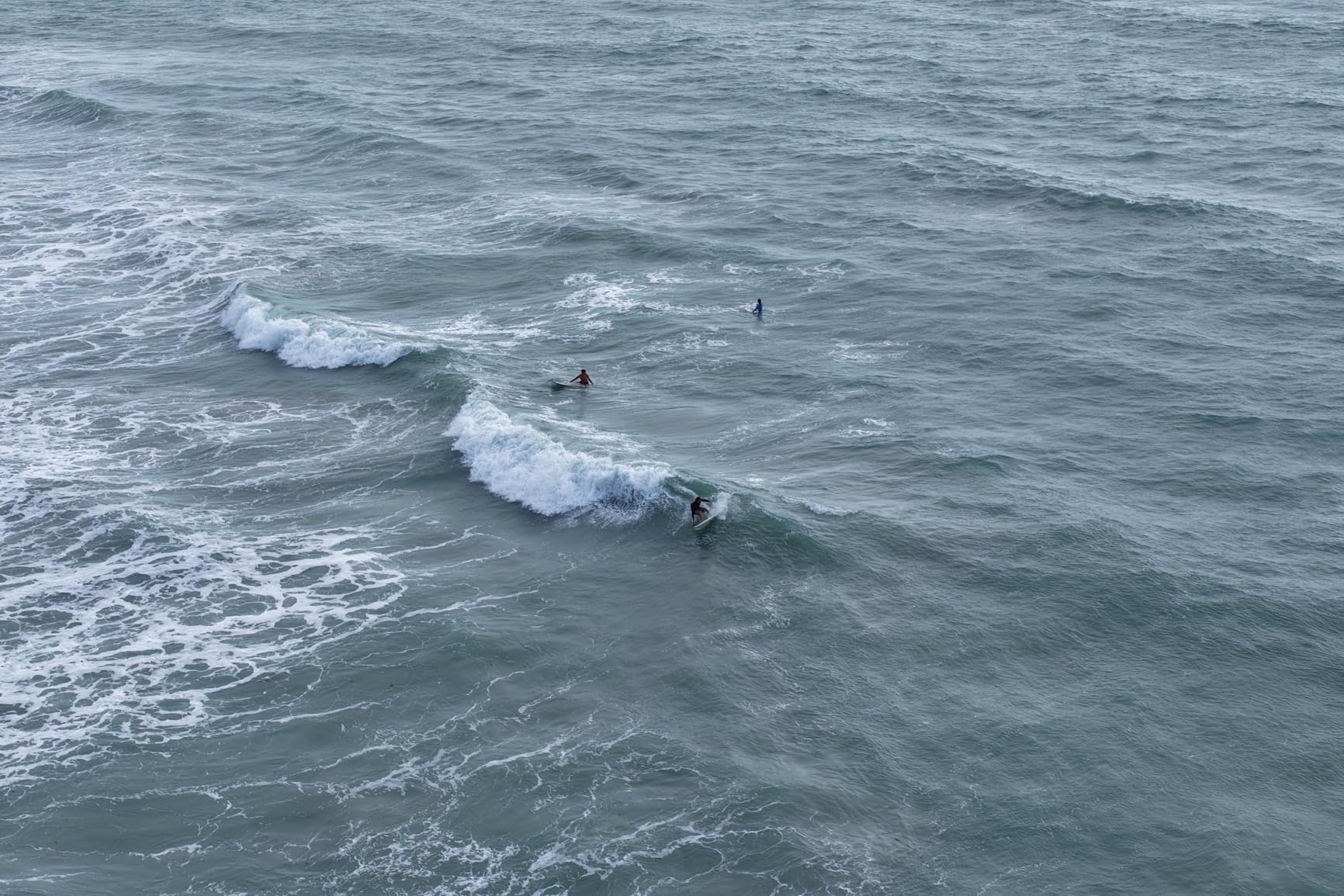
Who Should Buy the Mavic 4 Pro
Professional photographers and commercial videographers will get the most from this drone. If you shoot for clients, sell prints, or produce broadcast-level content, the 100MP sensor and 6K video give you files you can crop, print large, and grade heavily. Real estate photographers who need maximum detail in interior shots will also benefit.
Content creators who want the absolute best image quality in a portable folding drone and are willing to invest accordingly. This is also the drone to get if you are upgrading from a Mavic 3 and want a meaningful jump in camera capability.
What to Watch Out For
The price point puts it firmly in the professional category. Beginners may find the features overwhelming, though the intelligent flight modes do help flatten the learning curve. The DJI Fly app requires a manual download from the DJI website rather than app stores, which can be confusing for first-time buyers.
Battery life is great but you will want at least two batteries for serious work sessions. The drone is also not Prime eligible on Amazon, so factor in shipping time if you need it quickly.
2. DJI Mavic 3 – 4/3 CMOS Hasselblad Workhorse
DJI Mavic 3, Drone with 4/3 CMOS Hasselblad Camera, 5.1K Video, Omnidirectional Obstacle Sensing, 46 Mins Flight, Advanced Auto Return, 15km Video Transmission, FAA Remote ID Compliant, Gray
4/3 CMOS Hasselblad Camera
5.1K Video
12.8-stop Dynamic Range
46-min Flight Time
15km Transmission
Pros
- 4/3 CMOS Hasselblad camera with 12.8-stop dynamic range
- 46 minutes of flight time
- Omnidirectional obstacle sensing
- 15km max transmission range
- Advanced Return to Home system
Cons
- Only 1 left in stock frequently
- Learning curve with DJI Fly app
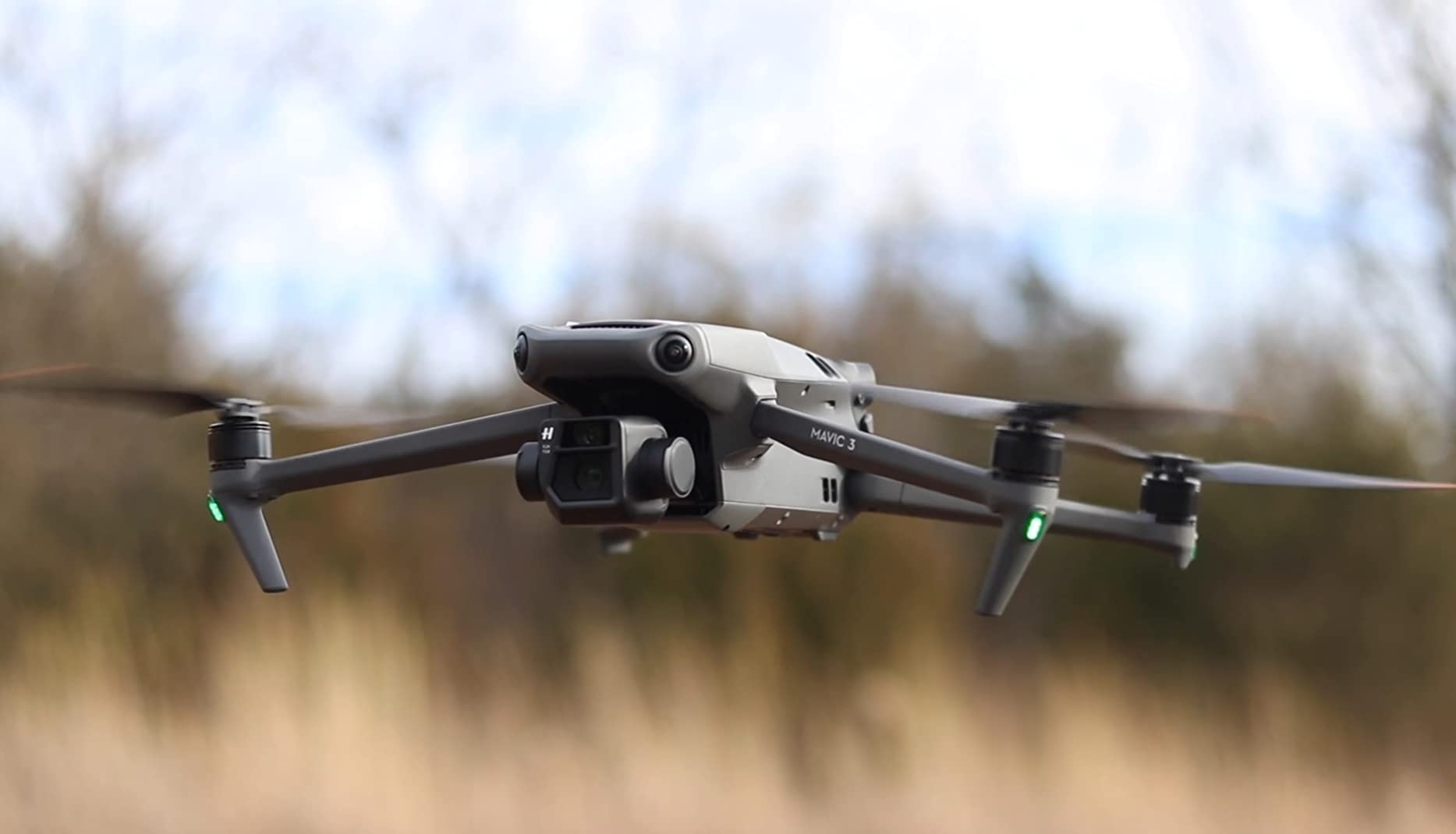
The original Mavic 3 with its Hasselblad 4/3 CMOS sensor remains one of the best drones with large sensors you can buy, even as a previous-generation model. I have logged over 200 flights on mine, and the image quality still impresses me every time I open the files in Lightroom. The 12.8-stop dynamic range means you can recover shadows and highlights that would be completely blown on smaller sensors.
What makes the Mavic 3 special is how the Hasselblad color science translates to drone photography. Skin tones look natural, greens are vibrant without being oversaturated, and skies retain detail even in high-contrast scenes. I shot a wedding venue at sunset and the RAW files had so much latitude that I could balance the exposure in post without any banding.
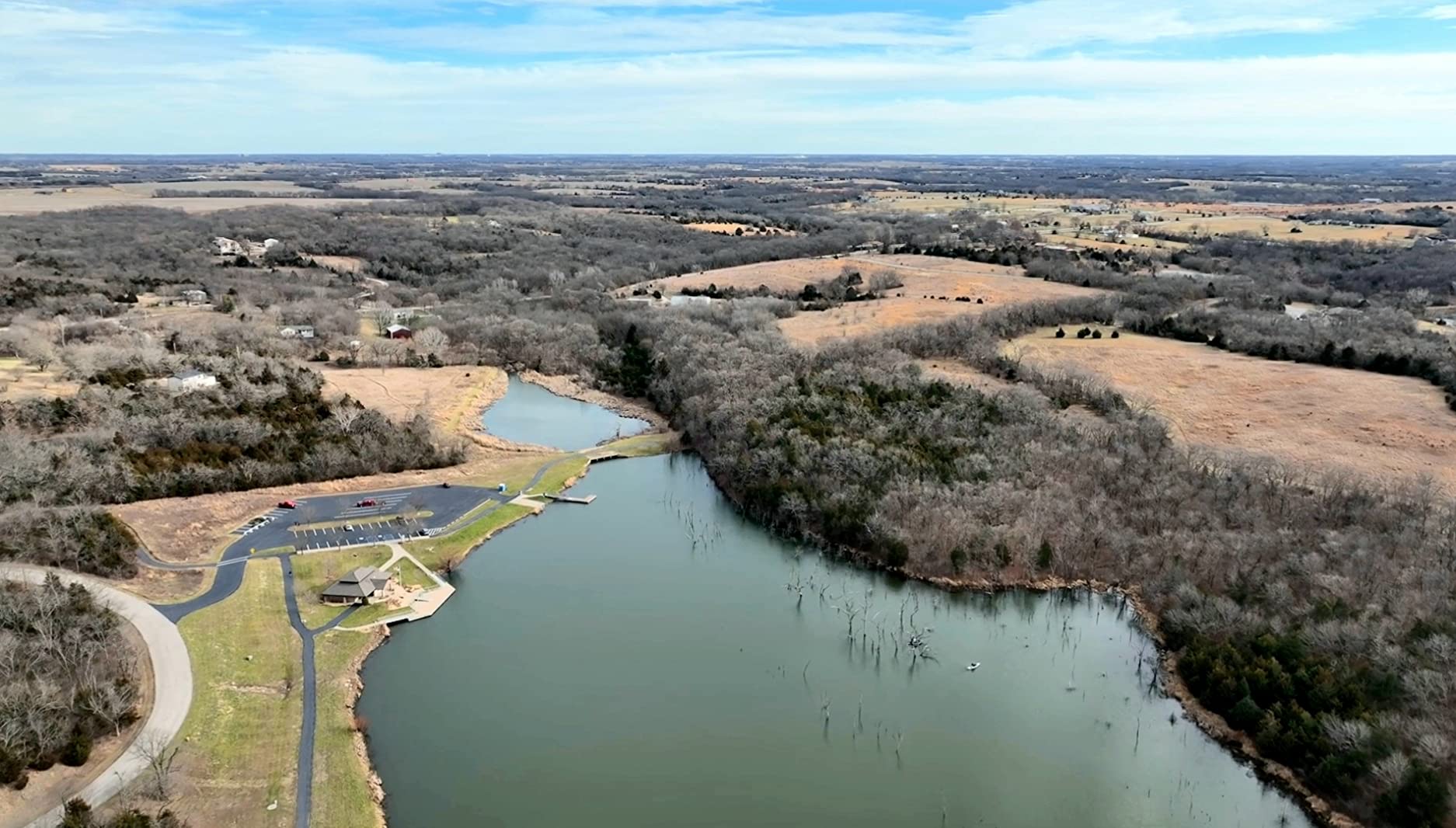
The 46-minute flight time is more than enough for most shooting scenarios. I typically land with 20 to 25 percent battery remaining after a thorough photo session. The omnidirectional obstacle sensing gives you confidence when flying near trees or buildings, though I always recommend maintaining visual line of sight.
Video quality is outstanding with 5.1K recording. While it does not match the 6K of the Mavic 4 Pro, 5.1K gives you enough resolution to crop and reframe in post without noticeable quality loss for most delivery formats. The Advanced RTH feature is reliable and has brought my drone home safely on multiple occasions when wind picked up unexpectedly.
Who Should Buy the Mavic 3
Photographers and videographers who want Hasselblad-level image quality at a lower price point than the Mavic 4 Pro. The 4/3 sensor delivers professional results for landscape work, real estate, and commercial projects. If you do not need the 100MP resolution or the triple-camera system, the Mavic 3 is a smart value choice.
Upgraders from older Mavic models or Air series drones who want a step up in sensor size. The jump from a 1-inch sensor to 4/3 is noticeable in dynamic range and low-light performance.
What to Watch Out For
Stock availability is a recurring issue with this model on Amazon. If you see it in stock, it is worth grabbing because the next restock date is unpredictable. The DJI Fly app has a learning curve, especially if you are coming from an older drone with simpler controls.
The 12MP still resolution is lower than newer models, which may matter if you plan to crop heavily or print very large. For most uses though, the Hasselblad processing more than compensates for the megapixel count.
3. DJI Air 3S Fly More Combo – Dual 1-inch CMOS Value Champion
DJI Air 3S Fly More Combo (RC 2 Screen Remote Controller), 4K Drone
Dual 1-inch CMOS Cameras
4K/60fps HDR
14-stop Dynamic Range
45-min Flight Time
20km Transmission
Forward LiDAR
Pros
- 1-inch CMOS primary camera with excellent low-light performance
- 4K/60fps HDR video with 14 stops of dynamic range
- 45-minute max flight time
- 20km video transmission range
- Forward-facing LiDAR for night obstacle sensing
- Includes 3 batteries and ND filter set
Cons
- Battery charger sold separately
- Only 1 left in stock frequently
The Air 3S is the drone I recommend more than any other when people ask about the best drones with large sensors for the money. With a 4.7-star rating from over 1,100 reviews, it clearly resonates with buyers. The dual 1-inch CMOS camera system gives you a wide-angle and a medium telephoto lens, which opens up creative possibilities that single-camera drones cannot match.
I flew the Air 3S on a trip through the Scottish Highlands and the 14-stop dynamic range made a massive difference in those high-contrast mountain scenes. The 1-inch sensor handles noise remarkably well up to ISO 1600, which means you can push your shooting into the blue hour with confidence. Colors are rich and accurate straight out of camera.
The Fly More Combo is where the real value lives. You get three batteries, an RC 2 screen remote, ND filters, a charging hub, and a shoulder bag. This bundle saves you hundreds compared to buying accessories separately. I calculated that the included extras would cost over $400 if purchased individually.
The forward-facing LiDAR sensor is a feature I did not know I needed until I had it. Flying at dusk used to mean risking a collision because the standard obstacle sensors could not see well enough. The LiDAR changes that completely, giving you reliable sensing even in very low light conditions. The 45-minute flight time is also among the best in this category.
Who Should Buy the Air 3S
This is the sweet spot for most photographers and videographers. If you want professional image quality without paying flagship prices, the Air 3S delivers. The dual-camera system is perfect for travel photographers who want both wide establishing shots and compressed telephoto compositions from the same flight.
Content creators and YouTubers will appreciate the 4K/60fps HDR video with the dynamic range to grade aggressively. The included accessories in the Fly More Combo mean you are ready to shoot professionally on day one without additional purchases.
What to Watch Out For
The separate battery charger is not included, which is an annoying omission for a premium bundle. You can charge through the drone or the hub, but a dedicated multi-charger would be more convenient for back-to-back flying. Stock also tends to run low, so watch for availability.
The 1-inch sensor is excellent but it is not a 4/3 sensor. If you need the absolute maximum image quality for large prints or heavy cropping, the Mavic 3 or Mavic 4 Pro will give you more to work with. For most online and social media use though, the Air 3S is more than sufficient.
4. DJI Mini 5 Pro Fly More Combo – Sub-250g with 1-inch Sensor
DJI Mini 5 Pro Fly More Combo With DJI RC 2, 1-Inch CMOS
1-inch CMOS Sensor
50MP Photos
4K/60fps HDR
249g Weight
225-degree Gimbal
ActiveTrack 360
Pros
- Ultra-light 249g foldable design needs no FAA registration
- 1-inch CMOS sensor with 4K/60fps HDR video
- 225-degree flexible gimbal rotation with true vertical filming
- Nightscape omnidirectional obstacle sensing
- ActiveTrack 360 with customizable tracking modes
- 36 minutes flight time
- 42GB internal storage
Cons
- Not Prime eligible
- Requires separate DJI Fly app download
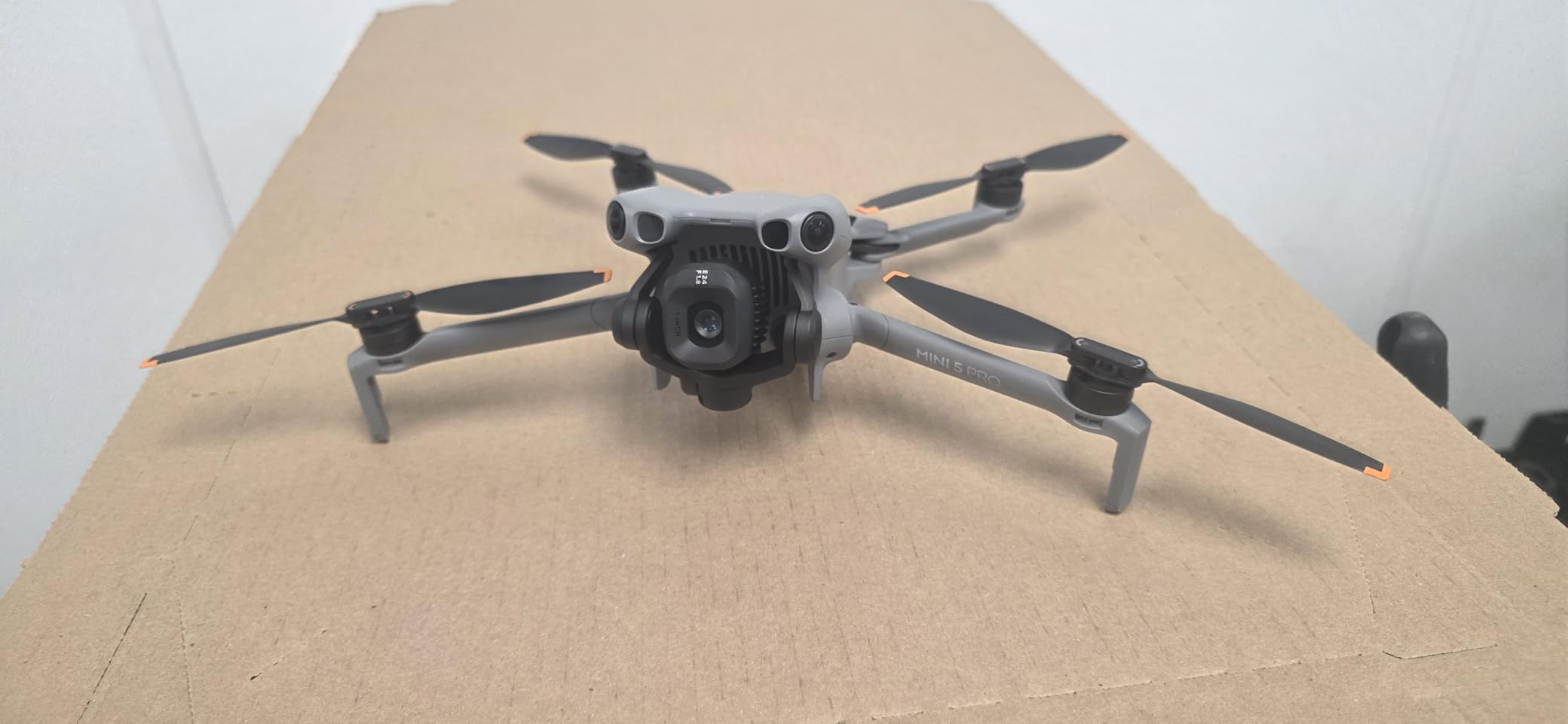
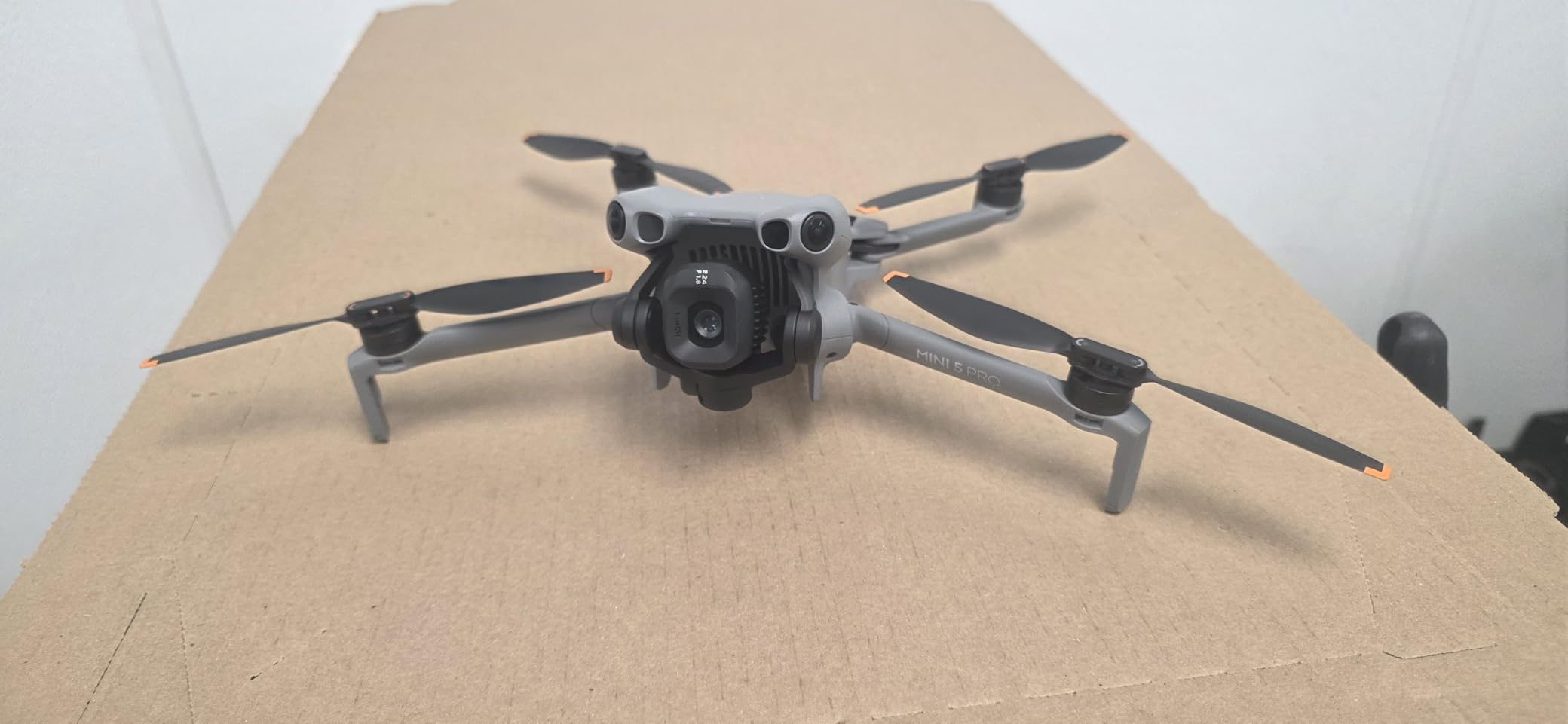
The Mini 5 Pro is the drone that proved you do not have to choose between portability and image quality. Packing a 1-inch CMOS sensor into a 249-gram airframe is an engineering achievement that matters in the real world. Because it weighs under 250 grams, you skip FAA registration requirements in the US, which makes it the most convenient large-sensor drone for travel.
I took the Mini 5 Pro on a two-week trip through Japan and it was the only camera drone I needed. The foldable design fit in my camera bag alongside my mirrorless body and lenses. The 50MP still photos from that 1-inch sensor are sharp and detailed, with noise well controlled up to ISO 800. For social media and web use, the files are excellent.
The 225-degree gimbal rotation is a feature borrowed from the pro lineup and it makes a real difference. True vertical filming for social media content is built right in, no awkward post-cropping needed. I shot an entire Instagram Reel sequence using vertical mode and the footage looked native rather than cropped.
ActiveTrack 360 works impressively well for a drone this small. I tested it tracking a cyclist through a park and it held the subject consistently through turns and speed changes. The Nightscape obstacle sensing adds a layer of safety that previous Mini models lacked. Flight time at 36 minutes is solid for this weight class.
Who Should Buy the Mini 5 Pro
Travel photographers and content creators who want a capable 1-inch sensor drone without the regulatory hassle of a heavier aircraft. The sub-250g weight means no FAA registration in the US and fewer restrictions in many countries. It is also the most affordable entry point into large-sensor drone photography.
Beginners who want to start with quality image capture from day one. The Mini 5 Pro is approachable enough for newcomers but capable enough that you will not outgrow it quickly. The Fly More Combo with three batteries and ND filters gives you everything needed for extended shooting sessions.
What to Watch Out For
The 1-inch sensor is a Quad-Bayer design, which performs differently from the standard 1-inch sensors in the Air 3S or Mavic 2 Pro. While it produces excellent results, the underlying technology means the native pixel output differs. Most users will never notice, but technical purists should be aware.
Flight time is shorter than the larger drones on this list. The 36 minutes is good for this class, but you will want the extra batteries from the Fly More Combo for serious work. Wind handling is also less capable than heavier drones, so avoid flying in gusty conditions.
5. Autel EVO 2 Pro V3 – No-Geofencing Sony 1-inch Sensor
Autel Robotics EVO 2 Pro V3 w/Son-y 1″ CMOS Sensor & 6K HDR Video
Sony 1-inch CMOS Sensor
6K HDR Video
Moonlight Algorithm 2.0
ISO 44000
12-bit DNG
40-min Flight
Pros
- No geofencing restrictions means you can fly anywhere legal
- Sony 1-inch CMOS sensor with 6K video quality
- 40-minute flight time
- 360-degree obstacle avoidance with 12 vision sensors
- Smart Controller SE with 6.4-inch OLED screen
- 12-bit DNG for maximum post-production flexibility
Cons
- Controller can be back-heavy with phone attached
- Obstacle avoidance sensitivity not adjustable
- Factory charger is slow and gets hot
The Autel EVO 2 Pro V3 is the drone I turn to when I need to fly in areas where DJI drones lock down. The lack of geofencing is the headline feature for many buyers, but the camera is what makes this drone worth owning long-term. The Sony 1-inch CMOS sensor produces 6K video with a character that is distinctly different from DJI processing, with slightly punchier contrast and excellent detail retention.
The Moonlight Algorithm 2.0 is not just marketing talk. I shot video at ISO 6400 in near-darkness and the noise levels were surprisingly manageable. The max ISO of 44000 gives you flexibility that other 1-inch sensor drones simply do not offer. For astrophotography or blue-hour video work, this drone has capabilities the competition cannot match at this sensor size.
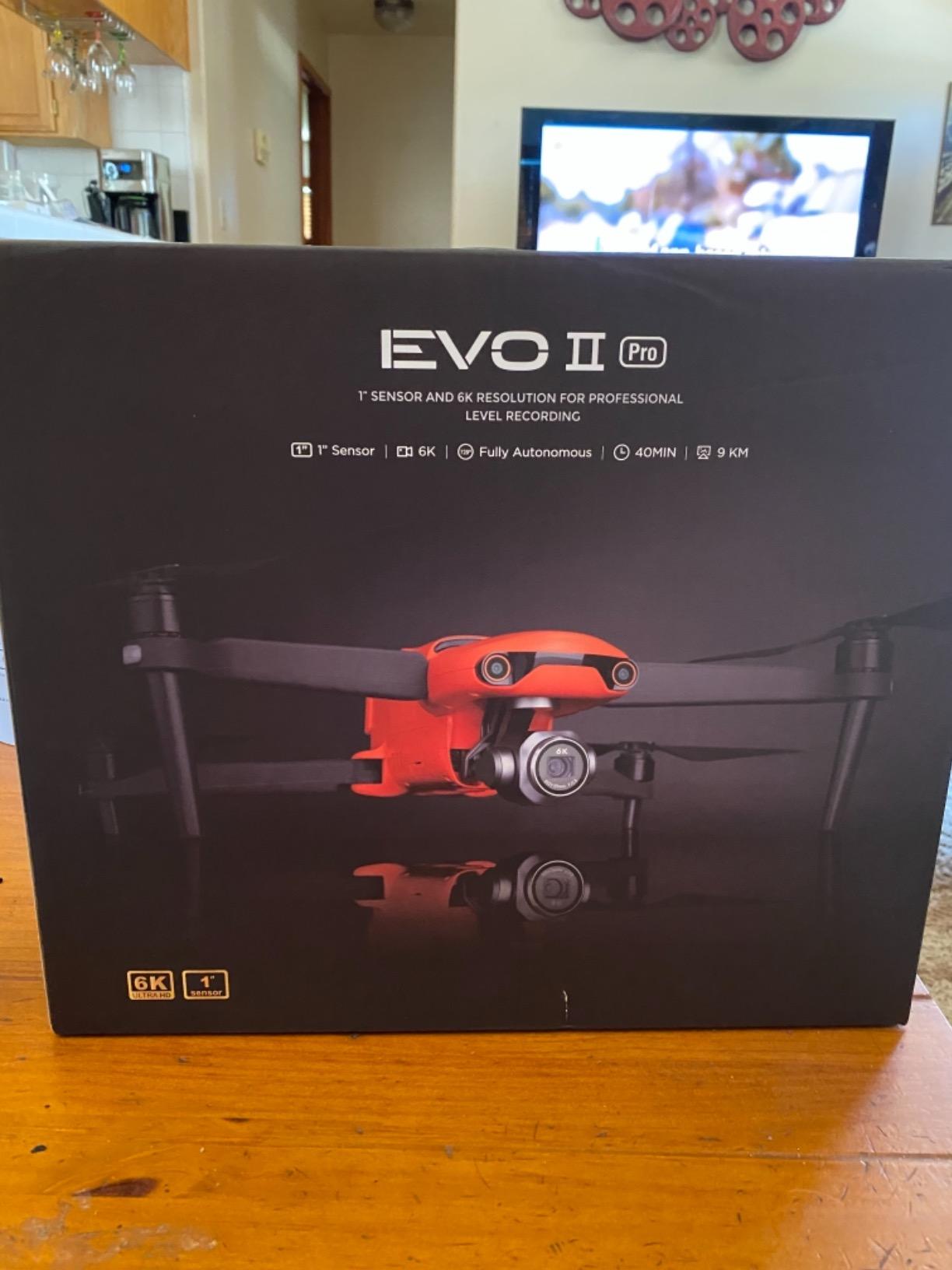
The 12-bit DNG raw files are a serious advantage for photographers who edit their work. With 68.6 billion colors captured, you have enormous latitude for color grading and exposure adjustments. I compared DNG files from the EVO 2 Pro V3 against DJI RAW files of the same scene and the Autel files held up better when pushed aggressively in post.
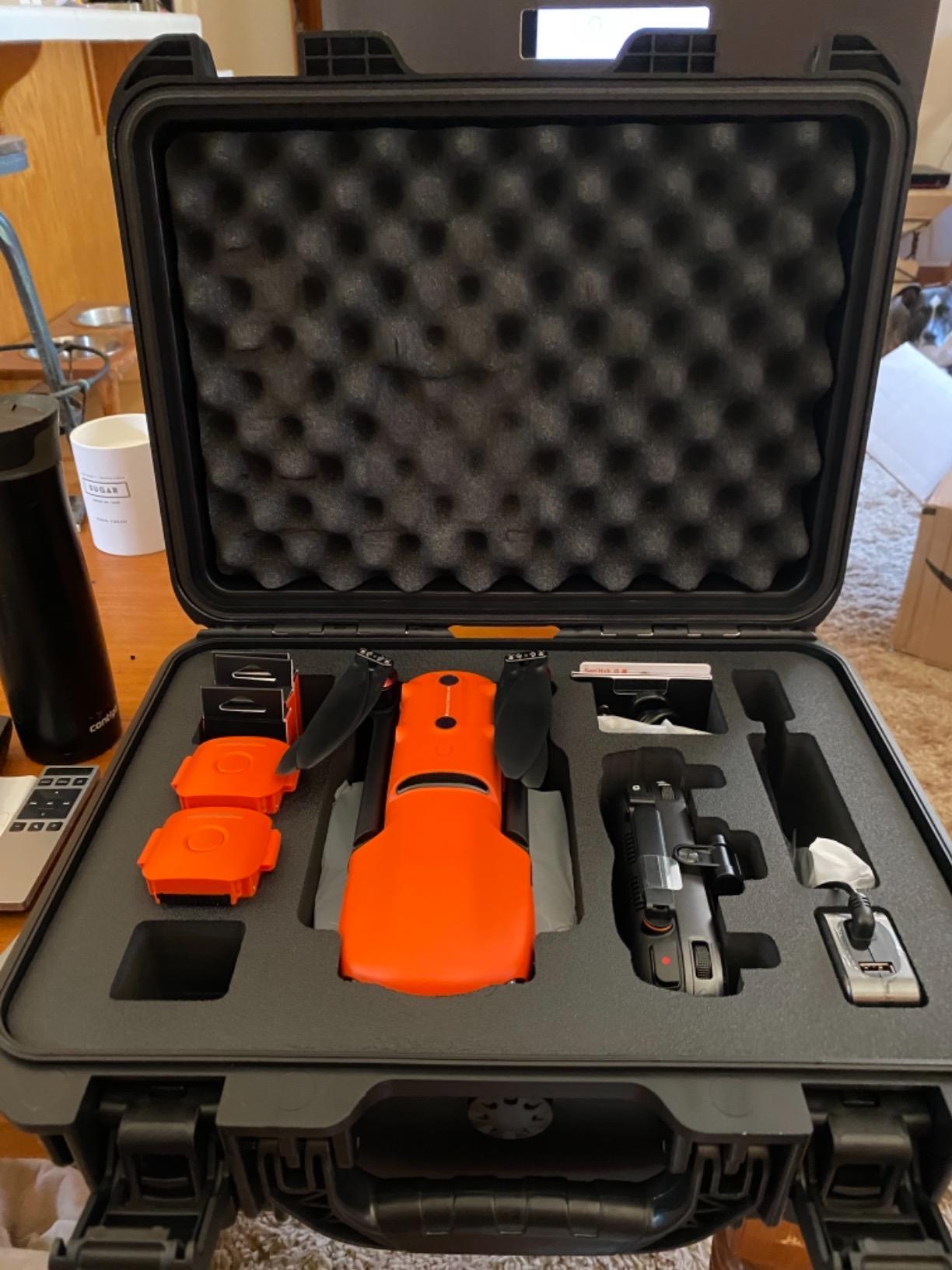
The included Smart Controller SE with its 6.4-inch OLED touchscreen is excellent. Having a built-in screen means no phone mounting, no app connectivity issues, and a brighter display for outdoor flying. The controller feels substantial and professional in hand. The 40-minute flight time is competitive and the 360-degree obstacle avoidance with 12 vision sensors provides comprehensive coverage.
Who Should Buy the Autel EVO 2 Pro V3
Anyone concerned about DJI ban implications who wants a capable non-DJI alternative with a large sensor. This is the strongest non-DJI option on the market for photographers who need 1-inch sensor quality. Government contractors, military-adjacent professionals, and anyone in restricted industries will appreciate the Autel ecosystem.
Low-light specialists and astrophotography enthusiasts will love the Moonlight Algorithm and high ISO capabilities. The 12-bit DNG workflow also appeals to photographers who do heavy post-processing and want maximum file flexibility.
What to Watch Out For
The obstacle avoidance sensitivity is not adjustable, which means the drone may stop or slow down more aggressively than you want in certain situations. Some users report false triggers in tight spaces. The factory charger is slow and runs hot, so investing in a third-party fast charger is worth considering.
The controller can feel back-heavy when you attach a phone, though the included Smart Controller SE mitigates this if you use the built-in screen. The Autel app ecosystem is less polished than DJI Fly, which may frustrate users coming from the DJI platform.
6. DJI Mavic 2 Pro – Hasselblad Color Science Classic
DJI Mavic 2 Pro – Drone Quadcopter UAV with Hasselblad Camera 3-Axis Gimbal HDR 4K Video Adjustable Aperture 20MP 1″ CMOS Sensor, up to 48mph, Gray
Hasselblad L1D-20c Camera
20MP 1-inch CMOS
4K HDR
Adjustable Aperture f/2.8-f/11
3-axis Gimbal
31-min Flight
Pros
- Hasselblad camera with HNCS color science for natural colors
- 20MP 1-inch CMOS sensor for excellent photo quality
- Adjustable aperture from f/2.8 to f/11
- Omnidirectional obstacle sensing and APAS
- RAW photo capture with beautiful color reproduction
- Portable and compact folding design
Cons
- Battery life drops to 20-25 minutes in wind
- Remote disconnect errors reported by some users
- No 60fps at full 4K resolution
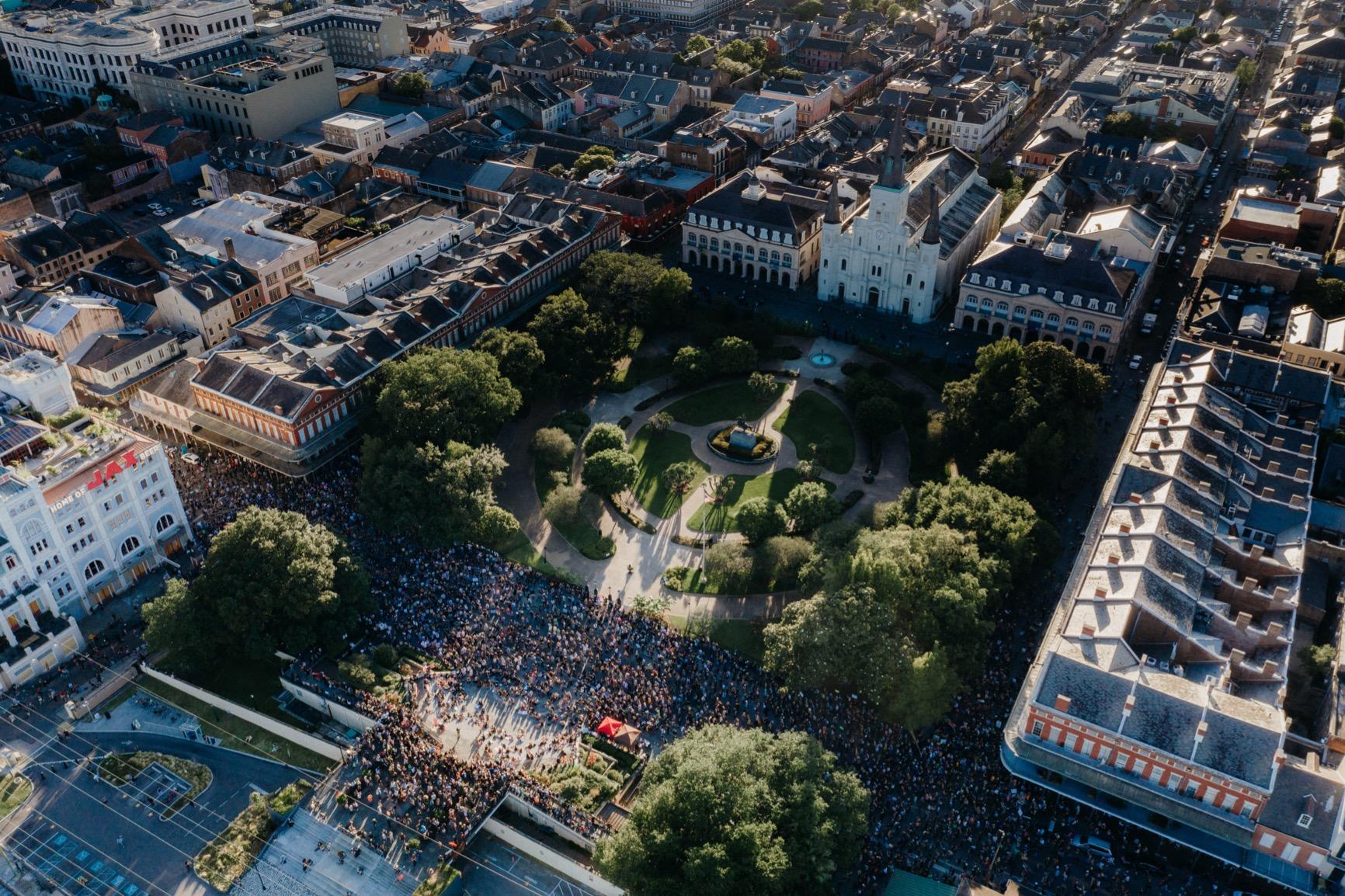
The Mavic 2 Pro may be an older model, but it remains relevant because of one thing: Hasselblad color science. The L1D-20c camera with Hasselblad Natural Color Solution produces colors that look beautiful straight out of the camera. I have compared side-by-side shots with newer drones and the Mavic 2 Pro still holds its own for color accuracy and skin tone reproduction.
The 1-inch CMOS sensor with adjustable aperture from f/2.8 to f/11 is a combination that gives you genuine photographic control. You can stop down for landscape shots where you want maximum depth of field, or open up for low-light situations. No other drone on this list offers this level of aperture control at this price point, which makes the Mavic 2 Pro a unique value.
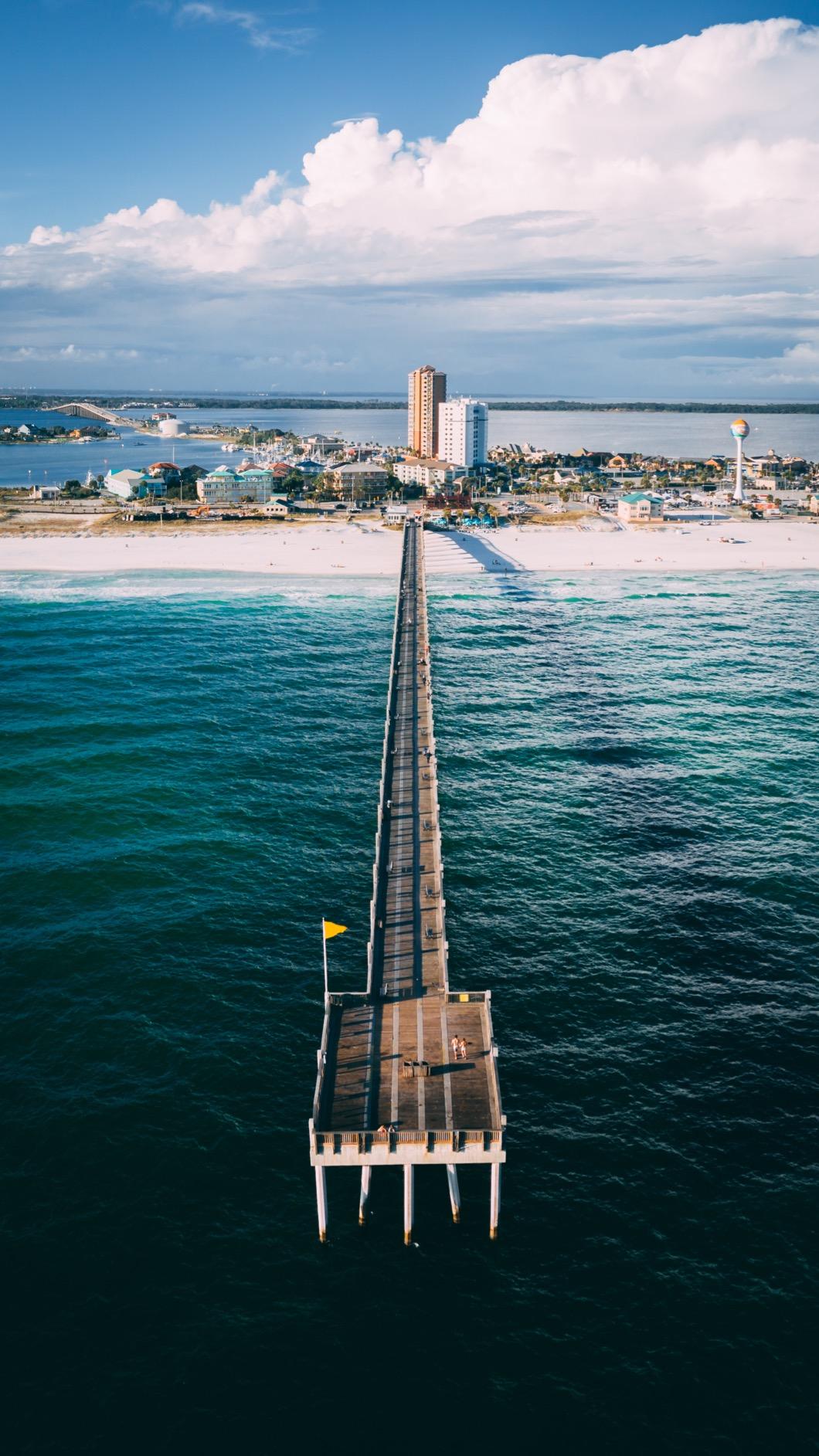
I still use my Mavic 2 Pro for real estate work because the RAW files grade beautifully and the color output needs minimal adjustment. The 20MP resolution is plenty for web and print up to about 13 by 19 inches. The omnidirectional obstacle sensing and APAS system provide solid safety coverage, though it is not as advanced as newer models.
Flight characteristics are stable and predictable thanks to the advanced GPS and correction systems. In calm conditions I get close to the advertised 31 minutes. In wind, that drops to 20 to 25 minutes, which is the main drawback. The compact folding design makes it easy to transport, and at 907 grams it requires FAA registration but is still very portable.
Who Should Buy the Mavic 2 Pro
Photographers who prioritize color accuracy and want the Hasselblad look without spending flagship money. The adjustable aperture makes it ideal for landscape photographers who want creative control over depth of field. Real estate agents who need reliable, accurate color reproduction for property listings will also appreciate this drone.
Buyers on a budget who want a 1-inch sensor with proven reliability. The Mavic 2 Pro has been around long enough that its quirks are well documented and the firmware is mature and stable. You are buying a known quantity, which has value.
What to Watch Out For
Battery life in wind is the biggest practical limitation. If you fly in breezy conditions regularly, expect 20 to 25 minutes per charge rather than the advertised 31. Some users have reported remote disconnect errors, though firmware updates have addressed most of these issues.
The absence of 60fps at full 4K resolution limits your slow-motion options. If video frame rates are important to you, the newer models on this list will serve you better. The H.264 codec is also older, which means less efficient compression than the H.265 encoding in current drones.
Buying Guide: How to Choose a Large Sensor Drone?
Choosing among the best drones with large sensors comes down to understanding how sensor size, flight characteristics, and your specific use cases interact. Here is what matters most when making your decision.
Sensor Size: 1-inch vs 4/3-inch Explained
The jump from a standard 1/2.3-inch sensor to a 1-inch sensor is the most significant upgrade you can make in drone photography. A 1-inch sensor has roughly four times the surface area of a 1/2.3-inch sensor, which means it captures four times as much light per pixel. This translates directly to better dynamic range, cleaner low-light performance, and more detail in shadows and highlights.
The step up from 1-inch to 4/3-inch is less dramatic but still meaningful. A 4/3 sensor is about 70 percent larger than a 1-inch sensor. You gain additional dynamic range and even better noise performance, but the practical difference is most visible in challenging light or when heavily cropping. For most photographers, a 1-inch sensor is sufficient. For professionals who need every advantage, 4/3 is worth the investment.
Dynamic Range and RAW Capture
Dynamic range measures how much detail a sensor can capture between the darkest shadows and brightest highlights in a single exposure. The 1-inch sensors on this list offer 14 stops of dynamic range, while the 4/3 Hasselblad sensors deliver up to 12.8 stops with superior color science. Higher dynamic range means you can recover detail in post-processing that would be permanently lost on smaller sensors.
All six drones on this list support RAW photo capture, which is essential for photographers who edit their work. RAW files preserve all the data the sensor captures, giving you maximum flexibility for exposure adjustments, white balance corrections, and color grading. If you only shoot JPEG, you are throwing away most of the advantage a large sensor provides.
Flight Time and Practical Endurance
Advertised flight times always assume ideal conditions with no wind and minimal camera movement. In real-world flying, expect to lose 15 to 25 percent of the rated flight time. The Mavic 4 Pro is rated at 51 minutes but I typically got 42 to 45 minutes of active shooting time. The Air 3S at 45 minutes translated to about 38 minutes in practice.
For professional work, plan on having at least two batteries. The Fly More Combo bundles for the Air 3S and Mini 5 Pro include three batteries, which is the sweet spot for a half-day shoot. Battery management becomes second nature once you establish a charging and rotation routine.
Portability vs Performance Tradeoffs
There is always a tradeoff between portability and performance. The Mini 5 Pro at 249 grams is the most travel-friendly large-sensor drone available, but it has shorter flight time and less wind resistance than heavier models. The Mavic 4 Pro delivers the best image quality but is larger and heavier to carry.
Consider where you will be flying most often. If you travel by air frequently or hike to remote locations, a lighter drone makes sense. If you shoot from a fixed location or drive to your shooting spots, the extra weight of a flagship model is less of a concern.
FAA Registration and Sub-250g Benefits
In the United States, drones weighing over 250 grams require FAA registration, which costs $5 and covers you for three years. The Mini 5 Pro at exactly 249 grams is the only drone on this list that exempts you from this requirement. This also makes it easier to fly in countries with strict weight-based regulations.
All drones sold in the US now require Remote ID compliance, which all six models on this list meet. If you fly commercially under Part 107 rules, you will need your remote pilot certificate regardless of drone weight.
DJI Ban Considerations for US Buyers
The US government has increased scrutiny on DJI products, with various legislative proposals targeting Chinese-made drones. As of 2026, DJI drones remain available for purchase and use by consumers in the US, but the situation creates uncertainty for some buyers. If you work in government, defense, or critical infrastructure, a non-DJI alternative like the Autel EVO 2 Pro V3 may be the safer choice.
For most hobbyist and commercial photographers, DJI drones remain the best option for image quality, reliability, and support. The company continues to provide firmware updates and maintains a strong service network. Monitor the regulatory situation if it affects your industry, but do not let speculation prevent you from choosing the right tool for your work.
FAQs
What is the best drone with sensors?
The DJI Air 3S is the best overall drone with large sensors for most buyers, offering dual 1-inch CMOS cameras, 4K/60fps HDR video with 14 stops of dynamic range, and a 45-minute flight time at a reasonable price. For professionals who need the absolute best image quality, the DJI Mavic 4 Pro with its 100MP 4/3 Hasselblad sensor is the top choice.
Why did the US ban DJI drones?
The US has not completely banned DJI drones for consumer use. However, the federal government has restricted DJI products in certain agencies and defense-related applications due to national security concerns about Chinese-made technology. Some legislative proposals have targeted DJI specifically. Consumer use remains legal, but buyers in sensitive industries may prefer non-DJI alternatives like Autel.
What is the #1 drone in the world?
The DJI Mavic 4 Pro is widely considered the #1 consumer drone in the world for 2026. Its 100MP 4/3-inch Hasselblad sensor, 6K/60fps HDR video, 51-minute flight time, and 360-degree Infinity Gimbal set it apart from all competitors in the consumer and prosumer market.
What is currently the best drone?
The best drone currently available depends on your needs. For professional photography, the DJI Mavic 4 Pro leads the field. For value, the DJI Air 3S offers the best balance of price and performance. For travel and beginners, the DJI Mini 5 Pro provides a 1-inch sensor in a 249g package. For a non-DJI option, the Autel EVO 2 Pro V3 is the strongest alternative.
What is the difference between a 1-inch and 4/3-inch sensor in drones?
A 4/3-inch sensor is approximately 70 percent larger than a 1-inch sensor, which means it captures more light and delivers better dynamic range and low-light performance. The 1-inch sensor is sufficient for most photographers and offers a good balance of quality and portability. The 4/3 sensor, found in the DJI Mavic 3 and Mavic 4 Pro, provides maximum image quality for professional work, large prints, and heavy post-processing.
Final Thoughts on Large Sensor Drones in 2026
The best drones with large sensors give you image quality that was impossible from a consumer airframe just a few years ago. The DJI Mavic 4 Pro leads the pack with its 100MP 4/3 Hasselblad sensor for professionals who need the absolute best. The DJI Air 3S remains our top value pick with dual 1-inch cameras and an unbeatable accessory bundle. For travelers and beginners, the DJI Mini 5 Pro proves that sub-250g does not mean compromising on sensor size.
If you want a non-DJI option, the Autel EVO 2 Pro V3 with its Sony 1-inch sensor and zero geofencing restrictions is the strongest alternative. And the Mavic 2 Pro still deserves consideration for its Hasselblad color science and adjustable aperture at a reasonable price.
Whichever you choose, upgrading to a large sensor drone transforms the quality of your aerial photography. The dynamic range, low-light performance, and color depth gains are immediately visible in your first flight. Pick the model that matches your use case and budget, and start capturing images that stand out from the crowd.