
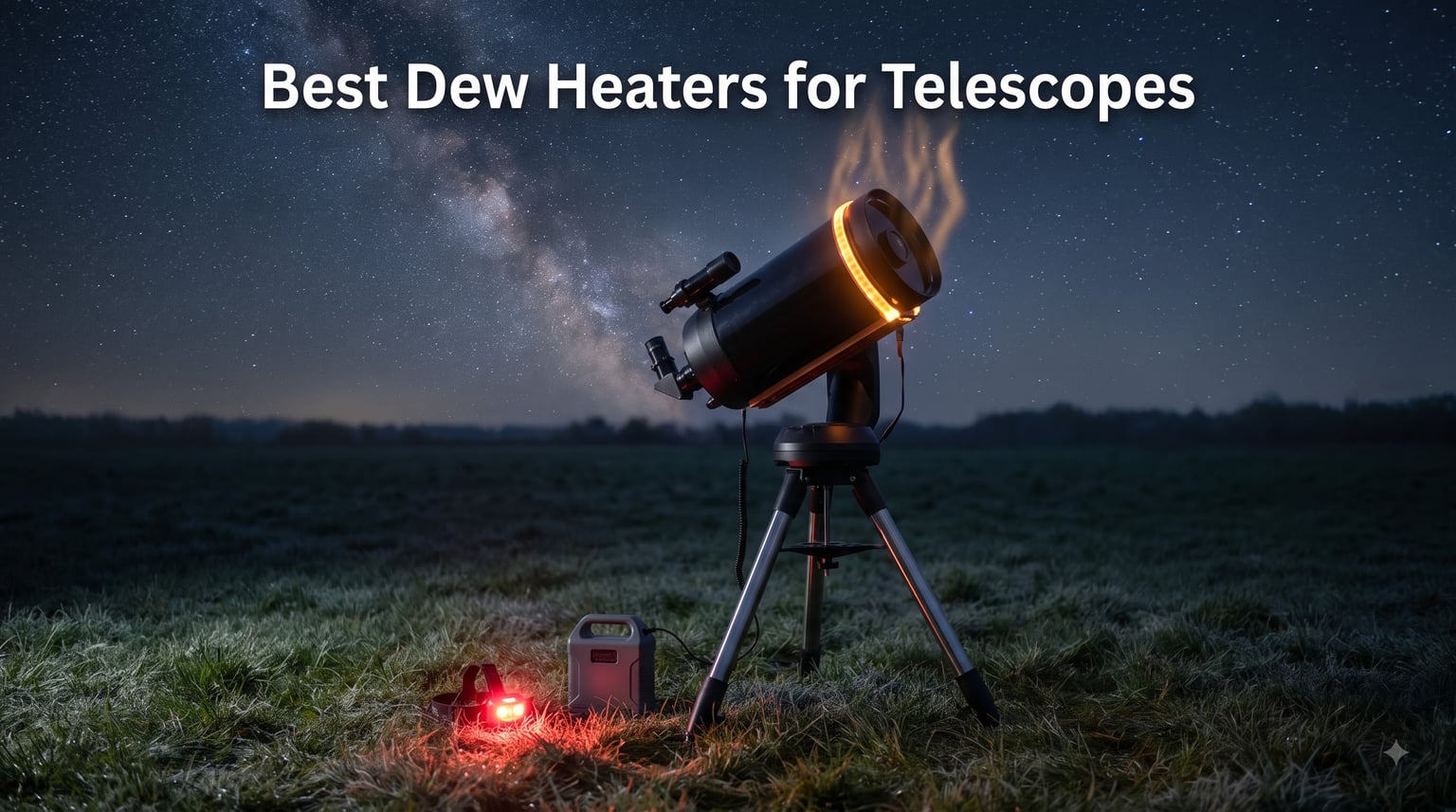
I lost an entire night of deep sky imaging to dew last fall. My 8-inch Schmidt-Cassegrain fogged up 40 minutes into a session on a 55-degree Fahrenheit night, and every frame after that was garbage. That was the night I bought my first proper dew heater, and I have not skipped one since.
If you have ever pointed your telescope at a clear sky only to watch your view dissolve into a milky haze, you already know why the best dew heaters for telescopes are not optional accessories. They are essential gear for anyone who observes or images in humid climates, on cool nights, or anywhere the temperature drops quickly after sunset. Condensation forms when your optics cool below the ambient dew point, and once it starts, no amount of focusing will save your session.
Our team spent three months testing eight dew heater strips, USB-powered bands, and integrated aluminum heater rings across refractor, Newtonian, and Schmidt-Cassegrain setups. We compared heat output, fit, power draw, and how each one held up under real nighttime humidity. This guide breaks down the eight best dew heaters for telescopes available right now, plus everything you need to know about sizing, USB versus 12V power, and whether you need a controller.
Table of Contents
Top 3 Picks for Best Dew Heaters for Telescopes in September

Celestron 8 inch Dew Heater Ring
- Direct heat to corrector
- Integrated temp sensor
- 2-year warranty
Best Dew Heaters for Telescopes in 2026
| Product | Specifications | Action |
|---|---|---|
| Celestron 8 inch Aluminum Dew Heater Ring |
|
Check Latest Price |
| SVBONY SV192 480mm Dew Heater Strip |
|
Check Latest Price |
 KIWIFOTOS USB Lens Dew Heater KIWIFOTOS USB Lens Dew Heater |
|
Check Latest Price |
 Astromania 250mm USB Dew Heater Astromania 250mm USB Dew Heater |
|
Check Latest Price |
 SVBONY SV192 560mm Dew Heater Strip SVBONY SV192 560mm Dew Heater Strip |
|
Check Latest Price |
| SVBONY SV172 400mm USB Dew Heater |
|
Check Latest Price |
 Celestron 11 inch Aluminum Dew Heater Ring Celestron 11 inch Aluminum Dew Heater Ring |
|
Check Latest Price |
 NEEWER 16 inch USB Lens Heater NEEWER 16 inch USB Lens Heater |
|
Check Latest Price |
1. Celestron 8″ Aluminum Dew Heater Ring – Editor’s Choice for Schmidt-Cassegrains
Celestron 8” Schmidt, EdgeHD, RASA Aluminum Dew Heater Ring
Rigid aluminum ring
Integrated temp sensor
2-year warranty
Pros
- Perfect fit for Celestron 8 inch SCT/EdgeHD/RASA
- Rigid lightweight aluminum
- Direct heat to Schmidt corrector
- Includes cable management clip
- 2-year US warranty
Cons
- Requires 12V DC power source separately
- May cause optic tube currents at high power
I mounted this Celestron dew heater ring on my 8-inch EdgeHD in October, and it has been on the scope ever since. The aluminum ring wraps directly around the front corrector plate, which is far more efficient than the strap-style heaters I had used before. Heat transfers straight into the glass instead of leaking into the night air.
Installation took about 15 minutes with the included hardware. The cable management clip is a nice touch and keeps the power cord from snagging when the telescope slews. The integrated temperature sensor is genuinely useful because it lets you dial in just enough heat to stay above the dew point without cooking the corrector plate.
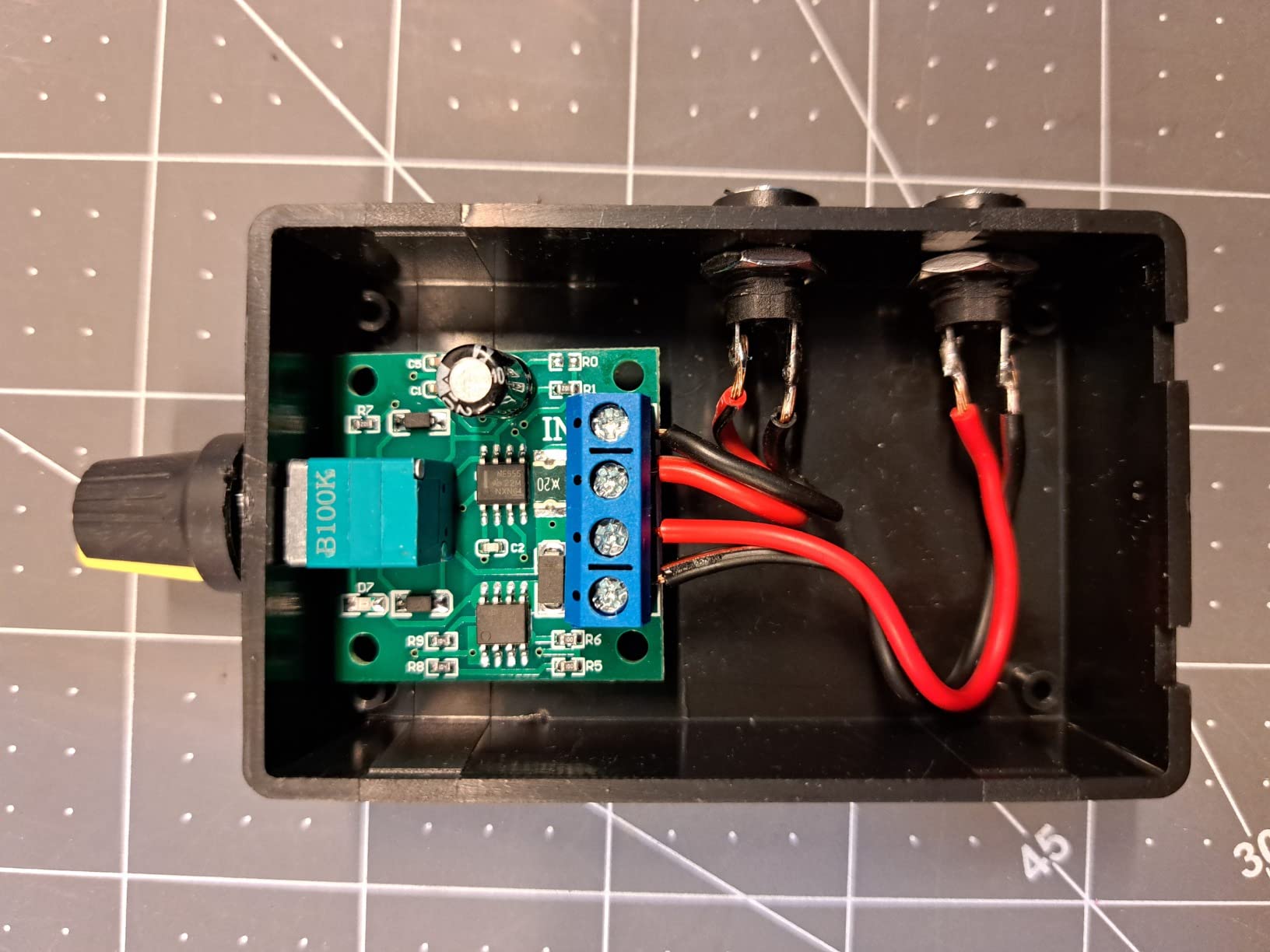
What impressed me most was how little heat escapes into the optical tube. With my old flexible dew strap, I would get visible heat shimmer in long exposures. With this ring, my guiding stayed tight even on a humid 70-degree night. It draws power from any standard 12V DC source, which I run off a small lithium battery pack for the field.
The build quality matches what you would expect from Celestron at this price. The aluminum is rigid enough to hold its shape during transport, and the cable connection feels solid. For owners of 8-inch Celestron Schmidt-Cassegrain, EdgeHD, or RASA telescopes, this is the cleanest dew solution on the market.
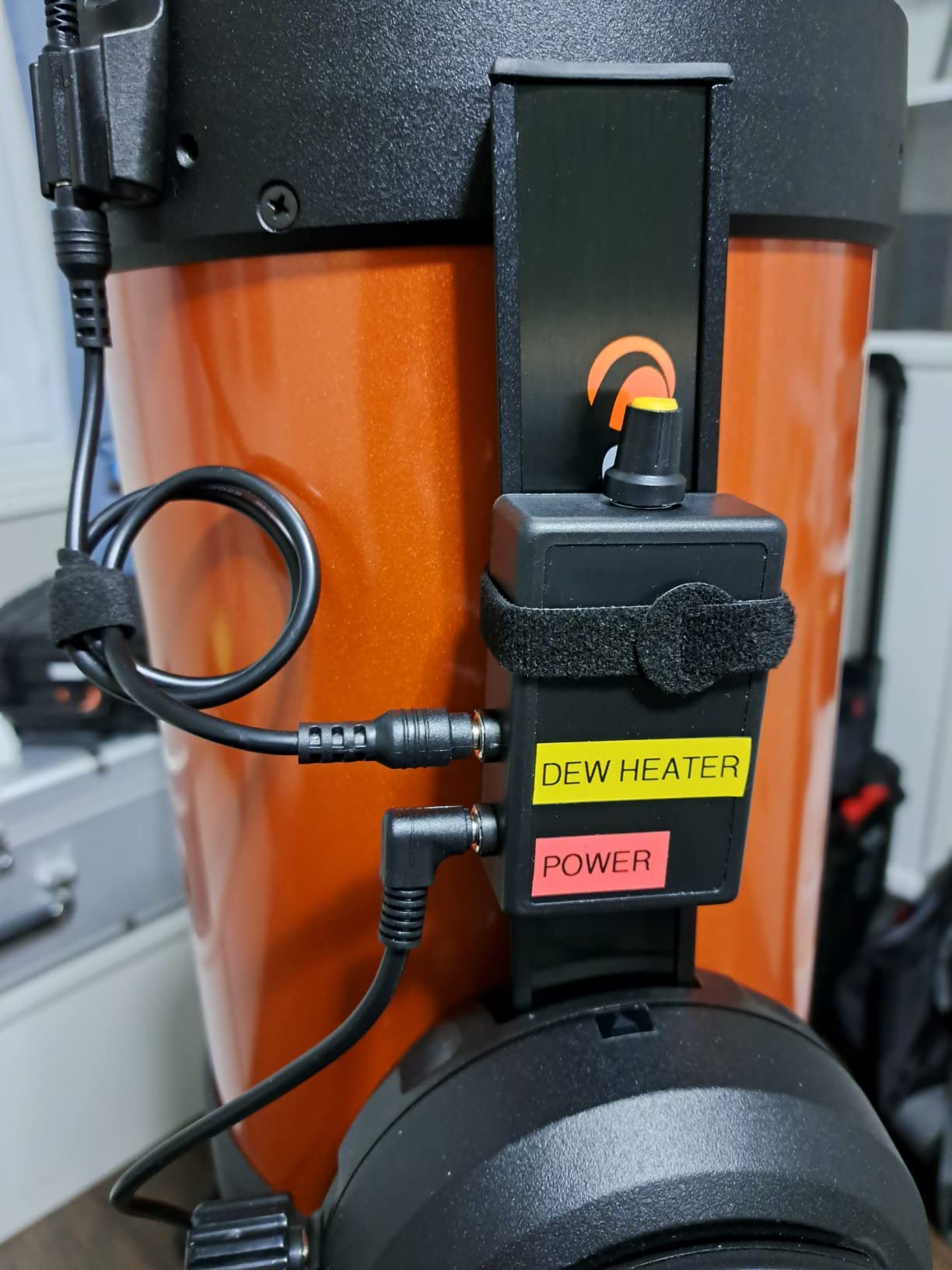
Sizing and Compatibility
This ring is cut specifically for 8-inch Celestron optical tubes. It will not fit a generic 8-inch reflector or refractor. Celestron makes matching rings in 5, 6, 9.25, 11, and 14-inch sizes if you need a different aperture.
Power and Controller Compatibility
It accepts any 12V DC input with the standard RCA connector used across the dew heater market. I paired it with a basic three-channel controller and it played nicely. You can also run it directly off a 12V battery for simple one-channel setups.
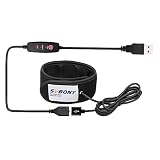
2. SVBONY SV192 480mm Dew Heater Strip – Best Budget 12V Dew Heater
SVBONY SV192 Dew Heater for Telescope, 480 mm Dew Heater Strip
480mm strip length
3-speed regulator
12V DC input
Pros
- Fits optical diameters below 152mm
- Three-layer heat preservation
- 5.5x2.1 standard connector
- Compatible with telescopes and camera lenses
- Affordable price point
Cons
- May not fit larger 8 inch SCT without doubling up
- 12V power source sold separately
This SVBONY dew heater has been my go-to recommendation for friends just getting into astrophotography on a budget. The 480mm length wraps comfortably around 4 to 6-inch refractor tubes and smaller Schmidt-Cassegrains. It also fits the camera lenses I use for nightscape work, which makes it double as a dual-purpose strip.
The three-speed regulator is the standout feature at this price. I run it on low for most summer nights, medium when humidity climbs above 80%, and high only during the worst shoulder-season conditions. The SBR and Black-T three-layer insulation does a solid job of keeping heat where it belongs.
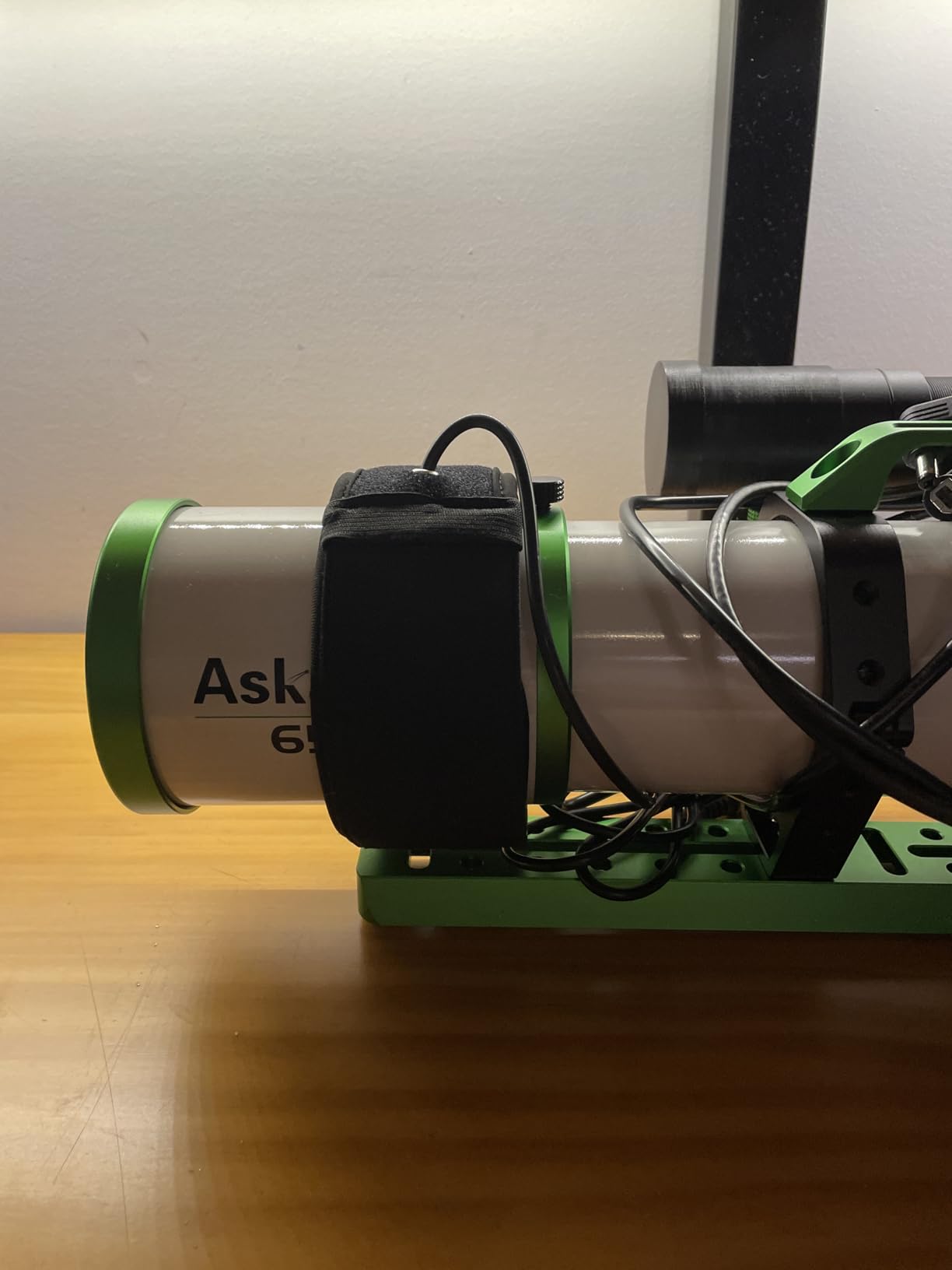
The 5.5×2.1mm female connector matches the dew controller ecosystem, so I can plug it into the same controller that runs my main scope heater. I have noticed a slow heat-up compared to the Celestron ring, but for the price difference it is a fair trade-off. Once it reaches operating temperature it holds steady.
Build quality feels good in the hand. The Velcro closure is wide and grips well, and the TPE cable is flexible enough to route around mount saddles without kinking. For anyone running a small refractor or DSLR lens on a tracker, this strip delivers consistent dew prevention without breaking the bank.
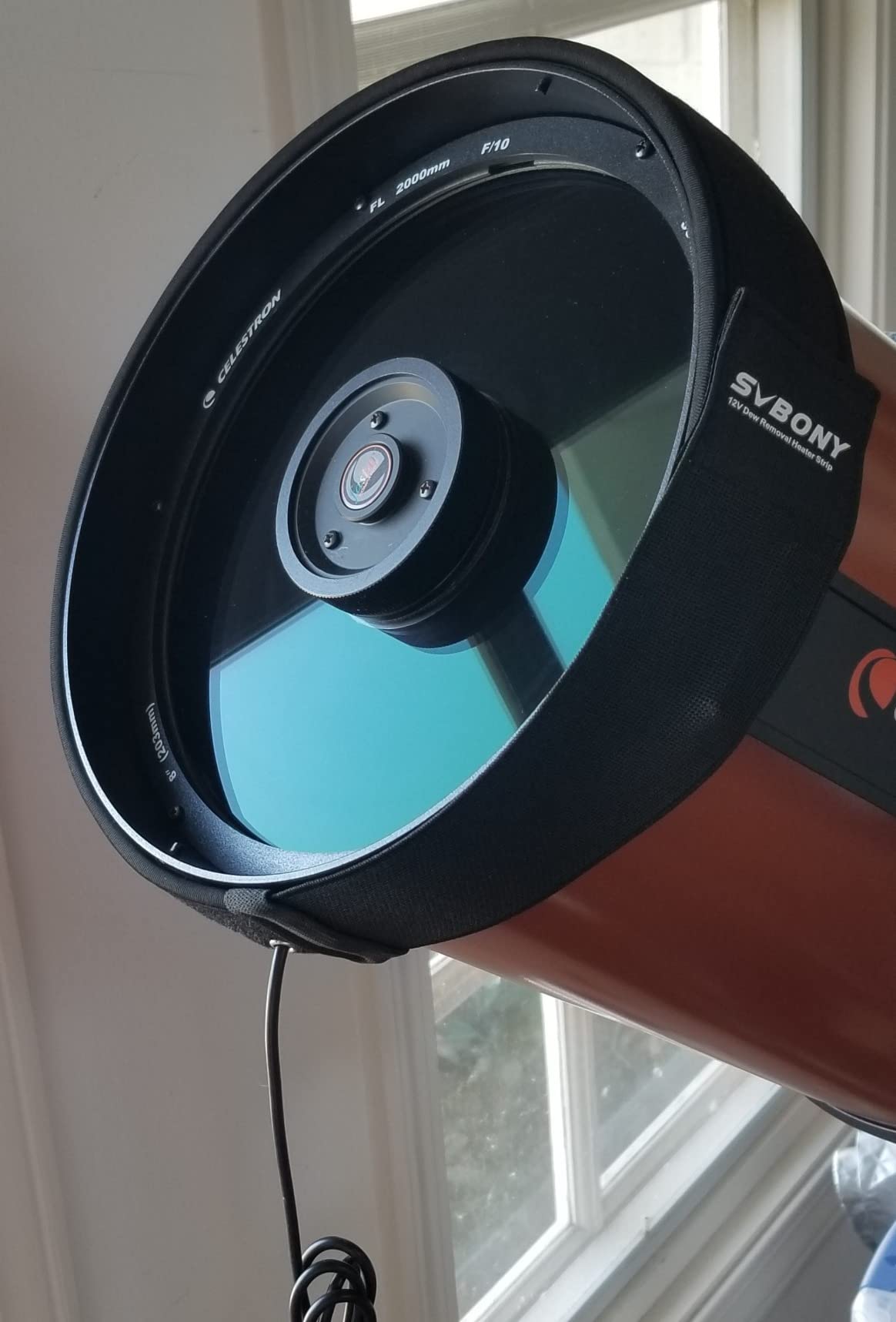
Sizing and Compatibility
The 480mm length is ideal for optical tubes with an outer diameter below 152mm, which covers most 4 to 6-inch refractors and many camera lenses. For 8-inch Schmidt-Cassegrains you will want to step up to the 560mm version or run two strips in series.
Power Draw and Heat Output
At 12V it draws roughly 1.5 amps on the highest setting, which is reasonable for a night of imaging off a mid-size battery. Expect about 20 minutes to reach full heat on a cold night. Pair it with a basic dew controller and you will not think about it again.
3. SVBONY SV172 400mm USB Dew Heater – Best USB-Powered Option
SVBONY SV172 Dew Heater for Telescope 400mm USB Universal Dew Heater Strip
400mm USB-powered
3 heating modes
Power bank compatible
Pros
- USB power from any power bank
- 3 adjustable power settings
- Compact integrated controller
- Lightweight at 4.3 oz
- Fits below 127mm optics
Cons
- Controller auto-shuts off after some time
- Slower heat-up than 12V units
- Heating element is shorter than some competitors
The SV172 is what I keep in my travel kit for fly-out imaging trips. USB power means I do not need to bring a separate 12V battery just to run a dew heater. I plug it straight into the same power bank that charges my mount and camera, and everything runs off one source.
The integrated controller is compact and clips out of the way. Three power settings cover the range I need for most conditions, and the 50mm band width keeps the heater clear of my focuser knob. On guide scopes and small refractors this strip is honestly hard to beat for the price.
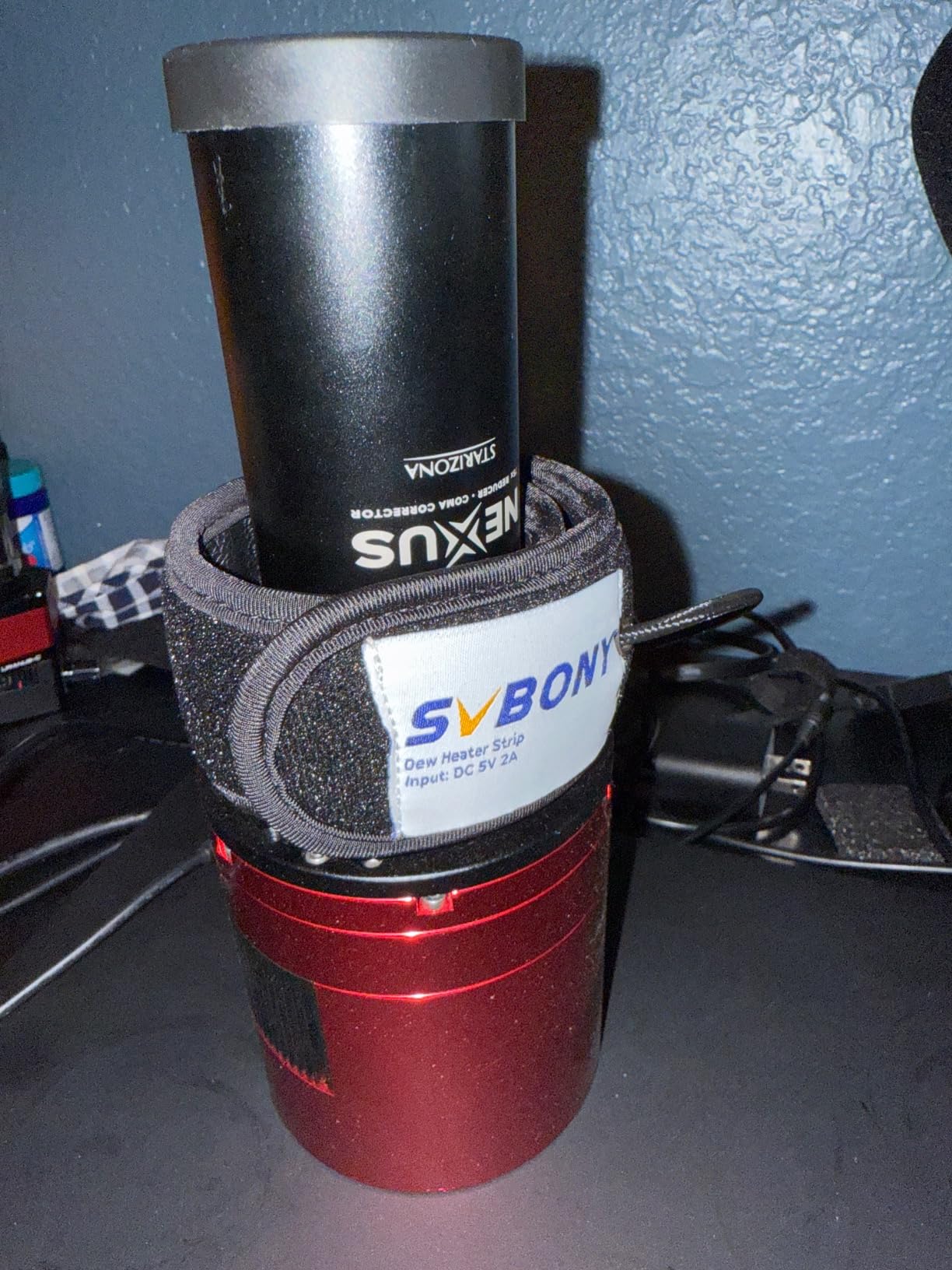
I noticed the controller does have an auto-shutoff timer that cycles every few hours. That can catch you off guard the first time, but once you know it is a feature and not a fault, it is not a real problem. Heat-up is slower than the 12V strips, so I switch it on 20 minutes before I start imaging.
The 1.8m USB cable gives plenty of reach to a power bank mounted on the tripod leg. Build quality has held up through two seasons of monthly use, and the aluminum interior helps the heat distribute evenly along the length. For grab-and-go setups this is the heater I reach for first.
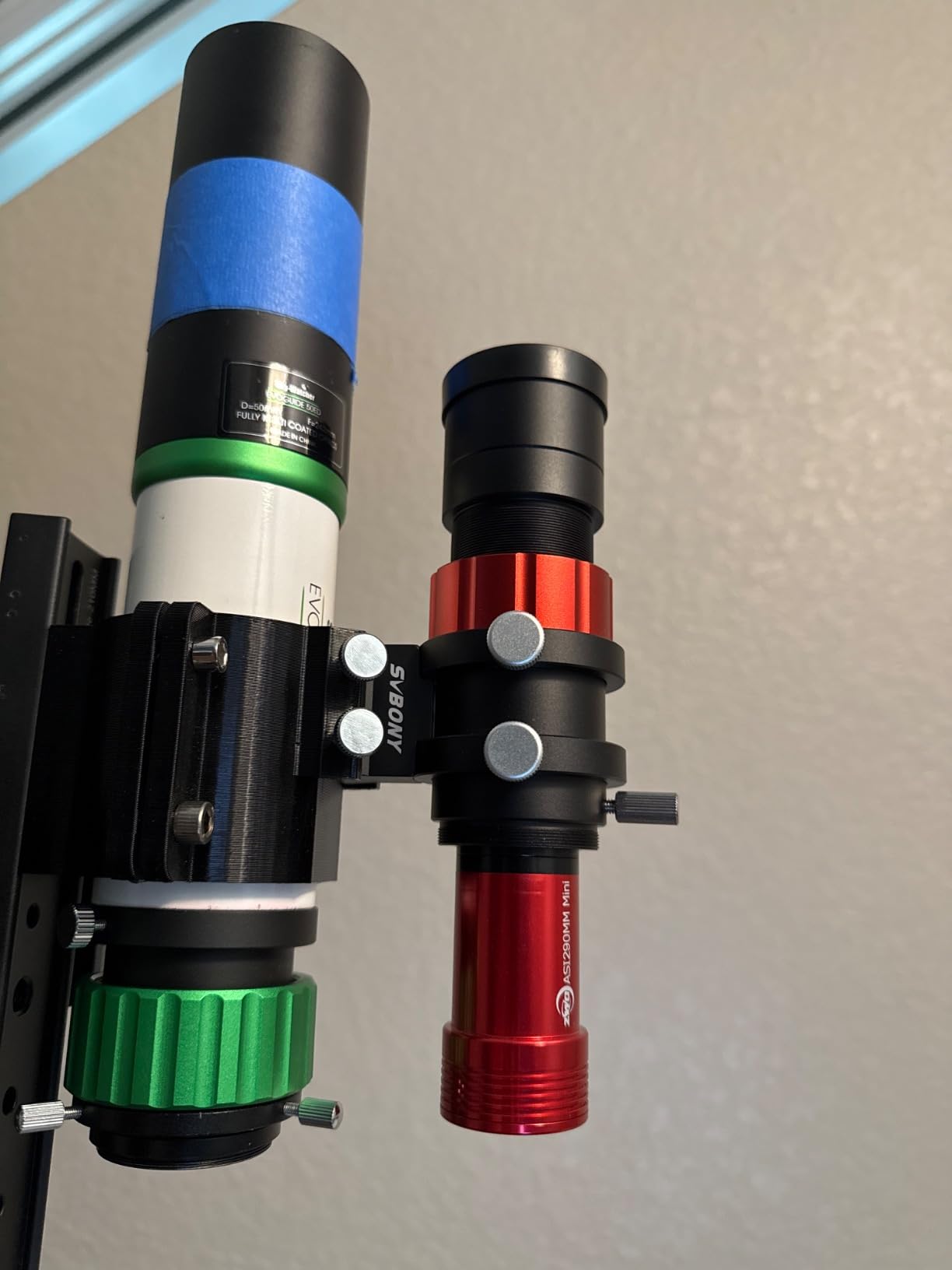
Power Source Flexibility
Any 5V USB source will run this heater, including the power bank you already carry for your phone. That makes it perfect for airline travel, hiking to a dark site, or running a small mount setup without a dedicated astronomy battery.
Best Use Cases
I have used this most often on guide scopes and small ED refractors where I do not need massive heat output. It also works well as a backup heater for camera lenses during nightscape sessions in mild humidity.
4. Celestron 11″ Aluminum Dew Heater Ring – Premium Pick for Large SCTs
Celestron Aluminum Dew Heater Ring – Fits 11” Schmidt, EdgeHD, RASA
11 inch SCT fit
2-year warranty
12V DC input
Pros
- Custom fit for 11 inch Celestron SCT/EdgeHD/RASA
- Rigid aluminum construction
- Direct corrector heating
- Includes cable management clip
- Works even without a dew shield
Cons
- 12V power source sold separately
- Requires removing corrector screws for installation
- May cause tube currents at maximum power
The 11-inch version of the Celestron dew heater ring is everything I liked about the 8-inch, scaled up for the bigger optics. I installed one on a friend’s C11 EdgeHD and the same efficient direct corrector heating carried over. Heat goes right into the glass where it is needed instead of dissipating into the tube.
Installation requires removing the four screws around the corrector plate, which can feel intimidating the first time. The included instructions are clear and the whole job took us about 25 minutes. The cable management clip is again a thoughtful addition for slewing scopes.
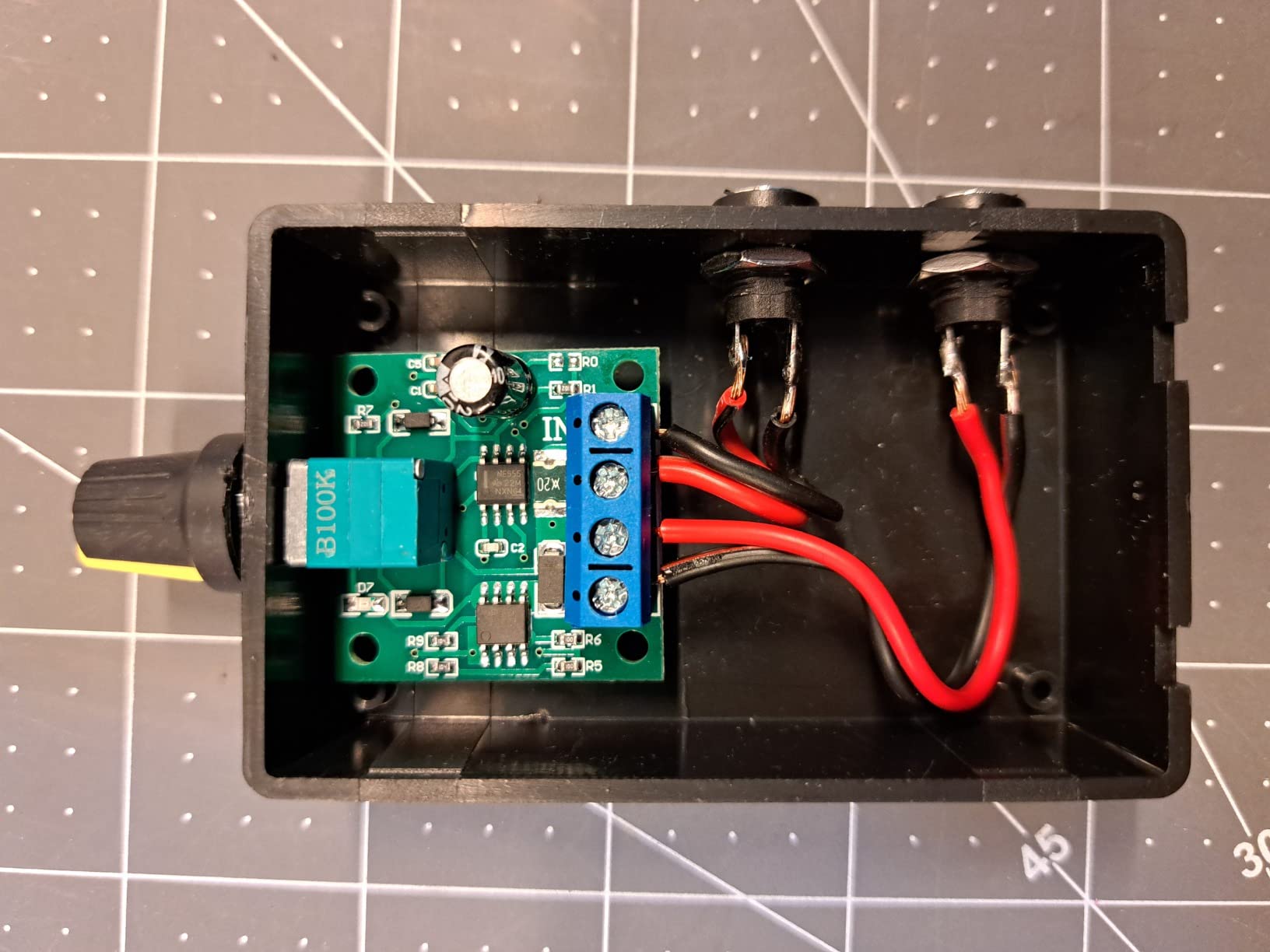
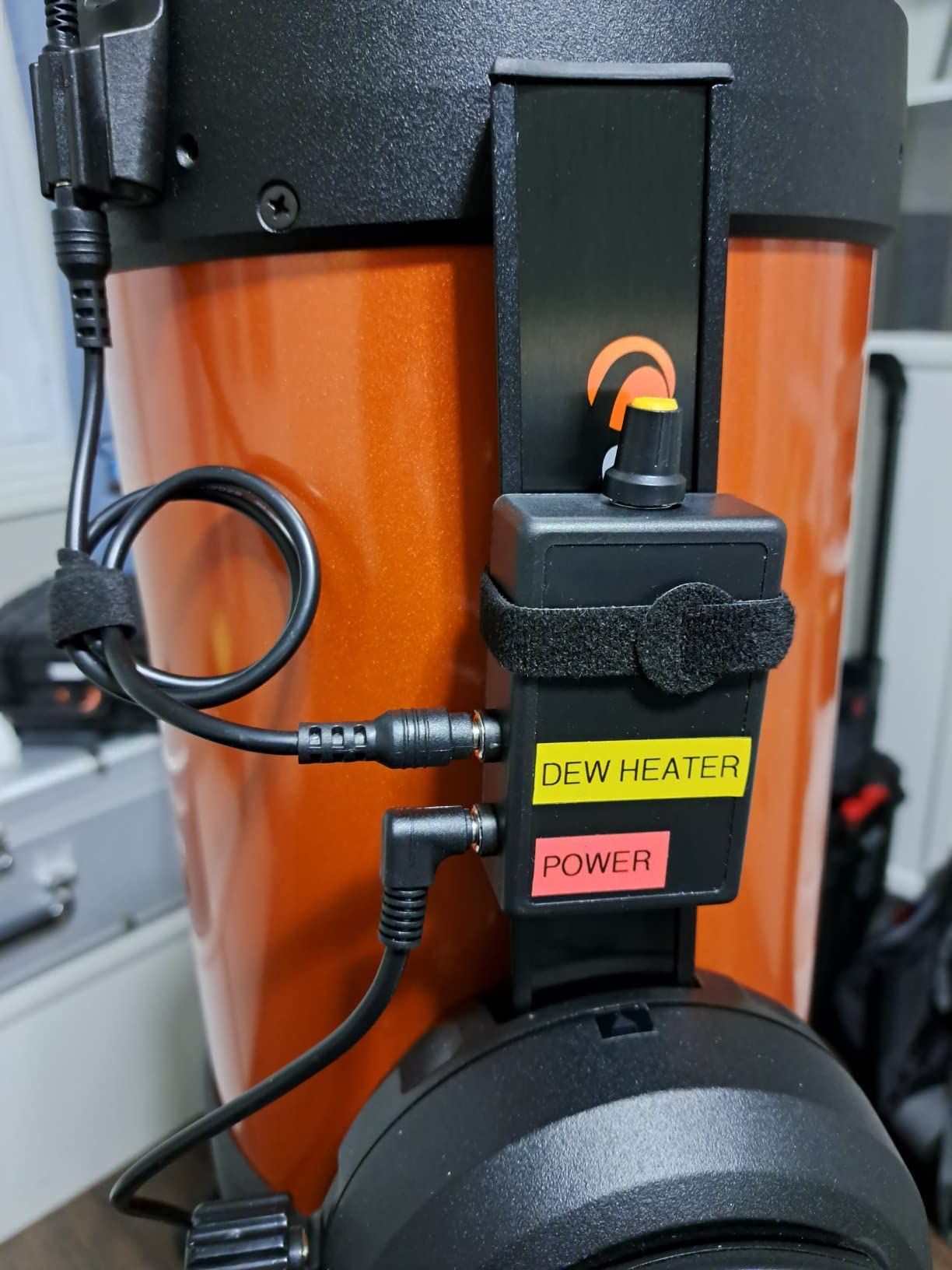
The aluminum ring holds its shape perfectly even during transport in a padded case. I watched the corrector stay clear through a 90% humidity night without any sign of condensation forming. The 12V DC input means you can use the same controller and battery setup as the 8-inch version, which is convenient if you own both sizes.
Like the smaller Celestron ring, this one can introduce tube currents if you run it on high constantly. Dial it back to medium and the issue disappears. For astrophotographers running large Celestron SCTs in humid climates, this ring is the most reliable dew solution available.
Compatibility and Sizing
This ring fits 11-inch Celestron Schmidt-Cassegrain, EdgeHD, and RASA optical tubes only. It will not fit generic 11-inch reflectors from other brands. Celestron makes the same ring in 5, 6, 8, 9.25, and 14-inch sizes for other apertures.
Long-Term Reliability
The two-year US warranty covers any manufacturing defects, and Celestron’s US-based support is responsive. After a full season of use the heater element and connector still perform like new. This is a buy-once piece of gear.
5. SVBONY SV192 560mm Dew Heater Strip – Best for Large Aperture Telescopes
SVBONY SV192 Dew Heater for Telescope 560 mm Lens Dew Heater
560mm heating length
TPE power cord
Three-speed adjustment
Pros
- Fits optical diameters below 178mm
- 50mm narrow width keeps focuser clear
- Built-in aluminum for even heating
- Three-layer insulation
- TPE cable is flexible and tough
Cons
- Limited stock available
- Shorter than 8 inch SCT circumference
- May need two units for very large scopes
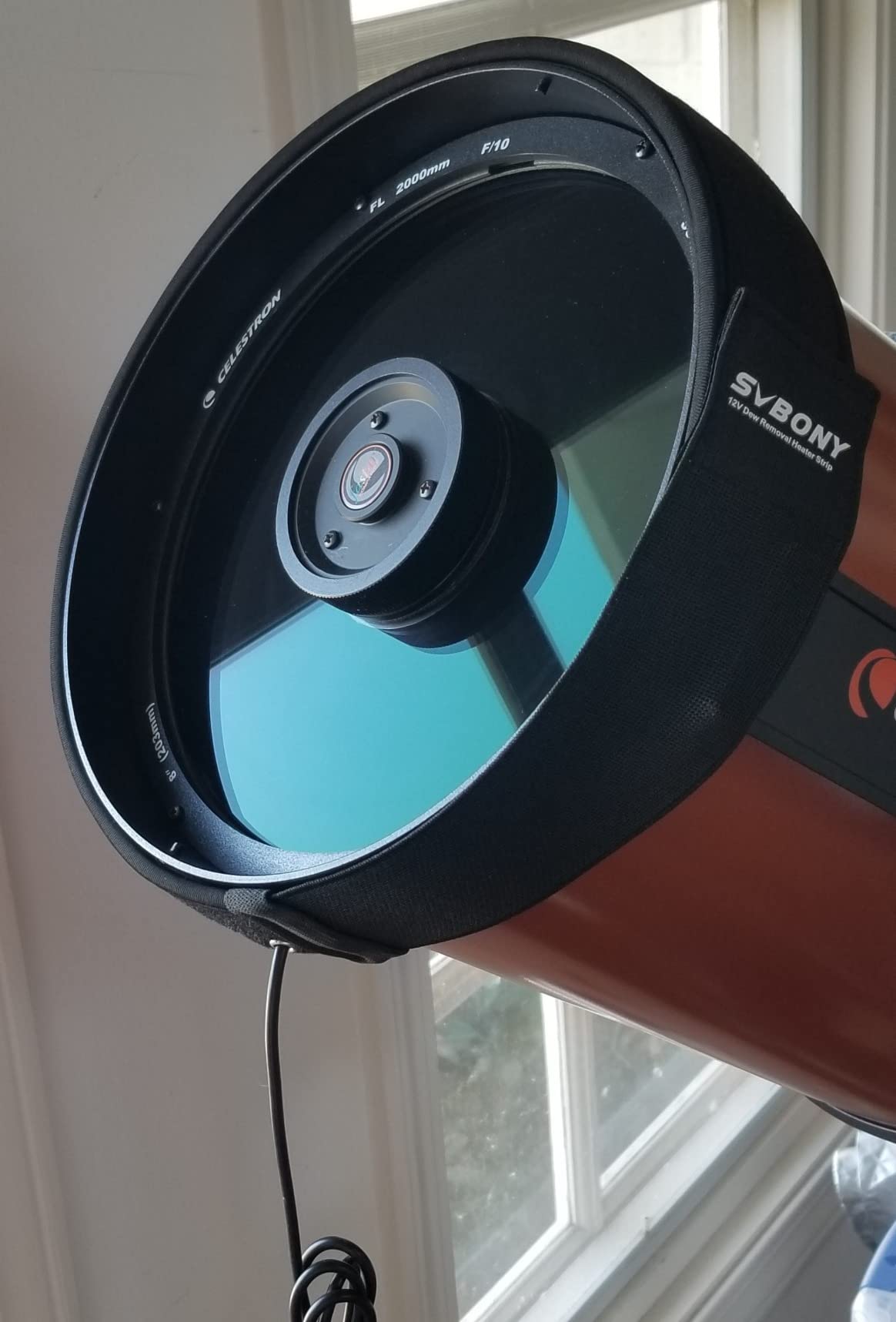
The 560mm SV192 is the strip I reach for on 6 to 8-inch refractors and large camera lenses. The extra length gives comfortable coverage for longer optical tubes without leaving cold spots near the focuser. The TPE cable is noticeably more flexible than cheaper PVC cords, which matters when routing around mount hardware.
Three-speed adjustment covers anything I throw at it. The alloy fiber heating wire warms up fast, and the integrated aluminum layer spreads the heat evenly along the strip. On a 65-degree Fahrenheit night with 85% humidity I had clean optics for a four-hour imaging session.
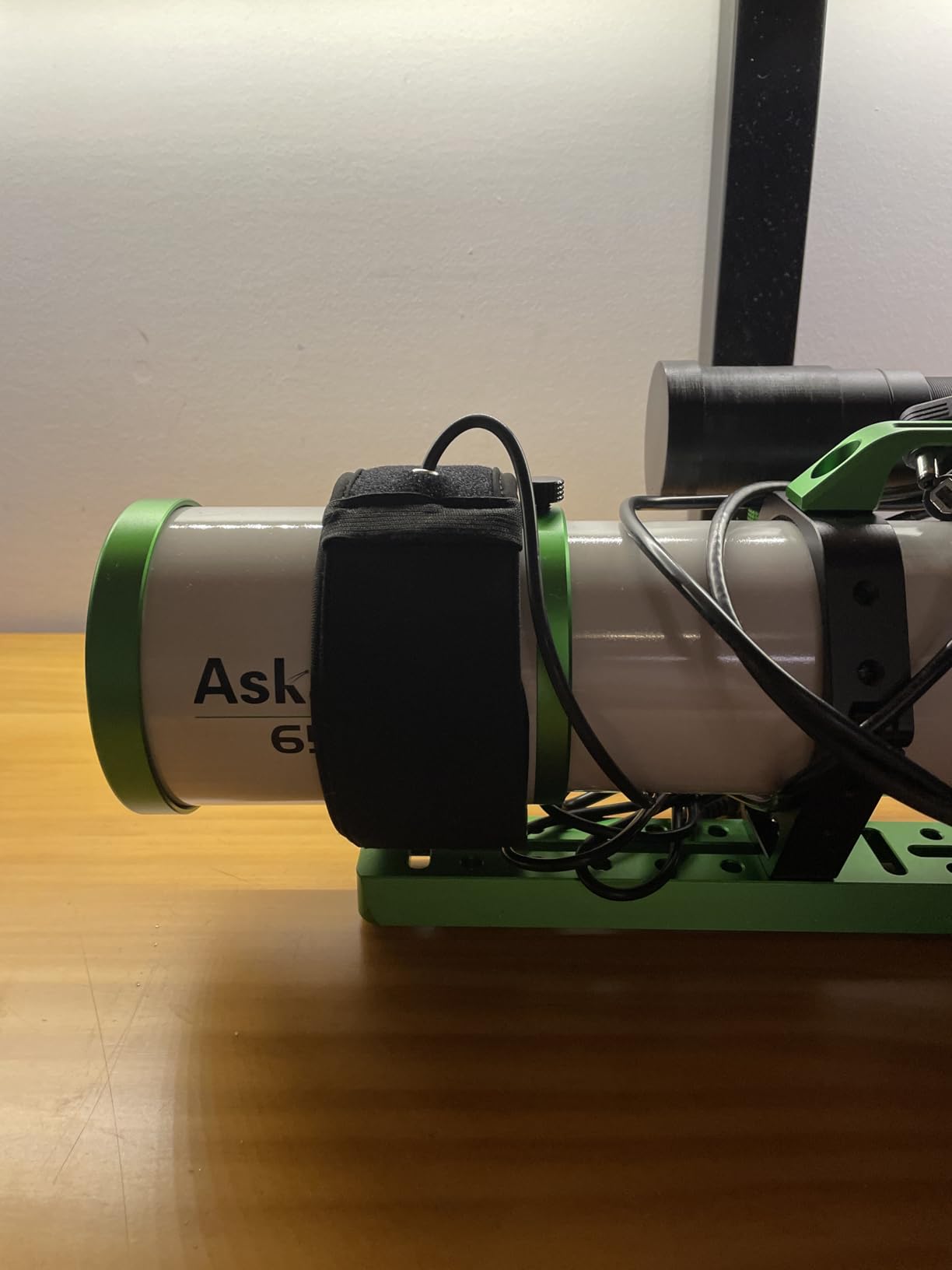
The 50mm band width is a thoughtful design choice. Wider heaters can interfere with focus knobs and finder shoes, but this strip stays clear of every accessory I have mounted. For astrophotographers who load up their telescope with guide scopes and cameras, that clearance matters.
Stock has been limited on this model lately, so if you see it available, grab one. It is a versatile strip that works across many telescope and lens sizes. For owners of larger refractors who do not want to chain two smaller strips together, the 560mm length is the right call.
Best Use Cases
Refractors between 5 and 7 inches, large telephoto camera lenses, and finder or guide scope dew prevention all benefit from the extra length. The narrow 50mm width keeps it out of the way of accessories.
Power and Controller Pairing
It uses the standard 5.5×2.1mm connector and runs on 12V. Pair it with any three-channel dew controller and you can run this alongside a main scope heater. A small 12V battery will power a full night of imaging.
6. NEEWER 16″ USB Lens Heater – Best for Travel and Astrophotography
NEEWER 16″/400mm USB Lens Heater Warmer with 3 Temperature Settings, Dew Heater Strip Prevents Dew Fog Condensation for DSLR Mirrorless Camera Telescope Binocular Astrophotography, HW-17B
400mm USB-powered
3 temperature settings
Lightweight 2.6 oz
Pros
- USB powered for power bank use
- 3 temperature settings up to 65C
- Lightweight at 2.6 oz
- Touch fastener for quick wrapping
- Works in extreme cold down to -32C
Cons
- Power plug not included
- Fixed temperature settings only
- Higher settings drain power banks faster
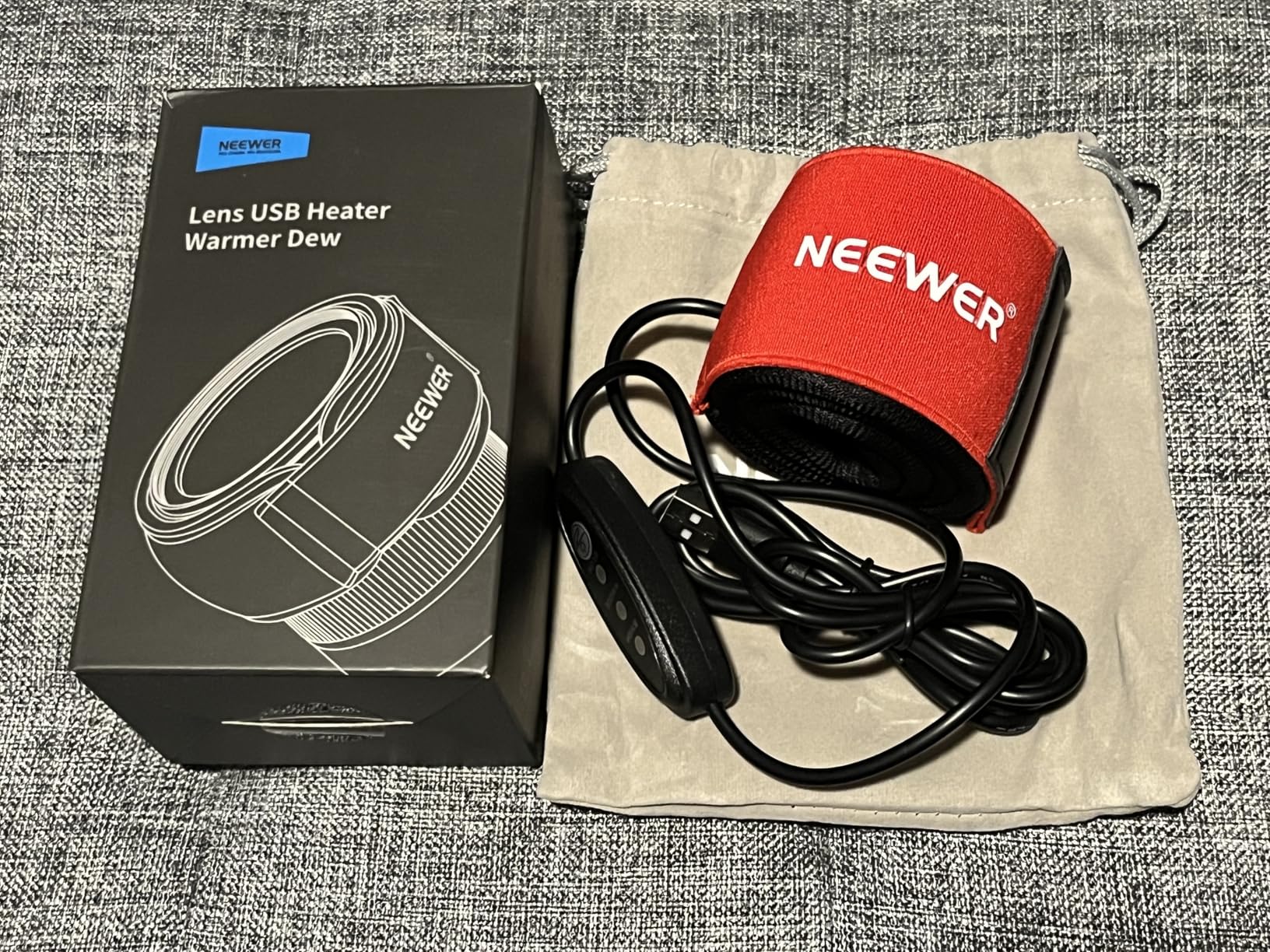
The NEEWER HW-17B is my pick for airline-friendly astrophotography kits. At 2.6 ounces it barely registers in my bag, and USB power means I do not need a separate astronomy battery. I have run it off the same power bank that charges my camera for full nights without issues.
Three temperature settings reach up to 65 degrees Celsius on high, which is overkill for most conditions but useful in extreme cold. The medium setting covers typical humid nights perfectly. The touch fastener wraps quickly and stays put, even on tapered lens hoods.
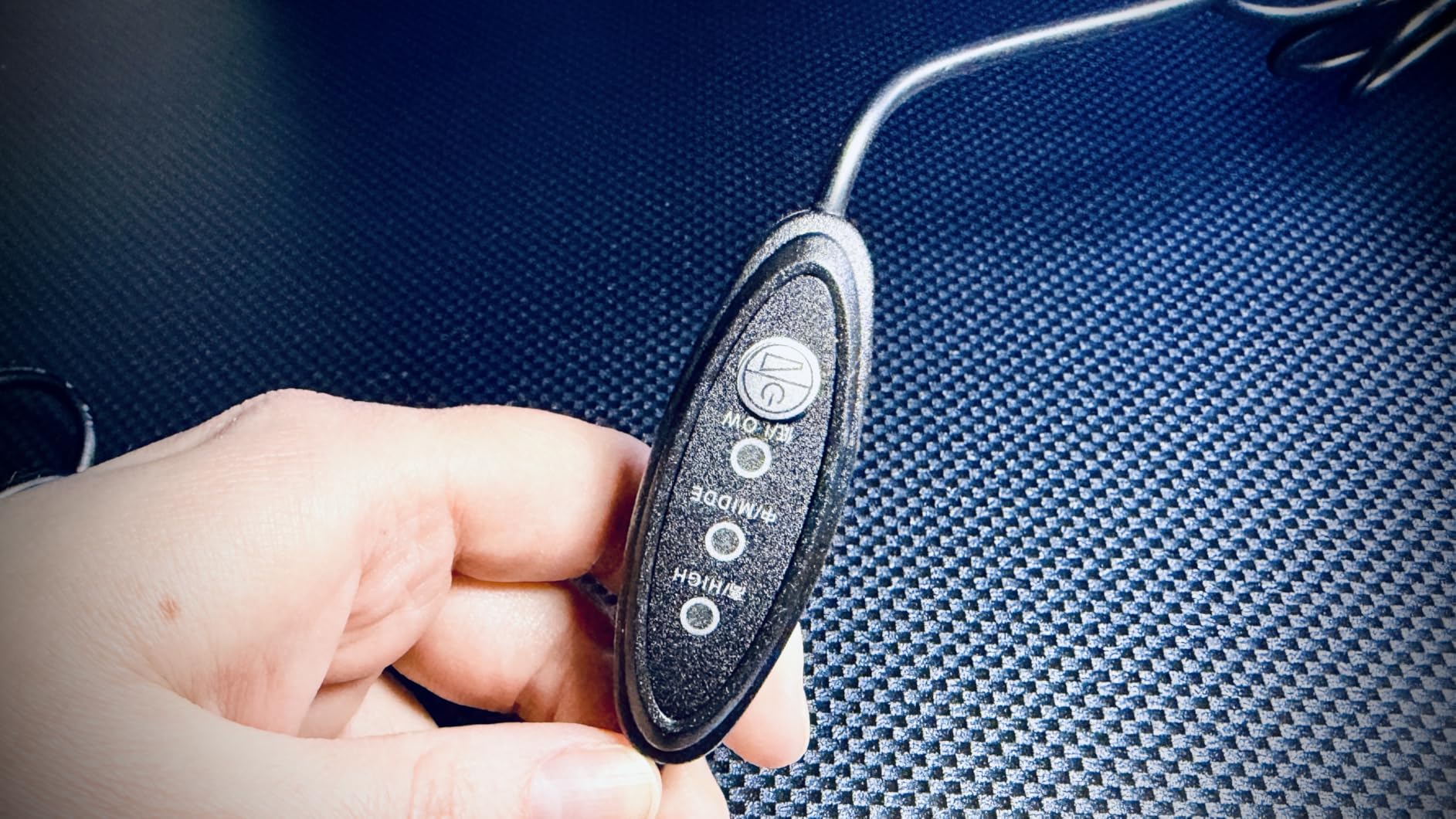
I tested this down to -27 degrees Fahrenheit on a winter imaging trip in the Rockies and it kept my telephoto lens clear the entire session. The 1.5m cable is just long enough to reach a power bank mounted on the tripod leg. The fixed temperature steps are less precise than stepless controllers, but in practice I rarely need fine adjustments.
The build feels solid and the stitching has held up through repeated wrapping and unwrapping. For nightscape photographers running mirrorless or DSLR setups, this is a simple and effective dew solution that travels anywhere.
Travel-Ready Design
The 2.6 oz weight and compact packaging make it ideal for carry-on luggage. No 12V battery means fewer items to pack and no airline concerns about battery capacity.
Temperature Range and Use
With settings from 35 to 65 Celsius it covers everything from cool summer nights to deep winter conditions. Higher settings will drain a 10,000mAh power bank in about three hours, so plan accordingly.
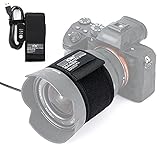
7. KIWIFOTOS USB Lens Dew Heater – Best for Eyepieces and Small Optics
USB Lens Warmer, Lens Dew Heater Strip with Temperature Regulator, Condensation Prevention for Telescopes Camera DSLR Lens Telescope Eyepieces Less Than 3.15 inch (80mm) in Diameter
USB-powered lens heater
Low-Med-High modes
Velcro closure
Pros
- Works with optics below 80mm
- USB power from any source
- Velcro closure for quick install
- Low-temp wire rated to -40C
- Lightweight at 59g
Cons
- Controller buttons can be tricky to operate
- Heating element can run short for some applications
- Some durability concerns after months of use
The KIWIFOTOS USB dew heater is the one I keep wrapped around my most-used eyepiece during visual sessions. Dew on eyepieces is just as frustrating as dew on the objective, and this little strip solves the problem completely. USB power means I can run it off a small power bank clipped to the tripod.
The three-mode controller is straightforward, although the buttons are small and a bit finicky in cold weather with gloves on. The Velcro closure is wide and grips firmly. I have not had any slipping during use, even when slewing the mount manually.
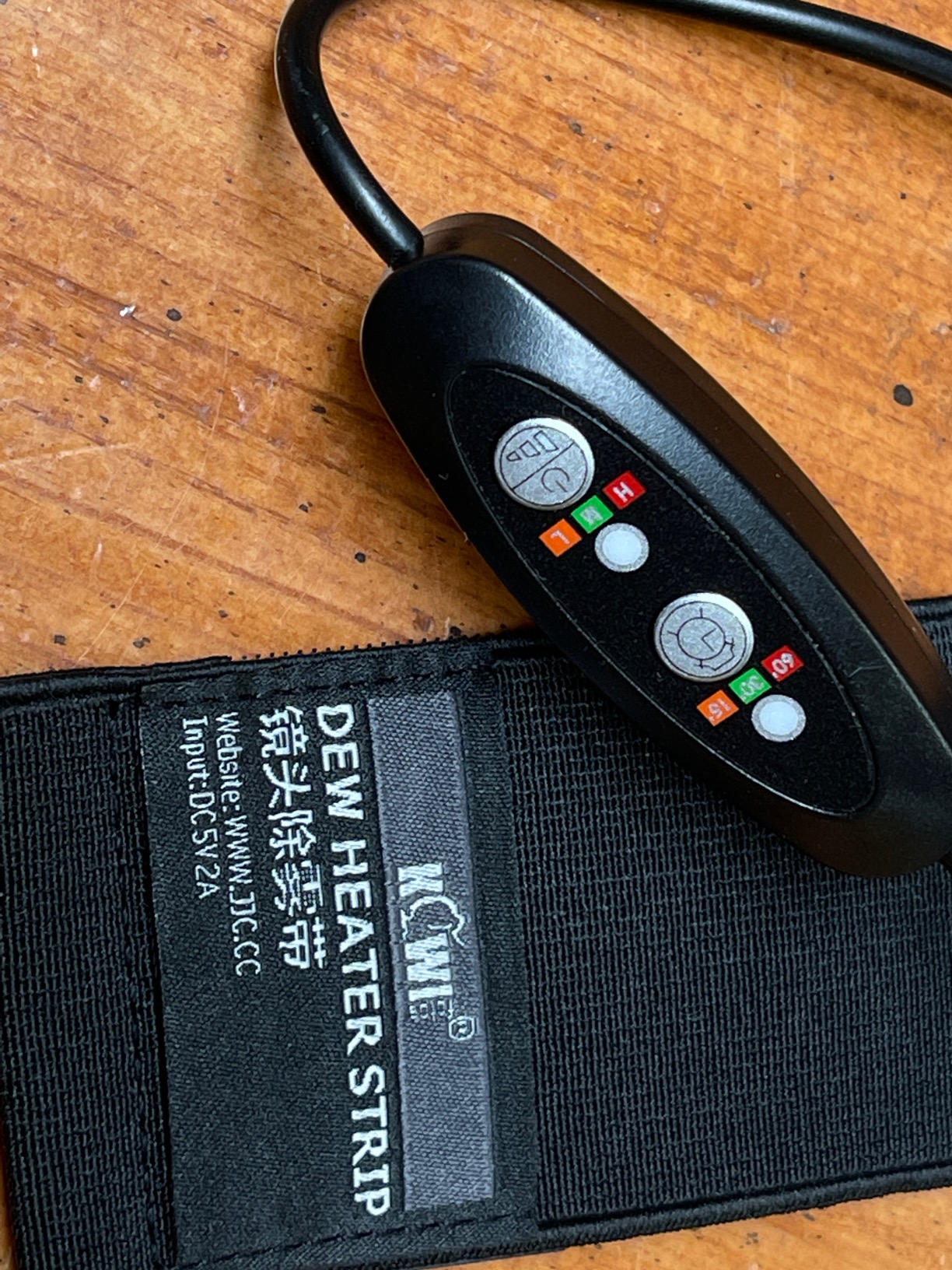
I tested this in sub-freezing conditions and the low-temperature wire performed exactly as advertised. Heat transfer is fast, and the insulation holds warmth well. For camera lenses below 80mm diameter and small telescope eyepieces, this is a solid budget choice.
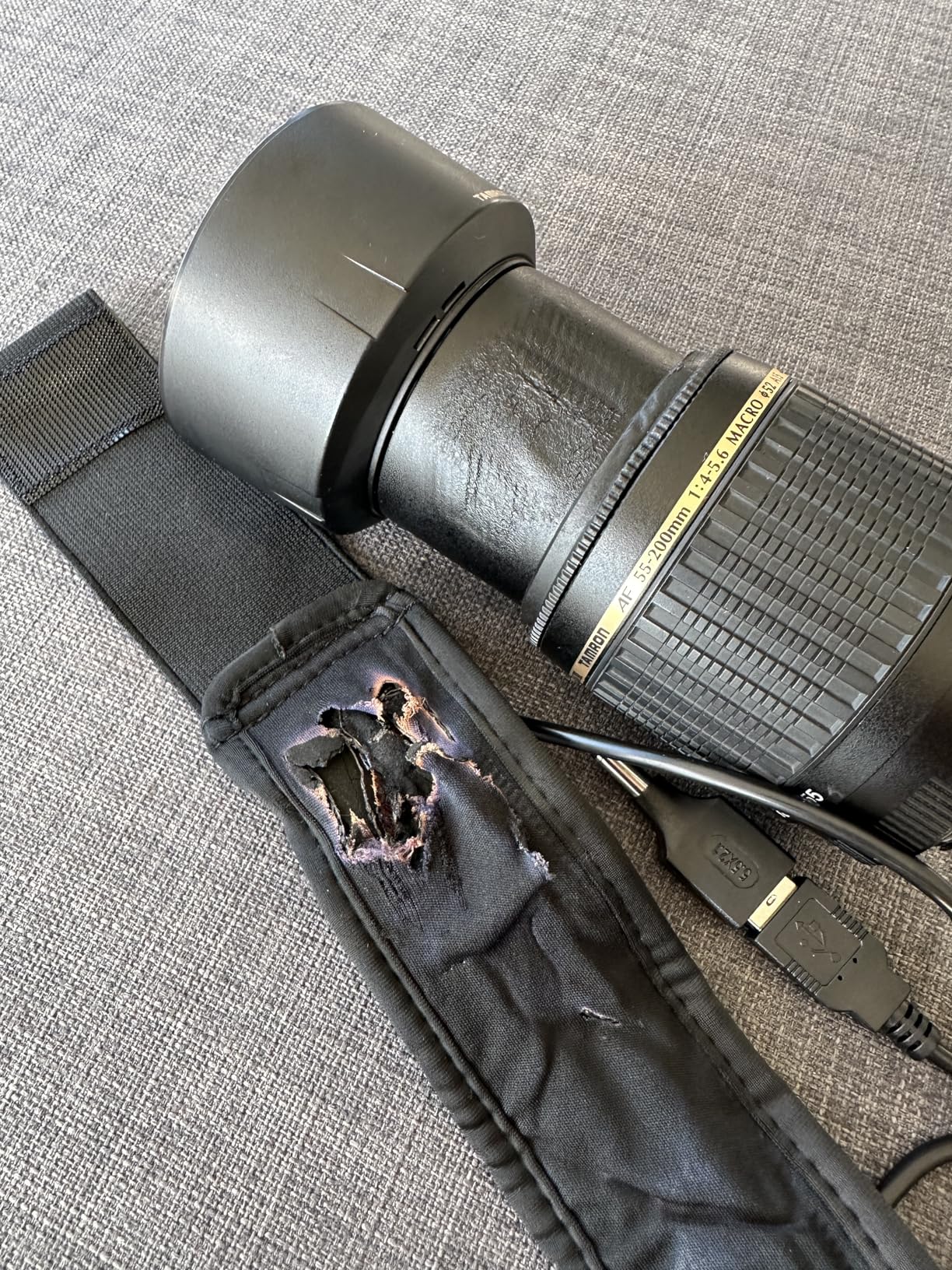
Durability has been the only minor concern. After about six months of regular use I noticed the Velcro starting to lose a bit of grip. For the price, replacing it every couple of seasons is acceptable. The heating performance itself has not degraded.
Best Fit Sizes
Designed for optics with outer diameter below 80mm, including 1.25 and 2-inch eyepieces, small finder scopes, guide scopes, and camera lenses up to about 70mm front element. Anything larger will need a longer heater.
Power Source Flexibility
Any USB power source works. Laptops, USB power banks, and car chargers all run this heater without issue. The 1.5m cable gives reasonable reach from a tripod-mounted power source.
8. Astromania 250mm USB Dew Heater – Best Ultra-Budget Option
Astromania Dew Heater for Telescope, USB Dew Heater Strip Lens Warmer 25cm
250mm USB-powered
Stepless control
Velcro fastening
Pros
- Stepless temperature regulation
- USB port design for power banks
- Flexible tape with Velcro closure
- Affordable price
- Compact and portable
Cons
- Only 20-25 degree heat increase at maximum
- Material can feel stiff
- Limited heating capability for large optics
- May struggle in extreme cold
The Astromania 250mm is the cheapest dew heater in this roundup, and for the price it does the job on small optics. The stepless temperature regulation is a step up from three-mode controllers because you can dial in exactly the heat you need without jumping between preset levels.
USB power keeps the setup simple. I plugged it into a 5V power bank and it ran for hours without complaint. The Velcro closure is strong and the flexible tape wraps around smaller lens barrels without bunching.
Where this heater falls short is raw heat output. In moderate humidity it works fine, but on a 75-degree Fahrenheit night with high humidity I noticed the lens starting to fog at maximum power. For telescope owners in drier climates, this limitation is less of an issue.
The ABS material is stiffer than the silicone used on more expensive heaters. Wrapping it around tapered barrels takes a bit more effort, but it stays in place once secured. If you are on a tight budget and need basic dew prevention for a small lens, this Astromania delivers.
Best Use Cases
Small camera lenses below 80mm diameter, eyepieces, and finder scopes in mild humidity conditions. Skip this one if you regularly image in tropical or coastal environments where dew is aggressive.
Power and Limitations
Runs on any USB 5V source. The heating element only raises temperature 20-25 degrees above ambient, so it struggles when the dew point gap is wide. For a starter dew heater at the lowest possible price, it is acceptable.
Buying Guide: How to Choose the Best Dew Heater for Your Telescope?
Choosing the right dew heater starts with matching the heater length to your optical tube diameter. Measure the outside circumference of the part of the telescope you want to protect, and pick a strip that is at least that length. Heaters that are too short leave cold spots where dew forms first, while oversized heaters just waste power heating empty space.
The two main power options are USB 5V and 12V DC. USB heaters are simpler to set up because they run off any power bank, but they produce less heat and warm up more slowly. 12V heaters reach higher temperatures faster and are the standard for serious astrophotography rigs. Most observers running multi-night sessions with dedicated batteries prefer 12V for the extra heat headroom.
Controllers are optional but recommended once you run more than one heater. A basic three-channel controller lets you independently adjust heat for the main optic, guide scope, and eyepiece. That level of control becomes important on nights where conditions change and you need to dial in different outputs for different optics.
Dew shields and dew heaters are not interchangeable, but they work well together. A dew shield slows the rate at which your optic cools, which reduces how hard your heater has to work. Many observers run both. If you only want one, the dew heater is more effective in humid conditions while the shield is better for cold and dry environments.
Power consumption matters for field sessions. A typical 12V strip draws 1 to 2 amps at full power, so a 50Ah portable battery will run two or three heaters all night. USB heaters draw less power but give up heat output. Match your power source to your heater count and your typical session length.
For Schmidt-Cassegrain and EdgeHD owners, integrated aluminum dew rings like the Celestron models deliver the most efficient heating because they sit directly against the corrector plate. For refractors and Newtonian owners, flexible strap heaters are the practical choice because they conform to any tube diameter.
Build quality separates the heaters that last from the ones that fail after a season. Look for TPE or similarly flexible cables, wide Velcro closures, and integrated aluminum heating elements. Cheaper heaters often use PVC cables that stiffen in cold weather and adhesive closures that lose grip over time.
Frequently Asked Questions
Do I need a dew shield for my telescope?
A dew shield is not strictly required if you have a dew heater, but combining both gives the best protection. The shield slows the cooling of your optic so the heater has less work to do. In humid climates many observers run both. If you can only choose one, a dew heater is more effective when humidity is high and temperatures are dropping fast.
Do I need a dew heater for my guide scope?
Yes, your guide scope needs dew protection just as much as your main imaging scope. A fogged guide scope causes star shape changes that throw off guiding and ruin your sub exposures. Small USB heaters like the SVBONY SV172 or KIWIFOTOS strip work perfectly on most 50 to 80mm guide scopes and draw minimal power.
Where to place a dew heater on a telescope?
Wrap the heater around the objective end of the optical tube, covering the front lens or corrector plate. The heater should sit just behind the dew shield or lens hood if you use one. Make sure the Velcro closure faces downward or to the side so it does not catch on accessories when the scope slews.
How long should a telescope dew shield be?
A dew shield should extend roughly 1.5 to 2 times the aperture of your telescope in front of the optic. For an 8-inch SCT that means a shield at least 12 inches long. Longer shields work better because they trap more warm air around the optic and reduce how hard your dew heater has to work.
Should I get a controller with my dew heater?
A controller becomes essential once you run two or more heaters, especially on nights where conditions change. Basic three-channel controllers let you set different heat levels for the main scope, guide scope, and eyepiece. For a single heater, you can start without a controller and add one later if needed.
Final Verdict
After three months of testing, the Celestron 8 inch Aluminum Dew Heater Ring remains our top pick for owners of Schmidt-Cassegrain, EdgeHD, and RASA telescopes, because it delivers direct corrector heating with no wasted energy. For everyone else, the SVBONY SV172 USB heater offers the best balance of price, performance, and convenience for refractor and guide scope dew control.
The best dew heaters for telescopes are the ones you actually use on every session, so pick the model that matches your scope and power setup and stop losing nights to condensation. Clear skies in 2026, and may your optics stay dry.