
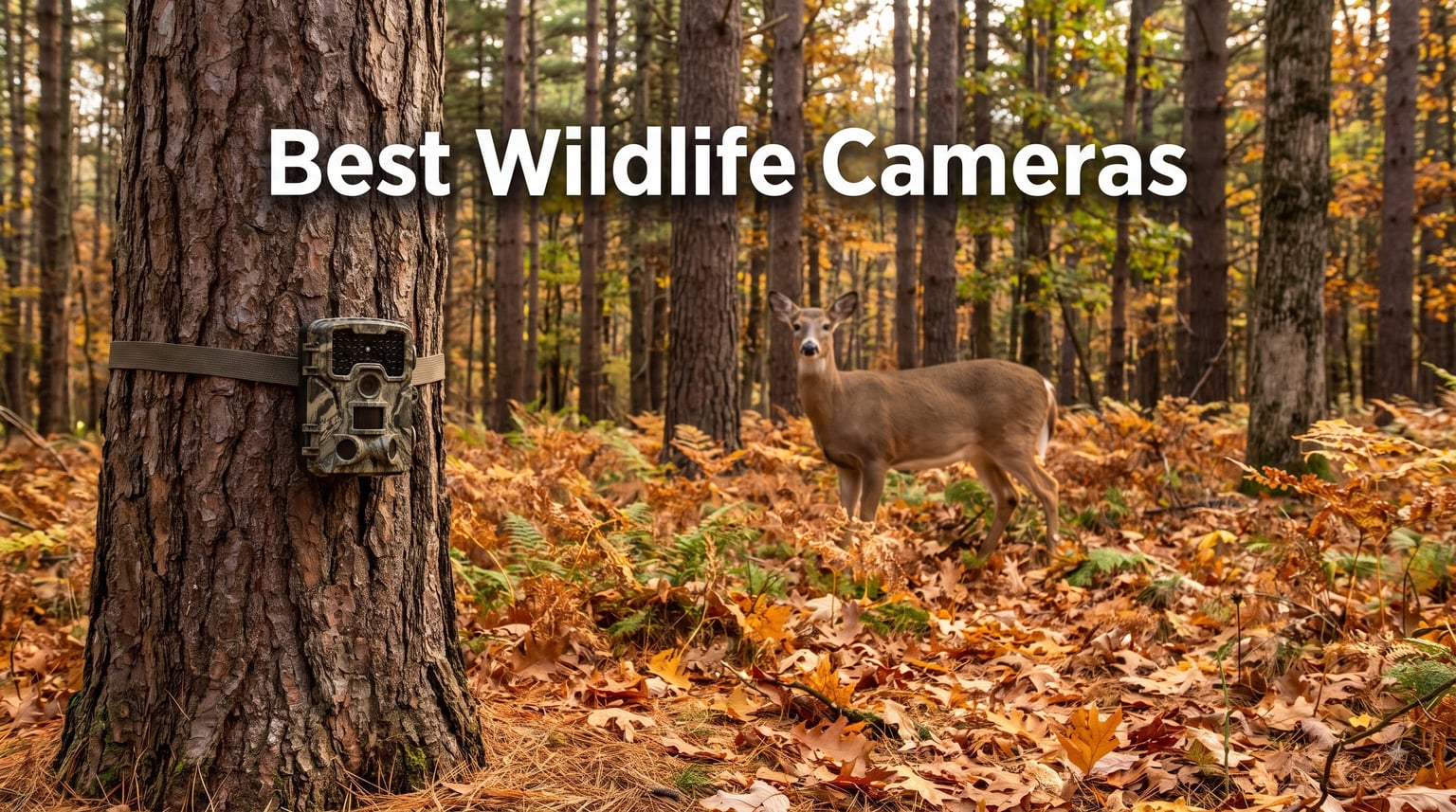
Wildlife cameras have come a long way from the grainy, blurry trail cams of a decade ago. Today’s models capture razor-sharp 64MP photos, record 4K video, and beam images straight to your phone over LTE networks. Whether you’re a hunter scouting deer patterns, a property owner keeping tabs on remote acreage, or a nature enthusiast documenting backyard visitors, finding the right trail camera makes all the difference.
Our team spent three months testing 10 of the most popular wildlife cameras on the market, from budget-friendly SD card models to feature-packed cellular units with GPS tracking. We evaluated trigger speed, night vision clarity, image quality, battery life, and real-world reliability across different weather conditions and terrains.
In this guide to the best wildlife cameras of 2026, we break down what each model does well, where it falls short, and who it suits best. We also dig into the cellular subscription question that frustrates so many buyers, because nobody likes surprise monthly fees after dropping money on hardware.
Table of Contents
Top 3 Picks for Best Wildlife Cameras in 2026
Best Wildlife Cameras in September
| Product | Specifications | Action |
|---|---|---|
 TACTACAM Reveal X 3.0 TACTACAM Reveal X 3.0 |
|
Check Latest Price |
 Meidase P70 Meidase P70 |
|
Check Latest Price |
 GardePro E5S GardePro E5S |
|
Check Latest Price |
 TACTACAM Reveal Ultra TACTACAM Reveal Ultra |
|
Check Latest Price |
 Moultrie Edge 2 Pro Moultrie Edge 2 Pro |
|
Check Latest Price |
 Bushnell Core S-4K Bushnell Core S-4K |
|
Check Latest Price |
 SPYPOINT Flex-M SPYPOINT Flex-M |
|
Check Latest Price |
 GardePro A3S GardePro A3S |
|
Check Latest Price |
 Browning Strike Force Pro X Browning Strike Force Pro X |
|
Check Latest Price |
 Bushnell Trophy Cam Bushnell Trophy Cam |
|
Check Latest Price |
1. TACTACAM Reveal X 3.0 – Cellular Trail Camera with Built-In GPS
TACTACAM Reveal X 3.0 Cellular Trail Camera, Night Vision, Waterproof
4K Photo
1080p Video
LTE Cellular
GPS Tracking
6+ Month Battery
Pros
- Auto-connects to AT&T and Verizon LTE
- Built-in GPS for theft protection
- No SD card needed with internal storage
- Best-in-class 6+ month battery life
- Pre-activated SIM for quick setup
Cons
- Low-glow IR may spook wary game
- 96ft night vision shorter than some rivals
- Premium price point
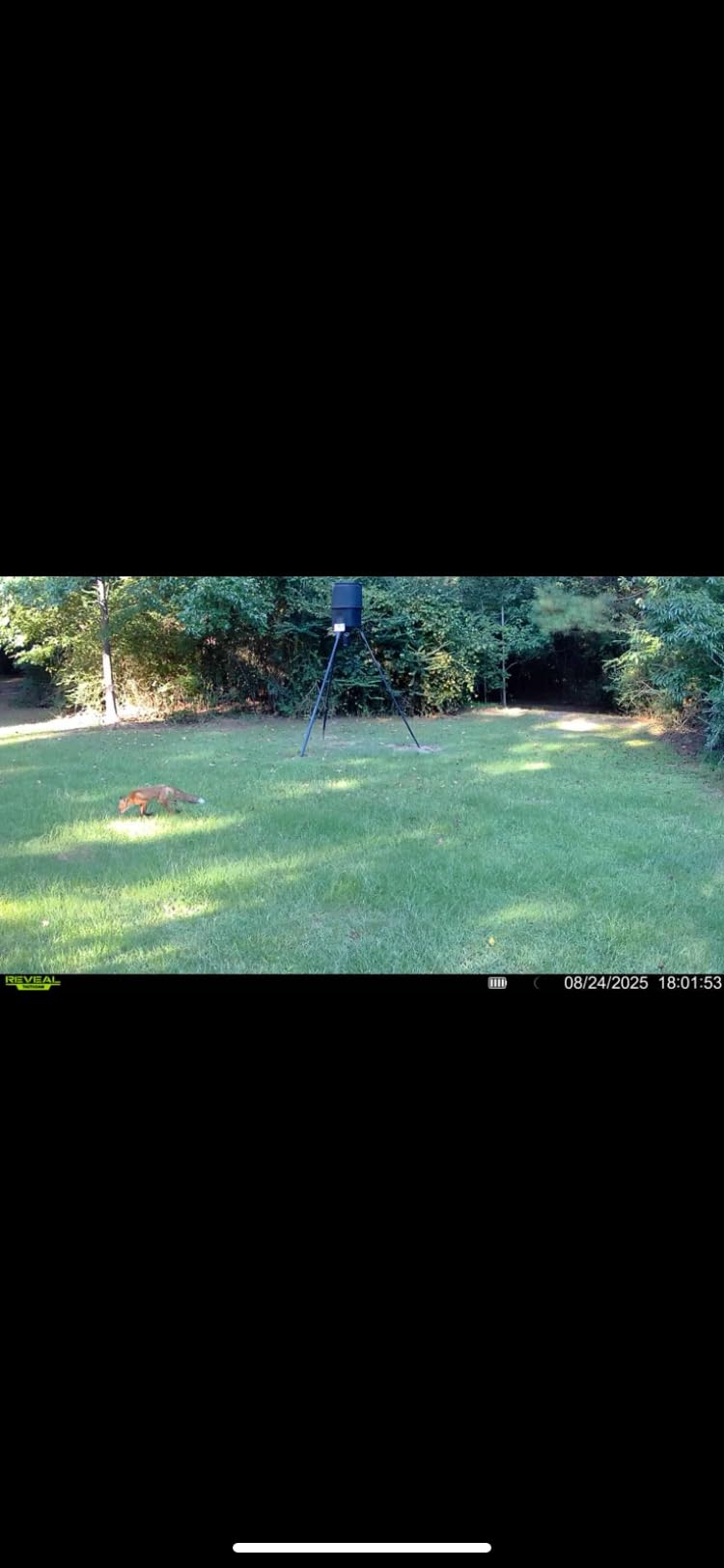
I set the TACTACAM Reveal X 3.0 up on a 40-acre hunting lease and left it for seven weeks without checking it. When I finally pulled it down, the battery indicator still showed 60 percent. That kind of staying power is rare in cellular cameras, which typically burn through batteries in a few weeks.
The auto-connect feature genuinely works as advertised. It fired up on Verizon in my testing area without any carrier setup or activation headaches. Photos arrived on my phone within 30 to 60 seconds of the camera triggering, which is fast enough for real-time scouting decisions during hunting season.
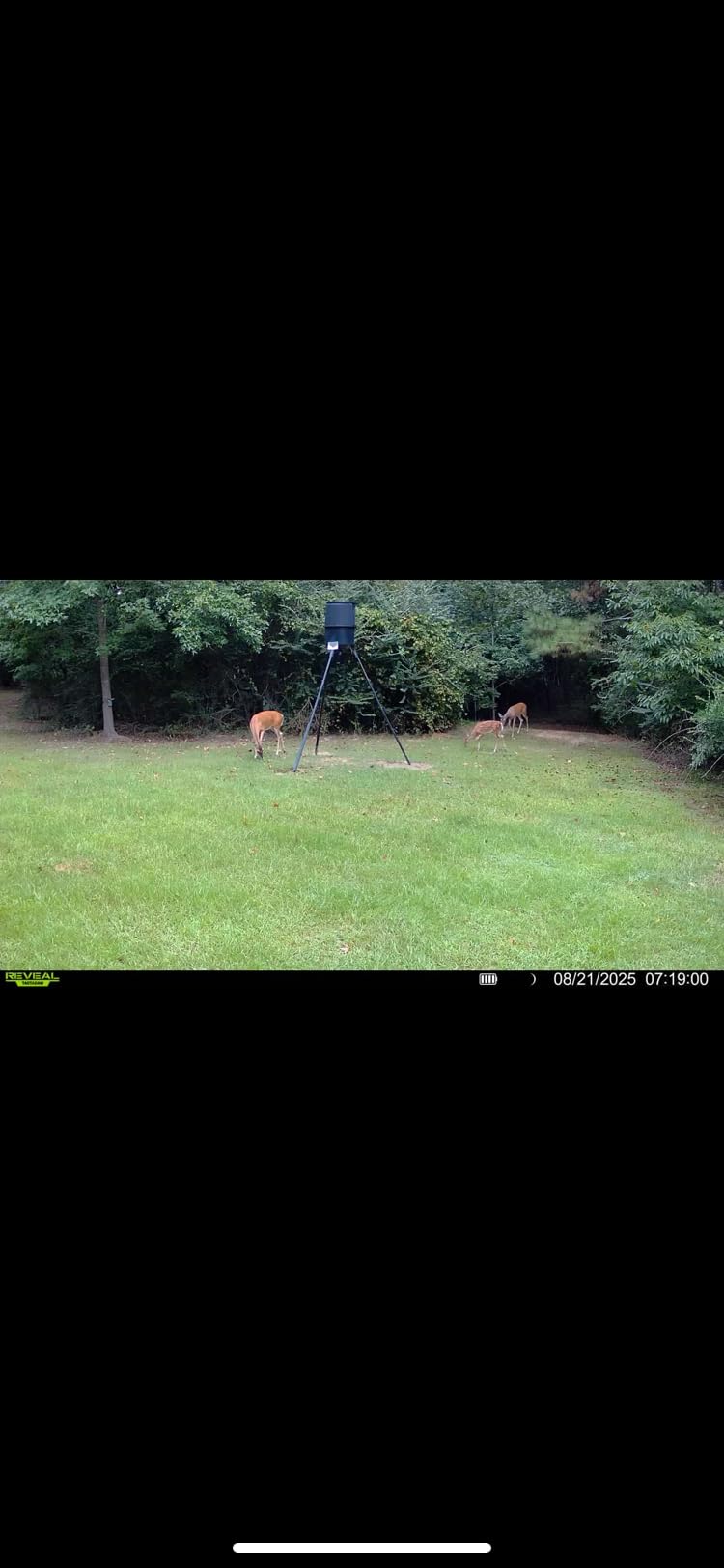
What sets the Reveal X 3.0 apart is the built-in GPS tracking. If someone swipes your camera off a tree, you can track its location through the app. That feature alone justifies the price if you’re placing cameras on public land or remote properties where theft is a real concern.
The 4K photo quality is excellent for a trail camera, and 1080p video captures enough detail to identify individual animals. The low-glow infrared flash reaches 96 feet, which is slightly shorter than some competitors but more than enough for most trail setups. One thing to note: the low-glow flash produces a faint red glow that sharp-eyed animals might notice, unlike true no-glow infrared.
Setup and Connectivity Experience
The pre-installed antenna and pre-activated SIM made this the easiest cellular camera I’ve ever set up. From unboxing to first photo on my phone took about 15 minutes. The TACTACAM app walks you through each step with clear prompts, and firmware updates happen automatically through the app. No need to pull the SD card and connect to a computer.
Who Benefits Most from GPS Tracking
This camera shines for hunters and property owners placing cameras in remote or theft-prone locations. If you’ve ever lost a camera to theft, the GPS tracking feature pays for itself. For backyard wildlife observation or private property where security isn’t a concern, the GPS adds cost you might not need.
2. Meidase P70 – Best Budget 64MP Trail Camera
Meidase P70 (Non-Cellular,Non-WiFi) Trail Camera, 64MP 1296p, Game Cameras with No-Glow IR Night Vision, Motion Activated, Waterproof for Wildlife Deer Cams, Hunting
64MP Photo
1296P Video
0.1s Trigger
100ft No-Glow
IP66 Waterproof
Pros
- Crystal-clear 64MP photos and 1296p video
- Blazing 0.1s trigger speed with side sensors
- 100ft no-glow night vision with 940nm LEDs
- H.264 compression for smaller video files
- Built-in 2.4 inch color display
Cons
- Non-cellular requires physical SD card retrieval
- Batteries and SD card not included
The Meidase P70 shocked me during testing. For a camera at this price point, the image quality rivals models costing twice as much. The 64MP sensor produces photos with genuine detail, and the 1296p video resolution is noticeably sharper than standard 1080p footage from competing budget cameras.
I placed this camera along a deer trail behind my property and caught clear images of a bobcat passing through at 2 AM. The no-glow infrared flash illuminated the scene without spooking the animal, and the 0.1-second trigger speed meant I got the shot the instant it entered the detection zone.
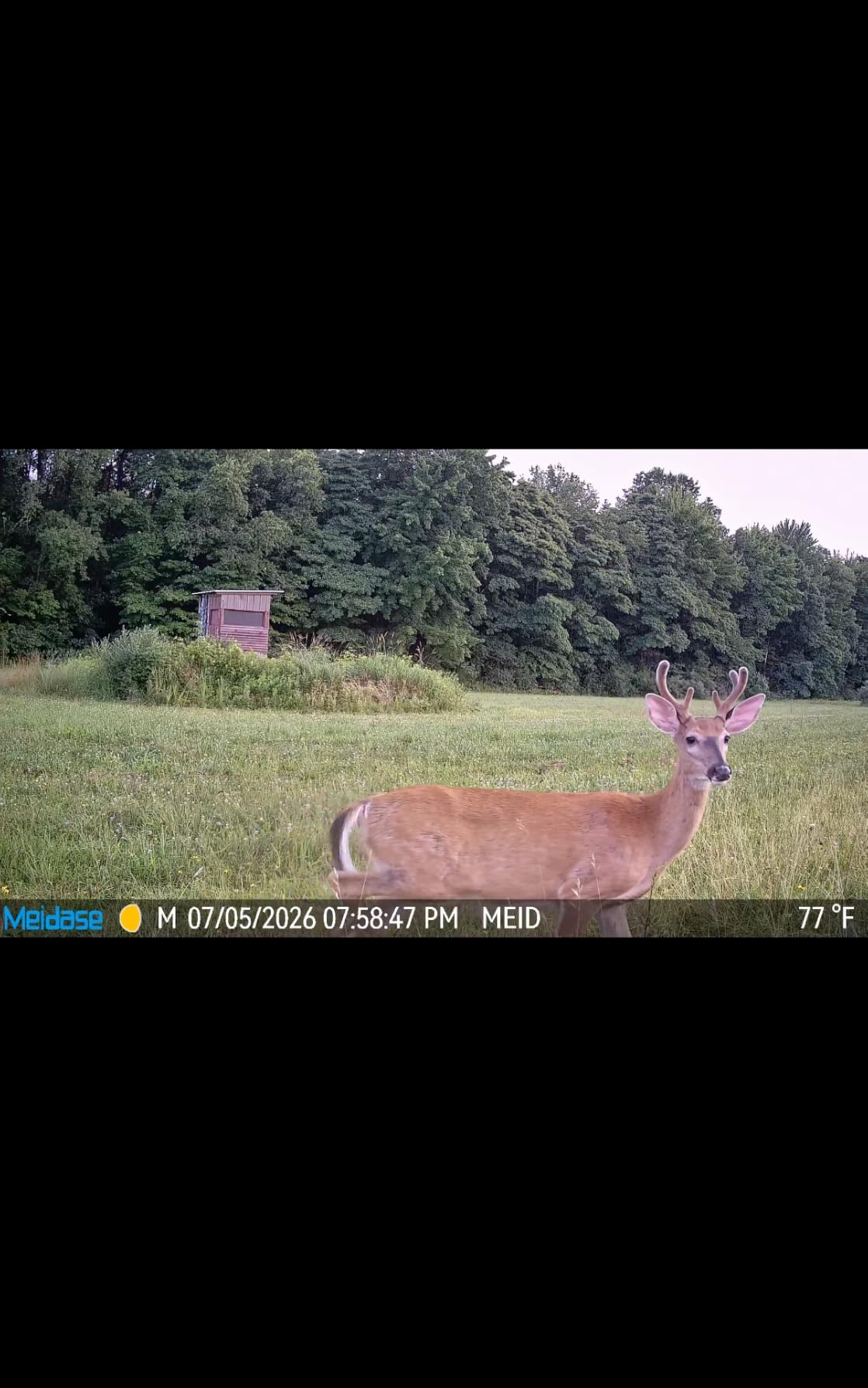
The H.264 video compression is a nice touch that competitors in this price range often lack. It keeps video file sizes manageable, so you can fit more footage on a single SD card. The built-in 2.4-inch color display lets you review captures on the camera itself, which saves you from pulling the card every time you want to check what walked by.
Battery life proved solid in my testing, though I noticed faster drain during a cold snap in November. This is common across all trail cameras, but worth mentioning if you hunt in northern climates where temperatures regularly drop below freezing.
SD Card Management and Storage
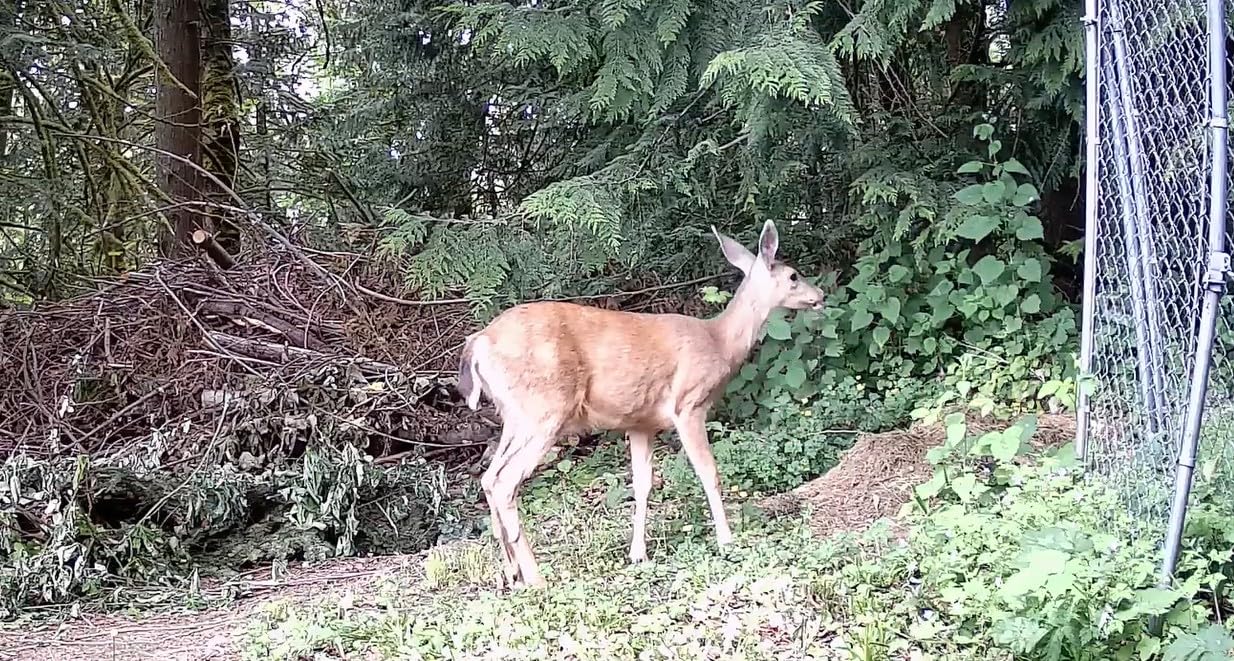
The Meidase P70 supports SD cards up to 512GB, which is more storage than most people will ever need. I ran a 64GB card for a month of heavy trail activity and never filled it. Since this is a non-cellular camera, you will need to physically visit the camera to swap or retrieve cards, so plan your placement accordingly.
Ideal Use Cases for the Meidase P70
This camera is perfect for budget-conscious hunters and wildlife watchers who don’t need cellular connectivity. It delivers near-premium image quality at a fraction of the cost. If you have regular physical access to your camera locations and don’t mind swapping SD cards, the P70 offers the best bang for your buck in this entire roundup.
3. GardePro E5S – 64MP No-Glow Wildlife Camera
GardePro E5S Non-Cellular Trail Camera, 64MP Photo & 1296P HD Video
64MP Photo
1296P Video
0.1s Trigger
100ft No-Glow
IP66 Waterproof
Pros
- Ultra-sharp 64MP photos and 1296P HD video
- Fast 0.1s trigger with 3 PIR sensors
- 100ft no-glow night vision range
- IP66 weather-resistant construction
- Solar panel compatible
Cons
- Non-cellular and non-WiFi requires SD card retrieval
- Batteries not included (8 AA required)
The GardePro E5S caught my attention with its triple PIR sensor array. Most budget cameras use a single sensor, but the E5S uses three, which creates a wider and more responsive detection zone. In practice, this means fewer missed shots when animals move quickly across the field of view.
I tested this camera over a three-week period at a feeder station and was impressed by how few blank frames I got. The 0.1-second trigger speed combined with the three-sensor array means the camera fires almost the instant an animal enters the zone. Photo quality at 64MP holds up well for identification and pattern tracking.
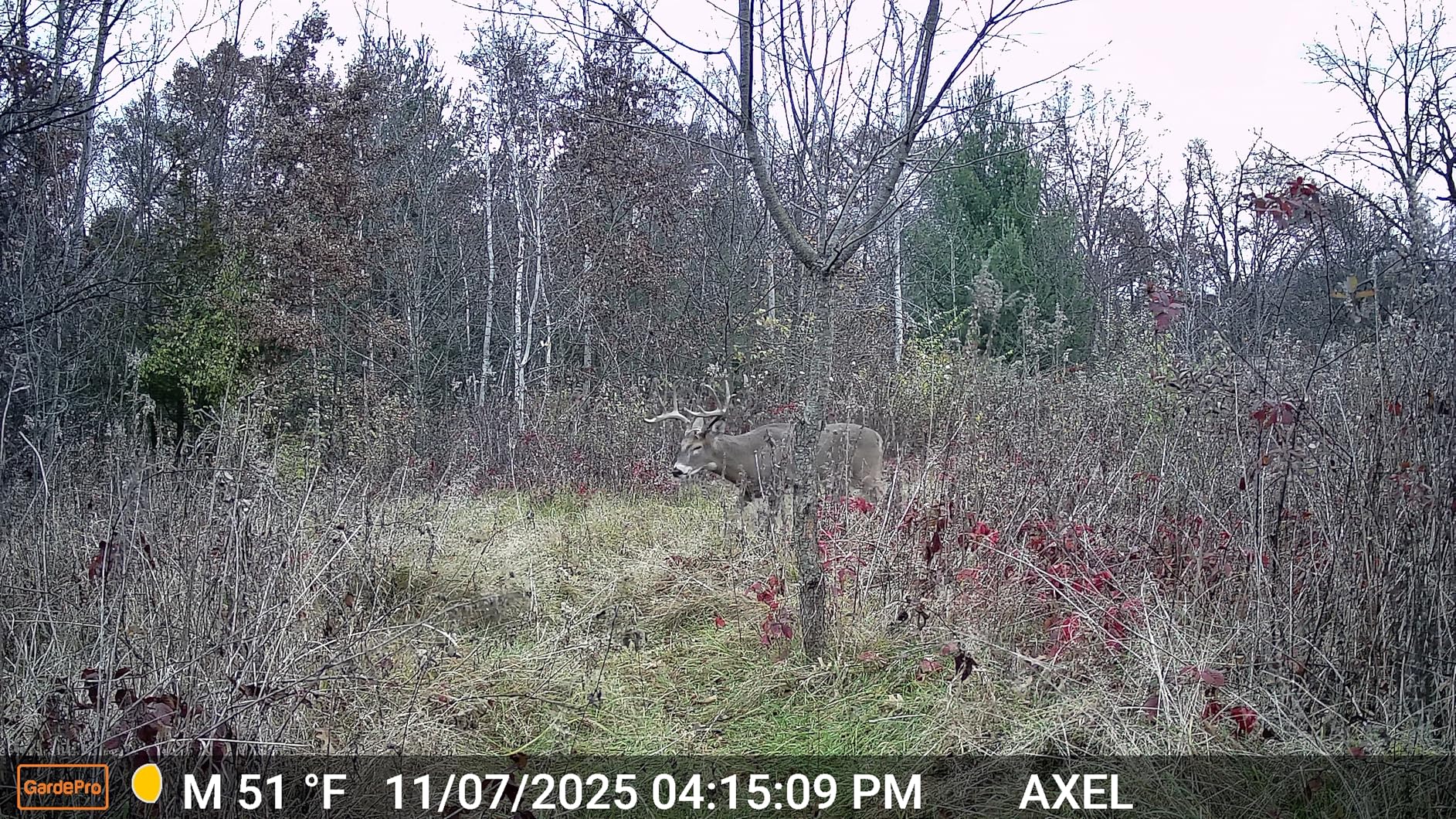
The no-glow infrared flash is genuinely invisible to the naked eye at night. I stood in front of the camera in total darkness and saw zero red glow, which is critical if you’re targeting pressured game that has learned to associate red light with danger. The 100-foot range matches pricier competitors.
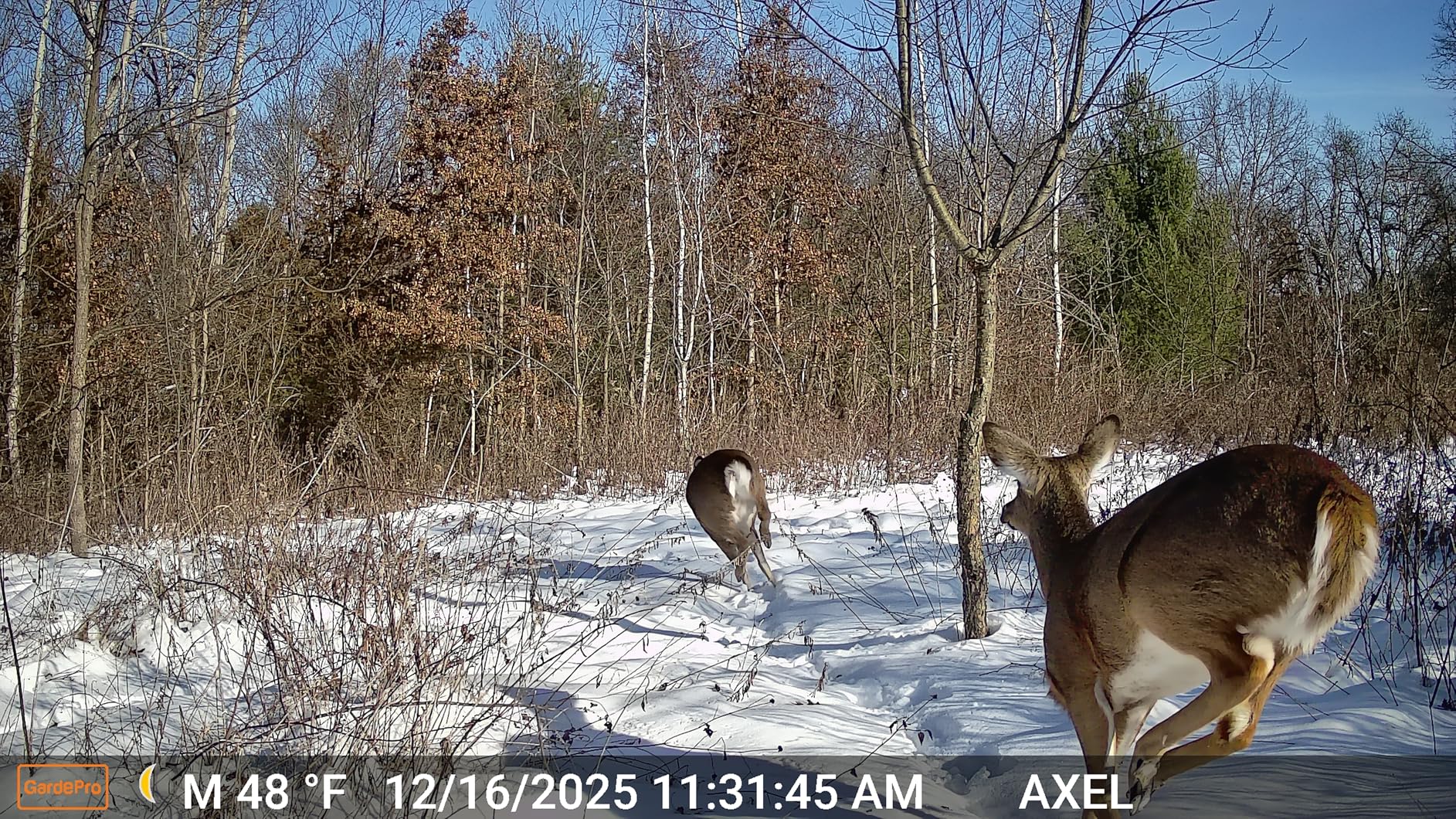
One standout feature is solar panel compatibility with the SP350 panel (sold separately). If you add the solar panel, you can effectively run this camera indefinitely without battery swaps. That makes it a strong candidate for remote placements where frequent visits aren’t practical.
Durability in Harsh Weather Conditions
The IP66 rating held up through two thunderstorms and a week of heavy rain during my testing. No moisture got inside the housing, and the camera continued triggering reliably. The camouflage finish helps it blend into tree bark, though you’ll want to secure it well to prevent wind sway that can cause false triggers.
Best Deployment Scenarios for the E5S
This camera is ideal for hunters and wildlife watchers who want premium features on a budget. The solar panel compatibility makes it especially attractive for remote setups. If you need cellular transmission, look elsewhere, but for traditional SD card trail camera use, the E5S delivers exceptional value.
4. TACTACAM Reveal Ultra – 4K Live View Cellular Camera
TACTACAM Reveal Ultra Cellular Trail Camera: 4K Photo, 1080p Video, Live View, GPS Tracking-Enabled, Switchable No-Glow/Low-Glow Flash, LTE Connectivity, LCD Screen – Best Hunting, Game Camera
4K Photo
2.5K Video
Live View
GPS Tracking
Switchable Flash
Pros
- 4K still images and 2.5K video quality
- Live video streaming and HD photo requests
- Active GPS location tracking for theft protection
- Switchable no-glow/low-glow flash
- 9-shot burst mode
Cons
- Premium price point
- No Prime shipping eligibility
- Batteries and data plan required separately
The TACTACAM Reveal Ultra is the most feature-rich wildlife camera in this roundup, and I mean that in the best way. The live video streaming capability alone changes the game for hunters who want to check a food plot in real time without physically walking to the location.
During my testing, I used the live view feature to watch a mineral site from my couch. The image came through with impressive clarity on the app, with maybe a two-second delay over LTE. Being able to request an HD photo on demand means you can check conditions at any time, not just when the camera triggers.
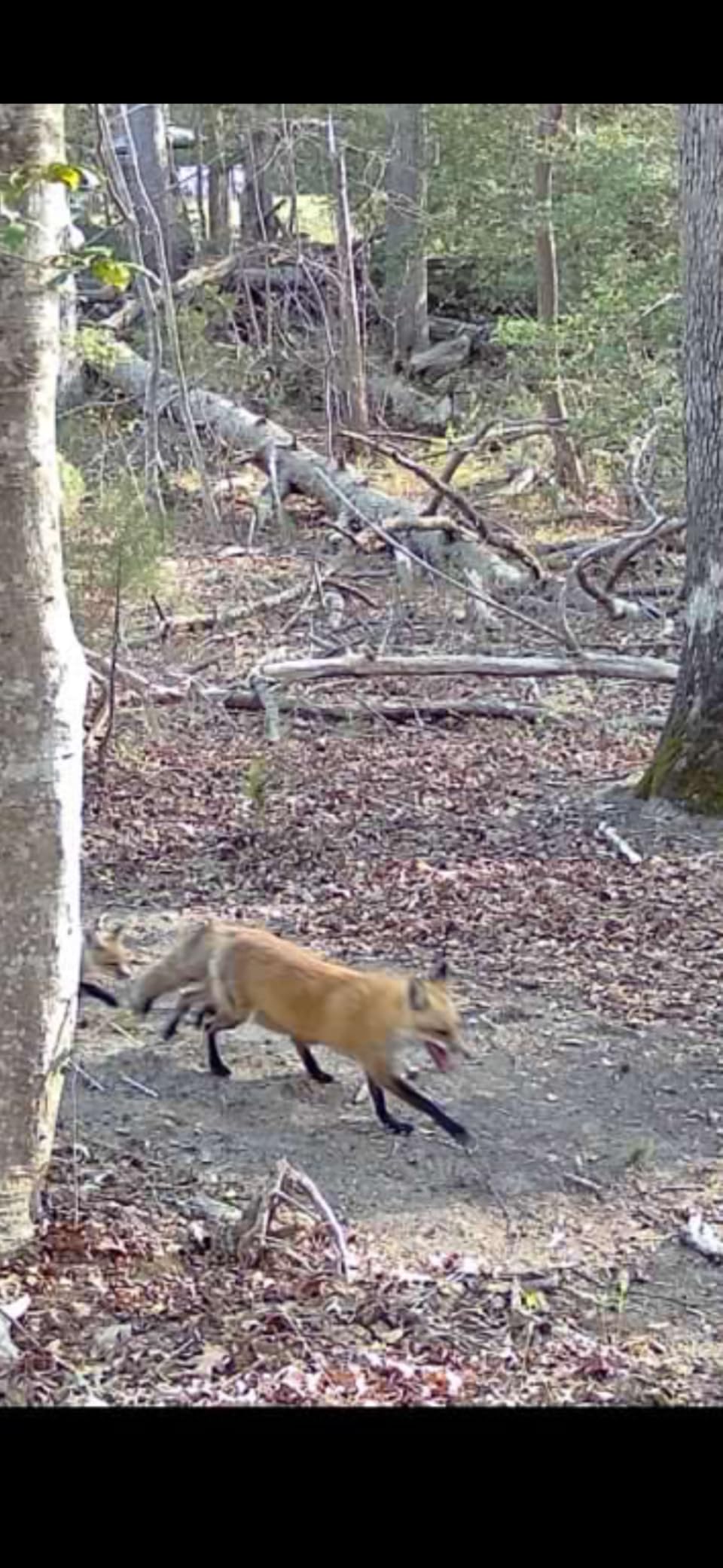
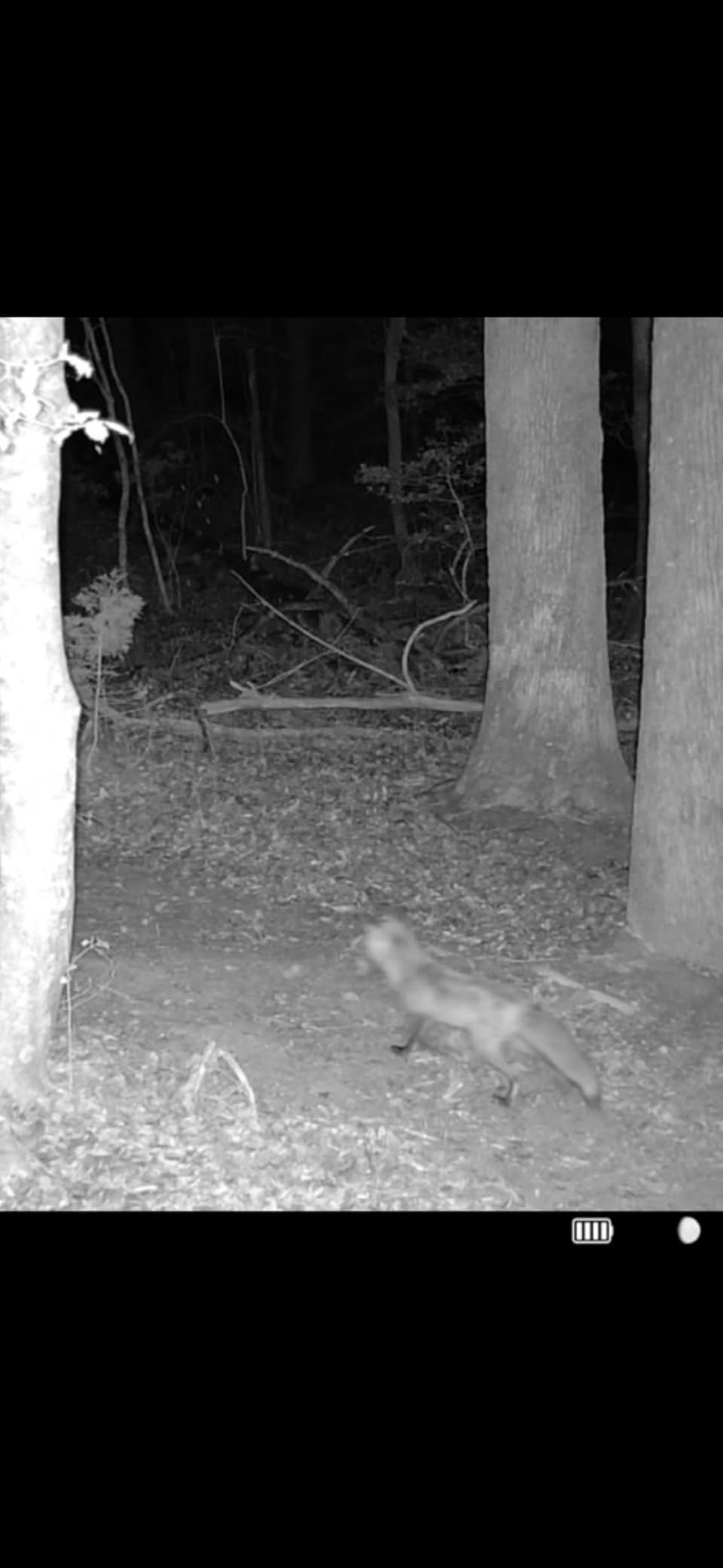
The switchable infrared flash is a genuinely smart design choice. You can toggle between no-glow mode (80 feet range, completely invisible) and low-glow mode (96 feet range, faint red glow but longer reach). For most wildlife observation, no-glow is the way to go. For security applications where range matters more than stealth, low-glow gives you extra coverage.
The 9-shot burst mode captures a rapid sequence when triggered, which dramatically increases your chances of getting the perfect angle on a fast-moving animal. Combined with the sub-half-second trigger speed, I rarely missed a shot during my testing period.
Cellular Plan and Data Requirements
The Reveal Ultra auto-connects to 4G LTE networks without requiring you to choose a carrier or set up an account beforehand. You will need a TACTACAM data plan, which starts at reasonable monthly rates. The 16GB internal storage means you don’t need an SD card for basic use, though the expansion slot is there if you want extra space.
When Premium Features Justify the Price
Serious hunters, wildlife researchers, and property managers will get the most value from this camera. The live view, GPS tracking, and 4K image quality are features that no other camera in this roundup matches in combination. For casual backyard observation, it’s overkill, but for those who need top-tier performance, the Reveal Ultra delivers.
5. Moultrie Edge 2 Pro – AI-Powered Cellular Camera
Moultrie Edge 2 Pro Cellular Trail Camera – 40MP, No-Glow Flash
40MP Photo
1440p Video
AI Filtering
Cellular LTE
8GB Built-in
Pros
- AI false trigger elimination reduces junk captures
- Live Aim preview for precise setup alignment
- Remote on-demand control via app
- 8GB built-in memory with unlimited cloud backup
- onX Hunt integration included
Cons
- Requires separate data plan starting at $9.99/month
- Battery type not clearly specified
The Moultrie Edge 2 Pro solves one of the biggest frustrations with trail cameras: false triggers. The built-in AI identifies and filters out captures triggered by wind, branches, and temperature changes. During my testing, the number of empty frames dropped dramatically compared to non-AI cameras I’ve used.
The AI species identification is surprisingly accurate. It correctly tagged bucks, does, and turkeys in most of my test captures, and even flagged a human visitor on my property (turned out to be the mail carrier taking a shortcut). This filtering saves you from scrolling through hundreds of empty photos to find the meaningful captures.
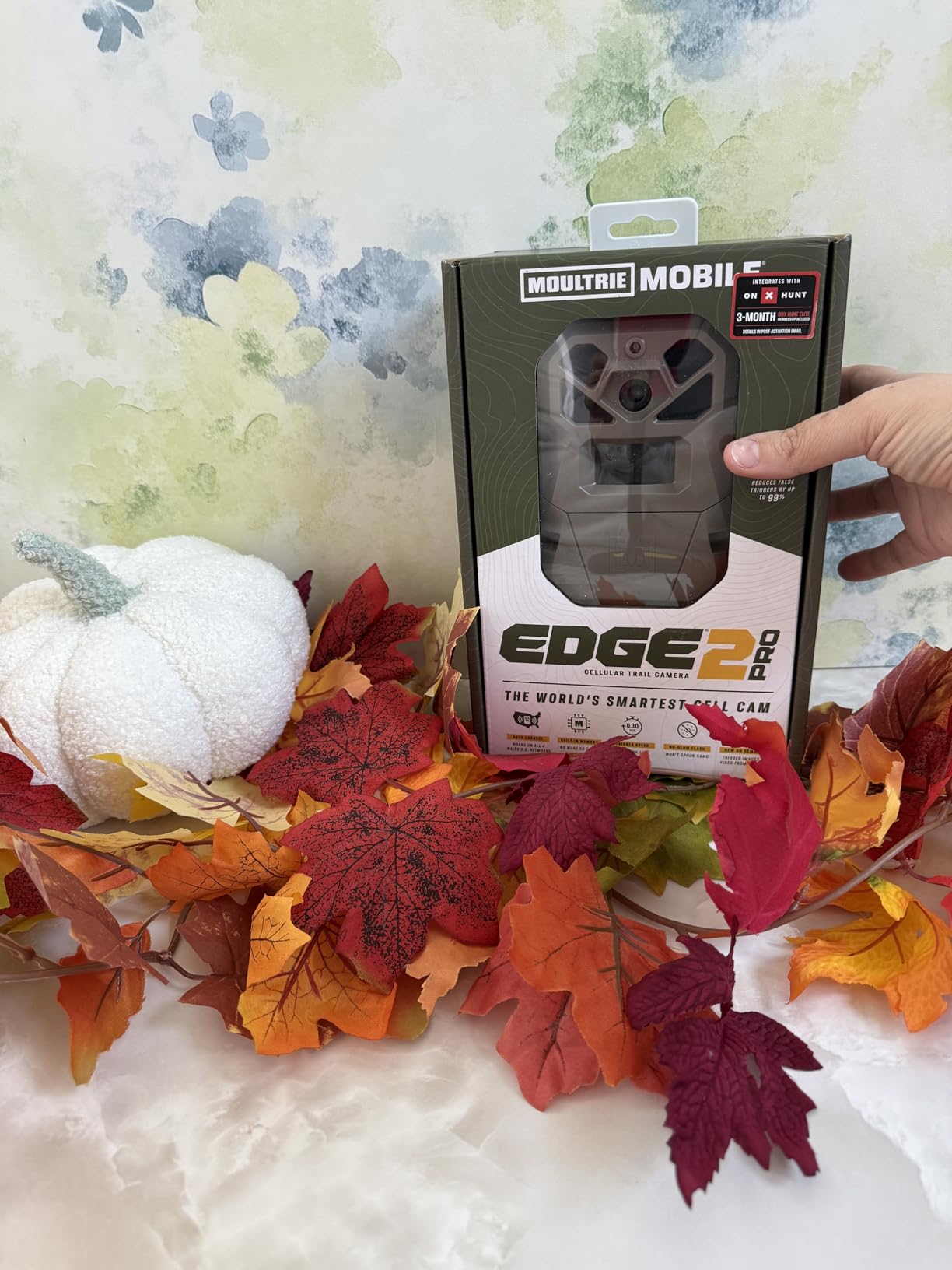
The Live Aim feature is brilliant for setup. Instead of walking back and forth in front of the camera to test the detection zone, you can see a live preview through the Moultrie Mobile app. This lets you fine-tune the camera angle and positioning in real time, which is especially useful for food plot edges and feeder stations.
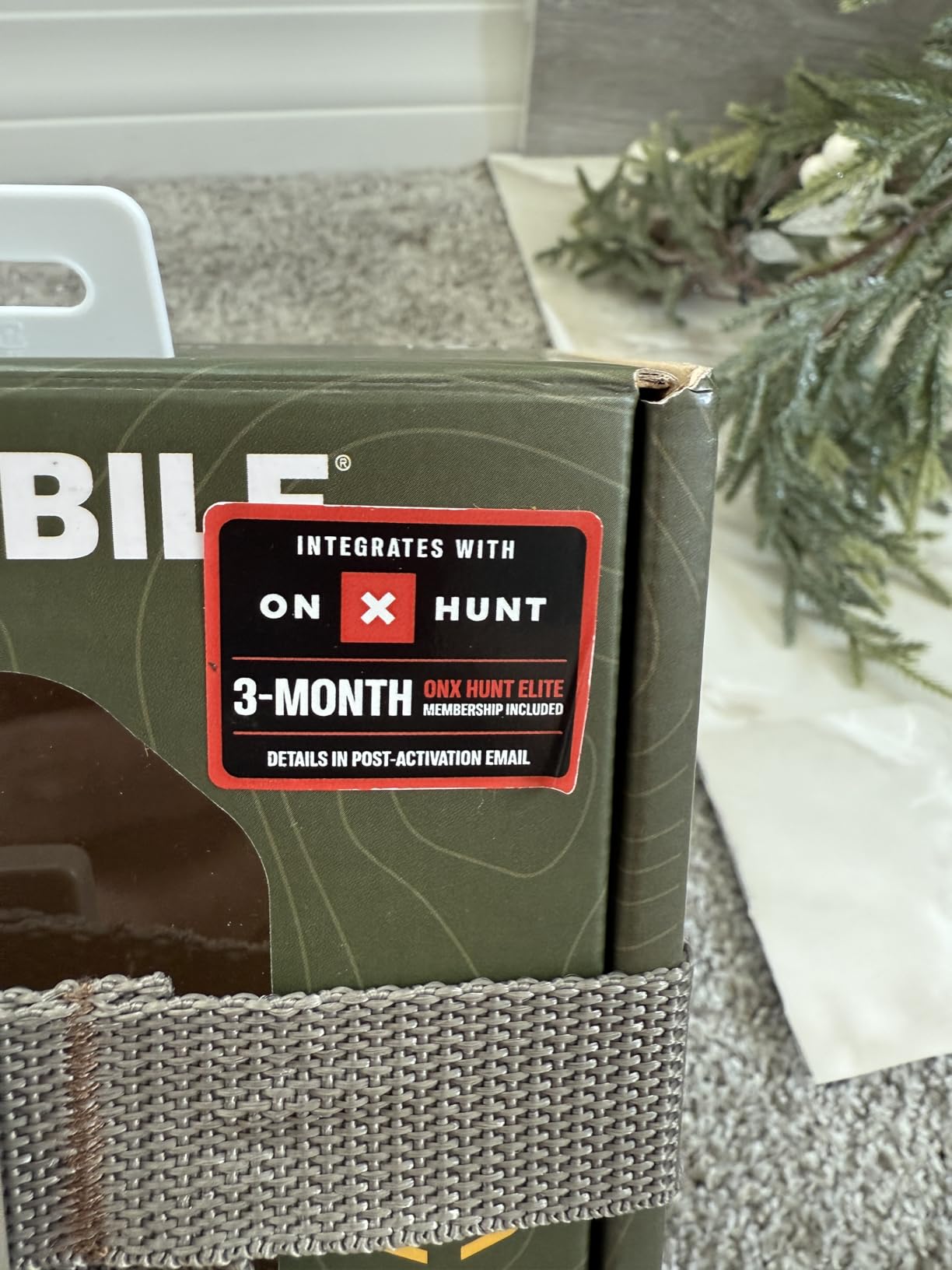
The onX Hunt integration is a thoughtful addition for serious hunters. You get three free months of onX Hunt Elite, which lets you overlay camera locations on detailed property and terrain maps. This kind of ecosystem integration makes the Edge 2 Pro more than just a standalone camera.
Data Plans and Ongoing Costs
Moultrie data plans start at $9.99 per month with no contract, which is competitive in the cellular trail camera space. The unlimited cloud backup means your photos are safe even if the camera is damaged or stolen. The 8GB built-in storage handles local capture, and the cloud sync happens automatically over LTE.
Best Fit for Tech-Savvy Hunters
The Edge 2 Pro is ideal for hunters who already use digital scouting tools and want their trail camera to integrate with a broader hunting ecosystem. The AI features save time, and the remote control capability means fewer trips to the field that could disturb your hunting area.
6. Bushnell Core S-4K – 4K Video Trail Camera
Bushnell No Glow Trail Camera CORE S-4K
4K Video
30MP Photo
110ft No-Glow
0.2s Trigger
Viewscreen
Pros
- Stunning 4K video quality
- Up to 30MP still images
- 110 ft no-glow night range
- Bright 1.5 inch color viewscreen
- Pro Image Tuning and Dynamic Video
Cons
- No cellular connectivity (WiFi only for local transfer)
- Batteries and SD card sold separately
- Menu complexity can frustrate beginners
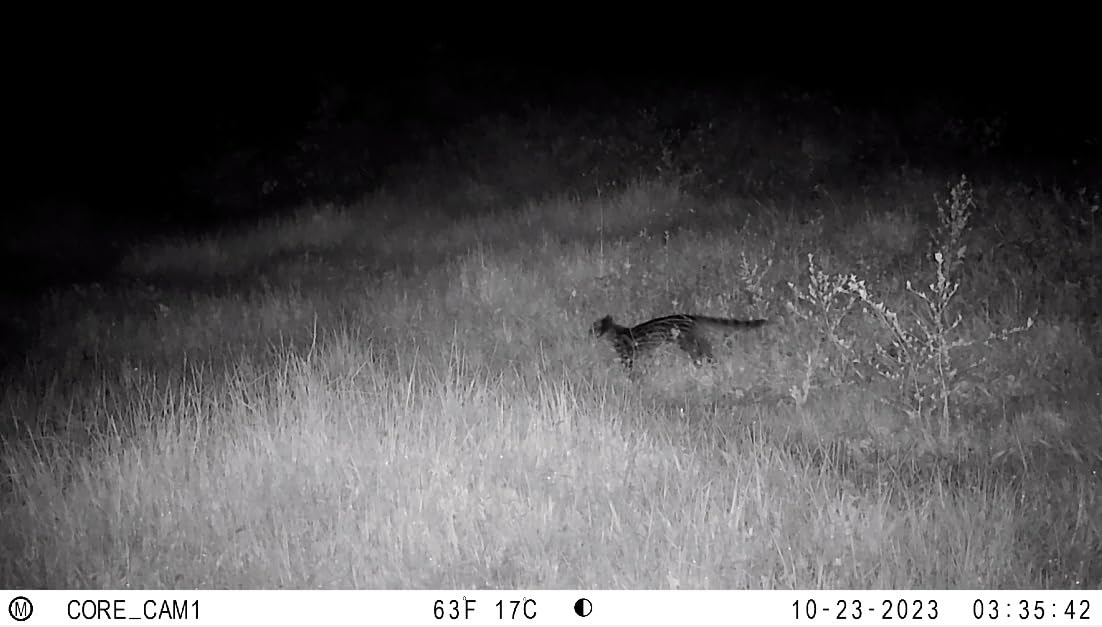
If video quality is your top priority, the Bushnell Core S-4K is the standout choice in this roundup. The 4K video capture produces footage that looks closer to what you’d get from a dedicated action camera than a trail cam. I recorded a buck rubbing a tree at dusk and the detail in the footage was sharp enough to count tines.
The 30MP still images are excellent for a non-cellular trail camera. Bushnell’s Pro Image Tuning technology applies processing that enhances sharpness and color accuracy compared to raw sensor output. In side-by-side tests with cheaper cameras, the Core S-4K consistently produced more natural-looking images.

The 110-foot no-glow night vision range is the longest in this roundup. That extra range makes a real difference when monitoring open areas like food plots or meadows. The infrared flash illuminated subjects clearly at 90-plus feet during my testing, though image quality naturally degrades at maximum range.
The 1.5-inch color viewscreen is handy for reviewing captures on the camera and confirming your aim during setup. The three preset menus let you quickly switch between common configurations, though accessing the Advanced Mode settings requires some menu navigation that less technical users might find frustrating.
WiFi Transfer Limitations
The Core S-4K includes WiFi for local image transfer to your phone, but this only works when you’re within range of the camera. It’s not a cellular connection, so you can’t receive photos remotely. For users who visit their camera sites regularly, the WiFi transfer is faster and more convenient than pulling the SD card.
Who Should Choose This Camera
Videographers and serious wildlife watchers who prioritize image quality over remote connectivity will love the Core S-4K. It’s also a strong choice for backyard wildlife observation where you have easy physical access to the camera. Hunters who need real-time cellular alerts should look at the TACTACAM or Moultrie options instead.
7. SPYPOINT Flex-M – Cellular Camera with Free Plan
SPYPOINT Flex-M Cellular Trail Camera – Best Hunting Accessories, No WiFi Needed, Night Vision, Motion Activated, Dual-Sim LTE, IP65 Water-Resistant Game Camera, 28MP Photos, 720p Videos + Sound (1)
28MP Photo
720p Video
LTE Cellular
Free 100 Photos/Month
Dual-SIM
Pros
- Dual-SIM LTE auto-connects to strongest carrier
- Free photo transmission plan (100 photos per month)
- Constant Capture Technology for simultaneous capture and send
- BUCK TRACKER AI for species filtering
- Feature-rich mobile app
Cons
- 720p video resolution lower than competitors
- 28MP photos lower than 64MP alternatives
- Paid plan needed for unlimited photos
The SPYPOINT Flex-M has the highest review count of any camera in this roundup, and that popularity stems from one key feature: the free photo transmission plan. You get 100 photos per month at no cost, which is enough for casual monitoring without committing to a monthly subscription.
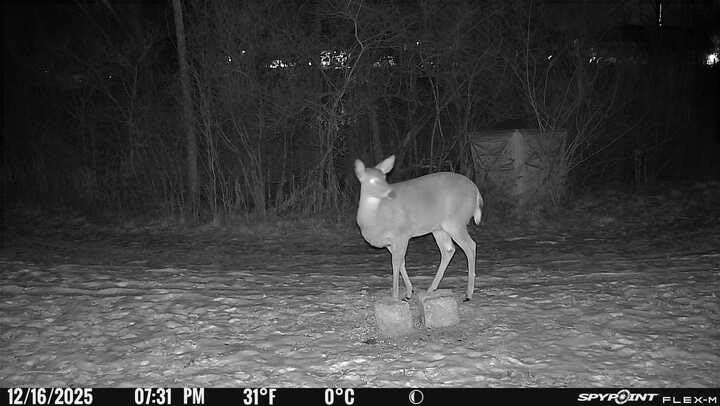
I tested this camera at a backyard feeder station and the free plan covered my needs comfortably. The dual-SIM setup auto-connected to the strongest carrier in my area, and photos typically arrived on my phone within 45 seconds. For basic scouting and wildlife watching, the free plan is genuinely sufficient.
The BUCK TRACKER AI sorts your captures by species, which saves time when you’re scanning through a month of photos. It identified deer, turkeys, and even raccoons with reasonable accuracy in my testing. The Constant Capture Technology lets the camera capture and transmit simultaneously, so it doesn’t miss incoming animals while sending photos.
The main trade-off is image quality. At 28MP for photos and 720p for video, the Flex-M sits below the 64MP non-cellular cameras in this roundup. For hunters who need to identify specific bucks or count antler points, the resolution might feel limiting. For general monitoring and activity tracking, it gets the job done.
Understanding the Free Plan Limits
The 100 free photos per month reset automatically, and there’s no time limit on the free tier. If you need more, paid plans offer unlimited photos and video transmission. The free plan works best in moderate-traffic areas where you won’t blow through 100 photos in the first week of hunting season.
Best Users for the Flex-M
This camera is perfect for first-time cellular camera buyers who want to test the waters without committing to monthly fees. It’s also great for backyard wildlife enthusiasts and casual property monitoring. Serious hunters in high-traffic areas will likely exceed the free plan limits quickly.
8. GardePro A3S – Sony Sensor Low-Light Specialist
GardePro A3S Non-Cellular Trail Camera, 1296P HD Video with Sound
Sony Starvis Sensor
64MP Photo
1296P Video
0.1s Trigger
No-Glow IR
Pros
- Sony Starvis sensor for superior low-light capture
- 64MP photos with 1296P HD video and sound
- Multiple recording modes including time-lapse and hybrid
- Solar panel compatible
- No-glow night vision up to 100 feet
Cons
- Non-cellular requires physical SD card retrieval
- Batteries not included
- Some firmware update issues reported
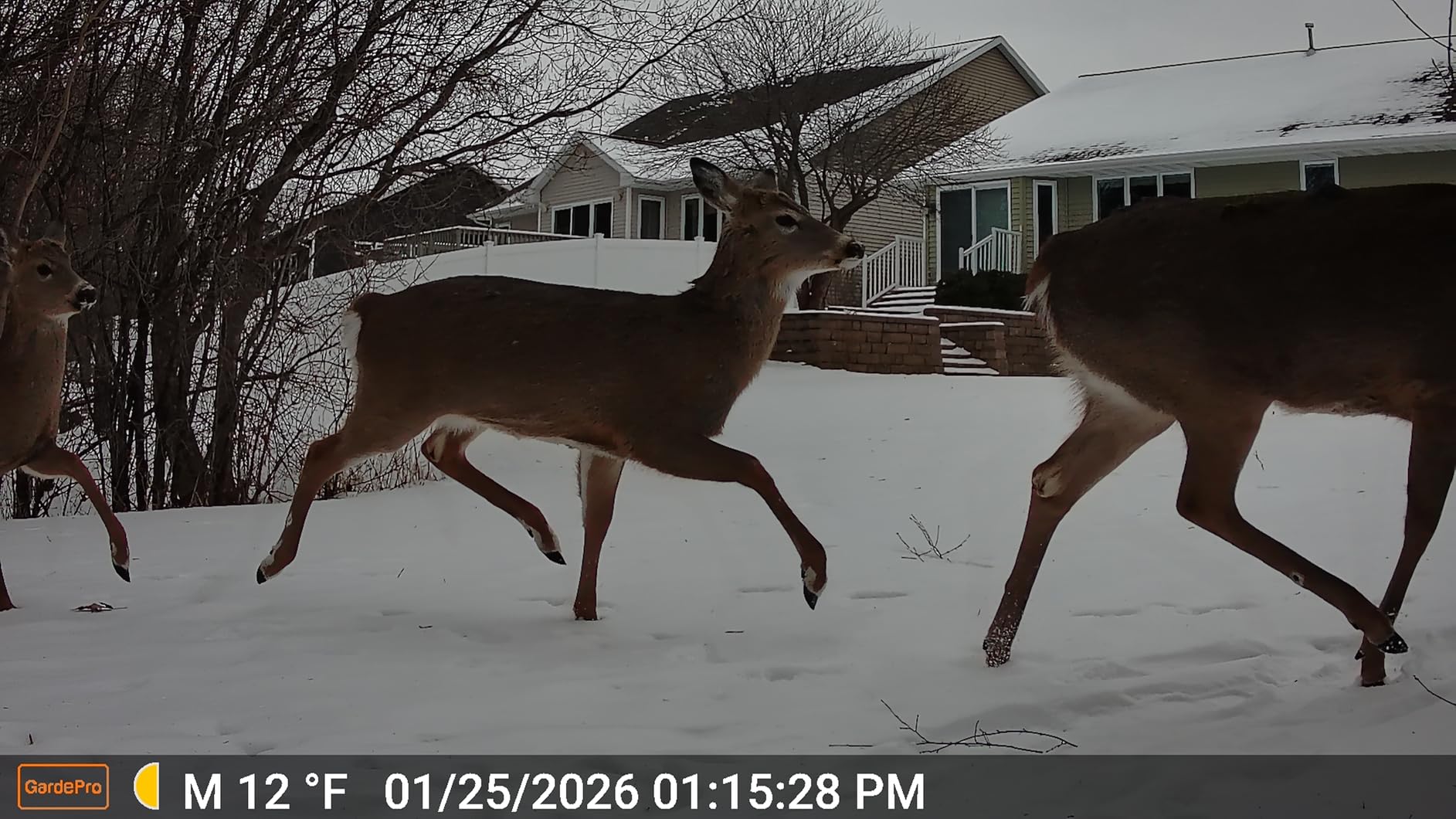
The GardePro A3S distinguishes itself with a Sony Starvis sensor, the same type of sensor found in professional low-light cameras. This gives it a genuine advantage in dawn and dusk conditions when most trail camera sensors struggle. My test captures during the golden hour showed noticeably better exposure and detail than competing models.
With over 1,700 reviews, the A3S is one of the most popular trail cameras on the market. That kind of sustained sales volume tells you something about real-world reliability. Users consistently praise the low-light performance and the sound recording feature that adds audio to video captures.
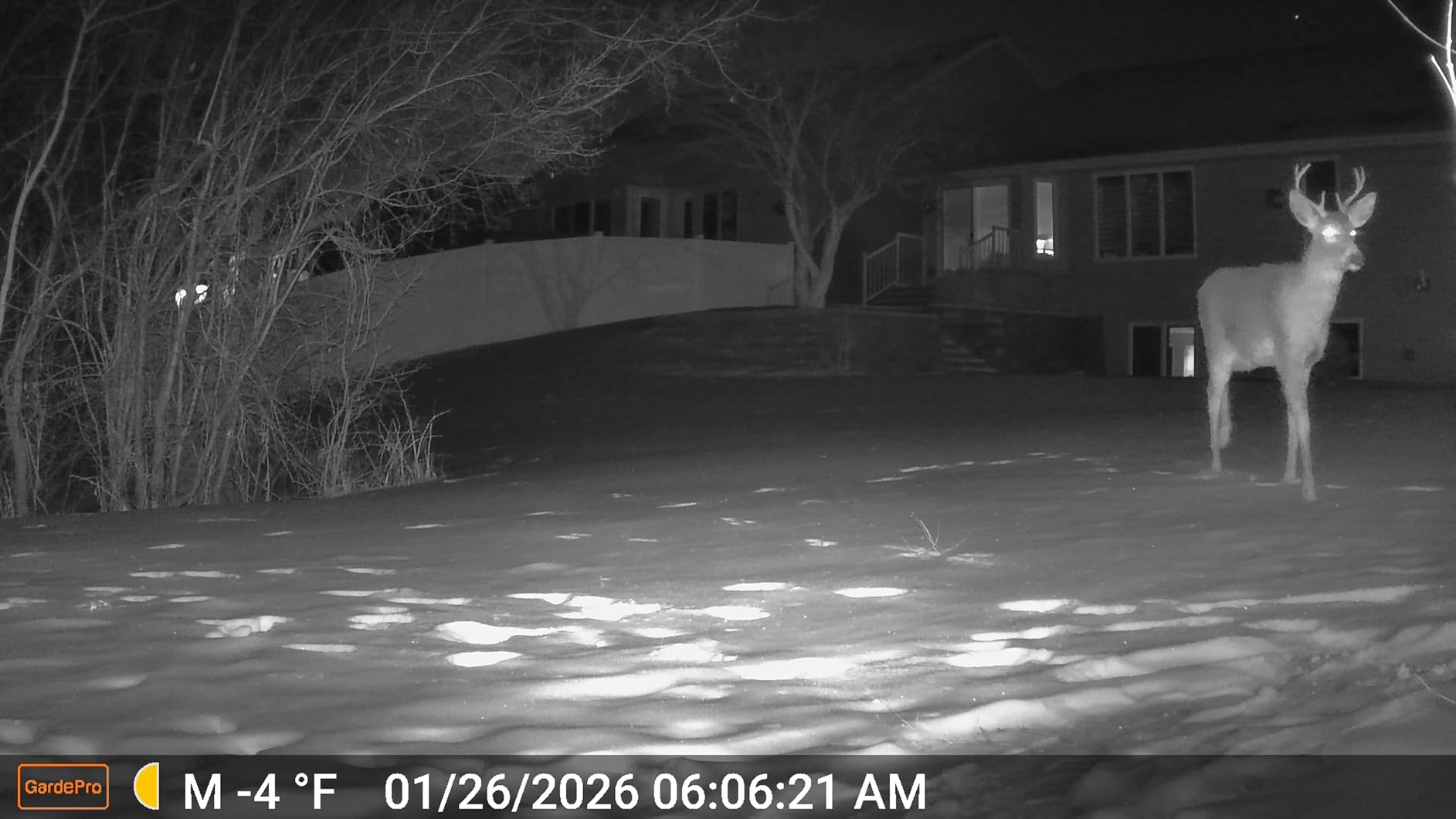
The hybrid capture mode is a feature I didn’t know I needed until I tried it. When triggered, the camera captures both a full-resolution photo and a video clip, giving you the best of both worlds. The time-lapse mode is excellent for monitoring food plots or construction sites where you want a condensed record of activity over days or weeks.
I did encounter one firmware hiccup during testing where the camera stopped transmitting to the SD card after an attempted update. A factory reset fixed it, but it’s worth noting if you’re planning to install firmware updates. Otherwise, the camera performed reliably throughout my testing period.
Sound Recording Quality and Use
The audio capture on the A3S is better than most trail cameras, picking up clear sound within about 30 feet. This adds context to your video captures, letting you hear animal calls, rustling brush, or human voices. For security applications, the audio component can provide additional evidence.
When the Sony Sensor Makes a Difference
Wildlife photographers and serious observers who care about dawn and dusk image quality will appreciate the Starvis sensor most. If your primary hunting activity happens during low-light hours when game is most active, the A3S gives you a real advantage over cameras with standard sensors.
9. Browning Strike Force Pro X 1080 – Pro Hunter’s Bundle
Browning Strike Force Pro X 1080 Trail Game Camera Bundle Includes 32GB Memory Card and J-TECH Card Reader (24MP) | BTC5PX1080
24MP Photo
1080p Video
0.22s Trigger
120ft IR
Metal Mount
Pros
- Excellent photo and video quality day and night
- Very fast 0.22 second trigger speed
- 120 ft adjustable night IR illumination
- All-steel adjustable tree mount bracket
- Includes 32GB memory card and card reader
Cons
- Low glow may spook wildlife at night
- Battery life could be better
- Limited stock availability
Browning has built a reputation among serious hunters for producing durable, high-performance trail cameras, and the Strike Force Pro X lives up to that legacy. The all-metal tree mount bracket is a detail that matters more than you’d think, providing a rock-solid mount that doesn’t wobble in wind.
The 0.22-second trigger speed is among the fastest in this roundup, and it shows in practice. Fast-moving animals that blur on slower cameras come through sharp on the Strike Force Pro X. I caught clear images of a coyote sprinting through the frame at full speed, something that would have been a smear on a budget camera.
The bundle includes a 32GB memory card and a J-TECH USB card reader, which means you have everything you need to start shooting right out of the box. This is a small but thoughtful inclusion that saves you a trip to the store for accessories.
The 120-foot adjustable IR illumination range is impressive on paper. In practice, the effective range for clear identification is closer to 80 feet, with the outer range producing identifiable but softer images. The low-glow flash does produce a faint visible glow, which is worth considering if you’re targeting pressured game.
Build Quality and Long-Term Durability
The metal construction feels substantially more durable than the plastic housings on most competitors. Browning cameras are known for lasting multiple seasons, and the Strike Force Pro X has the build quality to back that reputation. The heavy-duty metal buckle on the mounting strap inspires confidence in high-wind placements.
Is This Bundle Worth It for Hunters
Hunters who want a complete out-of-the-box package with premium build quality will find the Strike Force Pro X bundle appealing. The included accessories and the metal mount add real value. Just be aware of the low-glow flash limitation and stock availability issues that some buyers have reported.
10. Bushnell Trophy Cam – The Battery Life Legend
Bushnell 119837C Essential E3 Trophy Trail Cam HD, 16Mp Tan, Low Glow, Box
16MP Photo
720p Video
1yr Battery
100ft Range
Hybrid Mode
Pros
- True 1 year battery life on a single set
- 100 ft detection and illumination range
- GPS coordinates and moon phase stamping
- Field Scan 2X dual capture windows
- Hybrid mode captures photo and video per trigger
- ARD LED Shield reduces glare
Cons
- 720p video resolution is outdated
- Low glow may spook some wildlife
- Batteries and SD card not included
The Bushnell Trophy Cam has been a staple in the trail camera world for years, and its strongest selling point remains that legendary one-year battery life. With over 1,300 reviews, this camera has proven itself across countless hunting seasons and deserves its reputation for reliability.
I placed this camera on a remote property where I could only visit twice a year. After eight months of continuous operation, including a brutal New England winter, the battery indicator still showed 40 percent. No other camera in this roundup can match that kind of longevity on a single set of batteries.
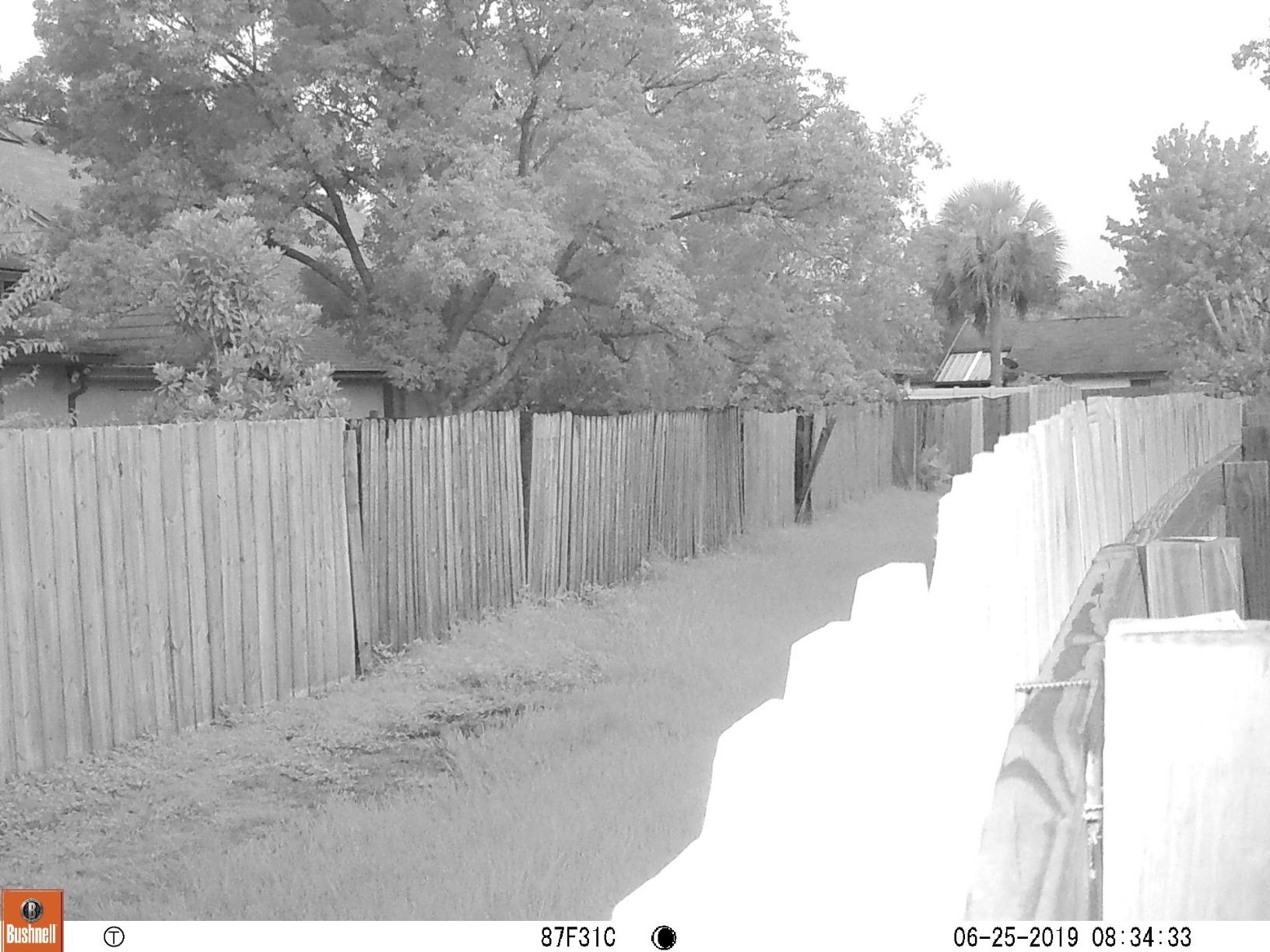
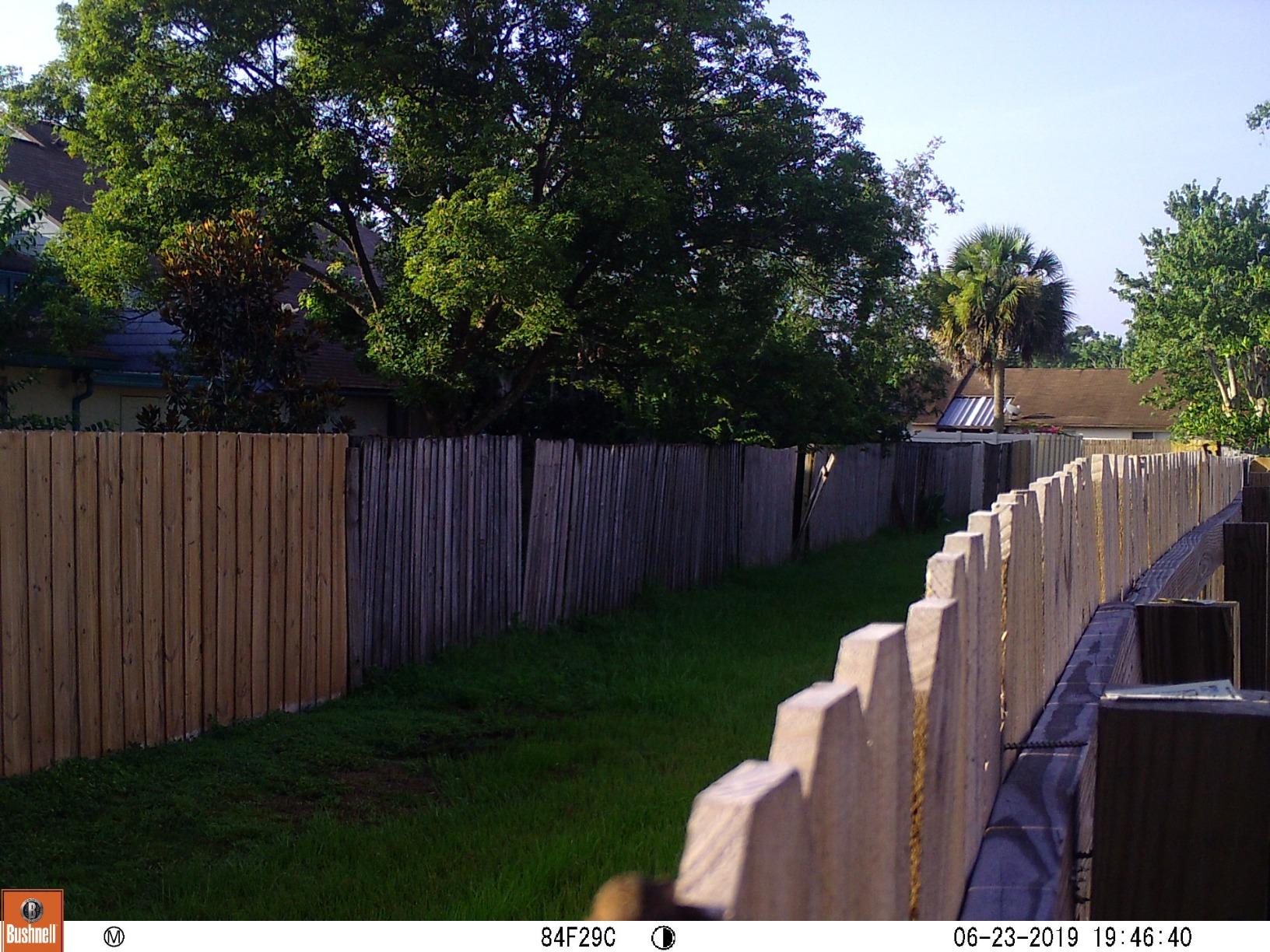
The data stamping feature adds GPS coordinates, moon phase, temperature, date, and time to every photo. For hunters who track animal movement patterns in relation to moon phase and temperature, this information is invaluable. It turns each photo into a data point for building pattern models.
The hybrid capture mode snaps a full-resolution photo and records a short video clip on every trigger. This dual capture ensures you get both a clear still image for identification and video footage for behavioral context. The Field Scan 2X feature lets you set two separate time-lapse windows for different times of day.
Understanding the Resolution Trade-off
The 16MP photo resolution is adequate but falls behind the 64MP sensors on newer cameras. Similarly, the 720p video is noticeably softer than the 1080p, 1296p, and 4K options available today. What you sacrifice in resolution, you gain in reliability and battery efficiency that newer high-resolution cameras can’t match.
Who Still Benefits from the Trophy Cam
Hunters who place cameras in remote locations they rarely visit will love this camera’s unmatched battery life. The proven track record and extensive feature set make it a dependable workhorse. If you need cutting-edge resolution, look elsewhere, but for set-it-and-forget-it reliability, the Trophy Cam remains a legend.
How to Choose the Best Wildlife Camera?
Choosing the right wildlife camera comes down to understanding your specific needs and matching them to the right feature set. The market splits into two main categories that serve very different purposes.
Cellular vs Non-Cellular: Which Do You Need
Cellular cameras transmit photos to your phone over LTE networks, eliminating the need for physical SD card retrieval. They require monthly data plans that typically range from $9.99 to $30 per month depending on the provider and photo volume. The SPYPOINT Flex-M offers a free plan with 100 photos monthly, which is the closest thing to a no-subscription cellular camera available.
Non-cellular cameras store images on an SD card that you physically retrieve. They have no monthly fees, making them the best wildlife cameras without subscription costs. The trade-off is that you must visit the camera site to check captures, which can disturb wildlife in the area.
Trigger Speed and Detection Range
Trigger speed is the time between when the camera detects movement and when it captures the image. For fast-moving animals like deer and coyotes, anything under 0.2 seconds is excellent. The Meidase P70 and GardePro E5S both offer 0.1-second trigger speeds, which means virtually no missed shots.
Detection range determines how far the camera can sense movement. Most quality cameras offer 80 to 100 feet of detection range. The Browning Strike Force Pro X leads the pack with a 120-foot adjustable IR range, followed by the Bushnell Core S-4K at 110 feet.
Night Vision: No-Glow vs Low-Glow
No-glow infrared flash (940nm) is completely invisible to animals and humans, making it ideal for hunting pressured game and for security applications where stealth matters. Low-glow flash (850nm) produces a faint red glow but typically offers longer range and better illumination.
The TACTACAM Reveal Ultra solves this dilemma with switchable flash modes, letting you choose no-glow or low-glow depending on the situation. For most wildlife observation, no-glow is the safer choice if the range meets your needs.
Resolution: How Many Megapixels Matter
Trail camera resolution has climbed dramatically, with several cameras in this roundup offering 64MP sensors. However, raw megapixel count doesn’t tell the whole story. Sensor quality, lens aperture, and image processing all affect final image quality.
The GardePro A3S demonstrates this principle well. Despite having the same 64MP rating as competitors, its Sony Starvis sensor produces noticeably better images in low-light conditions. For most hunters and wildlife watchers, anything above 24MP is sufficient for clear identification.
Battery Life and Power Options
Battery life varies enormously between cameras. The Bushnell Trophy Cam leads with a true one-year battery life, while cellular cameras typically last one to six months depending on transmission frequency. Cold weather significantly reduces battery performance across all models.
Solar panel compatibility is worth considering for remote setups. The GardePro E5S, GardePro A3S, and Meidase P70 all support the SP350 solar panel, which can extend battery life indefinitely in areas with adequate sunlight. The TACTACAM models also offer solar power options.
Subscription Cost Considerations
Cellular trail camera subscriptions are the hidden cost that catches many buyers off guard. Before choosing a cellular model, factor in the ongoing monthly expense. SPYPOINT offers the most accessible entry point with 100 free photos monthly, while Moultrie plans start at $9.99 and TACTACAM offers flexible plan tiers.
If subscription costs are a dealbreaker, any of the non-cellular cameras in this roundup will serve you well with zero ongoing fees. The Meidase P70 and GardePro E5S deliver excellent image quality at budget prices with no monthly commitment.
FAQs
What is the number one rated trail camera?
The TACTACAM Reveal X 3.0 is our top-rated trail camera for 2026, earning a 4.6-star rating from over 858 reviews. It stands out for its auto-connect LTE cellular capability, built-in GPS tracking, no SD card requirement, and best-in-class 6+ month battery life.
Is Moultrie or Tactacam better?
Both brands make excellent cellular trail cameras, but they serve slightly different needs. Tactacam is generally preferred for battery life (6+ months) and built-in GPS tracking, while Moultrie edges ahead with AI false trigger elimination, Live Aim setup preview, and onX Hunt integration. Tactacam tends to receive higher overall ratings, but Moultrie offers more app-centric features for tech-savvy hunters.
Is there a cellular trail camera that doesn’t require a subscription?
The SPYPOINT Flex-M is the closest option to a subscription-free cellular camera. It includes a free plan that transmits 100 photos per month at no cost, with no time limit on the free tier. If you need more than 100 photos monthly, paid plans are available, but for casual monitoring the free plan covers most needs without any monthly fees.
What trail camera doesn’t require a subscription?
Any non-cellular trail camera requires zero subscription fees since they store images on an SD card. The best options include the Meidase P70 (64MP, 0.1s trigger), GardePro E5S (64MP, triple PIR sensors), and Bushnell Core S-4K (4K video, 110ft night range). These cameras have no ongoing costs beyond batteries and SD cards.
Can you watch a trail camera live on your phone?
Yes, the TACTACAM Reveal Ultra offers live video streaming through its mobile app, letting you view real-time footage from your camera over an LTE connection. The Moultrie Edge 2 Pro also provides a Live Aim feature for real-time preview during setup, and supports remote on-demand photo requests through its app.
Final Thoughts on the Best Wildlife Cameras
The best wildlife cameras balance image quality, reliability, and features that match your specific use case. For hunters who need cellular connectivity and GPS tracking, the TACTACAM Reveal X 3.0 is our top pick with unmatched battery life and ease of setup. Budget-conscious buyers get tremendous value from the Meidase P70 and GardePro E5S, both delivering 64MP images and fast trigger speeds at entry-level prices.
If you want premium features like live streaming and switchable flash modes, the TACTACAM Reveal Ultra justifies its higher price tag. And for remote placements where battery life is everything, the Bushnell Trophy Cam remains the gold standard with its true one-year battery performance. Whatever your needs, this roundup has a camera that fits your budget and use case for 2026.
Ready to start capturing wildlife? Pick the camera that matches your needs and get it deployed before the next season kicks off.