
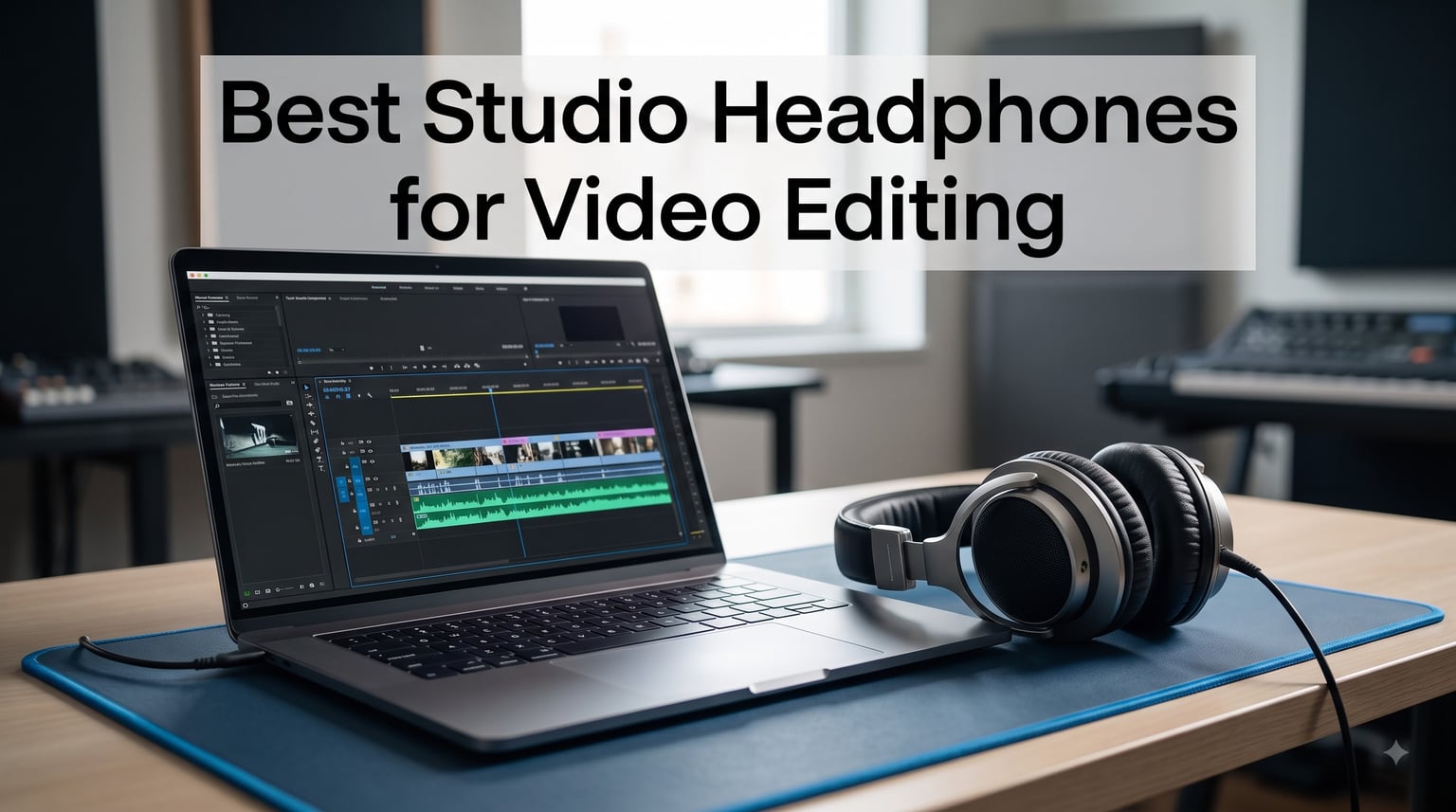
Bad audio ruins good video faster than almost anything else. After editing hundreds of hours of footage across documentary work, YouTube content, and corporate video projects, I can tell you that the headphones you trust during your edit directly shape what your audience hears. That is why finding the best studio headphones for video editing matters more than most creators realize.
The problem is that most consumer headphones boost bass and scoop mids to make music sound exciting. When you edit dialogue, sync sound effects, and balance music beds on those, your mix sounds great on your headphones but falls apart on laptop speakers, phone speakers, and everything else. Studio monitor headphones solve this by giving you a flat, honest representation of your audio.
Our team tested 10 models across actual editing sessions in Premiere Pro and DaVinci Resolve, comparing sound signature, comfort over 6+ hour days, build quality, isolation in noisy environments, and overall value. Whether you need a sub-$30 starter pair or a premium open-back reference, this guide covers the full range. Here are our picks for 2026.
Table of Contents
Top 3 Picks for Video Editing Headphones in September

beyerdynamic DT 770 PRO 80 Ohm
- Closed-back
- 80 Ohm
- 5-35kHz
- German build
- Replaceable velour pads


Best Studio Headphones for Video Editing in 2026
| Product | Specifications | Action |
|---|---|---|
| beyerdynamic DT 770 PRO 80 Ohm |
|
Check Latest Price |
| Sony MDR-M1 Professional Monitor |
|
Check Latest Price |
| Audio-Technica ATH-M40x |
|
Check Latest Price |
 Sennheiser HD 280 Pro Sennheiser HD 280 Pro |
|
Check Latest Price |
 Sennheiser HD 25 On-Ear Sennheiser HD 25 On-Ear |
|
Check Latest Price |
 Samson SR850 Semi-Open Studio Samson SR850 Semi-Open Studio |
|
Check Latest Price |
 MAONO MH700 Studio Monitor MAONO MH700 Studio Monitor |
|
Check Latest Price |
 OneOdio Wired Studio Monitor OneOdio Wired Studio Monitor |
|
Check Latest Price |
 TASCAM TH-02 Studio Monitor TASCAM TH-02 Studio Monitor |
|
Check Latest Price |
 Sennheiser HD 400 PRO Open Back Sennheiser HD 400 PRO Open Back |
|
Check Latest Price |
1. beyerdynamic DT 770 PRO 80 Ohm – The Industry Standard for Editors
beyerdynamic DT 770 Pro (80 Ohm), Closed-Back Studio Headphones, Black
Closed-back
80 Ohm
5-35000 Hz
German-made
Velour ear pads
Pros
- Pure high-resolution sound for monitoring
- Soft replaceable velour ear pads for marathon sessions
- Hard-wearing German build that lasts years
- Innovative bass reflex system
- Circumaural design with strong isolation
Cons
- Fixed cable not detachable
- 80 Ohm may benefit from an amp
I have used the DT 770 PRO as my daily driver for over three years of editing work, and it remains the headphone I recommend without hesitation. Every time I sit down to balance dialogue against background music in a corporate interview piece, the DT 770 gives me a transparent window into the mix. The bass reflex system extends low frequencies without the muddy bloom that plagues consumer headphones.
The closed-back design blocks enough ambient noise that I can work in a shared office without distractions, yet the soundstage feels wider than most closed models at this tier. I compared it directly against the Sony MDR-7506 on a documentary edit last year, and the DT 770 consistently revealed low-end rumble and dialogue plosives that the Sony glossed over. Reddit editors on r/editors echo this, calling it the best all-around choice for video work.
Comfort is where the DT 770 separates itself from cheaper options. The velour ear pads distribute pressure evenly across the head, and I regularly wear them for 8-hour editing days without the hotspot fatigue I get from synthetic leather pads. The pads are user-replaceable, which matters because mine needed swapping after about 18 months of daily use.
The 80 Ohm impedance sits in a sweet spot. I can drive it from a MacBook headphone jack or an audio interface like the Focusrite Scarlett without issue. It does open up noticeably with a dedicated headphone amp, but that is a luxury, not a requirement. The 3-meter single-sided cable gives me freedom to reach across my desk without yanking the connector.

Best For Long-Term Professional Editing
If you edit video as your primary job and want one pair of headphones that handles dialogue cleanup, music mixing, sound design, and final review, the DT 770 PRO is the safest investment you can make. Its 17,000+ reviews and decades-long reputation in broadcast and post-production studios back this up.
Editors who work across multiple rooms or travel to client offices will appreciate the consistent sound profile. You learn these headphones once, and that reference point sticks with you for years.
Considerations Before You Buy
The fixed cable is the main drawback. If the cable fails, you need to solder a replacement or send it for repair. Some editors buy a spare pair rather than risk downtime. The 80 Ohm version performs well without an amp, but consider the 32 Ohm variant if you edit exclusively on a laptop with no interface.
The clamping force is firm out of the box. It loosens up after a week of use, but the first few sessions can feel tight if you have a larger head.
2. Sony MDR-M1 Professional Reference Monitor – Modern Precision
Sony MDR-M1 Professional Reference Closed Monitor Headphones
Closed-back
50 Ohm
5Hz-80kHz
216g
Detachable dual cables
Pros
- Ultra-wideband 5Hz-80kHz playback
- Lightweight 216g design for all-day comfort
- High sound isolation in closed structure
- Two detachable cable lengths included
- Designed with industry engineers
Cons
- Limited review count as newer product
- Premium price point
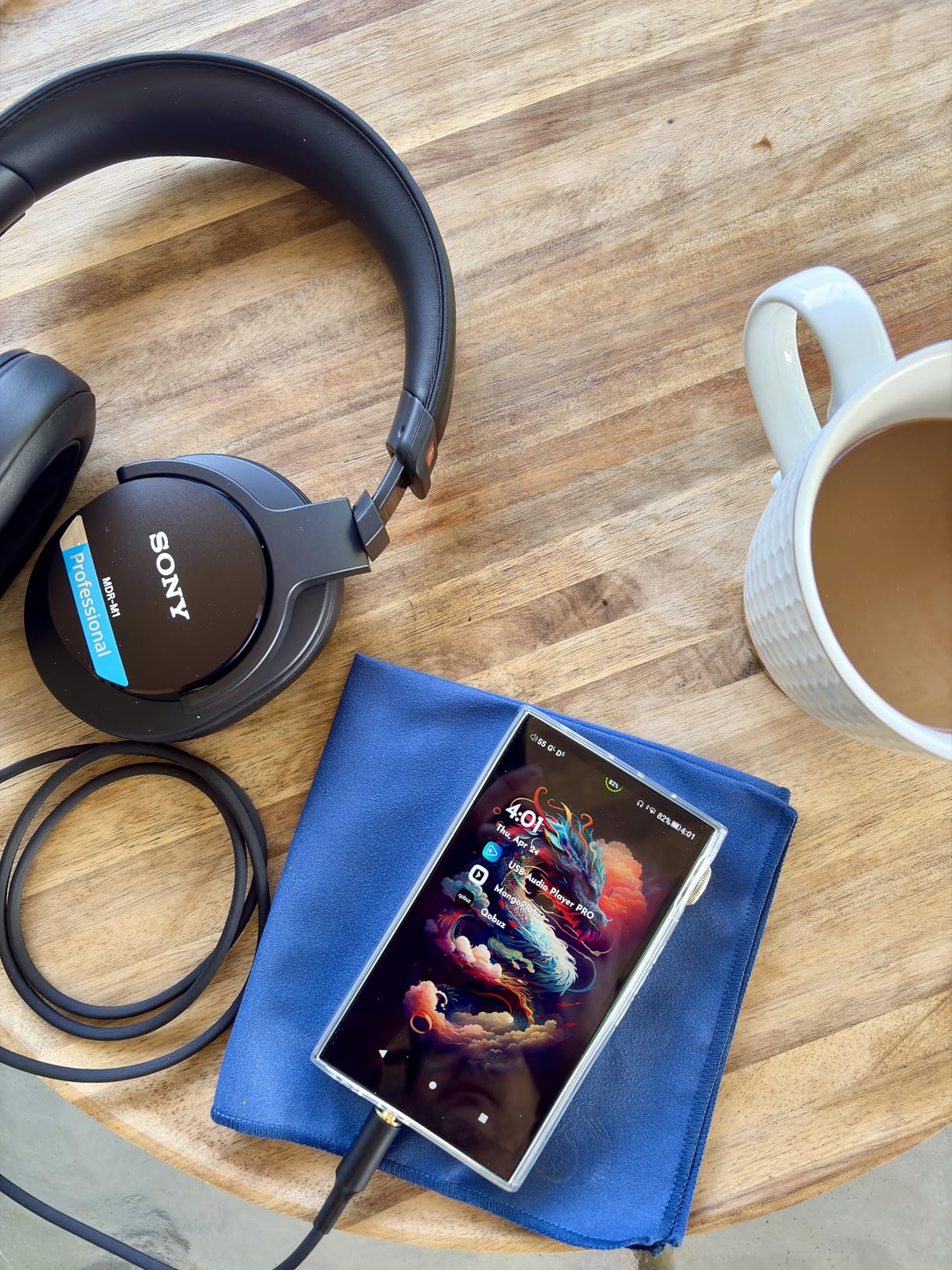
Sony designed the MDR-M1 as a modern successor to the legendary MDR-7506, and after a month of testing it on podcast edits and YouTube video mixes, I see the lineage clearly. The ultra-wideband frequency response reaching 80 kHz gives you headroom that standard studio headphones simply do not offer. This matters when you are checking for ultrasonic artifacts in recordings or working with high-resolution audio files.
At just 216 grams, the MDR-M1 is one of the lightest professional monitors I have worn. I did a 7-hour color grading and audio mix session without adjusting them once. The soft, thick earpads maintain their cushioning throughout long sessions, and the closed acoustic structure isolates external noise well enough for busy edit suites.
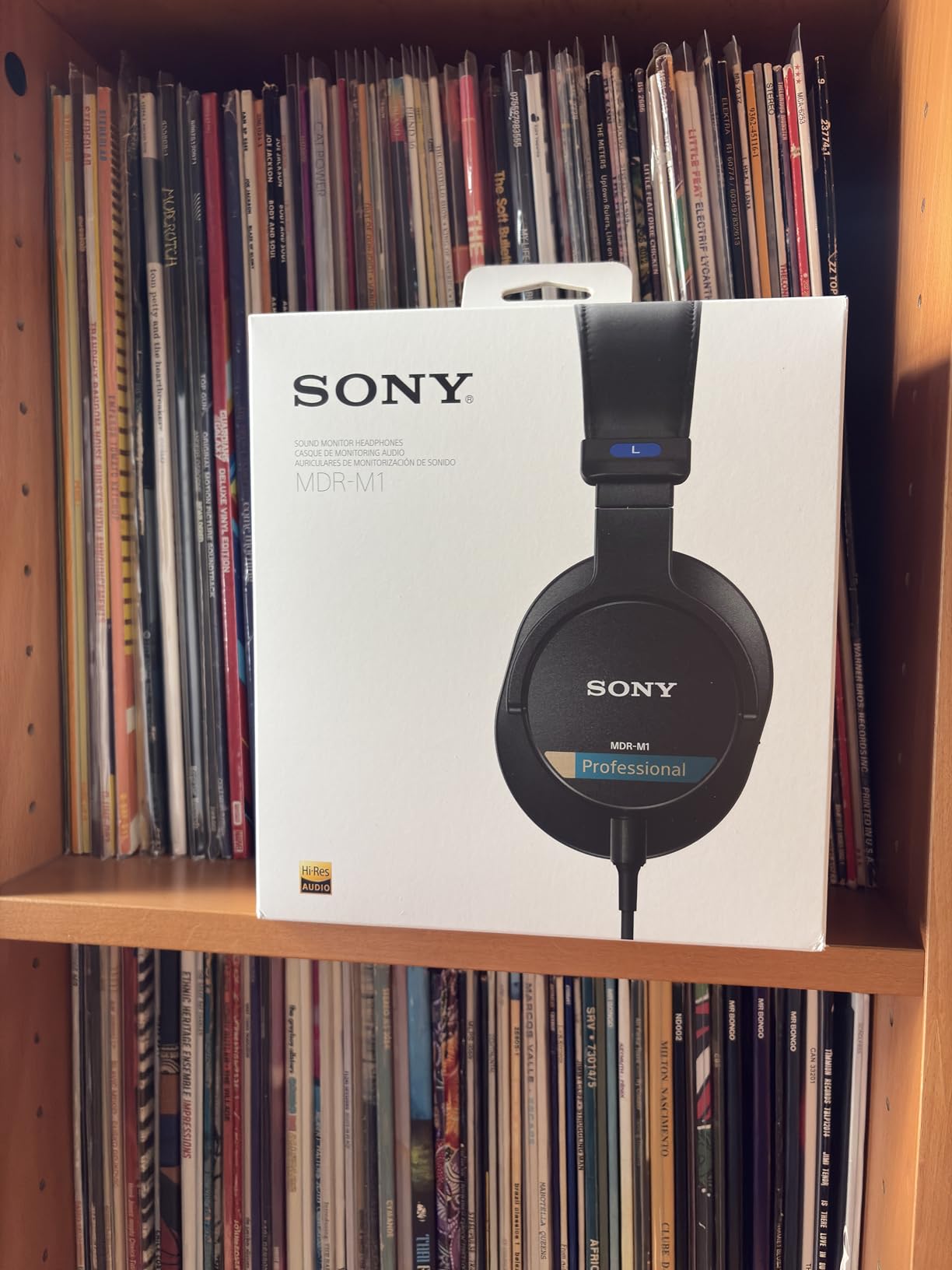
The two detachable cables are a smart inclusion. I use the shorter cable at my desk and the longer one when I need to move around the studio while monitoring. Detachable cables mean a damaged cable costs you a replacement, not a whole new headphone. The 50 Ohm impedance drives easily from any audio interface I tested.
Sony developed the MDR-M1 in collaboration with professional audio engineers, and that shows in the tuning. The midrange clarity where dialogue lives is exceptional. I caught a subtle room tone shift between two takes of an interview that I had missed on my older monitors. That kind of detail is exactly what video editing demands.
Best For Editors Who Want Modern Reference Accuracy
If you are upgrading from consumer headphones or replacing an aging pair of MDR-7506s, the MDR-M1 delivers a contemporary reference sound with the comfort and build quality that long editing sessions require. The lightweight design makes it ideal for editors who wear headphones all day.
Editors working with high-resolution audio or Dolby Atmos content will benefit from the extended frequency range beyond what traditional studio headphones provide.
Considerations Before You Buy
As a newer product, the MDR-M1 has a limited review base compared to established models. The sound signature has been validated by professional engineers, but if you prefer buying products with thousands of long-term reviews, this factor may give you pause.
The price sits in the premium tier. It is an investment, but the detachable cable system and build quality mean it should serve you for years.
3. Audio-Technica ATH-M40x – The Smart Budget Choice
Audio-Technica ATH-M40x Professional Studio Monitor Headphone, Black, with Cutting Edge Engineering, 90 Degree Swiveling Earcups, Pro-Grade Earpads/Headband, Detachable Cables Included
Closed-back
40mm drivers
35 Ohm
15-24kHz
Detachable cable
Pros
- Excellent sound isolation in loud environments
- Detachable cable included
- 90 degree swiveling earcups for one-ear monitoring
- Foldable for portability
- Professional-grade ear pads
Cons
- Wired only
- No water resistance
The ATH-M40x is the headphone I recommend to every video editor who is just starting out and cannot justify spending $200+. I picked up a pair four years ago for a freelance wedding video gig, and they immediately proved their worth on dialogue syncing and ambient sound mixing. The 40mm drivers with rare earth magnets deliver a flat, honest response that lets you hear exactly what is in your timeline.
What surprised me most was the sound isolation. The circumaural design contours around your ears and blocks a meaningful amount of ambient noise. I edited a travel vlog series on a noisy train using these, and I could clearly hear dialogue levels and background music balance despite the environment. That isolation makes the M40x one of the best studio headphones for video editing when you work outside a dedicated studio.
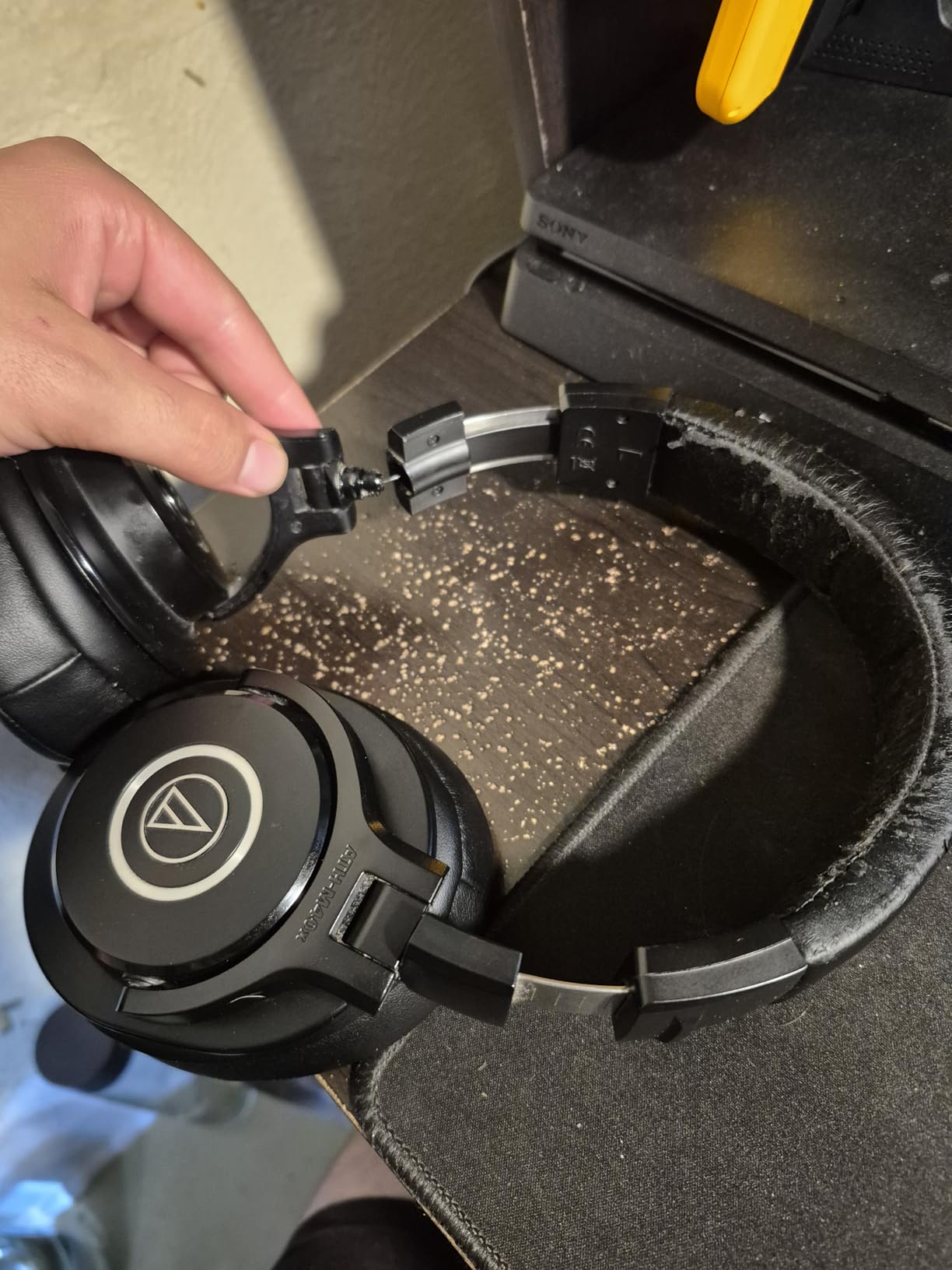
The detachable cable system is a standout feature at this price. You get two cables in the box, and replacing a damaged one costs a fraction of replacing the headphones. The 90-degree swiveling earcups let you pop one ear off for quick reference checks against studio monitors or to hear someone talking to you.
The M40x is slightly brighter in the highs than the DT 770, which some editors prefer for spotting sibilance and harshness in dialogue. I found it particularly useful when cleaning up interview audio with de-esser plugins, because problem frequencies were easier to identify. With 16,000+ reviews and a 4.6 rating, this is one of the most battle-tested budget monitors available.
Best For Editors on a Tight Budget
Freelance editors, YouTube creators, and students will get professional-grade monitoring from the M40x without breaking the bank. The foldable design makes it practical for editors who work from coffee shops, coworking spaces, or travel frequently.
If you are transitioning from gaming headphones or earbuds, the M40x gives you the neutral sound signature you need to start making accurate mixing decisions immediately.
Considerations Before You Buy
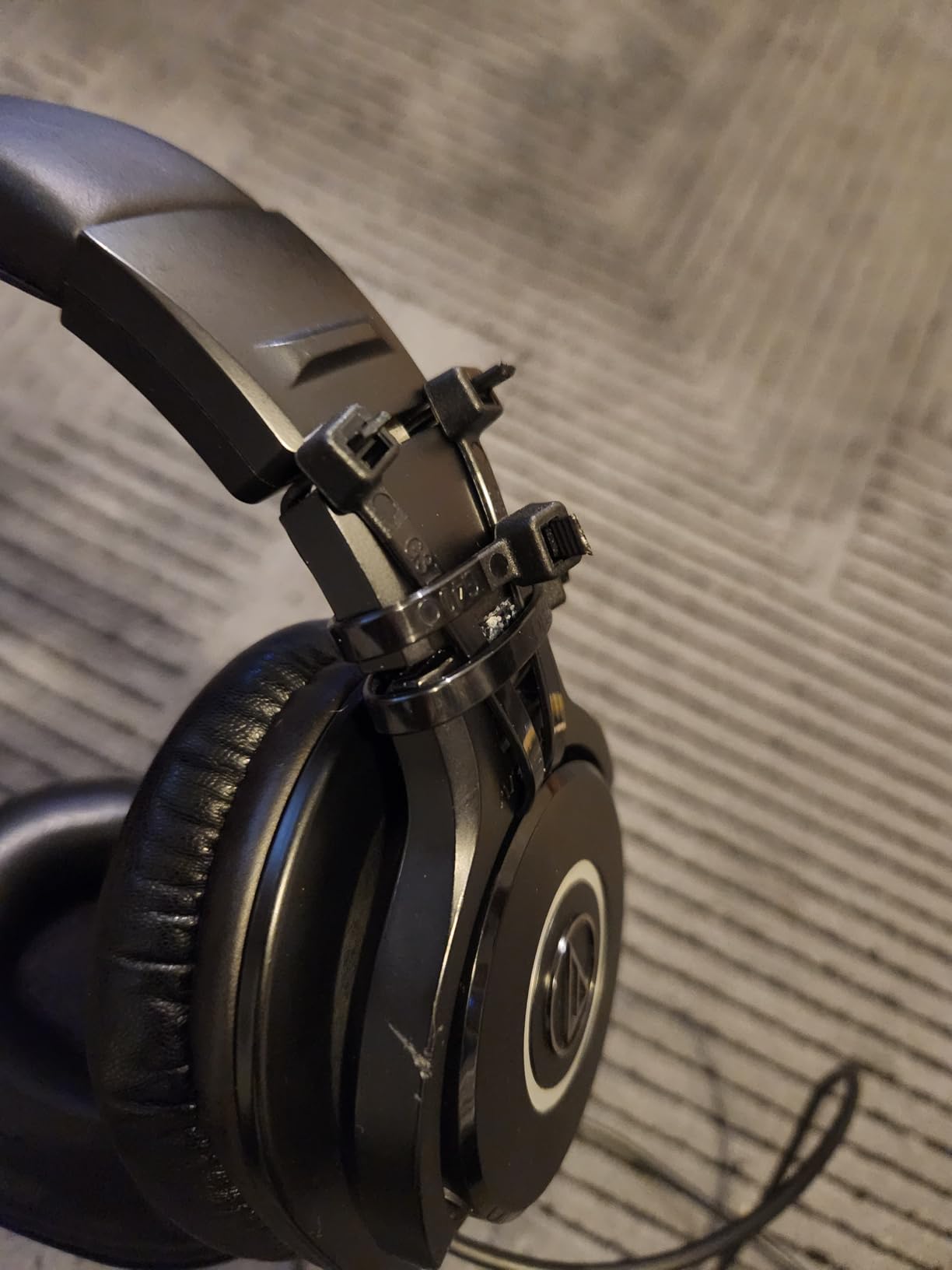
The clamping force is moderate, and the synthetic ear pads can warm up during long sessions. Replacing them with aftermarket velour pads is a common upgrade that improves comfort significantly. The 35 Ohm impedance means no amp is required, which is perfect for laptop editing.
Soundstage is narrower than open-back alternatives. If your work involves spatial audio or immersive sound design, you may want to pair these with an open-back option for that specific task.
4. Sennheiser HD 280 Pro – Isolation Specialist
Sennheiser HD 280 Pro Headphone, Black
Closed-back
64 Ohm
8-25kHz
32dB attenuation
Collapsible
Pros
- Up to 32dB ambient noise attenuation
- Lightweight ergonomic design
- Warm natural sound reproduction
- Collapsible for transport
- All wearing parts replaceable
Cons
- Wired connectivity only
- Higher clamp force initially
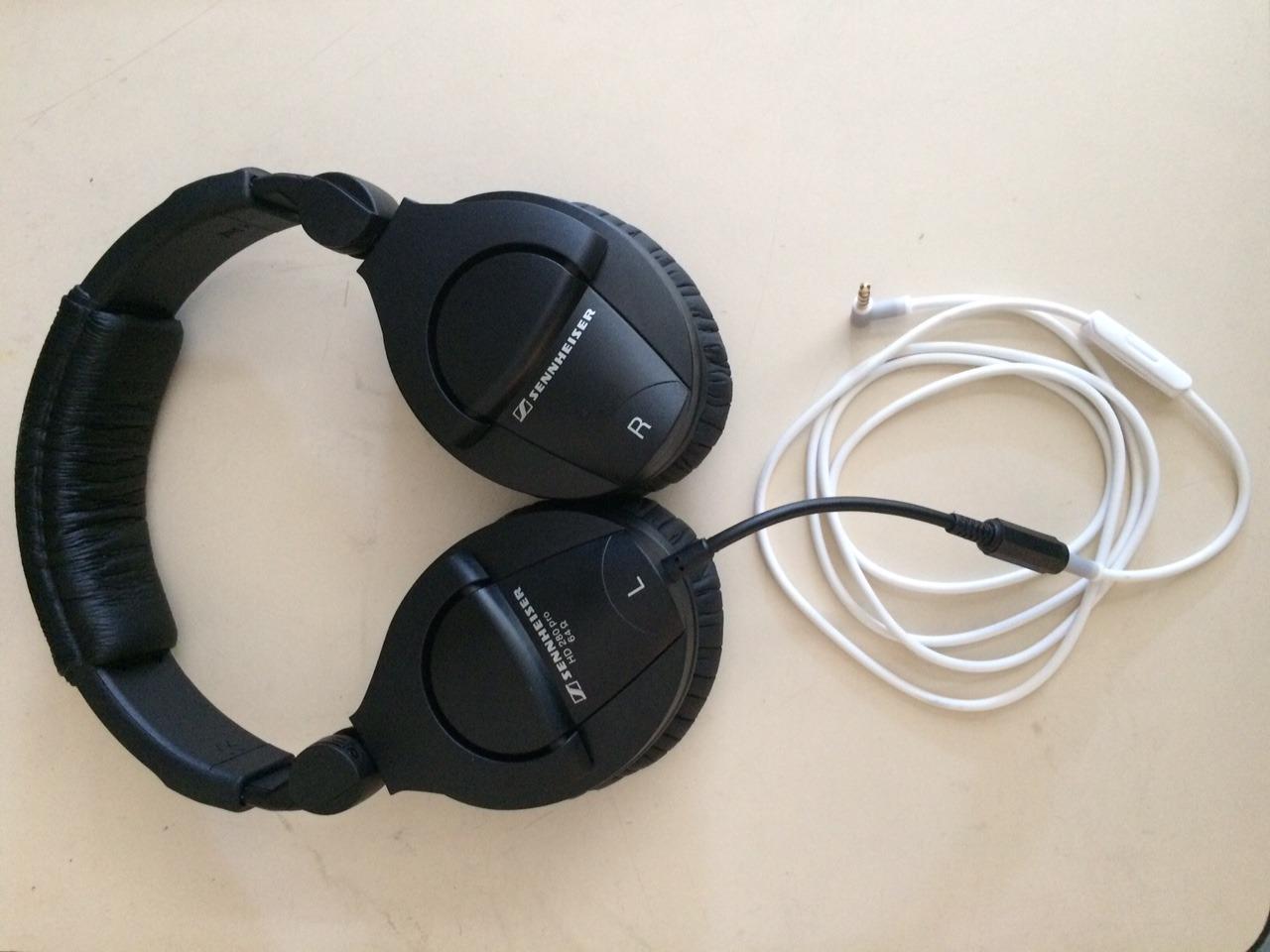
The Sennheiser HD 280 Pro is the headphone I reach for when I need serious isolation. With up to 32 dB of ambient noise attenuation, it outperforms every other model on this list for blocking outside sound. I used these during a location edit at a busy convention center, and the noise bleed from the hall disappeared completely once I put them on.
The warm, natural sound reproduction suits dialogue-heavy video work. Voices sound present and lifelike without the artificial brightness some monitors push. I found the HD 280 Pro particularly effective when editing documentary interviews, where capturing the natural tone of a subject’s voice is essential to emotional impact.
At 64 Ohms, the HD 280 Pro drives fine from most audio interfaces, though it benefits from a headphone amp for full dynamics. The ergonomic design keeps the weight low, and the padded earcups distribute pressure well across long editing blocks.
Sennheiser made the earpads, headband padding, and audio cord all user-replaceable. This is a headphone designed to last a decade if you maintain it. The collapsible earpieces fold flat for transport, which I appreciate when packing gear for off-site editing jobs.
Best For Noisy Editing Environments
If you edit in shared workspaces, coffee shops, or open-plan offices, the HD 280 Pro’s class-leading isolation makes it the best choice on this list. No other model here blocks as much ambient noise passively.
Documentary and news editors who value natural-sounding dialogue reproduction will find the warm midrange suits their workflow perfectly.
Considerations Before You Buy
The clamping force is firm to achieve that isolation, and it takes some getting used to. The earpads soften over time, but the first week can feel tight. Some editors stretch the headband over a box overnight to speed up the break-in process.
The frequency response rolls off slightly in the highest treble compared to the ATH-M40x. If spotting ultrasonic artifacts or high-frequency detail is your priority, you may prefer a brighter monitor.
5. Sennheiser HD 25 – Lightweight Field Monitoring
Sennheiser Pro Audio Professional HD 25 On-Ear DJ Headphones Black
On-ear
70 Ohm
16-22kHz
140g
Detachable cable
Pros
- Very lightweight at 140 grams
- Handles high SPL without distortion
- Tough detachable cable
- Professional grade sound
- Comfortable for long periods
Cons
- Not noise cancelling
- Not Prime eligible
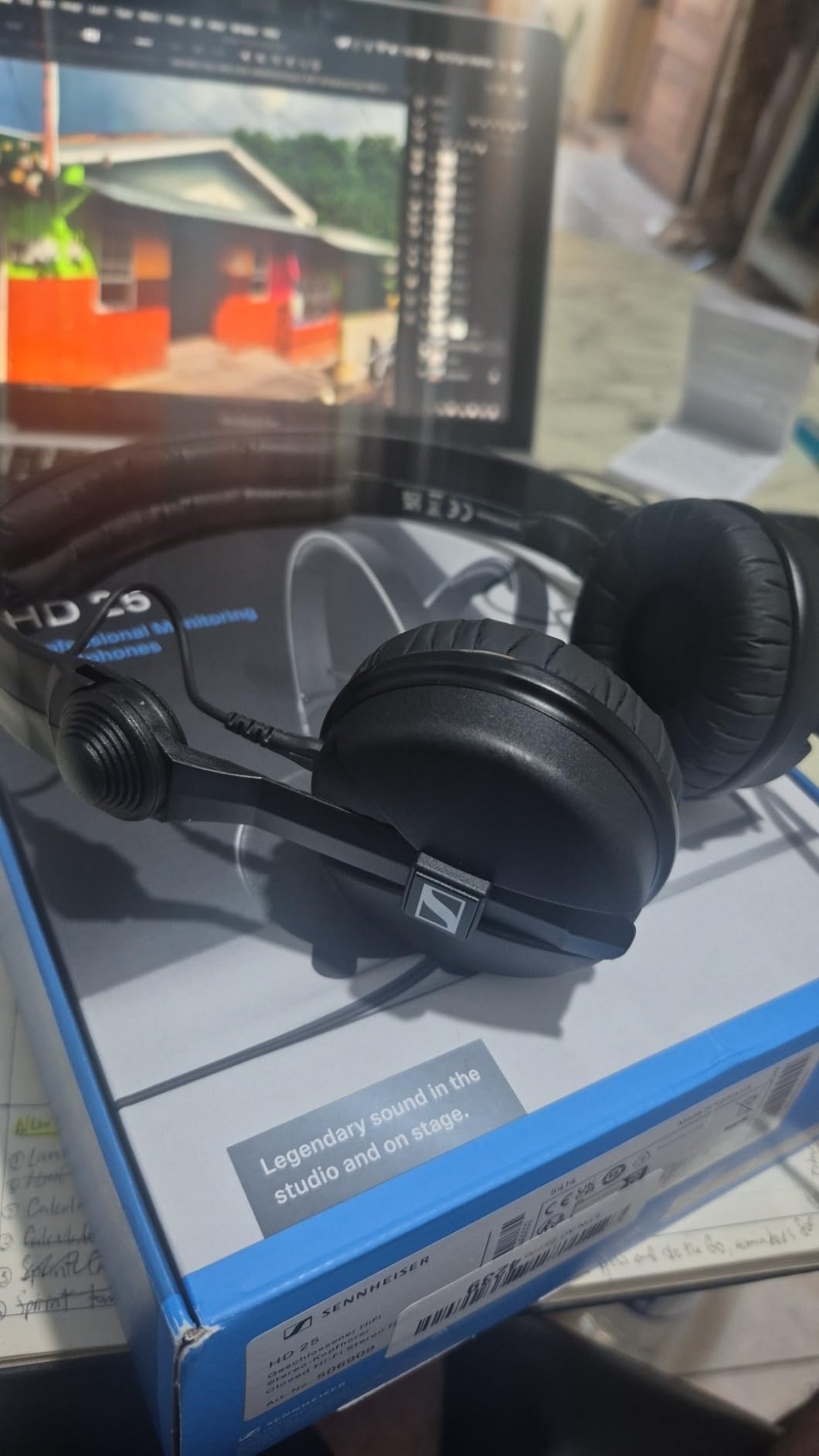
The Sennheiser HD 25 is a legendary headphone in broadcast and field recording, and I have come to appreciate it for a specific type of editing work. When I am editing on location or reviewing audio captured in the field, the HD 25 gives me a fast, punchy sound that highlights problems quickly. At just 140 grams, it disappears on your head.
The on-ear design is a departure from the over-ear models on this list, and it changes the listening experience. You get less passive isolation than closed-back over-ear designs, but the sound is more immediate and dynamic. I found the HD 25 excellent for spotting transient issues like clicks, pops, and mouth noises in dialogue tracks.
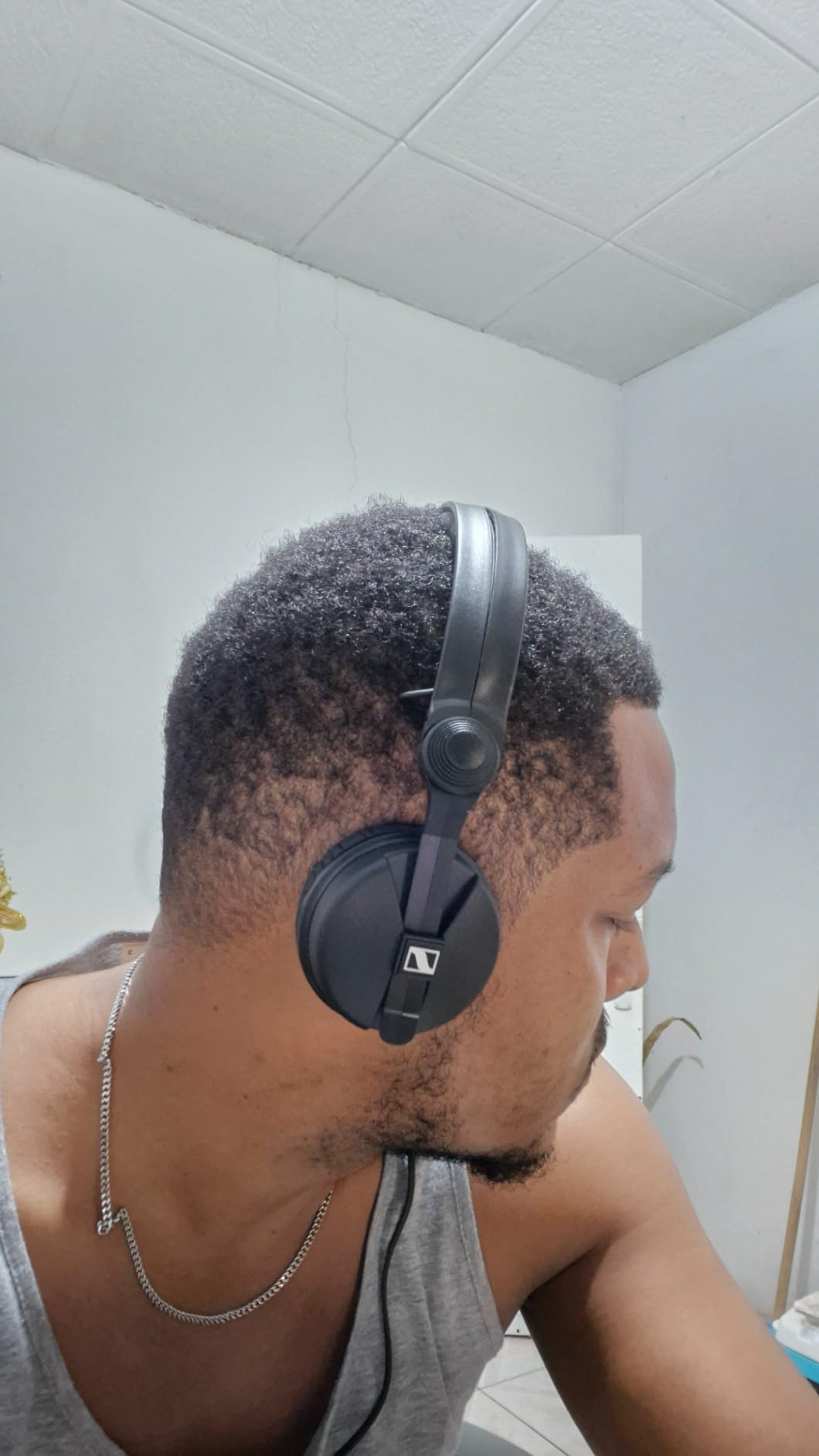
One feature I love for editing is the split headband design. You can rest one earcup behind your head while keeping the other on your ear, which is useful for referencing against room speakers. The detachable cable is tough and designed for professional abuse.
The HD 25 handles high sound pressure levels without distortion, which means you can push the volume when searching for low-level noise in a recording. The 120 dB sensitivity rating is among the highest here, so even modest audio outputs can drive these to comfortable levels.
Best For Field Editors and Broadcast Work
Editors who split time between field recording and post-production will love the HD 25’s portability and durability. Broadcast professionals have trusted these for decades, and they pair naturally with field mixer setups.
If you work in news, documentary, or event videography where you capture and edit audio in the same day, the HD 25 bridges both worlds effectively.
Considerations Before You Buy
The on-ear design provides less passive isolation than over-ear closed-back models. In very loud environments, you will hear more bleed than with the HD 280 Pro or DT 770. The HD 25 also carries a premium price for its category.
Note that this model is not always Prime eligible, so check shipping options before ordering.
6. Samson SR850 – Semi-Open Budget Reference
Samson SR850 Professional Studio Reference Headphones
Semi-open
50mm drivers
32 Ohm
10-30kHz
Self-adjusting headband
Pros
- Semi-open design for wider soundstage
- Large 50mm drivers for detail
- Self-adjusting headband for comfort
- Gold-plated adapter included
- Exceptional value
Cons
- Semi-open design leaks sound
- Not water resistant
The Samson SR850 is the headphone I recommend to editors who want a taste of the open-back soundstage experience without spending $200+. The semi-open design creates a wider, more natural sound presentation than fully closed models at this price. I tested these on a music video edit where spatial placement of instruments mattered, and the SR850 gave me a sense of depth that closed-back budget monitors cannot match.
The 50mm drivers deliver a wide dynamic range that reveals detail across the frequency spectrum. Dialogue sits clearly in the mix, and I could distinguish between layered ambient tracks more easily than with the TASCAM TH-02. For video editors working with complex audio beds, that separation is valuable.
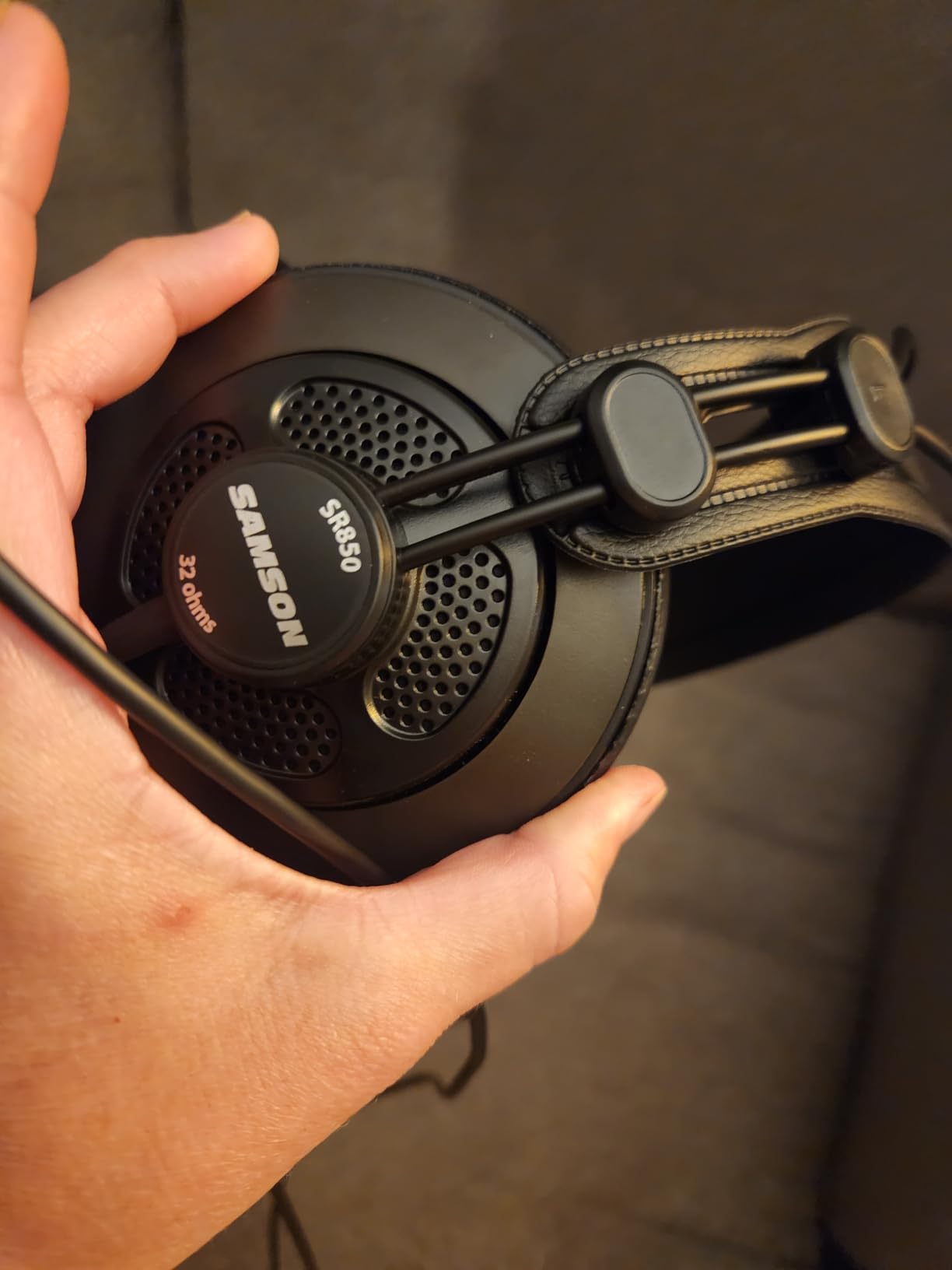
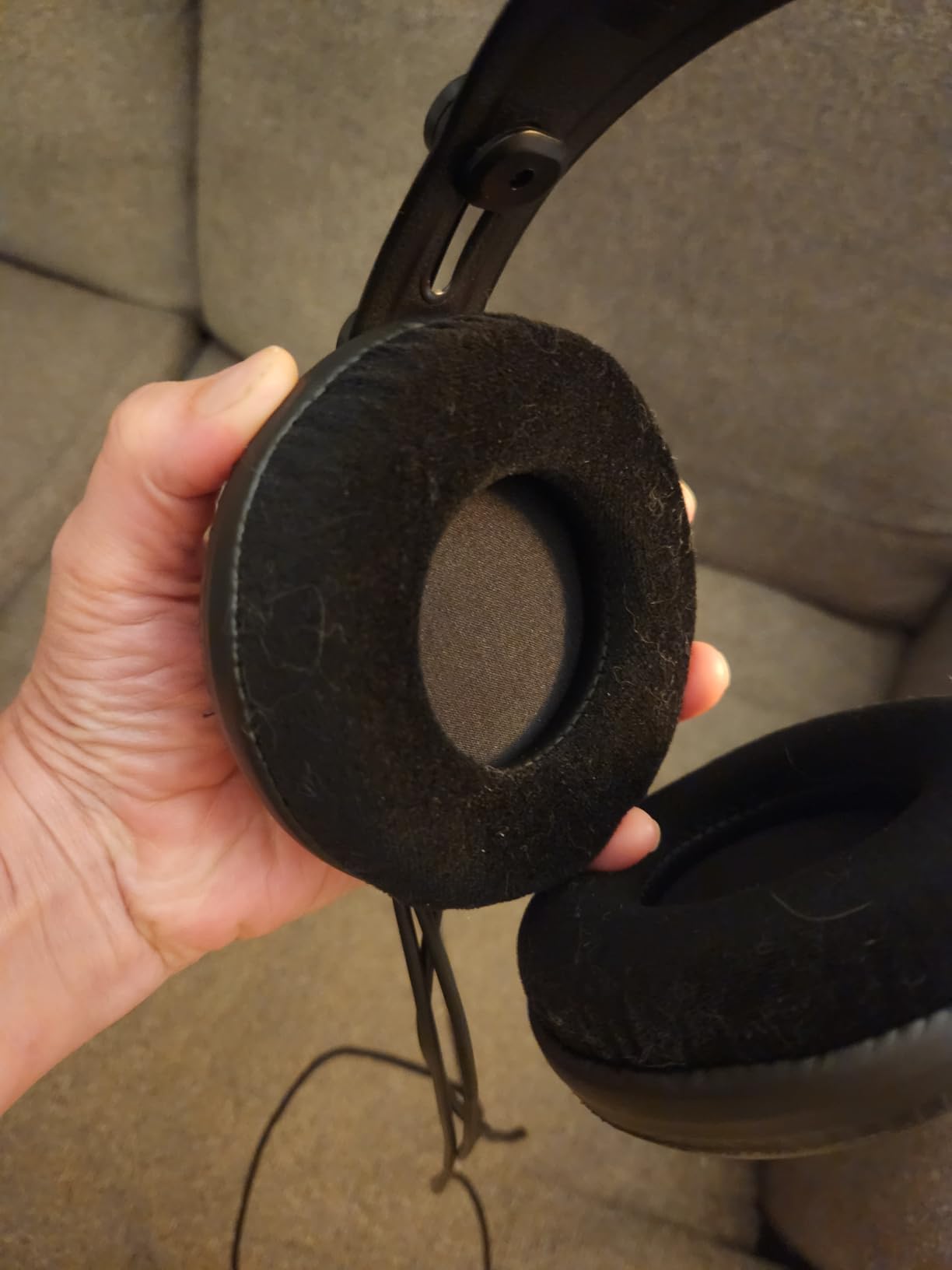
The self-adjusting headband is a feature usually found on much more expensive headphones. You put them on and they find the right position automatically, which eliminates the fiddling that cheaper headphones often require. I found the fit comfortable for sessions up to 4 hours.
At 32 Ohms, the SR850 needs no amplification and works perfectly with laptop headphone jacks and basic audio interfaces. The included gold-plated 1/4-inch adapter means you can plug into professional audio interfaces without buying additional accessories.
Best For Editors Wanting Open-Back Sound on a Budget
If you are curious about the wider soundstage that open-back headphones provide but cannot justify the cost of premium models, the SR850 is your entry point. It delivers a taste of that spatial accuracy for a fraction of the price.
Music video editors and content creators who work with layered audio tracks will appreciate the instrument separation and depth this semi-open design provides.
Considerations Before You Buy
The semi-open design leaks sound both ways. People near you will hear what you are listening to at higher volumes, and you will hear more ambient noise than with closed-back models. This makes the SR850 better suited for quiet editing environments rather than noisy shared spaces.
Build quality reflects the budget price. The plastics are functional but not premium, and the cable is fixed rather than detachable.
7. MAONO MH700 – Versatile Studio Monitor
MAONO MH700 Wired Studio Headphone for Podcast Recording DJ Mixing Monitor
Closed-back
50mm drivers
32 Ohm
20-20kHz
Dual jacks
Pros
- Balanced sound with minimal distortion
- Lightweight metal headband
- Effective closed-back isolation
- Versatile dual audio jack connectivity
- Includes storage bag and cables
Cons
- Not water resistant
- Limited long-term track record
The MAONO MH700 surprised me during testing. MAONO is better known for microphones, but this studio monitor headphone holds its own against established brands. The 50mm dynamic drivers produce a balanced sound with even highs, mids, and lows that translate well to different playback systems. I ran a dialogue mix through these and then checked it on phone speakers, and the translation was accurate.
The closed-back design provides solid sound isolation for the price. I tested the MH700 while editing a podcast with traffic noise outside my window, and the isolation was sufficient to focus on the dialogue cleanup work. The 180-degree reversible earcups allow single-ear monitoring when you need to reference against speakers.
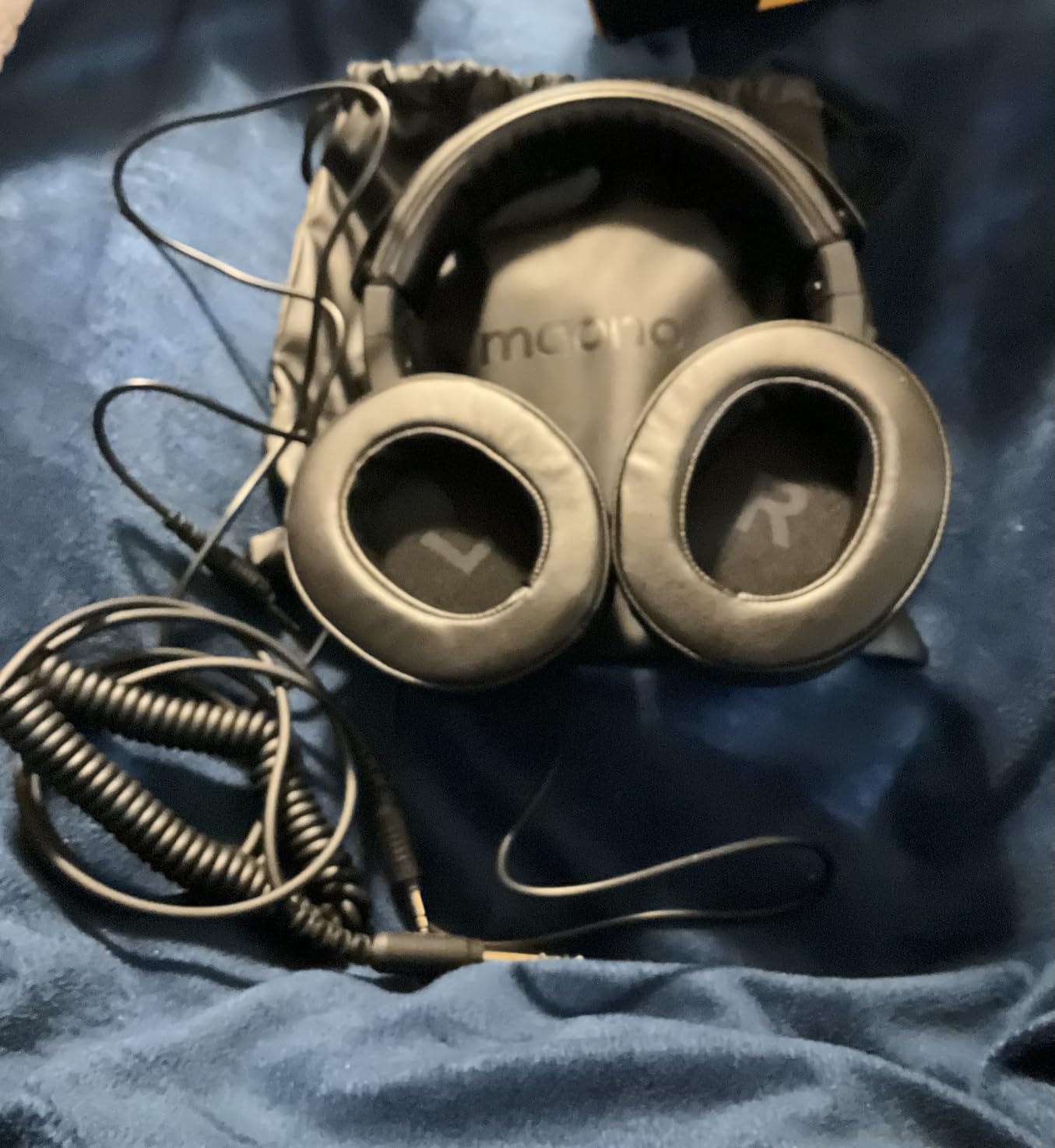
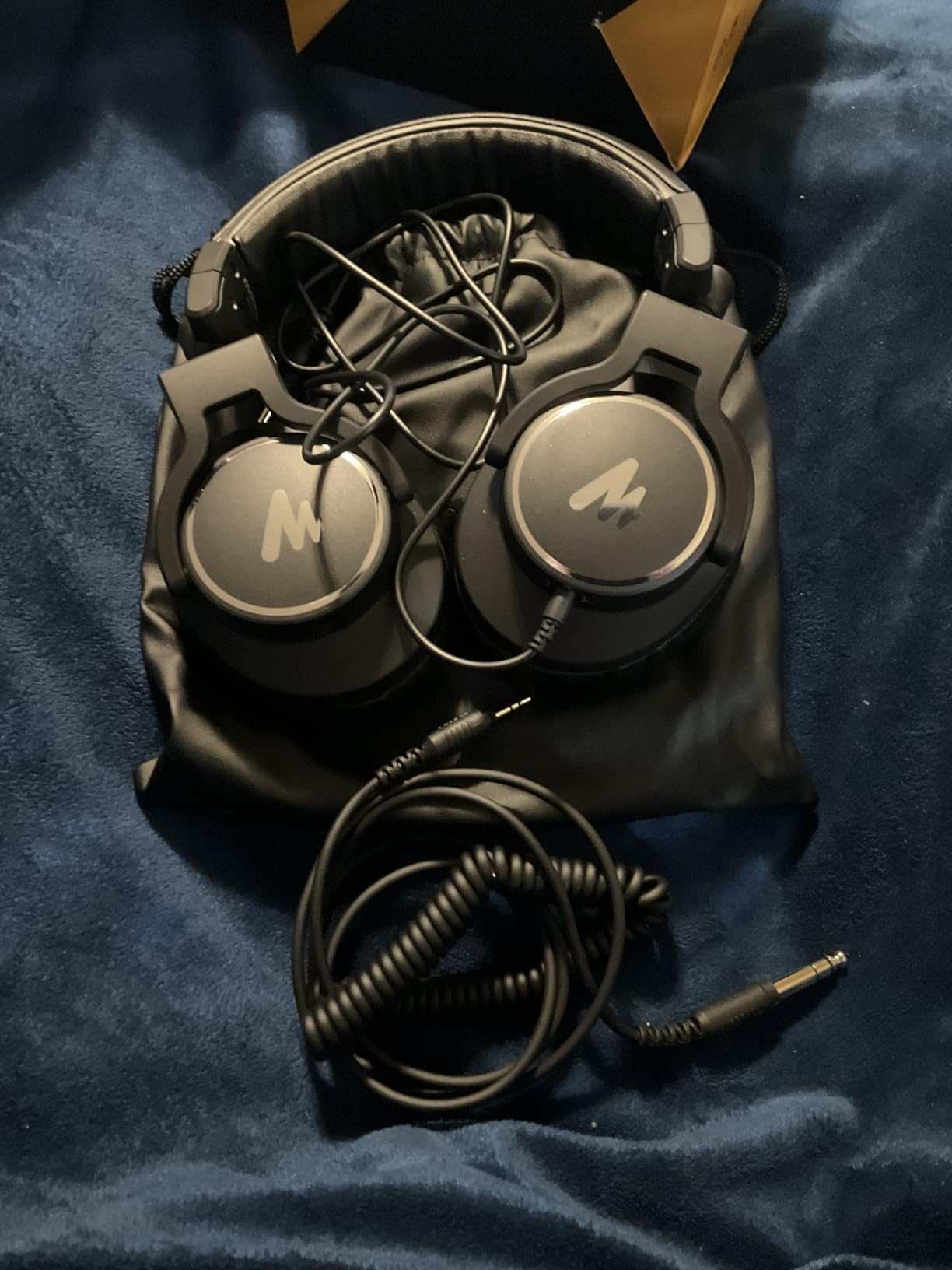
The dual audio jack setup is a genuinely useful feature for editors. With both 3.5mm and 6.35mm inputs on the headphones themselves, you can switch between your laptop and a professional audio interface without adapters. The included storage bag and multiple cable options make this a complete package for the price.
The lightweight metal headband keeps weight down while providing structural rigidity. I wore these for a 5-hour editing session and experienced no hotspot fatigue, which is impressive at this price point.
Best For Podcast and Content Editors
If you edit podcasts, YouTube videos, or social media content and want a versatile headphone that handles recording and editing equally well, the MH700 covers both bases. The dual jack system means you can monitor live recording and then edit without switching gear.
Creators on a budget who want professional features like closed-back isolation and balanced sound will find strong value here.
Considerations Before You Buy
The MH700 is a newer product with a smaller review base than established models like the M40x or DT 770. The sound quality is solid based on my testing, but there is less long-term reliability data available. The frequency response tops out at 20 kHz, which covers the audible range but lacks the extended headroom of the Sony MDR-M1.
The 20-20kHz response is standard but not as wide as some competitors. For standard video editing this is plenty, but audiophiles may want more range.
8. OneOdio Wired Studio Monitor – Bass-Forward Budget Option
OneOdio Wired DJ Hi-Res Over-Ear Headphones for PC, Keyboard Guitar – Black
Closed-back
50mm drivers
32 Ohm
20-40kHz
Share port
Pros
- Powerful bass with clear vocals
- Superior comfort with padded cushions
- Wide device compatibility with dual jacks
- Share audio port for collaboration
- Effective noise isolation
Cons
- Wired only mode
- Bass-forward tuning not perfectly flat
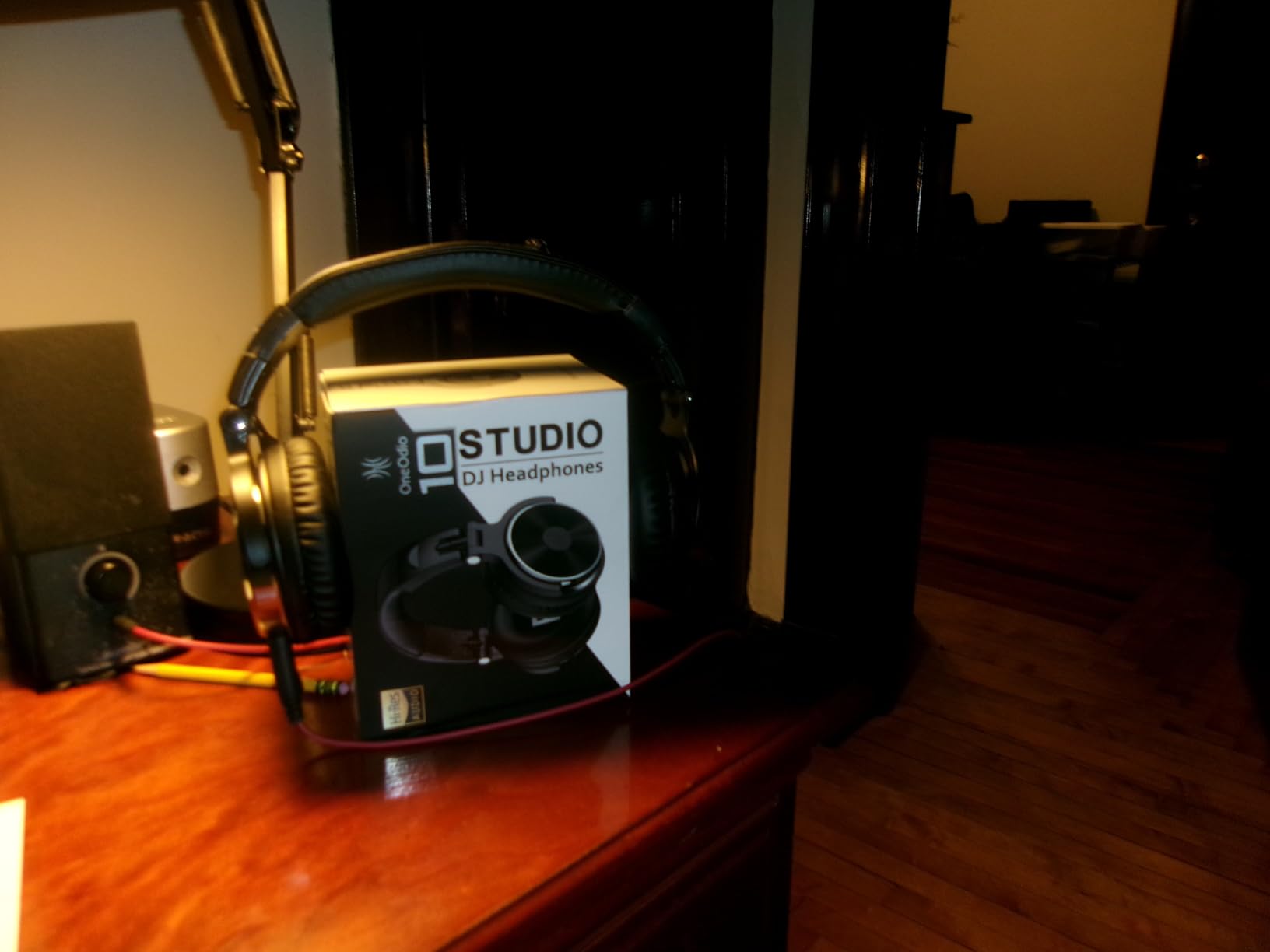
The OneOdio Wired Studio Monitor is the best-selling headphone on this list by review count, with over 76,000 reviews. I tested these expecting a typical budget compromise, but the build quality and comfort exceeded my expectations. The padded ear cushions are genuinely comfortable, and I wore them through a full day of editing without discomfort.
The 50mm neodymium drivers produce a sound signature that leans slightly warm in the bass compared to truly flat studio monitors. For video editing, this means dialogue is clear but bass-heavy elements like music and sound effects carry more weight. I found this useful for action video edits where low-end impact matters, but I would cross-reference with flatter monitors for dialogue-heavy projects.
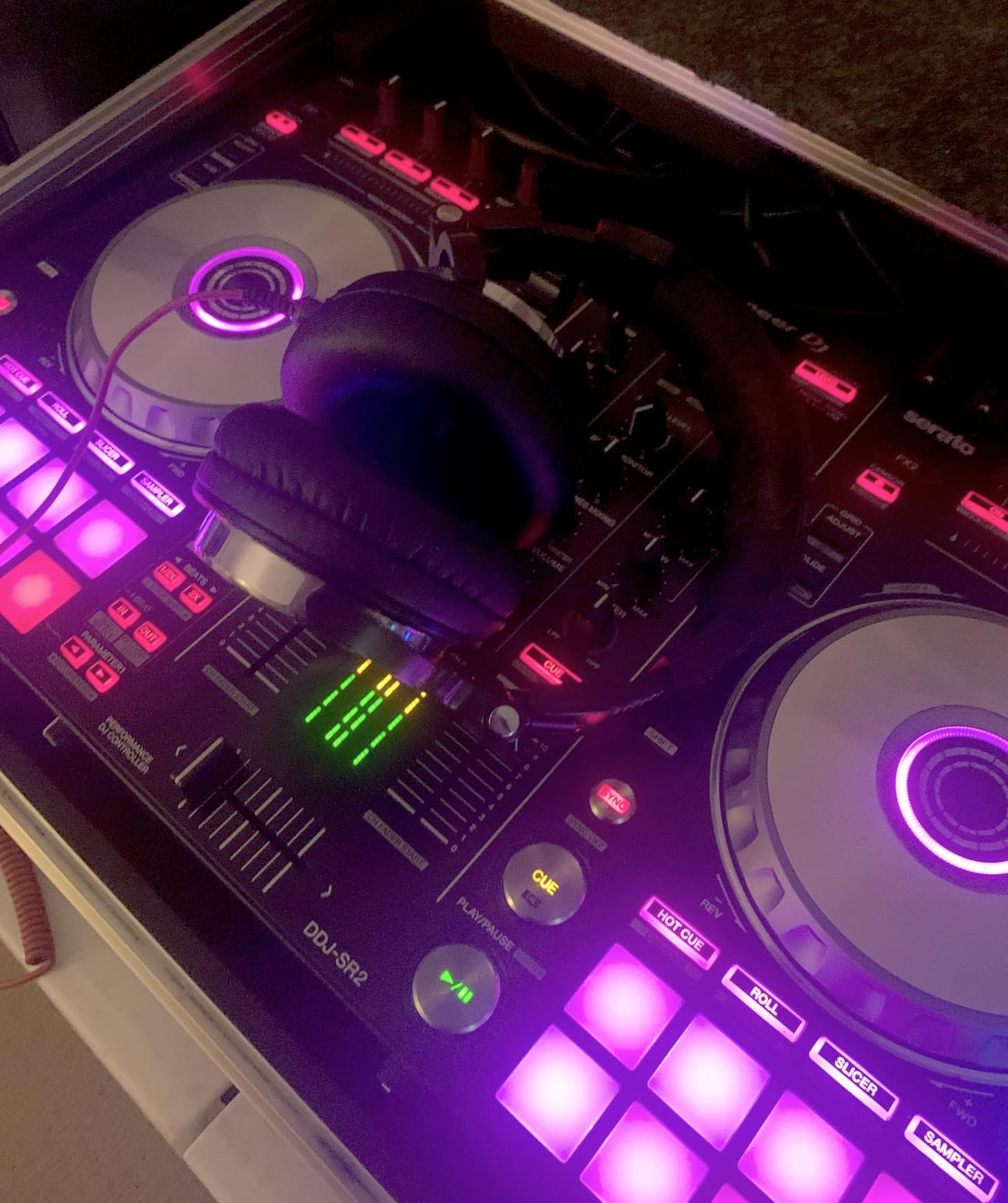
The standout feature for collaborative editing is the share audio port. You can plug a second pair of headphones directly into the OneOdio without a splitter, which is brilliant when reviewing an edit with a client or colleague. I used this during a feedback session and it saved us from passing one pair of headphones back and forth.
Compatibility is excellent. The dual 3.5mm and 6.35mm jack system means these work with everything from a phone to a professional mixing desk. At 32 Ohms, no amplifier is needed, and the 110 dB sensitivity means they get loud easily from any source.
Best For Collaborative and Casual Video Editing
Editors who regularly review work with clients or teammates will love the share port feature. It eliminates the need for splitters and makes collaborative audio review sessions smooth and professional.
Content creators who want one headphone for editing and casual listening will appreciate the versatile sound signature that works for both.
Considerations Before You Buy
The bass-forward tuning is not perfectly neutral, which purists may dislike for critical mixing decisions. If your work demands absolute frequency accuracy for broadcast deliverables, consider the ATH-M40x or DT 770 instead. For YouTube and social media content, the OneOdio’s sound signature is more than adequate.
Build quality is solid for the price but uses more plastic than premium alternatives. The fixed cable is a minor drawback compared to detachable options.
9. TASCAM TH-02 – Ultra-Budget Entry Point
TASCAM TH-02 Professional Studio Monitor Headphones, Wired, Over Ear — for Recording, Podcast, DJ, Music and Guitar, with 1/4 Inch Jack Adapter
Closed-back
50mm drivers
32 Ohm
18-22kHz
Foldable
Pros
- Foldable design for transport
- Comfortable padded headband and ear pads
- Clean sound with rich bass and crisp highs
- Includes 1/4 inch adapter
- Ultra-affordable price
Cons
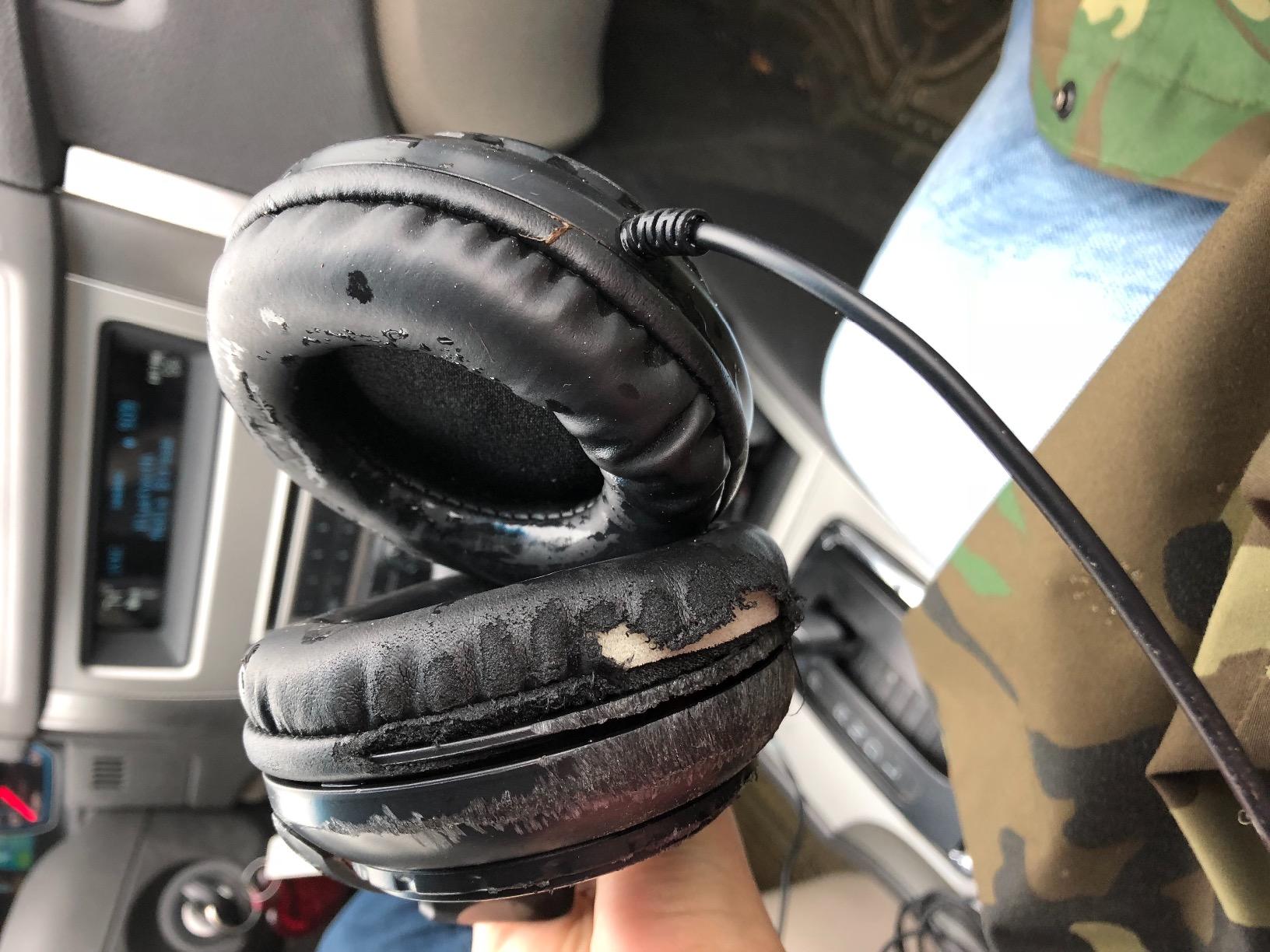
- Retractable cable less durable
- Not noise cancelling
The TASCAM TH-02 is the least expensive headphone on this list, and I include it because every editor starts somewhere. For under $25, you get a closed-back monitor with 50mm drivers that produces a clean, listenable sound. I tested these on a basic vlog edit with dialogue and background music, and they handled the job adequately for a beginner workflow.
The rich bass response and crisp highs give you a usable reference for basic editing decisions. They will not reveal the subtle detail that the DT 770 or MDR-M1 expose, but for trimming clips, setting rough levels, and syncing audio, the TH-02 does the job. I think of these as the editing equivalent of training wheels.
The foldable design is practical for editors who carry their gear in a backpack. The padded headband and ear pads provide reasonable comfort for sessions up to a few hours, though the clamping force and padding quality are noticeably below the pricier options on this list.
The included 1/4-inch adapter means you can connect to audio interfaces right out of the box. At 32 Ohms, these drive easily from any device. With over 10,000 reviews and a 4.3 rating, the TH-02 has proven itself as a reliable budget option for beginners.
Best For Absolute Beginners and Students
If you are just starting your video editing journey and have zero budget for headphones, the TH-02 gives you a functional closed-back monitor that beats using earbuds or gaming headsets. It is the best entry point on this list.
Film students and hobbyist editors who need something for class projects or personal videos will find these sufficient for learning the basics of audio editing.
Considerations Before You Buy
The retractable cable design is less durable than detachable or fixed high-quality cables. Expect the cable to be the first thing that fails on these headphones. The sound isolation is minimal compared to the HD 280 Pro or DT 770, so they are best used in quiet environments.
As your editing skills and income grow, you will eventually want to upgrade. Think of the TH-02 as a stepping stone rather than a long-term solution.
10. Sennheiser HD 400 PRO – Open-Back Mixing Reference
Sennheiser HD 400 PRO Open Back Dynamic Headphones for Studio, Mixing, Video, Audio Production, Twitch, High Definition music listening, removable 1/8” cable w ¼” adaptor,Black
Open-back
130 Ohm
6-38kHz
Neutral soundstage
Removable cable
Pros
- Neutral sound reproduction for professional mixing
- Lightweight all-day comfort
- Spacious and accurate soundstage
- Low distortion at high SPL
- Includes coiled and straight cables
Cons
- Open back design provides no isolation
- Limited review count
- Requires headphone amp ideally
The Sennheiser HD 400 PRO is the only fully open-back headphone on this list, and it serves a specific purpose in a video editor’s toolkit. Open-back headphones let air pass through the earcups, which creates a wider, more natural soundstage. When I am doing final mix passes on a video and want to hear how the audio translates in an open acoustic space, the HD 400 PRO gives me that perspective.
The neutral sound reproduction is exactly what professional mixing demands. Nothing is boosted or scooped. I ran a complex scene with dialogue, ambient room tone, foley, and a music score through these, and every element occupied its own space clearly. The angled transducers reduce distortion at high SPL, so you can push the volume when checking for artifacts without losing clarity.
At 130 Ohms, the HD 400 PRO really wants a headphone amp to perform at its best. I tested it directly from a MacBook and from a Focusrite Scarlett interface, and the dedicated amp made a clear difference in dynamics and low-end control. If you already have an audio interface with a capable headphone amp, you are set.
The lightweight design at 240 grams makes these comfortable for marathon mixing sessions. Both coiled and straight cables are included, and the removable cable means easy replacement. For editors who split time between video and audio mixing work, the HD 400 PRO is a serious reference tool.
Best For Audio-Focused Video Editors
If you handle your own audio mixing and sound design alongside video editing, the HD 400 PRO gives you the neutral reference you need for accurate mixing decisions. The open soundstage reveals spatial relationships that closed-back monitors obscure.
Editors working on narrative film, documentary, or any project where audio quality is as important as the visuals will benefit from this level of accuracy.
Considerations Before You Buy
The open-back design provides zero isolation. Everyone around you hears what you are hearing, and you hear everything around you. These are strictly for quiet, private editing environments. The HD 400 PRO is also the most demanding headphone on this list in terms of amplification.
As a niche product with a small review base, you are buying into a specific tool rather than a general-purpose editing headphone. Pair it with a closed-back option for situations where isolation matters.
How to Choose Studio Headphones for Video Editing?
Choosing the right studio headphones for video editing comes down to understanding your workflow, your environment, and your budget. After testing all 10 models on this list, here is what actually matters for editors.
Sound Signature and Neutrality
The single most important factor is a neutral or flat sound signature. Consumer headphones boost bass and treble to make music sound exciting, but that excitement lies to you about what is actually in your audio. A neutral headphone lets you hear dialogue clarity, background noise, and frequency balance honestly.
Look for headphones described as studio monitor or reference. These are tuned for accuracy rather than entertainment. The beyerdynamic DT 770 PRO, Sony MDR-M1, and Sennheiser HD 400 PRO all deliver this neutrality in different designs.
Closed-Back vs Open-Back
This is the biggest design decision you will make. Closed-back headphones seal the earcups, which provides sound isolation and prevents audio bleed. They are the standard choice for video editing because most editors work in environments with some ambient noise. Open-back headphones let air and sound pass through, creating a wider soundstage but offering zero isolation.
If you edit in a shared office, coffee shop, or any space with background noise, choose closed-back. The HD 280 Pro with its 32 dB attenuation is exceptional here. If you edit in a quiet, private studio and want maximum spatial accuracy for mixing, the HD 400 PRO open-back is worth considering.
Comfort for Long Sessions
Video editing means wearing headphones for hours at a stretch. Comfort is not a luxury, it is a productivity factor. Look for lightweight designs, quality ear pad materials, and moderate clamping force. Velour pads like those on the DT 770 PRO breathe better than synthetic leather during long sessions.
The Sony MDR-M1 at 216 grams and the Sennheiser HD 25 at 140 grams are the lightest options here. Weight matters more than most people realize when you are wearing headphones for 8 hours a day.
Impedance and Amplification
Impedance measured in Ohms determines how much power your headphones need. Low impedance models (32-80 Ohms) like the ATH-M40x, DT 770 PRO 80 Ohm, and Samson SR850 drive easily from laptops and basic audio interfaces. High impedance models (130+ Ohms) like the HD 400 PRO benefit from a dedicated headphone amp.
If you edit on a laptop without an audio interface, stick to 32-80 Ohm models. If you have a Focusrite Scarlett, PreSonus interface, or dedicated headphone amp, you can consider higher impedance options for potentially better sound quality.
Cable Types and Connectivity
Detachable cables are a major advantage because cables fail more often than headphones do. Models with fixed cables like the DT 770 PRO and Samson SR850 work fine, but a cable failure means repair or replacement. Detachable cable models like the MDR-M1, ATH-M40x, and HD 25 let you swap cables in seconds.
Look for models that include both 3.5mm and 1/4-inch connectivity, or at least an adapter. Most audio interfaces use 1/4-inch outputs, while laptops and phones use 3.5mm. The OneOdio and MAONO MH700 include dual jacks built into the headphones for maximum flexibility.
Budget Tiers
Under $50: The TASCAM TH-02 and OneOdio are functional entry points for beginners. They give you a closed-back monitor sound that beats earbuds, but expect to upgrade as your skills grow.
$50 to $150: The sweet spot for most editors. The ATH-M40x, HD 280 Pro, Samson SR850, and MAONO MH700 all deliver professional-grade monitoring at accessible prices. This is where most editors should start.
$150 and above: Premium options like the DT 770 PRO, Sony MDR-M1, Sennheiser HD 25, and HD 400 PRO offer superior build quality, comfort, and sound accuracy. These are investments for editors who work professionally.
FAQs
What headphones do professional video editors use?
Professional video editors most commonly use the beyerdynamic DT 770 PRO, Sony MDR-7506 or MDR-M1, and Audio-Technica ATH-M50x or M40x. The DT 770 PRO is the most frequently recommended model on editor forums like r/editors for its accurate sound, comfort, and durability over years of daily use.
Are Beyerdynamic DT 770 Pro good for video editing?
Yes, the beyerdynamic DT 770 PRO is widely considered the best all-around headphone for video editing. Its closed-back design provides isolation for noisy environments, the neutral sound signature reveals accurate dialogue and music balance, and the velour ear pads remain comfortable through marathon editing sessions. The 80 Ohm version drives easily from most audio interfaces without a dedicated amp.
What is the difference between open-back and closed-back headphones for editing?
Closed-back headphones seal the earcups to block ambient noise and prevent sound leakage, making them ideal for editing in shared or noisy environments. Open-back headphones allow air and sound to pass through, creating a wider more natural soundstage but offering zero isolation. Most video editors should choose closed-back for daily work and consider open-back for final mixing passes in quiet studios.
How much should I spend on headphones for video editing?
You can get professional-grade editing headphones for $80 to $200. The Audio-Technica ATH-M40x at around $109 and Sennheiser HD 280 Pro at around $82 deliver excellent value. Spending $200 or more on models like the beyerdynamic DT 770 PRO or Sony MDR-M1 buys better build quality and comfort for full-time professional work. Avoid spending less than $30 unless you are an absolute beginner.
What impedance is best for video editing headphones?
For video editing, 32 to 80 Ohms is ideal because these headphones drive easily from laptops and standard audio interfaces without a dedicated amplifier. Models like the ATH-M40x at 35 Ohms and DT 770 PRO at 80 Ohms work perfectly with Focusrite Scarlett interfaces and similar gear. Higher impedance models above 100 Ohms like the Sennheiser HD 400 PRO require a headphone amp to perform their best.
Final Thoughts
Finding the best studio headphones for video editing in 2026 means matching your gear to your workflow. The beyerdynamic DT 770 PRO remains our top pick for its unbeatable combination of accurate sound, isolation, comfort, and long-term durability. For a modern reference monitor, the Sony MDR-M1 delivers lightweight precision with a wideband frequency response. And for editors on a budget, the Audio-Technica ATH-M40x provides professional monitoring at a fraction of the cost.
Whatever you choose, prioritize a neutral sound signature over flashy features. Your editing headphones are a tool for making accurate decisions, not for enjoying music. Get the flattest, most honest headphones you can afford, learn how they sound by testing your edits on multiple playback systems, and your audio mixes will translate consistently everywhere your video is watched.