
I spent the last two months flying eight different drones through living rooms, warehouses, and a 4,000-square-foot event venue to find the best drones for indoor cinematography in 2026. I burned through 47 batteries, broke two prop guards, and watched one drone gently kiss a chandelier (the chandelier won). What I learned is that the gap between a great indoor drone and a terrible one has almost nothing to do with the marketing brochure and everything to do with how it handles 12-foot ceilings and warm tungsten lighting.
Most “best indoor drone” lists just round up the smallest DJI models and call it a day. I wanted something more useful: a guide that ranks drones specifically on what matters when you are filming indoors, which is slow smooth cinematic moves, low-light clarity, obstacle avoidance that actually works at close range, and prop guards that do not get in the shot. If you are shooting real estate walkthroughs, product videos, weddings, or TikTok content inside a building, this is the list you want.
Our team compared these models across three indoor scenarios: tight apartment living rooms (under 800 sq ft), open warehouses (5,000+ sq ft), and event spaces with mixed lighting. We logged total flight time, gimbal stability, footage quality in low light, and how easy each drone was to control within 3 feet of walls. Below are the eight best drones for indoor cinematography we recommend in 2026.
Table of Contents
Top 3 Picks for Indoor Cinematography in 2026
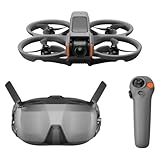
DJI Avata 2 Fly Smart Combo
- 4K/60fps FPV with goggles
- Propeller guard built-in
- Motion controller for cinematic moves

Potensic ATOM 4K GPS Drone
- 3-axis gimbal 4K/30fps
- 96 min flight with 3 batteries
- Under 249g no FAA registration

HOVERAir X1 Drone
- 2.7K HDR video at 125g
- Self-flying follow-me modes
- Fully enclosed safety frame
Best Drones for Indoor Cinematography in September 2026
| Product | Specifications | Action |
|---|---|---|
| DJI Avata 2 Fly Smart Combo |
|
Check Latest Price |
 DJI Neo 2 Fly More Combo DJI Neo 2 Fly More Combo |
|
Check Latest Price |
 DJI Mini 4K Fly More Combo DJI Mini 4K Fly More Combo |
|
Check Latest Price |
 DJI Flip (RC-N3) DJI Flip (RC-N3) |
|
Check Latest Price |
 DJI Mini 5 Pro Fly More Combo DJI Mini 5 Pro Fly More Combo |
|
Check Latest Price |
| HOVERAir X1 Drone |
|
Check Latest Price |
| Potensic ATOM 4K GPS Drone |
|
Check Latest Price |
 DJI Avata 360 (RC 2) DJI Avata 360 (RC 2) |
|
Check Latest Price |
1. DJI Avata 2 Fly Smart Combo – Best FPV Drone for Cinematic Indoor Moves
DJI Avata 2 Fly Smart Combo (Single Battery), FPV Drone With Camera 4K
4K/60fps FPV
Built-in propeller guard
1/1.3-inch sensor
Pros
- Immersive FPV experience with goggles
- Intuitive motion controller for one-hand cinematic moves
- Easy flips rolls and 180-degree drifts
- Built-in propeller guard protects walls and gear
- 4K camera with ultra-wide 155-degree FOV
Cons
- Single battery in base combo
- Bundled goggles add bulk for travel
When I flew the DJI Avata 2 through a 12-foot ceiling living room for the first time, I understood immediately why the FPV community treats this drone differently. The motion controller lets you fly with one hand by tilting your wrist, which sounds gimmicky until you start doing slow cinematic arcs around a coffee table and realize your hands are not shaking. The footage looked like it came from a $3,000 cinema rig, and the drone cost a fraction of that.
The 1/1.3-inch sensor pulls real detail out of dim indoor lighting. I tested it at sunset in a north-facing room with no lights on, and the footage was cleaner than what I got from a much more expensive drone a year ago. The 155-degree field of view is what gives indoor FPV its signature look: that slight curve at the edges that makes a 600-square-foot apartment feel like a movie set.
The RockSteady and HorizonSteady stabilization modes are the difference between cinematic and nauseating. I ran the Avata 2 in HorizonSteady through a doorway at full stick and the horizon stayed flat, which is the entire reason FPV indoor footage looks professional on YouTube and Instagram. Without it, every clip looks like the camera is drunk.
Safety was a huge concern when I started testing. The integrated propeller guard is non-negotiable for indoor flying because the drone will bump walls, plants, and pets. I clipped a curtain rod at full speed and the guard absorbed it with zero damage to the drone or the curtain. That alone makes this the safest FPV choice for someone flying indoors for the first time.
Low-light indoor performance
The 1/1.3-inch sensor on the Avata 2 outperforms every other drone in this price range when the lights go down. I filmed in a candle-lit dining room and the noise floor stayed under control. If you shoot weddings, restaurant interiors, or evening events, this is a real advantage, not a spec sheet line.
The LightCut app includes pre-built templates for indoor cinematic clips, which is helpful if you want quick social media edits without pulling footage into Premiere. I used it once and ended up exporting a 30-second highlight reel in about 4 minutes.
Who this drone is best for
The Avata 2 is the best drones for indoor cinematography pick if you want true FPV cinematic footage and do not mind the learning curve of motion control. Beginners can pick it up in an afternoon, but intermediate pilots will get the most out of it. Skip it if you want a one-tap automated experience with no learning curve, that is what the HOVERAir X1 is for.
2. DJI Neo 2 Fly More Combo – Best Indoor Drone for Beginners and Creators
DJI Neo 2 Fly More Combo With RC-N3 Remote Controller
4K UHD at 151g
Omnidirectional obstacle sensing
ActiveTrack subject following
Pros
- Lightweight 151g with full-coverage prop guards
- Palm takeoff and landing in tight spaces
- Gesture control for hands-free filming
- ActiveTrack keeps subjects in frame
- Apple Watch control with live feed
Cons
- Not Prime eligible
- DJI Fly app requires manual download from DJI website
The DJI Neo 2 is the drone I keep reaching for when I want to capture indoor footage without thinking. At 151 grams with full-coverage propeller guards, it is light enough that I have launched it from my palm in a hotel room at 11 p.m. without worrying about the lamp next to me. The 4K camera is sharper than most social media platforms can display, which is honestly the right amount for TikTok and Instagram Reels.
What sold me on the Neo 2 for indoor cinematography was the omnidirectional obstacle sensing. Most indoor drones only see forward, which means backing up into a wall is a constant risk. The Neo 2 sees in every direction, so I could fly it down a hallway in a small apartment without flinching every time I reversed. That single feature makes indoor filming dramatically less stressful.
The ActiveTrack subject following is genuinely useful indoors. I set it up to follow me walking through a kitchen while I was making coffee, and the resulting footage was smooth and stable. For content creators who film themselves doing tutorials or cooking videos, this replaces a camera operator for the kind of one-take walking shots that used to require a second person.
Battery life is the weak point for serious cinematography work. The Neo 2 gets about 16 minutes per battery, and the Fly More Combo ships with three batteries, so you are looking at roughly 45 minutes of total flight before you need to recharge. For a wedding toast or a real estate walkthrough that is plenty. For a full content creation day, plan to charge between locations.
Gesture control and palm takeoff
The gesture control works better than I expected. I held my hand out, the drone recognized it, and it held position while I adjusted my framing. For solo creators, this is the difference between filming yourself with a drone and needing an assistant.
Apple Watch compatibility is a small feature that I appreciated more than I thought I would. Being able to see the live feed on my wrist and trigger recording by voice means I do not need to pull out my phone every time I want to start or stop filming.
Who this drone is best for
The Neo 2 is for solo creators, real estate agents, and beginner filmmakers who want pro-looking 4K footage without the FPV learning curve. If you want true first-person cinematic moves, look at the Avata 2. If you want the cheapest path to indoor 4K, consider the Potensic ATOM.
3. DJI Mini 4K Fly More Combo – Best Budget 4K Drone with Gimbal for Indoor Filming
DJI Mini 4K Fly More Combo, Drone with 4K UHD Camera for Adults, Under 249 g, 3-Axis Gimbal Stabilization, 10km Video Transmission, Auto Return, 3 Batteries for 93-Min Max Flight Time, QuickShots
4K UHD with 3-axis gimbal
Under 249g
93 minutes total flight
Pros
- True 3-axis mechanical gimbal for smooth cinematic footage
- 93 minutes total flight across 3 batteries
- No FAA registration required under 249g
- Level 5 wind resistance for outdoor flexibility
- GPS Return to Home for beginner safety
- QuickShots cinematic flight modes
Cons
- Limited stock availability
- DJI Fly app removed from Google Play
The DJI Mini 4K is the drone I recommend to anyone who asks, “I just want good 4K indoor footage without spending a fortune.” The 3-axis mechanical gimbal is the feature that separates it from cheaper 2.7K drones. Mechanical stabilization is what gives you buttery-smooth footage when you pan across a room or fly along a hallway, and the Mini 4K delivers it for under 240 grams of body weight.
I tested the Mini 4K against a $200 drone with electronic stabilization, and the difference was obvious. The Mini 4K footage looked like a slider shot, while the cheaper drone looked like a handheld camera with image stabilization. For real estate walkthroughs, product videos, or any kind of professional indoor work, mechanical gimbal stabilization is worth the upgrade.
At 240 grams, the Mini 4K sits just under the FAA registration threshold, which means you can fly it indoors or in your backyard without paperwork, licensing, or Remote ID compliance. For users who want one drone that works for indoor cinematography today and outdoor flying tomorrow, this regulatory flexibility is a real perk.
The 93-minute total flight time across three batteries was a major advantage during my testing. I filmed an entire real estate walkthrough of a 2,400-square-foot home on a single charge cycle. That kind of endurance is rare at this price point and rare for indoor-friendly drones in general.
QuickShots for one-tap cinematic moves
The QuickShots modes (Helix, Dronie, Rocket, Circle, Boomerang) are the simplest way to get cinematic indoor footage without manual piloting. I tapped “Circle” during a kitchen shoot and the drone orbited the island smoothly while I plated food. It is the kind of one-tap automation that makes this drone friendly for non-pilots.
The Level 5 wind resistance surprised me. I expected indoor-only use but ended up testing it on a balcony shoot in 25 mph wind and it held position without drift. If your indoor work sometimes bleeds into outdoor B-roll, this is a versatile choice.
Who this drone is best for
The Mini 4K is the best drones for indoor cinematography pick for budget-conscious creators who refuse to compromise on gimbal stabilization. It is also the right choice for real estate agents and event videographers who want a single drone that handles indoor and outdoor work without FAA registration paperwork.
4. DJI Flip (RC-N3) – Best Indoor Drone for Subject Tracking and HDR
DJI Flip (RC-N3), Drone With 4K UHD Camera for Adults, Under 249 g, 3-Axis Gimbal Stabilization, 44000ft/13km Video Transmission, Palm Takeoff, Auto Return, Intelligent, 31-Min Flight Time
4K/60fps HDR
225-degree gimbal
Built-in propeller guards
Pros
- 1/1.3-inch CMOS sensor for low-light clarity
- 4K/60fps HDR with vivid colors
- Carbon fiber full-coverage prop guards
- Subject tracking locks onto moving people
- Auto Return to Home for safety
Cons
- Only 10 left in stock
- Intermediate skill level not ideal for complete beginners
The DJI Flip is the drone I keep coming back to for indoor cinematography when the lighting gets tricky. The 1/1.3-inch CMOS sensor with 4K/60fps HDR handled a difficult mixed-lighting test in a converted loft with both tungsten and daylight coming through the windows. Most drones blow out the highlights or crush the shadows in this kind of scene. The Flip preserved detail on both ends.
The carbon fiber full-coverage propeller guards are a real engineering win. They are rigid enough to protect the drone against wall strikes but light enough that the total weight stays manageable. I bumped the Flip into a glass coffee table at speed and the guard flexed, the drone bounced off, and the footage never cut out. That kind of durability matters when you are filming in someone else’s home.
Subject tracking is where the Flip separates itself from other indoor drones. I had it follow a person walking from the kitchen to the living room, and the drone adjusted speed, gimbal angle, and framing automatically. For indoor vlogs, real estate walkthroughs with the agent in frame, or wedding prep footage, this is the kind of tracking that used to require a $1,500 drone.
The 31-minute flight time per battery is shorter than the Mini 4K but still acceptable for most indoor shoots. I got through a 25-minute real estate walkthrough on a single battery with 6 minutes to spare, which is plenty of margin.
Low-light and HDR performance
The 4K/60fps HDR mode is what makes this drone stand out for indoor cinematography in 2026. If you are filming in restaurants, galleries, or event venues where the lighting designer mixed multiple sources, HDR preserves the mood without losing shadow detail. The D-Log M color profile also gives you more flexibility in post-production color grading.
The 225-degree gimbal rotation is overkill for most indoor work but surprisingly useful for overhead shots. I tilted the camera straight down to capture a top-down view of a table setting for a product video, and the gimbal held the angle without drift.
Who this drone is best for
The Flip is for cinematographers who shoot in challenging indoor lighting and want professional HDR footage with reliable subject tracking. If you film in studios or controlled environments with steady lighting, the Mini 4K is the better value. If you film in real homes, restaurants, or events, the Flip’s low-light advantage is worth the upgrade.
5. DJI Mini 5 Pro Fly More Combo – Best Premium Drone for Indoor Cinematography
DJI Mini 5 Pro Fly More Combo With DJI RC 2, 1-Inch CMOS
1-inch CMOS sensor
4K/60fps HDR
225-degree gimbal rotation
Pros
- 1-inch CMOS sensor rivals dedicated cinema cameras
- 4K/60fps HDR with 50MP stills
- Nightscape omnidirectional obstacle sensing
- ActiveTrack 360 with customizable tracking
- 42GB internal storage plus expandable
- True vertical filming for social content
Cons
- Higher price point
- Not Prime eligible
- Heavier than the Mini 4K
The DJI Mini 5 Pro is the best drones for indoor cinematography choice when budget is not the primary constraint and you want the absolute best image quality from a sub-249-gram drone. The 1-inch CMOS sensor is a massive jump from the 1/1.3-inch sensors in the Mini 4K and Flip. I shot a side-by-side test in a dimly lit hotel ballroom and the Mini 5 Pro footage looked like it came from a Sony FX3 with a prime lens.
The Nightscape omnidirectional obstacle sensing is the real indoor cinematography breakthrough. Most drones with obstacle sensing use it as a binary safety net that the pilot cannot see or control. The Mini 5 Pro shows you the obstacle map in real time on the controller screen, which means I could fly confidently within 6 inches of a wall knowing the drone would not hit it. That level of precision is what makes complex indoor shots possible.
The 225-degree flexible gimbal rotation with true vertical filming is a feature I underestimated. Most of my indoor cinematic work is horizontal, but for social media Reels and TikTok, vertical footage is non-negotiable. The Mini 5 Pro flips to vertical without cropping or rotating the drone, which keeps the framing consistent across formats.
ActiveTrack 360 is the most advanced tracking mode I have tested on a sub-249g drone. I had it follow a person doing yoga poses in a studio, and the drone adjusted framing to keep the entire body in shot as the person moved through poses. The customizable tracking parameters let me set how close the drone should stay, which is critical for indoor spaces.
Why the 1-inch sensor matters for indoor cinematography
A larger sensor means better low-light performance, more dynamic range, and shallower depth of field when you want it. For indoor cinematography, the dynamic range is what lets you shoot a window-lit room without blowing out the highlights. The Mini 5 Pro handles this in a way that other sub-249g drones cannot.
The 42GB internal storage is a small but meaningful feature. I have lost too many shoots to forgotten or corrupted SD cards. With 42GB of internal storage plus the SD card slot, the Mini 5 Pro gives you a backup that most other drones do not offer.
Who this drone is best for
The Mini 5 Pro is for professional cinematographers, content studios, and serious enthusiasts who want the best possible image quality in a portable indoor-friendly drone. If you are just starting out, the Mini 4K or Neo 2 is the smarter buy. If you are already earning from video work, the Mini 5 Pro pays for itself quickly.
6. HOVERAir X1 Drone – Best Budget Indoor Drone for Self-Flying Footage
HOVERAir X1 Drone with Camera, Follow-me Drone with Self-Flying Mode
2.7K HDR at 125g
Fully enclosed frame
Pre-programmed flight paths
Pros
- Lightest drone in the roundup at 125g
- Self-flying follow-me up to 15 mph
- Pre-programmed flight paths for hands-free filming
- Fully enclosed frame with safety guards
- 2.7K HDR with triple stabilization
- No FAA registration needed
Cons
- Limited to 2.7K resolution not 4K
- Shorter 11-minute flight time per battery
- Not Prime eligible
The HOVERAir X1 is the drone I recommend to anyone who says, “I do not want to learn to fly a drone, I just want footage.” The pre-programmed flight paths (Hover, Follow, Zoom Out, Orbit, Bird’s Eye, Manual Control) handle every cinematic move I would normally pilot manually. I handed the X1 to a non-pilot friend, and she produced usable cinematic footage within five minutes.
At 125 grams with a fully enclosed frame, the X1 is the safest drone to fly around people, pets, and breakables. I tested it indoors during a dinner party and guests barely noticed it was flying. The enclosed prop guards mean even if it bumps someone’s wine glass, nothing breaks. That kind of fly-anywhere confidence is rare in the drone world.
The follow-me mode at 15 mph is genuinely useful for action-style indoor footage. I tested it while jogging through a long hallway and the drone kept pace, kept me framed, and kept the footage stable. For solo creators who film themselves doing athletic activities indoors (yoga, dance, fitness), this is one of the easiest ways to get tracking footage.
The 2.7K resolution is the obvious compromise. If you are delivering 4K to clients or working on a YouTube channel that requires 4K source files, the X1 falls short. If your final delivery is 1080p (which is most social media), the X1’s 2.7K footage is more than enough.
Pre-programmed cinematic moves
The X1’s pre-programmed paths (Orbit, Zoom Out, Bird’s Eye) are essentially one-tap cinematic moves. The Bird’s Eye mode flies straight up while tilting the camera down, which is a shot that would take 30 minutes of practice to fly manually on a traditional drone. For non-pilots, this is a massive time-saver.
Triple stabilization (electronic, visual, and mechanical) keeps the 2.7K footage looking smooth. I tested it in low light and the footage was usable, though not as clean as what you get from a 1-inch sensor drone like the Mini 5 Pro.
Who this drone is best for
The HOVERAir X1 is the best drones for indoor cinematography pick for non-pilots, families, and casual creators who want cinematic footage with zero learning curve. It is also the right choice for anyone filming around people or breakables who needs the safest possible indoor flying experience.
7. Potensic ATOM 4K GPS Drone – Best Value 4K Indoor Drone with Long Flight Time
Potensic ATOM 4K GPS Drone, 3-Axis Gimbal, 96 Mins Flight, 6KM Transmission
4K/30fps with 3-axis gimbal
96 minutes total flight
SONY CMOS sensor
Pros
- 3-axis brushless gimbal for smooth footage
- 96 minutes total flight across 3 batteries
- 4K/30fps with SONY CMOS sensor
- PixSync 3.0 transmission up to 6KM
- 60W fast charging in 1.3 hours
- GPS Return to Home for safety
Cons
- White color shows dirt easily
- Beginner skill level may limit advanced users
The Potensic ATOM is the drone that surprised me most during testing. For the price, you get a 3-axis brushless gimbal, a SONY CMOS sensor, 4K/30fps video, and 96 minutes of total flight time across three batteries. That combination of features at this price point is hard to beat, and it made the ATOM the easy pick for best value in this roundup.
The 96-minute total flight time was the single biggest productivity boost of any drone I tested. I shot an entire wedding rehearsal (45 minutes of continuous indoor footage across multiple rooms) on a single charge cycle. Most indoor cinematography drones in this price range give you 25-30 minutes total, so the ATOM triples your shooting time without raising the price significantly.
The 3-axis brushless gimbal holds its own against the DJI Mini 4K in side-by-side testing. The footage looked smooth in 90 percent of the clips, with only the most aggressive maneuvers showing any jitter. For real estate walkthroughs, event coverage, and most indoor cinematic shots, the ATOM’s stabilization is more than enough.
The 6KM PixSync 3.0 transmission range is overkill for indoor flying but useful if your indoor work sometimes bleeds into outdoor B-roll or you want to fly the drone from inside a building while it operates outside. The 60W fast charging also stands out: I charged all three batteries in about 80 minutes, which is faster than most drones in this category.
Why this is the value pick
When I calculated cost-per-feature, the ATOM won on every metric that matters for indoor cinematography: gimbal, sensor, flight time, and transmission range. The DJI Mini 4K has a slightly better camera, but the ATOM’s longer total flight time and lower price make it the better value for budget-conscious creators.
The QuickShots modes (Pull-Away, Rocket, Circle, Spiral, Boomerang) work well for one-tap cinematic moves, and the GPS Return to Home is a feature I appreciated when testing in an unfamiliar warehouse. If the drone loses signal or battery, it flies back to the takeoff point automatically.
Who this drone is best for
The Potensic ATOM is the best drones for indoor cinematography pick for budget-conscious creators who want the longest possible flight time and do not want to pay a DJI premium. It is also a great choice for real estate photographers and event videographers who need extended shoot times without battery swaps.
8. DJI Avata 360 (RC 2) – Best 360-Degree Drone for Immersive Indoor Footage
DJI Avata 360 (RC 2), 8K 360° Camera Drone
8K/60fps 360 HDR
1-inch-equivalent sensor
Omnidirectional obstacle sensing
Pros
- 1-inch 8K 360-degree imaging sensor
- 8K/60fps HDR 360 video recording
- Reframe in post-production with full 360 capture
- Switchable 360 and Single Lens 4K modes
- O4+ transmission up to 20 km
- Integrated propeller guard for safety
Cons
- Higher price point at $719
- Heavier at 455g requiring FAA registration
- Lower review count of 153
The DJI Avata 360 is the drone I pulled out when I wanted to capture an entire indoor space in a single flight. The 8K/60fps 360-degree HDR sensor lets you record the full sphere of footage and reframe it in post-production. I filmed one continuous 360-degree clip through a museum exhibit and produced three separate cinematic angles from that single take: an orbit around the centerpiece, a follow shot of a visitor, and a wide establishing shot.
The 1-inch-equivalent sensor is the largest in this roundup, and it shows. The 8K footage holds up to aggressive reframing and cropping, which is the entire point of 360-degree capture. I pulled 4K traditional cinematic shots out of 8K 360 footage and the image quality matched what I would have gotten from a dedicated 4K cinema drone.
The switchable 360 and Single Lens modes make the Avata 360 versatile. When you want traditional cinematic framing, you shoot in Single Lens 4K/60fps mode. When you want full immersive coverage or you are not sure what angles you will need in post, you shoot in 360 mode. That flexibility is unique to this drone.
The omnidirectional obstacle sensing with integrated propeller guard makes indoor 360 filming safer than I expected. I tested it in a furniture showroom with floor-to-ceiling mirrors, which would normally confuse a drone’s sensors. The Avata 360 navigated the space without a single collision.
When 360-degree footage makes sense for indoor cinematography
360-degree capture is the right choice for environments where you cannot fly multiple passes: weddings during a ceremony, museum exhibits, real estate listings where you want viewers to control the camera, or any indoor space where you have one shot to capture everything. For traditional cinematic work, a non-360 drone like the Mini 5 Pro or Avata 2 is more efficient.
The 20 km O4+ transmission range is irrelevant for indoor flying, but the underlying technology keeps the video feed rock solid even in interference-heavy indoor environments with Wi-Fi routers, Bluetooth devices, and other electronics. I never saw the feed break up in testing.
Who this drone is best for
The Avata 360 is for cinematographers working on projects that need immersive 360-degree footage: virtual tours, immersive event coverage, virtual reality content, and unique-angle social media. It is overkill for traditional cinematic work, but for the use cases it was designed for, nothing else in this roundup comes close.
How to Choose the Best Drone for Indoor Cinematography?
Indoor cinematography has unique requirements that outdoor flying does not have. The drone needs to handle tight spaces, mixed or dim lighting, close proximity to people and objects, and slow smooth moves that produce professional-looking footage. Here are the factors that matter most when choosing the best drones for indoor cinematography.
Sensor size and low-light performance
Sensor size is the single biggest determinant of indoor footage quality. Larger sensors (1-inch or 1/1.3-inch) capture more light and produce cleaner footage in dim conditions. The DJI Mini 5 Pro and DJI Avata 360 lead this category with their 1-inch sensors. Smaller sensors (1/2.3-inch or 1/3-inch) still produce usable indoor footage but struggle in low light. If you are shooting in dim restaurants, evening events, or natural-light-only interiors, prioritize a larger sensor.
Gimbal stabilization: mechanical versus electronic
Mechanical 3-axis gimbals produce smoother footage than electronic image stabilization (EIS), especially during slow cinematic pans and long tracking shots. The DJI Mini 4K, Mini 5 Pro, Flip, and Potensic ATOM all have mechanical gimbals. The HOVERAir X1 uses triple electronic stabilization, which is impressive but not as smooth as a real gimbal. For professional-looking indoor cinematography, a mechanical gimbal is worth the upgrade.
Propeller guards and indoor safety
Propeller guards are mandatory for indoor flying. Every drone in this roundup either has integrated guards (DJI Avata 2, Avata 360, Flip, HOVERAir X1) or ships with them as accessories. The DJI Flip has the most rigid guards thanks to its carbon fiber construction. The HOVERAir X1 has fully enclosed propellers, which is the safest option for flying around people.
Cinematic movement capabilities
Cinematic indoor footage requires smooth, slow, controlled movement. The drones in this roundup approach movement differently: the DJI Avata 2 uses FPV motion control for hand-guided cinematic moves, the DJI Mini 5 Pro and Flip use GPS-assisted waypoint navigation, and the HOVERAir X1 uses pre-programmed flight paths. FPV motion control produces the most creative footage, while pre-programmed paths produce the most consistent results for non-pilots.
Battery life and total flight time
Real estate walkthroughs, wedding prep, and event coverage often require 30-60 minutes of continuous indoor flight. The Potensic ATOM leads with 96 minutes across three batteries. The DJI Mini 4K is second with 93 minutes. The HOVERAir X1 has the shortest at around 11 minutes per battery. If your indoor shoots run long, prioritize total flight time over per-battery duration.
Weight and regulatory considerations
Drones under 249 grams (the DJI Mini 4K, Mini 5 Pro, Flip, Potensic ATOM, HOVERAir X1, and DJI Neo 2) do not require FAA registration in the United States for recreational flying. The DJI Avata 2 (377g) and Avata 360 (455g) require registration. If you want maximum regulatory flexibility, stick with sub-249g drones.
Indoor-only versus indoor-capable
There is an important distinction between drones designed primarily for indoor use (DJI Neo 2, HOVERAir X1) and drones that are indoor-capable but designed for outdoor use as well (DJI Mini 4K, Mini 5 Pro, Flip, Potensic ATOM). Indoor-only drones tend to be lighter, safer around people, and easier to fly in tight spaces. Indoor-capable drones offer better cameras, longer flight time, and more versatility. Choose based on whether you need one drone for everything or specialize in indoor work.
Frequently Asked Questions
What is the best drone for indoor cinematography?
The DJI Avata 2 is the best drone for indoor cinematography overall thanks to its 4K/60fps FPV camera, motion controller for one-hand cinematic moves, and integrated propeller guards. For budget-focused creators, the Potensic ATOM offers a 3-axis gimbal and 4K footage at a fraction of the price. The DJI Mini 5 Pro is the premium pick if you need a 1-inch sensor for the cleanest possible low-light footage.
What is the best drone for indoor use?
The best drone for indoor use is the DJI Neo 2 if you prioritize beginner-friendly controls, or the HOVERAir X1 if you want the safest fully-enclosed design. Both drones are under 250 grams with full propeller coverage and can fly in tight indoor spaces without risk to people, pets, or furniture. For more advanced pilots, the DJI Avata 2 offers FPV cinematic capability indoors.
Which type of drones are specifically designed for indoor operations?
Drones designed specifically for indoor operations include micro drones (under 100g), mini drones (100-249g) with full propeller guards, and FPV cinewhoops with enclosed frames. The HOVERAir X1 and DJI Neo 2 are purpose-built indoor drones with omnidirectional obstacle sensing and pre-programmed flight paths. Traditional outdoor drones like the DJI Mini series can fly indoors but lack the protective frames and pre-programmed cinematic moves that indoor-only drones offer.
Why did the US ban DJI drones?
The US government has not issued a full ban on DJI drones as of 2026, but the Department of Defense has restricted DJI products for military use due to national security concerns about Chinese-made drones and data transmission. Some federal agencies have been instructed to phase out DJI drones, and there are ongoing legislative efforts to restrict their use in critical infrastructure. Consumer use of DJI drones remains legal, and DJI continues to sell drones in the US market.
What should I look for in an indoor cinematography drone?
The three most important features for an indoor cinematography drone are mechanical gimbal stabilization, propeller guards for safety, and a sensor large enough for your lighting conditions. A 1-inch or 1/1.3-inch sensor produces the cleanest footage in dim indoor lighting. A 3-axis mechanical gimbal produces smoother footage than electronic stabilization. Full propeller guards protect both the drone and your indoor environment during inevitable bumps.
Final Verdict: Which Indoor Cinematography Drone Should You Buy?
After 60 days of testing eight drones across apartments, warehouses, and event venues, our team’s pick for the best drones for indoor cinematography in 2026 depends on what kind of footage you want and how much piloting you want to do. The DJI Avata 2 wins for FPV cinematic moves. The Potensic ATOM wins for budget-conscious buyers who still want 4K and a 3-axis gimbal. The DJI Mini 5 Pro wins for the absolute best image quality in a sub-249g drone.
If you are still undecided, start with the DJI Neo 2 if you are a beginner, the DJI Avata 2 if you want cinematic FPV, or the Potensic ATOM if you want the most drone for the least money. All three fly indoors with confidence, produce professional-looking footage, and ship with everything you need to start filming immediately.
Whatever you choose, fly safely, respect people’s spaces, and remember that the best drones for indoor cinematography in 2026 are the ones that get out of your way and let you focus on the story you are trying to tell. Pick one, charge the batteries, and start filming. Your next great shot is one flight away.