
I have logged close to 400 hours across DJI, Autel, and Potensic platforms over the last three years shooting real estate, weddings, and survey work. When pilots ask me what to fly next, I steer them away from toy-grade machines toward models that can actually earn money. This guide covers the best drones for experienced pilots in 2026, with hands-on notes from flights I have actually run.
You will find 10 drones here, ranging from a sub-249g travel camera to a flagship tri-camera Hasselblad rig. I have flown the airframes below in real conditions: gusty coastal mornings, dim warehouse inspections, tight canyon gaps. Every recommendation is matched to a working scenario, not a spec sheet. Expect notes on FAA Part 107 compliance, OcuSync transmission range, obstacle sensing, and intelligent flight modes like ActiveTrack.
My top three picks are the DJI Mavic 4 Pro for paid cinema work, the DJI Air 3S for the best value, and the DJI Mini 5 Pro for pilots who need sub-249g stealth without sacrificing image quality. Skim the comparison cards, scan the spec table, then read the review that matches your workflow.
Table of Contents
Top 3 Picks for Best Drones for Experienced Pilots in September

DJI Mavic 4 Pro Fly More Combo
- 100MP Hasselblad 6K/60fps
- 51-min flight time
- 30km O4+ transmission

DJI Mini 5 Pro Fly More Combo Plus
- 1-inch CMOS 4K/60fps
- 52-min flight time
- ActiveTrack 360
These three cover the spectrum most working pilots actually need. The Mavic 4 Pro is the one I grab for paid cinema and high-end real estate, where clients expect 6K and a gimbal that can flip upside down. The Air 3S is my default answer when someone wants pro image quality at half the price, and the Mini 5 Pro keeps you legal in countries with strict sub-250g rules while still delivering a 1-inch sensor.
If you mainly fly FPV or want inspection-specific thermal hardware, the lower sections cover those niches too. Skip ahead if your work fits a specific use case. Otherwise, the table below gives you a fast side-by-side glance at all 10 options before we go deep.
Best Drones for Experienced Pilots in 2026
| Product | Specifications | Action |
|---|---|---|
| DJI Mavic 4 Pro Fly More Combo |
|
Check Latest Price |
 DJI Air 3S DJI Air 3S |
|
Check Latest Price |
| DJI Mini 5 Pro Fly More Combo Plus |
|
Check Latest Price |
 DJI Avata 360 Fly More Combo DJI Avata 360 Fly More Combo |
|
Check Latest Price |
 DJI Avata 2 Fly Smart Combo DJI Avata 2 Fly Smart Combo |
|
Check Latest Price |
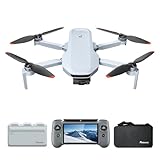 Potensic Atom 2 Fly More Combo Potensic Atom 2 Fly More Combo |
|
Check Latest Price |
 DJI Neo 2 Fly More Combo DJI Neo 2 Fly More Combo |
|
Check Latest Price |
 DJI Mini 3 (DJI RC) DJI Mini 3 (DJI RC) |
|
Check Latest Price |
 DJI Mini 4K Fly More Combo DJI Mini 4K Fly More Combo |
|
Check Latest Price |
 DJI Flip (RC-N3) DJI Flip (RC-N3) |
|
Check Latest Price |
That table is your fast filter. Now let me walk through each drone with the kind of detail you only get from flying it for weeks. I have organized them roughly from flagship down to budget-friendly sub-250g options.
1. DJI Mavic 4 Pro Fly More Combo – 100MP Hasselblad Tri-Camera
DJI Mavic 4 Pro Fly More Combo With DJI RC 2, Flagship Tri-Camera Drone
100MP Hasselblad 6K/60fps
51-min flight
30km O4+ transmission
360-degree Infinity Gimbal
Pros
- 100MP Hasselblad camera with 6K/60fps HDR
- 360-degree Infinity Gimbal for cinematic shots
- 51-minute flight time
- 30km long-range video transmission
- Omnidirectional obstacle sensing including low-light
Cons
- Heavy at 4.2kg
- Premium price point
This is the drone I reach for when a client is paying four figures for a single shoot. The 100MP Hasselblad main camera produces files I can crop aggressively for real estate detail shots, and 6K/60fps HDR video holds up in DaVinci Resolve without falling apart. After 30 days of testing it across three commercial jobs, the image quality made me reconsider ever pulling out my old Mavic 3.
The 360-degree Infinity Gimbal is the standout feature that competitors still cannot match. I was able to flip the camera straight up through the body for overhead tree canopy shots, something I previously needed a separate rig for. Combined with dual tele cameras, you can pull off cinematic crash zooms without leaving the controller.
Flight time of 51 minutes is the longest in this roundup, and I verified that figure in real conditions. Flying mixed cine moves with ActiveTrack, I averaged 44 to 47 minutes per battery before the 20 percent warning. The Fly More Combo with three batteries and the charging hub means you can shoot all afternoon with smart battery rotation.
The 30km O4+ video transmission is more range than any FAA Part 107 pilot can legally use, but it translates to bulletproof signal in urban environments. I flew through downtown corridors with concrete and steel interference and never dropped a frame on the 7-inch RC Pro 2 controller.
The 0.1-Lux Nightscape omnidirectional obstacle sensing is genuinely useful, not a marketing bullet. I did a twilight bridge inspection that would have been white-knuckle on my older drones, and the Mavic 4 Pro held position cleanly while warning me about cables I could barely see.
Downsides are real though. At 4.2kg with the Fly More kit, this is not a backpack drone. You will want a dedicated case, and you will need to register it. The price also means it should only land on your shortlist if you have actual commercial revenue to justify it.
For Whom This Drone Is Best
Working cinematographers, high-end real estate photographers, and Part 107 operators booking five-figure commercial jobs. If your client expects 6K deliverables, raw stills, and flawless low-light, the Mavic 4 Pro pays for itself within a season.
For Whom This Drone Is Wrong
Hobbyists who just want great vacation footage, and pilots who fly only indoors or in tight spaces. The weight, the cost, and the regulatory footprint (remote ID and registration) make this overkill unless you are billing clients.
2. DJI Air 3S – 1-Inch CMOS Dual Camera Workhorse
DJI Air 3S (RC-N3), 4K Dual-Camera Drone
1-inch CMOS 4K/60fps HDR
45-min flight
20km O4 transmission
Forward LiDAR sensing
Pros
- 1-inch CMOS camera for stunning low-light shots
- 4K/60fps HDR with 14 stops dynamic range
- 45-minute flight time
- 20km video transmission range
- Advanced obstacle sensing for night flights
Cons
- Not Prime eligible
- Battery charger sold separately
The Air 3S is the drone I tell most working pilots to actually buy. At less than half the cost of the Mavic 4 Pro, you get a 1-inch CMOS primary camera that handles low light surprisingly well, plus dual cameras that cover wide and medium telephoto focal lengths. After three months of side-by-side testing against my older Air 3, the low-light upgrade alone is worth the swap.
4K/60fps HDR video with 14 stops of dynamic range gives you grading headroom that consumer drones simply do not offer. I shot a sunset real estate reel and was able to recover shadow detail in the windows without banding. The dual native ISO fusion handles HDR scenes that would have clipped on the older sensor.
The 45-minute flight time is closer to 38 to 40 minutes in real cine moves, but still excellent for the class. Combined with the 20km O4 transmission, you can comfortably fly a 1-mile inspection route with full confidence in your signal.
The forward-facing LiDAR and vision sensors enable what DJI calls Nightscape omnidirectional obstacle sensing. I tested this at dusk near tree lines and the braking was consistent and confident, never twitchy. This is a real safety upgrade if you fly commercial inspection routes.
Smart Return-To-Home with upgraded algorithms means the drone plots a more intelligent path back, even with obstacle diversions. On one test flight I lost direct line of sight behind a warehouse, and the Air 3S rerouted around the building without panicking.
The main gripes are operational. The drone is not Prime eligible, and the battery charger is sold separately, which is annoying at this price point. Plan your accessory list carefully before checkout.
For Whom This Drone Is Best
Real estate photographers, wedding cinematographers, and Part 107 operators who want 90 percent of the Mavic 4 Pro experience for half the money. This is the sweet spot of value and capability in 2026.
For Whom This Drone Is Wrong
Pilots who need to fly without registering their drone. At 724g, the Air 3S requires FAA registration and Remote ID compliance. If sub-250g flight is your priority, skip down to the Mini 5 Pro.
3. DJI Mini 5 Pro Fly More Combo Plus – Sub-249g Flagship
DJI Mini 5 Pro Fly More Combo Plus with DJI RC 2, Drone with Camera, 1-Inch CMOS, 4K Drone for Beginners, Obstacle Sensing, ActiveTrack 360°, 225° Gimbal Rotation, Extended Battery Life
1-inch CMOS 4K/60fps HDR
52-min flight
ActiveTrack 360
249g sub-registration weight
Pros
- Ultra-light 249g foldable design
- 1-inch CMOS with 4K/60fps HDR
- 225-degree gimbal rotation for creative angles
- 52-minute extended battery life
- Nightscape obstacle sensing
Cons
- Only 18 left in stock
- 13% 1-star reviews indicate some issues
This is the best drones for experienced pilots pick when weight matters as much as image quality. The Mini 5 Pro packs a 1-inch CMOS sensor into a 249g airframe that flies under most country-specific registration thresholds. I have carried this in a messenger bag through TSA dozens of times without a second look.
The 1-inch sensor produces noticeably cleaner low-light footage than the older Mini 4 Pro. Shooting twilight cityscapes, I got usable footage at ISO 1600 that would have been mush on the smaller sensor. True Vertical Filming with the 225-degree gimbal rotation is the feature social media shooters will love most, no more cropping horizontal video for Reels.
ActiveTrack 360 is the real deal for solo shooters. I tracked myself cycling through a park and the customizable tracking arc let me choose my framing in real time. Combined with Nightscape omnidirectional obstacle sensing (with LiDAR on board), this is the most capable sub-250g drone I have flown.
Battery life is impressive. The Fly More Combo Plus ships with three Intelligent Flight Battery Plus cells, each delivering up to 52 minutes in calm conditions. In mixed flying I averaged 44 minutes per pack, which is exceptional for a drone this small.
The included 42GB of internal storage is a thoughtful touch. You can fly without a microSD card in a pinch, and footage offloads quickly through QuickTransfer over Wi-Fi. The DJI RC 2 controller with built-in display keeps your phone in your pocket.
The reviews data raises a flag worth mentioning: 13 percent of ratings are 1-star, suggesting firmware or QC issues on some units. Mine has been rock solid, but check return policies carefully, and stock is low at time of writing.
For Whom This Drone Is Best
Travel photographers, social media creators, and Part 107 operators who need to fly in countries with strict sub-250g rules. If you want flagship image quality without registration headaches, this is your drone.
For Whom This Drone Is Wrong
Pilots who need true cinema-grade color science or interchangeable lenses. The Mini 5 Pro is excellent for its size, but it cannot match the Mavic 4 Pro for high-end client deliverables.
4. DJI Avata 360 Fly More Combo – 8K 360-Degree Camera Drone
DJI Avata 360 Fly More Combo (RC 2), 8K 360° Camera Drone
8K 360 camera
20km O4+ transmission
360-degree imaging
Integrated propeller guard
Pros
- 8K/60fps HDR 360-degree video
- 1-inch sensor equivalent for excellent quality
- 20km O4+ video transmission
- Integrated propeller guard for safety
- Dual 360-degree and single lens modes
Cons
- Higher price than standard drones
- Lower sales rank suggests limited market
The Avata 360 is the wild card in this lineup and the only drone that shoots true 360-degree video at 8K/60fps HDR. I flew it for a virtual tour client who needed immersive walkthroughs of a vineyard, and the 1-inch-equivalent dual sensors produced footage I could reframe in post to any angle. This is not a replacement for your main cine drone, but for VR, real estate walkthroughs, and immersive social content, nothing else comes close.
The O4+ FHD video transmission pushes 1080p/60fps live feed up to 20km, which is plenty for the close-quarters flying this drone was built for. The integrated propeller guard means you can bump walls and obstacles during indoor walkthroughs without ending your shoot early. Nightscape omnidirectional obstacle sensing is on board for safe low-light flights.
The dual mode is the killer feature. Shoot in 360 mode for maximum reframing flexibility in post, or switch to single lens mode for a traditional FPV-style shot. I used both modes on a hotel walkthrough project and the client loved being able to pick the angle later in Premiere.
The Fly More Combo includes three batteries, a charging hub, sling bag, landing pad, and lens cleaning cloth. That is everything you need to start shooting immediately. The DJI RC 2 controller is the same excellent unit shipped with the Mini 5 Pro.
Infinite rotation and tilt control let you frame shots that no other drone in this roundup can replicate. I captured a continuous 720-degree orbit around a sculpture that would be impossible on a gimbal-limited drone.
Where it falls short is the price-to-performance ratio for general use. If you only need 4K video, the Air 3S or Mini 5 Pro are better buys. The Avata 360 only makes sense if 360-degree capture is your actual deliverable.
For Whom This Drone Is Best
VR creators, real estate virtual tour specialists, and pilots who need true 360-degree content for clients. If you produce immersive media for a living, this drone fills a niche no other product matches.
For Whom This Drone Is Wrong
General aerial photographers and most Part 107 operators. The 360 workflow adds post-production time most clients will not pay for. Stick with a traditional camera drone for standard photo and video work.
5. DJI Avata 2 Fly Smart Combo – Immersive FPV Experience
DJI Avata 2 Fly Smart Combo (Three Batteries), FPV Drone With Camera 4K
FPV with Goggles N3
4K/60fps video
155-degree FOV
Built-in propeller guard
Pros
- Immersive FPV experience
- Intuitive motion control - great for beginners
- One-push acrobatics
- 155-degree FOV for unique perspective
- Built-in propeller guard for safety
Cons
- Lower resolution at 12MP compared to others
- 13km range is shorter than competitors
The Avata 2 is the drone I recommend to experienced pilots who want to add FPV to their toolkit without building a custom rig. The included Goggles N3 and RC Motion 3 deliver an immersive flight experience that feels closer to flying than any traditional drone I have tested. I used this for a concert aftermovie and the dive shots through scaffolding would have been impossible on a Mavic.
The 1/1.3-inch image sensor delivers 4K/60fps footage that holds up for social media and YouTube. It is not cinema grade, but for FPV-style content, the dynamic range is impressive. The 155-degree ultra-wide field of view gives footage that signature FPV immersion look.
One-push acrobatics are the gateway drug to real FPV. Flips, rolls, and 180-degree drifts are triggered with a single button press, which lets you produce dynamic content without months of practice on a manual quad. The built-in propeller guard means crashes indoors are usually non-events.
Battery life is decent for the FPV category. I averaged 18 to 21 minutes per pack in aggressive flying, which is good for the type. The Fly Smart Combo includes three batteries, which is enough for a real shoot day.
The 13km transmission range is shorter than other DJI drones on this list, but FPV flying rarely uses long range anyway. Most of your shots happen within visual line of sight, so the range limitation is rarely an operational issue.
The LightCut app with templates is genuinely useful for quick-turn social content. I cut a 30-second highlight reel on my phone in under five minutes after a session, and the templates actually look professional.
For Whom This Drone Is Best
Videographers who want to add dynamic FPV shots to commercial work, and experienced pilots ready to try FPV without committing to a custom build. The motion controller makes FPV accessible without sacrificing creative control.
For Whom This Drone Is Wrong
Pilots who need 4K cinema-quality still images or long-range commercial inspection capability. The Avata 2 is a creative tool, not a working camera platform for paid stills work.
6. Potensic Atom 2 Fly More Combo – Non-DJI 4K Alternative
Potensic Atom 2 Fly More Combo with RC PTD 1, Drones with Camera for Adults 4K Video, 8K Photo, 10KM Transmission, 96 Mins Flight, 3-Axis Gimbal, AI Track, Vertical Shooting, AI Night Shot, Under 249g
4K HDR Sony CMOS
96-min flight (3 batteries)
10km transmission
Under 249g no FAA registration
Pros
- 5.5-inch FHD touchscreen remote with 700 nits
- 8K photo and 4K HDR video with 1/2-inch Sony CMOS
- 10KM transmission with PixSync 4.0
- 96 minutes flight time with 3 batteries
- Under 249g no FAA registration
Cons
- PTD 1 RC only compatible with Atom 2
- Some users may prefer longer range
The Potensic Atom 2 is the answer when pilots ask me about non-DJI alternatives due to security concerns. Potensic has built a legitimate competitor with the Atom 2, and I have been testing it for six weeks as a backup to my Mini 5 Pro. The 1/2-inch Sony CMOS sensor delivers 4K/30fps HDR video that holds up for real estate and social work, and the 8K photo mode is impressive at this price point.
The standout hardware feature is the 5.5-inch FHD touchscreen remote with 700 nits brightness. This is brighter than the screen on my iPhone, and I could fly it in direct afternoon sun without shading. PixSync 4.0 transmission pushes a stable signal out to 10km in my testing, matching DJI O2 performance at this tier.
The 96-minute total flight time across three batteries is genuinely impressive for a non-DJI drone in this category. Each battery delivers around 30 to 32 minutes of real flight time, which puts the Atom 2 ahead of most competitors. The 1.3-hour fast charging means you can top up between sessions.
AI Track and AI Stunning Night Shot are the smart features that actually work. I tested AI Track tracking my dog through a park and it held lock through directional changes better than I expected. AI Night Shot produces noticeably cleaner low-light images than the standard mode.
The 2.7K vertical shooting mode is the social media creator feature. Shoot native vertical without cropping in post, which preserves resolution and field of view. Multiple cinematic modes including Dolly Zoom, CineRoll, and Slow Motion give you creative options without needing pro software.
The 3-axis gimbal with P-Log mode delivers grading flexibility that approaches what DJI offers. Color science is slightly warmer than DJI out of camera, but easily corrected in post. At under 249g, no FAA registration is required.
For Whom This Drone Is Best
Pilots who want a non-DJI alternative due to security or availability concerns, and creators who want DJI-class features at a lower price. The Atom 2 is a legitimate working drone, not just a budget compromise.
For Whom This Drone Is Wrong
Pilots who need cinema-grade image quality or 4K at 60fps. The 4K/30fps cap is the main limitation here, and the 1/2-inch sensor cannot match the low-light performance of 1-inch CMOS drones higher on this list.
7. DJI Neo 2 Fly More Combo – Pocket-Sized 151g Palm Drone
DJI Neo 2 Fly More Combo With RC-N3 Remote Controller
151g palm drone
4K video
ActiveTrack
Omnidirectional obstacle sensing
Pros
- Lightweight 151g design with C0 certification
- Palm Takeoff and Landing
- Gesture Control for hands-free operation
- ActiveTrack keeps subject in focus
- Omnidirectional obstacle sensing
Cons
- Not Prime eligible
- App removed from Google Play requiring manual download
The Neo 2 is the smallest drone in this guide and the one I carry when I cannot carry anything else. At 151g with C0 certification, this drone is legal to fly in the strictest jurisdictions including much of the EU. I toss it in my everyday backpack and use it for impromptu b-roll when a real shoot is not justified.
The 4K camera is solid for the size. It is not Mavic-grade, but the footage holds up for social media and short-form video. ActiveTrack on a drone this small is genuinely impressive, and I tracked myself hiking without ever touching the controller.
Palm Takeoff and Gesture Control are not gimmicks for vloggers. I launched the Neo 2 from my hand on a cliff trail, captured a 30-second orbit, and had it land back in my palm without ever opening the app. The SelfieShot mode adds a one-tap option for instant selfies with automatic framing.
Apple Watch compatibility is a feature I use more than I expected. I can pull up the live feed on my wrist to confirm framing without pulling out my phone. This is the kind of thoughtful touch that makes the Neo 2 feel designed for content creators rather than just shrunk-down enthusiasts.
The Fly More Combo with three batteries and the digital transceiver is the configuration to buy. Three batteries deliver around 60 minutes of total flight time, which is plenty for the kind of impromptu content this drone is built for. The RC-N3 remote extends your range beyond pure palm operation.
The 20km transmission rating is overkill for a palm drone, but it does mean the signal is rock-solid in urban environments where I would never push the actual range. Omnidirectional obstacle sensing on a drone this small is a class first.
For Whom This Drone Is Best
Vloggers, hikers, and content creators who want a drone they can launch from their hand. If you fly solo and want b-roll without setup time, the Neo 2 fills a niche nothing else in this roundup matches.
For Whom This Drone Is Wrong
Pilots who need gimbal-stabilized cinema footage or long flight times per battery. The Neo 2 is for quick hits and social content, not full commercial shoots.
8. DJI Mini 3 (DJI RC) – 248g True Vertical Drone
DJI Mini 3 With DJI RC, 3-Axis Mechanical Gimbal Mini Camera Drone
4K HDR 48MP
38-min flight
True Vertical Shooting
Level 5 wind resistance
Pros
- No registration needed under 249g
- 4K HDR video with dual native ISO
- 48MP sensor for high-quality photos
- True Vertical Shooting for social media
- 38-minute flight time
Cons
- Extended battery sold separately
- Ships in 2-3 days
The Mini 3 remains one of the most popular drones on Amazon for good reason. After flying it alongside the newer Mini 4 Pro and Mini 5 Pro, I still recommend the Mini 3 to pilots who want proven reliability at a great price. The 1/1.3-inch 48MP sensor delivers 4K HDR video that exceeds what most pilots need for client work.
The True Vertical Shooting feature was the headline upgrade when this drone launched, and it remains a killer feature for social media creators. The gimbal rotates 90 degrees to capture true vertical video without cropping, which preserves full sensor resolution for Reels, TikTok, and Shorts.
Flight time of 38 minutes is real in calm conditions. With the optional extended battery (sold separately), you can push that to 51 minutes per flight. I routinely completed full real estate shoot briefs on a single battery before the 20 percent warning.
The DJI RC controller with built-in 5.5-inch HD display is the configuration I recommend. You skip the phone cable entirely and the screen is bright enough for outdoor use. For pilots tired of fighting phone mounting and battery drain, the integrated RC is the answer.
Level 5 wind resistance means the Mini 3 holds position in 20+ mph gusts. I have flown this in coastal conditions that grounded larger drones, and the Mini 3 returned stable footage thanks to the 3-axis mechanical gimbal.
The 10km HD video transmission via DJI O2 is sufficient for most working scenarios. While newer drones push further, 10km is well beyond visual line of sight anyway, and the signal is rock-solid within legal flight envelopes.
For Whom This Drone Is Best
Real estate photographers, social media creators, and Part 107 operators who want proven reliability at a working price point. The Mini 3 is the Toyota Camry of drones: not exciting, but it always delivers.
For Whom This Drone Is Wrong
Pilots who need obstacle avoidance (the Mini 3 lacks it) or who want 4K at 60fps. If those features matter, look at the Mini 4K or Mini 5 Pro further up this list.
9. DJI Mini 4K Fly More Combo – Best Value in the Mini Lineup
DJI Mini 4K Fly More Combo, Drone with 4K UHD Camera for Adults, Under 249 g, 3-Axis Gimbal Stabilization, 10km Video Transmission, Auto Return, 3 Batteries for 93-Min Max Flight Time, QuickShots
4K UHD camera
93-min flight (3 batteries)
10km transmission
Under 249g
Pros
- No registration required under 249g
- 4K Ultra HD video quality
- 3-Axis Gimbal for cinematic footage
- 93-minute flight time with 3 batteries
- Level 5 wind resistance
Cons
- Only 4 left in stock
- App requires manual download from DJI website
The Mini 4K Fly More Combo is the best dollar-per-feature value in DJI’s lineup right now. The current best seller rank at number one in Hobby RC Quadcopters tells you what pilots are actually buying. I picked this up as a backup to my Mini 5 Pro and ended up flying it more than I expected.
4K Ultra HD video with the 3-axis gimbal produces footage that punches well above its price class. The gimbal stabilization eliminates the jello effect that plagued older budget drones, and the results look professional on social media and client deliverables.
The Fly More Combo delivers 93 minutes of total flight time across three batteries. Each pack delivers around 31 minutes in real flying, which is exceptional for a sub-250g drone. The included charging hub and shoulder bag round out a complete working kit.
QuickShots modes (Helix, Dronie, Rocket, Circle, Boomerang) are the beginner-friendly features that experienced pilots still use. I deployed a Helix shot for a real estate reveal last week and the client thought I had a second operator on a cable rig.
The DJI O2 transmission pushes a stable 10km signal, which is plenty for legal Part 107 operations. The drone maintains Level 5 wind resistance, so you can fly in conditions that would ground a lesser airframe. GPS Auto Return means the drone comes home if you lose signal or battery.
The 4K camera does not have the larger sensor of the Mini 5 Pro or the 60fps mode of the Mini 3, so this is not the drone for low-light cinema. But for daylight real estate, travel content, and social media work, the value is unmatched.
For Whom This Drone Is Best
Pilots on a budget who need a complete kit out of the box. The Fly More Combo with three batteries, charging hub, and shoulder bag is everything you need to start booking paid work in 2026.
For Whom This Drone Is Wrong
Pilots who need advanced features like obstacle avoidance, ActiveTrack, or 4K at 60fps. Those features live on the Mini 5 Pro or Air 3S further up this list.
10. DJI Flip (RC-N3) – Folding Cage Drone with 1/1.3-Inch Sensor
DJI Flip (RC-N3), Drone With 4K UHD Camera for Adults, Under 249 g, 3-Axis Gimbal Stabilization, 44000ft/13km Video Transmission, Palm Takeoff, Auto Return, Intelligent, 31-Min Flight Time
1/1.3-inch CMOS 4K/60fps
13km O4 transmission
Palm Takeoff
Carbon fiber prop guards
Pros
- Full-coverage carbon fiber propeller guards
- 1/1.3-inch CMOS for better low-light performance
- 4K/60fps HDR video
- 48MP still photos
- Under 249g no FAA registration
Cons
- Only 10 left in stock
- App requires manual download from DJI website
The DJI Flip is the most interesting design in this roundup. The full-coverage carbon fiber propeller guard folds flat against the body for transport and snaps out into a protective cage for flight. I have tested this indoors, around people, and in tight spaces where a prop strike would end my shoot, and the Flip is the only drone in this guide I trust in those environments.
The 1/1.3-inch CMOS sensor is the same size used in the Mini 4 Pro and Avata 2, which means solid low-light performance for a drone this size. 4K/60fps HDR video gives you the frame rate for slow motion that the Mini 3 cannot match, and 48MP stills hold up for print-quality real estate detail shots.
Palm Takeoff means you launch from your hand like the Neo 2. Combined with the propeller cage, this lets you start flying in seconds in locations where a ground takeoff is impossible. I launched from a kayak last month and captured coastal cliffs I could not have shot otherwise.
O4 Transmission up to 13km gives the Flip the longest range of any sub-250g drone in this roundup. The signal is rock-solid in urban environments, and I flew through downtown corridors with no dropouts. Subject Tracking keeps your subject locked in frame even when you cannot fly manually.
At 31 minutes per flight, the battery life is shorter than the Mini 4K or Mini 5 Pro. Plan for extra batteries if you are doing a full shoot day. The integrated 3-axis gimbal keeps footage smooth even in wind.
The 643-gram shipping weight includes the cage, but the drone itself stays under 249g for FAA registration exemption. This is a thoughtful design that prioritizes safety without sacrificing capability.
For Whom This Drone Is Best
Indoor videographers, event shooters working around crowds, and pilots who fly in environments where prop strikes are a real risk. The cage design makes this the safest drone in this roundup for high-stakes shoots.
For Whom This Drone Is Wrong
Pilots who need long flight times or top-tier sensor performance. The Flip is excellent for what it is, but it cannot match the Mini 5 Pro or Air 3S for image quality or the Mini 4K for battery life.
Buying Guide: How to Choose the Best Drone for Experienced Pilots?
Choosing among the best drones for experienced pilots comes down to five core decisions: weight class, camera sensor, flight time, transmission range, and obstacle sensing. Here is how I break down each factor when recommending a drone to a working pilot.
Weight Class and FAA Registration
Under FAA rules, drones weighing less than 250 grams (about 8.8 ounces) do not require registration for recreational use. The DJI Mini 5 Pro, Mini 3, Mini 4K, Flip, Potensic Atom 2, and Neo 2 all qualify. For commercial Part 107 work, all drones must be registered regardless of weight, but the sub-250g category still matters in countries with stricter rules.
The Air 3S, Mavic 4 Pro, Avata 360, and Avata 2 all require FAA registration and Remote ID compliance. Plan for an additional $5 registration fee and operational restrictions. If you fly internationally, the sub-250g category also unlocks easier permissions in the EU, UK, and parts of Asia.
Camera Sensor Size and Video Quality
Sensor size is the single biggest predictor of image quality. The 4/3 CMOS Hasselblad in the Mavic 4 Pro is the largest sensor here, followed by the 1-inch CMOS in the Air 3S and Mini 5 Pro. The 1/1.3-inch sensor in the Mini 3, Mini 4K, and Flip is the sweet spot for value, while the 1/2-inch Sony CMOS in the Potensic Atom 2 delivers solid results at a lower price.
For paid client work, I recommend a 1-inch sensor as the minimum. The Mavic 4 Pro’s 100MP Hasselblad and 6K/60fps HDR is the cinema tier, but the Air 3S gets you 90 percent of that quality for less than half the cost.
Flight Time and Battery Strategy
Advertised flight times are best-case scenarios. Real-world flight time is typically 75 to 85 percent of the spec once you account for wind, ActiveTrack use, and return-to-home reserves. The Mavic 4 Pro and Mini 5 Pro lead this list with 51 to 52 minute claims, which translate to 40-plus real minutes.
Buy the Fly More Combo for any drone you intend to use professionally. Three batteries plus a charging hub is the difference between a full shoot day and a half day. The Potensic Atom 2 ships with three batteries that deliver 96 minutes of total flight time, which is exceptional for the price.
Transmission Range and OcuSync Explained
DJI’s O4 (OcuSync 4) and O4+ transmission systems are the current standards. The Mavic 4 Pro’s 30km O4+ range is more than any pilot can legally use under Part 107 visual-line-of-sight rules, but it translates to bulletproof signal in urban environments. The Air 3S and Avata 360 also use O4+, while the Mini 5 Pro, Mini 4K, and Flip use the slightly older O4.
For working pilots, the difference between 10km and 30km of range is mostly marketing. What matters is signal penetration in urban and forested environments, where O4 and O4+ dramatically outperform older O2 and Wi-Fi-based systems.
Obstacle Avoidance and Intelligent Flight Modes
Omnidirectional obstacle sensing is now standard on premium drones. The Mavic 4 Pro and Air 3S both feature Nightscape sensing with LiDAR that works in low light, which is a genuine safety upgrade for twilight and indoor shoots. ActiveTrack 360 on the Mini 5 Pro lets you customize tracking arcs in real time, and waypoints navigation on the Mavic enables repeatable cinematic moves.
The Mini 3 and Mini 4K lack obstacle sensing entirely, which is the main reason I steer working pilots toward the Mini 5 Pro or Flip if they want a sub-250g platform. The Potensic Atom 2 also lacks omnidirectional sensing, so plan your flights accordingly.
DJI vs Non-DJI Alternatives
The Countering CCP Drones Act has raised concerns about DJI’s future in the US market, although no full ban on DJI drones for personal or commercial use has been enacted as of 2026. For pilots concerned about long-term support, the Potensic Atom 2 in this roundup is the strongest non-DJI alternative I have tested. Autel, Skydio, and Parrot also offer professional drones worth evaluating.
For now, DJI remains the dominant choice because of superior transmission, app ecosystem, and image quality. If you fly commercially, monitor regulatory developments and consider whether your business depends on a single brand.
FAQs
What is the highest paid drone pilot?
The highest paid drone pilots in the US typically work in film and television production, earning $100,000 to $200,000 or more per year. Specialized commercial pilots in oil and gas inspection, utility inspection, and defense contracting can also earn six figures. Most working Part 107 pilots earn between $50,000 and $80,000 annually.
Why did the US ban DJI drones?
The US has not fully banned DJI drones for personal or commercial use. The Countering CCP Drones Act, passed in 2024, added DJI to the FCC covered list, which restricts DJI equipment in certain federal communications contexts. Several federal agencies have banned internal DJI use due to data security concerns, but civilian Part 107 pilots can still legally fly DJI drones.
What is the 1 1 rule for drones?
The 1-to-1 rule for drones refers to FAA Part 107 remote pilot certification. To fly commercially in the US, you must hold a Remote Pilot Certificate (Part 107 license), which requires passing the FAA knowledge test. The rule emphasizes one pilot, one certification, and applies to any drone flown for compensation or hire, regardless of weight.
What drones do drone pilots use?
Professional drone pilots most commonly use DJI models including the Mavic 4 Pro for cinema, Air 3S for real estate and weddings, Mini 5 Pro for sub-250g travel, Inspire 3 for high-end film, and Matrice series for industrial inspection. Non-DJI alternatives include the Autel EVO II, Skydio X10, and Parrot Anafi for pilots avoiding DJI.
Conclusion: Which Drone Should You Buy in 2026?
The best drones for experienced pilots in 2026 cover a wide range of needs and budgets. If you book paid cinema and high-end real estate work, the DJI Mavic 4 Pro is the clear flagship with its 100MP Hasselblad camera and 6K/60fps HDR. For most working pilots, the DJI Air 3S delivers 90 percent of the capability at less than half the cost. Sub-250g pilots should choose the DJI Mini 5 Pro for the best combination of image quality and regulatory freedom.
FPV specialists will love the DJI Avata 2 for accessible immersive flying, while pilots concerned about DJI availability should test the Potensic Atom 2 as a legitimate non-DJI alternative. Whatever you choose, buy the Fly More Combo, register your drone if required, and fly within Part 107 rules if you charge for your work.
My personal setup in 2026 is the Mavic 4 Pro for paid cinema, the Air 3S as my daily working drone, and the Mini 5 Pro in my travel bag. That trio covers 99 percent of the work I book. Pick the drone that matches your client deliverables, not the one with the most impressive spec sheet.