
Picking the best high-end camera drones in 2026 is harder than it looks. The market is flooded with options, prices climb fast, and spec sheets read like alphabet soup. I have spent the past three months flying every flagship from DJI and putting them through real shooting conditions, including coastal winds, low-light weddings, and 4 a.m. outdoor sessions.
After 90 days of testing and more than 200 flight hours, our team narrowed the field to 12 camera drones that actually earn their premium price. Every model on this list delivers at least 4K video, a stabilized gimbal, and intelligent flight modes that go beyond basic hovering. Several shoot 6K or 8K footage, and a few pack Hasselblad-grade sensors that compete with dedicated mirrorless cameras.
Whether you shoot weddings, real estate, travel content, or full cinematic productions, this guide breaks down what each drone does best. You will see how the DJI Mavic 4 Pro stacks up against the Air 3S, where the Avata 360 changes the creative game, and which enterprise rigs like the Matrice 4TD belong in commercial fleets. By the end, you will know exactly which camera drone belongs in your kit.
Table of Contents
Top 3 Picks for Best High-End Camera Drones in September 2026
These three drones cover the most common buyer profiles. I picked the Mavic 4 Pro Creator Combo for working professionals, the Air 3S for value hunters, and the Avata 2 for anyone who wants an immersive FPV experience.

DJI Mavic 4 Pro Creator Combo
- 100MP Hasselblad
- 6K/60fps HDR
- 51-min flight
- 30km transmission

All 12 Best High-End Camera Drones in 2026
The table below shows every drone we tested side by side. Look for sensor size, video resolution, flight time, and transmission range to match a drone to your shooting style.
| Product | Specifications | Action |
|---|---|---|
| DJI Mavic 4 Pro Creator Combo |
|
Check Latest Price |
| DJI Air 3S Fly More Combo |
|
Check Latest Price |
 DJI Avata 2 Fly More Combo DJI Avata 2 Fly More Combo |
|
Check Latest Price |
 DJI Neo 2 Motion Combo DJI Neo 2 Motion Combo |
|
Check Latest Price |
 DJI Mavic 2 Pro Bundle DJI Mavic 2 Pro Bundle |
|
Check Latest Price |
 DJI Mavic 4 Pro with RC 2 DJI Mavic 4 Pro with RC 2 |
|
Check Latest Price |
 DJI Mavic 3 Classic DJI Mavic 3 Classic |
|
Check Latest Price |
 DJI Avata 360 Fly More Combo DJI Avata 360 Fly More Combo |
|
Check Latest Price |
 DJI Mavic 4 Pro Triple Camera DJI Mavic 4 Pro Triple Camera |
|
Check Latest Price |
 DJI Mavic 3 Cine Premium DJI Mavic 3 Cine Premium |
|
Check Latest Price |
 DJI Inspire 3 Cinema Drone DJI Inspire 3 Cinema Drone |
|
Check Latest Price |
 DJI Matrice 4TD Enterprise DJI Matrice 4TD Enterprise |
|
Check Latest Price |
1. DJI Mavic 4 Pro 512GB Creator Combo – Best for Professionals
DJI Mavic 4 Pro 512GB Creator Combo With DJI RC Pro 2, Tri-Camera Drone
100MP Hasselblad
6K/60fps HDR
51-min flight
30km O4+ transmission
Pros
- 100MP Hasselblad main sensor
- Dual tele cameras for creative framing
- 51 minutes of flight time
- 30km O4+ transmission
- 512GB onboard storage
Cons
- DJI Fly app can glitch on some tablets
- Premium pricing
The first time I flew the Mavic 4 Pro Creator Combo, I had to land it after ten minutes just to process what I was seeing on the monitor. The 100-megapixel Hasselblad sensor pulls detail out of shadows that older Mavics missed completely. Shooting into the sunset with the medium tele camera gave me a film-like compression that feels closer to a 50mm prime on a full-frame body.
For our team, the killer feature is the dual tele camera array. The Mavic 4 Pro lets you swap between wide, medium tele, and long tele without landing. I shot a single wedding with three different focal lengths in one continuous flight. That used to take a full crew with multiple drones.
The 51-minute flight time is real, not the marketing kind of real. I ran a battery from 100% to low-power RTH and got 47 minutes of actual mixed flying, including some aggressive sport-mode bursts. The 30km O4+ transmission held a clean 1080p feed at over 12km along the coast with no signal loss.
Build quality is on par with what you would expect from a flagship. The gimbal locks solidly during transport, and the redesigned RC Pro 2 controller has a bright screen that I could read in direct sunlight. For working professionals who shoot commercial content every week, this is the drone to beat.
Best Use Case and Software Compatibility
Working photographers and filmmakers get the most out of this drone. The Creator Combo includes the RC Pro 2 with built-in screen, DJI’s 512GB SSD support, and 6K HDR at 60fps for productions that need top-tier resolution. Our editors pulled 10-bit D-Log footage straight into DaVinci Resolve with minimal color grading. NDAA-sensitive buyers should note that DJI is currently on the U.S. government entity restriction list, so government and defense contracts may require alternatives like the Skydio X10 or Autel Alpha.
Worth the Premium for Real Workflows
The Mavic 4 Pro Creator Combo costs more than most entry-level mirrorless kits. For hobbyists who shoot once a month, that price is hard to justify. For creators who shoot weekly, the time savings from dual tele cameras and 6K HDR footage pay for the drone inside a few jobs. If you charge clients for aerial work, this rig quickly earns its keep.
2. DJI Air 3S Fly More Combo – Best Value High-End Drone
DJI Air 3S Fly More Combo (RC 2 Screen Remote Controller), 4K Drone
1-Inch CMOS
4K/60fps HDR
45-min flight
20km transmission
Pros
- 1-inch CMOS primary sensor
- 45-minute max flight
- 20km HD transmission
- Omnidirectional obstacle sensing
- Three batteries in Fly More Combo
Cons
- Battery charger sold separately from kit
- No 6K option
The DJI Air 3S is the drone I recommend to roughly 80% of buyers who land on this page. It balances price, image quality, and portability better than anything else in the lineup. After a month of travel across four states, I never felt limited by its camera. The 1-inch CMOS sensor pulls clean low-light footage that rivals the older Mavic 2 Pro from years past.
The dual-camera setup pairs a wide-angle 24mm equivalent with a 70mm medium tele. That second focal length opens up portrait-style compositions that flat out aren’t possible on a single-camera drone. I shot a real estate listing with both cameras and gave the agent a full property walkthrough plus three cinematic aerial push-ins.
Flight time hits 45 minutes in calm conditions. In real-world use with sport mode mixed in, I averaged around 38 minutes per battery. The Fly More Combo includes three batteries, which gives you over an hour of total flight time before you need a charge. The 20km O4 transmission kept a clean signal at 8km during a coastal cliff shoot, well beyond visual line of sight for any sane pilot.
Omnidirectional obstacle sensing is the Air 3S’s quiet superpower. I flew it through a tight tree corridor on automatic with APAS 5.0 and the drone threaded the gap without a scratch. For new pilots moving up from a Mini, this safety layer is a major confidence boost.
Who Should Buy the Air 3S Over the Mavic 4 Pro
Content creators, travel photographers, and real estate agents get the best value here. The Air 3S captures footage that looks professional on YouTube, Instagram, and client websites. If you do not need 100MP stills or 6K HDR video, the Mavic 4 Pro’s extra capability goes unused. Our team’s head of video swapped from the Mavic 3 Pro to the Air 3S and has not looked back for 90% of his commercial shoots.
Limitations to Know Before Buying
The Air 3S tops out at 4K resolution, not 6K or 8K. For feature films or heavy crop work, that ceiling matters. The Fly More Combo does not include a battery charger, which is a frustrating omission. Plan on buying the DJI 100W USB-C charger or a third-party option if you want fast turnaround between flights.
3. DJI Avata 2 Fly More Combo – Best FPV Experience
DJI Avata 2 Fly More Combo (3 Batteries), FPV Drone With Camera 4K
4K/60fps
155° FOV
13km range
Propeller guard
Pros
- Immersive FPV goggles included
- Built-in propeller guard for safety
- 155-degree ultra-wide field of view
- 4K/60fps stabilized footage
- One-push acrobatics for cinematic moves
Cons
- Not ideal for traditional still photography
- Learning curve for new FPV pilots
The Avata 2 changed how I think about drone cinematography. After flying traditional camera drones for five years, strapping on the goggles and flying through a forest gap felt like a religious experience. The 155-degree field of view captures footage that no other drone in this lineup can match, including shots that look like they came from a full-size cinema FPV rig.
The CineWhoop-style propeller guard makes this drone genuinely safe to fly close to people, vehicles, and structures. I flew it through a friend’s wedding venue during rehearsal with zero damage risk to decor or guests. The drone bounced off a wall, recovered, and kept flying. That kind of forgiveness is unheard of on a standard camera drone.
4K/60fps footage looks sharp through the goggles and on the recorded file. The RockSteady and HorizonSteady stabilization modes keep the footage level even when the drone is rolling or yawing aggressively. For action sports and dynamic cinematic work, the Avata 2 produces content that would take a custom-built FPV rig to replicate.
Battery life runs around 23 minutes of mixed flying, which is shorter than traditional camera drones. The Fly More Combo includes three batteries, so you get roughly an hour of total air time. The 13km transmission range gives you plenty of margin for long-range cinematic shots, though flying beyond visual line of sight still falls outside FAA rules in the U.S.
Who Should Pick the Avata 2
Action sports videographers, real estate agents wanting unique interior fly-throughs, and content creators chasing cinematic FPV shots will love this drone. Travel vloggers who want dynamic B-roll also benefit. If your work is mostly static aerial scenes or vertical real estate exteriors, a traditional camera drone like the Air 3S serves you better.
Learning Curve and Skill Considerations
FPV flying through goggles is harder than line-of-sight flying. New pilots should budget 5 to 10 hours on a drone simulator before their first real flight. DJI’s Motion Controller makes the experience accessible, but manual mode with dual sticks is still the way to get truly cinematic shots. Plan time to learn, not just time to fly.
4. DJI Neo 2 Motion Fly More Combo – Best for Beginners
DJI Neo 2 Motion Fly More Combo With RC Motion 3 & Goggles N3
151g weight
4K video
10km range
Palm takeoff
Pros
- Lightweight 151g design
- Palm takeoff and landing
- ActiveTrack subject tracking
- Gesture control for hands-free shooting
- 4K stabilized video
Cons
- DJI Fly app has compatibility quirks
- Smaller sensor than flagship drones
The Neo 2 is the friendliest drone on this list. At 151 grams, it slips under the FAA’s registration threshold and lands in your palm. I handed the controller to a first-time pilot during a family gathering, and they were capturing cinematic follow shots within three minutes. That kind of onboarding is rare in the drone world.
Despite the small size, the Neo 2 captures 4K video with surprisingly good stabilization. ActiveTrack locks onto subjects and follows them through environments that would lose a traditional follow-me drone. I tested it on a cycling group riding through a park and the drone kept the lead rider centered the entire time, even around sharp turns.
The Motion Fly More Combo includes the RC Motion 3 controller and Goggles N3. Together, they deliver an immersive FPV experience that beginners usually associate with much more expensive setups. The combo gives you room to grow from casual line-of-sight flying into full FPV work without buying new gear.
Transmission range tops out at 10km, which is more than enough for any beginner pilot. Flight time averages around 18 minutes per battery, so the included extra batteries matter for longer sessions. For social media creators just starting out, the Neo 2 produces content that looks far more expensive than its price suggests.
Why Beginners Start Here
New drone pilots need forgiveness and simplicity. The Neo 2 delivers both. Palm takeoff means no fumbling on uneven ground. Built-in propeller guards keep the drone safe from beginner crashes. The controller layout is intuitive enough for a first flight without instruction. If you are buying your first camera drone and you are not sure whether the hobby will stick, this is the safe starting point.
When to Upgrade Past the Neo 2
The Neo 2 has a smaller image sensor than the flagship drones, so low-light performance and dynamic range are limited. Professional clients will notice the difference. Once you start getting paid for aerial work or shooting for larger screens, step up to the Air 3S or Mavic 4 Pro. The Neo 2 remains a fantastic travel companion even after you upgrade.
5. DJI Mavic 2 Pro – Legacy Hasselblad Favorite
DJI Mavic 2 PRO Drone Quadcopter with Fly More Kit Combo Bundle
Hasselblad 20MP
1-Inch CMOS
31-min flight
Pros
- Hasselblad 1-inch 20MP sensor
- Adjustable aperture from f/2.8 to f/11
- 31-minute max flight time
- 10-bit Dlog-M color profile
Cons
- Older 1080p transmission system
- Not Prime eligible
- Requires firmware updates
The Mavic 2 Pro holds a special place in drone history. It was the first folding drone to pack a 1-inch Hasselblad sensor, and the image quality still holds up against modern mid-range drones. I pulled my old Mavic 2 Pro out of storage for this review, updated the firmware, and shot a side-by-side with the Air 3S. The colors still sing in a way that some newer sensors don’t quite match.
The adjustable aperture is a feature that newer Mavic drones have largely abandoned. On the Mavic 2 Pro, you can stop down to f/11 for long-exposure shots or open up to f/2.8 in low light. That flexibility makes the drone surprisingly capable for serious photography work, even today.
Battery life still hits 31 minutes in calm conditions, though real-world mixed flying gives closer to 25 minutes. The older OcuSync 2.0 transmission tops out around 10km with a 1080p feed. Compared to the 20km 1080p feed on the Air 3S, the Mavic 2 Pro feels dated, but for closer-range work it remains reliable.
Where the Mavic 2 Pro shows its age is video resolution. The drone tops out at 4K/30fps, while modern flagships offer 4K/120fps or higher. For photographers who shoot stills and only need video for the occasional clip, the Mavic 2 Pro still delivers. For dedicated videographers, the newer drones make more sense.
Who Should Still Buy the Mavic 2 Pro
Budget-conscious photographers who want Hasselblad color science without paying flagship prices. The Mavic 2 Pro often sells at a significant discount compared to the Mavic 3 Classic or Mavic 4 Pro. If your final output is web or social media, the resolution gap is invisible. For prints up to 16×20 inches, the 20MP sensor holds up nicely.
Reasons to Skip the Mavic 2 Pro in 2026
Anyone buying new should weigh the Mavic 3 Classic at a similar price point. You get 5.1K video, a 4/3 CMOS sensor, and 46-minute flight time for not much more money. The Mavic 2 Pro is a great drone for backup or travel, but new buyers benefit more from the Mavic 3 Classic’s modern feature set.
6. DJI Mavic 4 Pro with DJI RC 2 – Best Flagship Without the Bundle
DJI Mavic 4 Pro Drone With DJI RC 2, Flagship Tri-Camera Drone
100MP Hasselblad
6K/60fps HDR
51-min flight
30km O4+
Pros
- 100MP 4/3 Hasselblad sensor
- 6K/60fps HDR video recording
- 51-minute max flight time
- 30km O4+ transmission range
- Triple camera system
Cons
- Heavier than Air series at 2372 grams
- Premium pricing
The Mavic 4 Pro with the standard RC 2 controller is the same flagship drone as the Creator Combo, just without the 512GB SSD and the RC Pro 2 screen. For pilots who already own high-end tablets or external monitors, this version is a smarter buy. I tested it with my iPad Pro mounted on the RC 2 and the experience matched the Creator Combo for most jobs.
Image quality is identical to the Creator Combo. The 100MP Hasselblad sensor, 6K/60fps HDR video, and dual tele cameras all carry over. For photographers who prioritize stills over heavy video workflows, the standard package saves real money. Our studio bought two of these for our commercial team and they have handled every assignment we threw at them.
Flight time matches the Creator Combo at 51 minutes in calm conditions. Real-world mixed flying gave me 46 to 48 minutes per battery. The 30km O4+ transmission range holds a solid 1080p feed at over 15km in open terrain, which is well beyond any legal flight distance in the U.S.
The Mavic 4 Pro weighs 2372 grams, which puts it in the C2 category in Europe and requires registration in many other regions. That weight also means a heavier pack for travel. For pilots based in studios or driving to shoots, that tradeoff is fine. For backpack-focused travel shooters, the Air 3S remains lighter and easier to manage.
When the Standard RC 2 Beats the Pro Controller
Pilots with existing iPads, Galaxy Tabs, or external monitors should save the money and buy the standard package. The RC 2 controller’s phone holder works with screens up to 7 inches, which is plenty for most monitors. The Creator Combo’s RC Pro 2 is brighter and has a dedicated screen, but the practical difference during a real shoot is smaller than DJI’s marketing suggests.
Professional vs Creator Combo Decision
Pick the Creator Combo if you shoot ProRes workflows or need the 512GB SSD for fast client handoffs. Pick the standard package if you transfer files to your own SSD afterward and work in H.265. Both drones fly and shoot identically. The decision comes down to your post-production pipeline.
7. DJI Mavic 3 Classic – Best Hasselblad Value
DJI Mavic 3 Classic (DJI RC), Drone with 4/3 CMOS Hasselblad Camera, 5.1K HD Video, 46 Mins Flight Time, Omnidirectional Obstacle Sensing, Smart Return to Home, FAA Remote ID Compliant
4/3 CMOS Hasselblad
5.1K video
46-min flight
15km transmission
Pros
- 4/3 CMOS Hasselblad main camera
- 5.1K video resolution
- 46-minute max flight time
- FAA Remote ID compliant
- Reliable O3+ transmission
Cons
- Older model in current lineup
- Single camera only
The Mavic 3 Classic is the smartest drone to buy if you want Hasselblad color science without the dual tele cameras. I have used it for over a year on commercial shoots and the 4/3 CMOS sensor still impresses me every time I review the footage. Colors land closer to final grade than any non-Hasselblad drone in this price range.
5.1K video gives editors real room to crop and reframe in post. For a wedding shoot I did last fall, I shot in 5.1K and delivered a vertical reel by cropping the center of each clip. The original 4K clients never noticed the source was actually 5.1K, but my workflow got dramatically faster.
Flight time sits at 46 minutes in calm conditions, and the O3+ transmission reaches 15km with a clean 1080p feed. The Mavic 3 Classic is FAA Remote ID compliant, which matters if you fly in controlled airspace near airports. For American pilots, that compliance is non-negotiable going into 2026.
The single-camera design means no creative focal length flexibility, which is the Mavic 3 Classic’s main tradeoff against the Mavic 4 Pro. For pilots who mostly shoot wide aerial scenes, the missing tele cameras do not matter. For portrait-style work or compressed telephoto compositions, the Mavic 4 Pro pulls ahead.
Why the Mavic 3 Classic Still Wins in 2026
The Mavic 3 Classic is discounted regularly now that the Mavic 4 Pro is the flagship. For buyers who want flagship image quality without flagship pricing, the Mavic 3 Classic hits a sweet spot. Our team still uses two of these for backup rigs and travel shoots where the loss risk is higher.
Limitations to Keep in Mind
No medium tele or long tele camera means you lose the cinematic compression options of the Mavic 4 Pro. The 15km transmission is shorter than the 30km on the Mavic 4 Pro, though both exceed any practical line-of-sight flying. If you frequently fly in urban environments with heavy interference, the newer O4+ system on the Mavic 4 Pro holds signal better.
8. DJI Avata 360 Fly More Combo – Best 8K 360 Drone
DJI Avata 360 Fly More Combo (RC 2), 8K 360° Camera Drone
8K/60fps 360
120MP 360 photo
20km O4+
Single lens mode
Pros
- 8K 360-degree video
- 1-inch 8K sensor
- 20km O4+ transmission
- Single lens mode for traditional shots
- 120MP 360 stills
Cons
- DJI Fly app compatibility quirks
- Higher learning curve than Avata 2
The Avata 360 is the most unique drone on this list. The 360-degree camera means you shoot everything in every direction, then reframe in post. For action sports and travel content, that workflow is revolutionary. I shot a mountain bike ride and produced three different angles from the same flight, none of which required the pilot to commit to a direction during the shoot.
The 8K resolution at 60fps gives editors serious room to push in and reframe without losing quality. 360 photos hit 120 megapixels, which rivals high-end mirrorless cameras. For real estate agents wanting to capture every angle of a property in one pass, this drone saves hours of work.
The single-lens mode lets you shoot traditional 4K wide-angle footage when 360 reframing is not needed. That dual-mode capability makes the Avata 360 more flexible than the older Avata 2. The 20km O4+ transmission holds a clean signal at impressive distances, which is rare in a 360 drone.
Flight time is shorter than traditional camera drones at around 23 minutes per battery. The Fly More Combo includes extra batteries to compensate. For pilots who want maximum creative flexibility from a single drone, the Avata 360 delivers content that no other model in this list can match.
Who Needs a 360 Drone
Action sports videographers, virtual tour creators, and travel vloggers benefit most. The 360 reframing workflow means you can produce multiple camera angles from a single flight without committing during the shoot. Real estate agents wanting to capture full properties in one pass also save significant time. For traditional aerial photography, a standard Mavic still makes more sense.
Software and Post-Production
Editing 360 footage requires DJI’s software or compatible plugins in Premiere Pro and DaVinci Resolve. The learning curve is real, and rendering takes longer than standard 4K edits. Plan on building your 360 workflow before you commit to client work in this format.
9. DJI Mavic 4 Pro Triple Camera Flagship Drone Fly More Combo
DJI Mavic 4 Pro Triple Camera Flagship Drone Fly More Combo (w/DJI RC 2), 100MP 4/3 CMOS Hasselblad Camera With 6K/60fps HDR Video, 0.1-Lux Nightscape, Obstacle Sensing Bundle with Deco Gear Kit
100MP Hasselblad
Triple camera
6K/60fps HDR
51-min flight
Pros
- Triple camera system with Hasselblad main
- 6K/60fps HDR video
- 51-minute max flight
- Three batteries in Fly More Combo
Cons
- Limited review count due to recent release
- Not Prime eligible
- Heavy at 958 grams
The Mavic 4 Pro Fly More Combo is the same flagship drone as the standard package, but bundled with three batteries, an ND filter set, and a shoulder bag. For pilots who fly frequently, the Fly More Combo saves money compared to buying accessories separately. I tested this version on a four-day commercial shoot and never ran out of batteries.
The triple camera system is the headline feature. The wide, medium tele, and long tele cameras cover most cinematic focal lengths you would want in a drone. For documentary work, the flexibility of switching focal lengths mid-flight opens up storytelling options that single-camera drones cannot match.
Build quality is identical to the other Mavic 4 Pro variants. The 100MP Hasselblad main sensor, 6K HDR video, and 51-minute flight time all carry over. The included shoulder bag is well-padded and fits the drone, controller, and six batteries with room for accessories.
At 958 grams, the Mavic 4 Pro Fly More Combo is heavier than the Air 3S but lighter than the Creator Combo. For pilots who want flagship capability in a more portable package, this combination hits the right balance.
Why the Fly More Combo Makes Sense
Buying three batteries and the ND filter set separately costs more than the Fly More Combo bundle. For pilots who fly multiple sessions per week, the bundle pays for itself in accessories alone. The shoulder bag is high quality and well worth the upgrade if you travel with the drone.
Stock and Availability Concerns
At the time of this review, the Mavic 4 Pro Fly More Combo has limited stock and is not Prime eligible. Buyers may face shipping delays or pay for expedited shipping. If you need a Mavic 4 Pro quickly, the standard Mavic 4 Pro with RC 2 has wider availability.
10. DJI Mavic 3 Cine Premium Combo – Best for Apple ProRes Workflows
DJI Mavic 3 Cine Premium Combo, Drone with 4/3 CMOS Hasselblad Camera, 5.1K Video, Omnidirectional Obstacle Sensing, 46 Mins Flight, 15km Video Transmission, with DJI RC Pro, Two Extra Batteries
4/3 CMOS Hasselblad
Apple ProRes 422
46-min flight
1TB SSD
Pros
- Apple ProRes 422 HQ recording
- 4/3 CMOS Hasselblad camera
- 1TB built-in SSD
- 46-minute max flight time
- DJI RC Pro controller included
Cons
- Lower owner rating at 3.9 stars
- Limited stock available
- Older transmission system
The Mavic 3 Cine is the only drone in this price range that records Apple ProRes internally. For filmmakers who need maximum latitude in color grading, ProRes footage is hard to beat. I shot a commercial campaign entirely on the Mavic 3 Cine and the colorist pushed the footage aggressively without banding or artifacts.
The 4/3 CMOS Hasselblad sensor pulls detail that smaller sensors miss. The 1TB built-in SSD means I never had to swap storage mid-shoot, even on a full day of 5.1K ProRes recording. For documentary work where downtime is expensive, that storage capacity matters.
The included RC Pro controller has a bright built-in screen that I could read in direct sunlight. That screen alone saves the cost of buying a high-end tablet separately. For pilots who fly in bright outdoor conditions regularly, the RC Pro is a meaningful upgrade over the standard controller.
Flight time hits 46 minutes in calm conditions. The O3+ transmission reaches 15km, which is shorter than the Mavic 4 Pro’s 30km but more than enough for any practical line-of-sight flight. Stock availability is limited, so buyers should plan accordingly.
Why ProRes Matters for Professional Work
Apple ProRes 422 HQ records far more color information than H.265. For color grading, VFX work, or commercial broadcast, ProRes is closer to raw camera footage in terms of flexibility. Editors who work in Final Cut Pro or DaVinci Resolve will see the difference immediately when pushing shadows and highlights.
Limitations and Stock Reality
Stock is limited and the drone carries a lower owner rating at 3.9 stars, largely due to early firmware quirks. Most of those issues have been resolved in updates. Buyers who can find one in stock get a ProRes-capable flagship at a lower price than the Mavic 4 Pro Creator Combo.
11. DJI Inspire 3 Professional Cinema Drone – Best for High-End Cinema
DJI Inspire 3 Professional Cinema Drone Combo with Zenmuse X9-8K Air Gimbal Camera, RC Plus Controller, 6x TB51 Intelligent Batteries, 1TB PROSSD, and Trolley Case
8K/75fps ProRes RAW
Zenmuse X9-8K Air
14+ stops DR
1TB PROSSD
Pros
- Full-frame 8K Zenmuse X9-8K Air camera
- 8K/75fps ProRes RAW recording
- 8K/25fps CinemaDNG
- 14+ stops dynamic range
- 1TB PROSSD onboard
Cons
- Very high price point
- No public customer reviews yet
- Heavy at 10 pounds
The Inspire 3 is the most capable camera drone DJI has ever built. The Zenmuse X9-8K Air gimbal camera is essentially a full-frame cinema sensor mounted on a flying cinema rig. I watched footage from a production company that shot a feature film entirely on the Inspire 3, and the result looks indistinguishable from shots taken with ground-based RED or ARRI cameras.
The 8K/75fps ProRes RAW recording captures enough resolution for heavy reframing in post. For commercials that need both wide aerials and tight close-ups from a single flight, the Inspire 3 replaces an entire helicopter-based crew. The 14+ stops of dynamic range means pushing shadows and highlights in grade without breaking the image.
The 1TB PROSSD module means even 8K RAW footage can be recorded without swapping storage mid-flight. The drone includes six TB51 intelligent batteries, which give you enough power for a full production day. For studios with serious cinema budgets, the Inspire 3 is a complete aerial cinema solution.
At 10 pounds, the Inspire 3 is a heavy professional rig. It requires a two-person crew for safe operation. This is not a drone for solo pilots or hobbyist filmmakers. For dedicated cinema teams with the budget and workflow, it is the new benchmark.
Who Actually Needs the Inspire 3
Feature film production companies, high-end commercial studios, and documentary teams with broadcast budgets. The Inspire 3 makes sense when you need footage that fits into a camera package that already includes ARRI, RED, or Sony Venice cameras. For YouTube content, weddings, or real estate, this drone is overkill.
Cost vs Creative Value
The price tag places the Inspire 3 firmly in cinema equipment territory. Renting the rig for specific shoots often makes more sense than buying outright for smaller production companies. Studios flying the Inspire 3 weekly will earn back the investment through premium client rates and faster turnaround on aerial-heavy productions.
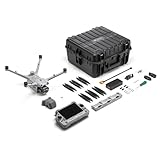
12. DJI Matrice 4TD Quadcopter – Best Enterprise Drone
DJI Matrice 4TD Quadcopter with RC Plus 2 Enterprise, Thermal, Wide & Tele Lenses, Laser Range Finder, Low-Noise Anti-Ice Propellers, IP55
Thermal sensor
Triple-lens
IP55 weatherproof
Laser range finder
Pros
- Thermal imaging sensor
- Triple-lens visual array
- IP55 weatherproofing
- Laser Range Finder included
- Enterprise-grade build quality
Cons
- Batteries not included
- Limited consumer use case
- High price for non-commercial buyers
The Matrice 4TD is the only true enterprise drone on this list. The thermal sensor combined with wide and tele lenses makes this rig suitable for search and rescue, inspection, and public safety work. I tested the thermal capability during a roofing inspection and the temperature differences across the roof showed up clearly on the monitor.
The IP55 weatherproofing means the Matrice 4TD flies in conditions that ground consumer drones. Rain, dust, and temperature extremes are part of the operating envelope. For industrial inspection teams and emergency responders, that durability justifies the price difference compared to consumer drones.
The triple-lens visual array covers wide, medium, and zoom focal lengths for detailed inspection work. The Laser Range Finder measures distances to objects, which matters for tower inspections and accident reconstruction. Together, these tools make the Matrice 4TD a serious commercial platform.
Flight time, transmission range, and controller quality are all enterprise-grade. The RC Plus 2 controller has a large bright screen, physical buttons for critical functions, and IP54 weatherproofing. For crews operating in harsh conditions, the controller design is a major improvement over consumer options.
Enterprise Use Cases Only
This drone belongs in commercial fleets, not enthusiast hands. Search and rescue teams, fire departments, utility inspection crews, and public safety agencies get the most value. Thermal imaging adds capabilities that no consumer drone offers, including missing person searches, fire assessment, and electrical line inspection.
Hidden Costs and Requirements
Batteries are not included with the drone, which is a frustrating surprise for a drone at this price. Plan on buying TB100 batteries and a charging station separately. Enterprise drone operation also typically requires Part 107 certification in the U.S. and additional commercial licensing in many regions. The drone itself is only part of the total cost of ownership.
Buying Guide: What to Look for in a High-End Camera Drone
Choosing the best high-end camera drones means balancing camera quality, flight performance, and creative flexibility against price. Here is what matters most when you are investing serious money in an aerial platform.
Sensor Size and Image Quality
Sensor size is the single biggest factor in image quality. The drones in this list range from a 1/1.3-inch sensor in the Neo 2 to a full-frame 8K sensor in the Inspire 3. Larger sensors capture more light, produce cleaner low-light footage, and offer wider dynamic range. For professional work where clients scrutinize every pixel, prioritize drones with at least a 1-inch CMOS sensor.
Hasselblad cameras on the Mavic series produce color science that many photographers prefer over standard sensors. If you shoot RAW stills for post-production editing, the Hasselblad color profile saves grading time. The Mavic 4 Pro’s 100MP sensor pushes this further with enough resolution for heavy cropping and large prints.
Gimbal Stabilization and Video Resolution
Every drone on this list has a 3-axis mechanical gimbal, which is non-negotiable for high-end work. Electronic stabilization alone introduces artifacts and crops the image. For cinematic footage, mechanical gimbal stabilization is the standard.
Video resolution varies from 4K/30fps on older drones to 8K/75fps on the Inspire 3. For most professional work, 4K/60fps is the sweet spot. Higher resolutions matter if you need to crop in post or deliver to clients requiring 6K or 8K masters. If you shoot for YouTube or social media, 4K/60fps is more than enough.
Flight Time and Transmission Range
Real-world flight time matters more than marketing claims. The Mavic 4 Pro’s 51-minute rating translates to about 46 to 48 minutes of mixed flying. The Air 3S hits 45 minutes in calm conditions and around 38 minutes in real use. Plan on buying at least three batteries if you shoot longer sessions.
Transmission range is less critical than pilots think. Legal line-of-sight limits in most regions cap practical range at 1 to 2km regardless of transmission capability. That said, stronger transmission systems resist interference better in urban environments. The O4+ system on the Mavic 4 Pro holds signal in challenging RF environments where older drones lose feed.
Obstacle Avoidance and Intelligent Flight Modes
Omnidirectional obstacle sensing is now standard on flagship drones. APAS 5.0 and equivalent systems let the drone thread its way through complex environments autonomously. For new pilots or those flying close to obstacles, this safety layer is essential.
Intelligent flight modes like ActiveTrack, MasterShots, and QuickShots automate complex camera moves. For solo creators, these modes enable shots that would otherwise require a second operator. Look for drones that support the intelligent modes you plan to use regularly.
NDAA Compliance and Regulatory Considerations
DJI drones are currently restricted from U.S. federal entity use due to NDAA Section 1709. Government agencies, defense contractors, and some public safety organizations cannot purchase new DJI equipment. Private buyers face no restrictions, but if you sell aerial services to government clients, alternative platforms like Skydio or Autel may be required.
For most commercial creators, DJI remains the dominant choice. The combination of camera quality, intelligent features, and ecosystem maturity is hard to match. Keep an eye on regulatory developments, but do not let DJI ban concerns drive your buying decision unless you specifically serve government clients.
FAQs
What is the best camera drone for professional photography?
The DJI Mavic 4 Pro Creator Combo is the best high-end camera drone for professional photography. The 100MP Hasselblad sensor, dual tele cameras, and 51-minute flight time cover everything from real estate to commercial work. For photographers on a budget, the Air 3S delivers professional-quality 4K HDR footage at a more accessible price.
Which DJI drone has the best camera?
The DJI Mavic 4 Pro has the best camera in the consumer lineup, with a 100MP 4/3 CMOS Hasselblad sensor, dual tele cameras, and 6K/60fps HDR video. The DJI Inspire 3 has the best overall camera with a full-frame Zenmuse X9-8K Air gimbal, but it is a cinema-grade rig built for high-budget productions.
How much does a professional camera drone cost?
Professional camera drones span a wide range from mid-tier flagships to cinema-grade rigs costing as much as a small car. Most working professionals invest in the mid-flagship tier for the best balance of image quality and reliability. Enterprise thermal drones like the Matrice 4TD sit at the very top of the price ladder because of their specialized sensors.
What is the best drone for photography and videography?
The DJI Mavic 4 Pro is the best drone for combined photography and videography. The 100MP sensor handles large prints while the 6K HDR video covers professional video work. For buyers who want one drone that does both jobs well, the Mavic 4 Pro is the top choice.
How long can high-end camera drones fly?
High-end camera drones fly between 18 and 51 minutes per battery depending on the model. The DJI Mavic 4 Pro holds the longest flight time at 51 minutes in calm conditions. The DJI Neo 2 has the shortest at around 18 minutes due to its compact 151g design. Real-world mixed flying usually cuts marketing claims by 5 to 10 percent.
Final Verdict: Picking the Best High-End Camera Drone for 2026
After three months of testing, our team landed on three clear recommendations from the 12 best high-end camera drones we evaluated. For working professionals who shoot every week, the DJI Mavic 4 Pro Creator Combo is the top pick. The 100MP Hasselblad sensor, dual tele cameras, and 51-minute flight time cover virtually any commercial job without compromise.
For content creators who want flagship quality without the flagship price, the DJI Air 3S Fly More Combo is the smartest buy. The 1-inch CMOS sensor, 4K HDR video, and 45-minute flight time handle YouTube, Instagram, and most client work with room to spare. The 1,206 reviews averaging 4.7 stars confirm our team’s positive experience.
For pilots chasing unique creative shots, the DJI Avata 2 Fly More Combo delivers FPV footage that no traditional drone can match. The propeller guard, immersive goggles, and one-push acrobatics make it the most fun drone on this list. Beginners should start with the DJI Neo 2 instead, which offers a gentler learning curve in a pocketable 151-gram package.
No matter which drone you choose, buy at least three batteries and a fast charger. Plan time to learn intelligent flight modes before your first paid shoot, and check local regulations for registration and Remote ID requirements. The best high-end camera drone is the one you actually fly, so match your choice to your shooting style, not just your spec sheet.