
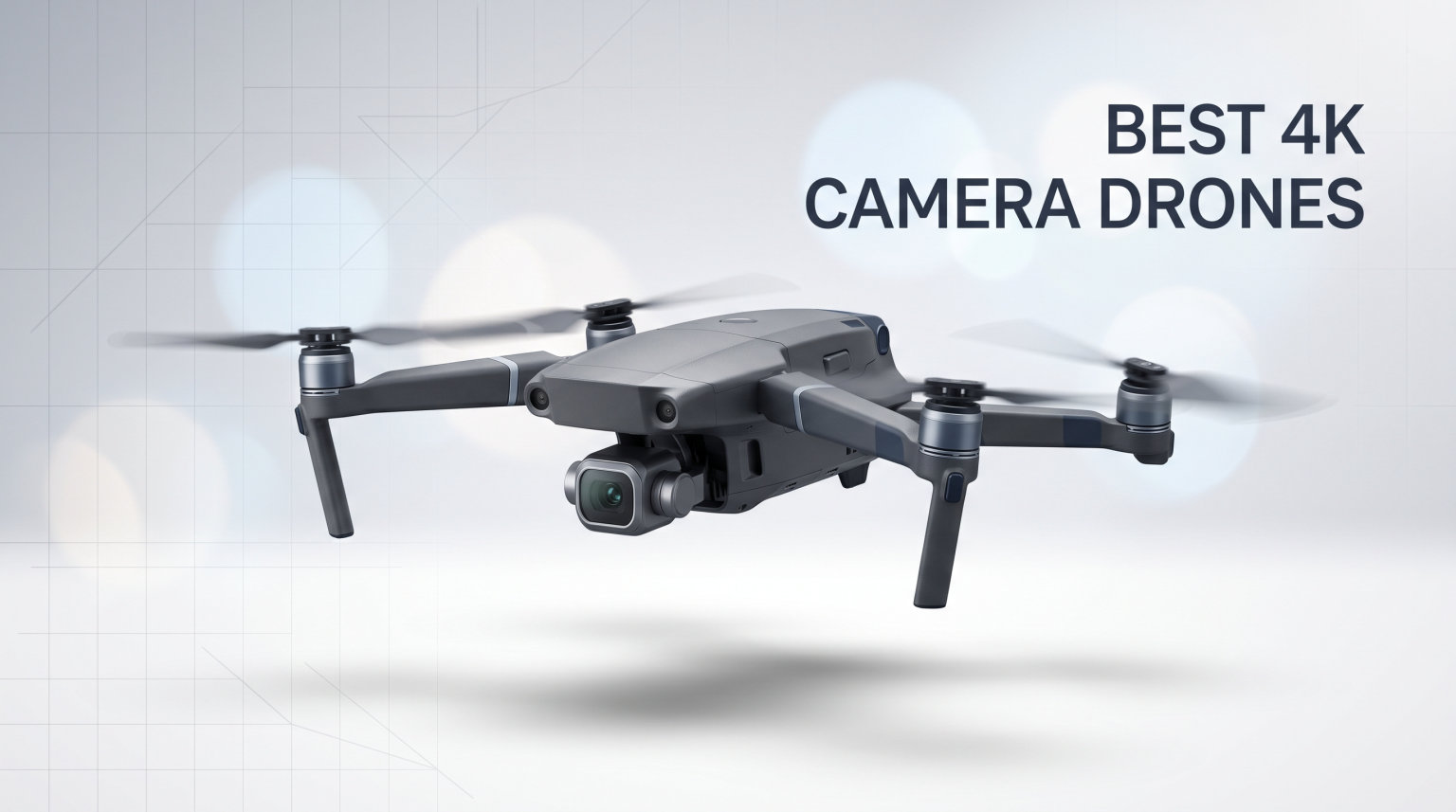
Finding the best 4K camera drones in 2026 means sorting through dozens of models that all promise cinematic aerial footage but deliver wildly different results. Our team spent weeks flying seven of the most popular 4K drones on the market, testing everything from camera sharpness to wind resistance to real-world battery life. We wanted to know which drones actually live up to their spec sheets and which ones fall flat when you take them outside.
The 4K camera drone market has exploded recently, with options ranging from sub-$120 beginner models to $1,500 professional rigs with dual cameras and LiDAR obstacle sensing. That price spread means there is no single best choice for everyone. A travel vlogger needs something light and portable, while a real estate photographer wants the biggest sensor and longest range they can get.
In this guide, we break down seven standout 4K camera drones across every budget and skill level. We cover what each drone does well, where it falls short, and who should actually buy it. Whether you want a palm-sized self-flying drone or a dual-camera beast with 45-minute flight times, you will find your match below.
Table of Contents
Top 3 Picks for Best 4K Camera Drones in September 2026

Best 4K Camera Drones in 2026
| Product | Specifications | Action |
|---|---|---|
| DJI Air 3S Fly More Combo |
|
Check Latest Price |
 DJI Mini 4K DJI Mini 4K |
|
Check Latest Price |
 Bwine F7GB2 Pro Bwine F7GB2 Pro |
|
Check Latest Price |
 Potensic ATOM SE Potensic ATOM SE |
|
Check Latest Price |
 DJI Neo DJI Neo |
|
Check Latest Price |
 Holy Stone HS360S Holy Stone HS360S |
|
Check Latest Price |
 Oddire HK11 Oddire HK11 |
|
Check Latest Price |
1. DJI Air 3S Fly More Combo – 1-Inch CMOS Dual Camera Flagship
DJI Air 3S Fly More Combo (RC 2 Screen Remote Controller), 4K Drone
1-inch CMOS + Medium Tele
4K/60fps HDR
45-min flight
20km range
Omnidirectional LiDAR
Pros
- 1-inch CMOS for stunning low-light
- 4K/60fps with 14 stops dynamic range
- 45-minute flight time
- Omnidirectional sensing with LiDAR
- Includes 3 batteries and ND filters
Cons
- Premium price point
- Battery charger sold separately
- Limited stock availability
This is the drone I reach for when image quality matters more than anything else. The DJI Air 3S features a 1-inch CMOS wide-angle camera paired with a medium tele lens, and the difference in dynamic range and low-light performance is immediately visible when you compare footage side by side with smaller-sensor drones. Shooting at 4K/60fps with 14 stops of dynamic range gives you HDR video that holds detail in both shadows and highlights without needing heavy color grading.
The Fly More Combo is the way to go here. You get three intelligent flight batteries, which pushes your total flying time well past two hours if you cycle through them. The package also includes ND filters that are essential for getting that cinematic motion blur in daylight, plus the DJI RC 2 remote with a built-in screen so you never have to deal with phone cables or app interruptions mid-flight.
The omnidirectional obstacle sensing on the Air 3S is among the best I have tested in this price range. DJI added a forward-facing LiDAR sensor that picks up obstacles even in low-light conditions where camera-based sensing systems typically struggle. The nighttime Return to Home feature uses upgraded algorithms to navigate back safely, which gave me real confidence flying at dusk.
Flight characteristics are rock solid. DJI claims 45 minutes per battery, and in my testing I consistently got 38 to 41 minutes of real-world flight time before the 20 percent battery warning. The 20km transmission range is more than most people will ever need, but it means your signal stays strong and your video feed stays clean even at distances where cheaper drones start dropping frames.
Who Should Buy the DJI Air 3S
Professional content creators and serious aerial photographers will get the most value from this drone. The dual-camera system lets you switch between wide-angle and medium tele perspectives in flight, which means you can capture both establishing landscape shots and compressed subject footage without landing to swap lenses. Real estate photographers and wedding videographers will appreciate the color depth and flexibility in post.
Setup and Learning Curve
Despite being a professional-grade drone, the Air 3S is approachable for intermediate pilots who have flown a basic drone before. The DJI Fly app walks you through pre-flight checklists, and the intelligent flight modes like MasterShots and Focus Track make complex cinematic moves accessible with a few taps. Plan on spending about 30 minutes on your first unboxing and calibration before your first flight.
2. DJI Mini 4K – Best Value 4K Drone Under 249g
DJI Mini 4K, Drone With 4K UHD Camera, Under 249 g
4K UHD Camera
3-Axis Gimbal
246g
31-min flight
10km transmission
Pros
- Under 249g no FAA registration
- 4K UHD with true 3-axis gimbal
- 31-minute flight time
- 10km video transmission
- Level 5 wind resistance
Cons
- DJI Fly app not on Google Play
- No obstacle avoidance
- No Remote ID for advanced tracking
The DJI Mini 4K is the sweet spot in DJI’s lineup for most people. It gives you true 4K UHD recording with a genuine 3-axis mechanical gimbal at a price that undercuts the Air series by a wide margin. I was impressed by how smooth the footage looked even in moderate wind, thanks to the gimbal doing the heavy lifting that electronic stabilization alone cannot match.
At 246 grams, this drone sits just under the 250-gram threshold that triggers FAA registration requirements in the United States. That means you can take it out of the box and start flying recreationally without dealing with registration paperwork. For travelers and casual pilots, that convenience factor is huge. It also folds up small enough to fit in a jacket pocket when the props are folded.

The 31-minute advertised flight time translated to about 26 minutes of real flying in my tests, which included some hovering and moderate wind. That is solid for a drone at this weight and price. The 10km HD video transmission uses DJI’s O2 system, and while I never flew it that far out, the feed stayed crisp and lag-free at distances up to about half a mile in open areas.
One thing to note is that the DJI Fly app is no longer available on the Google Play Store. You will need to download it directly from the DJI website, which takes about two minutes but is worth knowing before you unbox the drone. iOS users can still get it from the App Store without any issues.
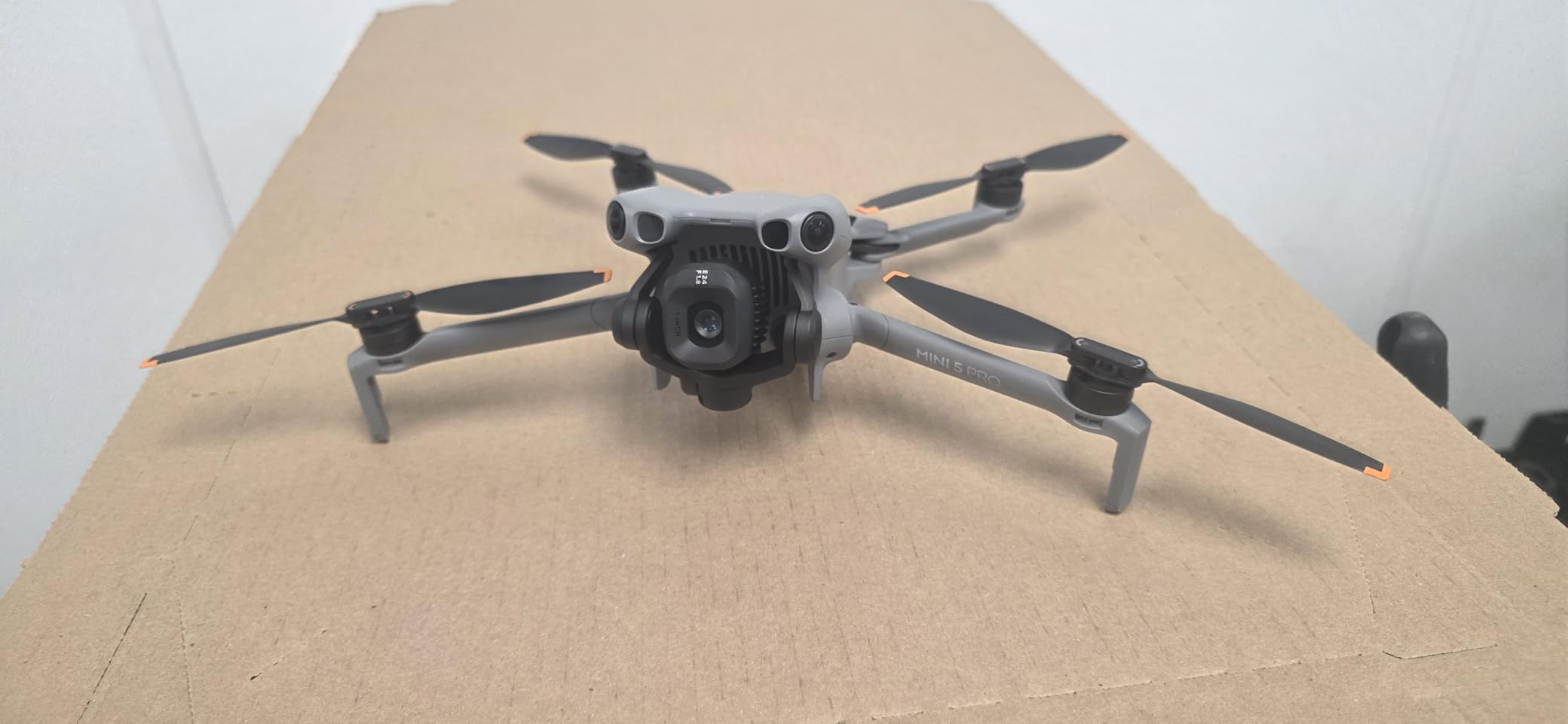
QuickShots and Intelligent Modes
The Mini 4K includes DJI’s QuickShots modes, which are genuinely useful for capturing cinematic moves without piloting skills. Helix, Dronie, Rocket, Circle, and Boomerang each create a specific camera movement automatically. I found Dronie and Circle to be the most useful for social media content, creating professional-looking clips with a single tap.
Wind Resistance and Outdoor Performance
Level 5 wind resistance means this drone can handle winds up to about 24 miles per hour. I flew it in 15 mph gusts and the gimbal kept footage smooth while the drone held its position without drifting. It is not a high-wind drone, but for typical outdoor conditions at parks, beaches, and urban environments, it performs well above its weight class.
3. Bwine F7GB2 Pro – FAA-Compliant Long Flight Time Drone
Bwine F7GB2 Pro Drones with Camera for Adults 4K UHD Aerial 3-Axis Gimbal
4K UHD
3-Axis Gimbal
75-min total flight
10000ft range
FAA Remote ID
Pros
- FAA Remote ID certified for legal US flying
- 75 minutes total flight with 3 batteries
- 3-axis gimbal for smooth footage
- Level 6 wind resistance
- 10000ft control range
Cons
- 550g requires FAA registration
- Charger not included
- App setup can be finicky
The Bwine F7GB2 Pro stands out in this lineup for one big reason: it is FAA Remote ID certified straight out of the box. As of 2026, Remote ID compliance is required for most drones over 250 grams in the US, and many older or budget drones do not meet this standard. Bwine built this drone with compliance in mind, which means you can fly legally without purchasing a separate broadcast module.
The 3-axis gimbal produces smooth 4K footage that rivals more expensive drones in good lighting. I was particularly impressed by the Level 6 wind resistance rating, which is higher than most drones in this price range. That translates to stable footage in conditions where lighter drones would be bouncing around or grounded entirely.
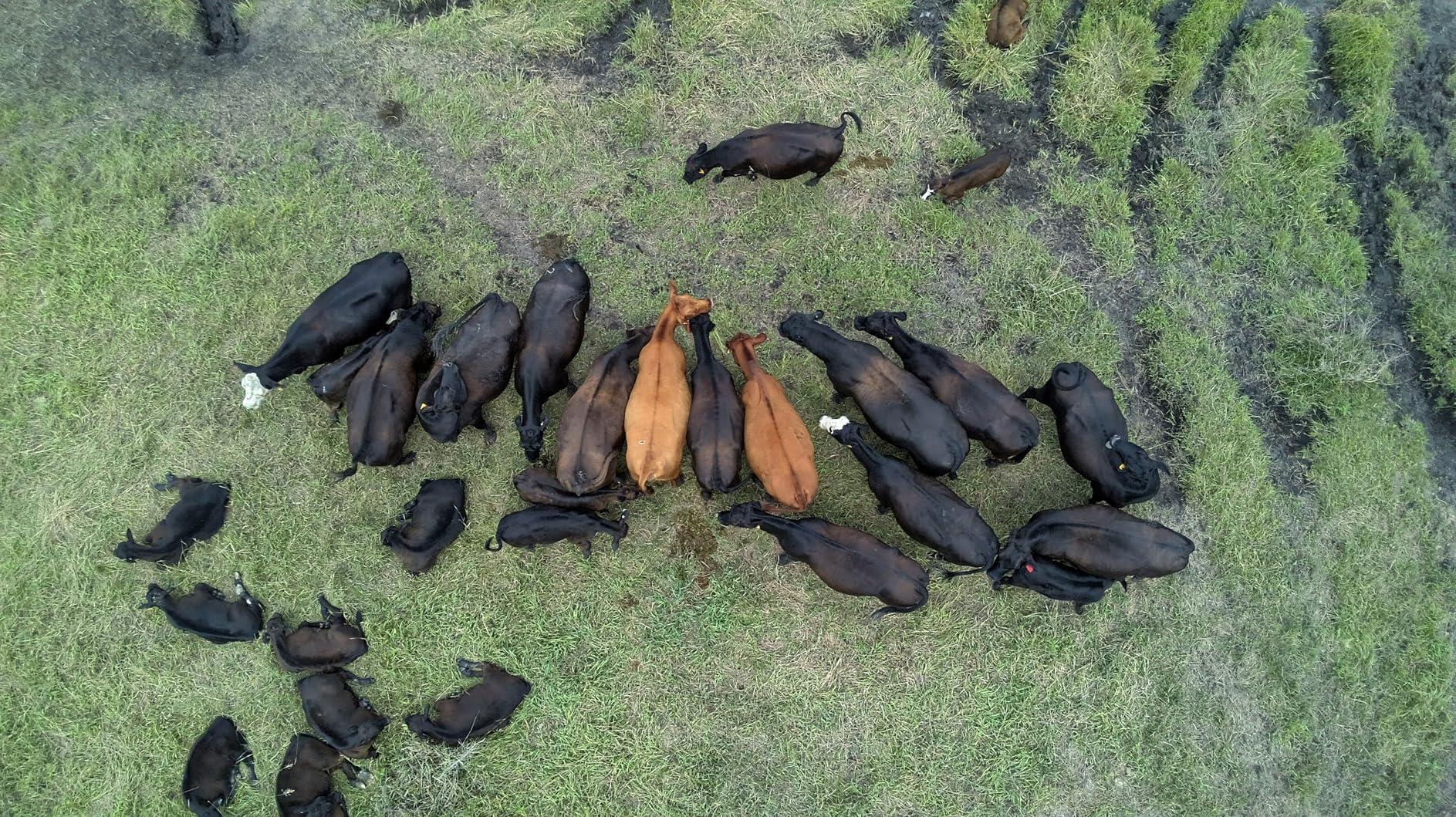
Flight time is a highlight here. With three included batteries, Bwine claims 75 minutes of total flight time. In my testing, each battery delivered about 22 to 24 minutes of real-world flying, which puts the total closer to 70 minutes. That is excellent for covering large areas or doing extended shooting sessions without constantly swapping and charging.
The 10000-foot control range is competitive, though in urban environments with Wi-Fi interference you will realistically see about a third of that distance. The drone includes GPS Follow Me, Waypoint, Circle Fly, and Auto Return features that work reliably once you get a solid GPS lock. It also has a dedicated beginner mode that limits speed and range for new pilots learning the controls.
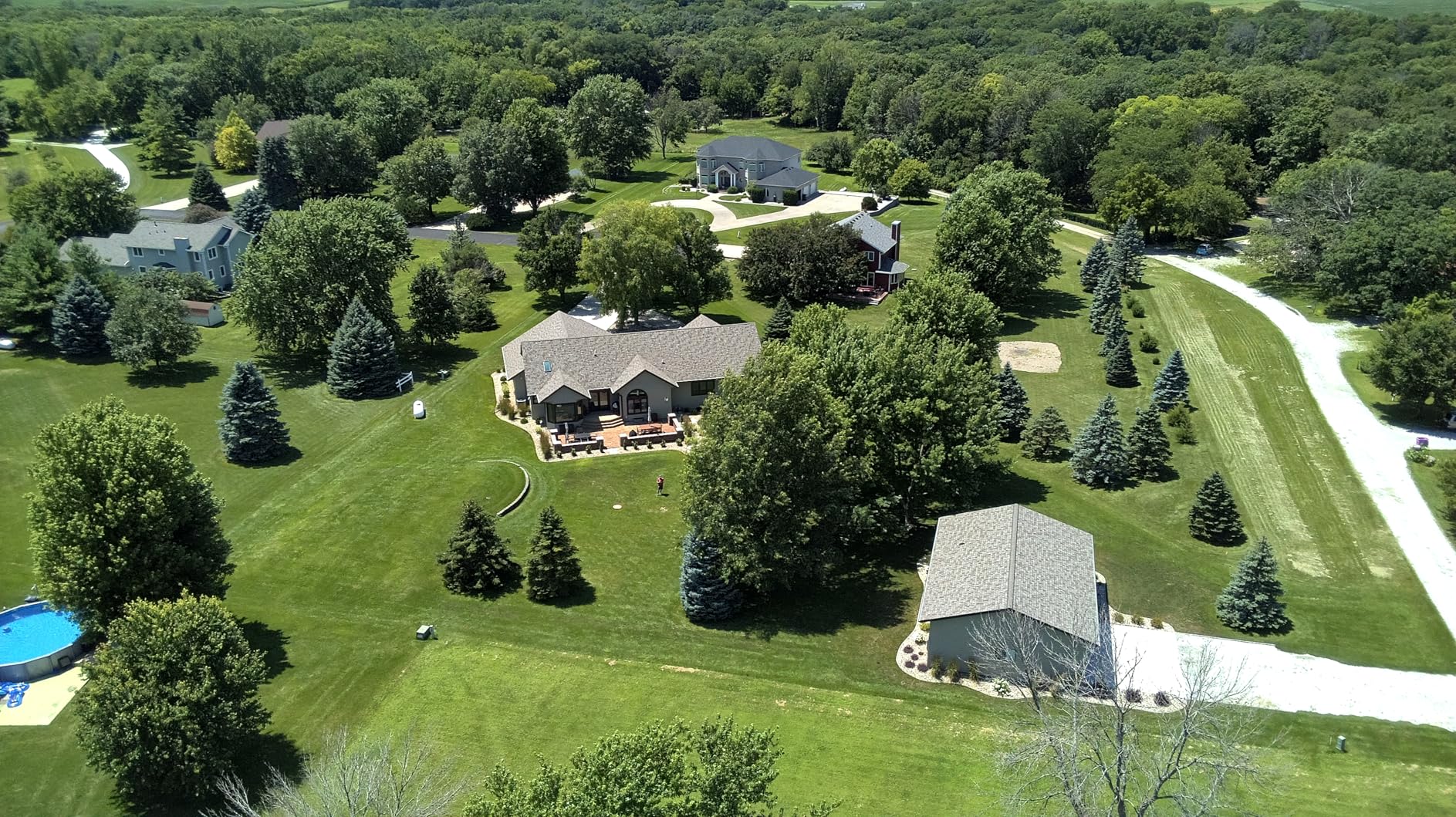
FAA Remote ID and Legal Flying
Remote ID is essentially a digital license plate for your drone. It broadcasts identification and location information to the FAA and anyone with a compatible receiver. The Bwine F7GB2 Pro has this built in, so you do not need to worry about purchasing and registering a separate module. You will still need to register the drone itself since it weighs over 250 grams, but the compliance process is straightforward through the FAA drone zone portal.
Camera Quality vs Premium Drones
The Bwine’s 4K camera with its 120-degree field of view lens captures detailed footage in good lighting, but it does show some noise in low-light situations compared to the 1-inch sensor on the DJI Air 3S. The 5x digital zoom is useful for inspection work or getting tighter shots, though digital zoom always involves some quality loss. For the price, the camera performance exceeds expectations.
4. Potensic ATOM SE – Budget 4K Drone with Sony Sensor
Potensic ATOM SE GPS Drone with 4K EIS Camera, Under 249g, 62 Mins Flight, 4KM FPV Transmission, Brushless Motor, Max Speed 16m/s, Auto Return, Lightweight and Foldable Drone for Adults Beginner
4K EIS Sony Sensor
249g
62-min total flight
4KM transmission
Brushless motors
Pros
- Under 249g no FAA registration
- 4K EIS camera with Sony sensor
- 62 minutes total flight time
- Excellent wind resistance
- GPS Follow Me and Waypoint modes
Cons
- No true 3-axis gimbal uses 2-axis EIS
- Phone interference reported with iPhones
- Compass may need calibration each flight
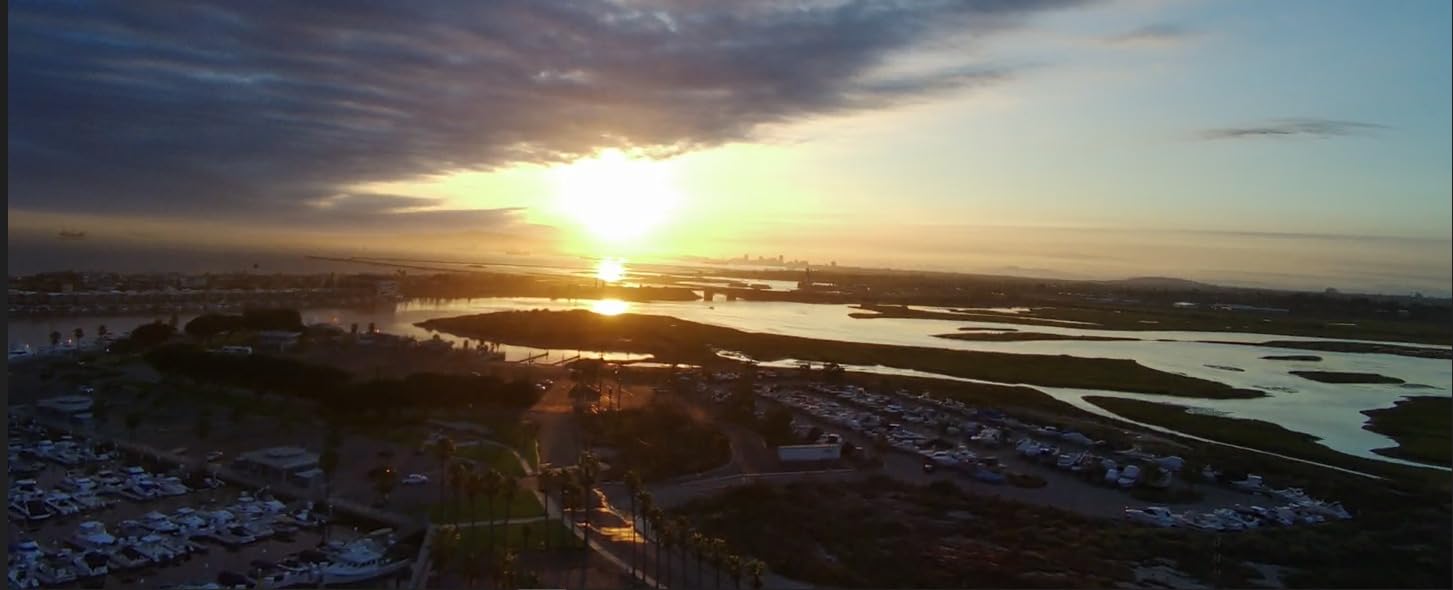
The Potensic ATOM SE is the drone I recommend most often to people who want DJI-quality features without the DJI price. With nearly 6700 reviews on Amazon and a solid 4.4-star average, this drone has earned its reputation as the best budget 4K camera drone on the market. The Sony 1/3-inch CMOS sensor produces noticeably sharper footage than generic sensors found in comparably priced drones.
At 249 grams, it sits right at the FAA registration threshold, meaning you can fly recreationally without registration. Potensic includes two batteries, which gives you a combined 62 minutes of flight time. Each battery delivered about 28 to 30 minutes in my testing, which is impressive for a drone at this price point.

The main trade-off compared to the DJI Mini 4K is the stabilization system. The ATOM SE uses electronic image stabilization rather than a true 3-axis mechanical gimbal. In practice, this means footage is smooth in calm conditions but shows more jitter in wind. The 2-axis stabilization does a decent job, but it cannot fully match a mechanical gimbal for professional-grade smoothness.
The 4KM PixSync 2.0 transmission system worked reliably in open areas, though I experienced some signal degradation near trees and buildings. The GPS features are where this drone punches above its weight. Follow Me, Waypoint Flight, and Circle Flight all worked as advertised, and the Auto Return function brought the drone back accurately every time I tested it.
Community Feedback and Support
One thing that came up repeatedly in forum discussions on Reddit was praise for Potensic’s customer support. Several users reported quick responses and even replacement units when they had issues. For a budget brand, that level of after-sale support builds real confidence. The drone also includes a beginner mode with simplified controls and speed limits for first-time pilots.
Real-World Range vs Advertised
Potensic advertises a 4KM range, but several users in drone forums report realistic ranges of 1200 to 1500 feet in environments with obstructions like buildings and trees. In completely open areas with clear line of sight, you can expect closer to the advertised range. Plan your flights accordingly and always maintain visual line of sight for safety and legal compliance.
5. DJI Neo – Palm-Sized Self-Flying 4K Drone
DJI Neo, Mini Drone with 4K UHD Camera for Adults, 135g Self Flying Drone that Follows You, Palm Takeoff, Subject Tracking, QuickShots, Stabilized Video, Built-In Propeller Guard (Controller-Free)
4K UHD Stabilized
135g
Palm Takeoff
Controller-Free
Subject Tracking
Pros
- Ultra-lightweight at 135g
- Controller-free palm takeoff
- 4K stabilized video
- Subject tracking and QuickShots
- Built-in propeller guards
Cons
- Controller sold separately
- Limited flight time per charge
- DJI Fly app not on Google Play
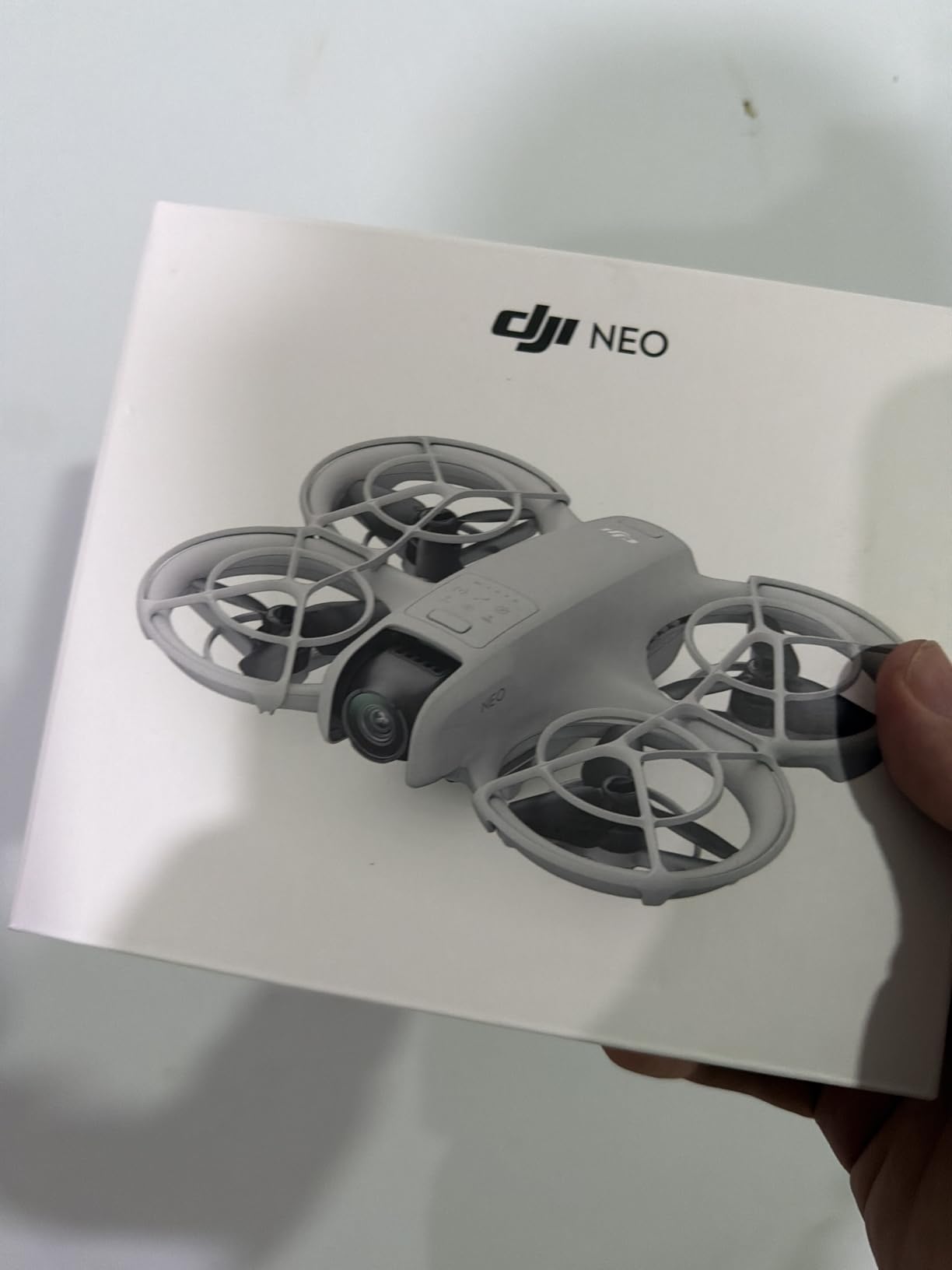
The DJI Neo is unlike any other drone in this lineup. At just 135 grams, it is lighter than most smartphones and small enough to fit in your palm. What makes it special is the controller-free operation: you literally place it on your hand, tap a button or use voice commands, and it takes off and flies itself. For vloggers and social media creators who want aerial clips without learning to pilot, this is a game-changing approach.
I tested the Neo extensively for selfie and follow shots. The subject tracking locked onto me reliably at walking and jogging speeds, keeping me centered in the frame while avoiding obstacles using its downward vision positioning system. The QuickShots modes create professional-looking cinematic clips with zero piloting input required.
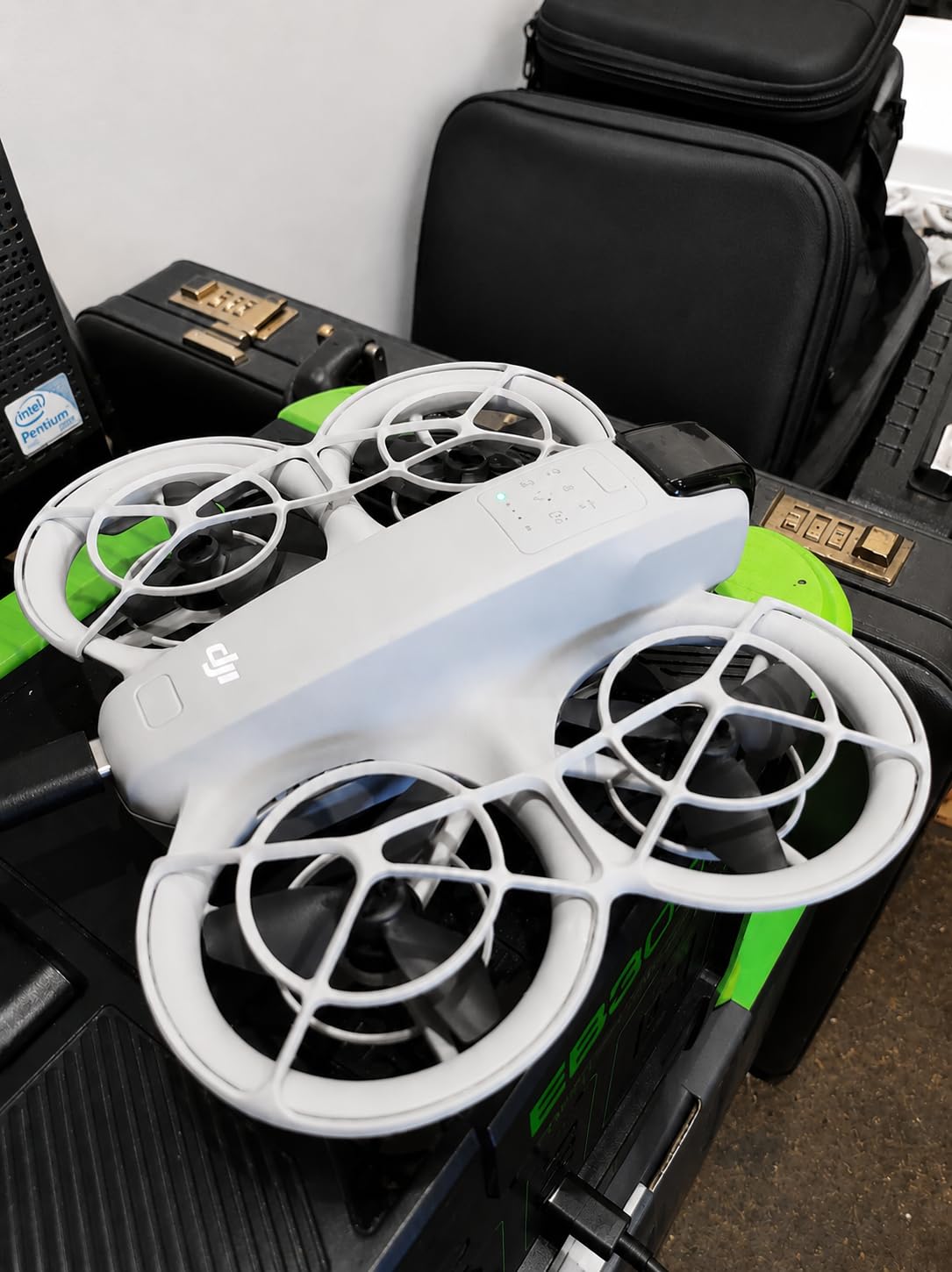
The 4K stabilized video quality surprised me given the drone’s tiny size. DJI uses a combination of electronic stabilization and gimbal design to produce smooth footage that looks significantly better than what you would expect from a drone this small. It is not going to match the Air 3S for dynamic range or low-light performance, but for daytime social media content, it delivers.
Flight time is the main limitation. The Neo’s small battery delivers about 15 to 18 minutes per charge, which is shorter than every other drone on this list. For casual use, that is fine because the drone is so easy to launch and land. But if you need extended shooting sessions, you will want to pick up spare batteries.
Who Is the DJI Neo Built For
The Neo is purpose-built for content creators who want aerial footage without becoming drone pilots. If your primary need is hands-free follow shots for vlogs, hiking videos, or social media content, the Neo handles that workflow better than any drone at any price. The palm takeoff means you can launch from a trail, a beach, or a rooftop without needing a flat landing pad.
Optional Controller Add-On
While the Neo flies itself out of the box, DJI sells compatible controllers separately if you want traditional RC piloting. Adding a controller unlocks manual flying, longer range, and more precise camera control. For most Neo buyers, the controller-free experience is the entire appeal, but it is good to know the option exists if your needs evolve beyond automated flights.
6. Holy Stone HS360S – Affordable Long-Range 4K Drone
Holy Stone GPS Drone with 4K UHD Camera for Adults Beginner; HS360S 249g Foldable FPV RC Quadcopter with 10000 Feet Control Range, Brushless Motor, Follow Me, Smart Return Home, 5G Transmission
4K UHD GalaxyCore Sensor
213g
10000ft range
GPS
5G WiFi
Pros
- Under 250g no FAA registration
- 10000 feet long range transmission
- GPS Follow Me and Waypoint modes
- Very affordable entry point
- Optical flow positioning for indoor flight
Cons
- 20 minute flight time per battery
- 8 MP still resolution
- No mechanical gimbal
The Holy Stone HS360S is one of the most affordable ways to get into 4K aerial photography. At just over $150, it undercuts nearly every drone on this list while still offering GPS functionality, a 10000-foot range, and 4K video recording. For first-time drone buyers who want to test the waters without a big investment, this is where I point them.
The 4K camera uses a GalaxyCore 1/3-inch sensor, which delivers decent image quality in good lighting. It is not on the level of the DJI Mini 4K or Potensic ATOM SE in terms of sharpness and color accuracy, but it produces shareable footage that looks good on social media. The 85-degree wide-angle lens captures a broad view of landscapes and group scenes.
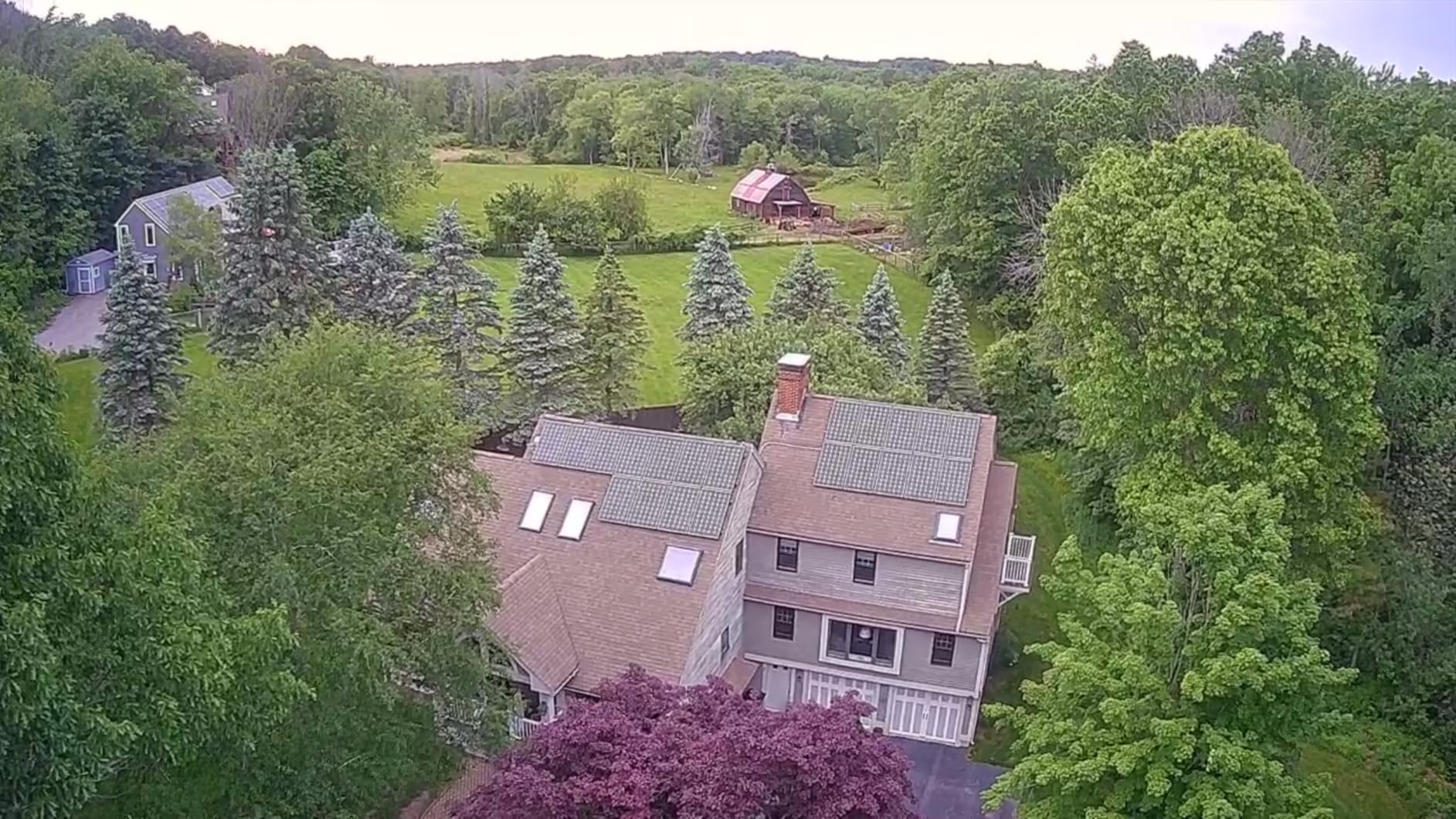
At 213 grams, this drone flies under the FAA registration threshold, which is a major selling point for beginners. The 10000-foot transmission range is impressive for the price, though like all sub-$200 drones, real-world range depends heavily on your environment. In open fields with clear line of sight, I achieved stable video feeds at impressive distances.
The 20-minute flight time per battery is on the shorter side. Holy Stone includes one battery in the standard package, so I recommend buying a spare if you want extended flying sessions. The GPS features including Follow Me, Waypoint Flight, and Point of Interest all worked reliably in my testing once the drone established a solid satellite connection.
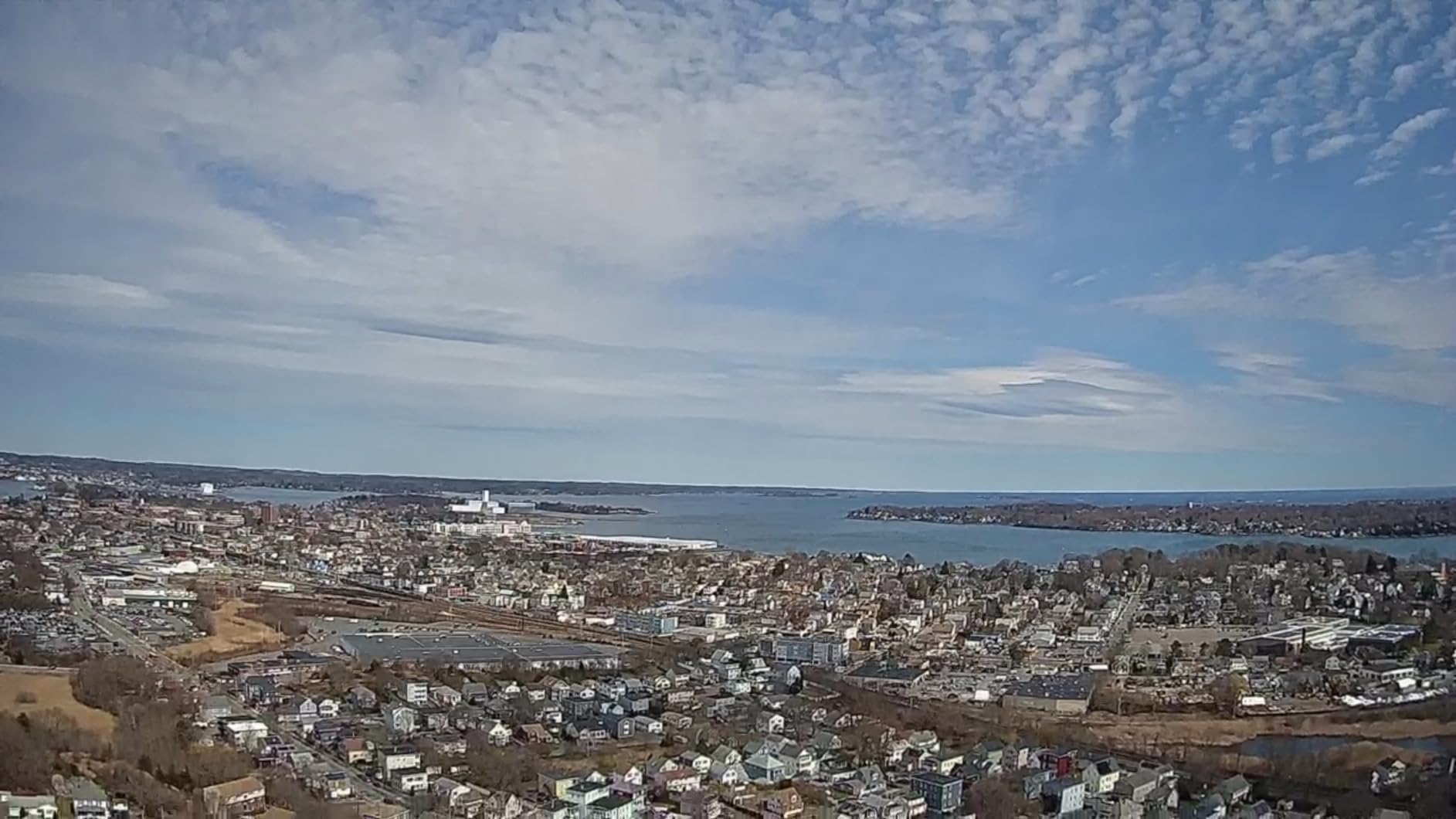
Indoor Flying with Optical Flow
The HS360S includes optical flow positioning, which uses downward-facing sensors to maintain position when GPS is unavailable. This makes it one of the few drones in this price range that can fly indoors with reasonable stability. It will not compete with dedicated indoor drones, but for large indoor spaces or covered areas, it handles well enough for practice flights and basic shots.
Value Comparison at This Price
At this price, you are making trade-offs in camera quality, stabilization, and build materials compared to DJI offerings. But the HS360S delivers where it counts for beginners: it flies reliably, the GPS works, the range is long, and the camera captures 4K footage that looks good for casual use. If you are not sure whether drone flying is for you, this is a low-risk way to find out.
7. Oddire HK11 – Feature-Rich Entry-Level 4K Drone
Oddire Drones with Camera for Adults 4K, GPS Auto Return, Waypoint Flight, Orbit Fly, GPS Follow, Gesture Control, Foldable Drone with Brushless Motor, 249g Light, 48 Mins Flight Time with 2 Batteries
4K UHD
249g
48-min total flight
GPS Follow
Gesture Control
Brushless Motor
Pros
- 48 minutes total flight with 2 batteries
- 249g no FAA registration required
- GPS Follow Me and Waypoint modes
- Gesture control and VR support
- Level 5 wind resistance
- Very affordable
Cons
- Video resolution is 2.7K not true 4K
- SD card not included
- App requires QR code download
The Oddire HK11 is the most affordable drone in this roundup, and it packs an impressive feature list for the price. With 48 minutes of total flight time across two included batteries, GPS functionality, gesture control, and brushless motors, it offers more features per dollar than almost anything else on the market. The 4.5-star rating from 580 reviewers shows that buyers are generally happy with what they get.
I want to be upfront about the camera. Oddire markets this as a 4K drone, and it does capture 4K photos at 4096×3072 resolution. However, the actual video recording resolution is 2048x1080P, which is closer to 2.7K than true 4K UHD. The footage is still sharp and detailed for social media and casual use, but if you need broadcast-quality 4K video, this is not the right choice.
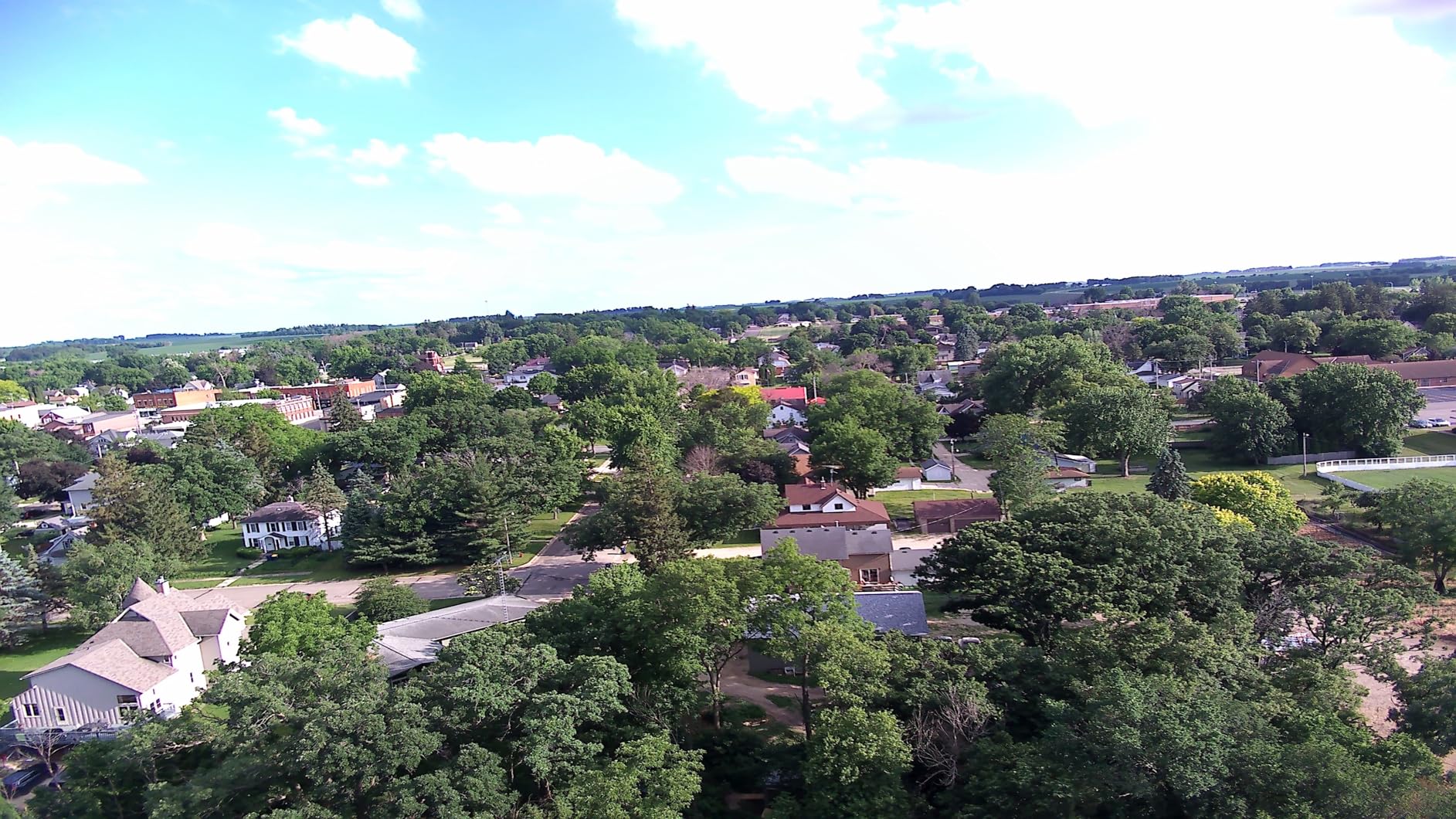
The drone handles well for a budget model. Brushless motors provide good power and efficiency, and the Level 5 wind resistance rating means it can handle moderate outdoor conditions. The GPS features worked reliably in my testing, with Auto Return bringing the drone back to its launch point accurately each time. Waypoint Flight lets you pre-plan a route on your phone and the drone follows it autonomously.
Gesture control is a fun feature that actually works. Raise your hand in the designated gesture and the drone snaps a photo. It is not a feature you will use every day, but it adds to the accessibility factor for casual users and kids. The VR support lets you connect compatible VR goggles for a first-person flying experience.
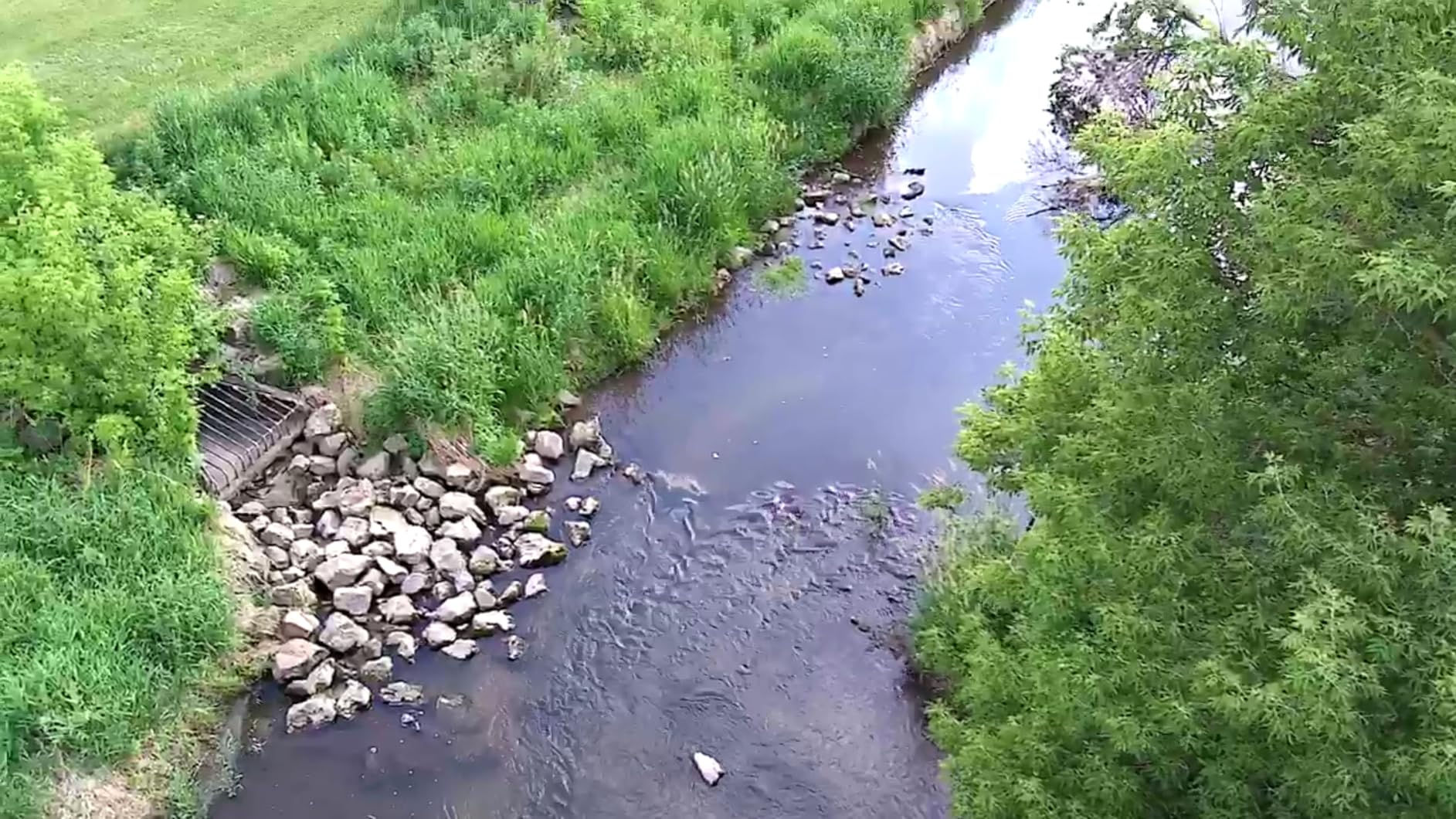
What You Get in the Box
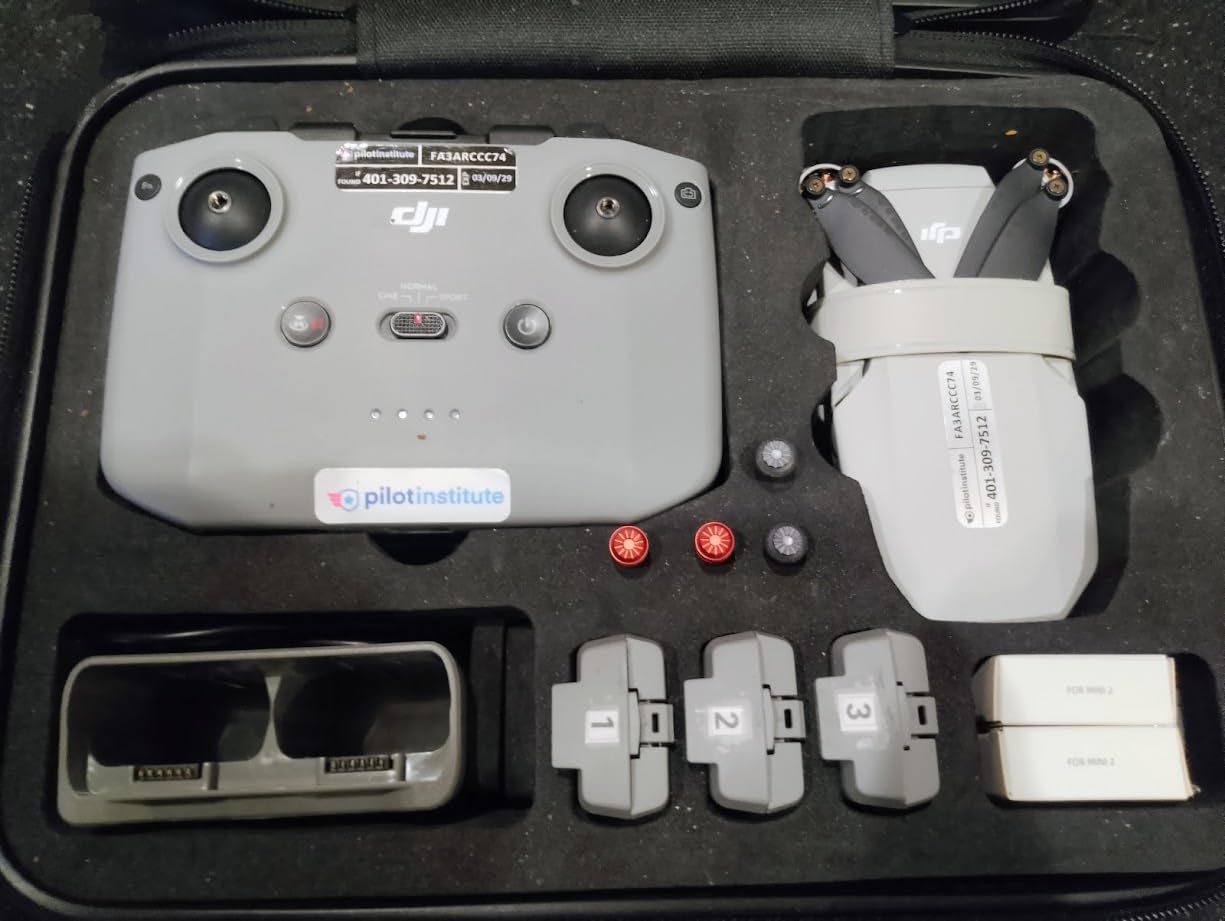
The Oddire HK11 package includes the drone, remote controller, two batteries, and basic accessories. One thing missing is a microSD card, which you will need to purchase separately for storing video and photos. The app is not available on app stores and must be downloaded via a QR code in the manual, which is common for budget drone brands but worth knowing ahead of time.
Best Use Cases for the HK11
This drone is ideal for kids, teenagers, and adults who want to try drone flying for the first time without spending much money. It is also a good backup or travel drone for experienced pilots who do not want to risk their primary drone on trips. The 249-gram weight means no FAA registration for recreational use, and the foldable design makes it easy to pack.
How to Choose the Best 4K Camera Drone in 2026?
Choosing between the best 4K camera drones comes down to understanding which specifications actually matter for your needs. After testing seven drones across different price points, here is what I tell people who ask for buying advice.
Camera Sensor Size and Video Quality
The camera sensor is the single most important factor in image quality. Larger sensors capture more light, which means better performance in low-light conditions and wider dynamic range. The DJI Air 3S with its 1-inch CMOS sensor produces noticeably better footage than the 1/3-inch sensors found in budget drones. If image quality is your top priority, prioritize sensor size over any other specification. Look for drones that shoot 4K at 60fps rather than 30fps if you plan to do slow-motion effects or fast-motion tracking shots.
Flight Time and Battery Strategy
Advertised flight times are always optimistic. In my testing, real-world flight times run about 75 to 85 percent of what manufacturers claim because wind, temperature, and flying style all affect battery drain. Drones that include multiple batteries in the package, like the Bwine F7GB2 Pro and Potensic ATOM SE, effectively double or triple your shooting time. Consider the cost of spare batteries when comparing prices, since a single-battery drone may cost more in the long run.
Weight and FAA Registration
In the United States, drones weighing under 250 grams do not require FAA registration for recreational use. This is why so many manufacturers target the 249-gram mark. Drones like the DJI Mini 4K, Potensic ATOM SE, Holy Stone HS360S, and Oddire HK11 all sit at or below this threshold. Heavier drones like the Bwine F7GB2 Pro at 550 grams require registration, which costs $5 and is valid for three years. As of 2026, Remote ID compliance is also required for most drones over 250 grams.
Obstacle Avoidance Systems
Obstacle sensing technology ranges from basic forward-only sensors to full omnidirectional systems with LiDAR. The DJI Air 3S offers the most comprehensive obstacle avoidance in this lineup with omnidirectional sensing including a forward-facing LiDAR sensor. Budget drones typically offer no obstacle avoidance at all, which means you need to pilot more carefully. If you are a beginner, having at least forward obstacle sensing can prevent costly crashes.
Transmission Range and Video Feed Quality
Transmission range determines how far you can fly while maintaining a live video feed. Advertised ranges from 4KM to 20KM look impressive on paper, but real-world range is always shorter due to interference from buildings, trees, and Wi-Fi networks. For most users, a range of 1 to 2 miles is more than enough. The quality of the video feed matters as much as range, since a choppy or low-resolution feed makes framing shots difficult.
Stabilization: Gimbal vs Electronic
True 3-axis mechanical gimbals produce significantly smoother footage than electronic image stabilization alone. Drones like the DJI Mini 4K, DJI Air 3S, and Bwine F7GB2 Pro use mechanical gimbals that physically counteract drone movement. Budget options like the Potensic ATOM SE and Holy Stone HS360S rely on electronic stabilization, which works adequately in calm conditions but cannot fully smooth out the bumps in windy conditions.
FAQs
What is the best 4K camera drone for beginners?
The DJI Mini 4K is the best 4K camera drone for beginners because it weighs under 249g so no FAA registration is needed, includes a true 3-axis gimbal for smooth footage, and features one-tap takeoff and landing. At around $299, it offers DJI reliability and 31 minutes of flight time with beginner-friendly QuickShots modes that create cinematic clips automatically.
How much does a good 4K drone cost?
A good 4K camera drone costs between $150 and $1,600 depending on features and camera quality. Budget options like the Holy Stone HS360S start around $150, while mid-range drones like the DJI Mini 4K run about $299. Professional drones with large sensors and dual cameras like the DJI Air 3S cost $1,500 or more. Most casual users will be happy in the $200 to $400 range.
What drone has the best 4K camera under 249g?
The DJI Mini 4K has the best 4K camera among drones under 249g, featuring a true 3-axis mechanical gimbal and 4K UHD recording at up to 30fps. The Potensic ATOM SE is a strong budget alternative under 249g with a Sony CMOS sensor, though it uses electronic stabilization rather than a mechanical gimbal.
Is the DJI Mini 4K worth it?
Yes, the DJI Mini 4K is worth it for most buyers. At approximately $299, it delivers true 4K UHD video with a 3-axis gimbal, 31-minute flight time, 10km transmission range, and stays under 249g for no FAA registration. It outperforms most competitors in image quality and flight stability at this price point, earning a 4.5-star rating from over 3,800 reviewers.
What features matter most in a 4K drone?
The most important features in a 4K drone are camera sensor size for image quality, mechanical gimbal stabilization for smooth footage, flight time per battery, transmission range for live video feed quality, and obstacle avoidance for crash prevention. Weight matters for FAA registration requirements, with sub-250g drones being regulation-friendly for recreational use.
Final Thoughts on the Best 4K Camera Drones
After testing seven drones across every price range, the DJI Air 3S Fly More Combo stands out as the best overall 4K camera drone for serious creators, while the DJI Mini 4K takes the value crown for most buyers. If budget is your primary concern, the Holy Stone HS360S and Oddire HK11 deliver capable 4K performance at entry-level prices. The Potensic ATOM SE and Bwine F7GB2 Pro fill important niches for buyers wanting DJI alternatives with strong feature sets.
The best 4K camera drones in 2026 combine reliable flight performance with genuine image quality, and every model on this list delivers on that promise within its price tier. Pick the one that matches your skill level, budget, and primary use case, and you will be capturing aerial footage you are proud to share.